

Mera Peak Climbing And Heli Back – 12 Days
Introduction
Mera Peak is the highest trekking peak in Nepal, standing at 6,476 meters. Unlike other trekking destinations, this journey combines trekking through remote valleys with alpine climbing, offering a full Himalayan experience. Organized by ART Nepal Treks & Expedition, this expedition ensures proper planning, safety, and support throughout the trek, so trekkers can focus on the adventure.
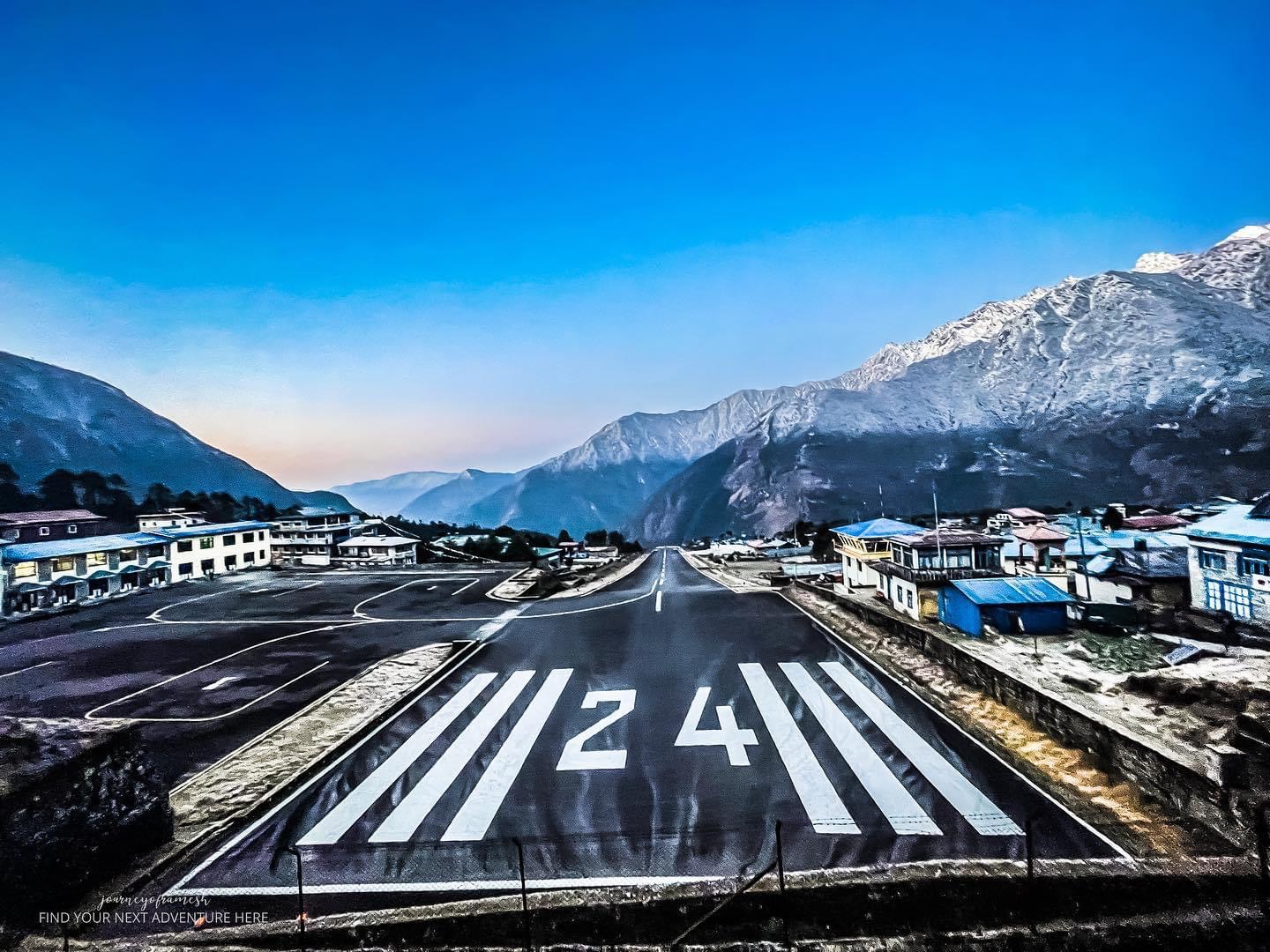
The trek begins with a scenic flight to Lukla, a small mountain airstrip known for its dramatic take-offs and landings. From Lukla, the trail gently ascends through forests of rhododendron, pine, and juniper, passing small villages, suspension bridges, and streams. Each day allows your body to adjust to higher altitudes while enjoying magnificent Himalayan views.
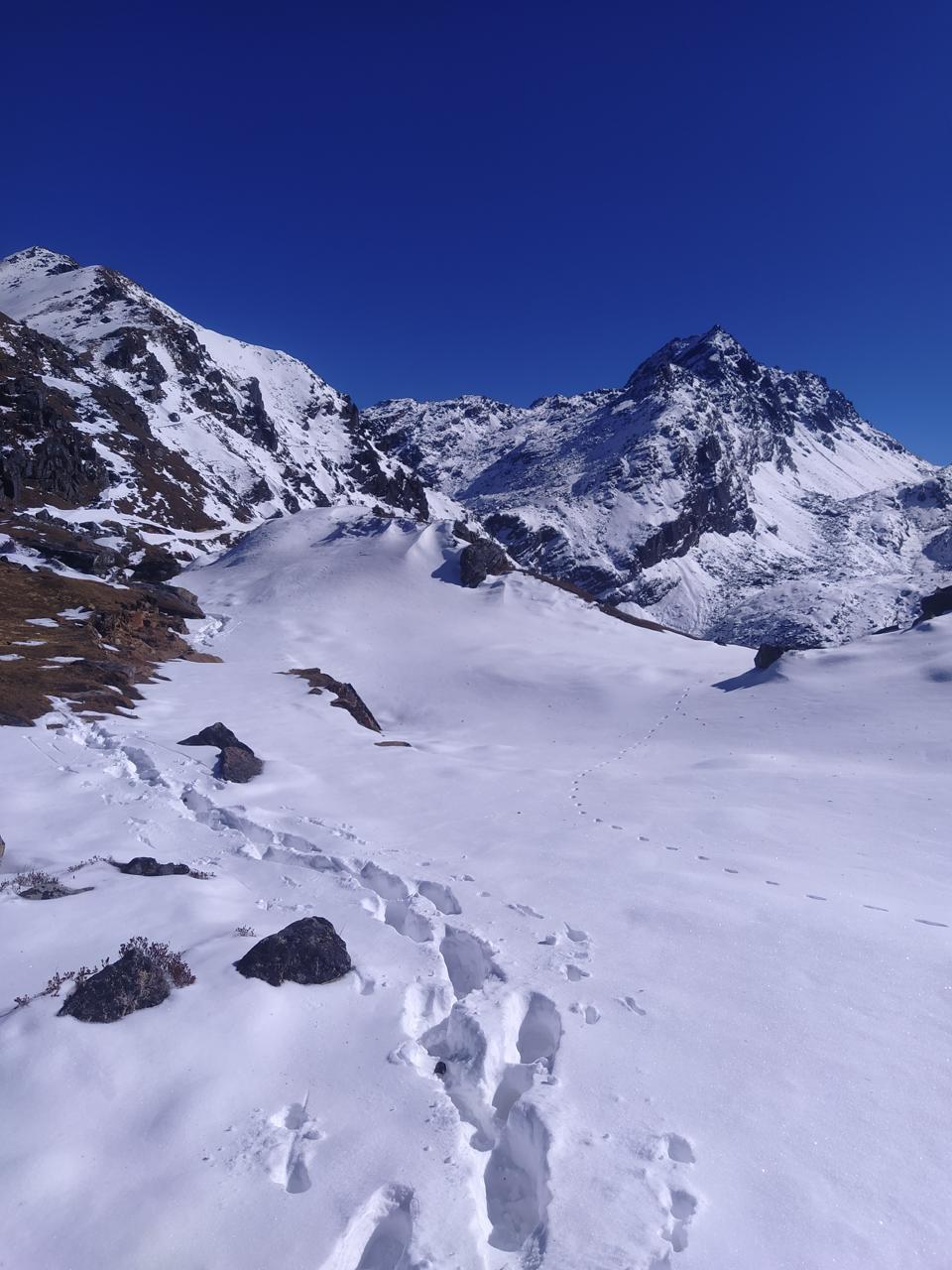
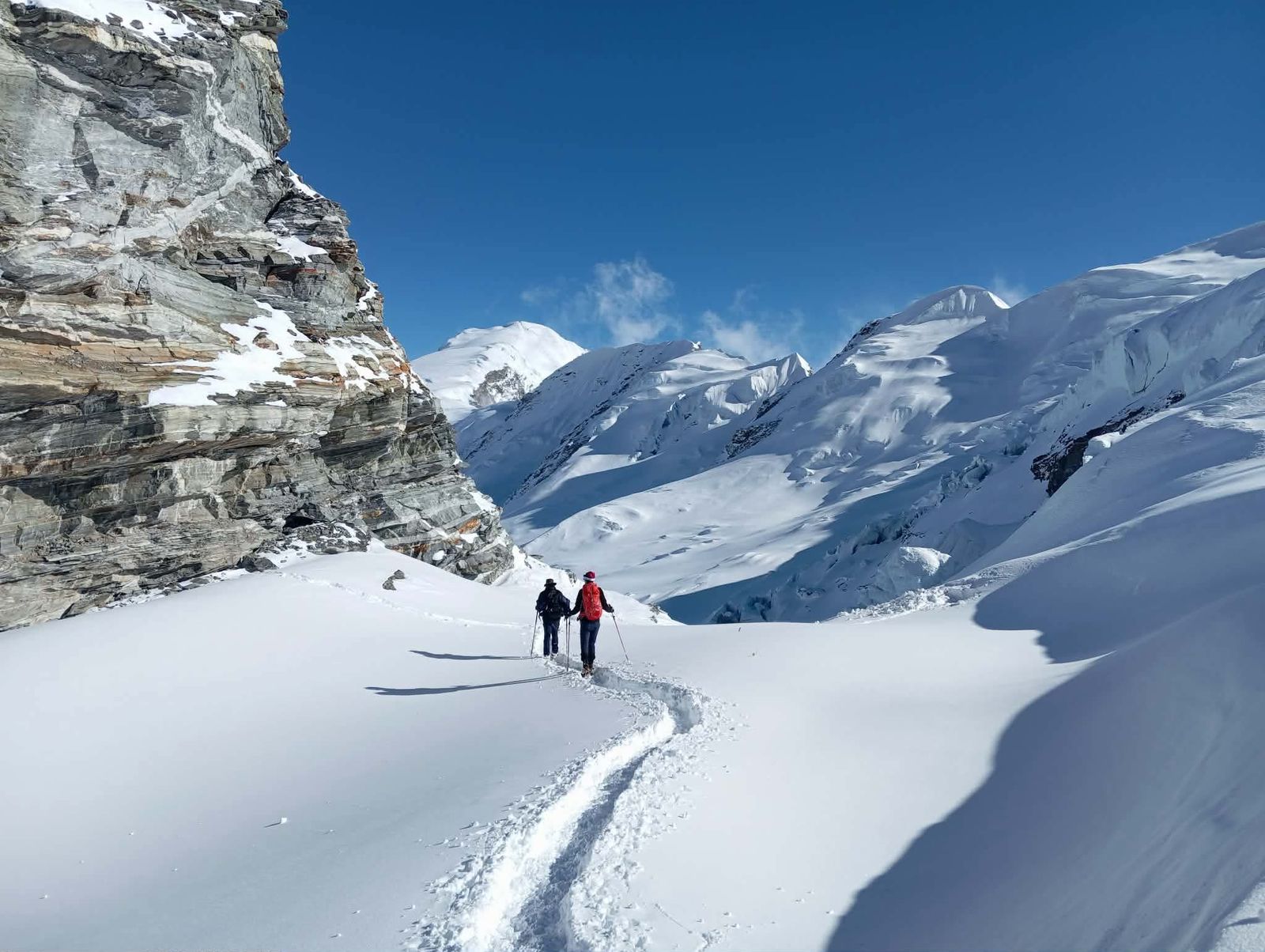
As you progress into the Hinku Valley, the landscape shifts from lush green forests to alpine meadows and rocky trails. Remote settlements and yak pastures punctuate the journey, giving trekkers a glimpse into the traditional high-altitude life of the Sherpa people. The valley remains less crowded than other trekking regions, ensuring a sense of solitude and exploration.
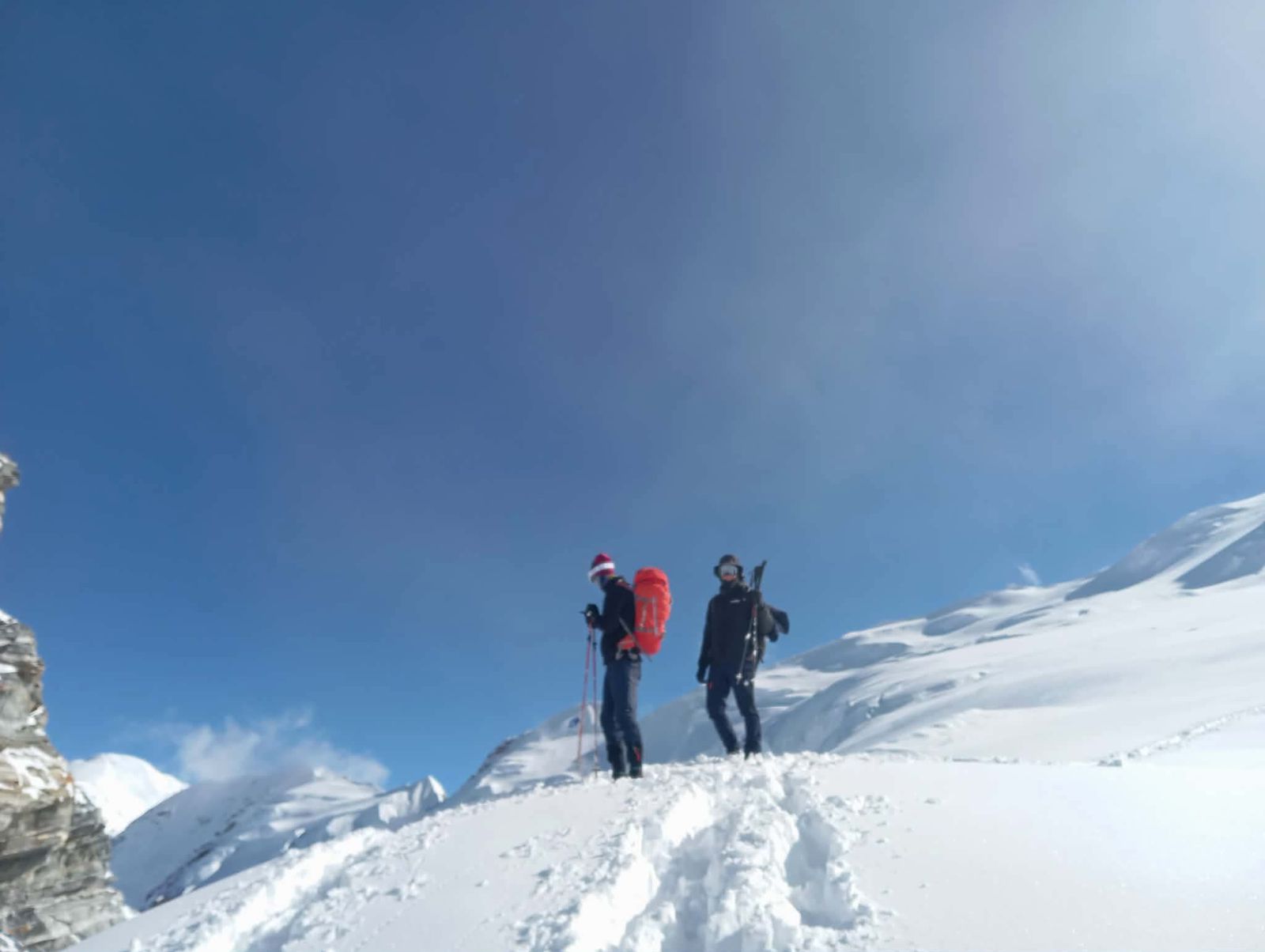
Upon reaching Thangnak and Khare, trekkers begin acclimatization and training for mountaineering. Days here are spent learning to use crampons, ice axes, and ropes under professional guidance, which prepares trekkers for the final summit push. These sessions not only improve safety but also build confidence in high-altitude climbing.
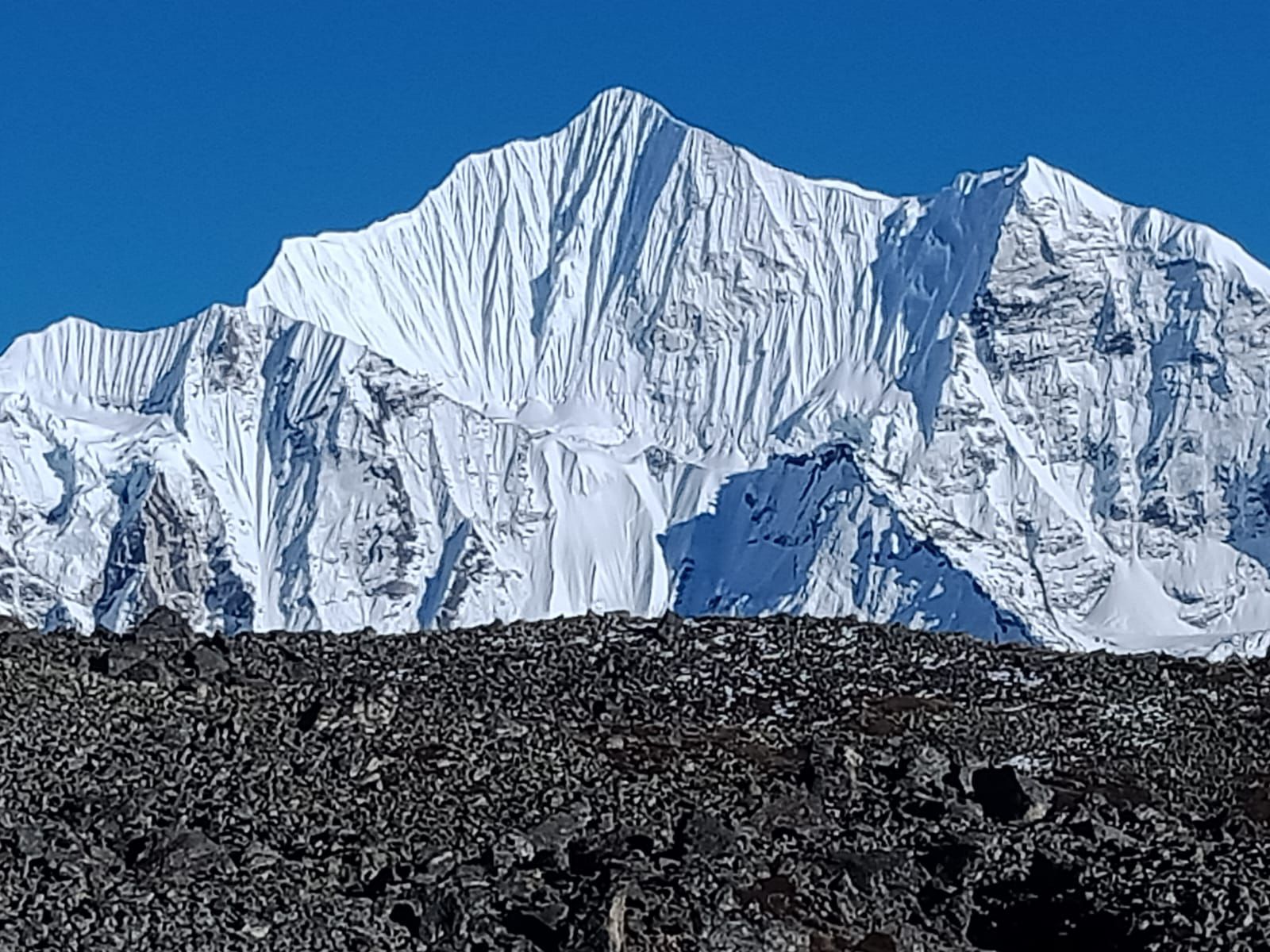
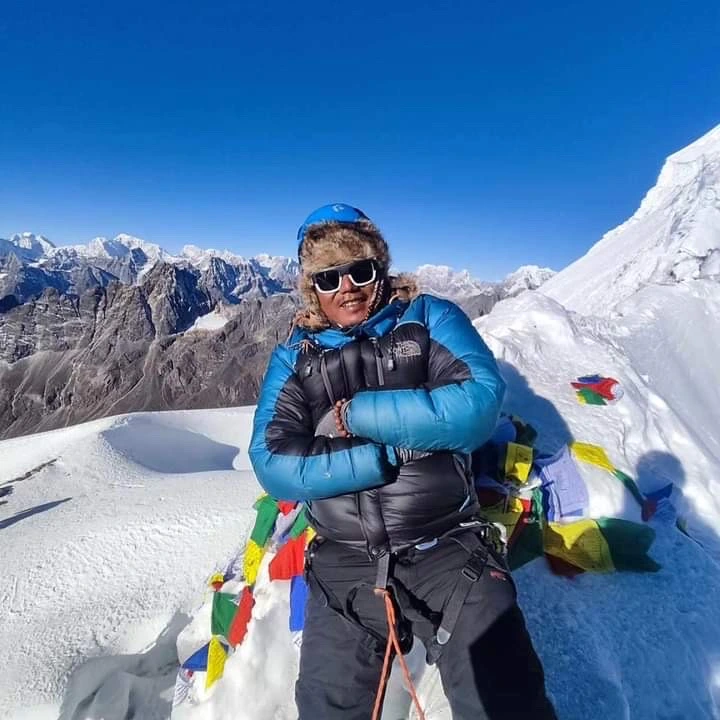
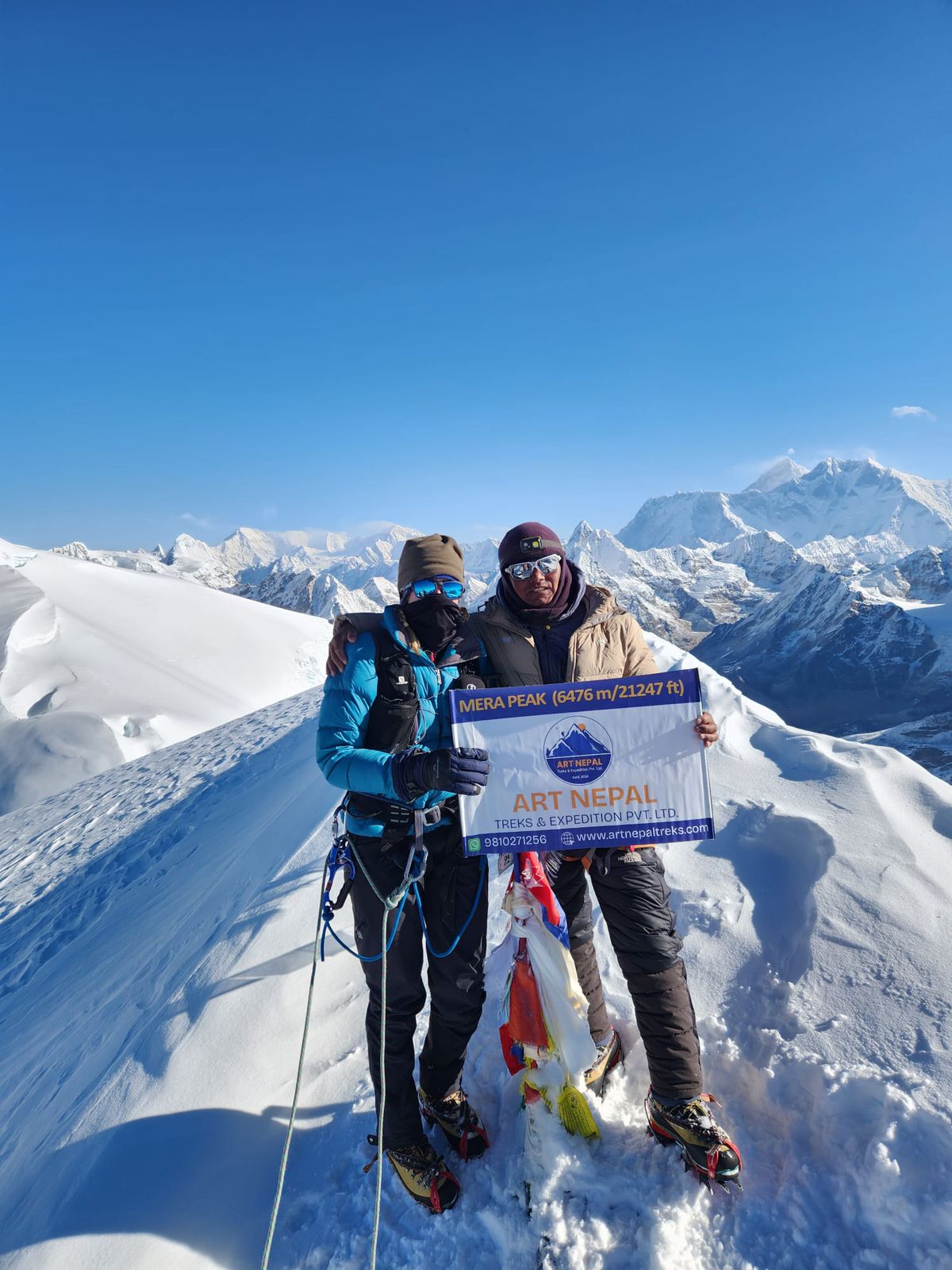
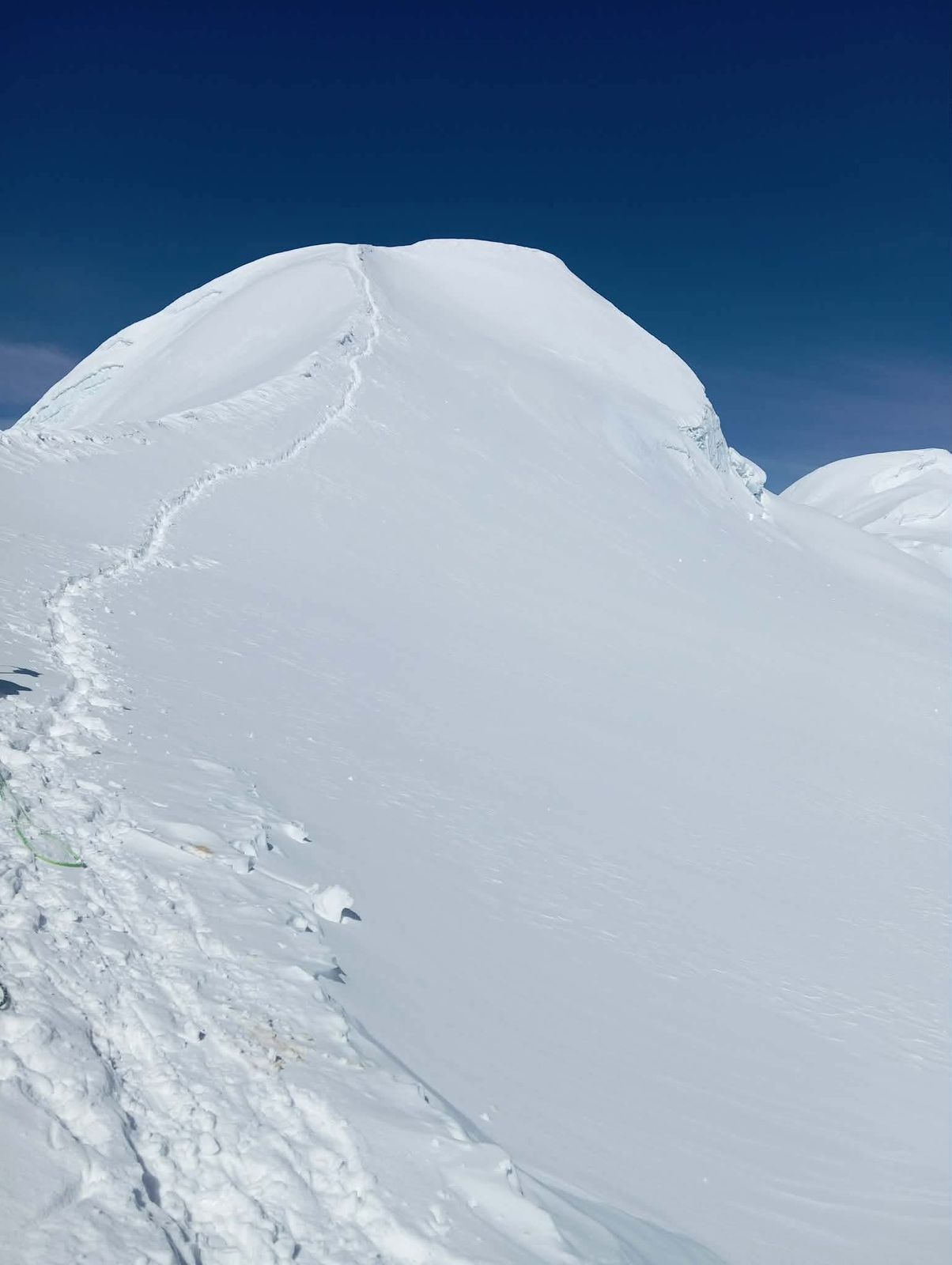
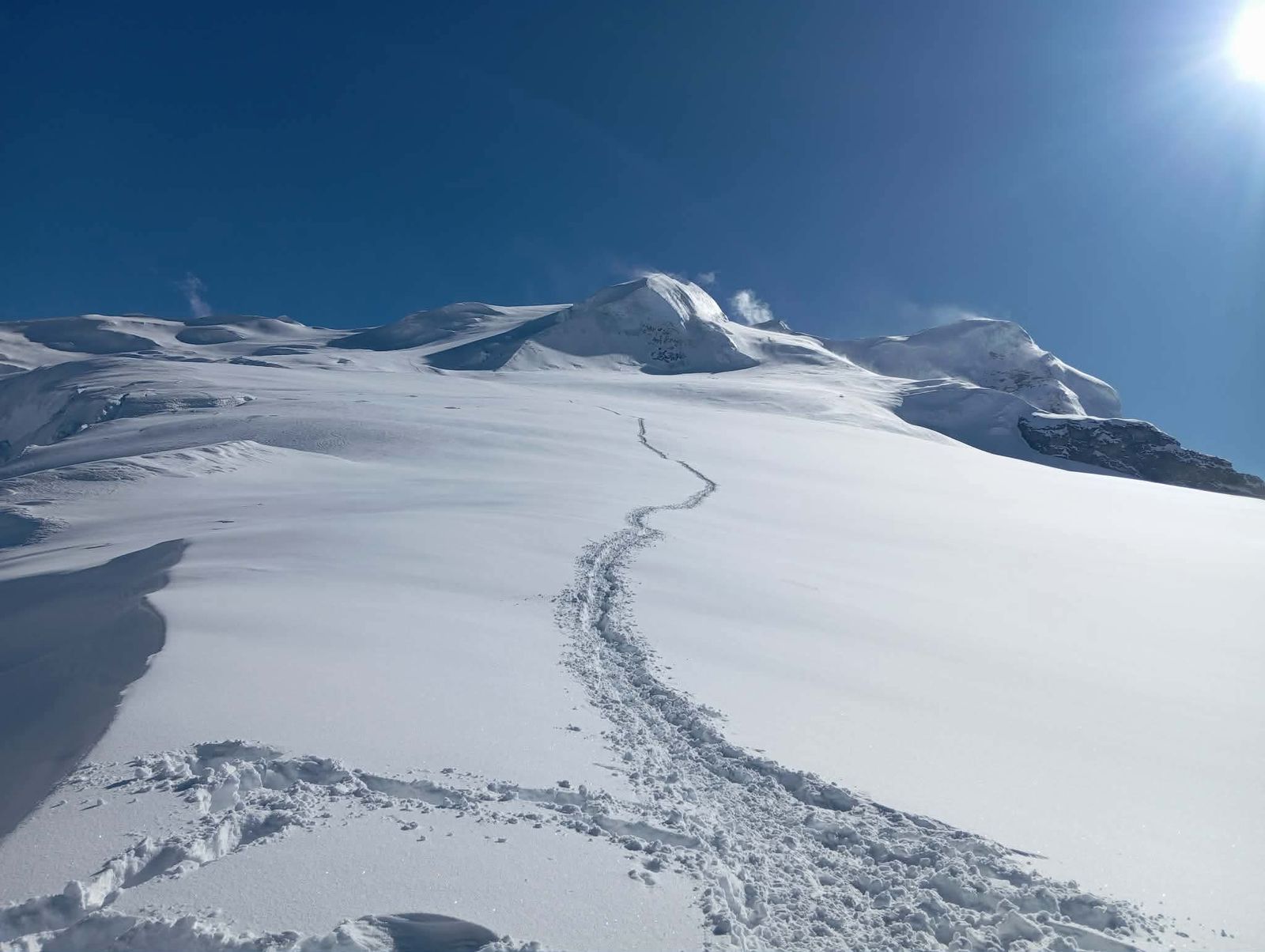
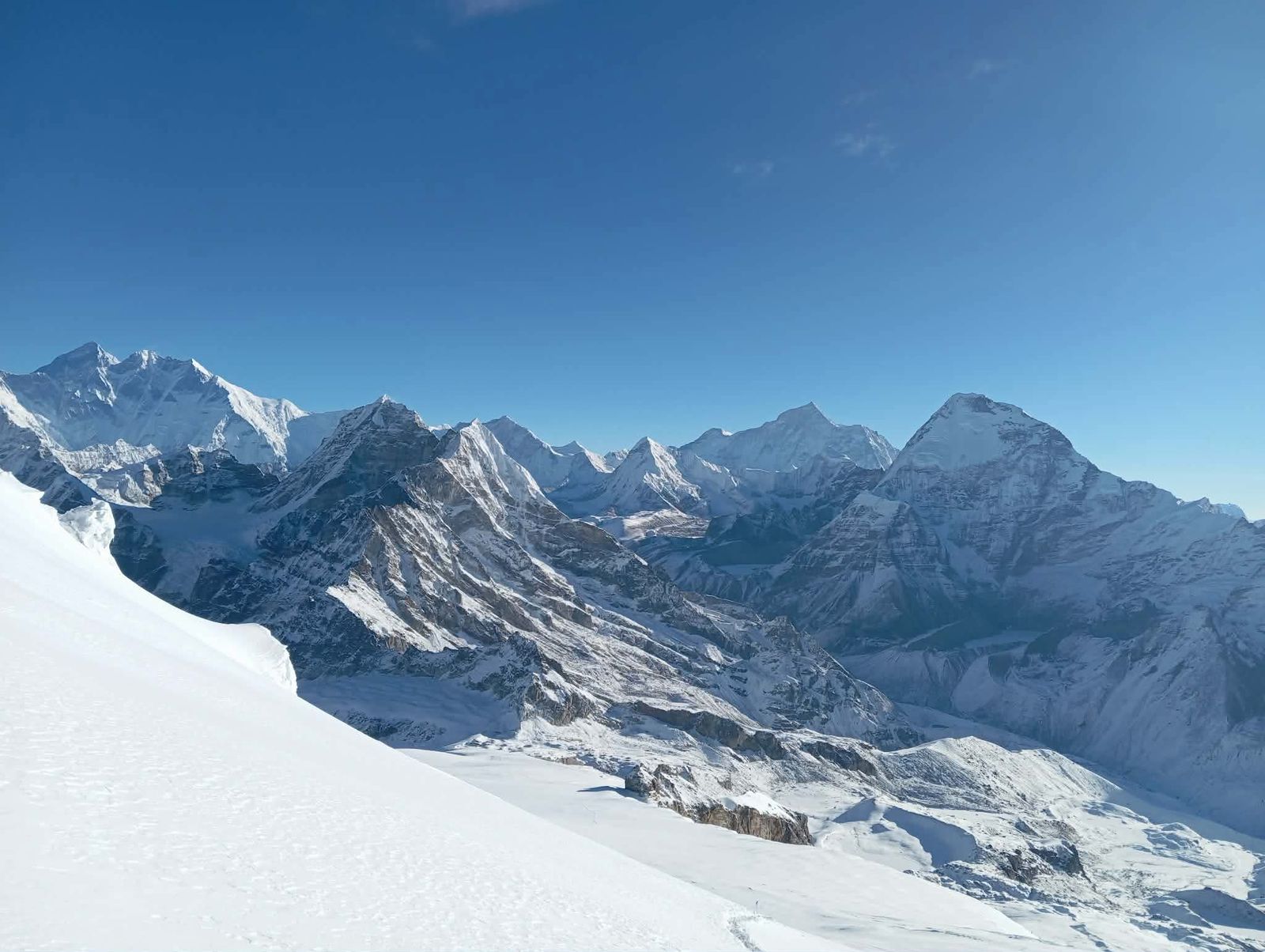
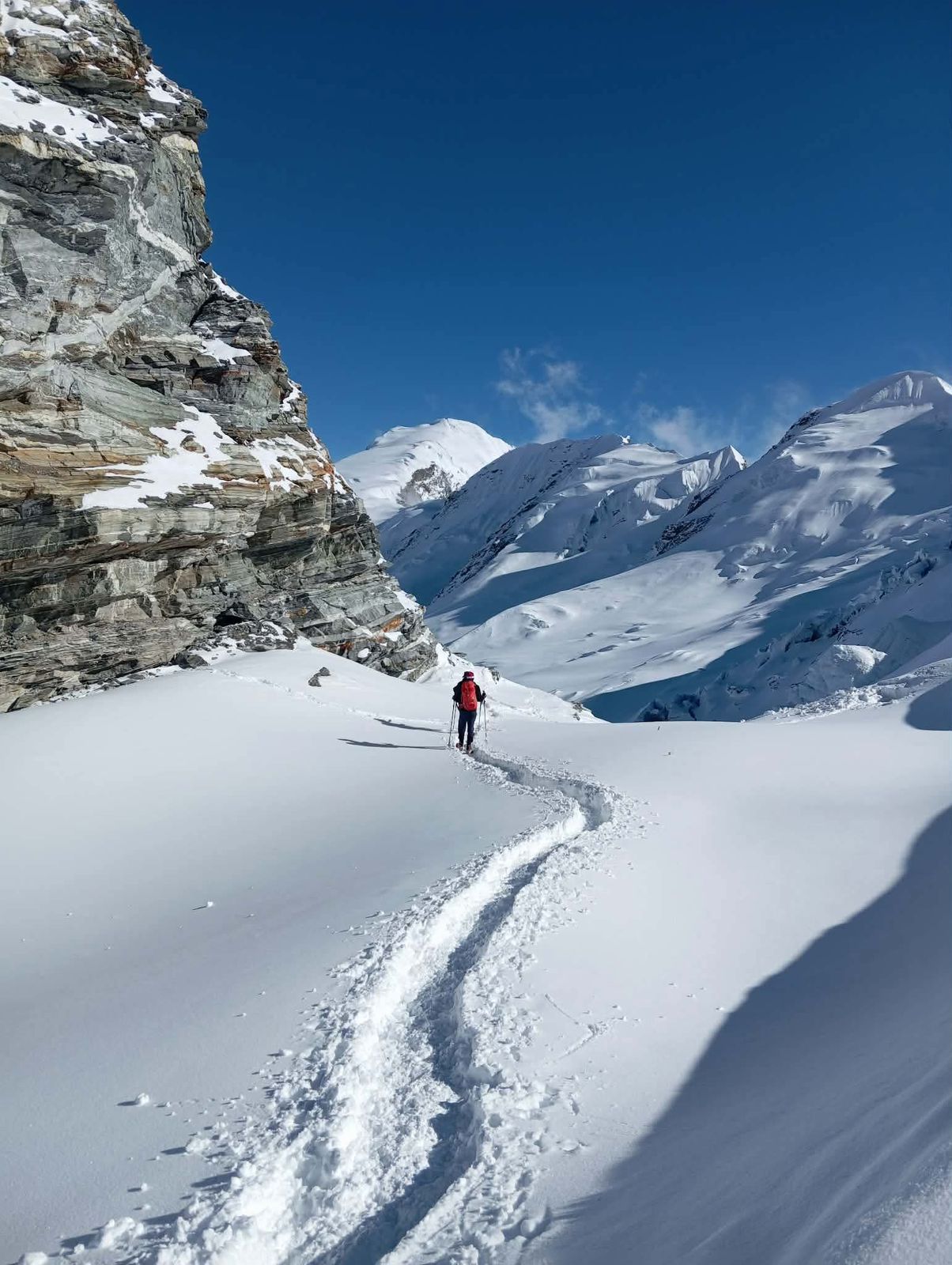
The final ascent to Mera Peak is an early morning climb to maximize safety and allow spectacular sunrise views. The summit offers panoramic vistas of five 8,000-meter peaks and surrounding valleys, making every step and effort worthwhile. Descending back to Khare and trekking to Lukla completes a journey filled with adventure, cultural immersion, and breathtaking Himalayan landscapes.
What Can You Expect from the Trek?
Mera Peak is designed for adventurers who want a blend of trekking and mountaineering. Trekkers can expect a physically challenging yet rewarding journey through some of Nepal’s most spectacular and remote landscapes.
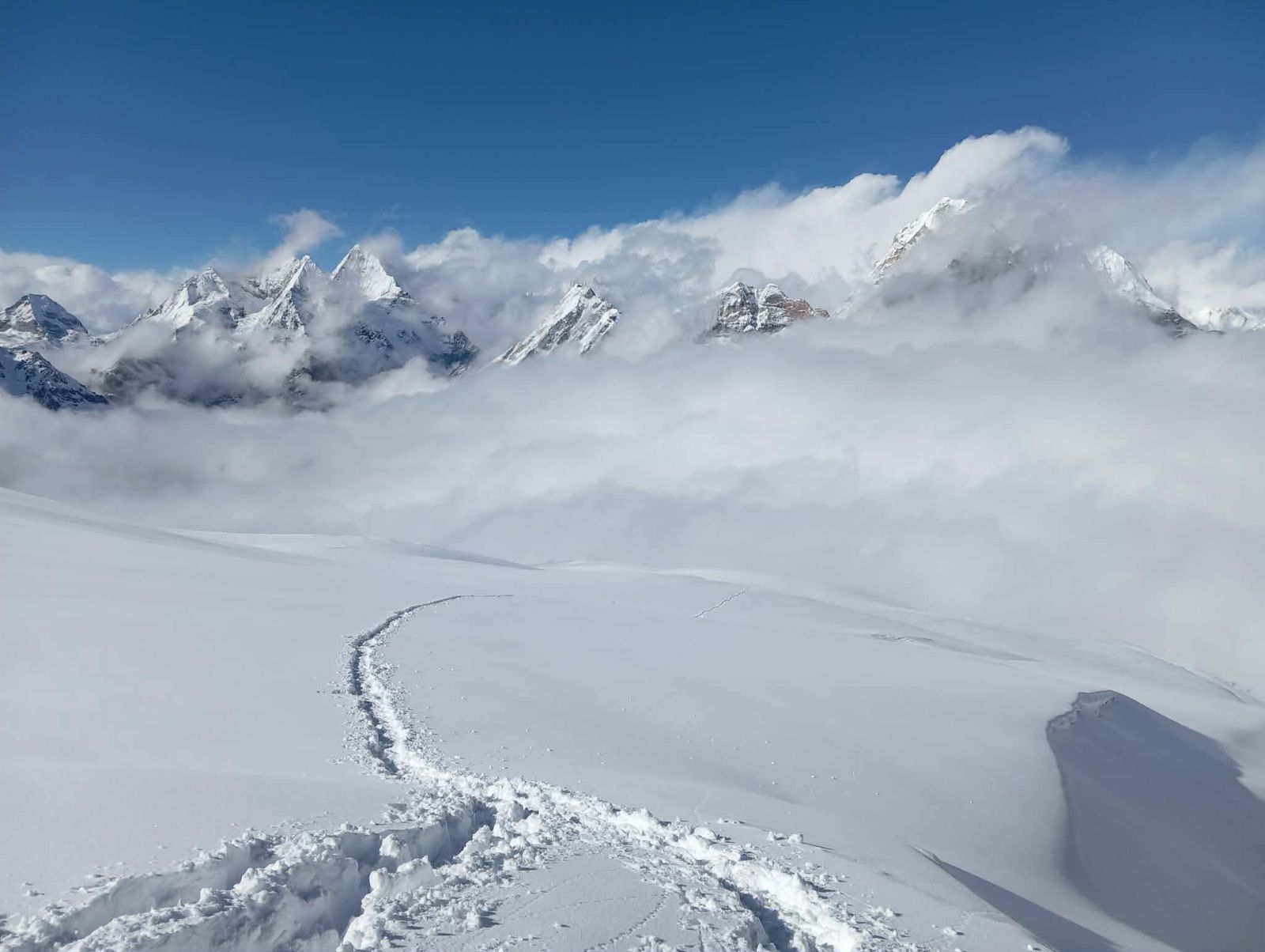
The trail begins with gentle ascents through lush forests and villages before gradually transitioning to alpine terrain with rocky paths and glaciers. You will spend several days at high altitude, giving you a chance to adapt while enjoying magnificent views of snow-capped peaks, waterfalls, and glacial rivers.
The trek also provides mountaineering exposure, including glacier walking and basic climbing techniques. The early morning summit day is physically demanding but extremely rewarding, offering views of Everest, Lhotse, Makalu, and Cho Oyu along with the sense of achievement of conquering one of Nepal’s highest trekking peaks.
Trek Expectations:
- Adventure & Challenge: Combination of trekking and mountaineering in high altitudes.
- Scenic Beauty: Panoramic views of five 8,000-meter peaks and surrounding valleys.
- Remote Experience: Less crowded trails through Hinku Valley.
- Cultural Immersion: Sherpa villages, monasteries, and traditional lifestyle.
- Mountaineering Skills: Glacier and ice climbing training.
Is Trek Suitable for You?
Mera Peak is suitable for adventurers with good physical fitness and willingness to endure high-altitude conditions. While beginners can attempt this trek with preparation and guidance, prior trekking experience will be an advantage.
Those who enjoy remote landscapes and quiet trails will find this trek extremely rewarding. The Hinku Valley offers solitude, cultural encounters, and peaceful surroundings, which may not be available in more popular trekking routes.
The trek is also suitable for first-time mountaineers aiming for a summit over 6,000 meters. Professional guidance and well-planned acclimatization days make it possible to complete the climb safely. Trekkers must be patient, disciplined, and prepared for long summit days and high-altitude conditions.
Suitability:
- Fitness Level: Moderate to high endurance needed.
- Adventure Enthusiasts: Ideal for those seeking both trekking and climbing experiences.
- Cultural Exposure: Remote Sherpa villages and monasteries.
- Mountaineering: Basic training provided for beginners.
- Age & Health: Suitable for healthy adults with no severe medical conditions.
How to Get Prepared for the Trek?
Preparation is the key to a safe and enjoyable expedition. Physical training should focus on cardiovascular endurance, strength training, and hiking practice. Long hikes with a weighted backpack will simulate actual trekking conditions and improve stamina.
Acclimatization is equally important. Trekkers must allow their bodies time to adjust to higher altitudes to prevent altitude sickness. Drinking enough water, consuming high-energy foods, and resting properly are essential during the journey.
Gear preparation is vital for comfort and safety. Trekkers should have layered clothing, trekking boots, crampons, an ice axe, gloves, sunglasses, and a high-quality sleeping bag. Personal items like first-aid kits, trekking poles, and water bottles also improve trekking efficiency and safety.
Preparation :
- Fitness Training: Hikes, cardio, and strength exercises.
- Acclimatization: Gradual ascent, rest, and hydration.
- Gear & Equipment: Layered clothing, mountaineering tools, trekking essentials.
- Nutrition: Balanced diet with snacks and hydration.
- Mental Readiness: Patience, perseverance, and positive attitude.
-
Trip Duration
12 Days/11 Nights
-
Group Size
1–20 people
-
Maximum Altitude
6,476 m (Mera Peak)
-
Trip Difficulty
Challenging
-
Activities
Trekking, mountaineering, glacier walking, summit climbing
-
Best Season
March–May, September–November
-
Trip Start & End
Kathmandu-Kathmandu
-
Meals
Breakfast, Lunch, Dinner
-
Accomodation
Teahouses & tents
Highlights
- Summit Mera Peak (6,476m) – Achieve one of Nepal’s most rewarding trekking peaks. Reaching the summit gives you a sense of accomplishment and an unforgettable memory.
- Panoramic Himalayan Views – From the high camps and summit, see towering peaks including Everest, Lhotse, Makalu, Cho Oyu, and other majestic mountains. The vast panorama is one of the most spectacular in the Himalayas.
- Remote Hinku Valley – Trek through a pristine and less-visited region, where trails wind through traditional Sherpa villages, forests, and yak pastures. Enjoy peaceful surroundings with minimal trekking traffic.
- Glacier Trekking & Mountaineering Experience – Practice climbing techniques, using crampons and ice axes on glaciers. The trek provides practical exposure to alpine mountaineering under expert guidance.
- Cultural Immersion – Encounter Sherpa culture, visit small monasteries, and observe the daily life of high-altitude communities. Learn about their traditions, architecture, and lifestyle.
- Adventure & Challenge – The trek combines physically demanding terrain with rewarding views, offering a true Himalayan adventure suitable for moderately experienced trekkers.
These highlights showcase both the natural and cultural richness of the Mera Peak region while emphasizing adventure, challenge, and personal achievement.
Itinerary
Day 01
Upon arrival at Tribhuvan International Airport in Kathmandu, you will be warmly welcomed by your guide or representative who will assist with airport formalities and transfer you to your hotel. Kathmandu, the bustling capital city of Nepal, offers a vibrant mix of traditional culture and modern urban life. In the evening, you will meet your professional trekking guide for a detailed briefing on the upcoming expedition. This is an essential step to understand the itinerary, review your climbing gear, and ensure all necessary permits and documents for Mera Peak are in order. You may also take this time to explore the lively streets of Thamel, filled with shops, restaurants, and local markets.
This day is designed to help you settle in, adjust to the environment, and mentally prepare for the adventure ahead. It is an ideal time to get familiar with the gear you will use, check boots, harnesses, crampons, and other essential equipment. Your guide will also provide tips for high-altitude trekking, hydration strategies, and safety precautions. Although there is no trekking today, the brief exposure to Kathmandu’s altitude and local environment sets the stage for a smooth start to your journey in the Himalayas.
Altitude:
1400 mMeal:
DinnerAccomodation :
Hotel in KathmanduDay 02
The adventure officially begins with a spectacular flight from Kathmandu to Lukla Airport, one of the most scenic and thrilling airport experiences in the world. The flight offers breathtaking views of the Himalayan ranges, including peaks like Langtang, Nuptse, and Everest on clear days. Upon arrival in Lukla, you will begin your trek, following trails lined with pine and rhododendron forests, crossing suspension bridges over rushing rivers, and passing small Sherpa villages that offer a glimpse of traditional mountain life. The trekking pace is moderate, allowing time to acclimatize and enjoy the surrounding scenery.
Your destination for the day is Paiya, a quiet village situated amidst the lush hills of the Hinku Valley. The trail is gentle and scenic, making it an excellent opportunity for your body to adapt to the gradual increase in altitude. Along the way, you will see local farming practices, stone houses with colorful prayer flags, and streams flowing down from the mountains. Paiya offers a peaceful setting for your first night in the mountains, with teahouse accommodations and warm meals prepared by local hosts. This first day of trekking sets the tone for the journey ahead and introduces you to the rhythm of Himalayan trekking life.
Trip Duration:
5–6 hoursTrip Distance:
~8–10 kmAltitude:
2730 mMeal:
Breakfast, Lunch, DinnerAccomodation :
Teahouse in PaiyaDay 03
The trek today takes you from Paiya to Panggom, a serene village surrounded by dense rhododendron forests and terraced farmland. The trail is relatively quiet, allowing you to enjoy the sounds of flowing streams, birdcalls, and the gentle rustle of the wind in the trees. You will pass small stone houses adorned with colorful prayer flags and may encounter local villagers going about their daily routines, offering a glimpse into authentic Himalayan life. The trail gradually ascends, giving you panoramic views of distant snow-capped peaks and verdant valleys. Today’s trek is peaceful and provides an excellent opportunity to acclimatize, absorb the natural beauty, and capture memorable photographs of the surrounding landscapes.
Panggom itself is a cozy stopover, with basic teahouse accommodations offering warm meals and friendly hospitality. Here, trekkers often feel the increasing altitude slightly, so it’s important to maintain a slow and steady pace while sipping plenty of water. This part of the trek is ideal for observing local flora and fauna, including alpine flowers, wild birds, and, if lucky, Himalayan monkeys. In the evening, gather around for dinner with fellow trekkers, exchange stories, and prepare mentally for the more challenging days ahead.
Trip Duration:
5–6 hoursTrip Distance:
~10 kmAltitude:
2850 mMeal:
Breakfast, Lunch, DinnerAccomodation :
Teahouse in PanggomDay 04
Today’s trek leads you deeper into the remote Hinku Valley, moving from Panggom to Ningsow. The trail gently winds through mixed forests of rhododendron and pine, occasionally opening up to reveal majestic views of high Himalayan peaks shimmering in the distance. You will cross small streams and encounter occasional yak herders tending their flocks, offering a sense of the traditional mountain lifestyle that has persisted for centuries. The pace is moderate, allowing your body to adjust to the increasing altitude, and the day is less crowded, offering solitude and a closer connection with nature.
Ningsow is a small, rustic settlement with limited yet comfortable teahouse accommodations. The village’s simplicity is part of its charm, providing an authentic Himalayan experience. After reaching Ningsow, trekkers can take short walks to explore the surrounding hills, interact with local families, or simply relax and enjoy the fresh mountain air. Evening meals are typically home-cooked, featuring local staples like dal bhat (lentils and rice), vegetables, and occasional meat dishes, providing nourishment for the challenging days ahead.
Trip Duration:
5–6 hoursTrip Distance:
~9 kmAltitude:
2860 mMeal:
Breakfast, Lunch, DinnerAccomodation :
Teahouse in NingsowDay 05
The trek from Ningsow to Chhatra Khola is longer and slightly more challenging, with varied terrain that includes forested paths, small ridges, and river crossings. The trail begins with gentle ascents, offering uninterrupted views of the surrounding valleys and snow-capped peaks. As you progress, the scenery becomes wilder and more remote, with fewer trekkers and an increasing sense of solitude. The Hinku River flows alongside the trail in parts, adding a serene soundtrack to your journey, while alpine vegetation begins to replace dense forests. This day is crucial for building stamina and preparing your body for higher altitudes in the coming days.
Chhatra Khola is nestled beside the river, offering scenic beauty and tranquil surroundings. The teahouses here provide basic but warm accommodations and nourishing meals, ideal for a restful night after a long day of trekking. Afternoon walks in the area allow you to acclimatize further, and the sunset over the distant peaks is often breathtaking. This part of the trek also offers glimpses of wildlife, such as Himalayan pheasants, langurs, and mountain goats, enhancing the connection to the natural environment.
Trip Duration:
6–7 hoursTrip Distance:
~11 kmAltitude:
3122 mMeal:
Breakfast, Lunch, DinnerAccomodation :
Teahouse in Chhatra KholaDay 06
The journey today leads you from Chhatra Khola to Kothe, as the trail follows the Hinku River through increasingly alpine terrain. The forest gradually thins, revealing rolling hills dotted with shrubs and small meadows, allowing expansive views of towering peaks. You may spot Himalayan blue sheep or mountain goats grazing along the slopes, and the occasional fluttering prayer flags signal the presence of remote villages and monasteries. The trek is steady but invigorating, with occasional river crossings and moderate ascents, offering both physical challenge and visual reward. Walking at a relaxed pace is essential to help your body adjust to the altitude.
Kothe is a small settlement with cozy teahouse accommodations, providing warmth, rest, and nourishing meals. The village is quiet and peaceful, making it ideal for reflection and preparation for higher altitudes. The afternoon offers opportunities for short acclimatization walks or exploring the nearby hillsides to admire the sunset over the majestic Himalayan peaks. Evenings in Kothe are calm, allowing trekkers to bond over meals, discuss trekking plans, and absorb the serenity of this remote region.
Trip Duration:
5–6 hoursTrip Distance:
~10 kmAltitude:
3600 mMeal:
Breakfast, Lunch, DinnerAccomodation :
Teahouse in KotheDay 07
Today’s trek takes you to Thangnak, a significant stop as you approach the base of Mera Peak. The path is steeper, demanding a slow and steady pace to acclimatize properly. As you ascend, the views become more dramatic, with glaciers shimmering in the distance and towering peaks such as Mera, Baruntse, and Makalu dominating the skyline. The terrain transitions from green alpine meadows to rocky paths with sparse vegetation, creating a sense of raw mountain wilderness. This is a shorter day of trekking, allowing your body to adjust to the increasing altitude and preparing for the challenging days ahead.
Thangnak provides basic teahouse accommodations that cater to trekkers preparing for high-altitude climbs. Even though facilities are limited, the warmth of the tea and meals, combined with the breathtaking surroundings, make it an ideal place for rest. Afternoon walks in the surrounding area allow trekkers to further acclimatize, and evening discussions about climbing techniques and safety procedures often take place with the guides. The view of Mera Peak from Thangnak is inspiring, motivating trekkers for the summit push in the coming days.
Trip Duration:
4–5 hoursTrip Distance:
~8 kmAltitude:
4350 mMeal:
Breakfast, Lunch, DinnerAccomodation :
Teahouse in ThangnakDay 08
The trek from Thangnak to Khare is shorter in distance but crucial for acclimatization and summit preparation. The trail climbs steadily along rocky and glacial paths, and trekkers will begin to feel the effects of higher altitude, making it essential to walk slowly, rest frequently, and stay well-hydrated. As you approach Khare, you are greeted by panoramic views of Mera Peak, the surrounding glaciers, and nearby Himalayan giants like Makalu and Cho Oyu. The area is remote, quiet, and isolated, emphasizing the sense of adventure and the challenge that lies ahead.
Khare is the primary base for climbers preparing to ascend Mera Peak. The teahouse accommodations are basic but adequate, and the focus here is on rest, acclimatization, and climbing preparation. In the afternoon, trekkers often engage in short walks, light exercises, and discussions with guides about route strategy and safety measures. Evening meals are hearty and designed to provide maximum energy for the upcoming climb. Nights at Khare are cold and crisp, offering clear starry skies and a true sense of Himalayan wilderness.
Trip Duration:
3–4 hoursTrip Distance:
~6 kmAltitude:
5045 mMeal:
Breakfast, Lunch, DinnerAccomodation :
Teahouse in KhareDay 09
Today is a rest and acclimatization day at Khare, dedicated to preparing for the climb of Mera Peak. Trekkers receive practical training on using crampons, ice axes, and ropes, ensuring everyone is familiar with essential mountaineering techniques. The day also includes orientation on high-altitude safety, weather assessment, and summit strategies. Short hikes around Khare allow the body to adjust further to the altitude while providing more spectacular views of the surrounding peaks and glaciers.
The focus is on rest, nutrition, and mental preparation. The guides help climbers understand pacing, energy management, and safety procedures for glacier travel. Evenings are spent in group discussions, reviewing technical skills, and finalizing gear checks. This day is vital for acclimatization, as proper preparation reduces the risk of altitude sickness and ensures a safer summit attempt.
Trip Duration:
Full dayAltitude:
5045 mMeal:
Breakfast, Lunch, DinnerAccomodation :
Teahouse in KhareDay 10
The trek today is a steady climb from Khare to Mera High Camp, situated at 5,780 meters. The trail follows glaciers and rocky ridges, offering spectacular views of Everest, Lhotse, Makalu, and Cho Oyu. The climb is challenging due to the high altitude, but the gradual ascent allows climbers to adjust. Guides lead the way, ensuring everyone is following proper pacing and using climbing equipment safely. Walking slowly and taking frequent breaks is essential, and the surroundings are dramatic and awe-inspiring.
High Camp is a simple base with temporary shelters or tents for climbers. Here, trekkers rest, hydrate, and prepare mentally for the summit attempt scheduled for the next day. The afternoon is often spent checking equipment, reviewing climbing techniques, and taking short walks to adjust to the altitude. The location offers one of the most breathtaking high-altitude environments in Nepal, with glaciers and peaks all around.
Trip Duration:
4–5 hoursTrip Distance:
~6 kmAltitude:
5780 mMeal:
Breakfast, Lunch, DinnerAccomodation :
Tent in High CampDay 11
Summit day begins very early, usually between 2–3 AM, to ensure a safe climb and descent before the weather changes. The climb is strenuous and requires full concentration, using crampons and ice axes on steep snow and ice slopes. The effort is rewarded with breathtaking panoramic views of Everest, Lhotse, Makalu, Cho Oyu, and countless other Himalayan peaks. The summit offers an unparalleled sense of achievement and a photo opportunity of a lifetime.
After reaching the top, climbers carefully descend back to High Camp and then continue down to Khare for rest. The day is physically demanding, so hydration, nutrition, and steady pacing are crucial. Upon return, trekkers are welcomed with warm meals and the satisfaction of completing a high-altitude climb. Evening discussions often include reflections on the climb, sharing experiences, and celebrating the achievement together.
Trip Duration:
8–10 hoursTrip Distance:
~10 kmAltitude:
6476 mMeal:
Breakfast, Lunch, DinnerAccomodation :
Teahouse in KhareDay 12
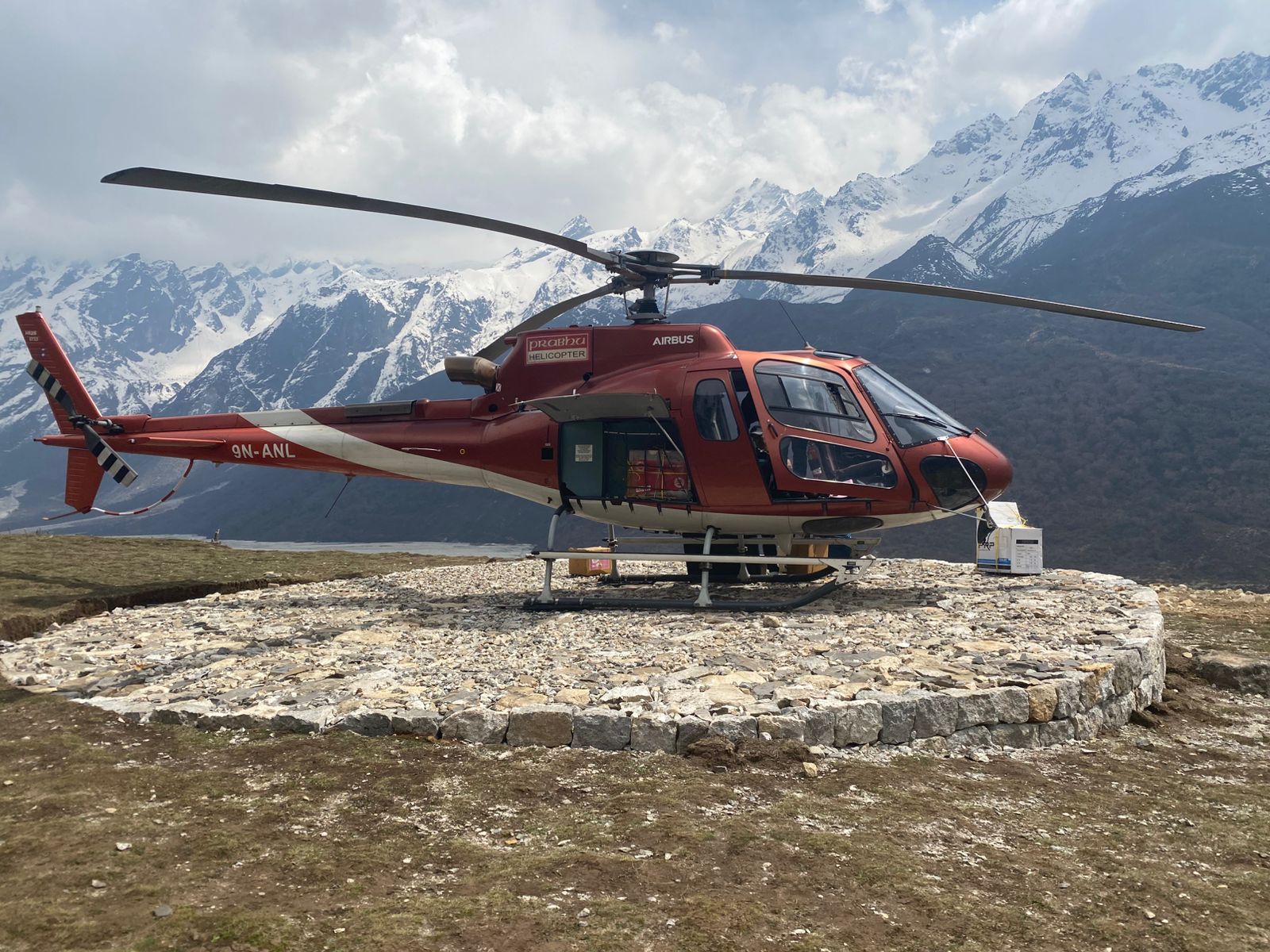
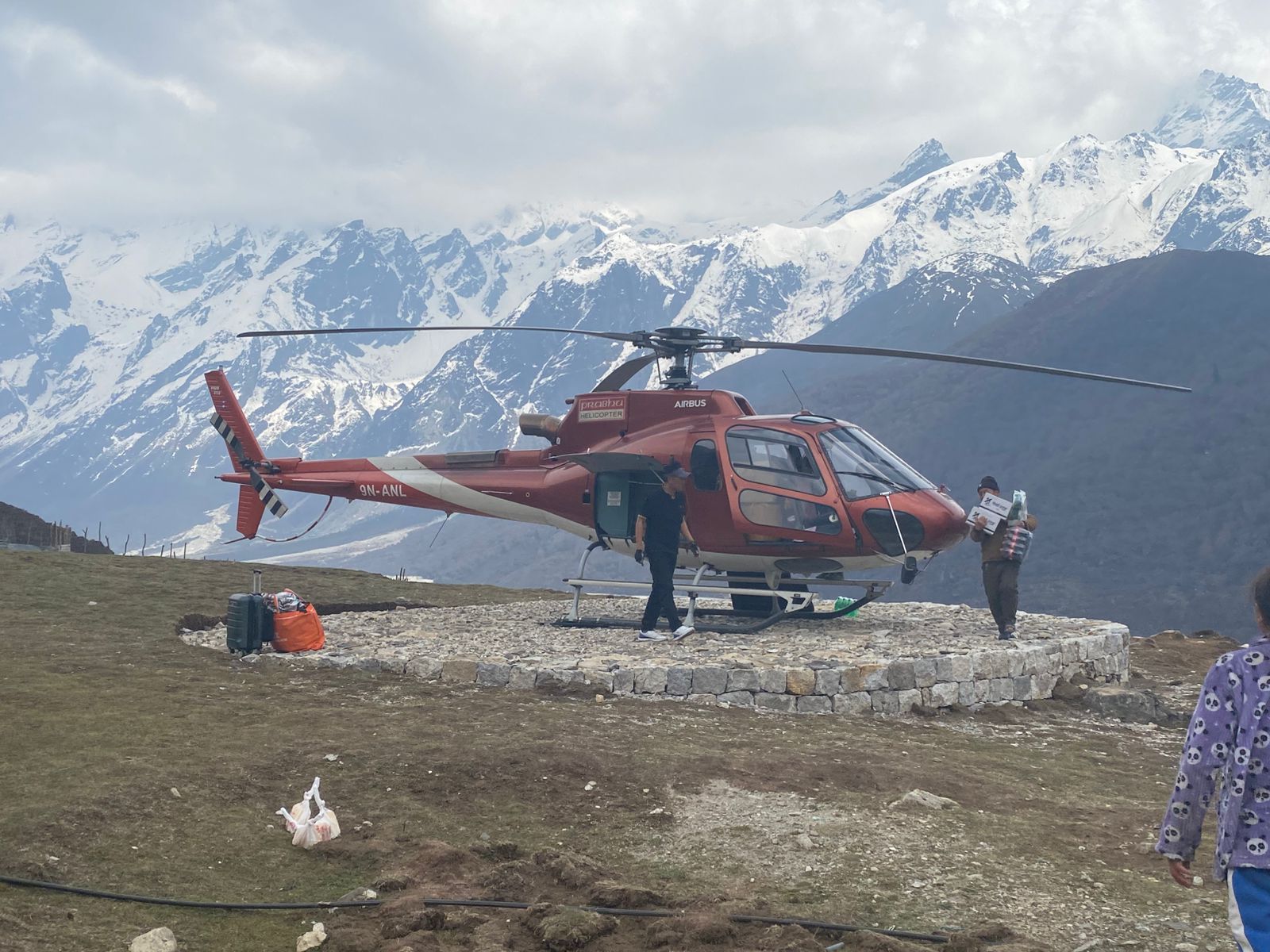
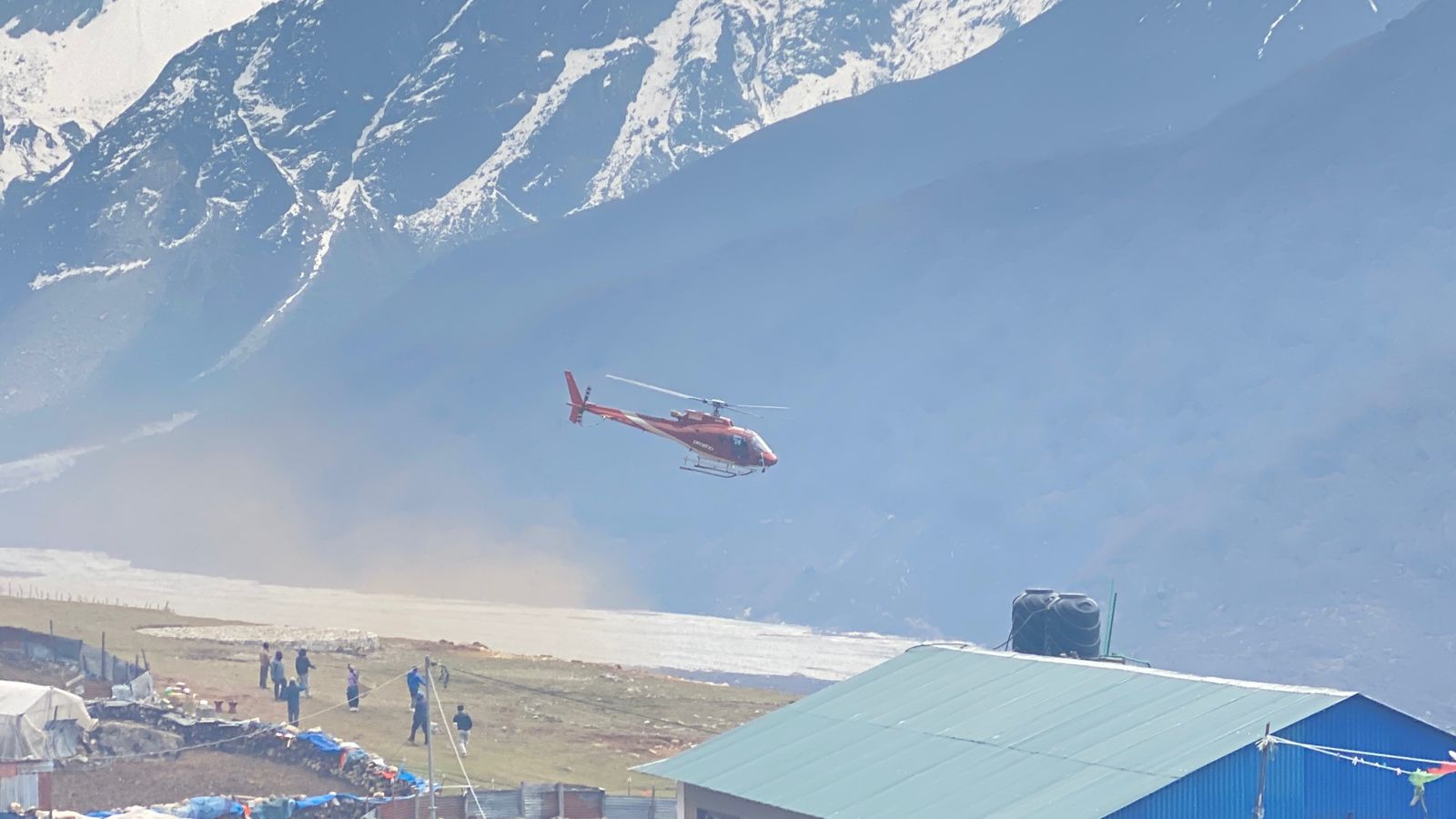
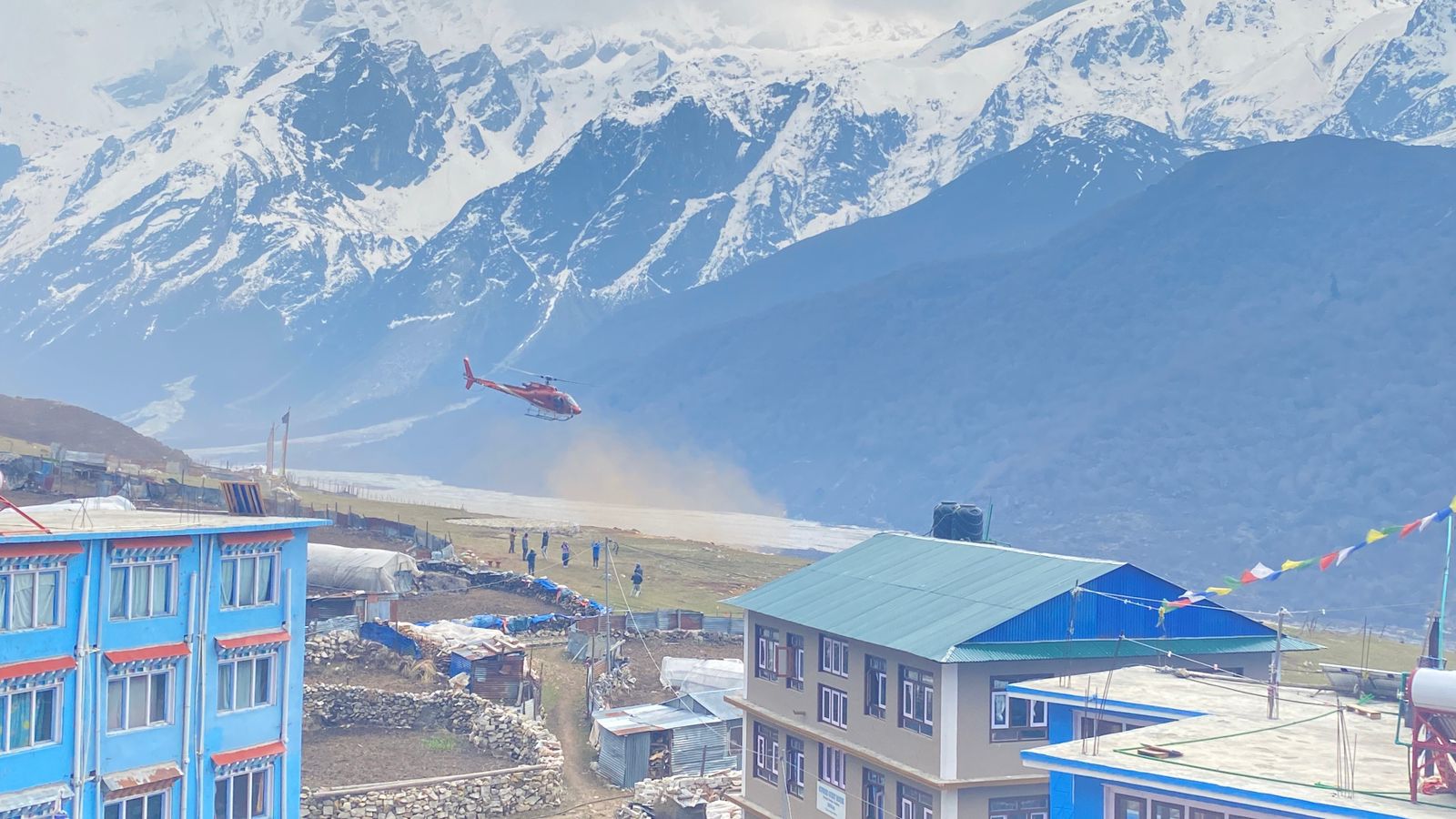
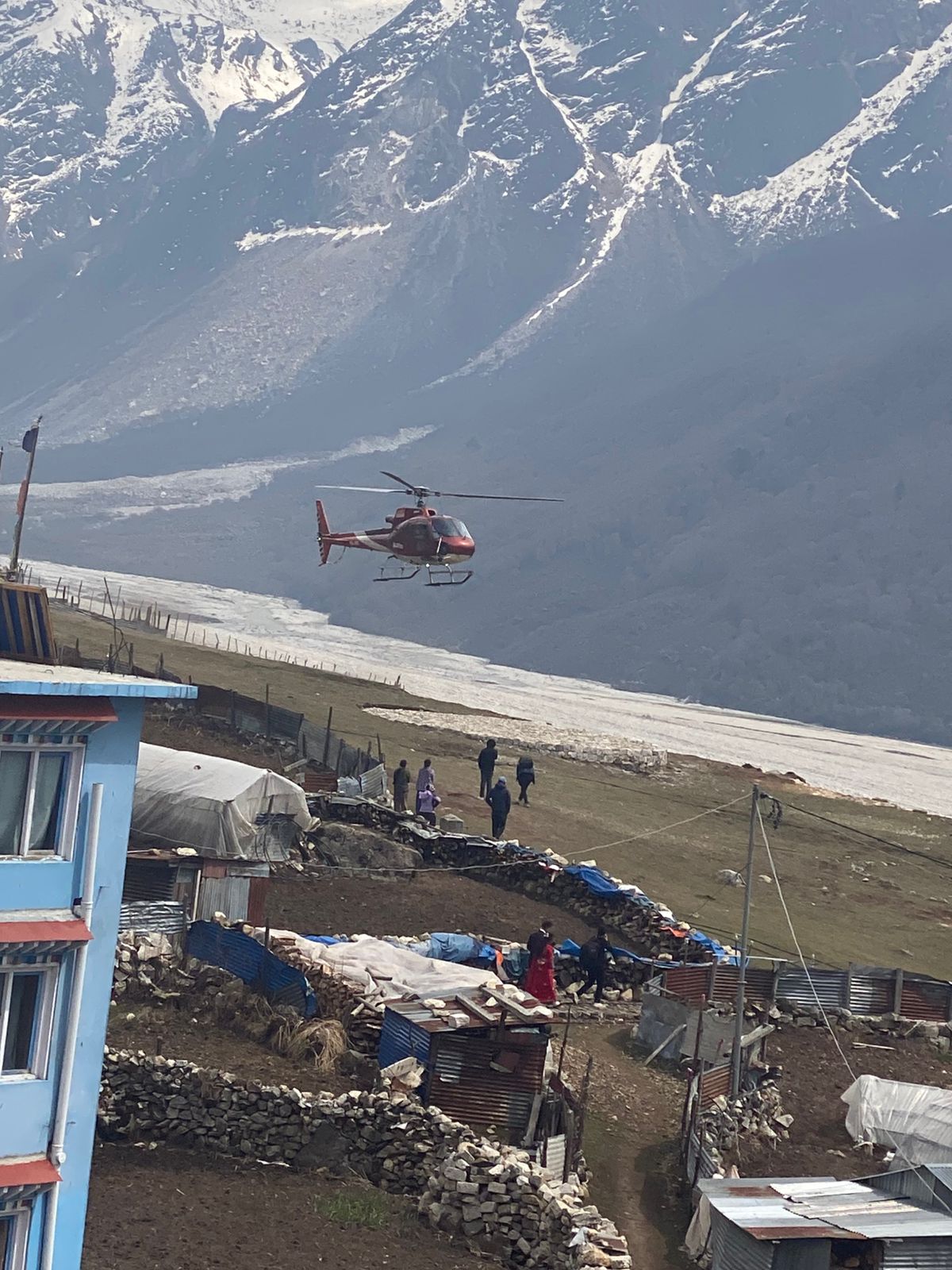
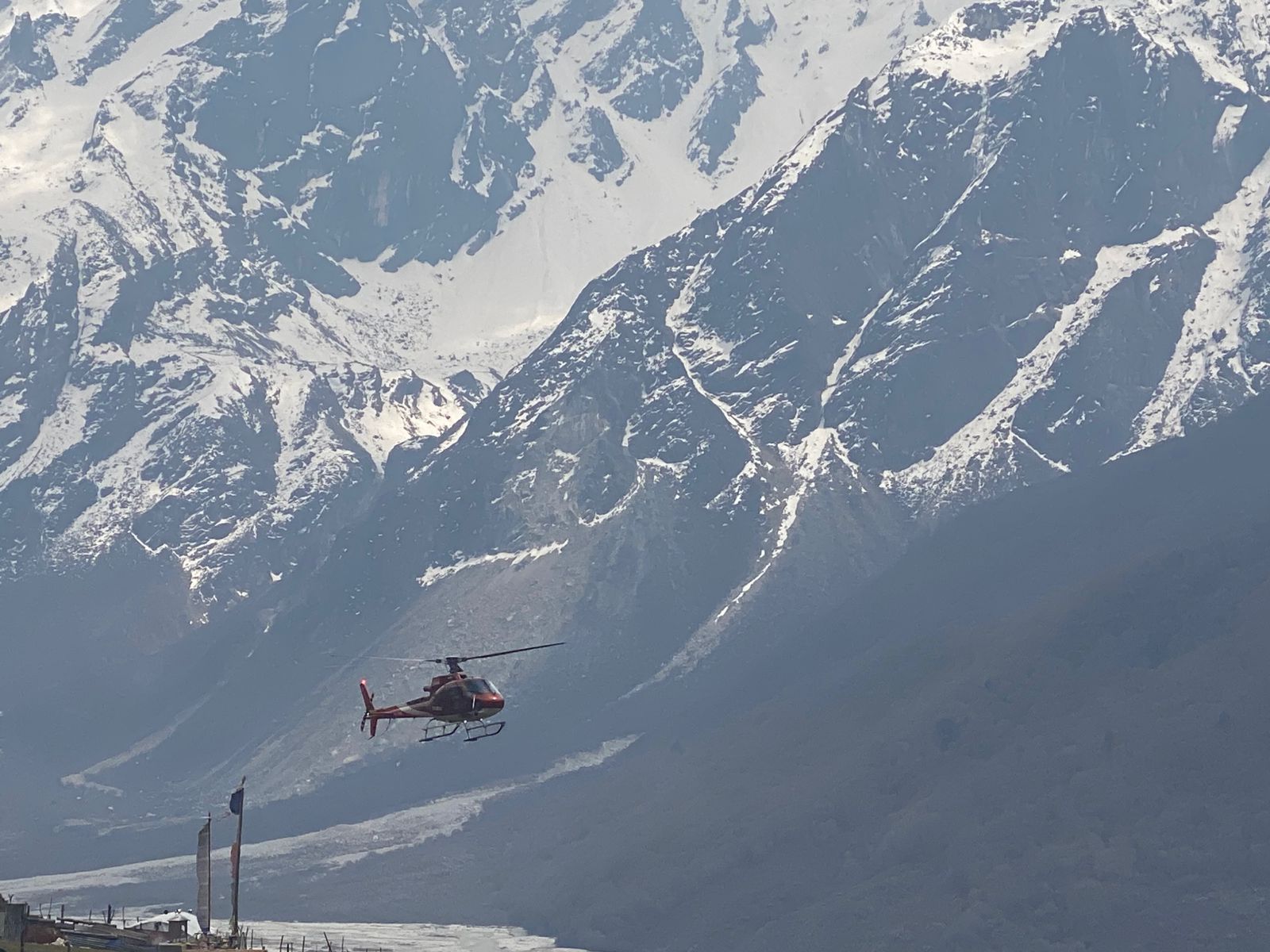
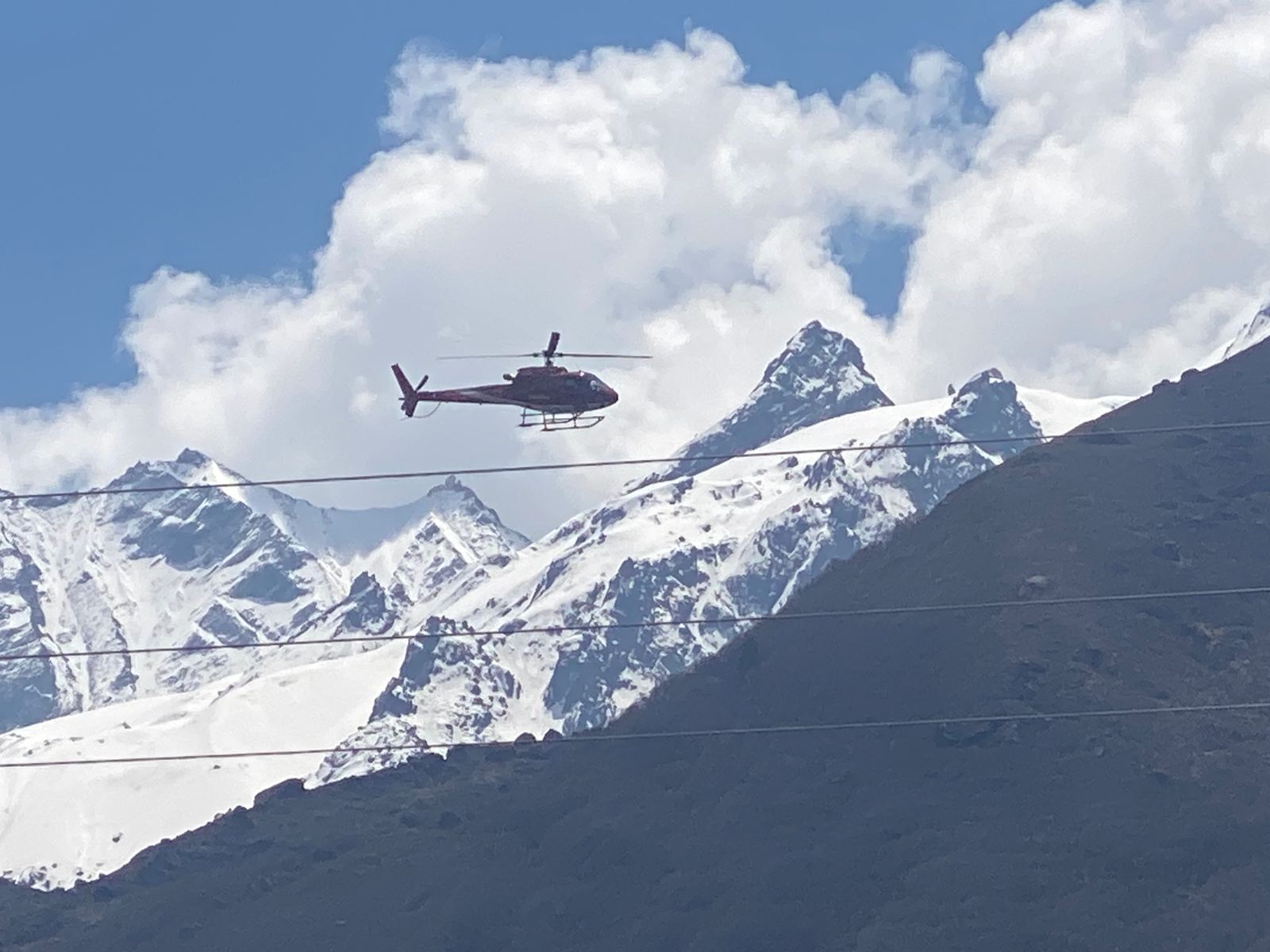
The final day of the helicopter flight descent from Khare to Lukla, passing familiar trails through alpine meadows, forests, and rivers. Trekkers enjoy the changing scenery as the altitude decreases, with each step bringing a sense of accomplishment and reflection on the journey. For those choosing, a helicopter transfer is also available, offering spectacular aerial views of the Hinku Valley and surrounding peaks.
Upon reaching Lukla, trekkers board a flight back to Kathmandu, completing the adventure. The flight itself is scenic, offering a last glimpse of the Himalayan panorama. Upon arrival in Kathmandu, you are transferred to your hotel, where you can relax, celebrate, and reminisce about your journey. The trek ends with memories of remote villages, towering peaks, glacier walks, and the unforgettable summit of Mera Peak.
Trip Duration:
5–7 hoursTrip Distance:
~15 kmAltitude:
2840 mMeal:
Breakfast, LunchAccomodation :
Hotel in KathmanduWhat's Included
The following items are fully covered in your Mera Peak climbing package to ensure a smooth, safe, and enjoyable expedition. These inclusions are carefully designed to cover all essential aspects of trekking, accommodation, and logistical support:
- Airport transfers in Kathmandu – Pickup upon arrival and drop-off at departure, ensuring a comfortable start and end to your journey.
- Domestic flights – Round-trip flight from Kathmandu to Lukla, including airport taxes, giving you a scenic and convenient start to the trek.
- Trekking and climbing permits – All required permits for trekking in Sagarmatha region and climbing Mera Peak are included, ensuring full compliance with local regulations.
- Accommodation – Comfortable teahouses and hotels during the trek and in Kathmandu, providing warmth, meals, and a safe resting environment.
- Meals during trek – Breakfast, lunch, and dinner are provided at all stops along the trekking route, allowing you to experience local cuisine and maintain energy levels.
- Experienced guide and support staff – Professional trekking and climbing guides who ensure your safety, provide local insights, and support throughout the expedition.
- Climbing equipment – Group climbing gear such as ropes, ice axes, and safety equipment is provided for use during Mera Peak ascent.
- Medical kits – First-aid kits and basic emergency medical support are available throughout the trek.
- Trip preparation assistance – Guidance on acclimatization schedules, gear checklists, and travel arrangements to help you prepare before the climb.
- Camp setup at high altitudes – For High Camp on Mera Peak, tents and basic facilities are provided, giving safety and comfort at extreme elevations.
- Helicopter Flight from Khare to Lukla
What's Excluded
While the package is comprehensive, certain items are not included and are the responsibility of the trekkers. These exclusions allow flexibility and personal choice during the expedition.
- International flights – Flights to and from Nepal are not included. Travelers must arrange their international travel independently.
- Travel insurance – Strongly recommended for medical emergencies, evacuation, and high-altitude trekking coverage.
- Personal equipment – Individual clothing, trekking shoes, sleeping bags, and personal gear are the responsibility of each climber.
- Tips and gratuities – For guides, porters, or support staff. While optional, tips are customary and appreciated for excellent service.
- Personal expenses – Such as souvenirs, snacks, beverages, or internet access charges during the trek.
- Helicopter evacuation – In case of emergency, costs are borne by the climber unless prearranged.
- Porters: Optional – Though recommended for carrying heavy luggage, porters cost $22 per day each and can carry up to 20 kg. For comfort and convenience, it’s advisable to hire one porter for every two trekkers.
Essential Info
Add-Ons
For those seeking to enrich their Mera Peak expedition, there are several optional activities and experiences that can be added to the base package. These add-ons are designed to enhance your adventure, deepen your understanding of the Himalayas, and allow for exploration beyond the standard climbing route. Many trekkers choose these options to make the journey more memorable and personally rewarding.
These add-ons include cultural visits, scenic detours, additional trekking options, and adventure experiences that highlight the diversity of the Solukhumbu region. Each option is carefully planned to fit into your existing itinerary, ensuring that you remain acclimatized and maintain your safety while still enjoying extra activities. These experiences are ideal for travelers looking to combine mountaineering with cultural immersion, natural exploration, or extra adventure.
The flexibility of add-ons allows you to tailor your trek according to your interests, time, and fitness level. You can choose shorter excursions that add a few hours of sightseeing or longer side treks that may take a full day. For example, visiting traditional Sherpa villages provides an opportunity to experience local life, interact with residents, and see monasteries and prayer walls. Side treks to scenic viewpoints can reward you with breathtaking panoramas of Everest, Makalu, and surrounding peaks, offering photo opportunities that few expeditions provide.
Optional Add-On Experiences
- Visit Namche Bazaar – Explore the vibrant Sherpa town famous for its markets, cafes, and Himalayan culture. Gain insight into local life and buy souvenirs.
- Cultural tour of Tengboche Monastery – Experience one of the most iconic Buddhist monasteries in Nepal. Participate in prayer rituals and enjoy panoramic views of Ama Dablam and Everest.
- Hiking to Chukung Valley – A scenic side trek offering extraordinary views of Lhotse, Island Peak, and the surrounding glaciers. This detour adds a few hours but is highly rewarding.
- Helicopter sightseeing flight – Optional helicopter flights from Lukla or Namche to view Everest, Makalu, Cho Oyu, and other Himalayan giants from the air. Perfect for photography enthusiasts.
- Photography and wildlife tours – Guided sessions focusing on Himalayan flora, fauna, and landscape photography. Includes tips on capturing mountain scenery and rare wildlife such as Himalayan tahr and snow leopard habitats.
- Extra acclimatization days – Extend your stay in Thangnak or Khare to acclimatize better, giving you additional time for trekking to nearby ridges or exploring hidden valleys.
- Extended trek to Hinku Valley peaks – For experienced trekkers, climb smaller peaks in the Hinku Valley to enjoy remote landscapes and panoramic vistas.
- Cooking or cultural classes – Learn traditional Sherpa cooking, local crafts, or meditation practices at villages along the trekking route, adding cultural depth to your adventure.
These add-ons are optional and can be booked in advance or arranged during the trek depending on your interest and fitness. They provide additional layers of exploration and adventure without compromising the main Mera Peak climbing schedule.
Best Season to Trek
Mera Peak can be climbed throughout the year, but understanding the seasonal conditions is essential for a safe and enjoyable experience. Each season offers a distinct experience—from clear panoramic views of the Himalayas to snow-covered peaks and vibrant rhododendron forests. Choosing the right season can significantly enhance your adventure, allowing you to experience the mountains at their most spectacular and capture breathtaking moments along the way.
The best time to trek depends on what you want from your journey. Spring and autumn are generally the most favorable, providing stable weather, moderate temperatures, and clear skies. Summer brings lush landscapes but also heavy monsoon rains, which can make trails slippery and rivers swollen. Winter offers extreme cold, frozen landscapes, and crisp, clear air—ideal for experienced climbers who want solitude and dramatic mountain views. Planning according to the season ensures safety, comfort, and the best possible trekking experience.
Spring (March – May)
Spring is one of the most popular times for Mera Peak climbing. The weather is generally stable, with warm days and comfortably cold nights at higher elevations. Rhododendron forests along the trekking route bloom in vibrant colors, creating breathtaking scenery. Panoramic mountain views are clear, and the moderate temperatures make trekking and climbing comfortable. Spring also provides excellent opportunities for spotting Himalayan wildlife and birds along the trail.
- Blooming Rhododendrons: Trek through forests filled with vibrant rhododendron flowers, creating colorful scenery.
- Ideal Weather: Moderate daytime temperatures make trekking and climbing comfortable.
- Clear Views: Excellent visibility for panoramic views of Everest, Makalu, Lhotse, and Cho Oyu.
- Wildlife Sightings: Perfect season for spotting Himalayan birds, monkeys, and other wildlife.
Summer / Monsoon (June – August)
Summer coincides with the monsoon season in Nepal, bringing frequent rain, cloudy skies, and slippery trails. The landscape becomes lush and green, rivers swell, and waterfalls are at their most powerful. Trails are less crowded, allowing for a more secluded trekking experience. However, heavy rainfall can disrupt trekking plans, and travelers must be prepared for wet conditions, slippery paths, and occasional landslides. Guides and experienced porters are highly recommended during this season.
- Lush Greenery: Forests and valleys are at their greenest, creating a refreshing and vibrant landscape.
- Fewer Trekkers: Enjoy more solitude on the trails with fewer climbers around.
- Waterfalls and Rivers: Monsoon-fed streams and waterfalls add scenic beauty to the trek.
- Caution Required: Slippery trails and landslides make trekking more challenging; careful planning is necessary.
Autumn (September – November)
Autumn is considered the peak season for Mera Peak trekking. Post-monsoon skies are clear and stable, creating ideal conditions for climbing. Daytime temperatures are moderate, making trekking and mountaineering comfortable, while nights remain cool. This season attracts the most trekkers due to its combination of perfect weather, stunning visibility, and vibrant landscapes. Photographers particularly favor autumn for capturing sharp, clear images of the Himalayan peaks.
- Crystal-Clear Skies: Uninterrupted views of Everest, Makalu, Lhotse, and Cho Oyu.
- Moderate Temperatures: Comfortable trekking without extreme heat or cold.
- Peak Season: Trails are busier, providing opportunities to meet other trekkers.
- Perfect Photography: Clear skies and stable light make this the best season for photos.
Winter (December – February)
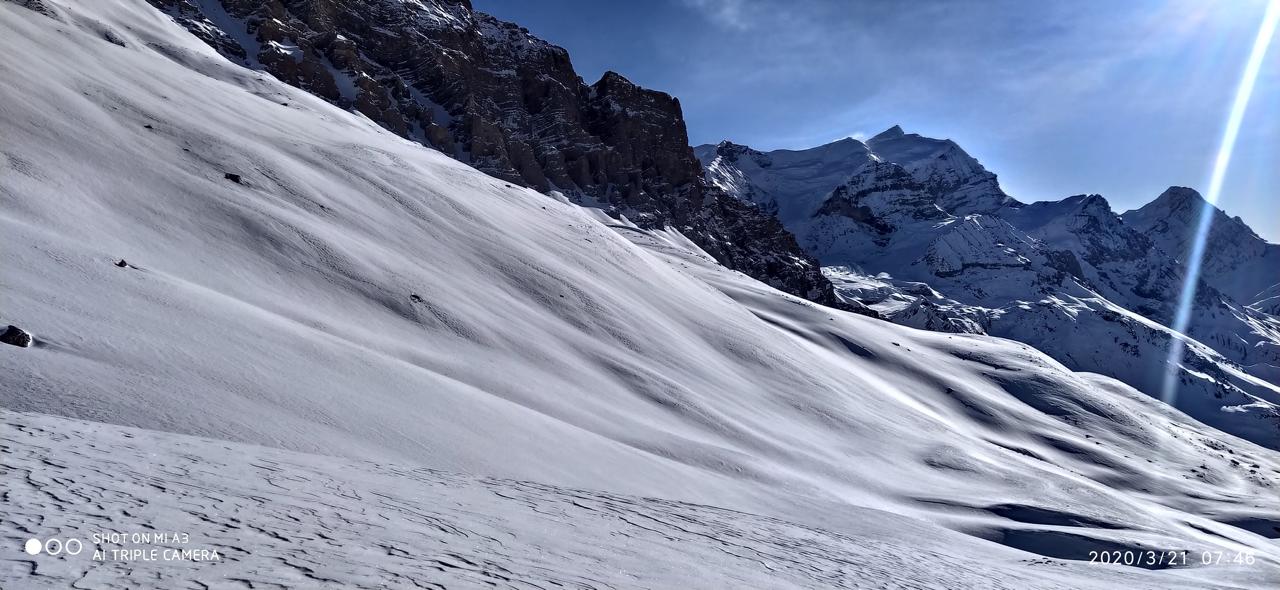
Winter trekking presents a challenging yet rewarding experience for experienced climbers. Temperatures drop significantly, especially at higher altitudes, and trails may be covered with snow. The air is crisp and clear, offering spectacular mountain panoramas. Winter is ideal for trekkers seeking solitude, adventure, and the thrill of snow-clad landscapes. Adequate preparation, including high-quality winter gear, is essential to ensure safety and comfort.
- Snow-Covered Peaks: Trek through pristine, snow-laden landscapes for an adventurous experience.
- Solitude: Few trekkers on the trails offer a sense of isolation and peace.
- Clear Visibility: Crisp air provides unobstructed views of Himalayan giants.
- Extreme Conditions: Winter trekking demands excellent physical fitness, warm clothing, and high-altitude experience.
Food Availability
One of the key aspects of trekking in the Himalayas is food. Along the Mera Peak trekking route, meals are primarily available at teahouses and lodges in the villages and settlements you pass through. These teahouses cater to trekkers with a variety of options ranging from traditional Nepali meals to simple continental dishes. While the quality and variety may vary depending on the location and altitude, you can expect fresh, hot meals that provide the energy needed for long days of trekking and climbing.
Food along the route is generally simple but nutritious, emphasizing carbohydrates and proteins essential for high-altitude trekking. Dal Bhat (lentil soup with rice) is a staple and provides sustained energy throughout the day. Other common items include noodles, soups, bread, eggs, potatoes, and local vegetables. At higher altitudes, particularly above 5,000 meters, food variety may be limited, and prices can be slightly higher due to the logistical challenges of transporting supplies. Trekkers are encouraged to carry snacks such as energy bars, chocolates, and dry fruits for quick energy boosts during long trekking days.
Hygiene and water safety are important considerations. Most teahouses offer boiled water or filtered water, which is recommended for drinking. Tea, coffee, and hot chocolate are widely available and are perfect for warming up during cold mornings and evenings. While many lodges provide western-style toilets, in remote areas, facilities may be basic, so carrying hand sanitizer and personal hygiene items is essential. Being mindful of sanitation and food hygiene helps avoid digestive issues that can disrupt the trek.
Food Options Along the Trek
- Traditional Nepali Meals: Dal Bhat (lentils, rice, vegetables, and sometimes meat) is available at most teahouses, providing high-energy nutrition.
- Soups & Noodles: Hot soups and instant noodles are popular and ideal for quick, warming meals during cold trekking days.
- Western Dishes: Pasta, omelets, pancakes, and bread are available in larger villages and teahouses frequented by climbers.
- Snacks & Energy Foods: Carry energy bars, chocolates, nuts, and dried fruits for quick energy on long trekking days.
- Beverages: Tea, coffee, hot chocolate, and local drinks are available; bottled water is sold at higher altitudes.
- Fresh Produce: Limited vegetables and fruits may be available in larger settlements, but variety decreases at higher elevations.
Tips for Food Management
- Hydration with Meals: Always drink water with your meals to aid digestion and stay hydrated.
- High-Calorie Intake: Focus on foods rich in carbohydrates and protein to fuel your trekking and climbing.
- Backup Supplies: Carry lightweight snacks and supplements for days when food options are limited.
- Avoid Raw Foods at High Altitude: To reduce the risk of digestive issues, opt for cooked meals when possible.
- Local Flavors: Trying local dishes is part of the cultural experience, but balance with your dietary needs.
Food is not just about sustenance; it’s part of the cultural immersion during your Mera Peak adventure. Sharing meals with fellow trekkers and enjoying simple, freshly prepared dishes can enhance your journey. Being prepared, staying mindful of hygiene, and maintaining a balanced diet ensures you have the energy and stamina to tackle challenging trekking days and high-altitude climbs.
Accommodation
Accommodation along the Mera Peak trekking route is primarily in teahouses, lodges, and small guesthouses located in the villages and settlements you pass through. These lodges provide basic facilities to trekkers and climbers, emphasizing comfort, warmth, and rest after long days on the trail. Most teahouses offer simple rooms with beds, blankets, and pillows, but it is common for trekkers to carry their own sleeping bag for added warmth, especially at higher altitudes. The rooms are usually shared or private, depending on availability and the size of your group.
The quality of accommodation varies with location and altitude. In lower regions such as Paiya and Panggom, lodges tend to be more spacious, offering larger rooms and better amenities, including western-style toilets, showers, and dining areas. As you ascend to higher altitudes such as Thangnak, Khare, and Mera High Camp, facilities become basic due to the logistical challenges of transporting materials and maintaining infrastructure in remote mountainous areas. At these high camps, simple stone or wooden huts with mattresses and sleeping mats are provided. The focus shifts from luxury to functionality and safety, ensuring trekkers have shelter from extreme weather and cold temperatures.
In addition to rooms, most lodges provide dining services and communal areas where trekkers can rest, socialize, and plan the next day’s trek. Heating is typically available through small stoves or fireplaces, which also serve for cooking meals. Water is usually boiled or filtered for drinking, and trekking essentials or snacks are often available for purchase. While lodges may be basic at higher elevations, the hospitality is warm and welcoming, with owners and staff often sharing stories about the local culture and environment, adding to the trekking experience.
Accommodation Options Along the Trek
- Paiya: Small lodges with shared and private rooms, basic dining, and hot drinks available.
- Panggom: Comfortable teahouses with beds, blankets, and small communal areas; toilets may be basic.
- Ningsow: Simple lodges with clean rooms and local meals; ideal for resting before higher climbs.
- Chhatra Khola & Kothe: Basic lodges with simple sleeping arrangements and warm meals; showers may be limited.
- Thangnak: High-altitude huts with mattresses, limited facilities, and communal heating; focus on rest and acclimatization.
- Khare: Base camp lodges with basic sleeping spaces, dining areas, and pre-climbing preparation facilities.
- Mera High Camp: Minimalist accommodation in small stone or wooden huts; essential for climbers before summit day.
Tips for Accommodation
- Carry a Sleeping Bag: Even in lodges, temperatures can drop significantly at high altitudes.
- Book in Advance for Peak Season: While lodges are generally available, larger groups may need to reserve in advance.
- Hygiene Essentials: Carry sanitizer, tissues, and personal hygiene products, as toilet facilities are basic in remote areas.
- Adapt to Local Facilities: Embrace simple living at higher elevations, focusing on warmth, safety, and rest.
- Respect Lodge Rules: Most lodges are family-run and have local customs; respecting these adds to a positive experience.
Accommodation on the Mera Peak trek is more than just a place to sleep—it’s part of the journey. From cozy lower-altitude lodges to high-altitude huts, each night provides rest, cultural immersion, and preparation for the next day’s adventure. Understanding the conditions and being prepared helps trekkers fully enjoy the journey without discomfort or surprises.
Travel Insurance
Travel insurance is an essential requirement for the Mera Peak trek. The trek involves high-altitude climbing, remote locations, and unpredictable weather conditions, making insurance crucial for safety and peace of mind. A comprehensive travel insurance policy should cover medical emergencies, evacuation, trip cancellation, and high-altitude trekking. Helicopter evacuation is often necessary in emergencies, and this can be extremely expensive without insurance coverage. Many insurance providers now offer specialized high-altitude trekking policies, specifically for peaks above 6,000 meters, which include coverage for mountain rescue and medical support.
Insurance also provides protection against accidental injuries, illnesses, and lost or damaged luggage. Since the trail passes through remote areas with limited medical facilities, coverage for hospitalization, medical transport, and emergency rescue is vital. Trekkers should ensure that the insurance covers both trekking and climbing activities, including glacier walking and the use of ropes and crampons. Before purchasing insurance, read the policy carefully to confirm coverage limits, exclusions, and emergency procedures.
Travel Insurance Details
- Medical Coverage: Essential for illness or injury during high-altitude trekking.
- Evacuation Coverage: Includes helicopter or ambulance evacuation from remote areas.
- Trip Cancellation: Reimbursement in case of sudden changes in plans due to weather or emergencies.
- Luggage Protection: Covers loss or damage to personal gear, essential for high-value equipment.
- High-Altitude Climbing: Must explicitly cover trekking above 5,000–6,500 meters.
Altitude Sickness
Altitude sickness, also known as Acute Mountain Sickness (AMS), can affect anyone above 2,500 meters, and it becomes more relevant at higher elevations such as Thangnak, Khare, and Mera High Camp. Symptoms include headaches, nausea, dizziness, fatigue, and shortness of breath. Proper acclimatization, gradual ascent, and hydration are key to preventing altitude sickness. The Mera Peak itinerary includes rest and acclimatization days at strategic points to allow your body to adjust to the decreasing oxygen levels.
Severe altitude sickness can be dangerous and requires immediate descent or medical attention. Trekkers should monitor their symptoms and inform guides immediately if they feel unwell. Preventive measures include ascending slowly, taking rest days, avoiding alcohol, and eating light meals. Some climbers also use medication like Diamox under medical supervision to help with acclimatization. Guides on the trek are trained to recognize and manage symptoms, ensuring safety throughout the expedition.
Altitude Sickness Prevention
- Gradual Ascent: Follow the itinerary to avoid rapid elevation gain.
- Hydration: Drink plenty of water to maintain oxygen circulation.
- Balanced Diet: Eat easily digestible, high-energy meals.
- Avoid Alcohol and Smoking: Both exacerbate symptoms at high altitude.
- Acclimatization Days: Rest strategically to let your body adjust.
- Medication: Optional Diamox with medical consultation can help prevent symptoms.
Guide and Safety Measures
Experienced guides are an integral part of the Mera Peak climbing experience. They provide leadership, technical support, and safety management throughout the trek. Guides are trained in first aid, high-altitude trekking, and emergency rescue procedures. They monitor trekkers for signs of altitude sickness, help with route navigation, and provide technical instruction during climbing sections such as glacier walks and summit ascents.
Safety measures on the trek are comprehensive. Trekkers are equipped with ropes, crampons, helmets, and ice axes at critical points. Weather conditions are closely monitored to adjust schedules, and guides ensure that the group follows proper acclimatization procedures. Communication equipment, including satellite phones and radios, is often carried for emergencies in remote areas. The combination of professional guides, safety protocols, and proper preparation ensures that the Mera Peak expedition is challenging yet secure.
Guide and Safety Practices
- Professional Guides: Experienced in high-altitude trekking and mountaineering.
- Technical Support: Assistance with climbing techniques, rope usage, and glacier navigation.
- Emergency Monitoring: Continuous observation for altitude sickness and physical health.
- Safety Equipment: Helmets, crampons, ropes, and ice axes provided as needed.
- Weather Monitoring: Adjust trek and climb schedules according to conditions.
- Communication Devices: Satellite phones and radios for emergencies.
Booking Procedure
Booking a Mera Peak trek involves several steps to ensure a smooth experience. Start by selecting a reliable trekking company, confirming availability, and discussing your itinerary, accommodations, and services. Once you finalize the package, most companies require a deposit to secure your booking, with the remaining payment due before the trek begins.
Before departure, trekkers must provide personal information, passport copies, medical history, and emergency contacts. Companies usually assist with trekking permits, climbing permits, and insurance requirements. Once all documentation and payment are completed, you will receive a detailed briefing on the itinerary, gear, and preparation guidelines. Early booking is recommended, especially during peak trekking seasons, to ensure availability and better service.
Booking Steps
- Select a Trekking Company: Research and confirm a reputable provider.
- Confirm Itinerary: Review routes, accommodations, and inclusions.
- Payment: Pay deposit and balance according to company policy.
- Provide Documentation: Passport, medical info, and emergency contacts.
- Permit Assistance: Company helps with climbing and trekking permits.
- Pre-Trek Briefing: Receive itinerary, gear, and safety instructions.
Equipment List
- Trekking Shoes: Sturdy, waterproof, with good ankle support.
- Trekking Socks: Moisture-wicking, multiple pairs.
- Layered Clothing: T-shirts, long sleeves, fleece jackets.
- Insulated Jacket: Down or synthetic for high-altitude warmth.
- Trekking Poles: Adjustable for support and stability.
- Backpack: Comfortable, 40–50L for daily essentials.
- Sleeping Bag: Rated for sub-zero temperatures.
- Crampons and Ice Axe: Provided at high camp; personal use recommended if experienced.
- Thermal Base Layers: Tops and bottoms for insulation.
- Gloves and Mittens: For cold and windy conditions.
- Hat and Beanie: Protection from sun and cold.
- Gaiters: Protect against snow and mud.
- Personal Toiletries: Toothbrush, soap, sanitizer.
- Sunscreen and Lip Balm: High SPF for snow reflection.
- First Aid Kit: Bandages, medications, and blister care.
- Headlamp with Extra Batteries: Essential for early morning climbs.
- Camera: Optional for memories.
- Power Bank and Chargers: Electricity limited in high-altitude lodges.
- GPS or Phone: For navigation and emergency.
General Equipments
- Water Bottles or Hydration System: Minimum 2L capacity.
- Snacks and Energy Bars: High-energy supplements for trekking.
- Sunglasses: UV protection for snow glare.
- Travel Documents: Passport, permits, insurance copies.
FAQ
Trip Price
USD 3200 Per Person
Talk To Trip Expert
Related Trips