

Great Himalayan Trail – 148 Days Adventure

Introduction
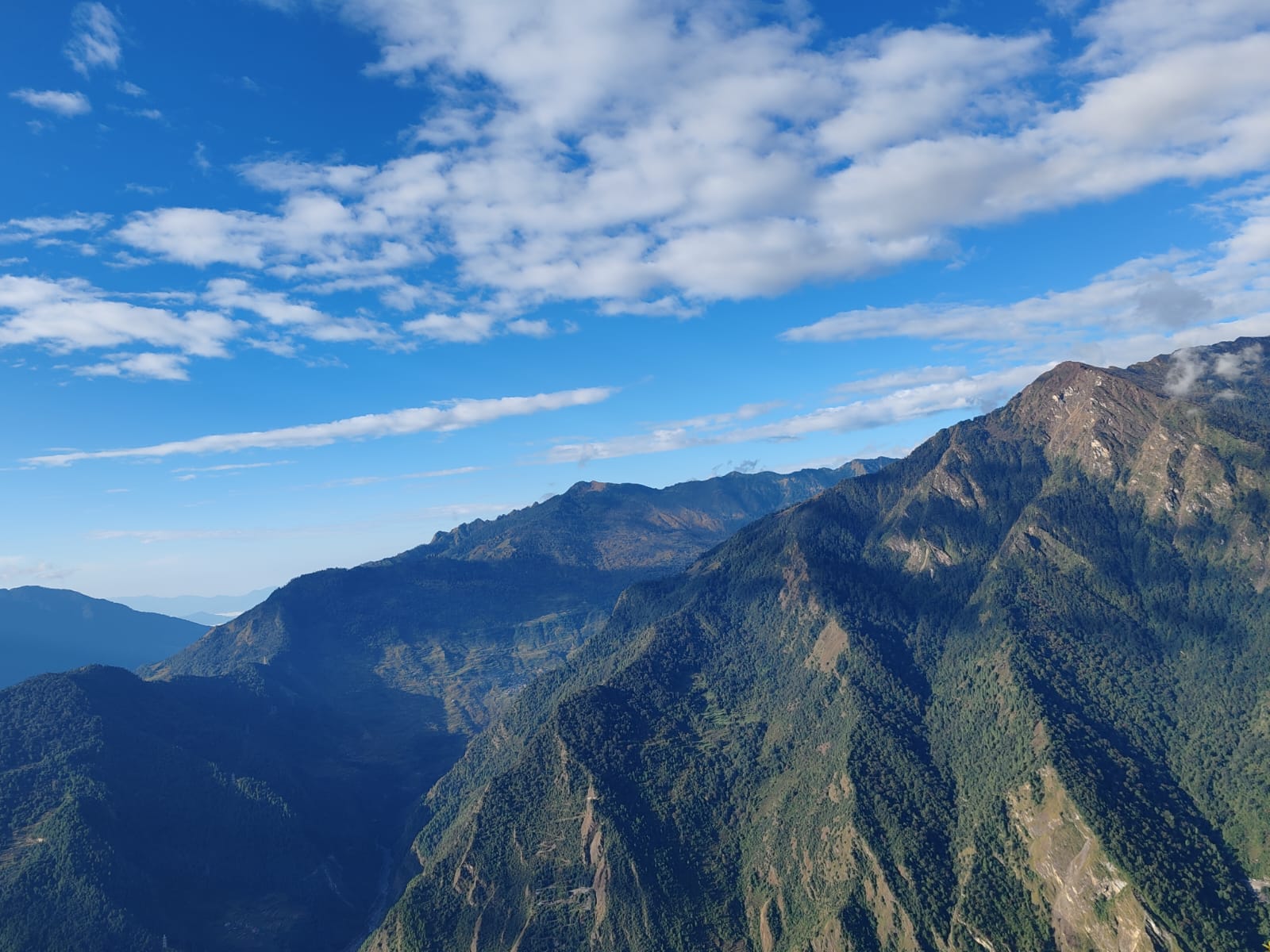
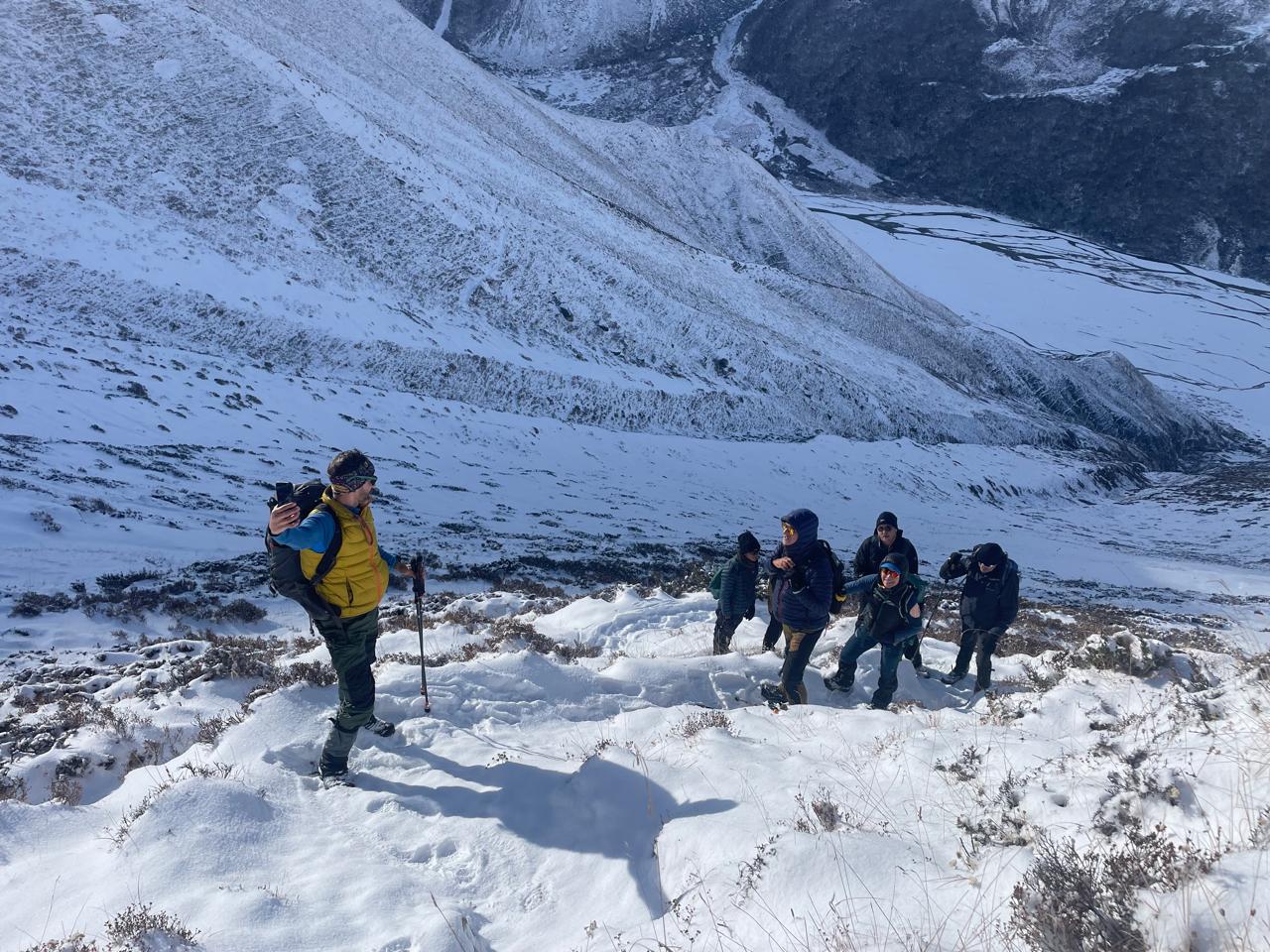
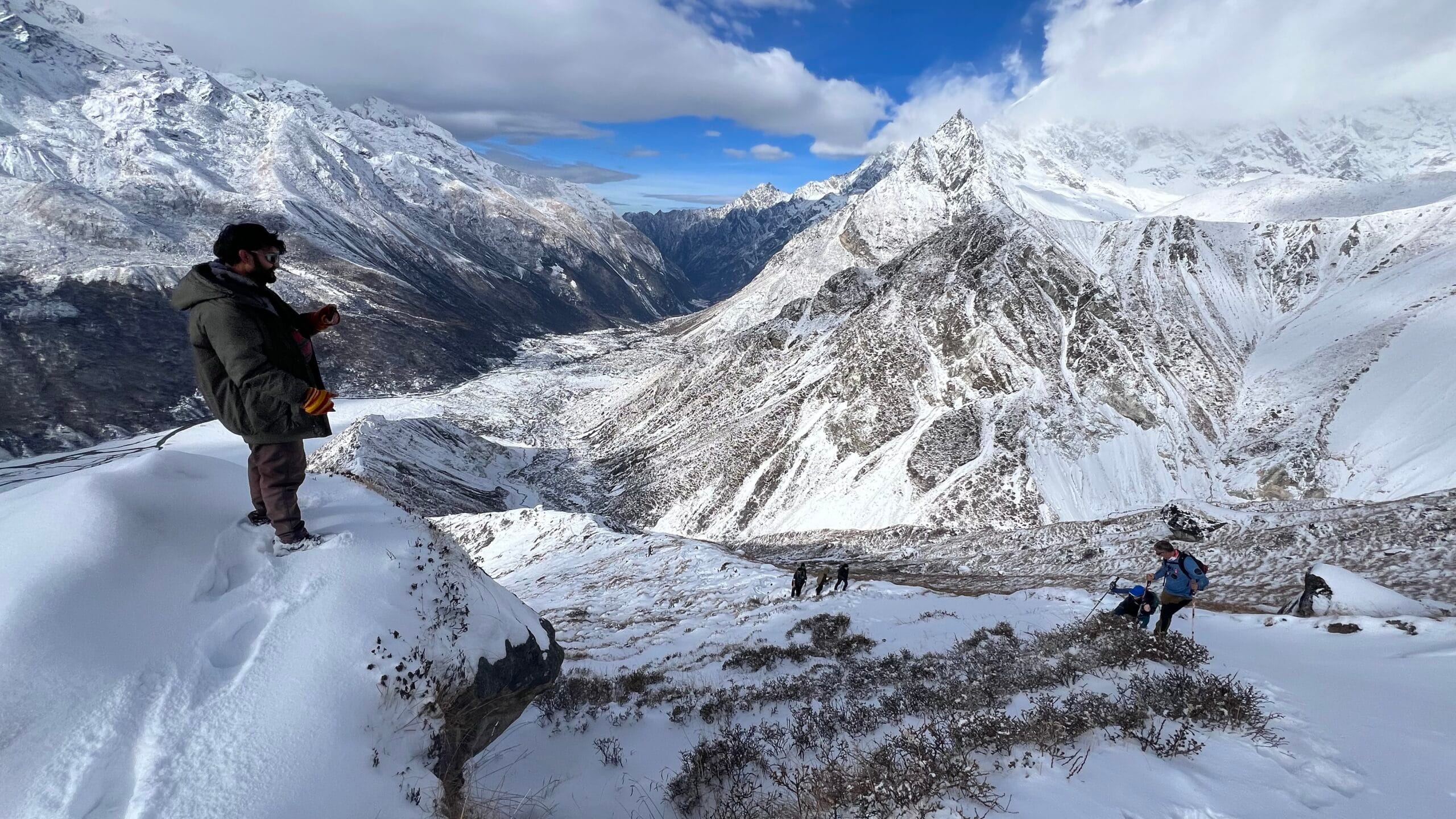
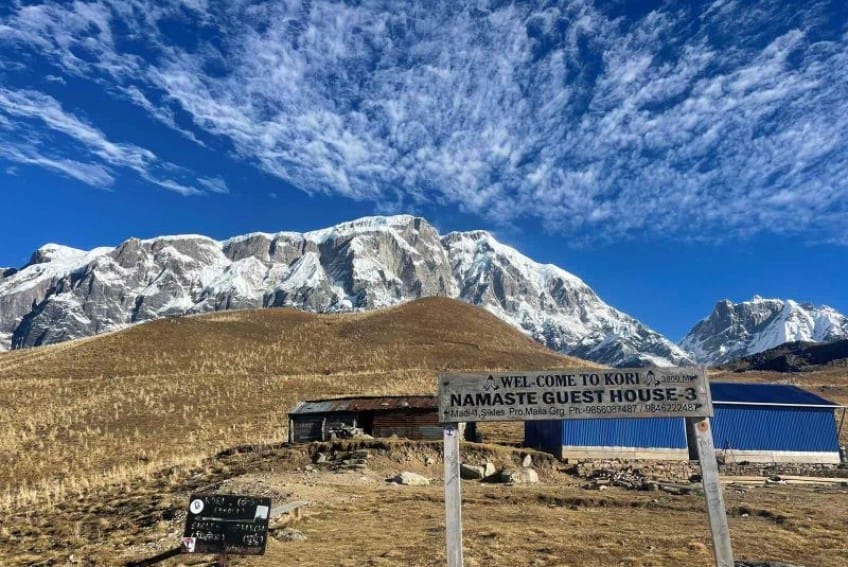
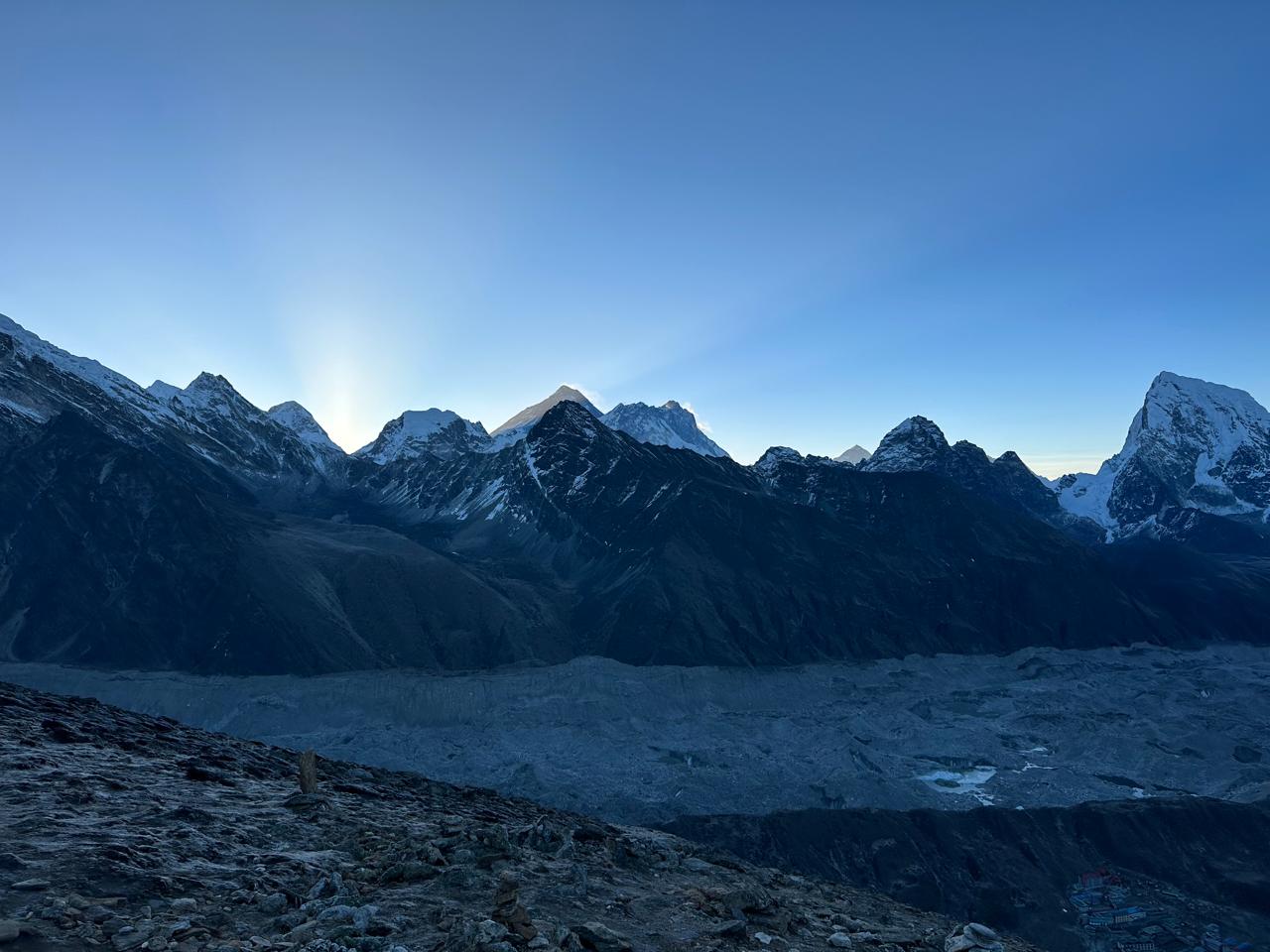
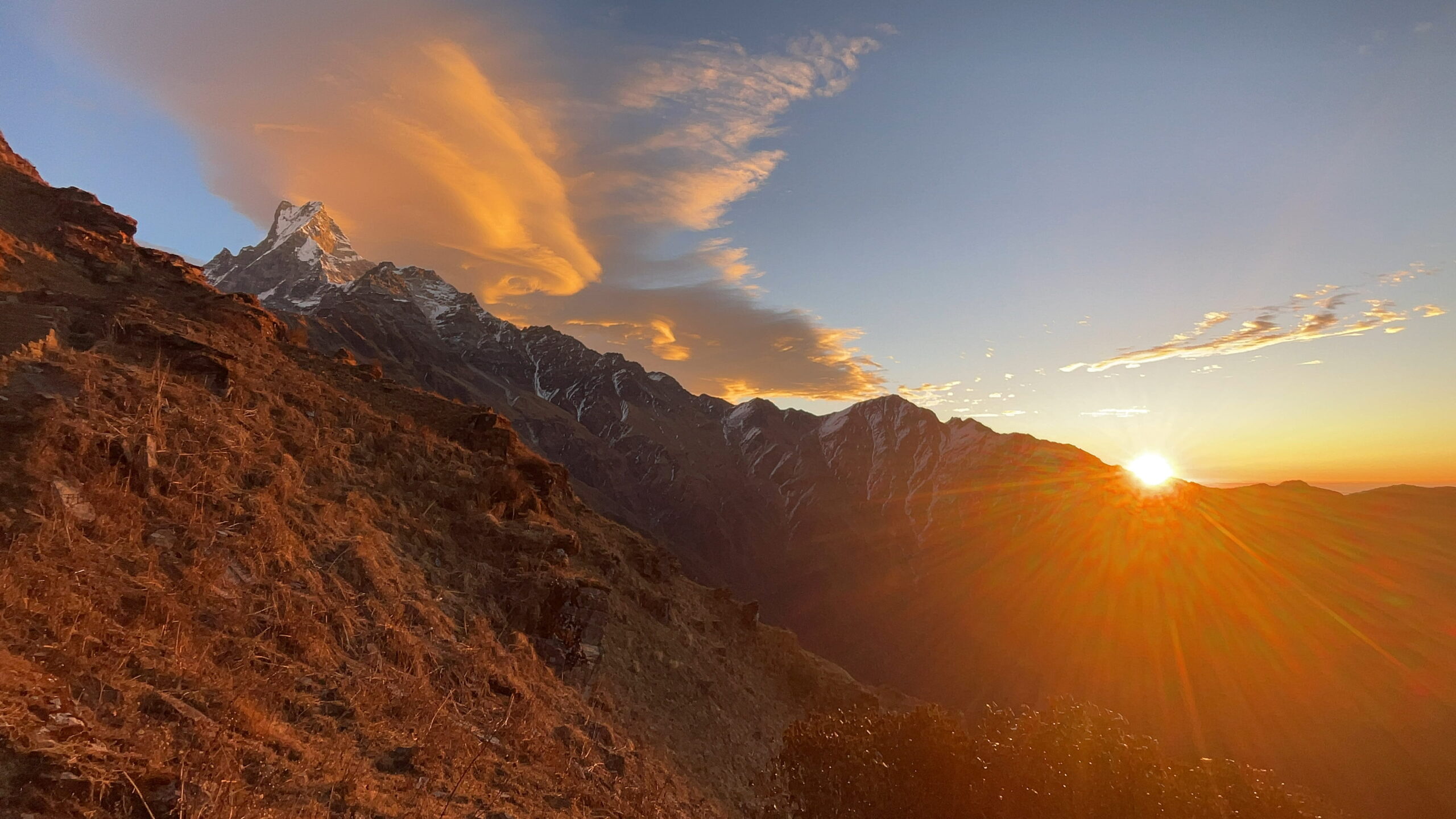
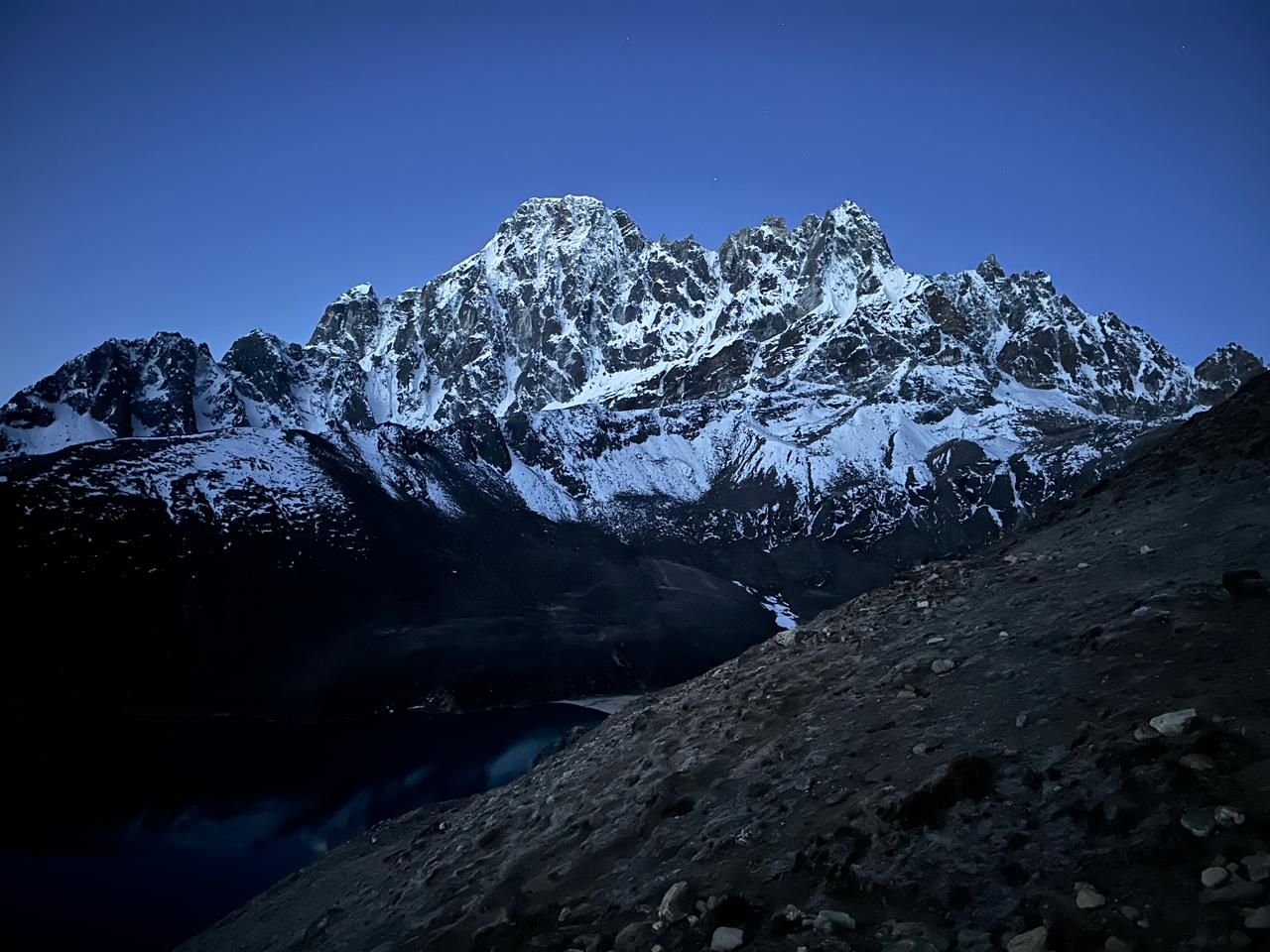
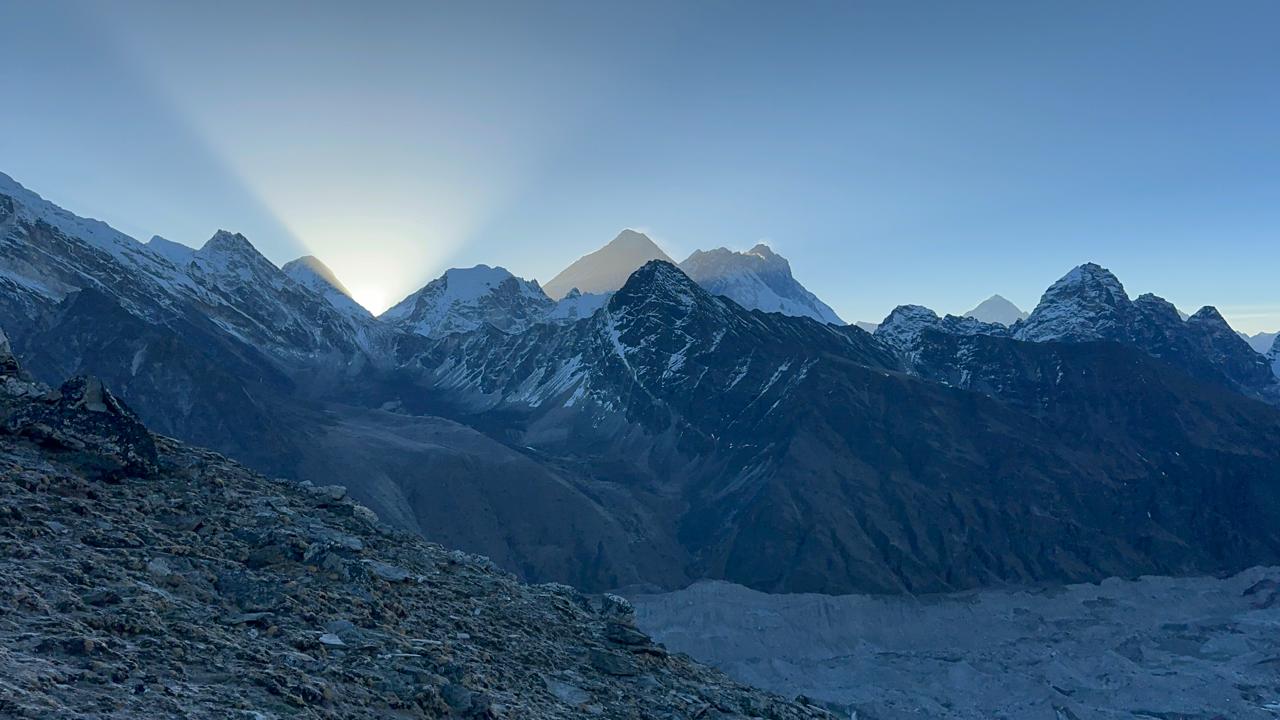
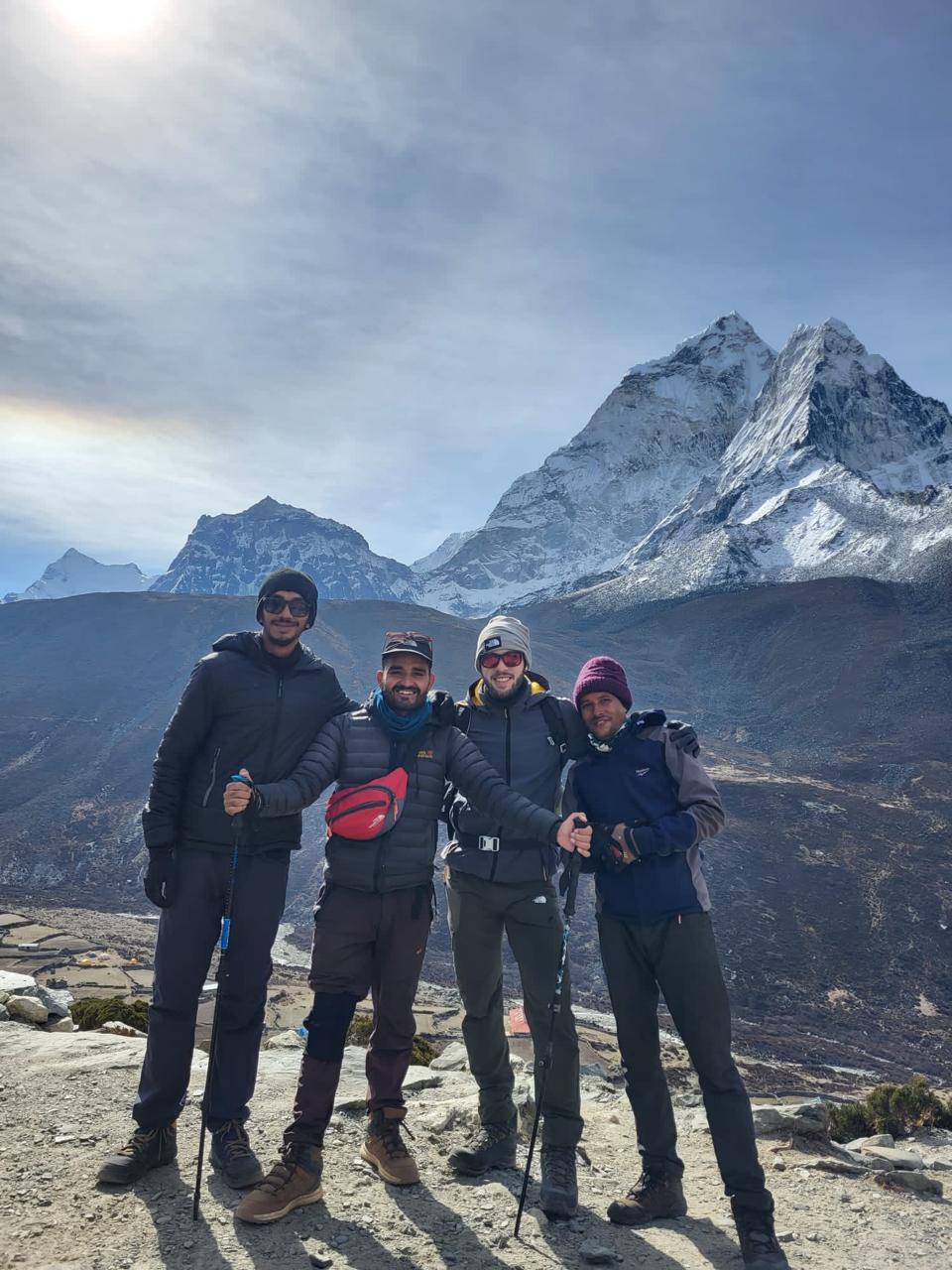
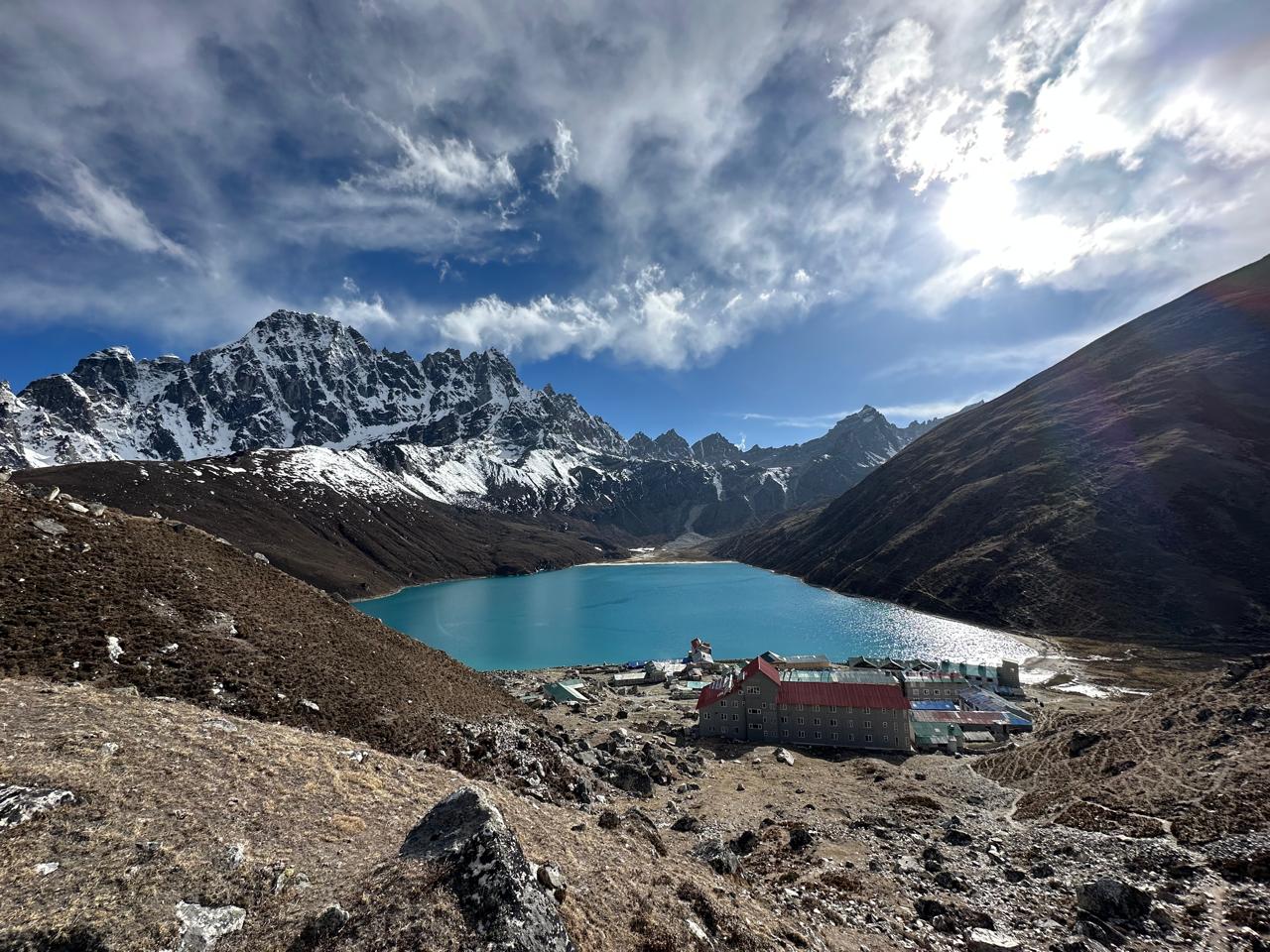
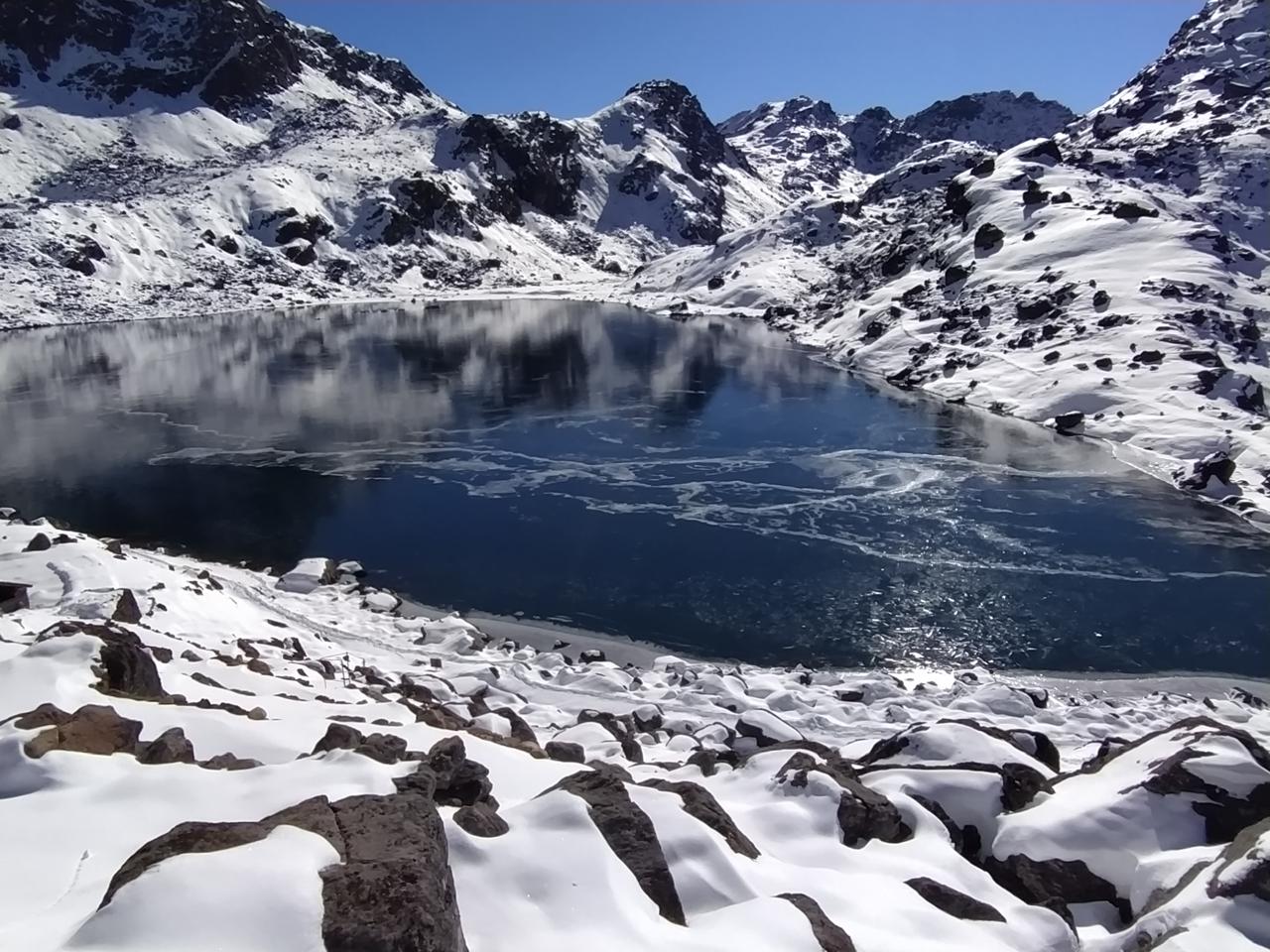
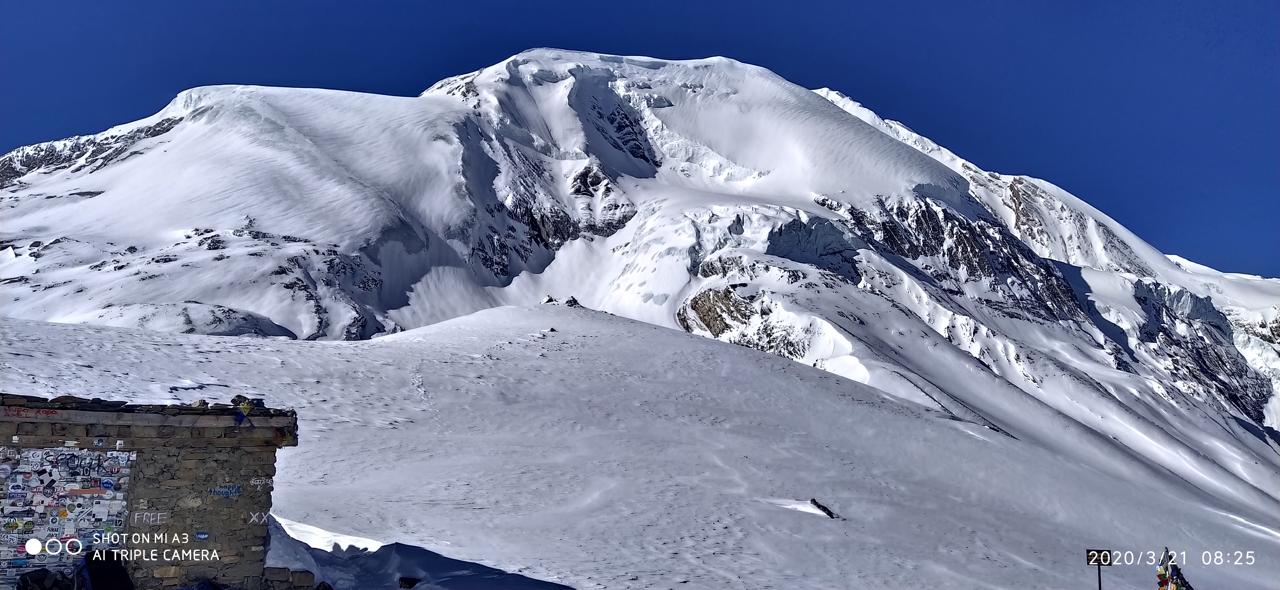
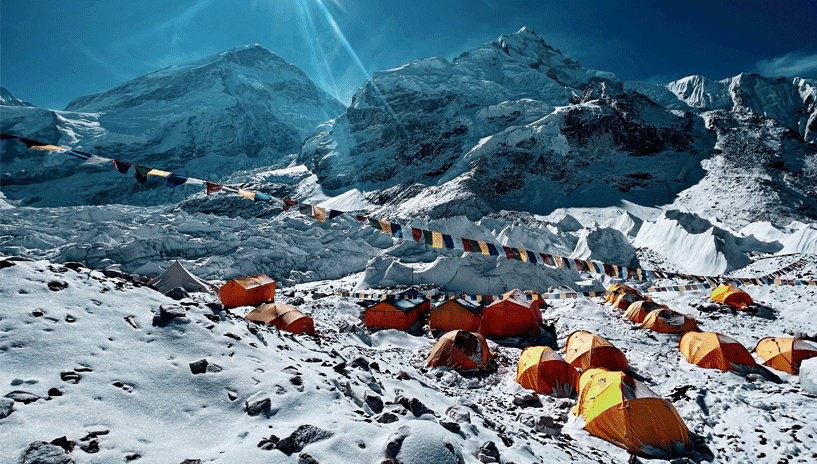
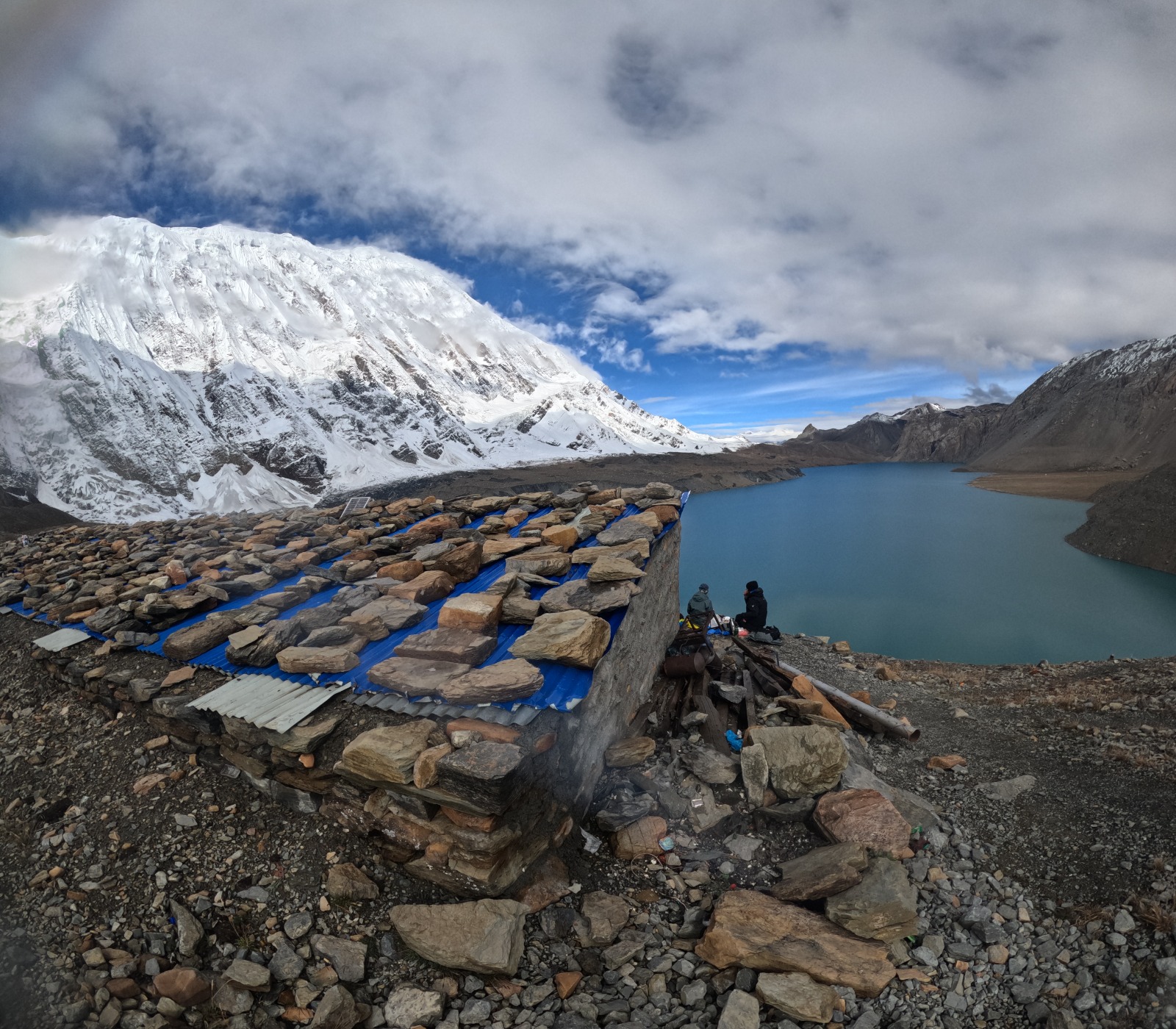
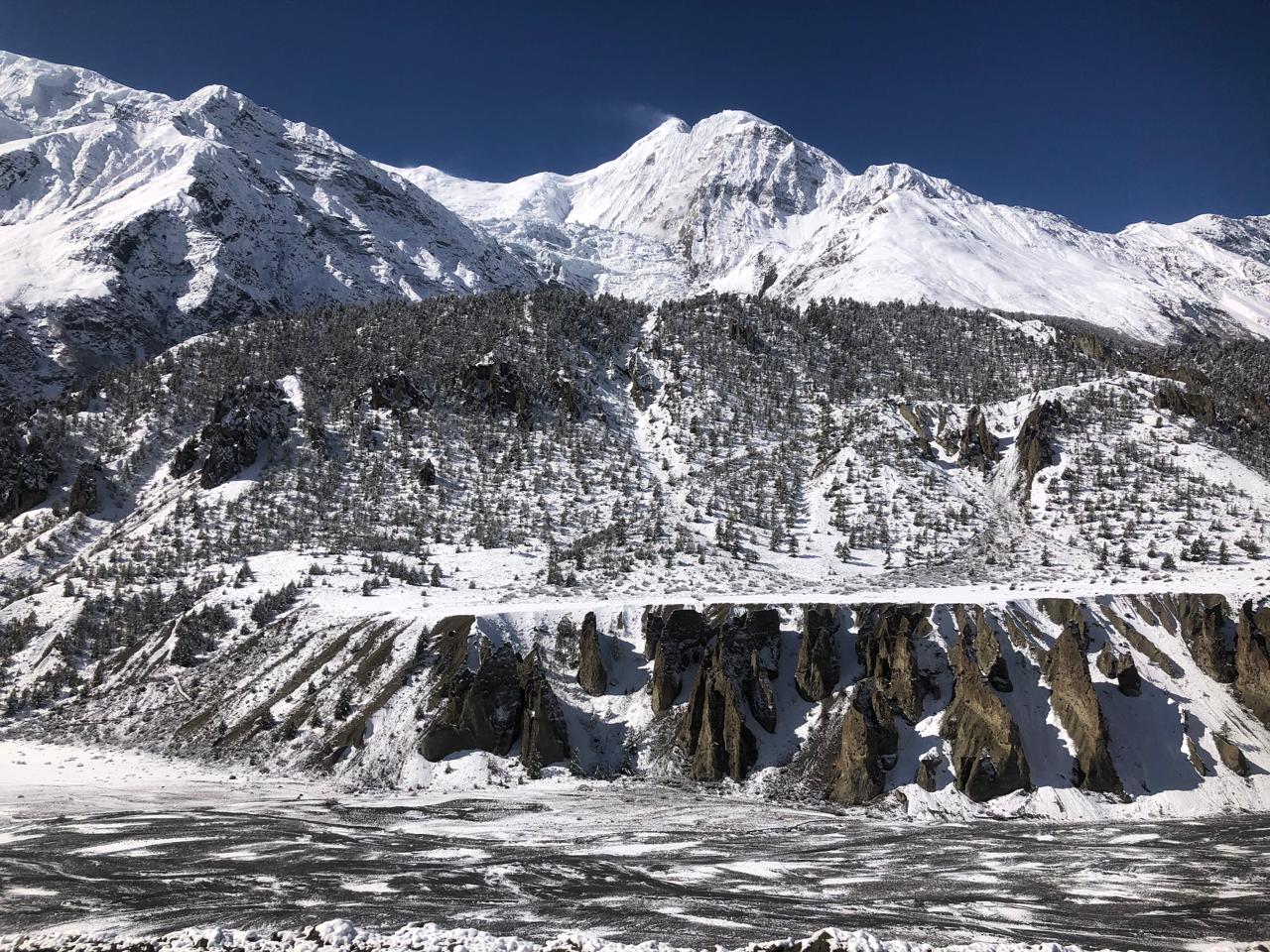
The Great Himalayan Trail is widely considered to be one of the most extraordinary trekking adventures available anywhere in the world. Stretching from the Kanchenjunga region in the far east of Nepal all the way to Simikot in the remote far west, this 148-day expedition follows the highest and most dramatic ridgelines of the Himalayas across the entire length of the country. The trail moves through an astonishing variety of landscapes, from the lush subtropical forests and terraced rice paddies of the lower valleys in eastern Nepal to the stark, wind-carved plateaus and arid canyon lands of the far west. Along the way, it passes towering snow-capped peaks, ancient glaciers, crystal-clear glacial lakes, roaring mountain rivers, high windswept passes, and some of the most remote and untouched wilderness areas left on earth. For trekkers who are ready to commit fully to an extended Himalayan adventure and who want to experience Nepal in its most complete and profound form, the Great Himalayan Trail is the ultimate journey.
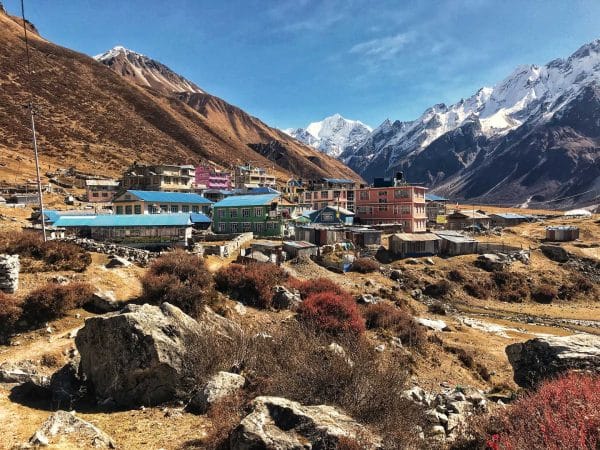
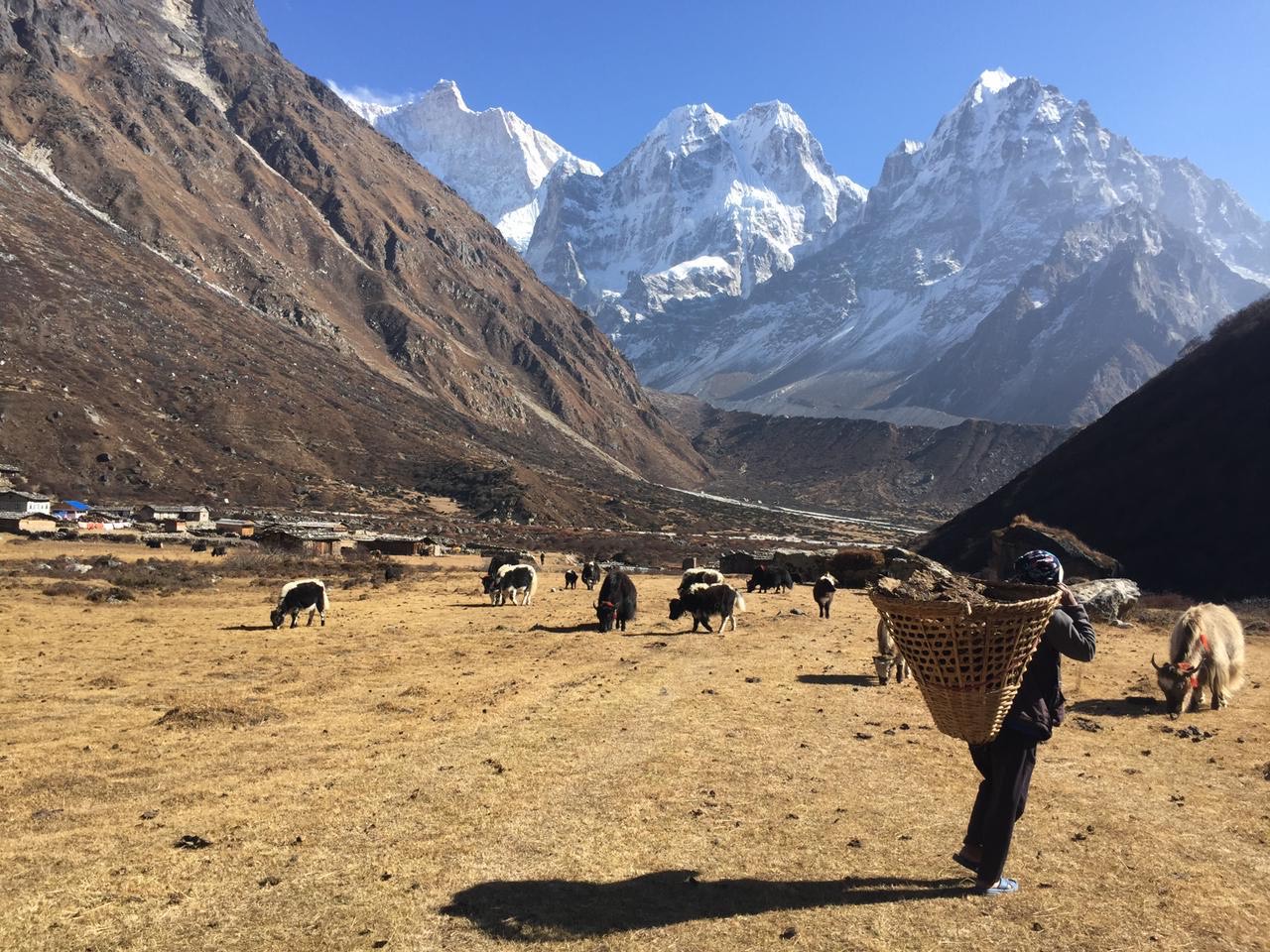
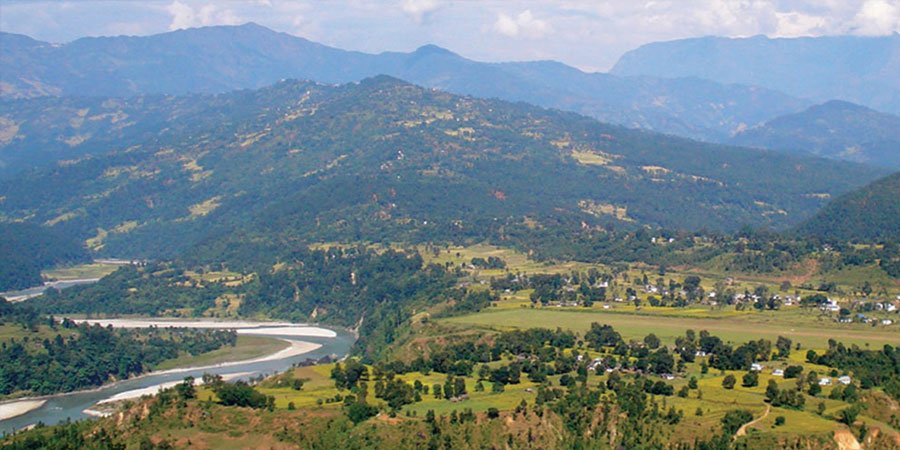
The eastern section of the trail begins in the shadow of Kanchenjunga, the world’s third-highest mountain, and immediately establishes the scale and ambition of what lies ahead. From here, the route passes through the remote valleys and hillside villages of far eastern Nepal, where small Sherpa and Rai communities live in close harmony with the mountains that surround them. Moving westward, the trail enters the iconic Everest and Rolwaling regions, crossing the legendary Tashi Labtsa Pass that links the Rolwaling and Khumbu valleys. This section brings trekkers through some of the most celebrated Himalayan landscapes on earth, past glacial lakes like Tsho Rolpa, over moraine-covered glacier paths, and through famous Sherpa settlements like Namche Bazaar and Thame. The combination of dramatic high-altitude terrain and rich Sherpa cultural heritage makes this eastern segment of the trail both physically exhilarating and deeply memorable.
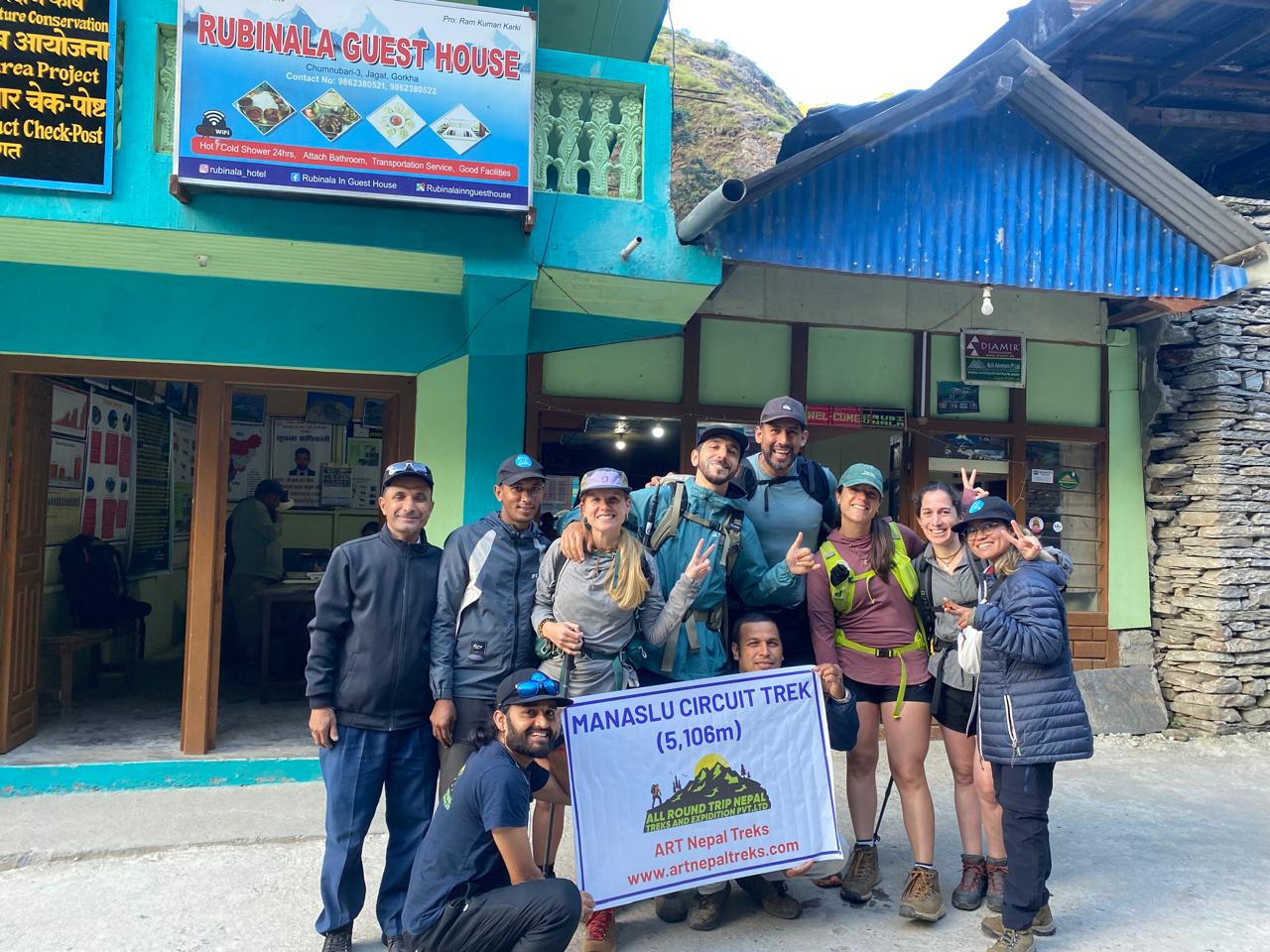
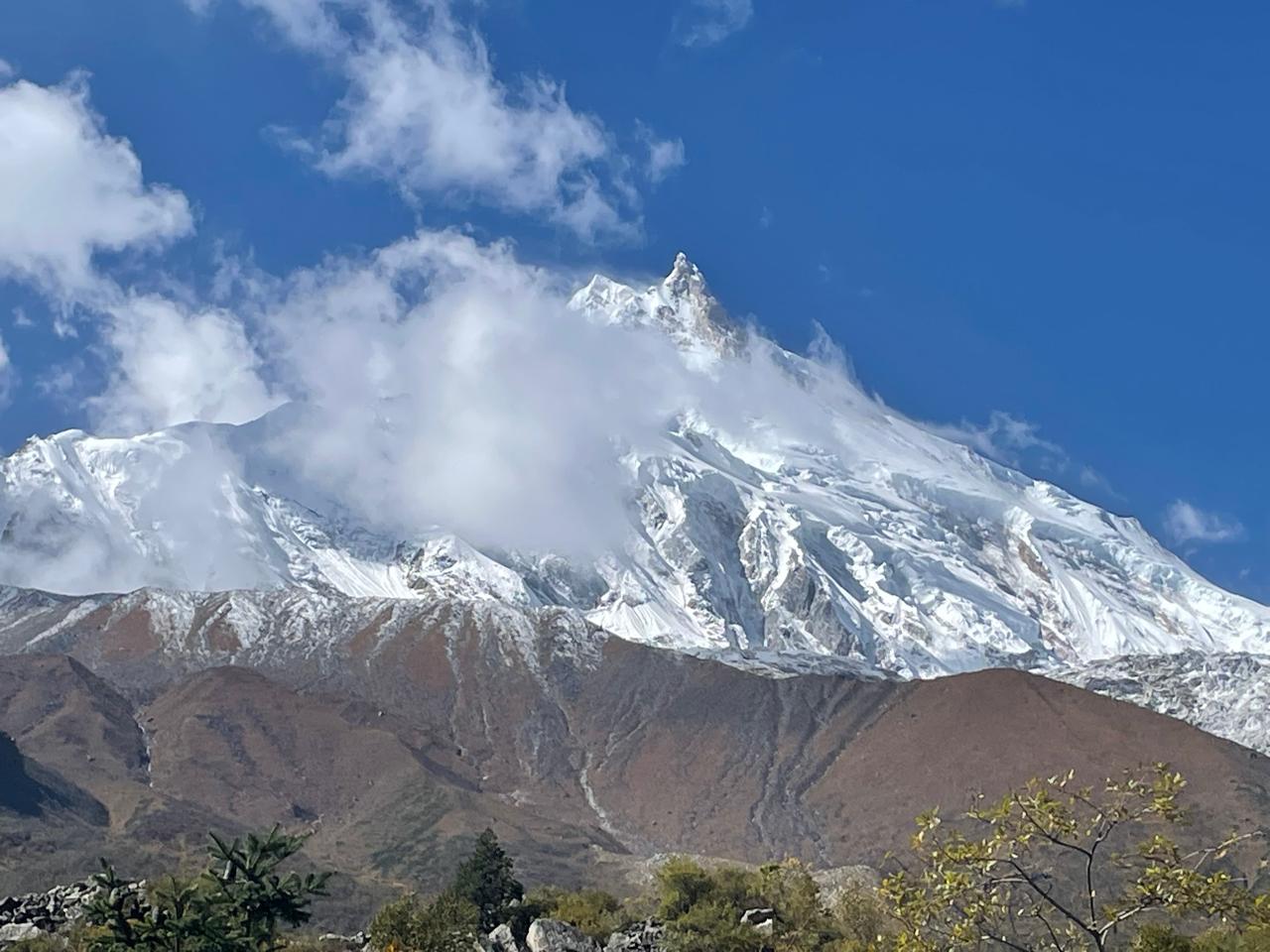
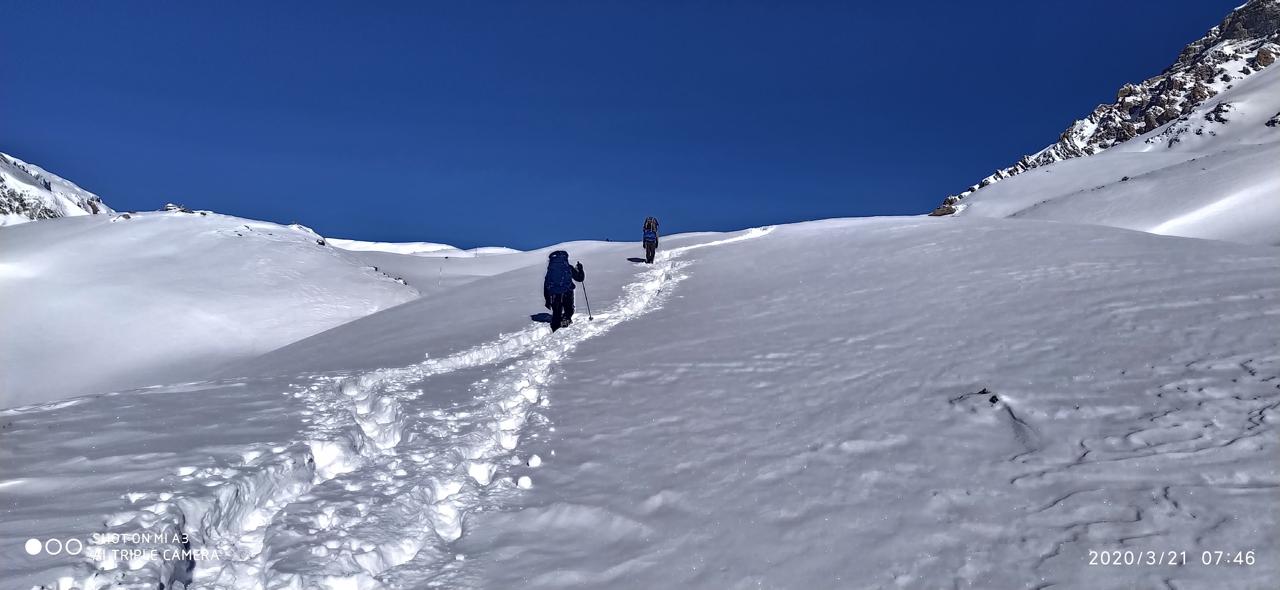
As the trail continues westward through the Langtang, Ganesh Himal, and Manaslu regions, the character of the journey evolves and deepens with every passing day. The Manaslu Circuit, anchored by the crossing of Larkya La Pass at 6,146 meters — the highest point of the entire trail — is one of the most physically demanding and visually rewarding sections of the whole route. From the towering summit ridges of Manaslu, the trail descends into the beloved Annapurna region before pushing further into the lesser-known and rarely visited territories of upper Mustang and the Dolpo wilderness. These areas are among the most culturally fascinating in all of Nepal, with their deep roots in Tibetan Buddhist tradition, ancient cliff-side monasteries, and trading villages that have changed very little over hundreds of years. The shift in landscape from green Himalayan forest to dry, ochre-colored plateau is one of the most striking transitions on the entire trail, and it reflects the extraordinary geographical diversity that makes Nepal unlike any other country on earth.
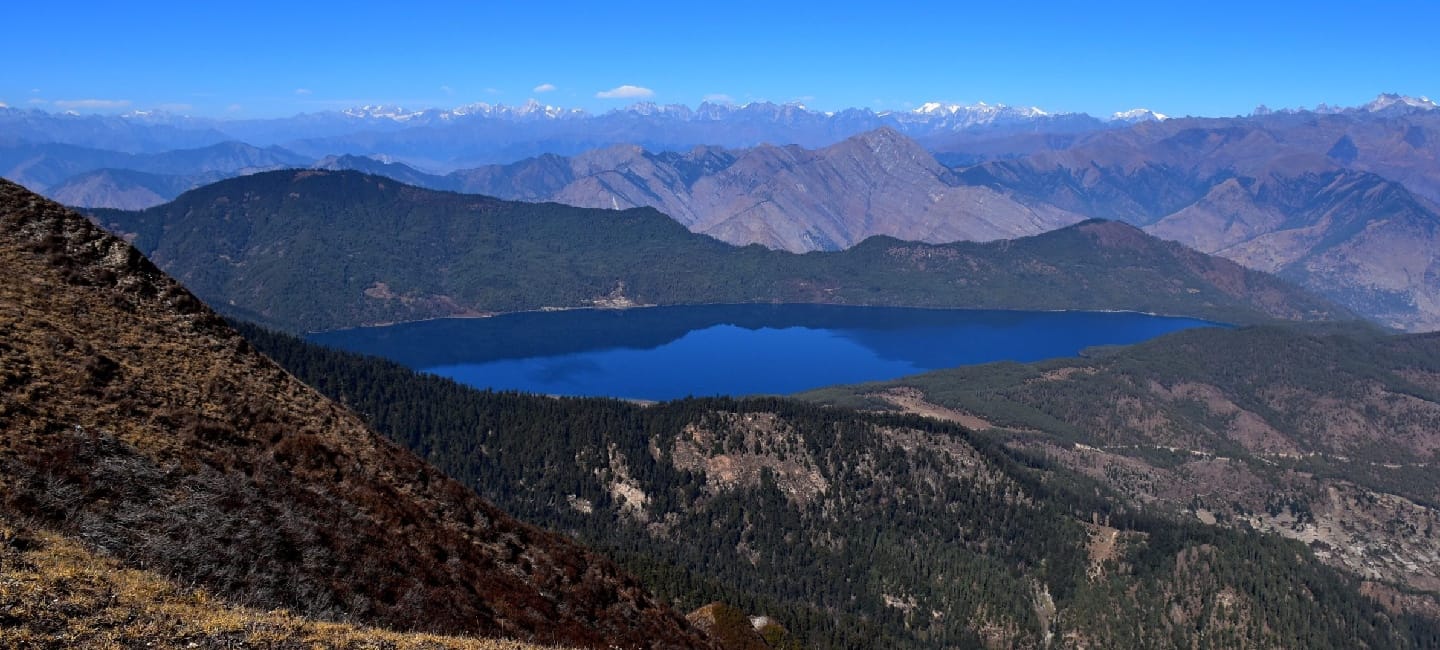
The far western sections of the Great Himalayan Trail pass through the Karnali and Humla regions, some of the most isolated and least-visited parts of Nepal. Villages here are small, self-sufficient, and deeply traditional, and the welcome that trekkers receive from local communities in these areas is genuinely warm and unhurried in a way that is increasingly rare in more touristed parts of the country. The trail winds through dramatic river gorges, crosses high ridges with sweeping views over uninhabited valleys, and arrives at Rara Lake — Nepal’s largest and most pristine lake — a place of such serene and overwhelming beauty that it feels like a reward in itself after weeks of hard trekking. The far western Himalaya has a distinct character that is quieter, wilder, and more austere than the central regions, and spending weeks walking through these landscapes leaves a deep and lasting impression on all who experience them. ART Nepal Treks & Expedition plans every logistical detail of the western stages with great care, ensuring safe accommodation, reliable resupply points, and expert guidance through one of the most challenging and remote sections of the entire route.
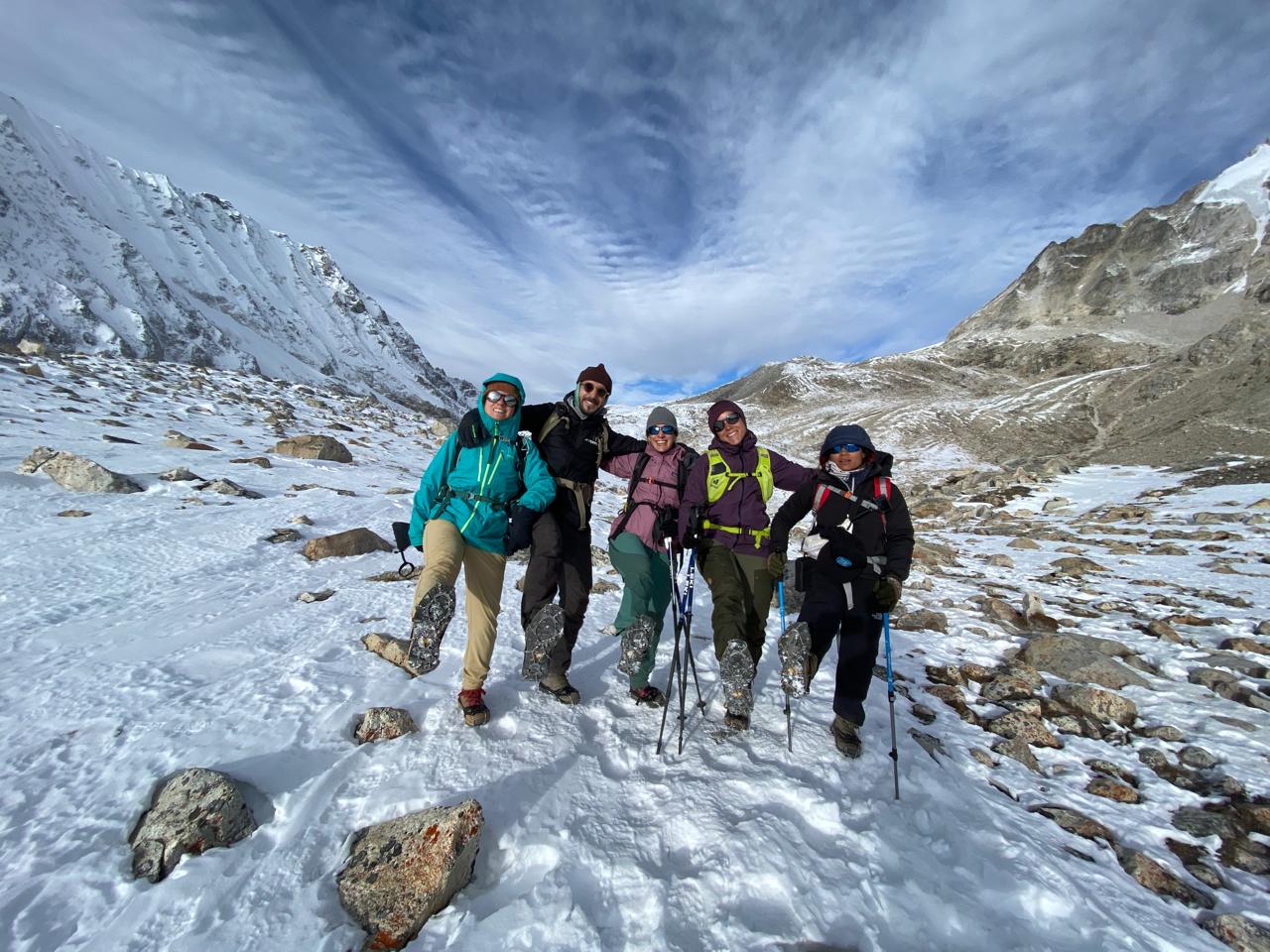
From beginning to end, ART Nepal Treks & Expedition provides full and professional support throughout every stage of this monumental 148-day journey. Every aspect of the trek is organized to allow trekkers to focus entirely on the experience itself, free from logistical worry or uncertainty. Highly trained and experienced guides accompany the group at all times, providing expert navigation, careful altitude monitoring, daily health checks, and culturally informed introductions to the communities and landscapes encountered along the route. The team has deep knowledge of every region traversed by the trail and is equipped to handle the full range of challenges that a journey of this scale can present, from sudden weather changes and trail difficulties to medical situations and emergency evacuations if required. The itinerary is built around a genuine understanding of what it takes to complete this trek safely and enjoyably, with rest days and acclimatization stops placed at exactly the right moments to keep trekkers healthy and motivated. With ART Nepal Treks & Expedition by your side, the Great Himalayan Trail becomes not just an achievable goal, but a truly life-changing adventure.
What Can You Expect from the Trek?
The Great Himalayan Trail offers a trekking experience that is unlike anything else available in Nepal or anywhere else in the world. From the moment you leave Kathmandu and travel toward the eastern trailhead at Kanchenjunga, every day brings a completely new set of landscapes, challenges, and discoveries. The terrain shifts constantly and dramatically as you move across the country, from the dense rhododendron and bamboo forests of the east to the open yak pastures and glacial moraines of the central Himalayan regions, and eventually to the remote desert-like plateaus and canyon landscapes of the far west. Some days will take you through bustling mountain market towns where you can find food, warmth, and company with ease. Other days will see you walking for many hours through complete wilderness, with nothing but the sound of wind, water, and birdsong for company. The sheer variety of terrain, altitude, climate, and environment encountered on this trek is its most defining characteristic, and it ensures that the journey never becomes repetitive or routine, no matter how many weeks have passed.
Cultural immersion is woven deeply into every stage of the Great Himalayan Trail and forms one of its most powerful and lasting dimensions. Nepal is a country of remarkable human diversity, and this trail takes you through the home territories of more distinct ethnic communities than perhaps any other single trekking route in Asia. In the eastern regions you will spend time with Sherpa families whose ancestors have lived among the world’s highest peaks for centuries, visiting their monasteries, sharing their meals, and learning about the spiritual practices that give meaning and structure to their mountain lives. As you move through the central regions you will encounter the Tamang and Gurung villages of the Langtang and Ganesh areas, the Tibetan-influenced communities of the Manaslu corridor, and the fascinating ancient culture of upper Mustang, which remained closed to outsiders until 1992. In the far west, the Thakuri and Magar communities of the Karnali region offer yet another distinct window into Nepali life, with their own agricultural traditions, oral histories, and deeply held spiritual beliefs. Each of these encounters adds a layer of meaning and connection to the physical experience of trekking, making the Great Himalayan Trail a journey that engages the mind and the heart as much as the body.
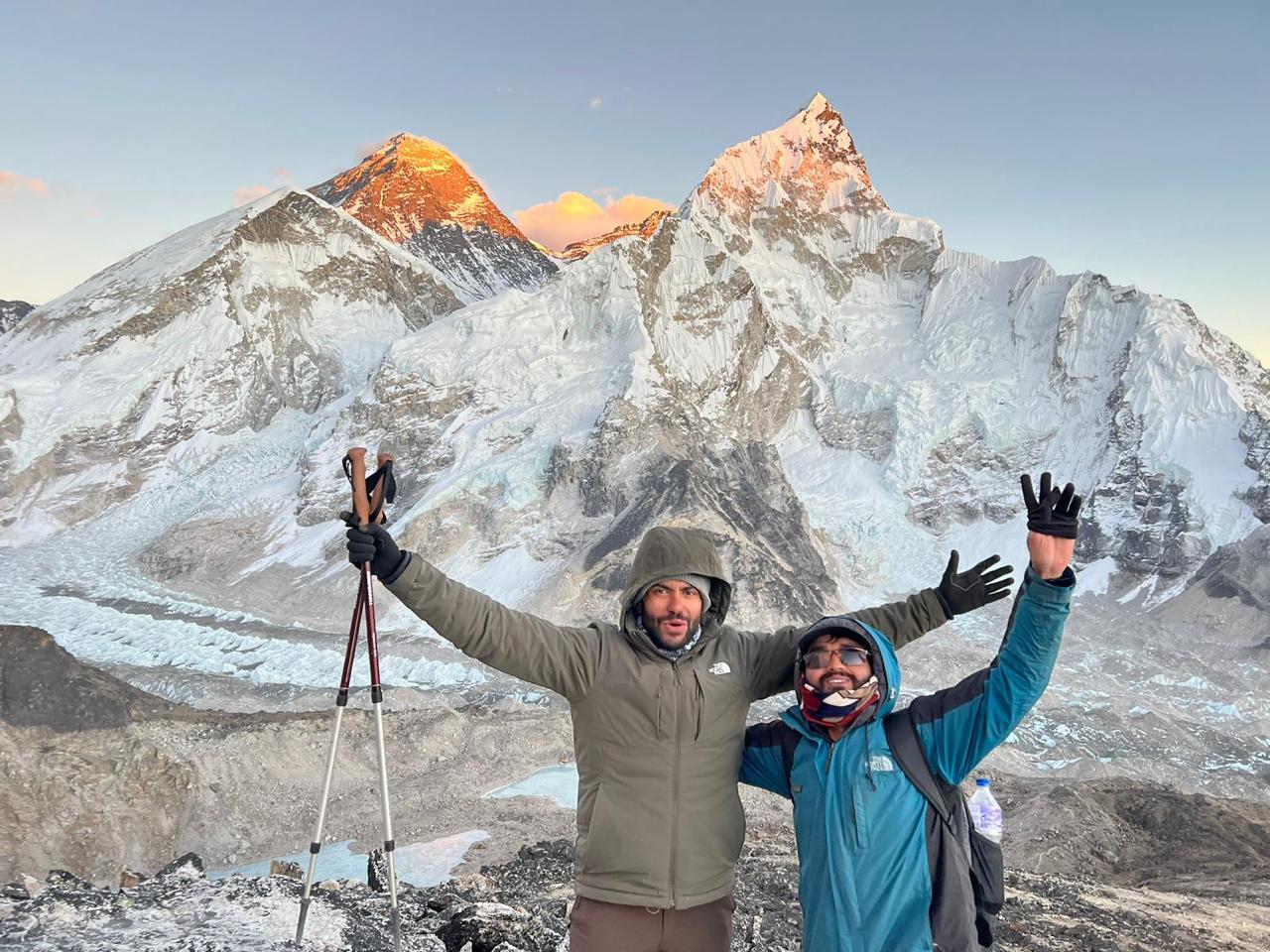
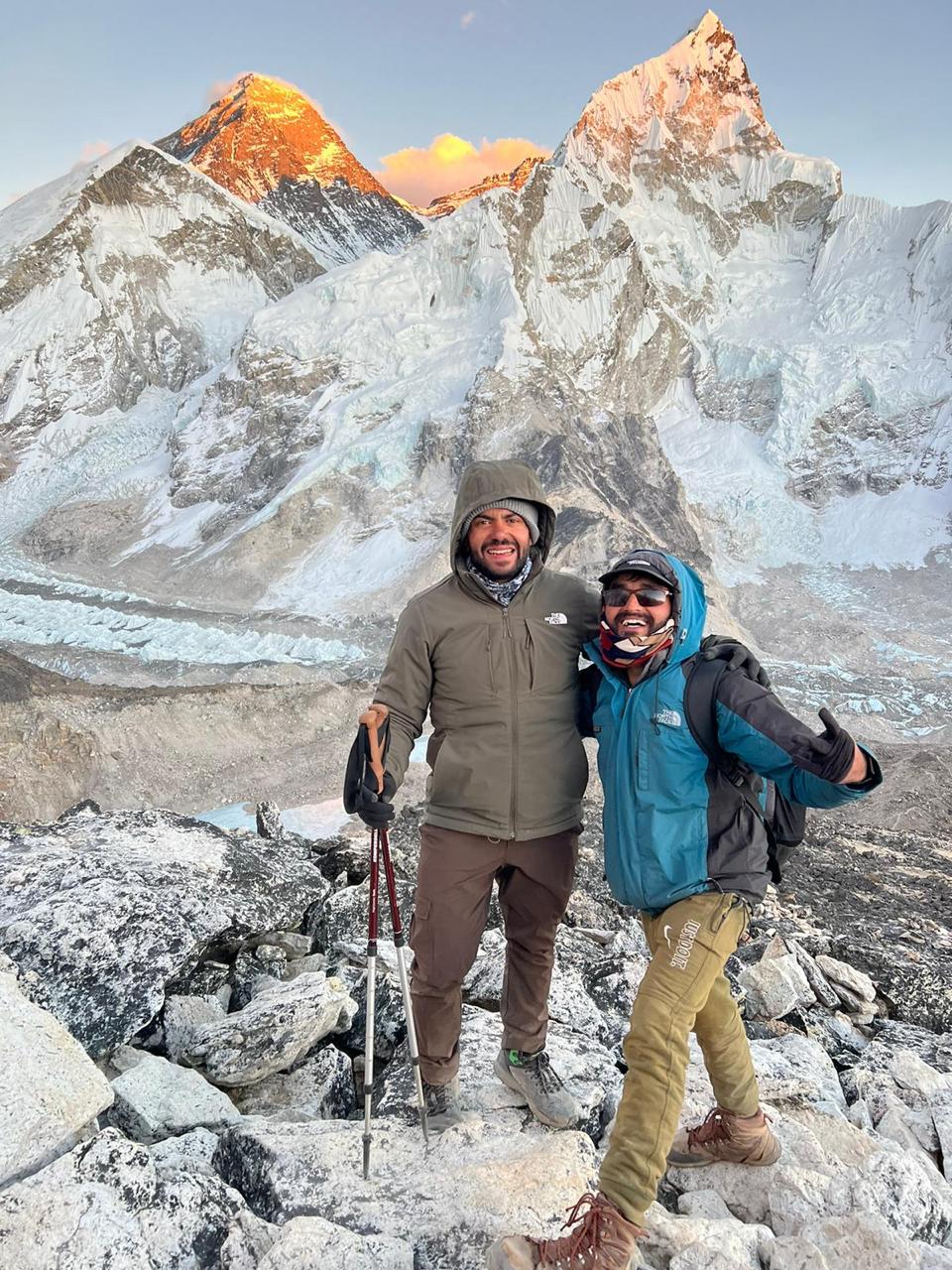
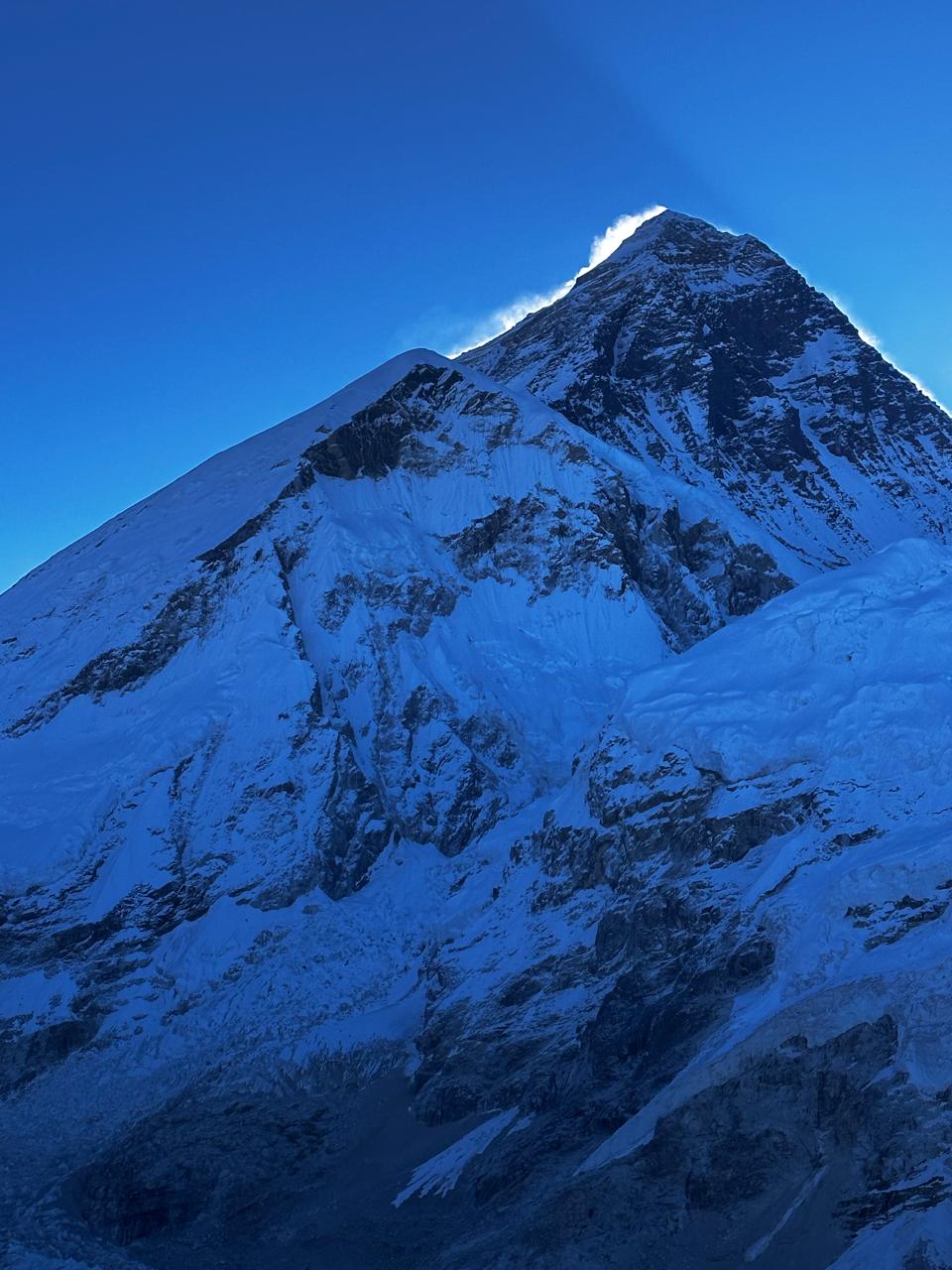
Alongside the cultural richness and physical challenge, the Great Himalayan Trail delivers mountain scenery of a scale and grandeur that is simply impossible to overstate. Eight of the fourteen highest mountains on earth come into view at various stages of the route, and seeing these giants from close range — Everest from the Khumbu, Manaslu from the Manaslu Circuit, Dhaulagiri from the Annapurna region, and Kanchenjunga from the very beginning of the journey — is an experience that inspires genuine awe every time, no matter how many times you have seen mountain landscapes before. Beyond the famous peaks, the trail also passes through landscapes of quieter and more intimate beauty: the still turquoise surface of Rara Lake reflecting the surrounding forests, the explosion of wildflowers across the high meadows of the Langtang in spring, the ancient chortens and prayer wheels of the Mustang plateau silhouetted against an impossibly blue sky. Acclimatization days built carefully into the itinerary give you time not just to let your body adjust to altitude, but to sit with these landscapes, explore the surrounding areas at a gentle pace, and absorb the full depth and richness of what each region has to offer.
Key Experiences on the Trek
- Varied Terrain and Physical Challenge: Long daily walks through steep ascents, glacier crossings, rocky high passes, deep river valleys, and remote wilderness paths that build your strength and endurance with every passing week of the journey.
- Spectacular Mountain Scenery: Panoramic views of eight of the world’s fourteen highest peaks, combined with glacial lakes, high alpine meadows, deep forested gorges, and the dramatic transition from green Himalayan forest to arid Tibetan plateau landscapes.
- Deep Cultural Immersion: Meaningful encounters with Sherpa, Rai, Limbu, Tamang, Gurung, Thakali, and Thakuri communities, including visits to active monasteries, ancient gompas, local festivals, and sacred sites that reveal the true spiritual heart of Nepal.
- High-Pass Crossings and Glacial Exploration: The challenge and reward of crossing twelve major Himalayan passes including Larkya La at 6,146 meters, alongside walks beside major glaciers and visits to remote base camps rarely seen by outside visitors.
- Acclimatization and Rest Days: Thoughtfully placed rest days at key altitudes throughout the route that allow your body to adjust safely while giving you the freedom to explore villages, visit local landmarks, and recharge for the demanding days ahead.
- Combination of Teahouses, Lodges, and Camps: A genuine variety of accommodation from comfortable teahouse lodges in established mountain villages to tented camps in the most remote and high-altitude sections of the trail, delivering the full Himalayan trekking experience.
Is the Trek Suitable for You?
The Great Himalayan Trail is best suited for trekkers who already have significant experience of multi-day high-altitude trekking and who are genuinely committed to taking on one of the most demanding long-distance journeys in the world. This is not a trek for first-time Himalayan visitors or those who are new to high-altitude walking. The combination of extreme distance, sustained high elevation, remote terrain, and nearly five months of continuous trekking places it in a category of its own when it comes to the level of preparation and experience required. Trekkers who have previously completed major Himalayan routes such as the Everest Base Camp trek, the Annapurna Circuit, the Manaslu Circuit, or similar multi-week high-altitude journeys will have a solid foundation of relevant experience to build upon. However, even experienced trekkers should approach the Great Himalayan Trail with deep respect for its scale and difficulty, and with a genuine commitment to the months of physical and mental preparation that give you the best possible chance of completing it successfully and safely.
The physical demands of the Great Himalayan Trail are significant and consistent across all 148 days of the journey. Many days involve walking for between six and ten hours on difficult and often uneven terrain, at altitudes that range from the lower valleys to passes well above 5,000 meters. The cumulative effect of week after week of sustained exertion at altitude places enormous demands on the cardiovascular system, the muscles, and the joints, and maintaining good health and energy throughout the full length of the trek requires both excellent baseline fitness and the discipline to pace yourself wisely from the very beginning. The remote nature of much of the western trail means that resupply opportunities are limited, and there are sections where you may go many days without passing through a settlement large enough to offer more than the most basic provisions. Weather conditions across the route can change rapidly and unpredictably, and trekkers must be both physically and mentally equipped to deal with cold, wet, or windy conditions at short notice. All of these factors combine to make the Great Himalayan Trail a genuine expedition-level undertaking rather than simply a very long walk.
Despite its formidable reputation, the Great Himalayan Trail is absolutely achievable for trekkers who arrive properly prepared and who are supported by an experienced and professional team. The key ingredients for success are excellent physical fitness built through months of dedicated training, strong mental resilience developed through honest self-reflection and preparation, and the wisdom to trust the guidance of expert professionals who know the route in detail. ART Nepal Treks & Expedition has designed the itinerary with careful attention to acclimatization, rest, and daily distance management, ensuring that the pace of the trek is demanding but sustainable over the full 148 days. Age is far less of a barrier than fitness level and mental readiness — many trekkers in their forties, fifties, and beyond have completed this route successfully by arriving well-prepared and staying patient and consistent throughout. If you are someone who loves the mountains, values genuine adventure, and is ready to commit fully to one of the greatest trekking challenges the world has to offer, then the Great Himalayan Trail is the journey for you.
Suitable Trekkers Should
- Have Prior High-Altitude Trekking Experience: Previous completion of multi-week high-altitude routes such as Everest Base Camp, the Annapurna Circuit, or the Manaslu Circuit is strongly recommended before attempting the Great Himalayan Trail.
- Be in Excellent Physical Condition: The ability to walk six to ten hours per day on challenging terrain at sustained high altitude, day after day for nearly five months, requires a level of fitness that must be built through months of dedicated training before departure.
- Possess Strong Mental Resilience: Extended weeks in remote wilderness, far from home comforts and with limited outside contact, demand a positive mindset, emotional stability, and genuine inner motivation to keep going through difficult days.
- Be Comfortable with Remote and Basic Conditions: Long sections of the trail pass through areas with very limited facilities, where accommodation is basic, resupply is scarce, and connectivity with the outside world is minimal. Trekkers must be genuinely comfortable with this reality.
- Have a Deep Passion for Adventure and Discovery: The Great Himalayan Trail rewards those who approach it with authentic curiosity, openness to new experiences, and a sincere appreciation for both the natural world and the human communities that call the Himalayas home.
- Be Willing to Follow Professional Guidance: Safety and success on a trek of this scale depend on respecting acclimatization schedules, following the advice of experienced guides, and making sensible decisions about pace, health, and daily conditions at all times.
How to Get Prepared for the Trek
Preparing for the Great Himalayan Trail is a serious and long-term commitment that should ideally begin at least six to twelve months before your planned departure date. The physical demands of 148 consecutive days of high-altitude trekking are extraordinary, and building the level of cardiovascular endurance and muscular strength required takes time, consistency, and a well-structured training plan. The most effective preparation centers on long-distance hiking with a fully loaded backpack, as this is the activity that most closely replicates the actual conditions of the trek and prepares both your body and your gear for what lies ahead. Alongside hiking, regular running, cycling, and swimming will build your aerobic base and cardiovascular capacity, while targeted strength training focused on the legs, glutes, core, and lower back will protect your joints and reduce the risk of injury during months of continuous walking. It is important to increase the duration and intensity of your training gradually over time rather than rushing the process, and to include regular longer outings — full-day hikes with heavy packs across varied terrain — that simulate the physical reality of a big trekking day on the GHT. Arriving at the trailhead with a strong and well-conditioned body is the single most important thing you can do to ensure a successful and enjoyable experience on this trek.
Mental preparation deserves just as much attention as physical training and is often the area that trekkers underestimate most significantly. A journey of nearly five months through remote Himalayan terrain will test your patience, your emotional reserves, and your ability to stay positive and motivated during difficult days in ways that no shorter adventure can prepare you for. It is worth taking time before departure to think honestly about your motivations for attempting this trek, your tolerance for discomfort and uncertainty, and your capacity to maintain a constructive attitude when things get hard. Developing a regular mindfulness or meditation practice, spending extended time outdoors in challenging conditions, and reading detailed first-hand accounts from people who have completed the GHT are all valuable ways of building the mental readiness this journey requires. On a practical level, it is also important to make thorough arrangements for your work, family, and financial life before you leave, so that you can be fully present and focused on the trail without the distraction of unresolved responsibilities at home. ART Nepal Treks & Expedition provides comprehensive pre-trek briefings and consistent on-trail support to help every trekker stay mentally grounded, informed, and motivated from the first day of the journey to the last.
Thorough gear and health preparation are the final essential elements of a complete readiness plan for the Great Himalayan Trail. Every piece of equipment you carry should be carefully selected for quality and suitability, and then tested extensively on training hikes before departure to make sure it performs as expected and fits comfortably over long days of walking. Your trekking boots are the single most important item in your pack and must be completely broken in before the trek begins, as new or poorly fitting boots can cause serious foot problems that become debilitating over a journey of this length. A high-quality sleeping bag rated for temperatures well below zero, a reliable set of layered clothing for conditions ranging from tropical heat to sub-zero mountain cold, durable trekking poles, and a waterproof pack cover are all non-negotiable essentials. On the health side, a thorough pre-trek medical examination is strongly recommended, including a discussion with your doctor about altitude sickness prevention medication, vaccinations appropriate for Nepal, and any personal health considerations that may be relevant at high altitude. Comprehensive travel insurance that covers high-altitude trekking up to at least 6,200 meters, emergency helicopter evacuation, extended hospitalization, and trip cancellation is mandatory for this trek and should be arranged well in advance. ART Nepal Treks & Expedition will assist with all required trekking permits, TIMS cards, national park entry fees, and restricted area permits, ensuring that all documentation is fully in order before the trek begins.
Preparation Checklist
- Physical Fitness Training: Build endurance through progressive long-distance hiking with a loaded backpack combined with running, cycling, and swimming for cardiovascular fitness, and targeted leg and core strength training over a minimum of six to twelve months before departure.
- Mental Readiness: Reflect honestly on your motivations and emotional resilience, practice staying calm and positive under pressure, read first-hand GHT accounts, develop a mindfulness practice, and make thorough practical arrangements for your life at home before departure.
- Acclimatization Planning: Follow the carefully designed acclimatization schedule in the itinerary, rest when needed, ascend gradually, and never ignore the advice of your guides regarding pace and altitude management throughout the trek.
- Trekking Gear: Select and thoroughly test all equipment including fully broken-in trekking boots, layered clothing for all conditions, a sub-zero sleeping bag, trekking poles, waterproof jacket and pack cover, and all personal camping equipment needed for remote high-altitude sections.
- Health and Medical Preparation: Complete a pre-trek medical check-up, consult your doctor about altitude sickness prevention, vaccinations, and personal medications, and assemble a comprehensive personal first aid kit tailored to the demands of a long remote trek.
- Travel Insurance: Arrange comprehensive insurance covering high-altitude trekking up to 6,200 meters, emergency helicopter evacuation, extended medical treatment, and trip cancellation well in advance of your departure date.
- Permits and Local Knowledge: Work with ART Nepal Treks & Expedition to obtain all required permits and documentation, and take time to familiarize yourself with local customs, etiquette in Himalayan communities, and the principles of responsible and respectful trekking.
-
Trip Duration
148 Days/ 147 Nights
-
Group Size
1-20 People
-
Maximum Altitude
6,146 meters
-
Trip Difficulty
Challenging
-
Activities
Trekking, Hiking, Camping, Cultural Exploration
-
Best Season
Spring (March–May), Autumn (September–November)
-
Trip Start & End
Kathmandu-Kathmandu
-
Meals
Breakfast, Lunch, Dinner
-
Accomodation
Teahouse, Lodge, Camping
Highlights
- Traverse Nepal from East to West: The Great Himalayan Trail is one of the longest and highest trekking routes on earth, taking you across the entire length of Nepal through remote villages, high mountain passes, dense forests, and rugged terrain that few trekkers ever experience.
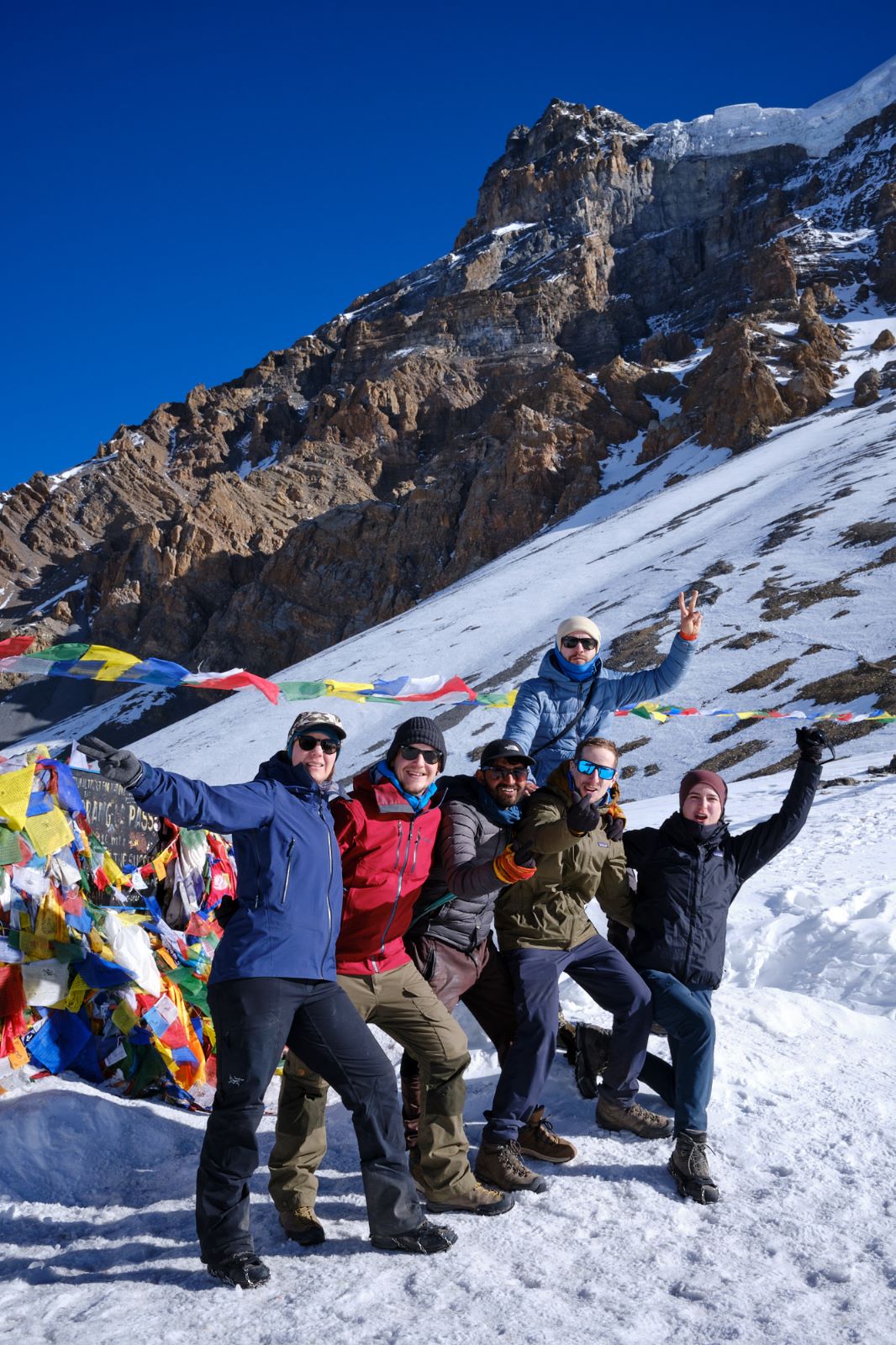
- Cross 12 Major Passes: The trail takes you over twelve remarkable high-altitude passes including Larkya La, Amphu Lapcha, and Tashi Labtsa, each offering unparalleled panoramic views of the majestic Himalayas and glacial valleys that stretch endlessly in every direction.
- Explore Diverse Cultures: From the Sherpa communities of the east to the Thakuri people of the far west, this trail immerses you in the rich cultural diversity and legendary hospitality of Nepal’s many distinct ethnic communities, each with their own traditions, festivals, and way of life.
- Pristine and Remote Landscapes: The route passes through untouched regions, deep river valleys, high alpine meadows, dense rhododendron forests, and ancient glacier moraines where only the most dedicated and adventurous trekkers ever set foot.
- Witness 8 of the World’s 14 Highest Peaks: The trail brings you within close range of eight of the world’s tallest mountains, including Everest, Kanchenjunga, Makalu, Lhotse, Cho Oyu, Manaslu, Dhaulagiri, and Annapurna, offering views that cannot be replicated anywhere else on the planet.
- Ultimate Trekking Challenge: With over 1,700 kilometers of trail crossing the highest mountain ranges in the world, the Great Himalayan Trail stands as the ultimate challenge for trekkers seeking adventure, endurance, and a true test of physical and mental strength.
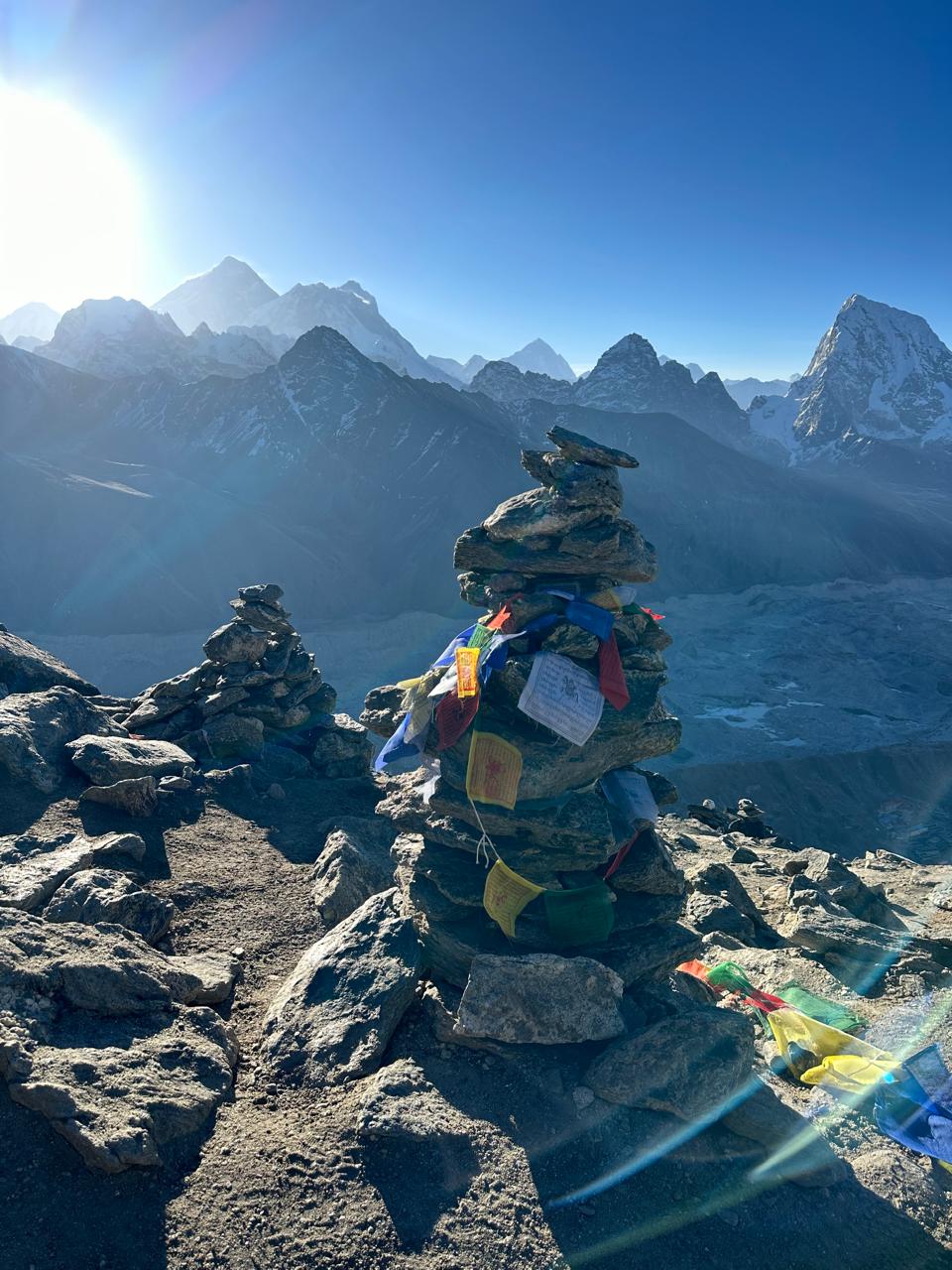
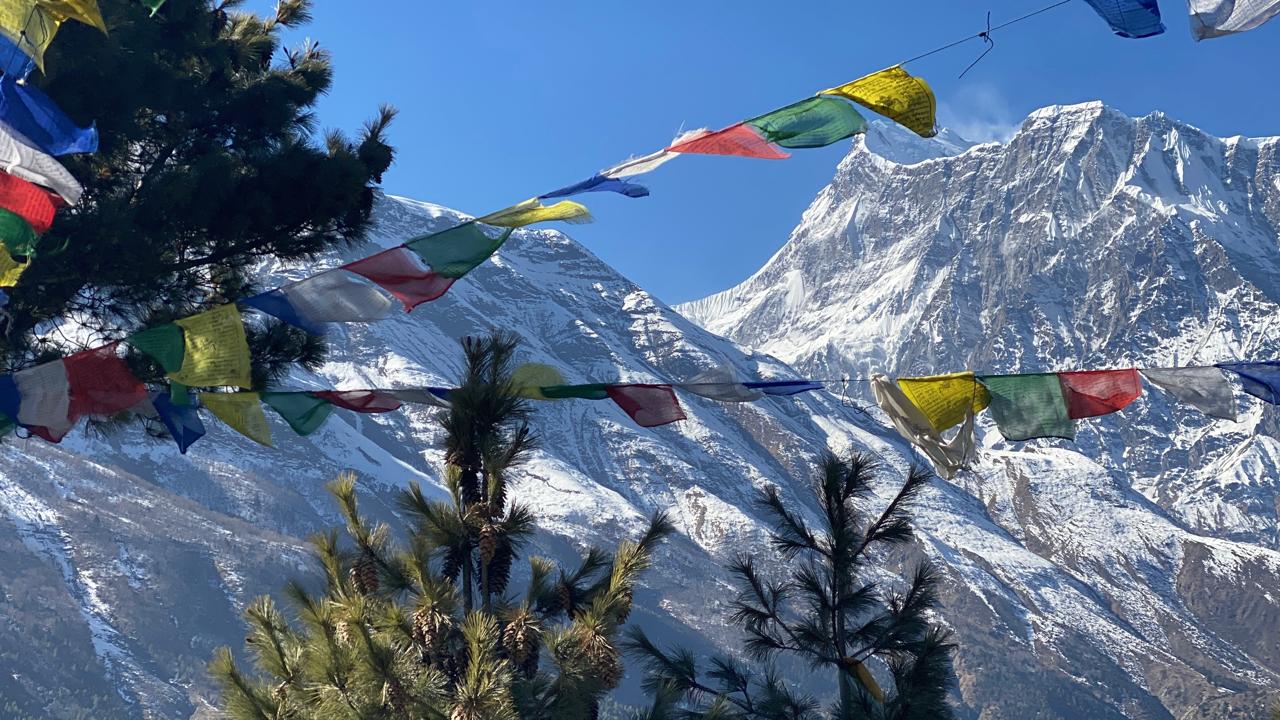
- Cultural and Spiritual Sites: Throughout the journey you will visit ancient monasteries, sacred gompas, centuries-old temples, and prayer flag-draped mountain passes that are deeply embedded in the spiritual and cultural heritage of Nepal’s Himalayan communities.
Itinerary
The complete Great Himalayan Trail itinerary has been carefully compiled and provided in a downloadable PDF format for your convenience. This allows you to review the full journey in a structured and detailed way, including day-to-day trekking plans, altitude gains, accommodation details, and important logistical information in one place. We recommend reading the PDF thoroughly to better understand the scale, challenges, and preparation required for this extraordinary expedition.
👉 Please click the link below to access and read the full itinerary in PDF format.
What's Included
- Airport pickup & drop
- 2 Nights at Kathmandu 3 Star Hotel
- 2 Breakfast in Kathmandu
- All Permits and Taxes
- During Tour
- Accomodation
- Breakfast, Lunch, Dinner, Tea/Coffee
- Guide (food and accomodation, salary, guide’s insurance)
- First Aid Kit
- Public Transportation or Flight/s
- Satellite Phone and Local phones
- Group Trekking Equipments (Not personal)
- Duffle bag
What's Excluded
- Personal Expenses
- Gears
- Tips for staff (Expected at the end of the trip)
- Beverages & Mineral Water
- Travel Insurance
- Extra meals
- Porters: Optional, though highly recommended for carrying heavy luggage ($22 per porter per day). A porter can carry up to 20 kg, and it is advisable to hire one porter for every two trekkers for comfort and convenience.
Essential Info
Add-Ons
The Great Himalayan Trail is not only a trekking journey but also a gateway to Nepal’s deep cultural, spiritual, and natural diversity. The optional add-ons are designed to enhance your overall experience by allowing you to explore heritage cities, sacred pilgrimage sites, remote valleys, and scenic landscapes beyond the main trail. These extensions are ideal for trekkers who want to balance adventure with culture, relaxation, and deeper exploration of Nepal.
These experiences can be arranged before, during, or after the trek depending on your schedule. Whether it is witnessing centuries-old architecture in Kathmandu, exploring hidden Himalayan villages, or taking a scenic helicopter flight above the world’s highest peaks, each add-on is designed to enrich your journey in a meaningful way.
Optional Add-On Experiences
- Kathmandu Cultural Heritage Tour
Explore the UNESCO World Heritage Sites of Kathmandu Valley including Swayambhunath (Monkey Temple), Boudhanath Stupa, Pashupatinath Temple, and Patan Durbar Square. This tour offers deep insight into Nepal’s spiritual traditions, ancient architecture, and living culture. - Bhaktapur Medieval City Exploration
Walk through the preserved medieval city of Bhaktapur, famous for its brick-paved streets, traditional Newari culture, pottery squares, and ancient royal palaces. This is one of the best places to experience authentic historical Nepal. - Rara Lake Extension Journey
Extend your adventure to Rara Lake, the largest lake in Nepal. Surrounded by alpine forests and snow-capped peaks, this destination offers unmatched tranquility, wildlife sightings, and pristine natural beauty. - Upper Mustang Cultural Experience
Discover the hidden kingdom of Upper Mustang, a restricted Himalayan desert influenced by Tibetan culture. Ancient monasteries, cave dwellings, and dramatic landscapes make this one of Nepal’s most unique cultural regions. - Helicopter Mountain Flight Experience
Experience an unforgettable aerial journey over Everest, Annapurna, Manaslu, and Langtang ranges. This is ideal for capturing panoramic views of the Himalayas in a short time with maximum visual impact. - Hot Spring Relaxation Experience (Tatopani or similar zones)
After long trekking days, relax in natural geothermal hot springs found in different regions of Nepal. These are believed to help muscle recovery and provide natural healing benefits.
Best Season to Trek
The Great Himalayan Trail passes through multiple climatic and ecological zones, which means trekking conditions vary significantly depending on the season. Choosing the right time for this expedition is extremely important for safety, visibility, and overall trekking comfort. Each season in Nepal offers a completely different experience — from crystal-clear mountain views to lush green valleys or remote, snow-covered wilderness.
Because this is a long-duration high-altitude expedition, trekkers must carefully consider weather stability, temperature, trail accessibility, and risk factors such as snow or monsoon rainfall. Below is a detailed breakdown of each season to help you understand what to expect throughout the year.
SPRING SEASON (March – May)
Spring is widely considered one of the most beautiful and balanced seasons for trekking in Nepal. During this time, the weather becomes gradually warmer, skies are generally clear, and visibility of Himalayan peaks is excellent. The lower and mid-hill regions come alive with blooming rhododendrons, magnolias, and wildflowers, turning the entire landscape into a colorful natural paradise.
This season is especially favorable for long expeditions like the Great Himalayan Trail because high passes are more stable compared to winter, and temperatures are not as extreme. Days are warm and pleasant, while nights are cold but manageable at higher altitudes. Wildlife sightings are also more common during spring due to active forest life.
Key Highlights
- Title: Rhododendron Bloom Season
Description: Entire hillsides are covered with vibrant flowers, creating one of the most scenic trekking environments in Nepal. - Title: Stable Weather Conditions
Description: Clear skies and predictable weather patterns make high-altitude trekking safer and more enjoyable. - Title: Excellent Mountain Visibility
Description: Snow-covered peaks such as Everest, Makalu, and Annapurna ranges are clearly visible throughout the journey.
SUMMER / MONSOON SEASON (June – August)
The monsoon season brings heavy rainfall across most trekking regions of Nepal. Trails become slippery, river levels rise, and leeches may be present in lower forest areas. Because of these conditions, trekking becomes more physically demanding and logistically challenging in many sections of the Great Himalayan Trail.
However, this season is not entirely unsuitable. Certain rain-shadow regions like Upper Mustang, Dolpo, and parts of the far western Himalayas remain relatively dry and accessible. These areas offer a unique trekking experience with fewer crowds, lush green valleys, and dramatic cloud-covered landscapes.
Key Highlights
- Title: Rain-Shadow Trekking Routes
Description: Regions like Mustang and Dolpo remain dry and are ideal for monsoon trekking adventures. - Title: Fewer Crowds
Description: Remote trails become extremely quiet, offering solitude and untouched natural beauty. - Title: Lush Green Landscapes
Description: Forests and valleys become incredibly vibrant and alive due to heavy rainfall.
AUTUMN SEASON (September – November)
Autumn is considered the best overall trekking season in Nepal and the most recommended time for the Great Himalayan Trail. After the monsoon clears the atmosphere, the skies become crystal clear, offering unmatched visibility of the Himalayan range. Weather conditions are stable, temperatures are moderate, and trekking routes are in excellent condition.
This season is ideal for crossing high passes safely, as snowfall is minimal and trails are dry. Cultural festivals such as Dashain and Tihar also fall within this period, allowing trekkers to experience Nepal’s rich traditions along the journey.
Key Highlights
- Title: Best Mountain Visibility
Description: Post-monsoon clarity provides breathtaking panoramic views of the Himalayas. - Title: Ideal Trekking Conditions
Description: Stable weather and dry trails make this the safest and most comfortable season for long expeditions. - Title: Cultural Festival Season
Description: Experience Nepal’s major festivals and local traditions during your trekking journey.
WINTER SEASON (December – February)
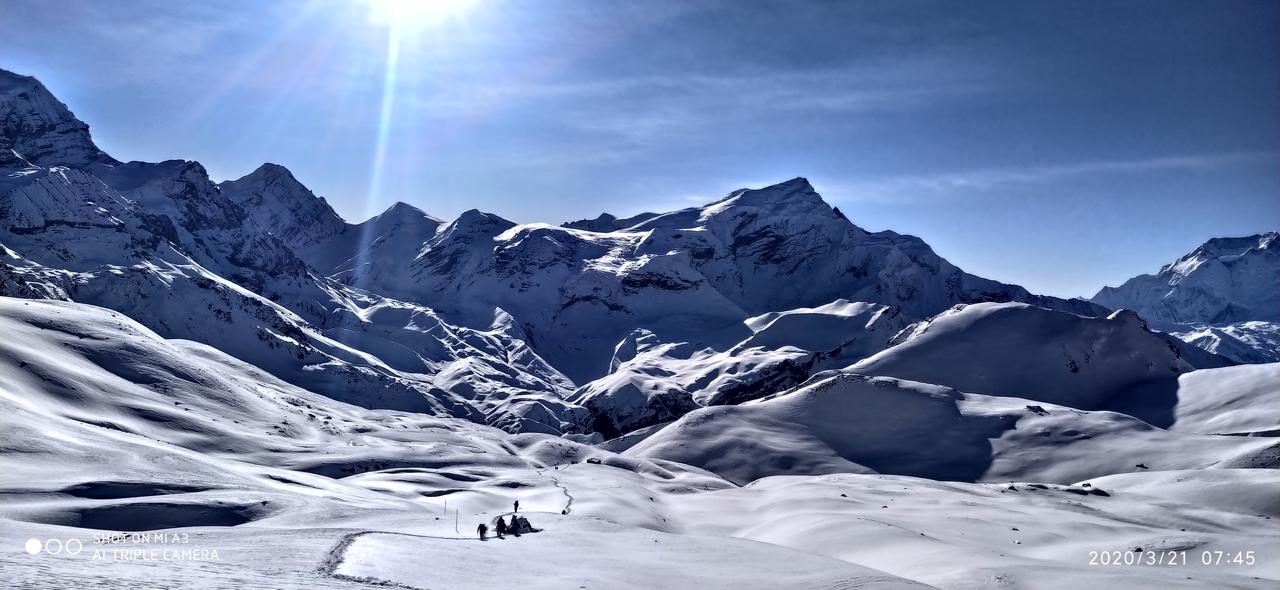
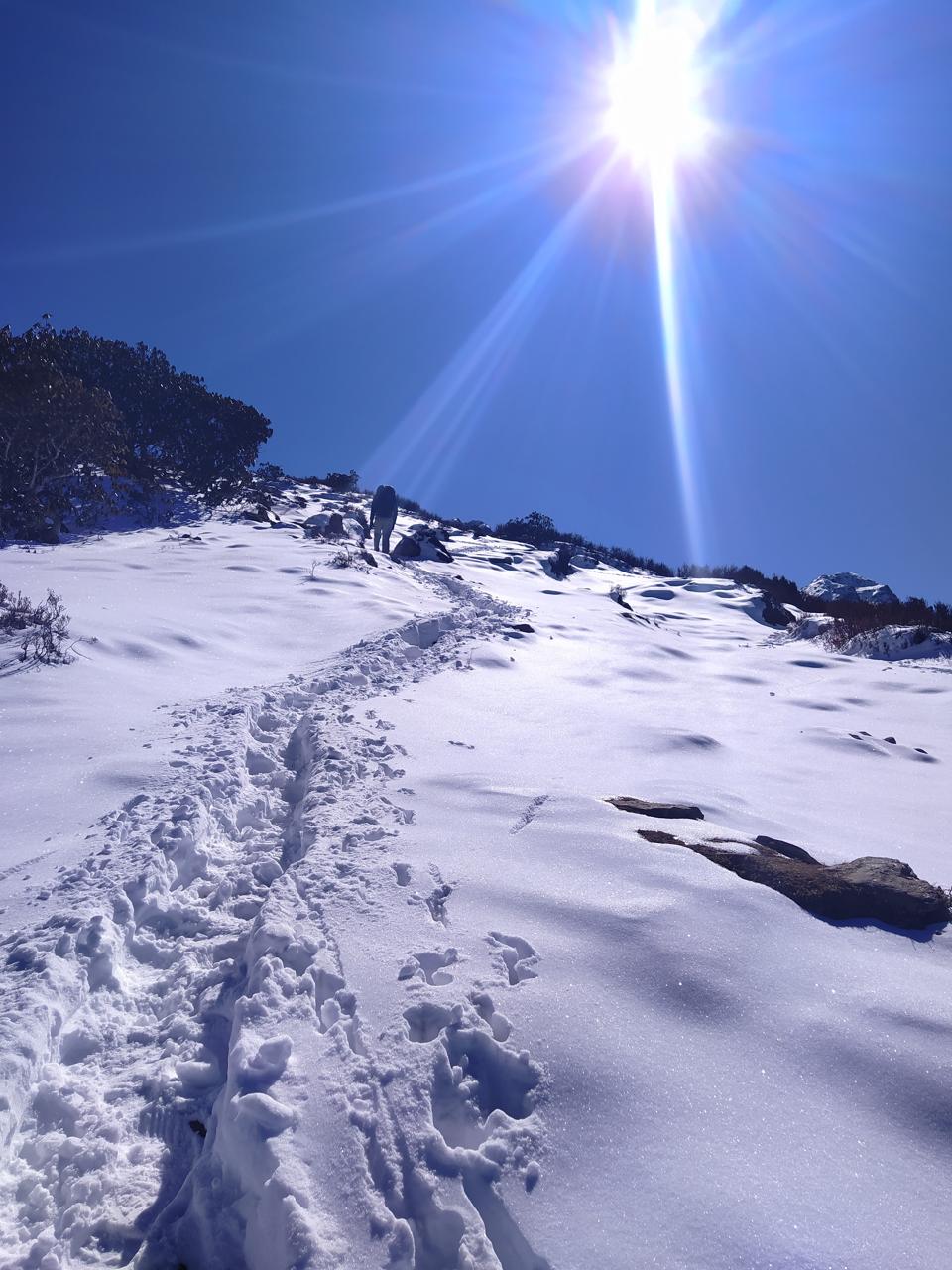
Winter in the Himalayas is extremely cold, especially at high altitudes where temperatures can drop well below freezing. Heavy snowfall often blocks mountain passes, making some sections of the Great Himalayan Trail inaccessible or very challenging. However, lower elevation trails remain open and peaceful.
This season is ideal for trekkers seeking solitude, dramatic snowy landscapes, and a more isolated trekking experience. Proper winter gear, preparation, and experience are essential for trekking during this time.
Key Highlights
- Title: Snow-Covered Landscapes
Description: Mountains and valleys are covered in thick snow, creating a dramatic winter scenery. - Title: Very Low Crowds
Description: Trails are extremely quiet, offering complete isolation and peace in nature. - Title: Challenging High Passes
Description: Many high-altitude routes become difficult or inaccessible due to heavy snowfall.
Food Availability
Food along the Great Himalayan Trail changes continuously depending on altitude, geography, and local settlement access. In lower valleys and village-connected regions, meals are more varied, fresh, and influenced by local agricultural production. As the trek progresses into remote and high-altitude wilderness, food becomes simpler, more repetitive, and focused mainly on energy, warmth, and endurance support rather than variety or culinary diversity.
Meal planning across the expedition follows a structured approach designed to sustain long trekking days. Breakfast is prepared to provide quick energy before early morning starts, lunch supports endurance during long walking hours, and dinner focuses on recovery, calorie replenishment, and body warmth. In camping sections, professional cooks manage food preparation to ensure hygiene, consistency, and proper nutrition even in extremely remote environments.
Hydration remains equally important throughout the journey. Hot drinks such as tea, coffee, and herbal infusions are widely used not only for hydration but also for maintaining body warmth in cold high-altitude conditions. Safe drinking water is ensured through boiling, filtration, or purification tablets depending on the region.
Lower Region Food Experience
In lower altitude regions, trekkers experience relatively diverse menus with access to local produce and village-based cooking styles. Food options are more varied due to better transportation and stronger agricultural presence.
- Dal Bhat (rice, lentils, vegetables, pickles) as the main energy meal
- Noodles, pasta, fried rice, and soups available in teahouses
- Fresh vegetables, eggs, and simple meat dishes in accessible villages
- Occasional bakery items and snacks in larger settlements
These meals are nutritious, filling, and suitable for long trekking days while still offering comfort and familiarity.
Mid-Altitude Trekking Food
As altitude increases, food variety gradually reduces but remains sufficient for trekking needs. Ingredients become more locally sourced, and menus become simpler due to logistical limitations.
- Rice, lentils, potatoes, and seasonal vegetables dominate meals
- Tibetan bread, porridge, and egg-based breakfast options
- Limited meat availability depending on village access
- Soups and noodle-based dishes for quick energy recovery
Despite fewer options, meals are carefully prepared to maintain calorie intake and trekking endurance.
High-Altitude & Remote Camps Food
In high-altitude and fully remote camping zones, food becomes highly functional and expedition-focused. The priority is survival nutrition, warmth, and energy efficiency rather than taste or variety.
- High-calorie meals such as rice, soup, and porridge-based dishes
- Dehydrated or preserved vegetables used in cooking
- Instant noodles, energy soups, and simple starch-heavy meals
- Limited fresh ingredients due to transportation constraints
Even in these extreme regions, meals are designed to ensure trekkers maintain strength, warmth, and recovery capacity after long trekking days.
Drinks and Hydration System
Hydration is a core part of food management in high-altitude trekking, as dehydration significantly increases fatigue and altitude sickness risk. Hot drinks are available in most camps and play a major role in daily recovery.
- Tea and coffee served multiple times daily
- Herbal drinks made from local mountain herbs
- Boiled or filtered drinking water at all camps
- Occasional soup-based hydration meals
Warm liquids are especially important at high altitude to maintain energy and regulate body temperature.
Food Limitations in Remote Areas
Due to extreme remoteness and lack of supply chains, food options naturally become limited in certain sections of the Great Himalayan Trail. However, nutrition is carefully managed to ensure trekkers receive enough energy daily.
- Repetitive menus in high-altitude camps
- No fresh produce in glacier or pass regions
- Seasonal dependency on supply routes
- Focus on calories rather than variety
Even with limitations, meals are planned to maintain trekking performance and safety throughout the expedition.
Accommodation
Accommodation along the Great Himalayan Trail varies dramatically depending on altitude, remoteness, and accessibility of each region. In lower elevation villages and trail-connected settlements, trekkers may find basic tea houses or homestays, while in higher and more isolated sections, camping becomes the primary form of accommodation. The entire journey is a gradual transition from semi-developed rural lodging to fully expedition-style wilderness camping.
In well-settled trekking corridors such as Annapurna, Manaslu, and Langtang sections, tea houses provide simple but warm shelter with shared rooms, communal dining areas, and locally prepared meals. As the route progresses into remote high-altitude zones like Makalu, Dolpo, and far-western sections, accommodation shifts to tented camps managed by expedition crews. These camps are carefully selected for safety, water access, and protection from wind exposure.
At the highest and most isolated points of the trail, accommodation becomes entirely self-supported. Trekkers rely on high-altitude tents, sleeping systems, and expedition logistics. These camps are often set on glacial moraines, alpine valleys, or rocky basins, where conditions are harsh but landscapes are spectacular. Nights at these elevations are cold and challenging, but also among the most memorable experiences of the entire journey.
- Tea Houses (Lower & Mid Elevation)
Simple village lodges offering shared rooms, basic bedding, and local meals in popular trekking regions. - Homestays (Cultural Villages)
Family-run accommodation providing authentic cultural interaction and traditional hospitality. - Tented Camps (Remote Regions)
Expedition-style camping with organized kitchen, dining tents, and sleeping tents in high-altitude wilderness. - High Camp Setups (Above 5000m)
Minimal but secure camps placed strategically for pass crossings and glacier travel. - Fully Supported Expedition Camps
Complete trekking setups including guide team, cook staff, and logistics support in isolated Himalayan regions.
Travel Insurance
Travel insurance is a crucial requirement for undertaking the Great Himalayan Trail due to its extreme remoteness, high-altitude exposure, and limited access to emergency services. Standard travel insurance is not sufficient for this journey; trekkers must ensure that their policy specifically covers high-altitude trekking, usually up to 6,000–7,000 meters, and includes emergency evacuation services. In many sections of the trail, helicopter evacuation is the only viable medical response in case of serious illness or injury.
Because the route passes through isolated regions where medical facilities are extremely limited or non-existent, insurance becomes a safety backbone rather than just a formality. Weather conditions, altitude sickness, landslides, or accidents can require immediate evacuation, and costs for such operations can be extremely high without coverage. A strong insurance policy ensures peace of mind for both trekkers and expedition teams operating in difficult terrain.
It is also important to understand that insurance providers may have specific exclusions related to ultra-long expeditions like the GHT. Therefore, trekkers must carefully verify policy terms before departure and confirm that multi-day trekking, remote mountain travel, and emergency rescue in Nepal are clearly included. Without proper insurance, participation in high sections of the trail is often not permitted by guiding agencies.
- High-Altitude Trekking Coverage
Insurance must cover trekking up to at least 6,000–7,000 meters depending on the highest section of the route. - Emergency Helicopter Evacuation
Covers rescue operations from remote valleys, glaciers, and high passes. - Medical Treatment & Hospitalization
Includes coverage for altitude sickness, injuries, and emergency medical care in Nepal or evacuation abroad. - Trip Cancellation & Delay Protection
Provides financial protection in case of unexpected changes due to weather, political issues, or health concerns. - Search and Rescue Operations
Covers costs of organized rescue missions in case of emergency situations in remote Himalayan terrain.
Altitude Sickness
Altitude sickness is one of the most important risks during the Great Himalayan Trail because the route repeatedly climbs above 3,000 meters and frequently crosses 5,000–6,000 meter passes. At these elevations, oxygen levels drop significantly, and the body needs time to adapt. Even experienced trekkers can be affected if ascent is too rapid or if proper acclimatization is not followed. The symptoms can start mildly but may quickly become serious if ignored.
The progression of altitude sickness typically begins with headaches, dizziness, fatigue, and loss of appetite. If conditions worsen, it can develop into Acute Mountain Sickness (AMS), High Altitude Pulmonary Edema (HAPE), or High Altitude Cerebral Edema (HACE), which are life-threatening conditions requiring immediate descent. Because many sections of the GHT are extremely remote, early detection and prevention are far more important than treatment.
Prevention is always prioritized over cure in Himalayan expeditions. Proper acclimatization days, slow ascent, hydration, and balanced nutrition are key strategies. Guides are trained to monitor symptoms daily and make decisions based on safety rather than schedule pressure. Trekkers are strongly advised to communicate any discomfort early so that immediate action can be taken.
- Gradual Ascent Strategy
Avoid rapid altitude gain; follow structured acclimatization days and controlled elevation increase. - Hydration and Nutrition
Maintain high fluid intake and energy-rich meals to support oxygen efficiency at altitude. - Medication Support
Use of preventive medications like Diamox (under medical advice) when ascending above 3,000–4,000 meters. - Immediate Descent Rule
If severe symptoms appear, descending is the only effective treatment. - Oxygen & Emergency Response
In critical cases, supplemental oxygen and evacuation are arranged by the expedition team.
Guide and Safety Measures
The Great Himalayan Trail is not a standard trek but a long expedition that spans remote valleys, high passes, glaciers, and culturally diverse regions. Because of this complexity, experienced licensed guides are essential for safety, navigation, and logistics. Guides not only lead the route but also manage weather-related decisions, campsite selection, and communication with support teams in emergency situations.
Safety on this trek is built on preparation, discipline, and teamwork. Daily monitoring of weather conditions, physical health checks, and careful pacing are standard practices. Many sections of the trail have no mobile network or infrastructure, which makes guide expertise even more critical. They also coordinate with porters, cooks, and local contacts to ensure smooth progress through difficult terrain.
In addition to physical safety, guides also provide cultural safety and understanding. The GHT passes through diverse ethnic regions, and guides help trekkers interact respectfully with local communities while ensuring regulations, permits, and local customs are followed correctly.
- Licensed High-Altitude Guides
Professionally trained guides experienced in extreme altitude and remote Himalayan navigation. - Daily Health Monitoring
Regular checks for altitude sickness, fatigue, and hydration levels among trekkers. - Emergency Evacuation Planning
Pre-defined evacuation routes and helicopter coordination for high-risk sections. - Weather & Route Assessment
Continuous monitoring of weather conditions to avoid dangerous crossings. - Cultural & Local Coordination
Ensuring respectful interaction with local communities and compliance with regional regulations.
Booking Procedure
Booking the Great Himalayan Trail requires careful planning due to its long duration, logistical complexity, and permit requirements across multiple regions. Unlike standard treks, this journey is usually organized as a fully supported expedition with a professional trekking agency. Early communication is important so that itinerary design, staffing, and equipment planning can be customized based on group size and experience level.
Once an inquiry is made, the trekking company typically provides a detailed consultation covering route selection, duration, difficulty level, and seasonal planning. After finalizing the itinerary, trekkers are required to submit personal details for permit arrangements, insurance verification, and logistical preparation. A deposit is usually required to confirm the booking, followed by final payment before the trek begins.
Because the GHT crosses multiple restricted and conservation areas, permits are processed in advance by the organizing agency. This includes coordination with national parks, restricted region permits, and local administrative approvals. Proper documentation and preparation ensure a smooth trekking experience without administrative delays.
- Initial Inquiry & Consultation
Discussion with trekking operator to design itinerary and confirm route preferences. - Itinerary Finalization
Selection of route, duration, support level, and seasonal timing. - Permit & Documentation Processing
Arrangement of all necessary trekking permits and restricted area approvals. - Insurance Verification
Submission of valid high-altitude travel insurance before departure. - Booking Confirmation & Deposit
Advance payment to secure guides, logistics, and expedition resources.
Equipment List
- Moisture-wicking base layers
- Trekking pants and shirts
- Insulating layers (fleece or down jacket)
- Waterproof jackets and pants
- Warm hat, gloves, scarf
- Trekking socks and boots
- Trekking poles
- Backpack with rain cover
- Sleeping bag rated for cold temperatures
- Headlamp with extra batteries
- Hydration system or water bottles
- Thermal underwear
- Insulating mid-layers
- Windproof shell jackets
- Gaiters for snow or mud
- Personal first aid kit
- Toiletries and hand sanitizer
- Sunscreen and lip balm
- Altitude sickness medication (optional)
- Camera or smartphone
- Power bank
- Chargers and adapters
General Equipments
- Passport, permits, TIMS card
- Snacks, energy bars, and trail food
- Sunglasses and trekking hat
FAQ
Trip Price
USD 65000 Per Person
Talk To Trip Expert
Related Trips