



Lobuche East Peak Climb and EBC Trek – 19 Days
Everest Region, Nepal
19 Days/18 Nights
Price From
View More
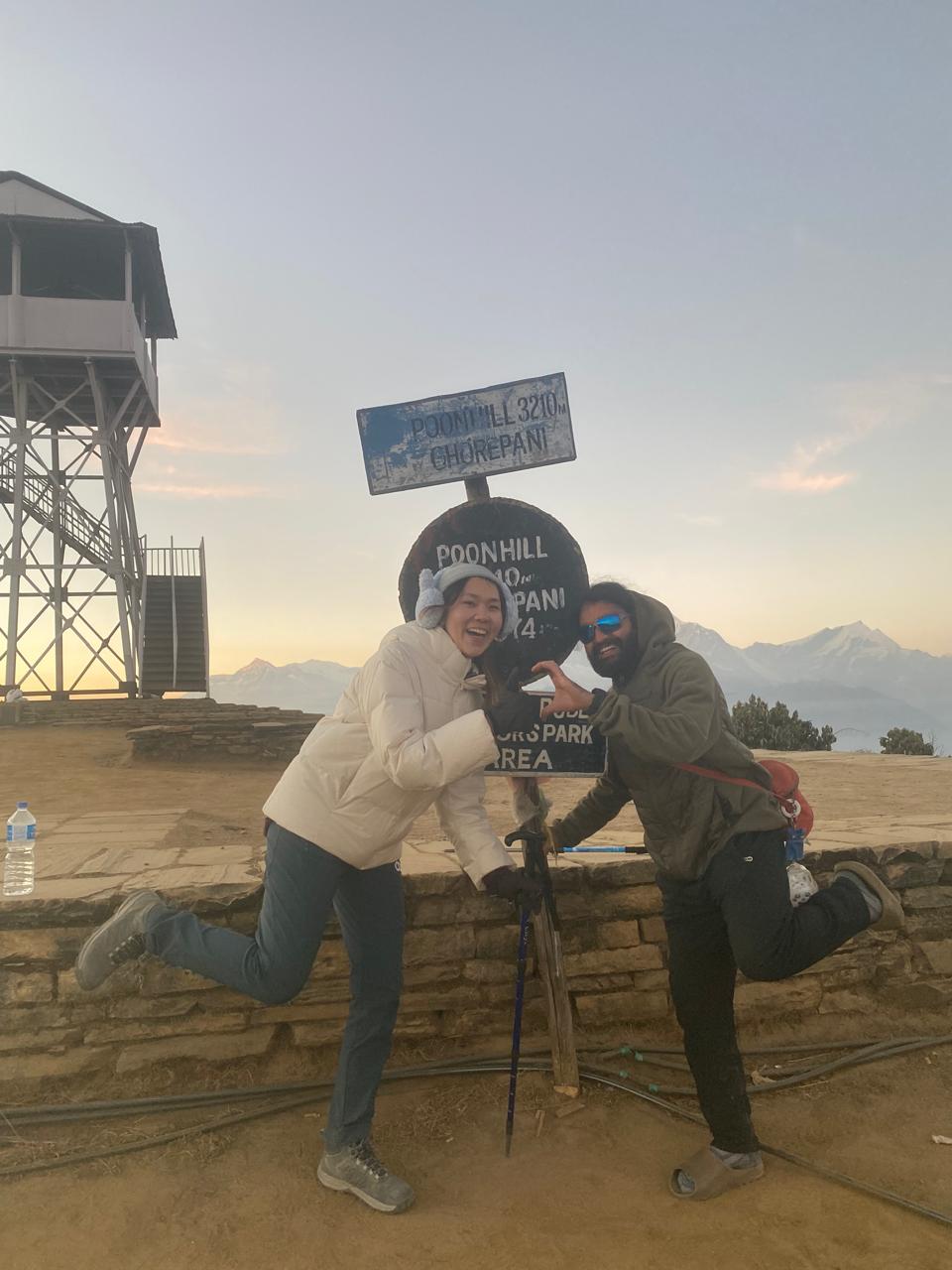
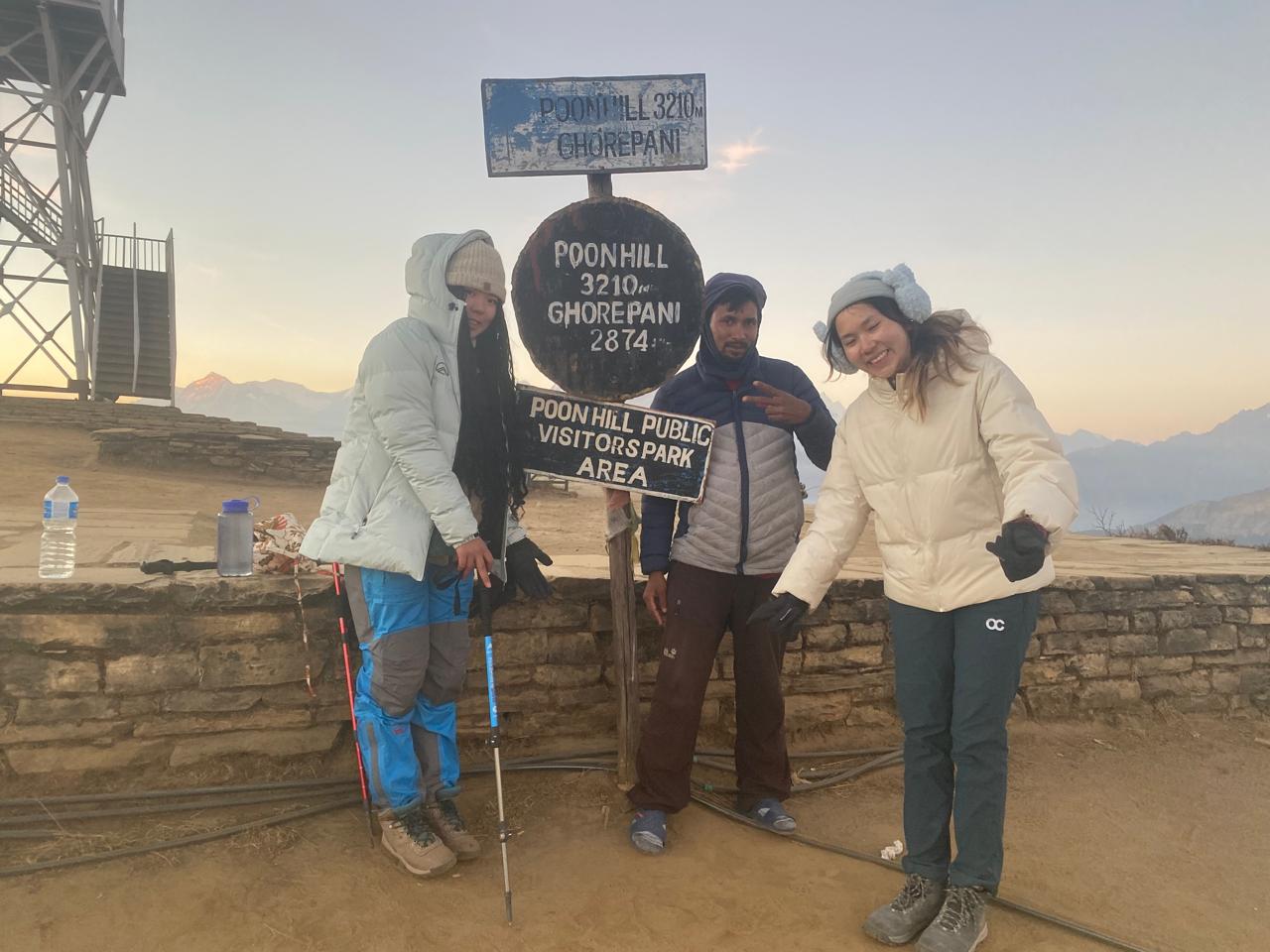
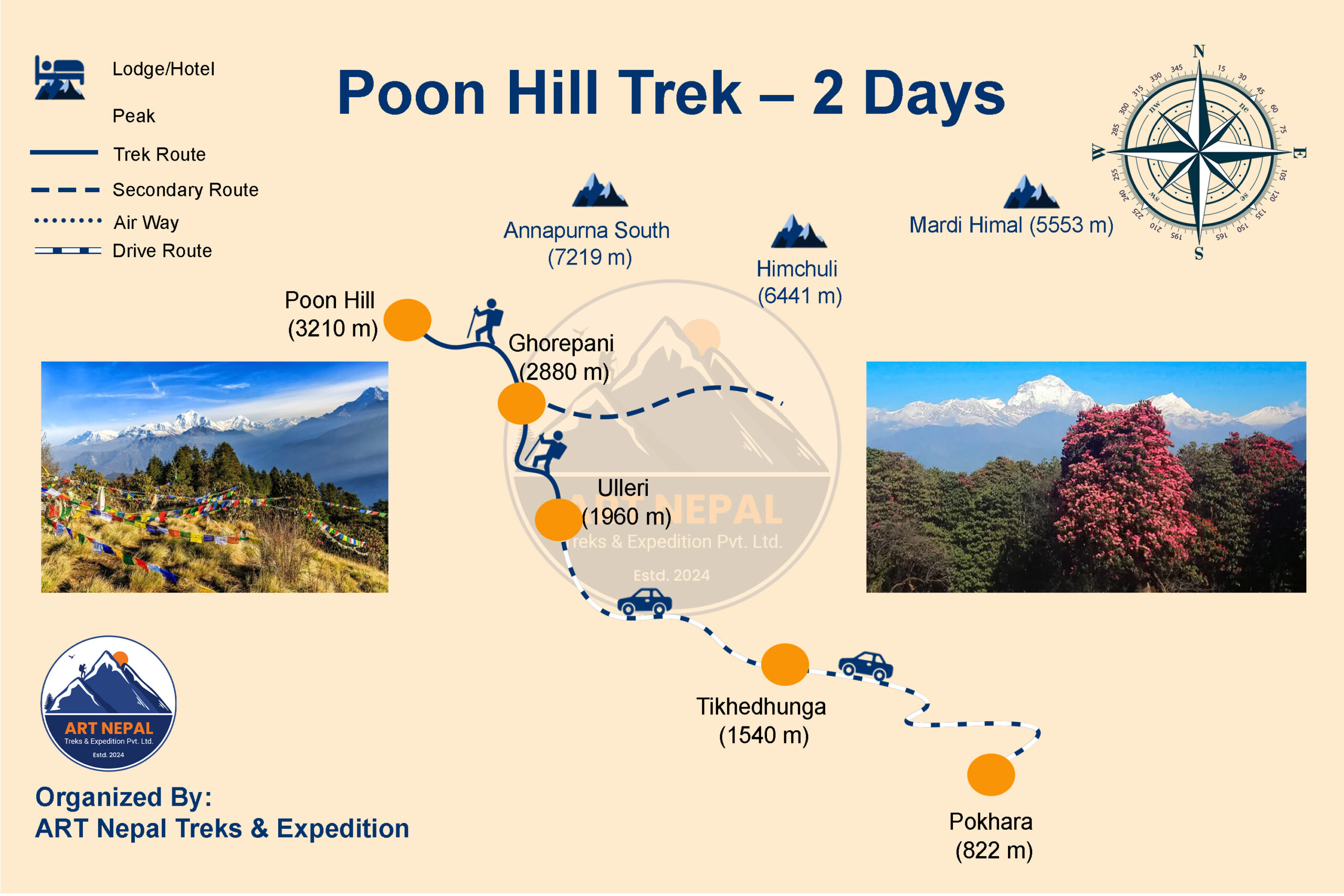
The 2 Days Poon Hill Trek is one of Nepal’s most popular short treks, designed to offer breathtaking views of the Annapurna and Dhaulagiri ranges while introducing trekkers to the rich cultural heritage of the region. Organized by ART Nepal Treks & Expedition, this trek is perfect for travelers who want a memorable Himalayan experience without committing to a long-duration trek.
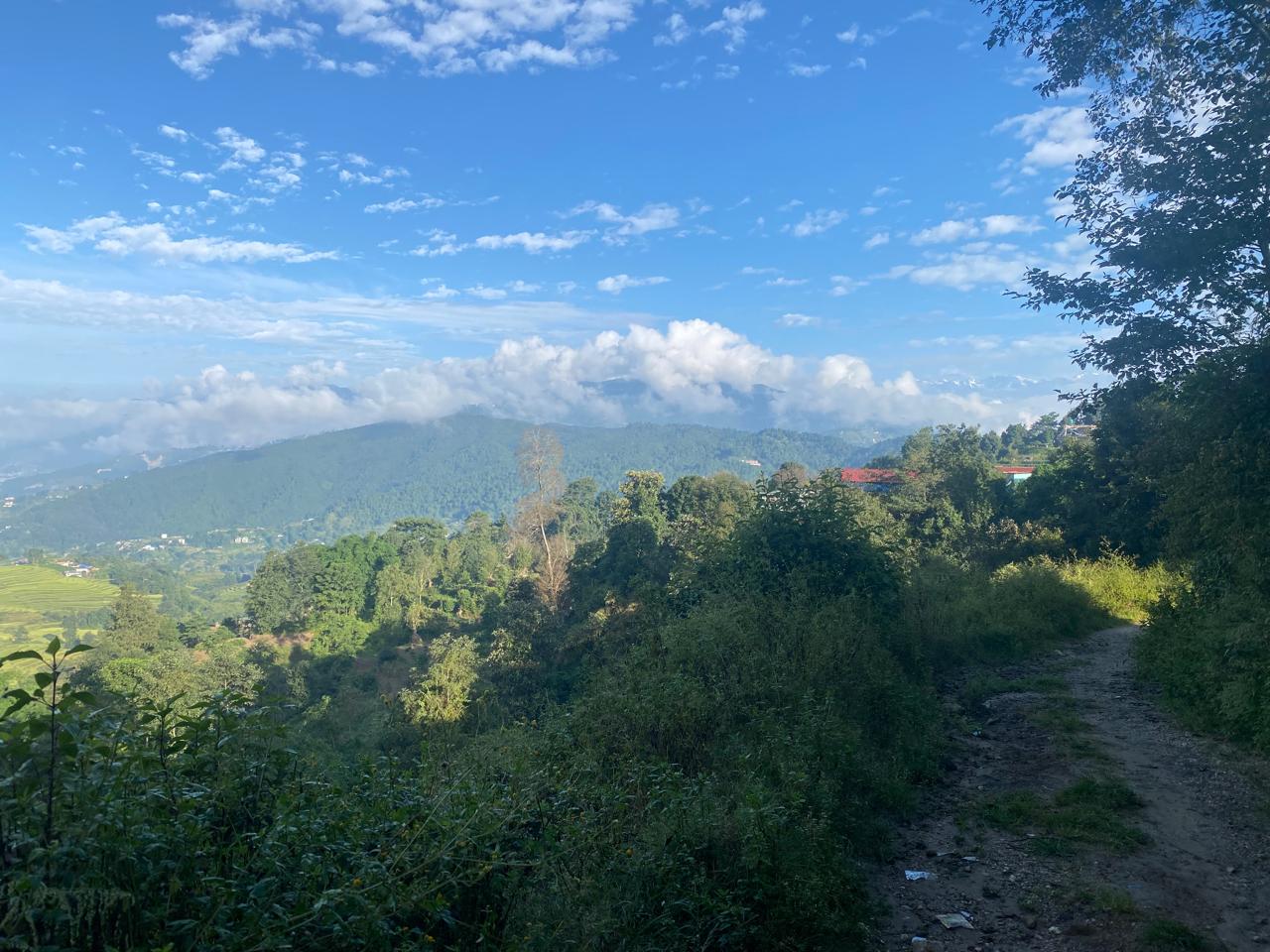
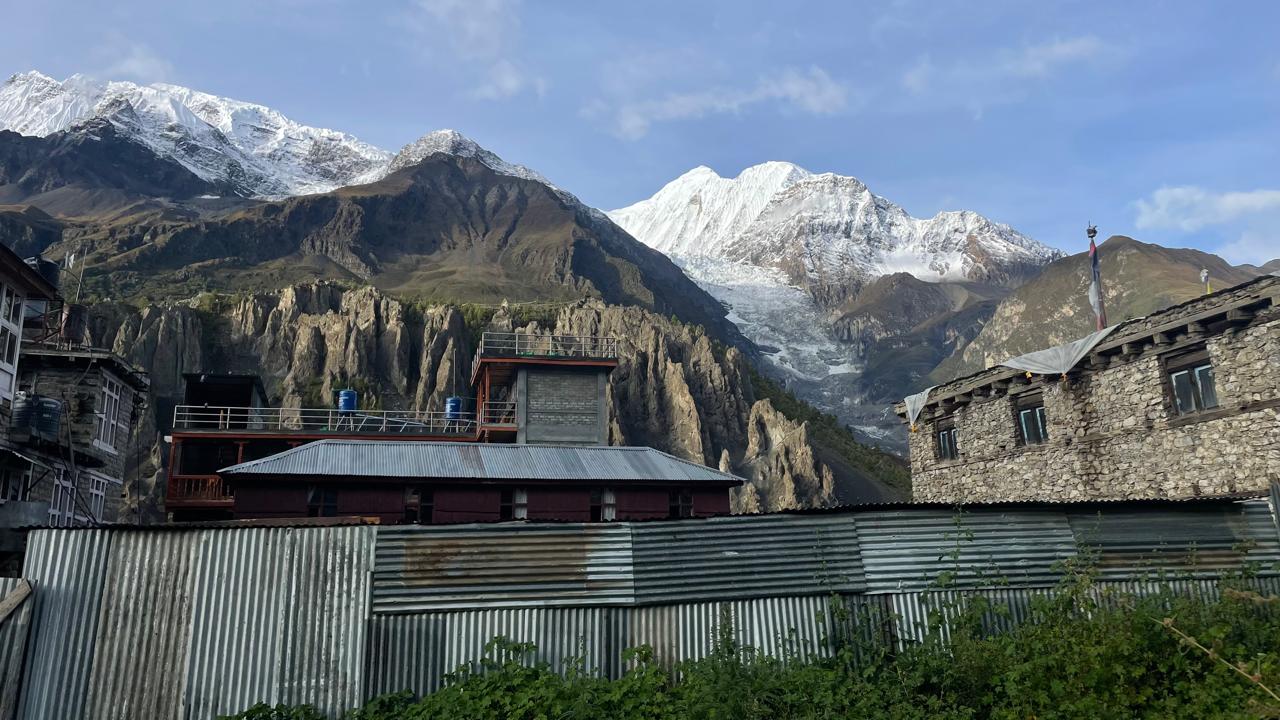
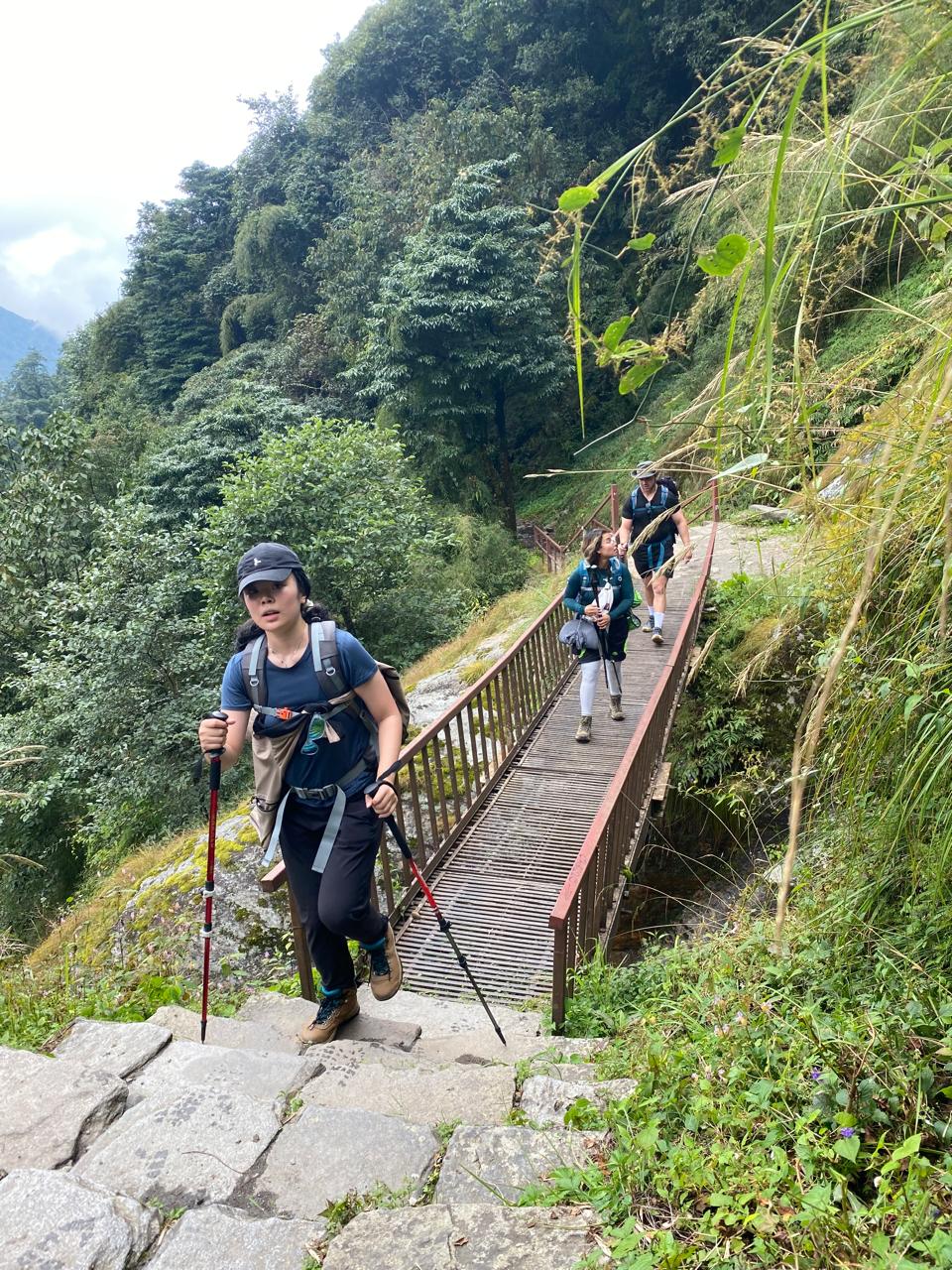
Your journey begins with a drive from Pokhara to Ulleri, winding through the beautiful countryside of the Annapurna region. The trail ascends gradually through lush rhododendron and oak forests, terraced fields, and picturesque streams. Along the way, you will pass through small villages such as Banthanti and Nangthanti, where the local Gurung and Magar communities live. These villages provide a glimpse into traditional mountain lifestyles, showcasing terraced farming, local architecture, and daily cultural practices.
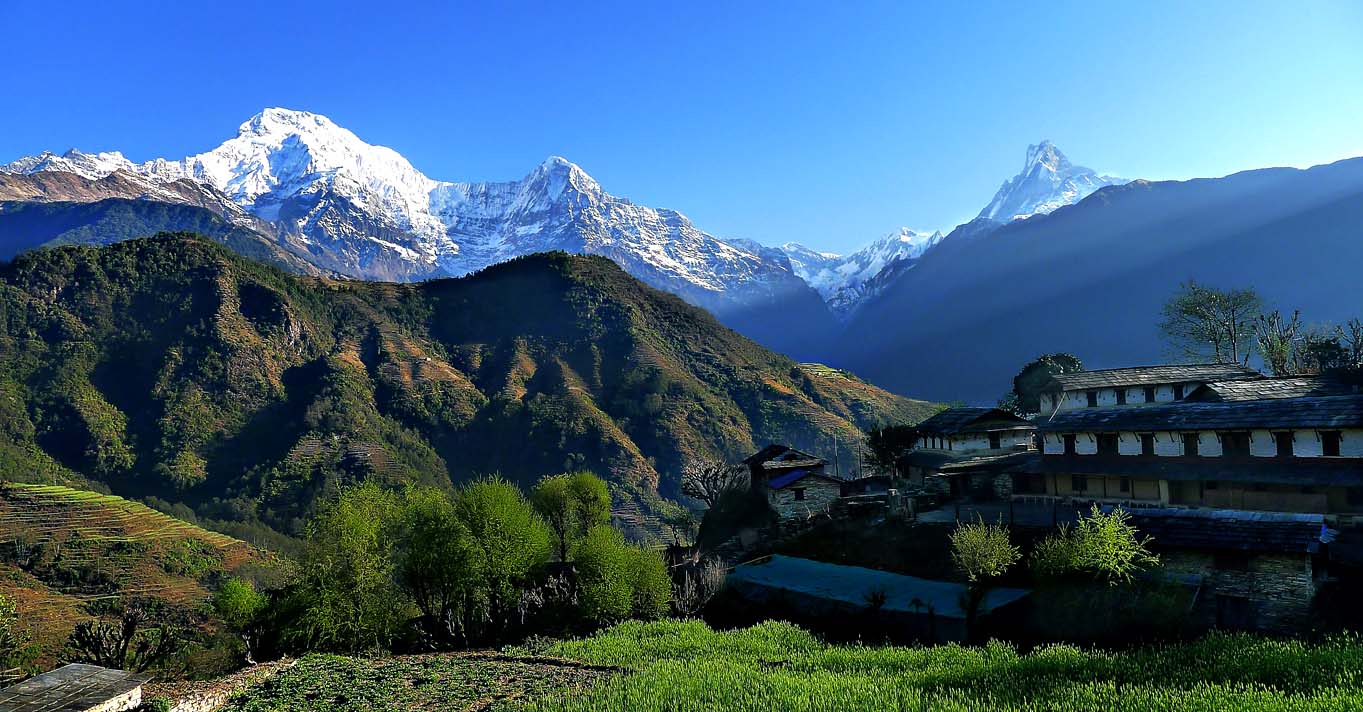
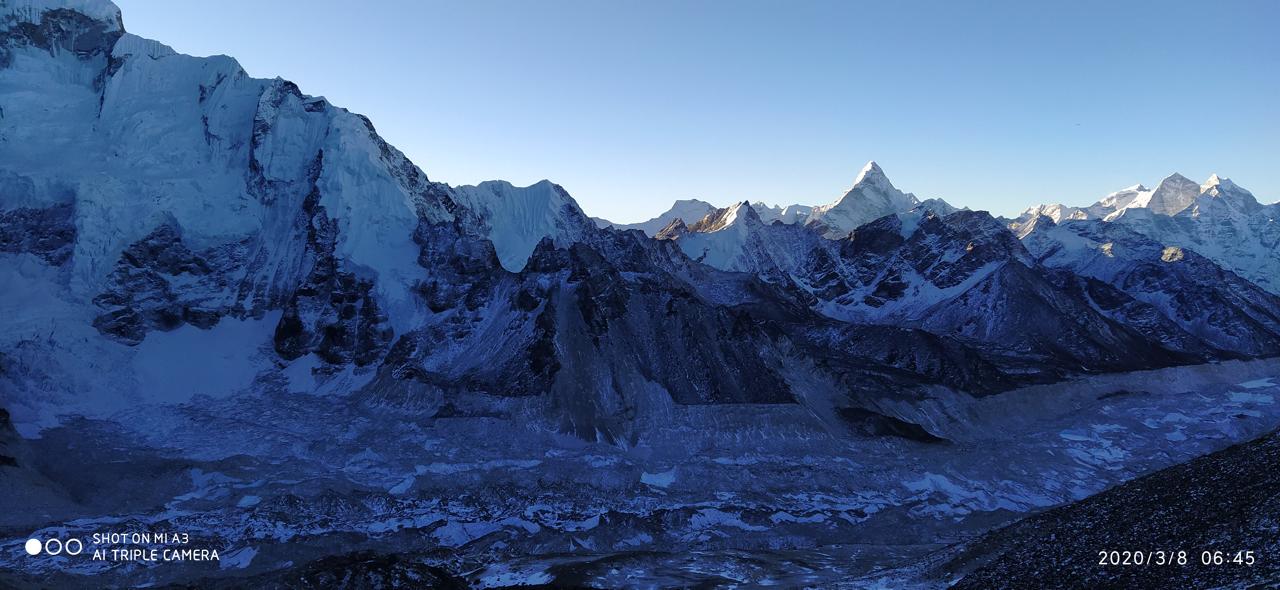
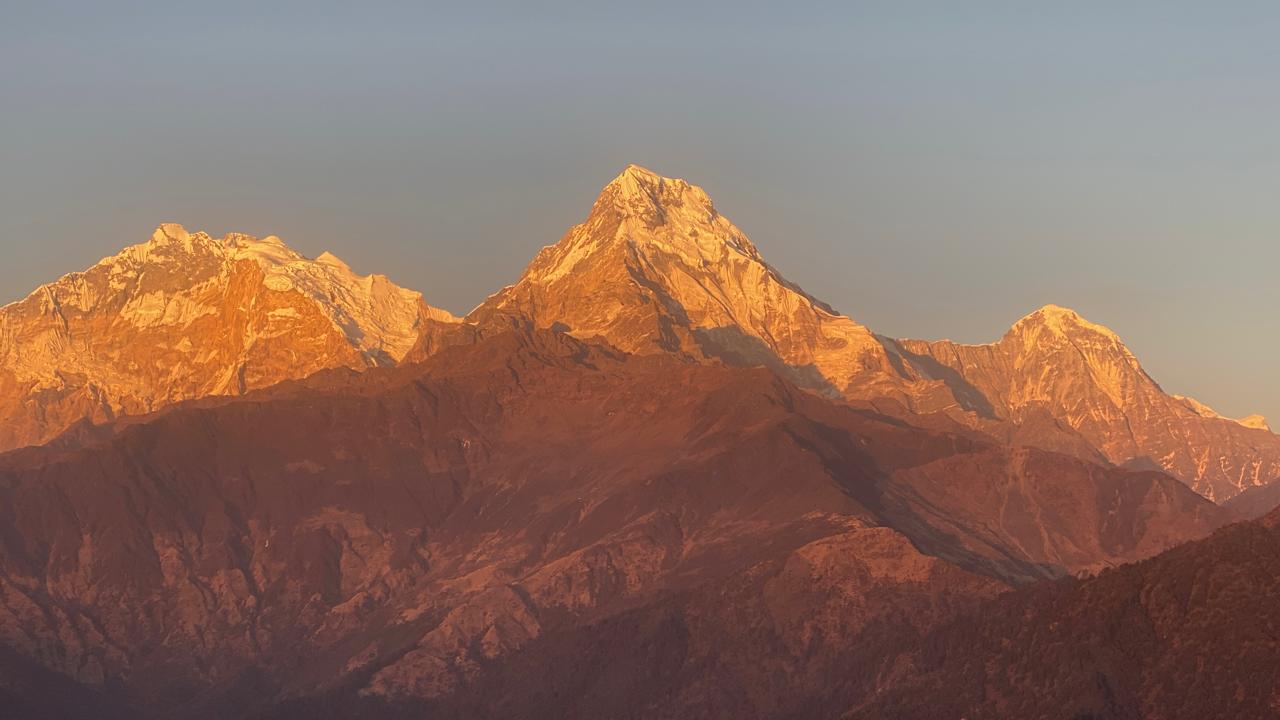
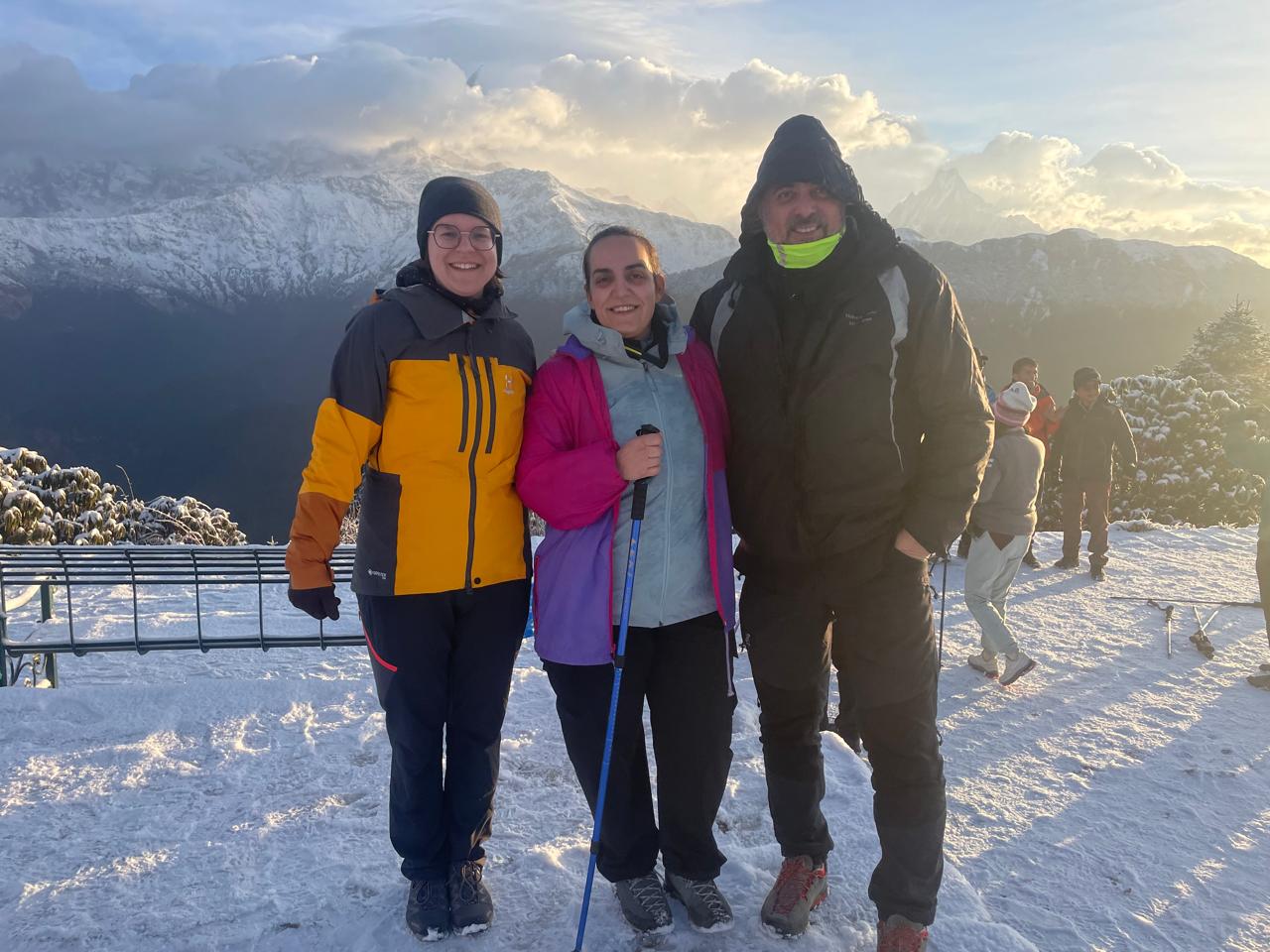
The main attraction, Poon Hill (3210m), offers an unparalleled 360-degree panoramic view of the Himalayas, including Annapurna South, Hiunchuli, Machhapuchhre, and Dhaulagiri. Witnessing the sunrise over these peaks is a highlight for trekkers, painting the sky in vibrant hues of orange, pink, and gold. After sunrise, you descend through the same scenic trails to Ghorepani, then continue trekking down to Tikhedhunga before returning to Pokhara.
Even though it is a short trek, it provides all the elements of Himalayan trekking: mountain views, forest trails, waterfalls, cultural villages, and the warm hospitality of locals. This trek is ideal for first-time trekkers, photographers, families, and anyone with limited time who wants a compact yet memorable Himalayan adventure.
What Can You Expect from the Trek?
On the 2 Days Poon Hill Trek, trekkers can expect a blend of natural beauty, cultural immersion, and moderate adventure. Despite the short duration, the trek offers some of the most iconic Himalayan experiences.
Natural Experiences
Cultural Encounters
Trekking Convenience
The combination of scenery, culture, and comfort ensures that every trekker leaves with lasting memories of the Annapurna region.
Is Trek Suitable for You?
The 2 Days Poon Hill Trek is suitable for a wide range of travelers, from beginners to moderately experienced trekkers. However, it is important to consider the following points before planning your trip:
Fitness and Difficulty
Altitude Considerations
Accessibility and Duration
Essentials to Carry
This trek is a perfect choice for anyone seeking short Himalayan adventure with scenic views, cultural insight, and moderate physical effort.
Documentation and Permits
Additional Tips
After enjoying breakfast at your hotel in Pokhara, your trek begins with a scenic drive to Ulleri, passing through Nayapul and Hile. The drive itself offers a glimpse of the stunning Annapurna foothills, small villages, terraced fields, and rivers meandering through the valleys. Upon reaching Ulleri, you will begin your trek on the well-marked trail that gradually ascends through lush forests of rhododendron, oak, and pine.
The trail passes through charming mountain villages like Banthanti and Nangthanti, where you can interact with the local Gurung and Magar communities, observe their daily life, and even sample freshly baked local bread or tea. The route is dotted with small streams and waterfalls, offering refreshing stops along the way. The final part of the day involves a steady climb through pastures and forested hills to reach Ghorepani, where you will be accommodated in a cozy tea house. From Ghorepani, trekkers can catch distant glimpses of Machhapuchhre (Fishtail), Annapurna South, and Hiunchuli, offering an exciting preview of the stunning vistas to come the next day.
Day 2 starts early in the pre-dawn hours for the short hike to Poon Hill (3210m). The trail is approximately 45 minutes from Ghorepani and is relatively easy but involves a steady climb. The reward is the stunning 360-degree panoramic view of the Annapurna and Dhaulagiri mountain ranges, which is especially magical during sunrise. Snow-capped peaks glow in shades of pink, orange, and gold as the first rays of sunlight illuminate the mountains, creating a breathtaking experience for photographers and trekkers alike.
After spending time at Poon Hill and enjoying the views, you descend back to Ghorepani for breakfast at your tea house. The trek then continues downhill through the same rhododendron forests, past terraced fields, and small villages, offering a more relaxed pace and plenty of opportunities to take photographs. Passing through Nangthanti and Banthanti, you experience the local way of life and can purchase small handicrafts or snacks from village shops.
The trail eventually leads to Tikhedhunga, where lunch is served before boarding a jeep for the scenic drive back to Pokhara. This concludes the 2-day trek, leaving trekkers with memories of spectacular Himalayan views, cultural encounters, and forested trails in a very short but rewarding adventure.
While the basic 2-day Poon Hill Trek covers all essentials like accommodation, meals, and guide services, travelers have the option to enhance their experience with additional services. These add-ons are designed to make your trek more comfortable, convenient, and tailored to your preferences. For example, if you wish to explore more of Nepal before or after the trek, sightseeing tours in Kathmandu or Pokhara can be arranged. Similarly, hiring a porter allows you to trek lightly with only a small daypack while your luggage is carried by a professional, which can make the trek more enjoyable and less physically demanding.
Other add-ons include domestic flights, which can reduce travel time or offer scenic aerial views of the Himalayas. For a more adventurous option, helicopter services can be arranged for emergency purposes, sightseeing, or reaching remote locations. Private transportation is also available for those who prefer flexibility and convenience, allowing for customized travel schedules.
Common Add-Ons Include:
By choosing suitable add-ons, you can enhance your 2-day trekking adventure, making it more comfortable, flexible, and personalized according to your needs.
The 2 Days Poon Hill Trek is accessible throughout the year, but the most favorable seasons are spring (March–May) and autumn (September–November). These periods provide the clearest skies, pleasant weather, and the best visibility for Himalayan peaks. During spring, the forests along the trail bloom with vibrant red, pink, and white rhododendrons, offering a visual feast for trekkers and photographers alike. Temperatures during this season are mild during the day but cooler in the early mornings and late evenings, making trekking comfortable without extreme weather conditions.
Autumn is another ideal season, characterized by dry weather, crisp air, and excellent mountain visibility. The skies are usually cloud-free, providing perfect conditions to enjoy the sunrise at Poon Hill and view peaks like Annapurna South, Hiunchuli, Machhapuchhre, and Dhaulagiri in all their grandeur. Winter trekking (December–February) is possible but comes with colder temperatures, and some trails may be slippery due to frost or light snow. Summer/monsoon (June–August) offers lush green scenery but comes with heavy rainfall, slippery trails, and occasional landslide risks, which can make trekking more challenging.
Summary of Best Seasons:
Choosing the right season ensures that you maximize the scenic beauty, comfort, and safety of your trek.
Food along the 2 Days Poon Hill Trek is plentiful and varied, catering to both local flavors and international tastes. Most tea houses serve freshly prepared meals using locally sourced ingredients. Meals are designed to be nutritious and hearty to replenish energy after long trekking hours.
Meals Provided Include:
The meals are prepared in simple kitchens, emphasizing freshness and local flavor. You can also try authentic Thakali cuisine, which includes a set of rice, lentils, vegetable curry, pickle, and meat options. Vegetarian and vegan options are widely available, making it suitable for travelers with dietary preferences.
Accommodation during the trek is provided in local tea houses and lodges, which offer basic but comfortable facilities. Staying in these accommodations not only provides a place to rest but also supports local communities.
Accommodation Details:
Staying in tea houses also allows trekkers to experience the local way of life, interact with residents, and enjoy freshly prepared meals in cozy surroundings.
Travel insurance is highly recommended for any trekking activity in Nepal, including the Poon Hill trek. Even though this trek is considered easy to moderate, unforeseen situations like injuries, illness, or accidents can occur in remote areas. Comprehensive travel insurance should cover:
Carrying a copy of your insurance policy during the trek is essential. Insurance ensures that you are financially protected and can access medical care if required, allowing you to trek with peace of mind.
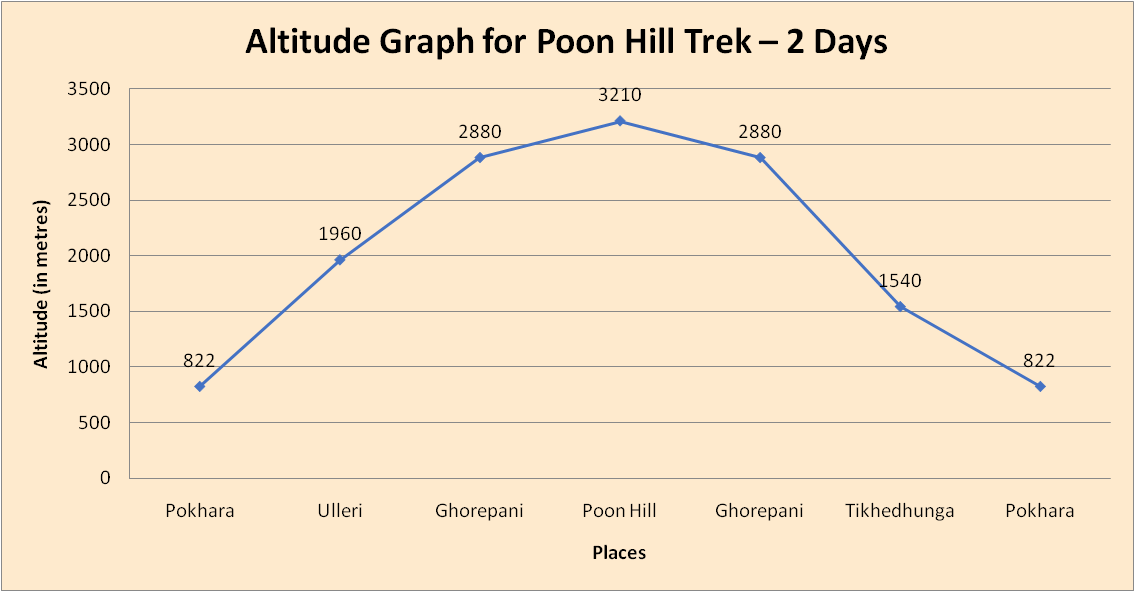
Although the maximum altitude of the trek is 3,210 meters at Poon Hill, altitude sickness can still affect some individuals. Symptoms may include headache, fatigue, nausea, dizziness, or loss of appetite. Proper precautions are important:
With proper acclimatization and care, altitude sickness can usually be avoided, and most trekkers enjoy the trek without major issues.
Safety is a top priority for trekkers with ART Nepal Treks & Expedition. Experienced guides accompany all treks, ensuring:
These safety measures make the trek reliable and secure for families, solo travelers, and beginners alike.
Booking the 2 Days Poon Hill Trek with ART Nepal Treks & Expedition is simple and secure:
Booking in advance ensures availability during peak trekking seasons and allows time for proper preparation.
Proper packing makes the trek safer, more comfortable, and enjoyable, especially during early mornings and colder periods at higher altitudes.