Introduction
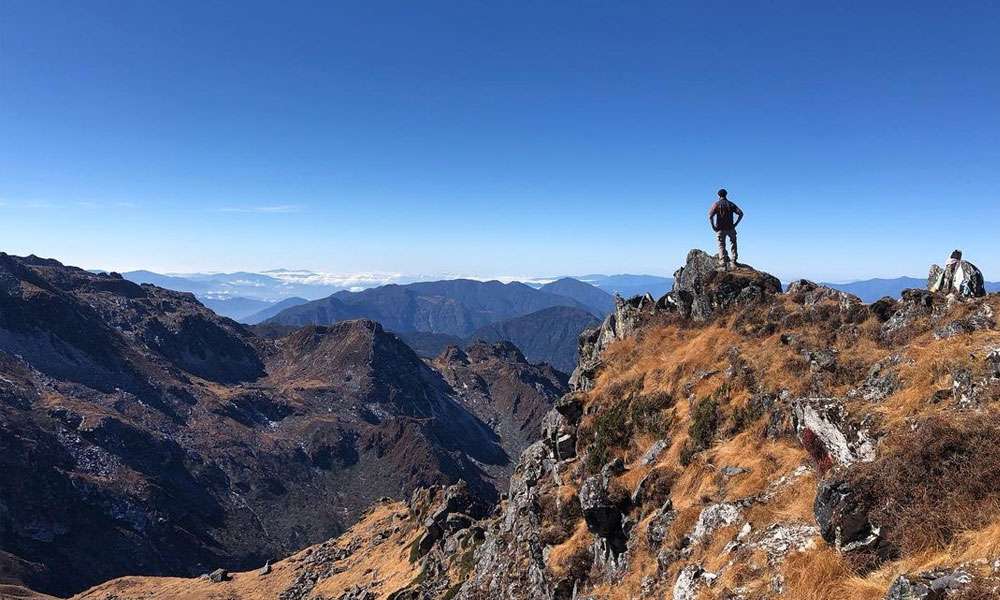
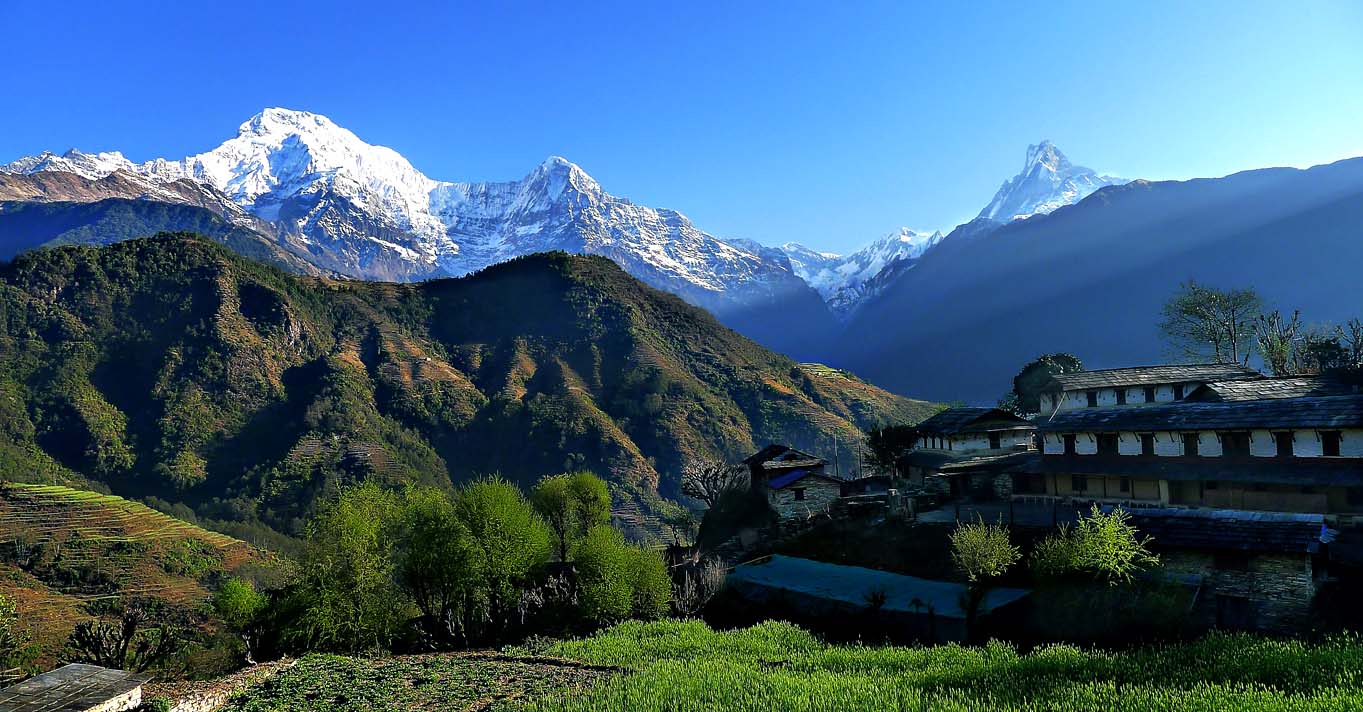
The Annapurna Base Camp Trek with Helicopter Return offered by ART Nepal Treks & Expedition is a one-of-a-kind Himalayan adventure designed for those who want to combine trekking with the thrill of a helicopter ride. This journey takes you through Nepal’s beautiful landscapes, ranging from terraced farmlands and charming villages to dense forests, cascading waterfalls, and rocky paths leading to the iconic Annapurna Base Camp at 4,130 meters.
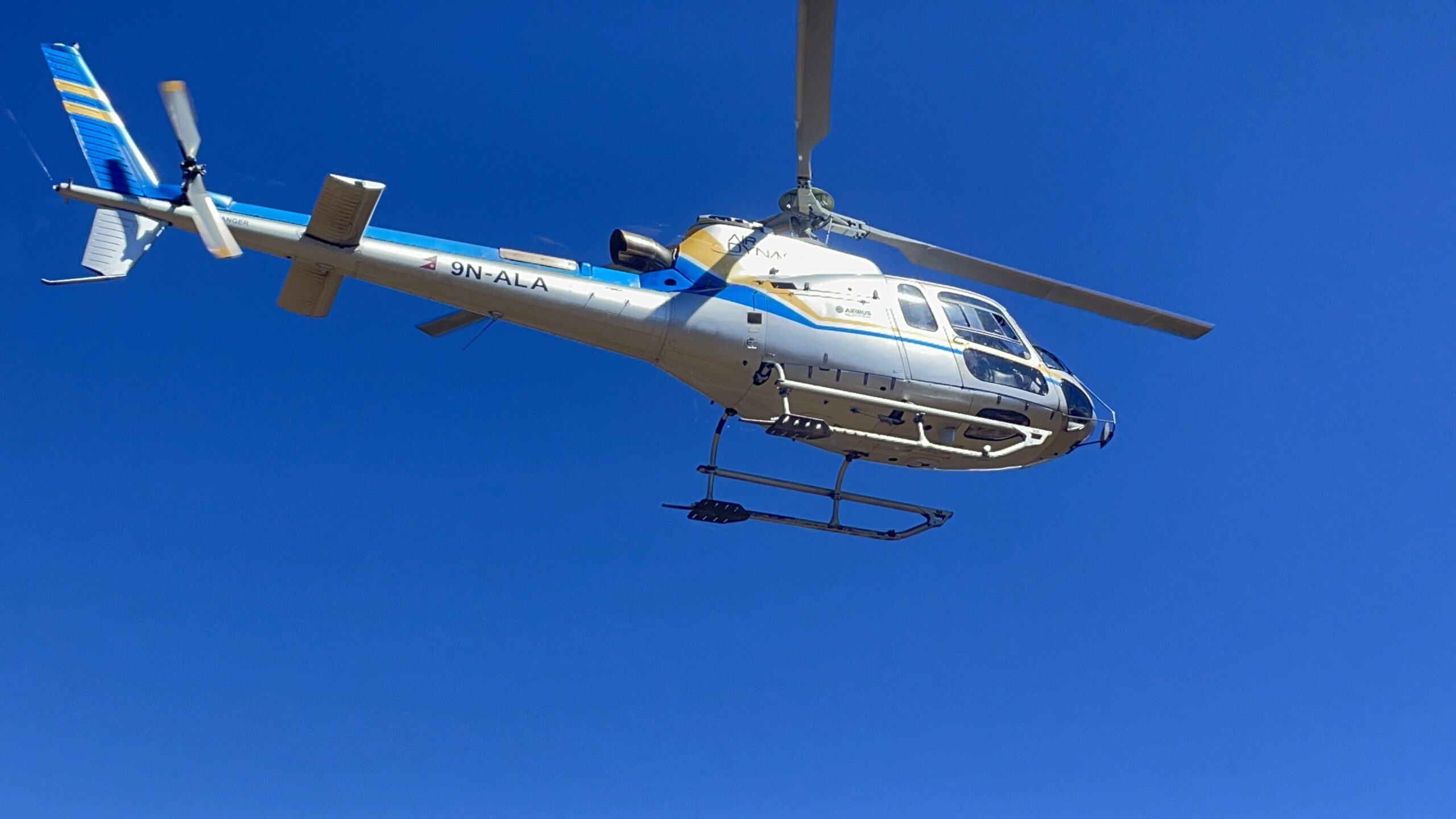
The trek is designed to be accessible, making it perfect for travelers who prefer a shorter trekking duration while still experiencing the grandeur of the Annapurna range. The helicopter ride back adds a luxurious and time-efficient twist, allowing trekkers to admire the towering peaks, deep valleys, and sweeping vistas without retracing every step on the descent.
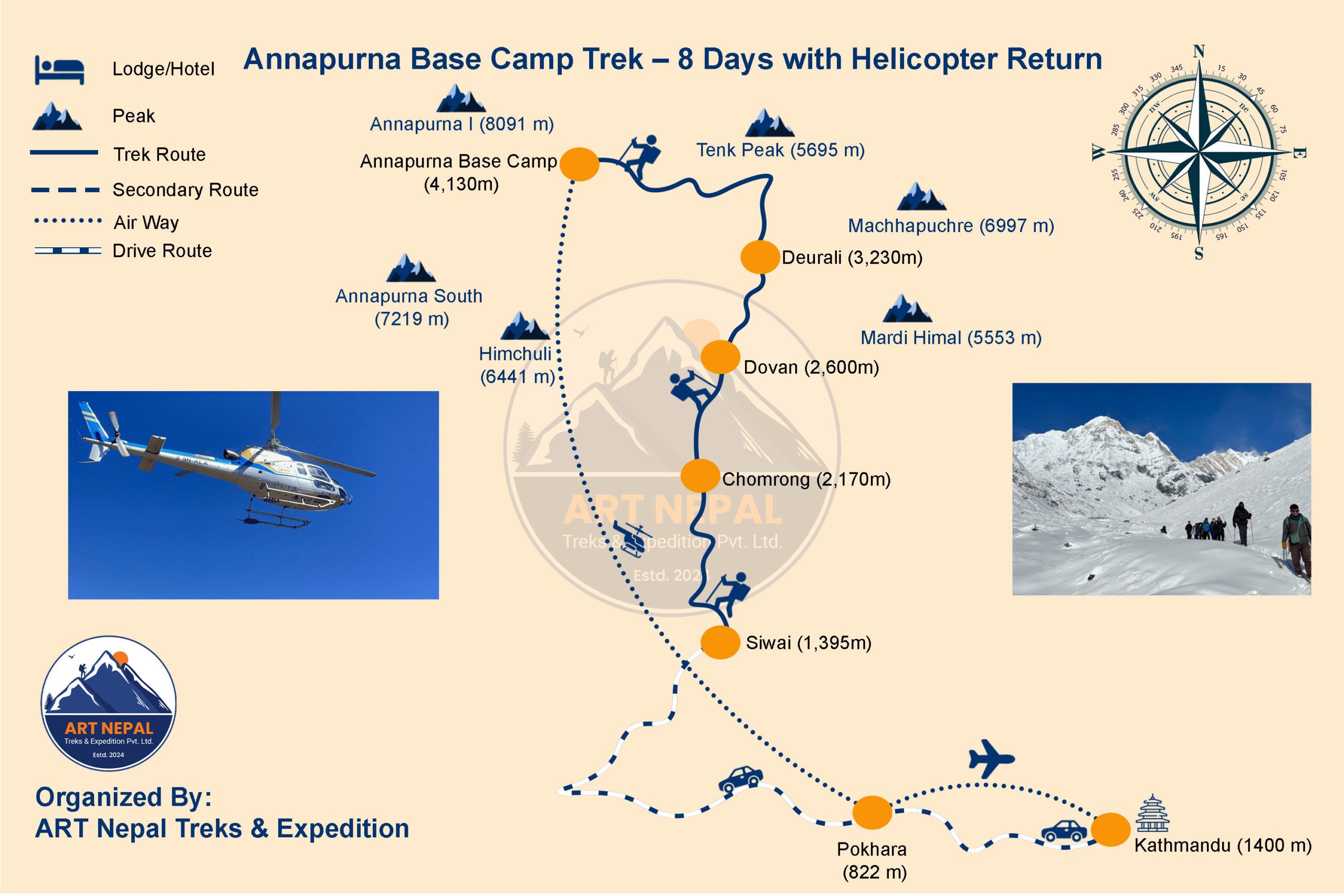
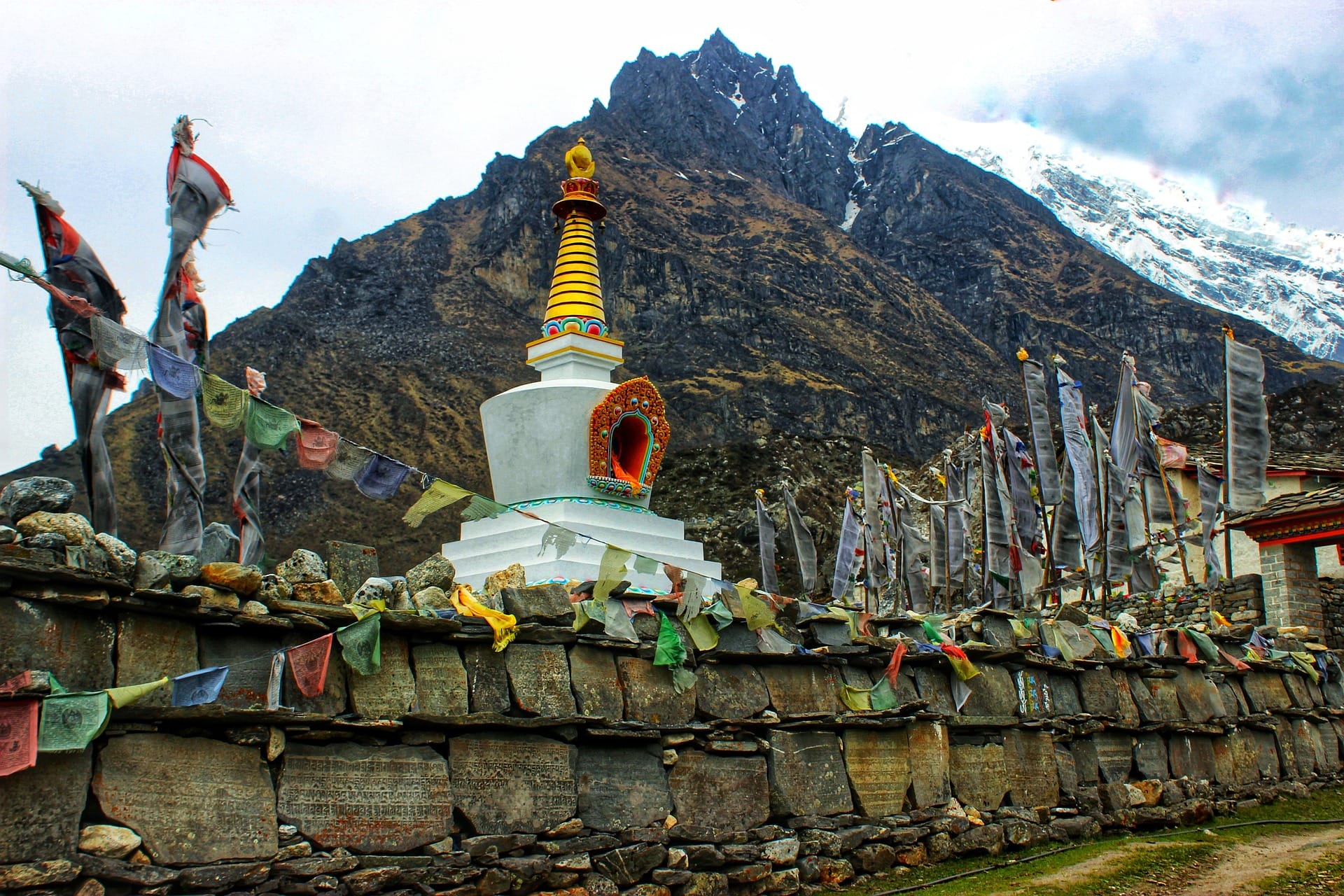
Starting from Kathmandu, travelers journey to Pokhara either by road or a short flight, then continue by private vehicle to the trek’s trailhead at Siwai. The trek takes you through scenic villages such as Jhinu Danda and Chomrong, crossing bamboo and rhododendron forests, rivers, and waterfalls. Each step of the way is enriched with the warmth of local hospitality, traditional Nepali cuisine, and the natural splendor of the Himalayas.
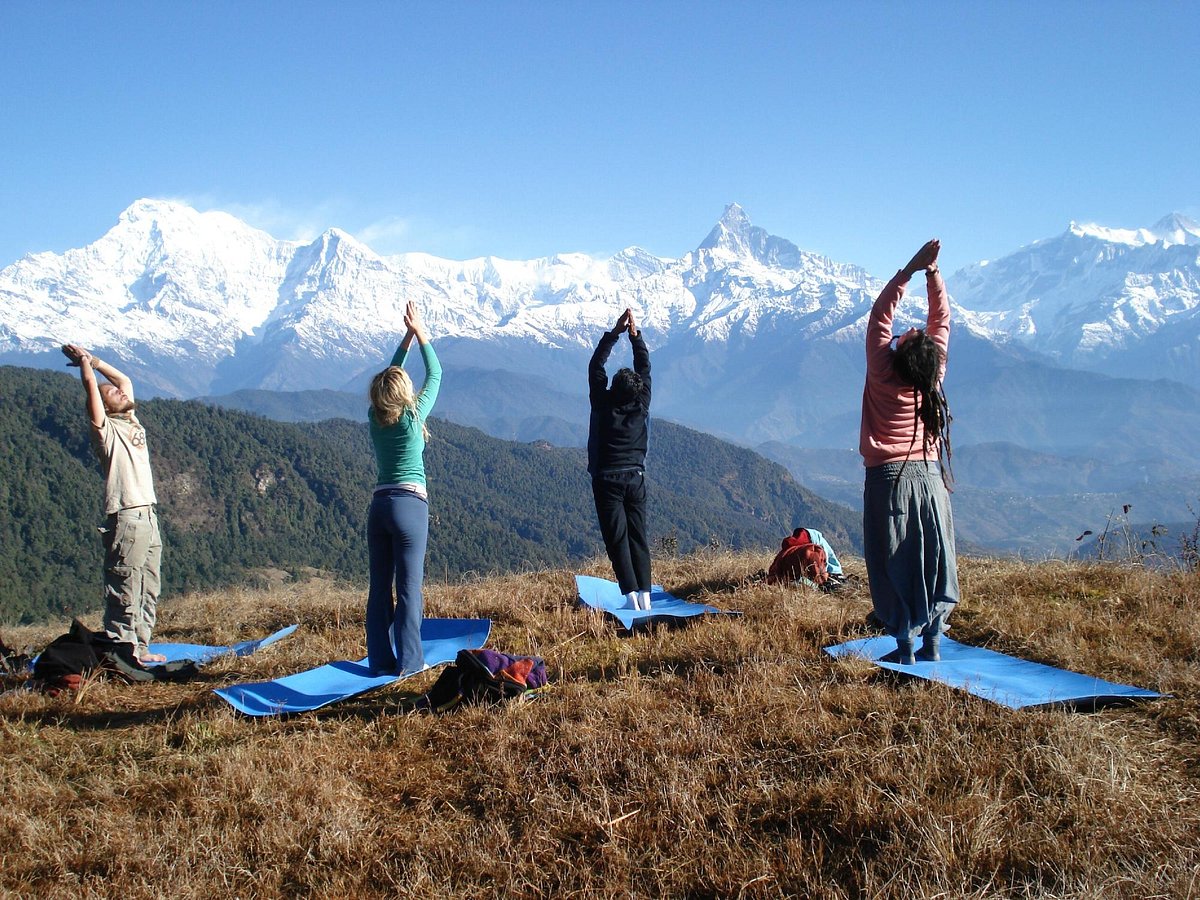
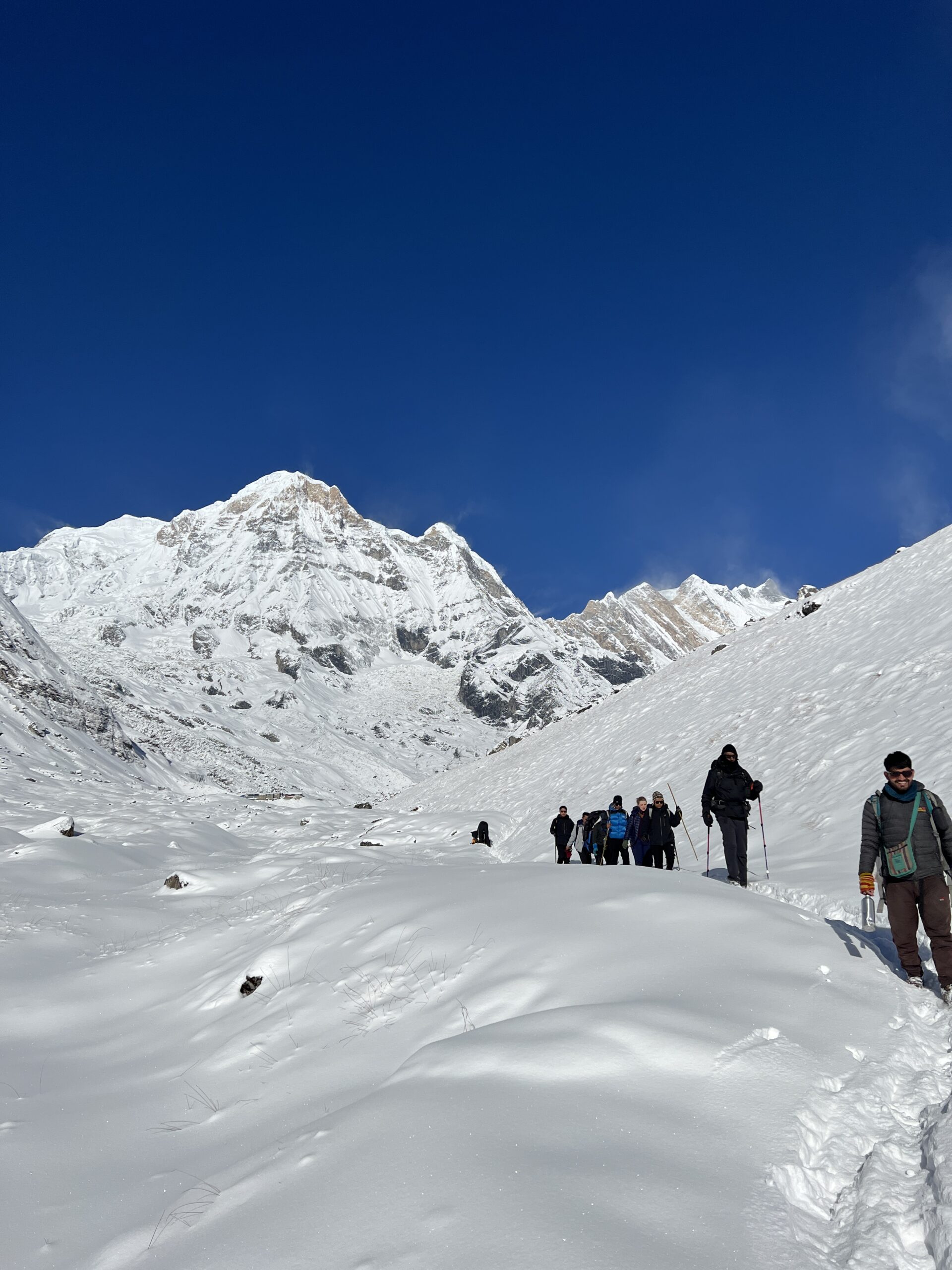
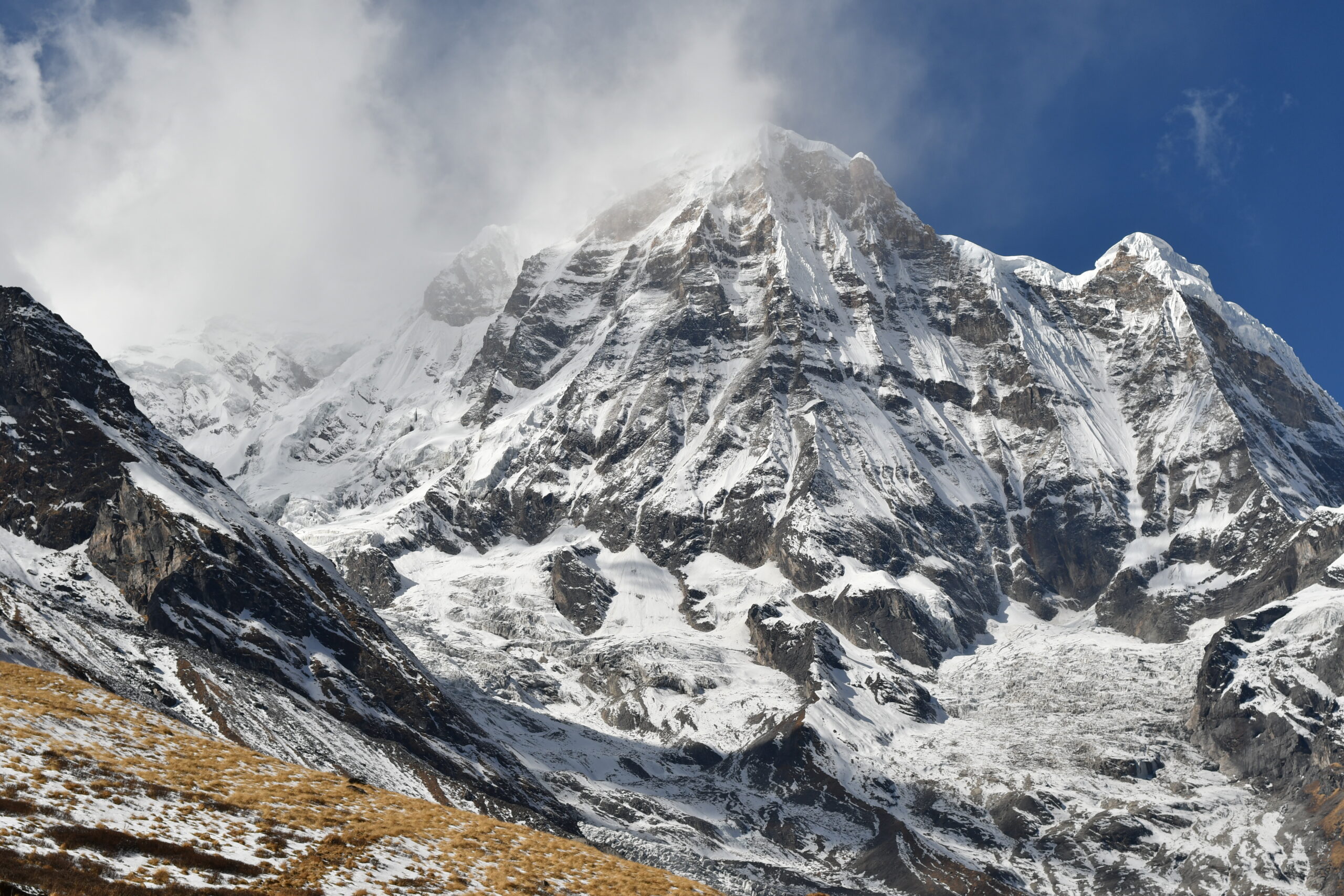
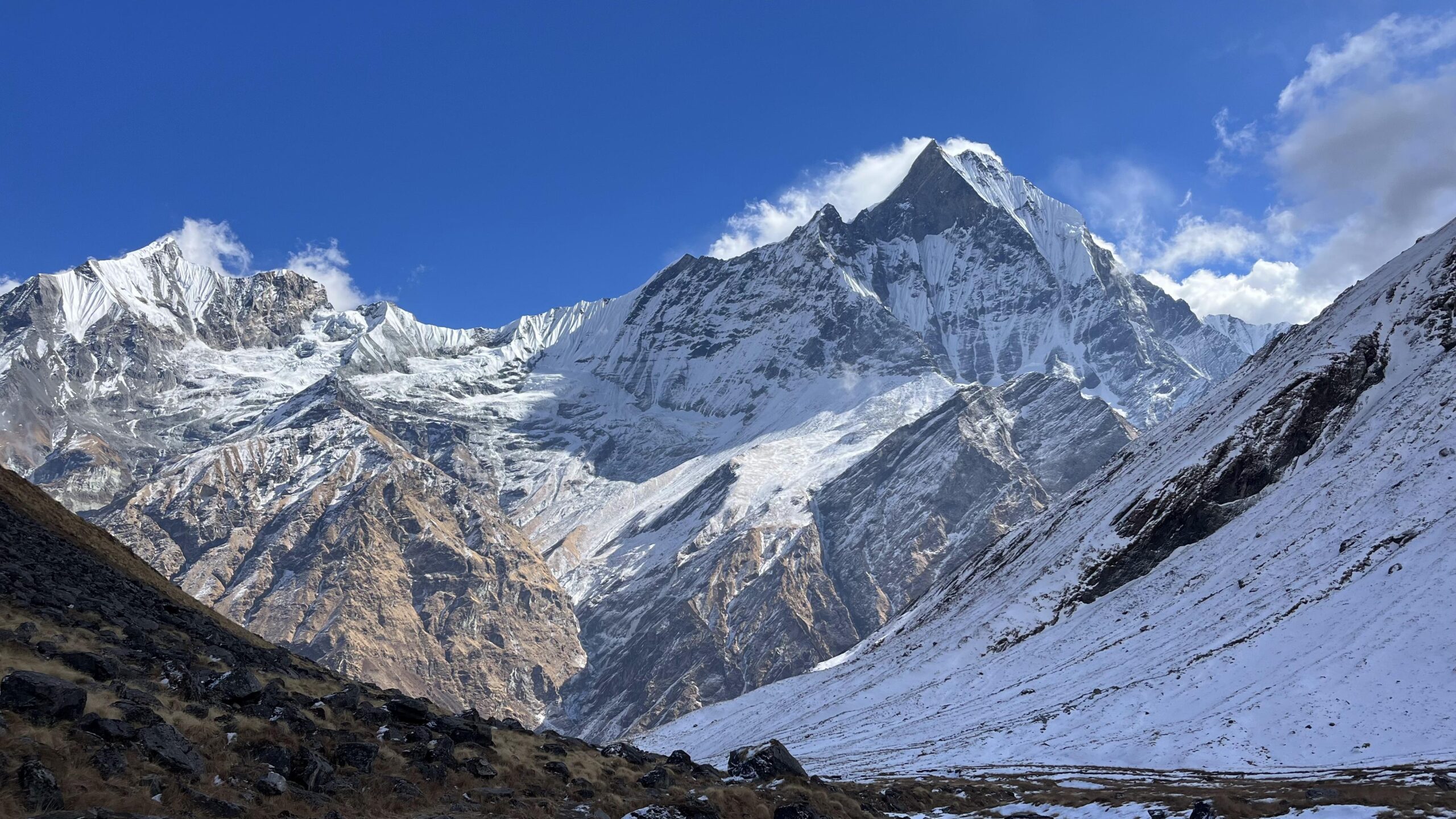
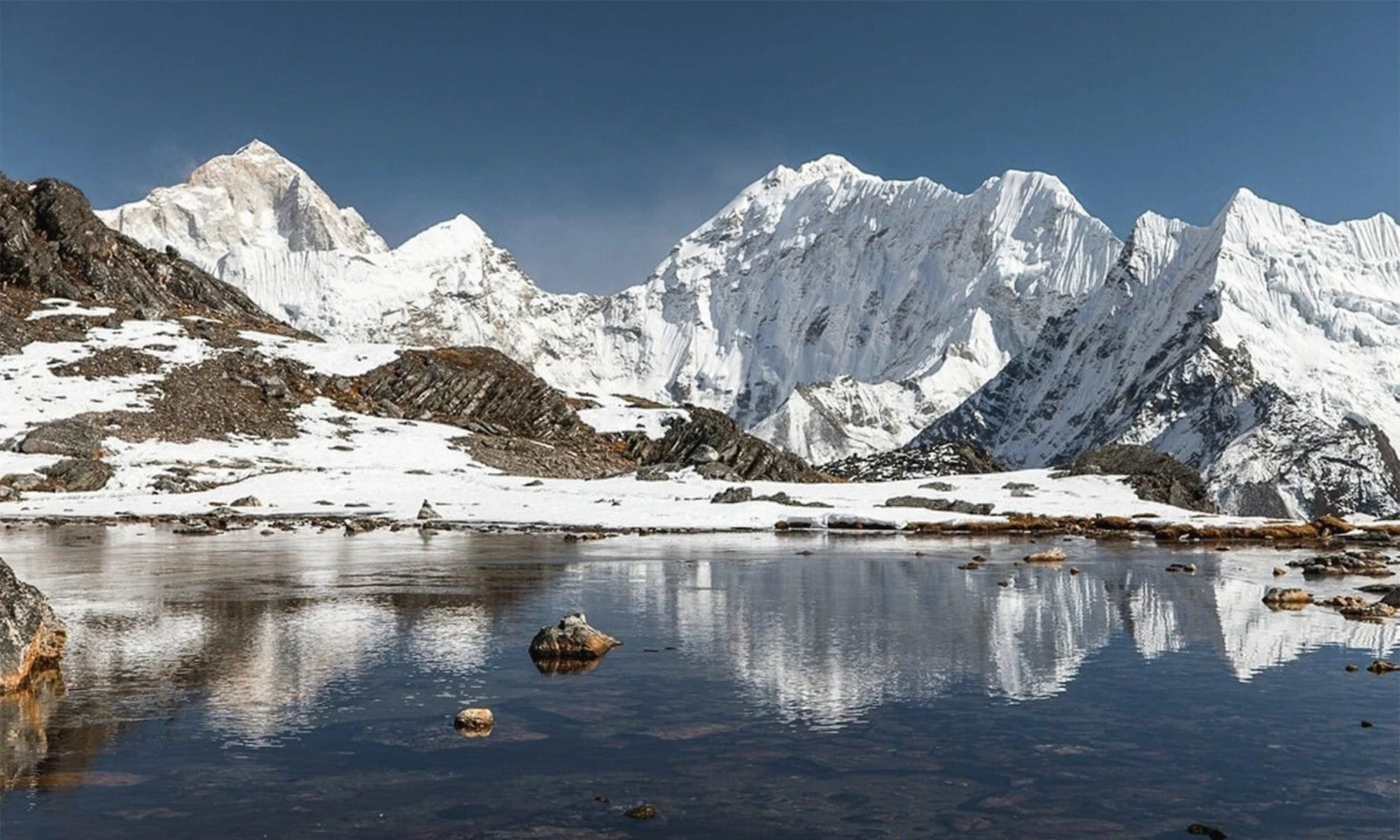
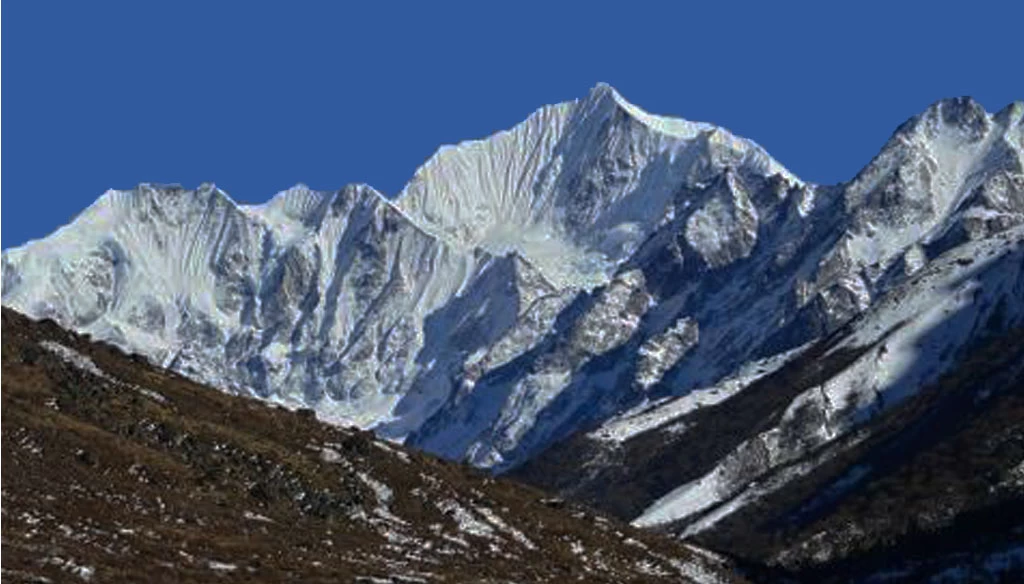
Upon reaching Annapurna Base Camp, you are surrounded by some of the world’s most famous peaks, including Annapurna I (8,091m), Annapurna South (7,219m), Machhapuchhre (6,993m), Gangapurna (7,455m), and Himchuli (6,441m). The final experience is made unforgettable by a helicopter flight back to Pokhara, offering unparalleled aerial perspectives of the mountains, glacial valleys, and terraced farmlands. The adventure concludes with a comfortable transfer to Kathmandu, including a celebratory dinner to mark the accomplishment.
This trek is ideal for travelers who seek efficiency without compromise, combining cultural immersion, natural beauty, and the thrill of flight in just 8 days. Booking is flexible for 2024 and 2025, and ART Nepal Treks & Expedition can tailor the itinerary to suit personal preferences.
What Can You Expect from the Trek?
Embarking on this trek guarantees a mix of adventure, scenery, and cultural experiences:
- Challenging Terrain: Although the trek is graded easy, it involves walking through varying landscapes, from forests and rivers to rocky mountain paths.
- Incredible Himalayan Views: Every day brings new vistas of iconic peaks like Annapurna, Machhapuchhre, and Himchuli.
- Unique Helicopter Experience: The return journey offers an unforgettable aerial view, making the trek both scenic and efficient.
- Time-Efficient Adventure: Completing the trek in 8 days means you can enjoy the Himalayas without committing to long trekking durations.
- Immersive Nature: The trek takes you through forests, rivers, and meadows, providing close encounters with Nepal’s rich biodiversity.
- Cultural Encounters: Interaction with local communities enriches your journey, allowing you to experience Nepal’s traditions and lifestyle first-hand.
How to Get Prepared for the Trek
Proper preparation ensures safety, comfort, and enjoyment:
- Physical Fitness: Begin exercises like walking, jogging, or stair climbing several weeks before the trek. Endurance and stamina are key for hiking at high altitudes.
- Research: Study the route, altitudes, weather conditions, and cultural practices. Understanding the trek beforehand helps avoid surprises.
- Gear: Essential equipment includes a high-quality sleeping bag, warm and layered clothing, hiking boots, trekking poles, daypack, water bottles, and first-aid kit.
- Travel Insurance: Obtain comprehensive coverage that includes high-altitude trekking and helicopter evacuation.
- Health Checks: Consult your doctor to ensure you are fit for trekking. Carry any necessary medication.
- Altitude Acclimatization: Learn to recognize symptoms of altitude sickness and consider spending extra time at lower altitudes before starting.
- Guides and Support: Experienced guides enhance safety, provide navigation, and share local knowledge.
- Financial Planning: Ensure you have adequate funds for accommodation, meals, helicopter ride, permits, and miscellaneous expenses.
Essential Info
Add-ons
To customize and enhance your experience, ART Nepal Treks & Expedition offers several optional services:
- Sightseeing tours in Kathmandu (temples, stupas, and cultural sites)
- Hiring a porter for easier trekking
- Domestic or scenic flights for convenience
- Helicopter services (additional sightseeing or private transfers)
- Private transportation for transfers or sightseeing
These add-ons allow trekkers to tailor the adventure according to their preferences, comfort level, and budget.
Best Season to Trek to Annapurna Base Camp
Choosing the right season for the Annapurna Base Camp Trek is essential to fully enjoy the adventure, the breathtaking mountain views, and the cultural experiences along the route. The trek can technically be done year-round, but the most favorable periods are spring (March to May) and autumn (September to November). Each season offers unique advantages, landscapes, and experiences.
1. Spring Season (March to May)
Spring is widely considered one of the best times for trekking in the Annapurna region. During these months:
- Weather and Temperature: The temperatures are mild and comfortable. Lower altitudes (Kathmandu, Pokhara) range from 15°C to 25°C, while higher altitudes like Chomrong and Deurali are cooler, around 5°C to 15°C. Night temperatures at Annapurna Base Camp can drop near freezing, so proper warm clothing is necessary.
- Floral Beauty: Spring is famous for the blooming rhododendron forests, turning valleys into vibrant shades of red, pink, and white. These colorful forests provide a stunning contrast against the snow-capped Himalayan peaks, making the trek visually spectacular.
- Mountain Visibility: Clear skies in spring allow trekkers to see majestic peaks like Annapurna I, Machhapuchhre, Himchuli, and Annapurna South without obstruction. Photographers and nature lovers find this season ideal for capturing the Himalayan panorama.
- Wildlife Activity: Spring also brings wildlife out of hibernation. You may spot Himalayan birds, butterflies, and small mammals along the trail, adding an extra layer of natural beauty to your journey.
- Trail Conditions: The trails are generally dry and stable, with minimal snow at high altitudes, making walking easier and safer compared to winter months.
Advantages of Spring: Mild temperatures, colorful forests, clear views, active wildlife, and comfortable trekking conditions.
2. Autumn Season (September to November)
Autumn is another prime trekking season and is especially popular among international travelers:
- Weather and Temperature: After the monsoon season, the weather becomes dry and stable, with daytime temperatures ranging from 18°C to 25°C at lower altitudes, and cooler nights at higher altitudes, often close to 0°C. The moderate weather makes hiking pleasant without excessive sweating or cold.
- Clear Visibility: Autumn offers some of the clearest mountain views of the year. Peaks like Annapurna I, II, III, Machhapuchhre, and Dhaulagiri appear crisp and snow-covered against the blue sky. Photographers particularly love this season for its visibility and lighting.
- Trail Conditions: Trails are clean and well-trodden after the monsoon rains, with minimal mud or slippery patches. Streams and waterfalls are flowing beautifully, adding charm to the landscapes.
- Cultural Festivals: Autumn coincides with major Nepali festivals like Dashain and Tihar, giving trekkers a chance to experience local celebrations and traditions in villages along the trail.
- Crowd Consideration: While autumn is popular and trails can be busier than spring, it is still manageable in small group treks. Early booking is recommended to ensure accommodation in tea houses and lodges.
Advantages of Autumn: Clear skies, excellent mountain views, dry and stable weather, vibrant rivers and waterfalls, and exposure to local festivals and culture.
Other Seasons (Winter and Monsoon)
- Winter (December to February): Trekking is possible but challenging due to snow, icy trails, and freezing temperatures at higher altitudes. Daytime temperatures may be comfortable at lower elevations, but nights can drop below -10°C at Annapurna Base Camp. Winter trekking is best suited for experienced trekkers seeking solitude and snow-covered landscapes.
- Monsoon (June to August): This period is not recommended due to heavy rainfall, slippery trails, potential landslides, and frequent cloud cover obstructing mountain views. While the forests are lush and green, trekking can be dangerous and uncomfortable.
Tips for Choosing the Best Season
- Consider Your Priorities: If your goal is flower-filled forests and mild weather, choose spring. If you want clear mountain views and festival experiences, autumn is ideal.
- Booking in Advance: Both spring and autumn are peak seasons. Book your trek early to secure accommodations and helicopter services, as tea houses and lodges fill quickly.
- Clothing and Gear: Even in the best seasons, pack layered clothing for fluctuating temperatures, especially warm jackets for nights and early mornings at high altitudes.
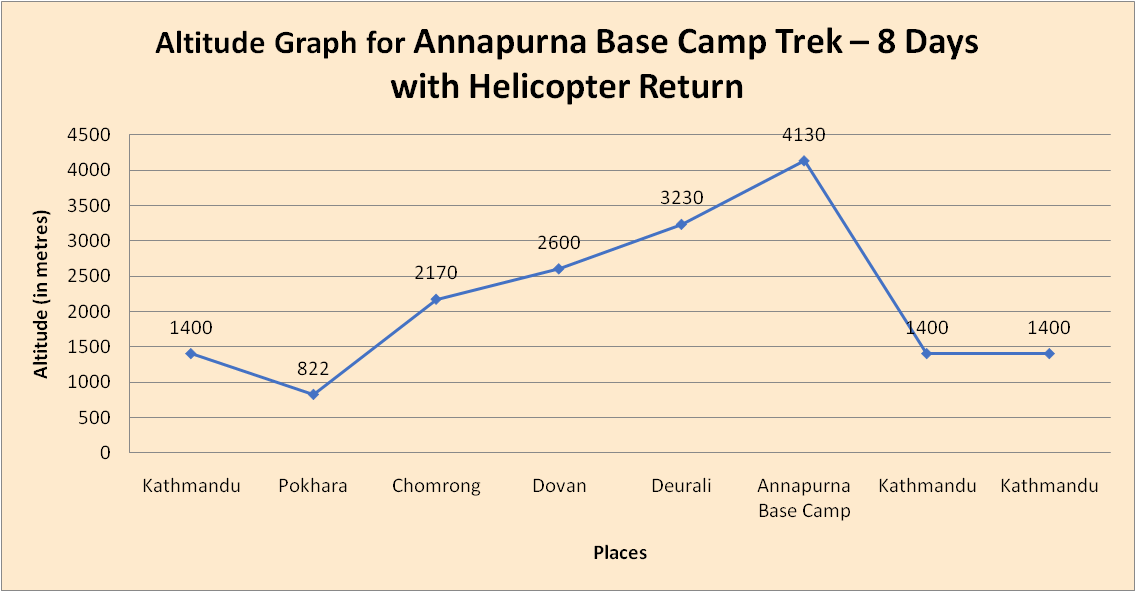
- Altitude Acclimatization: Regardless of the season, allow your body time to acclimatize to prevent altitude sickness, especially for the helicopter-return trek, which quickly reaches 4,130 meters.
In summary:
- Spring (March–May): Best for blooming rhododendrons, mild weather, and clear skies.
- Autumn (September–November): Best for crystal-clear mountain views, dry trails, and festival experiences.
- Winter (Dec–Feb): Only for experienced trekkers seeking snow and solitude.
- Monsoon (Jun–Aug): Not recommended due to heavy rainfall and slippery trails.
Food Availability on the Annapurna Base Camp Trek
Proper nutrition is essential for a successful and enjoyable trek, especially when trekking at high altitudes. On the Annapurna Base Camp trek with helicopter return, ART Nepal Treks & Expedition ensures that trekkers have access to nutritious meals throughout the journey.
- Meal Plan: The package typically includes six breakfasts, four lunches, and five dinners. Breakfast often includes porridge, eggs, toast, or traditional Nepali dishes. Lunches are generally light yet nutritious, including sandwiches, noodles, or local staples. Dinners are more substantial, featuring dal bhat (lentils with rice), vegetable curries, soups, and sometimes simple Western dishes like pasta or rice with vegetables.
- Vegetarian Options: Vegetarian meals are encouraged at higher altitudes to ensure freshness, digestibility, and energy efficiency. Meat may not always be fresh or widely available at remote tea houses.
- Snacks and Energy Foods: Trekkers are advised to carry nuts, energy bars, chocolates, or dried fruits. These provide quick energy during long treks and help maintain stamina.
- Hydration: Staying hydrated is crucial to avoid altitude sickness. Drinking 2–3 liters of water per day is recommended. Water purification tablets or filters are advised when refilling from natural sources. Alcohol is discouraged at high altitudes as it can dehydrate the body and worsen altitude-related symptoms.
- Tea and Coffee: Tea and coffee are available at most tea houses and lodges, providing warmth and comfort during rest stops.
Proper meal planning helps trekkers maintain energy, mental clarity, and overall health, ensuring they are ready for each day’s adventure.
Accommodation on the Trek
Accommodation along the Annapurna Base Camp route combines local culture with basic comfort, allowing trekkers to rest and recharge after each day’s journey.
- Tea Houses and Lodges:
- These are family-run guesthouses scattered throughout the trail.
- Rooms typically include beds and blankets, with shared bathrooms. Some lodges provide hot showers, usually at an additional cost.
- Communal dining areas serve meals and allow trekkers to meet others, creating a friendly and social atmosphere.
- Tea houses vary in standard, with lower-altitude settlements offering slightly more comfort than high-altitude camps.
- Hotels in Kathmandu and Pokhara:
- 3-star hotels are provided before and after the trek, offering comfortable rooms, clean facilities, and safe environments.
- These hotels allow trekkers to rest fully, explore the city, and enjoy modern amenities before and after the mountain journey.
- High-Altitude Comfort:
- While tea houses are simpler than hotels, they provide a warm and safe place to sleep, essential for acclimatization and recovery at high elevations.
- Lodges are generally equipped with electricity or solar power, though some may be limited, so bringing a power bank is recommended.
Staying in local tea houses allows trekkers to experience Nepali hospitality, interact with villagers, and enjoy authentic cultural immersion while maintaining necessary comfort.
Travel Insurance
Travel insurance is mandatory for the Annapurna Base Camp Trek, particularly for a package including a helicopter return. A comprehensive policy ensures safety, peace of mind, and access to emergency services.
- Coverage Requirements:
- High-altitude trekking: Insurance must cover activities up to and above 4,000 meters.
- Helicopter evacuation: In case of illness, injury, or emergency, helicopter evacuation is a critical safety measure.
- Medical emergencies: Covers hospitalization, treatment, and repatriation if needed.
- Trip cancellation or interruption: Protects against unforeseen changes in schedule due to weather, illness, or other emergencies.
- Lost or stolen items: Provides compensation for luggage, personal belongings, or essential trekking gear.
- Why Insurance is Crucial:
- Trekking in the Himalayas involves changing weather, challenging terrain, and high altitudes, making insurance essential for emergencies.
- Helicopter rescue can be expensive without coverage; insurance ensures financial protection and rapid assistance.
Having proper insurance allows trekkers to focus fully on the adventure while minimizing risk and stress.
Altitude Sickness (Acute Mountain Sickness – AMS)
The Annapurna Base Camp trek reaches 4,130 meters, where the risk of altitude sickness is real. Altitude sickness occurs when the body struggles to adjust to lower oxygen levels at high elevations.
- Common Symptoms:
- Headaches and dizziness
- Nausea and vomiting
- Fatigue and shortness of breath
- Loss of appetite
- Difficulty sleeping
- Prevention and Safety Tips:
- Acclimatization: Ascend gradually and allow your body time to adapt. Avoid rushing to higher altitudes.
- Hydration: Drink plenty of water; dehydration increases the risk of altitude sickness.
- Pacing: Walk at a comfortable pace, take frequent breaks, and avoid overexertion.
- Medication: Consult a doctor about Diamox or other preventive medications.
- Observation: Monitor for symptoms; mild AMS may improve with rest, but severe symptoms require immediate descent or medical attention.
- Avoid Alcohol and Smoking: Both can worsen oxygen intake and increase susceptibility to AMS.
- Helicopter Option: For trekkers feeling unwell at Annapurna Base Camp, the helicopter return provides a safe and efficient means of descent, reducing risk and ensuring comfort.
Proper knowledge, preparation, and vigilance make it possible to enjoy the trek safely while minimizing the risks associated with high-altitude trekking.
Guide & Safety Measures
Your safety, comfort, and overall trekking experience are the highest priority on the Annapurna Base Camp Trek with Helicopter Return. ART Nepal Treks & Expedition takes extensive measures to ensure that all trekkers are well-supported, informed, and protected throughout the journey.
1. Experienced Trek Guides
- All treks are led by professional guides with years of experience in the Annapurna region.
- Guides are trained to handle high-altitude trekking, manage risks, and provide local cultural insights.
- They are fluent in English and can communicate effectively with international trekkers, explaining local customs, geography, and flora/fauna along the route.
- Guides are responsible for navigation, trail planning, and daily trekking schedules, ensuring a smooth, stress-free experience.
2. First Aid & Medical Safety
- Guides carry a fully equipped First Aid Kit, including medicines for headaches, altitude sickness, minor injuries, stomach issues, and cuts or scrapes.
- Guides are trained in wilderness first aid and know how to respond to emergencies at high altitude.
- In case of severe medical conditions or altitude sickness, guides can arrange helicopter evacuation to ensure immediate care.
- ART Nepal Treks & Expedition monitors the health of trekkers daily, ensuring everyone is acclimatizing well and maintaining hydration and nutrition.
3. Acclimatization & Altitude Safety
- The itinerary is carefully planned with gradual ascent to reduce the risk of altitude sickness.
- Rest stops, tea houses, and overnight stays are strategically placed to allow the body to adjust to higher elevations.
- Guides provide advice on hydration, nutrition, and pacing, and monitor for early symptoms of altitude sickness.
- If required, flexible itinerary adjustments are made to ensure the safety of all participants.
4. Equipment & Gear
- ART Nepal Treks & Expedition ensures that trekkers have quality equipment and gear: trekking poles, sleeping bags, rain covers, and other essentials.
- Guides inspect gear before the trek begins to verify functionality and safety.
- For trekkers who hire porters, the guides help manage packing and weight distribution to reduce strain and prevent injuries.
5. Trail & Environmental Safety
- Guides are familiar with the local trails, potential hazards, river crossings, and weather patterns.
- They provide instructions on safe trekking practices, including walking on slippery sections, river crossings, and steep ascents/descents.
- ART Nepal Treks & Expedition prioritizes environmental responsibility, ensuring trekkers follow Leave No Trace principles, dispose of waste properly, and respect local flora and fauna.
6. Cultural Awareness & Respect
- Guides provide insight into local Gurung and ethnic cultures, traditions, and practices.
- Trekkers are encouraged to respect village customs, local hospitality, and sacred sites along the trek.
- This ensures a safe and harmonious interaction with local communities while enriching the cultural experience.
7. Emergency Procedures
- All guides are trained in emergency response procedures, including first aid, evacuation, and communication with local authorities.
- Communication devices, including satellite phones or radios, are carried to ensure constant contact in remote areas.
- In case of severe illness, injury, or natural hazards, ART Nepal Treks & Expedition has established evacuation plans, including helicopter support when needed.
8. Responsible Trek Leadership
- Guides have the authority to adjust or cancel trekking plans if conditions become unsafe due to weather, health, or trail hazards.
- Daily briefings ensure all trekkers are informed about the day’s route, weather conditions, altitude changes, and safety tips.
- Guides provide motivation, support, and advice to help trekkers complete the journey comfortably and safely.
9. Benefits of Professional Guidance
By trekking with ART Nepal Treks & Expedition, you benefit from:
- Expert navigation in challenging terrain
- Cultural insights and storytelling from local guides
- Constant monitoring for health and safety
- Assistance with porters and luggage management
- Peace of mind knowing that emergency procedures are in place
Booking Procedure – Annapurna Base Camp Trek with Helicopter Return
Booking your trek with ART Nepal Treks & Expedition is simple, safe, and well-organized. The following steps guide you through the entire process, from inquiry to the trek itself:
1. Inquiry
- Contact ART Nepal Treks & Expedition via phone, email, or website contact form.
- Provide basic details: preferred trekking dates, number of people, accommodation preferences, and any special requests (like porters or dietary needs).
- The team will respond with detailed information about availability, costs, and optional add-ons.
Tip: Early inquiry is recommended, especially during spring and autumn, as peak season bookings fill up quickly.
2. Booking Form Submission
- Once you decide to proceed, you will be asked to complete a booking form with personal details, passport information, and trekking preferences.
- Submit the booking form along with a deposit to confirm your reservation.
- The deposit secures your trek dates, accommodations, permits, and helicopter services.
Tip: Keep a copy of your submitted form and payment receipt for reference.
3. Confirmation
- After receiving the booking form and deposit, ART Nepal Treks & Expedition will provide a confirmation letter.
- The confirmation includes:
- Trekking dates and itinerary
- Hotel and lodge reservations
- Helicopter flight details
- Guide and porter arrangements
- Contact details for any questions or updates
Tip: Review all details carefully and inform the company of any corrections immediately.
4. Payment of Remaining Balance
- Pay the remaining balance as per the agreed schedule, usually 2–3 weeks before the trek starts.
- Payment methods may include bank transfer, online payment, or cash (if visiting Kathmandu in advance).
- Ensure that all payments are confirmed and documented to avoid any last-minute issues.
5. Pre-Trek Briefing
- Attend the pre-trek briefing in Kathmandu (usually at the hotel or ART Nepal Treks & Expedition office).
- Topics covered:
- Detailed itinerary and daily schedule
- Trekking dos and don’ts
- Safety protocols and emergency procedures
- Gear, clothing, and packing guidance
- Altitude acclimatization tips
- Guides answer all questions, ensuring you are confident and fully prepared.
Tip: Take notes during the briefing and double-check your gear against the packing checklist.
6. Trek Commencement
- After the briefing, the trek begins with:
- Transfer from Kathmandu to Pokhara by tourist bus or flight
- Private vehicle to the trailhead (Siwai)
- Daily trekking to Annapurna Base Camp
- Helicopter return to Pokhara and flight back to Kathmandu
- Guides and porters will assist at every stage, including luggage handling, accommodation check-ins, and meals.
7. During the Trek
- Guides provide daily updates on the route, weather conditions, and altitude health checks.
- ART Nepal Treks & Expedition ensures smooth operations, including meals, accommodation, and emergency preparedness.
- Any changes required due to weather, health, or other unforeseen circumstances are handled professionally, ensuring safety and comfort.
8. Completion and Feedback
- After returning to Kathmandu, trekkers are transferred to their hotel.
- ART Nepal Treks & Expedition encourages feedback to improve services.
- Optional sightseeing or post-trek activities can also be arranged.