Introduction
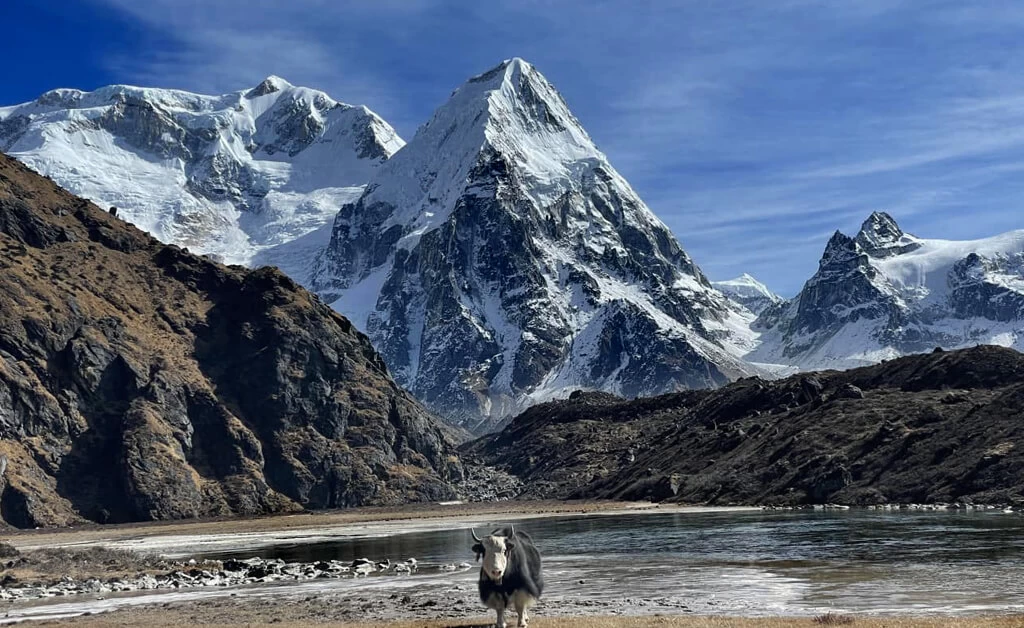
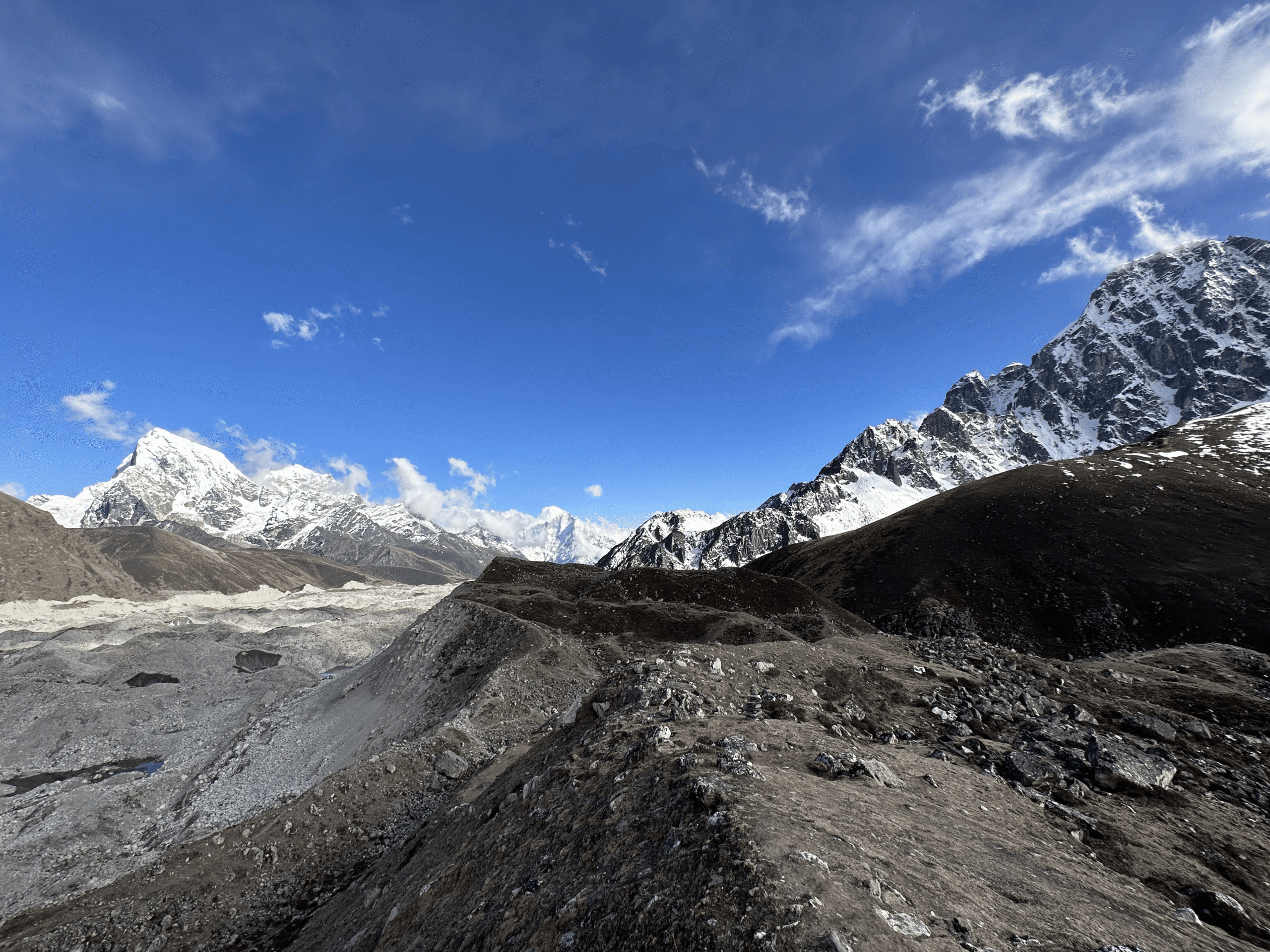
The Api Himal Base Camp Trek is one of the last true “off-the-beaten-path” adventures remaining in the Nepal Himalayas. While the trails of Everest and Annapurna have become well-trodden highways of global tourism, the Far-Western region—specifically the Darchula District—remains a sanctuary for those who seek silence, raw nature, and a connection with a culture that hasn’t changed for centuries.
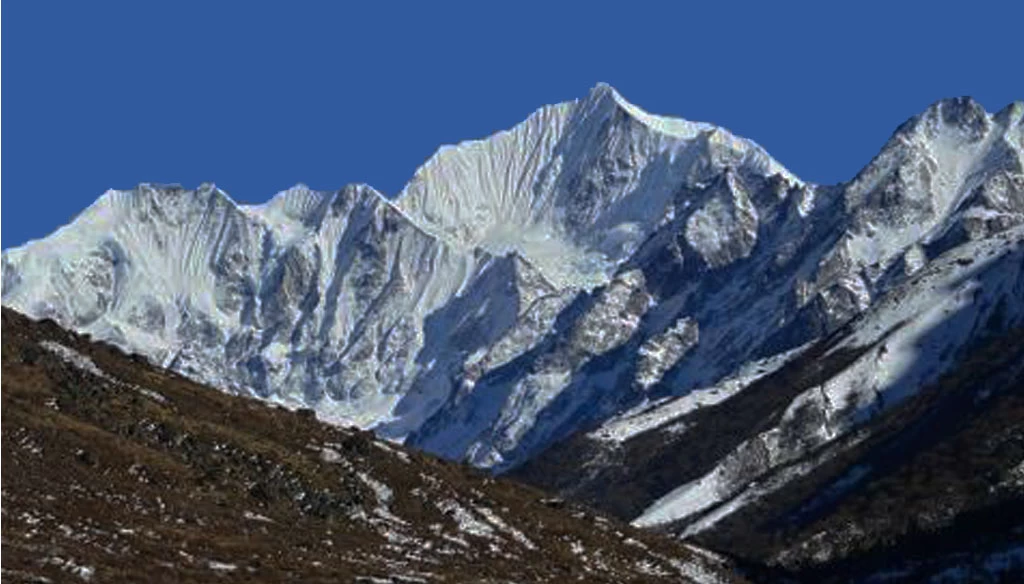
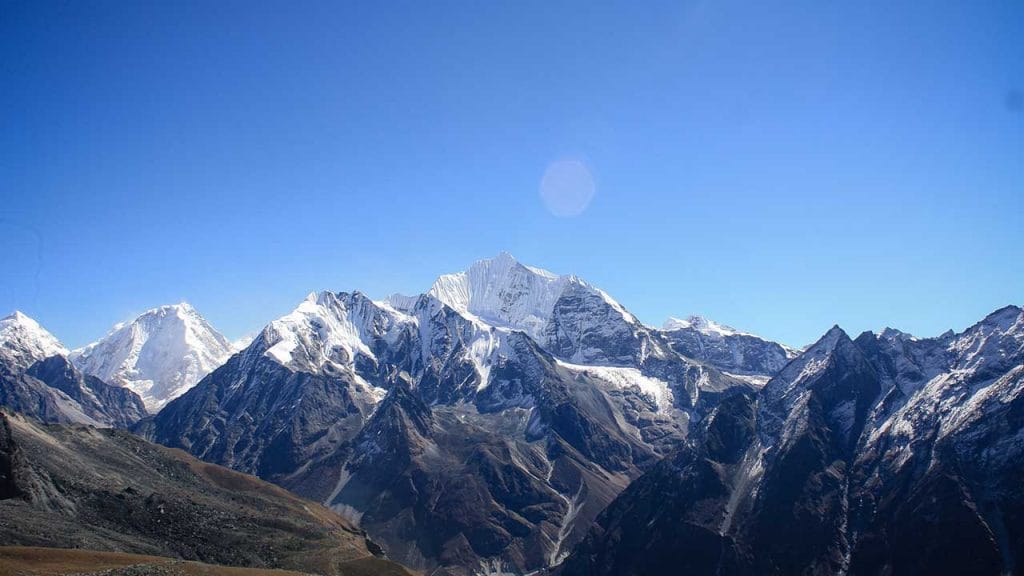
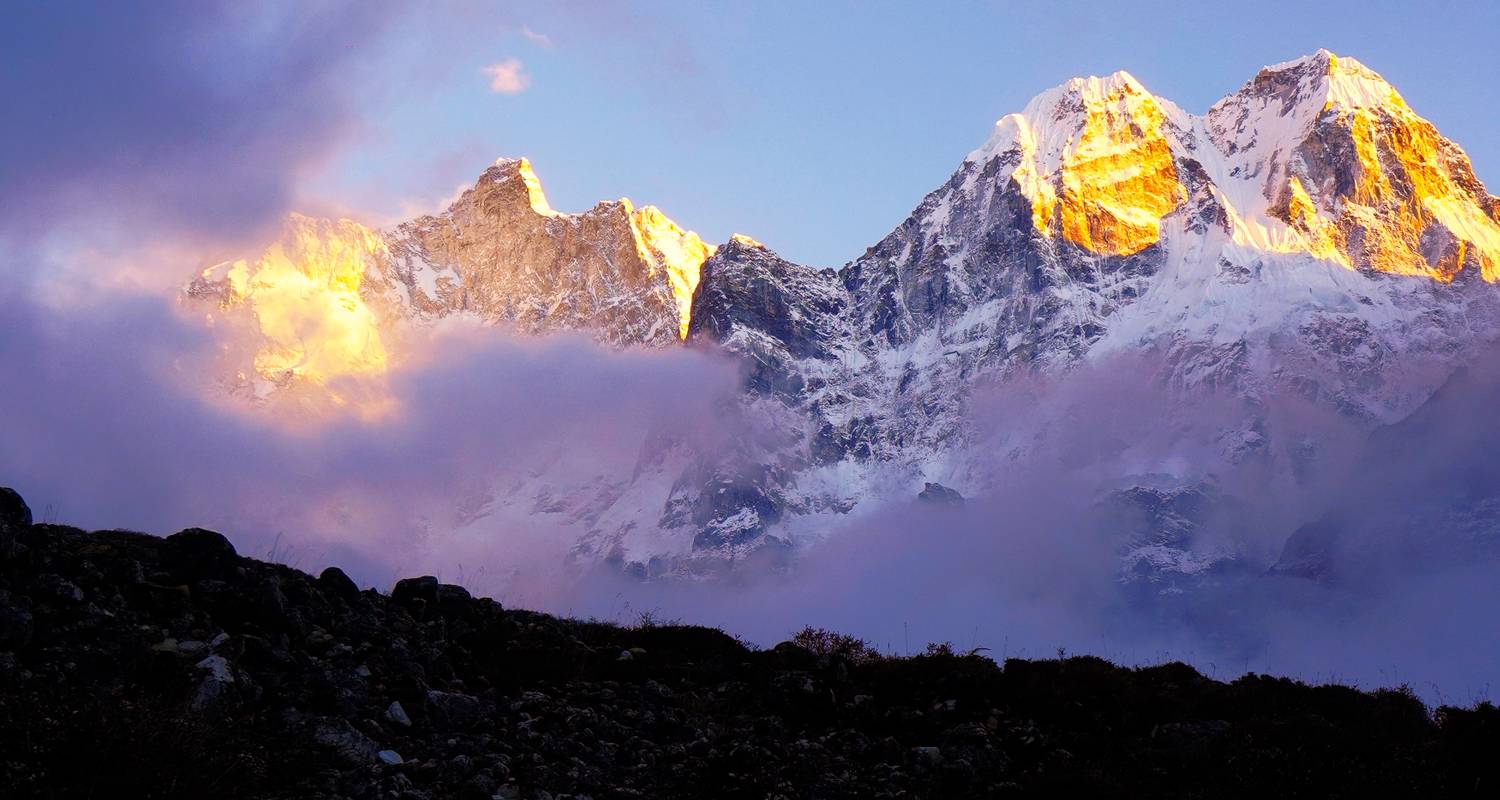
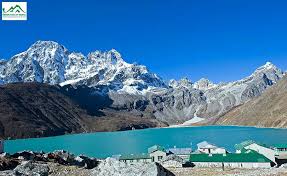
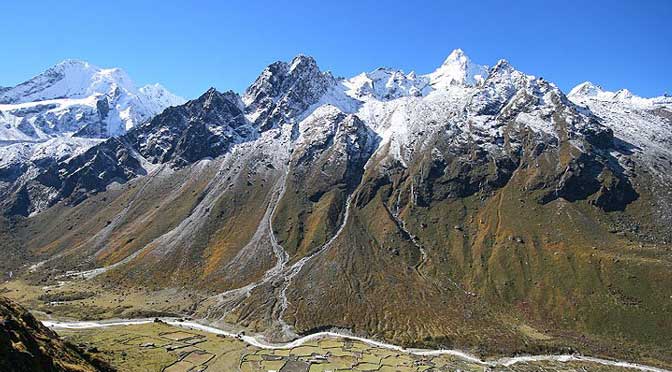
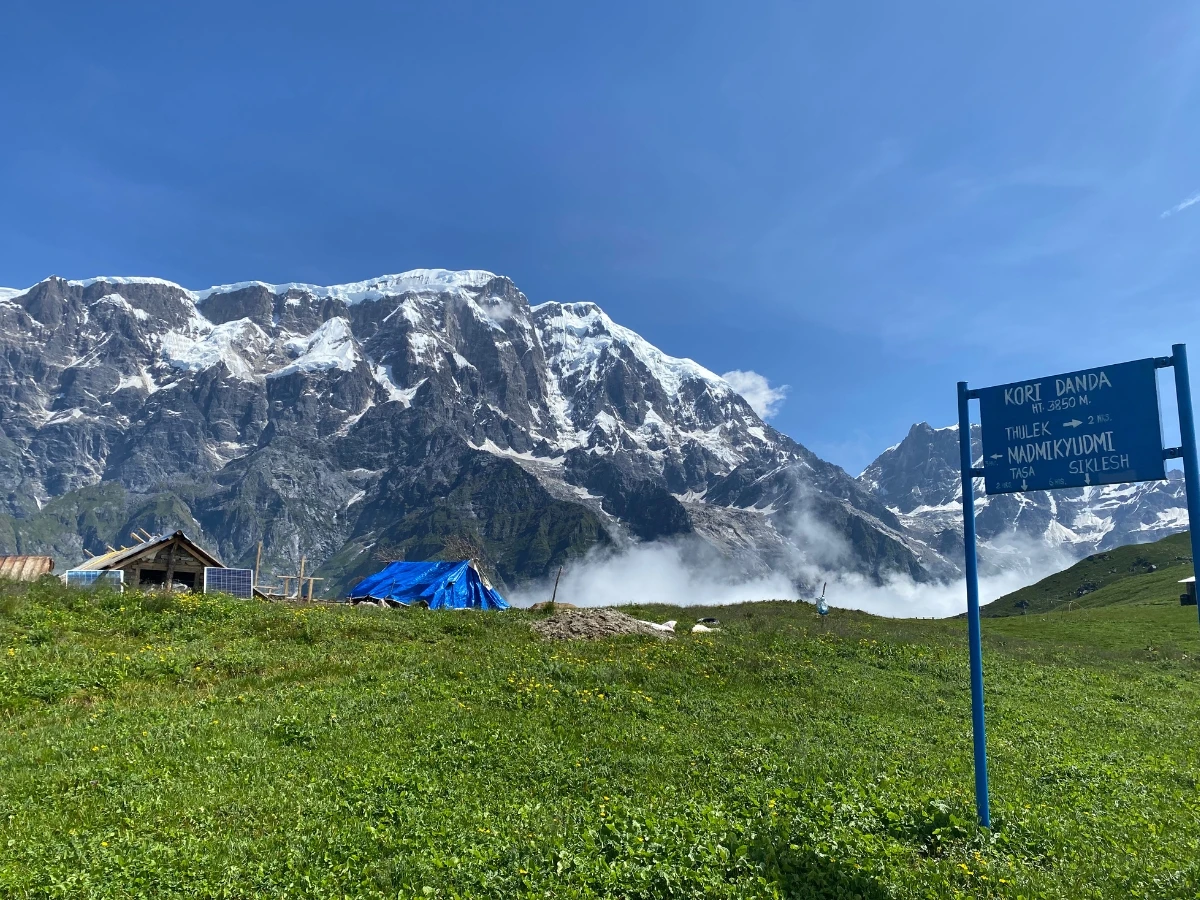
Named after Mt. Api (7,132m), the highest peak in the Yoka Pahar section of the Himalayas, this trek is a journey into the Api Nampa Conservation Area. It is a world of dramatic contrasts: from the subtropical heat of the Mahakali River valley to the bone-chilling glaciers of the high alpine plateaus.
History and Geographical Background
Historically, this region was a vital artery for the trans-Himalayan trade between India, Nepal, and Tibet. The local Byansi people have, for generations, navigated these high passes with salt, wool, and grains. Geographically, the Api Himal range stands as a sentinel on the border with Tibet to the north and India to the west. It is part of the Kailash Sacred Landscape, a transboundary area shared by the three nations, highlighting its spiritual and ecological significance.
Why This Trek is Special
- Crowd-Free Trails: You are more likely to meet a local shepherd or a snow leopard researcher than another foreign trekker.
- Pristine Ecosystems: The biodiversity here is untouched, featuring flora and fauna that are increasingly rare in more commercialized regions.
- The “Far-West” Mystique: Sudurpashchim (the Far-Western Province) has its own distinct dialect, music (Deuda), and shamanistic traditions (Masto) that differ sharply from the Kathmandu-centric narratives of Nepal.
Comparison: Api Himal vs. Other Routes
| Feature |
Api Himal Base Camp |
Everest Base Camp (EBC) |
| Foot Traffic |
Extremely Low (Rarely 100/year) |
Extremely High (Thousands/month) |
| Accommodation |
Homestays / Tents |
High-end Lodges / Teahouses |
| Culture |
Authentic Byansi/Khas |
Sherpa/Tourist-centric |
| Terrain |
Wild, rugged, river-valley based |
Well-maintained steps/trails |
Who is This Trek For?
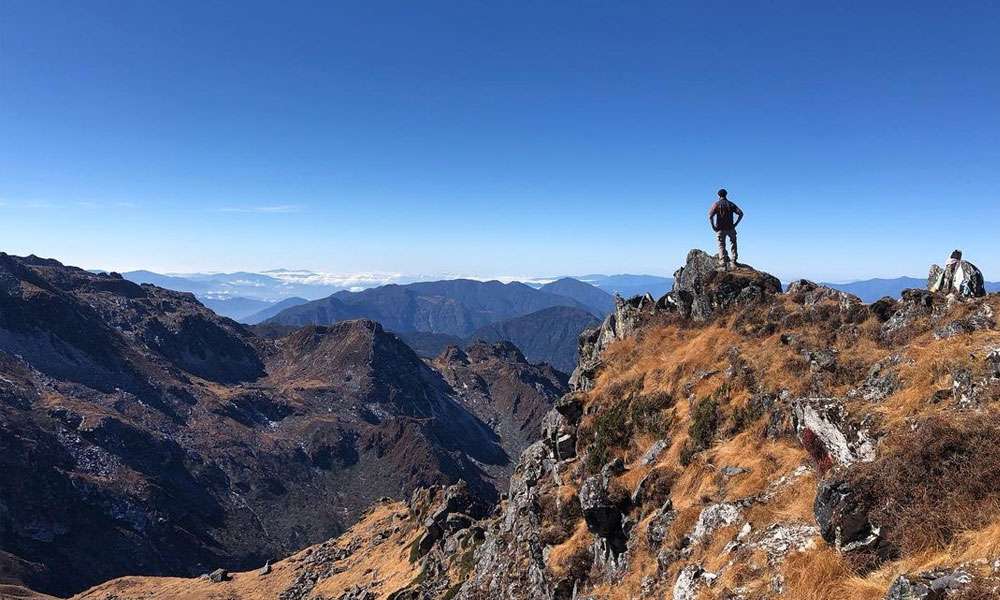
This trek is for the seasoned adventurer. If you enjoy the comforts of an espresso machine at 4,000m, this is not the trek for you. However, if you crave a “National Geographic” style experience where you are the first to witness the sunrise on a 7,000m peak from a remote meadow, then Api Himal is your calling.
Complete Region Description
Darchula District: The Gateway
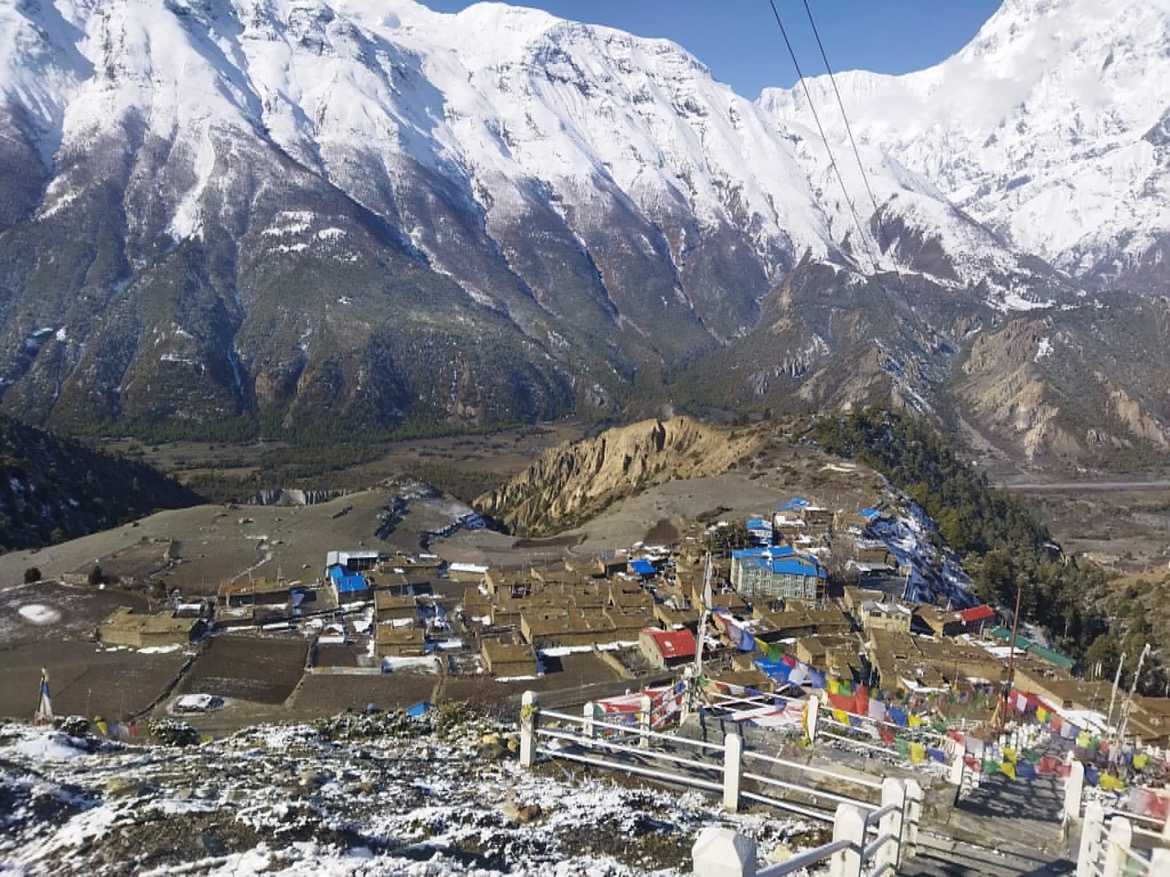
Darchula is the westernmost district of Nepal. It is characterized by its steep hills and deep gorges. The district headquarters, Khalanga, sits on the banks of the Mahakali River. The people here are known for their resilience, living in a landscape where every road is a triumph of engineering over gravity.
Api Nampa Conservation Area (ANCA)
Established in 2010, ANCA covers 1,903 square kilometers. It was created to protect the unique high-altitude ecosystems and the cultural heritage of the Byansi people.
- Flora: You will walk through forests of Himalayan Cedar, Oak, and Rhododendron. As you go higher, you hit the alpine grasslands—the famous Yarsagumba (Caterpillar Fungus) hunting grounds.
- Fauna: The area is home to the Himalayan Tahr, Blue Sheep, and the Monal Pheasant (Nepal’s national bird).
Essential Info
Accommodation and Food Experience (The “Deep Dive”)
Kathmandu: Urban Comfort
In the capital, you stay in boutique hotels that blend modern luxury with Newari architecture. High-speed Wi-Fi and hot showers are the norm here—luxuries you will appreciate much more after the trek.
The Remote Homestay Culture
Once we enter the Api Nampa Conservation Area, the experience shifts.
- The Rooms: Simple, clean, and cozy. You will sleep on “Sukuls” (straw mats) topped with thick wool blankets.
- The Vibe: It’s like stepping back in time. There are no TVs or noisy streets—just the sound of the wind and the crackle of the hearth.
Traditional Far-West Cuisine
The food on the Far West Nepal Trek is distinct:
- Dal Bhat: The staple power food. Here, it’s served with local “Red Rice” and organic lentils.
- Saag: Wild-harvested greens like stinging nettle soup (Sishnu), which is surprisingly delicious and packed with iron.
- Local Honey: Darchula is famous for wild cliff honey. It has a unique, floral taste.
Trek Difficulty and Fitness Requirements
Who can do this trek?
You don’t need to be an elite athlete, but you do need mental toughness. This is a “Grade C” trek. The trails are not always perfectly groomed; some sections involve walking on loose scree or narrow forest paths.
Pre-Trek Training Suggestions
- Cardio (3x a week): Running, swimming, or cycling to build lung capacity.
- Leg Strength: High-repetition squats and lunges.
- The “Boot Test”: Go for 3–4 hour hikes in the boots you plan to wear for the trek to avoid blisters.
Best Time to Trek Api Himal Base Camp
| Season |
Weather |
Visibility |
Verdict |
| Spring (March–May) |
Mild to Warm |
Good |
Excellent. See the rhododendrons bloom. |
| Autumn (Sept–Nov) |
Crisp and Cold |
Crystal Clear |
The Best. Peak mountain views. |
| Monsoon (June–Aug) |
Rainy/Muddy |
Poor |
Avoid. Leeches and landslide risks. |
| Winter (Dec–Feb) |
Very Cold/Snow |
Variable |
Expert Only. Requires heavy winter gear. |
Permits and Trekking Regulations
To preserve the sanctity of the Api Nampa Conservation Area, specific permits are mandatory:
- ANCA Entry Permit: Approximately $30 USD.
- TIMS Card: Trekkers’ Information Management System.
- Local Government Fee: Small tax collected for village development.
Note: As this is a border region, you must always carry your original passport. Our guides handle all the paperwork logistics for you.
Cultural Experience: The Byansi Heritage
The Byansi people are one of the most unique ethnic groups in Nepal.
- Language: They speak a Tibeto-Burman language that is distinct from Nepali.
- Religion: A fascinating blend of Tibetan Buddhism and Shamanistic Hinduism.
- Festivals: If you trek during Gaura Parva, you will see the famous Deuda dance, where villagers form a circle, link arms, and sing poetic songs.
Safety and Altitude Awareness
The Golden Rules of Altitude
- Ascent Limit: We never sleep more than 500m higher than the previous night once above 3,000m.
- Hydration: Drink 4 liters of water daily. This thins the blood and helps oxygen transport.
- Symptoms: If you have a persistent headache or nausea, you must inform your guide immediately.
Emergency Evacuation
In case of severe AMS (Acute Mountain Sickness), we have protocols for horse evacuation to lower altitudes or, in extreme cases, helicopter rescue to Dhangadhi or Kathmandu.
Transportation Details
The journey to the Far-West is an adventure in itself.
- The Flight: Dhangadhi airport is the gateway. The flight avoids the 14-hour bus ride from Kathmandu.
- The Jeep: We use rugged Mahindra or Toyota 4WD vehicles. The roads are bumpy, but the drivers are specialists in mountain terrain.
Environmental and Responsible Trekking
We practice Leave No Trace principles.
- Waste: All non-biodegradable waste is carried back out to Dhangadhi.
- Water: We encourage the use of LifeStraws or SteriPens instead of buying plastic bottles.
- Community: We hire local porters and buy food from village farmers to ensure the money stays in the local economy.
Why Choose This Trekking Company?
- Safety First: Our guides are certified in Wilderness First Aid.
- Local Roots: We employ people from the Darchula region who know the hidden trails and local stories.
- Fair Wages: We believe in ethical tourism; our porters are the best-equipped and best-paid in the industry.
Conclusion / Call to Action
The Api Himal Base Camp Trek is more than just a hike; it is a pilgrimage to the edge of the world. It is for those who tired of the crowds and want to see the Himalayas as they were fifty years ago—wild, welcoming, and breathtakingly beautiful.