Api Himal Trek – 15 Days

Api Himal Region
15 Days/ 14 Nights
slide image
slide image
slide image
slide image

Introduction

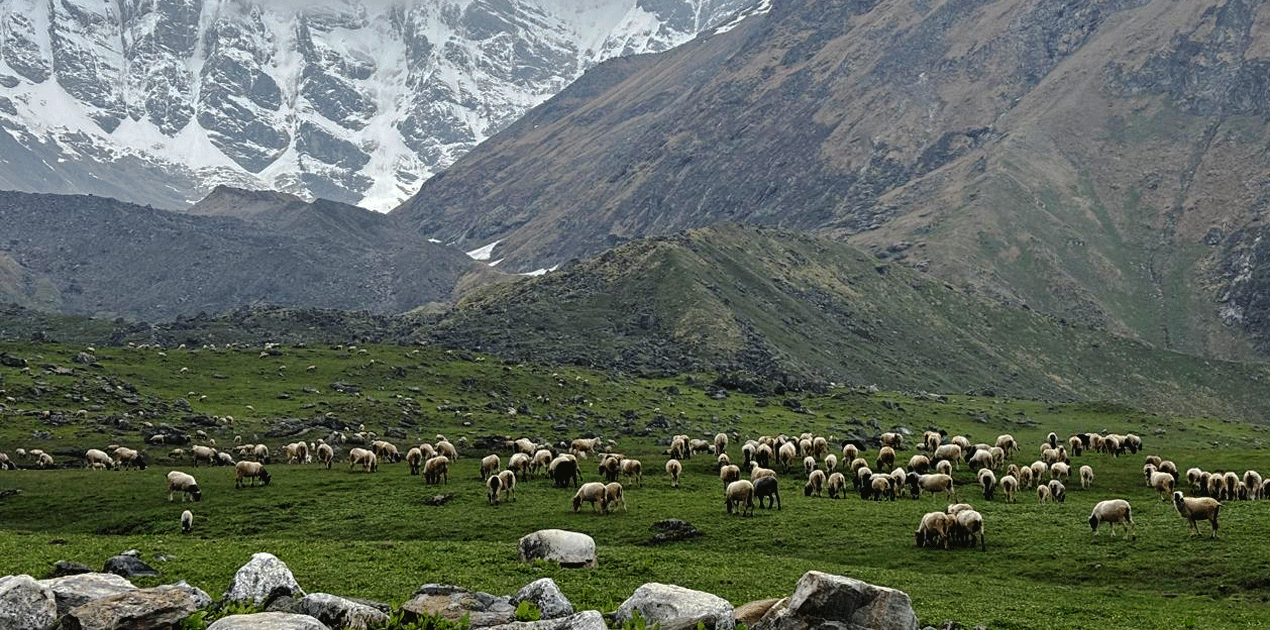
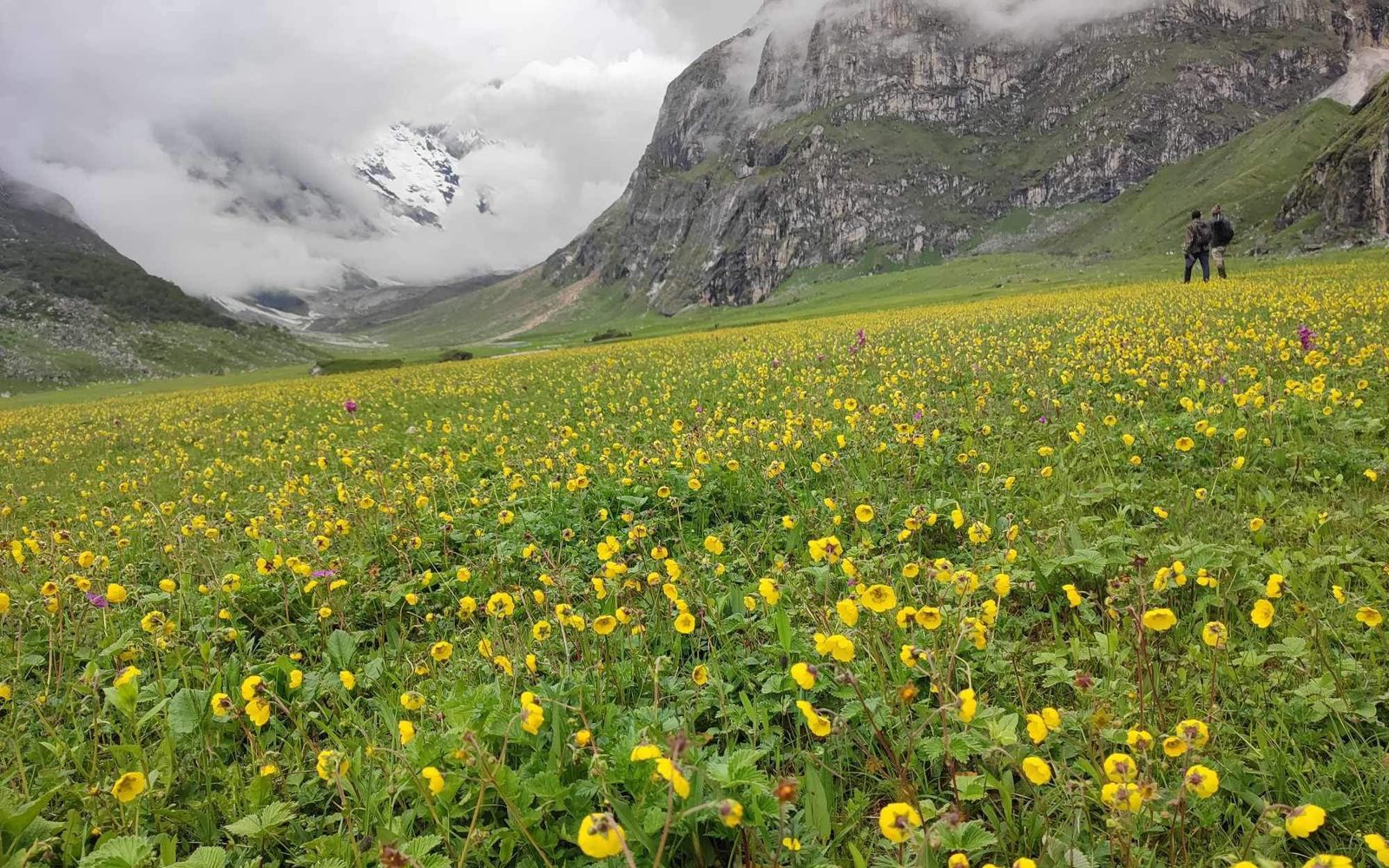
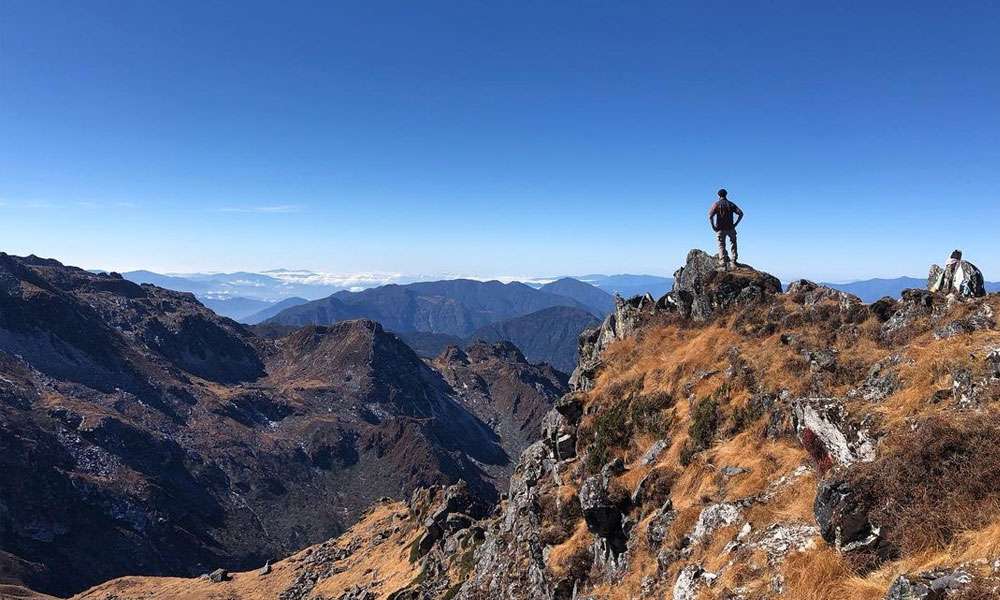
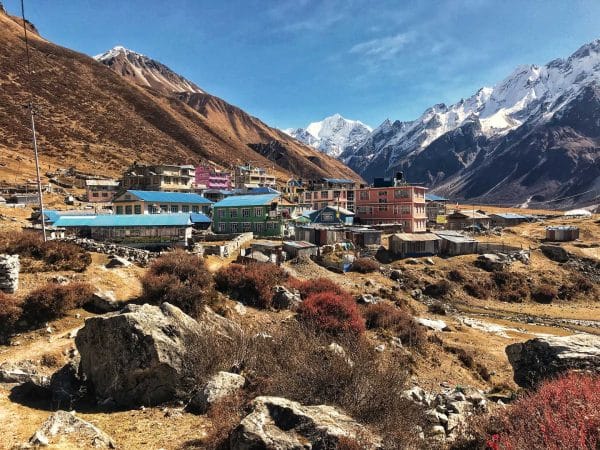
The Api Himal Trek is a remote and challenging expedition through the untouched landscapes of western Nepal. Spanning 15 days, this trek immerses travelers in the raw beauty of the Himalayas, from dense subtropical forests and terraced rice fields at lower elevations to rugged alpine terrain and high-altitude meadows. The journey is designed for trekkers seeking adventure in less-traveled regions, where nature remains pristine and cultural interactions feel authentic.

Starting from Kathmandu, trekkers travel westward to the Api Himal region, passing through vibrant local villages and river valleys. The trail offers a rich tapestry of experiences: glacial streams, high passes, serene forests, and panoramic mountain views. Along the route, travelers witness traditional lifestyles, interact with ethnic communities, and explore remote settlements that have maintained their cultural heritage over centuries.

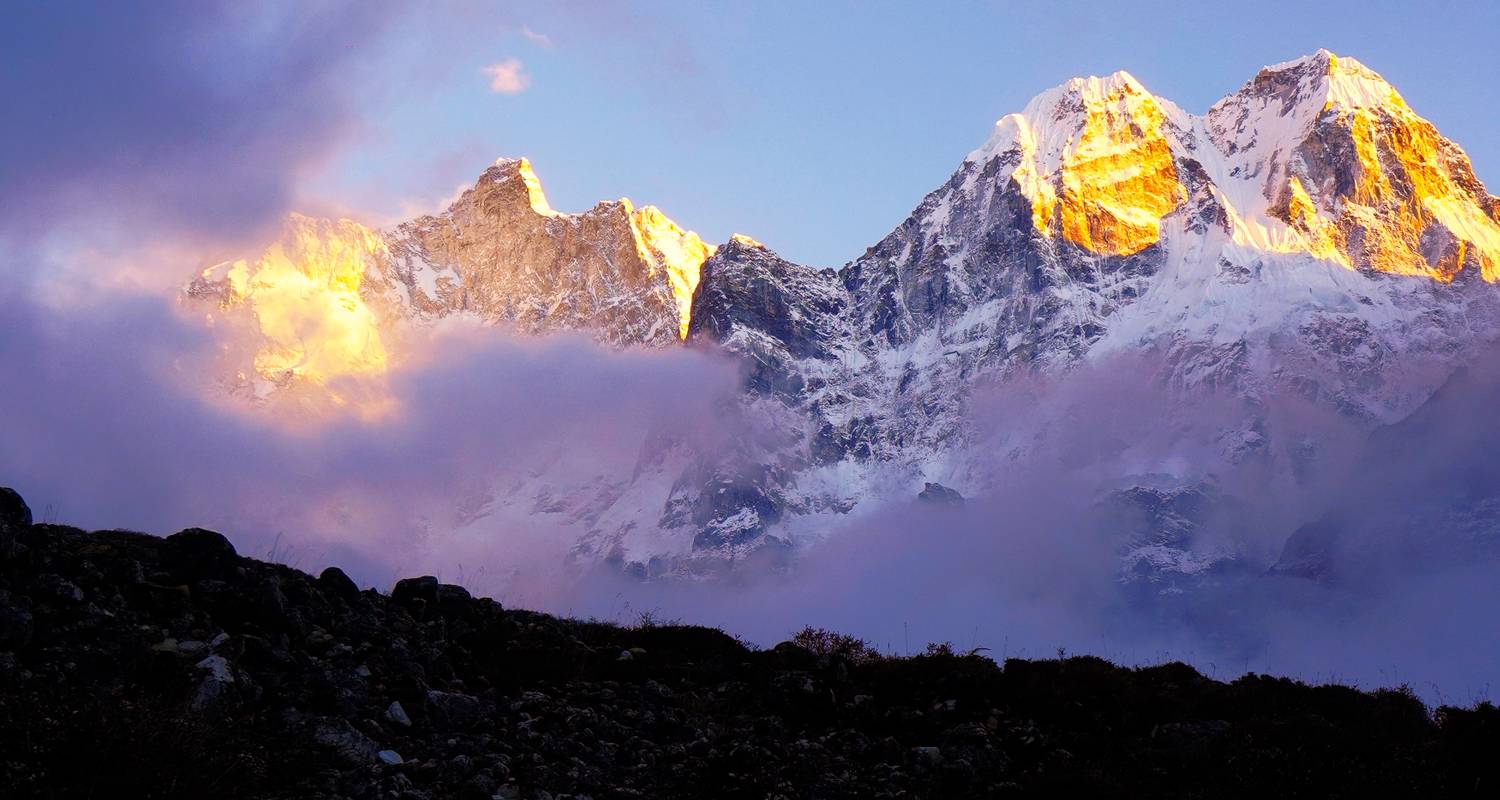
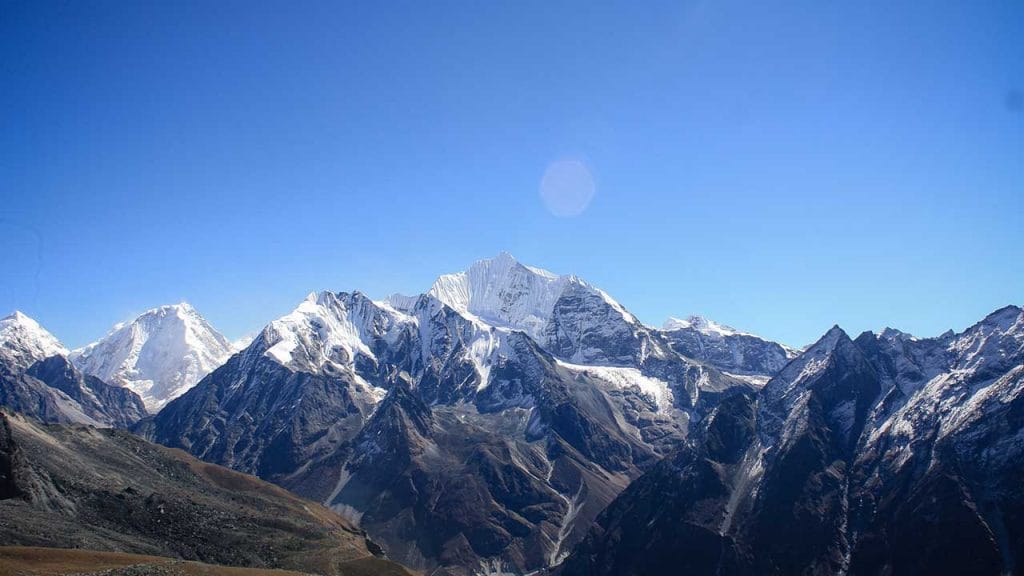
The highlight of the trek is the Api Base Camp, where trekkers are rewarded with awe-inspiring views of Api Himal towering above the surrounding landscape. The journey challenges physical endurance due to steep ascents, high altitudes, and rugged paths, yet it is immensely rewarding for those prepared for the adventure.

This trek is ideal for experienced hikers looking for solitude, natural grandeur, and a cultural experience far from the crowds of more popular trekking routes. It combines physical challenge, breathtaking scenery, and spiritual connection to nature, making it a once-in-a-lifetime Himalayan adventure.

What You Can Expect from the Trek

  • Diverse Terrain: Trek through subtropical forests, alpine meadows, terraced farmlands, and rugged high-altitude landscapes.
  • Cultural Experience: Engage with local communities, observe traditional lifestyles, and explore small, remote villages.
  • High-Altitude Adventure: Navigate trails at elevations up to 4,250 meters, requiring proper acclimatization.
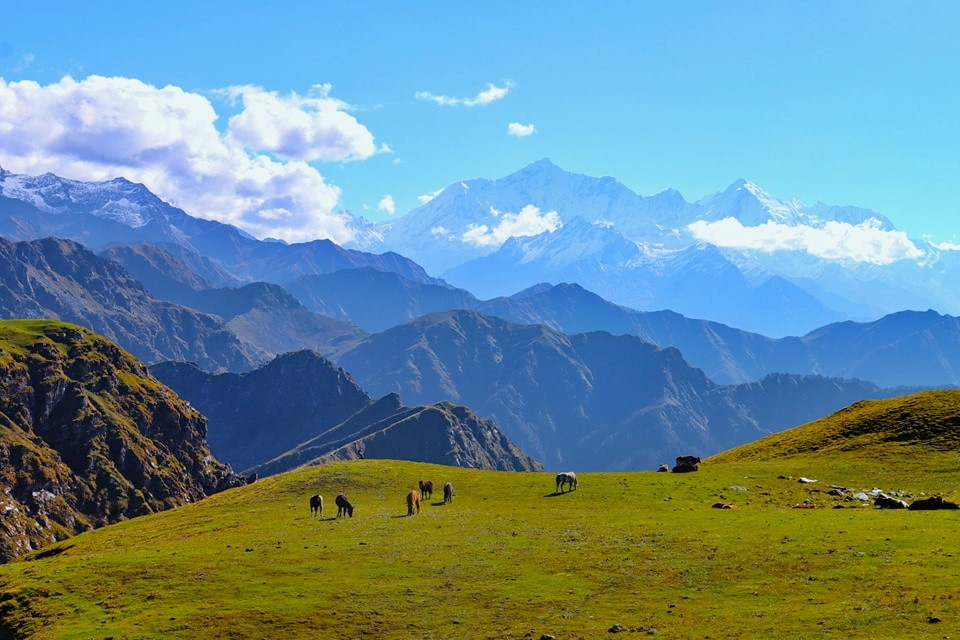
  • Scenic Beauty: Enjoy uninterrupted views of Api Himal, Nampa Himal, and surrounding Himalayan peaks.
  • Remote and Authentic: Experience a trail far from mainstream tourism, offering solitude and tranquility.

Preparation for the Trek

Physical Fitness

  • Cardio: Jogging, cycling, swimming, or regular long hikes to build endurance.
  • Strength: Focus on leg, core, and upper body exercises like squats, lunges, planks, and step-ups.
  • Hiking Practice: Start with short hikes and gradually increase elevation and distance.

Mental Preparation

  • Build mental resilience for long, high-altitude trekking days.
  • Familiarize yourself with the route, weather conditions, and potential challenges.
  • Be prepared for minimal tourist traffic and remote conditions.

Gear and Clothing

  • Footwear: Waterproof trekking boots with ankle support and quality trekking socks.
  • Clothing: Layered clothing, including base layers, insulating layers, and waterproof outer layers.
  • Accessories: Warm gloves, hats, sunglasses, and sunscreen.
  • Essentials: Sleeping bag, trekking poles, first aid kit, water bottle, snacks, and personal hygiene items.

Health and Safety

  • Acclimatize properly to prevent altitude sickness.
  • Stay hydrated, eat nutritious food, and rest when needed.
  • Carry necessary medications, including those for altitude sickness (Diamox).
  • Trip Duration

    15 Days/ 14 Nights

  • Group Size

    1-20 people

  • Maximum Altitude

    4,250 meters

  • Trip Difficulty

    Challenging

  • Activities

    Trekking

  • Best Season

    Spring (March to May), Autumn (September to November)

  • Trip Start & End

    Kathmandu/ Kathmandu

  • Meals

    Breakfast, Lunch, Dinner

  • Accomodation

    Teahouses, lodges, and tented camps

Highlights

  • Api Base Camp: Journey to the base camp of Api Himal and experience an up-close view of one of the most majestic peaks in the western Himalayas.
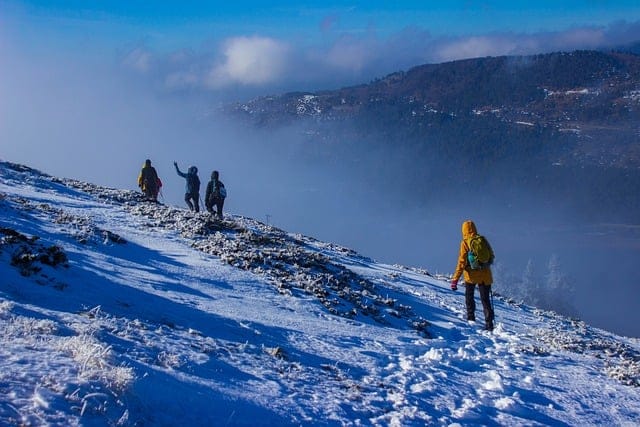
  • High-Altitude Trekking: Trek through challenging terrain at elevations reaching 4,250 meters, crossing high passes and rugged trails.
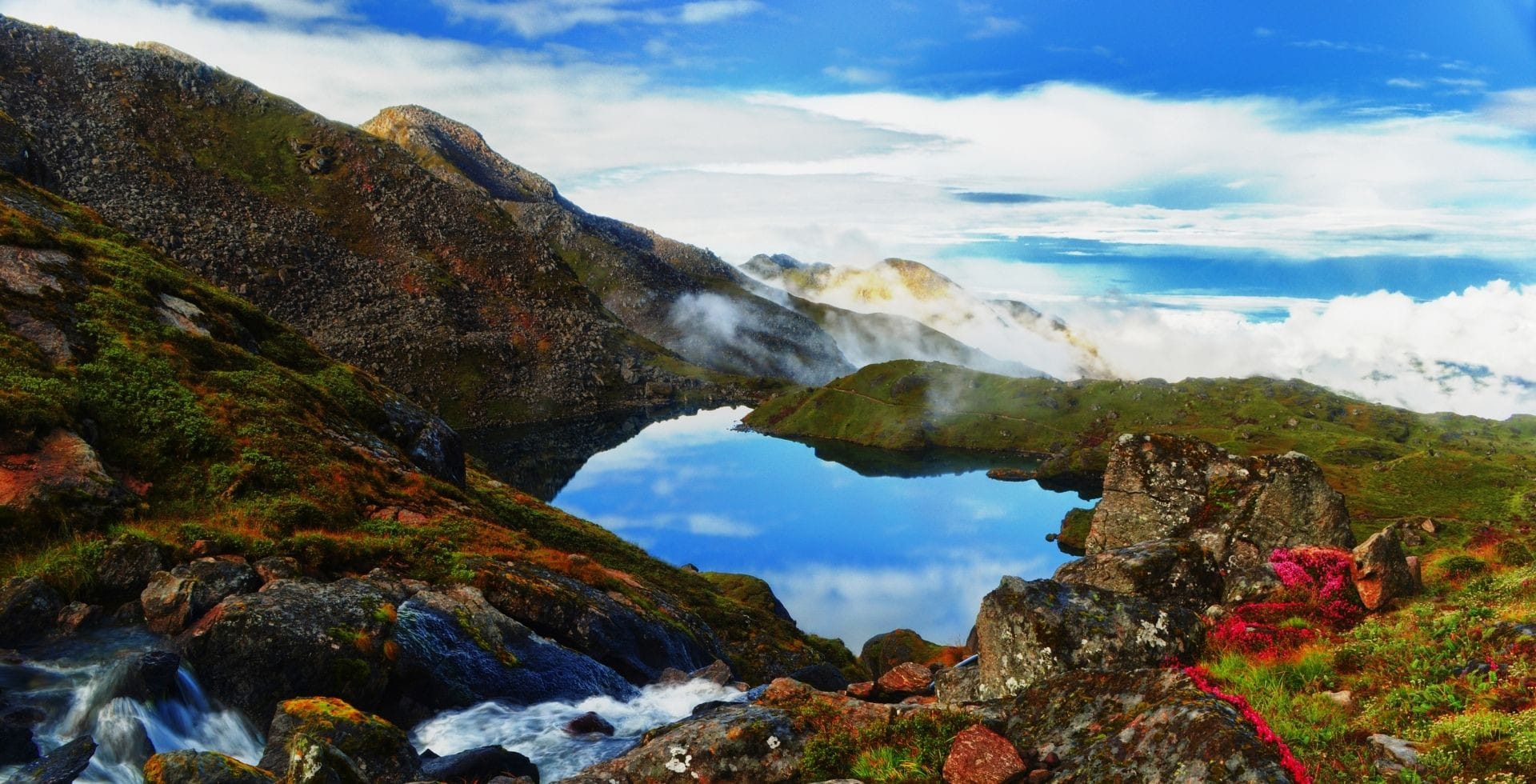
  • Scenic Diversity: Witness Nepal’s far-western landscapes—from terraced farming villages and dense forests to alpine meadows and rocky highlands.
  • Cultural Immersion: Interact with indigenous communities along the trail, experiencing their lifestyle, traditions, and local customs.
  • Breathtaking Views: Capture panoramic vistas of Api Himal, Nampa Himal, and neighboring peaks, offering a photographer’s paradise.
  • Remote Adventure: Explore a region far from mainstream tourism, providing solitude, tranquility, and authentic trekking experiences.

Itinerary

Day 01

Upon arrival at Tribhuvan International Airport, our representative will greet you and transfer you to your hotel in Thamel. The evening will include a trek briefing to familiarize you with the route, equipment, and safety measures for the upcoming high-altitude trek. This day allows rest after travel and preparation for the adventure ahead.

Trip Duration:
Varies (Arrival day)
Trip Distance:
N/A
Altitude:
1,400 m
Meal:
Not included
Accomodation :
3-Star Hotel in Kathmandu

Day 02

Explore Kathmandu’s iconic cultural and religious landmarks. Visit Swayambhunath Stupa (Monkey Temple), Pashupatinath Temple, and Boudhanath Stupa, gaining insight into Nepal’s rich religious and architectural heritage. This day provides a cultural immersion before heading to remote trekking regions.

Trip Duration:
Full day
Trip Distance:
N/A
Altitude:
1,400 m
Meal:
Breakfast, Lunch, Dinner
Accomodation :
3-Star Hotel in Kathmandu

Day 03

Take a short domestic flight to Dhangadhi, a gateway town to far-western Nepal. Upon arrival, explore the town, purchase last-minute trekking supplies, and prepare mentally and physically for the trek. The flight offers scenic views of Nepal’s plains and foothills.

Trip Duration:
Flight ~1 hour
Trip Distance:
N/A
Altitude:
200 m
Meal:
Breakfast, Lunch, Dinner
Accomodation :
Guesthouse in Dhangadhi

Day 04

Depart early for a scenic drive to Gokuleshwor, the starting point of the trek. The journey passes through verdant hills, terraced villages, and rivers. This day allows a gradual adjustment from the lowlands to hill terrain and offers your first glimpses of Api Himal.

Trip Duration:
7–8 hours
Trip Distance:
N/A (drive day)
Altitude:
1,050 m
Meal:
Breakfast, Lunch, Dinner
Accomodation :
Tent or basic guesthouse

Day 05

A short drive from Gokuleshwor to Latinath, the trek’s official starting point. Begin your journey through forested hills and charming villages, arriving at Paribagar, a small settlement where you’ll stay overnight. The day eases you into trekking at higher altitudes while offering scenic views of Api Himal.

Trip Duration:
4–5 hours
Trip Distance:
10 km
Altitude:
1,400 m
Meal:
Breakfast, Lunch, Dinner
Accomodation :
Tent or basic guesthouse

Day 06

Trek through lush forests and rolling hills, gradually ascending towards Makarigadhi. En route, enjoy panoramic views of the Api and Nampa Himal ranges. Small villages along the path provide cultural interactions with local communities.

Trip Duration:
5–6 hours
Trip Distance:
12 km
Altitude:
1,900 m
Meal:
Breakfast, Lunch, Dinner
Accomodation :
Tent or basic guesthouse

Day 07

Ascend gradually through forests and steep ridges. Descend slightly before reaching Siti, a picturesque village offering traditional lodges and spectacular Himalayan vistas. The day is a mix of challenging climbs and gentle descents.

Trip Duration:
5 hours
Trip Distance:
10 km
Altitude:
2,200 m
Meal:
Breakfast, Lunch, Dinner
Accomodation :
Tent or guesthouse

Day 08

Trek through river crossings, dense forests, and isolated villages to reach Domal, a scenic highland settlement. The route offers panoramic views of snow-capped peaks and terraced farmland, blending natural beauty with local culture.

Trip Duration:
5–6 hours
Trip Distance:
11 km
Altitude:
2,600 m
Meal:
Breakfast, Lunch, Dinner
Accomodation :
Tent or guesthouse

Day 09

The trek gradually ascends toward Daulo Odar, also known as the Lower Api Base Camp. Today’s journey offers a combination of forest trails, meadows, and occasional rocky sections. Trek through remote villages and past pristine streams, with the majestic Api Himal visible in the distance. Upon arrival at Daulo Odar, set up camp or lodge and rest while soaking in the peaceful surroundings and panoramic mountain views.

Trip Duration:
4–5 hours
Trip Distance:
8 km
Altitude:
3,100 m
Meal:
Breakfast, Lunch, Dinner
Accomodation :
Tent or guesthouse

Day 10

Depart early for a thrilling trek to the Api Himal Base Camp, where you will witness the towering peaks of Api, Nampa, and surrounding Himalayas. The trail traverses alpine meadows, rocky ridges, and sparse vegetation at high altitude. Spend time at the base camp taking photographs and admiring the dramatic landscapes before returning to Daulo Odar for an overnight stay. This day marks the highlight of the trek, combining physical challenge with awe-inspiring scenery.

Trip Duration:
5–6 hours
Trip Distance:
6 km
Altitude:
4,250 m
Meal:
Breakfast, Lunch, Dinner
Accomodation :
Tent or guesthouse

Day 11

Begin the return journey, descending gradually to Siti. The trail retraces earlier paths, offering new perspectives of forests, rivers, and mountains. Today provides a chance to reflect on the trek’s highlights while interacting with villagers and experiencing the tranquility of the remote Himalayan landscape.

Trip Duration:
5–6 hours
Trip Distance:
10 km
Altitude:
2,200 m
Meal:
Breakfast, Lunch, Dinner
Accomodation :
Tent or guesthouse

Day 12

Continue descending through terraced farmland, traditional villages, and forest trails to Makarigadhi. The trek passes small streams, ancient footpaths, and grazing lands, offering both scenic beauty and cultural encounters with local communities. Overnight in simple lodges or tents.

Trip Duration:
5–6 hours
Trip Distance:
12 km
Altitude:
1,900 m
Meal:
Breakfast, Lunch, Dinner
Accomodation :
Tent or basic guesthouse

Day 13

Trek a short distance to Latinath, then drive to Gokuleshwor, marking the conclusion of the trekking portion of the journey. Along the way, enjoy last glimpses of Api Himal and surrounding peaks, and reflect on the cultural and natural experiences of the trek. Arrive at Gokuleshwor for a comfortable overnight stay.

Trip Duration:
4–5 hours trekking + 1–2 hours drive
Trip Distance:
10 km
Altitude:
1,050 m
Meal:
Breakfast, Lunch, Dinner
Accomodation :
3-Star Hotel or Guesthouse

Day 14

Take a scenic drive back to Dhangadhi, passing through hilly terrain, rivers, and local settlements. This day allows rest and the opportunity to visit local markets and small towns. Celebrate the successful completion of your trek with reflections on the adventure.

Trip Duration:
7–8 hours
Trip Distance:
N/A
Altitude:
200 m
Meal:
Breakfast, Lunch, Dinner
Accomodation :
Guesthouse

Day 15

Fly back to Kathmandu and check in to your hotel. Spend the rest of the day exploring the vibrant streets of Thamel, shopping for souvenirs, or relaxing before your departure. The evening offers a chance to reflect on the trek and celebrate with fellow trekkers.

Trip Duration:
Flight ~1 hour
Trip Distance:
N/A
Altitude:
1,400 m
Meal:
Breakfast
Accomodation :
3-Star Hotel in Kathmandu

What's Included

The following items are included in your Api Himal Trek package to ensure a safe, comfortable, and hassle-free adventure:

  • Airport Pickup & Drop: Private transport to and from Tribhuwan International Airport, Kathmandu. You will be welcomed by a representative and transferred directly to your hotel.
  • Accommodation: 2 nights in a 3-star hotel in Kathmandu, and lodging along the trek in teahouses, guesthouses, or tented camps, depending on the location and altitude.
  • Meals: Breakfast in Kathmandu and full board (Breakfast, Lunch, and Dinner) during the trek. Tea and coffee are provided during meals.
  • Trekking Permits and Taxes: All required permits for the Api Himal region, including the Api Himal Conservation Area Permit and other government taxes.
  • Domestic Flights: Round-trip flights from Kathmandu to Dhangadhi including airport taxes.
  • Professional Guide Services: Experienced and licensed trekking guides provided with food, accommodation, salary, and insurance covered.
  • First Aid Kit: Guides carry comprehensive first aid kits for emergencies, including basic medicine and oxygen if required.
  • Public Transportation: Transportation for road segments of the trek, including jeep rides and transfers between trailheads and towns.

What's Excluded

  • Personal Expenses: Souvenirs, snacks, internet, and shopping.
  • Trekking Gear: High-altitude clothing, sleeping bags, personal trekking poles, or any personal equipment.
  • Beverages & Mineral Water: Bottled water, soft drinks, or alcoholic beverages.
  • Travel Insurance: Insurance covering high-altitude trekking and emergency evacuations is mandatory.
  • Tips for Staff: It is customary to tip guides and porters at the end of the trek.
  • Porter Services: Optional. A porter can carry up to 25 kg of your gear. It is recommended to have at least one porter for every two trekkers for comfort and convenience.($22 per porter per day carrying up to 20kg)

Add-Ons

Additional services you can request for an enhanced experience:

  • Sightseeing tours in Kathmandu.
  • Extra porter services for high-altitude trekking.
  • Helicopter services for emergency evacuation or scenic flights.
  • Private transportation for road transfers.

Essential Info

Best Season to Trek

Trekking in the Api Himal region is best during spring (March–May) and autumn (September–November).

Spring (March–May):
During spring, the weather is mild with warm days and cool nights. The skies are generally clear, offering spectacular visibility of the mountains. Rhododendron forests bloom in vibrant colors, creating a picturesque setting for photography and nature lovers. The trails are less slippery compared to the monsoon season, making trekking safer.

Autumn (September–November):
Autumn offers stable weather with crisp air, clear skies, and panoramic views of the Himalayas. The trails are dry, and there is minimal risk of landslides or heavy rainfall. This season is ideal for trekkers looking to experience both cultural festivities in local villages and perfect trekking conditions.

Other Considerations:

  • Winter trekking is possible but can be extremely cold with snow on higher passes.
  • Monsoon season (June–August) is not recommended due to slippery trails and heavy rain.

Food Availability

During the Api Himal Trek, you will enjoy a combination of Nepali traditional food and limited Western dishes depending on lodge facilities.

Breakfast:

  • Eggs (fried, scrambled, or boiled)
  • Local bread and Tibetan bread (roti)
  • Porridge, muesli, or pancakes
  • Tea, coffee, or hot chocolate

Lunch & Dinner:

  • Nepali staple dal-bhat (rice and lentils)
  • Curry dishes with vegetables, meat, or potatoes
  • Noodles, soups, and momo (dumplings)
  • Occasional Western dishes like fried rice, pasta, or pizza in larger villages

Snacks:

  • Chocolates, biscuits, and energy bars are available in some tea houses.
  • Always carry personal snacks, especially for long trekking days.

Accommodation

Accommodation on the Api Himal Trek is a mix of:

  • Hotels in Kathmandu: Comfortable 3-star hotels with modern amenities.
  • Teahouses / Lodges: Simple lodges along the trail offering beds, blankets, and meals. Facilities vary by altitude; some higher-altitude lodges may have limited electricity or heating.
  • Tented Camps: At higher altitudes or base camps, tents are provided for overnight stays. These are usually equipped with sleeping pads and basic bedding.

The combination of teahouses, lodges, and tents ensures trekkers have shelter and comfort while experiencing the wilderness of Api Himal.

Travel Insurance

High-altitude trekking involves certain risks, making travel insurance mandatory. Insurance should cover:

  • Medical emergencies including altitude sickness
  • Evacuation costs by helicopter or road transport
  • Trip cancellations or delays
  • Loss or damage of personal belongings

Always carry proof of insurance during your trek. It is highly recommended to select insurance that specifically mentions coverage for trekking above 4,000 meters.

Altitude Sickness

Api Himal Trek reaches altitudes above 4,000 meters, where altitude sickness (AMS) may occur. Symptoms include:

  • Headache, fatigue, dizziness, and nausea
  • Loss of appetite
  • Shortness of breath during physical activity
  • Difficulty sleeping

Prevention:

  • Gradual ascent with proper acclimatization days
  • Stay hydrated and avoid alcohol
  • Consume light meals at high altitudes
  • Medication such as Diamox can help prevent AMS

Treatment:

  • Descend to lower altitudes if symptoms worsen
  • Oxygen may be available in emergency situations
  • Rest and avoid strenuous activity at high altitudes

Guide and Safety Measures

Safety is one of the most important aspects of trekking in remote Himalayan regions like Api Himal. ART Nepal Treks & Expedition ensures that every trekker is supported by experienced guides and proper safety protocols.

Roles of the Trek Guide

  1. Expertise on the Trail
  • Guides have detailed knowledge of the Api Himal trekking routes, including alternate paths, shortcuts, and safe resting points.
  • They are familiar with local terrains, weather patterns, and seasonal changes, ensuring trekkers always take the safest path.
  1. Cultural Knowledge and Local Communication
    • Guides act as a bridge between trekkers and local communities. They can translate conversations and explain customs, rituals, and traditions of the villages along the trail.
    • This cultural insight enriches the trekking experience, allowing travelers to engage meaningfully with local lifestyles.
  2. Health Monitoring and Risk Management
    • Guides continuously monitor the health and fitness of trekkers, watching for signs of altitude sickness, dehydration, or fatigue.
    • They provide advice on pacing, hydration, nutrition, and rest to prevent altitude-related illnesses.
  3. Emergency Preparedness
    • Each guide carries a first aid kit and is trained in wilderness first aid.
    • In case of emergencies, guides coordinate evacuation plans, including arranging for porters, local vehicles, or helicopters if necessary.
    • They maintain communication with local authorities and medical facilities for rapid response if needed.
  4. Daily Trek Support
    • Guides manage logistics like meal planning, campsite setup, and accommodation arrangements, ensuring trekkers have comfort even in remote areas.
    • They assist during difficult sections of the trail, such as steep ascents, river crossings, or slippery paths.
  5. Safety Protocols
    • Guides educate trekkers on proper trekking behavior, such as using trekking poles correctly, maintaining safe distance on narrow paths, and crossing suspension bridges safely.
    • Emphasis is placed on environmental responsibility, such as disposing of waste properly and respecting local customs.
  6. Continuous Encouragement and Motivation
    • A trek guide is also a morale booster, encouraging trekkers during challenging segments and helping them maintain mental focus.

In short, the guides ensure that the trek is safe, enjoyable, and culturally enriching, so every participant can focus on the adventure rather than worry about logistics or hazards.

Booking Procedure

Booking the Api Himal Trek with ART Nepal Treks & Expedition is simple, secure, and transparent.

  1. Reservation & Deposit
    • A 10% deposit of the total trek cost is required to secure your booking.
    • The deposit can be made via bank transfer, Western Union, or online payment through the official website.
  2. Submission of Required Documents
    • Passport copy
    • Passport-size photos
    • Travel insurance details
    • Arrival and departure flight information
    • These should be submitted within a week of booking.
  3. Payment Options
    • Full payment can be made online before arrival or in Nepal upon arrival.
    • Payment upon arrival can be done via cash, bank transfer, or credit card.
  4. Confirmation & Communication
    • After receiving the deposit and documents, ART Nepal Treks & Expedition confirms your booking with a detailed itinerary, payment receipt, and preparation guide.
    • Guides or company representatives remain in contact for any queries regarding gear, permits, or local arrangements.


Equipment List

  • Base layers (thermal shirts and pants)
  • Mid-layers (fleece jackets or sweaters)
  • Waterproof and windproof jacket and pants
  • Hiking socks and gloves
  • Sturdy trekking boots
  • Trekking poles
  • Backpack with rain cover
  • Sleeping bag (appropriate for cold temperatures)
  • Headlamp or flashlight
  • Warm hat / beanie
  • Scarf or neck gaiter
  • Sunglasses with UV protection
  • Personal toiletries (soap, toothbrush, toilet paper)
  • Hand sanitizer
  • Basic first aid kit
  • Camera or smartphone
  • Power bank and chargers
  • Optional GPS device
General Equipments
  • Water bottles or hydration system
  • Energy snacks
  • Passport, trekking permits, and travel insurance

FAQ

The trek is considered challenging due to high altitudes, long walking hours, and rugged terrain. A good level of physical fitness is required.
Trekkers need a National Park or Conservation Area permit and may also require a TIMS card for trekking in restricted zones.
The trek is recommended for experienced trekkers. Beginners with proper physical preparation and support from guides can also attempt it.
Hiring a porter is optional but recommended, especially for carrying heavy backpacks and easing the physical strain at high altitudes. One porter per two trekkers is ideal.
Essential items include layered clothing, sturdy trekking boots, sleeping bag, trekking poles, water bottle, first aid kit, and personal hygiene items. Electronics like a camera and power bank are optional but useful.
Trip Price

On Request

Talk To Trip Expert

expert image

Anjan Dhital

Trip Expert
Have Any Questions?
Whatsapp/Viber +977-9810271256
Share this Trip
Translate »