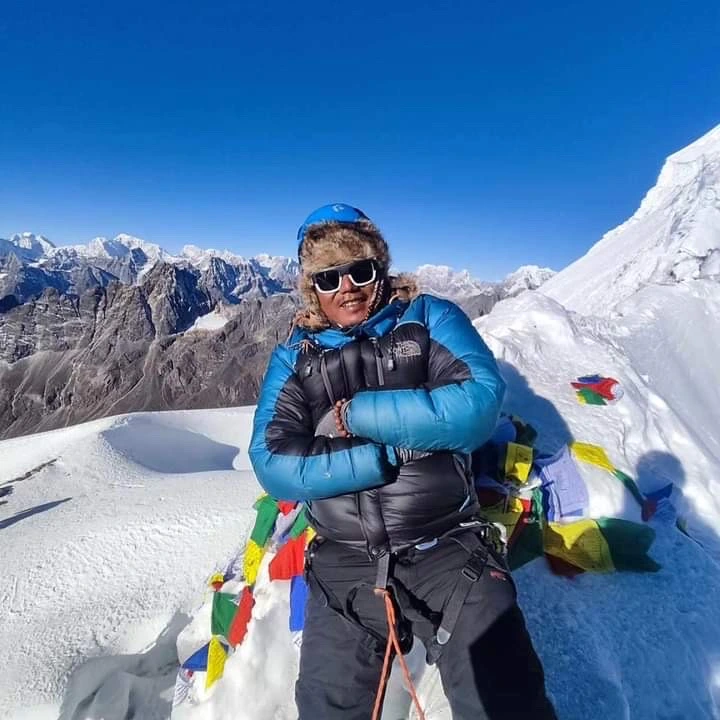
Lobuche East Peak Climb and EBC Trek – 19 Days
Everest Region, Nepal
19 Days/18 Nights
Price From
View More
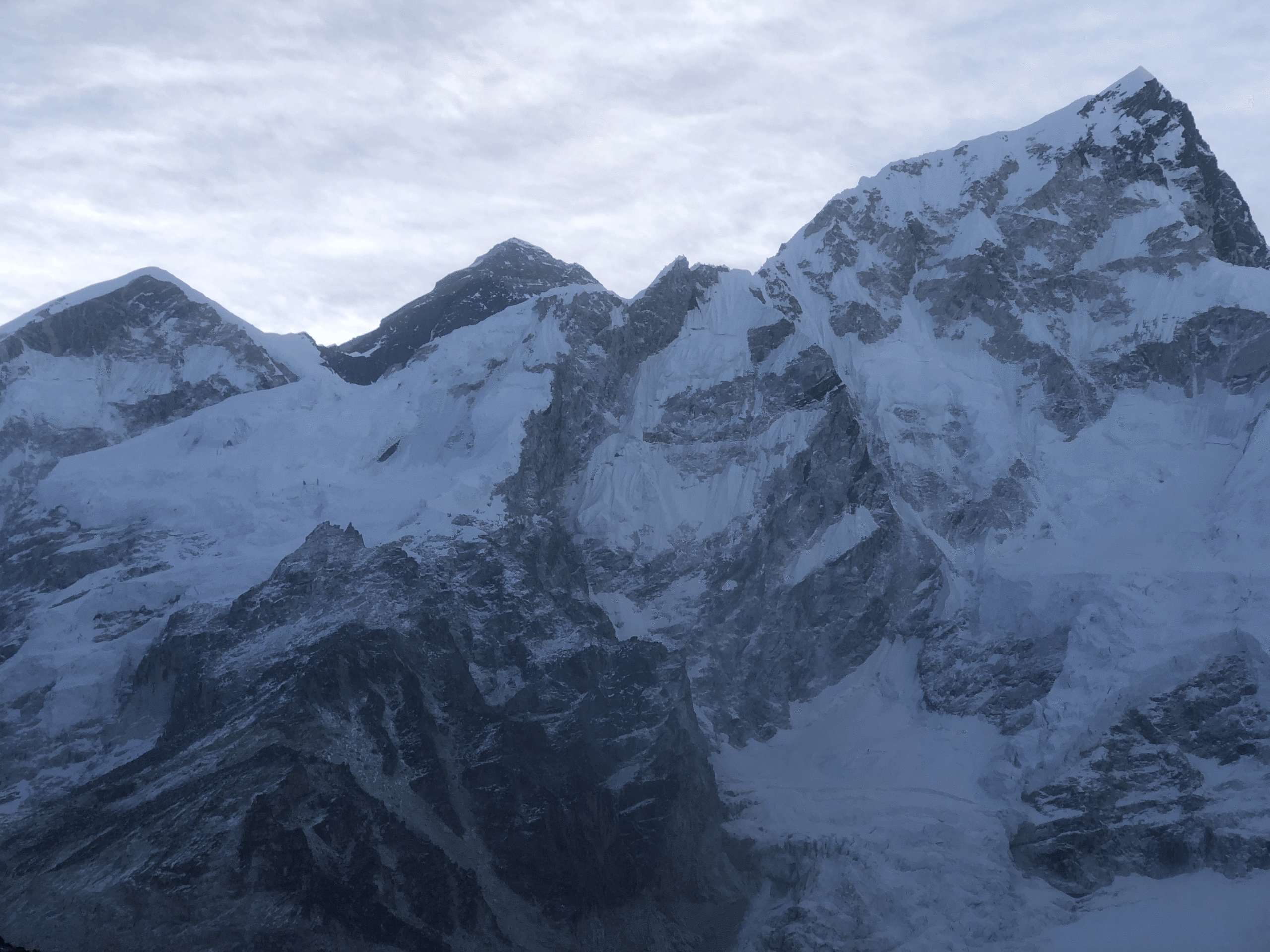
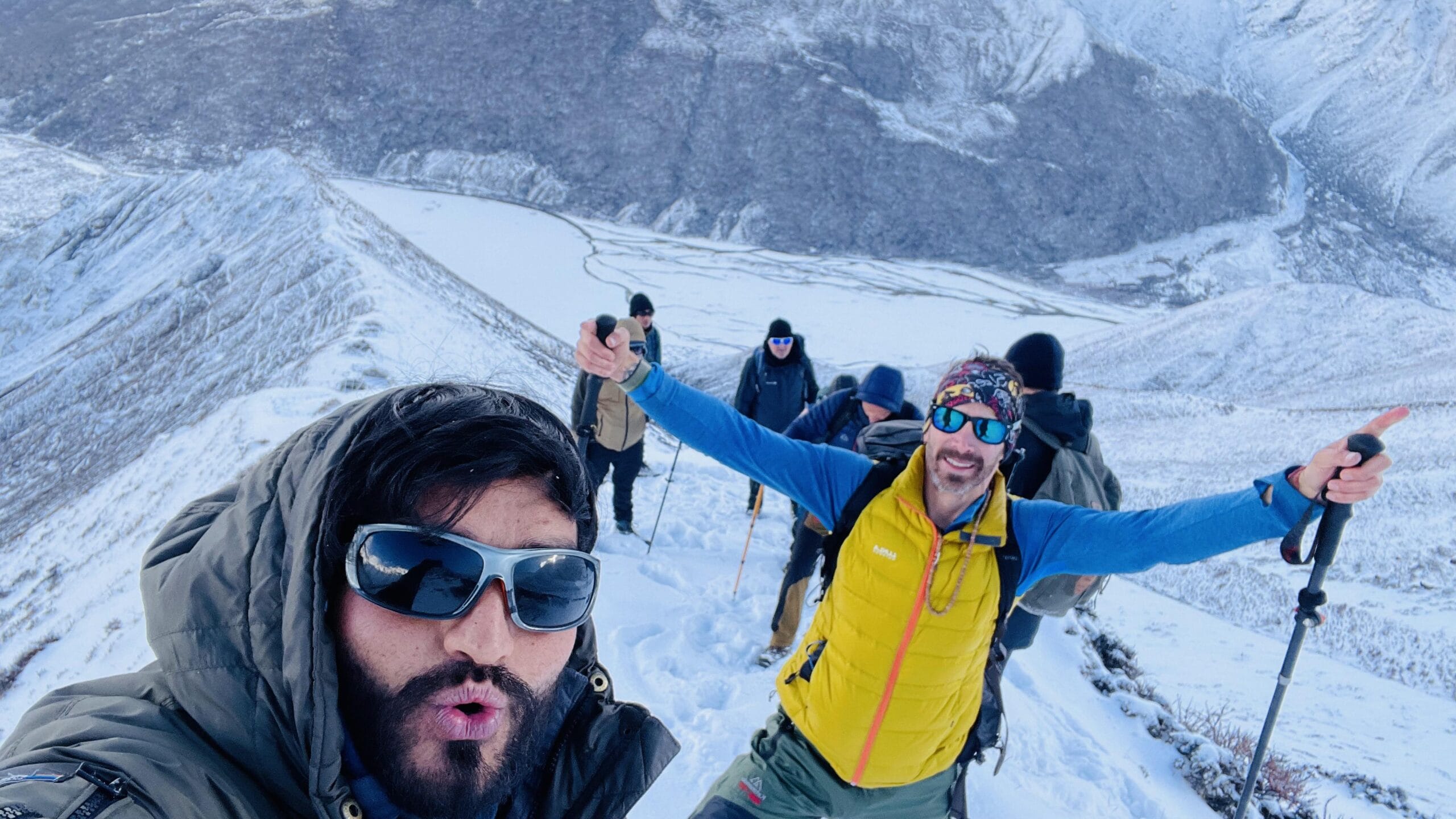
The Epic Everest Base Camp Trek via Gokyo with Helicopter Return is a complete Himalayan adventure that combines natural beauty, cultural richness, and thrilling high-altitude challenges. This 15-day journey takes you deep into the Khumbu region of Nepal, home to the legendary Everest Base Camp and the world’s highest mountain, Mount Everest.
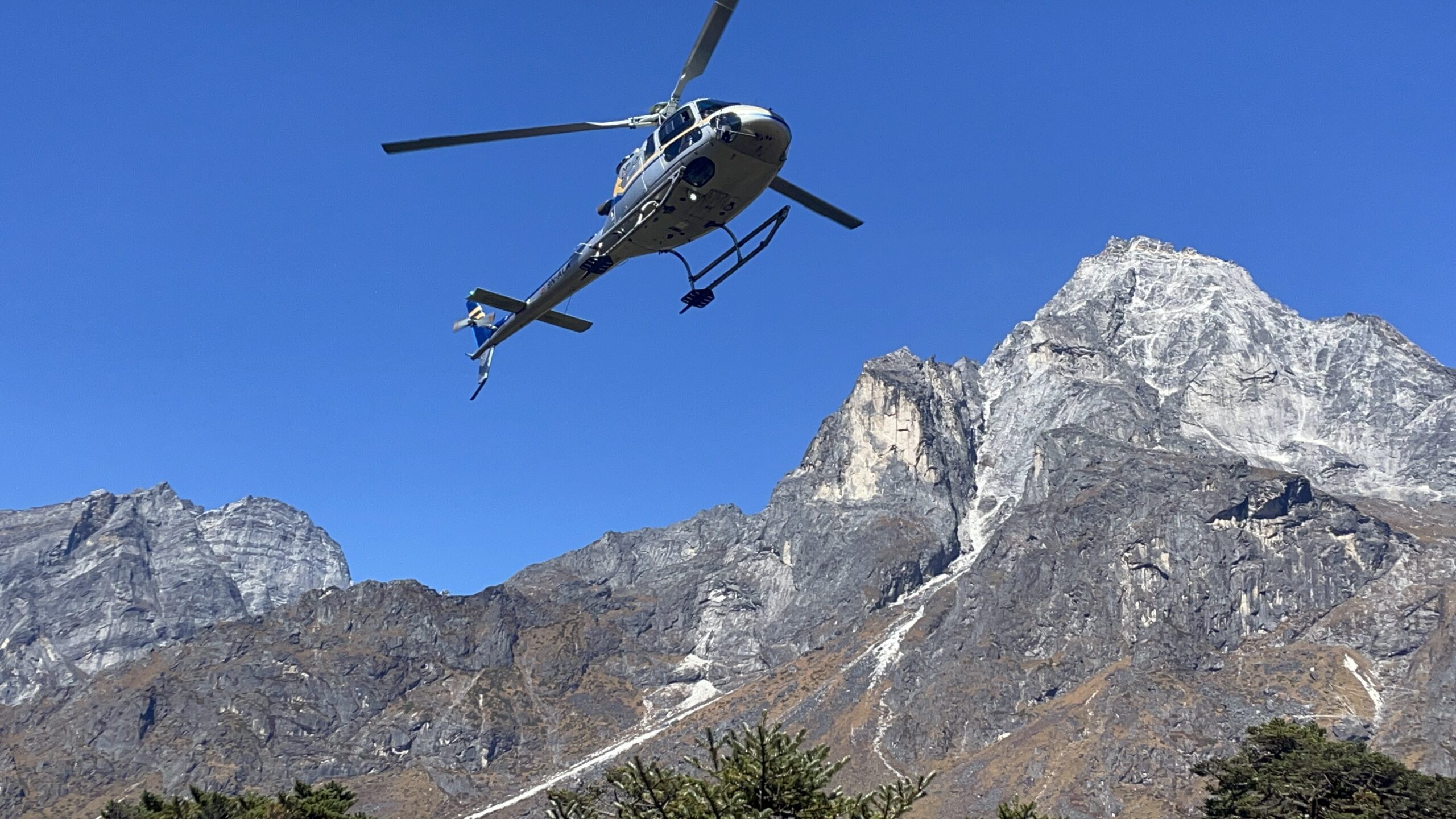
This route is different from the standard Everest Base Camp trek because it includes the peaceful and scenic Gokyo Valley. Instead of following only the traditional trail, you explore the sparkling Gokyo Lakes, climb Gokyo Ri, and cross the challenging Cho La Pass before reaching Everest Base Camp. The journey becomes even more special with a helicopter flight back to Lukla, giving you a bird’s-eye view of the Himalayas.
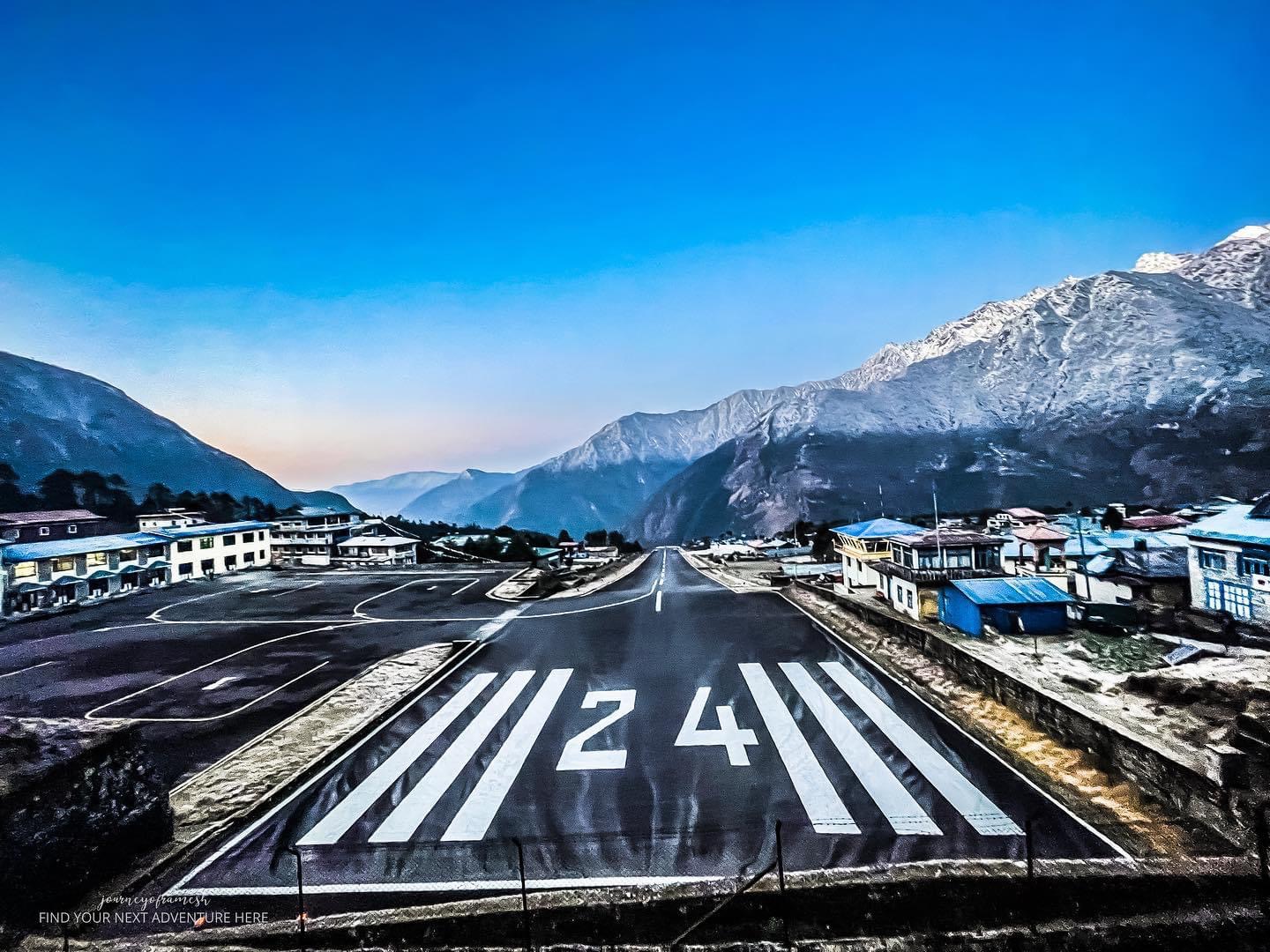
The adventure begins with an exciting flight from Kathmandu to Lukla, one of the most thrilling mountain airstrips in the world. From there, you trek through beautiful villages like Phakding and Namche Bazaar. Namche is the gateway to Everest and a lively Sherpa town filled with bakeries, trekking shops, and mountain views.
As you move higher, the landscape changes dramatically. Green forests slowly turn into alpine terrain, rocky trails, and glaciers. The Gokyo Lakes appear like shining jewels in the middle of snowy peaks. From Gokyo Ri, you can see four of the world’s tallest mountains: Everest, Lhotse, Makalu, and Cho Oyu.
Crossing Cho La Pass is one of the most exciting parts of this trek. It requires effort, determination, and patience. However, the reward is unforgettable mountain scenery and a great sense of achievement.
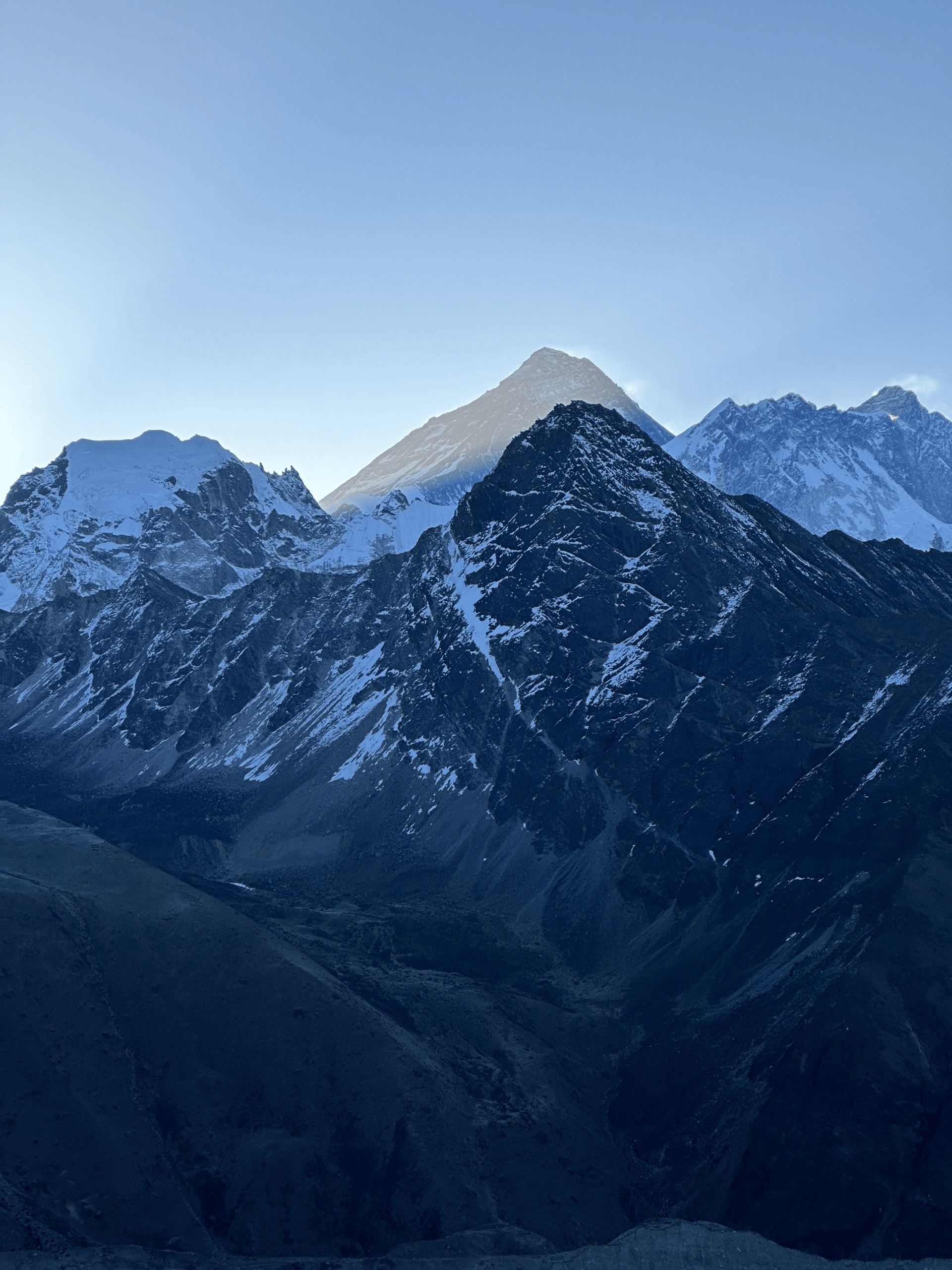
Reaching Everest Base Camp is a proud moment for every trekker. Standing at the base of the world’s highest mountain feels emotional and inspiring. The next morning, hiking to Kala Patthar gives you the best close-up sunrise view of Everest.
Finally, instead of trekking all the way back, you enjoy a scenic helicopter ride above glaciers, valleys, and snow-covered peaks. This makes the journey more comfortable and saves time while offering breathtaking aerial views.
This adventure is organized by ART Nepal Treks & Expedition, ensuring proper safety, experienced guides, and professional service throughout the journey.
This trek is a combination of adventure, natural beauty, and cultural exploration. You will walk through different landscapes, experience Sherpa hospitality, and challenge yourself physically and mentally.
You can expect long walking days, steep climbs, suspension bridges, glacier crossings, and high mountain passes. The weather can change quickly, and temperatures drop significantly at higher altitudes. However, the rewards are unmatched views and unforgettable memories.
During the trek, you will:
The trek offers both physical challenge and emotional satisfaction. Each day brings new scenery and a deeper connection with nature.
This trek is considered strenuous. It involves long walking hours, steep climbs, and high-altitude trekking above 5,000 meters. It is suitable for individuals who are physically fit and mentally prepared.
You do not need prior mountaineering experience, but you should be comfortable walking 5–8 hours daily for multiple days.
This trek is suitable for:
This trek may not be suitable for:
With proper preparation, strong determination, and a positive mindset, many people successfully complete this trek.
Preparation is very important for high-altitude trekking. The better prepared you are, the more enjoyable your journey will be.
You should start preparing at least 2–3 months before the trek.
Physical Preparation:
Health Preparation:
Mental Preparation:
Proper preparation increases your confidence and reduces the risk of altitude sickness.
Your journey begins with your arrival in Kathmandu, the vibrant capital city of Nepal. As you land at Tribhuvan International Airport, our representative will warmly welcome you and transfer you to your hotel. After checking in and taking some time to rest from your journey, you will attend a detailed trek briefing with your guide. During this meeting, you will receive important information about the route, altitude, safety measures, weather conditions, and equipment preparation. This is also a good opportunity to ask questions and clarify any doubts regarding the adventure ahead.
In the evening, you can take a short walk around Thamel, a lively tourist area filled with trekking shops, restaurants, cafés, and cultural attractions. The atmosphere here reflects a mix of traditional and modern Nepal. A welcome dinner will be organized where you can enjoy authentic Nepali cuisine and meet your fellow trekkers. This first day helps you settle into the country and mentally prepare for the incredible journey toward Everest Base Camp.
Early in the morning, you will head to the domestic airport for a scenic mountain flight to Lukla. The short flight offers breathtaking aerial views of snow-capped peaks and deep valleys. Landing at Lukla airport is an exciting experience as it is considered one of the most thrilling mountain airstrips in the world. After meeting the rest of the trekking crew and organizing your luggage, the trek officially begins.
The trail today is relatively gentle and follows the Dudh Koshi River. You will walk through small Sherpa villages, pass prayer wheels and mani stones, and cross suspension bridges decorated with colorful prayer flags. The surrounding landscape is filled with pine trees and mountain views. After a comfortable walk, you reach Phakding, a peaceful riverside village where you will spend your first night in a tea house.
Today’s trek is more challenging as you gradually gain altitude while following the river valley. You will cross several suspension bridges, including the famous Hillary Suspension Bridge. The trail passes through forests of pine and rhododendron and small settlements where you can observe daily life in the Khumbu region.
After entering Sagarmatha National Park and completing permit formalities, the trail becomes steeper. A long uphill climb leads you toward Namche Bazaar. Along the way, if the weather is clear, you may catch your first glimpse of Mount Everest rising above the surrounding peaks. Reaching Namche Bazaar feels rewarding after the climb. This bustling Sherpa town is the main trading center of the region and offers bakeries, shops, internet cafés, and mountain views.
Acclimatization is essential for adjusting to higher altitudes. Instead of complete rest, you will take a short hike to higher elevation and return to Namche for the night. A popular option is hiking to the Everest View Hotel, one of the highest hotels in the world, offering stunning views of Everest, Lhotse, and Ama Dablam.
You may also visit the Sherpa Museum to learn about mountaineering history and Sherpa culture. Exploring the local market and interacting with locals provides deeper insight into life in the Himalayas. This day helps your body adapt to the altitude while allowing you to enjoy beautiful surroundings.
Leaving Namche, the trail climbs gradually with magnificent mountain views. You walk along a ridge with panoramic scenery before descending slightly and continuing through forests of rhododendron and juniper. As you move higher, the vegetation becomes thinner and the air cooler.
The trail passes yak pastures and small settlements. You can enjoy views of Thamserku and other nearby peaks. The peaceful village of Dole is located on a hillside and provides a calm atmosphere away from the busier trekking routes. The steady altitude gain prepares you for higher elevations in the coming days.
Today’s trail continues to ascend gradually. You pass through small villages like Luza and follow the valley with stunning views of Cho Oyu in the distance. The landscape becomes more rugged and open as you approach Machhermo.
Machhermo is known for its beautiful setting and stories of the legendary Yeti. The village offers stunning views of surrounding peaks and glaciers. Since you are now above 4,000 meters, walking slowly and staying hydrated is very important.
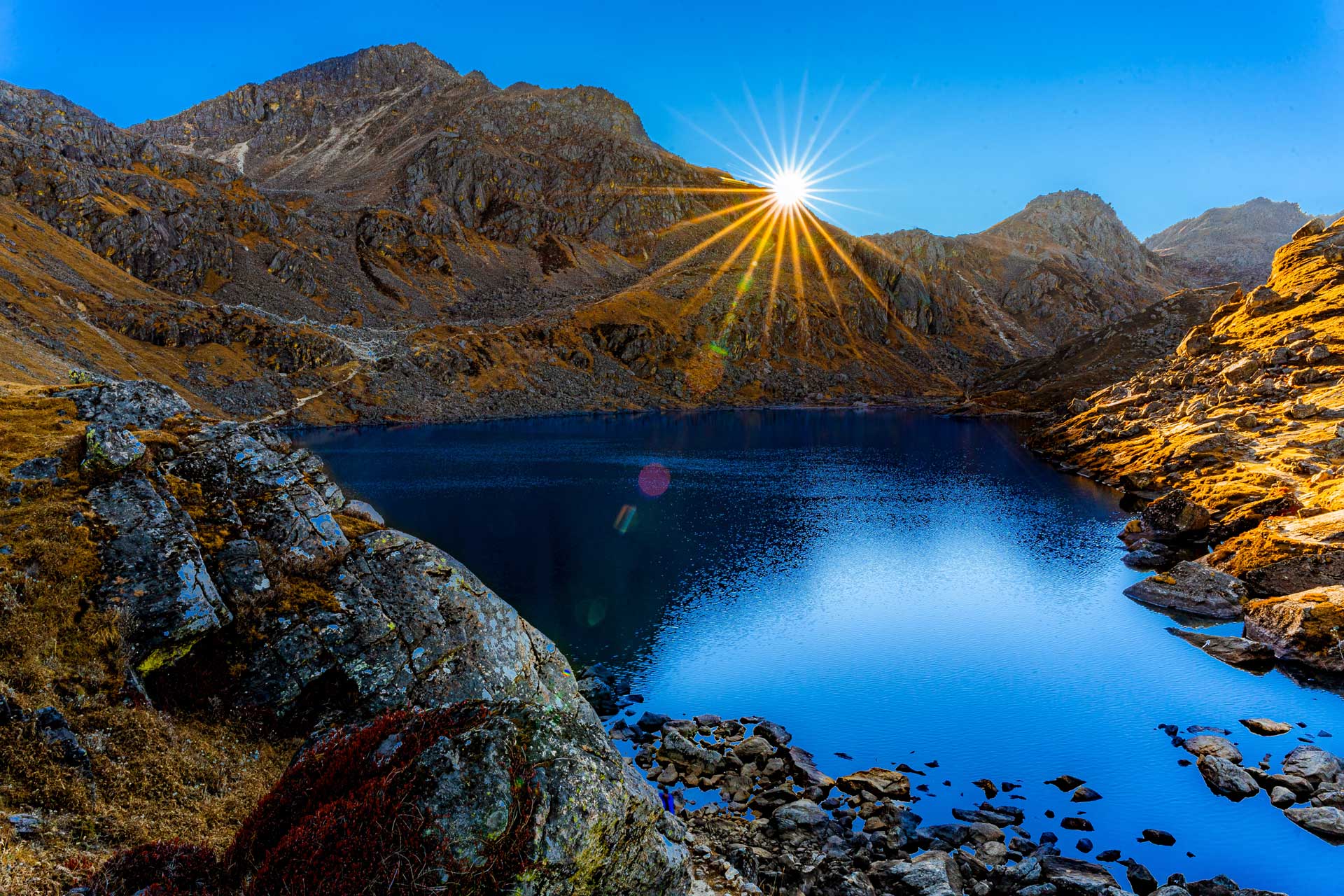
This is one of the most scenic days of the trek. You walk toward the beautiful Gokyo Valley, passing the first and second Gokyo Lakes before reaching the main settlement near the third lake. The turquoise waters reflect the surrounding snow-capped mountains, creating breathtaking scenery.
The Gokyo Lakes are among the highest freshwater lake systems in the world. The peaceful environment and spectacular landscape make this day unforgettable.
Early in the morning, you hike to Gokyo Ri for sunrise. The climb is steep but rewarding. From the top, you can see Everest, Lhotse, Makalu, Cho Oyu, and many other peaks. The panoramic view is one of the best in the entire Everest region.
After spending time enjoying the scenery and taking photographs, you descend back to Gokyo for rest.
The trail today crosses the Ngozumpa Glacier. Walking on rocky and icy terrain requires careful steps. The views of glaciers and surrounding peaks are dramatic and wild.
Thagnak is a small settlement used mainly as a stop before crossing Cho La Pass. The remote environment adds to the adventure.
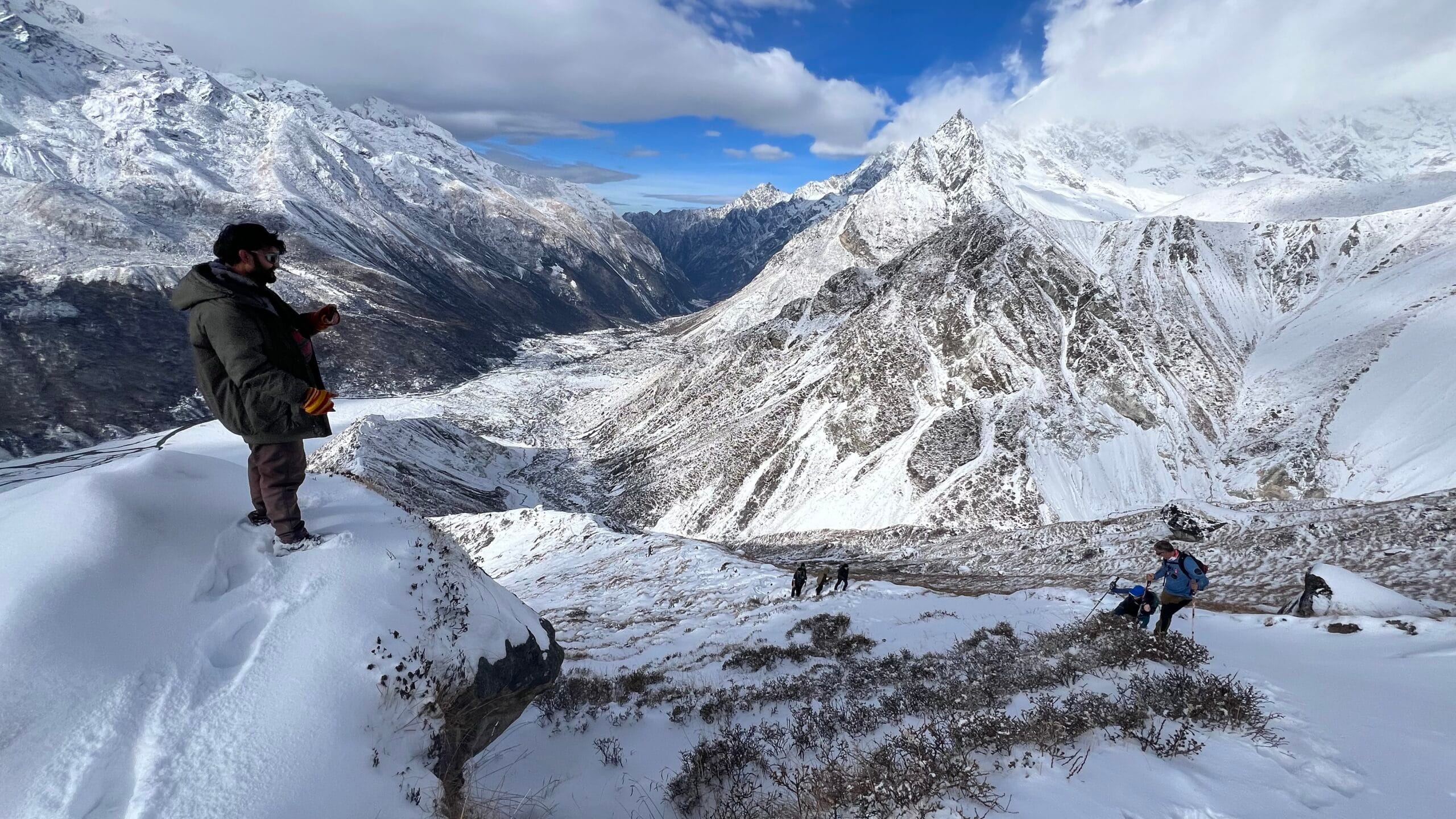
This is one of the most challenging days of the trek. You start early to cross Cho La Pass. The climb is steep and sometimes snowy or icy. From the top, you can enjoy incredible mountain views and feel a strong sense of achievement.
After crossing the pass, you descend carefully toward Dzongla. The descent requires caution but offers amazing scenery.
Today is a shorter trekking day. You walk along rocky terrain with close views of surrounding peaks. The trail connects with the main Everest Base Camp route.
Lobuche is a small settlement with tea houses and beautiful mountain surroundings.
Today is one of the most important days of the trek. You first walk to Gorak Shep and then continue toward Everest Base Camp. Walking on glacier moraine and rocky paths requires patience.
Reaching Everest Base Camp is a proud and emotional moment. After spending time there, you return to Gorak Shep for overnight stay.
Early morning hike to Kala Patthar offers the best sunrise view over Everest. It is the highest point of the trek. The golden light on Everest creates unforgettable memories.
After descending to Gorak Shep, you take a scenic helicopter flight back to Lukla, enjoying aerial views of the Himalayas.
You take a morning flight back to Kathmandu. After transfer to your hotel, you can relax or explore the city.
Your adventure concludes today. You will be transferred to the airport for your international flight, carrying unforgettable memories of the Himalayas.
Note: A porter can carry up to 20 kg and is helpful for high-altitude treks. It’s recommended to have at least one porter for every two trekkers for better convenience.
These optional services allow you to customize your Everest Base Camp via Gokyo trek according to your comfort, time, and interest.
Sight Seeing in Kathmandu
You can add a guided sightseeing tour in Kathmandu before or after the trek. This helps you explore Nepal’s culture, history, and religion. Popular places include:
A professional guide and private vehicle can be arranged for a smooth experience.
Potter
Hiring a porter is highly recommended for high-altitude trekking. A porter can carry up to 25 kg of luggage, allowing you to walk comfortably with only a daypack.
It is advised to have one porter for every two trekkers for better balance and convenience.
Flight
Domestic flights between Kathmandu and Lukla are arranged as per the itinerary. Additional flight services such as flexible dates or priority booking can be managed upon request, depending on weather and availability.
Helicopter Services
Besides the included helicopter return to Lukla, extra helicopter services can be arranged if needed. Options include direct helicopter return to Kathmandu or private scenic helicopter tours with aerial views of Mount Everest and surrounding peaks.
Private Transportation
Private vehicles can be arranged for airport transfers, hotel transfers, or city tours in Kathmandu. This provides extra comfort, flexibility, and convenience during your stay.
Choosing the right season plays a very important role in the success and enjoyment of your Everest adventure. Weather conditions in the Himalayas can change quickly, so trekking during favorable months increases safety, comfort, and visibility.
Spring (March to May)
Spring is one of the most popular seasons for trekking to Everest Base Camp. During this time, the weather becomes stable, and the skies are generally clear. The temperature is moderate at lower altitudes and cold but manageable at higher elevations. One of the biggest attractions of spring is the blooming rhododendron forests that color the trails with red, pink, and white flowers.
This season is also the main climbing period for Mount Everest expeditions, so you may see expedition tents set up at base camp. The trails are lively with trekkers from around the world.
Advantages of Spring:
Autumn (September to November)
Autumn is another excellent season. After the monsoon rains, the air becomes clean and fresh, offering crystal-clear mountain views. The weather is dry, stable, and ideal for crossing high passes like Cho La.
The temperature is similar to spring, though nights become colder as winter approaches. This season is also popular, so tea houses can be busy.
Advantages of Autumn:
Winter (December to February)
Winter trekking is possible but more challenging. Temperatures drop significantly, especially above 4,000 meters. Snowfall may block high passes like Cho La, making the route more difficult.
However, the trails are quieter, offering a peaceful and less crowded experience.
Monsoon (June to August)
Monsoon season brings heavy rainfall, slippery trails, flight delays, and cloudy skies. The Lukla flights may be frequently delayed. Therefore, this season is not recommended for this trek.
Food during the trek is served in local tea houses and lodges. Although the menu becomes simpler at higher altitudes, meals are nutritious and designed to provide enough energy for long trekking days.
Breakfast
Breakfast options usually include:
Breakfast is important as it prepares your body for several hours of walking.
Lunch and Dinner
Lunch and dinner menus are quite similar and include both Nepali and international dishes:
Dal Bhat is the most recommended meal because it provides balanced nutrition and often comes with free refills. As altitude increases, food prices also rise due to transportation challenges.
Snacks such as chocolates, biscuits, and energy bars are available, but it is helpful to carry some from Kathmandu. Drinking enough water is very important. Boiled water is available at tea houses for a small cost, and water purification tablets can also be used.
Accommodation during the trek is arranged in tea houses or lodges. These are simple mountain guesthouses run by local families.
Rooms are usually twin-sharing with two single beds, a mattress, pillow, and blanket. At higher altitudes, facilities become more basic. Bathrooms are generally shared.
Additional facilities:
In Kathmandu, you will stay in a comfortable 3-star hotel with private rooms and modern facilities.
Travel insurance is mandatory for this trek. Since you will reach elevations above 5,000 meters, your insurance policy must cover high-altitude trekking up to at least 5,500 meters.
Your insurance should include:
In case of serious altitude sickness or injury, helicopter rescue is the fastest and safest way to descend. Therefore, proper coverage is extremely important.
Altitude sickness is a common concern when trekking above 3,000 meters. As you ascend, oxygen levels decrease, which may affect your body.
Common Symptoms:
Prevention Tips:
If symptoms become severe, immediate descent is necessary. Our guides are trained to monitor your condition throughout the trek.
Your safety is the top priority throughout the journey. Experienced and licensed guides accompany every group. They are trained in high-altitude trekking and first aid.
Safety Measures Include:
Porters are provided to carry heavy luggage, allowing you to walk comfortably. Guides ensure that the pace remains suitable for everyone in the group.
ART Nepal Treks & Expedition is a government-approved trekking company with years of experience organizing Himalayan adventures. We are registered with the Trekking Agencies’ Association of Nepal (TAAN) and Nepal Mountaineering Association (NMA).
To confirm your booking, follow these steps:
Step 1: Deposit Requirement
A 10% deposit of the total trek cost is required to confirm your reservation.
Step 2: Submission of Documents
Within one week of booking, please send:
Step 3: Payment Methods
You can make payment through:
Payment Upon Arrival in Nepal:
After booking, we will send you detailed payment instructions and confirmation.