Everest Region Trek – 17 Days

Everest Region
17 Days/16 Nights
slide image
slide image
slide image
slide image

Introduction

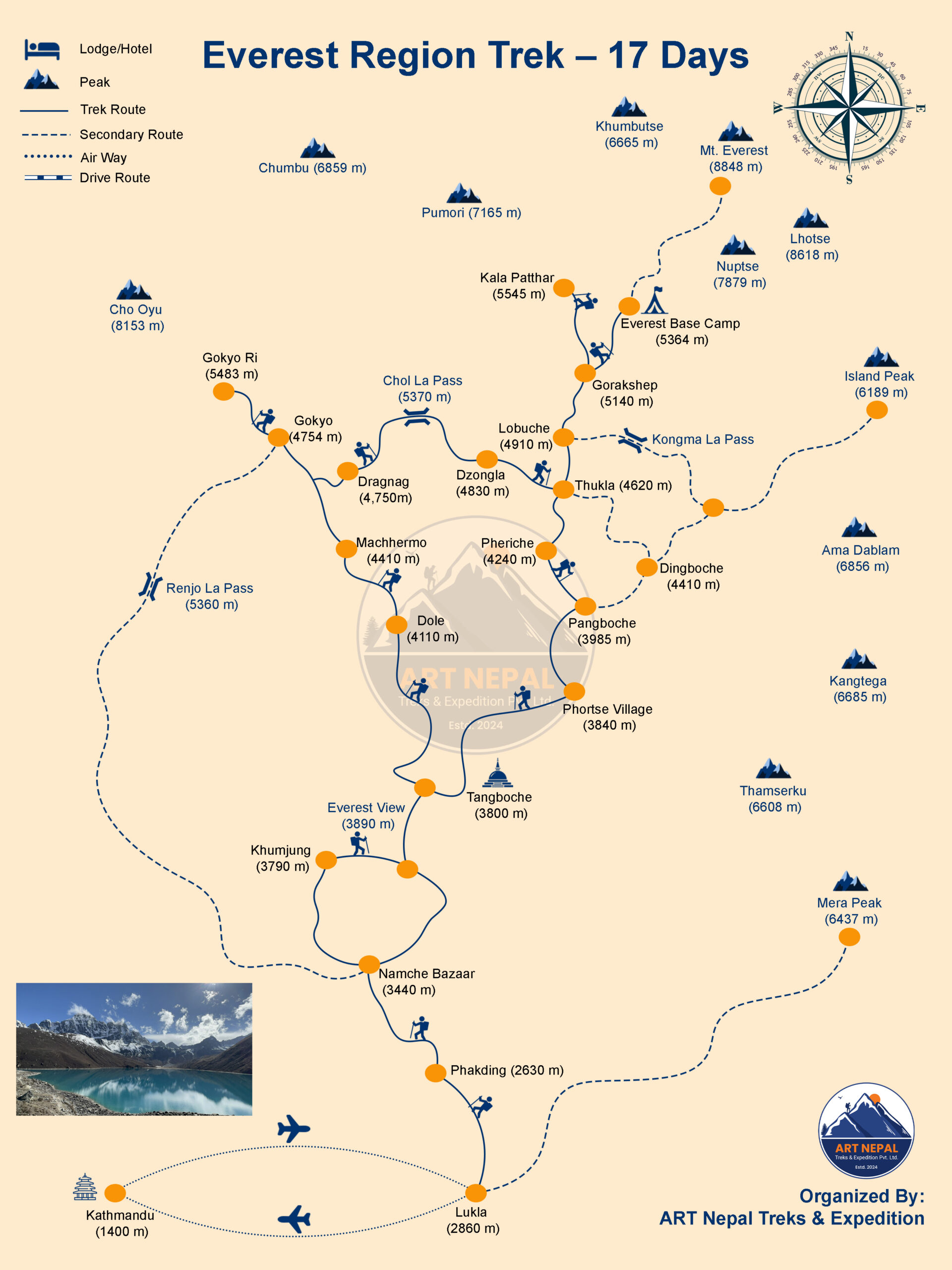
The Everest Region Trek via Gokyo Lakes and Cho La Pass is one of the most breathtaking and challenging treks in the world. Spanning 17 days, this journey combines high-altitude adventure, spectacular Himalayan landscapes, and rich Sherpa cultural experiences. This trek is perfect for those seeking a blend of physical challenge, scenic variety, and cultural immersion.

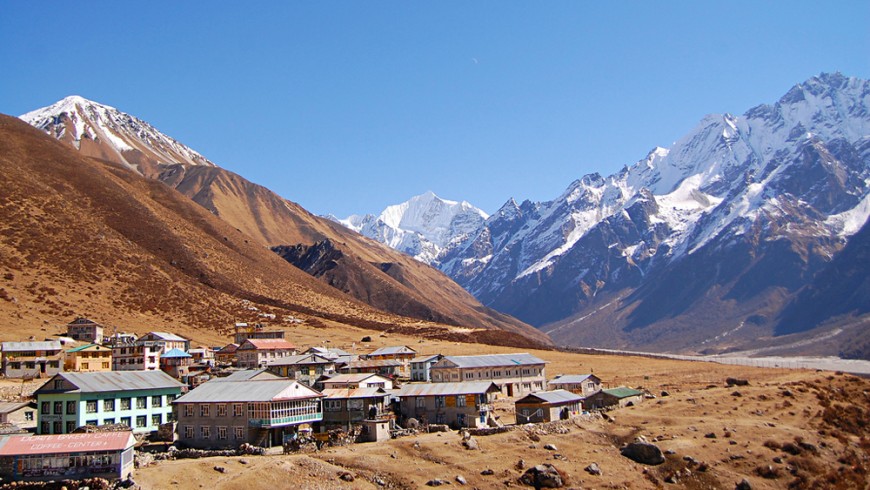
The trek begins with a thrilling scenic flight from Kathmandu to Lukla, where the Himalayas reveal themselves in all their grandeur. From Lukla, the trail follows the Dudh Koshi River, passing through charming Sherpa villages and rhododendron forests before reaching Namche Bazaar, the bustling hub of the Khumbu region. Namche is the perfect place to acclimatize, shop for supplies, and experience the local Sherpa culture firsthand.

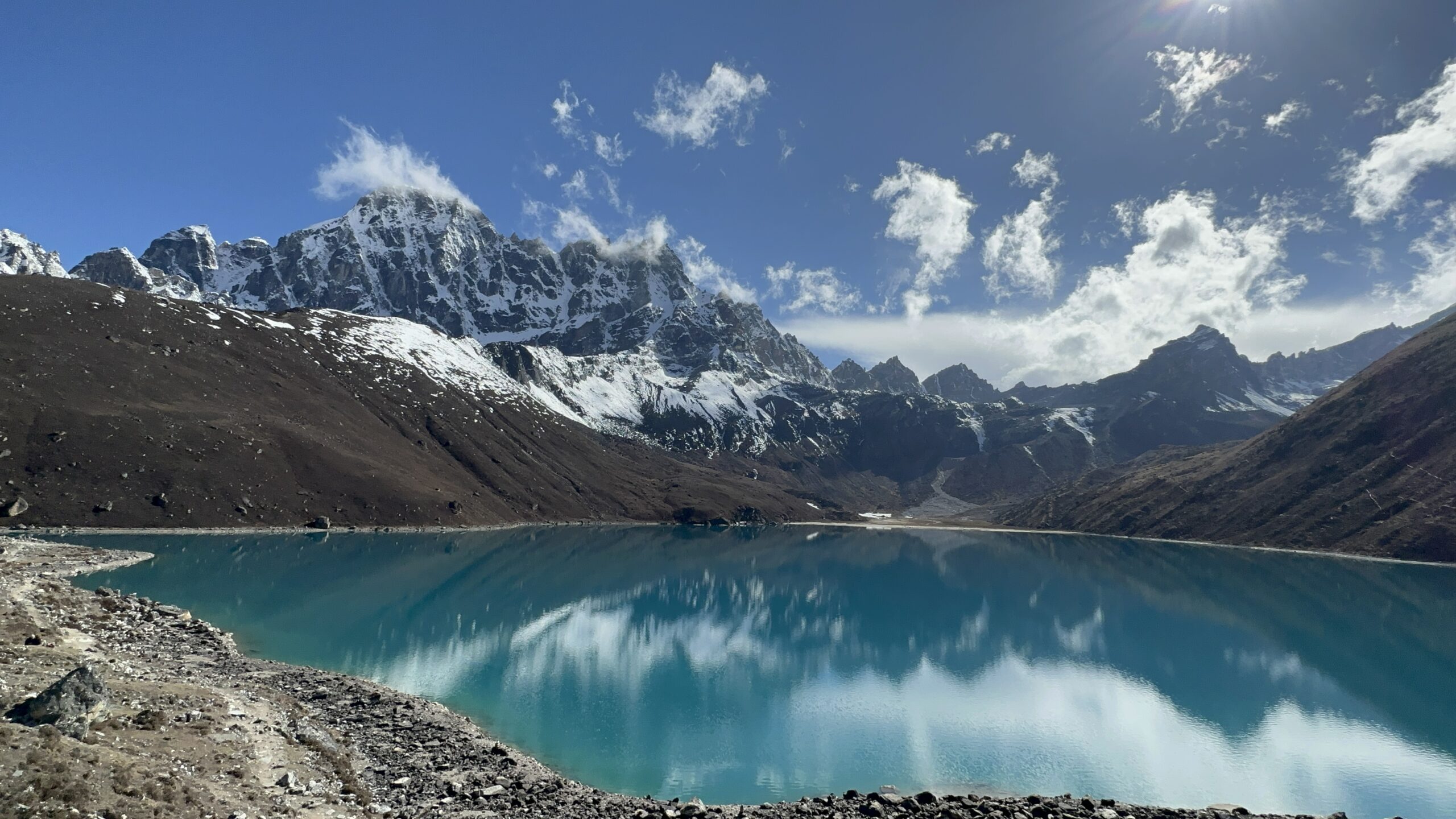
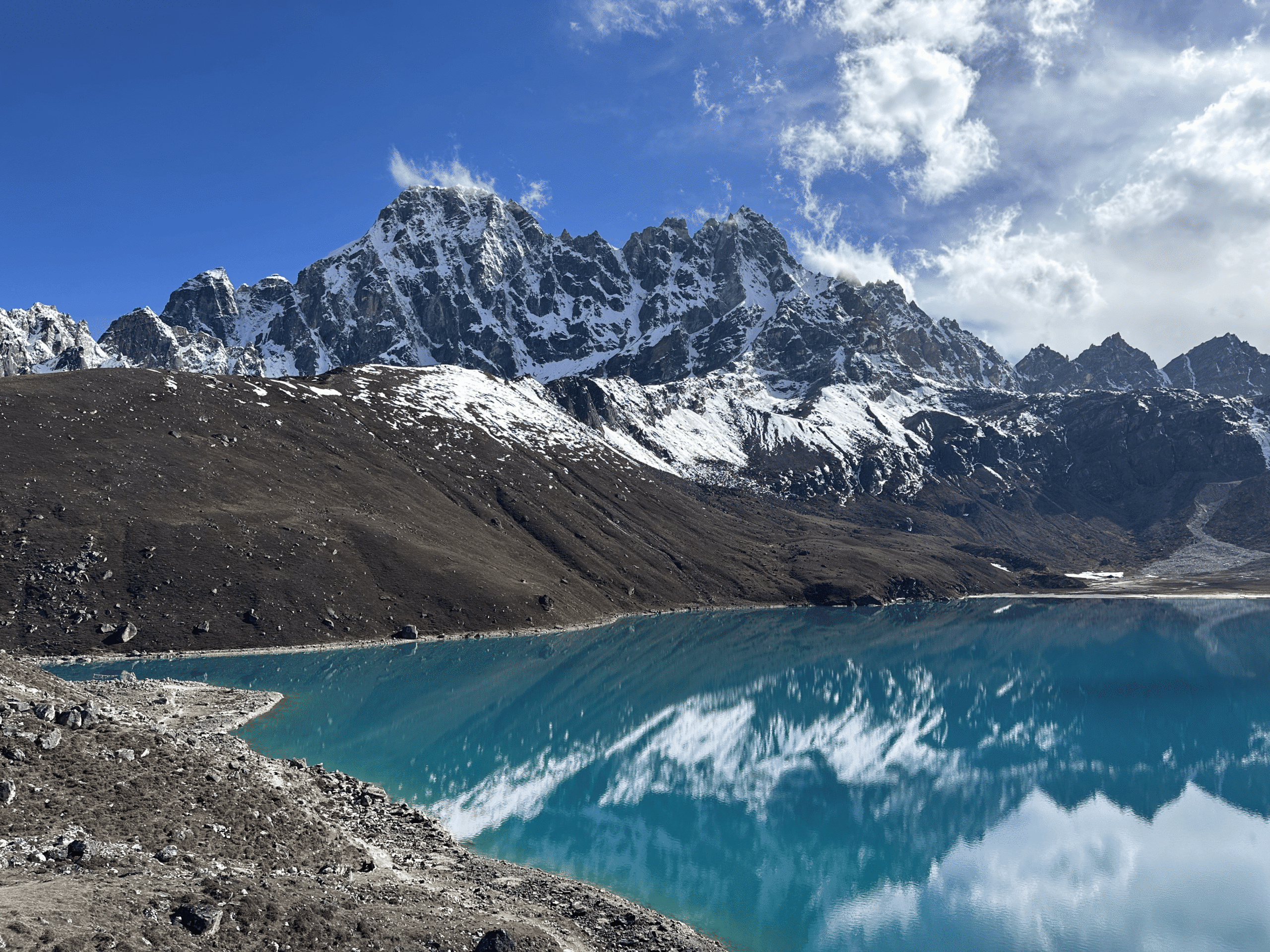
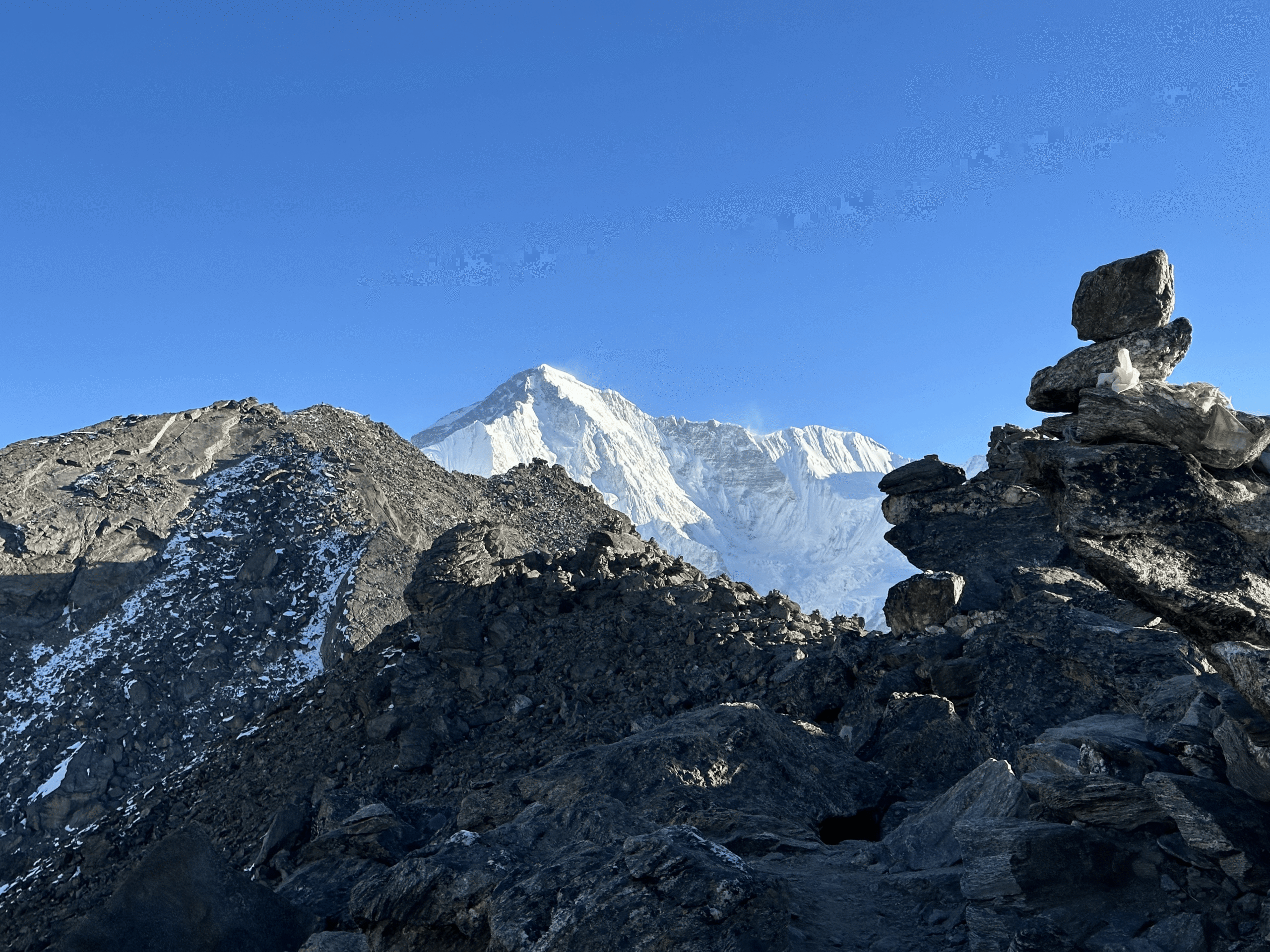
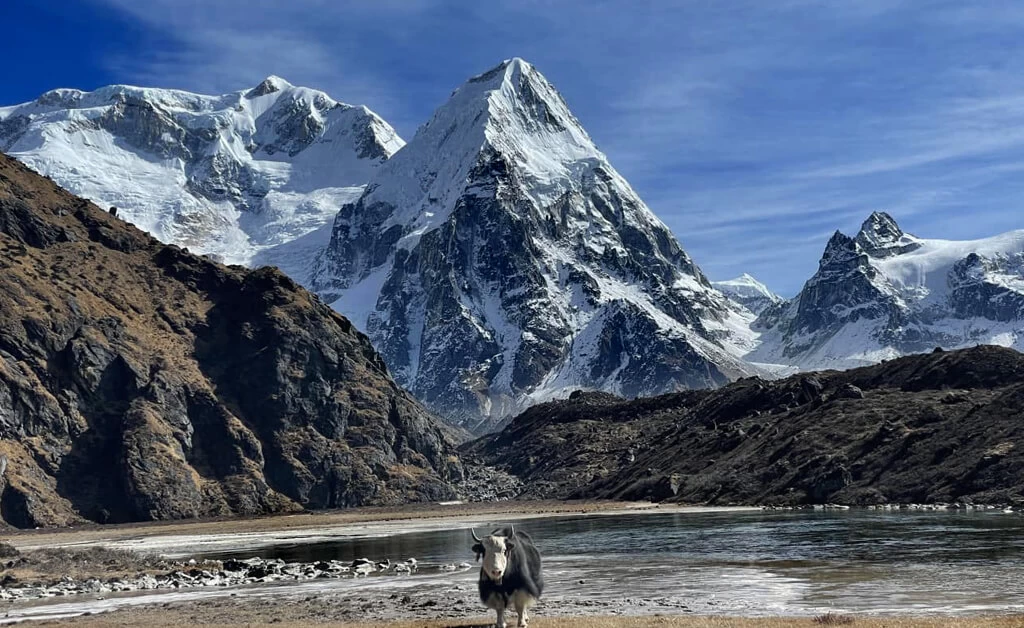
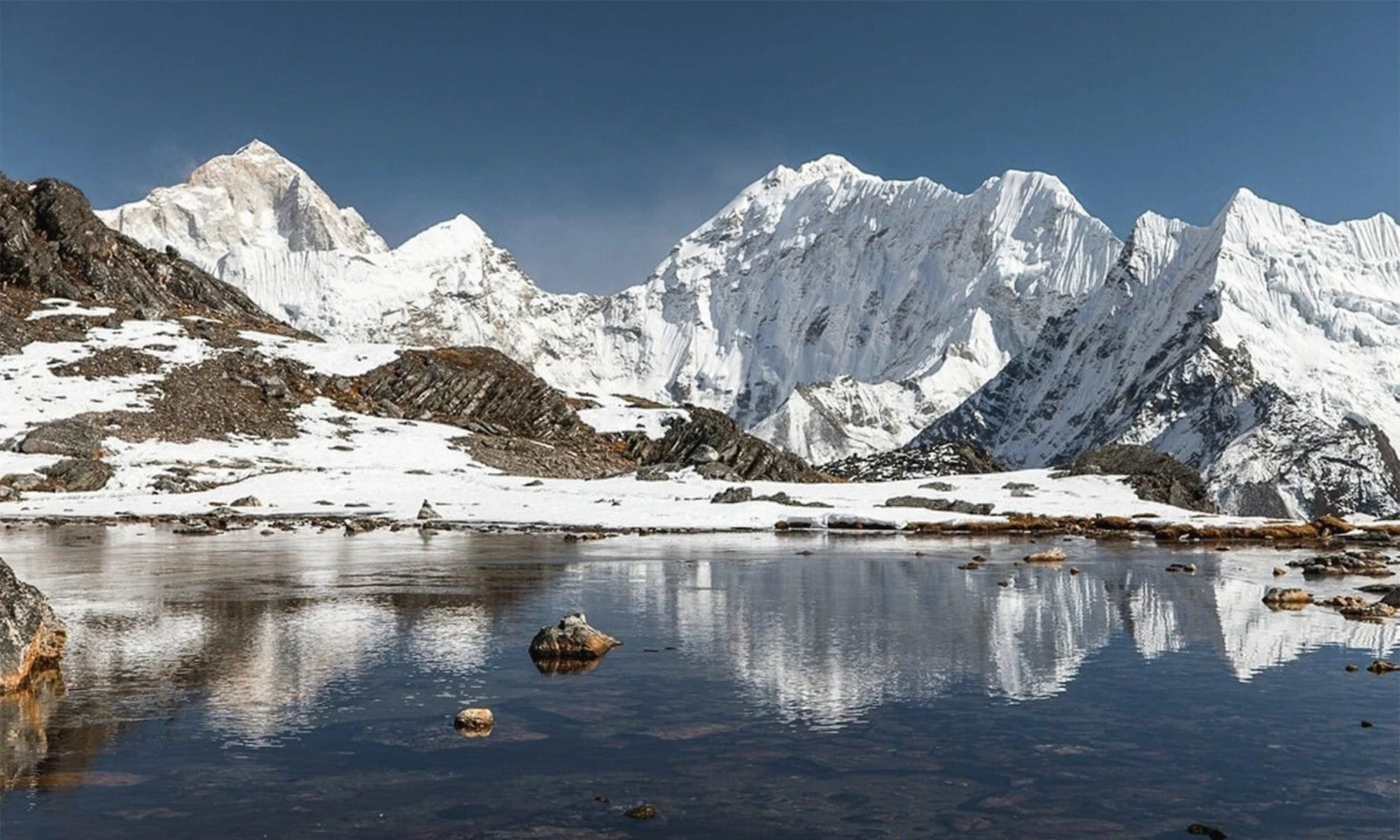
From Namche, trekkers ascend to the Gokyo Valley, home to a series of high-altitude turquoise lakes that are among the most pristine in the Himalayas. This area, less crowded than the main Everest Base Camp trail, offers a unique opportunity to experience serene alpine beauty and observe local wildlife such as Himalayan tahr, snowcocks, and occasionally, the elusive snow leopard. The hike to Gokyo Ri provides panoramic vistas of Everest, Cho Oyu, Makalu, and other towering peaks.

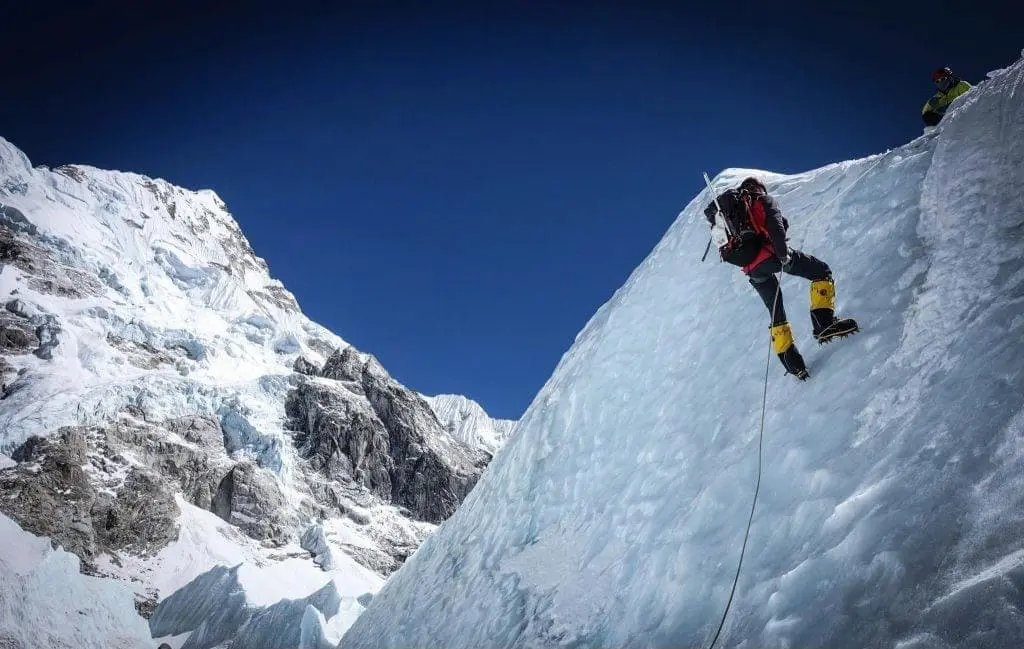
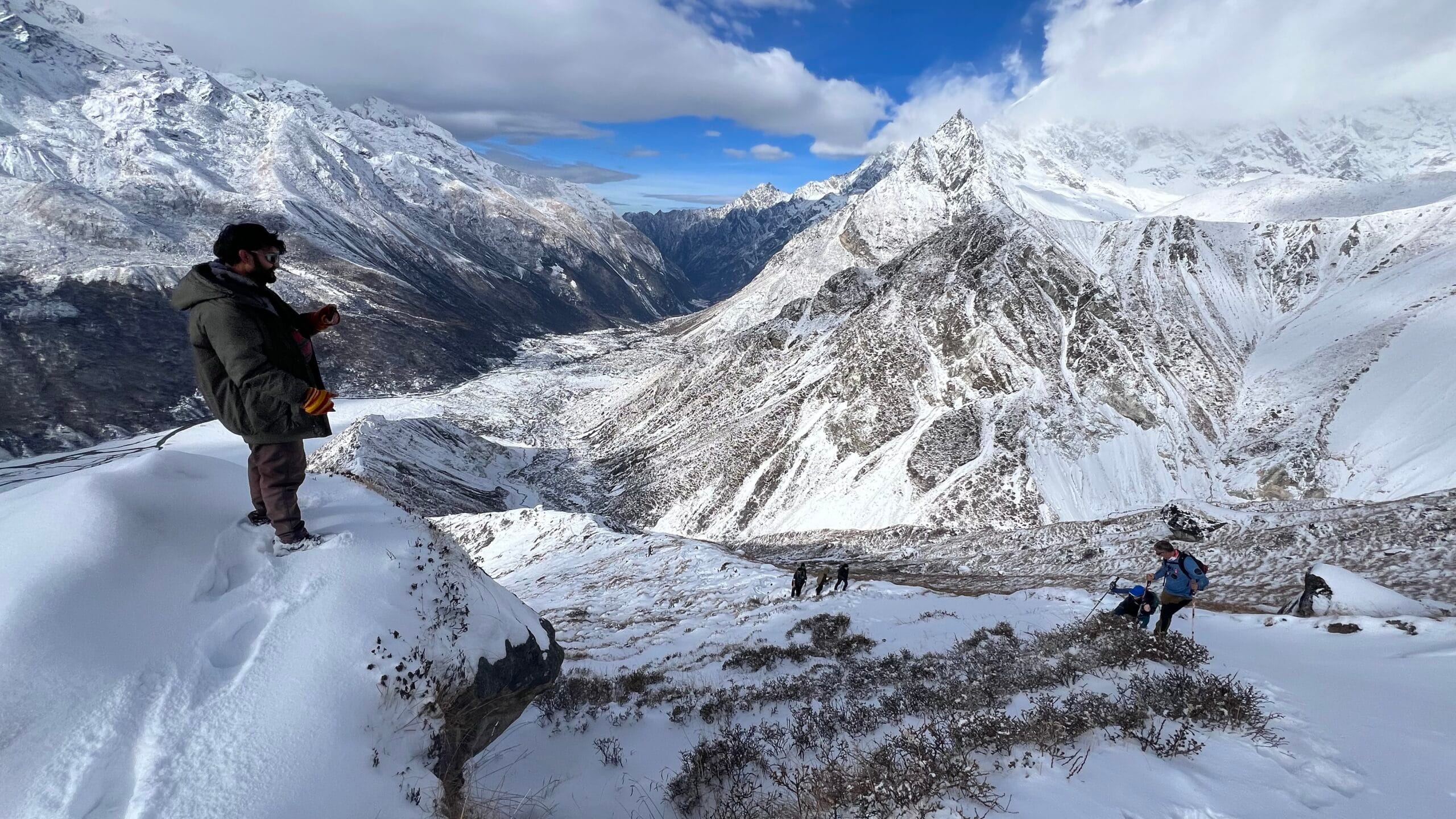
The trek continues with the challenging Cho La Pass (5,420m), which connects the Gokyo Valley to the main Everest Base Camp route. Crossing the pass requires stamina and careful navigation but rewards trekkers with unforgettable views of glaciers, icefalls, and rugged Himalayan landscapes. After the pass, trekkers descend to Dzongla and Lobuche, gradually approaching the iconic Everest Base Camp (5,364m). Standing at the foot of the world’s tallest peak is a once-in-a-lifetime experience, offering a close-up view of the Khumbu Glacier and surrounding giants like Lhotse and Nuptse.

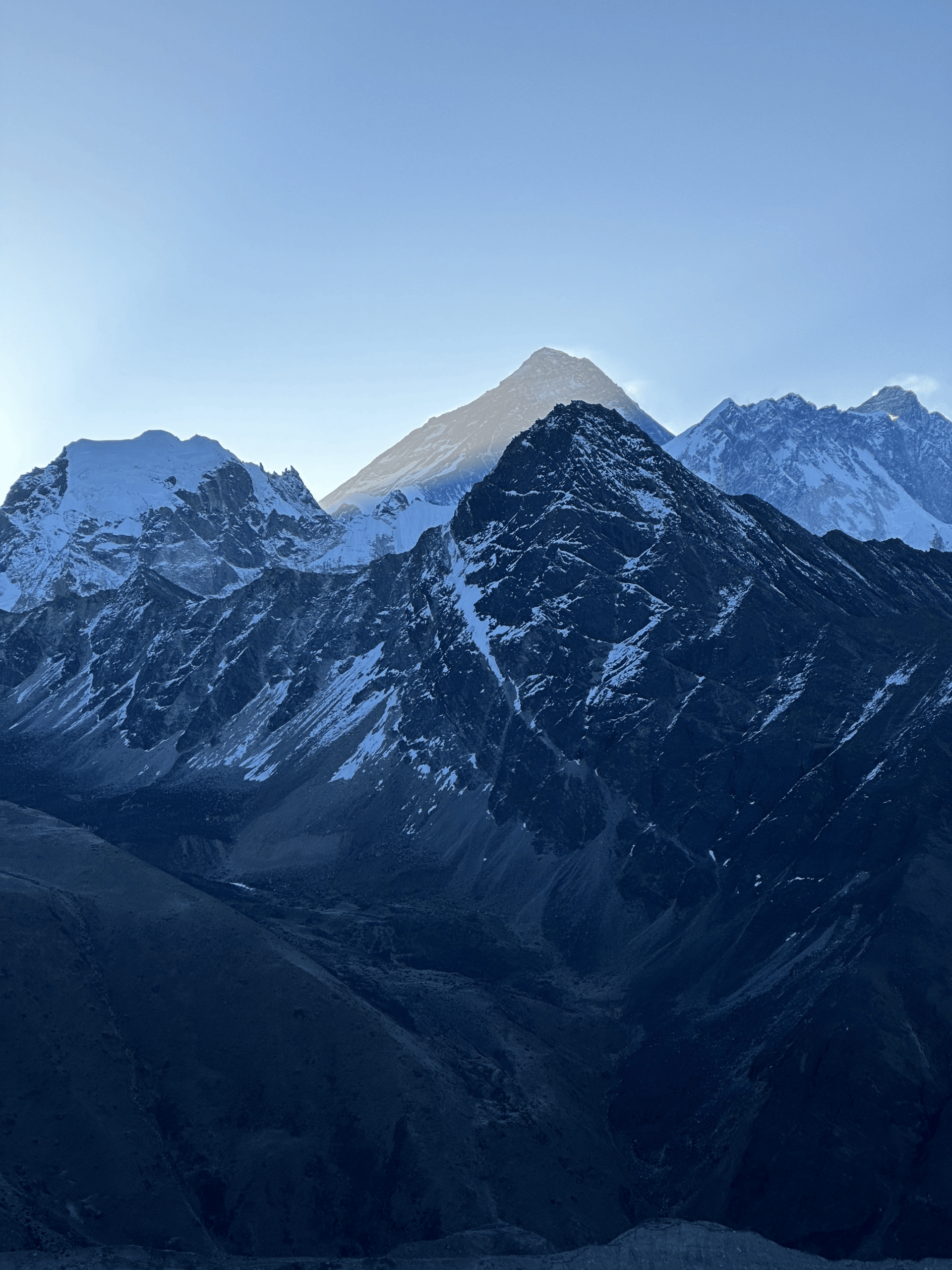
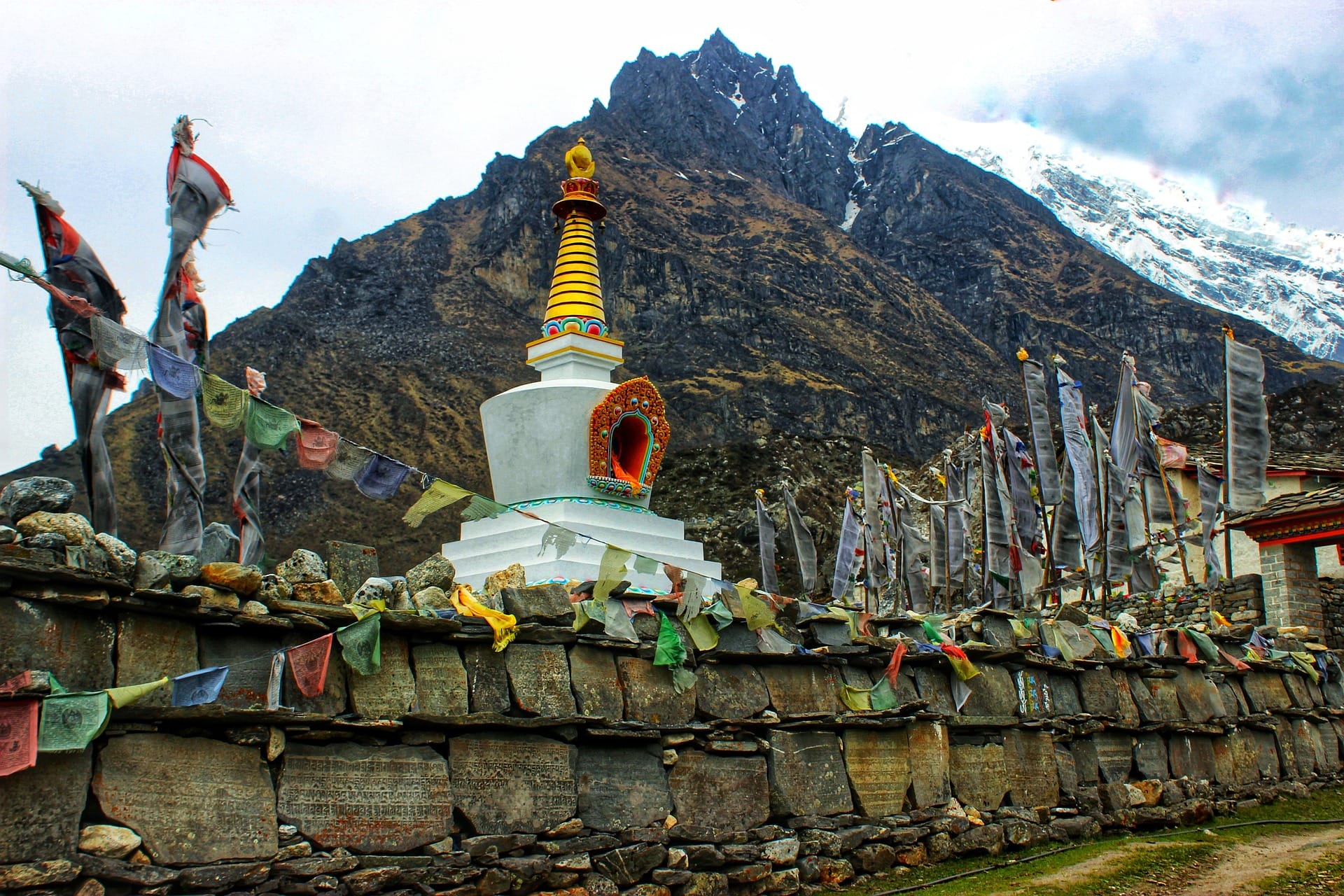
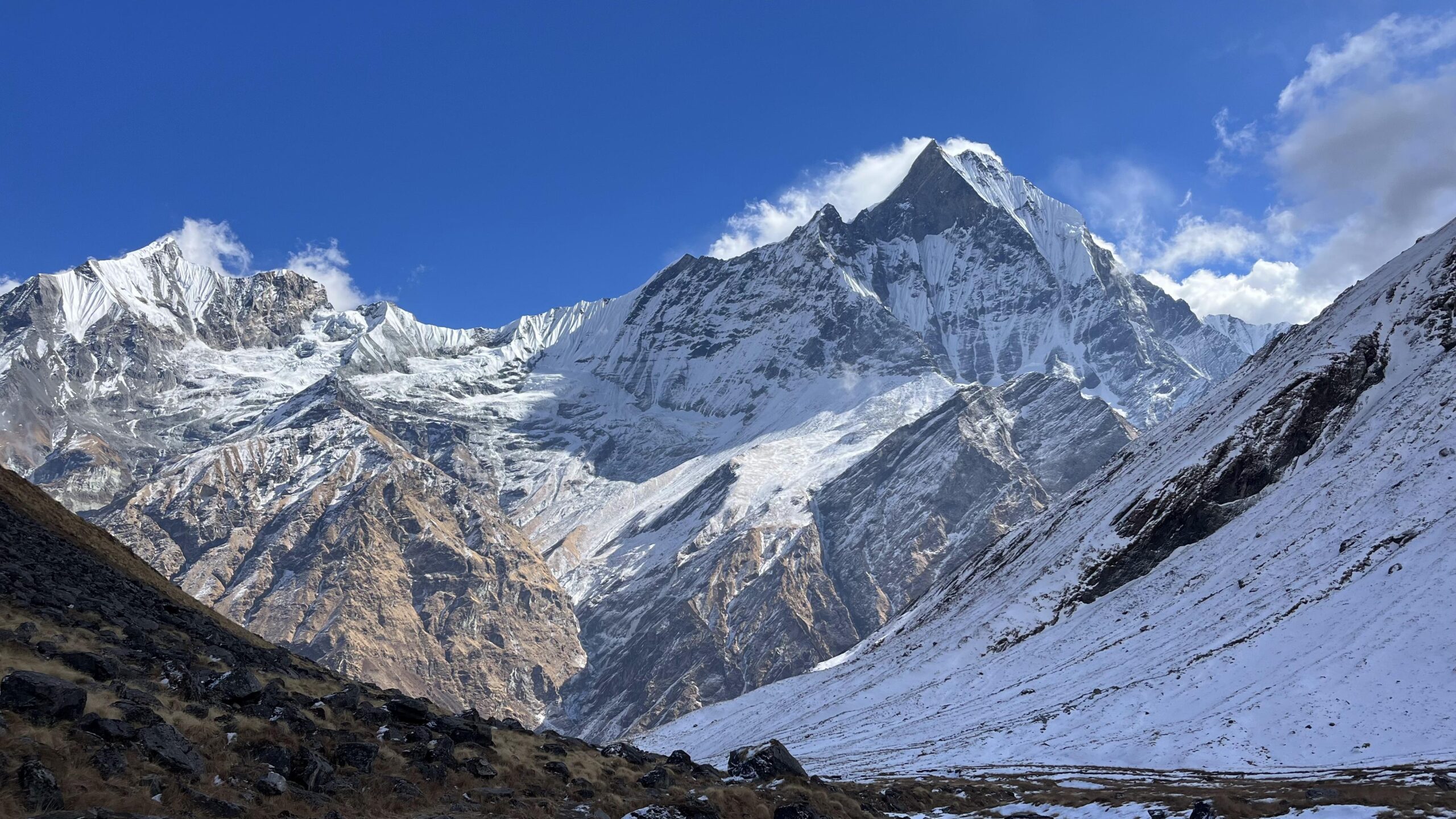
For the ultimate Himalayan panorama, trekkers hike to Kala Patthar (5,545m) at sunrise. From this vantage point, Everest rises dramatically against the sky, accompanied by Nuptse, Pumori, and other massive peaks, creating a visual spectacle that defines the Everest adventure. On the return journey, trekkers descend through Pheriche, Pangboche, Tengboche, and Namche Bazaar, experiencing monasteries, ancient mani walls, and Sherpa hospitality along the way. The trek concludes with a final flight from Lukla back to Kathmandu, offering a fitting aerial farewell to the majestic mountains.

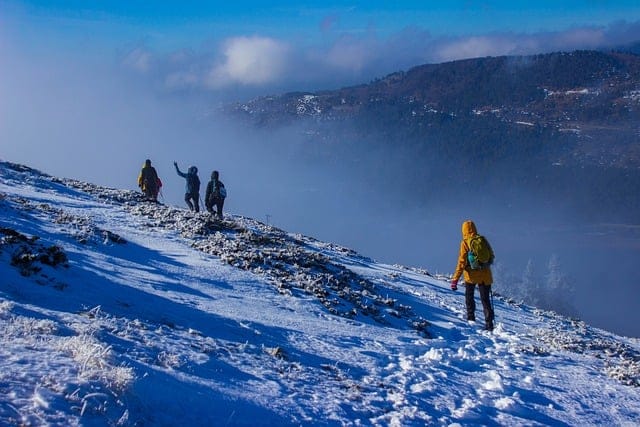
This trek is more than just a physical challenge. It’s an immersive cultural experience, a journey through remote high-altitude valleys, and a chance to witness some of the most iconic landscapes in the world. You’ll trek along glaciers, cross high passes, encounter turquoise alpine lakes, and interact with Sherpa communities, all while being surrounded by the towering giants of the Himalayas. Every day brings a new adventure, from serene lakes to dramatic passes, providing memories that will last a lifetime.

Whether you are a seasoned trekker looking for a strenuous yet rewarding challenge, a nature enthusiast fascinated by high-altitude ecosystems, or a culture seeker eager to experience the unique Sherpa lifestyle, this trek offers an unforgettable adventure that combines scenery, culture, and personal accomplishment.

What You Can Expect from the Trek

  • High-Altitude Adventure: Trek up to 5,545 meters at Kala Patthar, crossing glaciers and steep passes.
  • Pristine Nature: Enjoy untouched landscapes of the Khumbu region, including Gokyo Lakes and Ngozumpa Glacier.
  • Cultural Encounters: Meet Sherpas, observe their lifestyle, visit monasteries, and learn about Tibetan Buddhist traditions.
  • Varied Terrain: Experience forest trails, rocky ridges, moraine paths, and glacier crossings.
  • Unforgettable Views: Capture panoramic vistas of Everest, Lhotse, Nuptse, Ama Dablam, and other Himalayan giants.

Is the Trek Suitable for You?

This trek is strenuous and challenging due to high altitudes, long walking days, and technical passes like Cho La. It’s ideal for:

  • Experienced Trekkers: Those who have done previous high-altitude treks or multi-day Himalayan treks.
  • Adventure Seekers: Individuals looking for less crowded, off-the-beaten-path routes.
  • Culture Enthusiasts: Anyone interested in Sherpa villages, Buddhist monasteries, and Himalayan traditions.
  • Fitness-Oriented Travelers: Good physical fitness is required, including stamina, endurance, and mental readiness for extreme conditions.

How to Get Prepared

  • Physical Fitness: Focus on cardiovascular exercises, long hikes, stair climbing, and strength training for legs and core.
  • Acclimatization: Follow the daily itinerary and rest days to reduce the risk of altitude sickness.
  • Gear & Clothing: High-quality trekking gear is essential, including waterproof jackets, thermal layers, and sturdy boots.
  • Mental Preparation: Be ready for physically demanding days, cold weather, and challenging terrain.
  • Health Check-Up: Consult a doctor for high-altitude trekking, vaccinations, and personal medications.
  • Travel Insurance: Comprehensive coverage including emergency evacuation is mandatory.
  • Trip Duration

    17 Days/16 Nights

  • Group Size

    1–20 people

  • Maximum Altitude

    5,545 m (Kala Patthar)

  • Trip Difficulty

    Strenuous

  • Activities

    Trekking & Scenic Flight/Helicopter

  • Best Season

    March–May and September–November

  • Trip Start & End

    Kathmandu-Kathmandu

  • Meals

    Breakfast, Lunch, Dinner

  • Accomodation

    Tea Houses / Lodges + 3-Star Hotel in Kathmandu

Highlights

  • Scenic Flight to Lukla: Begin your adventure with a breathtaking flight from Kathmandu to Lukla, flying above the terraced valleys and Himalayan peaks.
  • Gokyo Lakes: Marvel at the turquoise high-altitude lakes in the Gokyo Valley, a serene and pristine alpine landscape.
  • Cho La Pass (5,420m): Challenge yourself on this technical pass that connects Gokyo Valley to the main Everest region trail.
  • Everest Base Camp: Stand at the foot of the world’s tallest mountain, experiencing the iconic Khumbu Glacier and surrounding peaks.
  • Kala Patthar (5,545m): Witness unforgettable sunrise views of Everest, Lhotse, Nuptse, and Ama Dablam from this renowned viewpoint.
  • Ngozumpa Glacier: Trek alongside one of the largest glaciers in the Himalayas, observing crevasses and icy formations.
  • Sherpa Culture: Immerse yourself in the traditions, cuisine, and hospitality of the Sherpa people.
  • Namche Bazaar: Explore the bustling “capital” of the Khumbu region, famous for its market, cafes, and Sherpa heritage.

Itinerary

Day 01

Activities: Arrive at Tribhuvan International Airport. Transfer to your hotel in Thamel, Kathmandu. Rest or explore the vibrant streets of Thamel. Pre-trek briefing at the Art Nepal Treks office.
Highlights: Kathmandu city exploration, cultural immersion, preparation for the trek.

Altitude:
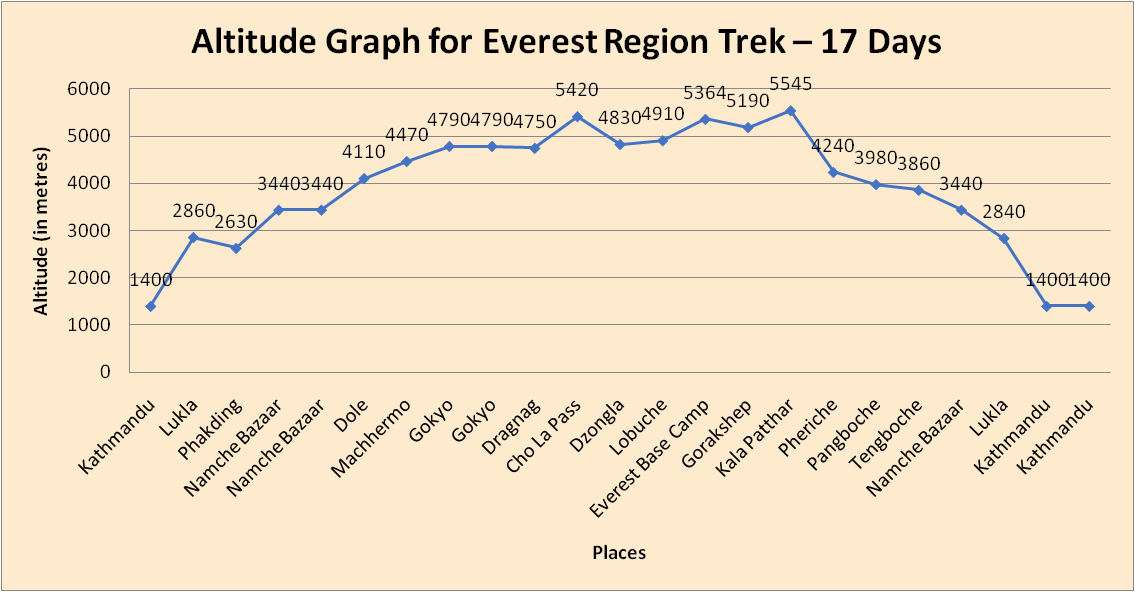
1400 m
Meal:
None
Accomodation :
3-Star Hotel, Thamel, Kathmandu

Day 02

Activities: Take the scenic flight to Lukla, a thrilling introduction to the Himalayas. Begin trekking along the Dudh Koshi River, passing Sherpa villages and small suspension bridges. Gentle ascent helps with initial acclimatization.
Highlights: Panoramic views of Himalayan peaks, first exposure to Sherpa culture, walking along the forested river valley.

Trip Duration:
3–4 hours
Trip Distance:
7.8 km
Altitude:
2630 m
Meal:
Breakfast, Lunch, Dinner
Accomodation :
Tea House, Phakding

Day 03

Activities: Trek through Sagarmatha National Park, crossing multiple suspension bridges. Climb gradually to the bustling Sherpa town of Namche Bazaar, the main trading hub of the Khumbu region.
Highlights: Stunning views of Ama Dablam, Thamserku, and Kongde Ri, cultural immersion in Namche Bazaar.

Trip Duration:
5–6 hours
Trip Distance:
13 km
Altitude:
3440 m
Meal:
Breakfast, Lunch, Dinner
Accomodation :
Tea House, Namche Bazaar

Day 04

Activities: Rest and acclimatize. Optional hikes to viewpoints around Namche, such as Everest View Hotel, Khumjung village, or Tengboche Monastery. Explore local markets and experience Sherpa life.
Highlights: Acclimatization, panoramic Himalayan views, cultural visits.

Trip Duration:
Rest day
Altitude:
3440 m
Meal:
Breakfast, Lunch, Dinner
Accomodation :
Tea House, Namche Bazaar

Day 05

Activities: Ascend through Syangboche and Sanasa, enjoying magnificent views of Taboche, Ama Dablam, and Thamserku. Cross small streams and alpine forests to reach Dole.
Highlights: Close-up views of Himalayan peaks, high-altitude village life.

Trip Duration:
6–7 hours
Trip Distance:
14.6 km
Altitude:
4110 m
Meal:
Breakfast, Lunch, Dinner
Accomodation :
Tea House, Dole

Day 06

Activities: Trek through high-altitude Lhabarma and Luza, with panoramic views of Kantega, Cho Oyu, and Thamserku. Visit Machhermo village, famous for Yeti sightings in local folklore.
Highlights: Machhermo village exploration, first experience of glacial landscapes.

Trip Duration:
5–6 hours
Trip Distance:
12.3 km
Altitude:
4470 m
Meal:
Breakfast, Lunch, Dinner
Accomodation :
Tea House, Machhermo

Day 07

Activities: Climb ridges offering dramatic vistas of Cho Oyu and other peaks. Cross the Ngozumpa Glacier, visit the series of turquoise Gokyo Lakes: Longpongo, Taboche Tsho, and Dudh Pokhari.
Highlights: Alpine lake scenery, glacier trekking, high-altitude photography.

Trip Duration:
4–5 hours
Trip Distance:
7 km
Altitude:
4790 m
Meal:
Breakfast, Lunch, Dinner
Accomodation :
Tea House, Gokyo

Day 08

Activities: Optional climb to Gokyo Ri for panoramic Himalayan vistas. Visit Thonak Tsho and Ngozumpa Tsho lakes. Relax and acclimatize.
Highlights: Sunrise views over Everest, Cho Oyu, and Makalu from Gokyo Ri, serene lake landscapes.

Trip Duration:
Rest day
Altitude:
4790 m
Meal:
Breakfast, Lunch, Dinner
Accomodation :
Tea House, Gokyo

Day 09

Activities: Trek across Ngozumpa Glacier, traverse glacial moraines, and navigate small rivers en route to Dragnag.
Highlights: Glacier trekking, valley panoramas, high-altitude flora and fauna.

Trip Duration:
4–5 hours
Trip Distance:
4.7 km
Altitude:
4750 m
Meal:
Breakfast, Lunch, Dinner
Accomodation :
Tea House, Dragnag

Day 10

Activities: Cross the challenging Cho La Pass. Ascend the ice-covered trail, navigate small glaciers, then descend to Dzongla.
Highlights: Breathtaking views of Mt. Cholatse, glaciers, and surrounding peaks. Sense of achievement conquering a technical high pass.

Trip Duration:
6–7 hours
Trip Distance:
9.4 km
Altitude:
4830 m
Meal:
Breakfast, Lunch, Dinner
Accomodation :
Tea House, Dzongla

Day 11

Activities: Ascend through moraine trails, pass glacial lakes, and reach the village of Lobuche.
Highlights: Close-up views of Pumori, Nuptse, and Khumbu Glacier, experience small high-altitude settlements.

Trip Duration:
5–6 hours
Trip Distance:
13.6 km
Altitude:
4910 m
Meal:
Breakfast, Lunch, Dinner
Accomodation :
Tea House, Lobuche

Day 12

Activities: Trek to the legendary Everest Base Camp, explore Khumbu Glacier, enjoy spectacular views. Return to Gorakshep for the night.
Highlights: Everest Base Camp experience, glacier trekking, Himalayan scenery.

Trip Duration:
6–7 hours
Trip Distance:
15 km
Altitude:
5190 m
Meal:
Breakfast, Lunch, Dinner
Accomodation :
Tea House, Gorakshep

Day 13

Activities: Early morning hike to Kala Patthar for sunrise over Everest. Return to Gorakshep for breakfast, then descend to Pheriche.
Highlights: Spectacular sunrise, panoramic Himalayan views, altitude achievement.

Trip Duration:
6–7 hours
Trip Distance:
14.8 km
Altitude:
4240 m
Meal:
Breakfast, Lunch, Dinner
Accomodation :
Tea House, Pheriche

Day 14

Activities: Descend via Pangboche and Tengboche, visiting famous monasteries, and enjoying mountain vistas.
Highlights: Tengboche Monastery, panoramic views of Everest, Nuptse, and Ama Dablam.

Trip Duration:
7–8 hours
Trip Distance:
17.8 km
Altitude:
3440 m
Meal:
Breakfast, Lunch, Dinner
Accomodation :
Tea House, Namche Bazaar

Day 15

Activities: Descend through villages, rhododendron forests, and across the Hillary Suspension Bridge back to Lukla.
Highlights: Last trekking day, final Himalayan vistas, Sherpa village encounters.

Trip Duration:
7–8 hours
Trip Distance:
19 km
Altitude:
2840 m
Meal:
Breakfast, Lunch, Dinner
Accomodation :
Tea House, Lukla

Day 16

Activities: Scenic flight back to Kathmandu. Rest, shopping, and sightseeing in Thamel. Celebrate trek completion.

Trip Duration:
30–40 minutes flight
Trip Distance:
160 km
Altitude:
1400 m
Meal:
Breakfast
Accomodation :
3-Star Hotel, Thamel, Kathmandu

Day 17

Activities: Transfer to Tribhuvan International Airport for your onward flight. Last-minute shopping and sightseeing if time allows.
Altitude:
1400 m
Meal:
Breakfast

What's Included

  • Airport Pickup & Drop: Arrival and departure transfers in Kathmandu from/to Tribhuvan International Airport.
  • Accommodation in Kathmandu: 2 nights in a comfortable 3-star hotel in Thamel, including breakfast.
  • All Trekking Permits & Taxes: Necessary permits for Sagarmatha National Park, Gokyo Valley, and Cho La Pass. Your trekking experience is fully legal and secure.
  • Domestic Flights: Round-trip flight from Kathmandu to Lukla and back.
  • Accommodation During Trek: Tea houses or lodges along the trail, providing twin rooms with blankets and basic amenities.
  • Meals During Trek: Full board – breakfast, lunch, and dinner, including tea/coffee and nutritious options to fuel your trek.
  • Trekking Guide: Experienced, certified guides who provide food, accommodation, and carry out safety checks.
  • First Aid Kit: Guides carry a fully stocked kit including medications for common altitude and trekking-related issues.
  • Public Transportation: All local transportation needed during the trek.

What's Excluded

  • Personal expenses like souvenirs, snacks, or shopping in villages.
  • Trekking gear and personal equipment (e.g., sleeping bags, trekking poles) unless rented in Kathmandu or Pokhara.
  • Beverages, bottled water, energy drinks, or alcoholic drinks.
  • Travel insurance, which is mandatory for high-altitude trekking.
  • Tips for guides, porters, or other staff (customary at the end of the trek).
  • Porter services ($22 per porter per day) (optional, highly recommended for carrying extra loads).
    Note on Porters: A porter can carry up to 25 kg. For comfort, it is suggested that one porter is assigned for every two trekkers, allowing you to trek with a lighter backpack.

Essential Info

Add-Ons

Enhance your Everest trek with these optional services:

  • Sightseeing in Kathmandu: Temples, Durbar Squares, and cultural heritage tours.
  • Porter Services: Hire additional porters for extra luggage or comfort.
  • Private Flight Arrangements: Upgrade flights or customize schedules for flexibility.
  • Helicopter Services: For emergency evacuation or scenic flights over Everest.
  • Private Transportation: Customize travel between Kathmandu and nearby airports, hotels, or trekking starting points.

Best Season to Trek

The Everest Region offers trekking opportunities year-round, but optimal experiences depend on weather, visibility, and trail conditions:

  • Spring (March – May):
    • Mild temperatures, clear skies, and blooming rhododendrons.
    • Excellent visibility of Himalayan peaks.
    • Moderate trekking conditions, ideal for photography.
  • Autumn (September – November):
    • Crisp air and stable weather after monsoon season.
    • Clear skies with exceptional mountain visibility.
    • Post-monsoon golden landscapes and lush forests.
  • Winter (December – February):
    • Cold temperatures, snow-covered trails, and less crowded.
    • Recommended for experienced trekkers prepared for extreme cold.
  • Summer / Monsoon (June – August):
    • Heavy rainfall, muddy trails, and potential landslides.
    • Less favorable; trails may be slippery and river crossings more dangerous.

Food During Trekking

Meals are designed to provide energy, warmth, and nutrition during high-altitude trekking:

  • Breakfast: Options include porridge, eggs (boiled, fried, scrambled), toast, pancakes, and hot beverages.
  • Lunch: Dal Bhat (rice and lentils), noodles, sandwiches, soups, and local delicacies.
  • Dinner: Hot meals such as vegetable curries, soups, rice or pasta, momos (dumplings), and seasonal vegetables.
  • Tea / Coffee: Available at tea houses; ideal for warming up after long treks.
  • Snacks: Energy bars, biscuits, chocolates, nuts, dried fruits, and popcorn.
  • Local Specialties: Sherpa-style soups, thukpa (noodle soup), gundruk (fermented greens), and local tea.

Accommodation

  • Tea Houses: Twin-bedded rooms with blankets, shared bathrooms, and communal dining areas. Most villages along the trail offer tea houses.
  • Lodges: Slightly more comfortable than tea houses, may include attached bathrooms, Wi-Fi, and hot showers (extra cost).
  • Hotels in Kathmandu: 3-star hotels with modern amenities, breakfast included.
  • Hotels in Lukla / Pokhara: Basic yet comfortable, ensuring rest and relaxation after trekking days.

Travel Insurance

Travel insurance is mandatory for high-altitude trekking in the Everest region. Coverage should include:

  • Emergency medical expenses, hospitalization, and medications.
  • Helicopter evacuation in case of severe illness or accidents.
  • Trip cancellation or interruption reimbursement, since deposits may be non-refundable.
  • Optional coverage for lost or damaged gear.

Altitude Sickness & Remedies

Altitude sickness (AMS, HACE, HAPE) is common above 3,000m. Preventive measures:

  • Ascend gradually and include acclimatization days.
  • Stay hydrated and eat balanced meals.
  • Avoid alcohol and smoking.
  • Carry Diamox (consult a doctor before use).
  • Descend immediately if severe symptoms occur.

Symptoms may include headaches, nausea, fatigue, dizziness, and loss of appetite.

Guide & Safety Measures

  • Experienced Guides: Trained in wilderness first aid and high-altitude trekking.
  • Safety Protocols: Includes acclimatization schedules, emergency response plans, and daily health checks.
  • Emergency Preparedness: Guides carry communication devices and first-aid kits.
  • Group Safety: Trek in groups when possible; guides monitor all trekkers’ health and well-being.

Booking Procedure

  1. Contact Art Nepal Treks: Email, WhatsApp, or call to inquire about availability and packages.
  2. Confirm Dates: Choose your trek dates and discuss itinerary preferences.
  3. Deposit Payment: 10% of the total trek cost to secure your reservation.
  4. Submit Documents: Passport copy, passport-size photos, travel insurance, and flight details.
  5. Final Payment: Pay the remaining balance via bank transfer, cash, or credit card.
  6. Pre-Trek Briefing: Attend a briefing covering trek details, safety, and gear.
  7. Arrival in Kathmandu: Pickup from the airport, hotel check-in, and pre-trek orientation.

Equipment List

  • Base Layers: Moisture-wicking thermal tops and bottoms (synthetic or merino wool)
  • Trekking T-shirts: Quick-dry, breathable, lightweight
  • Fleece Jackets / Mid-Layers: Warm insulation for cold mornings and evenings
  • Down Jacket: Lightweight but warm for high altitudes (essential above 4,000m)
  • Waterproof Jacket & Pants: Breathable and windproof for rain, snow, or wind
  • Convertible Trekking Pants: Can be zipped off into shorts at lower elevations
  • Thermal Underwear: Extra layer for extremely cold nights or early mornings
  • Socks: Several pairs of moisture-wicking trekking socks (synthetic or wool)
  • Hat / Cap: Sun protection for daytime
  • Buff / Scarf / Neck Warmer: Protects against wind, sun, and dust
  • Gloves / Mittens: Warm, insulated gloves plus thin inner gloves for dexterity
  • Backpack (40–50L): With rain cover, adjustable straps, and side pockets
  • Daypack (15–20L): For short excursions or carrying essentials during acclimatization hikes
  • Sleeping Bag: Rated for -10°C or lower (high-altitude sleeping comfort)
  • Trekking Poles: Adjustable, lightweight, reduce stress on knees
  • Water Bottles / Hydration System: Minimum 2 liters capacity; BPA-free
  • Headlamp / Flashlight: With extra batteries
  • Trekking Map / Compass / GPS: Optional, useful for navigation
  • Sunglasses: High UV protection, preferably glacier glasses
  • Insulated Pants: For very cold conditions at Kala Patthar or Cho La Pass
  • Gaiters: Prevent snow, dirt, and rocks from entering your boots
  • Rain Poncho: Extra protection for rain or wet snow
  • Extra Underwear & Socks: Quick-dry and breathable
  • Lightweight Sleepwear: Comfortable for tea houses
  • Toiletries: Toothbrush, toothpaste, biodegradable soap, shampoo
  • Quick-Dry Towel: Compact and lightweight
  • Hand Sanitizer / Wet Wipes: For hygiene where water may be limited
  • Sunscreen & Lip Balm: SPF 50+ recommended for high UV exposure
  • Personal First Aid Kit: Include plasters, bandages, antiseptic, blister pads, painkillers, anti-diarrhea meds, personal medications
  • Water Purification: Tablets or filter for emergency situations
  • Trekking Insurance Card / ID: Keep safely in a waterproof pouch
  • Camera / Smartphone: With extra memory cards
  • Portable Charger / Power Bank: High-capacity for remote areas
  • Travel Adapter: Nepal uses Type C, D, and M plugs
  • Headphones / Earplugs: Optional for rest during tea house stays
  • GPS / Altimeter Watch: Optional, useful for monitoring altitude
General Equipments
  • Passport, Trekking Permits, and Copies: Keep originals and copies in waterproof bags
  • Cash (Nepali Rupees): For tea houses, tips, snacks, and small purchases
  • Snacks / Energy Bars / Nuts: For high-energy fuel during long trekking days
  • Notebook / Pen: Optional, for journaling or recording experiences
  • Plastic Bags / Dry Bags: Protect clothes and electronics from moisture
  • Sunglasses Retainer / Strap: Prevents loss at windy high-altitude passes
  • Trekking Pole Repair Kit: Optional for long treks
  • Binoculars: Optional, for observing distant peaks, wildlife, or villages

FAQ

Yes, you can receive a refund. However, you must report your cancellation at least 7 days prior to the trek. This allows us to make the necessary adjustments and offer your spot to another adventurer. Please contact our customer service team to initiate the refund process.
Yes, you can change the travel date. However, please ensure that you make the request at least 7 days before the scheduled trek. To change your travel date, please contact our customer service team as soon as possible.
Yes, you can make changes to your accommodation. If you choose to upgrade or downgrade your accommodation, it will affect the pricing of the package accordingly. Please contact our customer service team to discuss your preferences and any associated cost adjustments.
It depends on you. If you can handle your luggage weight, then there is no need to hire a porter. However, if you prefer an easier trek without the burden of carrying your gear, we suggest hiring a porter. We offer the option to add a porter to your package for your convenience.
Yes, insurance is required for any rescue operations or medical emergencies that may arise due to high altitude or breathing problems. Having insurance ensures that you are covered in case of unforeseen circumstances and can receive the necessary assistance promptly. Please make sure to arrange appropriate travel insurance before embarking on your trek.
Trip Price

On Request

Talk To Trip Expert

expert image

Anjan Dhital

Trip Expert
Have Any Questions?
Whatsapp/Viber +977-9810271256
Share this Trip
Translate »