Incredible Mohare Danda & Khopra Danda Trek – 14 Days

Mohare Danda & Khopra Danda Trek
14 Days/ 13 Nights
slide image
slide image
slide image
slide image
slide image
slide image

Introduction

The Mohare Danda & Khopra Danda Trek is a spectacular journey through the heart of the Annapurna region, blending breathtaking landscapes, cultural immersion, and serene off-the-beaten-path trails. Unlike the more crowded Ghorepani Poon Hill trek, this route takes trekkers to less-explored highland areas, providing a peaceful and intimate Himalayan experience.

The trek begins with a scenic drive from Kathmandu to Pokhara, followed by a journey to the starting point at Galeshwor. From here, the trail ascends gradually, passing through lush forests of rhododendron, oak, and pine, interspersed with charming villages inhabited by the Magar and Gurung ethnic communities. Trekkers gain insights into traditional village life, from terraced farming techniques to unique community-based eco-lodges, which support local livelihoods.

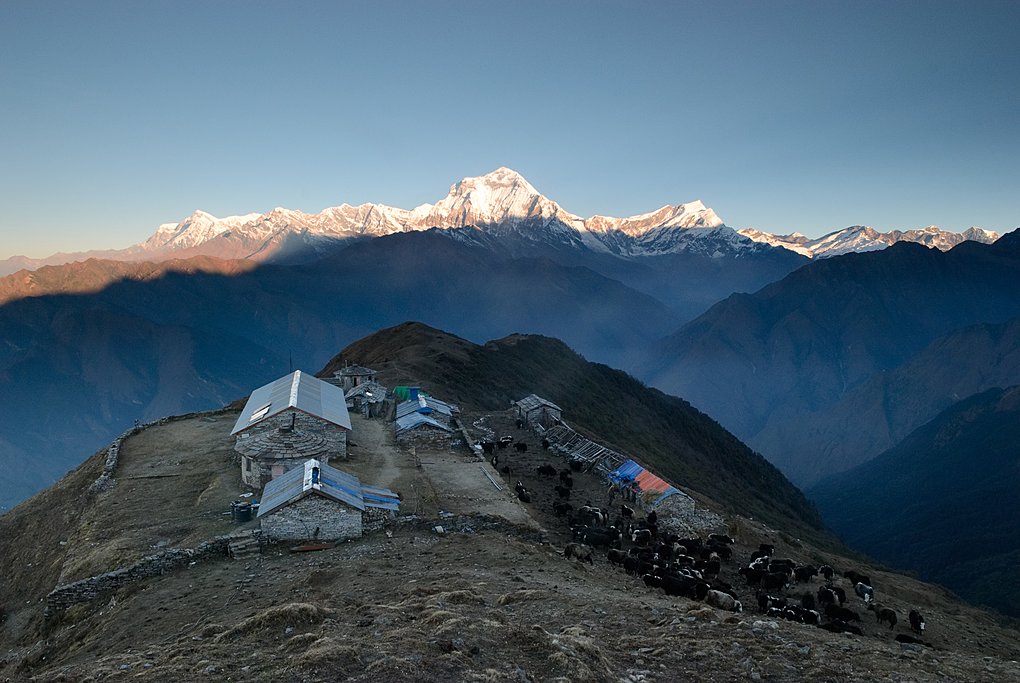
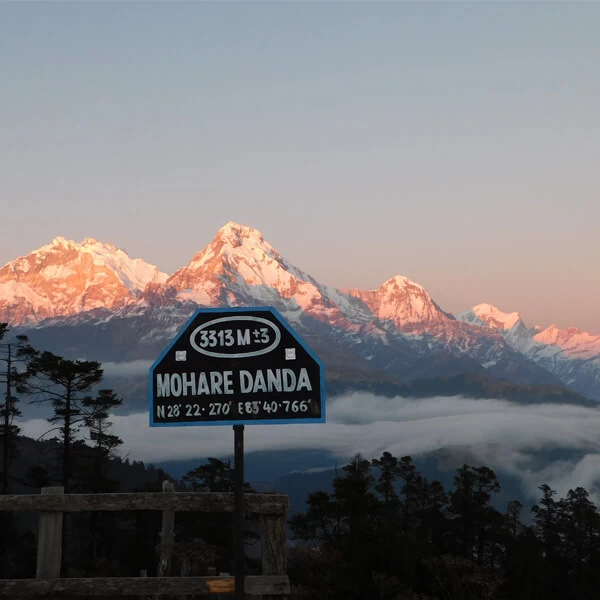
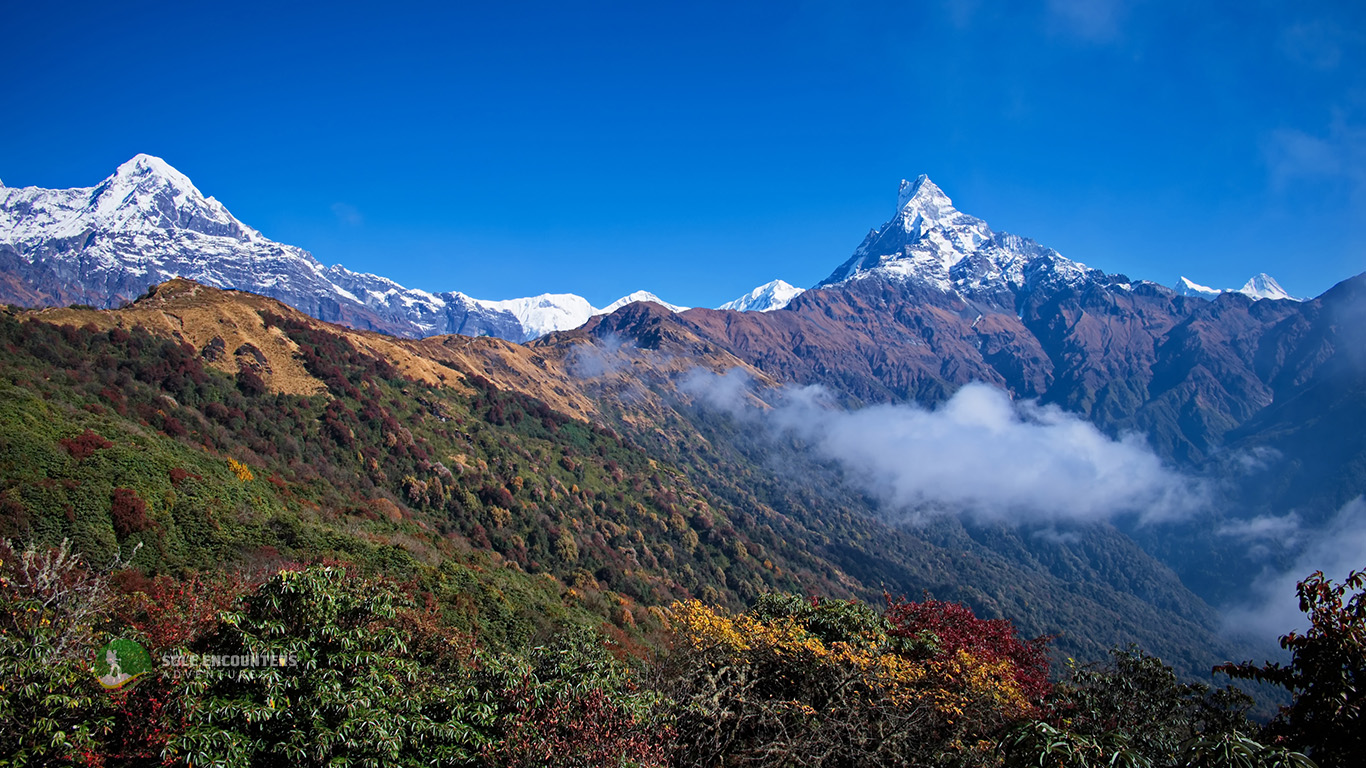
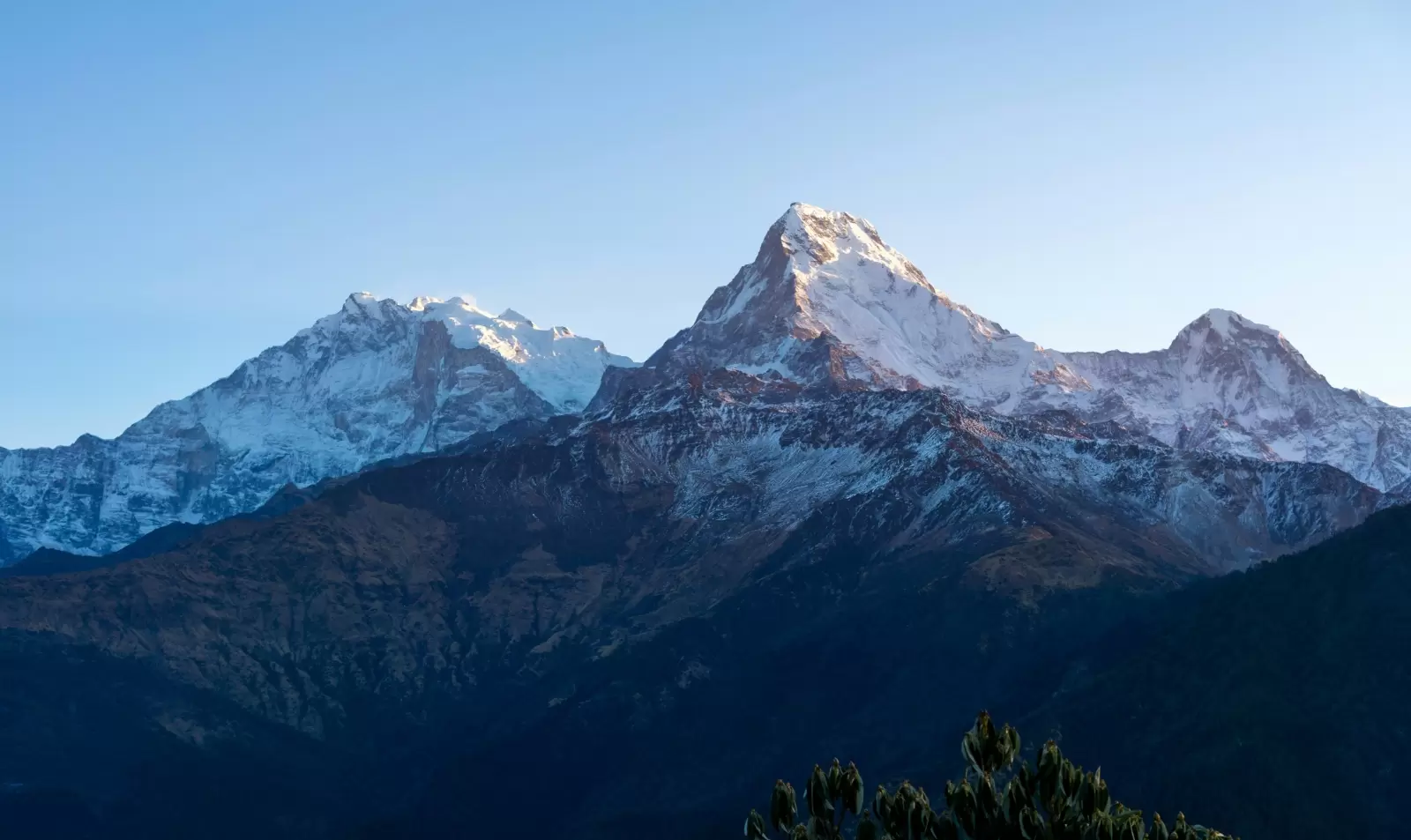
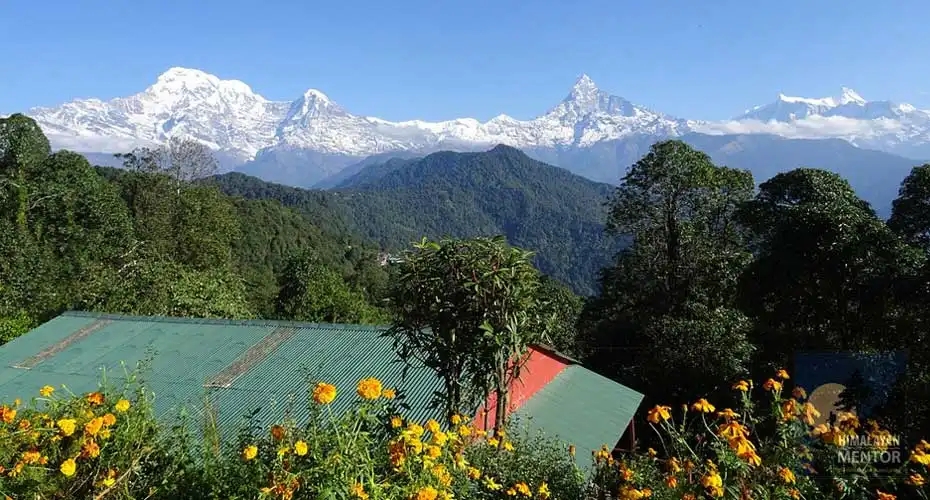
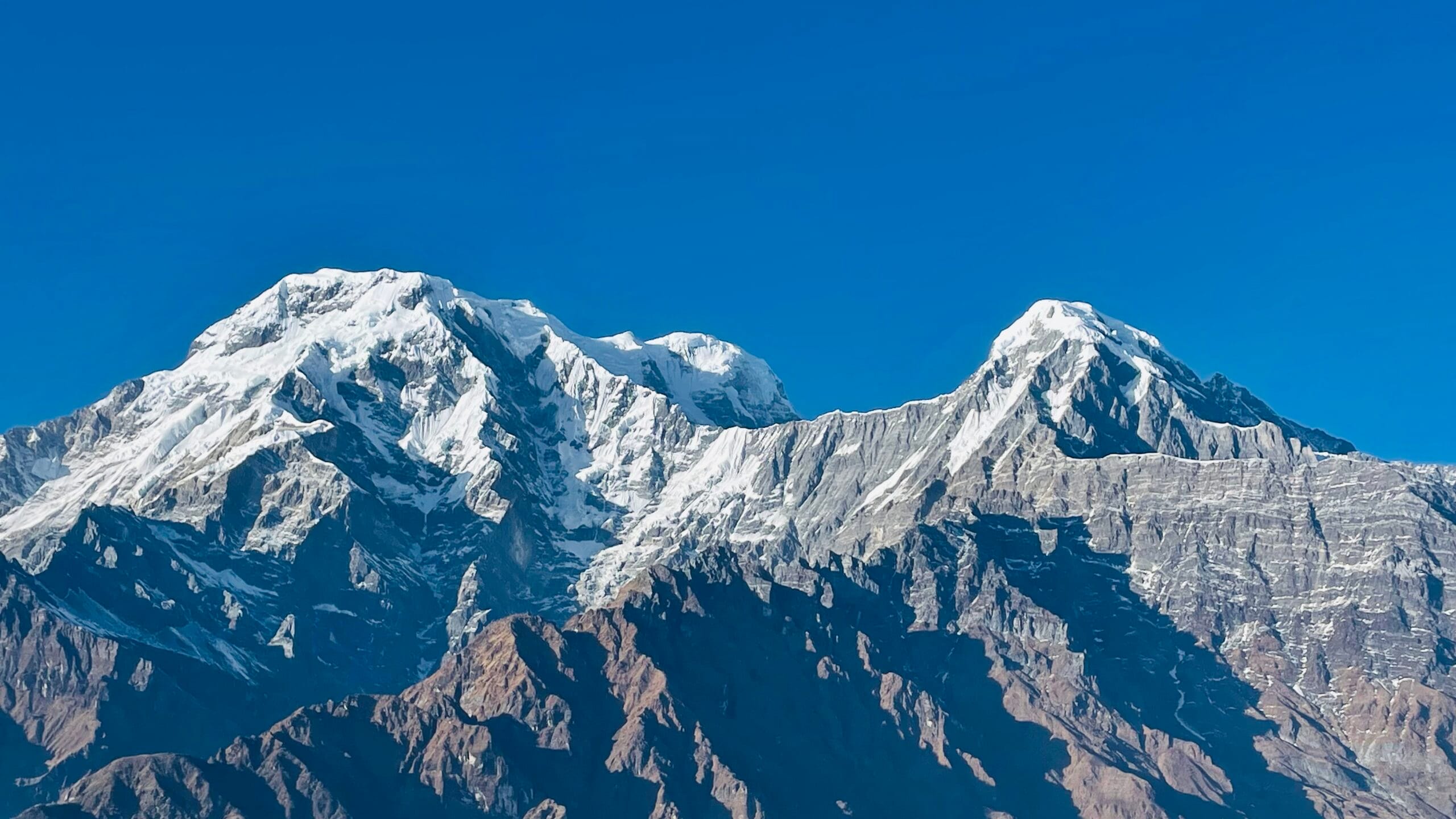
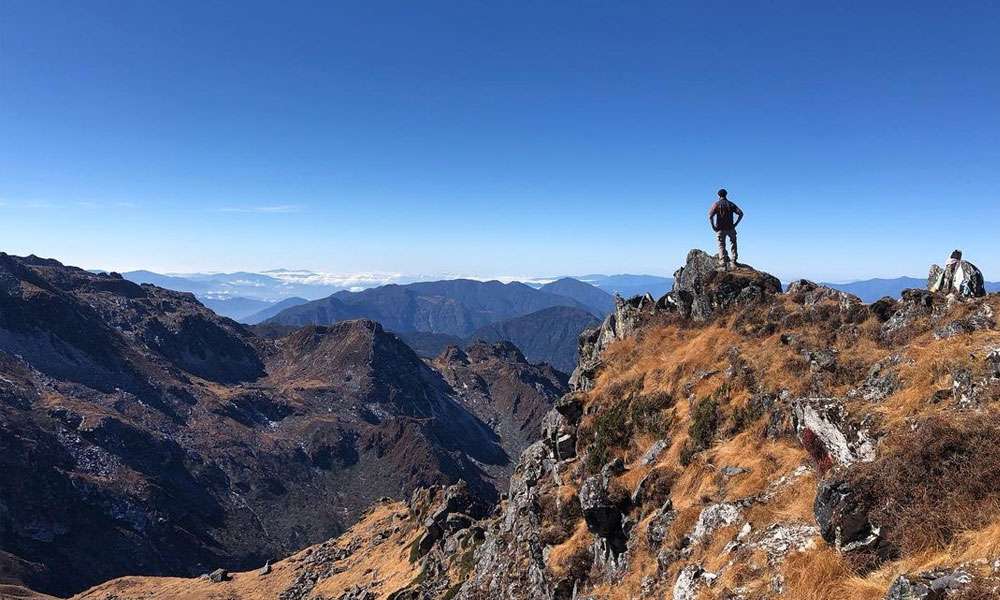
One of the key highlights of this trek is Mohare Danda, which offers magnificent panoramic views of the Annapurna and Dhaulagiri ranges. The trail then continues to Poon Hill, a famous viewpoint for sunrise vistas, before heading to Swanta and Khopra Danda, both of which reveal 360-degree Himalayan panoramas rarely seen by casual visitors.

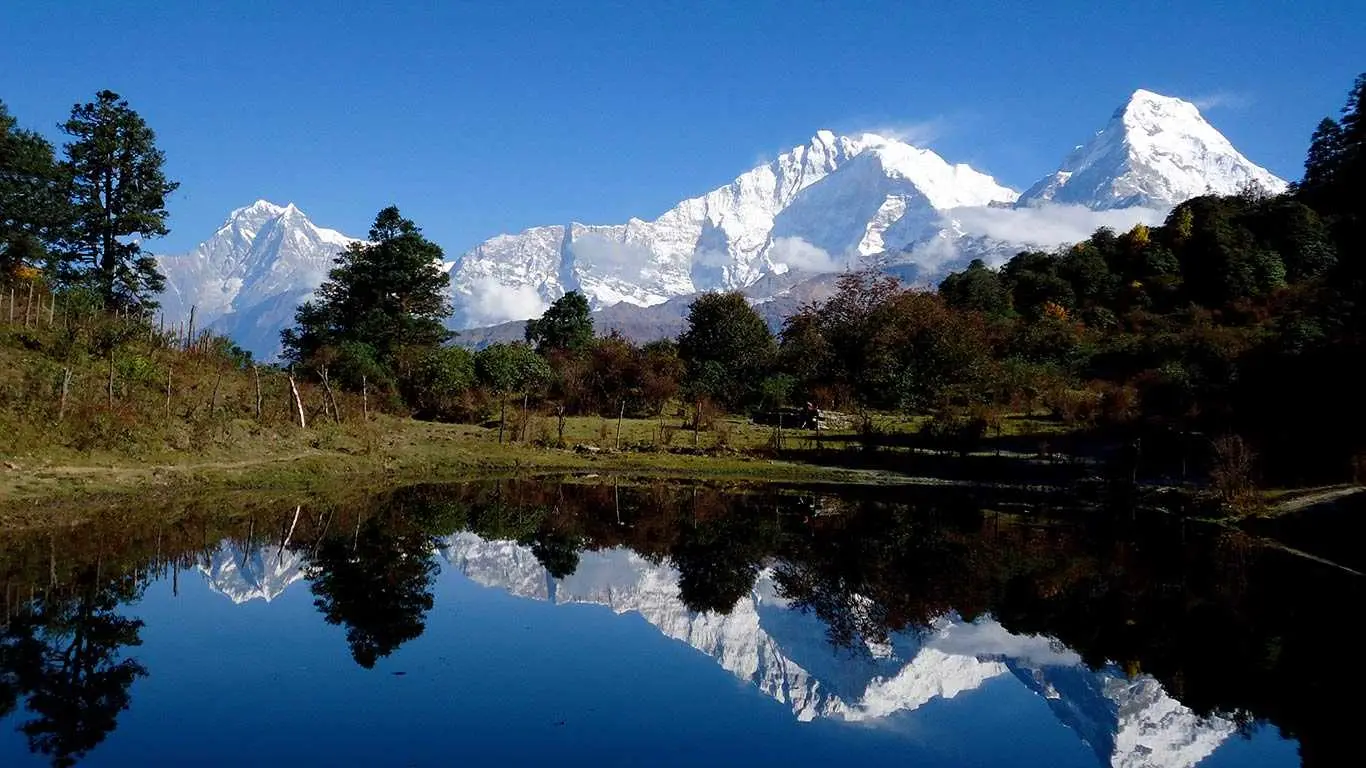
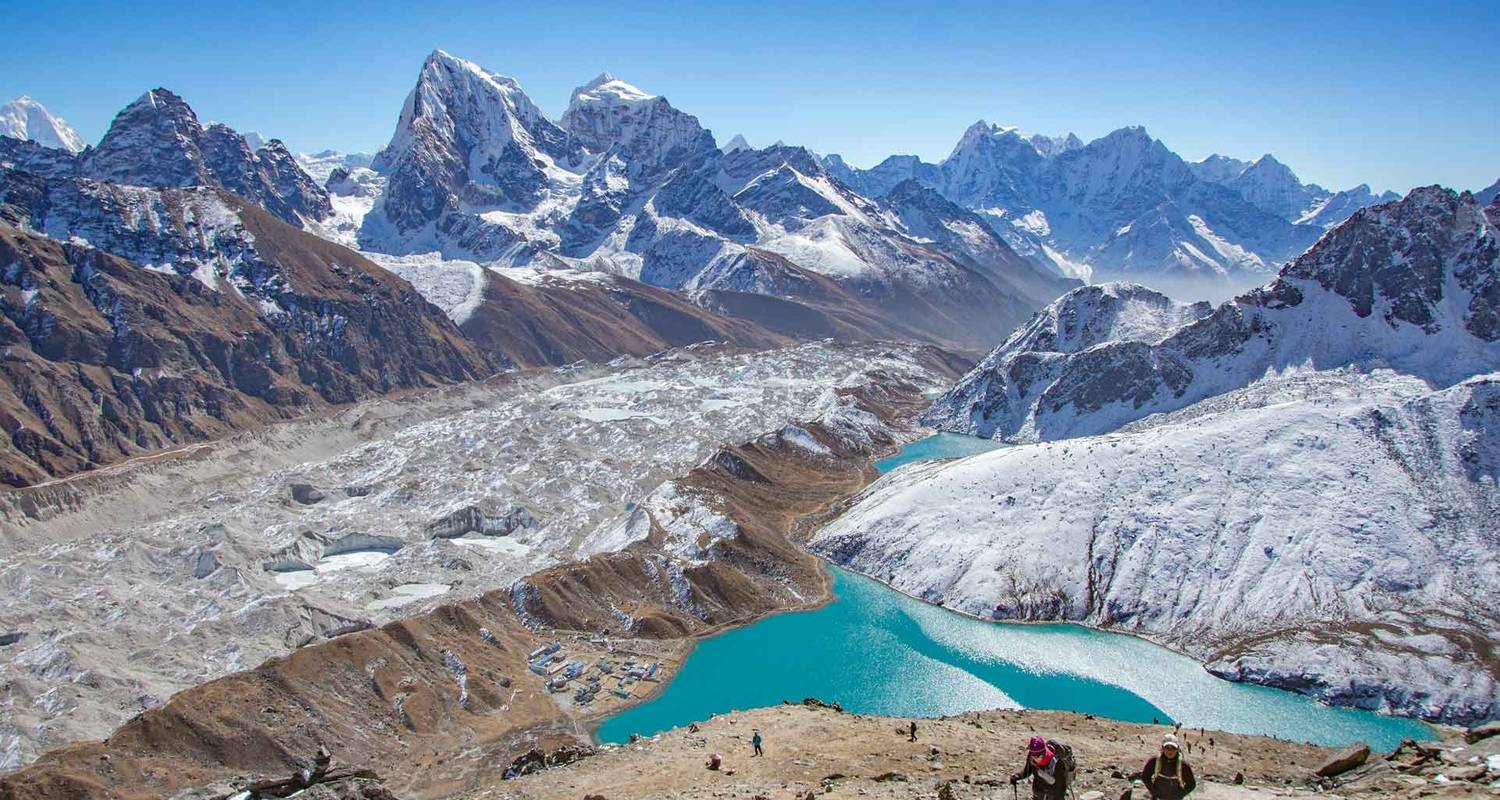
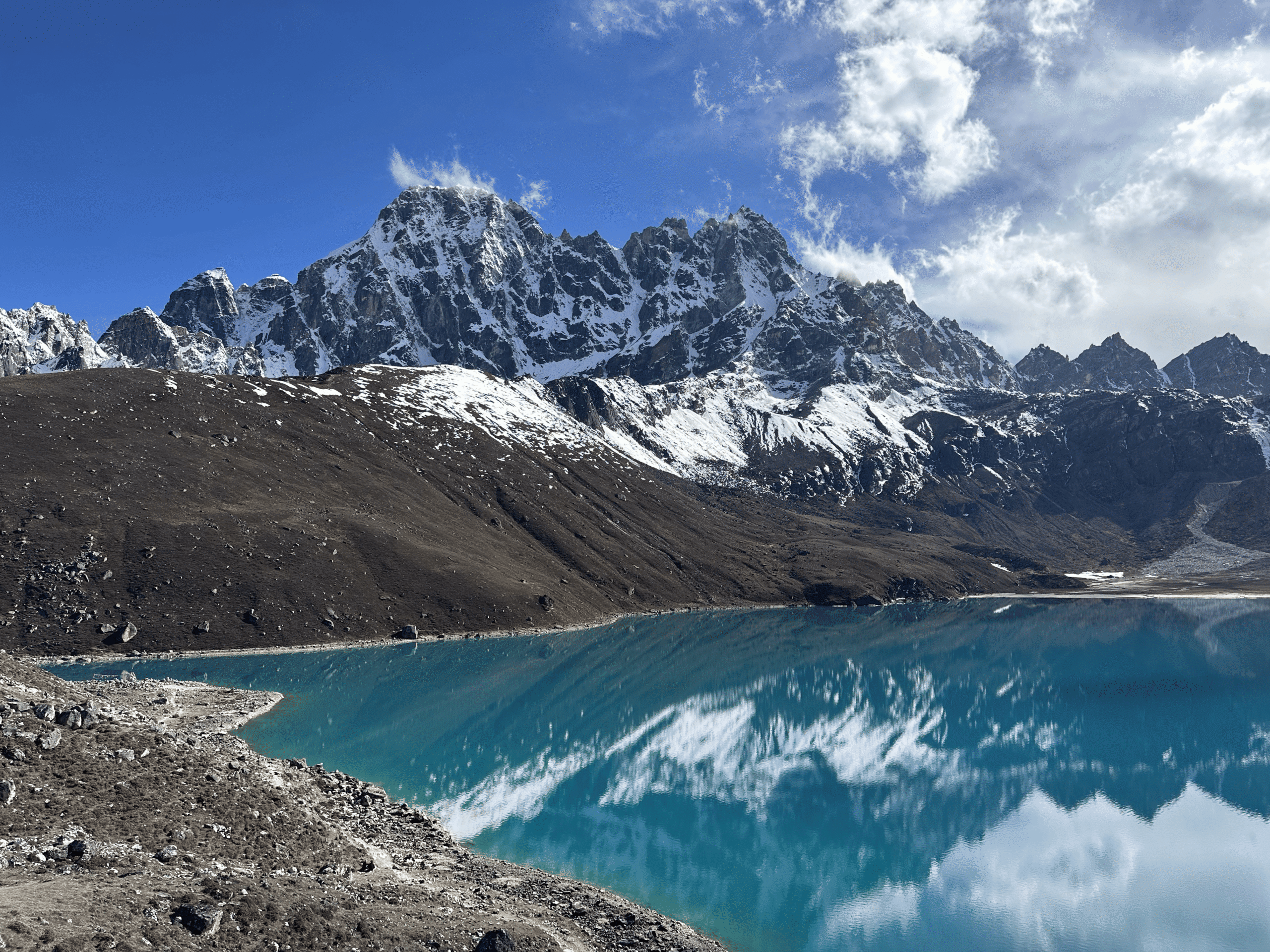
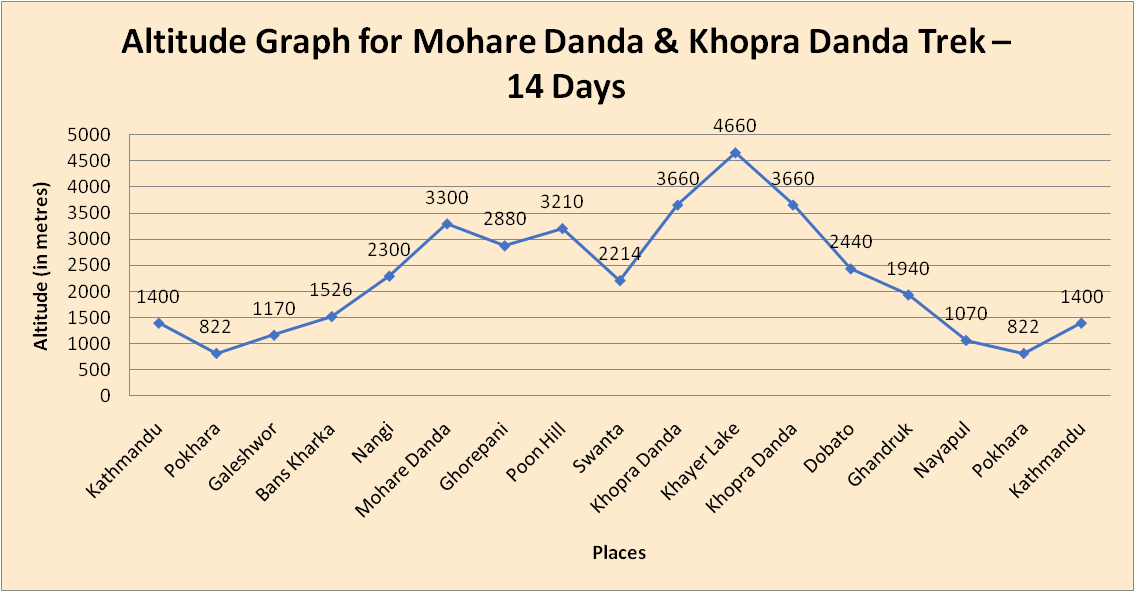
An optional side trek leads to Khayer Lake, a serene, sacred lake at the foot of Annapurna South, situated at 4,660 meters. The lake is surrounded by steep mountains, high pastures, and forests, making it a magical spot for reflection and photography.

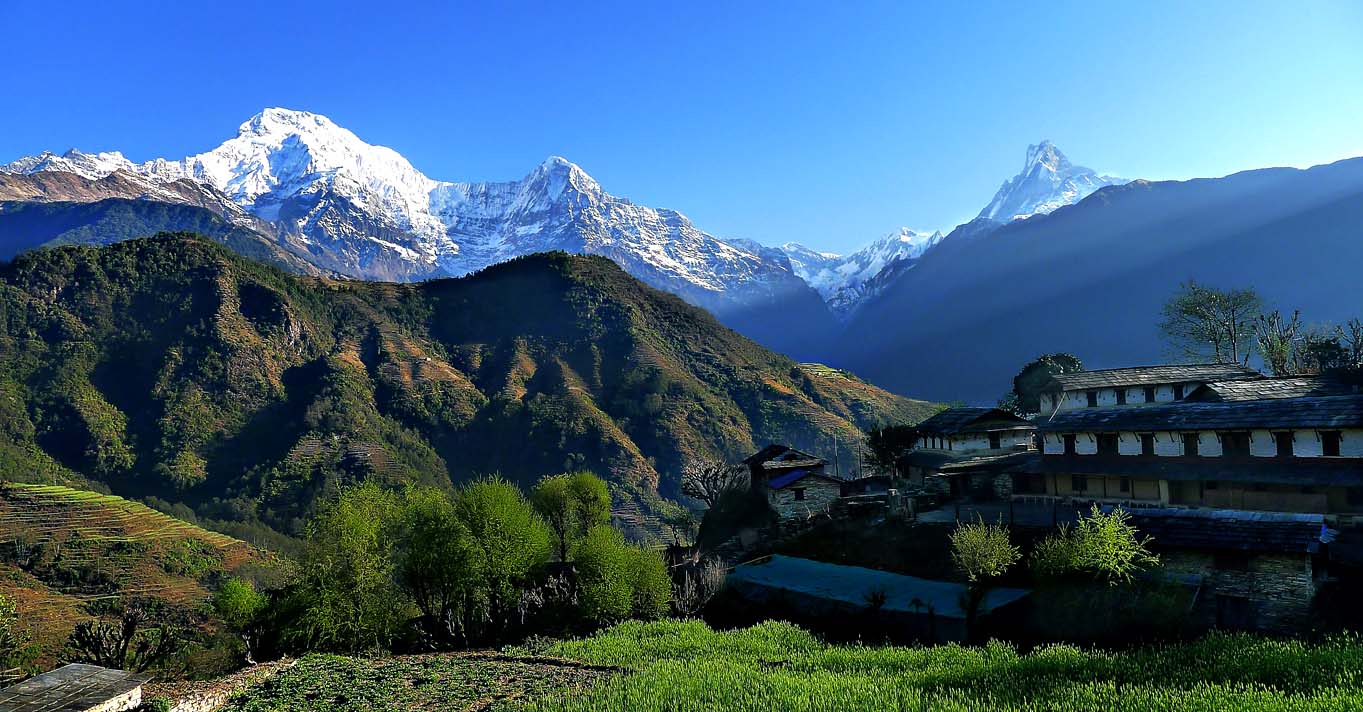
Throughout the journey, trekkers encounter waterfalls, rivers, and seasonal grazing lands, offering a variety of natural landscapes. The trek concludes with a descent to Ghandruk, renowned for its welcoming Gurung community, before returning to Pokhara and finally Kathmandu, leaving trekkers with lasting memories of Nepal’s natural beauty, culture, and tranquility.

What You Can Expect from Mohare Danda & Khopra Danda Trek

  • Cultural Immersion: Spend nights in villages where traditional Gurung and Magar lifestyles are preserved. Learn about local customs, festivals, and culinary traditions.
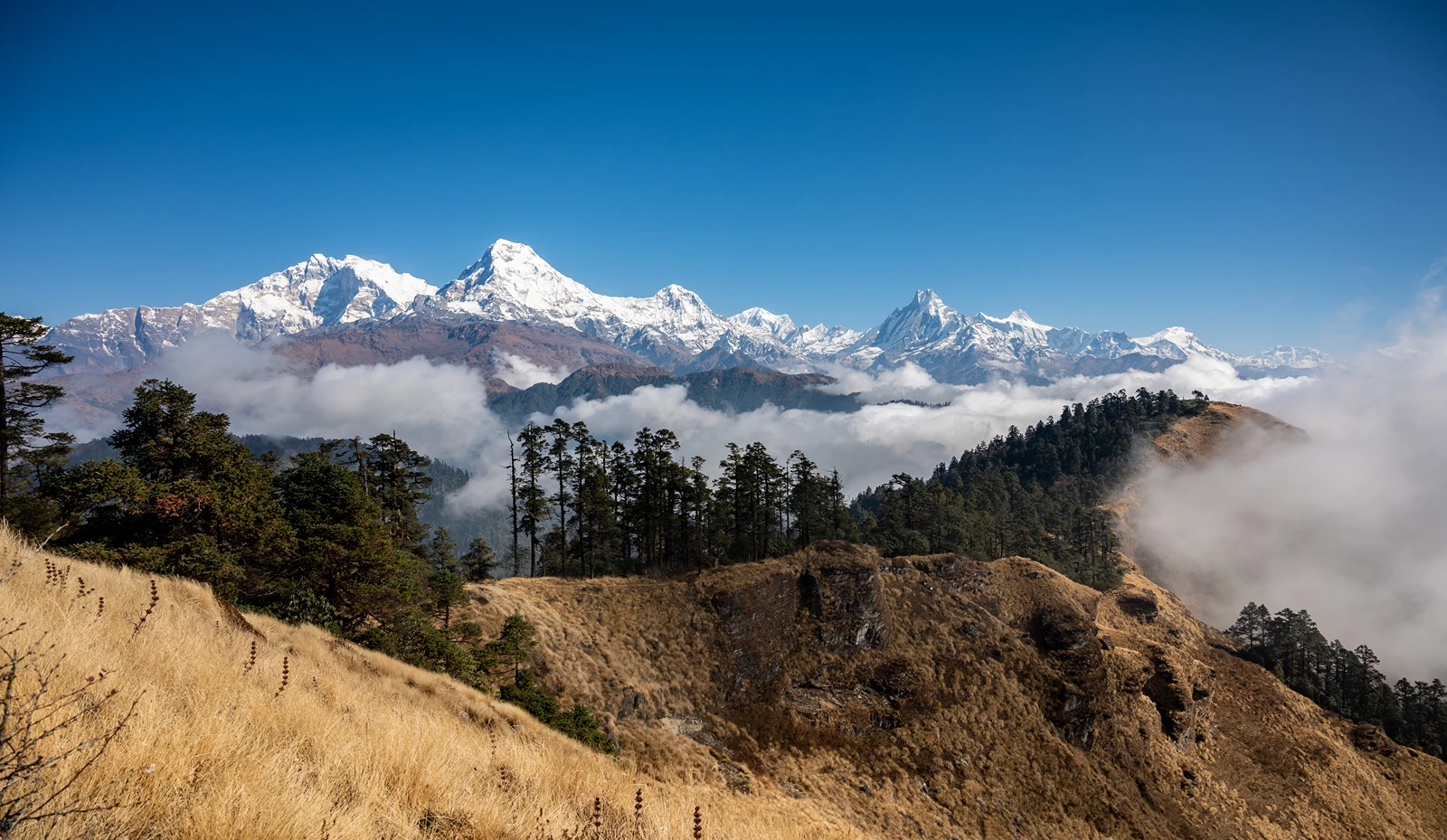
  • Panoramic Himalayan Views: Witness the Annapurna, Dhaulagiri, Machhapuchhre, Tukuche, and Nilgiri ranges from multiple viewpoints including Mohare Danda, Poon Hill, and Khopra Danda.
  • Serene Trekking Experience: Explore trails that are less crowded, allowing for a peaceful journey in harmony with nature.
  • Adventure and Challenge: While the trek is moderate, optional high-altitude excursions like Khayer Lake offer a sense of accomplishment and adventure.
  • Natural Diversity: Trek through forests, high pastures, waterfalls, and terraced farmland, observing Nepal’s unique flora and fauna, including Himalayan birds and occasional wildlife sightings.
  • Photography Opportunities: Capture sunrises, sunsets, mountain panoramas, and village life, offering some of the most photogenic spots in the Annapurna region.

Preparation for the Trek

To fully enjoy this trek, adequate physical and mental preparation is essential:

Physical Fitness

  • Engage in daily walks or hikes of 6–7 hours with uphill and downhill terrain.
  • Practice cardiovascular exercises like running, swimming, or cycling to improve stamina.
  • Include strength training (squats, lunges, planks) to support trekking muscles, especially legs and core.

Mental Preparation

  • Prepare for long walking days, varying weather conditions, and high-altitude challenges.
  • Embrace the slower pace and serenity of village life for mental relaxation.

Acclimatization

  • Gradually ascend to higher altitudes to avoid Acute Mountain Sickness (AMS).
  • Drink adequate water and maintain a balanced diet rich in carbohydrates and proteins.

Guide and Trekking Support

  • A professional trekking guide is recommended for navigation, permit management, and cultural insights.
  • Consider hiring a porter to carry heavy gear, especially for high-altitude sections.
  • Trip Duration

    14 Days/ 13 Nights

  • Group Size

    1 to 10

  • Maximum Altitude

    4,660 Meters

  • Trip Difficulty

    Moderate

  • Activities

    Trekking

  • Best Season

    Spring and Autumn

  • Trip Start & End

    Kathmandu/ Kathmandu

  • Meals

    :Breakfast, Lunch, Dinner During Trek

  • Accomodation

    Tea House or Lodge

Highlights

  • Most Suitable Trek: Ideal for trekkers seeking an easy-to-moderate, scenic experience in Nepal.
  • Community-Based Eco-Lodge Journey: Explore Annapurna region villages through eco-friendly lodges.
  • Off-the-Beaten-Path: Walk undiscovered routes with fewer trekkers and panoramic Himalayan views.
  • Scenic Landscapes: Snow-capped mountains, terraced farms, lush pastures, rhododendron, oak, and pine forests.
  • Mountain Views: Stunning views of Mt. Dhaulagiri (8,167 m), Tukuche (6,920 m), Nilgiri (7,061 m), Machhapuchhre, and Annapurna South.
  • Cultural Exploration: Discover Magar and Gurung communities, their traditions, and lifestyles.
  • Panoramic Views: Sunrise and sunset vistas from Mohare Danda and Poon Hill.
  • Khayer Lake: A serene, sacred lake at the base of Annapurna South.

Itinerary

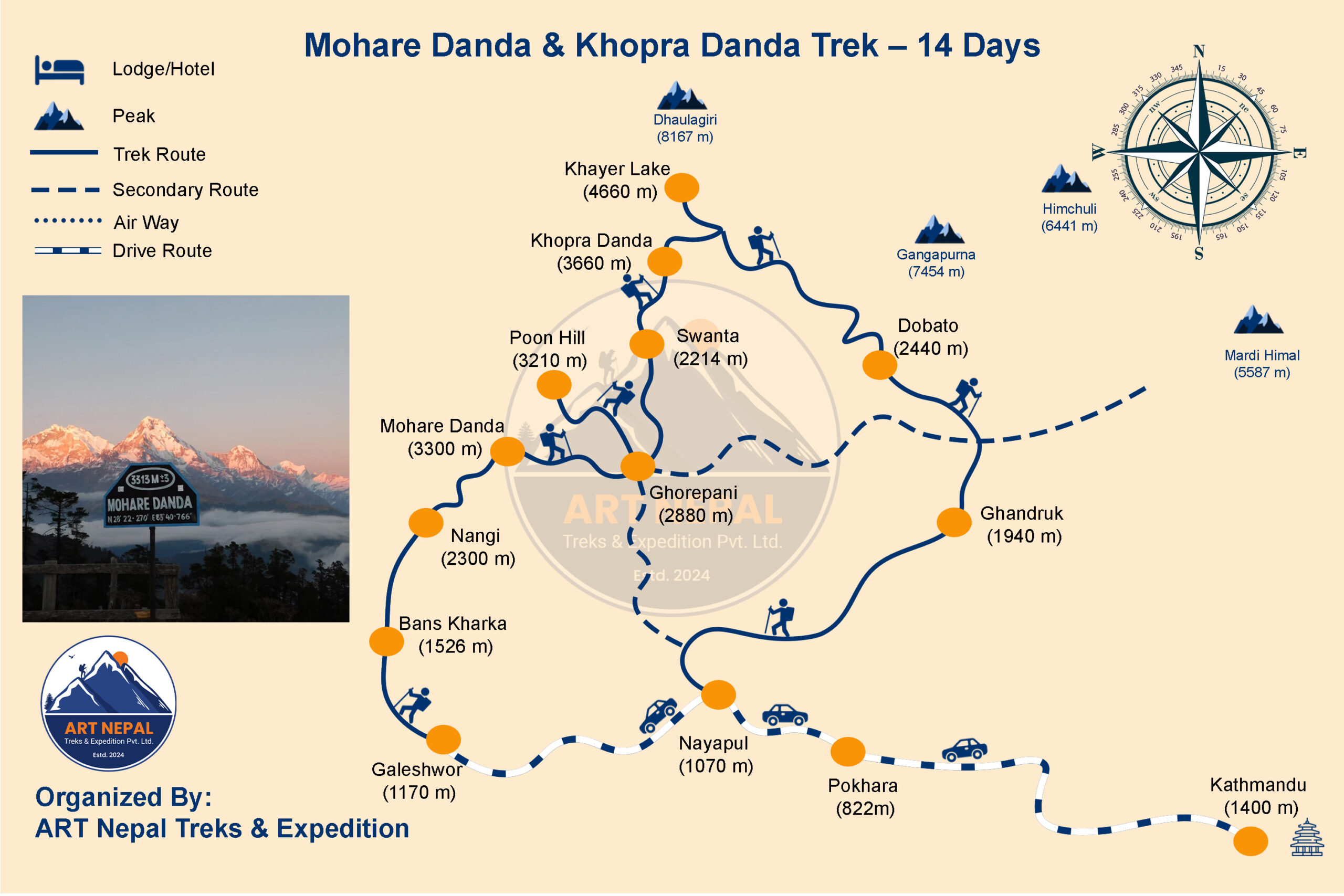
Day 01

Upon arrival at Tribhuwan International Airport, our airport representative will greet you and transfer you to your hotel in Thamel, Kathmandu. After check-in, you can relax or explore the vibrant streets of Thamel, full of shops, cafes, and cultural landmarks. In the evening, a briefing session will be held with your trekking guide to provide detailed information about the trek, necessary equipment, and safety measures. This day helps you acclimatize to the altitude of Kathmandu and prepare mentally and physically for the adventure ahead.

Trip Duration:
Flexible
Altitude:
1400m
Meal:
None
Accomodation :
3 Star Hotel in Thamel

Day 02

After breakfast, embark on a scenic 7–8 hour drive to Pokhara, traveling along the Prithvi Highway. The route passes through picturesque landscapes, terraced fields, rivers, and glimpses of the Himalayas, including Annapurna and Machhapuchhre (Fishtail) peaks on clear days. Upon arrival in Pokhara, check into your hotel and relax. You can optionally explore Pokhara’s Lakeside area, enjoy the peaceful ambiance of Phewa Lake, or stroll through local markets. Pokhara offers a perfect prelude to your trek with its stunning mountain views and calm environment.

Trip Duration:
7–8 hours
Trip Distance:
205 km
Altitude:
1400m-822m
Meal:
Breakfast
Accomodation :
3 Star Hotel in Pokhara

Day 03

Early in the morning, drive from Pokhara to Galeshwor, the traditional starting point of this trek. At Galeshwor, visit the Lord Shiva Temple for blessings before beginning the journey. The trek starts along the Kaligandaki River, passing through peaceful villages and terraced farmlands. Overnight stay is at Bans Kharka, where the local Magar community welcomes trekkers into their traditional lodges. This first day of trekking allows you to immerse in Nepalese rural culture while adjusting to the trekking pace.

Trip Duration:
2–3 hours
Trip Distance:
6.5 km
Altitude:
1526m
Meal:
Breakfast, Lunch, Dinner
Accomodation :
Tea House or Lodge

Day 04

Continue ascending through mixed forests of pine, oak, and rhododendron, following a moderate trail that offers a combination of forested paths and open terraces. Along the way, visit community projects like Himanchal High School and interact with local villagers. The trail provides continuous glimpses of mountain peaks and terraced farms, making the trek visually rewarding. Overnight stay at Nangi village, allowing you to rest and prepare for tomorrow’s climb to Mohare Danda.

Trip Duration:
5–6 hours
Trip Distance:
9.1 km
Altitude:
2300m
Meal:
Breakfast, Lunch, Dinner
Accomodation :
Tea House or Lodge

Day 05

This day takes you through lush rhododendron and oak forests, gradually ascending to Mohare Danda, a prime vantage point in the region. From here, panoramic views of Dhaulagiri, Annapurna South, Nilgiri, and Machhapuchhre unfold in all directions. The trek is moderate but rewarding, with multiple photo opportunities and viewpoints along the way. The sunset from Mohare Danda is spectacular, painting the Himalayan peaks in golden hues, making this stop unforgettable.

Trip Duration:
6–7 hours
Trip Distance:
7.7 km
Altitude:
3300m
Meal:
Breakfast, Lunch, Dinner
Accomodation :
Tea House or Lodge

Day 06

Begin the day with a sunrise view over the Annapurna range from Mohare Danda. The trail then descends gently through dense forests and terraced farms toward Ghorepani, a popular trekking hub. Along the route, observe local Magar villages, livestock grazing, and terraced farmland. Ghorepani provides scenic Himalayan views and comfortable lodging options, making it an ideal rest stop for trekkers.

Trip Duration:
5–6 hours
Trip Distance:
5.7 km
Altitude:
3300m-2880m
Meal:
Breakfast, Lunch, Dinner
Accomodation :
Tea House or Lodge

Day 07

Wake up early to hike to Poon Hill, a famous viewpoint offering 360-degree Himalayan panoramas, including Dhaulagiri, Annapurna South, and Machhapuchhre. The hike is short but steep, and witnessing the sunrise here is a highlight of the trek. After sunrise, descend through rhododendron forests and terraced fields to Swanta village, a serene settlement away from tourist crowds. This day combines both adventure and cultural immersion, with multiple viewpoints along the way.

Trip Duration:
4–5 hours
Trip Distance:
9 km
Altitude:
2880m-2214m
Meal:
Breakfast, Lunch, Dinner
Accomodation :
Tea House or Lodge

Day 08

This is one of the most scenic days of the trek. The trail climbs steadily through oak, rhododendron, and pine forests, offering a peaceful and immersive experience in nature. As you ascend toward Khopra Danda, the Himalayan panorama expands dramatically, including Dhaulagiri, Annapurna South, Machhapuchhre, and Nilgiri peaks. Khopra Danda itself is a hidden gem, offering one of the best 360-degree viewpoints in the region. You’ll also pass small local settlements and experience the traditional lifestyle of the Magar and Gurung communities. The evening provides a serene atmosphere perfect for photography, reflection, or simply enjoying the sunset over the Himalayas.

Trip Duration:
6–7 hours
Trip Distance:
13 km
Altitude:
2214m-3660m
Meal:
Breakfast, Lunch, Dinner
Accomodation :
Tea House or Lodge

Day 09

Start early to embark on a challenging yet highly rewarding trek to Khayer Lake, a serene and sacred alpine lake at 4,660 meters. The ascent involves steep trails, rocky paths, and high-altitude trekking conditions, requiring stamina and determination. Upon reaching the lake, enjoy panoramic views of Annapurna South, Hiunchuli, Machhapuchhre, and other surrounding peaks, reflecting beautifully on the lake’s calm waters. Spend some time taking photographs, meditating, or simply enjoying the tranquility before descending back to Khopra Danda for overnight rest.

Trip Duration:
8–10 hours
Trip Distance:
11 km
Altitude:
3660m-4660m
Meal:
Breakfast, Lunch, Dinner
Accomodation :
Tea House or Lodge

Day 10

Begin the descent through dense oak and rhododendron forests, enjoying the crisp mountain air and peaceful trails. The trail passes several scenic viewpoints overlooking deep valleys and snow-capped peaks, offering ample opportunities to stop and capture photographs. Arrive at Dobato, a small settlement surrounded by forest and farmland, where you can relax after the day’s trek. This descent allows your body to recover from high-altitude exertion while still enjoying beautiful scenery.

Trip Duration:
5–6 hours
Trip Distance:
10.8 km
Altitude:
3660m-2440m
Meal:
Breakfast, Lunch, Dinner
Accomodation :
Tea House or Lodge

Day 11

Continue descending along trails that wind through traditional Gurung villages, terraced farms, and local forests. Ghandruk is one of the most famous villages in the Annapurna region, renowned for its warm hospitality and cultural significance. Here, you can explore local monasteries, schools, and small museums, and interact with locals to understand their lifestyle and traditions. The trek to Ghandruk also offers clear views of Annapurna South, Machhapuchhre, and Himchuli, making this a perfect combination of culture and nature.

Trip Duration:
6–7 hours
Trip Distance:
12 km
Altitude:
2440m-1940m
Meal:
Breakfast, Lunch, Dinner
Accomodation :
Tea House or Lodge

Day 12

On this day, descend gradually to Nayapul, passing lush fields, rivers, and small settlements. The route allows for final glimpses of the Annapurna range before returning to lower altitudes. Upon reaching Nayapul, you will be picked up and driven back to Pokhara. The afternoon is free to relax or explore Pokhara’s Lakeside, enjoy a boat ride on Phewa Lake, or visit attractions such as Devi’s Fall and Gupteshwor Cave.


Trip Duration:
4–5 hours trekking, 1 hour drive
Trip Distance:
8.6 km
Altitude:
1940m
Meal:
Breakfast, Lunch
Accomodation :
3 Star Hotel in Pokhara

Day 13

Early morning, begin the scenic drive back to Kathmandu. The route follows the Prithvi Highway, offering views of rivers, valleys, and distant snow-capped peaks along the way. On arrival in Kathmandu, check into your hotel and have some free time for last-minute shopping, sightseeing, or rest. In the evening, enjoy a farewell dinner with cultural performances, sharing memories of the trek and celebrating the completion of your journey.

Trip Duration:
7–8 hours
Trip Distance:
205 km
Altitude:
1400m
Meal:
Breakfast
Accomodation :
3 Star Hotel in Thamel

Day 14

Depending on your flight schedule, you will be transferred to Tribhuwan International Airport for your onward journey. If time allows, you can explore more of Kathmandu, visit Pashupatinath Temple or Boudhanath Stupa, and take some final photographs of Nepal’s rich cultural heritage before departure.
Trip Duration:
Flexible
Meal:
Breakfast

What's Included

  1. Airport Pickup & Drop
    Upon arrival at Tribhuwan International Airport, a representative will greet you and provide a transfer to your hotel in Kathmandu. At the end of your trek, you will also be transferred back to the airport for departure, ensuring convenience and peace of mind.
  2. Accommodation in Kathmandu
    You will stay for 2 nights in a 3-star hotel in Thamel, Kathmandu. These hotels offer comfortable rooms, hot showers, Wi-Fi access, and proximity to restaurants, shops, and cultural attractions.
  3. Breakfast in Kathmandu
    Breakfast is provided during your stay in Kathmandu hotels, allowing you to start your day with a nutritious and energizing meal before embarking on the trek.
  4. All Permits and Taxes
    The cost covers all necessary trekking permits required for the Annapurna Conservation Area (ACAP), local taxes, and administrative charges. These are essential for legally trekking in the region and supporting conservation efforts.
  5. During Trek Accommodation
    Accommodation along the trek is provided in tea houses or lodges, carefully selected for comfort and cleanliness. Each night, you’ll stay in cozy rooms, often twin-sharing, allowing for rest after long trekking days.
  6. Meals During Trek
    Breakfast, lunch, and dinner are included during the trek. Most meals are freshly prepared in the teahouses, offering a mix of local and international options. Tea, coffee, and hot drinks are often available to keep you warm during higher altitudes.
  7. Guide Services
    A licensed trekking guide accompanies you throughout the journey, responsible for navigation, safety, and coordination of the trek. The guide’s salary, food, accommodation, and insurance are included in the package.
  8. First Aid Kit
    Safety is a priority. Our team carries a first aid kit for emergencies, including medicines for minor injuries, altitude sickness, and other common trekking ailments.
  9. Public Transportation During Trek
    All transportation during the trek, including local buses, shared jeeps, or vehicles, is included. This ensures smooth transit between trekking starting points, villages, and towns.

What's Excluded

  • Personal Expenses – Snacks, souvenirs, shopping, or additional personal items.
  • Gears – Trekking gear such as jackets, boots, or sleeping bags (can be rented in Pokhara if needed).
  • Beverages & Mineral Water – Soft drinks, bottled water, and alcoholic beverages.
  • Travel Insurance – Mandatory for trekking, covering medical emergencies, high-altitude evacuation, and trip cancellations.
  • Tips for Staff – Expected at the end of the trip to show appreciation for the guide, porter, and support team.
  • Porter – Although optional, hiring a porter is recommended. Each porter can carry up to 25 kg; ideally, one porter for every two trekkers improves convenience.($22 per potter per day)

Add-Ons

To make your Mohare Danda & Khopra Danda Trek more comfortable, convenient, or memorable, several optional services can be added to your package. These add-ons provide flexibility depending on your preferences, budget, and trekking style.

  1. Sightseeing in Kathmandu
    Before or after the trek, you can explore the cultural and historical landmarks of Kathmandu Valley. Popular options include Pashupatinath Temple, Boudhanath Stupa, Swayambhunath (Monkey Temple), Patan Durbar Square, and Bhaktapur Durbar Square. A guided tour can help you understand the history, architecture, and religious significance of these sites, giving your trip a cultural dimension alongside the trekking adventure.
  2. Porter Services
    Hiring a porter is highly recommended for those who prefer trekking without carrying heavy backpacks. Each porter can carry up to 25 kilograms of luggage, allowing you to trek comfortably and focus on the experience rather than the weight. Typically, one porter is sufficient for every two trekkers. Porters are experienced, knowledgeable about the terrain, and can also help with tea house arrangements along the trail.
  3. Flights
    Domestic flights can be arranged for faster access to starting points or for returning from Pokhara to Kathmandu. This is especially useful for travelers with time constraints or for those who want to avoid long bus rides. Flights offer scenic aerial views of the Himalayan range, rivers, and valleys, adding a unique perspective to your journey.
  4. Helicopter Services
    Helicopter services can be arranged for emergency evacuation, sightseeing flights, or even to bypass difficult sections of the trek. A helicopter ride over the Annapurna and Dhaulagiri ranges provides breathtaking panoramic views that are otherwise inaccessible, making it a memorable addition to your adventure.

Private Transportation
For travelers seeking convenience and flexibility, private vehicles can be arranged for airport transfers, Pokhara travel, or drives to the trekking starting points. This eliminates reliance on public buses or shared jeeps, ensuring a comfortable and personalized travel experience.

Essential Info

Best Season to Trek Mohare Danda & Khopra Danda

The Mohare Danda and Khopra Danda Trek offers breathtaking views of the Annapurna and Dhaulagiri ranges, making it a year-round trekking destination. However, the ideal times to embark on this journey are during autumn (September–November) and spring (March–May), when weather conditions are stable, skies are clear, and landscapes are vibrant. Understanding the seasonal variations is important for a safe and enjoyable trek.

Autumn Season (September, October, November)

Autumn is considered the best trekking season in Nepal, especially for the Mohare Khopra region. After the monsoon, the air is clean and crisp, and the mountain vistas are at their clearest. Here’s why autumn is ideal:

  • Clear Skies: Post-monsoon clouds clear out, providing uninterrupted panoramic views of Annapurna, Dhaulagiri, Nilgiri, Machhapuchhre, and surrounding peaks.
  • Mild Temperatures: Daytime temperatures are comfortable, ranging from 15°C to 22°C at lower elevations, while higher elevations remain chilly but manageable.
  • Stable Weather: Minimal rainfall reduces trail slipperiness and makes trekking safer.
  • Lush Greenery: Fields, forests, and rivers appear vibrant after the monsoon, enhancing the beauty of the trekking route.
  • Festivals and Cultural Experience: Nepal’s autumn coincides with festivals like Dashain and Tihar, offering opportunities to witness local traditions, rituals, and celebrations in villages along the route.

Spring Season (March, April, May)

Spring is the second-best trekking season for Mohare Danda & Khopra Danda. The region bursts with colors as rhododendrons, magnolias, and other alpine flowers bloom. Key features include:

  • Flowering Forests: Rhododendron forests along the trail become a spectacular blend of pink, red, and white blossoms.
  • Clear Mountain Views: Pre-monsoon weather ensures clear visibility, though occasional rain showers may occur toward late May.
  • Comfortable Trekking Conditions: Moderate daytime temperatures make it easier to trek without overheating, and nights are cold but manageable with proper gear.
  • Bird and Wildlife Activity: Spring is a vibrant season for observing local birds and wildlife as the forest ecosystems awaken.
  • Less Crowded than Autumn: Spring sees slightly fewer trekkers compared to autumn, providing a quieter and more intimate trekking experience.

Other Seasons

  • Summer/Monsoon (June–August):
    This season is not recommended due to heavy rainfall, slippery trails, leeches, and frequent landslides. The trails may become difficult and some passes could be inaccessible.
  • Winter (December–February):
    Winter trekking is possible but more challenging. High-altitude areas like Khopra Danda and Khayer Lake can experience snowfall, icy paths, and temperatures well below freezing. It’s suited only for experienced trekkers with proper winter gear.

Food Availability on Mohare Danda & Khopra Danda Trek

Proper nutrition is essential for a successful trekking experience, especially on a moderate to challenging trek like Mohare Danda & Khopra Danda. Along the route, you will find a mix of traditional Nepali meals, continental options, and beverages at the teahouses and lodges. Food availability is reliable throughout the trek, but options can vary based on altitude and remoteness.

Breakfast

Breakfast is the most important meal to fuel your day on the trail. Most teahouses and lodges provide a variety of options to suit both local and international tastes. Typical breakfast options include:

  • Nepali staples: Dal-bhat (rice and lentils), porridge, or boiled eggs.
  • Continental options: Bread, toast, pancakes, cereal, tea, coffee, and fresh fruit when available.
  • Special items for energy: Oatmeal, chapati, and energy bars for sustained stamina.

Breakfast is usually served between 6:30 am to 8:30 am, allowing trekkers to start early and acclimatize to the altitude gradually.

Lunch

Lunch is considered the main meal of the day, providing sufficient energy for trekking during the afternoon. Most lodges offer warm, filling meals that combine local and international cuisine:

  • Traditional Nepali dishes: Dal-bhat with curry, vegetables, pickles, and sometimes meat (chicken, buffalo, or goat).
  • International options: Pasta, noodles, pizza, sandwiches, and momos (Nepali dumplings).
  • Healthy options: Soups, lentil stew, and fresh salads (availability may be limited in remote areas).

Trekkers often have the option to request packed lunches for early starts or longer trekking days.

Dinner

Dinner is served in the evenings, usually after sunset, providing recovery and warmth after a day on the trail. Typical dinner offerings include:

  • Dal-bhat with seasonal vegetables and curry.
  • Stews, soups, and noodles.
  • Snacks like bread, pancakes, or chapati.
  • Hot beverages such as tea, coffee, or hot chocolate to help warm up at higher elevations.

Note: At higher altitude locations like Khopra Danda and Khayer Lake, menu options may be limited due to supply constraints. It is advisable to carry energy bars, chocolates, and nuts as supplementary snacks.

Beverages

Hydration is crucial for trekking, especially at higher altitudes. Tea houses provide a variety of beverages:

  • Hot drinks: Green tea, black tea, herbal teas, coffee, and hot chocolate.
  • Cold drinks: Packaged juices, soft drinks, and bottled water (recommended to drink boiled or filtered water).

Many trekkers carry water purification tablets or filters to refill their bottles safely along the trail.

Special Notes on Food During the Trek

  1. Dietary Preferences: Vegetarian, vegan, and gluten-free meals are often available, but it is recommended to inform the lodge in advance.
  2. Altitude Considerations: High-calorie and carbohydrate-rich meals are preferable as the body burns more energy at higher altitudes.
  3. Local Flavors: Enjoy authentic Nepali dishes like gundruk soup, sel roti, and local pickles, which offer a cultural experience alongside nourishment.
  4. Meal Timing: Breakfast is generally early, lunch is served midday, and dinner is around 6:30–7:30 pm. Staying on this schedule helps with acclimatization and energy management.

Accommodation on Mohare Danda & Khopra Danda Trek

On the Mohare Danda & Khopra Danda Trek, accommodation primarily consists of tea houses and lodges, offering simple yet comfortable stays for trekkers. The teahouse system in Nepal is well-established, especially in the Annapurna region, allowing trekkers to rest, eat, and socialize during the journey.

Types of Accommodation

  1. Tea Houses
    • Tea houses are small guesthouses providing twin or triple-sharing rooms.
    • They offer basic amenities including a bed, blankets, pillows, and sometimes a small wardrobe.
    • Bathrooms are typically shared, though some higher-end tea houses offer private bathrooms.
  2. Lodges
    • Lodges are slightly larger than tea houses and may provide more comfort, such as a small seating area or more spacious rooms.
    • Some lodges provide hot showers and Wi-Fi (limited and at extra cost in remote areas).
  3. Community-Based Lodges
    • On the Khopra Danda and Mohare Danda routes, some lodges operate on a community-based tourism model.
    • Staying here contributes directly to the local economy and provides insights into the daily lives of local ethnic communities like the Magar and Gurung people.

Accommodation Facilities

  • Heating: Wood stoves are commonly used in dining halls for warmth.
  • Meals: Most lodges serve breakfast, lunch, and dinner, with a variety of Nepali and continental options.
  • Bathrooms: Generally basic, sometimes shared, with cold water; higher lodges may provide hot showers for an extra fee.
  • Electricity: Available in many tea houses through solar power or generators. Charging points are often available for a small fee.
  • Wi-Fi: Limited availability, mainly at larger lodges or community centers.

Tips for Accommodation

  • Always carry a small towel, toiletries, and a sleeping bag liner as some lodges may not provide them.
  • Peak trekking seasons (Spring and Autumn) are busy, so booking in advance or confirming with guides is recommended.
  • Expect basic comfort at higher altitudes such as Khopra Danda and Khayer Lake, where amenities are limited due to remoteness.

Travel Insurance

Travel insurance is mandatory for trekking in the Annapurna region, including Mohare Danda & Khopra Danda Trek. It provides coverage for medical emergencies, evacuation, and unforeseen incidents, especially at high altitudes.

Coverage Should Include:

  1. Medical Emergencies: Hospitalization, treatment, and medication costs in case of illness or injury.
  2. Emergency Evacuation: Helicopter evacuation for high-altitude emergencies, particularly in areas like Khopra Danda or Khayer Lake.
  3. Trip Cancellation: Coverage in case of sudden weather changes, personal emergencies, or other unexpected events.
  4. Lost or Damaged Equipment: Compensation for lost luggage, trekking gear, or personal belongings.

Tips:

  • Carry a copy of your insurance policy and the emergency contact numbers.
  • Ensure your insurance covers altitude trekking up to 5,000 meters.

Altitude Sickness and Remedies

Altitude sickness, or Acute Mountain Sickness (AMS), can occur at elevations above 3,000 meters, such as Mohare Danda (3,300 m) and Khayer Lake (4,660 m). Symptoms include headache, nausea, dizziness, fatigue, and shortness of breath.

Remedies and Precautions

  1. Gradual Ascent: Avoid ascending too quickly; follow the trek itinerary with sufficient acclimatization.
  2. Hydration: Drink plenty of water to stay hydrated. Avoid alcohol and excessive caffeine.
  3. Medication: Acetazolamide (Diamox) can help reduce symptoms; always consult a doctor beforehand.
  4. Rest: Take breaks as needed and avoid overexertion.
  5. Descent: If symptoms worsen, descending to lower altitudes is the most effective remedy.
  6. Consult Guide: Trekking guides are trained to identify AMS symptoms and respond quickly.

Guide and Safety Measures

Safety is a top priority on the Mohare Danda & Khopra Danda Trek. Experienced guides ensure a smooth trekking experience, manage logistics, and handle emergencies.

Safety Measures Include:

  1. Experienced Guides: Knowledgeable about trails, weather, altitude, and local culture.
  2. First Aid: Carrying comprehensive first aid kits for minor injuries and altitude-related issues.
  3. Emergency Protocols: Arrangements for helicopter evacuation or hospital transfer if needed.
  4. Communication: Guides maintain mobile connectivity or radios for emergency updates.
  5. Trail Safety: Assistance in river crossings, steep ascents, and rough terrain navigation.
  6. Health Monitoring: Guides observe trekkers for signs of AMS or fatigue and advise rest or descent if necessary.

Additional Measures

  • Sanitation and hygiene are maintained at teahouses to minimize illness.
  • ART Nepal Treks & Expedition ensures insurance coverage, trained staff, and safe lodging throughout the trek.

Booking Procedure

Booking your Mohare Danda & Khopra Danda Trek is simple and secure:

Steps:

  1. Deposit: 10% advance payment of the total trek cost.
  2. Documents: Submit passport copies, passport-size photos, travel insurance, and flight details.
  3. Payment Options:
    • Bank transfer
    • Western Union
    • Online via ART Nepal Treks & Expedition website
  4. Balance Payment: Remaining amount can be paid upon arrival in Kathmandu via cash, bank transfer, or credit card.
  5. Confirmation: Receive a booking confirmation along with detailed itinerary and permit arrangements.

Equipment List

  • Comfortable trekking pants and shirts
  • Thermal layers for cold mornings/evenings
  • Waterproof jacket and pants
  • Hat, cap, and sun protection
  • Trekking socks
  • Trekking poles
  • High-altitude walking boots
  • Duffel bag or trekking backpack (35–50L)
  • Daypack for daily essentials
  • Sleeping bag suitable for 0°C to -5°C
  • Fleece jacket or sweater
  • Down jacket for high-altitude nights
  • Gloves, scarf, and warm hat
  • Base layers for insulation
  • Travel towel, soap, toothbrush, toothpaste
  • Hand sanitizer and wet wipes
  • First aid kit (bandages, antiseptic, painkillers)
  • Sunscreen and lip balm with SPF
  • Headlamp with extra batteries
  • Mobile phone and charger
  • Power bank for backup
  • Camera and memory cards
  • Optional: GPS device
General Equipments
  • Sunglasses with UV protection
  • Water bottle or hydration bladder (2–3 liters capacity)
  • Snacks: energy bars, nuts, chocolates
  • Trekking permits, passport copies, and identification

FAQ

The trek is moderate. Suitable for trekkers with basic fitness and some trekking experience.
Khayer Lake at 4,660 meters is the highest point.
A guide is highly recommended for safety and navigation. Porters can be hired for convenience, especially for carrying heavy luggage.
Yes, most tea houses and lodges offer vegetarian and vegan meals.
Spring (March–May) and Autumn (September–November) are the best seasons for clear skies, pleasant weather, and rhododendron blooms.
Trip Price

On Request

Talk To Trip Expert

expert image

Anjan Dhital

Trip Expert
Have Any Questions?
Whatsapp/Viber +977-9810271256
Share this Trip
Translate »