

Jugal Himal Base Camp Trek – 15 Days
Introduction
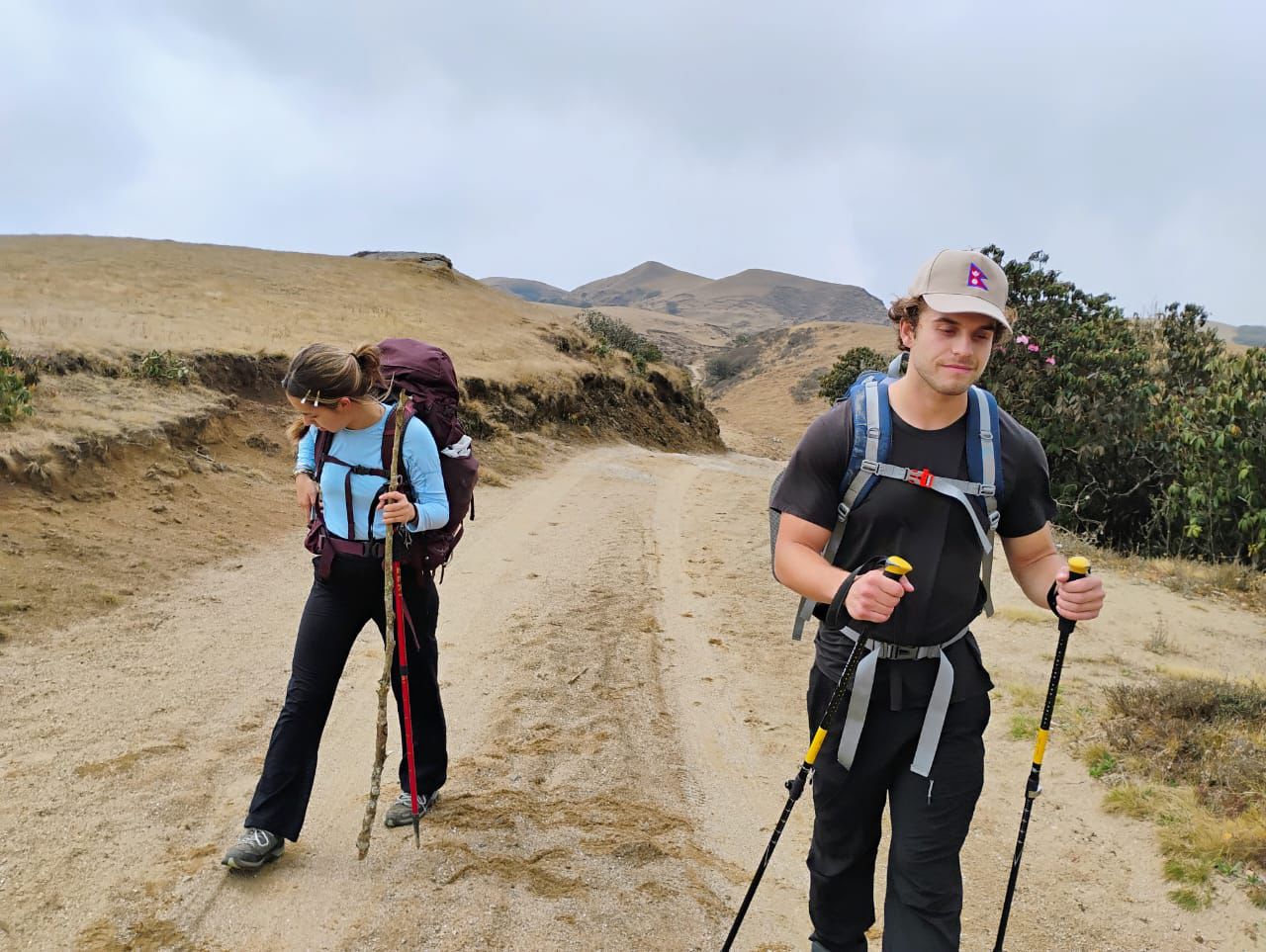
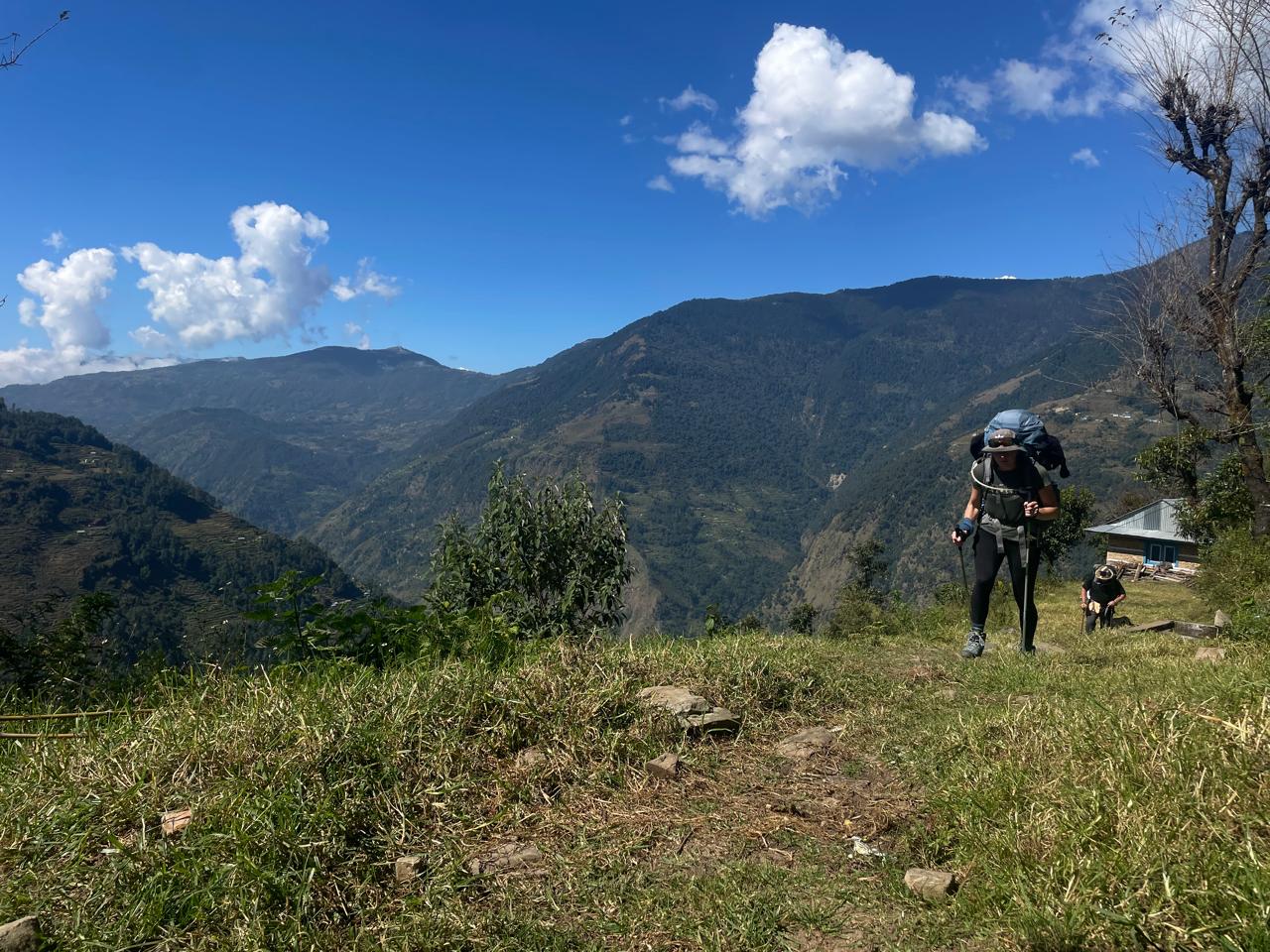
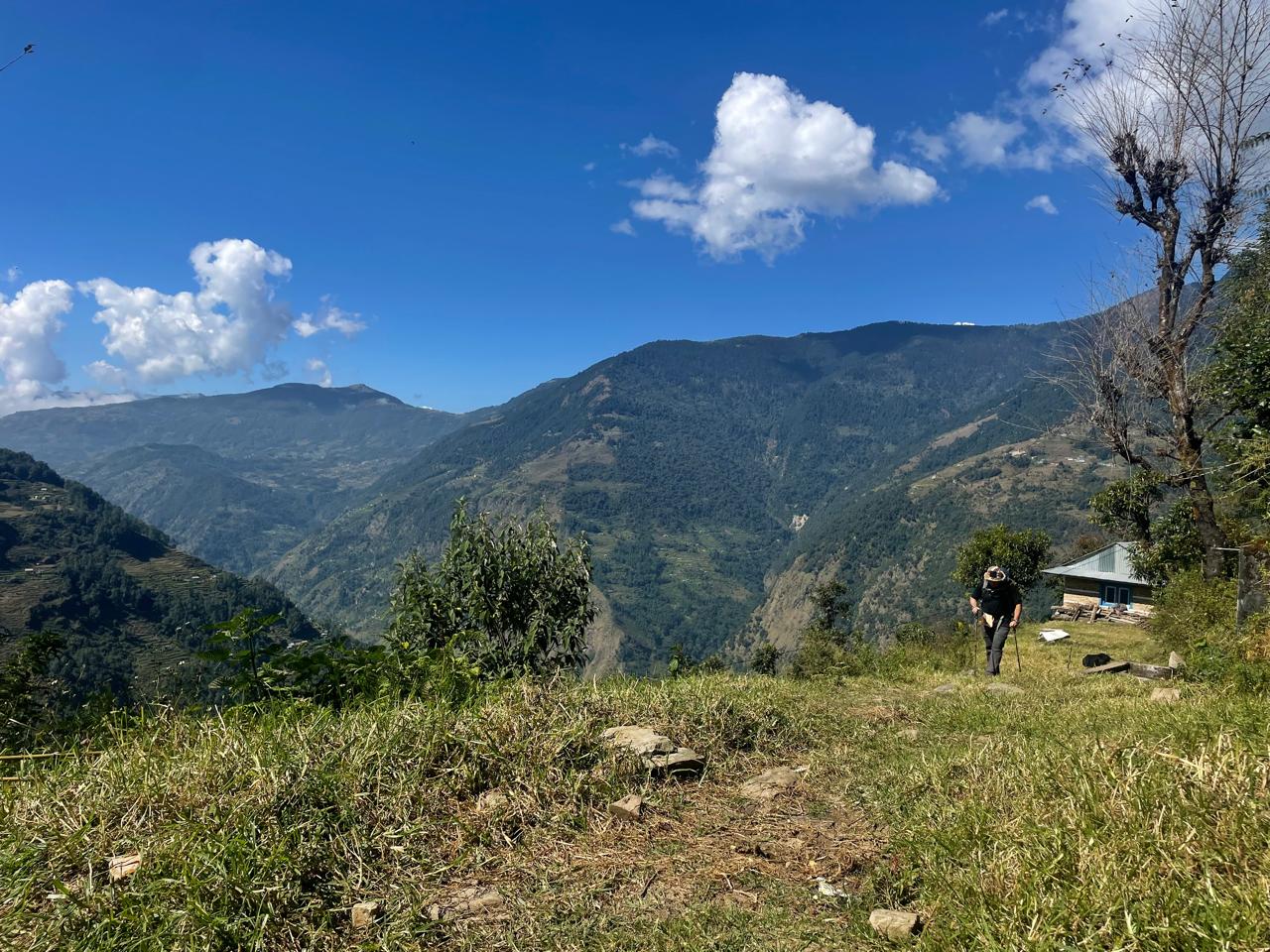
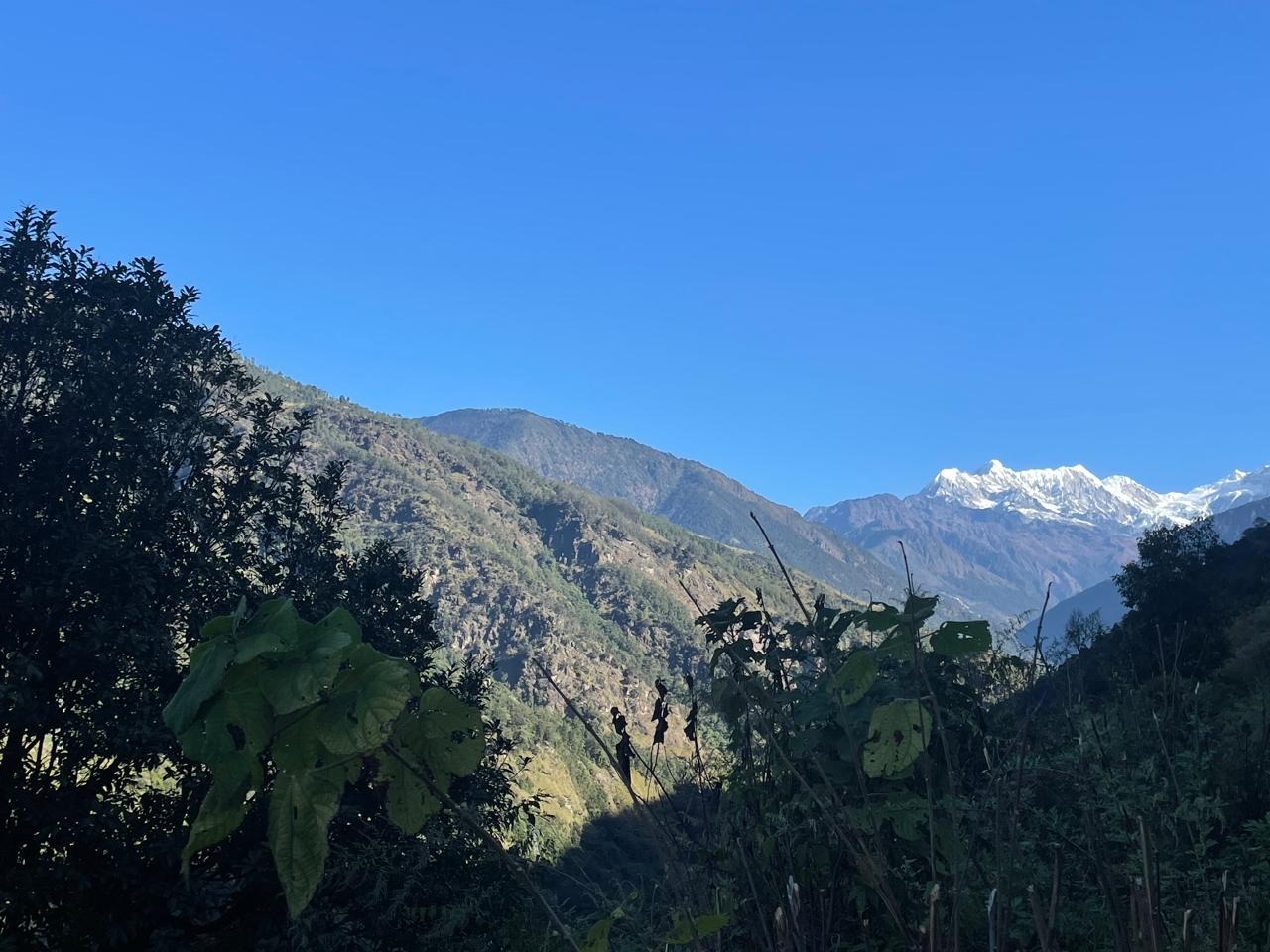
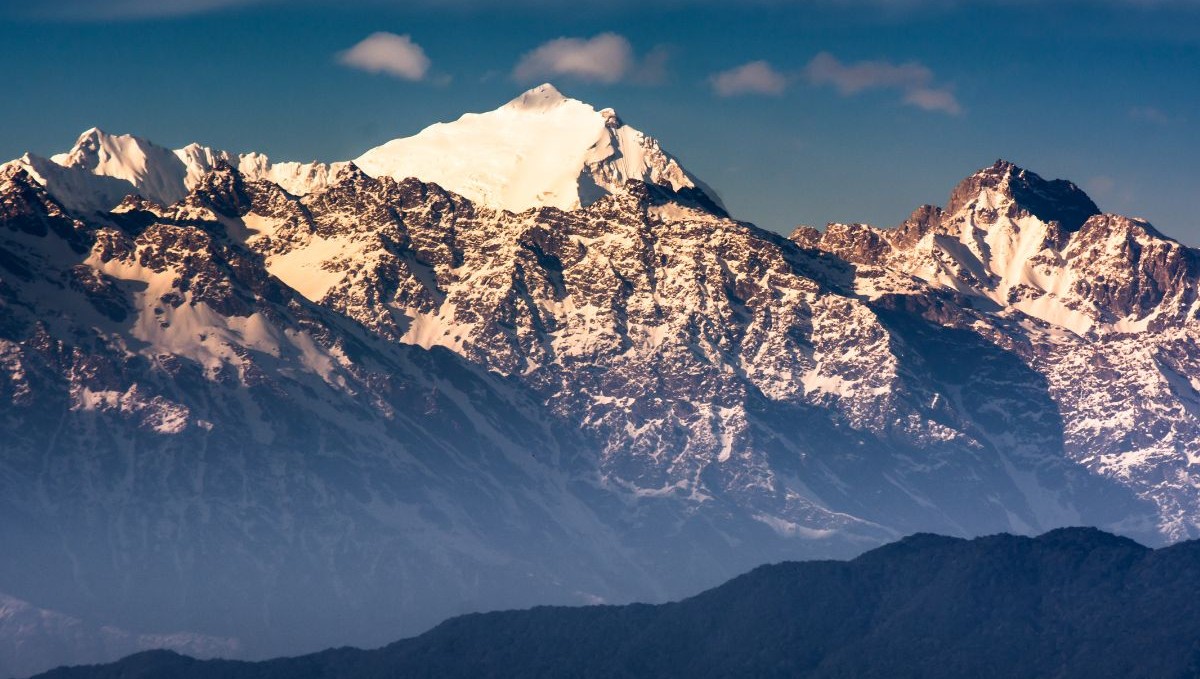
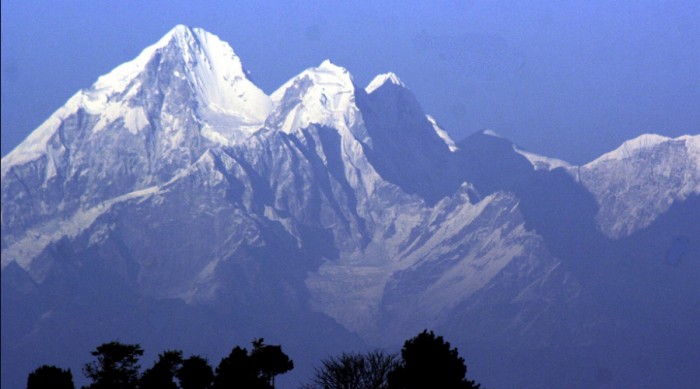
The Jugal Himal Base Camp Trek is a spectacular journey that combines high-altitude adventure with cultural exploration. Unlike the more crowded trekking routes of Nepal, this trek offers a remote experience, traversing alpine meadows, glacial streams, and high mountain pastures. Starting from Kathmandu, the trek takes you through the diverse landscapes of the Jugal Himal region, which lies between the Langtang and Gaurishankar areas. Along the way, trekkers will witness snow-capped peaks, serene lakes, and untouched forests, making it an ideal choice for those seeking both adventure and tranquility. This trek is offered by ART Nepal Treks & Expedition, ensuring professional guidance and local expertise.
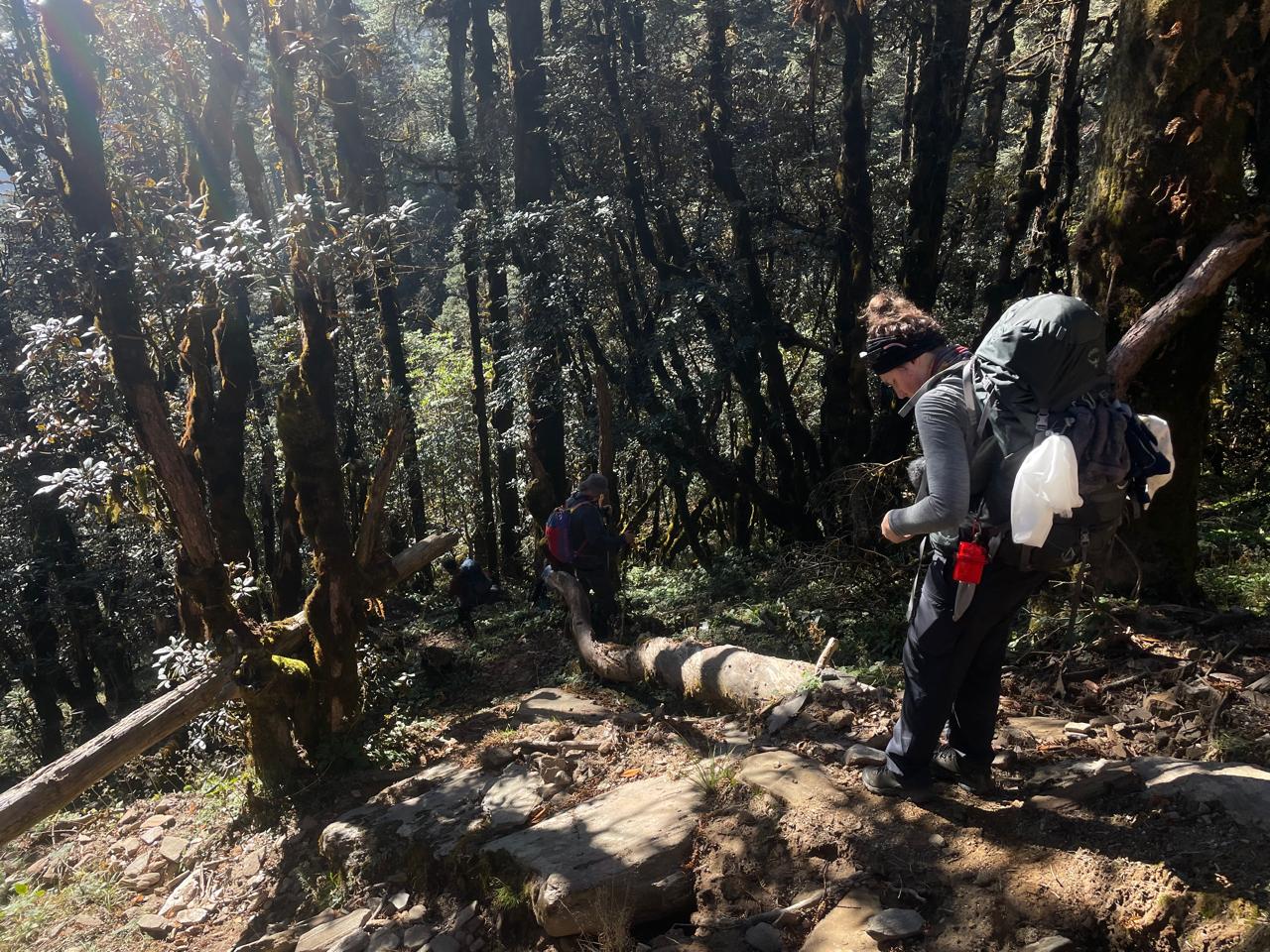
The journey begins with a long drive to the trailhead village of Thulo Bhotang/Tembathang. From here, trekkers gradually ascend through forests, small settlements, and alpine terrain, allowing their bodies to acclimatize. The trek features a combination of challenging ascents and moderate days, with camping as the primary accommodation, giving adventurers a chance to sleep under the stars amidst towering peaks.
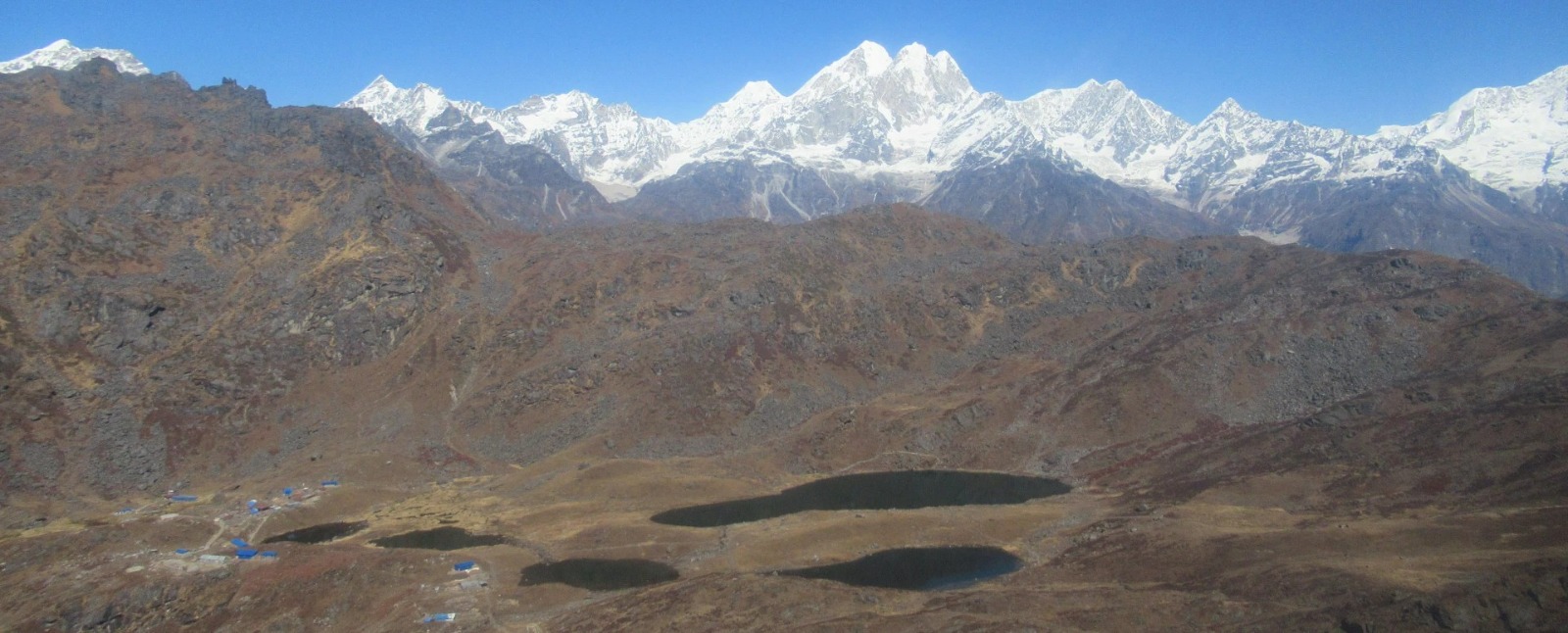
One of the major attractions of this trek is Panch Pokhari, a sacred lake set at 4,055 meters, surrounded by breathtaking scenery. The route also passes through quiet alpine grazing lands, small highland villages, and forested valleys, providing a balance of nature and culture. Each day offers a chance to see rare flora and fauna and enjoy panoramic Himalayan views in a relatively isolated setting.
Acclimatization is carefully planned with rest days at high points like Nosyampati and Base Camp. These days allow trekkers to explore surrounding peaks, practice photography, or simply relax while enjoying the fresh, crisp mountain air. The trek’s design ensures minimal risk of altitude sickness, with a mix of short and moderate trekking days interspersed with acclimatization.
This trek is perfect for those who want a less-commercial, authentic Nepal trekking experience. Unlike standard tourist routes, it emphasizes camping, exploration of remote valleys, and connecting with the natural environment. Trekkers experience solitude, wildlife sightings, and close encounters with local herders, providing a truly immersive Himalayan adventure.
What Can You Expect from the Trek?
Trekkers can expect a combination of adventure, culture, and natural beauty. The route provides stunning alpine landscapes, including snow-capped peaks, lush forests, and pristine high-altitude lakes. You will encounter local Nepalese herders and witness traditional ways of life in small villages along the way. Each camping site offers a peaceful environment, often surrounded by panoramic mountain views.
This trek also provides moderate physical challenges, requiring good fitness and stamina. Daily trekking ranges from 4–8 hours, with both ascending and descending sections. While camping is the primary accommodation, some nights are spent near villages in tents or basic lodges, giving flexibility and variety.
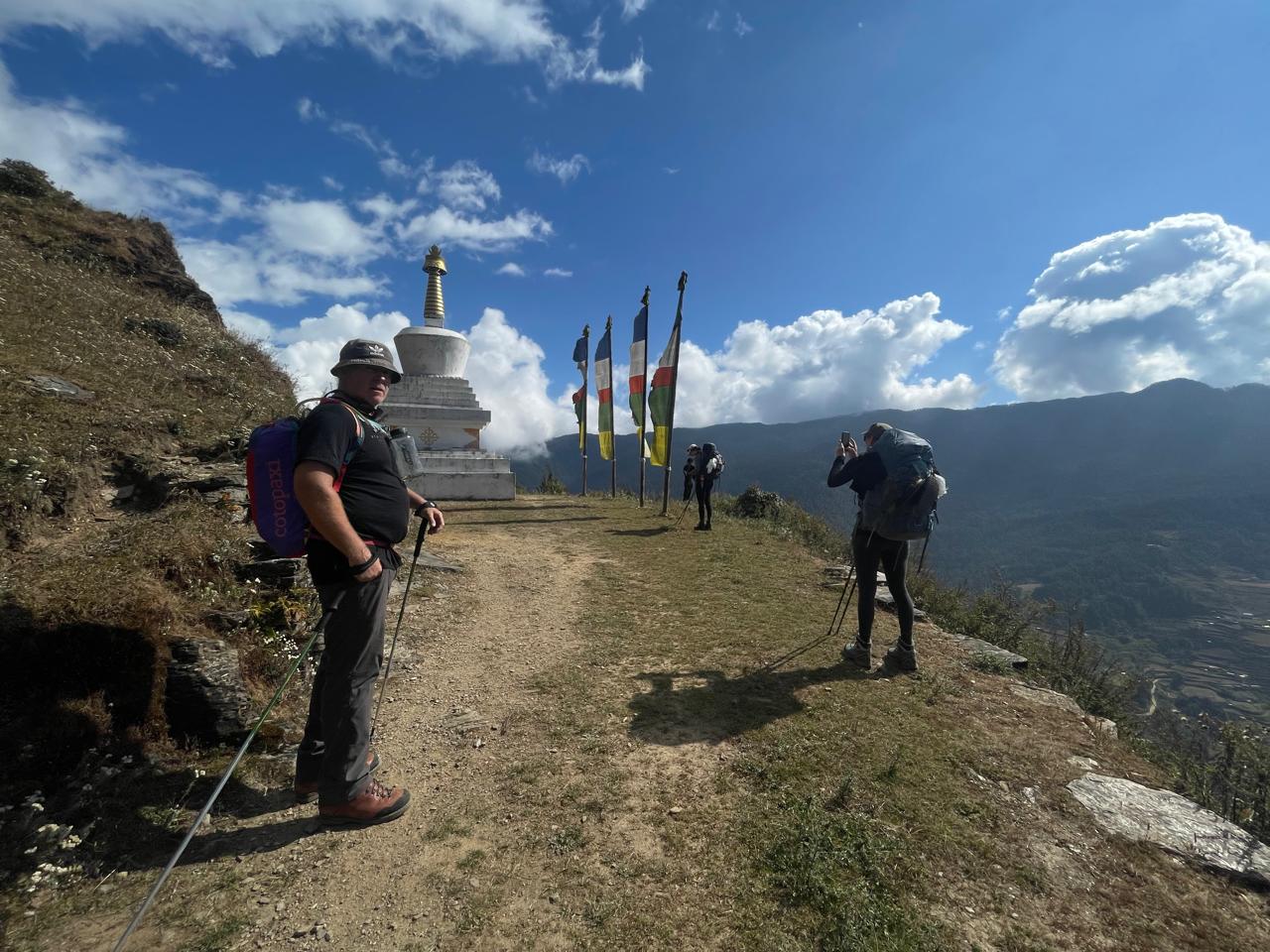
Finally, trekkers will experience cultural and spiritual highlights, such as Panch Pokhari lake and local temples. These sites are not only visually stunning but also offer insight into the spiritual significance of the Himalayan region. The combination of adventure, culture, and natural beauty makes this trek unique and highly rewarding.
Expectations:
- Remote and less-crowded trekking route
- Camping under alpine skies
- Stunning mountain vistas of Jugal Himal peaks
- Cultural encounters with local communities
- Sacred sites and natural landmarks
Is Trek Suitable for You?
This trek is suitable for moderate-level trekkers who have prior experience with trekking in Nepal or similar high-altitude environments. It is ideal for those who enjoy camping, long walking days, and remote locations. While technical mountaineering skills are not required, good physical conditioning is essential.
Families with older children or groups of friends who are comfortable with outdoor camping can enjoy this trek. Solo travelers looking for adventure and solitude will also find the Jugal Himal Base Camp trek rewarding. It is less commercialized, meaning you can experience Nepal’s wilderness in a pure and authentic way.
Trekkers should have a spirit of adventure, patience for long travel days, and flexibility to adapt to weather and altitude changes. The route is well-planned with acclimatization days to reduce the risk of altitude sickness and to ensure a safe, enjoyable experience.
Is Trek Suitable for You?
- Suitable for moderate fitness trekkers
- Good for solo adventurers or small groups
- Families with teens can manage with preparation
- Requires adaptability to camping and variable terrain
- Not suitable for those seeking luxury accommodations
How to Get Prepared for Trek?
Physical preparation is crucial. Recommended exercises include cardio (running, cycling, swimming), leg strengthening (lunges, squats), and core stability exercises. Trekkers should practice walking long distances with a backpack to simulate trekking conditions. Preparing gradually for 6–8 weeks prior to departure is advised.
Mental preparation is equally important. Being ready for remote camping, changing weather, and daily physical activity ensures a smoother experience. Pack lightweight, high-quality gear and be prepared for cold nights at high altitude. Consult your doctor regarding altitude medications and ensure your vaccinations are up to date.
Preparation Checklist:
- Cardio and leg training 6–8 weeks before trek
- Hiking with loaded backpack
- Layered clothing and waterproof gear
- First aid and personal medications
- Trekking permits and identification
-
Trip Duration
15 Days/14 Nights
-
Group Size
1–20 people
-
Maximum Altitude
~4,700 m (Base Camp)
-
Trip Difficulty
Moderate
-
Activities
Trekking
-
Best Season
March–May, September–November
-
Trip Start & End
Kathmandu-Kathmandu
-
Meals
Breakfast, Lunch, Dinner
-
Accomodation
Camping (with some guesthouse nights)
Highlights
- Trek through remote and less-traveled areas of the Jugal Himal region
- Visit sacred lakes like Panch Pokhari
- Experience alpine meadows, glacial terrain, and high mountain scenery
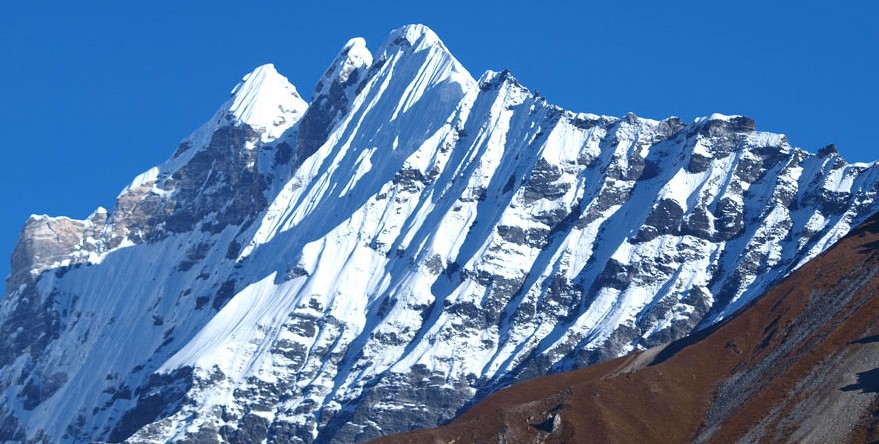
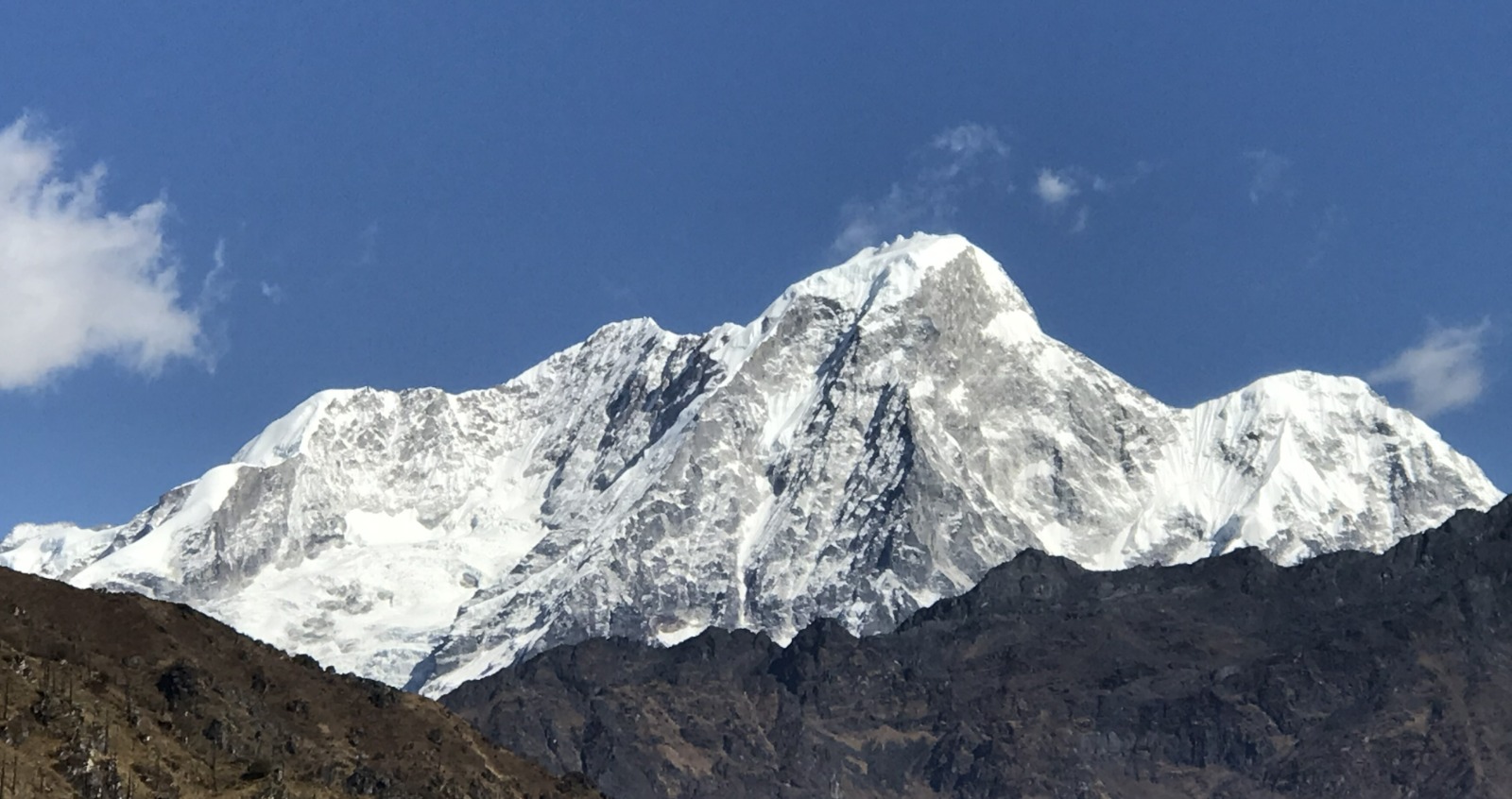
- Base Camp views of peaks like Dorje Lakpa, Phurbi Gyachung, and Jugal Himal range
- Combination of cultural immersion and high-altitude adventure
- Camping experience in pristine, isolated alpine regions
Itinerary
Day 01
Upon arrival in Kathmandu, you will be transferred to your hotel where you can relax and unwind from your journey. This first day is essential for settling into the capital city, preparing for the upcoming adventure, and ensuring your trekking gear is in proper order. Your guide from ART Nepal Treks & Expedition will provide a detailed briefing about the trek, including the route, altitude considerations, camping arrangements, and safety precautions. It is also the perfect opportunity to purchase any last-minute trekking essentials or supplies from Kathmandu’s trekking markets.
Overnight stay is arranged at a comfortable hotel in Kathmandu. Dinner will be included at the hotel, giving you a chance to enjoy a local Nepali meal and rest well before the journey begins. This day allows you to adjust to the altitude of Kathmandu (~1,400 m), and mentally prepare for the remote and high-altitude trekking conditions ahead.
Altitude:
1400 mMeal:
DinnerAccomodation :
Hotel in KathmanduDay 02
After breakfast, you will begin a scenic drive from Kathmandu to the trailhead village of Thulo Bhotang or Tembathang. The journey takes approximately 6–7 hours through winding roads, rural settlements, and beautiful river valleys. Along the way, you will witness the transition from urban Kathmandu to the remote and serene landscapes of the Jugal Himal region. This day is crucial to get familiar with the roads, settle into the local environment, and prepare mentally for the trekking days ahead.
Once you reach the village, you can relax and enjoy the peaceful surroundings. Accommodation is arranged in a local guesthouse where you can rest after the long drive. Meals for the day—breakfast, lunch, and dinner—will be provided, giving you energy for the first day of trekking tomorrow. The altitude here is approximately 1,800 m, which allows for gradual adjustment before higher elevations.
Trip Duration:
6-7 hours (drive)Altitude:
1800 mMeal:
Breakfast, Lunch, DinnerAccomodation :
Guesthouse in Thulo Bhotang / TembathangDay 03
The trek officially begins with a gradual ascent through dense forests and small, scattered settlements. Trekking for approximately 12 km today, you will reach Nosyampati, situated at 3,661 m. The trail passes through quiet villages and offers panoramic views of the surrounding mountains. The terrain gradually transitions from forested valleys to alpine meadows, providing a beautiful introduction to the remote Jugal Himal region. Bridges, small streams, and occasional shepherds’ paths add to the charm and adventure of this trekking day.
Camping is arranged at Nosyampati, where trekkers can enjoy a warm meal and breathtaking mountain views. Breakfast, lunch, and dinner will be provided. This day allows your body to start adjusting to the increasing altitude while also giving a taste of the serene, isolated environment that defines this trek.
Trip Duration:
5-6 hoursTrip Distance:
12 kmAltitude:
3661 mMeal:
Breakfast, Lunch, DinnerAccomodation :
Camping at NosyampatiDay 04
Today is a short trek day designed for acclimatization. You will explore the surrounding areas near Nosyampati, covering 3–5 km at a leisurely pace. Optional short hikes allow you to enjoy scenic viewpoints and alpine meadows while giving your body time to adjust to the 3,661 m altitude. This day also provides a chance to photograph nearby peaks, interact with local herders, and relax in the pristine environment.
Overnight camping is arranged at Nosyampati again, with all meals included. Trekkers can spend time enjoying the peaceful setting, resting, or preparing for the challenging day ahead as you continue toward Panch Pokhari. Acclimatization days like this are critical to prevent altitude sickness and ensure a safer trekking experience in the higher elevations.
Trip Duration:
2-3 hoursTrip Distance:
3-5 kmAltitude:
3661 mMeal:
Breakfast, Lunch, DinnerAccomodation :
Camping at NosyampatiDay 05
Today’s trek involves a steady ascent to the sacred Panch Pokhari lake, covering approximately 10 km and reaching an altitude of 4,055 m. The trail takes you through alpine meadows, small highland streams, and rugged terrain. Along the way, you can enjoy uninterrupted views of snow-capped peaks and pristine valleys. Panch Pokhari is considered sacred by local communities, and the surrounding scenery provides a perfect backdrop for photographs and reflection.
You will camp near the lakeshore, enjoying panoramic views and the tranquility of the high-altitude environment. Breakfast, lunch, and dinner are included. This day is one of the highlights of the trek, offering a combination of cultural and natural experiences while your body continues adjusting to high elevations.
Trip Duration:
5-6 hoursTrip Distance:
10 kmAltitude:
4055 mMeal:
Breakfast, Lunch, DinnerAccomodation :
Camping at Panch PokhariDay 06
After a hearty breakfast at Panch Pokhari camp, the trek descends gradually toward the high alpine grazing lands of Nema or Gchukpa Kharka at 3,578 m. Today’s trail covers roughly 10–12 km, moving through open alpine pastures, small streams, and occasional rock outcrops. Along the way, trekkers can observe local herders tending yaks and see the natural flora of the region, including wildflowers in bloom during spring. The quiet and remote environment provides a refreshing contrast to busier trekking routes, making this day both peaceful and visually rewarding.
Camping is arranged in Nema or Gchukpa Kharka. Breakfast, lunch, and dinner are included, with warm meals served in tents or camp kitchens. This section of the trek allows for continued acclimatization while enjoying panoramic views of the surrounding Jugal Himal peaks. The descending terrain also offers an easier trekking day compared to the previous high-altitude climb, giving your body a chance to adjust while soaking in the mountain scenery.
Trip Duration:
5-6 hoursTrip Distance:
10-12 kmAltitude:
3578 mMeal:
Breakfast, Lunch, DinnerAccomodation :
Camping at Nema / Gchukpa KharkaDay 07
Today’s trek continues with a gentle descent through forest edges and small pasturelands to Chhendang (2,636 m). Covering roughly 10 km, the trail is less strenuous, allowing trekkers to appreciate the diverse landscapes of alpine meadows transitioning to forested valleys. You will see traditional stone shelters, local grazing lands, and occasionally cross small streams. The slower pace ensures you stay energized while descending from the higher camps.
At Chhendang, you will set up camp in a quiet and scenic location, surrounded by natural beauty. All meals—breakfast, lunch, and dinner—are provided. This day gives you a sense of accomplishment as you navigate varied terrain, while also giving your muscles a break after the more demanding days. Campfires and the crisp mountain air make evenings peaceful and ideal for reflecting on the trek so far.
Trip Duration:
4-5 hoursTrip Distance:
10 kmAltitude:
2636 mMeal:
Breakfast, Lunch, DinnerAccomodation :
Camping at ChhendangDay 08
The trek resumes with a gradual ascent along glacial streams toward Ne Pemasal, situated at 3,500 m. Today covers approximately 12 km of varied terrain, moving through alpine forests, grasslands, and rocky paths. The trek offers spectacular views of the Jugal Himal peaks in the distance, with occasional yak pastures and remote shepherd settlements adding cultural and natural interest. This section tests endurance mildly with gentle uphill sections while still allowing for comfortable trekking at a moderate pace.
You will camp at Ne Pemasal, where breakfast, lunch, and dinner are provided. This evening is ideal for stargazing in clear skies and appreciating the isolation of this pristine mountain area. The campsite offers a quiet and restful atmosphere, making it an excellent spot to recover energy for the approaching high-altitude sections of the trek.
Trip Duration:
5-6 hoursTrip Distance:
12 kmAltitude:
3500 mMeal:
Breakfast, Lunch, DinnerAccomodation :
Camping at Ne PemasalDay 09
Today involves trekking through high alpine plains and valleys toward Gyap Kharka (4,400 m), covering around 10 km. The trail gradually ascends and requires moderate effort, navigating open meadows, stone paths, and river crossings. The higher altitude brings stunning panoramic views of snow-capped peaks and glaciers, giving trekkers a preview of the challenging terrain ahead near base camp. Wildlife sightings, including Himalayan birds and grazing yaks, make the experience even more memorable.
Camping is arranged at Gyap Kharka, where all meals are provided. This high-altitude campsite offers breathtaking mountain views and an opportunity to rest and prepare for the trek to the Jugal Himal Base Camp the following day. Hydration, proper clothing layers, and pacing are essential to adjust to the altitude and avoid fatigue. Evenings are calm, providing a perfect setting to reflect on the incredible scenery and anticipate reaching base camp.
Trip Duration:
5-6 hoursTrip Distance:
10 kmAltitude:
4400 mMeal:
Breakfast, Lunch, DinnerAccomodation :
Camping at Gyap KharkaDay 10
Today marks the most anticipated highlight of your entire journey as you make your final approach to the base of the majestic Jugal Himal. Although the trekking duration is relatively shorter, the significance of the day and the increasing altitude require a steady, well-paced walk. The trail leads you across vast alpine expanses, glacial moraines, and rugged highland terrain where vegetation becomes sparse and the raw beauty of the Himalayas dominates the landscape. Every step brings you closer to towering peaks, with crisp mountain air and dramatic scenery creating a powerful sense of adventure and achievement.
As you arrive at base camp, the environment opens into a spectacular natural amphitheater surrounded by snow-clad giants. Peaks such as Dorje Lakpa and Phurbi Gyachung rise prominently above glaciers and icefalls, offering breathtaking panoramic views in every direction. The silence and remoteness here are striking, far removed from the busier trekking regions of Nepal. After setting up camp, you can take time to absorb the surroundings, capture photographs, and reflect on the journey that has brought you to this extraordinary high-altitude destination.
Trip Duration:
4-5 hoursTrip Distance:
6-8 kmAltitude:
4700 mMeal:
Breakfast, Lunch, DinnerAccomodation :
Camping at Jugal Himal Base CampDay 11
Spending an additional day at base camp is essential not only for acclimatization but also for fully appreciating the grandeur of the high Himalayas. At this altitude, your body needs time to adjust to the reduced oxygen levels, and a rest day significantly improves safety and comfort for the remainder of the trek. Rather than remaining completely inactive, you may take short acclimatization hikes to nearby ridgelines or viewpoints, gradually gaining elevation during the day and returning to camp to rest. This practice helps your body adapt more effectively while offering even more stunning perspectives of the surrounding peaks.
The landscape around base camp is both dramatic and serene, characterized by glaciers, rocky outcrops, and sweeping mountain vistas. The sense of isolation here is profound, with little to no human presence beyond your trekking group. You can spend time exploring the immediate area, observing the shifting light on the mountains, or simply enjoying the peaceful silence that defines this remote Himalayan environment. It’s a rare opportunity to disconnect completely and experience nature in its purest form.
Trip Duration:
2-4 hours (optional)Trip Distance:
2-5 km (optional)Altitude:
4700 mMeal:
Breakfast, Lunch, DinnerAccomodation :
Camping at Jugal Himal Base CampDay 12
After soaking in the beauty of base camp, you begin your descent via an alternate route that offers a fresh and equally captivating perspective of the Jugal Himal region. The trail initially descends through rugged alpine terrain, following glacial streams that carve their way through the valley. As you lose elevation, the environment gradually softens, with patches of grassland and alpine vegetation reappearing along the route. The ever-changing scenery keeps the trek engaging and visually rewarding.
Although descending is generally easier on the lungs, it can be physically demanding on the knees and joints, so maintaining a steady pace is important. Along the way, you’ll encounter remote grazing areas and quiet valleys that highlight the untouched nature of this region. Upon reaching Ne Pemasal, you’ll set up camp in a tranquil setting surrounded by natural beauty, offering a comfortable place to relax after a long day of trekking.
Trip Duration:
6-7 hoursTrip Distance:
10-12 kmAltitude:
3500 mMeal:
Breakfast, Lunch, DinnerAccomodation :
Camping at Ne PemasalDay 13
Today’s journey takes you back into higher alpine terrain as you gradually ascend toward Jumle Pokhari. The trail winds through expansive highland pastures and open landscapes that offer uninterrupted views of distant snow-capped peaks. The sense of scale in this region is immense, with wide horizons and minimal human interference creating a truly immersive wilderness experience. You may pass herds of yaks grazing peacefully, adding a traditional Himalayan touch to the scenery.
As you gain altitude, the terrain becomes more rugged and the air noticeably cooler. Jumle Pokhari, often characterized by small alpine lakes and reflective water bodies, provides a stunning campsite set against a dramatic mountain backdrop. The stillness of the lakes combined with the surrounding peaks creates a serene and almost surreal atmosphere, making this one of the most picturesque overnight stops on the trek.
Trip Duration:
5-6 hoursTrip Distance:
8-10 kmAltitude:
4200 mMeal:
Breakfast, Lunch, DinnerAccomodation :
Camping at Jumle PokhariDay 14
Leaving behind the high alpine zone, you begin a gradual descent toward lower elevations, retracing your way through increasingly diverse landscapes. The trail transitions from open pastures to rocky paths and eventually into greener terrain, with shrubs and forest patches becoming more prominent as you descend. This variation in scenery provides a refreshing contrast after several days spent in high-altitude environments.
The descent is steady and manageable, allowing you to fully enjoy the surroundings without the pressure of gaining altitude. Along the way, you may encounter signs of seasonal human activity, such as grazing shelters or temporary camps used by local herders. Upon reaching Thulo Dhunga, you’ll settle into camp at a more comfortable altitude, where the warmer temperatures and thicker air make for a restful and rejuvenating evening.
Trip Duration:
5-6 hoursTrip Distance:
9-11 kmAltitude:
3500 mMeal:
Breakfast, Lunch, DinnerAccomodation :
Camping at Thulo DhungaDay 15
On your final day, you begin with a gentle morning trek toward Kyangsing Village, marking the end of your trekking adventure in the remote Jugal Himal region. The trail descends gradually through forested sections and rural landscapes, passing small settlements where daily life continues much as it has for generations. This final stretch offers a meaningful transition from the isolation of the high mountains back to the warmth of human habitation.
Upon reaching Kyangsing, you will board a vehicle for the drive back to Kathmandu, which takes approximately 6–7 hours. As you travel back through winding mountain roads and scenic countryside, you’ll have time to reflect on the journey—its challenges, its beauty, and the unforgettable experiences along the way. Once in Kathmandu, you’ll be transferred to your hotel, where you can relax, celebrate your achievement, and enjoy the comforts of the city once again.
Trip Duration:
3-4 hours trek + 6-7 hours driveTrip Distance:
5-7 kmAltitude:
1400 mMeal:
Breakfast, LunchAccomodation :
Hotel in KathmanduWhat's Included
- Airport pick-up and drop-off in Kathmandu
- Accommodation in Kathmandu (hotel) before and after trek
- Accommodation in camps along the trekking route
- All meals (Breakfast, Lunch, Dinner) during the trek
- Experienced English-speaking trekking guide
- Porter services (if hired)
- Trekking permits: Langtang National Park Entry Permit & TIMS Card
- Ground transportation during the trek, including pick-up and drop-off points
- Emergency support and communication devices
- Hot drinks like tea or coffee at camps
What's Excluded
- International airfare to/from Kathmandu
- Nepal entry visa fee
- Travel insurance covering trekking up to 5,000 m
- Personal expenses: snacks, drinks, souvenirs, battery charging
- Tips for guides and porters
- Optional activities like local sightseeing or photography excursions
- Porters: Optional, though recommended for carrying heavy luggage ($22 per porter per day). A porter can carry up to 20 kg, and it is advisable to hire one porter for every two trekkers for comfort and convenience.
- Personal trekking gear rentals (sleeping bags, trekking poles if not brought)
Essential Info
Add-Ons
To enhance your trekking experience, ART Nepal Treks & Expedition offers several optional add-ons that can make your journey more comfortable, adventurous, and memorable. These add-ons are designed to cater to trekkers’ specific needs, interests, and fitness levels.
- Helicopter or Jeep Transfers: For trekkers who wish to reduce trekking fatigue or skip challenging sections, helicopter or jeep transfers can be arranged. These services also provide emergency evacuation in case of sudden illness or severe altitude sickness. Helicopter flights offer a unique aerial view of the Jugal Himal range, giving spectacular photographic opportunities. Jeep rides through the valley and villages allow trekkers to experience local culture without the strain of long walking days.
- Photography Services: Professional photographers can accompany trekkers to capture high-quality images of Himalayan panoramas, sunrise and sunset over snow-capped peaks, base camp life, and cultural interactions in villages. This add-on is perfect for those who want to document their adventure in detail.
- Cultural Experiences: Trekkers can opt for cultural add-ons such as village homestays, local cooking sessions, or participating in traditional ceremonies. These experiences provide deeper insight into Tamang and Sherpa communities residing in the Jugal Himal region. You can learn traditional crafts, taste authentic meals, and engage with local families.
- Extra Accommodation Nights: For those seeking a more relaxed trek, additional nights can be arranged in Kathmandu, Thulo Bhotang, or at campsites along the route. Extra nights help with acclimatization and allow trekkers to enjoy the serene environment without rushing.
- Special Meal Options: Trekkers with dietary restrictions—vegetarian, vegan, or gluten-free—can request customized meals at camps or guesthouses. ART Nepal ensures food is nutritious, freshly prepared, and suitable for high-altitude trekking.
- Guided Side Excursions: Trekkers can opt for short guided hikes to nearby peaks, viewpoints, or sacred lakes not included in the standard itinerary. These excursions offer unique photographic opportunities and a closer interaction with nature and local culture.
These add-ons are optional but highly recommended for a more fulfilling and personalized trekking experience. They allow you to balance adventure, comfort, and cultural immersion according to your preferences.
Best Season to Trek
Spring (March – May)
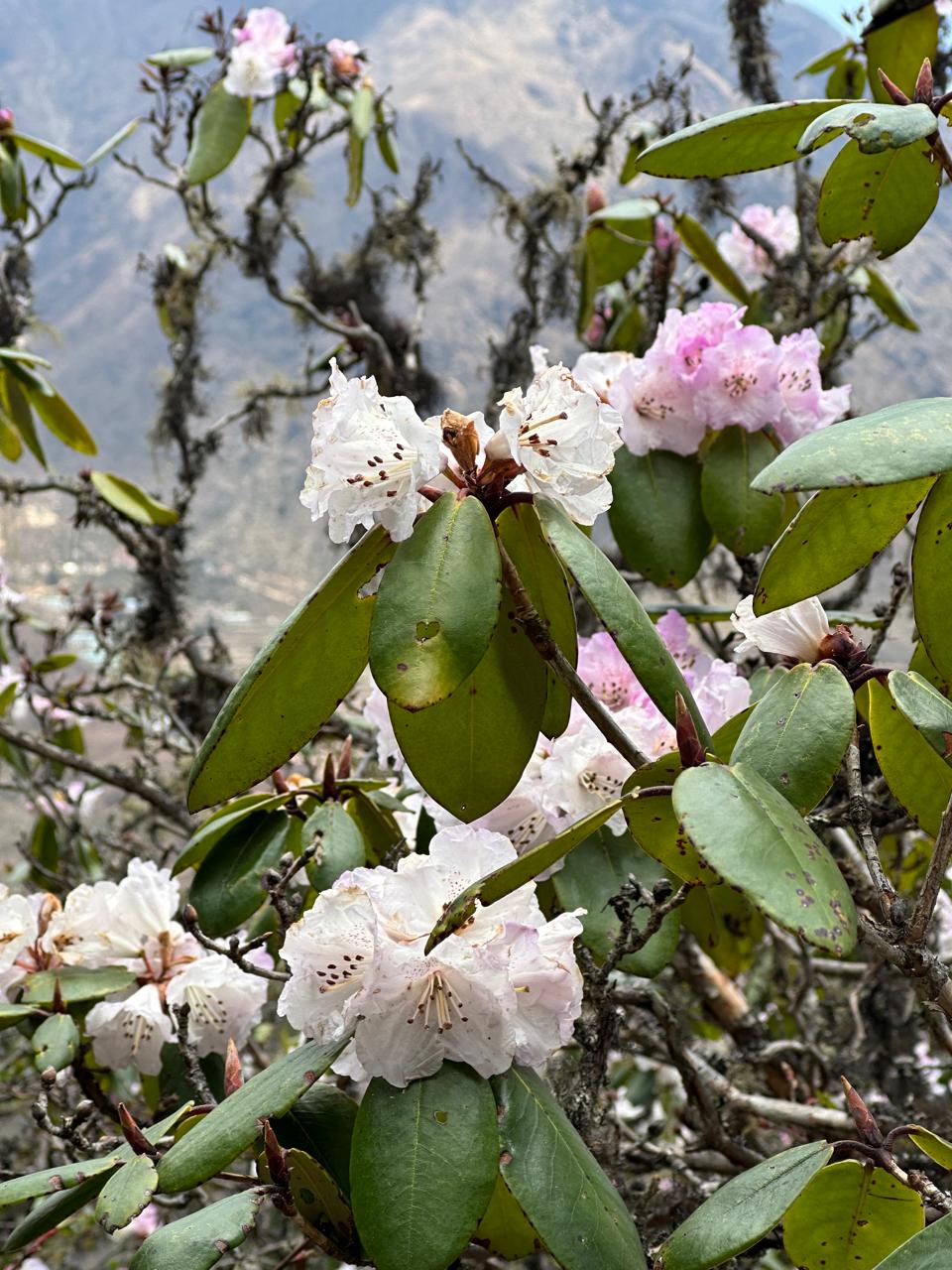
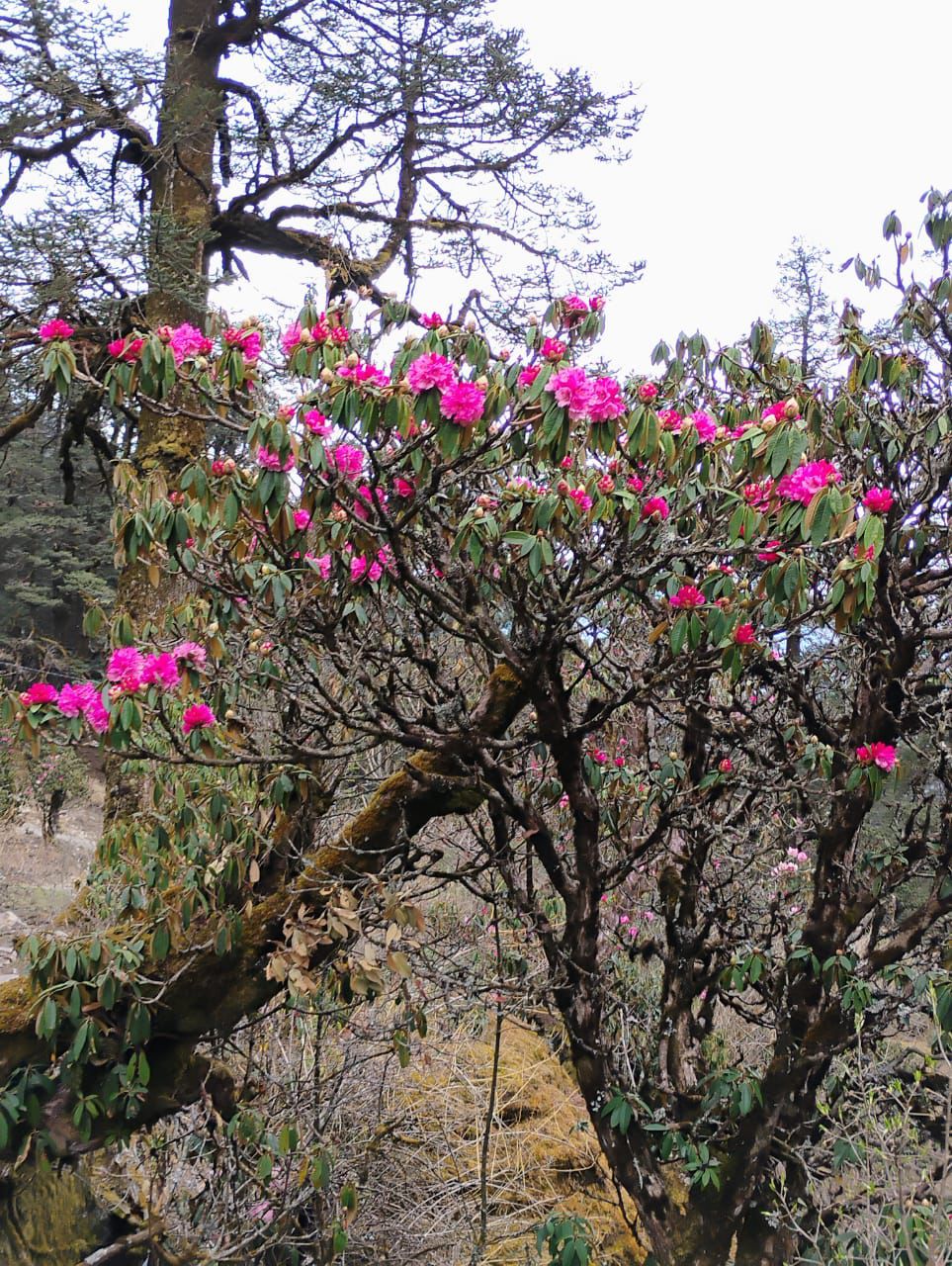
Spring is considered one of the most beautiful times to trek in the Jugal Himal region. During these months, the entire valley and surrounding hills come alive with vibrant colors as rhododendron, magnolia, and oak trees bloom along the trails. The weather is generally clear and stable, offering unobstructed panoramic views of the Jugal Himal range, including Dorje Lakpa, Phurbi Gyachung, and surrounding peaks. Daytime temperatures are comfortable for trekking, ranging from 15°C to 20°C in lower elevations, while higher camps may still feel cold, especially early morning and at night. Snow may linger at higher altitudes, adding a dramatic contrast to the lush greenery. Spring also provides excellent photographic opportunities, with bright skies, flowering forests, and the sparkling rivers along the trekking path. This season is ideal for trekkers who enjoy vibrant landscapes, mild temperatures, and clear mountain vistas.
Autumn (September – November)
Autumn is arguably the best trekking season in Nepal, and Jugal Himal is no exception. The post-monsoon skies are usually crystal clear, offering breathtaking views of the entire Himalayan range. The forests are lush but less humid than in summer, and the weather is relatively stable with minimal rainfall, making trekking safer and more enjoyable. Day temperatures are moderate, typically between 12°C and 18°C, while nights can be chilly at higher altitudes. Autumn is also harvest season in the villages, providing trekkers with a unique opportunity to observe local agricultural practices, interact with villagers, and taste fresh produce. The combination of clear skies, vibrant landscapes, and cultural immersion makes this season perfect for both photography and adventure.
Winter (December – February)
Winter trekking in the Jugal Himal is for those who enjoy solitude and snow-clad landscapes. The trails are quieter, with fewer trekkers, allowing for a more peaceful experience. Temperatures can drop significantly, especially above 3,500 meters, with daytime highs around 5–10°C and nighttime lows well below freezing. Snowfall may cover higher trails, which can make trekking more challenging but also adds a magical, pristine beauty to the mountains. Proper winter gear, including insulated jackets, gloves, and thermal layers, is essential. Despite the cold, winter offers clear skies and excellent visibility, and trekkers can witness snow-covered peaks glistening in the sunlight. This season suits experienced trekkers looking for adventure and serene landscapes away from crowds.
Monsoon (June – August)
Monsoon season is generally not recommended for the Jugal Himal Trek due to heavy rainfall, landslides, and slippery trails. The forests and trails can become muddy, making trekking difficult and sometimes unsafe. However, if trekkers choose this period, they can experience a lush, green landscape with flowing waterfalls, roaring rivers, and blooming forests. Monsoon trekking requires careful planning, rainproof gear, and flexible schedules. Visibility may be limited due to clouds and fog, but occasional clear days provide stunning mountain glimpses. This season is mainly suitable for trekkers who are experienced in hiking in wet conditions and enjoy solitude.
Food Availability
Food on the Jugal Himal Trek is a mix of local Nepali cuisine and some Western-style meals. At lower villages and tea houses, you can find staples such as rice, lentil soup (dal), steamed vegetables, chapati (flatbread), and momo (dumplings). Higher up, options may be more limited due to remoteness, but most teahouses provide hearty meals that cater to trekkers’ nutritional needs. Breakfast usually includes porridge, eggs, or bread with jam and butter, giving a strong start to your day of trekking.
Lunch and dinner offer more substantial meals, such as dal bhat (rice with lentils, vegetables, and sometimes meat), noodles, and soups. Hot beverages like tea, coffee, or hot chocolate are widely available and essential for staying warm at higher altitudes. Due to the remoteness of some camps, food may be slightly more expensive, but it is generally fresh and wholesome. Trekkers are advised to carry light snacks such as nuts, energy bars, or dried fruits for energy between meals.
- Breakfast: Porridge, eggs, bread, jam, tea/coffee
- Lunch: Dal bhat, noodles, sandwiches, soups
- Dinner: Rice, lentils, vegetable curry, momo
- Snacks: Nuts, chocolate, energy bars, dried fruits
- Beverages: Tea, coffee, hot chocolate, water (boiled or filtered recommended)
Accommodation
Accommodation along the Jugal Himal Base Camp Trek ranges from simple teahouses to camping at higher altitudes. At lower altitudes, teahouses provide basic rooms with mattresses, blankets, and sometimes heating facilities. Shared bathrooms and cold showers are common, so trekkers should carry a small towel, soap, and hand sanitizer.
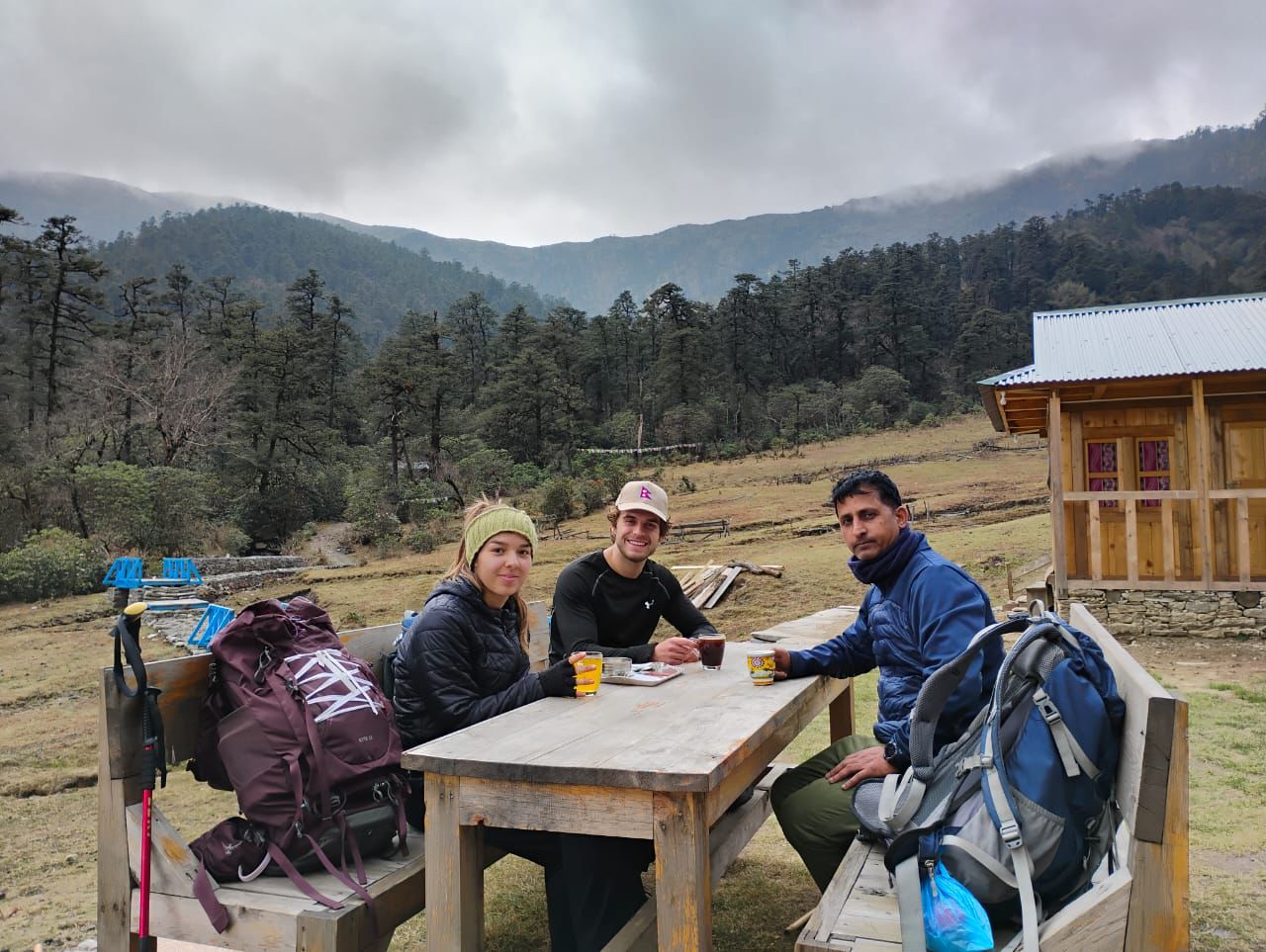
As you ascend toward higher camps and base camp, accommodation shifts to tented camping. Camps are usually well-prepared with sleeping tents and a dining tent, but facilities are minimal. Staying in these camps provides a unique opportunity to experience the remote wilderness and enjoy spectacular mountain sunrises and sunsets. Trekkers should carry a good-quality sleeping bag suitable for sub-zero temperatures.
- Lower Altitudes: Teahouses with basic rooms, shared bathrooms
- Mid Altitudes: Simple teahouses, limited facilities, cold showers
- High Altitudes/Base Camp: Tented camps, dining tents, minimal facilities
- Extras: Carry sleeping bag, personal toiletries, and headlamp
Travel Insurance
Travel insurance is essential for trekking in the Jugal Himal region due to altitude, remoteness, and potential emergencies. The insurance should cover emergency evacuation, helicopter rescue, and medical treatment for illnesses or injuries. Most trekking insurance policies also cover trip cancellations or delays, which can be important given the unpredictable mountain weather.
It is recommended to purchase travel insurance that specifically includes trekking up to 5,000 meters or higher. Emergency response times in remote areas may be longer, so having coverage for helicopter evacuation is crucial. Additionally, the policy should cover lost or damaged personal equipment, including trekking gear and electronics.
- Coverage Needed: Emergency medical, evacuation, helicopter rescue
- Altitude Coverage: Up to 5,000–6,000 meters recommended
- Trip Interruption: Covers delays, cancellations, or lost luggage
- Equipment Protection: Lost or damaged gear and electronics
Altitude Sickness
Altitude sickness can affect anyone above 3,000 meters, so acclimatization is essential on the Jugal Himal Trek. Symptoms include headache, nausea, fatigue, dizziness, and difficulty sleeping. Trekkers should monitor their health and take proper precautions to minimize risks.
Gradual ascent is key, with rest days at intermediate altitudes to allow the body to adjust. Hydration is crucial, as dehydration can worsen symptoms. Avoid alcohol and overexertion at higher altitudes. Trekkers should carry medication such as acetazolamide (Diamox) if advised by a physician and always inform guides about any pre-existing conditions.
- Symptoms: Headache, nausea, fatigue, dizziness, loss of appetite
- Prevention: Gradual ascent, rest days, adequate hydration
- Medication: Diamox (if recommended), painkillers
- Action: Descend immediately if severe symptoms occur
Guide and Safety Measures
Professional guides are provided on the Jugal Himal Trek for navigation, safety, and cultural insight. Guides are trained in first aid, local weather patterns, and altitude sickness recognition. They ensure trekkers follow safe routes, avoid risky terrain, and maintain a reasonable pace for acclimatization.
Safety measures include carrying a first-aid kit, emergency oxygen, and satellite communication devices in remote areas. Camps and teahouses are chosen carefully for safety, sanitation, and accessibility. Trekkers are briefed about wildlife, river crossings, and weather conditions before starting daily treks.
- Guides: Experienced, certified, knowledgeable in local culture
- Porters: Optional but recommended for heavy luggage (up to 20 kg per porter)
- Emergency Kit: First-aid, oxygen, communication devices
- Daily Briefing: Trail conditions, weather updates, safety instructions
Booking Procedure
- Inquiry & Consultation: Contact the agency (ART Nepal Treks & Expedition) with your preferred trek and dates.
- Confirmation: Receive itinerary, cost, and terms.
- Payment: Pay deposit or full amount to secure booking.
- Pre-Trek Briefing: Guidance on permits, equipment, and travel arrangements.
- Departure: Transfer to starting point; meet guide and team.
- Trek Completion: Return to Kathmandu; feedback and optional sightseeing.
Equipment List
- Trekking trousers and shirts (quick-dry, moisture-wicking)
- Warm fleece or jacket for mornings and evenings
- Waterproof and windproof outer layer
- Trekking poles
- Headlamp with extra batteries
- Sunglasses, sunblock, lip balm
- Thermal inner layers
- Hat and gloves
- Extra socks
- Personal toiletries
- Hand sanitizer and wet wipes
- Basic first aid kit
- Camera and spare memory cards
- Mobile phone with charger
- Power bank
General Equipments
- Daypack for daily essentials
- Water bottle or hydration pack
- Snacks and energy bars
FAQ
Trip Price
USD 2100 Per Person
Talk To Trip Expert
Related Trips