

Tashi Lapcha Pass Trek – 15 Days (Direct Exit via Thame)
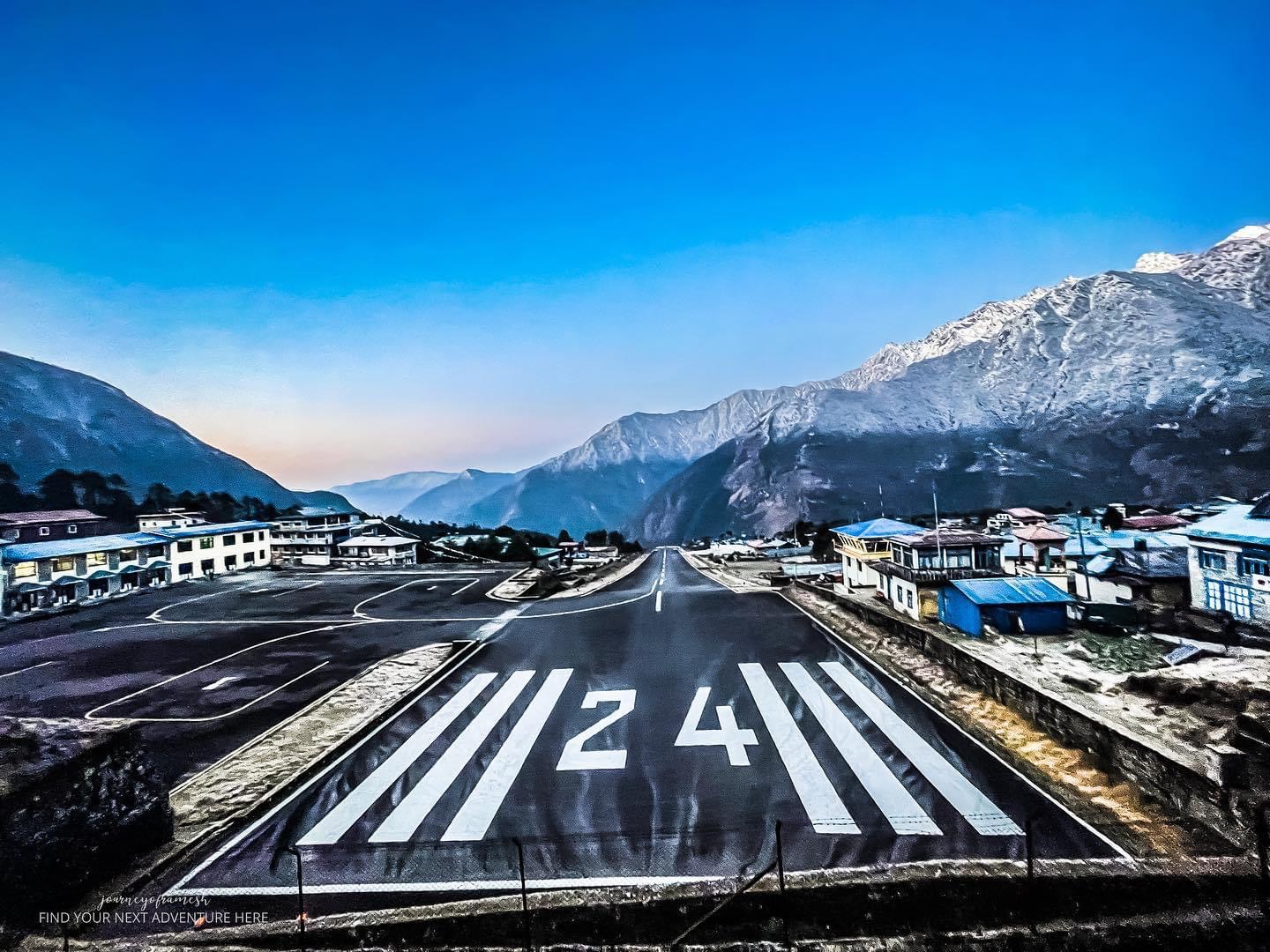
Introduction
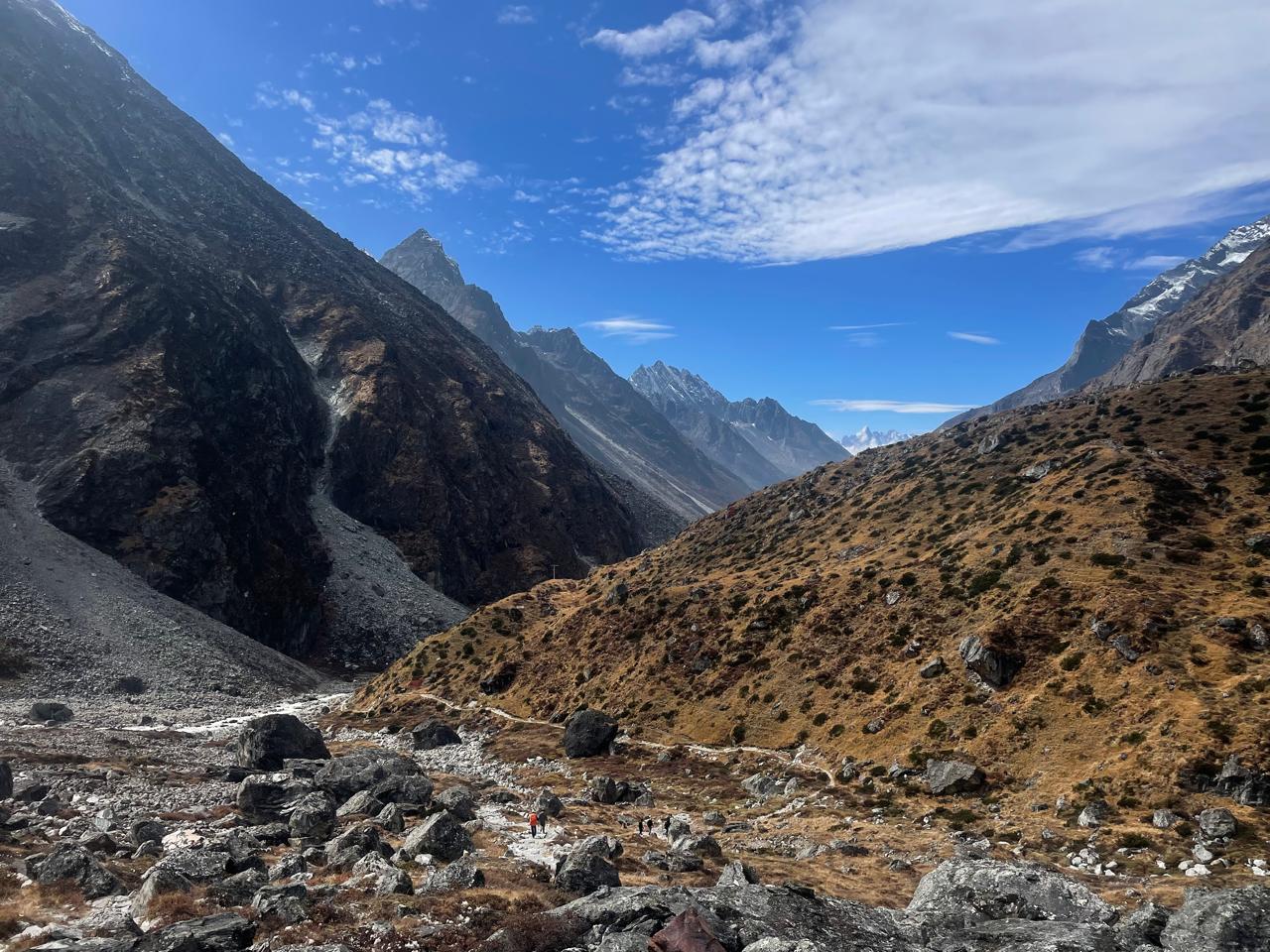
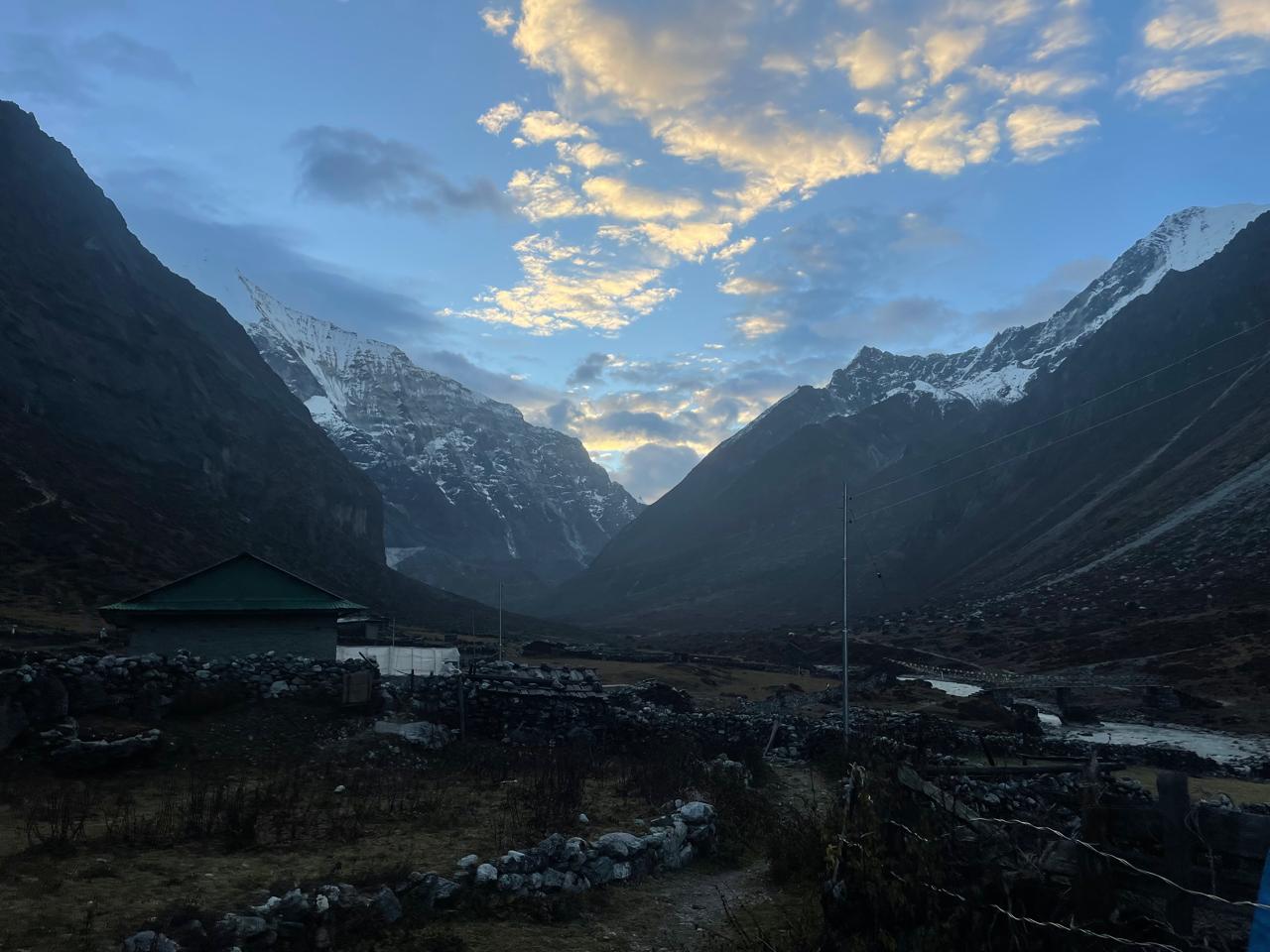
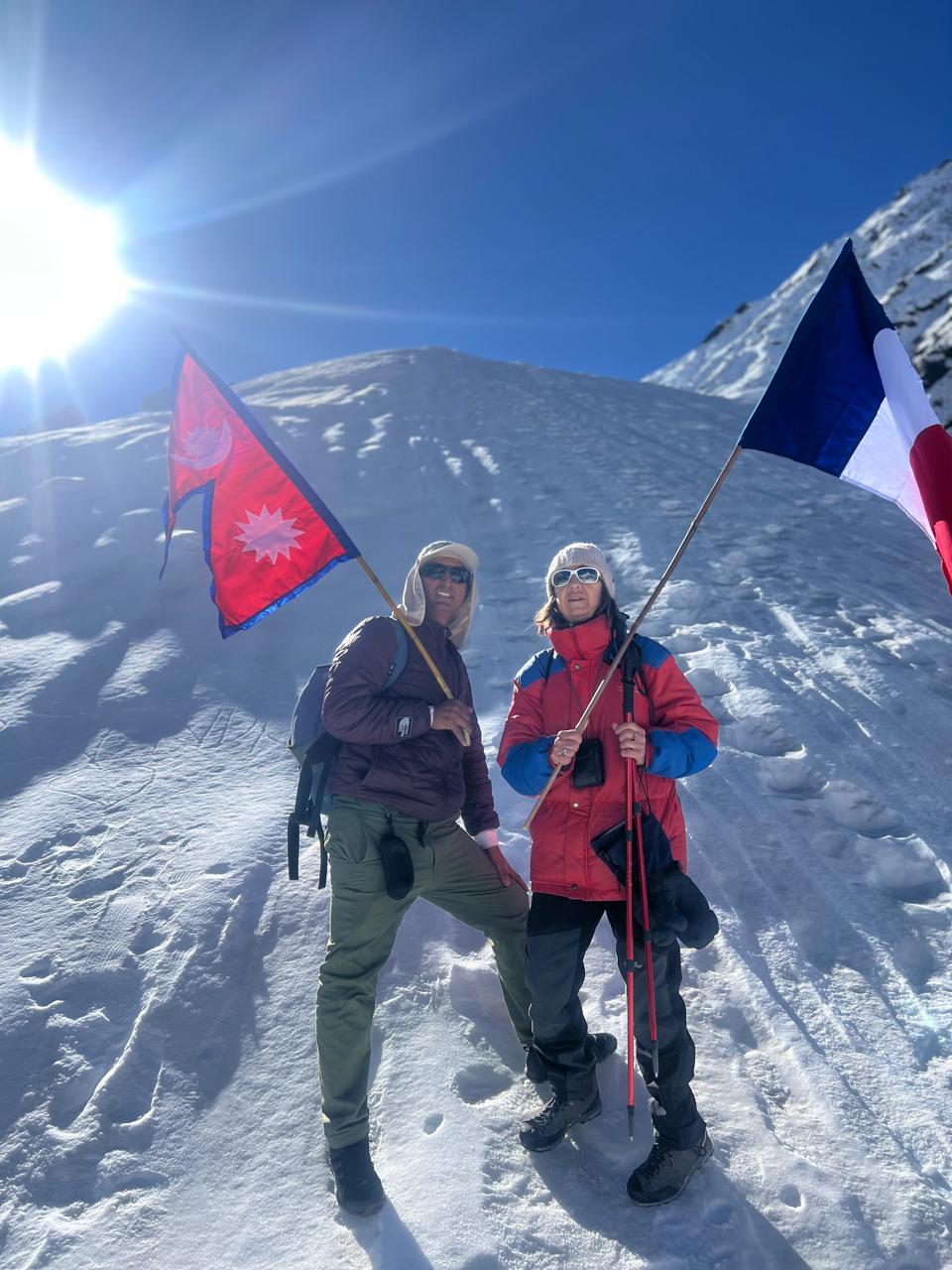
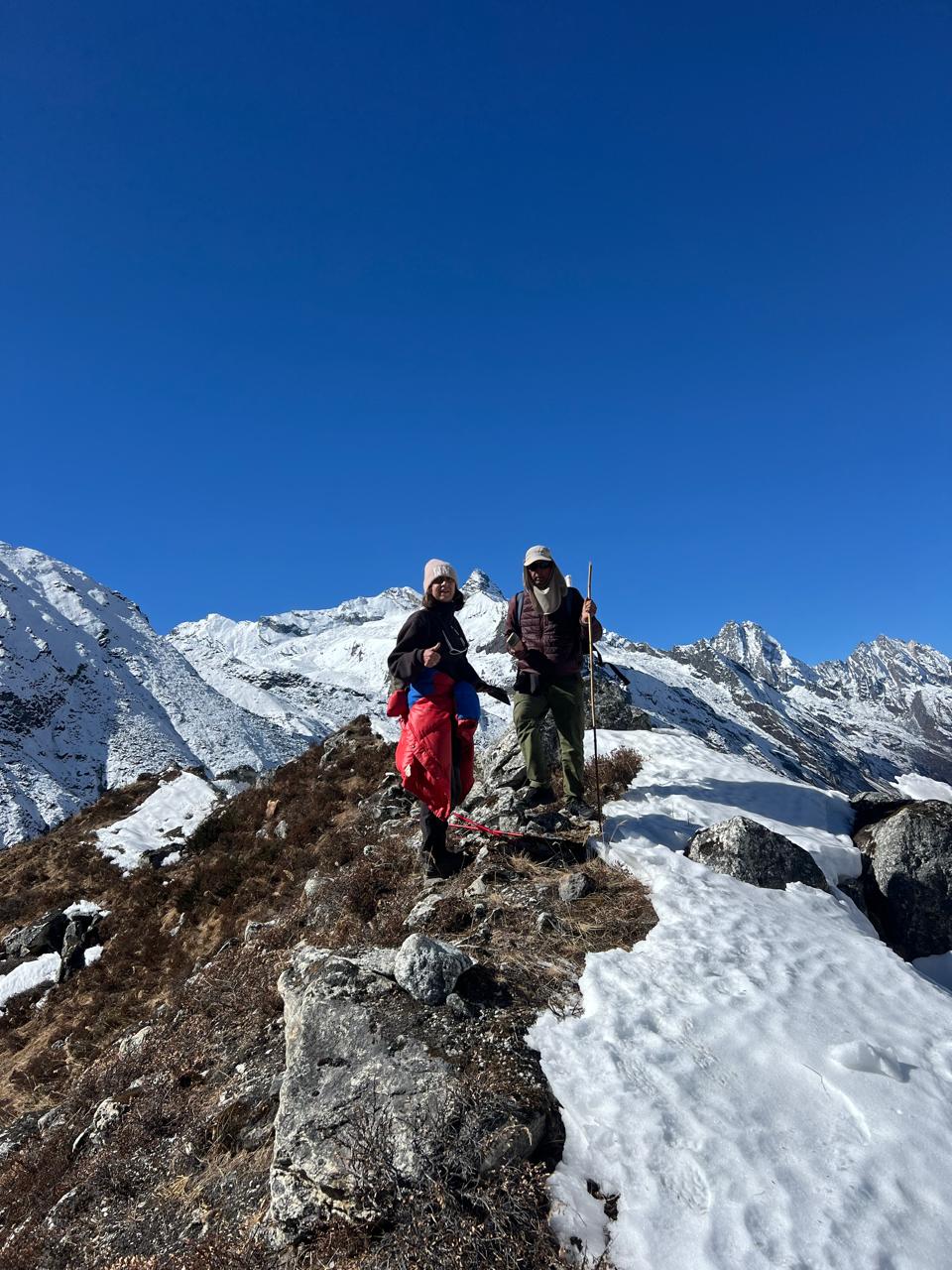
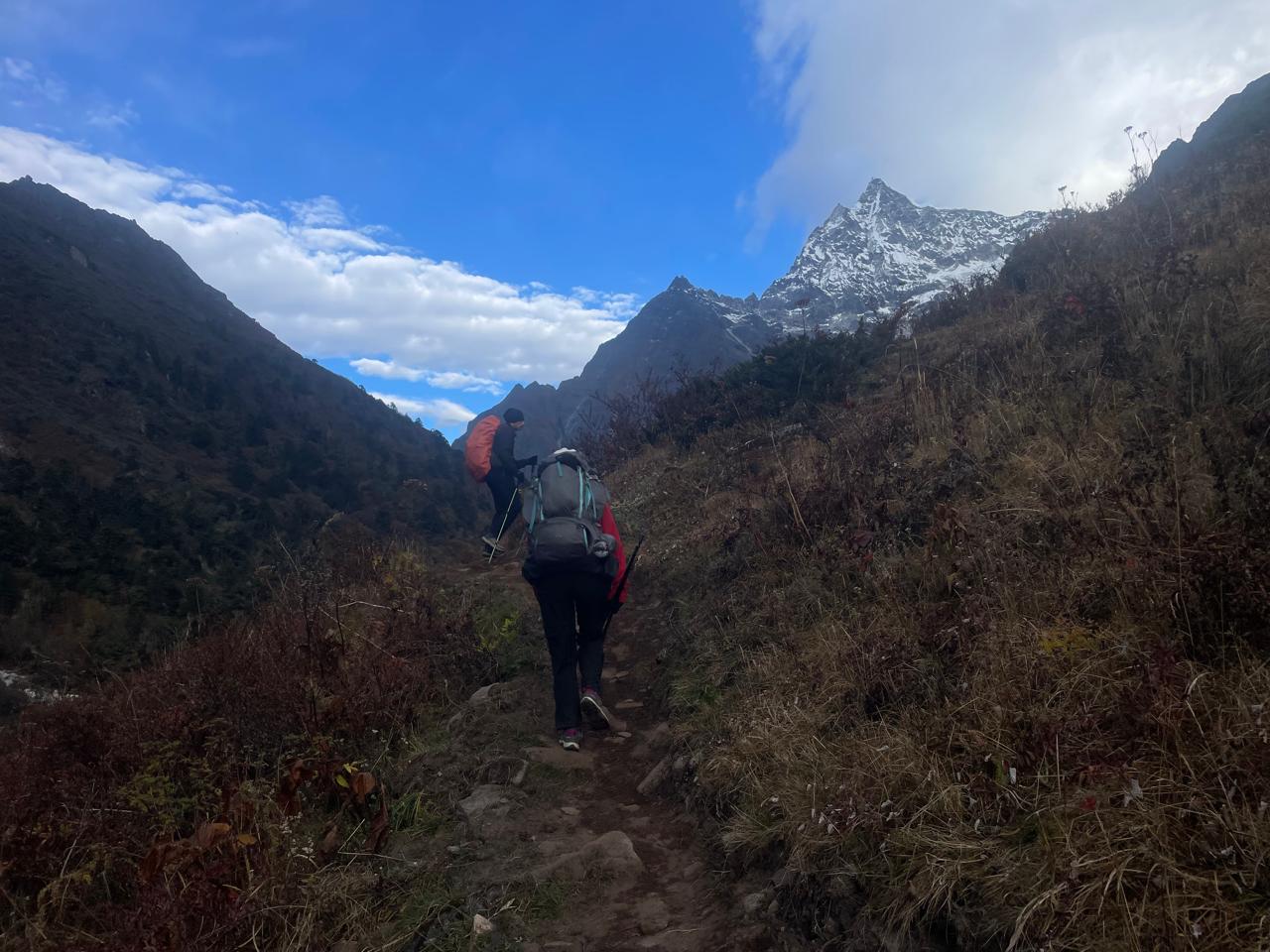
The Tashi Lapcha Pass Trek is a premier high-altitude adventure for trekkers seeking both challenge and natural beauty. Beginning in the Rolwaling Valley, the trek winds through pristine forests, rushing rivers, and small Sherpa villages, giving adventurers a sense of isolation and a deep connection with nature. Unlike popular trekking routes, the Rolwaling region remains relatively untouched, making this journey an ideal opportunity for those who want to escape the crowds and experience the Himalayas in their rawest form.
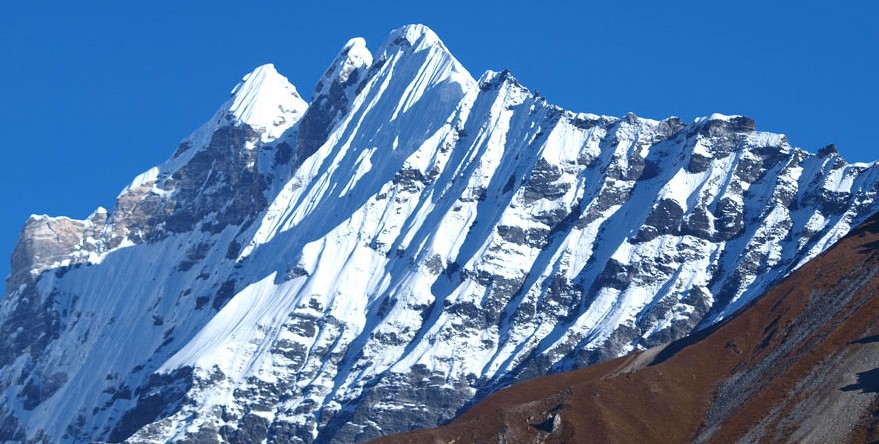
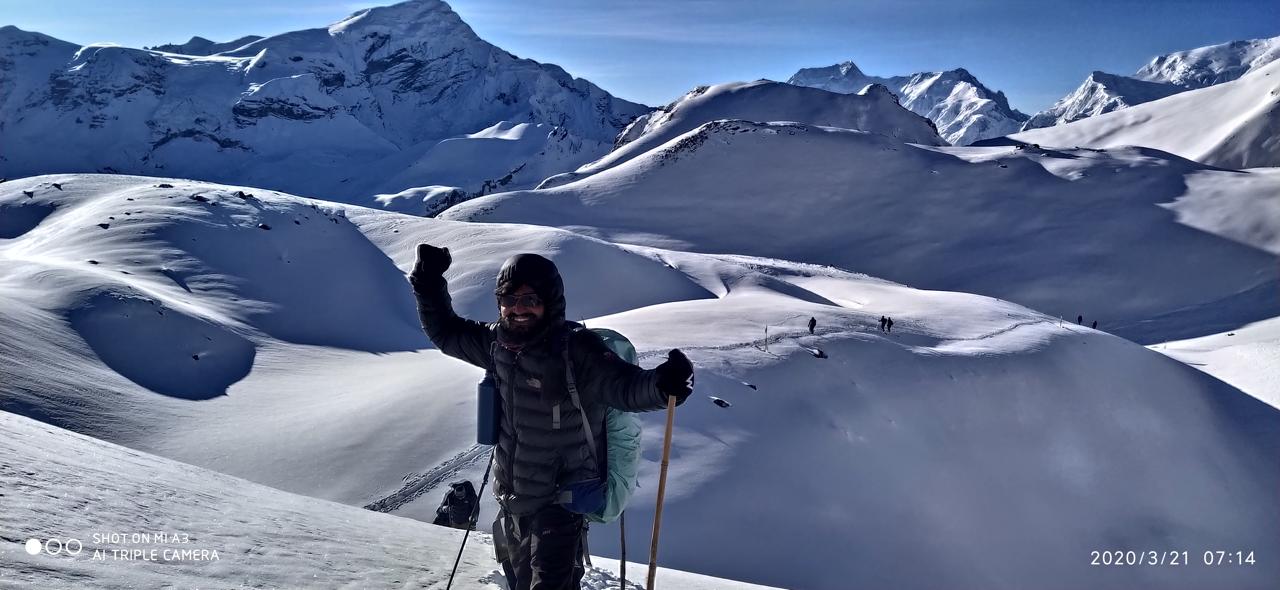
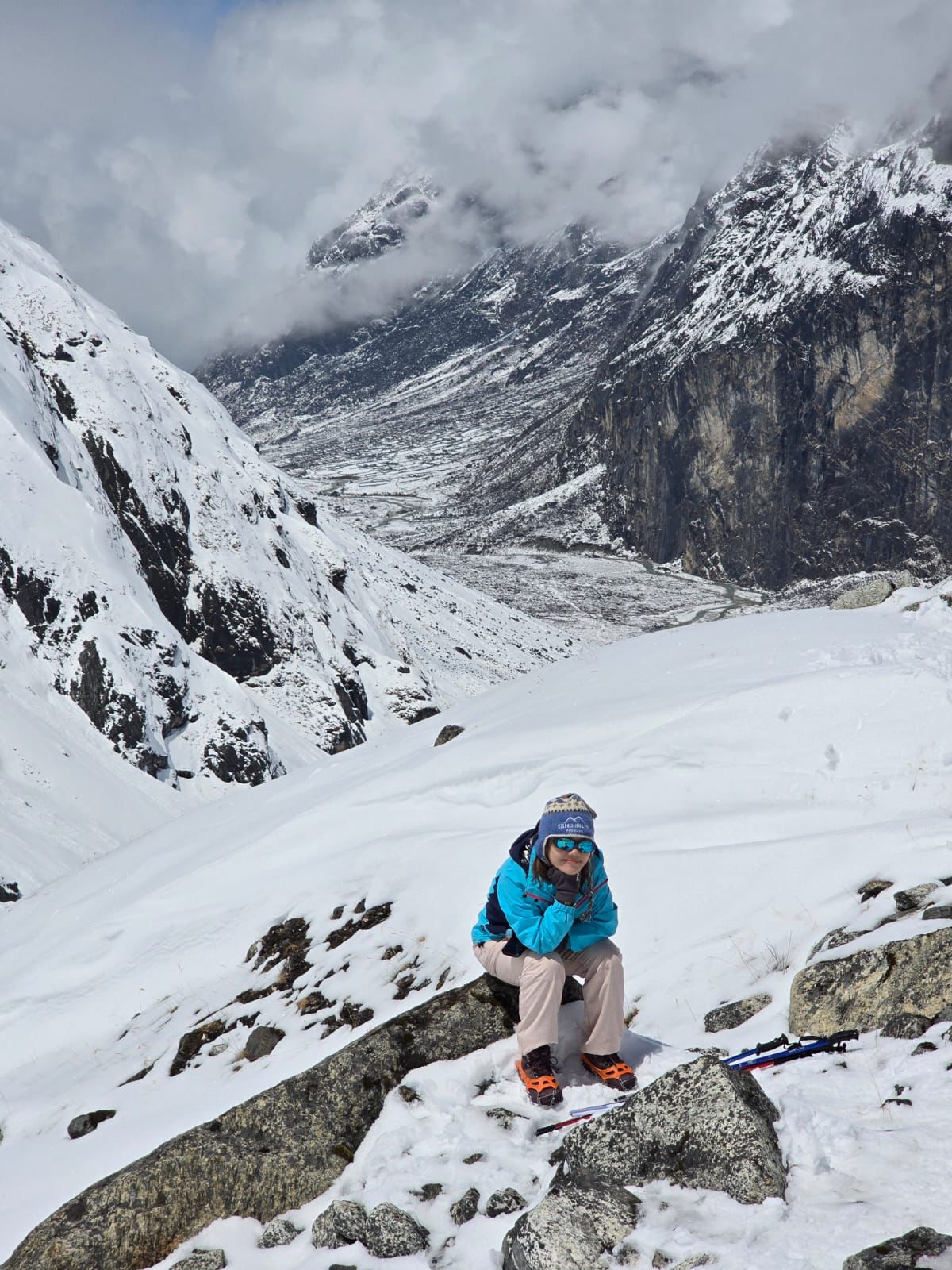
Ascending through Rolwaling Valley, trekkers gain gradual altitude while enjoying spectacular views of surrounding peaks such as Gaurishankar, Melungtse, and Cho Polu. The trek is designed to balance adventure and safety, with planned rest and acclimatization days that reduce the risk of altitude-related problems. Along the way, hikers encounter diverse terrain including alpine meadows, rugged ridges, rocky passes, and glacial regions, offering a constantly changing visual and physical challenge.
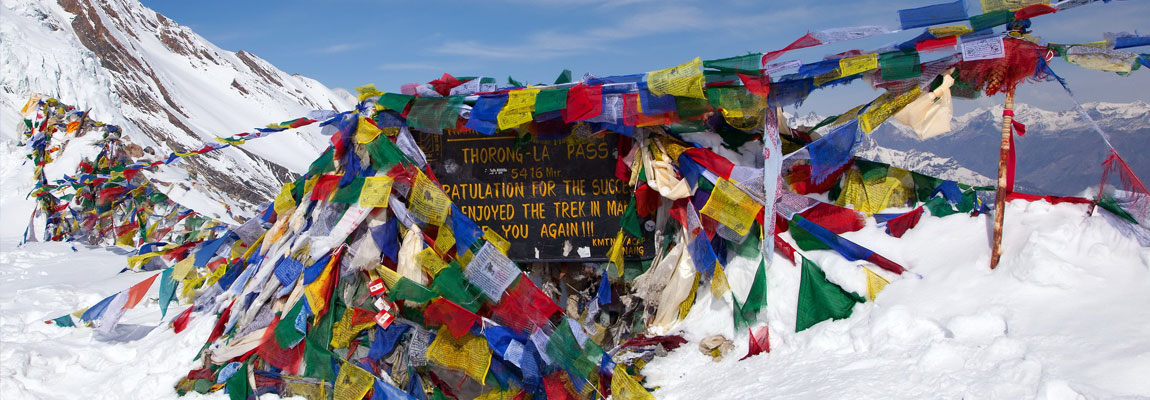
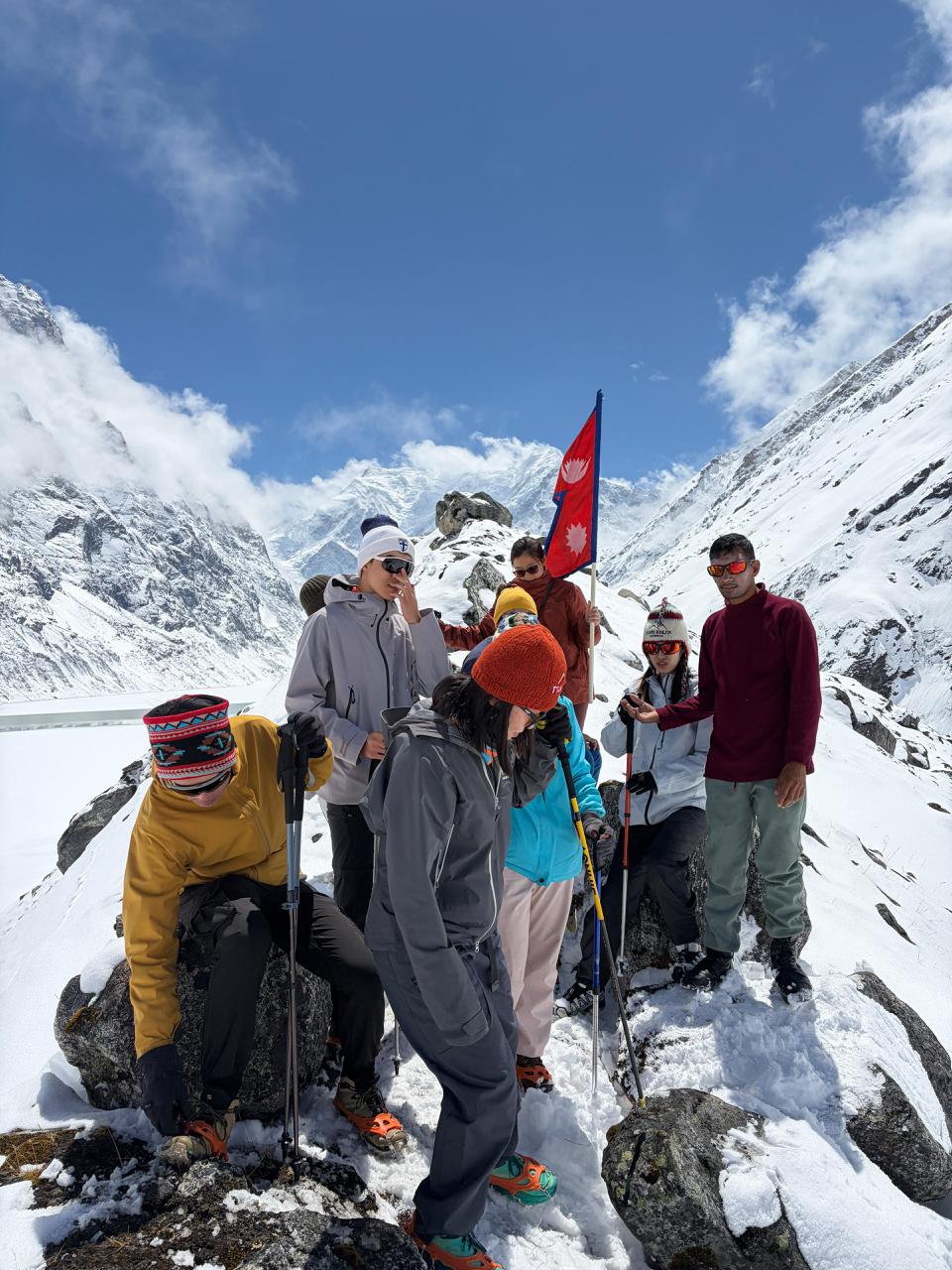
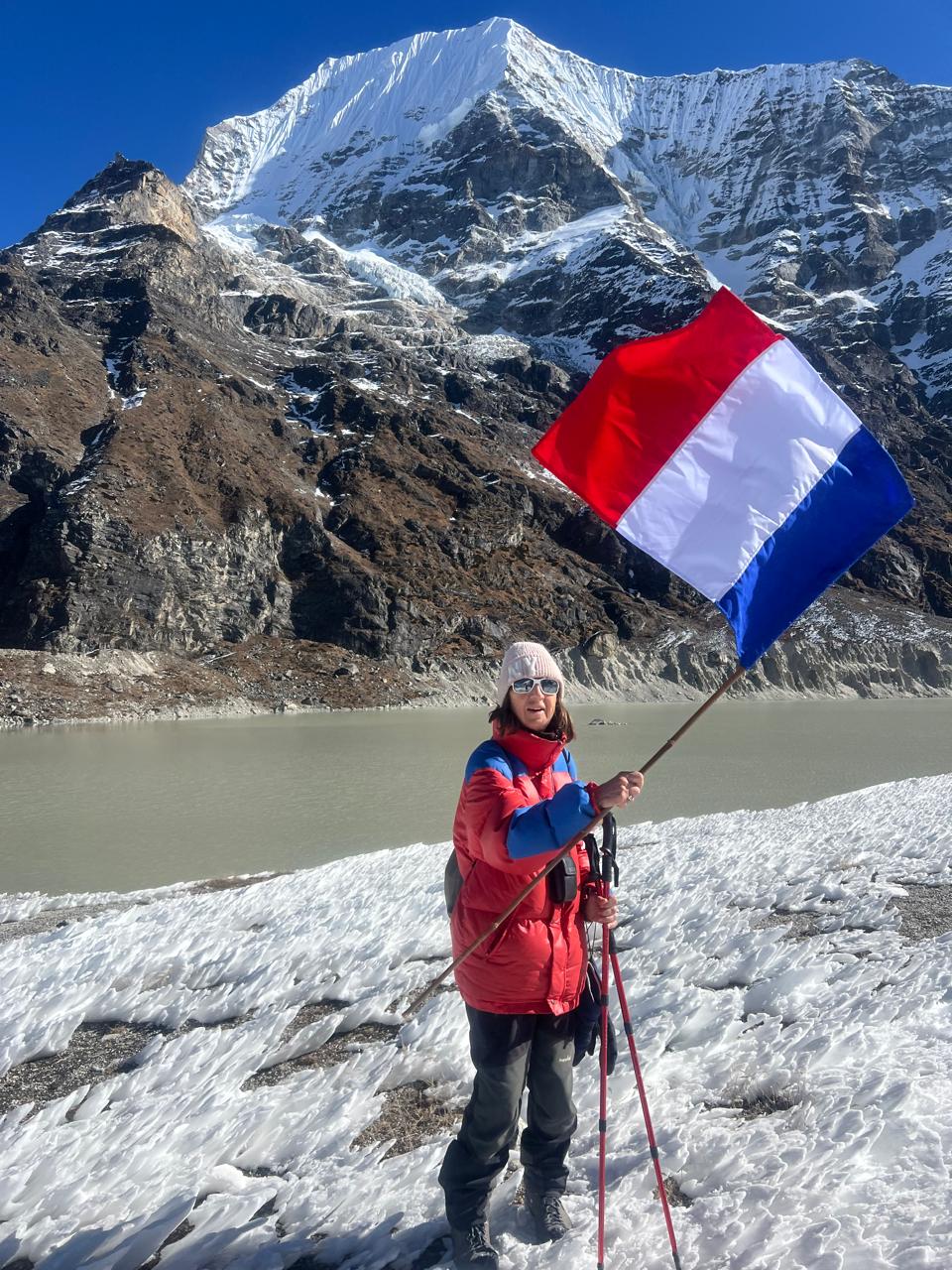
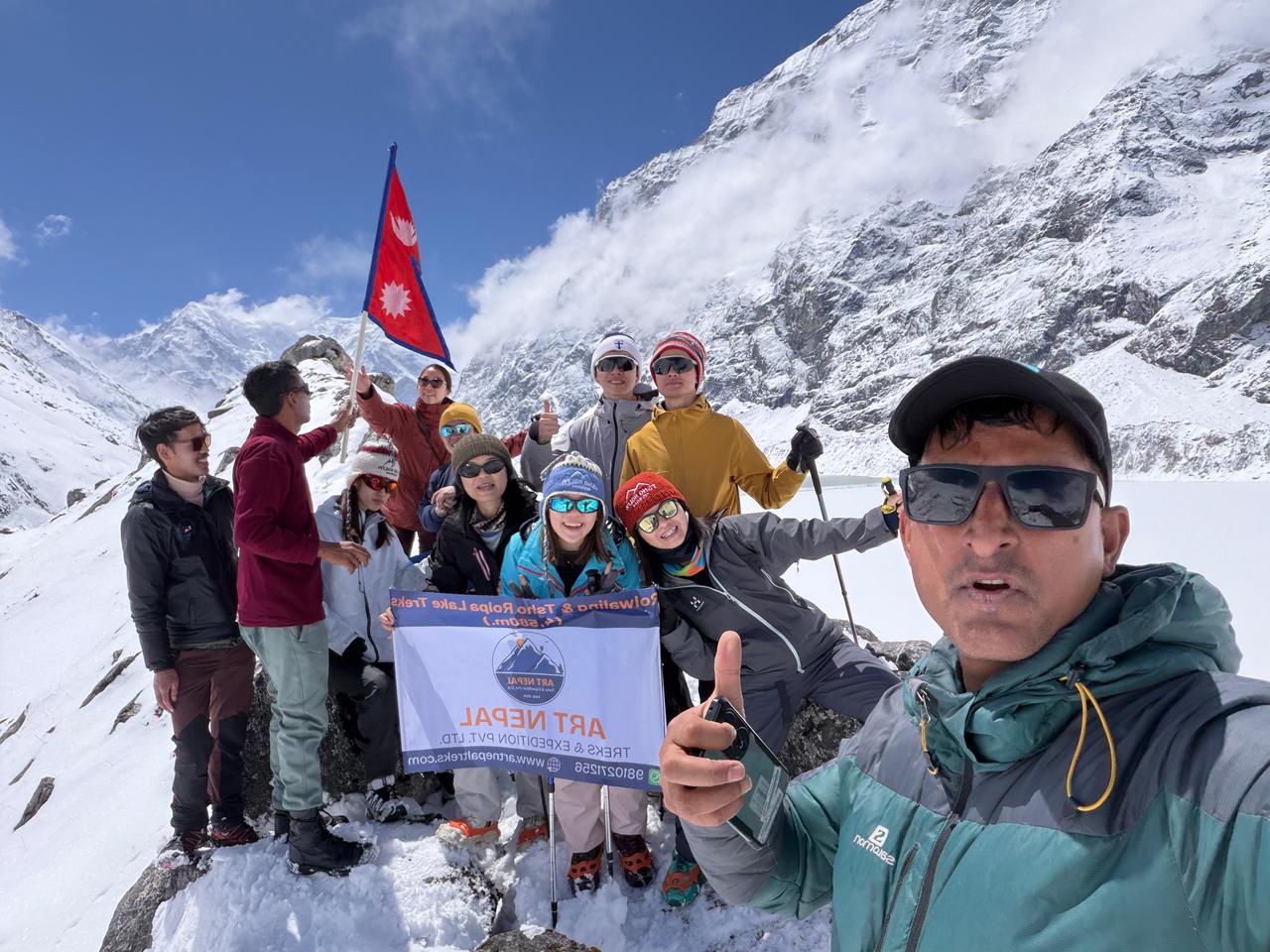
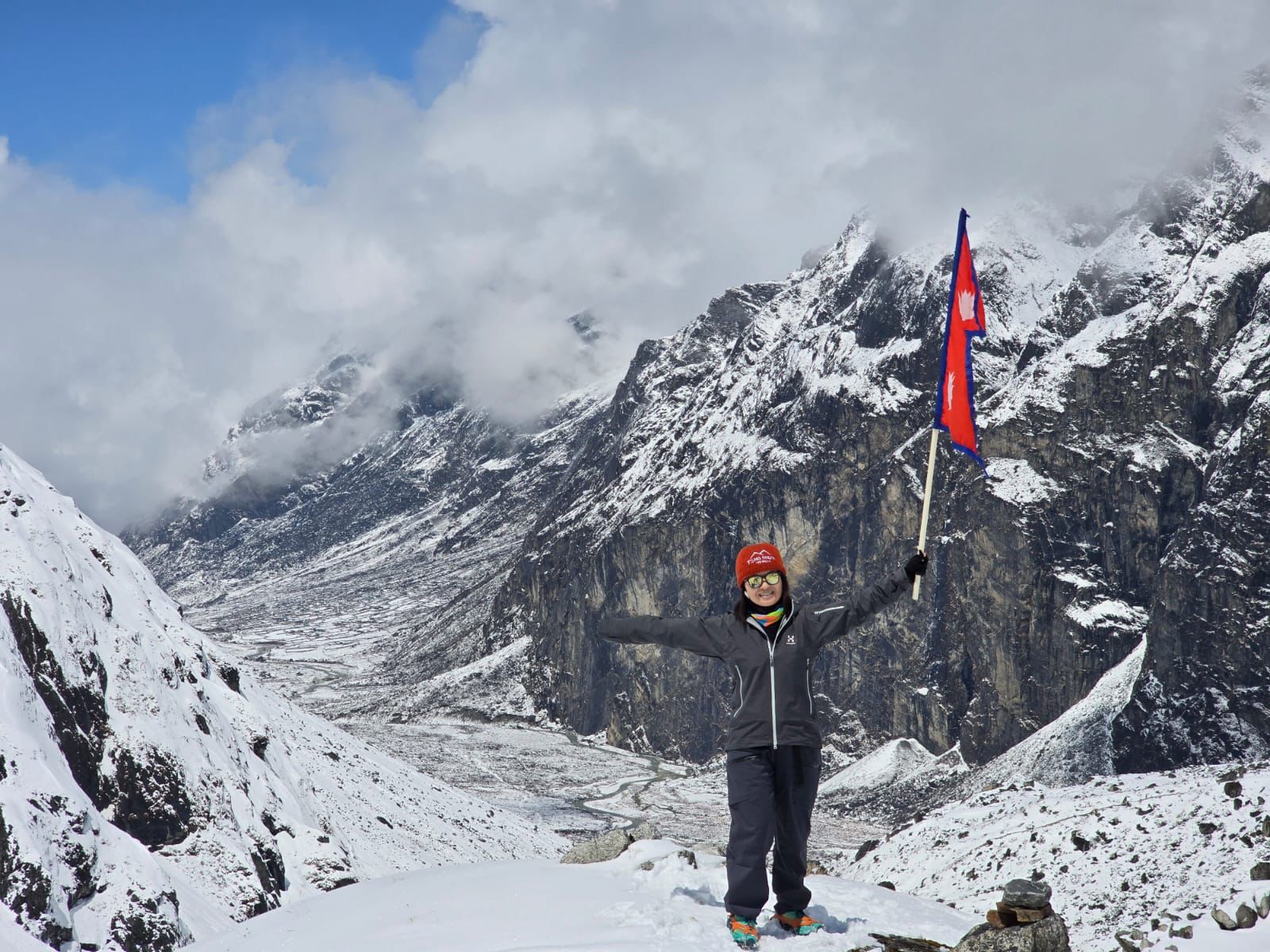
The trek’s main highlight, Tashi Lapcha Pass, represents a significant achievement for experienced trekkers. Standing at 5,755 meters, the pass demands physical endurance, mental focus, and proper acclimatization. Crossing the pass is not only a test of stamina but also provides some of the most stunning views of the region’s high peaks, glaciers, and surrounding valleys. This technical segment of the trek requires careful guidance, making the expertise of local guides indispensable for a safe and successful passage.
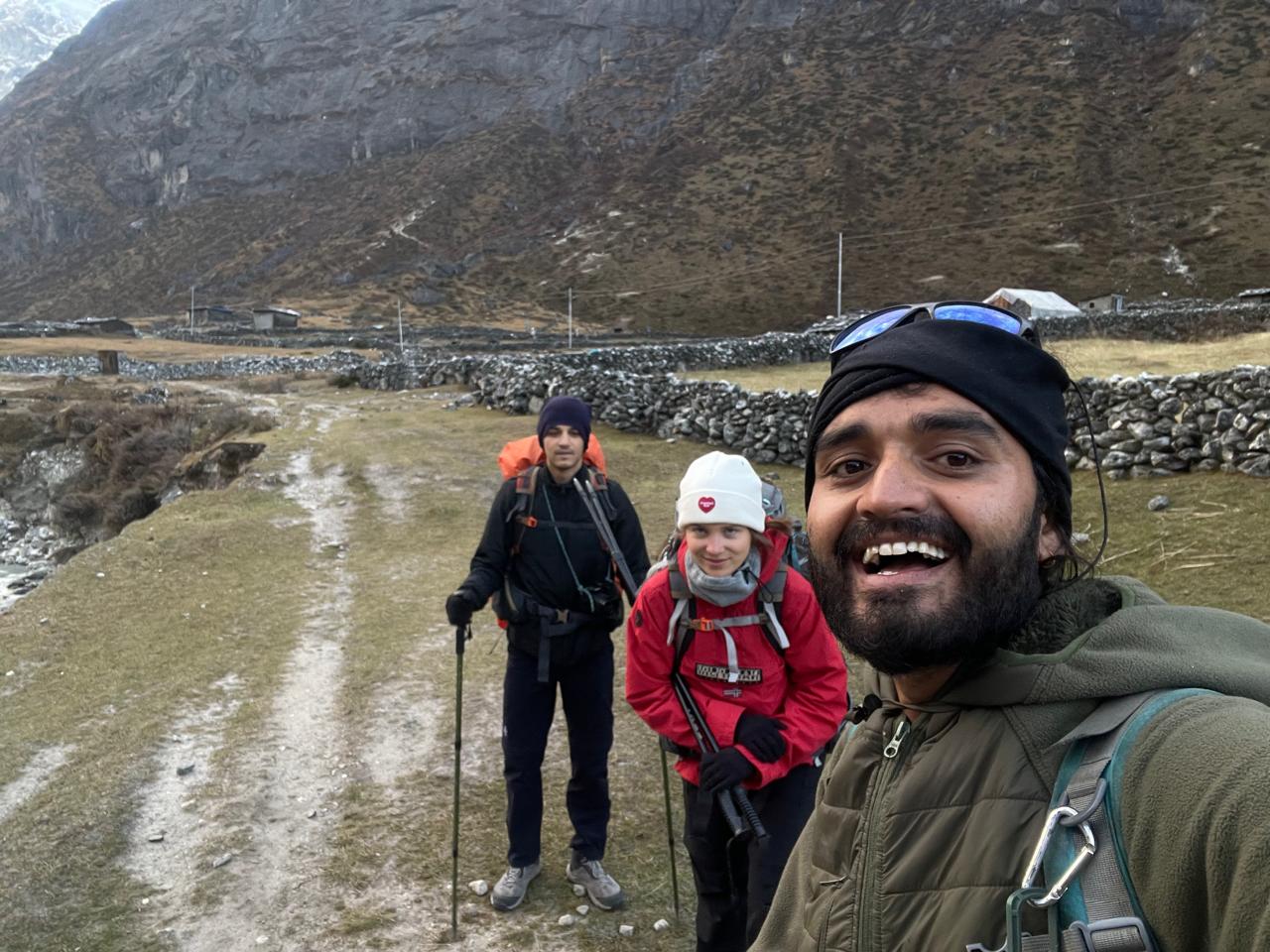
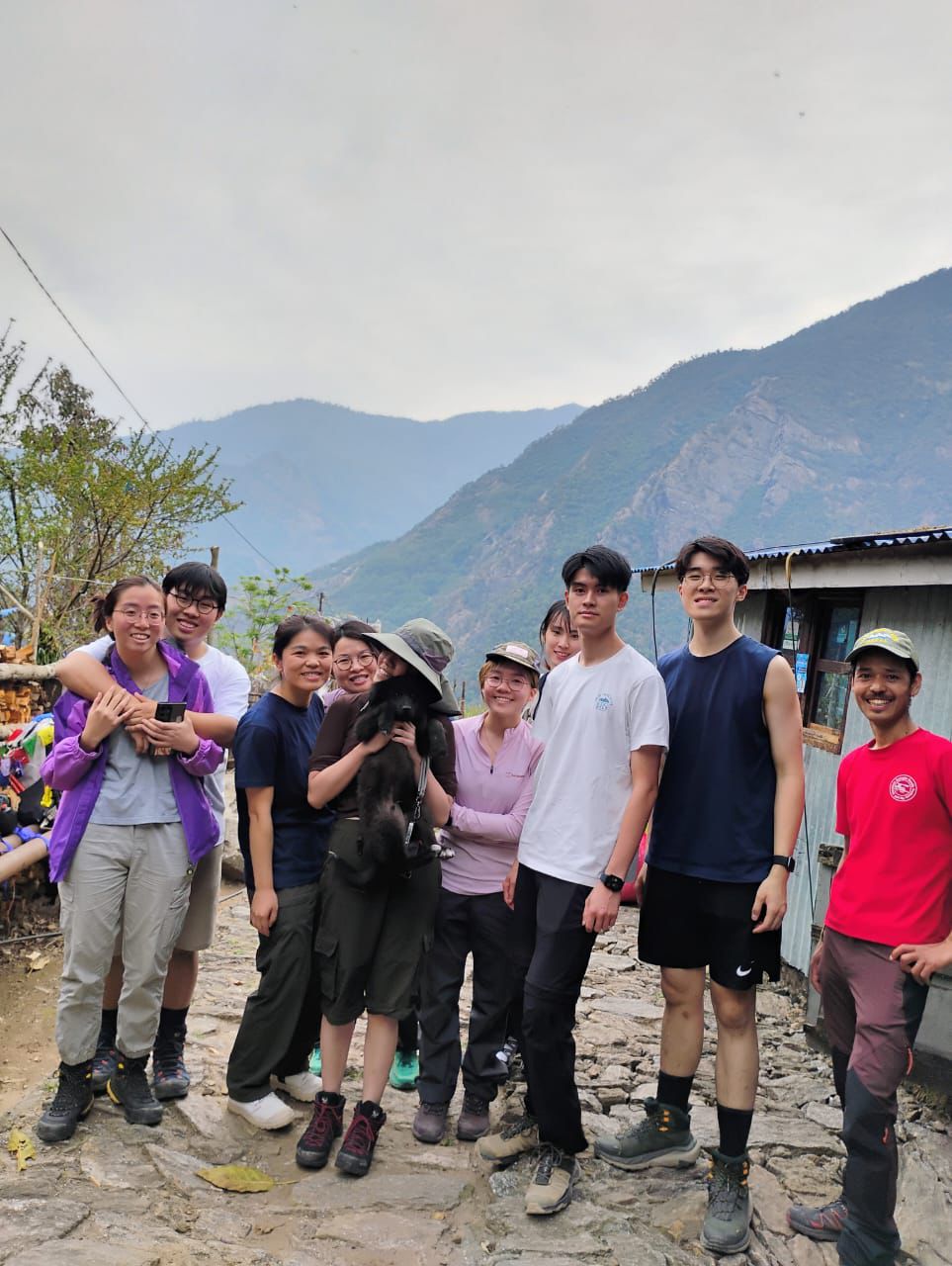
Cultural experiences are woven throughout the journey. Trekkers visit villages like Beding, Na, and Thame, where traditional Sherpa lifestyles are still maintained. Monasteries, prayer flags, stone stupas, and seasonal festivals enrich the trek with spiritual and cultural insights. Interactions with local communities provide a personal connection that deepens the experience, making the trek more than just a physical adventure—it becomes a journey into Himalayan life itself.
The trek also incorporates an efficient exit route via Thame and Namche Bazaar. This approach avoids unnecessary altitude gain after crossing the pass, reducing strain on the body while still allowing exploration of the Khumbu region. Trekkers get to experience the renowned hospitality, shops, and cultural highlights of Namche Bazaar before descending to Lukla for the flight back to Kathmandu. ART Nepal Treks & Expedition ensures seamless logistics, safety, and support throughout the journey, providing trekkers with an organized and enriching high-altitude adventure.
What Can You Expect from the Trek?
Trekkers on the Tashi Lapcha Pass Trek can expect a physically demanding but highly rewarding experience. The route includes long trekking days, steep ascents, glacial terrain, and high passes, which require previous trekking experience and a good level of fitness. While challenging, the journey is meticulously planned with acclimatization days at Na and Namche Bazaar to ensure safety and comfort at altitude.
Expect breathtaking Himalayan panoramas at nearly every stage of the trek. The crossing of Tashi Lapcha Pass offers an unparalleled view of snow-clad peaks, vast glaciers, and dramatic valleys. Hikers also have the chance to see peaks such as Gaurishankar, Cho Polu, Melungtse, and surrounding mountains, creating a visual feast for nature enthusiasts and photographers. Each day brings a different perspective, from rushing rivers and dense pine forests to open alpine ridges and glacial lakes.
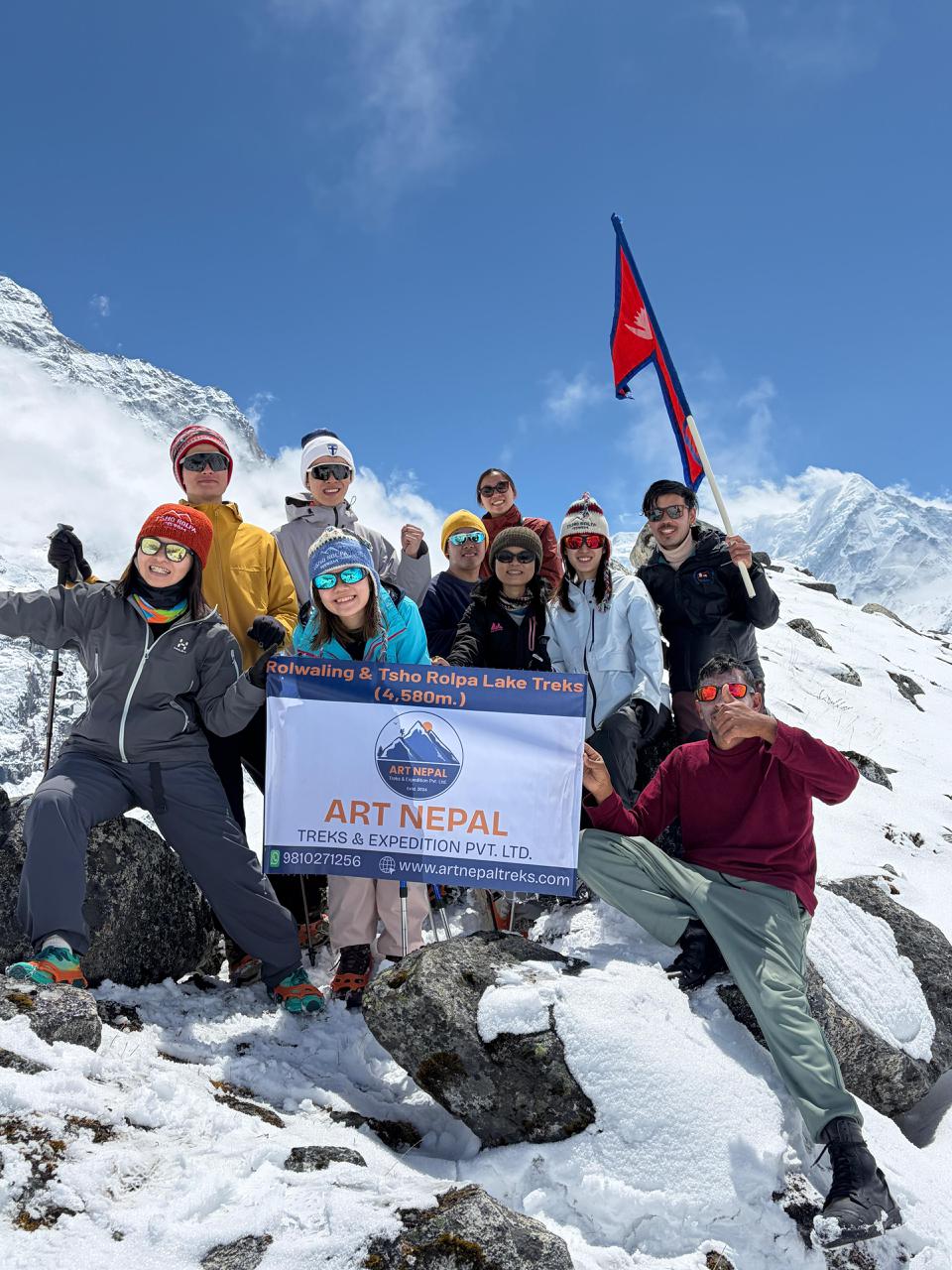
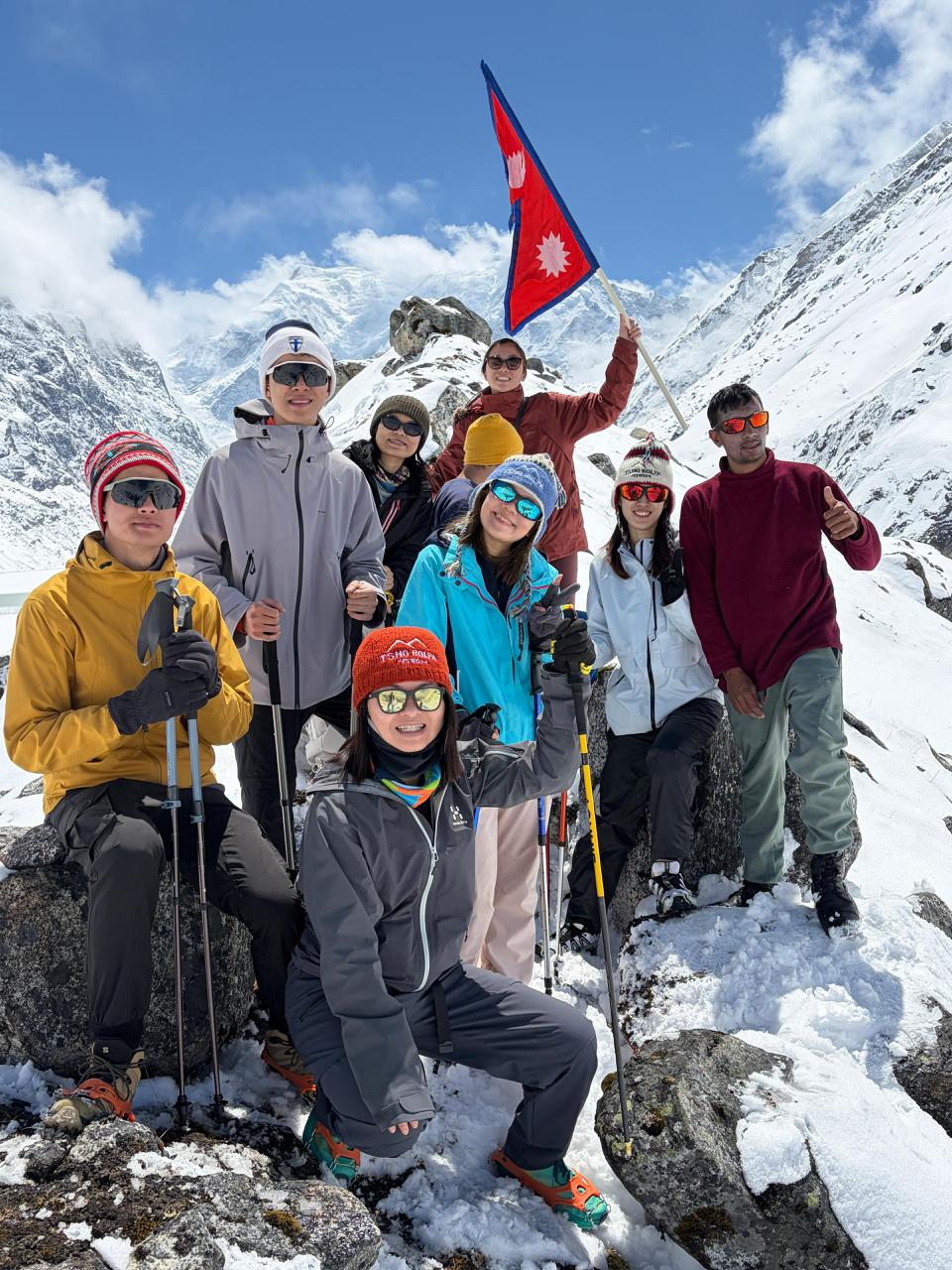
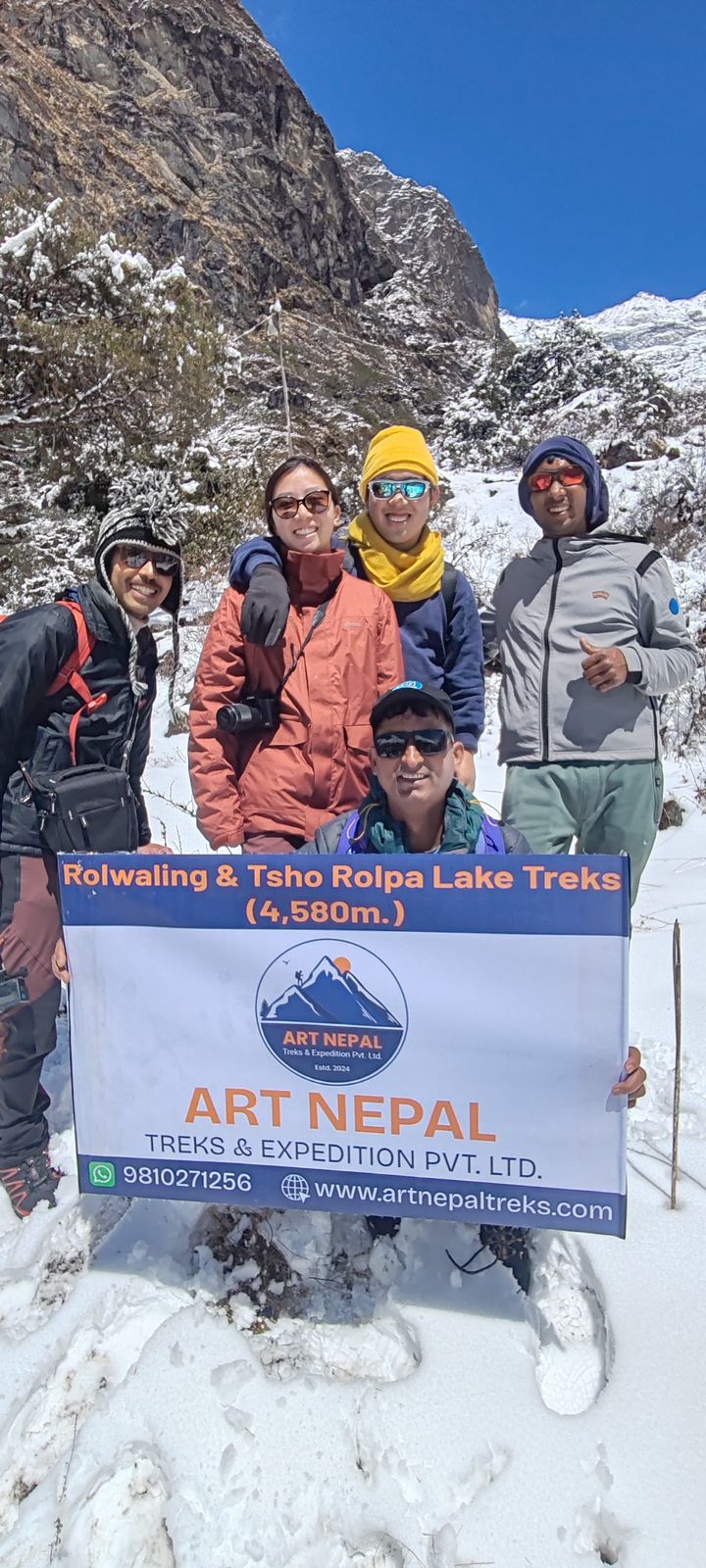
Cultural immersion is another key aspect of this trek. Trekkers stay in traditional Sherpa villages, interact with locals, and observe daily routines, rituals, and customs that have been maintained for generations. Visiting monasteries, stone stupas, and prayer flags along the trail provides spiritual insight and a sense of connection with the Himalayan culture. Optional hikes to nearby viewpoints or to Tsho Rolpa Lake further enrich the experience.
What to Expect
- High-Altitude Adventure: Trek to 5,755 m across challenging terrain.
- Spectacular Himalayan Views: Panoramic vistas of Gaurishankar, Melungtse, Cho Polu, and surrounding peaks.
- Cultural Immersion: Sherpa villages, monasteries, and traditional lifestyles.
- Glacial Exploration: Hike near and around Tsho Rolpa Lake and Trakarding Glacier.
- Efficient & Safe Exit: Descend via Thame and Namche Bazaar for a shorter, more comfortable journey.
Is Trek Suitable for You?
The Tashi Lapcha Pass Trek is designed for experienced and fit trekkers who are comfortable with high altitudes, technical terrain, and long trekking days. It is not recommended for beginners or those seeking leisurely sightseeing, as several days involve challenging ascents, glacier navigation, and high-altitude passes.
Trekkers must possess physical endurance, mental resilience, and a strong interest in adventure and cultural exploration. While the trek is demanding, careful planning, rest days, and guidance from professional local guides make it accessible for those who are prepared and determined. Individuals should also be comfortable with minimal facilities in remote villages, variable weather, and some degree of isolation.
Additionally, the trek is perfect for travelers who seek authentic Himalayan experiences. It offers rare glimpses of remote valleys, traditional Sherpa culture, and pristine natural landscapes, making it ideal for those who value adventure, solitude, and cultural richness.
Trek Suitability
- Experienced Trekkers: High-altitude and technical trekking experience required.
- Physically Fit: Stamina, endurance, and proper preparation essential.
- Adventure Seekers: Challenging terrain and remote paths suited for thrill-seekers.
- Culturally Curious: Interaction with Sherpa villages, monasteries, and festivals.
How to Get Prepared for Trek
Proper preparation is the key to a successful and safe Tashi Lapcha Pass Trek. This trek is considered one of the more challenging high-altitude adventures in Nepal, requiring not only physical fitness but also mental endurance and careful logistical planning. Trekking at altitudes above 5,000 meters demands that your body is well-acclimatized and strong enough to handle steep ascents, uneven terrain, and potentially extreme weather conditions. Therefore, preparation should begin several months in advance to allow ample time for physical training, gear acquisition, and acclimatization knowledge.
Physical fitness forms the cornerstone of trekking preparedness. Endurance and stamina are critical for long trekking days that can last up to 10–11 hours, especially during the pass crossing. Cardio exercises such as running, swimming, cycling, and brisk hiking improve heart and lung efficiency, which helps your body utilize oxygen more effectively at high altitudes. Strength training focused on the legs, core, and back is equally important to handle long treks with backpacks while reducing the risk of injuries. Flexibility exercises like yoga or stretching routines enhance balance and stability, which are vital when navigating rocky paths, glaciers, and steep ridges.
Acclimatization is another crucial aspect of preparation. The Tashi Lapcha Pass trek involves gradual altitude gain through Na, Beding, and Trakarding Glacier before reaching the high pass itself. Planning rest and acclimatization days into your schedule allows the body to adapt to lower oxygen levels and reduces the risk of acute mountain sickness (AMS). During the trek, hydration and nutrition are vital: drink plenty of water, consume a balanced diet rich in carbohydrates and proteins, and avoid alcohol and smoking. Observing your body for early signs of altitude sickness—headache, nausea, or fatigue—is essential for your safety.
Equipping yourself with the right trekking gear ensures comfort and safety in challenging conditions. Essential items include high-quality waterproof trekking boots, layered clothing to manage temperature fluctuations, waterproof jackets, insulated jackets, trekking poles, gloves, and hats. A well-fitted backpack with a rain cover is necessary for carrying water, snacks, extra clothing, and personal items. Additionally, having a personal first aid kit containing medications for common ailments, blister treatment, bandages, and pain relievers is highly recommended.
Finally, preparation also involves understanding local conditions, customs, and logistical requirements. Obtain the necessary trekking permits and TIMS (Trekkers’ Information Management System) card in advance, and familiarize yourself with the cultural norms of the Sherpa communities you will encounter. Being respectful of local traditions, engaging positively with villagers, and understanding environmental conservation practices all contribute to a more rewarding experience. Knowledge of potential weather challenges, emergency evacuation plans, and communication methods also ensures peace of mind during your journey.
Preparation Checklist
- Physical Fitness: Endurance training (running, cycling, swimming), strength exercises for legs and core, long hikes with backpacks to simulate trekking conditions.
- Acclimatization: Plan gradual ascents and rest days to adapt to high altitude safely, avoid rushing to higher elevations.
- Trekking Gear: High-quality trekking boots, layered clothing for warmth, waterproof jacket, trekking poles, sturdy backpack with rain cover, gloves, and thermal hats.
- Health & Safety: Travel insurance covering high-altitude trekking, personal first aid kit with medications for altitude sickness and common illnesses, consultation with a doctor before departure.
- Local Knowledge: Understand trekking permits, TIMS card requirements, customs, and etiquette in Sherpa villages, and environmentally responsible trekking practices.
-
Trip Duration
15 Days/14 Nights
-
Group Size
1–20 people
-
Maximum Altitude
5,755 m (Tashi Lapcha Pass)
-
Trip Difficulty
Challenging / Technical High-Altitude Trek
-
Activities
High-altitude trekking, glacier crossing, cultural exploration, photography
-
Best Season
March–May, September–November
-
Trip Start & End
Kathmandu-Kathmandu
-
Meals
Breakfast, Lunch, Dinner
-
Accomodation
Guesthouses, teahouses, camping
Highlights
- Rolwaling Valley Exploration: Traverse one of the most remote valleys in Nepal, surrounded by towering peaks, alpine meadows, and pristine rivers.
- Tashi Lapcha Pass: Cross one of the most challenging and rewarding high passes at 5,755 meters, offering dramatic panoramic views.
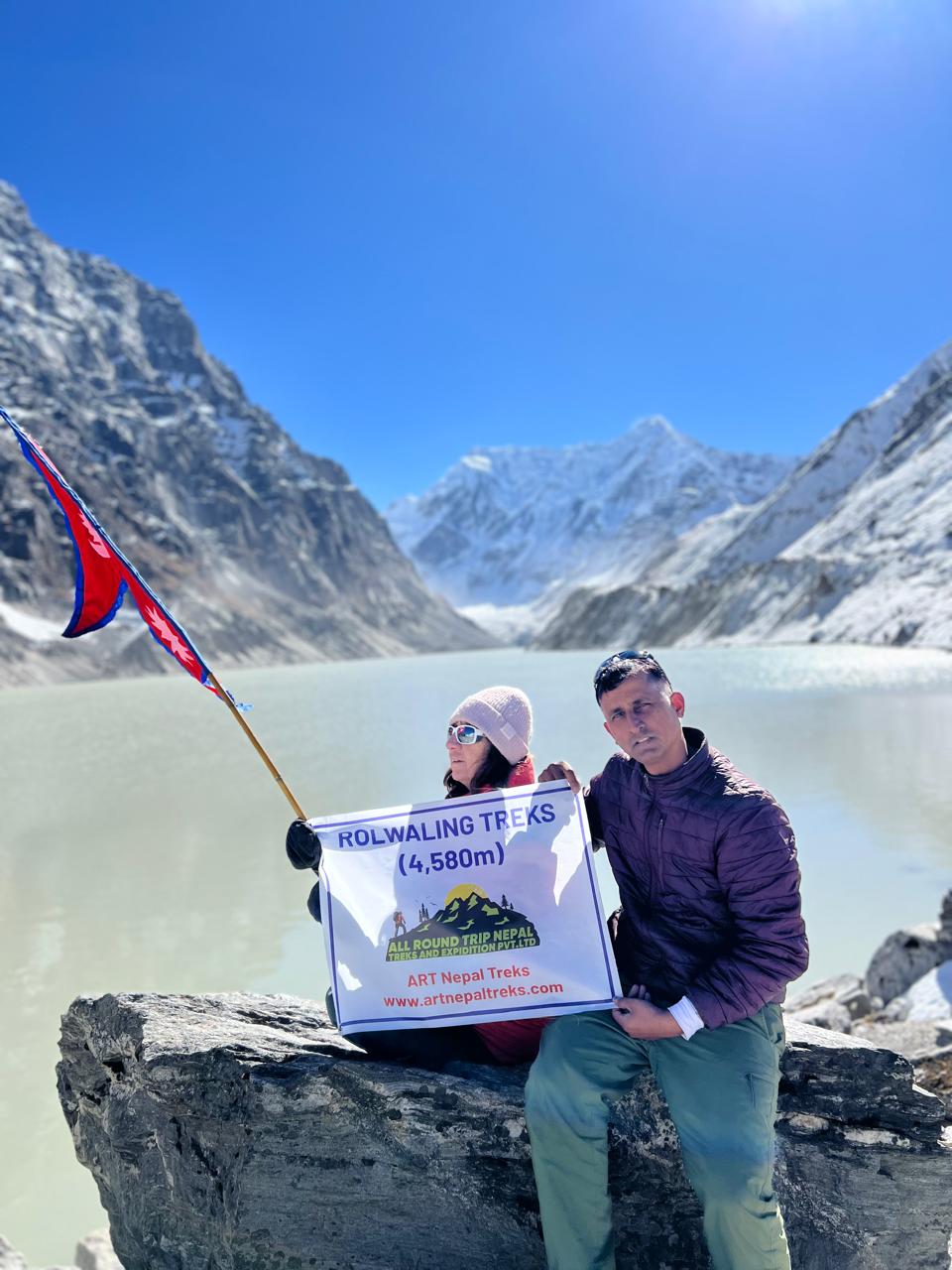
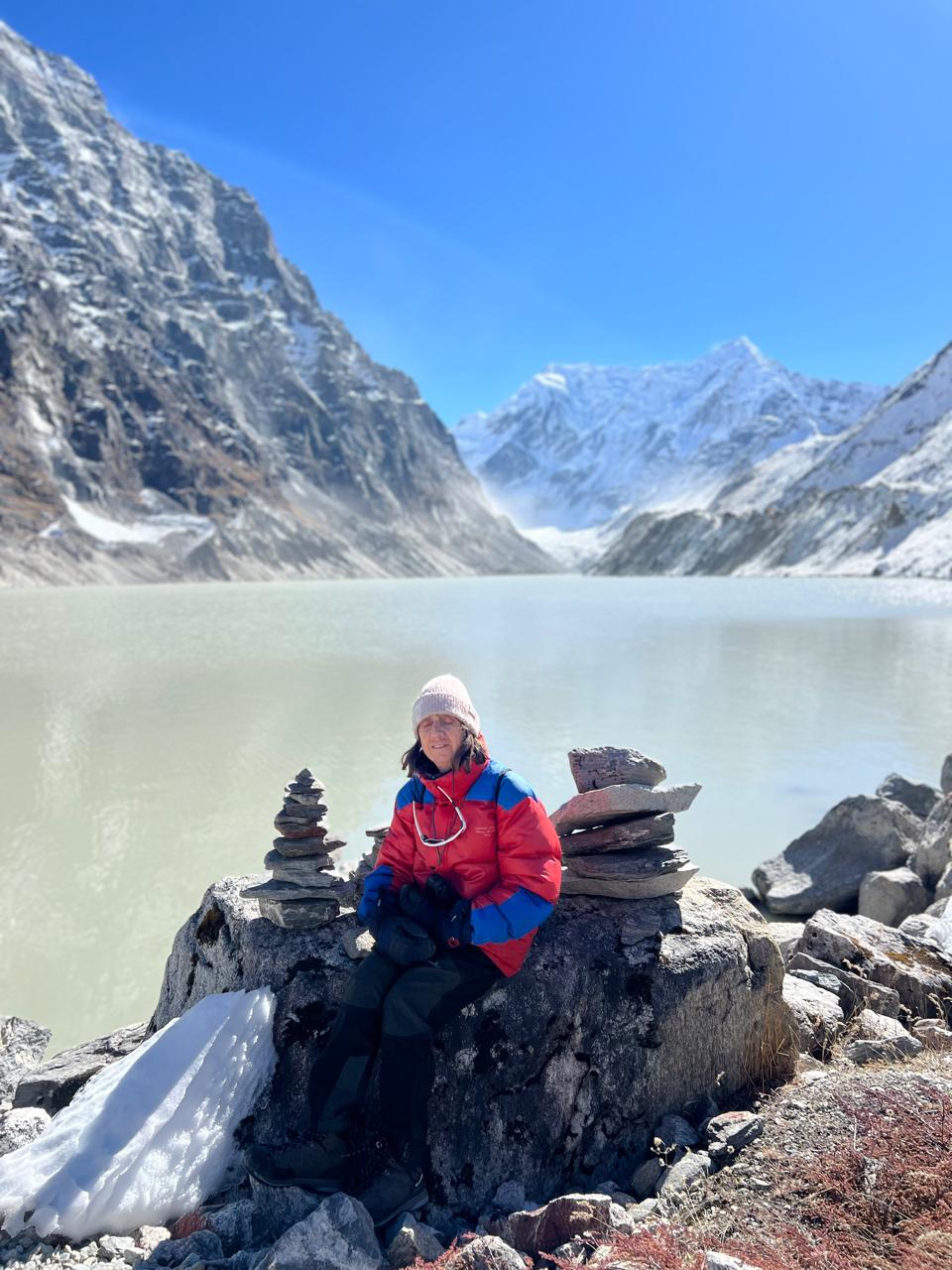
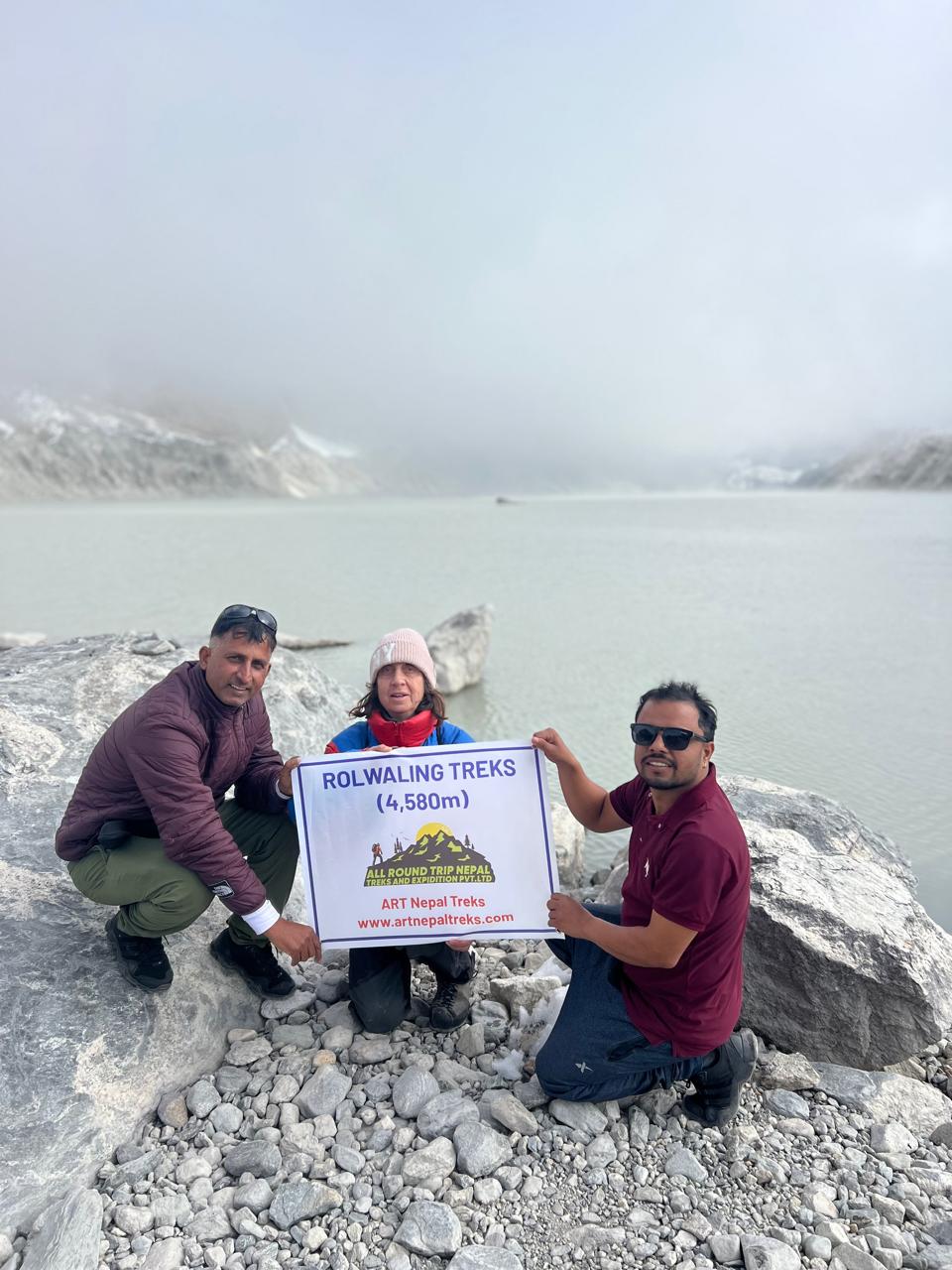
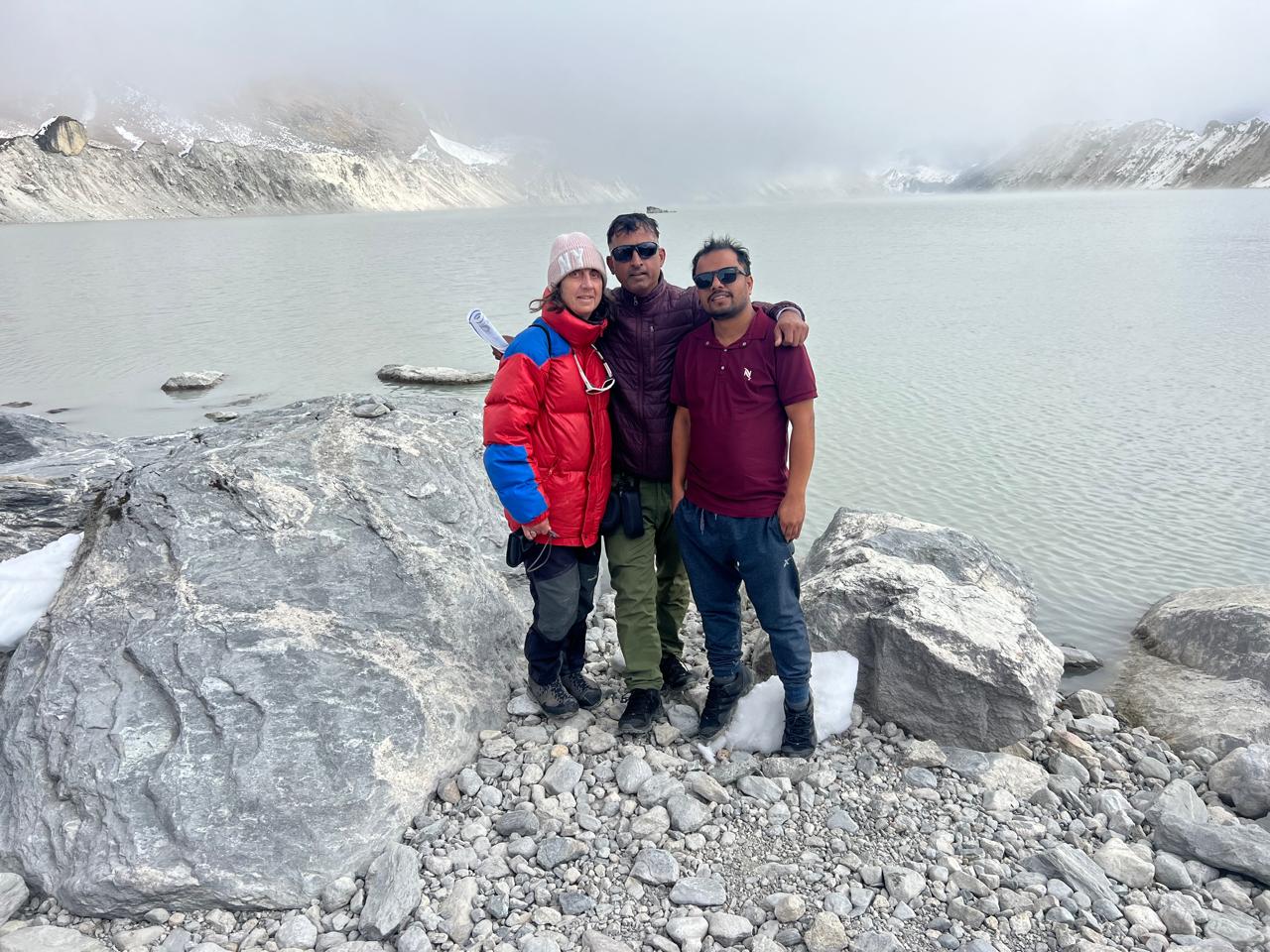
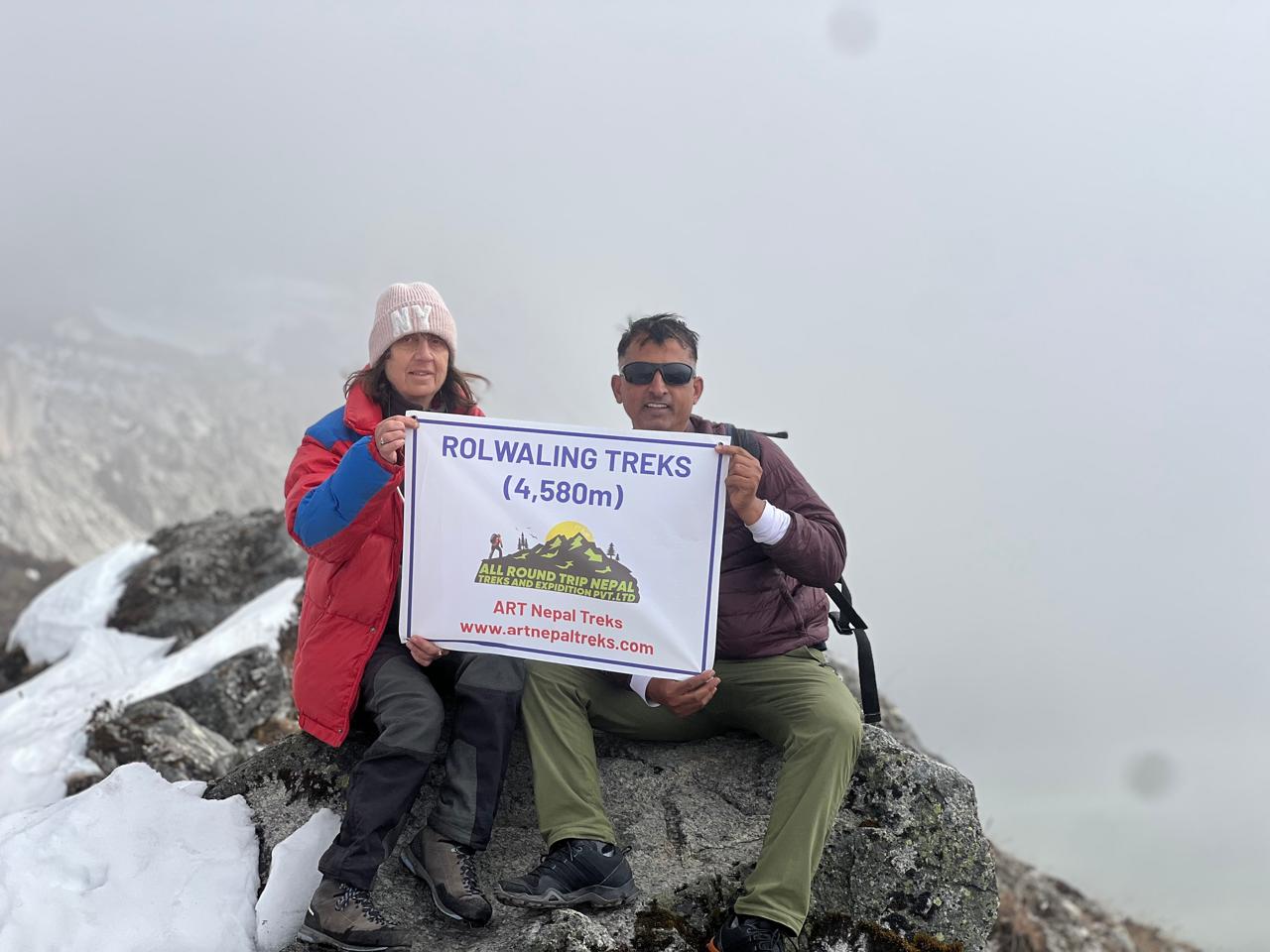
- Tsho Rolpa Lake: Visit this enormous glacial lake at around 4,580 meters, with sparkling turquoise waters against snow-capped mountains.
- Sherpa Villages & Culture: Experience authentic Sherpa life in Beding, Na, and Thame, including monasteries, traditional houses, and festivals.
- Khumbu Region Exit: Descend via Thame and Namche Bazaar, linking to the classic Everest trekking route for a combination of remote adventure and accessible infrastructure.
- Recovery & Buffer Days: Built-in acclimatization and rest days allow trekkers to safely adjust to high altitudes and explore nearby viewpoints.
Itinerary
Day 01
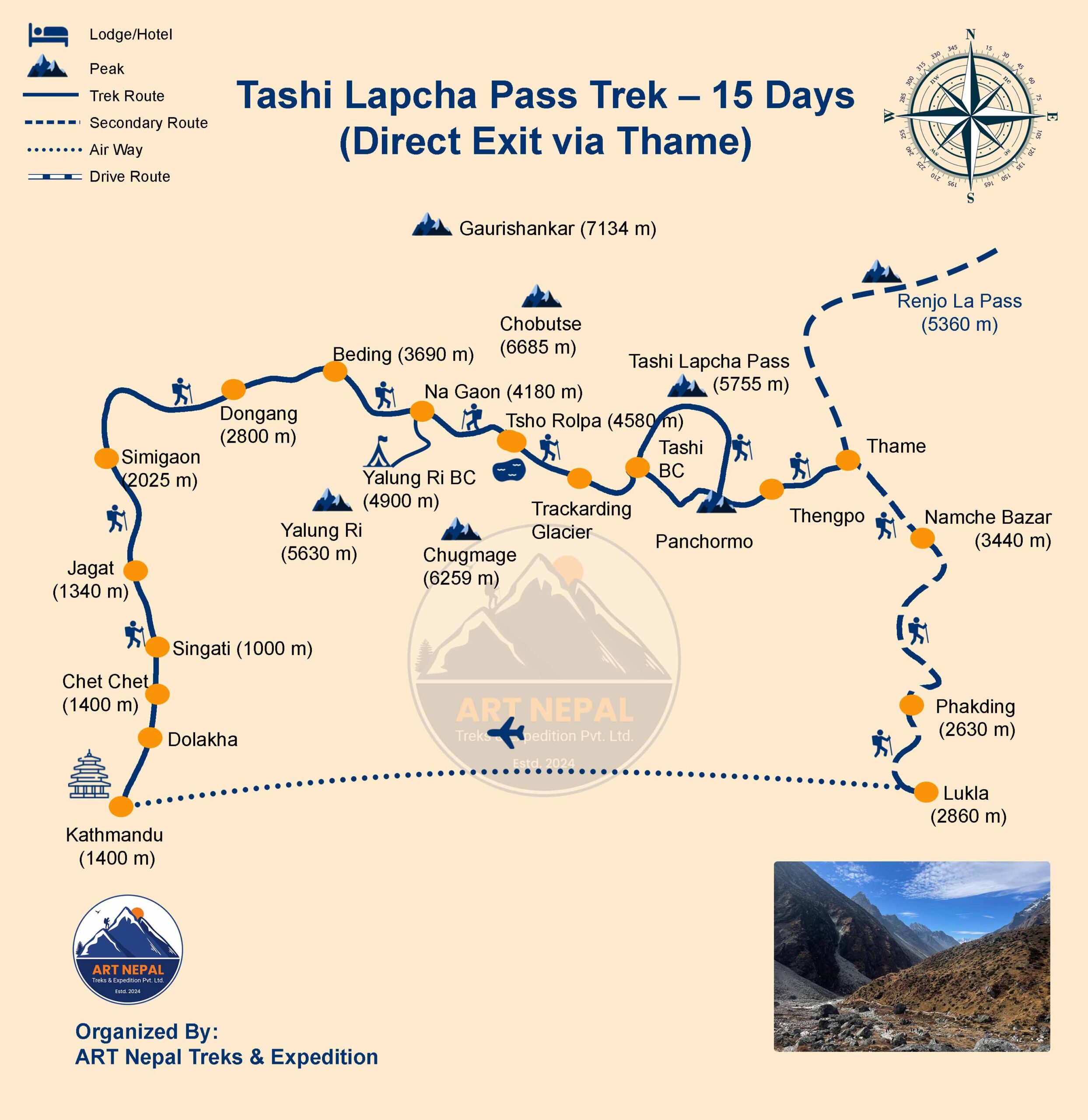
The adventure begins with a scenic drive from Kathmandu toward the Rolwaling Valley. The journey passes through winding Himalayan roads, terraced fields, and small villages, offering trekkers an initial glimpse of Nepal’s natural beauty. This day combines a long drive with a short trek to Simigaon, allowing travelers to slowly adjust to the change in altitude and the rhythm of mountain trekking. Along the way, you can admire the views of distant snow-capped peaks and the flowing rivers that weave through the valley, setting the mood for the high-altitude adventure ahead.
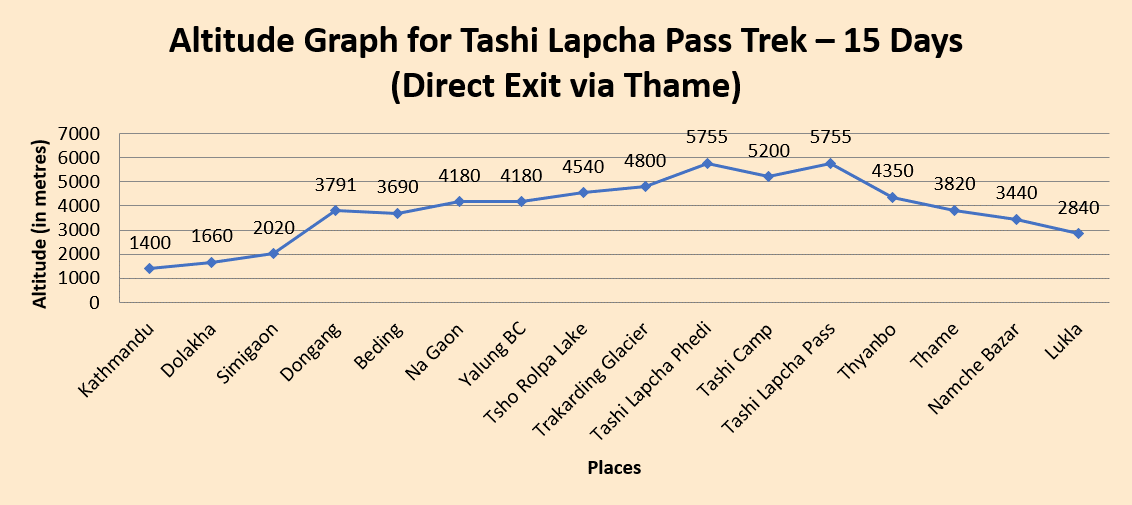
Upon reaching Simigaon, trekkers settle into local guesthouses, where they can interact with villagers, enjoy traditional Nepali meals, and rest for the night. This first overnight stay provides a comfortable and peaceful environment to prepare for the more physically demanding trekking days to come. Staying at 2,000 meters, the body begins its gradual acclimatization process, which is essential for high-altitude treks like Tashi Lapcha.
Trip Duration:
5-6 hoursTrip Distance:
~10 kmAltitude:
2,000 mMeal:
Breakfast, Lunch, DinnerAccomodation :
Guesthouse in SimigaonDay 02
On the second day, the trek ascends gently from Simigaon to Dongang, following rivers, terraced fields, and forested slopes. The trail offers a moderate challenge that allows the body to adapt to increasing altitude without overexertion. Along the way, trekkers can enjoy the fresh mountain air, observe local flora, and spot small wildlife such as Himalayan birds and squirrels. The village of Dongang, perched at 2,800 meters, provides a glimpse of traditional mountain life with its stone houses and rustic charm.
After reaching Dongang, trekkers have time to explore the village and rest before continuing into higher elevations. The overnight stay here is a perfect opportunity to hydrate, enjoy warm meals, and prepare for the ascent into the Rolwaling Valley proper. Trekking at this stage requires steady pacing, and the combination of moderate terrain and cultural exposure ensures a balanced introduction to the high Himalayan environment.
Trip Duration:
6-7 hoursTrip Distance:
~12 kmAltitude:
2,800 mMeal:
Breakfast, Lunch, DinnerAccomodation :
Guesthouse in DongangDay 03
Trekking from Dongang to Beding is when you fully enter the heart of the Rolwaling Valley. The trail winds through lush pine and rhododendron forests, alongside cascading streams and past steep rocky cliffs, offering a blend of natural beauty and moderate trekking challenge. Beding, located at 3,690 meters, is a traditional Sherpa village renowned for its Buddhist monasteries and panoramic mountain views. This section is an important acclimatization step, as trekkers begin to feel the effects of higher altitudes while still enjoying manageable trekking distances.
Once in Beding, trekkers can explore the village, interact with local families, and observe traditional mountain life. The surrounding peaks provide a dramatic backdrop, perfect for photography and reflection. Beding also serves as a strategic point for preparing the body and mind for the challenging sections ahead, including glacier terrain and the Tashi Lapcha Pass itself. The day combines cultural immersion, scenic trekking, and vital rest for safe progression.
Trip Duration:
5-6 hoursTrip Distance:
~12 kmAltitude:
3,690 mMeal:
Breakfast, Lunch, DinnerAccomodation :
Guesthouse in BedingDay 04
The trek from Beding to Na Village is shorter in distance, designed to be acclimatization-friendly as trekkers ascend to 4,180 meters. The trail passes through open meadows and moraine ridges, offering expansive views of the surrounding Himalayan peaks, including Gaurishankar and Melungtse. The day allows trekkers to steadily increase altitude without excessive strain, making it a crucial step in preparing for high-altitude sections.
Na Village is a small settlement nestled beneath massive snow-capped mountains, providing a serene environment for rest and acclimatization. Trekkers can enjoy the unique high-altitude culture of the area, observe mani walls, prayer flags, and stone chortens, and interact with local residents. Evening at Na offers a quiet opportunity to reflect on the trek so far and prepare physically and mentally for the demanding days ahead, including Tsho Rolpa Lake and glacier terrain.
Trip Duration:
3-4 hoursTrip Distance:
~8 kmAltitude:
4,180 mMeal:
Breakfast, Lunch, DinnerAccomodation :
Guesthouse in Na VillageDay 05
Today is an important acclimatization day, allowing your body to adapt to higher altitudes before tackling the technical sections ahead. Trekkers make a round trip hike to Tsho Rolpa Lake, one of the largest glacial lakes in Nepal, situated at approximately 4,580 meters. The hike is moderate in intensity but provides stunning views of snow-capped peaks, glaciers, and turquoise waters reflecting the surrounding mountains. Spending time at this elevation helps improve oxygen efficiency, reducing the risk of altitude sickness in the upcoming higher sections.
After exploring Tsho Rolpa Lake and capturing panoramic photographs, trekkers return to Na Village for the night. This day is also a chance to engage with locals, observe traditional high-altitude farming practices, and enjoy the serene Himalayan environment. Meals are hearty and warm, helping the body recover from the day’s exertion. By combining gentle trekking with cultural immersion, Day 5 ensures both physical preparation and mental readiness for glacier terrain ahead.
Trip Duration:
5-6 hoursTrip Distance:
~10 kmAltitude:
4,580 mMeal:
Breakfast, Lunch, DinnerAccomodation :
Guesthouse in Na VillageDay 06
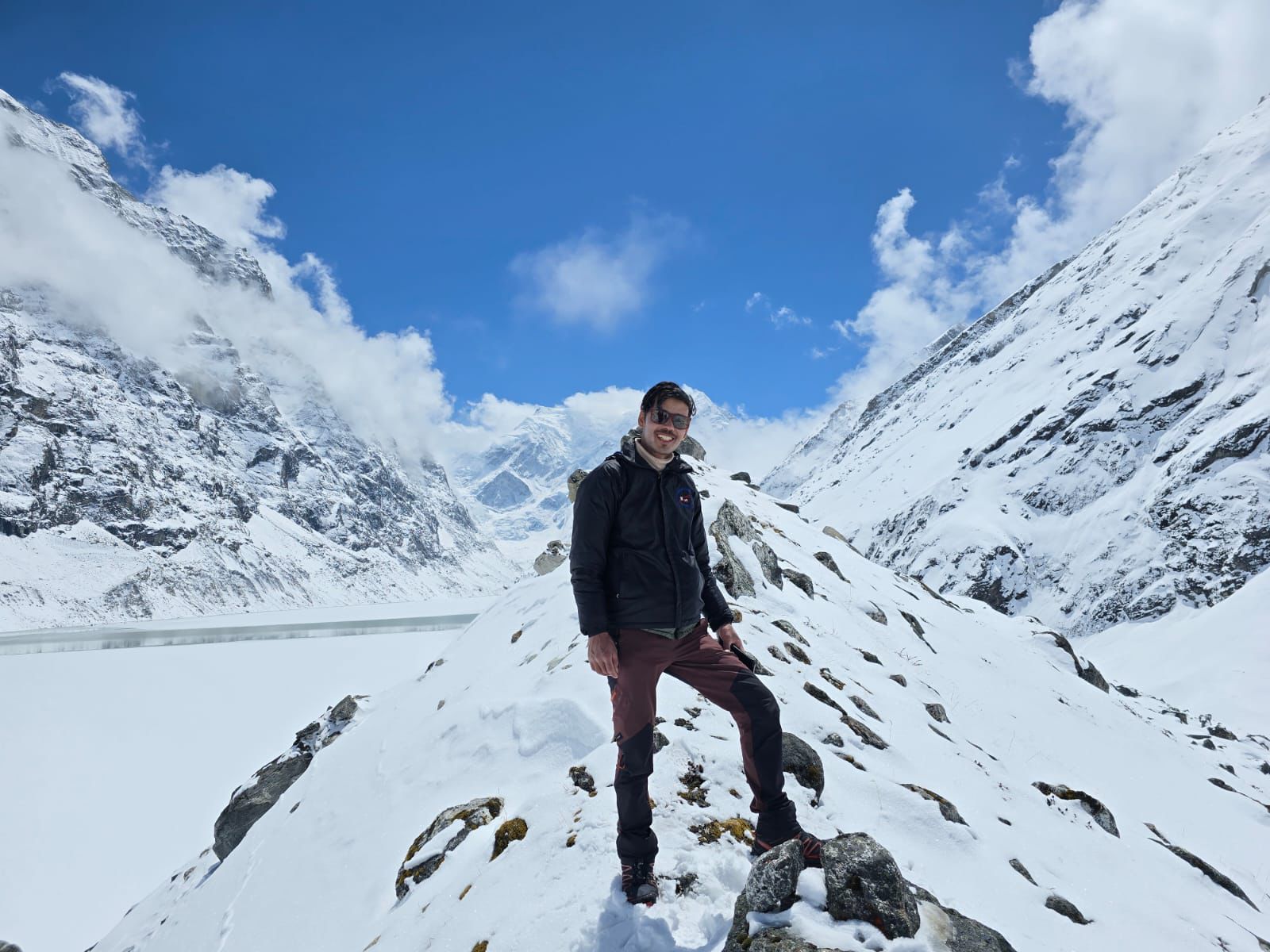
Trekking from Na to Trakarding Glacier Camp marks the transition into glacier terrain, offering a more technical challenge. The trail follows moraine ridges, passes streams, and skirts snowfields, requiring careful navigation. Trekkers steadily gain elevation, reaching around 4,800 meters by the end of the day. The landscape becomes more rugged, with dramatic peaks, hanging glaciers, and glacial rivers dominating the scenery. This day emphasizes steady pacing, careful footwork, and preparation for high-altitude mountaineering conditions.
Arriving at Trakarding Glacier Camp, trekkers set up or stay in established camp facilities amid breathtaking surroundings. The night here is cold but provides the unique experience of sleeping directly below some of the most stunning Himalayan peaks. Trekking at this altitude requires attention to hydration, rest, and nutrition, which are critical for a successful pass crossing. Camp life also fosters camaraderie among trekkers as they prepare for the technical Tashi Lapcha Pass the next day.
Trip Duration:
5-6 hoursTrip Distance:
~10 kmAltitude:
4,800 mMeal:
Breakfast, Lunch, DinnerAccomodation :
Camp at Trakarding GlacierDay 07
The trek from Trakarding to Tashi Lapcha Base Camp introduces serious technical terrain, including moraine walks, icy sections, and glacial crossings. Trekkers gradually ascend to approximately 5,200 meters, requiring careful attention to foot placement and the use of trekking poles. The surrounding landscape becomes increasingly dramatic, with close-up views of towering peaks and massive glaciers. This day challenges both physical endurance and mental focus, as altitude begins to make breathing more difficult.
Reaching Tashi Lapcha Base Camp is a moment of accomplishment, with panoramic vistas of neighboring high peaks and the route to the pass clearly visible. The camp offers tents and essential facilities, allowing trekkers to rest and prepare for the early morning crossing of Tashi Lapcha Pass. Evening at the base camp is cold and quiet, emphasizing the remote and wild nature of this Himalayan region. Meals are high-energy, and rest is prioritized to ensure readiness for the strenuous day ahead.
Trip Duration:
6-7 hoursTrip Distance:
~12 kmAltitude:
5,200 mMeal:
Breakfast, Lunch, DinnerAccomodation :
Camp at Tashi Lapcha Base CampDay 08
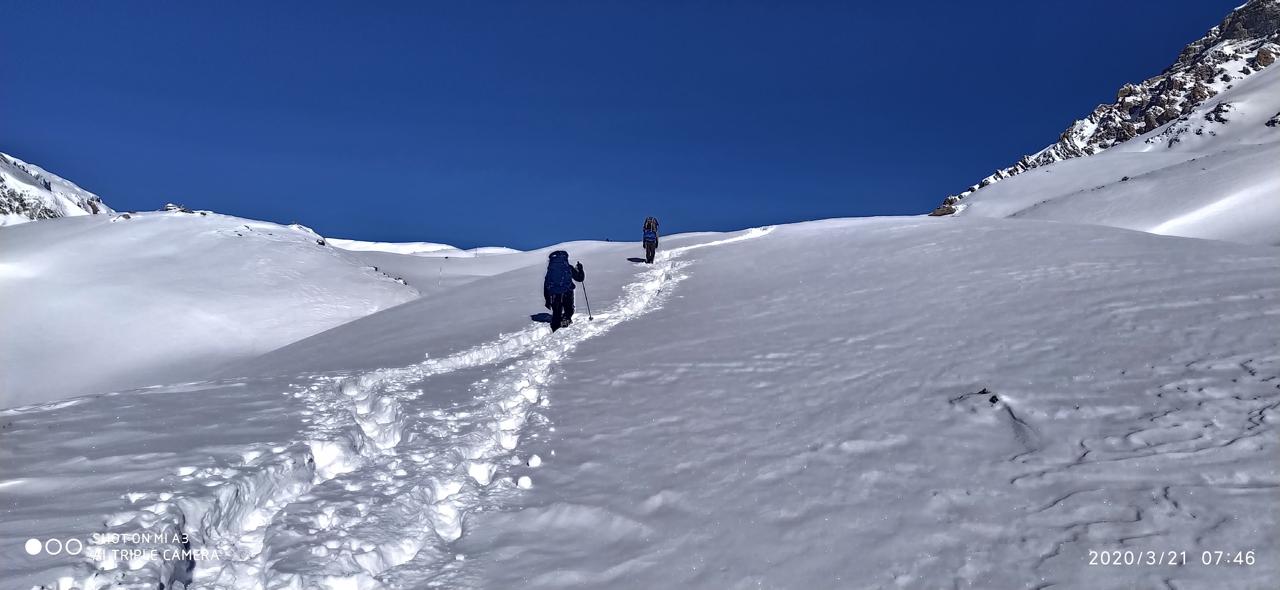
This is the most challenging day of the trek, as trekkers cross Tashi Lapcha Pass at 5,755 meters. The day starts early, often before sunrise, to take advantage of stable weather conditions. The ascent involves steep snowfields, icy sections, and exposed ridges, making proper acclimatization, careful pacing, and teamwork essential. The breathtaking panoramic views from the pass reward the effort, including glimpses of distant Everest, Makalu, and surrounding peaks.
After the pass, the descent leads to the next camp at approximately 5,400 meters. Despite fatigue from the long and technical day, trekkers are treated to stunning sunset views and the satisfaction of completing one of the most demanding Himalayan passes. Evenings are cold and require warm clothing, hydration, and rest. This day combines adventure, challenge, and a strong sense of achievement, marking the highlight of the Tashi Lapcha journey.
Trip Duration:
10-12 hoursTrip Distance:
~15 kmAltitude:
5,755 m / 5,400 mMeal:
Breakfast, Lunch, DinnerAccomodation :
Camp after PassDay 09
After crossing Tashi Lapcha Pass, trekkers descend into the Khumbu region, reaching the traditional Sherpa village of Thame. The descent is long but less technical than the pass, allowing trekkers to enjoy the natural beauty of the Khumbu Valley, including rhododendron forests, streams, and distant Himalayan views. This day emphasizes recovery, gentle trekking, and enjoying the cultural richness of Thame, known for its monasteries and historical significance.
Upon reaching Thame, trekkers settle into guesthouses, enjoying warm meals and interacting with local residents. This village stay provides essential rest after the strenuous pass crossing and allows trekkers to regain energy for the final section of the trek. The surrounding peaks, including Kangtega and Thamserku, provide a spectacular backdrop for photographs and reflection on the adventure thus far.
Trip Duration:
6-7 hoursTrip Distance:
~14 kmAltitude:
3,800 mMeal:
Breakfast, Lunch, DinnerAccomodation :
Guesthouse in ThameDay 10
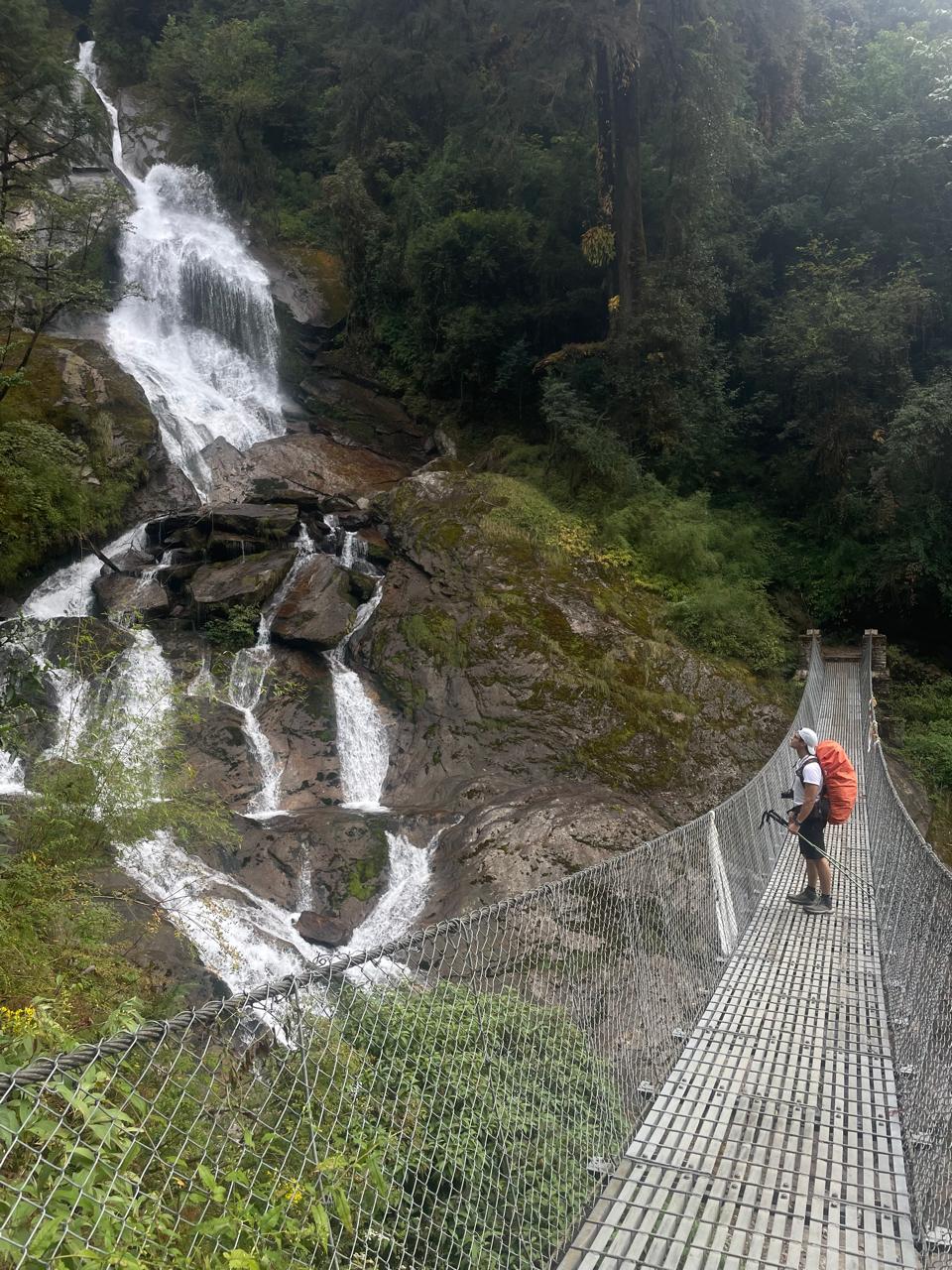
Today is a much easier trekking day, allowing your body to recover after the strenuous Tashi Lapcha Pass crossing. The trail gradually descends through beautiful forested areas, crossing small streams and suspension bridges along the way. Trekkers enjoy the peaceful natural environment, with frequent opportunities to see wildlife such as Himalayan birds and, occasionally, musk deer. The pace is gentle, making it ideal for reflection, photography, and appreciating the stunning vistas of nearby peaks like Kangtega and Kusum Kanguru.
Arriving in Namche Bazaar, the main trading hub of the Khumbu region, marks a return to a livelier atmosphere. The town offers small shops, cafes, and traditional teahouses, giving trekkers a chance to restock supplies, enjoy warm meals, and interact with Sherpa locals. This evening provides well-earned rest, with the comfort of proper guesthouse accommodations after several days of camping at high altitude. Namche’s bustling market streets and scenic viewpoints create a memorable stop on the way back to Lukla.
Trip Duration:
5-6 hoursTrip Distance:
~12 kmAltitude:
3,440 mMeal:
Breakfast, Lunch, DinnerAccomodation :
Guesthouse in Namche BazaarDay 11
A full day is dedicated to rest and acclimatization in Namche Bazaar, which is critical after the challenging pass crossing. Trekkers have the option to take short hikes to nearby viewpoints, such as Everest View Hotel, for spectacular views of Mount Everest, Lhotse, and Ama Dablam. This day allows your body to recover from high-altitude exertion, ensuring strength and energy for the descent toward Lukla. Activities also include exploring local markets, interacting with Sherpa families, and observing traditional culture and festivals if the timing aligns.
This buffer day also serves as a precautionary measure against unpredictable weather conditions, which are common in the Himalayas. Meals are hearty and abundant, focusing on replenishing energy stores, and trekkers can enjoy hot showers or relaxation in guesthouses. Mentally, this day provides a sense of achievement for having crossed one of the most challenging Himalayan passes, while physically allowing the body to regain stamina for the remaining journey.
Trip Duration:
FlexibleTrip Distance:
Optional 3-5 kmAltitude:
3,440 mMeal:
Breakfast, Lunch, DinnerAccomodation :
Guesthouse in Namche BazaarDay 12
Descending from Namche Bazaar to Phakding involves trekking through the picturesque Dudh Koshi river valley. The trail passes traditional Sherpa villages, suspension bridges, and terraced farmland. The gradual descent allows the legs to recover while still offering magnificent views of the surrounding Himalayan peaks. Trekkers can also see prayer flags, mani walls, and chortens along the route, which provide a sense of local spiritual culture.
Phakding is a small settlement that offers cozy teahouses and guesthouses. This stop provides an opportunity to relax after several days of high-altitude trekking, with warm meals, comfortable beds, and hot showers for those who wish. The day is relatively easy, giving trekkers a chance to reflect on the adventure, take photographs, and enjoy the natural beauty of the lower Khumbu region.
Trip Duration:
5-6 hoursTrip Distance:
~15 kmAltitude:
2,610 mMeal:
Breakfast, Lunch, DinnerAccomodation :
Guesthouse in PhakdingDay 13
The final trekking day takes you from Phakding to Lukla, the gateway for flights back to Kathmandu. The trail follows the Dudh Koshi River, winding through forested paths, wooden suspension bridges, and small villages. Trekkers enjoy a sense of accomplishment as they descend to lower elevations, with the surrounding mountains gradually becoming more distant, signaling the nearing end of the journey.
Lukla is lively with trekking activity and serves as the hub for domestic flights to Kathmandu. This evening, trekkers can celebrate the completion of the challenging trek, relax in comfortable guesthouses, and share experiences with fellow trekkers. Lukla also provides last-minute souvenir shops and cafes, making it a pleasant spot to unwind before returning to the city.
Trip Duration:
6-7 hoursTrip Distance:
~15 kmAltitude:
2,860 mMeal:
Breakfast, Lunch, DinnerAccomodation :
Guesthouse in LuklaDay 14
After breakfast, trekkers take a morning flight from Lukla to Kathmandu. The flight offers breathtaking aerial views of the Himalayan peaks, glaciers, and valleys traversed during the trek. Upon arrival in Kathmandu, travelers are transferred to their hotel, where they can rest, relax, and enjoy the comfort of the city after the rigorous trek.
The rest of the day is free for leisure, allowing trekkers to explore local markets, dine in traditional Nepali restaurants, or simply unwind at the hotel. This day also provides a chance to reflect on the remarkable adventure and prepare for onward travel. The contrast between remote Himalayan wilderness and the bustling city environment is striking, offering a satisfying conclusion to the expedition.
Trip Duration:
35 minutes flightAltitude:
1,400 mMeal:
Breakfast, Lunch, DinnerAccomodation :
Hotel in KathmanduDay 15
A final buffer day in Kathmandu is reserved for flight delays, rest, or additional sightseeing. Weather in Lukla is often unpredictable, and having a buffer day ensures trekkers can return safely without missing onward connections. Travelers can visit cultural landmarks such as Boudhanath Stupa, Pashupatinath Temple, or the vibrant Thamel district.
This day also serves as an opportunity for trekkers to shop for souvenirs, organize trekking photographs, and relax after the intense 15-day adventure. Reflecting on the journey, travelers gain a deep appreciation for the challenges overcome and the natural beauty experienced during the Tashi Lapcha Pass Trek.
Trip Duration:
FlexibleAltitude:
1,400 mMeal:
Breakfast, Lunch, DinnerAccomodation :
Hotel in KathmanduRoute Map
What's Included
- Experienced trekking guide and support staff
- Accommodation in tea houses and hotels as per itinerary
- All meals during trekking (breakfast, lunch, dinner)
- Necessary trekking permits and TIMS card
- Transportation from Kathmandu to trailhead and return
- Flight from Lukla to Kathmandu
- First aid kit and emergency support
What's Excluded
- International airfare to/from Kathmandu
- Personal expenses such as beverages, snacks, souvenirs
- Travel and medical insurance
- Tips for guide, porter, or staff
- Extra nights in Kathmandu or trail towns due to flight delays
- Porter service: Optional, though recommended for carrying heavy luggage ($22 per porter per day), a porter can carry up to 20 kg, and it is advisable to hire one porter for every two trekkers for comfort and convenience
Essential Info
Add-Ons
The Tashi Lapcha Pass trek can be made even more memorable by including additional sightseeing and travel experiences along the journey. While the standard itinerary covers the main highlights of Rolwaling Valley, Tashi Lapcha Pass, and Khumbu region, add-ons allow trekkers to explore extra locations, cultural sites, and natural landmarks that make this adventure truly unique.
One of the most rewarding add-ons is a visit to Tsho Rolpa Lake, one of the largest glacial lakes in Nepal. Located in the upper Rolwaling Valley, this stunning lake reflects the surrounding snow-capped peaks and provides an excellent opportunity for photography, short hikes, and learning about glacial formations. Trekkers can spend extra time here, enjoying the serenity and capturing panoramic views that are not part of the standard itinerary.
Another enriching add-on is exploring Thame and surrounding Sherpa villages. Thame is a traditional Sherpa settlement known for its rich culture, historic monasteries, and welcoming locals. Spending additional time here allows trekkers to interact with the Sherpa community, learn about their lifestyle, festivals, and crafts, and visit monasteries that are centuries old. This cultural immersion enhances the trekking experience and creates lasting memories.
Trekkers may also choose extra sightseeing in Namche Bazaar. Beyond being a hub for the Khumbu region, Namche offers scenic viewpoints like Everest View Hotel, local markets, and trails to nearby villages such as Khumjung and Kunde. Taking an extra day to explore these areas provides better acclimatization and allows trekkers to enjoy the vibrant local culture, sample traditional Sherpa food, and purchase handcrafted souvenirs.
For those interested in panoramic mountain photography, side trips to nearby ridges or viewpoints along the trail can be added. Locations such as Nagarjun Hill or small scenic paths near Dingboche provide stunning views of Ama Dablam, Cho Oyu, and other Himalayan giants. These detours are ideal for trekkers who want to capture sunrise or sunset vistas and experience the grandeur of the mountains in quieter, less crowded spots.
Add-On:
- Tsho Rolpa Lake Excursion: Visit and explore one of Nepal’s largest glacial lakes, photography, and short hikes
- Thame Village Exploration: Immerse in Sherpa culture, visit monasteries, interact with locals
- Namche Bazaar Extra Day: Explore local markets, nearby villages, scenic viewpoints
- Side Trips to Viewpoints: Short hikes to ridges like Nagarjun Hill for panoramic mountain photography
Best Season to Trek
The Tashi Lapcha Pass Trek is a high-altitude trek that demands careful consideration of the best time to visit. The weather in the Rolwaling and Khumbu regions is highly influenced by seasonal patterns, and choosing the right season ensures safety, clear views, and an enjoyable trekking experience. There are two main trekking seasons that are considered ideal: Spring (March to May) and Autumn (September to November).
During Spring, the trek is enriched with vibrant landscapes as rhododendrons, alpine flowers, and lush greenery dominate the valleys. This is one of the most popular seasons for trekking because the weather is generally stable, and temperatures are moderate, making the high-altitude passes more manageable. Snow begins to melt at lower elevations, making trails easier to navigate, while the higher passes remain snow-covered, offering a spectacular Himalayan backdrop. Spring is also ideal for photographers and nature enthusiasts, as the combination of colorful flora and snow-capped peaks creates breathtaking scenery.
Autumn, on the other hand, offers crystal-clear skies and excellent visibility of the towering Himalayan peaks. After the monsoon season, the air is clean and fresh, revealing panoramic views of Everest, Cho Oyu, and other majestic mountains along the route. The temperatures are cooler than in spring, especially at higher altitudes, but the days are generally sunny and stable. Autumn is considered the peak trekking season in Nepal due to its reliable weather and the opportunity to witness local festivals such as Dashain and Tihar, which provide cultural insights along the trek.
While Winter (December to February) and Monsoon (June to August) treks are possible, they come with significant challenges. Winter treks face extremely cold temperatures, icy trails, and reduced daylight, which can make the high passes more dangerous. Monsoon season brings heavy rainfall, slippery trails, and the risk of landslides, especially in the lower Rolwaling Valley, making trekking less safe and less enjoyable. Trekkers attempting these seasons need advanced experience and specialized equipment.
Best Season:
- Spring (March–May): Moderate temperatures, blooming rhododendrons, manageable snow on high passes, ideal for photography and nature exploration
- Autumn (September–November): Clear skies, excellent visibility of Himalayan peaks, cultural festivals, stable trekking conditions
- Winter (December–February): Cold, icy trails, fewer trekkers, requires advanced experience
- Monsoon (June–August): Heavy rainfall, slippery trails, risk of landslides, not recommended for standard trekking
Food Availability
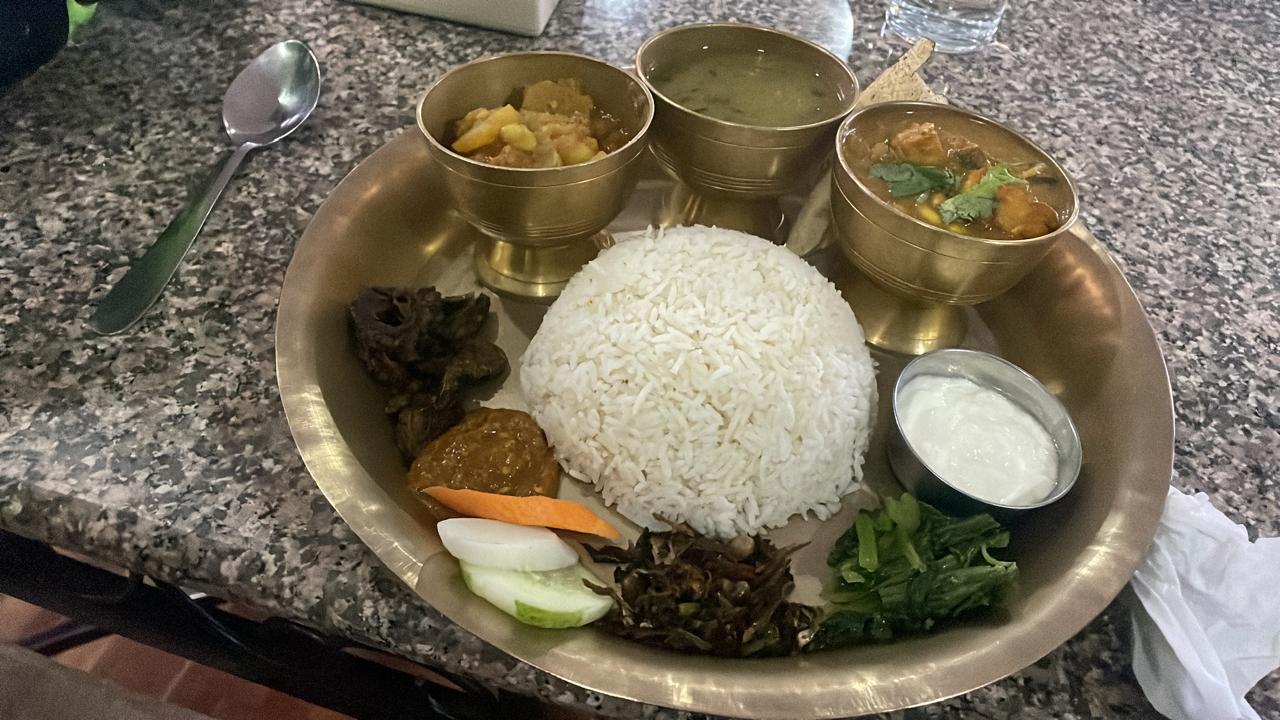
During the Tashi Lapcha Pass Trek, trekkers will experience a wide range of food options that reflect both the local culture and the demands of high-altitude trekking. In the lower villages such as Simigaon, Dongang, and Beding, food availability is relatively rich, offering freshly prepared meals using locally sourced ingredients. Traditional Nepali dishes like dal bhat (lentil soup with rice), momos (steamed or fried dumplings), thukpa (noodle soup), and simple vegetable curries dominate the menu. These meals are hearty, nutritious, and designed to provide sufficient energy for trekking. Lodges often offer breakfast items like porridge, eggs, bread, and jam, ensuring trekkers start the day well-fueled.
As trekkers ascend into higher altitudes, reaching Na, Trakarding, and eventually the Tashi Lapcha Base Camp, food availability becomes more limited, but the quality is designed to meet the high-energy requirements of long, physically demanding days. At these elevations, fresh vegetables and fruits may be scarce, and teahouses focus on calorie-dense meals like pasta, noodles, rice dishes, and soups. Hot beverages such as tea, coffee, and cocoa are widely available and crucial for maintaining warmth in cold conditions. Many teahouses also serve energy snacks like biscuits, chocolate, and nuts, which are essential for supplementing meals during long trekking or when crossing technical terrain.
Trekkers should also be aware that menu options may vary depending on weather conditions, local supply chains, and the remoteness of the village or camp. In very remote areas like Trakarding Glacier Camp or Tashi Lapcha Base Camp, meals may be pre-prepared, and fresh ingredients could be limited. For this reason, carrying personal high-energy snacks, protein bars, and instant food items is highly recommended. Additionally, staying hydrated is crucial, so hot drinks and soups play an essential role in maintaining both energy levels and body warmth during the trek.
Food Availability:
- Traditional Local Cuisine: Dal bhat, momos, thukpa, vegetable curry, lentil soup
- High-Altitude Meals: Pasta, instant noodles, rice dishes, porridge, soups
- Beverages: Tea, coffee, cocoa, warm lemon drinks
- Snacks: Energy bars, nuts, chocolate, biscuits
- Tips for Trekkers: Carry personal snacks, drink plenty of fluids, supplement meals with high-calorie items at high-altitude camps
Accommodation
Accommodation along the Tashi Lapcha Pass Trek ranges from comfortable lodges in the lower regions to basic teahouses and camping at higher altitudes. In places like Simigaon, Dongang, and Namche Bazaar, trekkers can enjoy guesthouses that provide beds with blankets, warm meals, and shared bathrooms. These lodges are often run by local families, giving trekkers a chance to experience traditional Sherpa and Nepali hospitality. Some lodges also offer amenities such as hot showers, Wi-Fi, and communal dining areas where trekkers can relax, share stories, and plan their next day’s trek. Staying in these accommodations allows for proper rest and recovery while giving trekkers the comfort they need before ascending to higher altitudes.
As the trek progresses into the higher Rolwaling Valley, including Na Village, Trakarding, and the Tashi Lapcha Base Camp area, accommodation becomes simpler and more rustic. Teahouses and tents are common, often providing shared rooms with minimal furnishings. Hot showers and electricity are limited or unavailable, usually relying on solar panels or battery-powered lights. Despite the simplicity, these high-altitude lodgings offer a safe shelter, warm meals, and an opportunity to connect with fellow trekkers, creating a unique sense of camaraderie. The simplicity of these accommodations reflects the remoteness of the region and enhances the sense of adventure, as trekkers immerse themselves fully in the Himalayan environment.
At the highest points, such as the Tashi Lapcha Base Camp and surrounding areas, accommodation is primarily in tents or basic teahouses, where the focus shifts from comfort to practicality and safety. These high-altitude stays offer unparalleled views of glaciers, snow-covered peaks, and rugged mountain terrain, making the trekking experience unforgettable. Trekkers can witness breathtaking sunrises and sunsets from their lodgings, while also experiencing the challenges of life in extreme altitudes. Interaction with local Sherpa families in these remote areas provides valuable insights into their culture, traditions, and resilience in the face of harsh mountain conditions. The combination of natural beauty, cultural immersion, and physical challenge makes accommodation on this trek a central part of the overall adventure.
Accommodation
- Guesthouses in Lower Regions: Comfortable lodges with beds, blankets, hot meals, and shared bathrooms in places like Simigaon, Dongang, and Namche Bazaar.
- Teahouses in Higher Regions: Shared rooms with basic furnishings in Na Village, Trakarding, and surrounding areas; simple yet safe and warm.
- Camping at Extreme Altitudes: Tents at Tashi Lapcha Base Camp and remote areas offering shelter and breathtaking mountain views.
- Limited Amenities: Hot showers, electricity, and heating are minimal, often relying on solar or battery-powered solutions.
- Communal Spaces: Dining areas for meals, socializing, and planning trekking days.
- Cultural Interaction: Opportunities to experience Sherpa hospitality and local traditions firsthand.
- Scenic Views: Lodgings provide spectacular vistas of glaciers, peaks, and rugged Himalayan terrain.
Travel Insurance
Travel insurance is an essential part of preparing for the Tashi Lapcha Pass Trek, as it ensures that trekkers are covered for emergencies, accidents, or unexpected changes in plans. The trek passes through remote areas of the Himalayas, where access to medical facilities can be limited and evacuation may be required in case of altitude sickness, injuries, or other health issues. Comprehensive travel insurance should cover medical emergencies, helicopter evacuation, trip cancellations, lost or delayed baggage, and unexpected travel interruptions. Having insurance gives trekkers peace of mind, allowing them to focus on the adventure and experience the breathtaking landscapes without unnecessary worry.
For high-altitude treks like Tashi Lapcha Pass, travel insurance should specifically include coverage for trekking up to altitudes above 5,500 meters, as this is where most standard policies may not provide protection. This coverage ensures that if a trekker experiences altitude-related illness or needs urgent medical evacuation from remote camps, the costs are not personally borne. In addition, some policies provide coverage for winter trekking conditions, extreme weather events, and temporary accommodation if the trek is delayed due to unforeseen circumstances. Insurance providers often require medical details and prior declaration of health conditions to validate coverage, so trekkers should arrange this well in advance.
Travel insurance also plays a vital role in safeguarding trekkers’ investments in the trek itself. Expenses for flights, permits, guides, and other pre-paid services can be reimbursed if unforeseen circumstances such as natural disasters, political unrest, or flight cancellations disrupt plans. This protection ensures that the trek remains a memorable experience rather than a stressful situation in case of emergencies. Choosing the right travel insurance allows trekkers to take calculated risks, enjoy the challenging Himalayan terrain, and fully embrace the adventure with confidence.
Travel Insurance
- Medical Coverage: Protects against illness, injuries, and altitude sickness emergencies.
- Helicopter Evacuation: Coverage for emergency evacuation from remote high-altitude areas.
- Trip Cancellation: Reimbursement for pre-paid costs if trekking plans are disrupted unexpectedly.
- Baggage Loss/Delay: Compensation for lost, stolen, or delayed baggage during the trek.
- High-Altitude Trekking: Policies that cover trekking above 5,500 meters and extreme conditions.
- Weather and Natural Disaster Protection: Ensures coverage in case of storms, landslides, or other natural events.
- Pre-Existing Conditions Declaration: Ensures insurance validity for any declared medical issues.
- Peace of Mind: Allows trekkers to enjoy the trek fully without worrying about emergencies.
Altitude Sickness
Altitude sickness, also known as Acute Mountain Sickness (AMS), is a common challenge for trekkers on high-altitude routes like the Tashi Lapcha Pass Trek. As the body ascends above 3,000 meters, the reduced oxygen levels can cause headaches, nausea, dizziness, and fatigue. Proper acclimatization is critical to minimize these symptoms. The trek itinerary includes rest and acclimatization days, which are carefully planned to allow the body to adjust gradually to increasing altitude. Taking rest days at villages such as Na, Dingboche, and Thame ensures that trekkers can maintain a safe pace and enjoy the trek without risking severe altitude illness.
Preventing altitude sickness involves both preparation before the trek and careful monitoring during the ascent. Hydration is essential, as dehydration can worsen symptoms. Trekkers are advised to eat light meals, avoid alcohol, and limit strenuous activity during the first days at high altitude. Some experienced trekkers may use preventive medication under medical supervision, such as Diamox, which helps the body adapt more quickly. Recognizing early warning signs is key, and trekkers are instructed to descend immediately if symptoms become severe, as rapid descent is the most effective treatment for serious cases.
Understanding the risks and taking proactive measures allows trekkers to safely experience the high Himalayas. Guides play a vital role in monitoring health, advising on pacing, and making decisions about rest or descent if necessary. With proper planning, awareness, and adherence to acclimatization guidelines, most trekkers can complete the Tashi Lapcha Pass Trek safely while minimizing the effects of altitude.
Altitude Sickness
- Mild Symptoms: Headache, fatigue, nausea, and mild dizziness common above 3,000 m.
- Severe Symptoms: Persistent vomiting, shortness of breath at rest, confusion – require immediate descent.
- Acclimatization Days: Planned rest days at key villages to allow the body to adapt gradually.
- Hydration & Nutrition: Drink plenty of water and eat light meals to support oxygenation.
- Medication: Diamox under medical supervision can aid acclimatization.
- Monitoring: Guides track symptoms and ensure safe trekking pace.
- Emergency Descent: Rapid descent is the most effective treatment for severe altitude sickness.
Guide and Safety Measures
Having an experienced guide is one of the most important safety measures on the Tashi Lapcha Pass Trek. Guides not only lead the route but also ensure proper pacing, manage altitude risks, and handle emergencies. They provide valuable knowledge about the terrain, weather conditions, and local culture, making the trek both safer and more enriching. Guides are trained to recognize early signs of altitude sickness, manage minor injuries, and make decisions about rest or descent when needed.
Safety measures also include using proper trekking equipment, such as trekking poles, sturdy boots, and layered clothing suitable for extreme weather. Emergency communication devices, first aid kits, and contingency plans for evacuation are standard protocols for organized treks. Trekkers are briefed on safety rules, including staying on marked trails, following the guide’s instructions, and avoiding risky shortcuts. This structured approach reduces the risk of accidents and ensures that trekkers can navigate technical sections like glacier camps and high passes with confidence.
Additionally, safety extends to weather preparedness and environmental awareness. The Himalayas can experience sudden storms, extreme cold, and heavy snowfall, so monitoring weather reports and adjusting itineraries is essential. Respecting wildlife, cultural sites, and high-altitude ecology is also part of the safety framework. A combination of trained guides, proper equipment, informed trekking practices, and environmental mindfulness ensures a secure and enjoyable journey through the remote and challenging regions of Rolwaling and Khumbu.
Guide and Safety Measures:
- Experienced Guides: Lead trek, manage pace, monitor health, and handle emergencies.
- Altitude Awareness: Recognize and respond to symptoms of altitude sickness.
- Equipment Safety: Trekking poles, boots, layered clothing, and first aid kits.
- Communication & Emergency Plans: Radios, mobile devices, and evacuation protocols.
- Weather Monitoring: Adjust itineraries based on snow, storms, and extreme conditions.
- Trail Discipline: Stay on marked trails and follow guide instructions.
- Environmental Respect: Protect wildlife, cultural sites, and local ecology.
Booking Procedure
Booking the Tashi Lapcha Pass Trek involves several straightforward steps to ensure a smooth and organized experience. First, contact ART Nepal Treks & Expedition through their website, email, or phone to inquire about available dates, group sizes, and services included in the package. Provide details such as the number of trekkers, preferred start date, and any special requirements.
After confirming availability, a deposit is usually required to secure your booking. This can be done through secure online payment or bank transfer. The company will then issue a booking confirmation along with a detailed itinerary, necessary trekking permits, and guidance on pre-trek preparation. Final payments are typically due before departure, ensuring that all logistical arrangements, including accommodation, transport, and guides, are properly organized.
Before the trek, trekkers receive essential information, including gear recommendations, safety protocols, and travel insurance requirements. ART Nepal Treks & Expedition also provides support for visa applications, flight bookings, and local transport arrangements. Completing the booking process in advance ensures that all necessary arrangements are confirmed, and trekkers can focus fully on preparing for the adventure in the Himalayas.
Booking Procedure
- Inquiry & Consultation: Contact ART Nepal Treks & Expedition for available dates and services.
- Deposit & Confirmation: Secure booking with deposit; receive itinerary and permits.
- Final Payment: Pay remaining fees before departure to finalize arrangements.
- Pre-Trek Guidance: Receive gear, safety, and insurance recommendations.
- Support Services: Assistance with visa, flights, and local transport.
Equipment List
- Thermal innerwear for cold nights
- Trekking pants and shirts
- Fleece jackets and windproof outer layers
- Waterproof jacket and pants
- Warm hat, gloves, and scarf
- Trekking socks (multiple pairs)
- Trekking poles
- Sleeping bag rated for high-altitude cold
- Headlamp with extra batteries
- Sunglasses with UV protection
- Crampons (for glacier sections)
- Ice axe (if crossing technical passes)
- Base layers for moisture-wicking
- Insulated mid-layers for warmth
- Down jacket for extreme cold
- Waterproof outer layers for snow and rain
- Personal first aid kit
- Water purification tablets or filter
- Sunscreen and lip balm
- Hand sanitizer and wet wipes
- Altitude sickness medication (if prescribed)
- Emergency whistle
- Mobile phone with extra battery or power bank
- Camera and memory cards
- GPS device (optional)
- Solar charger (optional)
General Equipments
- Backpack with rain cover
- Dry bags for clothing and valuables
- Snacks for energy on long days
- Travel documents, permits, and insurance papers
FAQ
Trip Price
USD 3350 Per Person
Talk To Trip Expert
Related Trips