Kanchenjunga North Base Camp Trek – 20 Days of Adventure

Kanchenjunga North Base Camp Trek
20 Days/ 19 Nights
slide image
slide image
slide image
slide image

Introduction

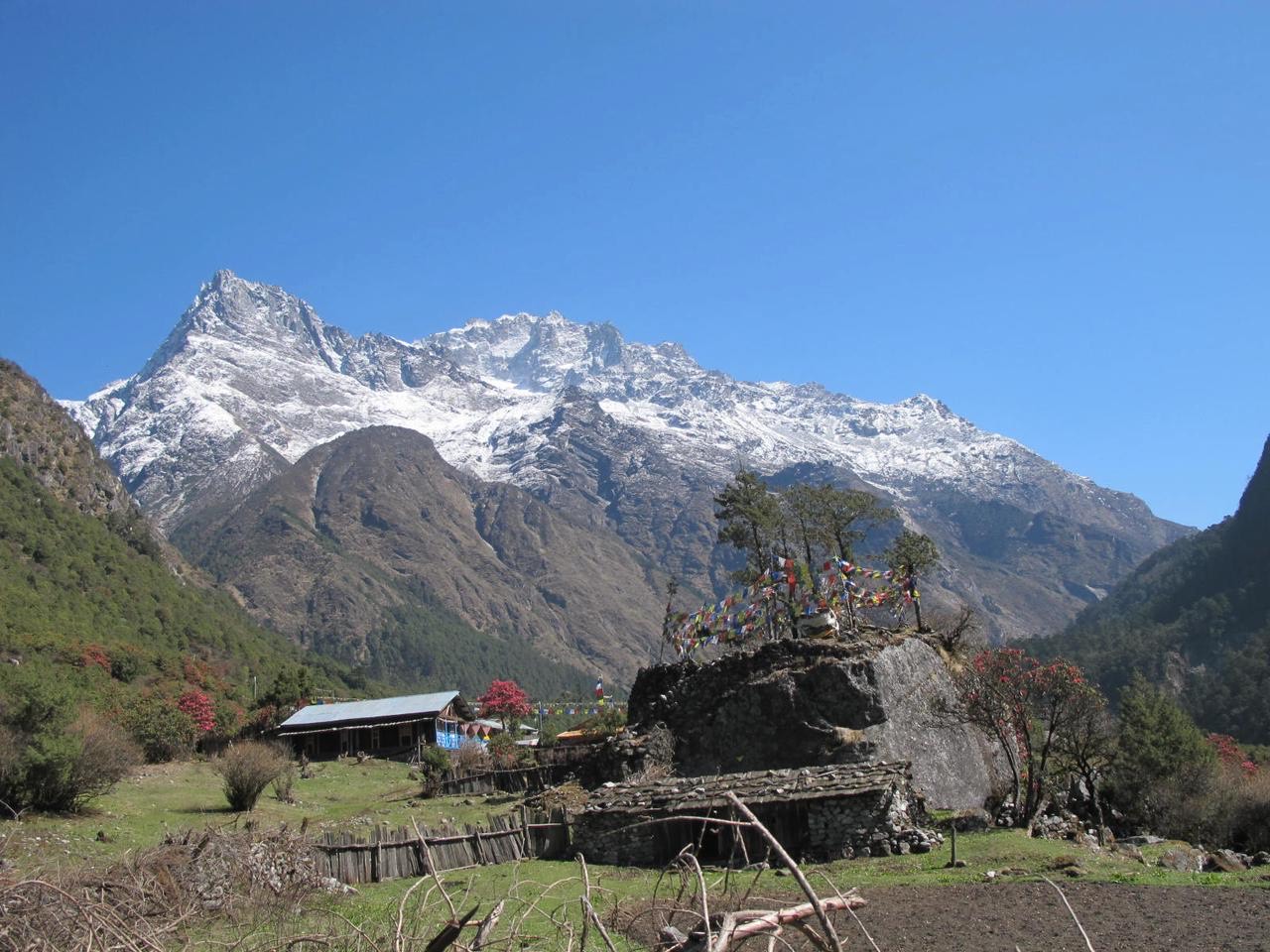
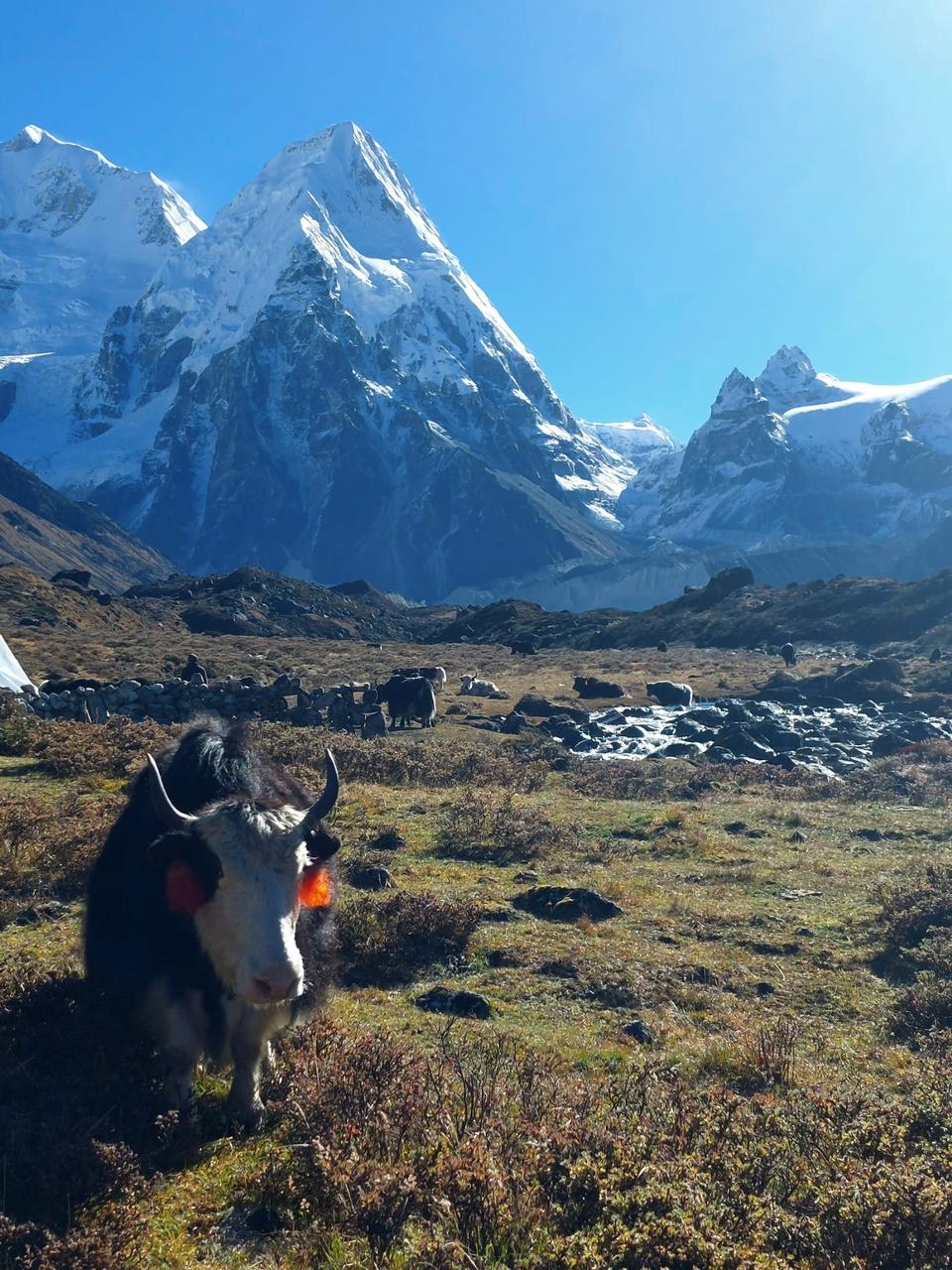
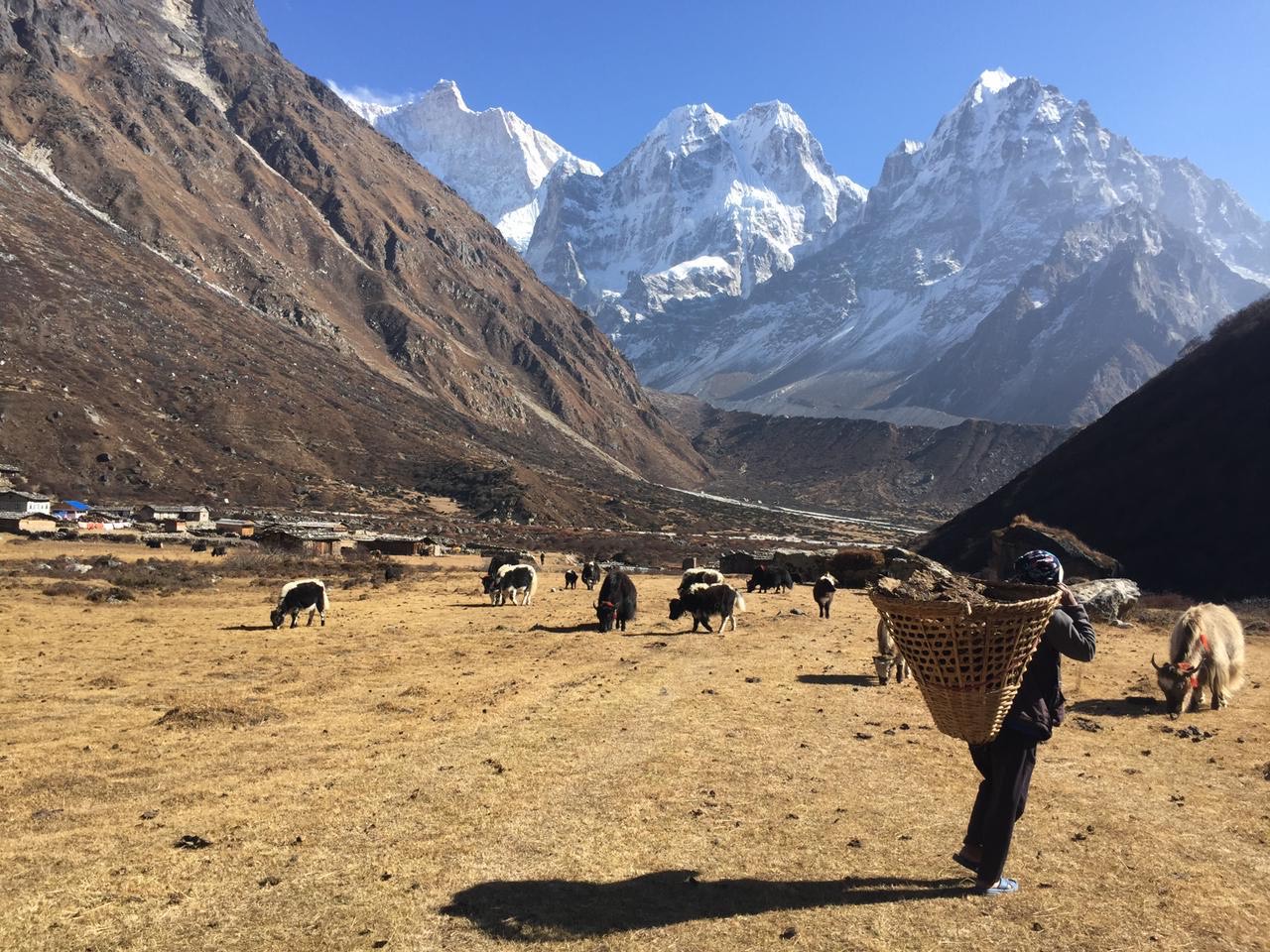
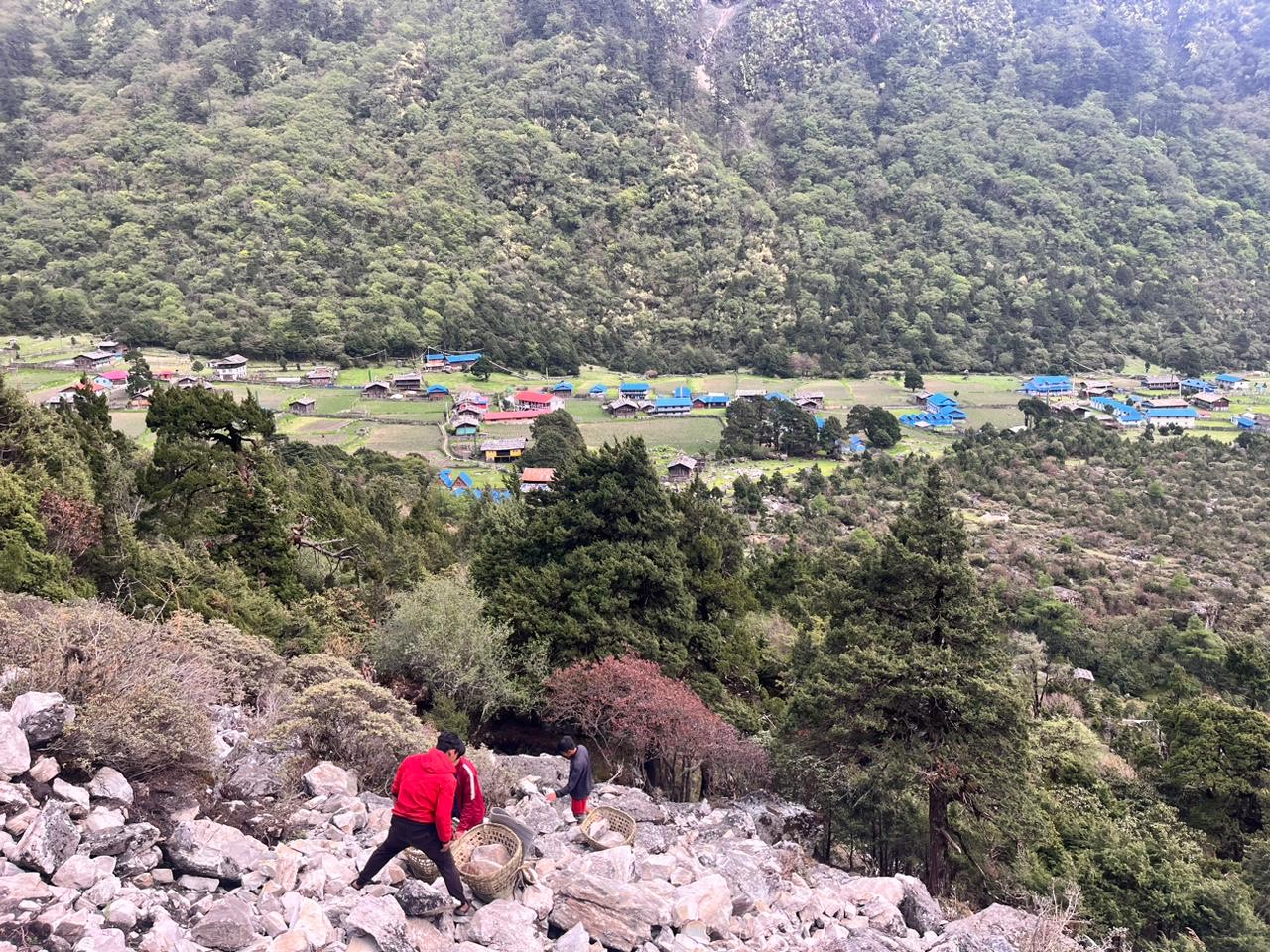
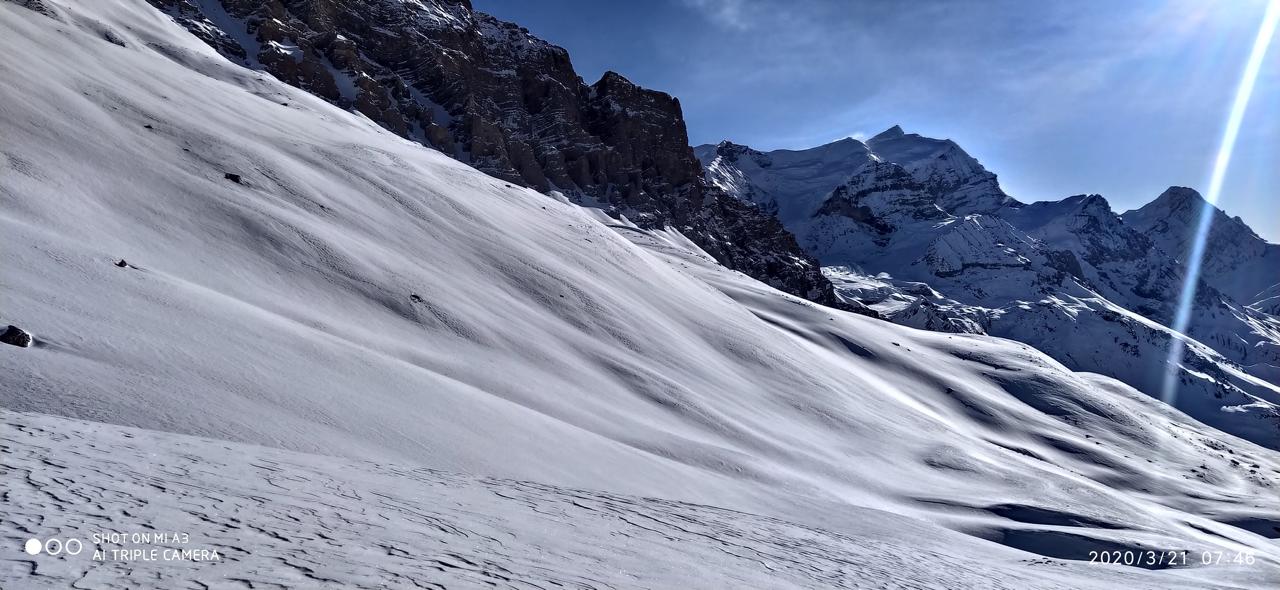
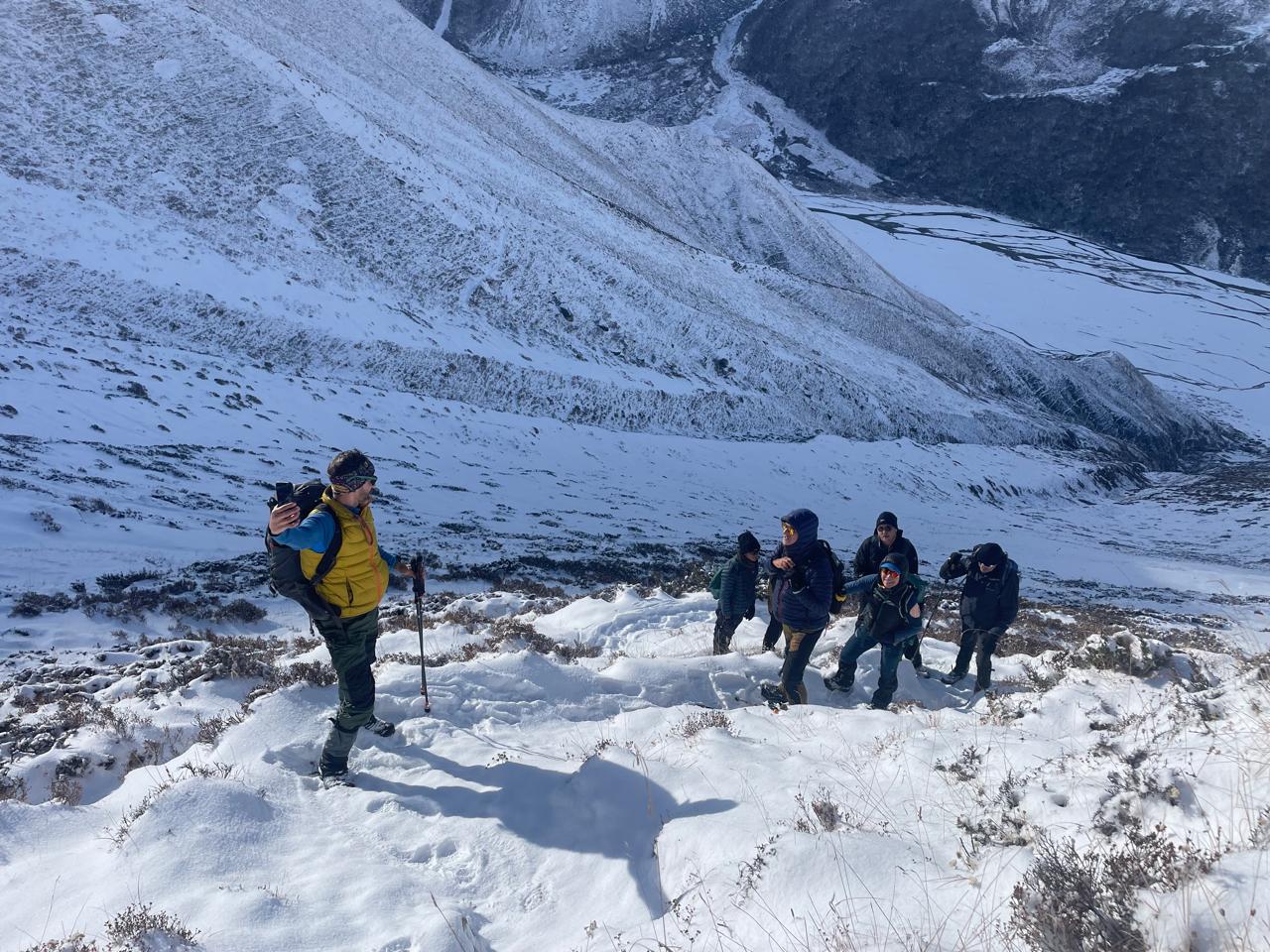
The Kanchenjunga North Base Camp Trek is a 20-day high-altitude adventure that takes trekkers deep into eastern Nepal, leading to the remote base camp of Kanchenjunga, the third highest mountain in the world. Organized by ART Nepal Treks & Expedition, this trek is perfect for trekkers looking for an off-the-beaten-path experience with minimal crowds. The journey starts in the lowlands of Kathmandu and Bhadrapur, gradually ascending through terraced villages, dense rhododendron forests, alpine meadows, and glacial moraines. Along the way, trekkers will navigate high passes, encounter unique flora and fauna, and experience the traditions of remote Himalayan communities.

The trek is physically demanding, requiring endurance, mental preparedness, and proper acclimatization, but the rewards are immense: spectacular mountain vistas, pristine nature, and intimate cultural experiences. Every day of the trek offers a unique combination of adventure, natural beauty, and cultural immersion, from observing yak pastures and mani walls to visiting monasteries and interacting with Limbu and Rai families.

With ART Nepal Treks & Expedition, all logistics, including trekking permits, accommodation, and experienced guides, are taken care of, allowing trekkers to focus entirely on the journey and their personal experience in this pristine Himalayan region.

What Can You Expect from the Trek?

  • A challenging but rewarding journey through one of Nepal’s most remote regions.
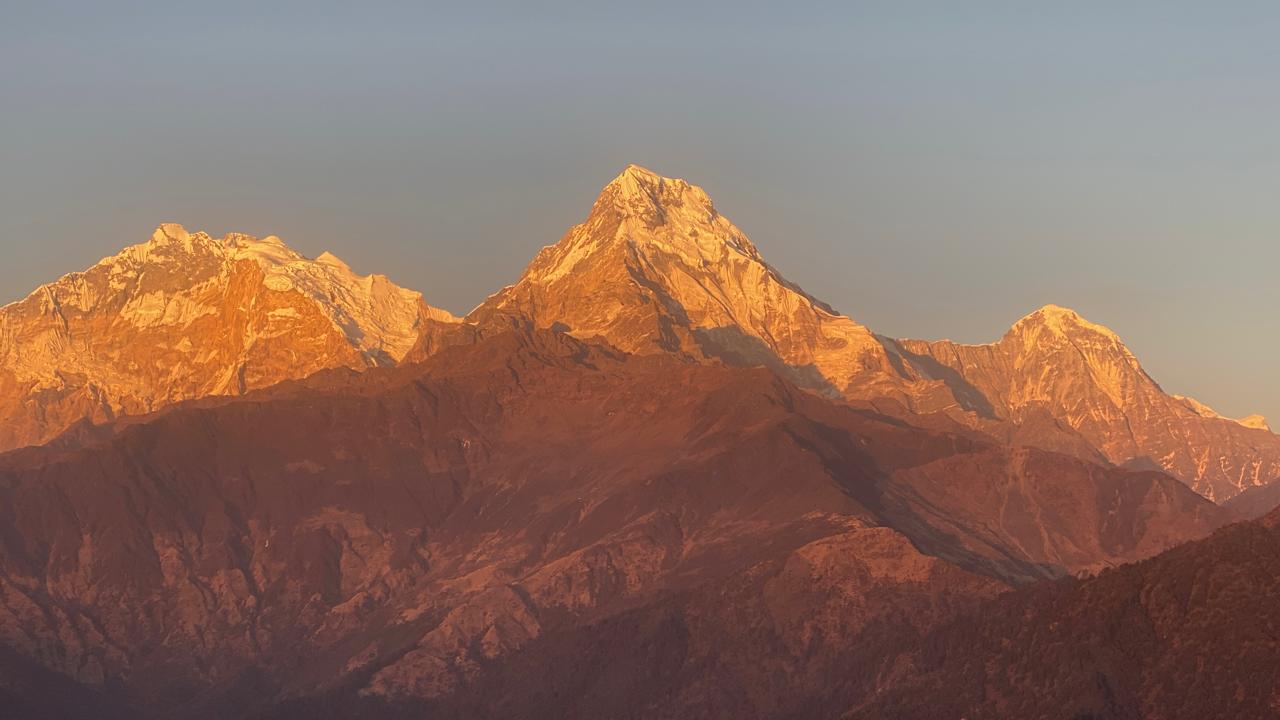
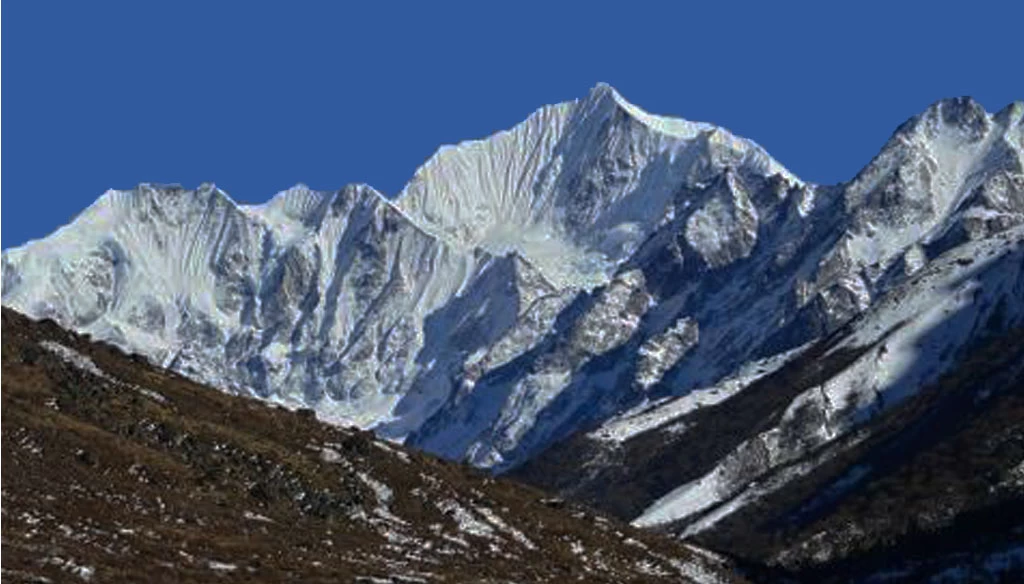
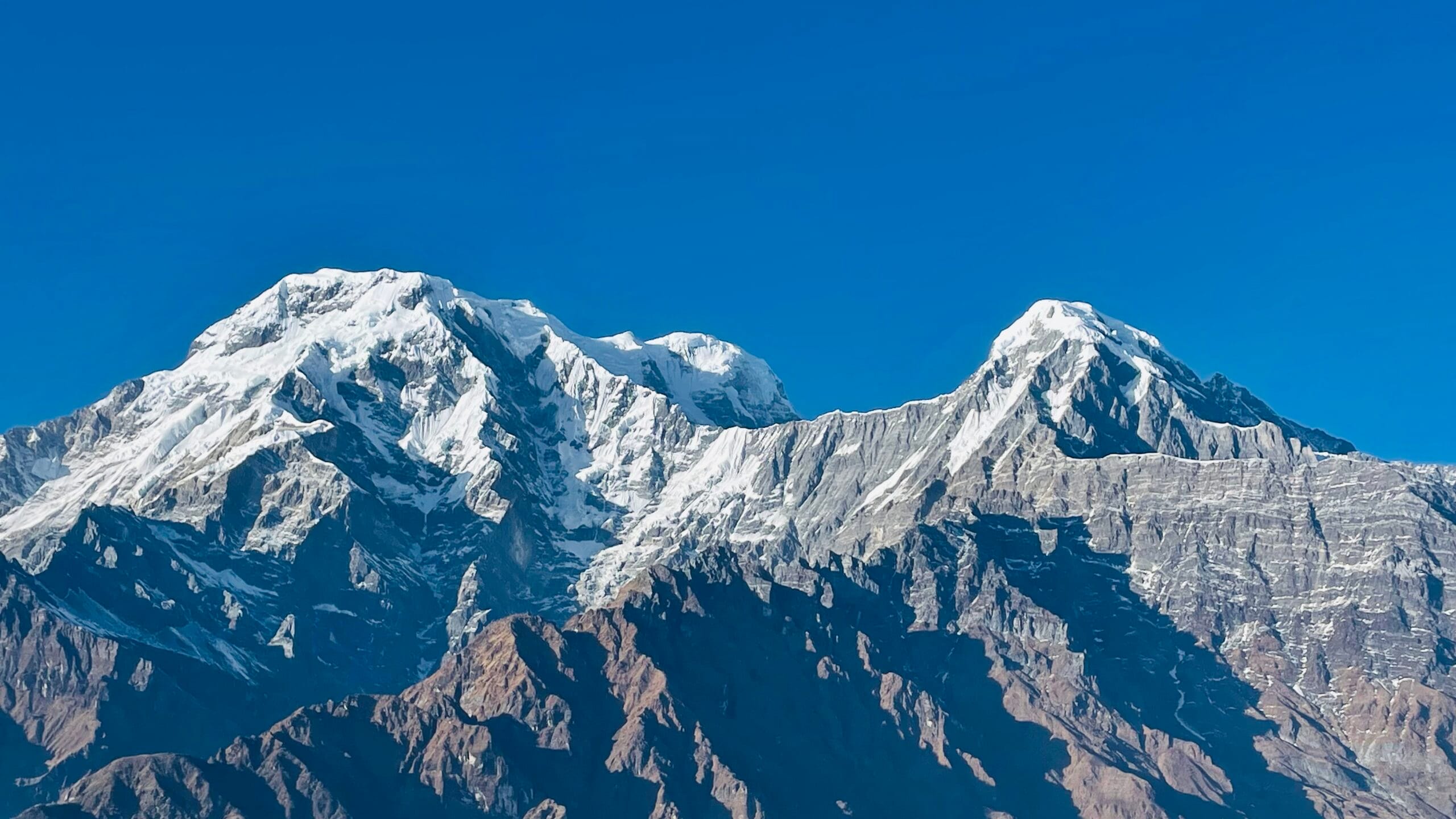
  • Spectacular views of Kanchenjunga and surrounding peaks like Makalu, Tent Peak, and Twins Peak.
  • Varied landscapes, including dense forests, high-altitude pastures, glaciers, and rocky moraines.
  • Cultural immersion in local villages with Limbu and Rai communities.
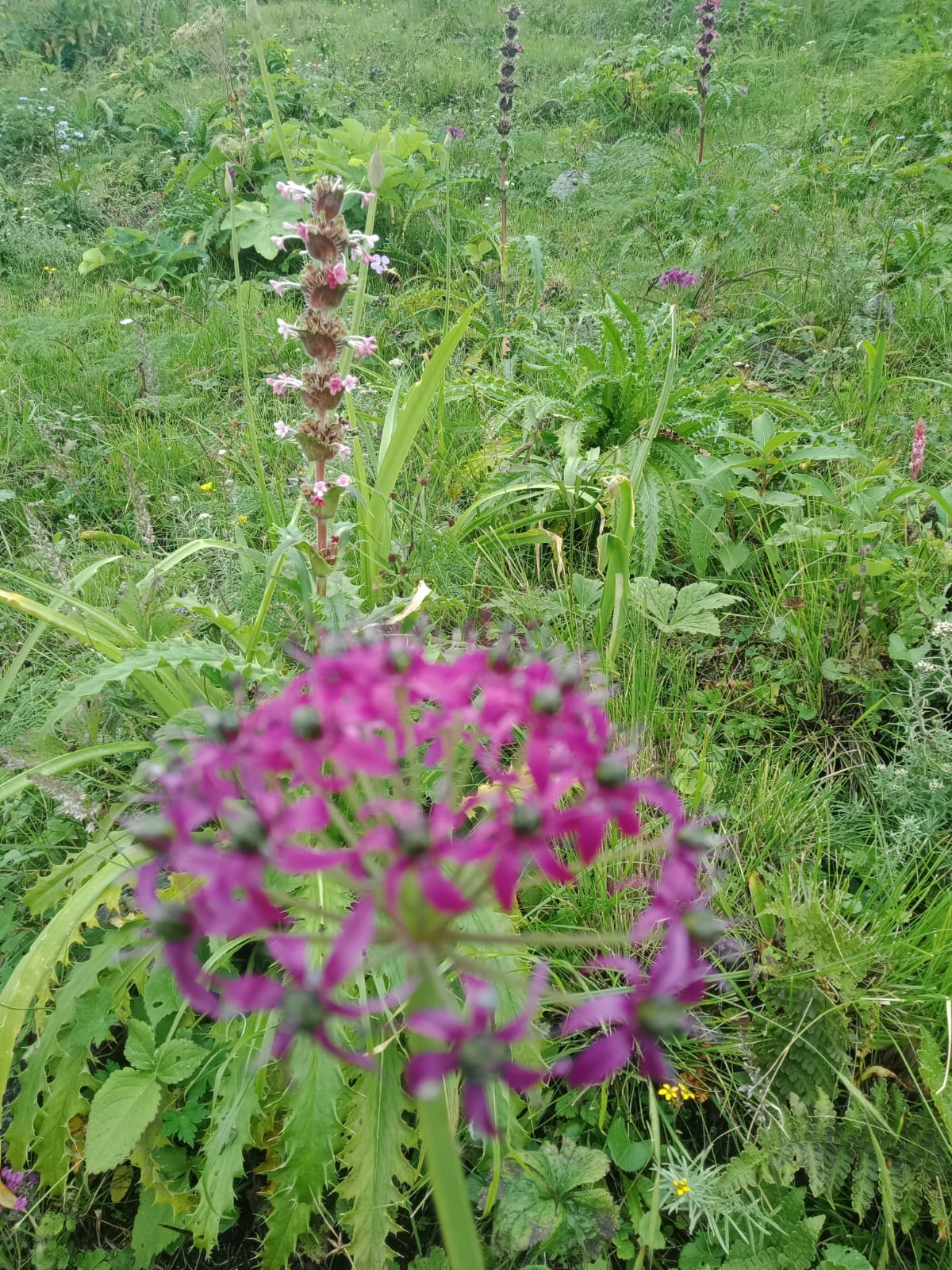
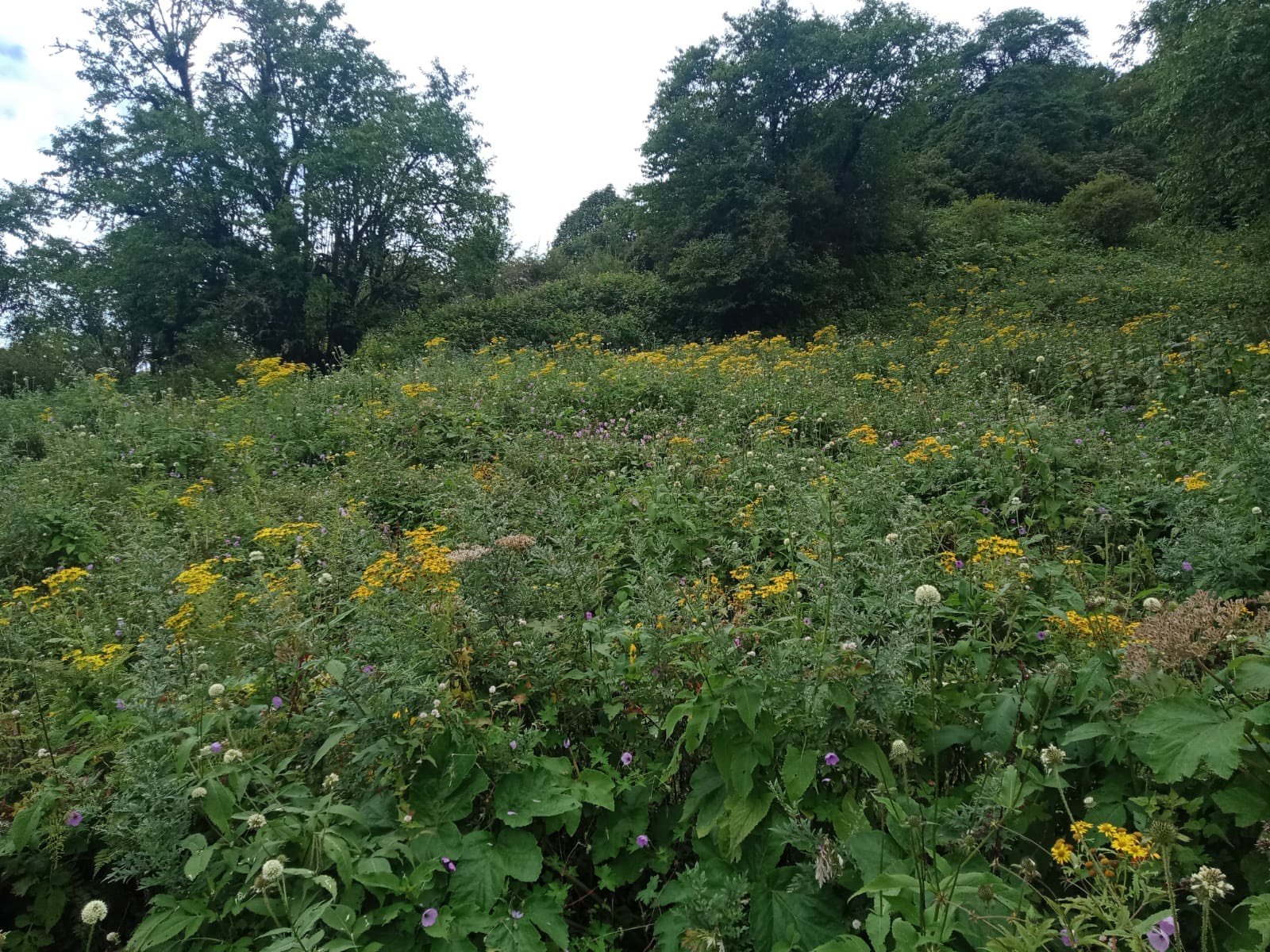
  • Opportunities to observe unique Himalayan wildlife and alpine flora.
  • High-altitude trekking that requires stamina, endurance, and mental resilience.
  • Adventure and solitude, as this region receives fewer trekkers compared to Everest or Annapurna.

Is Trek Suitable for You?

This trek is ideal for individuals who:

  • Are physically fit and prepared for long days of hiking at high altitudes.
  • Have previous trekking experience or a strong desire to explore remote regions.
  • Enjoy adventure in isolated locations and basic accommodations.
  • Can adapt to unpredictable weather conditions and rugged terrain.
  • Seek a mix of cultural insights, natural beauty, and challenging trekking.

How to Get Prepared for Trek?

  1. Physical Fitness: Engage in cardio, hiking, long walks with weighted backpacks, and strength training. Focus on leg and core muscles for endurance.
  2. Gear and Clothing: Bring thermal layers, waterproof jackets, trekking boots, gloves, hats, and trekking poles suitable for high-altitude trekking.
  3. Acclimatization: Follow the gradual ascent schedule and rest days to prevent altitude sickness. Optional day hikes at mid-altitude villages help acclimatization.
  4. Mental Preparation: Be ready for long trekking days, changing weather, and limited facilities. Positive attitude and adaptability are essential.
  5. Health Check-up: Consult a doctor before the trek to ensure fitness, discuss vaccination requirements, and prepare medications for altitude sickness if necessary.
  6. Travel Insurance: Obtain comprehensive insurance covering high-altitude trekking, medical emergencies, evacuation, and unforeseen circumstances.
  • Trip Duration

    20 Days/ 19 Nights

  • Group Size

    1–15 people

  • Maximum Altitude

    5,143 meters

  • Trip Difficulty

    Challenging

  • Activities

    Trekking

  • Best Season

    Spring (March to May), Autumn (September to November)

  • Trip Start & End

    Kathmandu/ Kathmandu

  • Meals

    Breakfast, Lunch, Dinner

  • Accomodation

    Teahouses / Camping

Highlights

  • Reach Kanchenjunga North Base Camp, the remote base of the world’s third highest mountain.
  • Cross challenging high-altitude passes such as Mirgin La and Sinion La.
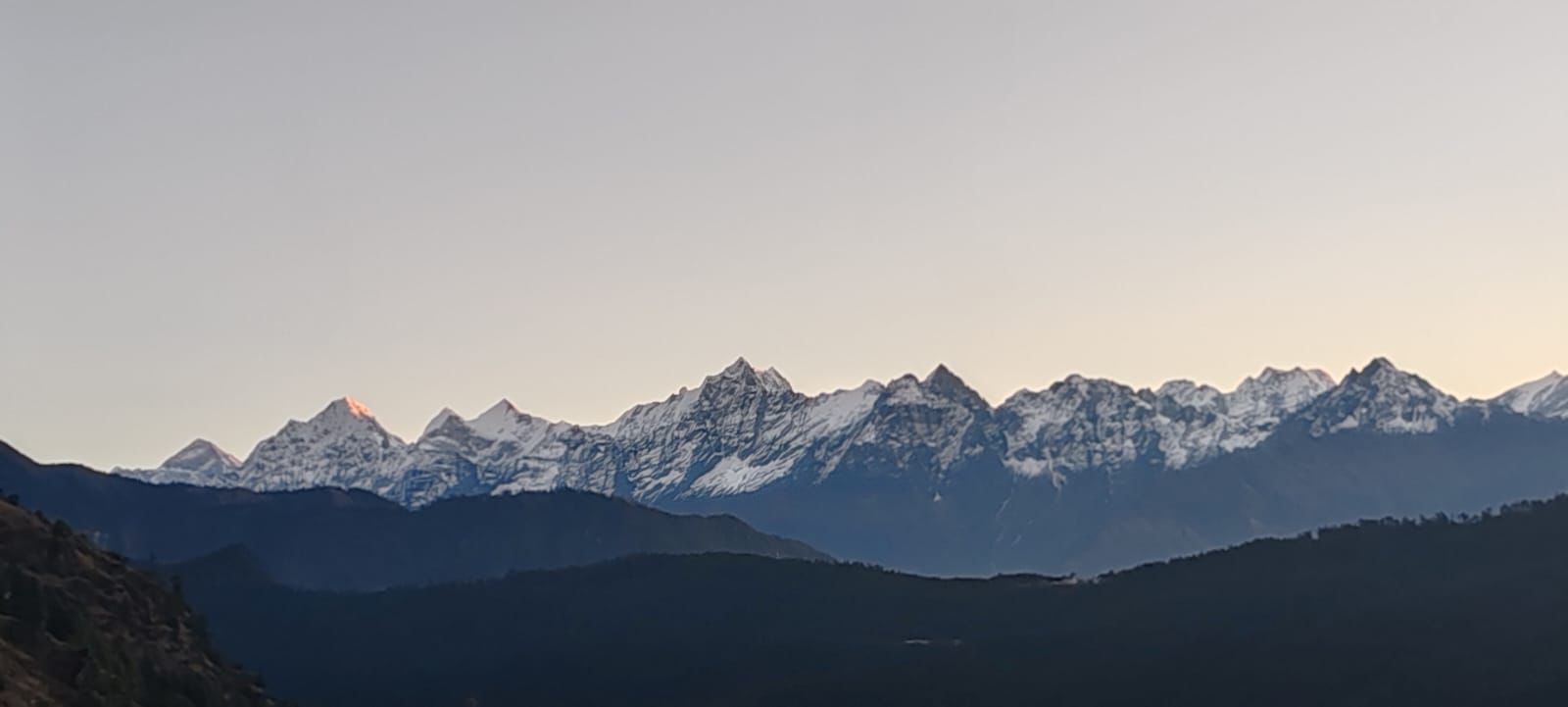
  • Enjoy panoramic views of Kanchenjunga, Makalu, and other Himalayan peaks.
  • Witness diverse wildlife and unique alpine flora in the Kanchenjunga Conservation Area.
  • Experience traditional mountain village culture with Limbu and Rai communities.
  • Trek through varied landscapes: lush forests, alpine meadows, glaciers, and rugged mountain terrain.
  • Visit monasteries and gain cultural insights from local ethnic groups.

Itinerary

Day 01

Upon arrival at Tribhuvan International Airport in Kathmandu, you will be greeted by a representative from ART Nepal Treks & Expedition and transferred to your hotel in the vibrant Thamel area. The day is primarily for rest and orientation, but you may also choose to explore the local markets or relax at the hotel. This initial day helps you recover from travel fatigue and prepare for the adventure ahead.

Altitude:
1400m
Meal:
None
Accomodation :
3-Star Hotel in Thamel

Day 02

After breakfast, you will meet your trek leader for a briefing about the trek, complete necessary permits, and ensure all documentation is ready. You can also use the day to explore Kathmandu’s cultural and historic sites, such as Swayambhunath (the Monkey Temple), Boudhanath Stupa, Pashupatinath Temple, and Kathmandu Durbar Square. This combination of preparation and sightseeing gives you a smooth transition into the trekking environment.

Meal:
Breakfast
Accomodation :
3-Star Hotel in Thamel

Day 03

Early in the morning, you will board a domestic flight to Bhadrapur, which takes about 40–45 minutes. From Bhadrapur, a scenic jeep ride will take you along winding roads through lush hills, tea gardens, and local villages, arriving at Taplejung, the gateway to the Kanchenjunga region. This drive provides an opportunity to experience eastern Nepal’s rural landscape and small towns.

Trip Duration:
8–9 hours
Altitude:
1400m-91m-1820m
Meal:
Breakfast, Lunch, Dinner
Accomodation :
Tea House

Day 04

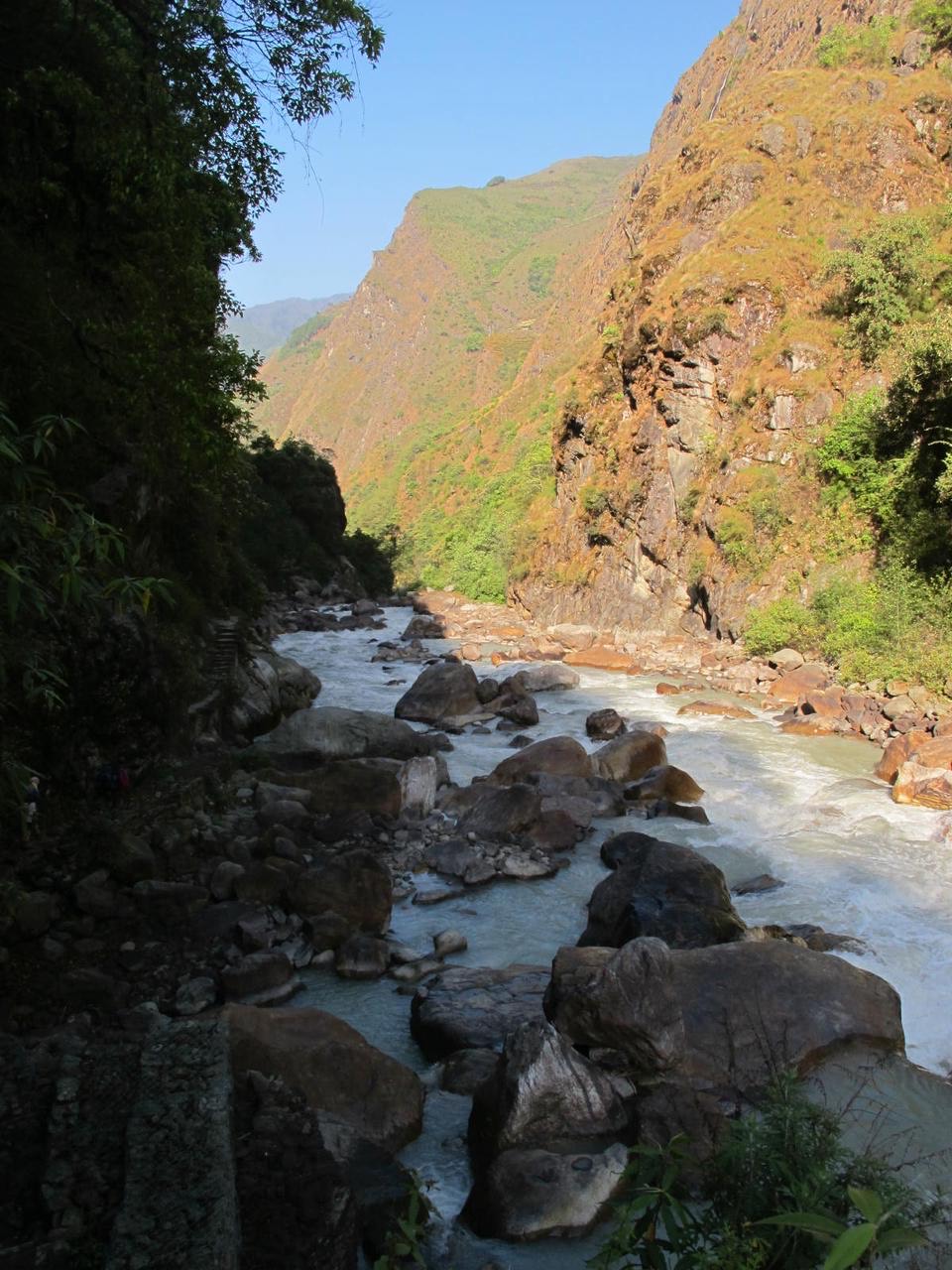
Today begins your trekking journey through small villages, riverside trails, and terraced farmlands. The route is relatively gentle, allowing you to adapt to the local altitude while enjoying the peaceful scenery. Walking through eastern Nepalese villages gives you insight into traditional rural lifestyles, local agriculture, and vibrant landscapes.

Trip Duration:
5–6 hours
Altitude:
1820m-1185m
Meal:
Breakfast, Lunch, Dinner
Accomodation :
Tea House

Day 05

The trail gradually ascends through mixed forests, terraced fields, and small settlements. You will cross streams and footbridges while observing the local farming communities. The increasing altitude helps you start acclimatizing for the high passes ahead. The walk today is moderately challenging and provides a scenic introduction to the Kanchenjunga Conservation Area.

Trip Duration:
5–6 hours
Altitude:
1185m
Meal:
Breakfast, Lunch, Dinner
Accomodation :
Tea House

Day 06

This section involves ascending stone steps, trekking past yak grazing areas, and passing through remote villages. Along the way, you may stop for lunch in Lamatar before continuing uphill to Amjilosa. The day’s trek offers a combination of moderate challenge and breathtaking forested scenery.

Trip Duration:
5–6 hours
Altitude:
1650m-2498m
Meal:
Breakfast, Lunch, Dinner
Accomodation :
Tea House / Lodge

Day 07

The trek becomes more demanding today as you navigate stone paths, waterfalls, and rhododendron forests. You may notice increasing snow on higher slopes. Upon arrival in Ghunsa, a traditional Sherpa village, you can explore the area, interact with locals, and enjoy stunning views of the surrounding peaks. Ghunsa provides a perfect spot for acclimatization before the higher altitude sections of the trek.

Trip Duration:
7–8 hours
Altitude:
2498m-3415m
Meal:
Breakfast, Lunch, Dinner
Accomodation :
Tea House / Lodge

Day 08

To prevent altitude sickness, a rest day is scheduled in Ghunsa. You can take short hikes to nearby ridges for panoramic views of Kanchenjunga peaks, visit local monasteries, or simply relax in the village and experience the traditional lifestyle of the Sherpa community. This day is essential for your body to adjust to higher elevations and ensures better performance in upcoming days.

Altitude:
3415m
Meal:
Breakfast, Lunch, Dinner
Accomodation :
Tea House / Lodge

Day 09

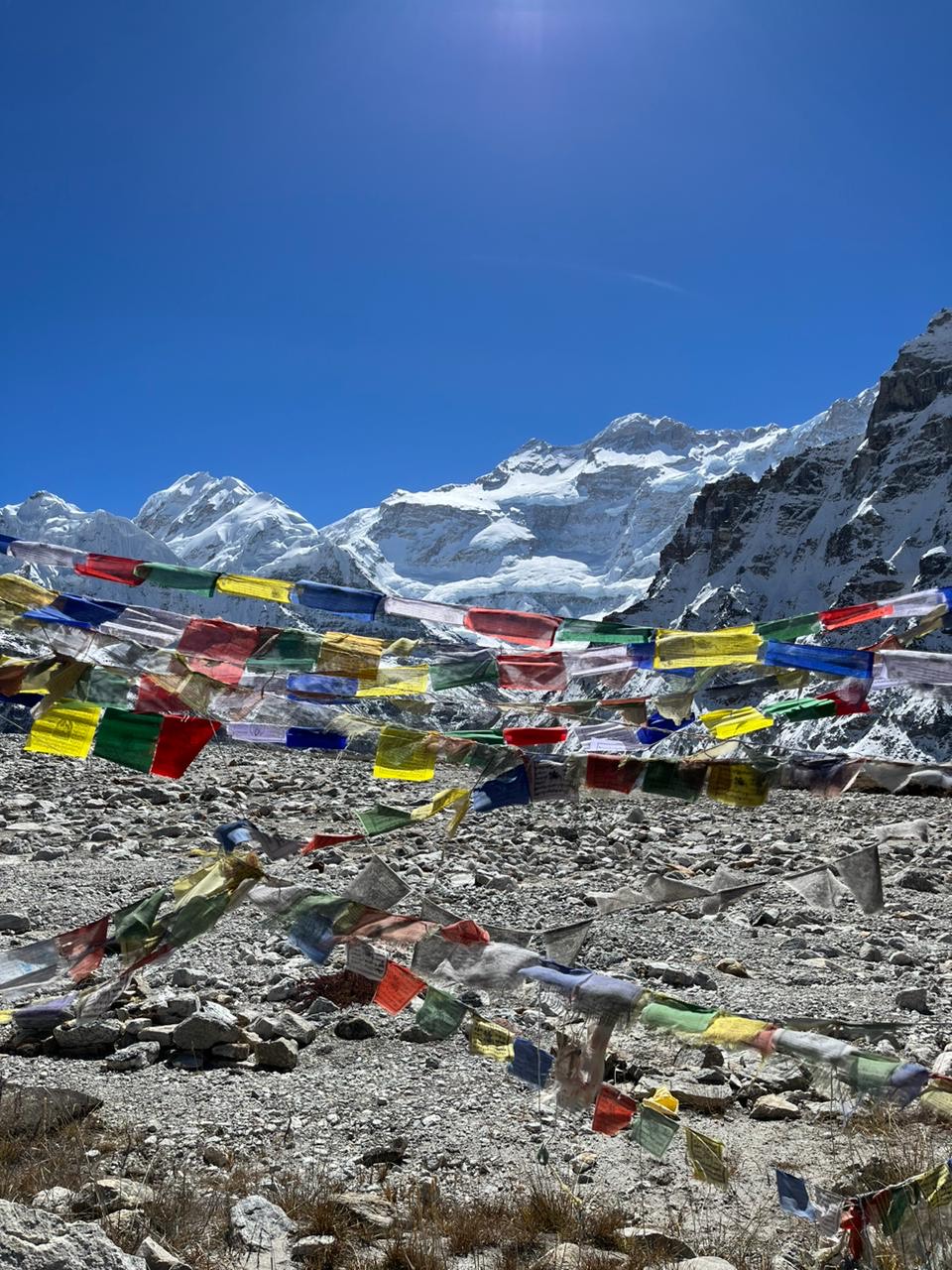
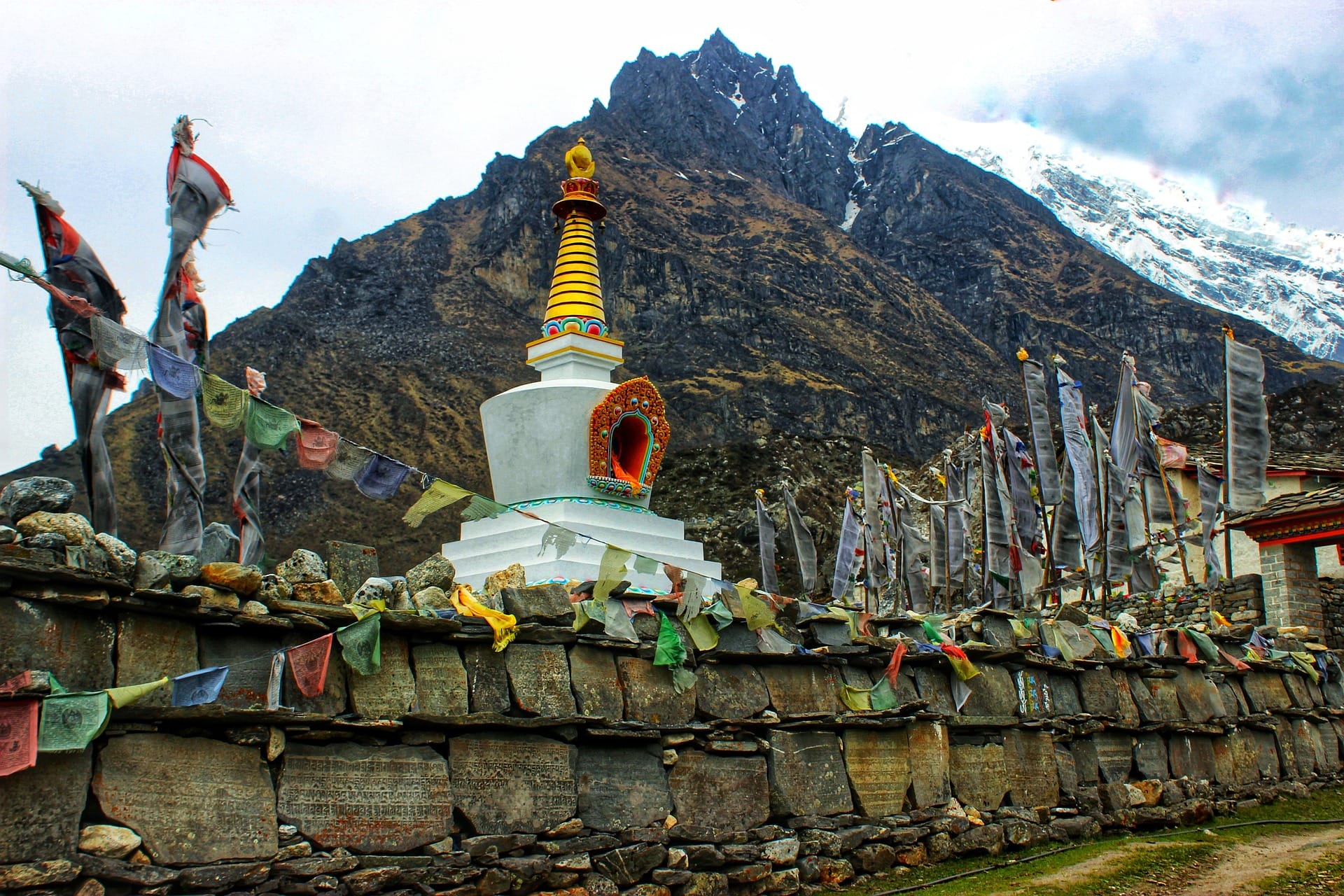
Today’s route involves trekking along the south bank of the Ghunsa Khola, passing colorful mani walls, chortens, and prayer flags. The trail is scenic with alpine forests, meadows, and views of snow-capped peaks like Jannu and Phole. Upon reaching Kambachen, you are rewarded with spectacular 360-degree mountain views.

Trip Duration:
5–6 hours
Altitude:
3415m-4145m
Meal:
Breakfast, Lunch, Dinner
Accomodation :
Tea House / Lodge

Day 10

A second rest day is scheduled to aid acclimatization at this higher altitude. Optional hikes to surrounding ridges provide panoramic views of the Kanchenjunga range, and you can also explore local settlement areas. This day ensures that your body adjusts safely before the final ascent to the base camp.

Altitude:
4145m
Meal:
Breakfast, Lunch, Dinner
Accomodation :
Tea House / Lodge

Day 11

The trek today crosses moraines and glacial paths, passing Ramtang monastery before reaching Lhonak. The route is challenging due to rocky terrain and higher elevation but offers some of the most spectacular views of Kanchenjunga and surrounding peaks. Lhonak is a remote settlement and a perfect spot to experience high-altitude trekking life.

Trip Duration:
5–6 hours
Altitude:
4145m-4792m
Meal:
Breakfast, Lunch, Dinner
Accomodation :
Tea House / Lodge

Day 12

This is the highlight of the trek. Trek to Pangpema, the North Base Camp of Kanchenjunga, where you can enjoy breathtaking views of Wedge Peak, Tent Peak, and Nepal Peak. After spending time at the base camp for photography and exploration, descend back to Lhonak for the night.

Trip Duration:
7–8 hours
Altitude:
4792m-5140m
Meal:
Breakfast, Lunch, Dinner
Accomodation :
Tea House / Lodge

Day 13

Retrace your steps through Khambachen and alpine meadows, enjoying mountain vistas and rhododendron forests as you descend toward Ghunsa. This descent allows you to relax and reflect on the trek’s achievements.

Trip Duration:
5–6 hours
Altitude:
4792m-3415m
Meal:
Breakfast, Lunch, Dinner
Accomodation :
Tea House / Lodge

Day 14

Continue descending through bamboo forests, passing small hills and remote villages. Along the way, you may notice locals burning juniper leaves in morning rituals, creating a unique cultural atmosphere.

Trip Duration:
5–6 hours
Altitude:
3415m-2498m
Meal:
Breakfast, Lunch, Dinner
Accomodation :
Tea House / Lodge

Day 15

Descend through terraced farms, cross suspension bridges, and pass small villages along the way. This trek section is easier than the high-altitude days but still offers scenic beauty and cultural immersion.

Trip Duration:
5–6 hours
Altitude:
2498m-1185m
Meal:
Breakfast, Lunch, Dinner
Accomodation :
Tea House / Lodge

Day 16

The route continues through rural villages and varied landscapes, offering insight into local lifestyles and traditional farming methods. Enjoy gentle streams and forested sections as you move closer to Taplejung.

Trip Duration:
7–8 hours
Altitude:
1185m-1549m
Meal:
Breakfast, Lunch, Dinner
Accomodation :
Tea House / Lodge

Day 17

The final trekking day brings you to Taplejung, the gateway to the Kanchenjunga region. Pass through villages, fields, and forested sections, celebrating the completion of your high-altitude adventure.

Trip Duration:
7–8 hours
Altitude:
1549m-1820m
Meal:
Breakfast, Lunch, Dinner
Accomodation :
Tea House / Lodge

Day 18

Drive back from Taplejung to Bhadrapur, enjoying scenic views along eastern Nepal’s landscapes. Depending on weather, flights may be available; otherwise, the drive takes 8–9 hours.

Altitude:
1820m-91m
Meal:
Breakfast, Lunch, Dinner
Accomodation :
Standard Hotel in Bhadrapur

Day 19

Fly back to Kathmandu and transfer to your hotel. The day concludes with a farewell dinner, celebrating your accomplishment with local cuisine and cultural performances.

Altitude:
91m-1400m
Meal:
Breakfast, Dinner
Accomodation :
3-Star Hotel in Thamel

Day 20

Transfer to Tribhuvan International Airport for your onward journey, concluding the Kanchenjunga North Base Camp Trek.

Meal:
Breakfast

What's Included

  • Airport Pickup & Drop: Transfers between Tribhuvan International Airport and your hotel in Kathmandu.
  • Accommodation in Kathmandu: 2 nights in a comfortable 3-Star Hotel in Thamel, providing modern amenities and central location.
  • Meals in Kathmandu: 2 breakfasts at the hotel.
  • All Trekking Permits and National Park Fees: Includes Kanchenjunga Conservation Area permits, TIMS (Trekkers’ Information Management System) card, and local entry taxes.
  • Domestic Flights: Flights required during the trek, such as Kathmandu to Bhadrapur or other specified domestic flights.
  • Accommodation During Trek: Comfortable teahouses and lodges along the trekking route; camping arrangements where teahouses are unavailable at higher altitudes.
  • Meals During Trek: Full board including breakfast, lunch, dinner, and tea/coffee during trekking days.
  • Professional Guide: Experienced, licensed local guide with knowledge of the terrain, culture, and safety measures. The guide’s salary, food, accommodation, and insurance are included.
  • First Aid Kit: Comprehensive first aid equipment for emergencies during the trek.

What's Excluded

  • Personal Expenses: Items such as souvenirs, snacks, laundry, and personal shopping.
  • Trekking Gear: Sleeping bags, trekking poles, and personal high-altitude equipment unless rented separately.
  • Beverages & Mineral Water: Drinks purchased during the trek or in towns.
  • Travel Insurance: Mandatory coverage for trekking, medical emergencies, and high-altitude evacuation.
  • Tips for Staff: Optional but customary tips for guides, porters, and support staff at the end of the trek.
  • Porters: Optional, though recommended for carrying heavy luggage; a porter can carry up to 25 kg, and it is advisable to hire one porter for every two trekkers for comfort and convenience.

Add-Ons

To make your trek more comfortable or customize your experience, ART Nepal Treks & Expedition offers optional add-ons:

  • Sightseeing in Kathmandu: Guided tours to explore cultural and historic landmarks such as Swayambhunath, Boudhanath, Pashupatinath, and Durbar Square.
  • Porter Services: Hire additional porters to carry luggage and reduce fatigue during the trek.
  • Domestic Flight Upgrades: Private flights or flexible scheduling depending on weather.
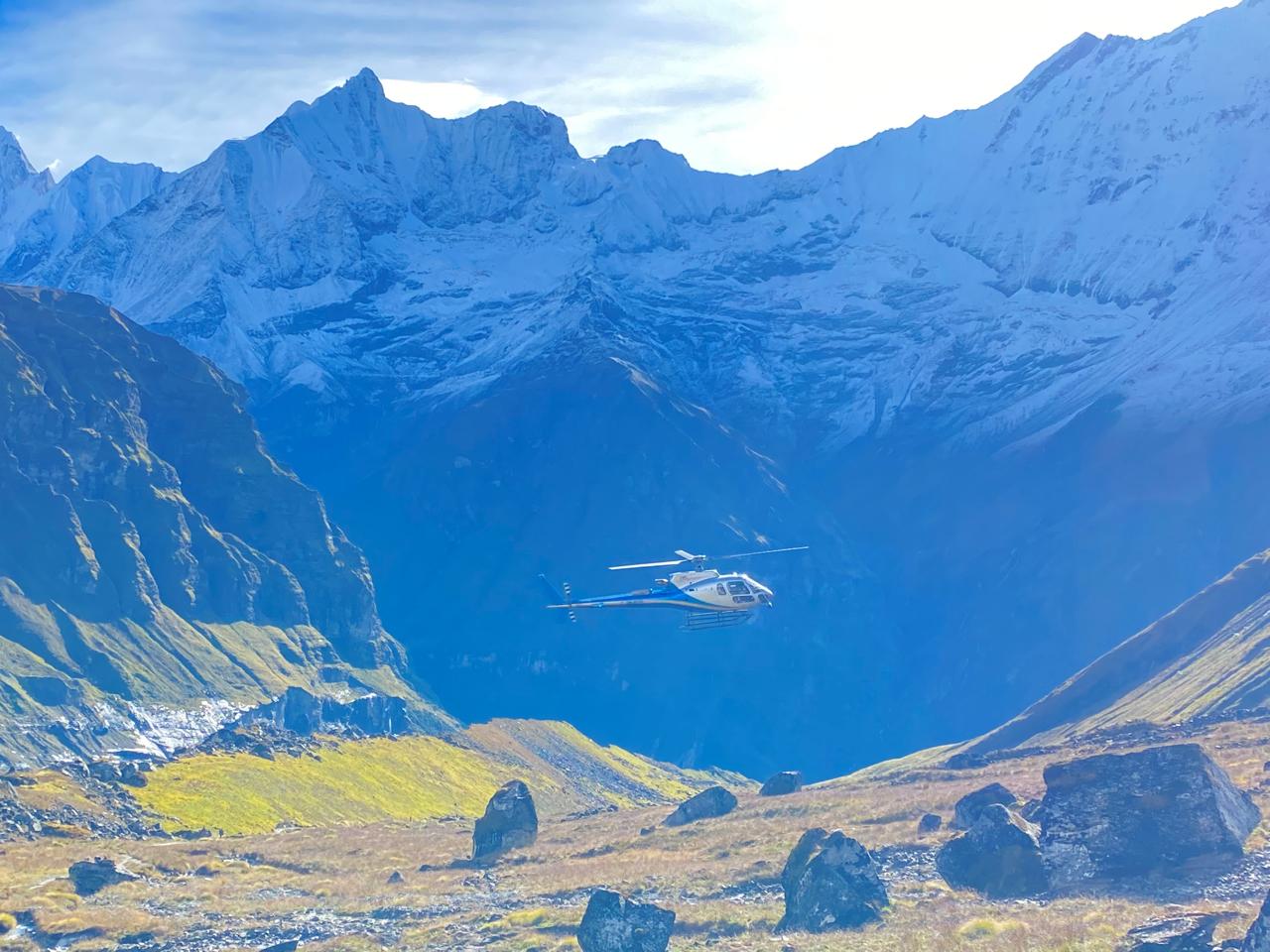
  • Helicopter Services: For high-altitude emergencies, sightseeing, or early exit options.
  • Private Transportation: Jeep or private vehicle hire for transfers, allowing flexibility and comfort.($22 per porter per day

Essential Info

Best Season to Trek

Choosing the right season for the Kanchenjunga North Base Camp Trek is crucial to ensure safety, comfort, and breathtaking views of the Himalayan landscape. The trek is located in one of Nepal’s most remote regions, and weather patterns can greatly influence the trekking experience. The best seasons to undertake this trek are Spring (March to May) and Autumn (September to November).

Spring (March to May)

Spring is widely regarded as one of the most favorable periods for trekking in the Kanchenjunga region. During this season:

  • Weather: The temperatures are moderate, generally ranging from 10°C to 20°C in lower altitudes and slightly colder at higher elevations. Snow from winter begins to melt, making trails more accessible and safe for trekking.
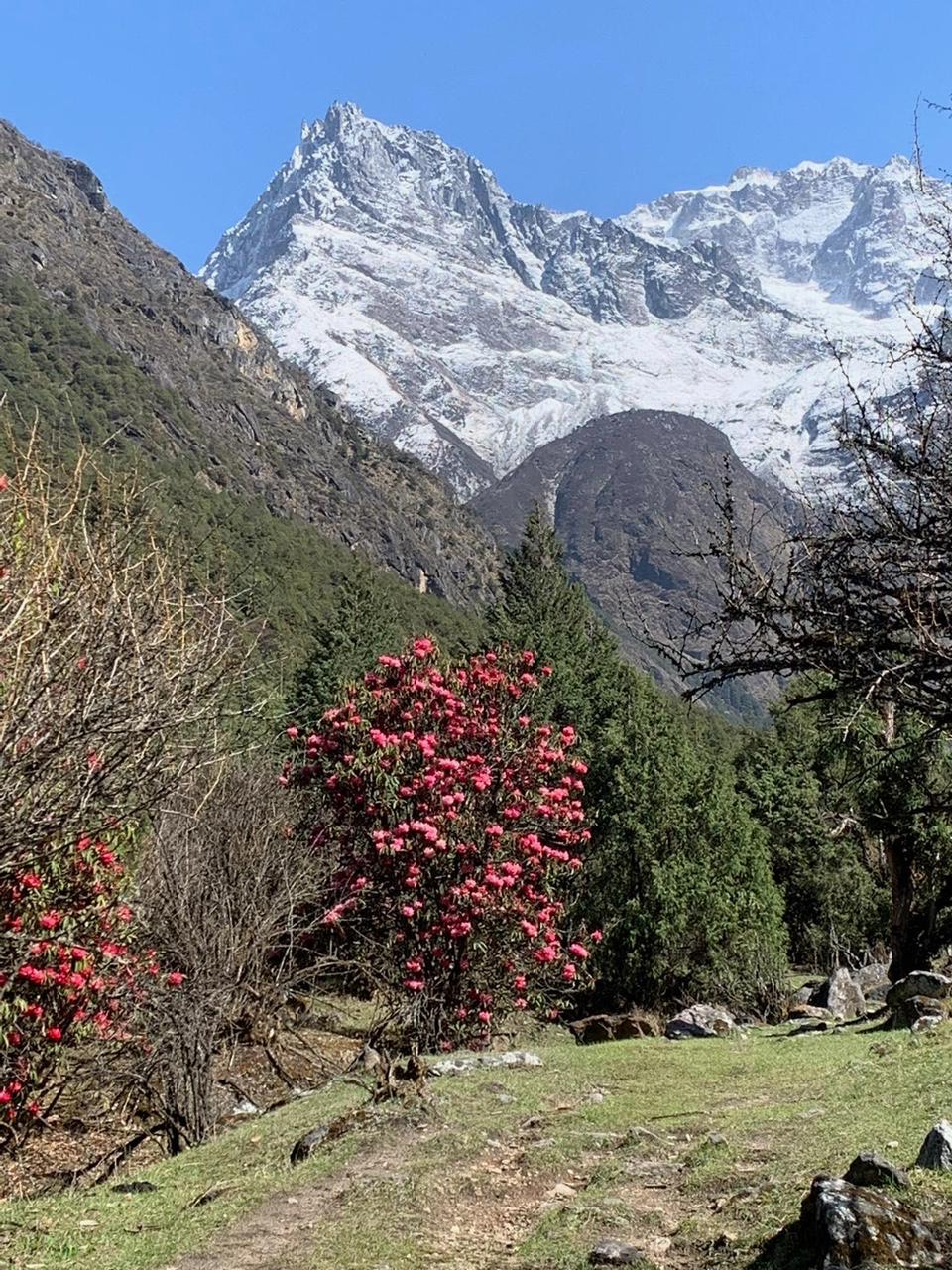
  • Flora and Fauna: Spring is a time of vibrant natural beauty. Rhododendrons, magnolias, primulas, and other alpine flowers bloom along the trails, painting the landscape in shades of red, pink, yellow, and white. Wildlife is more active, and birdwatchers can spot species like the Himalayan monal, satyr tragopan, and blood pheasant.
  • Visibility: Clear skies dominate, allowing trekkers to enjoy stunning panoramic views of Kanchenjunga, Jannu, Makalu, and other Himalayan peaks. Morning fog may occasionally appear but typically clears by mid-morning.
  • Advantages: Moderate temperatures reduce the need for heavy winter gear, and the trails are generally less slippery than in monsoon. The combination of blooming flora and fresh greenery creates excellent photography opportunities.

Autumn (September to November)

Autumn is another prime season for trekking in the Kanchenjunga region due to its stable weather conditions and excellent visibility:

  • Weather: After the monsoon, the skies are usually clear, providing crisp air and unobstructed mountain views. Temperatures are cooler than spring, especially in the mornings and evenings, ranging from 5°C to 18°C at lower elevations, and often dropping below freezing in higher camps.
  • Visibility: The post-monsoon period guarantees some of the clearest views of the Himalayan range. Peaks sparkle against bright blue skies, and glaciers, ridges, and valleys are easily visible.
  • Trail Conditions: Rainfall is minimal, making trails firm and relatively dry. This season is ideal for traversing high passes safely and comfortably.
  • Cultural Significance: Autumn coincides with several local festivals, offering trekkers a chance to witness and participate in traditional celebrations in mountain villages, adding cultural depth to the journey.

Other Seasons:

  • Winter (December to February): Winter trekking is possible but challenging. Heavy snowfall can block trails, and temperatures drop significantly at higher altitudes, often below -15°C at night. Only experienced trekkers with proper high-altitude winter gear should attempt the trek during this season.
  • Monsoon (June to August): The monsoon season is generally avoided due to heavy rainfall, landslides, slippery trails, and leeches in lower forests. Visibility is often poor due to clouds and fog, reducing the chance of enjoying the panoramic views of Kanchenjunga.

Food Availability

Food on the Kanchenjunga North Base Camp Trek is generally simple but nutritious, designed to meet the energy needs of high-altitude trekking. While the region is remote, teahouses and lodges along the trail provide a variety of meals to keep trekkers well-fed and energized.

Meals Overview:

  • Breakfast:
    Most teahouses offer hearty breakfasts to start the day. Common options include eggs (boiled, fried, or scrambled), porridge, toast, pancakes, noodles, and traditional Nepali items such as sel roti (rice doughnuts) or beaten rice. Tea, coffee, or hot chocolate is usually served to warm up before starting the trek.
  • Lunch:
    Lunch is typically light but filling, served in teahouses or packed as a picnic during long trekking days. Options include rice with dal (lentil soup), vegetable curries, noodles, momos (dumplings), and sometimes eggs or meat dishes. Fresh fruits and biscuits are also available when in lower villages.
  • Dinner:
    Dinners are more substantial to replenish energy after long trekking days. Common dishes include rice, dal, vegetable and meat curries, soups, pasta, and local Nepali dishes like thukpa (noodle soup) or chowmein. Some high-altitude lodges may have limited options, so it’s good to bring energy bars or snacks as backup.
  • Snacks and Beverages:
    Teahouses and small shops along the trail sell energy bars, biscuits, chocolate, dried fruits, and instant noodles. Beverages such as tea, coffee, hot chocolate, and instant soups are available. Bottled water may be limited at higher altitudes, so it’s recommended to carry a water bottle and purification tablets or filters.

Special Considerations:

  • Vegetarian Options: Most meals cater to vegetarians, though vegans may need to check in advance.
  • High-Altitude Diet: Meals are designed to provide carbohydrates and protein, which are essential for endurance at high altitudes.
  • Local Delicacies: Trekkers have the opportunity to taste local flavors, including gundruk (fermented leafy greens), kinema (fermented soybean), and yak cheese in higher regions.

Accommodation

Accommodation along the Kanchenjunga North Base Camp Trek varies depending on altitude and location. While it is comfortable by trekking standards, facilities are generally basic due to the remote nature of the region.

Teahouses and Lodges:

  • Found in lower and mid-altitude villages, teahouses offer simple rooms with beds, blankets, and sometimes hot showers.
  • Shared bathrooms are common, and hot water may be limited at higher altitudes.
  • Most teahouses have common dining areas where meals are served, allowing trekkers to socialize and relax after long trekking days.

Camping at Higher Altitudes:

  • In remote areas above 4,000 meters, trekking often involves camping due to the lack of permanent lodges.
  • Tents, sleeping bags, and dining arrangements are usually provided by the trekking company.
  • The camps are set up in safe, flat areas near streams or open meadows, providing stunning views of surrounding peaks.

Kathmandu Accommodation:

  • Before and after the trek, accommodation is provided in comfortable 3-star hotels in Thamel, Kathmandu, with modern amenities such as Wi-Fi, hot showers, and comfortable beds.

Travel Insurance

Travel insurance is a critical aspect of preparation for the Kanchenjunga North Base Camp Trek. The trek involves remote and high-altitude locations, which can present health risks, unpredictable weather, and potential emergencies.

What Travel Insurance Should Cover:

  1. High-Altitude Trekking: Ensure your policy explicitly covers trekking up to at least 5,500 meters.
  2. Medical Emergencies: Coverage for illness or injury requiring treatment at local clinics or hospitals.
  3. Evacuation: Provision for helicopter or ground evacuation in case of serious emergencies, including altitude sickness or accidents.
  4. Trip Cancellation: Protection against financial losses due to unexpected events, such as flight delays or political unrest.
  5. Baggage Loss: Coverage for lost or delayed personal belongings during flights or transfers.

Tips for Selecting Insurance:

  • Compare multiple providers to find policies tailored for Himalayan trekking.
  • Keep a digital and printed copy of your insurance policy during the trek.
  • Ensure you understand the procedure for claiming medical evacuation in Nepal.

Altitude Sickness

Altitude sickness, also known as Acute Mountain Sickness (AMS), is a common concern for trekkers ascending to high altitudes, such as the Kanchenjunga North Base Camp at 5,143 meters. At these elevations, the oxygen level in the air decreases, which can cause physical stress and affect your body’s ability to function properly.

Causes:

  • Reduced oxygen levels at high altitudes.
  • Rapid ascent without proper acclimatization.
  • Physical exertion at high altitudes.

Symptoms:

  • Headaches
  • Nausea and vomiting
  • Dizziness and lightheadedness
  • Shortness of breath
  • Loss of appetite
  • Difficulty sleeping

Prevention Tips:

  1. Gradual Ascent: Ascend slowly, following the trek itinerary without skipping acclimatization days. Avoid rapid elevation gains.
  2. Acclimatization Days: Take rest days at key points like Ghunsa (3,415m) and Kambachen (4,145m) to allow your body to adjust.
  3. Hydration: Drink plenty of water and avoid alcohol and caffeine at high altitudes.
  4. Nutrition: Eat light, high-carbohydrate meals to maintain energy.
  5. Medication: Carry medication like Diamox (acetazolamide) if recommended by your doctor.

What to Do if Symptoms Occur:

  • Stop ascending immediately.
  • Rest at the same altitude until symptoms improve.
  • Descend gradually if symptoms worsen or do not improve.
  • Seek medical help if severe symptoms like confusion, breathlessness at rest, or persistent vomiting occur.

Guide and Safety Measures

Having an experienced guide is one of the most crucial aspects of trekking safely in the Kanchenjunga region. The terrain is remote, rugged, and physically challenging, and weather conditions can change rapidly. ART Nepal Treks & Expedition ensures that every trekker is accompanied by qualified local guides who are well-trained, knowledgeable, and experienced in high-altitude trekking.

Role of the Trekking Guide:

  1. Navigation: Guides lead the way through complex trails, high passes, and dense forests, ensuring that you remain on the correct path.
  2. Cultural Insight: They introduce you to the local Limbu and Rai communities, monasteries, and unique village traditions, enhancing your cultural experience.
  3. Weather and Terrain Management: Guides assess weather patterns, avalanche-prone areas, and difficult terrain to ensure safe passage.
  4. Health Monitoring: They monitor trekkers for signs of altitude sickness, dehydration, or exhaustion and provide immediate support or advice.
  5. Logistics Management: Guides handle accommodations, meal arrangements, permits, and communication with local teahouses, ensuring a smooth trekking experience.
  6. Emergency Response: In case of accidents, illness, or evacuation needs, guides coordinate with rescue teams and medical services.

Safety Measures Implemented on the Trek:

  • Regular Health Check-ins: Guides monitor your pulse, breathing, and overall well-being daily, especially at high altitudes.
  • Acclimatization Strategy: Planned rest days and gradual altitude gains reduce the risk of altitude sickness.
  • Emergency Protocols: Guides carry first aid kits, satellite phones, and emergency plans for quick response.
  • Safe Camping Practices: In high-altitude areas, tents are set up in safe, sheltered locations, and hygiene standards are maintained.
  • Environmental Responsibility: ART Nepal Treks & Expedition practices responsible trekking, ensuring trails, camps, and villages are minimally impacted.

Safety on the trek is a combined effort between the trekkers and the guides. While guides provide supervision and expertise, trekkers are encouraged to communicate openly about their health, fatigue, or any discomfort, and follow the guide’s instructions carefully.

Booking Procedure

Booking your Kanchenjunga North Base Camp Trek through ART Nepal Treks & Expedition is designed to be straightforward, secure, and flexible. Below is a step-by-step guide:

1. Inquiry and Information:

  • Contact ART Nepal Treks & Expedition via phone, email, or website.
  • Receive detailed information on trek availability, costs, itinerary, and required permits.
  • Discuss any special requirements, preferences, or customizations for your trek.

2. Reservation and Deposit:

  • Confirm your preferred trekking dates.
  • Pay a deposit to secure your booking. The deposit ensures that permits and logistics can be arranged in advance.
  • Receive a booking confirmation along with a detailed pre-trek guide and checklist.

3. Final Payment:

  • The remaining balance is typically paid before the trek departure date.
  • Payment can be made via bank transfer, online payment, or in person at the ART Nepal Treks & Expedition office in Kathmandu.

4. Documentation:

  • Provide necessary travel documents including:
    • Passport copy
    • Visa information
    • Travel insurance details covering high-altitude trekking
  • Trekking permits are arranged by the company in your name.

5. Pre-Trek Briefing:

  • Attend a briefing session at the ART Nepal Treks & Expedition office or at your hotel in Kathmandu.
  • Learn about the trek, cultural norms, weather conditions, altitude precautions, packing, and safety protocols.
  • Meet your guide, support staff, and porters if applicable.

6. On-Trek Support:

  • Guides handle all logistics, including teahouse bookings, meal arrangements, and communication with local authorities.
  • You are provided with a detailed day-by-day itinerary, including trekking duration, altitude, and accommodations.
  • Assistance is available for any issues during the trek, including health concerns, weather delays, or route changes.

Equipment List

  • Moisture-wicking t-shirts and trekking tops
  • Thermal base layers (tops and bottoms)
  • Quick-dry trekking pants
  • Warm sweaters or fleece jackets
  • Waterproof and windproof jacket and pants
  • Comfortable trekking socks (wool or synthetic)
  • Gloves (lightweight and insulated)
  • Hat and balaclava for sun and cold protection
  • Sunglasses with UV protection
  • Lightweight scarf or buff
  • Sturdy trekking boots, waterproof and broken-in
  • Gaiters for snow and mud protection
  • Trekking poles for stability on rough terrain
  • Daypack (25–30L) with rain cover
  • Sleeping bag rated for sub-zero temperatures
  • Headlamp with extra batteries
  • Water bottles or hydration system (minimum 2L)
  • Water purification tablets or filter
  • Down jacket or insulated jacket for high-altitude camps
  • Thermal inner wear for night and cold conditions
  • Lightweight trekking shorts for lower altitudes
  • Casual clothes for city sightseeing in Kathmandu
  • Extra underwear and socks
  • Rain poncho or jacket for unexpected showers
  • Personal toiletries (toothbrush, toothpaste, soap, shampoo)
  • Quick-dry towel
  • Sunscreen (high SPF) and lip balm
  • First aid kit (bandages, antiseptics, medications)
  • Altitude sickness medication if prescribed
  • Insect repellent
  • Toilet paper and wet wipes
  • Hand sanitizer
  • Mobile phone and charger
  • Camera with extra memory cards and batteries
  • Power bank (high-capacity for remote areas)
  • Universal adapter for Kathmandu hotels
  • Headphones or earbuds for leisure
General Equipments
  • Passport and copies, visa documents
  • Trekking permits and insurance papers
  • Cash in Nepali Rupees for teahouses and small expenses
  • Snacks and energy bars for long trekking days
  • Notebook and pen (optional)
  • Lightweight travel backpack for luggage transfer

FAQ

The Kanchenjunga North Base Camp Trek is classified as challenging. Trekkers should have prior trekking experience, good physical fitness, and the ability to handle long days of walking at high altitudes. The route involves steep ascents, rugged terrain, and remote trails. Proper acclimatization and preparation are crucial.
•Spring (March to May): Moderate temperatures, clear skies, and blooming rhododendrons. •Autumn (September to November): Stable weather, crisp air, and excellent visibility for Himalayan views.
•Kanchenjunga Conservation Area Permit (KCAP): Required to enter the protected area. •Trekkers’ Information Management System (TIMS) Card: A standard permit for trekking in Nepal. ART Nepal Treks & Expedition arranges all necessary permits before the trek.
•Lower regions: Simple teahouses with shared facilities and basic beds. •Higher altitudes: Camping with provided tents, sleeping bags, and dining equipment. •Kathmandu: Comfortable 3-star hotels with modern amenities.
•Breakfast: Eggs, toast, porridge, tea, or coffee. •Lunch: Rice, dal (lentil soup), noodles, and vegetables. •Dinner: Hearty meals such as curries, pasta, rice, and Nepali dishes. •Snacks: Fruits, biscuits, and energy bars are available at teahouses.
Trip Price

On Request

Talk To Trip Expert

expert image

Anjan Dhital

Trip Expert
Have Any Questions?
Whatsapp/Viber +977-9810271256
Share this Trip
Translate »