

Upper Mustang Trekking – 17 Days
Upper Mustang
17 Days/16 Nights
Price From
View More
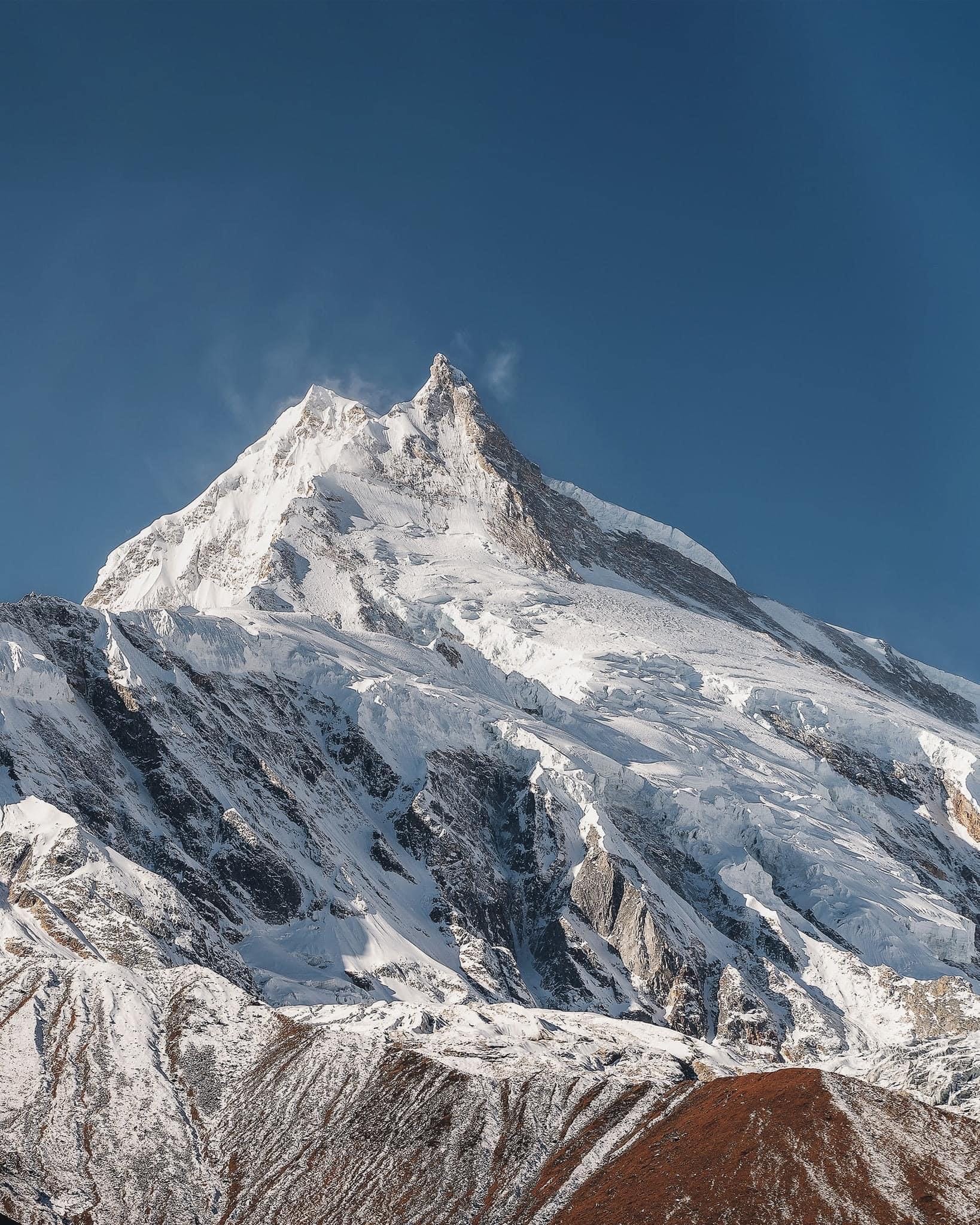
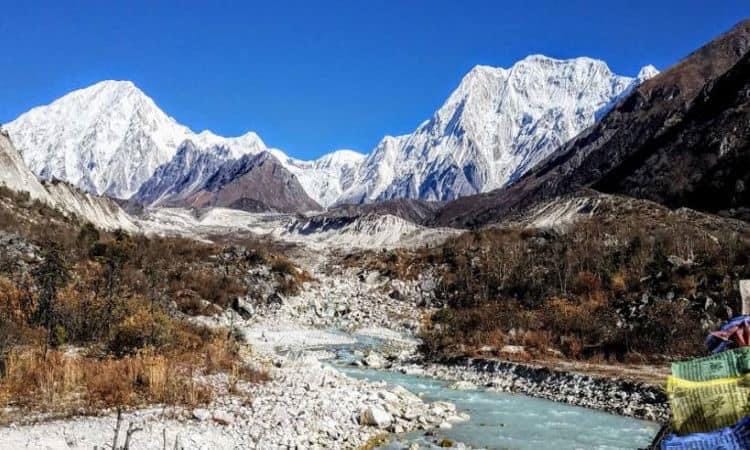
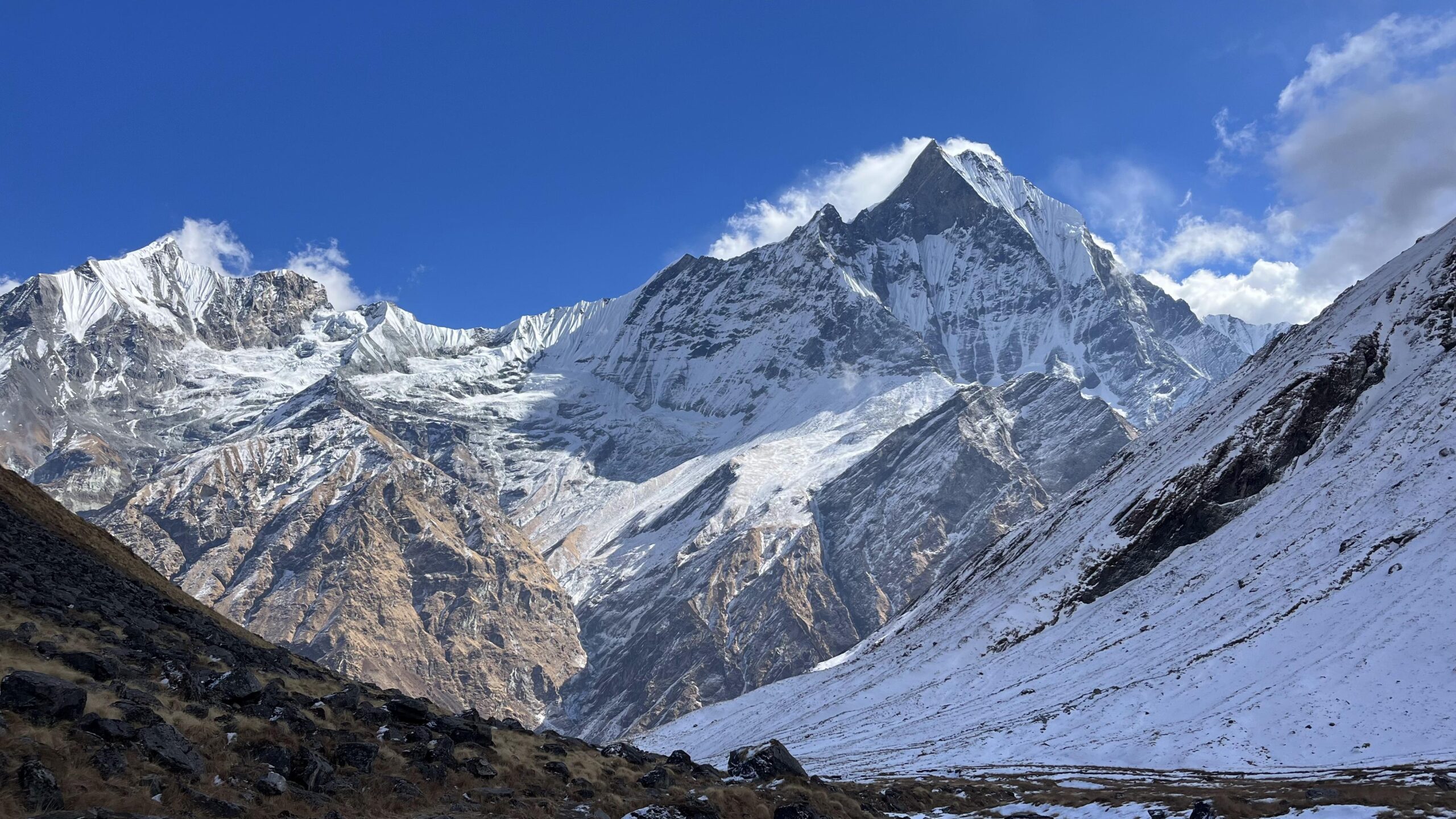
The Epic Manaslu Circuit Trek – 14 Days is a remarkable journey around the majestic Mount Manaslu, the eighth highest mountain in the world standing at 8,163 meters. Located in the remote western part of Nepal, the Manaslu region offers a raw and untouched trekking experience compared to more commercial routes. This trail combines high mountain adventure, deep river valleys, traditional Himalayan villages, and a strong Tibetan cultural influence that makes the journey both physically challenging and culturally enriching.
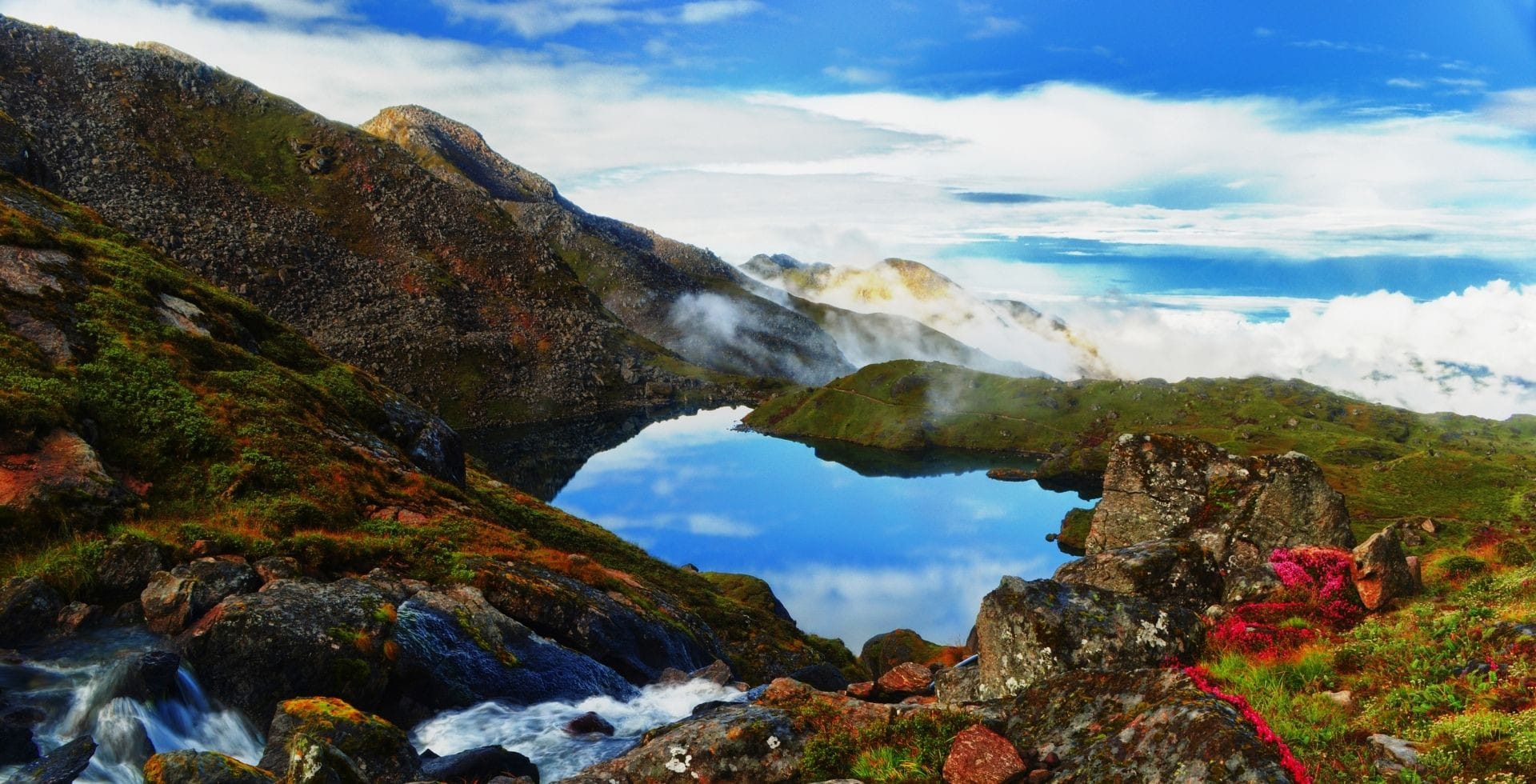
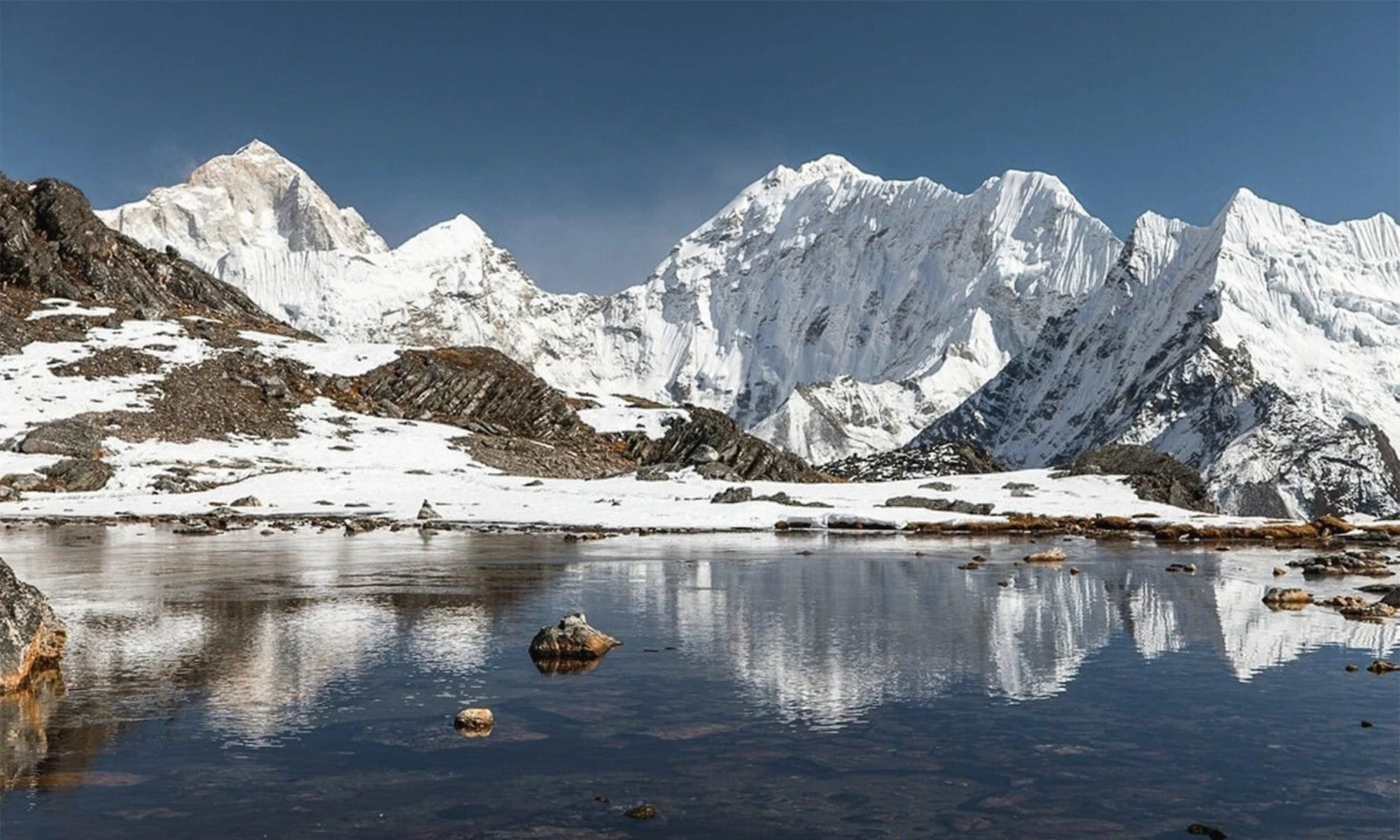
The trek begins from Kathmandu and gradually moves toward the Budhi Gandaki River valley, where trekkers walk through terraced farmlands, subtropical forests, waterfalls, and suspension bridges. As the trail ascends, the environment transforms dramatically. The lush greenery of the lower hills gives way to alpine meadows, glacier valleys, and snow-covered peaks. Every day presents a different landscape, making the trek visually diverse and constantly exciting.
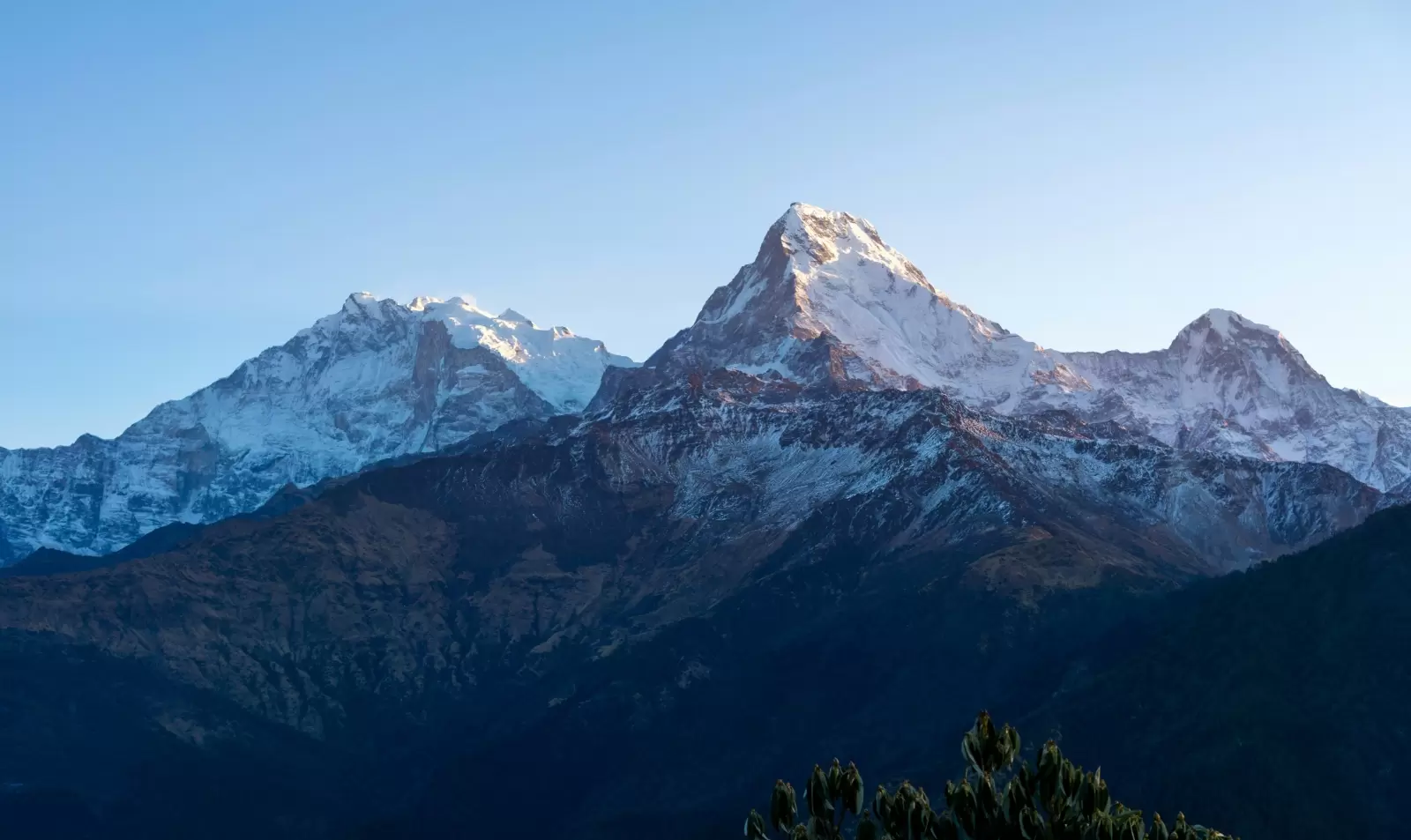
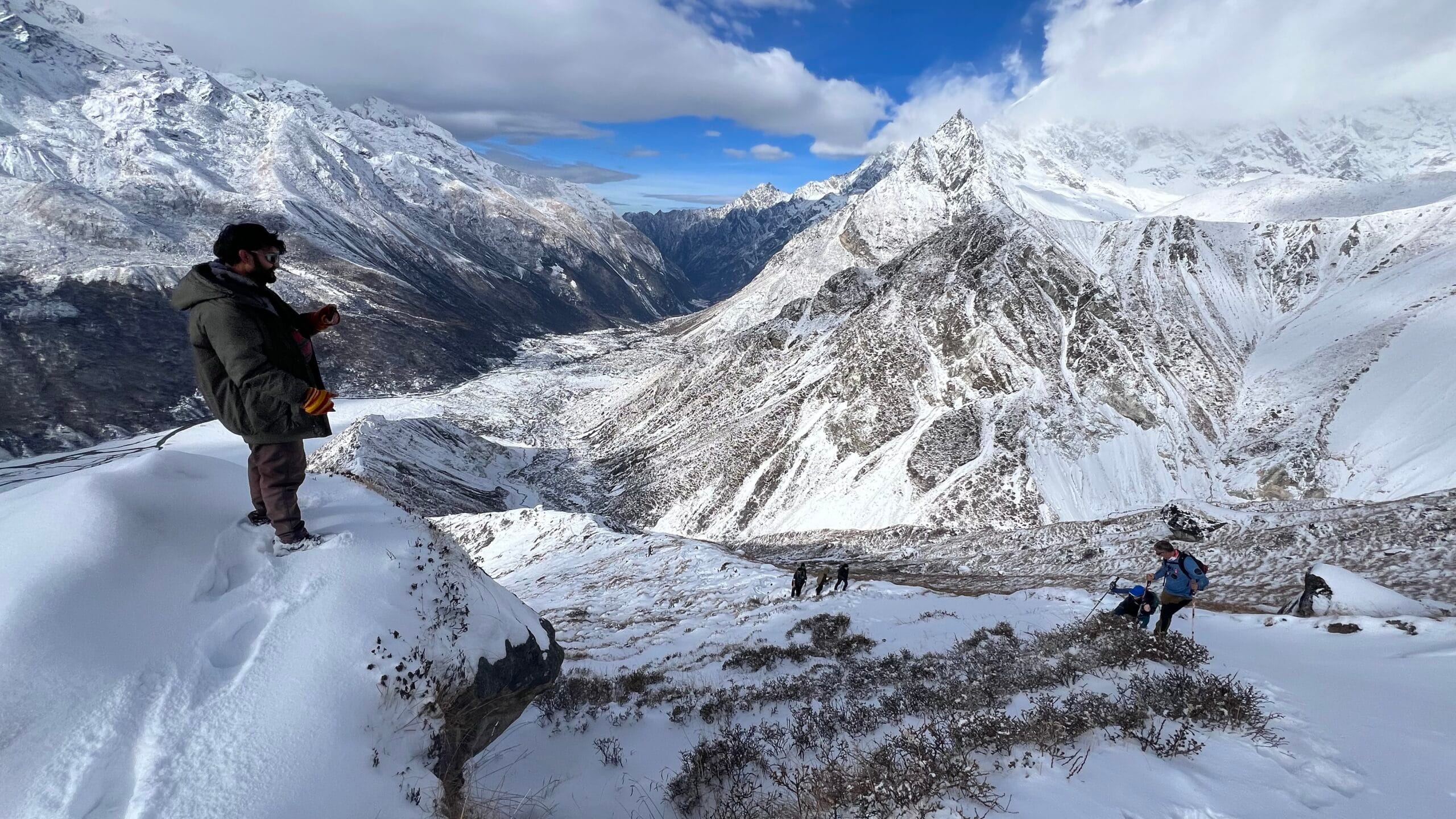
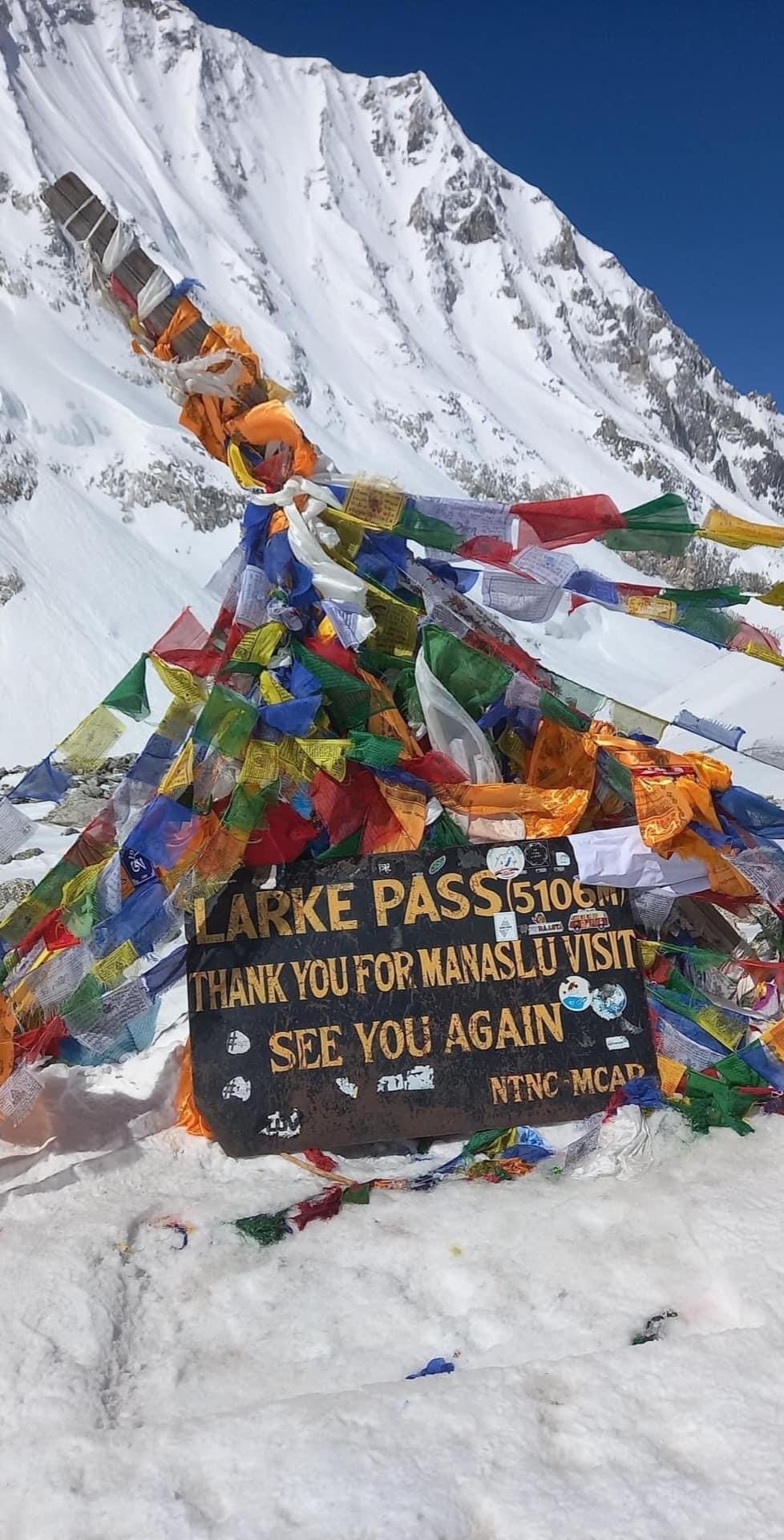
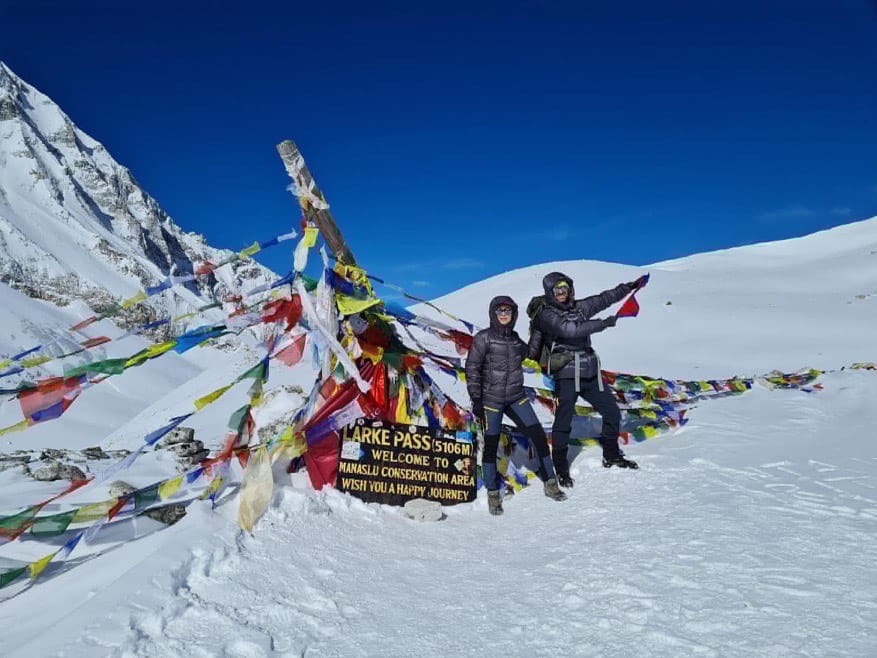
A major highlight of this trek is crossing the legendary Larkya La Pass at 5,106 meters. This high-altitude pass is one of the most scenic and dramatic passes in the Himalayas. The climb to the pass requires endurance and proper acclimatization, but the reward is unforgettable panoramic views of Himalayan giants such as Manaslu, Himlung Himal, Cheo Himal, Kang Guru, and Annapurna II. The sense of achievement when standing on the pass is truly powerful.
The trek also passes through the Manaslu Conservation Area, a protected region rich in biodiversity. This conservation area is home to rare wildlife including Himalayan tahr, snow leopard, musk deer, and red panda. The forests are filled with rhododendron, pine, bamboo, and alpine vegetation. Bird watchers and nature lovers will find the region equally fascinating.
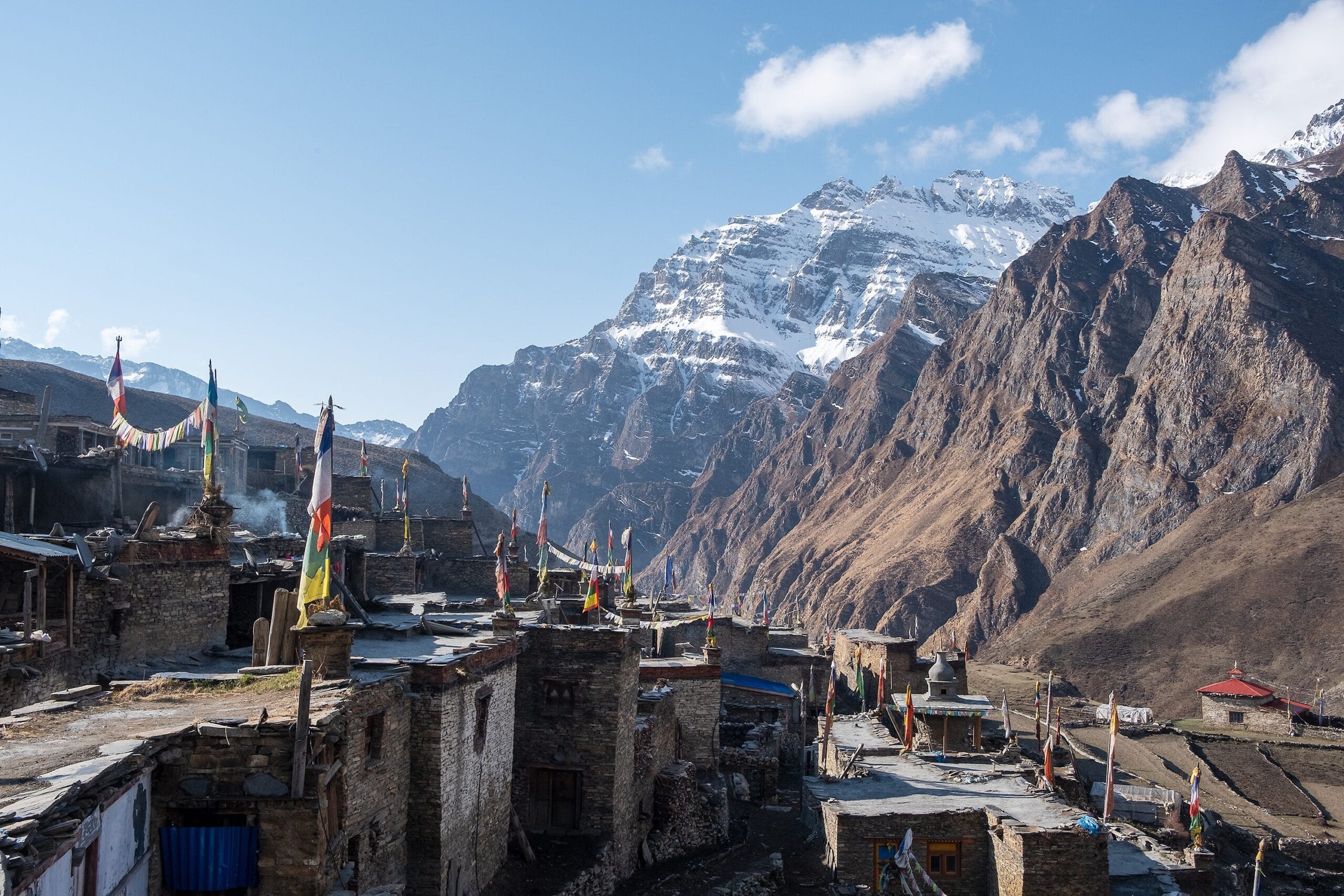
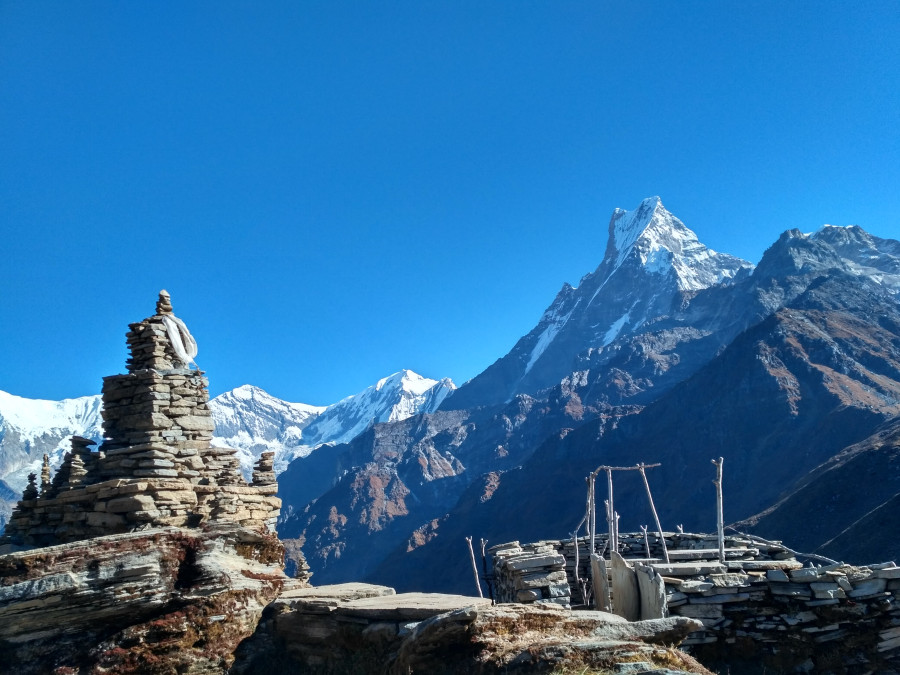
Culturally, the Manaslu region is deeply influenced by Tibetan Buddhism. Villages such as Lho, Samagaon, and Samdo preserve ancient traditions, monasteries, mani walls, prayer wheels, and chortens. The lifestyle of local communities reflects centuries-old mountain culture. Trekkers not only witness natural beauty but also experience authentic Himalayan hospitality and traditions.
This adventure is carefully organized by ART Nepal Treks & Expedition, ensuring professional guidance, proper permits, safety measures, and comfortable arrangements throughout the journey. The trek is suitable for adventure lovers who want a less crowded route with raw Himalayan beauty and meaningful cultural experiences.
The Manaslu Circuit Trek offers a combination of physical challenge, breathtaking scenery, and cultural immersion. From the moment you leave Kathmandu, you enter a world where nature dominates and modern life slowly fades away. The trek demands endurance, patience, and determination, but in return, it provides one of the most rewarding Himalayan experiences.
You can expect changing landscapes every single day. The lower sections feature warm river valleys and green hills. As you move higher, the air becomes thinner and colder, and the scenery turns dramatic with glaciers and snow peaks. The trail includes steep climbs, river crossings, forest walks, and rocky sections. Some days are long and demanding, especially the day you cross Larkya La Pass.
Culturally, you will encounter Tibetan-influenced communities. You will see prayer flags fluttering in the wind, hear monks chanting in monasteries, and witness traditional mountain life. This region feels remote and authentic, far from busy trekking highways.
You can expect:
The Manaslu Circuit Trek is designed for trekkers who are physically fit and mentally prepared for high-altitude trekking. It is not an easy walk, but it is achievable with proper preparation. The trail includes daily walking hours ranging from 4 to 9 hours, with significant elevation gains.
If you enjoy long mountain walks, remote trails, and cultural exploration, this trek is perfect for you. However, beginners should be prepared to train seriously before attempting it. The high altitude and cold weather demand good endurance and resilience.
This trek is suitable if:
It may not be suitable if:
Preparation is the key to successfully completing the Manaslu Circuit Trek. Since the trek reaches above 5,000 meters, your body must be physically ready and mentally prepared.
Start training at least 2–3 months before the trek. Focus on:
Invest in proper trekking equipment:
Follow gradual ascent rules and listen to your guide. Drink enough water and avoid rushing.
Be ready for:
Consult a doctor before the trek. Make sure your vaccinations are updated.
Ensure your insurance covers high-altitude trekking and helicopter evacuation.
Your journey to the Manaslu region begins as you land at Tribhuvan International Airport in Kathmandu. After completing immigration and luggage formalities, you will be warmly welcomed and transferred to your hotel in Thamel, the vibrant tourist hub of the city.
Once you check in, you can rest after your flight or explore the nearby streets filled with trekking shops, restaurants, cafés, and cultural attractions. In the evening, you may visit the trek office for a short introduction and discussion about the upcoming adventure. This is a great time to clarify last-minute questions and ensure your equipment is ready.
This day is reserved for official preparations. Since the Manaslu region is a restricted trekking area, special permits are required. Your documents are processed while you attend a detailed trek briefing conducted by your guide. The guide explains the route, altitude profile, safety measures, acclimatization plan, and cultural guidelines for visiting local villages and monasteries.
You will also check your trekking gear and rent or purchase any missing equipment. The afternoon is free for sightseeing around Kathmandu Valley if you wish. Popular nearby places include Swayambhunath, Kathmandu Durbar Square, and Pashupatinath Temple.
Your real adventure begins with a long but scenic drive from Kathmandu toward Machha Khola. The drive passes through winding mountain roads, rivers, terraced farmlands, and small roadside settlements. You follow the Trishuli River initially and later connect with the Budhi Gandaki River valley.
The road becomes rough and adventurous as you move closer to Machha Khola. Despite the bumpy ride, the changing scenery makes the journey exciting. By evening, you arrive at Machha Khola, a small riverside village surrounded by green hills.
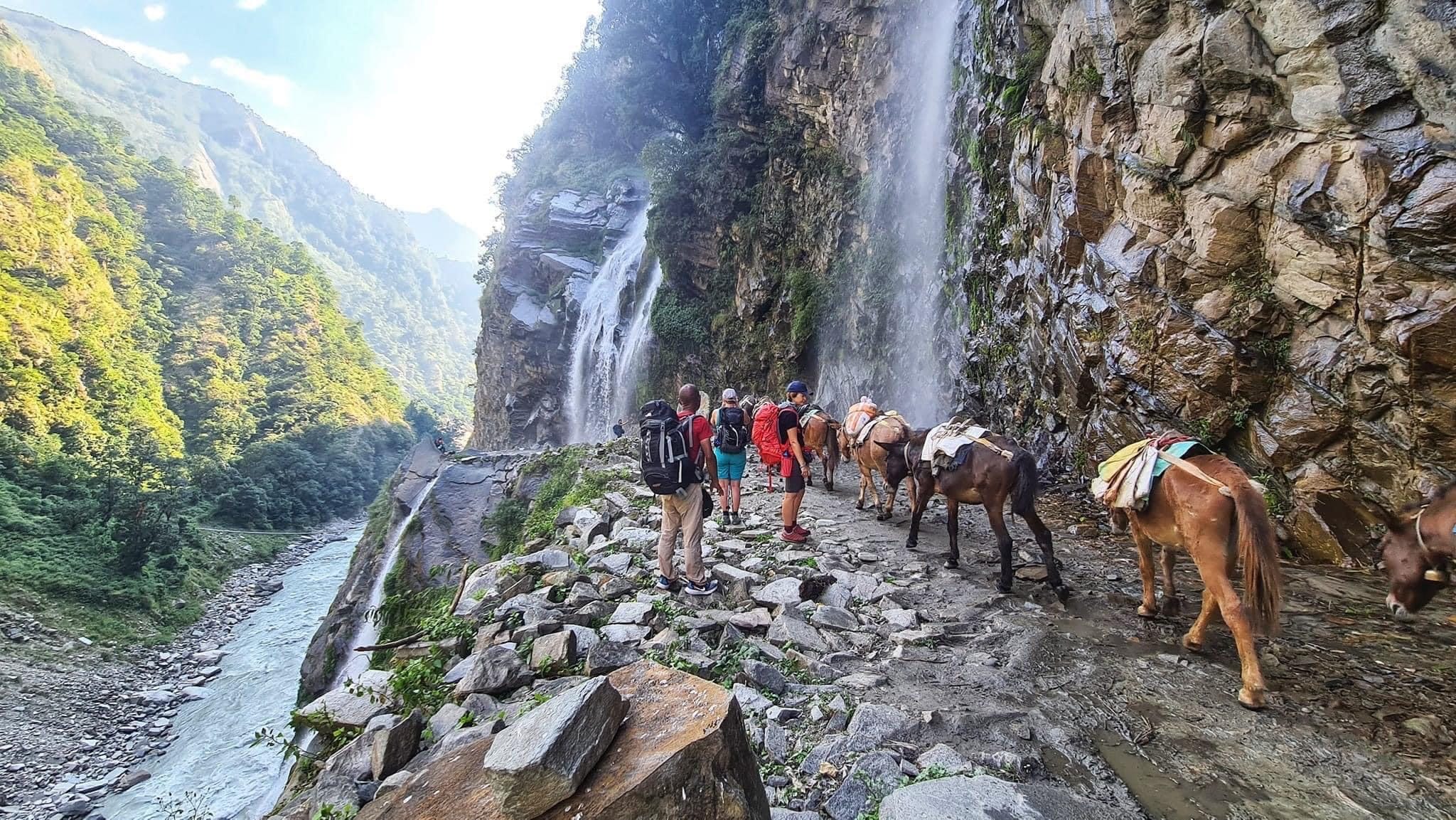
Today marks your first official trekking day. The trail follows the Budhi Gandaki River closely, crossing several suspension bridges and passing through small villages and forested sections. You walk along narrow paths carved into cliffs and enjoy views of waterfalls along the way.
You also pass natural hot springs at Tatopani, where trekkers often take a short break. The trail gradually ascends toward Jagat, a beautiful stone-paved village that serves as a checkpoint for entering the Manaslu Conservation Area.
After registering permits at Jagat, the trail climbs steadily through forests and small settlements. You cross suspension bridges over the Budhi Gandaki River multiple times. The landscape begins to change, and you start noticing Tibetan cultural influence in architecture and lifestyle.
The path moves through bamboo forests and narrow valleys before reaching Deng, a small village with traditional houses and mountain views. The air feels cooler as you gain altitude.
Today’s trek takes you deeper into the Manaslu region. You pass through dense forests, cross wooden bridges, and walk beside the river gorge. Along the trail, you will see mani stones engraved with Buddhist prayers and prayer flags fluttering in the wind.
The climb becomes more noticeable as you approach Namrung. This village offers your first impressive views of the Manaslu range. The cultural atmosphere becomes more Tibetan-influenced from here onward.
You begin the day with clear mountain views if the weather is favorable. The trail passes through forests of pine and rhododendron and traditional villages with stone houses and barley fields.
As you approach Lho, you are rewarded with magnificent views of Mount Manaslu. Lho is a culturally rich village with monasteries and traditional homes.
Today’s trek is shorter but extremely scenic. You pass through Shyala village, where panoramic mountain views surround you from every direction. The trail gradually ascends toward Samagaon, one of the largest villages in the upper Manaslu region.
Upon arrival, you can explore the village, interact with locals, and visit nearby attractions like Birendra Lake or Pungyen Gompa. Samagaon is a key acclimatization stop.
The trail gradually climbs higher into alpine terrain. You follow the Budhi Gandaki River and walk through wide valleys with dramatic mountain backdrops. The vegetation becomes sparse as altitude increases.
Samdo is a small Tibetan-influenced village close to the Nepal–Tibet border. The views here are spectacular, and the environment feels remote and peaceful.
This rest day is important for proper altitude adjustment. You can explore nearby hills or take optional hikes toward Lajyung Pass or Rui La Pass. Short hikes help your body adapt to thinner air.
You return to Samdo for overnight stay.
The trek continues toward Larkya Phedi, also known as Dharamsala. The trail crosses wooden bridges and climbs gradually along glacial moraines. The views of the Larkya Glacier and surrounding peaks are impressive.
This is the final stop before crossing the high pass. Rest well and prepare for an early start the next day.
This is the most challenging and rewarding day of the trek. You start very early in the morning to cross Larkya La Pass at 5,106 meters. The climb is gradual but long, with snow and strong winds possible.
From the top, you enjoy breathtaking panoramic views of Himalayan peaks. After celebrating your achievement, you descend steeply toward Bimthang through snowy slopes and glacial landscapes.
The descent continues through beautiful alpine meadows, rhododendron forests, and traditional villages. The temperature becomes warmer as you lose altitude. You reconnect with the Annapurna trail at Dharapani.
After breakfast, you drive to Besi Sahar and continue by bus to either Kathmandu or Pokhara. In the evening, a farewell dinner is organized to celebrate the successful completion of your Manaslu Circuit Trek.
The following optional services can be added to make your Manaslu Circuit Trek more comfortable and flexible according to your needs:
You can extend your stay in Kathmandu and explore UNESCO World Heritage Sites such as Swayambhunath, Pashupatinath Temple, Boudhanath Stupa, and Kathmandu Durbar Square. A professional city guide and private vehicle can be arranged upon request.
Hiring a porter makes your trek easier and more enjoyable. A porter carries up to 25 kg of luggage, allowing you to walk comfortably with a light daypack. This is especially recommended for high-altitude trekking.
Flights to and from Pokhara can be arranged if you prefer a shorter return journey instead of a long drive.
Helicopter charter services are available for emergency evacuation or luxury return from the trekking route. This is a quick and scenic option if you want to avoid long descents or road travel.
Private jeep services can be arranged for Kathmandu–Machha Khola and Dharapani–Kathmandu routes for added comfort and flexibility.
The best time for the Epic Manaslu Circuit Trek – 14 Days is during spring (March to May) and autumn (September to November). These seasons provide stable weather, clear skies, and the most spectacular mountain views.
Spring is one of the most beautiful times to trek in the Manaslu region. The weather is moderate, and the forests are filled with blooming rhododendron flowers. The lower hills appear colorful and lively, while the higher mountains remain covered in snow. Temperatures are comfortable during the day, though nights at higher altitudes remain cold. Wildlife activity is also higher during this period.
Advantages of Spring:
Autumn is considered the most popular trekking season in Nepal. After the monsoon rains, the skies become crystal clear, offering outstanding visibility of Mount Manaslu and surrounding Himalayan peaks. The air feels fresh and crisp, and rainfall is minimal. Trails are dry and safer for crossing high passes like Larkya La Pass.
Advantages of Autumn:
Winter (December to February) brings heavy snowfall at higher elevations, making Larkya La Pass difficult or sometimes impossible to cross. Monsoon (June to August) causes landslides, muddy trails, and poor visibility. Therefore, these seasons are less recommended unless you are highly experienced and prepared.
During the Manaslu Circuit Trek, meals are provided on a full-board basis. Although the region is remote, teahouses offer a surprisingly wide variety of meals.
Breakfast is usually served early in the morning before trekking. Options typically include:
Breakfast provides necessary energy for long walking hours.
Lunch is served at teahouses along the trekking route. Common lunch options include:
Dal Bhat is highly recommended because it provides unlimited refills and balanced nutrition.
Dinner is warm and filling, usually similar to lunch options. At higher altitudes, menus may become more limited, but nutritious food is always available. Garlic soup is commonly recommended to help with altitude adaptation.
Snacks such as biscuits, chocolates, and energy bars are available at small shops but become more expensive at higher altitudes. Bottled water is available, but using water purification tablets is recommended to reduce plastic waste.
Accommodation during the trek is arranged in teahouses and occasionally camping in higher areas if necessary.
Teahouses are simple mountain lodges run by local families. Rooms usually include:
Electricity is available in most villages but may require extra payment for charging devices.
In rare cases where teahouse facilities are limited, camping arrangements may be organized. Camping includes tents, kitchen equipment, and support staff.
In Kathmandu, you stay in a comfortable 3-star hotel in Thamel with modern amenities such as hot showers, Wi-Fi, and attached bathrooms.
Travel insurance is mandatory for the Manaslu Circuit Trek due to its high-altitude nature. The trek reaches 5,106 meters at Larkya La Pass, where medical facilities are limited.
Your insurance policy should cover:
Helicopter evacuation in remote Himalayan regions can be expensive, so comprehensive insurance ensures financial protection and peace of mind.
Altitude sickness occurs when your body struggles to adapt to lower oxygen levels at higher elevations. Since this trek crosses 5,000 meters, proper acclimatization is crucial.
If symptoms worsen, immediate descent is necessary. Guides carry first aid kits and are trained to respond quickly in emergencies.
A licensed and experienced guide leads the trek. The guide ensures:
Guides are trained in first aid and altitude sickness response.
Safety protocols include:
The remote nature of the Manaslu Conservation Area requires careful planning and responsible trekking practices.
Reach out to confirm availability and receive detailed information.
Pay a booking deposit to confirm your trek reservation.
Clear the remaining balance before the trek departure.
Provide passport copy, visa details, passport-sized photos, and travel insurance information.
Permits for restricted areas are arranged after documentation is submitted.