Manaslu Trek – 12 Days
Introduction
The Manaslu Trek is a remarkable high-altitude expedition that offers an extraordinary blend of adventure, natural beauty, and cultural experiences. Starting from the bustling city of Kathmandu, the trek begins with a scenic drive along winding roads into the Budhi Gandaki valley, eventually reaching Machhikhola, where the trekking trail officially starts. The route takes trekkers through dense forests, terraced villages, and alpine landscapes, gradually leading to high-altitude camps.
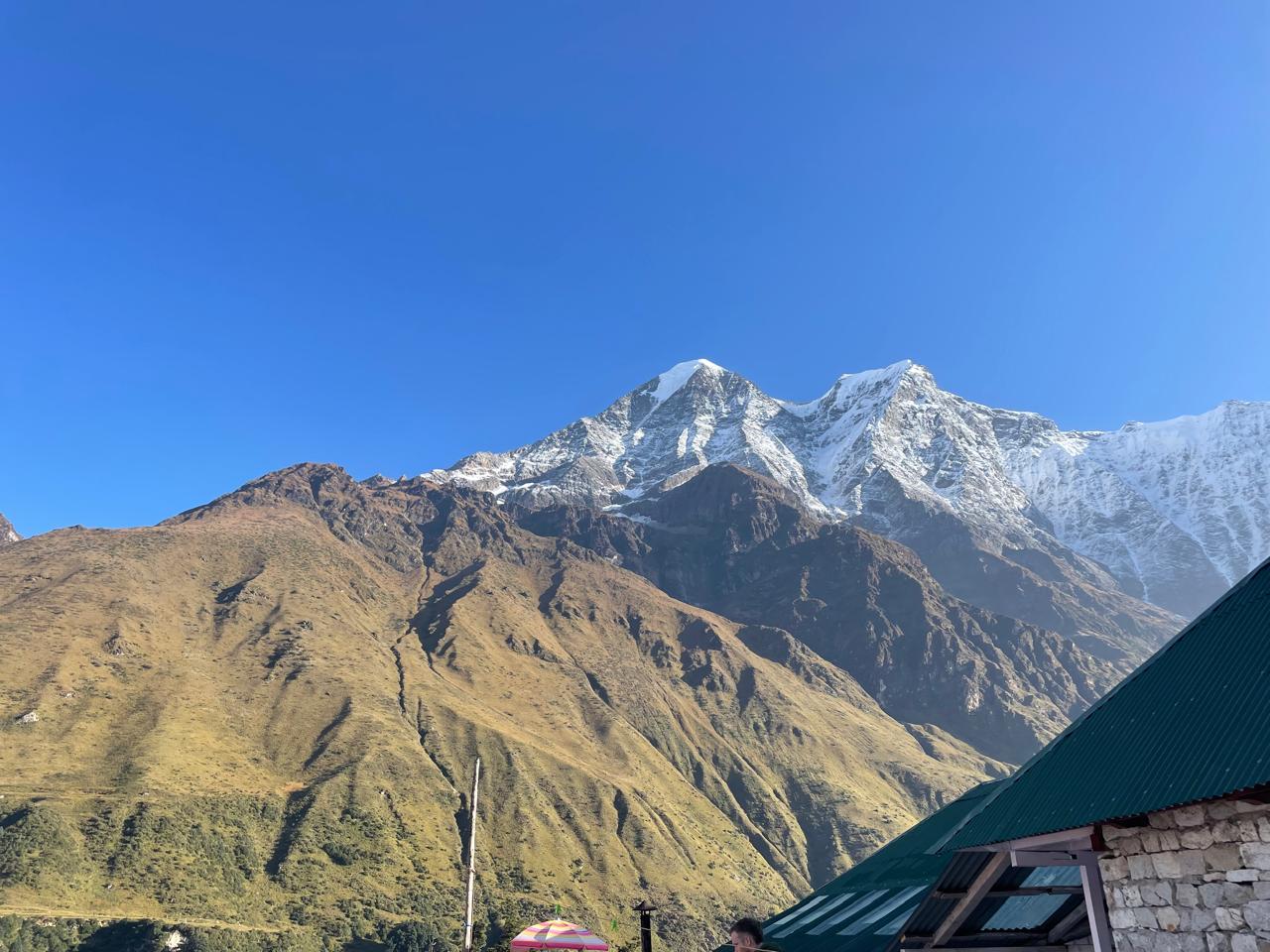
As trekkers progress, they witness the diversity of Nepal’s natural and cultural heritage. The trail crosses numerous suspension bridges, flowing rivers, and rolling hills, offering uninterrupted views of snow-capped mountains, glaciers, and valleys. Each day presents both a physical challenge and an opportunity to appreciate the untouched wilderness of the Manaslu region, one of the least-traveled trekking areas in Nepal.
The trek is culturally immersive, passing through villages such as Samagaon, Samdo, and Bimthang. Trekkers have the opportunity to interact with locals, explore monasteries, and observe Tibetan-influenced customs and lifestyles. These encounters provide insight into the unique traditions, architecture, and festivals of communities living in remote high-altitude regions.
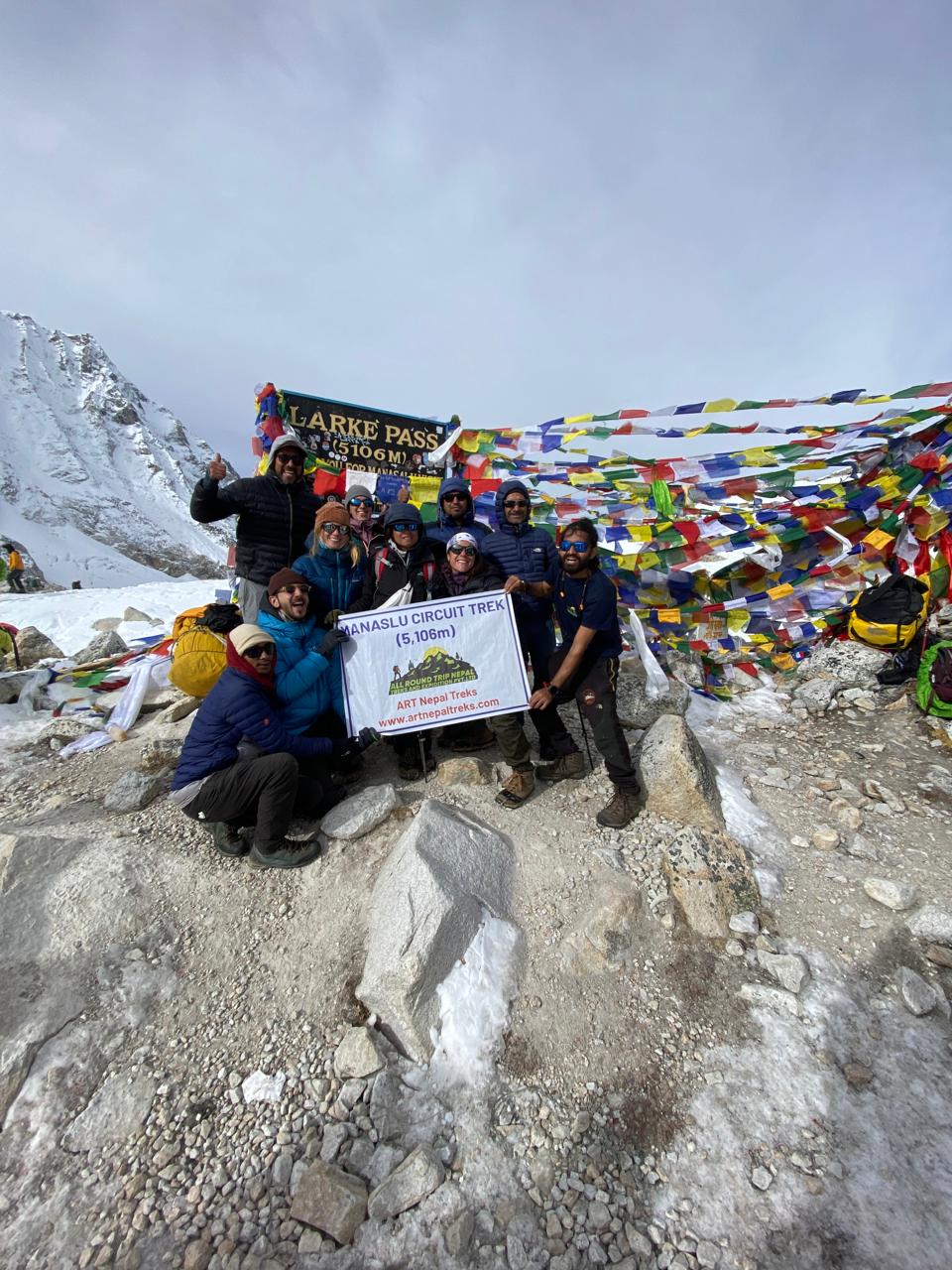
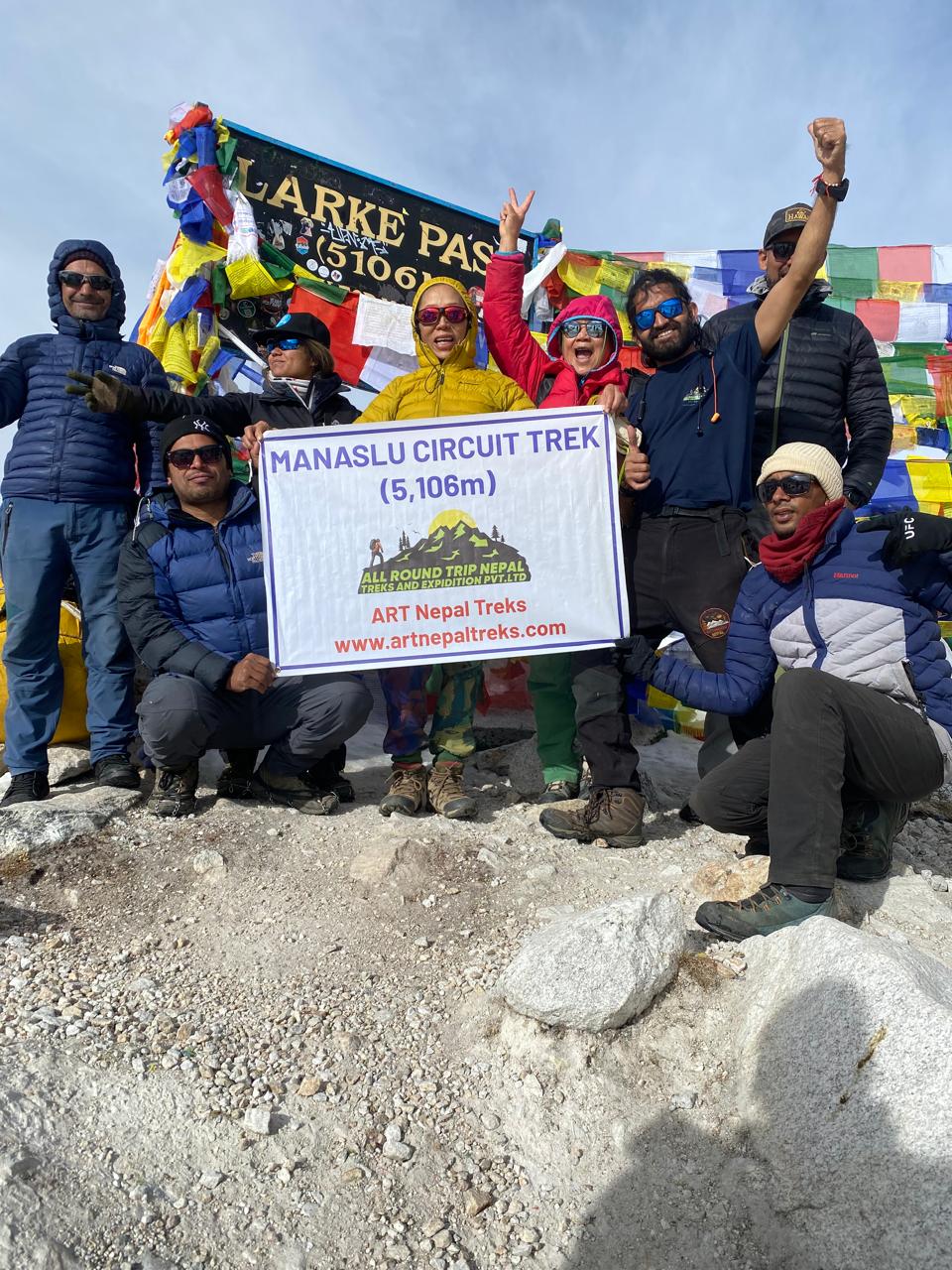
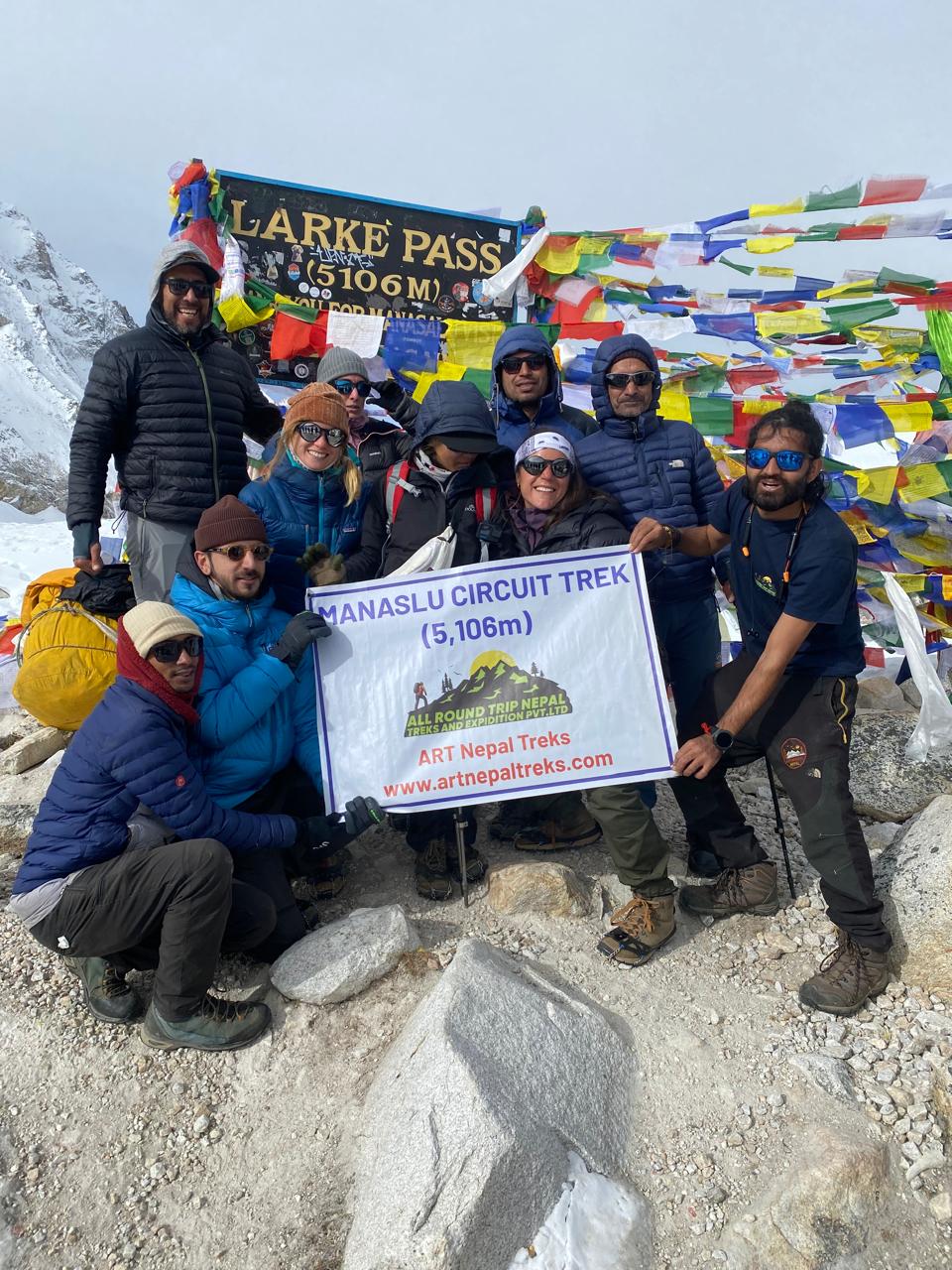
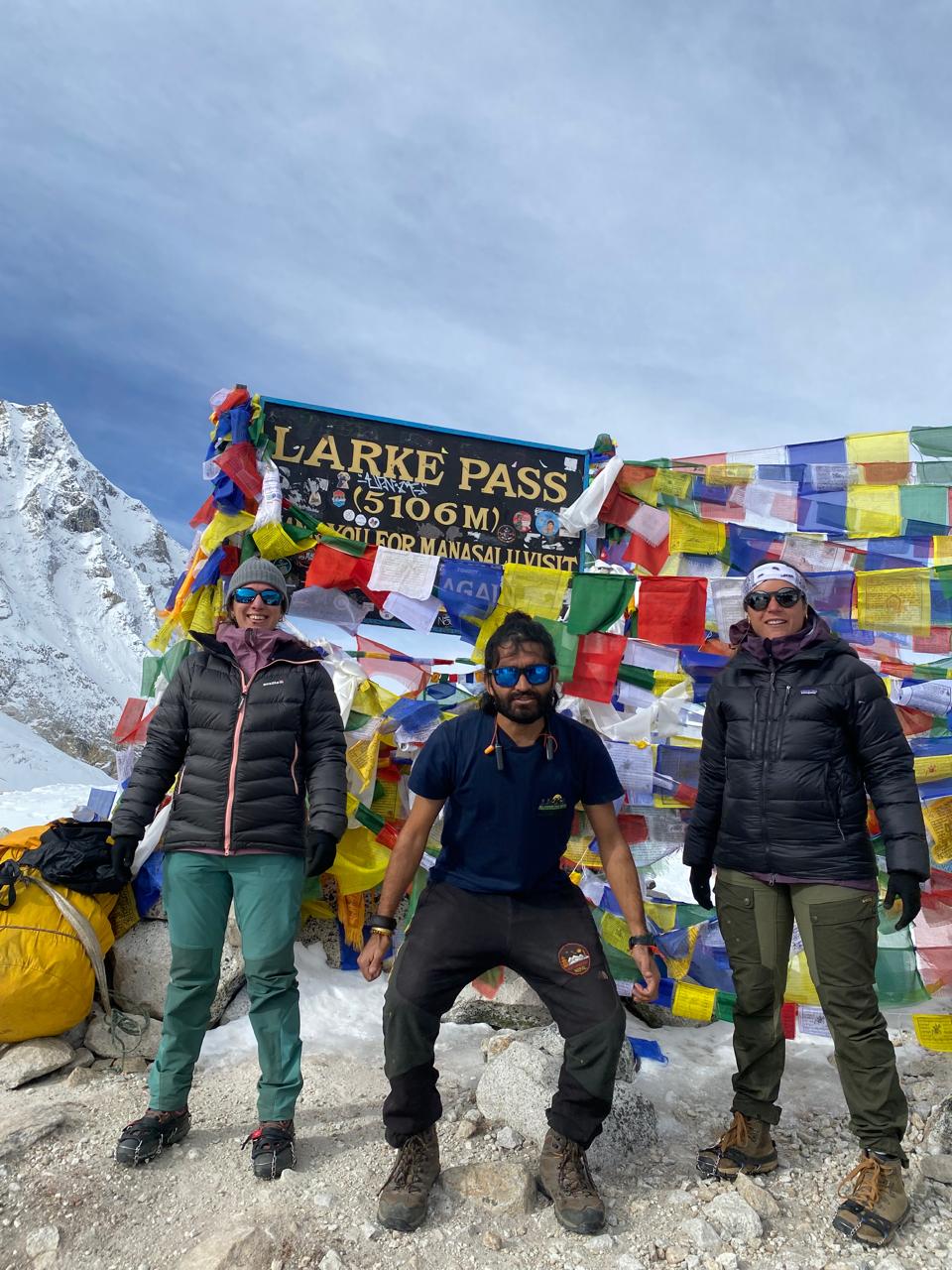
The highlight of the trek is crossing Larkya La Pass, the highest point of the journey at 5,160 meters. This challenging ascent offers spectacular views of glaciers, alpine valleys, and Himalayan peaks, rewarding trekkers with an unforgettable sense of accomplishment. After crossing the pass, the trail descends towards Punker Lake, where the pristine beauty of the alpine lake and surrounding mountains creates an ideal spot for photography and relaxation.
The trek concludes with a gradual descent to Tilche, followed by a jeep ride through the Budhi Gandaki valley, eventually returning to Kathmandu. Throughout the journey, ART Nepal Treks & Expedition provides professional guidance, safety support, and logistic arrangements, ensuring a seamless and enriching trekking experience that combines adventure, culture, and scenic beauty.
What Can You Expect from the Trek?
The Manaslu Trek is designed for adventure enthusiasts who want a blend of physical challenge, natural beauty, and cultural engagement. Trekkers can expect long hiking days through varied terrain, including riverside paths, alpine meadows, moraine trails, and high mountain passes. Each stage of the trek introduces new landscapes and challenges, providing an unmatched sense of exploration and discovery.
Cultural immersion is a significant aspect of the journey. Trekkers visit remote villages such as Samagaon and Samdo, where Tibetan-influenced monasteries and local customs are prominent. Observing and interacting with locals offers a deep understanding of traditional lifestyles, spiritual practices, and rural Himalayan hospitality.
The trek also emphasizes high-altitude adventure and natural beauty. Crossing Larkya La Pass and visiting Punker Lake allow trekkers to witness glacial valleys, snow-capped peaks, and serene alpine lakes rarely seen by ordinary travelers. This combination of adventure, cultural experiences, and natural scenery creates a holistic trekking experience.
Summary of Expectations:
- Challenging high-altitude trekking with diverse terrain
- Cultural experiences in Tibetan-influenced villages
- Panoramic views of Himalayan peaks and glaciers
- Opportunities for photography at Punker Lake and Larkya La Pass
- Interaction with local communities and monasteries
Is Trek Suitable for You?
The Manaslu Trek is suitable for trekkers who are physically fit and have prior trekking experience, especially at high altitudes. The trek involves long hiking days, steep ascents, and high passes that require stamina, careful footing, and mental focus.
Trekkers should be ready to face changing weather conditions, cold temperatures, and remote trekking environments. It is not recommended for beginners without prior exposure to high-altitude trekking, though preparation and guidance from professional guides make it accessible to most healthy adventurers.
This trek is ideal for travelers who value adventure, nature, and cultural immersion, offering an experience that combines physical challenges with enriching encounters in remote Himalayan villages.
Summary of Suitable Trekkers:
- Physically fit with prior trekking experience
- Able to walk 5–8 hours per day on uneven terrain
- Comfortable with high-altitude environments
- Ready for changing weather and remote conditions
- Interested in culture and interaction with local communities
How to Get Prepared for the Trek
Preparation is the key to enjoying the Manaslu Trek safely and comfortably. Physical fitness is the foundation for success, as trekkers will face long days of hiking over varied terrain, including steep climbs, rocky paths, river crossings, and high passes. A regular training plan should include endurance exercises such as running, cycling, or swimming to improve cardiovascular stamina. Strength training, particularly for the legs, core, and back, is crucial to handle uphill climbs, downhill descents, and carrying a daypack. Trekking with a loaded backpack in hilly terrain before the trip helps condition the body for long days on uneven trails.
Equally important is mental and logistical preparation. Trekkers should familiarize themselves with high-altitude conditions, learn about altitude sickness prevention, and understand how to pace themselves. Proper gear is essential, including layered clothing for temperature variations, waterproof jackets, sturdy trekking boots, and personal safety equipment. Reviewing maps, trekking routes, local culture, and basic first aid knowledge will help travelers feel confident and prepared. Maintaining hydration, nutrition, and gradual acclimatization during the trek is essential for a safe and enjoyable journey.
Preparation Checklist:
- Physical Fitness: Endurance training (running, cycling, swimming), strength exercises for legs and core, practice hikes with backpack
- Acclimatization: Plan for gradual ascents and rest days to adjust to altitude
- Trekking Gear: High-quality trekking boots, layered clothing, waterproof jacket, trekking poles, backpack with rain cover
- Health & Safety: Travel insurance, personal first aid kit, understanding of altitude sickness
- Local Knowledge: Research trekking permits, Manaslu Conservation Area rules, and local cultural etiquette
-
Trip Duration
12 Days / 11 Nights
-
Group Size
1–12 people
-
Maximum Altitude
5,160 meters
-
Trip Difficulty
Challenging
-
Activities
Trekking, cultural exploration, photography
-
Best Season
Spring (March–May), Autumn (September–November)
-
Trip Start & End
Kathmandu / Kathmandu
-
Meals
Breakfast, Lunch, Dinner
-
Accomodation
Teahouses and Lodges
Highlights
- Cross the Larkya La Pass (~5,160m), one of the highest trekking passes in Nepal
- Explore Punker Lake and its surrounding alpine scenery
- Visit high-altitude villages: Samagaon, Samdo, Bimthang, Tilche
- Trek through alpine meadows, forests, and glacial valleys
- Experience Tibetan-influenced culture in remote villages
- Jeep ride through the Budhi Gandaki valley
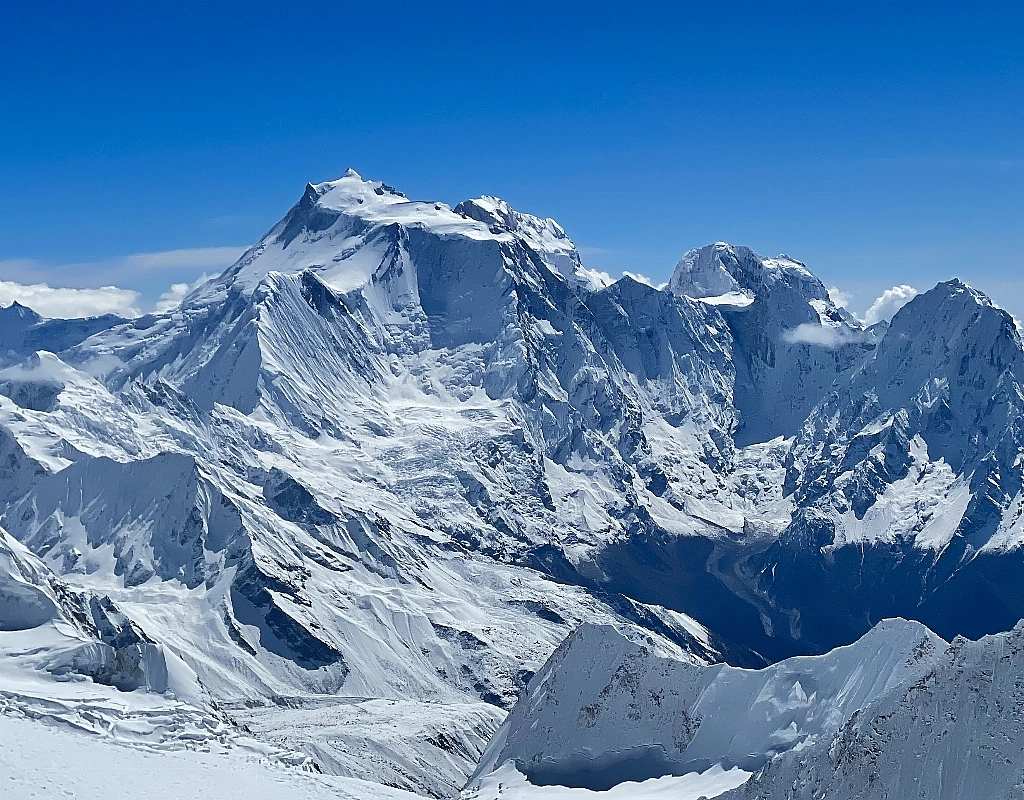
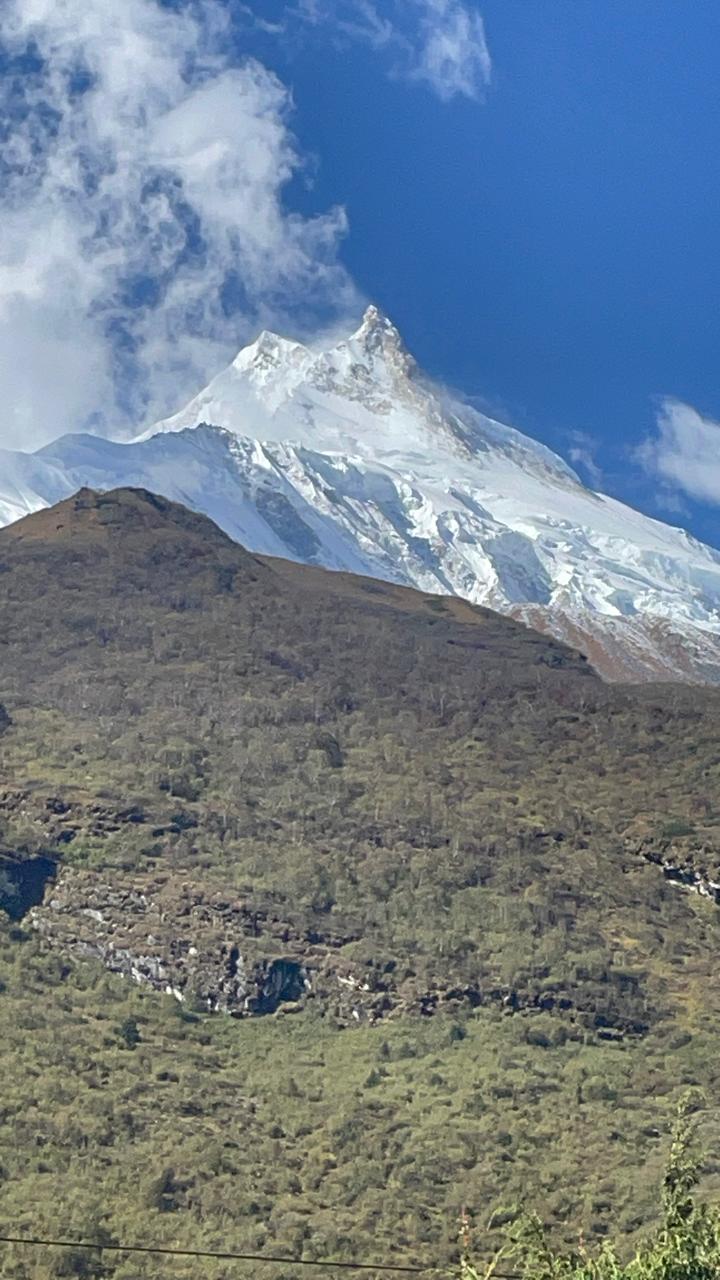
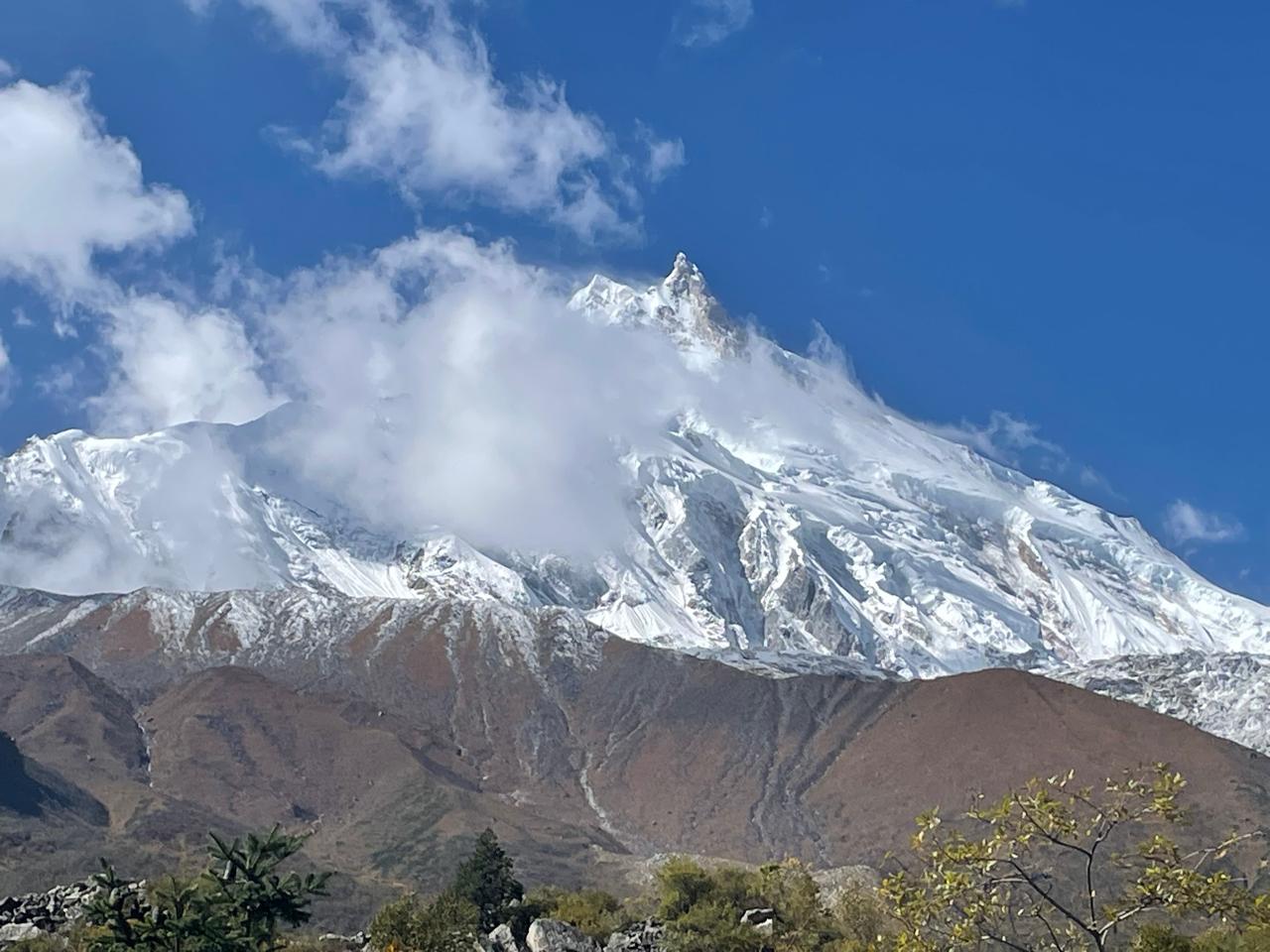
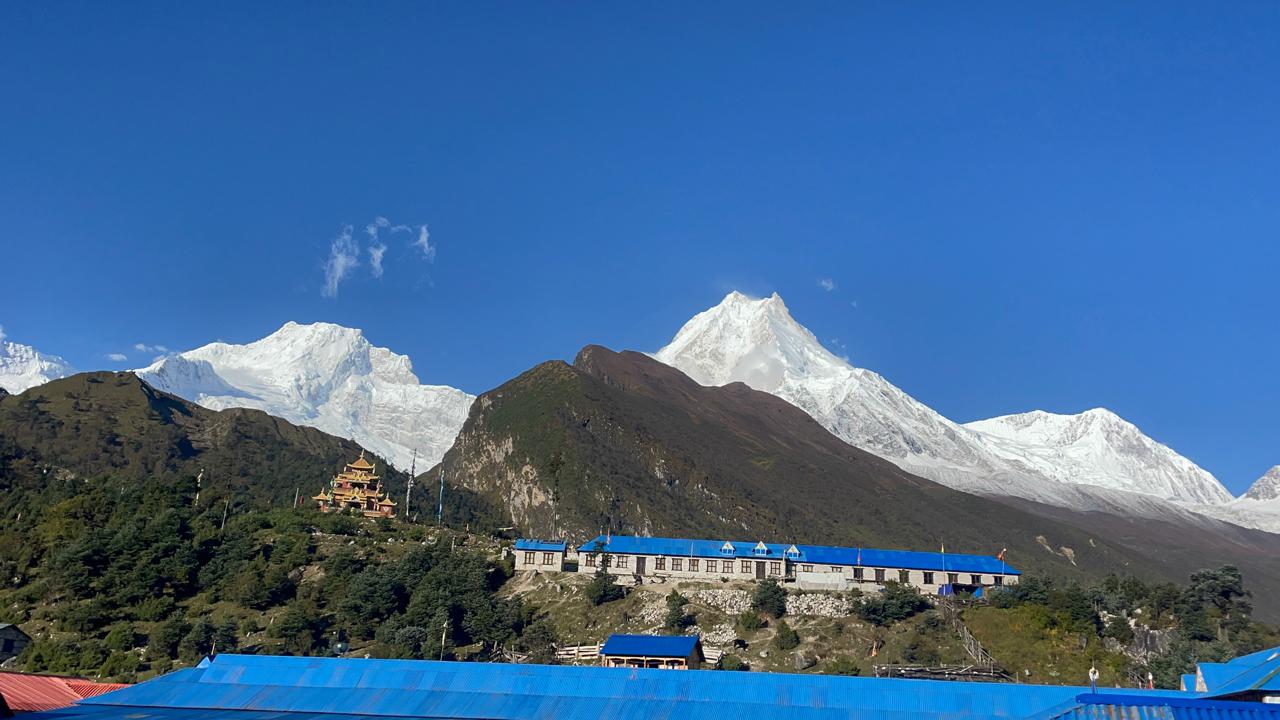
- Panoramic views of Manaslu, Himalchuli, and surrounding Himalayan peaks
Itinerary
Day 01
The adventure begins with an early morning departure from Kathmandu, taking a scenic drive through winding hills, terraced fields, and small towns along the Trishuli and Budhi Gandaki river valleys. This 6–7 hour journey showcases the diversity of Nepal’s landscapes, from dense forests to cultivated farmland. Upon reaching Soti Khola, trekkers continue via jeep or local road transport for approximately 2 more hours to Machhikhola, the official starting point of the trek. Machhikhola is a quiet riverside village offering breathtaking views of surrounding hills and rivers, providing the perfect introduction to the Manaslu region.
The evening is spent acclimatizing and preparing trekking gear. Teahouses in Machhikhola provide basic but comfortable accommodation, allowing trekkers to rest and enjoy the sounds of the river. Guides from ART Nepal Treks & Expedition give detailed briefings about the trail ahead, altitude precautions, and emergency procedures. Trekkers have time to explore the village, interact with locals, and soak in the serene Himalayan environment. This first day sets the stage for the journey ahead, blending preparation, scenic travel, and cultural immersion.
Trip Duration:
8–9 hours (drive and road)Trip Distance:
Minimal, mostly roadAltitude:
760 mMeal:
Dinner includedAccomodation :
TeahouseDay 02
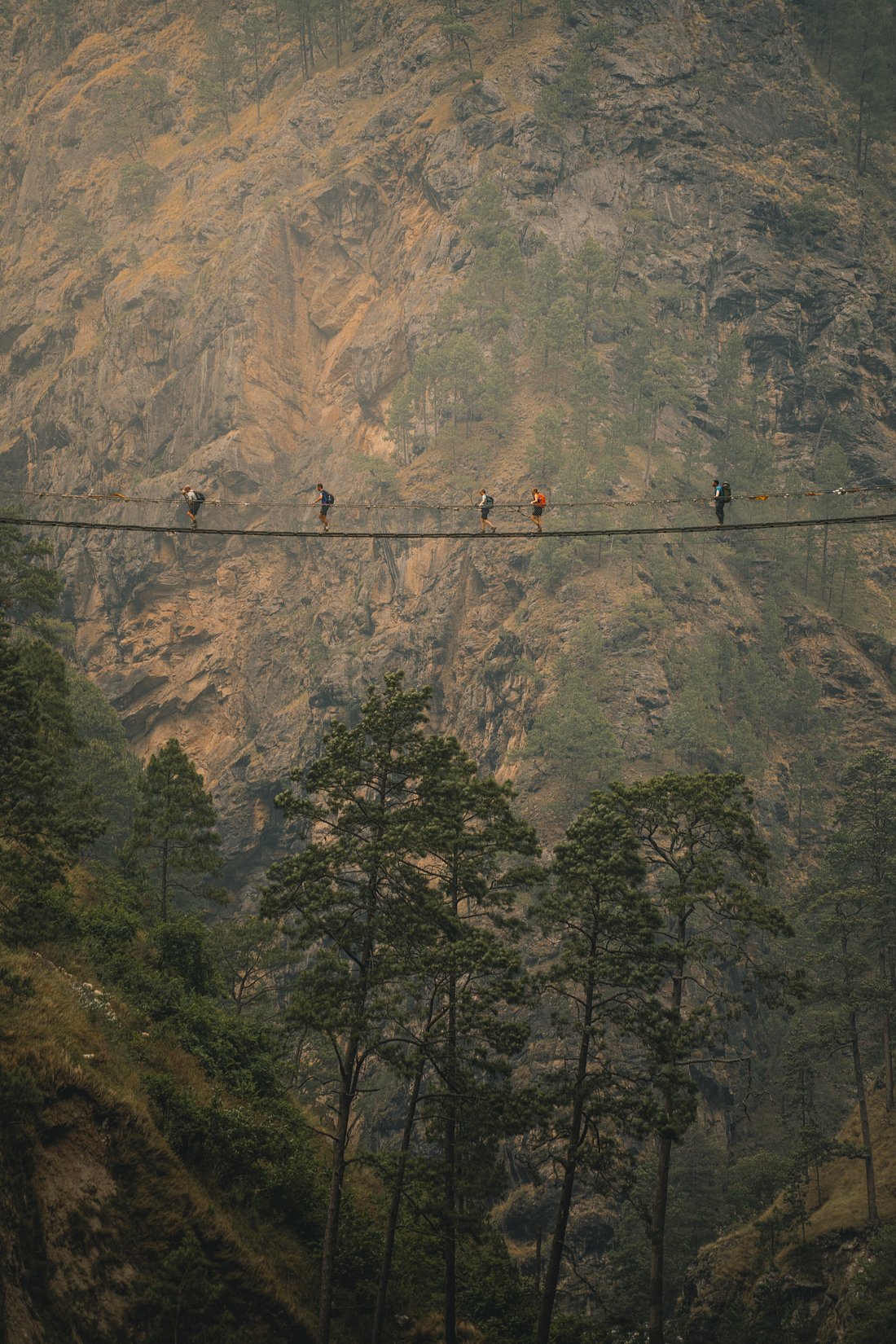
The trekking officially begins as travelers follow the Budhi Gandaki River valley, a route flanked by bamboo forests, terraced fields, and scattered traditional villages. Along the way, trekkers cross several suspension bridges, which provide both excitement and spectacular views of the river below. The trail gradually ascends, passing through pine forests and small hamlets where locals cultivate crops and raise livestock. With each step, trekkers begin to immerse themselves in the natural beauty and isolation of this Himalayan region, adjusting gradually to the higher altitudes.
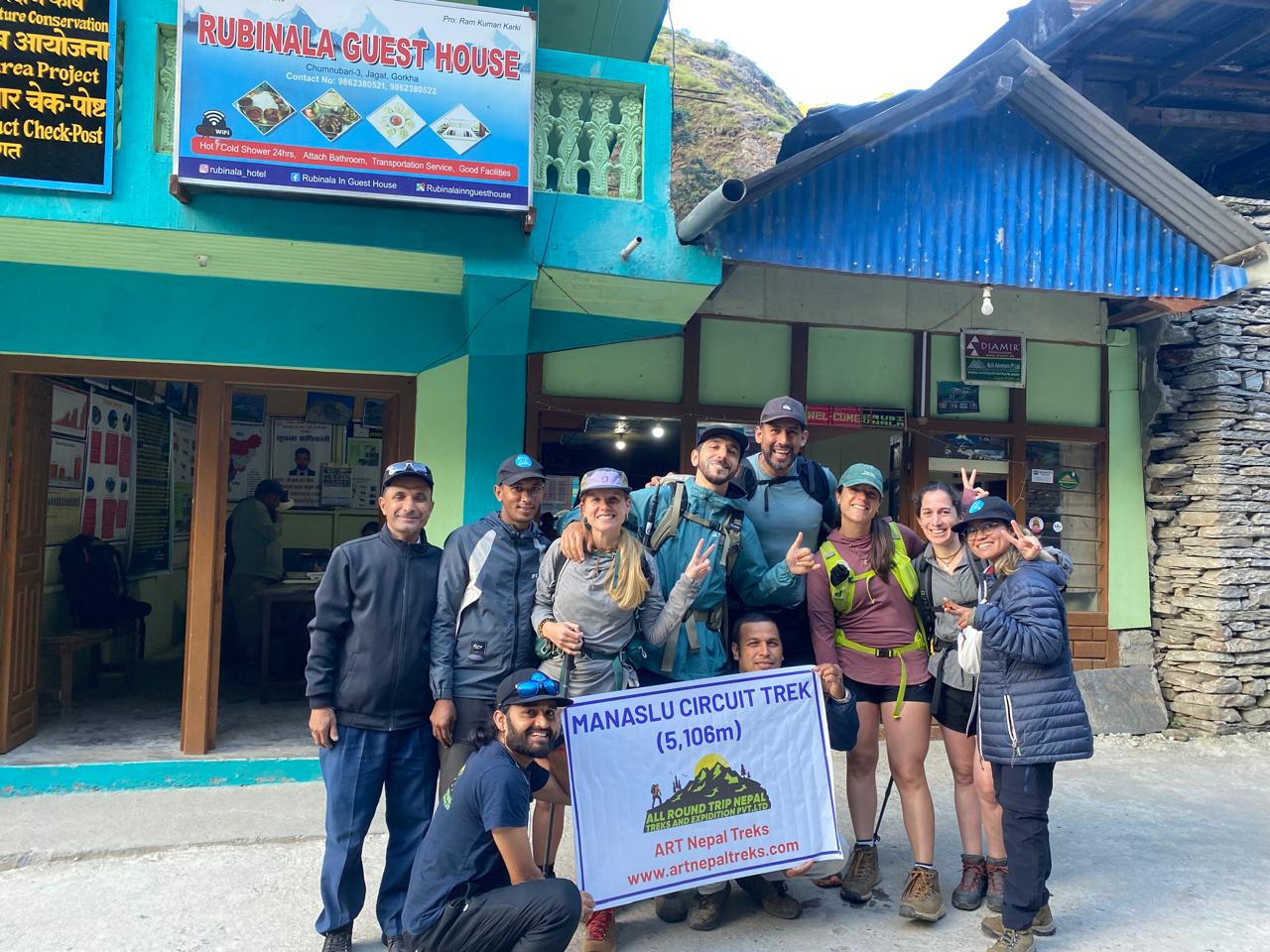
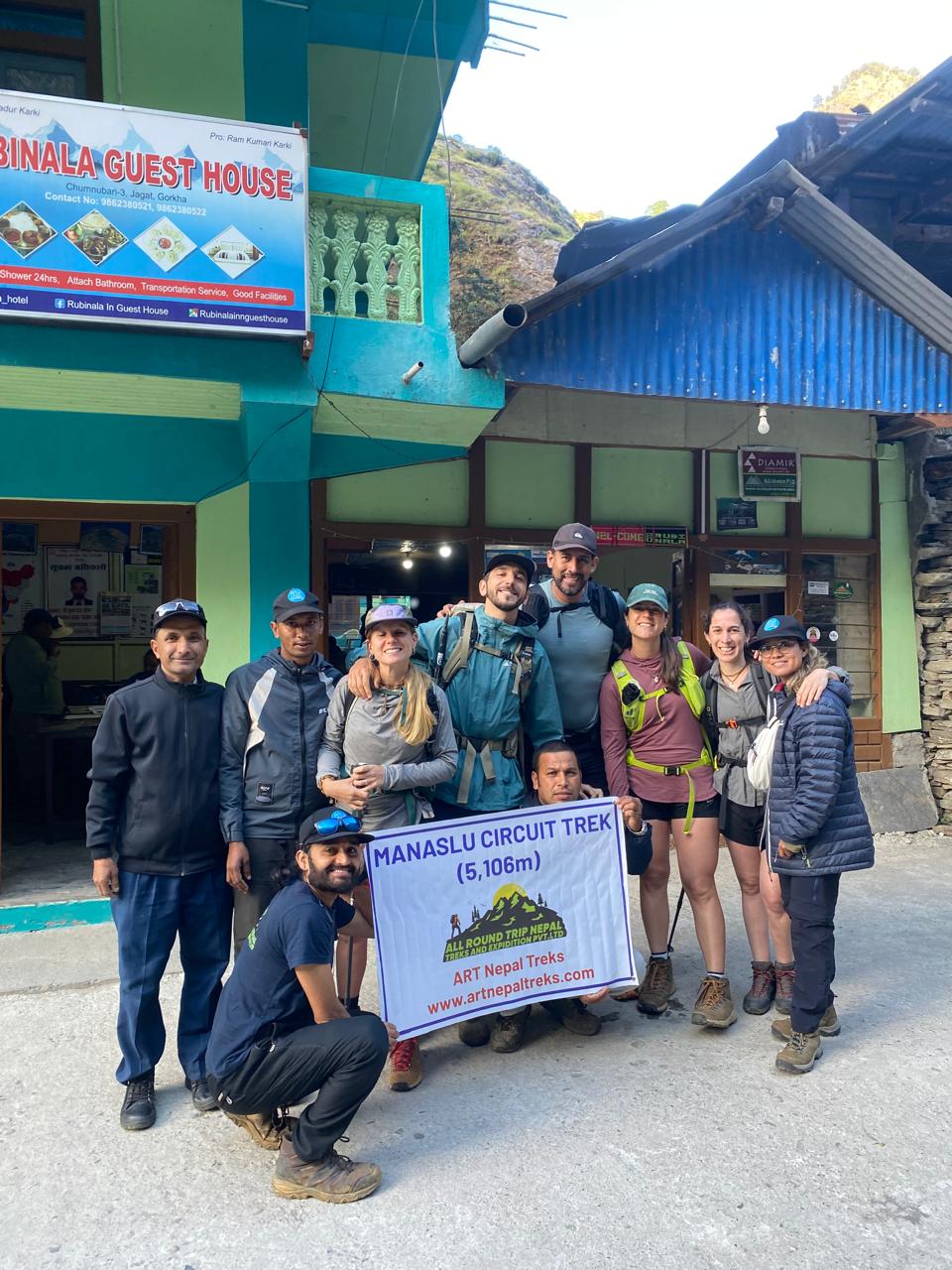
Arriving at Jagat, trekkers are welcomed by a peaceful village atmosphere. Stone houses, prayer flags, and local shops create a charming Himalayan environment. The village offers teahouse accommodations with basic amenities, perfect for resting after the first day of trekking. Visitors can interact with locals, learn about their traditional lifestyles, and observe the unique Tibetan-influenced culture in the Manaslu region. This combination of scenic trekking and cultural exploration ensures that Day 2 is both an acclimatization day and a memorable introduction to rural Himalayan life.
Trip Duration:
6–7 hoursTrip Distance:
~18 kmAltitude:
1,300 mMeal:
Breakfast, Lunch, DinnerAccomodation :
TeahouseDay 03
Trekkers enter the Manaslu Conservation Area, a protected region that requires special permits. The trail winds through lush bamboo and pine forests, occasionally opening to reveal glimpses of distant snow-capped peaks. The terrain involves moderate uphill walking, crossing small streams and patches of farmland along the way. Along this scenic path, travelers experience the remote Himalayan lifestyle, passing local villages with stone houses and prayer flags. After 6–7 hours of trekking, the village of Deng provides a welcoming stop for the night.
Deng is a small but culturally rich village, offering teahouse accommodations with warm meals. Its Tibetan-influenced architecture, monasteries, and prayer flags offer trekkers a sense of connection to the spiritual traditions of the region. Evenings can be spent exploring the village, interacting with locals, and enjoying the spectacular valley views. Day 3 balances trekking effort with cultural immersion, allowing trekkers to experience the charm of the Manaslu region while gradually acclimatizing to higher elevations.
Trip Duration:
6–9hoursTrip Distance:
~21kmAltitude:
1,860 mMeal:
Breakfast, Lunch, DinnerAccomodation :
TeahouseDay 04
The trek begins through alpine terrain, gradually ascending into higher elevations. Trekkers enjoy panoramic views of Manaslu and Himalchuli, which dominate the horizon. The trail passes through small settlements, farms, and scattered prayer flags, offering a glimpse of the local lifestyle. Walking through quiet forested paths and open valleys, trekkers experience the pristine beauty of the region, surrounded by towering mountains and high-altitude flora. Namrung’s teahouses provide a comfortable resting spot and an opportunity to socialize with fellow travelers.
Namrung itself is a charming village with stone houses and small monasteries, reflecting the Tibetan cultural influence prevalent in the Manaslu region. Trekkers can explore the village, observe local customs, and enjoy the peaceful high-altitude environment. The combination of trekking challenge, spectacular landscapes, and cultural exposure makes Day 4 a rewarding journey. Acclimatization at this stage is crucial, ensuring that the body adjusts safely to higher altitudes.
Trip Duration:
5–6 hoursTrip Distance:
~17 kmAltitude:
2,630 mMeal:
Breakfast, Lunch, DinnerAccomodation :
TeahouseDay 05
A shorter trekking day allows for proper acclimatization. The trail passes through terraced fields, small villages, and alpine forests, offering beautiful vistas of snow-capped peaks. Samagaon is a larger village with stone houses, traditional monasteries, and prayer flags. Here, trekkers can take their time to explore the village, visit monasteries, and interact with locals to understand their unique lifestyle and culture. This gentle trekking day helps the body adjust to the altitude while still offering spectacular mountain views.
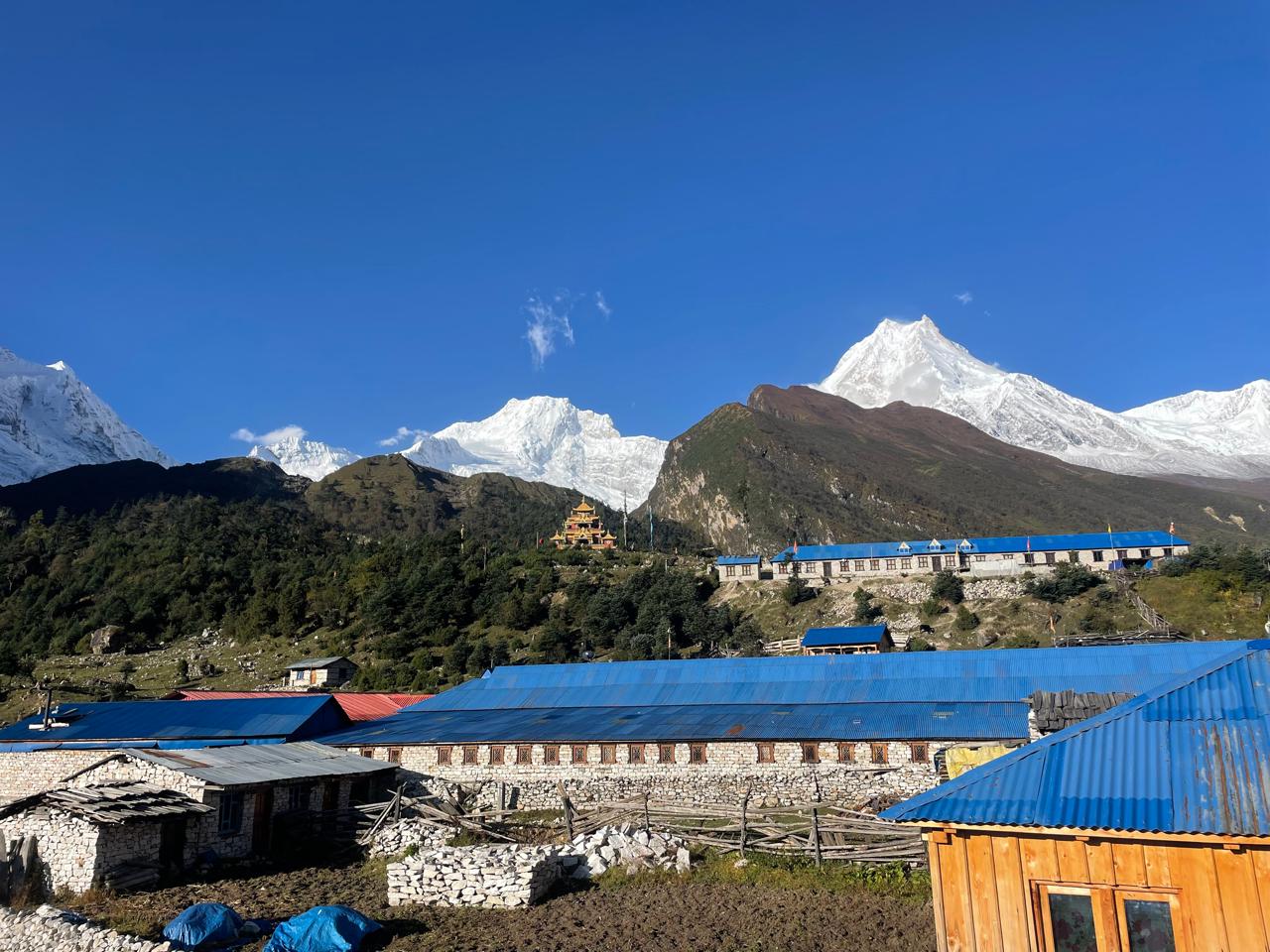
Samagaon is surrounded by breathtaking scenery, including glaciers, river valleys, and distant peaks. The village is also a strategic base for excursions to Manaslu Base Camp. Teahouses provide basic but warm accommodation and meals, ensuring comfort at high altitude. Evenings can be spent resting, walking around the village, or photographing the spectacular Himalayan landscape. Day 5 perfectly balances rest, acclimatization, and cultural immersion.
Trip Duration:
4–5 hoursTrip Distance:
~16 kmAltitude:
3,500 mMeal:
Breakfast, Lunch, DinnerAccomodation :
TeahouseDay 06
An early start takes trekkers on a challenging but rewarding journey to Manaslu Base Camp. The trail ascends through rocky paths, moraines, and glacier-fed streams, providing panoramic views of Manaslu’s massive glaciers and snow-capped peaks. Trekkers spend time at the base camp, enjoying the alpine environment, capturing photographs, and experiencing the raw beauty of one of Nepal’s most iconic peaks. After the exploration, trekkers descend back to Samagaon for overnight rest.
The round-trip trek is physically demanding, covering 8–9 hours, but the experience is unmatched. Samagaon’s teahouses offer a well-deserved respite, with hot meals and a cozy environment. The day allows trekkers to test their stamina and enjoy the breathtaking landscapes of the Manaslu region, including alpine meadows, moraines, and snowfields. Guides from ART Nepal Treks & Expedition ensure safety, navigation, and acclimatization advice throughout the trek.
Trip Duration:
8–9 hours (round trip)Trip Distance:
~13 kmAltitude:
4,700 mMeal:
Breakfast, Lunch, DinnerAccomodation :
TeahouseDay 07
The trail from Samagaon to Samdo passes through expansive alpine meadows, moraine trails, and gently sloping ridges. Trekkers experience breathtaking views of high peaks and glaciers. Samdo is a high-altitude village at ~3,900 m and serves as the gateway to the Larkya La region. The village offers teahouse accommodations and provides a culturally rich Himalayan environment, with prayer flags, stone houses, and small local shops.
Samdo is ideal for acclimatization before tackling the Larkya La Pass. Trekkers can explore the village, interact with locals, and photograph the panoramic landscape. The combination of alpine scenery and village life creates a unique experience, blending adventure with cultural exposure. Evenings in Samdo offer clear skies for stargazing and a sense of serenity amidst the mountains.
Trip Duration:
4–5 hoursTrip Distance:
~6.5 kmAltitude:
3,900 mMeal:
Breakfast, Lunch, DinnerAccomodation :
TeahouseDay 08
Trip Duration:
8–9 hoursTrip Distance:
~17kmAltitude:
5106 mMeal:
Breakfast, Lunch, DinnerAccomodation :
TeahouseDay 09
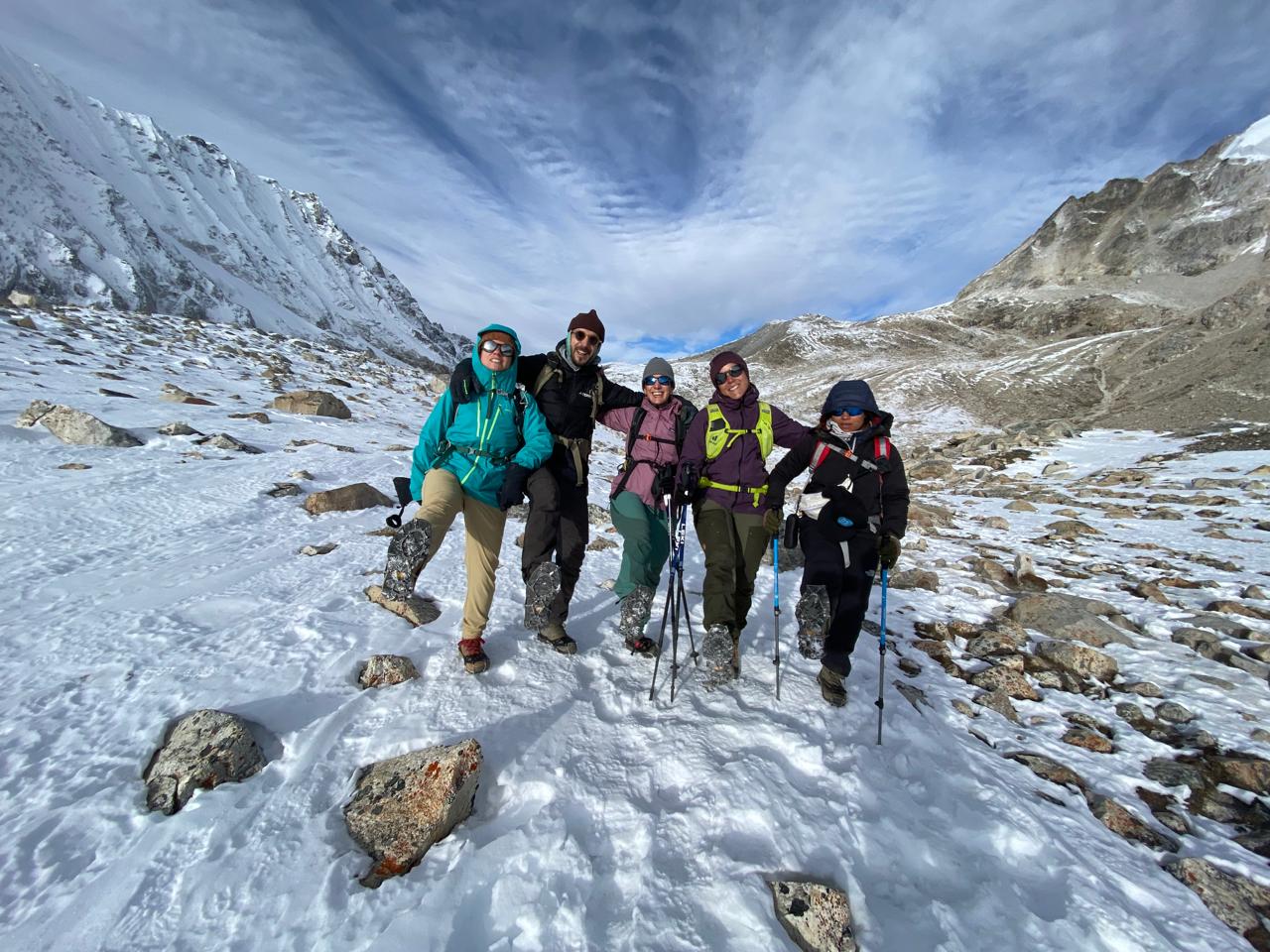
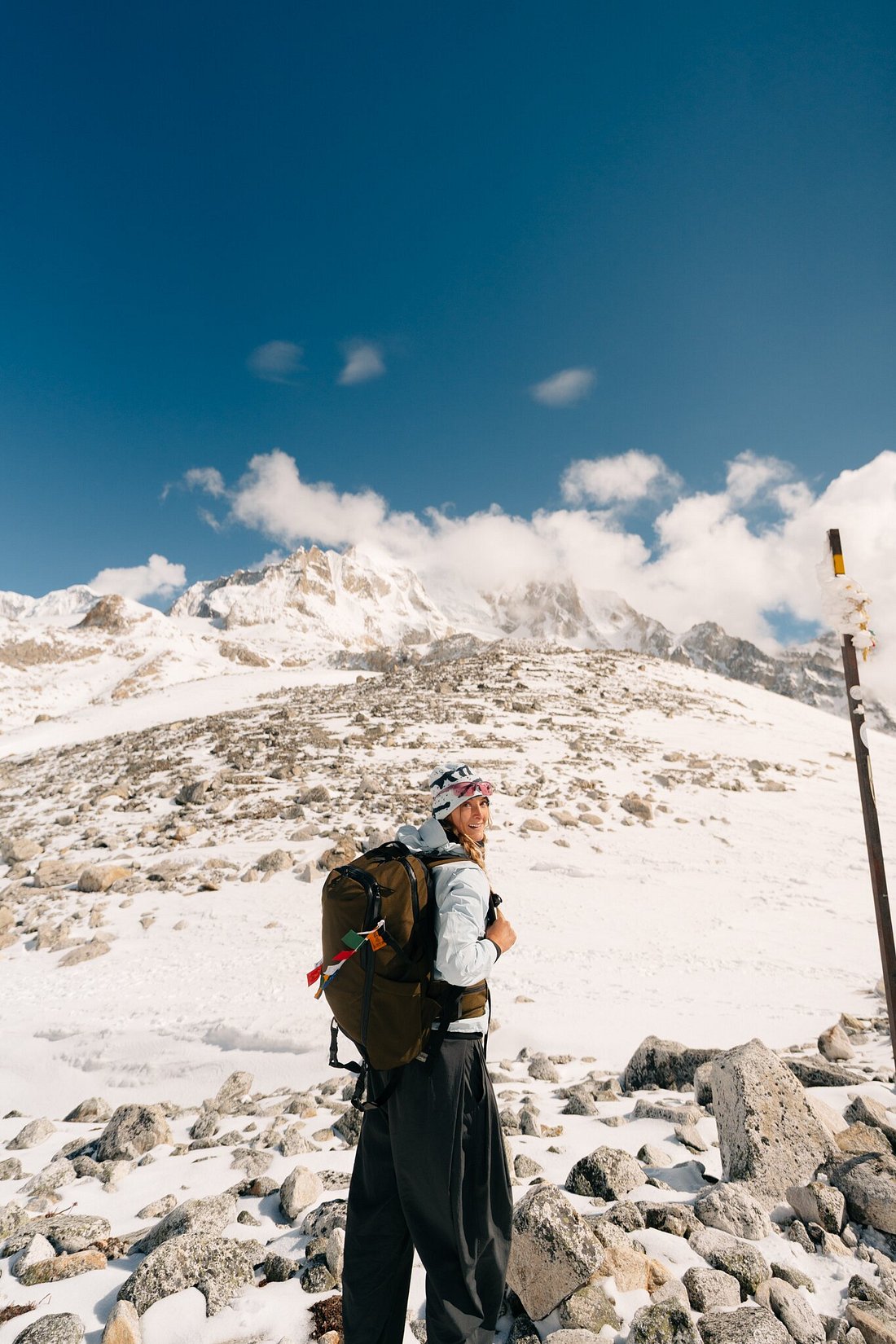
Today is one of the most challenging and rewarding days of the trek, as trekkers begin the ascent to the Larkya La Pass, which sits at approximately 5,160 meters. The day starts early, often before sunrise, as the cold alpine air and high altitude demand a gradual but steady pace. The trail winds through moraines, rocky slopes, and small glacial streams, offering stunning views of snow-covered peaks and distant glaciers. The climb is physically demanding, requiring endurance, careful footing, and frequent short breaks. Along the way, trekkers witness untouched alpine landscapes, with occasional sightings of Himalayan wildlife and prayer flags marking the path, adding cultural significance to this high-altitude adventure.
After reaching the Larkya La Pass, trekkers are rewarded with panoramic vistas of the Manaslu massif, Himalchuli, and other surrounding peaks. Many travelers take time here to capture photographs, soak in the majesty of the Himalayas, and experience the unique thrill of standing on a high Himalayan pass. From the pass, the trail descends toward Punker Lake, an optional side detour perfect for photography, exploration, and enjoying serene alpine views. Teahouse or tented camp accommodations near Punker Lake provide a much-needed rest for trekkers, allowing them to recover from the long day while enjoying the peaceful, high-altitude surroundings.
Trip Duration:
7-8 hoursTrip Distance:
~17kmAltitude:
3700mMeal:
Breakfast, Lunch, DinnerAccomodation :
Teahouse / Camping near Punker LakeDay 10
After a night at high altitude, trekkers descend from Punker Lake toward Tilche / Tilcha, following gentle slopes and alpine valleys. The morning trek passes through small streams, moraines, and rolling hills, offering continuous views of snow-capped peaks and glaciers. The descent is easier on the legs compared to the Larkya La ascent, but trekkers must still remain careful on rocky paths and uneven trails. Along the way, the alpine environment transitions to slightly lower elevations, with patches of vegetation, small shrubberies, and distant villages gradually appearing in the valleys.
Tilche / Tilcha is a quiet settlement offering teahouse accommodations for trekkers. Here, travelers can enjoy warm meals, rest, and soak in the peaceful Himalayan environment. The day allows the body to recover from the strenuous pass crossing while still providing spectacular high-altitude scenery. Evenings in Tilche offer opportunities for photography, walking around the village, and interacting with locals, experiencing the Tibetan-influenced culture of this remote region. This day is important for acclimatization, descent recovery, and preparation for the final road journey back to the lower valleys.
Trip Duration:
5–6 hoursTrip Distance:
~18 kmAltitude:
4,200 mMeal:
Breakfast, Lunch, DinnerAccomodation :
TeahouseDay 11
Trip Duration:
6–8 hoursTrip Distance:
Minimal, mostly roadAltitude:
760 mMeal:
Breakfast, Lunch, DinnerAccomodation :
HotelDay 12
The final day of the trek involves a scenic drive back to Kathmandu, covering approximately 8–9 hours through the hills, rivers, and valleys of central Nepal. The drive offers spectacular views of terraced farmland, rivers, and rural communities, allowing trekkers to enjoy their last glimpses of the Himalayan foothills. This is also a time for reflection on the trek, sharing experiences with fellow travelers, and appreciating the incredible landscapes, villages, and cultures encountered over the past 12 days.
Upon arrival in Kathmandu, travelers are dropped at their hotel, completing the Manaslu circuit adventure. Evenings can be spent relaxing, exploring the city, or shopping for souvenirs before departure. This final day serves as a comfortable conclusion to a challenging and rewarding trek, giving trekkers the chance to rest and prepare for onward travel. The combination of alpine adventures, cultural exposure, and scenic journeys ensures the Manaslu trek leaves lifelong memories for every participant.
Trip Duration:
8–9 hoursTrip Distance:
Minimal, road onlyAltitude:
1,400 mMeal:
Breakfast, Lunch, DinnerAccomodation :
HotelFixed Departure
What's Included
- Airport Pickup & Drop in Kathmandu: Seamless transfer to your hotel upon arrival and return to the airport for departure.
- Accommodation in Kathmandu: Two nights at a 3-star hotel in Kathmandu before the trekking one night and after the trek one night, including breakfast.
- All Meals During Trek: Breakfast, lunch, and dinner are provided throughout the trekking days, ensuring adequate nutrition and energy.
- Teahouse / Lodge Accommodation: Overnight stays in comfortable local lodges along the trek.
- Professional Guide: Experienced high-altitude guides who are familiar with the Manaslu region, its trails, and local culture. Guides’ food, accommodation, salary, and insurance are included.
- Porters (Optional, if requested): Porters can be arranged to carry your luggage, ensuring a safer and more comfortable trek.
- Trekking Permits & TIMS Card: All necessary permits to enter the Manaslu Conservation Area and trek legally.
- First Aid Kit: Guides carry essential medical kits for emergencies.
- Transportation During Trek: Jeep rides for Besisahar or Tilche transfers as specified in the itinerary.
- Doffel Bag
What's Excluded
- Personal Expenses: Snacks, beverages, souvenirs, laundry, phone calls, and optional activities not specified in the itinerary.
- Travel Insurance: Mandatory coverage for high-altitude trekking, including medical emergencies, evacuation, and trip cancellations.
- Specialized Gear: High-altitude boots, trekking poles, sleeping bags, and technical climbing equipment.
- Tips for Guides and Staff: Though optional, tipping is customary and appreciated for excellent service.
- Porters: Optional, though highly recommended for carrying heavy luggage ($22 per porter per day). A porter can carry up to 20 kg, and it is advisable to hire one porter for every two trekkers for comfort and convenience.
- Additional Flights or Transportation: Any flights or transport beyond the standard Kathmandu-Besisahar-Kathmandu routes are not included.
- Helicopter Services: Optional emergency or sightseeing flights.
Essential Info
Add-Ons
In addition to the standard Manaslu Trek package, ART Nepal Treks & Expedition offers several optional services to enhance your experience and provide flexibility during your journey. These add-ons can be customized based on your preferences, physical needs, or interest in exploring more of Nepal beyond the trek.
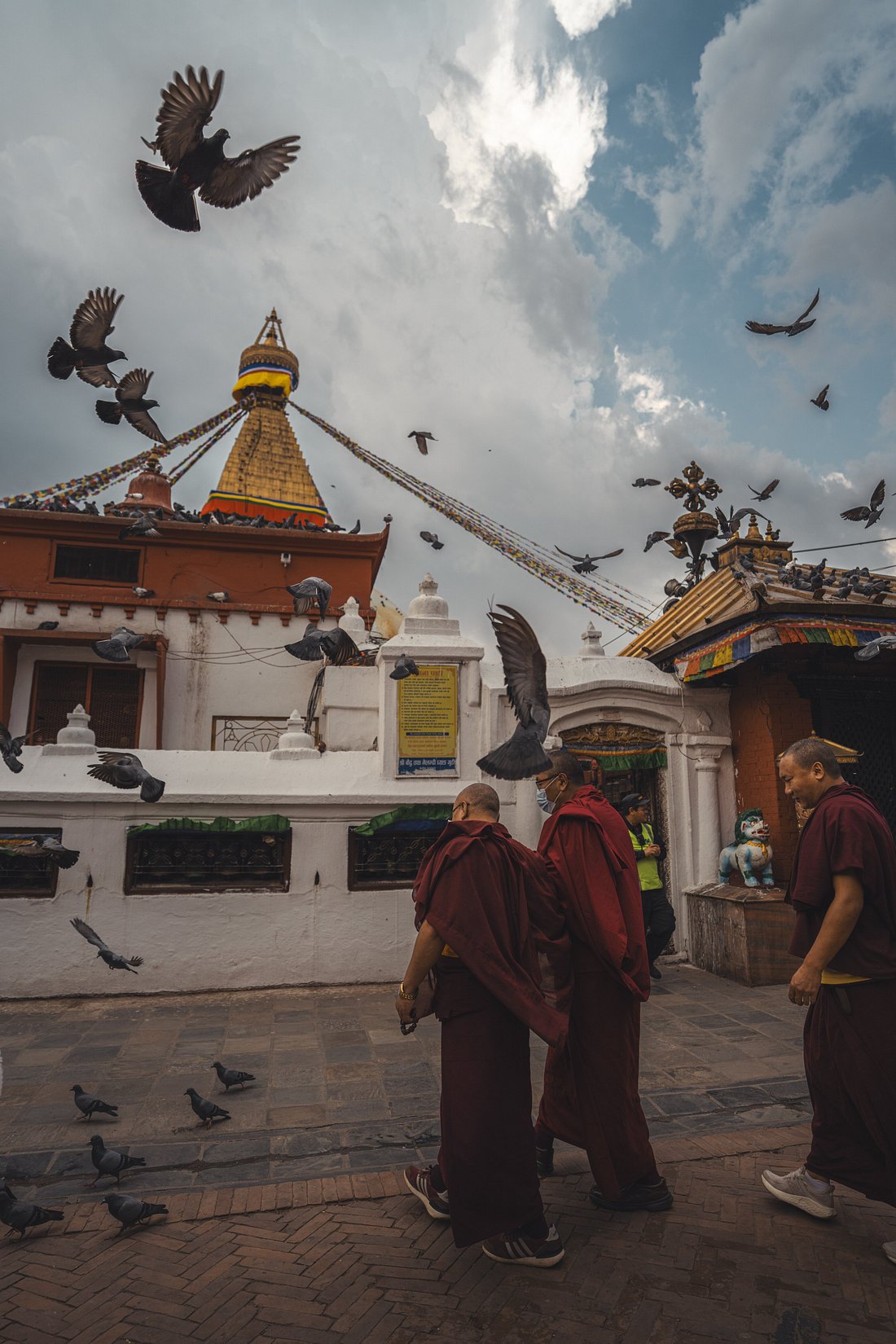
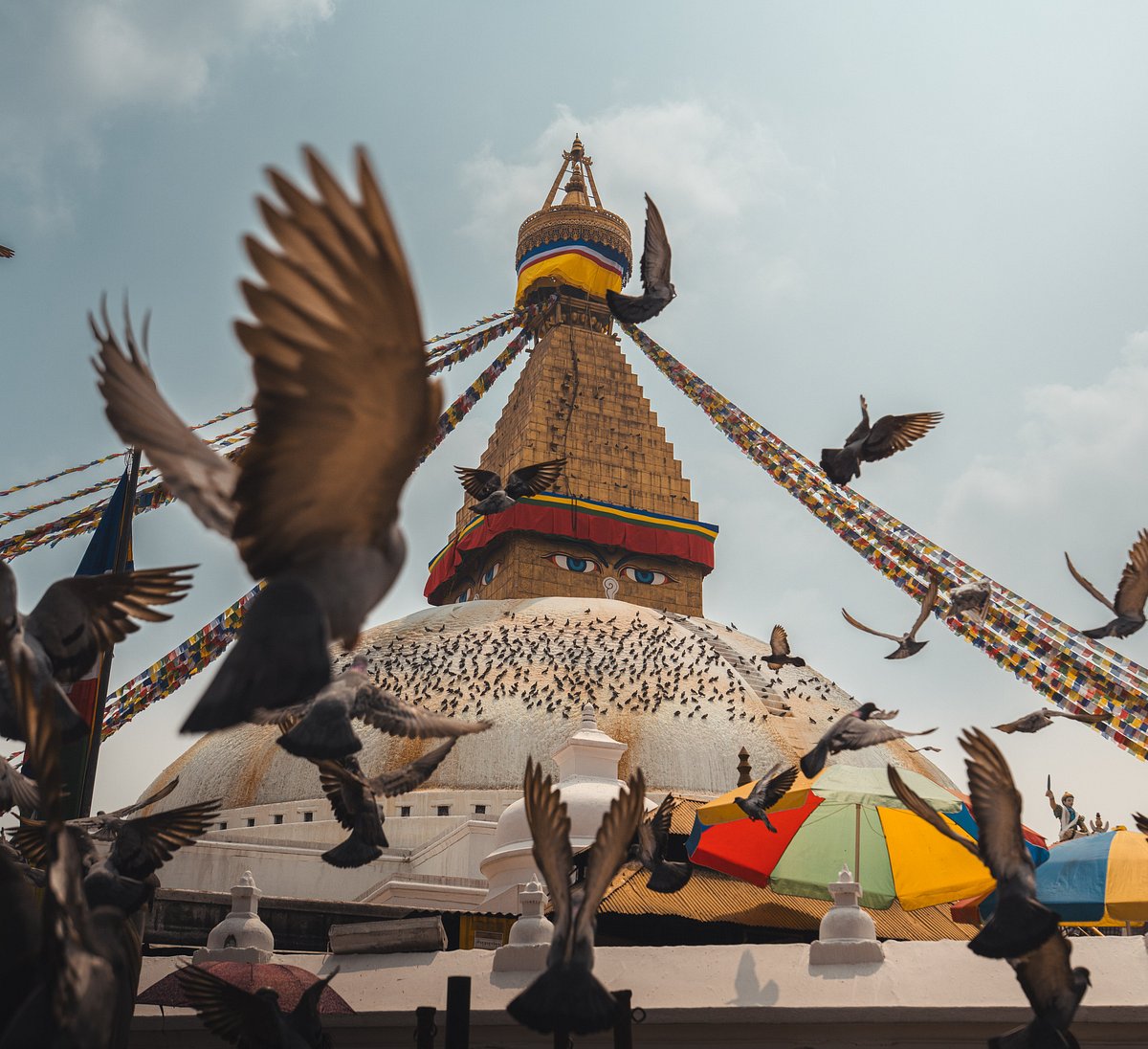
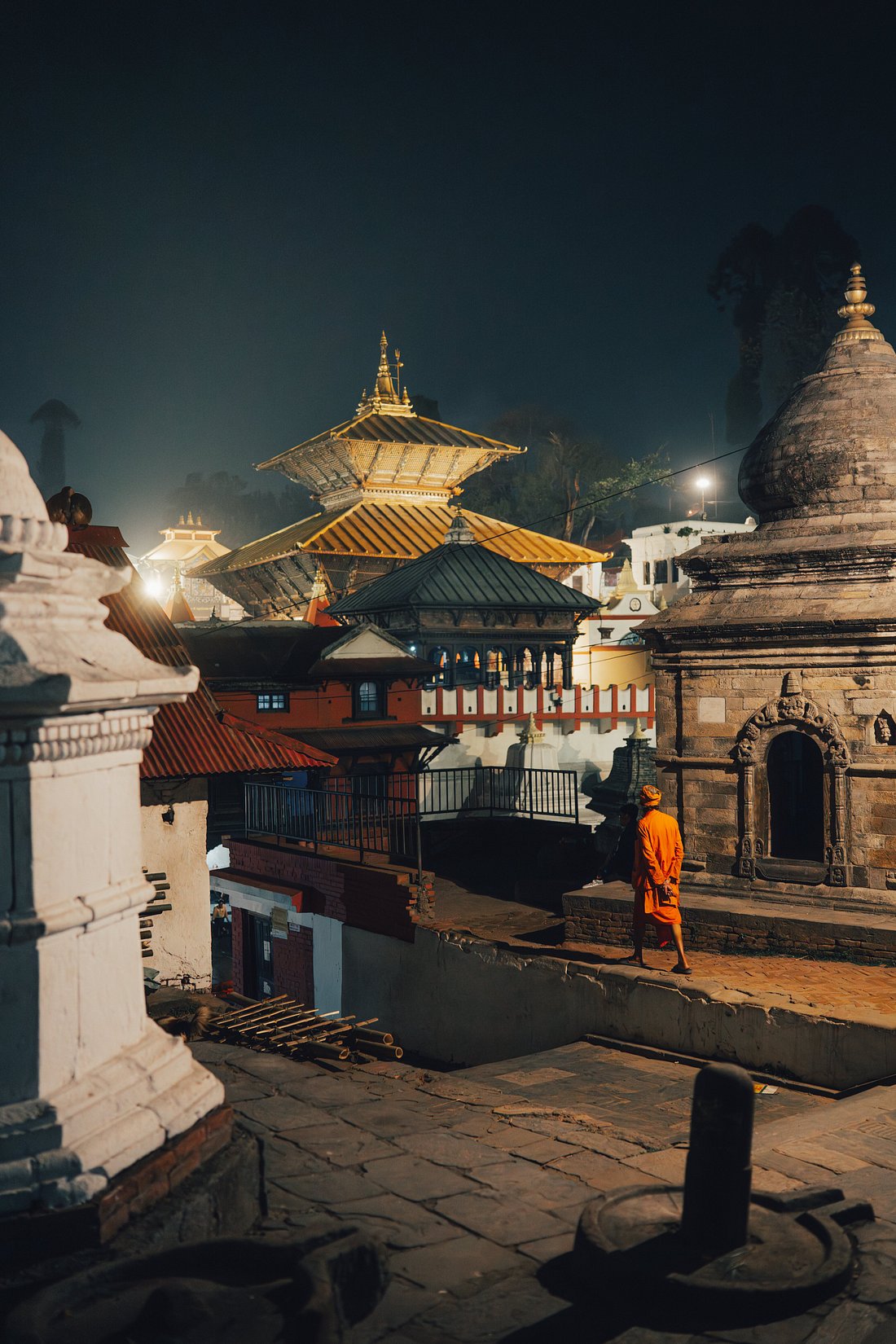
One of the most popular add-ons is Kathmandu sightseeing before or after the trek. Travelers can explore UNESCO World Heritage Sites such as Durbar Square, Pashupatinath Temple, Boudhanath Stupa, and Swayambhunath (Monkey Temple). Guided city tours provide historical insights, cultural immersion, and opportunities for photography, allowing trekkers to connect with the rich heritage of Nepal.
Another useful add-on is porter services, which are highly recommended for trekkers who wish to carry minimal weight. Each porter can carry up to 20 kg, allowing you to focus on trekking safely and comfortably, particularly during long days at high altitude. Hiring a porter ensures less fatigue, reduces the risk of injury, and allows you to enjoy the scenic views without worrying about heavy backpacks.
Other optional services include private transportation for customized transfers between villages, hotels, and airports, providing convenience and time efficiency. Helicopter services are also available for emergencies, sightseeing, or to shorten sections of the trek in case of time constraints. Additionally, trekkers can request extra accommodations at specific villages along the route or upgrade to premium lodges where available, enhancing comfort during high-altitude nights.
Optional Add-Ons List:
- Kathmandu sightseeing tours (Durbar Square, Boudhanath, Pashupatinath)
- Porter services ($22 per porter per day, recommended 1 porter per 2 trekkers)
- Private transportation and transfers
- Helicopter services for emergencies or scenic flights
- Accommodation upgrades at selected villages or teahouses
- Extra cultural tours in villages along the trekking route
These add-ons provide flexibility, comfort, and additional adventure, allowing each trekker to customize their Manaslu experience according to personal needs, interests, and physical ability.
Best Season to Trek
Choosing the right season is crucial for the Manaslu Trek, as weather, trail conditions, and visibility can significantly affect the experience. Spring (March–May) is one of the most popular times to trek. During this season, the weather is mild and stable, the skies are often clear, and the rhododendrons bloom across the valleys in vibrant reds, pinks, and whites. Spring is ideal for photography, trekking comfort, and enjoying panoramic mountain views. During this period, temperatures are moderate at lower altitudes, although nights at higher camps can still be cold, and trekkers should be prepared for occasional snow or rain at higher elevations.
Autumn (September–November) is another excellent season for trekking. The monsoon has passed, leaving the skies clear and crisp, with spectacular visibility of the Himalayan peaks. Temperatures are comfortable for trekking during the day, though nights can be chilly, especially at high altitudes such as Larkya La Pass. Autumn also offers the advantage of stable trail conditions, with lower chances of landslides or heavy rainfall. This season provides an ideal combination of trekking safety, scenic beauty, and pleasant weather, making it perfect for photographers and nature enthusiasts.
Summary List – Best Seasons:
- Spring (March–May): Blooming rhododendrons, moderate temperatures, clear skies
- Autumn (September–November): Stable weather, clear mountain views, ideal trekking conditions
Food Availability
Nutrition and energy are critical during the high-altitude Manaslu trek. Trekkers will find a variety of meals in teahouses and lodges, designed to provide sufficient calories, proteins, and carbohydrates for long trekking days. Breakfast usually includes options such as porridge, eggs, pancakes, Tibetan bread, muesli, fruits, and tea or coffee. These meals provide a good start to fuel the day ahead.
Lunch is generally a combination of local and international dishes. Popular options include dal bhat (lentils with rice), Thukpa (Tibetan noodle soup), vegetable curries, pasta, noodles, and sandwiches. Vegetarian and non-vegetarian options are available depending on the lodge, ensuring that trekkers can maintain a balanced diet. Snacks such as energy bars, biscuits, and fruits are recommended for long hiking days, especially when crossing glaciers or high passes.
Dinner is typically hearty and warm, including dal bhat, vegetable curries, noodles, soups, and sometimes Tibetan-style momos. At higher elevations, meals may be simplified due to limited cooking facilities, but lodges ensure that food remains nutritious and sufficient. Hydration is equally important, and trekkers are advised to carry personal water bottles or hydration systems to maintain proper fluid intake throughout the trek.
Summary List – Food Availability:
- Breakfast: Porridge, eggs, Tibetan bread, pancakes, fruits, tea/coffee
- Lunch: Dal bhat, Thukpa, vegetable curry, noodles, sandwiches
- Dinner: Dal bhat, vegetable curry, soup, momos
- Snacks: Energy bars, biscuits, fruits
- Hydration: Carry personal water bottles or hydration system
Accommodation
Accommodation on the Manaslu Trek combines local culture with basic comfort. In Kathmandu and Besisahar, trekkers stay in 3-star hotels with private bathrooms, modern amenities, and optional Wi-Fi. These hotels provide a comfortable start and finish to the high-altitude adventure.
Along the trekking route, accommodation is primarily in teahouses and lodges, offering shared or private rooms with basic facilities. Teahouses are clean, warm, and welcoming, with communal dining areas that provide opportunities to meet other trekkers and enjoy local meals. Villages such as Samdo, Samagaon, and Bimthang offer authentic Himalayan experiences while ensuring trekkers have safe and comfortable overnight stays.
At higher altitudes or remote sections, lodges may be more rustic, focusing on safety and warmth rather than luxury. Sleeping bags and mats are provided, and meals are arranged by the trekking team. Accommodation is selected to balance accessibility, comfort, and authenticity, allowing trekkers to experience the Himalayan lifestyle while getting sufficient rest to recover from long trekking days.
Summary List – Accommodation:
- Kathmandu & Besisahar: 3-star hotels with private bathrooms
- Trekking Route: Teahouses and lodges with shared/private rooms
- High Altitude: Basic lodges with sleeping bags/mats and meals provided
- Facilities: Communal dining, warm environment, cultural immersion
Travel Insurance
Travel insurance is mandatory for the Manaslu Trek. High-altitude trekking involves risks such as altitude sickness, injury, or sudden weather changes, and insurance ensures coverage for emergencies, medical care, and evacuation. Policies should include coverage up to at least 5,200–5,500 meters, including helicopter rescue if needed.
Insurance should cover medical expenses, hospital fees, medication, and treatment for injuries sustained during trekking. Trip cancellation coverage is also recommended in case of weather delays, political situations, or personal emergencies. Comprehensive insurance gives trekkers peace of mind and ensures access to professional assistance in case of accidents or health issues.
Guides and trekking operators, including ART Nepal Treks & Expedition, monitor trekkers daily for altitude-related symptoms and advise appropriate action. While insurance provides financial and logistical support, personal preparation, acclimatization, and following safety guidance remain essential for a safe and successful trek.
Summary List – Travel Insurance:
- Coverage: High-altitude trekking up to 5,200–5,500 meters
- Medical: Hospital fees, medications, treatment for injuries/illness
- Trip Cancellation: Weather, political issues, personal emergencies
- Emergency Evacuation: Helicopter rescue if necessary
Altitude Sickness
The Manaslu Trek involves high-altitude environments, where Acute Mountain Sickness (AMS) can occur. Symptoms include headache, dizziness, nausea, fatigue, and shortness of breath. Trekking above 3,500 meters, particularly on Larkya La Pass and Samdo areas, requires careful acclimatization and monitoring.
Prevention strategies include gradual ascent, drinking plenty of water, avoiding alcohol and smoking, and adhering to rest days. Medication such as Diamox may be taken under medical supervision to prevent symptoms. Guides are trained to recognize early signs of AMS and respond immediately, including advising descent if symptoms worsen.
Acclimatization days at key villages such as Samagaon, Bimthang, and Samdo allow trekkers’ bodies to adapt safely to the thin air. Trekkers are encouraged to monitor their physical state and communicate with guides, prioritizing safety over speed or distance. By combining proper preparation, pacing, and awareness, the risks of altitude sickness can be effectively minimized.
Summary List – Altitude Sickness Prevention:
- Gradual ascent and rest days
- Stay hydrated and avoid alcohol/smoking
- Monitor physical symptoms: headache, nausea, dizziness
- Consult guides and use medication if advised
- Immediate descent in case of severe symptoms
Guide & Safety Measures
A well-trained guide is essential for the Manaslu Trek due to the remote, high-altitude, and sometimes challenging terrain. ART Nepal Treks & Expedition provides professionally trained guides who are familiar with the Manaslu region, its trails, weather patterns, and local culture. Guides play a crucial role in ensuring your safety, providing route navigation, monitoring health conditions, and assisting in emergencies. They are also knowledgeable about Tibetan and Gurung customs, enabling trekkers to immerse themselves in the local culture while respecting traditions.
Safety measures include daily health checks, monitoring for altitude sickness, and guiding trekkers through difficult terrain such as suspension bridges, moraine paths, and steep ascents. Guides carry first aid kits and maintain communication devices to stay in contact with the base camp or emergency services if needed. Before challenging sections, such as Larkya La Pass, guides brief trekkers on route conditions, expected duration, and pacing to minimize fatigue and risks.
Porters and assistant guides are trained to support trekkers in carrying equipment, setting up camps at high-altitude stops, and assisting with meals and accommodations. This allows trekkers to focus on trekking safely and enjoying the scenery. Safety is prioritized over speed, and guides may advise slowing down or resting to ensure successful acclimatization. Emergency evacuation plans, including helicopter rescue, are always in place, and the team is trained to implement them efficiently in case of severe illness, injury, or extreme weather.
Summary List – Guide & Safety Measures:
- Professional high-altitude trained guides
- Daily monitoring of trekkers’ health and acclimatization
- First aid kits and emergency communication devices
- Trained porters and assistant guides for support
- Daily trek briefings on trail and weather conditions
- Emergency evacuation plan via helicopter if needed
- Safety priority over trekking speed and distance
Booking Procedure
Booking the Manaslu Trek is straightforward and flexible to ensure a smooth experience for all trekkers. The process begins with a reservation deposit, typically 10% of the total trek cost, to secure your preferred dates. After the deposit, trekkers are required to submit essential documents including a copy of your passport, passport-size photos, travel insurance details, and flight information.
Payments can be made in two stages. The first payment can be made via bank transfer, Western Union, or online payment. The remaining balance is typically paid upon arrival in Nepal via cash, bank transfer, or credit card, depending on convenience. Once payment is completed, ART Nepal Treks & Expedition provides confirmation of your booking, trekking permits, and detailed instructions for the journey.
The booking process also includes a pre-trek briefing, guidance on equipment and packing, and consultation regarding acclimatization plans. This ensures that trekkers are fully prepared physically and logistically, minimizing stress during the trek. With professional support throughout the booking and preparation process, travelers can focus on enjoying the adventure safely.
Summary List – Booking Procedure:
- Pay 10% deposit to reserve trek dates
- Submit passport, photos, insurance, and flight details
- Make advance payment via bank transfer, Western Union, or online
- Final payment in Nepal: cash, bank transfer, or credit card
- Receive confirmation, trekking permits, and pre-trek guidance
Equipment List
- Comfortable trekking shirts and T-shirts
- Lightweight trekking trousers or shorts
- Thermal base layers for high altitudes
- Hiking socks, gloves, and hats
- Waterproof jacket and pants
- Trekking poles for steep or uneven terrain
- High-altitude trekking boots
- Backpack with rain cover
- Sleeping bag suitable for sub-zero temperatures
- Headlamp with extra batteries
- Fleece or down jacket for warmth
- Warm inner layers for evenings
- Thermal leggings or pants for high-altitude days
- Personal first aid kit
- Sunscreen and lip balm
- Hand sanitizer and wet wipes
- Water purification tablets or filter
- Personal medications and any prescription drugs
- Mobile phone and power bank
- Camera for photography
- Travel adapter and charger
General Equipments
- Passport, permits, and TIMS card
- Snacks and energy bars
- Sunglasses with UV protection
- Trekking map or guidebook
FAQ
Reviews

Paige Tingey


Manaslu and Chitwan Safari
Review for: Manaslu Trek – 12 Days Book Now
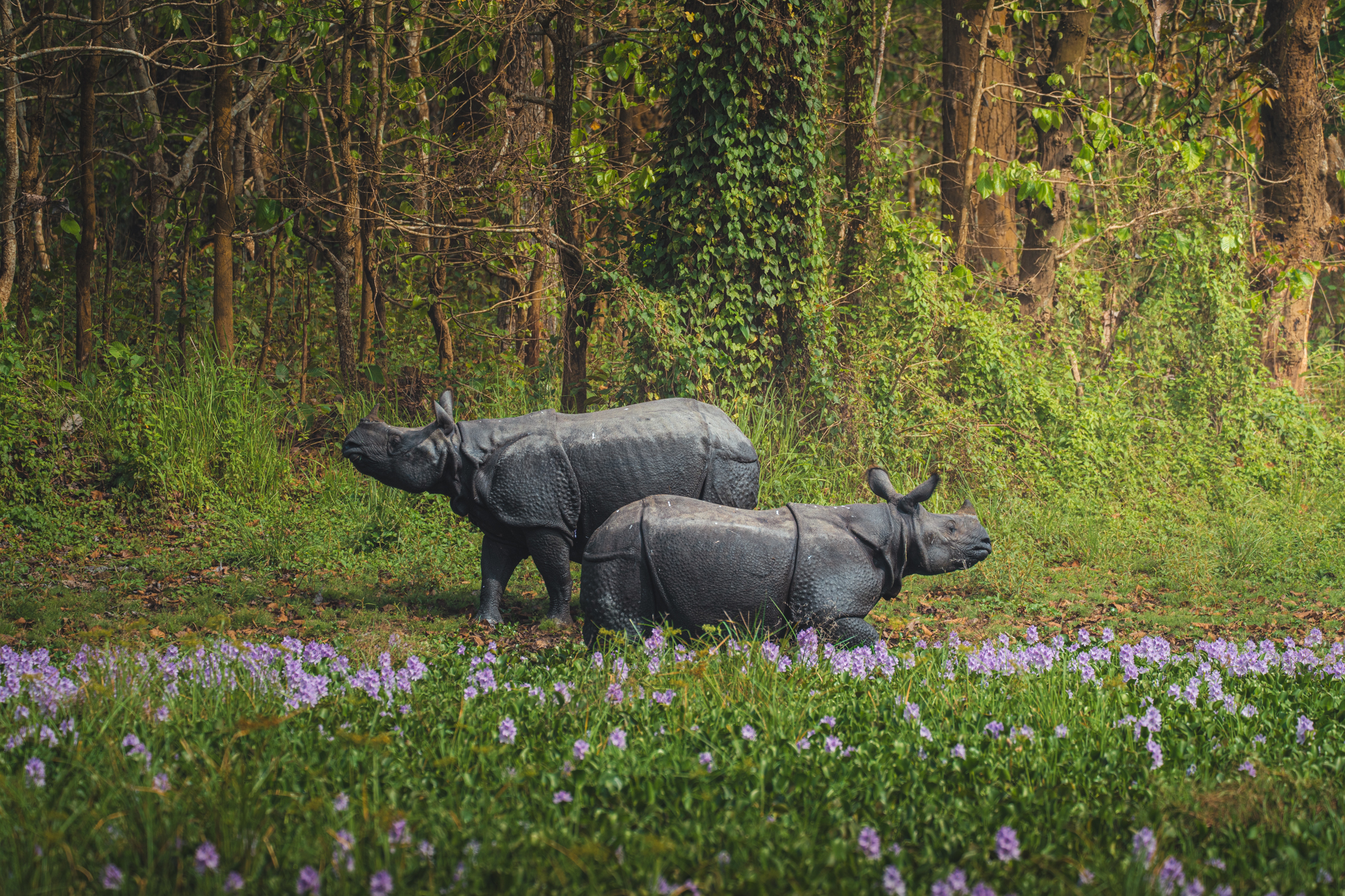
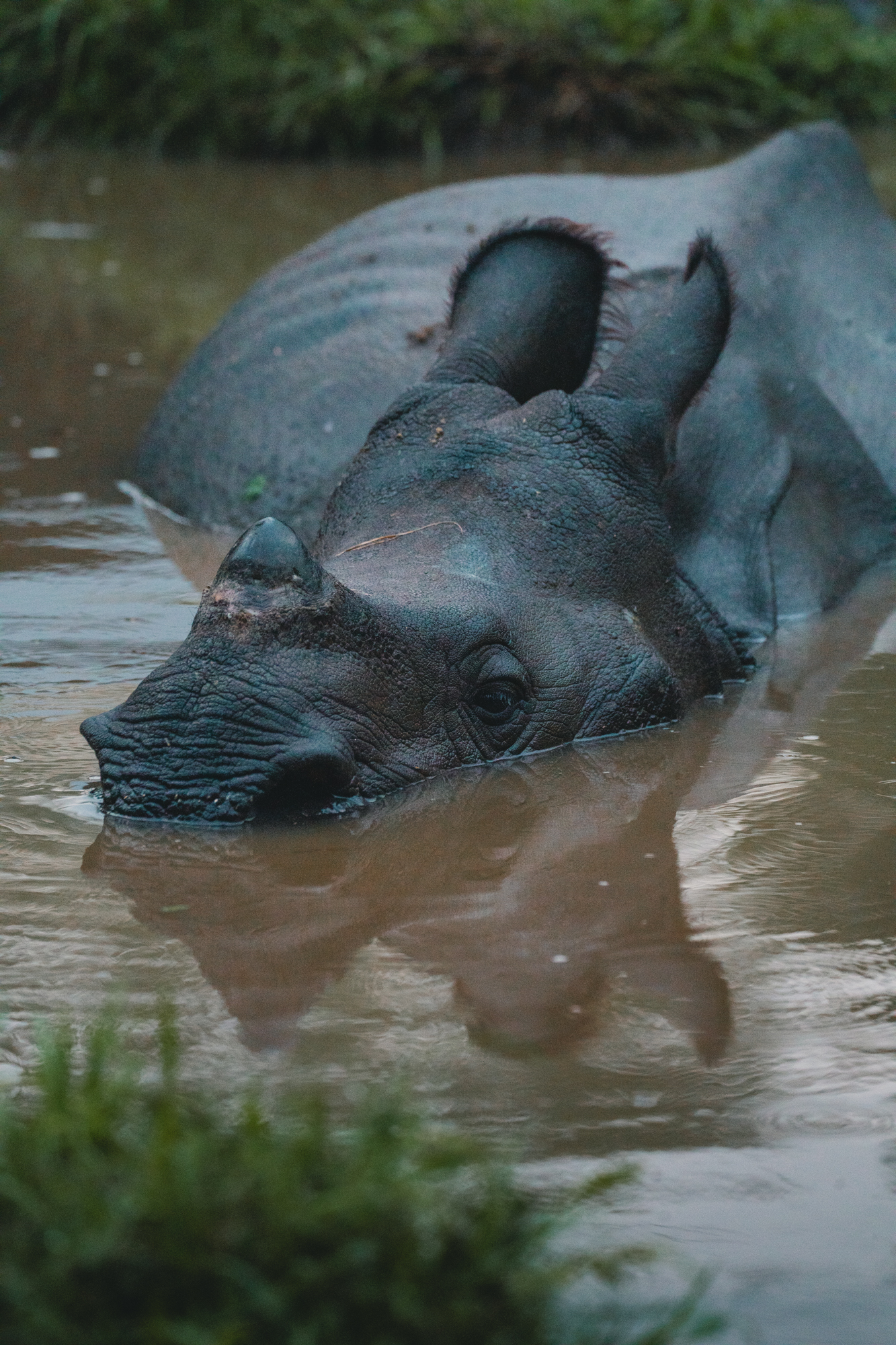
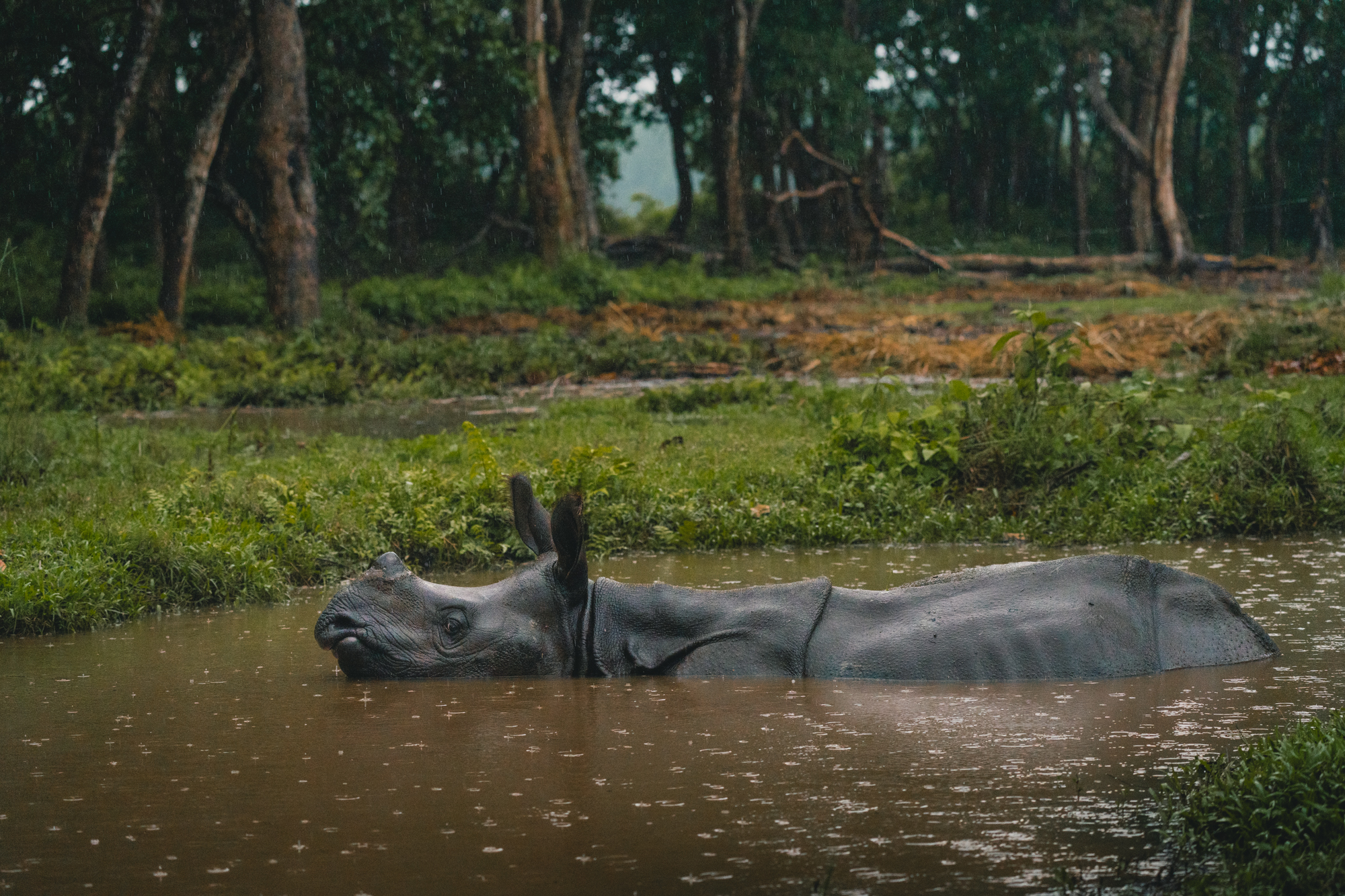
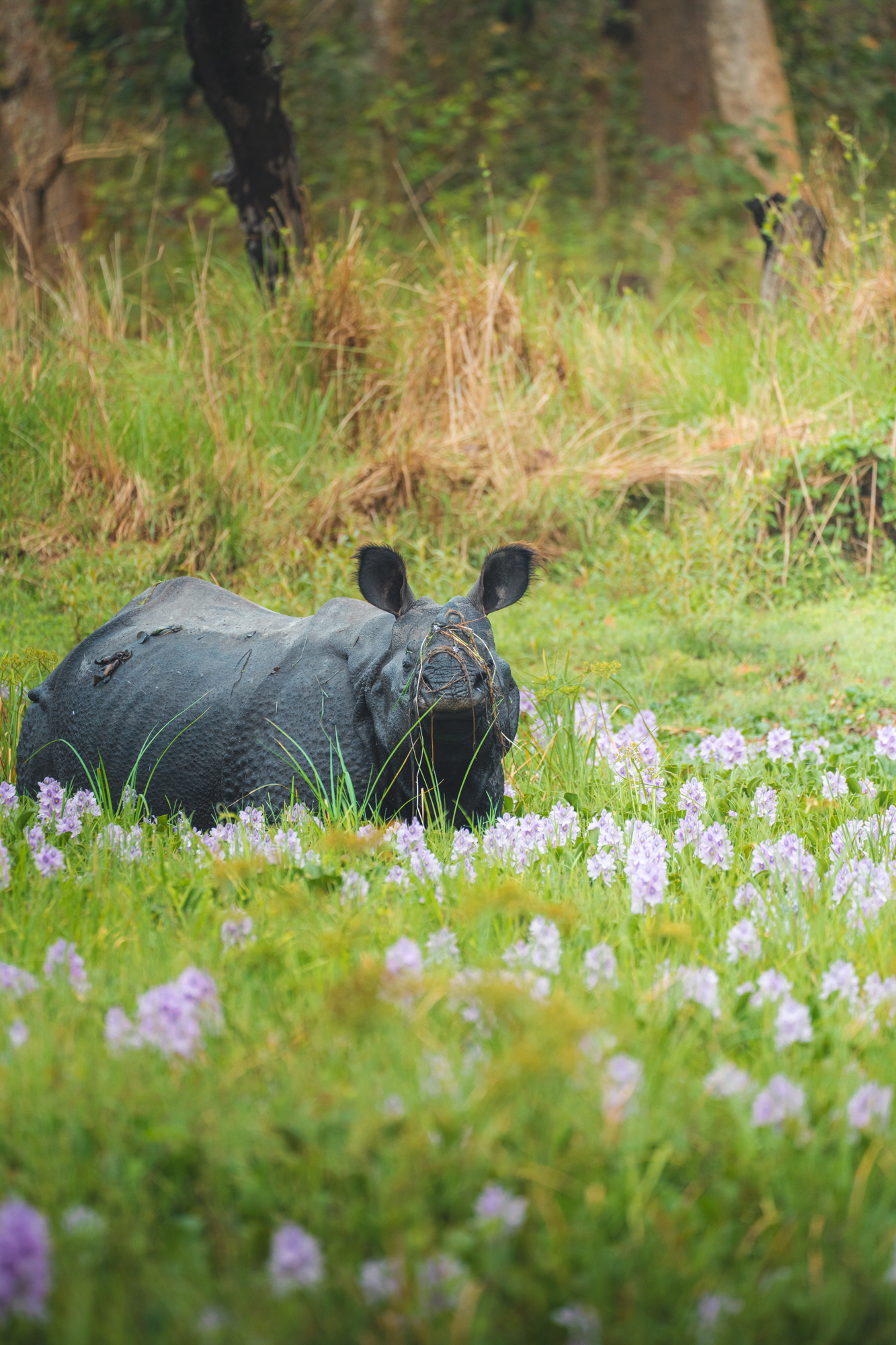
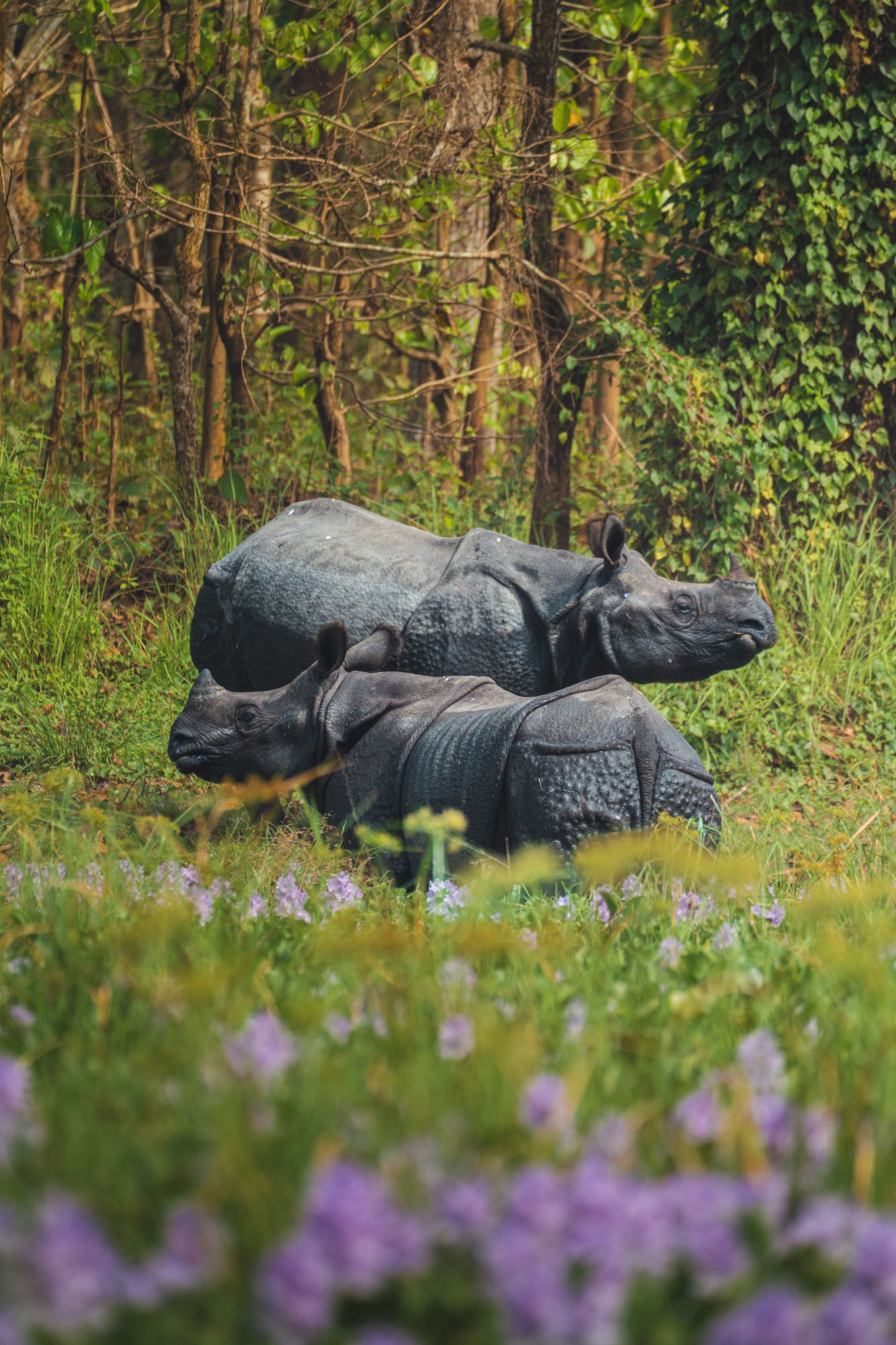
We did the Manaslu trek and we had the most amazing guide Jiwan and our porter Das. They made the experience pretty amazing. I had an unusual emergency on the trek and they went above and beyond to help me out and keep my experience as good as possible. The company also helped me coordinate a safari experience in Chitwan that was so amazing. The lodge I stayed had incredible food and beautiful accommodations. Overall such a great experience. I highly recommend using them to coordinate a trek, getting guided around Kathmandu, or a safari experience in Chitwan.
Karlie
April 29, 2026
Karlie P Salt Lake City, Utah 1 Manaslu Circuit Trek — go with ART Nepal Treks, ask for Jiwan + Das
Review for: Manaslu Trek – 12 Days Book Now
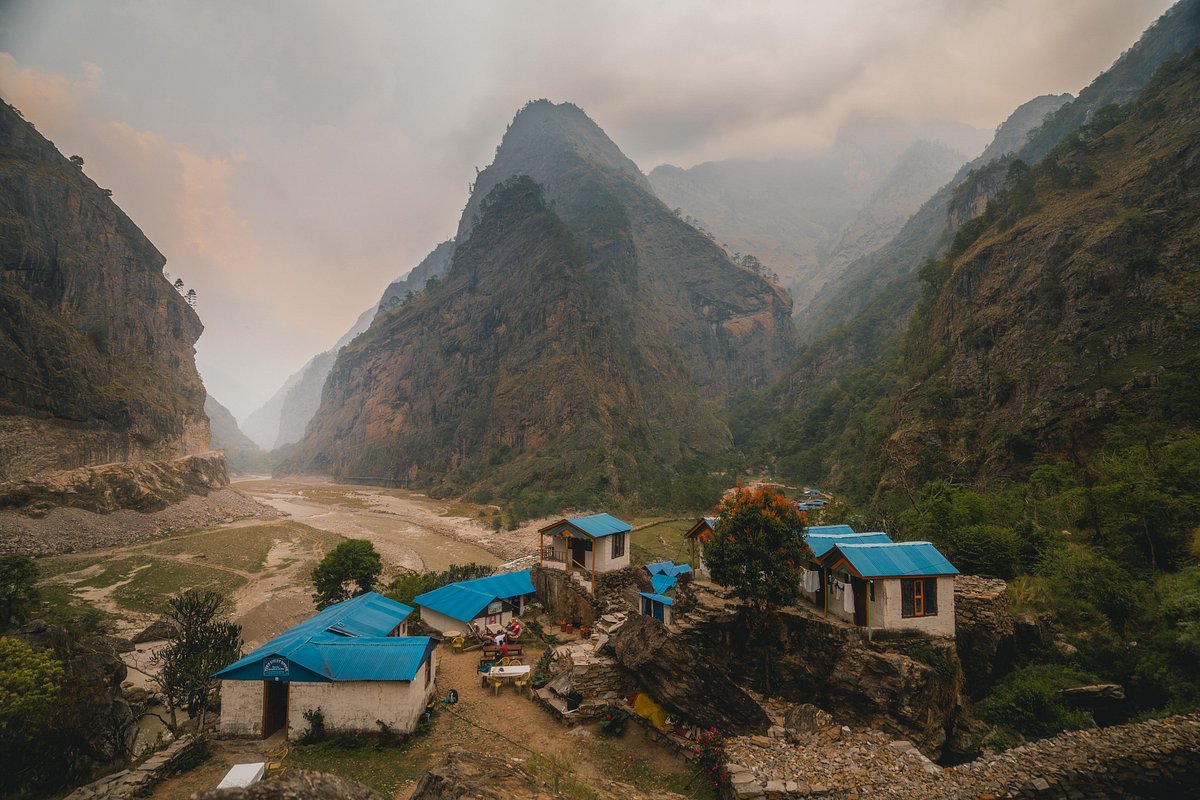
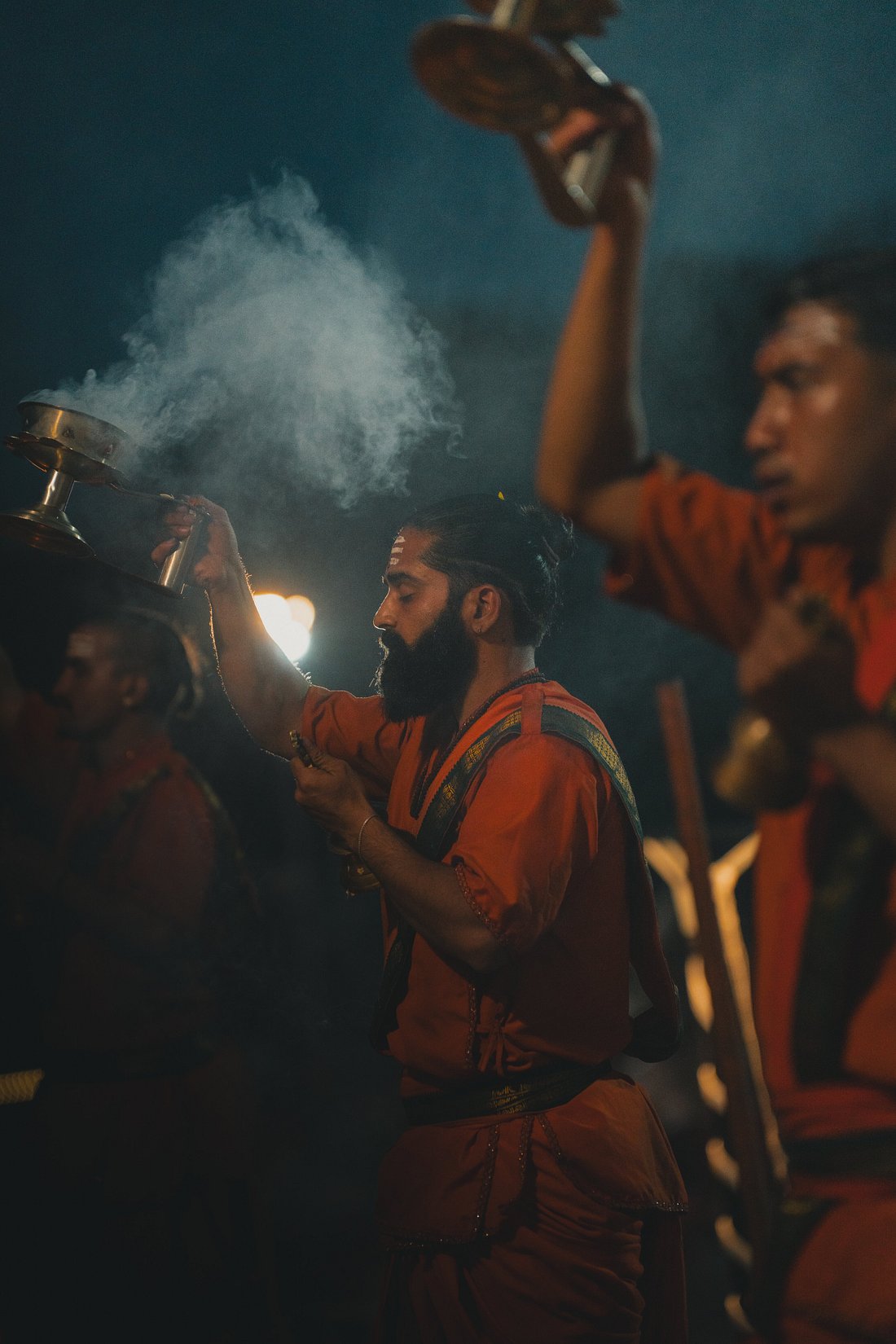
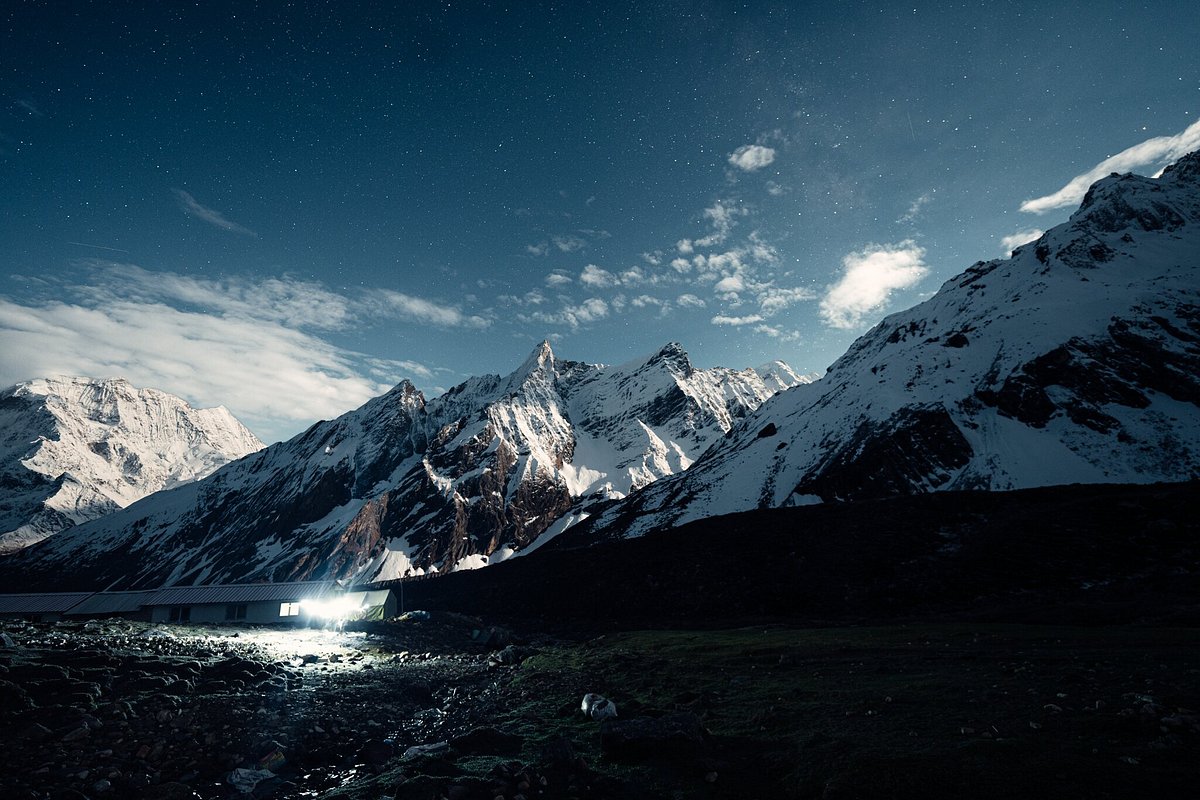
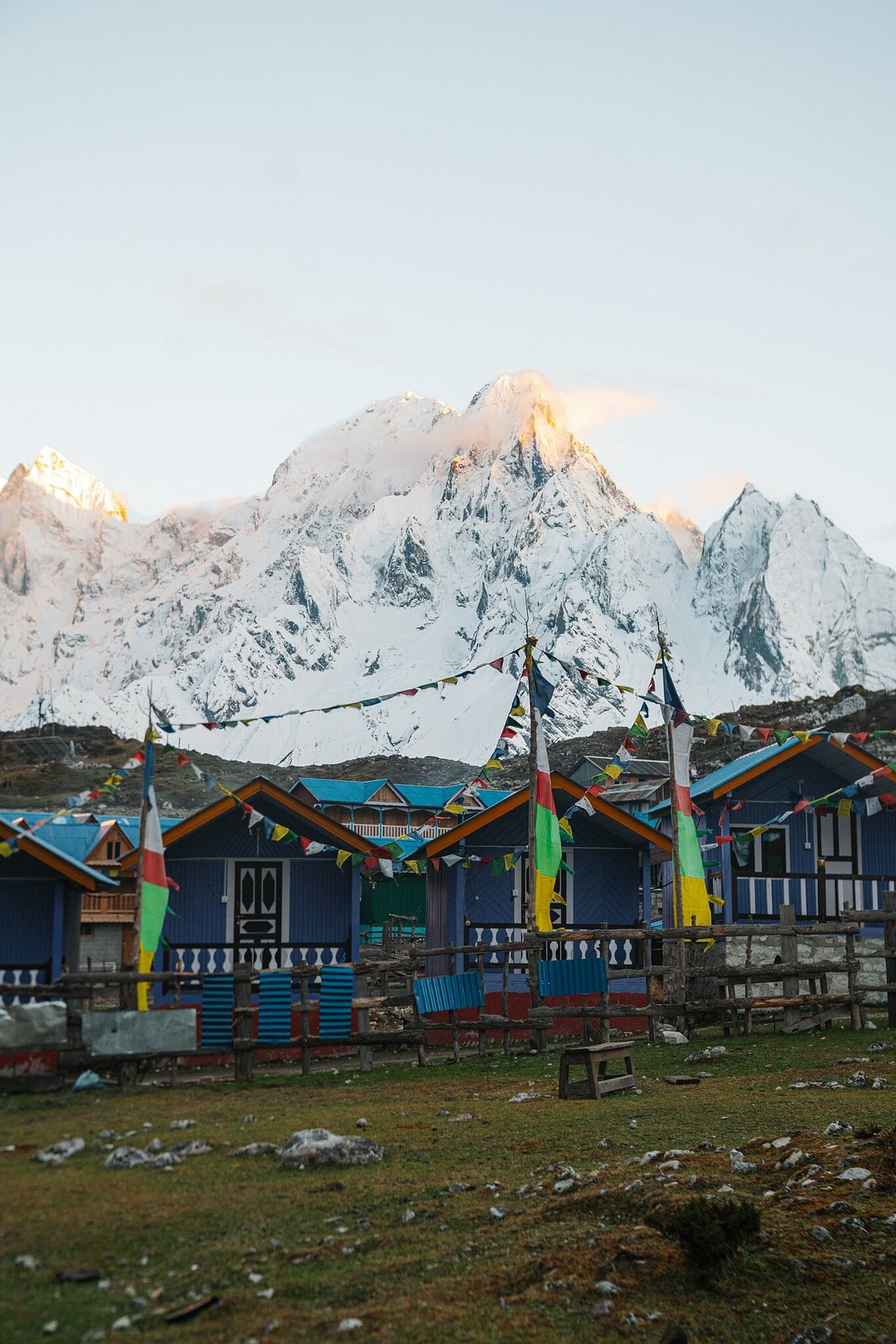
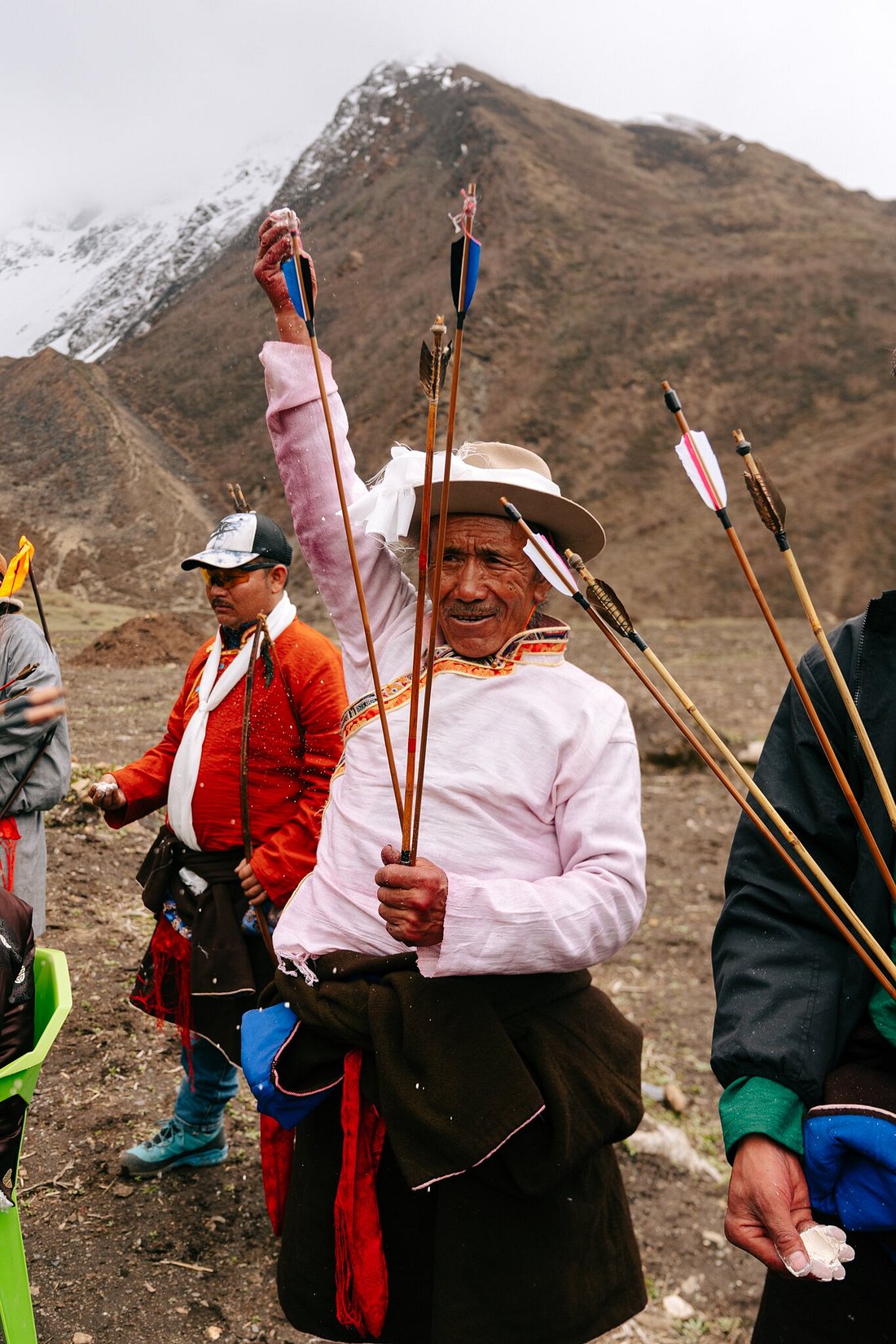
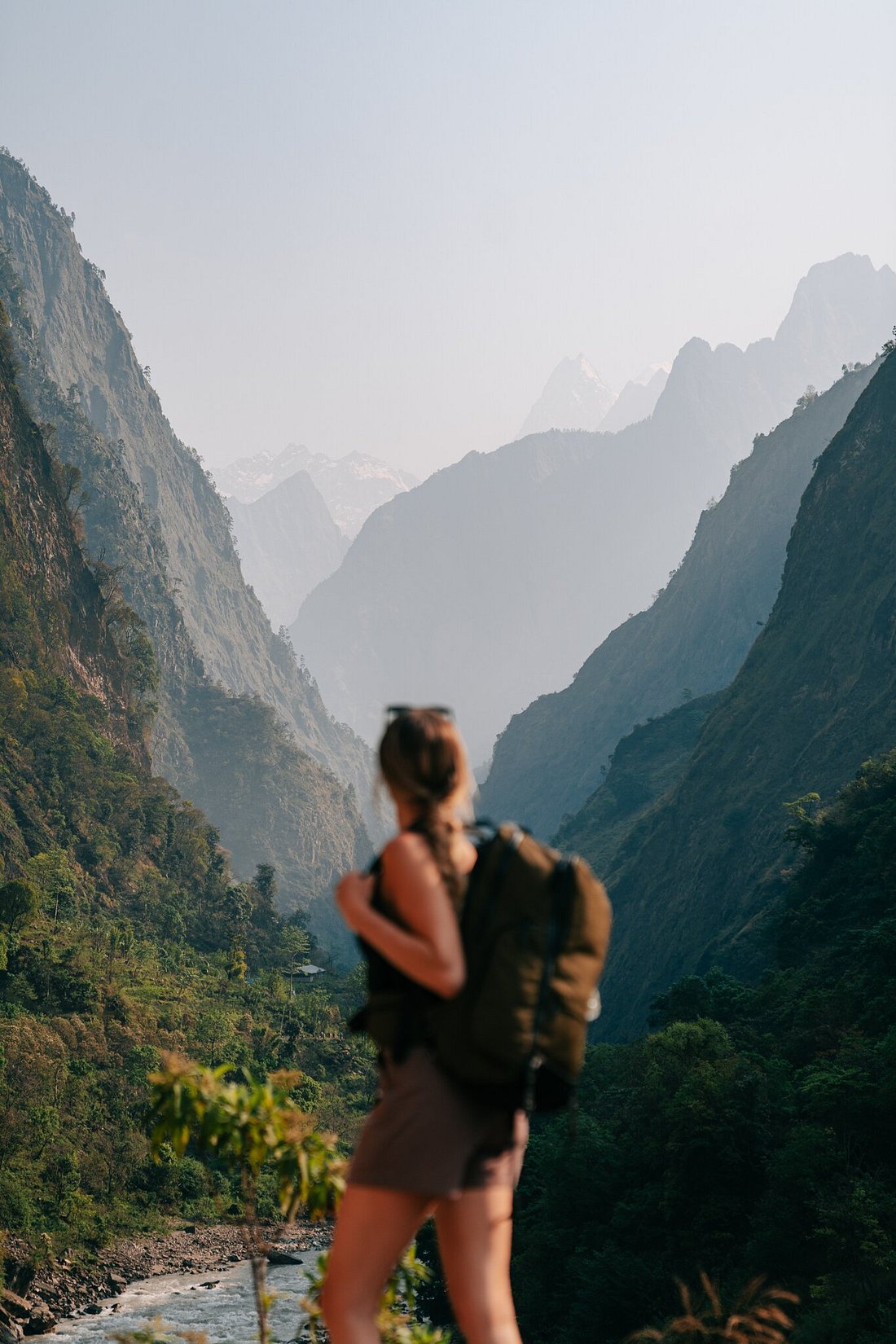
Just finished the Manaslu Circuit Trek and I have to write this while it's still fresh. This was hands down one of the best trips I've ever taken, and the operator is a huge part of why. The trek itself is incredible — 10 days, 87+ miles, crossing Larkya La Pass at 5,106 meters. You see eight of the highest peaks in the world, walk through Tibetan villages that feel unchanged in centuries, and the trail is dramatically quieter than Everest Base Camp. About 7,000 people do this trek a year versus 30,000+ on EBC, which means you actually get the wilderness experience you came for. What sets ART Nepal Treks apart is the guides. Our lead guide was Jiwan, who is one of the most extraordinary humans I've ever met. Twelve years of guiding experience, many crossings of Larkya La, speaks five languages, and somehow also runs a noodle business in Kathmandu. His attention to detail is unreal — every morning he pre-packed a beautiful fruit plate for breakfast, which becomes essential once your appetite disappears at altitude. Other trekkers were openly envious. My porter Das was equally amazing. He carried our heaviest bag for the entire trek and never complained once. He was patient, kind, and on the descent from the pass he turned a brutal snowy slog into something genuinely fun. The logistics were flawless. Airport pickup at midnight, hotel arranged, all permits handled, transfers coordinated, every teahouse pre-booked. When my friend had a medical issue on day 3 and needed to be evacuated, Jiwan handled the entire helicopter rescue with calm professionalism, and continued the trek with me solo without missing a beat. I never once felt alone or unsafe. I'm a professional photographer and the photo opportunities on this trek are unmatched. Pungyen Gompa monastery, Saga Dawa festival celebrations in Samdo, the sunrise from Larkya La, the alpenglow at Bimthang. Bring a wide-angle lens. Bottom line: if you're considering Manaslu, book it with Ecuatraveling and specifically request Jiwan as your guide. You will not regret this trip.
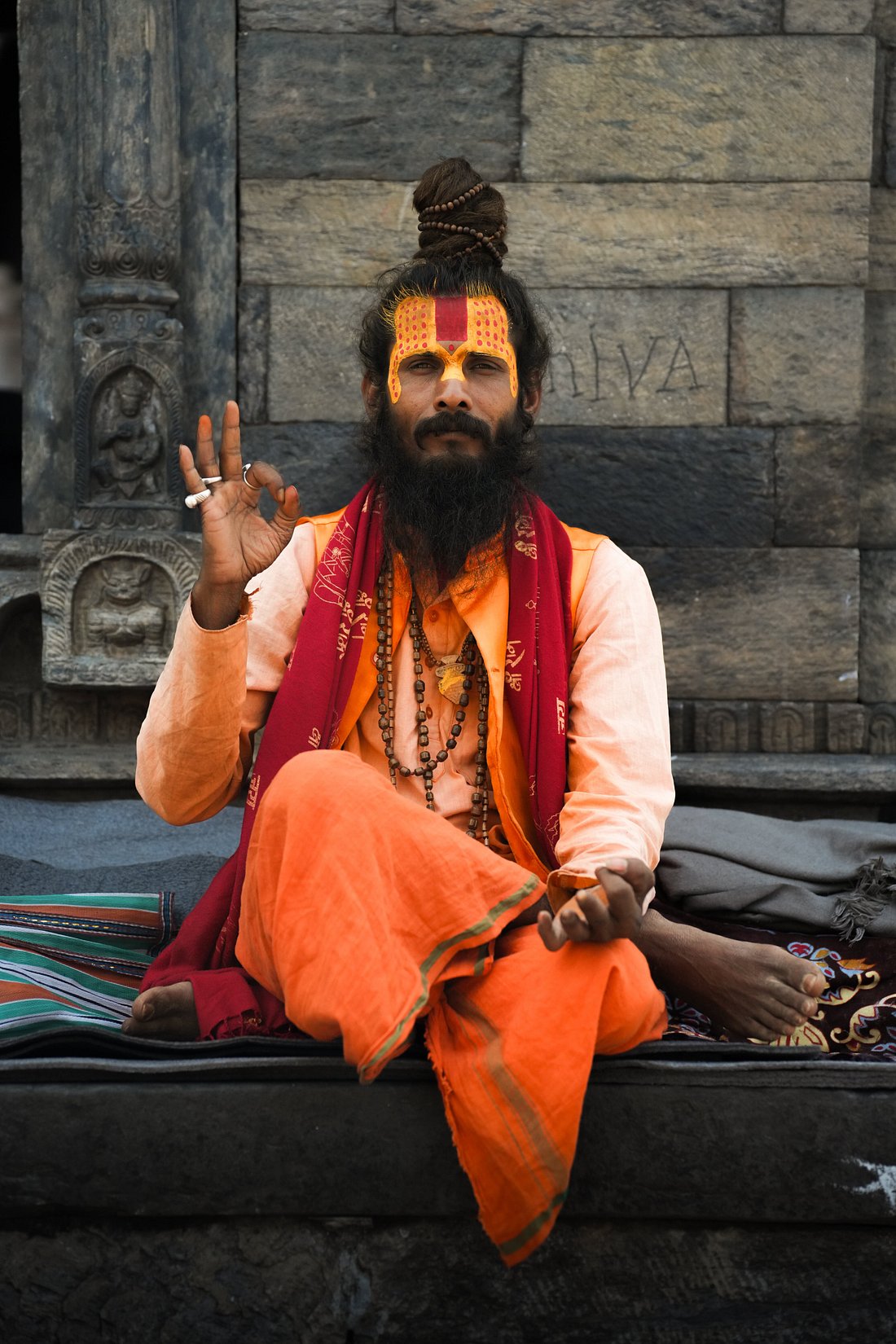
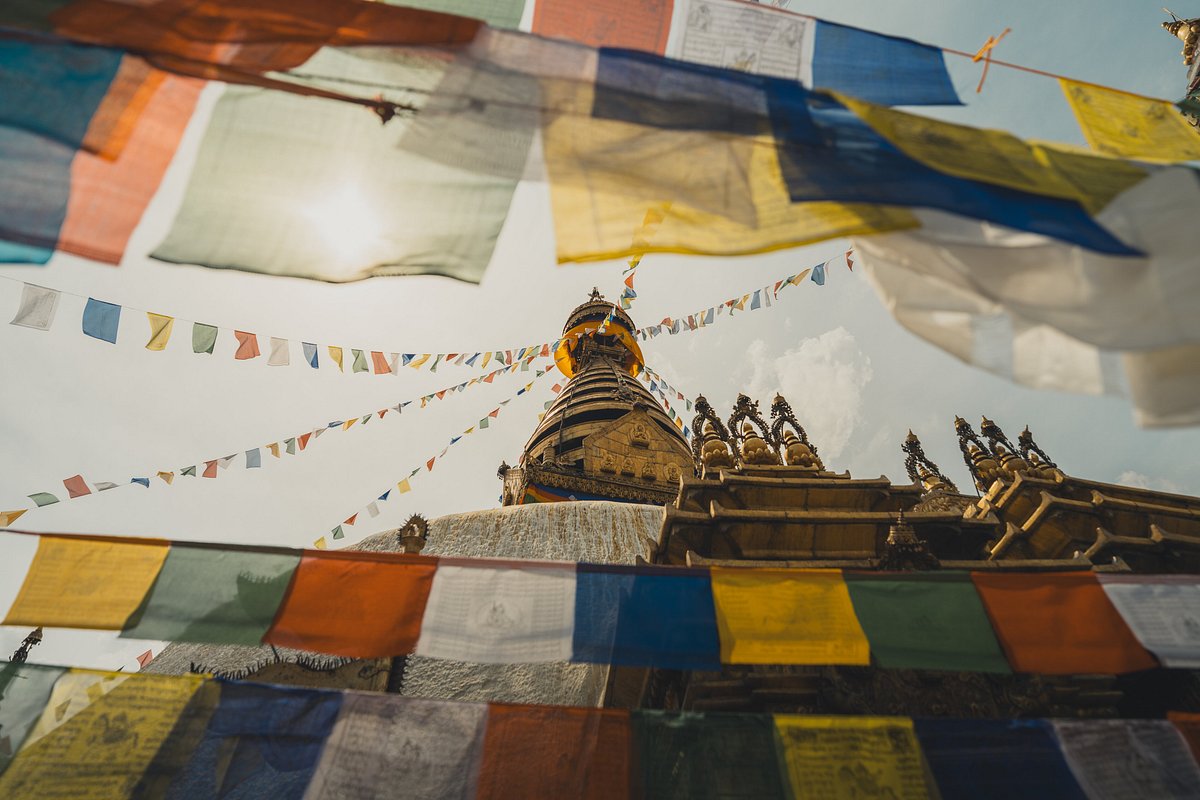
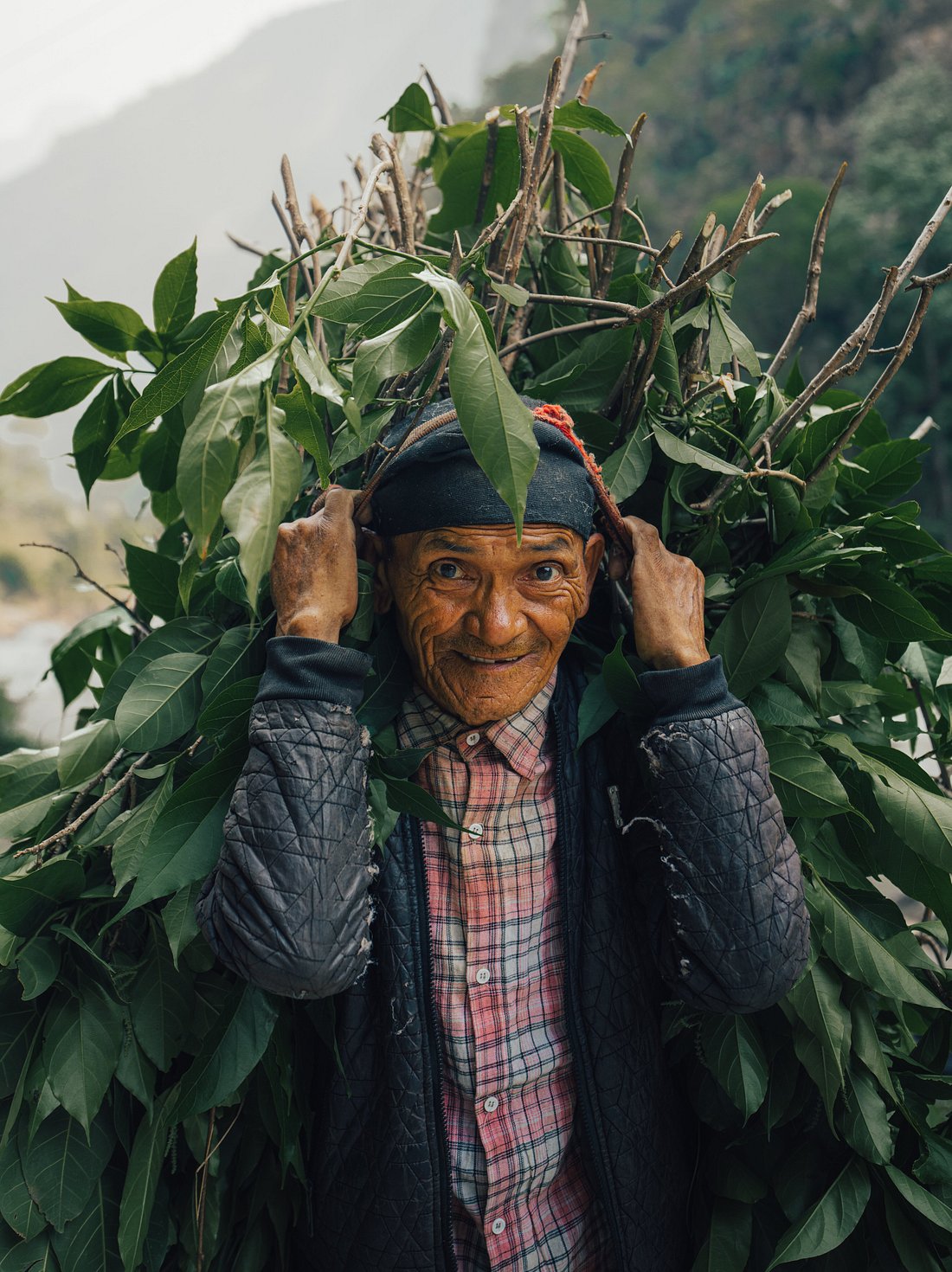
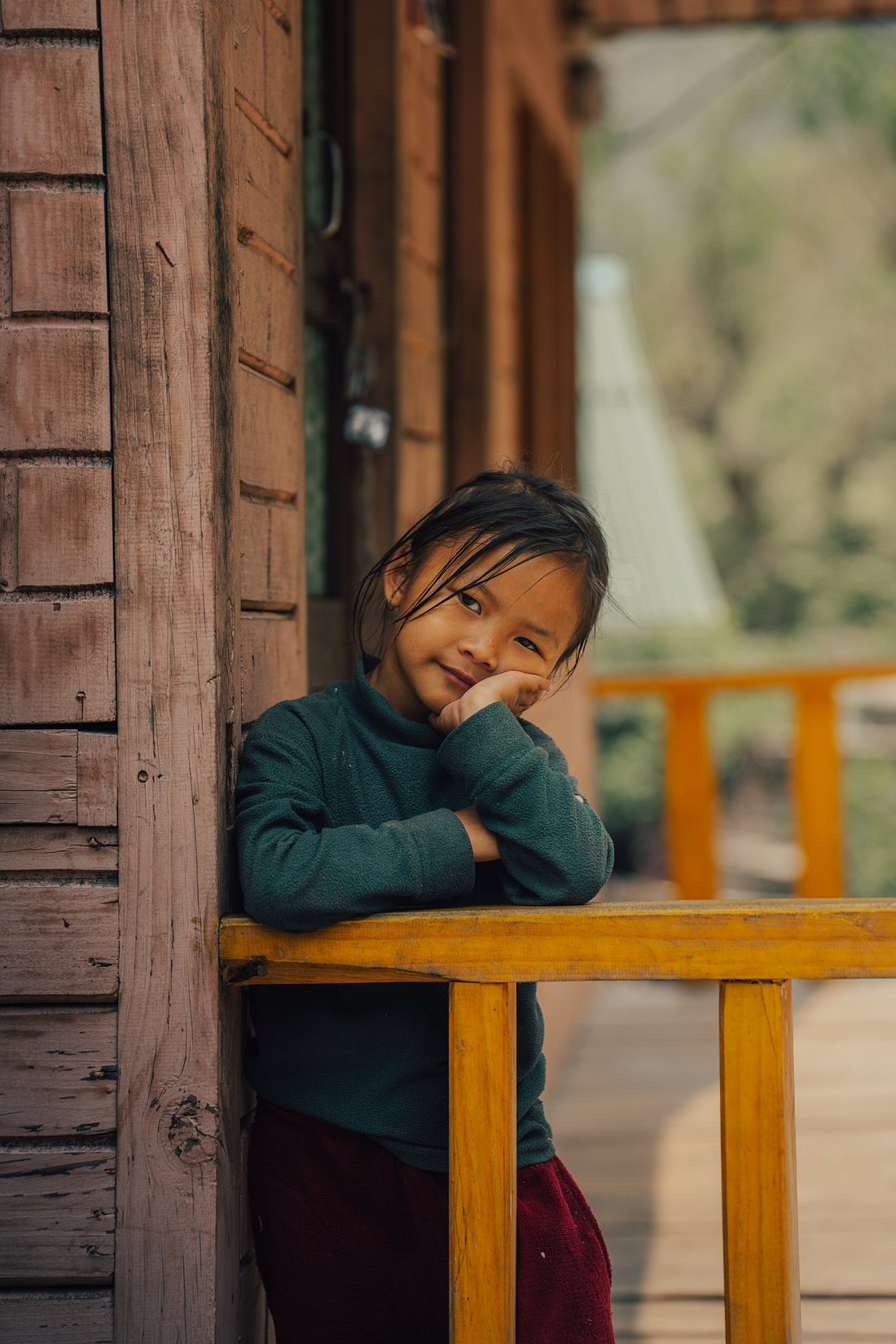

Karlie Place
May 13, 2026
The most life-changing trip I've ever taken
Review for: Manaslu Trek – 12 Days Book Now
I just got back from the Manaslu Circuit Trek, and I'm still processing how much this trip meant to me. I'm a full-time travel photographer and I've been to over forty countries, and this stands out as one of the most extraordinary experiences of my life. I traveled with my friend Paige, and from the moment we landed in Kathmandu at midnight, our guides Jiwan and Das took care of every single detail. Jiwan grabbed me momos before I'd even gotten to my hotel room because he could tell I hadn't eaten. That was day zero, and the level of care never let up for the next two weeks. A few specifics that will tell you what kind of operation this is: On day three, Paige had a small incident on the trail and needed to be evacuated. Jiwan stayed completely calm, coordinated the helicopter rescue, and at no point did Paige or I feel like we were on our own with it. He and Das checked in with both of us throughout the rest of the trek to make sure we were okay emotionally as well as physically. My camera broke on day two. It was completely my fault, but Jiwan offered to carry my camera bag on his own front through some of the most treacherous sections of the trail so I could keep going. He never once made me feel bad about the gear failure, and he never once let me carry weight I couldn't carry. Every single morning, Jiwan and Das pre-packed an enormous fruit plate for breakfast — fanned apple slices with a whole de-seeded pomegranate in the middle. Other trekkers literally walked past our table and audibly said, "Dang, I wish my guides did that." At altitude, when your appetite dies, this kind of small thoughtful detail is what keeps you eating, which is what keeps you moving. Jiwan has been a licensed guide for over a decade and has crossed Larkya La Pass many times. He speaks Nepali, multiple mountain dialects, Tibetan, fluent French, and great English. Das was our porter and an absolute force. He carried our heavy bag for ten days without a single complaint. The Manaslu Circuit itself is everything you've read about and more — 90+ miles, 23,000+ feet of elevation gain, crossing Larkya La Pass at 5,106 meters. We witnessed Saga Dawa, the holiest day in Tibetan Buddhism, in Samdo village. The community draped me in a khata scarf and let me participate in the rituals. I will never forget any of it. If you are considering booking the Manaslu Circuit Trek, do it with this company. Request Jiwan and Das specifically. Tell them Karlie sent you. They will take care of you the way they took care of me. This was the trip of a lifetime, and I owe a huge part of that to them.
Paige Tingey
Manaslu Trek, Kathmandu, and Chitwan Safari
Review for: Manaslu Trek – 12 Days Book Now
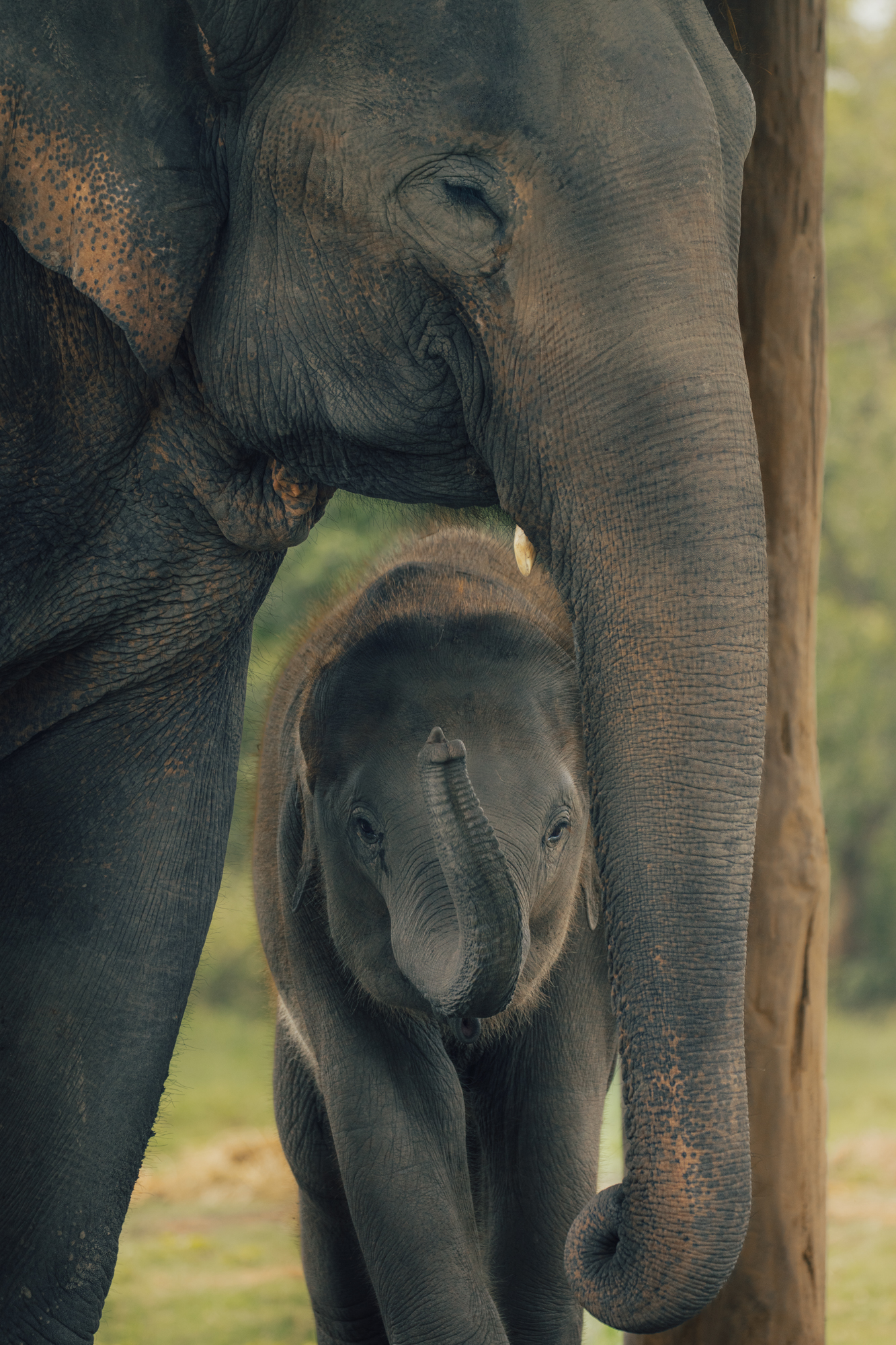
I had such an incredible experience in Nepal thanks to our amazing guides Anjan and Das (Manaslu Trek) Anjan (Kathmandu) and Kush (Chitwan). I visited several places in Nepal and each guide went above and beyond to make sure I saw the best things, ate amazing food, learned about the culture, and captured amazing photos. I will absolutely be going back to Nepal again and I really recommend using these guides to help you around when you visit!
Trip Price
USD 1300 Per Person
Talk To Trip Expert
Related Trips