

Manaslu & Tsum Valley Trek – 17 Days
Introduction
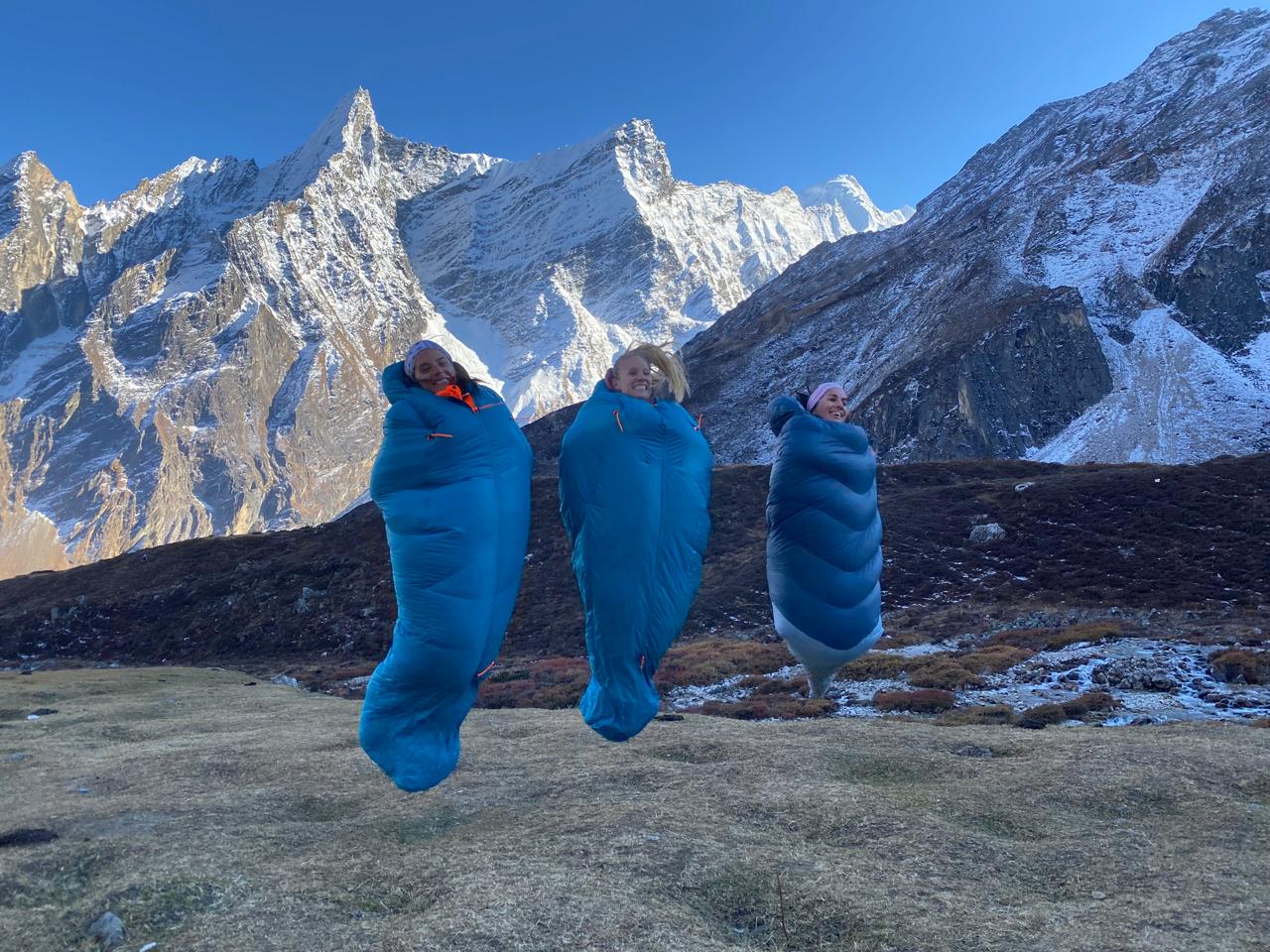
The 17-day Comfortable Manaslu & Tsum Valley Trek offers a unique combination of cultural immersion and Himalayan adventure. Starting from Kathmandu, the journey begins with a long scenic drive along the Budhi Gandaki River to Machhikhola. The road passes through terraced farmlands, lush forests, and small settlements, giving trekkers a taste of rural Nepali life before the trail begins. As you step onto the trekking path, the landscapes transform into dense forests, rushing rivers, and traditional villages. Each step gradually introduces trekkers to the culture, religion, and lifestyle of the local Gurung and Tibetan-influenced communities.
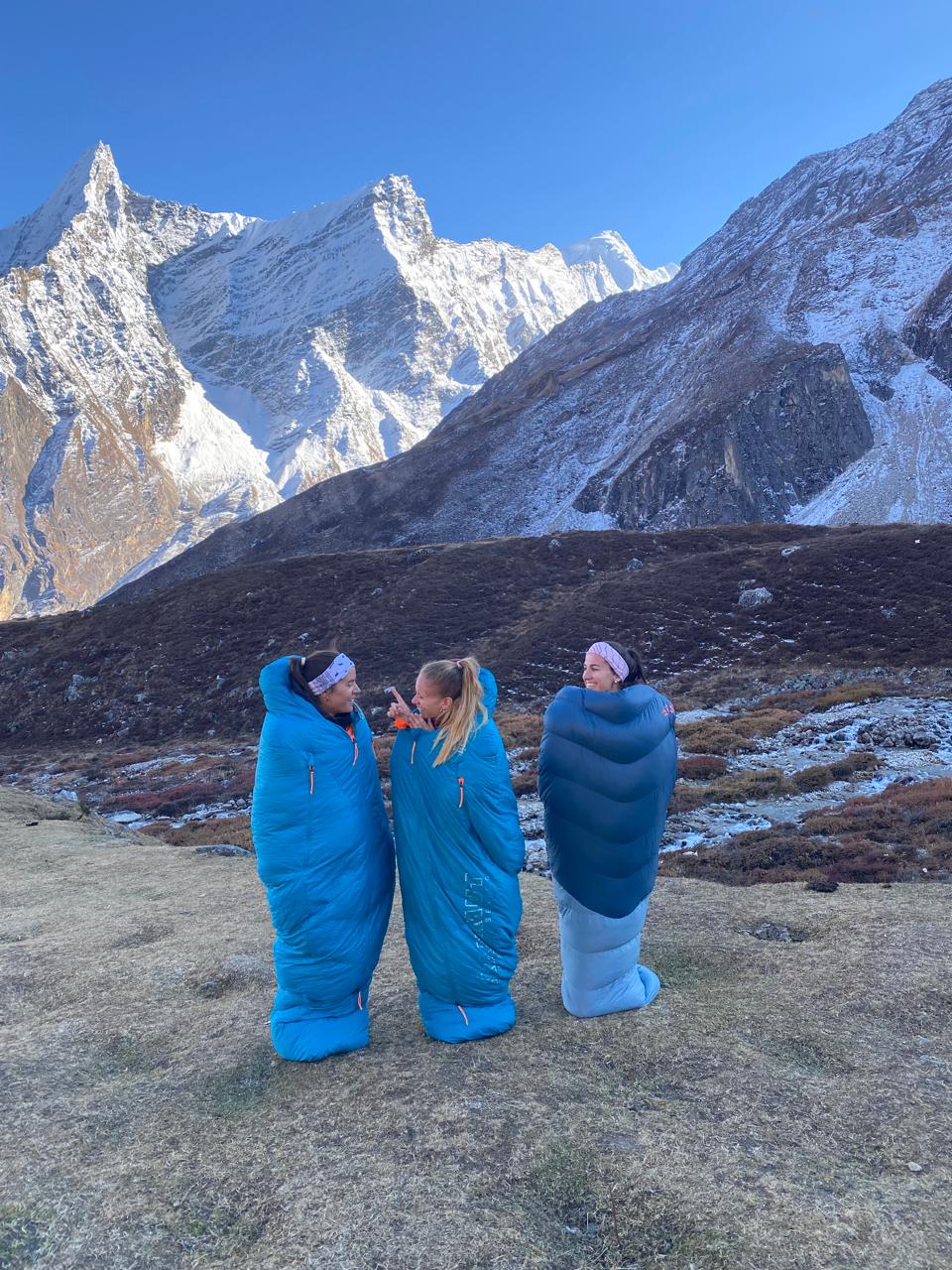
Entering the Tsum Valley, trekkers experience a rare glimpse into a preserved Himalayan culture. Villages like Lokpa, Chhampark, Nile, and Mu Gompa host monasteries, prayer flags, and ancient gompas. The valley is largely untouched, offering peaceful alpine scenery and rich biodiversity. Trekkers enjoy serene walks through bamboo forests, rhododendron groves, and high pastures while absorbing the local culture and spiritual ambiance.
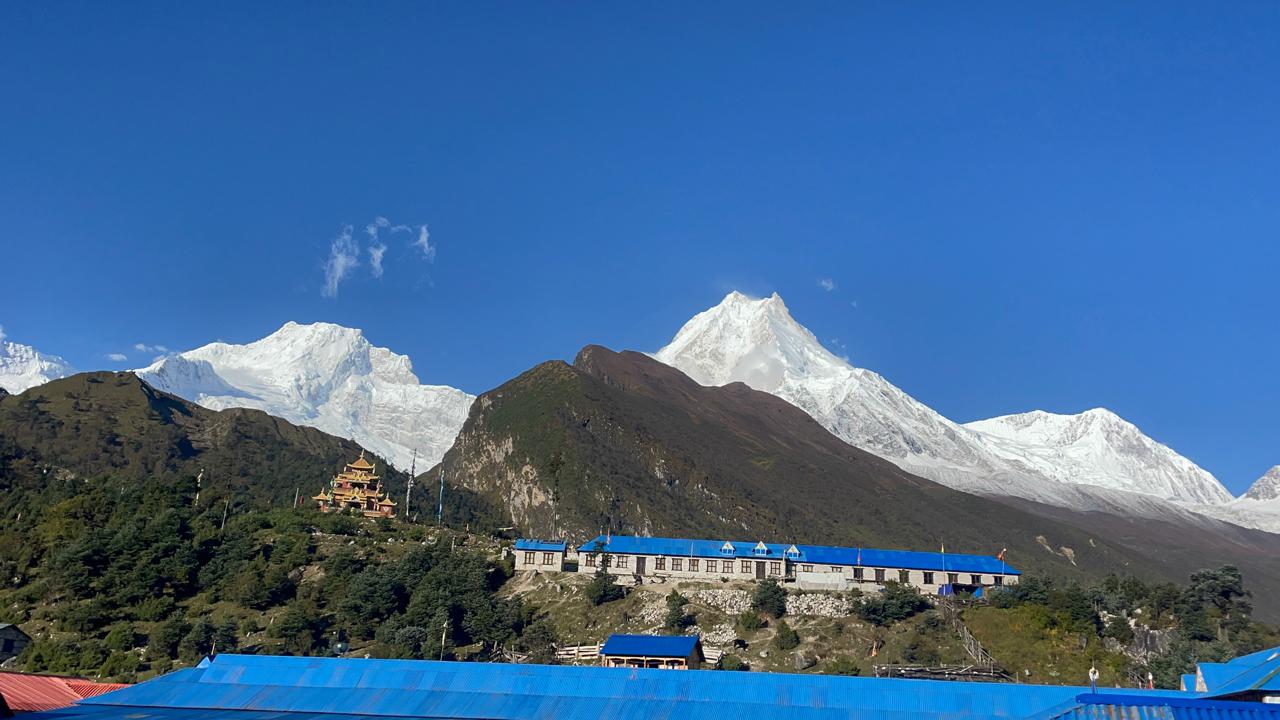
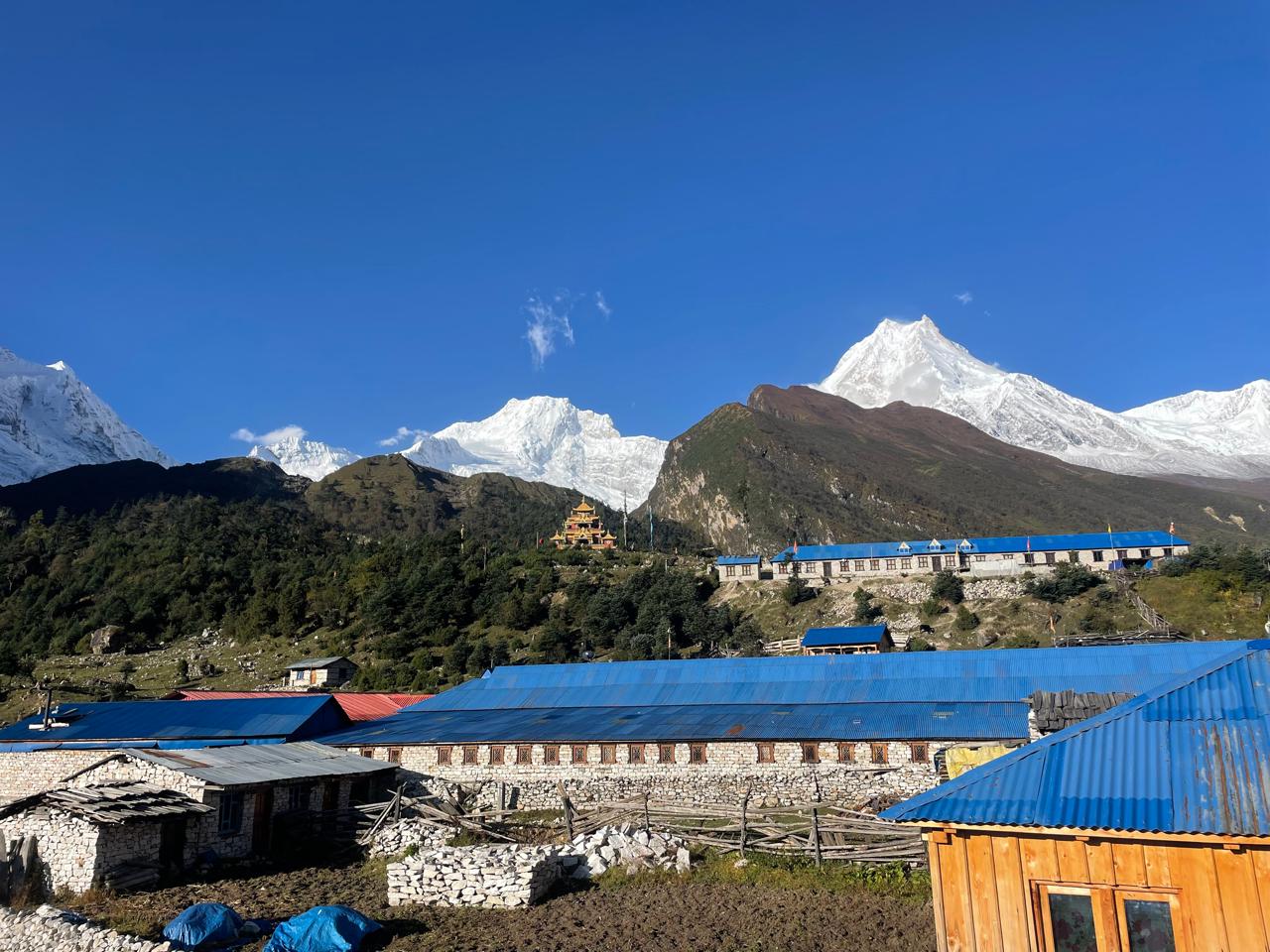
The trek progresses into the Manaslu Circuit, which presents more challenging terrains with longer trekking days, moderate ascents, and high-altitude alpine zones. Villages such as Namrung, Shalla, Phandagumba, Samagaun, and Samdo offer cultural richness and hospitality. Here, trekkers get to explore monasteries, interact with locals, and witness Tibetan-style architecture while being surrounded by dramatic mountain landscapes.
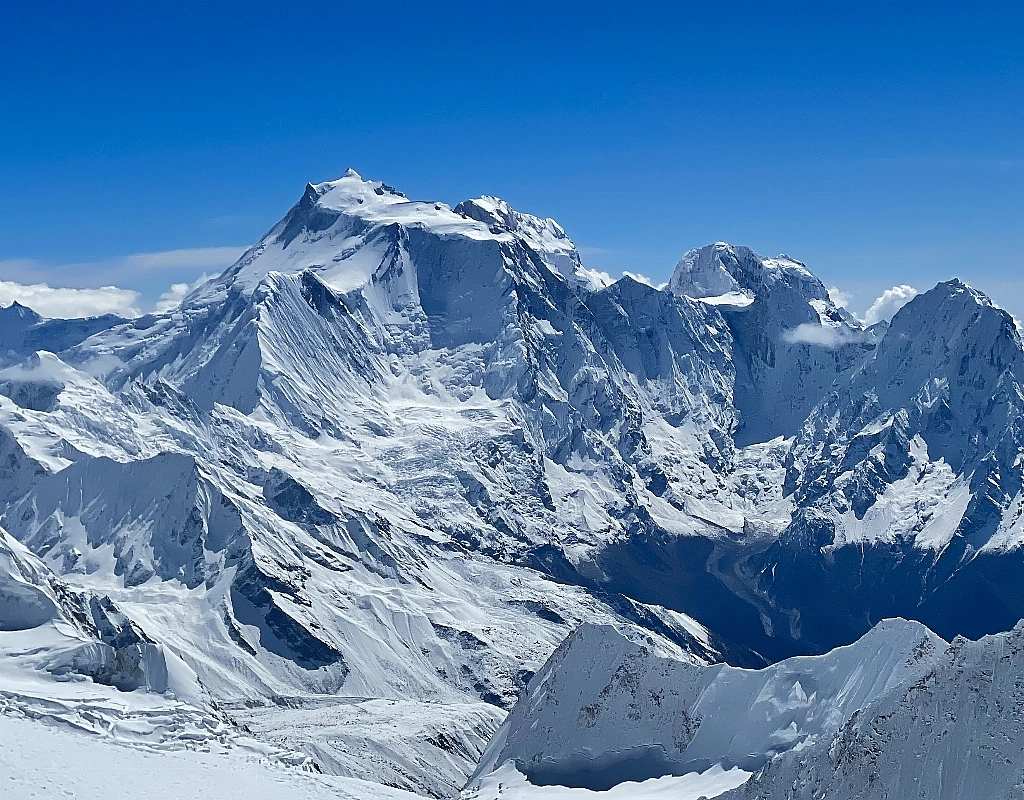
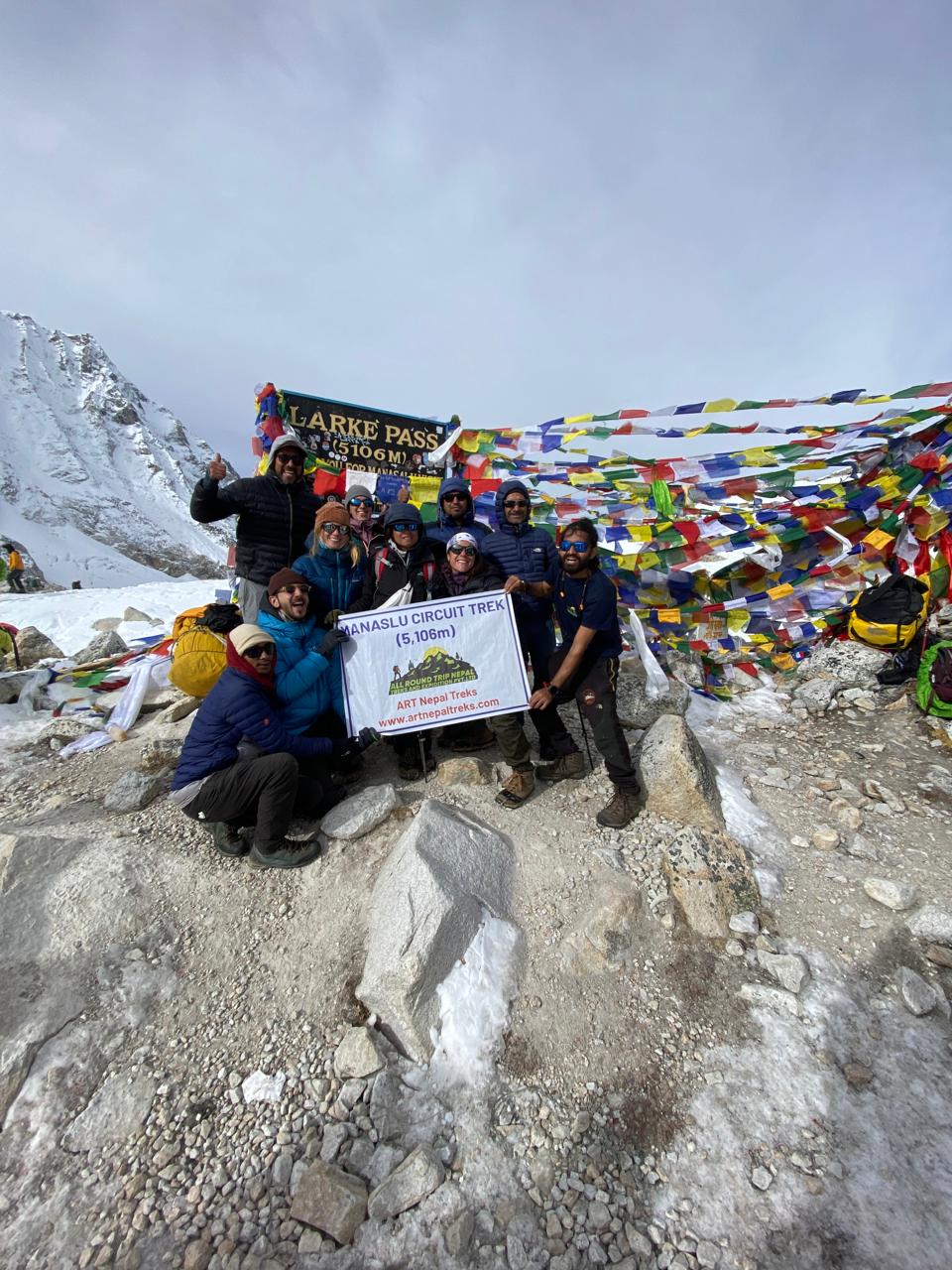
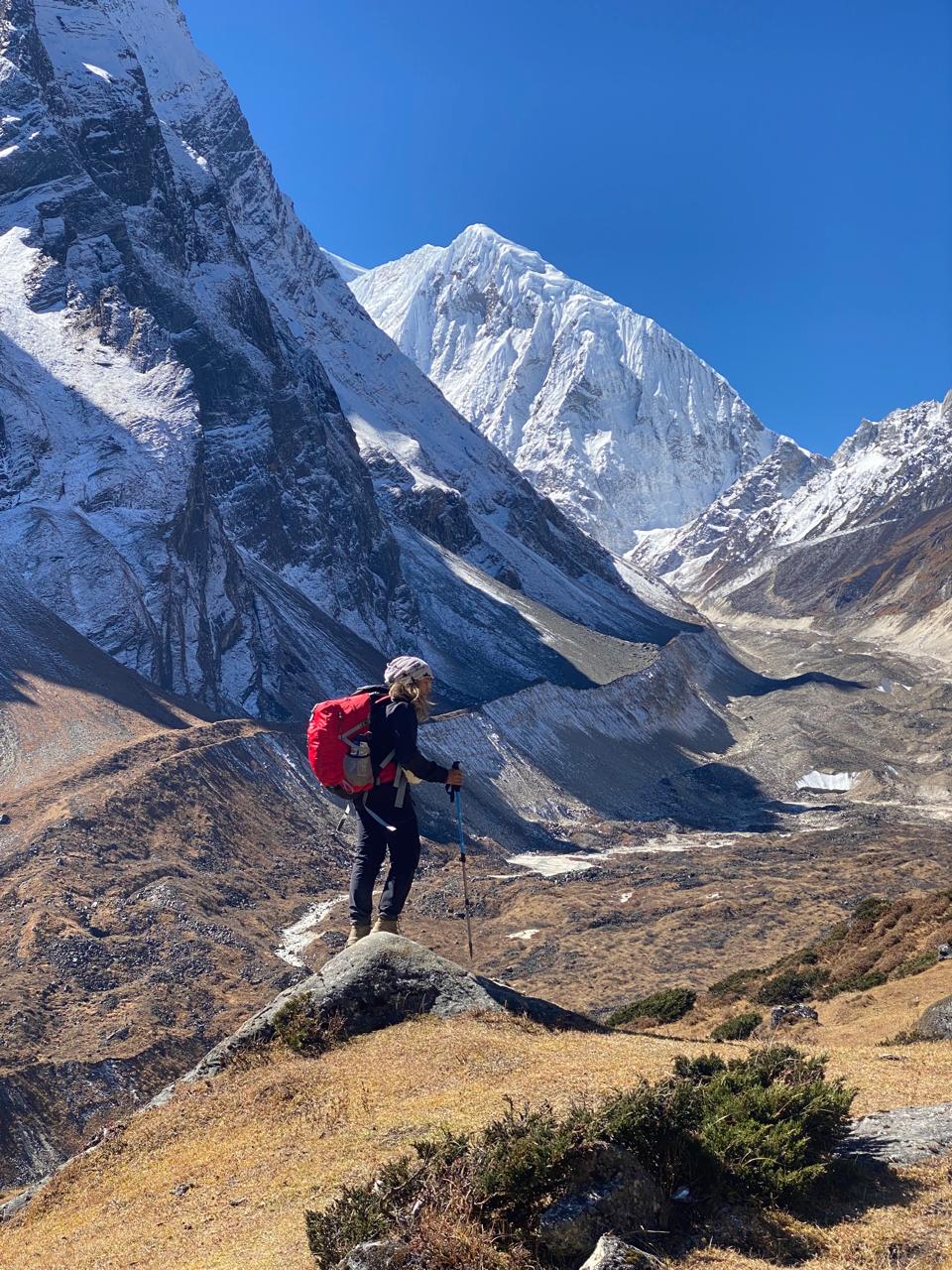
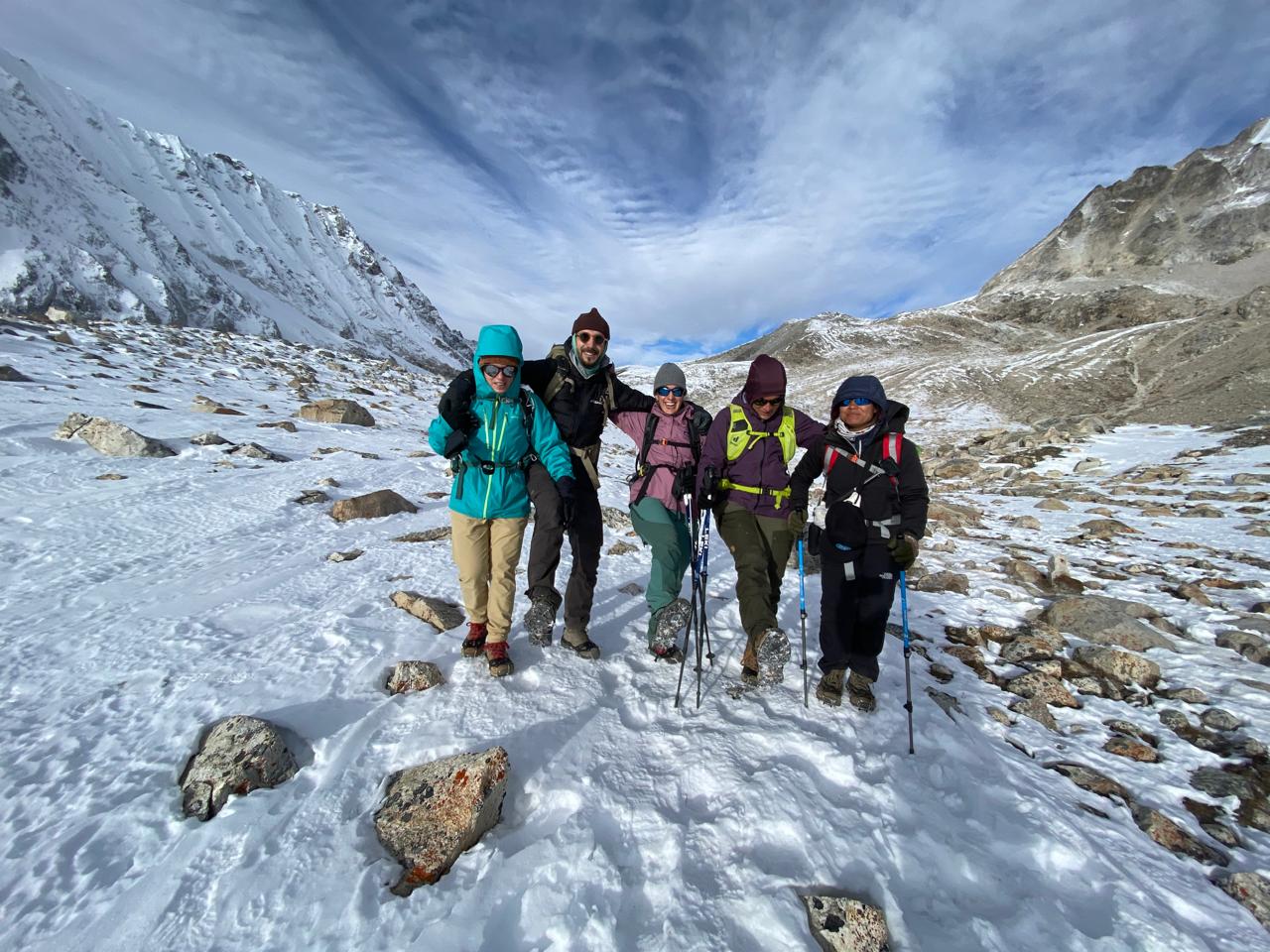
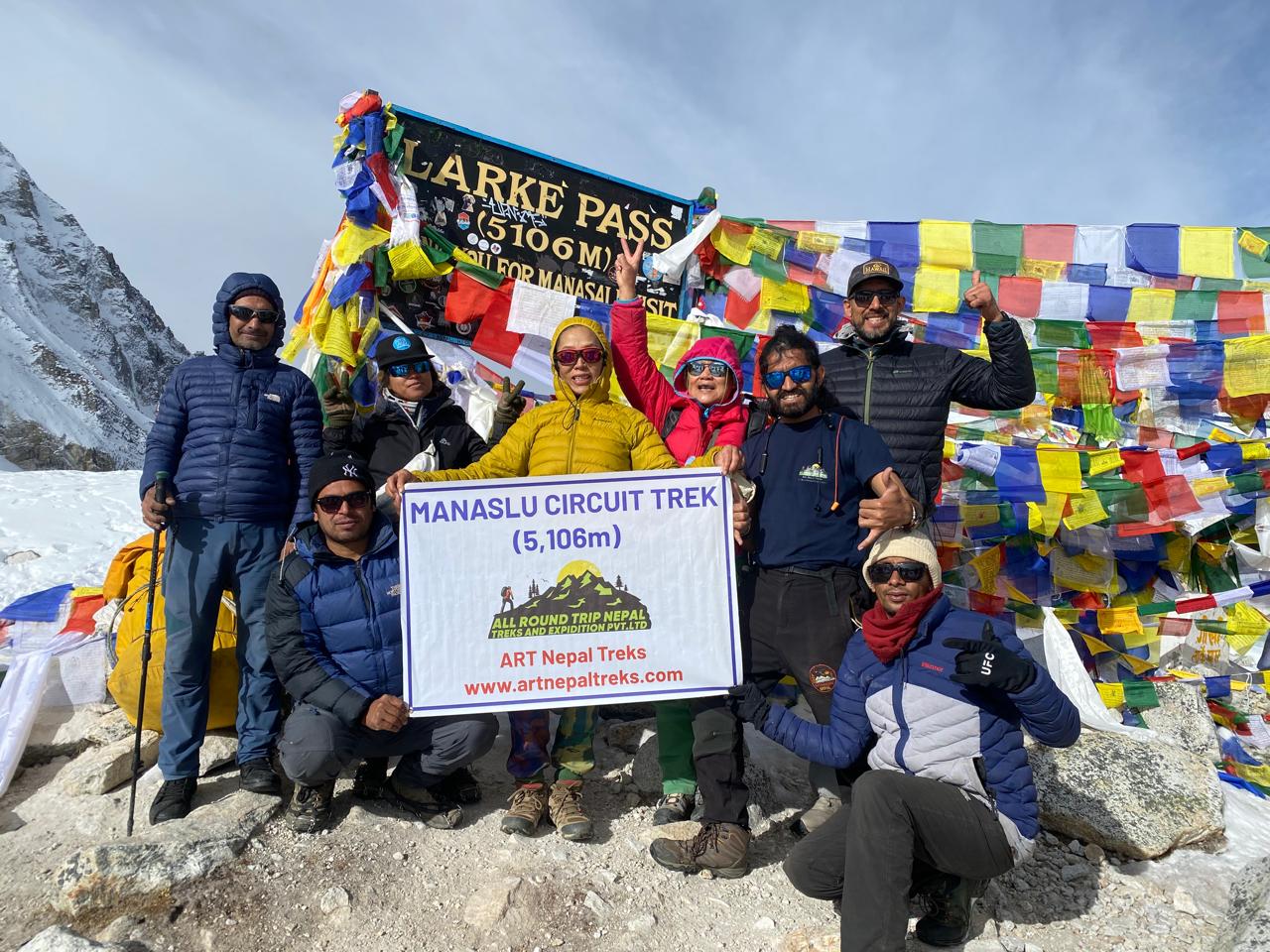
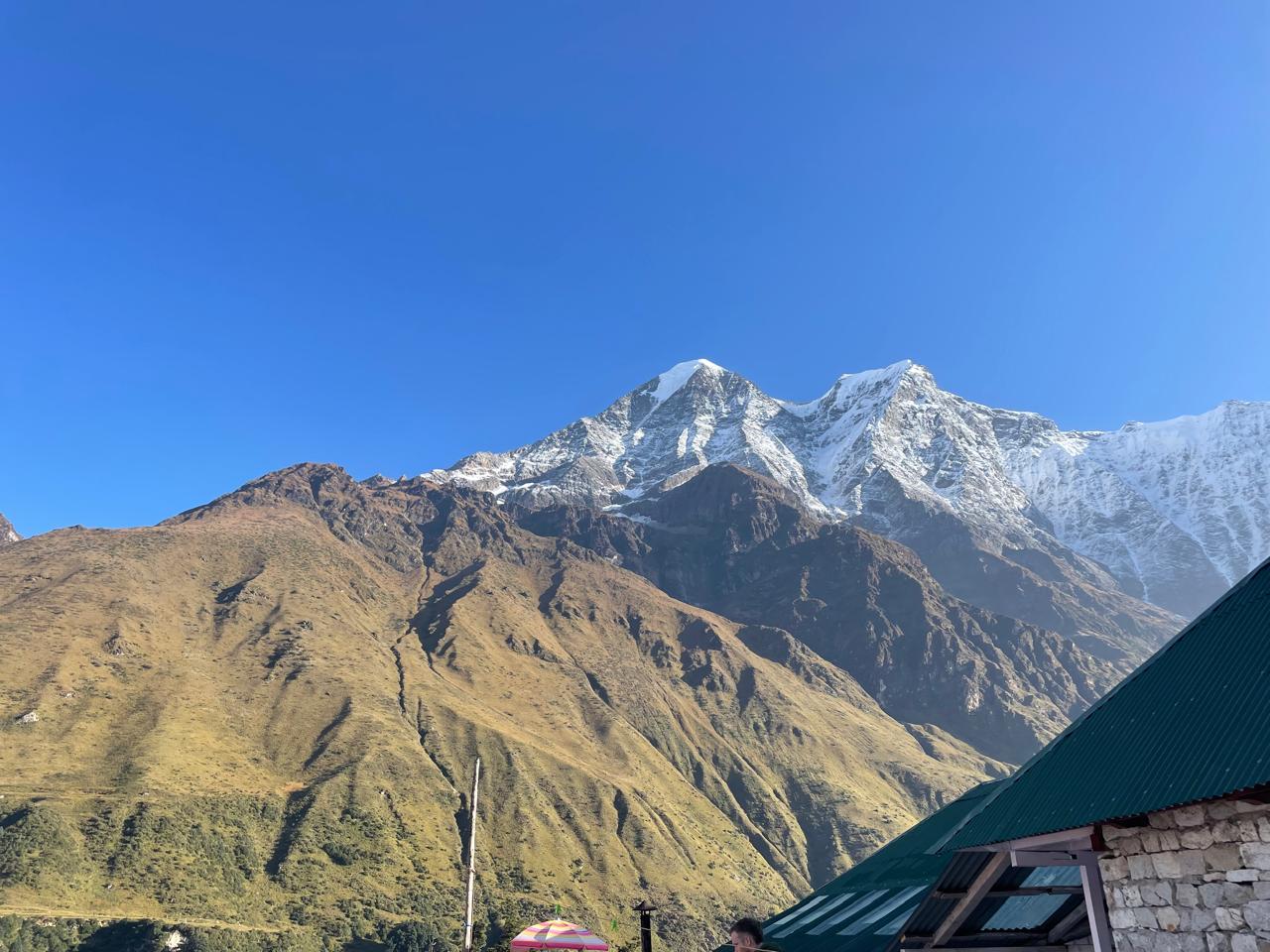
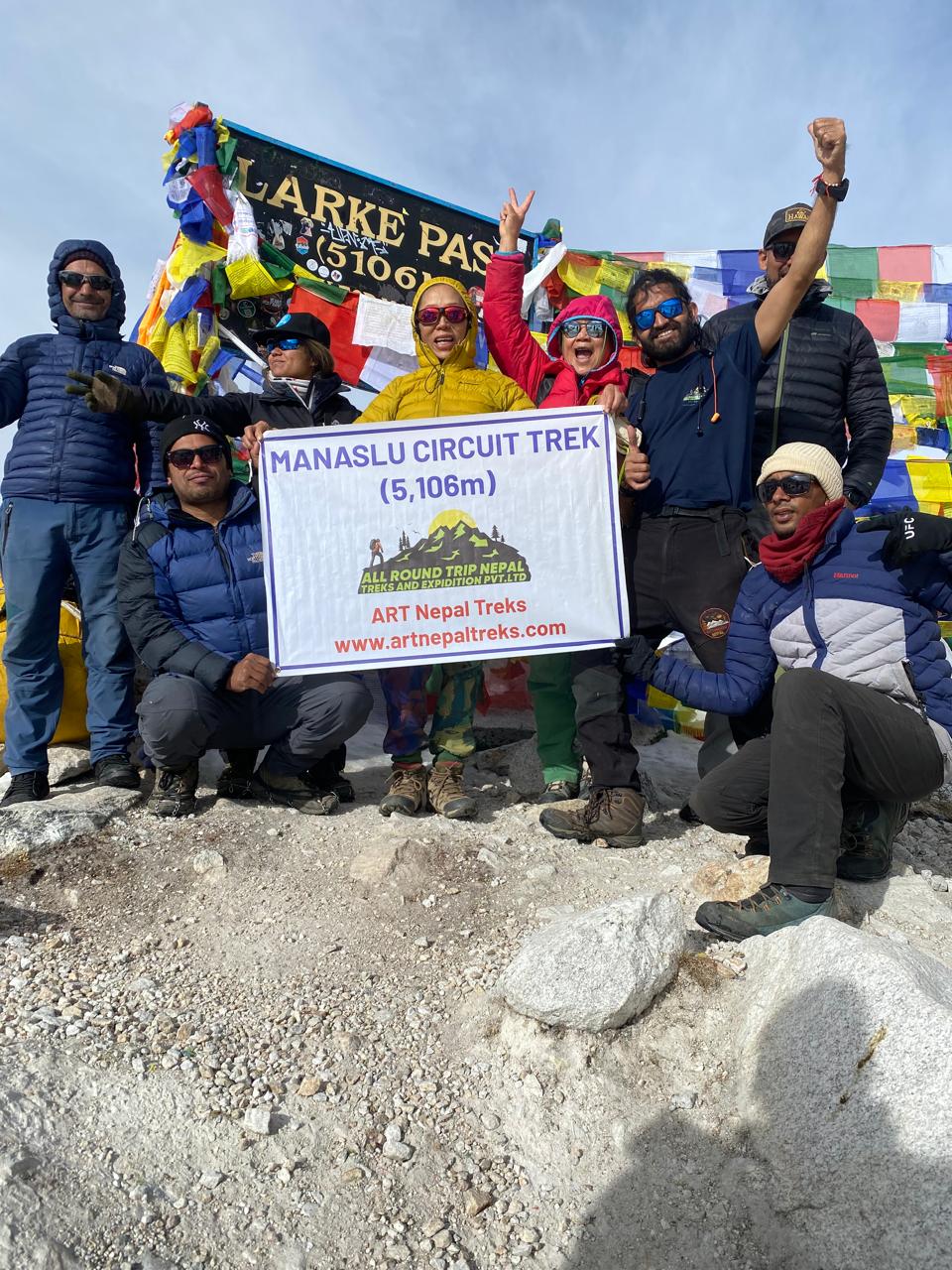
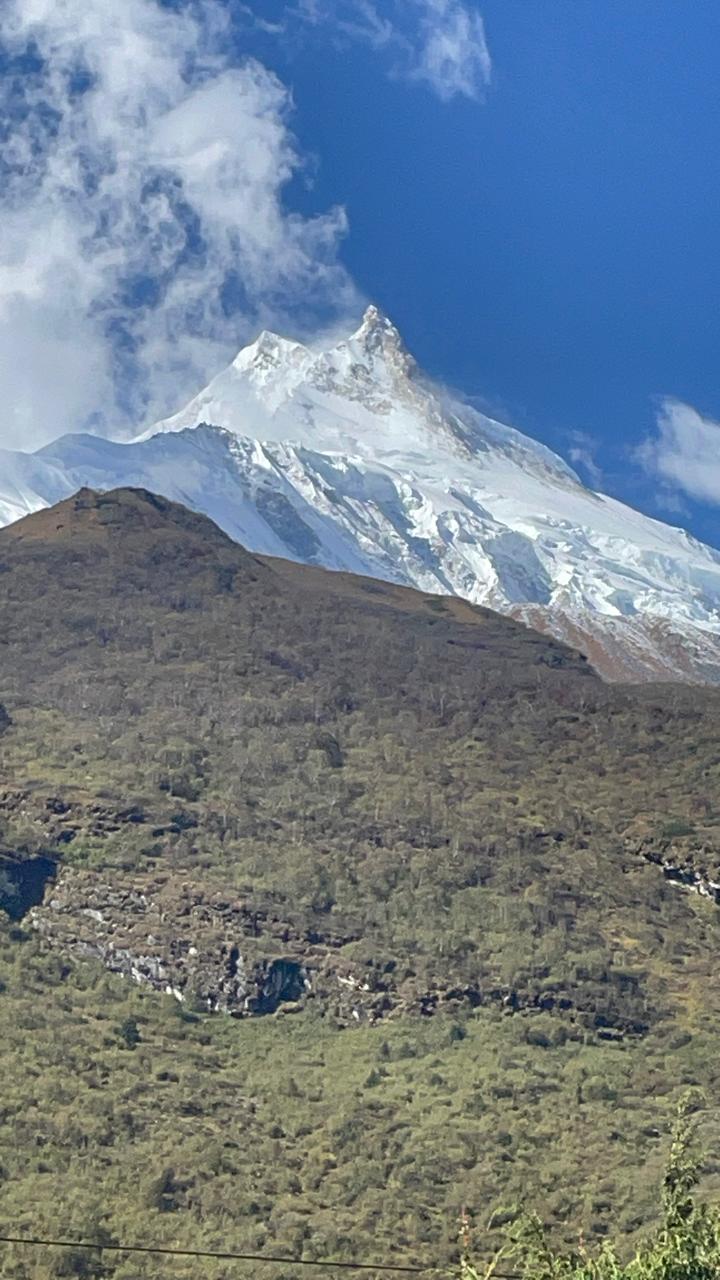
A highlight of the trek is the Larkya La Pass, one of the highest points on the route. Crossing this pass requires stamina and acclimatization but rewards trekkers with breathtaking panoramic views of glaciers, valleys, and towering peaks. The optional side hike to Birendra Lake near Samagaun is perfect for photography enthusiasts, offering reflections of Manaslu on crystal-clear waters.
The return journey is designed for comfort, with jeep rides from Tilche to Besisahar minimizing fatigue. The final drive back to Kathmandu concludes the trek, allowing time to rest or explore cultural landmarks. Throughout the trek, ART Nepal Treks & Expedition ensures logistical support, safety, and a seamless experience, making this a balanced, culturally immersive, and scenic Himalayan adventure.
What Can You Expect From the Trek?
This trek provides a combination of adventure, culture, and stunning natural beauty. From dense forests in Tsum Valley to alpine meadows near Manaslu, trekkers experience varied terrain that tests both physical endurance and appreciation for Himalayan landscapes. The journey includes moderate trekking days with ample rest, gradual altitude gain, and scenic viewpoints. Every village, monastery, and high pasture provides a unique perspective on the lives of local people, their customs, and spiritual practices.
The Tsum Valley section is relatively less-traveled, offering tranquility and authentic experiences with minimal crowds. Trekkers walk past ancient monasteries, prayer wheels, and sacred sites while observing local traditions. The Manaslu Circuit presents more challenging terrain, including stone-paved trails, moraine paths, and gradual ascents leading to Larkya La Pass. The contrast between Tsum Valley and Manaslu’s alpine regions offers a full Himalayan experience—from cultural exploration to high-altitude adventure.
With ART Nepal Treks & Expedition, trekkers enjoy professional guidance, organized accommodations, and well-planned itineraries. Each day balances trekking, acclimatization, and cultural interaction, providing both safety and enjoyment. The combination of jeep transfers, teahouse stays, and optional hikes ensures a comfortable yet adventurous trek.
What to Expect:
- Trek through Tsum Valley and Manaslu Circuit
- Moderate to challenging trekking days with acclimatization
- Remote alpine villages, monasteries, and cultural interaction
- Stunning Himalayan vistas including Manaslu and Himalchuli
- Optional side trips to Birendra Lake for photography
- Jeep ride return for comfort and convenience
Is Trek Suitable for You?
The 17-day Manaslu & Tsum Valley Trek is ideal for trekkers seeking a balance between adventure, culture, and moderate physical challenge. While it is more comfortable than the classic Manaslu Circuit due to jeep-assisted return and shorter trekking days, trekkers still need to be physically prepared for altitude gains, uneven terrain, and high passes. The trek offers long walking days at moderate elevation with rest stops, making it suitable for individuals with some prior trekking experience in the Himalayas or similar mountainous regions.
Tsum Valley and the Manaslu region are remote and less frequented by tourists, which provides a sense of isolation and authenticity. Trekkers should be comfortable with staying in teahouses and lodges with basic facilities and walking through rugged trails, forested paths, and alpine meadows. The route crosses high passes, moraine trails, and stone-paved paths that require careful footing and stamina. Trekkers who enjoy cultural experiences, mountain photography, and scenic viewpoints will find this trek particularly rewarding.
With proper acclimatization and guidance from ART Nepal Treks & Expedition, most healthy adults can complete the trek successfully. The itinerary includes rest days and shorter trekking days for recovery, particularly around Samagaun and high-altitude zones. Trekkers must also be prepared for variable weather conditions, including cold mornings, occasional snow, and windy alpine passes.
Suitable Trekkers Should:
- Have a moderate level of physical fitness and some prior trekking experience
- Be ready to walk 4–7 hours per day on uneven and sometimes steep terrain
- Be comfortable with teahouse accommodations and shared facilities
- Be adaptable to high-altitude conditions, cold weather, and changing trail conditions
- Value cultural immersion and enjoy interacting with Tibetan and Gurung communities
- Be mentally prepared for remote and less-traveled routes
How to Get Prepared for Trek
Preparation is key to enjoying the Manaslu & Tsum Valley Trek safely and comfortably. Physical fitness is essential for multi-day trekking with moderate elevation gain. A training plan should include endurance exercises, hiking with a loaded backpack, and leg and core strengthening exercises. Cardiovascular workouts like running, cycling, and swimming help improve stamina, while flexibility training can reduce the risk of muscle strain during steep ascents and descents.
Equally important is high-altitude preparation. Trekkers should understand the risks of Acute Mountain Sickness (AMS) and practice hydration, gradual pacing, and proper nutrition. Familiarity with trekking gear, layered clothing for changing weather, and trekking poles can enhance safety and comfort. Pre-trek planning also includes reviewing permits, local culture, and trail conditions. Mental preparation for remote areas, basic first aid knowledge, and awareness of emergency evacuation procedures ensure a safer trekking experience.
Preparation Checklist:
- Physical Fitness: Endurance training, strength exercises, long hikes with backpack
- Acclimatization: Gradual ascent plan, rest days, and hydration
- Trekking Gear: High-altitude boots, layered clothing, trekking poles, backpack with rain cover
- Health & Safety: Travel insurance, first aid kit, consultation on altitude sickness medication
- Local Knowledge: Trekking permits, TIMS card, customs, and etiquette in Tsum Valley and Manaslu
-
Trip Duration
17 Days/16 Nights
-
Group Size
1–20 people
-
Maximum Altitude
5,160 m (Larkya La Pass)
-
Trip Difficulty
Moderate to Challenging
-
Activities
Trekking
-
Best Season
March–May, September–November
-
Trip Start & End
Kathmandu-Kathmandu
-
Meals
Breakfast, Lunch, Dinner
-
Accomodation
Teahouses / Lodges
Highlights
- Explore the remote Tsum Valley with its hidden alpine villages: Lokpa, Chhampark, Nile, and Mu Gompa.
- Trek the classic Manaslu Circuit with Namrung, Shalla, Phandagumba, Samagaun, Samdo, Dharamsala, Bimthang, and Gowa.
- Cross Larkya La Pass (~5,160 m), a high-altitude challenge with panoramic Himalayan views.
- Optional day hike to Birendra Lake, set amidst glaciers and alpine peaks.
- Jeep ride from Tilche to Besisahar reduces trekking fatigue and allows comfortable return.
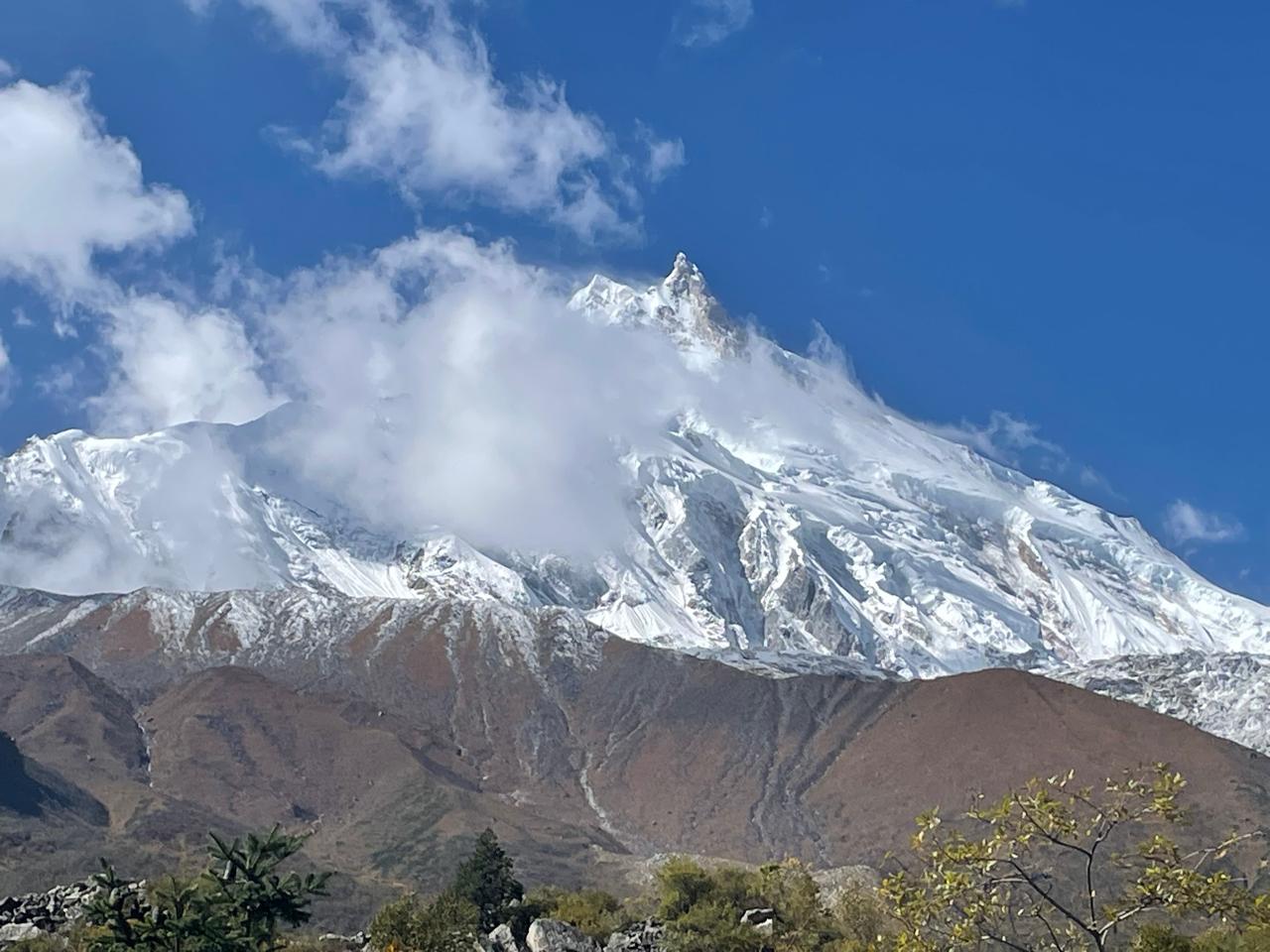
- Stunning mountain panoramas including Manaslu (8,163 m), Himalchuli, and surrounding peaks.
- Cultural immersion with Tibetan-influenced villages, monasteries, and traditional festivals.
Itinerary
Day 01
The journey begins early in the morning with a scenic drive from Kathmandu along winding roads through the Nepali countryside. The route passes green hills, terraced farms, and small towns, giving travelers their first glimpse of rural life in Nepal. Along the way, you cross rivers, valleys, and local villages, gradually approaching the Budhi Gandaki River. The road journey is long, approximately 8–9 hours in total, but it offers breathtaking views of the lower Himalayan foothills and a chance to experience the vibrant culture outside the city. The drive concludes at Machhikhola, a small riverside village that serves as the starting point for the trekking portion of the journey.
Upon arrival at Machhikhola, trekkers settle into a cozy teahouse, where the evening can be spent preparing gear, meeting guides, and enjoying a traditional Nepali dinner. This stop provides an essential rest after a long road journey and allows travelers to acclimatize to the change in altitude. The village itself is tranquil, surrounded by dense forests and hills, offering a peaceful environment to relax before the adventure begins. Guides from ART Nepal Treks & Expedition brief trekkers on the upcoming route, safety protocols, and tips for managing altitude and energy. Dinner is shared in a communal dining area, often with other trekkers, providing an opportunity to exchange stories and excitement for the days ahead.
Trip Duration:
8-9 hours driveAltitude:
1400 mMeal:
DinnerAccomodation :
Lodge in MachhikholaDay 02
The trek officially begins with a walk along the Budhi Gandaki River, following the river valley upstream. The trail passes through small riverside hamlets, farmland, and lush forests, introducing trekkers to local life in rural Nepal. Suspension bridges span the river at several points, offering both a fun challenge and incredible photo opportunities. The terrain is moderate, with some uphill sections that help prepare the body for higher altitudes later in the trek. The pace is relaxed, allowing trekkers to enjoy the forested scenery, listen to birds, and observe local farming activities.
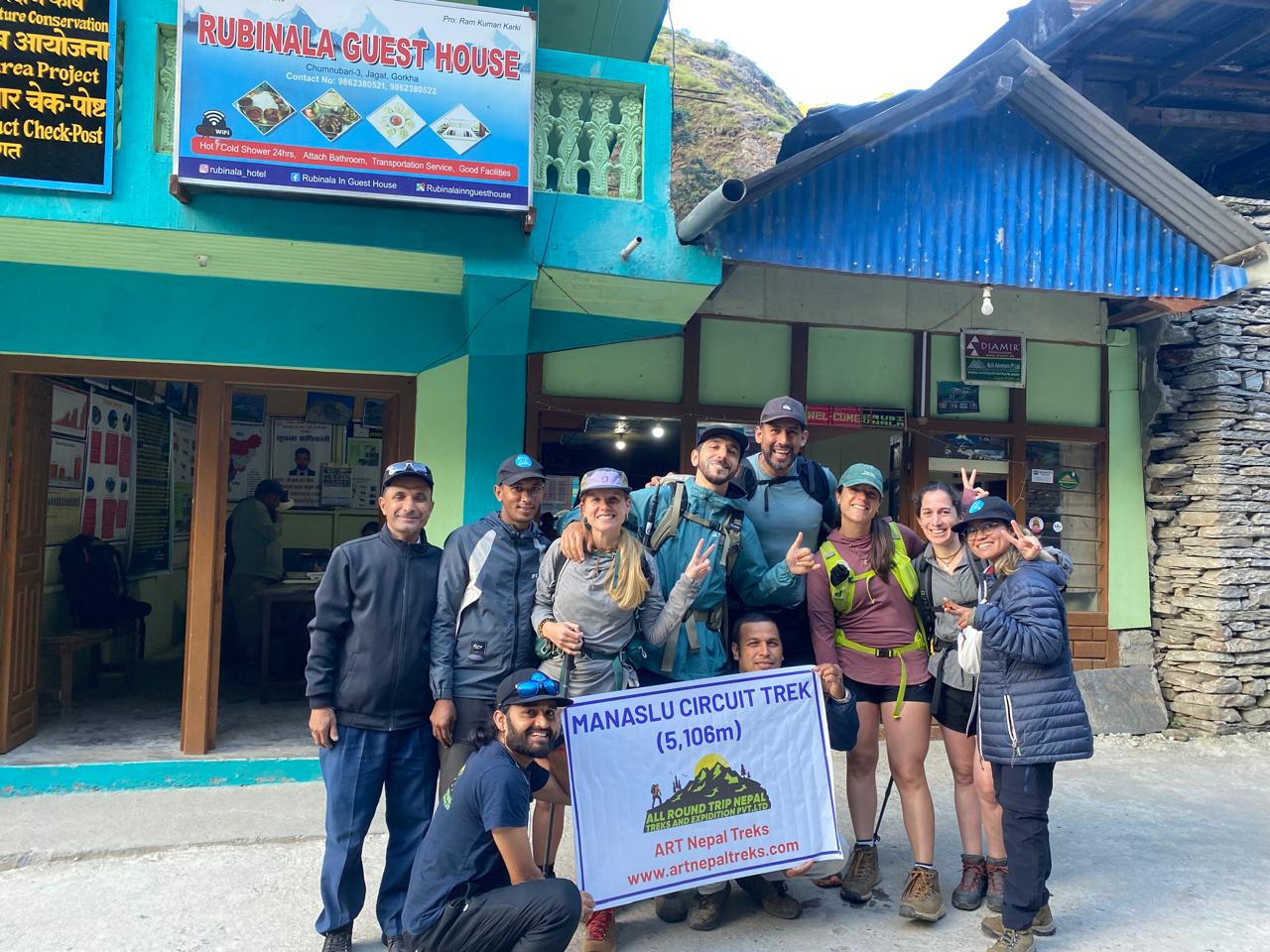
Arriving in Jagat, trekkers are greeted by a small settlement with simple teahouses that provide the first overnight stop on the trek. The village is a gateway to both the Manaslu Circuit and Tsum Valley, offering a mix of Tibetan and Nepali cultural influences. In the evening, trekkers can stroll through the village, interact with locals, and witness traditional lifestyle practices. Dinner at the teahouse typically features Dal Bhat, noodles, or soups, providing essential nutrition for the next day. This first day of trekking serves as a gentle introduction, allowing the body to adjust to walking with a backpack while experiencing Nepal’s natural beauty and rural charm.
Trip Duration:
5-6 hoursTrip Distance:
12 kmAltitude:
1400 mMeal:
Breakfast, Lunch, DinnerAccomodation :
Teahouse in JagatDay 03
Entering the Tsum Valley, the trail becomes increasingly serene and culturally rich. Trekkers pass through farmland and forested slopes while observing traditional homes with Tibetan architectural features. The trail is relatively gentle but includes small ascents and descents that keep the journey engaging. Along the way, there are opportunities to interact with local villagers and learn about Tsum Valley’s unique Tibetan-influenced culture. Suspension bridges, stone paths, and small streams add variety to the trekking experience, while the surrounding hills provide scenic backdrops for photography.
Lokpa village offers a peaceful overnight stay in teahouses nestled among alpine meadows and forested slopes. The village is small and less frequented by tourists, which allows for authentic cultural experiences. Trekkers can explore traditional houses, visit small monasteries, and enjoy panoramic views of the surrounding mountains. Dinner is served in a communal area, often with other trekkers, and provides an opportunity to plan for the next day’s journey deeper into Tsum Valley. This day combines moderate trekking with cultural immersion, setting the tone for the unique blend of adventure and local exploration that defines the Tsum-Manaslu trek.
Trip Duration:
5-6 hoursTrip Distance:
10 kmAltitude:
2000 mMeal:
Breakfast, Lunch, DinnerAccomodation :
Teahouse in LokpaDay 04
Trekking deeper into Tsum Valley, the trail ascends gradually through terraced fields, alpine forests, and small villages. Trekkers pass through pine and rhododendron groves, enjoying occasional clearings that offer stunning views of the Manaslu range and surrounding peaks. Along the way, small streams and traditional farmhouses add to the authenticity of the journey. This day’s trek is moderate, allowing for acclimatization while providing immersive exposure to the valley’s pristine environment. The trail is peaceful, with fewer trekkers compared to other popular routes, giving a sense of remoteness and tranquility.
Chhampark village, perched on a gentle hillside, serves as the overnight destination. The village is quiet, and teahouses offer warm hospitality, traditional meals, and a place to relax after the day’s walk. Trekkers can explore small alleys, interact with villagers, and observe monastery activities. Evening views of the sunset against distant Himalayan peaks provide a serene end to the day. Guides from ART Nepal Treks & Expedition share insights about the local history and culture, preparing trekkers for the spiritual and high-altitude experiences ahead.
Trip Duration:
4-5 hoursTrip Distance:
8 kmAltitude:
2600 mMeal:
Breakfast, Lunch, DinnerAccomodation :
Teahouse in ChhamparkDay 05
The trek begins with a gentle walk from Chhampark toward the village of Nile, following narrow paths that wind through alpine forests and terraced farmland. Along the way, trekkers are surrounded by lush rhododendron and pine trees, with occasional clearings providing stunning views of distant snow-capped peaks. Small streams crisscross the trail, and the sound of flowing water accompanies the hike, adding to the serene environment. The pace is relaxed, allowing trekkers to observe traditional farming practices, interact with locals, and take photographs of scenic landscapes. This day also offers the chance to appreciate the remoteness and peacefulness of the Tsum Valley, which remains largely untouched by mass tourism.
Upon arrival at Mu Gompa, trekkers visit the ancient Tibetan monastery perched on the hillside. Mu Gompa is one of the most important spiritual sites in the valley, and the serene environment offers an authentic experience of Tibetan Buddhist culture. The teahouse stay near the monastery allows for quiet reflection and observation of monks’ daily rituals. Dinner is served at the lodge, often featuring Dal Bhat, noodles, or locally-prepared dishes. Evening views of the surrounding peaks, combined with the monastery’s spiritual atmosphere, create a deeply memorable experience. Guides from ART Nepal Treks & Expedition provide context about the monastery’s history, local legends, and Tibetan Buddhist practices.
Trip Duration:
5-6 hoursTrip Distance:
12 kmAltitude:
3700 mMeal:
Breakfast, Lunch, DinnerAccomodation :
Teahouse near Mu GompaDay 06
After an early morning visit to Mu Gompa, the trek retraces part of the previous day’s route back to Chhampark. This descent offers an opportunity to enjoy different perspectives of the valley, with morning light illuminating the terraced fields, rivers, and distant peaks. Trekkers walk at a moderate pace, making stops to photograph the stunning alpine landscape, observe local wildlife, and appreciate the intricate stone pathways that wind through the villages. The air is crisp and clear, enhancing visibility of the surrounding mountains and forests. This day also serves as a rest and acclimatization period, helping trekkers adjust before ascending toward higher altitudes in the following days.
Back at Chhampark, the teahouses provide a comfortable space for relaxation, meals, and socializing with fellow trekkers. The village offers quiet pathways for short walks, where one can interact with locals, observe children going to school, and watch farmers tending to fields. Evening is a calm time for reflection, journaling, or photography, while guides provide information about the upcoming Manaslu Circuit section. This day strengthens the trekkers’ connection with the valley’s culture and environment, setting the stage for higher altitude trekking and more challenging terrain.
Trip Duration:
4-5 hoursTrip Distance:
12 kmAltitude:
2600 mMeal:
Breakfast, Lunch, DinnerAccomodation :
Teahouse in ChhamparkDay 07
The trek continues from Chhampark downhill toward Lokpa, allowing trekkers to enjoy a mix of alpine forests, river valleys, and cultivated farmland. The path is scenic and relatively gentle, making this day an ideal recovery day after the Mu Gompa visit. Trekkers have multiple opportunities to stop along the way to photograph the towering peaks, stream crossings, and local life. The village-to-village trail passes through small hamlets where traditional Tibetan-influenced homes line the path. Birds chirping and the occasional sighting of mountain wildlife add to the sense of immersion in nature.
Arriving at Lokpa, trekkers check into teahouses for the night. Lokpa is a peaceful village with minimal tourist traffic, providing an authentic view of Tsum Valley’s remote lifestyle. The lodges are simple but comfortable, offering hot meals, blankets, and shared dining spaces. In the evening, trekkers can explore the village, witness local cultural practices, and enjoy panoramic views of surrounding snow-capped mountains. Guides from ART Nepal Treks & Expedition often share stories about local traditions, spiritual practices, and the flora and fauna of the valley, enhancing the cultural and natural learning experience for visitors.
Trip Duration:
4-5 hoursTrip Distance:
10 kmAltitude:
2000 mMeal:
Breakfast, Lunch, DinnerAccomodation :
Teahouse in LokpaDay 08
Trekking continues as the trail descends gently from Lokpa to Dang, following streams and valleys through dense forested slopes. The path is lined with bamboo, pine, and rhododendron trees, creating a mix of vibrant greenery and filtered sunlight. The terrain is moderate, with small ascents and descents, making the day suitable for observing local life and photography. The journey passes through villages and farmlands where locals cultivate crops and graze animals, giving trekkers a deeper understanding of rural mountain life.
Upon arrival at Dang village, trekkers stay in local teahouses that provide warm hospitality and traditional meals. The village environment is calm, allowing for rest and recuperation after consecutive trekking days. Evening activities can include short walks around the village, conversations with locals, or simply enjoying views of distant Himalayan peaks from the lodge. Guides from ART Nepal Treks & Expedition provide advice for the upcoming higher-altitude days, discussing acclimatization, trail conditions, and cultural insights that enrich the trekking experience.
Trip Duration:
4-5 hoursTrip Distance:
9 kmAltitude:
2300 mMeal:
Breakfast, Lunch, DinnerAccomodation :
Teahouse in DangDay 09
The trek from Dang to Namrung involves a gentle uphill journey through forests, farmland, and small villages. Trekkers are surrounded by terraced fields and scattered traditional homes, offering a glimpse into the daily lives of local communities. The trail passes alongside streams, over small suspension bridges, and through patches of bamboo and pine forest. Along the way, trekkers have opportunities to interact with villagers, watch children heading to school, and observe traditional farming methods. The natural scenery becomes increasingly dominated by distant snow-capped peaks, gradually hinting at the higher elevations ahead.
Arriving at Namrung, trekkers are welcomed into local teahouses, which offer comfortable sleeping arrangements, warm meals, and a friendly environment. Namrung is a traditional mountain village with Tibetan Buddhist influences, and visitors can explore small alleys, visit local monasteries, and observe daily cultural practices. Evening at the teahouse provides time to rest, hydrate, and prepare for the following day’s trekking through alpine terrain. Guides from ART Nepal Treks & Expedition provide acclimatization advice, ensuring that trekkers are ready for higher-altitude challenges ahead.
Trip Duration:
5-6 hoursTrip Distance:
11 kmAltitude:
2600 mMeal:
Breakfast, Lunch, DinnerAccomodation :
Teahouse in NamrungDay 10
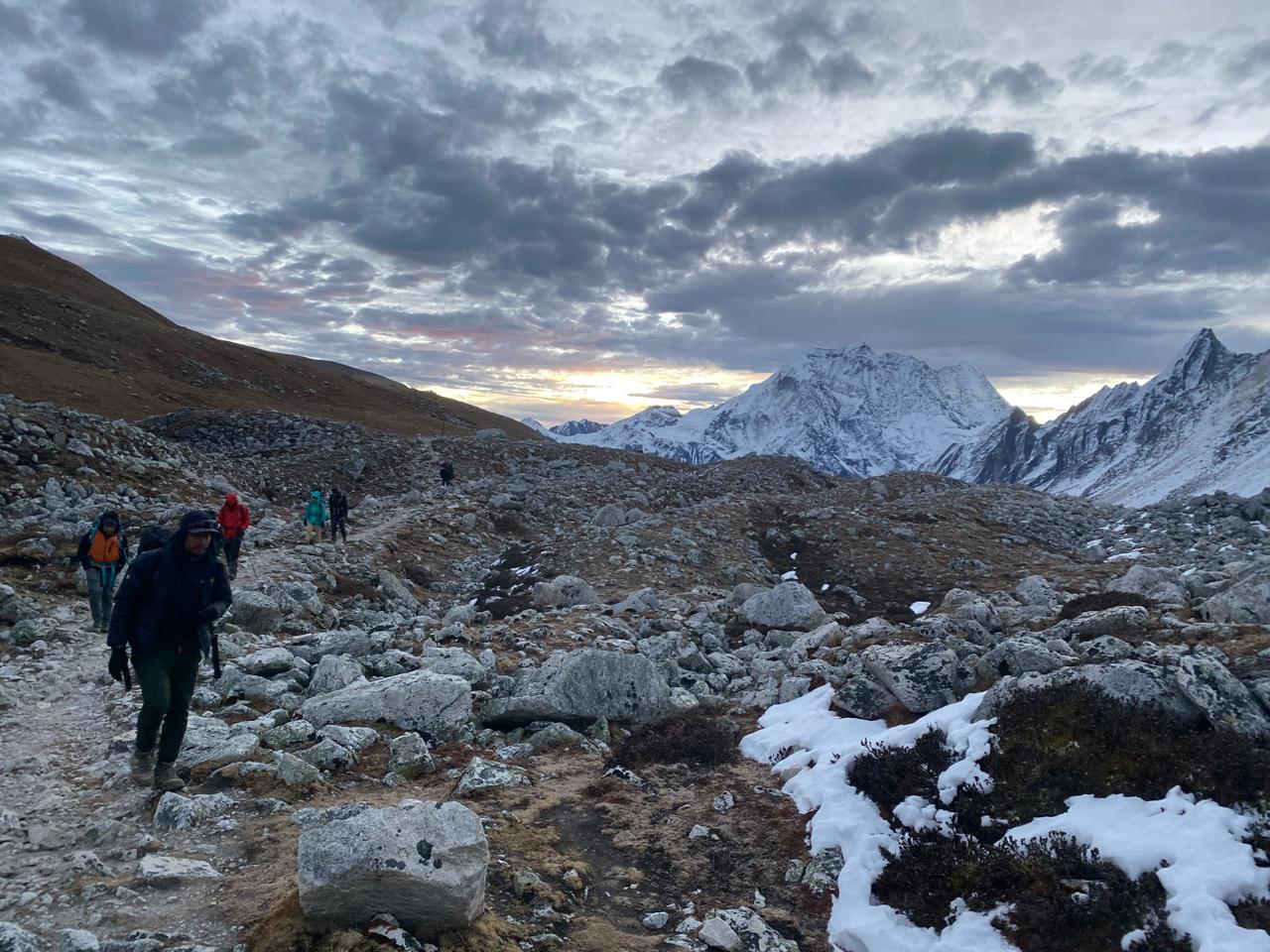
This day marks the start of trekking into more alpine terrain, as the trail climbs gradually from Namrung through Shalla and Phandagumba toward Samagaun. The path passes through rocky slopes, alpine meadows, and sparse forests, providing increasingly clear views of Manaslu and surrounding peaks. Small streams and glacial runoff add to the scenic beauty, while stone pathways guide trekkers safely through uneven terrain. The trail includes moderate ascents and descents, requiring careful footing and steady pacing. Photographers will enjoy multiple vantage points for panoramic shots of the Himalayas.
Reaching Samagaun, trekkers settle into teahouses or lodges with warm hospitality and nutritious meals. Samagaun is a vibrant village that combines Tibetan culture with Nepali traditions, offering opportunities to explore monasteries, prayer flags, and local handicrafts. Evening in Samagaun provides a chance to rest, socialize with fellow trekkers, and review the upcoming high-altitude journey to Birendra Lake or Samdo. Guides from ART Nepal Treks & Expedition advise on hydration, nutrition, and acclimatization strategies to ensure safety and enjoyment in the following days.
Trip Duration:
6-7 hoursTrip Distance:
14 kmAltitude:
3500 mMeal:
Breakfast, Lunch, DinnerAccomodation :
Teahouse in SamagaunDay 11
An optional side hike to Birendra Lake allows trekkers to acclimatize while enjoying spectacular alpine scenery. The trail ascends gently through open meadows, moraine paths, and occasional snow patches, offering breathtaking views of glaciers, rugged peaks, and the pristine lake itself. This hike is moderate in intensity but provides crucial time for the body to adjust to higher altitudes. Along the way, trekkers encounter rare alpine flora and may spot wildlife adapted to high-altitude environments.
Returning to Samagaun, the village offers a relaxing evening in teahouses where trekkers can rest and enjoy warm meals. The calm environment allows for reflection on the stunning surroundings and preparation for the next day’s trek to Samdo. This day balances adventure with safety, giving trekkers a chance to appreciate the natural beauty of the Manaslu region while following expert guidance from ART Nepal Treks & Expedition. Discussions on altitude management, trail conditions, and cultural insights enrich the overall experience.
Trip Duration:
3-4 hours (hike)Trip Distance:
5 kmAltitude:
3500 mMeal:
Breakfast, Lunch, DinnerAccomodation :
Teahouse in SamagaunDay 12
From Samagaun, the trek ascends gradually to Samdo, a high-altitude village at around 3,900 meters. The trail passes through alpine meadows, moraine ridges, and scattered boulders, with panoramic views of Manaslu, Himalchuli, and surrounding peaks. Trekkers experience a more rugged environment as vegetation thins, signaling the approach to higher altitudes. Suspension bridges and stone pathways provide safe passage across streams and uneven terrain. Along the way, trekkers encounter yak herders, prayer flags, and isolated mountain homes, offering insight into high-altitude life.
Upon arrival at Samdo, teahouses provide basic but warm accommodation with blankets, mats, and meals prepared by local families. The village is a cultural highlight, showcasing Tibetan-influenced architecture, local handicrafts, and traditional religious practices. Guides from ART Nepal Treks & Expedition provide acclimatization advice, monitor health, and prepare trekkers for the next challenging day. Evening in Samdo allows for rest, conversation with villagers, and viewing the sun set against the dramatic Himalayan backdrop.
Trip Duration:
4-5 hoursTrip Distance:
8 kmAltitude:
4470 mMeal:
Breakfast, Lunch, DinnerAccomodation :
Teahouse in SamdoDay 13
The trek from Samdo to Dharamsala is a short yet important journey in the Manaslu Circuit Trek, carefully organized by Art Nepal Treks, a trusted local trekking company based in Kathmandu. This 3–4 hour trek takes you from 3,875 meters to 4,460 meters, where the landscape becomes more open, dry, and surrounded by stunning Himalayan views including Mount Manaslu. The trail is gradual but feels challenging due to high altitude, so our experienced guides ensure a slow and safe pace for proper acclimatization. Upon reaching Dharamsala, trekkers stay in simple and basic teahouses with twin-sharing rooms and a warm dining area. Meals are fresh and energizing, including dal bhat, soup, noodles, and hot drinks, prepared to support high-altitude trekking. The temperature is cold, with daytime around 5–10°C and nights dropping below freezing, often with strong winds. This peaceful and remote section gives a true Himalayan experience and proper preparation for crossing the challenging Larke La Pass, ensuring a safe, comfortable, and memorable journey with professional support.
Trip Duration:
6-7 hoursTrip Distance:
21 kmAltitude:
5106 mMeal:
Breakfast, Lunch, DinnerAccomodation :
Teahouse in DharmasalaDay 14
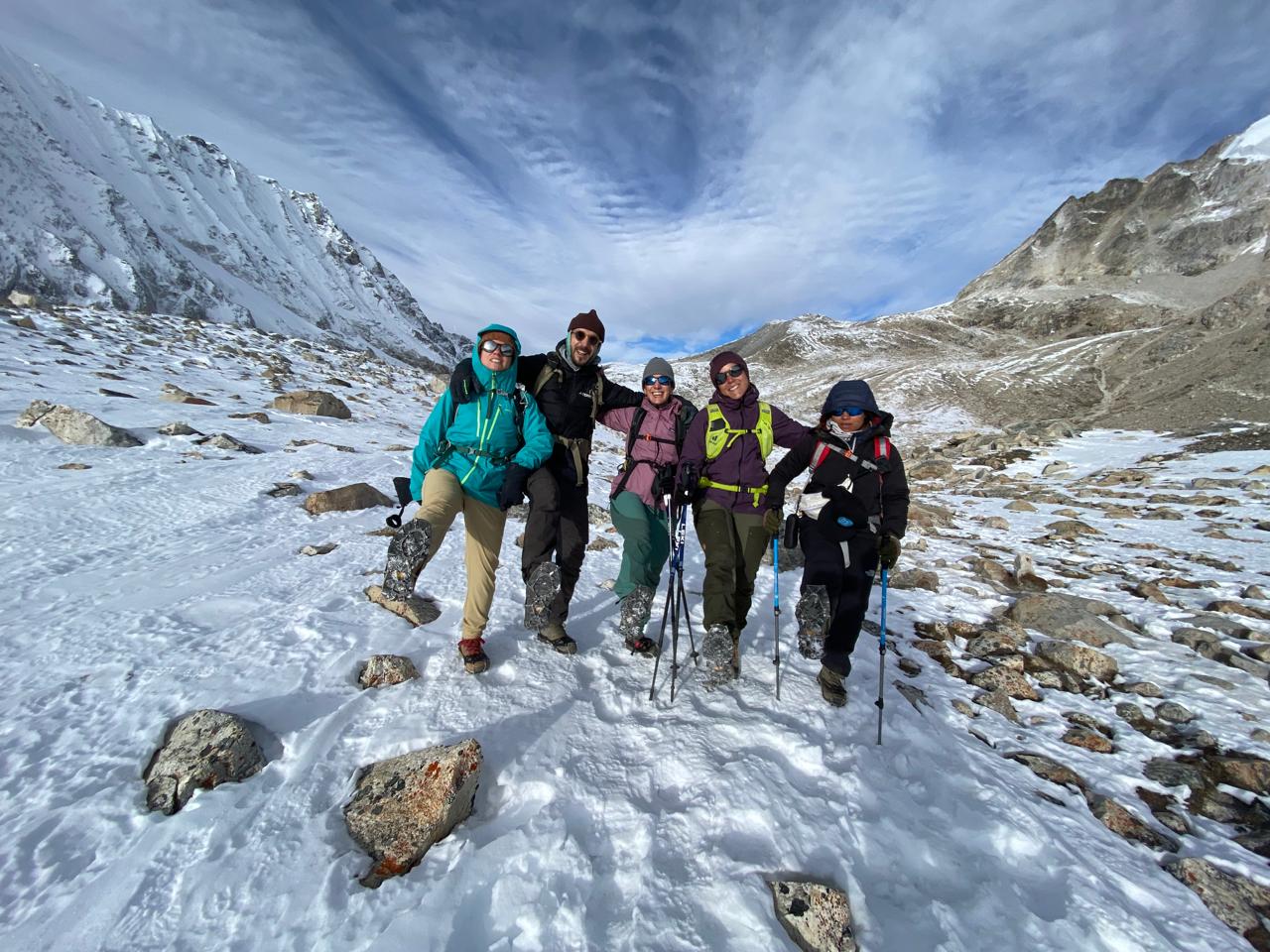
The trek from Larke La Pass (5,106 m) down to Bhimtang is the longest and most challenging day of the Manaslu Circuit Trek, carefully organized by Art Nepal Treks for a safe and enjoyable experience. You start very early in the morning, walking slowly in the cold and thin air with guidance from experienced guides who help you keep a steady pace. At the top of the pass, you are rewarded with incredible mountain views, including Mount Manaslu, but it is very cold and windy, so you don’t stay long. After that, the trail goes steeply downhill over rocky and sometimes snowy paths, and the guides make sure you walk safely. As you descend, the air becomes easier to breathe and the surroundings slowly turn greener. After a long day of 7–9 hours, you reach Bhimtang, where there are more comfortable teahouses, warm meals like dal bhat, noodles, and soup, and a peaceful place to rest. This day is hard but unforgettable, and with proper support and care, it becomes one of the best experience of the hole treks.
Arriving at Bhimtang after crossing the challenging Larke La Pass is one of the most rewarding moments of the Manaslu Circuit Trek, and with Art Nepal Treks, this experience becomes even more comfortable and memorable. After a long and tiring day, Bhimtang welcomes you with a wide, beautiful valley surrounded by snow-covered mountains and green meadows. At an altitude of around 3,590 meters, the air feels much easier to breathe compared to the high pass, and your body starts to relax.
Bhimtang has better and more comfortable teahouses compared to higher places like Dharamsala. The lodges offer clean twin-sharing rooms, warm blankets, and cozy dining halls where you can sit near the fire and relax. After such a long trek, enjoying a hot meal feels amazing—common food includes dal bhat, noodles, soup, fried rice, Tibetan bread, tea, and coffee. The variety is better here, and the atmosphere is more lively as many trekkers gather and share their experiences.
The temperature in Bhimtang is much warmer than at the pass, with daytime temperatures around 10–15°C and cold but manageable nights around 0°C to -5°C. You can finally rest properly and recover your energy. The area is also very scenic, with views of surrounding peaks like Mount Manaslu and nearby glaciers, making it a perfect place to relax, take photos, and enjoy nature.
In simple words, Bhimtang feels like a peaceful reward after a hard journey—comfortable, beautiful, and full of relief. With the support of professional guides and organized services, you can truly enjoy this moment without worry, making it one of the most memorable stops of your trek.
Trip Duration:
7-8 hoursTrip Distance:
18 kmAltitude:
1900 mMeal:
Breakfast, Lunch, DinnerAccomodation :
DharapaniDay 15
After a long and challenging journey through high mountains, arriving at Bhimtang (3,590 m) is a moment of relief, but the trek continues downhill toward Dharapani (1,960 m). This section is one of the most scenic and relaxing parts of the Manaslu Circuit Trek. The trail gradually descends through wide valleys, alpine meadows, and pine and rhododendron forests, giving trekkers a chance to enjoy the fresh mountain air and greener surroundings.
The route passes through small villages such as Kharche, Gowa, and Tilche, where traditional stone houses and friendly locals show the rich culture of the region. Along the way, trekkers cross wooden bridges over sparkling streams, follow stone paths, and enjoy views of waterfalls, rivers, and distant snow-capped peaks like Mount Manaslu, which still towers above the valley. The altitude loss of over 1,600 meters makes breathing much easier compared to the high passes, and walking becomes more comfortable.
At Dharapani, trekkers stay in comfortable teahouses with twin-sharing rooms, warm blankets, and cozy dining halls. Meals are fresh and filling, including dal bhat, noodles, soup, potatoes, eggs, and hot tea or coffee. The temperature here is much warmer than at higher altitudes, with daytime around 15–20°C and nights around 5–10°C, making it an ideal place to rest, recover, and enjoy the natural beauty around.
This part of the trek is peaceful and rejuvenating, offering a gentle descent from the high Himalayas to the lower green valleys. The professional guidance from Art Nepal Treks ensures a safe, comfortable, and memorable journey, with opportunities to learn about the local culture, history, and natural environment. Walking through lush forests, listening to rivers, and seeing distant mountains makes this section a favorite among trekkers, giving a sense of accomplishment while still enjoying the tranquility of the mountains before reaching the road and continuing toward Besisahar.
Trip Duration:
5-6 hoursTrip Distance:
43 kmAltitude:
800 mMeal:
Breakfast, Lunch, DinnerAccomodation :
Teahouse in BasiseharDay 16
After trekking through the high mountains and beautiful valleys, reaching Dharapani (1,960 m) marks the beginning of the final leg of the Manaslu Circuit Trek, where trekkers switch from walking to a jeep ride down to Besisahar (760 m). This section is a welcome and relaxing change after days of trekking, allowing your legs to rest while still enjoying the stunning scenery of the lower Himalayas.
The jeep route follows the Marsyangdi River, winding through deep valleys, terraced fields, and traditional villages. Along the way, trekkers pass small riverside settlements, farmed lands, and local communities, giving a glimpse of everyday life in rural Nepal. The mountains gradually shrink behind you, replaced by greener hills and forests, making the descent feel both scenic and refreshing.
The road is rough and sometimes bumpy, but it adds to the adventure. Depending on weather and road conditions, the drive takes 4–6 hours. Professional drivers, along with guides from Art Nepal Treks, ensure safety and comfort throughout the journey. Guides also share insights about the local culture, history, and geography of the Manaslu region, making the ride informative as well as relaxing.
Arriving in Besisahar, trekkers reach the main roadhead of the Manaslu Circuit Trek. It’s a lively town with local shops, restaurants, and transport options to Pokhara, Kathmandu, or other destinations. This is a perfect moment to celebrate the completion of the trek, rest in comfortable accommodations, and reflect on the incredible journey through some of Nepal’s most remote and beautiful landscapes.
In short, the jeep ride from Dharapani to Besisahar is a scenic, comfortable, and cultural descent, giving trekkers a chance to relax, enjoy the lower valleys, and prepare for the next leg of travel after the high Himalayas.
Trip Duration:
6-8 hours driveAltitude:
800 mMeal:
Breakfast, Lunch, DinnerAccomodation :
Hotel in BesisaharDay 17
The final day involves a scenic drive from Besisahar back to Kathmandu, covering approximately 8–9 hours. The journey takes travelers along winding roads that pass through rivers, valleys, farmland, and hillside villages. The drive offers views of terraced landscapes, local settlements, and distant snow-capped peaks as trekkers transition from the high Himalayas to the Kathmandu Valley. This is a perfect time for reflection, photography, and relaxing after the long trek.
Arriving in Kathmandu, trekkers check into a hotel for the night. The city provides a stark contrast to the quiet, remote villages of the Manaslu and Tsum regions, offering modern comforts, restaurants, and cultural experiences. The evening allows for souvenir shopping, exploring local markets, or visiting heritage sites. Guides from ART Nepal Treks & Expedition assist with final logistics, ensuring a smooth conclusion to the trek. This marks the end of a comprehensive, immersive, and culturally enriching 17-day journey through the Manaslu and Tsum Valley regions.
Trip Duration:
8-9 hours driveAltitude:
1400 mMeal:
BreakfastAccomodation :
Hotel in KathmanduWhat's Included
The trekking package covers all essential services to make your journey safe, comfortable, and memorable:
- Airport pickup and drop in Kathmandu.
- Accommodation in Kathmandu before and after the trek at 3-star hotels.
- Daily breakfast in Kathmandu.
- All necessary trekking permits and taxes, including Manaslu Conservation Area Permit and TIMS card.
- Accommodation in teahouses and lodges along the trekking route.
- All meals during the trek: breakfast, lunch, and dinner.
- Professional, licensed trekking guide from ART Nepal Treks & Expedition (including their salary, food, accommodation, and insurance).
- First aid kit provided by the trekking company.
- Transportation by jeep or local vehicle when required.
What's Excluded
Certain personal and optional costs are not included, giving trekkers flexibility to customize their experience:
- Personal expenses, such as souvenirs, snacks, or drinks.
- Travel insurance (mandatory; must cover high-altitude trekking and emergency evacuation).
- Any specialized trekking gear, e.g., high-altitude boots, poles, or sleeping bags (unless specified).
- Tips for guides and porters (customary and appreciated).
- Porters: Optional, though recommended for carrying heavy luggage ($22 per porter per day). A porter can carry up to 20 kg, and it is advisable to hire one porter for every two trekkers for comfort and convenience.
Essential Info
Add-Ons
ART Nepal Treks & Expedition provides a range of optional add-ons to enhance your trekking experience and make it more comfortable, flexible, and memorable. These services are designed for trekkers who want to explore beyond the standard itinerary or reduce fatigue during long days in high-altitude terrain. Add-ons can be customized according to individual preferences, whether you’re looking for cultural experiences, convenience, or additional adventure activities.
Sightseeing in Kathmandu and Pokhara: Before or after the trek, you can arrange guided tours of UNESCO World Heritage Sites in Kathmandu, including Durbar Square, Pashupatinath Temple, Boudhanath Stupa, and Swayambhunath (Monkey Temple). In Pokhara, optional sightseeing includes Phewa Lake boating, Davis Falls, World Peace Pagoda, and local markets. These excursions provide a deeper cultural understanding and add leisure to your trekking adventure.
Porter Services: Porters are highly recommended, especially for carrying heavy backpacks or camping gear in remote areas. Each porter can carry up to 20 kg, and the cost is $22 per porter per day. Hiring one porter for every two trekkers makes trekking more comfortable and allows you to focus on enjoying the scenery, cultural experiences, and acclimatization without the burden of heavy luggage. Porters are trained to navigate high-altitude terrain safely and efficiently.
Helicopter Services: Emergency helicopter services can be arranged for medical evacuation, sudden illness, or injury. Additionally, optional scenic helicopter flights provide breathtaking aerial views of the Manaslu, Himalchuli, and Ganesh Himal ranges, giving trekkers a unique perspective of the high Himalayas without the physical challenge.
Private Transportation: ART Nepal Treks & Expedition can arrange private vehicles for airport transfers, sightseeing, or traveling between key trekking points. This option ensures comfort, reduces waiting times, and allows for a more personalized travel experience.
Photography & Drone Services: For travelers who wish to capture their journey professionally, optional photography and drone services are available. Photographers and drone operators can document key trekking moments, scenic landscapes, and cultural encounters, creating a permanent memory of your Himalayan adventure.
Optional Camping Upgrade: In addition to teahouses, trekkers may opt for high-altitude tented camps with upgraded amenities, including insulated sleeping mats, sleeping bags, and meals prepared by the trekking team. This upgrade is ideal for those seeking comfort while still experiencing the remote, pristine highlands of Manaslu and Tsum Valley.
Add-Ons:
- Sightseeing in Kathmandu & Pokhara
- Porter services for heavy luggage
- Helicopter services (emergency and scenic flights)
- Private transportation for transfers or excursions
- Photography & drone documentation
- Optional high-altitude camping upgrades
These add-ons are optional but highly recommended for enhancing the overall trekking experience, providing convenience, safety, and the opportunity to explore more of Nepal’s natural and cultural wonders while on the Manaslu & Tsum Valley Trek.
Best Season to Trek
The Manaslu & Tsum Valley Trek can be undertaken throughout the year, but the optimal seasons are spring (March–May) and autumn (September–November). These periods provide the best combination of stable weather, clear mountain views, and safe trekking conditions.
Spring (March–May): During spring, the valleys and hills are covered in vibrant blooms, particularly rhododendrons, magnolias, and other alpine flowers. Temperatures are moderate, making trekking comfortable even at high altitudes. The skies are generally clear, allowing panoramic views of Manaslu, Himalchuli, and surrounding peaks. Spring is ideal for photography, wildlife spotting, and experiencing the colorful landscapes of the Manaslu and Tsum regions. Birds, butterflies, and local fauna are active, adding life to the trails.
Autumn (September–November): Autumn is considered the most popular trekking season due to stable weather and clear skies. The post-monsoon season leaves the trails dry, reducing the risk of landslides and slippery paths. Temperatures are cool but comfortable for trekking, and visibility is excellent, providing unobstructed views of snow-capped peaks, glaciers, and alpine ridges. Cultural festivals in local villages also take place during autumn, offering trekkers the chance to witness traditional celebrations in the high Himalayas.
Other Seasons: Winter trekking (December–February) is possible but requires preparation for cold temperatures, snow, and potential road closures. Summer or monsoon trekking (June–August) is less recommended due to heavy rainfall, landslides, and slippery trails, though some lower sections remain accessible.
Food Availability
Nutrition is essential to sustain energy, maintain health, and ensure proper acclimatization during high-altitude trekking. Along the Manaslu & Tsum Valley Trek, meals are provided at teahouses, lodges, and tented camps.
Breakfast: Most teahouses serve regional options such as Tibetan bread, porridge, eggs, pancakes, muesli, and fresh fruits. Hot beverages like tea, coffee, or hot chocolate are available, which are essential for warming up in cold mornings. A hearty breakfast ensures trekkers have the energy needed for long uphill treks.
Lunch: Midday meals are usually a combination of local and international dishes. Popular options include dal bhat (rice with lentils), Thukpa (noodle soup), vegetable curry, momos (Tibetan dumplings), sandwiches, and salads. Lunch is often served with tea or coffee and provides a good balance of carbohydrates and proteins to sustain energy for trekking.
Dinner: Evening meals are warm and filling, including dal bhat, soups, noodles, pasta, vegetables, and Tibetan specialties. In higher altitudes, the menu is simplified due to limited cooking facilities, but meals remain nutritious. Snacks such as energy bars, nuts, and biscuits are recommended during trekking, especially for crossing high passes like Larkya La or long acclimatization days.
Hydration: Proper hydration is critical at high altitudes. While tea, coffee, and hot drinks are provided, trekkers are advised to carry mineral water or a personal hydration system. Safe drinking water is generally available for purchase or can be treated with filters or purification tablets.
Accommodation
Accommodation varies along the trek according to altitude and location, balancing comfort with the authentic Himalayan experience.
Kathmandu: Trekkers stay at 3-star hotels with private rooms, attached bathrooms, Wi-Fi, and optional amenities. This provides comfort and relaxation before and after high-altitude trekking.
Trekking Villages: Lodges and teahouses in villages such as Jagat, Samagaon, and Samdo offer basic facilities. Rooms may be shared or private, with communal dining areas. Despite minimal facilities, local hospitality ensures a warm welcome, meals, and a place to rest after long trekking days.
High-Altitude Regions / Passes: In remote areas near passes like Larkya La or Tsum Valley highlands, tented camps are used. Tents are insulated for cold weather, and sleeping bags, mats, and blankets are provided by the trekking team. Meals are prepared onsite, and lodgings focus on safety, warmth, and rest rather than luxury.
Accommodation Types:
- Kathmandu: 3-star hotels with modern amenities
- Teahouses in trekking villages: basic, shared/private rooms
- Tented camps at high altitudes: insulated tents, sleeping bags, mats
- Guesthouses in remote villages: local facilities and communal dining
Travel Insurance
Travel insurance is essential and mandatory for trekkers undertaking the Manaslu & Tsum Valley Trek. The trek reaches high altitudes, remote villages, and passes such as Larkya La, where medical facilities are minimal. A comprehensive insurance plan ensures coverage for medical emergencies, evacuation, and unforeseen incidents, giving trekkers peace of mind throughout the journey.
A suitable policy must cover high-altitude trekking up to 5,500–5,800 meters, including remote areas, glaciers, and mountain passes. Coverage should include emergency medical treatment, hospitalization, medications, and repatriation in case of serious illness or injury. Additionally, travel insurance should account for emergency evacuation, which may involve helicopter rescue or ground transport from inaccessible regions like Samdo, Samagaun, or Tilche.
Trip cancellation and interruption coverage is highly recommended. Delays caused by weather, political situations, natural hazards, or personal emergencies can occur in Nepal’s high mountains. Insurance that covers cancellations, delays, or missed flights ensures that trekkers are financially protected, reducing stress and uncertainty. Medical coverage should also include treatment for altitude sickness, frostbite, or injuries sustained during trekking, as well as coverage for search and rescue operations if needed.
In addition, some insurance providers offer 24/7 emergency assistance hotlines, which are vital when trekking in remote areas without easy access to hospitals. Trekkers are advised to carry their insurance details, emergency contact numbers, and policy documents at all times. Insurance is not only a safety net but also a responsible travel practice, ensuring that adventurers are fully protected while exploring Nepal’s high Himalayas.
Altitude Sickness
High-altitude trekking carries the risk of Acute Mountain Sickness (AMS), which can affect anyone, regardless of prior fitness or trekking experience. Proper awareness, preparation, and monitoring are critical to staying safe.
Symptoms of AMS may include headaches, nausea, vomiting, dizziness, fatigue, shortness of breath, insomnia, and loss of appetite. If left untreated, mild AMS can progress to more serious conditions such as High Altitude Pulmonary Edema (HAPE) or High Altitude Cerebral Edema (HACE), both of which are life-threatening and require immediate descent.
Prevention and Management:
- Gradual Ascent: Avoid ascending more than 300–500 meters per day above 3,000 meters, and schedule acclimatization days at villages like Samagaun, Chhampark, or Lokpa.
- Hydration: Drink 2–3 liters of water daily to maintain blood flow and oxygenation.
- Avoid Alcohol & Smoking: Both can worsen altitude-related symptoms.
- Medication: Diamox (acetazolamide) can be used under medical supervision to reduce symptoms.
- Rest Days: Use optional or scheduled acclimatization days to let your body adjust before tackling high passes like Larkya La.
Guides from ART Nepal Treks & Expedition are trained to monitor trekkers for early signs of altitude sickness. They carry first aid kits, oxygen, and medications, ensuring that emergency interventions can be performed promptly. In severe cases, guides implement immediate descent plans and evacuation procedures to lower altitude, which is the most effective treatment for altitude-related complications.
Guide & Safety Measures
Safety is a top priority on the Manaslu & Tsum Valley Trek. Trekkers traverse remote valleys, high passes, and alpine terrain, where having experienced guides and support staff is essential.
Professional Guides: Guides from ART Nepal Treks & Expedition are licensed, highly experienced, and knowledgeable about local trails, cultural practices, and altitude-related health issues. They ensure safe navigation, provide daily briefings on trail conditions and weather, and advise on proper acclimatization.
Daily Monitoring & Health Checks: Guides conduct daily assessments of trekkers’ health, monitoring for signs of fatigue, dehydration, or altitude sickness. This proactive approach ensures that any issues are addressed early, preventing emergencies.
Emergency Equipment & Communication: Guides carry first aid kits, oxygen cylinders, satellite phones, and communication devices to coordinate rescues if necessary. They are trained to administer basic first aid, manage injuries, and assist in evacuation scenarios.
Porters & Support Staff: Trained porters assist with carrying luggage, camping gear, and supplies, reducing physical strain on trekkers. This is particularly important on steep or icy sections near high passes and glacier crossings.
Evacuation Plans: Comprehensive safety measures include access to helicopter evacuation, jeep transport, and coordination with local medical facilities. The trekking team prepares contingency plans for weather delays, natural hazards, or health emergencies, ensuring the trek remains secure at all times.
Safety Measures:
- Licensed, high-altitude trained guides
- Daily health monitoring and acclimatization advice
- First aid kits, oxygen, and emergency communication
- Trained porters for luggage and support
- Helicopter/jeep evacuation plans
- Daily trek briefings on trail and weather conditions
- Altitude sickness prevention and management
Booking Procedure
Booking the Manaslu & Tsum Valley Trek with ART Nepal Treks & Expedition is designed to be simple, flexible, and secure, ensuring that your preparation and travel are stress-free. The process begins with a reservation deposit, which confirms your spot on the trek. Typically, a 10% deposit of the total trek cost is required. This initial step guarantees that the permits, guides, and logistics are secured well in advance, especially during the peak trekking seasons of spring (March–May) and autumn (September–November) when Manaslu and Tsum Valley attract a larger number of trekkers.
After the deposit, travelers are required to submit essential documents including a copy of your passport, passport-size photographs, travel insurance details covering high-altitude trekking, and flight information. These documents are necessary to secure TIMS cards, Manaslu Conservation Area permits, and any local entry permissions for the Tsum Valley region. Upon receipt of documents, ART Nepal Treks & Expedition provides confirmation along with detailed instructions, including itinerary, packing advice, and guidelines for high-altitude trekking.
The final payment can be completed before arrival via bank transfer, Western Union, or the official online payment portal, or upon arrival in Nepal through cash, bank transfer, or credit card. Once full payment and documents are received, your trekking permit, TIMS card, and guide allocation are finalized. Throughout the booking process, professional representatives from ART Nepal Treks & Expedition remain available to answer queries, adjust itineraries, and provide travel tips. This seamless booking approach ensures travelers can focus on their journey, confident that all administrative and logistical requirements are handled efficiently.
Booking Steps:
- Pay 10% deposit to reserve your trek
- Submit passport, photos, travel insurance, and flight details
- Make advance payment via bank transfer, Western Union, or online portal
- Final payment options available in Nepal: cash, bank transfer, or credit card
- Receive confirmation of permits, guide allocation, and trekking instructions
Equipment List
- Moisture-wicking base layers (shirts, long underwear)
- Mid-layers (fleece or light insulated jackets)
- Outer layer: windproof and waterproof jacket and pants
- Trekking pants (durable and flexible)
- Gloves, scarves, beanie, and sun hat
- Sunglasses with UV protection
- Warm socks and extra pairs
- Comfortable trekking shoes/boots
- Sturdy trekking boots (waterproof, ankle support)
- Trekking poles for stability and knee support
- Backpack with rain cover
- Headlamp or flashlight with extra batteries
- Sleeping bag for high-altitude camps
- Crampons (if trekking on icy trails)
- Dry bags for electronics and valuables
- Water bottles or hydration system
- Thermal innerwear for warmth
- Fleece jackets or insulated jackets
- Down jacket for cold nights
- Quick-dry shirts and trousers
- Gaiters for mud and snow protection
- Extra gloves, socks, and beanie
- Layering options for varying temperatures
- Toothbrush and toothpaste
- Biodegradable soap and shampoo
- Hand sanitizer and wet wipes
- Toilet paper and quick-dry towel
- Personal first aid kit
- Personal medications (headache, stomach, altitude)
- Insect repellent
- Water purification tablets
- Camera for photography
- Mobile phone
- Power banks and solar charger
- Universal adapter
- GPS device or trekking watch
- Extra memory cards and batteries
General Equipments
- Snacks and energy bars
- Trekking maps and guidebook
- Passport, permits, TIMS card
- Sunglasses and trekking hat
- Lightweight dry bag for valuables
- Notebook or travel journal (optional)
FAQ
Trip Price
USD 1750 Per Person
Talk To Trip Expert
Related Trips