


Yala Peak Climb Adventure – 14 Days
Langtang Region, Nepal
14 Days/13 Nights
Price From
View More
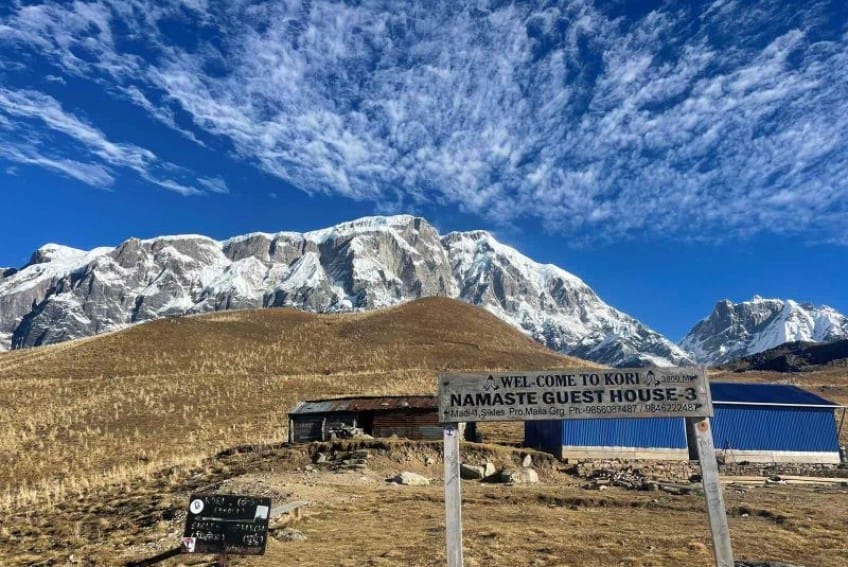
The Kori Himal Trek is a newly explored trekking route in the Annapurna region of Nepal. This 10-day journey offers a perfect balance of mountain scenery, peaceful trails, and rich cultural experiences. It is ideal for trekkers who want to explore a less crowded destination while still enjoying stunning Himalayan views.
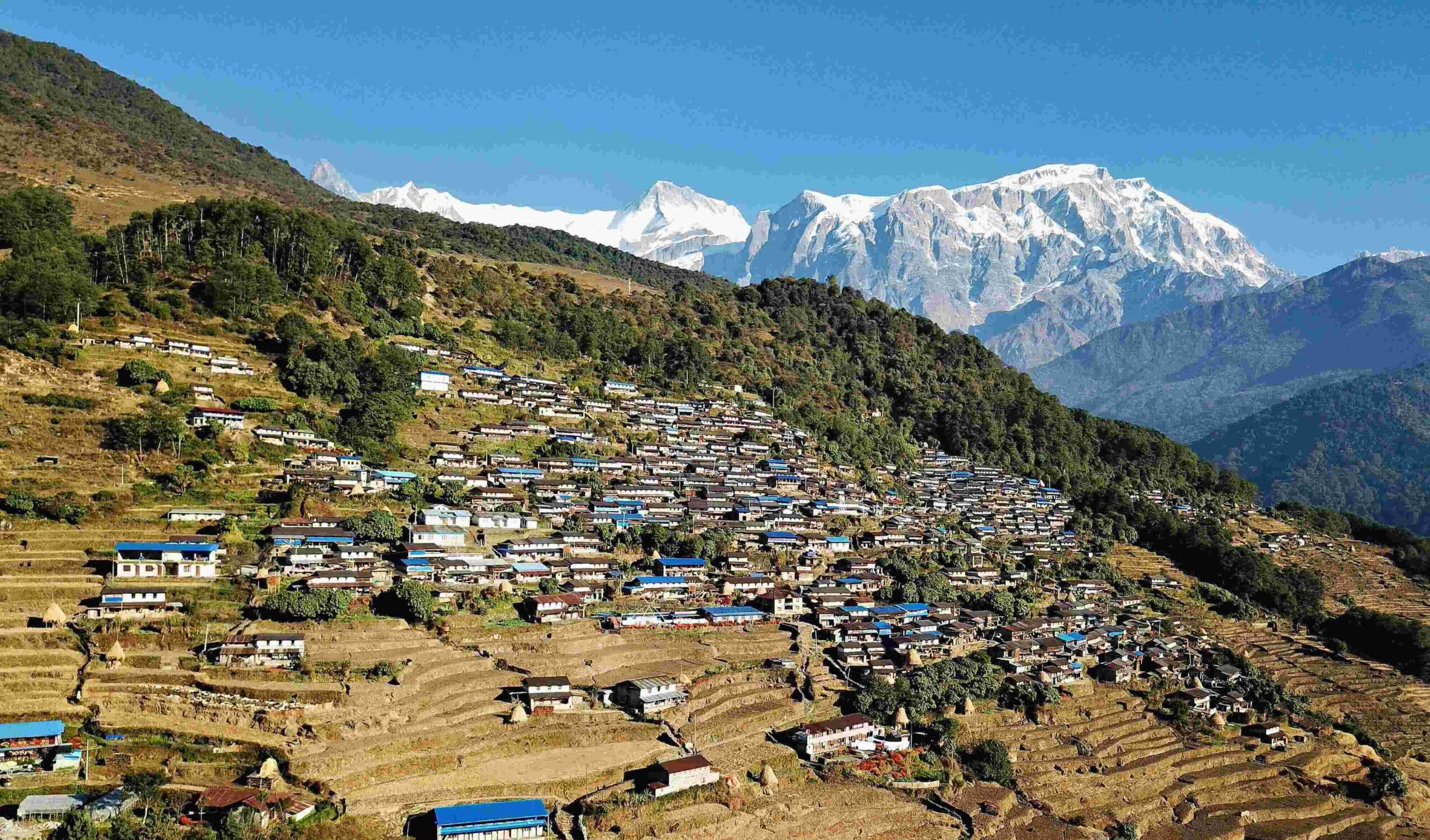
The trek begins in Kathmandu and continues to Pokhara, one of Nepal’s most beautiful cities. Pokhara is famous for its lakes, mountain reflections, and relaxed environment. From Pokhara, a scenic jeep drive takes you to Sikles village, which is one of the largest Gurung settlements in Nepal. Sikles is known for its traditional houses, friendly locals, and strong cultural identity.
The trail from Sikles leads through dense oak and rhododendron forests, beautiful waterfalls, and open pastures. As you move higher, the landscapes become more dramatic. Snow-capped peaks appear closer, and the peaceful surroundings make the journey even more enjoyable.
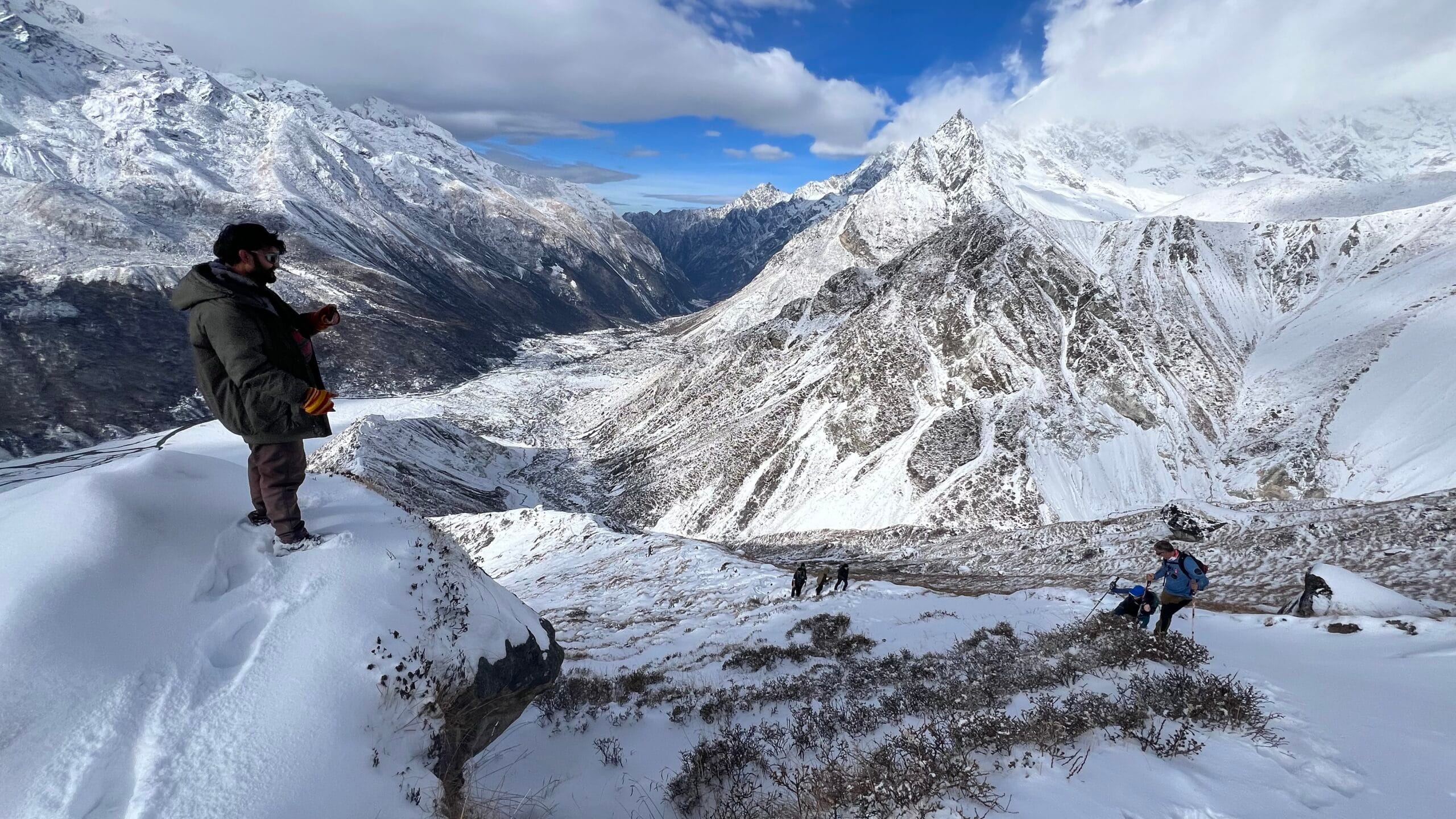
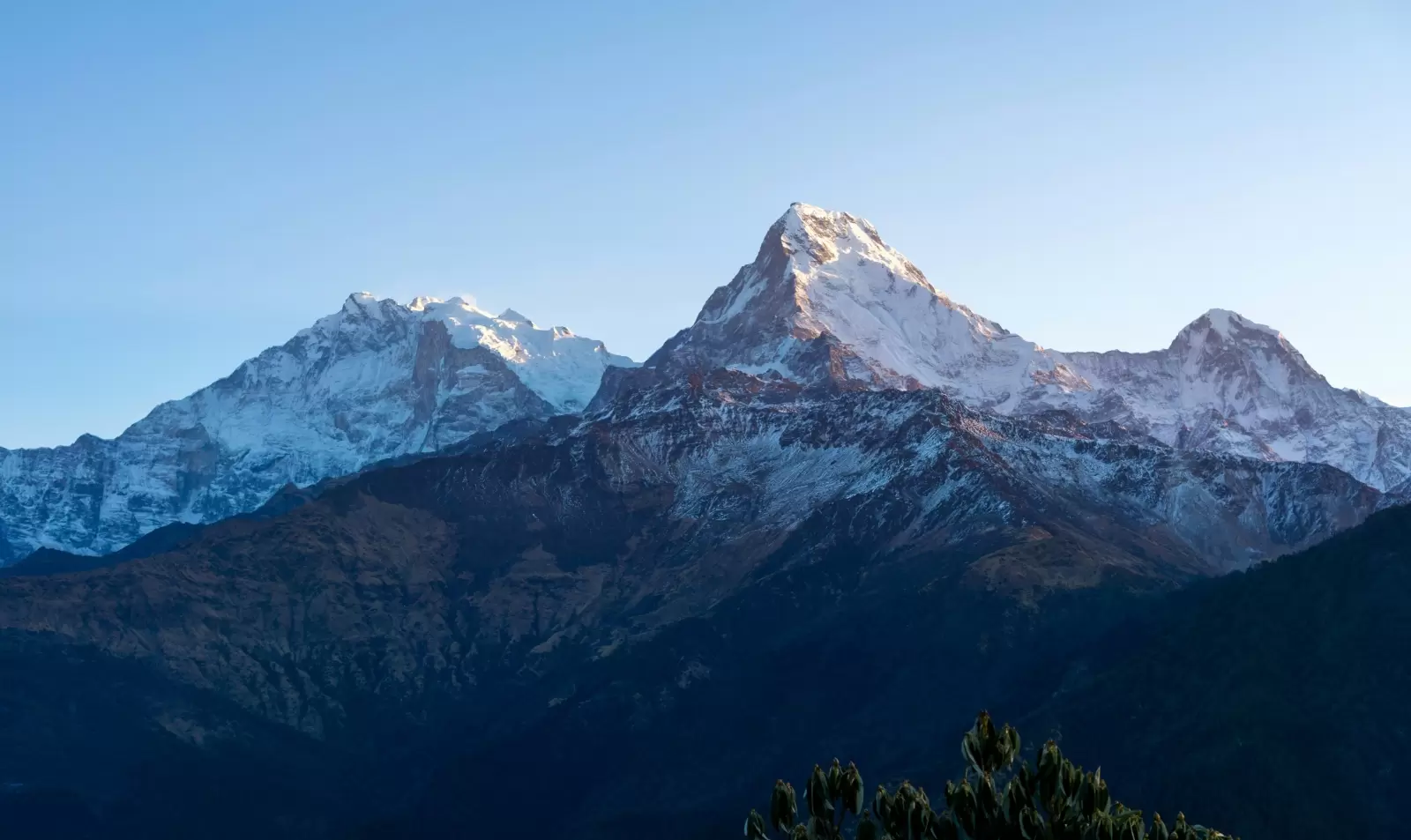
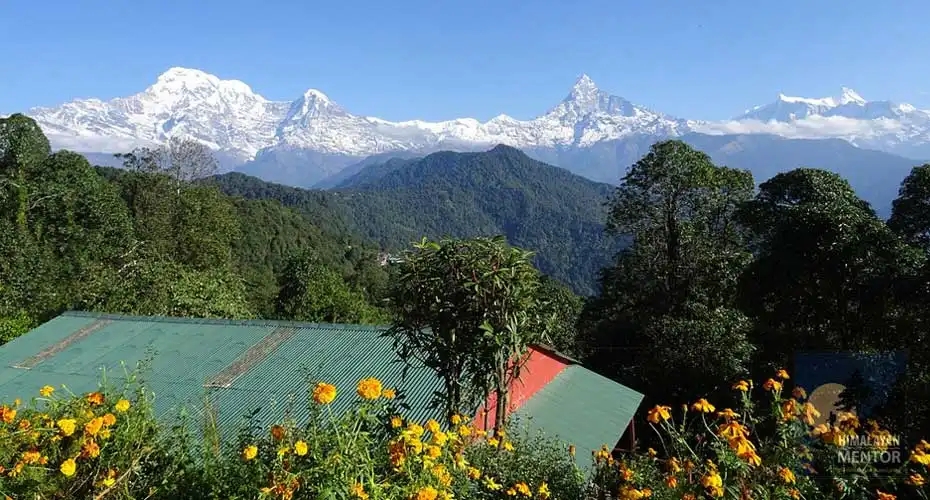
Kori Danda, the highest point of the trek at 3,800 meters, offers wide panoramic views of Annapurna II, Lamjung Himal, and the iconic Machhapuchhre (Fishtail). The view from the top feels rewarding and unforgettable. Unlike commercial trekking routes, this trail remains quiet and natural, giving trekkers a deeper connection with the mountains.
The local communities along the trail mainly belong to the Gurung and Ghale ethnic groups. Their traditions are influenced by Buddhism and Bon religion. Visiting Chili Kohinbo Temple provides insight into their spiritual practices and respect for nature.
This trek is suitable for both beginners and experienced trekkers who are physically fit. With moderate walking hours and gradual altitude gain, it provides adventure without extreme difficulty.
ART Nepal Treks & Expedition ensures proper organization, experienced guides, and personalized service. The Kori Himal Trek is not just about reaching a viewpoint — it is about experiencing culture, nature, and peaceful mountain life together.
The Kori Himal Trek offers a complete mountain experience. It combines natural beauty, cultural exposure, and peaceful trekking trails.
You can expect beautiful landscapes that change every day — from green valleys and terraced fields to alpine grasslands and snow-covered peaks. The trail is less crowded, which allows you to walk quietly and enjoy nature deeply.
The cultural experience is another strong highlight. In Sikles village, you will see traditional two-story houses. The lower floor is usually used as a kitchen and living area, while the upper floor is for storing grains. Separate structures called “Tharpa” are used for livestock and sleeping space.
Electricity in Sikles is supplied by a micro-hydro project, showing how local communities manage sustainable energy. The village also reflects deep spiritual traditions, especially through the Bon religion and local temples.
During the trek, you will experience:
The Kori Himal Trek is suitable for trekkers who have moderate fitness levels. You do not need advanced mountaineering skills, but you should be able to walk 5 to 7 hours per day.
This trek is ideal for:
It may not be suitable for:
With proper preparation and a positive mindset, most healthy individuals can complete this trek successfully.
Preparation increases safety and enjoyment during the trek.
Physically, you should start preparing at least 4–6 weeks before the trek. Practice walking daily for several hours. Include uphill and downhill walking. Cardiovascular exercises such as jogging, swimming, and cycling improve stamina. Light strength training helps protect your knees and legs.
Mentally, prepare yourself for simple accommodation and basic facilities in higher regions. Accept that weather may change suddenly.
Hydration and nutrition are very important. Drink enough water daily and maintain a balanced diet before and during the trek.
Preparation Checklist:
A professional guide from ART Nepal Treks & Expedition will support you throughout the trek.
Your journey begins the moment you arrive in Kathmandu, the bustling capital city of Nepal, which serves as the main gateway to the Himalayan adventures. Upon landing at Tribhuvan International Airport, you will be warmly received by your guide from ART Nepal Treks & Expedition, who will assist you with airport formalities and transfer to your hotel. After checking in, there will be a comprehensive trek briefing where the team will review your itinerary, discuss safety protocols, and provide a detailed explanation of the trekking route. This is the perfect opportunity to ask any last-minute questions regarding weather, altitude, gear, or local culture. You will also check your trekking permits, including the Annapurna Conservation Area Permit (ACAP) and Trekker’s Information Management System (TIMS) card, ensuring that all paperwork is ready before the trek begins. The evening can be spent exploring the lively streets of Kathmandu, visiting local markets, or simply relaxing at the hotel in preparation for the journey ahead.
As Kathmandu is rich in history and culture, those with extra energy may choose to explore iconic sites such as Swayambhunath Stupa (Monkey Temple), Pashupatinath Temple, or the bustling Thamel district. These cultural explorations offer insight into Nepalese traditions, local craftsmanship, and vibrant street life, making it a meaningful start to your trekking adventure. In the evening, a welcome dinner with your guide and fellow trekkers (if applicable) may be arranged, allowing you to experience traditional Nepali cuisine and interact with your trekking companions. This first day is crucial for rest, hydration, and acclimatization, as it sets the foundation for a safe and enjoyable trek.
After a hearty breakfast in Kathmandu, you will embark on a scenic drive of approximately 6–7 hours to Pokhara, a picturesque city nestled beside Phewa Lake and surrounded by the Annapurna and Machhapuchhre ranges. The road journey offers a chance to experience Nepal’s stunning countryside, passing through terraced rice fields, small towns, rivers, and quaint villages. Your guide will provide commentary on local culture, lifestyle, and the natural environment, giving you an understanding of the diverse landscapes and communities of Nepal. Upon arrival in Pokhara, you will check into your hotel, settle in, and enjoy the peaceful ambiance of this lakeside city. This day also allows you to prepare for the next stage of the trek, checking gear and supplies for comfort and safety in the mountains.
In the afternoon, you can explore the serene Lakeside area, visit local cafes, or take a short walk along Phewa Lake while enjoying views of Machhapuchhre (Fishtail Mountain). Optional activities include boating on the lake or visiting the World Peace Pagoda, which provides panoramic views of the Himalayas and Pokhara city. Pokhara is also an excellent place to pick up last-minute trekking essentials or enjoy a relaxing massage to soothe your muscles before the trek. Evening is free for rest or socializing with fellow trekkers.
From Pokhara, you will take a jeep or local transport along a mountain road to the traditional Gurung village of Sikles, which serves as the starting point of the trek. The journey passes through winding roads, terraced hills, waterfalls, and small settlements, offering glimpses of rural life and stunning natural scenery. Sikles is one of the less-touristed villages, known for its authentic culture, local hospitality, and spectacular panoramic views of Annapurna II and surrounding peaks. Upon arrival, you will be welcomed by locals and guided to your tea house or homestay accommodation, where you can relax and enjoy your first evening immersed in a traditional Nepalese village environment.
This day is ideal for acclimatization and light exploration of Sikles. You can stroll through narrow paths, interact with villagers, and observe the daily life of Gurung communities, including farming, livestock management, and handicrafts. Photography enthusiasts will find abundant opportunities for capturing the Himalayan vistas, colorful village scenes, and terraced landscapes. Your guide will also provide a detailed briefing on the trek ahead, safety protocols, and trekking pace to ensure smooth progress in the coming days. Evening dinner will include traditional Nepali meals, giving a taste of local flavors.
The trekking officially begins today as you set off from Sikles toward Hugu Goth, walking through rhododendron forests, terraced fields, and lush valleys. The trek is moderate, taking roughly 4–6 hours depending on pace, with gentle ascents and descents that allow for gradual acclimatization. Along the way, you will cross streams, pass local farms, and occasionally spot wildlife such as Himalayan birds. Your guide will point out various medicinal plants, local trees, and cultural landmarks, helping you understand the connection between the natural environment and the traditional Gurung lifestyle.
Hugu Goth is a peaceful settlement with simple tea houses where trekkers can rest, enjoy a warm meal, and soak in views of the surrounding hills. The sunset from Hugu Goth provides a spectacular backdrop to the snow-capped peaks, making it an excellent spot for photography and relaxation. You may also engage with the local community, learning about their daily routines, customs, and agricultural practices. Evening preparation includes reviewing the next day’s trekking route and ensuring your gear is ready for the gradual climb ahead.
Today’s trek involves more uphill walking as you make your way from Hugu Goth to Nohtha, gaining significant altitude to help your body acclimatize. The trail passes through mixed forests of oak, pine, and rhododendron, as well as open pastures dotted with grazing yaks and sheep. This stretch offers breathtaking views of Annapurna II, Lamjung Himal, and Machhapuchhre, rewarding your efforts with expansive Himalayan panoramas. Your guide will monitor your pace and hydration, ensuring that the ascent remains safe while maintaining an enjoyable trekking experience.
Reaching Nohtha, a small village perched at the edge of the forest, you will settle into cozy tea houses that provide warm meals and basic amenities. Evenings can be spent walking around the village, engaging with the local families, or simply enjoying the serene mountain atmosphere. This day is key for acclimatization as your trek approaches higher altitudes over the next few days. Dinner and rest are crucial, as the following day will bring a steeper climb toward the summit of Kori Danda.
Today is the highlight of the trek as you make your way to Kori Danda, the highest point of the trek at approximately 3,800 m. The trail becomes steeper and more challenging, winding through alpine meadows, stone steps, and occasional rocky sections. Along the way, you will notice the vegetation changing from dense forests to open highland pastures, with stunning Himalayan peaks emerging in the distance. Your guide will ensure proper pacing to allow for acclimatization and will explain key landmarks, local flora, and the history of the villages you pass. The climb offers breathtaking vistas of Annapurna II, Lamjung Himal, and the famous Machhapuchhre (Fishtail), which is especially striking as it reflects the morning light.
Upon reaching Kori Danda, you will be rewarded with panoramic views stretching across the Annapurna and Dhaulagiri ranges, creating a spectacular 360-degree Himalayan panorama. This is the perfect spot for photography, taking a well-deserved rest, and enjoying a packed lunch while soaking in the serene mountain environment. After spending time at the summit, you will descend slightly toward nearby resting areas, where tea houses await for your overnight stay. Evenings at this altitude are peaceful, with clear skies offering dazzling star views and a tranquil atmosphere that allows reflection on the trek so far.
After the sunrise over the snow-capped peaks, you will begin your descent back to Sikles village, retracing parts of the trail you ascended earlier. The descent allows your legs to adjust to the longer downhill stretches and gives time to observe the valley from a new perspective. The trail passes through alpine pastures, mixed forests, and occasional small streams. Birds and wildlife may be spotted along the way, providing opportunities for nature observation and photography. Your guide will continue to assist with pacing and ensure a safe and comfortable descent.
Returning to Sikles, you will have the chance to immerse yourself in the village life once again. The evening can be spent walking through the village, interacting with local families, and perhaps learning about traditional cooking, weaving, or farming practices. Tea houses in Sikles offer warm meals and a comfortable place to rest after a long day of trekking. This day also provides an opportunity to reflect on the challenges and rewards of reaching Kori Danda, while preparing mentally and physically for the drive back to Pokhara the following day.
After breakfast in Sikles, you will board your jeep or transport and drive back to Pokhara. The journey offers another chance to appreciate the beautiful countryside, terraced fields, and villages along the route. The drive is scenic, giving you a more relaxed way to experience the natural beauty and rural life of Nepal compared to walking. Upon arrival in Pokhara, you will check into a comfortable hotel where you can relax, freshen up, and enjoy modern amenities after several days of trekking.
Pokhara provides an excellent opportunity for post-trek leisure and exploration. You can stroll along the Lakeside area, enjoy a boat ride on Phewa Lake, or visit the World Peace Pagoda for a panoramic view of the city and mountains. This day is also ideal for celebrating the successful completion of the trek, reflecting on the Himalayan adventure, and enjoying local cuisine at the numerous restaurants in the city. Evening is free for relaxation, shopping for souvenirs, or enjoying a casual gathering with fellow trekkers.
Today, you will return from Pokhara to Kathmandu, either by a short domestic flight (25–30 minutes) or by road (6–7 hours). The flight option provides spectacular aerial views of the Himalayan ranges and the Pokhara Valley, giving a final glimpse of the mountains you trekked around. If you choose the road, the drive passes through beautiful river valleys, terraced farmland, and rural villages, providing a deeper understanding of Nepal’s diverse landscapes and cultural heritage. Upon arrival in Kathmandu, you will be transferred to your hotel for rest and to prepare for the departure the next day.
Kathmandu offers numerous post-trek activities, including exploring ancient temples, local markets, or enjoying cultural shows and traditional Nepalese meals. This day provides time to rest after the trek while reflecting on the experiences and connections made with both nature and local communities. It is also an opportunity to organize photographs, journal your adventure, or purchase souvenirs for friends and family. Evening is free for relaxation or celebrating the completion of your trekking adventure with a group dinner.
On the final day, after breakfast at your hotel, you will be transferred to Tribhuvan International Airport for your onward flight. Depending on your schedule, you may have time for last-minute shopping, photography, or exploring nearby areas of Kathmandu. The guide will ensure all trekking documentation, permits, and belongings are in order for a smooth departure. This marks the conclusion of your Kori Himal Trek, leaving you with memories of spectacular Himalayan views, cultural experiences, and personal achievement.
This day also allows for reflection on the trek’s physical and emotional journey, from the start in Sikles to the summit of Kori Danda and back. While trekking, you connected with local communities, experienced the traditional lifestyle of Gurung and Ghale villages, and immersed yourself in Nepal’s pristine natural environment. The experiences gained on this trek, from mountain panoramas to cultural interactions, often inspire trekkers to plan future Himalayan adventures.
While the Kori Himal Trek already offers a rich cultural and natural experience, several additional experiences can enhance your adventure and provide deeper insight into the region’s beauty and traditions. One popular add-on is spending extra time in the Gurung and Ghale villages along the trail. By arranging homestays or extra overnight stops, trekkers can immerse themselves in local lifestyles, participate in traditional cooking or farming activities, and witness village festivals if visiting during local holidays. This provides a meaningful cultural exchange that goes beyond simple sightseeing.
Another add-on opportunity is exploring nearby viewpoints or side treks that are slightly off the main trail. For example, before descending from Kori Danda, trekkers can take a detour to explore hidden alpine meadows or small ridges offering 360-degree panoramic views of Annapurna II, Lamjung Himal, Machhapuchhre, and even glimpses of Manaslu. These detours often involve moderate hiking but reward with spectacular photography opportunities and quiet moments away from busier trekking paths.
In Pokhara, before or after the trek, travelers can also extend their trip with extra sightseeing. Popular options include a boating trip on Phewa Lake, visiting the Peace Pagoda, exploring Devi’s Fall, or experiencing the lively Lakeside area with cafes, local markets, and handicraft shops. These add-ons provide a relaxing transition between trekking and city life, allowing trekkers to enjoy both natural beauty and cultural exploration in one journey.
Add-On Options
The Kori Himal Trek is accessible throughout the year, but the experience varies significantly depending on the season. Choosing the right time to trek can enhance your enjoyment, ensuring clearer mountain views, more comfortable temperatures, and safer trail conditions.
Spring (March – May) is considered one of the most beautiful times for trekking in the Annapurna region. During this season, the forests and meadows burst into color with blooming rhododendrons and other alpine flowers. The weather is generally mild, with daytime temperatures ranging from 15–20°C at lower altitudes, making hiking comfortable. Spring also offers excellent visibility of the Himalayan peaks, including Annapurna II, Lamjung Himal, Machhapuchhre, and occasionally Manaslu. Nights can still be cool, especially above 3,000 m, so layered clothing is essential. Trekking during this season is ideal for photography enthusiasts, nature lovers, and those seeking to experience Nepal’s flora at its peak.
Autumn (September – November) is another highly recommended season for trekking. The post-monsoon period leaves the air crisp and clean, providing some of the clearest views of the mountains. Temperatures are comfortable for trekking, and the trails are dry and less slippery compared to the monsoon season. Autumn is also a popular festival period in Nepal, allowing trekkers to witness local traditions and celebrations in the villages along the trail. With stable weather and vibrant cultural exposure, this is often the most preferred time for first-time trekkers and photographers aiming to capture unobstructed Himalayan panoramas.
Winter (December – February) offers a different kind of adventure. While daytime temperatures can be pleasant at lower altitudes, higher elevations may experience snow and freezing conditions. Trekking in winter means fewer crowds and a more peaceful experience, but it requires proper gear for cold temperatures and snow-covered trails. Winter mornings often provide crisp, clear skies, making for breathtaking sunrise views from Kori Danda. However, trekkers should be prepared for shorter daylight hours and icy paths, and it’s important to check weather forecasts to avoid heavy snow periods that can make some sections challenging or temporarily inaccessible.
Monsoon / Summer (June – August) is generally not recommended for the Kori Himal Trek due to heavy rainfall, slippery trails, and reduced visibility of the mountains. However, trekking is still possible with caution, particularly in early June before the peak monsoon. Monsoon trekking offers lush green landscapes, vibrant rivers, and waterfalls, but it comes with higher risks of landslides and trail obstructions. Trekkers attempting this season should be experienced, well-prepared with waterproof gear, and flexible with their schedules to accommodate weather delays.
Seasonal Highlights
Food on the Kori Himal Trek is diverse, hearty, and caters to both local tastes and international preferences. Most tea houses and lodges along the trail provide a range of meals to keep trekkers well-nourished. Breakfast usually includes eggs, toast, porridge, pancakes, or traditional Nepali options like dhido. Lunch and dinner are heavier meals that include rice, noodles, vegetables, dal (lentils), and sometimes meat dishes. Many lodges also serve Tibetan-inspired dishes such as momo (dumplings) and thukpa (noodle soup), which are especially comforting during colder days at higher altitudes.
Along the trail, fresh vegetables may be limited depending on the season, but dried or frozen produce ensures that meals remain nutritious. Local herbs and spices add flavor, and trekkers often find that even simple meals like vegetable curry and rice taste exceptional after a long day of hiking. Tea, coffee, hot chocolate, and local drinks such as milk tea are widely available and provide warmth and energy. Maintaining hydration is crucial at higher altitudes, so plenty of water, boiled or bottled, is recommended. Some lodges also sell electrolyte drinks to help prevent dehydration and altitude fatigue.
Food prices along the trek are generally higher than in Pokhara or Kathmandu due to the remote location and transportation challenges. A typical meal ranges from $4–$8, with hot beverages costing $1–$2. Despite the cost, trekkers are rewarded with fresh, home-cooked meals prepared with care. Most tea houses offer vegetarian options, and some cater to vegan and gluten-free diets if requested in advance. Preparing snacks such as nuts, chocolate, or energy bars is advisable for the long trekking days between villages.
Food Highlights
Accommodation on the Kori Himal Trek is primarily in tea houses, lodges, and homestays. These are basic but comfortable and offer a cozy place to rest after a day of trekking. Most lodges provide a private or shared room with simple bedding, blankets, and sometimes a mattress on the floor. Rooms may not have electricity or heating at higher altitudes, so it’s essential to bring warm clothing and a sleeping bag suitable for 0°C or lower temperatures.
Tea houses also provide a common dining area where trekkers can socialize and enjoy meals. Some lodges have solar-powered lights or charging stations for electronics, and a few may have small shops selling snacks, water, or toiletries. Hot showers are available in select lodges, usually at an additional cost. At higher altitudes, shower facilities may be limited, so trekkers often rely on sponge baths and hot water from kettles.
Staying in homestays offers a unique cultural experience, allowing trekkers to interact directly with local families, learn about their lifestyle, and sometimes participate in daily activities. Homestays are slightly more basic than tea houses but provide an authentic connection to the region and its traditions. Booking in advance during peak seasons (spring and autumn) is recommended to secure accommodation, as rooms can fill up quickly.
Accommodation Highlights
Travel insurance is highly recommended for all trekkers on the Kori Himal Trek. It protects against unexpected events, including medical emergencies, evacuation due to altitude sickness, theft, lost luggage, or trip cancellations. At higher altitudes, medical facilities are limited, so having insurance coverage that includes helicopter evacuation and hospital treatment is crucial.
Insurance should cover trekking up to at least 4,000–4,500 m since Kori Danda is around 3,800 m, and acclimatization hikes may reach higher points. Many trekking agencies will not allow guides or porters to proceed without proof of insurance. Policies often include coverage for lost or delayed flights, personal liability, and travel delays, ensuring peace of mind during your adventure.
It’s important to carefully read the insurance policy to confirm that high-altitude trekking is included. Standard travel insurance may exclude trekking or mountaineering activities, so a specific adventure or trekking policy is often necessary. In addition, insurance providers may require details about the exact trekking route, duration, and highest altitude reached. Keeping a digital and printed copy of your insurance is recommended in case of emergencies.
Travel Insurance Highlights
Altitude sickness can occur when ascending too quickly without proper acclimatization. Symptoms include headaches, nausea, dizziness, fatigue, and shortness of breath. The Kori Himal Trek gradually gains altitude, allowing trekkers to adjust, but it is crucial to monitor your health and take it seriously. Even fit and experienced trekkers can experience mild to moderate symptoms.
Acclimatization days, such as overnight stops in Nohtha (~3,000 m), allow your body to adapt to reduced oxygen levels. Drinking plenty of water, avoiding alcohol, and ascending slowly are effective preventive measures. In more severe cases, descending to a lower altitude is the safest treatment. Guides carry oxygen cylinders and first aid kits to manage emergencies, but self-awareness is essential.
Some trekkers also use medication like acetazolamide (Diamox) to help prevent altitude sickness, but it should be taken only after consulting a doctor. Maintaining a steady pace, resting when needed, and listening to your body are the most reliable strategies. Avoid overexertion during acclimatization hikes and seek help immediately if symptoms worsen.
Altitude Sickness Highlights
Hiring a licensed guide is mandatory in the Annapurna region for the Kori Himal Trek. Guides provide navigation, ensure safety, and share valuable local knowledge about the terrain, culture, and flora and fauna. They also coordinate with porters and tea houses, making the trekking experience smoother.
Guides are trained to handle emergencies such as altitude sickness, injuries, or sudden weather changes. They carry first aid kits, satellite phones, and often have training in basic mountaineering and rescue techniques. Safety measures include staying on marked trails, checking weather forecasts, and ensuring adequate acclimatization. Guides also provide briefings before each day’s trek, including estimated time, difficulty, and potential hazards.
For solo trekkers or small groups, guides enhance confidence and security. Porters, though optional, can carry heavy luggage, making the trek physically more manageable. Guides and porters help reduce fatigue and allow trekkers to focus on enjoying the scenery and cultural experiences.
Guide & Safety Highlights
Booking the Kori Himal Trek is straightforward, but following the proper steps ensures a smooth start to your adventure. Most trekkers begin by contacting a reputable trekking agency, such as ART Nepal Treks & Expedition, which provides guidance on permits, accommodation, transportation, and trekking logistics. After discussing your preferences, fitness level, and budget, the agency prepares a detailed itinerary, cost estimate, and service package tailored to your needs.
Once you decide to proceed, a booking deposit is usually required to confirm your trip. This deposit secures your guide, porters (if required), and accommodations along the route. Full payment is generally made before arrival in Nepal or shortly after reaching Kathmandu, depending on the agency’s policy. It’s important to keep copies of all receipts, permits, and confirmations, as you may need them during your trek or in case of emergencies.
Some agencies also offer flexible booking options, allowing changes to dates or the number of participants in advance, which is particularly useful if flights or travel plans are uncertain. Early booking is highly recommended during peak trekking seasons (spring and autumn) to ensure availability in tea houses and lodges. During off-peak seasons, booking in advance is still advised, though flexibility may be higher.
Finally, after booking, the agency provides a pre-trek briefing or a detailed guide document covering what to pack, travel tips, safety instructions, and acclimatization advice. This ensures you are well-prepared and confident before starting your trek. Guides may also schedule a brief orientation in Kathmandu, allowing you to meet your team, clarify questions, and complete paperwork for permits such as ACAP (Annapurna Conservation Area Permit) and TIMS (Trekkers’ Information Management System).
Booking Procedure Highlights