

Manaslu Annapurna Circuit Trek – 23 Days
Introduction
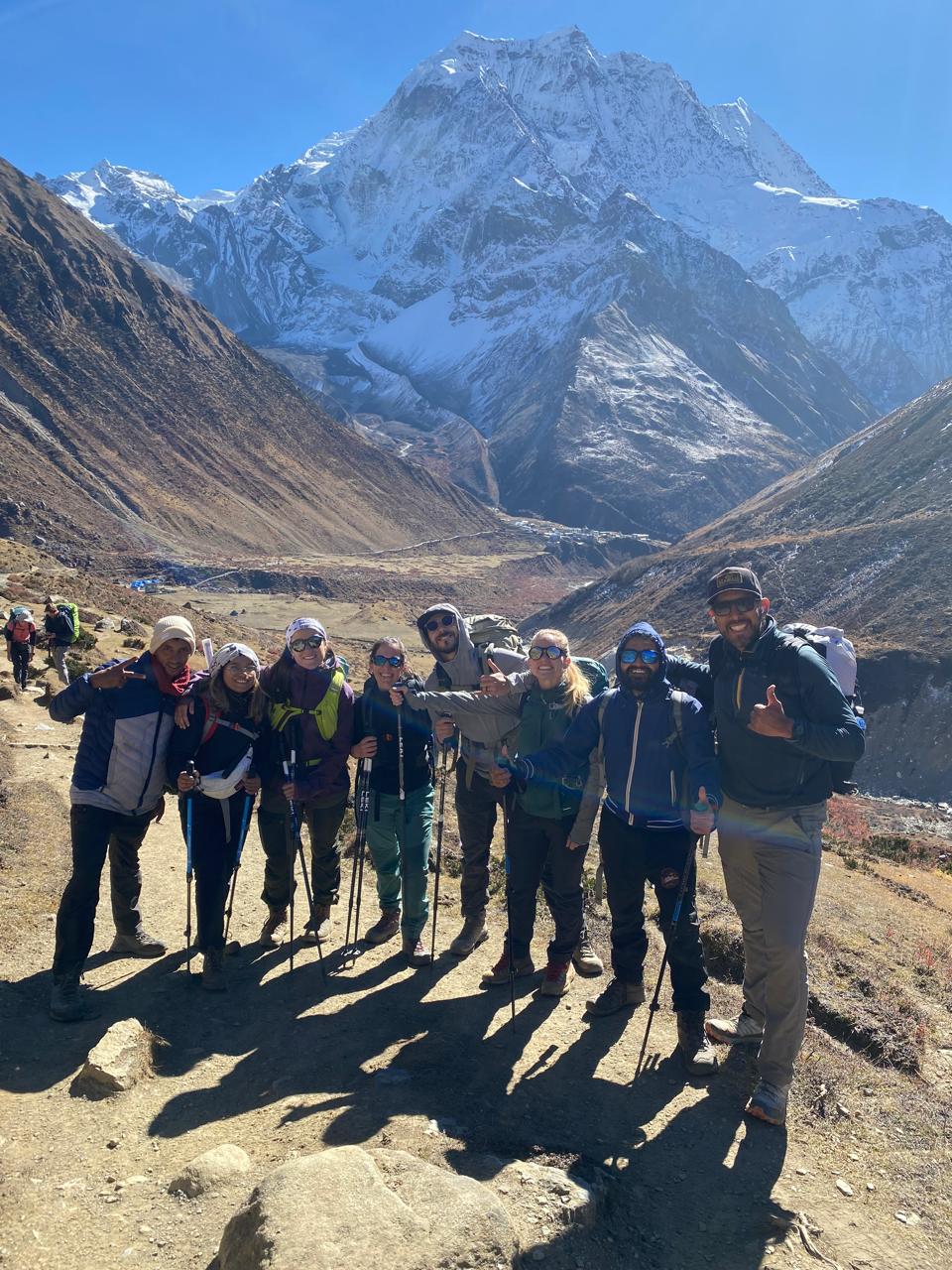
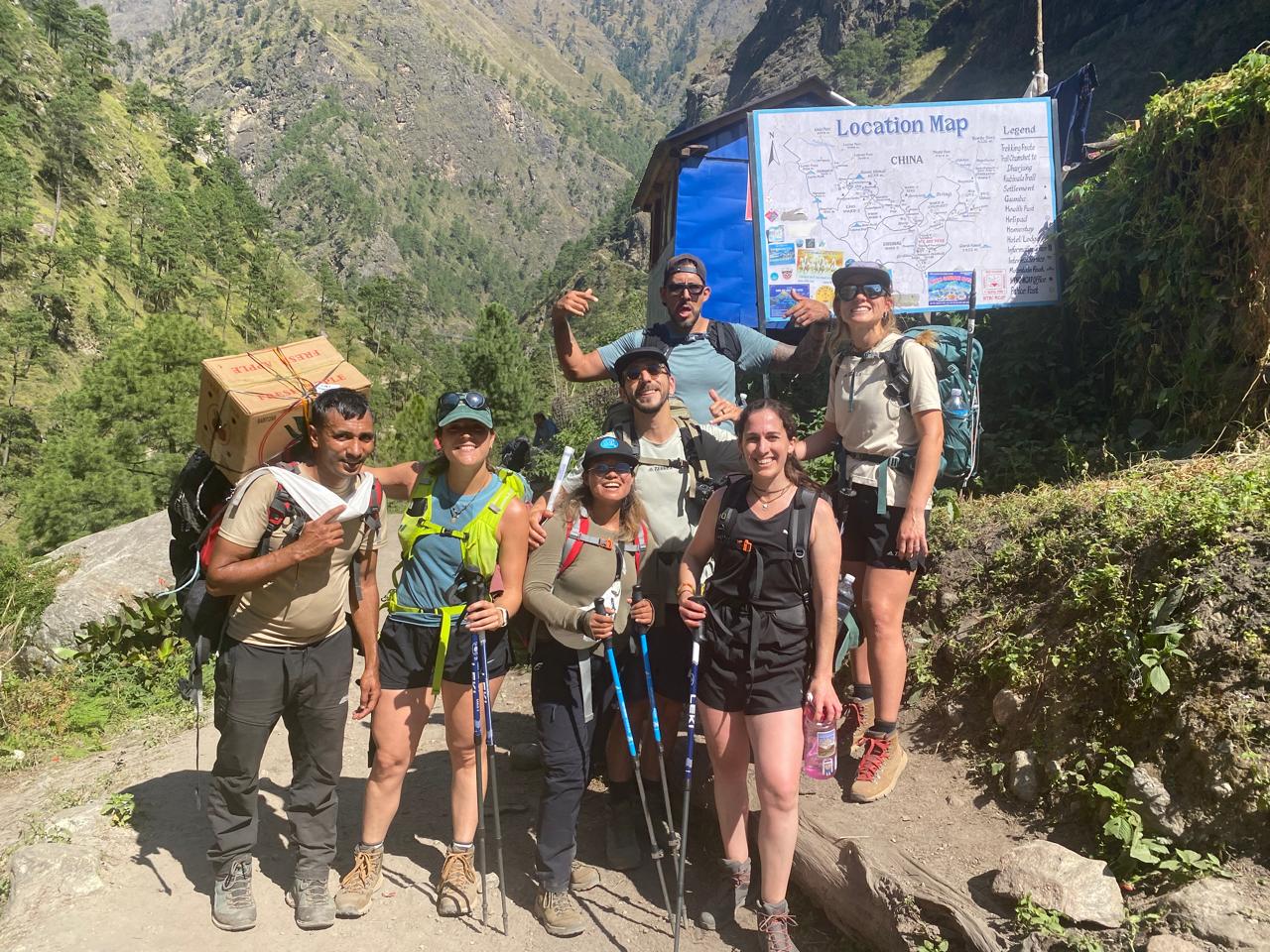
The Manaslu Annapurna Circuit Trek is an extraordinary 23-day adventure that combines the lesser-traveled Manaslu region with the iconic Annapurna Circuit. This trek is designed for travelers seeking both adventure and cultural exploration. By merging these two routes, trekkers enjoy an unparalleled experience through remote valleys, traditional villages, and high mountain passes.
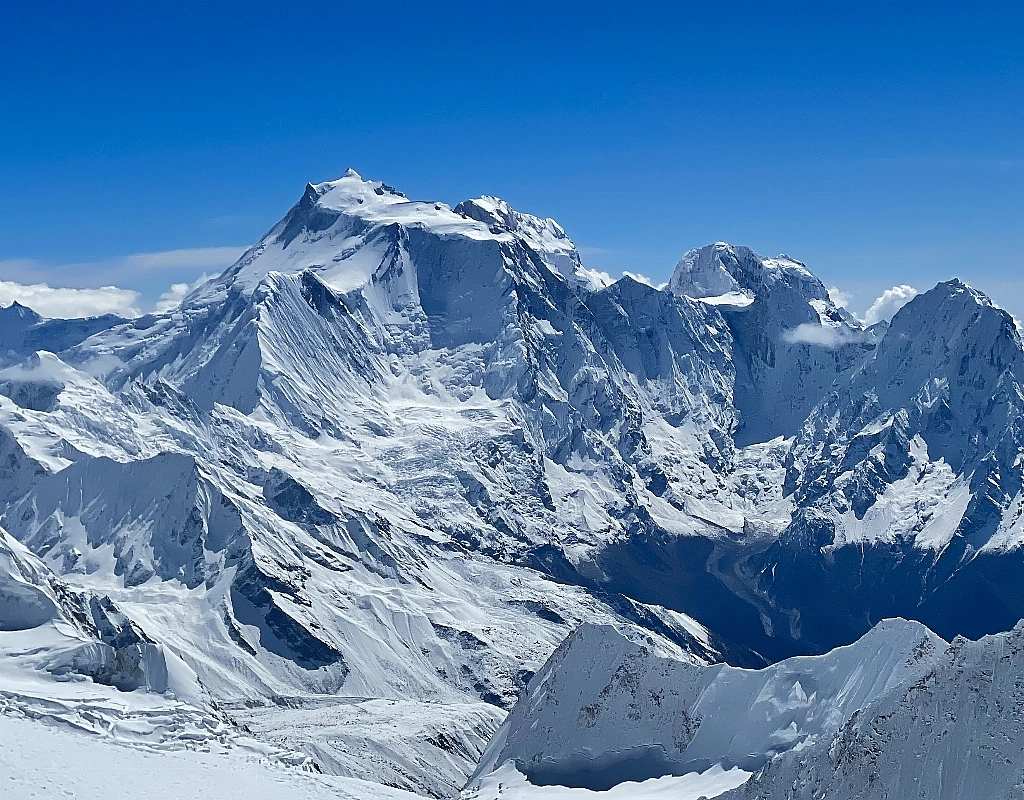
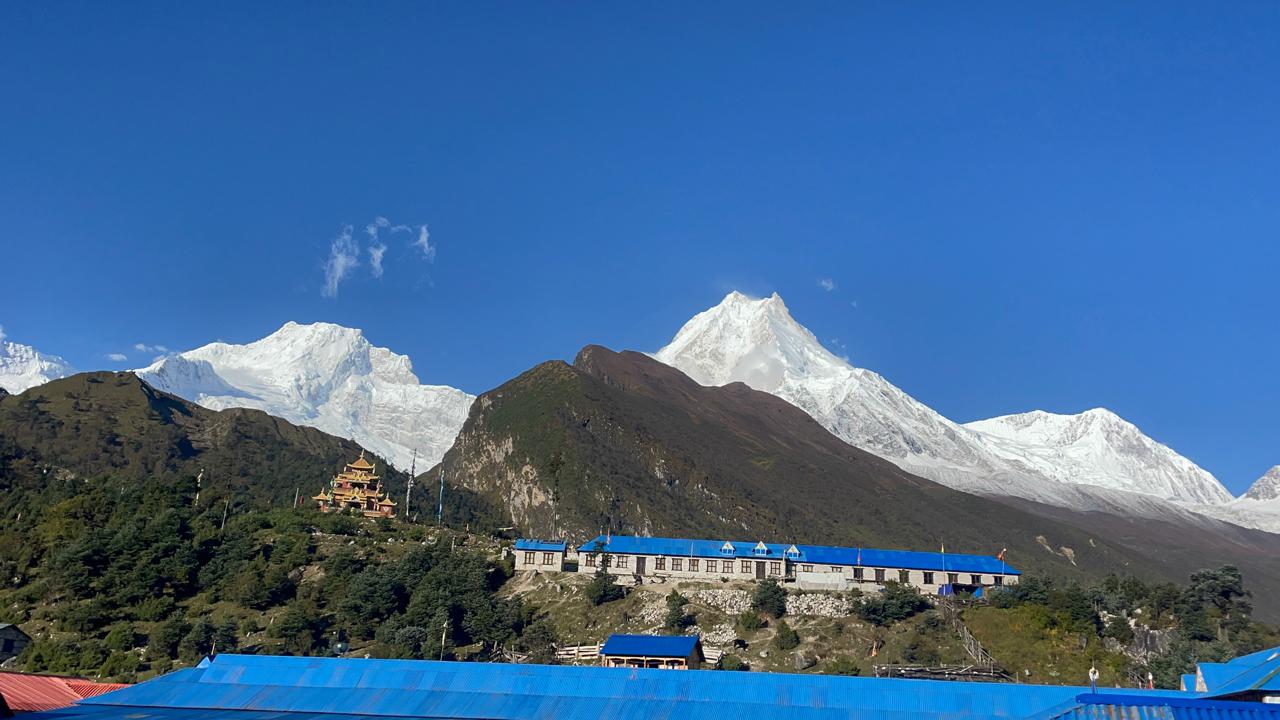
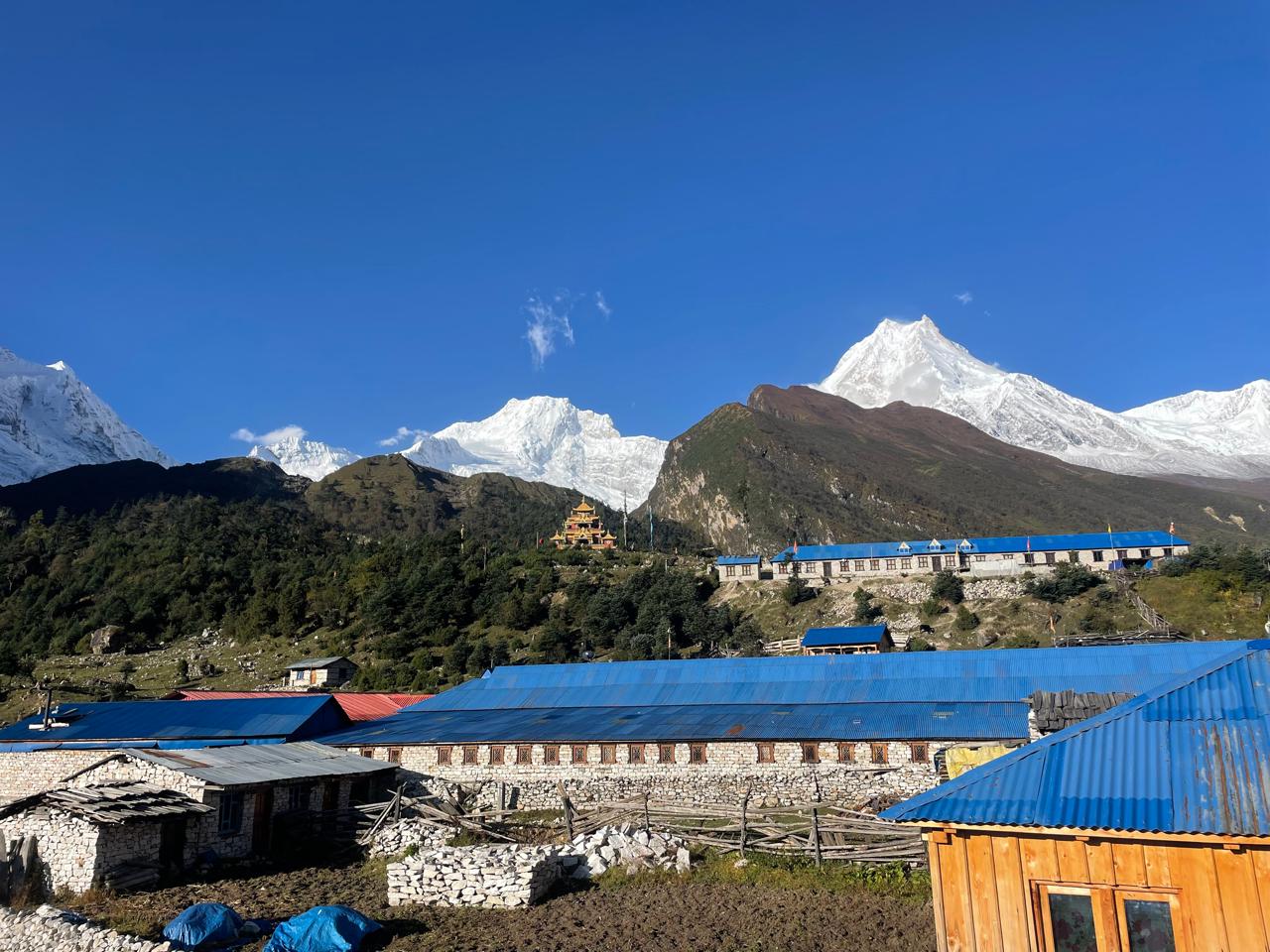
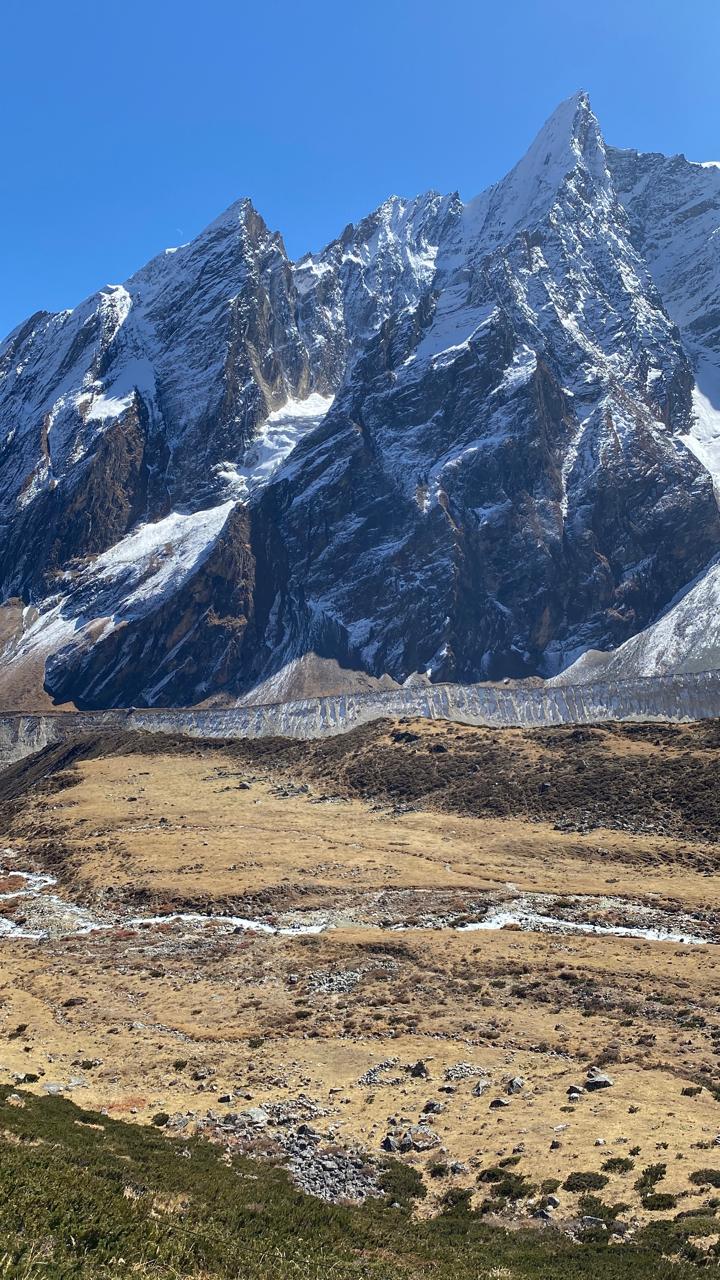
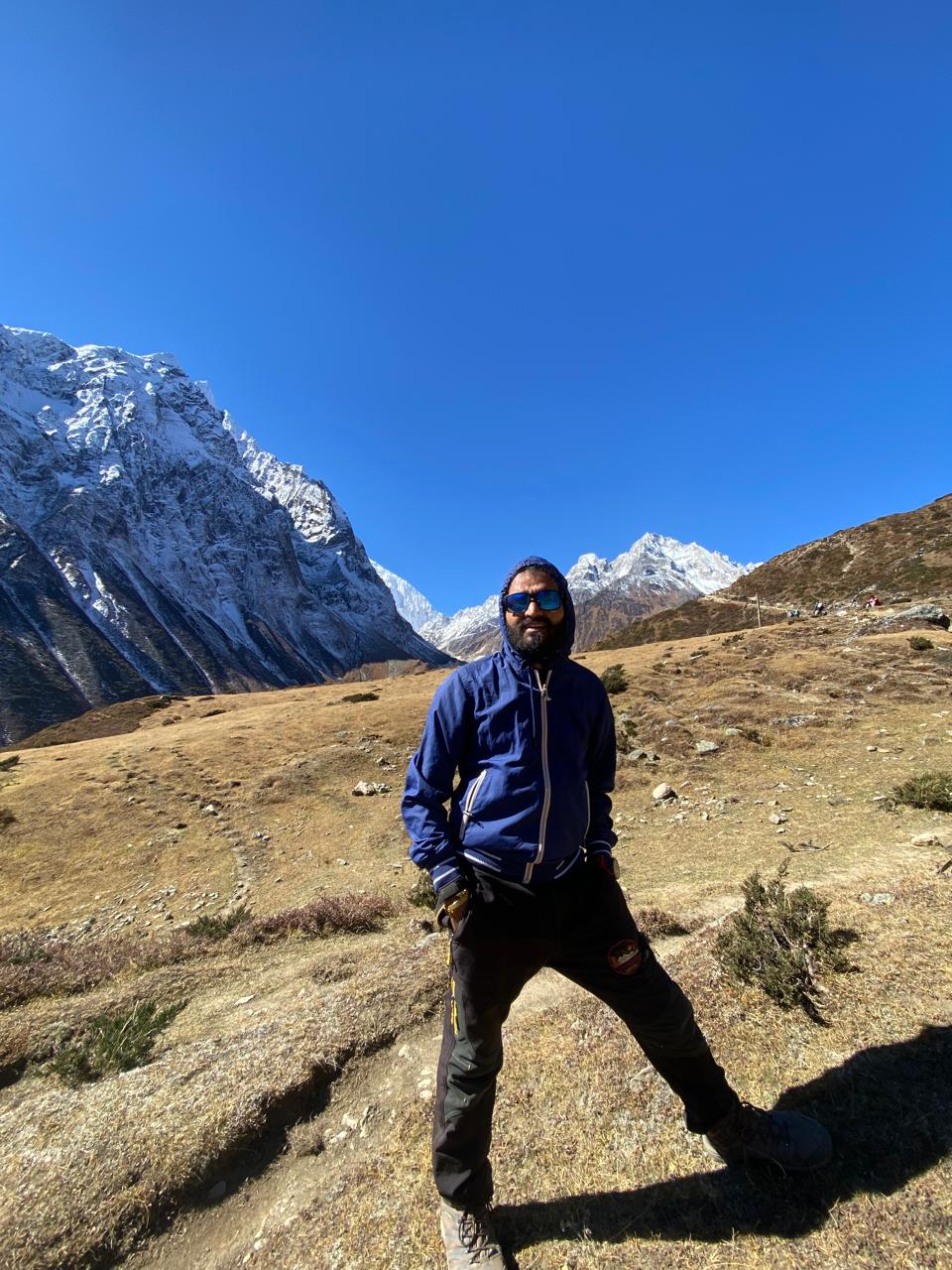
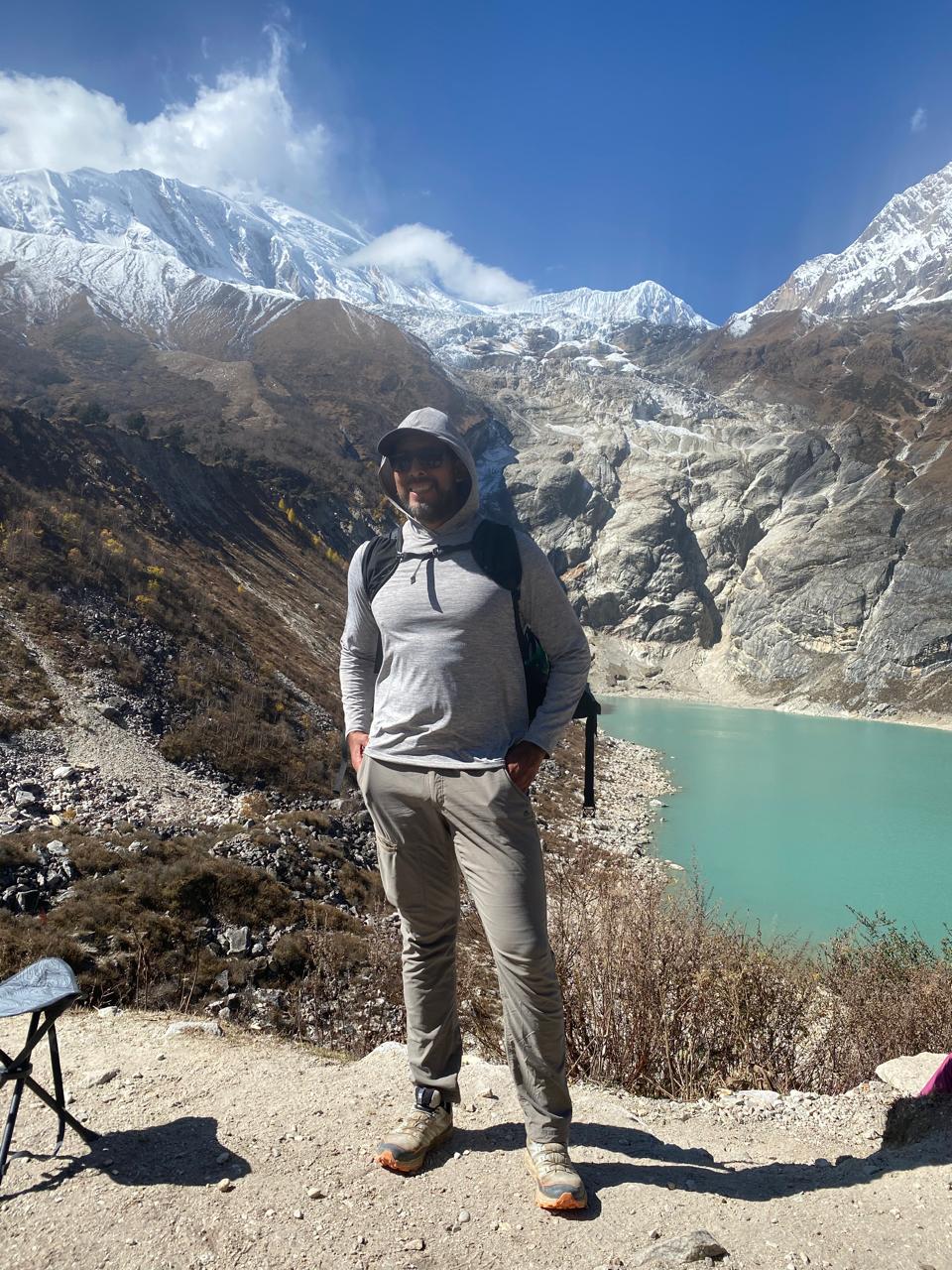
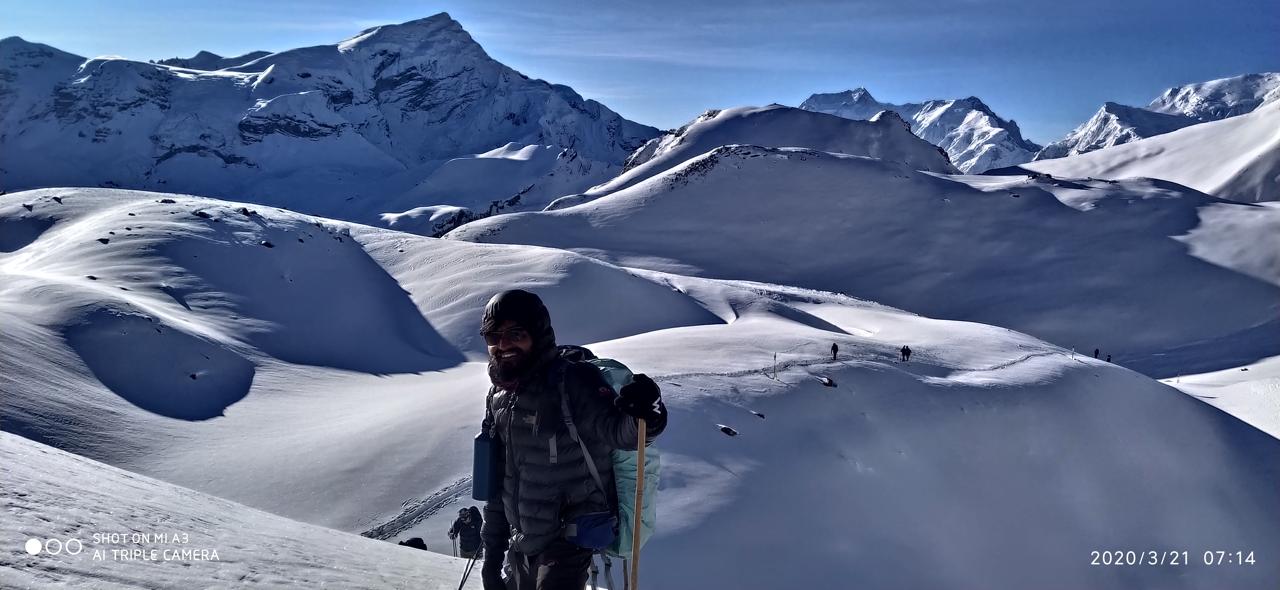
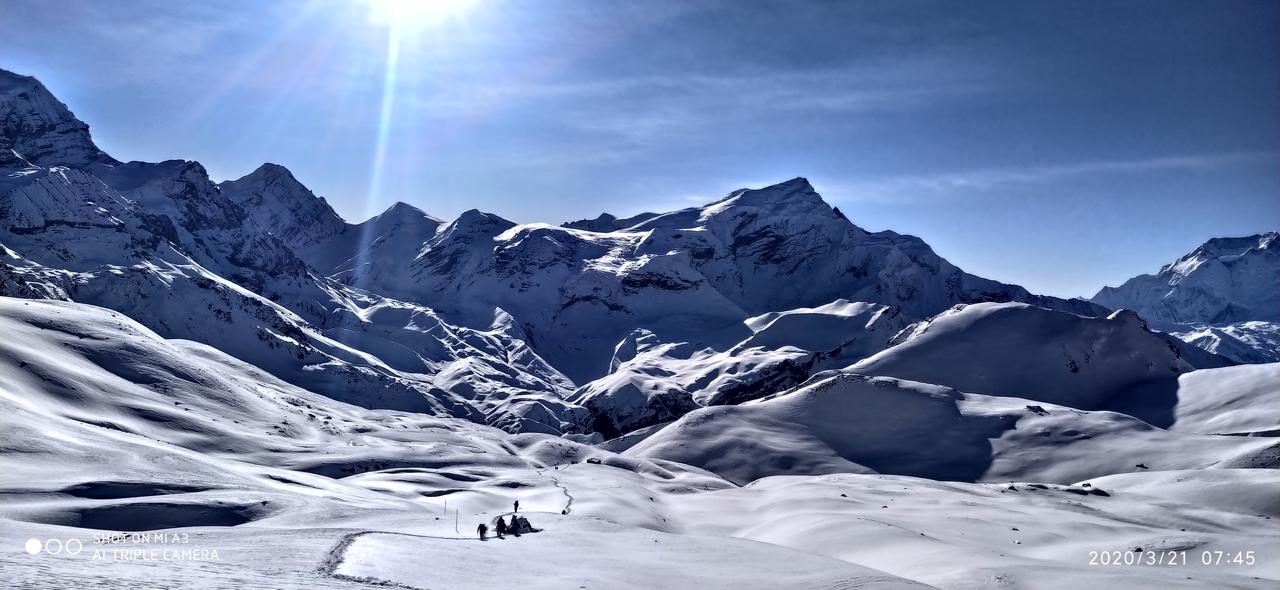
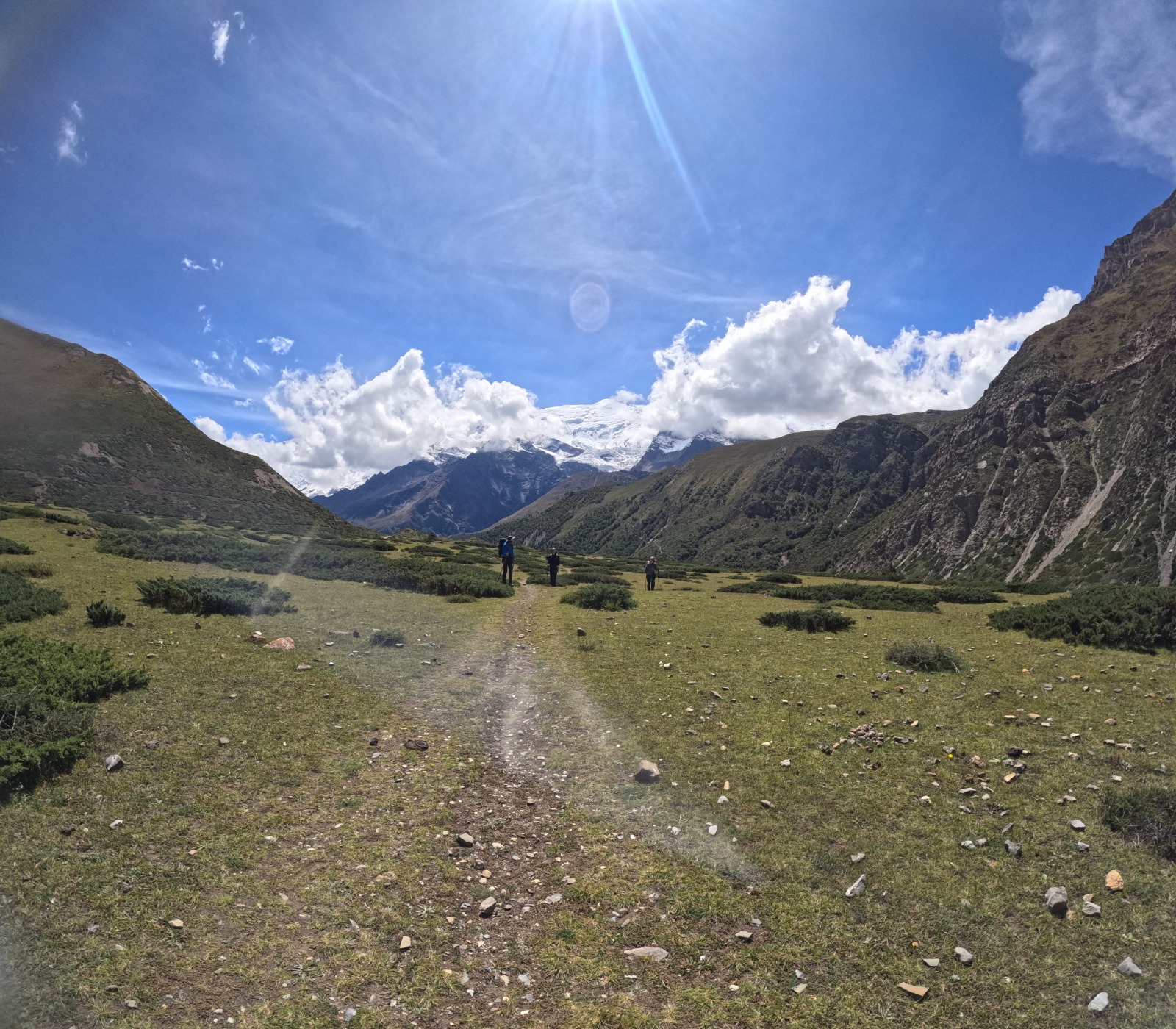
The journey begins with a scenic drive from Kathmandu to Machha Khola, followed by trekking through the Budhi Gandaki River valley. Along the way, you’ll cross charming villages like Jagat, Deng, and Namrung, each offering glimpses of local life and Tibetan-inspired culture. As you ascend, the landscape transforms from lush forests to alpine meadows, glaciers, and high-altitude deserts, presenting a variety of ecosystems and breathtaking views of Himalayan peaks.
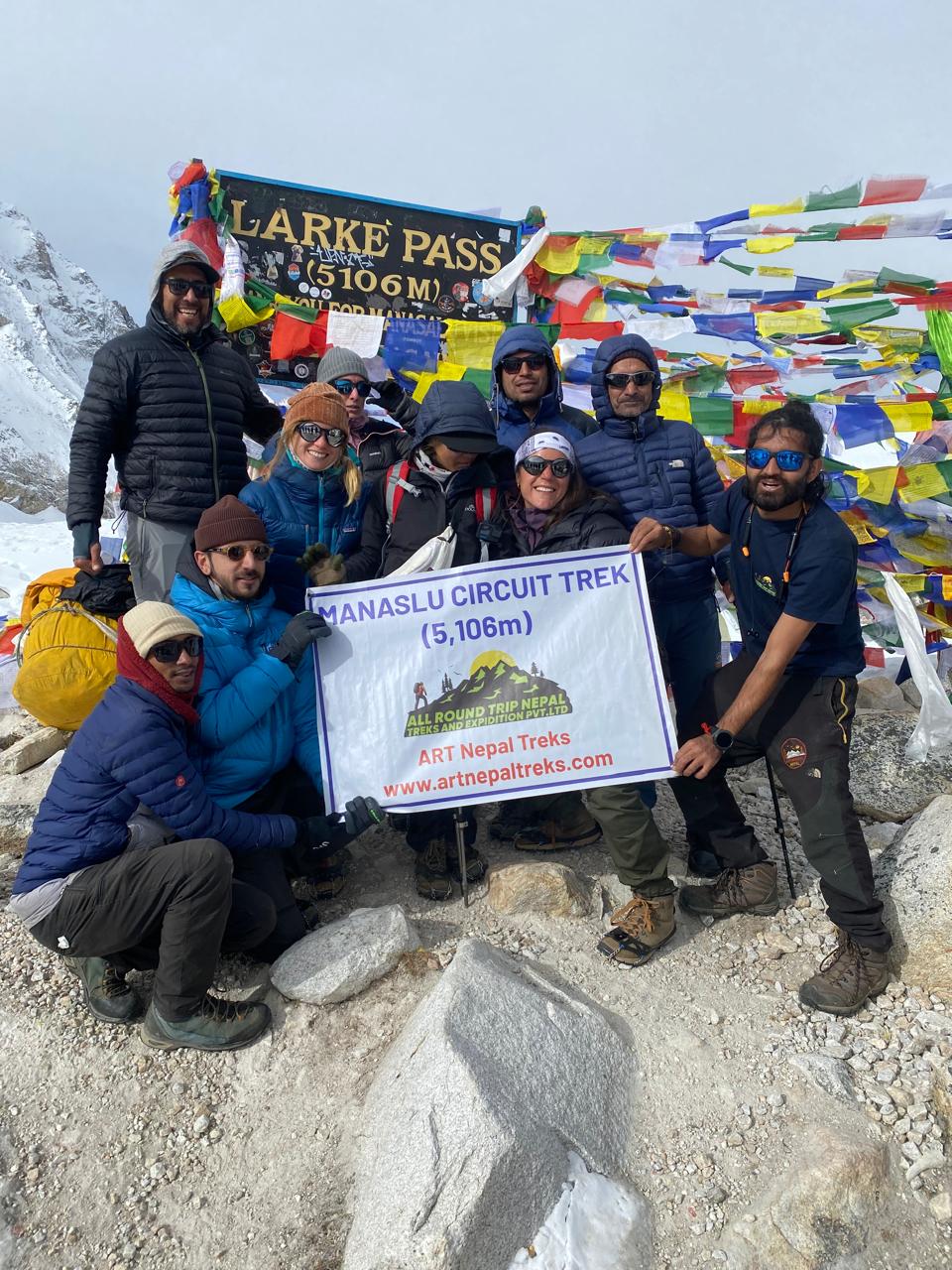
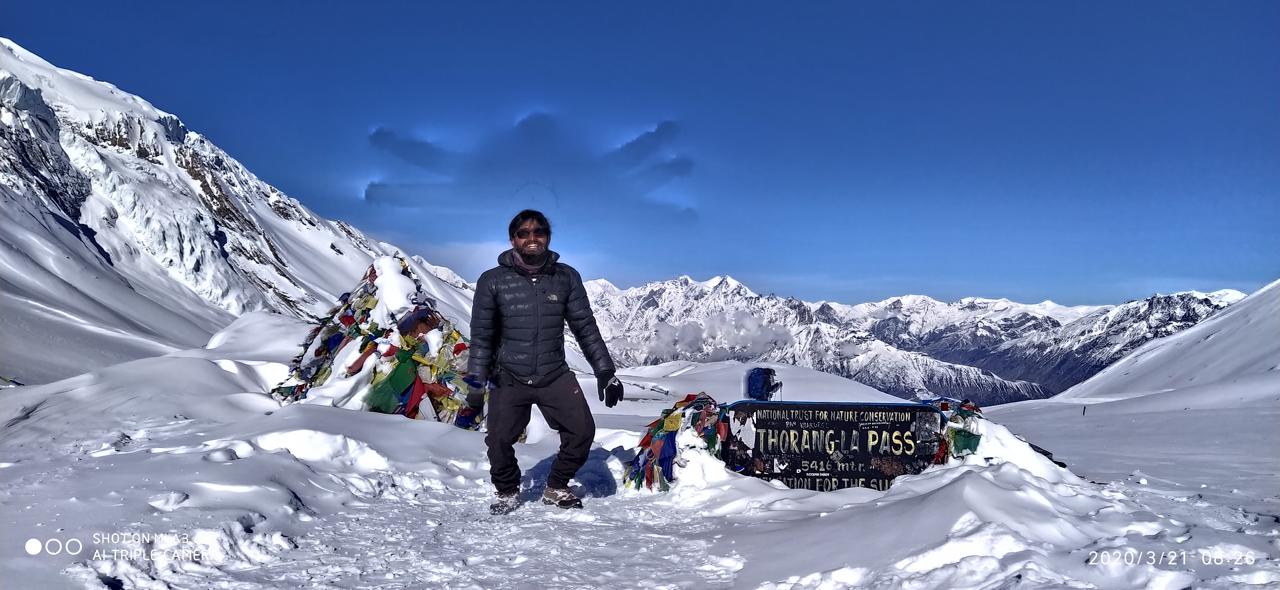
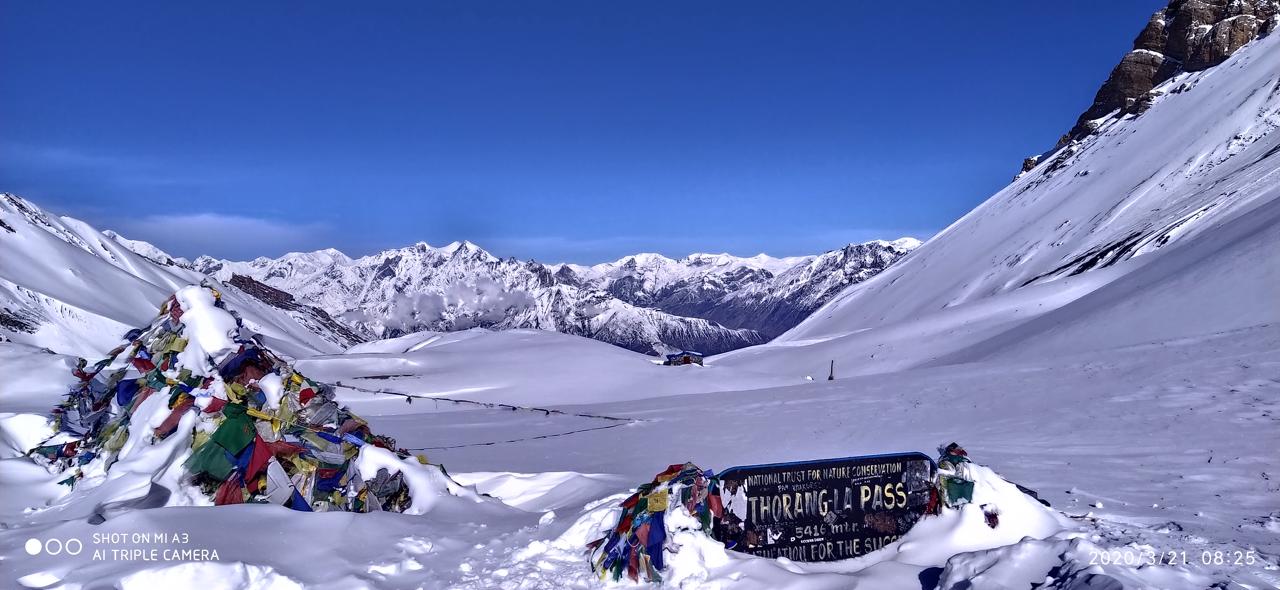
Crossing Larkya La Pass at 5106 meters is a major highlight of the Manaslu portion, while Thorong La Pass at 5416 meters challenges trekkers in the Annapurna region. Both passes offer panoramic views of snow-capped peaks, glaciers, and distant valleys. Throughout the trek, you will experience the warmth and hospitality of the local communities, sample traditional foods, and witness cultural ceremonies that have remained unchanged for centuries.
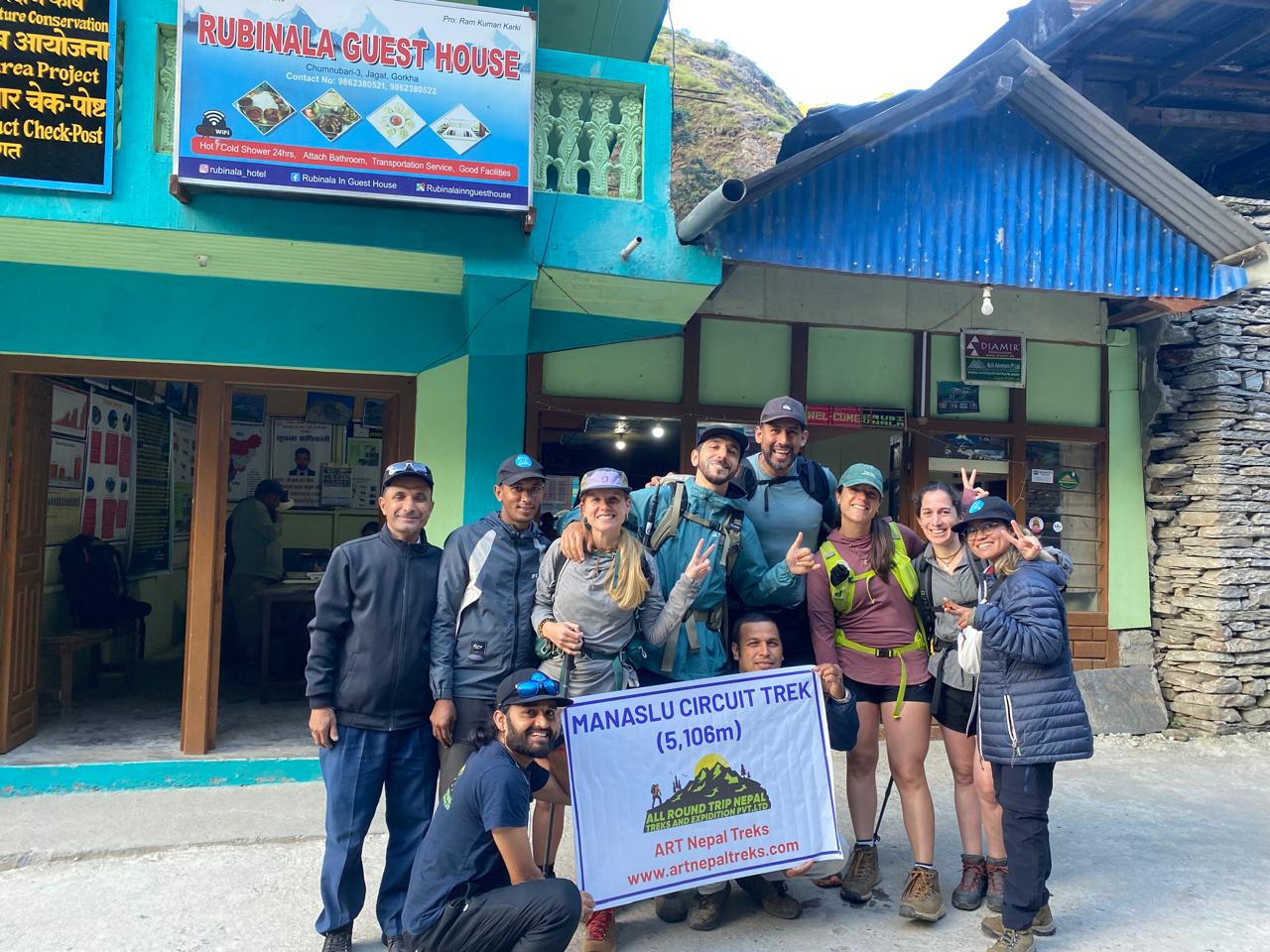
Managed by ART Nepal Treks & Expedition, this trek is suitable for both private and group travelers. The route is moderately challenging but achievable with proper preparation. Trekkers should expect a combination of demanding climbs, moderate trails, and occasional steep descents, all accompanied by some of the most iconic Himalayan scenery in Nepal.
This trek is not only a physical challenge but also an opportunity to immerse yourself in Nepal’s rich cultural and natural heritage. From the remote Tibetan settlements in Manaslu to the bustling markets and villages along the Annapurna Circuit, every day offers something new—whether it’s encountering mountain wildlife, walking across suspension bridges, or photographing majestic peaks. By the end of 23 days, trekkers experience a profound sense of accomplishment, having crossed some of Nepal’s most spectacular landscapes.
What Can You Expect from the Trek?
This trek offers a unique combination of adventure, natural beauty, and cultural discovery. You will traverse high mountain passes, deep valleys, and diverse terrain, experiencing both remote regions and well-traveled paths. Expect a mix of physical challenge, scenic reward, and cultural learning.
Highlights of Expectations:
- Strenuous and moderate hiking along trails with varied elevations
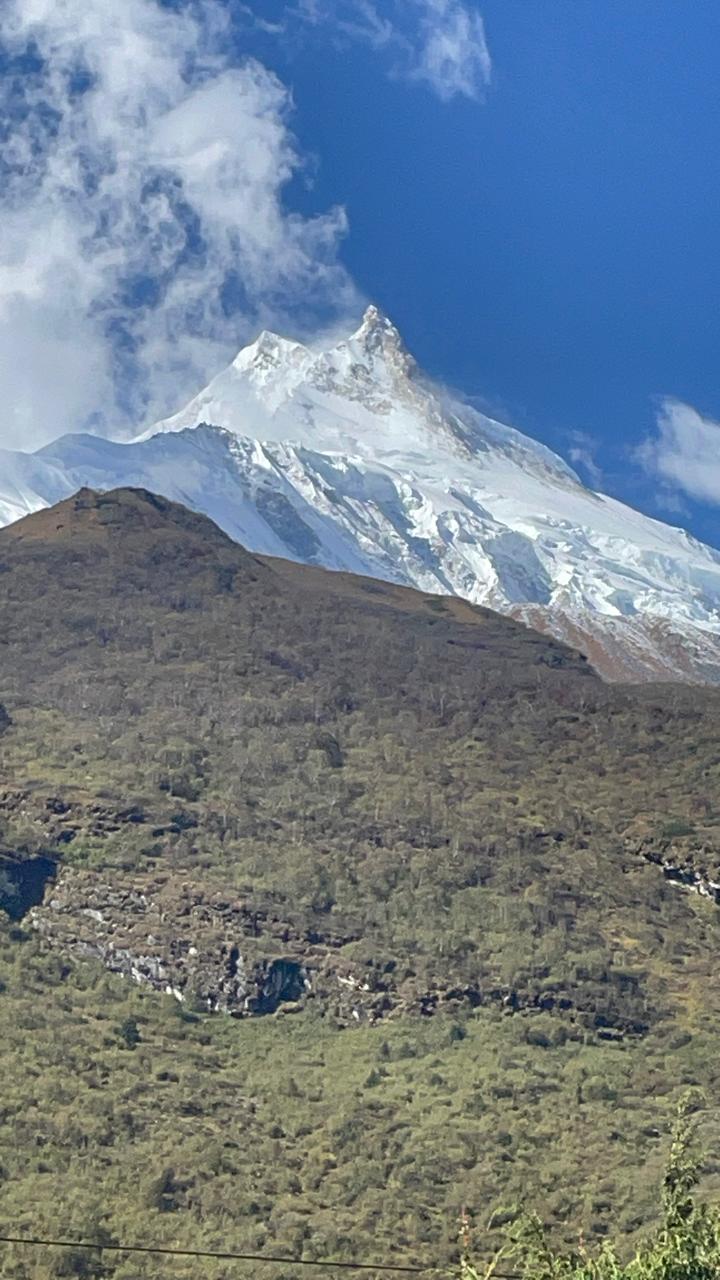
- Panoramic views of Manaslu, Annapurna, Dhaulagiri, Machapuchare, and surrounding peaks
- Cross the Larkya La Pass (5106m) and Thorong La Pass (5416m)
- Explore Tibetan-influenced villages in Manaslu and Gurung & Magar communities in Annapurna
- Enjoy unique flora and fauna along the trail, including rhododendron forests and alpine meadows
- Experience local hospitality with stays in teahouses and homestays
- Learn about traditional lifestyles, religious rituals, and mountain culture
- Adapt to different climate zones, from subtropical forests to high-altitude deserts
- Opportunity for photography, trekking challenges, and personal growth through outdoor adventure
This trek offers a complete Himalayan experience—physically rewarding, culturally enriching, and visually stunning.
Is Trek Suitable for You?
The Manaslu Annapurna Circuit Trek is ideal for trekkers who are fit, adventurous, and ready for long days at high altitudes. It is suitable for both first-time trekkers who prepare properly and experienced hikers seeking a combination of remote trails and famous trekking routes.
You are suitable for this trek if you:
- Have a moderate level of physical fitness and enjoy long-distance walking
- Are mentally prepared for high-altitude trekking challenges
- Appreciate cultural immersion and exploring local traditions
- Can handle variable weather and terrain conditions
- Have experience with trekking or are willing to prepare through training
This trek may not be suitable if you:
- Have serious health issues affecting heart, lungs, or mobility
- Are unable to acclimatize to high altitudes
- Prefer luxury travel with minimal physical exertion
- Cannot commit to daily trekking of 4–8 hours with varying difficulty
How to Get Prepared for Trek
Proper preparation ensures that your trek is safe, comfortable, and enjoyable. Preparation involves physical fitness, gear selection, health checks, and mental readiness.
Preparation Guidelines:
- Physical Fitness: Engage in cardiovascular exercises, strength training, and long hikes. Practice carrying a loaded backpack to simulate trekking conditions.
- Gear and Clothing: Invest in waterproof jackets, thermal layers, trekking boots, gloves, hats, and trekking poles. Ensure you have gear suitable for both high-altitude and varying weather.
- Acclimatization: Include rest days and gradual ascents to prevent altitude sickness. Follow safe altitude practices.
- Mental Preparation: Prepare for the challenges of trekking, including long days, physical exertion, and remote conditions. Mental readiness enhances your endurance and enjoyment.
- Health Check-up: Consult a doctor to ensure you are fit for high-altitude trekking. Discuss vaccinations and altitude sickness prevention.
- Travel Insurance: Obtain insurance covering high-altitude trekking, medical emergencies, and evacuation.
-
Trip Duration
23 Days / 22 Days
-
Group Size
1-20 People
-
Maximum Altitude
5106m (Larke Pass) & 5416m (Thorong La Pass)
-
Trip Difficulty
Moderate to Challenging
-
Activities
Trekking
-
Best Season
Spring (March–May), Autumn (September–November)
-
Trip Start & End
Kathmandu-Kathmandu
-
Meals
Full Board (Breakfast, Lunch, Dinner)
-
Accomodation
Teahouses / Camping
Highlights
- Two Iconic Treks: Combines the remote Manaslu trek with the Annapurna Circuit
- Thorong La Pass: Cross the world’s highest trekking pass at 5,416 meters
- Diverse Landscapes: From subtropical forests to high-altitude deserts
- Cultural Immersion: Tibetan-influenced villages in Manaslu and Gurung & Magar communities in Annapurna
- Stunning Peaks: Views of Mount Manaslu, Annapurna, Dhaulagiri, and Machapuchare
- Remote Villages: Experience unique traditions and local hospitality
- Varied Climate Zones: Encounter a range of trekking conditions and natural beauty
Itinerary
Day 01
Upon arrival at Tribhuvan International Airport, Kathmandu, you will be warmly welcomed by a representative of ART Nepal Treks & Expedition. From here, you will be transferred to your hotel in Thamel, the heart of Kathmandu, known for its lively streets, local shops, and vibrant restaurants. This is the perfect day to rest after your journey or explore nearby markets and temples. You may also visit our office to review your Manaslu Annapurna Circuit Trek itinerary, confirm permits, and ask any questions about your upcoming trek.
Altitude:
1400 mMeal:
NoneAccomodation :
3-Star Hotel in ThamelDay 02
Your adventure begins with a scenic drive from Kathmandu to Arughat, followed by a shared jeep ride to Machha Khola, the official starting point of the trek. The journey offers glimpses of terraced fields, small villages, and rivers. Roads may vary from smooth highways to rough mountain tracks, making the drive an adventure itself. You will pass through picturesque settlements such as Arkhet Bazar, Kuerepani, Soti Khola, Lapubesi, and Khanibesi, each with unique local architecture and landscapes. Arriving at Machha Khola, you’ll prepare for the first day of trekking tomorrow.
Trip Duration:
9–10 HoursTrip Distance:
150.2 kmAltitude:
890 mMeal:
Breakfast, Lunch, DinnerAccomodation :
Teahouse or LodgeDay 03
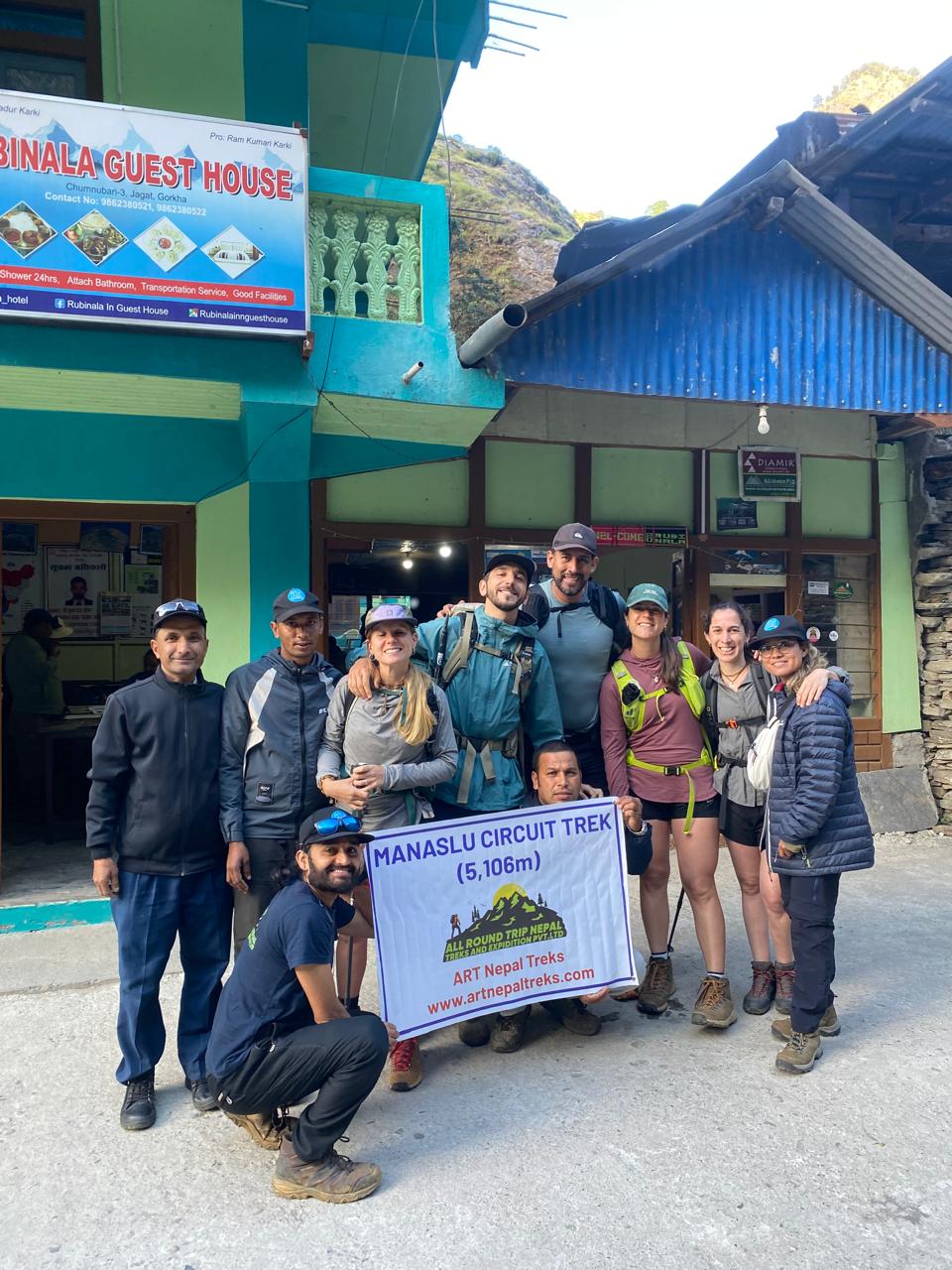
The trek officially starts today. You will walk along the Budhi Gandaki River, surrounded by terraced hills and dense forests. The trail passes Khorlabesi village before reaching Tatopani, where natural hot springs offer an opportunity to relax tired muscles. The route continues across suspension bridges and through verdant forests, offering glimpses of local life and small temples. Arrival at Jagat, the gateway to the Manaslu Conservation Area, marks a significant step into the remote wilderness of the Manaslu region.
Trip Duration:
7–8 HoursTrip Distance:
22 kmAltitude:
1340 mMeal:
Breakfast, Lunch, DinnerAccomodation :
Teahouse or LodgeDay 04
Today’s trek leads through rocky trails and bamboo groves. You will pass villages like Salleri, Sirdibas, and Philim, encountering traditional stone houses and mani walls along the way. The trail crosses the Budhi Gandaki River multiple times over suspension bridges, providing both thrilling experiences and panoramic river views. As you approach Deng, enjoy the changing landscape as subtropical forests gradually give way to alpine flora. The village offers insight into local culture and hospitality with tea houses where you can rest and interact with villagers.
Trip Duration:
6–7 HoursTrip Distance:
20 kmAltitude:
1860 mMeal:
Breakfast, Lunch, DinnerAccomodation :
Teahouse or LodgeDay 05
From Deng, the trail ascends steadily through forests and past small villages such as Rana and Bihi Phedi. The path offers scenic views of Shringi Himal and surrounding ridges. Along the way, you will see mani stones, prayer flags, and traditional Buddhist shrines, which reflect the spiritual culture of the region. Namrung village is a small settlement with teahouses providing a warm welcome to trekkers. The altitude is gradually increasing, helping you prepare for higher elevations in the coming days.
Trip Duration:
6–7 HoursTrip Distance:
19 kmAltitude:
2630 mMeal:
Breakfast, Lunch, DinnerAccomodation :
Teahouse or LodgeDay 06
This section involves trekking through dense forests and open meadows, offering views of Saula Himal, Pangkar Himal, Kutang Himal, and Pangbuche Himal. Cross suspension bridges over rivers and streams, and enjoy the serenity of the high mountain environment. Stop at Sho Village before reaching Lho, where local monasteries provide a glimpse into Buddhist traditions. This day is shorter, allowing you to conserve energy for higher altitude trekking ahead.
Trip Duration:
4–5 HoursTrip Distance:
11 kmAltitude:
3180 mMeal:
Breakfast, Lunch, DinnerAccomodation :
Teahouse or LodgeDay 07
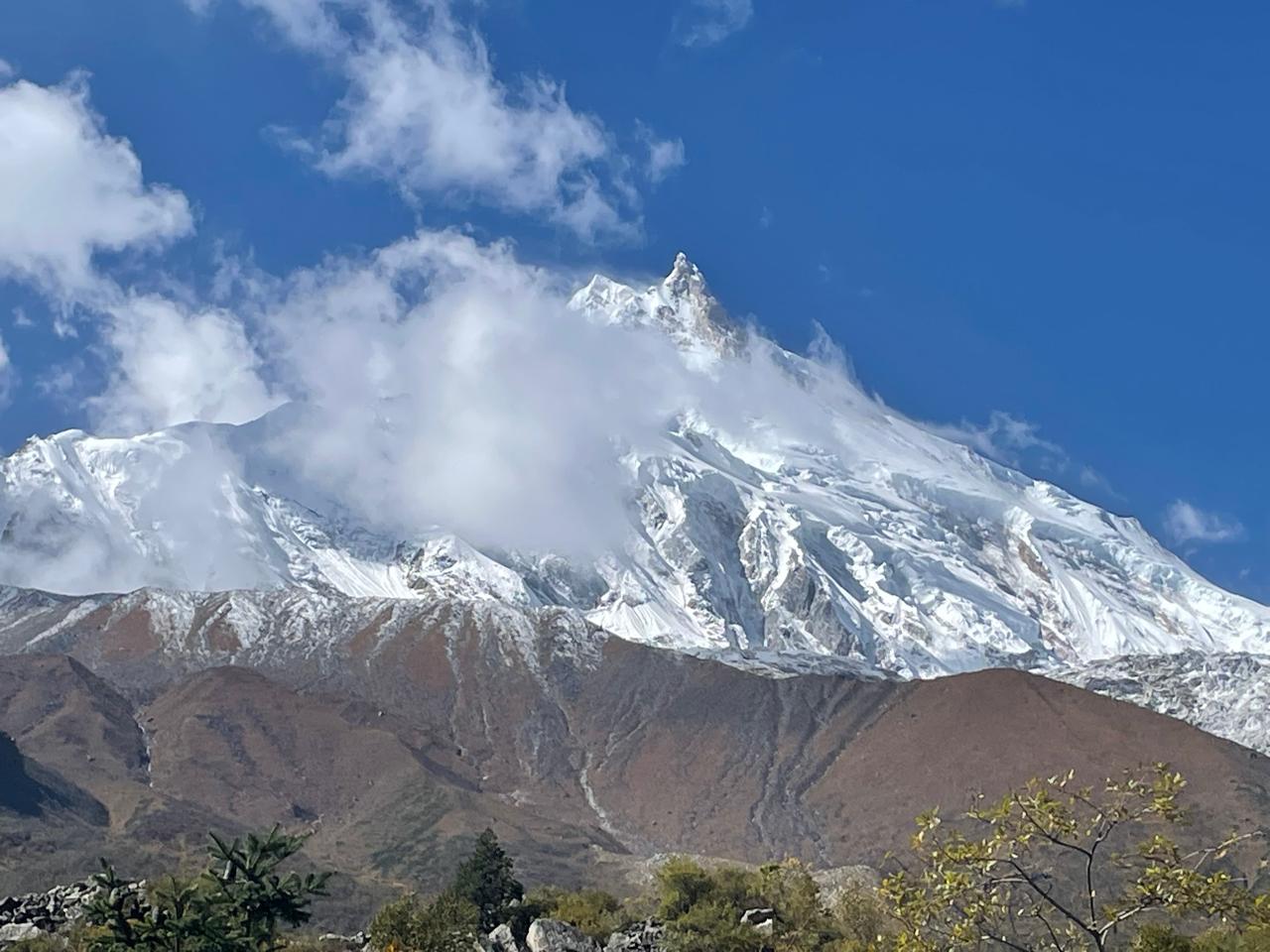
Today’s trek is relatively short, allowing you to acclimatize to the higher altitude. The path passes through Shyala Village, offering scenic views of Mount Manaslu. Upon arrival at Samagaon, explore local monasteries, visit Pungyen Gompa, or walk to Birendra Lake for panoramic mountain views. This day provides an excellent opportunity to adjust to the thinner air while enjoying the beauty of the Himalayan landscape.
Trip Duration:
3–4 HoursTrip Distance:
7 kmAltitude:
3520 mMeal:
Breakfast, Lunch, DinnerAccomodation :
Teahouse or LodgeDay 08
The trail ascends gradually through forests and open valleys, offering a closer view of Tibetan-influenced settlements. Samdo village is known for its traditional Tibetan culture and stunning views of Mount Manaslu. Spend time exploring the village and nearby areas, including the Tibetan refugee settlement. This village also acts as an acclimatization point before higher passes.
Trip Duration:
3–4 HoursTrip Distance:
9 kmAltitude:
3860 mMeal:
Breakfast, Lunch, DinnerAccomodation :
Teahouse or LodgeDay 09
Today is reserved for acclimatization, a crucial step before crossing the high Larkya La Pass. Options include exploring Samdo village, taking short treks to nearby ridges, or walking towards Gya La for stunning mountain vistas. Use this day to rest, hydrate, and adjust to higher altitudes to prevent altitude sickness during the following challenging days.
Altitude:
3860 mMeal:
Breakfast, Lunch, DinnerAccomodation :
Teahouse or LodgeDay 10
A shorter trekking day but with significant altitude gain, this section traverses meadows, streams, and rocky trails. Dharamshala is a small settlement offering spectacular views of glaciers and peaks like Jarkya Himal and Nysing Himal. The serenity and remote location make this an ideal place to rest and prepare for the Larkya La Pass the next da
Trip Duration:
3–4 HoursTrip Distance:
8 kmAltitude:
4480 mMeal:
Breakfast, Lunch, DinnerAccomodation :
Teahouse or LodgeDay 11
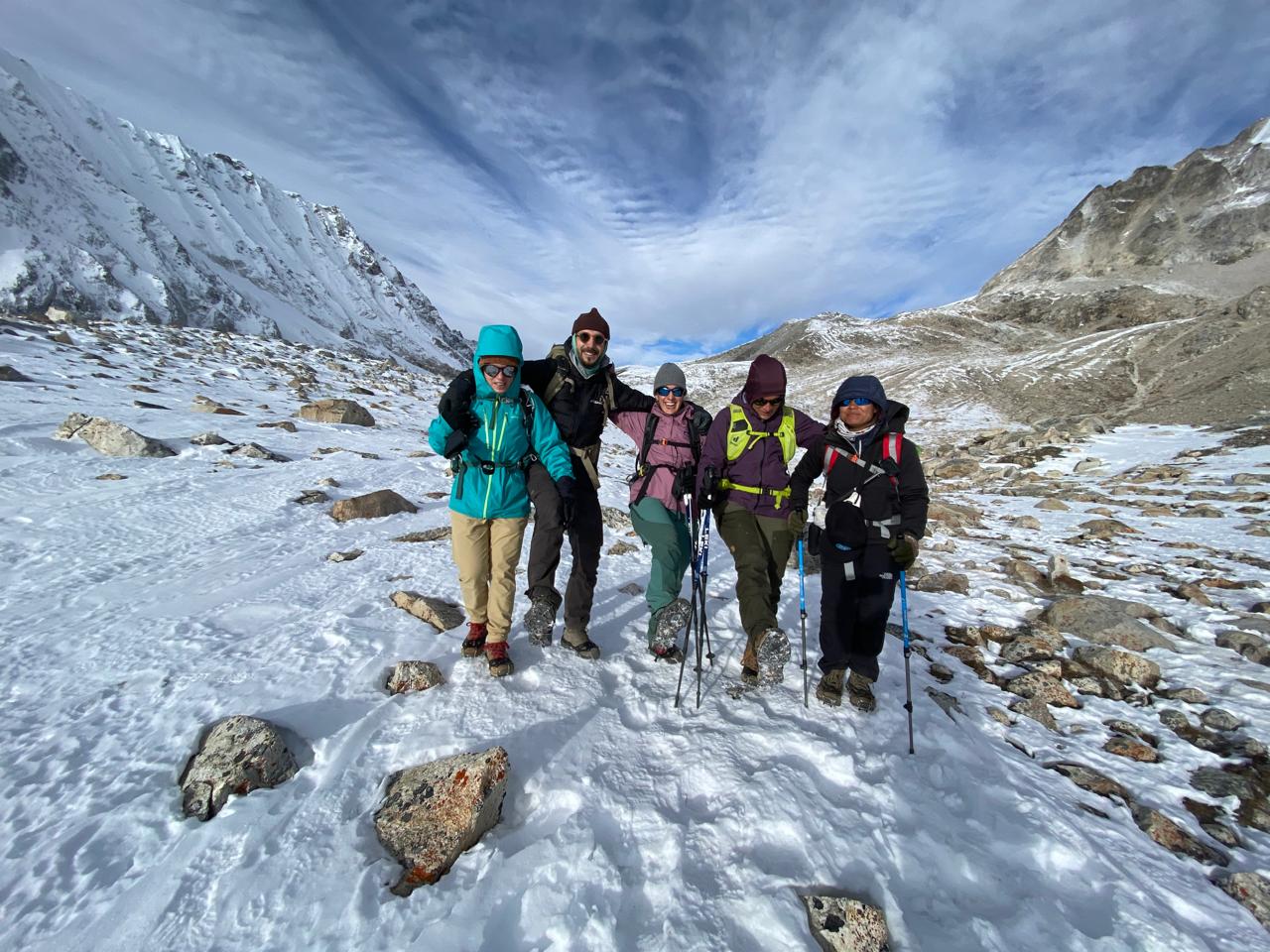
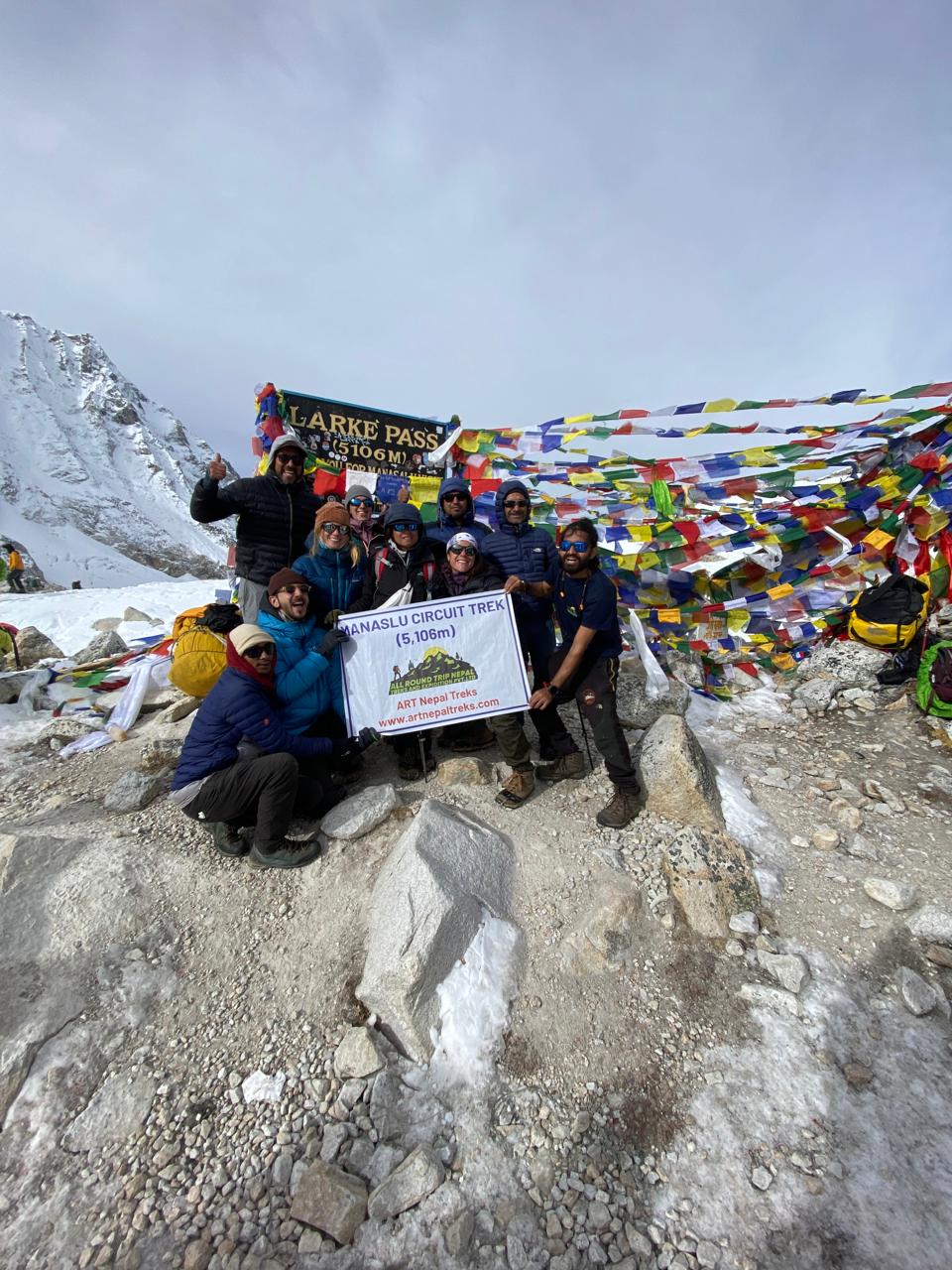
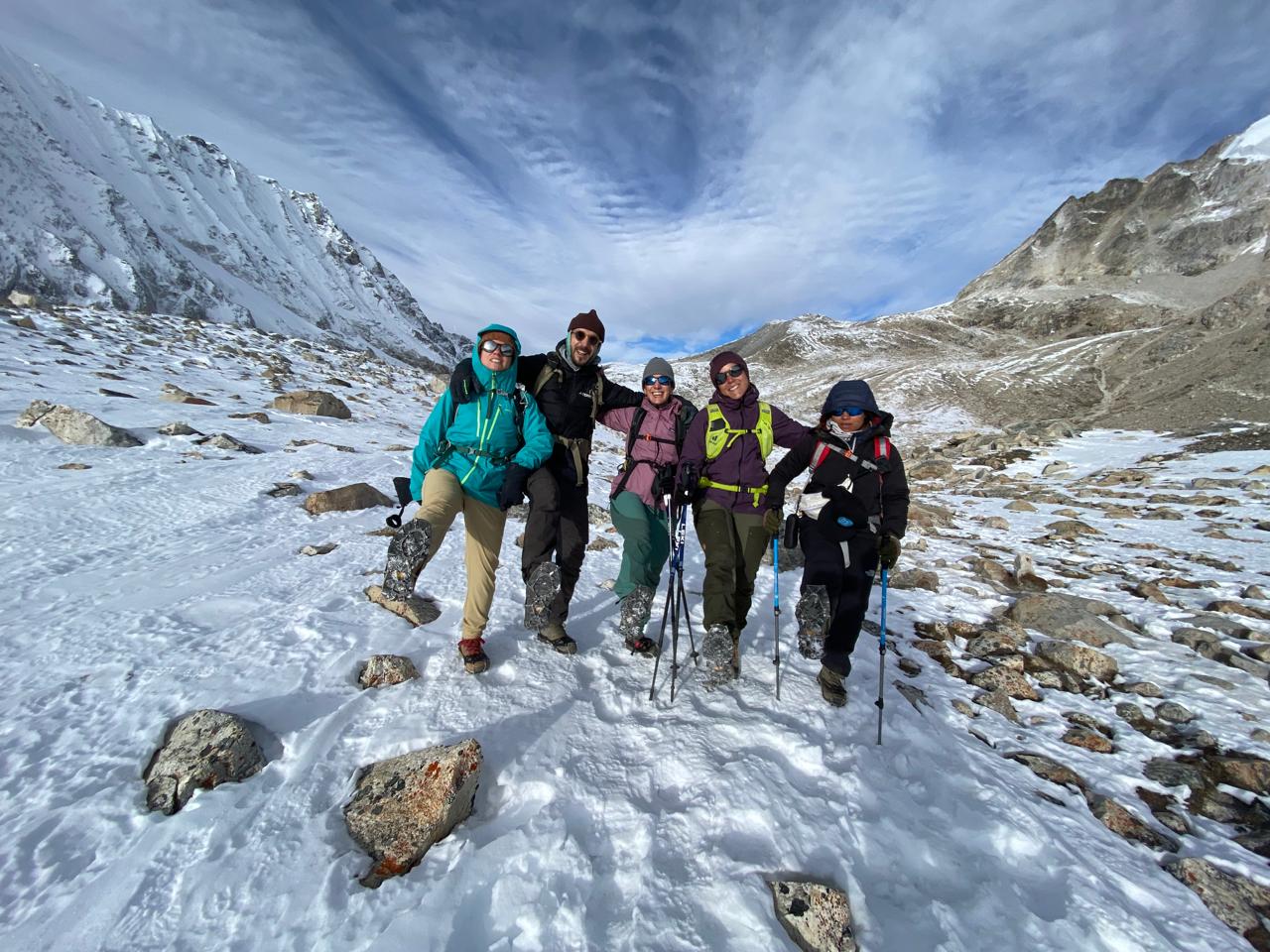
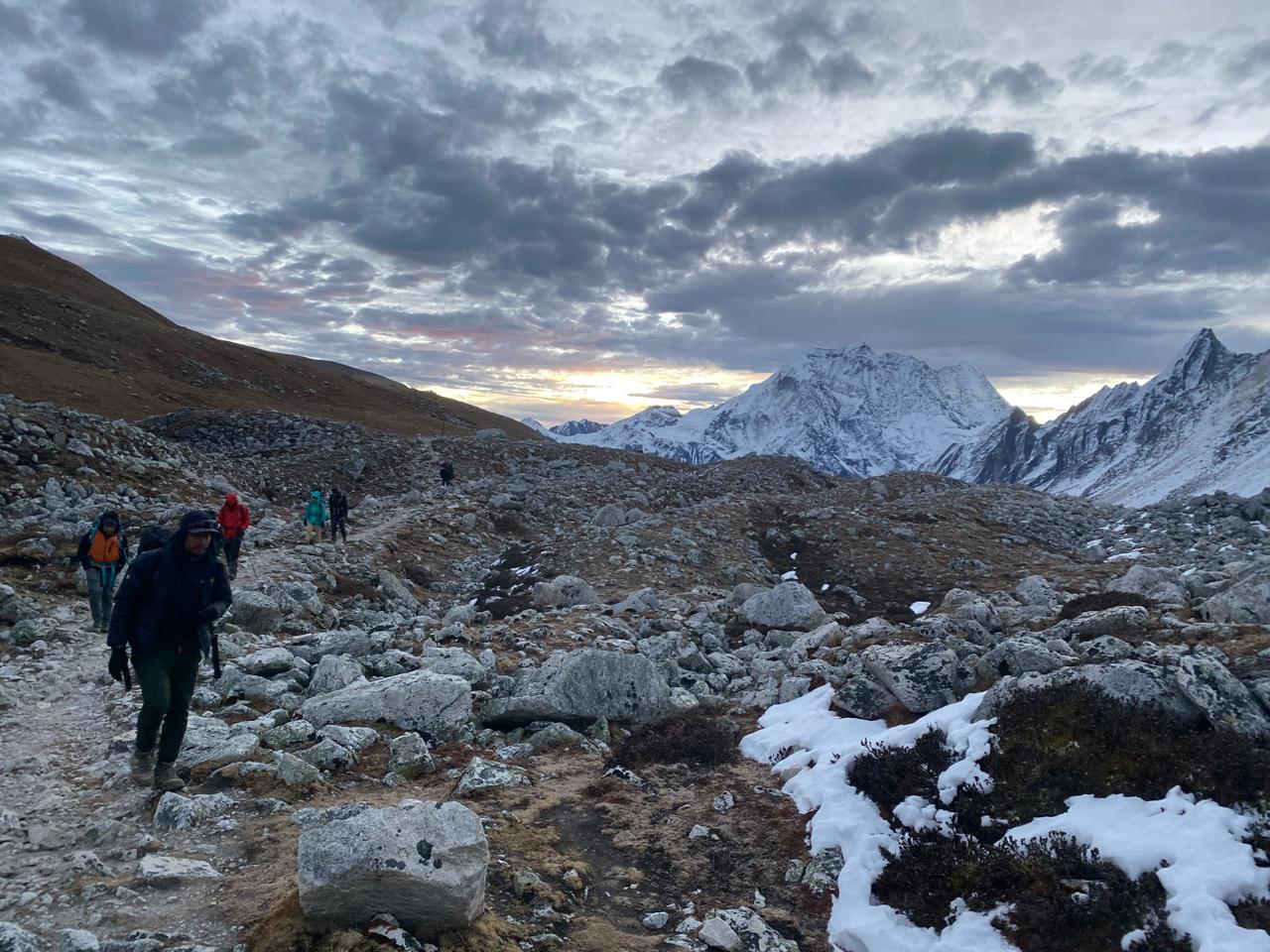
Today is the highlight of the Manaslu Circuit. Cross Larkya La Pass, the highest point of the Manaslu region at 5106 meters. The ascent involves steep trails and rocky terrain, requiring careful steps and steady pacing. The pass rewards trekkers with breathtaking 360-degree views of the Himalayas, including surrounding glaciers and towering peaks. After crossing the pass, descend through moraines to reach Bimthang, a valley surrounded by serene landscapes. This day is long but immensely satisfying, marking a major achievement of the trek.
Trip Duration:
8–9 HoursTrip Distance:
24.7 kmAltitude:
5106 mMeal:
Breakfast, Lunch, DinnerAccomodation :
Teahouse or LodgeDay 12
Descend through high grasslands, rhododendron forests, and small villages. Pass through settlements like Hampuk and Gho before reaching Dharapani, a gateway village along the Annapurna Circuit. The descent allows easier trekking and provides a chance to enjoy the varied terrain of Nepal’s mid-hills.
Trip Duration:
7–8 HoursTrip Distance:
22 kmAltitude:
1963 mMeal:
Breakfast, Lunch, DinnerAccomodation :
Teahouse or LodgeDay 13
Trek through alpine terrain and quaint Tibetan-style towns like Bagarchhap and Danakyu. Chame, the district headquarters of Manang, offers teahouses, small shops, and essential services. Enjoy views of Annapurna peaks along the way while experiencing the charm of mountain villages.
Trip Duration:
5–6 HoursTrip Distance:
15.5 kmAltitude:
2610 mMeal:
Breakfast, Lunch, DinnerAccomodation :
Teahouse or LodgeDay 14
The trail winds through pine and rhododendron forests to Upper Pisang. Along the way, you will see Annapurna II, Pisang Peak, and Chulu Peak. Villages along the route showcase traditional stone houses, prayer wheels, and local monasteries. Upper Pisang is a quiet settlement with excellent views and comfortable teahouses.
Trip Duration:
5–6 HoursTrip Distance:
13.5 kmAltitude:
3300 mMeal:
Breakfast, Lunch, DinnerAccomodation :
Teahouse or LodgeDay 15
Today’s trek is a challenging yet rewarding journey through the traditional villages of Ghyaru and Ngawal, which are known for their stone architecture, narrow lanes, and ancient monasteries. The trail is a combination of gradual ascents and short steep sections, providing ample opportunities to admire panoramic views of the Annapurna and Gangapurna ranges. Upon arrival at Manang, you will find a vibrant settlement of trekking lodges, small shops, and cafés catering to trekkers. The village is also home to several monasteries, including the Barge Monastery, which is worth visiting to understand the local Buddhist culture. Today is a moderate trekking day, ideal for acclimatization at high altitude and exploring the surrounding alpine scenery.
Trip Duration:
7–8 HoursTrip Distance:
17.2 kmAltitude:
3540 mMeal:
Breakfast, Lunch, DinnerAccomodation :
Teahouse or LodgeDay 16
Manang serves as an important acclimatization stop before ascending to higher passes. Spend the day exploring the surrounding area, which includes the serene Gangapurna Lake and the impressive Ice Lake, both offering incredible photo opportunities and views of snow-capped peaks. Trekkers can take short hikes around the village to gently raise their heart rate and adjust to the thinner air, helping prevent altitude sickness during the upcoming Thorong La Pass trek. Interact with local residents to learn about daily life in Manang, Tibetan-inspired culture, and traditional farming practices in this high-altitude region.
Trip Distance:
Optional short hikesAltitude:
3540 mMeal:
Breakfast, Lunch, DinnerAccomodation :
Teahouse or LodgeDay 17
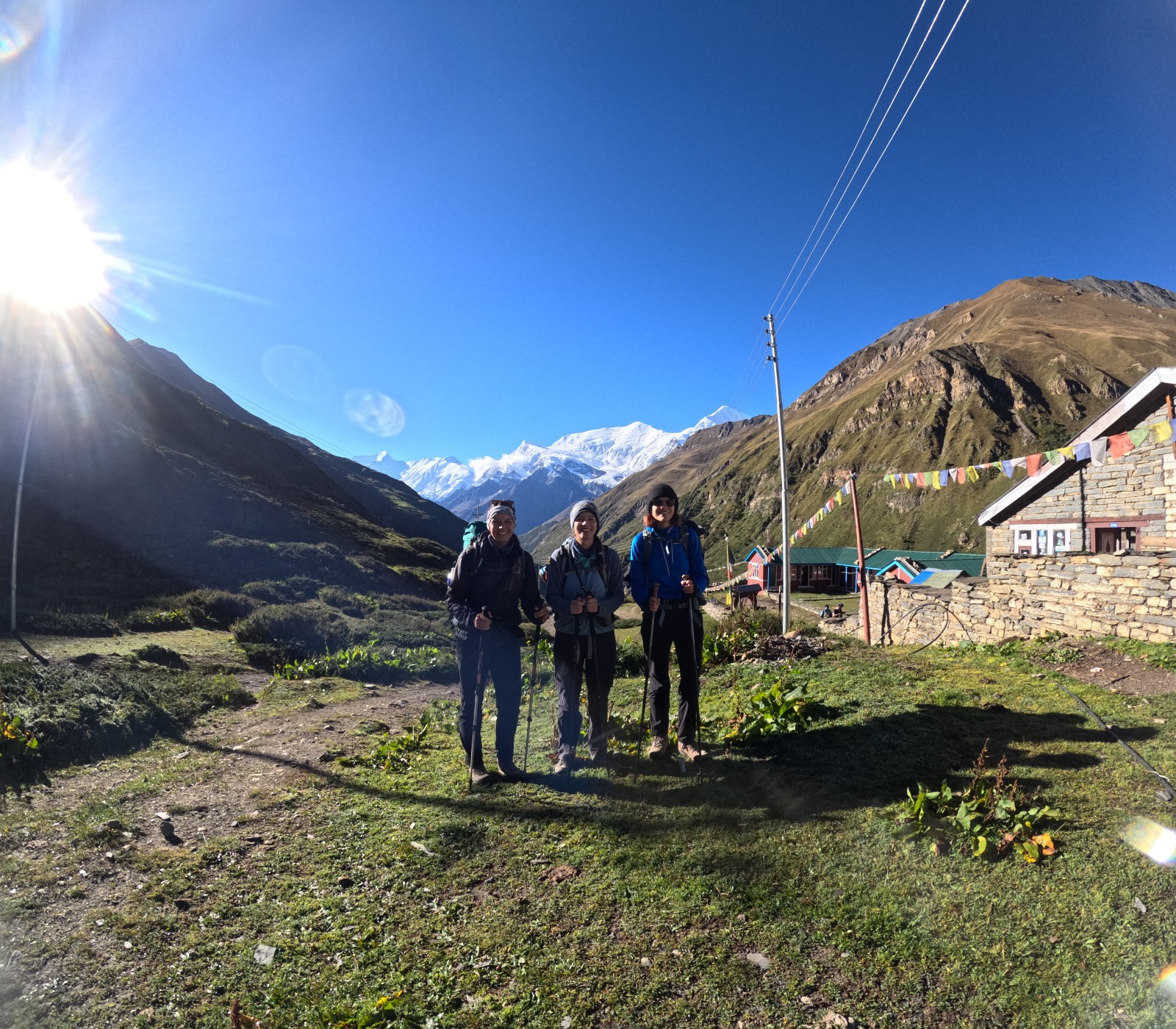
The trail ascends from Manang along the Jarsang Khola valley, passing high-altitude meadows, juniper scrub, and open landscapes dotted with prayer flags. The day is shorter to help with acclimatization, but the increase in altitude can feel demanding. Arriving at Ledar, you’ll enjoy spectacular views of Gangapurna, Annapurna III, and Tilicho peaks. The village is small with basic teahouses, offering warm food and rest for trekkers. This is a crucial day for preparing your body for the Thorong La Pass ascent in the coming days.
Trip Duration:
3–4 HoursTrip Distance:
9.1 kmAltitude:
4200 mMeal:
Breakfast, Lunch, DinnerAccomodation :
Teahouse or LodgeDay 18
Today’s trek is challenging, traversing rocky and desolate terrain with few settlements. Depending on your pace and weather conditions, you may reach Thorung Phedi, a small cluster of lodges at 4525m, or continue to Thorung High Camp at 4925m. Both locations serve as staging points for the Thorong La Pass crossing. The surrounding landscape is dramatic, with steep ridges, rugged cliffs, and panoramic views of the Kali Gandaki valley. Prepare your gear carefully, ensure hydration, and rest adequately to face the early-morning ascent to the pass.
Trip Duration:
4–5 HoursTrip Distance:
7.3 kmAltitude:
4925 mMeal:
Breakfast, Lunch, DinnerAccomodation :
Teahouse or LodgeDay 19
This is the most demanding yet rewarding day of the trek. Depart early morning to cross Thorong La Pass, the highest point of the Annapurna Circuit at 5416m. The ascent involves rocky paths, high-altitude terrain, and often windy conditions. From the pass, enjoy breathtaking 360-degree Himalayan views, including peaks of Annapurna, Dhaulagiri, and Machapuchare. After reaching the summit, begin a gradual descent into the Kali Gandaki Valley, arriving at Muktinath, a sacred pilgrimage site for both Hindus and Buddhists. The village offers temples, gompas, and an unforgettable cultural experience. This day combines high-altitude trekking, stunning scenery, and spiritual immersion.
Trip Duration:
8–9 HoursTrip Distance:
18.5 kmAltitude:
3760 mMeal:
Breakfast, Lunch, DinnerAccomodation :
Teahouse or LodgeDay 20
The trail descends through the windy and arid Kali Gandaki Valley, passing small villages and rocky landscapes. This section is less strenuous, providing a chance to enjoy the valley’s unique ecosystem, characterized by juniper forests and sparse vegetation. Reach Jomsom, the administrative center of the Mustang district, known for its bustling bazaar, cozy lodges, and relaxed atmosphere. Jomsom also serves as a gateway for flights to Pokhara, offering convenience after long days of trekking.
Trip Duration:
5–6 HoursTrip Distance:
16.5 kmAltitude:
2710 mMeal:
Breakfast, Lunch, DinnerAccomodation :
Teahouse or LodgeDay 21
Enjoy a scenic flight from Jomsom to Pokhara, descending from the high Himalayas to the lush Pokhara Valley. The aerial views provide stunning perspectives of Dhaulagiri and Annapurna ranges. Upon arrival, transfer to your hotel in Pokhara. Use the afternoon to relax by Phewa Lake, explore the lakeside market, or visit attractions such as the World Peace Pagoda or Devi’s Fall. This is a rejuvenating day after long trekking.
Trip Duration:
25 Minutes FlightAltitude:
827 mMeal:
BreakfastAccomodation :
3-Star Hotel in PokharaDay 22
Take a morning flight back to Kathmandu. Spend the day shopping for souvenirs, exploring local heritage sites like Pashupatinath Temple or Boudhanath Stupa, or simply relaxing in your hotel. In the evening, enjoy a farewell dinner, celebrating the successful completion of the Manaslu Annapurna Circuit Trek. This is a perfect opportunity to reflect on the cultural, scenic, and personal achievements of your journey.
Trip Duration:
25 Minutes (Flight)Altitude:
1400 mMeal:
Breakfast and Farewell DinnerAccomodation :
3-Star Hotel in KathmanduDay 23
After breakfast, you will be transferred to Tribhuvan International Airport for your onward journey. This marks the end of the Manaslu Annapurna Circuit Trek with ART Nepal Treks & Expedition. Depart with memories of challenging treks, spectacular Himalayan vistas, rich cultural encounters, and personal accomplishment.
Meal:
BreakfastWhat's Included
The cost of the Manaslu Annapurna Circuit Trek with ART Nepal Treks & Expedition is designed to cover almost all essential trekking expenses, ensuring your journey is safe, comfortable, and well-supported. The cost includes:
- Airport Pickup & Drop: Safe transportation to and from Tribhuvan International Airport, Kathmandu. Our representatives will assist you on arrival and departure.
- Accommodation in Kathmandu: Two nights at a comfortable 3-star hotel in Thamel, providing a restful start and end to your trek.
- Breakfast in Kathmandu: Two nourishing breakfasts included during your hotel stay to energize you for trekking.
- All Permits and Taxes: Covers the Manaslu Restricted Area Permit, Annapurna Conservation Area Permit (ACAP), TIMS card, and government taxes. These permits ensure legal access to protected trekking regions.
- Domestic Flights: Includes flights during the trek, such as Jomsom to Pokhara and Pokhara to Kathmandu, making the trek logistically smoother.
- Accommodation along the Trek: Teahouses and lodges along the trail, providing beds and meals in remote villages.
- Meals: Full board along the trek including Breakfast, Lunch, Dinner, and tea/coffee, ensuring proper nutrition and energy.
- Experienced Guide: A professional guide who manages the trekking route, logistics, and ensures safety. The guide’s salary, food, accommodation, and insurance are included.
- First Aid Kit: A well-stocked kit carried by the guide for emergency medical needs.
- Public Transportation: Transport during the trek, such as shared jeeps or buses, included for convenience.
This comprehensive inclusion ensures that you can focus on trekking, sightseeing, and cultural immersion without worrying about hidden costs.
What's Excluded
While the trek cost covers the essentials, there are certain expenses that are not included and must be arranged by the trekker:
- Personal Expenses: Souvenirs, shopping, laundry, and personal items.
- Gears: Trekking boots, jackets, sleeping bags, and other personal trekking gear are not included.
- Beverages & Mineral Water: While meals are provided, additional drinks, bottled water, or energy drinks are your responsibility.
- Travel Insurance: Comprehensive travel insurance covering high-altitude trekking is mandatory but not included in the trek cost.
- Tips for Staff: It is customary to tip your guide and porter at the end of the trek.
- Porters: Optional, though recommended for carrying heavy luggage ($22 per porter per day), a porter can carry up to 20 kg, and it is advisable to hire one porter for every two trekkers for comfort and convenience.
Essential Info
Add-Ons
For trekkers who want to enhance their journey or customize it further, ART Nepal Treks & Expedition offers several add-on services:
- Sightseeing in Kathmandu: Explore UNESCO World Heritage Sites, such as Pashupatinath Temple, Boudhanath Stupa, and Bhaktapur Durbar Square, before or after your trek.
- Porter Services: Hire a porter to carry heavy backpacks, making the trek more comfortable and enjoyable, especially on longer or high-altitude days.
- Additional Flights: Optional flights for flexibility or scenic views, such as Pokhara to Jomsom or Jomsom to Kathmandu.
- Helicopter Services: For emergency evacuation or unique aerial experiences in the Annapurna and Manaslu regions.
- Private Transportation: Customize your road transfers between Kathmandu, Pokhara, and trailheads with private vehicles for convenience and comfort.
These add-ons allow trekkers to tailor their experience, whether prioritizing comfort, flexibility, or exploration beyond the trail.
Best Season to Trek
The Manaslu Annapurna Circuit Trek is feasible year-round, but certain seasons offer the best combination of weather, views, and safety:
- Spring (March–May): Considered one of the best trekking periods. The weather is mild, skies are mostly clear, and the landscape comes alive with rhododendron blooms painting the hillsides in red, pink, and white. Temperatures are comfortable, and the trail is lively with trekkers and locals alike.
- Autumn (September–November): The peak trekking season in Nepal. After the monsoon, the air is clear, offering stunning panoramic views of Annapurna, Manaslu, Dhaulagiri, and Machapuchare. Days are warm, nights are crisp, and the trail conditions are ideal.
- Winter (December–February): Cold and less crowded, winter treks offer a solitary experience of the Himalayas. Snow may cover higher passes, so trekking requires proper winter gear and prior experience. Lower altitude sections remain accessible, but temperatures can drop significantly at night.
- Monsoon (June–August): Heavy rainfall makes trails slippery, rivers swollen, and landslides more likely. This season is generally not recommended for this trek unless you are an experienced high-altitude trekker seeking solitude.
Choosing the right season ensures safety, comfort, and breathtaking views, enhancing the overall trekking experience.
Food Availability
Nutrition and energy are critical during the Manaslu Annapurna Circuit Trek because of the long trekking days and high-altitude conditions. Along the route, you will find a mix of traditional Nepali meals and simple international options, allowing trekkers to maintain energy while experiencing local flavors.
Meals are served at teahouses and lodges, and the quality generally improves as you approach popular trekking regions. While higher-altitude villages such as Samdo, Dharamshala, and Ledar may have limited menu options, the food is always prepared to be nourishing and filling. Most teahouses also offer tea, coffee, and hot chocolate to help keep you warm after a day of trekking.
Typical meal options include:
- Breakfast:
- Oatmeal with honey or dried fruits
- Eggs cooked to order (boiled, scrambled, or fried)
- Pancakes or French toast
- Toast or bread with jam or peanut butter
- Local specialties such as sel roti (rice doughnut)
- Lunch:
- Soups: vegetable, chicken, or noodle soups
- Sandwiches and wraps with local vegetables or cheese
- Dal Bhat (Nepali rice with lentil soup), often served with seasonal vegetables
- Pasta or fried rice for a more international option
- Dinner:
- Dal Bhat with curry and vegetables
- Pasta or noodles with tomato or cheese sauce
- Momos (Nepali dumplings, steamed or fried)
- Stews with meat or vegetables
- Snacks & Drinks:
- Biscuits, nuts, and chocolate bars
- Fruits like apples and oranges, depending on availability
- Tea, coffee, hot chocolate, and energy drinks
Tips for trekkers:
- Carry energy bars or dry snacks for long days or areas where food options are limited.
- Stay hydrated by drinking sufficient water, preferably from filtered sources or using water purification tablets.
- Adjust portion sizes to your energy needs, as higher altitudes may suppress appetite but require more calories.
Accommodation
Accommodation is an important part of the trek experience, providing a resting point, meals, and cultural interaction. Along the Manaslu Annapurna Circuit, lodgings are mostly teahouses in remote villages, with comfortable hotels in Kathmandu and Pokhara at the start and end of the trek.
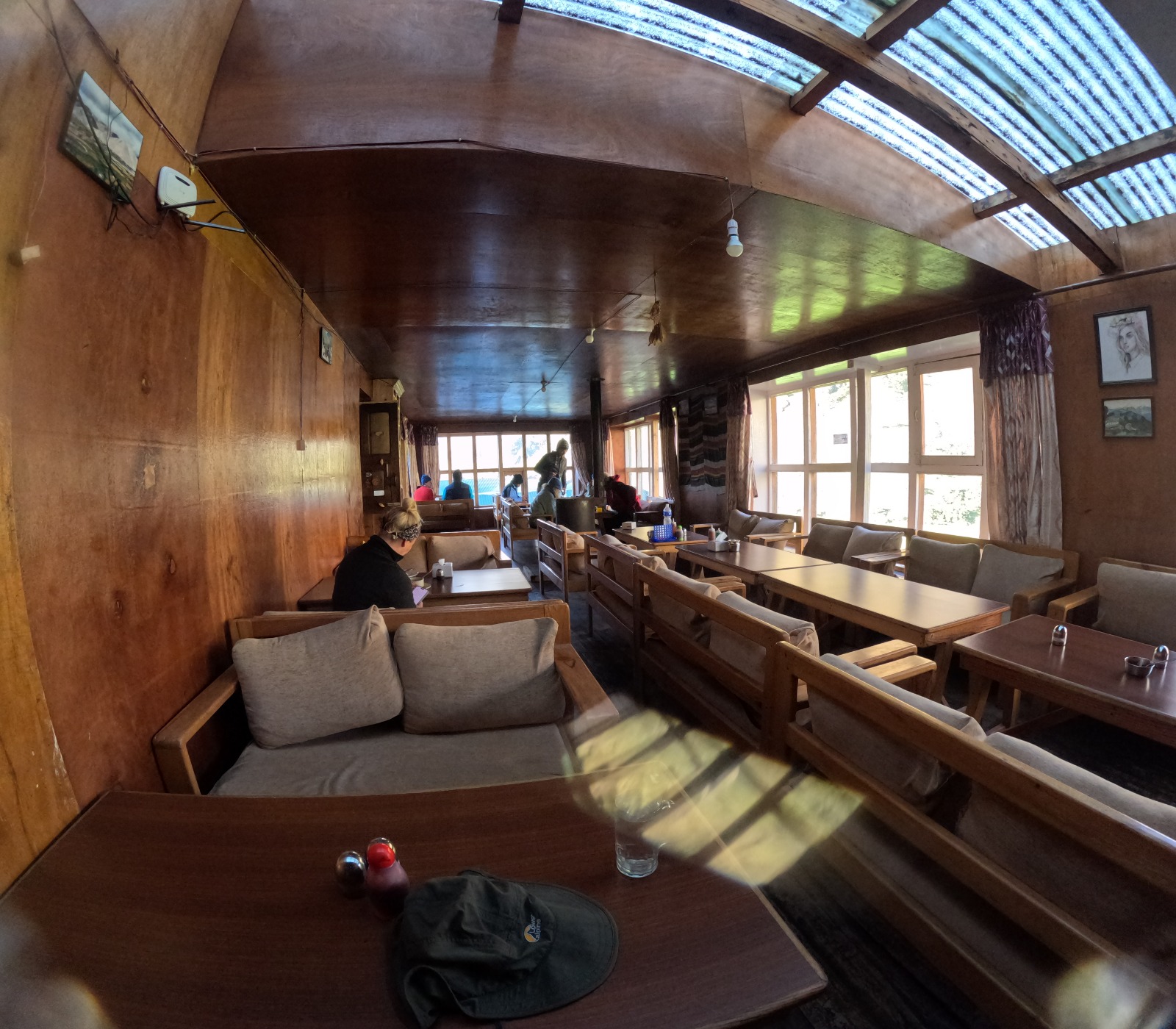
Teahouses offer basic amenities, including beds, blankets, and shared bathrooms. Some teahouses at higher altitudes may not have hot showers or electricity, so carrying a small headlamp and being prepared for rustic conditions is advisable. In larger villages like Manang and Jomsom, accommodations are slightly better, with more rooms, hot showers, and sometimes Wi-Fi.
Accommodation options include:
- Teahouses: Local homes converted into guest lodges, offering beds, blankets, and meals. Shared bathrooms are common.
- Lodges: Slightly larger facilities with better dining areas and resting spaces.
- Hotels in Kathmandu & Pokhara: Comfortable 3-star hotels with modern amenities, providing a restful environment before and after the trek.
- Camping (Optional): In remote or less-traveled areas, tents may be arranged, offering a unique Himalayan wilderness experience.
Tips for accommodation:
- Carry a sleeping bag suitable for cold temperatures, especially at higher altitudes.
- Be prepared for shared facilities; maintaining personal hygiene and respecting local customs is important.
- Booking in advance during peak seasons (Spring and Autumn) is recommended, though teahouses generally accommodate trekkers.
Travel Insurance
Travel insurance is essential for trekking in Nepal, especially for high-altitude regions like Manaslu and Annapurna. It ensures that in case of accidents, illness, or emergencies, you are protected both medically and financially.
A comprehensive travel insurance policy should cover:
- High-altitude trekking: Up to at least 5500–6000 meters to include passes like Thorong La and Larkya La.
- Medical emergencies: Hospitalization, treatment for injuries, illness, or altitude-related problems.
- Evacuation: Helicopter or ground rescue in case of serious illness, injury, or severe altitude sickness.
- Trip cancellation or interruption: For weather delays, natural disasters, or personal emergencies.
Tips for travelers:
- Always carry a copy of your insurance policy and emergency contacts.
- Inform your guide and local agencies about your coverage in case evacuation is needed.
- Check whether your insurance includes treatment for altitude sickness.
Altitude Sickness
Altitude sickness is a real risk in the Himalayas due to the reduced oxygen levels at high altitudes. Symptoms may include:
- Headache
- Nausea or vomiting
- Dizziness
- Fatigue
- Shortness of breath
Prevention and safety measures include:
- Ascend gradually: Incorporate acclimatization days at Samagaon, Manang, and Ledar.
- Hydrate frequently: Drink water regularly to avoid dehydration, which can worsen symptoms.
- Medication: Carry prescribed drugs like Acetazolamide if advised by your doctor.
- Rest and monitor symptoms: Avoid overexertion and consult your guide if symptoms appear.
- Descend if necessary: Descending to lower altitudes is the most effective treatment for severe symptoms.
Understanding altitude sickness and following proper precautions is essential for safety, comfort, and successful completion of the trek.
Guide and Safety Measures
Hiring an experienced guide is vital for navigation, safety, and cultural insight on this trek.
Guide Responsibilities:
- Navigate trails and manage logistics.
- Monitor trekkers for signs of altitude sickness or fatigue.
- Provide cultural information and explain local customs and traditions.
- Coordinate with local authorities and manage accommodations along the route.
Safety Measures Include:
- Regular health checks and monitoring for altitude sickness
- Emergency evacuation planning and protocols
- First aid readiness
- Ensuring proper acclimatization and pace management
Following these safety measures ensures a secure, culturally immersive, and enjoyable trekking experience.
Booking Procedure
Booking your trek with ART Nepal Treks & Expedition is straightforward:
- Contact: Reach out via phone, email, or website to check availability and gather information.
- Deposit: Pay a deposit to confirm your booking and secure trekking permits.
- Final Payment: Settle the remaining balance prior to departure.
- Documentation: Provide copies of your passport, visa, travel insurance, and emergency contacts.
This process ensures a smooth, secure, and well-organized trek.
Equipment List
- Lightweight trekking pants and t-shirts
- Thermal base layers for warmth
- Sun hat and gloves
- Trekking socks
- Trekking poles for balance and reduced knee strain
- Daypack for essentials
- Reusable water bottles or hydration system
- Sleeping bag rated for sub-zero temperatures
- Waterproof and windproof jackets
- Warm jackets for high-altitude nights
- Extra layers for fluctuating temperatures
- Personal first aid kit
- Sunscreen, lip balm
- Hand sanitizer and toiletries
- Headlamp or torch
- Camera
- Mobile phone and power bank
- Optional GPS device
General Equipments
- Trekking permits and identification
- Snacks and energy bars
- Maps or guidebooks
FAQ
Trip Price
USD 1999 Per Person
Talk To Trip Expert
Related Trips