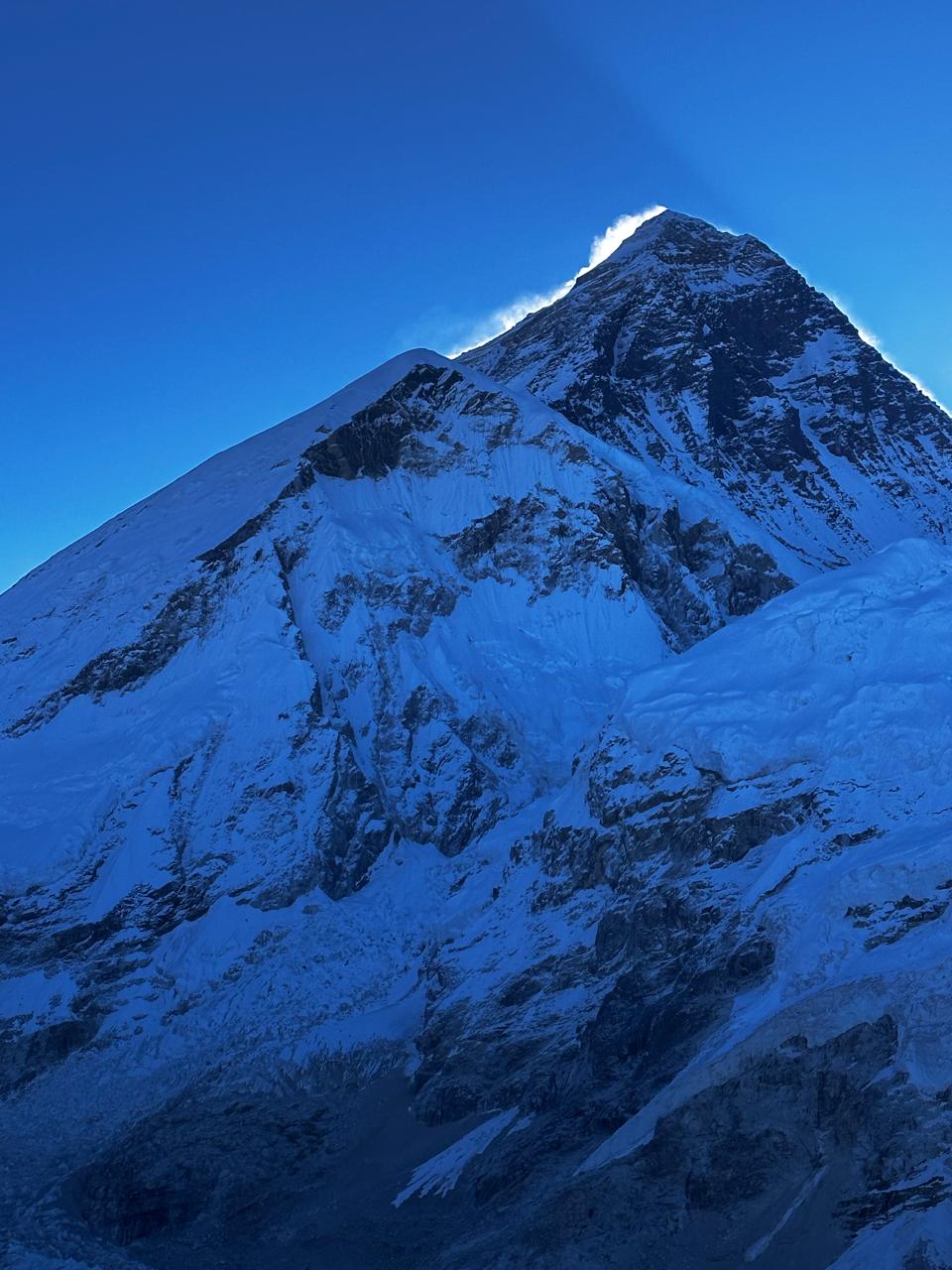


Himlung Himal Expedition – 26 Days Adventure
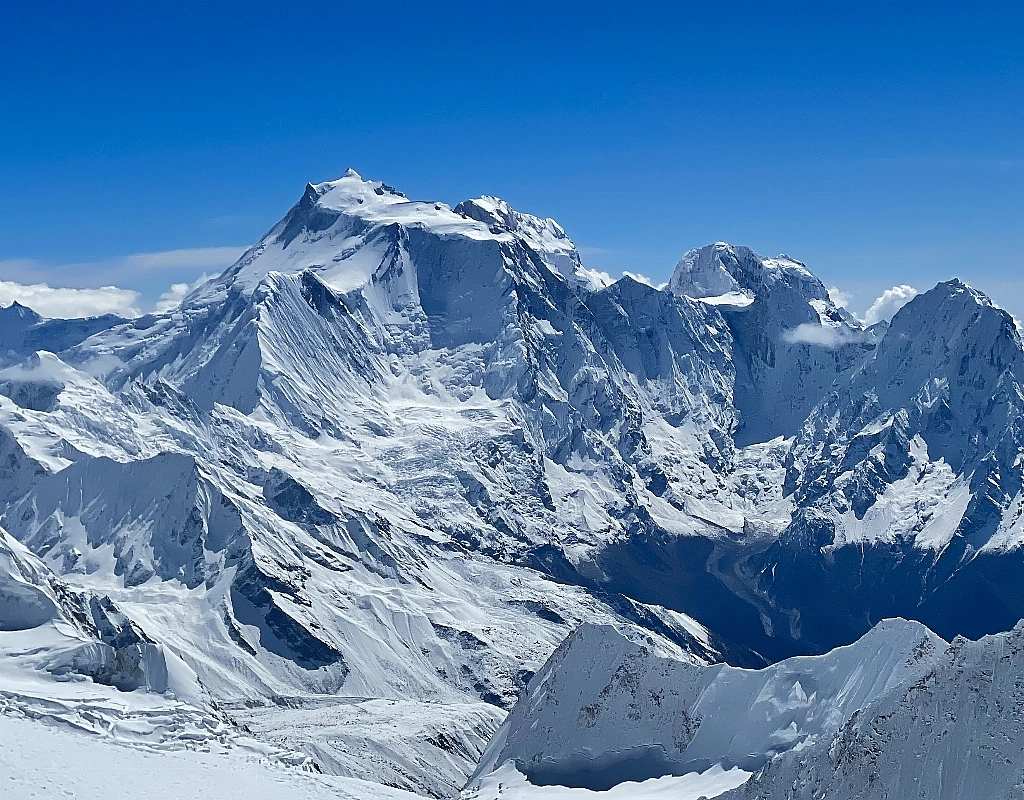
Introduction
The Himlung Himal Expedition is a complete Himalayan journey that combines remote trekking, cultural exploration, and high-altitude mountaineering. Beginning from Kathmandu, the journey heads toward the remote Nar Phu region, one of Nepal’s least explored trekking destinations. As you travel through winding roads and scenic hills, you gradually leave behind the busy city life and enter a world of quiet valleys, traditional villages, and untouched natural beauty.
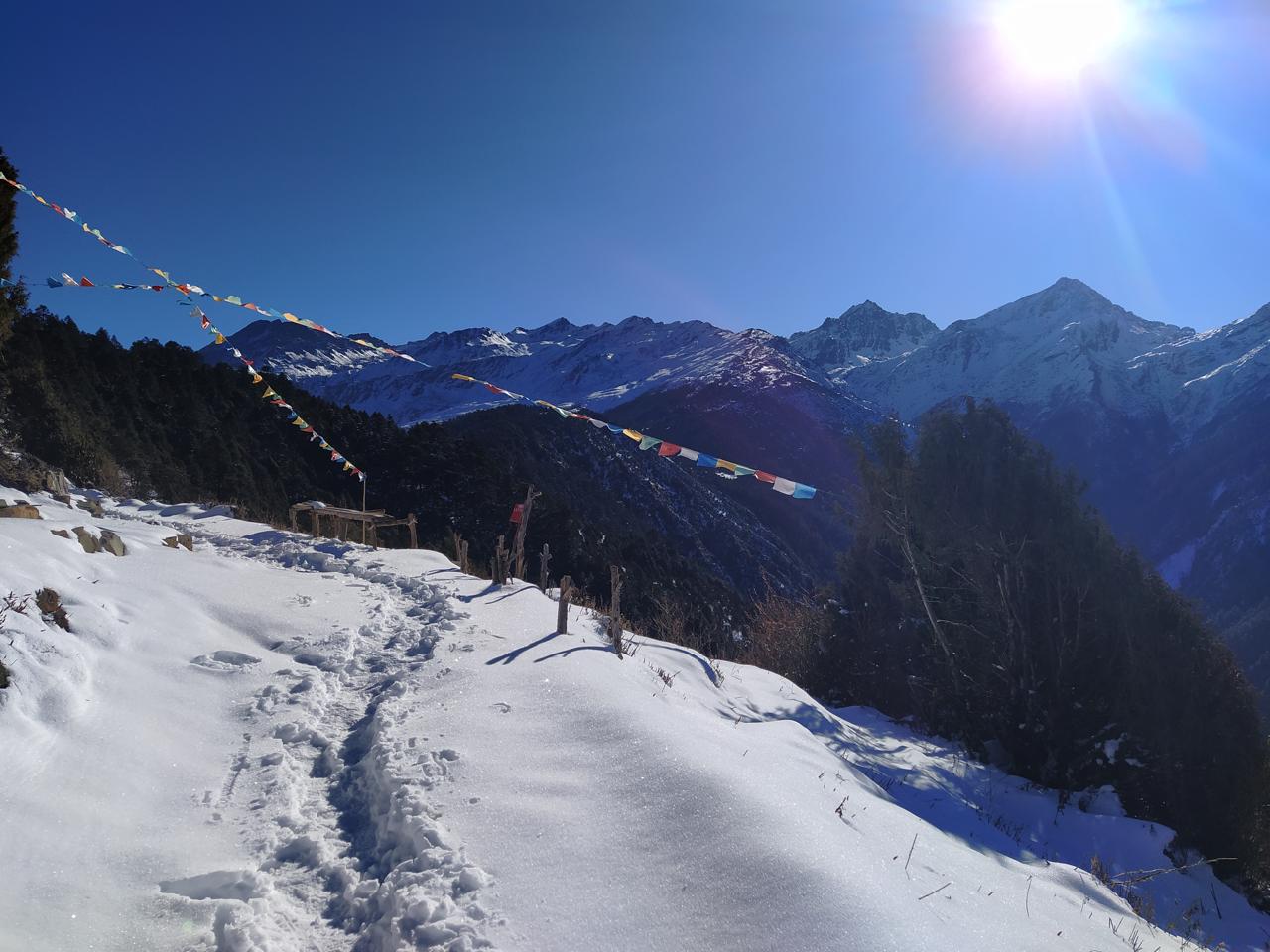
The trekking phase takes you through diverse landscapes, from lush forests and river valleys to high alpine terrain and rugged mountain paths. Along the way, you pass through traditional settlements such as Koto and Phu Gaon, where ancient Tibetan-influenced culture is still preserved. These villages provide a rare opportunity to experience local lifestyles, monasteries, and spiritual traditions in a remote Himalayan setting.
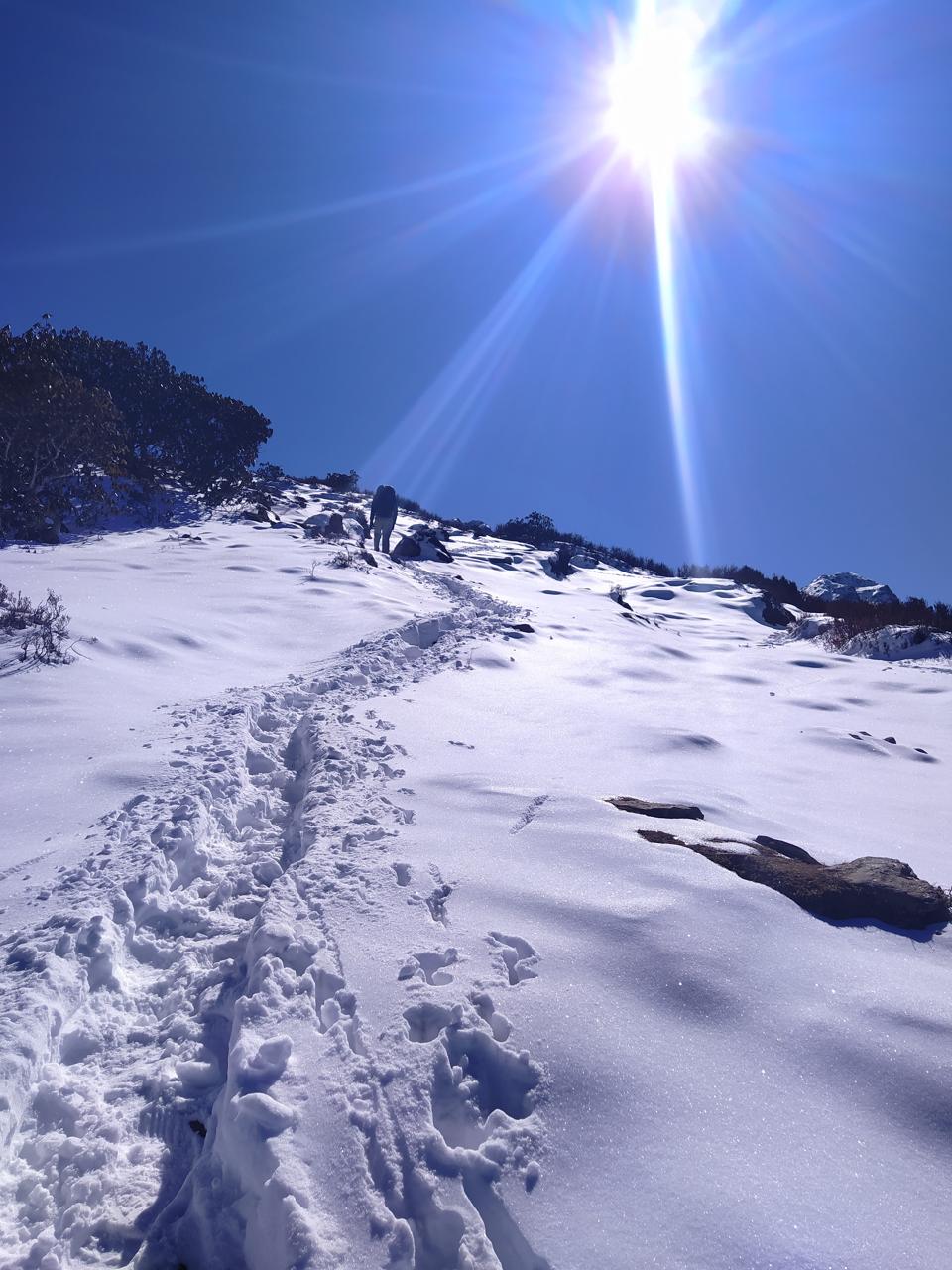
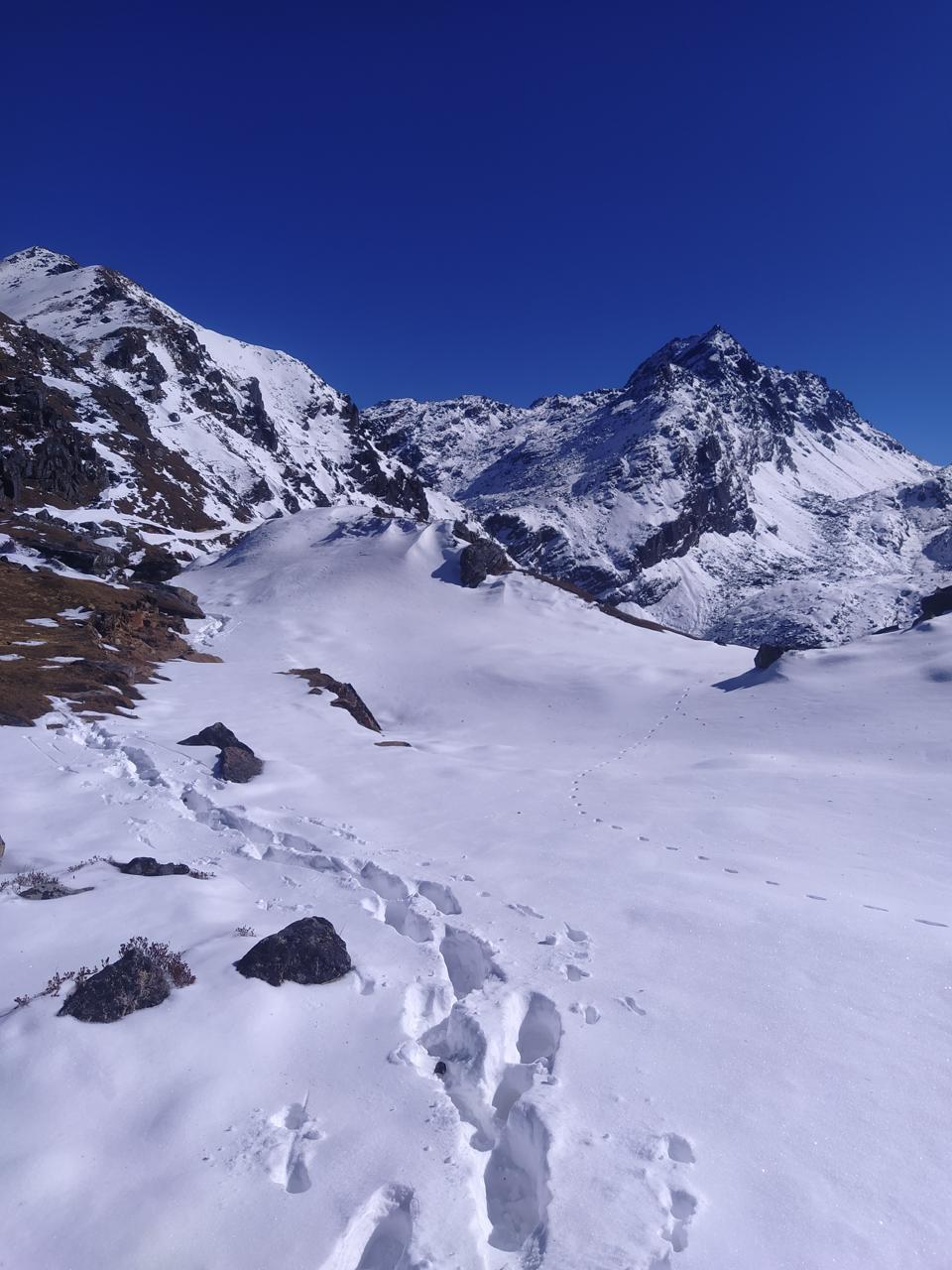
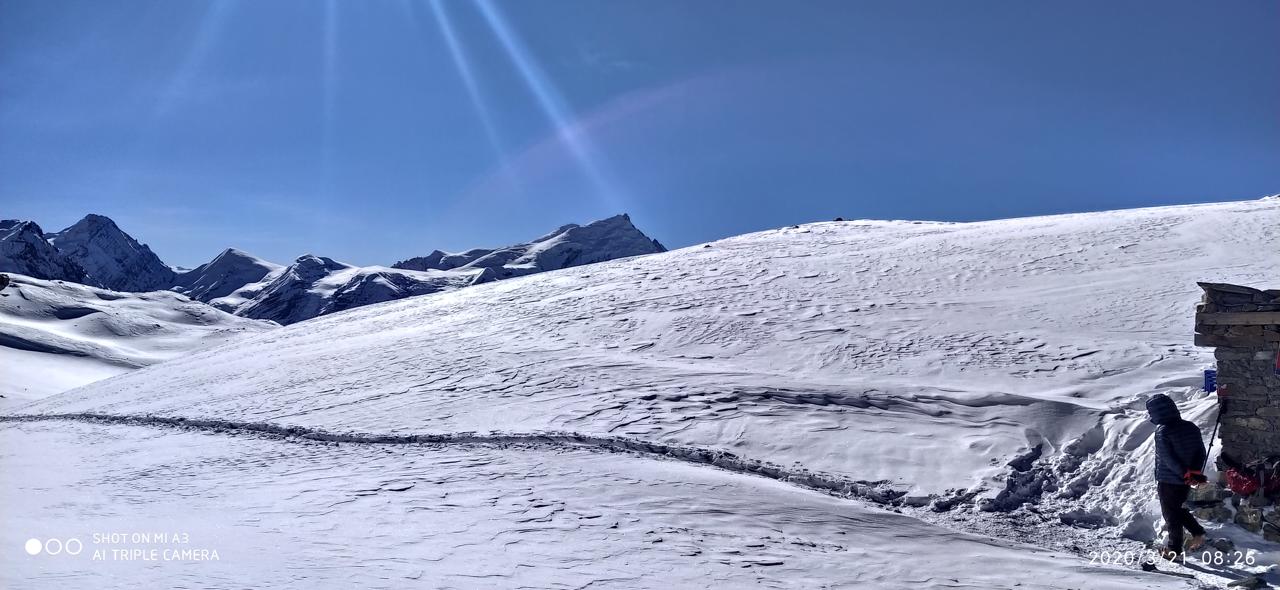
As you progress higher, the environment becomes more dramatic and challenging. The trail transitions into rocky terrain, glacial valleys, and high-altitude landscapes. Reaching Himlung Base Camp marks the beginning of the climbing phase, where the expedition truly becomes more technical and physically demanding. Here, climbers prepare equipment, undergo training, and begin acclimatization routines essential for high-altitude success.
The expedition’s core lies in the carefully planned acclimatization and summit rotations. Climbers move between different camps—Camp I, Camp II, and High Camp—to adapt to the altitude while gaining climbing experience. These rotations are essential to build strength, confidence, and proper oxygen adaptation. The summit push is the most demanding part, requiring endurance, technical skills, and favorable weather conditions.
With the support of ART Nepal Treks & Expedition, climbers are guided by experienced professionals who ensure safety, proper pacing, and logistical support throughout the journey. After reaching the summit of Himlung Himal, the descent offers a rewarding return through familiar landscapes, allowing time for reflection and celebration of a successful high-altitude achievement.
What Can You Expect from the Trek?
This expedition offers a combination of adventure, cultural immersion, and mountaineering challenge. From the beginning, you will experience a gradual transition from lowland villages to high-altitude wilderness. Each day introduces new scenery, including forests, rivers, alpine meadows, and glacier fields. The journey provides a sense of isolation and tranquility, as the Nar Phu region remains less crowded compared to other popular trekking routes in Nepal.
As you move higher, the physical challenge increases. Long trekking days, steep ascents, and high-altitude conditions require endurance and mental strength. The climbing phase adds another level of difficulty, involving glacier travel, snow slopes, and rope techniques. However, the structured acclimatization plan ensures that climbers can safely adapt and build confidence step by step.
Culturally, the expedition is equally rewarding. You will encounter traditional Tibetan-style villages, ancient monasteries, and welcoming local communities. Observing daily life in these remote regions provides a deeper understanding of Himalayan culture and spirituality. The combination of adventure, culture, and natural beauty makes this expedition a truly enriching experience.
Summary – Key Experiences
- Diverse Landscapes: Forests, valleys, glaciers, and alpine terrain
- High-Altitude Challenge: Trekking and climbing above 7,000 meters
- Cultural Encounters: Traditional villages and Tibetan-influenced lifestyle
- Mountaineering Skills: Glacier travel, rope work, and snow climbing
- Remote Exploration: Less crowded and pristine Himalayan region
Is This Trek Suitable for You?
The Himlung Himal Expedition is suitable for trekkers and climbers who have prior high-altitude trekking experience and are ready to take on a 7,000-meter peak. While it is considered one of the more accessible expedition peaks, it still requires good physical fitness, mental determination, and basic mountaineering skills. Beginners without trekking experience may find it challenging.
Participants should be comfortable walking for several hours each day on uneven terrain and carrying personal gear. The climbing section requires familiarity with equipment such as crampons, ice axes, and ropes. Even though technical difficulty is moderate, the high altitude significantly increases the level of challenge. Proper preparation and training are essential for a successful expedition.
This expedition is ideal for those looking to step into high-altitude mountaineering beyond trekking peaks. It offers a perfect balance between technical climbing and achievable goals, making it a great choice for climbers aiming to gain experience on a 7,000-meter mountain. With professional guidance, motivated and prepared individuals can successfully complete this adventure.
Summary – Suitable Trekkers
- Experienced Trekkers: Prior high-altitude trekking required
- Physically Fit: Ability to walk 5–7 hours daily
- Basic Climbing Skills: Knowledge of crampons and ice axe
- Adventure Mindset: Willingness to face remote and challenging conditions
- Team Spirit: Ability to work with guides and team members
How to Get Prepared for the Trek?
Preparation for the Himlung Himal Expedition should begin several weeks or months in advance. Physical fitness is crucial, as the expedition involves long trekking days and demanding climbs at high altitude. Training should focus on endurance activities such as hiking, running, and cycling, combined with strength training for legs and core muscles. Practicing hikes with a backpack helps simulate real trekking conditions.
Equally important is technical preparation. Familiarity with mountaineering equipment like crampons, harnesses, ropes, and ice axes is highly beneficial. If you lack experience, basic mountaineering training before the expedition is recommended. Understanding how to walk on glaciers and use climbing gear will increase both safety and confidence during the climb.
Mental preparation is also essential. High-altitude expeditions require patience, resilience, and adaptability to changing weather and conditions. Proper planning, packing the right gear, and learning about altitude sickness will help ensure a safe and enjoyable journey. Staying positive and following your guide’s instructions are key to success.
Summary – Preparation Checklist
- Physical Training: Endurance, strength, and long hikes
- Technical Skills: Basic mountaineering training
- Gear Preparation: Proper clothing and climbing equipment
- Health Awareness: Understand altitude sickness
- Mental Readiness: Patience, focus, and adaptability
-
Trip Duration
26 Days / 25 Nights
-
Group Size
1–20 People
-
Maximum Altitude
7,126 meters
-
Trip Difficulty
Moderate to Challenging
-
Activities
Trekking & Peak Climbing
-
Best Season
Spring (April–May), Autumn (September–October)
-
Trip Start & End
Kathmandu -Kathmandu
-
Meals
All meals during trek & expedition
-
Accomodation
Hotel, Teahouse & Tented Camp
Highlights
- Remote Himalayan Region: Explore one of Nepal’s less crowded and untouched trekking and climbing areas.
- Phu Gaon Culture: Experience authentic Tibetan-style villages and unique mountain traditions.
- Scenic Approach Trek: Walk through forests, rivers, alpine valleys, and dramatic landscapes.
- Glacier & Snow Climbing: Gain real high-altitude mountaineering experience on glaciers and snow slopes.
- 7,000m Peak Experience: Summit Himlung Himal (7,126m), a perfect introductory expedition peak.
- Acclimatization Strategy: Well-planned rotations increase safety and summit success.
- Panoramic Mountain Views: Enjoy stunning views of surrounding Himalayan peaks and ridges.
Itinerary
Day 01
The journey begins with an early morning drive from Kathmandu toward Besisahar, the gateway to the Manang and Nar Phu regions. The drive takes you through scenic highways, terraced farmlands, and river valleys, offering a glimpse of Nepal’s rural beauty. Along the way, you will pass small towns and villages, observing local life and changing landscapes as you move away from the city.
Upon arrival in Besisahar, you will settle into a guesthouse and prepare for the trekking journey ahead. This day is relatively relaxed but important for transitioning from urban to rural settings. It also provides time to check equipment and rest before starting the trek.
Trip Duration:
~7 hours driveTrip Distance:
~175 kmAltitude:
640mMeal:
Lunch & DinnerAccomodation :
GuesthouseDay 02
Today marks the beginning of your trekking journey as you move through lush green hills and traditional villages. The trail follows river valleys and crosses suspension bridges, offering scenic views and a gentle introduction to trekking. The gradual ascent helps your body begin acclimatization.
As you reach Koto, the landscape starts to change slightly, with cooler temperatures and more mountainous surroundings. The village provides a peaceful environment to rest and prepare for higher altitudes in the coming days.
Trip Duration:
6 hoursTrip Distance:
~12–14 kmAltitude:
1,700mMeal:
Breakfast, Lunch, DinnerAccomodation :
TeahouseDay 03
Today’s trek takes you deeper into the remote Nar Phu region as you officially enter a restricted and less-traveled area of Nepal. The trail gradually leaves behind dense forests and begins to open into alpine landscapes. You will walk along riverbanks, cross wooden bridges, and pass through narrow gorges carved by glacial rivers. The environment becomes quieter and more isolated, offering a true sense of wilderness and adventure. As the altitude increases, the air becomes thinner, so maintaining a steady pace and proper hydration is important.
The final stretch toward Meta involves a steady climb through rugged terrain, where the vegetation becomes sparse and rocky slopes dominate the scenery. Upon reaching Meta, you are rewarded with wide views of surrounding mountains and valleys. This small settlement serves as a resting point where trekkers can relax, acclimatize, and prepare for further altitude gain. The peaceful surroundings and dramatic landscapes make this a memorable day in the journey.
Trip Duration:
~7 hoursTrip Distance:
~15 kmAltitude:
3,560mMeal:
Breakfast, Lunch, DinnerAccomodation :
TeahouseDay 04
Today’s trek is shorter but plays an important role in acclimatization as you continue to gain altitude. The trail follows high alpine terrain with open landscapes, offering stunning views of rocky ridges and distant snow-capped peaks. You will pass small seasonal settlements and yak grazing areas, giving insight into the lifestyle of people living in these high-altitude regions. The terrain becomes more exposed, and the weather can be cooler and windier compared to previous days.
The gradual ascent helps your body adjust while allowing you to fully enjoy the surrounding scenery. As you approach Chyaku, the landscape becomes more rugged, with fewer trees and more rocky formations. This quiet and remote settlement provides a perfect place to rest and recover, ensuring that your body continues to adapt safely to the increasing altitude.
Trip Duration:
~5 hoursTrip Distance:
~10–12 kmAltitude:
3,800mMeal:
Breakfast, Lunch, DinnerAccomodation :
TeahouseDay 05
The trek from Chyaku to Kyang is a moderate day with a mix of gentle ascents and descents. The trail winds through wide valleys and along riverbanks, offering spectacular views of surrounding cliffs, glaciers, and distant peaks. The terrain is less steep compared to earlier days, allowing for a more relaxed pace while still gaining altitude gradually. This section of the trek provides excellent opportunities for photography and enjoying the raw beauty of the Himalayan landscape.
As you reach Kyang, you will notice a dramatic high-altitude environment with vast open spaces and towering mountains. The village is small but offers a comfortable stop for trekkers. The slower pace of the day helps conserve energy while continuing the acclimatization process, which is crucial before reaching higher settlements like Phu Gaon.
Trip Duration:
~6 hoursTrip Distance:
~12 kmAltitude:
3,840mMeal:
Breakfast, Lunch, DinnerAccomodation :
TeahouseDay 06
Today you enter one of the most culturally rich and unique areas of the expedition—Phu Gaon. The trail gradually climbs through rugged landscapes, crossing streams and passing ancient chortens and prayer walls. As you approach the village, the scenery becomes increasingly dramatic, with high cliffs and snow-covered peaks surrounding the valley. The sense of remoteness is strong, making this part of the journey truly special.
Phu Gaon is a traditional Tibetan-style village that has remained largely untouched by modern development. Here, you will see stone houses, monasteries, and local people living according to centuries-old traditions. The village offers an excellent opportunity to explore local culture, interact with residents, and visit nearby monasteries. This cultural immersion adds a meaningful dimension to the expedition.
Trip Duration:
~5 hoursTrip Distance:
~10–11 kmAltitude:
4,080mMeal:
Breakfast, Lunch, DinnerAccomodation :
TeahouseDay 07
This is an important acclimatization day designed to help your body adjust to the increasing altitude. Instead of resting completely, you will take a hike to nearby ridges or viewpoints at higher elevations, typically between 4,500m and 4,800m. These short hikes follow the principle of “climb high, sleep low,” which helps improve oxygen adaptation and reduces the risk of altitude sickness.
Apart from acclimatization hikes, you can explore the village, visit monasteries, and observe the traditional lifestyle of the local community. Spending extra time in Phu Gaon allows you to recover physically while also gaining mental strength for the higher-altitude sections ahead. Proper hydration, nutrition, and rest are essential on this day.
Trip Duration:
~6–7 hours (hike)Trip Distance:
~6–8 km (optional hikes)Altitude:
4,080m (sleep) / up to ~4,800m (hike)Meal:
Breakfast, Lunch, DinnerAccomodation :
TeahouseDay 08
Today marks a significant transition as you leave the village environment and move toward the high-altitude base camp of Himlung Himal. The trail follows a glacial valley, with rocky terrain, moraine fields, and streams flowing from nearby glaciers. The landscape becomes more dramatic and rugged, with towering peaks and icy formations dominating the surroundings.
Upon reaching Base Camp, you will set up tents and begin organizing climbing equipment. This is where the expedition shifts from trekking to mountaineering. The camp serves as your main base for the coming days, providing space for rest, preparation, and acclimatization. The sense of anticipation builds as you prepare for the climbing phase of the expedition.
Trip Duration:
~7 hoursTrip Distance:
~12–14 kmAltitude:
4,900mMeal:
Breakfast, Lunch, DinnerAccomodation :
Tented CampDay 09
This day is dedicated to acclimatization and preparation for the climbing phase. You will take short hikes to nearby ridges at elevations of around 5,100m to 5,300m. These hikes help your body adapt to lower oxygen levels while improving your strength and endurance. Guides will also provide training on using climbing equipment such as crampons, ropes, and harnesses.
The rest of the day is spent organizing gear, checking equipment, and ensuring everything is ready for the summit rotations. Proper nutrition and hydration are crucial at this stage, as your body requires more energy at high altitude. This preparation day plays a vital role in ensuring safety and success during the climb.
Trip Duration:
~4–5 hours (training & hikes)Trip Distance:
~4–6 kmAltitude:
4,900m (sleep) / up to ~5,300m (hike)Meal:
Breakfast, Lunch, DinnerAccomodation :
Tented CampDay 10
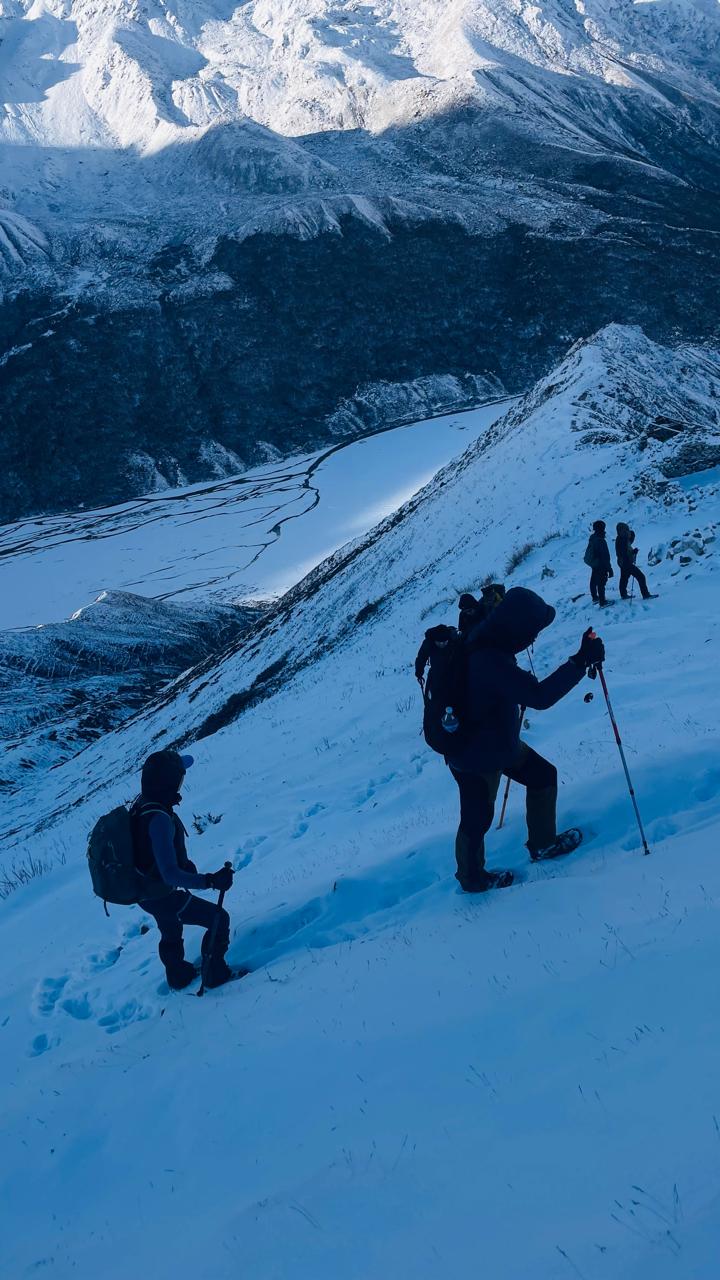
Today marks the beginning of your first climbing rotation as you move from Base Camp to Camp I. The route follows glacier terrain with sections of moraine, ice, and snow. You will begin using mountaineering equipment such as crampons and ropes where necessary. The climb is steady but physically demanding due to the altitude, so maintaining a slow and consistent pace is essential. The surrounding views of glaciers and snow-covered ridges provide motivation as you ascend.
Upon reaching Camp I, you will settle into tents and take time to rest and hydrate. This camp serves as your first exposure to sleeping at a higher altitude, which is crucial for acclimatization. The evening is usually spent reviewing climbing techniques and preparing for the next day’s ascent. Proper rest and nutrition are key to adapting successfully.
Trip Duration:
~4–5 hoursTrip Distance:
4–6 kmAltitude:
5,300mMeal:
Breakfast, Lunch, DinnerAccomodation :
Tented CampDay 11
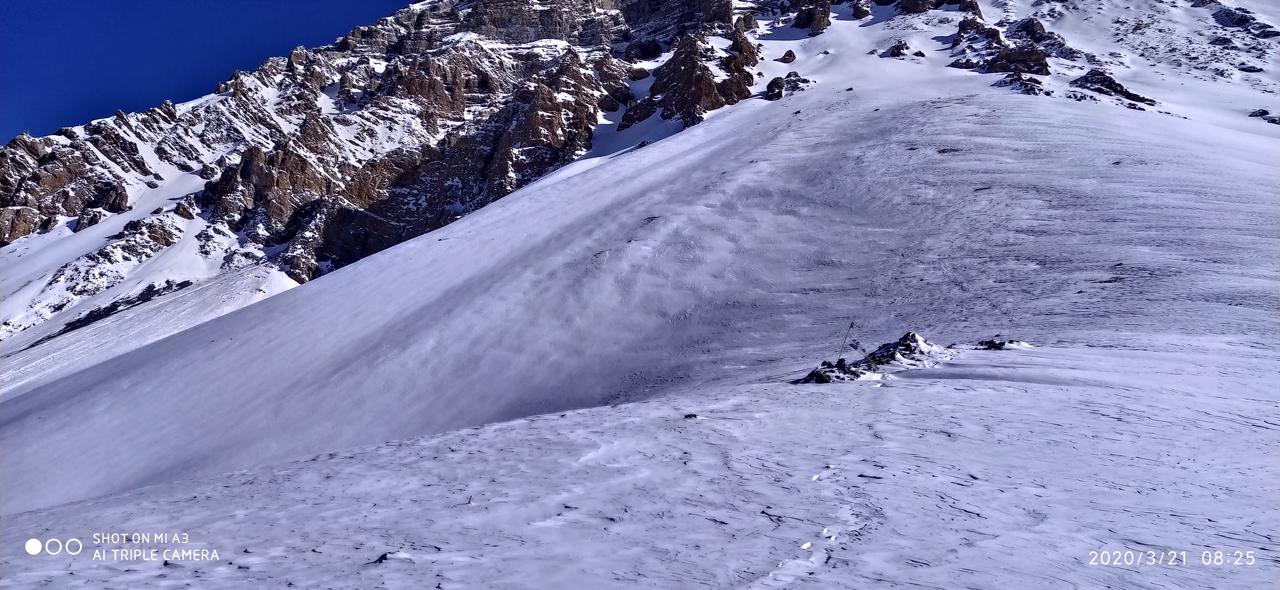
Today you continue your ascent toward Camp II, moving through steeper snow slopes and glacier sections. The terrain becomes more technical, requiring careful foot placement and the use of fixed ropes in certain areas. The climb is physically demanding, but the gradual gain helps your body continue acclimatizing to the altitude.
At Camp II, you will experience a more exposed high-altitude environment with colder temperatures and stronger winds. After reaching camp, you will rest, hydrate, and monitor your physical condition. This stage is crucial for building strength and confidence before descending back for recovery.
Trip Duration:
~5–6 hoursTrip Distance:
~4 kmAltitude:
5,700mMeal:
Breakfast, Lunch, DinnerAccomodation :
Tented CampDay 12
After spending time at higher altitude, today you descend back to Base Camp via Camp I. This descent is an essential part of the acclimatization process, allowing your body to recover while retaining the benefits of high-altitude exposure. The route follows the same glacier and snow terrain, but descending requires careful attention to avoid slips or fatigue.
Upon returning to Base Camp, you will enjoy a more comfortable environment with better oxygen levels. This recovery period allows your body to regain strength and prepare for the next rotation. Rest, hydration, and proper meals are emphasized to support recovery and maintain energy levels.
Trip Duration:
~6–7 hourTrip Distance:
~8–10 kmAltitude:
4,900mMeal:
Breakfast, Lunch, DinnerAccomodation :
Tented CampDay 13
This day is dedicated to rest and recovery after the first rotation. You can spend time relaxing at Base Camp, checking equipment, and organizing gear for the next phase. Short walks around the camp are recommended to keep your body active without overexertion.
The guides may also conduct additional training sessions, focusing on rope techniques, crampon use, and safety procedures. This day is important for both physical and mental preparation, ensuring that you are ready for the next rotation and eventual summit attempt.
Altitude:
4,900mMeal:
Breakfast, Lunch, DinnerAccomodation :
Tented CampDay 14
Today begins your second rotation as you climb again to Camp I. Compared to the first ascent, your body should feel stronger and more adapted to the altitude. The route remains the same, but improved acclimatization often makes the climb more manageable.
At Camp I, you will rest and prepare for the next day’s move to Camp II. The repeated exposure to this altitude helps your body adjust further, increasing your chances of a successful summit attempt later in the expedition.
Trip Duration:
~4–5 hoursTrip Distance:
4–6 kmAltitude:
5,300mMeal:
Breakfast, Lunch, DinnerAccomodation :
Tented CampDay 15
You continue your ascent to Camp II, following the same glacier route as before. The climb may feel slightly easier due to improved acclimatization, but it still requires effort and concentration. Weather conditions can play a significant role, so flexibility and patience are important.
Upon arrival at Camp II, you will prepare to spend the night here, allowing your body to adapt to higher altitude for a longer duration. This overnight stay is critical for building the endurance needed for the summit push.
Trip Duration:
~5–6 hoursTrip Distance:
4 kmAltitude:
5,700mMeal:
Breakfast, Lunch, DinnerAccomodation :
Tented CampDay 16
Today involves a climb toward High Camp, reaching an altitude of around 6,100 meters. This is one of the most demanding acclimatization days, as the altitude is significantly higher and the terrain becomes more technical. You will practice moving on steeper snow slopes and using fixed ropes.
After reaching High Camp or a designated high point, you will descend back to Camp II. This “climb high, sleep low” strategy helps improve acclimatization while reducing the risk of altitude sickness. The day is physically challenging but highly beneficial for summit preparation.
Trip Duration:
6–7 hoursTrip Distance:
5 kmAltitude:
6,100m (max) / 5,700m (sleep)Meal:
Breakfast, Lunch, DinnerAccomodation :
Tented CampDay 17
After completing the second rotation, you descend back to Base Camp for recovery. The descent allows your body to rest and regain strength after spending time at higher altitudes. The trail follows the same glacier route, requiring careful movement and attention.
Back at Base Camp, you will have time to rest, eat well, and prepare mentally for the final summit push. This recovery phase is crucial for ensuring that your body is strong and ready for the demanding climb ahead.
Trip Duration:
~5–6 hoursTrip Distance:
~8 kmAltitude:
4,900mMeal:
Breakfast, Lunch, DinnerAccomodation :
Tented CampDay 18
This is a final rest and preparation day before the summit push. You will check all equipment, review climbing strategies, and receive weather updates from the expedition team. Mental preparation is as important as physical readiness at this stage.
Guides will provide a detailed briefing about the summit plan, including timing, route, and safety measures. Ensuring proper hydration, nutrition, and rest is essential to maximize your chances of reaching the summit successfully.
Altitude:
4,900mMeal:
Breakfast, Lunch, DinnerAccomodation :
Tented CampDay 19
Today marks the beginning of the final summit push. You will ascend once again to Camp I, carrying essential gear and preparing for the next stages of the climb. The route is familiar, but the mindset is now focused on reaching the summit.
At Camp I, you will rest and prepare for the next day’s climb to Camp II and eventually the summit. The atmosphere is focused and determined, as climbers mentally and physically prepare for the most challenging part of the expedition.
Trip Duration:
~4–5 hoursTrip Distance:
~4–6 kmAltitude:
5,300mMeal:
5,300mAccomodation :
Tented CampDay 20
Today you continue the summit push by ascending from Camp I to Camp II. Although you have already climbed this section during acclimatization rotations, the effort feels more intense now due to accumulated fatigue and the mental pressure of the upcoming summit attempt. The trail follows glacier paths and snow slopes, requiring careful use of crampons and fixed ropes. Maintaining a steady pace and conserving energy is extremely important at this stage.
Upon reaching Camp II, you will rest, rehydrate, and prepare for the next stage of the ascent. The environment at this altitude is harsh, with colder temperatures and reduced oxygen levels, making even simple activities more demanding. The team will monitor weather conditions closely and finalize plans for the summit push. Proper nutrition, hydration, and rest are essential to ensure readiness for the most critical day ahead.
Trip Duration:
~5–6 hoursTrip Distance:
4 kmAltitude:
5,700mMeal:
Breakfast, Lunch, DinnerAccomodation :
Tented CampDay 21
Today’s climb takes you from Camp II to High Camp, the final staging point before the summit. The route becomes more technical, involving steeper snow slopes, icy sections, and exposed ridges. Climbers must move carefully, often using fixed ropes and mountaineering equipment. The altitude adds to the challenge, requiring slow and controlled movement to conserve energy and avoid exhaustion.
Upon reaching High Camp, the focus shifts entirely to preparation for the summit attempt. The team will organize gear, review climbing strategies, and ensure that everyone is physically and mentally ready. Rest is limited due to the altitude, but it is important to relax as much as possible before the early morning summit push. The anticipation builds as you prepare for the most demanding and rewarding part of the expedition.
Trip Duration:
~5–6 hoursTrip Distance:
~3–4 kmAltitude:
~6,100mMeal:
Breakfast, Lunch, DinnerAccomodation :
Tented CampDay 22
This is the most important and challenging day of the entire expedition. You will start very early, usually around midnight or 1–2 AM, to take advantage of stable weather conditions. The climb to the summit involves navigating snow ridges, glacier sections, and steep slopes under headlamp light. The thin air at this altitude makes every step difficult, requiring strong determination and focus.
Reaching the summit of Himlung Himal (7,126m) is a truly unforgettable moment. From the top, you are rewarded with breathtaking panoramic views of surrounding Himalayan peaks and vast landscapes. After spending a short time at the summit, you begin the descent back to Camp II. Descending safely is just as important as reaching the summit, as fatigue can increase the risk of accidents. This long and demanding day requires both physical endurance and mental strength.
Trip Duration:
~10–14 hoursTrip Distance:
~8–10 kmAltitude:
7,126m (summit) / 5,700m (sleep)Meal:
Breakfast, Lunch, DinnerAccomodation :
Tented CampDay 23
After the successful summit, today’s journey involves a long descent from Camp II back to Base Camp and further down to Phu Gaon. The descent brings a noticeable increase in oxygen levels, making breathing easier and movement more comfortable. However, the long distance and accumulated fatigue can make the day physically demanding.
Upon reaching Phu Gaon, you will finally return to a more comfortable environment with teahouse accommodation. This is a time to relax, celebrate your achievement, and reflect on the incredible journey. The warmth of the village and the return to lower altitude provide a sense of relief and accomplishment after the intense climbing phase.
Trip Duration:
~7–8 hoursTrip Distance:
~12–14 kmAltitude:
4,080mMeal:
Breakfast, Lunch, DinnerAccomodation :
TeahouseDay 24
Today you continue descending through the same scenic route, retracing your steps through high alpine valleys and rugged terrain. The descent allows you to enjoy the landscapes from a different perspective, with more time to observe details that may have been missed during the ascent. The lower altitude also helps your body recover more quickly.
Reaching Meta, you will notice the gradual return of vegetation and a more comfortable climate. This day is less physically demanding compared to summit days, allowing you to walk at a relaxed pace and fully enjoy the journey back. It is also a good opportunity to reflect on the expedition and share experiences with your team.
Trip Duration:
~5–6 hoursTrip Distance:
~10–12 kmAltitude:
3,560mMeal:
Breakfast, Lunch, DinnerAccomodation :
TeahouseDay 25
The descent continues as you move from alpine terrain back into greener landscapes. The trail passes through forests, rivers, and traditional villages, offering a refreshing contrast to the high-altitude environment. The increased oxygen levels make walking easier, and the warmer temperatures add to the comfort of the journey.
Upon reaching Koto, you will enjoy a comfortable stay in a teahouse. This marks the return to more populated areas and signals the final stage of the trekking journey. The day provides a sense of closure as you transition from expedition mode back to normal trekking conditions.
Trip Duration:
~6–7 hoursTrip Distance:
~14 kmAltitude:
1,700mMeal:
Breakfast, Lunch, DinnerAccomodation :
TeahouseDay 26
On the final day, you will trek a short distance before driving back to Kathmandu. The journey by road takes you through scenic hills, rivers, and villages, offering one last look at Nepal’s diverse landscapes. The drive provides time to relax and reflect on the expedition, sharing stories and memories with your team.
Upon arrival in Kathmandu, you will return to the comforts of the city. This marks the end of your Himlung Himal Expedition, a journey filled with adventure, challenge, and achievement. The evening can be spent celebrating your success and enjoying the vibrant atmosphere of the capital.
Trip Duration:
~4 hours trek + 6–7 hours driveTrip Distance:
10 km trek + 175 km driveAltitude:
1,400mMeal:
Breakfast, LunchAccomodation :
HotelWhat's Included
- Airport pickup & drop
- 3 Nights at Kathmandu 3-Star Hotel
- Breakfast in Kathmandu
- All Permits and Taxes
- Domestic transportation (drive)
- Accommodation (teahouse & tented camp)
- Breakfast, Lunch, Dinner during trek & expedition
- Professional Climbing Guide (food, accommodation, salary, insurance)
- Climbing Sherpa support
- Base Camp staff & kitchen crew
- First Aid Kit & emergency support
- Climbing equipment (group gear: ropes, tents, etc.)
What's Excluded
- Personal expenses
- Personal climbing gear
- Tips for staff (expected at the end of the trip)
- Beverages & mineral water
- Travel insurance
- Porters: Optional, though recommended for carrying heavy luggage ($22 per porter per day), a porter can carry up to 20 kg, and it is advisable to hire one porter for every two trekkers for comfort and convenience.
Essential Info
Add-Ons
To make your Himlung Himal Expedition more comfortable, flexible, and enriching, a variety of add-on services are available. These additional options allow you to customize your journey according to your preferences, whether you are looking for more comfort, extended travel experiences, or additional safety support. Add-ons are especially useful for climbers who want to reduce physical strain, explore more destinations, or enhance their overall Himalayan experience.
One of the most popular add-ons is porter service, which helps reduce the burden of carrying heavy gear during the trekking phase. This allows climbers to conserve energy for the high-altitude climbing sections. In addition, private transportation options provide a more comfortable alternative to standard travel, especially during long drives between Kathmandu and Besisahar. Helicopter services are also available for emergency evacuation or even scenic return flights, offering breathtaking aerial views of the Himalayas.
Travelers can also extend their journey with cultural tours in Kathmandu or nearby destinations. Visiting UNESCO World Heritage Sites, ancient temples, and local markets adds a cultural dimension to the expedition. These add-ons make the trip more than just a climbing adventure—they transform it into a complete Himalayan experience combining nature, culture, and comfort.
Summary – Add-Ons
- Porter Service: Carry heavy luggage for comfort and energy saving
- Private Transportation: Comfortable travel between destinations
- Helicopter Services: Emergency evacuation or scenic flights
- Kathmandu Sightseeing: Cultural tours and heritage exploration
- Extra Nights: Additional hotel stays before or after expedition
Best Season to Trek
The Himlung Himal Expedition can be done in different seasons, but choosing the right time is essential for safety, comfort, and summit success. Weather conditions, visibility, and temperature vary significantly throughout the year, directly affecting climbing conditions. The best seasons offer stable weather, clear skies, and safer glacier conditions, making the expedition more enjoyable and successful.
Spring (April–May)
Spring is one of the best times for the Himlung Himal Expedition. The weather is relatively stable, temperatures are moderate, and the skies are generally clear. Snow conditions are ideal for climbing, making glacier travel safer and more predictable. The blooming rhododendrons in lower regions add vibrant colors to the trekking experience.
Autumn (September–October)
Autumn is another excellent season, offering clear skies, crisp air, and stunning mountain views. The weather is stable after the monsoon, and visibility is at its best. This season is highly popular due to favorable climbing conditions and comfortable trekking temperatures.
Winter (November–February)
Winter expeditions are possible but much more challenging. Temperatures drop significantly, especially at higher altitudes, and strong winds can make climbing difficult. Snow accumulation can also affect routes. This season is recommended only for highly experienced climbers.
Monsoon (June–August)
The monsoon season is generally not recommended due to heavy rainfall, landslides, and poor visibility. Trails become slippery, and travel conditions can be unpredictable. However, the region becomes lush and green, offering a different kind of beauty for those willing to face the challenges.
Summary – Best Season
- Spring: Best for climbing, stable weather, moderate temperatures
- Autumn: Clear skies, excellent visibility, ideal conditions
- Winter: Very cold, challenging, for experienced climbers
- Monsoon: Rainy, slippery trails, less favorable
Food Availability
Food plays a crucial role in maintaining energy levels during the Himlung Himal Expedition. During the trekking phase, meals are provided in teahouses, offering a variety of local and international dishes. These meals are designed to provide the necessary carbohydrates, proteins, and nutrients required for long trekking days. Common options include dal bhat (rice with lentils), noodles, pasta, soups, and vegetables, ensuring a balanced diet.
As you move higher into the expedition phase, food is prepared by the base camp kitchen team. Meals become simpler but remain nutritious and high in calories to support the increased energy demands at high altitude. Hot meals such as soups, rice dishes, and tea are essential for maintaining body warmth and hydration. The kitchen crew ensures that meals are prepared hygienically and tailored to the needs of climbers.
Hydration is extremely important at high altitude. Drinking plenty of fluids helps prevent altitude sickness and keeps the body functioning properly. Tea, coffee, and soups are commonly consumed, while climbers are encouraged to carry water bottles or hydration systems. Snacks such as energy bars, nuts, and chocolates are also recommended for quick energy during climbs.
Summary – Food Availability
- Teahouse Meals: Dal bhat, noodles, pasta, soups
- Base Camp Food: High-calorie, warm meals prepared by staf
- Hydration: Tea, coffee, soups, and water
- Snacks: Energy bars, nuts, chocolates
- Nutrition Focus: High energy and balanced diet
Accommodation
Accommodation during the Himlung Himal Expedition varies depending on altitude and location, offering a mix of comfort and adventure. In Kathmandu, you will stay in a 3-star hotel with modern amenities, providing a comfortable environment before and after the expedition. These hotels include private rooms, hot showers, and optional Wi-Fi access.
During the trekking phase, accommodation is provided in teahouses located in villages such as Koto, Meta, and Phu Gaon. These lodges offer basic but comfortable facilities, including beds, blankets, and shared dining areas. Staying in teahouses allows trekkers to experience local hospitality and culture firsthand, creating a more immersive experience.
At higher altitudes, especially at Base Camp and climbing camps, accommodation shifts to tented camps. These camps are set up by the expedition team and include sleeping tents, dining tents, and kitchen tents. While facilities are basic, they are designed to provide safety and warmth in harsh mountain conditions. This combination of accommodations ensures both comfort and authenticity throughout the journey.
Summary – Accommodation
- Kathmandu Hotel: 3-star, modern facilities
- Teahouses: Basic lodges with local hospitality
- Tented Camps: High-altitude camping setup
- Comfort Level: Moderate to basic depending on altitude
- Experience: Blend of comfort and adventure
Travel Insurance
Travel insurance is an essential aspect of any high-altitude expedition like the Himlung Himal. The unpredictable nature of mountain environments—ranging from sudden weather changes to accidents on glaciers—makes having insurance not just a recommendation but a necessity. Comprehensive travel insurance protects you against medical emergencies, evacuation costs, trip cancellations, and lost or damaged gear. For Himalayan expeditions, insurance that covers high-altitude trekking and mountaineering (up to 7,000+ meters) is highly recommended.
Medical coverage is especially important because high-altitude conditions can lead to health complications such as acute mountain sickness (AMS), frostbite, or other injuries. Travel insurance can cover hospitalization, treatment, and even helicopter evacuation if required. Helicopter evacuation services in remote Himalayan regions are expensive, and insurance can save climbers from significant out-of-pocket expenses.
Additionally, travel insurance offers coverage for unexpected delays or cancellations caused by weather, political unrest, or flight rescheduling. In the Himalayas, flights to Lukla or other mountainous airstrips are often delayed due to weather, and having insurance ensures that these disruptions do not result in financial loss.
Summary – Travel Insurance
- Medical Coverage: Treatment for injuries and high-altitude illnesses
- Evacuation Support: Helicopter or ground evacuation in emergencies
- Trip Cancellation: Protection against weather or unforeseen delays
- Lost or Damaged Gear: Compensation for climbing equipment
- High-Altitude Coverage: Essential for expeditions above 5,000 meters
Altitude Sickness
Altitude sickness, also known as acute mountain sickness (AMS), is a potential risk for all climbers at high elevations. It occurs when your body struggles to adapt to lower oxygen levels, which is common above 3,000 meters. Symptoms include headaches, nausea, dizziness, fatigue, and shortness of breath. Early recognition and proper acclimatization are key to preventing serious complications like High-Altitude Pulmonary Edema (HAPE) or High-Altitude Cerebral Edema (HACE).
During the Himlung Himal Expedition, climbers spend multiple days at intermediary altitudes such as Kyang, Phu Gaon, and Base Camp to allow their bodies to adjust gradually. Activities like short hikes, hydration, and controlled exertion help improve oxygen adaptation. Climbers are also advised to monitor their pulse and oxygen saturation regularly, and the expedition team provides guidance on safe climbing paces.
Prevention strategies include ascending slowly, avoiding alcohol or heavy meals, staying hydrated, and listening to your body. Medications like acetazolamide (Diamox) may be used under medical guidance for acclimatization support. In severe cases, descending immediately is the most effective treatment for AMS-related complications.
Summary – Altitude Sickness
- Causes: Rapid ascent to high altitudes, low oxygen
- Symptoms: Headache, nausea, fatigue, dizziness
- Prevention: Gradual acclimatization, hydration, controlled pace
- Treatment: Medication or immediate descent for severe cases
- Monitoring: Regular oxygen saturation and health checks
Guide and Safety Measures
Safety is a top priority on the Himlung Himal Expedition. Professional climbing guides, trained in high-altitude mountaineering, lead the expedition. Guides are responsible for route planning, technical climbing support, and monitoring climbers for signs of fatigue or altitude sickness. Their knowledge of local terrain, weather patterns, and emergency procedures significantly increases the safety and success rate of the expedition.
The expedition team includes climbing sherpas, base camp staff, and medical support personnel. Guides provide pre-climb briefings covering rope techniques, glacier travel, ice axe and crampon usage, and emergency protocols. High-altitude first aid kits and oxygen cylinders are always available at Base Camp for immediate intervention if required. Communication devices such as satellite phones ensure quick coordination with emergency services in case of severe situations.
Safety measures also include proper acclimatization schedules, rotation climbs to higher camps, and continuous monitoring of weather conditions. Climbers are encouraged to report any discomfort or unusual symptoms immediately. The combination of experienced guides, structured acclimatization, and strict adherence to safety protocols ensures a secure expedition environment.
Summary – Guide & Safety Measures
- Professional Guides: Experienced in high-altitude mountaineering
- Climbing Sherpas: Support for technical sections and gear handling
- Medical Support: First aid kits, oxygen cylinders, emergency procedures
- Training & Briefing: Rope techniques, glacier safety, equipment usage
- Communication: Satellite phones for emergency coordination
- Weather Monitoring: Constant updates for safe climbing windows
Booking Procedure
Booking the Himlung Himal Expedition is a structured process to ensure safety, proper preparation, and smooth logistics. Initially, prospective climbers contact the agency to confirm availability and discuss expedition requirements. Personal details, climbing experience, and physical fitness are assessed to ensure suitability.
Once suitability is confirmed, the booking is secured by submitting a deposit along with signed agreements. Full payment is usually required several weeks prior to departure. The agency then provides a detailed pre-expedition guide, including gear lists, visa requirements, and recommended training exercises. Pre-departure briefings are conducted in Kathmandu to cover safety protocols, climbing schedules, and cultural etiquette.
Travelers are advised to finalize travel insurance, purchase personal climbing gear, and ensure all medical clearances are complete. The agency assists with permit arrangements, domestic flights, and ground transport logistics, ensuring a hassle-free start to the expedition. Proper preparation at this stage enhances safety, comfort, and overall success on the Himlung Himal.
Summary – Booking Procedure
- Inquiry & Assessment: Confirm fitness and experience level
- Deposit & Agreement: Secure booking with deposit
- Pre-Expedition Guide: Gear lists, visa, training advice
- Pre-Departure Briefing: Safety, schedule, cultural guidance
- Insurance & Medical Clearance: Mandatory for high-altitude travel
- Logistics Support: Permits, flights, and transportation
Equipment List
- Trekking pants and thermal base layers
- Insulated jackets (down or synthetic)
- Moisture-wicking t-shirts and long-sleeve shirts
- Hiking socks and thermal socks
- Comfortable trekking shoes for lower altitudes
• Ice axe and crampons
• Climbing harness and carabiners
• Helmet and ropes
• Trekking poles
• Headlamp with extra batteries
• Down jacket for high-altitude nights
• Waterproof shell jacket and pants
• Gloves (inner and outer) and mittens
• Warm hat and balaclava
• Sunglasses with UV protection
• Personal first aid kit
• Sunscreen and lip balm
• Hand sanitizer and wet wipes
• Water purification tablets
• Emergency whistle
• Camera and memory cards
• Mobile phone and power bank
• GPS device (optional)
• Adapter for Nepal power sockets
General Equipments
• Daypack (20–30L)
• Duffel bag or large expedition backpack
• Sleeping bag (rated for −20°C or lower)
• Water bottles and hydration system
• Energy snacks (nuts, chocolates, energy bars)
FAQ
Trip Price
USD 6700 Per Person
Talk To Trip Expert
Related Trips