

Manaslu Circuit Treks
Introduction
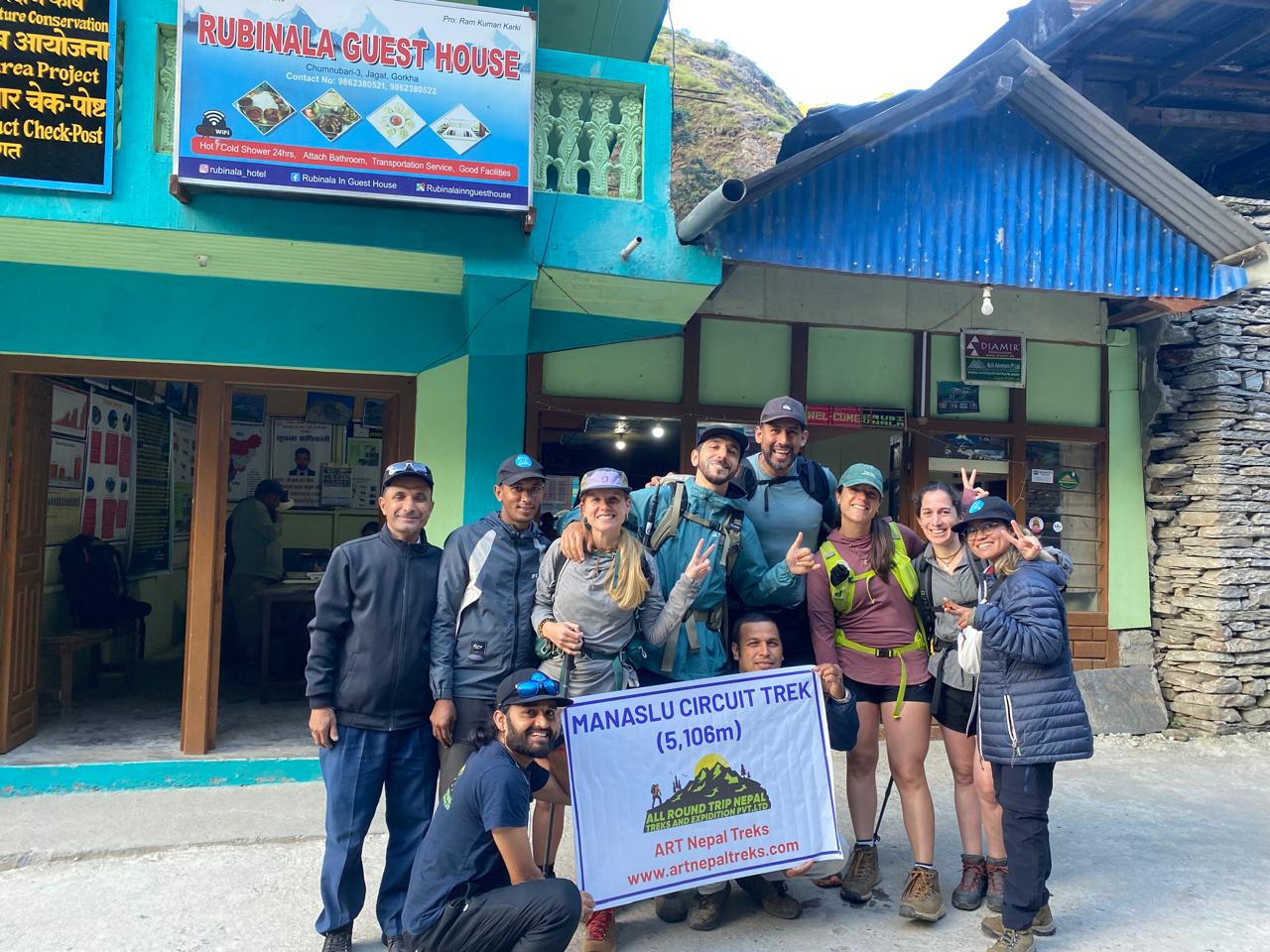
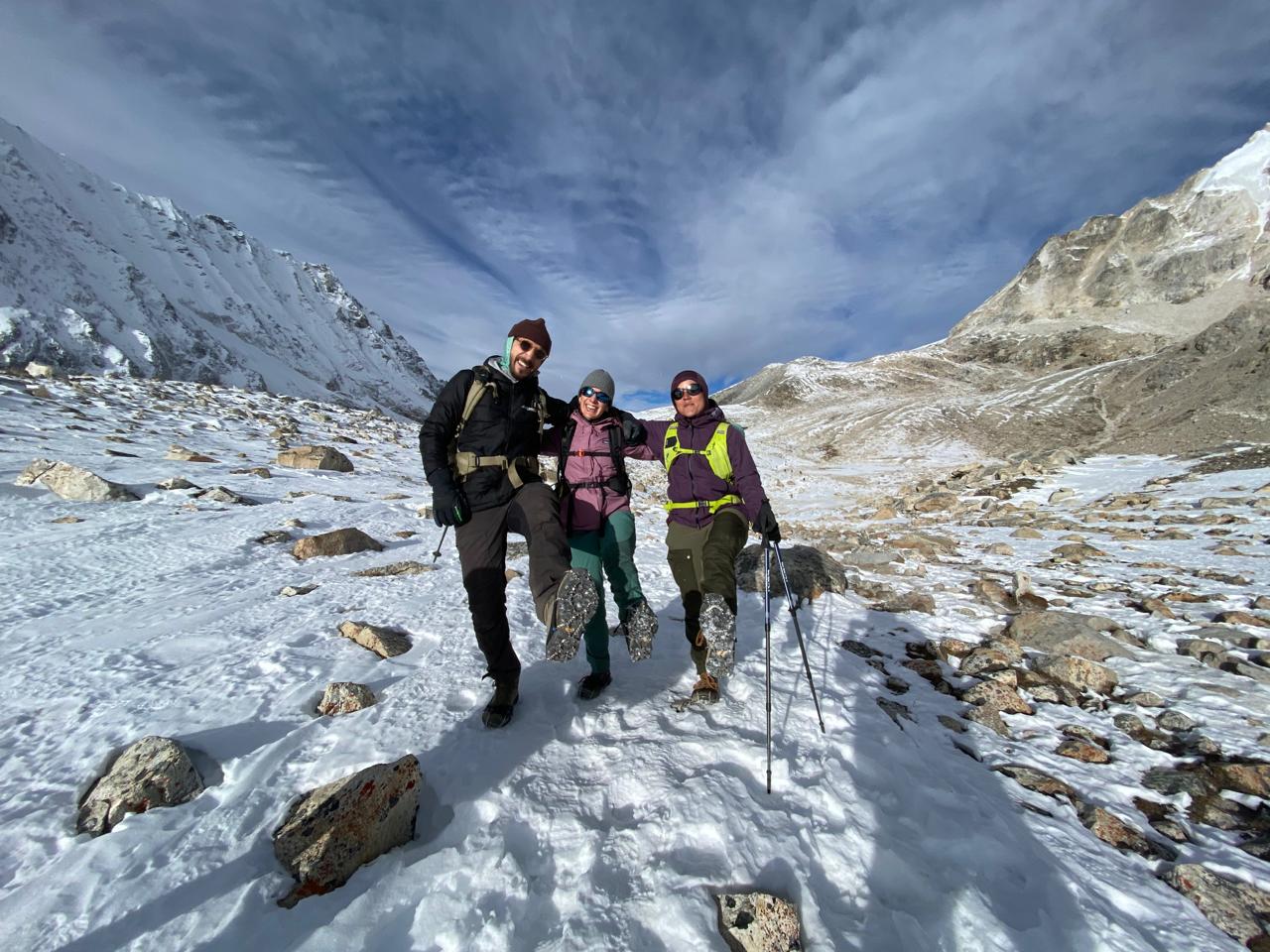
The Manaslu Trek is a captivating journey through the remote Himalayan regions of Nepal, blending natural beauty, cultural experiences, and moderate to challenging trekking. Organized by ART Nepal Treks & Expedition, this trek introduces travelers to less crowded trails compared to Annapurna or Everest regions, offering a pristine Himalayan experience. The trek begins in Kathmandu with a scenic drive along winding roads to Soti Khola and Machhikhola, introducing trekkers to riverside villages, suspension bridges, and forested landscapes.
From Machhikhola onwards, the trail follows the Budhi Gandaki River, gradually climbing through lush bamboo, oak, and pine forests. Villages like Jagat and Deng showcase traditional rural Nepali lifestyles, with terraced fields and local markets. The Manaslu Conservation Area, which requires a permit, protects the flora, fauna, and cultural heritage of this region. Trekkers experience an increasing mix of natural scenery: rivers, waterfalls, forests, and distant Himalayan peaks, all while walking through lightly trafficked paths that feel remote yet safe.
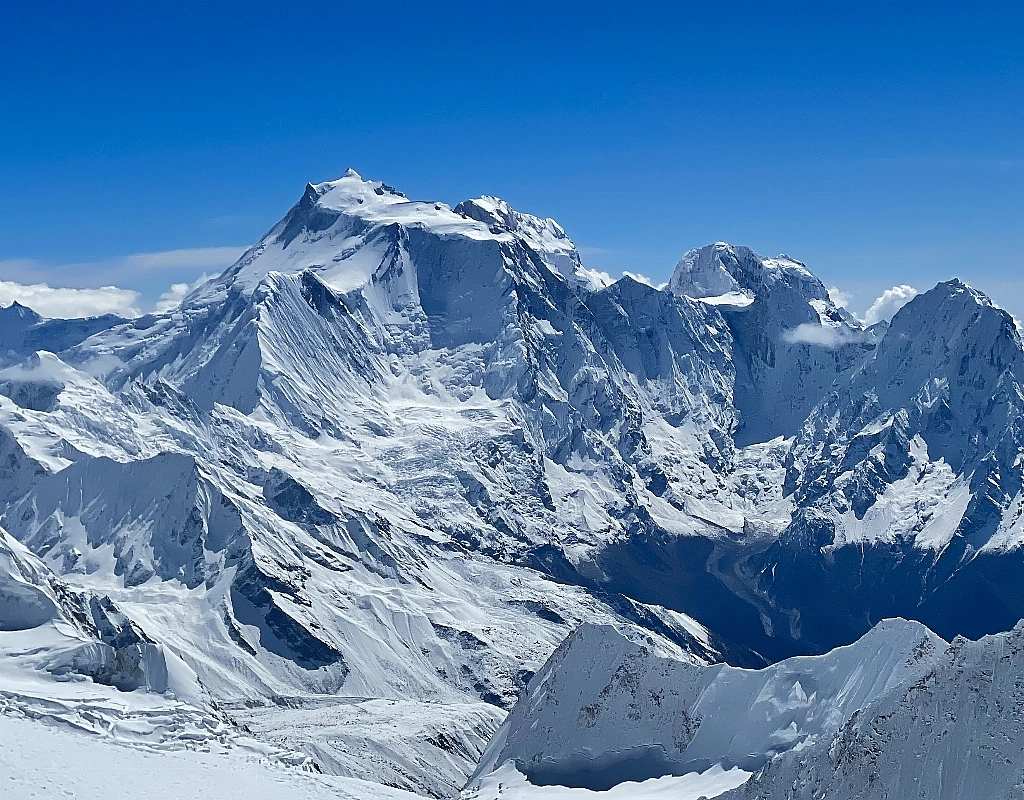
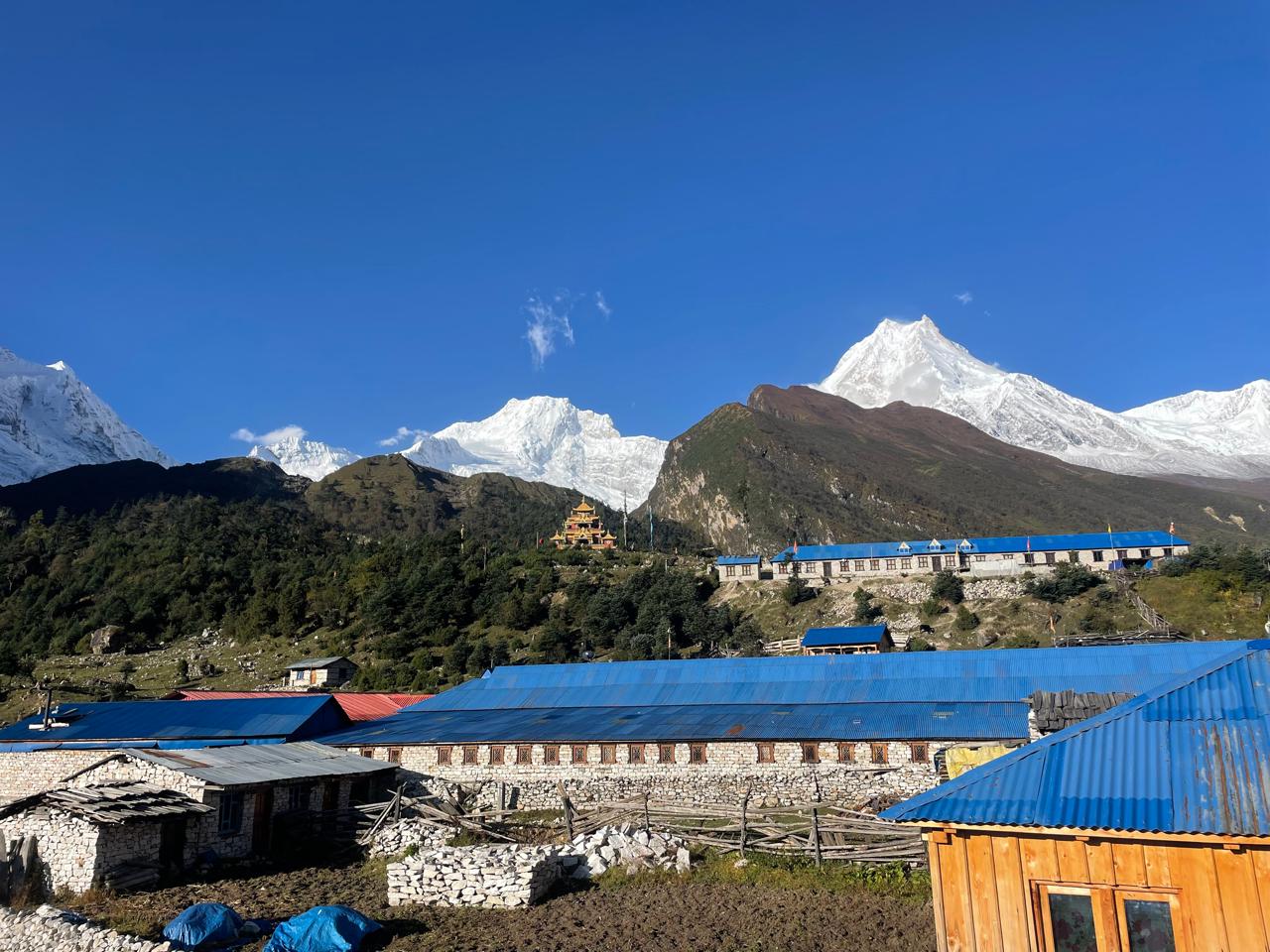
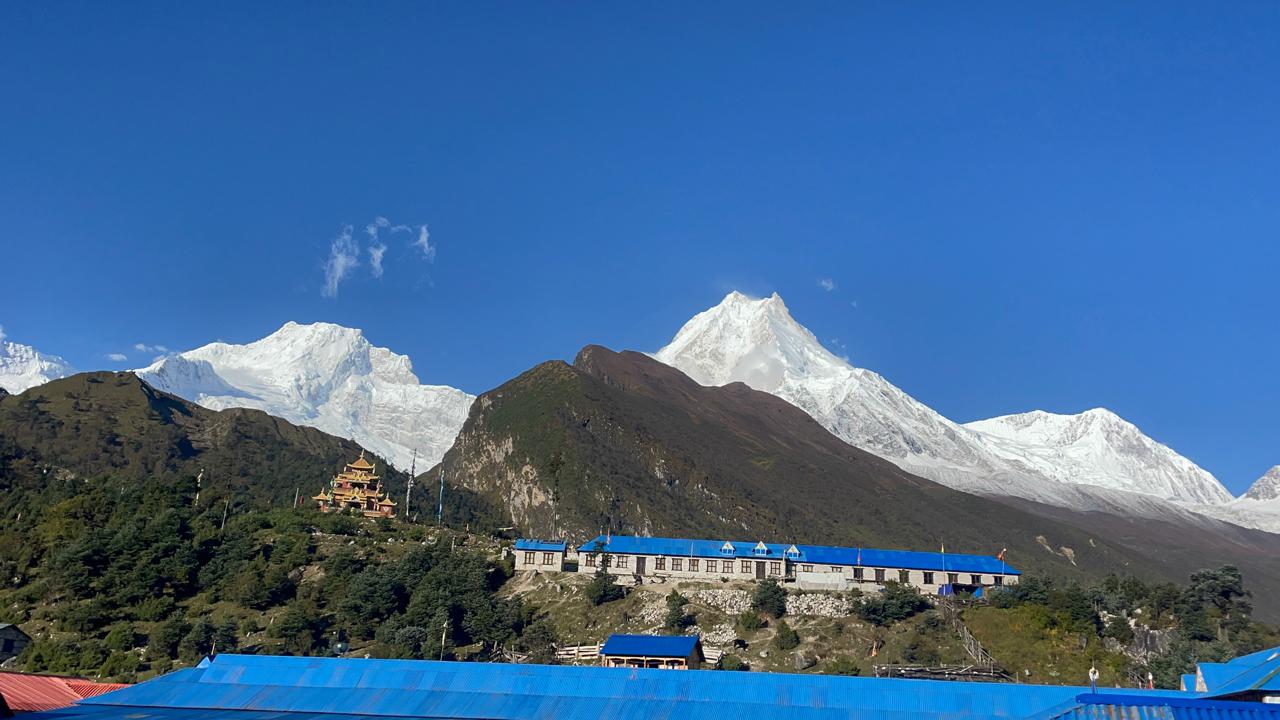
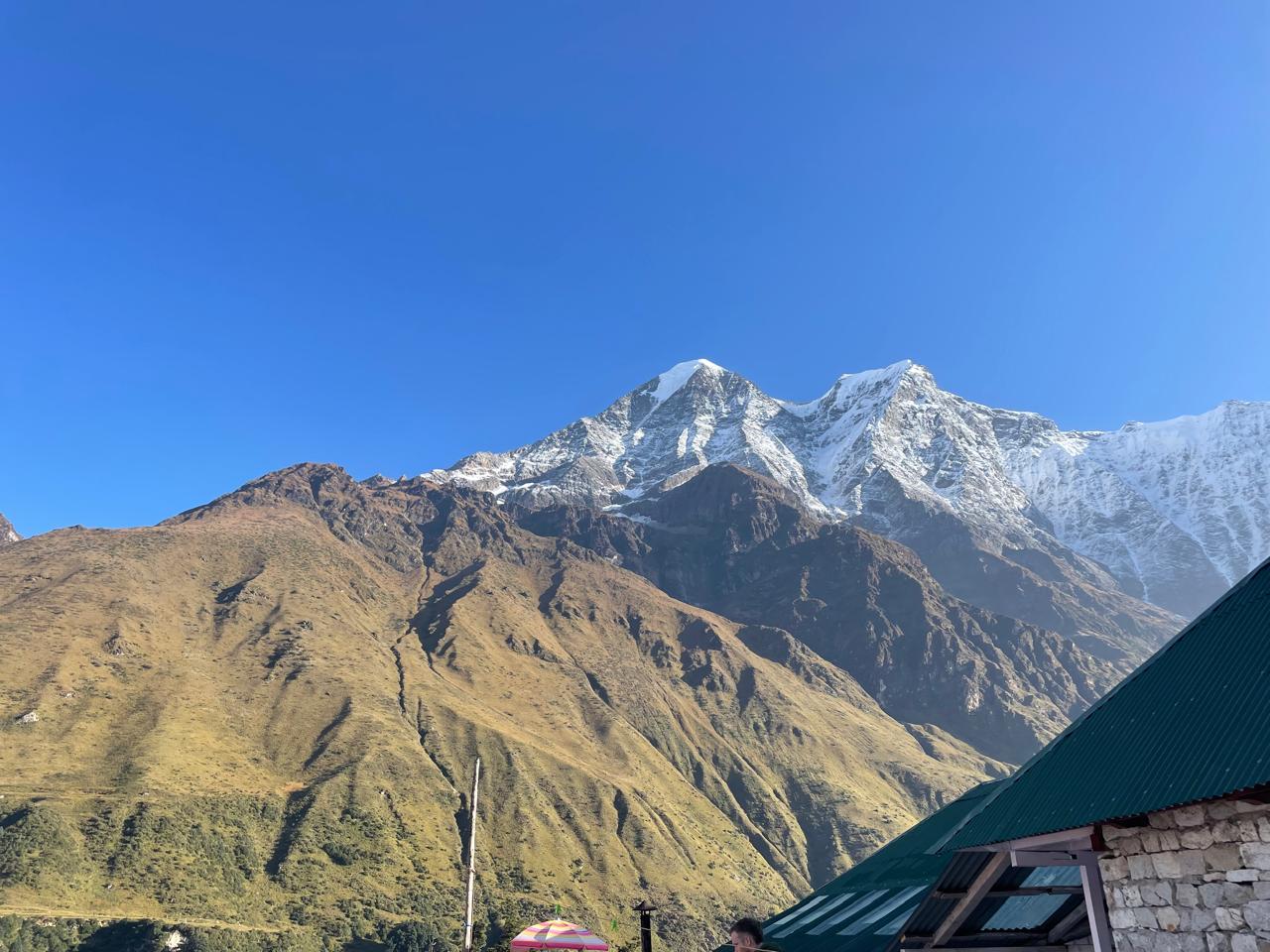
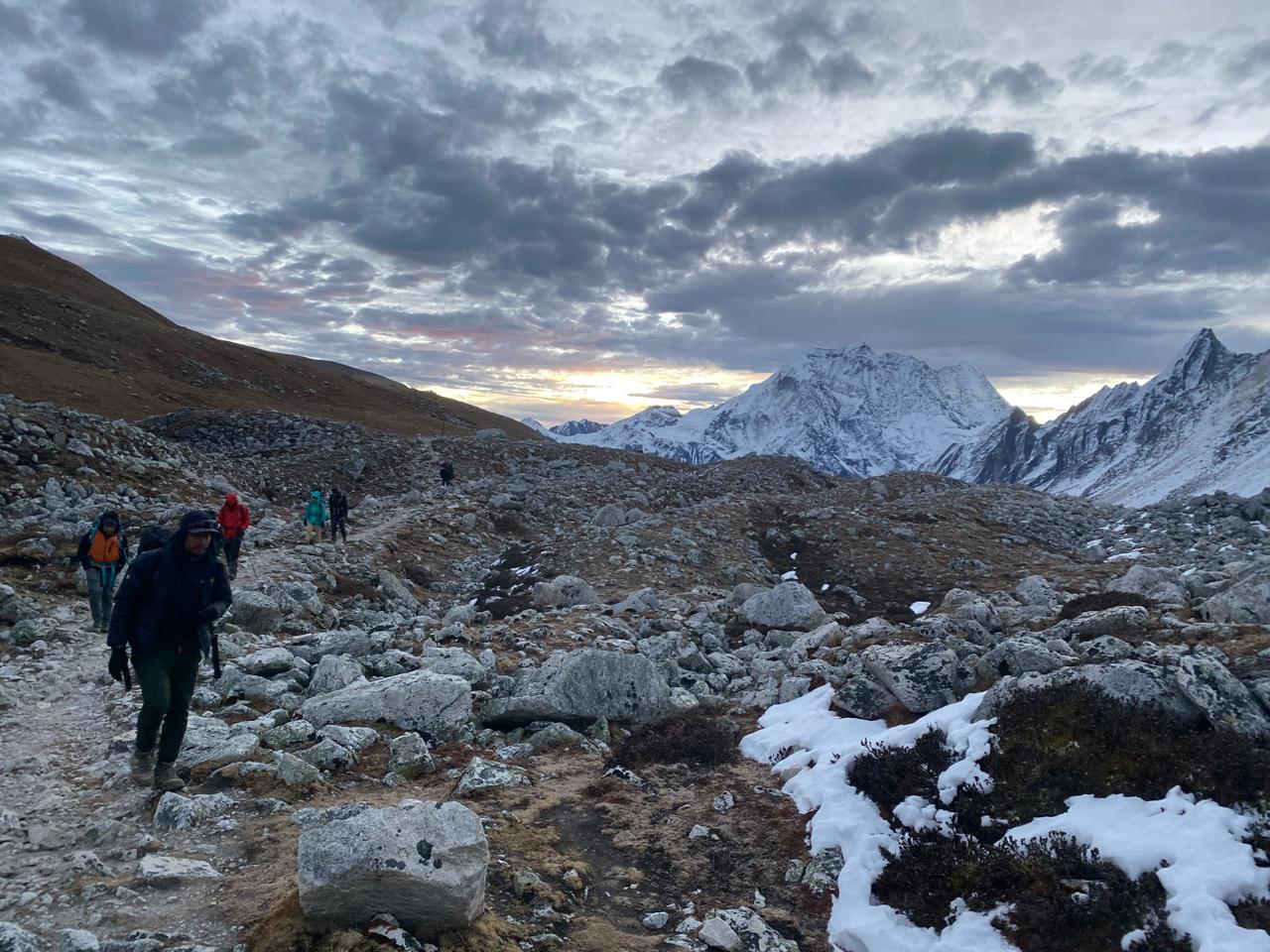
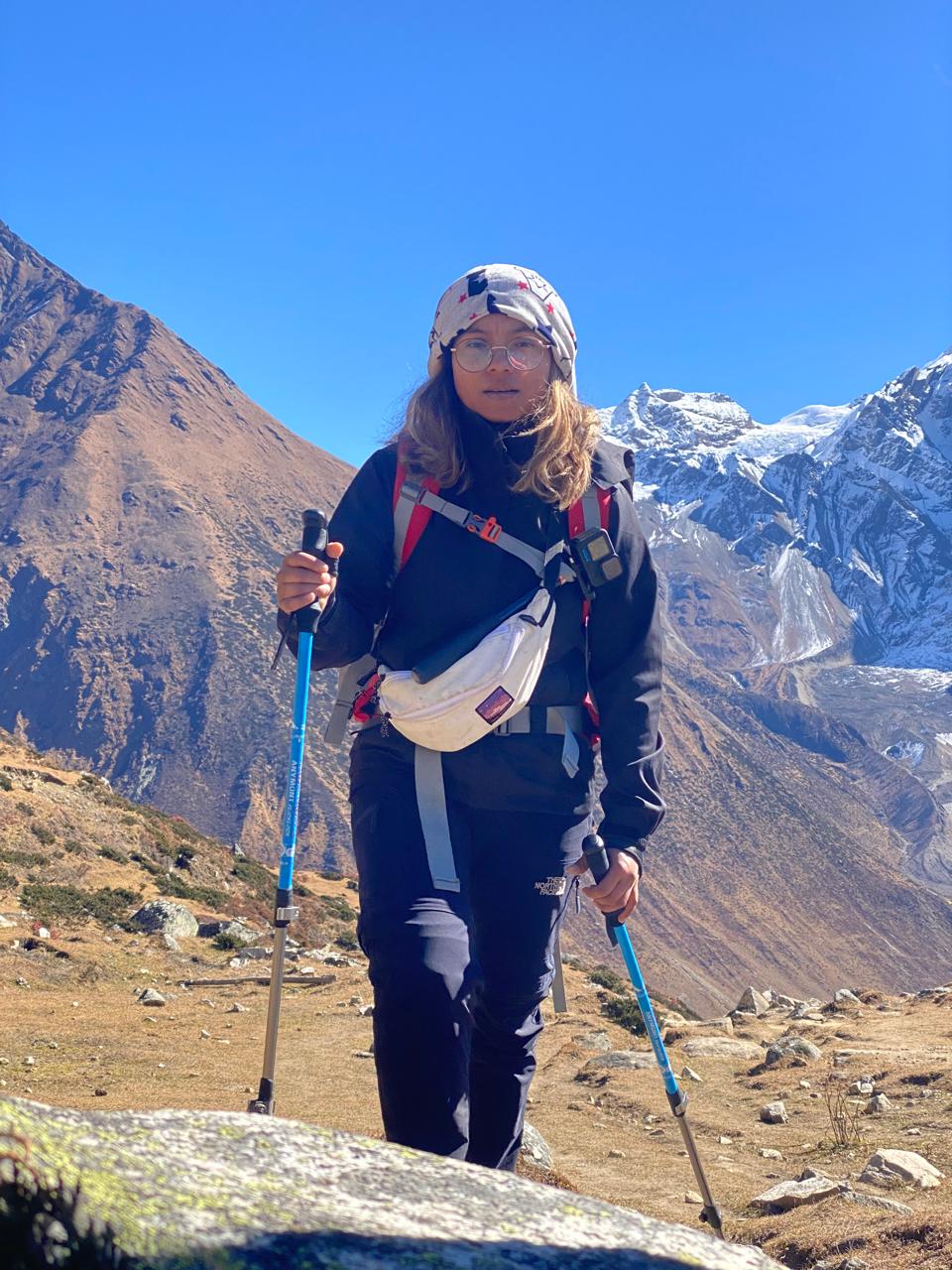
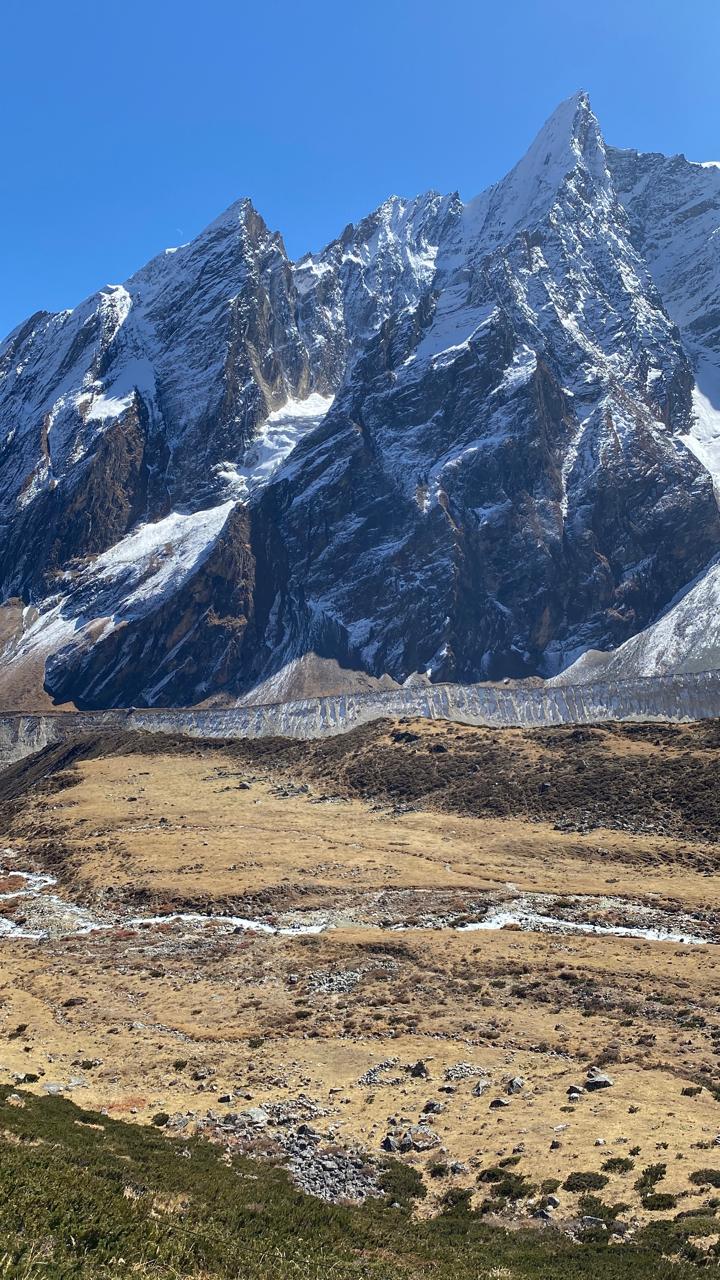
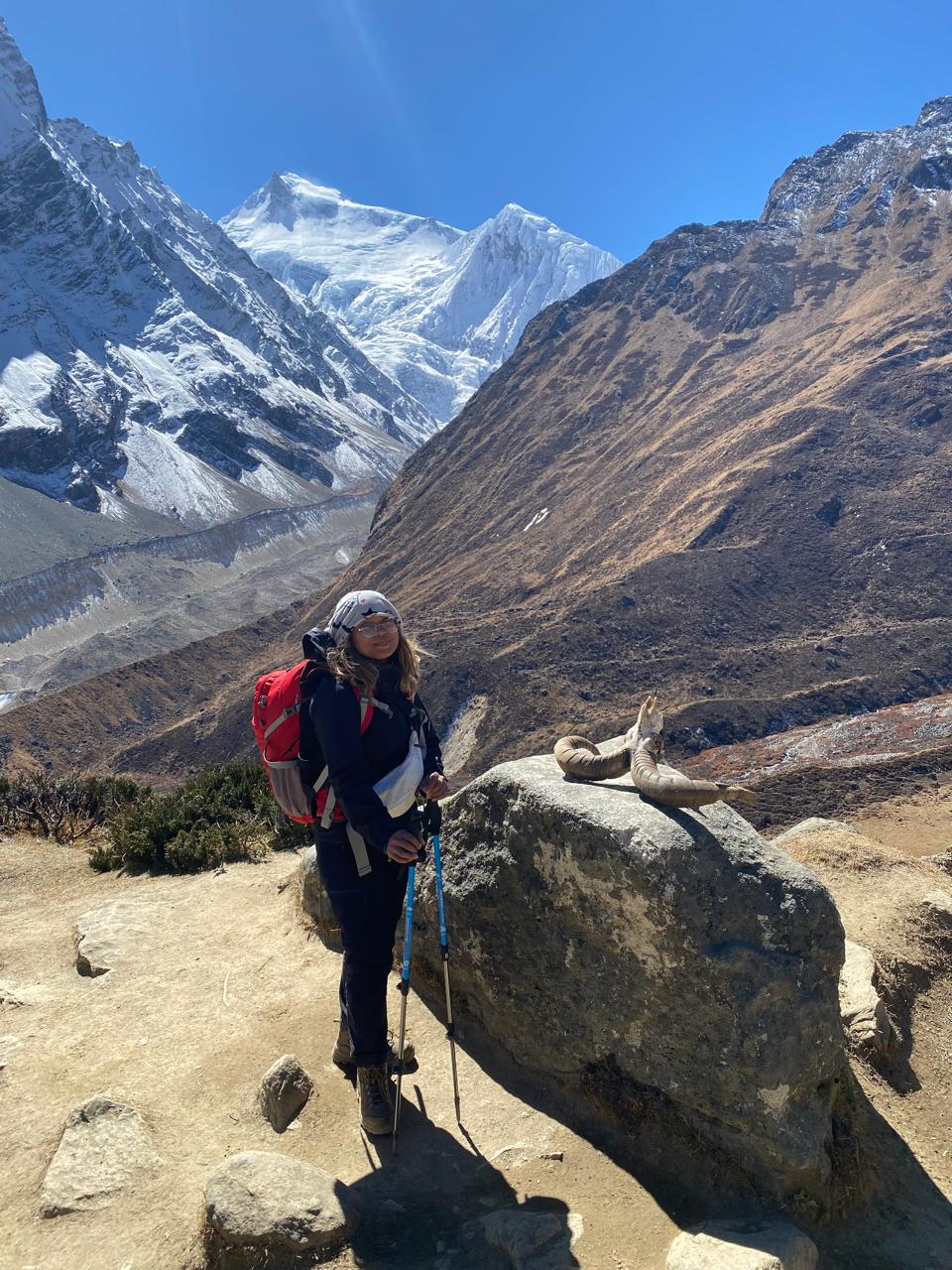
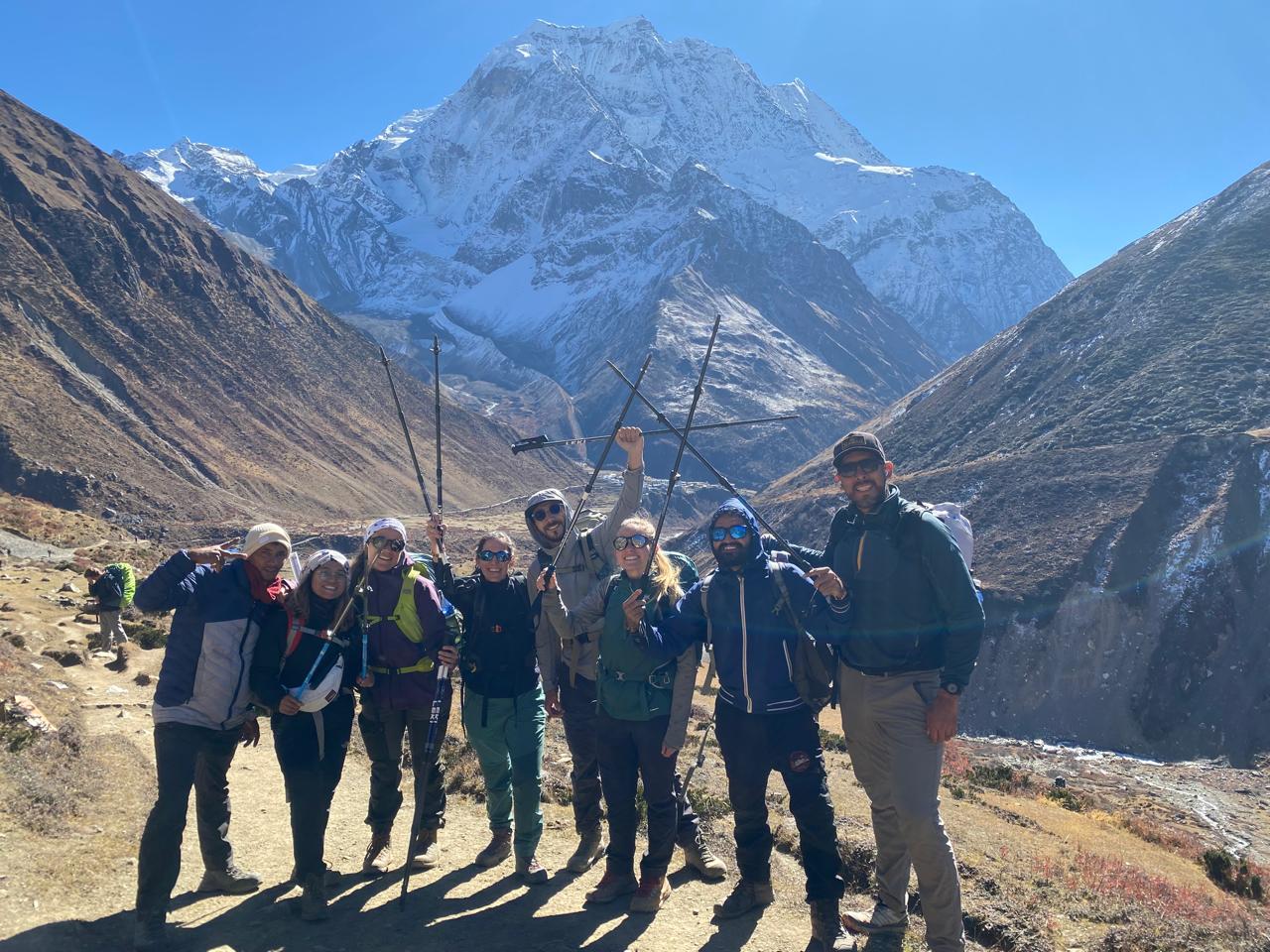
As the trek progresses toward Namrung, Samagaon, and Samdo, the altitude increases, and trekkers are rewarded with panoramic views of Manaslu, Himalchuli, and other Himalayan giants. Alpine meadows, moraine paths, and glacial streams create a dramatic setting, offering both challenging terrain and spectacular scenery. The overnight stays in local teahouses allow travelers to experience the warm hospitality of Tibetan-influenced communities, with opportunities to visit monasteries and interact with locals.
The highlight of the trek is the Manaslu Base Camp, a high-altitude site surrounded by glaciers and snow-capped peaks. Trekkers enjoy close-up views of one of the world’s highest mountains and its surrounding glaciers. The route allows for both adventure and cultural immersion, combining challenging trekking with opportunities to learn about Tibetan Buddhist practices and Himalayan village life.
On the return journey, trekkers descend toward Bimthang and Tilcha, traveling along alpine valleys and gently sloping meadows before a jeep ride back to Besisahar. This mixed trekking and jeep route offers a different perspective of the region, highlighting remote villages, terraced hillsides, and the scenic Budhi Gandaki valley. The trek concludes with a drive back to Kathmandu, offering reflection time on the remarkable landscapes, Himalayan panoramas, and cultural experiences encountered along the journey.
The Manaslu Trek is therefore not only a physical adventure but a cultural and natural exploration, providing a holistic experience of Nepal’s untouched Himalayan regions under the expert guidance of ART Nepal Treks & Expedition.
What Can You Expect from the Trek?
The Manaslu Trek offers a blend of natural beauty, adventure, and cultural exploration. Trekkers traverse riverside trails, forested hills, and alpine meadows while observing Himalayan peaks that remain relatively unspoiled by tourism. Unlike other trekking routes, this path offers quiet, off-the-beaten-track experiences, allowing you to immerse yourself fully in the environment without heavy crowds.
Cultural exposure is another key component. Villages such as Samdo, Samagaon, and Bimthang offer glimpses into Tibetan-influenced lifestyles. Trekkers can observe traditional lifestyles, monastery rituals, and the hospitality of local families. This interaction provides context for the region’s spiritual and cultural significance while fostering an authentic connection to the Himalayan communities.
Physical challenge is present but manageable with proper preparation. Daily treks range from 4–9 hours, with moderate to steep ascents and occasional high-altitude paths. The combination of trekking and jeep rides on the return journey offers variety and helps manage fatigue. Alongside physical activity, trekkers gain panoramic mountain views, alpine landscapes, and glacier encounters, making the journey both rewarding and memorable.
Summary of What to Expect
- Panoramic views of Manaslu, Himalchuli, and surrounding peaks
- Alpine meadows, glacial streams, and forested trails
- Encounters with Tibetan-influenced villages and monasteries
- Moderate to challenging trekking with 4–9 hours walking per day
- Jeep ride through Budhi Gandaki valley on return
- Cultural immersion and interaction with local communities
Is Trek Suitable for You?
The Manaslu Trek is suitable for trekkers with some prior trekking experience and a reasonable level of physical fitness. While it does not require technical climbing skills, the high-altitude sections and longer trekking days make it necessary for participants to be well-prepared physically.
Individuals who enjoy adventure, cultural experiences, and Himalayan landscapes will find this trek particularly fulfilling. The route combines moderate challenges with rewards in the form of pristine scenery, mountain vistas, and authentic village encounters. Those comfortable walking 5–8 hours per day on mixed terrain will enjoy the journey.
Trekkers must be ready to adapt to changing weather conditions and remote settings. Nights are spent in teahouses with basic facilities, which requires flexibility and an appreciation for simple yet comfortable lodging. Enthusiasm for cultural engagement, photography, and nature observation enhances the overall experience.
Suitable Trekkers Should:
- Be physically fit and comfortable with multi-day trekking
- Walk 4–9 hours per day on uneven terrain
- Adapt to high-altitude conditions (~5,160m at Base Camp)
- Enjoy cultural immersion and village interactions
- Be prepared for basic teahouse accommodations
How to Get Prepared for Trek
Physical preparation is crucial. Include cardio exercises, hiking with a backpack, and leg-strength workouts to ensure endurance and stamina. Gradually increasing your trekking distances prior to the journey helps the body adjust to long walking days.
Equally important is preparation for high-altitude conditions. Understanding how to prevent altitude sickness, staying hydrated, and maintaining proper nutrition are key. Familiarity with trekking permits, local customs, and safety measures will also make the trek smoother and more enjoyable.
Preparation Checklist
- Cardio and leg-strength training
- Practice hikes with loaded backpacks
- Learn about altitude sickness prevention
- Carry appropriate trekking gear and layered clothing
- Understand local customs and cultural etiquette
-
Trip Duration
11 Days / 10 Nights
-
Group Size
1–12 people
-
Maximum Altitude
5,160 meters
-
Trip Difficulty
Moderate to Challenging
-
Activities
Trekking, Cultural Exploration, Nature & Photography
-
Best Season
Spring (March–May), Autumn (September–November)
-
Trip Start & End
Kathmandu / Kathmandu
-
Meals
Breakfast, Lunch, Dinner
-
Accomodation
Teahouses, Lodges, Hotel in Kathmandu & Besisahar
Highlights
- Trek to Manaslu Base Camp, the eighth highest mountain in the world
- Explore high-altitude villages: Samdo, Samagaon, Bimthang, Tilcha
- Experience alpine meadows, glacial paths, and breathtaking Himalayan panoramas
- Jeep ride through the scenic Budhi Gandaki valley
- Cultural encounters with Tibetan-influenced communities and monastery visits
- Opportunity for photography, nature observation, and local cultural immersion
Itinerary
Day 01
Your adventure begins early in the morning with a scenic drive from Kathmandu to Soti Khola, approximately 6–7 hours along winding mountain roads. The journey offers glimpses of terraced hillsides, rivers, and small roadside settlements, introducing trekkers to rural Nepal. From Soti Khola, a jeep or local transport carries you further to Machhikhola, a riverside village nestled in the Budhi Gandaki valley.
Machhikhola serves as the starting point of your trek. Here, you can enjoy the peaceful surroundings, prepare your gear, and settle into a cozy teahouse lodge for the night. This first day helps you adjust to the beginning of the trail, giving a gentle introduction to Nepal’s rural mountain environment. The day is ideal for organizing backpacks, reviewing trekking permits, and resting before the trekking journey begins.
Trip Duration:
8–9 hoursTrip Distance:
Minimal (short walk from jeep drop)Altitude:
760 metersMeal:
Dinner includedAccomodation :
TeahouseDay 02
Today, your trek begins in earnest, following the Budhi Gandaki River through lush forests and terraced farmland. The trail is dotted with small villages and rustic suspension bridges, giving trekkers the first taste of the Himalayan village lifestyle. The walk is moderately challenging with gradual uphill sections, allowing you to enjoy the sounds of the river, birdsong, and the vibrant greenery along the trail.
Upon arrival in Jagat, a small settlement with traditional stone houses, trekkers can explore local life and interact with villagers. The teahouses here offer warm meals and comfortable rooms, ideal for relaxing after a day on the trail. This day sets the rhythm for trekking, combining scenic views, moderate physical activity, and cultural exposure.
Trip Duration:
6–7 hoursTrip Distance:
12–14 kmAltitude:
1,300 metersMeal:
Breakfast, Lunch, DinnerAccomodation :
TeahouseDay 03
Entering the Manaslu Conservation Area, today’s trail passes through bamboo groves, pine forests, and terraced farmland. Trekkers gradually ascend through moderate slopes, observing lush flora and local wildlife. Along the way, you cross small streams and stone bridges, and the backdrop of distant Himalayan peaks becomes increasingly visible.
The village of Deng is a tranquil settlement with welcoming teahouses, offering both comfort and a taste of local hospitality. Today also provides an opportunity to observe cultural practices, prayer flags, and mani walls that line the trail. Evening at Deng allows trekkers to rest and prepare for higher altitude trekking ahead.
Trip Duration:
6–7 hoursTrip Distance:
12–13 kmAltitude:
1,860 metersMeal:
Breakfast, Lunch, DinnerAccomodation :
TeahouseDay 04
The trail gradually ascends today through open alpine terrain, offering panoramic views of Manaslu (8,163 m) and Himalchuli. Trekkers experience a mix of forested trails and open ridges, observing high-altitude flora and the first glimpses of snow-capped peaks.
Namrung is a larger village compared to previous stops and provides more extensive teahouse facilities. This village is ideal for resting, acclimatizing, and exploring local shops, mani walls, and prayer flags that create a peaceful Himalayan ambiance. The scenery along this section of the trek is particularly stunning, as the valley opens up and high peaks tower overhead.
Trip Duration:
5–6 hoursTrip Distance:
10–12 kmAltitude:
2,630 metersMeal:
Breakfast, Lunch, DinnerAccomodation :
TeahouseDay 05
The trek continues to Samagaon, a high-altitude village that serves as a gateway to Manaslu Base Camp. The trail includes gentle ascents and small descents, passing through traditional settlements, prayer flags, and terraced fields.
Upon arrival in Samagaon, trekkers can explore the village and visit monasteries, observing Tibetan-influenced architecture and Buddhist rituals. The village’s teahouses provide warm meals and a place to rest while acclimatizing to the higher elevation. This day also gives trekkers a chance to practice acclimatization strategies in preparation for the Base Camp trek.
Trip Duration:
4–5 hoursTrip Distance:
8–10 kmAltitude:
3,500 metersMeal:
Breakfast, Lunch, DinnerAccomodation :
TeahouseDay 06
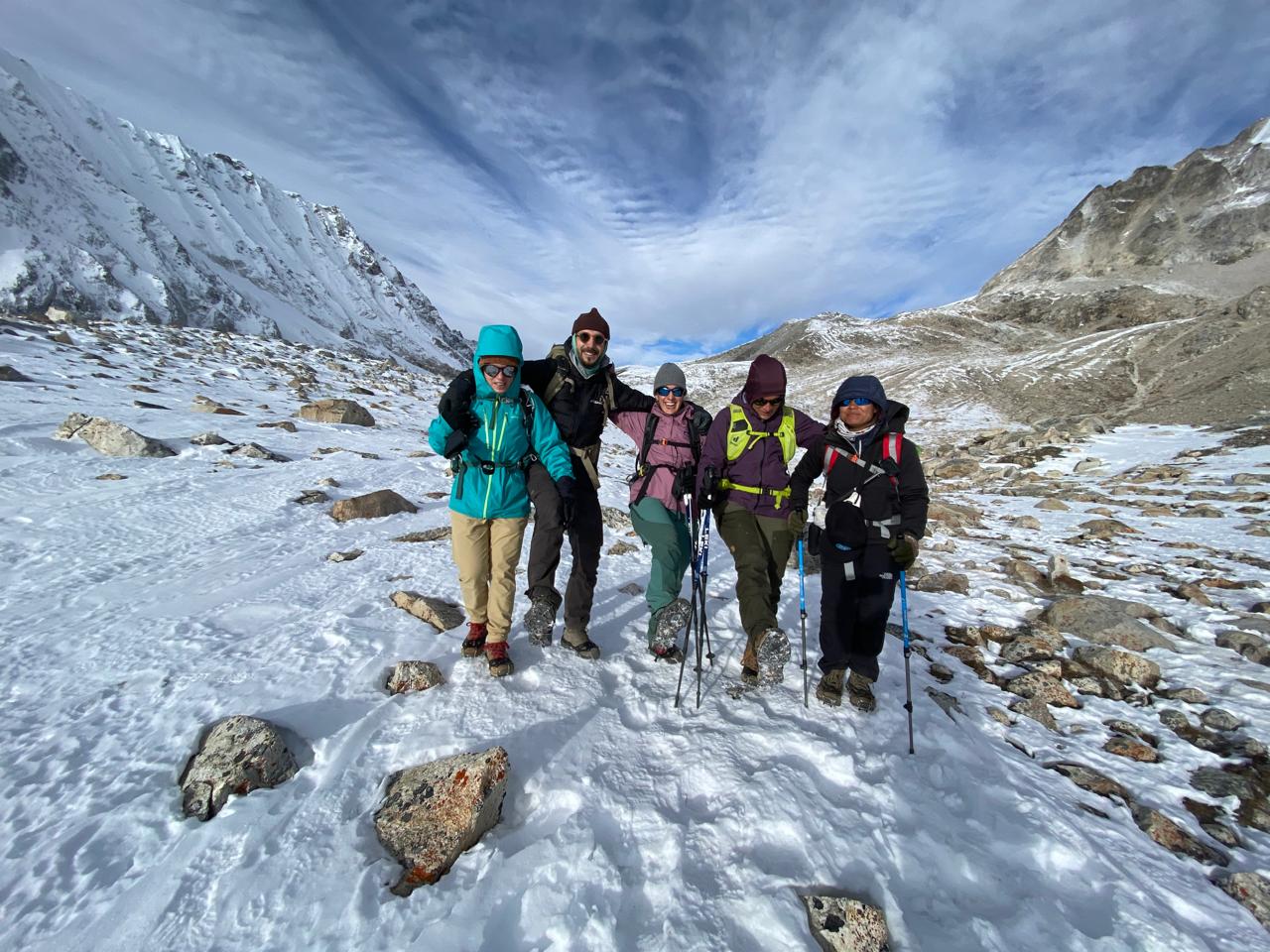
This is the highlight day of the trek, with an early morning start to Manaslu Base Camp. The trail passes through high alpine terrain, moraine paths, and glacier-fed streams, offering stunning close-up views of glaciers and surrounding peaks.
At Manaslu Base Camp, trekkers can take in the majestic views of the eighth highest mountain in the world, photograph glaciers, and enjoy the serenity of a high-altitude Himalayan landscape. The trek then returns to Samagaon for overnight, allowing adequate rest after a long but rewarding day.
Trip Duration:
8–9 hours (round trip)Trip Distance:
16–18 kmAltitude:
5,160 metersMeal:
Breakfast, Lunch, DinnerAccomodation :
TeahouseDay 07
Today’s trek is shorter and less steep, allowing for further acclimatization. Trekkers pass through alpine meadows, moraine paths, and streams, arriving at Samdo, a high-altitude village known for its Tibetan-influenced architecture and stunning mountain views.
Samdo’s teahouses provide cozy lodging with warm meals, offering comfort at approximately 3,900 meters. This day also allows trekkers to observe local lifestyles, prayer flags, and the harmony between humans and nature in the high Himalayas.
Trip Duration:
4–5 hoursTrip Distance:
8–9 kmAltitude:
3,900 metersMeal:
Breakfast, Lunch, DinnerAccomodation :
TeahouseDay 08
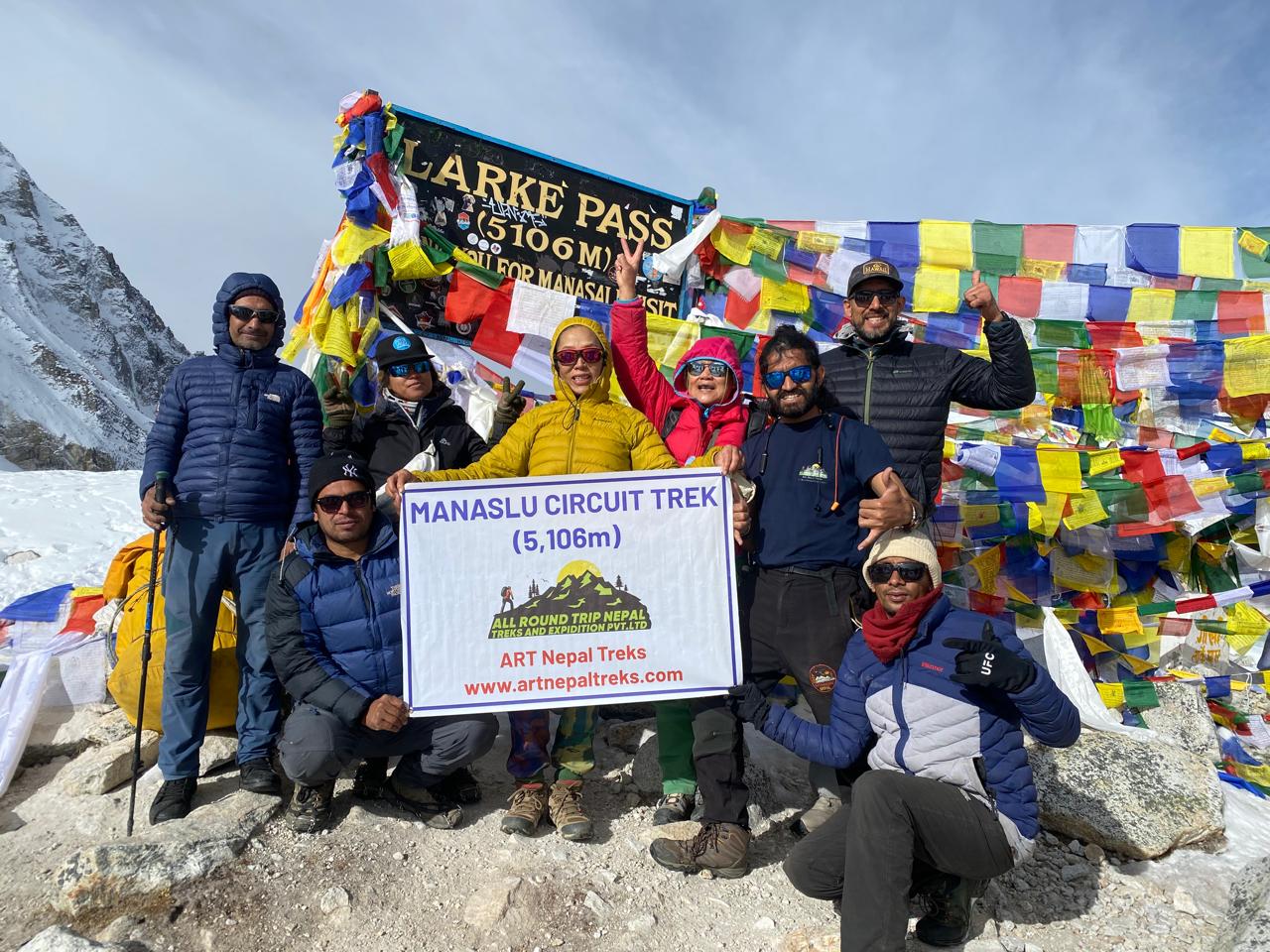
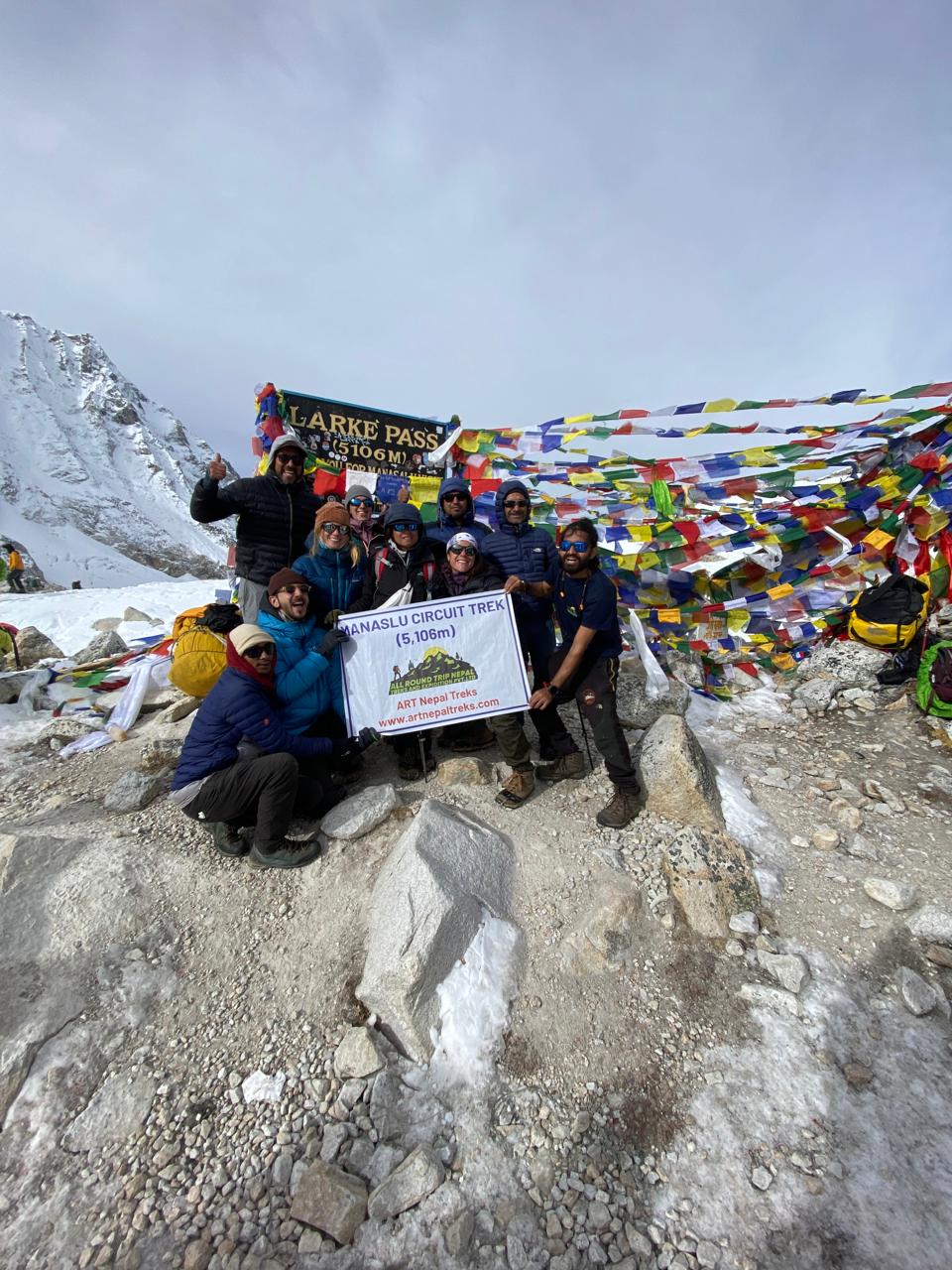
After an early breakfast in the traditional Tibetan-influenced village of Samdo, you begin a gradual ascent toward Dharamsala, also known as Larkya Phedi, the final stop before crossing the famous Larkya La Pass. Today’s trek covers approximately 7–8 km and takes around 3–5 hours, gaining about 585 meters in elevation as the trail winds through rugged alpine landscapes, yak grazing pastures, glacial moraines, and rocky mountain paths. Along the way, enjoy breathtaking views of Mount Manaslu (8,163 m), Cheo Himal, Larkya Peak, and the surrounding snow-capped Himalayan ranges while passing yak caravans transporting supplies through this remote region. Upon reaching Dharamsala at 4,460 m (14,632 ft), check into a simple teahouse and enjoy lunch before spending the afternoon resting or taking a short acclimatization walk above the settlement to help your body adjust to the altitude. In the evening, your guide will brief you about the next day’s challenging crossing of Larkya La Pass, while you prepare your gear, enjoy an early dinner, and settle in for the night surrounded by the dramatic beauty and tranquility of the high Himalayas.
Trip Duration:
9–10 hoursTrip Distance:
24.5kmAltitude:
3,700metersMeal:
Breakfast, Lunch, DinnerAccomodation :
TeahouseDay 09
Trip Duration:
8-9 hoursTrip Distance:
24.5 kmAltitude:
3700 metersMeal:
Breakfast, Lunch, DinnerAccomodation :
HotelDay 10
Trip Duration:
8–9 hoursTrip Distance:
Bhimtang → Tilche (Walk): 18–20 km | 6–7 hours Tilche → Besisahar (Jeep): 65–75 km | 4–6 hoursAltitude:
820mMeal:
Breakfast, Lunch, DinnerAccomodation :
HotelDay 11
Today is your final travel day after completing the Manaslu Circuit Trek. After breakfast in Besisahar, you get ready for a long but comfortable drive back to Kathmandu. You will travel by jeep, local bus, or private vehicle depending on your arrangement. The journey usually takes around 6–8 hours, covering a mix of winding mountain roads and the main Prithvi Highway. At first, the road follows the Marsyangdi River valley, passing small villages, waterfalls, terraced farms, and green hills. As you continue, the scenery slowly changes from quiet rural areas to more developed highway towns with busy traffic and markets. You will stop for lunch at a local restaurant on the way. After lunch, the drive continues along the highway with increasing traffic as you approach the Kathmandu Valley. Finally, you arrive in Kathmandu (1,380 m) in the afternoon or evening, where your trekking journey officially ends. You check into your hotel, take a hot shower, relax, and enjoy your achievement of completing one of Nepal’s most beautiful Himalayan treks.
Trip Duration:
6-8 HoursTrip Distance:
175 kmAltitude:
1,400mMeal:
BreakfastAccomodation :
HotelWhat's Included
- Airport Pickup and Drop: You will be picked up from Tribhuvan International Airport in Kathmandu at arrival and dropped off on departure, ensuring a seamless start and finish to your trip.
- Accommodation in Kathmandu: Two nights at a 3-star hotel in Kathmandu before the treks One night and after the trek One night allow you to rest, explore the city, and prepare for the high-altitude adventure.
- All Meals During Trek: Breakfast, lunch, and dinner are provided throughout the trek at teahouses and lodges, offering nutritious meals to keep your energy up for trekking.
- Trekking Permits: All necessary permits, including the Manaslu Conservation Area Permit (MCAP) and TIMS card, are covered.
- Professional Trekking Guide: An experienced and high-altitude-trained guide accompanies you throughout the trek, offering navigation, safety support, and cultural insights. Their food, accommodation, insurance, and salary are included.
- Porters for Group Equipment: Porters for shared trekking equipment and group gear are included in the cost, relieving trekkers from carrying heavy items.
- First Aid Kit: A professional first aid kit is available with guides to handle emergencies or minor injuries.
- Jeep Transportation: Jeep transportation for the return journey from Tilcha/Bimthang to Besisahar is included.
- All Applicable Taxes: Government taxes and service charges are covered, ensuring transparency in pricing.
What's Excluded
- Personal Expenses: Snacks, drinks, laundry, phone bills, souvenirs, and other individual purchases.
- Travel Insurance: Mandatory and must cover high-altitude trekking, medical emergencies, and evacuation.
- Tips for Staff: While optional, tips for guides and porters are customary and highly appreciated for excellent service.
- Porters (Optional): Trekkers may choose to hire additional porters to carry personal luggage. Each porter costs $22 per day and can carry up to 20 kg. It is advisable to hire one porter for every two trekkers to ensure comfort and convenience.
- Extra Flights or Helicopter Services: Any flights or helicopter services beyond the standard itinerary are not included.
Essential Info
Add-Ons
To enhance the Manaslu Trek experience, ART Nepal Treks & Expedition offers optional add-ons for convenience, comfort, and exploration. These add-ons allow trekkers to tailor their journey to individual preferences and requirements.
- Kathmandu Sightseeing Tours: Before or after the trek, travelers can explore cultural and historical landmarks in Kathmandu, including Durbar Square, Pashupatinath Temple, Boudhanath Stupa, and Patan City. Guided tours provide in-depth knowledge of Nepalese history, architecture, and traditions.
- Porter Services for Personal Luggage: Hiring a porter ensures that trekkers carry only a daypack, leaving heavier bags to professionals. This is especially useful for those not accustomed to long treks with heavy loads.
- Private Jeep Transfers: While the standard itinerary includes shared jeep transport, private transfers can be arranged for groups or families seeking more privacy and flexibility during the journey.
- Helicopter Services: For emergencies, sightseeing, or flexible returns, helicopter services can be arranged. This provides safety and convenience in case of high-altitude emergencies or tight schedules.
- Extra Nights in Kathmandu or Besisahar: Additional hotel nights can be booked for relaxation, sightseeing, or buffer days in case of flight delays.
Summary of Add-Ons
- Kathmandu sightseeing tours
- Porters for personal luggage
- Private jeep transportation
- Helicopter services for emergency or sightseeing
- Extra hotel nights
Best Season to Trek
The Manaslu Trek can be undertaken during multiple seasons, but the most favorable periods are Spring (March–May) and Autumn (September–November). Choosing the right season is critical for safety, comfort, and enjoying spectacular scenery.
Spring (March–May)
Spring is one of the most popular seasons for trekking in the Manaslu region. During this time, the valleys and slopes bloom with vibrant rhododendrons, magnolias, and alpine flowers, creating colorful landscapes that contrast beautifully with snow-capped peaks. The weather is generally moderate, with clear skies and warm daytime temperatures, making it ideal for trekking and photography.
Morning and evening temperatures can still be chilly at higher altitudes, so layered clothing is essential. Spring also provides excellent visibility of mountains like Manaslu, Himalchuli, and Ganesh Himal, which makes sunrise and sunset views particularly stunning. For trekkers who want a combination of comfortable temperatures, natural beauty, and cultural immersion, spring is highly recommended.
Autumn (September–November)
Autumn is another ideal season, offering stable weather, crisp skies, and breathtaking views of the Himalayas. Post-monsoon conditions ensure that trails are clean, rivers are calm, and the landscape is refreshed with greenery. The air is clear, providing unmatched visibility for panoramic photographs of peaks, glaciers, and valleys.
Temperatures are slightly cooler than spring, especially in the mornings and evenings, but daytime trekking is comfortable. This season is favored by trekkers seeking clear skies for base camp and high-altitude photography, as well as for experiencing festivals and local cultural events in villages along the trail. Autumn also provides excellent conditions for glacier crossings, moraine walks, and high passes, minimizing the risks associated with slippery or wet terrain.
Other Seasons
- Winter (December–February): Cold temperatures and heavy snowfall at higher altitudes make winter trekking challenging. Lower trails may still be accessible, but trekking to Manaslu Base Camp is not recommended for beginners.
- Monsoon (June–August): The trail becomes slippery, and the risk of landslides and leeches increases. Heavy rains can disrupt transportation and lodge availability, so trekking is generally not recommended during this period.
By carefully selecting spring or autumn, trekkers maximize their chances of a safe, scenic, and enjoyable experience in the Manaslu region.
Food Availability
Proper nutrition is critical for maintaining energy levels during high-altitude trekking. ART Nepal Treks & Expedition ensures that trekkers have access to healthy, nutritious meals throughout the journey.
Breakfast
Breakfast is served daily at teahouses and lodges. Options typically include porridge, eggs, pancakes, muesli, bread, fruits, and hot drinks such as tea or coffee. These meals provide a combination of carbohydrates and proteins, giving trekkers a strong start to each day. At higher altitudes, breakfast may be simplified due to limited cooking facilities but remains nutritious and filling.
Lunch
Lunch is a hearty meal designed to maintain energy during trekking. Popular choices include dal bhat (rice and lentil soup), vegetable curries, Thukpa (Tibetan noodle soup), noodles, sandwiches, and pasta. Trekkers can choose vegetarian or non-vegetarian meals depending on availability and preference. Lunch is usually served at midpoints along the trail, allowing for a well-timed energy boost before continuing to higher altitudes.
Dinner
Dinner is a warm and satisfying meal, served after a day of trekking. Options include dal bhat, vegetable or meat curry, soup, noodles, and desserts. At higher altitudes, meals are simple but sufficient to restore energy and maintain warmth. Hot beverages like tea and coffee are always available, helping trekkers recover from cold and fatigue.
Snacks and Hydration
Carrying snacks such as energy bars, nuts, biscuits, and fruits is highly recommended, especially during glacier crossings or long trekking days. Staying hydrated is equally important; trekkers should carry mineral water or hydration packs, as high-altitude trekking increases water requirements. Boiled or filtered water is generally available at teahouses.
Summary of Food Availability:
- Breakfast: Porridge, eggs, pancakes, fruits, tea/coffee
- Lunch: Dal bhat, Thukpa, noodles, sandwiches, vegetarian/non-vegetarian options
- Dinner: Dal bhat, vegetable/meat curries, soup, noodles, desserts
- Snacks: Energy bars, nuts, biscuits, fruits
- Hydration: Mineral water, hot beverages, water purification recommended
Accommodation
Accommodation on the Manaslu Trek varies depending on altitude, availability, and local infrastructure, providing a balance between comfort and authentic Himalayan experience.
Kathmandu Accommodation
Before and after the trek, trekkers stay in 3-star hotels in Kathmandu. These hotels feature clean rooms, private bathrooms, Wi-Fi, and optional in-house dining, giving trekkers a comfortable base to rest, explore, and prepare for high-altitude trekking.
Teahouses and Lodges During Trek
During the trek, accommodation is mainly in local teahouses and lodges. These offer shared or private rooms, communal dining areas, and basic facilities such as hot showers (where available). Staying in teahouses allows trekkers to interact with local communities, observe village life, and experience Tibetan-influenced culture. Villages such as Samagaon, Samdo, and Bimthang provide warm lodging with hearty meals and cozy sleeping arrangements.
High-Altitude Accommodation
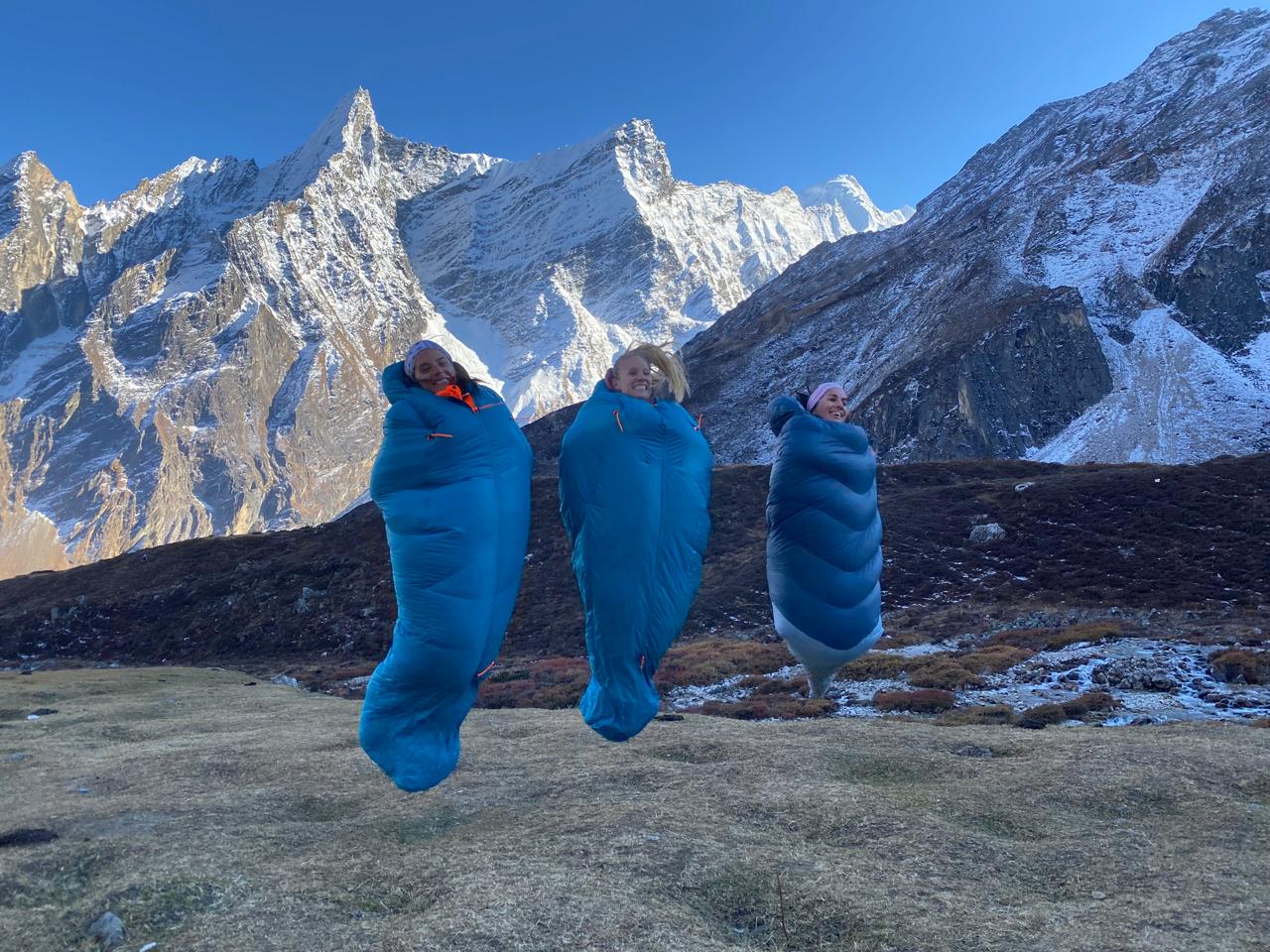
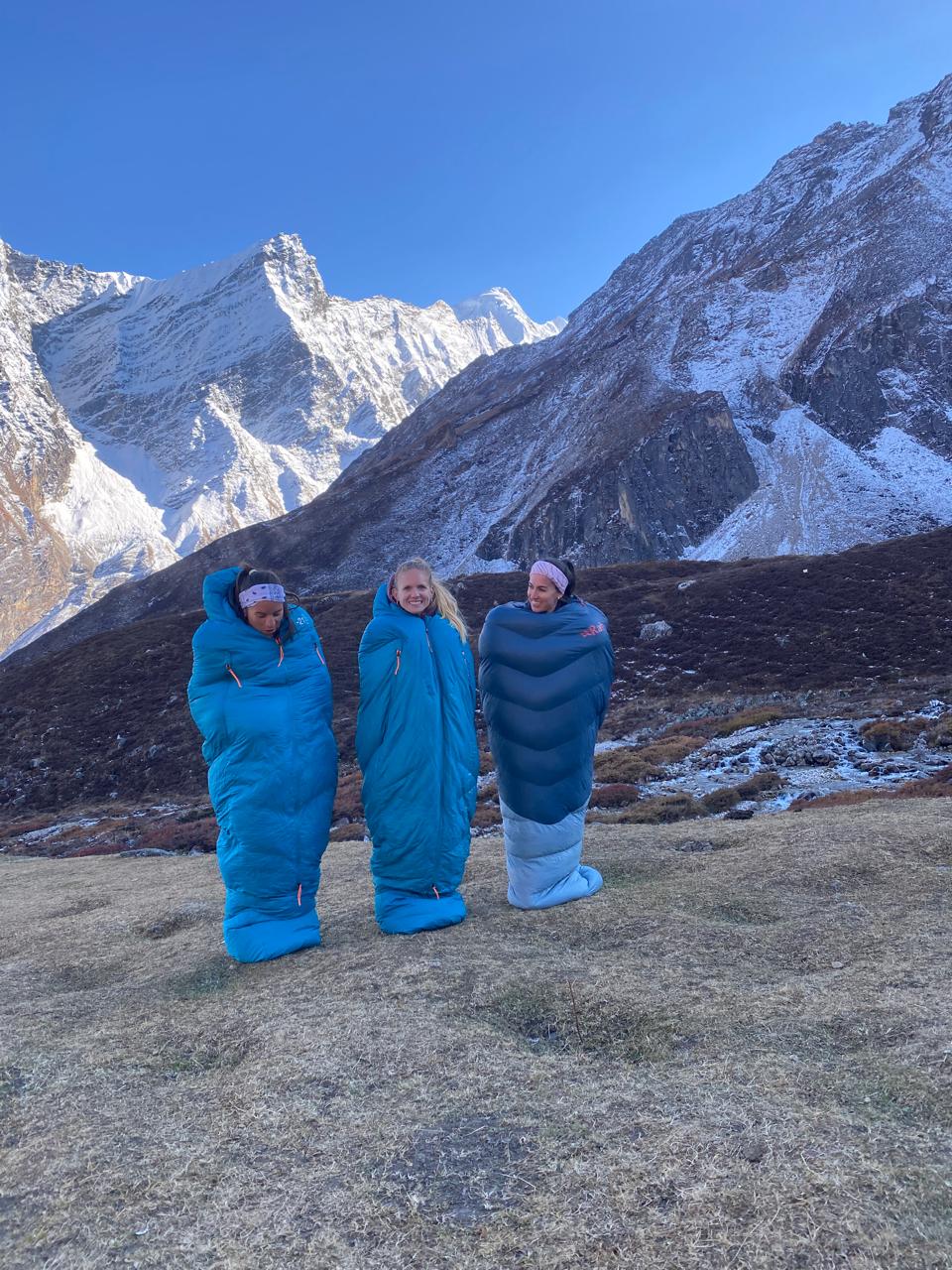
At elevations above 4,000 meters, lodges become simpler and more rustic. In some locations, sleeping arrangements may include stacked mattresses, blankets, and communal sleeping areas. While facilities are basic, ART Nepal Treks & Expedition ensures safety, cleanliness, and warmth, providing sleeping bags and mats where necessary. This enables trekkers to rest adequately after long, physically demanding days.
Summary of Accommodation:
- Kathmandu: 3-star hotels with private bathrooms, Wi-Fi, and optional meals
- Villages: Teahouses with shared or private rooms, warm meals, communal areas
- High-altitude: Simple lodges with blankets, mats, and basic heating
- Authentic experience with local culture and hospitality
Guide and Safety Measures
Having a professional guide is essential for the Manaslu Trek. The terrain is remote, rugged, and high-altitude, with challenges such as river crossings, rocky trails, and sudden weather changes.
Role of the Guide
Guides from ART Nepal Treks & Expedition are highly experienced and trained in high-altitude trekking, emergency response, and navigation. They provide detailed briefings on trail conditions, weather updates, and daily trek plans. Guides are also knowledgeable about local culture, history, and traditions, enriching the trek experience.
Safety Measures
- Regular Health Checks: Guides monitor trekkers’ health daily, including symptoms of altitude sickness, fatigue, and hydration.
- First Aid Equipment: First aid kits are carried at all times, including medications for altitude sickness, minor injuries, and emergencies.
- Emergency Communication: Guides have satellite phones or radios for communication in remote areas.
- Trained Porters: Porters assist with carrying heavy loads, help on difficult trails, and support trekkers crossing rivers or steep paths.
- Evacuation Protocols: In case of emergencies, guides can arrange helicopter evacuation or transport to lower altitude hospitals.
Guided Trek Benefits
With a trained guide, trekkers have a safer journey, better acclimatization management, and enriched cultural experiences. Guides also provide advice on equipment, trekking techniques, and personal safety, making the trek more enjoyable and secure.
Summary of Guide & Safety Measures:
- Experienced high-altitude guides
- Daily health monitoring and altitude checks
- First aid kits and emergency supplies
- Satellite communication devices
- Trained porters for assistance
- Emergency evacuation plan (helicopter or road)
- Cultural and trail knowledge support
Booking Procedure
Booking the Manaslu Trek with ART Nepal Treks & Expedition is designed to be straightforward and flexible, ensuring a smooth process from reservation to trek completion.
- Reservation Deposit: Pay 10% of the total trek cost to secure your spot.
- Document Submission: Within one week, provide passport copy, passport-size photos, travel insurance details, and flight information.
- Advance Payment: Make the advance payment via bank transfer, Western Union, or online through the official website.
- Final Payment: Remaining payment can be made in Nepal via cash, bank transfer, or credit card upon arrival.
- Confirmation and Permits: Receive booking confirmation, trekking permits, and itinerary instructions.
- Pre-Trek Briefing: Before starting, guides provide an orientation covering itinerary details, safety measures, and high-altitude precautions.
This process ensures that all trekkers have clarity, safety, and preparedness before embarking on the journey.
Equipment List
- Comfortable trekking pants and shirts (quick-dry preferred)
- Warm fleece or soft-shell jacket
- Waterproof jacket and pants
- Hiking socks (multiple pairs)
- Hat or cap for sun protection
- Gloves (light and warm for cold conditions)
- Sunglasses with UV protection
- Sturdy, broken-in trekking boots
- Optional gaiters for muddy or snowy trails
- Trekking poles for stability on uneven terrain
- Daypack (30–40 liters) for water, snacks, and personal items
- Backpack rain cover
- Sleeping bag rated for sub-zero temperatures
- Water bottles or hydration system
- Headlamp with extra batteries
- Thermal base layers (top and bottom)
- Down jacket for warmth during early mornings and nights
- Lightweight trekking pants and long-sleeve shirts
- Extra underwear and socks for hygiene
- Warm hat or balaclava for high-altitude nights
- Personal first aid kit with bandages, painkillers, and medication for altitude sickness
- Sunscreen and lip balm with SPF
- Wet wipes and hand sanitizer
- Toothbrush, toothpaste, and small towel
- Trekking insurance documents and identification
- Camera or smartphone for photos
- Power bank or solar charger
- Travel adapter (if needed)
- Optional GPS device
General Equipments
- Snacks and energy bars
- Passport, permits, and trekking documents
- Notebook or travel journal
- Trekking map or guidebook
FAQ
Trip Price
USD 1250 Per Person
Talk To Trip Expert
Related Trips