

Kanchenjunga Circuit Trek – 22 Days
Kanchenjunga Region
22 days/21 nights
Price From
View More
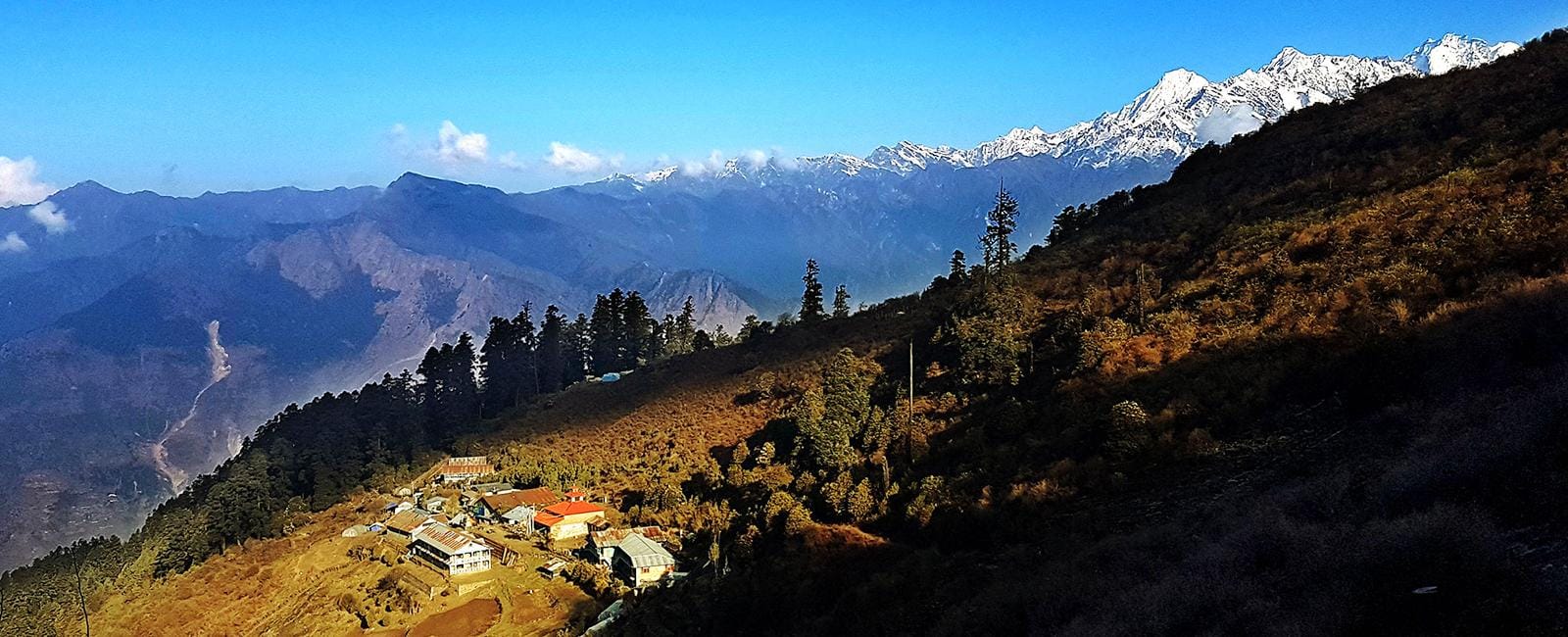
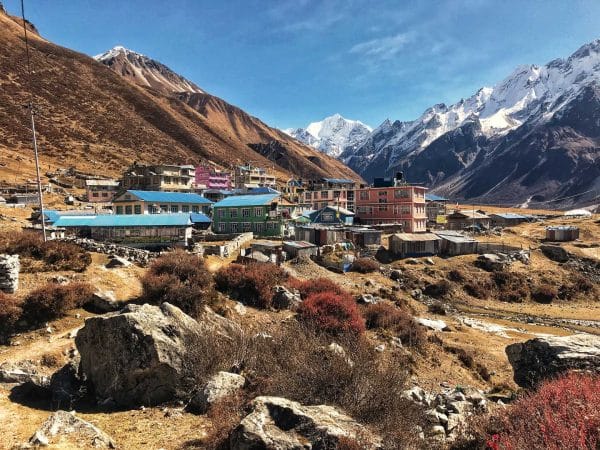
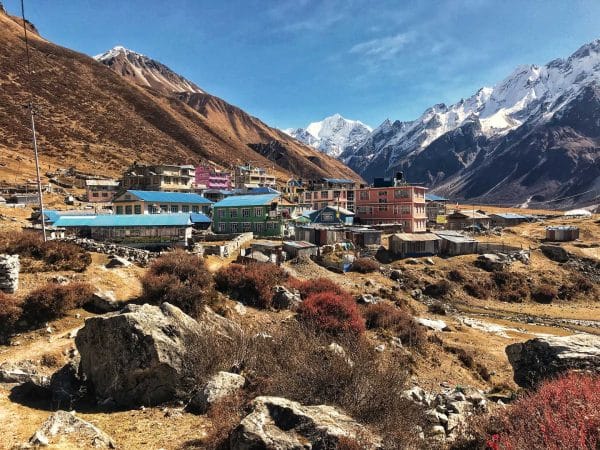
The Helambu Circuit Trek is one of the most beautiful short treks near Kathmandu. It takes you into the peaceful Helambu region, which is rich in culture, nature, and mountain scenery. This 8-day adventure is perfect for trekkers who want to explore the Himalayas without going to very high altitude.
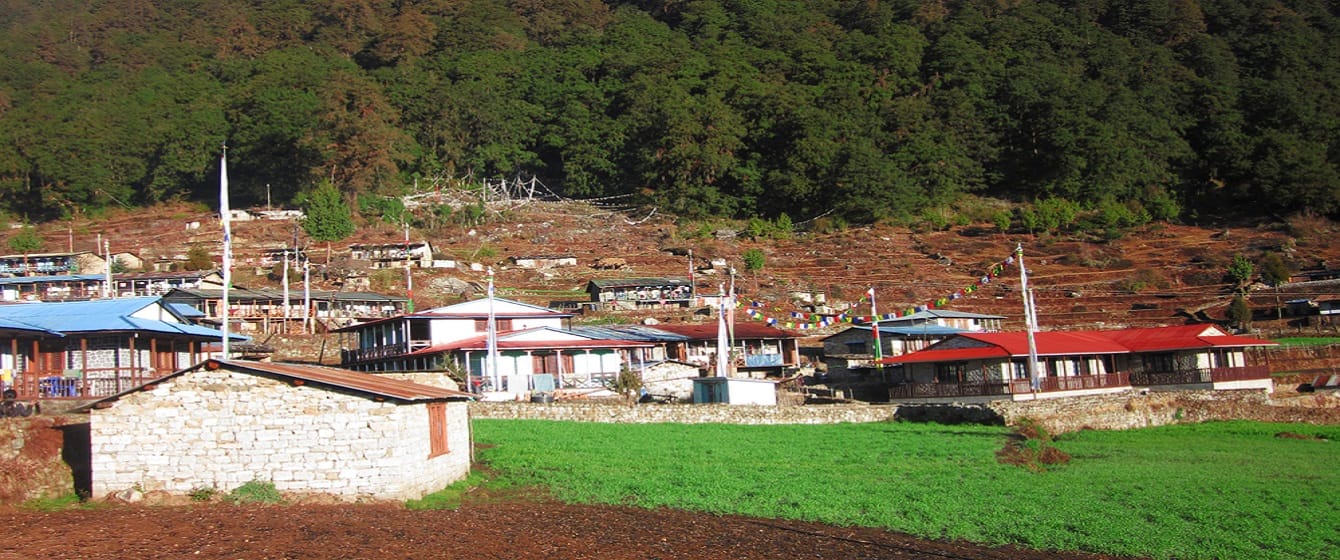
Organized by ART Nepal Treks & Expedition, this trek combines cultural experience and natural beauty in a balanced way. The Helambu region is home to Sherpa and Tamang communities who follow Tibetan Buddhist traditions. Along the trail, you will see colorful prayer flags, chortens, mani walls, and monasteries that reflect strong spiritual heritage.
The trek starts with a short drive from Kathmandu to Sundarijal. From there, you enter Shivapuri National Park and begin walking through forests filled with oak, rhododendron, and pine trees. As you move higher, you pass small settlements, terraced farms, and green hills with stunning Himalayan backdrops.
Unlike crowded trekking routes, the Helambu Circuit offers a peaceful walking experience. You will enjoy panoramic views of the Langtang Himal range, Ganesh Himal, Dorje Lakpa, and even Gaurishankar on clear days. The highest point of the trek is Tharepati, which offers breathtaking mountain scenery.
This trek is considered moderate. It does not require previous high-altitude experience, but a basic level of fitness is necessary. Each day involves 4–7 hours of walking through varied terrain including forest paths, stone staircases, ridgelines, and village trails.
The Helambu Circuit Trek is ideal for those who want:
With proper guidance, planning, and support from ART Nepal Treks & Expedition, this trek becomes a safe, enjoyable, and memorable journey.
On the Helambu Circuit Trek, you can expect a complete Himalayan experience in a short time.
You will walk through traditional villages such as Chisapani, Kutumsang, Melamchigaon, Tarke Ghyang, and Sermathang. These villages are home to Sherpa and Tamang communities. You can observe their daily life, farming practices, religious traditions, and local festivals if you visit during special times.
You will also visit monasteries and learn about Tibetan Buddhism. Prayer wheels, monasteries, and chanting rituals make the journey spiritually enriching.
The trek offers:
The views of Langtang Himal, Ganesh Himal, and Dorje Lakpa are truly stunning, especially during sunrise and sunset.
The trek includes both uphill and downhill sections. Some days are longer, especially the ascent to Tharepati and descent to Melamchi Pul Bazaar. However, the altitude remains manageable for most trekkers.
Teahouses are simple but welcoming. Local families run these lodges, and you will feel genuine Nepali hospitality throughout the trek.
The Helambu Circuit Trek is suitable for:
You do not need previous trekking experience, but you should be able to walk 5–7 hours daily on uneven terrain.
This trek may not be suitable for:
If you can handle moderate physical activity and enjoy walking in nature, this trek is perfect for you.
Start preparing at least 4–6 weeks before the trek:
This will help improve stamina and endurance.
Be ready for:
Stay flexible and positive.
Consult your doctor before trekking, especially if you have health issues. Make sure you are physically fit for moderate trekking.
Get travel insurance that covers:
Upon your arrival at Tribhuvan International Airport in Kathmandu, you will be welcomed by a representative and transferred to your hotel in Thamel. After check-in, you can rest or explore the lively streets of Thamel. In the evening, you may attend a pre-trek meeting where your guide will explain the trek details, safety measures, and answer your questions.
After breakfast, you drive to Sundarijal, which takes about one hour. The trek begins by entering Shivapuri National Park. The trail climbs through forested paths filled with birds and wildlife. You pass waterfalls and stone staircases before reaching Mulkharka village. From there, continue climbing until you reach Chisapani, a beautiful hilltop village offering panoramic Himalayan views.
Wake up early for sunrise mountain views. The trail today moves through meadows, farmlands, and small settlements. You pass Pati Bhanjyang and Thankune before gradually climbing to Kutumsang. The village offers traditional houses and peaceful surroundings.
This is one of the longest trekking days. You ascend to Tharepati, the highest point of the trek. The mountain views are spectacular. After enjoying the scenery, descend through forests toward Melamchigaon, a traditional Sherpa village with a beautiful monastery.
The trail descends to Melamchi River and passes through villages like Nakote and Dozum. You visit Tarke Ghyang monastery before continuing to Sermathang. The village offers wide views of mountain ranges and peaceful surroundings.
Today is mostly downhill. You pass through terraced fields and small villages. The landscape gradually changes from mountain scenery to lower hills. You reach Melamchi Pul Bazaar by afternoon.
Drive back to Kathmandu via scenic countryside roads. After reaching Kathmandu, you can relax, shop for souvenirs, or enjoy a farewell dinner.
Transfer to the airport for your international flight. The trek concludes with beautiful memories of Helambu.
Sightseeing in Kathmandu
You can extend your trip with a guided sightseeing tour of Kathmandu Valley. Visit UNESCO heritage sites, temples, stupas, and historical landmarks before or after the trek.
Porter Service
Hiring a porter reduces your physical load and allows you to enjoy trekking comfortably.
Domestic Flights
Flight arrangements can be customized if required.
Helicopter Services
Helicopter charter services are available for scenic flights or emergency evacuation.
Private Transportation
Private vehicles can be arranged for airport transfers or sightseeing.
Spring (March to May)
The weather is warm and stable. Rhododendron forests bloom beautifully. Mountain views are clear.
Autumn (September to November)
The most popular season. Clear skies, stable weather, and comfortable temperatures.
Winter (December to February)
Cold but peaceful. Suitable for trekkers prepared for chilly mornings.
Summer/Monsoon (June to August)
Rainy season with muddy trails. Fewer trekkers and greener landscapes.
Accommodation during the Helambu Circuit Trek is simple, comfortable, and locally managed. The trek follows a teahouse-style system, which means you will stay in small mountain lodges run by local families. These teahouses provide basic facilities but are warm and welcoming.
In Kathmandu, you will stay in a 3-star hotel located in the Thamel area. The hotel provides:
This stay allows you to relax before and after your trek.
During the trekking days, you will stay in local teahouses or lodges. These are simple but cozy.
Single rooms may be available during low season, but during peak season they are limited.
Each teahouse has a common dining hall where trekkers gather for meals. The dining room usually has:
The dining area becomes a social space where trekkers share experiences.
The Helambu region is less commercial than other major trekking routes, so facilities are more basic. However, the hospitality of the local people makes the stay comfortable and memorable.
Electricity is available in most villages, but charging devices may cost an extra fee. Wi-Fi is limited and may not be reliable.
While accommodation is not luxurious, it offers a unique cultural experience. Staying in teahouses allows you to connect with local families and understand mountain life closely. The simplicity of mountain living adds authenticity to your journey.
Travel insurance is highly recommended and considered essential for the Helambu Circuit Trek. Even though this trek does not reach extreme altitude, unexpected situations can occur.
Your insurance policy should include:
Helicopter evacuation can be very expensive in Nepal, so proper coverage is important.
Although the Helambu Circuit Trek is moderate, risks such as:
can occur. Insurance ensures financial protection and peace of mind during your journey.
It is best to purchase travel insurance immediately after confirming your trek booking. Always carry a printed copy and digital copy of your insurance documents during the trek.
Altitude sickness, also known as Acute Mountain Sickness (AMS), can occur when your body does not adjust properly to higher elevations. Although the Helambu Circuit Trek reaches a moderate altitude (maximum around 3,650 meters), awareness is still important.
At higher elevations, oxygen levels decrease. Your body needs time to adapt. If you ascend too quickly without proper rest, symptoms may appear.
These symptoms are usually mild but should never be ignored.
Your guide will monitor your condition throughout the trek.
If symptoms worsen:
Safety always comes first.
Safety is a top priority during the Helambu Circuit Trek. Professional guidance ensures a smooth and secure trekking experience.
Your guide will:
Your safety and comfort are always prioritized.
Booking your Helambu Circuit Trek is simple and organized.
Reach out through email, phone, or website inquiry form to express your interest.
Choose your preferred trekking dates and confirm availability.
A deposit payment is required to secure your booking.
Provide:
Complete the remaining balance before trek departure.
Attend a pre-trek meeting in Kathmandu. Your guide will explain:
After completing these steps, you are ready for your 8-day Helambu Circuit adventure.