

Chisapani Nagarkot Trek – 3 Days
Chisapani and Nagarkot
3 Days/2 Nights
Price From
View More
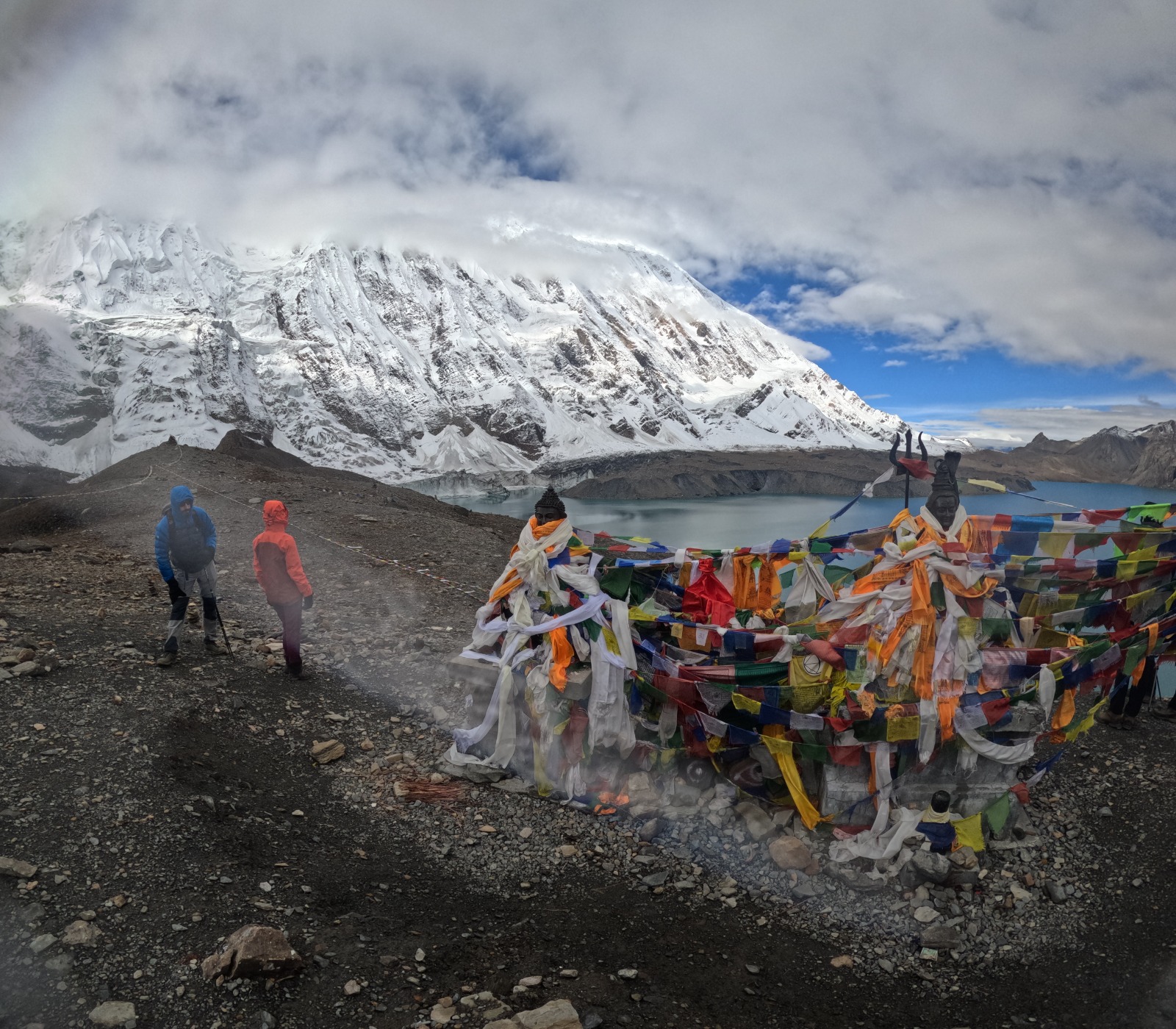
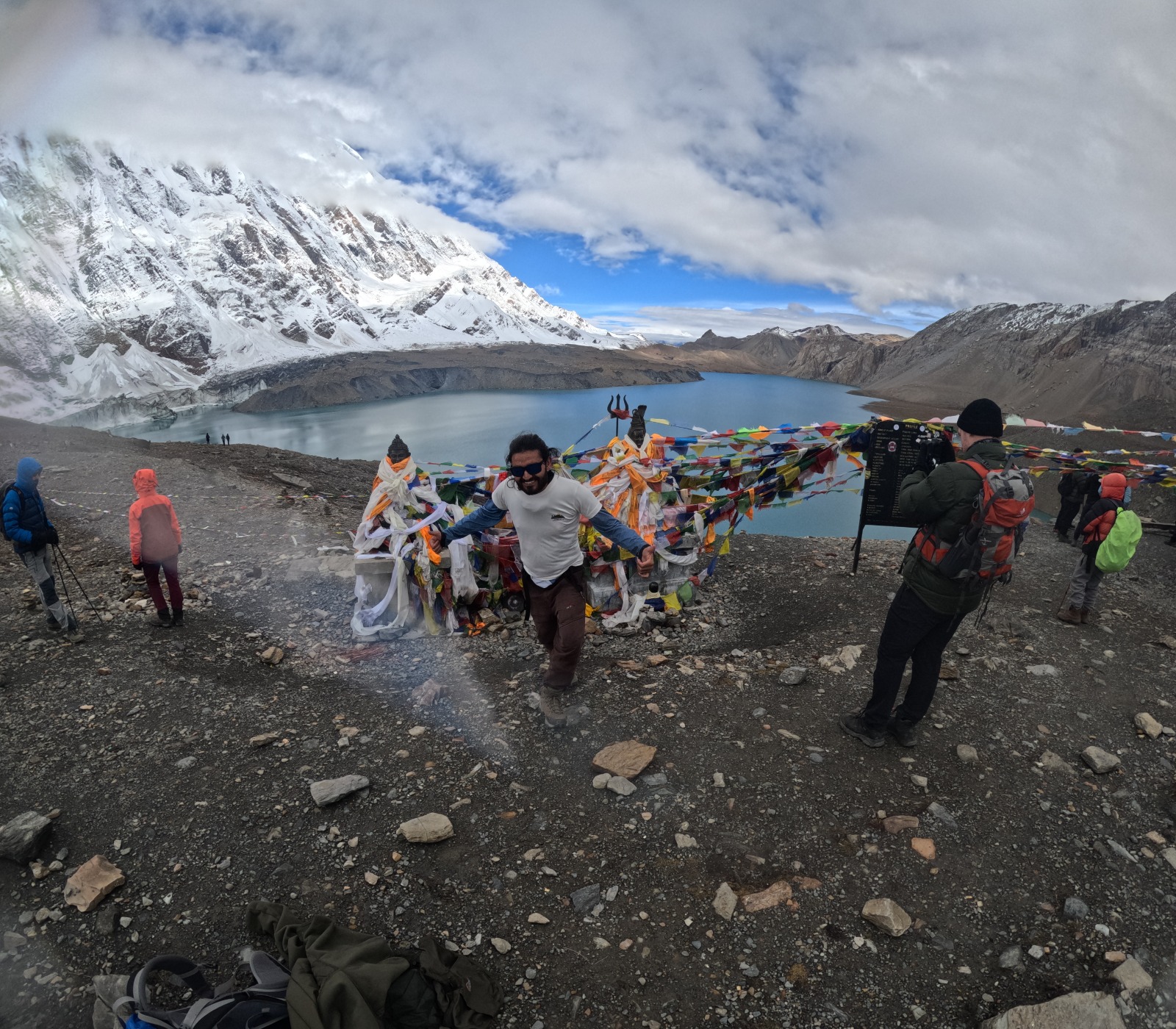
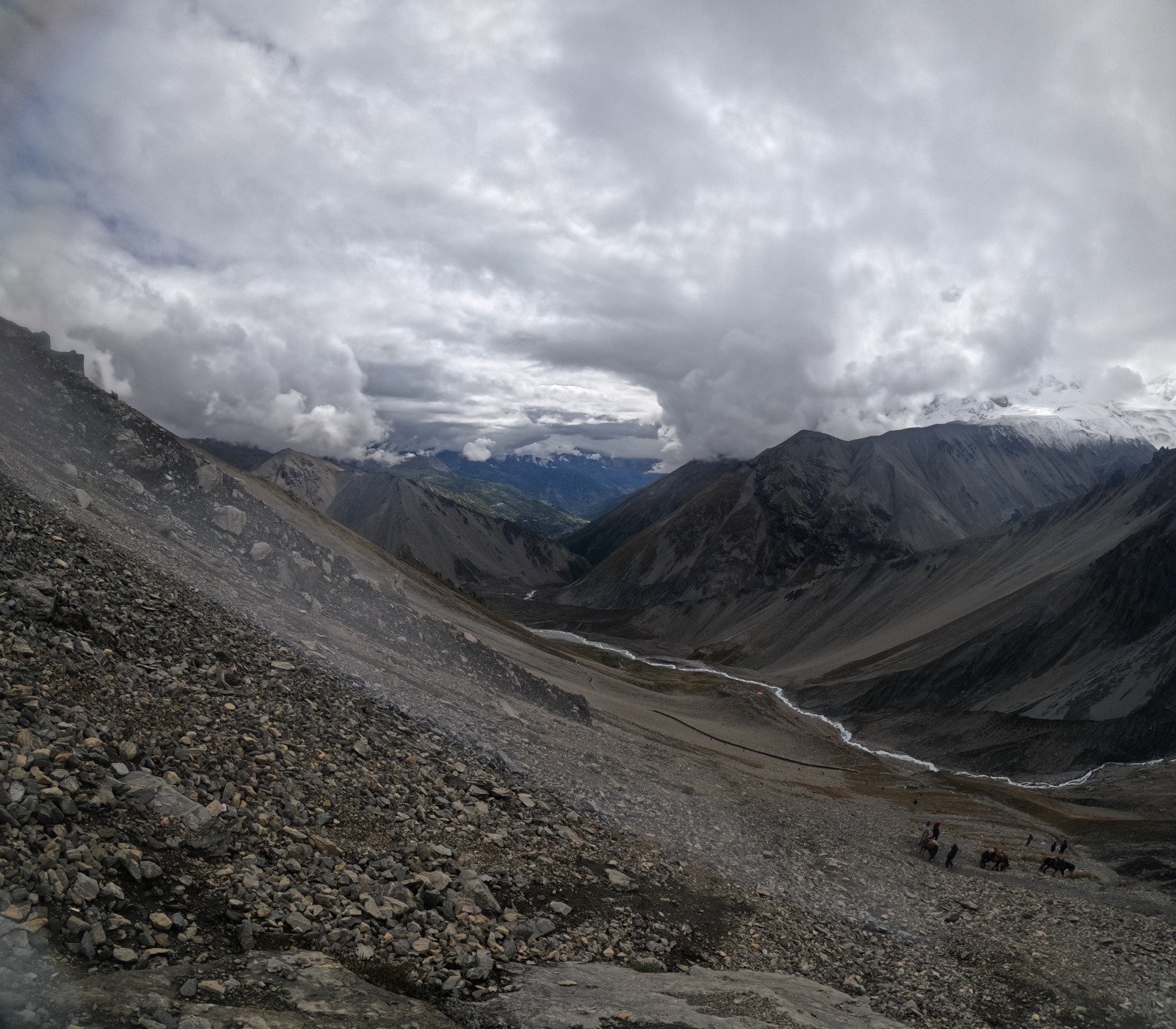
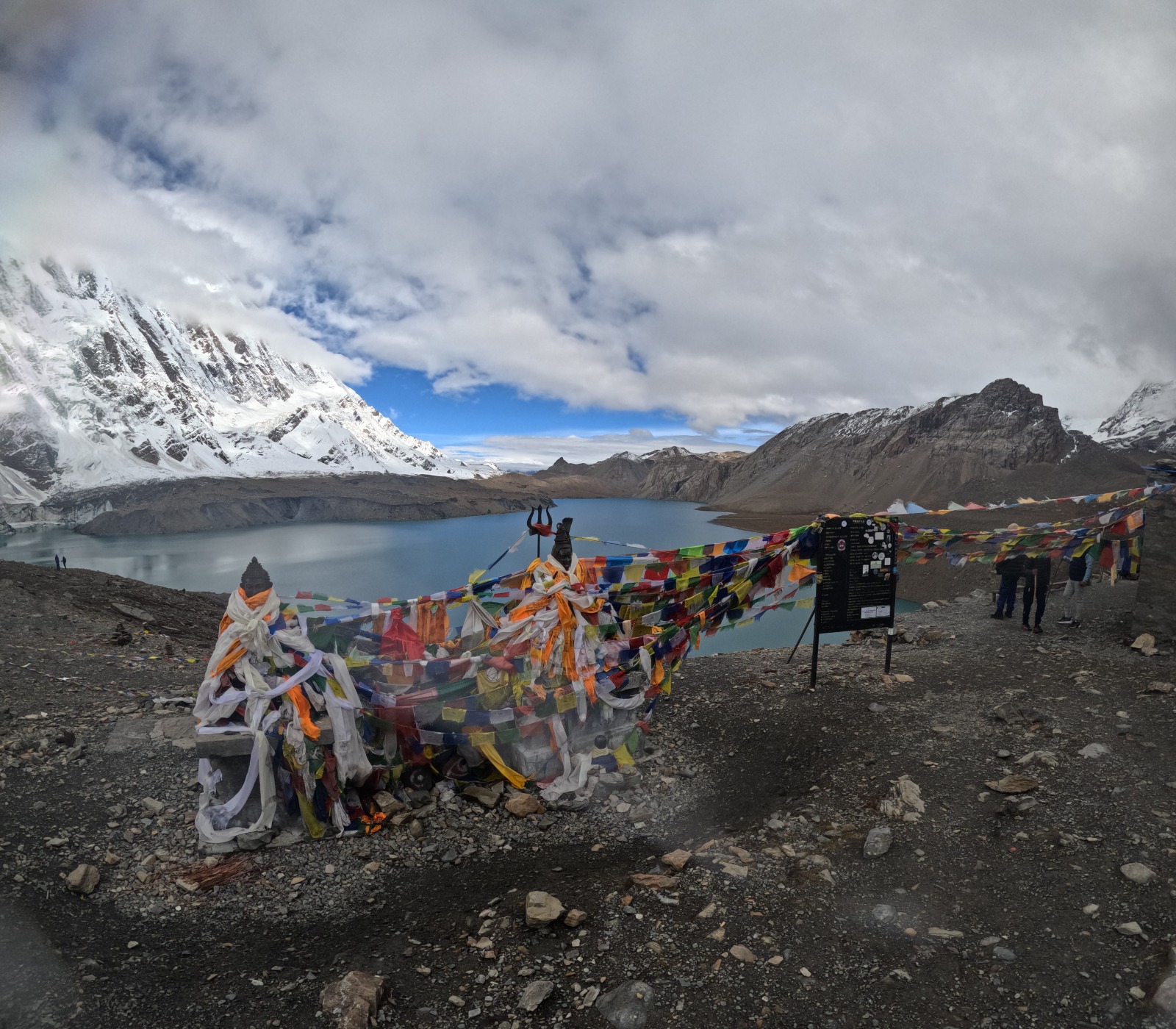
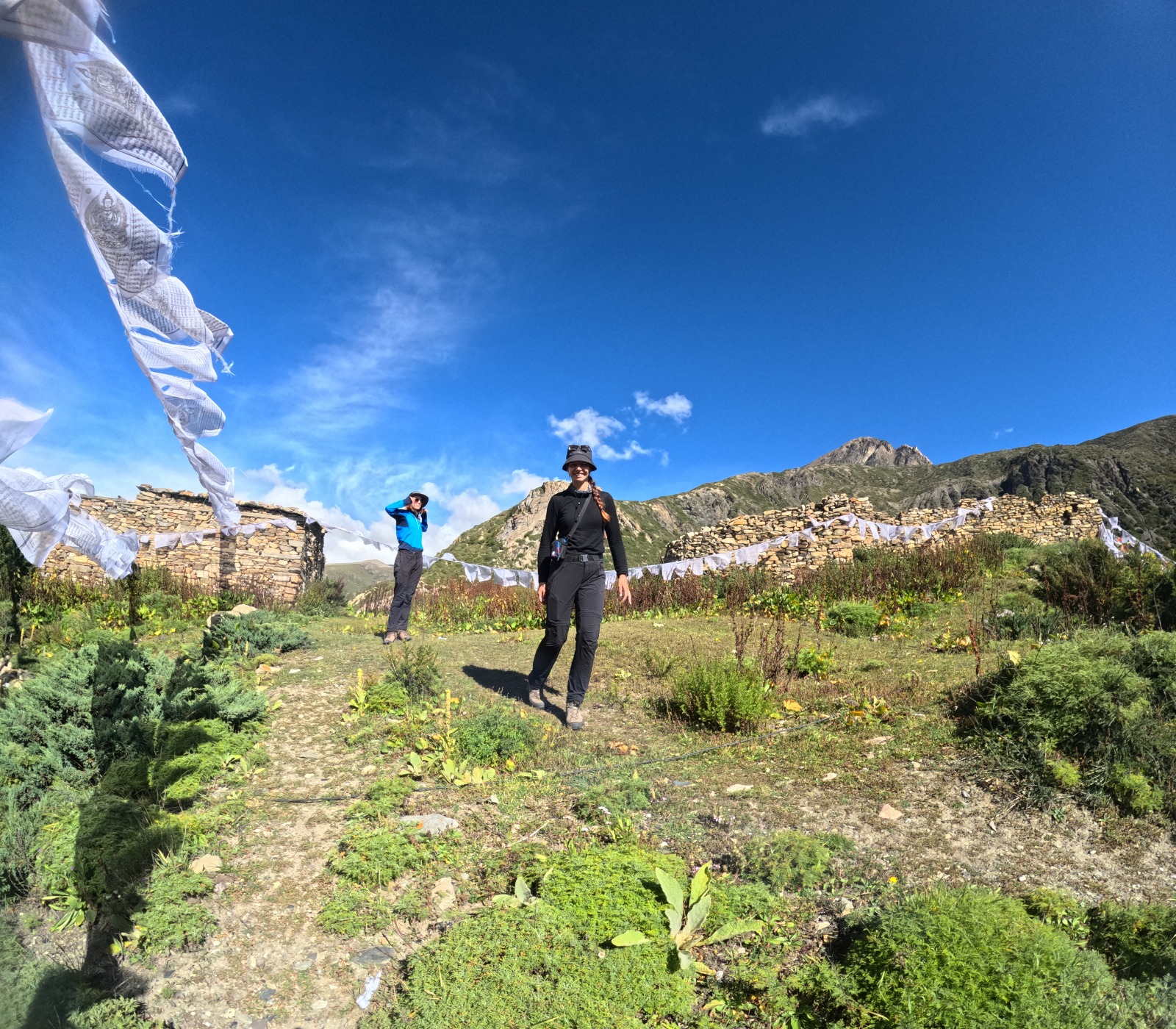
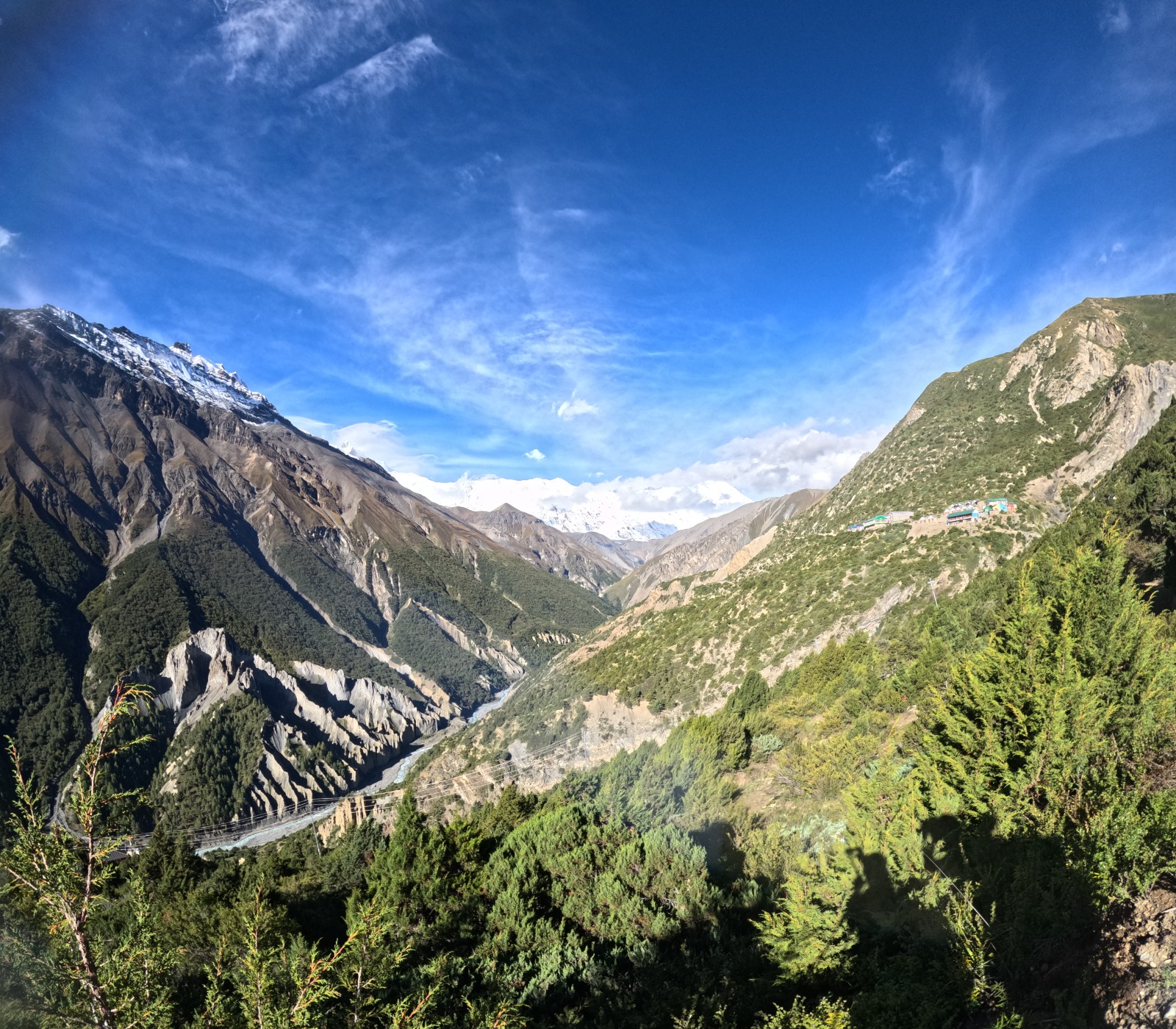
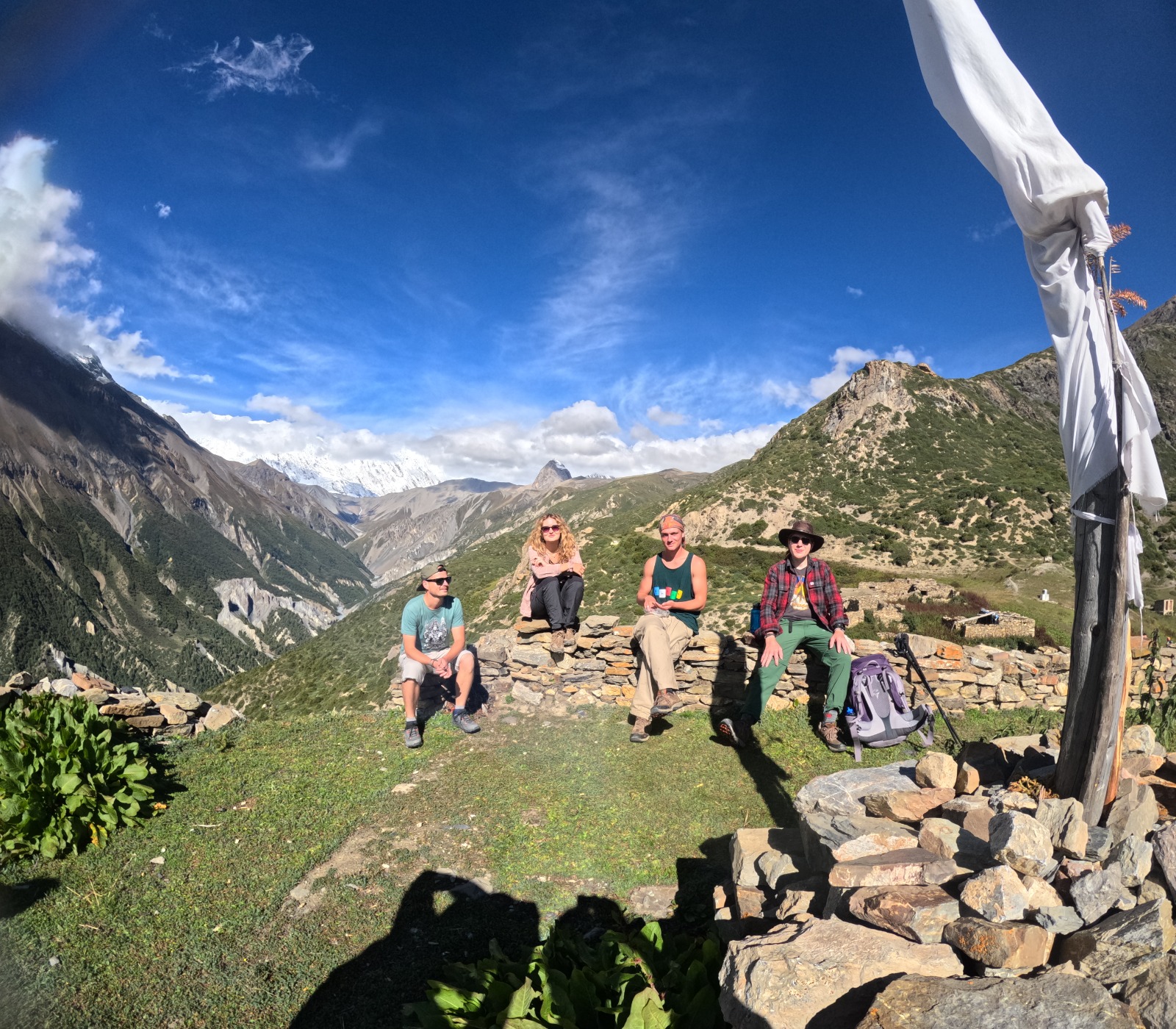
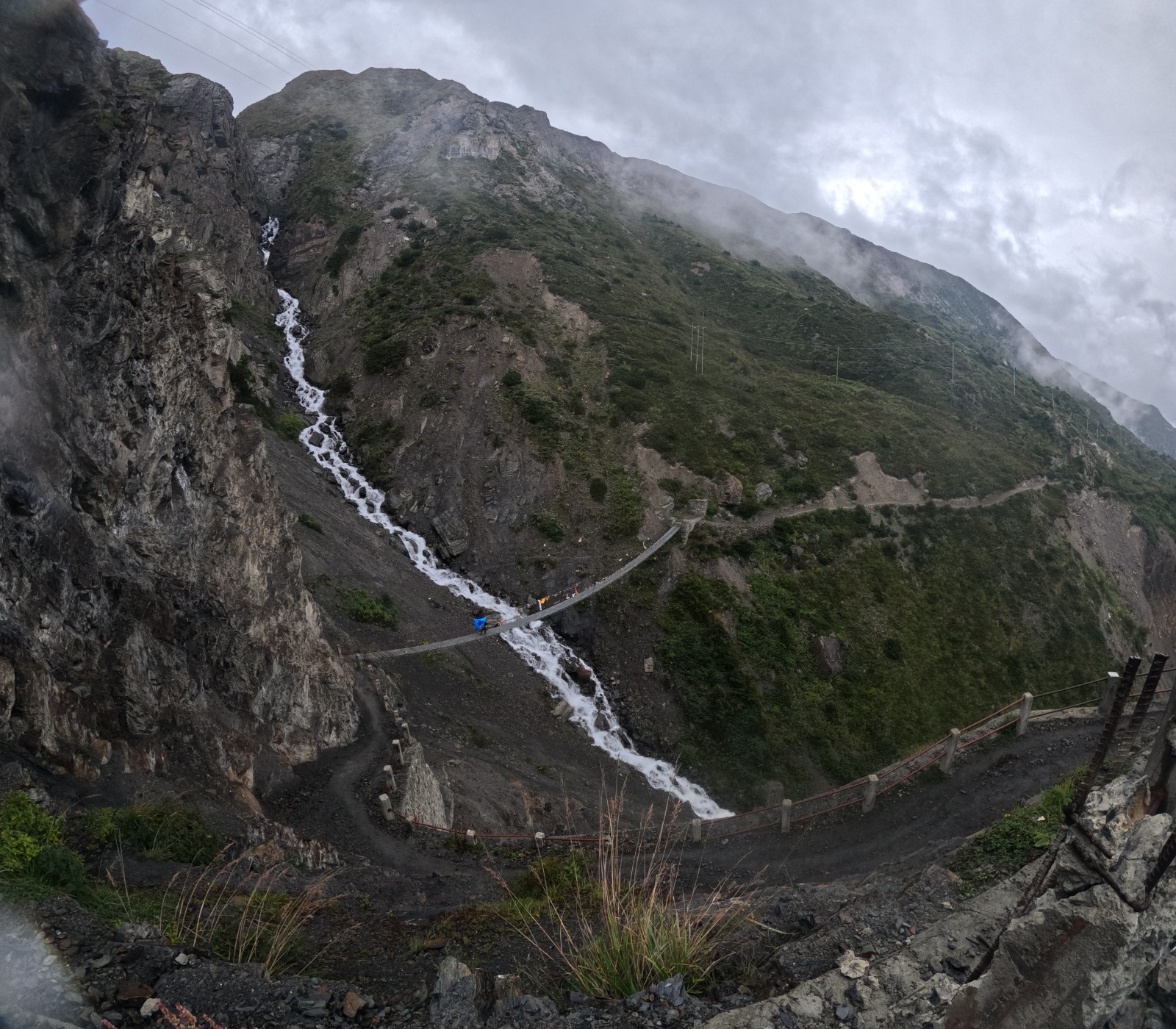
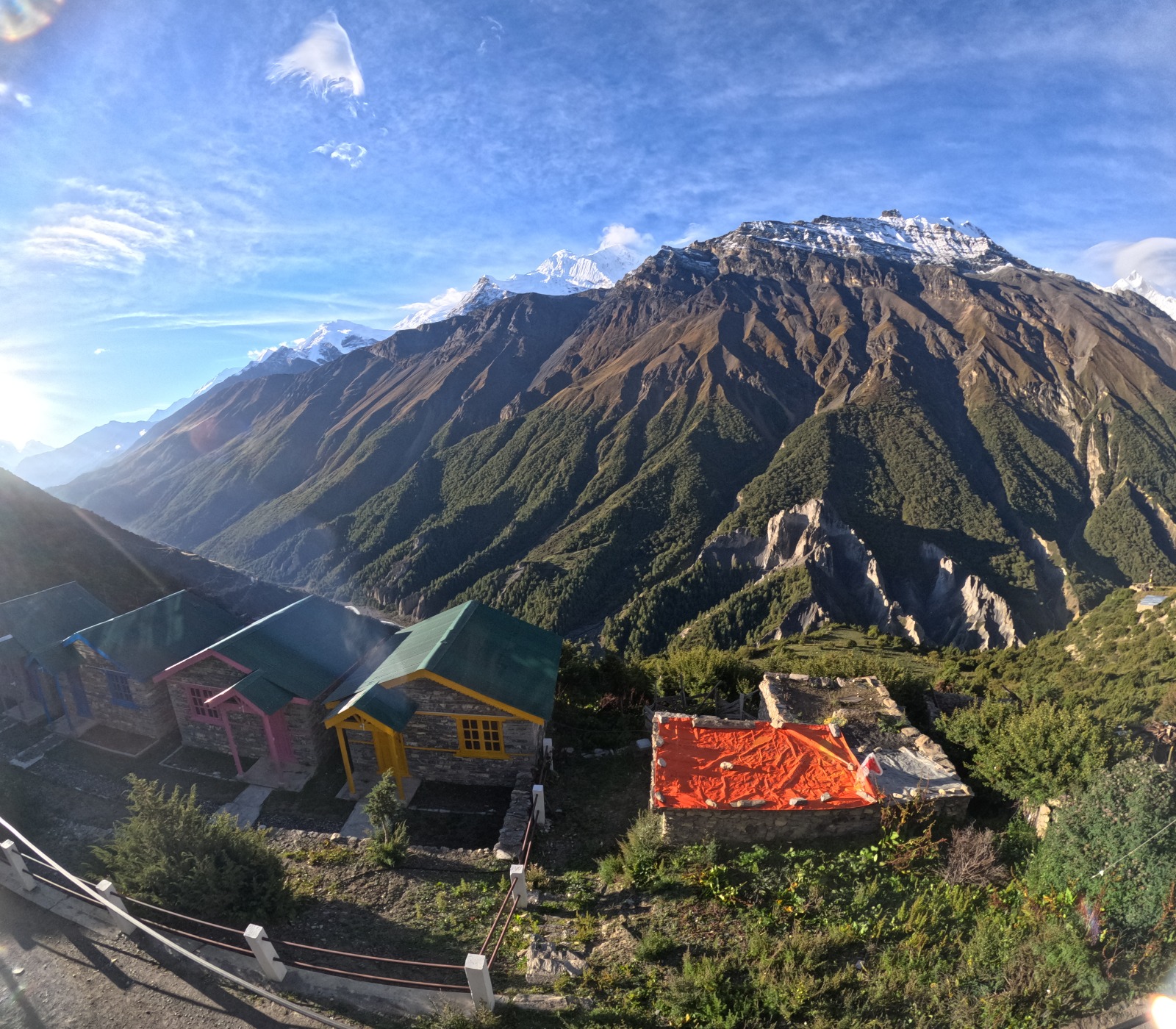
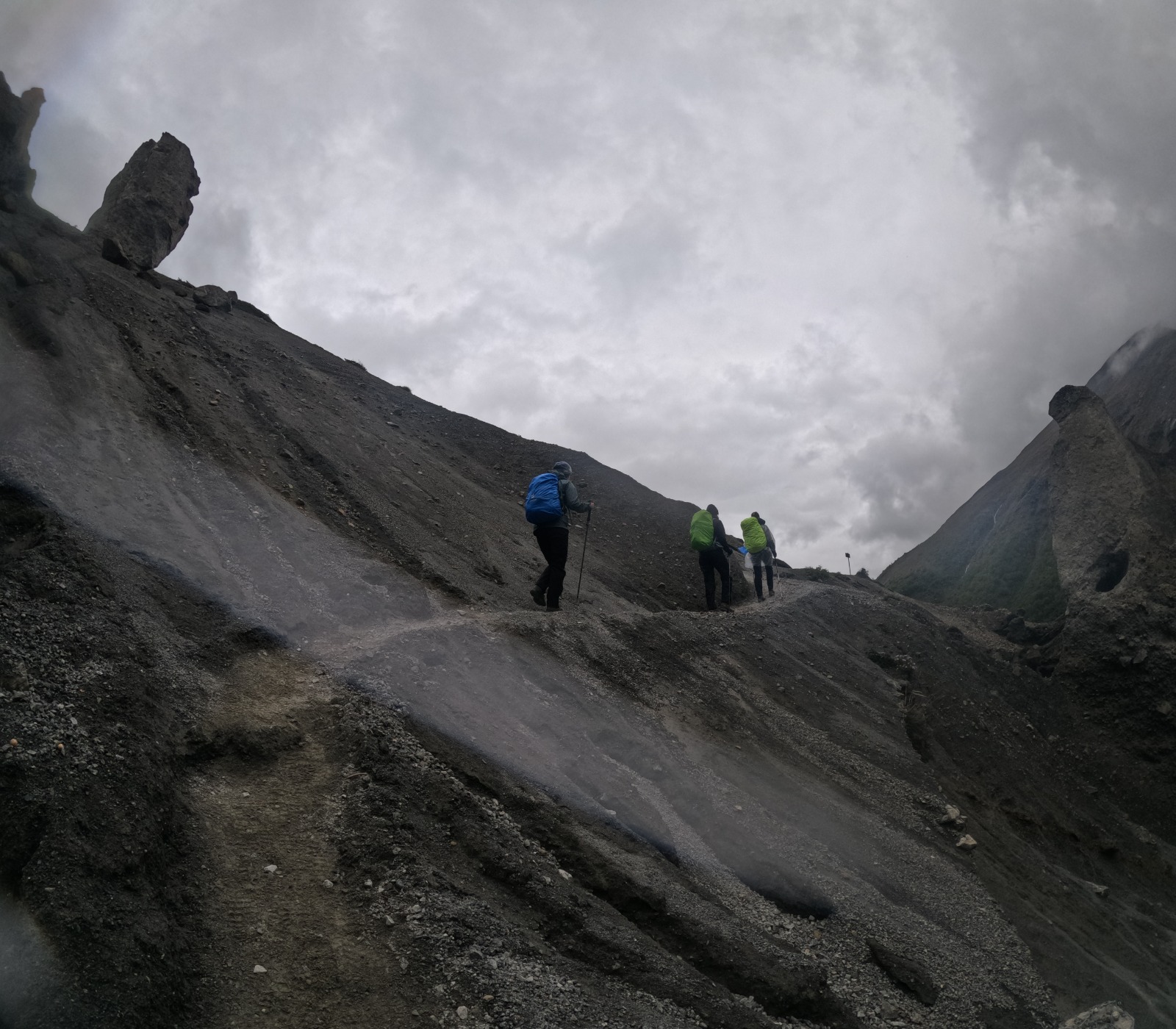
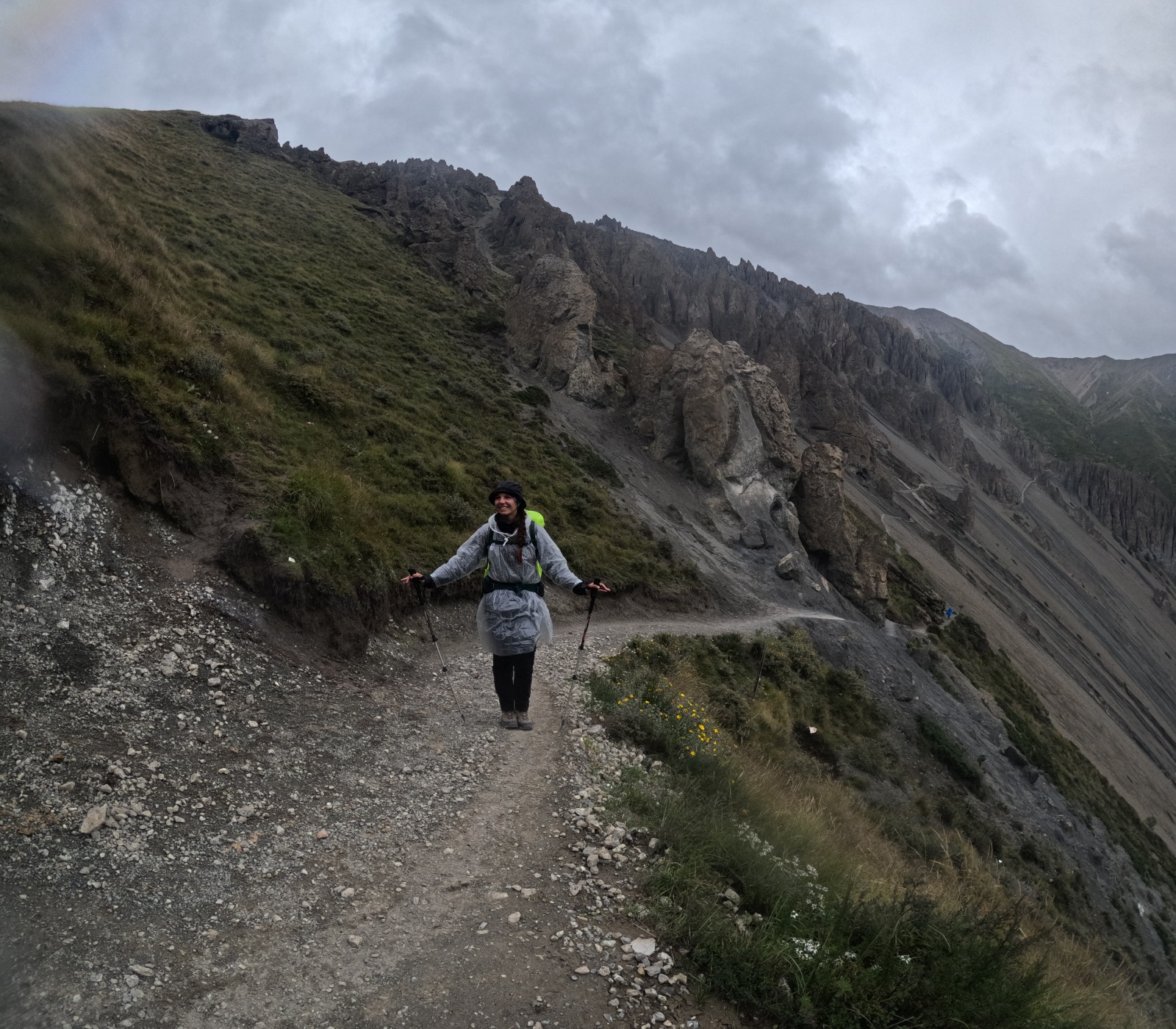
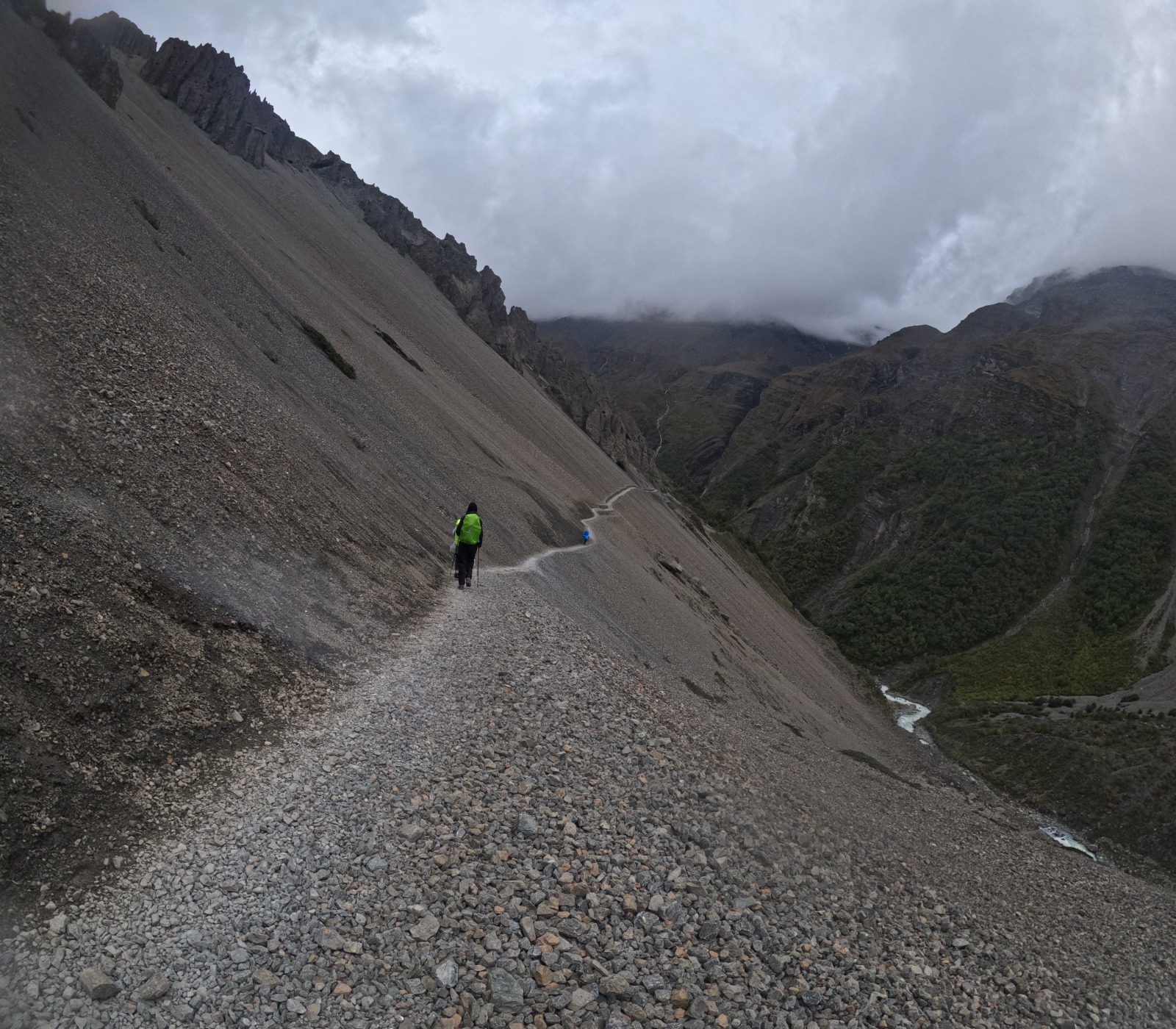
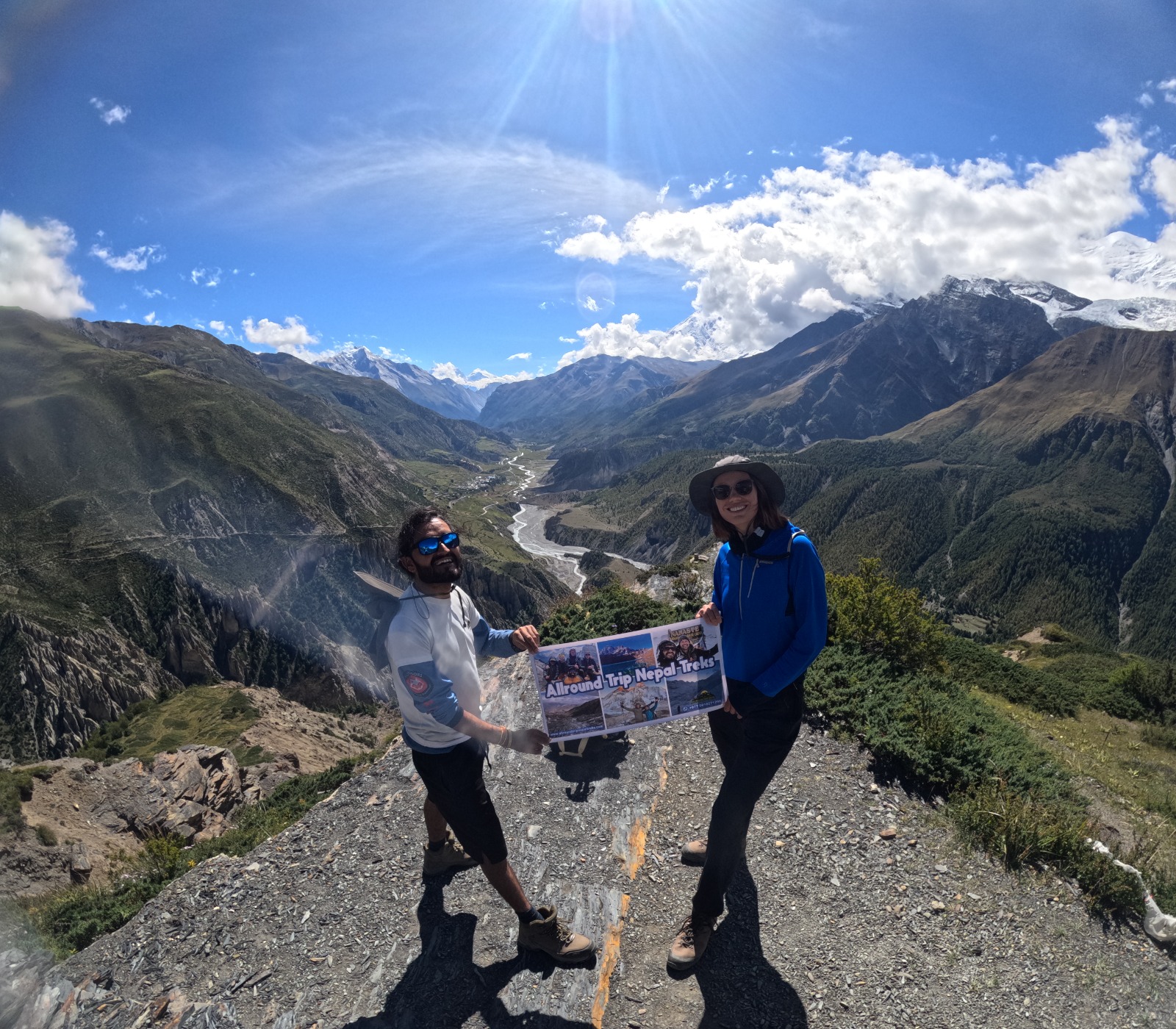
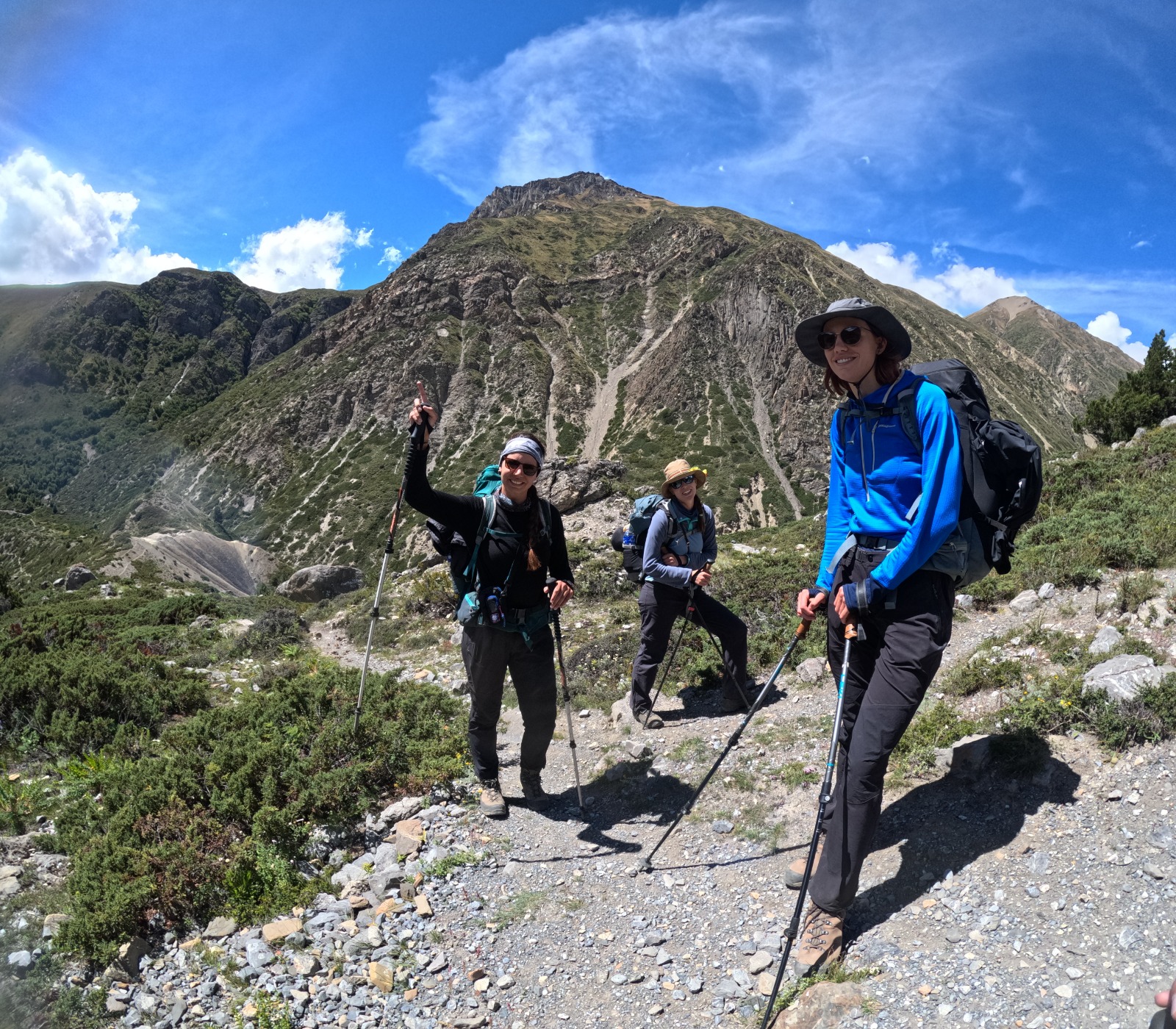
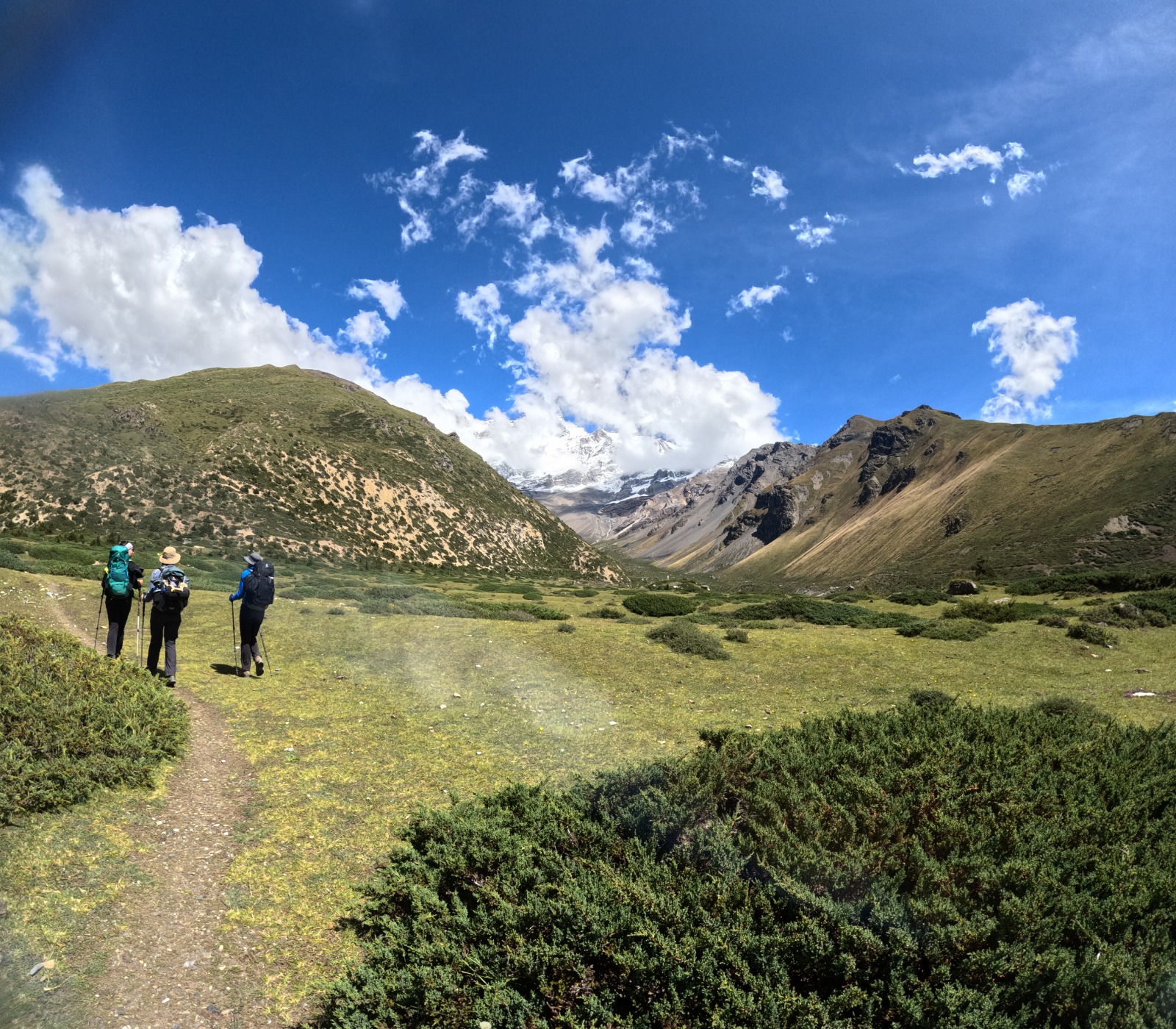
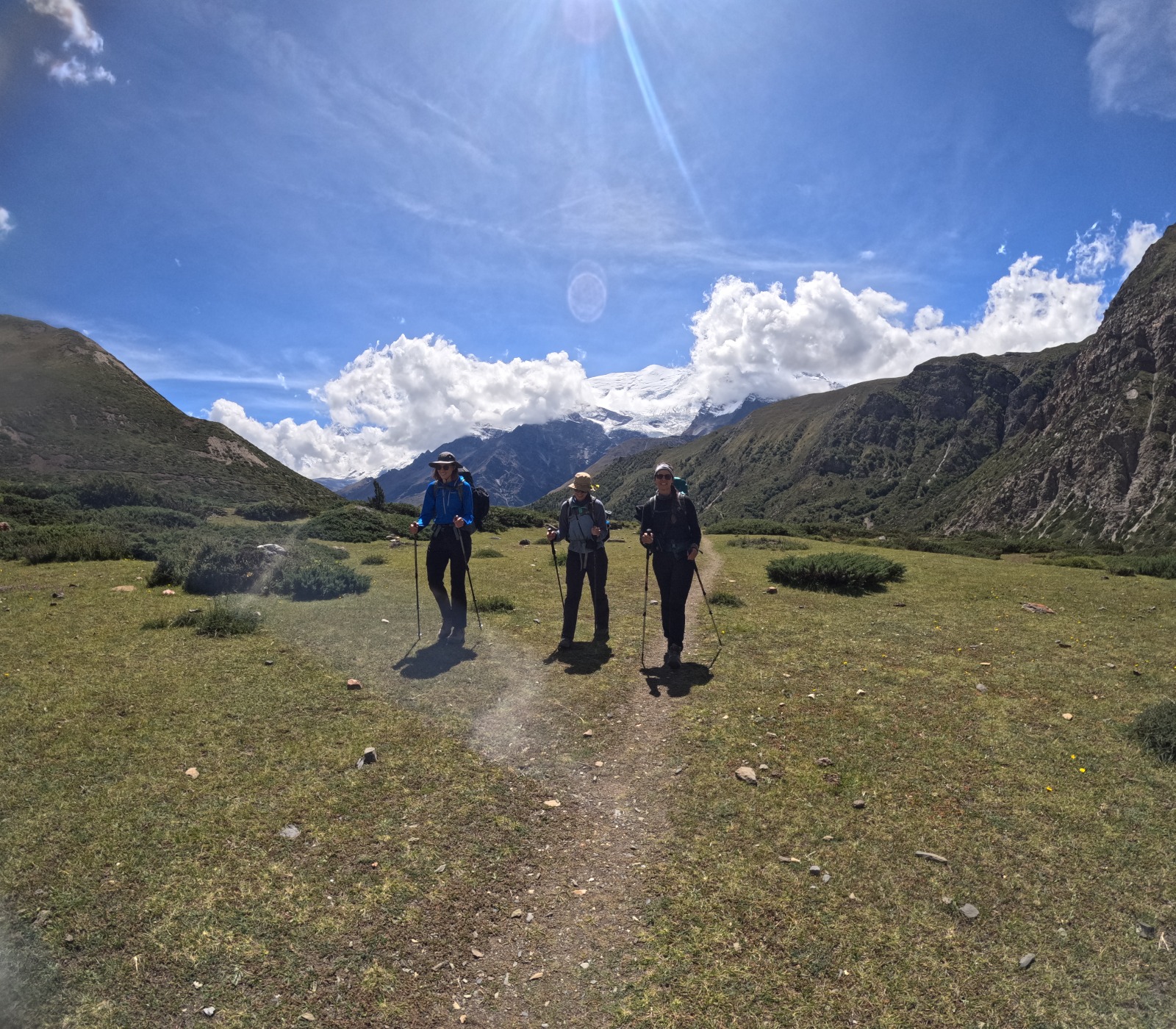
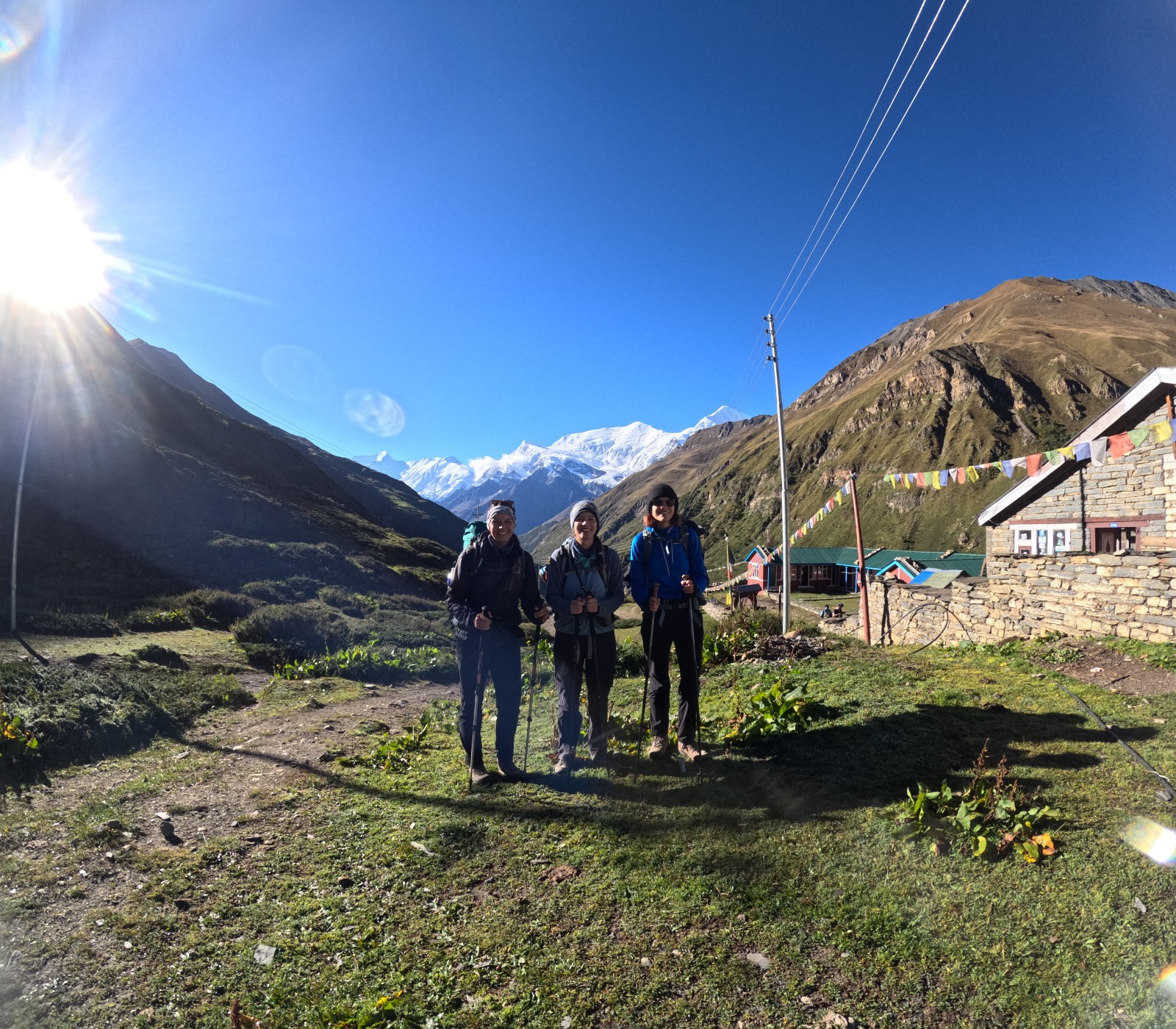
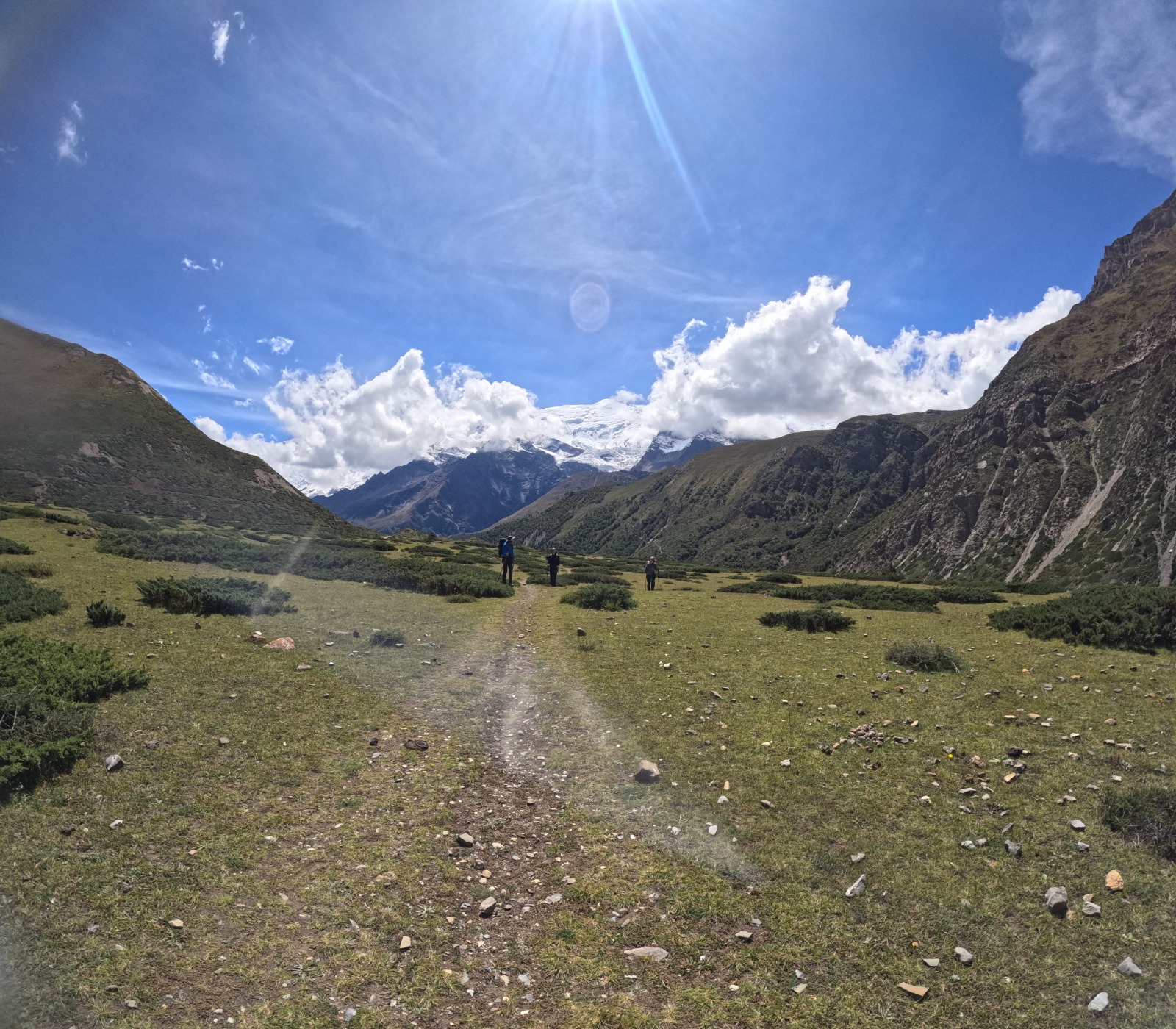
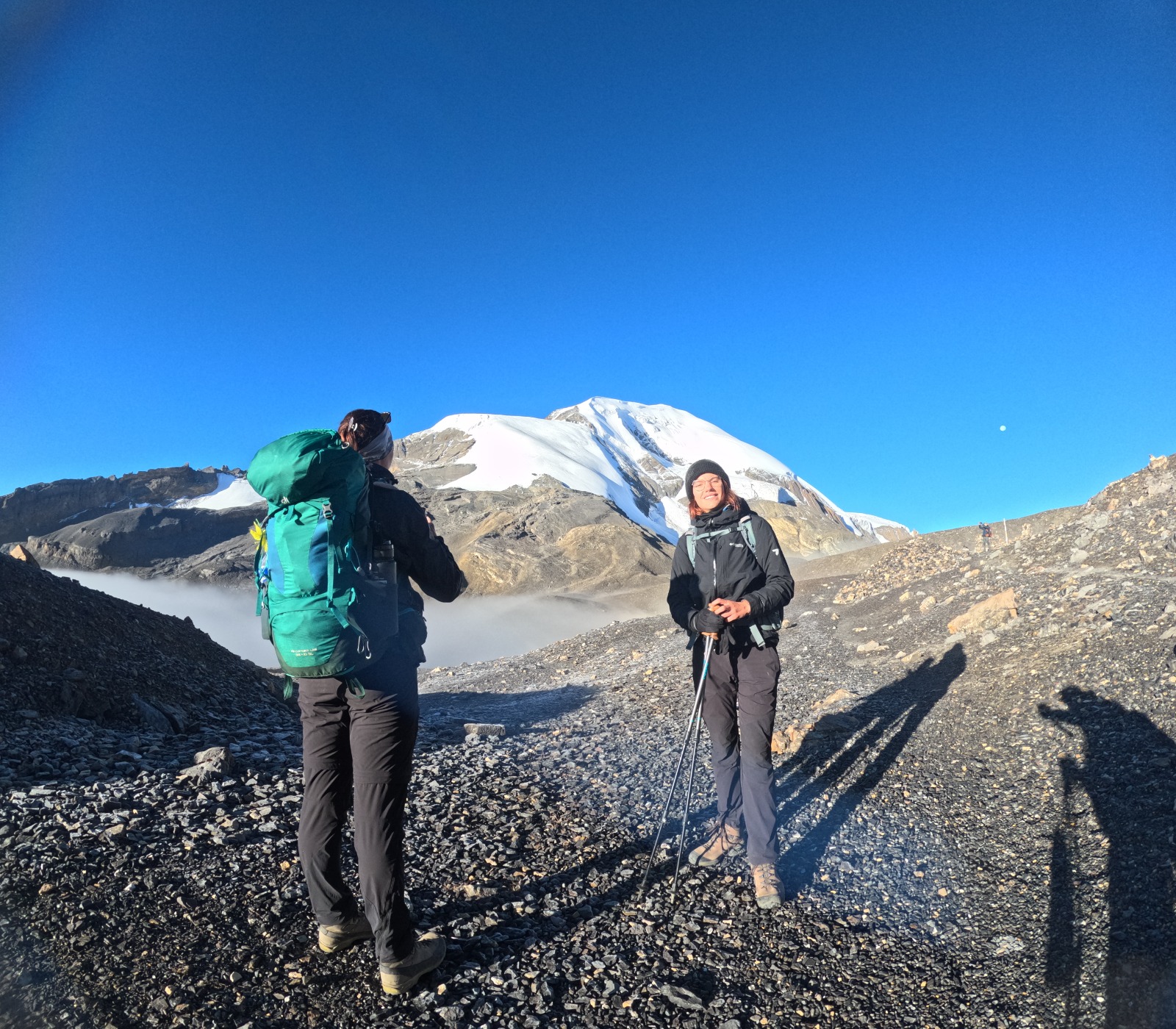
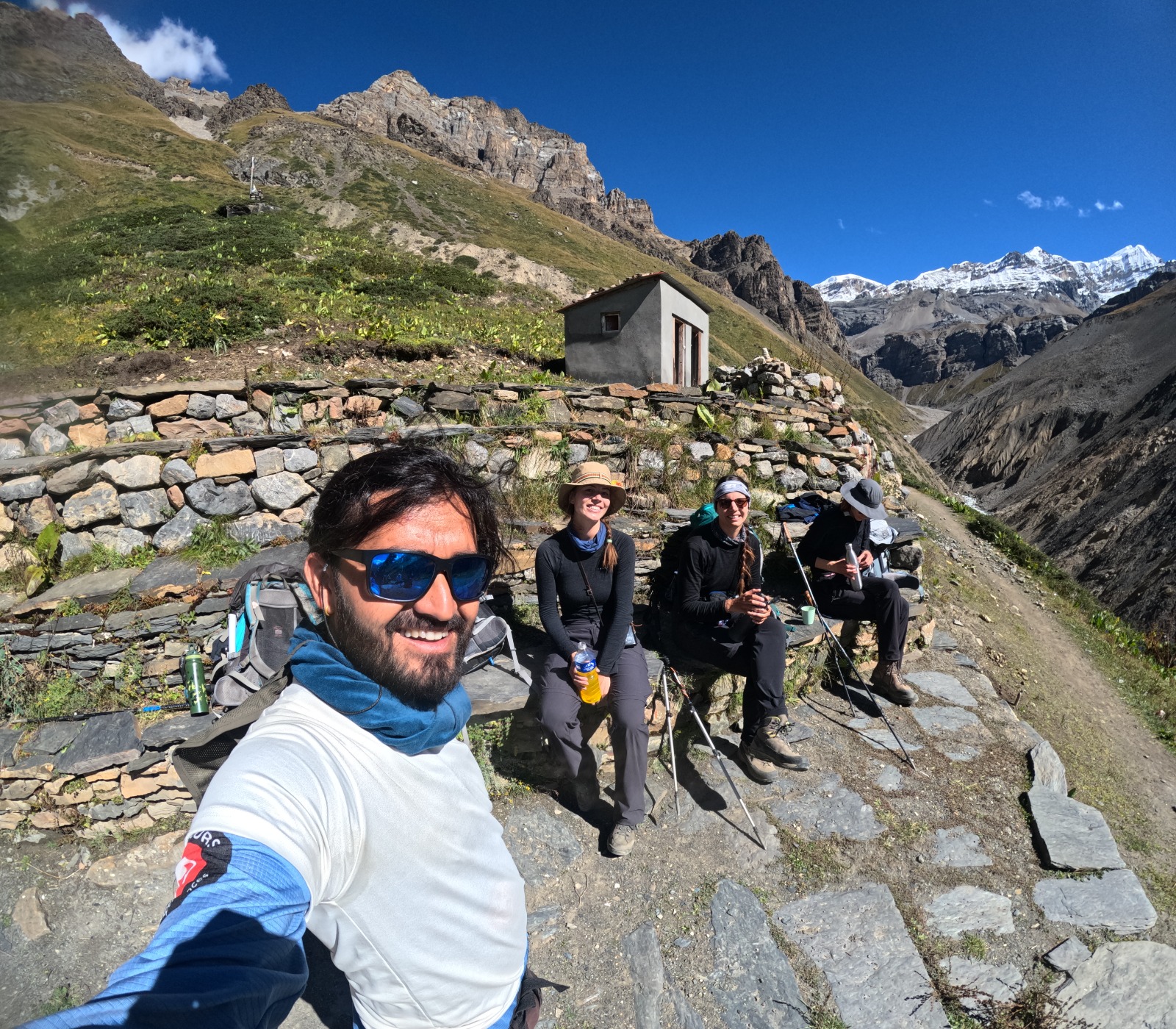
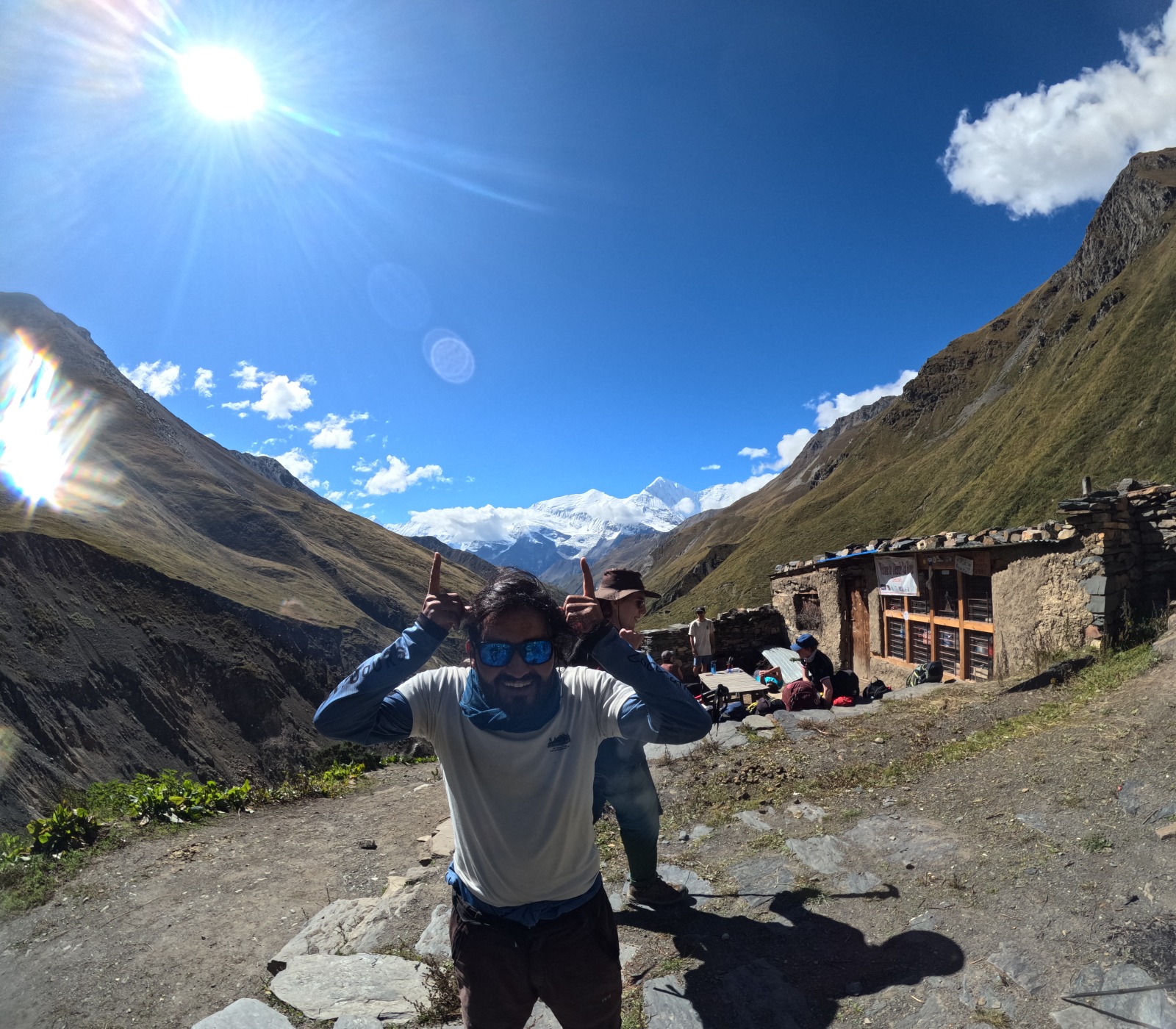
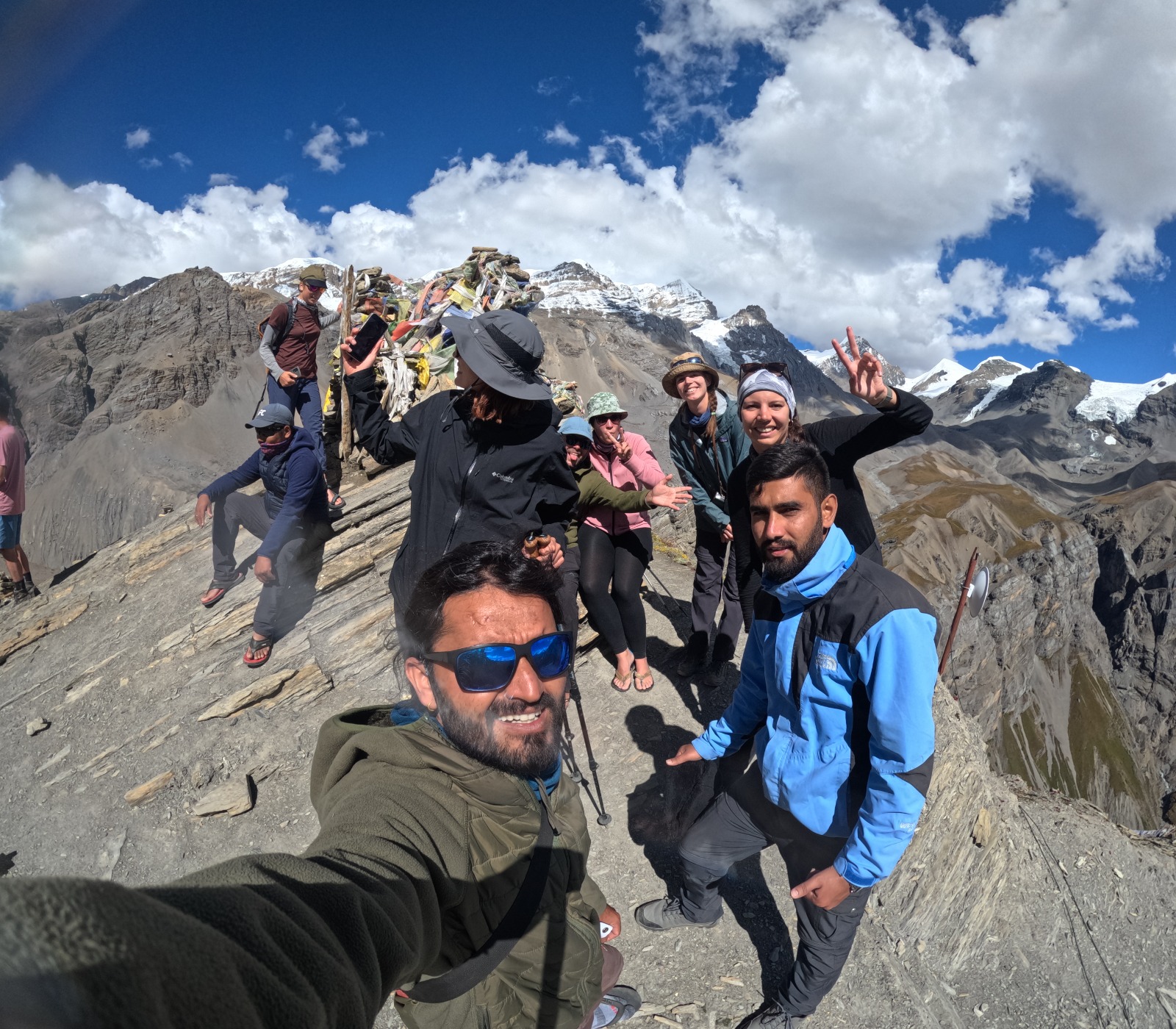
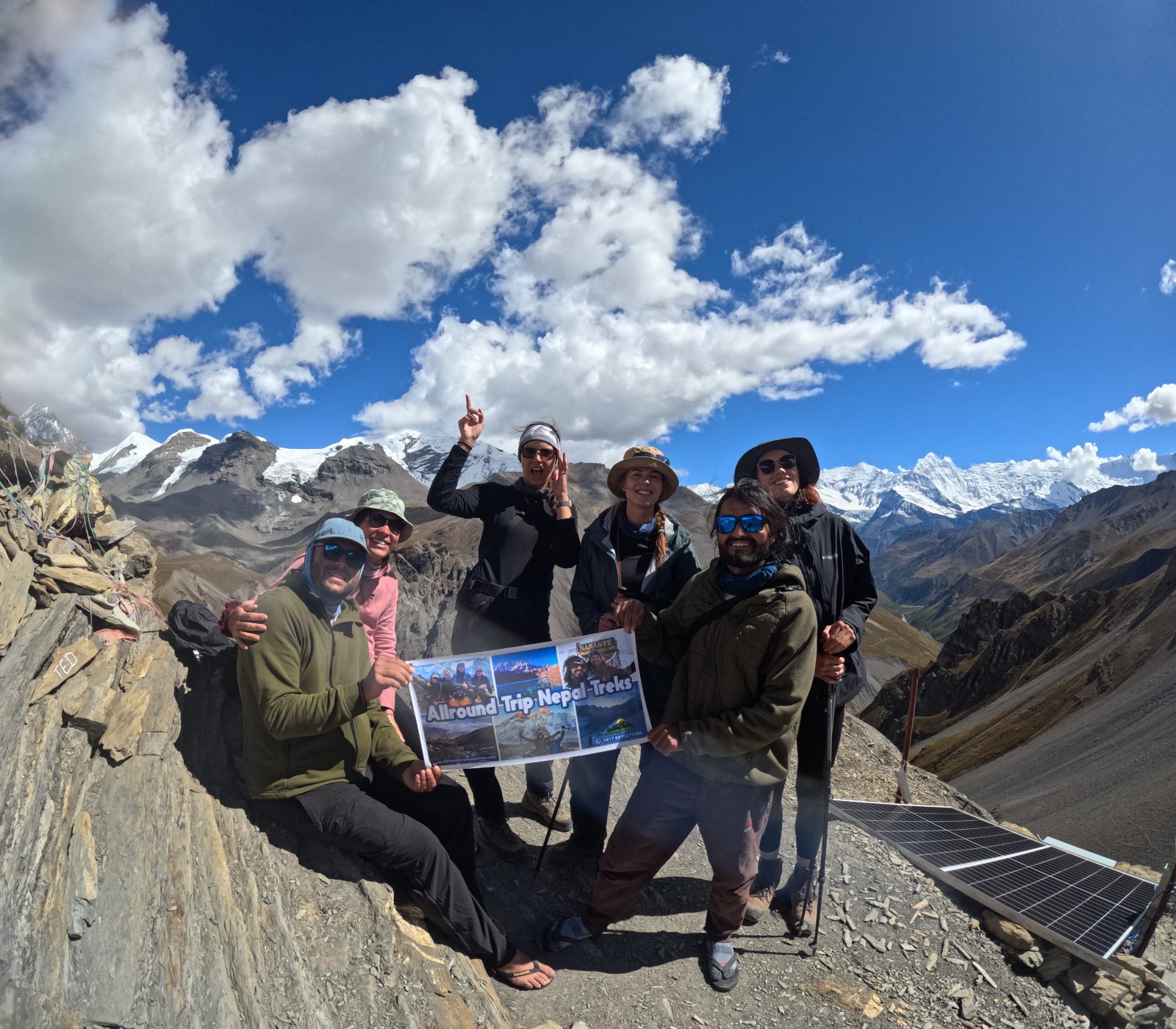
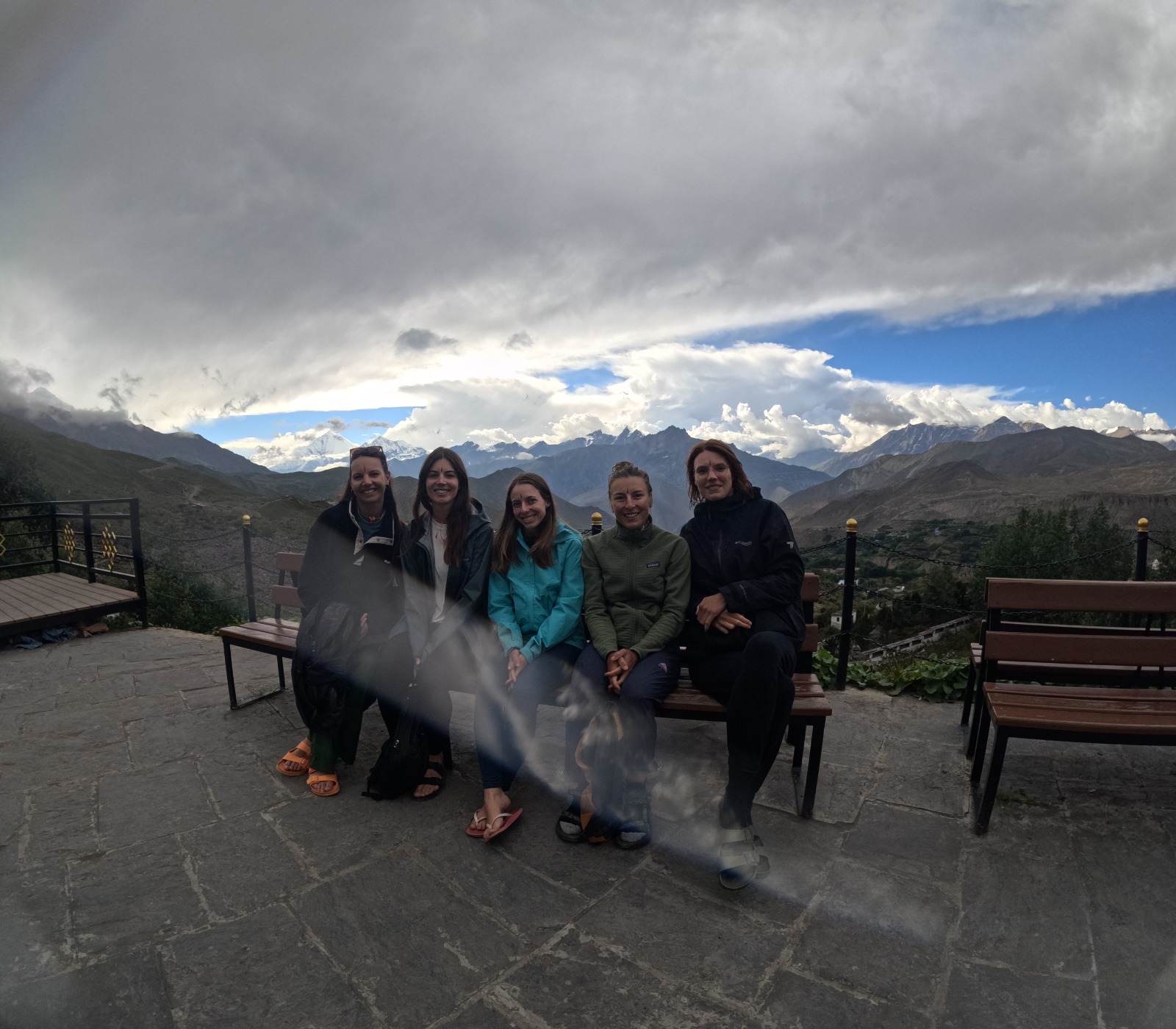
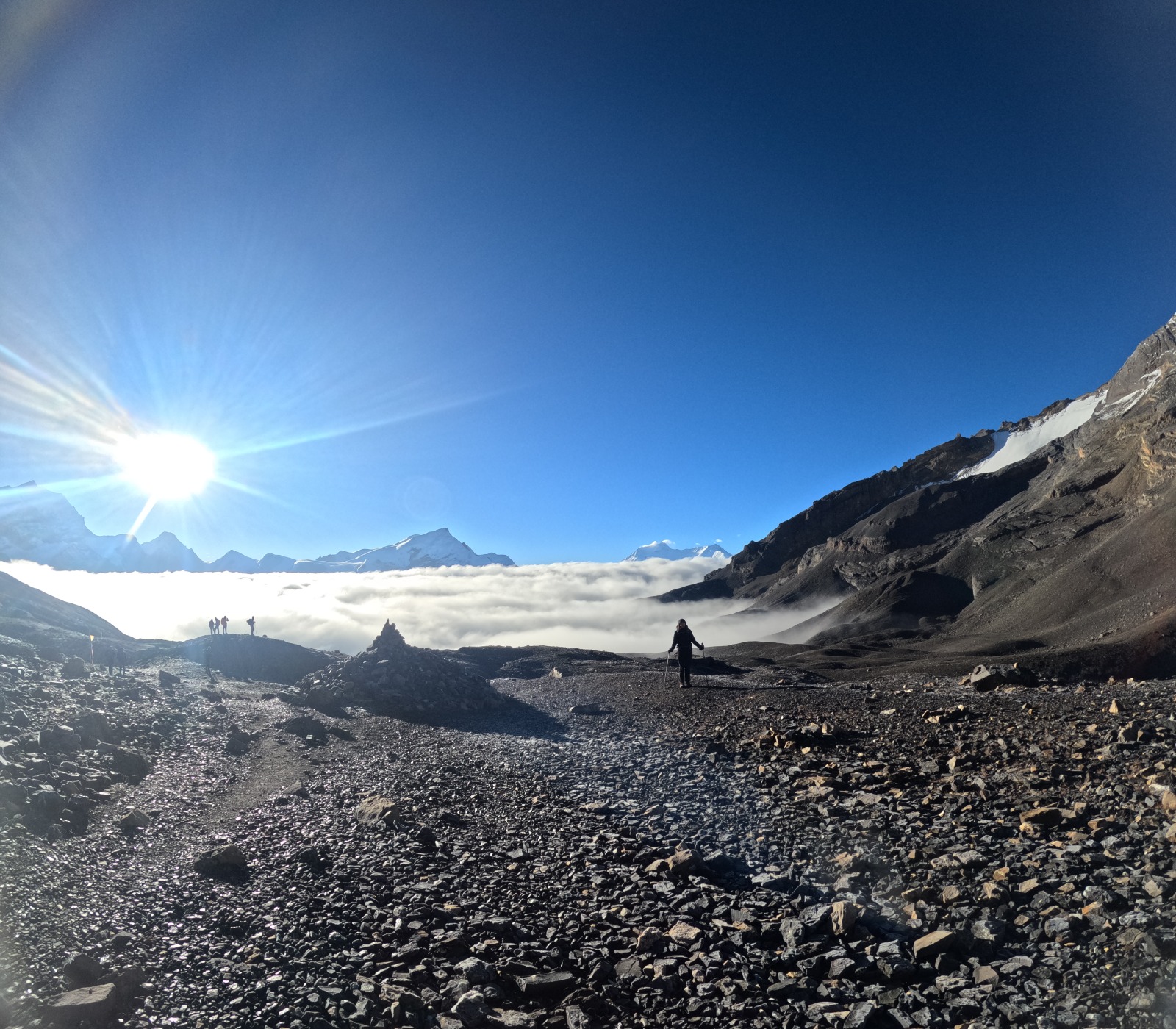
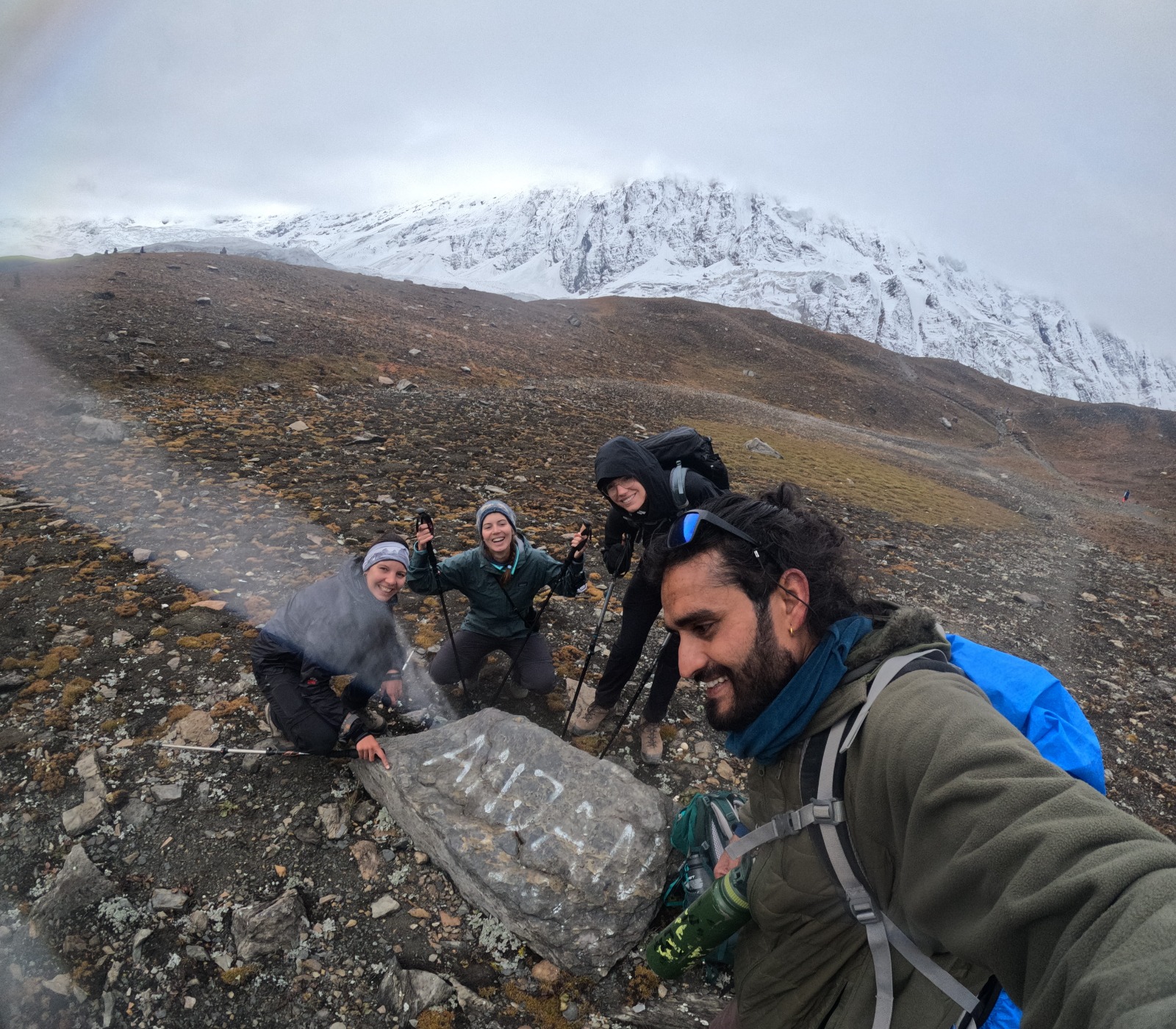
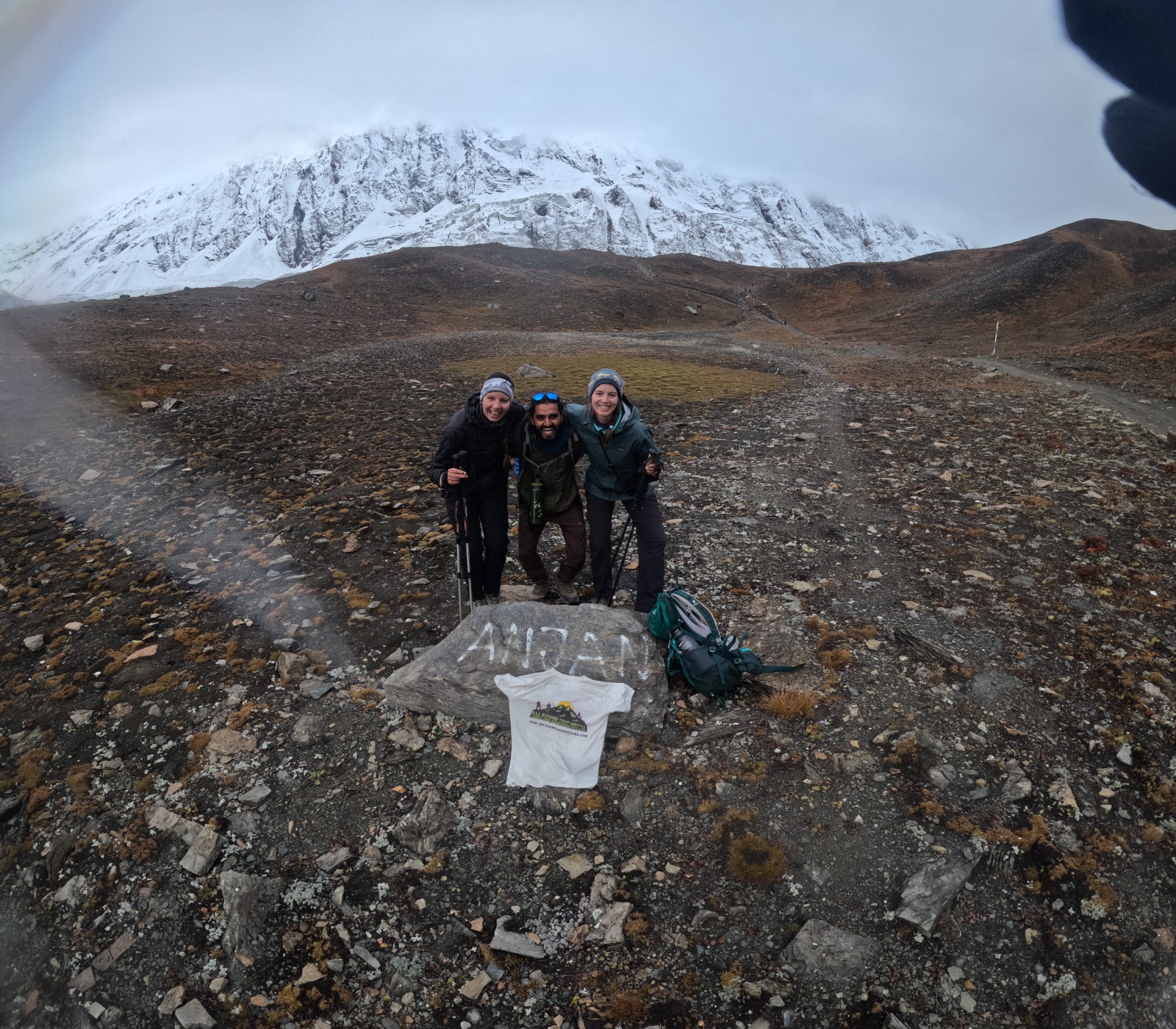
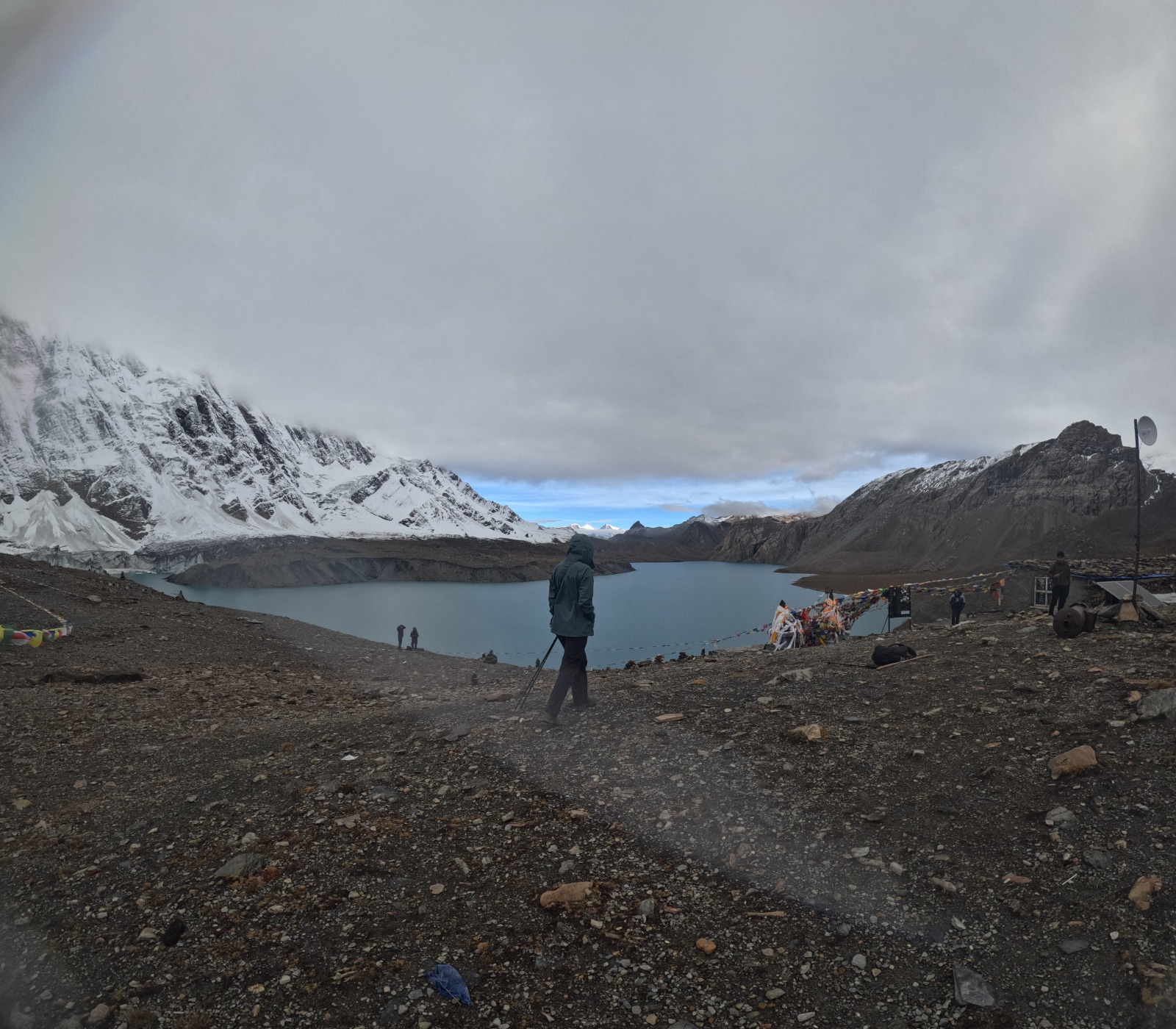
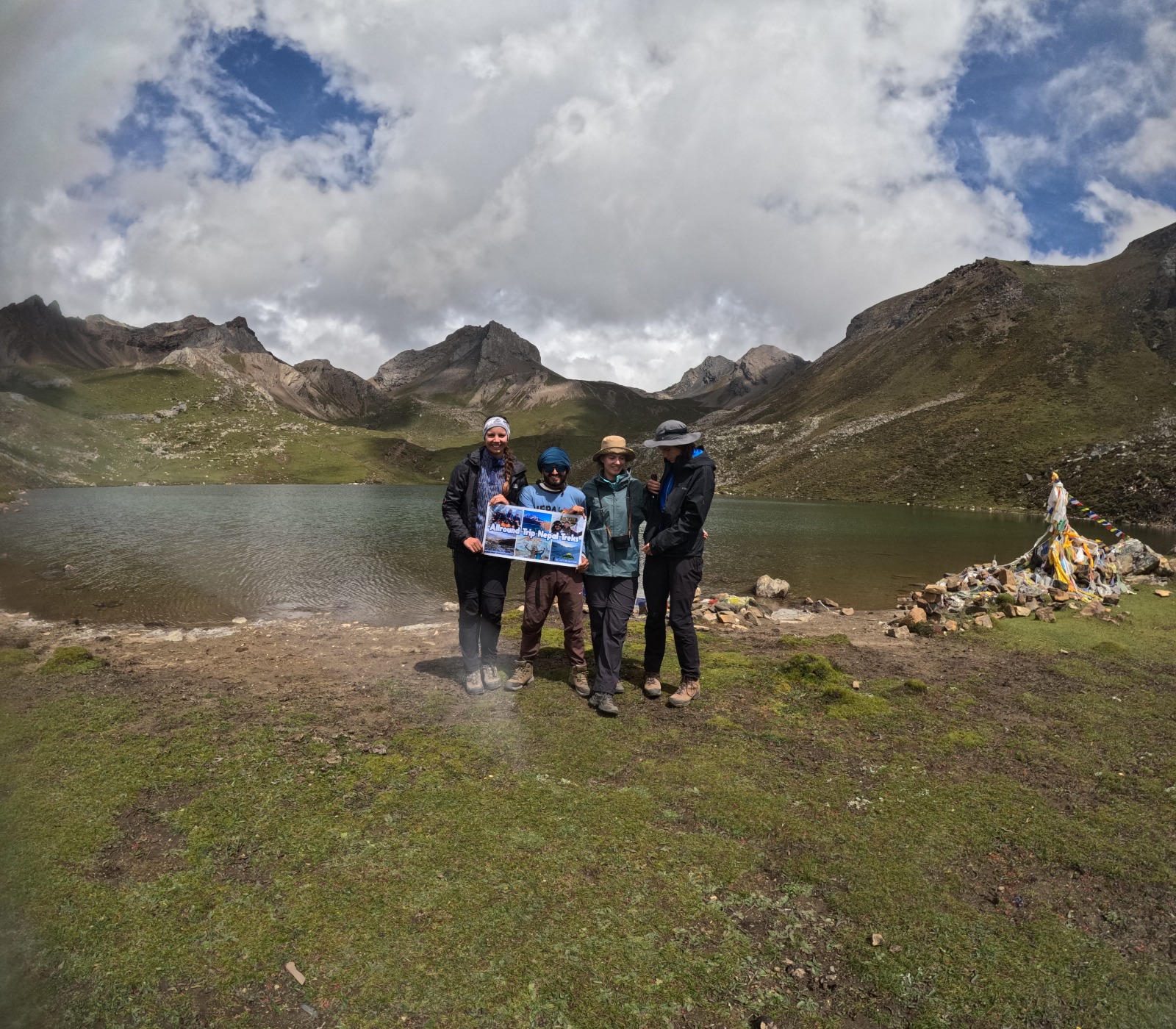
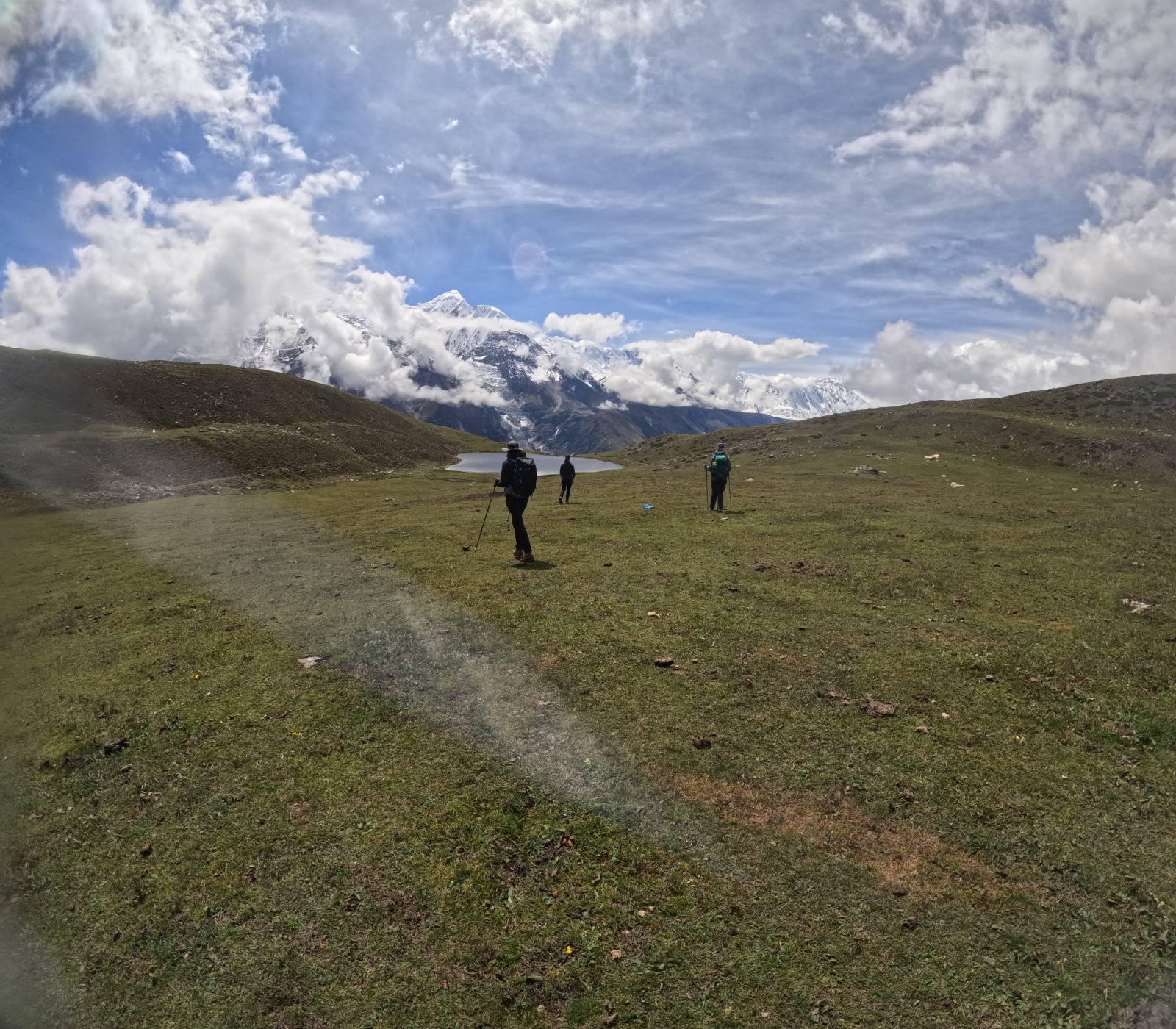
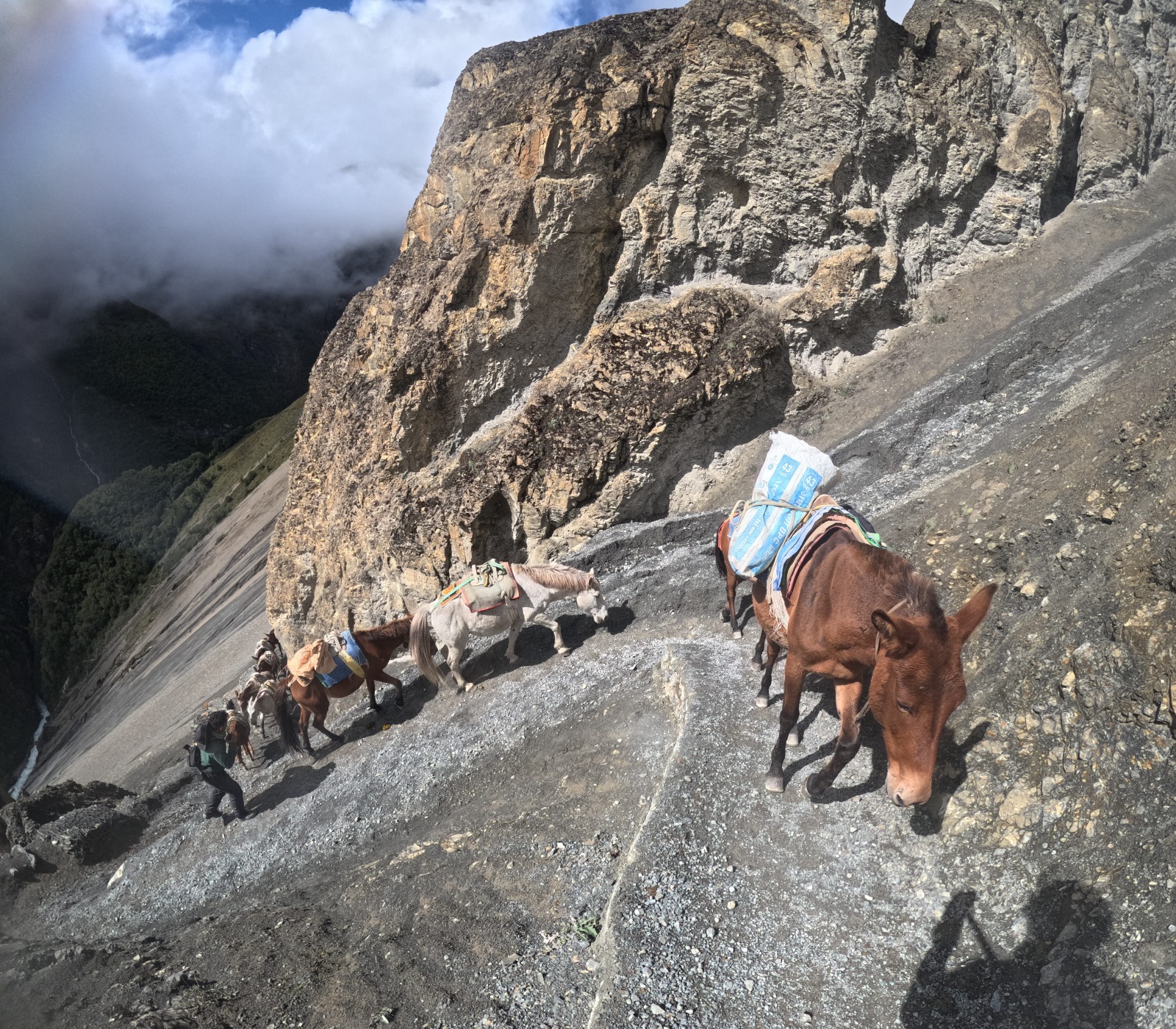
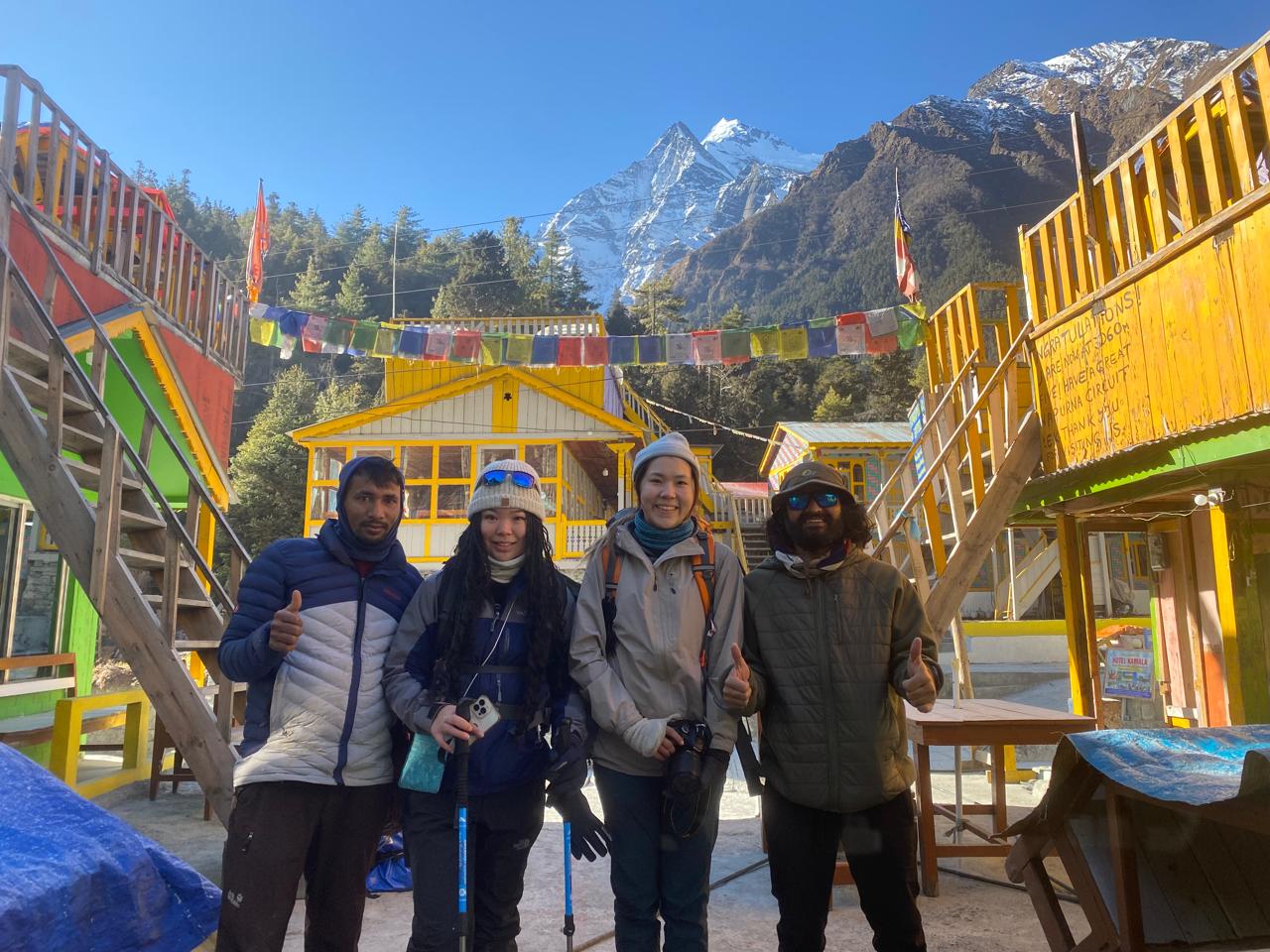
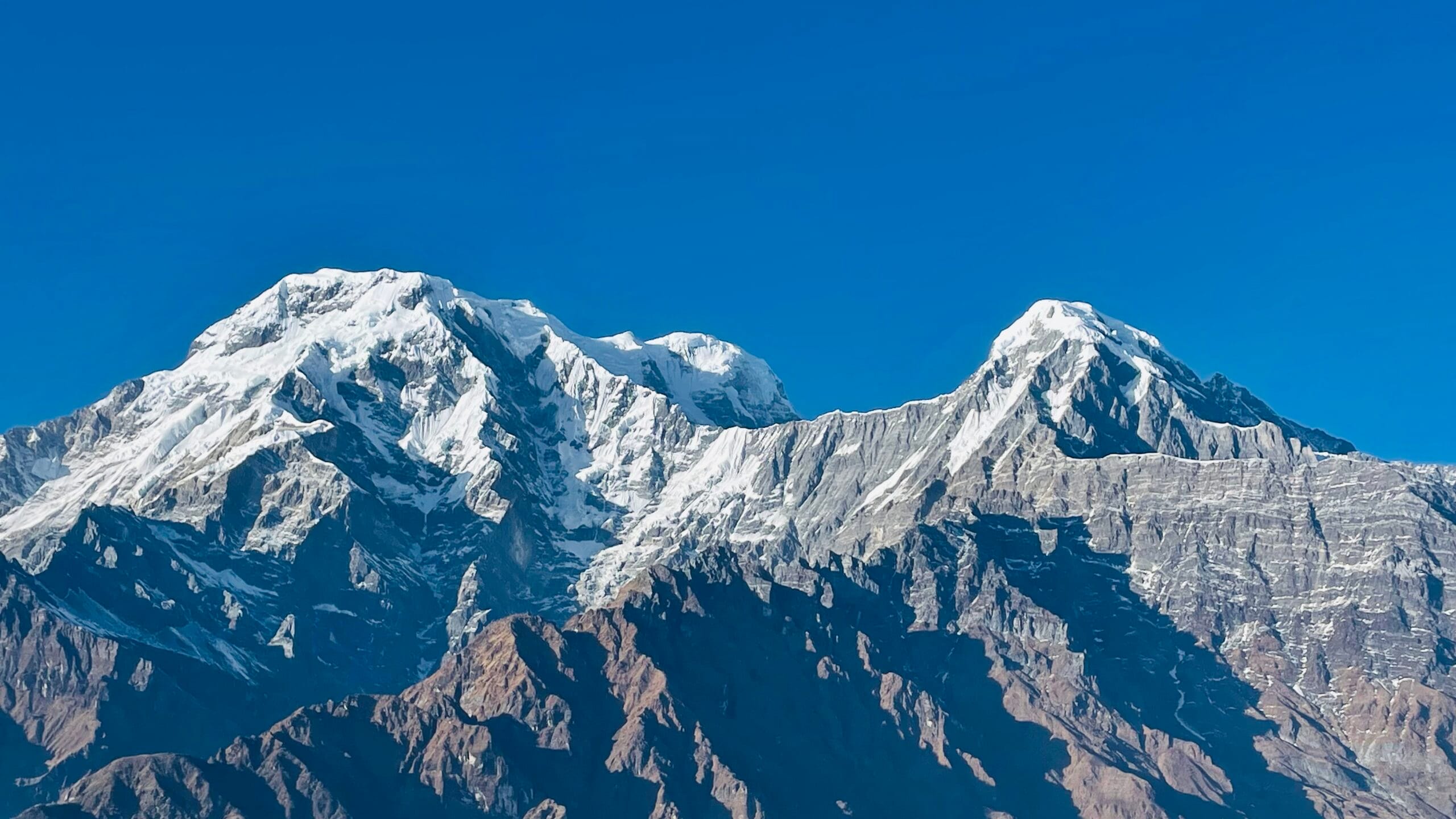
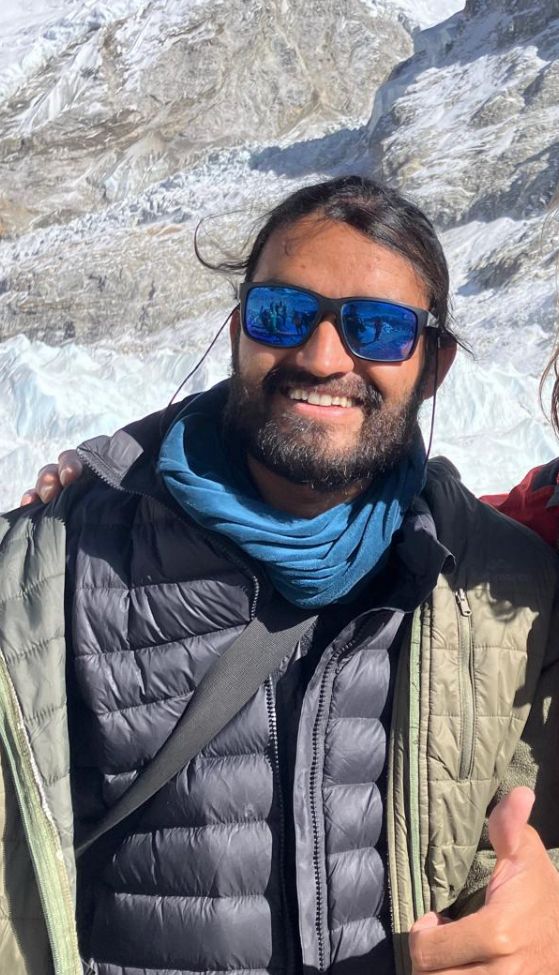
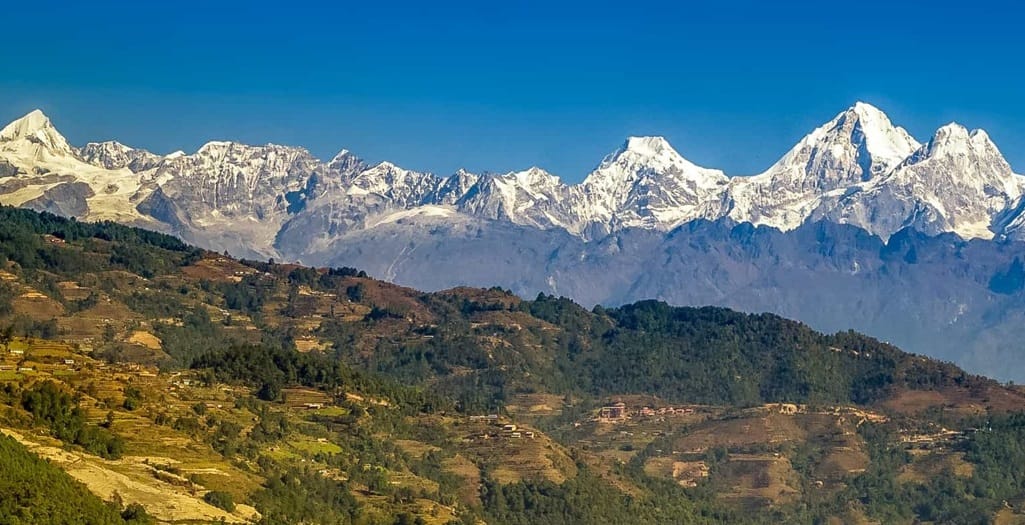
The Annapurna Circuit Trek with ART Nepal Treks & Expedition is one of the most remarkable trekking journeys in the world. Circling the Annapurna Massif, the trek offers incredible views of Annapurna South, Annapurna I, Dhaulagiri, and surrounding peaks. The trek combines natural beauty, cultural experiences, and the thrill of challenging high-altitude trekking.
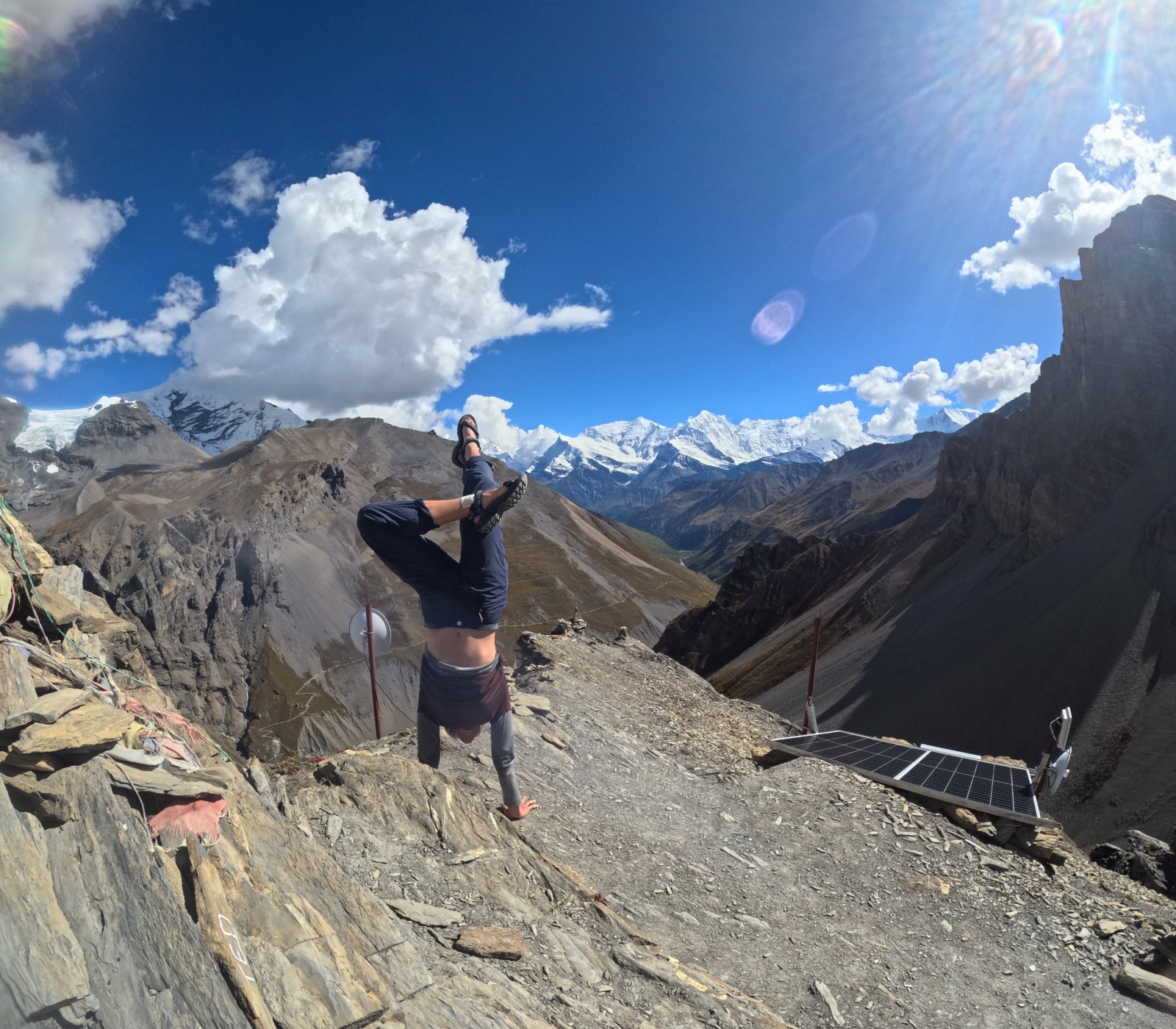
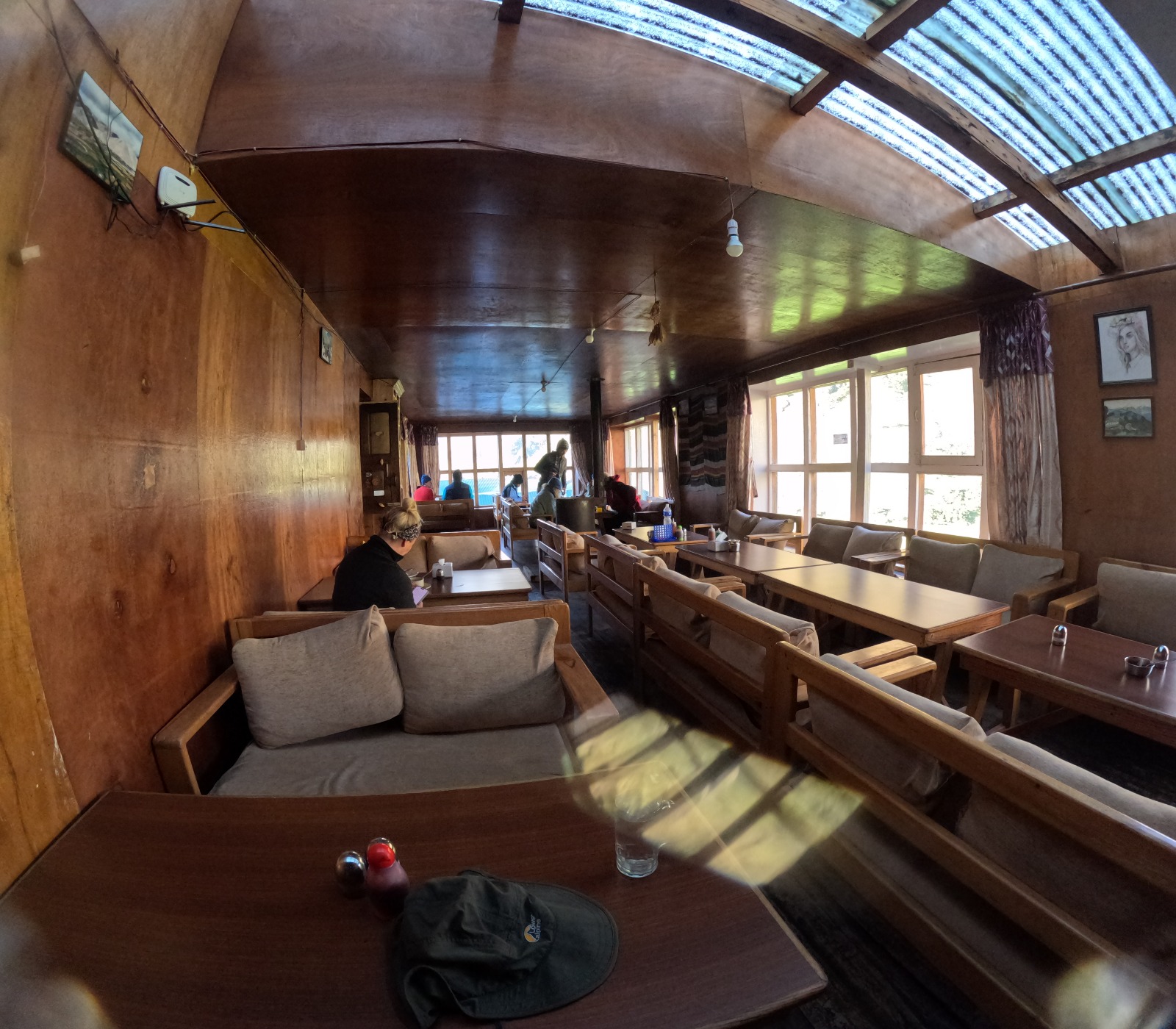
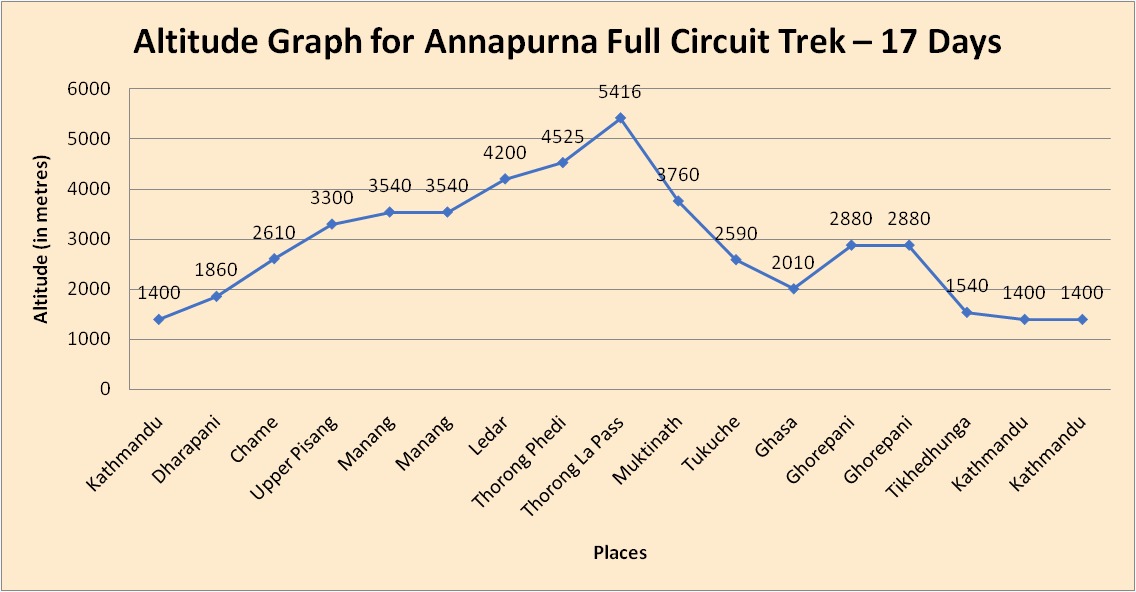
The trek’s highest point is Thorong La Pass at 5,416 meters. Although the ascent is demanding, the breathtaking views of the Kali Gandaki Valley, Dhaulagiri, and the Annapurna range make it worthwhile. Along the way, trekkers pass through traditional villages where locals welcome visitors warmly and share insights into their culture. Overnight stays are in cozy teahouses and lodges that provide meals and comfortable rest.
This trek usually takes 17 days, allowing time for acclimatization, exploration, and rest. The best times to trek are spring (March–May) and autumn (September–November), when skies are clear and weather is pleasant. The trek starts with a journey from Kathmandu to Dharapani, followed by walking through Chame, Upper Pisang, and Manang before crossing Thorong La Pass. From there, it descends to Muktinath, Tukuche, Ghasa, Tatopani, Ghorepani, and Poon Hill, ending at Nayapul and driving back to Pokhara and Kathmandu.
The Annapurna Circuit Trek is physically challenging but very rewarding. Trekkers experience dramatic landscapes, diverse flora and fauna, ancient monasteries, sacred temples, local culture, and the warm hospitality of Himalayan communities.
Physical Preparation
Mental Preparation
Gear and Clothing
Logistics
Arrive at Tribhuvan International Airport in Kathmandu, where a representative from ART Nepal Treks & Expedition will meet you. You will be transferred to a hotel in Thamel, a lively neighborhood full of shops and restaurants. In the evening, meet your trekking guide for a briefing. This session includes an overview of the trek, checking your equipment, and answering any questions you may have.
Begin the journey with a bus ride to Besisahar, enjoying scenic mountain views along the Marshyangdi River. From Besisahar, continue by jeep to Dharapani, passing local villages, cascading waterfalls, and terraced farmland. This route introduces trekkers to the natural beauty of the region.
Start trekking from Dharapani through alpine terrain and traditional villages such as Bagarchhap, Danakyu, and Timang. The path winds through pine forests and apple orchards, offering stunning views of Lamjung Himal and Annapurna II. Chame is the administrative center of the Manang District and provides a comfortable first stop with cozy lodges.
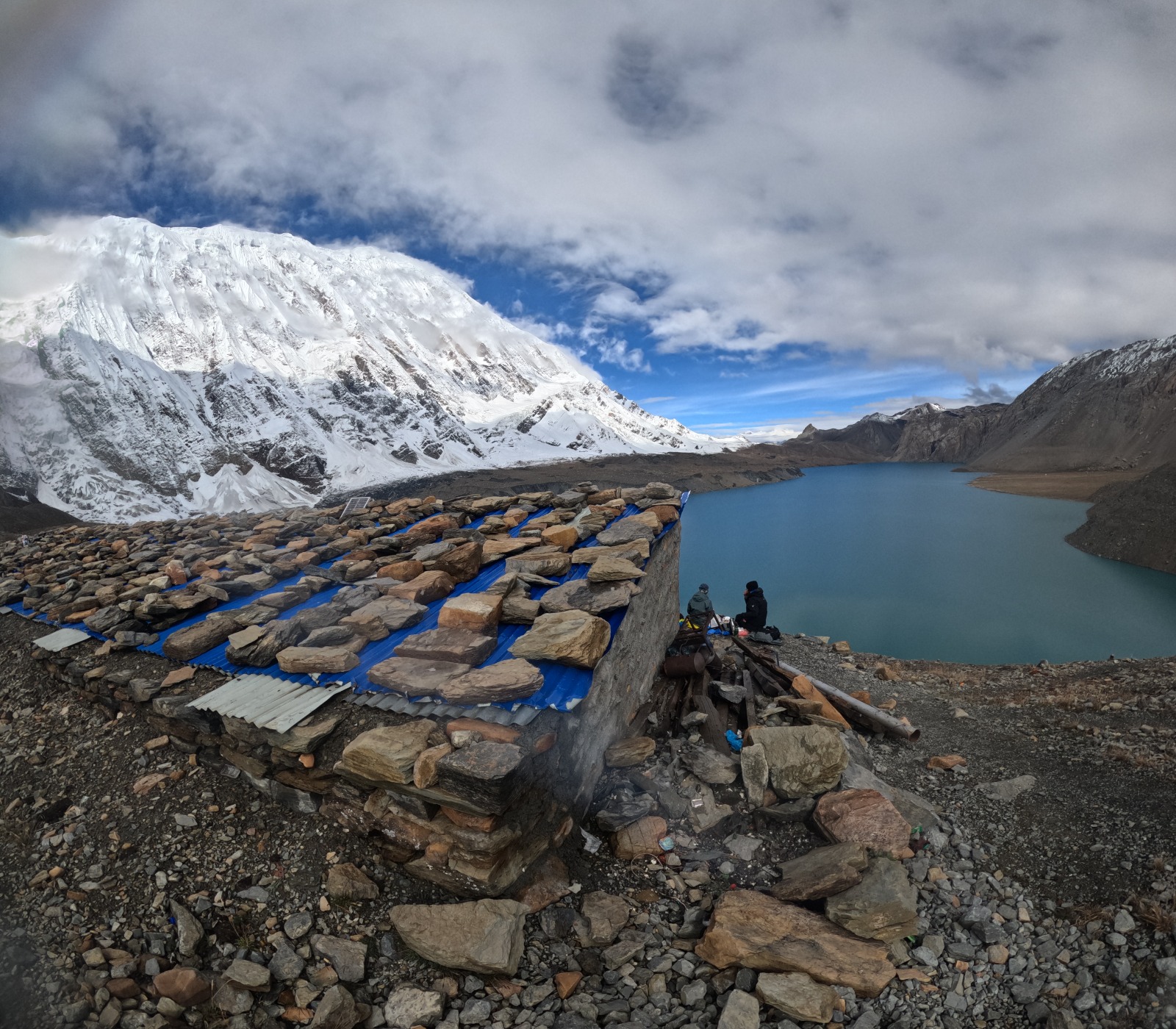
The trek continues ascending through pine and rhododendron forests. Cross suspension bridges over rivers and pass villages like Talekhu and Bhratang before reaching Upper Pisang. Enjoy clear views of Annapurna II, Pisang Peak, Chulu Peak, and Tilicho Peak.
From Upper Pisang, the trail climbs through villages Ghyaru and Ngawal, rich in Tibetan-style culture and architecture. The trek passes Braga and Munchi before reaching Manang, a key acclimatization stop. Mountain views include Gangapurna, Lamjung Himal, Annapurna II, III, IV, and Khangsar Kang.
Spend the day resting and adjusting to the high altitude. Optional short hikes to Gangapurna Lake or surrounding trails help with acclimatization. Trekkers can also explore local culture and visit small monasteries in Manang.
The route climbs gradually from Manang through meadows and juniper scrubs, passing Tengi and small villages along the Jarsang Khola valley. Spot grazing yaks and admire ancient Mani walls. The hike is shorter to allow proper acclimatization.
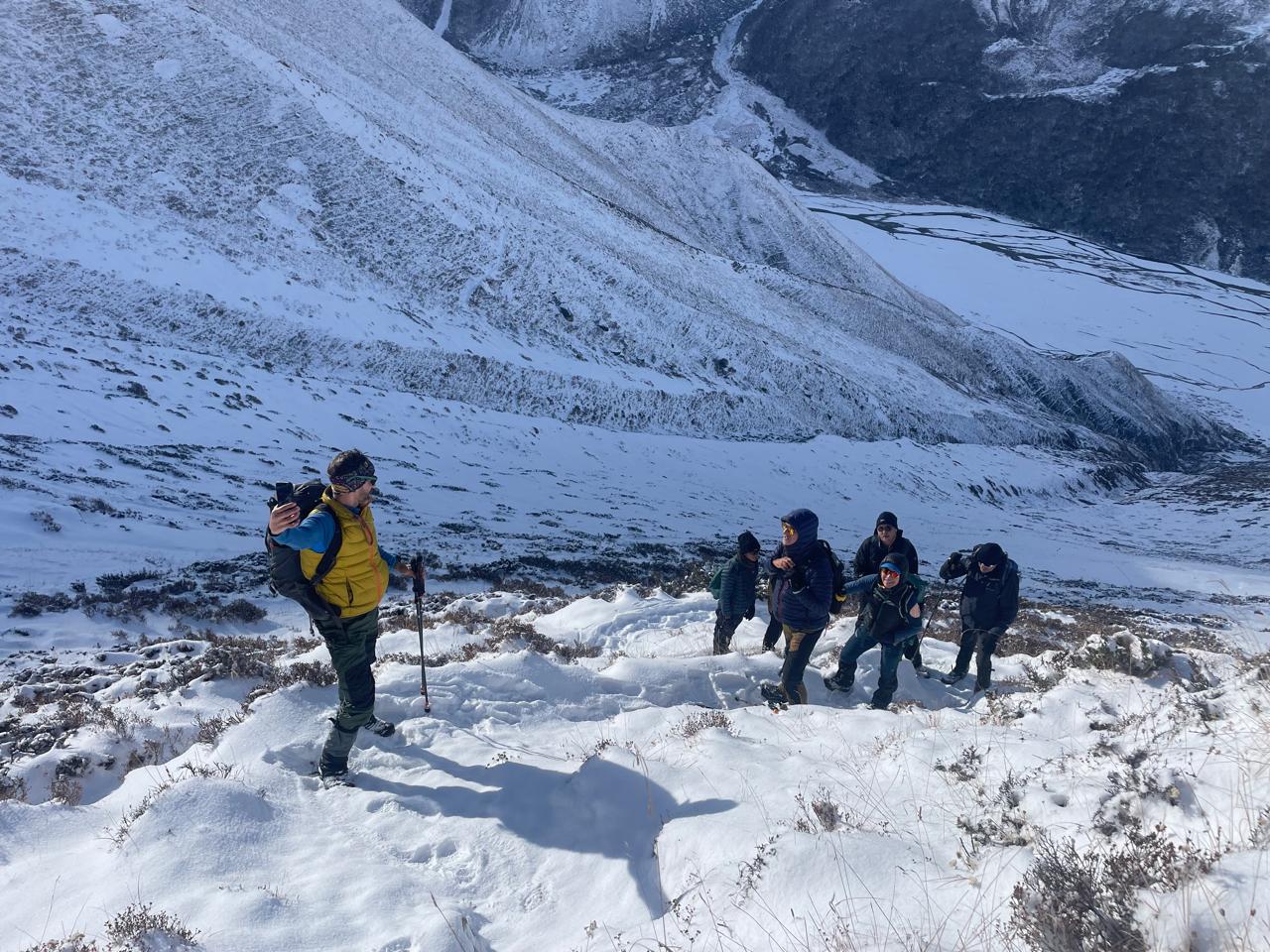
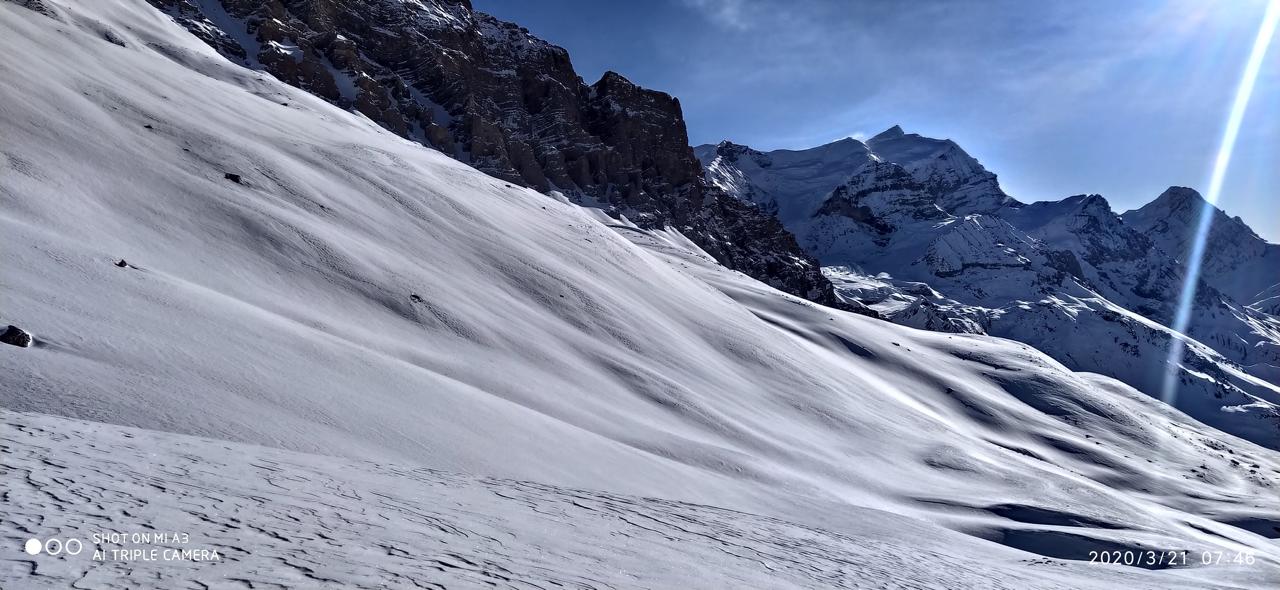
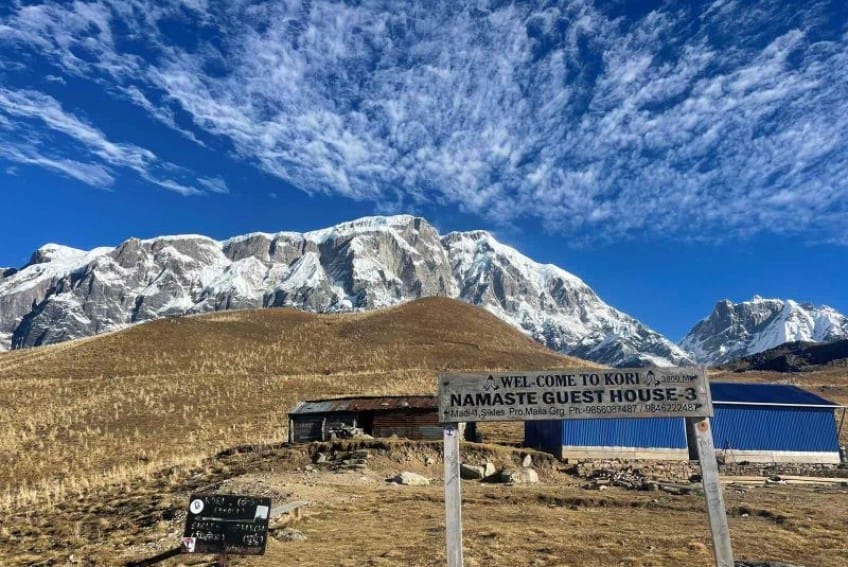
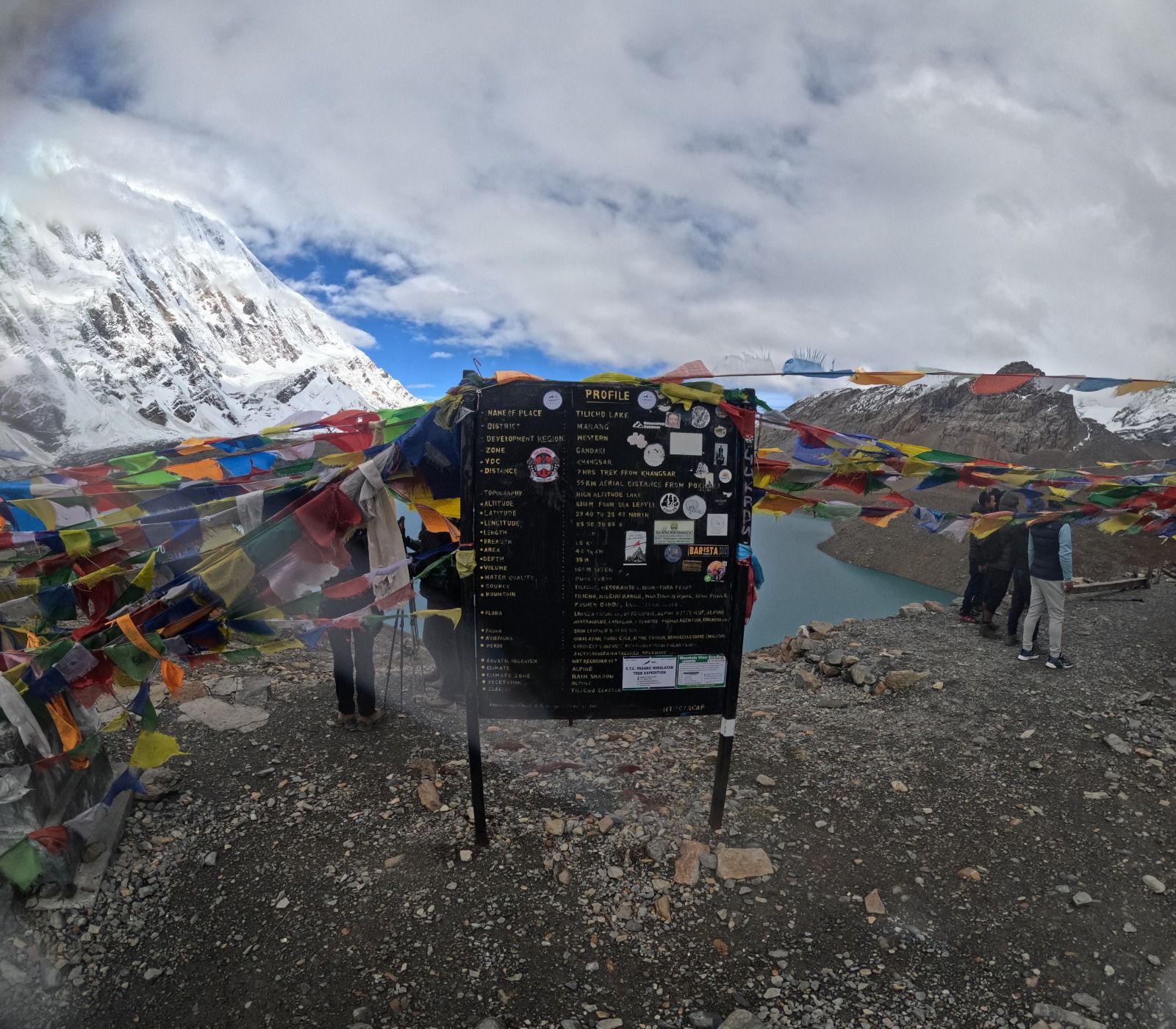
The trek climbs steadily toward Thorong Phedi, the base for Thorong La Pass. The trail may be snowy; trekkers should follow guides carefully. Scenic mountain views and occasional wildlife, like yaks and blue sheep, enhance the journey.
Begin early to summit Thorong La Pass (5,416 m), the highest point of the trek. Descend to Muktinath, a sacred site for Hindus and Buddhists. Explore the Muktinath Temple, the two small ponds, and 108 holy water taps. Enjoy sweeping views of the Annapurna Range, Thorong Peak, Dhaulagiri, and Nilgiri.
After the challenging ascent to Thorong La Pass on Day 9, Day 10 begins with a gradual descent toward the lower valleys. The trail passes through scenic villages such as Jharkot and Kagbeni, which are inhabited by Tibetan-style communities. You will then reach Jomsom, a bustling market town along the Kaligandaki River, offering panoramic mountain views. From Jomsom, the trek continues to Tukuche, a charming village known for its cultural heritage and traditional stone houses. This day provides a mix of serene riverside walking, picturesque villages, and spectacular peaks in the background.
The journey continues descending through the beautiful Kaligandaki Valley, surrounded by terraced fields and lush forests. You will pass small villages such as Kobang, Larjung, and Kalopani, interacting with local families and observing daily life in rural Nepal. The route offers stunning views of the surrounding peaks, including Dhaulagiri and Annapurna. Ghasa, a peaceful village, provides comfortable lodges for rest after a full day of trekking.
On Day 12, the trail enters the subtropical region, offering a warmer climate and lush greenery. Along the way, trekkers cross waterfalls, rivers, and villages such as Dana, Guithe, and Jalthale. The day’s highlight is Tatopani, famous for its natural hot springs. Relaxing in the thermal waters is a perfect reward for the strenuous trekking days, believed to soothe muscles and provide a rejuvenating experience.
Today, you begin a steep ascent through terraced fields and hillside villages such as Ghara, Shikha, and Phalate. The trek is physically demanding, but every step rewards you with spectacular views of the surrounding mountains. Ghorepani is a well-known trekking hub and the home of the Gurung community, offering cultural experiences along with stunning panoramic vistas.
Wake up early for a sunrise hike to Poon Hill, one of the most iconic viewpoints in Nepal. From here, enjoy breathtaking panoramic views of the Annapurna and Dhaulagiri ranges. After witnessing the sunrise, descend to Ghorepani for breakfast and continue the trek downhill through villages like Nangethanti and Banthanti, finally reaching Tikhedhunga. The descent is challenging but offers lush landscapes and a sense of accomplishment.
This day marks the final trekking segment. Walk through scenic villages including Hile, Sudame, and Birethanti, gradually descending to Nayapul, the endpoint of the trek. From Nayapul, a private vehicle transfers you to Pokhara, a serene lakeside city. Here, trekkers can enjoy optional activities like boating on Phewa Lake, visiting Davis Falls, or shopping for souvenirs. The evening is free to relax after the long trek.
After breakfast, board a tourist bus for the scenic drive back to Kathmandu, passing hills, rivers, and local villages along the way. This is an opportunity to reflect on the journey, enjoy the landscape, and prepare for departure. In the evening, a farewell dinner can be arranged to celebrate the completion of your trek with fellow travelers.
On the final day, you will be transferred to Tribhuvan International Airport at least three hours before your flight. If desired, ART Nepal Treks & Expedition can arrange optional extended tours or programs in Nepal to continue your adventure.
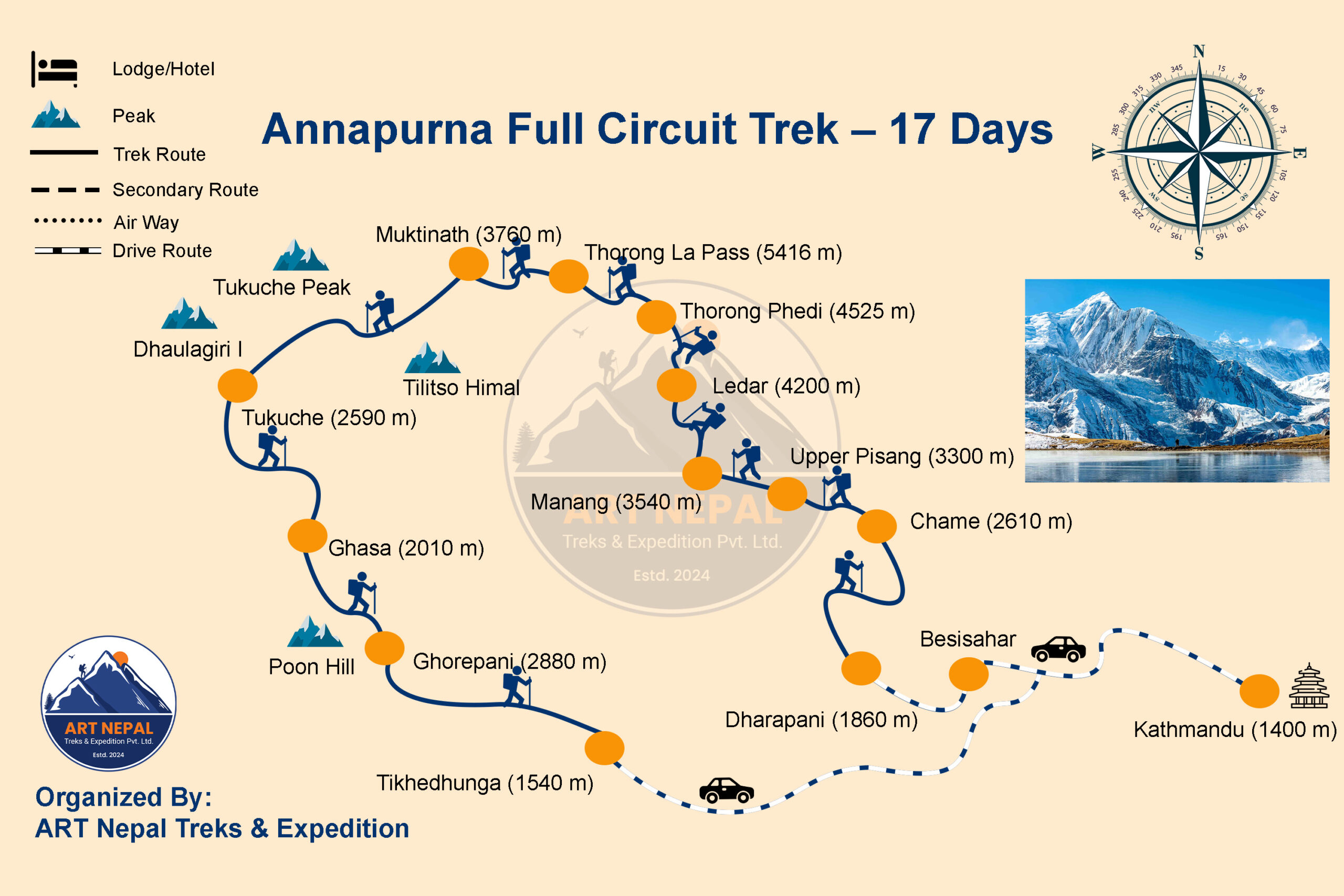
The Annapurna Circuit Trek is most enjoyable during spring (March–May) and autumn (September–November).
During these seasons, the weather is stable and safer for crossing high passes like Thorong La Pass. Avoid monsoon season (June–August) due to heavy rainfall, landslides, and slippery trails. Winter (December–February) brings cold temperatures and snow at high altitudes, making some sections dangerous for trekking.
Meals on the Annapurna Circuit include both local and international options, with most provided in teahouses and lodges.
Trekkers should carry personal snacks for high-altitude days when energy needs are higher. Food in remote areas can be basic but sufficient and wholesome, with fresh vegetables, eggs, and grains commonly used.
Accommodation varies along the trekking route but ensures comfort and safety:
Accommodation in teahouses is cozy, and staying overnight in villages allows trekkers to experience local culture and interact with Himalayan communities.
Travel insurance is mandatory for the Annapurna Circuit Trek. It should cover:
Insurance ensures peace of mind in remote areas, especially at high altitudes above 3,000 meters, where access to medical facilities is limited. Trekkers should carry proof of insurance at all times.
Altitude sickness can occur above 3,000 meters. Common symptoms include headaches, nausea, dizziness, and fatigue. Preventive measures include:
Experienced guides from ART Nepal Treks & Expedition monitor trekkers daily and provide advice, ensuring safety at high altitudes.
Essential items for a comfortable and safe trek include:
ART Nepal Treks & Expedition ensures maximum safety throughout the trek: