Everest Base Camp Trek with Heli Out – 12 Days

Everest Region
12 Days/11 Nights
slide image
slide image
slide image
slide image
slide image

Introduction

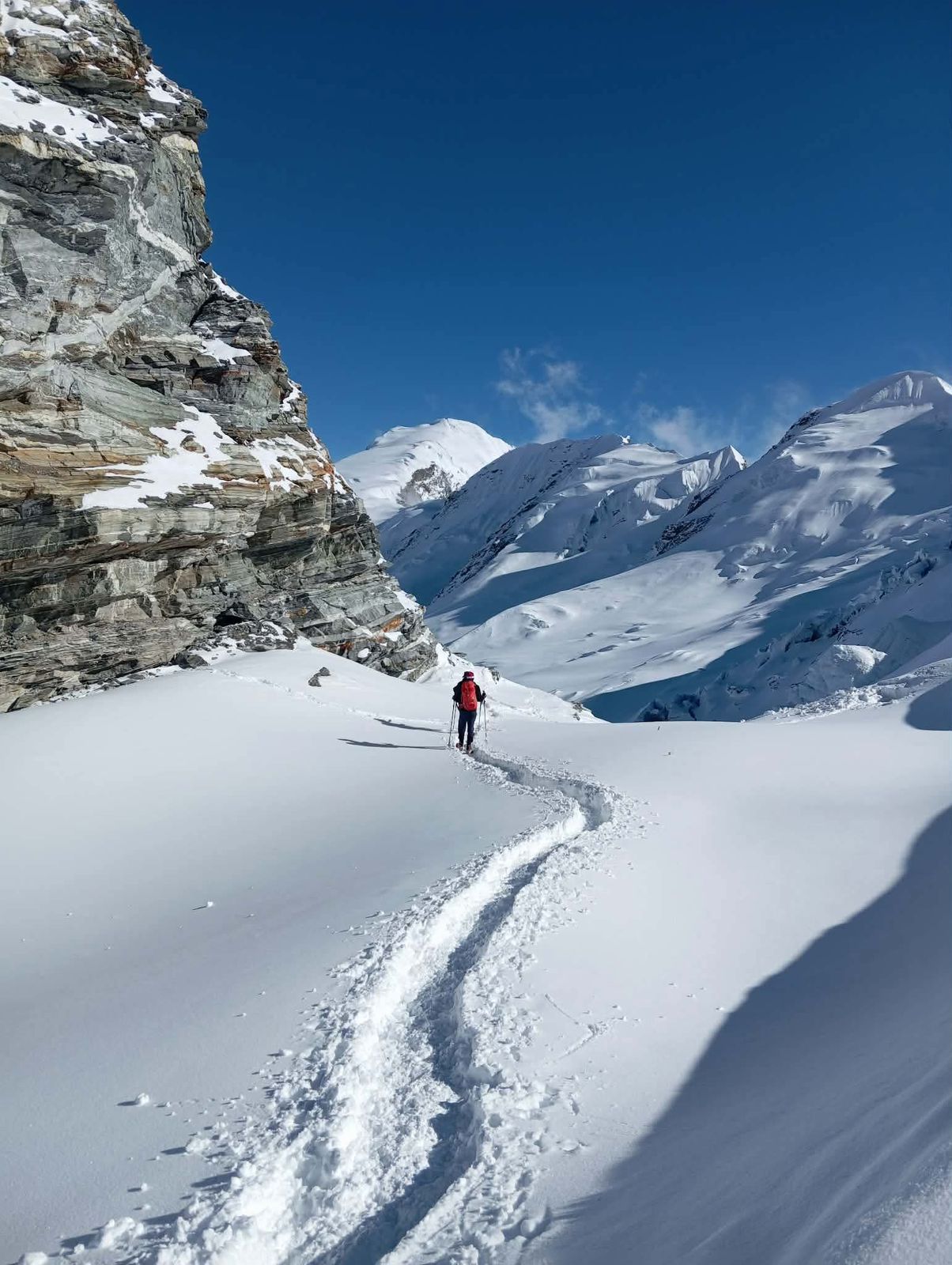
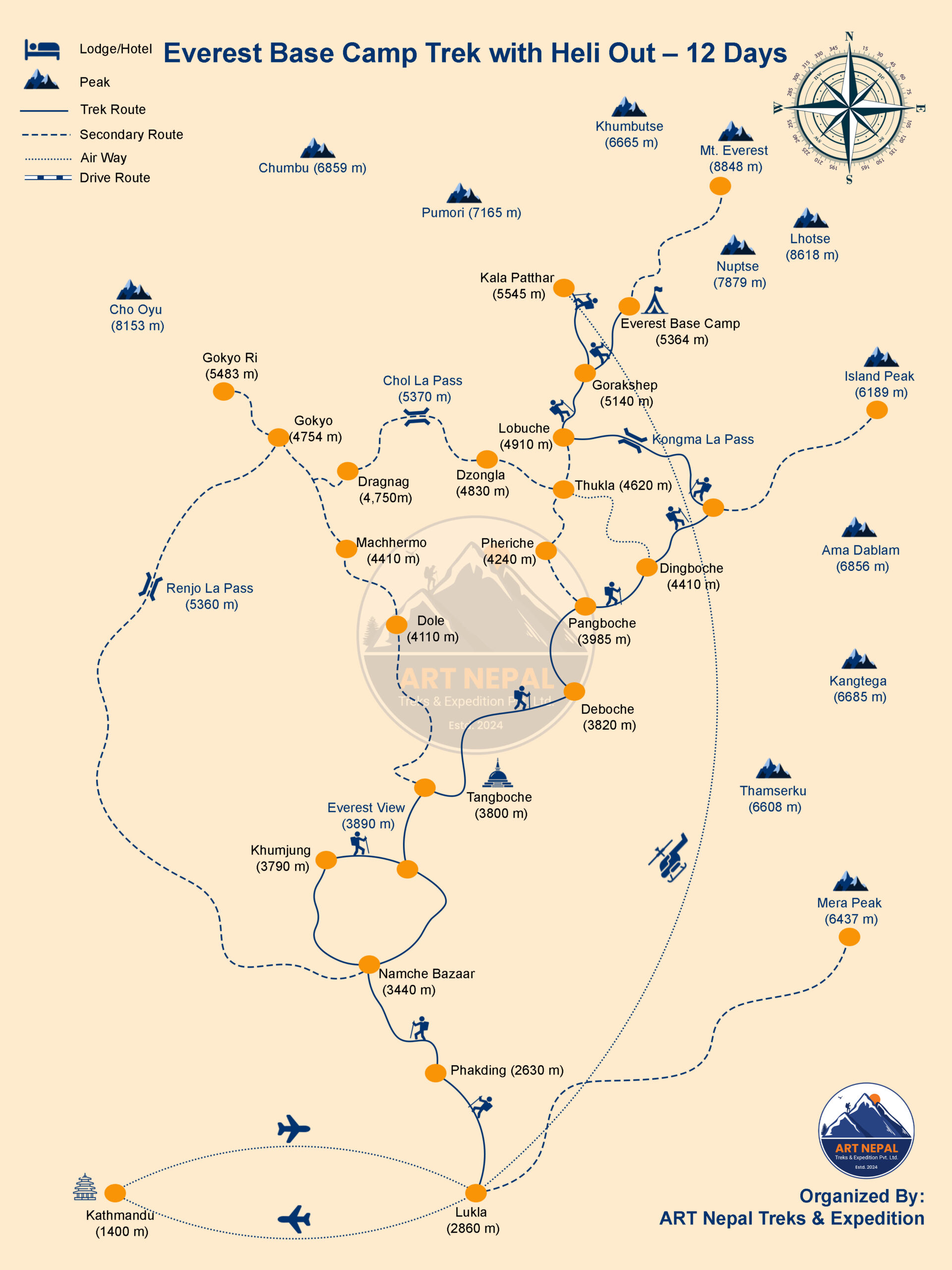
The Everest Base Camp Trek with Heli Out is one of the most exciting and rewarding trekking experiences in the world. Over 12 days, this trek takes you through the heart of the Khumbu region in Nepal, home to Mount Everest and several other towering Himalayan peaks. The journey begins with a flight from Kathmandu to Lukla, where the trek officially starts, and continues through traditional Sherpa villages, dense pine and rhododendron forests, alpine meadows, and high-altitude rocky landscapes.

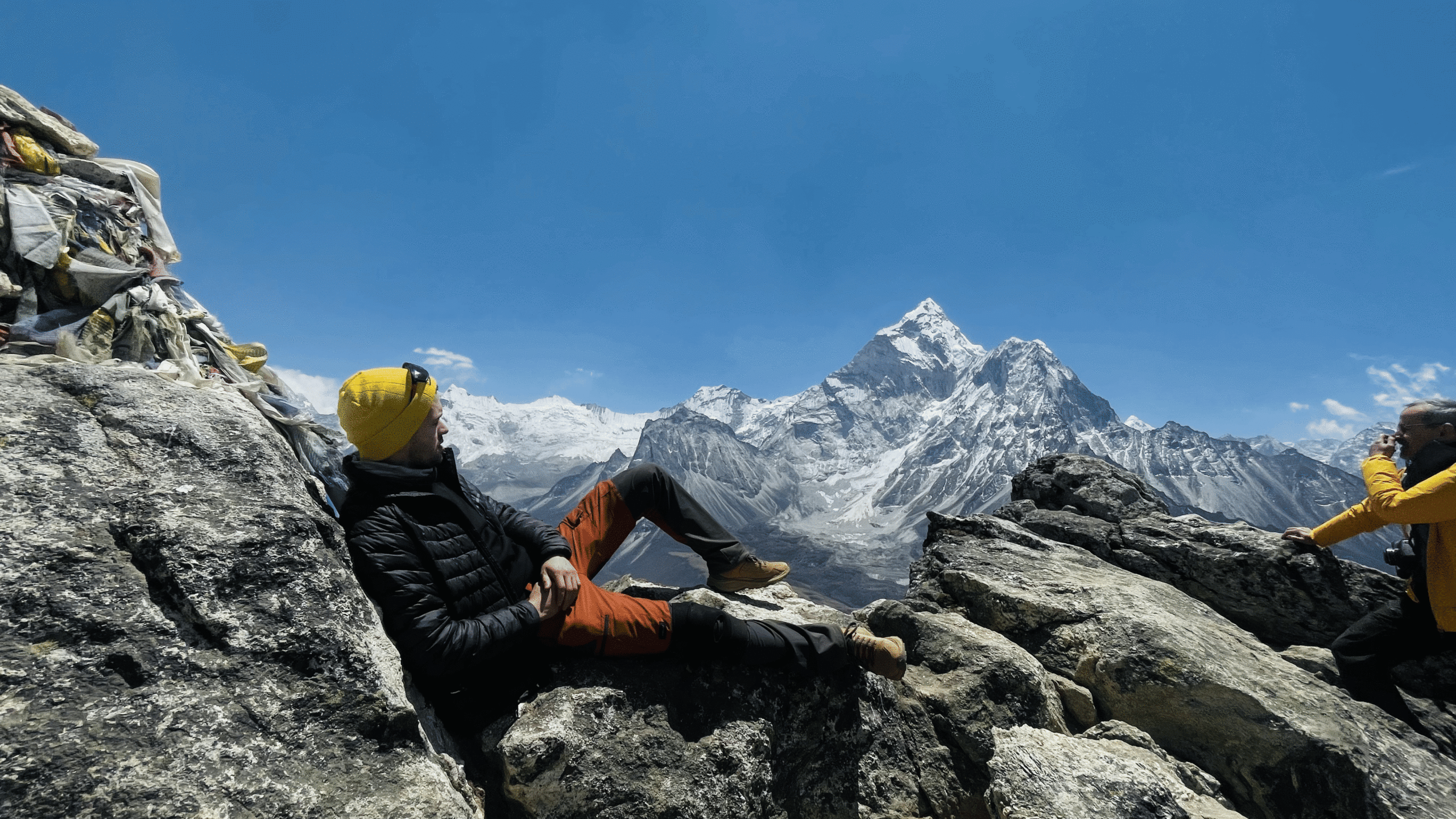
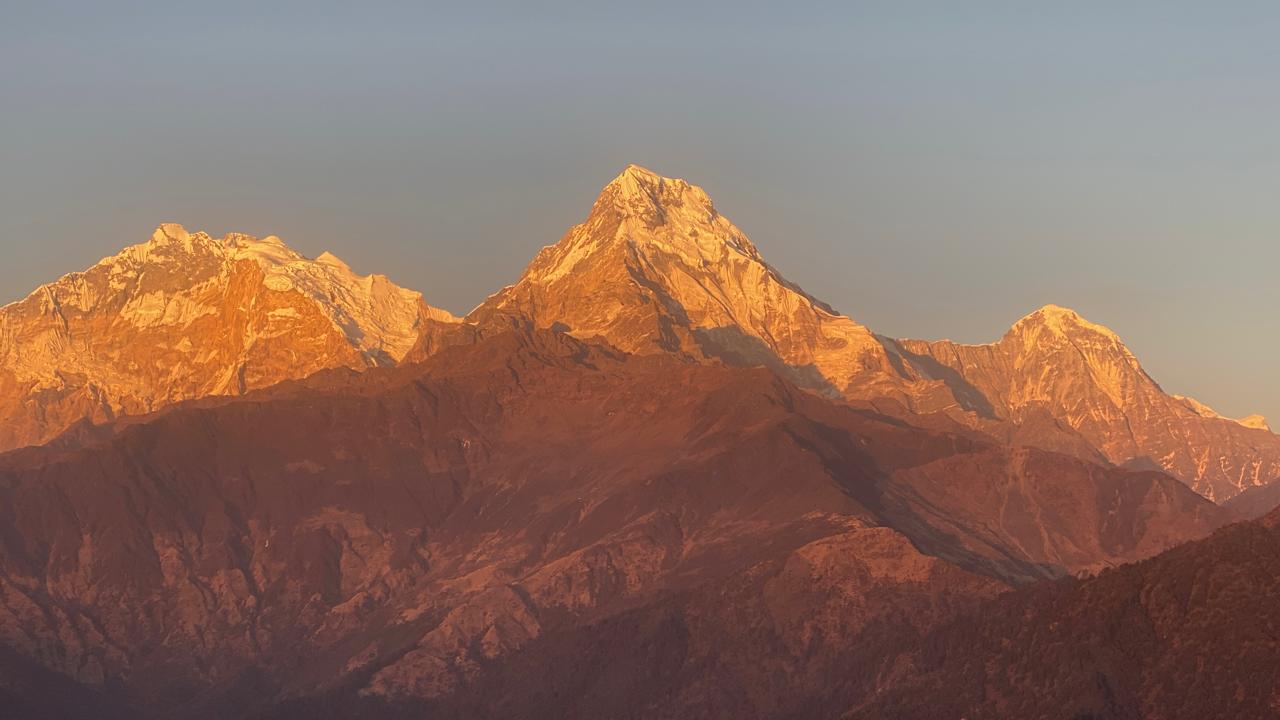
Along the way, trekkers will visit famous towns like Namche Bazaar, a lively Sherpa market hub, and cultural landmarks like Tengboche Monastery, offering a glimpse into local Buddhist traditions. The trek provides stunning views of mountains such as Everest, Lhotse, Nuptse, Ama Dablam, and Thamserku, with several spots perfect for photography and reflection.

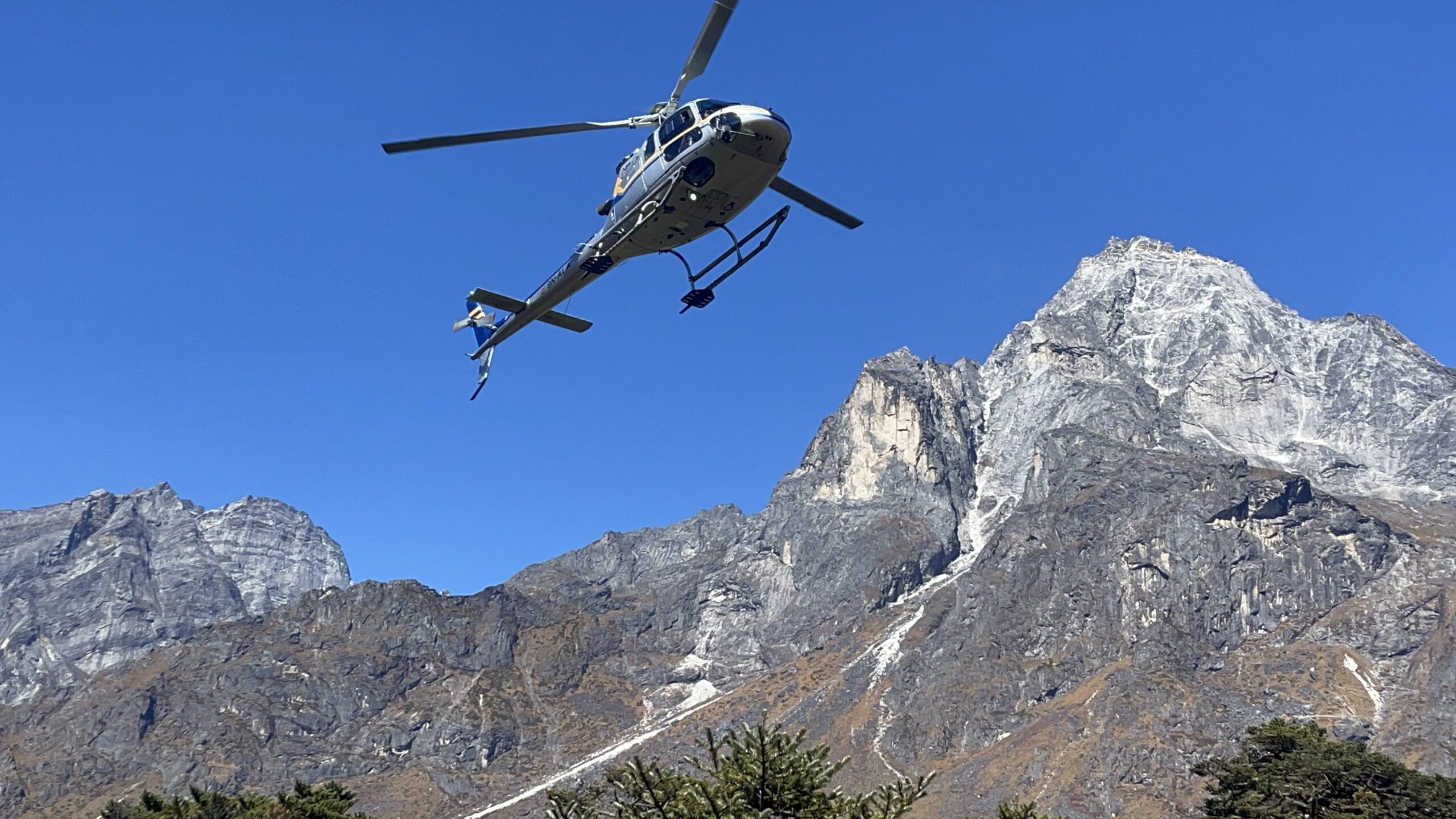
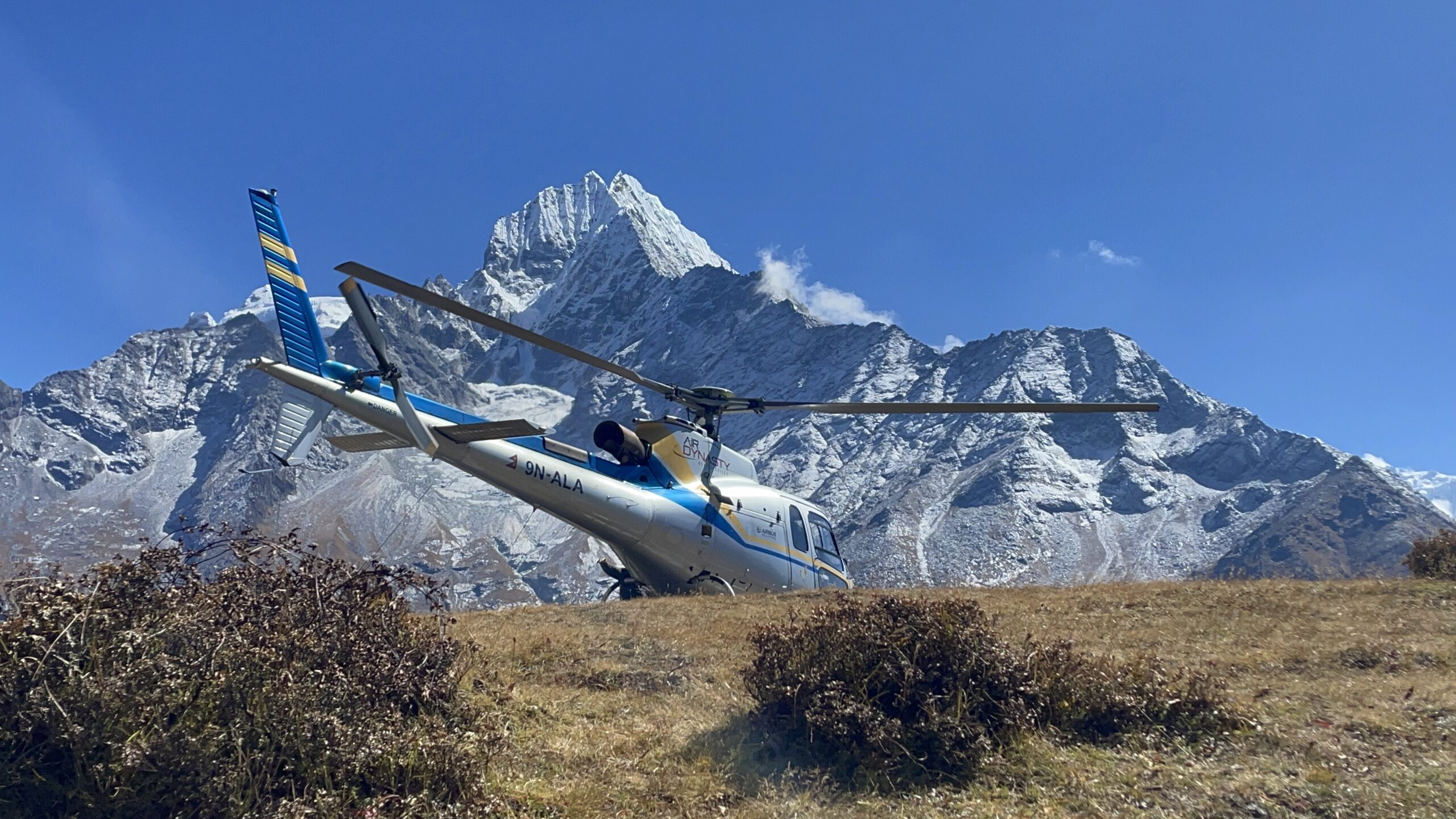
One of the unique features of this trek is the helicopter return from Gorak Shep to Lukla, which saves time and energy while offering a spectacular aerial view of the Himalayas. This means you get to experience the high-altitude adventure without the long and tiring descent to Lukla.

The trek also emphasizes safety and acclimatization, with planned rest days to help your body adjust to the altitude, reducing the risk of altitude sickness. Lodges and tea houses along the route provide basic but comfortable accommodations, with warm meals and local hospitality adding to the experience.

Overall, this trek combines adventure, culture, and natural beauty. It is suitable for trekkers who want a challenging high-altitude journey but prefer a slightly quicker return. You will experience the thrill of standing at Everest Base Camp, the serene beauty of the mountains, and the rich culture of the Khumbu region—all in one incredible adventure.

What Can You Expect from the Trek?

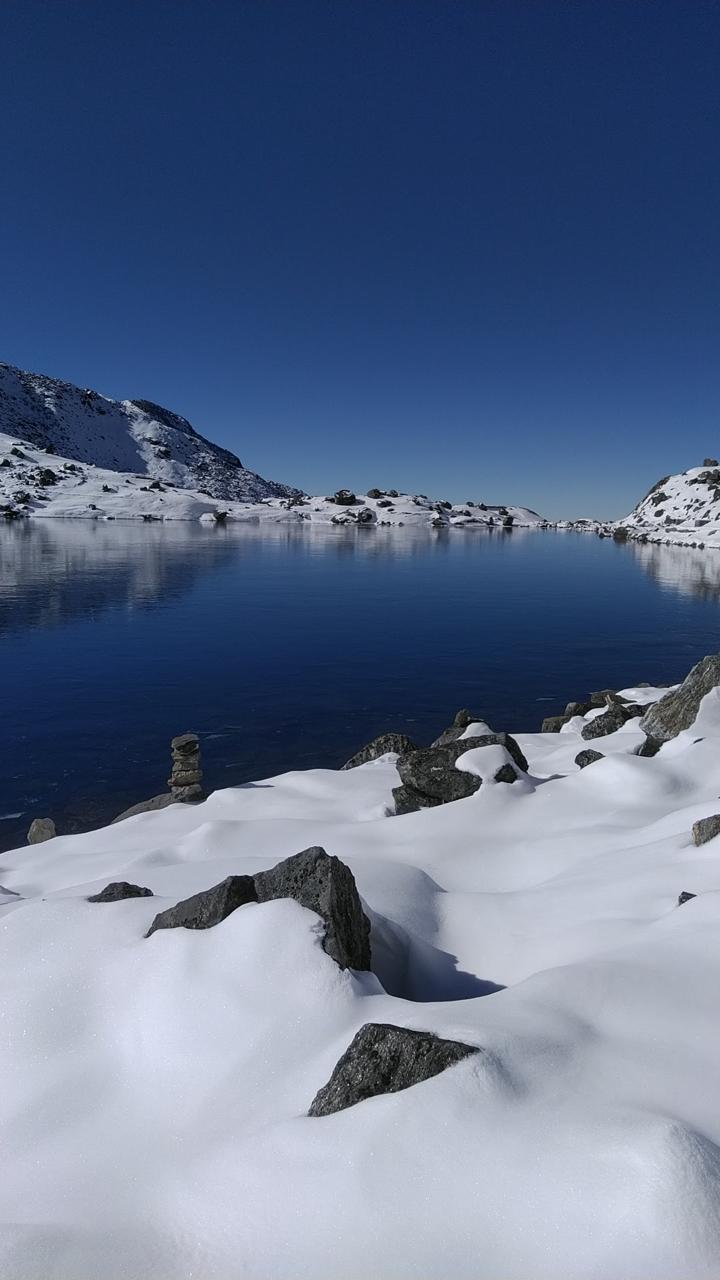
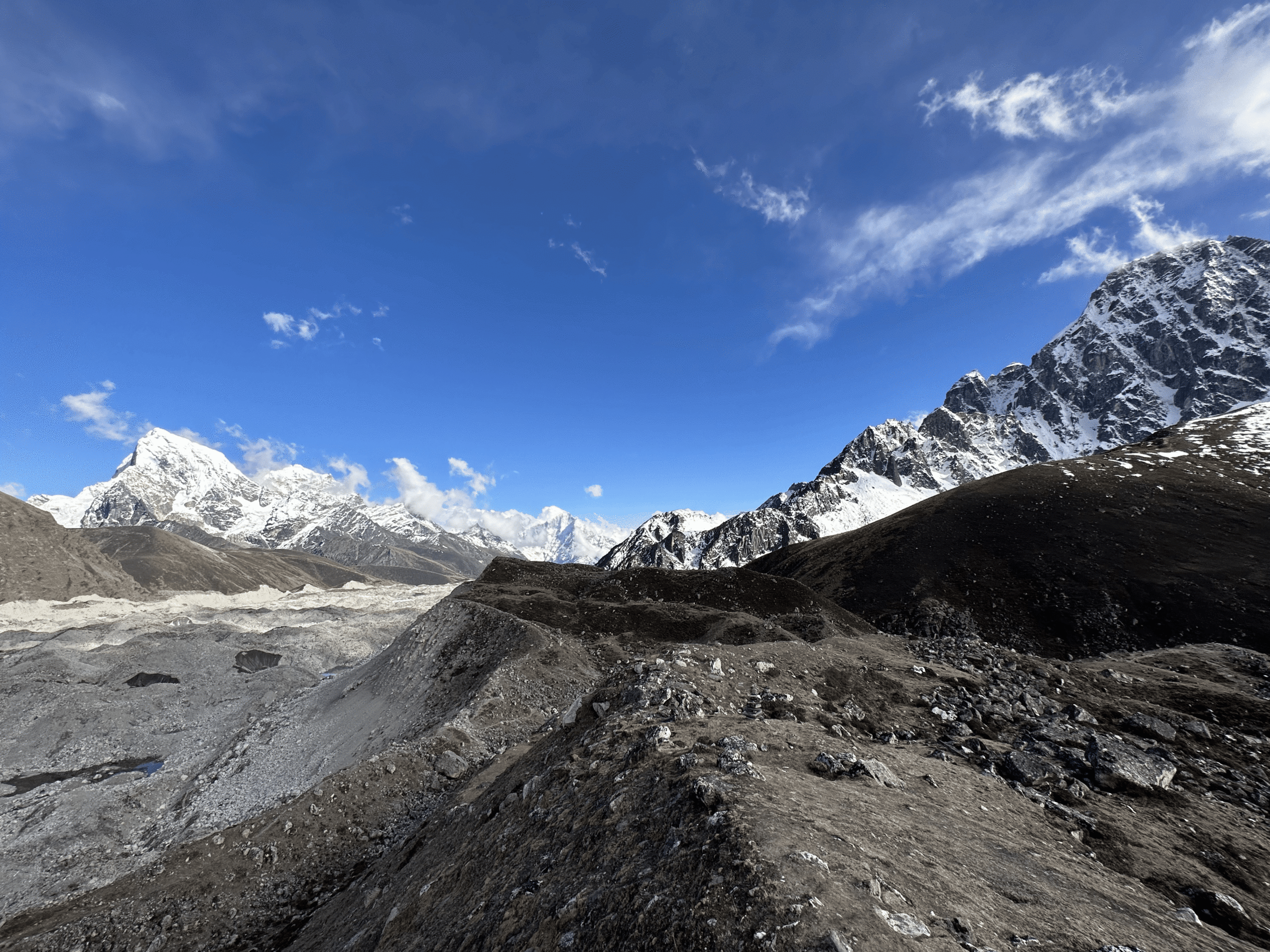
The Everest Base Camp Trek with Heli Out is a combination of adventure, cultural immersion, and breathtaking natural beauty. Trekkers can expect a journey through diverse landscapes, starting from the lowland forests near Lukla and gradually moving into high-altitude alpine zones. Along the way, you will witness snow-capped peaks, glacial rivers, rocky trails, and panoramic views of the Himalayas.

This trek is physically demanding, with several long trekking days and steep climbs, especially when ascending to Gorak Shep, Everest Base Camp, and Kala Patthar. However, the gradual ascent and planned rest days allow your body to acclimatize, helping you enjoy the journey safely.

Cultural experiences are also a highlight. You will pass through traditional Sherpa villages, interact with friendly locals, and learn about their customs and lifestyle. Visiting monasteries, prayer walls, and local markets adds depth to the adventure, giving trekkers insight into the spiritual and cultural life of the Khumbu region.

The helicopter return is an extraordinary experience. Flying over the Himalayas, you will enjoy a unique perspective of the mountains, glaciers, and valleys—a perfect way to conclude the trek after the physical challenge of reaching Everest Base Camp.

Is the Trek Suitable for You?      

The Everest Base Camp Trek with Heli Out is suitable for trekkers who are physically fit, mentally prepared, and excited for high-altitude adventure. While the helicopter ride reduces the long return trek from Gorak Shep to Lukla, the journey to Everest Base Camp and Kala Patthar still requires stamina and endurance.

This trek is ideal for:

  • Adventure enthusiasts who want to experience the Himalayas up close.
  • Trekking beginners with good fitness who want a structured trek with gradual acclimatization and the option to return by helicopter.
  • Experienced trekkers looking for a combination of challenge, culture, and scenic beauty.
  • Nature and photography lovers who wish to capture the iconic Himalayan peaks, glaciers, and villages.

This trek may not be suitable for individuals with serious health conditions such as heart or lung problems due to the high altitudes. Pregnant women or those unaccustomed to hiking for several hours a day should consult a healthcare professional before attempting the trek.

With proper physical preparation, acclimatization, and mental readiness, most healthy adults can enjoy this trek safely and gain an unforgettable Himalayan experience.

How to Get Prepared for the Trek

Preparation is key to making your Everest Base Camp experience safe and enjoyable. Here’s a detailed guide:

Physical Fitness:

  • Engage in cardio exercises such as running, cycling, or swimming to build stamina.
  • Perform strength training for legs, core, and back muscles to handle steep ascents and long days of trekking.
  • Practice hiking with a backpack to simulate trekking conditions.

Gear and Clothing:

  • Invest in high-quality trekking boots, waterproof jackets, and thermal layers.
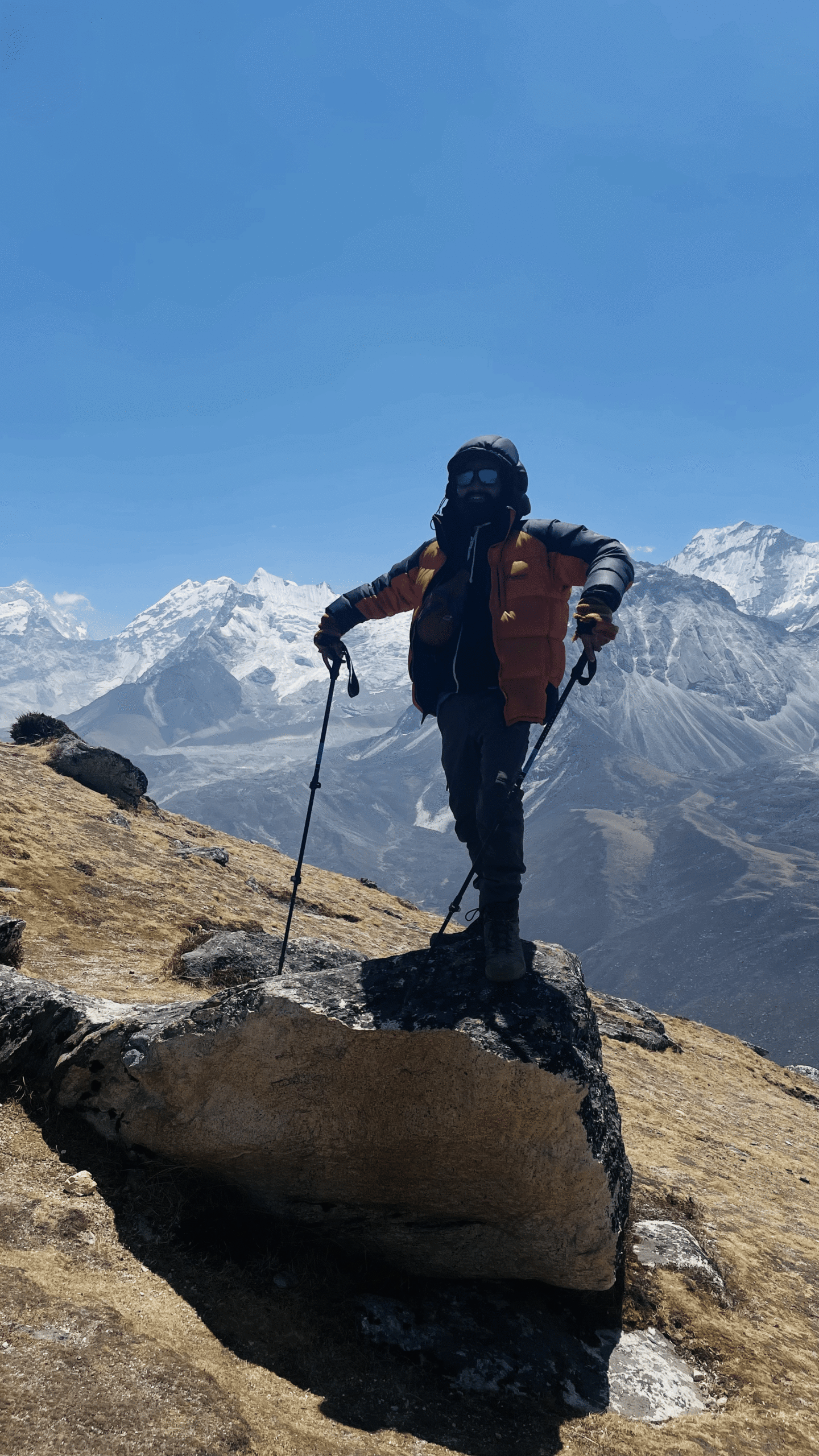
  • Bring trekking poles to reduce strain on knees during long descents.
  • Carry sun protection like sunglasses, sunscreen, and lip balm.

Acclimatization:

  • Follow the itinerary’s planned rest days to allow your body to adjust to high altitude.
  • Avoid rapid ascents and stay hydrated.

Mental Preparation:

  • Be ready for variable weather, cold nights, and long trekking days.
  • Maintain a positive attitude and flexibility when trails or flights are affected by weather.

Health Check-up:

  • Consult a doctor for high-altitude fitness.
  • Consider vaccinations and carry medications for minor illnesses.
  • Learn about altitude sickness prevention and treatment, including Diamox if recommended.

Travel Insurance:

  • Obtain comprehensive travel insurance covering high-altitude trekking, medical emergencies, and helicopter evacuation.
  • Ensure it specifically includes coverage for altitudes up to 5,545 meters.
  • Trip Duration

    12 Days/11 Nights

  • Group Size

    1 – 12 Members

  • Maximum Altitude

    5,545 meters (Kala Patthar)

  • Trip Difficulty

    Moderate to Strenuous

  • Activities

    Trekking and Helicopter Ride

  • Best Season

    Spring (March to May), Autumn (September to November)

  • Trip Start & End

    Kathmandu-Kathmandu

  • Meals

    Breakfast, Lunch, Dinner

  • Accomodation

    Lodges / Tents

Highlights

  • Everest Base Camp: Walk to the iconic base camp of the world’s highest peak.
  • Helicopter Ride: Enjoy a scenic flight from Gorak Shep to Lukla.
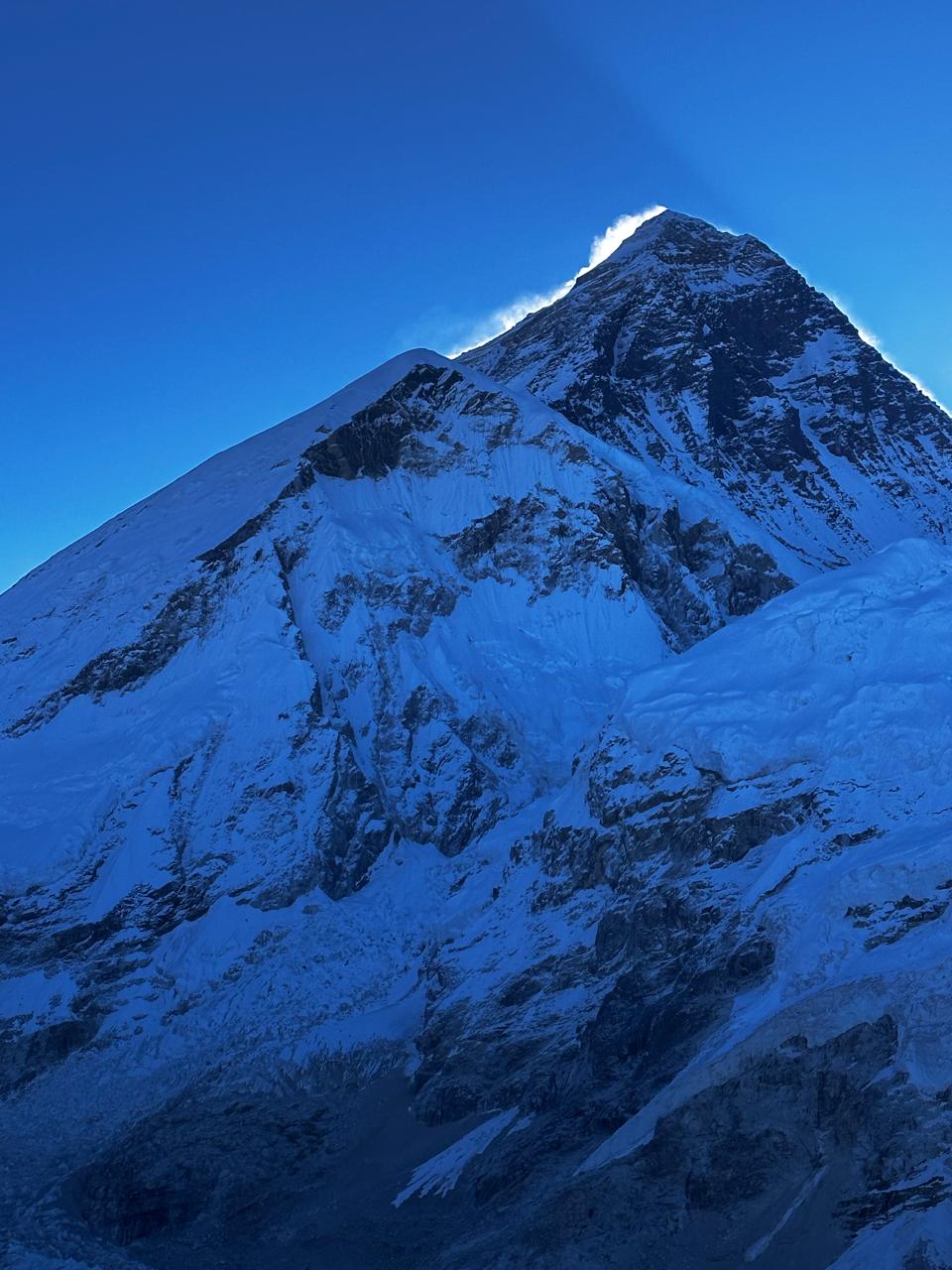
  • Kala Patthar: Witness sunrise views over Everest, Lhotse, Nuptse, and Ama Dablam.
  • Namche Bazaar: Explore the bustling Sherpa market and local culture.
  • Tengboche Monastery: Visit the historic monastery with panoramic mountain views.
  • Sagarmatha National Park: Trek through diverse landscapes and rich biodiversity.
  • Himalayan Views: Enjoy uninterrupted vistas of towering Himalayan peaks.

Itinerary

Day 01

Your adventure begins as you arrive at Tribhuvan International Airport in Kathmandu. A representative will meet you and transfer you to your hotel in Thamel. You can relax after your flight or take a stroll around Thamel, exploring the bustling streets filled with shops, cafés, and trekking gear outlets. Later, attend a pre-trek briefing at the trek operator’s office, where you will review the itinerary, get your permits, and discuss safety measures for the upcoming trek.

Altitude:
1400 m
Meal:
None
Accomodation :
3-Star Hotel in Thamel

Day 02

Enjoy an early morning scenic flight to Lukla, witnessing the Himalayan peaks from the airplane. Upon landing, begin the trek to Phakding, walking through pine forests along the Dudh Koshi River. Cross small suspension bridges, enjoy glimpses of the snow-capped mountains, and take in the fresh mountain air. The trekking pace is moderate to help your body adjust gradually to the altitude. Reach Phakding, where you stay overnight in a cozy teahouse.

Trip Duration:
3–4 Hours
Altitude:
2610 m
Meal:
Breakfast, Lunch, Dinner
Accomodation :
Tea House, Phakding

Day 03

Trek through a picturesque landscape of forests and rivers, crossing multiple suspension bridges along the way. The trail gradually climbs, leading to the vibrant town of Namche Bazaar, the cultural and trading hub of the Khumbu region. Here, you will find shops, bakeries, and local markets selling souvenirs, trekking supplies, and traditional Sherpa crafts. The climb to Namche is moderately steep, making this an ideal day to begin acclimatization.

Trip Duration:
5–6 hours
Altitude:
3440 m
Meal:
Breakfast, Lunch, Dinner
Accomodation :
Tea House, Namche Bazaar

Day 04

Spend a rest day in Namche Bazaar to allow your body to adjust to higher altitude. You can take a short hike to a nearby viewpoint for a panoramic view of Everest, Lhotse, and Ama Dablam, or explore the town and visit the Sherpa Cultural Museum and the Tourist Visitor Center. This day also allows you to shop for any last-minute trekking essentials and enjoy the local culture.

Altitude:
3440 m
Meal:
Breakfast, Lunch, Dinner
Accomodation :
Tea House, Namche Bazaar

Day 05

Trek through forests and small villages, enjoying the sight of Ama Dablam rising in the distance. Cross the Dudh Koshi River and continue the climb to Tengboche Monastery, one of the most famous monasteries in the Khumbu region. After visiting the monastery, trek further to Deboche, surrounded by spectacular peaks and prayer flags fluttering in the wind. This day combines moderate trekking with cultural exploration.

Trip Duration:
5–6 hours
Altitude:
3820 m
Meal:
Breakfast, Lunch, Dinner
Accomodation :
Tea House, Deboche

Day 06

The trail now enters alpine terrain, moving past Pangboche village and rhododendron forests. You will notice the vegetation thinning as you ascend, signaling the high-altitude environment. Dingboche is a picturesque village with stone houses and fields carved into the mountainside. Take the evening to rest, enjoy the crisp mountain air, and prepare for acclimatization.

Trip Duration:
4–5 hours
Altitude:
4410 m
Meal:
Breakfast, Lunch, Dinner
Accomodation :
Tea House, Dingboche

Day 07

Take a rest day to acclimatize. Optional short hikes to nearby ridges, such as Chhukung Valley, provide excellent views of Ama Dablam, Island Peak, and Lhotse. Rest, hydrate, and enjoy the peaceful surroundings. This day helps your body prepare for the higher elevations ahead.

Altitude:
4410 m
Meal:
Breakfast, Lunch, Dinner
Accomodation :
Tea House, Dingboche

Day 08

Continue ascending through the high-altitude desert landscape, passing Thukla Pass and the memorial stupas honoring climbers who lost their lives on Everest. Enjoy breathtaking views of surrounding peaks as you reach Lobuche, a small settlement with teahouses for trekkers. The terrain becomes rockier, requiring careful footing.

Trip Duration:
4–5 hours
Altitude:
4910 m
Meal:
Breakfast, Lunch, Dinner
Accomodation :
Tea House, Lobuche

Day 09

Begin the day trekking to Gorak Shep, where you drop your main luggage before heading to Everest Base Camp. Walk over moraine trails, glacial landscapes, and frozen streams. Stand at the foot of the world’s highest mountain and absorb the majesty of Everest, Nuptse, and Lhotse. Return to Gorak Shep for an overnight stay.

Trip Duration:
7–8 hours
Altitude:
5140 m
Meal:
Breakfast, Lunch, Dinner
Accomodation :
Tea House, Gorak Shep

Day 10

Start early with a sunrise hike to Kala Patthar, the highest viewpoint for panoramic Everest views. After capturing the stunning scenery and photographs, return to Gorak Shep for breakfast. Then, take a helicopter flight to Lukla, enjoying aerial views of the Himalayas. This helicopter ride eliminates the long trek back and adds a thrilling highlight to your journey.

Trip Duration:
2 hours
Altitude:
5555 m
Meal:
Breakfast, Lunch, Dinner
Accomodation :
Tea House, Lukla

Day 11

Take an early morning flight back to Kathmandu. Enjoy aerial views of snow-capped peaks, glacial rivers, and forested valleys. Upon arrival, transfer to your hotel and celebrate your successful trek with fellow trekkers. Spend the evening shopping or relaxing in Thamel.

Trip Duration:
30–40 minutes
Altitude:
1400 m
Meal:
Breakfast
Accomodation :
3-Star Hotel, Kathmandu

Day 12

Depending on your flight schedule, enjoy a final breakfast and do last-minute shopping or sightseeing before being transferred to Tribhuvan International Airport for your onward journey. Reflect on the incredible memories, breathtaking scenery, and cultural experiences of the Everest Base Camp trek.
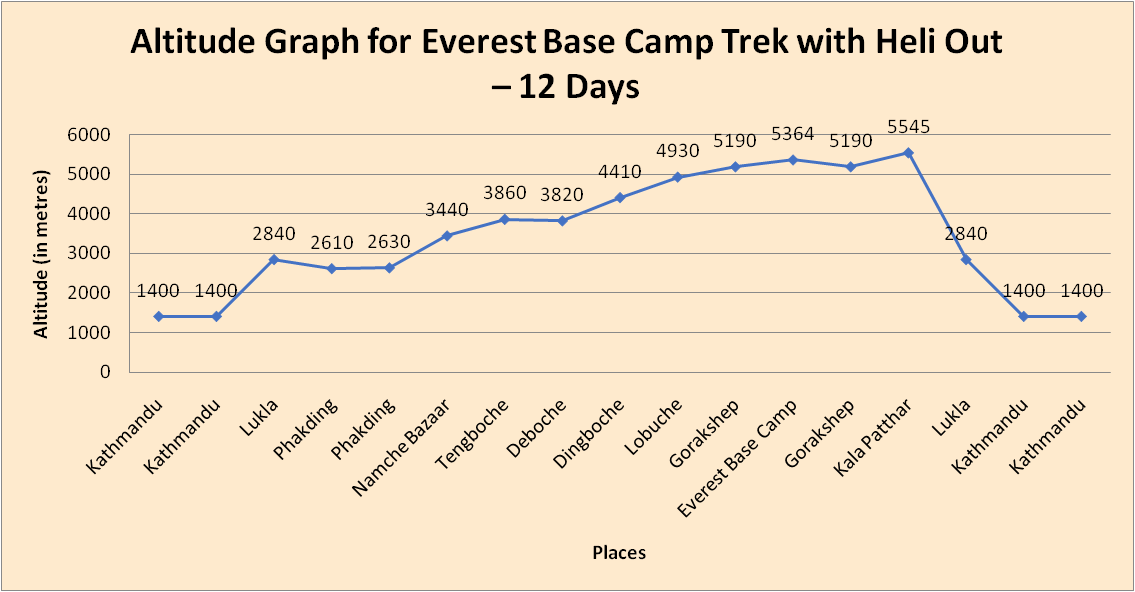
Altitude:
1400 m
Meal:
Breakfast

What's Included

  • Airport Pickup & Drop: You will be greeted at Tribhuvan International Airport in Kathmandu and transferred to your hotel at the start, and back at the end of the trek.
  • Accommodation in Kathmandu: 2 nights in a 3-star hotel before and after the trek.
  • Meals in Kathmandu: 2 breakfasts at the hotel.
  • All Permits and Taxes: Includes Sagarmatha National Park entry permit, TIMS card, and other local taxes required for trekking.
  • Domestic Flights: Flight from Kathmandu to Lukla and back, including helicopter transfer from Gorak Shep to Lukla.
  • Accommodation During Trek: Lodges and teahouses along the trail, with twin-sharing rooms.
  • Meals During Trek: Full board – breakfast, lunch, and dinner with tea/coffee at teahouses.
  • Guides: Experienced trekking guides including food, accommodation, insurance, and salary.
  • First Aid Kit: Guides carry a complete first-aid kit for emergencies.
  • Public Transportation: Any required transfers using local vehicles are included.

What's Excluded

  • Personal Expenses: Souvenirs, laundry, snacks, and optional activities.
  • Trekking Gear: Clothing, boots, sleeping bags, and other personal equipment.
  • Beverages & Mineral Water: Bottled water and drinks purchased along the trail.
  • Travel Insurance: Comprehensive coverage for medical emergencies, high-altitude trekking, and evacuation.
  • Tips for Staff: It is customary to tip guides, porters, and support staff at the end of the trek.
  • Porter Service: ($22 per porter per day, carrying up to 20 kg) It is recommended to have 1 porter for every 2 trekkers for convenience and faster trekking.

Essential Info

Add-Ons

Trekking packages can be enhanced with additional services to improve comfort and experience:

  • Sightseeing in Kathmandu: Explore historic temples, monuments, and cultural sites like Pashupatinath Temple, Boudhanath Stupa, and Bhaktapur Durbar Square before or after the trek.
  • Porter Service: Hire a porter to carry luggage and reduce physical strain, allowing you to enjoy trekking without heavy loads.
  • Extra Flights: Private or additional domestic flights can be arranged if needed.
  • Helicopter Services: Helicopter rides provide emergency evacuation or scenic flights over the Himalayas, adding a unique experience.
  • Private Transportation: Vehicles for transfers or sightseeing can be arranged for comfort and flexibility.

Best Season to Trek – Everest Base Camp Trek with Heli Out

The timing of your trek plays a crucial role in your experience, both for comfort and safety. While Everest Base Camp is technically accessible year-round, the most ideal times are spring (March to May) and autumn (September to November).

Spring (March to May)

Spring is the most popular season for trekking in the Everest region. During this period, the weather is generally stable, and the temperatures are moderate, making trekking more comfortable. Snow from winter has mostly melted on the lower trails, reducing difficult icy patches. One of the highlights of spring trekking is the blooming of rhododendron forests, which paint the trail with vibrant red, pink, and white flowers. This season also offers excellent visibility of the surrounding peaks such as Everest, Lhotse, Nuptse, Ama Dablam, and Thamserku, giving trekkers unbeatable photography opportunities. Days are long and warm, while nights can still be chilly at higher altitudes.

Autumn (September to November)

Autumn is another peak trekking season due to clear skies and stable weather following the monsoon rains. The trails are lush and green, rivers are full, and the air is crisp, providing unmatched visibility of the Himalayas. Temperature ranges are comfortable for walking during the day, though it may be cold in the mornings and evenings. Autumn treks offer a sense of serenity since the monsoon has washed the trails, reducing dust and enhancing the overall beauty of the landscape. This season is also ideal for those who want to combine trekking with cultural experiences in Namche Bazaar, Tengboche, and Lukla, as local festivals and celebrations often take place in autumn.

Winter (December to February)

Winter trekking is for the more adventurous. The temperatures drop significantly, especially above 4,000 meters, where snow and icy conditions can make trails more difficult. On the positive side, winter offers uncrowded trails and an incredible sense of isolation, giving trekkers the chance to experience the Everest region in peace. The skies are usually clear, offering spectacular sunrise and sunset views, especially from Kala Patthar and Everest Base Camp. However, winter treks require excellent preparation, high-quality gear, and prior experience in cold-weather trekking.

Summer/Monsoon (June to August)

The summer months coincide with the monsoon season, bringing heavy rainfall, high humidity, and the risk of landslides on mountain trails. Trekking during this season is not recommended for most travelers, especially for high-altitude areas. The monsoon can obscure mountain views with clouds and mist, and the trails can become slippery and challenging. Some lower routes may still be passable, but the high routes to Everest Base Camp can be risky. Only experienced trekkers familiar with monsoon conditions should attempt trekking in this season.

Summary:

  • Best Seasons: Spring (March–May) and Autumn (September–November) for clear skies, moderate temperatures, and scenic beauty.
  • Winter: For experienced trekkers seeking solitude and clear high-altitude views.
  • Monsoon/Summer: Risky due to heavy rain, landslides, and poor visibility; generally not recommended.

Food Availability – Everest Base Camp Trek with Heli Out

Eating well is crucial during high-altitude trekking to maintain energy, warmth, and stamina. The Everest region offers a surprising variety of foods, from traditional Nepali meals to international dishes, especially at teahouses and lodges along the trail.

Breakfast

Most teahouses provide a hearty breakfast to start your day. Options usually include:

  • Porridge – Warm and filling, ideal for cold mornings.
  • Eggs – Boiled, fried, or omelets for protein.
  • Bread or Toast – Sometimes served with jam or butter.
  • Tea or Coffee – Including Nepali milk tea, black tea, or instant coffee.
  • Cereal or Muesli – Occasionally available in larger lodges or guesthouses.

A good breakfast ensures you have enough energy for the first half of your trekking day, especially as the morning involves uphill stretches.

Lunch

Lunch is usually a mix of local and simple international foods:

  • Dal Bhat – The traditional Nepali lentil soup with rice; nutritious and high in protein and carbs.
  • Noodles or Pasta – Provides quick energy.
  • Soups – Often vegetable, chicken, or instant varieties.
  • Vegetable Dishes – Stir-fried or curried vegetables.
  • Sandwiches or Wraps – Available at some larger lodges.

Lunch is usually taken mid-day during the trek, often in a small lodge or along the trail. It’s important for replenishing energy before continuing your hike.

Dinner                        

After a long day of trekking, dinner is warm and filling. Options usually include:

  • Rice or Pasta – With vegetable or meat curries.
  • Soups – A comforting choice for cold evenings.
  • Traditional Nepali Dishes – Such as momo (dumplings), dal bhat, or thukpa (noodle soup).
  • Occasional Meat Dishes – Chicken, yak, or goat depending on availability.

Most lodges also serve tea, coffee, and hot chocolate throughout the day. Snacks like biscuits, energy bars, chocolate, and fruit are available at higher altitude stops, though prices may be higher due to transport costs.

Tips for Eating on Trek

  • Stay hydrated by drinking water regularly; use purified water or boil it.
  • Avoid heavy meals before high-altitude hikes; opt for lighter but energy-rich foods.
  • Pack some personal snacks like energy bars, nuts, or dried fruits for emergencies.
  • Respect local customs; some villages may have dietary restrictions or limited meat options.

Accommodation – Everest Base Camp Trek with Heli Out

Accommodation along the Everest Base Camp trail ranges from basic teahouses in villages to comfort lodges at busier stops like Namche Bazaar. At higher altitudes, small guesthouses provide basic amenities, and the quality can vary due to remoteness.

Teahouses and Lodges

  • Typically twin-sharing rooms with simple beds, blankets, and sometimes mattresses.
  • Shared or attached bathrooms, with hot water available for a small fee at some locations.
  • Common areas include a dining room, where trekkers eat and socialize.
  • Wi-Fi and electricity may be available in larger lodges at an extra cost.

Camping (Optional)

  • For trekkers preferring tents, some operators offer camping packages at higher altitudes.
  • Tents, sleeping bags, and dining setups are usually provided.
  • Camp setups are simple but safe, allowing you to experience the wilderness closely.

Hotels in Kathmandu

  • Before and after the trek, accommodation is in comfortable 3-star or boutique hotels with modern facilities, hot showers, and secure environments.

Travel Insurance – Everest Base Camp Trek with Heli Out

Travel insurance is mandatory for high-altitude trekking. It ensures that you are protected against unexpected emergencies, medical issues, or evacuation needs.

What to Look For:

  • Coverage for high-altitude trekking up to 5,545 meters (Kala Patthar).
  • Emergency evacuation including helicopter rescue from remote areas.
  • Medical expenses, including hospital stays and treatment for altitude-related issues.
  • Trip cancellation or interruption coverage in case of unforeseen events.

Tips:

  • Choose a reputable insurance provider familiar with Himalayan trekking.
  • Keep a copy of your insurance documents with you at all times.
  • Ensure your policy covers personal belongings and gear, if possible.

Altitude Sickness – Everest Base Camp Trek with Heli Out

At high elevations, reduced oxygen levels can cause altitude sickness, which ranges from mild discomfort to serious health risks.

Common Symptoms:

  • Headache
  • Nausea or vomiting
  • Dizziness or fatigue
  • Shortness of breath
  • Loss of appetite

Prevention and Safety:

  • Acclimatize gradually: Follow the itinerary, which includes rest and acclimatization days.
  • Stay hydrated: Drink plenty of water to help your body adjust.
  • Avoid alcohol and smoking at high altitudes.
  • Medications: Some trekkers use Diamox after consulting a doctor.
  • Monitor health: Communicate with guides if symptoms worsen. Immediate descent may be necessary for severe cases.

Guide and Safety Measures

Guides play a critical role in ensuring a safe and enjoyable trek in the Everest region. Their experience, knowledge, and vigilance help trekkers navigate challenging trails and high-altitude environments.

Role of Guides

  • Navigation: Expert knowledge of trails, altitude routes, and shortcuts.
  • Cultural Insights: Introduction to Sherpa traditions, Buddhist monasteries, and local villages.
  • Health Monitoring: Regularly check trekkers for signs of fatigue or altitude sickness.
  • Emergency Management: Trained in first aid, rescue procedures, and evacuation protocols.
  • Logistical Support: Handling accommodations, meals, and trekking permits.

Safety Measures

  • Acclimatization: Structured rest days for altitude adjustment.
  • Altitude Awareness: Guides monitor symptoms and advise descent if necessary.
  • Communication: Equipped with radios or satellite phones in case of emergencies.
  • Weather Monitoring: Guides adjust plans if bad weather or snow increases risks.
  • Emergency Evacuation: Helicopter or ground evacuation plans for severe cases.

Booking Procedure – Everest Base Camp Trek with Heli Out

Booking a trek through a reliable operator ensures a smooth and well-organized experience. Here is a step-by-step guide:

  1. Contact the Trek Operator: Reach out via email, phone, or website to inquire about trek dates, availability, and packages.
  2. Confirm Dates: Choose preferred trekking dates based on season and personal schedule.
  3. Deposit Payment: Secure your booking with a deposit; usually 30–50% of the total cost.
  4. Submit Required Documents: Provide passport copies, visa information, emergency contacts, and medical declarations.
  5. Final Payment: Complete payment at least 2–3 weeks before departure.
  6. Pre-Trek Briefing: Attend a briefing to review itinerary, safety measures, packing, and emergency procedures.
  7. Travel Insurance Verification: Ensure insurance covers high-altitude trekking, medical emergencies, and helicopter evacuation.
  8. Arrival Instructions: Get guidance for airport pickup, flights to Lukla, and final itinerary adjustments.

Equipment List

  • Base Layers: Moisture-wicking thermal tops and bottoms to keep your body warm and dry.
  • Insulating Layers: Fleece jackets, down jackets, or wool sweaters for warmth.
  • Outer Layers: Waterproof and windproof jackets and pants to protect against snow, rain, and wind.
  • Trekking Pants: Comfortable, quick-dry, and durable pants. Convertible pants are useful for variable temperatures.
  • Shirts / T-Shirts: Quick-dry, breathable fabrics for layering.
  • Warm Gloves and Hat: Thermal gloves, mittens, and a wool or fleece hat.
  • Buff / Neck Warmer: Protects face and neck from wind and cold.
  • Socks: Wool or synthetic trekking socks; consider carrying several pairs.
  • Underwear: Comfortable and breathable, quick-dry material is preferred.
  • Trekking Boots: Sturdy, waterproof, with ankle support; must be well broken-in.
  • Camp Shoes / Sandals: For evenings at teahouses or lodges.
  • Trekking Poles: Adjustable poles for balance and reducing strain on knees.
  • Backpack: 40–60 liters capacity with a rain cover.
  • Daypack: For short hikes and carrying water, snacks, and personal items.
  • Sleeping Bag: Rated for -15°C or lower for cold nights at high altitudes.
  • Headlamp / Flashlight: With extra batteries; essential for early morning hikes.
  • Toiletries: Toothbrush, toothpaste, biodegradable soap, wet wipes.
  • Towel: Quick-dry travel towel.
  • Sunscreen: High SPF for protection against strong UV rays.
  • Lip Balm: SPF-rated to prevent chapped lips.
  • Hand Sanitizer: Important for hygiene on the trail.
  • Water Purification: Tablets or portable filter to ensure safe drinking water.
  • Personal First Aid Kit: Band-aids, antiseptic wipes, pain relievers, blister pads, and any prescription medicines.
  • Sunglasses: UV protection, preferably with side shields to prevent snow glare.
  • Trekking Permits / Documents: Passport, permits, and travel insurance papers.
  • Camera / GoPro: For capturing Himalayan landscapes.
  • Extra Batteries / Power Bank: High altitudes can drain batteries faster.
  • Phone / GPS Device: With offline maps or GPS tracking for safety.
  • Travel Adapter: Nepal uses Type C, D, and M plugs; 220V, 50Hz.
  • Notebook / Pen: Optional, for journaling the trek.
General Equipments
  • Snacks: Energy bars, chocolate, dried fruits, nuts for trekking days.
  • Reusable Water Bottle / Hydration Pack: Minimum 2 liters capacity.
  • Plastic Bags: To keep electronics or clothes dry.
  • Trekking Insurance Card & Emergency Contact Info
  • Lightweight Foldable Chair / Mat: Optional for comfort at tea houses.

Tips for Packing:               

  • Keep weight minimal; aim for 10–12 kg in your backpack.
  • Layer clothing to adapt to changing weather.
  • Always carry essentials in your daypack during trekking days.
  • Check airline baggage restrictions for domestic flights in Nepal.

FAQ

The trek is moderate to strenuous. While the helicopter ride reduces the return trek from Gorak Shep to Lukla, you still walk long distances at high altitudes, face steep climbs, and need good stamina. Prior trekking experience and physical fitness are recommended.
• Spring (March to May): Moderate temperatures, blooming rhododendrons, and clear skies. • Autumn (September to November): Crisp air, excellent visibility, and stable weather after monsoon. • Winter (December to February): Cold temperatures, snow-covered trails; for experienced trekkers only. • Summer (June to August): Monsoon rains, muddy trails, and higher risk of landslides; not recommended.
Yes, good physical fitness is essential. Trekking involves 5–8 hours of walking per day on uneven trails, carrying a daypack, and walking at high altitudes. Cardio, strength, and endurance training are highly recommended before the trek.
• Maximum altitude reached is 5,555 meters at Kala Patthar. • Prevention tips: o Ascend gradually and take acclimatization days seriously. o Stay hydrated and avoid alcohol. o Eat light, high-carbohydrate meals. o Monitor symptoms: headache, nausea, dizziness, or shortness of breath. o Carry medications like Diamox if prescribed by a doctor. o If severe symptoms appear, descend immediately and seek medical help.
• Trek Lodges / Teahouses: Basic facilities with beds, shared bathrooms, and sometimes attached bathrooms. • Hotels in Kathmandu: Comfortable 3-star options with modern amenities. • Helicopter Option: Reduces the need for strenuous return trek, but lodges remain the same for the rest of the trek.
• Full Board: Breakfast, lunch, and dinner at teahouses. • Common meals: Dal bhat (lentils and rice), noodles, soups, curries, pasta, and local vegetables. • Snacks and tea/coffee are available at most stops. • Tip: Carry energy bars and dry snacks for long trekking days.
Trip Price

On Request

Talk To Trip Expert

expert image

Anjan Dhital

Trip Expert
Have Any Questions?
Whatsapp/Viber +977-9810271256
Share this Trip
Translate »