

Everest Base Camp Via Ama Dablam Expedition – 26 Days
Introduction
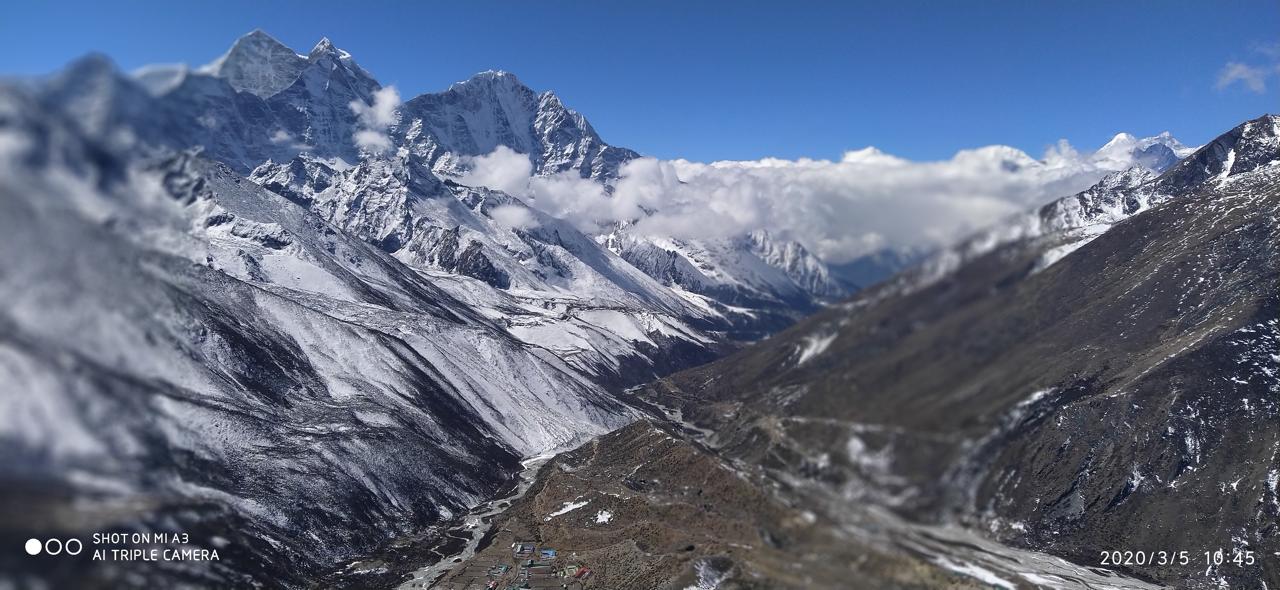
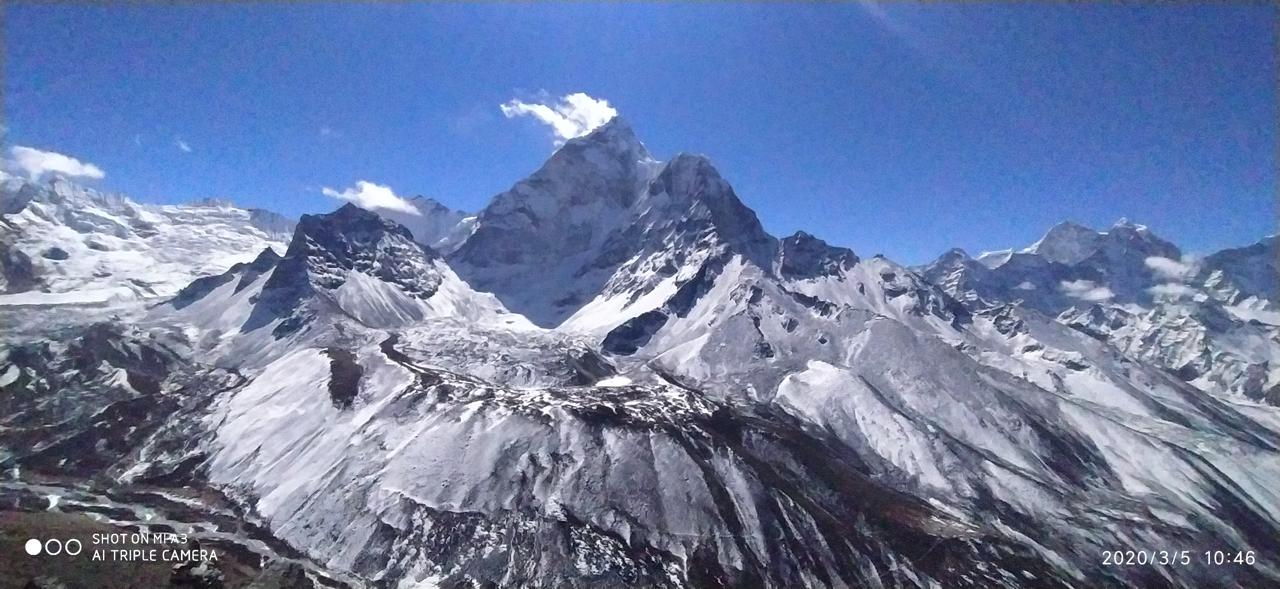
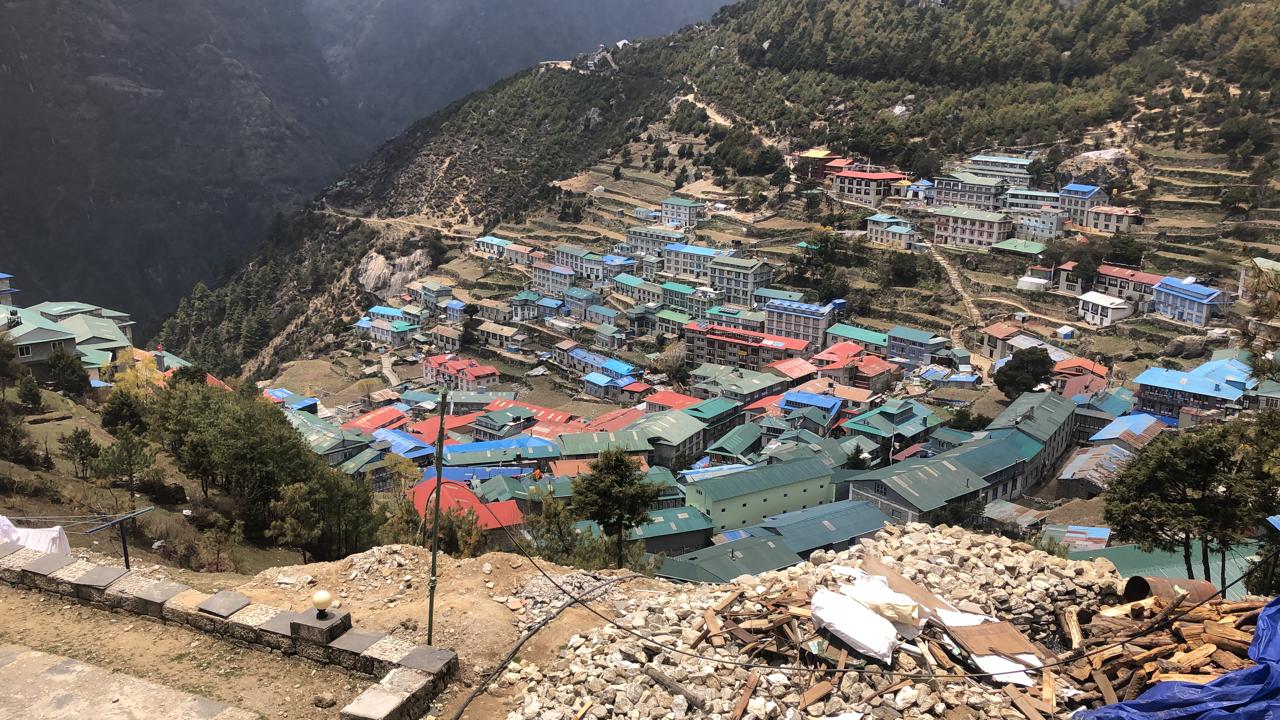
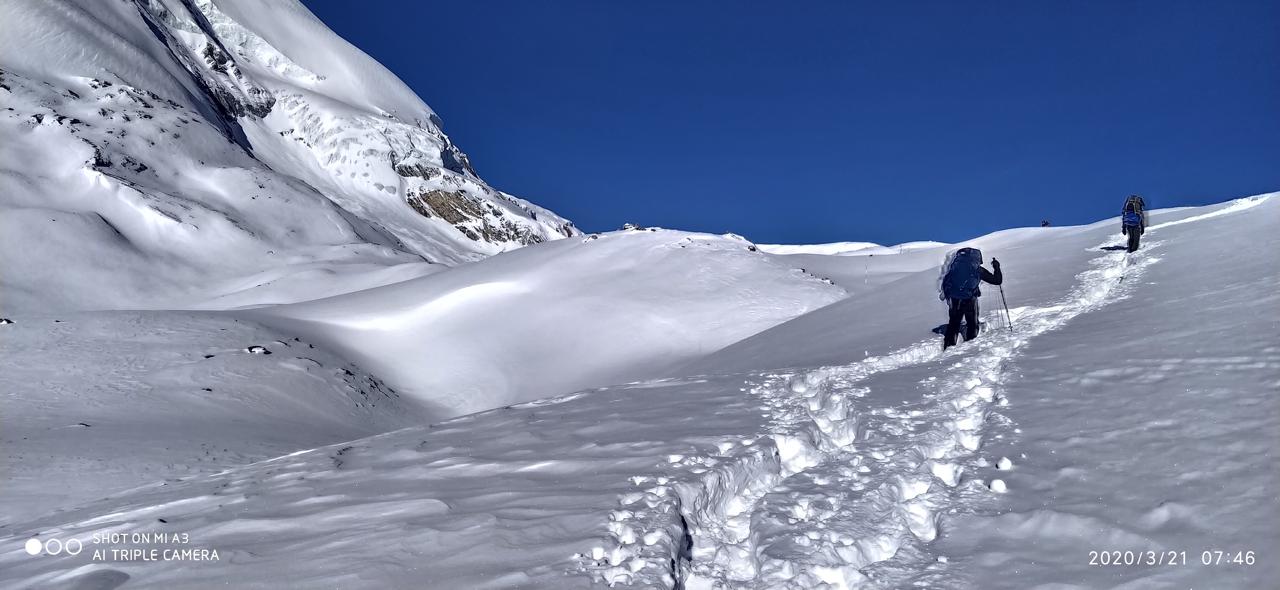
The Everest Base Camp + Ama Dablam Expedition is an extraordinary journey that blends trekking and high-altitude mountaineering. Starting in Kathmandu, you are introduced to the bustling capital of Nepal, where logistics, permits, and gear checks are organized to ensure a smooth start. The first few days involve flying to Lukla and trekking through the heart of the Khumbu region, gradually ascending through traditional Sherpa villages such as Phakding, Namche Bazaar, Tengboche, Dingboche, and Lobuche. Each village offers a unique glimpse into Sherpa life and culture, with monasteries, local markets, and stunning Himalayan scenery along the way.
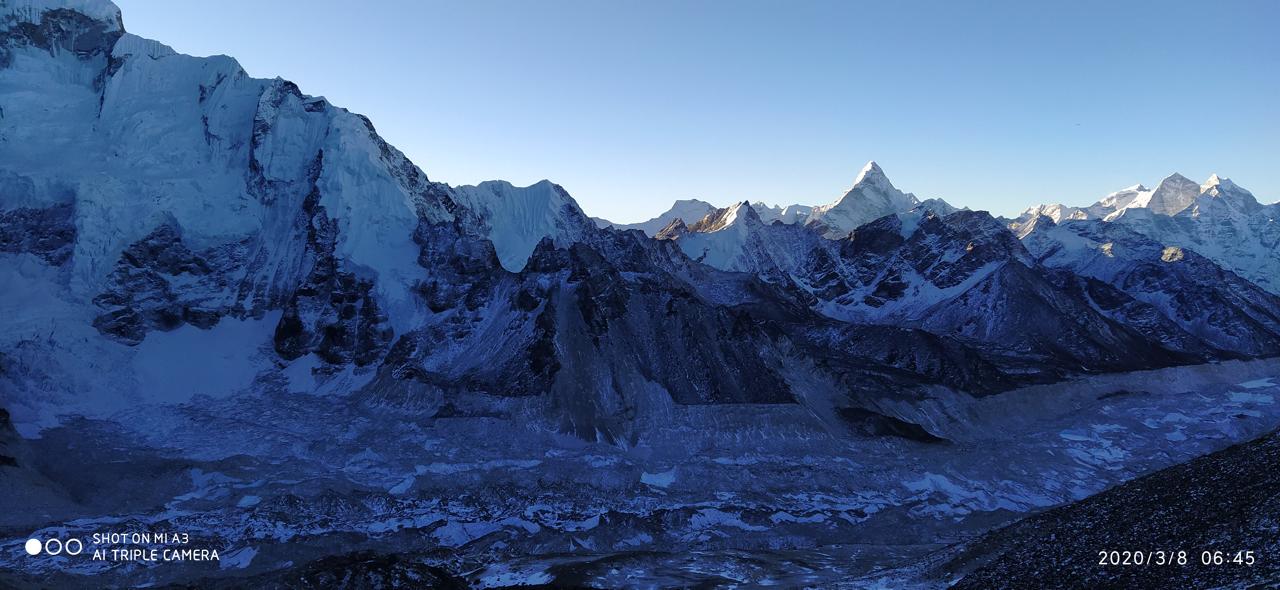
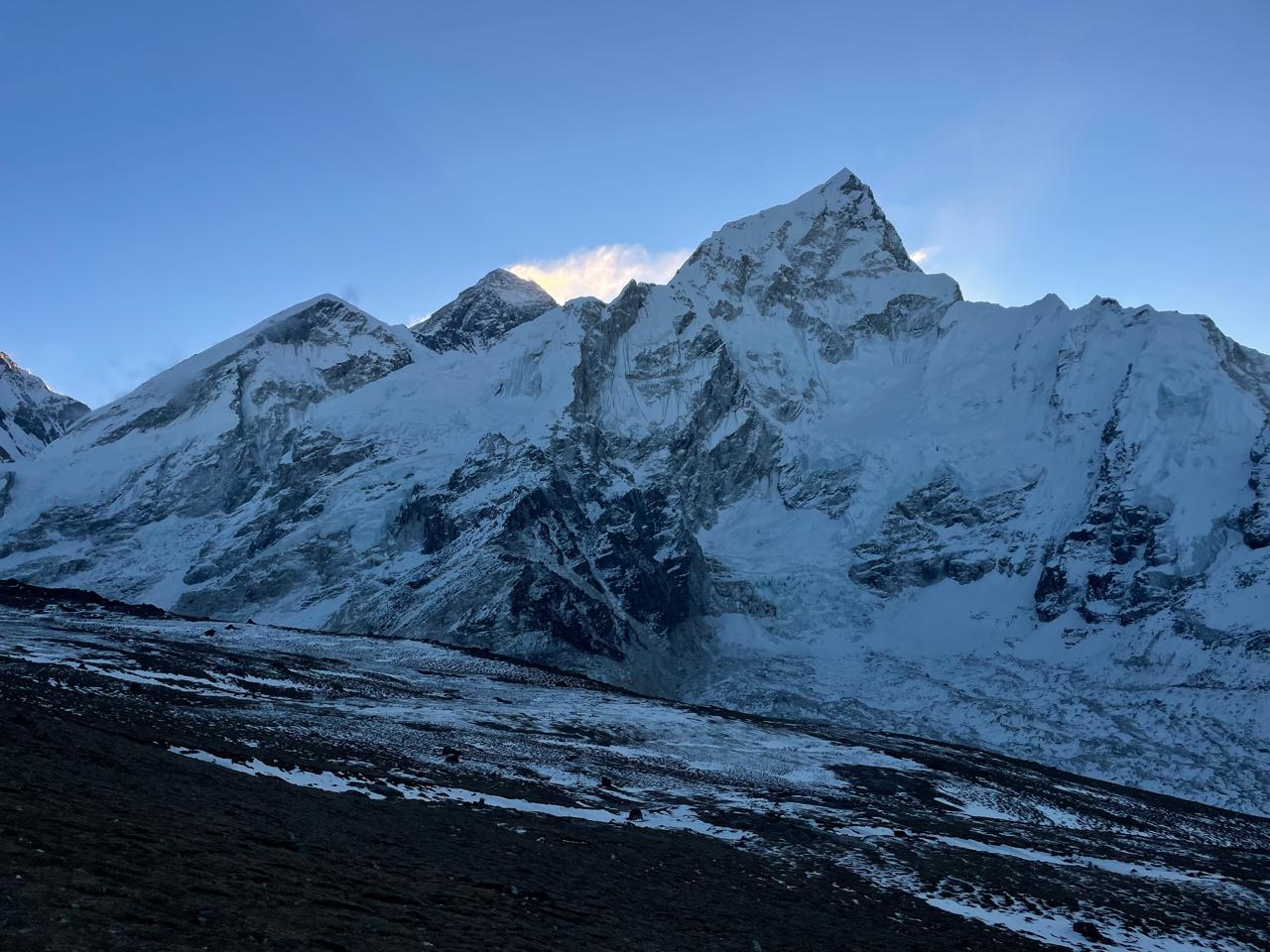
As you trek toward Everest Base Camp, the itinerary is carefully designed for gradual acclimatization, incorporating rest days and short hikes to higher altitudes. This ensures climbers are well-prepared for the rigors of high-altitude trekking and technical climbing. The ascent to Kala Patthar provides one of the best vantage points to view Everest and surrounding giants, creating unforgettable photographic opportunities.
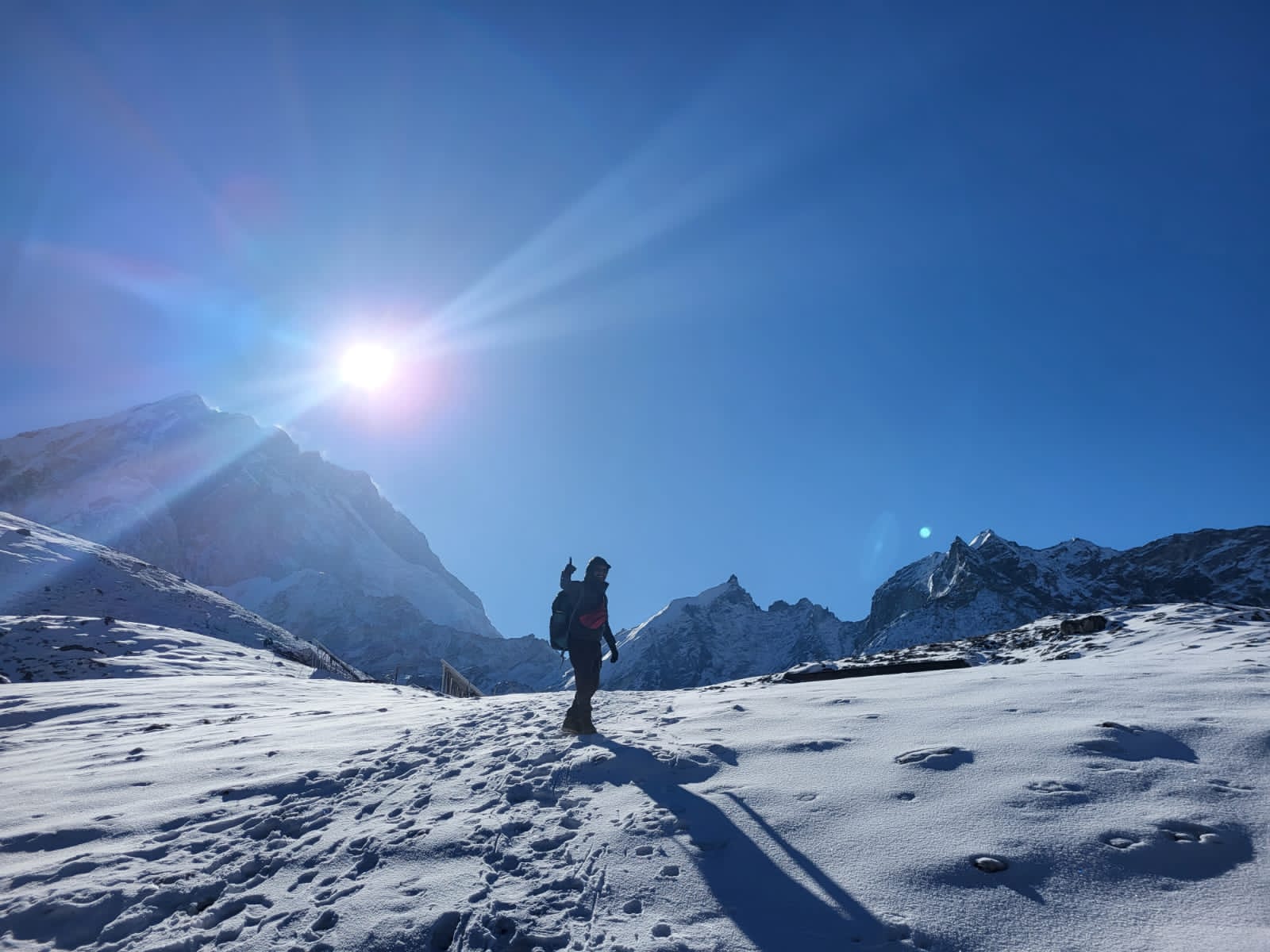
Upon reaching Everest Base Camp, the expedition transitions from trekking to mountaineering. Climbers move to Ama Dablam Base Camp, where technical climbing skills are introduced and honed. Here, participants practice using ropes, crampons, ice axes, and ladders under expert supervision. These acclimatization rotations are critical for preparing the body and mind for the challenging summit push.
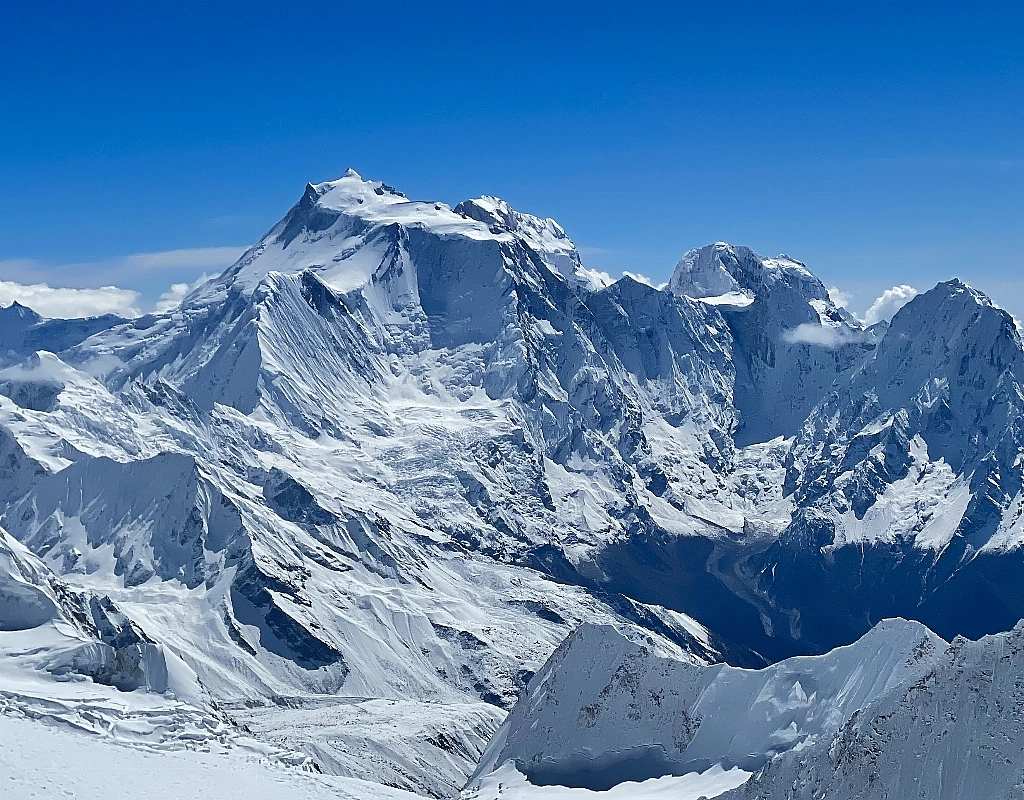
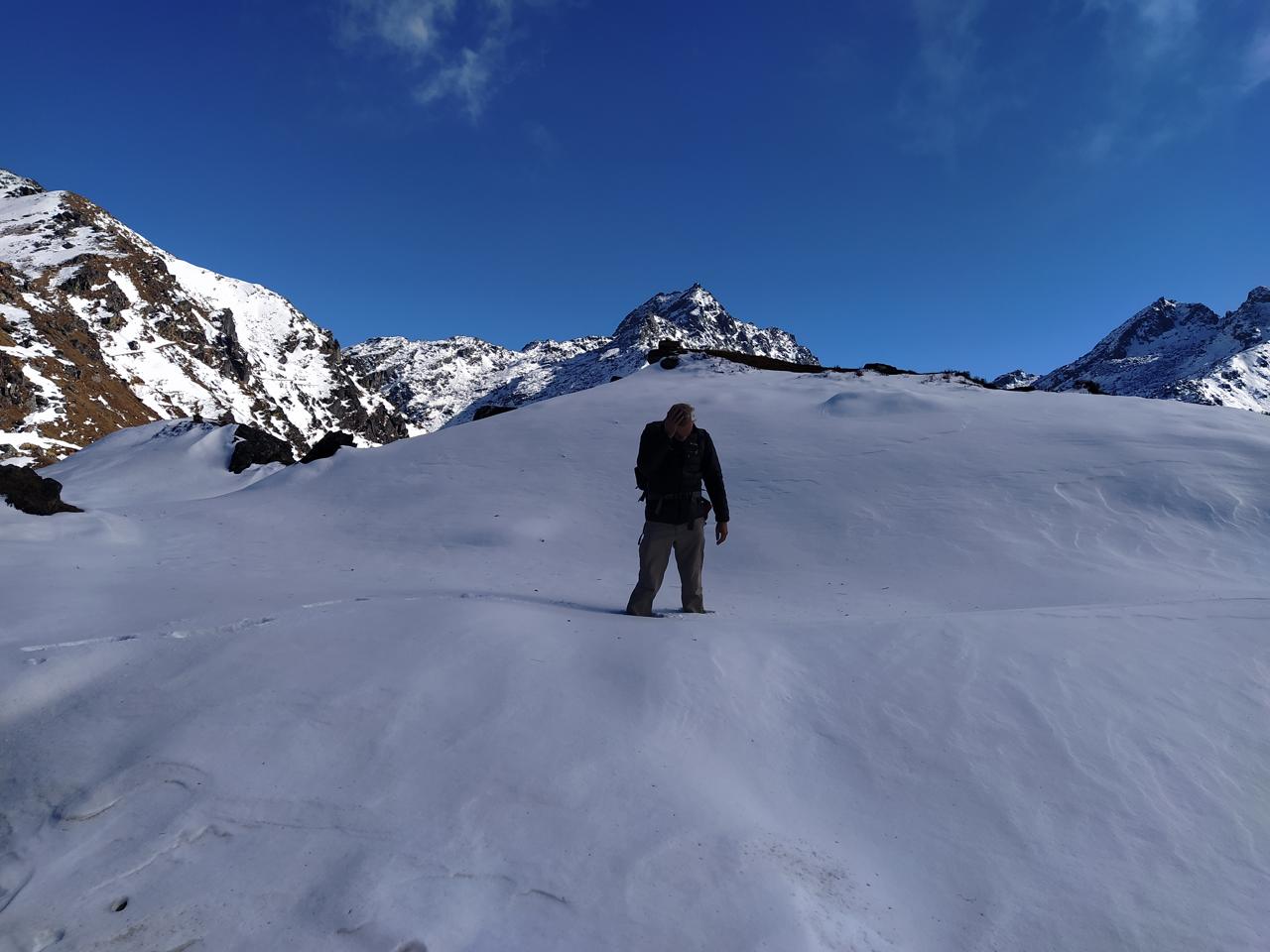
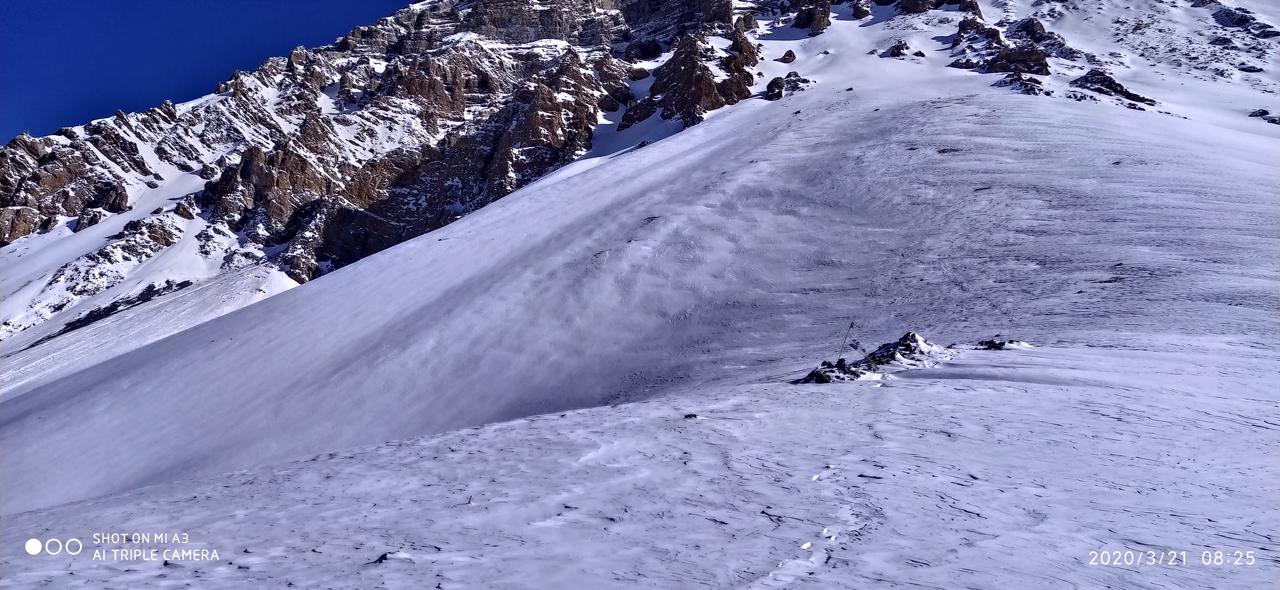
The summit climb of Ama Dablam is a demanding endeavor, combining rock, snow, and ice climbing over exposed ridges and steep slopes. The expedition is structured with multiple rotations between camps to allow sufficient acclimatization while minimizing fatigue. The schedule balances adventure with safety, providing rest days and recovery periods at lower camps. Reaching the Ama Dablam summit is an unparalleled experience, offering panoramic 360° views of the Himalayas and a profound sense of achievement.
Finally, the descent combines careful retracing of the climbing route and trekking back through Pangboche, Namche Bazaar, and Lukla before flying to Kathmandu. The itinerary ensures climbers return safely while reflecting on a journey that combines culture, natural beauty, and mountaineering accomplishment. ART Nepal Treks & Expedition manages every aspect of the trip, from permits and logistics to guide support, ensuring the focus remains on the adventure itself.
What Can You Expect from the Expedition?
The Everest Base Camp + Ama Dablam Expedition offers a complete Himalayan experience, combining trekking, cultural immersion, and technical mountaineering. During the trek to EBC, climbers experience a range of altitudes, landscapes, and communities, making it one of the most rewarding high-altitude treks in the world. With gradual ascents and built-in acclimatization, your body is prepared for the higher camps of Ama Dablam while still allowing time to enjoy the scenic beauty along the route.
The transition from trekking to climbing introduces a new dimension of adventure, with training in alpine techniques such as rope handling, ice and rock climbing, and crossing ladders over crevasses. These rotations allow climbers to gain confidence on technical terrain while building stamina and altitude resilience. Each rotation is carefully planned to maximize summit success while maintaining safety, with experienced guides monitoring every step.
Summit day is the pinnacle of the expedition, demanding both physical endurance and mental focus. Climbers experience steep alpine ridges, ice walls, and exposed rock, with the reward of standing on one of the Himalayas’ most iconic peaks. The sense of accomplishment, coupled with the breathtaking 360° views, is unforgettable. The expedition concludes with a carefully planned descent, allowing rest and recovery while reliving the memories of the trek and climb.
Summary of Expectations
- High-Altitude Trekking: Gradual ascent with acclimatization hikes and rest days.
- Cultural Immersion: Visit Sherpa villages, monasteries, and local markets.
- Technical Climbing: Rope work, ice axe training, ladder crossings.
- Summit Experience: Ama Dablam summit push at 6,812 m.
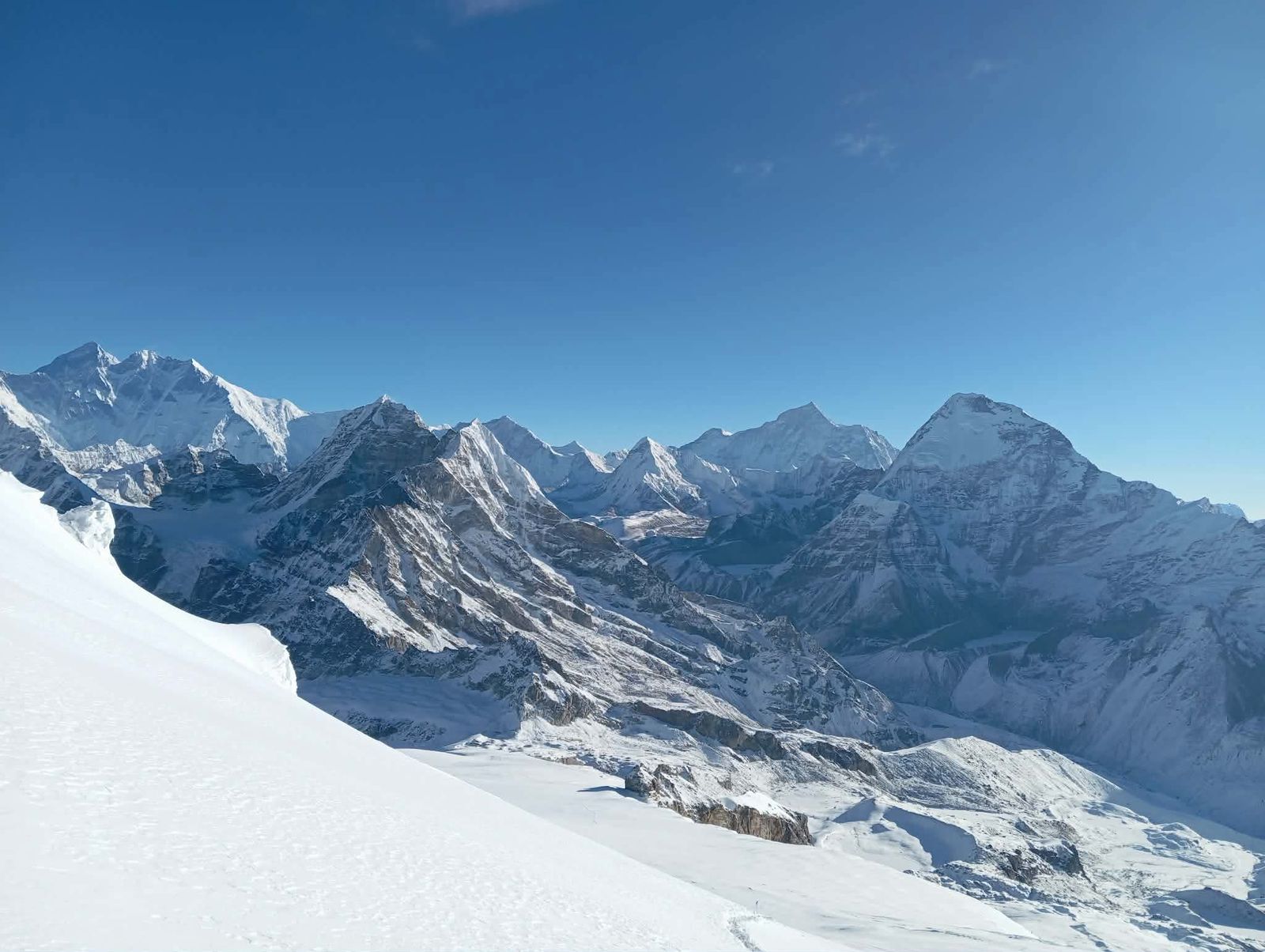
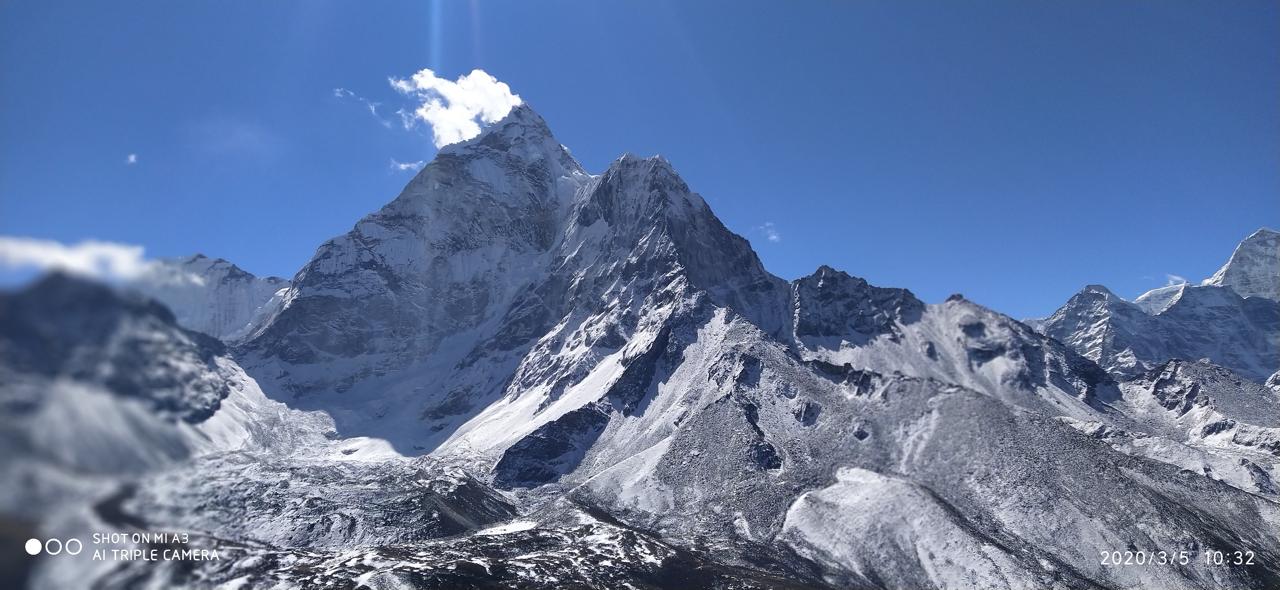
- Scenic Rewards: Panoramic views of Everest, Lhotse, Makalu, Nuptse, and Cho Oyu.
Is the Trek Suitable for You?
The Everest Base Camp + Ama Dablam Expedition is designed for adventurers with prior trekking or climbing experience. This is not a casual trek; it requires high levels of physical fitness, mental endurance, and preparation. Participants should be comfortable walking for 6–8 hours per day at high altitude, carrying personal gear, and navigating uneven terrain including rocky paths, glaciers, and snow-covered slopes. If you have previously trekked to altitudes above 4,000 m, or completed other Himalayan treks like the Annapurna Circuit or Everest Base Camp, this expedition is well within your reach.
For the Ama Dablam climb, basic mountaineering skills are strongly recommended. You should be familiar with using crampons, ice axes, and ropes, and comfortable moving on steep ice and snow. Even though expert guides lead every technical section, personal confidence and skill are essential for safety and success. If you are a first-time high-altitude trekker without technical experience, the trek portion to Everest Base Camp may still be suitable, but summiting Ama Dablam will require preparation in advance.
Beyond physical ability, this expedition is suitable for individuals who can adapt to remote environments and changing weather conditions. Daily life on the trail involves staying in teahouses or tents, carrying limited personal items, and coping with lower oxygen levels at altitude. Those who are mentally flexible, patient, and enjoy cultural immersion will find this expedition especially rewarding.
Summary of Suitability
- Fitness Level: High; ability to trek 6–8 hours daily at high altitude.
- Experience: Prior trekking above 4,000 m; basic mountaineering skills recommended.
- Mental Preparedness: Ability to adapt to remote, challenging conditions.
- Flexibility: Open to changes in weather, schedule, and altitude adjustments.
- Adventure-Seeker: Must enjoy high-altitude environments, culture, and extreme landscapes.
How to Prepare for the Expedition?
Preparing for this expedition requires a combination of physical training, skill-building, and mental readiness. Cardiovascular fitness is critical, as high-altitude trekking and climbing demand significant endurance. Focus on long hikes, stair climbing, and aerobic exercises like running, cycling, or swimming. Additionally, strength training for legs, core, and upper body is important to handle heavy packs, steep ascents, and technical climbing sections.
Altitude acclimatization is another critical aspect. Spending time on treks above 3,000 m before the expedition can help your body adapt to thinner air. If possible, practice trekking or mountaineering in locations with moderate altitude to simulate conditions similar to the Khumbu region. Learning basic mountaineering skills, including rope handling, ice axe use, and crampon techniques, will give climbers confidence and safety during the Ama Dablam climb.
Mental preparation is equally vital. The expedition can be long and demanding, with early mornings, unpredictable weather, and high-altitude fatigue. Developing patience, stress management strategies, and adaptability ensures that climbers remain focused and safe. Understanding your limits, staying hydrated, and following guide instructions carefully are essential habits for success.
Summary of Preparation
- Physical Training: Long hikes, cardio, and strength exercises.
- Altitude Acclimatization: Practice treks above 3,000 m.
- Mountaineering Skills: Rope handling, crampons, ice axe use.
- Mental Readiness: Patience, stress management, adaptability.
- Gear Familiarization: Know your equipment and its proper use.
-
Trip Duration
26 Days / 25 Nights
-
Group Size
1–20 People
-
Maximum Altitude
Ama Dablam Summit (6,812 m)
-
Trip Difficulty
Challenging; requires high-altitude trekking experience and basic mountaineering skills
-
Activities
Trekking and Mountaineering
-
Best Season
Spring (March–May) , Autumn (September–November)
-
Trip Start & End
Kathmandu-Kathmandu
-
Meals
Full-board meals (Breakfast, Lunch, Dinner)
-
Accomodation
Hotel, Teahouse/lodge, Tented camps
Highlights
- Everest Views & Sunrise: Witness the spectacular sunrise from Kala Patthar and panoramic views of Everest, Lhotse, Nuptse, and Ama Dablam.
- Khumbu Villages & Culture: Visit Namche Bazaar, Tengboche Monastery, and experience Sherpa culture firsthand.
- Ama Dablam Summit Experience: Climb one of the most iconic technical peaks in the Himalayas (6,812 m).
- Base Camp Adventure: Reach Everest Base Camp (5,364 m) via Gorakshep, experiencing the heart of the Khumbu region.
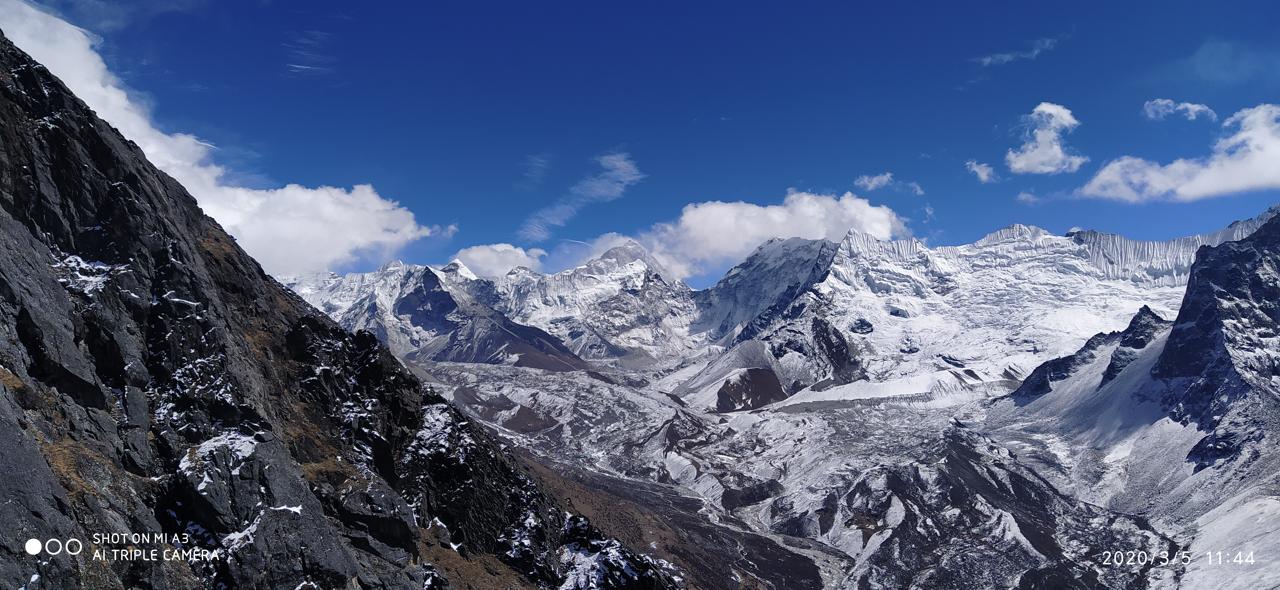
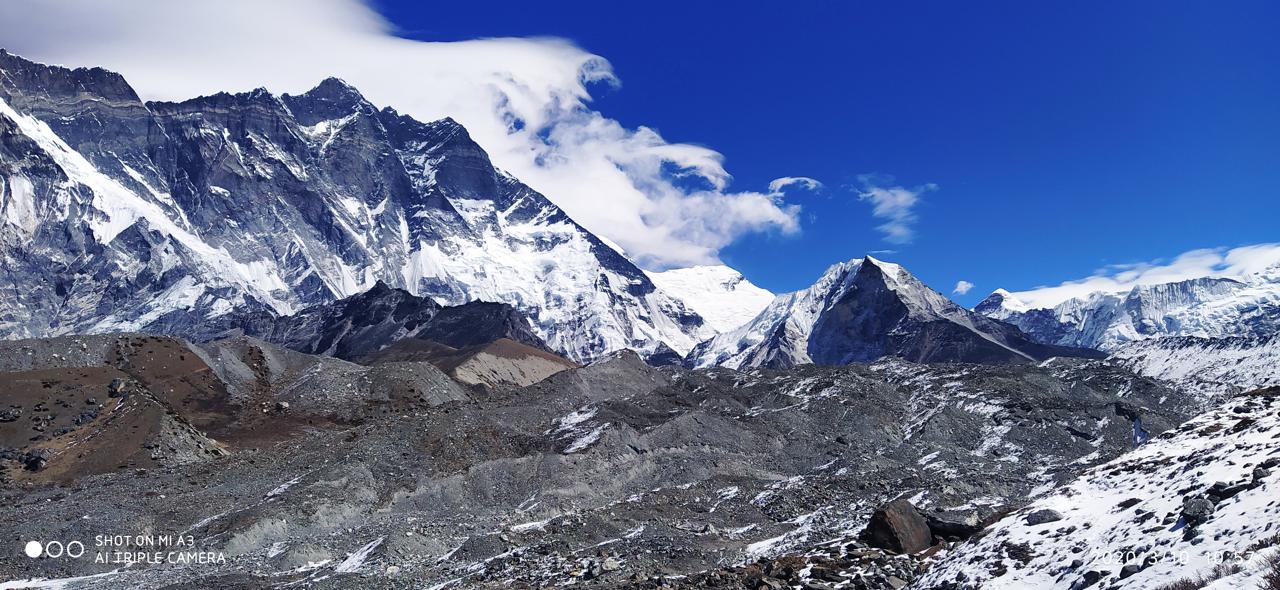
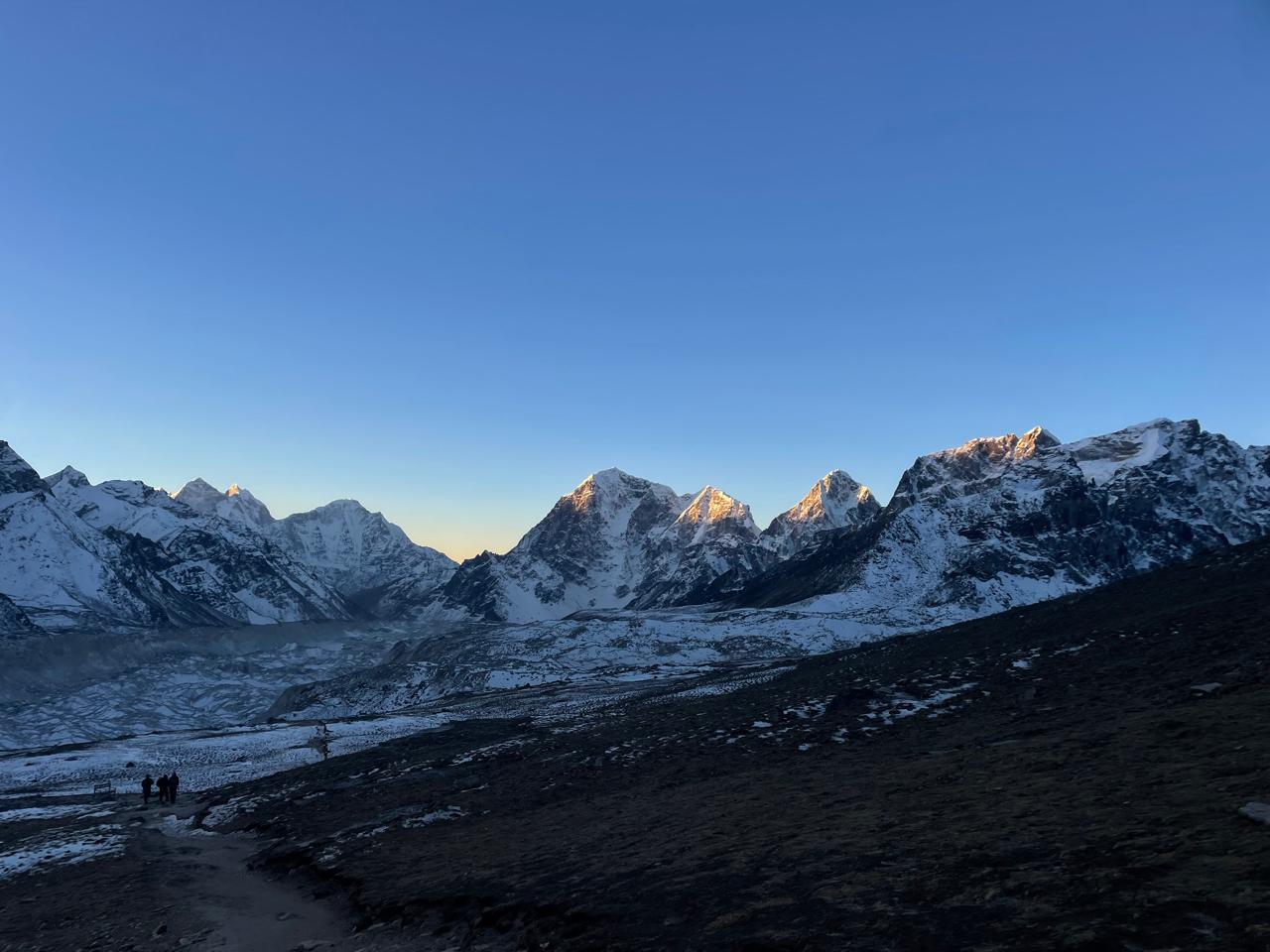
- Glaciers & Alpine Landscapes: Cross glacial moraines, icefall regions, and rugged alpine ridges.
- High-Altitude Trekking & Mountaineering: Train in rope work, ladder climbing, and technical skills during acclimatization rotations.
- Epic Himalayan Panorama: Enjoy 360° views of Everest, Lhotse, Makalu, Cho Oyu, Ama Dablam, Nuptse, and surrounding peaks.
Itinerary
Day 01
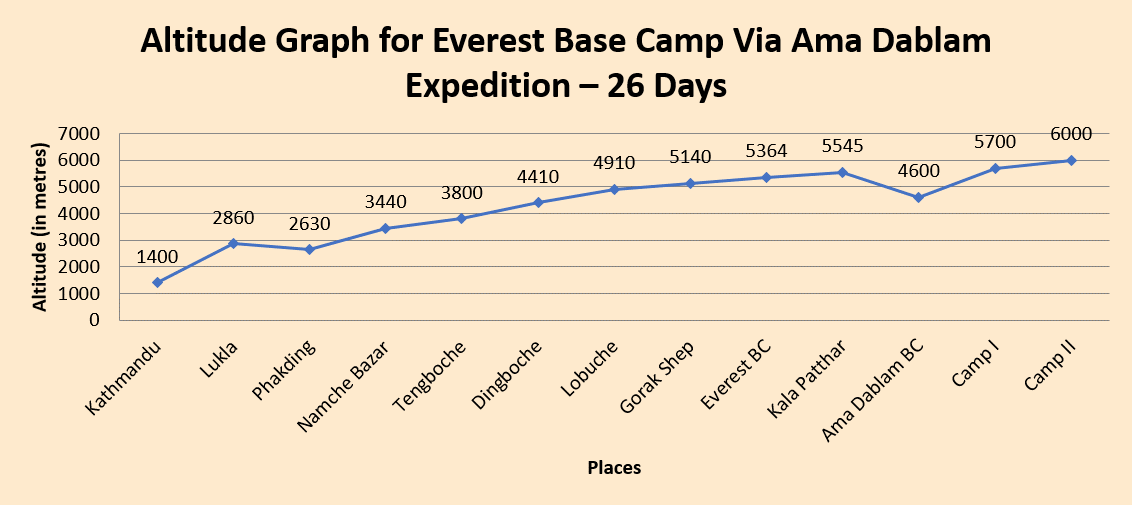
Your Himalayan adventure begins the moment you land in Kathmandu, the bustling capital of Nepal. After passing through immigration and customs, you will be transferred to your hotel where you can rest and recover from your long international flight. This day is primarily about adjusting to your new environment, rehydrating, and preparing mentally for the trek ahead. The evening may include a short briefing session with your expedition leader, where you will be introduced to the plan, safety guidelines, and an overview of the next few weeks. Kathmandu also offers a vibrant cultural experience, so if time permits, a short stroll around Thamel to observe local shops, cafes, and Himalayan gear stores can help you get familiar with the city and pick up any last-minute essentials.
Acclimatization begins subtly at this low altitude, and it’s essential to avoid overexertion. This day also provides an opportunity to check your trekking and climbing equipment, ensuring that your boots, harness, crampons, and sleeping bags are ready for the demanding journey ahead. Your guide may provide demonstrations for proper use of technical gear or discuss strategies for staying warm and energized at high altitudes. Overall, Day 1 is about settling in, managing jet lag, and mentally gearing up for the challenges and breathtaking experiences to come.
Trip Duration:
Airport transfer and hotel check-in, 2–3 hoursAltitude:
1,400 mMeal:
Dinner included at hotelAccomodation :
Hotel in KathmanduDay 02
On the second day, the focus shifts to logistical preparation and permit collection, crucial steps before heading into the Khumbu region. You will visit the Nepal Tourism Board and the Sagarmatha National Park office to obtain permits, including the TIMS card and the climbing permit for Ama Dablam. Guides review the expedition plan, confirm your climbing rotation schedules, and ensure your personal gear meets technical requirements. This is also the ideal day to double-check your backpacks, sleeping bags, and trekking poles, and organize personal items for easy access during trekking and climbing. Proper preparation now ensures smooth progress once you enter remote areas with limited facilities.
In addition to paperwork, this day often includes a detailed briefing on altitude sickness, safety protocols, and team responsibilities. Experienced guides will demonstrate proper use of ropes, harnesses, and crampons to familiarize participants with the technical aspects of the Ama Dablam climb. It is also an opportunity to practice packing efficiently, distribute weight evenly in your bag, and discuss communication plans for high-altitude camps. By the end of the day, all participants should feel confident and ready for the early flight to Lukla and the trek that follows.
Trip Duration:
Full day, 6–8 hours including permit collection and briefingAltitude:
1,400 mMeal:
Breakfast, lunch, dinner at hotelAccomodation :
Hotel in KathmanduDay 03
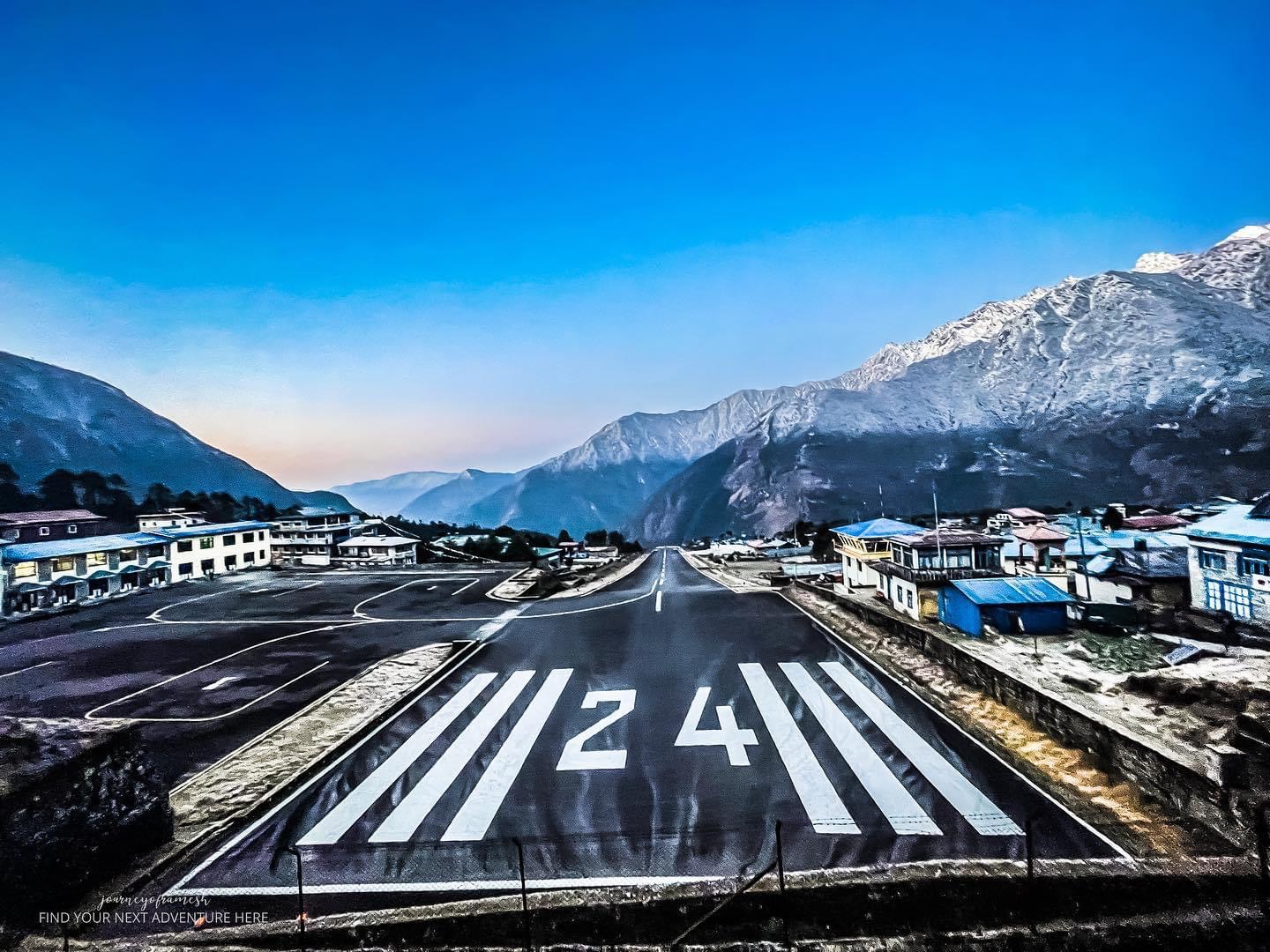
Early in the morning, you will take a scenic flight from Kathmandu to Lukla, the gateway to the Everest region. The flight itself offers spectacular views of the Himalayan peaks, including Ganesh Himal and Langtang, and is an unforgettable experience for first-time trekkers. After landing at the small airstrip in Lukla, you will begin your trek along the Dudh Koshi River valley toward Phakding. The trail passes through pine and rhododendron forests, small villages, and multiple suspension bridges, providing a gentle introduction to trekking in the Khumbu. This initial trekking day allows your body to adjust to the rising altitude, while the scenery keeps your spirits high.
Along the way, guides will teach you basic trekking etiquette, pacing, and hydration strategies to minimize fatigue. Phakding is a small, welcoming settlement where teahouses provide cozy accommodation and warm meals. Upon arrival, you can rest and take short exploratory walks around the village to observe local life and culture, including mani walls, prayer flags, and stone shrines. Evening briefings often cover the route for the next day, safety tips for trekking, and preparation for higher altitudes. By the end of this day, you will have settled into the rhythm of Himalayan trekking.
Trip Duration:
Trekking 3–4 hoursTrip Distance:
~8 kmAltitude:
2,610 mMeal:
Breakfast, lunch, dinnerAccomodation :
Teahouse in PhakdingDay 04
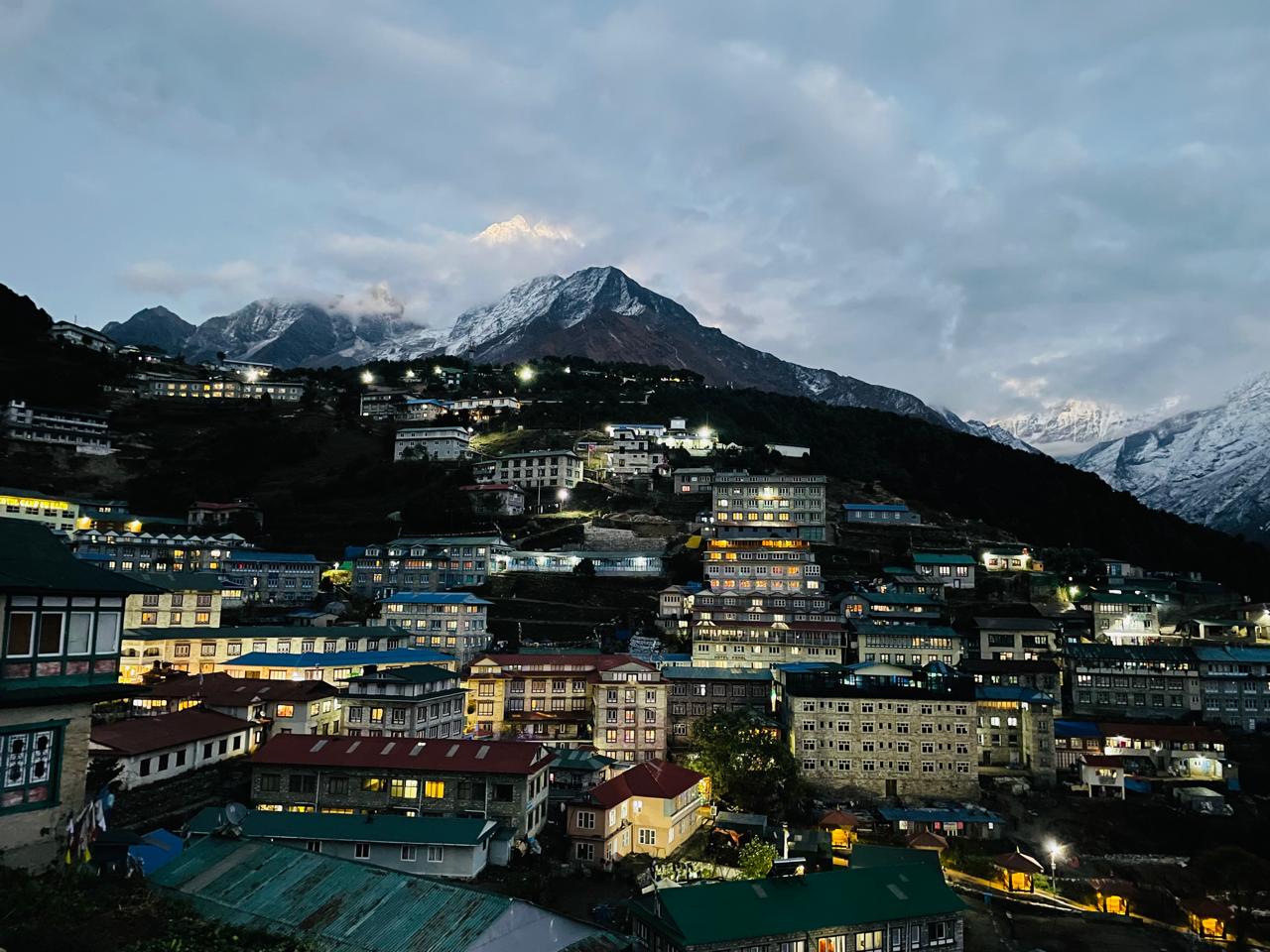
Today’s trek becomes slightly more challenging as you ascend through the lush forested trails and rolling hills along the Dudh Koshi River. Crossing suspension bridges and navigating uneven paths, you gradually approach Namche Bazaar, the heart of the Khumbu region. This vibrant town is a hub for trekkers, climbers, and Sherpas, offering shops, cafes, and cultural experiences. Along the trail, you will enjoy frequent panoramic views of Everest, Lhotse, and Ama Dablam, giving a constant reminder of the grandeur of the Himalayas.
The ascent to Namche Bazaar also serves as an important acclimatization step, allowing your body to adjust to the higher altitude. Guides often encourage short hikes around Namche to nearby viewpoints or monasteries to further enhance acclimatization. The town itself provides an opportunity to experience local Sherpa culture, explore markets selling traditional crafts, and enjoy hot meals in teahouses. By the end of this day, trekkers begin to feel the excitement of entering the high Himalaya while learning essential techniques for staying energized and safe at altitude.
Trip Duration:
Trekking 5–6 hoursTrip Distance:
~9 kmAltitude:
3,440 mMeal:
Breakfast, lunch, dinnerAccomodation :
Teahouse in Namche BazaarDay 05
After two days of trekking, your body needs time to adapt to the increasing altitude. Today is dedicated to acclimatization, which helps prevent altitude sickness as you ascend higher in the Khumbu region. A short hike from Namche Bazaar to the Everest View Hotel is highly recommended. This hike allows you to gradually gain elevation while being rewarded with spectacular views of Everest, Ama Dablam, Nuptse, and Lhotse. Along the way, you will cross small streams, observe local flora like rhododendron forests, and enjoy the peaceful Himalayan environment.
In Namche Bazaar, you can also explore the vibrant Sherpa culture, including traditional markets, monasteries, and prayer wheels. Guides may provide briefings on the upcoming trekking route, health checks, and essential tips on hydration and nutrition at high altitude. Resting adequately and pacing yourself during today’s activities will strengthen your endurance and prepare you for the more strenuous days ahead, ensuring a safer and more enjoyable trekking experience.
Trip Duration:
Short hikes 3–4 hoursTrip Distance:
~5 km cumulativeAltitude:
3,440 mMeal:
Breakfast, lunch, dinnerAccomodation :
Teahouse in Namche BazaarDay 06
Departing Namche Bazaar, the trail climbs gently along the forested valley toward Tengboche, a village renowned for its monastery perched against the Himalayan backdrop. The trek passes through pine forests and suspension bridges, with occasional glimpses of Ama Dablam rising majestically above the valley. Today’s trek combines moderate elevation gain with cultural exploration, giving trekkers a balance of physical exertion and mental rejuvenation.
Tengboche is famous for the Tengboche Monastery, a spiritual center of the Khumbu region. Visiting the monastery provides insight into Buddhist rituals, prayer flags, and meditation halls. This stop is perfect for reflection and photos, with Ama Dablam often towering behind the monastery as a spectacular backdrop. Upon arrival, you can rest, enjoy tea in a teahouse, and prepare mentally and physically for the higher trekking and climbing stages ahead.
Trip Duration:
Trekking 5–6 hoursTrip Distance:
~8 kmAltitude:
3,860 mMeal:
Breakfast, lunch, dinnerAccomodation :
Teahouse in TengbocheDay 07
The trek from Tengboche to Dingboche gradually increases in altitude, allowing your body to continue acclimatizing while surrounded by breathtaking Himalayan scenery. The trail winds past mani walls, small villages, and glacial streams, giving a sense of remote mountain life. Along the way, panoramic views of Ama Dablam, Lhotse, and Island Peak keep you motivated as the trail becomes steeper toward Dingboche.
Dingboche, known as the “Valley of Medical Herbs,” is a picturesque village surrounded by terraced fields and stone houses. This village is an ideal spot for additional acclimatization hikes, such as a short ascent to Nagarjun Hill, which offers a commanding view of the surrounding peaks. Guides often organize briefings on high-altitude trekking safety, including recognition and management of early altitude sickness symptoms, hydration, and nutrition strategies.
Trip Duration:
Trekking 5–6 hoursTrip Distance:
~9 kmAltitude:
4,410 mMeal:
Breakfast, lunch, dinnerAccomodation :
Teahouse in DingbocheDay 08
Today is dedicated to acclimatization in Dingboche, giving your body a crucial rest while adjusting to over 4,000 meters. Trekkers are encouraged to ascend slightly higher and return, a method known as “climb high, sleep low,” which improves oxygen adaptation. A recommended hike to Nagarjun Hill provides stunning vistas of Ama Dablam, Island Peak, and other peaks of the Khumbu region. These activities are moderate yet essential for ensuring safe progress toward Everest Base Camp and the Ama Dablam expedition.
The day also includes additional preparation for higher trekking days, such as checking gear, hydration routines, and understanding nutrition needs at altitude. Guides provide tips for sleeping comfortably in teahouses and managing energy efficiently for the more strenuous days ahead. Trekkers also have the opportunity to engage with local villagers, observing traditional farming practices and the serene lifestyle of the Sherpa people.
Trip Duration:
Acclimatization hikes 3–4 hoursTrip Distance:
~5 km cumulativeAltitude:
4,410 mMeal:
Breakfast, lunch, dinnerAccomodation :
Teahouse in DingbocheDay 09
The trek today leads to Lobuche, with steeper terrain and closer proximity to the high peaks. Crossing moraines, small streams, and occasional snow patches, trekkers experience a gradual increase in difficulty. The trail offers constant views of Pumori, Nuptse, and the Khumbu Glacier, providing continuous motivation for the long ascent. This trek also introduces trekkers to the rugged conditions near the high Himalaya, giving a sense of what lies ahead.
Lobuche is a small settlement where trekkers typically stay in basic teahouses. The village serves as a key stop before the final ascent to Everest Base Camp. Upon arrival, guides organize briefings on glacier safety, trekking techniques for high altitude, and the upcoming EBC climb. Trekkers are encouraged to rest, hydrate, and prepare mentally for the strenuous climb to Base Camp the following day.
Trip Duration:
Trekking 5–6 hoursTrip Distance:
~8 kmAltitude:
4,940 mMeal:
Breakfast, lunch, dinnerAccomodation :
Teahouse in LobucheDay 10
Today’s trek is one of the most iconic days of the expedition. Starting from Lobuche, you trek along the Khumbu Glacier toward Everest Base Camp (EBC), passing memorials for climbers and dramatic moraine landscapes. The trail is physically demanding, with uneven terrain and icy patches, but rewards trekkers with the awe-inspiring sight of Everest, Lhotse, Nuptse, and Ama Dablam towering above. Reaching EBC is a major milestone, offering a sense of accomplishment and a chance to immerse yourself in the high Himalayan environment.
After photos and exploration at EBC, you descend slightly to Gorakshep for overnight stay, which is the highest point with teahouse accommodation on this route. Guides review plans for the summit viewpoint at Kala Patthar the following day. This stop also provides essential acclimatization, allowing trekkers to rest while already above 5,100 meters. Proper hydration, nutrition, and early sleep are crucial to prepare for the physically demanding day ahead.
Trip Duration:
Trekking 7–8 hoursTrip Distance:
~12 kmAltitude:
EBC 5,364 m / Gorakshep 5,164 mMeal:
Breakfast, lunch, dinnerAccomodation :
Teahouse in GorakshepDay 11
Today is one of the highlight days for trekkers: an early morning hike to Kala Patthar, the best viewpoint for a panoramic sunrise over Mount Everest. Starting around 3–4 AM, you ascend the rocky trail in the darkness with headlamps, guided by your trekking team. The climb is steep but short (3–4 hours), and reaching the summit of Kala Patthar rewards you with breathtaking 360° views of Everest, Lhotse, Nuptse, Pumori, and Ama Dablam. Photographers and nature lovers find this spot unparalleled for capturing the majesty of the Himalayas.
After soaking in the views, the group carefully descends to Pangboche village. The trek down provides a chance to reflect on the journey so far, enjoy the local Sherpa culture, and rest in a more comfortable teahouse environment. Guides also review logistics for the transition from trekking to the Ama Dablam climbing phase, explaining base camp rules, technical training schedules, and equipment checks. Hydration and balanced meals are emphasized after the high-altitude exertion of Kala Patthar.
Trip Duration:
7–8 hours (up and down)Trip Distance:
~10 kmAltitude:
5,545 m (Kala Patthar) → 3,985 m (Pangboche)Meal:
Breakfast, lunch, dinnerAccomodation :
Teahouse in PangbocheDay 12
After a good rest in Pangboche, the trek continues toward Ama Dablam Base Camp (ABC), the starting point for your technical climb. The trail passes through serene valleys, past mani walls, and alongside small streams. With every step, Ama Dablam comes into sharper view, giving trekkers a sense of the technical challenge ahead. This trek is moderate in distance but important for mental preparation and acclimatization, as you adjust to climbing-focused activities.
Upon arrival at Ama Dablam Base Camp, you settle into tents or temporary shelters, depending on arrangements. Guides provide an orientation session, including a review of safety procedures, climbing protocols, and daily schedules for the next few days. Equipment checks and rope practice sessions begin, ensuring all climbers are comfortable with crampons, ice axes, and harnesses. This is also a chance to rest your body while soaking in the Himalayan scenery, mentally preparing for the demanding rotations ahead.
Trip Duration:
Trekking 4–5 hoursTrip Distance:
~8 kmAltitude:
4,600 mMeal:
Breakfast, lunch, dinnerAccomodation :
Base camp tentsDay 13
The day is dedicated to technical training and acclimatization. Trekkers practice using ropes, ladders, ice axes, and crampons on moderate slopes near the base camp. Training includes glacier travel techniques, knot tying, belaying, and crevasse rescue simulations, essential skills before ascending the mountain. Experienced guides provide detailed instructions, demonstrating safe climbing strategies on ice and rock sections.
This rest day also serves as an acclimatization day, allowing climbers to adjust to the base camp altitude. Trekking at nearby gentle slopes for short hikes improves oxygen adaptation. Trekkers use this day to double-check gear, prepare rations, and mentally plan for the climbing rotations, while enjoying the views of Ama Dablam’s iconic peak and surrounding Khumbu mountains. Hydration, nutrition, and proper sleep are emphasized to maximize performance for the summit push.
Trip Duration:
Full day for trainingTrip Distance:
Short acclimatization hikes 3–4 kmAltitude:
4,600 mMeal:
Breakfast, lunch, dinnerAccomodation :
Base camp tentsDay 14
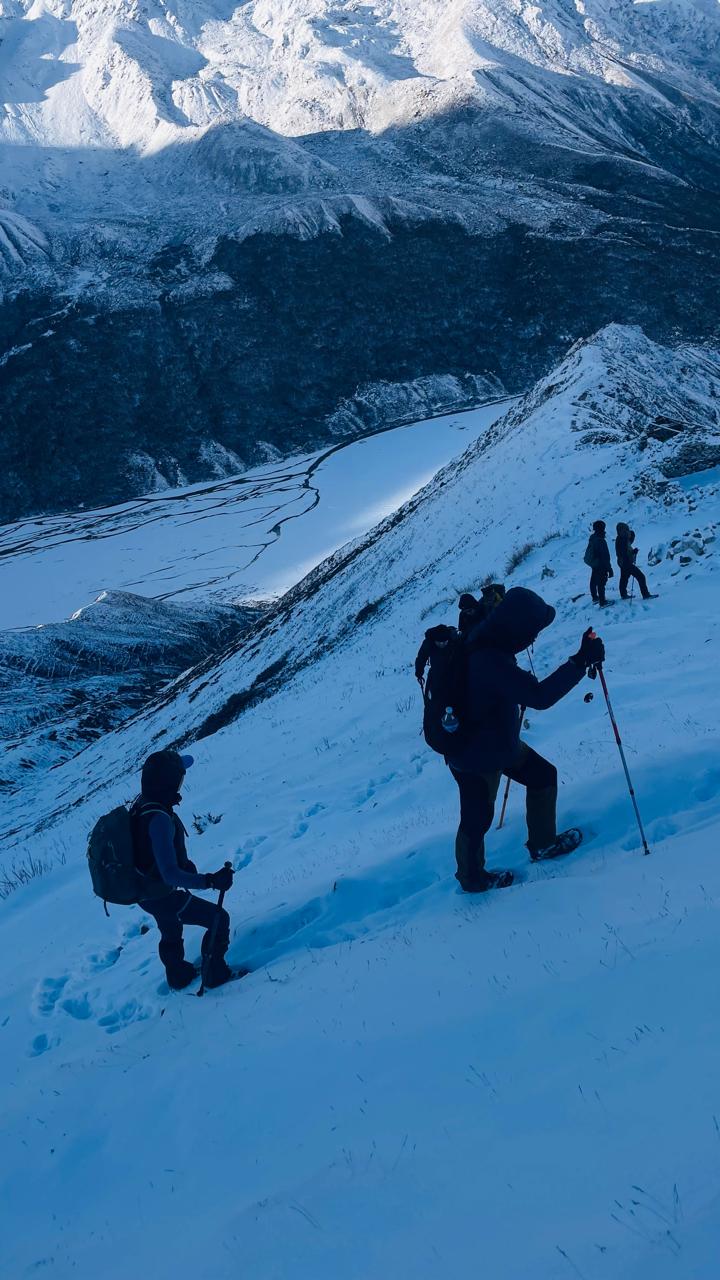
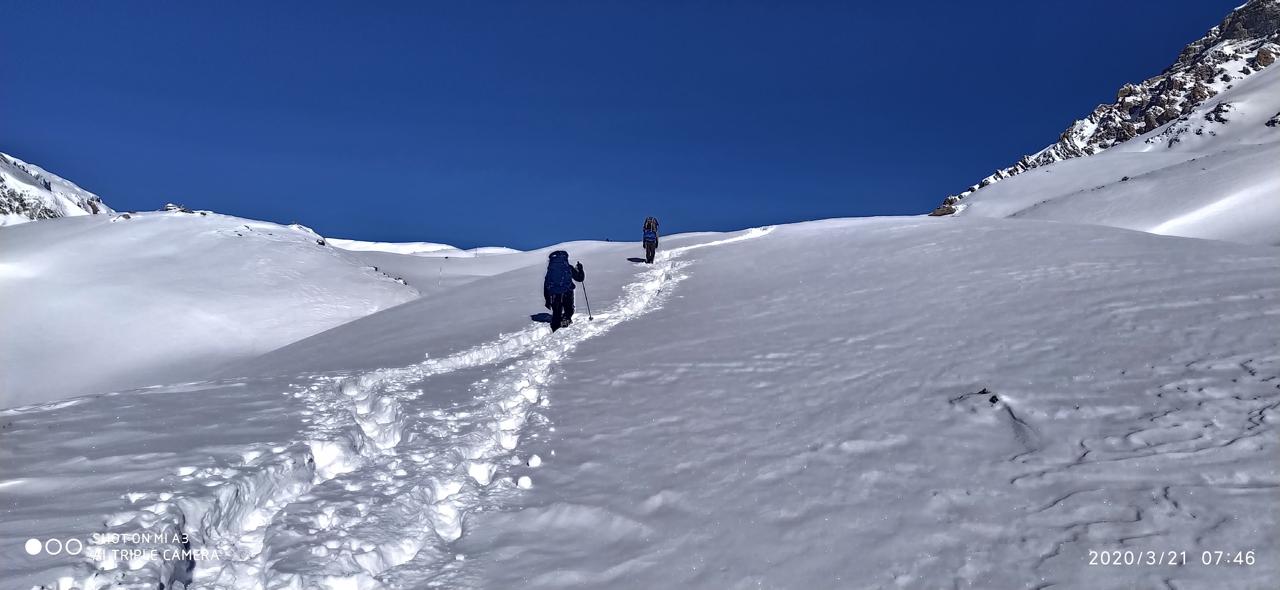
The first rotation climb begins today. You leave Ama Dablam Base Camp early, ascending steep snow and rock sections to Camp I. The route involves navigating ridges, glaciers, and occasional ladders, using ropes for safety. The climb takes 4–6 hours, depending on snow conditions, acclimatization, and group pace. This rotation helps the body adapt to higher altitude while practicing technical climbing skills.
Camp I is a high-altitude camp with tents set on snow or rocky terrain. Upon arrival, climbers rest and hydrate while guides brief the group on Camp II objectives, weather assessment, and safety measures. Proper acclimatization and pacing are crucial, as fatigue at this stage can affect later rotations and summit success. Even at Camp I, the views of surrounding peaks and hanging glaciers provide a spectacular Himalayan experience.
Trip Duration:
4–6 hoursTrip Distance:
~4 km ascentAltitude:
5,700 mMeal:
Breakfast, lunch, dinnerAccomodation :
Camp I tentsDay 15
Today’s rotation involves climbing from Camp I to Camp II, located near a prominent snow ridge at approximately 6,000 meters. The climb is more technical, with ice and rock sections requiring crampons, ice axes, and fixed ropes. This rotation allows climbers to experience higher altitude conditions while practicing climbing in a controlled environment.
After reaching Camp II, climbers rest briefly, enjoy snacks, and then descend back to Camp I. This strategy, known as “climb high, sleep low,” is critical for acclimatization. Guides also monitor climbers for early signs of altitude sickness, ensuring everyone maintains safe oxygen levels and energy. The combination of physical challenge, stunning views, and technical exposure prepares climbers mentally and physically for the summit push.
Trip Duration:
5–7 hoursTrip Distance:
~4–5 km round tripAltitude:
6,000 m (Camp II) → 5,700 m (Camp I)Meal:
Breakfast, lunch, dinnerAccomodation :
Camp I tentsDay 16
After completing the first rotation, today is a descent day for recovery. Climbers return from Camp I to Ama Dablam Base Camp, descending steep snow and rock sections. The descent allows the body to rest and recover while still remaining at high altitude, preparing for the second rotation climb.
Upon arrival at Base Camp, trekkers relax, hydrate, and adjust gear for the next rotation. Guides review summit strategies, technical climbing adjustments, and weather conditions. This recovery day is essential for reducing fatigue, replenishing energy, and building confidence for the higher-altitude sections of Ama Dablam.
Trip Duration:
3–4 hoursTrip Distance:
~5 km descentAltitude:
4,600 mMeal:
Breakfast, lunch, dinnerAccomodation :
Base camp tentsDay 17
After completing the first rotation, Day 17 is designated as a full rest and acclimatization day at Base Camp. Climbers use this time to recover from physical exertion, rest sore muscles, and mentally prepare for the next rotation. Guides conduct gear inspections, rope checks, and safety briefings, ensuring that every climber is ready for the higher-altitude push. This rest day also allows for hydration, balanced meals, and short acclimatization walks around base camp.
The serene surroundings of Ama Dablam provide a perfect opportunity to observe the technical routes ahead and gain a better understanding of the mountain’s layout. This day also includes team discussions on summit strategy, weather windows, and contingency plans. Rest and recovery here are critical for maintaining strength, reducing fatigue, and improving overall summit success rate.
Trip Duration:
Full day at Base CampTrip Distance:
Optional short hikes 2–3 kmAltitude:
4,600 mMeal:
Breakfast, lunch, dinnerAccomodation :
Base camp tentsDay 18
The second rotation begins today, revisiting Camp I (5,700 m). This rotation is slightly more efficient than the first as climbers are now familiar with the route and techniques required. The climb is used to acclimatize further and strengthen technical climbing skills on steeper snow and ice sections. Climbers ascend carefully, practicing rope management, ladder crossings, and ice climbing techniques under guide supervision.
Camp I provides an opportunity to adjust to altitude and rest before proceeding to higher camps. Guides monitor climbers for any signs of altitude sickness and provide advice on hydration, nutrition, and energy conservation. The second rotation is crucial in preparing climbers for the Camp II and Camp III challenges, as it allows the body to adapt gradually to higher altitudes while refining climbing skills.
Trip Duration:
4–6 hoursTrip Distance:
~4 km ascentAltitude:
5,700 mMeal:
Breakfast, lunch, dinnerAccomodation :
Camp I tentsDay 19
Today, climbers ascend from Camp I to Camp II, located near a prominent ridge at roughly 6,000 meters. This is a more technical climb involving steep snow slopes and exposed sections, where the use of ropes, crampons, and ice axes is essential. Climbers carry minimal gear for this rotation, focusing on practicing technical skills and adjusting to thin air.
Spending the night at Camp II helps the body adapt to high-altitude conditions, which is critical for the eventual summit push. Guides provide briefings on the next day’s objectives, weather monitoring, and safety measures for moving to Camp III. Camp II offers panoramic views of Everest, Lhotse, and surrounding peaks, inspiring climbers as they acclimatize further.
Trip Duration:
5–7 hoursTrip Distance:
~4 km ascentAltitude:
6,000 mMeal:
Breakfast, lunch, dinnerAccomodation :
Camp II tentsDay 20
In the second rotation’s highest climb, climbers ascend from Camp II toward Camp III, approximately 6,300 meters, touching the lower slopes of the summit ridge. This climb is steep and technical, involving rope-secured ice and rock sections. Climbers focus on short bursts of climbing, using crampons and ice axes efficiently, while maintaining energy for the summit push.
After touching Camp III, climbers descend back to Camp II for overnight rest. This strategy—climb high, sleep low—helps maximize acclimatization and strengthens cardiovascular adaptation. The experience gained here prepares climbers for the final summit rotation, offering confidence in handling exposure, technical ice, and snow travel at high altitude.
Trip Duration:
6–8 hoursTrip Distance:
~3–4 km round tripAltitude:
6,300 m (Camp III touch) → 6,000 m (Camp II)Meal:
Breakfast, lunch, dinnerAccomodation :
Camp II tentsDay 21
After completing the second rotation, today is a descent day back to Ama Dablam Base Camp (4,600 m). Descending provides recovery time and reduces fatigue, while still keeping climbers at high altitude for continued acclimatization. Guides ensure that all climbers descend safely over steep snow and rock sections.
Base Camp is now the hub for preparing the final summit push. Climbers rest, hydrate, and review summit strategies, while guides conduct gear checks, route briefings, and weather assessments. Meals at Base Camp are nutrient-rich to replenish energy, and mental preparation sessions help climbers focus on summit goals.
Trip Duration:
4–5 hoursTrip Distance:
~5 km descentAltitude:
4,600 mMeal:
Breakfast, lunch, dinnerAccomodation :
Base camp tentsDay 22
The summit push begins today with an early departure from Base Camp to Camp I (5,700 m). Climbers carry essential gear, oxygen (if needed), and minimal supplies for the ascent. The climb retraces earlier technical sections, allowing climbers to apply skills learned during rotations. Guides provide rope assistance and ensure safe movement over ice and rock obstacles.
Reaching Camp I provides opportunity to rest, acclimatize, and prepare mentally for the higher sections of Ama Dablam. Hydration and energy management are emphasized, as the next two days involve higher altitude and more technical climbing. Climbers take in the breathtaking views of Everest, Lhotse, and the Khumbu region from the camp terraces.
Trip Duration:
4–6 hoursTrip Distance:
~4 km ascentAltitude:
5,700 mMeal:
Breakfast, lunch, dinnerAccomodation :
Camp I tentsDay 23
Today, climbers ascend to Camp II (~6,000 m). The climb is more challenging than previous days due to thinner air and technical snow slopes. Climbers move cautiously, utilizing crampons, ice axes, and fixed ropes, while guides monitor for fatigue and altitude effects. This stage strengthens the climbers’ confidence and ensures they are prepared for the summit ridge.
Camp II is the staging area for the final summit day. Climbers rest, eat high-calorie meals, and review final summit strategies. The camp provides panoramic views of the surrounding peaks, motivating climbers for the technical challenges ahead.
Trip Duration:
5–6 hoursTrip Distance:
~4 km ascentAltitude:
6,000 mMeal:
Breakfast, lunch, dinnerAccomodation :
Camp II tentsDay 24
The most intense and memorable day: the summit push. Climbers start extremely early (1–2 AM) to take advantage of stable weather and firm snow. The route involves technical rock, ice, and exposed ridge climbing, requiring full use of climbing equipment and guide assistance. Each step is measured to conserve energy for the summit, where climbers will experience 360° panoramic views of the Himalayas including Everest, Lhotse, Nuptse, and the Khumbu Valley.
After reaching the summit of Ama Dablam (6,812 m), climbers carefully descend to Camp II. This descent demands vigilance, as fatigue and altitude effects increase risk. Guides ensure safety, rope management, and proper pacing. Reaching Camp II marks the completion of a successful summit attempt, allowing climbers to rest and recover before descending further.
Trip Duration:
12–14 hours (round trip)Trip Distance:
~6 km ascent, 6 km descentAltitude:
6,812 m summit → 6,000 m (Camp II)Meal:
Breakfast, lunch, dinnerAccomodation :
Camp II tentsDay 25
Today, climbers descend from Camp II to Base Camp and continue down to Pangboche village. This long descent allows the body to recover from the physical and mental strain of the summit. Guides assist climbers on technical sections, ensuring safety while navigating steep snow and rocky terrain.
In Pangboche, climbers can enjoy comfort in teahouses, meals, and showers, marking the transition from high-altitude climbing back to trekking mode. This descent also allows for reflection, sharing experiences with teammates, and celebrating the achievement of summiting Ama Dablam.
Trip Duration:
6–7 hoursTrip Distance:
~10 kmAltitude:
6,000 m → 3,985 mMeal:
Breakfast, lunch, dinnerAccomodation :
Teahouse in PangbocheDay 26
The final day involves trekking from Pangboche to Namche Bazaar, then proceeding to Lukla for the return flight to Kathmandu. Depending on flight schedules, some climbers may split the trek with an overnight in Namche. This day allows for reacclimatization, souvenir shopping, and final reflections on the journey.
Once in Lukla, climbers take a short flight to Kathmandu. The journey concludes with hotel check-in, rest, and group celebration, as climbers share stories and photos from their expedition. Guides provide advice for post-expedition care, including rest, nutrition, and monitoring for delayed altitude effects.
Trip Duration:
Trek 5–6 hours + flightTrip Distance:
~12 km trekAltitude:
3,985 m → 2,860 m (Lukla) → 1,400 m (Kathmandu)Meal:
Breakfast, lunch, dinnerAccomodation :
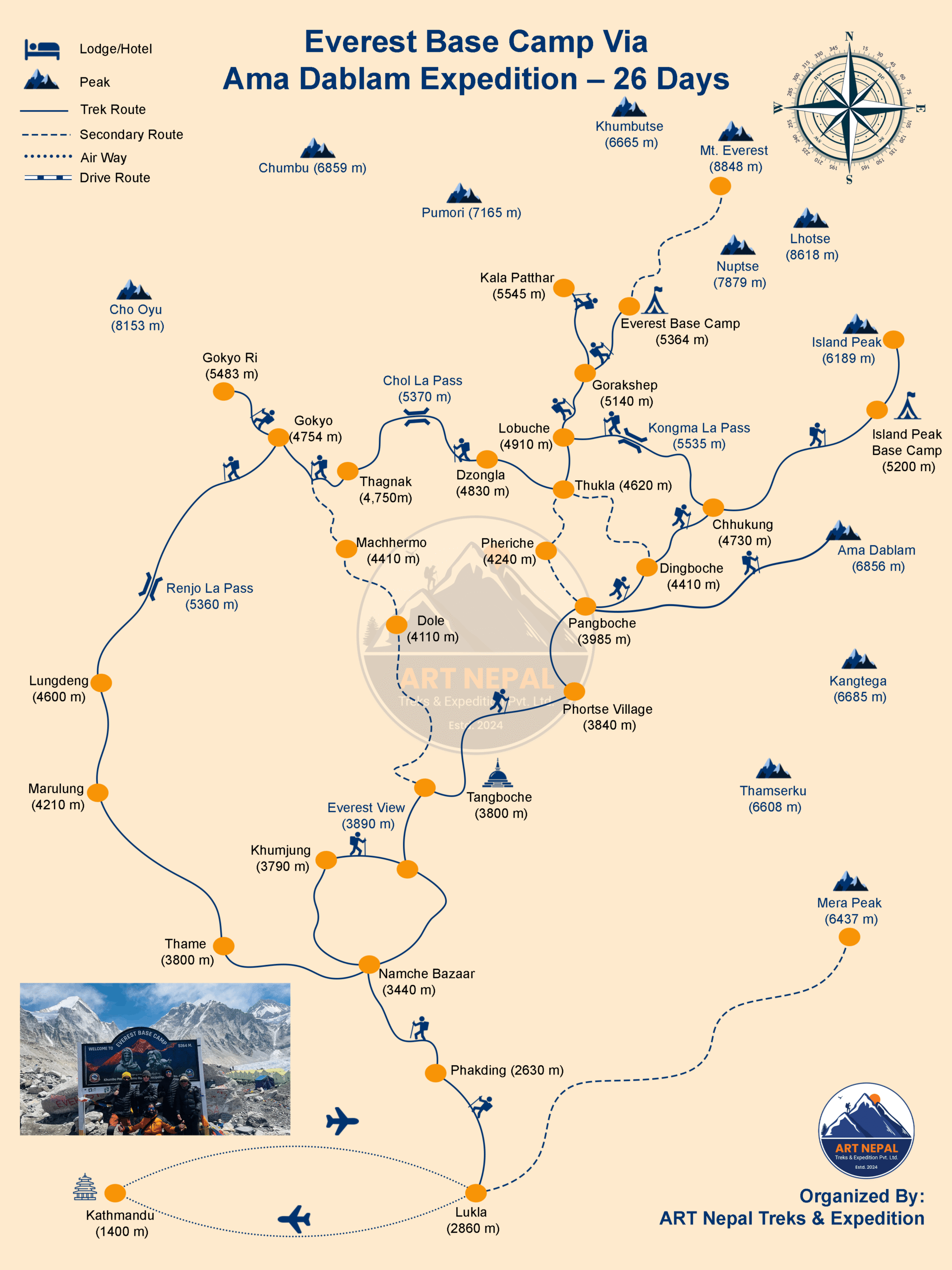
Hotel in KathmanduRoute Map
What's Included
- Airport transfers in Kathmandu.
- Hotel accommodation in Kathmandu before and after the trek.
- Domestic flight from Kathmandu to Lukla and return.
- All required permits: Sagarmatha National Park Permit, Trekking Permit, and Climbing Permit for Ama Dablam.
- Full-board meals during the trek and climbing phases (breakfast, lunch, dinner).
- Tea house or tent accommodations depending on location and expedition phase.
- Experienced mountain guides and Sherpas to assist with climbing and safety.
- Support staff for setting up camps, route preparation, and logistics.
- High-quality climbing equipment provided during technical sections (ropes, fixed lines, ladders).
- Group camping gear including tents, dining arrangements, and communal areas at base and higher camps.
- First aid kit and emergency response protocols.
What's Excluded
- International flights to and from Kathmandu.
- Personal trekking or climbing gear not provided by the expedition.
- Travel insurance, including emergency evacuation.
- Optional hotel upgrades in Kathmandu.
- Drinks, snacks, and personal purchases along the trek.
- Tips for guides and support staff (highly recommended).
- Porters: Optional, though recommended for carrying heavy luggage ($22 per porter per day), a porter can carry up to 20 kg. It is advisable to hire one porter for every two trekkers for comfort and convenience.
Essential Info
Add-Ons
While the primary focus of the expedition is Everest Base Camp and Ama Dablam, ART Nepal Treks & Expedition offers a wide range of optional add-ons designed to enhance your Himalayan adventure. These add-ons provide opportunities to explore remote villages, take scenic flights, or enjoy unique cultural and natural experiences beyond the standard itinerary. Adding these options allows climbers and trekkers to maximize their experience, immerse themselves in Sherpa culture, and create unforgettable memories in the Khumbu region.
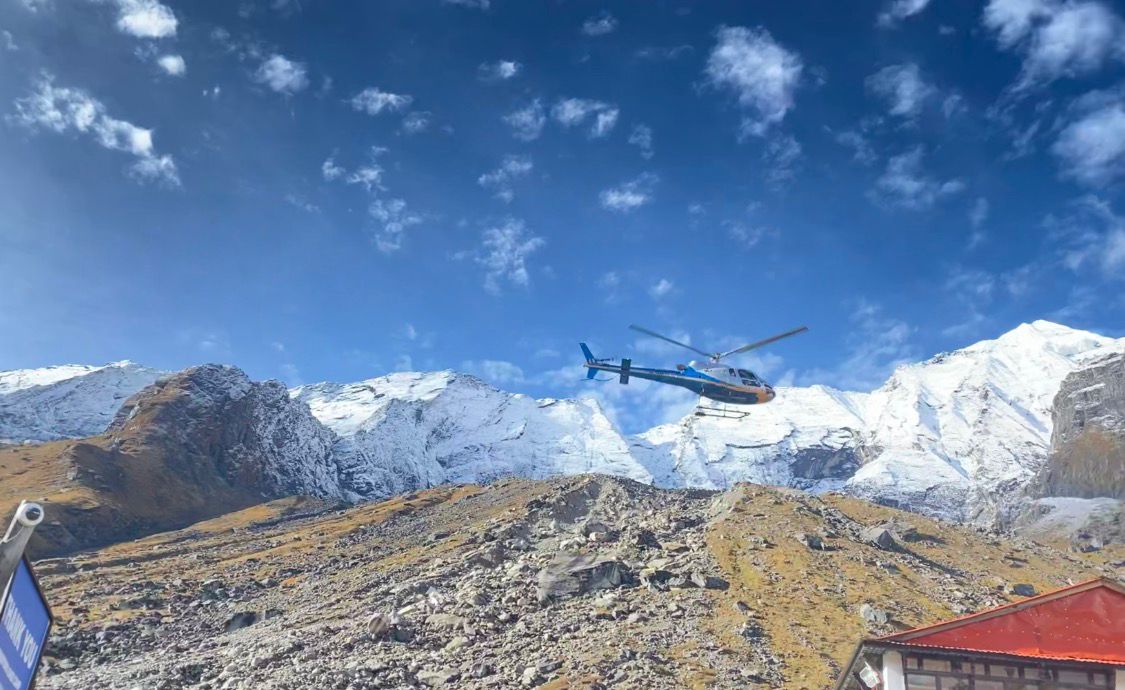
One popular add-on is a helicopter sightseeing tour around Everest and the surrounding peaks. This gives trekkers a spectacular aerial view of Everest, Lhotse, Nuptse, and Ama Dablam. It’s especially appealing for those who want a different perspective of the region or photographers seeking perfect shots of the Himalayas. The flight can also be used as a safety option, allowing emergency evacuation or returning to Kathmandu quickly in case of weather delays or health issues. Helicopter rides can range from 20 minutes to 1 hour, depending on the route chosen, and can be combined with a short landing at Everest Base Camp for a once-in-a-lifetime photo opportunity.
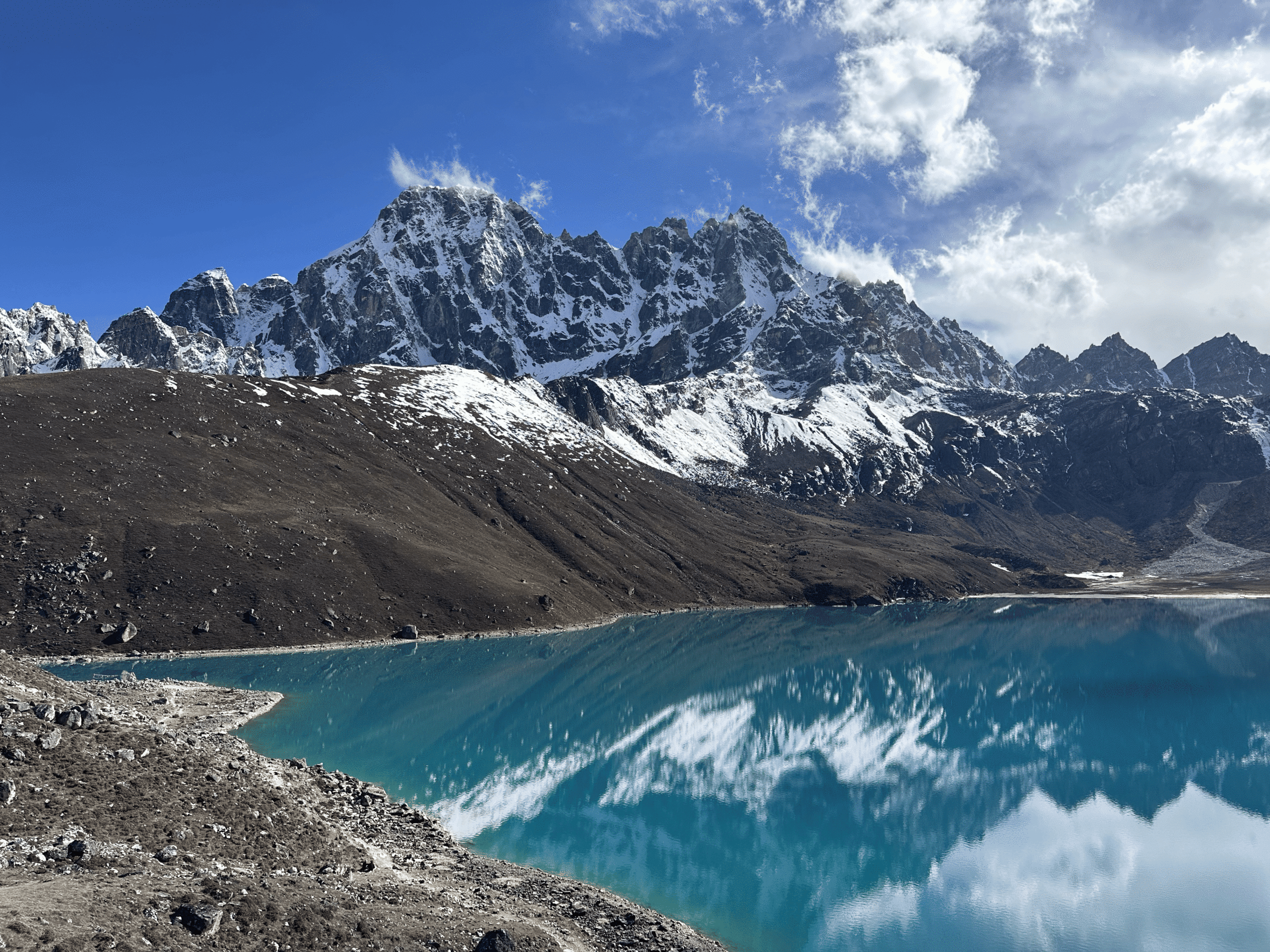
Another recommended add-on is extended trekking to nearby villages and highland areas. For example, after visiting Everest Base Camp, climbers can trek to Gokyo Lakes, a series of glacial lakes offering incredible turquoise waters with Ama Dablam, Cho Oyu, and the Ngozumpa Glacier in the background. Villages like Khumjung, Kunde, or Phortse allow trekkers to explore Sherpa homes, monasteries, and traditional festivals, gaining insights into Himalayan culture. These treks usually add 3–5 days to your expedition but are worth it for their scenic beauty and cultural exposure.
For adventurers interested in further technical practice, ART Nepal Treks & Expedition provides icefall training and short climbing peaks as add-ons. These sessions focus on skills such as rope work, ladder crossings, glacier navigation, and crampon techniques, preparing climbers for more challenging summits. Small trekking peaks near Ama Dablam, like Chhukung Ri or Island Peak approaches, can be included as training climbs, giving participants an opportunity to test endurance and acclimatization in a real alpine environment.
Finally, there are cultural and travel add-ons, which include visiting Tengboche Monastery, exploring the Namche Bazaar market, or trekking to hidden high-altitude villages. These experiences provide a balance between adventure and cultural immersion, allowing climbers to connect with local traditions while enjoying stunning Himalayan vistas. Some travelers also extend their stay in Nepal to visit Pokhara, Annapurna, or Lumbini, creating a multi-region Himalayan adventure that complements the main expedition.
While the core expedition focuses on Everest Base Camp and Ama Dablam, ART Nepal Treks & Expedition offers several optional add-ons for travelers who want to extend their experience or explore the region further:
- Helicopter Sightseeing: A scenic helicopter ride around Everest provides a unique perspective of the Khumbu region, including panoramic views of Lhotse, Makalu, and Ama Dablam. This is perfect for photography enthusiasts or climbers looking for a once-in-a-lifetime experience.
- Extended Trekking: Add additional days to explore villages like Khumjung, Kunde, or Gokyo, offering serene lakes, remote monasteries, and less crowded trails.
- Cultural Tours: Explore Namche Bazaar, Tengboche Monastery, and Pangboche village to learn about Sherpa traditions, local festivals, and Himalayan lifestyle.
- Adventure Excursions: Visit Icefall Training Areas or do short climbs on nearby trekking peaks to improve technical skills.
- Travel Add-On: Some climbers choose to combine this expedition with a Lakes or Annapurna region trek after returning to Kathmandu, turning the journey into a multi-region Himalayan adventure.
Best Season to Trek
Choosing the right season for the Everest Base Camp + Ama Dablam expedition is crucial for safety, visibility, and overall enjoyment. The Khumbu region experiences two primary trekking seasons: Spring (March–May) and Autumn (September–November). Each season offers unique advantages, including clear skies, moderate temperatures, and the best chance to witness panoramic Himalayan views. ART Nepal Treks & Expedition recommends these periods for climbers of all skill levels, from experienced mountaineers to high-altitude trekkers looking for a combination of trekking and summit experiences.
Spring (March–May)
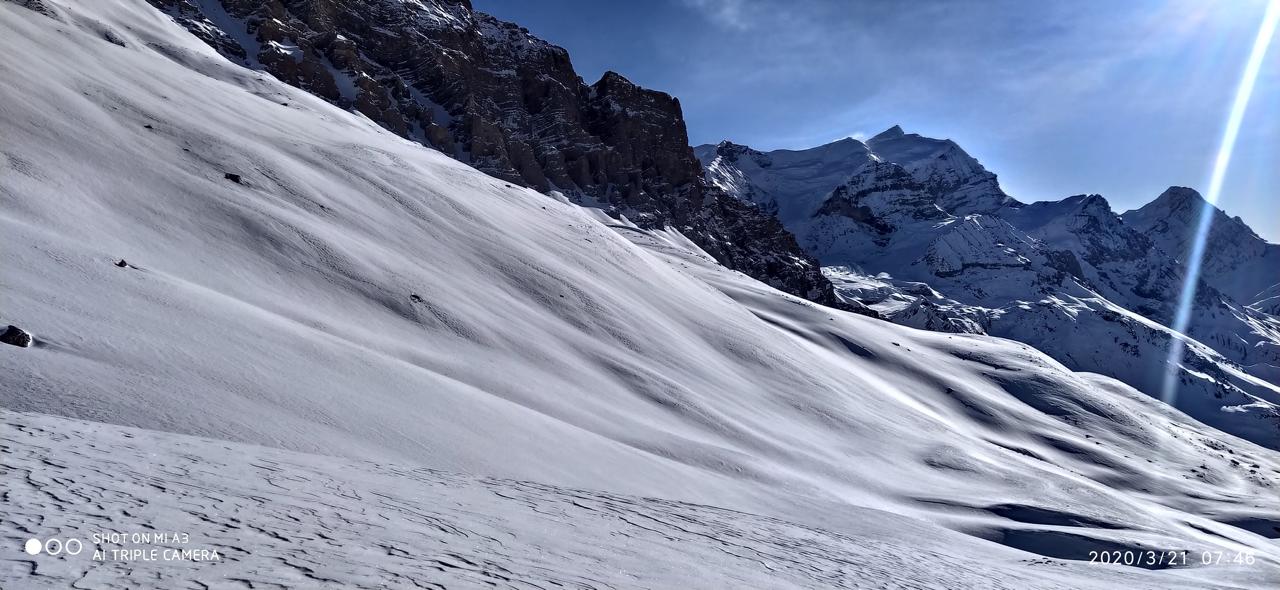
Spring is considered the prime climbing and trekking season. During this time, the snow from winter begins to melt, exposing stable climbing routes and trekking paths. The temperatures are moderate, with daytime highs in the trekking areas around 10–15°C and nights slightly below freezing at higher altitudes. Spring is also famous for the blooming of rhododendrons and other alpine flowers, creating colorful landscapes along trails from Namche Bazaar to Dingboche and beyond. This season offers excellent visibility, making it ideal for photography and scenic views of Everest, Ama Dablam, Lhotse, and other peaks. Spring is also favored for Ama Dablam climbing as the snow conditions are generally stable, making technical sections safer.
Autumn (September–November)
Autumn is another highly recommended season for Everest Base Camp and Ama Dablam. After the monsoon season ends in August, the trails are clean, dust-free, and the skies are typically clear for weeks, offering breathtaking panoramic views of the Himalayas. Temperatures are slightly cooler than in spring, which is beneficial for technical climbing since the snow and ice on Ama Dablam tend to be firmer and more secure. Autumn is also a time when local festivals and cultural activities are visible in villages like Namche Bazaar, Tengboche, and Pangboche, providing trekkers with an immersive experience. The risk of heavy snow or avalanches is lower compared to winter, making it a safe season for climbers and trekkers.
Winter (December–February)
Winter trekking is more challenging but rewarding for experienced adventurers. The region sees fewer tourists, which means quieter trails and less crowded campsites. However, temperatures can drop drastically, sometimes reaching -20°C at higher elevations, and snowstorms may occur unexpectedly. Summit attempts on Ama Dablam are riskier during winter due to ice formation and stronger winds. Despite the challenges, winter offers unique opportunities to witness snow-covered peaks in pristine conditions, and trekkers who are well-prepared with winter gear can enjoy a serene, off-the-beaten-path experience.
Monsoon (June–August)
The monsoon season is generally not recommended for the Everest Base Camp and Ama Dablam expedition. Heavy rainfall can lead to slippery trails, increased risk of landslides, and poor visibility of the mountains. Climbing Ama Dablam during this season is particularly dangerous due to wet snow, icefall instability, and the risk of avalanches. However, the monsoon transforms the lower valleys into lush green landscapes, and for those who do not plan on summiting, short treks in the lower Khumbu or surrounding regions can still be enjoyable.
Facts:
- Spring (March–May): Best for blooming rhododendrons, moderate temperatures, stable climbing conditions.
- Autumn (September–November): Clear skies, firm snow for climbing, cultural festivals.
- Winter (December–February): Quieter trails, cold temperatures, riskier climbing conditions.
- Monsoon (June–August): Not recommended for summit attempts; lower valley treks possible.
- Peak Climbing Window: Spring and Autumn for optimal summit success and safety.
- Best Visibility: Post-monsoon (Autumn) offers the clearest Himalayan views.
Food Availability
During the Everest Base Camp and Ama Dablam expedition, trekkers and climbers are well-supported with a variety of food options along the route. In the lower Khumbu region, villages like Namche Bazaar, Phakding, and Tengboche have tea houses and lodges offering Nepali staples such as dal bhat (rice and lentils), momo (dumplings), and noodle soups. These meals provide adequate carbohydrates and proteins to sustain energy levels during moderate trekking days. Hot drinks such as tea, coffee, and hot chocolate are widely available, which is essential for staying warm at high altitudes.
As you ascend to higher elevations, especially above Dingboche and Lobuche, the availability of fresh ingredients decreases. Tea houses and base camps often rely on freeze-dried, canned, or packaged foods. Meals here include oatmeal, pasta, rice dishes, and instant noodles. On climbing days toward Ama Dablam, high-energy foods such as chocolate, nuts, protein bars, and energy gels become vital. ART Nepal Treks & Expedition ensures that climbers have access to balanced meals, keeping in mind the caloric demands of high-altitude trekking and technical climbing.
Trekkers should also be aware that water availability is limited at higher camps, and drinking only bottled or boiled water is recommended to avoid altitude-related illnesses. Hydration is critical, and guides often advise consuming at least 3–4 liters of water per day at high elevations. The combination of proper meals, high-energy snacks, and consistent hydration ensures trekkers maintain stamina for both trekking and summit attempts.
Facts:
- Lower elevations (Namche, Phakding): Fresh meals, local Nepali cuisine, hot drinks.
- Higher elevations (Dingboche, Lobuche, Base Camps): Freeze-dried, packaged, and high-energy meals.
- Summit & high camps: Focus on lightweight, high-calorie foods (chocolate, nuts, protein bars).
- Water: Bottled, boiled, or treated water essential at high altitude.
- Caloric intake: Trekkers need 3,000–4,000 kcal per day for strenuous activity.
Accommodation
Accommodation along the Everest Base Camp trek is comfortable and secure in lower villages. Namche Bazaar, Tengboche, Dingboche, and other settlements provide tea houses with private or shared rooms, blankets, hot showers (with extra charge), and small lounges for relaxation. Most tea houses also provide charging points for electronics. ART Nepal Treks & Expedition ensures that climbers are placed in reliable lodges with adequate sanitation and heating facilities.
At higher camps and Ama Dablam base camps, accommodation shifts to tented camps designed for high-altitude conditions. Climbers sleep in insulated tents with thermal sleeping bags provided by the agency. During climbing rotations, climbers often sleep in expedition tents on snow or rocky terrain, requiring proper acclimatization and cold-weather gear. Guides ensure tents are securely anchored and protected from wind or avalanche-prone slopes. Staying in these tents allows climbers to rest efficiently and recover for challenging summit pushes.
For climbers who prefer more comfort, some high camps offer heated mess tents with communal seating, where meals are served and climbers can socialize. Maintaining cleanliness is essential, as high-altitude environments are delicate. ART Nepal Treks & Expedition provides sanitation solutions and ensures trash is managed responsibly.
Facts:
- Lower villages: Tea houses with private/shared rooms, blankets, showers (extra), charging points.
- High camps/Base Camps: Insulated expedition tents, thermal sleeping bags, secure setup.
- Summit rotations: High-altitude tents with wind and snow protection.
- Mess tents: Heated tents for communal meals and rest.
- Cleanliness: Guides enforce proper sanitation and waste management.
Travel Insurance
Travel insurance is mandatory for any Everest Base Camp and Ama Dablam expedition. Given the high altitude, technical climbing, and remote locations, insurance must cover emergency evacuation, helicopter rescue, medical treatment for altitude sickness, and trip cancellations. ART Nepal Treks & Expedition recommends that travelers purchase insurance before arriving in Nepal and confirm coverage for high-altitude trekking and mountaineering activities.
Insurance also provides financial security in case of injuries or illness. Helicopter evacuations from Ama Dablam Base Camp or higher can cost $3,000–$5,000 or more, making comprehensive insurance essential. Many insurance providers now include winter sports or mountaineering coverage, which is suitable for Ama Dablam climbing. Before departure, climbers should carry digital and printed copies of insurance documents to ensure smooth handling in emergencies.
In addition to rescue coverage, travel insurance often covers loss of luggage, gear, or personal items. Given the long duration of the expedition (26+ days), insurance mitigates the financial risk of lost or delayed items, medical emergencies, or unexpected trip changes. Guides and the agency staff always check that all clients have valid insurance before starting the trek and summit rotation.
Facts:
- Mandatory coverage: High-altitude trekking, mountaineering, emergency evacuation.
- Cost of helicopter evacuation: $3,000–$5,000 per trip.
- Other coverage: Medical treatment, trip cancellation, lost luggage/gear.
- ART Nepal Treks & Expedition ensures all trekkers carry valid insurance.
- Documentation: Digital & printed copies required for emergencies.
Altitude Sickness
Altitude sickness is one of the biggest challenges for Everest Base Camp and Ama Dablam climbers. Symptoms include headaches, nausea, dizziness, shortness of breath, and fatigue. Proper acclimatization is crucial, and ART Nepal Treks & Expedition structures the itinerary to gradually increase sleeping elevations, allowing the body to adjust to lower oxygen levels. Acclimatization hikes, rest days, and hydration are integral to minimizing risks.
Climbers are encouraged to monitor their oxygen levels using pulse oximeters and report any symptoms immediately. Guides are trained to recognize severe conditions such as High Altitude Pulmonary Edema (HAPE) and High Altitude Cerebral Edema (HACE), which require urgent descent and medical attention. Medication like acetazolamide (Diamox) can aid acclimatization but should only be used under medical advice.
Preventive measures also include maintaining a slow pace, avoiding alcohol, and frequent water intake. Summit days are planned after thorough acclimatization rotations to reduce risk, and ART Nepal Treks & Expedition always prioritizes safety over summit success. Climbers who develop serious symptoms are advised to descend immediately, even if it means missing a summit attempt.
Facts:
- Common symptoms: Headache, nausea, dizziness, fatigue, shortness of breath.
- Severe conditions: HAPE (lung fluid), HACE (brain swelling).
- Monitoring: Pulse oximeter, frequent check-ins with guides.
- Prevention: Slow pace, hydration, rest days, avoid alcohol.
- Medication: Diamox only under doctor’s guidance.
Guide and Safety Measures
Safety is the top priority for Everest Base Camp and Ama Dablam expeditions. ART Nepal Treks & Expedition provides experienced local guides and certified climbing instructors familiar with Himalayan terrain. Guides are trained in mountaineering skills, first aid, avalanche assessment, and high-altitude rescue techniques. They manage route planning, weather monitoring, and camp safety to ensure every client is well-supported.
Climbers receive daily briefings on weather, trail conditions, and technical climbing sections. Guides also manage ropes, ladders, and safety gear during Ama Dablam rotations. Each expedition includes staff for cooking, camp setup, and logistics, allowing climbers to focus on trekking and climbing safely. Communication devices and satellite phones are often used for emergency coordination, especially in remote high-altitude camps.
Risk management is embedded in all operations. ART Nepal Treks & Expedition has evacuation plans, backup guides, and contingency protocols. Climbers are educated on safe trekking habits, such as staying within group limits, avoiding off-trail shortcuts, and wearing appropriate gear for extreme weather. With professional guidance, safety equipment, and proactive risk mitigation, climbers can focus on achieving their summit goals responsibly.
Facts:
- Certified guides and climbing instructors for technical sections.
- Daily briefings on weather, route, and safety.
- Staff support: Cooking, camp setup, logistics.
- Emergency communication: Satellite phones, radios.
- Risk management: Evacuation plans, backup guides, contingency protocols.
Booking Procedure
Booking your Everest Base Camp + Ama Dablam expedition is a straightforward process through ART Nepal Treks & Expedition. First, clients contact the agency via email, phone, or online form to discuss travel dates, fitness levels, and special requirements. An initial consultation ensures climbers understand itinerary, difficulty, and gear requirements.
After confirming availability, clients submit a deposit to secure their spot. ART Nepal Treks & Expedition then coordinates permits, insurance verification, and local logistics, including flights to Lukla and arrangements for staff and equipment. Final payments are made prior to departure, and trekkers receive a comprehensive expedition guidebook detailing daily schedules, gear lists, and acclimatization tips.
For international travelers, ART Nepal Treks & Expedition also assists with visa support, travel insurance recommendations, and pre-trek fitness planning. Once bookings are finalized, climbers are included in a pre-departure briefing covering health precautions, emergency procedures, and cultural etiquette to ensure a safe and rewarding expedition.
Facts:
- Contact via email, phone, or online form for initial consultation.
- Deposit to secure booking, final payment prior to departure.
- Agency arranges permits, staff, flights, and equipment.
- Pre-departure briefing covers health, safety, and local culture.
- Expedition guidebook provided with itinerary, gear list, and acclimatization tips.
Equipment List
- Base layers (thermal shirts & leggings)
- Trekking pants & waterproof outer layers
- Warm fleece or down jacket
- Trekking socks and gloves
- Crampons, ice axe, climbing harness
- Helmet, climbing ropes
- Trekking poles
- Headlamp & extra batteries
- Insulated jacket for summit rotations
- Waterproof pants and jacket
- Beanie, balaclava, neck gaiter
- Personal first-aid kit
- Sunscreen, lip balm
- Hand sanitizer, wet wipes
- High-altitude medication (as prescribed)
- Camera, smartphone
- Power bank & solar charger
- Satellite phone (optional)
General Equipments
- Backpack (40–50L)
- Water bottles & hydration system
- Snacks & energy bars
- Travel documents & permits
FAQ
Trip Price
USD 8750 Per Person
Talk To Trip Expert
Related Trips