

Everest Three Passes Trek – 16 Days
Introduction
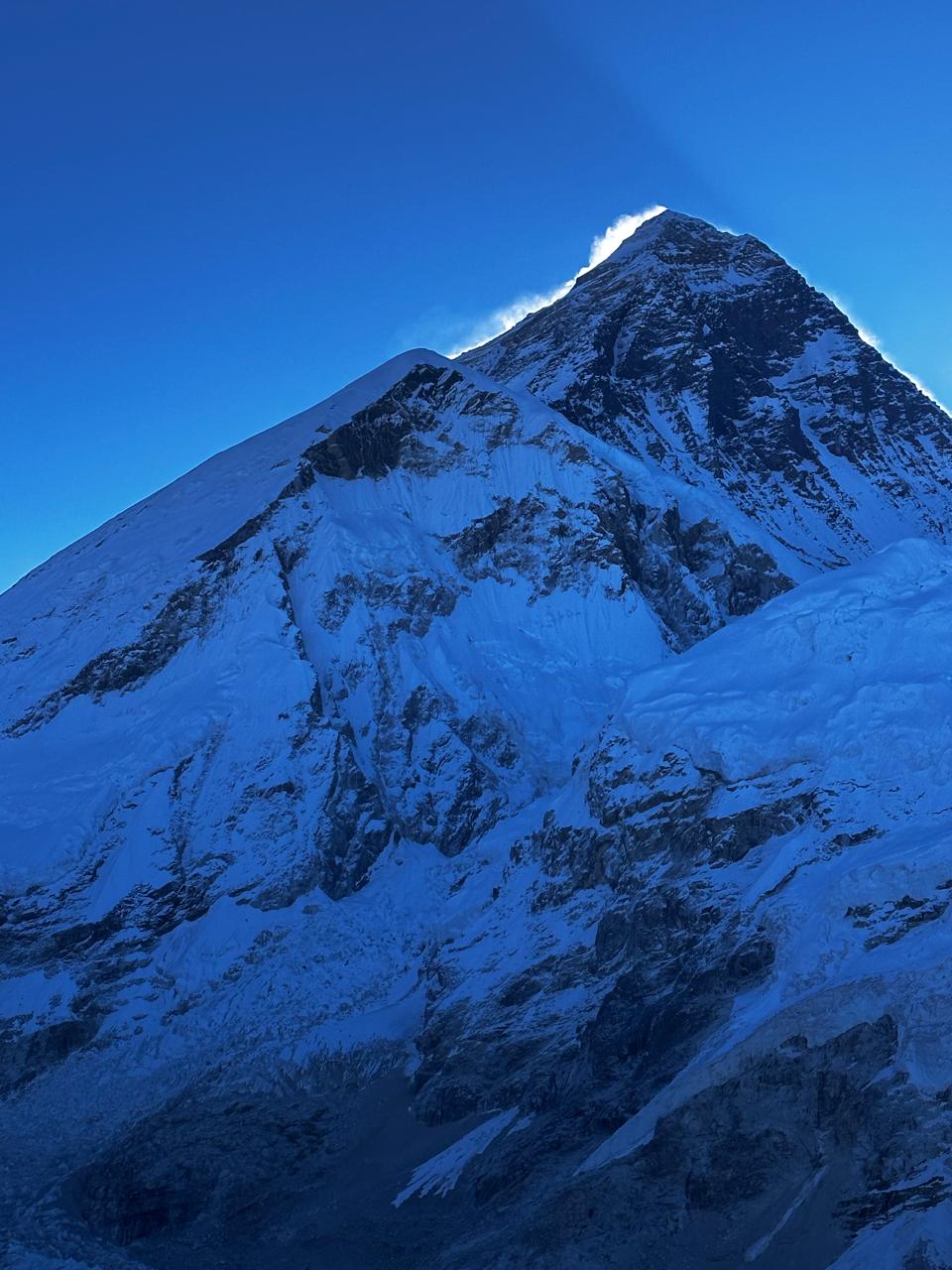
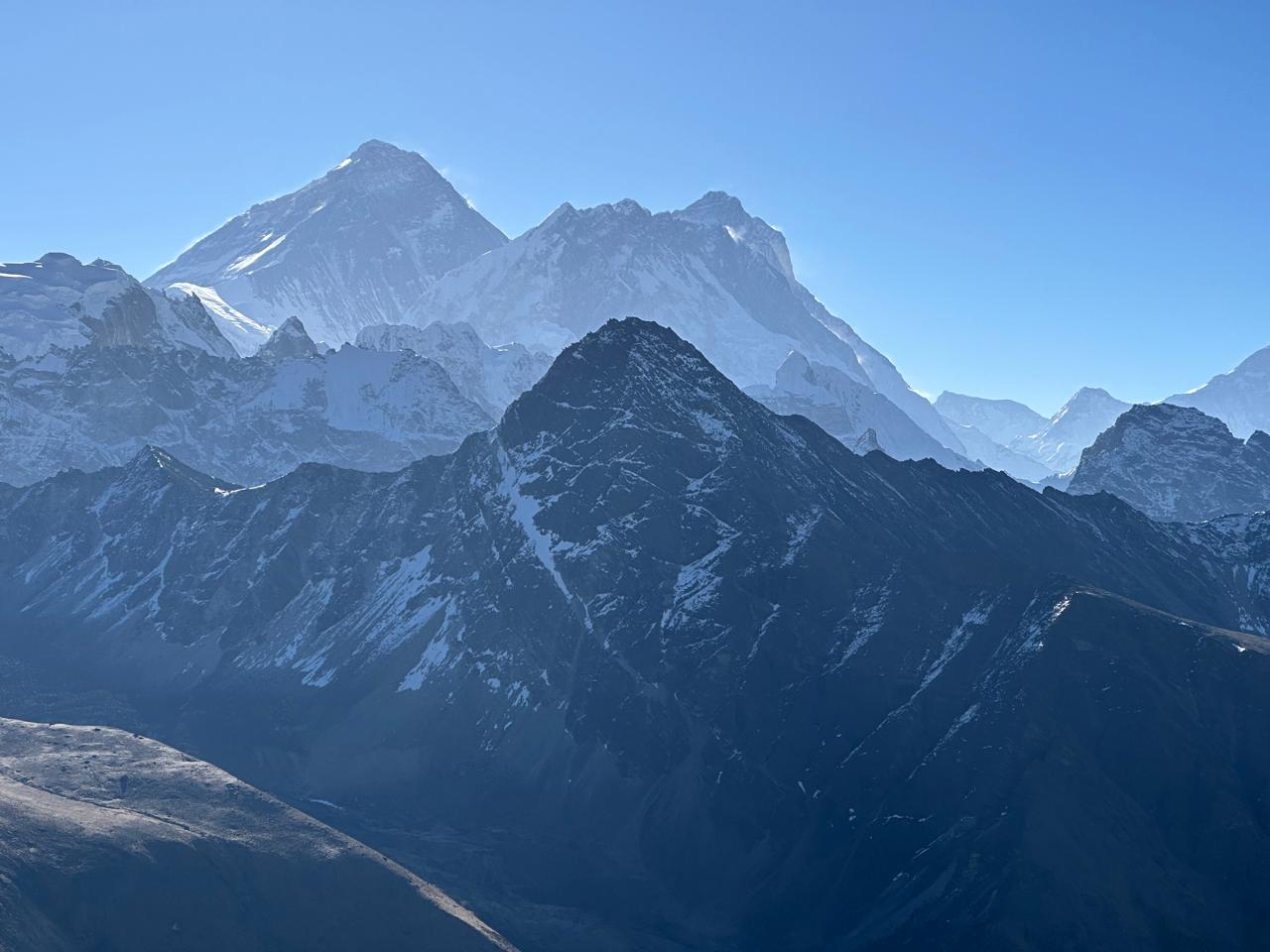
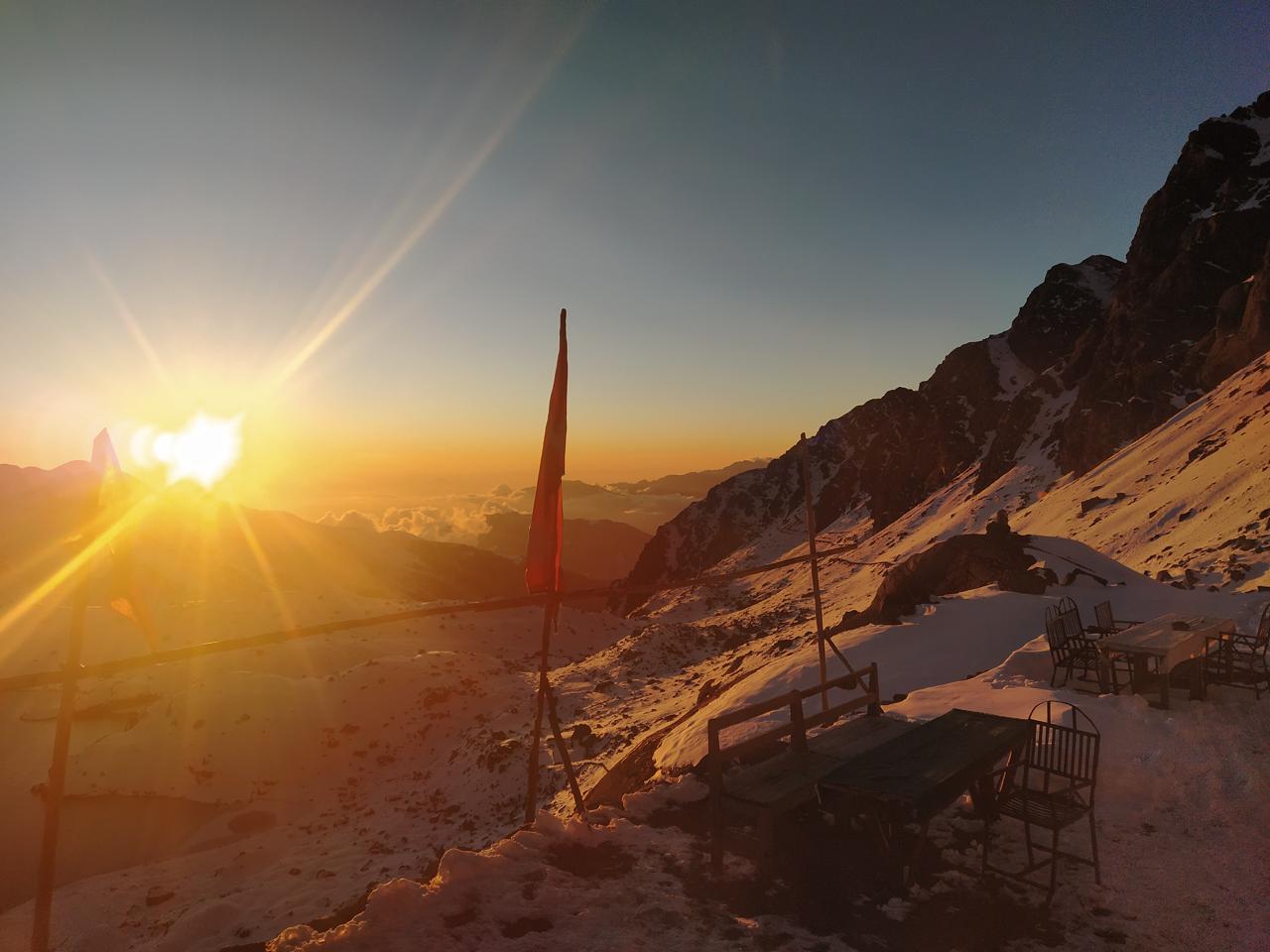
The Everest Three Passes Trek is one of the most thrilling and challenging adventures in the Himalayas. This trek is designed for experienced trekkers seeking to explore the heart of the Everest region beyond the classic routes. Covering Kongma La, Cho La, and Renjo La passes, it offers a rare opportunity to witness the grandeur of Everest, Lhotse, Nuptse, and Cho Oyu up close. Unlike the standard Everest Base Camp trek, this route takes you through less crowded paths, remote villages, and high-altitude terrains that demand both physical fitness and mental resilience. Trekkers traverse rugged ridges, glacier moraines, and serene alpine valleys, making this journey a blend of adventure, cultural exposure, and natural beauty.
Starting from Kathmandu, you fly to Lukla and enter the Sagarmatha National Park, trekking through traditional Sherpa villages such as Namche Bazaar, Tengboche, Dingboche, and Gokyo. The trail is peppered with monasteries, prayer wheels, and mani walls, giving travelers a deep insight into Buddhist culture and local traditions. Acclimatization is carefully planned with rest days in Namche and Dingboche, allowing trekkers to adjust to high altitudes before attempting the challenging passes. Each pass presents unique obstacles, including rocky ridges, icy paths, and snowfields, which make the trek both physically demanding and extraordinarily rewarding.
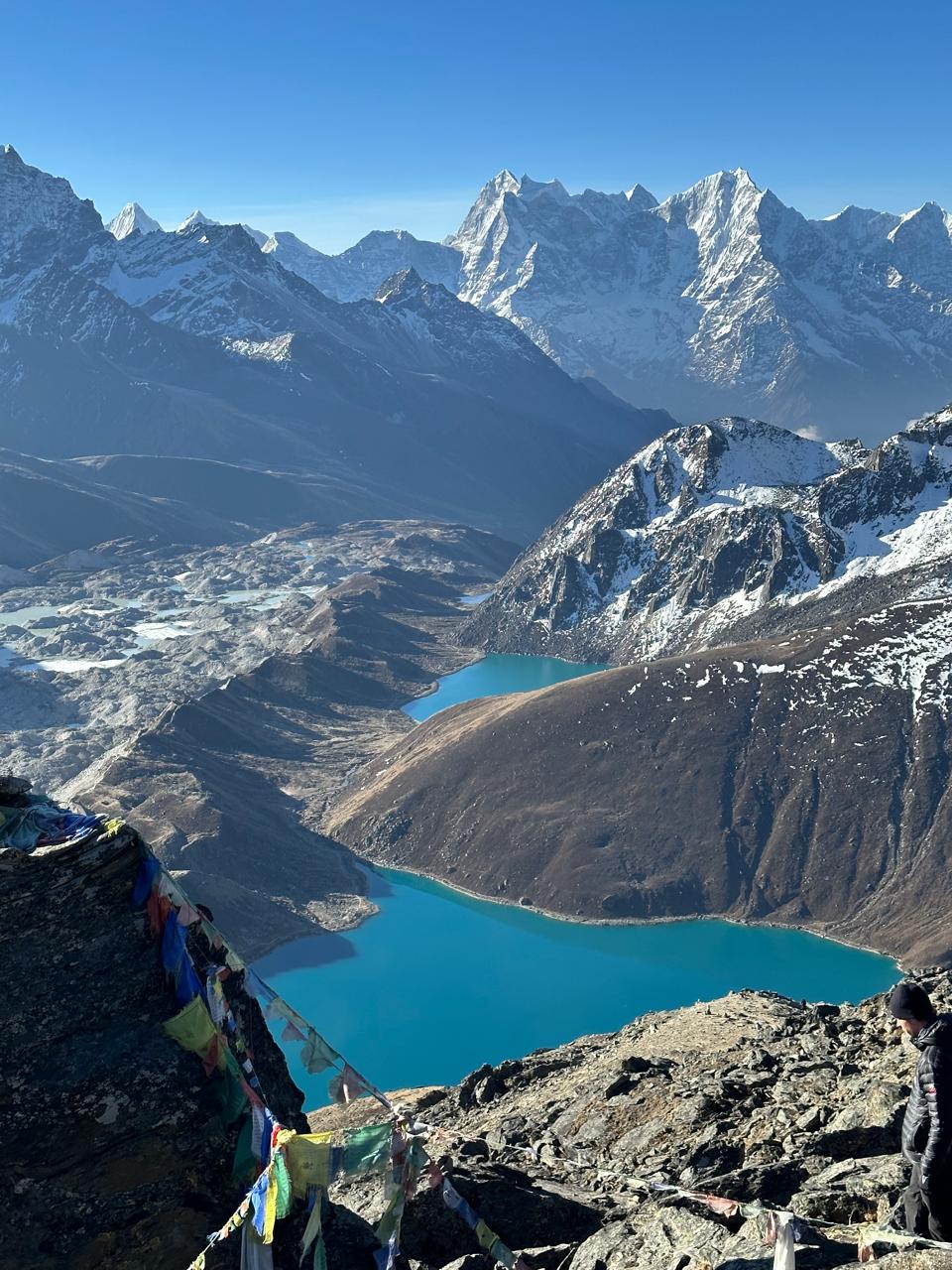
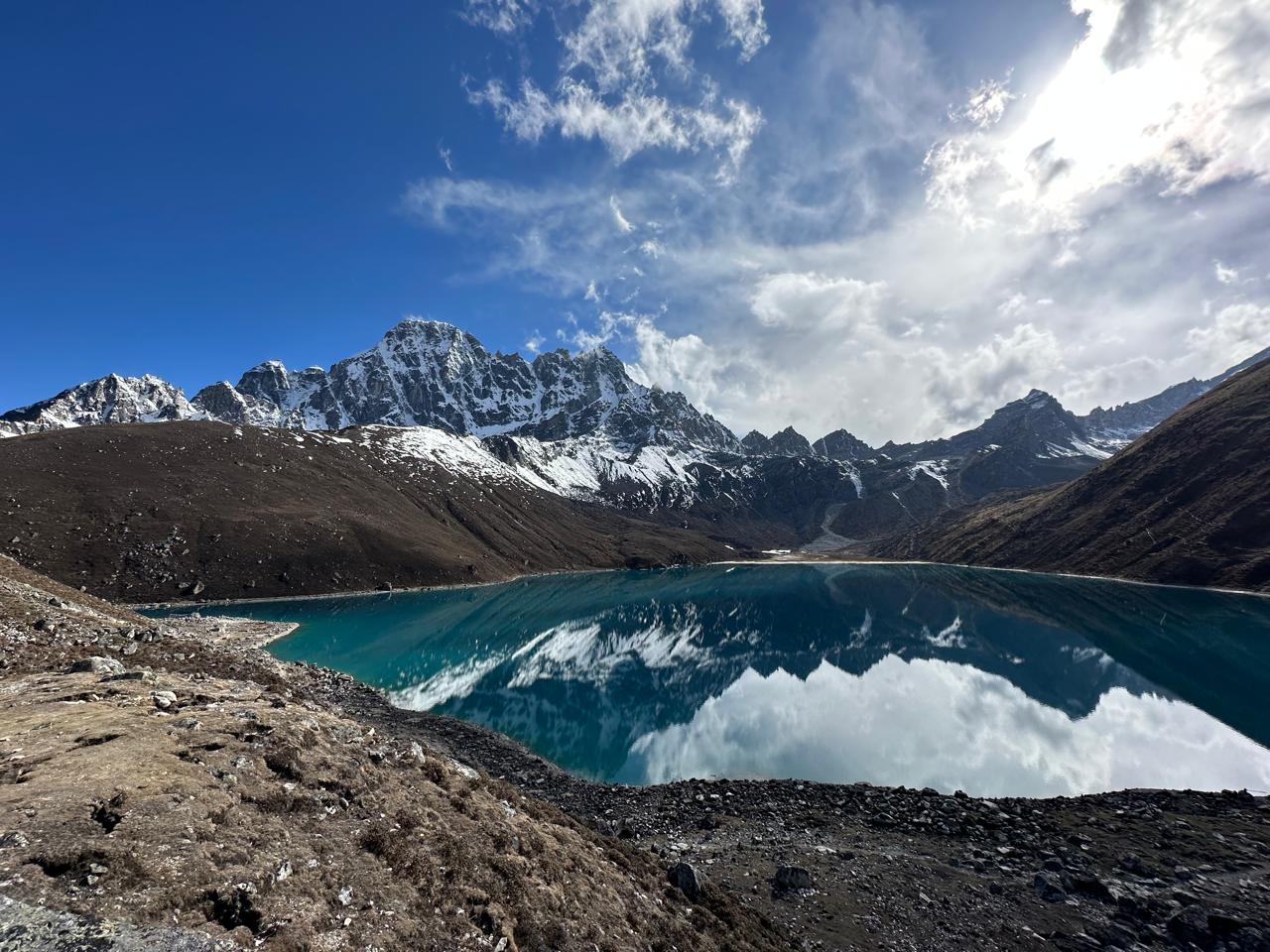
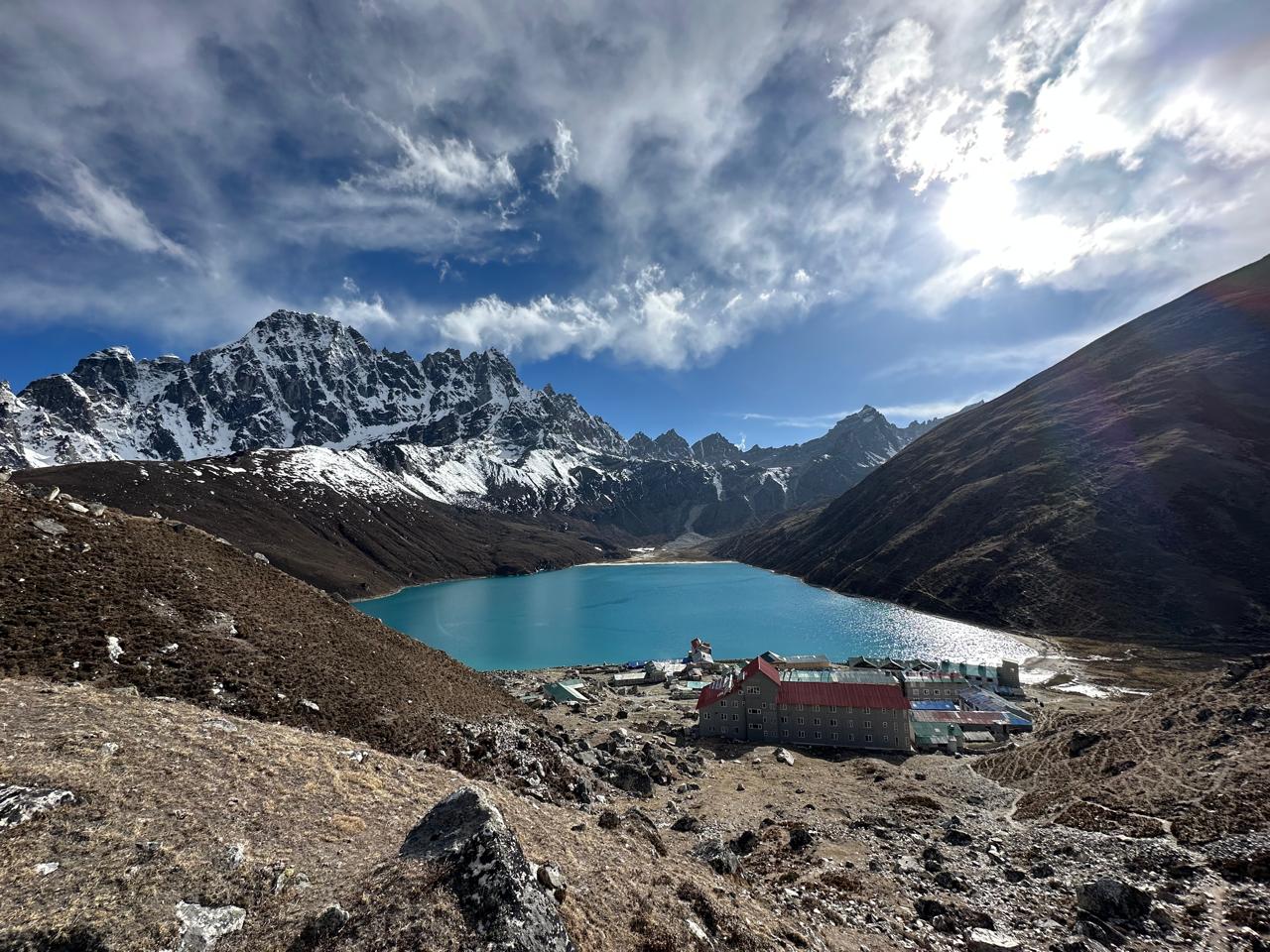
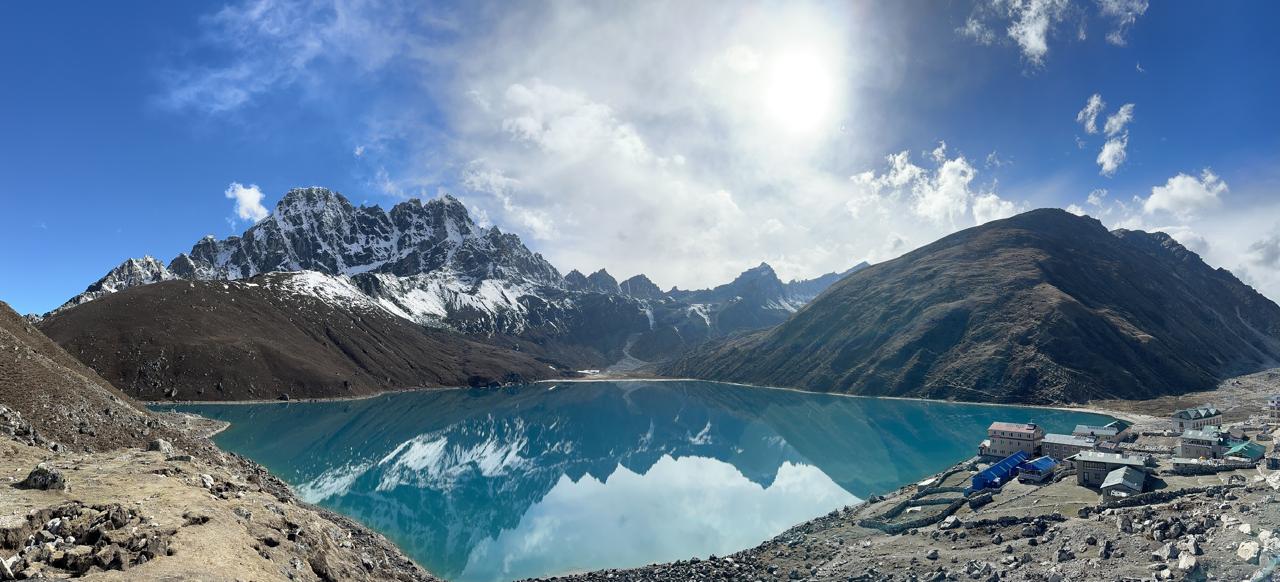
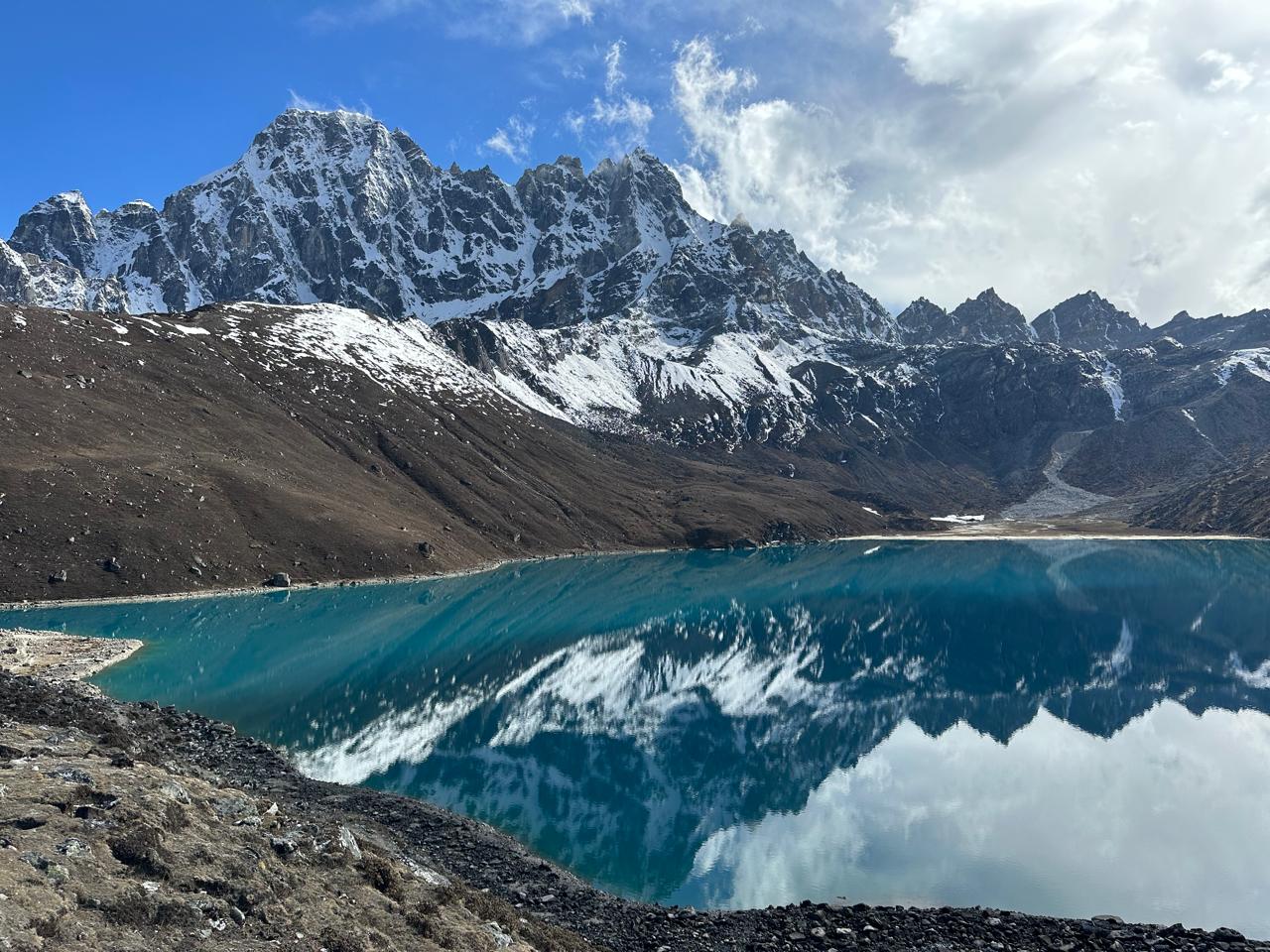
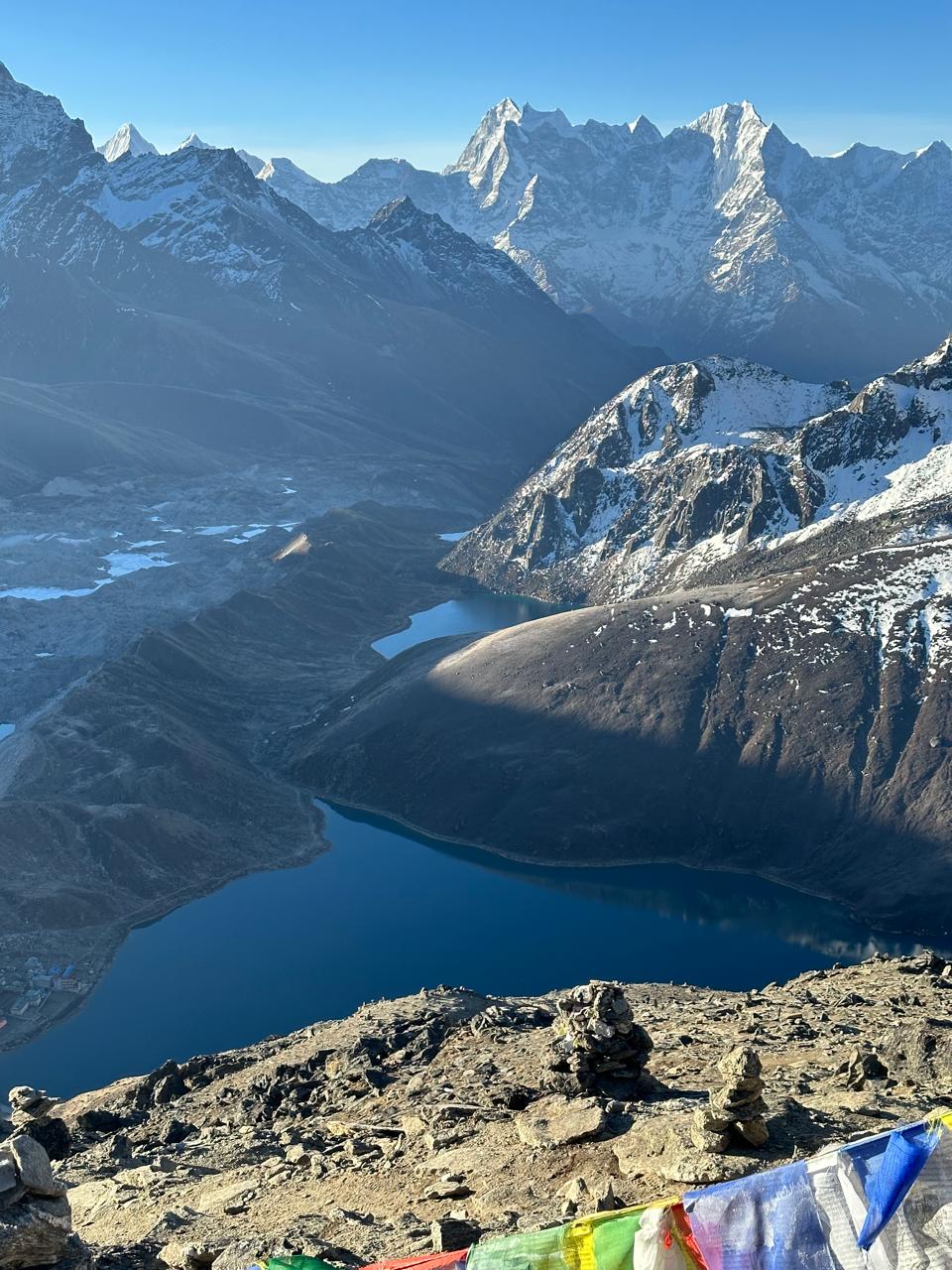
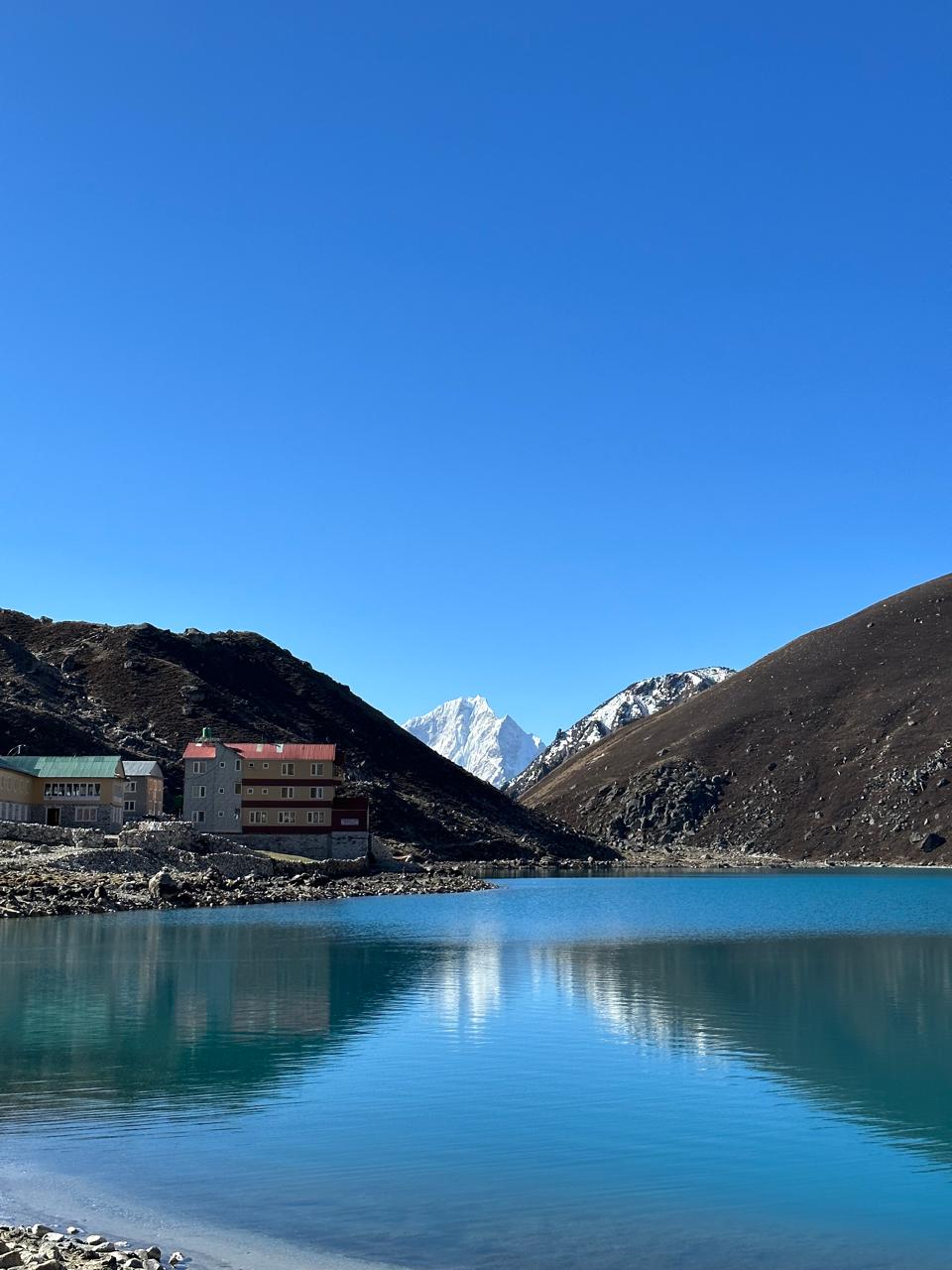
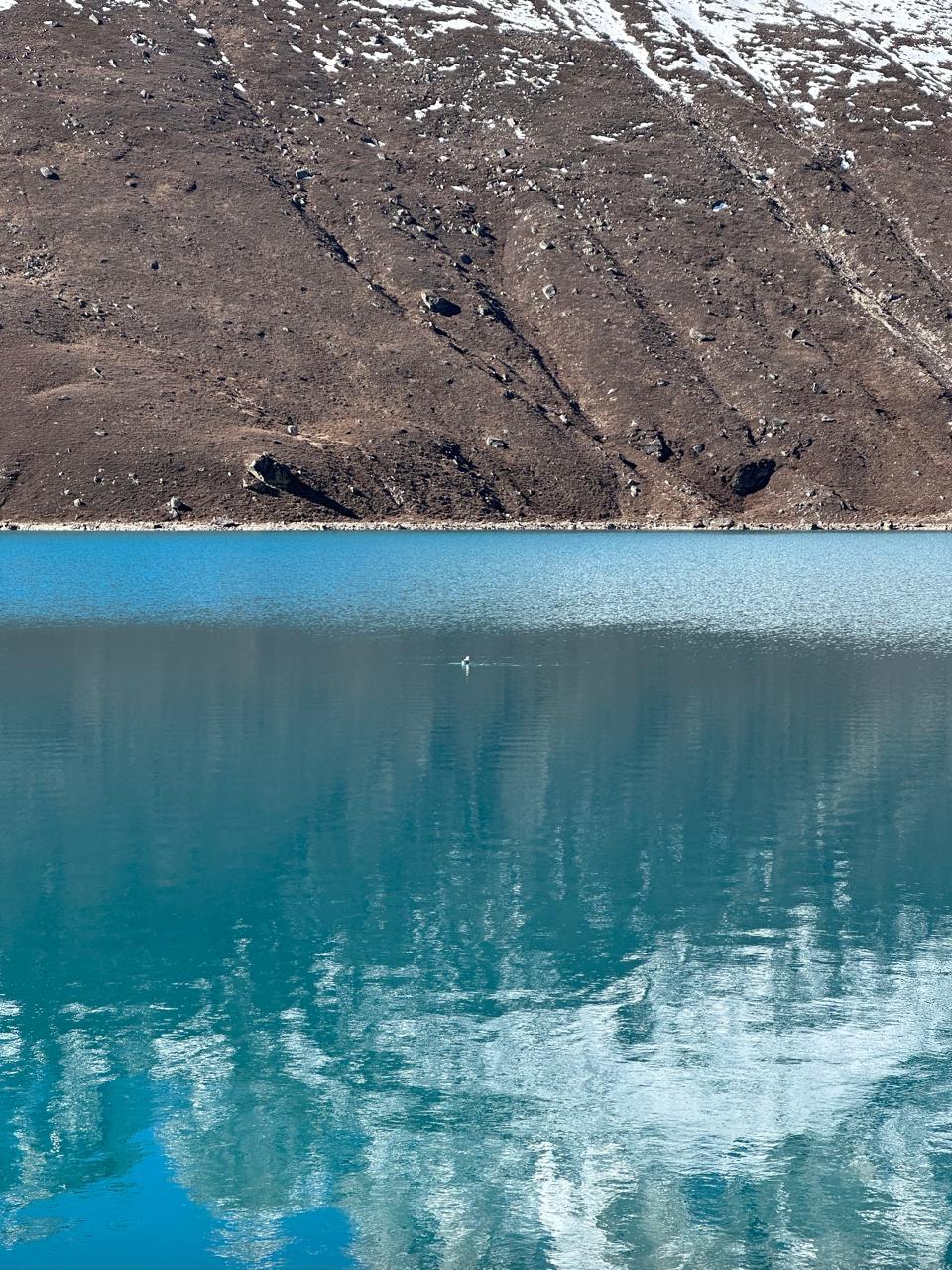
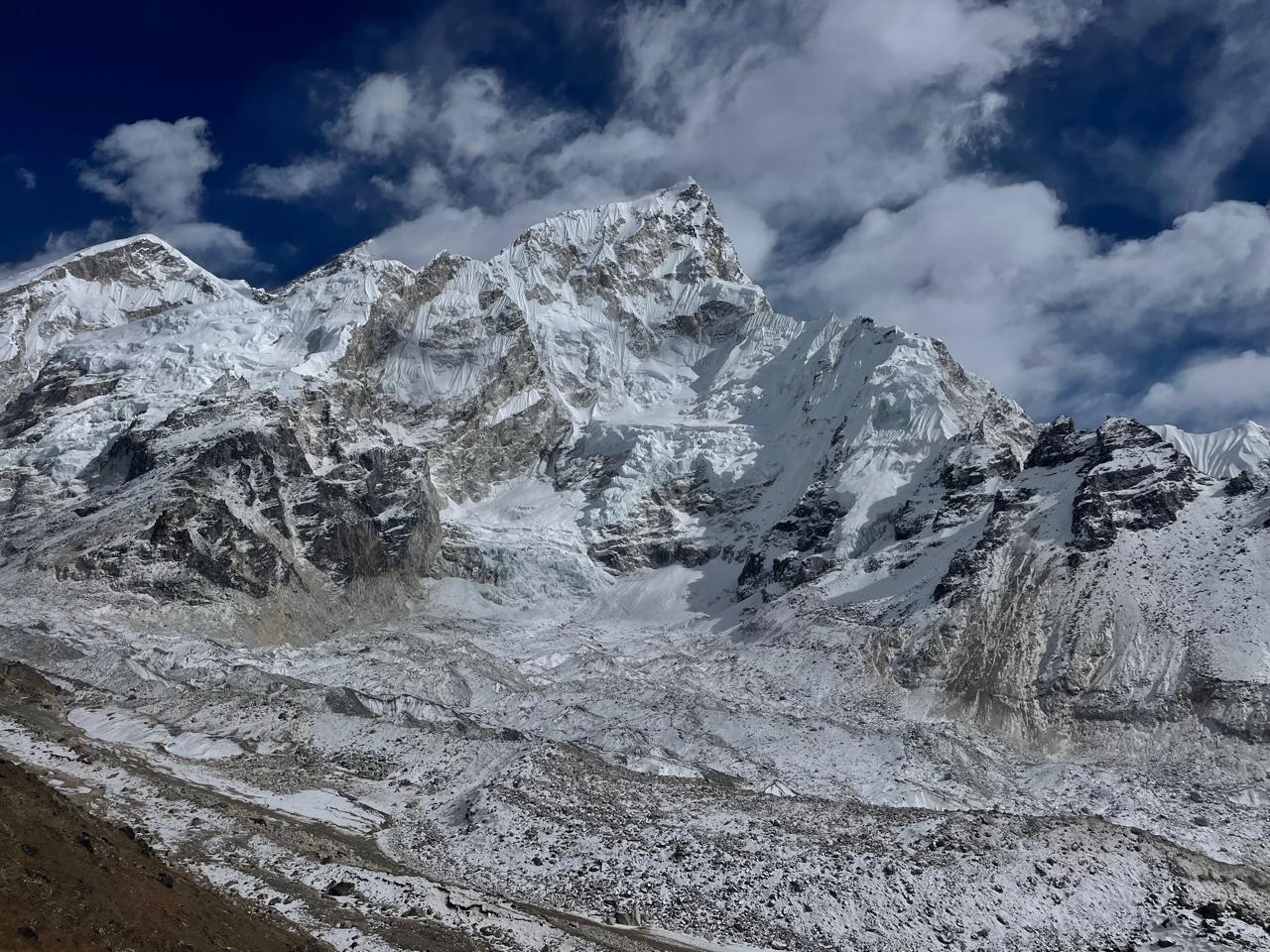
One of the most exciting sections of this trek is the visit to Gokyo Lakes and Gokyo Ri. These high-altitude lakes, turquoise and pristine, are surrounded by towering peaks, offering photographers and nature lovers unparalleled scenery. The trek also incorporates the classic Everest Base Camp experience, where trekkers witness the iconic Khumbu Icefall, Everest’s southern approach, and panoramic Himalayan vistas. The combination of three high passes and EBC makes this trek a perfect mix of adventure and exploration, ideal for those seeking both thrill and natural beauty.
Trekking this route provides a unique chance to experience the Sherpa way of life. From bustling Namche Bazaar, known as the gateway to Everest, to remote settlements like Dzongla and Lungden, travelers witness local architecture, agriculture, and festivals. Monasteries like Tengboche offer spiritual insight and a peaceful retreat amidst the mountains. Meals, lodges, and teahouses along the trail are basic but cozy, offering local cuisine and warm hospitality, adding to the immersive Himalayan experience.
Finally, this trek is a journey of personal achievement. Crossing three high passes above 5,300 meters requires determination, careful planning, and perseverance. The trek rewards trekkers with unforgettable landscapes, cultural immersion, and the satisfaction of conquering some of the most iconic trails in the world. It is suitable for those who are physically prepared, have prior trekking experience, and want to challenge themselves while enjoying the breathtaking beauty of the Everest region.
What Can You Expect from the Trek?
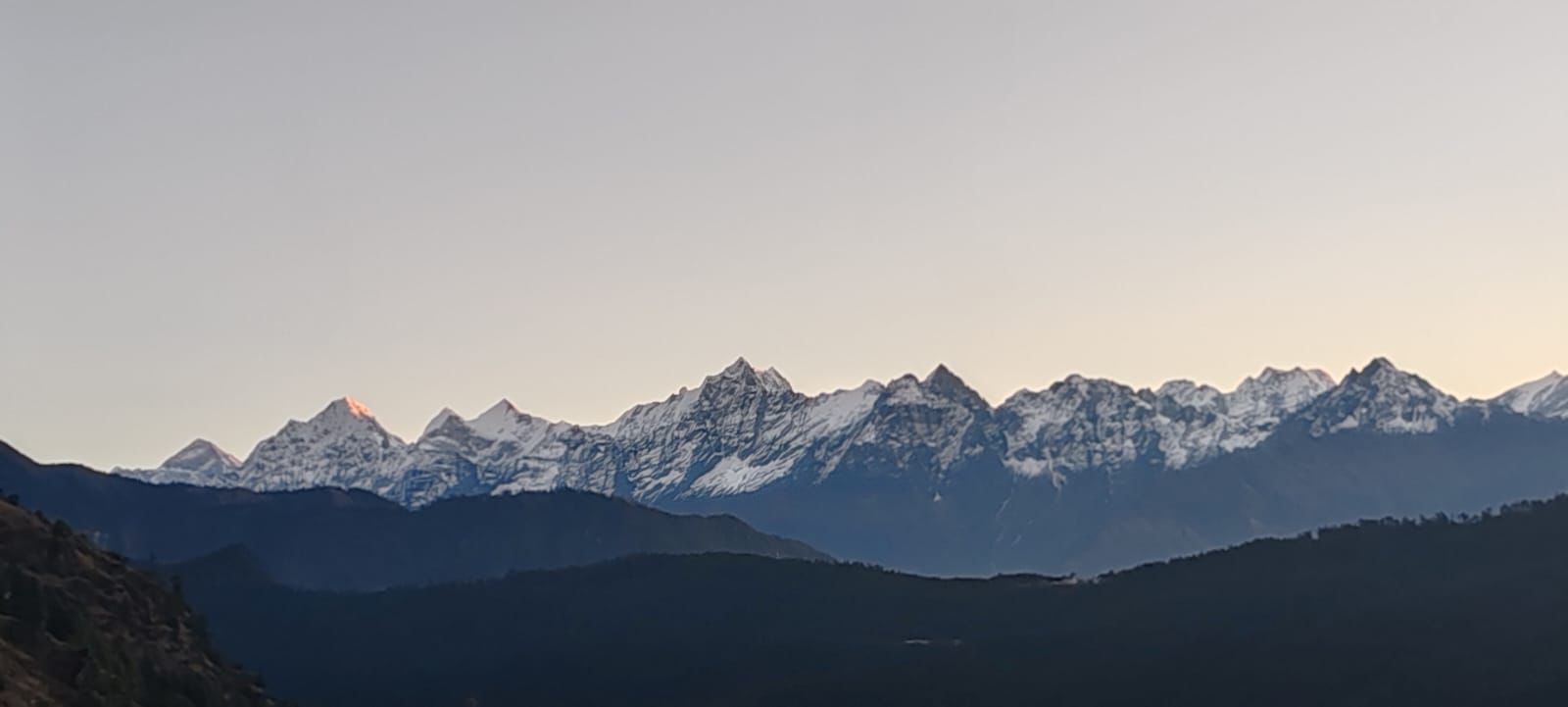
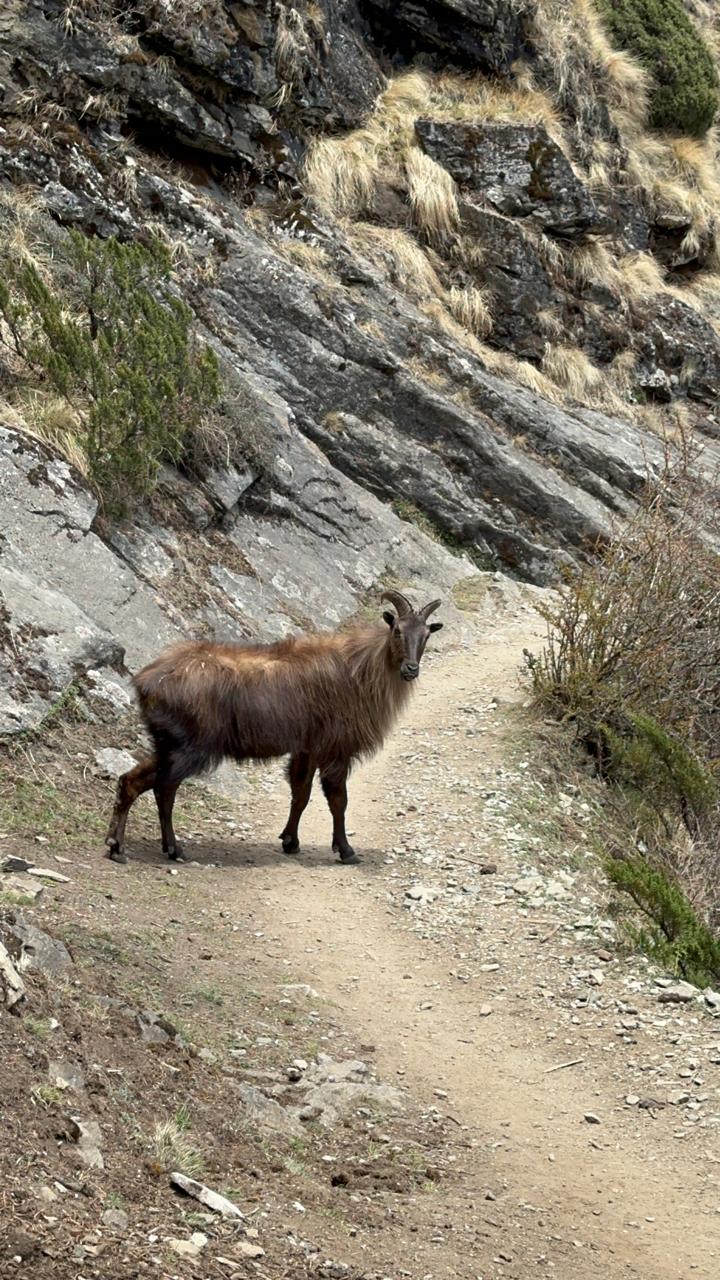
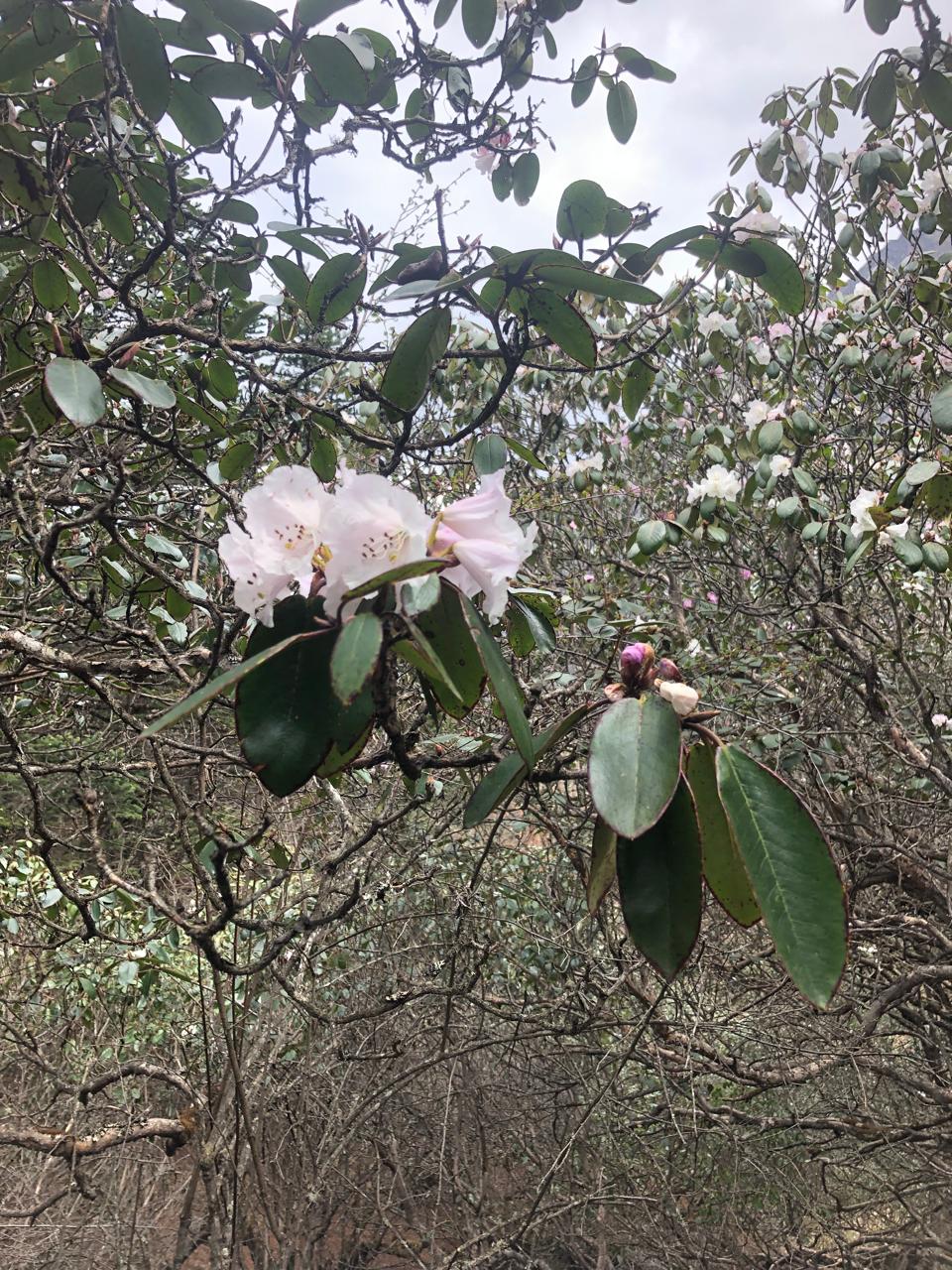
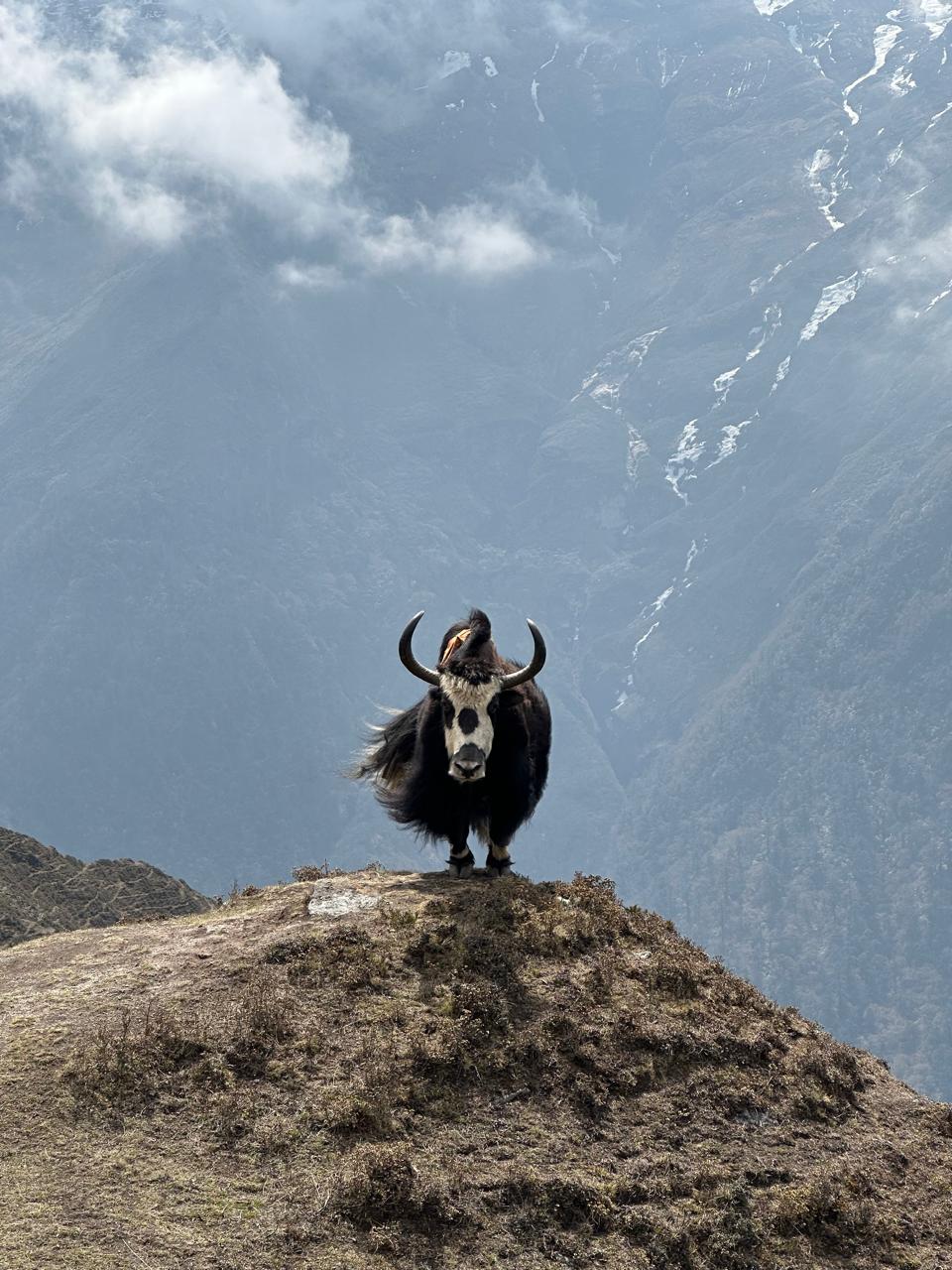
The Everest Three Passes Trek is a journey that combines high-altitude adventure with cultural immersion. Trekkers will encounter some of the most iconic Himalayan landscapes, from towering snow-capped peaks to serene alpine valleys and turquoise glacial lakes. The trail passes through remote Sherpa villages where traditional stone houses, prayer flags, and monasteries create a timeless atmosphere. Trekkers can expect a balance of physically demanding days, such as crossing Kongma La, Cho La, and Renjo La passes, and moderate days focused on acclimatization and exploration. Each day brings new scenery and experiences, from panoramic mountain views to encountering yaks, mountain streams, and lush rhododendron forests.
Along the trek, trekkers will gain unique cultural insights. Namche Bazaar, Tengboche Monastery, and the villages of Dzongla and Lungden offer glimpses into the Sherpa way of life, including their festivals, farming practices, and spiritual traditions. The trek provides opportunities for short hikes around villages for acclimatization, photography, and interaction with locals. Reaching Everest Base Camp and Kala Patthar is a highlight, offering breathtaking views of Everest’s summit and the surrounding peaks, which is an emotional and inspirational experience for every traveler. The challenging nature of the three passes, combined with the beauty of Gokyo Lakes and high mountain ridges, ensures a rewarding journey that tests both endurance and determination.
This trek demands preparation, patience, and resilience, but it rewards trekkers with unforgettable memories, personal achievement, and a profound connection with the Himalayas. The mixture of remote landscapes, cultural richness, and high-altitude challenges makes it a once-in-a-lifetime adventure. Trekkers should expect varied weather conditions, sometimes harsh wind or snowfall at the passes, and temperature fluctuations between day and night. While accommodations are basic teahouses and lodges, the warm hospitality of the local people adds comfort to the journey.
What to Expect from the Trek – Summary List
- High-Altitude Challenge: Trekking across three major passes — Kongma La, Cho La, and Renjo La.
- Breathtaking Himalayan Views: Spectacular panoramas of Everest, Lhotse, Nuptse, Cho Oyu, and surrounding peaks.
- Cultural Immersion: Visits to Sherpa villages, Tengboche Monastery, and Dzongla, experiencing local life and traditions.
- Pristine Nature Exploration: Discovering the turquoise Gokyo Lakes, glaciers, and remote alpine valleys.
- Iconic Landmarks: Reaching Everest Base Camp and Kala Patthar for unforgettable sunrise and close-up mountain views.
Is Trek Suitable for You?
The Everest Three Passes Trek is a demanding journey that is best suited for trekkers with prior high-altitude experience and a good level of physical fitness. It is not a casual hike; this trek involves long days of walking over steep trails, crossing glaciers, and ascending high passes above 5,300 meters. Trekkers must be prepared for thin air, fluctuating weather conditions, and potential altitude challenges. It requires determination, mental resilience, and careful planning, including adequate acclimatization periods to prevent altitude sickness. This trek is ideal for those who enjoy pushing their limits, embracing adventure, and immersing themselves fully in remote Himalayan landscapes.
While challenging, the trek offers a highly rewarding experience for those who are prepared. The route is structured to include rest and acclimatization days, allowing trekkers to adapt gradually to high altitudes. The presence of local guides, lodges, and teahouses along the way provides a level of comfort and safety, making it feasible even for less experienced trekkers who are physically prepared. It is suitable for solo travelers, couples, and small groups who are committed to following a rigorous schedule and adhering to safety protocols. By taking part in this trek, you will gain not only the physical achievement of crossing three major passes but also an unforgettable sense of accomplishment and deep connection with the Himalayan environment.
Summary of Suitability:
- Experienced Trekkers Recommended: Prior high-altitude trekking experience preferred.
- Physical Fitness Required: Good stamina, endurance, and strength for long trekking days.
- Mental Resilience Needed: Ability to handle physical challenges, remote areas, and variable weather.
- Adaptable to Solo or Small Groups: Ideal for individuals, couples, or groups of up to 15–20 people.
- Acclimatization is Key: Structured rest days and gradual ascent for safe altitude adaptation.
- Rewarding for Adventure Seekers: Offers unmatched Himalayan landscapes, cultural insights, and personal achievement.
How to Get Prepared for Trek
Preparing for the Everest Three Passes Trek requires both physical and mental readiness. Physical training should start several months before your trek, focusing on endurance, strength, and flexibility. Activities like running, cycling, swimming, and long hikes with a loaded backpack help build the stamina needed for consecutive long trekking days. Leg and core strength exercises are essential to handle steep ascents and descents, while balance and flexibility training reduce the risk of injuries on rocky or icy trails. Mental preparation is equally important, as the trek can be physically exhausting and mentally demanding. Visualizing the journey, understanding the challenges of high-altitude trekking, and developing patience and resilience can make a significant difference in your overall experience.
Acclimatization is a critical component of preparation. The trek reaches altitudes above 5,500 meters, where the risk of altitude sickness increases significantly. Planning gradual ascents, taking rest days at strategic points, and paying attention to your body’s signals are vital. Trekkers should be familiar with the symptoms of altitude sickness and carry preventive medications if recommended by a doctor. Staying hydrated, eating adequately, and avoiding alcohol or smoking during the trek contribute to better acclimatization. Additionally, booking your trek through experienced operators ensures proper itinerary planning, professional guidance, and safety measures, which are crucial for a successful and safe journey.
Trekking gear and equipment are also key to preparation. High-quality waterproof trekking boots, layered clothing suitable for extreme weather conditions, thermal wear, gloves, hats, trekking poles, and backpacks with rain covers are essential. Electronics such as headlamps, cameras, and power banks can enhance your experience but should be carried carefully considering weight and battery life. Personal health and safety items like a first aid kit, trekking insurance, and altitude sickness medication are indispensable. Familiarity with local culture, trekking permits, TIMS card regulations, and etiquette in Sherpa villages also enhances the overall experience, making your preparation holistic and thorough.
Summary of Preparation:
- Physical Fitness: Endurance training, strength exercises, long hikes with backpack.
- Mental Readiness: Patience, resilience, and ability to handle physical and mental challenges.
- Acclimatization: Gradual ascent, rest days, hydration, nutrition, awareness of altitude sickness.
- Trekking Gear: Waterproof boots, layered clothing, thermal wear, gloves, trekking poles, backpacks with rain cover.
- Health & Safety: First aid kit, travel insurance, consultation for altitude sickness medication.
- Local Knowledge: TIMS card, trekking permits, Sherpa village etiquette, cultural awareness.
-
Trip Duration
16 Days / 15 Nights
-
Group Size
1–20 People
-
Maximum Altitude
5,545 m
-
Trip Difficulty
Challenging
-
Activities
Photography & Scenic Exploration , Trekking
-
Best Season
Spring (March–May), Autumn (September–November)
-
Trip Start & End
Kathmandu / Kathmandu
-
Meals
Breakfast , Lunch, Dinner
-
Accomodation
Teahouse , Hotel / Guesthouse
Highlights
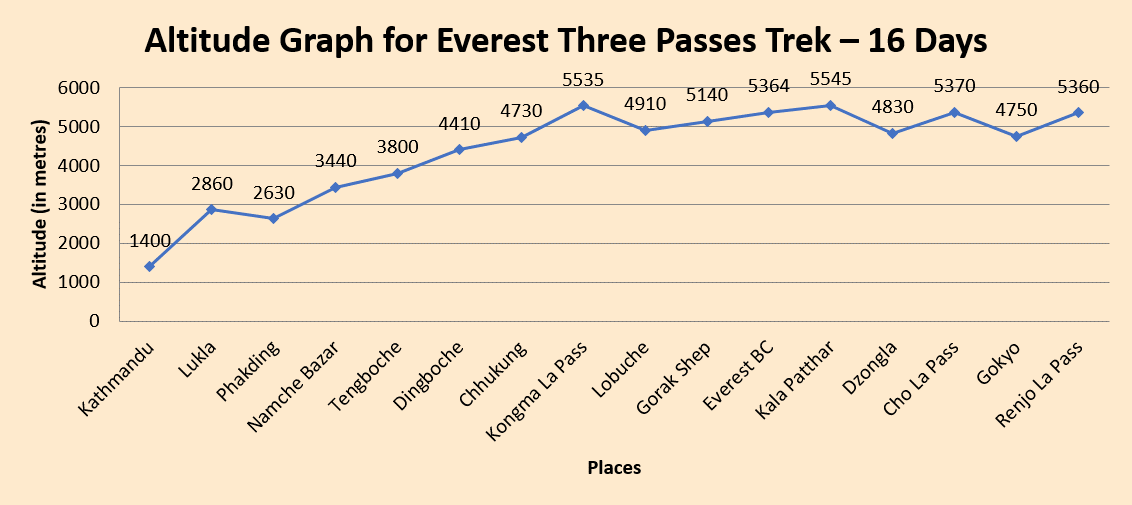
- Cross three high passes: Kongma La (5,535 m), Cho La (5,420 m), and Renjo La (5,360 m) for a challenging and rewarding adventure.
- Visit Everest Base Camp: Experience the ultimate Himalayan destination and the legendary Khumbu Icefall.
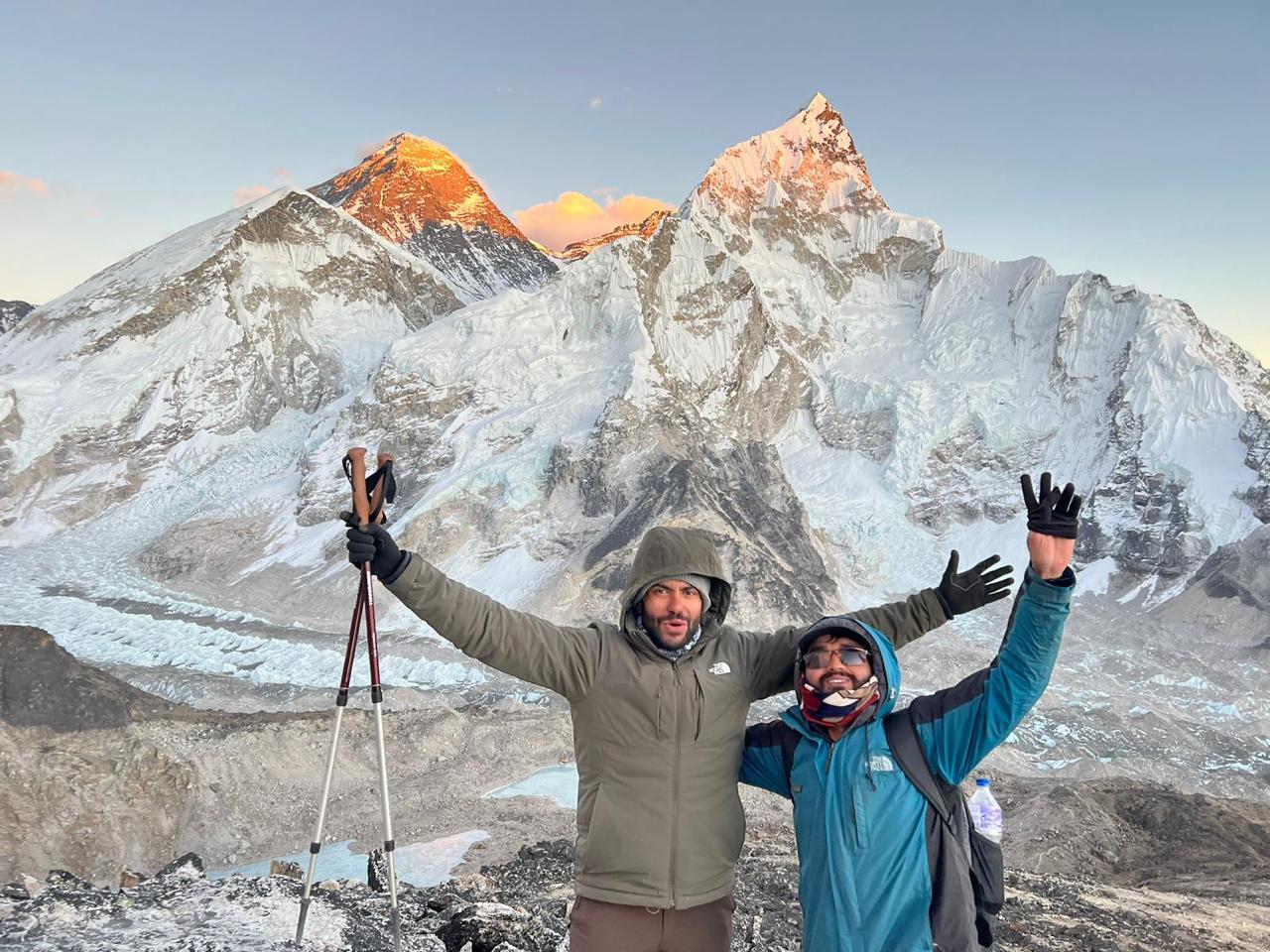
- Sunrise from Kala Patthar: Witness spectacular close-up views of Mount Everest, Lhotse, and Nuptse.
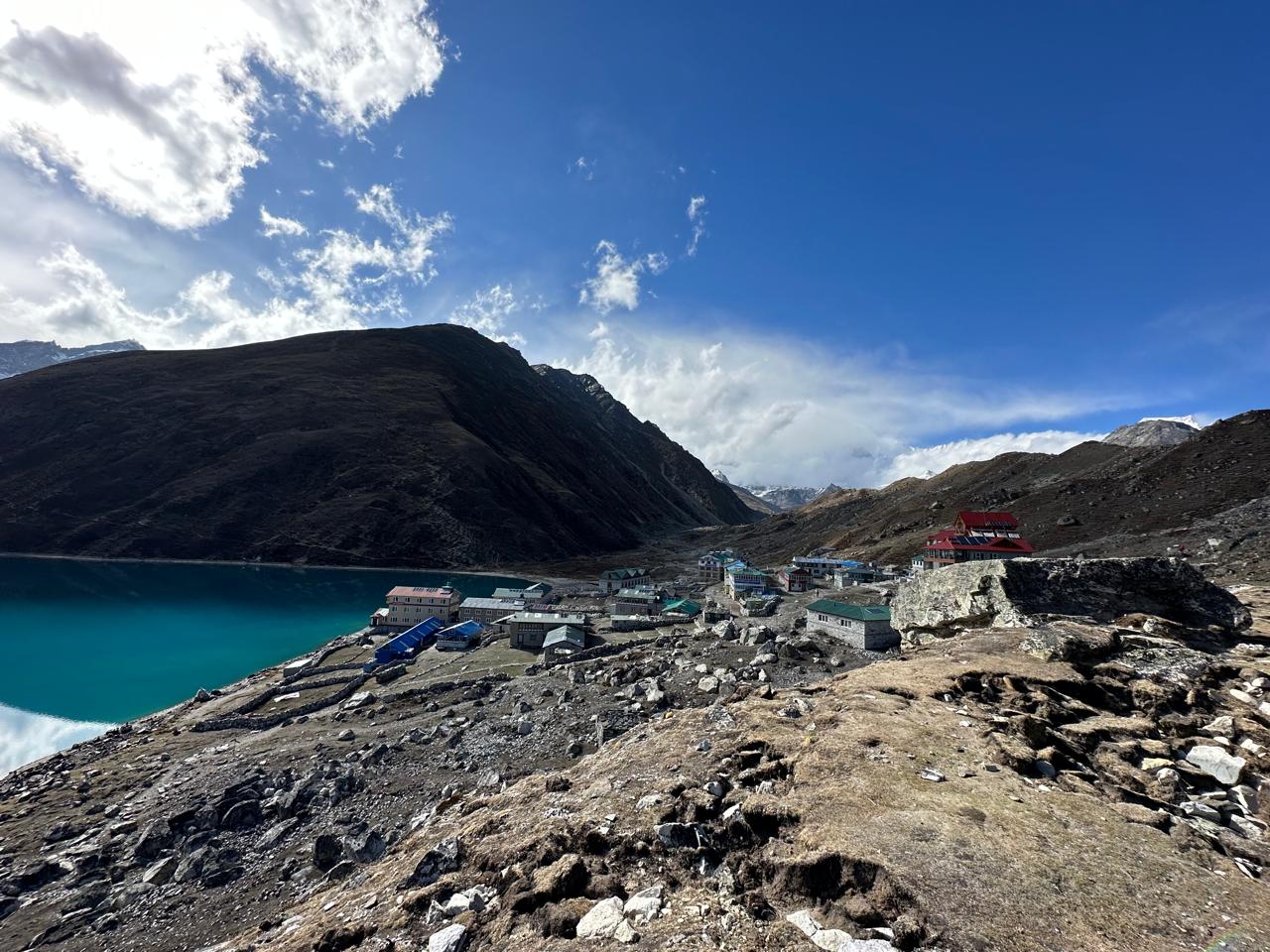
- Explore Gokyo Lakes: Admire the pristine turquoise glacial lakes surrounded by towering Himalayan peaks.
- Experience Sherpa culture: Visit villages like Namche Bazaar, Tengboche, Dingboche, and Gokyo to learn about local life and traditions.
- Visit ancient monasteries: See Tengboche Monastery and other spiritual sites along the trek.
- Less crowded trails: Enjoy a more private and serene trekking experience compared to the standard Everest Base Camp route.
- Diverse landscapes: Trek through forests, river valleys, rugged ridges, glacial moraines, and high-altitude barren lands.
- Spectacular photography opportunities: Capture Himalayan panoramas, sunrise and sunset views, and unique cultural moments.
- Physical challenge and personal achievement: Test your endurance with multiple high passes while enjoying one of the world’s most iconic trekking experiences.
Itinerary
Day 01
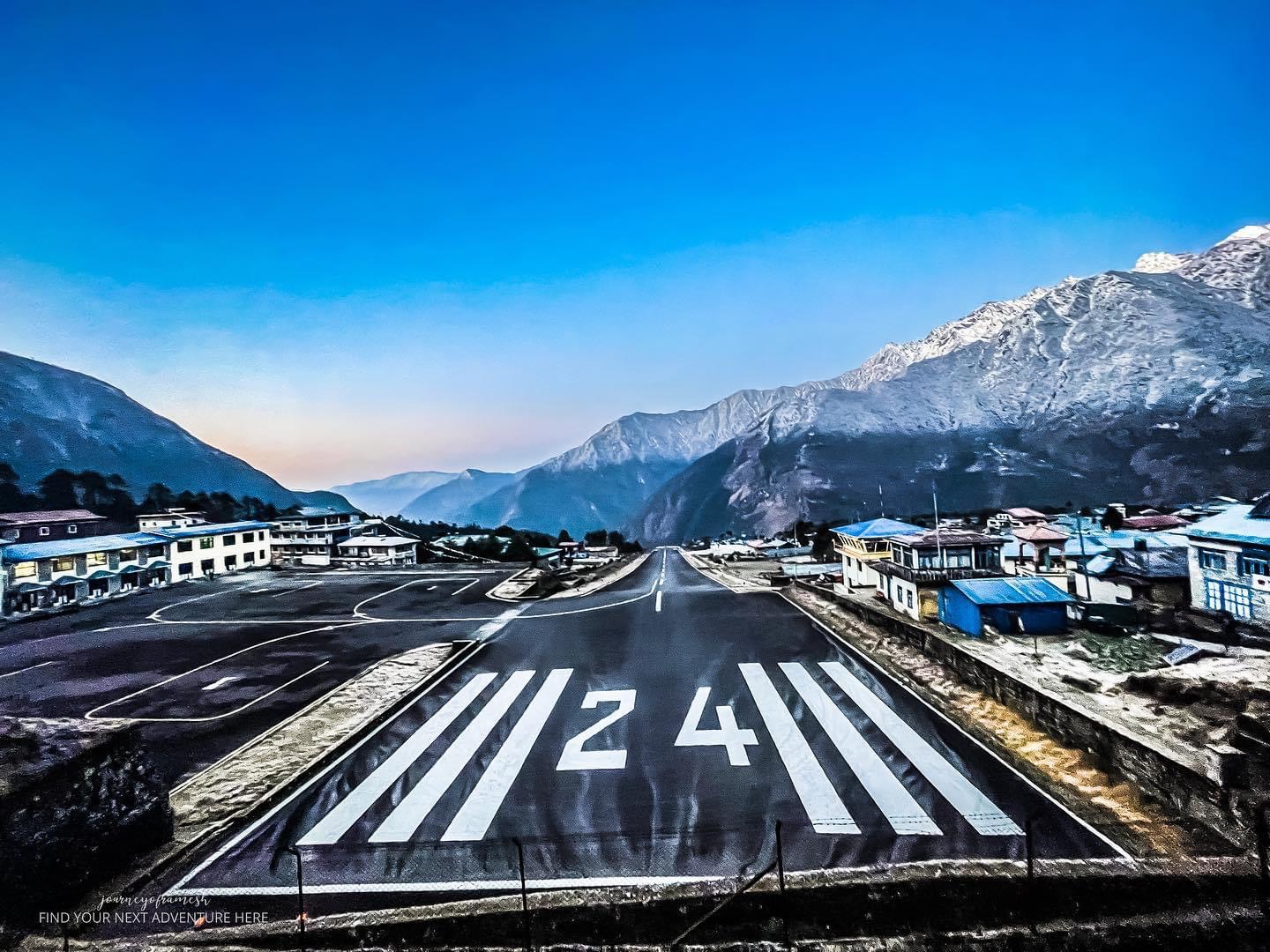
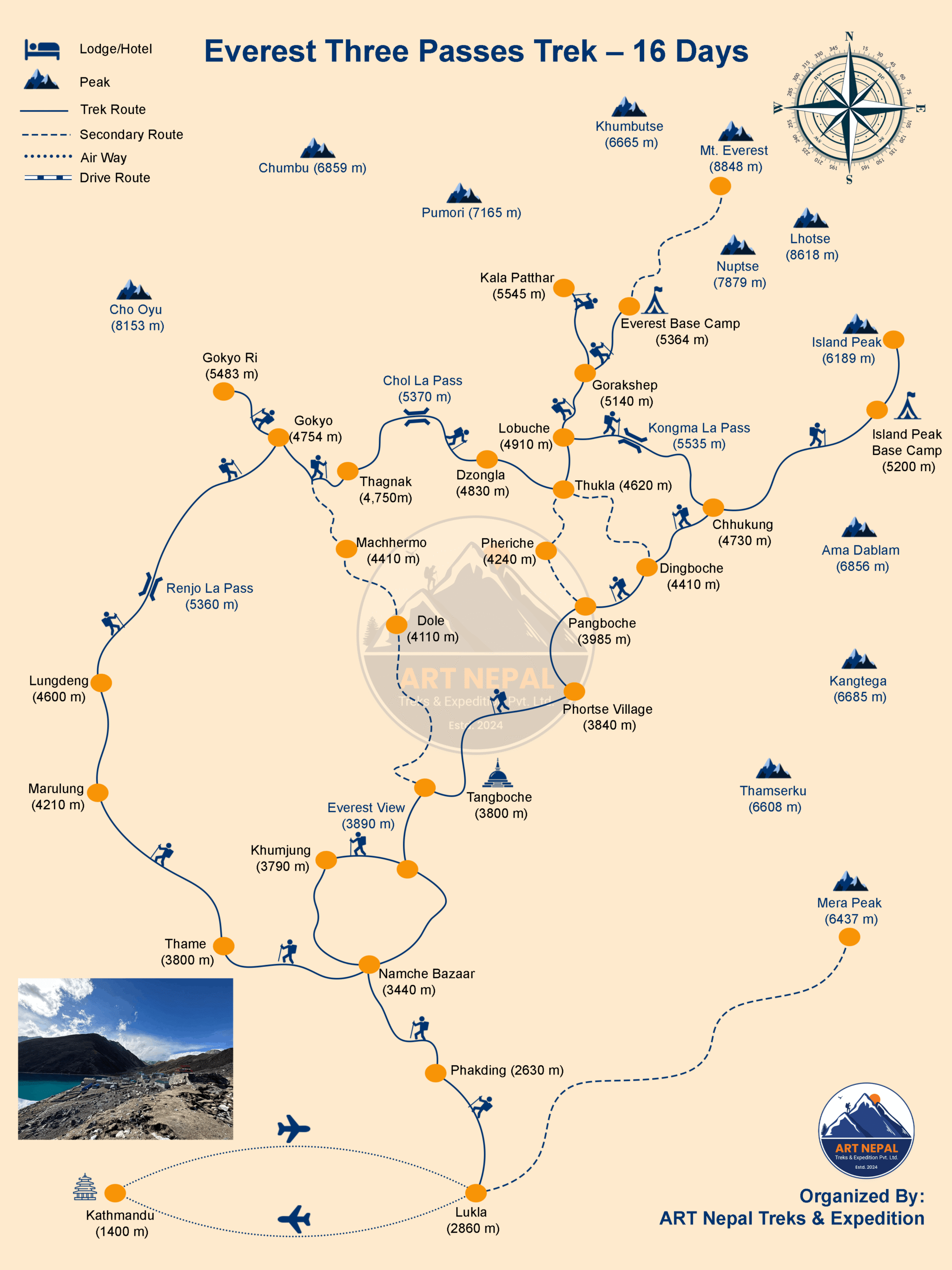
The adventure begins with an early morning flight from Kathmandu to Lukla, one of the most scenic and thrilling flights in the world. As the plane lands on the short mountain runway, trekkers are greeted by crisp Himalayan air and breathtaking views of snow-capped peaks. After collecting your trekking permits and meeting your guide and porters, the journey starts with a gentle trek along the Dudh Koshi River. The trail is dotted with small villages, teahouses, and prayer flags fluttering in the wind. This first day allows trekkers to settle into the altitude gradually and enjoy the tranquil riverside landscapes.
The trek from Lukla to Phakding is relatively easy, giving your body a chance to adapt to higher elevations. Along the way, you cross small suspension bridges and pass through pine and rhododendron forests, observing local farming life. Reaching Phakding in the afternoon, you can relax and prepare for the more challenging days ahead. The overnight stay is in a cozy teahouse offering basic facilities, with dinner and breakfast included. This day sets the tone for the trek, providing a gentle introduction to the Everest region and its natural beauty.
Trip Duration:
3–4 hoursTrip Distance:
~7.8 kmAltitude:
2,630 mMeal:
Dinner, BreakfastAccomodation :
TeahouseDay 02
From Phakding, the trail gradually ascends, crossing several suspension bridges over the Dudh Koshi River. As you move deeper into the Sagarmatha National Park, the forested trail opens to views of towering peaks, including Thamserku and Kusum Kanguru. Along the way, mani walls, prayer flags, and chortens mark the spiritual landscape of the region, offering trekkers a glimpse into Sherpa culture. The trek is moderately challenging with ups and downs, and it provides a first real taste of high-altitude trekking.
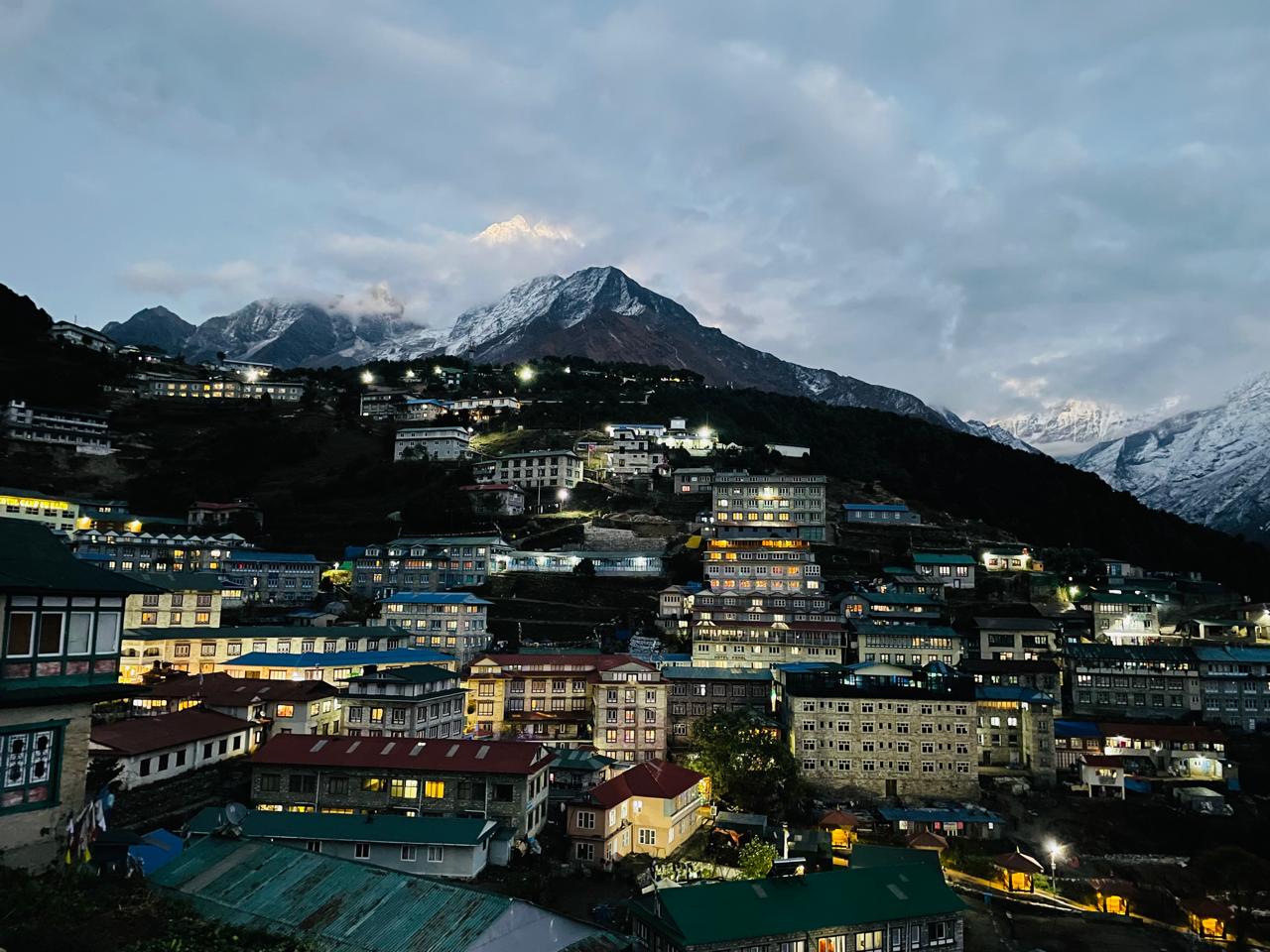
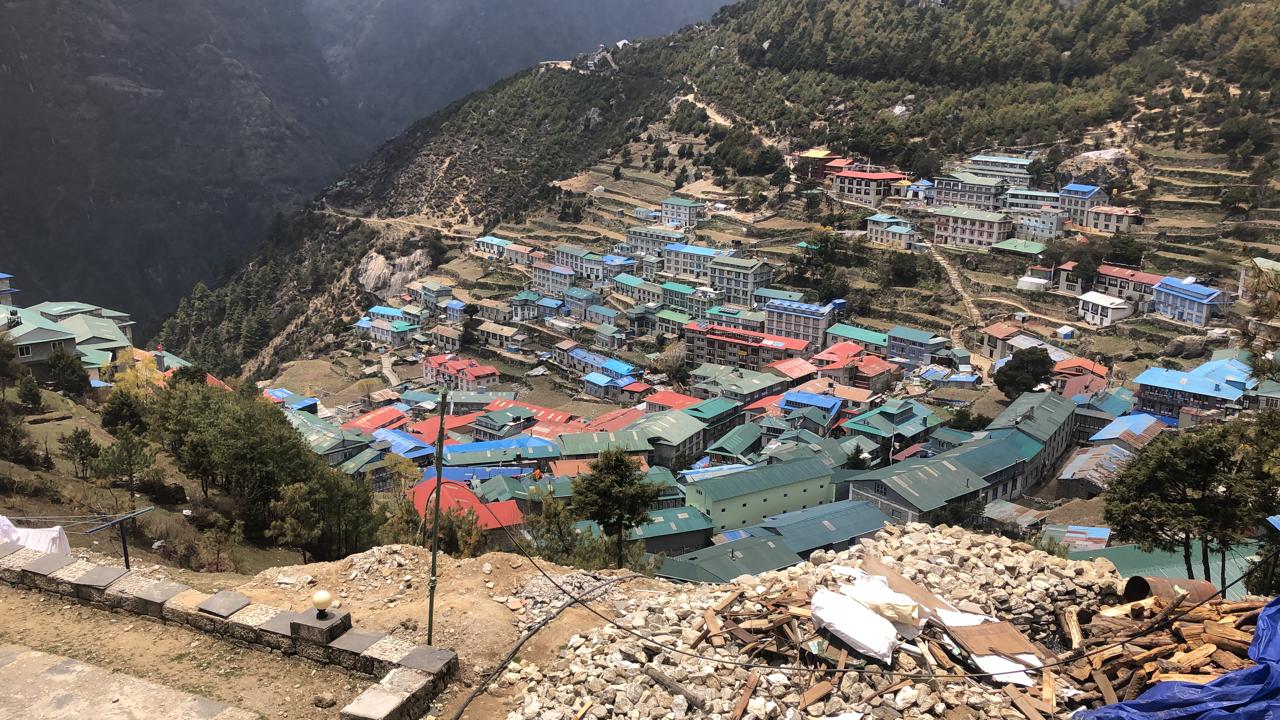
As you approach Namche Bazaar, the trail becomes steeper, winding through terraced fields and small villages. Namche, known as the gateway to the high Himalayas, is a bustling town with shops, cafes, and guesthouses. Arriving here, trekkers can enjoy the vibrant local culture, interact with Sherpas, and witness panoramic views of mountains like Everest and Lhotse. An overnight stay at a teahouse in Namche provides time for acclimatization and rest, preparing you for the higher altitudes in the days to come.
Trip Duration:
6–7 hoursTrip Distance:
~13 kmAltitude:
3,440 mMeal:
Dinner, BreakfastAccomodation :
TeahouseDay 03
This day is reserved for acclimatization in Namche Bazaar. A short hike to Everest View Hotel or Khumjung village allows trekkers to gradually ascend and get their first close-up views of Mount Everest. The hike offers an opportunity to observe local monasteries, mani walls, and the traditional lifestyle of Sherpa communities. Exploring Namche Bazaar, visiting shops, and interacting with locals provide cultural insight and a deeper appreciation of the region.
Resting at Namche for the night is vital for proper acclimatization. Trekkers are encouraged to take it easy, drink plenty of water, and monitor their physical response to the altitude. Gentle walks around the town, yoga, or light stretching can help reduce fatigue while keeping the body active. This day helps prevent altitude sickness while offering stunning views and cultural immersion, making it an essential part of the trek.
Trip Duration:
3–4 hours (optional short hikes)Trip Distance:
5-7 kmAltitude:
3,440 m -3990mMeal:
Dinner, BreakfastAccomodation :
TeahouseDay 04
Leaving Namche, the trail climbs along scenic ridges, providing panoramic views of Ama Dablam, Thamserku, and other peaks. The path passes through forested areas with rhododendrons and junipers, gradually opening to wide valleys. Tengboche Monastery, one of the most important spiritual centers in the region, is a highlight of the day. Visitors can witness prayer ceremonies and the distinctive architecture of the monastery, enriching the trekking experience with cultural depth.
The trek to Tengboche takes 5–6 hours and is moderately strenuous, with gradual ascents. Along the way, trekkers pass through small villages and enjoy views of the Imja Khola valley below. Reaching Tengboche, the teahouse accommodations offer warmth, meals, and a chance to rest while enjoying mountain vistas. The evening is perfect for meditation, photography, or simply soaking in the tranquil surroundings, preparing for the higher elevations ahead.
Trip Duration:
5–6 hoursTrip Distance:
~11 kmAltitude:
3,860 mMeal:
Dinner, BreakfastAccomodation :
TeahouseDay 05
Leaving Tengboche, the trail gradually descends to Debuche and then follows the Imja Khola valley toward Pangboche village. The day offers a mix of moderate climbs and scenic stretches along rivers and forested hills. Passing through Pangboche, trekkers can stop to admire one of the oldest monasteries in the region and experience the serene village life of the Sherpa community. The trail continues toward Dingboche, surrounded by dramatic Himalayan peaks including Ama Dablam and Lhotse, offering breathtaking vistas at every turn.
Reaching Dingboche in the afternoon provides ample time to rest and acclimatize at an altitude of 4,410 meters. The village has several cozy teahouses offering hearty meals, warm rooms, and stunning views of the surrounding mountains. An acclimatization day here helps your body adjust to the thinner air, reducing the risk of altitude sickness. Trekkers can take short walks in the valley or visit nearby Chhukung for light hikes, enjoying the majestic landscapes before tackling the first high pass.
Trip Duration:
5–6 hoursTrip Distance:
~10 kmAltitude:
4,410 mMeal:
Dinner, BreakfastAccomodation :
TeahouseDay 06
This day is dedicated to acclimatization and short hikes around Dingboche. Trekkers can hike to Nagarjun Hill or explore the Chhukung Valley, which offers panoramic views of Ama Dablam, Lhotse, and Island Peak. These short hikes allow your body to adapt to the higher altitude gradually while giving you the chance to enjoy some of the most spectacular mountain scenery in the Everest region. The village itself provides a glimpse into traditional Sherpa life, with stone houses, prayer flags, and small farms dotting the valley.
Resting in Dingboche for the night is essential for preventing altitude sickness. Trekkers are encouraged to drink plenty of fluids, maintain a balanced diet, and limit strenuous activity to ensure proper acclimatization. Light walks and gentle stretching can help circulation and reduce fatigue, while evenings offer serene sunset views over the surrounding peaks. This day balances rest, acclimatization, and exploration, ensuring a strong foundation for the challenging days ahead.
Trip Duration:
3–4 hours (optional hikes)Trip Distance:
~7 kmAltitude:
4,410 mMeal:
Dinner, BreakfastAccomodation :
TeahouseDay 07
Today’s trek is relatively short, allowing your body to rest before crossing the first high pass. The trail gently ascends from Dingboche, passing grazing fields and small settlements. Chhukung is a picturesque village nestled in a wide valley with spectacular mountain backdrops. This short trek helps trekkers adjust further to the altitude, preparing for the demanding Kongma La Pass the next day.
Arriving in Chhukung, trekkers can enjoy panoramic views of the surrounding peaks and glaciers. The village is quiet and less crowded, offering comfortable teahouse accommodations for an early night. Preparing for the Kongma La crossing includes checking equipment, reviewing the route with guides, and ensuring proper hydration and nutrition. The calm environment and magnificent scenery make Chhukung a perfect prelude to the first major pass.
Trip Duration:
3–4 hoursTrip Distance:
~6 kmAltitude:
4,730 mMeal:
Dinner, BreakfastAccomodation :
TeahouseDay 08
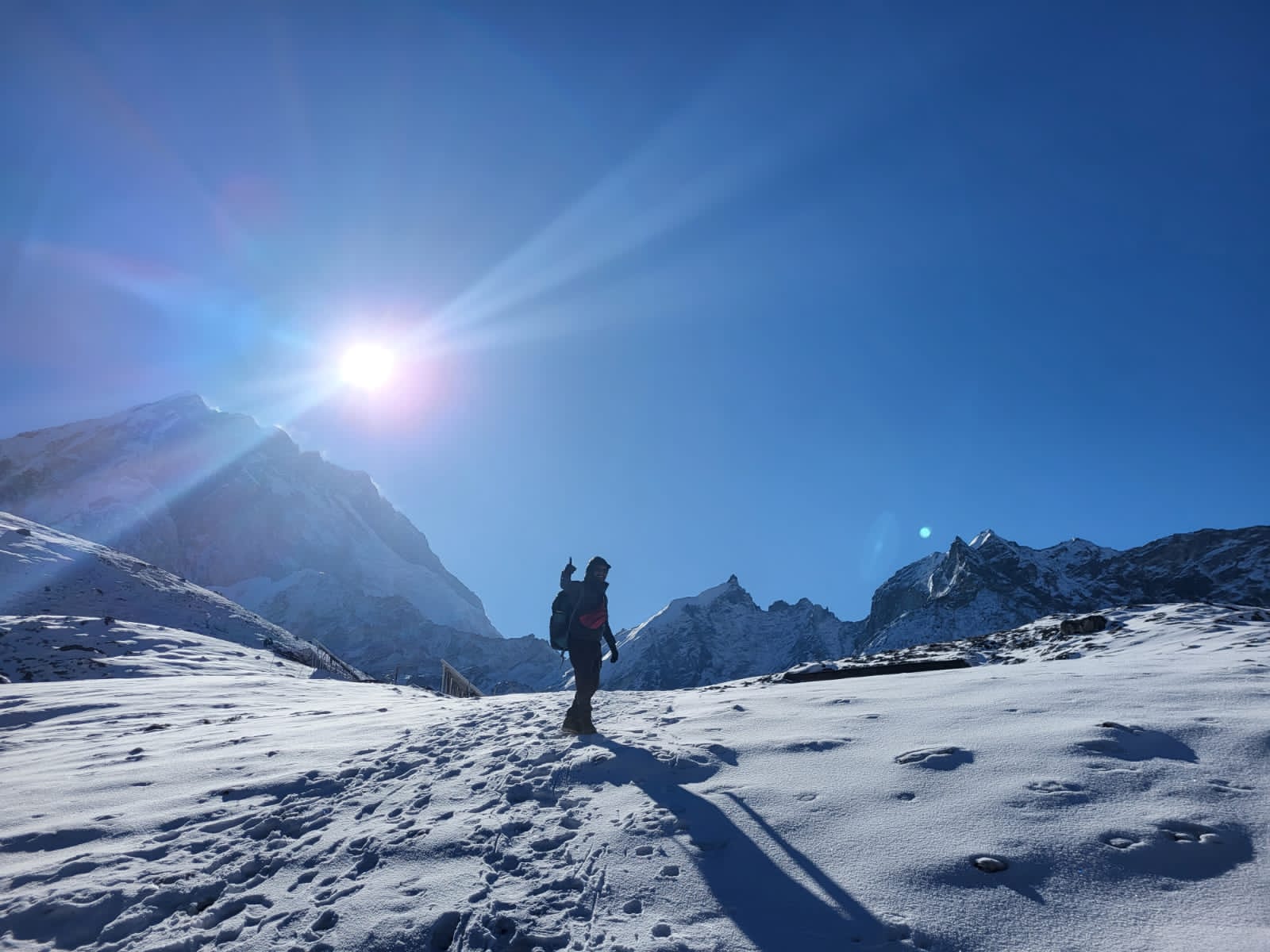
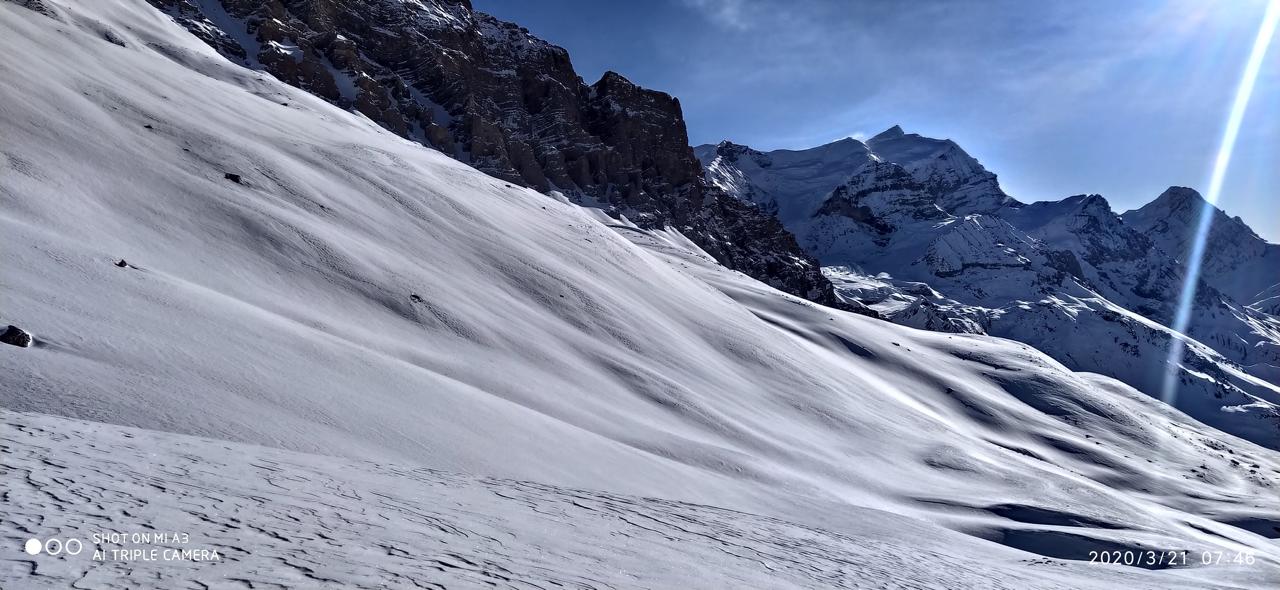
This is the first major challenge of the trek. The route ascends steeply from Chhukung, taking trekkers across rocky ridges and glacial moraine toward Kongma La Pass at 5,535 meters. Crossing the pass is physically demanding but immensely rewarding, offering stunning panoramic views of Everest, Lhotse, and Ama Dablam. Trekkers may experience snow and icy patches depending on the season, so proper trekking gear and caution are essential.
After crossing Kongma La, the trail descends toward lobuche passing through sparse alpine terrain and scattered teahouses. The descent allows your body to recover while still maintaining high altitude adaptation. Lobuche provides basic teahouse accommodations with warm meals and shelter. Completing this day gives trekkers a profound sense of accomplishment and a preview of the next challenging stages of the trek.
Trip Duration:
7–9 hoursTrip Distance:
~12 kmAltitude:
4,940 mMeal:
Dinner, BreakfastAccomodation :
TeahouseDay 09
Today’s trek is a combination of challenge and ultimate reward as trekkers reach Everest Base Camp. The trail passes memorials at Thukla and gently ascends toward Gorak Shep, the last settlement before EBC. The views of Nuptse, Pumori, and Lingtren dominate the horizon, providing constant photographic opportunities. Trekkers continue from Gorak Shep to Everest Base Camp, traversing rocky terrain, glacial moraines, and iconic prayer flags marking the legendary site.
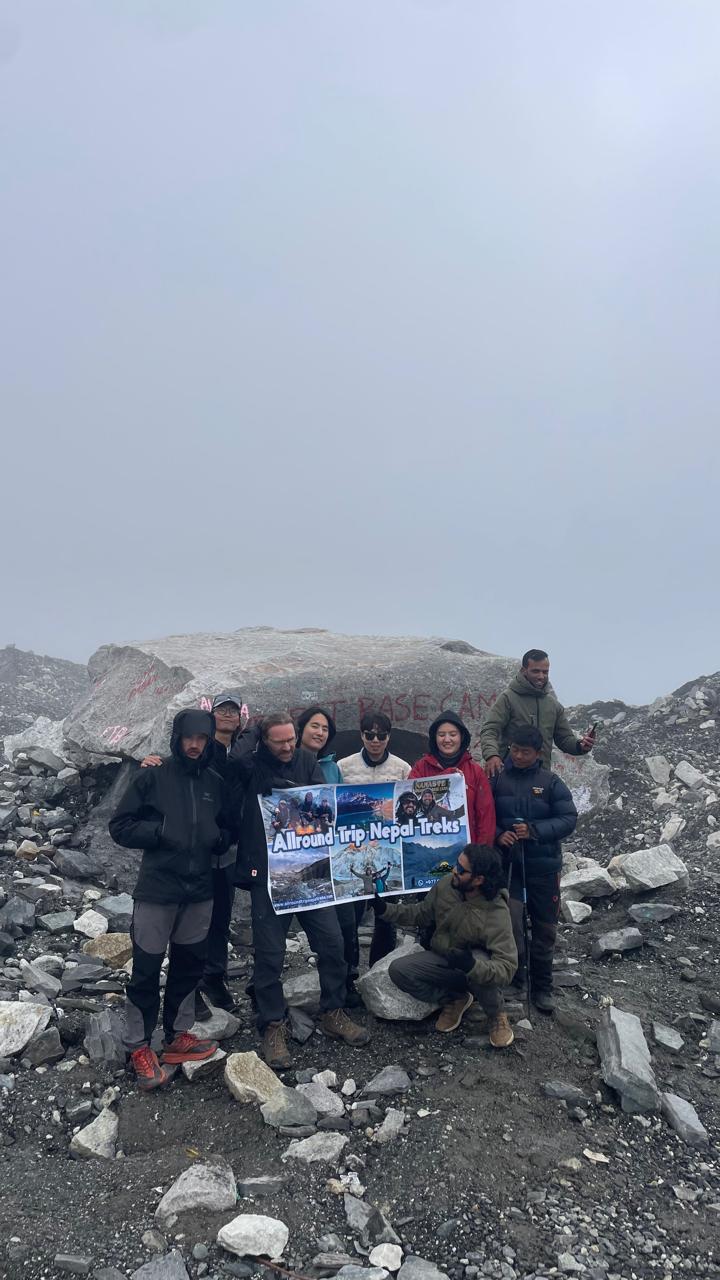
Reaching Everest Base Camp at 5,364 meters is an emotional and inspirational experience. Standing at the foot of the world’s highest peak, trekkers can take in the magnitude of the Himalayas, capture photographs, and interact with fellow adventurers. After exploring EBC, the descent back to Gorak Shep for overnight rest allows recovery in a simple teahouse before the next day’s early climb to Kala Patthar.
Trip Duration:
7–8 hours totalTrip Distance:
~12 kmAltitude:
5,190 mMeal:
Dinner, BreakfastAccomodation :
TeahouseDay 10
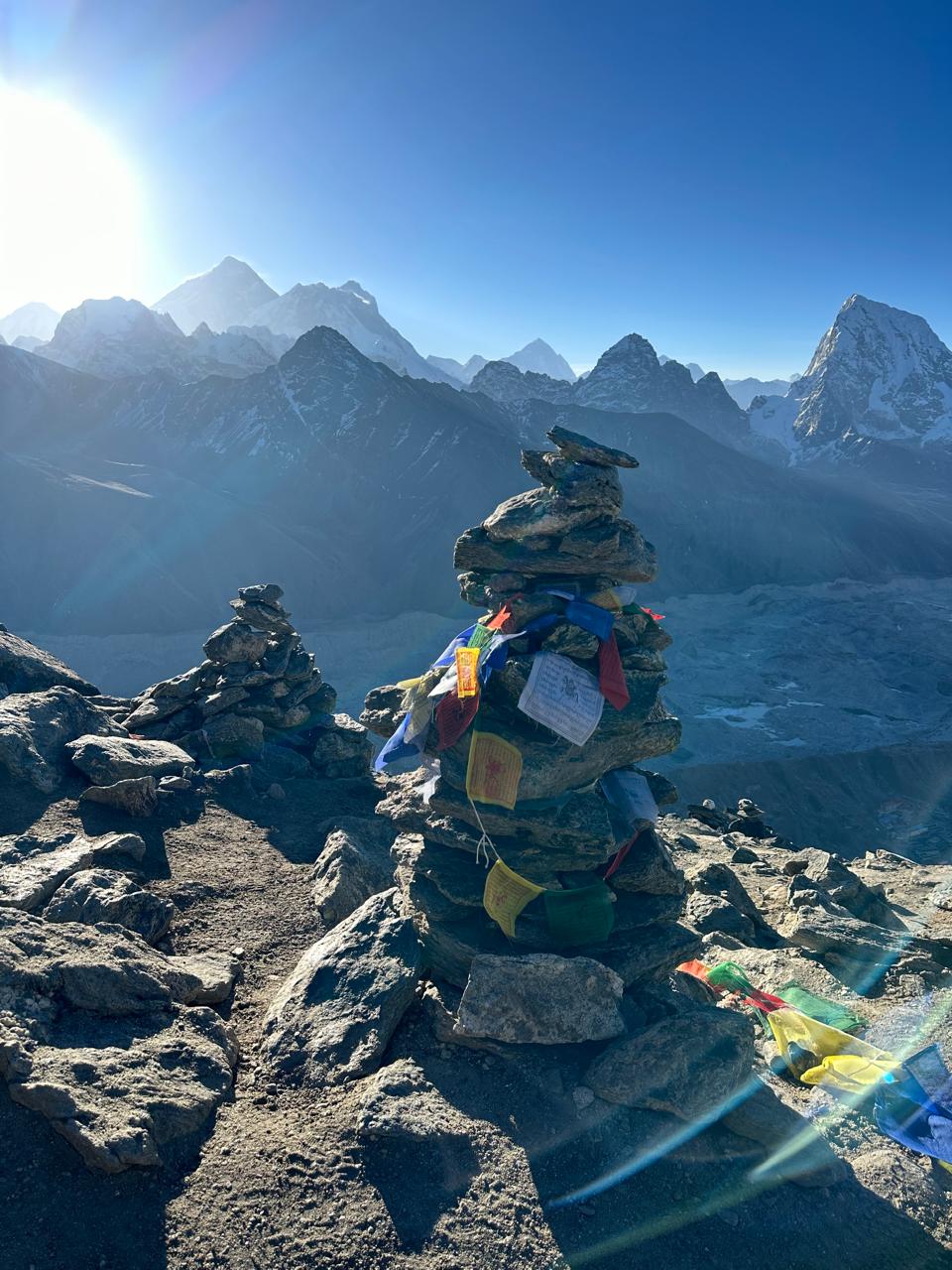
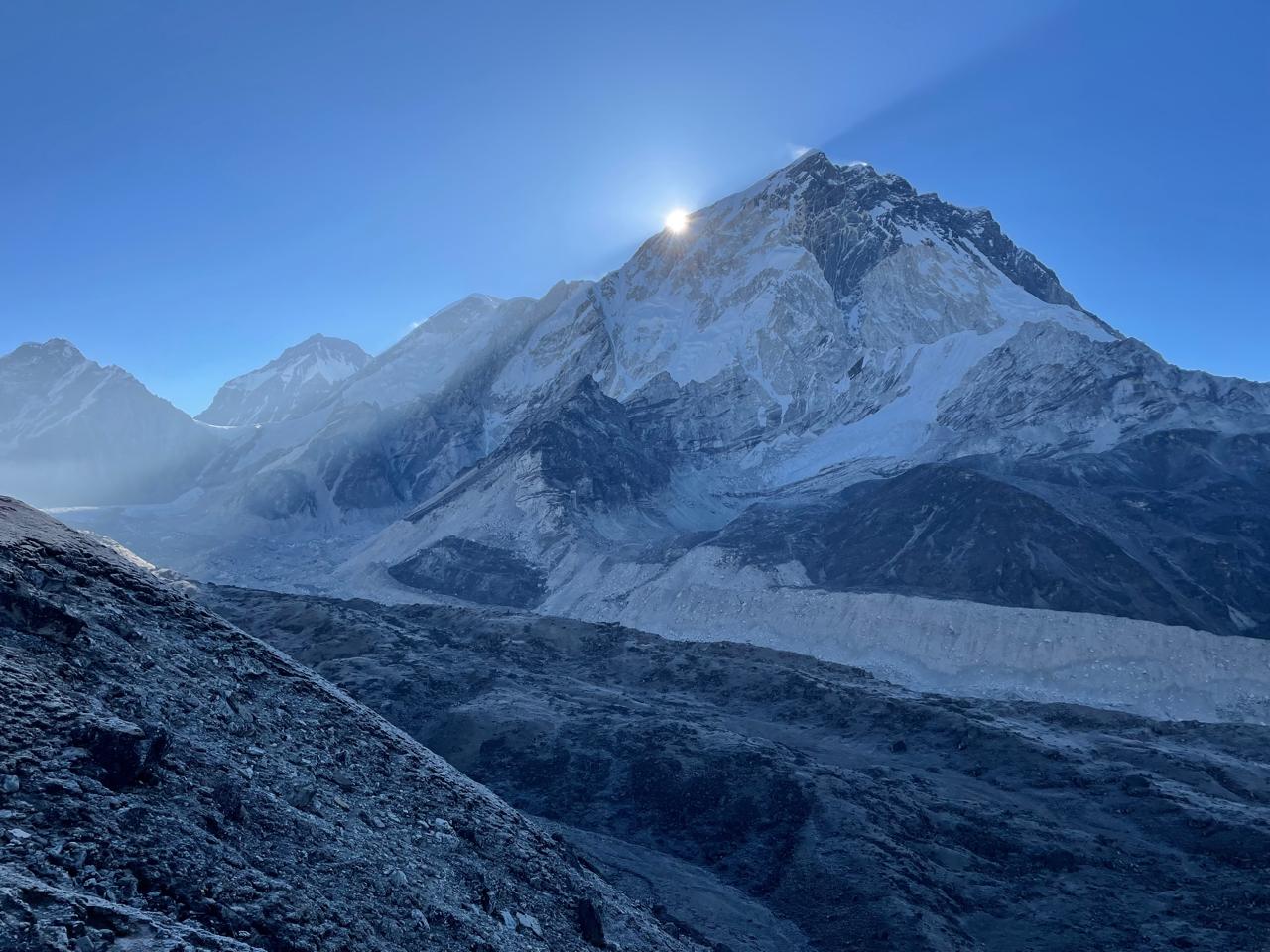
An early morning trek to Kala Patthar offers one of the most iconic views of Mount Everest and surrounding peaks during sunrise. The trail is steep but rewarding, with panoramic vistas of Everest, Nuptse, Lhotse, and Ama Dablam. Standing atop Kala Patthar at 5,545 meters provides unforgettable photographic and emotional moments, marking a high point of the trek.
After soaking in the views, trekkers descend to Gorak Shep for breakfast and then continue along a moderate trail toward Dzongla. The trail passes through high-altitude valleys, scattered rocks, and sparse vegetation, offering a dramatic alpine experience. Dzongla provides teahouse accommodation with warm meals and a comfortable rest after a long, demanding day.
Trip Duration:
7–8 hoursTrip Distance:
~13 kmAltitude:
4,830 mMeal:
Dinner, BreakfastAccomodation :
TeahouseDay 11
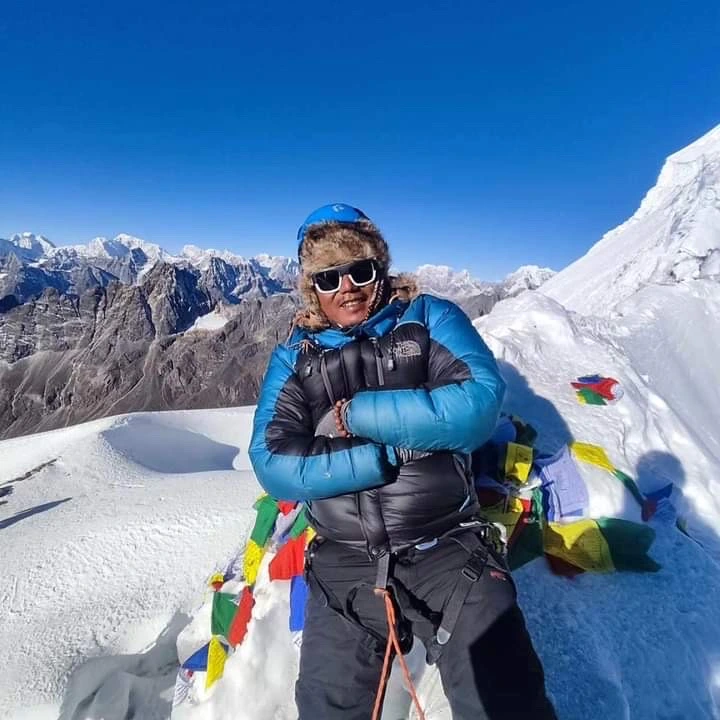
This is one of the most challenging days of the trek, as trekkers cross the second high pass, Cho La, at 5,420 meters. The trail begins with a steep climb from Dzongla through rocky ridges and glacial moraine. Crossing the pass involves negotiating snow and ice patches, so trekking poles, crampons, and careful footing are essential. From the summit, trekkers are rewarded with stunning views of Everest, Lhotse, Cho Oyu, and other Himalayan giants. This is a true high-altitude adventure, demanding physical stamina, focus, and mental resilience.
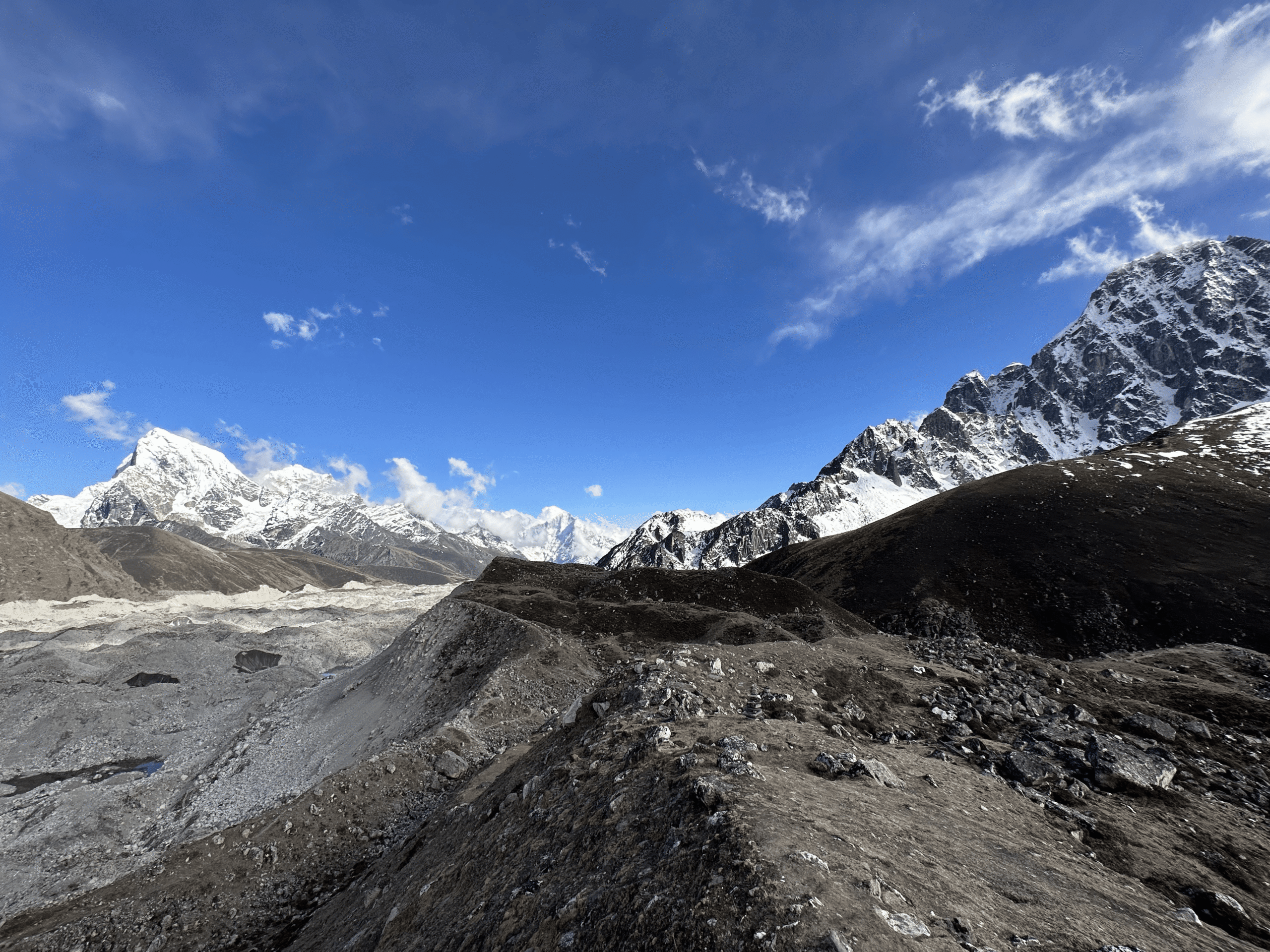
After descending from Cho La, trekkers follow the trail along the Ngozumpa Glacier toward Gokyo, a peaceful settlement famous for its turquoise lakes. The descent from the pass is gradual but long, offering plenty of opportunities to pause and admire the spectacular landscapes. Arriving in Gokyo, trekkers are greeted by serene alpine lakes reflecting the surrounding peaks, and cozy teahouses provide a comfortable overnight stay. This day combines extreme challenge with the reward of breathtaking Himalayan scenery and a sense of accomplishment.
Trip Duration:
8–10 hoursTrip Distance:
~12 kmAltitude:
4,750 mMeal:
Dinner, BreakfastAccomodation :
TeahouseDay 12
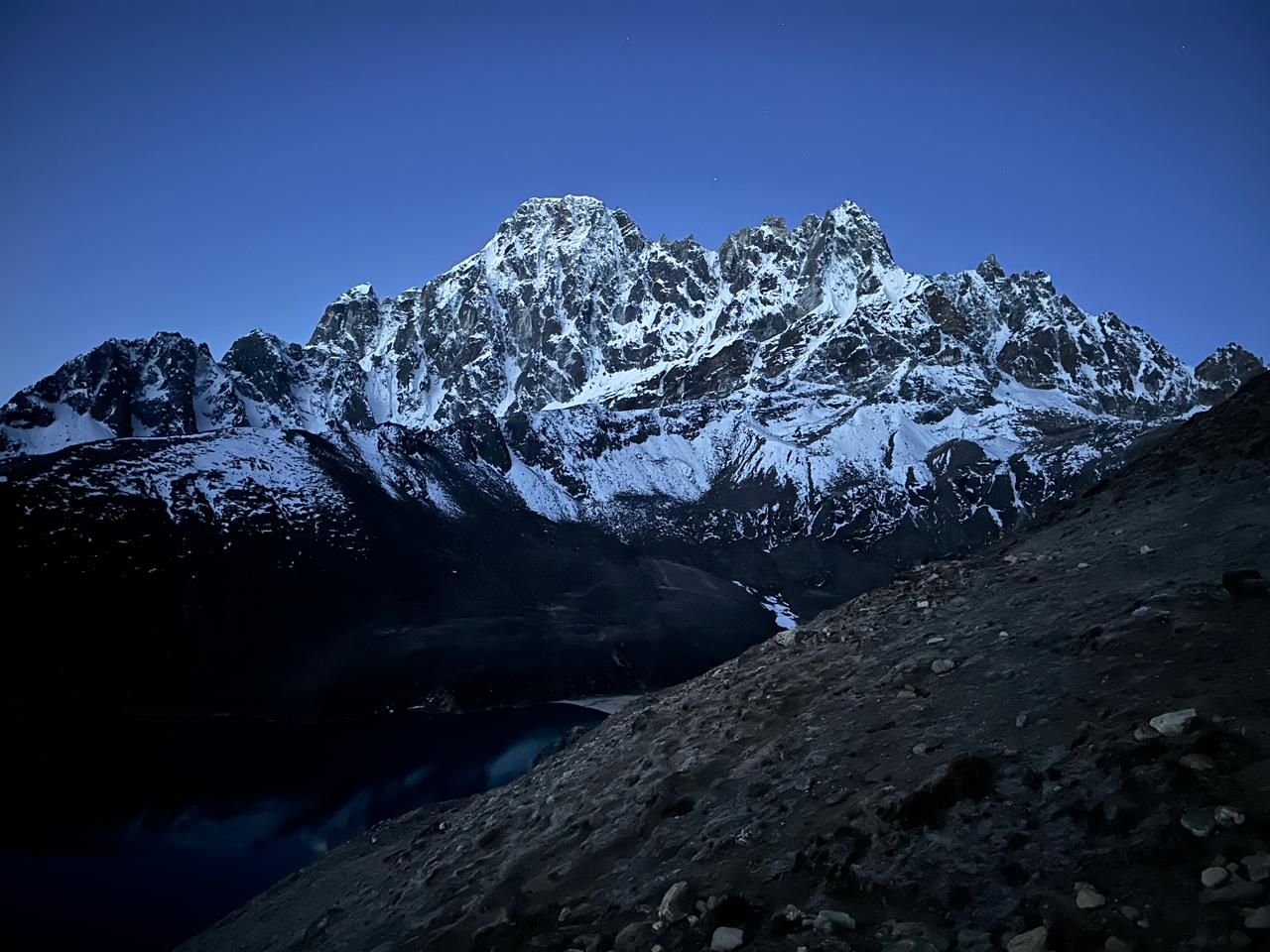
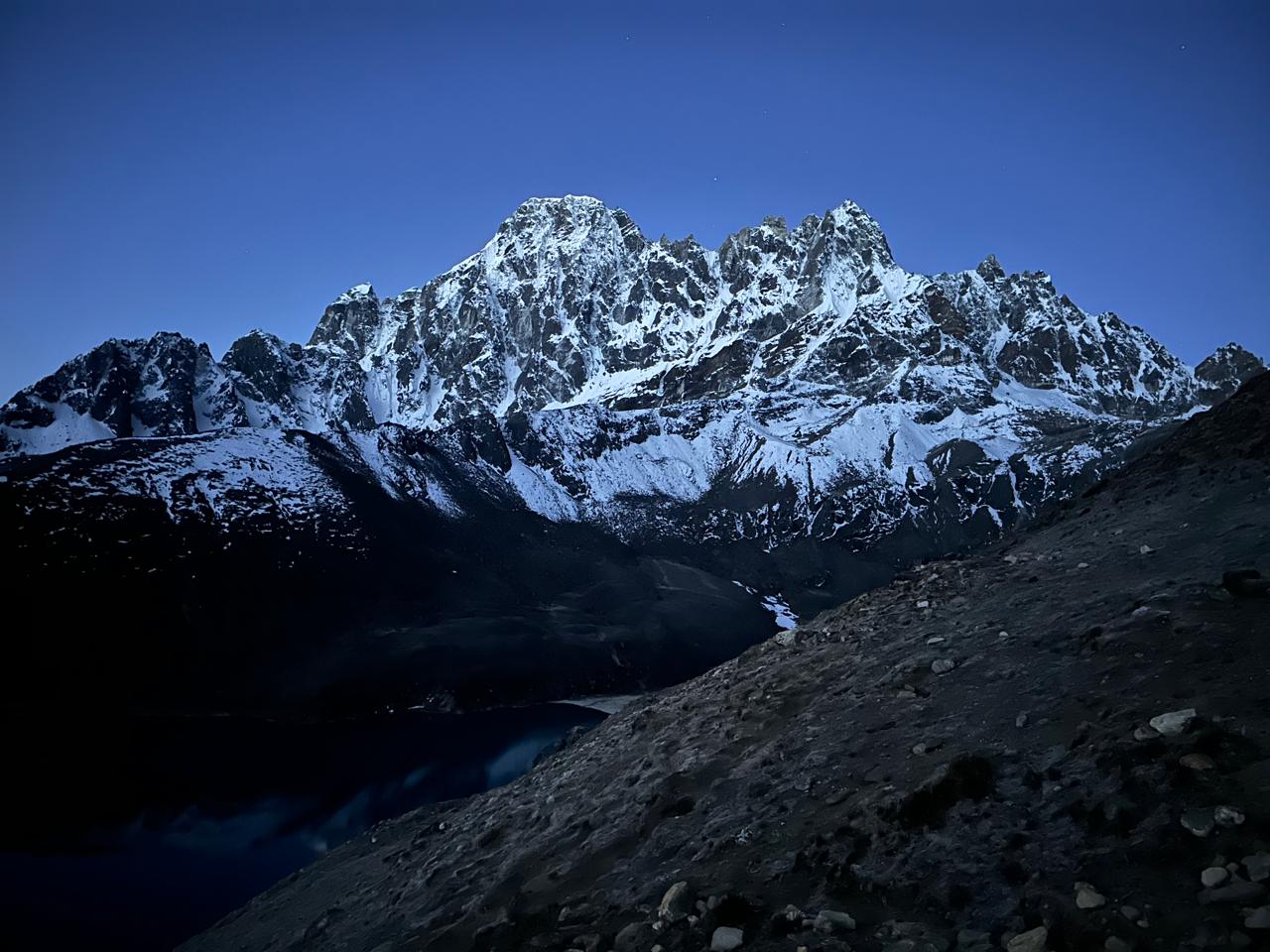
A full day of rest and exploration in Gokyo allows trekkers to recover and enjoy one of the most scenic areas in the Everest region. The highlight of the day is the hike to Gokyo Ri, a 5,360-meter peak providing panoramic views of Everest, Lhotse, Makalu, Cho Oyu, and the Ngozumpa Glacier. The sunrise from Gokyo Ri is extraordinary, as the sun casts golden light across the pristine lakes and towering peaks.
Trekkers can also explore the village, interact with the friendly Sherpa community, and learn about their culture, daily life, and traditions. Gokyo Lakes themselves are remarkable, with turquoise waters surrounded by snow-capped mountains. This rest day is crucial for acclimatization, and light walks, photography, and relaxation help prepare the body for the final high pass. The combination of adventure, culture, and stunning scenery makes this day an unforgettable part of the trek.
Trip Duration:
4–5 hours (optional hikes)Trip Distance:
~6 kmAltitude:
4,750 mMeal:
Dinner, BreakfastAccomodation :
TeahouseDay 13
The third and final high pass, Renjo La at 5,360 meters, presents a demanding yet rewarding challenge. Trekkers leave Gokyo early in the morning, ascending gradually through rocky trails and moraines. The summit offers breathtaking views of Everest, Makalu, Lhotse, Cho Oyu, and the surrounding Himalayan peaks. Snow and ice are common at this altitude, so careful footing and trekking equipment are essential. Crossing Renjo La marks the completion of the “Three Passes” challenge, a proud achievement for any high-altitude trekker.
After the pass, the trail descends steeply into the quiet village of Lungden. The descent is long but scenic, passing through alpine valleys, glacial rivers, and small meadows. Reaching Lungden, trekkers are rewarded with peaceful surroundings, teahouses for overnight stay, and the chance to reflect on the monumental trek they have just completed. The village provides comfort and warmth, preparing trekkers for the final descent toward Namche Bazaar the next day.
Trip Duration:
8–9 hoursTrip Distance:
~14 kmAltitude:
4,340 mMeal:
Dinner, BreakfastAccomodation :
TeahouseDay 14
Today begins the long descent from the high alpine terrain back into the more forested areas surrounding Namche Bazaar. The trail gradually winds through rhododendron forests, crossing streams and small villages. Trekkers can enjoy the contrast between the high passes and the bustling Sherpa town of Namche, famous for its markets, teahouses, and cultural richness. The descent is moderate but can be tiring after consecutive high-altitude days, so pacing and hydration are key.
Arriving in Namche Bazaar in the afternoon provides the chance to relax, explore local shops, and enjoy warm meals. This day offers a blend of natural beauty and cultural immersion, as trekkers pass through traditional villages and interact with the Sherpa community. Resting in Namche also gives an opportunity to reflect on the trek, share experiences with fellow trekkers, and prepare for the final day toward Lukla.
Trip Duration:
6–7 hoursTrip Distance:
~15 kmAltitude:
3,440 mMeal:
Dinner, BreakfastAccomodation :
TeahouseDay 15
The final trekking day is a long but manageable descent back to Lukla. Trekkers retrace parts of the trail they hiked at the beginning of the trek, passing through Monjo, Phakding, and crossing several suspension bridges over the Dudh Koshi River. The descent is easier on the legs than the high passes, but maintaining energy and focus is important after two weeks of trekking.
Arriving in Lukla, trekkers celebrate completing the Three Passes Trek. The small town offers a chance to rest, enjoy meals, and share stories of the journey. Overnight in Lukla is comfortable, providing a final night in the Everest region before returning to Kathmandu by flight. The day is a mixture of relief, accomplishment, and nostalgia, as trekkers reflect on the incredible landscapes and challenges they’ve experienced.
Trip Duration:
6–7 hoursTrip Distance:
~19 kmAltitude:
2,860 mMeal:
Dinner, BreakfastAccomodation :
TeahouseDay 16
The trek concludes with a short morning flight from Lukla to Kathmandu. Flights are early to maximize the chances of clear weather. Upon arrival, trekkers return to the comforts of the capital city, with the opportunity to rest, shop, or explore Kathmandu before departure. This day serves as both a decompression period and a transition from high-altitude adventure back to everyday life.
For those with additional time, Kathmandu offers cultural experiences, shopping for souvenirs, and exploring UNESCO World Heritage Sites such as Swayambhunath and Pashupatinath. The day also allows trekkers to reflect on their journey, review photos, and plan their next Himalayan adventure. It is a fitting conclusion to the physically demanding yet extraordinarily rewarding Everest Three Passes Trek.
Trip Duration:
N/A (Flight)Trip Distance:
N/AAltitude:
1,400 mMeal:
BreakfastAccomodation :
Hotel / GuesthouseRoute Map
Fixed Departure
| Start Date | End Date | Price | Space Left | |
|---|---|---|---|---|
| October 19, 2026 | November 4, 2026 | 1800 | 05 | Book Now |
What's Included
- Airport transfers in Kathmandu
- Domestic flight Kathmandu ↔ Lukla
- Experienced trekking guide
- Accommodation during trek (teahouses)
- Meals during trek (breakfast, lunch, dinner)
- TIMS card and Sagarmatha National Park permit
- First aid kit for the group
- Porters: Optional, though recommended for carrying heavy luggage ($22 per porter per day), a porter can carry up to 20 kg, and it is advisable to hire one porter for every two trekkers for comfort and convenience.
What's Excluded
- International airfare to/from Nepal
- Kathmandu hotel before/after trek
- Meals in Kathmandu
- Personal expenses (snacks, drinks, souvenirs)
- Travel insurance
- Tips for guides and porters
Essential Info
Add-Ons
Trekkers on the Everest Three Passes Trek have several options to enhance their journey, making it more comfortable, flexible, and memorable. One popular add-on is hiring additional porters to carry heavier backpacks. While porters are optional, having one allows trekkers to focus on trekking and enjoying the scenery instead of managing heavy luggage. This is especially useful during challenging high-pass days, where reducing load can prevent fatigue and reduce the risk of injury.
Another common add-on is a private guide. While the trek includes an experienced guide by default, hiring a private guide can provide more personalized attention, deeper cultural insight, and dedicated support for photography or navigation. Some trekkers also opt for helicopter flights from Gokyo or Everest Base Camp back to Lukla or Kathmandu. This service is ideal for those with limited time or for emergency situations, offering both safety and convenience. Lastly, upgraded teahouse accommodations or special meal arrangements can be requested, providing extra comfort during rest nights at high-altitude stops.
Add-On Options:
- Additional porters for luggage support
- Private trekking guide for personalized attention
- Helicopter transfer from Gokyo / Everest Base Camp
- Upgraded teahouse accommodations
- Special meal or cultural arrangements
Best Season to Trek
The Everest Three Passes Trek can be undertaken in all seasons, but certain periods offer better conditions, clearer views, and safer trekking experiences. The most favored seasons are Spring (March–May) and Autumn (September–November) due to stable weather, moderate temperatures, and stunning visibility of the Himalayan peaks. During these months, trekkers can enjoy breathtaking views of Everest, Lhotse, Nuptse, Cho Oyu, and surrounding mountains without significant weather disruptions.
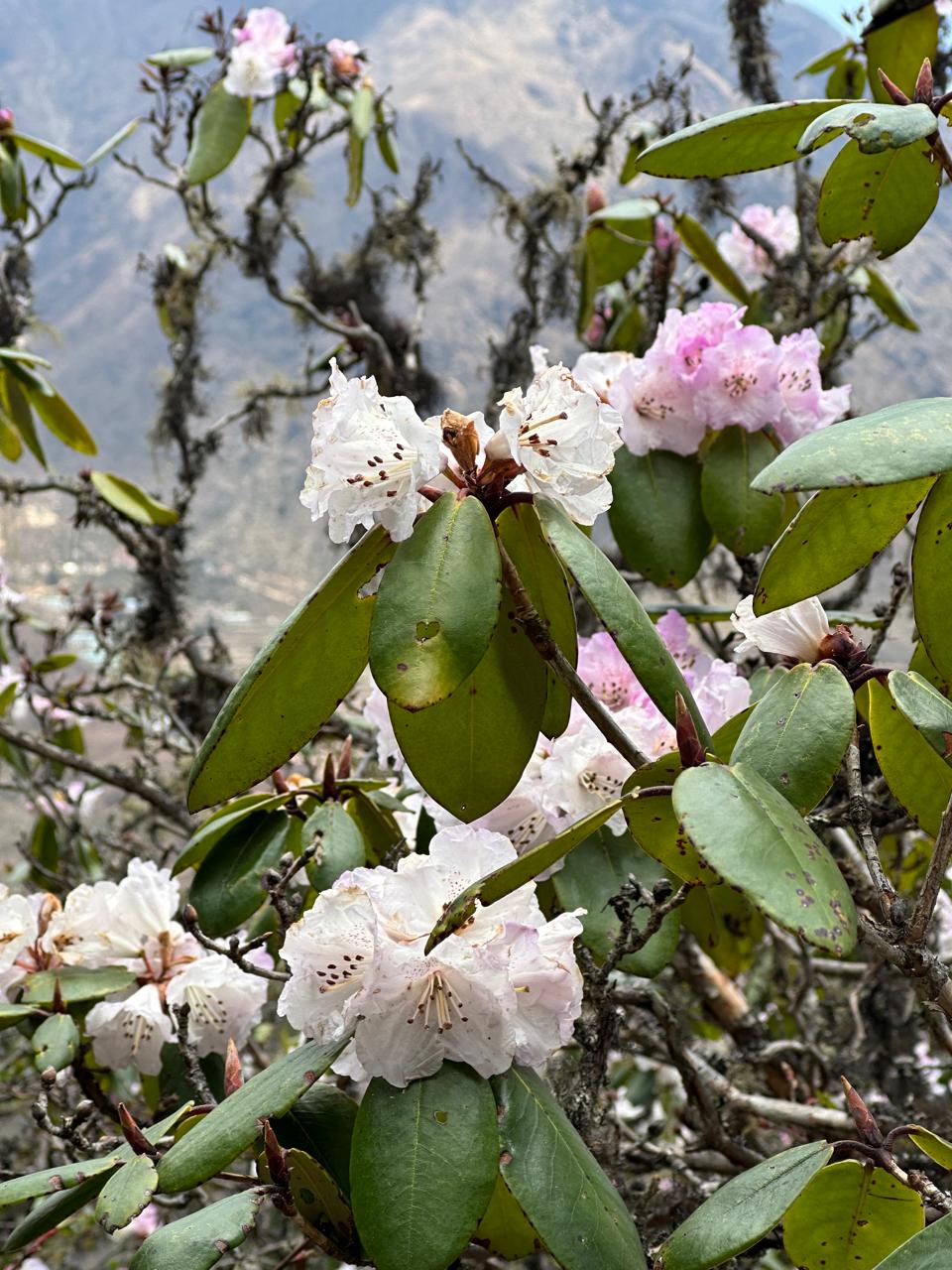
Spring (March–May): Spring offers blossoming rhododendron forests along the trail, creating colorful and picturesque landscapes. The weather is relatively warm during the day but cool at night, making trekking comfortable while maintaining safety during high pass crossings. The trail is moderately busy, providing a balance of social interaction and solitude, and it is ideal for photography, bird watching, and observing wildlife.
Autumn (September–November): Autumn is considered the peak trekking season due to clear skies, minimal rainfall, and excellent visibility of mountain ranges. Temperatures are cooler but stable, which is ideal for crossing high passes like Kongma La, Cho La, and Renjo La. Accommodation and food facilities are fully operational, and the trails are lively with trekkers from all over the world. This season offers a chance to experience local festivals and cultural activities in Sherpa villages along the trek.
Winter (December–February): Winter trekking is possible but challenging due to cold temperatures, strong winds, and snow-covered trails. The region sees fewer trekkers, offering solitude, but many teahouses and lodges may be closed. Equipment for extreme cold and snow trekking is required, and proper acclimatization is essential.
Monsoon (June–August): Monsoon season brings heavy rainfall, landslides, and slippery trails, making trekking risky and difficult. Many areas experience limited visibility, and high-altitude passes may be unsafe due to ice and snow accumulation. This season is generally not recommended for trekking the Everest Three Passes route.
Summary of Seasons:
- Spring (Mar–May): Blooming rhododendrons, moderate temperatures, clear skies, ideal trekking and photography conditions.
- Autumn (Sep–Nov): Dry weather, excellent visibility, cultural experiences, peak trekking season.
- Winter (Dec–Feb): Cold, fewer trekkers, limited facilities, requires specialized gear.
- Monsoon (Jun–Aug): Heavy rain, slippery trails, high risk, generally not recommended.
Food Availability
On the Everest Three Passes Trek, food is readily available at tea houses, lodges, and trekking stops along the trail. While the variety may be limited at higher altitudes, trekkers can still enjoy nutritious meals that cater to energy needs and dietary preferences. Most tea houses provide local Nepalese dishes as well as popular international options such as pasta, rice, noodles, and soups.
Breakfast Options: Breakfast is usually simple but filling, providing energy for long trekking days. Common items include porridge, eggs, toast, pancakes, noodles, and tea or coffee. At higher altitudes, hot beverages like ginger tea or lemon tea are preferred to help maintain body warmth and hydration.
Lunch Options: Lunch is often consumed during the trekking day as a packed meal or at tea houses en route. Typical meals include vegetable soups, dal bhat (rice and lentil soup), momos (dumplings), and sandwiches. Trekkers can request energy-rich snacks such as nuts, chocolate, or granola bars to sustain themselves between meals.
Dinner Options: Dinner is usually the main meal after a long day of trekking. Hot soups, rice and curry, noodle dishes, and local specialties such as Thukpa (noodle soup) or Dal Bhat Tarkari (lentil soup with vegetables) are commonly served. At higher altitudes, meals may be lighter but calorie-dense to maintain energy.
Special Dietary Needs: Most tea houses can accommodate vegetarian diets, but vegan, gluten-free, or highly specialized diets may be limited at higher elevations. It is advisable to carry essential snacks and supplements to meet specific dietary requirements.
Hydration: Drinking plenty of water is essential for acclimatization and energy. Boiled or purified water is commonly available, and some tea houses provide bottled water at an extra cost. Hydration tablets and electrolyte drinks are recommended for longer trekking days.
Summary of Food Availability:
- Breakfast: Porridge, eggs, toast, pancakes, tea, coffee
- Lunch: Dal bhat, momos, sandwiches, soups, energy bars
- Dinner: Rice and curry, Thukpa, noodles, lentil soup with vegetables
- Hydration: Boiled water, purified water, electrolyte drinks
- Special diets: Vegetarian-friendly, limited vegan/gluten-free options at high altitude
Accommodation
Accommodation on the Everest Three Passes Trek is mostly provided in local tea houses, lodges, and guesthouses along the trekking route. These establishments range from basic to moderately comfortable, offering essential facilities suitable for trekkers. The tea houses provide a warm place to rest after long trekking days, often including blankets, hot water, and shared bathrooms.
Tea Houses / Lodges: Most nights are spent in traditional tea houses or lodges, where rooms may be shared or private depending on availability. At higher altitudes, facilities are basic, but essential comforts such as a bed, blankets, and a pillow are provided. Common areas allow trekkers to socialize, enjoy meals, and share trekking experiences.
Private Rooms: Some lodges offer private rooms with slightly better amenities such as attached bathrooms and heaters. Booking private rooms at lower elevations is easier, while at higher passes, availability may be limited, and trekkers often share facilities.
Sanitation & Hygiene: Toilets are available in most lodges, but at high altitudes, facilities may be basic and require an extra charge. It is advisable to carry personal hygiene items, hand sanitizer, and toilet paper. Hot showers may be available at select locations, but usually at an additional cost.
Heating & Warmth: Tea houses provide blankets and occasionally wood or gas stoves for heating. It is recommended to carry a sleeping bag suitable for sub-zero temperatures to ensure warmth during cold nights, especially at higher elevations like Dzongla, Gokyo, or Kala Patthar.
Special Accommodation Tips:
- Book lodges in advance during peak trekking seasons to ensure availability.
- Be prepared for shared bathrooms at high altitudes.
- Bring a lightweight travel towel, personal toiletries, and a headlamp for convenience.
- Carry extra cash as ATMs are limited on the trekking route.
Summary of Accommodation:
- Tea Houses / Lodges: Shared or private rooms, blankets, pillows
- Private Rooms: Available at select lodges, attached bathroom sometimes
- Sanitation: Basic toilets, limited hot showers, personal hygiene items recommended
- Heating & Warmth: Blankets provided, bring sleeping bag for high altitude
- Tips: Reserve in advance, carry cash, bring travel towel and toiletries
Travel Insurance
Travel insurance is highly recommended for the Everest Three Passes Trek due to the challenging terrain, high altitudes, and unpredictable weather conditions. Comprehensive coverage ensures protection against accidents, medical emergencies, evacuation, and trip cancellations.
Medical Coverage: Insurance should cover high-altitude trekking, including emergency medical treatment, hospitalization, and evacuation by helicopter if necessary. This is crucial for trekkers facing altitude sickness, injuries, or sudden illness.
Trip Cancellation & Interruption: Travel insurance protects against unforeseen events such as flight delays, natural disasters, or personal emergencies. This is particularly important in the Everest region where Lukla flights are frequently affected by weather.
Baggage & Personal Belongings: Policies often include coverage for lost or delayed baggage, which is useful for trekkers carrying specialized trekking gear, electronics, and personal items.
Recommended Travel Insurance Providers: Ensure that the provider explicitly covers high-altitude trekking (up to 6,000 m) and emergency evacuation. Always carry the insurance details and emergency contact numbers during the trek.
Summary of Travel Insurance:
- Medical Coverage: Emergency treatment, hospitalization, evacuation
- Trip Cancellation / Interruption: Protection against delays, natural disasters, personal emergencies
- Baggage & Belongings: Lost or delayed luggage coverage
- Tips: Check altitude coverage, keep insurance documents and contacts handy
Altitude Sickness
Altitude sickness is a common concern on high-altitude treks like the Everest Three Passes Trek. It occurs when the body struggles to adapt to lower oxygen levels at elevations above 3,000 m. Understanding the symptoms, prevention, and response is essential for a safe journey.
Symptoms of Altitude Sickness: Common symptoms include headache, nausea, dizziness, fatigue, shortness of breath, and difficulty sleeping. Severe cases may involve confusion, vomiting, or fluid accumulation in the lungs or brain (HAPE or HACE), which require immediate medical attention.
Prevention Strategies: Gradual ascent and acclimatization are crucial. Spending rest days at Namche, Dingboche, or Gokyo allows the body to adapt to increasing elevations. Hydration, avoiding alcohol, and light meals also help minimize symptoms. Some trekkers may use medications such as Diamox under medical supervision.
Treatment & Response: If symptoms persist or worsen, descend immediately to a lower altitude. Oxygen can be administered at lodges or by guides, and portable altitude medications may be used. Never ignore severe symptoms, as altitude sickness can be life-threatening.
Summary of Altitude Sickness:
- Symptoms: Headache, nausea, fatigue, dizziness, shortness of breath
- Prevention: Gradual ascent, rest days, hydration, avoid alcohol, light meals
- Treatment: Descend, oxygen, medications under supervision, seek medical attention if severe
Guide and Safety Measures
Hiring an experienced guide is highly recommended for the Everest Three Passes Trek to ensure safety, navigation, and cultural understanding. Guides are trained in first aid, altitude awareness, and emergency response, making them invaluable companions.
Guide Responsibilities: Guides lead the trekking route, manage logistics, and communicate with tea houses and lodges. They monitor trekkers for signs of altitude sickness, injuries, or fatigue, providing advice on pacing, rest, and acclimatization.
Safety Measures: All trekking activities are planned with safety as a priority. Trekkers are briefed on potential hazards such as glacier crossings, steep passes, and river crossings. Guides carry emergency equipment, including oxygen, first aid kits, and communication devices.
Cultural Awareness: Guides educate trekkers about Sherpa culture, local customs, and responsible tourism. Respecting monasteries, villages, and wildlife ensures a meaningful and safe experience for both trekkers and locals.
Summary of Guide and Safety Measures:
- Guide Responsibilities: Navigation, logistics, altitude monitoring, first aid
- Safety Measures: Emergency equipment, briefings on hazards, glacier and river safety
- Cultural Awareness: Guidance on local customs, monastery etiquette, responsible tourism
Booking Procedure
Booking the Everest Three Passes Trek requires careful planning due to its challenging nature and popularity among experienced trekkers. Early reservations ensure availability for flights, lodges, and guides, particularly during peak seasons in spring and autumn.
Step 1: Choose a Trekking Package: Select a reputable trekking agency, such as ART Nepal Treks & Expedition, which offers detailed itineraries, experienced guides, and logistical support for high-altitude treks. Review the itinerary carefully and confirm the number of trekking days, difficulty level, and inclusions.
Step 2: Confirm Trekking Permits: Ensure that all necessary permits, including the Sagarmatha National Park Entry Permit and TIMS (Trekkers’ Information Management System) card, are arranged either by yourself or through your trekking agency. These permits are mandatory for entering the Everest region.
Step 3: Arrange Flights: Book domestic flights from Kathmandu to Lukla well in advance. Flights are often delayed or canceled due to weather, so it’s advisable to include buffer days in your itinerary.
Step 4: Reserve Accommodation and Guides: Confirm tea house reservations along the trekking route if possible, especially in peak season. Hiring an experienced guide and porter is highly recommended for safety, support, and logistical ease.
Step 5: Make Payments and Confirmation: Finalize payments with your trekking agency as per their policy. Keep copies of all bookings, permits, and receipts, as they may be required at checkpoints or lodges.
Summary of Booking Procedure:
- Trekking Package: Select reputable agency and review itinerary
- Permits: Sagarmatha National Park and TIMS card required
- Flights: Book Kathmandu–Lukla flights in advance
- Accommodation & Guides: Reserve lodges, hire experienced guide and porter
- Payments & Confirmation: Complete payments, keep copies of all documents
Equipment List
- Lightweight trekking t-shirts and shirts
- Thermal base layers (tops and bottoms)
- Trekking pants and shorts for lower altitudes
- Warm fleece or down jacket
- Waterproof windproof jacket and pants
- Trekking socks (wool or synthetic) and spare socks
- Comfortable trekking shoes/boots with good grip
- Gloves, hat, and scarf for warmth
- Trekking poles for balance on uneven terrain
- Daypack (25–35 L) with rain cover
- Sleeping bag suitable for sub-zero temperatures
- Water bottles or hydration bladder (at least 2 L)
- Headlamp with spare batteries
- Sunglasses with UV protection
- Trekking map, guidebook, or GPS device
- Light thermal underwear for layering
- Insulated down jacket for high altitudes
- Fleece jackets or vests for intermediate warmth
- Gaiters for snow or mud protection
- Buff or neck warmer for wind protection
- Personal first aid kit (bandages, antiseptic, blister care)
- Sunscreen, lip balm with SPF, hand sanitizer
- Trekking toilet paper and wet wipes
- Water purification tablets or filter
- Medications for altitude sickness, diarrhea, and pain relief
- Mobile phone and power bank
- Camera with extra memory cards and batteries
- Travel adapter for charging devices
- Optional GPS tracker or emergency beacon
General Equipments
- Passport and permits (TIMS, Sagarmatha National Park entry)
- Cash in small denominations for lodges and emergencies
- Snacks (energy bars, chocolates, nuts)
- Lightweight towel and toiletries
- Notebook, pen, or travel journal
FAQ
Trip Price
USD 1950 Per Person
Talk To Trip Expert
Related Trips