

Nangpa La, Renjo La & Cho La: 21-Day EBC Three Passes Trek
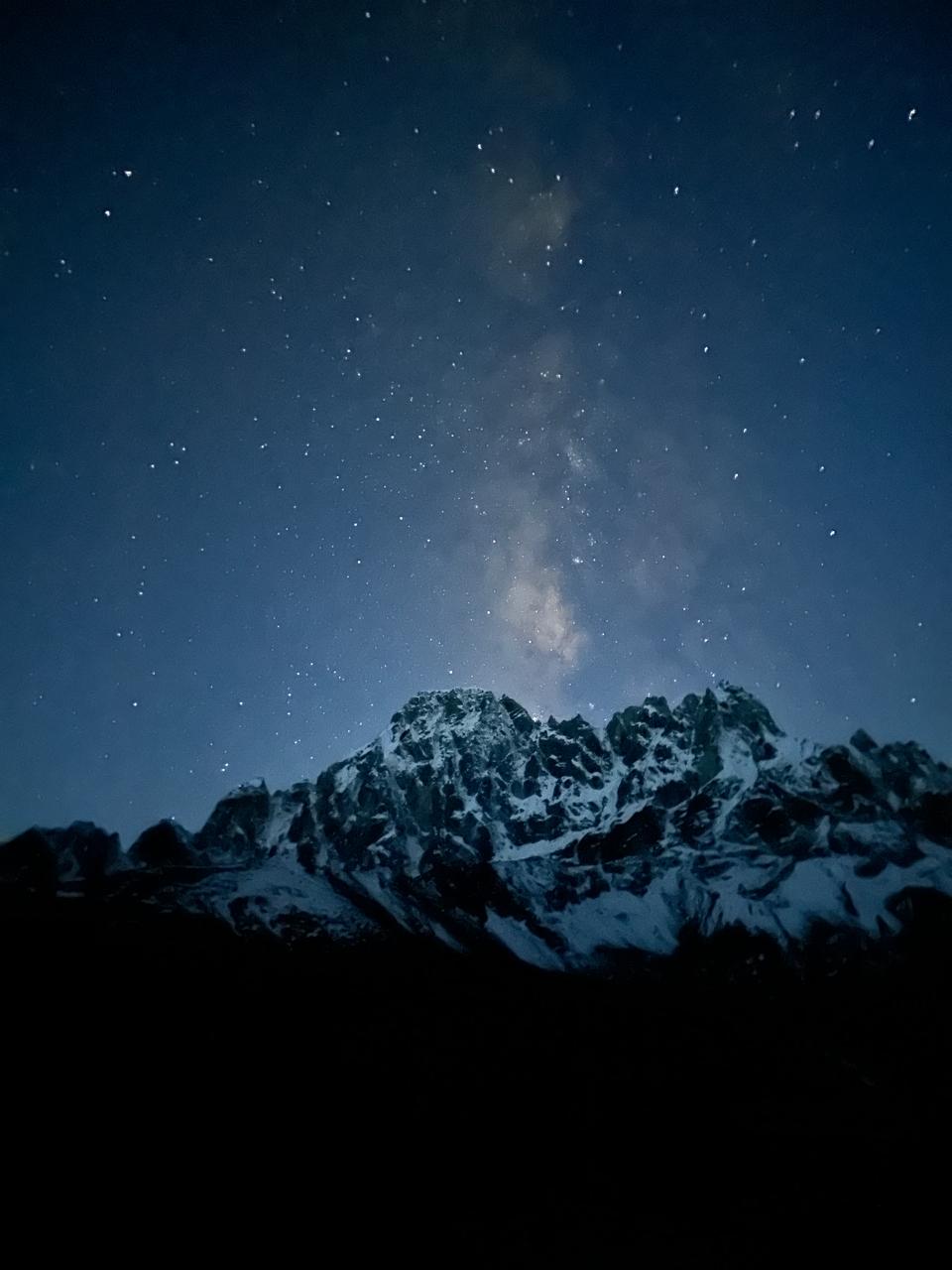
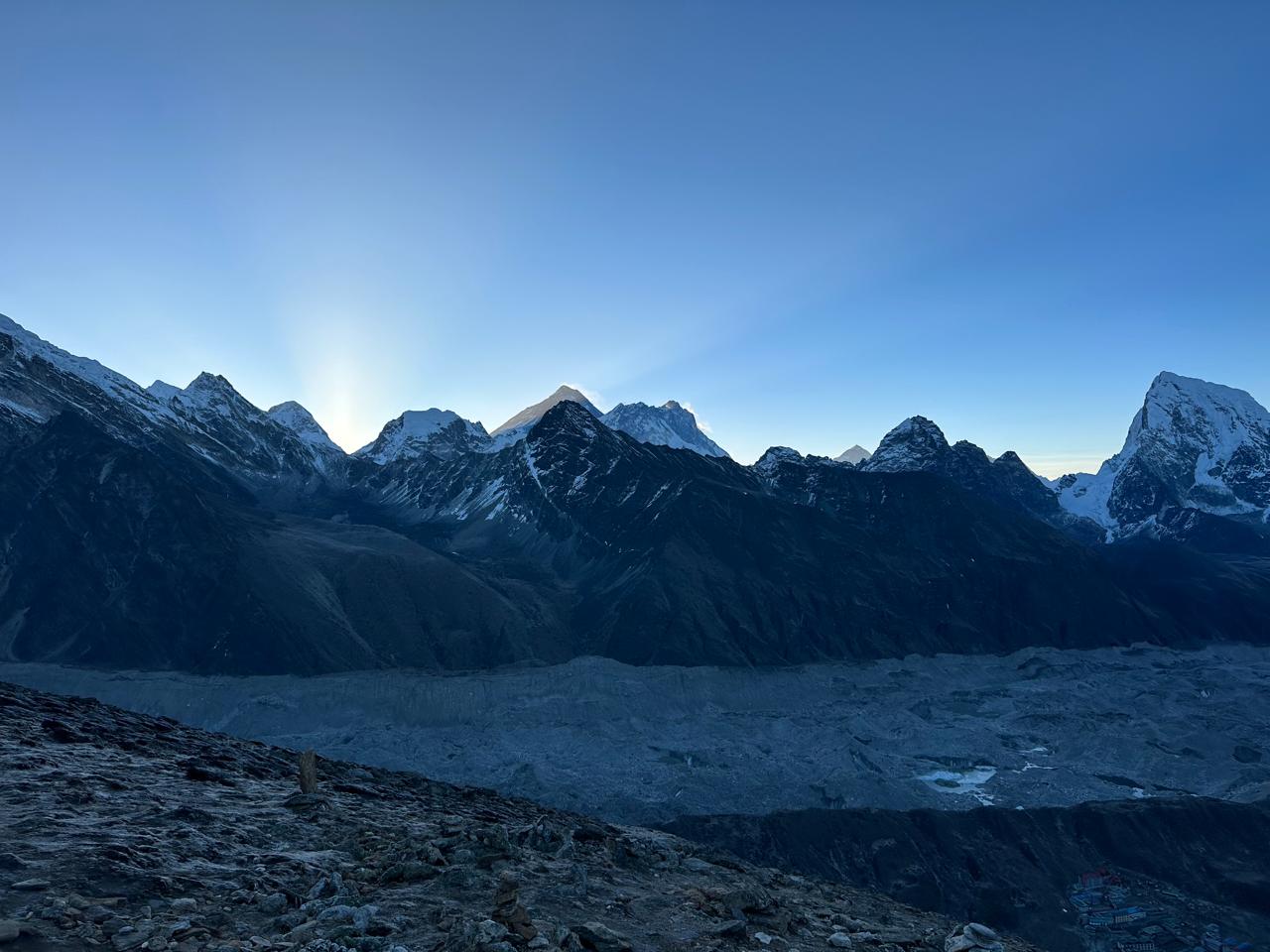
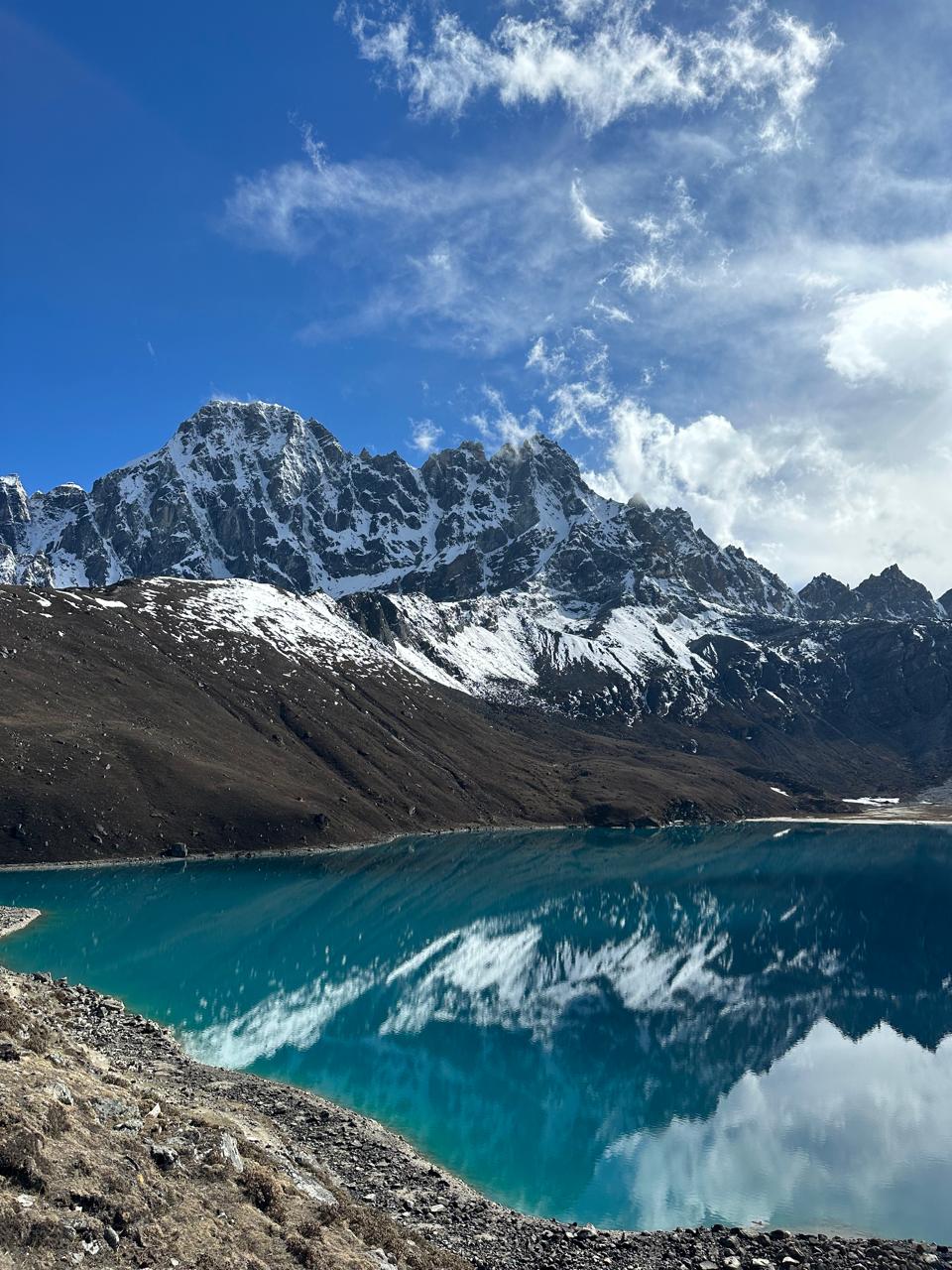
Introduction
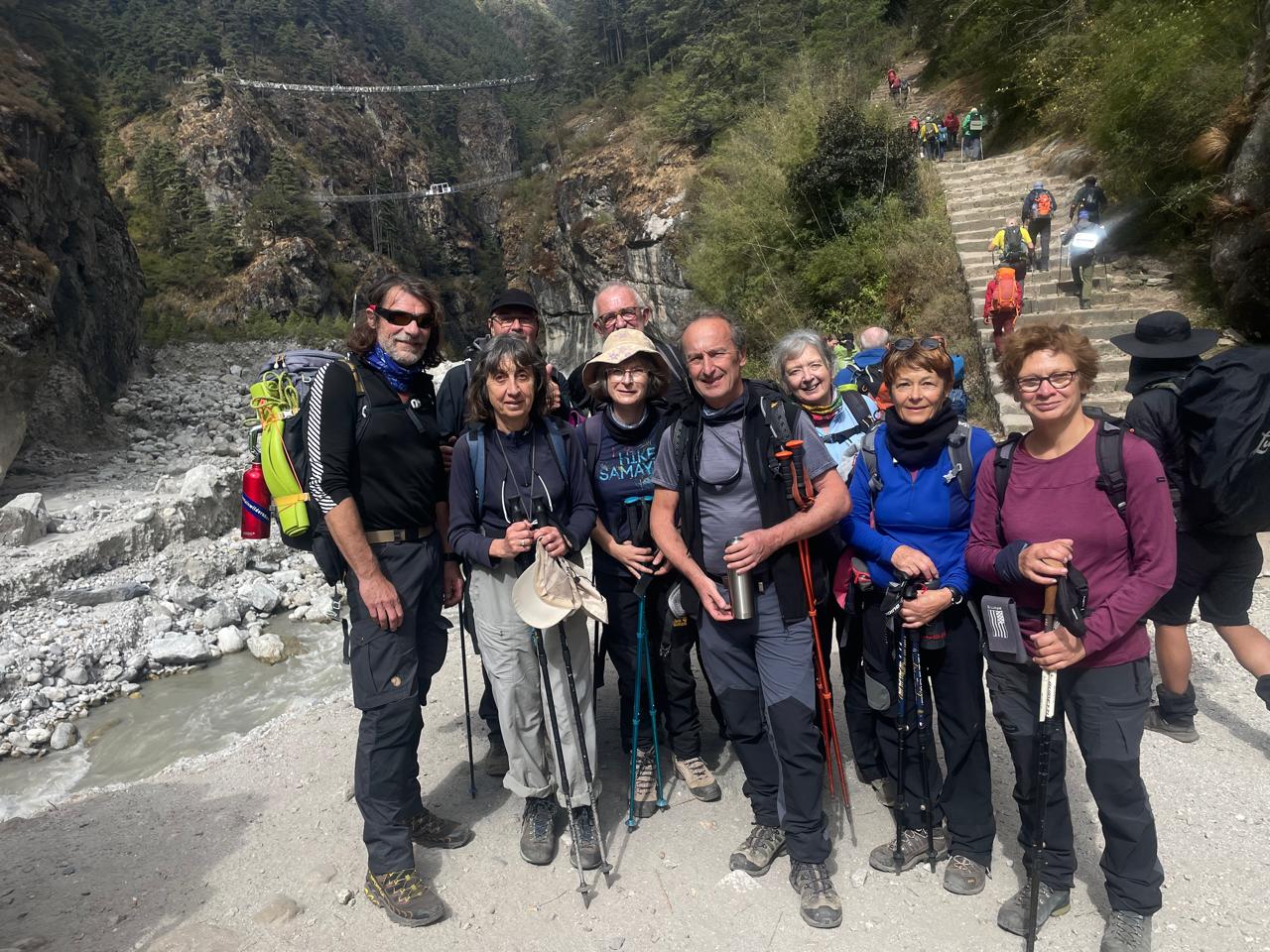
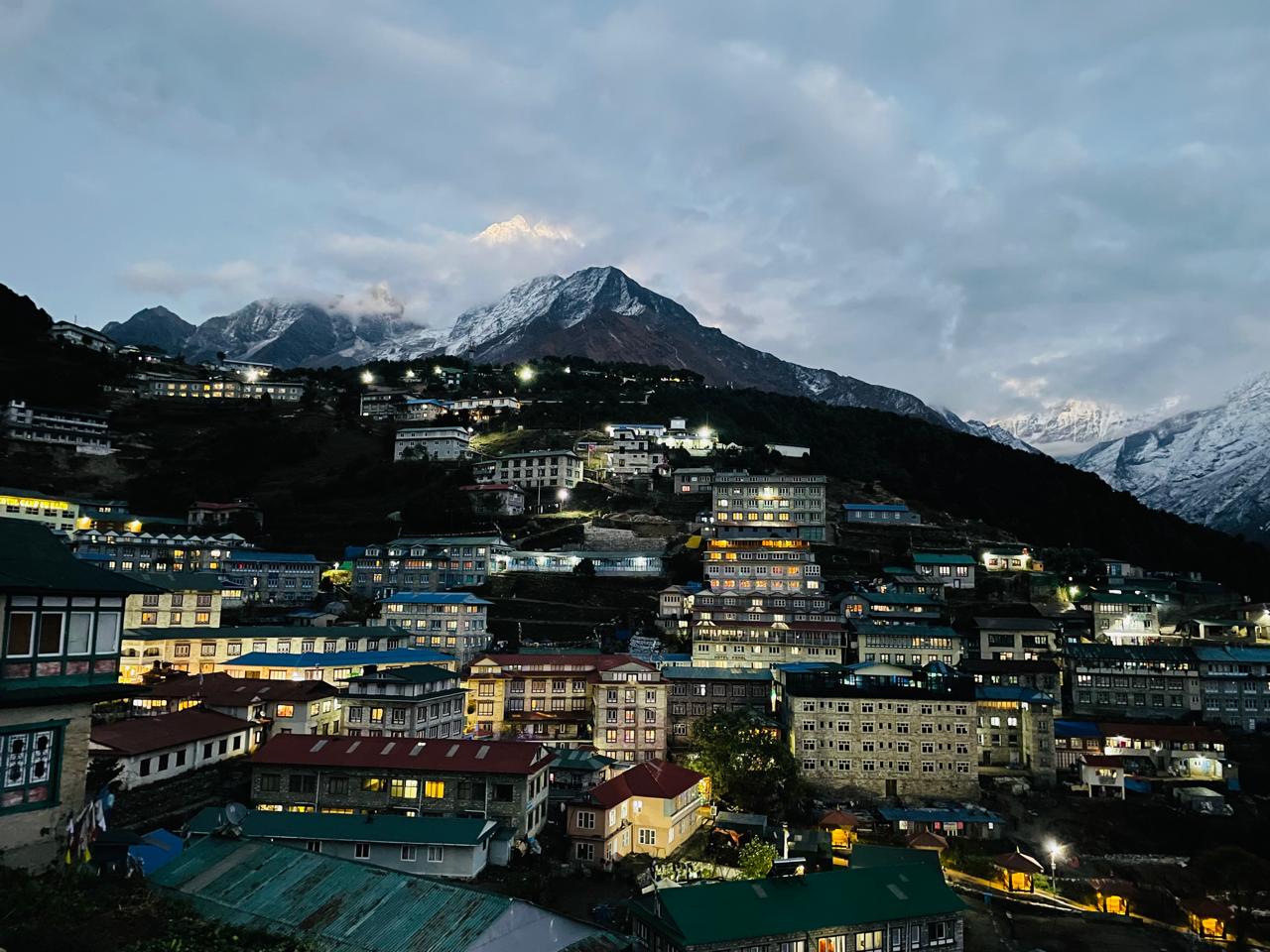
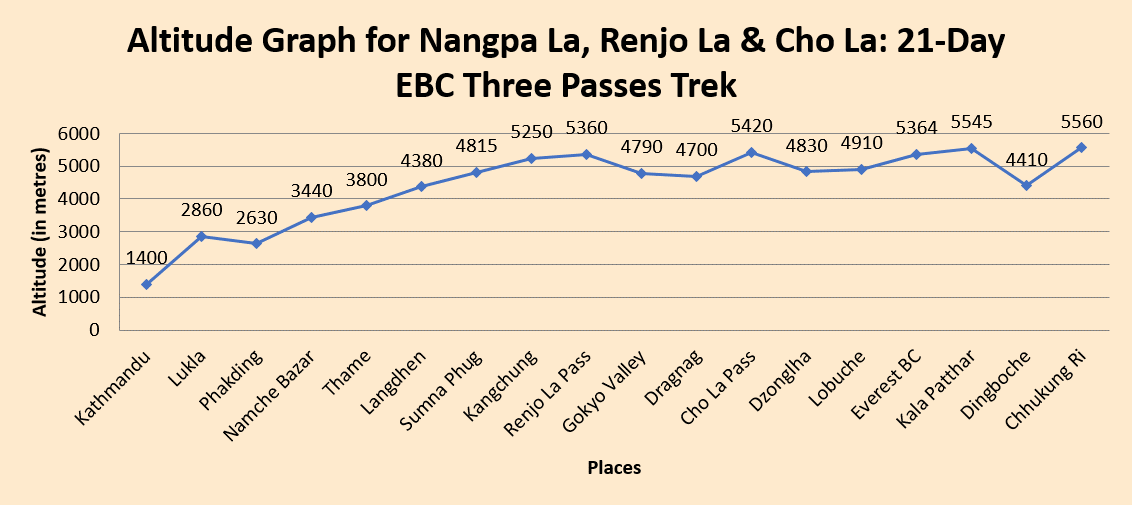
The Nangpa La, Renjo La & Cho La Trek is an extraordinary journey through the heart of the Everest region. Starting in Kathmandu, trekkers are flown to Lukla, the gateway to the Khumbu region, where the adventure truly begins. From Lukla, the trail follows the Dudh Koshi river valley to Phakding and then gradually ascends to Namche Bazaar, the bustling Sherpa town and hub for trekkers preparing for high-altitude excursions.
From Namche, the trek diverges towards Thame and Langdhen, offering a quieter, less-traveled route that crosses remote villages and alpine forests. Trekkers get to experience the authentic Himalayan culture of the Sherpa people, with the opportunity to visit monasteries, interact with locals, and witness traditional agricultural practices. The path then leads to Sumna Phug and Kangchung, from where the challenging Nangpa La Pass provides dramatic vistas of towering peaks and glaciers.
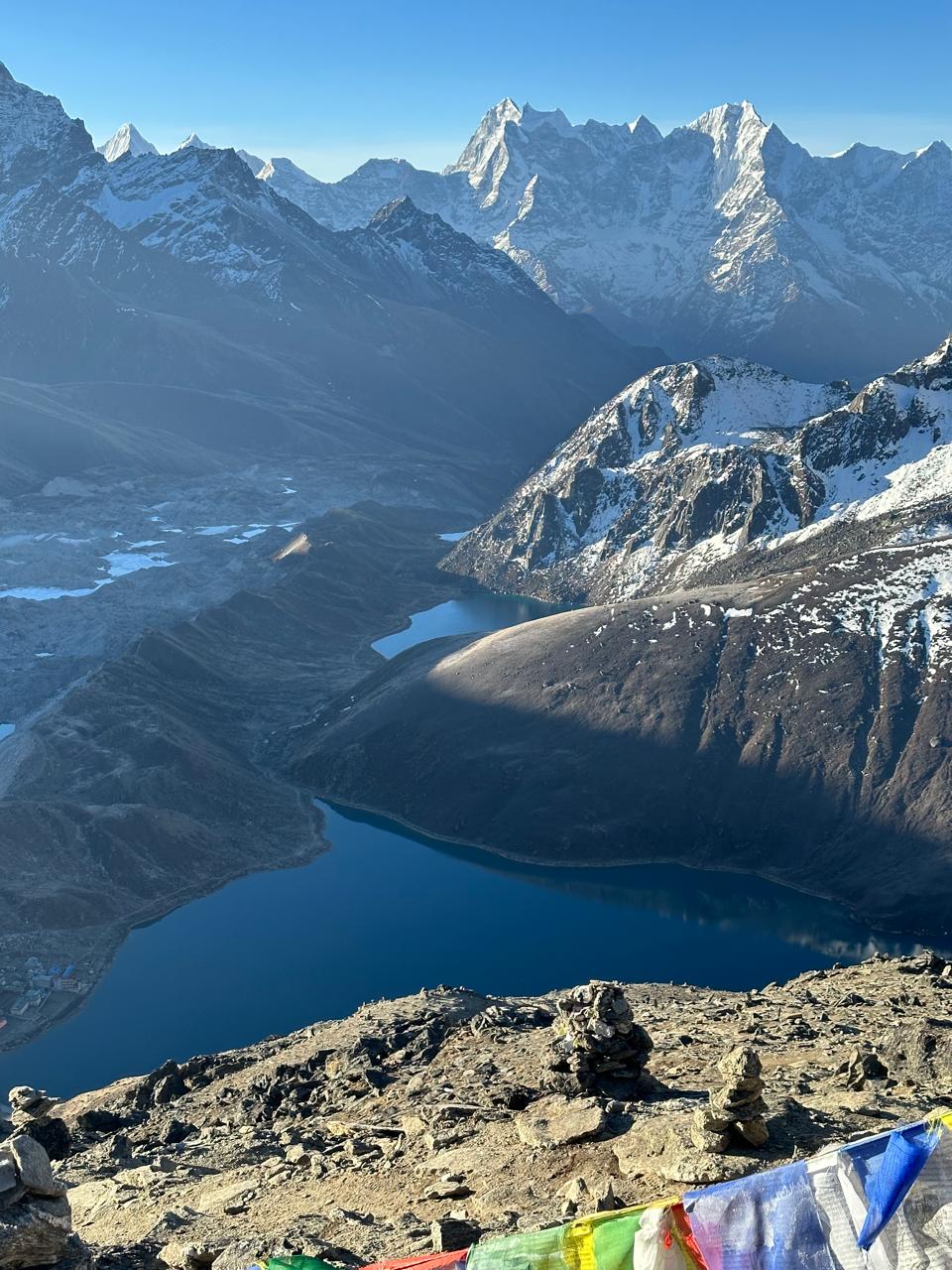
After descending from Nangpa La, trekkers approach Renjo La Pass, a steep ascent rewarded by panoramic views of the Gokyo Lakes and surrounding peaks, including Everest, Lhotse, and Makalu. The descent into the Gokyo Valley provides time to rest and enjoy the serene beauty of high-altitude lakes, while exploring the village of Gokyo. From Gokyo, trekkers pass through Dragnag to reach Cho La Pass, a technical ridge that connects to the Khumbu region and leads towards Dzonglha and Lobuche.
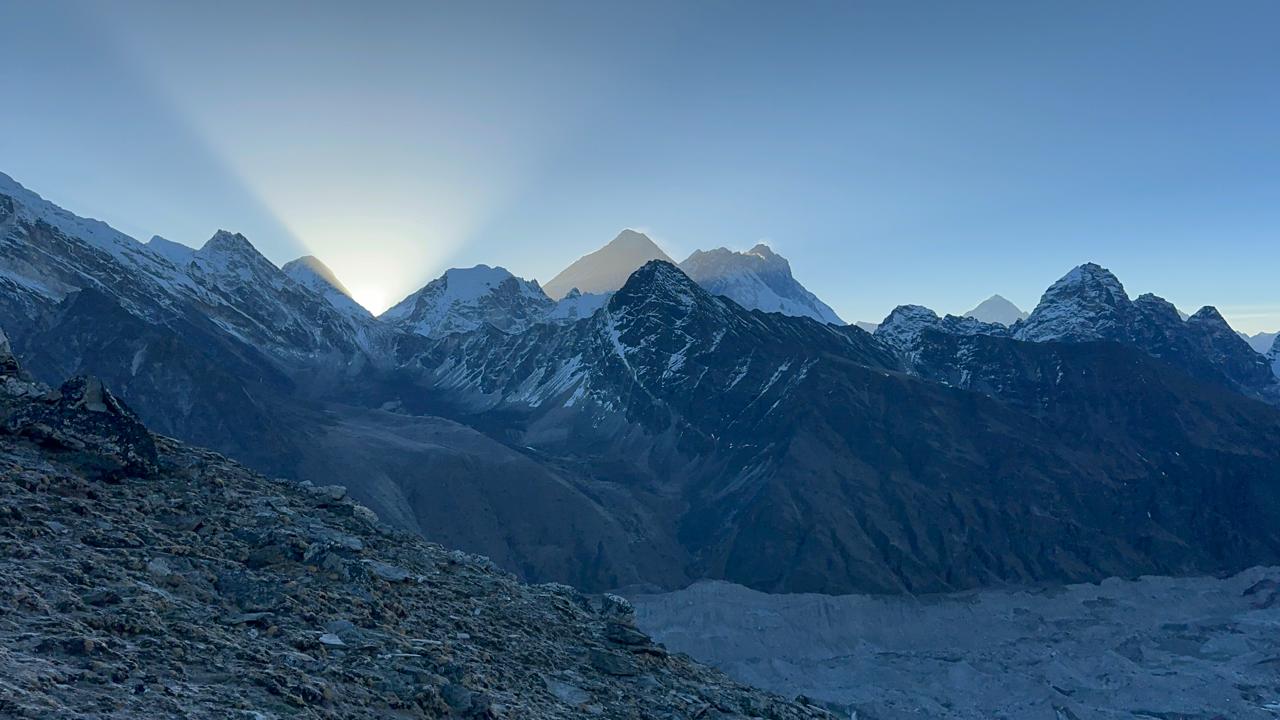
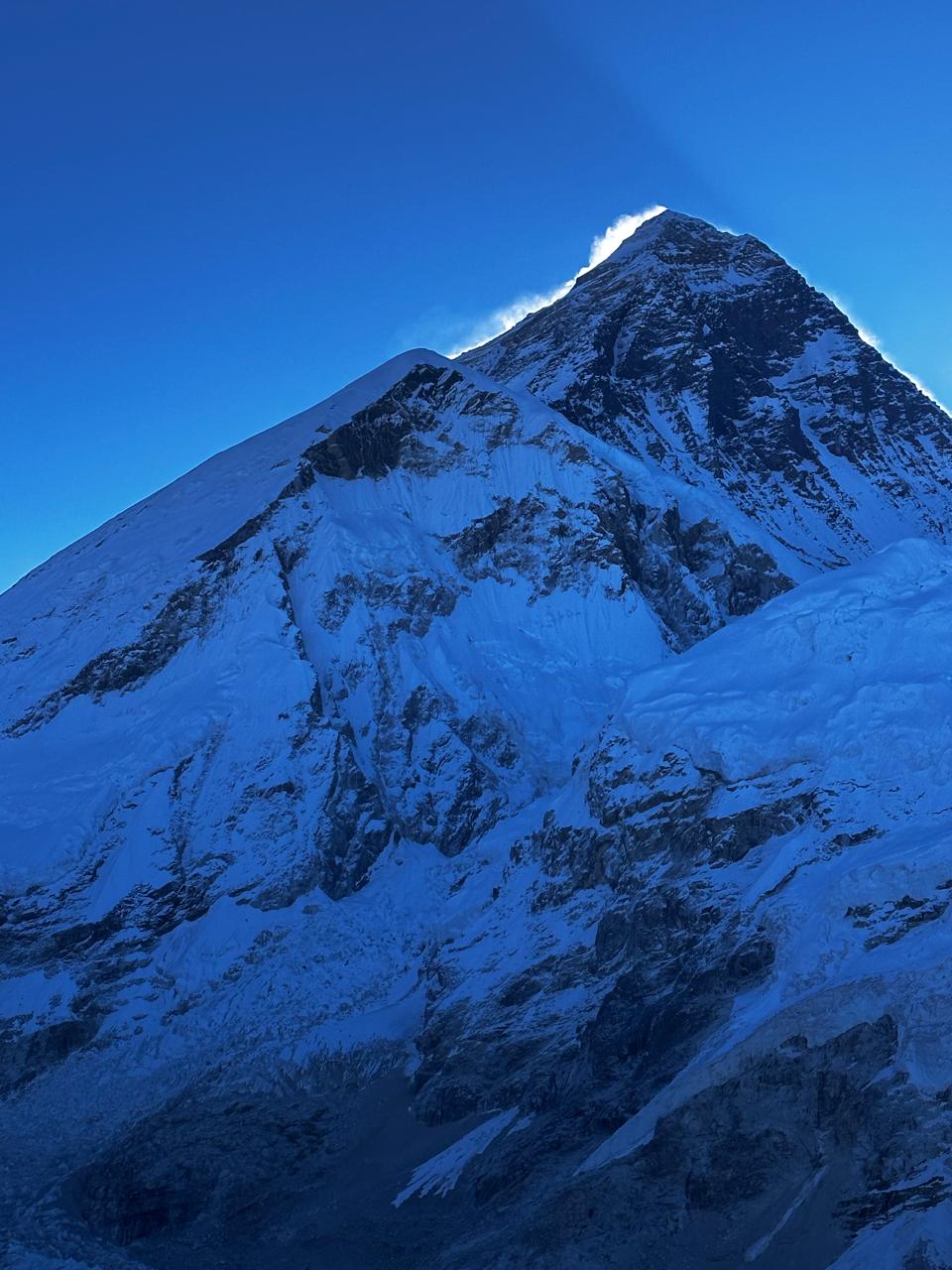
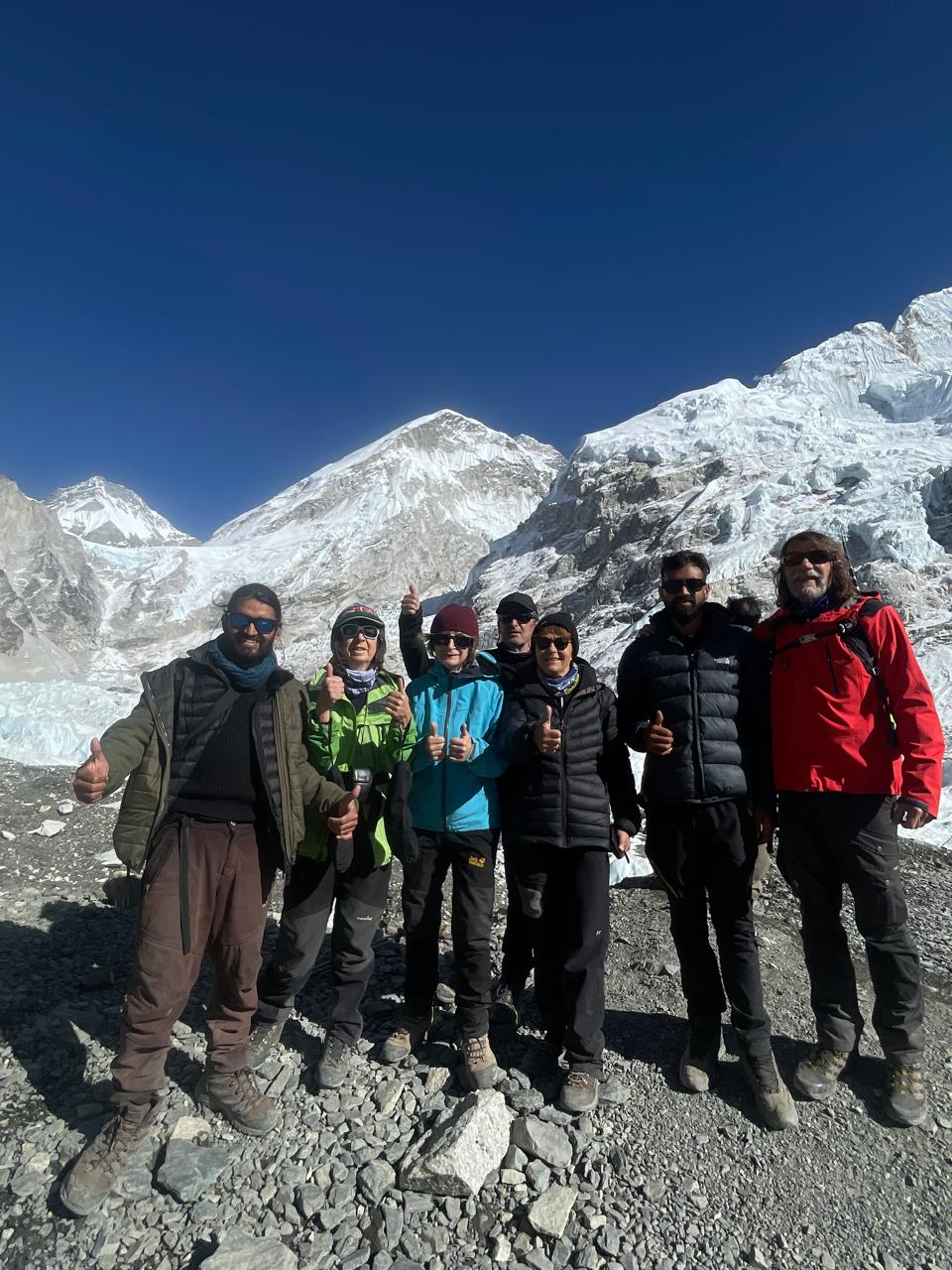
From Lobuche, the route continues to Everest Base Camp, the ultimate destination, before heading to Kala Patthar, a viewpoint offering breathtaking sunrise over Everest and surrounding Himalayan giants. The return journey follows the classic trail through Dingboche, Namche Bazaar, Phakding, and finally Lukla, ending with a flight back to Kathmandu.
Throughout this trek, ART Nepal Treks & Expedition ensures expert guidance, secure accommodations, and proper acclimatization schedules. Trekkers are supported with experienced guides, porters (optional but recommended), and local logistics, ensuring a safe and memorable adventure through one of the world’s most stunning mountain regions.
What Can You Expect from the Trek?
The Nangpa La, Renjo La & Cho La Trek is a combination of natural beauty, cultural immersion, and physical challenge. Trekkers should expect long walking days through rugged terrain, high-altitude passes, and glacial moraines. The views are truly unparalleled, from the turquoise waters of Gokyo Lakes to the towering peaks of Everest, Lhotse, and Cho Oyu.
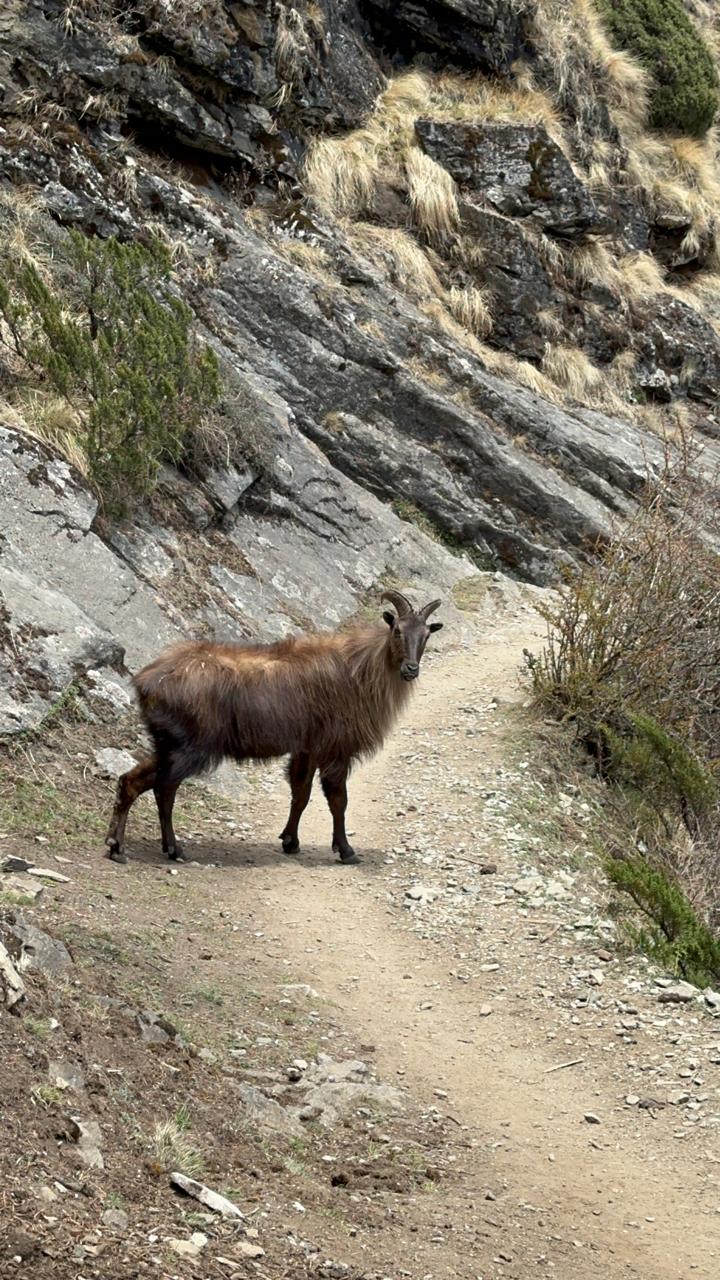
This trek is highly rewarding for climbers and trekkers seeking an experience beyond the standard Everest Base Camp route. It allows travelers to explore remote Sherpa villages, witness ancient monasteries, and enjoy wildlife sightings such as Himalayan tahr and snow pheasants. The trek also emphasizes acclimatization, with several days built in for rest and local hikes at Namche Bazaar, Dingboche, and other high-altitude stops.
Adventure seekers should expect challenging passes requiring focus, stamina, and careful planning. Crossing Nangpa La, Renjo La, and Cho La is strenuous but offers a true sense of achievement and unmatched panoramic landscapes. The combination of cultural richness and alpine adventure makes this trek a once-in-a-lifetime journey.
Summary – What to Expect
- High-Altitude Passes: Challenging yet rewarding climbs at 5,360–5,716 m
• Stunning Panoramas: Everest, Lhotse, Makalu, Cho Oyu, Ama Dablam
• Cultural Exploration: Sherpa villages, monasteries, and local festivals
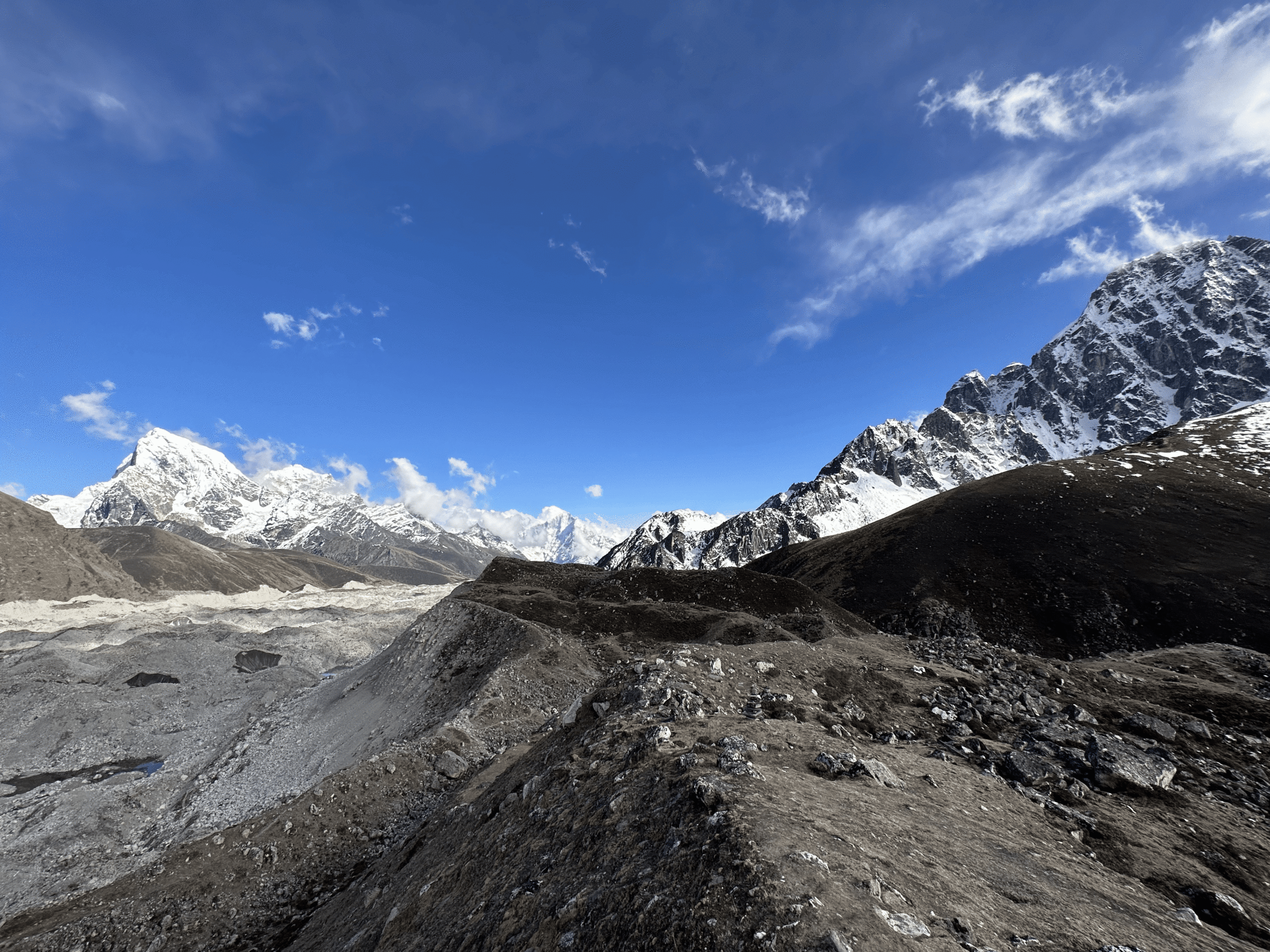
• Glacial Landscapes: Moraines, glaciers, and high mountain lakes
• Acclimatization: Scheduled rest and short hikes for safe altitude adaptation
Is Trek Suitable for You?
The trek is suitable for fit and adventurous individuals who have previous trekking experience at moderate to high altitudes. A good fitness level and ability to walk 6–8 hours per day on uneven terrain are essential. Individuals should be prepared for temperatures that can drop below freezing at night and for sudden weather changes.
This journey is ideal for trekkers who want more than just Everest Base Camp. By including three passes, it provides technical challenges and less-crowded trails. However, it is not recommended for beginners, those with serious medical conditions, or travelers who cannot tolerate prolonged physical exertion at high altitudes.
Safety is ensured with professional guides, acclimatization days, and optional porters to carry heavy gear. These measures make the trek accessible to dedicated adventurers while minimizing risk. It is also perfect for photographers, nature lovers, and anyone looking for an immersive Himalayan experience.
Summary – Suitable For
- Experienced trekkers with high-altitude exposure
• Adventure seekers and nature enthusiasts
• Photographers seeking panoramic landscapes
• Individuals comfortable with physically demanding treks
• Those interested in cultural immersion in Sherpa villages
How to Get Prepared for Trek
Preparing for the Nangpa La, Renjo La & Cho La Trek is crucial for a safe and enjoyable experience. Because this trek involves multiple high passes, glacial valleys, and extended high-altitude trekking, physical conditioning and mental preparation are both key. Ideally, trekkers should start pre-trek fitness training at least three to four months in advance. This includes aerobic exercises like running, cycling, swimming, and stair climbing to strengthen cardiovascular endurance. Trekking in hilly terrain with a weighted backpack prior to arrival can simulate the conditions you will face in the Himalayas.
Mental preparation is equally important. Trekkers should be ready to face unpredictable weather, cold nights, and the physical challenges of steep ascents and descents. Understanding altitude sickness symptoms and proper acclimatization strategies is critical, as the trek reaches elevations above 5,700 meters. Pre-trip briefings with ART Nepal Treks & Expedition will help prepare you with knowledge about the trail, cultural etiquette, safety protocols, and technical challenges at each pass. Equipment preparation, including layered clothing, trekking boots, crampons for icy sections, and durable trekking poles, ensures comfort and safety during the journey.
Summary – Preparation Tips
- Physical Fitness: Cardiovascular training, endurance hikes, and leg strengthening exercises
- Mental Readiness: Preparing for isolation, long hiking hours, and challenging weather
- Acclimatization Knowledge: Understanding altitude sickness, hydration, and rest strategies
- Gear Preparation: Layered clothing, waterproof jackets, crampons, ice axe, trekking poles
- Pre-Trip Briefing: Guidance from ART Nepal Treks & Expedition on route, safety, and culture
-
Trip Duration
21 Days / 20 Nights
-
Group Size
1–20 People
-
Maximum Altitude
5,716 meters
-
Trip Difficulty
Challenging
-
Activities
Trekking
-
Best Season
Spring (March–May) and Autumn (September–November)
-
Trip Start & End
Kathmandu / Kathmandu
-
Meals
Breakfast, Lunch, Dinner
-
Accomodation
Tea houses, lodges, and guesthouses along the trekking route
Highlights
- Nangpa La Pass: Spectacular high-altitude crossing with panoramic views of glaciers and neighboring Tibet.
- Renjo La Pass: Challenging ascent with awe-inspiring views of Everest, Makalu, and Cho Oyu.
- Cho La Pass: Technical pass that connects Gokyo Valley to the Khumbu region, offering rewarding vistas.
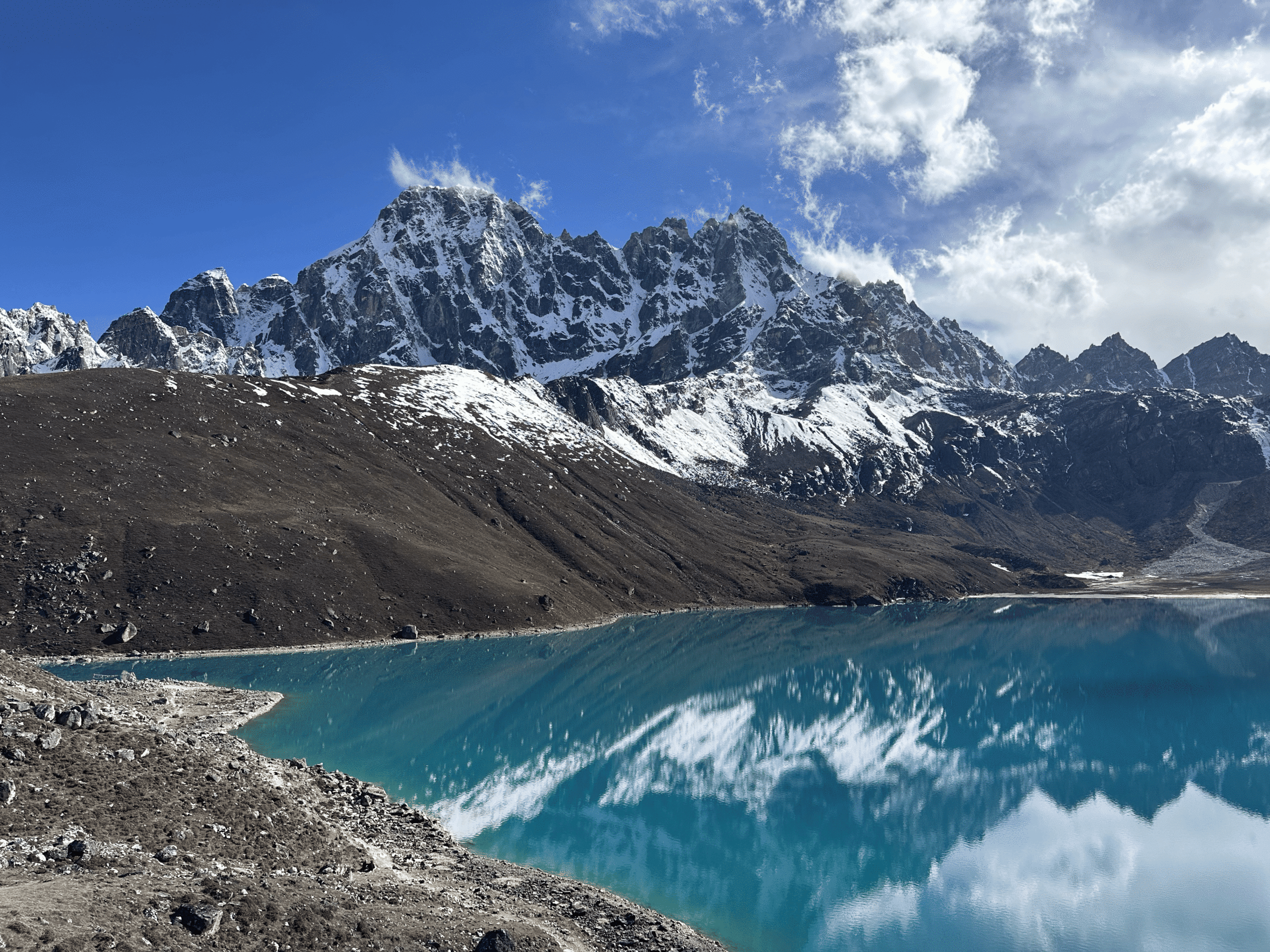
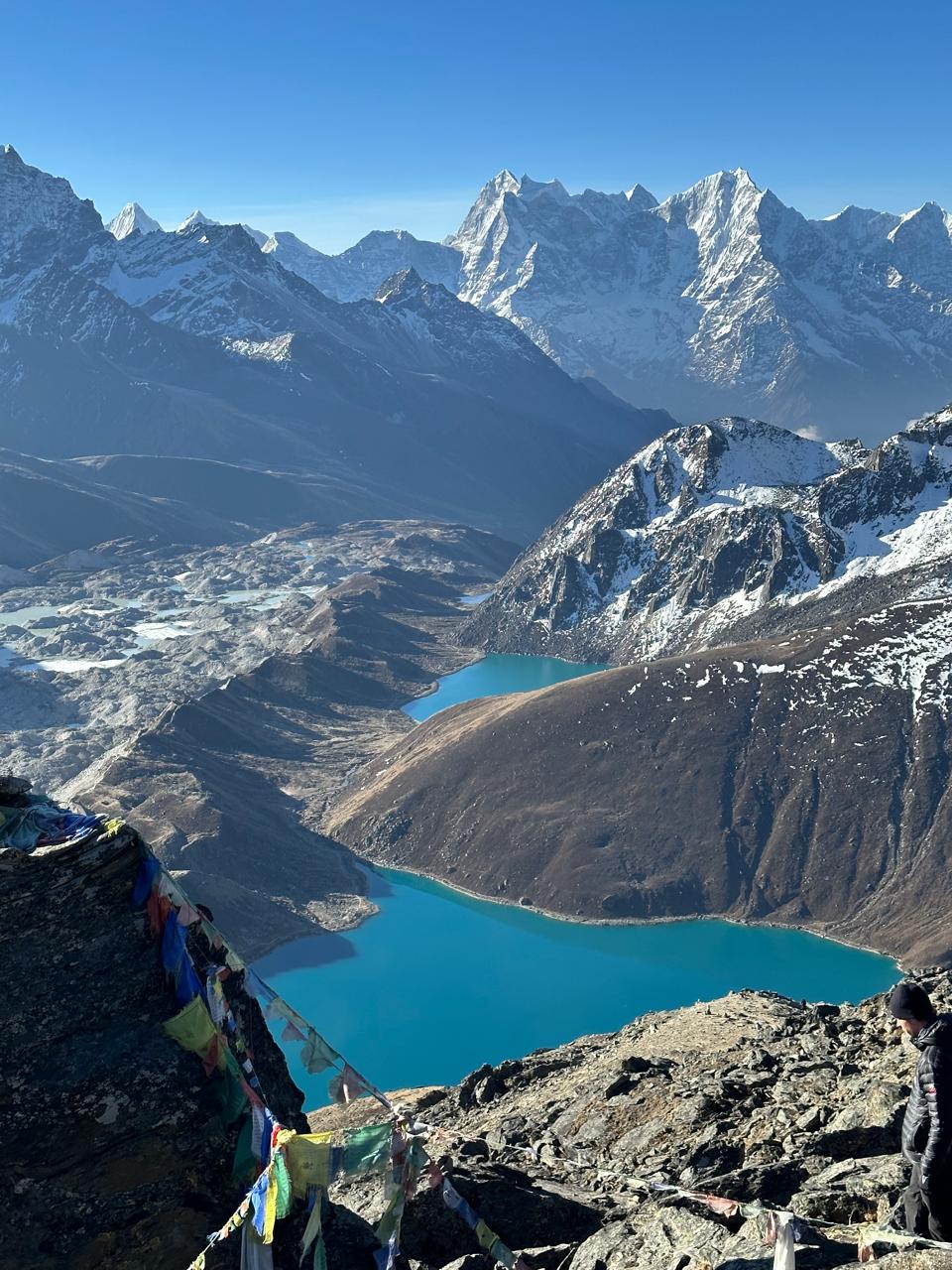
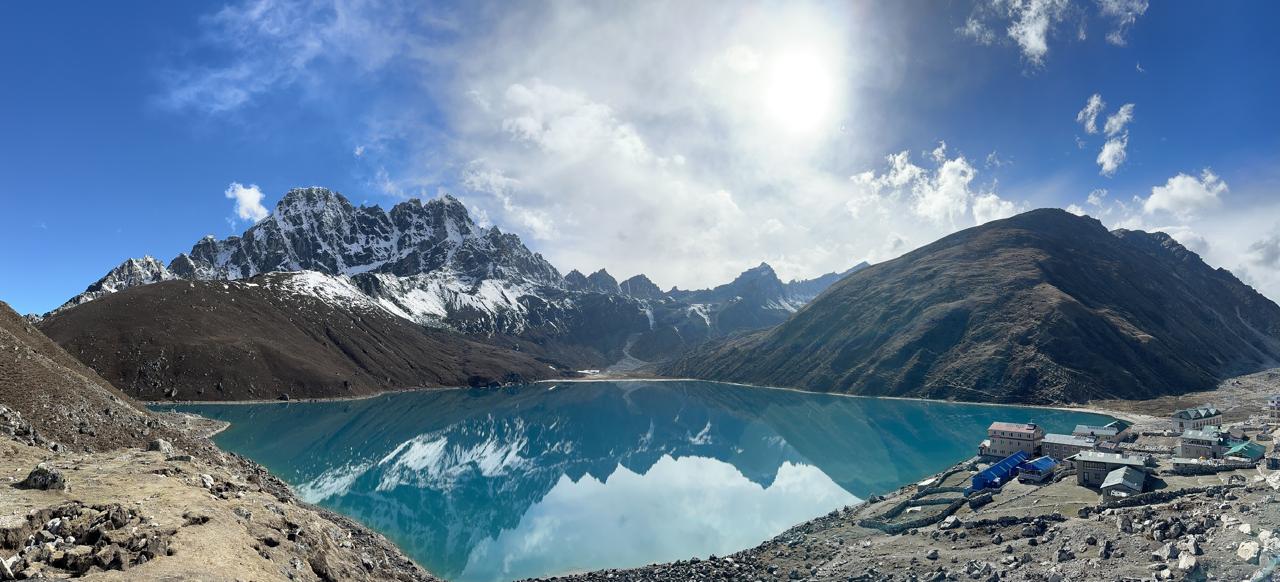
- Gokyo Valley & Lakes: Turquoise high-altitude lakes reflecting surrounding peaks.
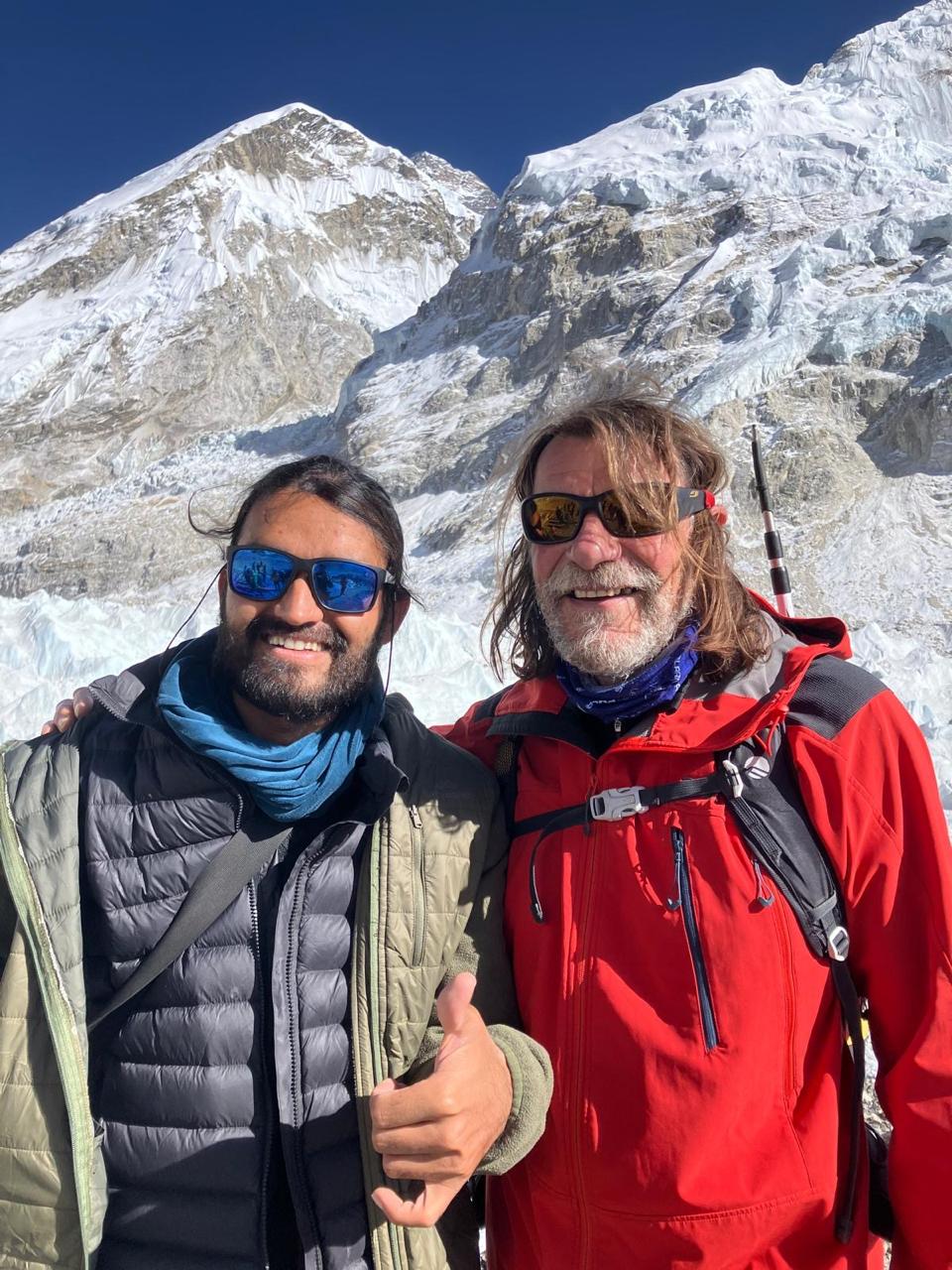
- Everest Base Camp: Close-up view of the world’s highest peak with glacial landscapes.
- Kala Patthar: Sunrise viewpoint providing iconic Everest panoramas.
- Cultural Exploration: Visits to Namche Bazaar, Thame, and traditional Sherpa villages showcasing local monasteries and customs.
Itinerary
Day 01
Upon arrival at Tribhuvan International Airport in Kathmandu, you will be warmly welcomed by a representative from ART Nepal Treks & Expedition, who will assist you with airport transfers and guide you to your hotel. Kathmandu, the bustling capital of Nepal, is a city full of vibrant culture, historic temples, and lively street markets. This first day is designed to help you recover from international travel, adjust to the time difference, and start mentally preparing for the journey ahead. Your guide will provide a comprehensive briefing on the trek, including an overview of the route, cultural etiquette, safety protocols, and necessary permits such as the TIMS card.
In the evening, you will have time to explore the nearby areas of Thamel, a tourist-friendly neighborhood in Kathmandu known for its colorful markets, local handicrafts, and cozy cafes. This is a perfect opportunity to buy any last-minute trekking gear, snacks, or trekking essentials. The evening will conclude with a detailed discussion about your trekking itinerary, ensuring you are fully aware of the daily schedule, accommodation types, and altitude challenges. You will also receive advice on high-altitude health, hydration, and nutrition to ensure a safe start to your Himalayan adventure.
Altitude:
1,300 m / 4,265 ftMeal:
Dinner includedAccomodation :
Hotel in KathmanduDay 02
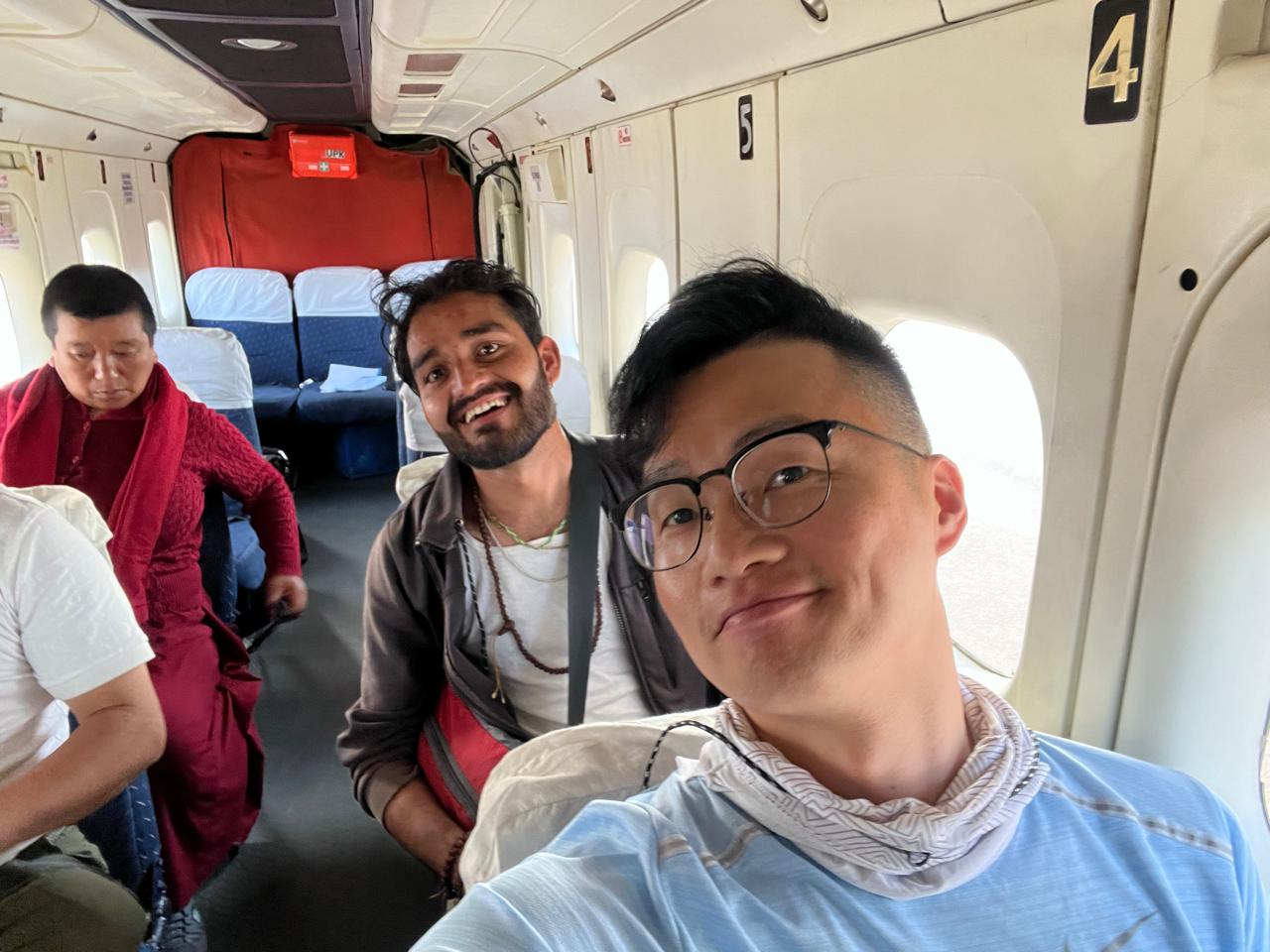
The day begins with an early morning domestic flight from Kathmandu to Lukla. This short 35-minute flight offers breathtaking aerial views of the snow-capped Himalayan peaks, terraced farmlands, and winding rivers, giving a first glimpse of the rugged terrain that awaits you. Upon arrival at Lukla Airport, the starting point of the trek, you will meet your trekking team, including guides and porters, who will assist with organizing your gear and ensuring all equipment is properly secured. The atmosphere in Lukla is energetic, filled with trekkers preparing for various Everest region expeditions. After a brief rest and breakfast, the trek begins along the Dudh Koshi River, passing small villages, suspension bridges, and lush forested paths, making your first day of walking both scenic and gentle for acclimatization.
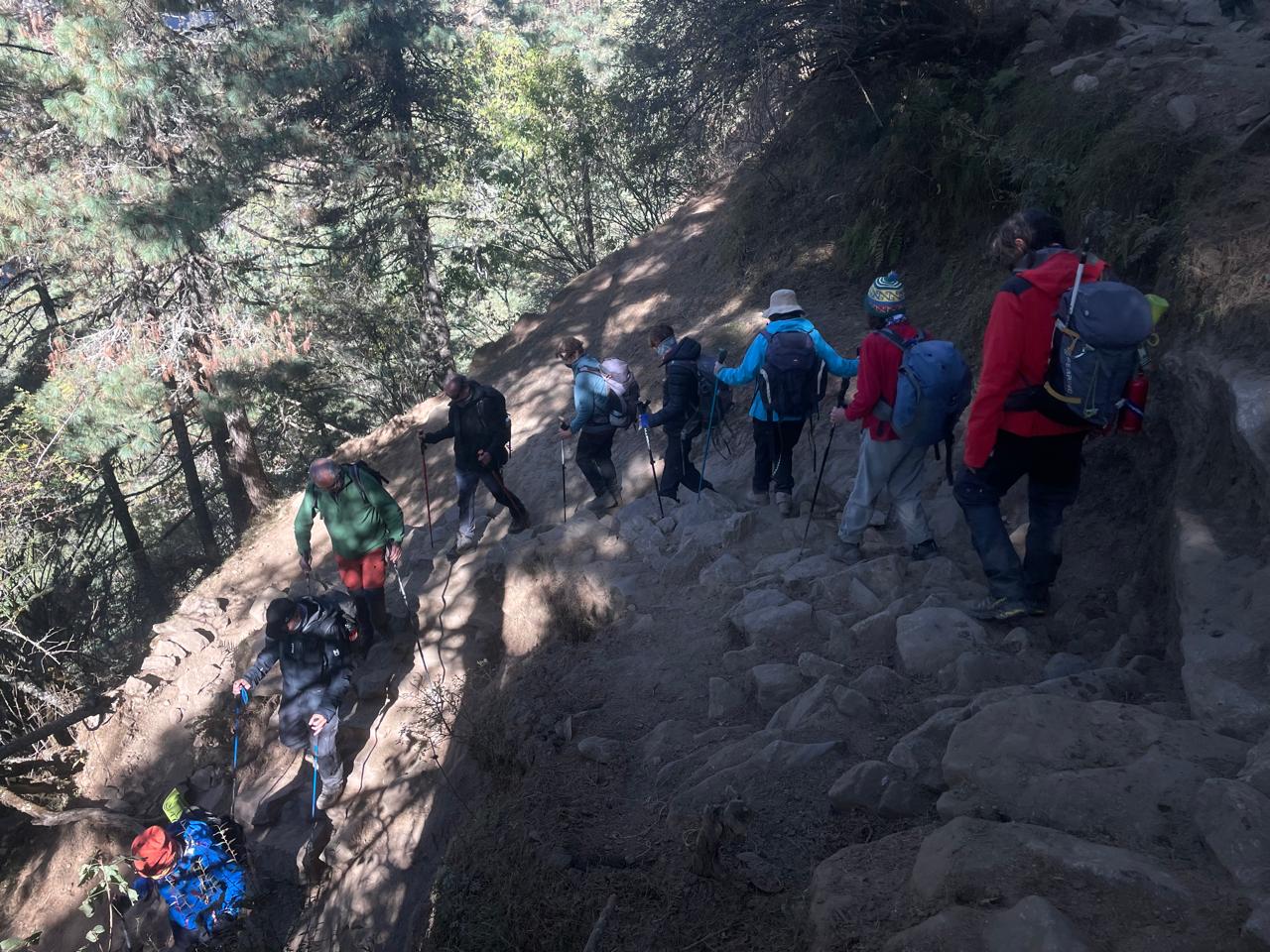
The trek from Lukla to Phakding usually takes around 4 hours, following a well-defined trail through pine forests and traditional Sherpa settlements. Along the way, you will notice prayer flags fluttering across bridges and prayer wheels outside villages, reflecting the deep-rooted Buddhist culture of the Khumbu region. This initial stage is designed to help your body gradually adjust to the higher altitudes while enjoying the natural beauty of the Himalayan foothills. Once in Phakding, you will settle into cozy teahouses, where you can rest, enjoy hot meals, and interact with local families to learn about their lifestyle. Your guide will also take this time to review the next day’s trek, highlighting important landmarks and providing tips on managing trekking stamina.
Trip Duration:
4 hoursTrip Distance:
Approximately 8 km / 5 milesAltitude:
2,610 m / 8,563 ftMeal:
Breakfast, lunch, and dinnerAccomodation :
Teahouse in PhakdingDay 03
The trek today becomes more engaging as you gradually gain altitude and approach the famous town of Namche Bazaar, the heart of the Khumbu region. Leaving Phakding in the morning, the trail follows the Dudh Koshi River, passing charming villages such as Monjo and Jorsale, which are gateways to the Sagarmatha National Park. Along the way, trekkers cross multiple suspension bridges that span the fast-flowing river, offering spectacular views of the surrounding hills and the terraced landscape. This section also gives your body an essential acclimatization boost while your eyes soak in the beauty of pine forests and Himalayan peaks appearing on the horizon. You may also spot yaks carrying supplies along the trail and hear the occasional chanting from local monasteries, giving you a sense of the region’s rich culture and spiritual heritage.
As you ascend the final steep stretch into Namche Bazaar, the scenery becomes more dramatic with towering peaks such as Thamserku and Kwangde Ri dominating the skyline. Namche itself is a bustling Sherpa hub, filled with tea houses, lodges, and small shops selling trekking essentials and handicrafts. Upon arrival, you will check into your accommodation, unwind, and take a gentle stroll around the market area to explore local culture and cuisine. The afternoon is ideal for light walking around the town to help your body adapt to the higher elevation. Your guide may recommend a short hike to the Namche Viewpoint for an awe-inspiring panorama of Everest, Lhotse, and Ama Dablam, helping further with acclimatization before the next day’s trek.
Trip Duration:
6 hoursTrip Distance:
Approximately 9 km / 5.6 milesAltitude:
3,450 m / 11,319 ftMeal:
Breakfast, lunch, and dinnerAccomodation :
Teahouse in Namche BazaarDay 04
Namche Bazaar is a perfect place to allow your body to adapt to the higher altitudes, and today is reserved entirely for acclimatization. Trekkers can enjoy a leisurely morning while exploring the town’s vibrant local culture. The bustling market is a center of Sherpa trade, where you can find handmade wool garments, prayer flags, trekking gear, and souvenirs. Walking through the town, you may encounter locals dressed in traditional attire, monks chanting at small monasteries, and children going about their daily routines. These small experiences give a deep insight into the rich heritage of the Khumbu region.
In the afternoon, your guide will likely take you on a short acclimatization hike to the nearby Everest View Hotel or the Namche Viewpoint, located about 1–2 hours uphill from the town center. This moderate climb gradually increases your heart rate and exposes your body to higher elevations, helping prevent altitude sickness during the upcoming pass crossings. From the viewpoint, you can enjoy breathtaking views of Mount Everest, Lhotse, Nuptse, and Ama Dablam, offering perfect photography opportunities. The rest of the day can be spent walking around Namche Bazaar, visiting cafés, or simply relaxing at your lodge to prepare for the journey ahead.
Trip Duration:
Optional 2–3 hoursTrip Distance:
3–4 kmAltitude:
3,450 m / 11,319 ftMeal:
Breakfast, lunch, and dinnerAccomodation :
Teahouse in Namche BazaarDay 05
Leaving Namche Bazaar in the morning, the trail gradually ascends through dense pine forests and rhododendron groves as you head towards the traditional Sherpa village of Thame. This is a relatively moderate trekking day, allowing your body to continue acclimatizing while offering increasingly impressive Himalayan vistas. Along the way, you will pass small villages such as Khumjung and Kunde, both of which are steeped in Sherpa culture. Khumjung is home to the famous Himalayan School and has a small monastery with historic artifacts and Buddhist scriptures.
The trek from Namche to Thame also offers opportunities to encounter Himalayan wildlife, including musk deer, Himalayan pheasants, and occasionally the elusive snow leopard in the higher valleys. Reaching Thame, a quiet village at 3,800 meters, you will notice traditional stone houses with prayer flags fluttering against the backdrop of towering peaks. Thame is also historically significant as it is the ancestral home of many Sherpas who have summited Mount Everest. Upon arrival, you can explore the village, interact with locals, and prepare for the next day’s ascent to Langtang-like alpine terrain leading to Langdhen.
Trip Duration:
3,800 m / 12,467 ftTrip Distance:
Approximately 9 km / 5.6 milesAltitude:
3,800 m / 12,467 ftMeal:
Breakfast, lunch, and dinnerAccomodation :
Teahouse in ThameDay 06
Leaving Thame early in the morning, the trail gradually climbs through rocky slopes and scattered alpine vegetation. Today’s trek involves steady ascents with occasional descents across glacial streams and moraines, offering both physical challenge and scenic beauty. The route passes through smaller hamlets where you can observe traditional stone houses and mani walls decorated with Buddhist prayers. Langdhen is situated at 4,380 meters, providing trekkers a higher altitude experience and excellent views of surrounding peaks like Cholatse, Taboche, and Ama Dablam, which appear larger as you ascend.
This day is particularly important for acclimatization because of the altitude gain from Thame. The guide will remind you to pace yourself, stay hydrated, and monitor for any signs of altitude sickness. Upon arrival at Langdhen, you can explore the small village, observe the local Tibetan-style architecture, and enjoy the serene Himalayan atmosphere. The night at this altitude also prepares your body for the upcoming trek to Sumna Phug and Kangchung.
Trip Duration:
5–6 hoursTrip Distance:
Approximately 10 km / 6.2 milesAltitude:
4,380 m / 14,370 ftMeal:
Breakfast, lunch, and dinnerAccomodation :
Teahouse in LangdhenDay 07
Today, trekkers continue their journey into higher alpine landscapes, gradually leaving tree lines behind and entering rugged terrain with rocky trails, glacial streams, and sparse vegetation. The hike to Sumna Phug takes about 6–7 hours and is slightly more challenging due to steeper ascents. Along the way, you will enjoy stunning views of the Khumbu glaciers and surrounding 6,000–7,000-meter peaks, creating a dramatic backdrop for photography and rest stops. The atmosphere becomes increasingly quiet and remote, providing a sense of adventure and immersion in nature.
Sumna Phug, at 4,815 meters, is a small high-altitude settlement or tented area where trekkers can rest and prepare for the more strenuous climbs ahead. The guide will emphasize proper rest, hydration, and nutrition, and may lead a short acclimatization hike to nearby ridges to continue adjusting your body to the altitude. In the evening, you can enjoy views of the sunset reflecting off snow-capped peaks, creating a spectacular Himalayan experience before turning in for the night.
Trip Duration:
6–7 hoursTrip Distance:
Approximately 12 km / 7.5 milesAltitude:
4,815 m / 15,787 ftMeal:
Breakfast, lunch, and dinnerAccomodation :
Teahouse or tented lodgesDay 08
The trek from Sumna Phug to Kangchung is shorter in distance but involves steeper and more exposed terrain, making it moderately challenging. The trail follows moraine ridges, small streams, and rocky slopes, offering 360° views of towering mountains and the glacier-fed valleys below. Today’s hike also introduces trekkers to higher-altitude conditions and the thin air, which requires careful pacing and regular rest breaks.
Kangchung sits at 5,250 meters and acts as a strategic point for acclimatization before attempting the first major pass, Nangpa La. The site is ideal for observing glaciers, snowfields, and surrounding peaks like Cho Oyu and Ngozumpa Glacier, giving trekkers an immersive experience of high Himalayan terrain. Overnight at Kangchung is crucial for recovery, hydration, and energy replenishment for the upcoming strenuous summit-like hikes.
Trip Duration:
3–4 hoursTrip Distance:
Approximately 8 km / 5 milesAltitude:
5,250 m / 17,224 ftMeal:
Breakfast, lunch, and dinnerAccomodation :
Tented camp or teahouseDay 09
Today is one of the most challenging yet rewarding days of the trek, as you attempt the Nangpa La pass. The hike begins early in the morning, following steep, rocky trails and snow-laden slopes. Trekking on the glacier and moraine requires careful attention, use of trekking poles, and pacing. As you ascend, the views of Cho Oyu, Everest, and surrounding high peaks unfold, offering a rare and breathtaking panorama of the upper Khumbu region.
Reaching the Nangpa La pass at 5,716 meters gives trekkers a sense of achievement and a chance to observe the Nepal-Tibet border and distant glaciers. After spending some time at the pass, you carefully descend back to Kangchung for overnight rest. This day tests endurance, acclimatization, and mental focus, but the rewarding vistas make it one of the highlights of the trek.
Trip Duration:
7–8 hoursTrip Distance:
Approximately 14 km / 8.7 milesAltitude:
5,716 m / 18,750 ftMeal:
Breakfast, lunch, and dinnerAccomodation :
Kangchung teahouse/tented campDay 10
Leaving Kangchung, trekkers gradually descend through moraine valleys before starting the approach to Renjo La Base Camp. The trail offers a combination of rocky paths, small snow patches, and panoramic views of the surrounding high peaks. Today is less strenuous than the Nangpa La hike but still requires focus due to uneven terrain and thin air.
Renjo La Base Camp, situated at 5,360 meters, is a critical stop for preparing to cross the Renjo La pass the next day. The surrounding area is dominated by glaciers and snow-covered ridges, providing spectacular photographic opportunities. Overnight here allows for rest, hydration, and acclimatization. Guides usually advise a short hike to nearby ridges for acclimatization and stunning sunset views.
Trip Duration:
4–5 hoursTrip Distance:
Approximately 9 km / 5.6 milesAltitude:
5,360 m / 17,578 ftMeal:
Breakfast, lunch, and dinnerAccomodation :
Tented camp or teahouseDay 11
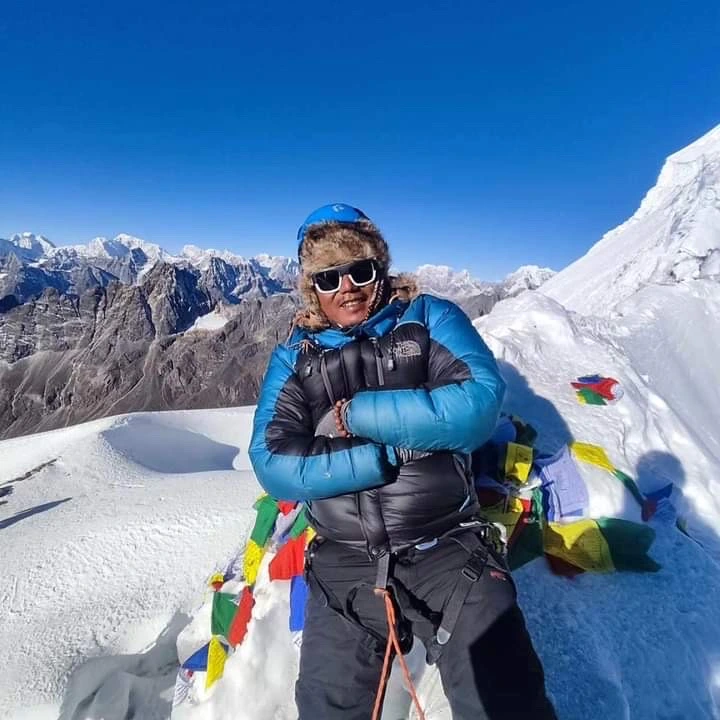
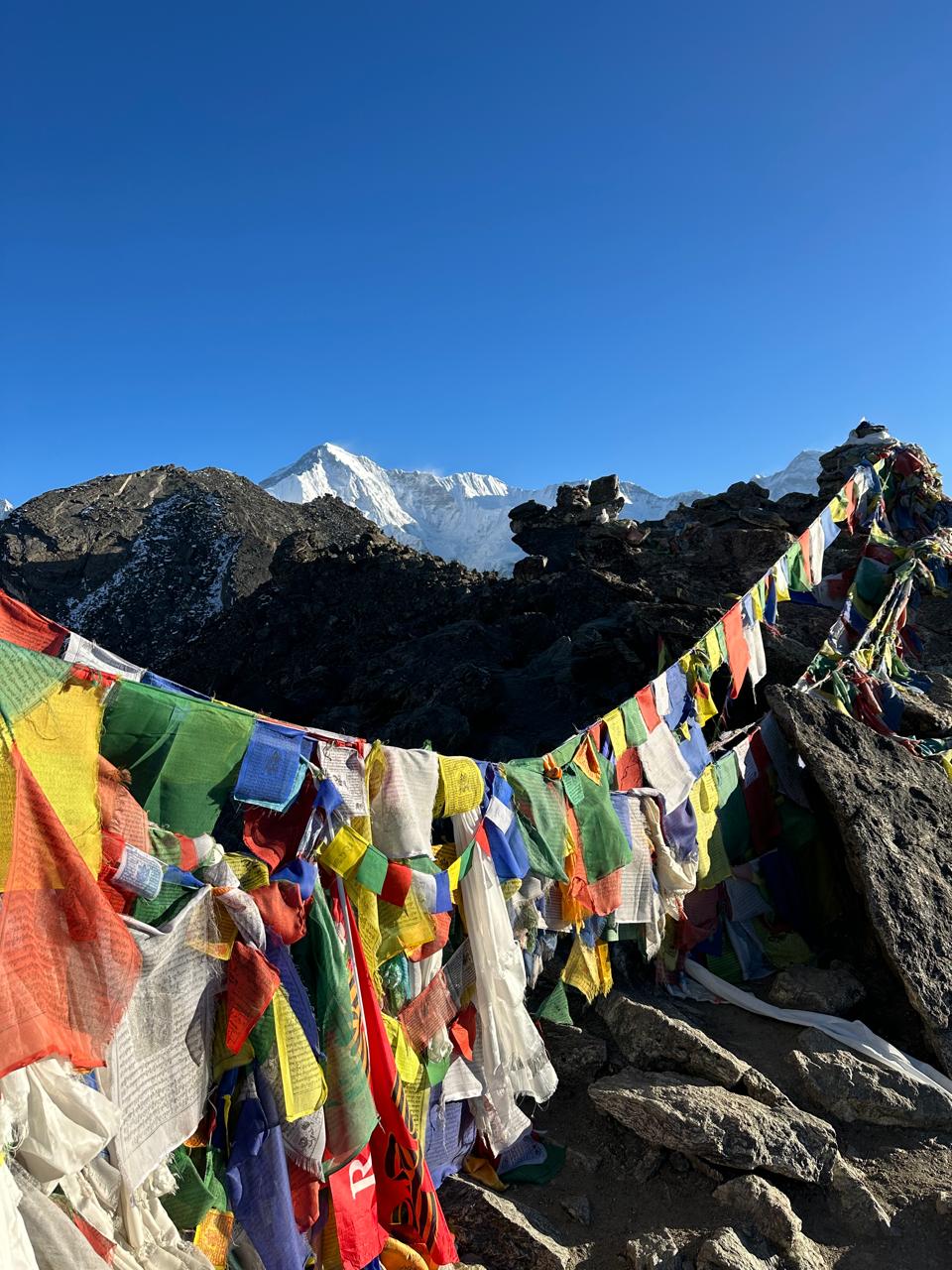
Today’s trek includes crossing the Renjo La pass, one of the most iconic points of the Three Passes trek. The ascent to the pass involves a gradual climb with snow and rocky terrain, requiring careful navigation. At the top of Renjo La (5,360 meters), you are rewarded with uninterrupted views of Everest, Lhotse, Makalu, and Cho Oyu, making it a spectacular vantage point for photos and panoramic appreciation of the Khumbu region.
After enjoying the pass, you descend carefully into the Gokyo Valley, arriving at 4,790 meters. Gokyo offers serene high-altitude lakes, including Gokyo Lake and surrounding turquoise waters, which reflect the Himalayan peaks beautifully. Overnight at Gokyo allows trekkers to rest and experience the tranquil lake environment, making it an essential part of the trek.
Trip Duration:
3–4 hoursTrip Distance:
Approximately 10 km / 6.2 milesAltitude:
4,790 m / 15,720 ftMeal:
Breakfast, lunch, and dinnerAccomodation :
Teahouse in GokyoDay 12
From Gokyo, the trek continues through the valley and up minor ridges toward Dragnag village. The route passes small moraines, glacial streams, and rugged terrain, providing both a physical challenge and scenic reward. Today is also an important acclimatization day, as trekking at this altitude helps your body adjust for Cho La pass.
Dragnag sits at 4,700 meters, a small settlement where trekkers can interact with local Sherpa families and observe high-altitude village life. Evening views of the Gokyo lakes from nearby ridges provide stunning sunset reflections and photography opportunities. Overnight stay allows for rest, acclimatization, and preparation for the long day crossing Cho La the next day.
Trip Duration:
4 hoursTrip Distance:
Approximately 8 km / 5 milesAltitude:
4,700 m / 15,420 ftMeal:
Breakfast, lunch, and dinnerAccomodation :
Teahouse in DragnagDay 13
This is one of the most strenuous days of the trek, involving crossing the Cho La pass at 5,420 meters. Starting early in the morning, trekkers ascend rocky trails, glacial paths, and snow fields, requiring trekking poles, crampons (if snow is heavy), and careful pacing. The climb offers panoramic views of Everest, Lhotse, Ama Dablam, and surrounding glaciers, making the effort worthwhile.
After reaching Cho La pass, trekkers descend into Dzonglha valley, which sits at 4,830 meters. The descent is equally challenging due to loose scree and snow patches. Overnight at Dzonglha provides essential rest, recovery, and hydration. The day tests endurance, acclimatization, and mental focus, but the experience of crossing three passes and witnessing high Himalayan scenery is unforgettable.
Trip Duration:
9 hoursTrip Distance:
Approximately 16 km / 9.9 milesAltitude:
4,830 m / 15,850 ftMeal:
Breakfast, lunch, and dinnerAccomodation :
Teahouse/tented campDay 14
After the challenging Cho La pass, the trek continues toward Lobuche, a well-known Sherpa settlement and trekking hub. The trail today is moderately challenging, with minor ascents and descents across rocky terrain, glacial streams, and moraine slopes. Views of Pumori, Nuptse, and the Khumbu Glacier dominate the surroundings, providing spectacular photo opportunities.
Lobuche sits at 4,910 meters and offers basic lodging and teahouse accommodation. Overnight in Lobuche allows trekkers to rest before the final approach to Everest Base Camp, and the evening provides the opportunity to observe sunsets reflecting on Khumbu peaks. It is also an ideal time to prepare gear for the next day’s extended trek.
Trip Duration:
5 hoursTrip Distance:
Approximately 9 km / 5.6 milesAltitude:
4,910 m / 16,100 ftMeal:
Breakfast, lunch, and dinnerAccomodation :
Teahouse in LobucheDay 15
Today is one of the most anticipated days of the trek, as you make your way to Everest Base Camp (EBC). The day starts with a gradual ascent from Lobuche toward Gorakshep, the last stop before the base camp. The trail is a combination of rocky paths, moraine ridges, and glacial terrain. Along the way, trekkers enjoy magnificent views of Pumori, Nuptse, and the Khumbu Icefall, with every step providing a stronger sense of the Everest experience.
From Gorakshep, you continue trekking for a few more hours to reach Everest Base Camp, the ultimate goal for most trekkers. Arriving at EBC (5,364 m) is a rewarding achievement, offering the chance to walk along the Khumbu Glacier, explore surrounding camps, and stand in awe at the base of the world’s tallest peak. After some time at the base camp, you descend back to Gorakshep for overnight stay. This day is physically demanding but emotionally unforgettable, as reaching EBC is a once-in-a-lifetime experience.
Trip Duration:
9 hoursTrip Distance:
Approximately 14 km / 8.7 milesAltitude:
5,364 m / 17,598 ft (EBC), 5,164 m / 16,942 ft (Gorakshep)Meal:
Breakfast, lunch, and dinnerAccomodation :
Teahouse in GorakshepDay 16
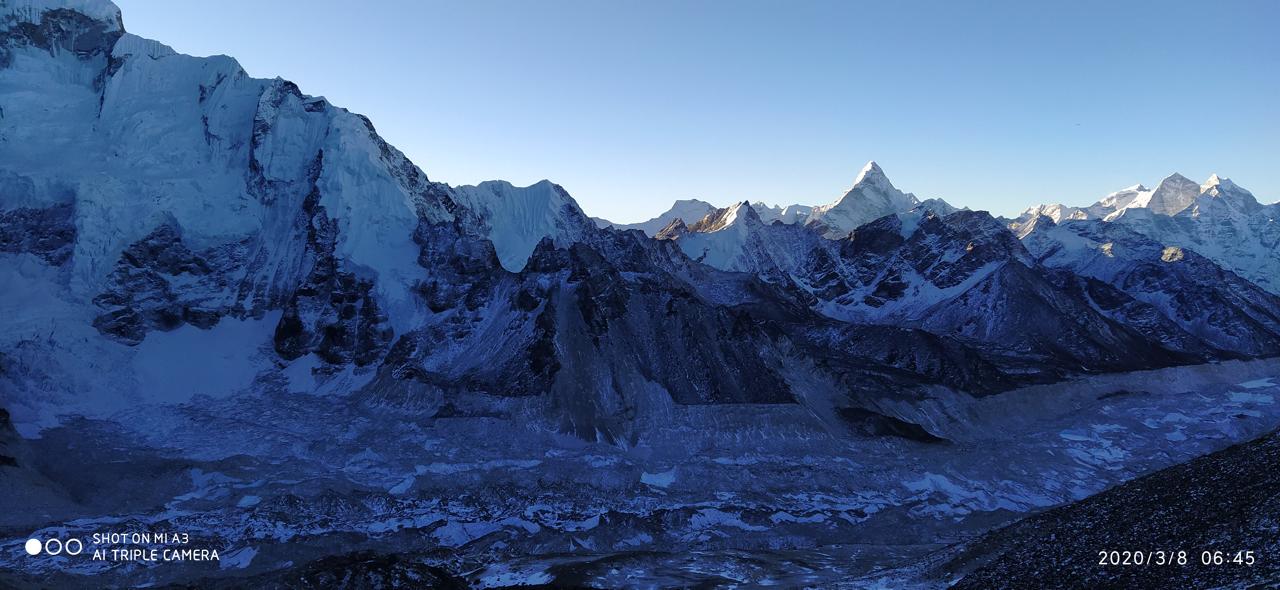
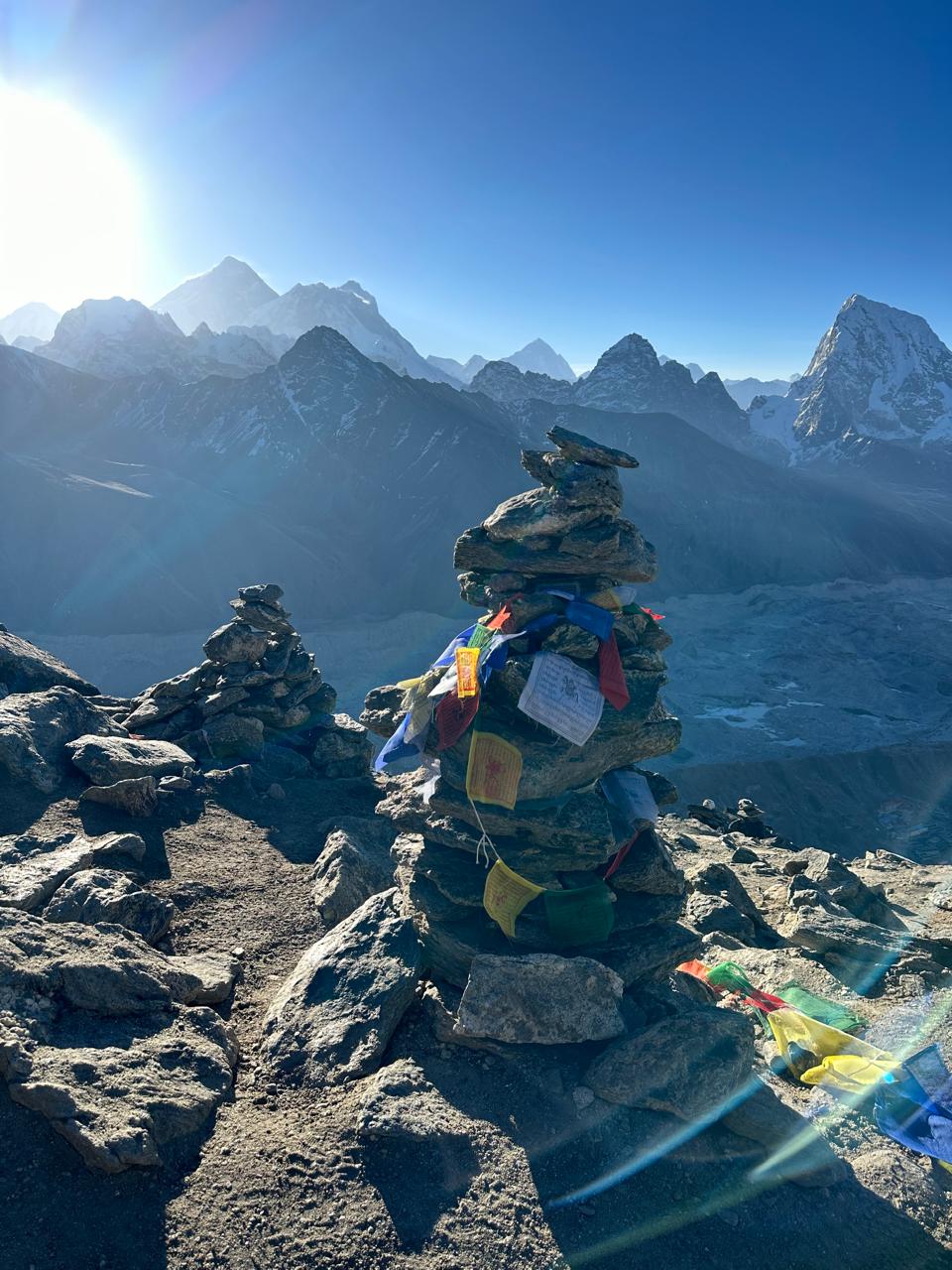
A very early start is required today for the sunrise hike to Kala Patthar, one of the most iconic viewpoints of Everest. The hike is steep and challenging, ascending over loose scree and rocky terrain. Reaching Kala Patthar at 5,545 meters allows trekkers to witness the first rays of the sun illuminating Everest, Lhotse, Nuptse, and Ama Dablam, creating a spectacular panorama that is truly life-changing.
After soaking in the views, you carefully descend back to Gorakshep for a quick rest and lunch. The trek continues downhill toward Dingboche, descending through moraine trails and high-altitude landscapes. Dingboche (4,410 m) is a well-established trekking village with teahouses offering hot meals and comfortable beds. This day combines the thrill of a sunrise summit experience with the satisfaction of a gentle descent to a restful village.
Trip Duration:
7 hoursTrip Distance:
Approximately 13 km / 8 milesAltitude:
5,545 m / 18,192 ft (Kala Patthar), 4,410 m / 14,469 ft (Dingboche)Meal:
Breakfast, lunch, and dinnerAccomodation :
Teahouse in DingbocheDay 17
Today is an optional acclimatization hike to Chhukung Ri, a nearby peak providing some of the best views of Ama Dablam, Lhotse, and Nuptse. The hike is steep and requires 4–5 hours round trip, but the effort is rewarded with 360° Himalayan vistas, perfect for photography and high-altitude acclimatization.
Returning to Dingboche after the hike, trekkers have the rest of the day to relax, enjoy the village, and recover energy. The hike strengthens endurance and oxygen adaptation, making the body ready for the upcoming long descent. Evening in Dingboche is peaceful, with views of Ama Dablam glowing in the sunset, creating a serene high-altitude experience.
Trip Duration:
Full day (~6–7 hours)Trip Distance:
Approximately 10 km / 6.2 milesAltitude:
5,560 m / 18,241 ft (Chhukung Ri), 4,410 m / 14,469 ft (Dingboche)Meal:
Breakfast, lunch, and dinnerAccomodation :
Teahouse in DingbocheDay 18
After days of high-altitude trekking, today involves a long descent toward Namche Bazaar. The trail gradually descends through alpine valleys, rhododendron forests, and small settlements, passing through Pangboche and other Sherpa villages. Trekkers are rewarded with panoramic views of Everest and surrounding peaks along the way.
Namche Bazaar (3,860 m) is a bustling town known as the gateway to the high Khumbu region. Overnight in Namche allows trekkers to enjoy amenities such as cafes, souvenir shops, and hot showers, providing a much-needed rest after high-altitude exertion. This descent day is physically easier than the passes but mentally refreshing, as trekkers can celebrate completing the Three Passes trek.
Trip Duration:
6 hoursTrip Distance:
Approximately 15 km / 9.3 milesAltitude:
3,860 m / 12,664 ftMeal:
Breakfast, lunch, and dinnerAccomodation :
Teahouse in Namche BazaarDay 19
Today involves a gentle descent back to Phakding, retracing the trail along the Dudh Koshi River. The path passes through traditional villages, suspension bridges, and lush forests, offering opportunities to observe local Sherpa life and traditional settlements.
Phakding (2,610 m) is a small village with teahouses offering a comfortable overnight stop. This day allows trekkers to rest their legs, enjoy the natural scenery, and reflect on the journey, while preparing for the final flight to Lukla the next day. The descent is refreshing after several high-altitude days, making it easier for trekkers’ joints and muscles.
Trip Duration:
6 hoursTrip Distance:
Approximately 18 km / 11.2 milesAltitude:
2,610 m / 8,563 ftMeal:
Breakfast, lunch, and dinnerAccomodation :
Teahouse in PhakdingDay 20
The trek concludes with the final walk to Lukla, a short and easy journey compared to previous days. The trail passes through terraced fields, small settlements, and forested areas. The feeling of completion and excitement is palpable among trekkers as they approach Lukla.
Lukla (2,850 m) is the gateway to the Khumbu region, with a small airport and basic facilities for trekkers. Overnight in Lukla allows time to pack, relax, and prepare for the flight back to Kathmandu the next day. This day is physically easy but emotionally significant, marking the end of the challenging trek.
Trip Duration:
4 hoursTrip Distance:
Approximately 10 km / 6.2 milesAltitude:
2,850 m / 9,350 ftMeal:
Breakfast, lunch, and dinnerAccomodation :
Teahouse in LuklaDay 21
Early morning, fly from Lukla back to Kathmandu (35–40 minutes). The flight provides stunning aerial views of the Himalayas, including Everest, Lhotse, and Ama Dablam, making it an unforgettable end to the trek.
Arrival in Kathmandu allows for transfer to your hotel, where trekkers can rest, freshen up, and celebrate the completion of the 21-day adventure. This day also provides an opportunity to explore Kathmandu’s cultural sites, markets, and cuisine before departure. It’s the perfect end to a challenging yet rewarding Himalayan journey.
Trip Duration:
35–40 minutesAltitude:
1,300 m / 4,265 ftMeal:
Breakfast includedAccomodation :
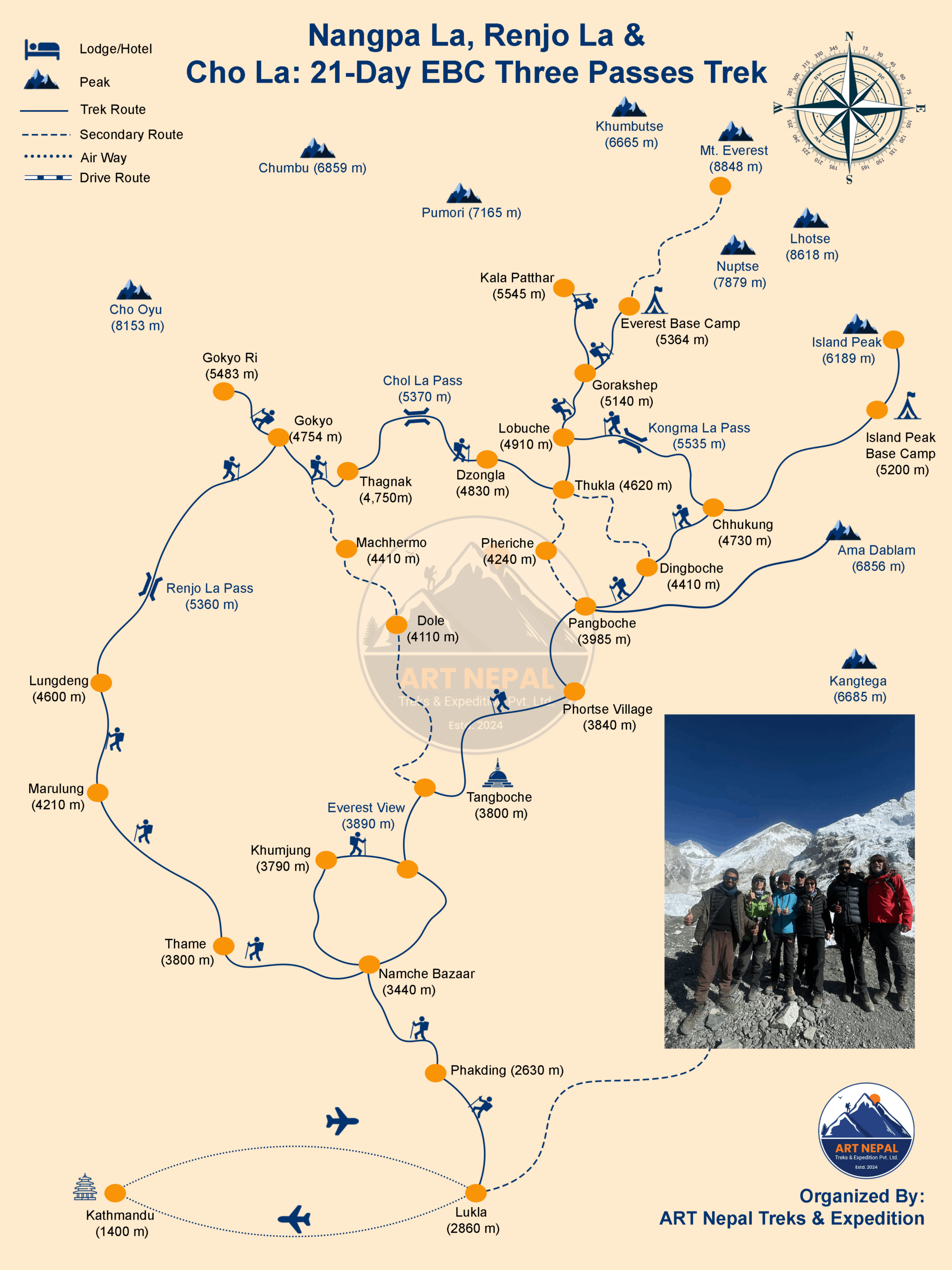
Hotel in KathmanduRoute Map
What's Included
- Trekking Permits and TIMS Card: Required permits for the Everest region, including the Sagarmatha National Park Permit, and Trekkers’ Information Management System (TIMS) card.
- Round-trip Transportation from Kathmandu to Lukla: Flight tickets from Kathmandu to Lukla and back are included, along with airport transfers in Kathmandu.
- Accommodation during Trek: Stay in teahouses or lodges along the trekking route, providing warm beds and basic facilities.
- Meals During Trek: Three meals per day – breakfast, lunch, and dinner – are included at teahouses. Hot drinks such as tea or coffee are usually included.
- Accommodation and Breakfast in Kathmandu: Hotel stay before and after the trek, including breakfast, to relax before departure.
- Professional Guide Services: Experienced licensed trekking guides who are fluent in English and familiar with high-altitude trekking.
- Guide Salary and Insurance: Full salary, insurance, and necessary support for the trekking team.
- Welcome and Farewell Arrangements: Assistance with hotel check-ins, airport transfers, and trekking briefing sessions.
- Necessary Trekking Equipment for Group Use: Group equipment like first aid kits, ropes (if needed for difficult passages), and communication devices.
- Cultural Briefings: Orientation about local customs, cultural etiquette, and safety instructions during the trek.
What's Excluded
- Travel Insurance: Comprehensive insurance covering medical emergencies, evacuation, and high-altitude trekking is mandatory.
- Personal Expenses: Hot showers, Wi-Fi, laundry, snacks, and beverages such as soft drinks or alcohol are not included.
- Tips for Guide and Porters: Gratuities for guides and porters are optional but recommended for excellent service.
- Personal Illness or Emergencies: Costs due to personal illness, injury, or evacuation are not covered.
- Flight Delays or Cancellations: Lukla flights are prone to weather delays, and costs arising from such delays are not included.
- Porters (Optional): Hiring a porter is optional but highly recommended for carrying heavy luggage. Porters cost approximately $22 per day per porter and can carry up to 20 kg. For comfort, it is advisable to hire one porter for every two trekkers.
- Additional Equipment Rental: While some basic trekking equipment is included, personal climbing gear, trekking poles, and specialized high-altitude boots may need to be rented separately.
- Shopping and Souvenirs: Any purchases such as local handicrafts, souvenirs, or gifts are not included.
Essential Info
Add-Ons
While the main trek offers an unforgettable adventure through the Everest region, there are several optional excursions and add-ons that can enrich your experience and provide a deeper connection to the Himalayan landscape, culture, and local life. These add-ons allow trekkers to explore beyond the main trail, gain additional acclimatization, and enjoy unique perspectives of the Khumbu region.
Many trekkers choose to spend extra days at key locations such as Namche Bazaar, Gokyo, or Lobuche, taking short hikes to surrounding ridges or viewpoints. These excursions provide panoramic views of peaks like Ama Dablam, Everest, Lhotse, and Cho Oyu, while also offering opportunities to photograph glaciers, alpine lakes, and traditional Sherpa villages. For example, a half-day hike to Everest View Hotel from Namche Bazaar is highly recommended for a stunning sunrise view over Everest without requiring a full day trek. Similarly, in Gokyo, optional hikes to Gokyo Ri or Cho La viewpoint give breathtaking 360° Himalayan vistas and a perspective of the Gokyo Glacier and turquoise lakes that is not seen from the main trail.
Cultural add-ons include visits to remote monasteries, ancient chortens, and local villages along the trek. Spending extra time at Thame or Pangboche villages allows trekkers to observe traditional Tibetan-style homes, interact with Sherpa families, and learn about Buddhist customs. These experiences are excellent for photography, storytelling, and understanding the social fabric of high-altitude Himalayan life. Evening workshops or guided tours in Namche Bazaar also provide insight into Sherpa culture, traditional handicrafts, and the local marketplace atmosphere.
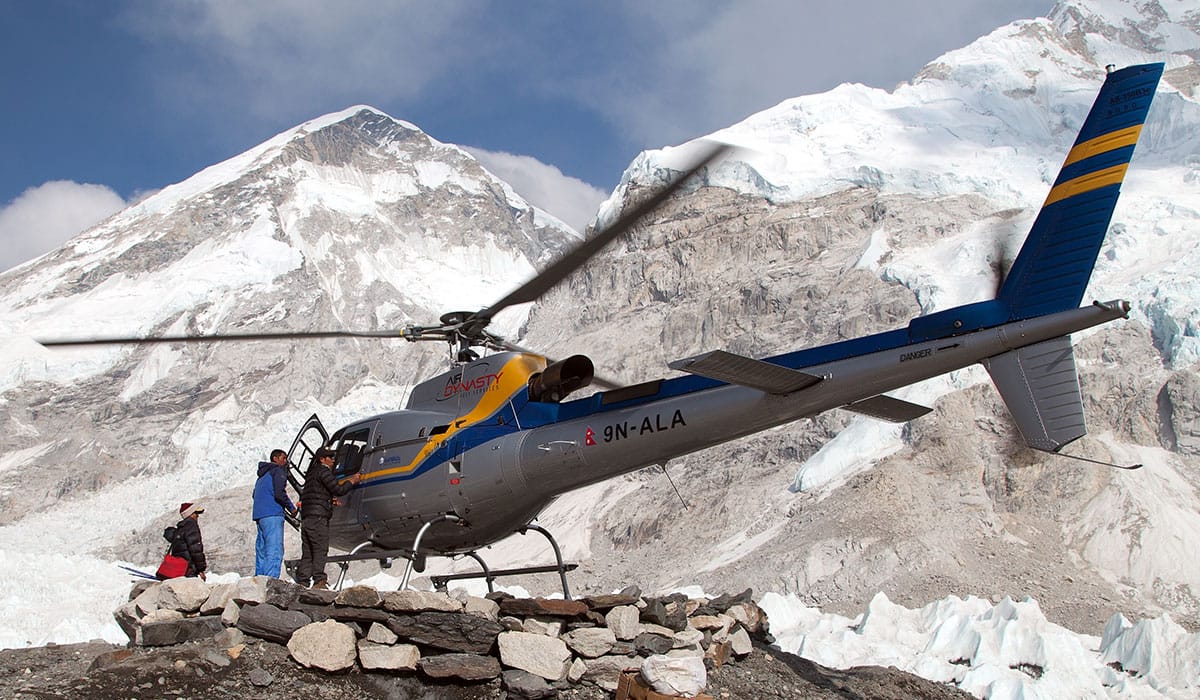
Other travel add-ons may include helicopter sightseeing flights from Lukla or Kathmandu to the Everest region for those who want a bird’s-eye view of glaciers and towering peaks. For adventurers with more time, side treks to areas like Tengboche Monastery or Everest Base Camp alternative routes can be incorporated. Additionally, some trekkers opt for extra acclimatization days at strategic points along the trek to increase their success rate and reduce altitude sickness risks. ART Nepal Treks & Expedition can arrange customized trekking days, sightseeing tours, or cultural immersion experiences to suit each trekker’s preferences and physical ability.
Optional Add-Ons List:
- Everest View Sunrise Hike – Short hike from Namche Bazaar to Everest View Hotel for panoramic sunrise views of Everest and Ama Dablam.
- Gokyo Ri Side Hike – Half-day trek to Gokyo Ri for 360° Himalayan vistas and glacier photography.
- Cho La Viewpoint Excursion – Optional hike to get closer views of glaciers and peaks along the Cho La pass.
- Cultural Village Tours – Explore Thame, Pangboche, and other Sherpa villages to experience traditional Tibetan-style homes, monasteries, and local life.
- Monastery Visits – Extended visits to Tengboche or other remote monasteries along the trail for spiritual and cultural insight.
- Helicopter Sightseeing Flight – Aerial tour from Lukla or Kathmandu for a unique perspective of the Everest region.
- Additional Acclimatization Days – Extra days at Namche Bazaar, Dingboche, or Gokyo to improve adaptation to high altitude.
- Photography and Trekking Workshops – Learn professional photography techniques or trekking skills guided by experienced local experts.
- Custom Side Treks – Tailored routes or exploration to less-visited passes and valleys in the Khumbu region.
Best Season to Trek
The Everest Three Passes Trek is a high-altitude adventure, and choosing the right season is crucial for safety, comfort, and overall enjoyment. The trek crosses multiple passes above 5,000 meters, so weather conditions, visibility, and temperature vary dramatically throughout the year. The best seasons are Spring (March–May) and Autumn (September–November), though each season offers unique experiences and challenges.
Spring (March–May)
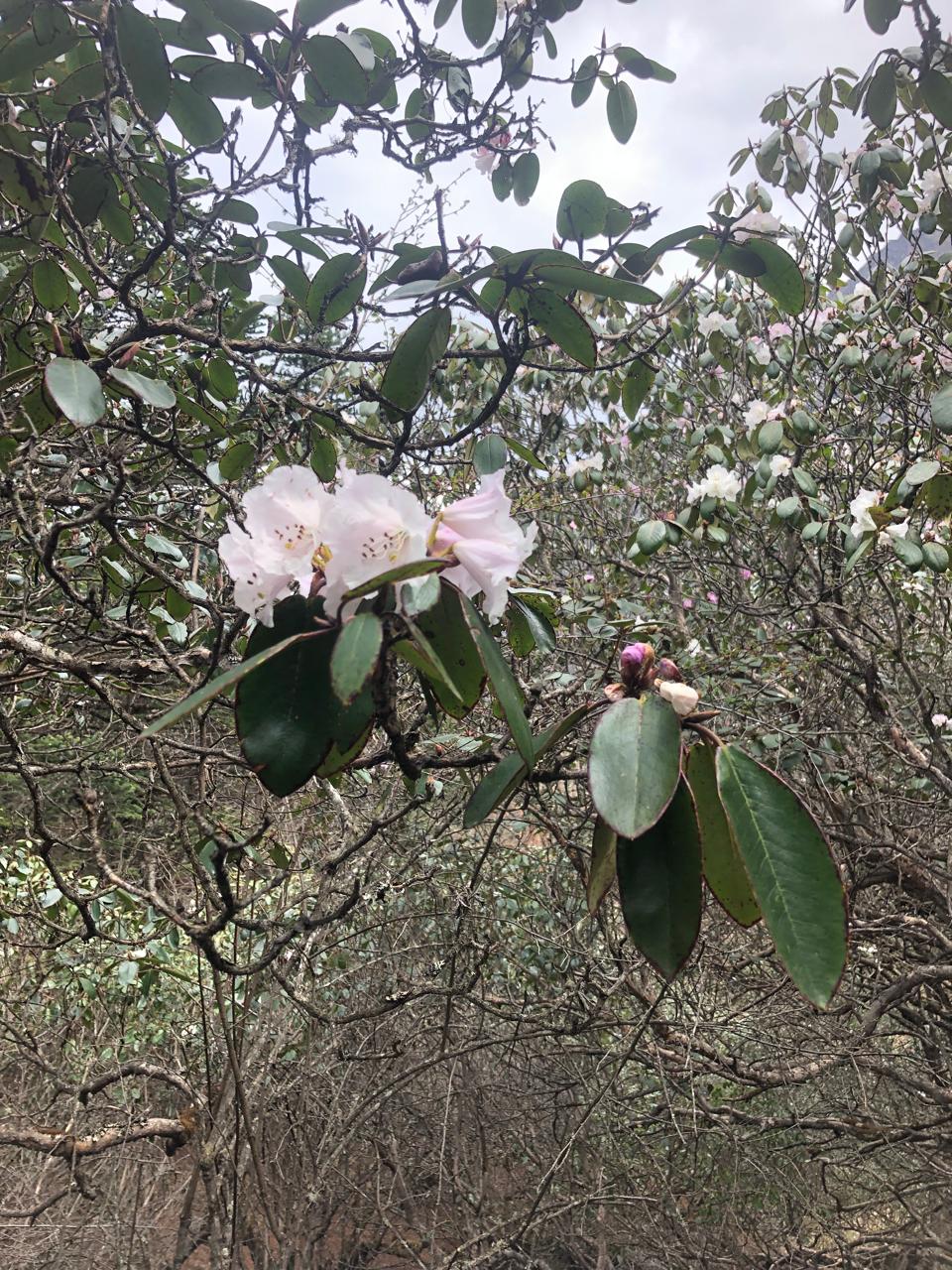
Spring is one of the most popular seasons for trekking in the Everest region. During these months, temperatures begin to rise, snow starts melting on the trails, and the rhododendron forests bloom with vibrant colors, adding a magical touch to the landscape. Days are generally clear, providing spectacular views of Everest, Lhotse, Ama Dablam, and other Himalayan peaks. The mornings and evenings can still be cold at higher altitudes, especially above 4,500 meters, so proper layering is essential. Spring is ideal for photography, wildlife spotting, and experiencing Sherpa villages coming alive after the winter months.
- Weather: Clear skies, moderate daytime temperatures, cooler nights.
- Views: Excellent visibility for peaks, glaciers, and alpine landscapes.
- Advantages: Blooming rhododendrons, moderate trail conditions, fewer clouds.
- Challenges: Snow may still linger on higher passes; early starts are necessary for safe crossing.
Autumn (September–November)
Autumn is another ideal trekking season, characterized by stable weather and crisp, clear skies. The monsoon rains have passed, leaving clean air and unobstructed panoramic views of the Khumbu Himalayas. Daytime temperatures are comfortable for trekking, while nights can be cold at high elevations. Autumn is favored by photographers and climbers because of the exceptional visibility and dry trails, making it easier to cross high passes like Nangpa La, Renjo La, and Cho La. This season also coincides with local festivals in Sherpa villages, offering cultural enrichment alongside the trekking adventure.
- Weather: Clear skies, stable conditions, warm days, cold nights.
- Views: Superb visibility, ideal for photography.
- Advantages: Dry trails, less risk of landslides, good for high-altitude trekking.
- Challenges: Popular season means more trekkers; accommodation may need advance booking.
Winter (December–February)
Winter trekking is less common for the Three Passes trek due to harsh conditions, heavy snowfalls, and extremely cold temperatures. Trails can be icy, passes covered with deep snow, and nights drop well below freezing, making it a challenging season for even experienced trekkers. However, winter offers solitude and serenity, with almost no crowds and pristine snowy landscapes. Clear skies often provide incredible views of Everest and other peaks, but only trekkers with proper experience and high-altitude gear should attempt the trek during this season.
- Weather: Cold, snow, icy trails, strong winds at high altitude.
- Views: Crisp, clear skies with snow-covered peaks.
- Advantages: Solitude, untouched landscapes, photographic opportunities.
- Challenges: Extremely cold temperatures, risk of frostbite, snow blocking trails.
Monsoon (June–August)
The monsoon season is generally not recommended for trekking in the Everest region, especially for high passes. Heavy rainfall, landslides, and slippery trails increase the risk of accidents. Clouds and fog often obscure mountain views, and rivers can swell, making some crossings hazardous. While the lower valleys are lush and green, the higher elevations may be impassable due to snow and rain. Only trekkers seeking an off-season adventure with high tolerance for risk should consider trekking in monsoon, and even then, flexibility and contingency plans are essential.
- Weather: Heavy rain, fog, landslides, slippery trails.
- Views: Often obstructed by clouds and mist.
- Advantages: Lush greenery in valleys, fewer trekkers.
- Challenges: Dangerous trail conditions, increased risk of altitude and weather-related hazards.
Seasonal Summary List
- Spring (March–May) – Blooming rhododendrons, moderate trails, clear peak views.
- Autumn (September–November) – Dry trails, stable weather, ideal visibility.
- Winter (December–February) – Solitude, pristine snow, very cold, risky.
- Monsoon (June–August) – Lush valleys, slippery and dangerous high-altitude trails.
Best Season to Trek
The Everest Three Passes Trek is a high-altitude adventure, and choosing the right season is crucial for safety, comfort, and overall enjoyment. The trek crosses multiple passes above 5,000 meters, so weather conditions, visibility, and temperature vary dramatically throughout the year. The best seasons are Spring (March–May) and Autumn (September–November), though each season offers unique experiences and challenges.
Spring (March–May)
Spring is one of the most popular seasons for trekking in the Everest region. During these months, temperatures begin to rise, snow starts melting on the trails, and the rhododendron forests bloom with vibrant colors, adding a magical touch to the landscape. Days are generally clear, providing spectacular views of Everest, Lhotse, Ama Dablam, and other Himalayan peaks. The mornings and evenings can still be cold at higher altitudes, especially above 4,500 meters, so proper layering is essential. Spring is ideal for photography, wildlife spotting, and experiencing Sherpa villages coming alive after the winter months.
- Weather: Clear skies, moderate daytime temperatures, cooler nights.
- Views: Excellent visibility for peaks, glaciers, and alpine landscapes.
- Advantages: Blooming rhododendrons, moderate trail conditions, fewer clouds.
- Challenges: Snow may still linger on higher passes; early starts are necessary for safe crossing.
Autumn (September–November)
Autumn is another ideal trekking season, characterized by stable weather and crisp, clear skies. The monsoon rains have passed, leaving clean air and unobstructed panoramic views of the Khumbu Himalayas. Daytime temperatures are comfortable for trekking, while nights can be cold at high elevations. Autumn is favored by photographers and climbers because of the exceptional visibility and dry trails, making it easier to cross high passes like Nangpa La, Renjo La, and Cho La. This season also coincides with local festivals in Sherpa villages, offering cultural enrichment alongside the trekking adventure.
- Weather: Clear skies, stable conditions, warm days, cold nights.
- Views: Superb visibility, ideal for photography.
- Advantages: Dry trails, less risk of landslides, good for high-altitude trekking.
- Challenges: Popular season means more trekkers; accommodation may need advance booking.
Winter (December–February)
Winter trekking is less common for the Three Passes trek due to harsh conditions, heavy snowfalls, and extremely cold temperatures. Trails can be icy, passes covered with deep snow, and nights drop well below freezing, making it a challenging season for even experienced trekkers. However, winter offers solitude and serenity, with almost no crowds and pristine snowy landscapes. Clear skies often provide incredible views of Everest and other peaks, but only trekkers with proper experience and high-altitude gear should attempt the trek during this season.
- Weather: Cold, snow, icy trails, strong winds at high altitude.
- Views: Crisp, clear skies with snow-covered peaks.
- Advantages: Solitude, untouched landscapes, photographic opportunities.
- Challenges: Extremely cold temperatures, risk of frostbite, snow blocking trails.
Monsoon (June–August)
The monsoon season is generally not recommended for trekking in the Everest region, especially for high passes. Heavy rainfall, landslides, and slippery trails increase the risk of accidents. Clouds and fog often obscure mountain views, and rivers can swell, making some crossings hazardous. While the lower valleys are lush and green, the higher elevations may be impassable due to snow and rain. Only trekkers seeking an off-season adventure with high tolerance for risk should consider trekking in monsoon, and even then, flexibility and contingency plans are essential.
- Weather: Heavy rain, fog, landslides, slippery trails.
- Views: Often obstructed by clouds and mist.
- Advantages: Lush greenery in valleys, fewer trekkers.
- Challenges: Dangerous trail conditions, increased risk of altitude and weather-related hazards.
Seasonal Summary List
- Spring (March–May) – Blooming rhododendrons, moderate trails, clear peak views.
- Autumn (September–November) – Dry trails, stable weather, ideal visibility.
- Winter (December–February) – Solitude, pristine snow, very cold, risky.
- Monsoon (June–August) – Lush valleys, slippery and dangerous high-altitude trails.
Food Availability
Food availability during the Three Passes Trek is relatively reliable, but it varies depending on the altitude, remoteness of the village, and season. In the lower regions and popular villages like Namche Bazaar, Phakding, and Lukla, you’ll find a wide variety of meals, from traditional Nepali dishes to continental options. Teahouses and lodges commonly serve Dal Bhat (lentil soup with rice), noodles, pasta, soups, eggs, and baked goods. Fresh fruits and vegetables are available in the lower villages, but the variety reduces significantly as you go higher above 4,000 meters.
At higher altitudes, such as Chhukung, Lobuche, and Gokyo, meals become simpler. Teahouses provide mainly instant noodles, rice, potatoes, and canned vegetables. Meat options are limited due to transportation challenges. Trekkers often rely on high-calorie snacks such as energy bars, nuts, and chocolate to supplement meals. Boiled water or tea is generally available, but bottled water is recommended for extra safety. Meals are cooked fresh in small kitchens, so it may take some time to be served, especially during peak trekking seasons.
The trek also allows opportunities to try traditional Sherpa and Tibetan cuisine, which gives a cultural experience along with nutrition. Popular dishes include momo (dumplings), thukpa (noodle soup), tsampa (roasted barley flour), and butter tea. Local lodges often use yak milk, cheese, and butter in cooking, especially above 4,500 meters. Trekkers should carry a few personal snacks for emergency situations or for the days when appetite decreases due to high altitude.
Food Availability Summary List
- Breakfast – Porridge, eggs, bread, toast, pancakes, tea, coffee.
- Lunch – Dal Bhat, noodles, rice dishes, soups, sandwiches.
- Dinner – Simple rice or noodle meals, vegetables, occasional meat, soups.
- Snacks – Energy bars, chocolate, nuts, dried fruits.
- Drinks – Tea, coffee, hot chocolate, bottled water, occasional soft drinks.
- Local Specialties – Momo (dumplings), thukpa (noodle soup), tsampa, yak cheese, butter tea.
Accommodation
Accommodation along the Three Passes Trek is primarily provided in teahouses, lodges, and guesthouses, which are the main options in the Everest region. These are generally simple but comfortable, offering a place to rest and recover after long trekking days. Most teahouses provide basic facilities, including a bed with blankets, shared bathrooms, and common dining areas. In the lower regions like Phakding, Namche Bazaar, and Lukla, teahouses are larger and better equipped, offering multiple floors, western-style toilets, hot showers (sometimes for a fee), and even Wi-Fi in some lodges.
As trekkers progress higher above 4,000 meters, accommodation becomes more rustic due to the remoteness. Villages like Chhukung, Lobuche, Gokyo, and Dzonglha have smaller teahouses, often with shared sleeping areas and basic bedding. Rooms are simple, sometimes with mattresses on wooden platforms and heavy blankets to combat the cold nights. Heating is limited, and fuel for hot showers or heaters is costly, so warm clothing and sleeping bags are essential. Despite these challenges, teahouses provide a cozy communal environment, allowing trekkers to meet fellow adventurers, share stories, and enjoy home-cooked meals together.
Some lodges also offer private rooms or upgraded accommodations at slightly higher costs, which can be reserved in advance during peak seasons (March–May and September–November). The owners of the lodges are often Sherpa families, offering hospitality and insights into the local culture. Staying in teahouses also allows trekkers to experience the real Himalayan lifestyle, interact with local villagers, and enjoy the breathtaking surroundings of high-altitude villages.
Accommodation Summary List
- Lower Region Teahouses (Phakding, Namche Bazaar, Lukla):
- Multi-floor lodges, western-style toilets, hot showers (extra cost), Wi-Fi in some areas.
- Private rooms available for small additional fees.
- Comfortable beds with blankets.
- Mid to High Region Teahouses (Thame, Dingboche, Chhukung, Gokyo):
- Smaller teahouses with shared rooms.
- Wooden platforms with mattresses and heavy blankets.
- Limited heating, shared bathrooms, cold water.
- High Pass and Remote Lodges (Dzonglha, Lobuche, Renjo La Base Camp):
- Basic rooms with minimal facilities.
- Communal sleeping areas, simple bedding.
- Stove heating for common areas; hot showers rare.
- Special Features of Lodges:
- Opportunity to meet local Sherpa families.
- Common dining area for socializing and sharing meals.
- Scenic surroundings with Himalayan views from most lodges.
Altitude Sickness
Altitude sickness is a serious concern on the Three Passes Trek, as trekkers ascend from Phakding (2,610m) to high passes over 5,700m like Nangpa La. The lower oxygen levels at high altitudes can lead to Acute Mountain Sickness (AMS), which can progress to more severe conditions like High-Altitude Pulmonary Edema (HAPE) or High-Altitude Cerebral Edema (HACE). Common symptoms include headache, nausea, dizziness, shortness of breath, fatigue, and difficulty sleeping.
Proper acclimatization is crucial to prevent altitude sickness. Trekking schedules include rest days in Namche Bazaar and Dingboche, which allow your body to adapt to lower oxygen levels. Maintaining hydration, balanced nutrition, and gradual pace is key, as well as avoiding alcohol and excessive exertion. Trekkers are advised to recognize early symptoms and inform guides immediately. Guides often carry medications like Diamox to aid acclimatization and supplemental oxygen if necessary.
In extreme cases, descending to a lower altitude immediately is the only effective treatment. Guides from ART Nepal Treks & Expedition are trained to monitor trekkers, detect symptoms early, and respond promptly. Understanding your limits, pacing yourself, and following your guide’s instructions can help you safely enjoy the stunning Himalayan landscapes without compromising health.
Altitude Sickness Summary List
- Common Symptoms: Headache, dizziness, nausea, shortness of breath, fatigue, insomnia.
- Severe Risks: HAPE (fluid in lungs), HACE (swelling in brain).
- Prevention: Gradual ascent, rest days, hydration, high-calorie diet, avoid alcohol.
- Medication: Diamox (acetazolamide), anti-nausea medicine, supplemental oxygen.
- Emergency Response: Immediate descent to lower altitude, medical attention.
- Monitoring: Guides trained to observe symptoms and assist trekkers.
Guide and Safety Measures
Trekking the Three Passes involves challenging terrain, glacial crossings, and high-altitude exposure, making professional guides essential for safety and success. Guides from ART Nepal Treks & Expedition are certified, experienced, and trained in first aid, rescue operations, and high-altitude trekking techniques. They provide daily briefings, route navigation, and monitoring of weather and trail conditions.
Safety equipment such as ropes, harnesses, crampons, and helmets are used during technical sections. Guides instruct trekkers on proper use of gear, crossing steep passes, and glacier safety. They also maintain communication with base offices, local agencies, and rescue teams in case of emergencies. For treks involving multiple passes, guides manage timing, acclimatization, and contingency plans to reduce the risk of accidents or altitude sickness.
Trekkers are encouraged to follow the guide’s instructions at all times, maintain proper pacing, and stay with the group. In addition to physical safety, guides provide cultural and environmental education, helping trekkers respect local traditions and minimize ecological impact. This ensures a safe, enjoyable, and responsible trekking experience through the Khumbu region.
Guide and Safety Summary List
- Certified Guides: Experienced in high-altitude trekking, first aid, and rescue.
- Safety Gear: Helmets, harnesses, ropes, crampons, and trekking poles.
- Route Navigation: Guides manage timing, route selection, and acclimatization.
- Emergency Protocols: Contact with base office, rescue teams, and medical facilities.
- Group Management: Ensuring trekkers move safely and stay together.
- Cultural Awareness: Education on local customs, etiquette, and environmental care.
Booking Procedure
Booking a trek with ART Nepal Treks & Expedition is straightforward and ensures a well-organized and safe journey. The process begins by contacting the agency via website, email, or phone, specifying trek dates, group size, and special requirements. Trekkers are then provided with a detailed itinerary, cost breakdown, and pre-trek guidelines.
Upon agreement, a booking confirmation and deposit secure your slot. Guides assist with permits, TIMS registration, and insurance verification. Remaining payments are typically made before departure, and travelers receive a pre-trek checklist including gear recommendations, packing lists, and acclimatization tips. Continuous support is available throughout the preparation phase, ensuring a smooth start from Kathmandu.
Booking Procedure Summary List
- Inquiry & Consultation: Contact ART Nepal Treks & Expedition with trek details.
- Receive Itinerary & Costing: Detailed plan including duration, highlights, and inclusions.
- Deposit & Confirmation: Pay deposit to secure booking; receive confirmation documents.
- Permits & Documentation: Agency assists with TIMS, national park permits, and insurance verification.
- Final Payment & Checklist: Complete payments and receive pre-trek gear and health guidance.
Equipment List
- Lightweight trekking pants and thermal leggings.
- Moisture-wicking shirts and long-sleeve layers.
- Warm fleece or down jacket for cold temperatures.
- Hat, gloves, and sun-protective sunglasses.
- Trekking poles, sturdy boots with ankle support.
- Crampons for icy sections, climbing harness for technical passes.
- Helmet for glacier and rocky terrain.
- Waterproof windproof jacket and pants.
- Insulated jacket for high passes.
- Thermal base layers for night or high-altitude camps.
- Personal first aid kit, high-SPF sunscreen, lip balm.
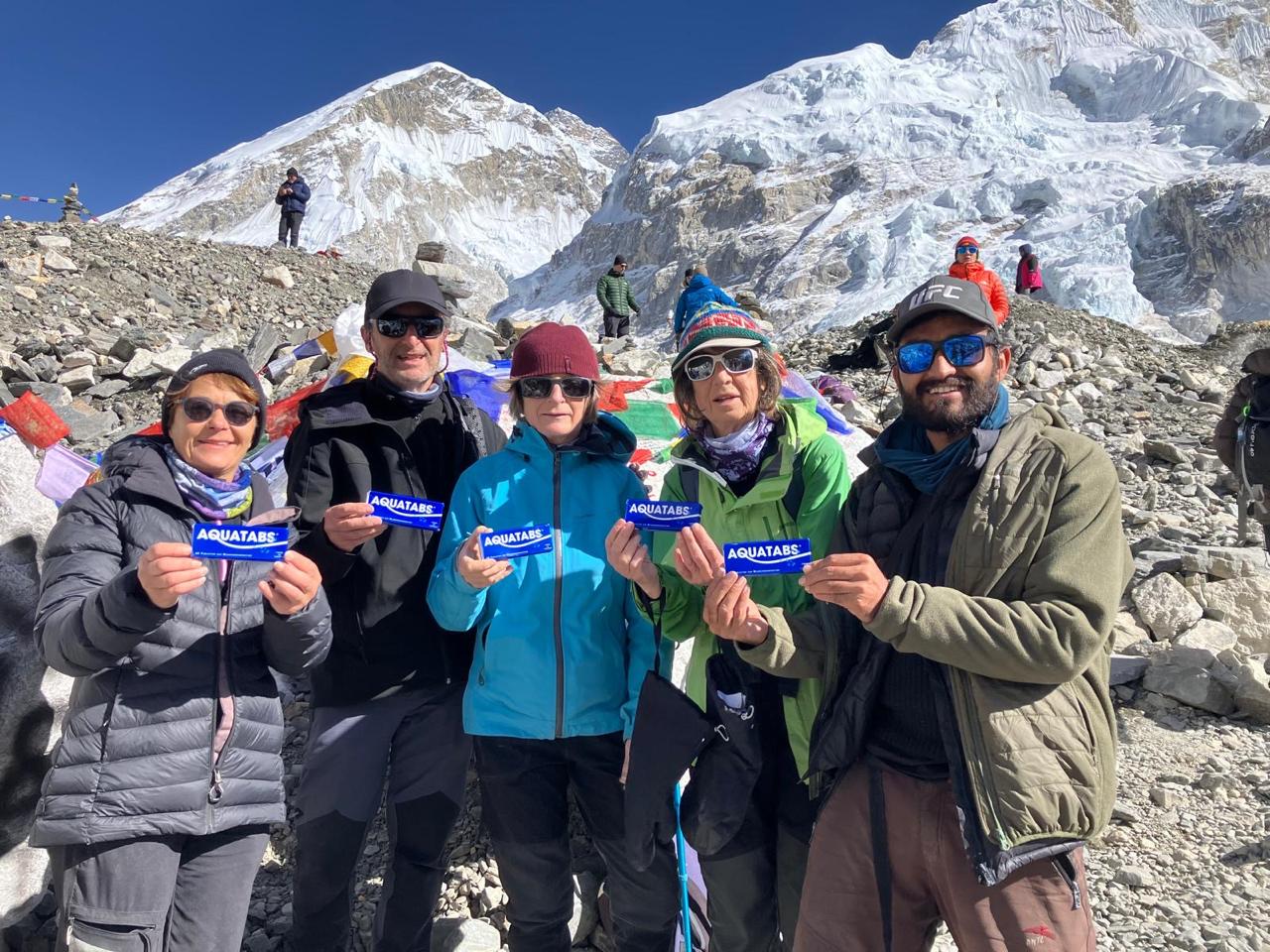
- Water purification tablets or filter.
- Headlamp with extra batteries.
- Camera, power banks, USB cables.
- Optional GPS device or trekking app for navigation.
General Equipments
- Backpack with rain cover (40–50L).
- Sleeping bag rated for −15°C to −20°C.
- Snacks, energy bars, and hydration bladder or bottles.
FAQ
Trip Price
USD 2550 Per Person
Talk To Trip Expert
Related Trips