

Amphu Lapcha Pass Trek – 23 Days
Introduction
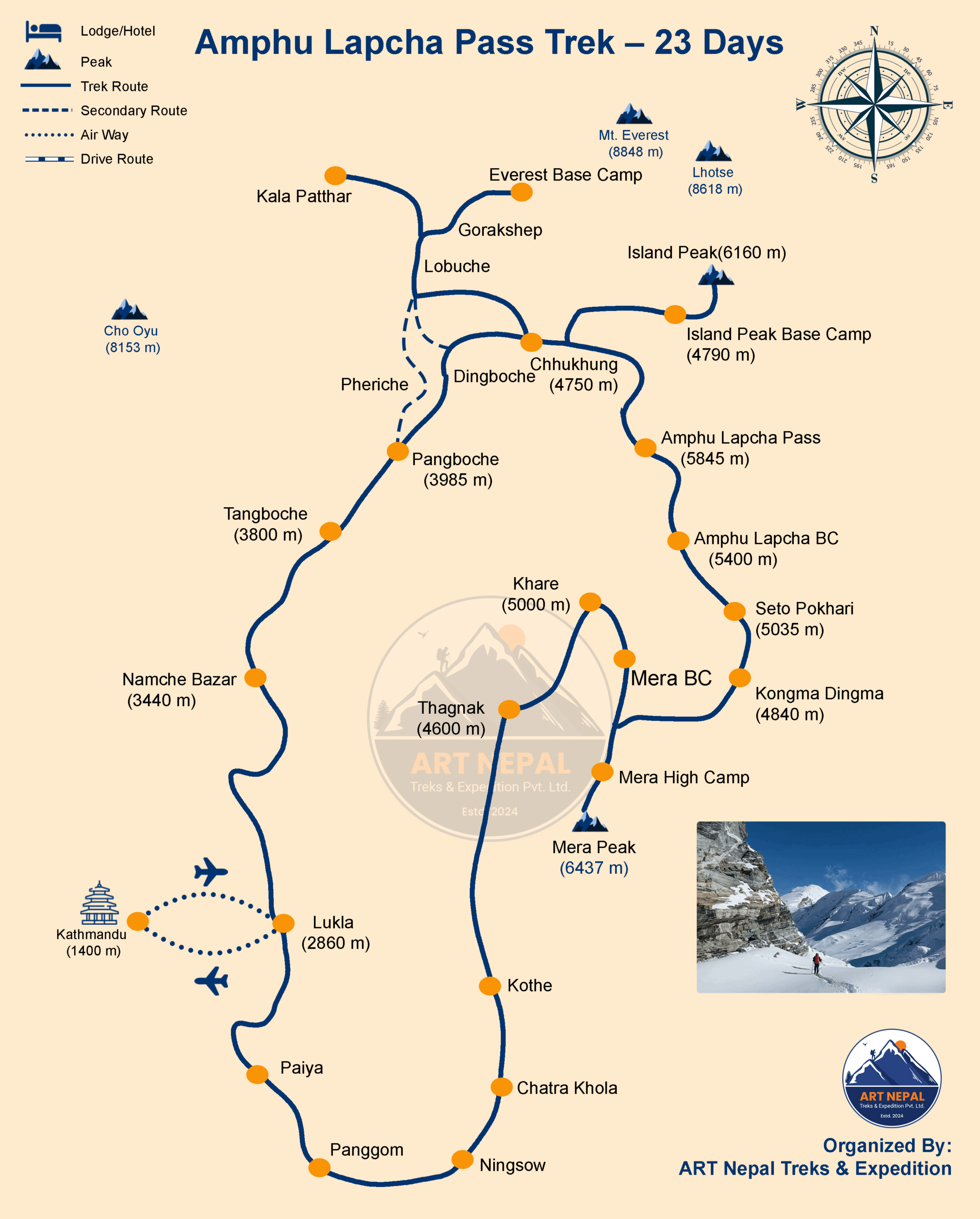
The Amphu Lapcha Pass Trek is not only a trekking adventure but also a high-altitude mountaineering expedition that challenges both physical endurance and mental determination. Over 23 days, the trek traverses diverse landscapes, from lush forests and quiet river valleys to glacial expanses and rugged alpine terrain. Beginning in Kathmandu, the journey quickly transitions from urban life to the tranquility of remote Himalayan villages. Each stage of the trek is carefully designed to allow acclimatization, ensuring that trekkers gradually adapt to increasing altitudes and technical challenges.
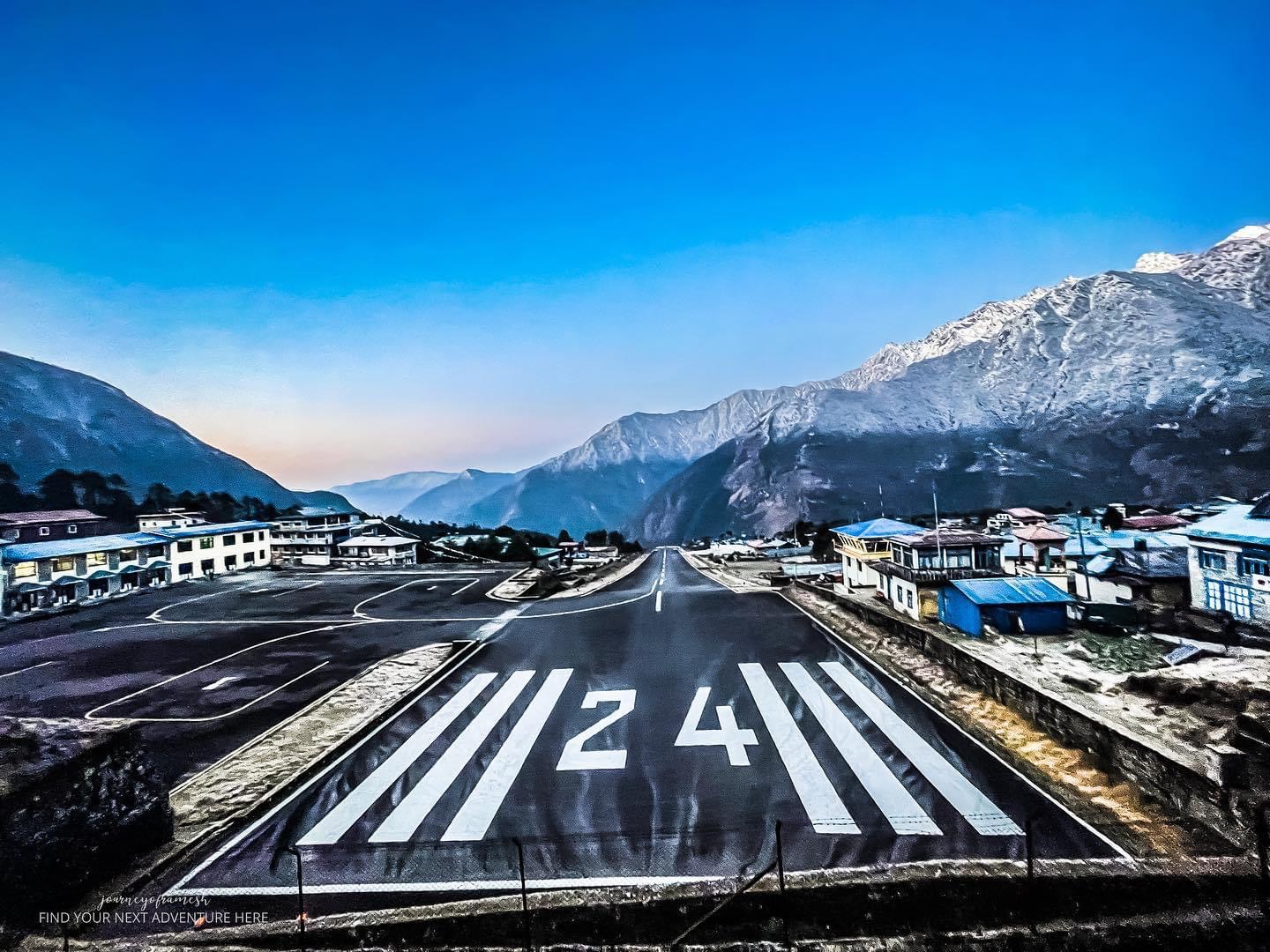
The trek begins with a scenic flight to Lukla, one of the most famous and thrilling mountain airport experiences in the world. From Lukla, the trail winds through the Hinku Valley, passing small villages, lush forests, and open meadows, gradually preparing trekkers for higher altitudes. The first week focuses on building endurance, trekking steadily while enjoying beautiful landscapes and cultural encounters. The route remains relatively quiet compared to more popular Everest trails, giving a sense of solitude and immersion in nature.
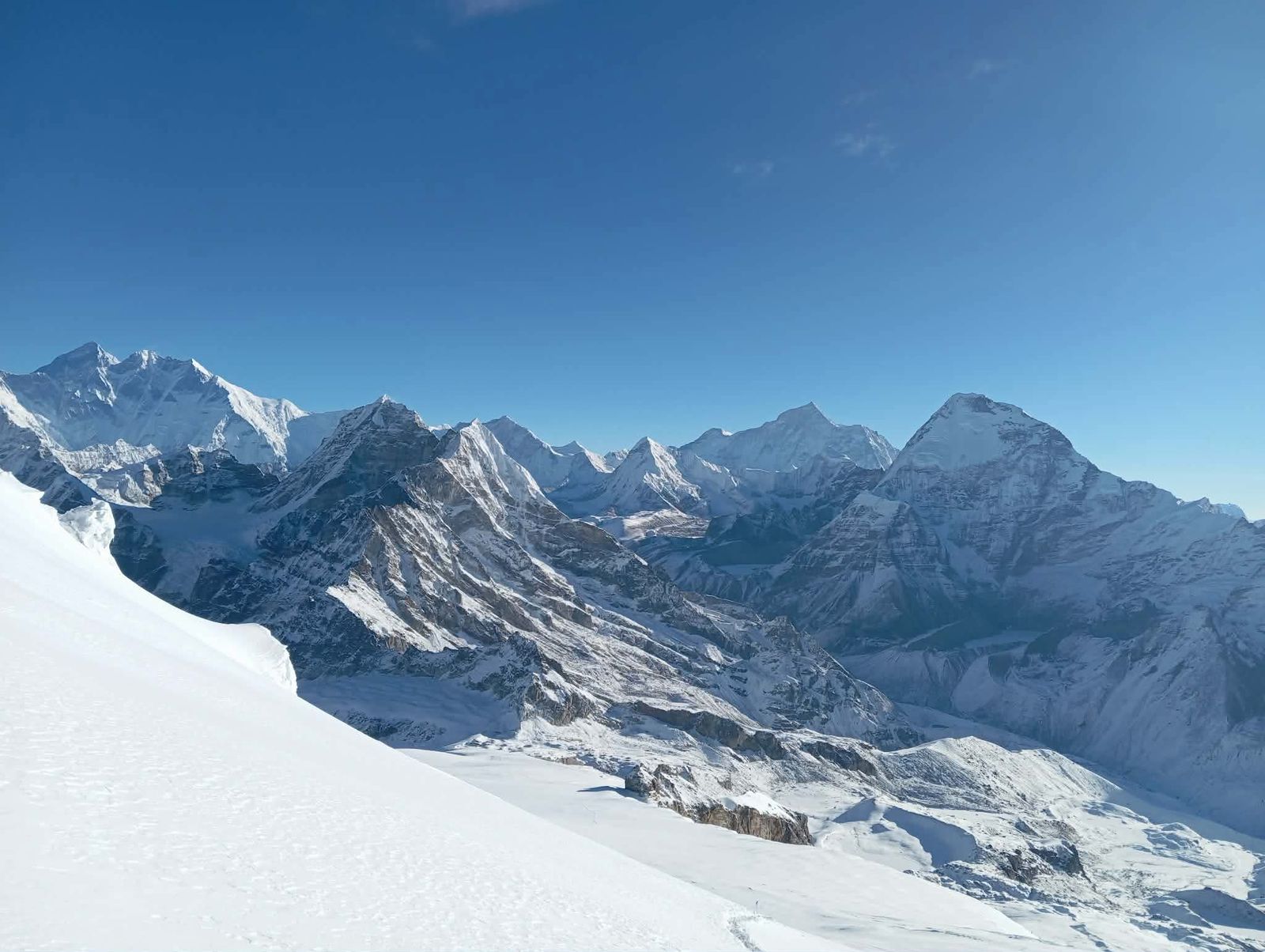
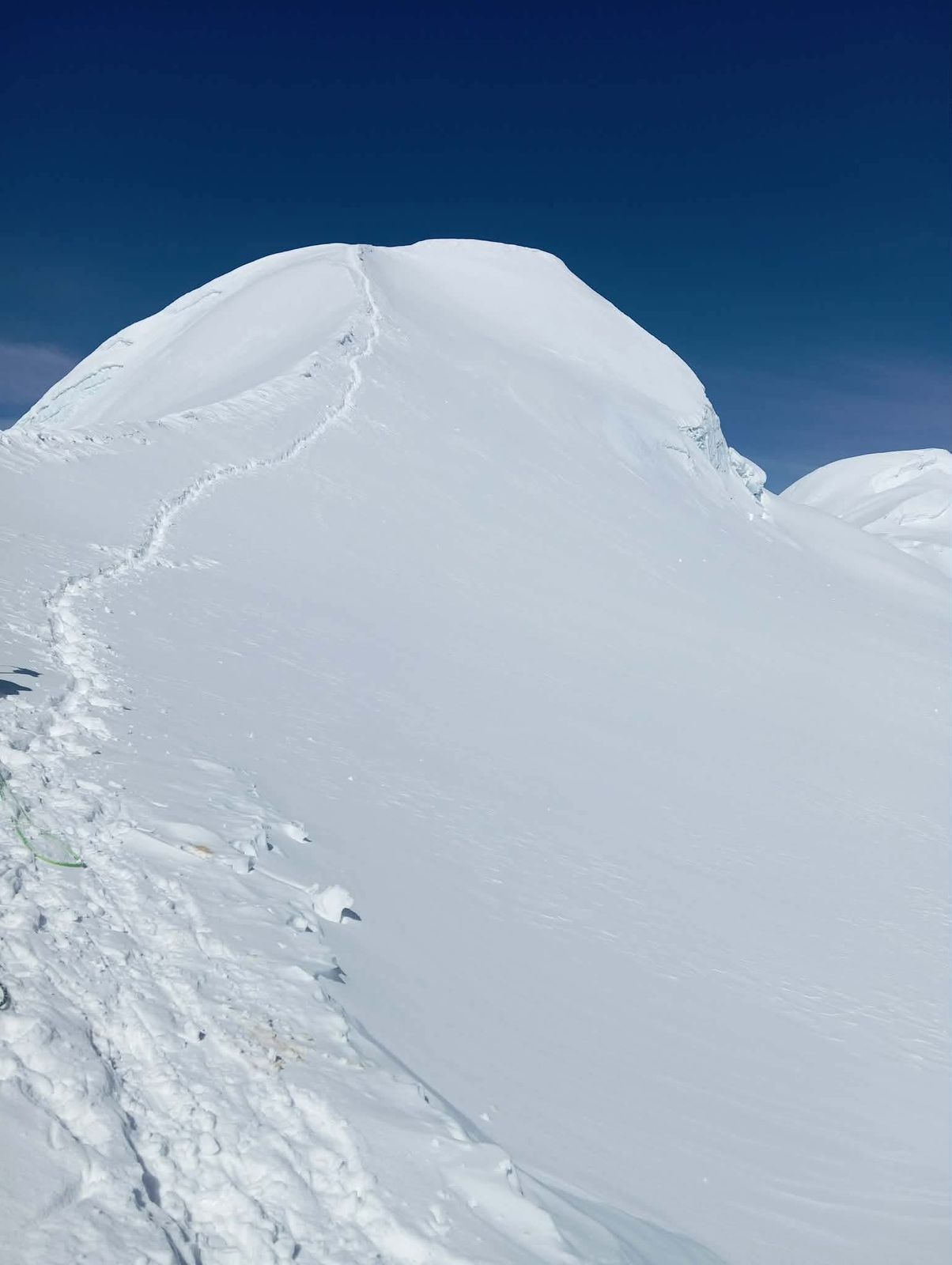
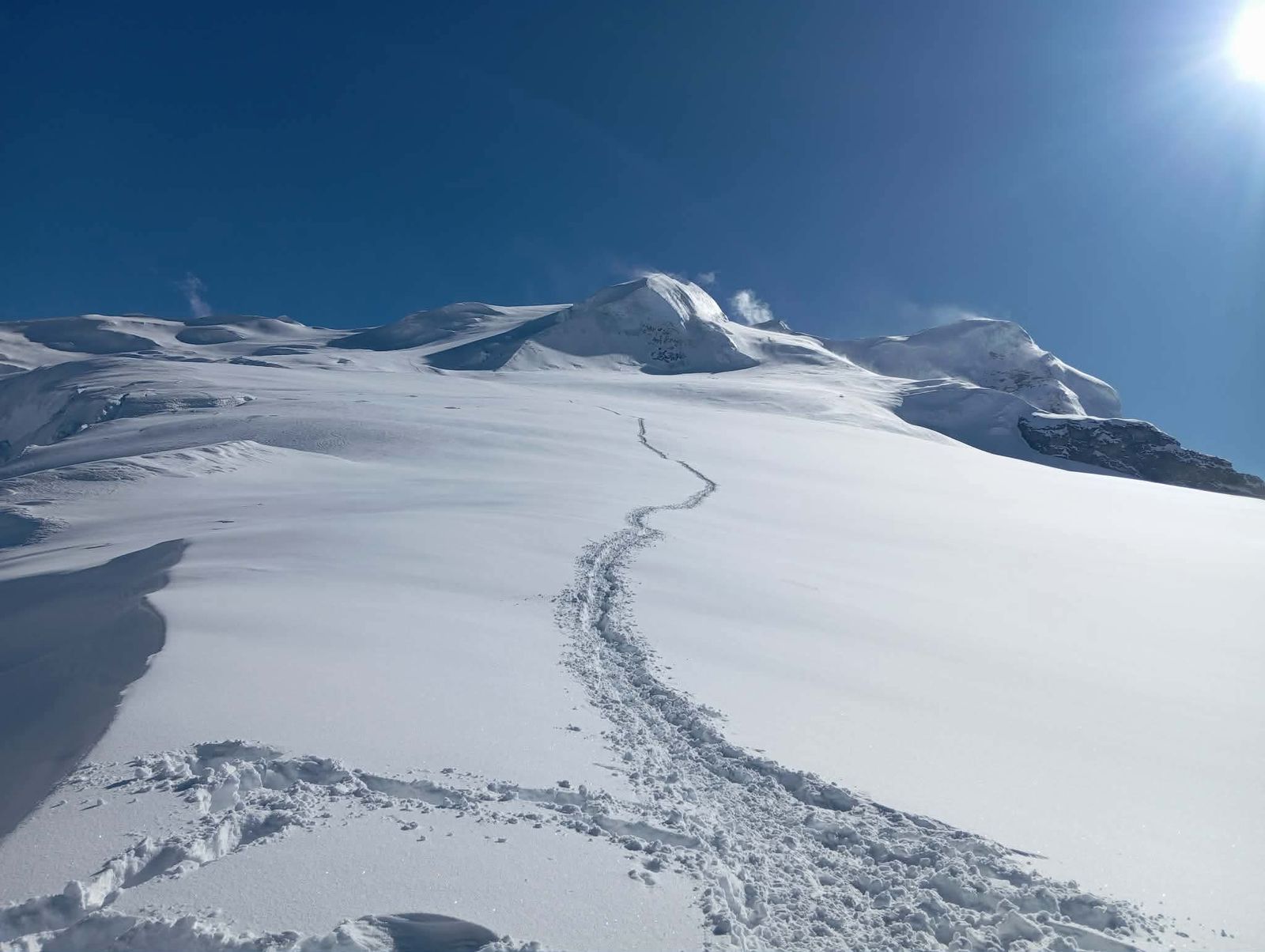
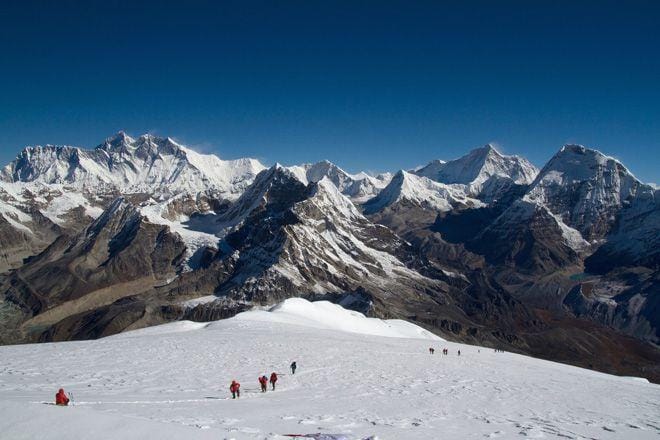
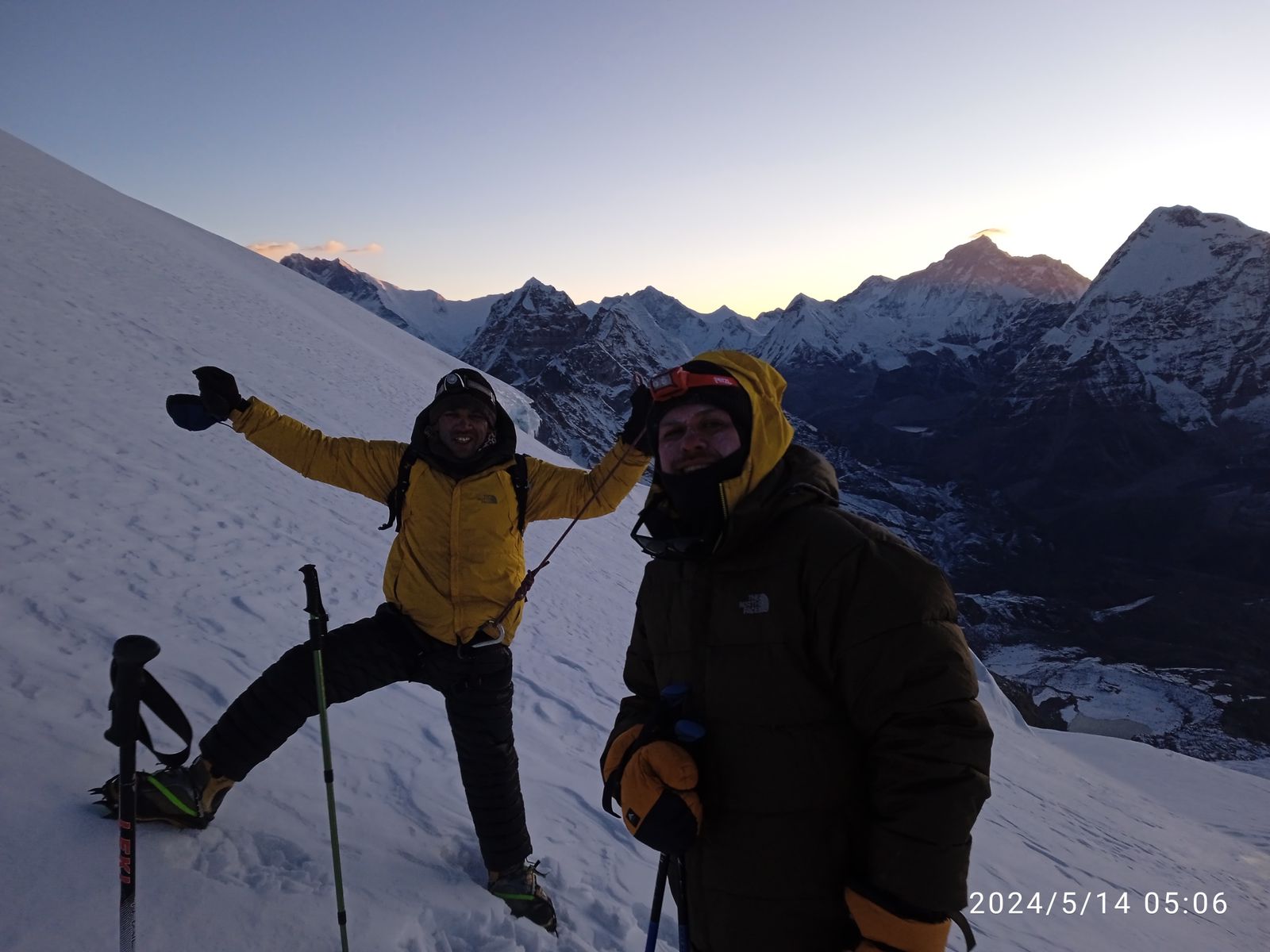
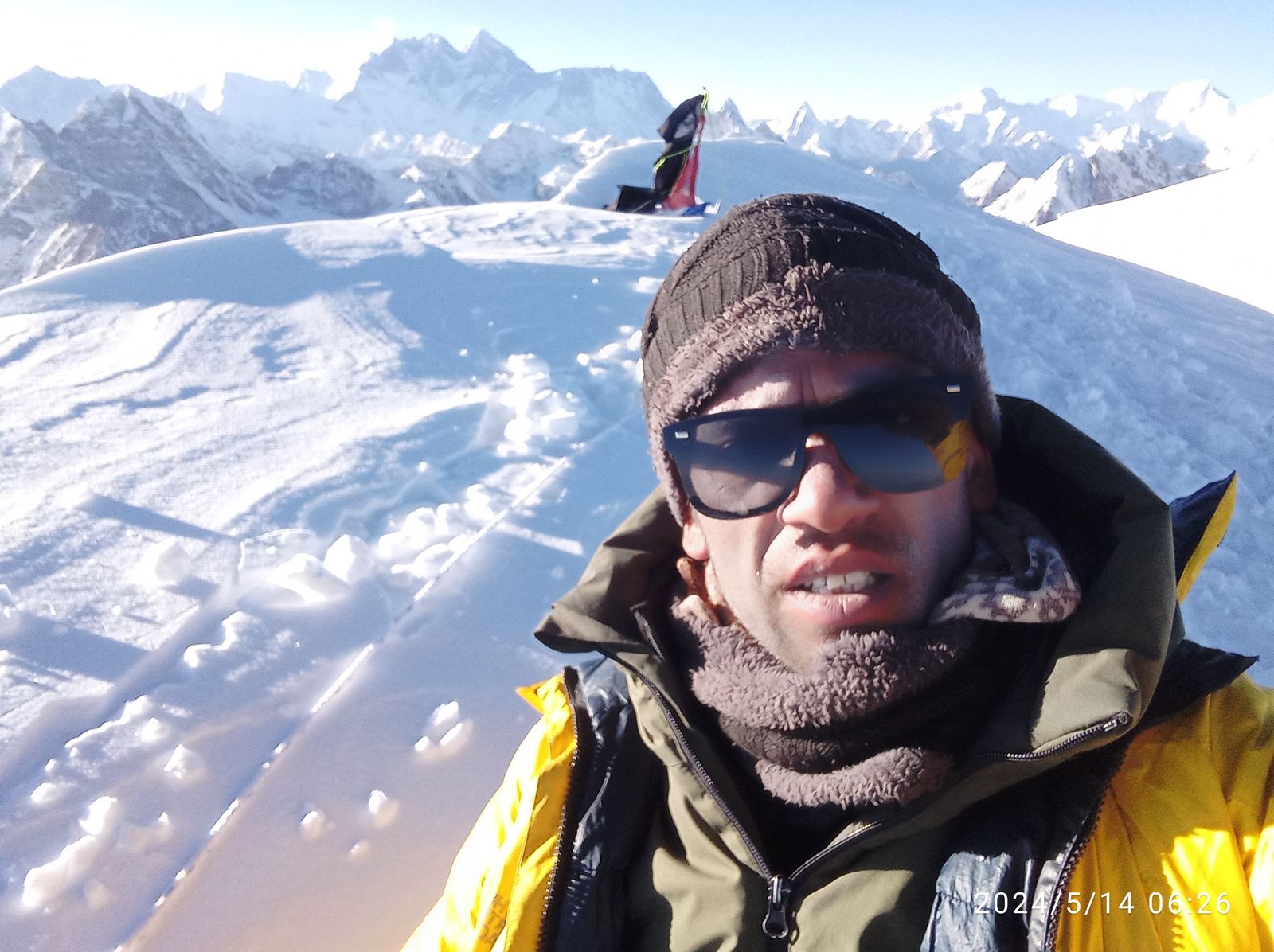
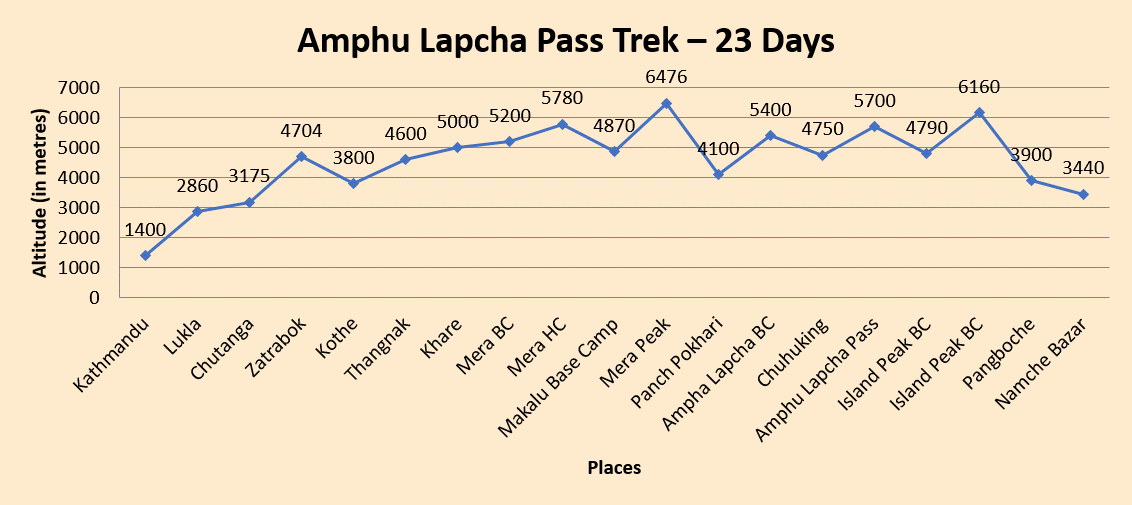
One of the main highlights of the expedition is the summit of Mera Peak (6,476m). This climb offers one of the most spectacular panoramic views in Nepal, encompassing peaks such as Everest, Lhotse, Makalu, and Cho Oyu. The climb is technically moderate but requires good fitness, mental focus, and experience with high-altitude trekking. Proper acclimatization, practice with climbing equipment, and guided instruction are all included to ensure safety and success.
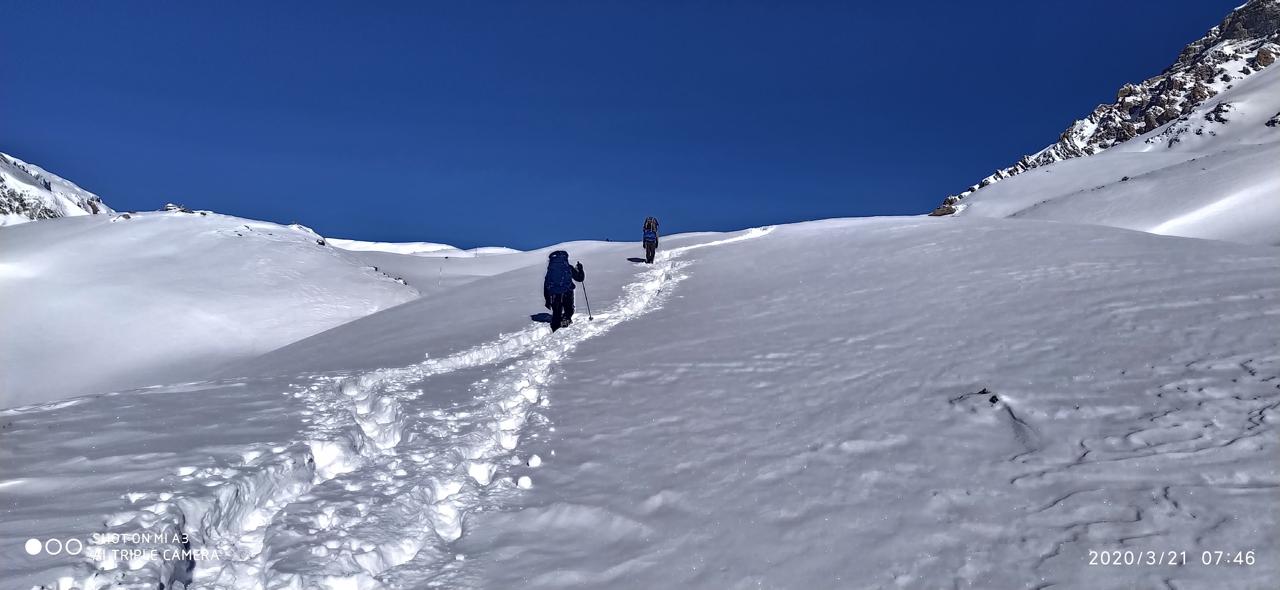
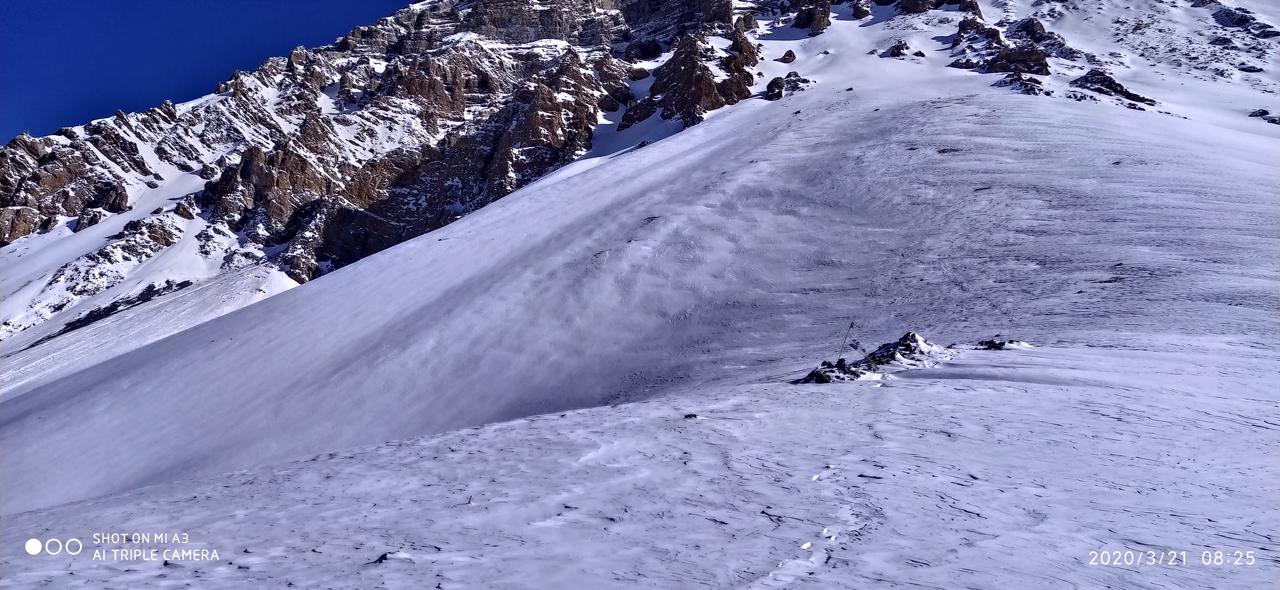
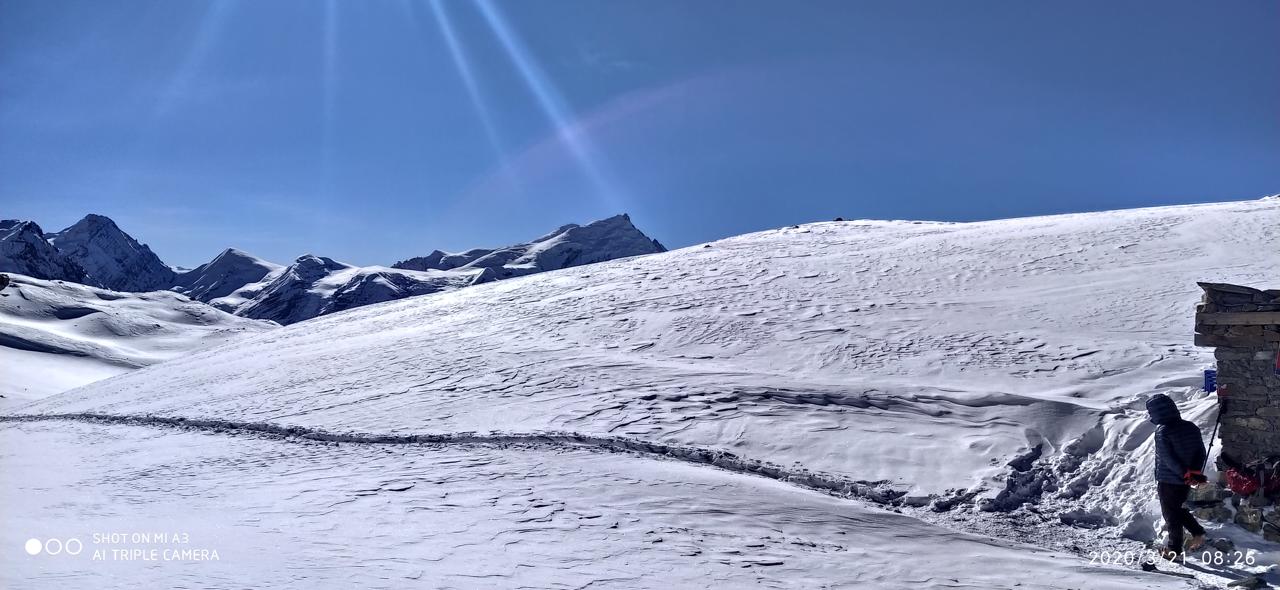
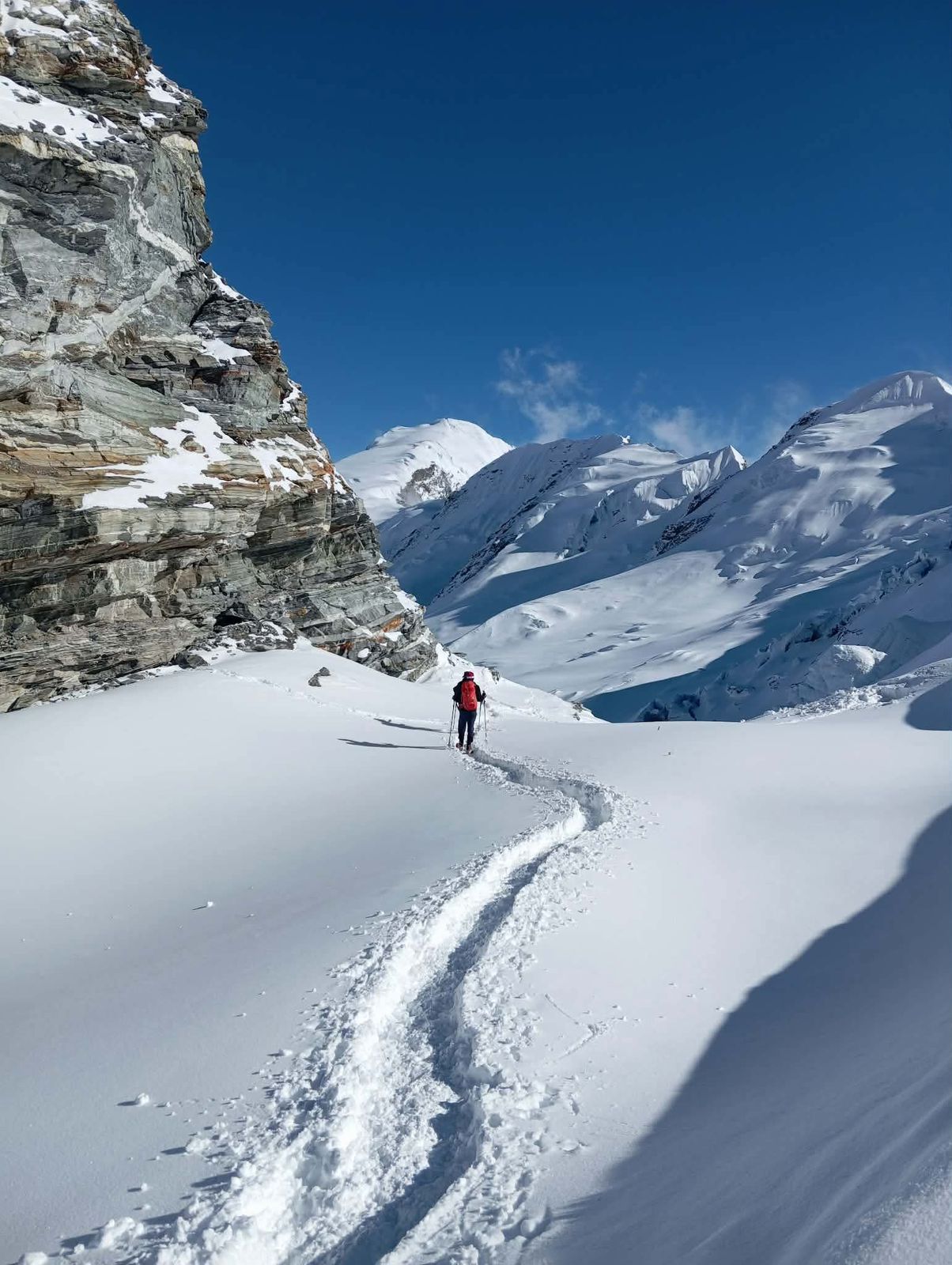
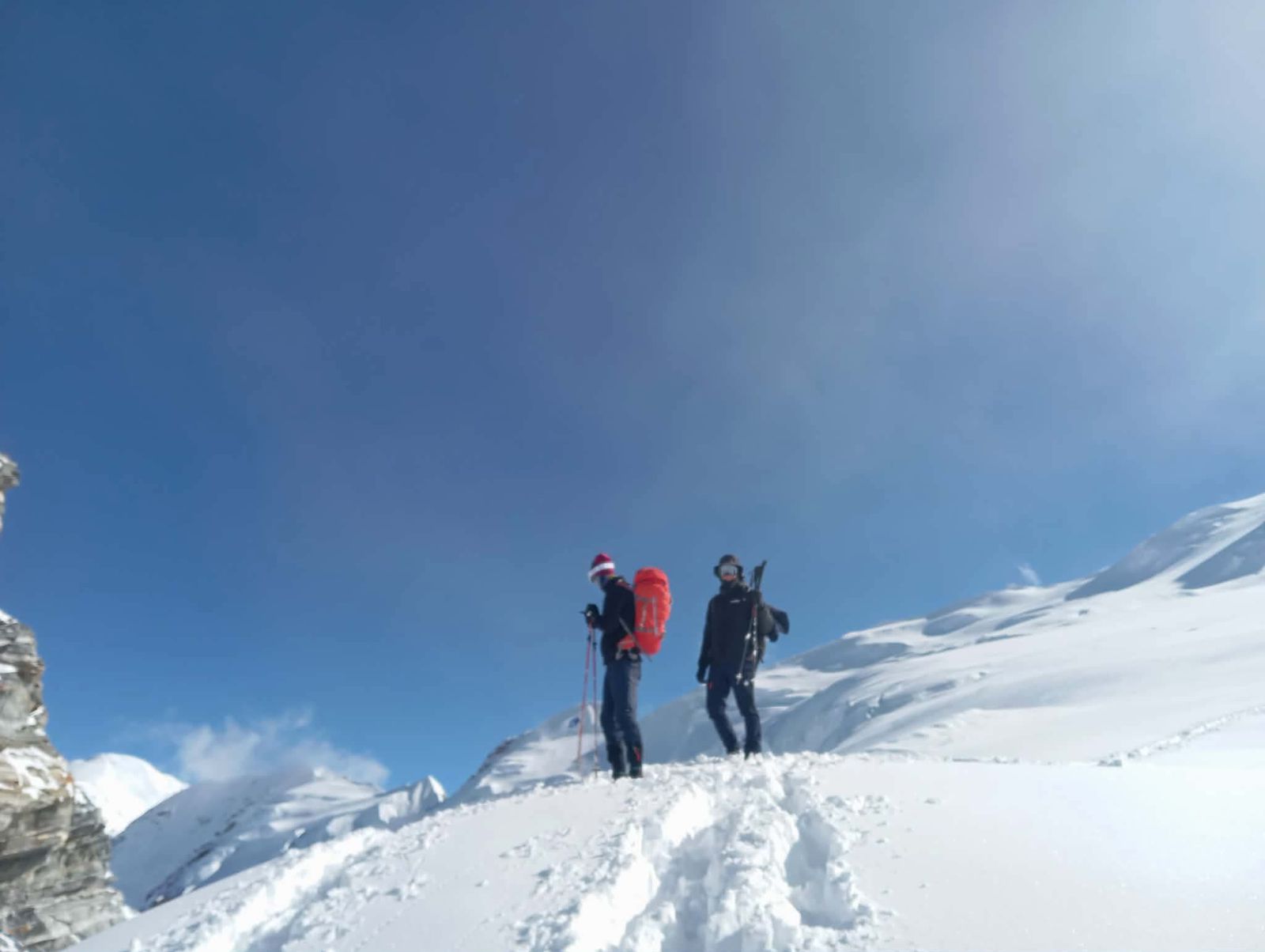
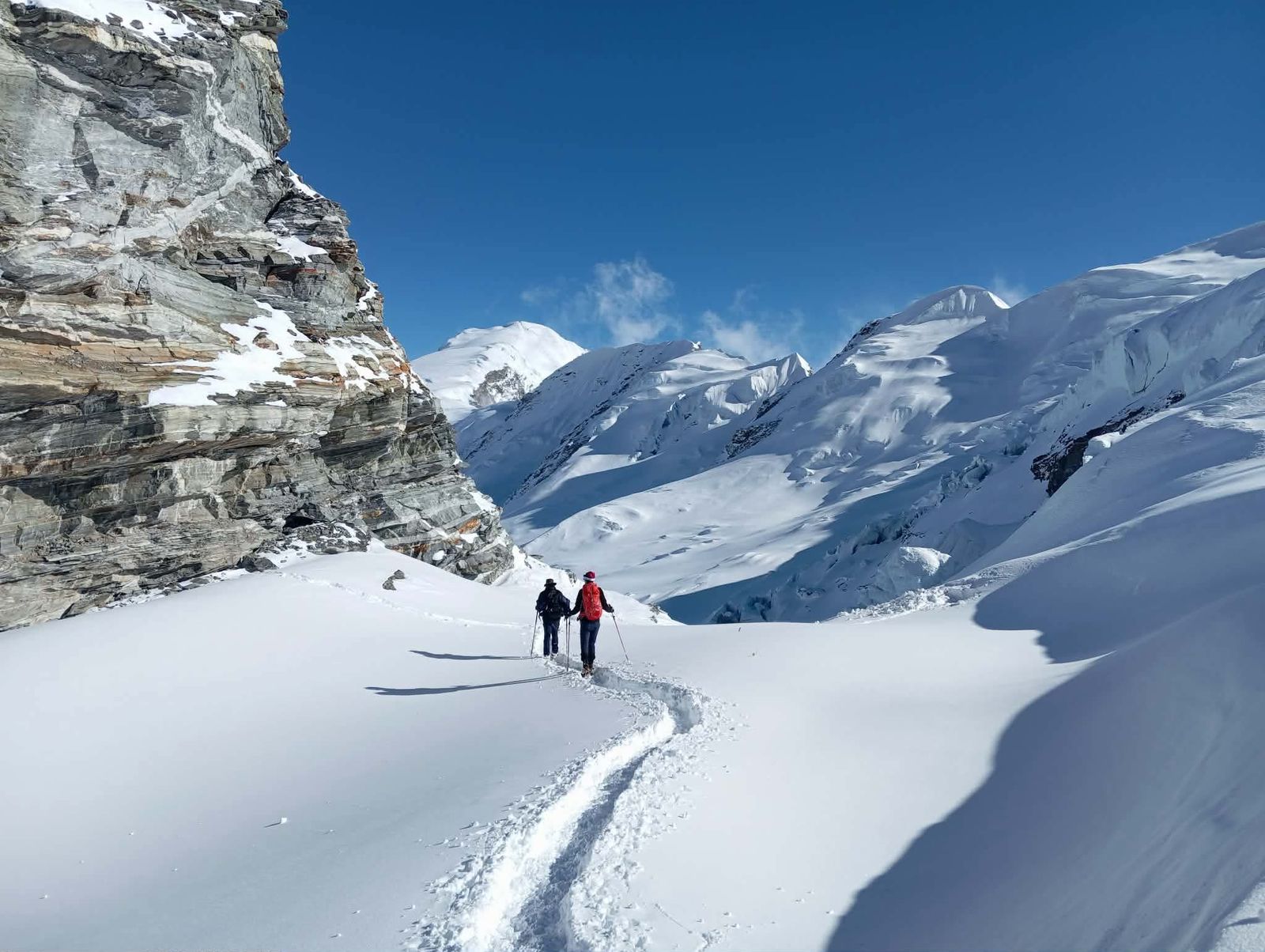
Following Mera Peak, the trek continues toward the Amphu Lapcha Pass (5,845m), widely regarded as one of the most technical and demanding passes in Nepal. Crossing this high pass involves glacier walking, rope-assisted climbs, and steep descents. It is physically exhausting yet extremely rewarding, offering dramatic views of surrounding peaks, deep valleys, and untouched Himalayan terrain. This portion of the trek is suitable only for fit and prepared trekkers who are comfortable with high-altitude, technical conditions.
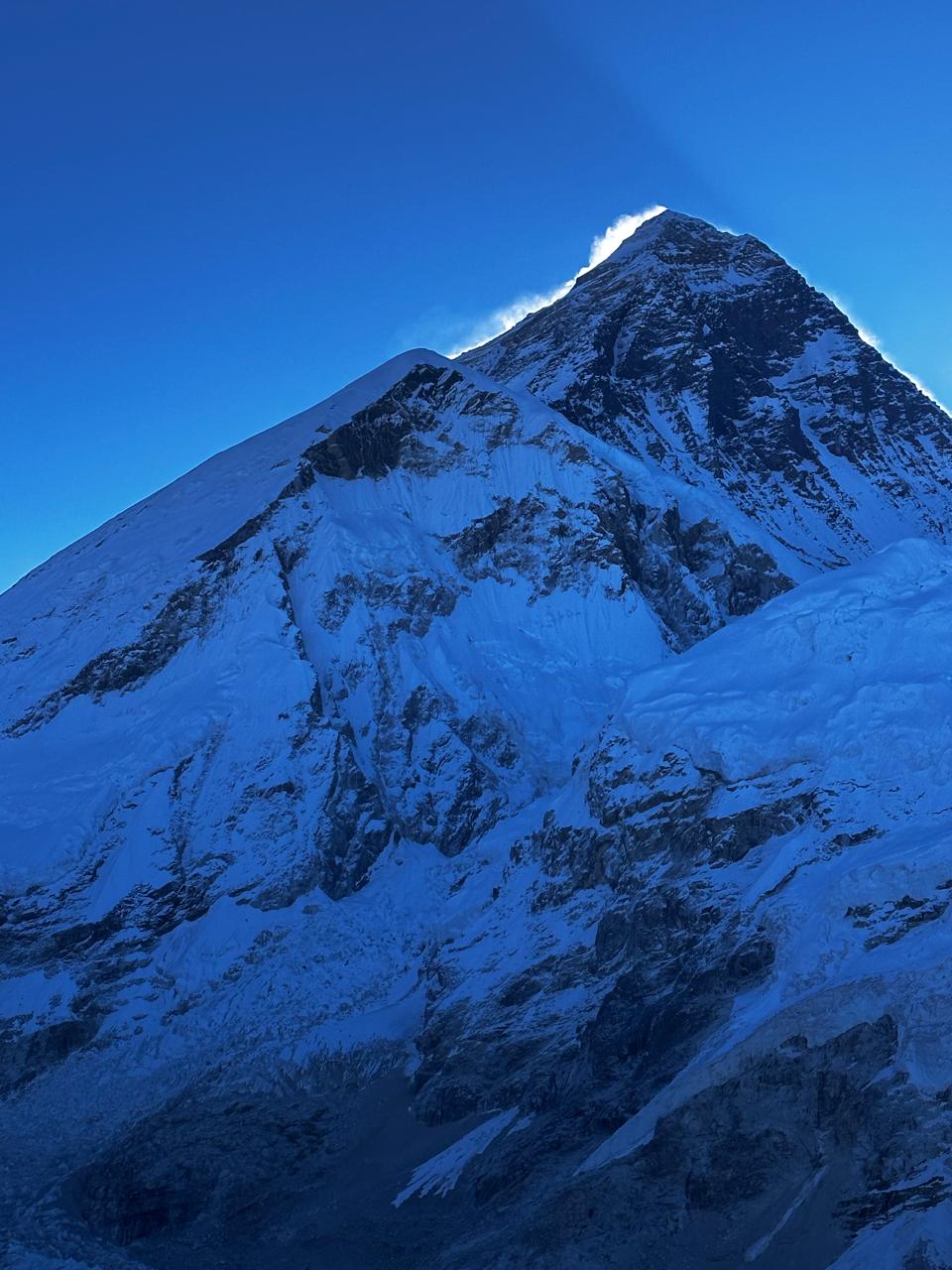
The final stages of the trek descend toward the classic Everest region, including stops at Chukung, Lobuche, Gorak Shep, and Everest Base Camp. Trekkers also hike to Kala Patthar for sunrise views of Everest, Lhotse, and Nuptse, before returning to Lukla and flying back to Kathmandu. The trek combines remote wilderness, cultural immersion, technical mountaineering, and iconic Everest landscapes, creating a truly comprehensive high-altitude adventure.
What Can You Expect from the Trek?
Trekkers can expect a combination of technical mountaineering, glacier travel, high-altitude trekking, and cultural experiences. The journey is designed to be physically demanding, requiring endurance, balance, and stamina over long days. Daily treks range from 4 to 10 hours depending on terrain and altitude, with rest and acclimatization days built into the schedule to minimize risks of altitude sickness. Trekkers will encounter both popular trails near Everest Base Camp and remote, less-traveled valleys in the Hinku region.
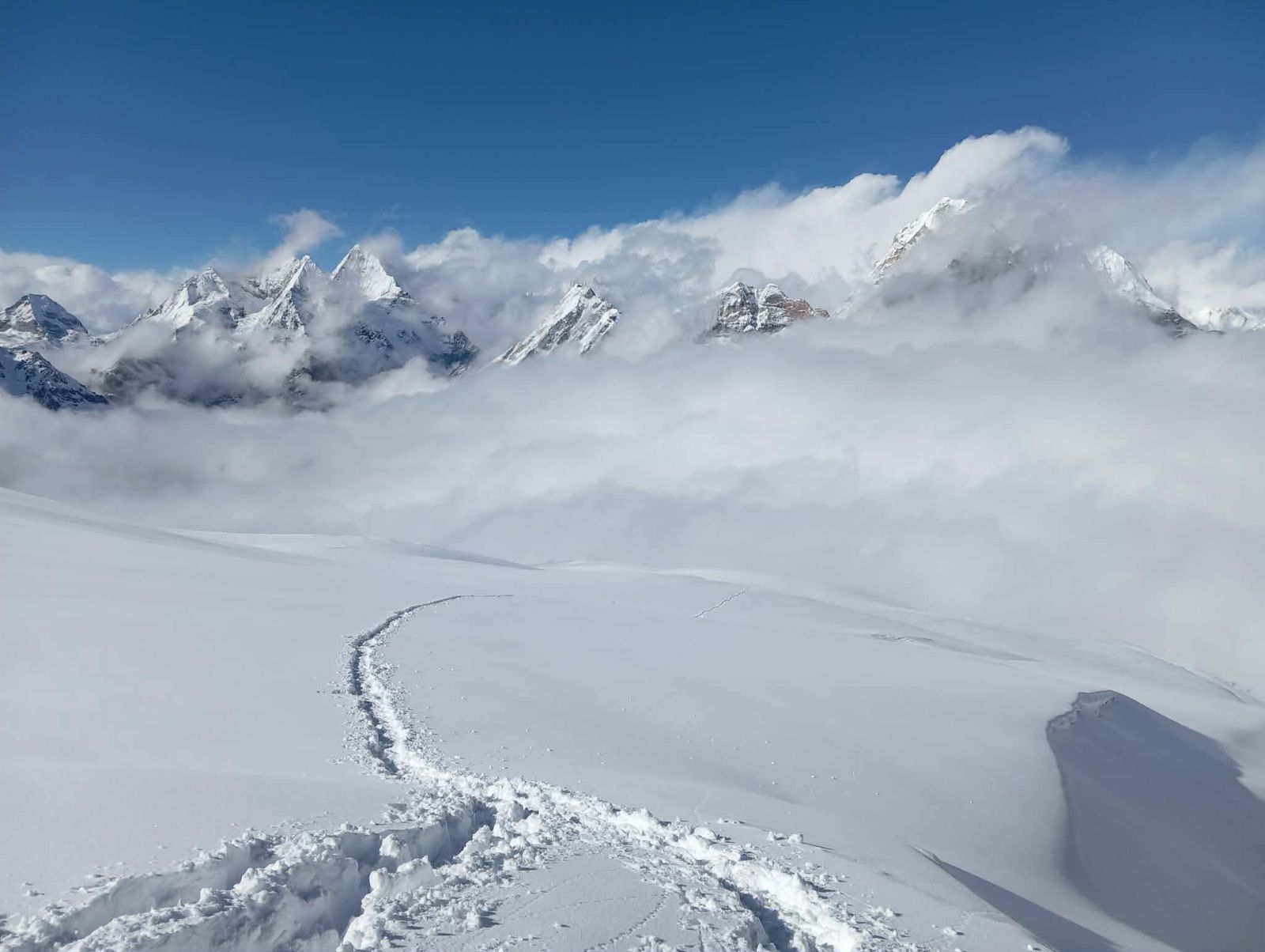
In addition to physical challenges, trekkers will experience rich natural beauty, including snow-capped peaks, glacial streams, alpine meadows, and vast valleys. Wildlife sightings may include Himalayan monal pheasants, mountain goats, and other high-altitude fauna. The trek also offers opportunities to witness traditional Sherpa culture, including monasteries, prayer flags, and local farming practices. Meals and accommodations are provided in tea houses and lodges along the route, with basic camping for high camps on Mera Peak and Amphu Lapcha Pass.
Trekkers will also receive basic mountaineering training for glacier travel and technical sections. Instruction includes the use of crampons, ice axes, and ropes, allowing climbers to safely ascend Mera Peak and navigate the Amphu Lapcha Pass. Proper guidance ensures safety while providing a hands-on mountaineering experience, making the trek ideal for those seeking both adventure and skill development.
- High-altitude trekking: Gradual acclimatization to reach peaks above 5,000m safely.
- Technical climbing: Glacier walking, rope use, and ice skills for Mera Peak and Amphu Lapcha Pass.
- Cultural immersion: Visits to Sherpa villages, monasteries, and local communities.
- Stunning landscapes: Panoramic views of Everest, Lhotse, Makalu, Cho Oyu, and other Himalayan giants.
- Physical endurance: Trekking over long days with steep ascents and descents.
Is Trek Suitable for You?
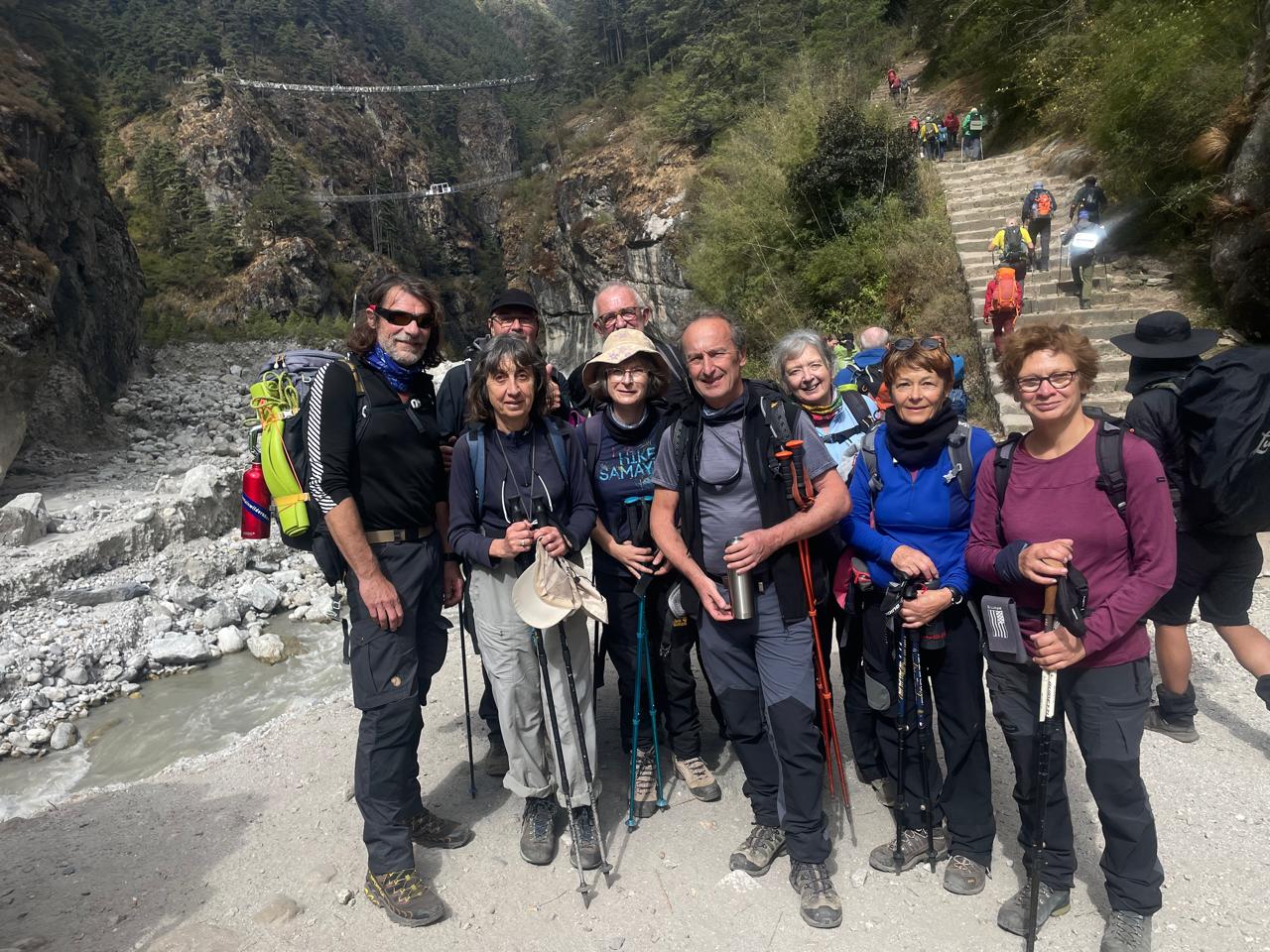
The Amphu Lapcha Pass Trek is designed for adventurous individuals who are physically fit, mentally resilient, and eager to experience high-altitude challenges. It is not a simple trek and requires endurance, stamina, and the ability to adapt to harsh weather and changing terrain. Trekkers should have prior experience with multi-day hikes, ideally at elevations above 4,000m, to fully enjoy and complete this expedition safely. While guides provide technical support, self-discipline and preparation are essential for success.
This trek is ideal for those who enjoy both trekking and mountaineering. Participants must be comfortable with long days of trekking, often ranging from 5 to 10 hours, and with carrying personal gear over rough trails. Some sections require climbing skills, glacier navigation, and use of ropes or crampons. Mental toughness is equally important, as the trek takes you to remote areas with limited facilities and extreme weather conditions. A positive attitude and willingness to follow guide instructions will make the experience safer and more enjoyable.
For those with the required fitness and preparation, the rewards are unparalleled. The trek offers access to remote valleys, dramatic high-altitude passes, and iconic Himalayan peaks that few people experience. Trekkers also gain hands-on mountaineering experience while enjoying breathtaking natural beauty and cultural encounters along the way.
- Physical fitness required: Must handle long trekking days and high-altitude challenges.
- Technical experience: Useful for glacier travel, rope sections, and Mera Peak climb.
- Mental resilience: Ability to cope with altitude, cold, and challenging terrain.
- Adventure seekers: Ideal for those who want remote, less-traveled trails.
- Cultural curiosity: Opportunity to experience Sherpa villages and monasteries.
How to Get Prepared for Trek?
Preparation for the Amphu Lapcha Pass Trek begins well before arriving in Nepal. Physical fitness is the top priority. Trekkers should engage in cardiovascular exercises such as running, cycling, or swimming, combined with strength training to improve endurance and leg strength. Hiking on uneven terrain with a weighted backpack simulates real trekking conditions and helps condition the body for long days on the trail. Gradually increasing elevation during training hikes is also beneficial to adapt to thinner air.
In addition to fitness, trekkers should familiarize themselves with basic mountaineering skills. Learning to use crampons, ice axes, and ropes in advance provides confidence and reduces stress during the technical sections of Mera Peak and Amphu Lapcha Pass. Trekking poles, proper boots, and layered clothing are essential to ensure comfort and safety in variable weather. Mental preparation is equally important; being ready for early starts, physical exertion, and unexpected weather changes will enhance your overall experience.
Finally, acclimatization is crucial. Following the trek itinerary carefully and allowing your body to adjust gradually to increasing altitude will reduce the risk of altitude sickness. Drinking plenty of water, eating balanced meals, and taking rest days when necessary are key strategies. Guides will monitor all participants for signs of altitude-related issues and provide support if needed.
Preparation Checklist:
- Physical Fitness: Endurance training (running, cycling, swimming), strength exercises for legs and core, long hikes with backpacks.
- Acclimatization: Plan gradual ascents and rest days to adapt to altitude safely.
- Trekking Gear: High-quality trekking boots, layered clothing, waterproof jacket, trekking poles, and backpack with rain cover.
- Health & Safety: Travel insurance, personal first aid kit, consultation with a doctor about altitude sickness prevention.
- Local Knowledge: Familiarize yourself with trekking permits, TIMS card, local customs, and etiquette in Sherpa villages.
-
Trip Duration
23 Days / 22 Nights
-
Group Size
1-20 People
-
Maximum Altitude
6,476m (Mera Peak Summit)
-
Trip Difficulty
Very Challenging / Technical
-
Activities
High-altitude trekking, Glacier travel and basic mountaineering
-
Best Season
Spring (Mar–May), Autumn (Sep–Nov)
-
Trip Start & End
Kathmandu-Kathmandu
-
Meals
Breakfast, Lunch, Dinner included on trek
-
Accomodation
Tea Houses, Lodges, High Camp Tents
Highlights
- Cross Amphu Lapcha Pass (5,845m): Experience one of Nepal’s most challenging and technical high passes with ice and rope sections.
- Summit Mera Peak (6,476m): Enjoy an unforgettable mountaineering experience and panoramic Himalayan views.
- Everest Base Camp & Kala Patthar: Witness the iconic landscapes of the Everest region, including a sunrise view from Kala Patthar.
- Remote Hinku Valley: Trek through quiet, less-visited trails with traditional Sherpa villages and pristine natural beauty.
- Technical Glacier Travel: Learn and practice basic mountaineering skills such as rope use, crampons, and ice axe techniques.
- Cultural Encounters: Meet Sherpa communities, explore monasteries, and experience local high-altitude life.
Itinerary
Day 01
Arriving in Kathmandu marks the beginning of your grand Himalayan adventure. Upon landing at Tribhuvan International Airport, you will be greeted and transferred to your hotel in the bustling heart of the city. The rest of the day is yours to relax and recover from your international flight. Kathmandu offers a vibrant mix of culture, history, and modern amenities, so you might take a short walk to soak in the atmosphere, explore local markets, or simply enjoy a warm meal at the hotel. In the evening, your trekking team and guide will meet you for an introductory briefing. This session will cover the itinerary, safety protocols, emergency procedures, and a gear check to ensure that all mountaineering equipment is ready and functioning.
It’s essential to use this first day to rest, hydrate, and mentally prepare for the high-altitude trek ahead. Kathmandu sits at 1,400 meters, which is relatively low but allows your body to start adjusting to altitude gradually. Take this opportunity to purchase any last-minute trekking necessities, practice organizing your backpack, and double-check that all climbing and trekking permits are in place. Your guide may also provide insights into Nepalese culture, local traditions, and tips for trekking in remote regions. Starting your journey fully prepared and informed ensures a smoother transition to the challenging and exhilarating days ahead in the Himalayas.
Altitude:
1,400mMeal:
Dinner includedAccomodation :
Hotel in KathmanduDay 02
Today begins with an unforgettable scenic flight from Kathmandu to Lukla Airport, one of the most iconic and thrilling flights in the world. The small aircraft navigates through the Himalayas, offering breathtaking views of snow-capped peaks, deep valleys, and terraced hillsides. Upon arrival at Lukla, you step directly into the adventure, starting your trek toward Chutanga. The trail weaves through lush pine and rhododendron forests, traditional Sherpa villages, and alongside flowing rivers, providing a rich introduction to the natural and cultural beauty of the region. The gradual incline allows your body to begin adapting to the altitude, while the scenery makes the walk both rewarding and inspiring.
The trekking pace today is moderate, allowing you to adjust to the thin mountain air while enjoying the pristine surroundings. Along the trail, you will notice small teahouses and local settlements where you can interact with residents, observe traditional lifestyles, and savor fresh local cuisine. The journey to Chutanga is relatively short, giving you ample time to rest and acclimatize before the more strenuous days ahead. Your guide will also conduct a briefing on trekking etiquette, safety measures, and proper hydration practices to ensure a healthy and enjoyable trek. Today’s trek serves as the perfect blend of scenic beauty, cultural immersion, and preparation for the high-altitude challenges to come.
Trip Duration:
4–5 Hours (Trek)Trip Distance:
8 km (Trek)Altitude:
3,050mMeal:
Breakfast, Lunch, Dinner includedAccomodation :
LodgeDay 03
The journey today is both challenging and breathtaking as you cross the Zatrwa La Pass, a high mountain pass offering panoramic views of the surrounding peaks and glaciers. The trek begins with gradual ascents through lush forest trails and open landscapes that transition into alpine meadows. Along the way, you will encounter remote villages where local herders tend their yaks and goats, offering glimpses into traditional Himalayan life. The trail demands focus and steady pacing as the altitude increases, making proper acclimatization and hydration essential. The scenery is ever-changing, with snow-capped mountains towering over green valleys, pristine streams flowing alongside the trail, and occasional glimpses of Himalayan wildlife, making every step a rewarding experience.
Reaching Thuli Kharka at 4,300 meters gives you a sense of accomplishment, as today’s trek involves both technical and physically demanding sections. The area is a vast open pasture, perfect for observing the surrounding Himalayan peaks and enjoying the serenity of remote Nepal. Upon arrival, you will settle into the lodge, review the next day’s trekking plan with your guide, and take some time to rest. Evenings in Thuli Kharka offer an incredible opportunity to witness stunning sunsets that illuminate the mountains in vivid hues, creating an unforgettable introduction to the high-altitude trekking experience.
Trip Duration:
6–7 HoursTrip Distance:
12 kmAltitude:
4,300mMeal:
Breakfast, Lunch, Dinner includedAccomodation :
LodgeDay 04
Today, you descend gently into the remote and peaceful Hinku Valley, following trails that wind along the river and through terraced fields. The path is lined with pine forests, small waterfalls, and vibrant alpine flowers, offering a visual feast at every turn. Kothe is a small settlement that maintains its traditional Sherpa lifestyle, providing trekkers with the chance to experience local culture in a tranquil environment. The descent helps your body adjust to changes in altitude while allowing you to enjoy the unique landscapes and the tranquility of the less-frequented trails. Along the way, your guide will share insights about the flora, fauna, and local history, deepening your appreciation for the region.
Kothe serves as an ideal stop for acclimatization and rest, allowing trekkers to recover from the previous day’s strenuous ascent over Zatrwa La. The lodge provides warm meals and a cozy environment, essential for rejuvenating your energy for the days ahead. As the evening settles in, you can enjoy panoramic mountain views, witness local villagers engaged in daily activities, and prepare mentally for the steadily increasing altitude in the upcoming trek. This day combines cultural immersion, moderate trekking, and stunning scenery to create a memorable highland experience.
Trip Duration:
5–6 hoursTrip Distance:
10 kmAltitude:
3,600mMeal:
Breakfast, Lunch, Dinner includedAccomodation :
LodgeDay 05
The trail today follows the Hinku River as it carves its way through the valley, offering picturesque views of rugged cliffs, cascading waterfalls, and distant Himalayan peaks. The trek is moderate but steady, giving you an opportunity to observe the natural beauty of the remote region. Along the path, trekkers will encounter occasional small teahouses and settlements, allowing brief interactions with locals who maintain a traditional way of life. The serenity and isolation of this section make it a peaceful journey, with fewer trekkers and a deep sense of connection to nature. Walking at a slow and steady pace is crucial, as the altitude begins to take a more pronounced effect on energy levels.
Arriving in Thangnak, you are greeted with an awe-inspiring view of surrounding peaks, including a glimpse of Mera Peak in the distance, which will soon be your climbing objective. The lodge provides a comfortable setting to rest, enjoy nutritious meals, and review your trekking progress with your guide. The quiet evenings here are perfect for reflecting on the journey so far and preparing mentally and physically for the increasingly demanding high-altitude days ahead. Trekking through this section gives a unique balance of natural beauty, cultural exposure, and gradual acclimatization.
Trip Duration:
4–5 HoursTrip Distance:
8 kmAltitude:
4,350mMeal:
Breakfast, Lunch, Dinner includedAccomodation :
LodgeDay 06
Today’s trek involves a gradual climb along well-defined paths, as you move higher into the alpine region. The trail transitions from forests into rocky and barren landscapes, punctuated by glacial streams and occasional patches of snow. Reaching Khare, the base for Mera Peak and the Amphu Lapcha Pass, signals entry into a more serious high-altitude environment. This area is remote and less frequented, giving a true sense of wilderness. Every step requires attentiveness to altitude, and your guide will continuously monitor the team’s condition, ensuring proper acclimatization. The natural beauty of this region, combined with the looming presence of Mera Peak, makes the trek both inspiring and challenging.
Upon reaching Khare, trekkers settle into simple lodges where the focus is on rest, nutrition, and acclimatization. This is an important stage of the journey, as proper preparation here is critical for both the upcoming summit attempt on Mera Peak and the technical crossing of Amphu Lapcha Pass. Evening activities may include light hikes around the area for acclimatization, reviewing safety protocols, and practicing the use of basic mountaineering gear. The quiet high-altitude environment encourages mindfulness, allowing trekkers to appreciate the vast Himalayan landscapes and prepare physically and mentally for the demanding challenges ahead.
Trip Duration:
4–5 HoursTrip Distance:
7 kmAltitude:
5,045mMeal:
Breakfast, Lunch, Dinner includedAccomodation :
LodgeDay 07
Today is a crucial rest and acclimatization day at Khare. After several days of trekking and gradual altitude gain, your body needs time to adjust to the thinner air before attempting higher passes and summits. Trekkers will engage in light hikes around the Khare area, exploring nearby trails and small ridges. These hikes help your lungs adapt while allowing you to enjoy the stunning alpine scenery, including views of Mera Peak, Hinku Valley, and surrounding glaciers. During this time, guides will provide practical tips for high-altitude trekking, covering topics such as hydration, energy management, and the use of trekking poles to maintain stability on icy or rocky terrain.
In addition to light trekking, Khare serves as the place to practice essential mountaineering skills, including crampon walking, ice axe use, and rope handling. This preparation is vital for safely crossing the Amphu Lapcha Pass and climbing Mera Peak. Evenings are spent resting, eating high-calorie meals, and monitoring how your body reacts to the high altitude. Staying hydrated and avoiding overexertion is strongly advised. The combination of practice, rest, and observation ensures that trekkers are fully prepared both physically and mentally for the demanding high-altitude sections that lie ahead.
Altitude:
5,045mMeal:
Breakfast, Lunch, Dinner includedAccomodation :
LodgeDay 08
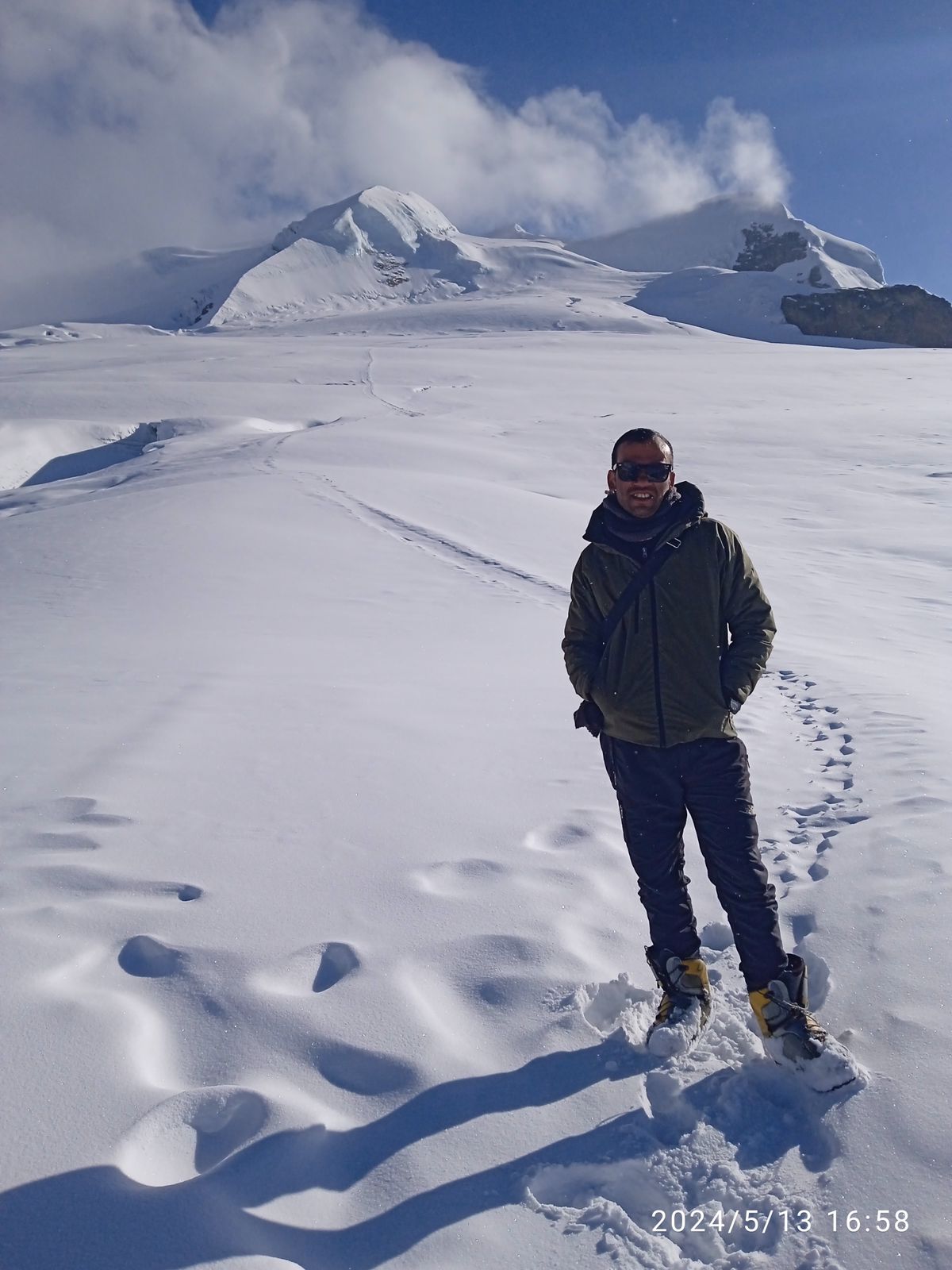
The trek to Mera High Camp is a day of glacier walking, steep ascents, and awe-inspiring Himalayan views. The trail gradually climbs from Khare, crossing rocky terrain and moraine fields, and finally reaching the high camp nestled below the summit of Mera Peak. Along the way, trekkers will experience snowfields and ice patches, which require careful foot placement and concentration. The surrounding panorama includes Everest, Lhotse, Makalu, and Cho Oyu, creating one of the most memorable visual experiences in the Himalayas. The trek demands stamina and awareness, as the altitude increases the physical effort needed for every step.
At Mera High Camp, the focus shifts to final summit preparations. Trekkers review climbing strategies, check equipment, and ensure proper layering to combat cold conditions. The camp provides an opportunity to rest while enjoying the serenity of high-altitude mountains. Evenings are cold and clear, offering breathtaking starry skies. Proper hydration, nutrition, and early sleep are emphasized to maximize energy for the early summit push. The combination of technical trekking and preparation at this camp ensures that climbers are ready for the most demanding day of the expedition.
Trip Duration:
4–5 HoursTrip Distance:
6 kmAltitude:
5,780mMeal:
Breakfast, Lunch, Dinner includedAccomodation :
High Camp tented/lodgeDay 09
The summit day begins in the early hours, usually around 2–3 AM, to ensure climbers reach the peak safely and return before afternoon weather changes. The ascent involves steep snow slopes, glacier travel, and basic mountaineering techniques learned during acclimatization. Every step is physically demanding, and climbers must pace themselves to prevent exhaustion or altitude-related issues. Reaching the summit at 6,476 meters rewards trekkers with an unparalleled panoramic view of Nepal’s highest mountains, including Everest, Lhotse, Makalu, Cho Oyu, and Ama Dablam. It is a day that tests endurance, skill, and mental focus, but the experience is incredibly rewarding.
After spending time at the summit, climbers carefully descend back to Mera High Camp and then continue to Khare, where rest and recovery await. Proper nutrition, hydration, and monitoring for altitude symptoms are essential during descent. Reaching Khare gives a sense of accomplishment and relief, and evenings are spent recounting the adventure, reviewing photos, and enjoying a well-deserved meal. The day is long and strenuous, but the memories of standing atop Mera Peak remain unforgettable.
Trip Duration:
8–10 HoursTrip Distance:
7 km ascent + 7 km descentAltitude:
6,476m (summit), return to 5,045mMeal:
Breakfast, Lunch, Dinner includedAccomodation :
LodgeDay 10
Today, you move onto a remote and less-traveled trail leading toward Kongma Dingma. The journey involves gradual descents and moderate ascents through rocky terrain, with spectacular views of the surrounding glaciers, ridges, and peaks. The trail is quieter compared to the Everest Base Camp route, offering a sense of solitude and connection with nature. Trekkers will observe the unique alpine landscape and may spot Himalayan wildlife such as blue sheep or marmots. The trek is challenging but manageable, allowing recovery from the previous summit while continuing the journey across high-altitude terrain.
Upon arrival at Kongma Dingma, trekkers settle into lodges, which provide warm meals and a cozy environment. The area is remote, peaceful, and surrounded by high peaks, offering both stunning scenery and an opportunity for reflection. Evening activities may include light exploration of the area, reviewing the next day’s plan, and ensuring proper hydration and rest. This section emphasizes the balance between trekking endurance, acclimatization, and enjoying the Himalayan wilderness away from crowds.
Trip Duration:
6–7 HoursTrip Distance:
12 kmAltitude:
4,850mMeal:
Breakfast, Lunch, Dinner includedAccomodation :
LodgeDay 11
The trail today leads to Seto Pokhari, the sacred White Lake surrounded by towering peaks. The trek involves a mix of gentle climbs and descents along rocky paths, glaciers, and small streams. Trekkers are treated to dramatic mountain views, pristine snowfields, and the serene atmosphere of the high Himalayas. Seto Pokhari holds cultural and religious significance for local communities, and visiting it provides a glimpse into the spiritual aspect of Himalayan trekking. The journey requires careful navigation on rocky and icy terrain, reinforcing the importance of using trekking poles, crampons, and proper mountaineering techniques.
At Seto Pokhari, trekkers can enjoy the peaceful surroundings, take photographs, and absorb the natural and spiritual ambiance. Lodges provide basic but comfortable accommodation, offering warm meals and a place to rest after a demanding day. Evening conversations often revolve around the cultural insights gained and the upcoming technical challenges of Amphu Lapcha Pass. The day combines scenic trekking, cultural exposure, and gradual preparation for the more strenuous sections ahead.
Trip Duration:
5–6 HoursTrip Distance:
10 kmAltitude:
5,035mMeal:
Breakfast, Lunch, Dinner includedAccomodation :
LodgeDay 12
The trek to Amphu Lapcha Base Camp involves navigating rocky trails, moraines, and small streams, leading to a remote and rugged high-altitude environment. Base Camp is situated in a dramatic setting below the Amphu Lapcha Pass, with glaciers and high peaks forming a breathtaking backdrop. Trekkers use this day to prepare for one of the most technically challenging passes in Nepal. Guides ensure climbers are fully briefed on safety procedures, rope techniques, and ice navigation. The altitude and rugged terrain make focus, stamina, and pacing essential to complete the day safely.
Base Camp serves as the staging area for crossing Amphu Lapcha Pass, where climbers can check equipment, organize food and water, and rest. Evening discussions with guides include weather forecasts, climbing strategies, and contingency plans. The serene and remote environment encourages mindfulness, reflection, and mental preparation for the demanding climb ahead. Proper rest, nutrition, and hydration at this stage are vital to ensure successful passage over the technical pass.
Trip Duration:
5-6 HoursTrip Distance:
8 kmAltitude:
5,400mMeal:
Breakfast, Lunch, Dinner includedAccomodation :
Tent/LodgeDay 13
Day 13 is the pinnacle of this expedition: crossing the challenging Amphu Lapcha Pass. The day starts very early to take advantage of firm snow conditions and stable weather. The climb involves steep snow slopes, glacier crossings, and technical sections that may require fixed ropes. Trekkers must carefully place crampons and use ice axes to maintain stability on icy or sloping terrain. This is one of Nepal’s most technically demanding high passes, and climbers need both physical strength and mental focus to safely navigate. The views along the way are mesmerizing, with panoramic sights of Cho Oyu, Makalu, and the surrounding glaciated valleys.
After crossing the pass, the descent leads to Chukung, a small Sherpa settlement in a picturesque valley. The trek down requires concentration, as steep snow and rocky paths can be tiring on the legs. Reaching Chukung brings a sense of relief and accomplishment, as trekkers celebrate a successful technical crossing. Lodges provide warm meals and a comfortable place to rest. This day is physically and mentally challenging, and proper recovery, hydration, and high-calorie meals are critical. The combination of extreme adventure, breathtaking scenery, and personal achievement makes this one of the most unforgettable days of the trek.
Trip Duration:
8-10 HoursTrip Distance:
12 kmAltitude:
5,845m (pass), descent to 4,730mMeal:
Breakfast, Lunch, Dinner includedAccomodation :
LodgeDay 14
A much-needed rest and buffer day in Chukung allows trekkers to recover from the technical crossing of Amphu Lapcha Pass. This day is used for light hikes around Chukung or simply relaxing and letting the body recover from fatigue. Trekkers can enjoy the village’s tranquil environment, interact with local Sherpa families, and take in the surrounding landscapes of glaciers and snow-capped peaks. Rest days are essential at high altitudes, as they prevent altitude sickness and allow muscles to repair from strenuous trekking.
Guides use this day to review the upcoming sections of the trek, discuss safety protocols, and prepare climbers for the next phase toward the classic Everest trail. Extra rest and nutrition ensure that trekkers maintain energy for the multi-day journey ahead. Evenings are peaceful, with opportunities for journaling, photography, or simply admiring the Himalayan sunset and starry skies. This buffer day is vital for both safety and overall trekking enjoyment, emphasizing acclimatization, recovery, and mental preparation.
Altitude:
4,730mMeal:
Breakfast, Lunch, Dinner includedAccomodation :
LodgeDay 15
Today, trekkers begin descending from Chukung and gradually rejoin the classic Everest Base Camp trail toward Lobuche. The route passes through open alpine landscapes, moraine fields, and high mountain ridges, offering stunning views of Ama Dablam, Nuptse, and other peaks. Trekking on this part of the trail is physically easier than crossing the Amphu Lapcha Pass, but still requires attention due to rocky paths and occasional icy patches. Trekkers are greeted with the quieter atmosphere of less crowded trails as they merge with the popular Everest route.
Lobuche is a small settlement that provides accommodation in cozy lodges with warm meals and resting areas. Trekkers can enjoy the village’s high-altitude environment, where mountains dominate the horizon and the crisp air is refreshing. Evening preparation focuses on the next day’s trek to Gorak Shep and Everest Base Camp. This day allows for recovery while continuing the adventure and provides excellent photographic opportunities of the iconic Himalayan peaks.
Trip Duration:
5–6 HoursTrip Distance:
10 kmAltitude:
4,940mMeal:
Breakfast, Lunch, Dinner includedAccomodation :
LodgeDay 16
The trek today leads to Gorak Shep, the last settlement before Everest Base Camp (EBC). The trail passes through rocky terrain, glacial moraines, and open plains, offering spectacular views of Pumori, Nuptse, and the Khumbu Glacier. Upon reaching Gorak Shep, trekkers leave their heavy luggage and continue for a short hike to Everest Base Camp, the iconic destination for trekkers worldwide. Standing at EBC, you witness the massive Khumbu Icefall and the surrounding high peaks, making this one of the most memorable experiences of any Himalayan expedition.
Returning to Gorak Shep for the night, trekkers enjoy a well-earned rest and hearty meals. The lodges here are basic due to high altitude, but they provide warmth, safety, and comfort after a long day. Guides emphasize monitoring for altitude sickness, proper hydration, and nutrition, as the body is now above 5,000 meters. The day combines trekking, adventure, and cultural immersion in the Everest region, creating an unforgettable high-altitude experience.
Trip Duration:
7-8 HoursTrip Distance:
12 kmAltitude:
5,164m (Gorak Shep), 5,364m (EBC)Meal:
Breakfast, Lunch, Dinner includedAccomodation :
LodgeDay 17
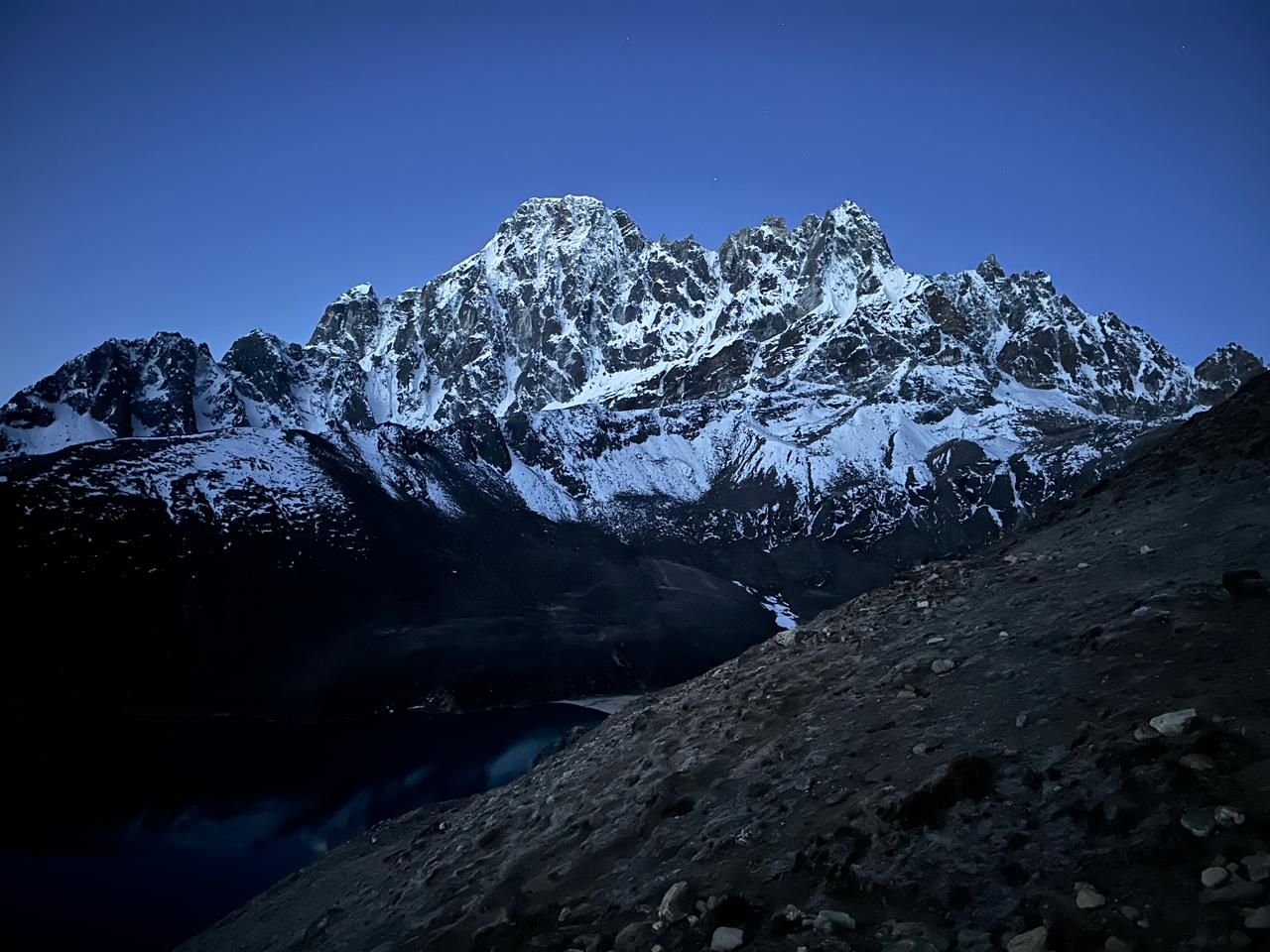
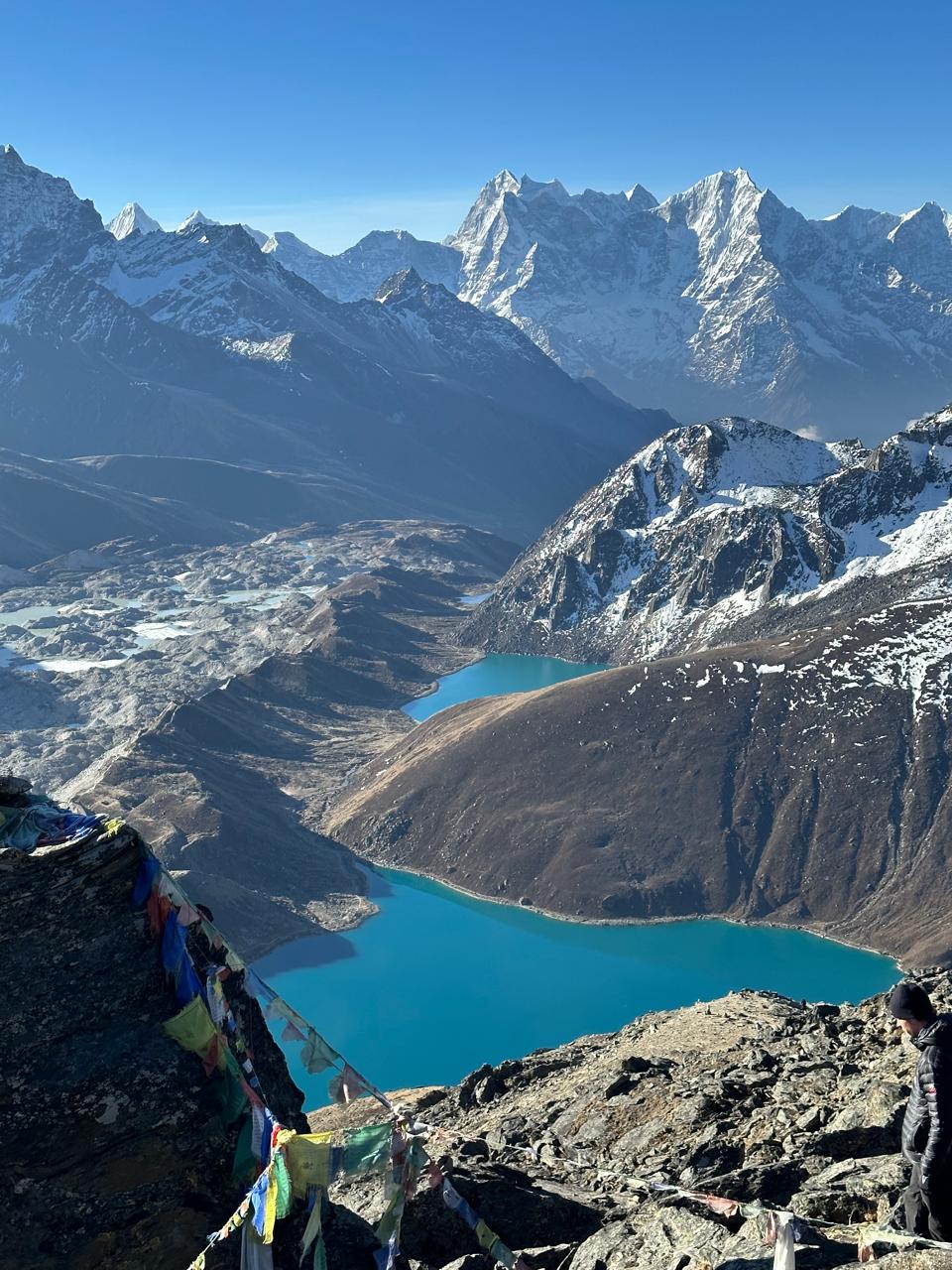
An early morning hike to Kala Patthar provides the ultimate panoramic view of Mount Everest, Lhotse, Nuptse, and Pumori. The trail is steep and requires steady pacing to adjust to the high altitude. Watching the sunrise from Kala Patthar is a once-in-a-lifetime experience, as the first light illuminates the tallest peaks in the world. Photographers and trekkers alike find this day incredibly rewarding, capturing unmatched Himalayan vistas.
After descending from Kala Patthar, trekkers continue along the classic Everest trail to Pheriche. The trail passes through high-altitude plains, glacial rivers, and Sherpa villages. Pheriche offers lodges with meals and a place to rest, allowing trekkers to recover from the early morning hike. Guides provide advice for altitude management and review the next section of the trek. This day blends adventure, visual splendor, and acclimatization, offering both challenge and reward.
Trip Duration:
6–7 HoursTrip Distance:
12 kmAltitude:
5,545m (Kala Patthar), 4,371m (Pheriche)Meal:
Breakfast, Lunch, Dinner includedAccomodation :
LodgeDay 18
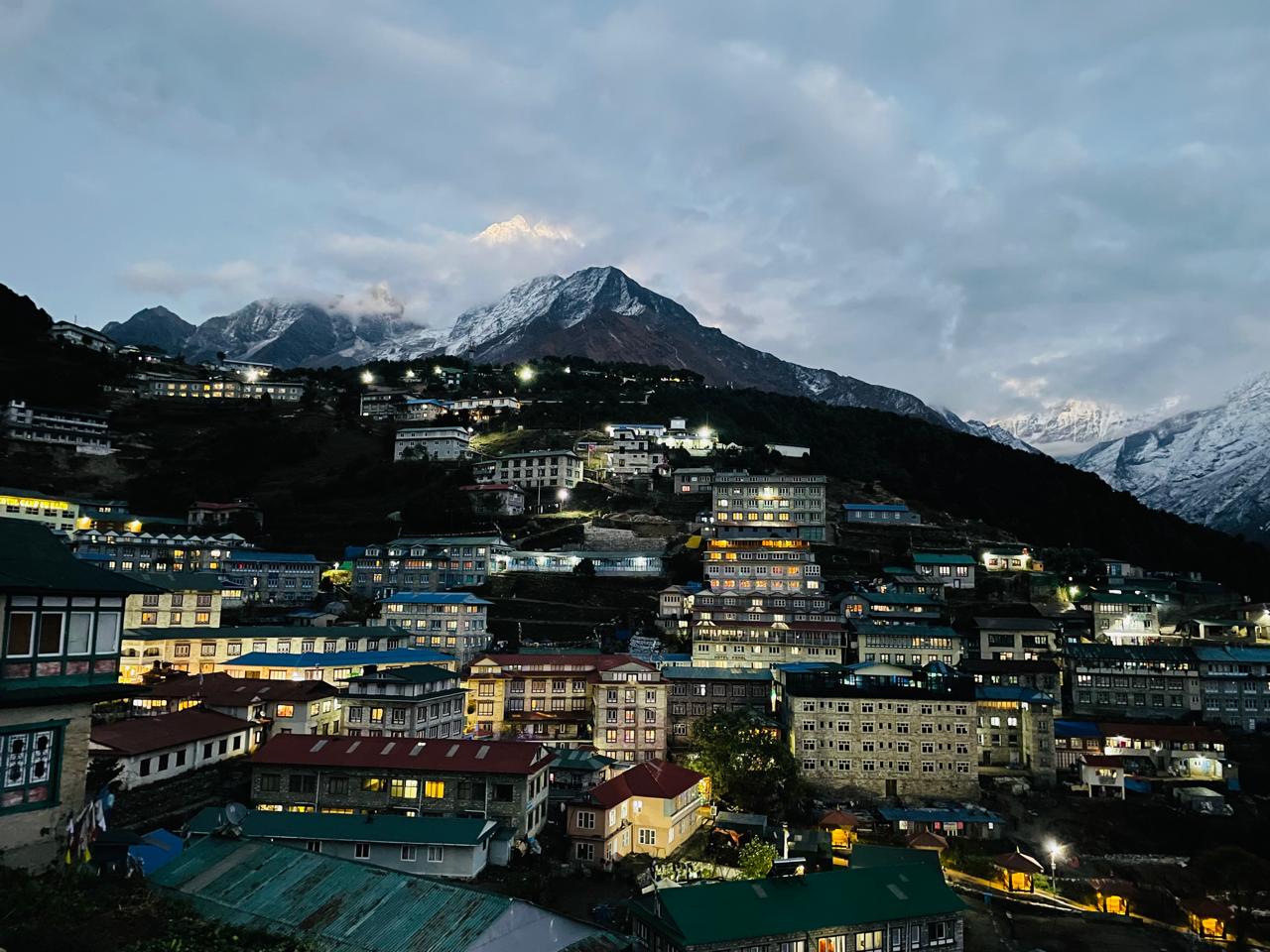
The descent from Pheriche to Namche Bazaar is a gradual, scenic journey through beautiful Sherpa villages, rhododendron forests, and glacial streams. Trekkers follow well-marked trails along the Dudh Koshi River, passing through Pangboche, Tyangboche, and other culturally rich settlements. The trail offers magnificent views of Ama Dablam, Kangtega, and Thamserku peaks. Descending from high altitude allows your body to recover while soaking in the Himalayan landscape and observing local Sherpa life, including traditional monasteries and mani walls.
Namche Bazaar, the bustling hub of the Khumbu region, provides modern lodges, shops, cafes, and internet access, offering a sense of comfort and connection after weeks of remote trekking. Trekkers can explore the town, interact with locals, and purchase supplies or souvenirs. The evening is ideal for resting, enjoying hot meals, and preparing mentally and physically for the final days toward Lukla. This day combines cultural immersion, scenic trekking, and essential recovery from high-altitude adventures.
Trip Duration:
6–7 HoursTrip Distance:
15 kmAltitude:
3,440mMeal:
Breakfast, Lunch, Dinner includedAccomodation :
LodgeDay 19
The final trekking day takes you from Namche Bazaar down to Lukla, retracing parts of the trail passed at the start of the journey. The descent is long but relatively gentle, passing through forests, rivers, and small villages. This is the perfect opportunity to reflect on the epic adventure you’ve completed, enjoy the last views of snow-capped peaks, and appreciate the unique culture of the Khumbu region. The trail is lively with other trekkers, creating a communal and celebratory atmosphere.
Upon arrival in Lukla, trekkers are greeted with a sense of accomplishment and relief. Lodges here provide comfortable rooms and hearty meals. Evening activities may include sharing stories, celebrating the trek’s completion, and organizing gear for the upcoming flight to Kathmandu. This day is important for rest and preparation for travel, while also marking the emotional closure of a multi-week Himalayan expedition.
Trip Duration:
6–7 HoursTrip Distance:
16 kmAltitude:
2,840mMeal:
Breakfast, Lunch, Dinner includedAccomodation :
LodgeDay 20
Today, trekkers take a scenic flight from Lukla back to Kathmandu. The flight offers spectacular aerial views of Himalayan peaks, deep valleys, and river gorges, providing a final perspective on the vast beauty of Nepal’s mountains. Upon arrival in Kathmandu, guests are transferred to their hotel for rest, relaxation, and celebrations of their successful expedition.
The day also provides an opportunity to review memories, photographs, and experiences, and to discuss any additional sightseeing options in Kathmandu. Trekkers can enjoy modern amenities, relax in comfortable surroundings, and reflect on the incredible physical and mental achievements of the past weeks. Evening activities may include a farewell dinner or cultural program arranged by the trekking agency, making it a memorable conclusion to the adventure.
Trip Duration:
30–45 min flightAltitude:
1,400m (Kathmandu)Meal:
Breakfast includedAccomodation :
HotelDay 21
A free day in Kathmandu allows trekkers to relax, recover, and explore the vibrant culture, temples, and markets of the capital city. Popular activities include visiting Durbar Square, Boudhanath Stupa, Pashupatinath Temple, and Thamel shopping areas. This day provides a perfect balance between rest and cultural exploration, giving trekkers a deeper appreciation for Nepal’s heritage.
It is also a chance to interact with fellow travelers, reflect on trekking experiences, and prepare for departure. Leisure activities like spa treatments, souvenir shopping, or guided city tours can enrich the travel experience. The free day ensures that trekkers leave Nepal with lasting memories and a well-rounded experience beyond the mountains.
Altitude:
1,400mMeal:
Breakfast includedAccomodation :
HotelDay 22
A reserve day is included to accommodate potential flight delays due to weather or other unforeseen circumstances. Mountain flights in Nepal are often subject to weather conditions, and having a buffer day ensures that trekkers are not rushed or forced into unsafe travel situations. This flexibility also provides peace of mind and reduces stress related to itinerary changes.
Trekkers can use this day to revisit favorite spots in Kathmandu, shop for souvenirs, or rest at the hotel. Guides remain available to adjust travel plans, communicate with airlines, and ensure a smooth continuation of the journey. This day demonstrates thoughtful planning by the trekking agency, emphasizing safety, comfort, and adaptability in Himalayan travel.
Altitude:
1,400mMeal:
Breakfast includedAccomodation :
HotelDay 23
On the final day, trekkers are transferred to Tribhuvan International Airport in Kathmandu for their onward journey. The day marks the conclusion of a successful 23-day expedition across the Amphu Lapcha Pass, Mera Peak, and Everest region. Travelers leave with lifelong memories, breathtaking photographs, and the satisfaction of completing one of the most challenging and rewarding treks in Nepal.
Departure arrangements are coordinated with the trekking agency, ensuring smooth airport transfer and assistance with luggage or final logistics. Trekkers are encouraged to reflect on their journey, share experiences, and plan potential future adventures in Nepal. The final day is a bittersweet farewell to the Himalayas, combining closure with a sense of achievement and inspiration.
Altitude:
1,400mMeal:
Breakfast includedRoute Map
What's Included
- Domestic flights Kathmandu ↔ Lukla: Safe and scenic flights included for the trek start and end.
- Experienced licensed guides: Certified guides with local knowledge, safety expertise, and support throughout the trek.
- Accommodation in teahouses/lodges during trek: Comfortable rooms with blankets and basic facilities at every stop.
- All meals during trek: Breakfast, lunch, and dinner to maintain energy and nutrition for high-altitude trekking.
- Trekking permits & national park fees: Necessary permissions to enter protected regions and trails.
- Mera Peak & Amphu Lapcha climbing permits: Legal permission and fees for climbing Mera Peak and crossing Amphu Lapcha Pass.
- Ground transportation in Kathmandu: Pick-up and drop-off to airport, hotels, and starting points included.
- Basic climbing gear for training and summit: Crampons, ice axes, harnesses, ropes, and other essential equipment.
- Emergency support & communication devices: Satellite phones, radios, and local backup for safety and emergency evacuation.
- Welcome and farewell gatherings: Traditional Nepali welcome and closing ceremonies.
What's Excluded
- International airfare to/from Nepal: Flights to Kathmandu are not included.
- Personal expenses: Snacks, drinks, souvenirs, laundry, phone calls, and additional meals.
- Travel insurance: Medical, trekking, and high-altitude evacuation insurance is required but not included.
- Tips for guides, porters, or staff: Optional but customary in Nepal.
- Porters: Optional, though recommended for carrying heavy luggage ($22 per porter per day). A porter can carry up to 20 kg, and it is advisable to hire one porter for every two trekkers for comfort and convenience.
- Extra hotel upgrades or optional sightseeing: Upgrades or activities outside the main itinerary are excluded.
- Helicopter evacuations: Only emergencies are covered; additional flights are excluded.
Essential Info
Add-Ons
During your Amphu Lapcha Pass Trek, several add-ons can enhance your experience, providing more opportunities to explore the Himalayas and experience Nepalese culture. These add-ons are optional but highly recommended for travelers who want a deeper immersion into the environment, adventure, and local traditions. From cultural visits and scenic detours to additional high-altitude adventures, these add-ons can make your trek more memorable and personalized. They are carefully designed to complement your main trekking itinerary without compromising your acclimatization and safety.
Some travelers may wish to extend their journey beyond the core trekking route. Options such as visiting nearby monasteries, exploring hidden valleys, or trekking to less-visited high-altitude lakes are excellent ways to gain unique experiences. These add-ons allow trekkers to witness untouched landscapes, meet local Sherpa communities, and gain insight into traditional Himalayan lifestyles. Additionally, adventurous options like ice climbing, glacier exploration, and guided high-altitude photography tours can be arranged for those seeking more technical experiences.
For families, photographers, or nature enthusiasts, specialized add-ons like bird watching, wildlife spotting, or guided cultural tours in villages along the route are available. These options provide slower-paced exploration and ensure you can enjoy the subtleties of Himalayan flora, fauna, and local customs. Whether you are aiming to make the trek more adventurous or more culturally enriching, add-ons can be tailored to meet your preferences.
- Tengboche Monastery Visit: Explore the famous Buddhist monastery near the Everest region, interact with monks, and learn about Tibetan Buddhist practices.
- Chhukung Valley Exploration: Take a day trip to Chhukung Valley, observing alpine meadows, glaciers, and panoramic mountain views.
- Island Peak Short Trek Extension: Add a short side trip to Island Peak Base Camp for climbers interested in additional high-altitude adventure.
- Ice Climbing Experience: Participate in guided ice climbing sessions on Khumbu glaciers for technical skill-building.
- High-Altitude Photography Tour: Professional guidance to capture the best sunrise, sunset, and summit photography moments.
- Village Cultural Tours: Visit remote Sherpa villages along the route, meet local families, and learn traditional customs and crafts.
- Wildlife Spotting Hikes: Guided hikes focusing on spotting Himalayan wildlife, including snow leopards, blue sheep, and mountain birds.
- Helicopter Sightseeing Option: Short helicopter rides to nearby peaks or valleys for breathtaking aerial views without additional trekking.
- Local Culinary Experiences: Participate in cooking classes or tasting sessions featuring traditional Sherpa and Nepali dishes.
- Sacred Lake Visits: Trek to nearby high-altitude lakes, such as Seto Pokhari, and enjoy the serenity and reflection of Himalayan peaks.
- Extra Acclimatization Hikes: Optional hikes to higher ridges for better acclimatization while enjoying stunning panoramas.
Best Season to Trek
The Amphu Lapcha Pass Trek is a high-altitude adventure that can be attempted during multiple seasons, each offering unique experiences and distinct Himalayan landscapes. Choosing the right season is essential for safety, comfort, and maximizing scenic beauty. Trekking in the Himalayas requires careful consideration of weather conditions, temperature fluctuations, snow levels, and trail accessibility. Understanding each season’s advantages will help you plan your journey for ideal trekking conditions.
Spring (March – May)
Spring is widely considered one of the best seasons for trekking in Nepal, especially for high-altitude passes like Amphu Lapcha. During these months, the weather is generally stable with moderate temperatures, and most of the trails are accessible. Rhododendron forests come alive with vibrant red, pink, and white blossoms, creating a spectacular visual treat along the trekking route. Wildlife activity increases, and the chances of clear mountain views are higher compared to other seasons.
- Floral Bloom: Trails covered in colorful rhododendrons and alpine flowers.
- Moderate Temperature: Comfortable trekking conditions, neither too hot nor too cold.
- Clear Skies: Higher probability of unobstructed views of Mera Peak, Everest, and surrounding peaks.
- Optimal Acclimatization: Gradual warming allows safer acclimatization for trekkers.
Autumn (September – November)
Autumn is another prime trekking season and is often preferred by adventurers seeking the clearest skies and most stable weather. After the monsoon, the landscape is lush and vibrant, rivers are full, and air quality is excellent for photography. Mountain peaks appear sharp and dramatic against bright blue skies. This season offers perfect conditions for both trekking and high-altitude climbing, including summits like Mera Peak and crossing Amphu Lapcha Pass.
- Post-Monsoon Clarity: Air is crisp, and mountains are highly visible.
- Stable Weather: Reduced rainfall risk ensures safer and uninterrupted trekking.
- Lush Landscape: Valleys are green, rivers full, and waterfalls are active.
- Peak Climbing Window: Ideal conditions for summiting high-altitude peaks safely.
Winter (December – February)
Winter trekking is more challenging due to lower temperatures, snow-covered trails, and shorter daylight hours. However, for experienced trekkers, it offers a unique and less crowded experience. The high Himalayas are coated in snow, creating dramatic, pristine landscapes. Daytime temperatures are mild at lower altitudes, while nights can be extremely cold, especially above 4,000 meters. Proper gear and preparation are critical for winter trekking.
- Snow-Covered Peaks: Breathtaking views of snow-clad mountains and glaciers.
- Fewer Trekkers: Solitude for trekkers seeking a quiet, peaceful experience.
- Crisp Air & Clear Views: Cold, dry air ensures excellent visibility of high peaks.
- High Altitude Challenge: Provides a demanding environment for skilled trekkers.
Monsoon / Rainy Season (June – August)
Monsoon season is generally not recommended for trekking the Amphu Lapcha Pass due to heavy rainfall, landslides, slippery trails, and increased avalanche risk. While valleys remain lush and green, high-altitude passes can become extremely dangerous. Only highly experienced trekkers with proper guides should consider trekking during this period, and even then, delays and route changes are common.
- Risky Trails: Slippery paths, potential landslides, and river crossings.
- Limited Visibility: Clouds and rain obscure mountain views.
- Green Valleys: Forests and vegetation are vibrant and lush.
- Travel Flexibility Required: Extra days may be needed to account for weather delays.
Choosing the right season significantly impacts your trekking experience, safety, and overall enjoyment. Spring and autumn are highly recommended for most trekkers, offering ideal weather, trail conditions, and spectacular scenery. Winter can be considered for experienced adventurers seeking a quieter and snow-filled adventure, while the monsoon should generally be avoided for safety reasons.
Food Availability
Food plays a crucial role during high-altitude trekking, as proper nutrition and hydration directly affect your energy, stamina, and acclimatization. Along the Amphu Lapcha Pass route, trekkers will find a combination of local Nepali cuisine and international dishes at teahouses, lodges, and base camps. Meals are typically freshly prepared, often using local ingredients sourced from nearby villages or carried in from lower settlements. Because the trail passes through remote areas like Hinku Valley and the Amphu Lapcha region, food availability can be limited in some sections, and carrying snacks or energy bars is highly recommended.
Trekkers can enjoy a variety of hearty dishes to sustain energy for long trekking and climbing days. Traditional Nepali meals such as dal bhat (lentil soup with rice), momo (dumplings), and thukpa (noodle soup) are widely available and provide a balanced combination of carbohydrates, proteins, and fats. Alongside these, tea, coffee, and hot chocolate are commonly served, which are not only refreshing but also help with hydration and warmth in colder high-altitude conditions. In lodges and teahouses, menus may include pasta, noodles, eggs, pancakes, and local vegetables, giving trekkers multiple options to adjust their diet according to personal preference and energy needs.
It is important to maintain a diet rich in carbohydrates for sustained energy, along with adequate hydration throughout the trek. Avoiding excessive oil and fried foods, especially at high altitudes, helps prevent digestive issues. Trekkers are advised to carry personal snacks such as nuts, chocolate, granola bars, and dried fruits to supplement meals, particularly on summit or pass-crossing days when energy demand is highest. Additionally, water should always be purified before drinking, using filtration tablets, UV sterilizers, or boiling, as potable water may not always be available in remote sections.
- Dal Bhat (Lentil Soup with Rice): Traditional Nepali staple providing carbs, proteins, and fats.
- Momo (Dumplings): Filled with vegetables, chicken, or yak meat, served steamed or fried.
- Thukpa (Noodle Soup): Warm, nutritious soup perfect for cold days and high altitudes.
- Eggs & Omelets: Commonly served for breakfast, high in protein to sustain energy.
- Pasta & Noodles: Available in most teahouses, a familiar option for international trekkers.
- Vegetable Dishes: Locally sourced seasonal vegetables cooked in simple styles.
- Snacks & Energy Bars: Recommended to carry for long trekking days and summit attempts.
- Tea, Coffee, Hot Chocolate: Keeps trekkers warm and hydrated at high altitudes.
- Purified Drinking Water: Essential; can be boiled or filtered for safety.
Food on this trek is designed to provide both energy and comfort. While the remote nature of the trail means you may have fewer options than in lower-altitude regions, the quality and nutrition of meals remain reliable, especially in teahouses and base camps. Each lodge or campsite typically prepares meals fresh, ensuring trekkers receive nourishing and satisfying food to sustain them throughout challenging days on glaciers, passes, and high-altitude trails.
Accommodation
Accommodation on the Amphu Lapcha Pass Trek ranges from basic teahouses and lodges in lower regions to simple high-altitude camps near Khare, Mera High Camp, and Amphu Lapcha Base Camp. In lower villages such as Lukla, Chutanga, and Kothe, you can find well-maintained teahouses with private or shared rooms, hot showers, and charging facilities. These lodges offer comfortable beds, dining spaces, and warm meals, making your initial days of trekking smooth and relaxing. Staying here allows you to recover well from flights and prepare for longer trekking days ahead.
As you ascend into the Hinku Valley and approach Khare and Mera High Camp, accommodation becomes more rustic and minimalistic. Rooms are often shared, with basic mattresses, blankets, and sleeping bags provided. There is limited heating, so carrying a high-quality sleeping bag suitable for -15°C or colder is essential. While lodges in these areas may have simple dining spaces, the focus is on warmth, safety, and rest rather than luxury. Despite the simplicity, these high-altitude lodges provide stunning views of surrounding peaks, rivers, and glaciers, offering a unique alpine experience that connects you deeply with the Himalayas.
On technical sections near Amphu Lapcha Base Camp and high camps, accommodation is primarily tents provided by your trekking operator or expedition team. These tents are strong and insulated against wind and snow, with enough space to store gear safely. While the facilities are minimal, meals are served inside the tented dining area, allowing trekkers to rest and eat while staying protected from harsh weather conditions. Staying in high-altitude camps requires careful planning, proper layering, and personal hygiene practices, as water and sanitation are limited. Overall, accommodation on this trek balances comfort with practicality, ensuring trekkers can rest adequately to handle the challenging terrain and long days ahead.
- Lukla, Chutanga, Kothe Teahouses: Comfortable rooms, hot meals, charging facilities.
- Thangnak & Khare Lodges: Shared rooms, basic bedding, limited heating.
- Mera High Camp Tented Accommodation: Insulated tents, sleeping mats, alpine views.
- Amphu Lapcha Base Camp: Expedition-style tents, dining tent, minimal facilities.
- Dining Facilities: Simple and nutritious meals provided; focus on energy and warmth.
- Bedding & Blankets: Basic blankets and mattresses; personal sleeping bag recommended.
- Views & Ambience: Stunning Himalayan vistas enhance the trekking experience.
Travel Insurance
Travel insurance is essential for any high-altitude trekking expedition, particularly for the Amphu Lapcha Pass Trek. Due to the remote locations, high altitudes, and technical terrain, unforeseen circumstances such as flight delays, illness, or injury can occur. Comprehensive insurance should cover medical emergencies, helicopter evacuation, trip cancellation, lost luggage, and equipment damage. Since the trek reaches altitudes above 5,000 meters, insurance that specifically covers high-altitude trekking is highly recommended.
High-altitude trekking carries unique risks, including altitude sickness, slips on glaciers, and extreme weather conditions. Having travel insurance ensures peace of mind for trekkers and their families, allowing you to focus fully on the adventure. Many insurance providers require proof of the trek’s maximum altitude and duration, so it is important to provide accurate details of your itinerary. Some providers may also include coverage for technical mountaineering if Mera Peak or Amphu Lapcha sections involve ropes or glacier travel.
Travel insurance should be arranged before arrival in Nepal and remain valid throughout the trek. It is advisable to keep a copy of your insurance documents with you and share emergency contact information with your guide and trekking company. Additionally, make sure your insurance covers emergency evacuation by helicopter or rescue services, which can be essential in case of altitude sickness or injuries on technical sections of the trek.
- High-Altitude Coverage: Insurance must cover trekking above 5,000 meters.
- Medical Emergencies: Hospitalization, doctor visits, and treatment costs.
- Evacuation & Rescue: Helicopter or ground rescue in remote areas.
- Trip Cancellation: Reimbursement for unexpected cancellations.
- Lost or Damaged Luggage/Equipment: Compensation for essential gear.
- Technical Mountaineering: Coverage if using ropes, crampons, and glaciers.
- Validity: Must cover entire trek duration including buffer days.
Altitude Sickness
Altitude sickness is a serious concern on the Amphu Lapcha Pass Trek due to prolonged exposure above 4,000 meters and peaks above 6,000 meters. Symptoms can include headaches, nausea, dizziness, fatigue, and loss of appetite. To minimize risks, proper acclimatization is essential. Trekkers are encouraged to follow a gradual ascent schedule, rest on acclimatization days, and avoid rapid gains in elevation. Monitoring your health daily and communicating symptoms with your guide can prevent severe complications.
Staying hydrated, consuming sufficient carbohydrates, and avoiding alcohol or smoking are effective preventive measures. Some trekkers use medications like Diamox under medical supervision to help with acclimatization, but this should not replace proper pacing and rest. Each trekking day includes moderate climbs followed by rest periods to allow the body to adjust naturally to higher altitudes. Guides are trained to recognize early signs of altitude sickness and can recommend descending to lower altitudes if symptoms worsen.
Trekkers must be prepared to respond appropriately if altitude sickness develops. Mild cases often resolve with rest, hydration, and diet adjustments, while more severe symptoms may require descent and medical intervention. Trekking in groups ensures support and monitoring, which is particularly important during long summit or pass-crossing days. Following the guidance of experienced mountaineering leaders significantly reduces risks, making the journey safer and more enjoyable.
- Gradual Ascent: Follow itinerary to avoid rapid altitude gain.
- Hydration: Drink sufficient water to maintain oxygenation and circulation.
- Diet & Nutrition: High-carb meals help sustain energy at altitude.
- Avoid Alcohol & Smoking: Can exacerbate symptoms.
- Medication: Diamox may be used under medical supervision.
- Rest & Acclimatization Days: Critical for body adjustment.
- Guide Monitoring: Trained guides observe and respond to altitude sickness.
Guide and Safety Measures
Experienced guides play a vital role in ensuring a safe and successful Amphu Lapcha Pass Trek. They provide route guidance, acclimatization advice, and technical support on glacier or rope sections. Guides are trained in high-altitude first aid, emergency evacuation, and decision-making under extreme conditions. Their knowledge of local terrain, weather patterns, and emergency procedures significantly enhances safety throughout the trek.
Safety measures include carrying a well-stocked first-aid kit, using appropriate climbing gear, monitoring weather changes, and keeping communication devices ready. Trekkers are briefed on proper use of equipment such as crampons, ice axes, ropes, and harnesses before high-altitude days. In addition, guides ensure trekkers follow best practices during technical sections, including rope crossings and glacier navigation, reducing risk of accidents.
Daily briefings and group checks help maintain safety awareness. Guides also coordinate with base camps and support teams to manage emergencies efficiently. Wearing proper clothing, carrying personal safety equipment, and following guide instructions are essential parts of safety protocols. Together, professional guidance, proper preparation, and adherence to safety practices ensure that the trek is challenging yet secure.
- Experienced Guides: Lead the group, provide route advice, monitor health.
- Technical Support: Assistance with rope and glacier sections.
- First-Aid Preparedness: Guides carry medical supplies for emergencies.
- Daily Briefings: Safety and route updates.
- Equipment Monitoring: Ensuring proper use of crampons, ice axes, ropes.
- Emergency Communication: Satellite phones or radios for remote areas.
- Weather & Risk Assessment: Continuous monitoring of conditions.
Booking Procedure
Booking your Amphu Lapcha Pass Trek is simple but requires careful planning due to limited availability in peak seasons.
- Inquiry: Contact ART Nepal Treks & Expedition with preferred dates and group size.
- Proposal & Itinerary: Receive a detailed itinerary, cost, and terms.
- Deposit: Pay the advance amount to confirm your booking.
- Documents Submission: Provide passport copies, emergency contacts, and medical info.
- Confirmation: Receive booking confirmation, permits, and trekking instructions.
- Pre-Trek Briefing: Attend briefing for gear, safety, and acclimatization guidance.
Equipment List
- Lightweight trekking pants and shirts
- Thermal base layers
- Insulated down jacket or fleece
- Waterproof jacket and pants
- Trekking socks and gloves
- Hat, cap, and sun protection
- Backpack (30–40L for trekking, 50–60L for longer carry)
- Sleeping bag (rated for -15°C to -20°C)
- Trekking poles
- Headlamp with extra batteries
- Sunglasses with UV protection
- Water bottles or hydration system
- Trekking boots (well broken-in)
- Crampons for glacier and ice sections
- Ice axe for technical sections
- Harness and carabiners (for fixed rope sections)
- Thermal underwear
- Down jacket
- Fleece or softshell jacket
- Insulated gloves and mittens
- Warm hat and balaclava
- Trekking pants (light and warm layers)
- Rain gear
- Personal toiletries
- Quick-dry towel
- Sunscreen and lip balm
- First aid kit
- Water purification tablets or filter
- Personal medications
- Mobile phone and charger
- Power bank
- Camera and accessories
- GPS device or watch (optional)
General Equipments
- Travel documents and permits
- Cash in local currency
- Snacks and energy bars
- Notebook and pen
- Lightweight daypack for short hikes
FAQ
Trip Price
USD 3500 Per Person
Talk To Trip Expert
Related Trips