

Lobuche Peak Climbing – 3 Days from Lobuche
Introduction
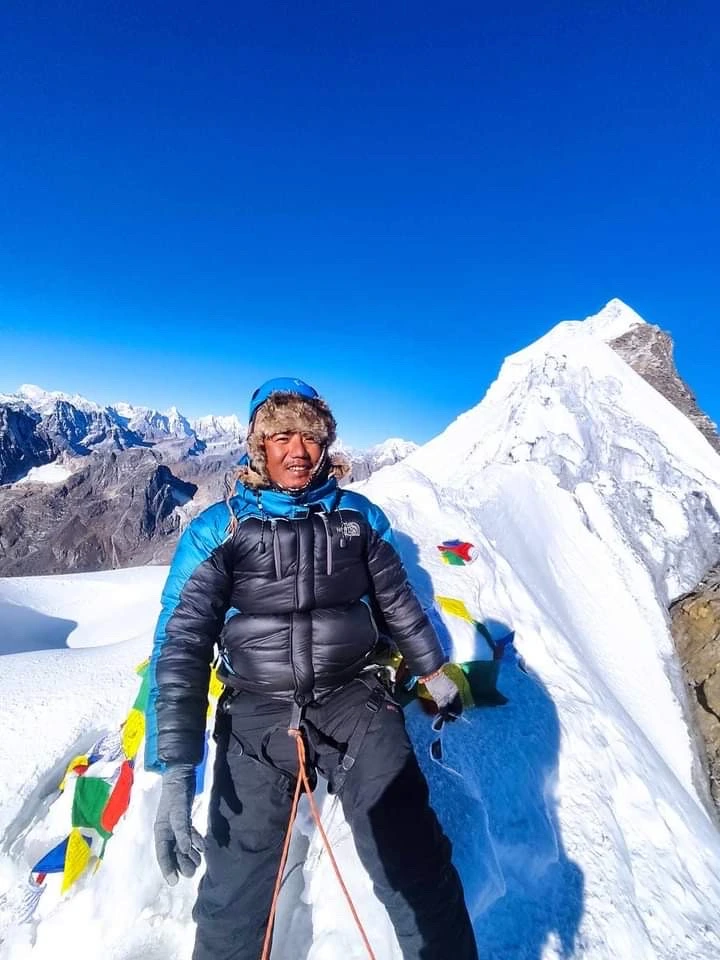
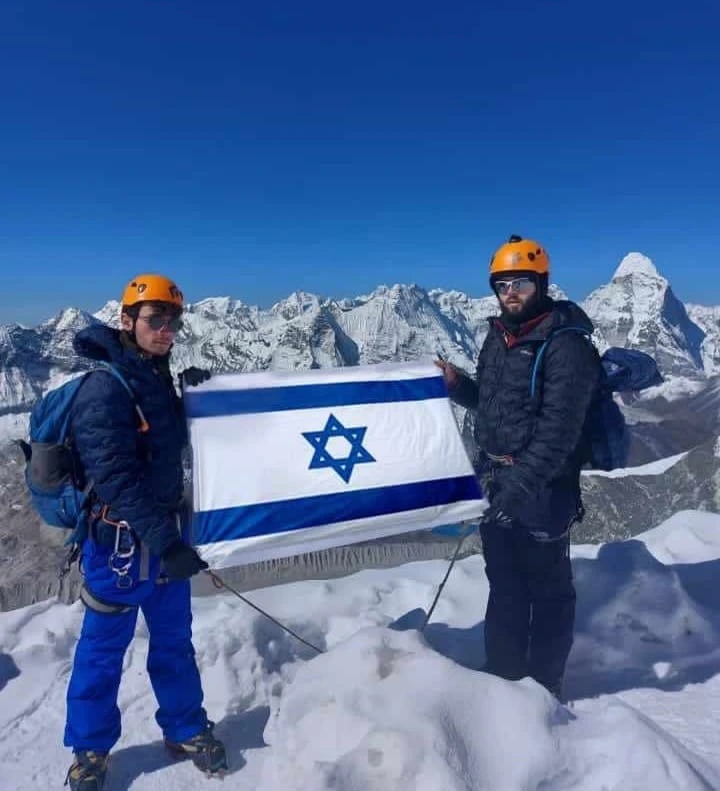
The Lobuche Peak Climbing trek is a thrilling adventure that combines trekking and technical climbing in the heart of the Khumbu region. Organized by ART Nepal Treks & Expedition, this trek begins from the village of Lobuche and provides a unique opportunity to summit one of the most sought-after peaks in Nepal. The journey offers not only the exhilaration of climbing a 6,119-meter peak but also an immersion in Sherpa culture, spectacular landscapes, and high-altitude wilderness.
Starting from Lobuche village, trekkers ascend gently to the Base Camp. Along the way, climbers encounter moraines, rocky trails, and glacial streams that provide both a scenic and challenging environment. This initial stage serves as an introduction to high-altitude trekking, allowing climbers to acclimatize while appreciating the grandeur of peaks such as Nuptse and Ama Dablam. The Base Camp becomes a hub for preparation, offering the chance to familiarize with climbing gear and observe the glaciers firsthand.
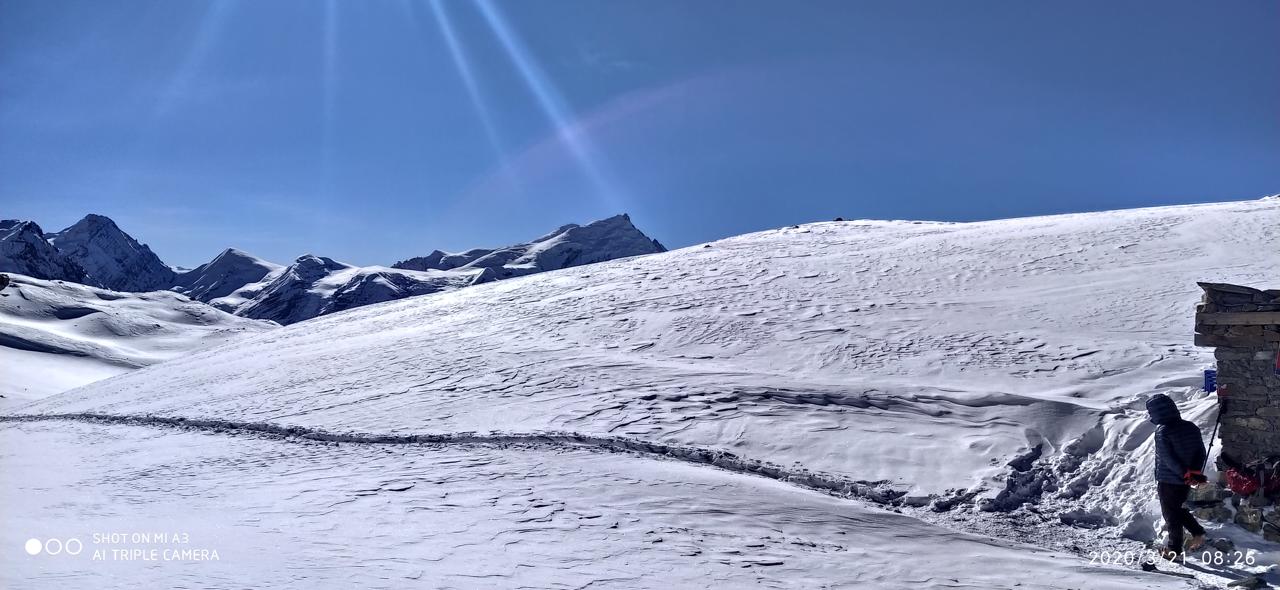
From Base Camp, climbers advance to the High Camp, situated at 5,600 meters. This stage is more demanding, with technical ice and snow sections requiring crampons, ropes, and careful navigation. The journey to High Camp is not only physically demanding but also mentally invigorating, as trekkers experience close-up views of Everest and Lhotse, witnessing the Khumbu icefalls and surrounding ridges. Resting at High Camp is essential, providing both recovery and preparation for the summit push.
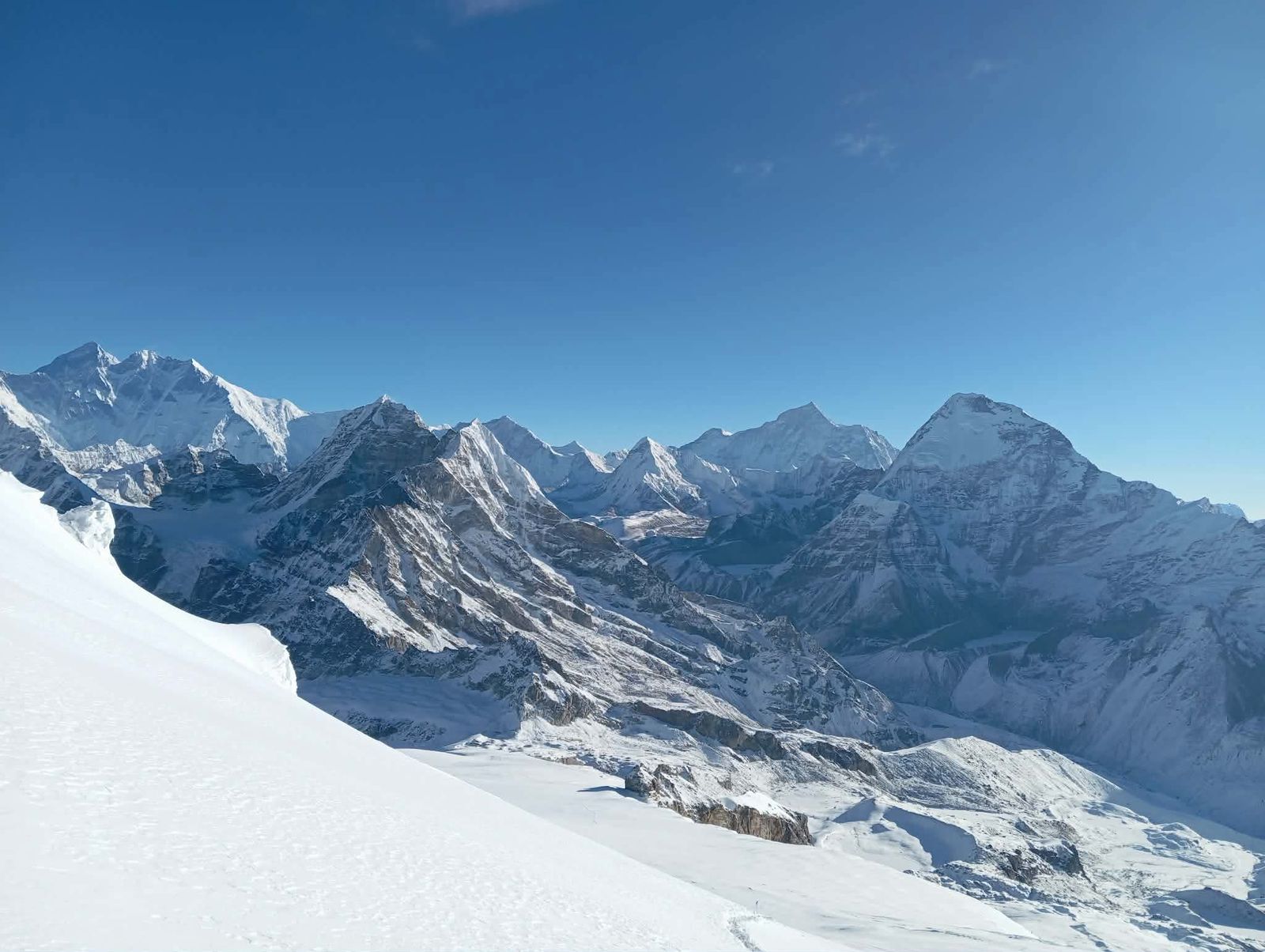
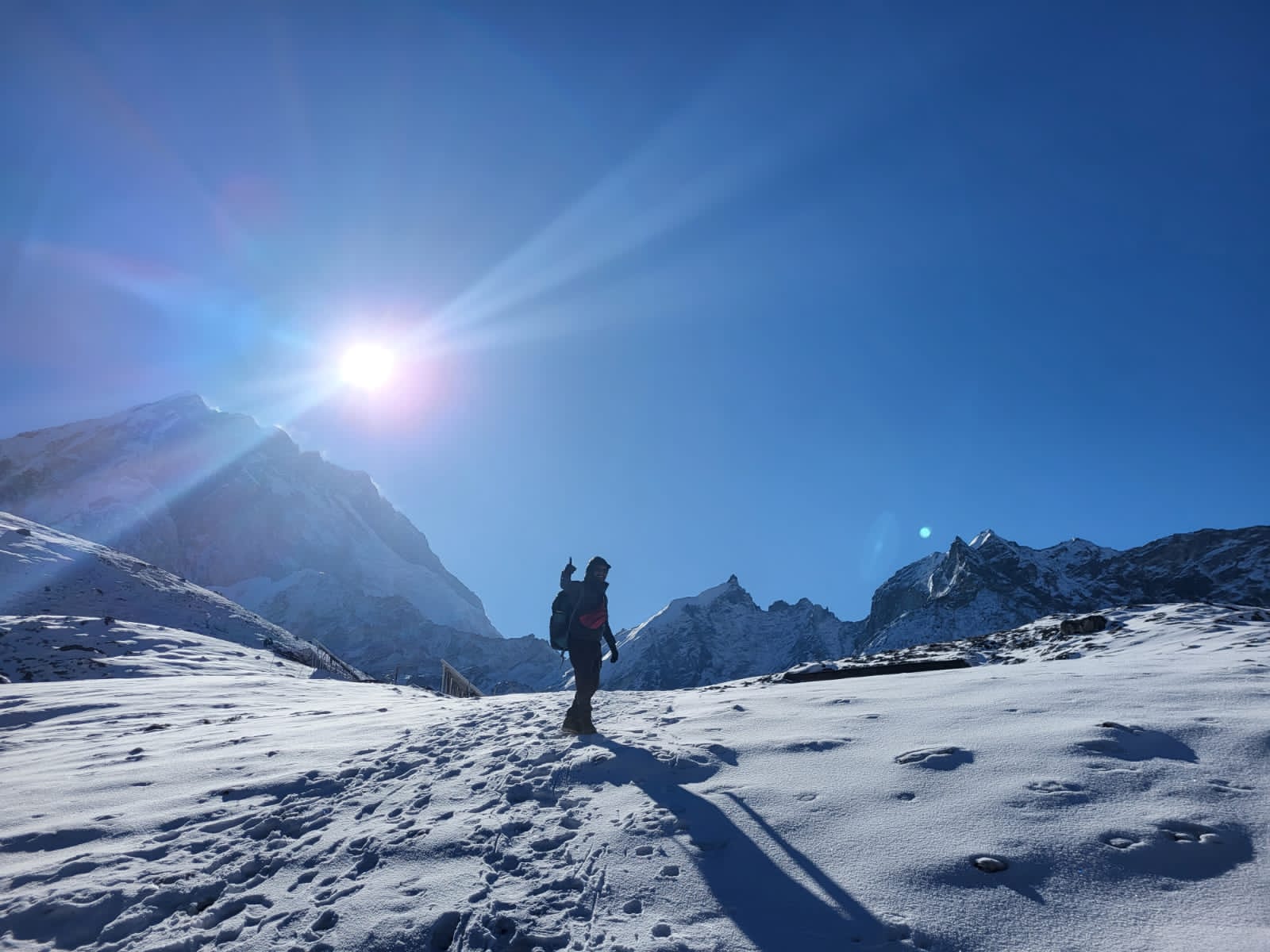
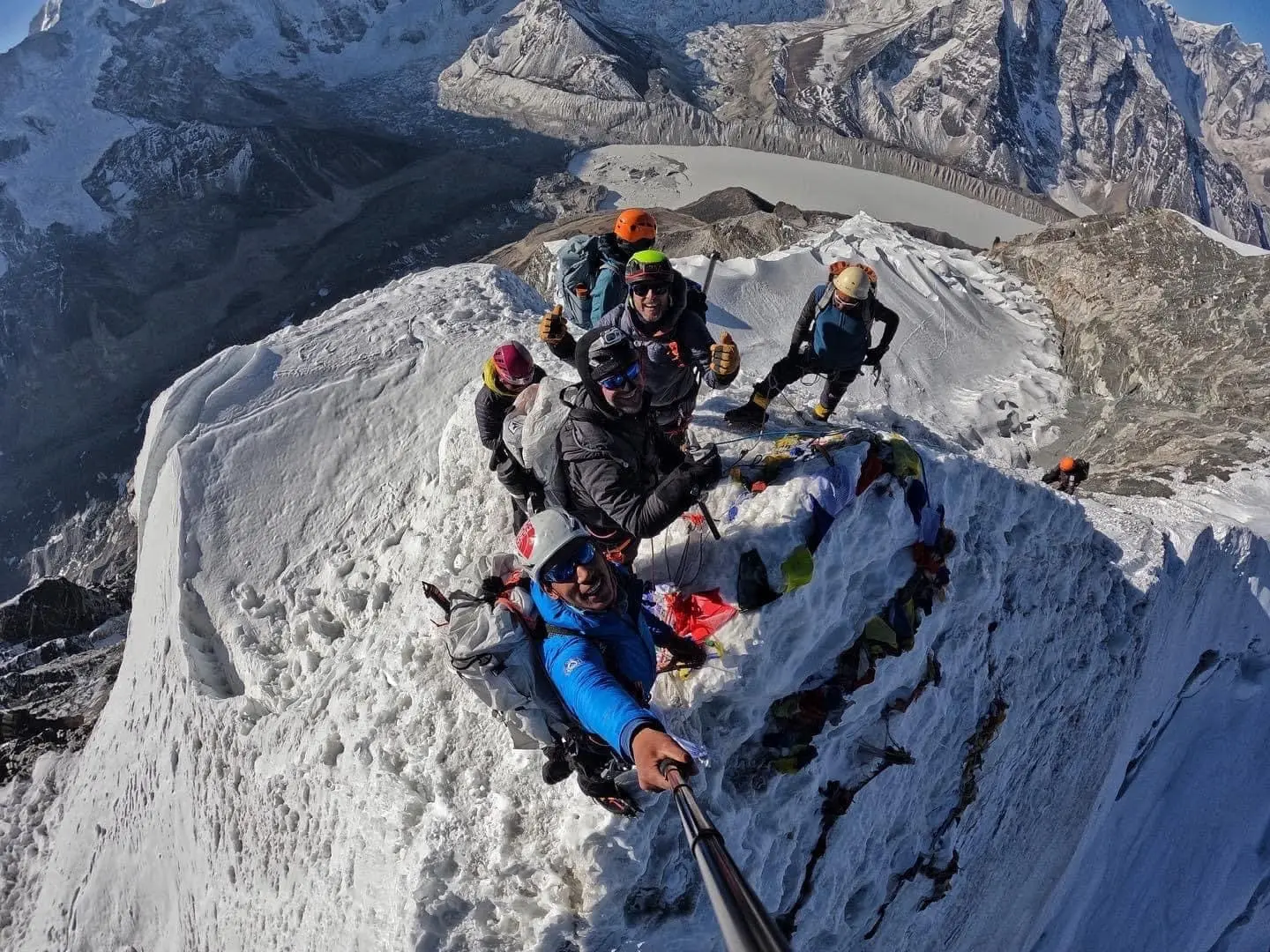
Summit day begins in the early hours, typically between 2–3 AM. The final climb is a technical ascent on snow and ice, requiring ice axes and crampons. Reaching the summit rewards climbers with 360° panoramic views, including Everest, Nuptse, Ama Dablam, and Cho La regions. The descent requires careful attention, emphasizing the importance of prior training and guided support. Upon returning to Lobuche village, climbers celebrate their achievement, having completed a peak climb that challenges both endurance and skill.
Throughout the trek, ART Nepal Treks & Expedition ensures climbers’ safety, provides necessary gear, and offers guidance on acclimatization, nutrition, and high-altitude health management. The trek combines adventure, natural beauty, and cultural immersion, making it a comprehensive Himalayan experience.
What Can You Expect from the Trek?
Climbers can expect a mix of trekking, technical climbing, and high-altitude experiences. The trek is designed for those seeking adventure beyond standard trekking routes. From the moment you leave Lobuche village, the terrain shifts from rocky trails to icy glacial paths, providing both challenge and visual splendor. Trekkers navigate through glaciers, moraines, and high-altitude ridges while observing snow-capped peaks from unique vantage points.
The climbing experience involves technical skills, including the use of crampons, ice axes, and ropes. Guides provide instruction and supervision to ensure safety, especially during glacier travel and steep snow climbs. Each stage—Base Camp, High Camp, and summit—offers both physical challenge and mental satisfaction. Climbers also benefit from the serene high-altitude environment, where the sounds of glaciers, wind, and distant avalanches provide a unique sense of isolation and grandeur.
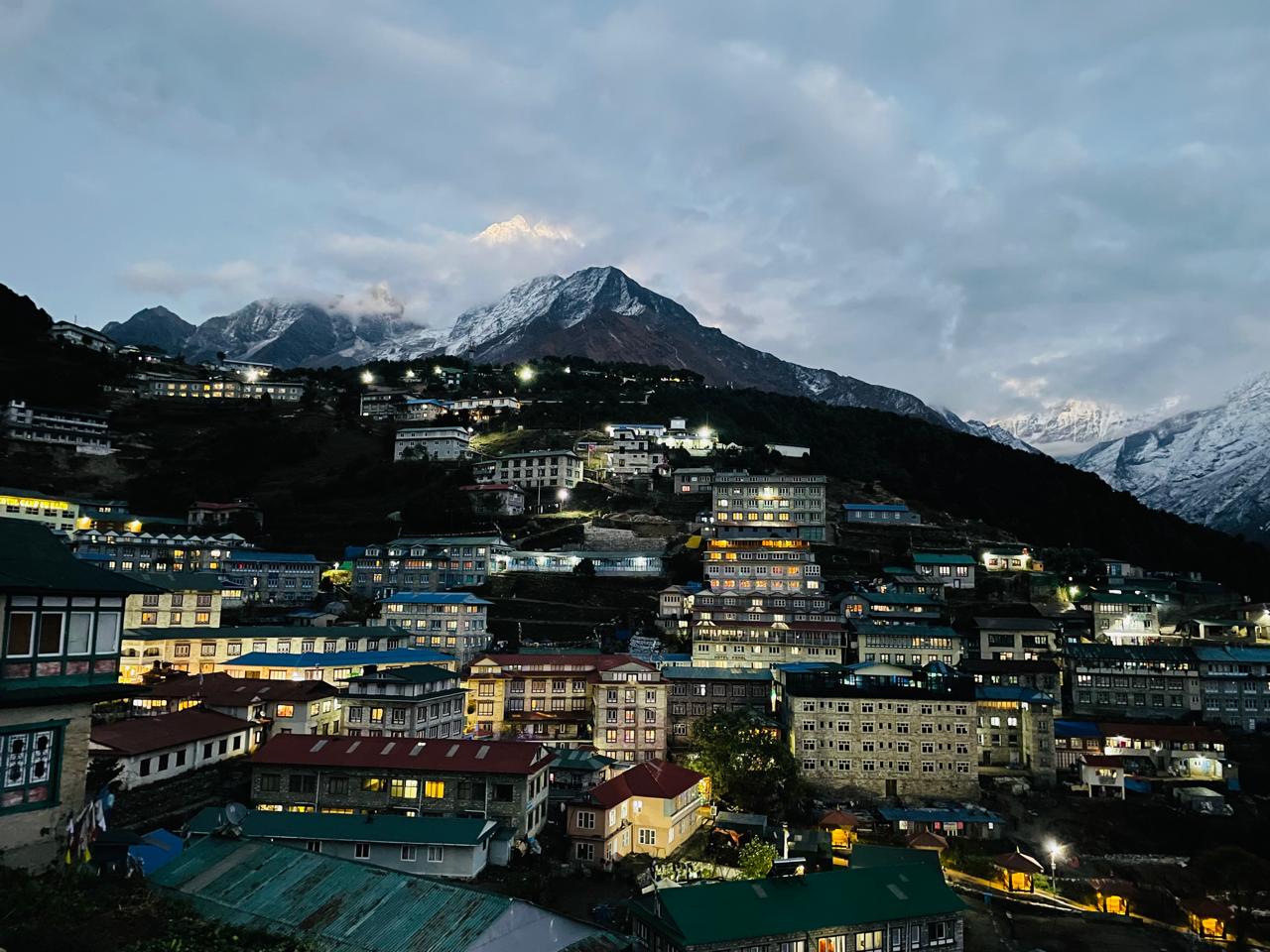
Beyond the physical aspect, the trek also offers cultural engagement. Climbers pass through Sherpa villages, where traditional tea houses provide rest, meals, and interaction with local residents. The trek encourages climbers to understand and respect local customs while enjoying warm hospitality. Overall, the Lobuche Peak Climbing trek delivers a combination of physical challenge, technical adventure, cultural immersion, and spectacular Himalayan views.
Summary of Expectations:
- High-Altitude Adventure: Trek and climb up to 6,119 meters.
- Technical Climbing: Use crampons, ice axes, and ropes on glaciers.
- Scenic Views: 360° panoramas of Everest, Lhotse, Nuptse, Ama Dablam.
- Cultural Immersion: Experience Sherpa villages and tea houses.
- Acclimatization Opportunities: Gradual ascent to reduce altitude sickness risk.
- Mental Challenge: Summit day requires focus, confidence, and perseverance.
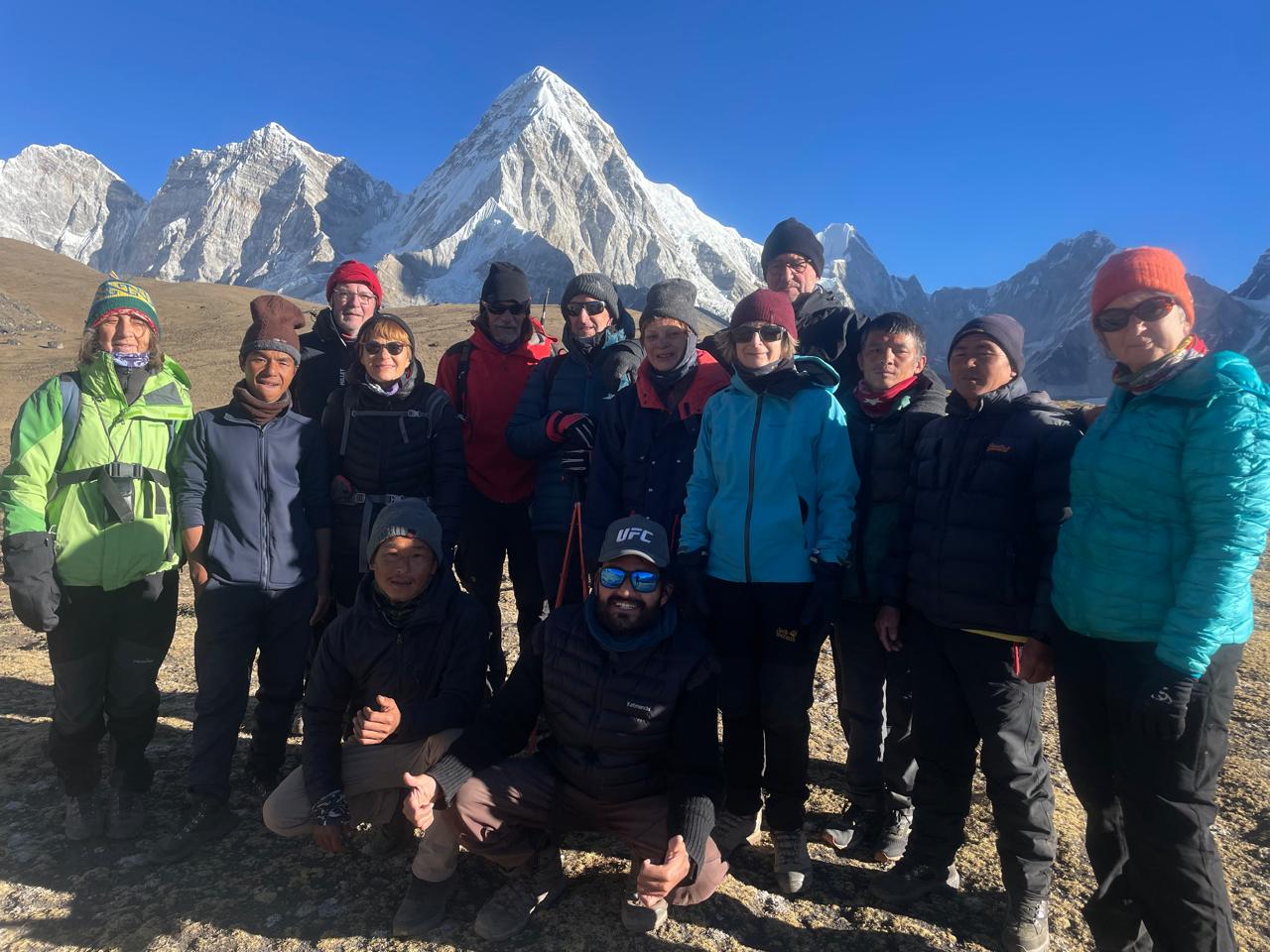
- Team Support: Guides and porters assist throughout the trek.
Is Trek Suitable for You?
The Lobuche Peak Climbing trek is suitable for adventurers with a moderate to high fitness level and some experience in trekking. Climbers should be prepared for high-altitude conditions and capable of hiking several hours daily on rocky and icy terrain. Prior trekking experience in the Himalayas is highly beneficial but not mandatory if proper preparation and training are undertaken.
Climbers with limited technical climbing experience can still attempt the summit with the guidance of professional mountaineering instructors. However, a strong mental attitude and willingness to learn new skills, such as ice climbing and rope handling, are essential. The trek requires early starts, long climbing hours, and the ability to adapt to cold temperatures and unpredictable weather.
Health and safety are key considerations. Individuals must be free from chronic illnesses that could be aggravated by high-altitude exposure. Those with a history of altitude sickness should consult with medical professionals before attempting the climb. Proper acclimatization and adherence to guides’ instructions ensure that climbers of varying experience levels can safely enjoy the adventure.
Summary:
- Fitness Level: Moderate to high, capable of high-altitude trekking.
- Technical Skills: Basic mountaineering or willingness to learn.
- Mental Readiness: Patience, focus, and adaptability.
- Health Requirements: Good cardiovascular health; awareness of altitude sickness.
- Guided Support: Professional guides for safety and instruction.
- Suitable for: Adventure seekers, mountaineers, and fit trekkers.
- Cultural Experience: Exposure to Sherpa villages and Himalayan lifestyle.
How to Get Prepared for Trek
Proper preparation is essential for the Lobuche Peak Climbing trek, as it involves high-altitude trekking, glacier navigation, and technical climbing. Physical fitness is the first step. A well-rounded training program should include cardiovascular exercises, strength training, and endurance hikes. Cardiovascular exercises such as running, swimming, or cycling help improve lung capacity and stamina, which are critical for high-altitude trekking. Strength training focusing on the legs, core, and back helps manage the physical demands of long ascents while carrying gear.
In addition to physical conditioning, climbers must practice technical skills before the trek. Familiarity with crampons, ice axes, and ropes significantly improves both confidence and safety. Many climbers benefit from attending mountaineering courses or workshops that provide hands-on experience with high-altitude climbing equipment. Understanding basic glacier travel techniques, crevasse rescue procedures, and self-arrest skills can make a significant difference during the summit push.
Mental preparation is equally important. High-altitude climbs can be physically exhausting and psychologically challenging. Mental training can include visualization techniques, stress management, and setting achievable goals. Being prepared to adapt to sudden weather changes, sleep in cold environments, and maintain focus during technical climbs helps reduce risks and improves overall trek experience.
Preparation Checklist:
- Physical Conditioning: Cardiovascular exercises, leg and core strengthening, endurance hikes.
- Technical Training: Use of crampons, ice axes, ropes, and glacier travel practice.
- Acclimatization: Gradual ascent and high-altitude camping experience.
- Mental Preparation: Stress management, visualization, and adaptability.
- Gear Familiarity: Testing boots, clothing, and climbing equipment.
- Nutrition: High-calorie diet for energy, hydration strategies, and altitude-specific meals.
- Medical Readiness: Vaccinations, medications for altitude sickness, and first aid knowledge.
-
Trip Duration
3 Days / 2 Nights (from Lobuche)
-
Group Size
1-20 People
-
Maximum Altitude
6119 m (Lobuche Summit)
-
Trip Difficulty
Moderate to Challenging (glacier and steep snow climb)
-
Activities
Peak Climbing
-
Best Season
Spring (March–May) and Autumn (September–November)
-
Trip Start & End
Lobuche-Lobuche
-
Meals
Full Board (Breakfast, Lunch, Dinner)
-
Accomodation
Tea houses in villages; tents at Base and High Camps
Highlights
- Lobuche Peak Summit: Experience the thrill of standing atop 6,119 meters, surrounded by majestic Himalayan peaks.
- Panoramic Views: Stunning 360° views of Mount Everest, Lhotse, Nuptse, Ama Dablam, and surrounding Khumbu Himalayas.
- Glacier Experience: Trek and climb on glaciers, witnessing crevasses, snowfields, and ice formations.
- High Camp Adventure: Overnight at High Camp, absorbing the quiet beauty and atmosphere of the high Himalayas.
- Base Camp Exploration: Get familiar with climbing routes and glacial landscapes on short hikes around Base Camp.
- Traditional Sherpa Villages: Immerse in the local culture of Lobuche and surrounding villages, experiencing Sherpa hospitality.
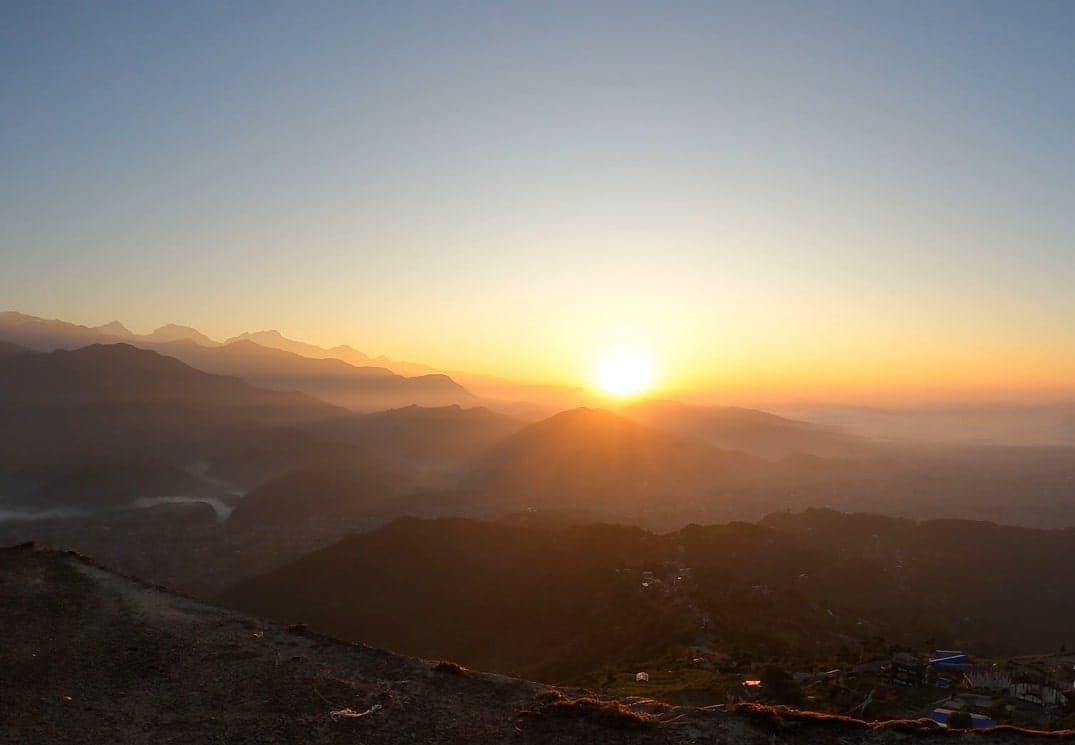
- Sunrise & Sunset Views: Witness breathtaking Himalayan sunrises and sunsets from high-altitude vantage points.
Itinerary
Day 01
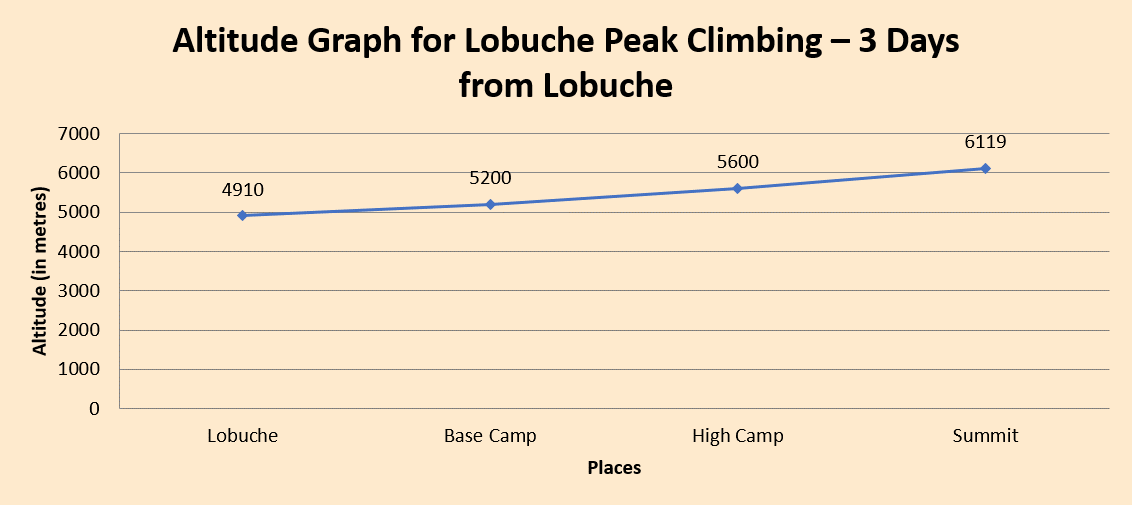
The trek begins from Lobuche village, a quaint settlement nestled in the Khumbu region. The trail starts with a gentle climb through rocky paths, moraine ridges, and scattered glacial streams. Though the distance is short, the high altitude makes the trek more demanding than it appears. Along the way, trekkers are surrounded by awe-inspiring Himalayan vistas, including the close-up views of Lobuche Peak, Nuptse, and the iconic Ama Dablam. Upon reaching Lobuche Base Camp, climbers set up their tents or occupy available tea houses. This base provides a perfect location for acclimatization, giving trekkers time to rest, hydrate, and adjust to the thinner air.
Once settled, climbers often take a short hike around Base Camp to familiarize themselves with the terrain, inspect the glacier, and plan the climbing route. This preliminary exploration helps climbers get comfortable with the environment and ensures that all climbing gear—crampons, ice axes, ropes, and harnesses—is functioning properly. Evening briefings with guides cover the technical aspects of the climb, glacier navigation, and safety protocols. Spending the night at Base Camp allows the body to acclimatize, which is crucial for the success and safety of the summit attempt the following days.
Trip Duration:
1-2 HoursTrip Distance:
5 kmAltitude:
5200 mMeal:
Lunch, Dinner (Base Camp)Accomodation :
Tent or tea houseDay 02
The second day marks the beginning of the technical ascent. Starting early in the morning, trekkers leave Base Camp and ascend the glacier towards High Camp. The route traverses snow-covered ridges, ice slopes, and crevassed areas where crampons and ropes are essential for safety. Climbers move carefully, balancing pace with energy conservation. The climb usually takes 3–4 hours, but the exact duration depends on snow conditions and group pace. The journey offers mesmerizing views of Everest, Lhotse, Nuptse, and surrounding Himalayan giants. Reaching High Camp, climbers find a strategic spot for acclimatization, rest, and final summit preparations.
High Camp serves as the staging ground for the summit attempt. The afternoon is used to rest, hydrate, and review the climb plan with guides. This includes instruction on glacier safety, proper use of ice axes, and crampon techniques. Climbers also conduct equipment checks to ensure all gear is functional, including harnesses, ropes, and helmets. Preparing mentally for the early morning summit push is equally important, as this day tests endurance, focus, and decision-making under high-altitude conditions. By the evening, climbers are ready to tackle the final technical climb to the summit with confidence.
Trip Duration:
3–4 hoursTrip Distance:
~4 kmAltitude:
5600 mMeal:
Breakfast, Lunch, DinnerAccomodation :
Tent at High CampDay 03
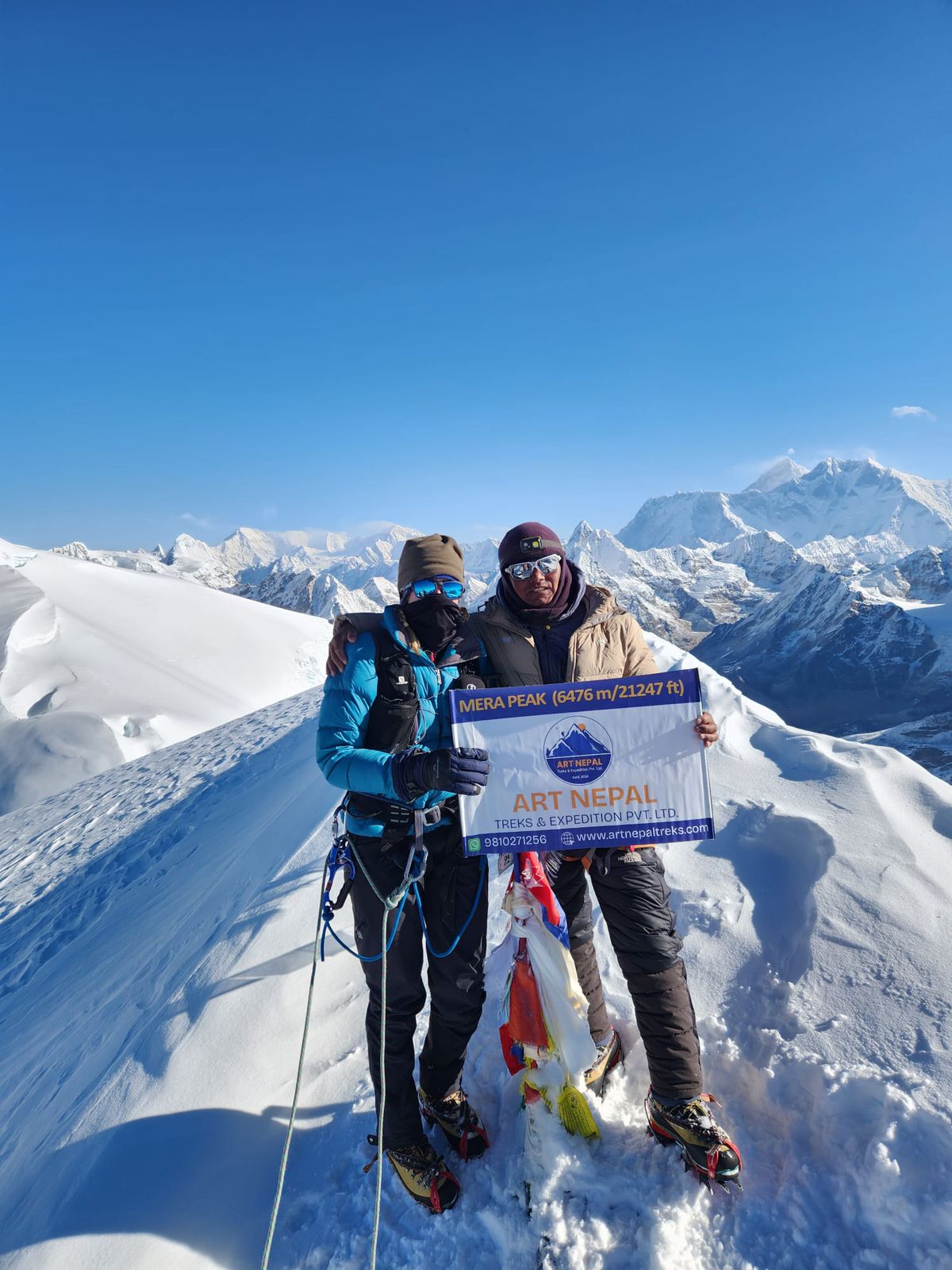
Summit day begins very early, usually around 2–3 AM, to ensure the climb is completed during stable weather conditions. Climbers tackle steep snow and ice sections using crampons and ice axes, carefully navigating technical ridges and glacier slopes. The ascent to the Lobuche Peak summit is challenging, testing both physical stamina and technical climbing skills. Reaching the summit at 6,119 meters is a remarkable achievement, offering uninterrupted 360° panoramic views of Everest, Lhotse, Nuptse, Ama Dablam, and the surrounding Khumbu peaks. The summit provides an unforgettable perspective of the Himalayas, rewarding all the effort and preparation invested during the trek.
The descent is equally demanding, requiring careful attention to avoid slips or accidents on icy slopes. Climbers return to High Camp and then continue down to Lobuche village, retracing parts of the ascent route. This final leg combines relief, reflection, and celebration as trekkers reach safer, lower altitudes. Upon arrival, climbers can relax, enjoy a warm meal, and share their experiences with fellow trekkers. The completion of the Lobuche Peak climb signifies the culmination of physical endurance, mental resilience, and technical skill in one of the world’s most majestic mountain regions.
Trip Duration:
8–10 hours (summit climb and descent)Trip Distance:
~7 kmAltitude:
6119 m (Summit)Meal:
Breakfast, Lunch, DinnerAccomodation :
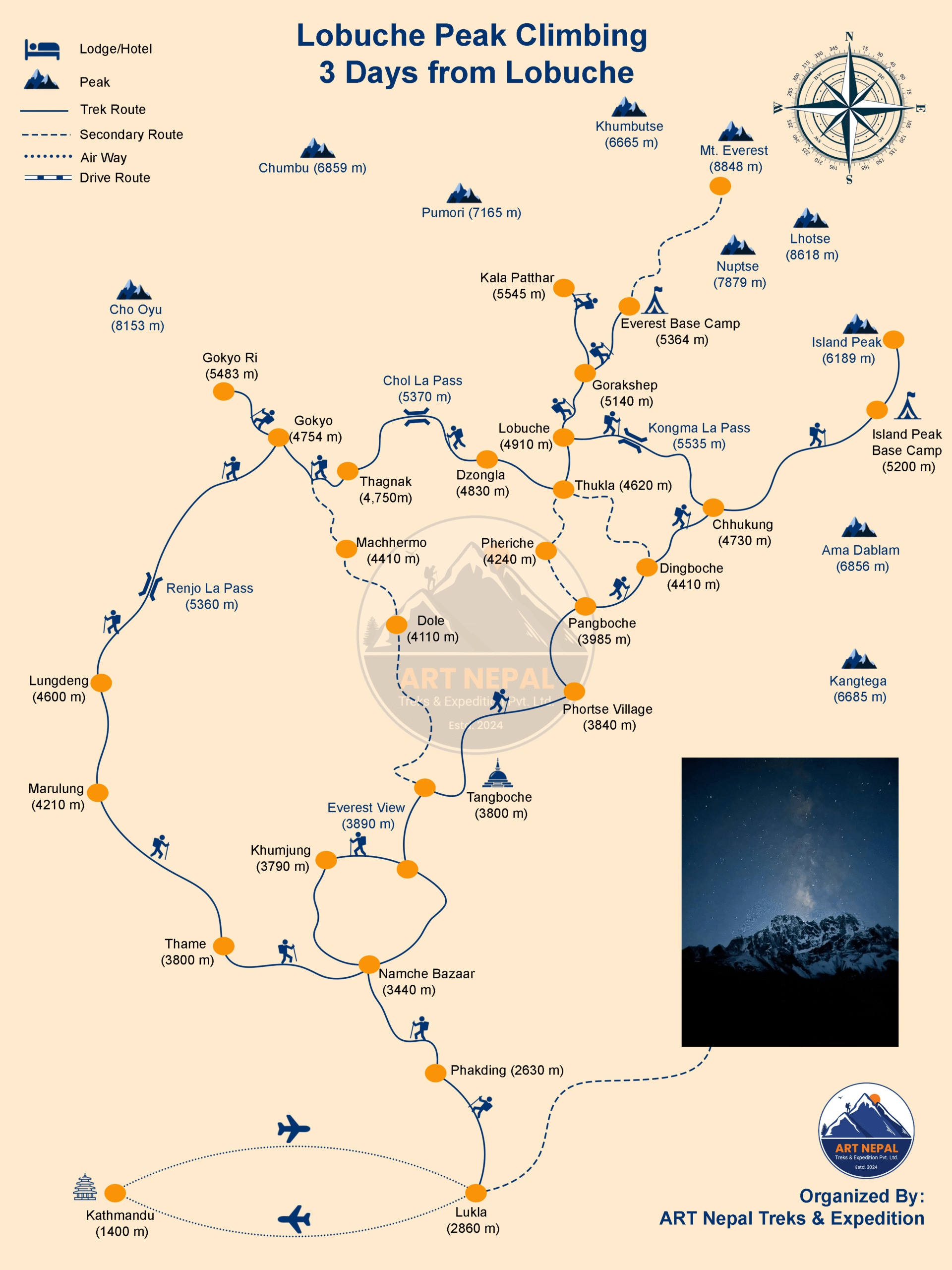
Tent or tea house in LobucheRoute Map
What's Included
- Airport Pickup and Drop: Transfer from Tribhuvan International Airport in Kathmandu to the hotel and back.
- Accommodation in Kathmandu: Hotel stay with breakfast for the duration of your pre- and post-trek days.
- Lodging During Trek: Accommodation in tents at Base Camp and High Camp, or tea houses where available.
- Meals During Trek: Breakfast, lunch, and dinner while on the trek.
- Professional Guides: Experienced mountain guides for safety, navigation, and technical climbing support.
- Climbing Sherpas: Trained Sherpas to assist with rope fixing, load carrying, and summit safety.
- Climbing Equipment Provided: Ropes, helmets, harnesses, ice axes, and crampons.
- Permits and Fees: All necessary national park permits, climbing permits for Lobuche Peak, and local government taxes.
- Emergency Support: Communication devices, high-altitude first aid kits, and contingency arrangements.
- Pre-Trek Briefing: Guidance on gear, safety measures, and trekking techniques provided before the climb.
What's Excluded
- International Flights: Airfare to and from Kathmandu.
- Nepal Visa Fee: Visa for entry into Nepal (obtainable at Tribhuvan International Airport).
- Personal Expenses: Snacks, bottled water, drinks, souvenirs, and laundry.
- Tips for Guides and Staff: Optional, but appreciated for their service during the trek.
- Travel Insurance: Strongly recommended for medical emergencies, evacuation, and high-altitude coverage.
- Porters: Optional, though highly recommended for carrying heavy luggage. Cost is $22 per porter per day, and a porter can carry up to 20 kg. For comfort, it is advisable to hire one porter for every two trekkers.
- Extra Accommodation in Kathmandu or Trek Villages: Any nights outside the standard itinerary.
- Optional Activities/Add-Ons: Helicopter rescue or sightseeing excursions not included in the base price.
- Personal Climbing Gear: Sleeping bag, down jacket, trekking poles, and other personal equipment not provided by the agency.
Essential Info
Add-Ons
While the main focus of the Lobuche Peak Climbing trek is summit success and experiencing the high Himalayan landscapes, there are several optional add-ons that can enhance your journey. These options allow you to explore nearby attractions, immerse yourself in local culture, and extend your adventure in the Khumbu region. ART Nepal Treks & Expedition offers guidance and arrangements for these activities, ensuring safety, comfort, and seamless logistics.
One popular add-on is visiting nearby high-altitude villages such as Dingboche, Pheriche, and Chhukung. These villages provide an authentic glimpse into Sherpa life and Himalayan culture. Trekkers can interact with local families, visit monasteries, and learn about traditional farming and herding practices in extreme altitudes. This adds a cultural layer to the high-mountain adventure, giving you memories beyond just the summit.
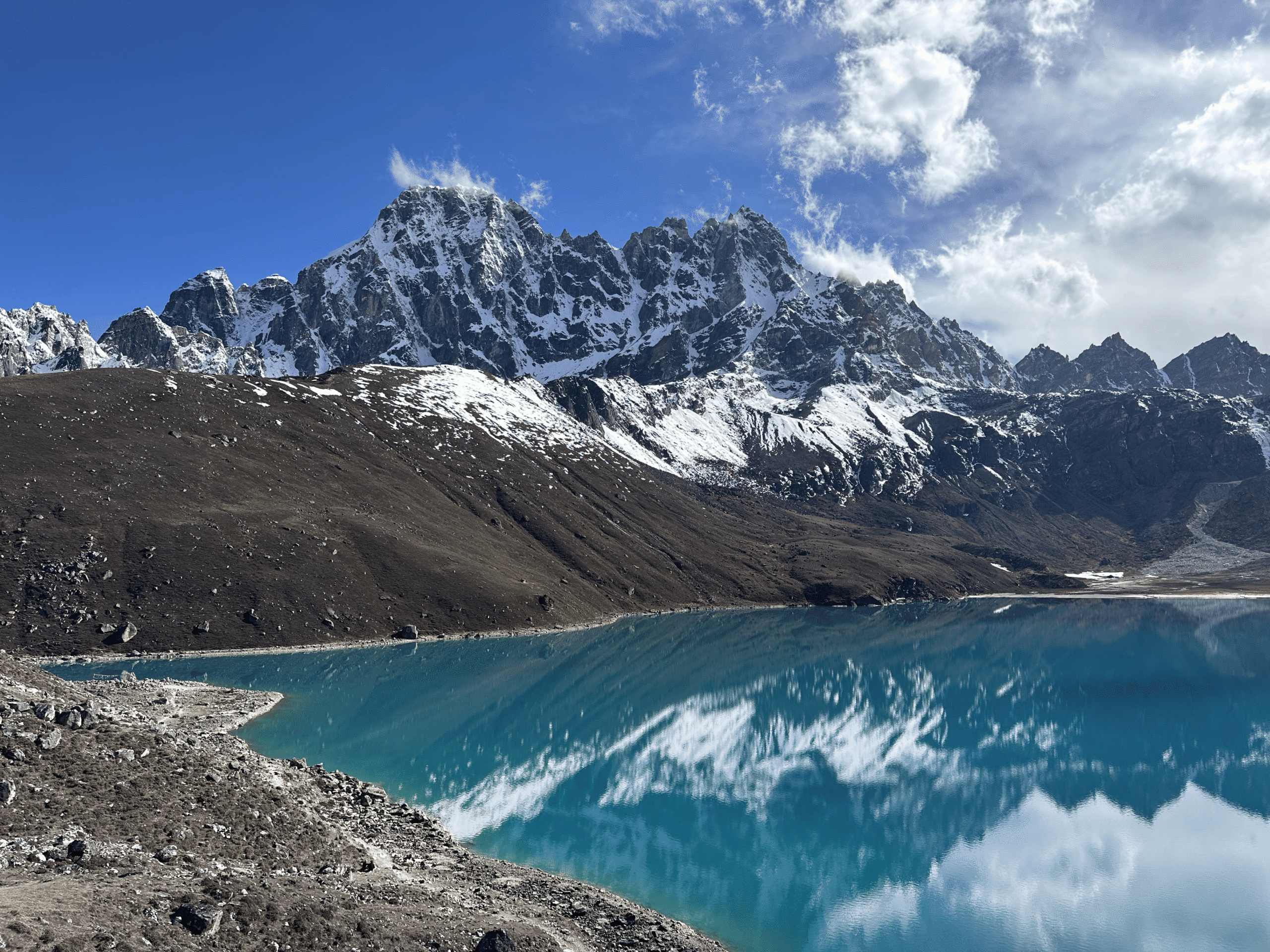
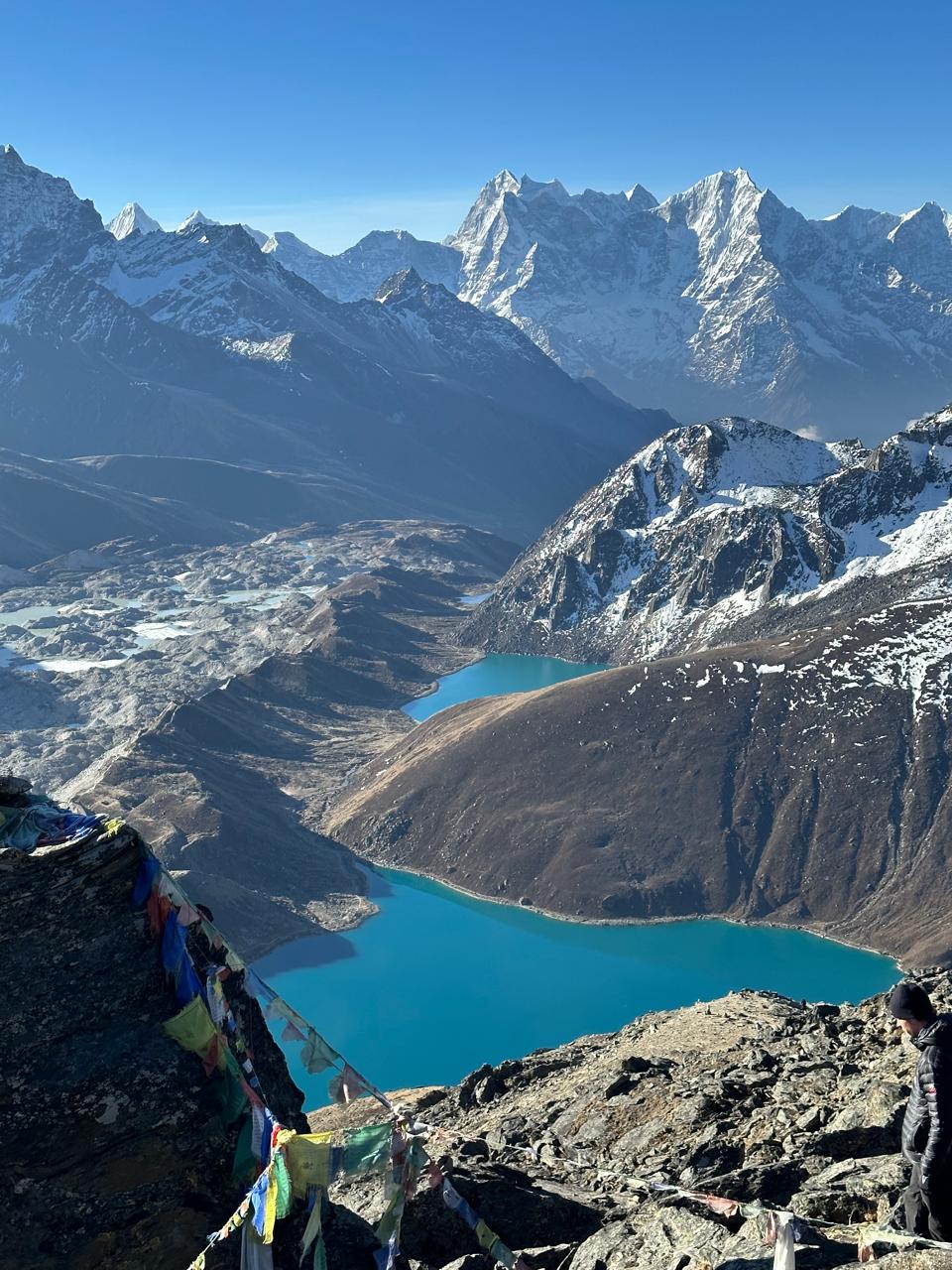
For travelers looking for additional adventure, there are side treks and scenic detours that can be included. A trek to Ama Dablam Base Camp offers breathtaking views of one of the most iconic peaks in the world, while a detour to Gokyo Lakes allows you to explore turquoise glacial lakes with surrounding 6,000–7,000-meter peaks. These excursions typically require 2–3 extra days and can be customized based on your fitness level, acclimatization schedule, and interest.
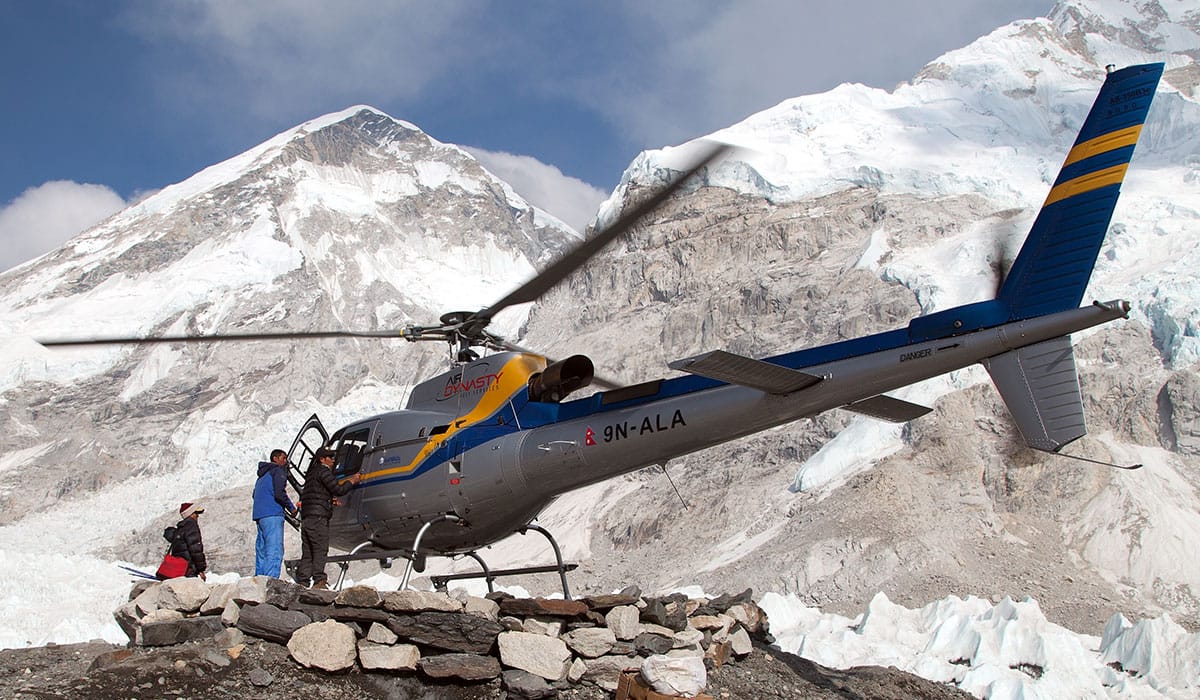
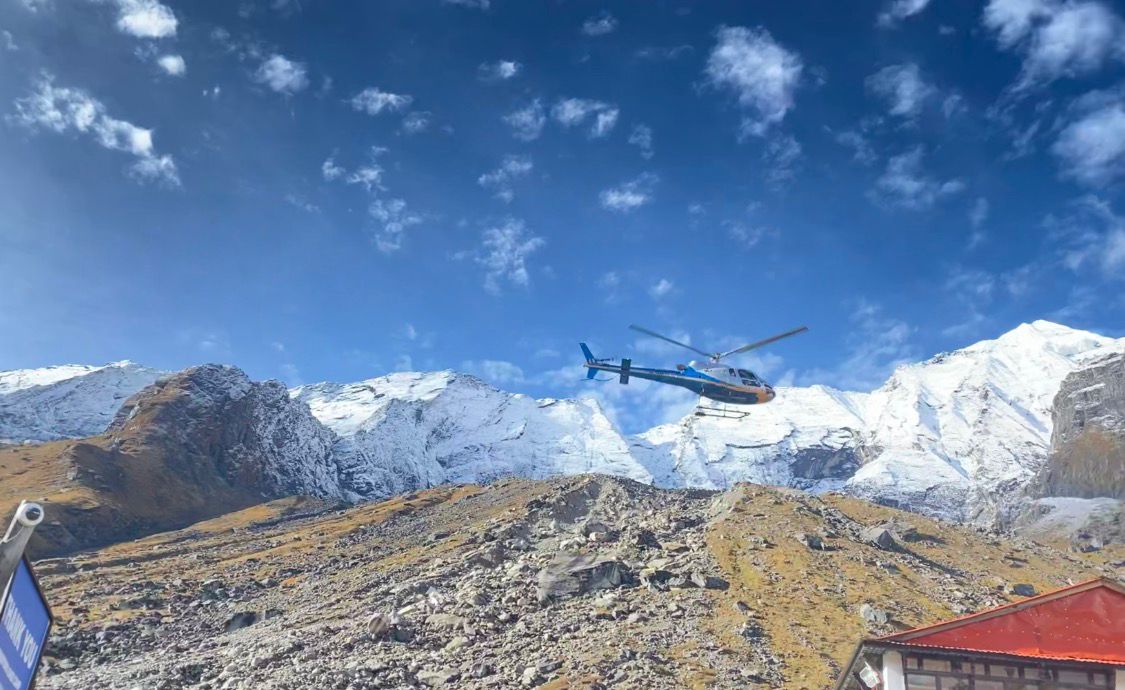
For those interested in helicopter sightseeing or transport, ART Nepal Treks & Expedition can arrange helicopter rides from Namche Bazaar, Lukla, or even Everest Base Camp. These flights provide panoramic views of the Everest region, allowing you to see Everest, Lhotse, Nuptse, and Cho Oyu from the sky—a once-in-a-lifetime experience. Additionally, helicopter transfers can serve as a safety net or a time-saving option if you wish to reduce trekking days.
Trekkers can also choose extended cultural tours in Kathmandu or Namche Bazaar after their climb. These include visits to Swayambhunath Stupa (Monkey Temple), Boudhanath Stupa, Pashupatinath Temple, and traditional Nepali markets. Exploring the vibrant streets, tasting authentic local cuisine, and witnessing traditional festivals enrich the journey beyond the mountains.
Add-On Options and Highlights:
- High-Altitude Village Visits – Explore Dingboche, Pheriche, and Chhukung; experience Sherpa culture and local monasteries.
- Ama Dablam Base Camp Trek – Optional side trek to view one of the most iconic Himalayan peaks.
- Gokyo Lakes Excursion – Scenic detour to turquoise glacial lakes surrounded by 6,000–7,000m peaks.
- Helicopter Sightseeing/Transfer – Panoramic aerial view of Everest, Lhotse, Nuptse, and Cho Oyu; optional emergency transport.
- Cultural Tours in Kathmandu – Visit Swayambhunath, Boudhanath, Pashupatinath, and local markets.
- Extended Adventure Treks – Combine Lobuche Peak climb with nearby peaks or treks for a longer Himalayan experience.
- Photography and Filming Tours – Professional guidance for capturing the Himalayan landscapes at sunrise, sunset, and summit views.
These add-ons can be tailored to your preferences, fitness level, and available time. They not only enhance the trekking experience but also allow trekkers to return home with a richer understanding of Nepal’s natural and cultural diversity.
Best Season to Trek
The Lobuche Peak Climbing trek can be attempted during multiple seasons, but certain times of the year are considered ideal due to weather, visibility, and climbing conditions. Each season offers a unique experience, from the lush greenery and rhododendron blooms of spring to the crisp, clear skies of autumn. ART Nepal Treks & Expedition recommends planning your trek carefully according to your preferred season, fitness level, and acclimatization schedule.
Spring (March–May)
Spring is one of the most popular seasons for Lobuche Peak Climbing. During this period, the weather is generally stable, the skies are clear, and temperatures are moderate for high-altitude climbing. The trekking trails and villages are adorned with blooming rhododendrons, magnolias, and other alpine flowers, creating a colorful backdrop for your journey. Snow conditions on Lobuche Peak are also favorable in spring, providing good grip for crampons and ice axes without being overly icy. Visibility is excellent, allowing trekkers to enjoy uninterrupted views of Everest, Lhotse, Nuptse, and Ama Dablam.
- Floral Blooms – Trails are filled with rhododendron and alpine flowers.
- Moderate Temperatures – Daytime highs are comfortable, making climbing easier.
- Stable Weather – Less chance of storms compared to winter or monsoon.
- Clear Mountain Views – Ideal for photography and summit visibility.
Summer/Monsoon (June–August)
Summer brings warmer temperatures, but it coincides with the monsoon season, making trekking more challenging due to rain, slippery trails, and occasional landslides. The trail conditions can become muddy, and visibility may be reduced due to clouds. However, the monsoon season offers a lush, green landscape in the lower regions and fewer trekkers, providing a more peaceful experience. For climbers with prior experience and proper gear, this season can still be attempted, but caution is required.
- Lush Green Trails – Lower regions are vibrant and full of vegetation.
- Fewer Crowds – Trails are quieter compared to spring and autumn.
- Challenging Terrain – Slippery and muddy paths require careful navigation.
- Frequent Rainfall – Summit attempts may be riskier due to weather.
Autumn (September–November)
Autumn is considered the best season for trekking and peak climbing in Nepal. The monsoon has cleared, leaving the skies crystal clear and the mountains sharply visible. The weather is stable, temperatures are moderate, and snow conditions on Lobuche Peak are excellent for technical climbing. This season also coincides with several Nepali festivals, adding cultural vibrancy to your journey. Photographers particularly favor autumn due to the stunning visibility and crisp mountain air.
- Clear Skies – Unobstructed panoramic views of the Himalayas.
- Stable Climbing Conditions – Snow and ice are optimal for summit attempts.
- Moderate Temperatures – Comfortable for trekking and high-altitude climbing.
- Festivals and Culture – Opportunity to witness local celebrations in villages.
Winter (December–February)
Winter offers a quiet and serene trekking experience with far fewer trekkers on the trails. However, temperatures are very low, especially at high altitudes like Lobuche Base and High Camps. Snow and ice are more challenging, and climbing may require advanced technical skills. While the scenery is spectacular with snow-capped peaks and frozen glaciers, trekkers need to be prepared for harsh winds, icy trails, and shorter daylight hours. Winter is recommended for experienced climbers seeking solitude and extreme conditions.
- Snow-Covered Peaks – Perfect for winter photography and extreme adventure.
- Minimal Crowds – Trails and camps are quiet and peaceful.
- Cold Temperatures – Requires high-quality winter gear.
- Challenging Ice Conditions – Technical climbing is more demanding.
By choosing the right season based on your skill level, fitness, and preferences, you can maximize your Lobuche Peak experience. ART Nepal Treks & Expedition provides expert guidance on seasonal conditions, weather forecasts, and acclimatization plans to ensure a safe and successful climb.
Food Availability
During the Lobuche Peak Climbing trek, food availability varies depending on the altitude and location of the camps or teahouses. In the lower villages such as Lobuche, Dingboche, and Gorak Shep, you will find basic teahouses offering a variety of Nepali and Western dishes. These include dal bhat (lentil rice), momo (dumplings), noodles, pasta, soups, and vegetable curries. Teahouses generally provide simple, home-cooked meals, which are nutritious and energy-rich, perfect for trekking and acclimatization.
As you move higher toward Lobuche Base Camp and High Camp, the options become more limited due to the remoteness and difficulty of transporting supplies. Most meals at these altitudes are freeze-dried or pre-packaged, but local guides and expedition teams ensure a balanced diet with sufficient calories and protein. Trekkers are encouraged to carry high-energy snacks such as nuts, energy bars, chocolate, and dried fruits to maintain energy levels during summit attempts. Drinking plenty of fluids is crucial at high altitude to prevent dehydration, which can exacerbate altitude sickness.
On the peak itself, the summit day is usually very early in the morning, and meals are typically limited to a light breakfast, tea, or energy bars. After descending, climbers can enjoy a proper meal at Base Camp or back in Lobuche village. ART Nepal Treks & Expedition emphasizes nutritionally balanced meals and ensures that climbers have access to the right foods to maintain stamina and strength during challenging ascents.
Food Availability Highlights
- Variety in Lower Villages – Dal bhat, momos, noodles, and Western dishes.
- High-Calorie Options at Camps – Freeze-dried meals, energy bars, soups.
- Local Specialties – Traditional Sherpa dishes, fresh vegetables, and simple breads.
- Hydration Focus – Availability of tea, soup, and boiled water at high camps.
- Energy Snacks – Nuts, dried fruits, chocolate for summit day endurance.
- Meal Timing Adjustments – Early breakfast on summit day to match climbing schedule.
- Customized Diet Plans – Provided by ART Nepal Treks & Expedition for climbers.
Accommodation
Accommodation during the Lobuche Peak Climbing expedition varies significantly depending on the altitude and remoteness of the locations. In the lower villages like Lobuche, Dingboche, and Gorak Shep, trekkers will primarily stay in teahouses, which are simple guesthouses operated by local families. These teahouses offer basic rooms with beds, blankets, and sometimes electricity, usually powered by solar panels. Many teahouses also provide shared bathrooms with limited hot water, though at higher altitudes, hot water is often available only in the evenings. Staying in teahouses allows climbers to experience local hospitality, enjoy home-cooked meals, and interact with Sherpa families who have extensive knowledge of the mountains.
As trekkers ascend to Lobuche Base Camp and High Camp, accommodation shifts to camping tents, often organized by expedition companies like ART Nepal Treks & Expedition. These tents are durable and designed for high-altitude conditions, providing shelter from strong winds and cold temperatures. At these camps, climbers usually sleep in double-layered sleeping bags, sometimes provided by the expedition team. High-altitude camping requires careful organization of personal gear, such as thermal liners, insulated mats, and protective layers to ensure a safe and comfortable rest before summit attempts. Staying at Base Camp and High Camp is crucial for acclimatization, allowing climbers to gradually adjust to thinner air while still having access to essential support from guides and cooks.
At extreme altitudes on summit day, climbers do not stay overnight, but the prior nights at High Camp are carefully planned to maximize energy and safety. While accommodation may be basic, ART Nepal Treks & Expedition ensures cleanliness, warmth, and safety standards are maintained. In addition to tents, some high camps have small mess tents where climbers can eat, drink warm liquids, and store equipment securely. Modern expeditions also often provide portable toilets and sanitary solutions to maintain hygiene even in the most remote locations.
Accommodation Highlights
- Teahouses in Lower Villages – Simple rooms, beds, blankets, limited electricity.
- Shared Bathrooms & Limited Hot Water – Common at teahouses; hot water often available in evenings.
- Camping at Base & High Camps – Durable tents designed for high-altitude protection.
- Sleeping Arrangements – Double-layered sleeping bags, insulated mats, and thermal liners.
- Mess Tents – Communal eating areas with warm meals and beverages.
- Hygiene & Sanitation – Portable toilets and proper waste management at high camps.
- Local Interaction – Opportunity to meet Sherpa families and learn about mountain culture.
Accommodation is not just about comfort; it is critical for safety and acclimatization. Spending nights at Base and High Camps prepares climbers for the physical and mental challenges of summit day. ART Nepal Treks & Expedition emphasizes well-organized camping logistics, including pre-pitched tents, warm bedding, and meal services, to allow climbers to focus on the ascent rather than the logistics of living at extreme altitudes.
Travel Insurance
Travel insurance is an essential part of planning a high-altitude expedition like Lobuche Peak. The Himalayan terrain presents unique challenges, including rapid weather changes, treacherous paths, and high-altitude risks, so insurance is not just a formality—it is a safety net. Comprehensive travel insurance should cover medical emergencies, evacuation, trip cancellations, lost or damaged equipment, and high-altitude trekking up to at least 6,200 meters. Many insurance providers offer specific policies for mountaineering, which are more expensive than standard travel insurance but necessary for climbs that involve technical ice and snow.
Most climbers choose insurance plans that include helicopter evacuation, which can be a lifesaver in cases of altitude sickness or injuries. Medical facilities in remote regions like Lobuche or Base Camp are limited, so evacuation insurance ensures climbers can receive advanced medical care quickly. Additionally, insurance should cover search and rescue operations, which can be expensive if carried out in extreme weather or on technical climbing routes. Before purchasing, climbers should carefully check altitude coverage, pre-existing conditions clauses, and expedition exclusions to avoid surprises.
Travel Insurance Highlights
- Medical Emergencies Coverage – Hospitalization, treatment, and evacuation.
- High-Altitude Trekking Coverage – Up to 6,200 meters or higher.
- Helicopter Evacuation – Critical for severe altitude sickness or injuries.
- Trip Cancellation & Delay – Protection against unforeseen delays or cancellations.
- Equipment Loss & Damage – Insurance for expensive gear like crampons, ice axes, and tents.
- Search and Rescue Operations – Financial coverage for rescue operations in difficult terrain.
- 24/7 Emergency Assistance – Support lines for advice and emergency coordination.
Travel insurance provides peace of mind, allowing climbers to focus on their expedition rather than worrying about emergencies. ART Nepal Treks & Expedition recommends all clients secure insurance well in advance of their trekking and climbing dates to ensure full protection.
Altitude Sickness
Altitude sickness, or Acute Mountain Sickness (AMS), is a real risk during Lobuche Peak climbs. The body reacts to thinner air and lower oxygen levels at high altitudes, especially above 4,500 meters. Symptoms may include headaches, nausea, dizziness, fatigue, and shortness of breath. For most climbers, proper acclimatization schedules—spending nights at progressively higher camps like Lobuche Base and High Camp—significantly reduces the risk.
Severe cases of altitude sickness, such as High-Altitude Pulmonary Edema (HAPE) or High-Altitude Cerebral Edema (HACE), can be life-threatening and require immediate descent and medical attention. Climbers are encouraged to monitor their health, climb slowly, and communicate regularly with guides. ART Nepal Treks & Expedition ensures that all trekkers are aware of early warning signs and provides emergency oxygen, medical kits, and evacuation protocols for safety.
Preventative measures also include staying hydrated, avoiding alcohol, eating light meals, and using medications like acetazolamide (Diamox) when prescribed. Guides often recommend the “climb high, sleep low” strategy, where climbers ascend during the day but descend to lower altitudes for the night, which helps the body adjust.
Altitude Sickness Highlights
- Early Symptoms – Headache, nausea, dizziness, fatigue, breathlessness.
- Severe Risks – HAPE and HACE requiring immediate descent.
- Acclimatization Strategy – Base Camp and High Camp stays.
- Preventive Measures – Hydration, diet, slow ascent, medication when needed.
- Monitoring Health – Regular checks by guides for symptoms.
- Emergency Preparedness – Oxygen, medical kits, evacuation plan.
- Education & Awareness – Guides educate trekkers on safe climbing practices.
Understanding and respecting the body’s limits is critical for a successful and safe summit. Proper preparation and support from ART Nepal Treks & Expedition reduce risks and enhance the experience.
Guide and Safety Measures
Climbing Lobuche Peak requires expert guidance due to technical ice and snow routes. ART Nepal Treks & Expedition provides highly trained guides and Sherpas who are familiar with every section of the glacier and summit route. Guides are responsible for route setting, safety briefings, monitoring climbers, and providing support with equipment such as crampons, ice axes, and ropes.
Safety measures include daily health and acclimatization checks, proper briefing on glacier travel, crevasse rescue techniques, and weather monitoring. Expedition teams are equipped with radios, GPS, and satellite phones to communicate with lower base camps or emergency services. Climbers are briefed about personal safety, team coordination, and high-altitude hazards before every climb segment.
ART Nepal Treks & Expedition also prioritizes emergency preparedness, including oxygen cylinders, first-aid kits, and contingency plans for descent. Guides often organize practice sessions at Base Camp to teach climbers rope handling, ice axe techniques, and crampon use. This ensures climbers are confident and safe when tackling technical sections on summit day.
Guide and Safety Highlights
- Experienced Guides & Sherpas – Route navigation and climbing support.
- Daily Health Checks – Monitoring acclimatization and wellness.
- Safety Briefings – Glacier travel, crevasse awareness, summit techniques.
- Emergency Equipment – Oxygen, first-aid kits, rescue gear.
- Communication Tools – Radios, GPS, and satellite phones for emergencies.
- Practice Sessions – Crampon, rope, and ice axe training.
- Weather & Avalanche Monitoring – Ensures safe timing for climbs.
The combination of trained guides, safety protocols, and modern equipment ensures climbers have a safe, organized, and enjoyable summit experience.
Booking Procedure
Booking a Lobuche Peak climbing expedition with ART Nepal Treks & Expedition is designed to be straightforward, transparent, and tailored to each climber’s needs. The process begins with an initial inquiry, where prospective climbers can consult with expert travel advisors to discuss available dates, group size, fitness levels, and any special requirements. During this stage, the team provides detailed guidance on the best season for climbing, expected weather conditions, and acclimatization schedules to ensure climbers are fully prepared for the high-altitude adventure. This consultation also allows climbers to customize itineraries, including extra days for acclimatization or sightseeing in the Khumbu region.
Once the initial consultation is complete, the next step is booking confirmation, which involves submitting essential information such as passport copies, personal details, and payment of the deposit. At this stage, ART Nepal Treks & Expedition also reserves necessary climbing permits, trekking permits, and accommodation options for the expedition. Early booking is highly recommended because permits, flights to Lukla, and accommodations in key villages like Lobuche and Dingboche are limited during peak trekking seasons. Confirming your booking in advance also ensures that experienced guides and Sherpas are assigned to your expedition.
After booking, climbers receive a comprehensive pre-trip briefing, which includes a detailed itinerary, checklist of required equipment, health and safety guidelines, and altitude acclimatization instructions. The briefing also provides information on emergency protocols, insurance requirements, and communications during the climb. ART Nepal Treks & Expedition emphasizes that climbers must arrange adequate travel insurance that covers high-altitude trekking and mountaineering before departure.
The payment process is structured to make planning convenient and stress-free. Typically, a deposit is paid at the time of booking, followed by final payment before departure, ensuring all logistics, including permits, accommodations, and guides, are fully arranged. For international travelers, ART Nepal Treks & Expedition also provides assistance with flight arrangements to Kathmandu, airport pickups, and connections to Lukla, the gateway to the Everest region.
Finally, once the booking and payments are completed, climbers receive personalized support for gear preparation, packing, and travel documents. Guides and expedition leaders are available to answer questions about equipment, acclimatization plans, and summit day strategies. ART Nepal Treks & Expedition ensures that every aspect of the trip is organized in advance so climbers can focus entirely on their climbing experience and enjoy the breathtaking Himalayan environment with confidence and safety.
Booking a Lobuche Peak expedition with ART Nepal Treks & Expedition is straightforward and ensures proper preparation:
- Inquiry & Consultation – Contact ART Nepal Treks & Expedition to discuss your preferred dates, group size, and itinerary.
- Booking Confirmation – Submit required personal details, passport copies, and payment to confirm the booking.
- Pre-Trip Briefing – Receive detailed itinerary, equipment list, safety instructions, and acclimatization guidance.
- Payment Schedule – Typically includes a deposit followed by final payment before departure.
- Visa & Permit Guidance – Assistance in obtaining trekking permits and climbing permits for Lobuche Peak.
- Travel Insurance Verification – Ensure adequate coverage for high-altitude mountaineering.
- Final Preparations – Packing, gear checks, and coordination with guides for arrival in Nepal.
Booking early is highly recommended, especially during spring and autumn seasons, when permits, flights, and accommodations fill quickly.
Equipment List
- Thermal base layers (top & bottom)
- Insulating mid-layers (fleece or down jacket)
- Waterproof and windproof shell jacket and pants
- Trekking pants and shirts for lower altitudes
- Gloves, hats, and balaclava for cold conditions
- Ice axe, crampons, and harness
- Helmet and carabiners
- Rope (usually provided by guides)
- Trekking poles for lower altitude sections
- Down jacket for high-altitude camping
- Warm socks and gaiters
- Lightweight shoes for lower altitudes, mountaineering boots for glacier climbs
- Personal first-aid kit
- Sunscreen, lip balm, and moisturizer
- Trekking towel, wet wipes, hand sanitizer
- Headlamp with spare batteries
- Camera or smartphone with extra batteries
- Power bank and solar charger
- GPS or maps
General Equipments
- Backpack (40–60L) for trekking, daypack for summit
- Sleeping bag (rated for -20°C)
- Water bottles and hydration system
- Snacks and energy bars
FAQ
Trip Price
USD 900 Per Person
Talk To Trip Expert
Related Trips