

Everest Three High Passes Trek – 17 Days
Introduction
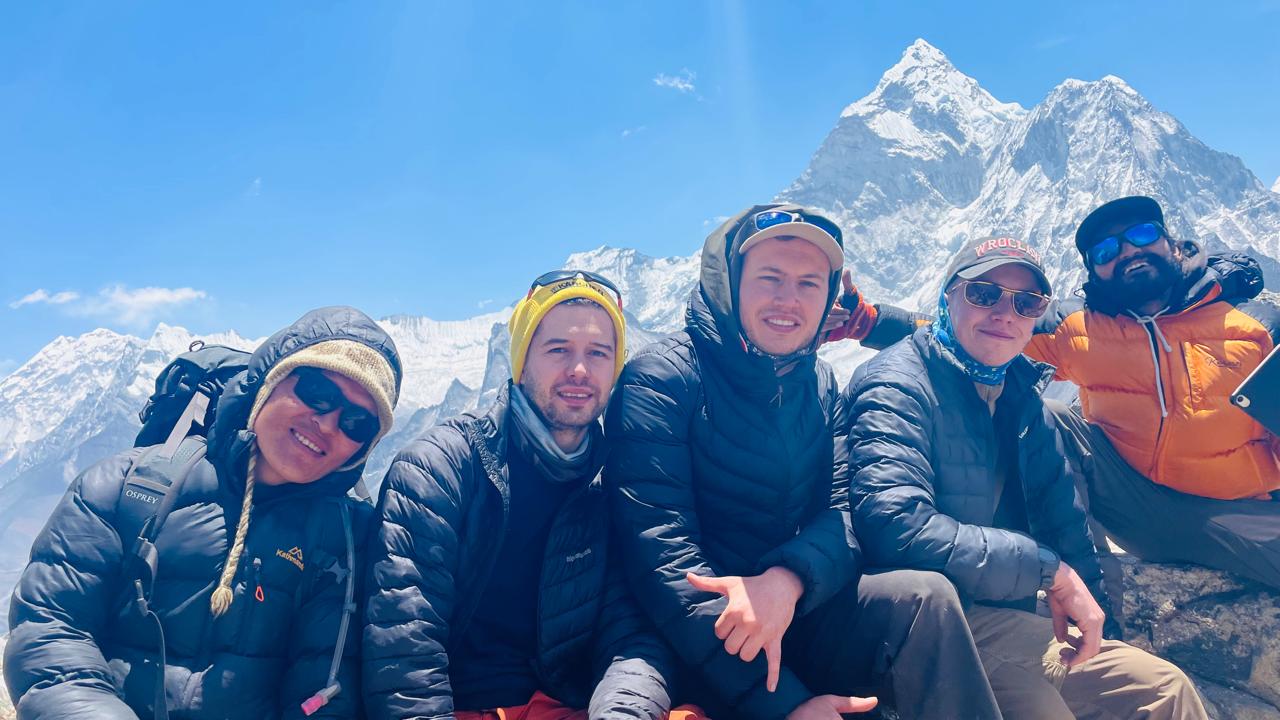
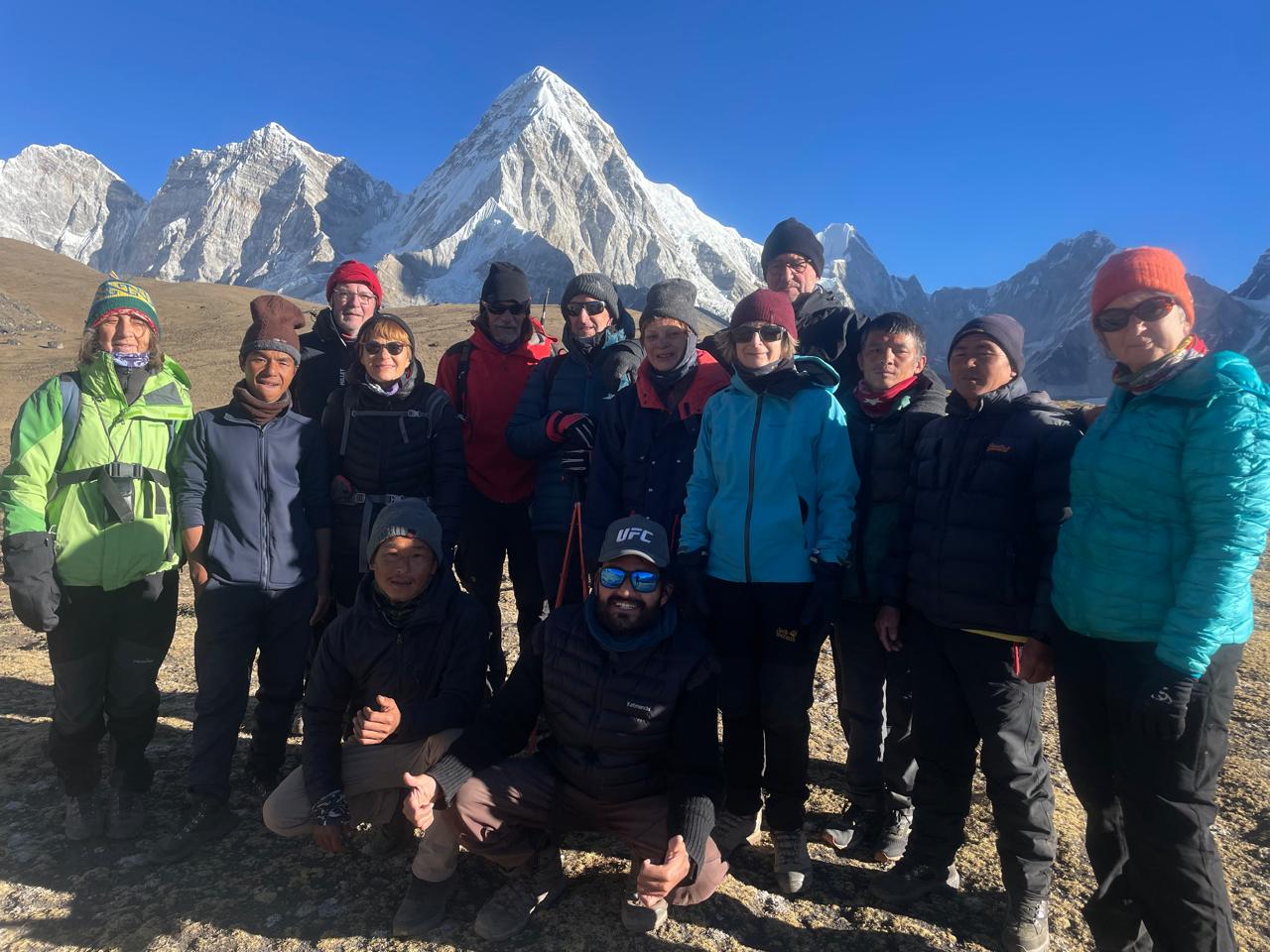
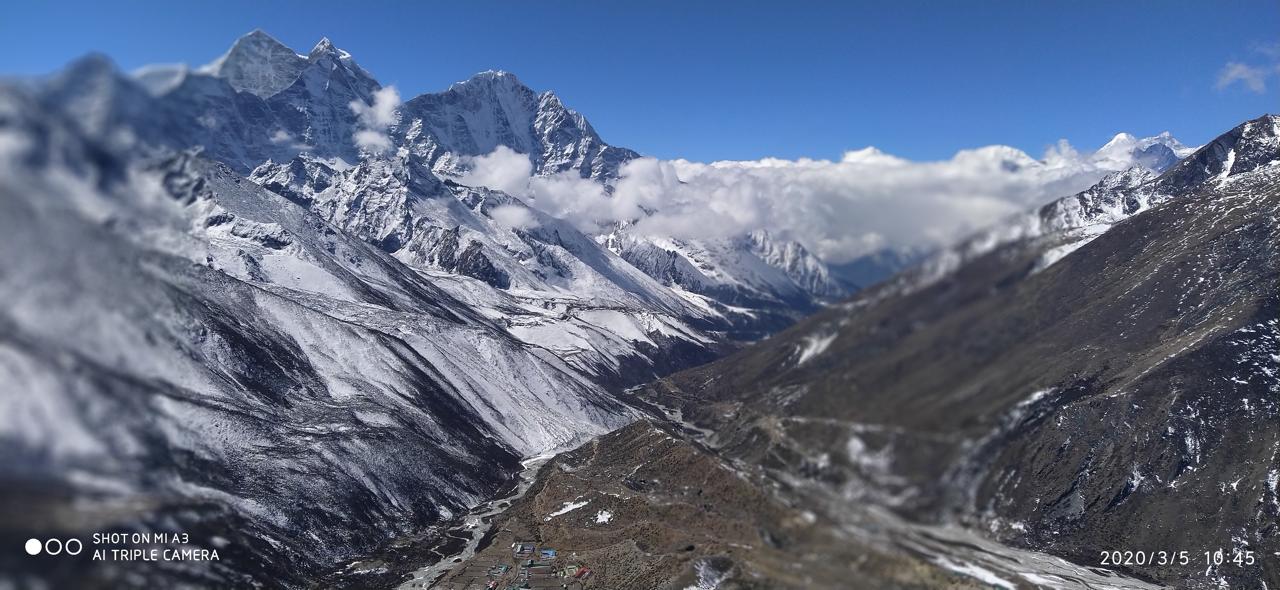
The Everest Three High Passes Trek is one of the most extraordinary adventures in the Himalayas, offering a perfect blend of high-altitude trekking, cultural exploration, and breathtaking scenery. This trek stands out because it combines not only the classic Everest Base Camp journey but also the challenge of crossing three major high passes – Kongma La, Cho La, and Renjo La. Each pass presents its own unique terrain and difficulty, from snow-covered glaciers to rocky ridges and moraine trails, allowing trekkers to experience the full diversity of the Khumbu region’s landscapes. Starting with a scenic flight from Kathmandu to Lukla, the trek immediately immerses adventurers in the Himalayan world, with lush valleys, winding rivers, and the first glimpses of towering peaks, signaling the start of a journey that is both physically challenging and profoundly inspiring.
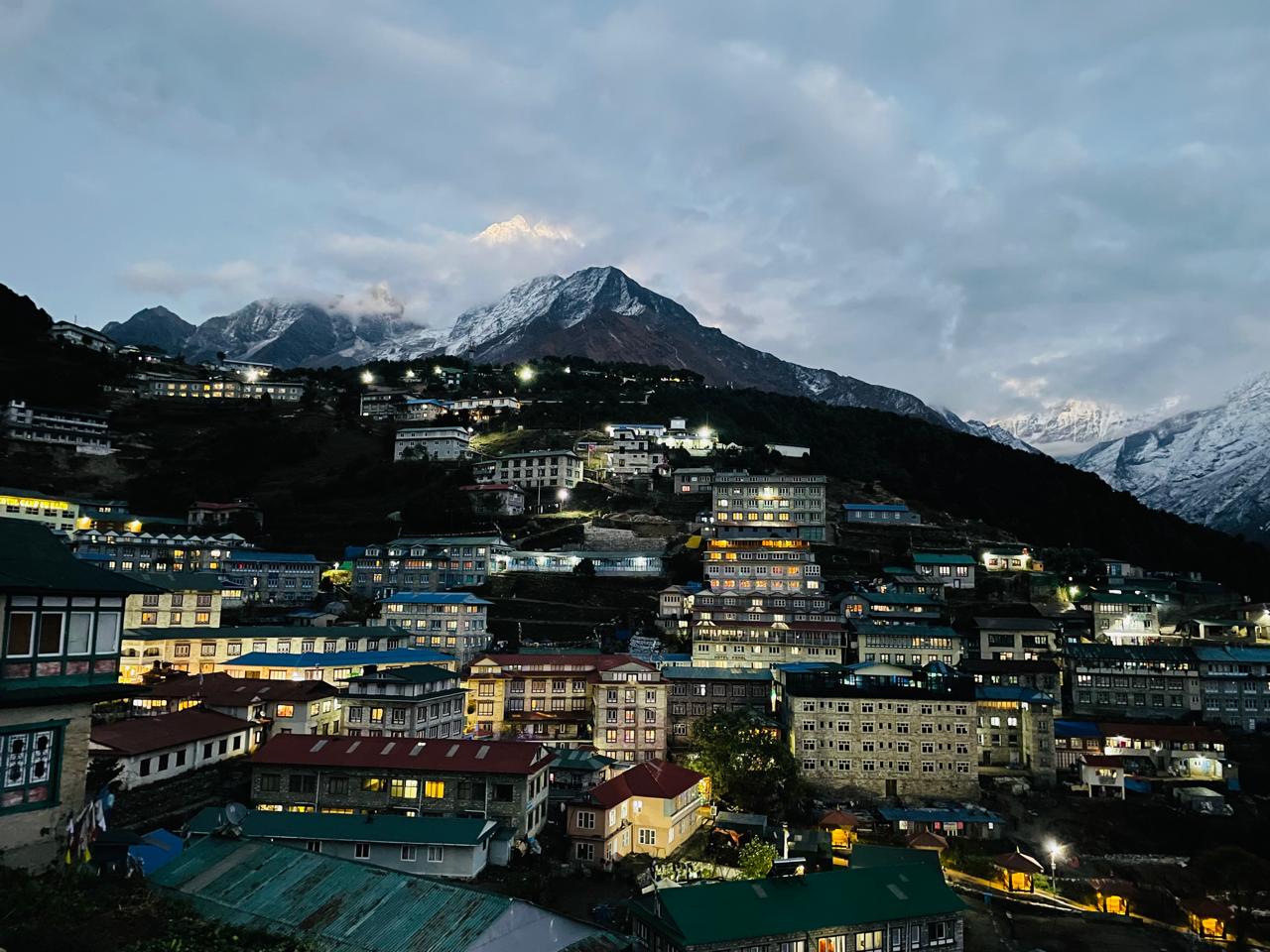
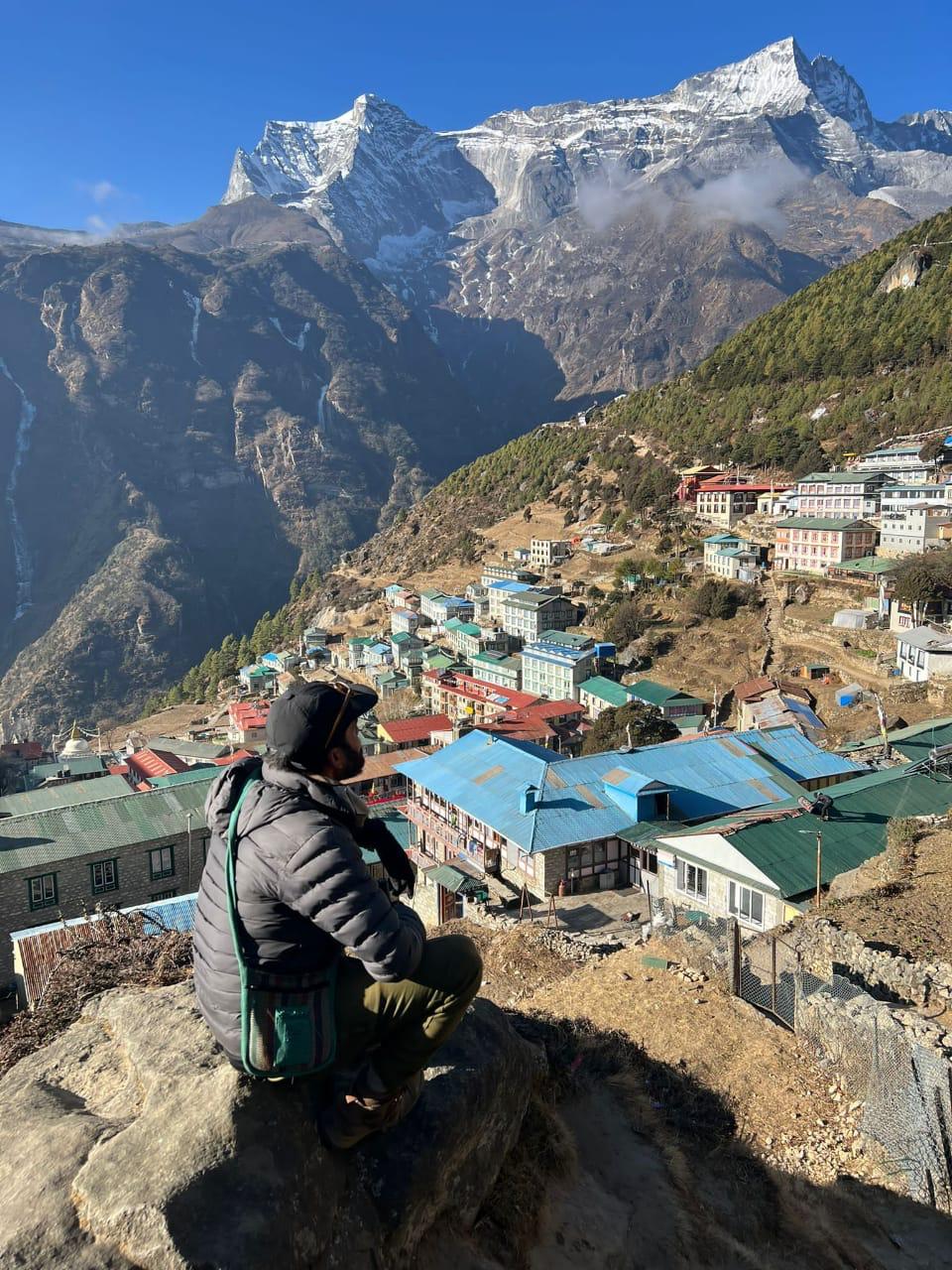
As trekkers ascend from Lukla to Namche Bazaar, the route offers an introduction to the rich culture and heritage of the Sherpa people. Namche, known as the “gateway to Everest,” is a bustling village where traditional stone houses and monasteries sit alongside modern shops and cafes. The village provides a critical acclimatization stop, allowing trekkers to adjust to the increasing altitude while also exploring the local markets, interacting with Sherpas, and absorbing the vibrant Himalayan culture. From here, the journey continues through highland villages like Tengboche, Thame, and Pangboche, each offering opportunities to visit ancient monasteries, learn about local customs, and witness the spiritual life that thrives in the mountains. The combination of cultural exposure and high-altitude trekking makes this journey exceptionally enriching, providing much more than just physical challenge.
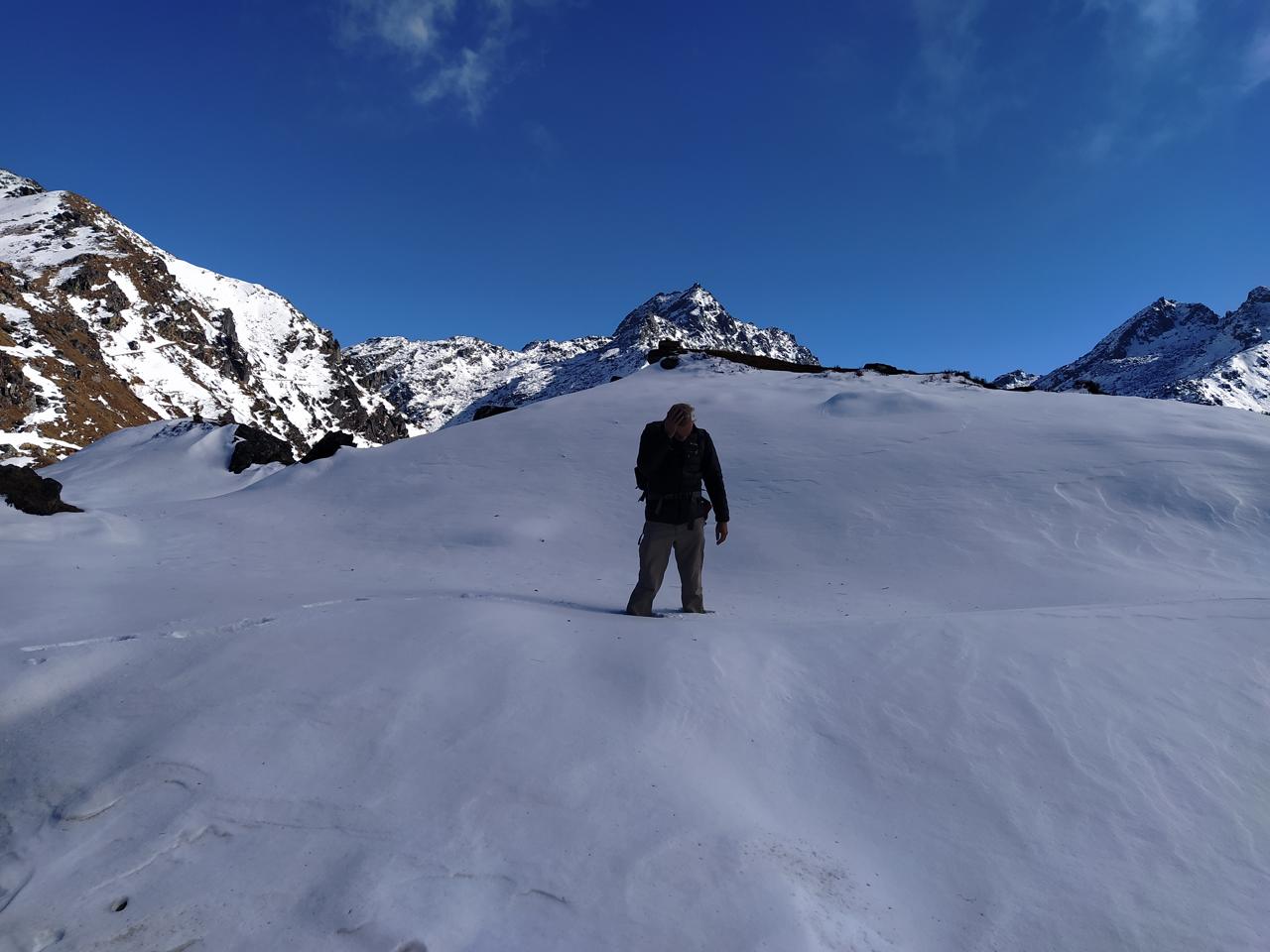
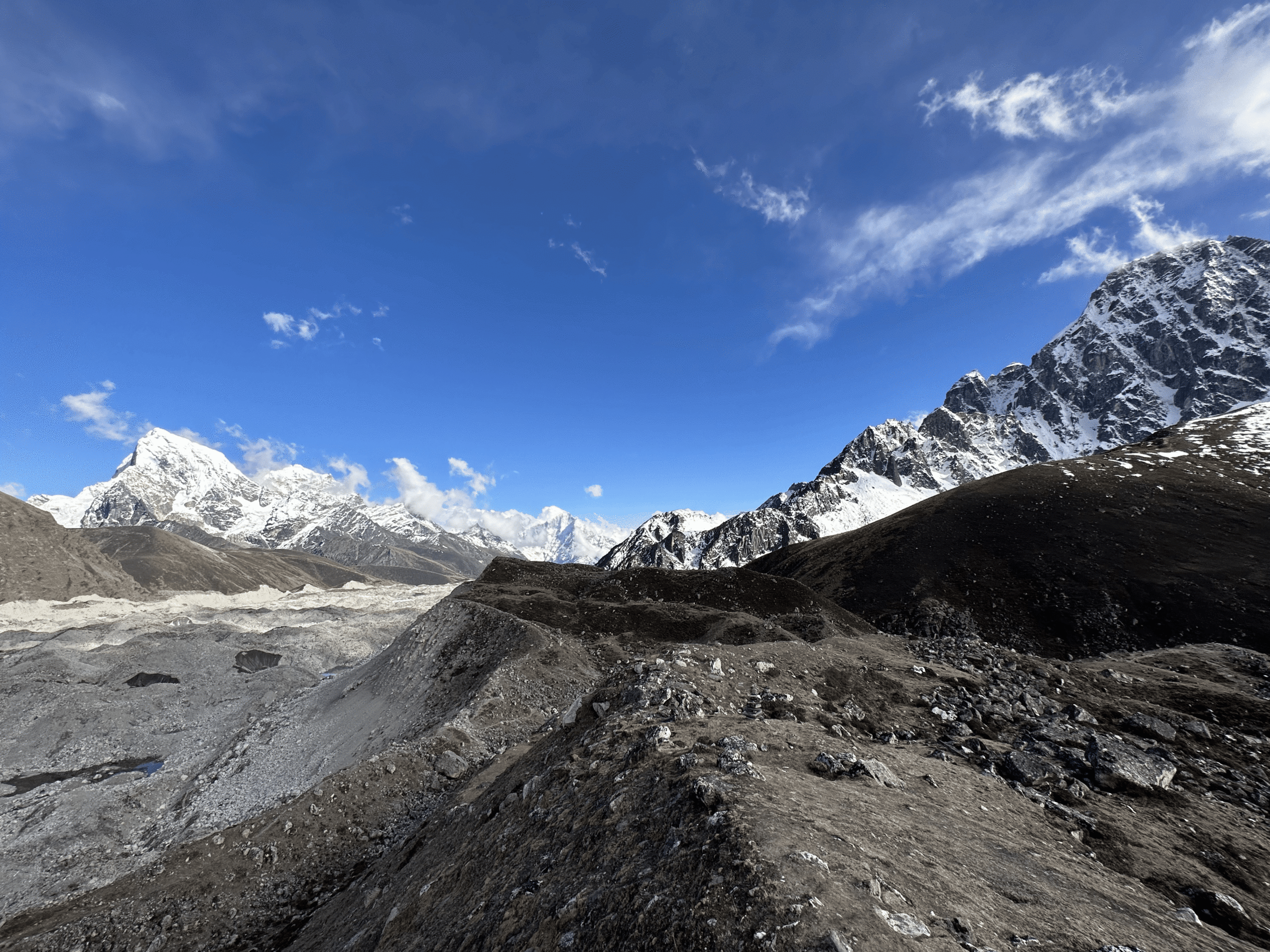
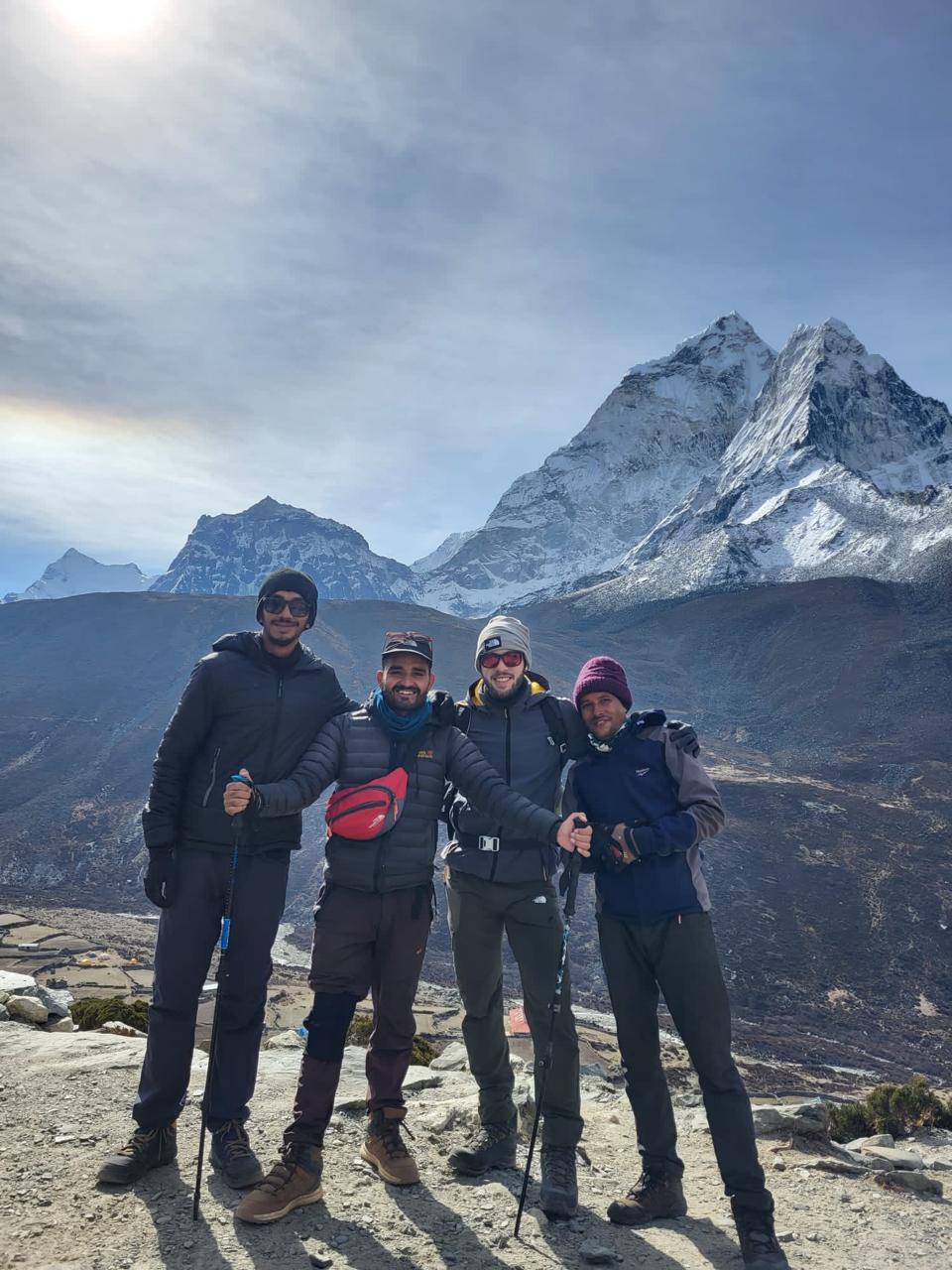
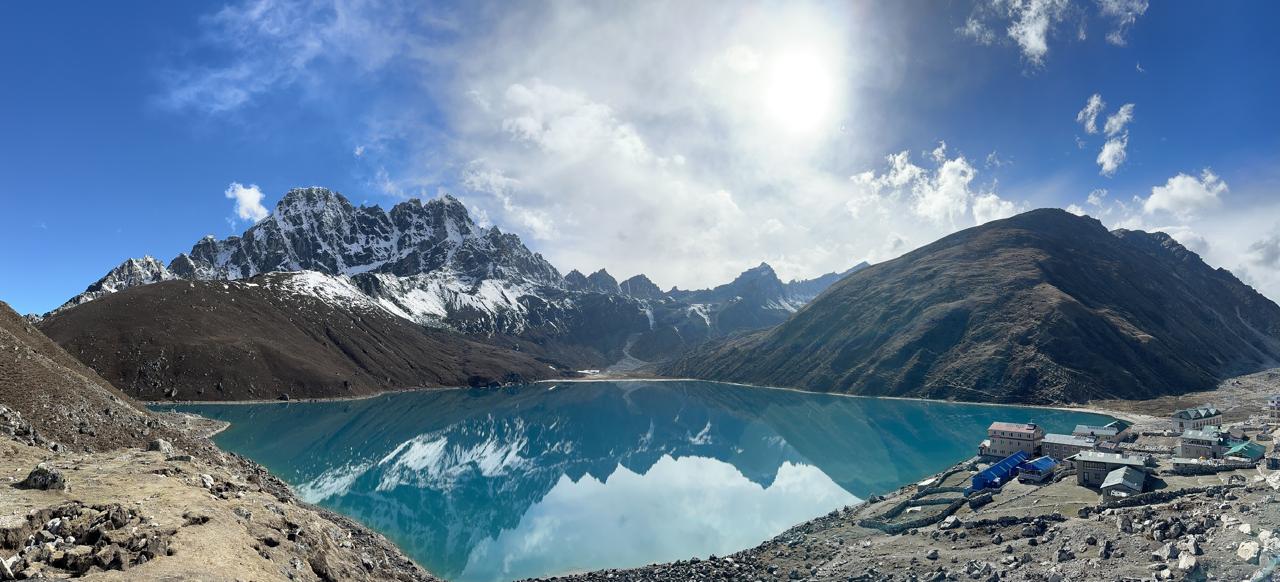
The trek’s high passes are the ultimate highlight, pushing trekkers to traverse some of the most dramatic landscapes in the world. Kongma La, the first pass, is the highest and one of the most demanding sections, with sweeping glacier views and a sense of isolation that is both humbling and exhilarating. Cho La, a technical glacier pass, tests balance, stamina, and focus, rewarding those who cross it with stunning vistas of surrounding peaks and icefalls. Finally, Renjo La offers perhaps the most picturesque panoramas, including the crystal-clear Gokyo Lakes and panoramic Himalayan ridges stretching endlessly into the distance. These passes not only challenge trekkers physically but also provide unparalleled opportunities for photography, reflection, and deep appreciation of the majestic Everest region.
One of the defining aspects of the Everest Three High Passes Trek is the combination of altitude, acclimatization, and trekking strategy. The itinerary is thoughtfully designed with rest days in Namche and Dingboche, allowing trekkers to gradually adjust to high altitudes while also taking in side hikes to viewpoints such as Everest View Hotel, Chhukung Ri, and Kala Patthar. Each day’s trek involves not only walking through stunning terrain but also learning to navigate glaciers, moraines, and high passes with the support of experienced guides. These structured acclimatization days ensure that trekkers remain safe while still pushing their limits, making the journey challenging yet highly manageable for those with good physical fitness and previous trekking experience.
Finally, the trek delivers a holistic Himalayan experience, combining natural beauty, cultural richness, and personal achievement. From the first flight to Lukla, where the jagged peaks rise abruptly from the valleys, to the final days descending through verdant forests back to Lukla and Kathmandu, trekkers are constantly surrounded by a sense of awe. The journey provides moments of tranquil reflection beside alpine lakes, exhilaration atop high passes, and spiritual connection at monasteries and local villages. By the end of this 17-day adventure, trekkers not only witness the grandeur of Everest, Lhotse, Ama Dablam, and Makalu but also experience a profound sense of accomplishment, having successfully navigated one of the most challenging and rewarding trekking circuits in the world. The Everest Three High Passes Trek is, in every sense, a journey that transforms, challenges, and inspires.
What Can You Expect from the Trek?
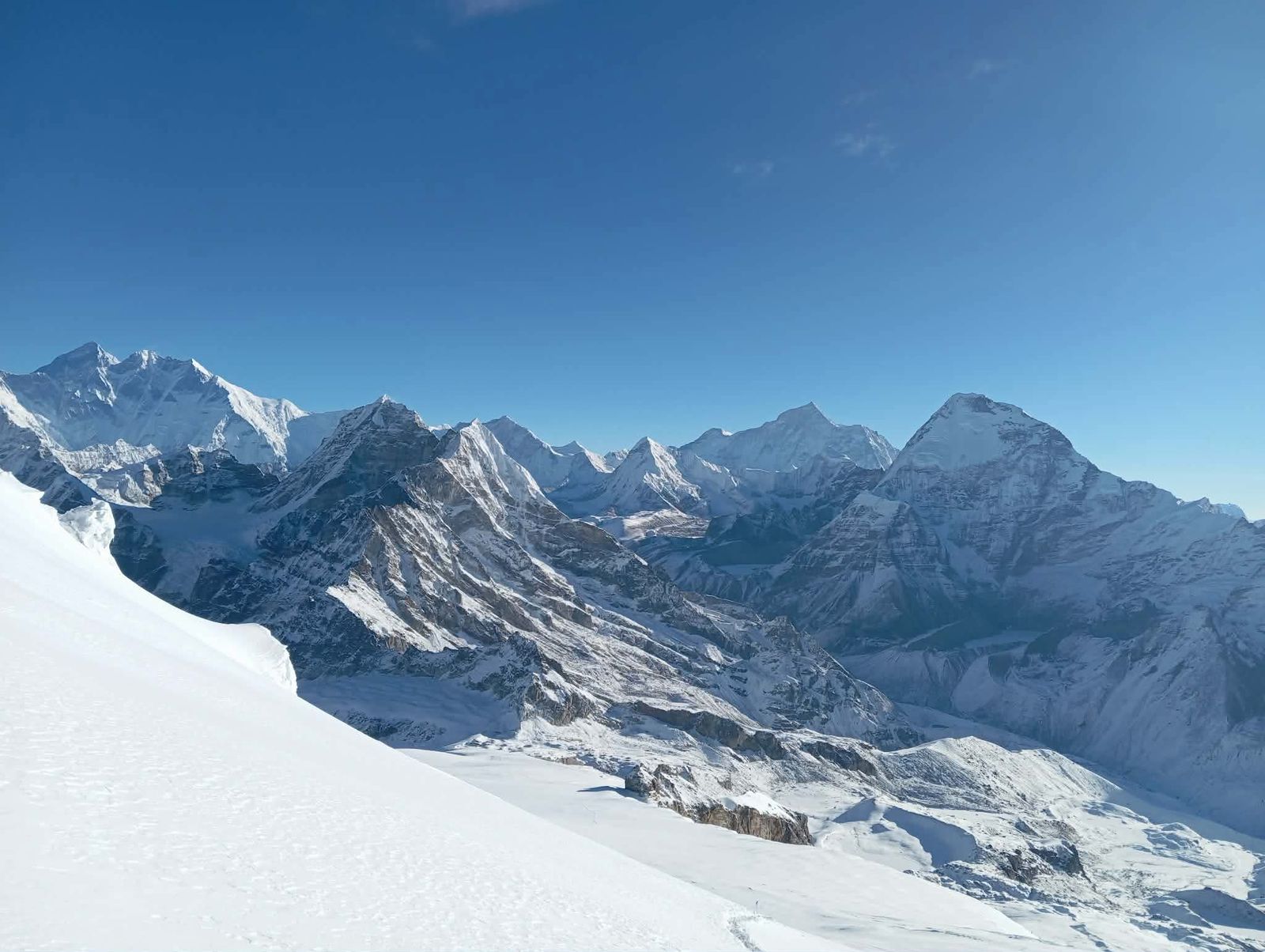
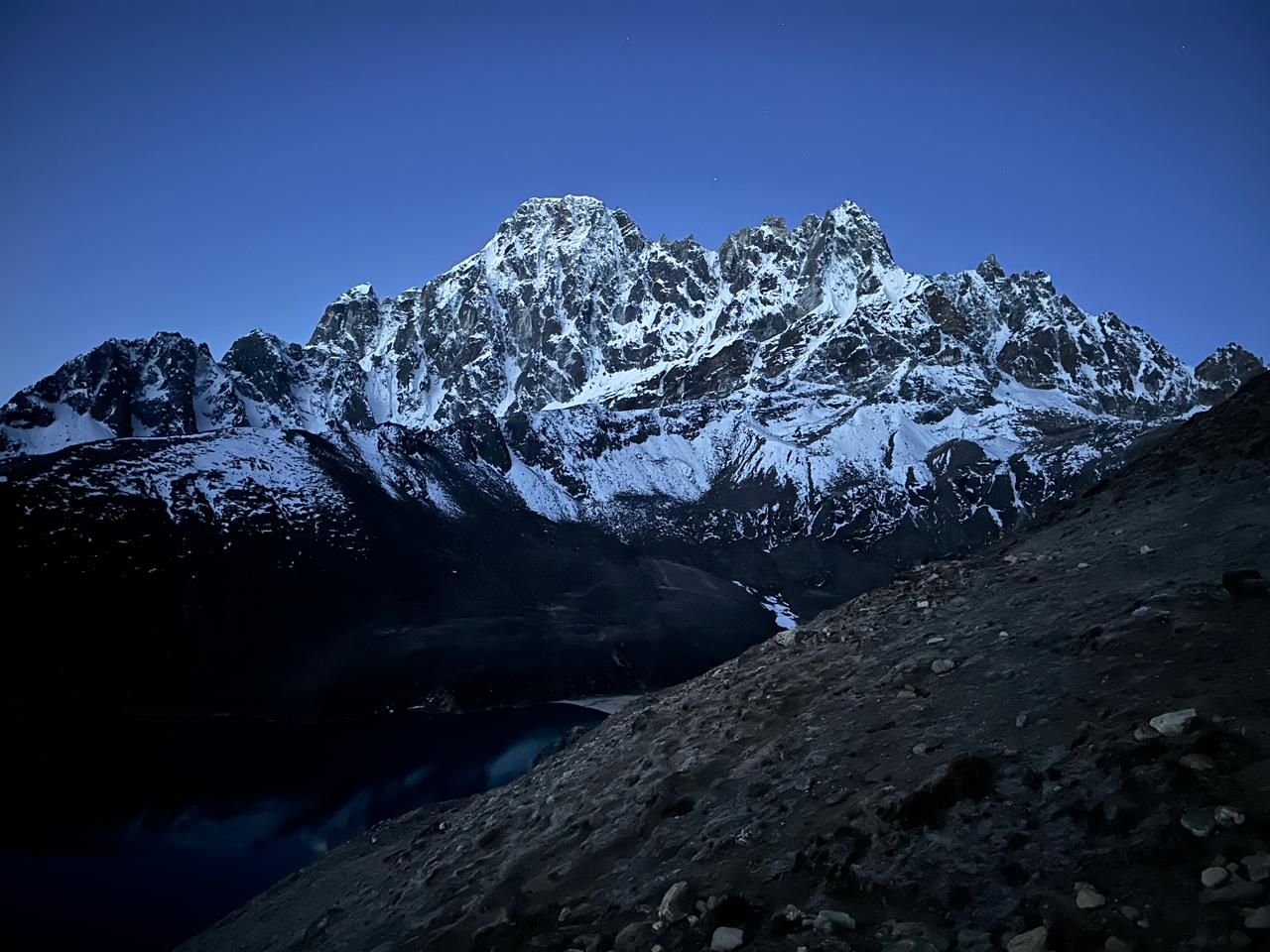
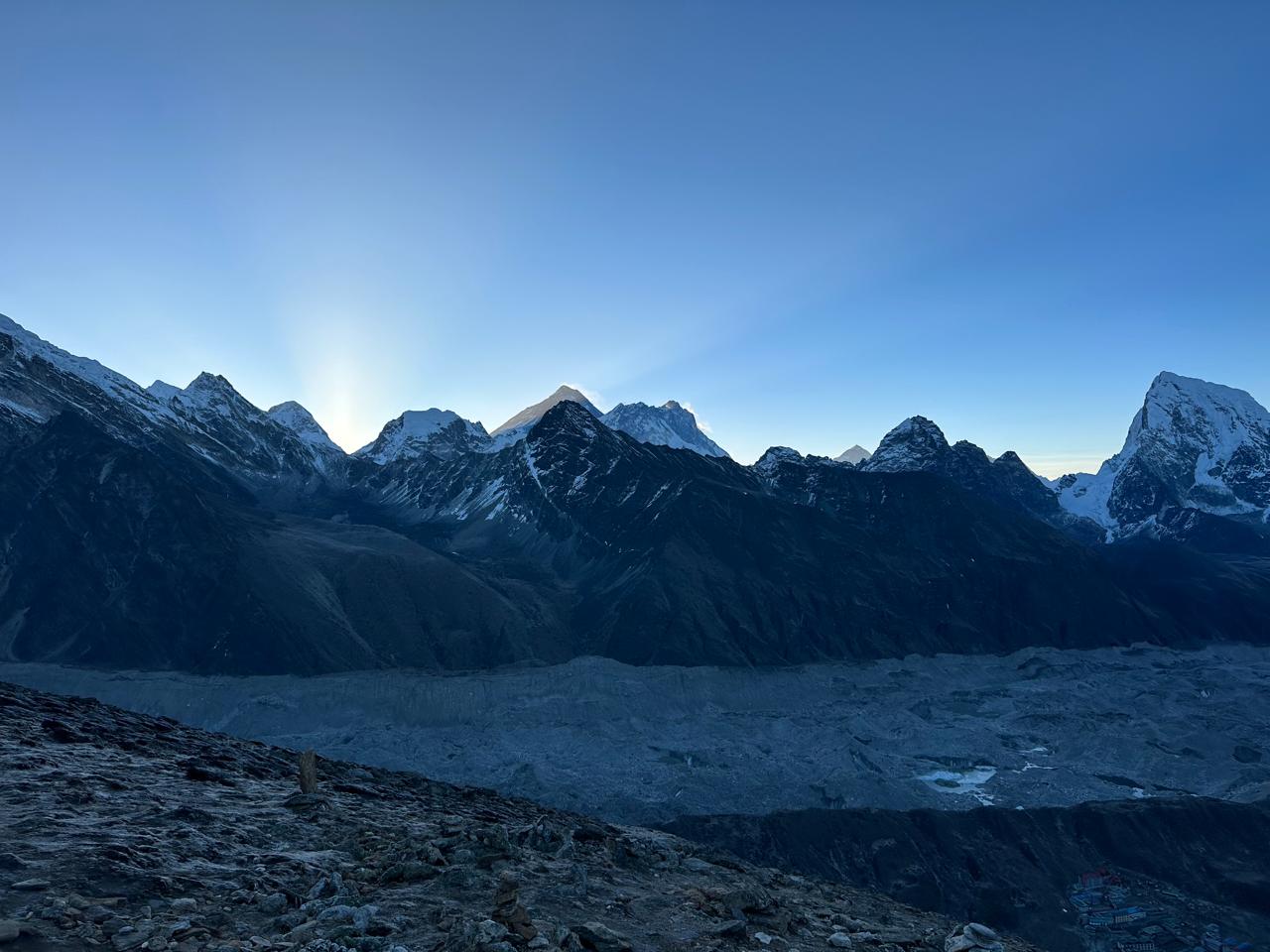
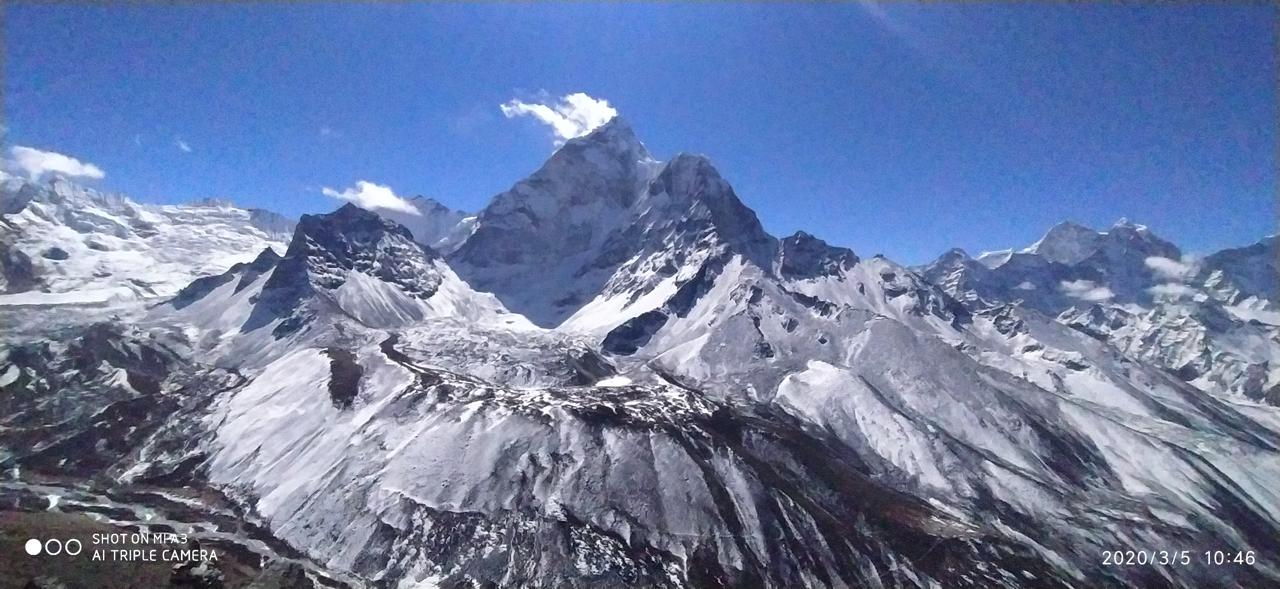
The Everest Three High Passes Trek offers an unmatched combination of adventure, natural beauty, and cultural immersion that few other treks in the world can match. Trekkers can expect to navigate a variety of terrains, from the lush, forested lower valleys near Lukla and Phakding to the rugged, glacial landscapes of the high passes. The journey is physically demanding, requiring stamina and endurance, but it is equally rewarding with breathtaking panoramic views of iconic peaks such as Everest, Lhotse, Ama Dablam, Nuptse, and Makalu. Along the way, trekkers will traverse dramatic glaciers, moraine ridges, and alpine valleys, witnessing first-hand the ever-changing beauty of the Himalayan landscape. Every day brings a new perspective: the warm sunlight glinting off snow-capped peaks, the soft whispers of glacial streams, and the tranquil reflection of towering mountains in serene alpine lakes. This trek is not only a physical challenge but also a chance to connect deeply with the Himalayas in all their raw majesty.
In addition to the natural wonders, trekkers can expect rich cultural experiences that provide a window into Sherpa life and Himalayan traditions. Villages like Namche Bazaar, Tengboche, Pangboche, and Dingboche showcase the unique architecture, religious practices, and daily routines of the local people. Trekkers can visit centuries-old monasteries, watch local prayer rituals, and interact with villagers who have lived for generations in the high Himalayas. This cultural immersion is complemented by side hikes to viewpoints like Chhukung Ri and Kala Patthar, where the breathtaking vistas of Everest and surrounding peaks offer moments of both awe and introspection. The combination of high-altitude trekking and cultural exploration allows for a journey that is mentally enriching as well as physically rewarding, giving trekkers the chance to appreciate both the natural and human aspects of the region.
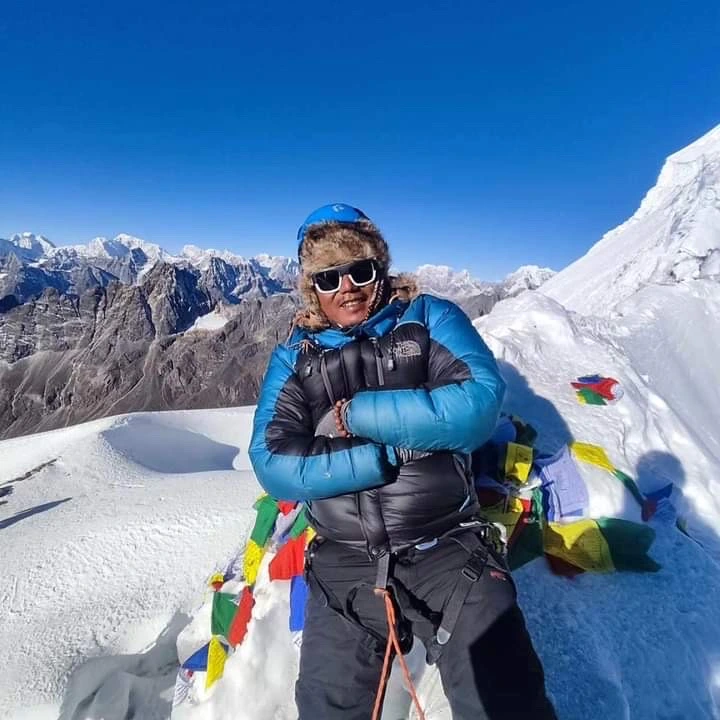
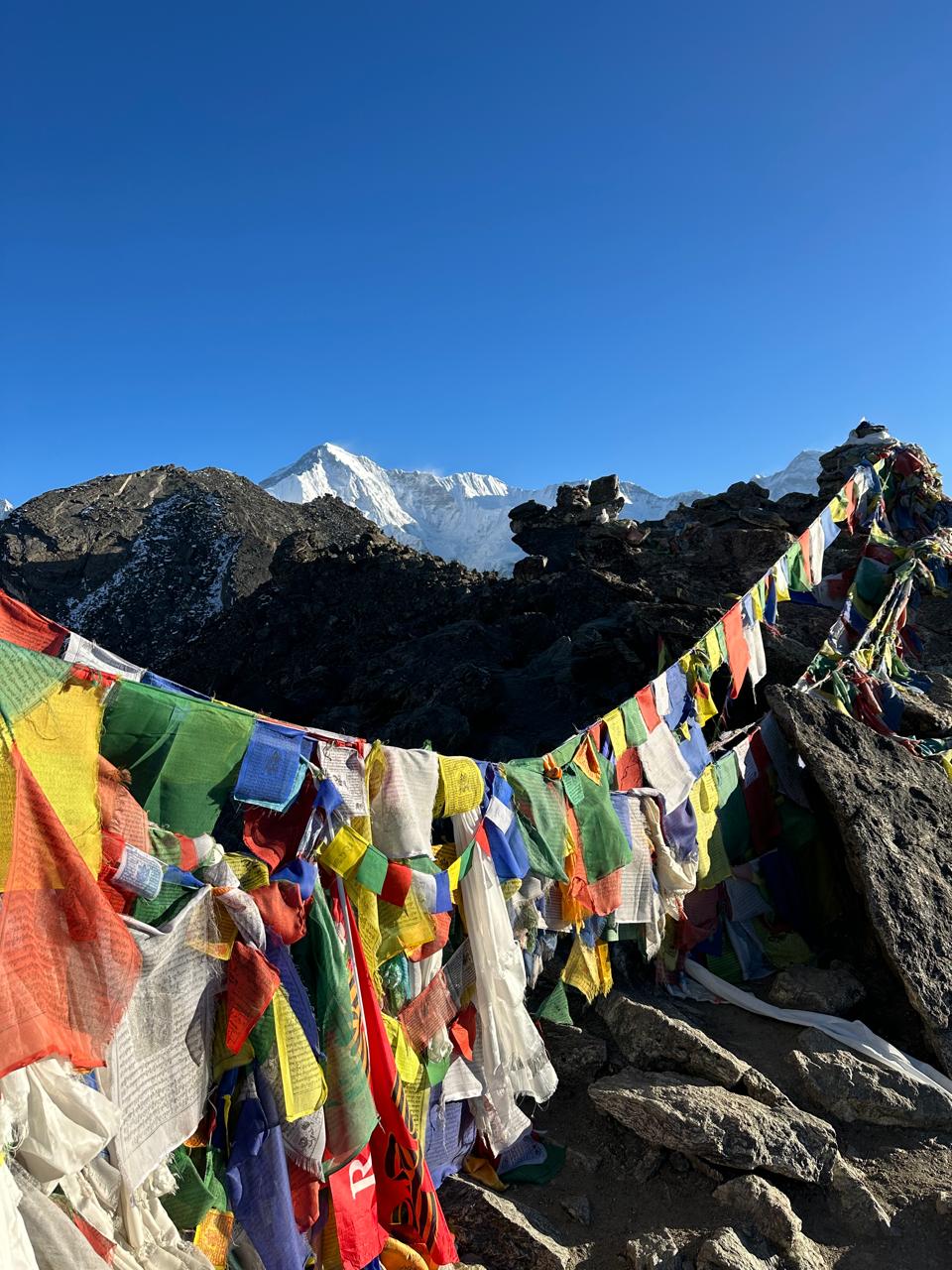
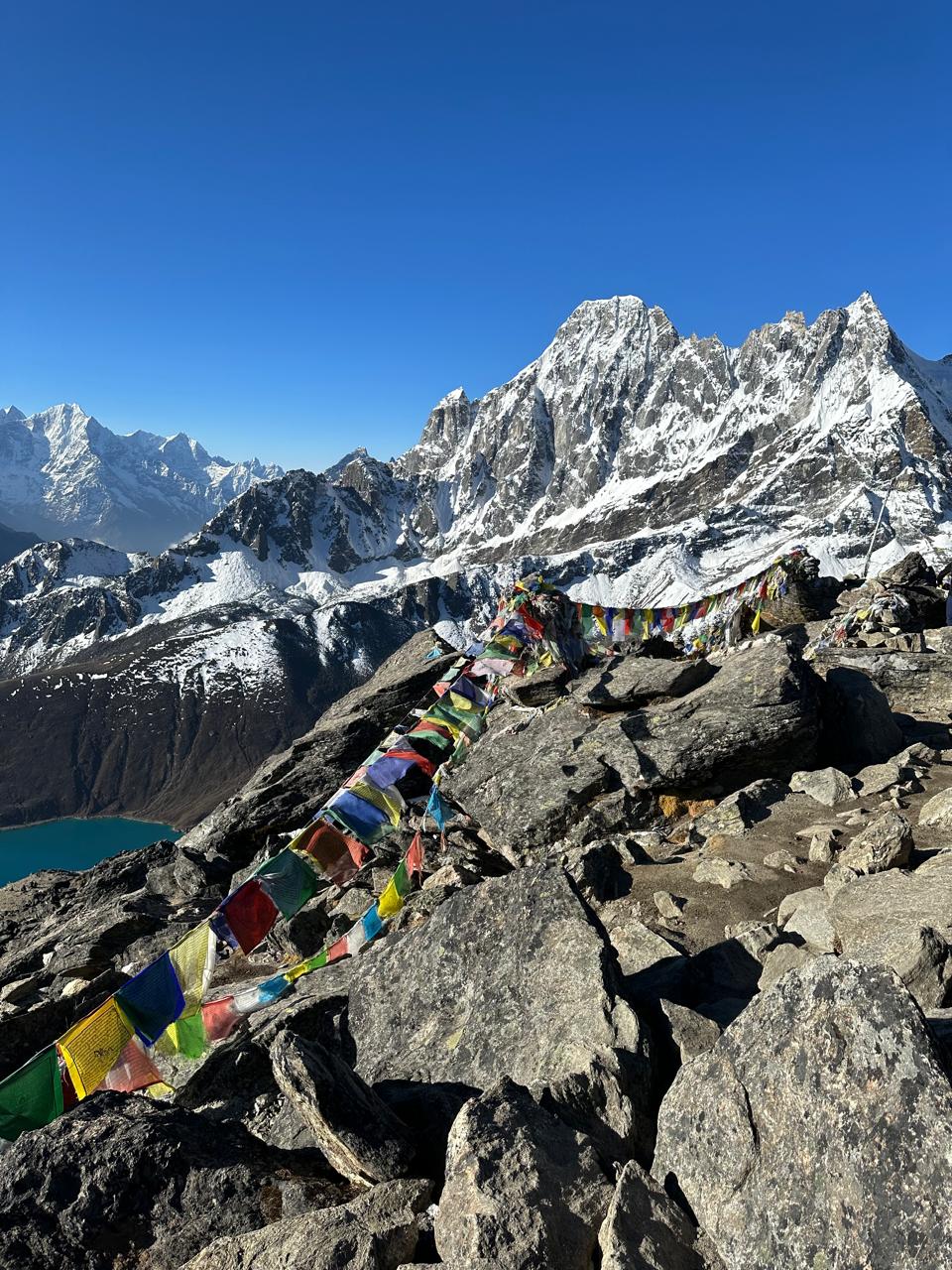
Finally, trekkers can expect personal growth, adventure, and a sense of accomplishment. Crossing the three high passes—Kongma La, Cho La, and Renjo La—demands focus, perseverance, and courage, particularly when navigating snowfields, icy patches, and steep ascents. The trek also emphasizes proper acclimatization, allowing participants to safely enjoy high-altitude trekking without compromising their health. With each day, trekkers gain confidence in their abilities, develop resilience, and create memories that last a lifetime. Beyond the physical achievements, the trek provides moments of serenity and connection, whether standing quietly at sunrise on Kala Patthar, observing prayer flags flutter against a snowy backdrop, or pausing beside a glacial lake as reflections of towering peaks shimmer in the water. The Everest Three High Passes Trek is therefore not only a journey through the Himalayas but also a journey of self-discovery, courage, and inspiration.
Expectations
- Breathtaking Himalayan Views – Witness Everest, Lhotse, Makalu, Ama Dablam, Nuptse, and surrounding peaks from multiple angles, including high passes and viewpoint peaks.
- Challenging High Passes – Navigate Kongma La, Cho La, and Renjo La with snow, ice, and rocky terrain; suitable for trekkers with good fitness and prior experience.
- Cultural Immersion – Visit Sherpa villages, monasteries, and local markets; experience traditional festivals, architecture, and daily life.
- Glaciers and Alpine Lakes – Walk alongside and across glaciers, moraine ridges, and reflective alpine lakes such as Gokyo Lakes.
- Acclimatization and Safety – Structured rest days and side hikes prepare trekkers for high-altitude conditions while prioritizing health and safety.
- Personal Achievement – Complete one of the most challenging trekking circuits in the world, gaining resilience, confidence, and a profound sense of accomplishment.
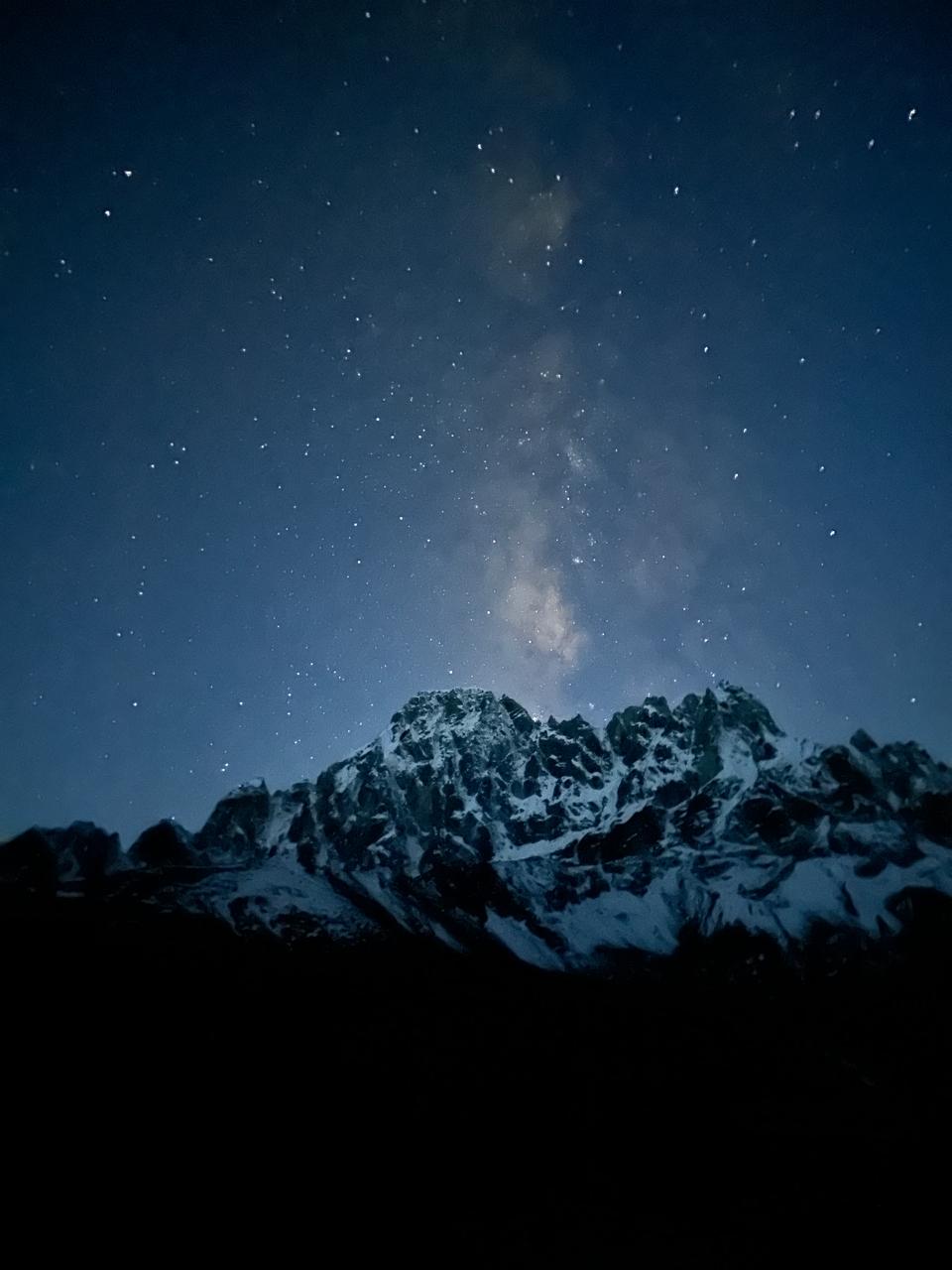
- Photography and Scenic Opportunities – Capture stunning sunrises, dramatic landscapes, and moments of reflection at the region’s most iconic locations.
- Serene Moments of Reflection – Enjoy tranquil moments beside alpine lakes, prayer flags, and mountain ridges, offering opportunities for mindfulness and personal growth.
Is Trek Suitable for You?
The Everest Three High Passes Trek is designed for trekkers who are physically fit, adventurous, and mentally prepared for high-altitude challenges. While the trek does not require technical climbing skills, it involves long walking days, steep ascents, and high-altitude conditions that can be demanding on the body. Trekkers should have a good level of cardiovascular fitness, leg strength, and stamina to manage the daily distances, often ranging from 4 to 9 hours of trekking per day. Those who enjoy outdoor challenges, remote landscapes, and mountainous terrain will find this trek highly rewarding. A spirit of resilience, patience, and flexibility is essential because weather conditions can change rapidly, and altitude-related fatigue may slow your pace at times.
In addition to physical preparedness, the trek is suitable for those who have a genuine interest in culture and nature. Trekkers will pass through Sherpa villages, visit centuries-old monasteries, and witness traditional festivals and rituals. The journey provides a chance to engage with the local community, taste regional cuisine, and gain insight into the Himalayan way of life. If you enjoy learning from your surroundings and connecting with people from different cultures, this trek offers multiple opportunities for meaningful experiences. It’s ideal for trekkers who are comfortable with basic trekking infrastructure, such as teahouses, communal dining, and shared accommodation, as well as walking on rocky trails, snowfields, and occasional glacier patches.
Finally, the trek is particularly suitable for adventure seekers looking to combine high-altitude trekking with personal growth. Crossing the three high passes—Kongma La, Cho La, and Renjo La—requires focus, perseverance, and careful pacing. It is perfect for travelers seeking a transformative journey where physical exertion meets breathtaking landscapes and moments of reflection. While prior high-altitude trekking experience, such as treks to Everest Base Camp or Gokyo Lakes, is highly recommended, determined beginners with proper guidance, acclimatization, and fitness training can also enjoy the trek. Overall, this trek suits those who are ready to challenge themselves, explore remote Himalayan landscapes, and experience a sense of achievement that few other treks can provide.
Who Should Trek?
- Physically Fit Trekkers – Comfortable with daily 4–9 hour treks, steep ascents, and variable terrain.
- High-Altitude Adventurers – Ready to handle altitudes above 5,000 meters with proper acclimatization.
- Culturally Curious – Interested in interacting with Sherpa villages, monasteries, and local traditions.
- Nature Lovers – Enjoy glaciers, alpine lakes, high passes, and panoramic Himalayan views.
- Resilient and Patient – Able to adapt to changing weather, slow pace due to altitude, and basic teahouse conditions.
- Adventure Seekers – Motivated by personal challenge, self-discovery, and the accomplishment of crossing three high passes.
- Prepared Beginners – Determined trekkers with good fitness and willingness to follow guides’ instructions can attempt this trek.
- Photographers and Explorers – Ideal for capturing dramatic landscapes, high passes, and unique cultural encounters.
How to Get Prepared for the Trek
Proper preparation is key to fully enjoying the Everest Three High Passes Trek and ensuring your safety in the high-altitude environment. First and foremost, physical training should begin at least 2–3 months before departure. Focus on cardiovascular exercises such as running, cycling, or swimming to improve stamina and lung capacity. Incorporate strength training for legs, core, and back, as trekking with a backpack over uneven terrain demands strong muscles. Stair climbing, hiking with a weighted backpack, and step-ups are particularly effective for simulating the uphill trekking conditions. Equally important is flexibility and balance training, which helps prevent injuries while walking on rocky trails, icy patches, or uneven surfaces. Remember, your body needs to adapt gradually to extended hours of walking at altitude.
In addition to physical fitness, mental preparation and acclimatization play a vital role in a successful trek. Familiarize yourself with the symptoms of altitude sickness, such as headaches, nausea, and fatigue, and understand when to rest or descend if needed. Building mental resilience is just as critical—long days of trekking in cold, windy conditions, or navigating slippery paths can test your patience and determination. Planning for a gradual acclimatization schedule by including rest days, short hikes, and a slow ascent is essential. This preparation reduces the risk of altitude-related complications and helps your body adjust naturally, allowing you to enjoy panoramic Himalayan views and the thrill of crossing high passes safely.
Finally, logistical preparation ensures a smooth trekking experience. Research and organize trekking permits, TIMS, travel insurance, and emergency contacts well before the trip. Prepare a detailed gear checklist, including layered clothing, waterproof jackets, trekking boots, sleeping bags, trekking poles, and personal items. Ensure you have adequate nutrition and hydration strategies, including snacks, water bottles, and electrolyte supplements. Learning basic first aid and understanding how to use crampons, gaiters, and other trekking gear is helpful. Pre-trek orientation sessions, guidance from experienced trekking agencies, and connecting with fellow trekkers can make the preparation process easier and more effective. By addressing physical, mental, and logistical readiness, you increase your chances of a safe, comfortable, and unforgettable Himalayan adventure.
Preparation Tips
- Physical Fitness – Cardiovascular training, leg/back strengthening, stair climbing, and weighted hiking.
- Flexibility & Balance – Yoga, stretching, and exercises for stability on uneven terrain.
- Acclimatization – Include rest days, short hikes, and gradual ascent plans to prevent altitude sickness.
- Mental Resilience – Prepare for long trekking hours, cold conditions, and potential delays.
- Gear Preparation – Layered clothing, trekking boots, sleeping bag, trekking poles, crampons, gaiters, waterproofs.
- Nutrition & Hydration – High-energy snacks, water, and electrolyte supplements.
- Medical Preparedness – Basic first aid kit, knowledge of altitude sickness, and emergency contacts.
- Permits & Insurance – TIMS card, national park permits, travel insurance, and personal ID documentation.
- Trekking Orientation – Learn trekking techniques, proper walking pace, and gear usage.
- Team Coordination – Communicate with guides and fellow trekkers for group safety and support.
-
Trip Duration
17 Days/16 Nights
-
Group Size
1–20 people
-
Maximum Altitude
5,545 m (Kala Patthar)
-
Trip Difficulty
Challenging
-
Activities
Trekking
-
Best Season
March–May, September–November
-
Trip Start & End
Kathmandu-Kathmandu
-
Meals
Breakfast, Lunch, Dinner
-
Accomodation
Teahouses / Lodges
Highlights
The Everest Three High Passes Trek offers a combination of adventure, natural beauty, and Sherpa culture. Highlights include:
- Cross Three High Passes: Experience the Kongma La, Cho La, and Renjo La Passes, some of the most challenging and scenic passes in the Everest region.
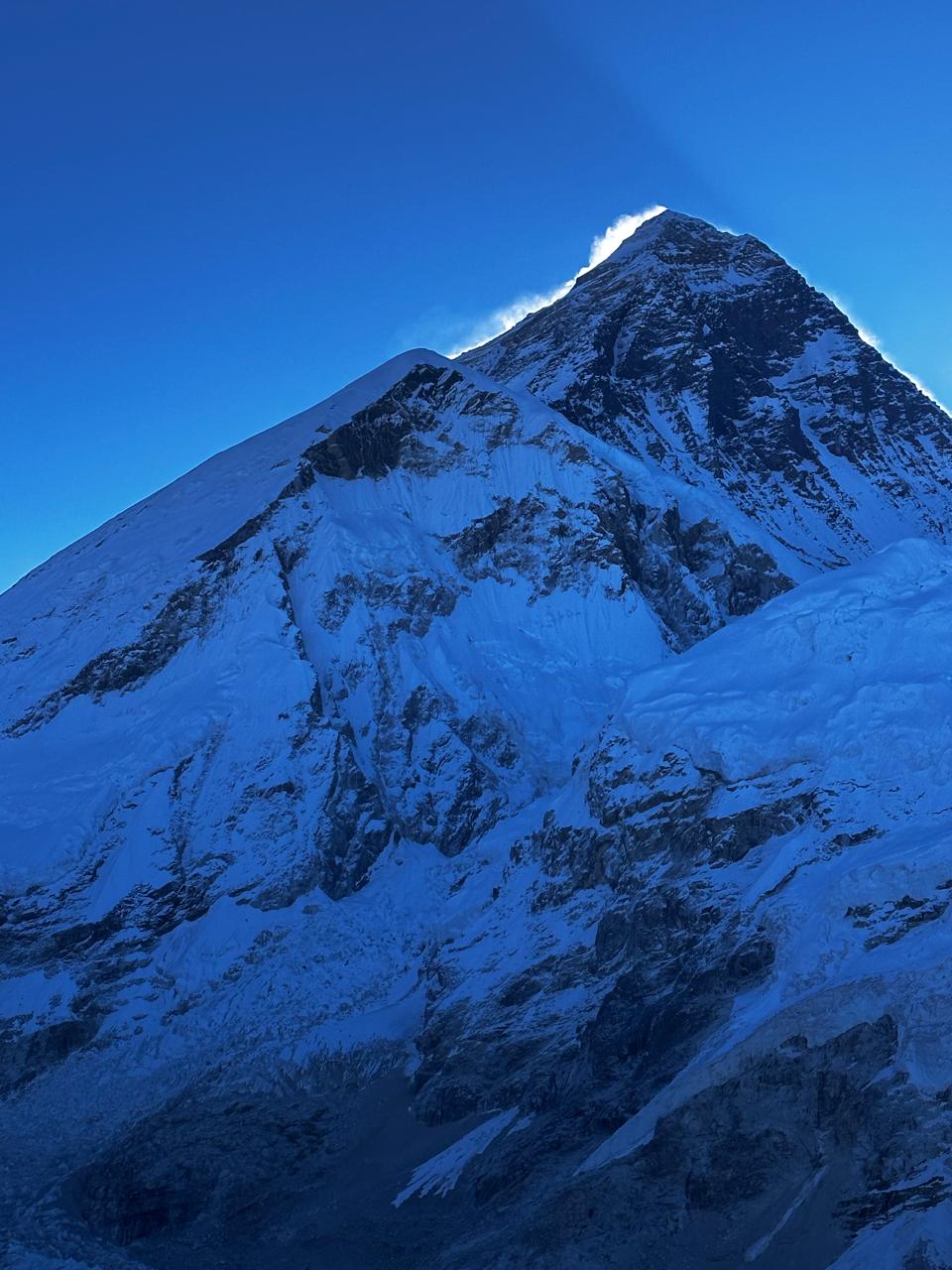
- Everest Base Camp & Kala Patthar: Witness the famous Everest Base Camp and enjoy the sunrise from Kala Patthar, one of the best viewpoints of Mount Everest.
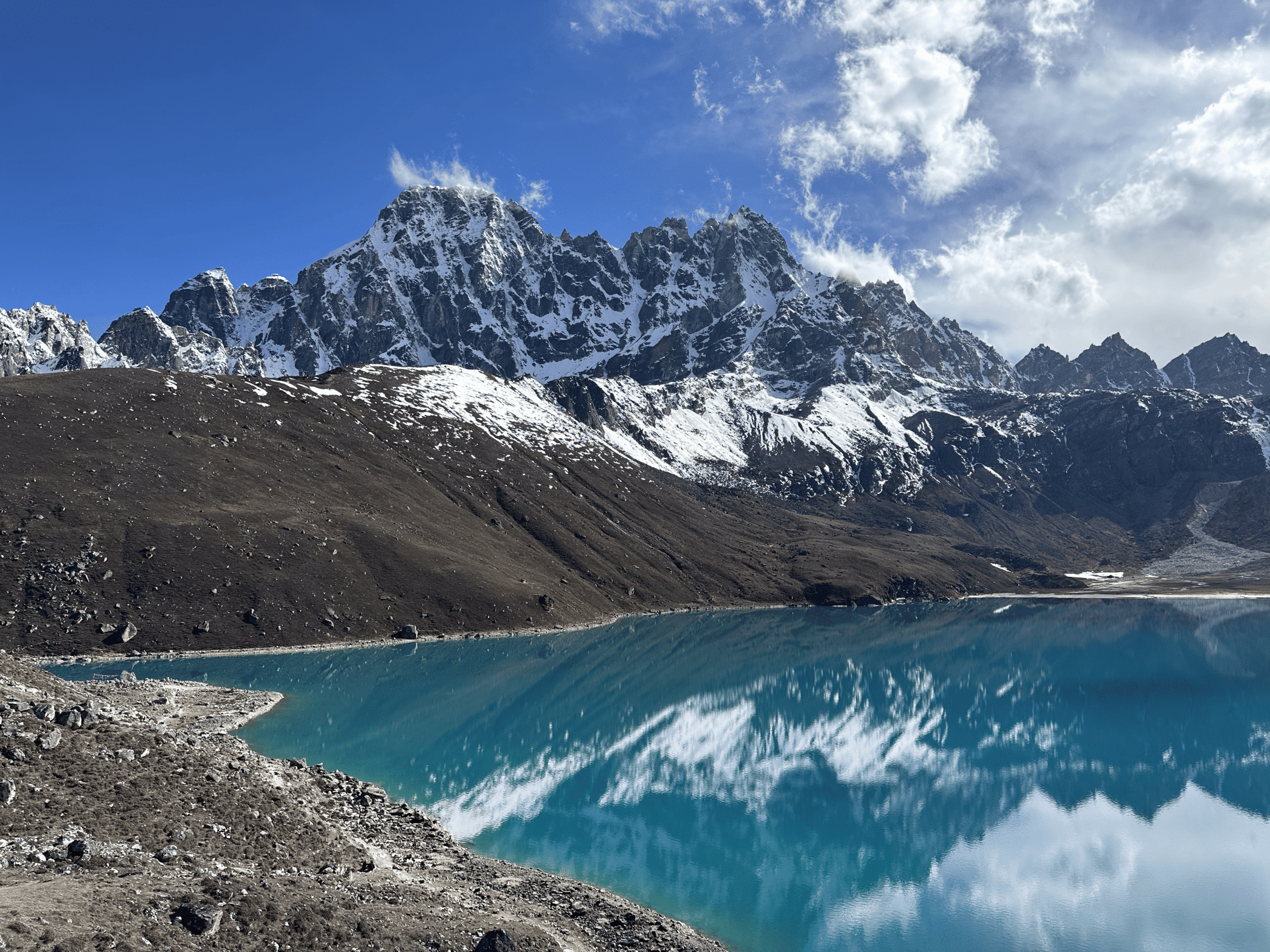
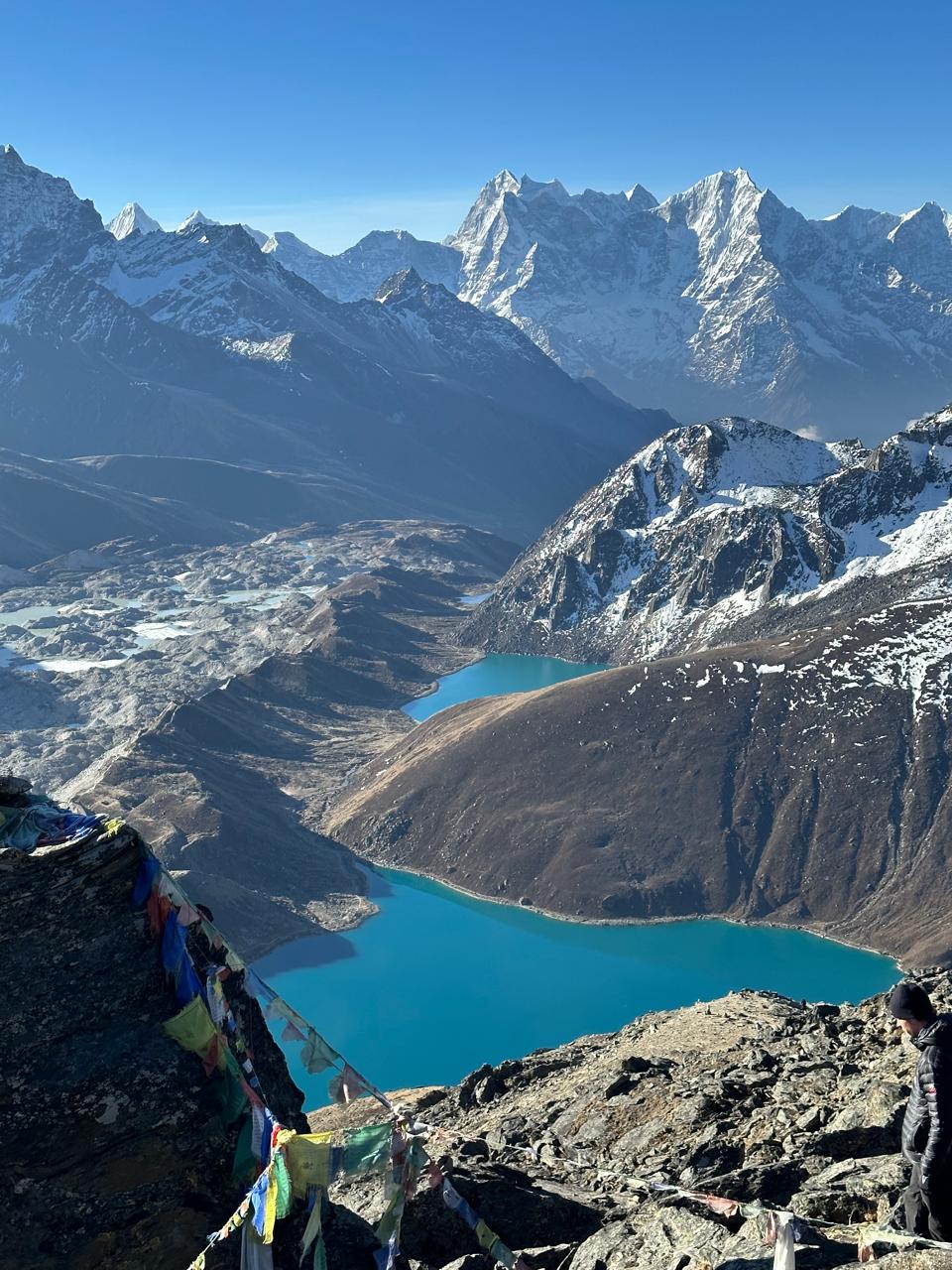
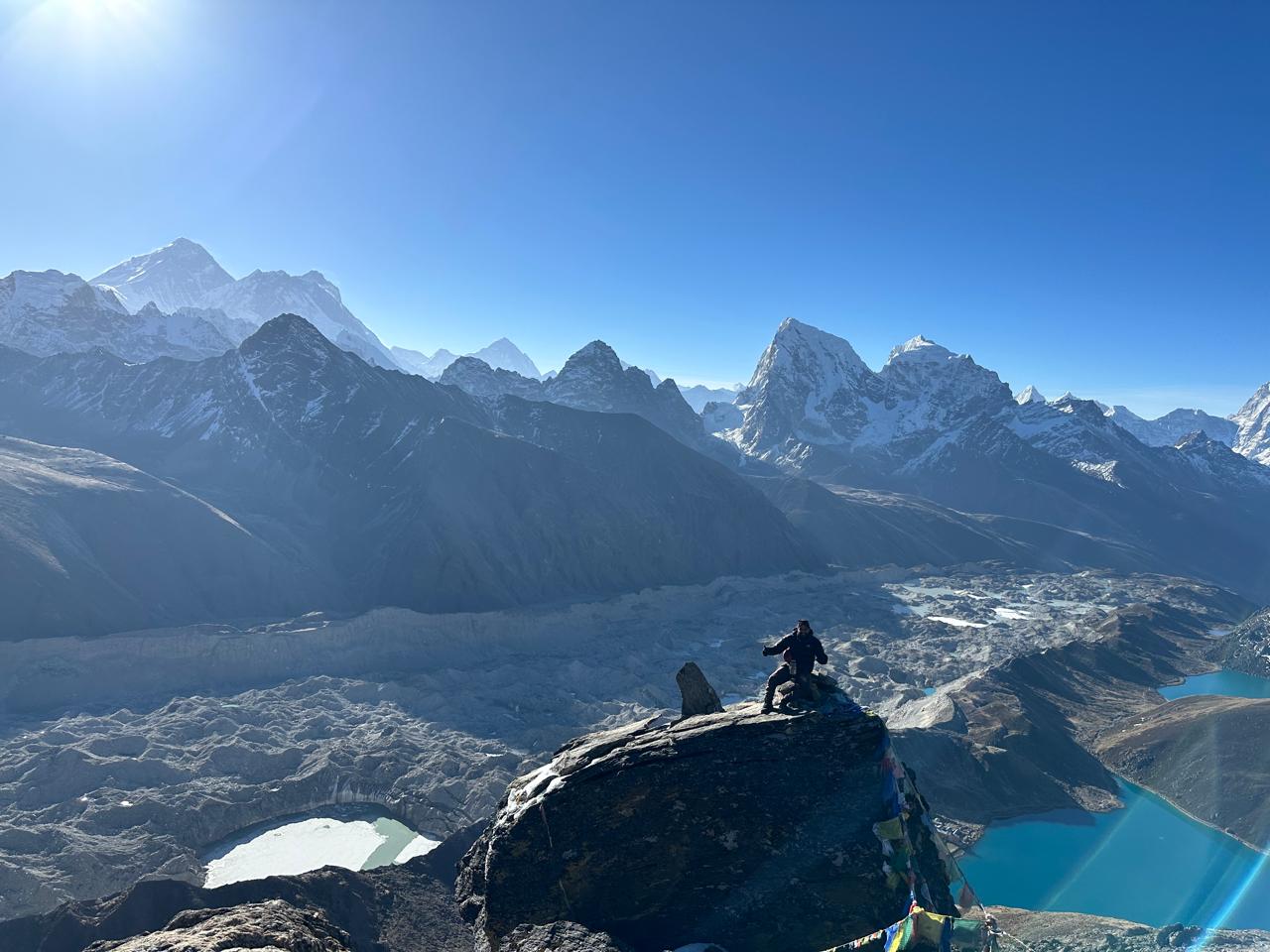
- Gokyo Lakes & Gokyo Ri: Explore the stunning turquoise Gokyo Lakes, and climb Gokyo Ri for panoramic views of the Everest and surrounding peaks.
- Sherpa Villages & Culture: Pass through Namche Bazaar, Thame, Tengboche, and experience Sherpa traditions, monasteries, and daily mountain life.
- Panoramic Himalayan Views: Be surrounded by Everest, Lhotse, Makalu, Nuptse, Ama Dablam, and other iconic Himalayan peaks throughout the trek.
- Glaciers & Moraine Trails: Walk along the Khumbu Glacier, Ngozumpa Glacier, and rocky moraine trails, feeling close to the high Himalayas.
- Challenging Yet Rewarding Adventure: Combining physical challenge, mental endurance, and scenic splendor, this trek is ideal for adventure seekers seeking the ultimate Everest experience.
Itinerary
Day 01
Upon arrival at Tribhuvan International Airport in Kathmandu, you will be warmly welcomed by your trekking team from ART Nepal Treks & Expedition. After completing airport formalities, you will be transferred to your hotel in the heart of Kathmandu. This first day is mostly for settling in and preparing for the trek. During your hotel briefing, the guide will provide essential information about the trek, safety measures, and the equipment needed. You will also check all trekking permits, TIMS cards, and ensure that your gear is complete and ready for the journey ahead.
Kathmandu is a vibrant city filled with culture, bustling markets, and ancient temples. Although you won’t trek today, it is the perfect opportunity to stroll around Thamel, the main tourist hub, and get a glimpse of Nepalese culture. Your trekking guide may offer suggestions for last-minute purchases, such as trekking poles, walking boots, or snacks for the trek. A proper rest tonight is essential as the next day begins with an early morning flight to Lukla.
Trip Duration:
FlexibleAltitude:
1400 mMeal:
Breakfast on your own, Lunch optional, Dinner optionalAccomodation :
Hotel in KathmanduDay 02
The day begins early with a scenic mountain flight from Kathmandu to Lukla, the gateway to the Everest region. The flight, approximately 35 minutes, offers spectacular views of the Himalayas, including peaks like Thamserku and Kusum Kanguru. Upon arrival in Lukla, you will meet your trekking team, porters, and guide. After a short briefing, you begin your trek towards Phakding, a charming village nestled along the Dudh Koshi River.
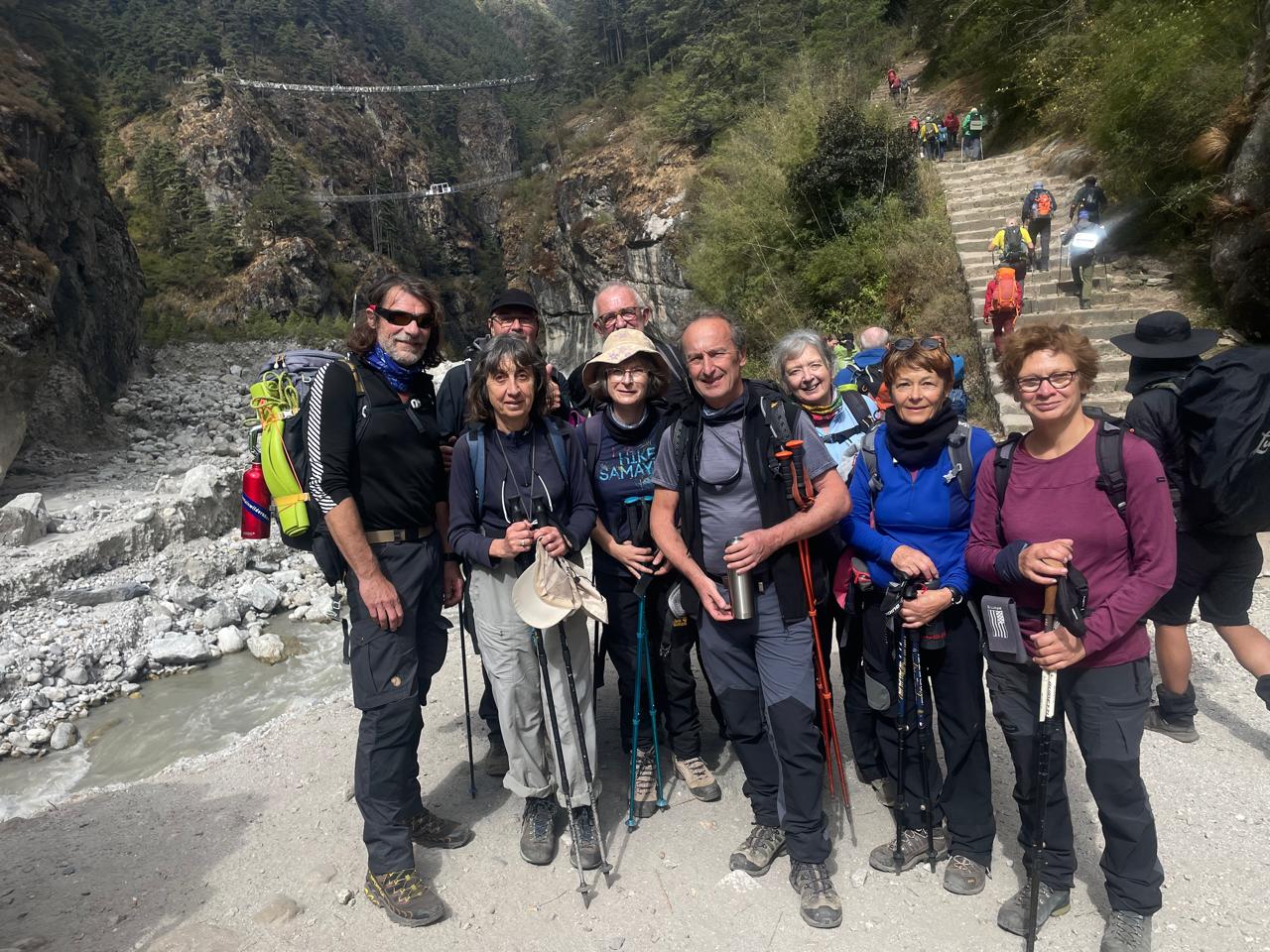
The trek is relatively gentle today, allowing your body to gradually adjust to higher altitudes. The trail passes through lush forests, suspension bridges, and local villages. Along the way, you will see prayer flags fluttering in the wind and catch your first glimpses of snow-capped peaks in the distance. Phakding, your overnight stop, is a small settlement with basic teahouses offering meals and warm accommodation.
Trip Duration:
3–4 hoursTrip Distance:
8 kmAltitude:
2610 mMeal:
Breakfast, Lunch, DinnerAccomodation :
Teahouse in PhakdingDay 03
Today’s trek takes you deeper into the Sagarmatha National Park, a UNESCO World Heritage site known for its stunning landscapes and rich biodiversity. The trail follows the Dudh Koshi River and passes several suspension bridges, giving you thrilling views of the rushing river below. You will trek through small Sherpa villages where children wave at trekkers, and monasteries dot the hillside.
As you ascend towards Namche Bazaar, the main trading hub of the Khumbu region, the altitude gain becomes more noticeable. Namche Bazaar sits at 3,440 meters and is bustling with shops, lodges, and cafes. This village is the perfect place to rest, shop for trekking supplies, and enjoy your first real taste of the Sherpa culture. Your first night in Namche allows your body to start acclimatizing to the higher elevation.
Trip Duration:
5–6 hoursTrip Distance:
10 kmAltitude:
3440 mMeal:
Breakfast, Lunch, DinnerAccomodation :
Teahouse in Namche BazaarDay 04
Namche Bazaar is the ideal place to spend a full day acclimatizing. Today, you will take a short hike to the Everest View Hotel, which offers panoramic views of Mount Everest, Lhotse, and Ama Dablam. The gentle hike helps your body adjust to higher altitudes while rewarding you with unforgettable views.
During this acclimatization day, you can explore the village markets, visit the Sherpa Culture Museum, or interact with local residents to learn about their lifestyle. Staying hydrated, eating well, and walking slowly are key to preventing altitude sickness. This day prepares you physically and mentally for the higher sections of the trek ahead.
Trip Duration:
3–4 hoursTrip Distance:
5 kmAltitude:
3440 mMeal:
Breakfast, Lunch, DinnerAccomodation :
Teahouse in Namche BazaarDay 05
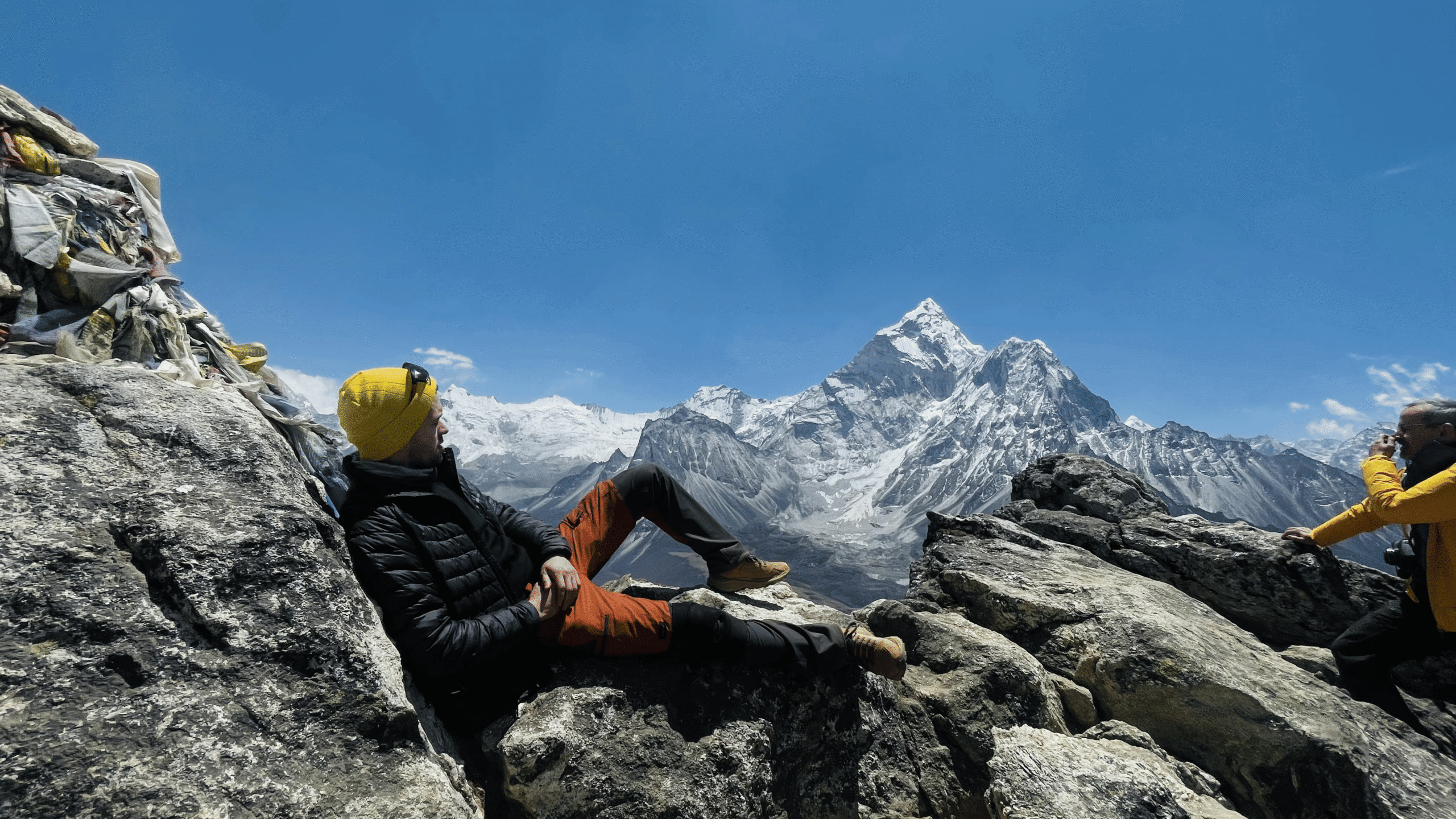
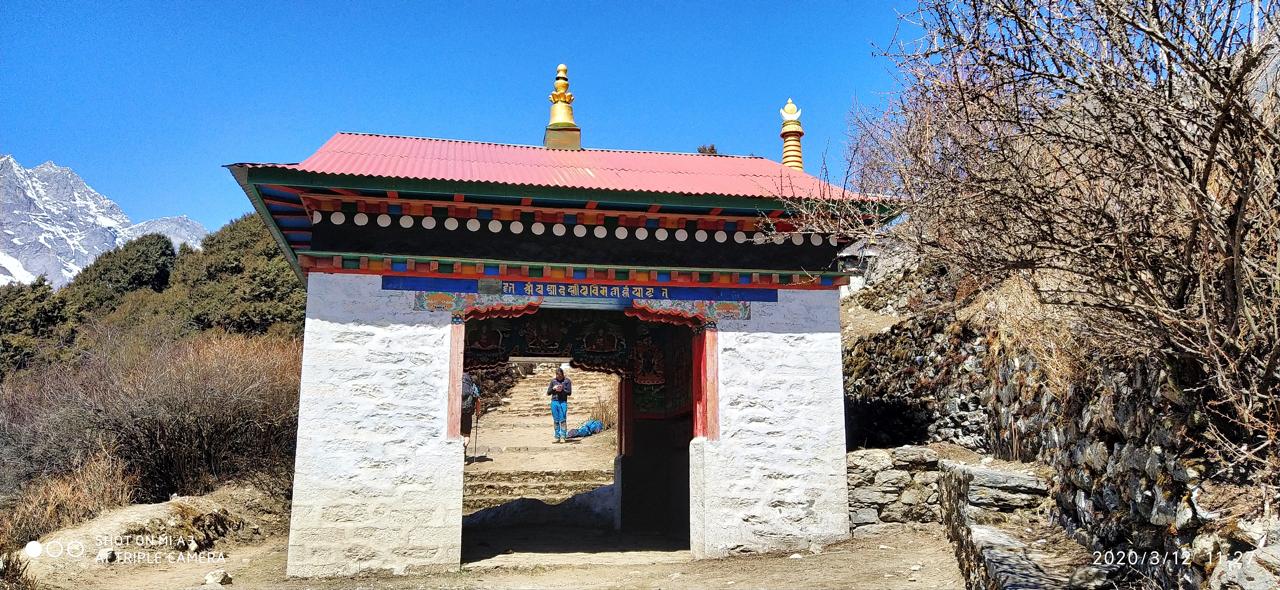
Leaving Namche Bazaar, the trail gradually ascends through pine forests and past small villages. Today, you will have your first close-up views of Ama Dablam, one of the most iconic peaks in the region. Tengboche, your destination, is home to the famous Tengboche Monastery, a spiritual center for Sherpas and trekkers alike.
The monastery, perched above the valley, provides breathtaking views of the surrounding mountains and Dudh Koshi River below. A visit here allows you to witness traditional Buddhist rituals and meet the resident monks. The trail is moderate, and the overnight stay in Tengboche gives you a chance to rest before the trek gains further altitude.
Trip Duration:
5–6 hoursTrip Distance:
9 kmAltitude:
3860 mMeal:
Breakfast, Lunch, DinnerAccomodation :
Teahouse in TengbocheDay 06
Today’s trek takes you from Tengboche through Pangboche village, a picturesque Sherpa settlement with traditional stone houses and mani walls adorned with prayer stones. The trail gradually ascends, allowing your body to adapt to higher altitudes while offering panoramic views of Ama Dablam and Thamserku. Along the way, you will pass yak herders and grazing lands, giving a glimpse into the daily life of high-altitude communities.
The trek to Dingboche is moderately challenging, with sections that zigzag gently upwards. Dingboche is located in the Imja Valley and is surrounded by high mountains, including Island Peak and Lhotse. This village is an ideal place to acclimatize further before tackling the higher passes. The teahouses here are cozy, offering hot showers and warm meals, which are a welcome relief after a day of trekking. Spending the night in Dingboche allows your body to recover and prepare for the upcoming challenging days.
Trip Duration:
5–6 hoursTrip Distance:
10 kmAltitude:
4410 mMeal:
Breakfast, Lunch, DinnerAccomodation :
Teahouse in DingbocheDay 07
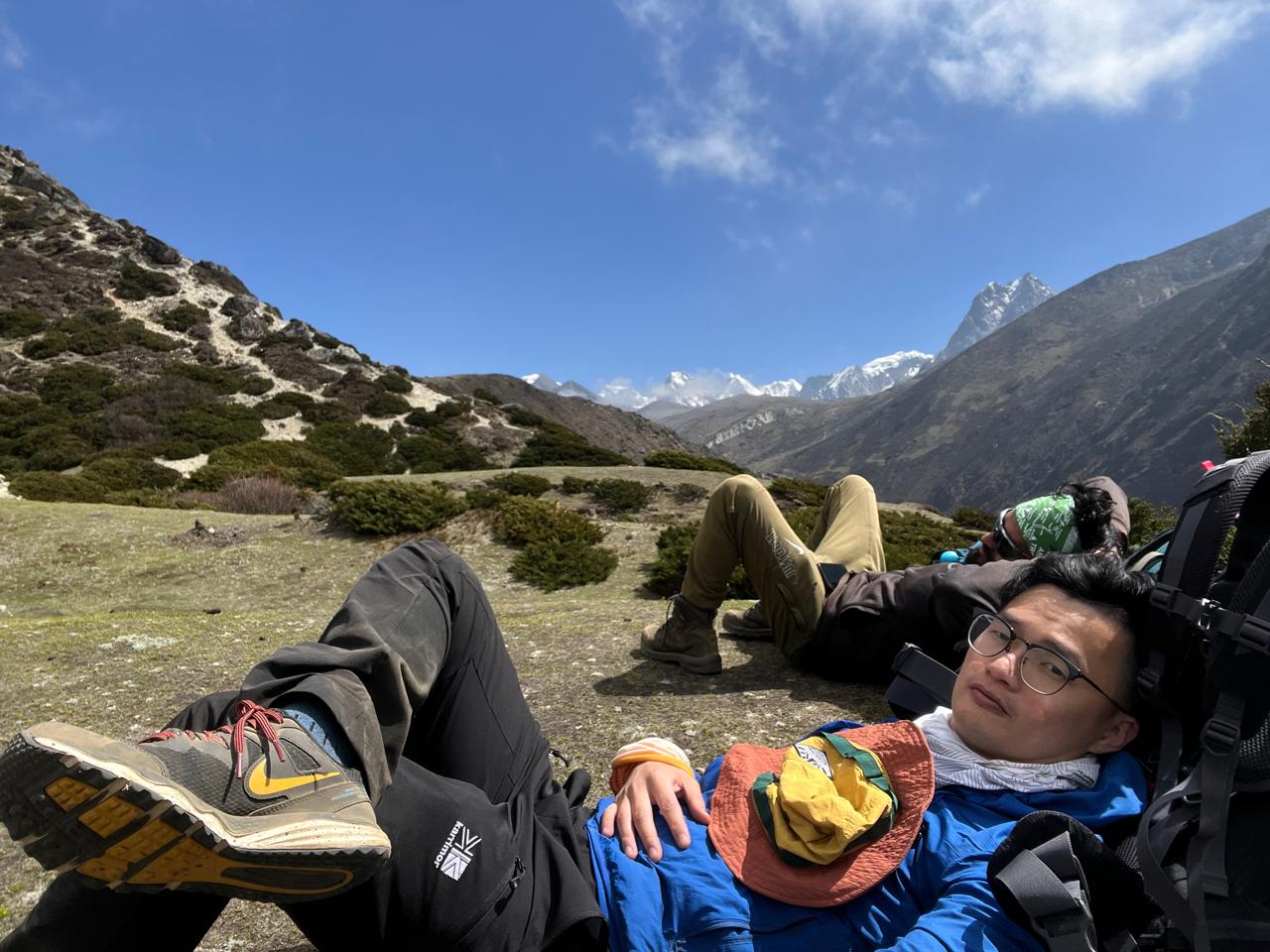
Acclimatization is key at higher elevations, and today is spent exploring the area around Dingboche to allow your body to adjust. You can hike to Nagarjun Hill, offering sweeping views of Makalu, Lhotse, and the surrounding peaks, or explore Chhukung Valley, a serene area dotted with glaciers and rugged mountains.
This day also provides time to rest, hydrate, and enjoy the peaceful Himalayan environment. Staying at this altitude helps reduce the risk of altitude sickness while giving you an opportunity to take stunning photographs and experience the quiet life of a remote Himalayan village. Trekking slowly and maintaining a light pace today is essential. Your guide will monitor your health and may suggest short hikes for gentle acclimatization.
Trip Duration:
3–5 hoursTrip Distance:
5 kmAltitude:
4410 mMeal:
Breakfast, Lunch, DinnerAccomodation :
Teahouse in DingbocheDay 08
Today is a relatively short trek as you move to Chhukung, a small settlement located at the base of some of the region’s highest peaks. The trail meanders through rocky paths and moraine fields, giving you glimpses of glaciers that will be part of the pass crossings ahead. This short distance allows your body to adapt gradually, which is crucial before attempting the Kongma La Pass.
Chhukung itself is a high-altitude village with basic teahouse accommodation. It is a perfect place to prepare for the first high pass of the trek. Trekking here provides opportunities to observe local Sherpa life, prayer flags marking sacred spots, and the constant view of towering mountains surrounding the valley. Today is also a good time to review your gear, organize supplies, and rest before the more strenuous days ahead.
Trip Duration:
3–4 hoursTrip Distance:
5 kmAltitude:
4730 mMeal:
Breakfast, Lunch, DinnerAccomodation :
Teahouse in ChhukungDay 09
This is one of the toughest and most rewarding days of the trek. The Kongma La Pass, towering at 5,535 meters, challenges trekkers with a steep climb over rocky and glacial terrain. The trek begins early in the morning to take advantage of firmer snow and better weather conditions. Crossing the pass offers breathtaking views of glaciers, snow-capped peaks, and dramatic ridges.
The descent into Lobuche requires careful footing, as the trail is rugged and glaciated in parts. Lobuche is a small village where trekkers rest before moving to Everest Base Camp. The village is simple, with teahouses providing meals, a warm bed, and often spectacular sunset views. Completing this pass is a major milestone, giving trekkers a sense of achievement and offering incredible photographic opportunities.
Trip Duration:
7–8 hoursTrip Distance:
12 kmAltitude:
5535 mMeal:
Breakfast, Lunch, DinnerAccomodation :
Teahouse in LobucheDay 10
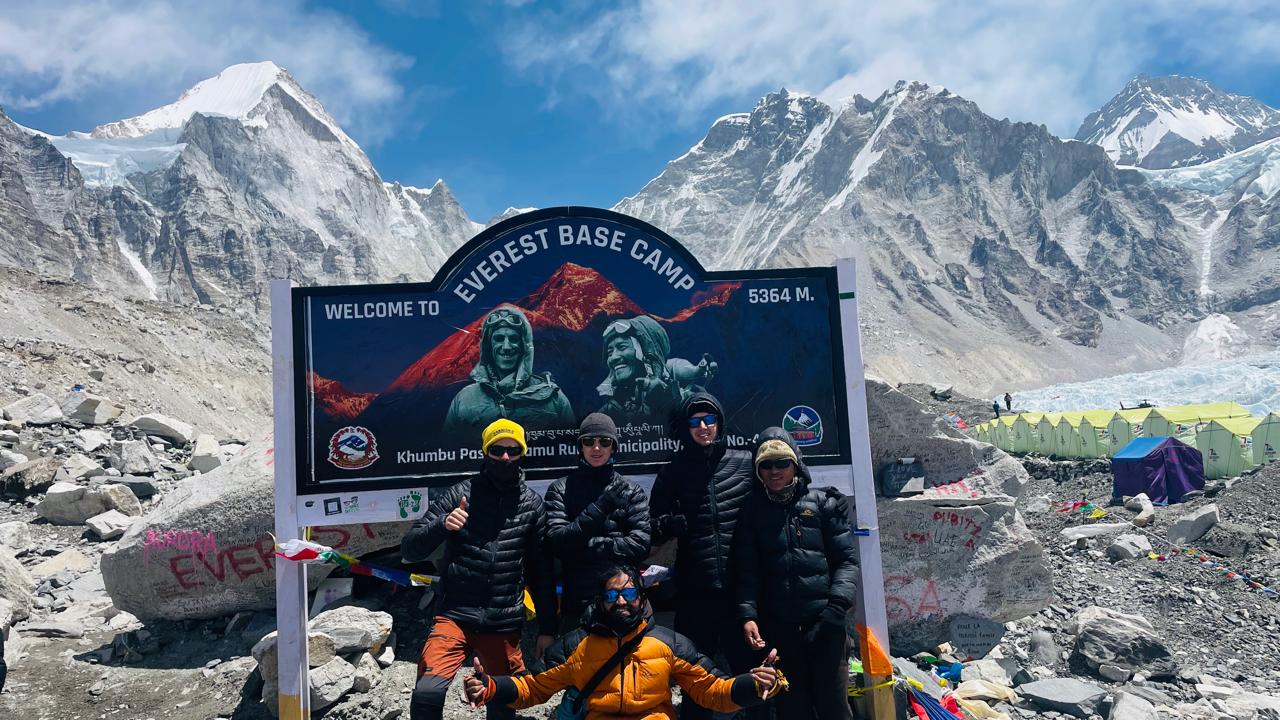
Today is a highly anticipated day as you trek to the legendary Everest Base Camp. The trail takes you across rugged terrain, glacial moraine, and rocky paths, offering close-up views of towering peaks such as Nuptse, Lhotse, and Pumori. Reaching Everest Base Camp is the pinnacle of your trek, a moment that every mountaineer and trekker dreams of. You can explore the camp, witness the climbers preparing for their ascent, and absorb the raw, majestic atmosphere of the Himalayas.
After spending time at the base camp, you will descend slightly to Gorak Shep for overnight accommodation. Gorak Shep is the last permanent settlement before Everest Base Camp and provides essential services for trekkers, including teahouses with meals and basic lodging. This day is physically demanding due to altitude and terrain, but the views and sense of accomplishment are unparalleled.
Trip Duration:
6–7 hoursTrip Distance:
10 kmAltitude:
5364 mMeal:
Breakfast, Lunch, DinnerAccomodation :
Teahouse in Gorak ShepDay 11
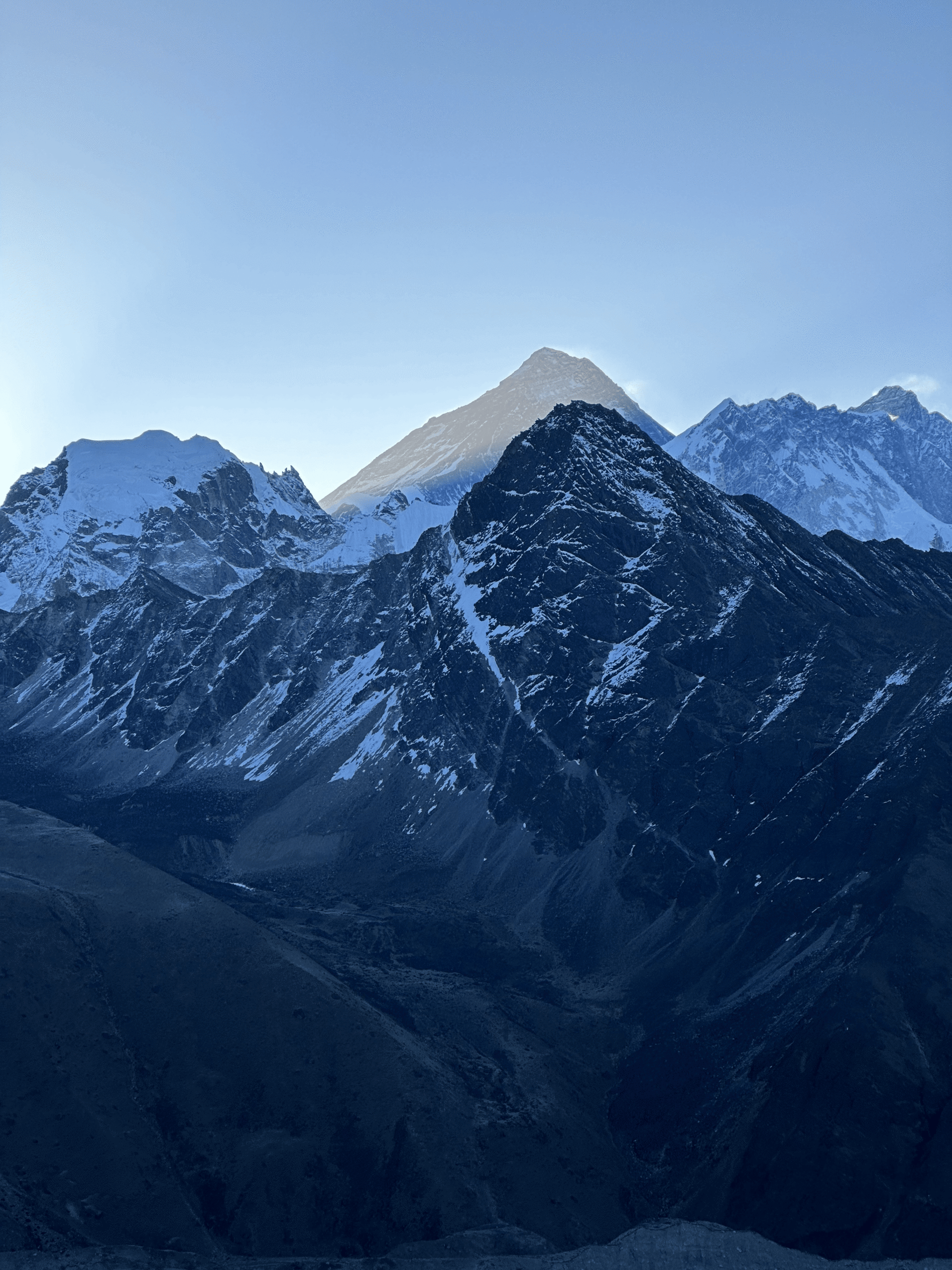
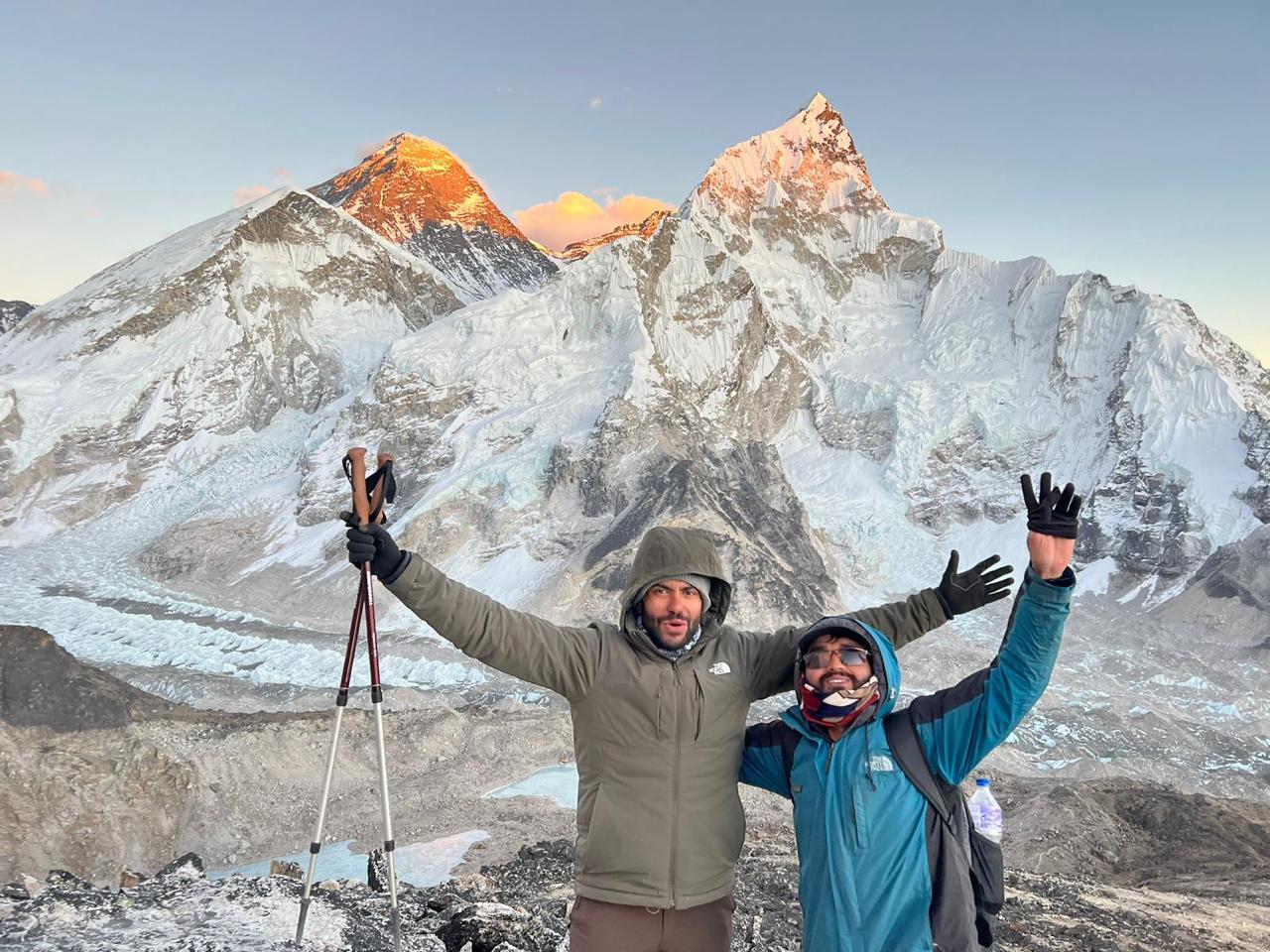
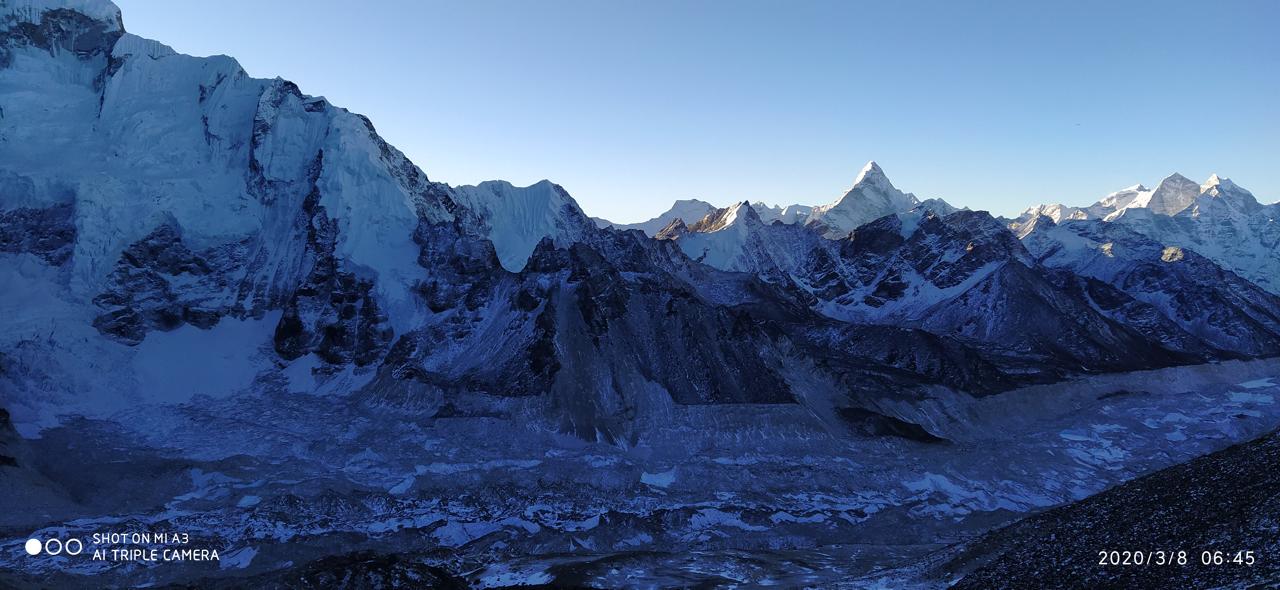
An early morning hike to Kala Patthar allows you to witness a spectacular sunrise over Mount Everest, Lhotse, Nuptse, and Ama Dablam. The ascent is steep, requiring stamina and focus, but the panoramic views at the summit are absolutely worth it. This viewpoint is one of the most famous spots for photographing Everest.
After soaking in the views, you descend to Dzongla for the night. The trail descends through rocky paths, glacial moraines, and small ridges, providing a moderate but rewarding day. Dzongla offers teahouse accommodations and hot meals, allowing trekkers to rest and recover for the next high pass adventure, the Cho La Pass.
Trip Duration:
7–8 hoursTrip Distance:
12 kmAltitude:
5545 mMeal:
Breakfast, Lunch, DinnerAccomodation :
Teahouse in DzonglaDay 12
Today is another physically demanding day, as you prepare to cross the Cho La Pass, one of the technical high passes of the trek. The morning begins early, and the trail gradually ascends through rugged moraine paths, glacial streams, and occasional snowfields. The Cho La Pass is challenging, requiring careful navigation over ice and rocks, but your guide and trekking team ensure safety at all times. Crossing this pass offers breathtaking views of towering glaciers, deep valleys, and the surrounding Himalayan giants like Ama Dablam, Cholatse, and Taboche.
After successfully crossing the pass, you begin the descent to Thagnak, a small settlement nestled amidst high mountains. The descent can be tricky due to loose rocks and icy patches, so proper trekking boots and trekking poles are essential. Thagnak is quieter compared to the busier trekking villages, giving trekkers a sense of peace and a chance to reflect on the achievement of crossing two major high passes in the trek so far. Here, you will enjoy a warm meal and a comfortable night at a teahouse, preparing for the journey toward the scenic Gokyo region.
Trip Duration:
8–9 hoursTrip Distance:
14 kmAltitude:
5420 mMeal:
Breakfast, Lunch, DinnerAccomodation :
Teahouse in ThagnakDay 13
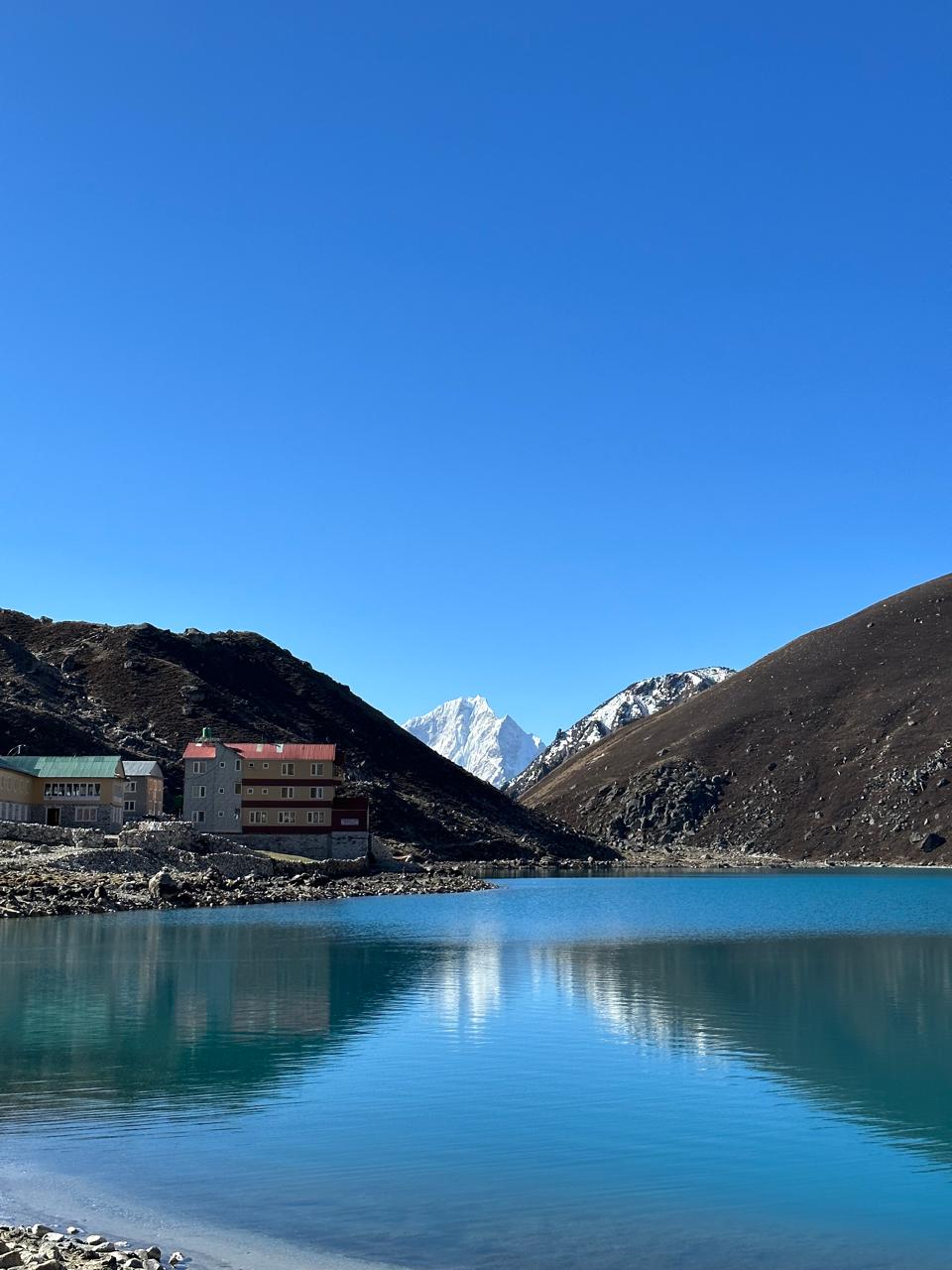
The trek to Gokyo today takes you through beautiful glacial valleys and along the lateral moraine of the Ngozumpa Glacier, the largest glacier in Nepal. The views are truly remarkable, with crystal-clear turquoise lakes reflecting the snow-capped peaks around them. Gokyo is famous for its series of high-altitude lakes, each with its own unique charm, and the trek to this area is one of the most visually stunning sections of the journey.
The village of Gokyo is a remote Sherpa settlement, smaller than Namche Bazaar but equally hospitable. Trekking here offers insight into the local culture and traditions, as well as stunning landscapes of the surrounding mountains, including Cho Oyu and Everest in the distance. This part of the trek is less crowded than the Everest Base Camp route, allowing trekkers to enjoy a more serene and immersive experience in the Himalayas. The night in Gokyo is peaceful, and the crisp mountain air, coupled with warm teahouse hospitality, makes it a memorable stop on this adventure.
Trip Duration:
6–7 hoursTrip Distance:
12 kmAltitude:
4790 mMeal:
Breakfast, Lunch, DinnerAccomodation :
Teahouse in GokyoDay 14
This is one of the most exhilarating days of the trek, as it combines a climb to Gokyo Ri and crossing the Renjo La Pass. An early morning hike to Gokyo Ri allows you to witness one of the most magnificent sunrise views in the Himalayas. From the summit, you can see the panoramic range of peaks including Everest, Lhotse, Makalu, Cho Oyu, and the majestic Gokyo Lakes below. The climb is steep but highly rewarding, and the view from the top is unforgettable, providing a perfect opportunity for photography and reflection on the trek’s journey so far.
After descending from Gokyo Ri, the trek continues toward Renjo La Pass. The pass, standing at 5,360 meters, presents a final challenge for the trek. Crossing it gives trekkers spectacular views of the surrounding mountains and glaciers, showcasing the grandeur of the Everest region from a unique perspective. After conquering Renjo La, the trail descends gently to Lungden, a small settlement offering simple teahouse accommodation. The evening in Lungden is tranquil, with the surrounding peaks creating a sense of isolation and natural beauty that few other trekking routes offer.
Trip Duration:
8–9 hoursTrip Distance:
14 kmAltitude:
5360 mMeal:
Breakfast, Lunch, DinnerAccomodation :
Teahouse in LungdenDay 15
Today is a long but satisfying descent back to Namche Bazaar, retracing parts of the trekking route through beautiful valleys and alpine forests. The journey offers a chance to reflect on the accomplishments of the trek, having crossed all three high passes, visited Everest Base Camp, and explored the Gokyo region. Along the way, you will pass through small villages, prayer flags fluttering along trails, and terraced fields maintained by local Sherpa communities.
Namche Bazaar is a bustling Sherpa town with shops, cafes, and lodges. Returning here feels like a reunion with the comforts of civilization after days in remote high-altitude villages. You can enjoy a warm meal, visit local shops, or simply relax and take in the vibrant Himalayan culture. The descent also allows your knees and joints to adapt back to lower altitudes while enjoying the scenic surroundings.
Trip Duration:
7–8 hoursTrip Distance:
18 kmAltitude:
3440 mMeal:
Breakfast, Lunch, DinnerAccomodation :
Teahouse in Namche BazaarDay 16
The final trekking day leads you back to Lukla, where the journey began. The trail passes through forested paths, rhododendron trees, and rivers, offering one last opportunity to enjoy the natural beauty of the Khumbu region. The descent is steady, allowing trekkers to walk at a comfortable pace and reflect on the incredible experiences of the trek.
Arriving in Lukla, you will see the airstrip where many trekkers start and finish their Himalayan adventures. It’s a moment of celebration and accomplishment, knowing that you have successfully completed one of the most challenging and rewarding treks in Nepal. The teahouses in Lukla offer final comforts, allowing you to rest and prepare for your flight back to Kathmandu the next day.
Trip Duration:
6–7 hoursTrip Distance:
18 kmAltitude:
2860 mMeal:
Breakfast, Lunch, DinnerAccomodation :
Teahouse in LuklaDay 17
On the final day of the trek, you take a short early morning flight from Lukla back to Kathmandu. The flight itself is an unforgettable experience, offering breathtaking aerial views of the Himalayan peaks, deep valleys, and remote villages. Landing in Kathmandu, you are greeted by the contrast of city life after days spent in the serene high mountains.
This marks the end of the Everest Three High Passes Trek. After checking into your hotel, you can relax, enjoy local cuisine, and reflect on your journey. Trekking in the Khumbu region is not only a physical adventure but also a cultural and spiritual experience, leaving you with memories that last a lifetime.
Trip Duration:
30–40 min flightTrip Distance:
N/AAltitude:
1400 mMeal:
Breakfast, Lunch optional, Dinner optionalAccomodation :
Hotel in KathmanduRoute Map
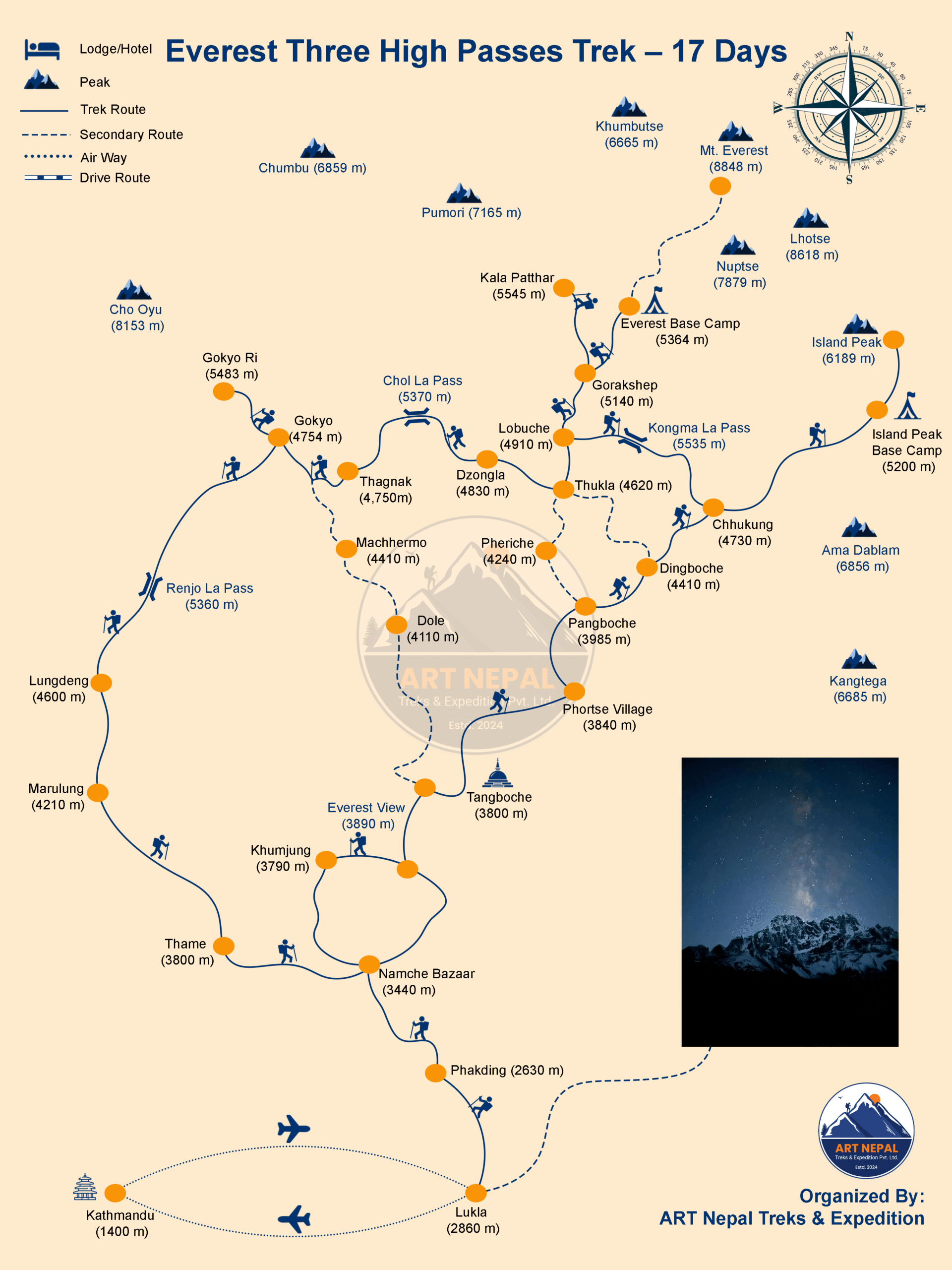
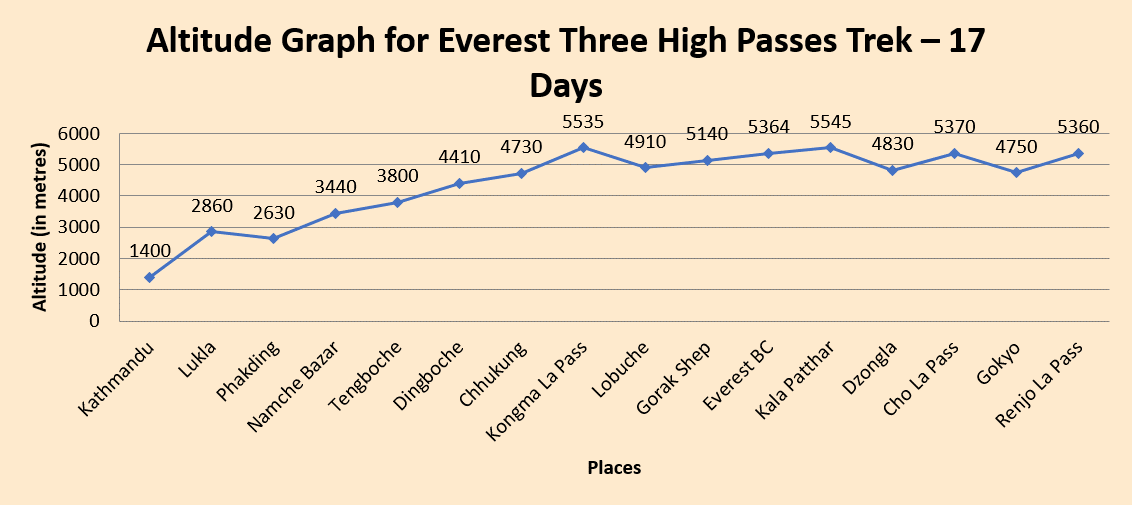
What's Included
- Airport pickup and drop-off in Kathmandu
- Domestic flight from Kathmandu to Lukla and return
- Accommodation during the trek in teahouses or lodges (twin-sharing basis)
- All meals during the trek (breakfast, lunch, and dinner)
- Experienced English-speaking trekking guide
- Porters for carrying trekking equipment (optional, can be added as extra)
- Entry fees for Sagarmatha National Park
- TIMS (Trekkers’ Information Management System) card
- Ground transportation in Kathmandu for sightseeing and airport transfers
- Emergency evacuation assistance from the trekking area (if required)
What's Excluded
- International flights to and from Nepal
- Travel insurance (mandatory)
- Visa fees for Nepal
- Personal expenses such as drinks, snacks, and souvenirs
- Hotel accommodation in Kathmandu before and after the trek (unless specified)
- Additional nights in Lukla due to weather delays or flight cancellations
- Internet, phone calls, and laundry services
- Tips for guide, porter, and drivers
- Porters: Optional, though highly recommended for carrying heavy luggage. Cost is approximately $22 per porter per day, and each porter can carry up to 20 kg. It is advisable to hire one porter for every two trekkers for comfort and convenience. This ensures that you can trek without fatigue from heavy loads while supporting local employment.
Essential Info
Add-Ons
While the Everest Three High Passes Trek is already one of the most spectacular trekking routes in Nepal, there are several optional add-ons and excursions that can enrich your journey with cultural, natural, and adventurous experiences. These add-ons allow trekkers to explore beyond the main trail, discover hidden gems, and immerse themselves in the unique Sherpa culture, Himalayan landscapes, and spiritual heritage of the region. Choosing add-ons can give your trek a personal touch and make your journey more memorable.
One of the most popular add-ons is visiting additional monasteries and cultural sites along the trail. For example, besides the famous Tengboche Monastery, trekkers can explore Pangboche Monastery, which is one of the oldest monasteries in the Khumbu region and houses sacred Buddhist artifacts. These monasteries offer a glimpse into the spiritual life of the Sherpa people and allow trekkers to witness traditional rituals, prayer ceremonies, and beautiful Buddhist architecture. Participating in these cultural experiences not only provides insight into local traditions but also deepens your connection with the Himalayan communities.
Another valuable add-on is exploring side valleys and scenic viewpoints. Trekkers can take optional detours to places like Chhukung Valley for closer views of Ama Dablam and surrounding peaks, or hike up to Nagarjun Hill in Dingboche for panoramic landscapes. These side excursions often reward trekkers with lesser-known perspectives of towering glaciers, snow-capped mountains, and expansive valleys, making for incredible photography opportunities and a more immersive experience of the Himalayas.
Additionally, visiting the Gokyo Lakes region beyond the main route is a highly recommended add-on. Some trekkers choose to spend extra time exploring the Gokyo Lakes trail, including the smaller turquoise lakes and local Sherpa settlements around Gokyo. This allows for a more relaxed pace, additional acclimatization days, and an opportunity to enjoy the serenity of high-altitude lakes, often with fewer crowds than Everest Base Camp itself.
Trekkers who are interested in local culture can also take part in community homestays and cultural programs. These add-ons provide the unique experience of staying in traditional Sherpa homes, enjoying local cuisine, and learning about daily life, customs, and festivals. It is a meaningful way to support local families directly while experiencing authentic Himalayan culture.
Add-On List:
- Pangboche Monastery Visit – Explore one of the oldest monasteries in Khumbu, witness rituals, and admire sacred artifacts.
- Chhukung Valley Excursion – Optional hike for closer views of Ama Dablam and surrounding glaciers.
- Nagarjun Hill Hike – Panoramic viewpoint in Dingboche, ideal for photography and acclimatization.
- Gokyo Lakes Exploration – Discover smaller turquoise lakes, peaceful trails, and local Sherpa villages.
- Community Homestays & Cultural Programs – Stay with Sherpa families, learn traditional customs, and enjoy local cuisine.
- Extra Acclimatization Days – Optional stops for improved adjustment to high altitude, ensuring safer trekking over the high passes.
These add-ons are highly flexible and can be arranged according to the trekker’s preferences, fitness level, and schedule. While they may require additional costs and time, they significantly enhance the overall trekking experience, combining adventure, natural beauty, and cultural immersion.
Best Season to Trek
The Everest Three High Passes Trek can technically be done throughout the year, but certain months offer better weather, safer trekking conditions, and more stunning scenery. Understanding the different seasons will help you plan your trek for the best experience. Each season in the Everest region brings its own advantages and challenges, from clear panoramic views to snowy adventures or fewer crowds. ART Nepal Treks & Expedition always recommends careful planning according to seasonal conditions to maximize enjoyment and safety.
Autumn (September – November)
Autumn is widely considered the best season for trekking in the Everest region. During these months, the weather is usually stable, skies are clear, and the temperatures are moderate. After the monsoon season, the air is clean, giving trekkers breathtaking panoramic views of Mount Everest, Lhotse, Makalu, and Ama Dablam. This is also the peak trekking season, so you can expect lively trails filled with fellow adventurers.
The temperatures in autumn are comfortable for trekking, generally ranging from 10–20°C during the day at lower altitudes, while nights can be cold, especially above 4,000 meters. Precipitation is minimal, and snow is usually limited to the high passes, which enhances the dramatic scenery without making the trail too difficult.
Autumn Highlights:
- Clear panoramic mountain views – Everest, Lhotse, Makalu, Ama Dablam.
- Stable weather conditions – Minimal rain and clouds.
- Ideal trekking temperatures – Comfortable for long days on the trail.
- Festive local culture – Witness local festivals like Dashain in Kathmandu before trekking.
Spring (March – May)
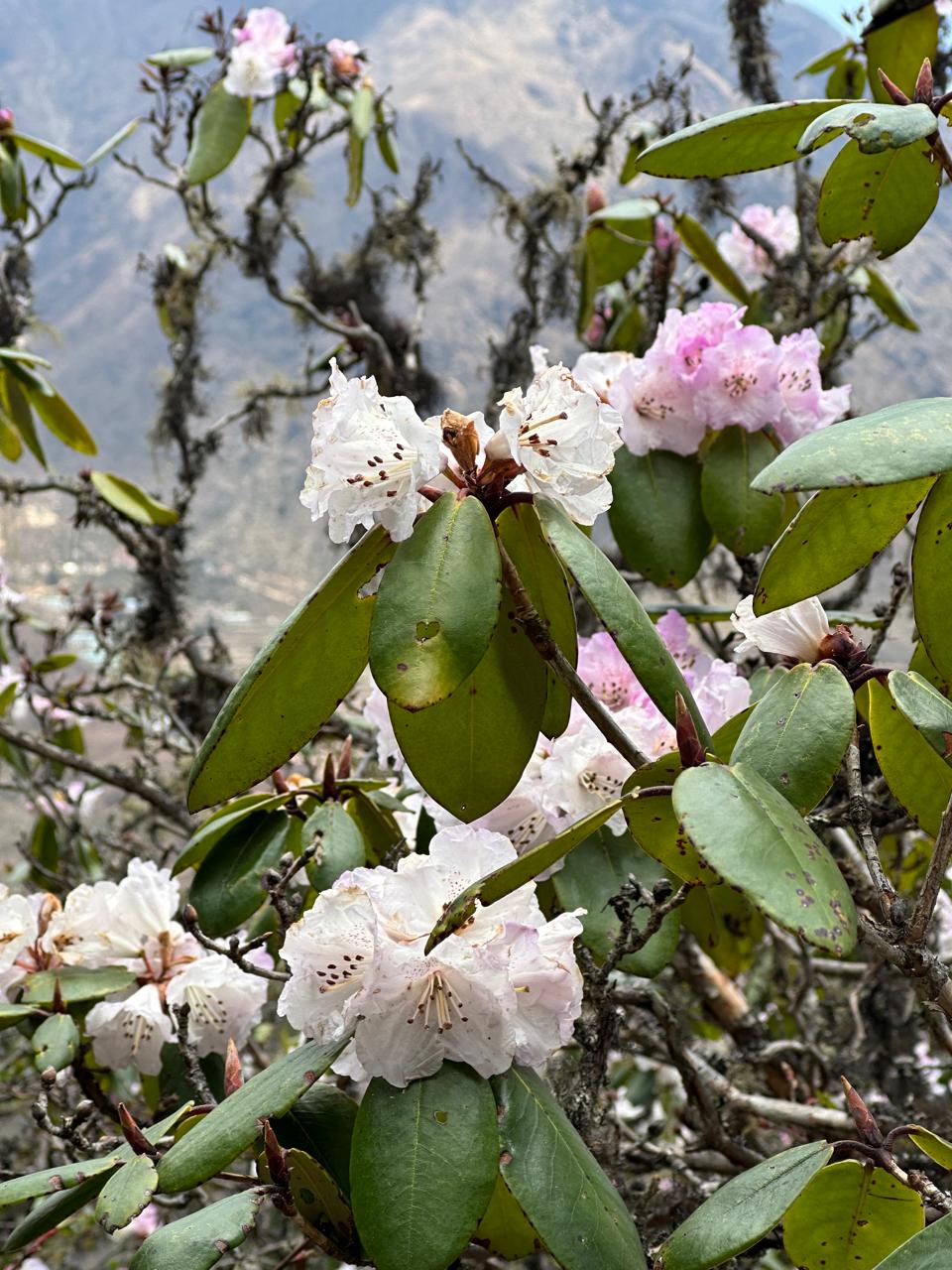
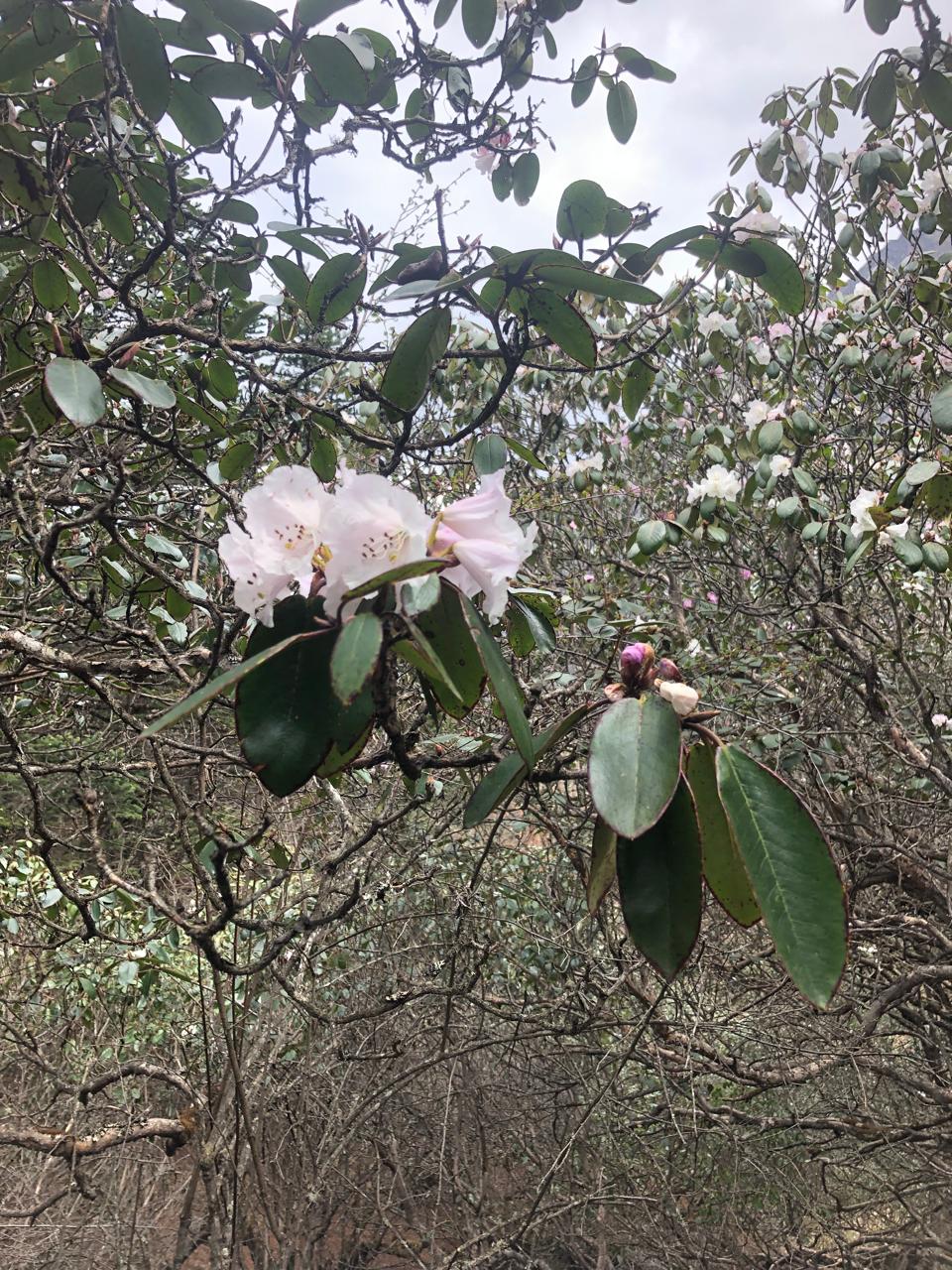
Spring is another excellent season for trekking, especially for those who love vibrant natural beauty and blooming rhododendron forests. During this season, the lower and mid-altitude trails are covered in beautiful flowers, green valleys, and flowing streams, which make the trekking experience visually stunning. Spring also provides stable weather, though occasional pre-monsoon showers may occur in May.
Temperatures are warmer than in autumn, ranging from 12–22°C at lower altitudes, while higher altitudes may still be quite cold, especially at night. The snow on the high passes starts melting, making the trails less slippery and easier to navigate. Spring also sees fewer trekkers compared to the autumn peak season, giving a more peaceful and immersive trekking experience.
Spring Highlights:
- Blooming rhododendron forests – Trails filled with colorful flowers.
- Moderate trekking temperatures – Pleasant for long hikes.
- Less crowded trails – More peaceful experience.
- Clear mountain views with occasional clouds – Perfect for photography.
Winter (December – February)
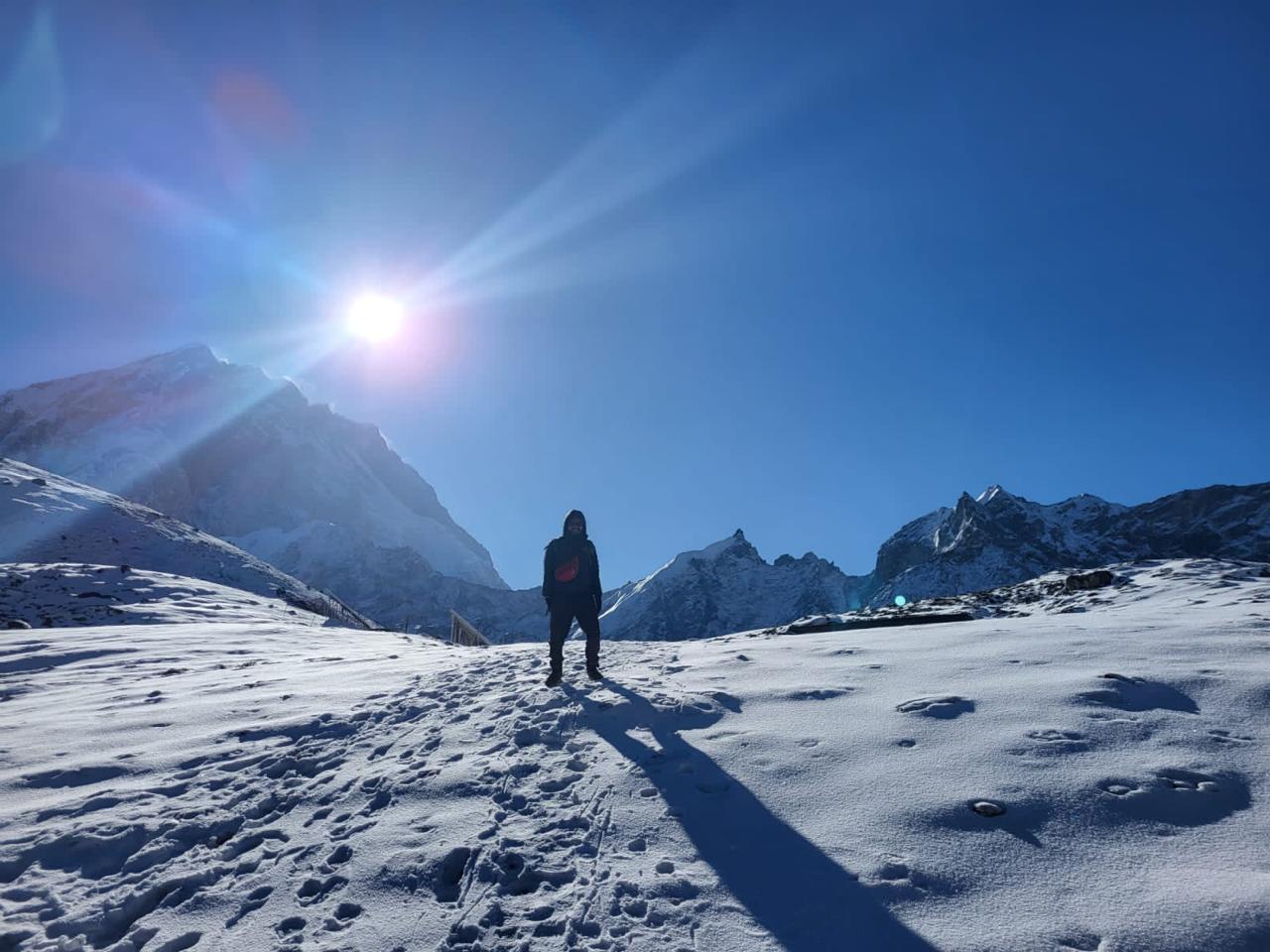
Winter trekking is challenging but rewarding for experienced trekkers seeking solitude and crisp mountain views. The skies are usually clear, offering exceptional visibility of Himalayan peaks, but temperatures can drop dramatically, especially at higher altitudes. In the high passes like Kongma La, Cho La, and Renjo La, snow can accumulate, increasing the difficulty level and requiring proper gear.
Daytime temperatures at lower altitudes range from 5–15°C, while higher elevations may experience -10 to -20°C or colder at night. Despite the cold, winter is a wonderful season for trekkers who want to enjoy quiet trails, pristine landscapes, and dramatic snow-capped mountains without the crowds.
Winter Highlights:
- Clear and crisp mountain views – Everest and surrounding peaks in high detail.
- Quiet trails with fewer trekkers – Ideal for solitude and reflection.
- Snowy landscapes – Picturesque and adventurous trekking.
- Challenging conditions – Perfect for experienced trekkers with winter gear.
Monsoon (June – August)
The monsoon season is generally not recommended for trekking in the Everest region, as heavy rains can make trails slippery and dangerous, especially near steep slopes and river crossings. Visibility is often poor due to clouds and fog, which may obscure mountain views and reduce the scenic value of the trek. However, for adventurers seeking off-season trekking with fewer tourists, the monsoon presents a unique experience of lush green valleys, flowing rivers, and misty landscapes.
Trekkers choosing to hike in monsoon must be prepared for muddy trails, potential landslides, and unpredictable weather. It is advisable to have waterproof gear, trekking poles, and flexible itineraries. The monsoon season can also be an opportunity to enjoy cultural experiences and homestays in villages, as fewer trekkers are present.
Monsoon Highlights:
- Lush green valleys and forests – Trails covered in vibrant greenery.
- Fewer trekkers – Peaceful and serene trekking experience.
- Unique misty mountain landscapes – Dramatic and photogenic.
- Opportunities for cultural immersion – Villages less crowded by tourists.
This gives trekkers a detailed understanding of what to expect from each season, helping them choose the best time for their Everest Three High Passes Trek based on weather, scenery, trail conditions, and personal preferences. ART Nepal Treks & Expedition always assists trekkers in planning their journey according to seasonal factors to ensure safety and the most memorable experience.
Season Summary:
- Autumn (Sept–Nov): Best for clear skies, panoramic views, moderate temperatures.
- Spring (Mar–May): Blooming flowers, fewer crowds, pleasant temperatures.
- Winter (Dec–Feb): Clear skies, snow-capped peaks, challenging cold.
- Monsoon (Jun–Aug): Lush greenery, quiet trails, risky weather.
Food Availability
During the Everest Three High Passes Trek, food plays a crucial role in maintaining your energy and stamina for the long and challenging days on the trail. Fortunately, the region has a surprisingly diverse range of food options, from traditional Sherpa cuisine to popular international dishes, thanks to the growing trekking infrastructure. While Kathmandu and Lukla have hotels and restaurants offering a wide variety of meals, the teahouses along the trekking route provide simple but hearty meals to keep you fueled.
Most teahouses serve three main meals per day, including breakfast, lunch, and dinner, along with snacks, tea, coffee, and hot chocolate. Breakfast often includes items such as porridge, eggs, toast, pancakes, or muesli, giving you a solid start for your trekking day. Lunch and dinner typically consist of dal bhat (lentil soup with rice), vegetable curries, noodles, and sometimes meat dishes like chicken or yak meat stew. The meals are generally freshly prepared, but in remote villages like Dingboche, Thagnak, and Lungden, the variety may be limited.
Water is a critical consideration on the trek. You should always carry a water bottle and water purification tablets or filters. Bottled water is available at most teahouses but tends to be expensive at higher altitudes. Hot drinks such as tea, coffee, and chocolate are widely available and are not only refreshing but also essential for warming your body during cold nights.
Food Safety and Dietary Options:
- Vegetarian Options: Most teahouses offer vegetarian meals like dal bhat, fried rice, and vegetable noodles.
- Non-Vegetarian Options: Chicken, yak, or sometimes mutton dishes are available, especially at bigger villages.
- Snacks: Instant noodles, energy bars, biscuits, and chocolates are widely available along the trek.
- Beverages: Tea, coffee, hot chocolate, and local drinks like sherpa tea are available in most teahouses.
- Special Dietary Needs: Travelers with specific dietary restrictions should inform ART Nepal Treks & Expedition in advance to ensure options are available.
Eating along the trek is not only about nourishment—it is a cultural experience. You get to interact with local families, understand Sherpa traditions, and enjoy meals prepared using locally sourced ingredients. The combination of nutritious meals, snacks, and hot drinks ensures you remain energized, hydrated, and comfortable as you traverse high passes and long trekking days.
Accommodation
Accommodation along the Everest Three High Passes Trek primarily consists of teahouses and lodges, which are simple but cozy, providing a safe and comfortable place to rest after long trekking days. These lodges are run by local families, giving trekkers an authentic experience of Sherpa hospitality and mountain life.
Most teahouses provide basic twin or triple rooms with shared or private bathrooms. Heating is often provided in common dining areas, though rooms themselves may be cold at higher altitudes. Sleeping bags are recommended, especially for the sections above 4,000 meters, where temperatures can drop significantly at night. Some lodges also provide blankets and pillows, though the quality may vary depending on the location.
Accommodation in villages like Namche Bazaar, Tengboche, and Dingboche is more comfortable, with modern facilities and multiple dining options. In remote areas like Chhukung, Thagnak, or Lungden, lodges are more rustic, emphasizing function over luxury, but still provide clean beds and warm meals. Booking in advance is highly recommended, particularly in peak seasons like autumn and spring, to ensure availability.
Accommodation Features:
- Rooms: Twin, triple, or shared rooms with basic furnishings.
- Bathrooms: Shared or private bathrooms, often with running water; hot showers may be limited at high altitudes.
- Heating: Common area stoves for warmth, rooms may be cold above 4,000 meters.
- Wi-Fi & Electricity: Available in larger villages, often with additional charges; very limited at remote teahouses.
- Cultural Experience: Stay in homes run by Sherpa families, experience local life and hospitality.
Accommodation is not just a place to sleep—it is a key part of the trekking experience, offering comfort, warmth, and opportunities to relax, interact with locals, and prepare for the next day’s trek through the high passes.
Travel Insurance
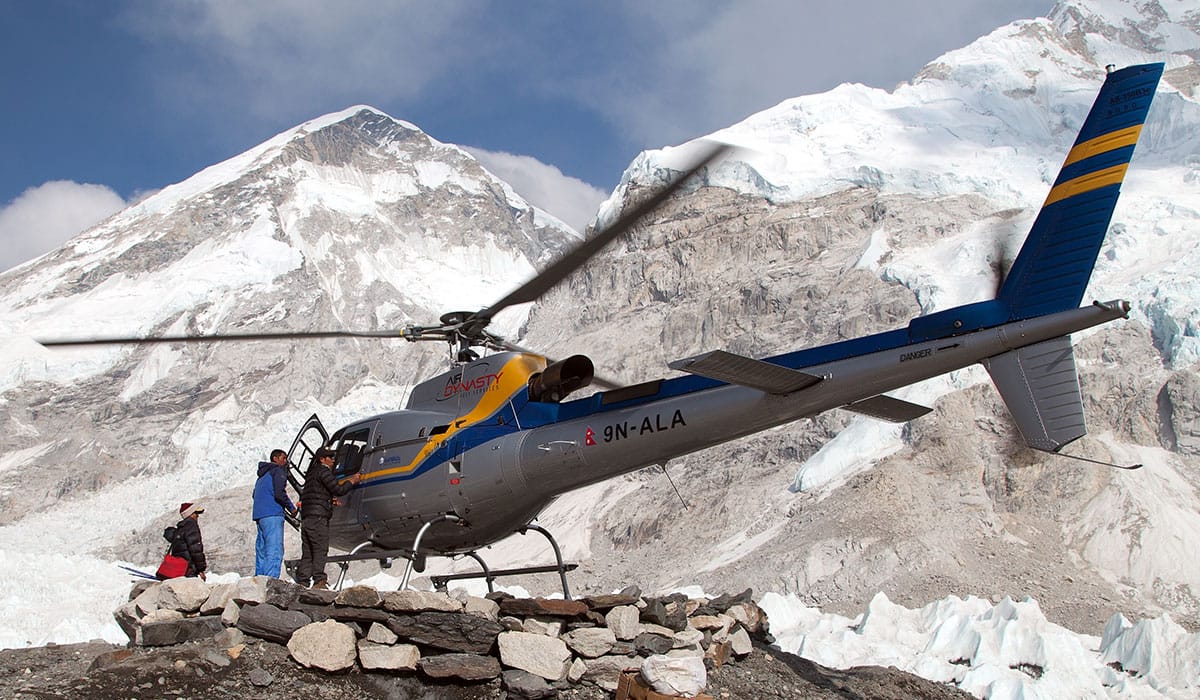
Travel insurance is a mandatory requirement for trekking in the Everest region. It protects trekkers against emergencies such as medical issues, evacuation, trip cancellations, and lost or stolen belongings. Given the remote and high-altitude terrain, medical assistance is not immediately available, and evacuations via helicopter can be expensive without insurance.
Most comprehensive travel insurance policies cover altitude sickness treatment, emergency helicopter evacuation, and hospital care in Kathmandu or abroad. It is crucial to select a policy that includes trekking up to 6,000 meters or higher, as some basic plans exclude high-altitude trekking. Policies also vary in terms of coverage for personal belongings, trip interruption, and accident insurance.
When purchasing travel insurance, keep documentation and emergency contact numbers handy during the trek. In case of injury, sickness, or altitude sickness symptoms, your guide can help you coordinate emergency procedures with the insurance provider. ART Nepal Treks & Expedition recommends that every trekker have a valid, comprehensive insurance policy that covers medical emergencies and evacuation for the duration of the trek.
Travel Insurance Coverage Highlights:
- Medical Emergencies: Hospitalization, doctor consultations, and medicine costs.
- Helicopter Evacuation: Emergency rescue from high-altitude areas.
- Trip Cancellation or Interruption: Protection against unforeseen changes in plans.
- Lost or Stolen Belongings: Luggage, cameras, and essential trekking gear.
- Accidental Coverage: Injury protection for trekking accidents or falls.
Travel insurance provides peace of mind, allowing trekkers to focus on enjoying the breathtaking Himalayan landscapes without worrying about unexpected emergencies or expenses.
Altitude Sickness
Altitude sickness, also known as Acute Mountain Sickness (AMS), is a common concern for trekkers in the Everest region due to the high elevations encountered on the Everest Three High Passes Trek. It occurs when your body struggles to adjust to reduced oxygen levels at higher altitudes. Symptoms may include headache, nausea, dizziness, fatigue, shortness of breath, and loss of appetite. Recognizing these symptoms early is crucial, as untreated altitude sickness can escalate to High Altitude Pulmonary Edema (HAPE) or High Altitude Cerebral Edema (HACE), which are life-threatening conditions.
Trekkers are advised to follow gradual acclimatization schedules to minimize the risk. This is why the itinerary includes acclimatization days in Namche Bazaar and Dingboche, giving your body time to adjust. Staying hydrated, eating high-carbohydrate meals, avoiding alcohol, and walking at a steady pace are essential practices to prevent altitude sickness. Taking rest days at higher altitudes and descending immediately if symptoms worsen is critical. Medication like Diamox (acetazolamide) may be used under medical guidance to aid acclimatization.
The role of your guide in monitoring altitude-related symptoms cannot be overstated. Guides trained by ART Nepal Treks & Expedition can identify early signs of AMS, manage symptoms, and coordinate evacuation if necessary. Oxygen cylinders and first aid kits are often available at teahouses along the main trekking route, particularly in areas above 4,500 meters.
Altitude Sickness Management Tips:
- Acclimatization: Plan rest days and gradual climbs; follow the “climb high, sleep low” principle.
- Hydration: Drink 3–4 liters of water per day to prevent dehydration.
- Diet: High-carbohydrate meals aid oxygen efficiency and energy levels.
- Medication: Diamox may be used with prior consultation.
- Emergency Measures: Descend immediately if symptoms worsen; oxygen and medical support should be available.
Being aware of altitude sickness and taking proactive measures ensures that trekkers can enjoy the trek safely and fully, without compromising their health or the trekking experience.
Guide and Safety Measures
Safety on the Everest Three High Passes Trek is paramount, given the challenging terrain, fluctuating weather, and high-altitude conditions. Hiring an experienced and certified trekking guide through ART Nepal Treks & Expedition ensures that every step of your journey is managed safely and efficiently. Guides are trained in first aid, altitude sickness management, route navigation, and emergency rescue procedures, making them an invaluable part of your trek.
Guides provide detailed briefings before each day’s trek, including information about the route, expected duration, altitude gain, and any potential hazards. They monitor your pace to ensure safe acclimatization and advise when to rest or descend if you experience fatigue or altitude-related symptoms. In addition to safety, guides enrich your trek by providing insights into local culture, history, flora, fauna, and geology, turning a physically challenging trek into a deeply informative and immersive experience.
Trekking in remote areas also requires preparedness for unpredictable weather and emergencies. Guides carry communication devices, first aid kits, oxygen cylinders, and coordinate with local teahouses to ensure immediate medical support if necessary. They also ensure that trekkers follow environmental and cultural guidelines, including proper waste disposal and respectful interactions with local communities.
Key Guide and Safety Measures:
- Experienced Trek Leaders: Certified guides familiar with Everest region terrain and high passes.
- Health Monitoring: Regular checks for altitude sickness and overall wellbeing.
- Emergency Preparedness: Oxygen, first aid kits, and communication equipment available.
- Weather and Terrain Guidance: Advice on safe trekking pace and route conditions.
- Cultural & Environmental Respect: Guidance on local customs and sustainable trekking practices.
Following professional guidance and established safety protocols significantly reduces risks, ensuring that your journey through Everest’s high passes is both safe and memorable.
Booking Procedure
Booking your Everest Three High Passes Trek with ART Nepal Treks & Expedition is designed to be smooth, organized, and completely transparent. The first step begins with an inquiry and consultation, where you can reach out via email, phone, or the company’s official website. During this stage, you will provide important details such as your preferred travel dates, group size, fitness level, and any special requirements, including dietary restrictions or interest in cultural side trips. The team at ART Nepal Treks & Expedition will respond promptly with guidance, answering all questions related to trekking difficulty, acclimatization schedules, and logistics. This personalized consultation ensures that your trek is tailored to your needs from the very start.
Once your initial inquiry is received, ART Nepal Treks & Expedition prepares a detailed and customized itinerary. This includes information about each day’s trekking distance, expected duration, accommodation options, and high-altitude acclimatization schedules. Trekkers can request adjustments at this stage, such as adding rest days, exploring additional viewpoints, or upgrading lodging in key villages. The goal is to create a trekking plan that is both challenging yet safe, while allowing enough flexibility for personal preferences and physical capabilities.
After the itinerary is finalized, you receive a complete quotation and cost breakdown. This covers all aspects of the trek, including internal flights, accommodation, meals during trekking, permits, guide and porter fees, and emergency backup arrangements. A deposit, usually 30–50% of the total cost, is required to confirm your booking. Once the deposit is received, ART Nepal Treks & Expedition issues a booking confirmation along with a comprehensive checklist of required documents, such as your passport, Nepal visa, travel insurance, and medical clearance if needed. This ensures that you are fully prepared well before the trek begins.
In the weeks leading up to your departure, the team provides pre-trek guidance to help you prepare physically, mentally, and logistically. This includes tips for fitness training, recommended trekking gear, clothing, and packing lists. Trekkers also receive final briefings on health precautions, altitude acclimatization strategies, safety protocols, and what to expect in terms of weather, terrain, and cultural interactions. This preparation phase is crucial for building confidence and ensuring a smooth trekking experience.
Booking your Everest Three High Passes Trek with ART Nepal Treks & Expedition is designed to be simple, transparent, and secure. The process ensures that all your travel, trekking, and safety arrangements are properly organized, leaving you free to focus on preparing physically and mentally for your adventure.
- Inquiry and Consultation – Contact ART Nepal Treks & Expedition via email, phone, or website. Provide your travel dates, group size, and any special requirements.
- Customized Itinerary – Receive a detailed itinerary tailored to your fitness level, trekking preferences, and interests. Adjustments can include extra rest days, side excursions, or accommodation upgrades.
- Quotation and Payment – Review the cost breakdown, which includes permits, guides, accommodation, meals, and transportation. Confirm your booking with a deposit, typically 30–50% of the total cost.
- Confirmation and Documentation – Receive a booking confirmation along with a checklist of necessary documents (passport, visa, travel insurance, medical certificates). ART Nepal Treks & Expedition will assist in arranging necessary permits and flight tickets.
- Pre-Trek Preparation – Guidance on fitness training, equipment list, and packing tips. Final briefings are provided before your departure from Kathmandu.
Booking through ART Nepal Treks & Expedition ensures peace of mind, as every detail from permits, transport, and accommodation to trekking support and emergency arrangements is professionally handled.
Equipment List
- Trekking pants and quick-dry shirts
- Long-sleeve thermal tops for layering
- Fleece jacket and down jacket
- Waterproof jacket and pants
- Comfortable trekking socks and gaiters
- Trekking boots with strong grip and ankle support
- Hat, gloves, and scarf for cold and windy conditions
- Trekking poles for stability on uneven terrain
- Daypack for carrying essentials
- Headlamp with extra batteries
- Sunglasses with UV protection
- Reusable water bottles or hydration bladder
- Sleeping bag suitable for sub-zero temperatures
- Base layers for thermal insulation
- Lightweight down or synthetic jacket for warmth
- Extra trekking pants and shirts for layering
- Wool or synthetic socks for high-altitude comfort
- Personal toiletries (toothbrush, toothpaste, biodegradable soap)
- Sunscreen and lip balm with SPF
- Hand sanitizer and wet wipes
- First aid kit with personal medication
- Altitude sickness medication (if recommended by doctor)
- Camera and memory cards
- Chargers and power banks
- Travel adapter
- Mobile phone with local SIM or roaming plan
General Equipments
- Passport, permits, and insurance documents
- Trekking guidebook or maps
- Snacks, energy bars, and chocolates
- Notebook and pen for journaling
FAQ
Trip Price
USD 1999 Per Person
Talk To Trip Expert
Related Trips