

Everest Expedition (South Col) – 63 Days Adventure
Introduction
The Everest Expedition (South Col Route) is the ultimate mountaineering challenge and one of the most prestigious achievements in the world of adventure. Standing at 8,848.86 meters above sea level, Mount Everest is the highest mountain on Earth and attracts climbers from across the globe seeking to test their physical endurance, mental resilience, and technical climbing skills.
The expedition begins in Kathmandu, Nepal’s vibrant capital city, where climbers complete final preparations, equipment checks, and permit formalities. From Kathmandu, the journey continues with a scenic mountain flight to Lukla, the gateway to the Everest region. The trekking phase follows the famous Everest Base Camp trail through traditional Sherpa villages, ancient monasteries, and breathtaking Himalayan landscapes.
The trek serves as an essential acclimatization period, allowing climbers to gradually adjust to increasing altitude while enjoying spectacular mountain scenery. Settlements such as Namche Bazaar, Tengboche, Dingboche, and Lobuche provide opportunities to experience local culture and prepare physically for the challenges ahead.
Upon reaching Everest Base Camp, the expedition enters its mountaineering phase. Climbers spend several weeks training, acclimatizing, and conducting rotations through the Khumbu Icefall, Camp I, Camp II, Camp III, and the South Col. These carefully planned rotations are designed to help the body adapt to extreme altitude while developing familiarity with the route.
The summit push represents the most demanding stage of the expedition. Climbers ascend through the Lhotse Face, reach Camp IV at the South Col, and enter the Death Zone above 8,000 meters. From there, the final ascent involves passing the Balcony, South Summit, and Hillary Step before standing on the summit of Mount Everest.
Supported by professional guides, experienced Sherpas, weather forecasting teams, and extensive logistical planning, this expedition provides the highest level of support available while still demanding exceptional determination and preparation from every participant.
What Can You Expect from the Expedition?
This expedition combines long-distance trekking, technical mountaineering, extreme altitude exposure, and cultural exploration. Participants will spend nearly two months living in remote mountain environments while facing constantly changing weather conditions and demanding physical challenges.
The journey includes glacier travel, ladder crossings, fixed-rope climbing, steep snow slopes, and prolonged exposure to high altitude. Climbers must adapt to low oxygen levels, freezing temperatures, and physically demanding days.
Beyond the physical challenges, the expedition provides unforgettable experiences. You will witness some of the world’s most spectacular mountain scenery, experience authentic Sherpa culture, and form strong bonds with teammates during the shared pursuit of reaching the highest point on Earth.
Summary – Key Experiences
- Summit Mount Everest (8,848.86m)
- Trek through the Khumbu Region
- Cross the Khumbu Icefall
- Climb the Lhotse Face
- Enter the Death Zone
- Experience Sherpa Culture
- Stay at Everest Base Camp
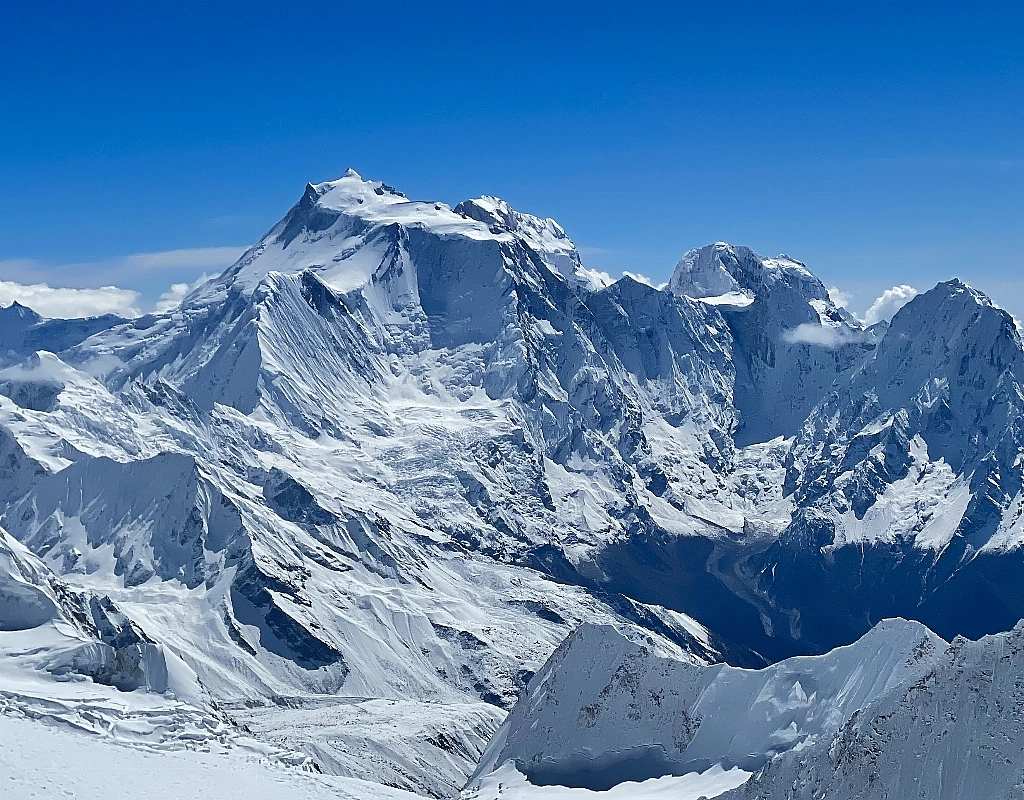
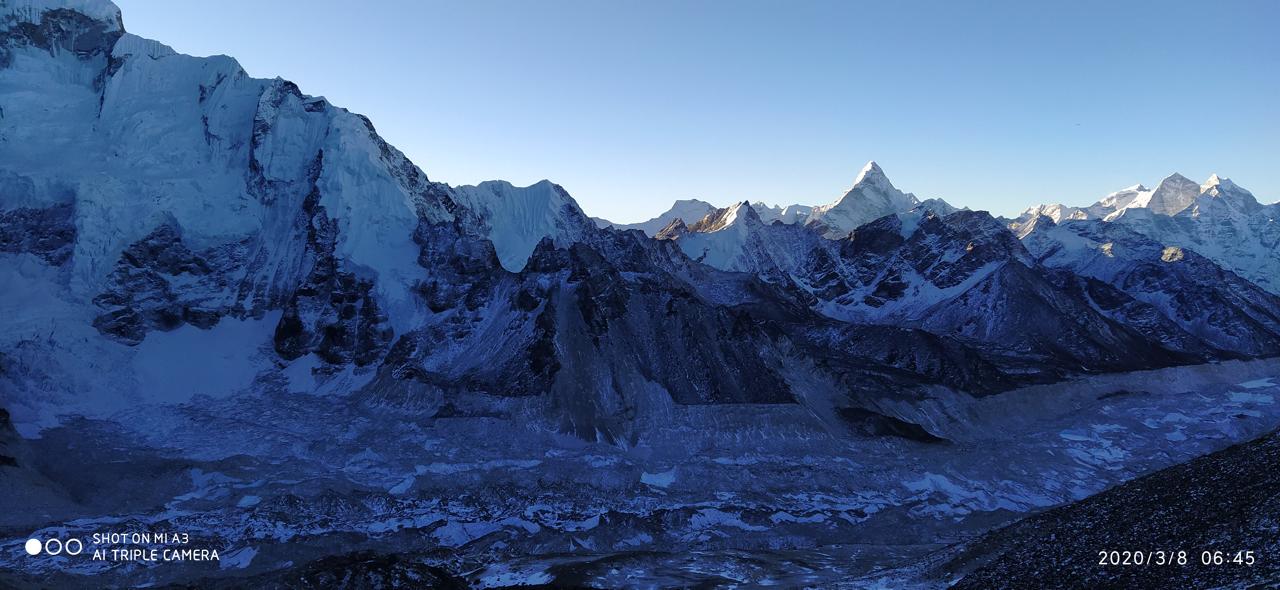
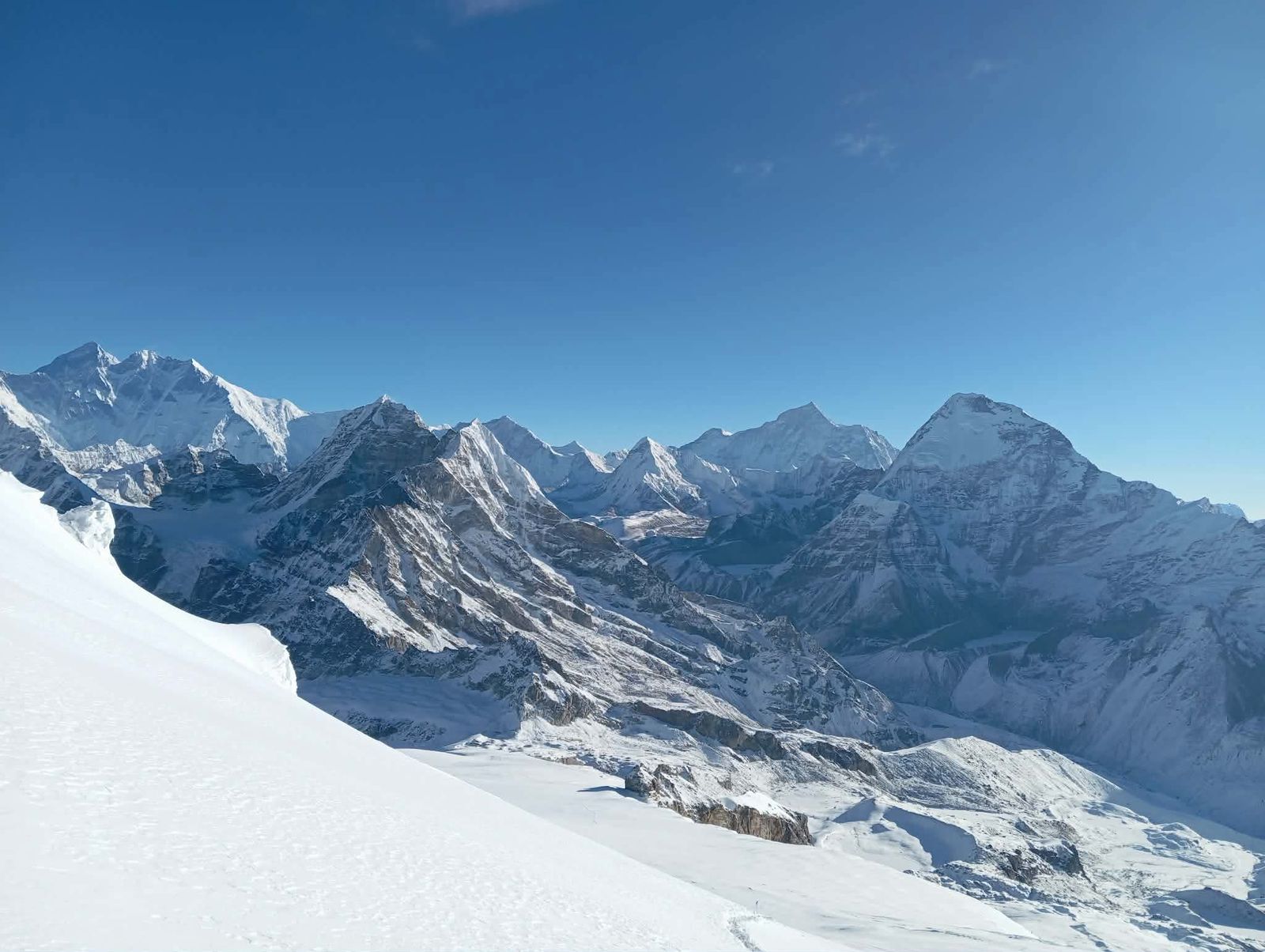
- Witness Panoramic Himalayan Views
Is This Expedition Suitable for You?
The Everest Expedition is suitable only for highly experienced trekkers and mountaineers. Climbers should have prior experience on 6,000-meter and preferably 7,000-meter peaks. Excellent physical fitness, mental resilience, and technical climbing skills are essential.
Participants must be comfortable using crampons, ice axes, ascenders, harnesses, and fixed rope systems. The expedition involves exposure to extreme altitude, severe weather, and prolonged periods in remote environments.
This expedition is ideal for climbers seeking the ultimate mountaineering achievement and willing to dedicate significant time and effort toward preparation and training.
Summary – Suitable Climbers
- Prior High-Altitude Experience
- Strong Physical Fitness
- Technical Climbing Skills
- Mental Toughness
- Teamwork Ability
- Commitment to Long Expeditions
How to Get Prepared for the Expedition
Preparation should begin several months before departure. Climbers should focus on cardiovascular fitness, strength training, endurance hiking, and altitude conditioning whenever possible. Multi-day treks carrying a loaded backpack help simulate expedition conditions.
Technical training is equally important. Climbers should practice rope systems, glacier travel, crevasse rescue, crampon techniques, and fixed-rope ascents. Previous experience on mountaineering expeditions is strongly recommended.
Mental preparation plays a major role in Everest success. Climbers must be prepared for long periods away from home, unpredictable weather, physical discomfort, and potentially extended waiting periods before summit attempts.
Summary – Preparation Checklist
- Cardiovascular Training
- Strength Conditioning
- Technical Climbing Practice
- Expedition Gear Testing
- Medical Checkup
- Mental Preparation
- Insurance Coverage
- Previous High-Altitude Experience
-
Trip Duration
63 Days/62 Nights
-
Group Size
1–20 people
-
Maximum Altitude
8,848.86 m
-
Trip Difficulty
Extremely Challenging
-
Activities
Trekking & Mountaineering
-
Best Season
April–May
-
Trip Start & End
Kathmandu-Kathmandu
-
Meals
Breakfast, Lunch, Dinner
-
Accomodation
Hotel, Teahouse & Tented Camp
Highlights
- Climb the World’s Highest Mountain: Summit Mount Everest (8,848.86m).
- Everest Base Camp Experience: Live and train at the legendary Everest Base Camp.
- Khumbu Icefall Crossing: Navigate one of the most famous and challenging sections in mountaineering.
- Sherpa Culture: Experience the traditions and hospitality of the Khumbu region.
- High-Altitude Expedition: Gain experience above 8,000 meters in the Death Zone.
- Professional Expedition Support: Guided by experienced Everest leaders and Sherpa climbers.
- Stunning Himalayan Views: Everest, Lhotse, Nuptse, Ama Dablam, Pumori, and many more.
- South Col Route: Follow the historic route used by Sir Edmund Hillary and Tenzing Norgay.
Itinerary
The complete Everest Expedition (South Col) itinerary has been carefully compiled and provided in a downloadable PDF format for your convenience. This document includes a detailed day-by-day expedition plan covering arrival in Kathmandu, the trek to Everest Base Camp, acclimatization rotations, summit push via the South Col route, and the return journey. It also contains important information on altitude progression, accommodation, meals, safety measures, equipment requirements, and expedition logistics.
We recommend reviewing the PDF thoroughly to gain a clear understanding of the expedition timeline, physical demands, technical challenges, and preparation required for a successful ascent of the world’s highest mountain.
👉 Please click the link below to access and read the full itinerary in PDF format.
Download Itinerary
What's Included
- Airport pickup and drop-off services
- 4 Nights in Kathmandu Hotel (before and after expedition)
- Breakfast in Kathmandu
- Domestic flights: Kathmandu – Lukla – Kathmandu
- Sagarmatha National Park Permit
- Everest Climbing Permit
- Khumbu Pasang Lhamu Rural Municipality Permit
- All required government taxes and expedition fees
- Teahouse accommodation during trek
- Tented accommodation at Base Camp and high camps
- Breakfast, Lunch, and Dinner during trek and expedition
- Professional Everest Expedition Leader
- Experienced Climbing Sherpa support
- Base Camp management and kitchen staff
- High-altitude camping equipment
- Fixed ropes and route preparation fees
- Group climbing equipment
- Supplemental oxygen cylinders for summit push
- Oxygen masks and regulators
- First aid kit and emergency medical support
- Satellite communication support
- Weather forecasting service
- Porter and yak services for expedition equipment
- Staff salary, food, accommodation, and insurance
What's Excluded
- International airfare
- Nepal visa fees
- Personal travel insurance
- High-altitude rescue and helicopter evacuation insurance
- Personal climbing equipment
- Personal oxygen consumption beyond allocated supply
- Personal expenses and shopping
- Alcoholic beverages and soft drinks
- Bottled and mineral water
- Wi-Fi, charging, and hot shower fees on trek
- Tips for guides, Sherpas, and staff
- Personal medications
- Extra hotel nights due to delays or early return
- Costs arising from weather delays, flight cancellations, or unforeseen circumstances
- Any services not specifically mentioned in the inclusion list
- Personal porter service (if requested additionally)
- Porters: Optional, though highly recommended for carrying heavy luggage ($22 per porter per day). A porter can carry up to 20 kg, and it is advisable to hire one porter for every two trekkers for comfort and convenience.
Essential Info
Best Season to Trek
Spring (April–May)
Spring is the most popular season for the Everest Expedition. Stable weather, moderate temperatures, and favorable climbing conditions make it the preferred time for summit attempts. Snow conditions are generally reliable, and visibility is excellent throughout the route.
Autumn (September–October)
Autumn offers clear skies and stunning mountain views after the monsoon season. While less common for Everest expeditions than spring, it still provides good climbing opportunities with stable weather and comfortable trekking conditions.
Winter (November–February)
Winter expeditions are extremely challenging due to severe cold, strong winds, and harsh weather conditions. This season is suitable only for highly experienced climbers.
Monsoon (June–August)
The monsoon season is generally not recommended because of heavy rainfall, poor visibility, and unstable travel conditions. Trails can become slippery and flights are frequently delayed.
Summary – Best Season
- Spring: Best overall season
- Autumn: Good visibility and stable weather
- Winter: Extreme cold and difficult conditions
- Monsoon: Not recommended
Food Availability
Food is carefully planned throughout the expedition to provide sufficient energy for trekking and climbing. During the trekking phase, meals are served in teahouses and include a mix of Nepali and international dishes.
At Everest Base Camp and higher camps, meals are prepared by the expedition kitchen team. Food focuses on high-calorie nutrition to support performance and recovery at high altitude.
Hot drinks, soups, rice dishes, pasta, potatoes, and energy-rich foods are commonly provided. Hydration is strongly encouraged throughout the expedition.
Summary – Food Availability
- Teahouse Meals: Dal Bhat, noodles, pasta, soups
- Base Camp Food: Freshly prepared by kitchen staff
- High Camp Food: Lightweight high-energy meals
- Drinks: Tea, coffee, hot chocolate, soups
- Nutrition Focus: High-calorie and balanced diet
Accommodation
Accommodation varies according to altitude and expedition phase. In Kathmandu, climbers stay in comfortable hotels with modern facilities.
During the trek, accommodation is provided in local teahouses offering basic but comfortable rooms. At Everest Base Camp and higher camps, accommodation consists of expedition tents designed for extreme mountain environments.
Summary – Accommodation
- Kathmandu: Hotel
- Trekking Route: Teahouse
- Base Camp: Tented Camp
- High Camps: High-Altitude Tents
- Comfort Level: Moderate to Basic
Travel Insurance
Travel insurance is mandatory for the Everest Expedition. Climbers must obtain coverage that includes high-altitude mountaineering, emergency medical treatment, and helicopter evacuation.
Due to the extreme environment and remote location, evacuation costs can be very expensive. Comprehensive insurance helps protect against unexpected medical emergencies, trip cancellations, and equipment loss.
Summary – Travel Insurance
- Medical Coverage
- Helicopter Evacuation
- High-Altitude Coverage
- Trip Cancellation Protection
- Lost or Damaged Equipment Coverage
Altitude Sickness
Altitude sickness is one of the most significant risks during an Everest expedition. Symptoms may include headache, nausea, dizziness, fatigue, and difficulty sleeping.
The itinerary includes multiple acclimatization days and climbing rotations to reduce the risk. Proper hydration, nutrition, and gradual ascent are essential for safe adaptation.
Severe cases may require immediate descent and medical attention.
Summary – Altitude Sickness
- Cause: Low oxygen at high altitude
- Symptoms: Headache, nausea, fatigue
- Prevention: Acclimatization and hydration
- Treatment: Descent and medical support
- Monitoring: Daily health checks
Guide and Safety Measures
Safety is the highest priority throughout the expedition. Professional Everest guides and experienced climbing Sherpas accompany climbers from Base Camp to the summit.
The team provides route management, technical assistance, weather monitoring, medical support, and emergency response capabilities. Oxygen systems and communication equipment are maintained throughout the expedition.
Summary – Guide & Safety Measures
- Professional Everest Guides
- Experienced Climbing Sherpas
- Supplemental Oxygen Support
- Fixed Rope Systems
- First Aid and Emergency Equipment
- Satellite Communication
- Daily Weather Updates
Booking Procedure
Booking begins with an inquiry and assessment of climbing experience. Participants must provide details about previous expeditions and physical fitness.
Once accepted, a deposit is required to secure the booking. The expedition team then assists with permits, documentation, equipment recommendations, and pre-departure preparation.
Summary – Booking Procedure
- Inquiry and Assessment
- Deposit Confirmation
- Permit Processing
- Equipment Preparation
- Insurance Verification
- Final Briefing in Kathmandu
Equipment List
- Moisture-wicking t-shirts
- Thermal base layers
- Trekking pants
- Fleece jacket
- Hiking socks
- Thermal socks
- Lightweight gloves
- Trekking boots
- Camp shoes or sandals
- Sun hat
- Ice axe
- Crampons
- Climbing harness
- Helmet
- Ascender (Jumar)
- Descender (Figure 8/ATC)
- Carabiners
- Safety slings
- Trekking poles
- Headlamp with spare batteries
- Expedition down suit
- Heavy down jacket
- Waterproof shell jacket
- Waterproof shell pants
- Insulated pants
- Balaclava
- Neck gaiter or buff
- Inner gloves
- Insulated gloves
- Expedition mittens
- Warm beanie
- UV-protection sunglasses
- Ski goggles
- Personal first aid kit
- Sunscreen (SPF 50+)
- Lip balm
- Hand sanitizer
- Wet wipes
- Toothbrush and toothpaste
- Quick-dry towel
- Water purification tablets
- Personal medications
- Altitude sickness medication
- Blister treatment kit
- Emergency whistle
- Mobile phone
- Camera
- Power bank
- Charging cables
- Universal adapter
- Spare batteries
- GPS device (optional)
- Smartwatch or altimeter watch
- Satellite communicator (optional)
General Equipments
FAQ
Trip Price
USD 45000 Per Person
Talk To Trip Expert
Related Trips