Introduction
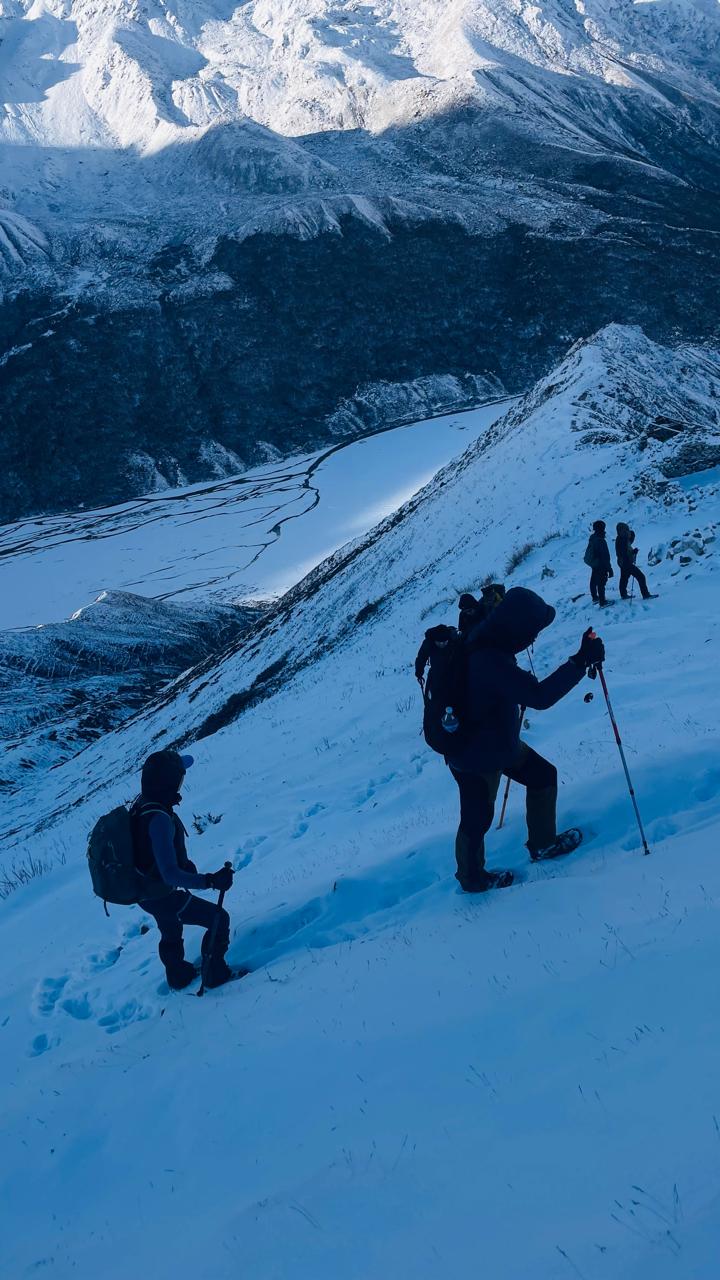
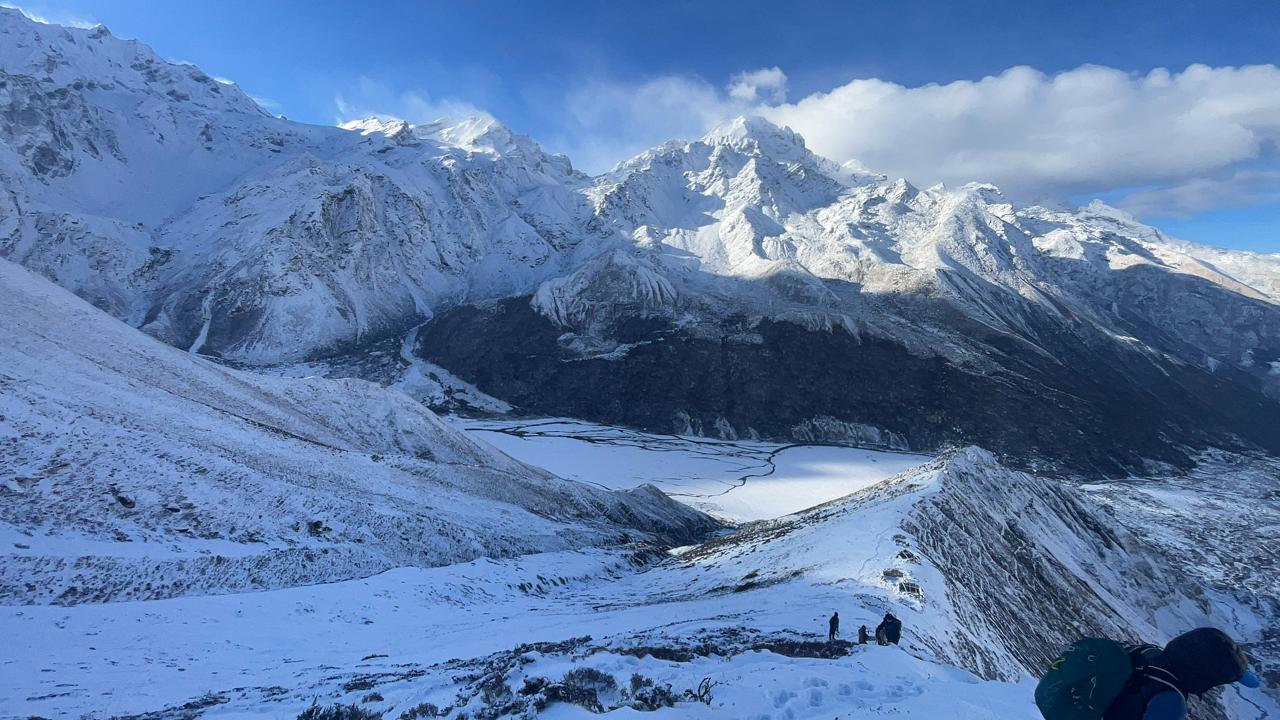
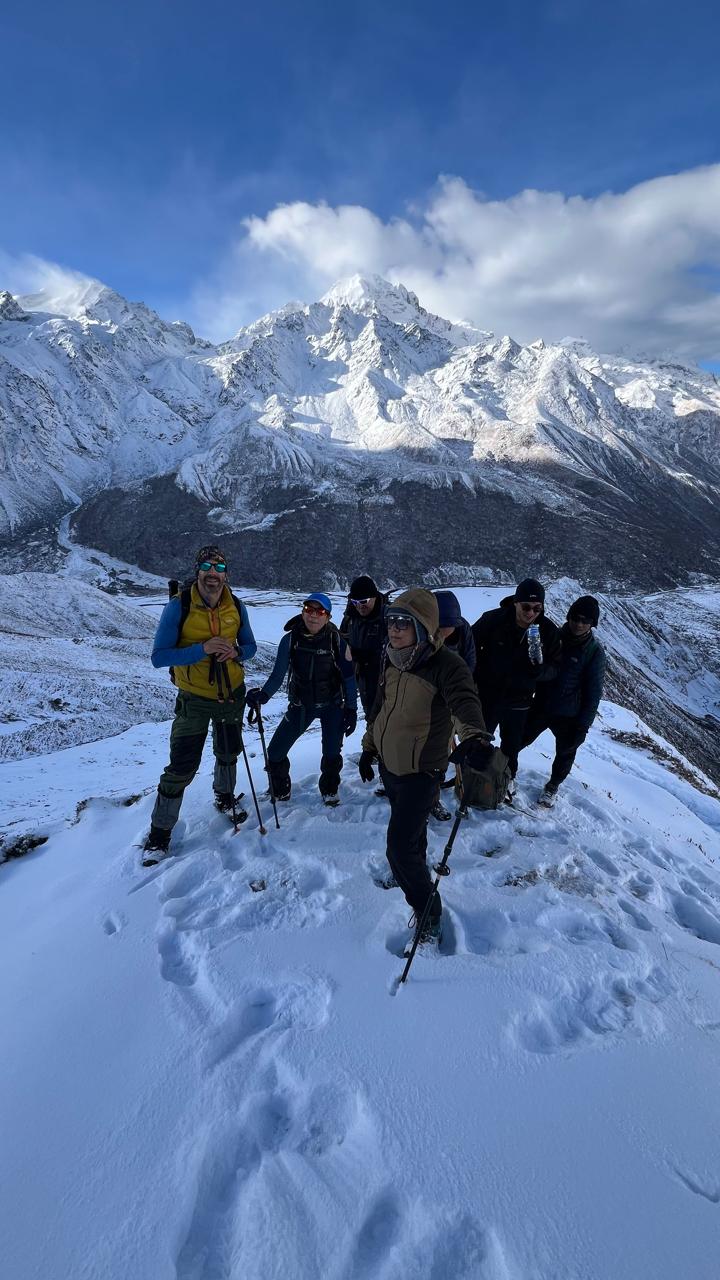
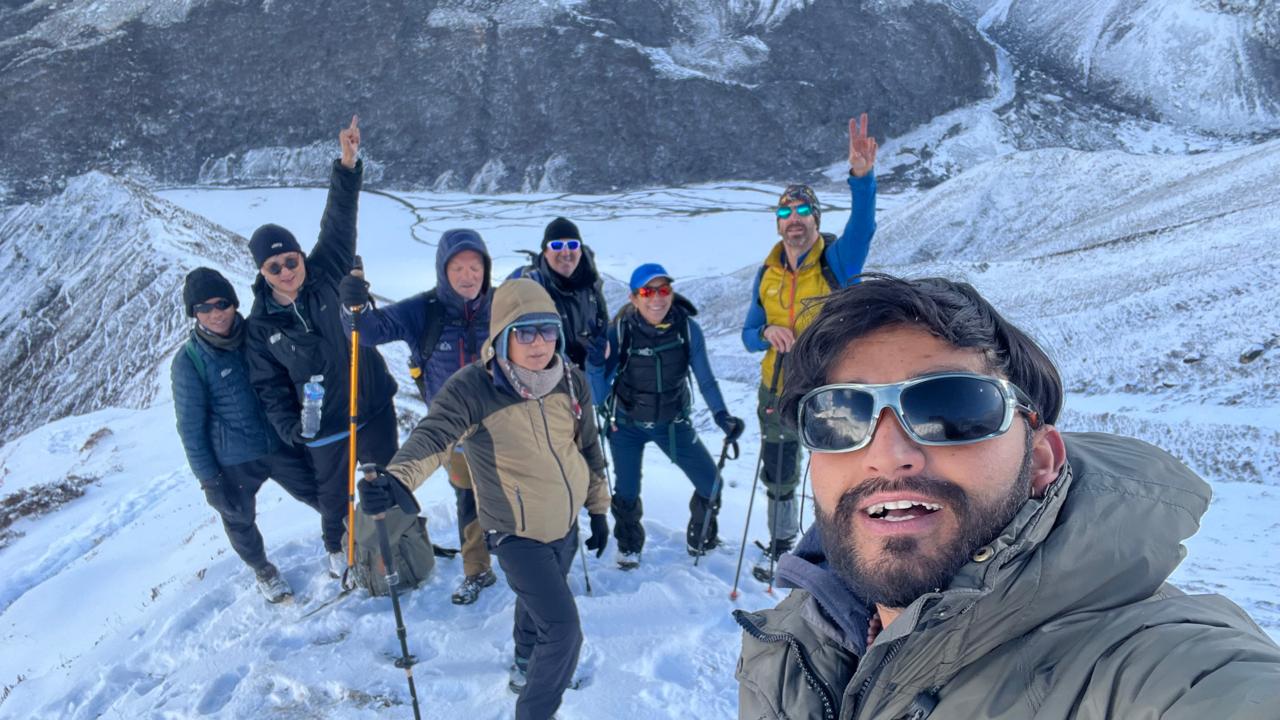
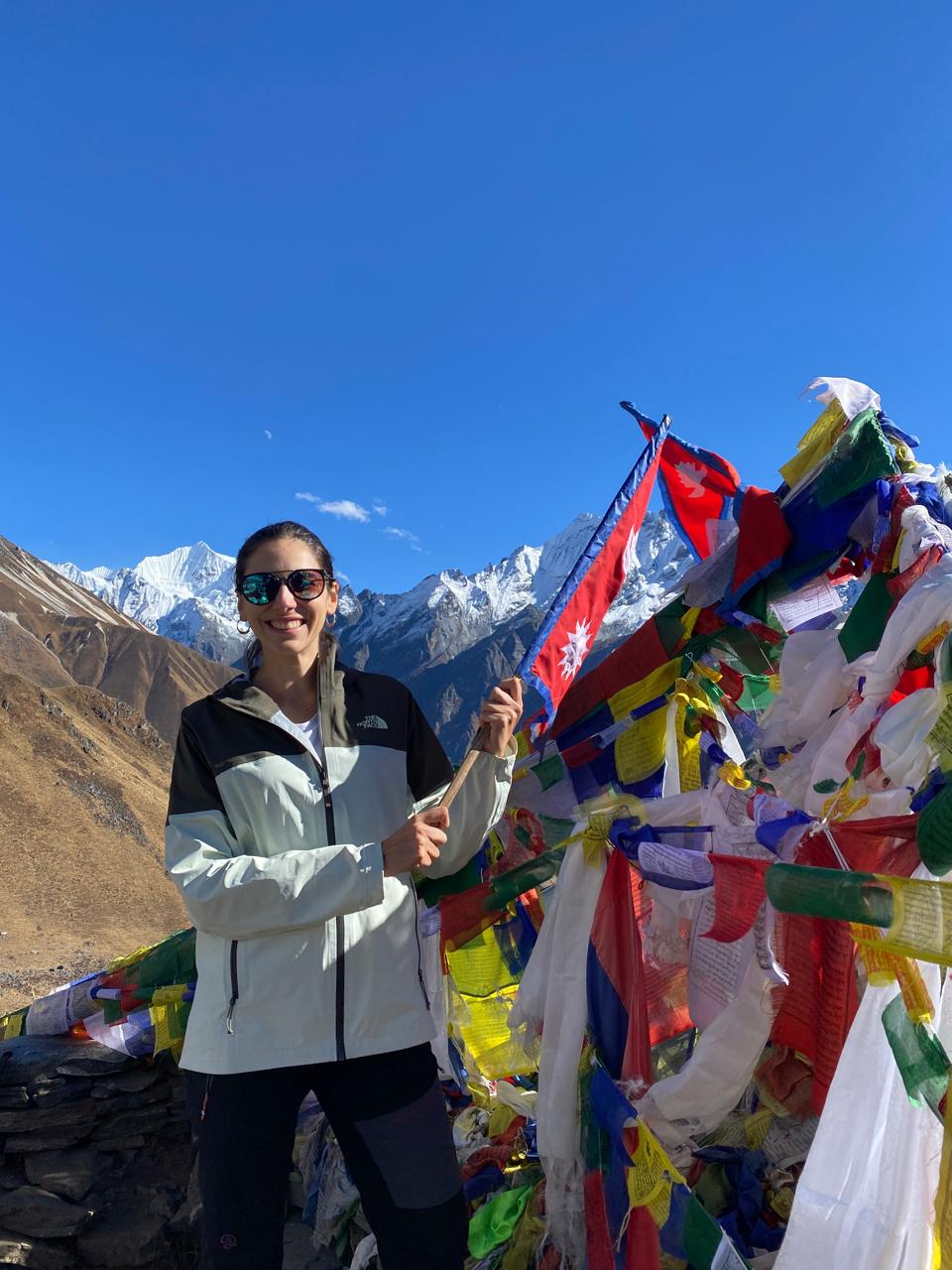
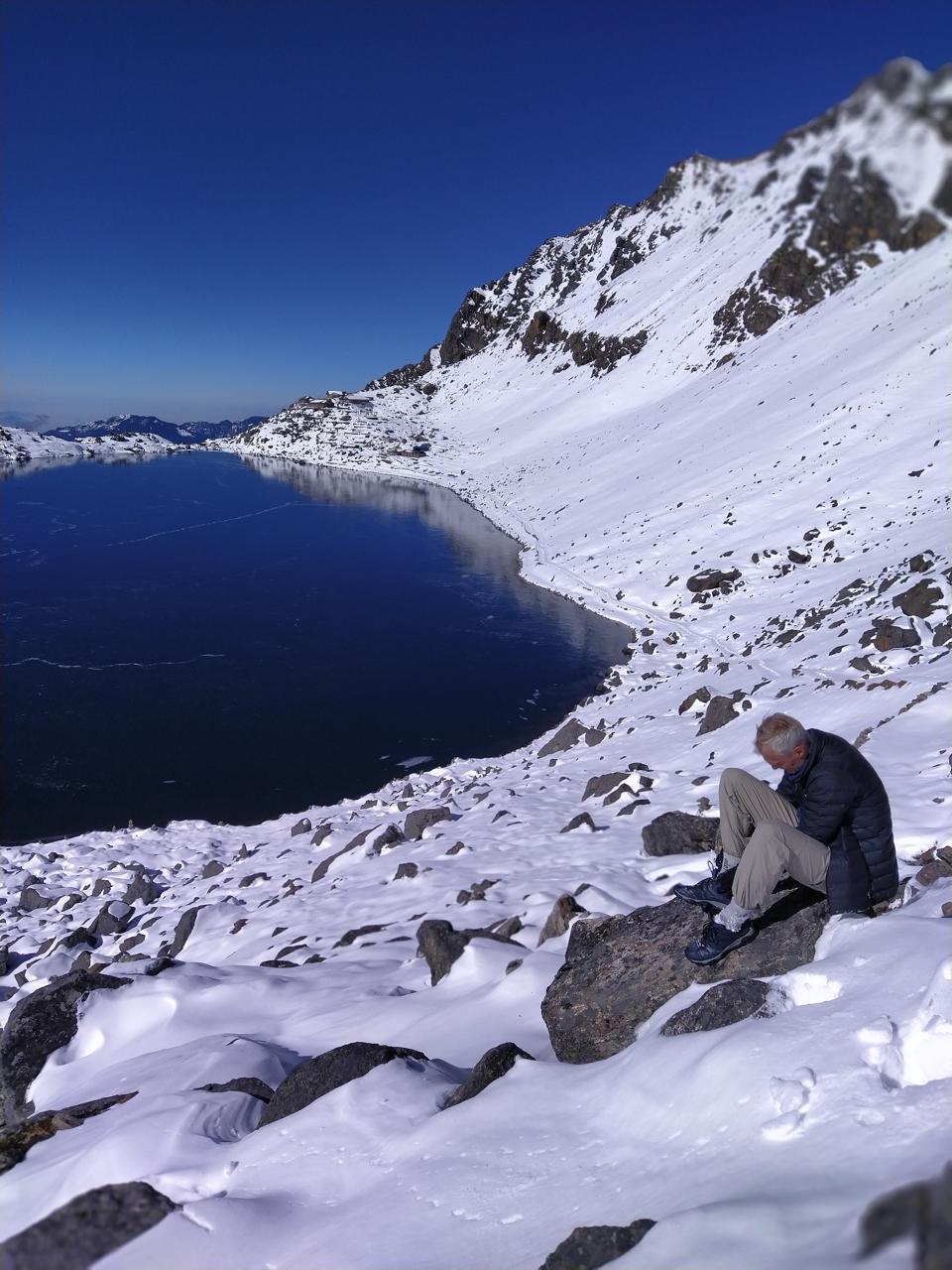
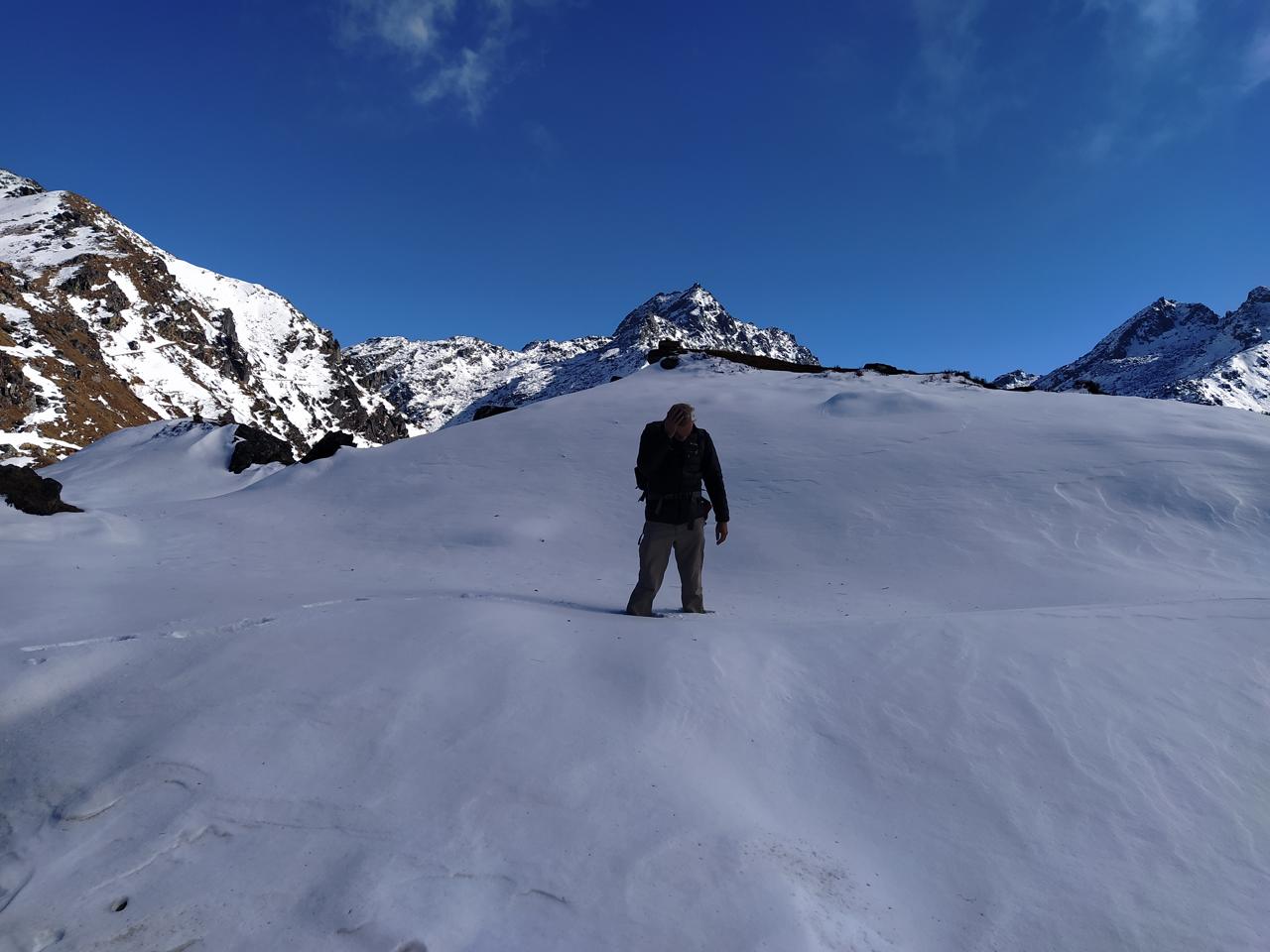
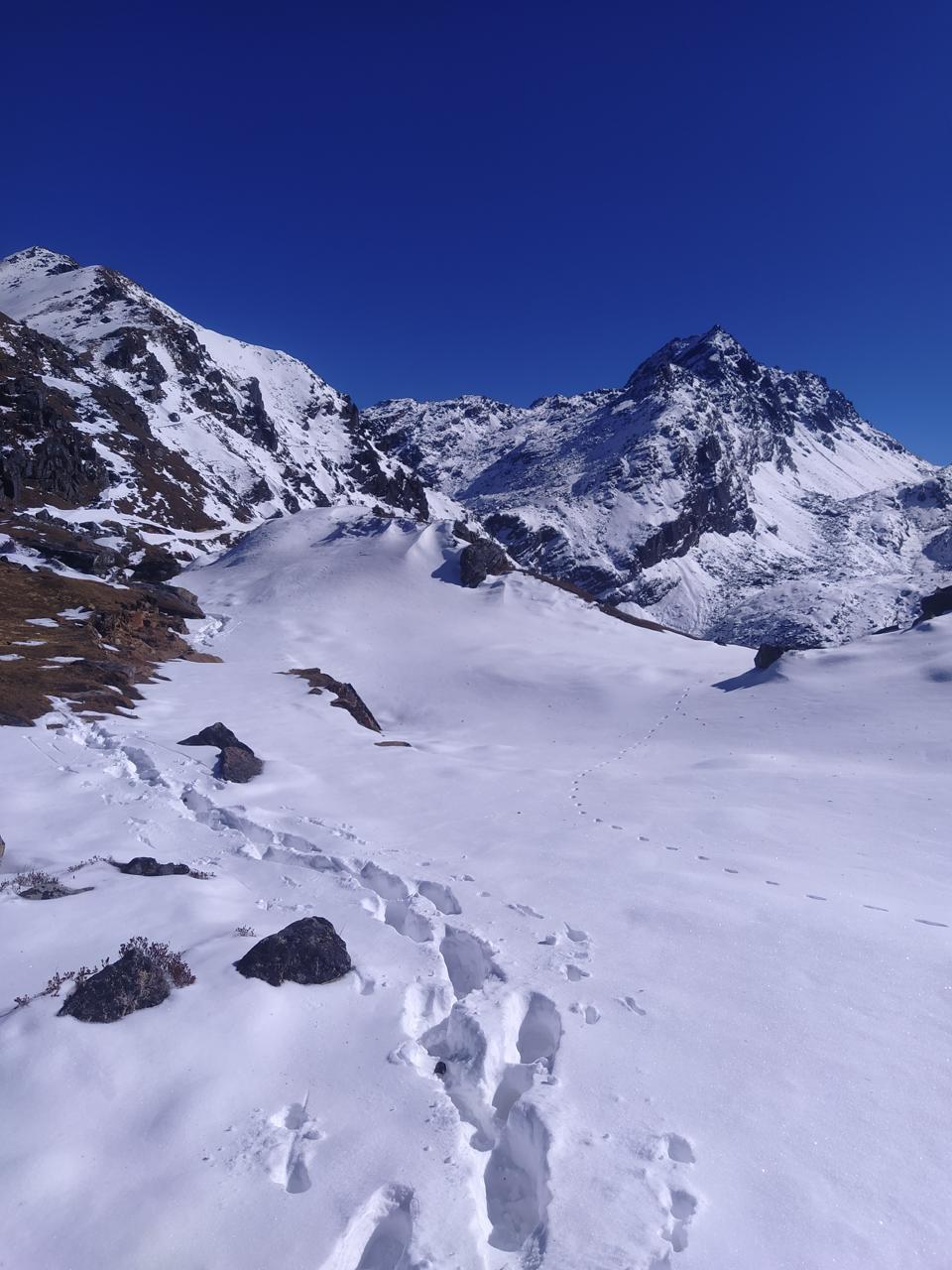
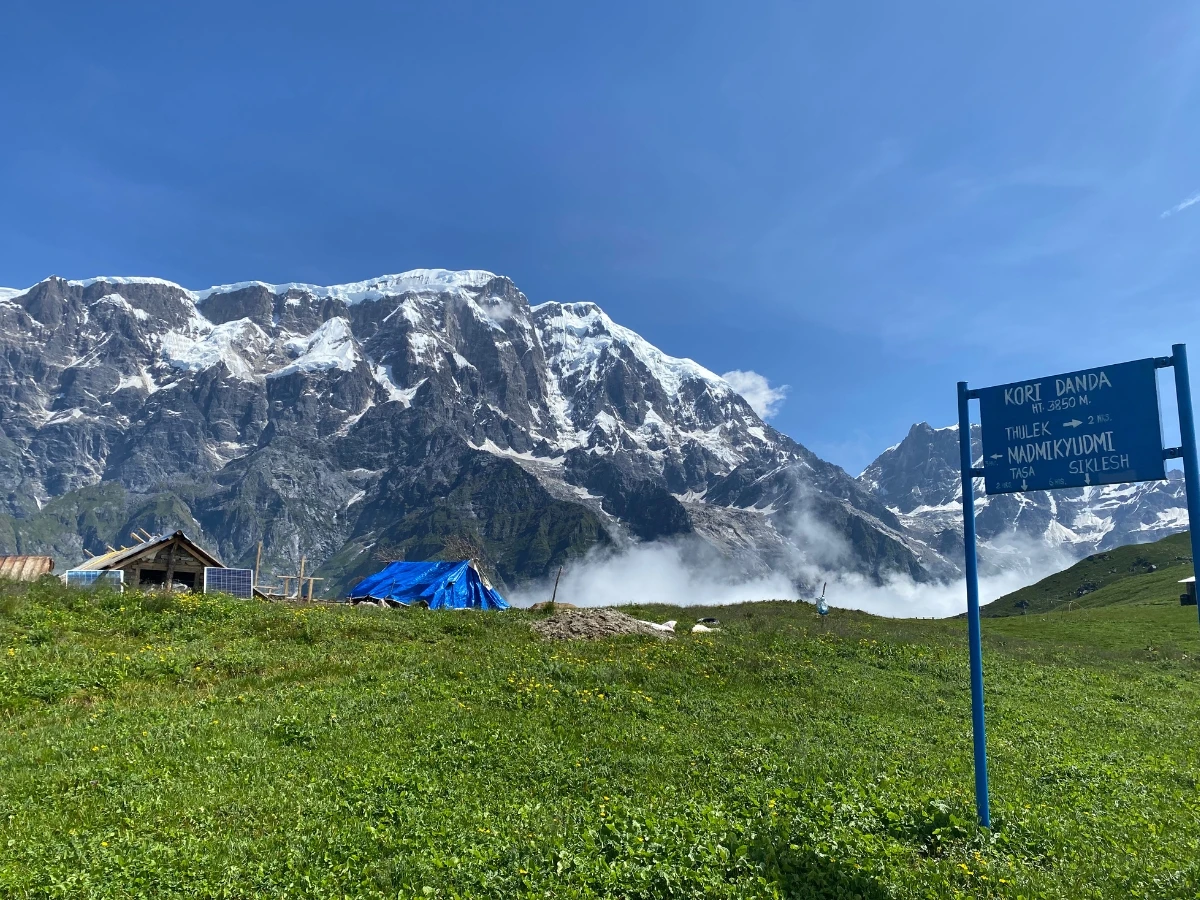
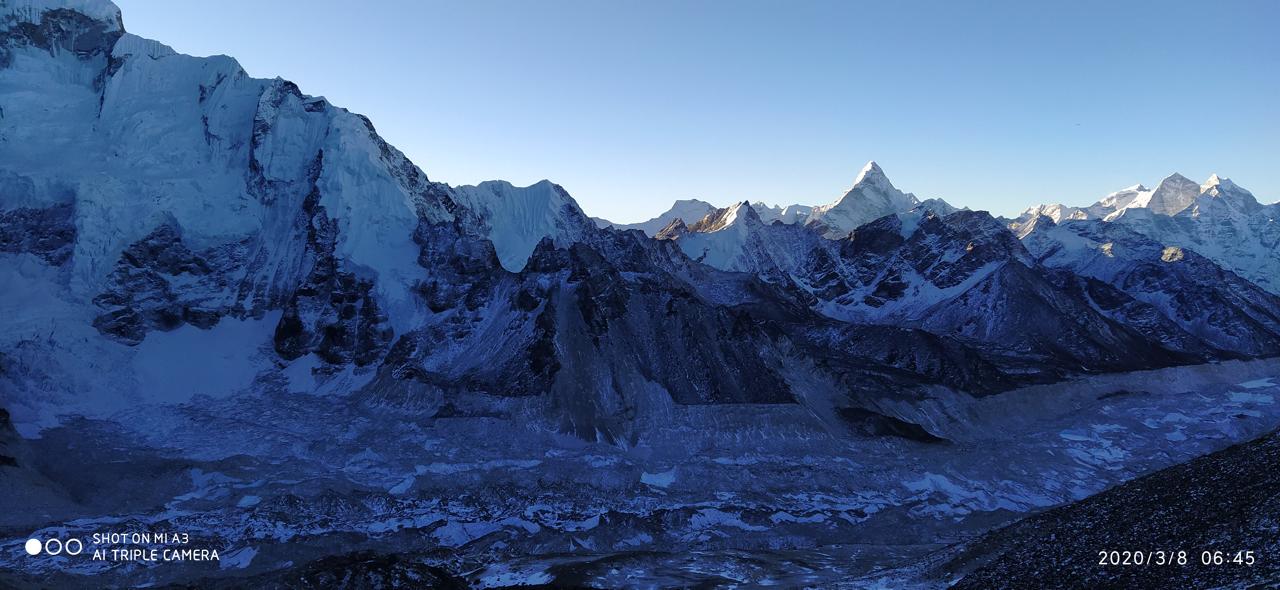
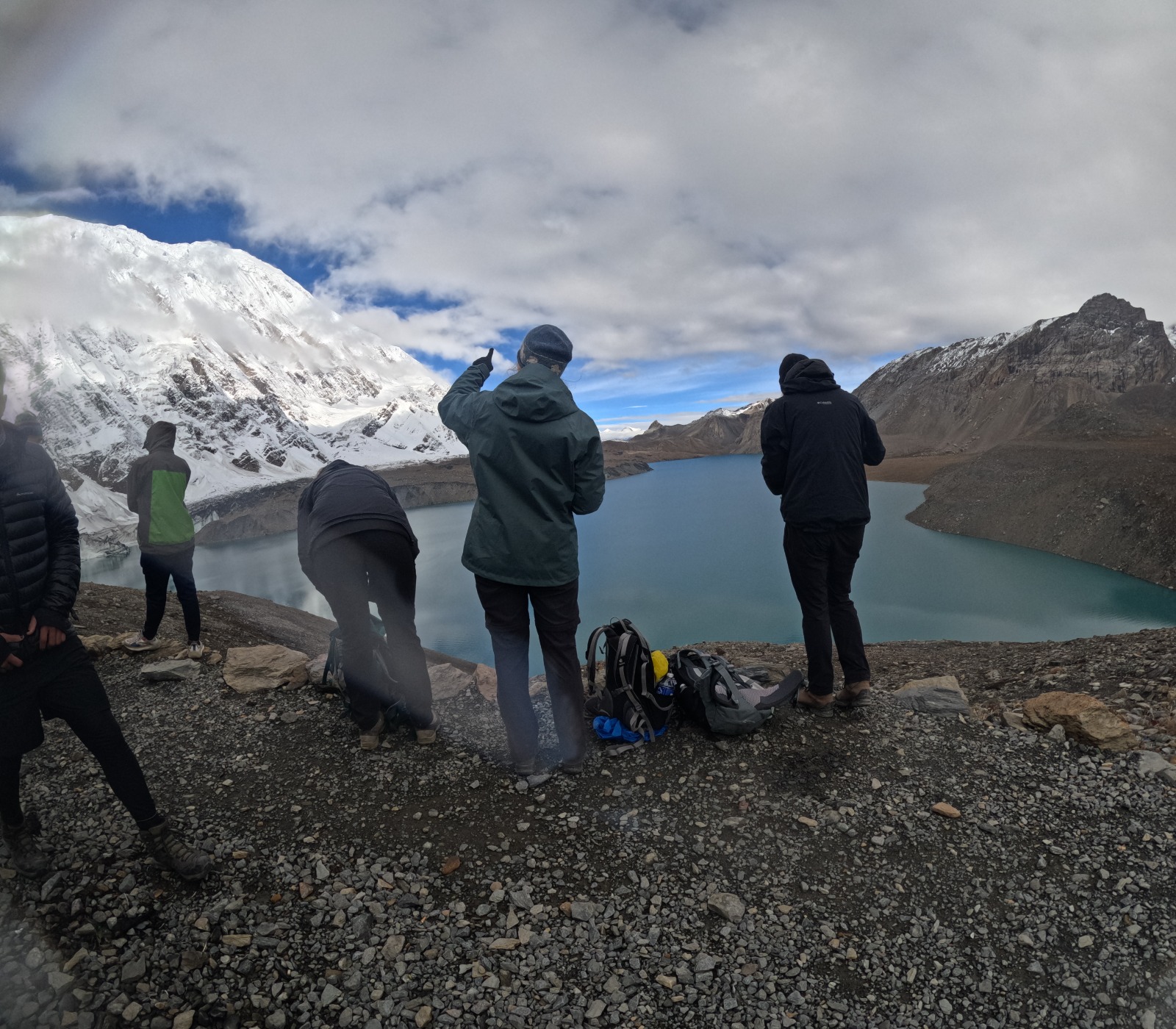
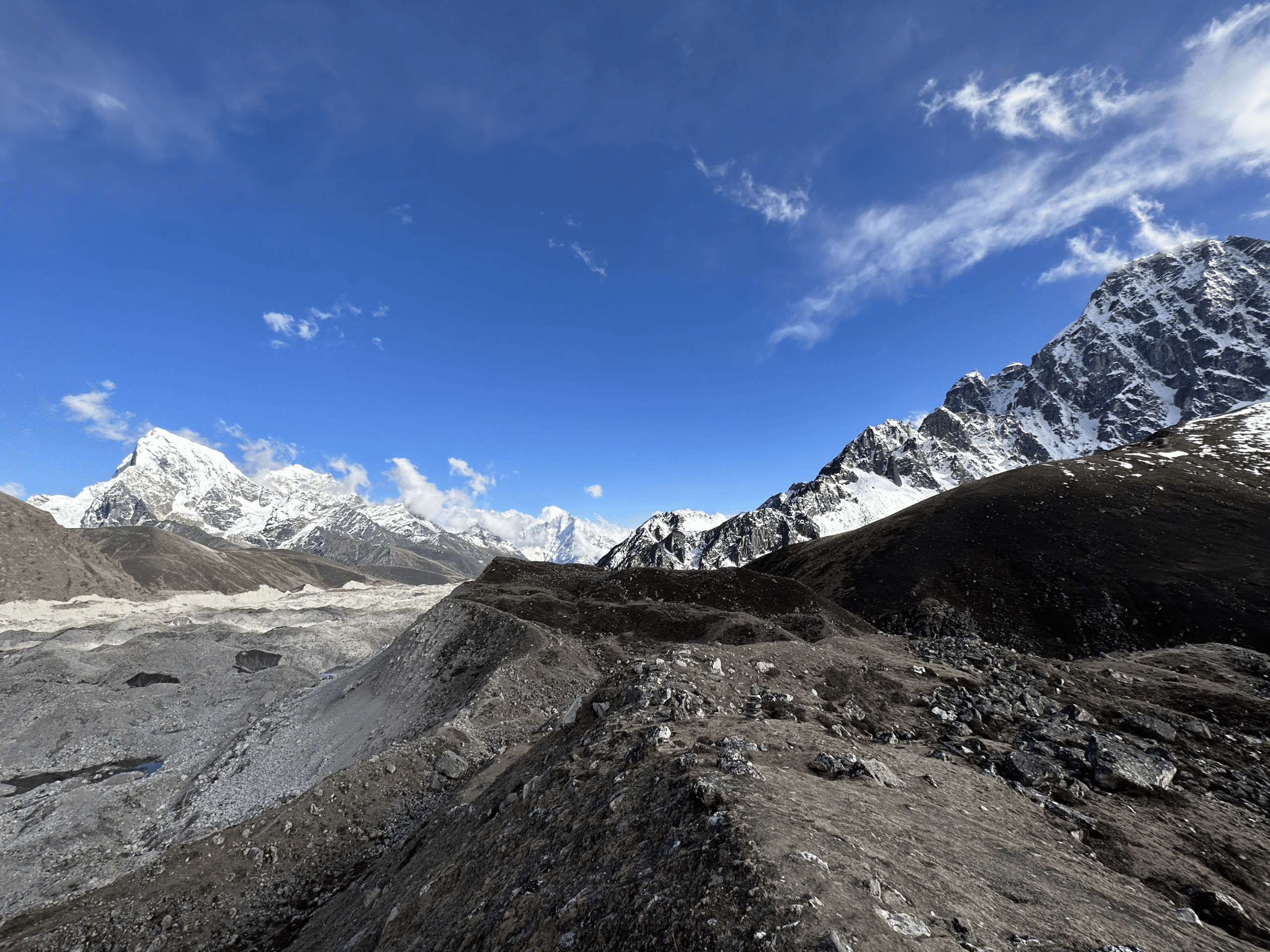
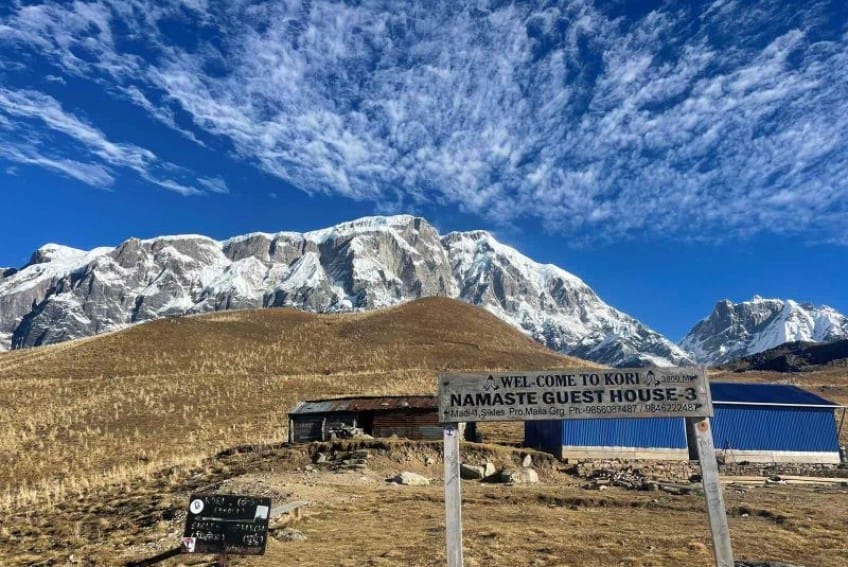
The Langtang Ganja La Pass Trek is a 14-day adventure through one of Nepal’s most remote and scenic regions, the Ganesh Himal. This trek combines challenging terrain with breathtaking Himalayan vistas. Trekkers will traverse the Ganja La Pass, reaching an altitude of 4,800 meters, and experience spectacular panoramic views of the Ganesh Himal, Manaslu, and Annapurna ranges.
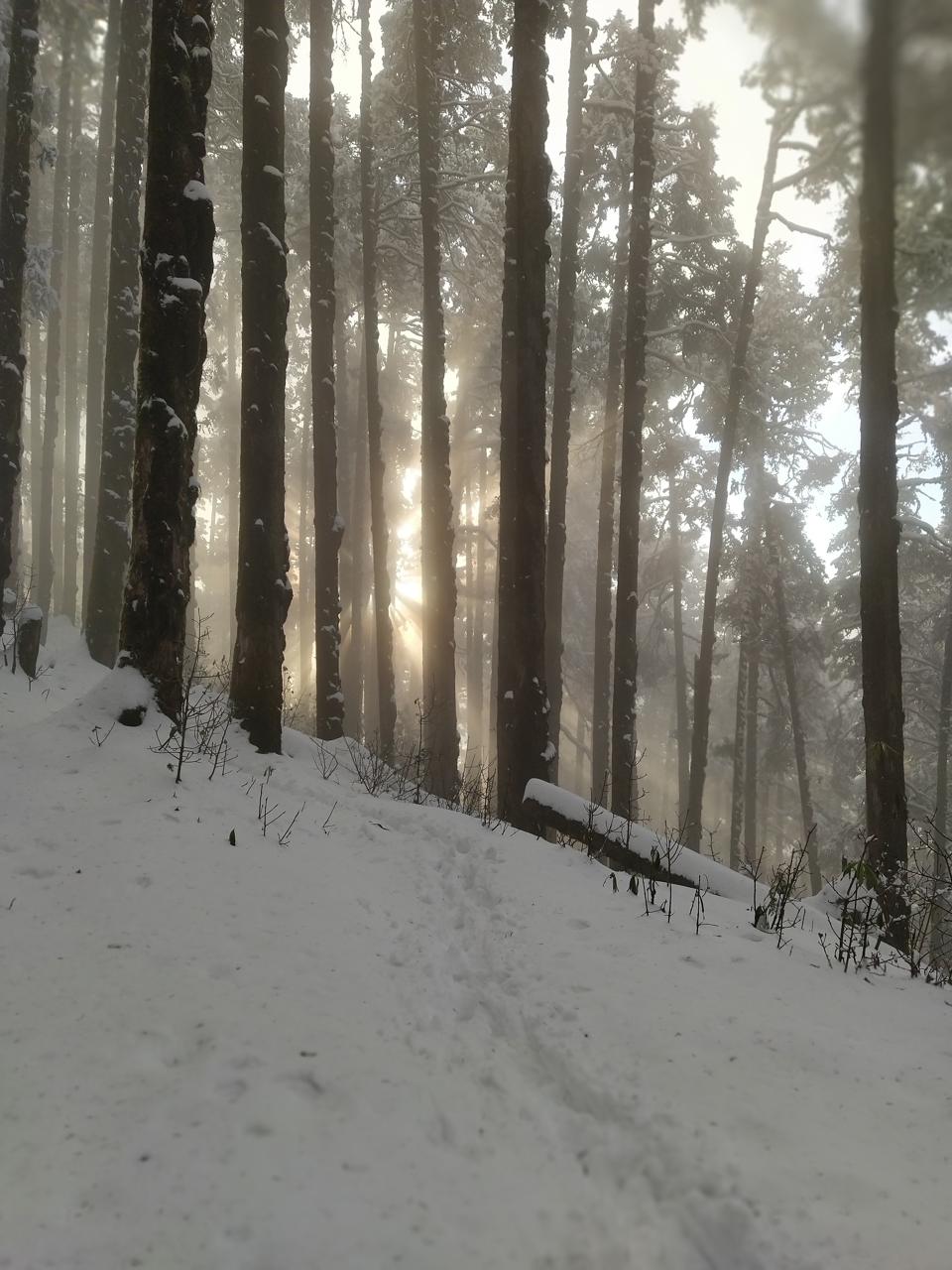
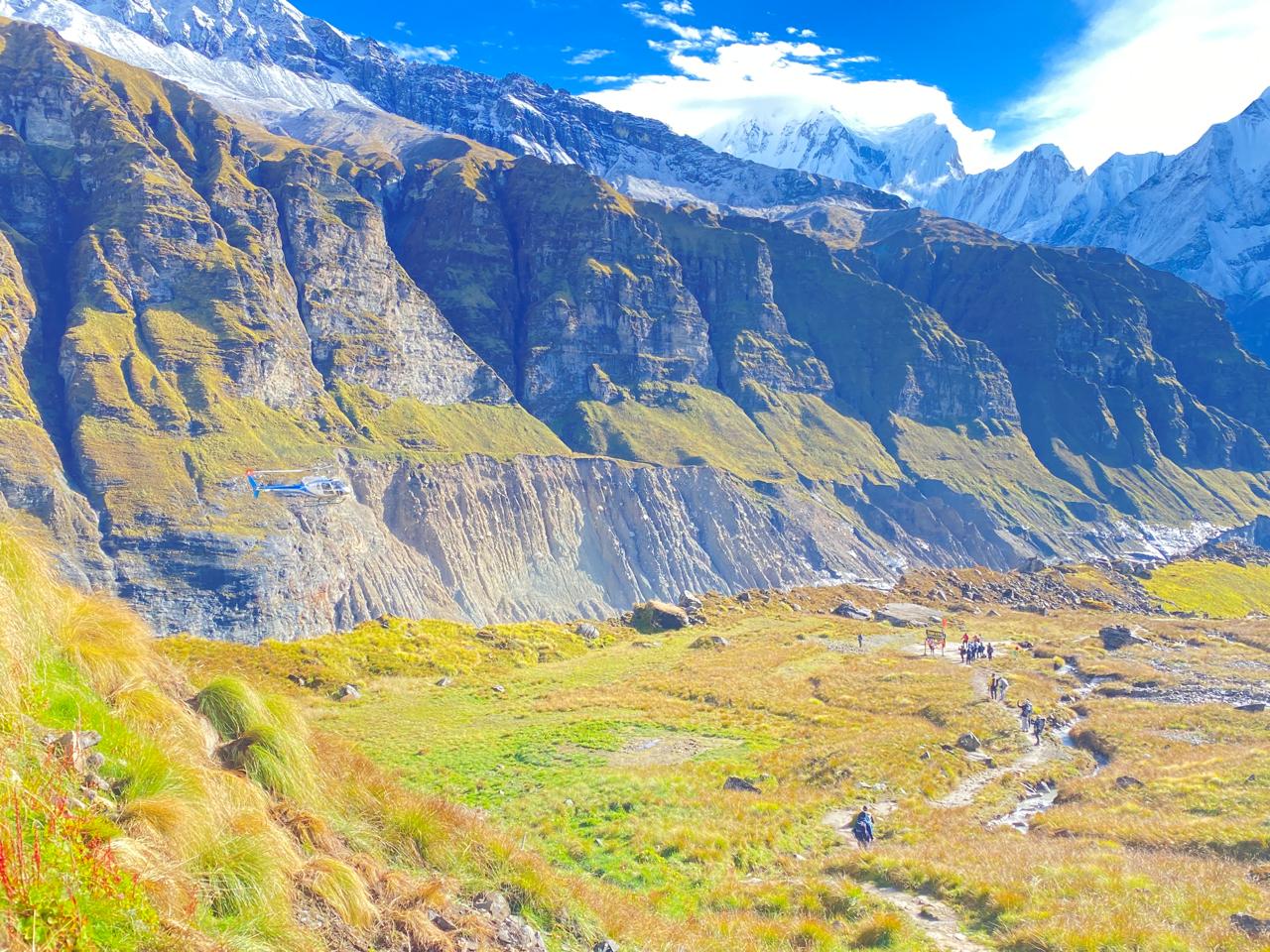
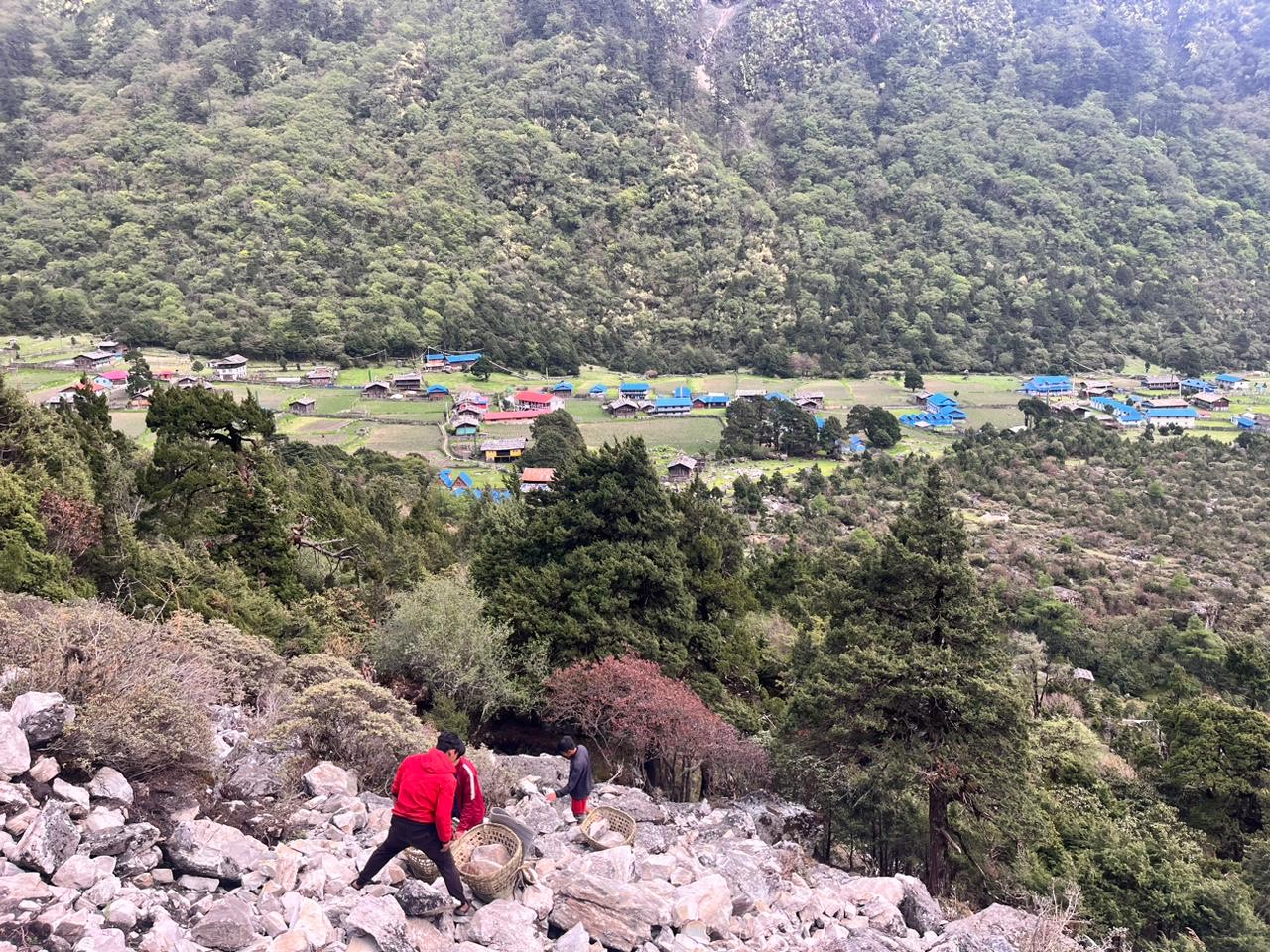
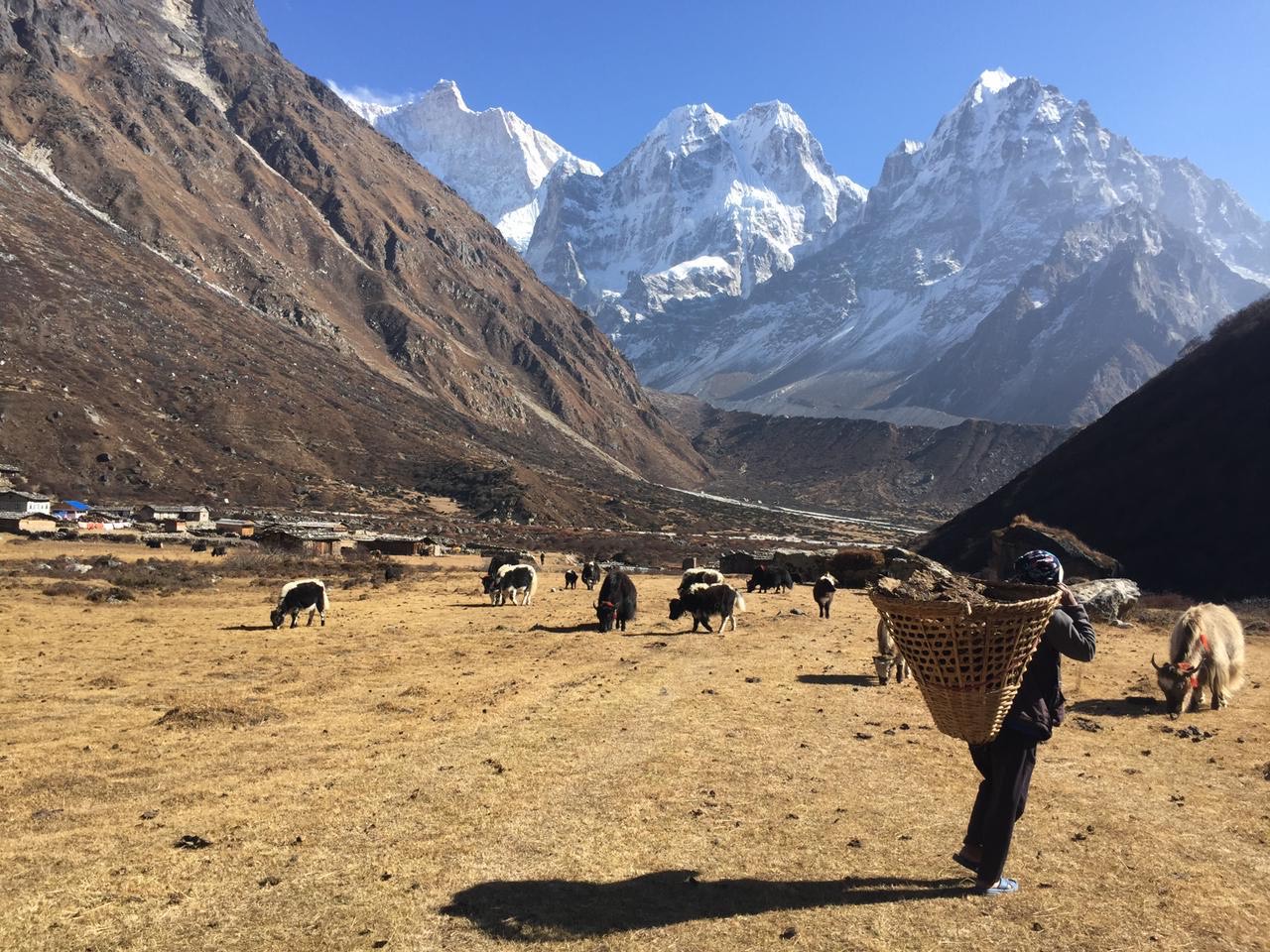
Along the route, the journey passes through lush forests of rhododendrons, pine, and oak, alpine meadows, and arid high-altitude landscapes. Trekkers will visit remote villages, where Tamang and Sherpa communities maintain centuries-old traditions, offering a rare glimpse into authentic Himalayan life.
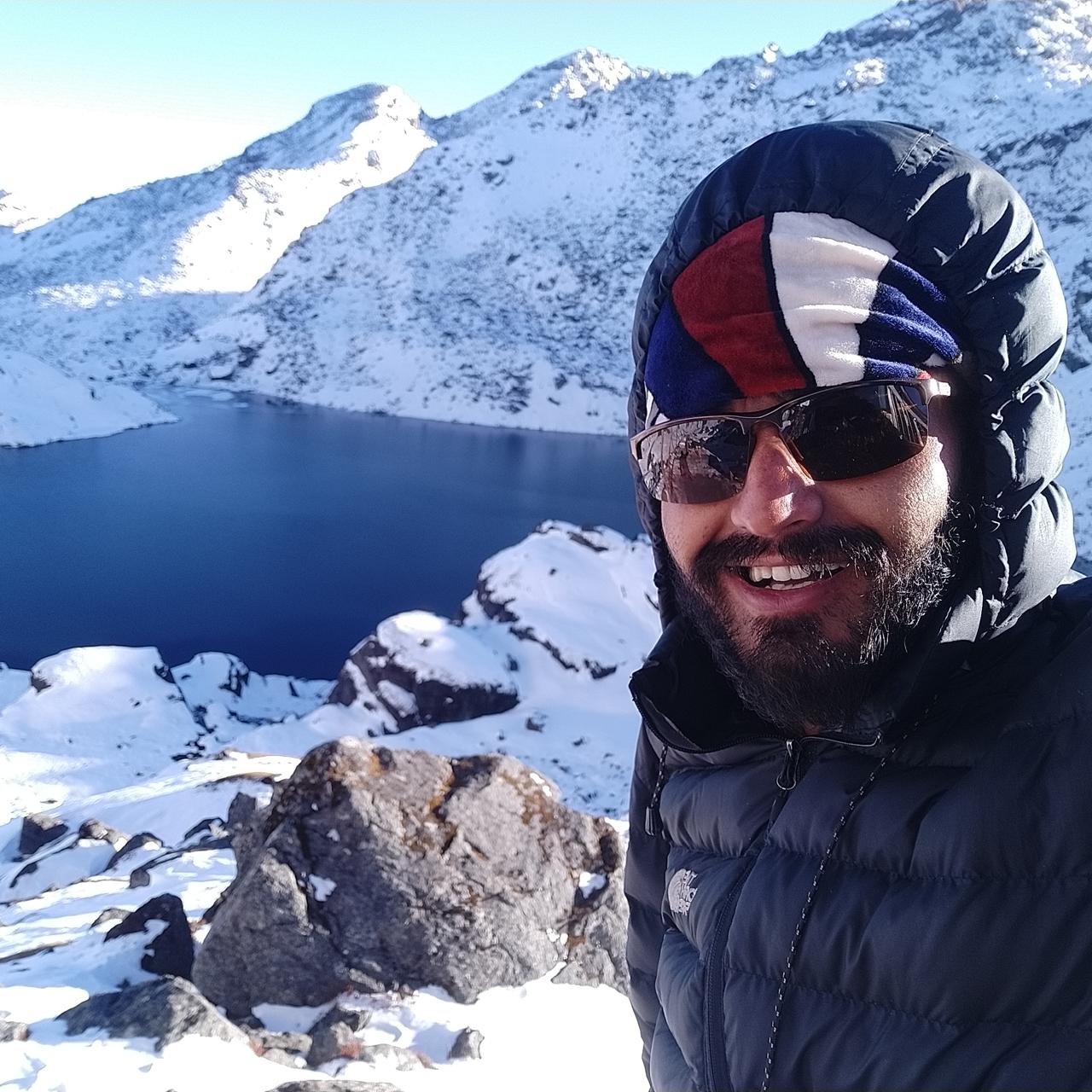
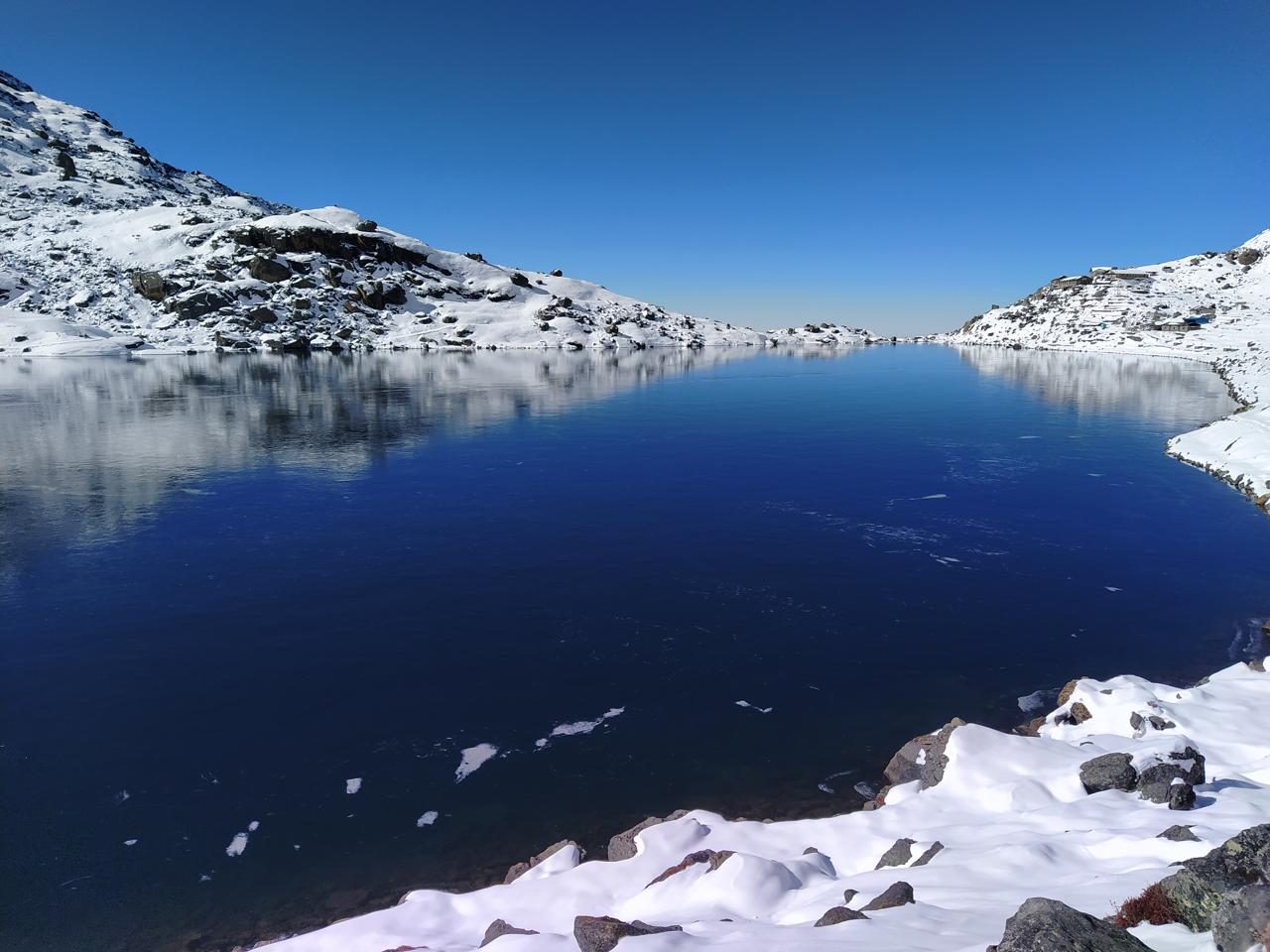
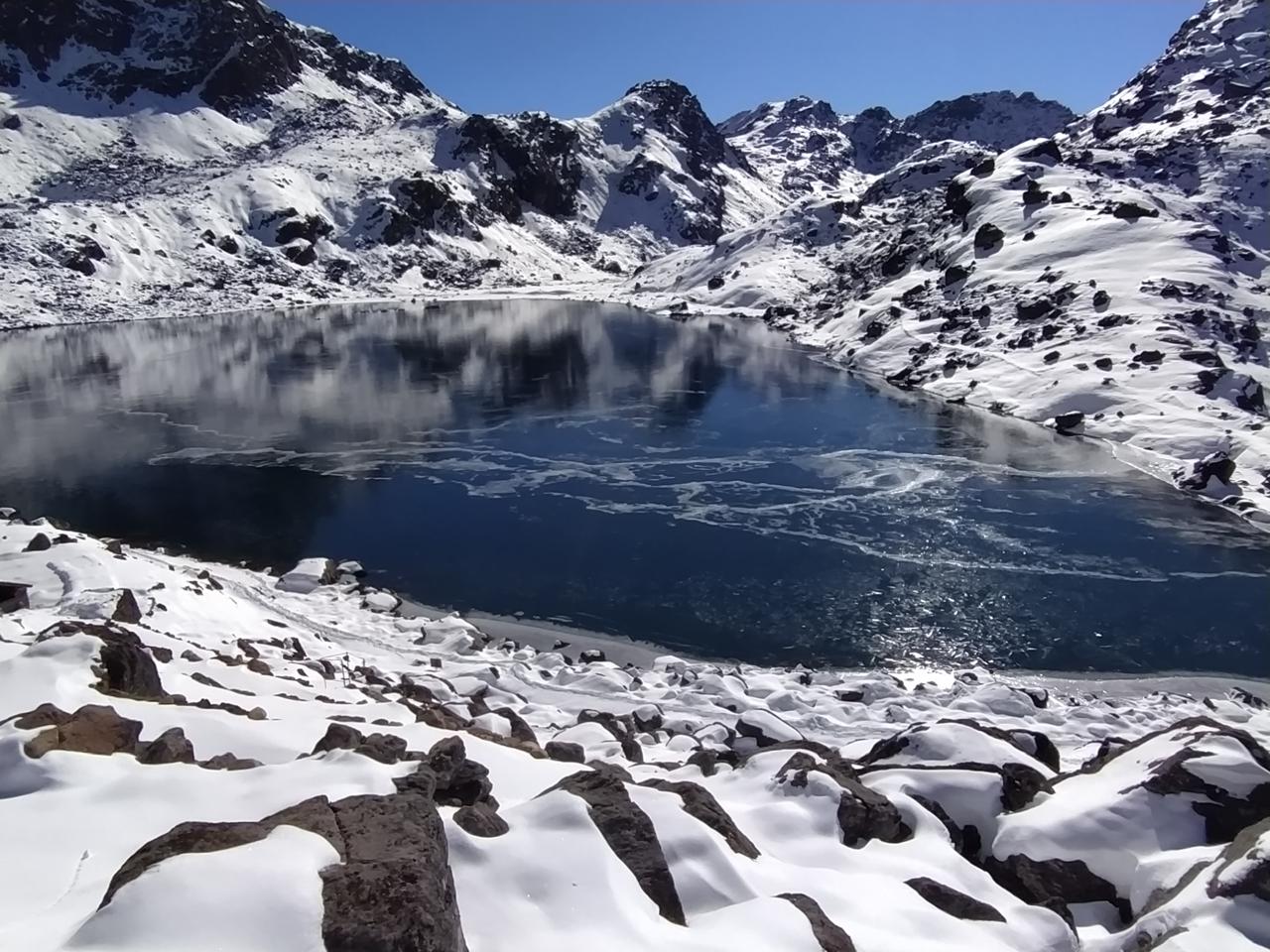
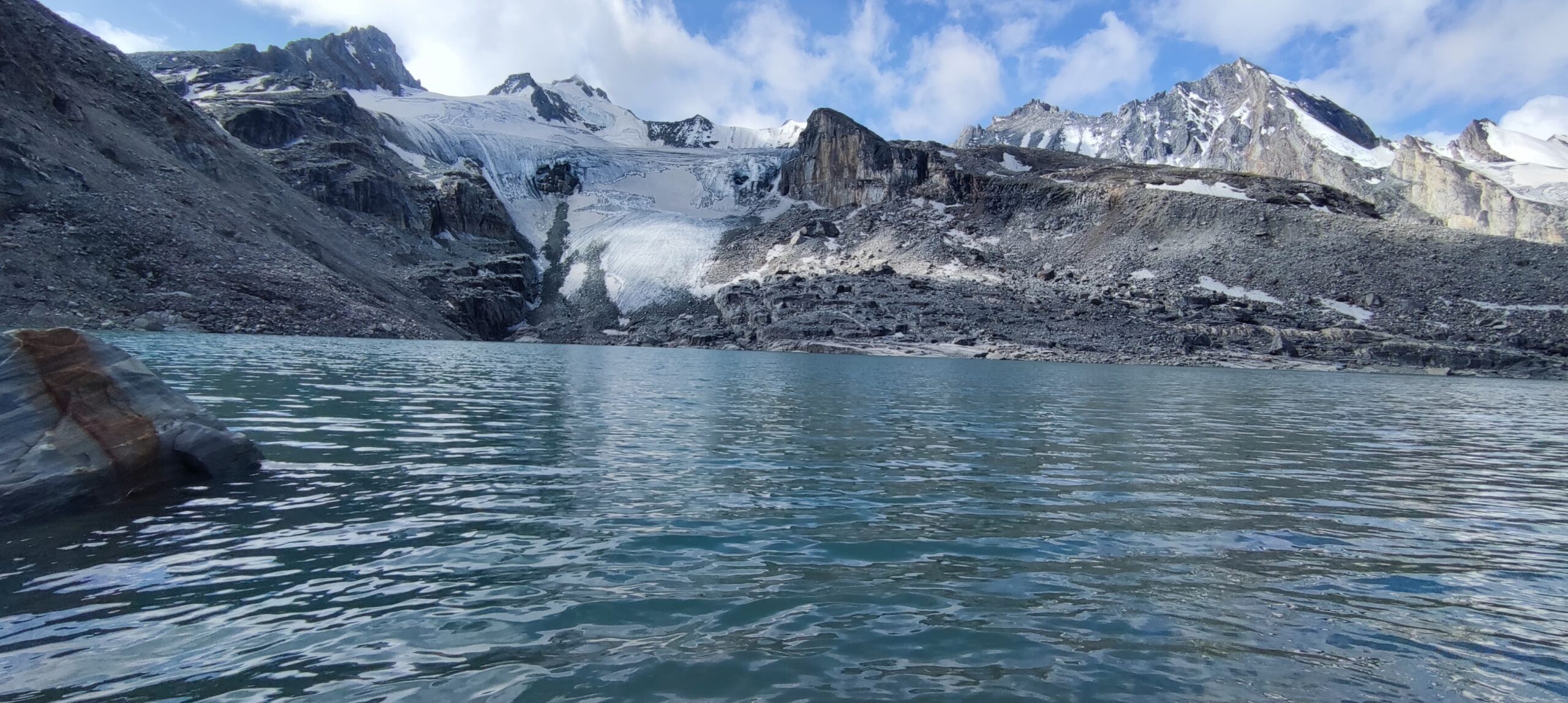
The trek also provides opportunities to witness Himalayan wildlife, including blue sheep and red pandas, and explore glacial lakes and moraines. With a combination of physical challenge, natural beauty, and cultural immersion, this trek is perfect for adventurers seeking both high-altitude excitement and authentic experiences.
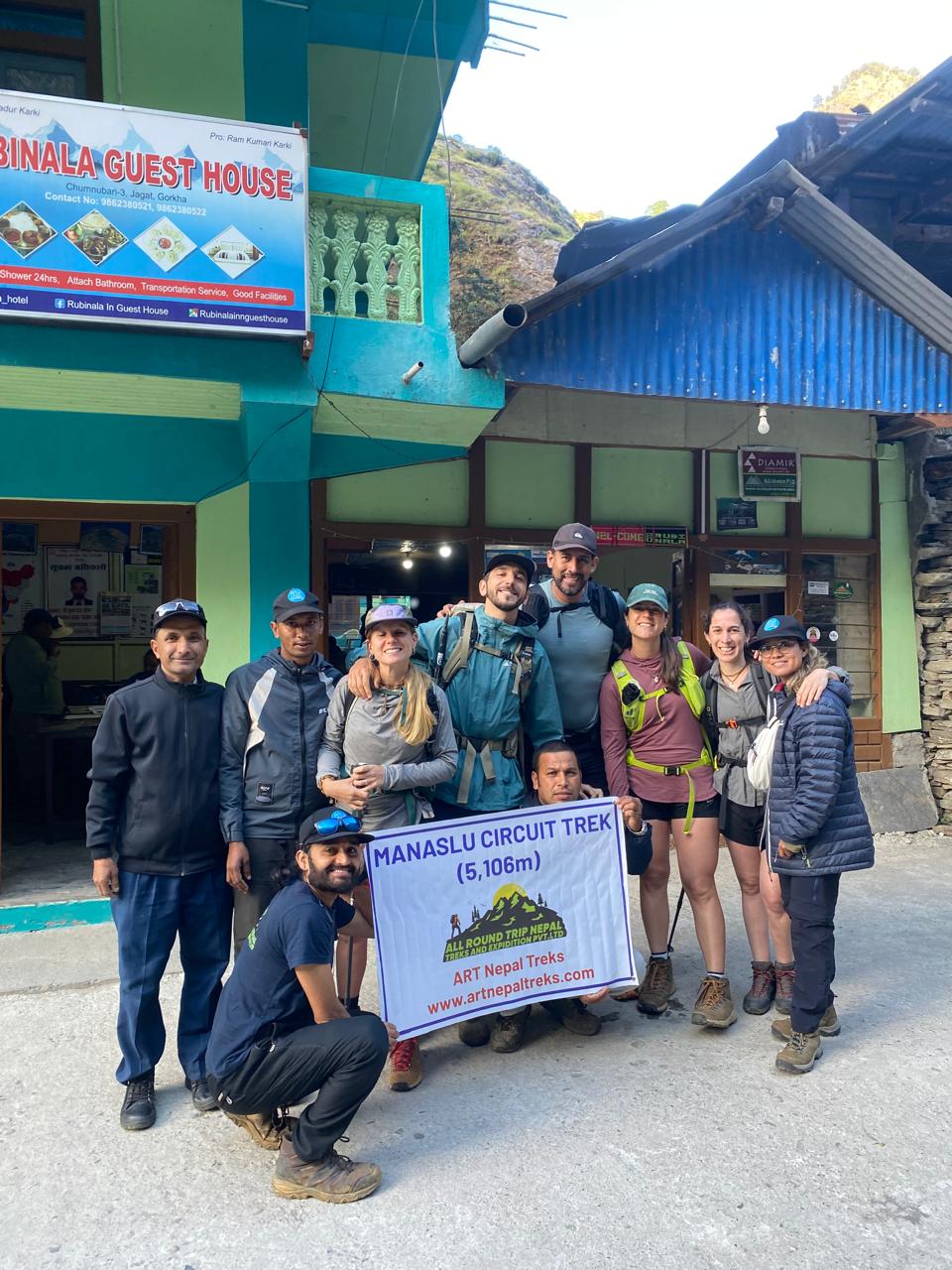
The trek is organized and guided by ART Nepal Treks & Expedition, ensuring professional support, safety, and a smooth experience from Kathmandu to the remote Himalayan passes.
What Can You Expect From the Trek?
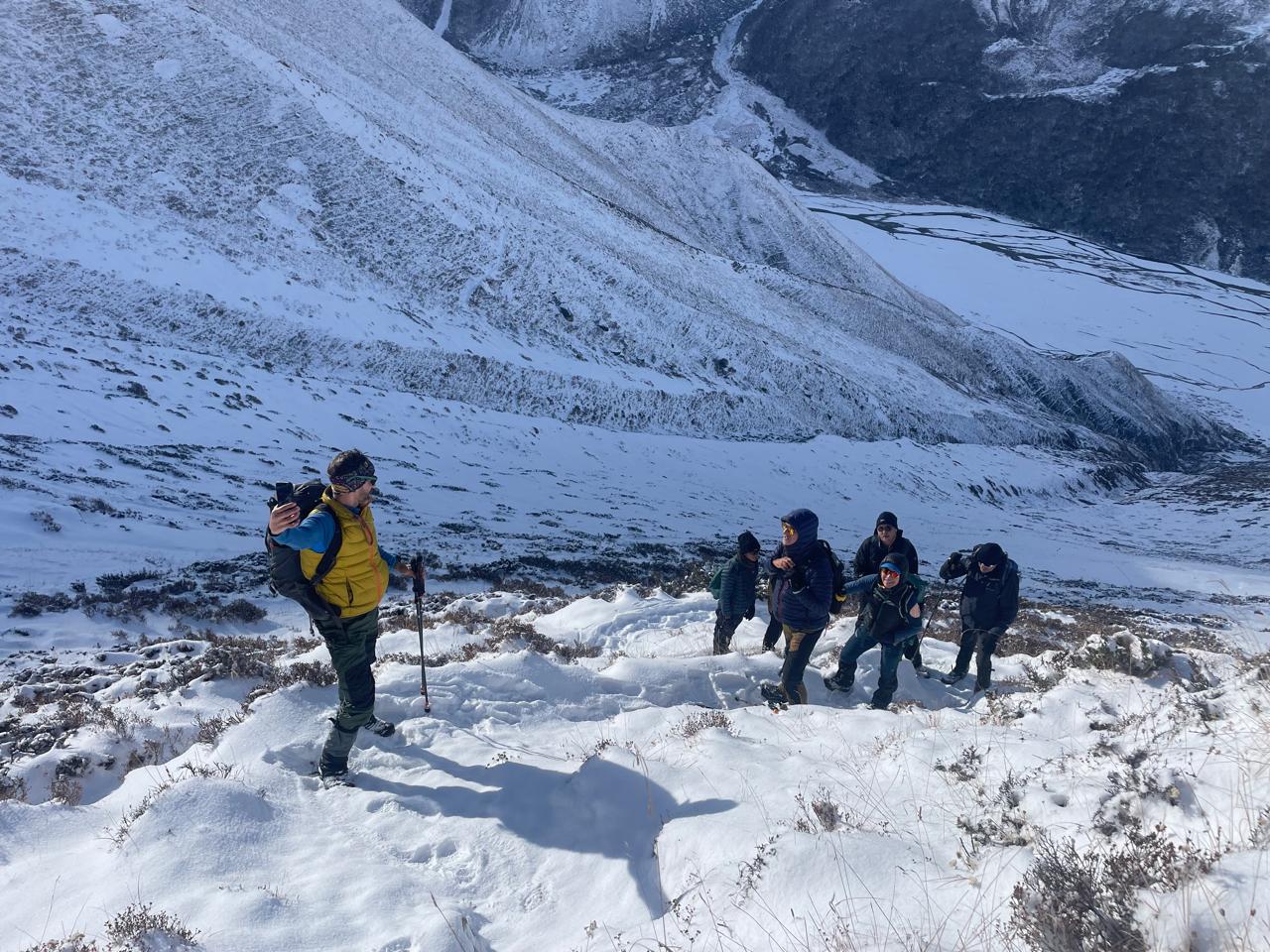
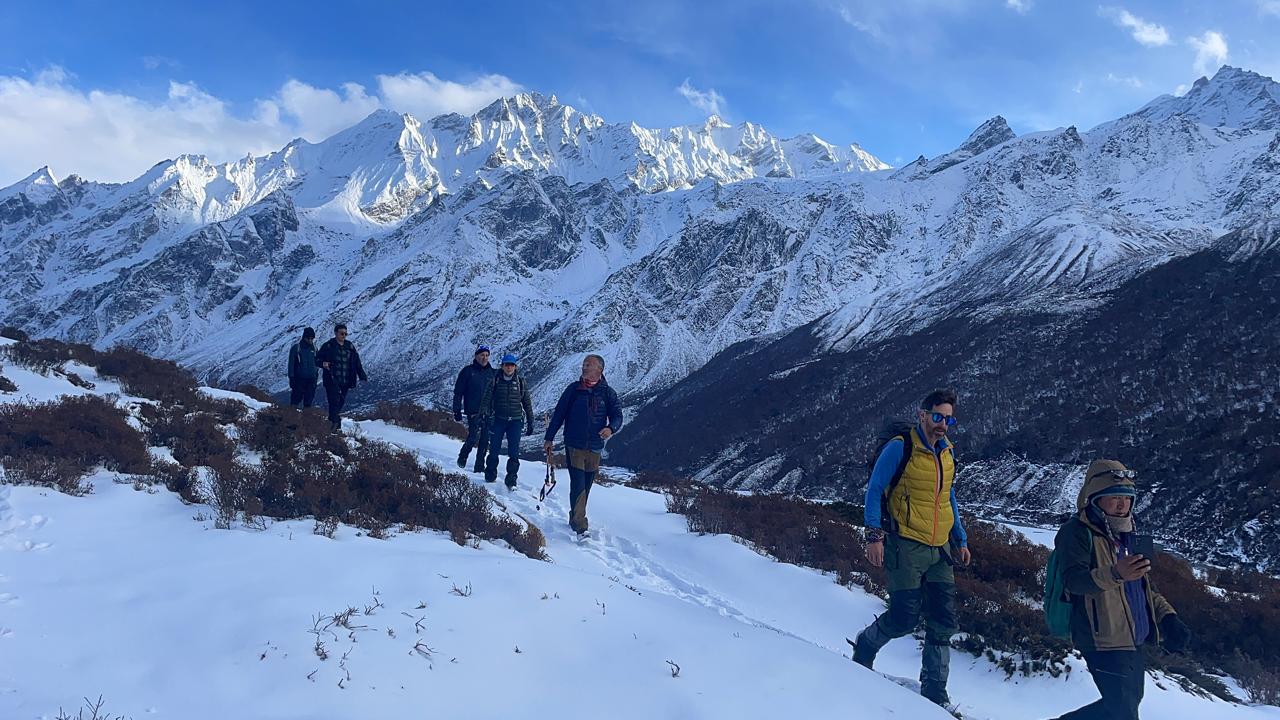
- Challenging High-Altitude Hiking: Daily treks of 4–8 hours over steep ascents, rocky paths, and ridgelines
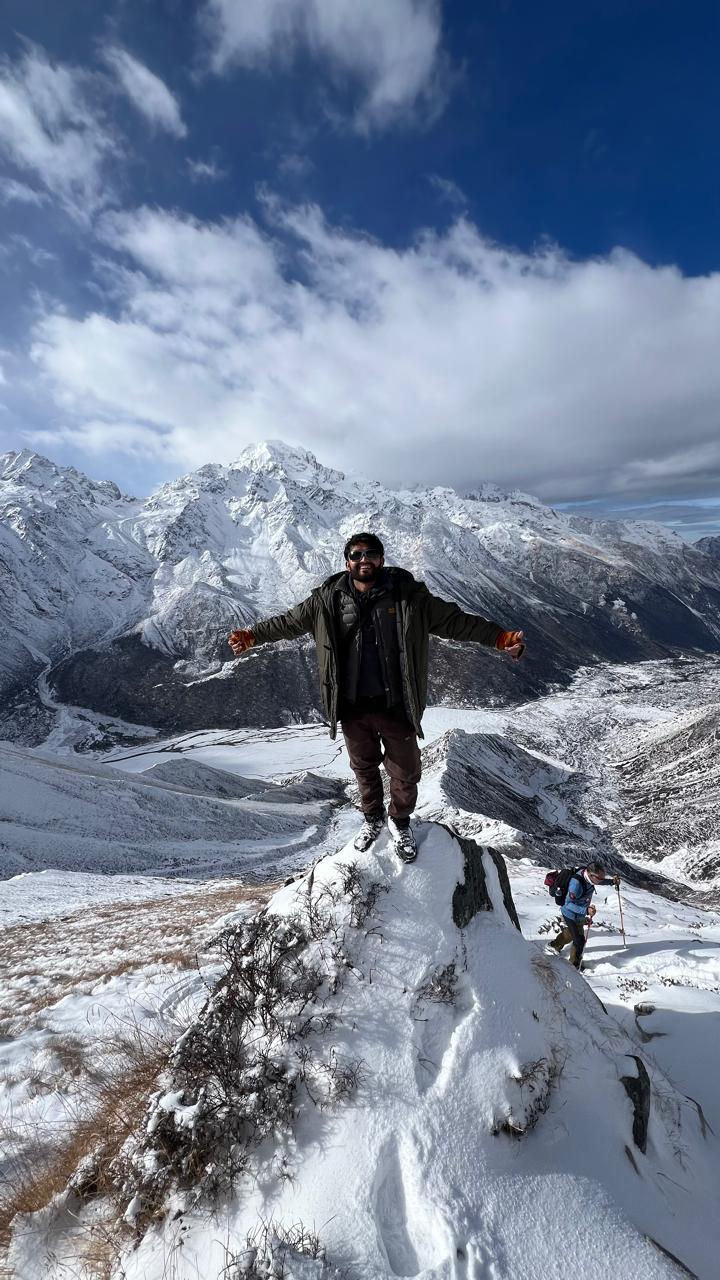
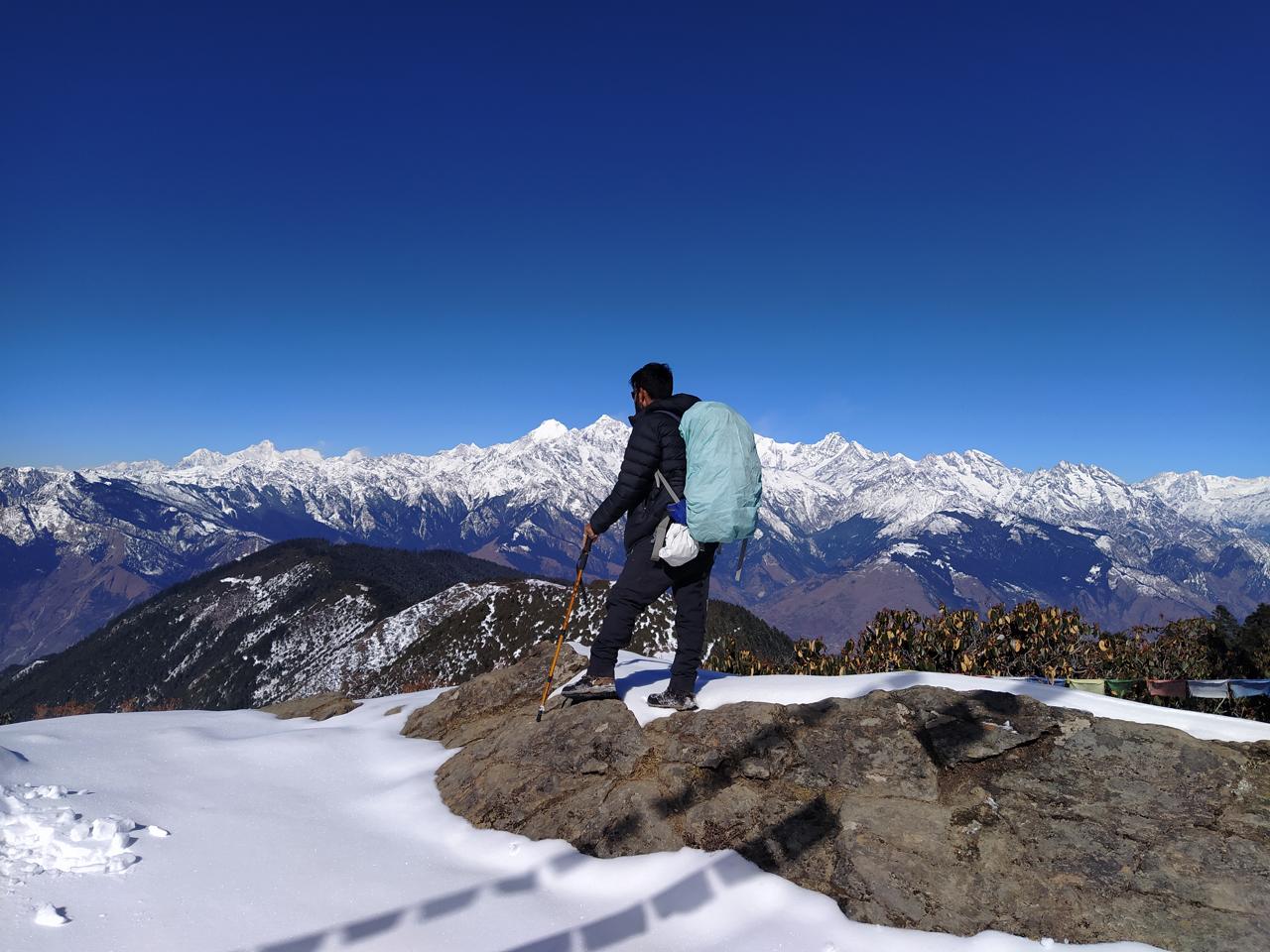
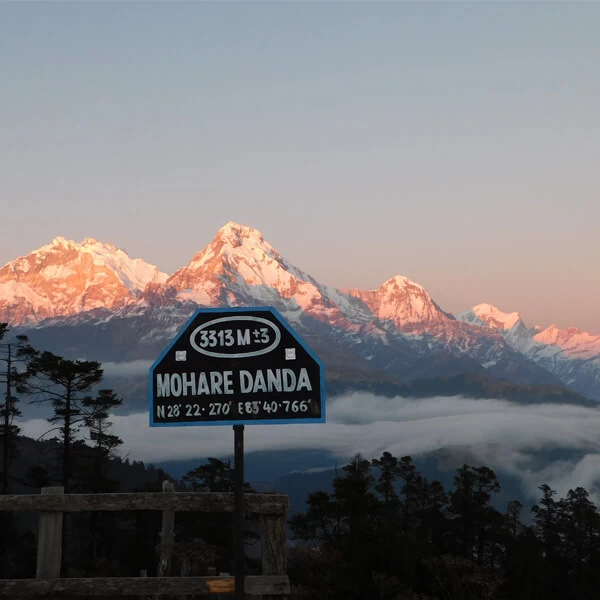
- Panoramic Mountain Views: Uninterrupted vistas of Ganesh Himal, Manaslu, Langtang Lirung, and Annapurna peaks
- Cultural Encounters: Interaction with Tamang and Sherpa villagers, experiencing their lifestyle, rituals, and cuisine
- Wildlife Experiences: Opportunities to spot Himalayan wildlife, including rare species
- Adventure and Serenity: A combination of adrenaline-inducing passes like Ganja La and peaceful alpine landscapes
- Physical and Mental Reward: High-altitude trekking challenges your endurance while offering a sense of accomplishment and life-changing experiences
Is Trek Suitable for You?
This trek is ideal for:
- Experienced trekkers seeking a high-altitude challenge
- Physically fit adventurers capable of walking 4–8 hours daily
- Cultural enthusiasts who enjoy interacting with remote Himalayan communities
- Those comfortable with camping and teahouse stays in remote locations
- Individuals who want off-the-beaten-path trekking with spectacular scenery
Not suitable for:
- People with severe medical conditions
- Those unprepared for cold temperatures or altitude
- Beginners without any trekking experience
Is Trek Suitable for You?
This trek is ideal for:
- Experienced trekkers seeking a high-altitude challenge
- Physically fit adventurers capable of walking 4–8 hours daily
- Cultural enthusiasts who enjoy interacting with remote Himalayan communities
- Those comfortable with camping and teahouse stays in remote locations
- Individuals who want off-the-beaten-path trekking with spectacular scenery
Not suitable for:
- People with severe medical conditions
- Those unprepared for cold temperatures or altitude
- Beginners without any trekking experience
What's Included
The cost of your Langtang Ganja La Pass Trek covers essential services and support throughout your adventure. This ensures a comfortable, safe, and enjoyable trekking experience in the Himalayas.
- Airport Pickup & Drop: Transfer to and from Tribhuvan International Airport in Kathmandu.
- Accommodation in Kathmandu: 2 nights in a 3-star hotel with modern amenities.
- Breakfast in Kathmandu: Daily breakfast during your stay in the city.
- Permits and Taxes: Includes all trekking permits such as Langtang National Park Permit, TIMS Card, and other required fees.
- During Trek:
- Accommodation in tea houses, lodges, or tents depending on altitude and location.
- Full board meals: Breakfast, Lunch, Dinner, and hot beverages (tea/coffee) during trekking days.
- Experienced guide services including salary, accommodation, and insurance.
- First Aid Kit carried by the guide for emergencies.
- Public Transportation: Transport services for road segments (Kathmandu to Syabrubesi and Melamchi Pul Bazar to Kathmandu).
This coverage allows you to focus entirely on the trek without worrying about logistics, meals, or safety essentials.
What's Excluded
The following items are not included in the standard trek cost and should be arranged by the trekker:
- Personal Expenses: Shopping, souvenirs, snacks, and personal leisure activities.
- Trekking Gears: Equipment such as trekking poles, sleeping bags, or high-altitude clothing (unless you rent or buy locally).
- Beverages & Mineral Water: Soft drinks, bottled water, alcohol, or other personal beverages.
- Travel Insurance: Comprehensive insurance covering medical emergencies, evacuation, and high-altitude trekking.
- Tips for Staff: Tips for guides, porters, and other support staff (customary at the end of the trek).
- Porter Services: Optional porter to carry extra weight (1 porter per 2 trekkers recommended).
Note: A porter can carry up to 25 kg of your luggage, making your trek more comfortable, especially on high-altitude days.(charge $22 per potter per day )
Add-Ons
You can enhance your trek with additional services:
- Sightseeing in Kathmandu: Guided city tours of Pashupatinath Temple, Boudhanath Stupa, Patan Durbar Square, etc.
- Porter Services: Hire a porter to carry your heavy backpack or trekking equipment.
- Flight Services: Domestic flights for parts of your trek (if available).
- Helicopter Services: Optional helicopter flights for sightseeing or emergency evacuation.
- Private Transportation: Luxury or private vehicles for transfers.
These add-ons provide flexibility and comfort, especially for trekkers seeking a customized experience.
Essential Info
Best Season to Trek
Choosing the right season is critical for weather, trail conditions, and scenery.
- Spring (March to May):
- Clear skies and blooming rhododendrons.
- Moderate temperatures make trekking enjoyable.
- Ideal for photography and nature lovers.
- Autumn (September to November):
- Clear skies and cooler temperatures.
- Excellent visibility of Himalayan peaks.
- Most popular trekking season.
- Winter (December to February):
- Cold temperatures and occasional snowfall.
- Fewer crowds and serene landscapes.
- Recommended for experienced trekkers prepared for harsh conditions.
- Summer (June to August):
- Monsoon rains may cause muddy trails and landslides.
- Less favorable for trekking
Food Availability
During the trek, meals are carefully planned to provide energy and nutrition:
- Breakfast: Porridge, eggs, bread, cereals, or local items like roti and dal.
- Lunch: Typical dishes include dal bhat (rice & lentil soup), noodles, vegetable soups, and sandwiches.
- Dinner: Hearty meals including rice, pasta, vegetables, and local Nepali dishes.
- Snacks: Available at local shops and teahouses (fruits, biscuits, chocolate).
- Tea/Coffee: Hot beverages are available throughout the trek to keep you warm and hydrated.
Accommodation
Accommodation varies according to altitude:
- Kathmandu: Comfortable 3-star hotels with modern facilities, Wi-Fi, and private bathrooms.
- Low to mid-altitude trekking: Teahouses and lodges with warm beds, shared or private bathrooms, and simple meals.
- High-altitude trekking (above 4000m): Tented camps with sleeping bags, mats, and dining tents.
- Overall: Accommodation ensures rest and recovery after long trekking days with basic but safe facilities
Travel Insurance
Travel insurance is mandatory for high-altitude treks. It should cover:
- High-altitude trekking risks (AMS, hypothermia, frostbite).
- Medical emergencies including hospitalization and evacuation.
- Trip cancellations or interruptions.
- Lost luggage or personal belongings.
Insurance provides peace of mind, ensuring that unexpected situations are managed without stress.
Altitude Sickness
Ascending to high altitudes can cause Acute Mountain Sickness (AMS). Symptoms include headaches, dizziness, nausea, and fatigue.
Prevention Tips:
- Gradual ascent to allow your body to adjust.
- Stay hydrated and avoid alcohol.
- Avoid overexertion, especially on the first days of high-altitude trekking.
- Medication: Consult your doctor about Diamox or other AMS preventive medications.
- Immediate descent if symptoms worsen.
Following acclimatization schedules and guides’ advice is essential for safe trekking.