Kapuche Lake Sightseeing & Kori Himal Trek – 11 Days

Kapuche Lake, Kori Himal Trek
11 Days/ 10Nights
slide image
slide image
slide image
slide image

Introduction

Kapuche Lake Sightseeing & Kori Himal Trek is one of Nepal’s lesser-known but most scenic trekking routes in the Annapurna region. This trek offers a perfect combination of natural beauty, cultural immersion, and moderate-level trekking adventure, making it ideal for beginners, solo travelers, families, and groups seeking something off the beaten path.

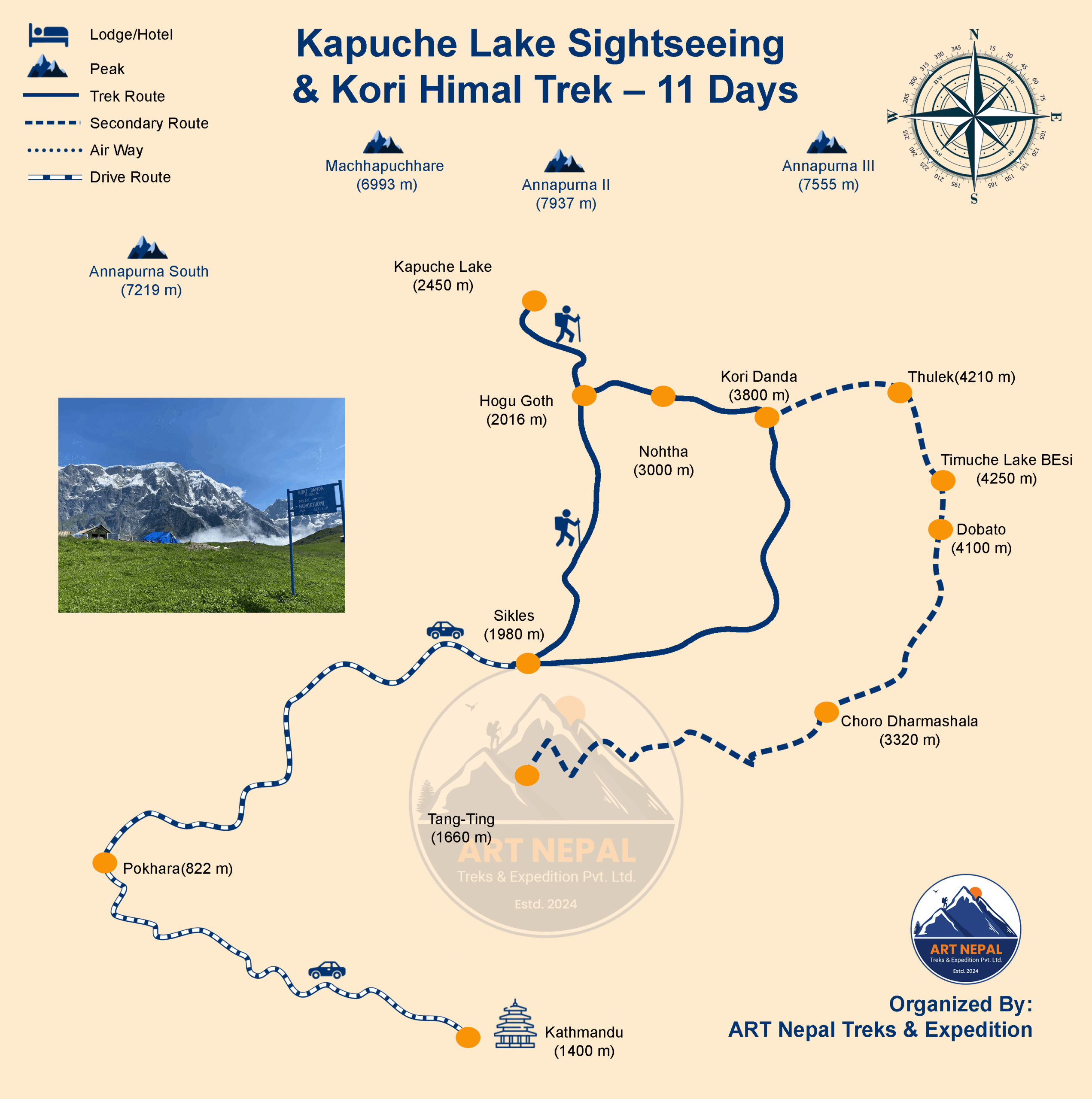
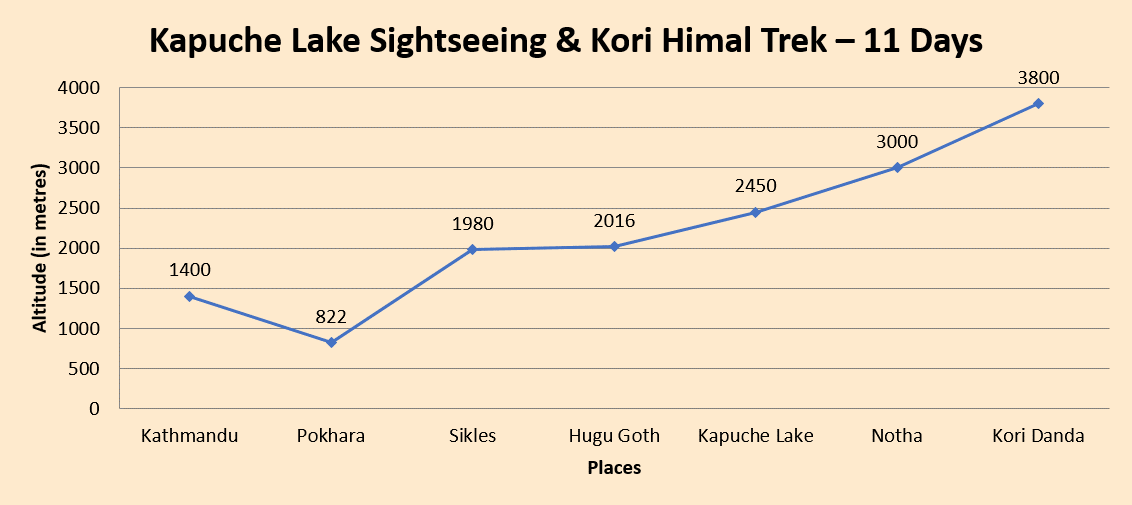
Starting from , the journey begins with a drive or flight to . Pokhara is the gateway to Annapurna trekking, famous for Phewa Lake, stunning mountain views, and a vibrant cultural hub. From Pokhara, a jeep ride takes you to , a large Gurung village located at 1980 meters. This village is a blend of traditional architecture, vibrant culture, and panoramic mountain vistas.

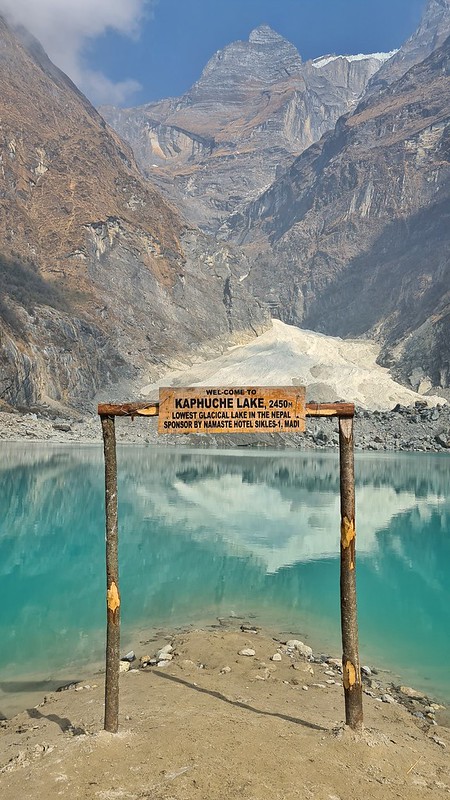
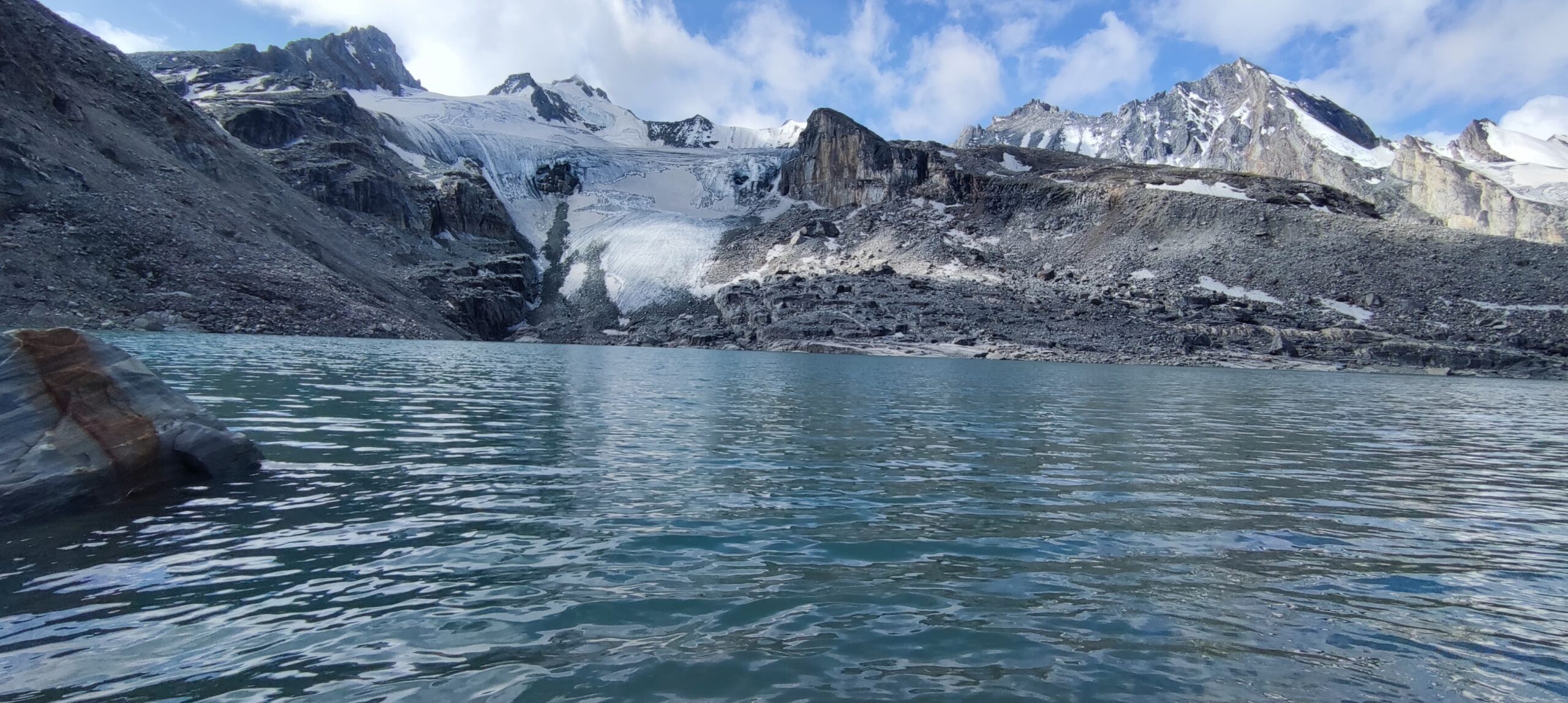
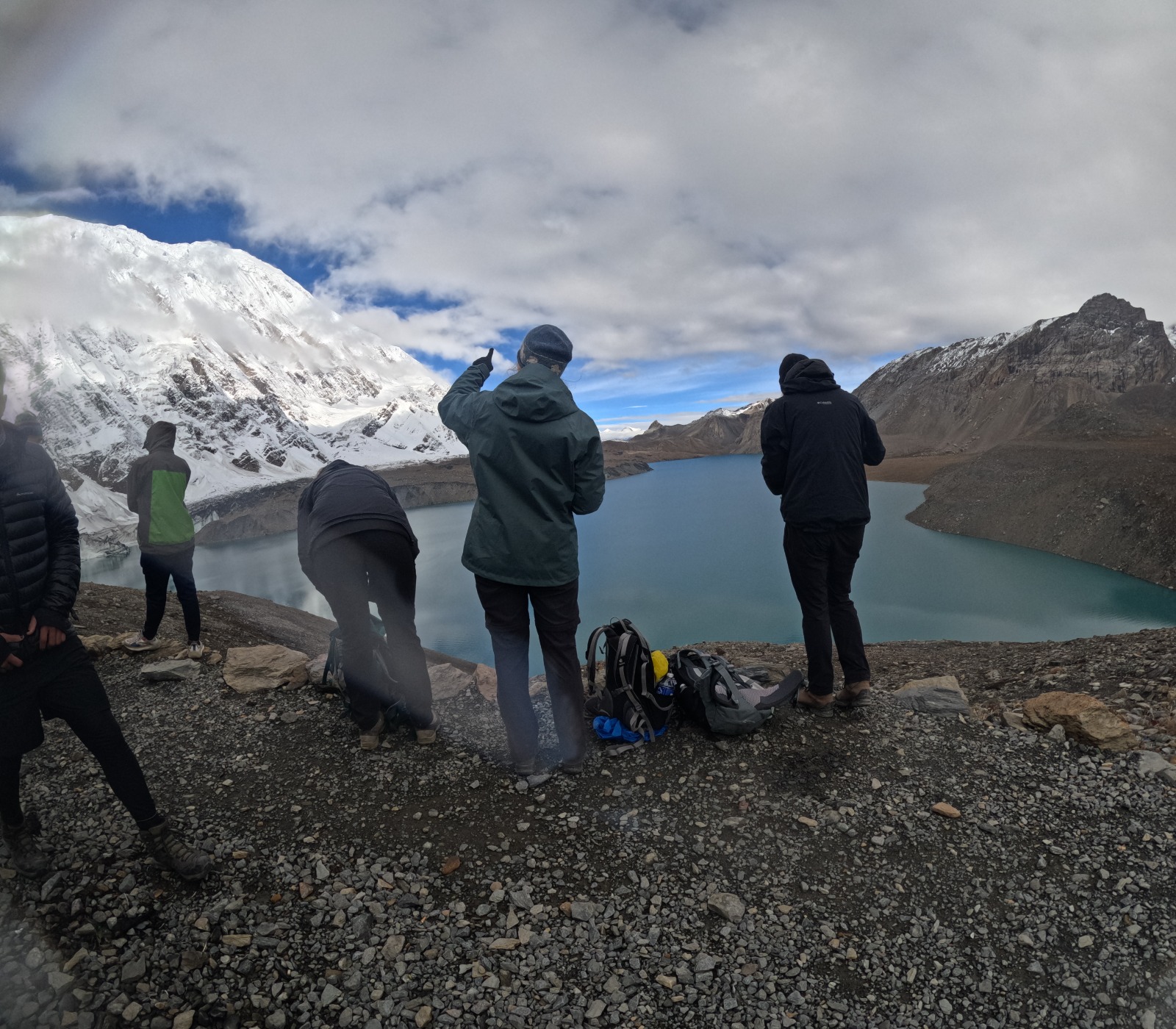
From Sikles, the trek gradually ascends through dense forests, cascading waterfalls, terraced farms, and pristine alpine meadows. On Day 5, trekkers reach the tranquil at 2450 meters, a peaceful destination surrounded by towering peaks. The lake’s still waters mirror the surrounding snow-capped mountains, offering perfect photo opportunities.

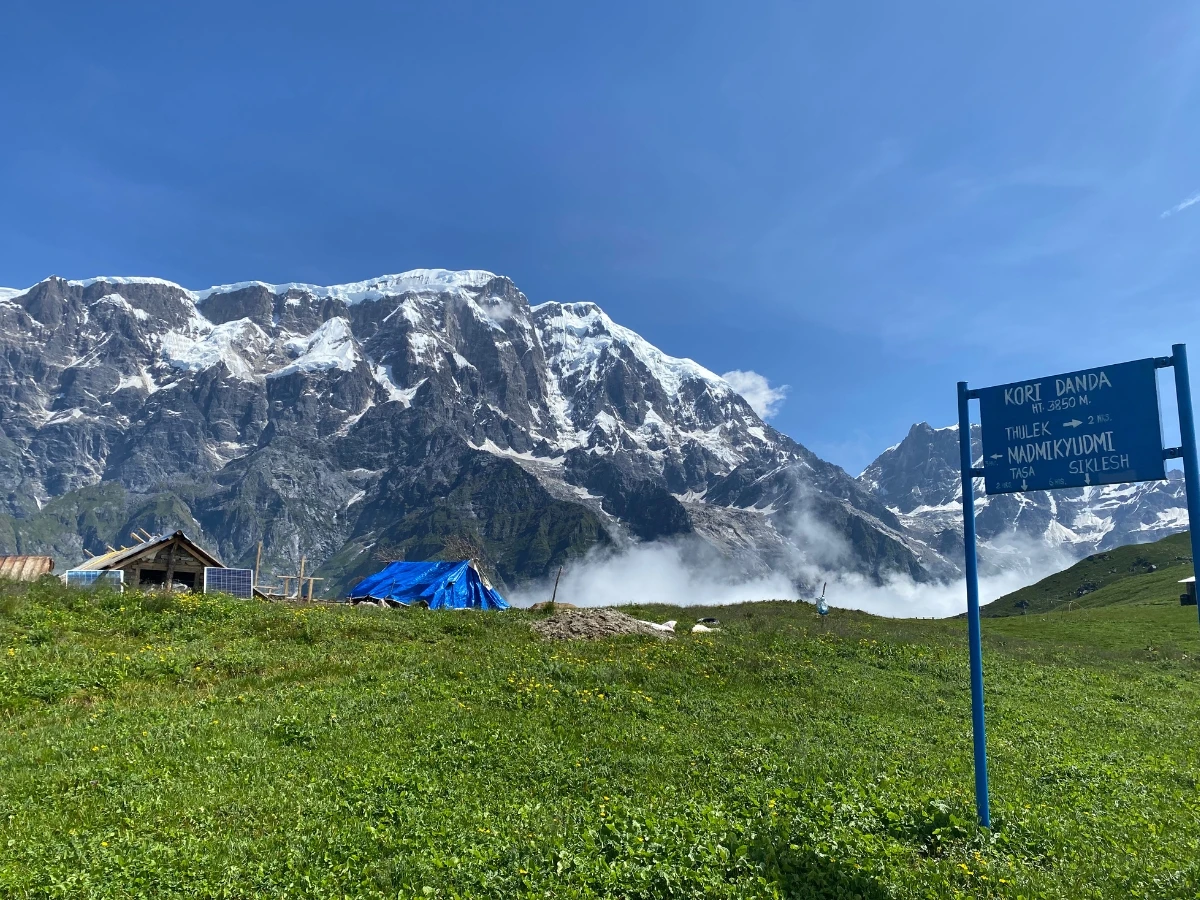
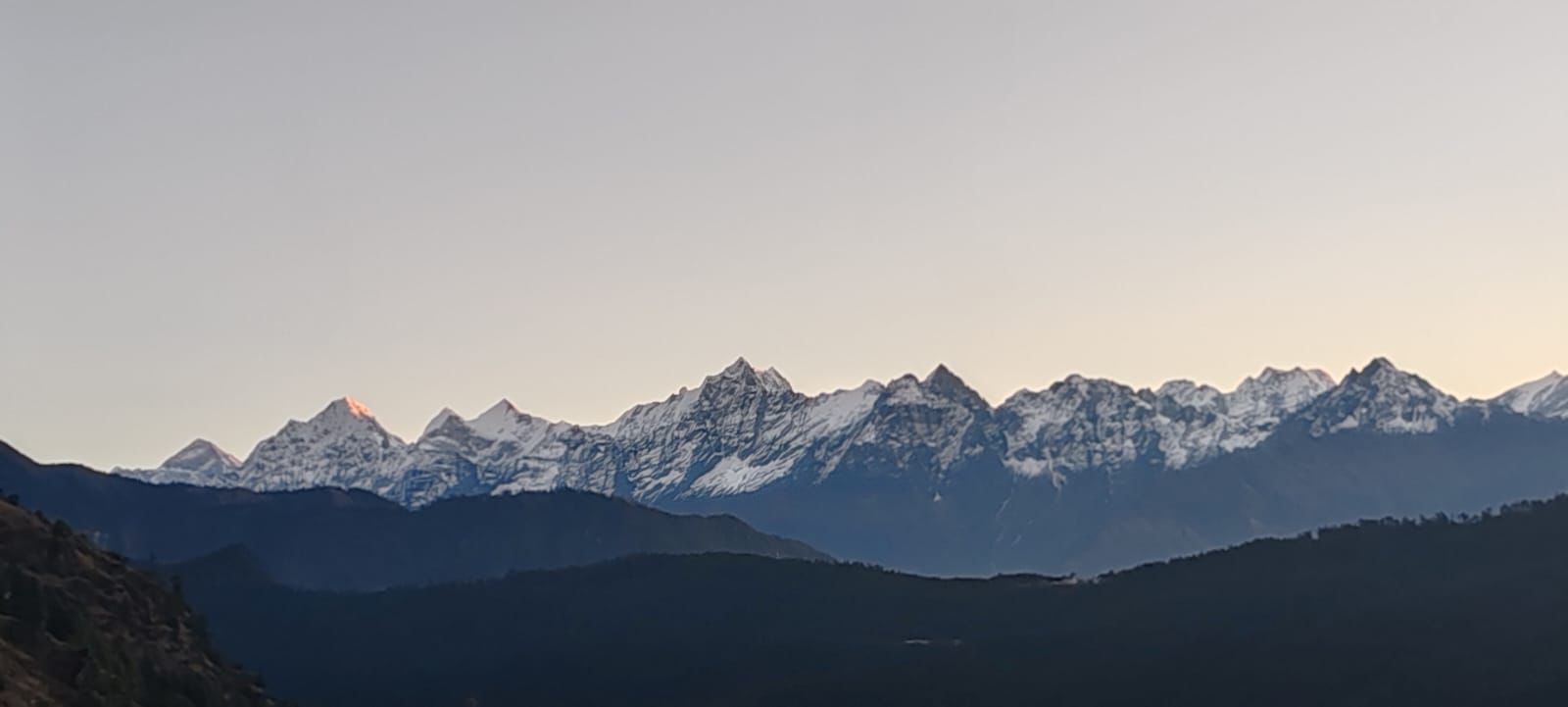
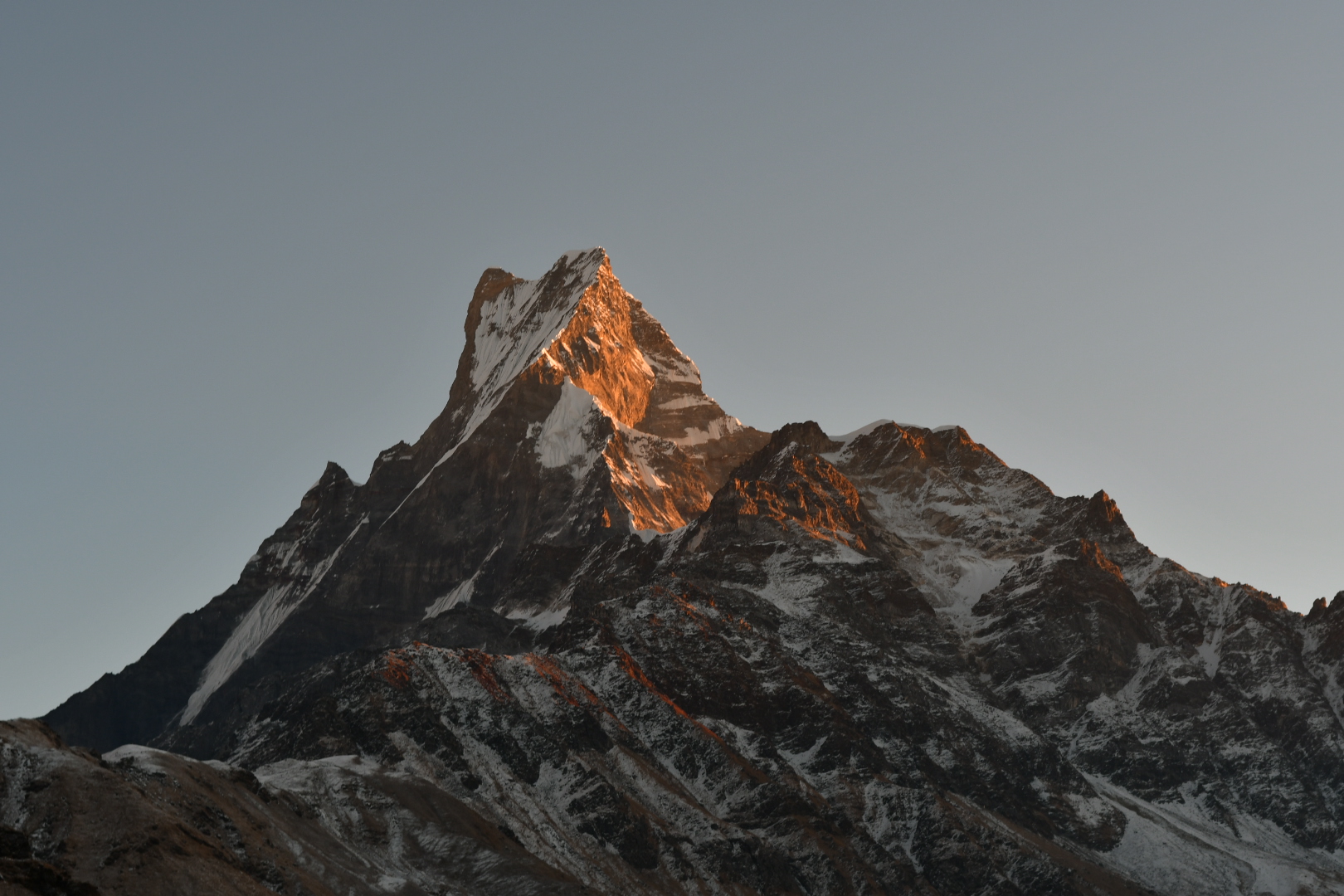
Continuing the journey, the trail climbs to Nohtha (3000m) and finally reaches the viewpoint of at 3800 meters. From here, trekkers are rewarded with breathtaking panoramic views of Annapurna II, Machhapuchhre, Lamjung Himal, and the surrounding ranges. The descent returns to Sikles, followed by a jeep ride back to Pokhara and return to Kathmandu.

Managed by ART Nepal Treks & Expedition, the trek is designed for comfort, safety, and personalized attention. Experienced guides, well-planned routes, and support staff ensure that trekkers of all levels can enjoy this beautiful Himalayan adventure without stress.

What You Can Expect from the Trek

This trek offers a unique combination of scenic landscapes, cultural richness, and moderate trekking challenges. You will experience both natural and human-made beauty in a region less explored by tourists.

Expect:

  • Majestic views of Annapurna II, Machhapuchhre, Lamjung Himal, and surrounding peaks.
  • A quiet trekking route with fewer tourists and peaceful trails.
  • Traditional Gurung village exploration, including Sikles, Nohtha, and Hugu Goth.
  • Wildlife and plant diversity, including rhododendrons, oak forests, and alpine flora.
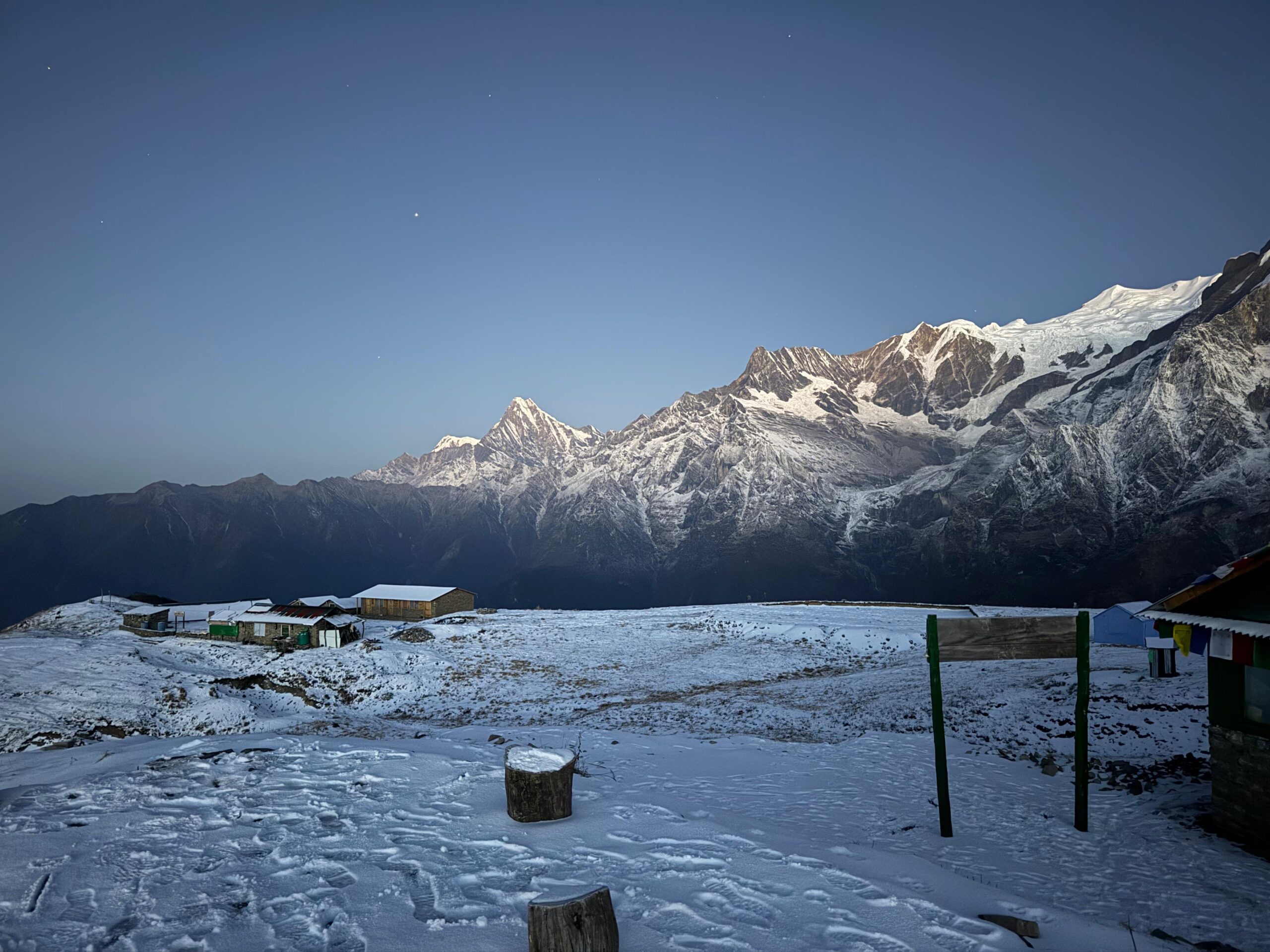
  • Sunrise and sunset from viewpoints like Kori Danda.
  • Opportunity to visit Kapuche Glacier Lake, the lowest glacier lake in Annapurna.
  • Moderate trekking suitable for beginners and families.

Additional Benefits:

  • Interaction with local communities to learn about Gurung customs and lifestyles.
  • Fresh mountain air, scenic rivers, waterfalls, and forests along the way.
  • Cozy teahouse accommodation providing warmth, local cuisine, and comfort.

Is Trek Suitable for You?

The Kapuche Lake & Kori Himal Trek is ideal for:

  • Beginners with good physical fitness.
  • Nature lovers and photography enthusiasts.
  • Travelers interested in culture, traditions, and rural lifestyles.
  • Families seeking moderate trekking with manageable daily distances.
  • Adventure seekers looking for peaceful trails away from crowded trekking routes.

Suitability Checklist:

  • Able to walk 5–7 hours per day on uphill and downhill trails.
  • Comfortable with basic mountain lodges and shared facilities.
  • Willing to experience moderate altitude (up to 3800m).
  • Open to cultural immersion and village visits.
  • Looking for scenic photography opportunities.

How to Get Prepared

Physical Preparation

  • Cardio Exercises: Jogging, swimming, cycling for 30–45 minutes daily, 4–5 times a week.
  • Strength Training: Focus on legs (squats, lunges) and core stability exercises.
  • Hiking Practice: Try walks or day hikes with a loaded backpack to simulate trekking conditions.

Mental Preparation

  • Learn about Gurung culture and local customs.
  • Prepare for changing weather conditions and simple accommodation.
  • Keep a positive attitude to enjoy the journey fully.

Gear & Equipment

  • Waterproof trekking boots with ankle support.
  • Comfortable, breathable clothing for layering.
  • Sleeping bag rated for 3-season temperatures.
  • Trekking poles to reduce stress on knees.

Health & Safety

  • Travel insurance covering high-altitude trekking and emergency evacuation.
  • Hydration and nutrition before and during the trek.
  • Basic first aid kit including blister care, headache medicine, and water purification tablets.
  • Trip Duration

    11 Days/ 10Nights

  • Group Size

    1 to 10

  • Maximum Altitude

    3800 Meters

  • Trip Difficulty

    Moderate

  • Activities

    Trekking

  • Best Season

    Spring (March–May) & Autumn (September–November)

  • Trip Start & End

    Kathmandu/ Kathmandu

  • Meals

    Breakfast, Lunch, Dinner

  • Accomodation

    Tea House or Lodge

Highlights

Natural Beauty

  • Spectacular Scenery: Panoramic views of Annapurna II (7937m), Machhapuchhre (6993m), Lamjung Himal (6988m), and Kori Danda (3800m).
  • Kapuche Glacier Lake: Explore the world’s lowest glacier lake at 2450 meters. The serene waters are surrounded by snow-capped peaks and pristine natural beauty.
  • Rhododendron Forests: During spring, the forests are covered in colorful rhododendron blossoms, creating a magical hiking experience.
  • Varied Terrain: Trekking paths include forest trails, terraced fields, stone steps, and gentle alpine meadows.

Cultural Experiences

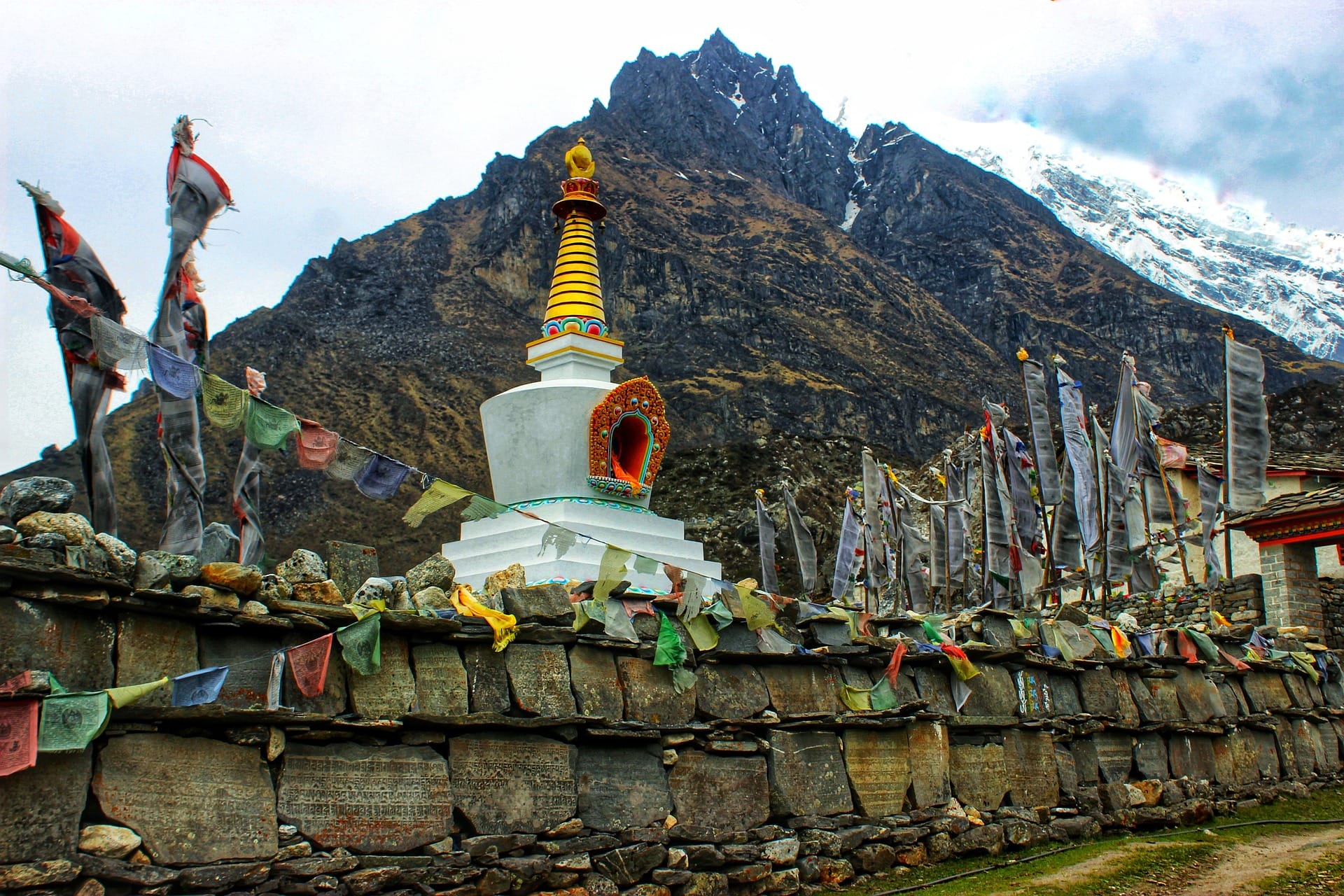
  • Traditional Gurung Villages: Explore villages like Sikles, known for their authentic Gurung architecture, customs, and hospitality.
  • Temples and Eco-Museum: Visit Chili Kohinbo Temple and local museums to learn about Bon and Buddhist traditions.
  • Local Encounters: Engage with local families and learn about traditional farming, lifestyle, and festivals.

Trekking Adventure

  • Moderate Trekking Challenge: Trails are moderately challenging, suitable for beginners and intermediate trekkers.
  • Peaceful Trail: Unlike popular treks, this path is quiet, allowing solitude and an immersive nature experience.
  • Scenic Viewpoints: Enjoy multiple viewpoints offering sunrises, sunsets, and panoramic vistas throughout the trek.

What's Included

The Kapuche Lake & Kori Himal Trek package by ART Nepal Treks & Expedition is carefully designed to cover all essential aspects of the trek to ensure comfort, safety, and convenience. The cost includes:

  • Airport Pickup & Drop: Transfer to and from Tribhuvan International Airport in Kathmandu.
  • Accommodation in Kathmandu: 2 nights in a 3-star hotel in Thamel.
  • Meals in Kathmandu: 2 breakfasts included.
  • Permits and Taxes: All necessary trekking permits, including TIMS card and Annapurna Conservation Area Permit (ACAP).
  • During Trek Accommodation: Tea houses and lodges along the route.
  • Meals During Trek: Breakfast, lunch, dinner, and tea/coffee.
  • Professional Guide: Experienced guide including salary, food, accommodation, and insurance.
  • First Aid Kit: Essential medicines and first-aid supplies for common trekking injuries.
  • Public Transportation: Jeep or bus transfers as per itinerary.

These inclusions are designed to make your trek hassle-free, allowing you to focus on trekking, sightseeing, and experiencing local culture.

What's Excluded

While the package covers most essentials, certain personal expenses and optional services are not included:

  • Personal Expenses: Snacks, drinks, souvenirs, laundry, or personal shopping.
  • Trekking Gear: Any specialized equipment or clothing not listed in the packing guide.
  • Beverages & Mineral Water: Bottled water, soft drinks, or alcohol consumed during the trek.
  • Travel Insurance: Mandatory coverage for medical emergencies, evacuation, or high-altitude trekking.
  • Tips for Staff: Gratuities for guides, porters, and drivers at the end of the trek.
  • Porter Services (Optional): Recommended for carrying heavy bags. Each porter can carry up to 25 kg; typically one porter per two trekkers is suggested for convenience.($22 per porter per day)

Add-Ons

ART Nepal Treks & Expedition also offers optional services to enhance your trekking experience:

  • Sightseeing in Kathmandu: Temples, heritage sites, and cultural tours before or after trekking.
  • Porter Services: For trekkers who prefer lighter backpacks.
  • Flight Options: Domestic flights from Pokhara to Kathmandu instead of bus rides.
  • Helicopter Services: Optional scenic flights or emergency evacuation support.
  • Private Transportation: Private vehicle for airport transfers or sightseeing.

Essential Info

Best Season to Trek – Kapuche Lake & Kori Himal Trek

Trekking in the Himalayas is heavily influenced by seasonal weather patterns, so choosing the right time is essential for safety, visibility, and comfort. The best seasons for Kapuche Lake & Kori Himal Trek are Spring (March–May) and Autumn (September–November).

Spring Season (March–May)

Spring is one of the most popular trekking seasons due to moderate temperatures, clear skies, and blooming rhododendrons along the trails. This season brings a unique charm to the Kapuche Lake & Kori Himal Trek:

Weather Conditions:

  • Daytime temperatures range between 15–25°C at lower altitudes, and 5–15°C at higher elevations like Kori Danda (3800m).
  • Clear skies offer uninterrupted panoramic views of Annapurna, Machhapuchhre, and Lamjung Himal.
  • Minimal rainfall, making trails safer and less slippery.

Natural Beauty:

  • Spring is rhododendron season, particularly vibrant between 2500–3500m. Trails are lined with red, pink, white, and purple blossoms.
  • Snow patches may still be visible at higher elevations, adding contrast to colorful forests.
  • Rivers and waterfalls flow actively from melting snow, creating scenic landscapes.

Advantages of Trekking in Spring:

  • Clear mountain views almost every day.
  • Wildlife activity increases; you may spot pheasants, Himalayan birds, or small mammals.
  • Comfortable trekking conditions for beginners and moderate-level trekkers.
  • Longer daylight hours allow flexible trekking schedules.

Tips for Spring Trekkers:

  • Carry light layers, but include thermal wear for early mornings and high altitudes.
  • Use sunscreen and sunglasses; UV rays are strong at high altitudes.
  • Start trekking early in the morning for best sunrise views, especially at viewpoints like Kori Danda.

Autumn Season (September–November)

Autumn is considered the clearest season of the year, providing stunning views and excellent trekking conditions. Post-monsoon air is clean, visibility is perfect, and landscapes are vibrant.

Weather Conditions:

  • Daytime temperatures: 18–28°C at lower altitudes, and 5–12°C at higher altitudes.
  • Nights are cooler but dry, making it comfortable to sleep in teahouses with standard bedding.
  • Monsoon rains have cleared dust and haze, giving unobstructed 360° views of surrounding mountains.

Natural Beauty:

  • Valleys are lush and green with terraced farms flourishing after monsoon rains.
  • Streams and rivers are full, enhancing the beauty of waterfalls along the trail.
  • Clear skies create perfect conditions for photography and stargazing.

Advantages of Trekking in Autumn:

  • Visibility is excellent for sunrise and sunset views, especially at Kori Danda and around Kapuche Lake.
  • Cooler nights prevent excessive sweating, making trekking more comfortable.
  • Ideal for trekking groups and family trips due to stable and predictable weather.

Tips for Autumn Trekkers:

  • Carry a light down jacket for early mornings and evenings.
  • Check local weather forecasts before ascending high points; mornings are usually best for peak visibility.
  • Hydrate well; dry air at higher elevations can increase dehydration risk.

Other Seasons

While spring and autumn are ideal, other seasons are possible but require caution:

Summer/Monsoon (June–August):

  • Trails become slippery and muddy due to heavy rainfall.
  • Risk of landslides is high in remote areas.
  • Views of mountains often obscured by clouds and mist.
  • Increases mosquito activity in lower elevations.

Winter (December–February):

  • Very cold temperatures at high altitudes, sometimes dropping below -10°C at Kori Danda.
  • Snow may cover trails, making trekking more difficult and hazardous.
  • Clear skies often provide spectacular mountain views.
  • Shorter daylight hours limit trekking time.
  • Requires specialized winter gear such as insulated jackets, heavy gloves, and gaiters.

Food Availability During Trekking

During the Kapuche Lake & Kori Himal Trek, meals are primarily provided at tea houses and lodges, which are small local establishments run by families. The food is fresh, wholesome, and locally sourced, giving you a taste of Nepali cuisine while keeping energy levels high for trekking.

Breakfast

  • Porridge, eggs (boiled, fried, scrambled), bread/toast, pancakes.
  • Tea, coffee, or hot chocolate to start the day warmly.

Lunch

  • Dal Bhat: The staple Nepali meal of rice, lentils, vegetables, and optional meat.
  • Noodles, pasta, fried rice, or momos (steamed or fried dumplings).
  • Soups, curries, and seasonal vegetables.

Dinner

  • Similar to lunch, but often with hot beverages such as tea or coffee.
  • Local specialties depending on the region, such as gundruk (fermented leafy greens), thukpa (noodle soup), and sel roti (rice doughnut).

Snacks & Energy Foods

  • Biscuits, chocolates, energy bars, nuts, and dried fruits are available at some lodges.
  • Recommended to carry your own snacks for long trekking days or higher altitudes.

Beverages

  • Tea varieties: Masala tea (spiced tea), ginger tea, green and black tea.
  • Coffee: Instant coffee or brewed coffee.
  • Local drinks (in limited availability): Chang (millet beer) or Raksi (distilled alcohol).

Tips:

  • Carry a reusable water bottle and water purification tablets or filters, as not all lodges provide treated water.
  • Hydration is essential, especially at higher altitudes where dehydration can worsen fatigue or altitude sickness.

Accommodation

Accommodation on this trek is designed to be comfortable yet authentic, giving trekkers a glimpse of local culture while resting after long trekking days.

Tea Houses:

  • Small guesthouses run by local families.
  • Rooms may be private or shared, typically twin beds with blankets.
  • Shared or limited bathroom facilities; water may be cold.
  • Communal dining areas provide meals and tea/coffee.

Lodges:

  • Slightly more spacious and better equipped than tea houses.
  • Some lodges offer attached bathrooms and hot showers for an additional fee.
  • Wi-Fi may be available at select locations.

Tips for Accommodation:

  • Keep your backpack minimal as tea houses may have limited space.
  • Carry personal hygiene items such as hand sanitizer, wet wipes, and toilet paper.
  • Respect local customs: remove shoes in rooms and follow lodge rules.

Travel Insurance

Travel insurance is mandatory for trekking in Nepal, especially in remote areas like Kapuche Lake & Kori Himal.

Coverage Should Include:

  • Medical Expenses: Hospitalization, treatment, and medications for injuries or illness.
  • Emergency Evacuation: Includes helicopter rescue in case of severe injury or altitude sickness.
  • Trip Cancellation/Interruption: Reimbursement for unforeseen events, like illness or natural disasters.
  • High-Altitude Trekking Coverage: Essential for areas above 3000m, where emergencies are more difficult to manage.

Tips:

  • Verify your insurance covers helicopter evacuation from remote mountain locations.
  • Keep a digital and printed copy of your insurance policy during the trek.

Altitude Sickness

Altitude sickness, or Acute Mountain Sickness (AMS), can affect trekkers when ascending above 2500–3000 meters. On this trek, Kori Danda at 3800m is the highest point.

Symptoms:

  • Headache, nausea, dizziness, fatigue.
  • Shortness of breath, loss of appetite, difficulty sleeping.

Prevention:

  • Ascend gradually; avoid rapid climbs.
  • Drink plenty of water; dehydration worsens symptoms.
  • Avoid alcohol and heavy meals at high altitudes.
  • Take rest days or acclimatize at moderate elevations.

Management:

  • Communicate symptoms to your guide immediately.
  • Mild symptoms can often be managed with rest, hydration, and medication.
  • Severe symptoms require descent and possible evacuation.

ART Nepal Treks & Expedition ensures guides are trained to monitor and manage AMS, carrying medications and protocols for emergencies.

Equipment List

  • Moisture-wicking base layers.
  • Trekking pants, convertible recommended.
  • Fleece or down jacket.
  • Waterproof and windproof outer jacket.
  • Thermal hats, gloves, socks.
  • Camp shoes or sandals for evenings.
  • Backpack (40–50 liters).
  • Sleeping bag suitable for cold temperatures.
  • Trekking poles for stability and reducing knee strain.
  • Headlamp with spare batteries.
  • Waterproof jacket and pants
  • Thermal innerwear (especially for early mornings and evenings)
  • Extra warm layers for higher altitudes or cooler nights
  • Personal first aid kit (blister care, medications).
  • Sunscreen, lip balm, toiletries.
  • Water purification tablets or filters.
  • Camera or smartphone.
  • Power bank or portable charger.
  • Travel adapter if required.
General Equipments
  • Passport, permits, cash in Nepali Rupees.
  • Snacks and energy bars.
  • Notebook or journal for travel notes.

Optional Items: Gaiters, binoculars, e-reader, lightweight daypack.

FAQ

The trek is considered moderate, suitable for beginners with a reasonable level of fitness as well as intermediate trekkers. The route involves gradual ascents with some steep sections, particularly from Nohtha to Kori Danda (3800m).
Yes, the region is generally safe for trekking, especially when accompanied by licensed guides from ART Nepal Treks & Expedition. Safety measures include: •Guides trained in first aid and altitude sickness management. •Emergency evacuation protocols, including helicopter rescue if necessary. •Staying on marked trails to avoid getting lost or encountering hazardous terrain. •Adequate communication and regular check-ins with the trekking team. Precautions for trekkers: •Avoid trekking alone. •Stay hydrated and acclimatize properly. •Carry your first-aid kit and necessary medications
No, prior trekking experience is not required. The trek is designed to be accessible to first-time trekkers. Suitable for: • Families and individuals with moderate fitness. •Beginners who are comfortable walking 5–7 hours daily with breaks. •People looking to experience Himalayan culture and nature without extreme mountaineering.
Two key permits are mandatory: 1.TIMS Card (Trekkers’ Information Management System): o Required for all trekkers in Nepal. o Helps authorities track trekkers for safety. 2.Annapurna Conservation Area Permit (ACAP): o Required to enter the Annapurna region. o Funds collected support conservation, local communities, and infrastructure.
Accommodation ranges from basic tea houses to comfortable lodges along the trail: Tea Houses: •Family-run, simple rooms, often twin-sharing. •Shared bathrooms and limited hot water. Lodges: •Slightly more modern facilities; some may have attached bathrooms and hot showers. •Dining areas offer freshly prepared meals.
Trip Price

On Request

Talk To Trip Expert

expert image

Anjan Dhital

Trip Expert
Have Any Questions?
Whatsapp/Viber +977-9810271256
Share this Trip
Translate »