

Annapurna Circuit Trek – 12 Days
Annapurna Circuit Trek
12 Days/11 Nights
Price From
View More
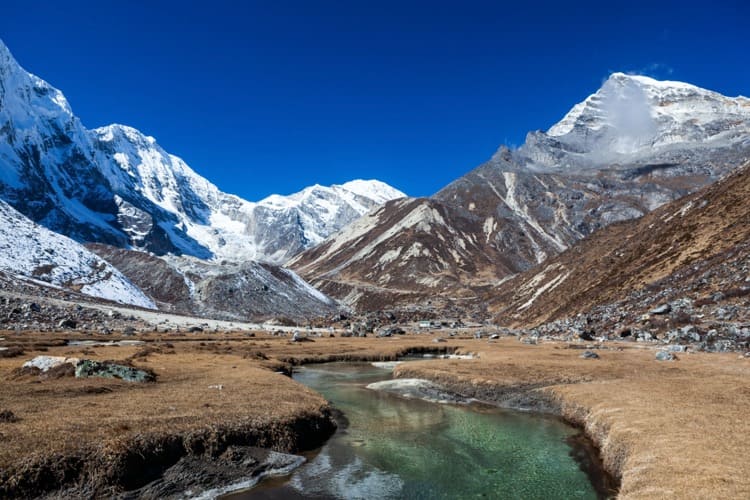
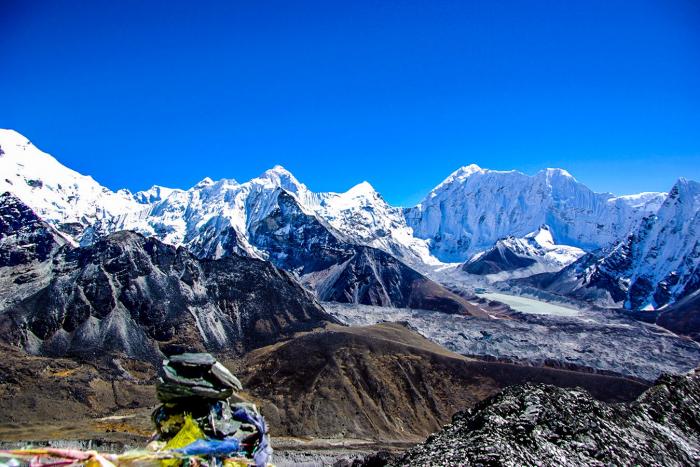
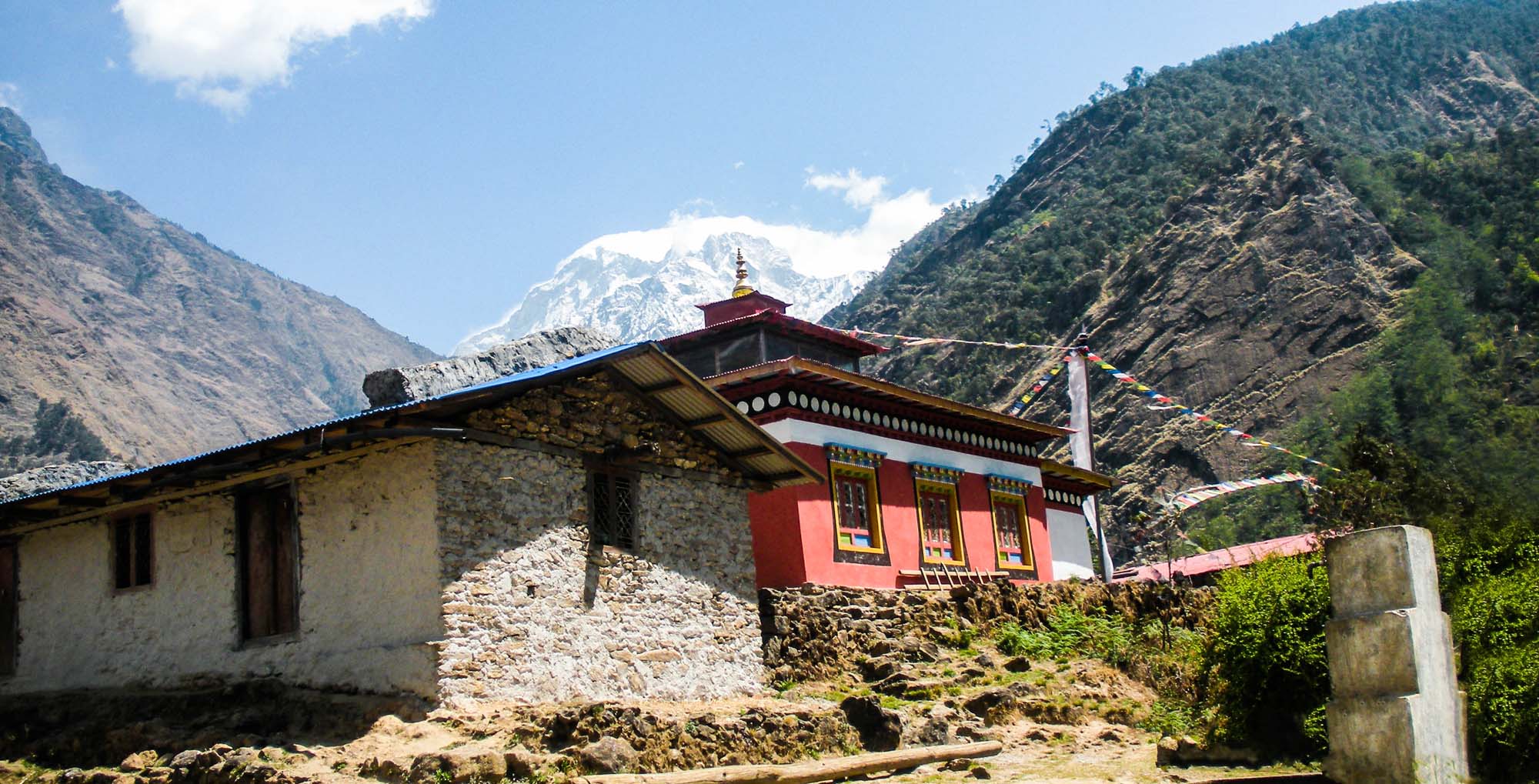
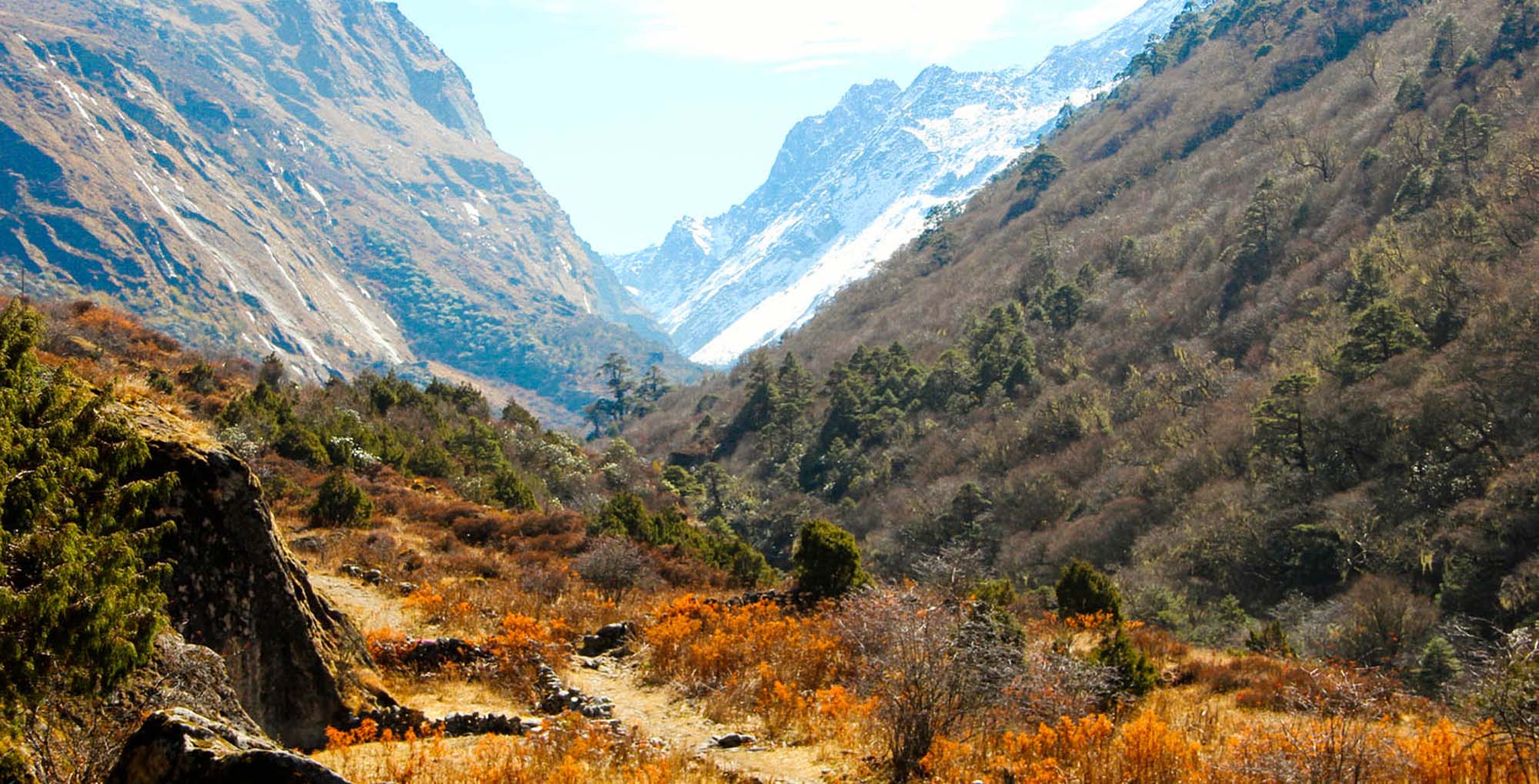
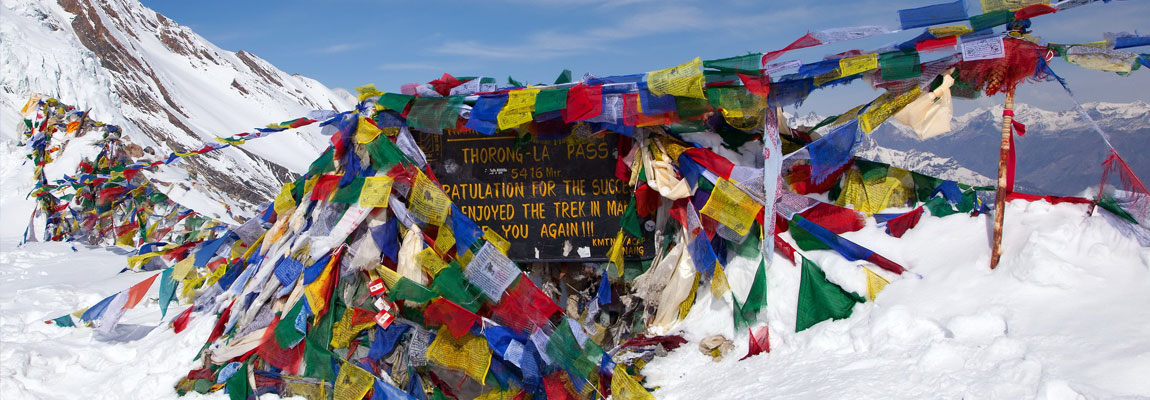
The Rolwaling Tashi Lapcha Pass Trek is a remarkable 18-day expedition that takes you deep into one of Nepal’s most remote and pristine Himalayan regions. Starting from the vibrant city of Kathmandu, you will begin with a scenic drive before entering the heart of the Rolwaling Valley. The trail winds through traditional Sherpa villages, dense forests, and colorful landscapes, gradually leading you to high-altitude camps and glacial paths.
As you progress, the trek combines natural beauty, physical challenge, and cultural experiences. You will encounter ancient gompas, sacred temples, and panoramic Himalayan views, all while navigating rugged terrain. Every day presents a new adventure, from river crossings and moraines to serene alpine meadows and towering snow-capped peaks.
The journey is not just about climbing mountains; it is about experiencing the lifestyle and traditions of the Rolwaling Sherpa communities. You will visit historic villages, interact with locals, and witness their unique customs, festivals, and spiritual practices. This cultural immersion adds depth to your trekking adventure, making it more than just a physical challenge.
The highlight of the trek is crossing the Tashi Lapcha Pass, which sits at 5,755 meters. This pass connects the Rolwaling and Khumbu regions, offering one of the most stunning and rarely trekked routes in Nepal. The ascent is challenging but rewarding, with views of glaciers, alpine valleys, and majestic peaks that few get to witness.
After crossing the pass, the trek continues through glacier trails, yak pastures, and vibrant Sherpa villages before descending into the Khumbu region. The journey concludes with a scenic trek to Namche Bazaar and Lukla, from where you fly back to Kathmandu. Throughout the expedition, ART Nepal Treks & Expedition ensures your safety, comfort, and seamless experience, making this a truly unforgettable adventure.
The Rolwaling Tashi Lapcha Pass Trek offers a combination of breathtaking natural scenery, cultural experiences, and physical challenges. From the moment you leave Kathmandu, each day brings new landscapes and experiences, from dense rhododendron forests and sparkling rivers to icy glaciers and high mountain passes. You will be walking through less-traveled routes, allowing you to enjoy the solitude of the Himalayas and the unspoiled beauty of Nepal’s remote regions. The journey is physically demanding but immensely rewarding, with panoramic views of Mount Gaurishankar, Rolwaling Kang, and other towering peaks along the way.
Cultural immersion is another key highlight. The trek passes through traditional Sherpa villages such as Beding, Na, Thame, and Namche Bazaar. You will witness daily life in these high-altitude settlements, visit monasteries, explore local temples, and observe centuries-old customs and spiritual practices. The locals are known for their warmth and hospitality, offering a unique opportunity to understand Sherpa culture in a natural setting. This blend of natural beauty, adventure, and cultural engagement makes the trek a truly holistic experience.
The Rolwaling Tashi Lapcha Pass Trek is best suited for trekkers with some prior high-altitude experience and a good level of physical fitness. While it is challenging, the trek is manageable with proper preparation, a positive attitude, and the guidance of experienced trekking professionals. If you enjoy adventure, value cultural experiences, and are ready to face long days of trekking through remote landscapes, this trek will be an unforgettable journey.
This expedition is ideal for those who seek both challenge and discovery. It is not recommended for beginners without prior trekking experience at altitude. The trail crosses glaciers, high mountain passes, and rocky paths that require stamina, careful footing, and mental focus. With gradual acclimatization and guidance from experienced guides, the trek becomes accessible to most healthy and prepared adventurers.
Preparation is crucial for a successful Rolwaling Tashi Lapcha Pass Trek. Physical fitness plays a major role, as the trek involves long days of walking on uneven terrain, high-altitude climbs, and glacier crossings. A training plan that includes endurance exercises, strength training, and regular hiking can significantly improve your performance and enjoyment. Hiking with a loaded backpack beforehand will prepare your legs and cardiovascular system for the trek.
Equally important is preparation for high-altitude conditions. Understanding altitude sickness, maintaining hydration, and following a gradual ascent schedule will help your body adapt safely. Proper trekking gear, clothing for cold and unpredictable weather, and personal safety equipment are essential. Additionally, familiarizing yourself with trekking permits, local customs, and basic first aid knowledge ensures a safer and more enjoyable experience.
Your journey begins the moment you arrive at Tribhuvan International Airport in Kathmandu, where a representative from ART Nepal Treks & Expedition will welcome you and transfer you to your hotel in Thamel. Kathmandu, Nepal’s bustling capital, is a city of vibrant culture, historic temples, and lively streets. Today is meant for you to relax and adjust after your flight, soaking in the atmosphere of the city, exploring the nearby streets, shops, and cafes, or simply enjoying the comforts of your hotel. In the evening, you will attend a trek briefing where your guide will provide detailed information about the trek, including safety protocols, high-altitude preparation, and what to expect over the next 18 days.
The first day is not just about arrival; it’s an important part of preparing your body and mind for the adventure ahead. You can take short walks around Thamel to acclimatize to the altitude and stretch your legs after the flight. This is also an excellent opportunity to check your trekking gear, ensure all permits and documentation are ready, and connect with fellow trekkers. A restful night in Kathmandu sets the tone for the exciting and physically demanding journey ahead, giving you energy and focus for the high-altitude trek.
Today, your adventure officially begins with a scenic drive from Kathmandu through the rolling hills and picturesque villages of Dolakha. You will pass through small towns such as Pikhuti, Suri Dobhan, and Manthali, each offering glimpses of rural Nepali life and landscapes dotted with terraced fields, rivers, and forests. The drive itself is an introduction to the beauty and variety of the Rolwaling region, providing a comfortable start before the trek. Upon reaching Gonggar, you begin a short trek through dense rhododendron forests and charming Sherpa villages, gradually ascending to Simigaon, your first stop on the trail.
Though the trekking distance is short today, it provides an excellent opportunity to adjust your pace and get used to walking with a backpack in varied terrain. Along the way, you will encounter local villagers going about their daily routines, prayer flags fluttering in the wind, and small monasteries tucked into the hillsides. The combination of the scenic drive and light trek offers a gentle introduction to the Himalayan environment and sets a rhythm for the days to come. By evening, you will reach your lodge in Simigaon, enjoy a hearty meal, and rest, preparing for the more challenging ascents ahead.
The trek begins to gain altitude today as you leave Simigaon and move through thick rhododendron forests, gradually descending to the Rolwaling River before ascending towards Dongang. The trail is moderate but steadily climbs, giving you the chance to enjoy both physical activity and the stunning Himalayan scenery. As you approach Dongang, the towering peaks of Mount Gaurishankar (7,134m) and surrounding ridges dominate the skyline, offering a dramatic introduction to the high-altitude landscapes that lie ahead. The combination of forested valleys, flowing rivers, and distant glaciers makes this section both scenic and invigorating.
Upon reaching Dongang, you will check into a local lodge and have time to rest, hydrate, and take photographs of the incredible mountain panorama. Evening walks around the village provide a glimpse of local life, with Sherpa families tending livestock and small gompas adding a spiritual element to the scenery. Today serves as a foundation for the upcoming high-altitude days, helping your body adjust while rewarding you with some of the first real Himalayan views of your trek.
Today’s trek leads you deeper into the heart of the Rolwaling Valley, passing through lush forests and the small village of Nyamare before arriving at Beding, the largest Sherpa settlement in the region. The trail is a mix of gradual ascents and short downhill sections, making it moderately challenging. Beding offers an authentic cultural experience with traditional Sherpa houses, prayer flags lining the trail, and the local Gompa and Gaurishankar Temple, which are integral parts of community life. This is your first major encounter with Sherpa culture, allowing you to observe their daily routines and spiritual practices up close.
The village’s remote location and high-altitude environment create a peaceful, almost untouched atmosphere. In the evening, after settling into your lodge, you can take short walks around the village or explore nearby viewpoints to enjoy the evening light on the surrounding peaks. Beding is not only a place to rest but also a location to acclimatize gradually, preparing your body for higher elevations as you move closer to glaciers and mountain passes in the coming days.
Today is an important rest and acclimatization day at Beding, giving your body time to adjust to higher altitudes before continuing to more challenging sections of the trek. You have the option to stay in the village and explore at a relaxed pace, soaking in the atmosphere of the largest Sherpa settlement in the Rolwaling Valley. Prayer flags, small gompas, and local houses provide plenty to explore, and spending time with villagers offers insight into Sherpa culture and traditions. Proper acclimatization now will help prevent altitude sickness in the coming days, ensuring a safer and more enjoyable journey over high passes and glaciers.
For those seeking a moderate challenge, an optional hike to Menlung La Pass (5,616m) is available. This trek provides panoramic views of surrounding peaks, glaciers, and valleys, offering a taste of the higher-altitude landscapes that lie ahead. Whether you choose to hike or rest, today is about listening to your body, staying hydrated, and enjoying the serene surroundings. Even short walks in the area allow you to prepare mentally and physically for the demanding stages of the trek while capturing memorable photographs of the Himalayan scenery.
The trek continues along the Rolwaling River, passing small villages like Dhogre and a large Mani stone, a symbol of Buddhist prayer and tradition. Today’s journey involves moderate ascents as you move towards Na Gaon, with the valley gradually opening to reveal distant glaciers and towering Himalayan peaks. The trail is a combination of forest paths and open ridges, providing opportunities to pause, rest, and admire the scenery. As the altitude increases, every step requires careful pacing, making this an ideal day to practice breathing techniques and acclimatization strategies.
Upon arrival in Na, you will check into a lodge and have time to explore the village. The surrounding landscapes offer panoramic views of high ridges, icefalls, and rocky moraine trails that you will encounter in the coming days. Staying hydrated, enjoying nutritious meals, and resting well are key to preparing your body for the high-altitude excursions to Yalung Base Camp and Tsho Rolpa Lake. Evening conversations with guides and fellow trekkers provide additional preparation tips and a sense of camaraderie for the challenging days ahead.
Today is dedicated to acclimatization and exploration of Yalung Base Camp, located at higher elevation along glacial moraines. The hike offers breathtaking views of snow-capped peaks, icy glaciers, and glacial streams, making it a visually rewarding day. This excursion is crucial for helping your body adjust to high altitudes while providing the opportunity to practice walking on rocky and icy terrain under the guidance of your trekking team. Returning to Na in the evening ensures that you benefit from the high-altitude exposure without overexertion.
Yalung Base Camp is not only a scenic highlight but also a chance to experience the glacial environment up close. You will see icefalls, snowfields, and moraines while learning about the unique geography of the Rolwaling region. The combination of gentle trekking, breathtaking vistas, and careful acclimatization makes today an essential part of your journey. Meals and rest at the lodge in Na provide energy and comfort, helping you prepare for the longer and more physically demanding treks toward Tsho Rolpa Lake and Tashi Lapcha Phedi.
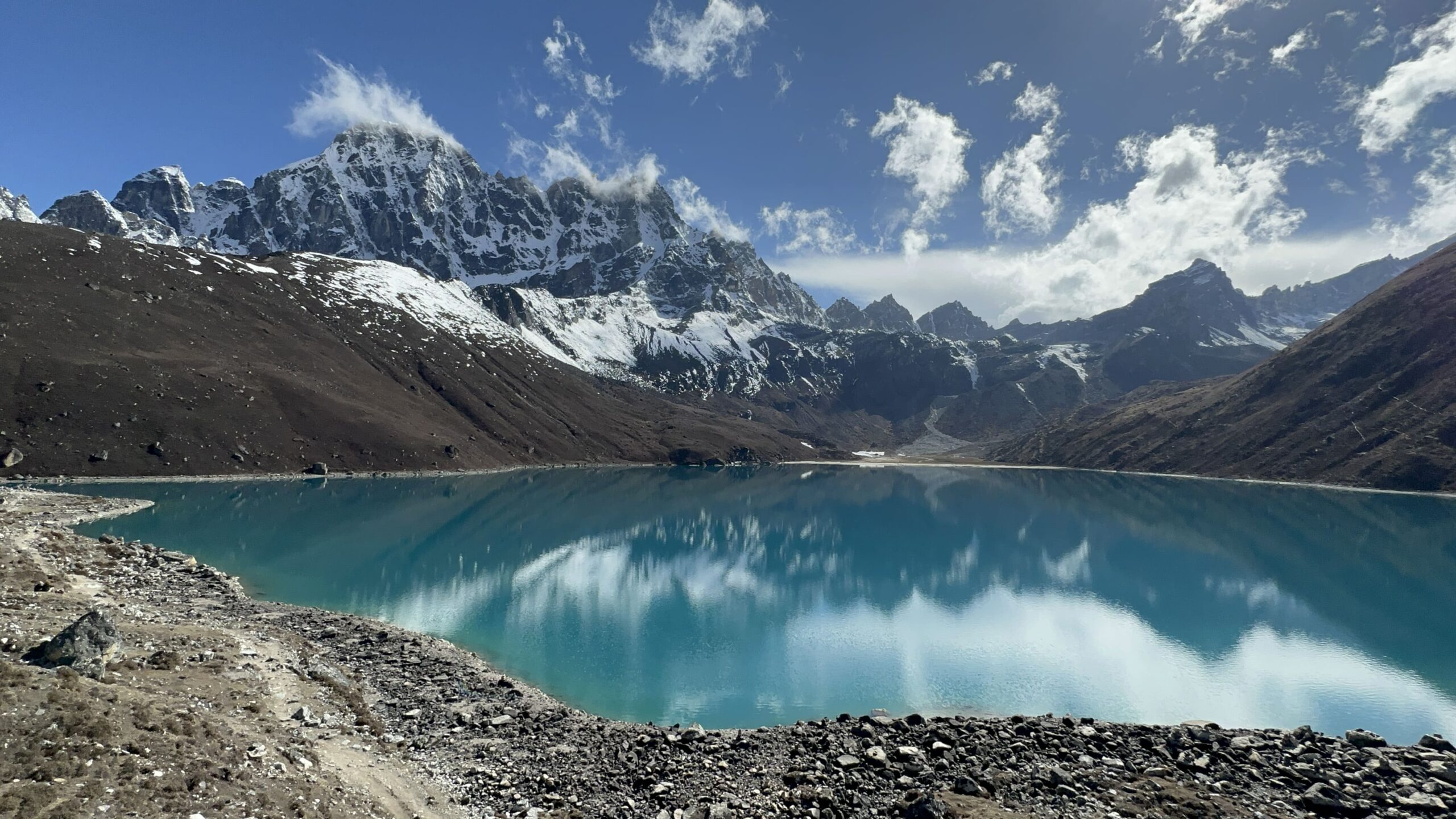
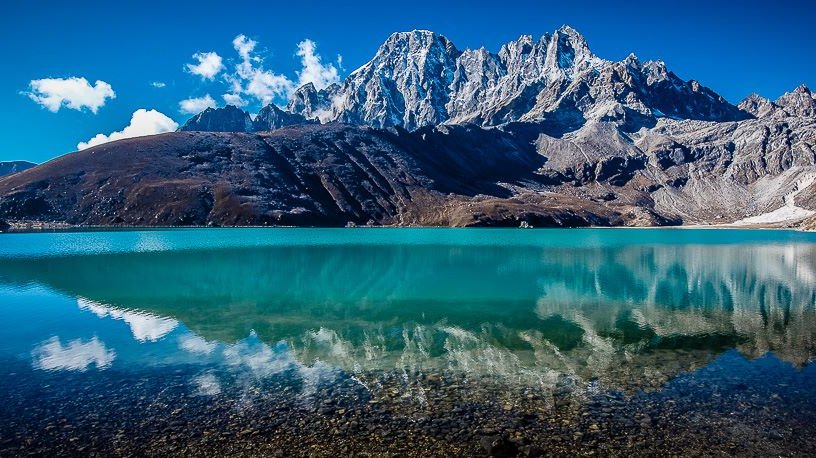
The trek today is moderately challenging as you cross a wooden bridge and ascend through the moraines of the Rolwaling Glacier to reach Tsho Rolpa Lake, the largest glacial lake in Nepal. The turquoise waters of the lake, framed by towering snow-capped peaks, create a surreal and inspiring landscape. This high-altitude environment requires careful navigation and steady pacing, making today both physically demanding and visually rewarding. Camping at Tsho Rolpa allows you to experience a truly remote and pristine Himalayan setting.
Tsho Rolpa Lake is a highlight of the trek, offering opportunities for photography, meditation, and appreciation of the Himalayan wilderness. The lake sits in a glacial valley surrounded by rugged peaks and icy moraines, giving trekkers a firsthand look at Nepal’s glacial ecosystems. Evening at the tented camp includes a chance to rest, eat a nutritious meal, and discuss plans for the glacier crossings ahead. This day combines physical exertion with moments of reflection and awe at one of the region’s most remarkable natural wonders.
Today you cross the icy Trakarding Glacier, a challenging trek that demands careful attention and stamina. The path winds through glaciers, moraines, and rocky outcrops, offering spectacular views of peaks like Rolwaling Kang (6,664m) and Jabou Ri (6,166m). Trekking on icy and uneven surfaces requires focus and proper use of trekking poles, making this a physically demanding but immensely rewarding day. You will camp at Trakarding Glacier, experiencing the raw beauty of high-altitude terrain.
The journey to Trakarding Glacier provides insight into the dynamics of glacial landscapes, with crevasses, ice formations, and the sound of shifting ice creating a unique sensory experience. This day also highlights the importance of teamwork and careful pacing at high altitude, as every step contributes to acclimatization and safety. Evening at the tented camp allows time to rest, enjoy a hot meal, and reflect on the dramatic mountain scenery that surrounds you, preparing for the ascent to Tashi Lapcha Phedi.
Today is one of the most physically demanding days of the trek as you ascend through rocky and glacial terrain to reach Tashi Lapcha Phedi, the base camp for crossing the famous Tashi Lapcha Pass. The trail is steep, with loose rocks and snow-covered patches, requiring careful footing and the use of trekking poles for balance. The air becomes thinner as you climb, and every step demands energy and focus. Along the way, you will witness spectacular views of glaciers, ridges, and towering Himalayan peaks, reminding you of the vastness and beauty of this remote region.
Camping at Tashi Lapcha Phedi allows you to experience high-altitude life in one of Nepal’s most remote areas. The evening offers a chance to rest, eat, and mentally prepare for the pass crossing, which is the highlight of the expedition. Sitting around the camp, you can watch the sunset cast a golden glow on distant peaks and glaciers, creating a serene atmosphere that contrasts with the physical intensity of the day. Proper hydration, nutrition, and rest tonight are critical for a successful and safe crossing tomorrow.
Today is the pinnacle of the trek as you cross Tashi Lapcha Pass, the natural link between the Rolwaling and Khumbu regions. The ascent to the pass is steep and requires careful attention to every step, but the effort is rewarded with panoramic views of glaciers, valleys, and towering peaks that few trekkers ever see. Once at the summit, the sense of achievement and the surrounding beauty make it a moment to savor. The descent to Tashi Camp involves navigating glacier trails and rocky slopes, requiring both skill and endurance.
The descent into Tashi Camp also offers a gradual opportunity to relax after the strenuous climb, while still taking in the vast, remote landscapes of the high Himalayas. Camping here provides a unique experience of high-altitude living, with crisp mountain air, panoramic views, and the quiet beauty of glaciers and ridges. Guides and porters assist with setup and safety checks, ensuring a secure and comfortable overnight stay before the trek continues toward Thyangbo and the lower valleys.
After the high pass crossing, today’s trek involves a gradual descent along glacier trails, passing landmarks like Ngole and Parchemuche Tsho, a small glacial lake surrounded by snowy peaks. The descent allows your body to recover while still offering stunning scenery of the high-altitude environment, including moraine trails, alpine valleys, and ice formations. This segment is moderately challenging, requiring steady pacing and careful navigation of rocky paths.
Arriving in Thyangbo, you will settle into a comfortable lodge, enjoying a warm meal and a chance to rest. The village is small and peaceful, providing a serene atmosphere to reflect on the accomplishment of crossing the Tashi Lapcha Pass. Evening walks around the village or short hikes to nearby viewpoints reveal expansive valley views and the calm beauty of the Himalayan environment, offering a perfect balance of rest and adventure.
Today you trek through yak pastures, herders’ huts, and alpine meadows, gradually descending toward the traditional Sherpa village of Thame. The path is scenic and moderately challenging, offering views of rolling hills, distant glaciers, and local flora and fauna. Thame is a culturally rich village, home to one of the oldest monasteries in the region, which you can explore in the evening. The village’s remote location gives a glimpse into the life of the Sherpa community, with opportunities to interact with locals and observe their daily routines.
The arrival at Thame provides a sense of achievement, as you transition from the high glaciers to more inhabited valleys while still surrounded by majestic mountains. Lodging here offers comfort and warmth, and the evening is ideal for reflection on the trek so far. You can enjoy conversations with guides, learn more about local culture, or take a short walk to nearby viewpoints to enjoy the sunset lighting up the surrounding peaks.
Today’s trek is a descent through the valley toward Namche Bazaar, one of the most famous Sherpa towns in the Everest region. Along the way, you pass Samde Village, cross small rivers, and enjoy remarkable views of Mount Everest (8,848m) and Cho Oyu (8,201m) in the distance. The terrain is moderately challenging, with rocky trails and occasional river crossings, but the sight of Namche Bazaar and the bustling market town provides motivation and excitement.
Namche Bazaar is a vibrant center with shops, cafes, and cultural landmarks. Upon arrival, you can explore the town, buy souvenirs, or simply enjoy the lively atmosphere. This stop allows you to relax after several days of high-altitude trekking and prepares you for the final segment toward Lukla. Evening walks around the town, interactions with locals, and views of the surrounding peaks create a memorable and culturally rich experience.
Today, you begin the final leg of your trek as you descend from Namche Bazaar toward Lukla, the gateway to the Everest region. The trail follows the Dudh Koshi and Bhote Koshi rivers, winding through small villages, terraced fields, and forests. Along the way, you will pass Jorsalle, a small settlement marking the exit of Sagarmatha National Park, providing opportunities to observe the changing flora and fauna as you descend from higher altitudes. The trek is moderately challenging due to the length of the day, covering approximately 18 kilometers, but the anticipation of reaching Lukla and completing this incredible journey adds motivation.
Arriving in Lukla is a moment of both relief and celebration. This small, bustling town has a unique charm with its small airstrip, local markets, and welcoming lodges. You can spend the evening enjoying a well-earned meal, reflecting on the past days of trekking, and sharing stories with your trekking team. Lodging in Lukla offers comfort and the chance to rest fully before your early morning flight back to Kathmandu. The combination of accomplishment, mountain scenery, and local Sherpa culture makes the final trekking day a memorable conclusion to the high-altitude adventure.
After weeks of trekking through some of Nepal’s most remote and pristine landscapes, today you fly back to Kathmandu, a journey that is both scenic and exhilarating. The early morning flight from Lukla Airport offers panoramic views of the Himalayas, including glimpses of Mount Everest, Cho Oyu, and Mount Gaurishankar. This aerial perspective allows you to appreciate the vastness of the mountains you have just traversed and provides a sense of accomplishment as you reflect on your journey. Upon arrival in Kathmandu, a representative from ART Nepal Treks & Expedition will transfer you to your hotel in Thamel, where comfort, rest, and modern amenities await.
The remainder of the day is free for leisure and exploration of Kathmandu. You can stroll through Thamel’s lively streets, shop for souvenirs, or enjoy traditional Nepali cuisine in a local restaurant. This day offers a gentle transition from the rugged wilderness back to urban life, allowing your body to rest and recover from high-altitude trekking. Evening reflections, photo reviews, and conversations with fellow trekkers complete a perfect end to a remarkable journey, ensuring that your memories of the Rolwaling Tashi Lapcha Pass Trek will last a lifetime.
This day is reserved in case your flight from Lukla to Kathmandu is delayed or canceled due to weather or logistical reasons. Weather conditions in the high Himalayas can be unpredictable, and having a buffer day ensures that your journey continues safely without rushing or compromising safety. If the flight was successful on Day 16, this day becomes an opportunity to rest, explore Kathmandu further, or simply enjoy the hotel facilities.
During this day, you can visit cultural landmarks, take short excursions, or shop for handicrafts and souvenirs. The flexibility of a reserve day reduces stress and allows you to adapt to any unforeseen circumstances, ensuring that your trek concludes smoothly. Guides and representatives from ART Nepal Treks & Expedition remain available to assist with any necessary arrangements, providing support and guidance throughout this buffer day.
On the final day of your adventure, you will be transferred to Tribhuvan International Airport for your departure flight. After an incredible 18-day journey through some of Nepal’s most remote and spectacular landscapes, this marks the conclusion of your Rolwaling Tashi Lapcha Pass Trek. Today is a time for reflection, capturing final photos, and bidding farewell to the guides, porters, and fellow trekkers who shared this unforgettable experience with you.
Before leaving, you may take a final stroll through Thamel or enjoy a local breakfast, savoring the unique atmosphere of Kathmandu one last time. This day emphasizes closure and appreciation for the experiences, challenges, and achievements of the past weeks. From high glaciers and snow-capped peaks to Sherpa villages and cultural encounters, the memories created during this trek will stay with you for a lifetime, offering stories and inspiration long after you return home.
The cost of the Tashi Lapcha Pass Trek covers all the essential components required for a safe, comfortable, and memorable trekking experience. This includes airport pickup and drop in Kathmandu, ensuring that your arrival and departure are seamless and stress-free. You will spend two nights at a 3-star hotel in Kathmandu before and after the trek, giving you a chance to rest, explore the city, and prepare for the high-altitude adventure ahead. Daily breakfast in Kathmandu is also included to start your journey with nutritious meals.
During the trek itself, all necessary permits and taxes are covered, allowing you to focus on your journey without worrying about administrative requirements. Accommodation in lodges and tented camps, as well as all meals during the trek (breakfast, lunch, and dinner), are provided to maintain your energy and comfort at all altitudes. A professional guide accompanies you throughout the trek, including their food, accommodation, insurance, and salary. Additionally, a first aid kit is available, and transportation using public vehicles where needed is included, ensuring a comprehensive and worry-free trekking experience.
Certain personal and optional expenses are not included in the trekking cost, giving you flexibility to customize your experience. Personal expenses, such as souvenirs, snacks, or laundry, are not covered. Any specialized trekking gears, like high-altitude boots or technical equipment, are your responsibility. Tips for guides and staff are customary at the end of the trek and not included in the base cost, though they are highly appreciated for excellent service.
Beverages, including bottled water and soft drinks, are not provided. Travel insurance is mandatory and must be arranged separately to ensure coverage for high-altitude trekking and emergency evacuations. Lastly, if you hire a porter to carry your luggage, their fees are not included in the cost. A porter can carry up to 25 kg and is recommended for every two trekkers to make your high-altitude journey more comfortable.
In addition to the standard trekking package, ART Nepal Treks & Expedition offers several optional add-ons to enhance your experience. Sightseeing in Kathmandu can be arranged before or after the trek, giving you the chance to explore UNESCO World Heritage Sites, ancient temples, and bustling markets. You may also choose to hire a porter for easier trekking, especially when carrying heavy backpacks or camping gear at high altitudes.
Other optional services include domestic flights beyond the standard Lukla-Kathmandu route, helicopter services for emergencies, sightseeing, or scenic flights, and private transportation for transfers between cities or tourist sites. Each add-on can be customized based on your needs and preferences, ensuring a comfortable, flexible, and memorable trekking adventure. These services provide additional convenience, safety, and opportunities to explore beyond the standard trekking itinerary.
Best Season to Trek
The Rolwaling Tashi Lapcha Pass Trek can be undertaken in multiple seasons, but the optimal times are spring (March to May) and autumn (September to November). During spring, the rhododendrons bloom, covering the valleys in vibrant colors while the weather is moderate and the skies are generally clear. This is ideal for trekking, photography, and enjoying scenic landscapes without extreme cold.
Autumn offers stable weather, clear skies, and breathtaking views of snow-capped peaks. The temperatures are slightly cooler than in spring but are still comfortable for trekking at high altitudes. Both seasons provide excellent conditions for glacier crossings, high-altitude camping, and summit experiences, allowing trekkers to enjoy the adventure while minimizing risks associated with snowstorms or heavy rainfall. Choosing either of these periods ensures the best combination of weather, scenery, and trekking conditions.
Food Availability
During the Tashi Lapcha Pass Trek, proper nutrition is essential to maintain energy, support acclimatization, and cope with the physical demands of high-altitude trekking. Meals are provided at lodges in villages and in tented camps at higher elevations, ensuring that trekkers remain well-nourished throughout the journey. Breakfast typically includes regional options such as Tsampa porridge, Tibetan bread, pancakes, eggs, muesli, fruits, and hot beverages like tea or coffee. These meals provide a combination of carbohydrates and proteins to fuel your day ahead.
Lunch is usually a hearty meal with a mix of local and international dishes, including dal bhat (lentil soup with rice), Thukpa, vegetable curry, pasta, noodles, momo (Tibetan dumplings), sandwiches, and salads. Depending on your preference, you can enjoy vegetarian or non-vegetarian options. Dinner is a warm, satisfying meal after a long day of trekking, often featuring dal bhat, vegetable curries, soups, noodles, pasta, sandwiches, Tibetan bread, and desserts. At higher altitudes, meals are simplified due to limited cooking facilities but still remain nutritious and filling. Snacks such as energy bars, biscuits, and fruits are also available and recommended for trekking days, especially when crossing glaciers and passes.
Hydration is equally important. While tea, coffee, and hot drinks are provided, trekkers are advised to carry mineral water or a personal hydration system to maintain adequate fluid intake, which is critical at high altitudes. Overall, the variety and quality of meals ensure that you stay strong, healthy, and ready for the physically demanding portions of the trek.
Accommodation
Accommodation varies according to altitude and location, combining comfort with authenticity. In Kathmandu, you will stay at 3-star hotels with modern amenities, including clean rooms, private bathrooms, and optional Wi-Fi. This provides a comfortable base before and after your high-altitude adventure. On the trek, lodges in villages such as Beding, Na, Thame, and Namche Bazaar offer basic facilities with shared or private rooms, communal dining areas, and local hospitality. These lodges provide a warm, welcoming environment and allow trekkers to immerse themselves in local culture.
At higher elevations, where villages are limited or nonexistent, accommodation shifts to tented camps, including sleeping bags and mats. Tents are designed to withstand cold weather and strong winds, and camps are set up in scenic locations near glaciers, lakes, or high passes. Even though facilities are minimal, meals, blankets, and sleeping arrangements are arranged by the trekking team to ensure safety and comfort. Lodging on this trek balances authenticity, accessibility, and comfort, giving you the full Himalayan experience while supporting your rest and recovery each evening.
Travel Insurance
Travel insurance is mandatory for the Tashi Lapcha Pass Trek and is crucial for covering emergencies, medical care, and unexpected events. The insurance policy should cover high-altitude trekking up to 5,800 meters, which includes glacier crossings, high passes, and remote areas. Emergency evacuation is also critical; in case of illness, injury, or altitude sickness, helicopter or ground evacuation costs are covered.
Additionally, your policy should include trip cancellation coverage for unforeseen circumstances such as weather delays, political situations, or personal emergencies. Medical coverage is essential, including hospital fees, medications, and treatment for injuries or illnesses encountered during the trek. Having comprehensive travel insurance ensures peace of mind and allows trekkers to focus fully on the adventure, knowing that professional support is available in emergencies.
Altitude Sickness
High-altitude trekking carries the risk of Acute Mountain Sickness (AMS), which can affect anyone, regardless of fitness level. Common symptoms include headache, nausea, dizziness, shortness of breath, and fatigue. The Tashi Lapcha Pass Trek is carefully designed with acclimatization days at Beding, Na, and Yalung Base Camp to minimize this risk.
Prevention and management strategies include:
The Tashi Lapcha Pass Trek is challenging and takes you through some of the most remote regions of Nepal, so having an experienced guide is essential. Our guides from ART Nepal Treks & Expedition are professionally trained, highly experienced in high-altitude trekking, and familiar with the Rolwaling region. They provide critical support in navigation, altitude management, and emergency situations, ensuring that your trek is both safe and enjoyable.
Safety measures on this trek include regular altitude checks, acclimatization advice, and monitoring of all trekkers for signs of altitude sickness. Guides carry first aid kits, emergency communication devices, and essential equipment for high-altitude survival. Daily briefings cover trail conditions, weather updates, and safety precautions. Additionally, porters are trained to carry equipment safely and assist trekkers on difficult sections, especially during glacier crossings and steep ascents. Personal safety is prioritized at every stage, and guides are always available to provide advice, support, and assistance, ensuring a secure and memorable trekking experience.
Safety Measures Summary:
Booking Procedure
Booking the Tashi Lapcha Pass Trek is straightforward and designed for flexibility and convenience. The process begins with a reservation deposit of 10% of the total trek cost to secure your package. After this, you are required to submit essential documents within one week, including a copy of your passport, passport-size photos, travel insurance details, and flight information.
Payments can be made in two stages. Advance payment can be done through bank transfer, Western Union, or online via the official website. Once you arrive in Nepal, remaining payments can be made in cash, bank transfer, or credit card. Throughout the booking process, representatives from ART Nepal Treks & Expedition provide guidance and support, answering questions, confirming itineraries, and assisting with permits. This ensures a seamless booking experience, giving you peace of mind before the trek begins.
Booking Steps Summary: