Gosaikunda Lake Trek – 7 Days

Gosaikunda Lake, Nepal
7 Days/6 Nights
slide image
slide image
slide image

Introduction

The Gosaikunda Lake Trek is a 7-day adventure into the stunning landscapes of Nepal’s Langtang National Park. Organized by ART Nepal Treks & Expedition, this trek combines natural beauty, cultural encounters, and moderate trekking challenges, making it ideal for trekkers seeking a balance between scenic views and manageable physical exertion.

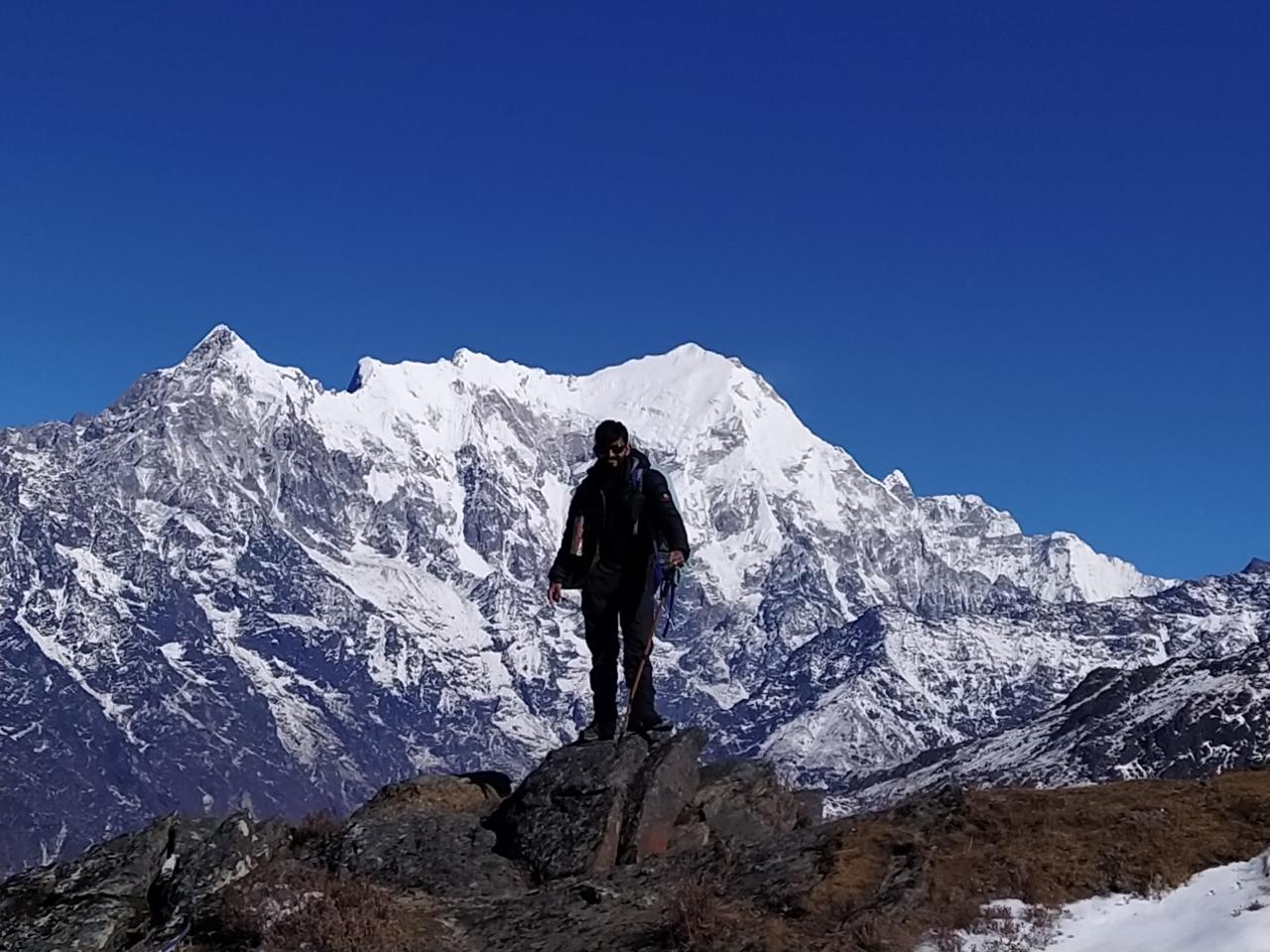
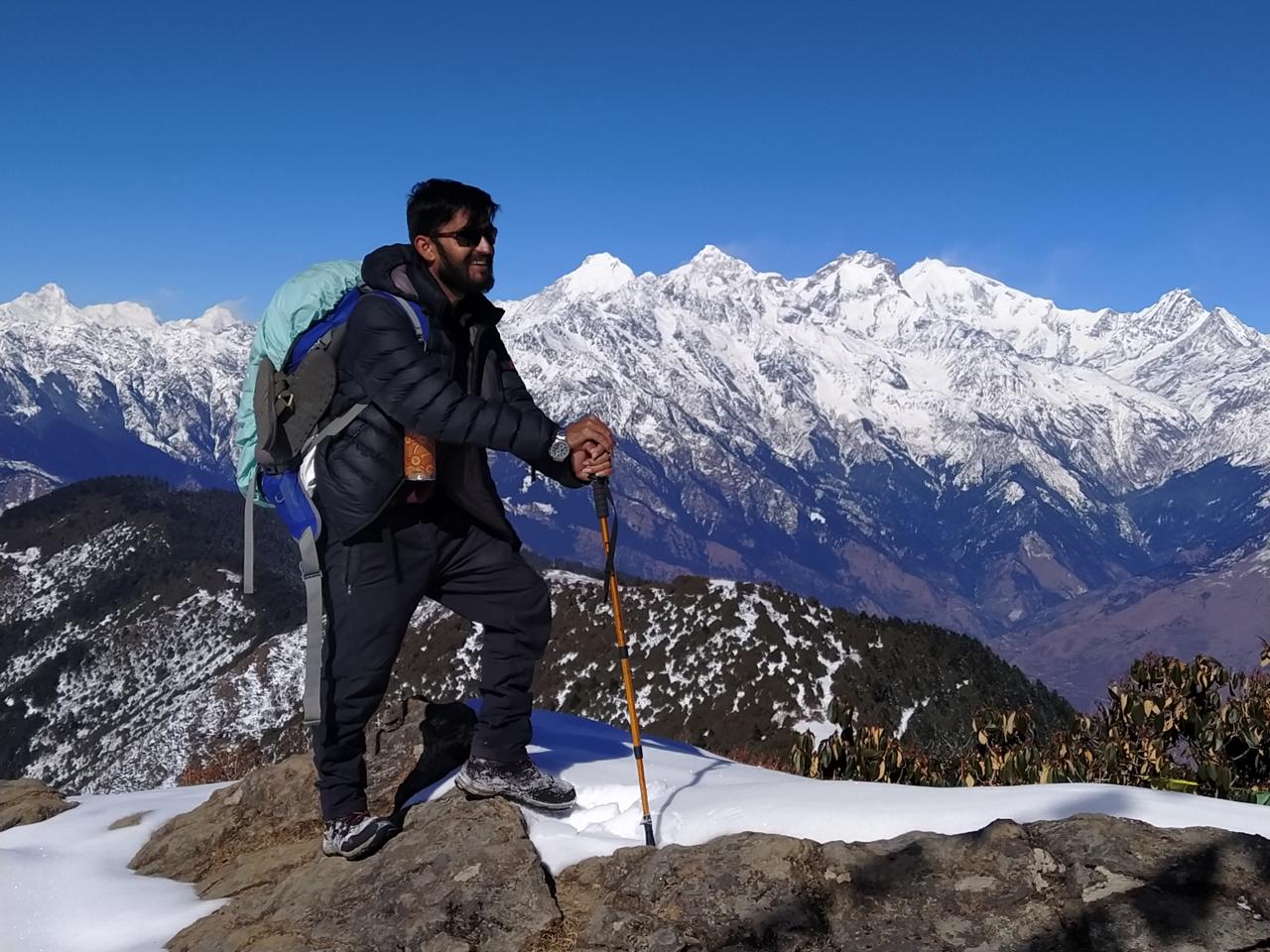
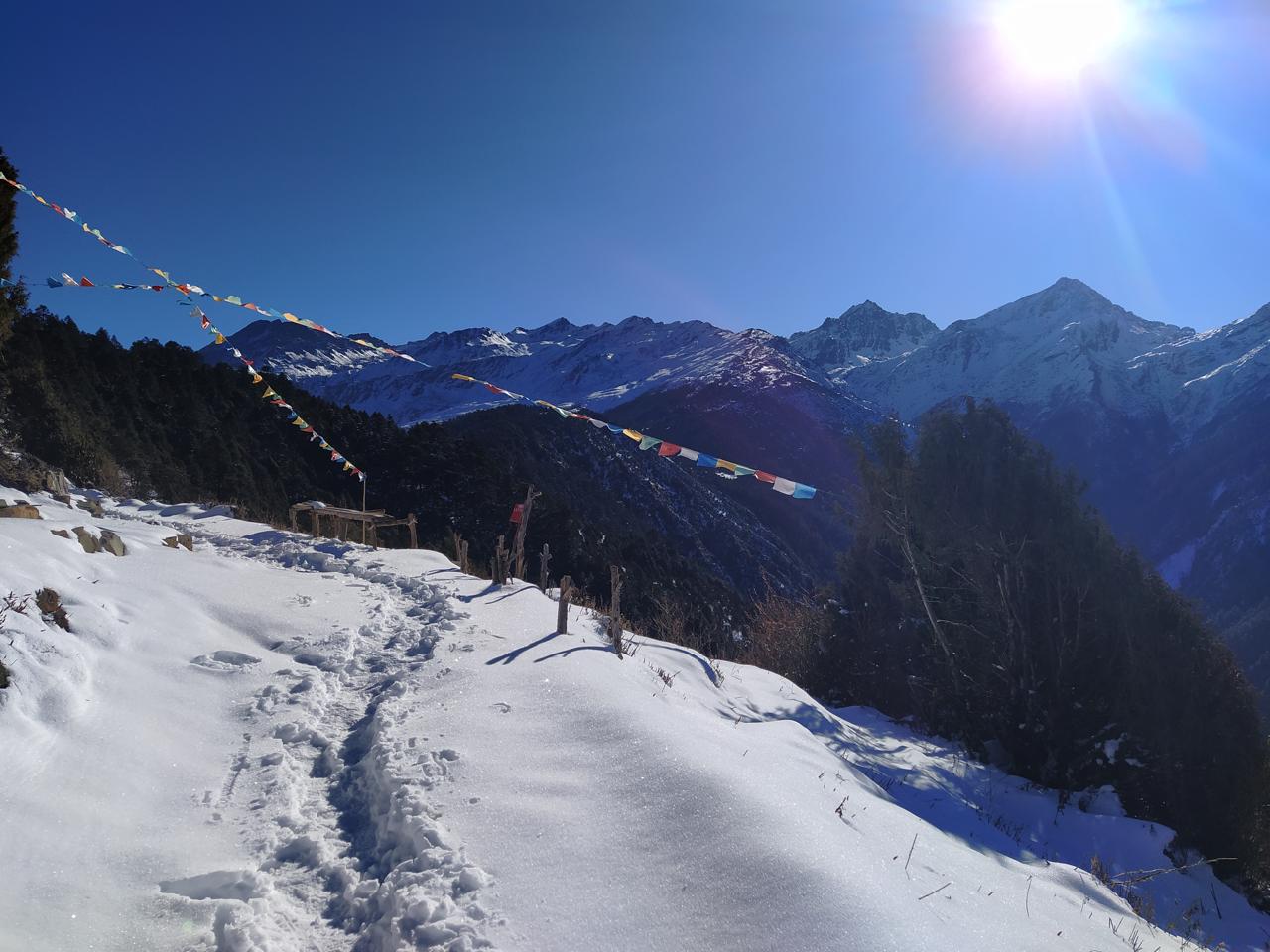
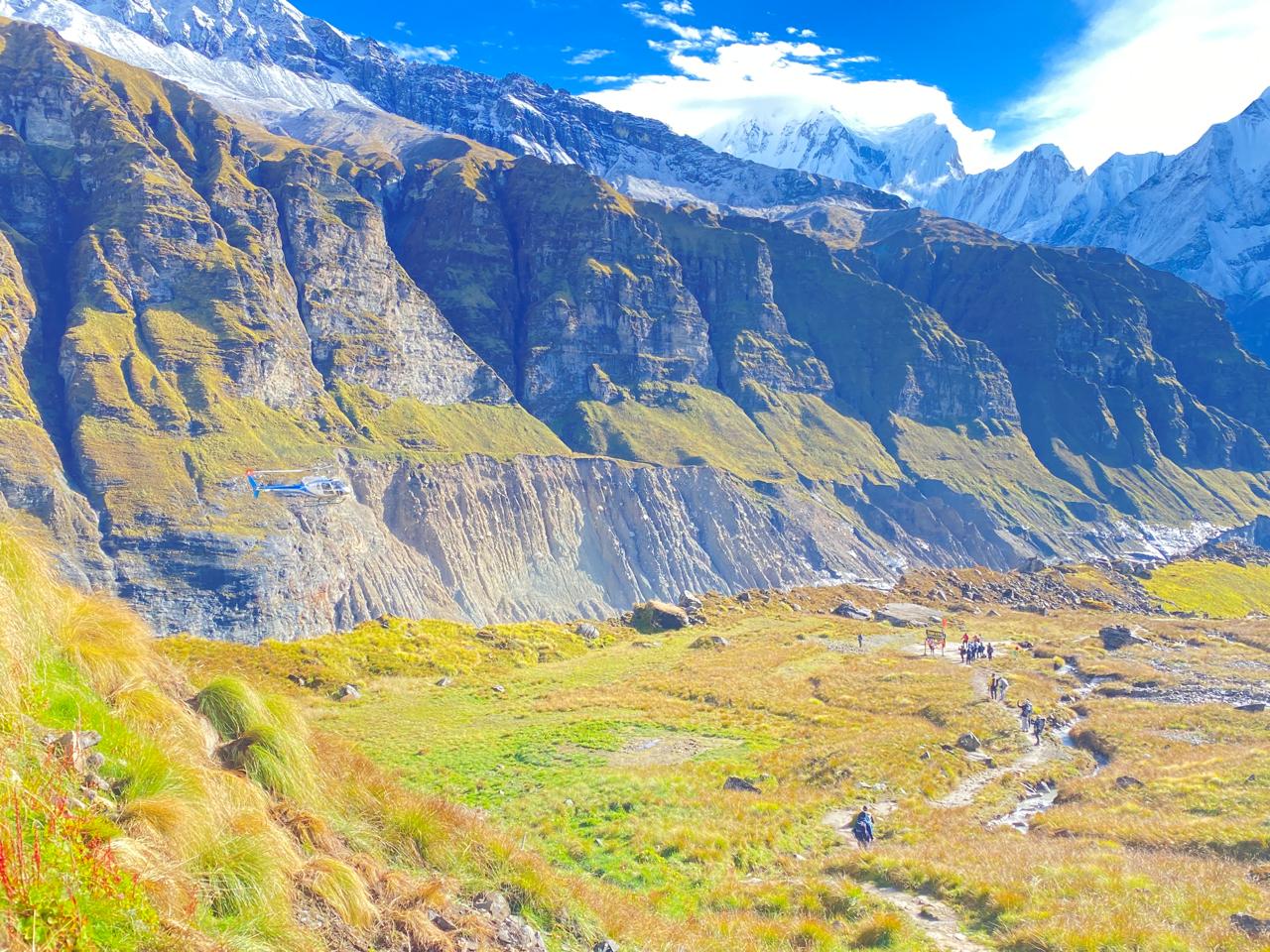
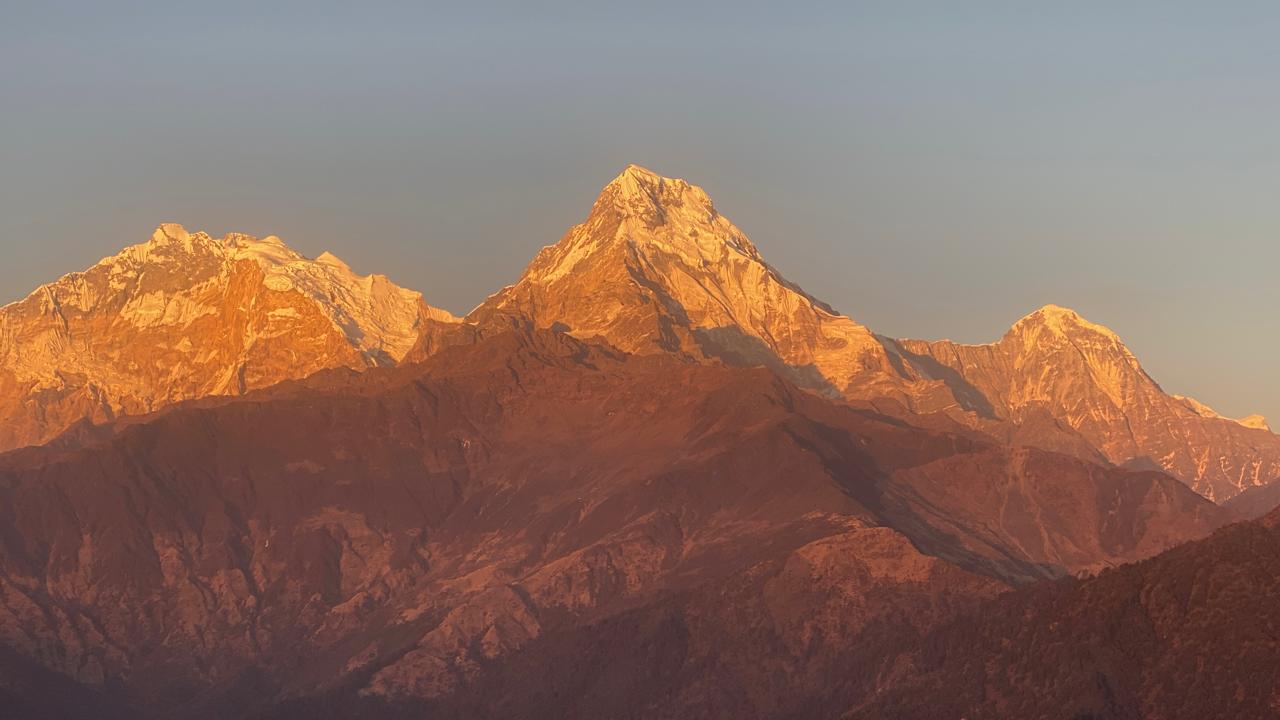
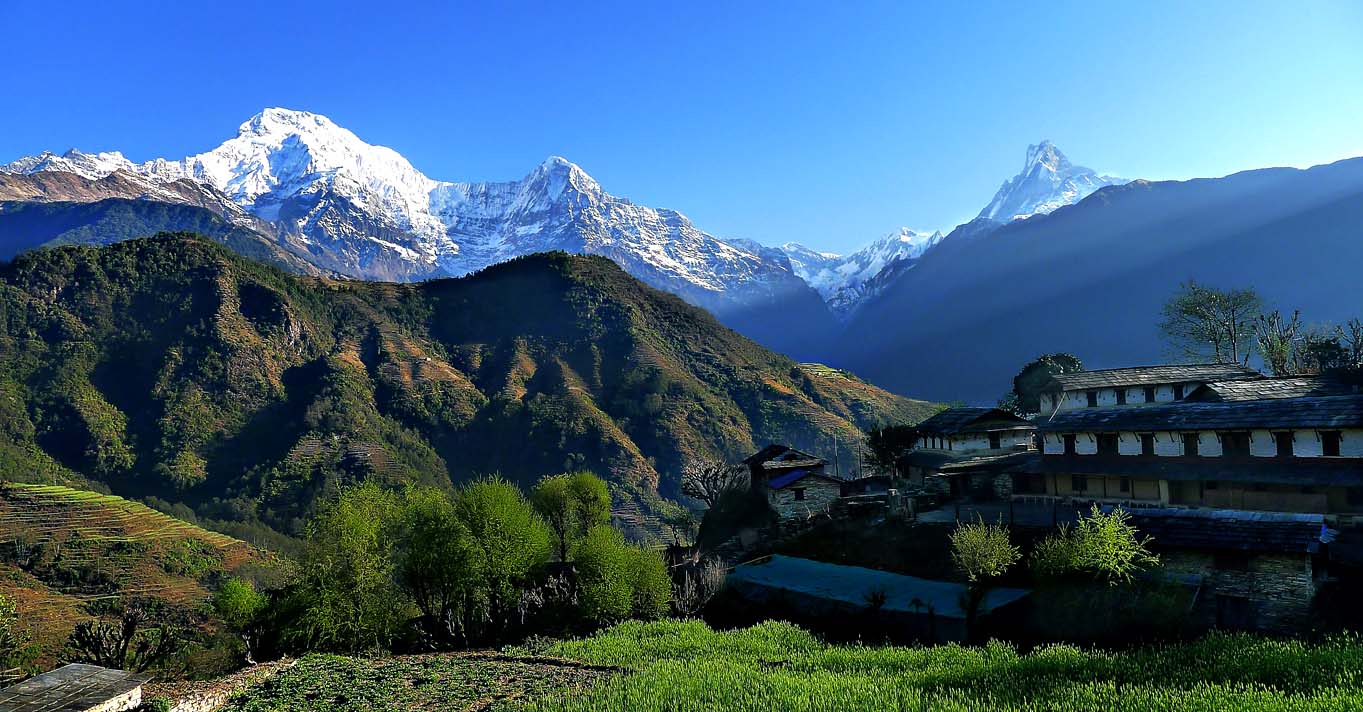
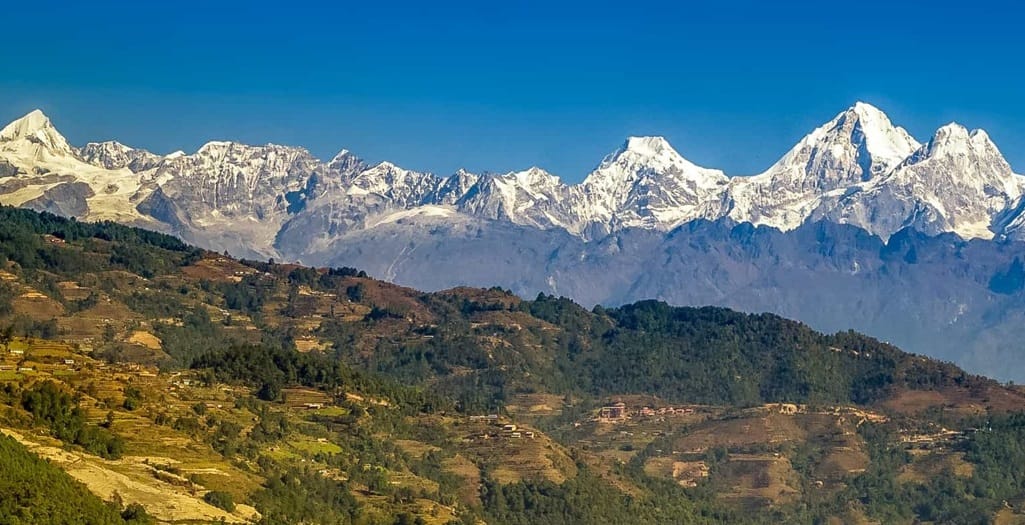
The journey begins with a scenic drive from Kathmandu to Dhunche, passing picturesque villages and terraced fields along the way. The trek gradually ascends through lush forests, rivers, and remote Tamang villages, offering an authentic glimpse into local Nepali life. Along the route, trekkers will encounter rhododendron forests in bloom, crystal-clear streams, and panoramic views of majestic Himalayan peaks including Langtang Lirung and Ganesh Himal.

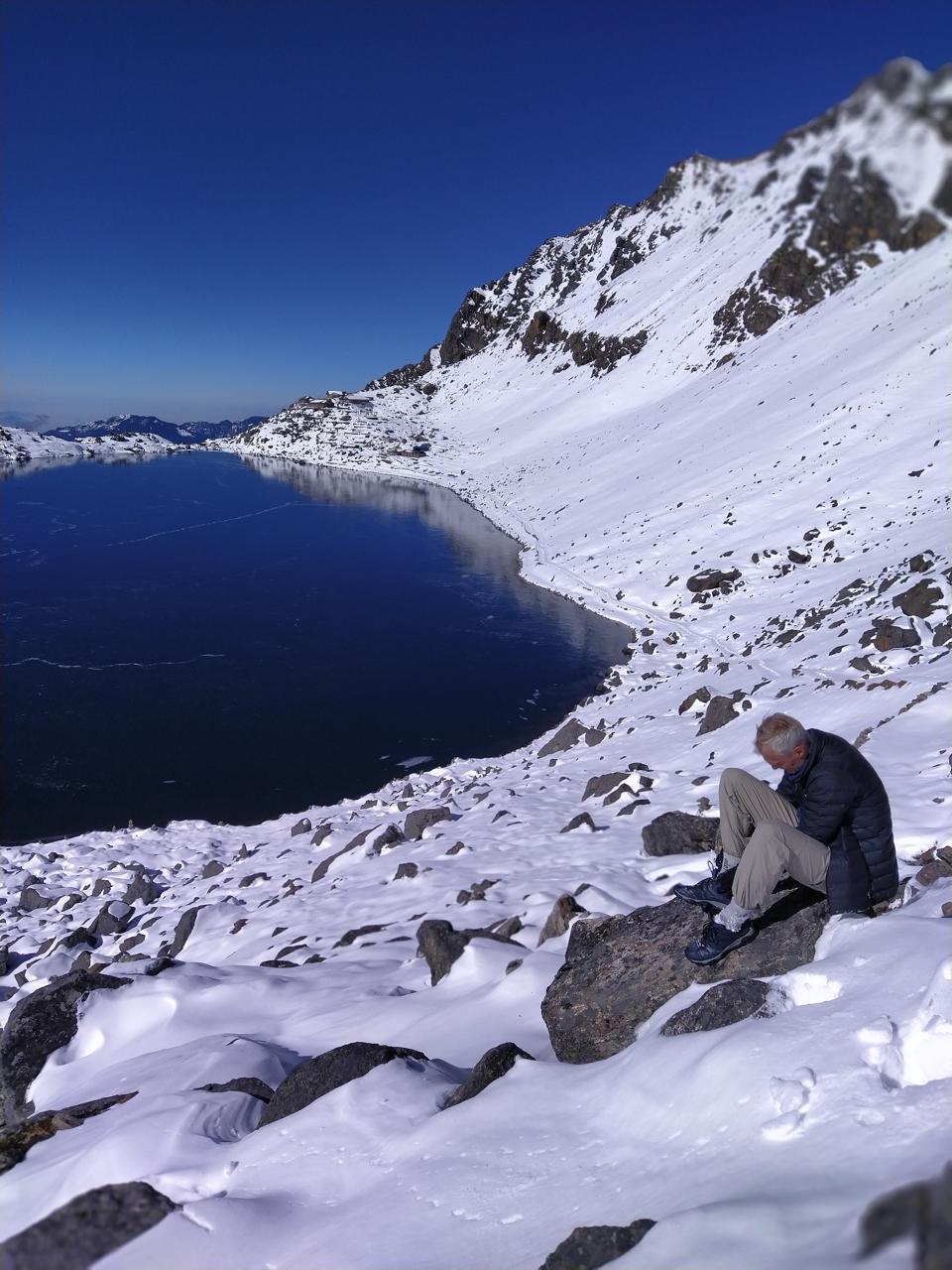
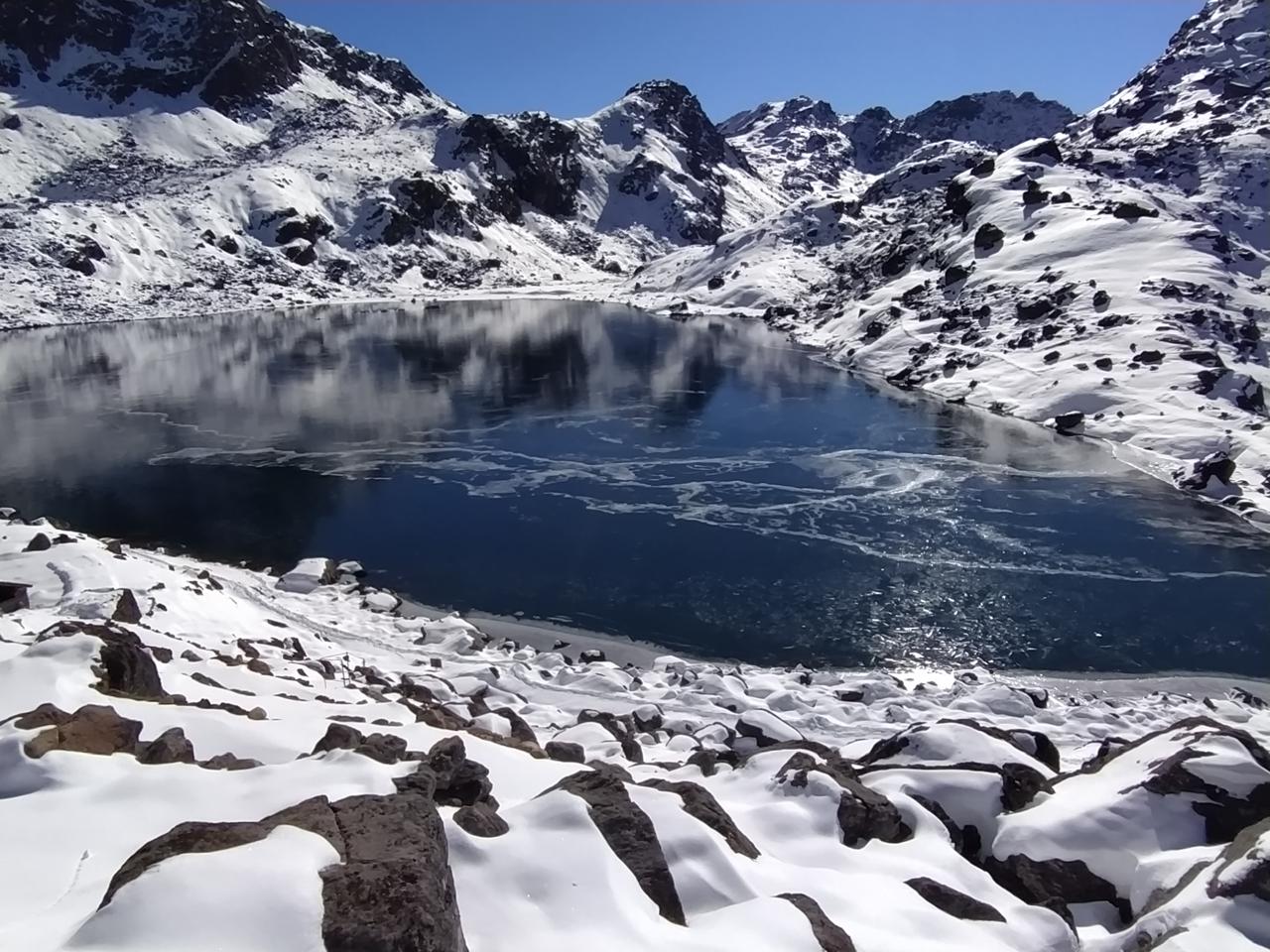
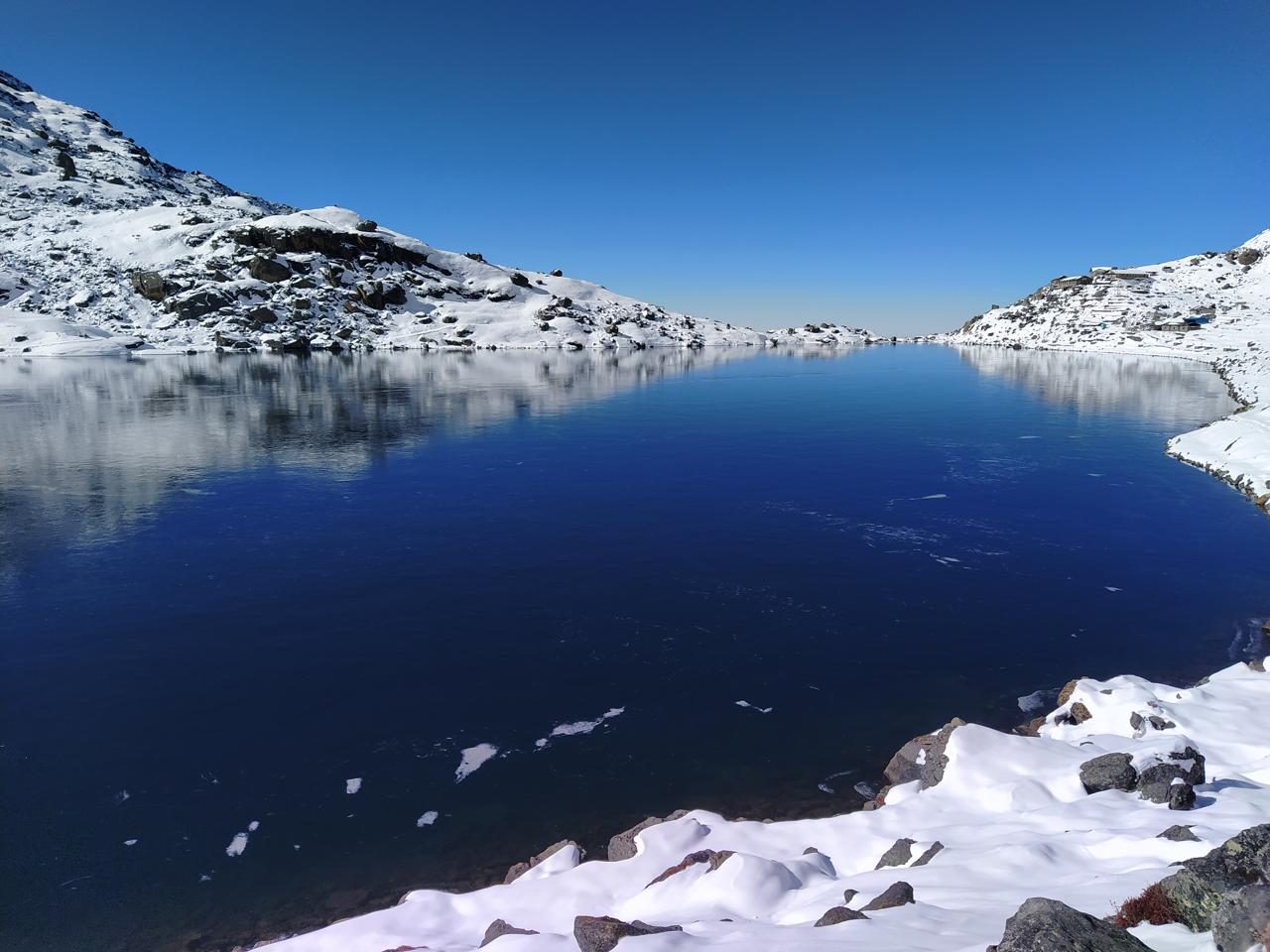
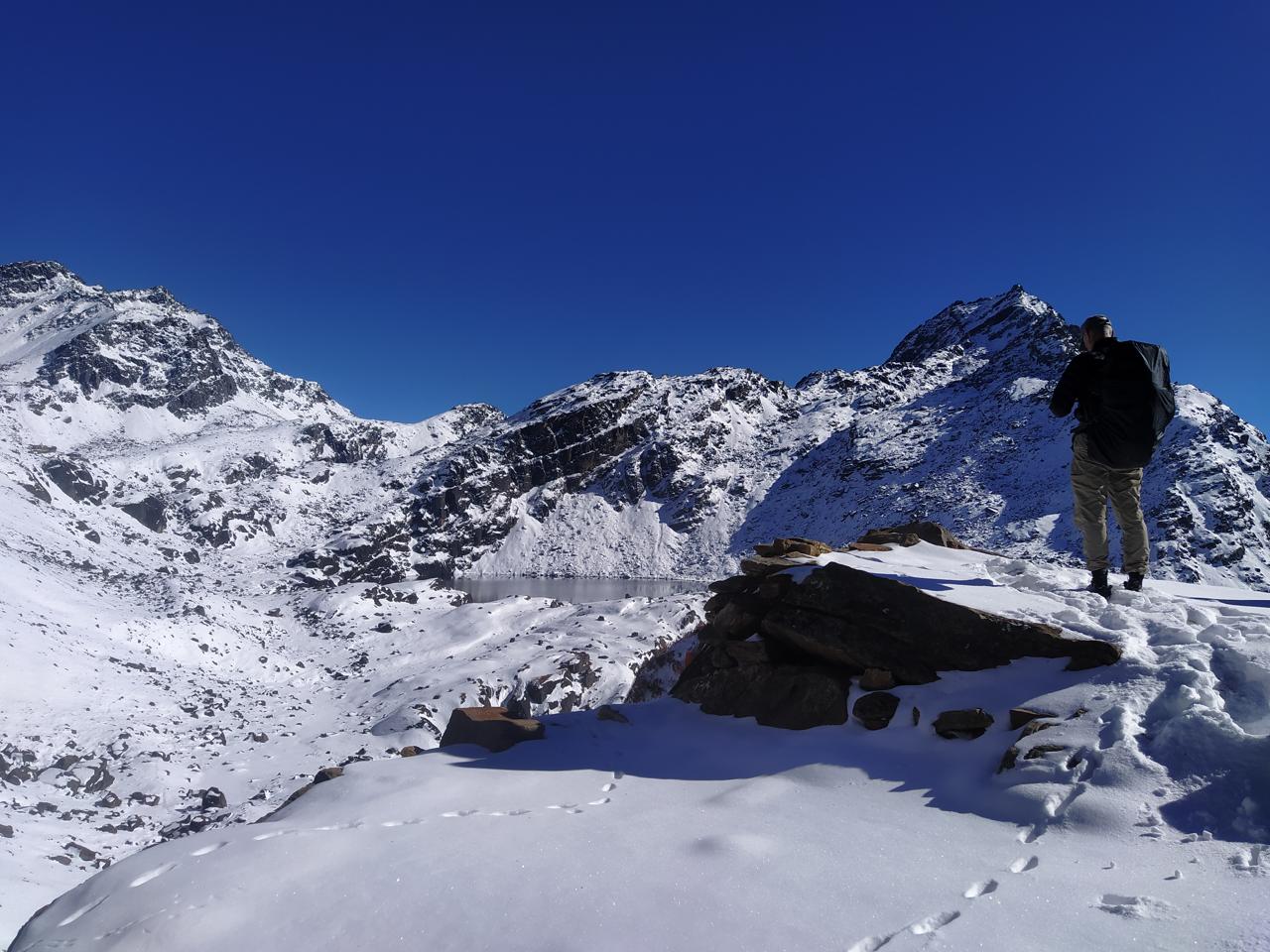
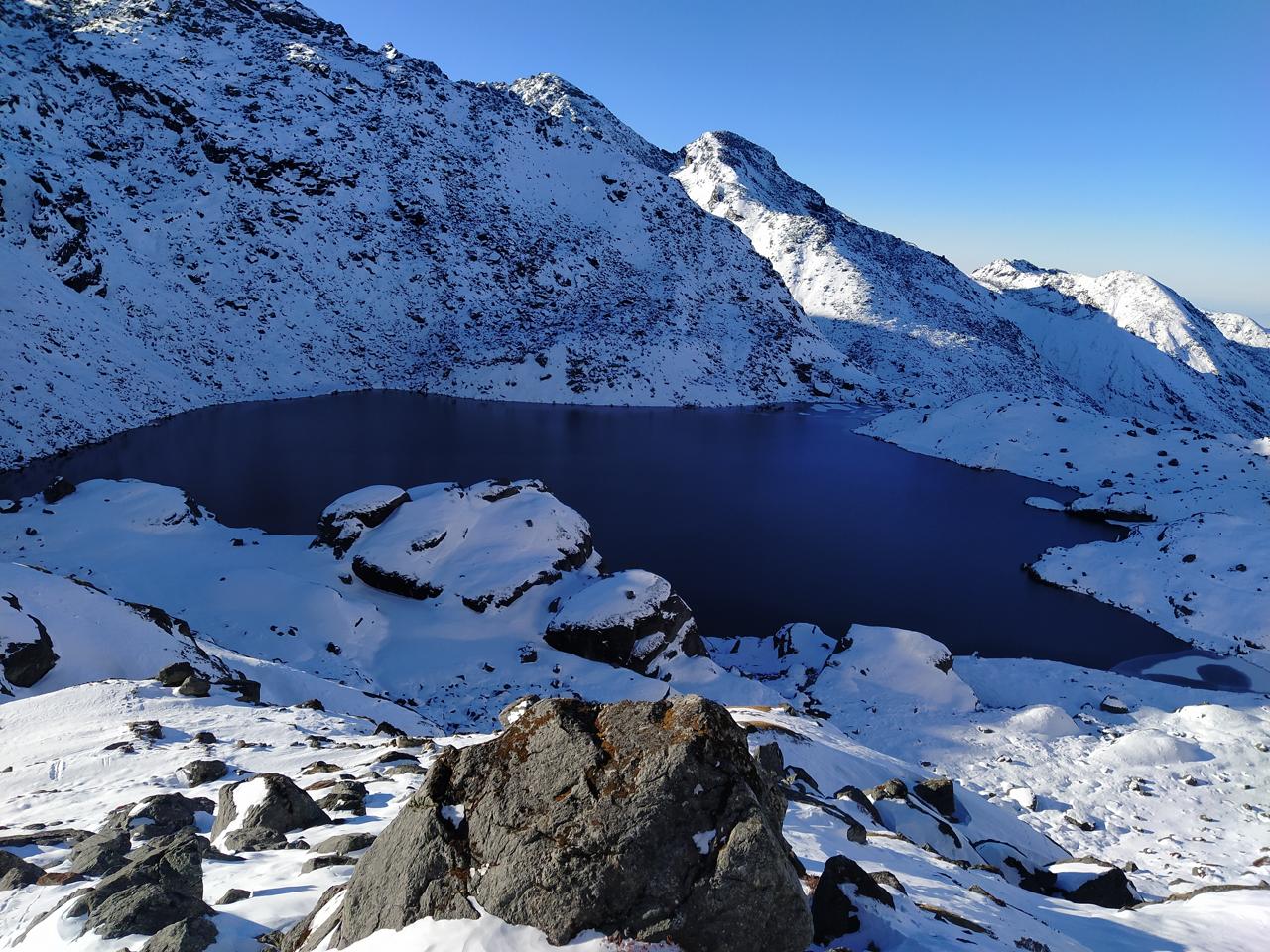
The highlight of the trek is the sacred Gosaikunda Lake, located at 4,380 meters. Pilgrims and trekkers alike are drawn to its pristine waters and spiritual significance. You will also visit nearby smaller lakes such as Saraswati Kunda and Bhairav Kunda, which are considered sacred and offer peaceful spots for reflection and photography.

This trek is suitable for those who have moderate trekking experience, are physically fit, and are prepared for high-altitude trekking. It is ideal for travelers looking for a combination of natural splendor, spiritual experiences, and cultural immersion in a short yet fulfilling adventure.

What Can You Expect from the Trek?

The Gosaikunda Lake Trek is a remarkable journey that combines spectacular natural beauty, spiritual exploration, and cultural experiences. Over seven days, you will traverse diverse landscapes that include lush forests, alpine meadows, rocky paths, and serene glacial lakes. This trek is designed to provide a well-rounded experience for trekkers seeking both adventure and immersion in Nepali culture.

You can expect to start your trek with a scenic drive through the Trishuli Valley, offering glimpses of terraced farms, quaint villages, and local temples. As you ascend, the trail winds through Tamang and Sherpa settlements, giving you the opportunity to interact with locals, learn about their traditions, and enjoy their warm hospitality.

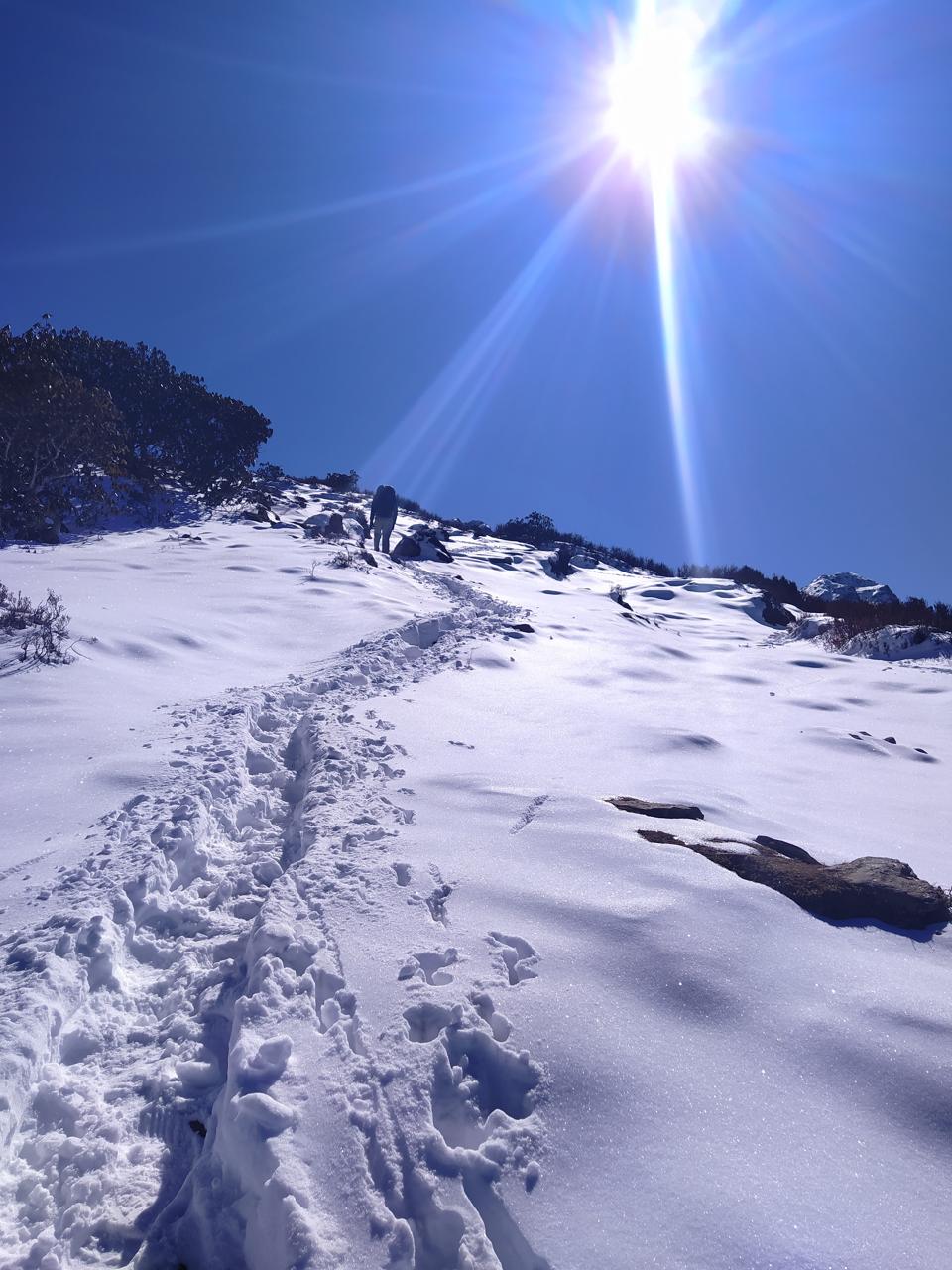
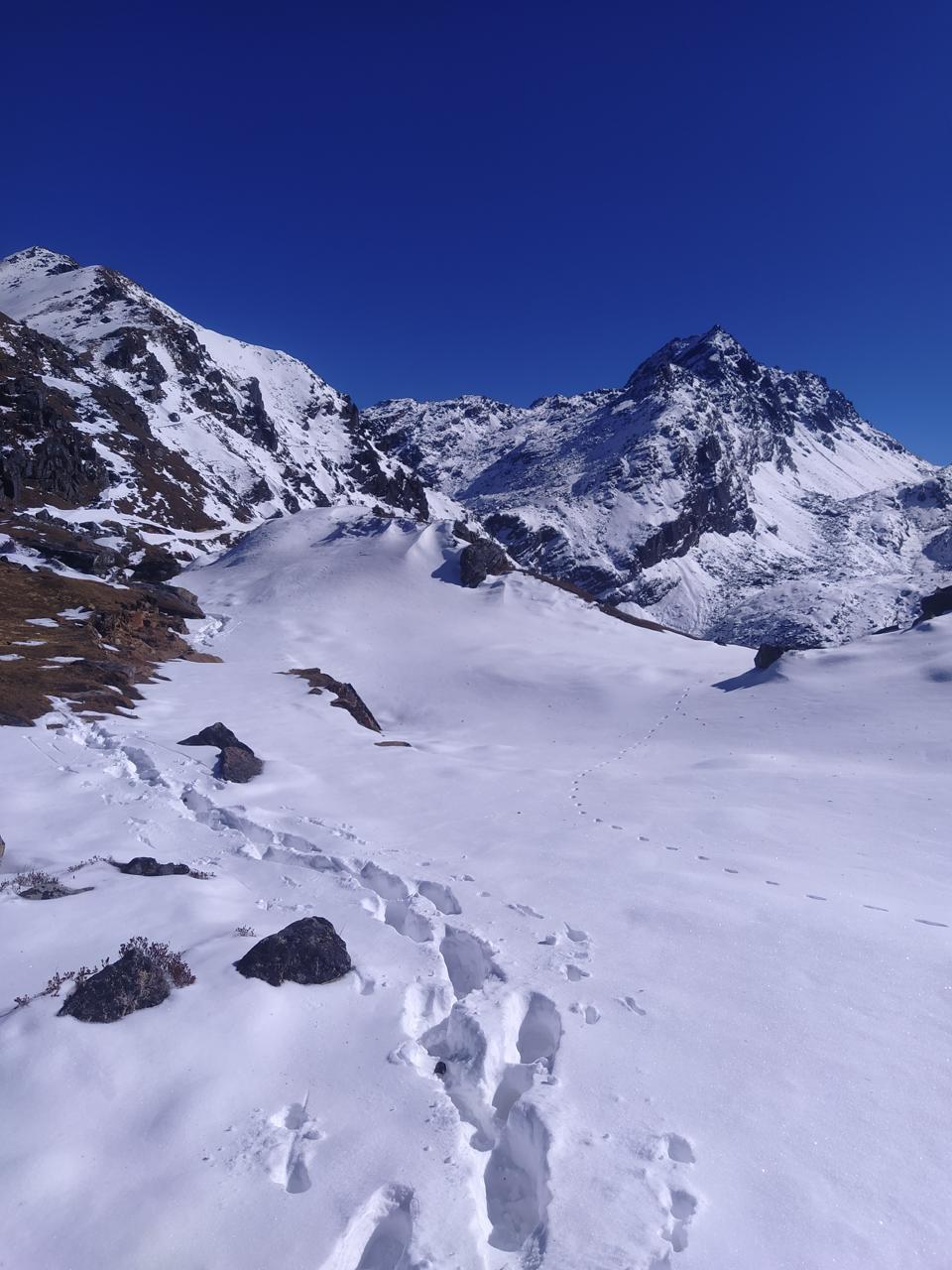
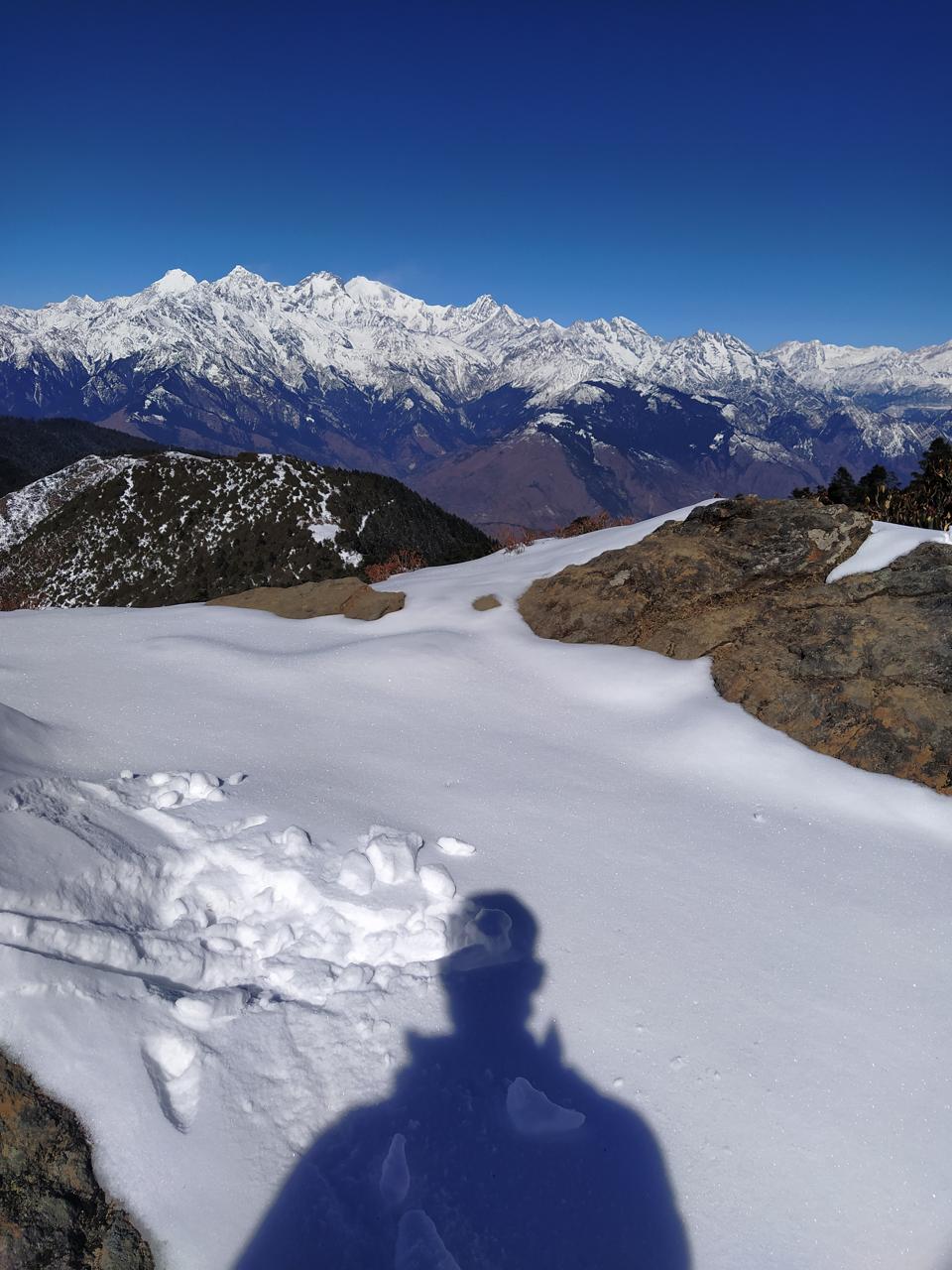
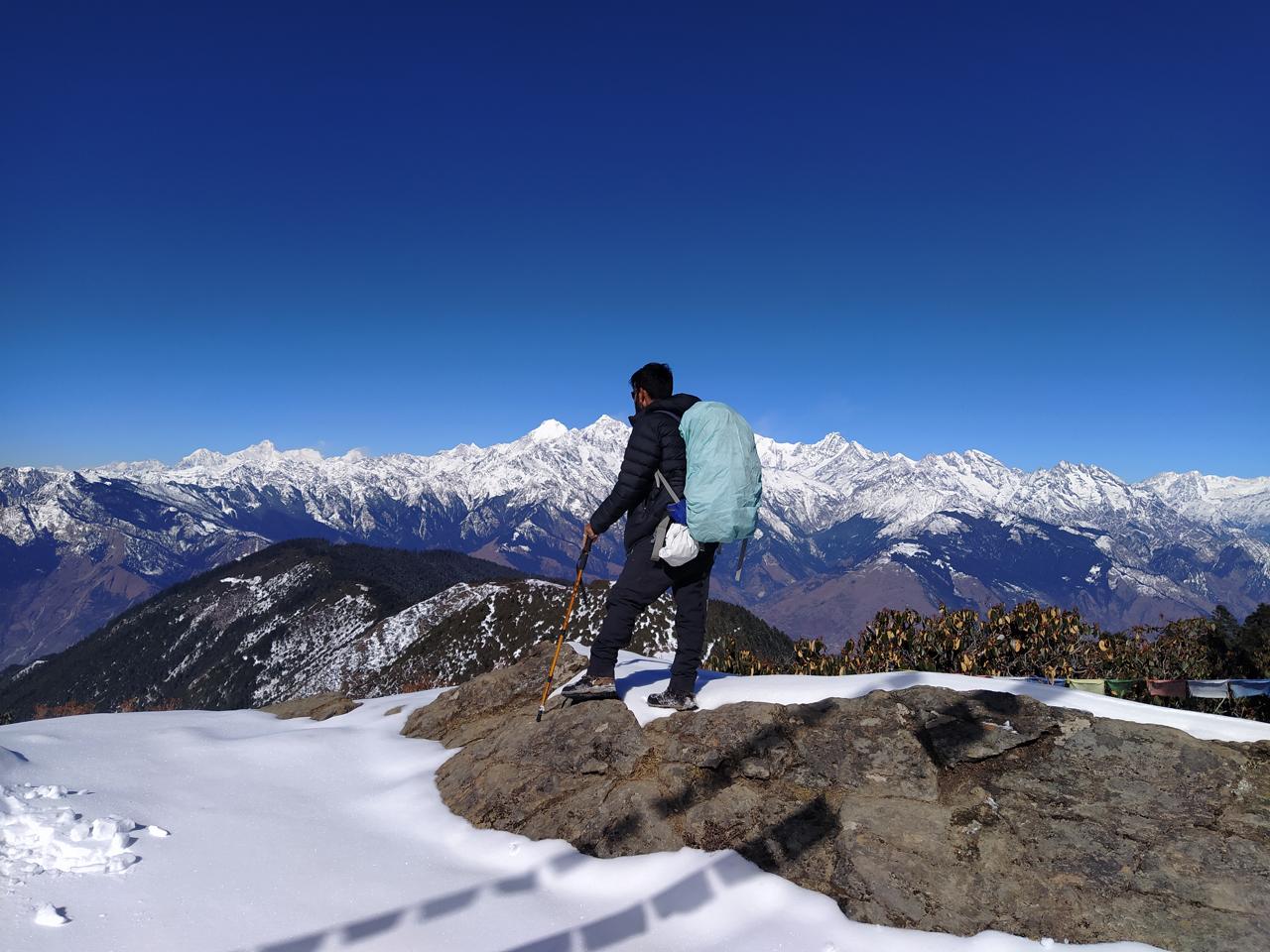
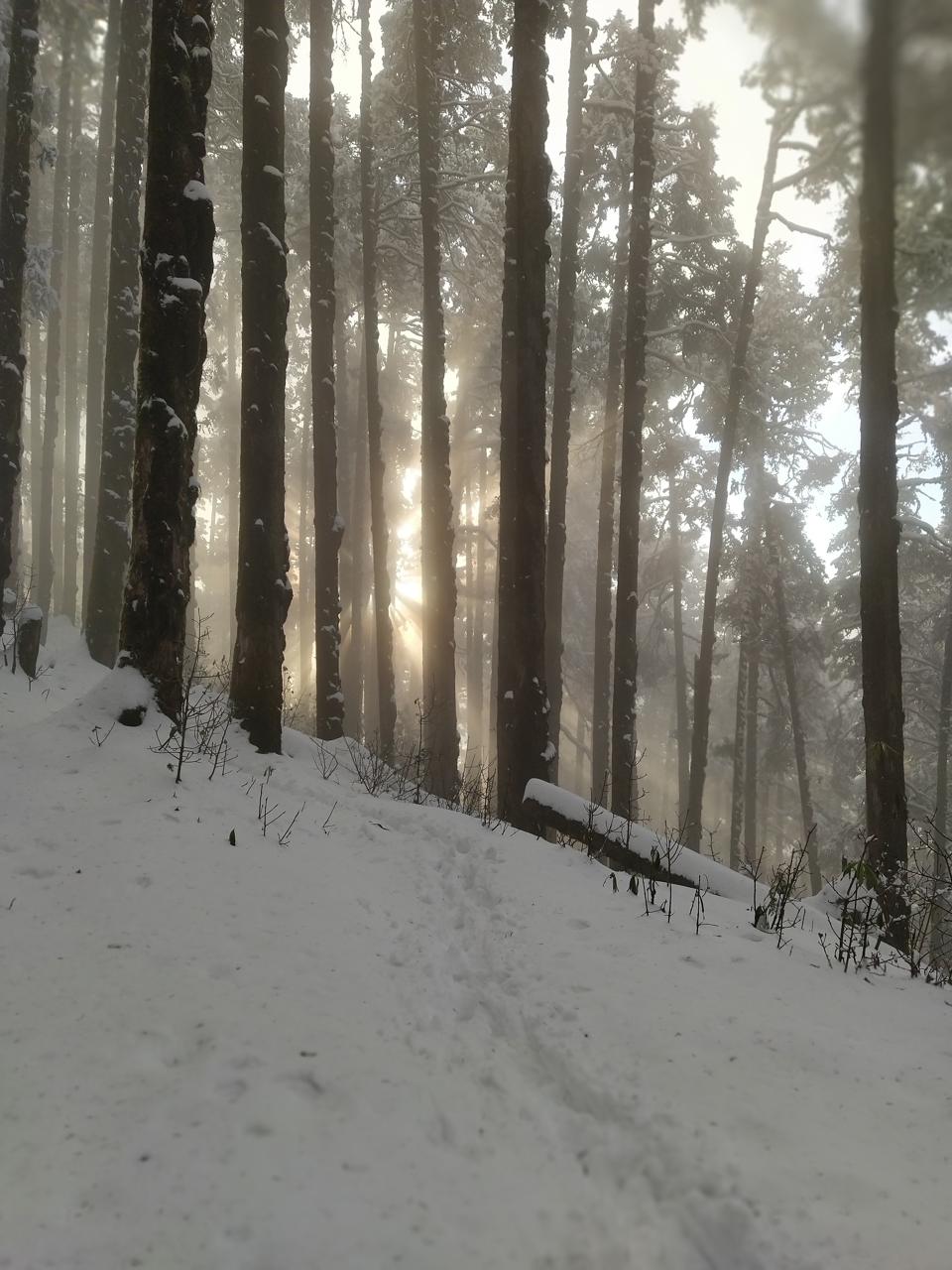
The trek gradually increases in altitude, which allows your body to acclimatize naturally. You will pass through breathtaking forests of pine and rhododendron, which bloom beautifully in spring, providing a riot of colors along the trail. Higher up, the landscape opens to snow-capped peaks, frozen lakes, and expansive alpine terrain, giving trekkers a sense of remoteness and awe-inspiring beauty.

Reaching the sacred Gosaikunda Lake, the highest point of the trek at 4,380 meters, is the highlight of this adventure. The lake is a spiritual site revered by Hindus and Buddhists, and visiting it allows trekkers to witness local rituals and connect with the region’s rich cultural heritage. Alongside Gosaikunda, you will also explore Saraswati Kunda and Bhairav Kunda, smaller but equally stunning lakes that add to the spiritual and scenic value of the trek.

Overall, you can expect a moderately challenging but immensely rewarding trek, offering a mix of physical activity, cultural encounters, spiritual experiences, and nature photography opportunities. The journey is paced to allow for acclimatization, rest, and exploration, ensuring that you enjoy the trek safely while soaking in every moment of the Himalayan adventure.

Is Trek Suitable for You?

The Gosaikunda Lake Trek is moderate in difficulty, making it suitable for trekkers who are physically active and have some experience in hiking or trekking. While it does not require technical climbing skills, it involves trekking at high altitudes, with the maximum altitude reaching 4,380 meters at Gosaikunda Lake.

This trek is ideal for:

  • Adventure seekers looking for a combination of nature, culture, and spirituality.
  • Moderately experienced trekkers who are comfortable walking for 5–7 hours a day on varied terrain.
  • Individuals who want to explore rural Nepali life, interact with local communities, and witness traditional ceremonies.
  • Trekkers who are prepared for variable weather conditions, from warm forested valleys to cold, high-altitude lake regions.

However, the trek may not be suitable for:

  • People with serious medical conditions that could be affected by high-altitude trekking.
  • Trekkers who are unable to walk long distances or carry personal belongings in a backpack.
  • Those who are not prepared for moderately challenging terrain, including rocky trails, streams, and steep ascents.

The trek is designed to allow gradual acclimatization, with sufficient time for rest and shorter walks on higher days, making it manageable for most healthy, fit travelers.

How to Get Prepared for the Trek

Preparing for the Gosaikunda Lake Trek is essential to ensure a safe, comfortable, and enjoyable experience. Though it is a moderate trek, the high-altitude environment and changing weather conditions demand that you prepare physically, mentally, and logistically. ART Nepal Treks & Expedition recommends the following:

Physical Fitness

Cardiovascular Training: Engage in exercises like running, cycling, or swimming at least 3–4 times per week. Cardiovascular endurance is critical for walking long hours on steep and uneven trails.

Strength Training: Focus on strengthening your legs, core, and back with exercises such as squats, lunges, step-ups, planks, and weighted backpack hikes. A strong core helps maintain balance on rocky and uneven terrain.

Practice Treks: If possible, practice hiking with a backpack of 5–8 kg to simulate trekking conditions. Include uphill and downhill walking to prepare your knees and ankles.

Mental Preparation

Trekking at high altitudes can be challenging both physically and mentally. Prepare yourself for:

  • Variable weather: Temperatures may vary from warm valleys to cold, windy high-altitude areas.
  • Fatigue: Long trekking days may test your endurance; maintaining a positive attitude is key.
  • Limited facilities: Some tea houses have basic amenities, so flexibility and patience are important.

Gear and Clothing

Layered Clothing: Dress in layers so you can adjust to changing temperatures:

  • Base layers (moisture-wicking thermal tops and bottoms)
  • Mid-layers (fleece jackets or wool sweaters)
  • Outer layers (waterproof and windproof jackets and pants, insulated down jacket for cold)

Footwear: Waterproof trekking boots with ankle support are essential. Break in your boots before the trek to prevent blisters.

Accessories: Sunglasses, gloves, a warm hat, sun hat, and a scarf or buff for wind protection.

Acclimatization

Gradual Ascent: Follow the itinerary’s recommended pace. Avoid ascending too quickly to prevent acute mountain sickness (AMS).

Hydration: Drink 3–4 liters of water daily, and consider electrolyte supplements to maintain balance.

Rest: Listen to your body. Rest during longer stops or tea house breaks, and avoid overexertion on higher altitude days.

Health Check-up

Consult your doctor for a pre-trek health assessment. Discuss:

  • Cardiovascular and respiratory fitness
  • Altitude sickness prevention
  • Medications to carry (e.g., Diamox)
  • Vaccinations, if required

Travel Insurance

Obtain comprehensive travel insurance that covers:

  • High-altitude trekking
  • Emergency medical evacuation
  • Accidents and injuries
  • Trip cancellations or delays

With this preparation, you will be able to enjoy the trek comfortably while minimizing risks and fully immerse yourself in the beauty, spirituality, and culture of the Gosaikunda region.

  • Trip Duration

    7 Days/6 Nights

  • Group Size

    1–15 Members

  • Maximum Altitude

    4,380 m

  • Trip Difficulty

    Moderate

  • Activities

    Trekking

  • Best Season

    March–May, September–November

  • Trip Start & End

    Kathmandu-Kathmandu

  • Meals

    Breakfast, Lunch, Dinner

  • Accomodation

    3-Star Hotel (Kathmandu), Tea Houses/Lodges (Trek)

Highlights

  • Visit the sacred Gosaikunda Lake—a major pilgrimage site for Hindus and Buddhists.
  • Trek through rhododendron forests in spring.
  • Enjoy panoramic mountain views of Langtang and Ganesh Himal ranges.
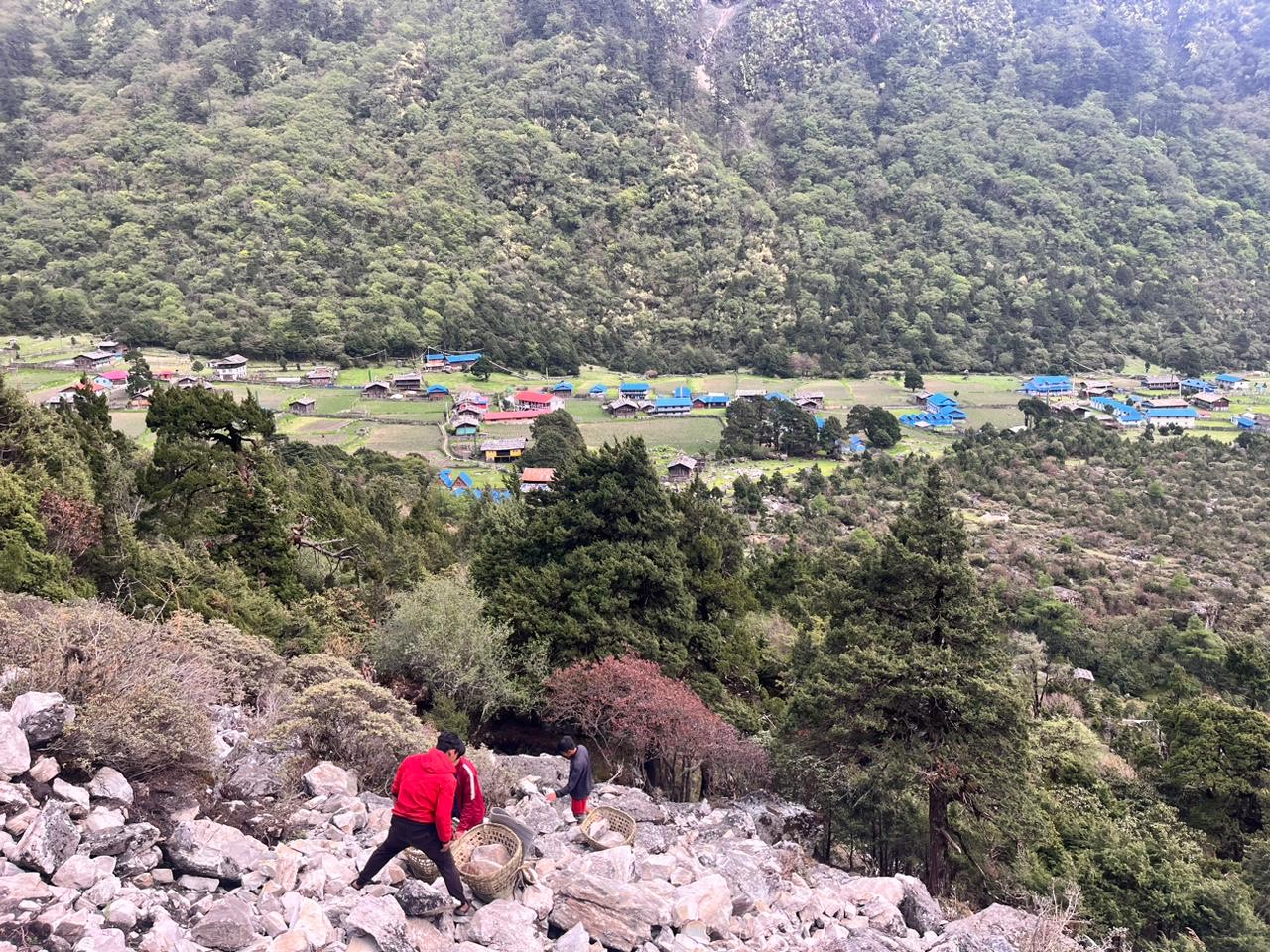
  • Explore remote Tamang villages and experience local culture.
  • Walk through Shivapuri National Park and enjoy serene landscapes.
  • Witness alpine lakes like Saraswati Kunda and Bhairav Kunda.

Itinerary

Day 01

Your adventure begins at Tribhuvan International Airport, where an ART Nepal Treks & Expedition representative will meet you. You’ll be transferred to a 3-star hotel in Thamel. Spend the day resting or exploring the vibrant streets of Kathmandu. Meet your guide for a pre-trek briefing to finalize logistics, discuss the trek, and check your equipment.

Trip Duration:
Leisure Day
Altitude:
1400 m
Meal:
None
Accomodation :
3-Star Hotel, Thamel (Kathmandu)

Day 02

After breakfast, embark on a scenic drive along winding roads, passing picturesque villages, terraced fields, and the Trishuli River. The journey takes approximately 5–6 hours, arriving in Dhunche, the gateway to Langtang National Park. Explore the village, interact with locals, and enjoy your first night in a tea house.

Trip Duration:
5–6 hours (Drive)
Altitude:
1960 m
Meal:
Breakfast, Lunch, Dinner
Accomodation :
Tea House/Lodge, Dhunche

Day 03

Today, the trek begins with a gradual ascent through forests and small villages. Enjoy panoramic views of the surrounding peaks while trekking past rivers, terraced farms, and local settlements. Chandanbari is a peaceful stop offering basic but comfortable tea house accommodation.

Trip Duration:
5–6 hours (Trek)
Altitude:
3330 m
Meal:
Breakfast, Lunch, Dinner
Accomodation :
Tea House/Lodge, Chandanbari

Day 04

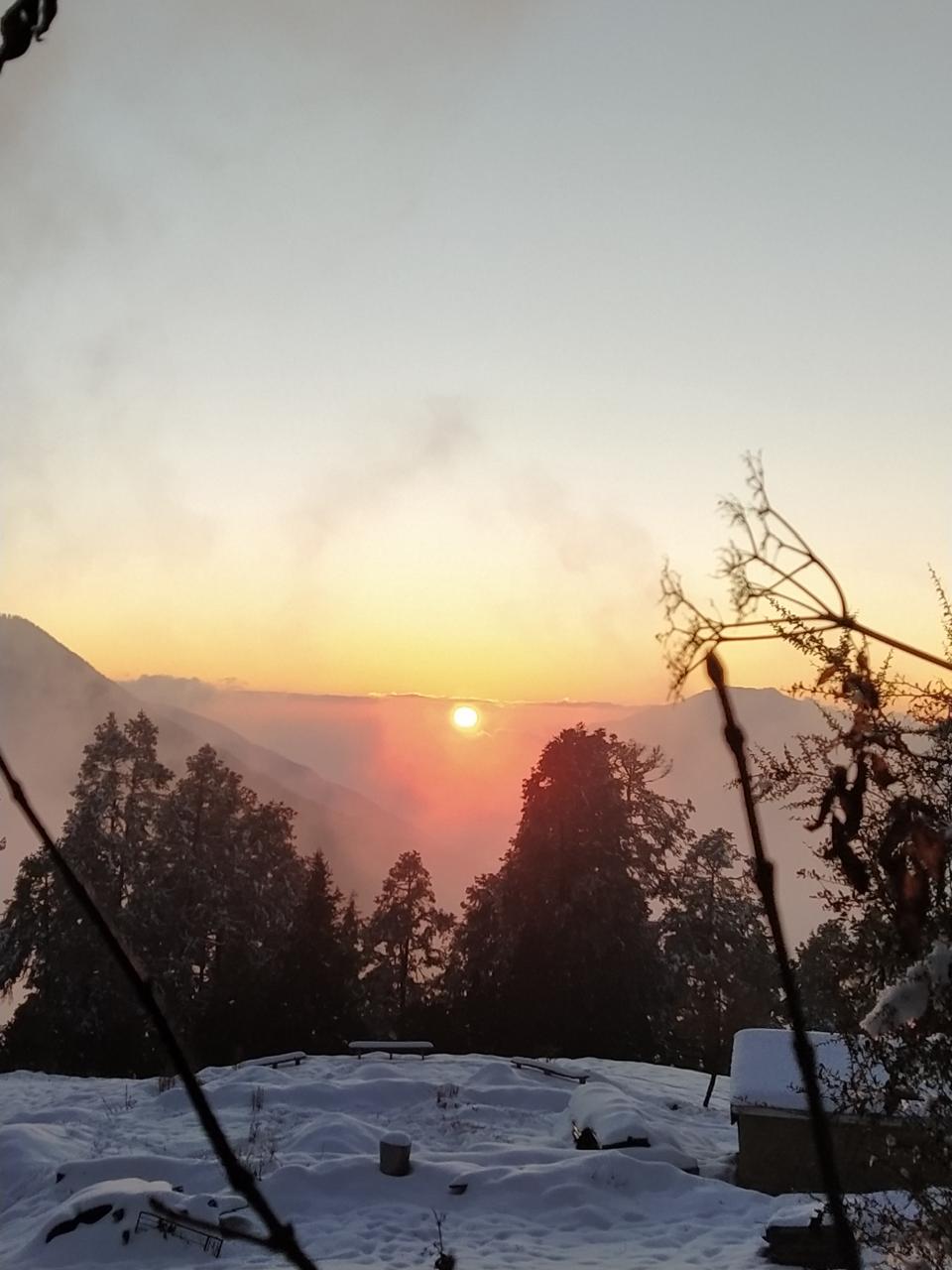
A challenging day of trekking brings you to the sacred Gosaikunda Lake. Cross rocky trails and alpine meadows, pass Cholangpati and Lauribina, and stop at the Buddha Temple. Explore Saraswati Kunda and Bhairav Kunda, before arriving at the majestic Gosaikunda Lake. Spend the evening soaking in the serene alpine environment.

Trip Duration:
5–6 hours (Trek)
Altitude:
4380 m
Meal:
Breakfast, Lunch, Dinner
Accomodation :
Tea House/Lodge, Gosaikunda

Day 05

Begin your descent back through alpine trails and villages, retracing the route via Lauribina and Cholangpati. Enjoy the changing scenery, observe wildlife, and take in mountain and forest views as you arrive in Dhunche for the night.

Trip Duration:
7–8 hours (Trek)
Altitude:
1960 m
Meal:
Breakfast, Lunch, Dinner
Accomodation :
Tea House/Lodge, Dhunche

Day 06

Board a bus for the return journey to Kathmandu. Enjoy scenic views of rivers, hills, and villages along the route. Arrive in Thamel and spend the evening reflecting on your trek or shopping for souvenirs.

Trip Duration:
5–6 hours (Drive)
Altitude:
1400 m
Meal:
Breakfast
Accomodation :
3-Star Hotel, Thamel (Kathmandu)

Day 07

Transfer to Tribhuvan International Airport for your departure flight. If time permits, enjoy last-minute shopping or sightseeing in Kathmandu.

Trip Duration:
Departure Day
Altitude:
1400 m
Meal:
Breakfast
Accomodation :

What's Included

  • Airport pickup and drop (private transfer)
  • 2 nights 3-Star hotel in Thamel, Kathmandu
  • Breakfast during hotel stay in Kathmandu
  • Kathmandu–Dhunche–Kathmandu transportation
  • Tea house/lodge accommodation during trek
  • Full board meals during trek (Breakfast, Lunch, Dinner)
  • All trekking permits and park entry fees
  • Experienced trekking guide (salary, food, accommodation, insurance)
  • Basic first aid kit
  • Required public transportation during trek

What's Excluded

  • Personal expenses (shopping, snacks, extra drinks)
  • Trekking gear and personal equipment
  • Bottled water, soft drinks, energy drinks
  • Travel insurance (high-altitude coverage required)
  • Tips for guides and porters
  • Porter services (optional, extra cost)

Essential Info

Best Season to Trek

  • Spring (March – May): Ideal weather, clear skies, and blooming rhododendrons. Moderate temperatures make trekking enjoyable.
  • Autumn (September – November): Cool and dry conditions with clear Himalayan views. Comfortable for trekking.
  • Winter (December – February): Cold temperatures with possible snowfall. Suitable for experienced trekkers prepared for harsh conditions.
  • Summer (June – August): Monsoon season with heavy rains, muddy trails, and higher landslide risks. Less favorable for trekking.

Food Availability

During the trek, meals are freshly prepared at tea houses or lodges. Options include:

  • Breakfast: Porridge, eggs, bread, toast, cereals, and pancakes to energize your day.
  • Lunch: Local Nepali dishes such as dal bhat (lentil soup with rice), noodle soup, or sandwiches.
  • Dinner: Hearty meals including rice, pasta, vegetable curries, or meat dishes.
  • Tea/Coffee: Hot beverages are available throughout the day for warmth and refreshment.

Accommodation

  • Kathmandu: Comfortable 3-star hotels with modern amenities, private bathrooms, and Wi-Fi.
  • During Trek: Tea houses and lodges offering basic but clean accommodations, beds with blankets, shared or attached bathrooms, and communal dining areas.
  • High-Altitude Areas: Comfortable rooms with heating where possible.

Travel Insurance

Travel insurance is mandatory for trekking in Nepal. Ensure your policy covers:

  • Medical emergencies and hospitalization
  • High-altitude trekking
  • Emergency evacuation
  • Trip cancellation or delays

It is strongly recommended to carry a printed copy of your insurance policy during the trek.

Altitude Sickness

Trekking to Gosaikunda Lake involves high-altitude exposure. Acute Mountain Sickness (AMS) may occur, presenting with headaches, nausea, dizziness, or fatigue.

Preventive Measures:

  • Follow a gradual ascent plan as per the itinerary.
  • Stay hydrated: Drink plenty of water.
  • Avoid alcohol and overexertion.
  • Rest adequately at tea houses.
  • Consult guides and descend if symptoms worsen.

Guide and Safety Measures

  • Experienced Guides: Our guides are trained in high-altitude trekking, first aid, and emergency response.
  • Safety Protocols: Follow acclimatization schedules, proper hydration, and trekking safety instructions.
  • Emergency Procedures: Guides carry communication devices and first aid kits for immediate assistance.
  • Health Monitoring: Regular health checks and advice on altitude adaptation are provided throughout the trek.

Booking Procedure

  • Contact Us: Reach out via phone or email to express interest.
  • Confirm Dates: Check availability and finalize trekking dates.
  • Deposit: Pay a deposit to secure your spot.
  • Submit Documents: Provide passport copies, medical information, and other necessary documents.
  • Final Payment: Complete payment prior to departure.
  • Pre-Trek Briefing: Attend a session to review the trek itinerary, safety protocols, and essential details.

Equipment List

  • Quick-dry T-shirts
  • Long-sleeve shirts
  • Trekking pants (convertible)
  • Thermal base layers
  • Fleece/light jacket
  • Waterproof jacket & pants
  • Gloves (light & insulated)
  • Warm hat / Sun hat
  • Hiking socks (2–3 pairs)
  • Trekking backpack (30–40L) with rain cover
  • Daypack (15–20L)
  • Trekking poles
  • 4-season sleeping bag
  • Water bottle / Hydration system (2–3L)
  • UV-protection sunglasses
  • Headlamp with extra batteries
  • Insulated down jacket
  • Extra thermals
  • Lightweight lodge shoes
  • Waterproof gaiters
  • Quick-dry innerwear
  • Personal toiletries
  • Hand sanitizer & wet wipes
  • Sunscreen (SPF 50+)
  • Lip balm (SPF)
  • Personal first-aid kit
  • Prescribed medicines (e.g., altitude medication)
  • Mobile phone
  • Power bank
  • Camera with extra batteries
  • Travel adapter
  • GPS watch (optional)
General Equipments
  • Passport & ID copies
  • Trekking permits
  • Energy snacks
  • Notebook & pen
  • Zip-lock bags for documents/electronics

FAQ

The Gosaikunda Lake Trek is a 7-day moderate trek in Nepal that leads to the sacred Gosaikunda Lake, located in Langtang National Park at an altitude of 4,380 meters. Trekkers will experience stunning Himalayan views, rhododendron forests, and traditional Tamang villages while exploring this spiritual and scenic region.
The trek is classified as moderate, suitable for physically fit individuals with some prior trekking experience. It involves daily hikes of 4–8 hours, uphill and downhill terrains, rocky paths, and high-altitude walking. Good stamina and endurance are recommended.
The ideal seasons are: • Spring (March–May): Blooming rhododendrons, clear skies, and moderate temperatures. • Autumn (September–November): Clear views of the mountains, cooler and dry conditions. • Winter (December–February): Cold and snow-covered landscapes; suitable for experienced trekkers. • Summer (June–August): Monsoon season; trails may be slippery and muddy, less recommended.
While prior trekking experience is helpful, it is not mandatory. Anyone with good physical fitness, stamina, and mental preparation can enjoy the trek. ART Nepal Treks & Expedition provides experienced guides to support beginners.
The trek reaches a maximum altitude of 4,380 meters at Gosaikunda Lake. The moderate altitude is manageable for most trekkers if acclimatization and gradual ascent are followed.
Trip Price

On Request

Talk To Trip Expert

expert image

Anjan Dhital

Trip Expert
Have Any Questions?
Whatsapp/Viber +977-9810271256
Share this Trip
Translate »