Dhampus Sarangkot Trek – 3 Days

Dhampus and Sarangkot
3 Days/ 2Nights
slide image
slide image
slide image

Introduction

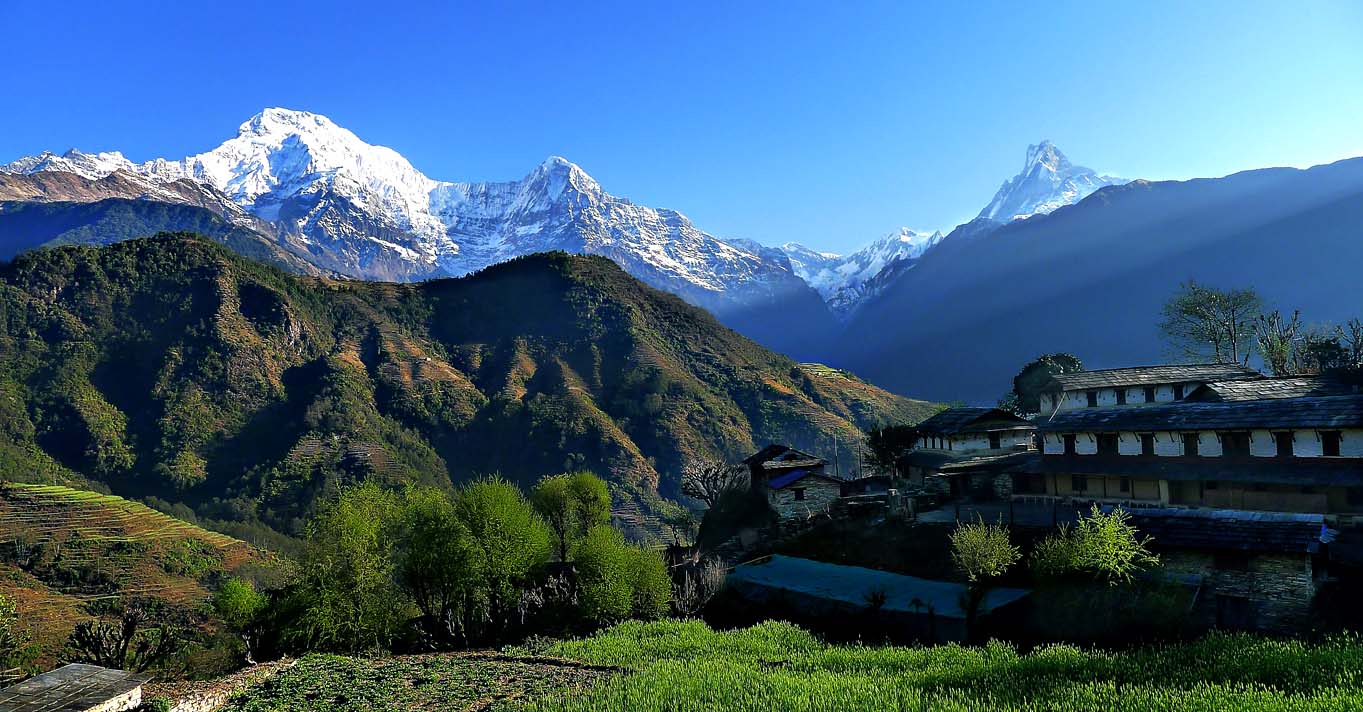
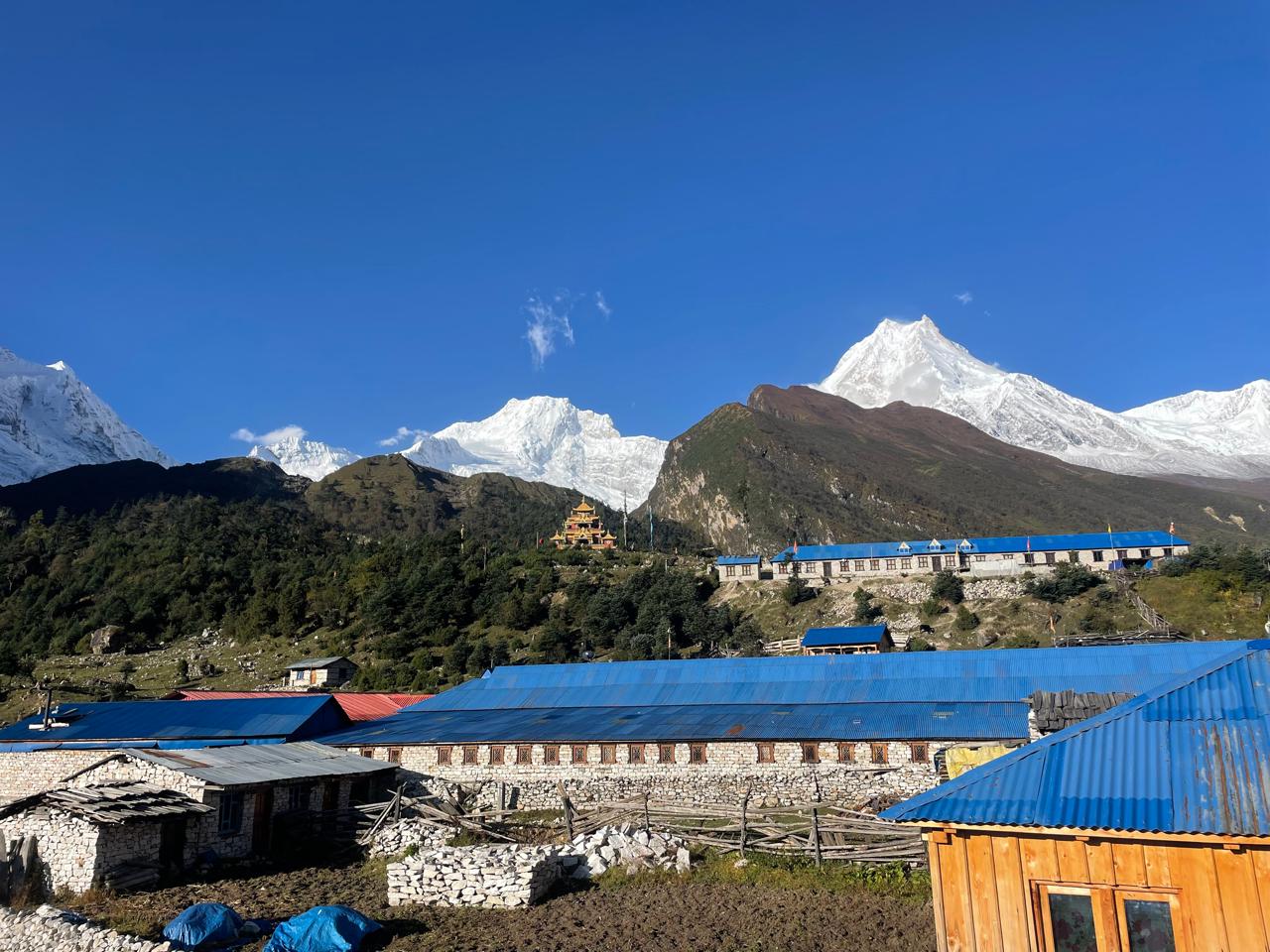
The Dhampus Sarangkot Trek is a short yet captivating trekking experience in the Annapurna region, designed for travelers seeking a quick Himalayan getaway. Beginning from Pokhara, the trek winds through scenic trails filled with lush forests, terraced fields, and charming villages. Along the way, trekkers are treated to unobstructed views of some of Nepal’s most famous peaks, including Annapurna South, Machhapuchhre (Fishtail), and Dhaulagiri. The trek’s manageable terrain makes it perfect for beginners, families, or anyone with limited time who still wants a genuine mountain experience.

As you ascend from Phedi to Dhampus, the trail gradually climbs through dense rhododendron, oak, and pine forests, offering a serene environment away from city life. Dhampus, a traditional Gurung village, is a highlight of the trek where you can observe local lifestyles, interact with villagers, and experience authentic Nepali hospitality. The combination of cultural immersion and natural beauty makes this trek more than just a scenic walk—it’s an opportunity to understand the life of the Himalayan communities.

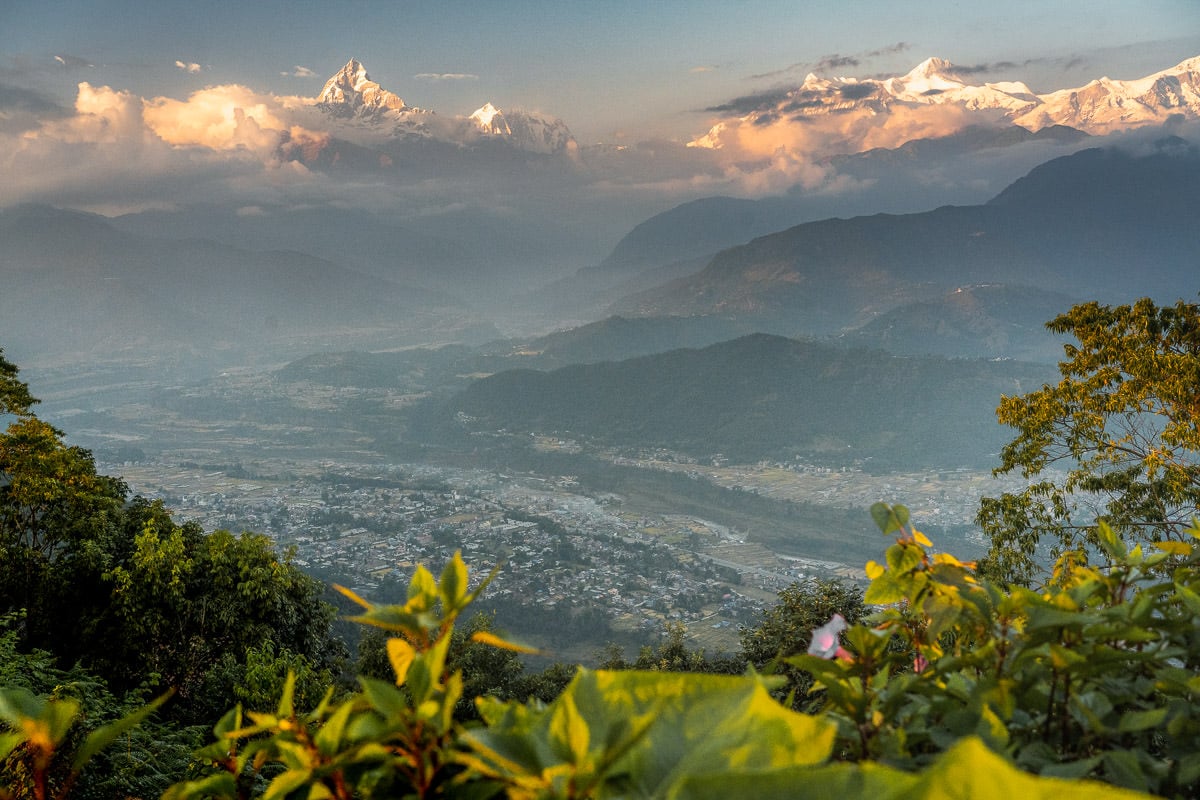
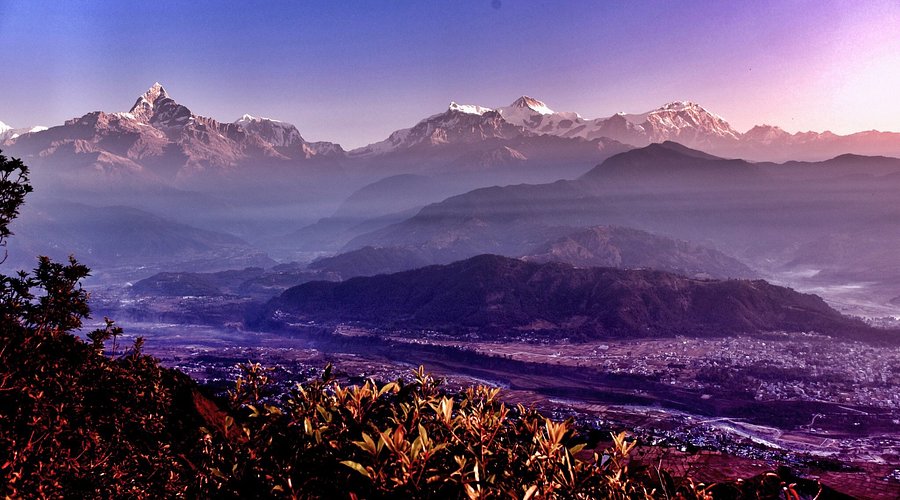
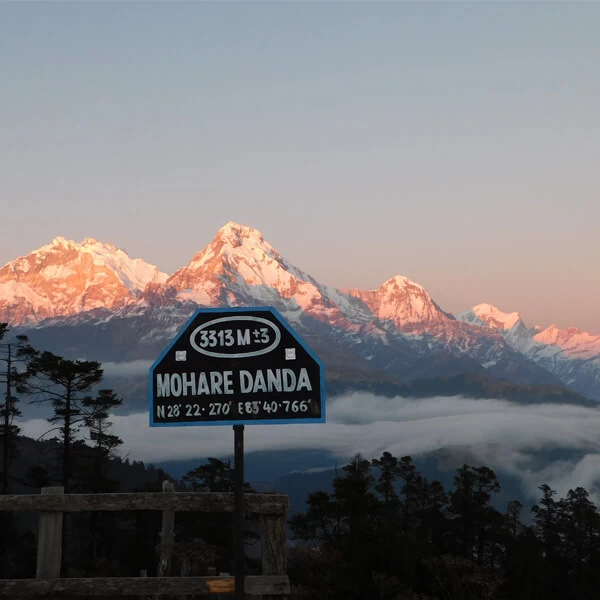
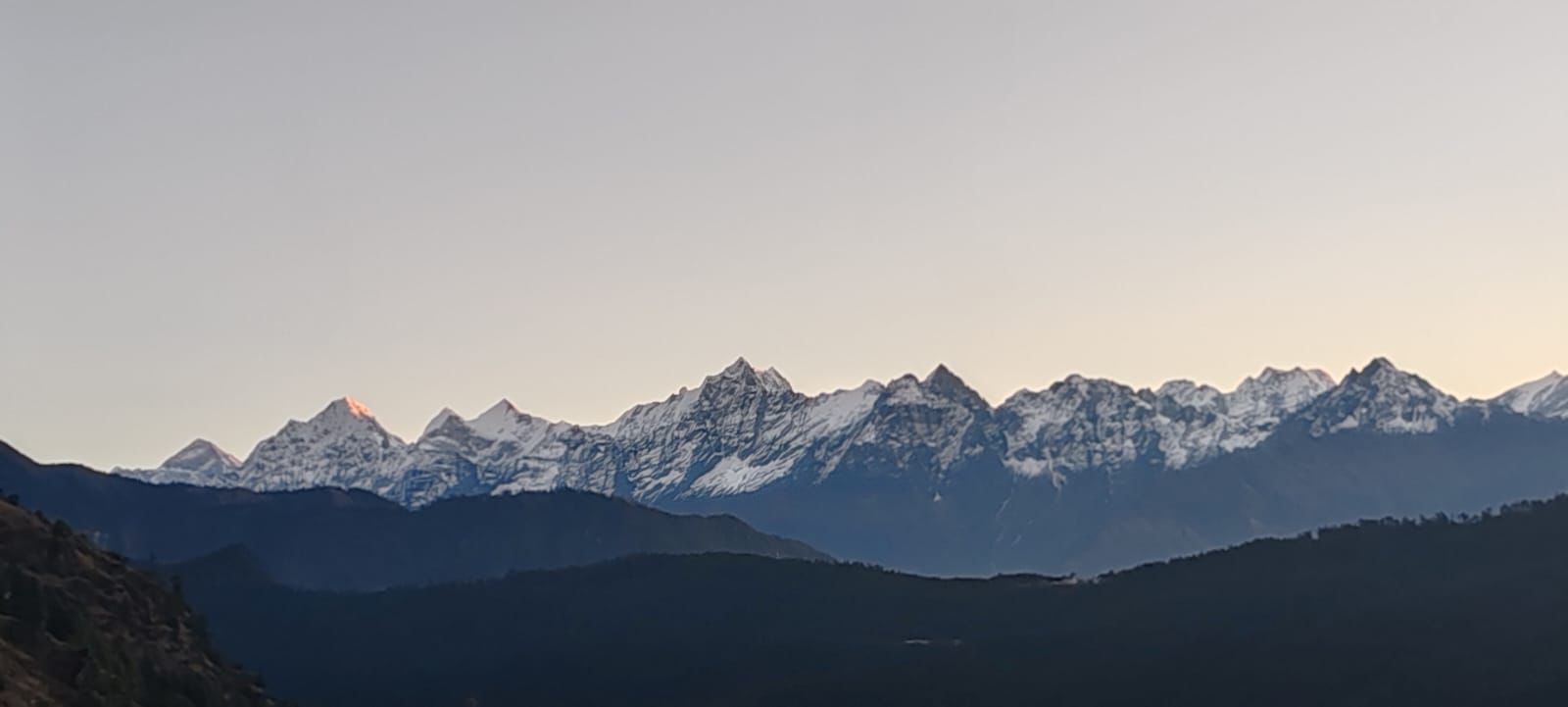
The trek continues toward Sarangkot, a hilltop village famous for its panoramic mountain views and sunrise experiences. Early risers can witness the sun’s first rays illuminating the snow-capped peaks, creating an unforgettable spectacle. Sarangkot also provides a vantage point over Pokhara Valley, Phewa Lake, and surrounding hills, allowing trekkers to enjoy both high-altitude views and the valley’s calm, reflective landscapes. The route is leisurely, offering plenty of time for photography, relaxation, and exploration.

Despite its short duration, the Dhampus Sarangkot Trek provides a balanced combination of adventure, culture, and comfort. Accommodations along the trail include cozy teahouses and lodges, while hotels in Pokhara offer modern amenities for relaxation before or after trekking. This trek is ideal for travelers who want a compact but fulfilling Himalayan experience, where every step brings you closer to majestic mountains, vibrant culture, and serene natural beauty.

Is Trek Suitable for You?

The Dhampus Sarangkot Trek is ideal for anyone looking for a short and scenic trek in the Annapurna region. Its gentle trails and moderate elevations make it accessible to beginners, families, and travelers with limited time or trekking experience. You do not need prior trekking expertise, making it a perfect introduction to the Himalayas. The trek is also suitable for those who enjoy combining natural beauty with cultural experiences, as the route passes through traditional Gurung and Magar villages.

This trek is particularly suited for travelers who prefer a relaxed pace. Unlike longer Himalayan treks, the Dhampus Sarangkot route allows ample time to appreciate the surroundings, take photographs, and enjoy village life without rushing. The maximum altitude of 1,700 meters at Sarangkot minimizes the risk of altitude-related issues, making it safe for most trekkers.

For nature enthusiasts, this trek is an excellent choice. You will be surrounded by lush forests, terraced farmlands, and panoramic mountain views, providing a perfect blend of natural scenery and tranquility. The sunrise from Sarangkot is a major highlight, offering a serene and picturesque experience that appeals to both photographers and casual travelers.

Additionally, the trek is suitable for those who want a cultural immersion. Visiting villages like Dhampus allows you to interact with local communities, observe traditional lifestyles, and sample authentic Nepali cuisine. In short, if you want a manageable, scenic, and culturally enriching Himalayan trek, the Dhampus Sarangkot Trek is a perfect fit.

Key Points:

  • Gentle trails suitable for beginners and families
  • Maximum altitude 1,700 meters – low risk of altitude sickness
  • Balanced combination of nature, mountains, and culture
  • Leisurely pace for relaxation and photography
  • Sunrise and panoramic mountain views.

How to Get Prepared for the Trek

Proper preparation is essential for a safe and enjoyable trekking experience. The Dhampus Sarangkot Trek is relatively easy, but being prepared ensures comfort, energy, and safety throughout the journey.

Physical Preparation

Even though the trek is short, maintaining general fitness is important. Regular walking, light jogging, or hiking in the weeks leading up to the trek will improve stamina and reduce fatigue. Simple exercises like squats, lunges, or stair climbing can also help strengthen your legs for uphill trails.

Clothing and Gear

Pack lightweight and comfortable clothing suitable for varying temperatures. Include a warm jacket, trekking pants, hat, gloves, and sunglasses. Comfortable trekking shoes with good grip are essential for uneven trails. A small daypack is recommended for carrying water, snacks, camera, and personal items.

Health Considerations

Bring any personal medications and a basic first aid kit including bandages, antiseptic, and painkillers. Staying hydrated is crucial, so carry a refillable water bottle or hydration bladder. Ensure you are in good general health before the trek.

Travel Insurance and Documentation

Obtain travel insurance covering trekking activities, medical emergencies, and evacuation. Carry essential documents such as your passport, visa, trekking permits, and insurance information.

Mental Preparation

While the trek is not strenuous, a positive attitude and readiness to embrace different weather conditions, local customs, and trail challenges will enhance your overall experience.

Checklist for Preparation:

  • Maintain fitness with walking or light exercise
  • Pack lightweight clothing, warm layers, and trekking shoes
  • Carry a daypack, water, snacks, and camera
  • Bring personal medications and a first aid kit
  • Obtain travel insurance covering trekking activities
  • Keep passport, visa, and permits ready
  • Trip Duration

    3 Days/ 2Nights

  • Group Size

    1-20 people

  • Maximum Altitude

    1,700 meters (Sarangkot)

  • Trip Difficulty

    Easy

  • Activities

    Trekking

  • Best Season

    Spring (April–June), Autumn (September–November)

  • Trip Start & End

    Pokhara/ Pokhara

  • Meals

    Breakfast, Lunch, Dinner

  • Accomodation

    Hotels / Lodges / Teahouses

Highlights

  • Panoramic Mountain Views: Spectacular vistas of Annapurna and Dhaulagiri ranges from Sarangkot.
  • Cultural Experience: Meet and interact with the local Gurung and Magar communities.
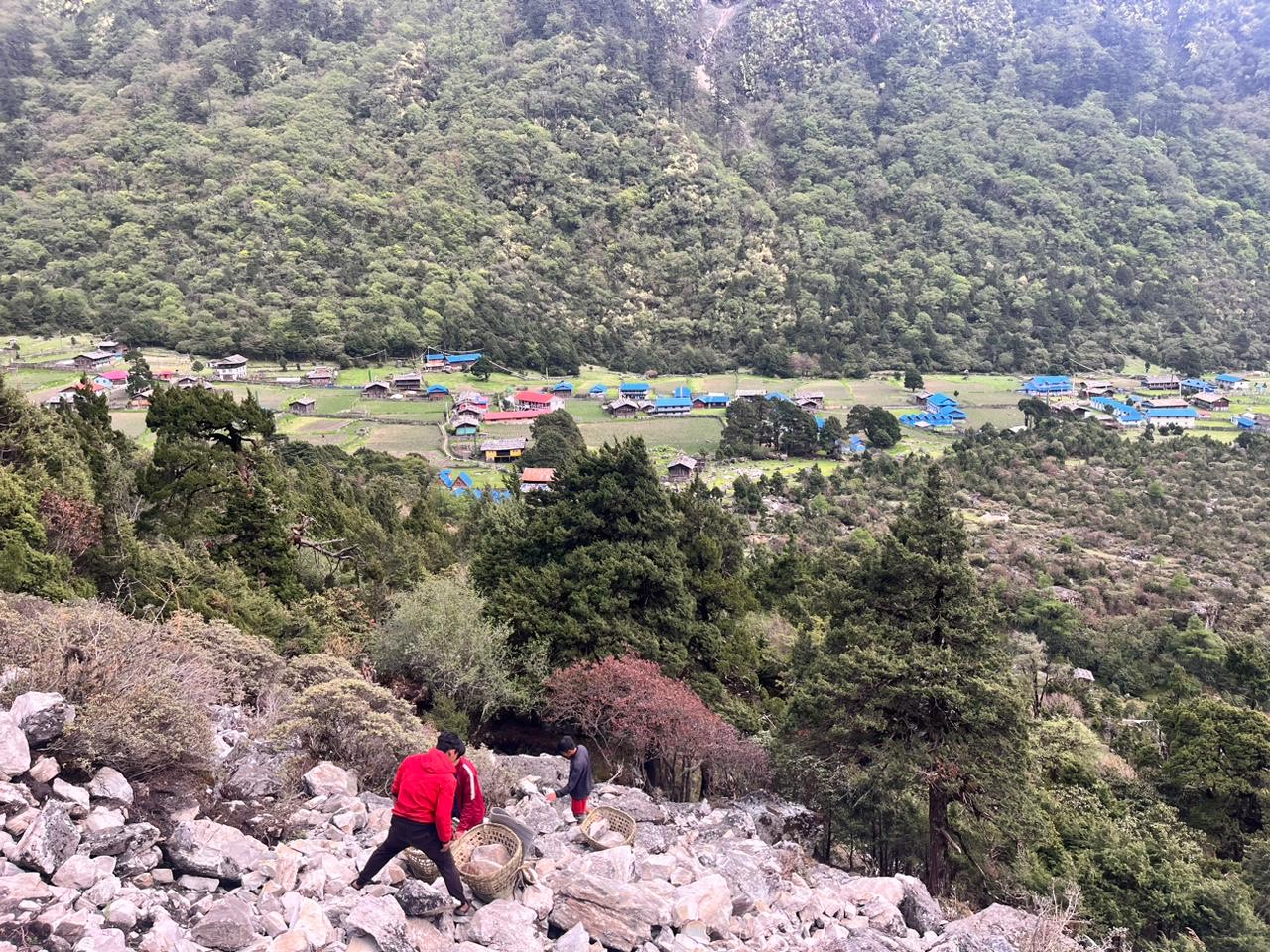
  • Scenic Beauty: Lush forests, terraced fields, and charming villages along the trail.
  • Sunrise Views: Unforgettable sunrise over the Himalayan peaks from Sarangkot.
  • Easy Trekking: Gentle trails suitable for beginners and short-time trekkers.
  • Relaxed Pace: Leisurely trekking pace allows time to enjoy surroundings and take photos.
  • Local Cuisine: Opportunity to taste authentic Nepali dishes in lodges and teahouses.

Itinerary

Day 01

The trek begins with a scenic drive from Pokhara (822m) to Phedi (1,130m), a journey of approximately 40 minutes through picturesque roads lined with terraced fields and local villages. From Phedi, the trekking trail gradually ascends through lush forests and small hamlets, passing Zero Kilometer, Harichowk, Milanchowk, and Hyangja. Along the way, trekkers are treated to stunning views of the Annapurna and Machhapuchhre (Fishtail) mountains, as well as glimpses of rural Nepali life.

The trail involves some stair climbs and moderate slopes, providing a gentle but engaging introduction to trekking in Nepal. You will notice traditional stone houses, terraced farms, and local villagers tending to their fields, making the journey as culturally enriching as it is scenic. Dhampus, perched on a hill, offers panoramic views of the surrounding mountains and valley, making it a perfect spot for photography and relaxation after the trek.

Trip Duration:
2–3 hours
Trip Distance:
3 kilometers
Altitude:
1,650m
Meal:
Lunch, Dinner
Accomodation :
Guest House or Lodge

Day 02

After breakfast in Dhampus, the trail continues toward Sarangkot, a hilltop village famous for its sunrise and panoramic mountain views. The path meanders through serene forests of pine and rhododendron, crossing terraced fields and small streams. On this day, trekkers enjoy both nature and culture, observing traditional Gurung and Magar village life along the way.

Sarangkot is renowned for its breathtaking sunrise views over the Annapurna and Dhaulagiri ranges, as well as Pokhara Valley and Phewa Lake. The village provides a perfect vantage point to capture the Himalayas bathed in golden morning light. Even though the ascent is gradual, the walk offers plenty of opportunities for photography, exploration, and interaction with local villagers.

Trip Duration:
3–4 hours
Trip Distance:
5–6 kilometers
Altitude:
1,650m
Meal:
Breakfast, Lunch, Dinner
Accomodation :
Lodge or Guest House

Day 03

On the final day, trekkers descend from Sarangkot toward Pokhara, passing through peaceful rural trails and small settlements. The descent is gentle and provides another chance to enjoy the lush landscapes, terraced farms, and forested paths. As you reach Phedi, a vehicle is arranged to drive you back to Pokhara, where you can relax, explore the lakeside area, or enjoy a coffee while reflecting on your Himalayan adventure.

This final day offers a smooth conclusion to the trek, combining nature, culture, and relaxation. Even on a short trek, the scenic beauty, panoramic mountain views, and interaction with local communities leave lasting memories.

Trip Duration:
3–4 hours
Trip Distance:
5–6 kilometers
Altitude:
1,600m-822m
Meal:
Breakfast, Lunch
Accomodation :
Hotel in Pokhara

What's Included

  • Airport/Hotel pickup & drop during the trek
  • Full board meals: Breakfast, Lunch, Dinner, and Tea/Coffee
  • Guide services: Experienced trekking guide for the entire trek
  • Accommodation in guest houses, lodges, and hotels as per itinerary
  • Trekking permits and necessary local fees (if required)
  • Transportation between trailheads and Pokhara
  • First aid kit provided by the guide

What's Excluded

  • Personal expenses (souvenirs, phone calls, laundry)
  • Trekking gears and equipment (boots, sleeping bags, poles, etc.)
  • Tips for guide and staff (appreciated at the end of the trek)
  • Porter services (optional but recommended for convenience)
  • Beverages, mineral water, and alcohol
  • Travel insurance (mandatory for trekking in Nepal)

Add-Ons

  • Sightseeing in Kathmandu before or after the trek
  • Porter services for carrying luggage ($22 per porter per day carrying upto 20kg)
  • Domestic flights for arrival or departure
  • Private transportation options for flexibility

Essential Info

Best Season to Trek

The Dhampus Sarangkot Trek can be done year-round, but the best seasons are Spring (April–June) and Autumn (September–November).

  • Spring (April–June):
    This season offers pleasant temperatures, blooming rhododendrons, and green landscapes. Clear skies make the panoramic mountain views more vivid, and the moderate weather is perfect for trekking. Wildlife is active, and the trails are alive with color.
  • Autumn (September–November):
    Considered the most popular trekking season in Nepal, autumn provides stable weather, minimal rainfall, and clear visibility. The skies are often bright and clean, making mountain photography stunning. This season is ideal for trekkers seeking crisp air and excellent scenery.
  • Winter (December–February):
    Cold temperatures, particularly at night, but fewer crowds. The trails may be frost-covered, offering a quieter trekking experience for those who can handle chilly conditions.
  • Monsoon (June–August):
    Heavy rainfall can make trails slippery and obscure mountain views. This season is generally not recommended for trekking.

Food Availability

Food on the Dhampus Sarangkot Trek is not only sufficient to keep trekkers energized, but also a delightful opportunity to experience local Nepali cuisine. Since the trek passes through traditional villages, most meals are prepared in local lodges and teahouses, offering both Nepalese and simple Western-style dishes.

  • Breakfast: Breakfast is typically served in teahouses and lodges, featuring eggs (boiled, fried, or omelets), pancakes, porridge, toast with jam or butter, and hot beverages like tea, coffee, or hot chocolate. A good breakfast ensures that trekkers start the day fully energized for the uphill trails.
  • Lunch: Lunch is usually enjoyed mid-trek and includes dal-bhat (rice and lentils), noodles, momos (Nepalese dumplings), vegetable or meat curries, and seasonal soups. Some lodges also serve sandwiches or light snacks, perfect for refueling during the hike.
  • Dinner: Dinner is served in the evening at your lodge or guesthouse and generally mirrors lunch in variety but often includes hearty, warm meals to replenish energy after a day on the trail. Dal-bhat with vegetables or meat, soups, and occasional pasta or rice dishes are common.
  • Snacks and Beverages: Along the trek, small shops in villages offer snacks such as biscuits, chocolate, local fruits, and energy bars. Hot beverages like tea or coffee are available to keep you warm during cooler mornings and evenings.

Tips for Food During the Trek:

  • Carry small energy snacks for quick boosts on the trail.
  • Drink boiled, filtered, or purified water to avoid stomach issues.
  • Inform your guide if you have dietary restrictions so that meals can be arranged accordingly.

Accommodation

Accommodation on the Dhampus Sarangkot Trek balances comfort and local experience, giving trekkers both a cozy stay and cultural exposure.

  • On Trek: Lodges and teahouses along the route provide basic amenities such as beds, pillows, blankets, and shared bathrooms. Some lodges offer hot showers for an additional fee. Staying in these local accommodations allows you to interact with the Gurung and Magar families, learn about their traditions, and experience authentic village life.
  • Pokhara: Before and after the trek, accommodation is provided in modern hotels with amenities such as Wi-Fi, hot water, comfortable beds, and sometimes fitness facilities or restaurants. These hotels ensure a restful stay and a smooth start or end to your trekking journey.

Key Points:

  • Comfortable yet simple teahouses on the trail
  • Shared bathrooms, optional hot showers
  • Interaction with local families and cultural immersion
  • Hotels in Pokhara with modern facilities for pre- and post-trek comfort

Travel Insurance

Travel insurance is mandatory for trekking in Nepal, even for relatively low-altitude treks like Dhampus Sarangkot. A comprehensive policy ensures that any unexpected emergencies do not disrupt your adventure.

Essential Coverage Should Include:

  • Trekking activities: Coverage for hiking up to 1,700 meters
  • Medical treatment: Illness or injury treatment during the trek
  • Emergency evacuation: Helicopter rescue or transport to the nearest hospital
  • Trip cancellation/interruption: Protection in case of flight delays, illness, or unforeseen circumstances
  • Personal belongings: Coverage for lost luggage or equipment

Having insurance gives trekkers peace of mind and ensures that medical emergencies or accidents can be managed safely without financial stress.

Altitude Sickness

The Dhampus Sarangkot Trek reaches a maximum altitude of 1,700 meters, which is considered low, so severe altitude sickness is rare. However, mild symptoms such as headache, nausea, dizziness, or shortness of breath may still occur, especially for individuals sensitive to altitude changes.

Prevention Tips:

  • Ascend gradually and maintain a slow, steady pace
  • Drink plenty of water and stay hydrated
  • Avoid alcohol and smoking
  • Take rest breaks to allow the body to adjust
  • Follow your guide’s advice on pacing and health

Action if Symptoms Occur:

  • Stop and rest until symptoms subside
  • Descend to a lower altitude if symptoms persist
  • Seek medical attention immediately if condition worsens

Booking Procedure

Booking the Dhampus Sarangkot Trek with a trusted operator is straightforward:

  1. Contact the Tour Operator: Check availability and details for your preferred dates.
  2. Reservation Deposit: Pay a deposit to secure your trekking package.
  3. Submission of Documents: Provide passport copies, visa information, and travel insurance details.
  4. Final Payment: Settle the remaining balance before the trek begins.
  5. Confirmation: Receive a detailed itinerary, guide information, and preparation tips.

Booking early ensures your preferred dates, accommodations, and guide availability.

Guide and Safety Measures

The trek is led by experienced local guides trained in safety, first aid, and emergency procedures.

Safety Measures Include:

  • Monitoring trekkers’ health and pace to prevent fatigue or altitude-related issues
  • Regular briefings about trail conditions, weather, and cultural etiquette
  • Access to first aid kits and emergency communication devices
  • Knowledge of alternate routes in case of landslides or weather disruptions
  • Ensuring trekkers are comfortable and informed about each stage of the trek

Guides also provide insight into local culture, villages, and traditions, enriching the trekking experience beyond just the scenic views

Equipment List

  • Moisture-wicking t-shirts and trekking pants
  • Warm jacket, fleece, or down layer for mornings/evenings
  • Hat, gloves, and scarf for colder mornings
  • Comfortable socks
  • Trekking boots with good grip
  • Extra pairs of socks for comfort
  • Daypack for water, snacks, camera, and personal items
  • Trekking poles for stability on uneven trails
  • Sunglasses and sunscreen
  • Water bottles or hydration bladder
  • Down jacket (lightweight and warm)
  • Thermal leggings and tops
  • Warm hat and balaclava
  • Gaiters (protect against snow and mud)
  • Trekking boots (sturdy, waterproof, broken-in)
  • Camp shoes or sandals for evenings
  • Personal toiletries (toothbrush, toothpaste, biodegradable soap)
  • Quick-dry towel
  • Sunscreen (SPF 50+) and lip balm with SPF
  • Hand sanitizer and wet wipes
  • Personal first aid kit (bandages, antiseptic, painkillers, blister treatment)
  • Insect repellent
  • Trekking permit, passport, and photocopies
  • Mobile phone and charger (portable power bank recommended)
  • Camera and memory cards
  • Headlamp or small flashlight
  • Travel adapter if needed
General Equipments
  • Snacks (energy bars, nuts, chocolate)
  • Trekking guidebook or notebook
  • Lightweight trekking umbrella (optional)
  • Plastic bags or dry sacks (for waterproof storage)
  • Small lock for your backpack

FAQ

Yes. The trek is easy, with gentle trails and low altitude, making it perfect for first-time trekkers or families.
Yes. A trained guide ensures safety, navigation, and cultural insight during the trek.
Full board meals—Breakfast, Lunch, and Dinner—are provided during the trek.
Lodges and teahouses on the trail, with hotels in Pokhara before and after the trek.
Spring (April–June) and Autumn (September–November) are ideal for clear skies and pleasant weather.
Yes. Insurance covering trekking, medical emergencies, and evacuation is required.
Trip Price

On Request

Talk To Trip Expert

expert image

Anjan Dhital

Trip Expert
Have Any Questions?
Whatsapp/Viber +977-9810271256
Share this Trip
Translate »