


ABC Trek with Poon Hill & Mardi – 17 Days
Introduction
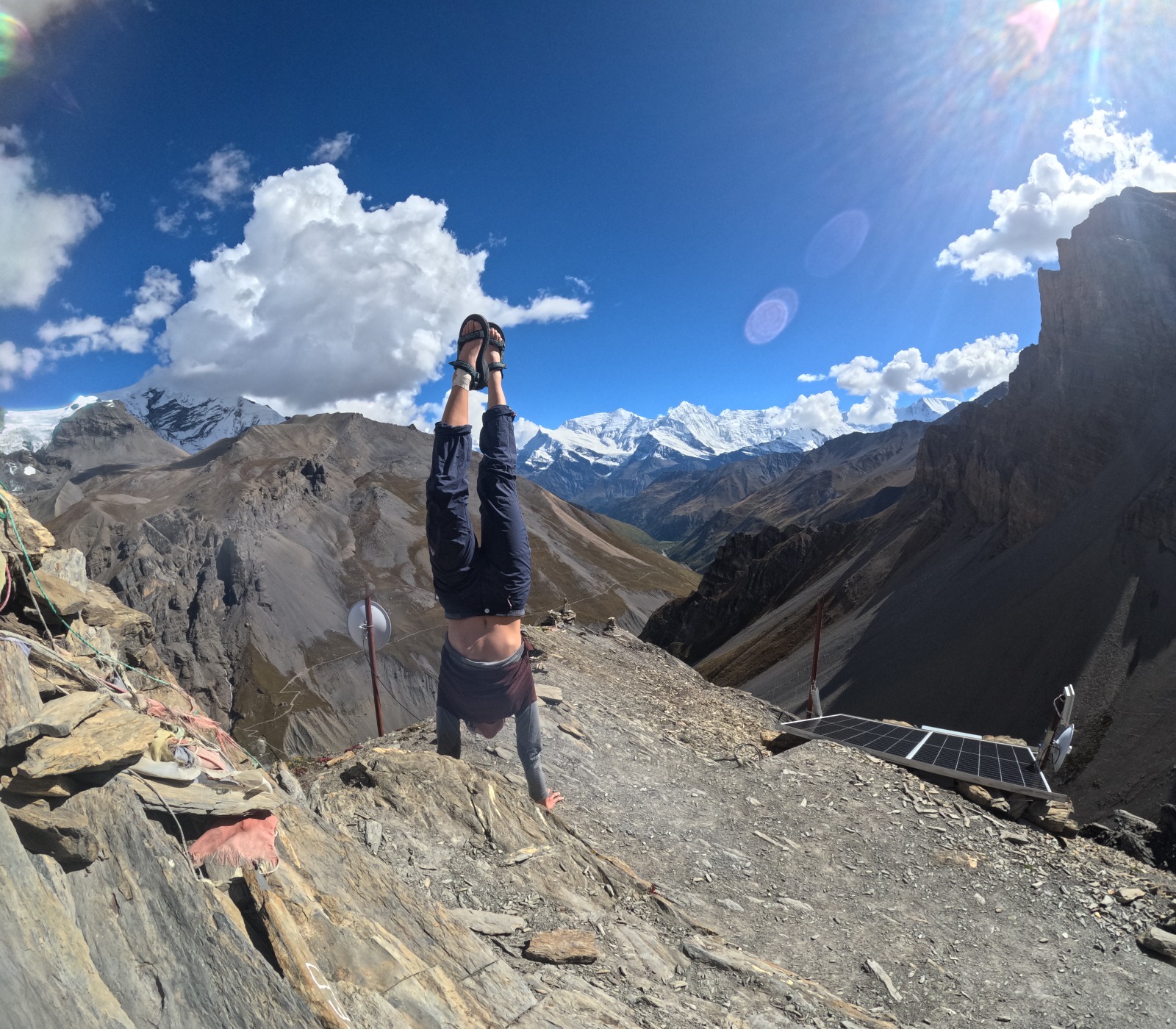
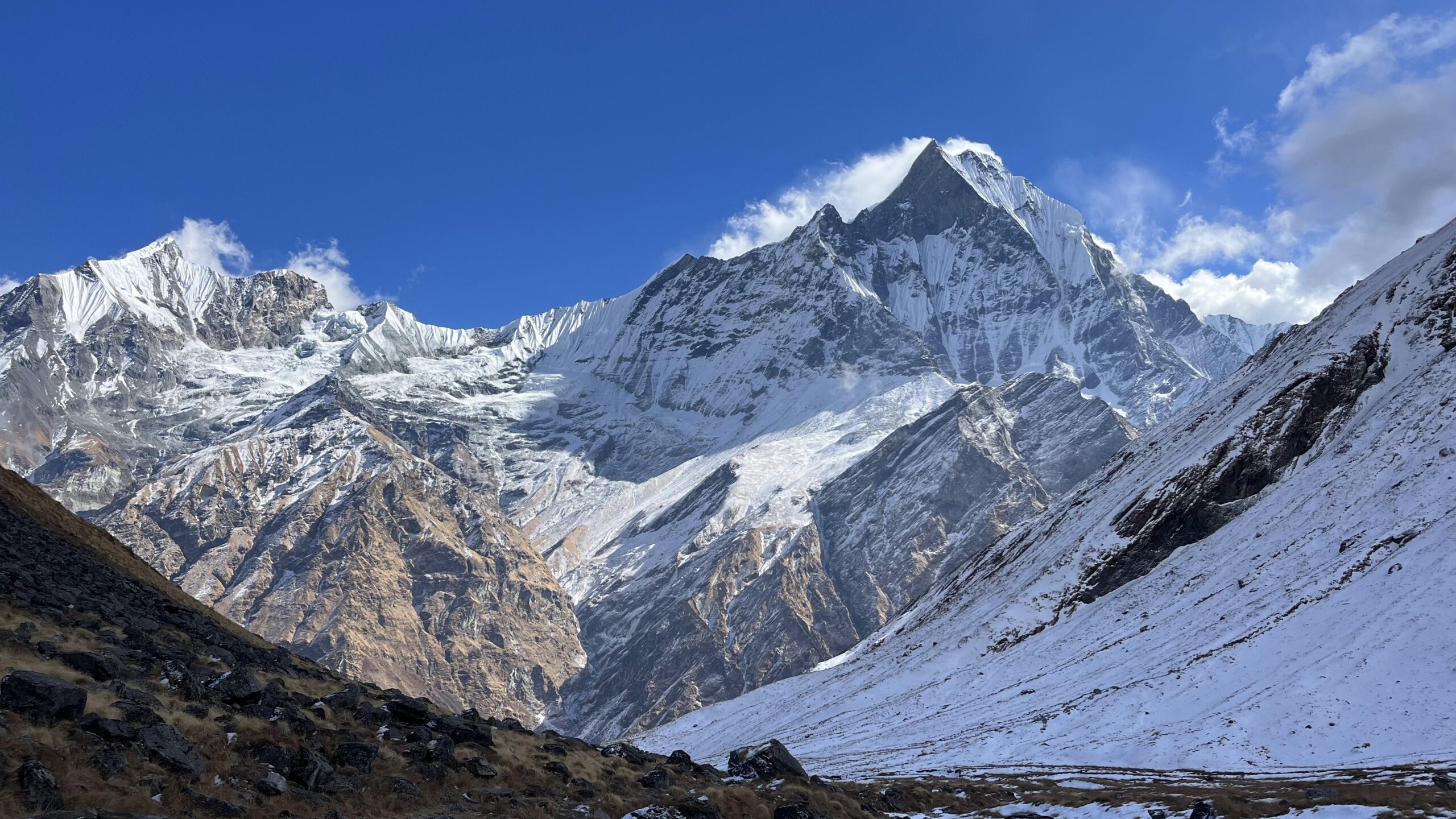
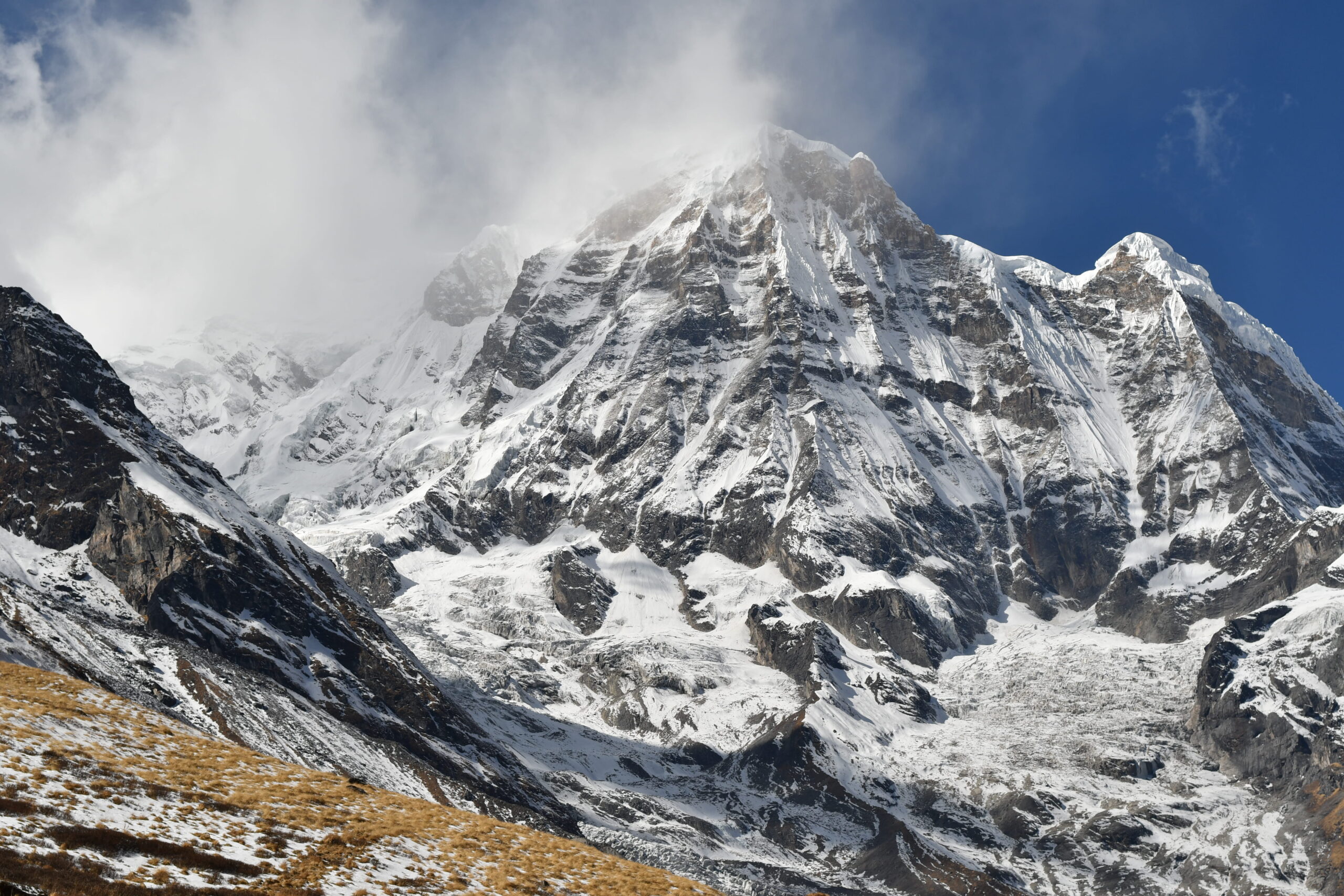
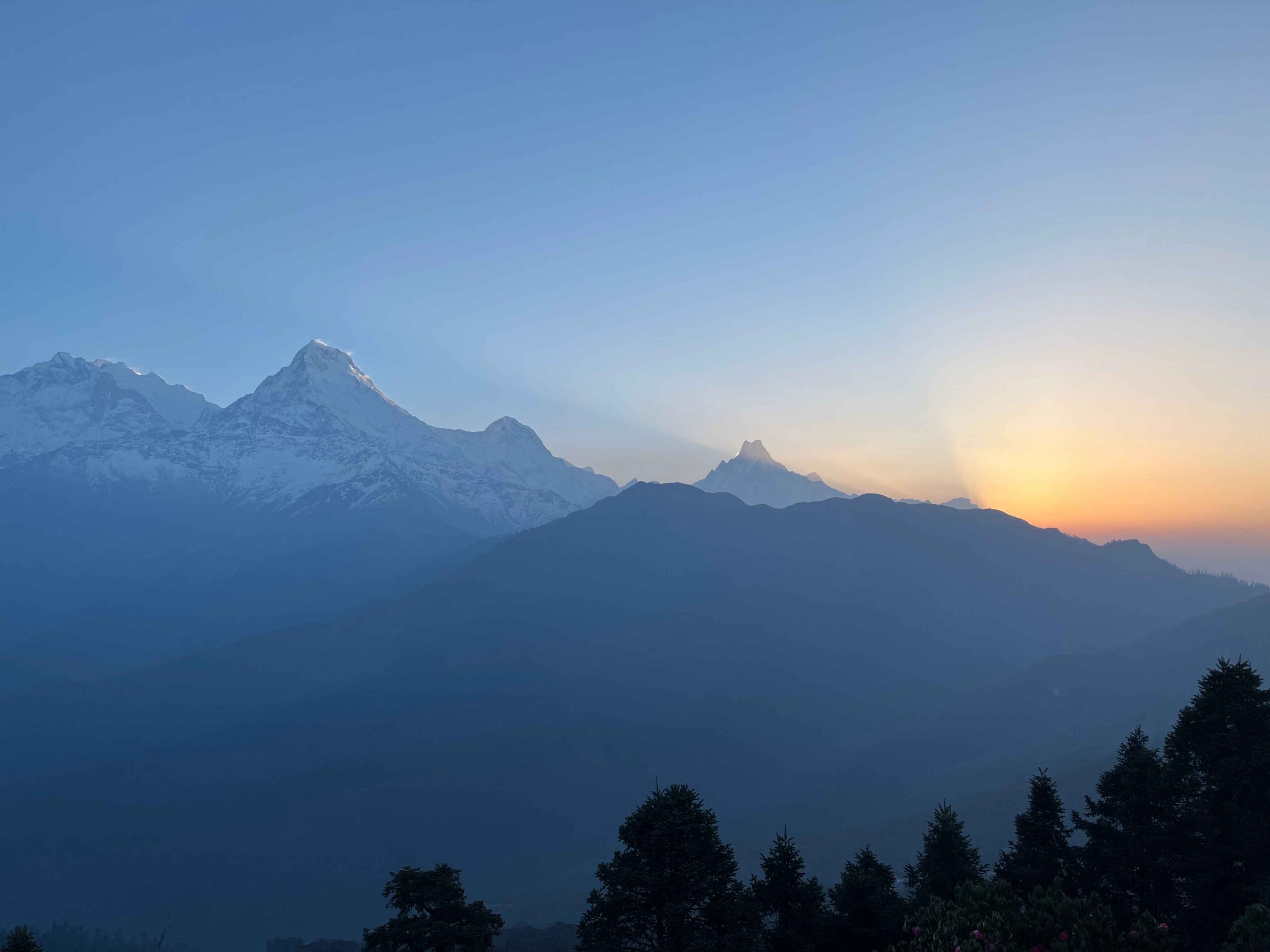
The ABC with Poon Hill & Mardi Himal Trek is a truly unforgettable journey through the heart of the Annapurna region. This trek offers a perfect blend of moderate trekking, cultural immersion, and spectacular mountain views, making it suitable for beginners and intermediate trekkers.
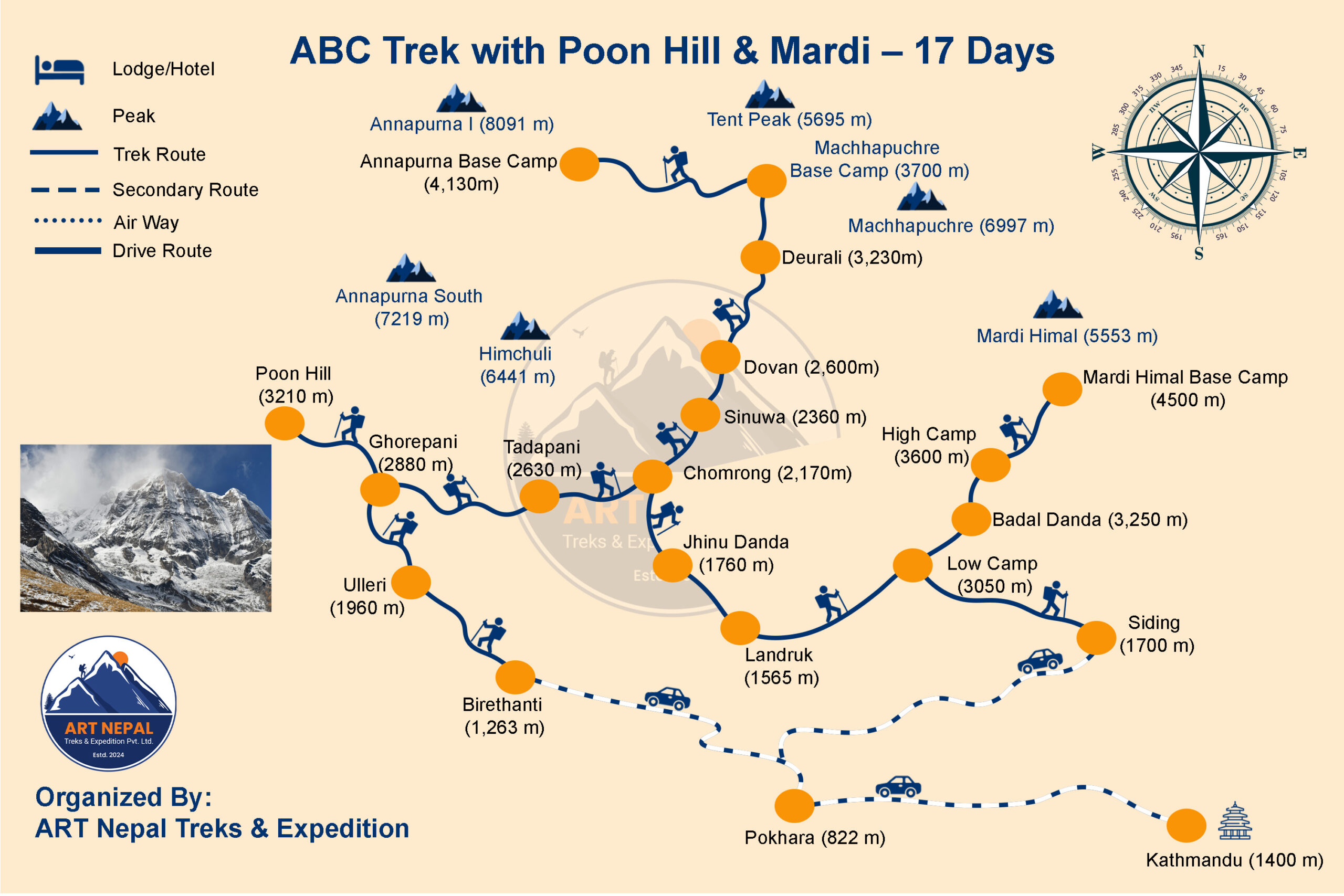
The adventure begins in Kathmandu, with a scenic bus ride or optional flight to Pokhara, the gateway to the Annapurna region. From here, the trek moves through Birethanti, terraced farmlands, and the Gurung and Magar villages of Hile, Tikhedhunga, and Ulleri. You’ll continue through Ghorepani, Tadapani, Chomrong, Sinuwa, Deurali, and ultimately reach the Annapurna Base Camp, passing through forests, waterfalls, and high-altitude meadows along the way.
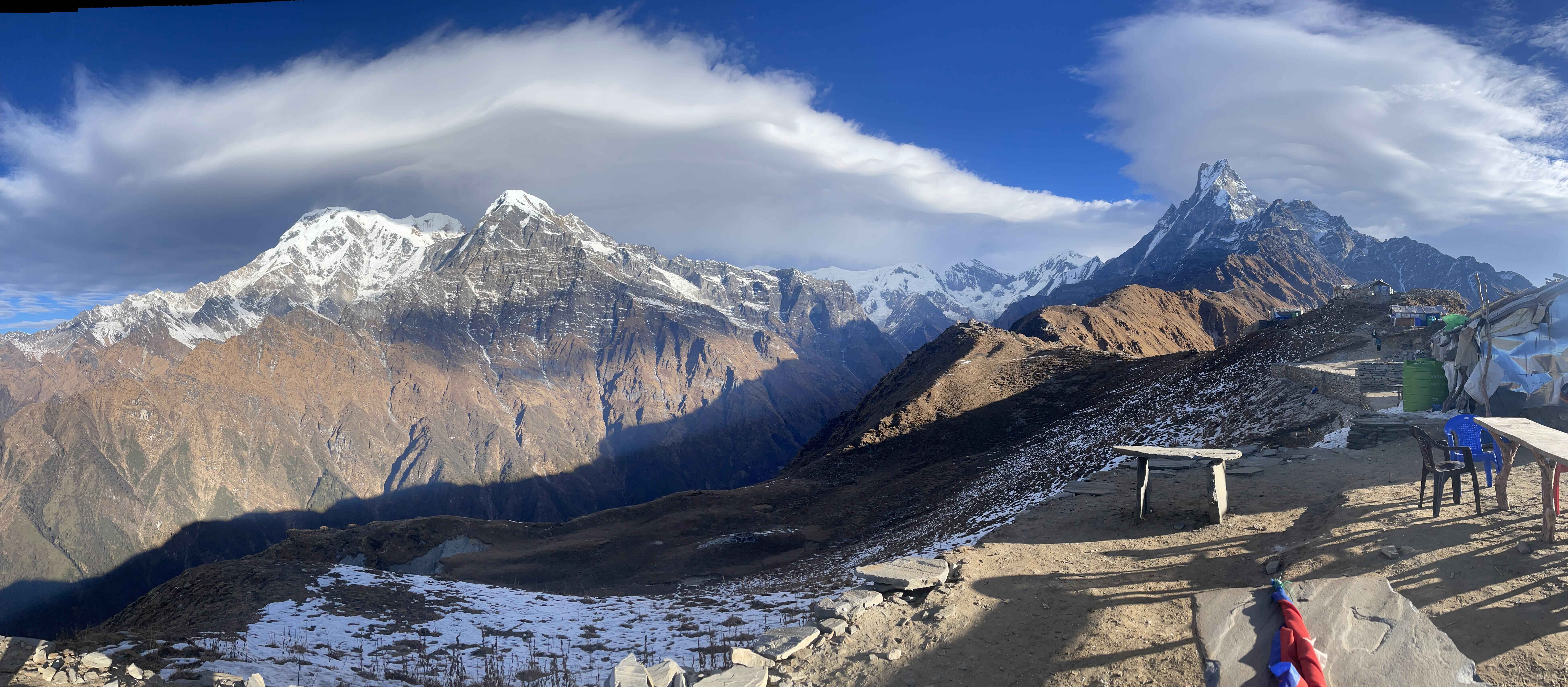
The Mardi Himal section introduces a steeper, more adventurous climb. You’ll hike from Landruk to Forest Camp, Low Camp, High Camp, and finally reach Mardi Himal Base Camp, returning via Badal Danda and Siding village.
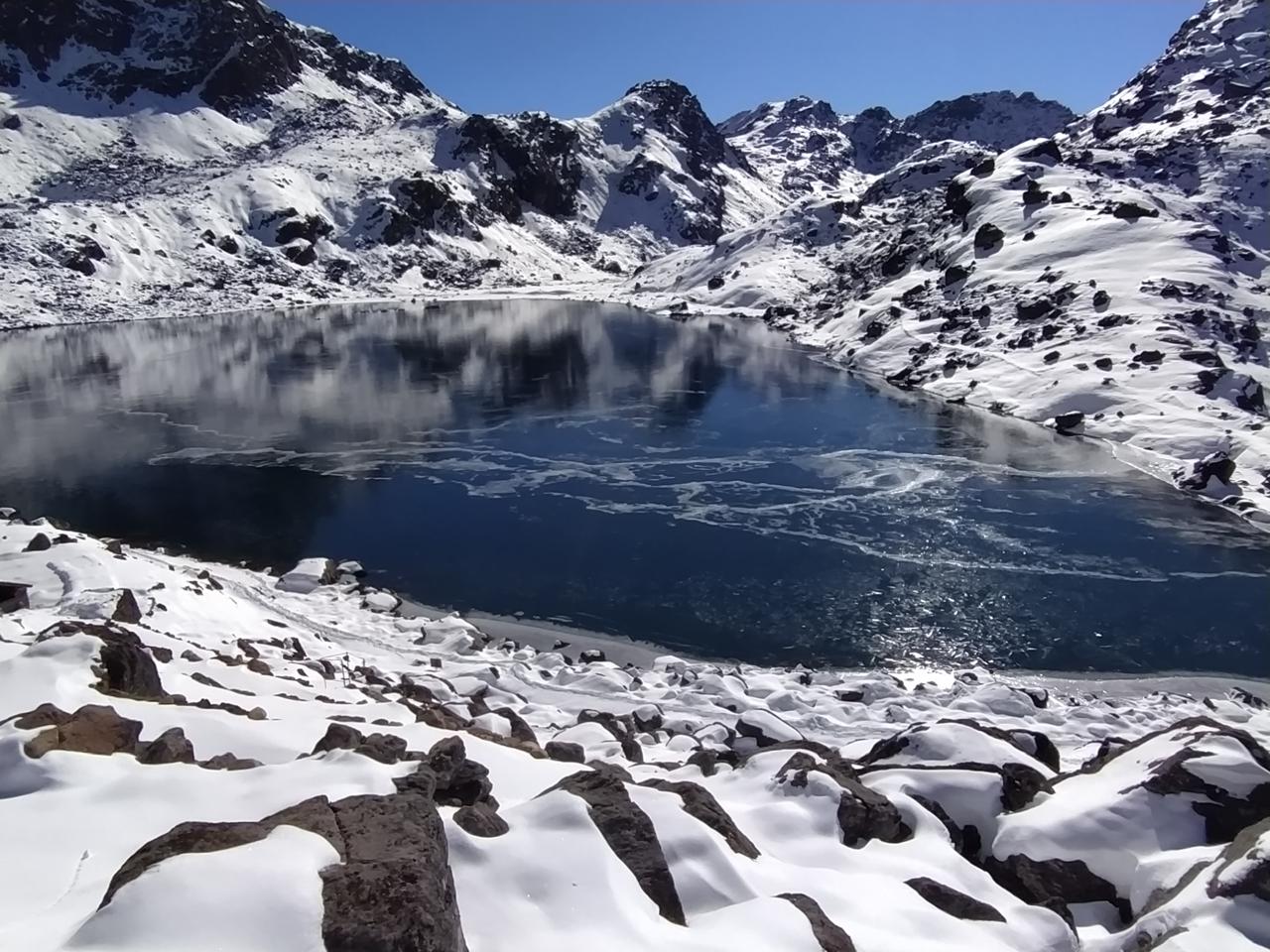
This trek allows trekkers to experience a mix of landscapes: lush subtropical valleys, dense forests, alpine meadows, and snow-covered mountain terrain. The journey provides cultural encounters, opportunities for photography, and moments of personal achievement in high-altitude trekking. ART Nepal Treks & Expedition ensures a well-planned, safe, and immersive experience, blending adventure with comfort and cultural exploration.
What Can You Expect from the Trek?
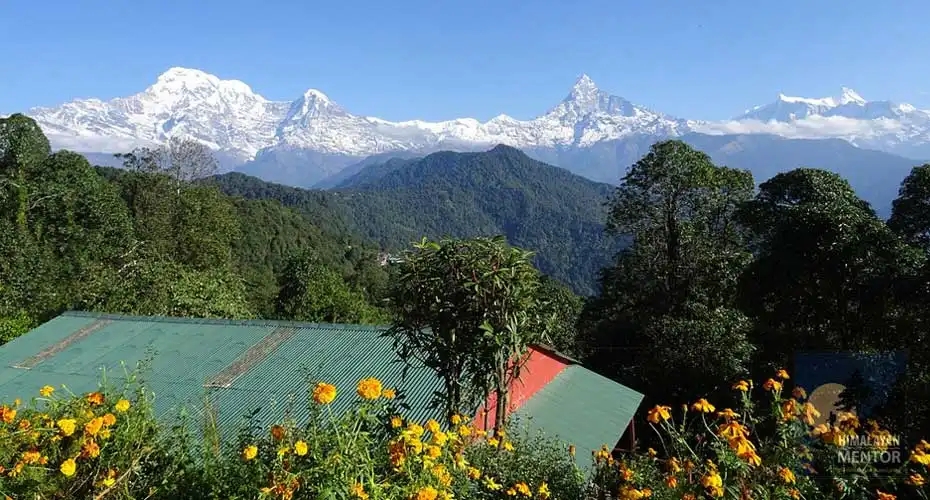
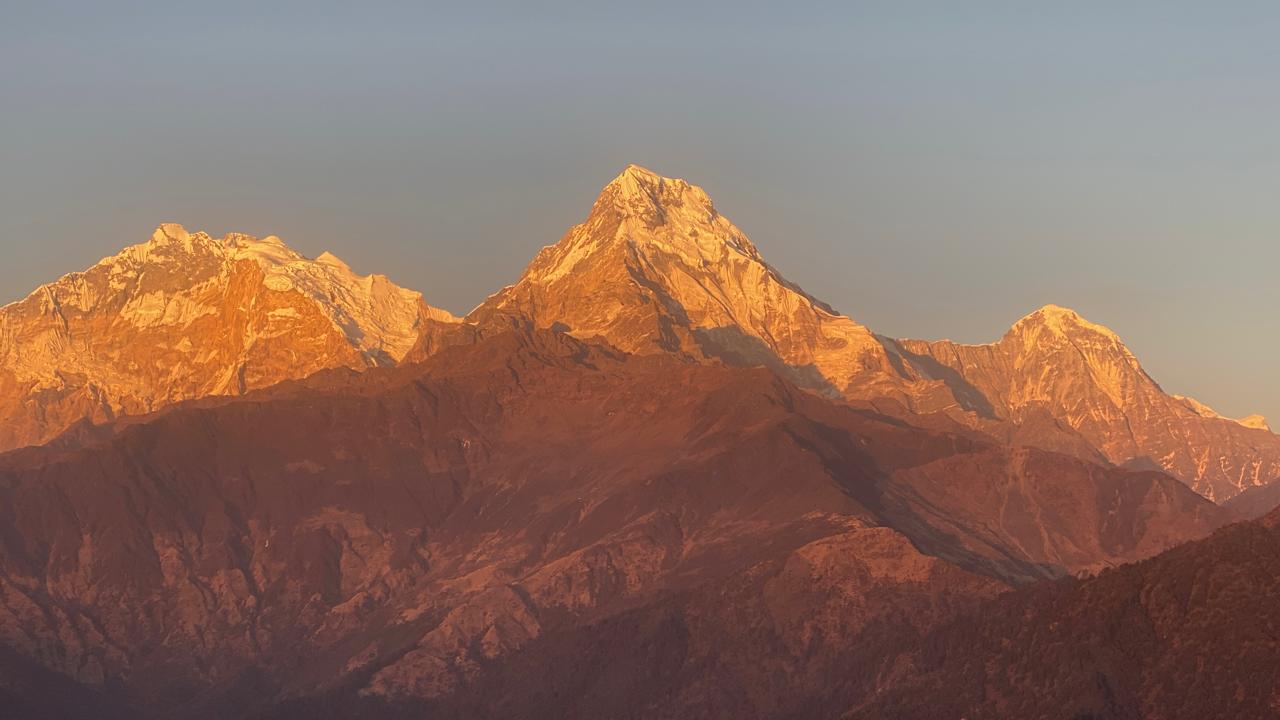
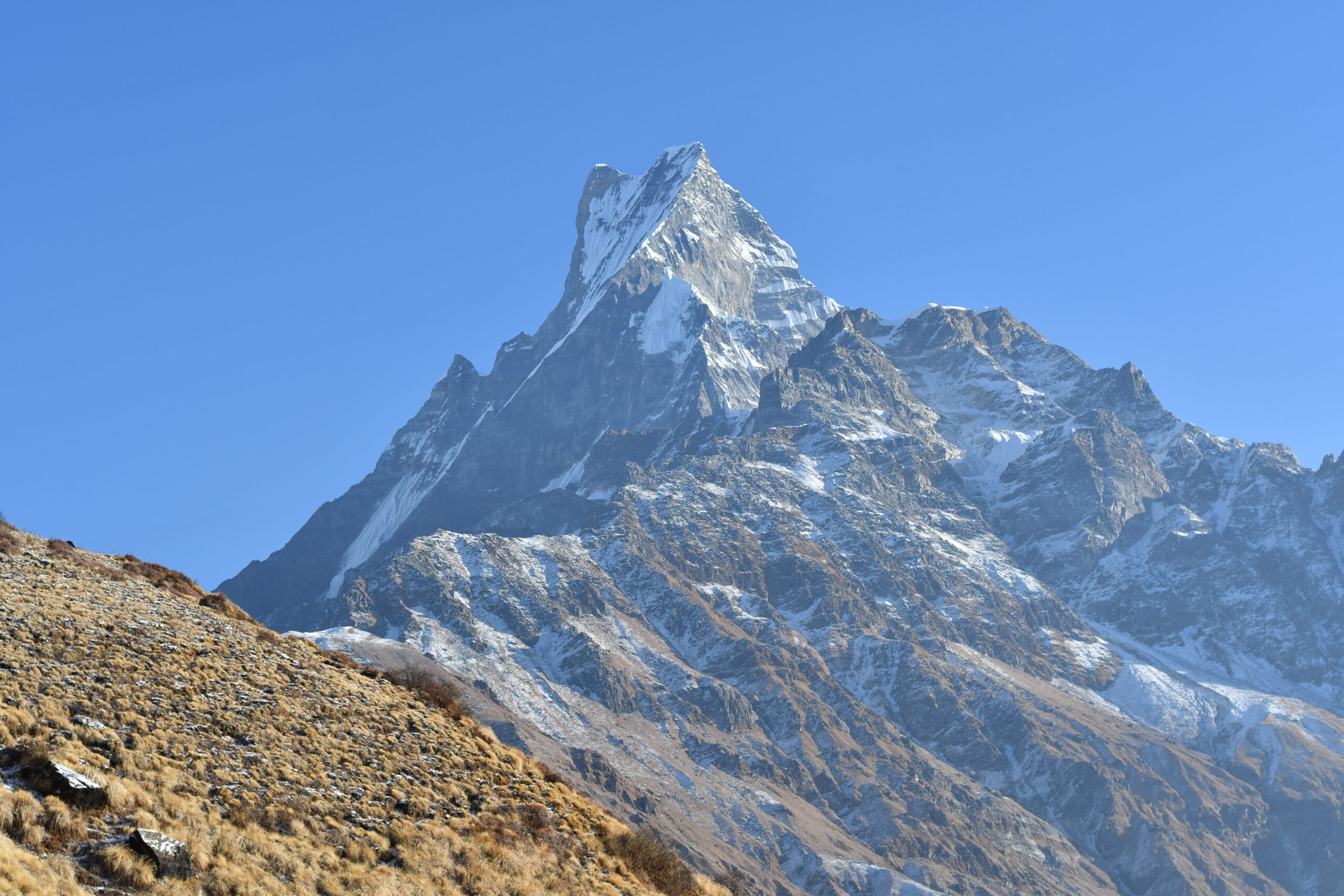
- Breathtaking Mountain Views: The trek offers uninterrupted panoramas of the Annapurna massif, Dhaulagiri, Machhapuchhre, Hiunchuli, Lamjung Himal, and Manaslu.
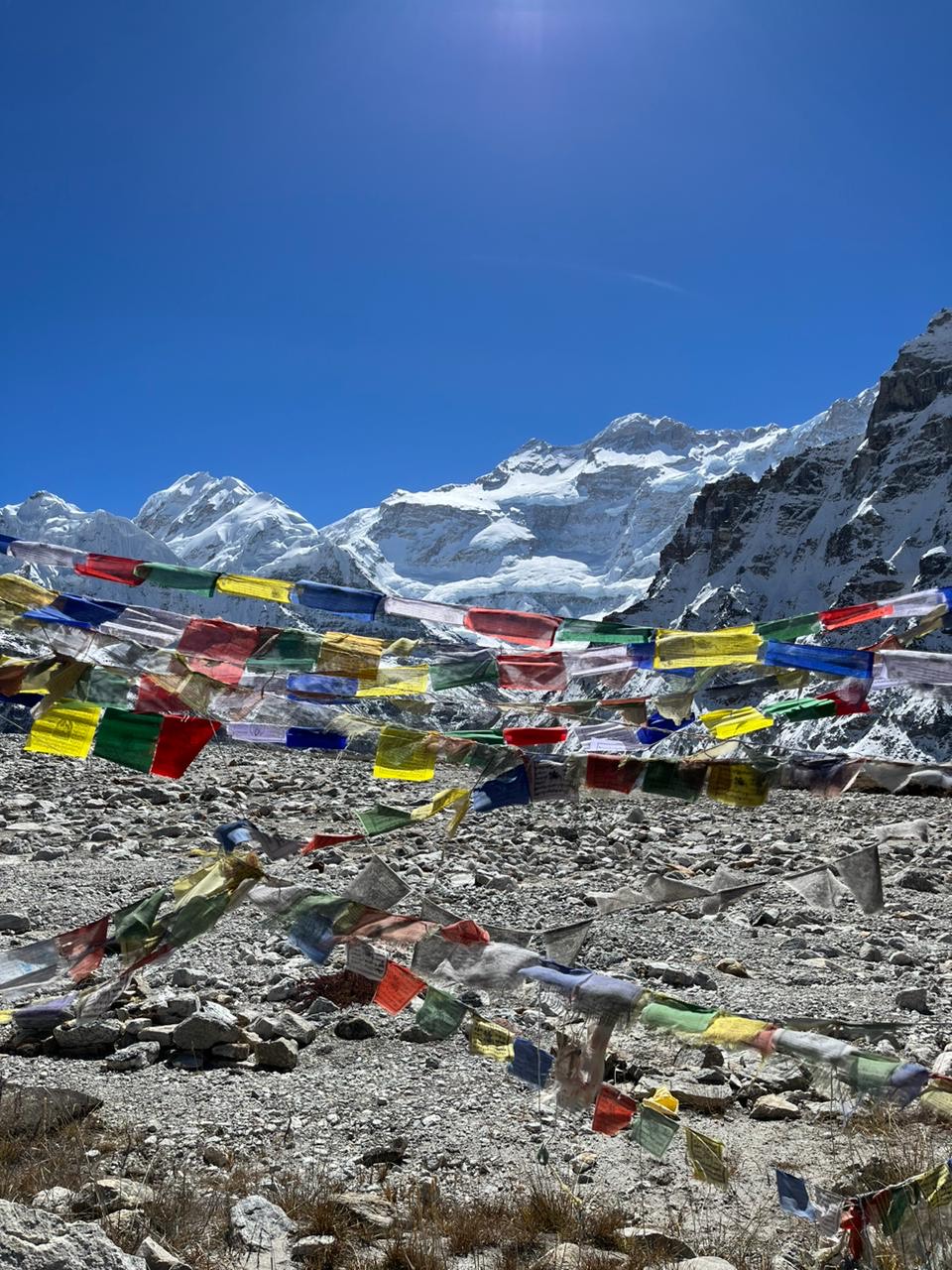
- Cultural Encounters: Meet the Gurung and Magar communities, experiencing traditional lifestyles, religious practices, and local festivals.
- Comfortable Lodging: Tea houses and lodges provide twin-sharing rooms, warm meals, and basic amenities in clean, cozy settings.
- Diverse Flora and Fauna: Trek through rhododendron forests, bamboo groves, pine woods, alpine meadows, and observe Himalayan wildlife.
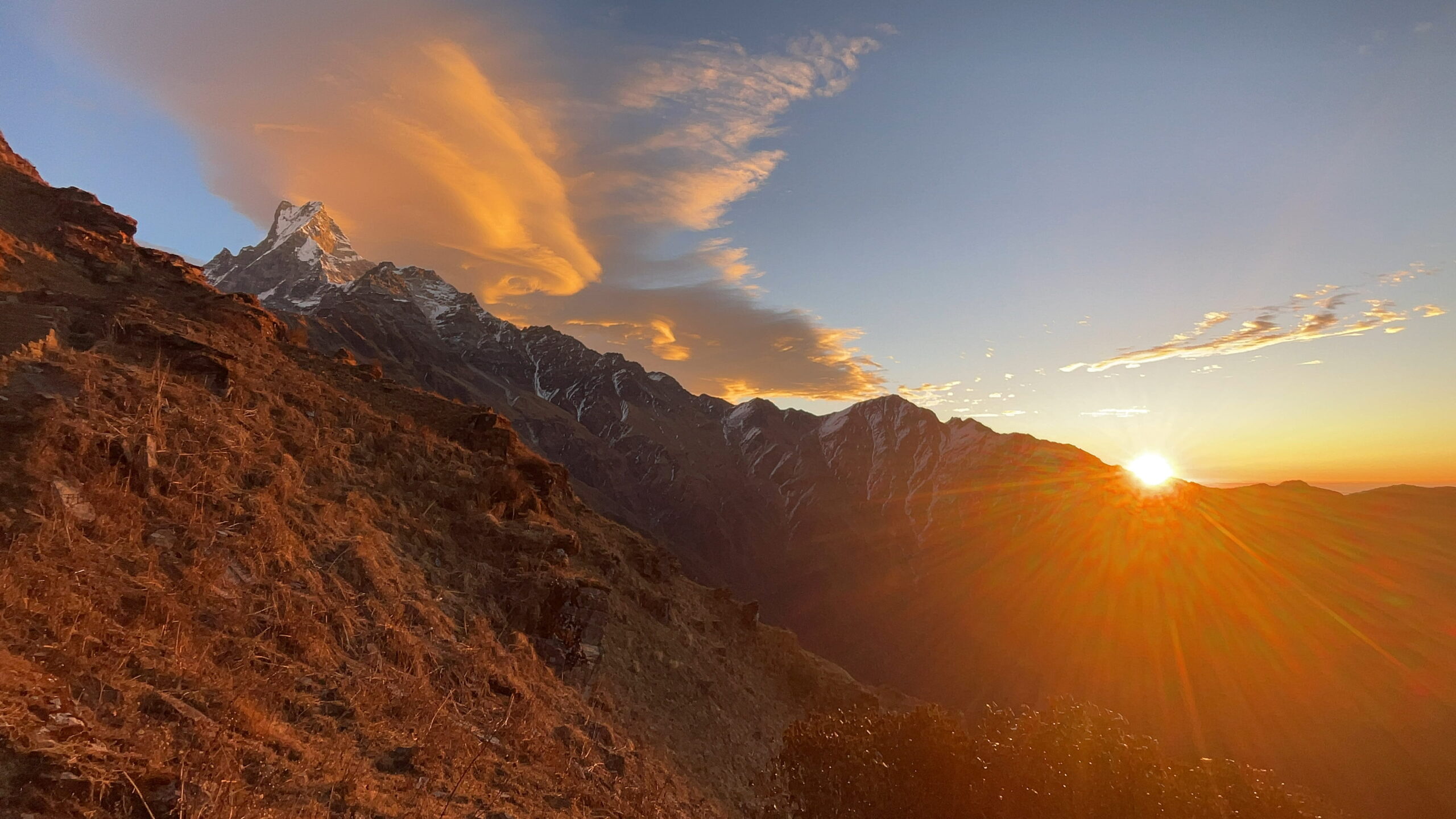
- Scenic Viewpoints: Poon Hill, ABC, and Mardi Himal Base Camp offer some of the most remarkable sunrise and sunset experiences in Nepal.
How to Get Prepared for the Trek
Physical Preparation
- Short Treks: Practice 5–6 hour treks with a loaded backpack on hilly terrain.
- Cardio: Engage in running, cycling, swimming, or aerobic exercises to build stamina.
- Strength Training: Leg and core exercises are beneficial for uphill and downhill trekking.
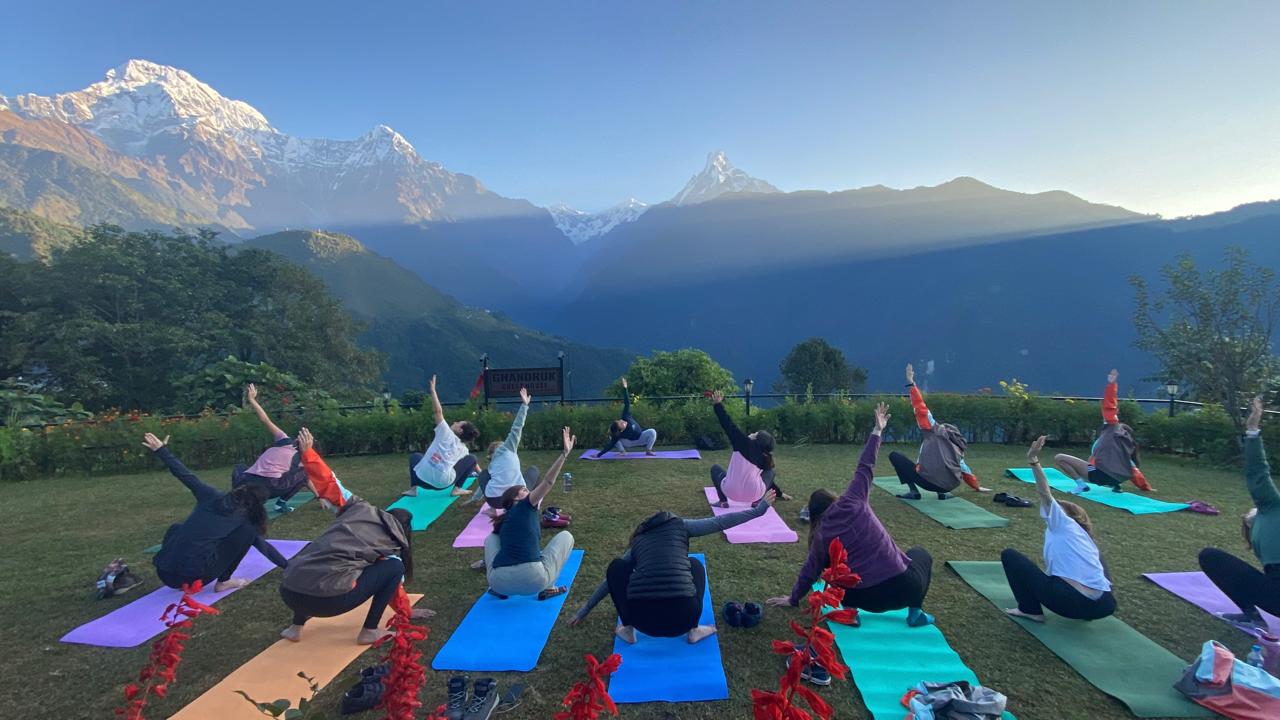
- Yoga: Helps with breathing, flexibility, and overall fitness.
Mental Preparation
- Stay motivated and mentally ready for long trekking days, altitude challenges, and variable weather conditions.
- Understand the terrain and climate to set realistic expectations.
Health & Nutrition
- Maintain proper hydration and a balanced diet before the trek.
- Avoid excessive alcohol before the trek to prevent dehydration and altitude sickness.
-
Trip Duration
17 Days/16 Nights
-
Group Size
1–5 people (Private)
-
Maximum Altitude
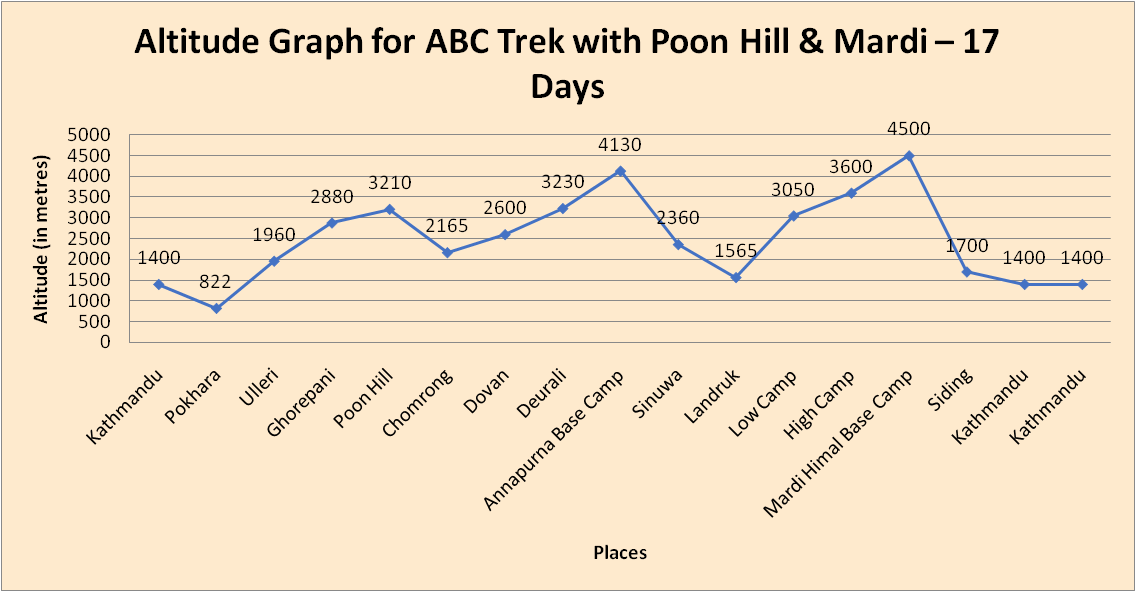
4,500 m (Mardi Himal Base Camp)
-
Trip Difficulty
Easy to Moderate
-
Activities
Trekking, sightseeing, sunrise view, cultural experience
-
Best Season
March–May, September–November
-
Trip Start & End
Kathmandu-Kathmandu
-
Meals
Breakfast, Lunch, Dinner
-
Accomodation
3-Star Hotel, Tea House, Lodge
Highlights
- Explore Pokhara city with its serene Phewa Lake, World Peace Pagoda, David Fall, and International Mountaineering Museum.
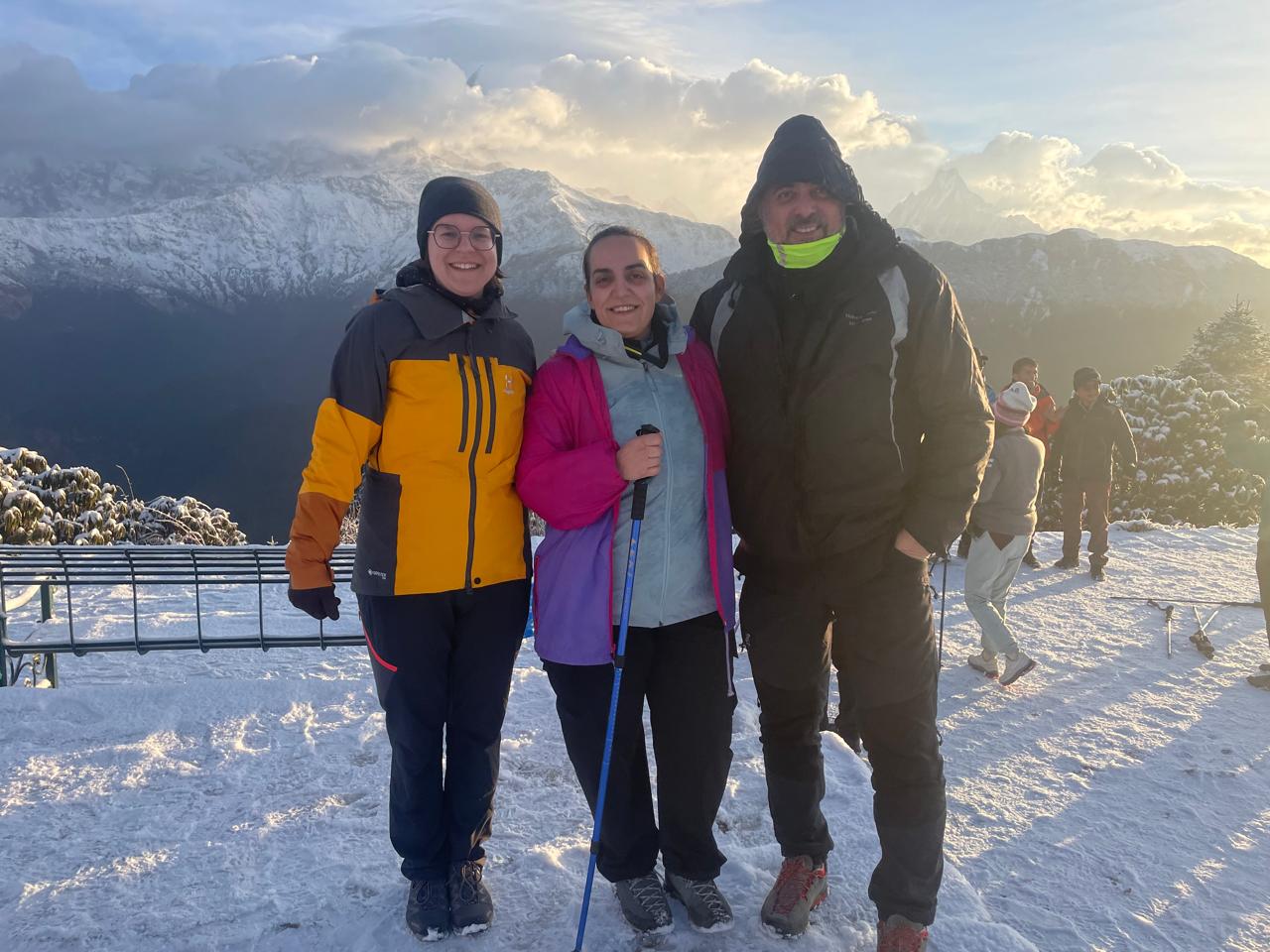
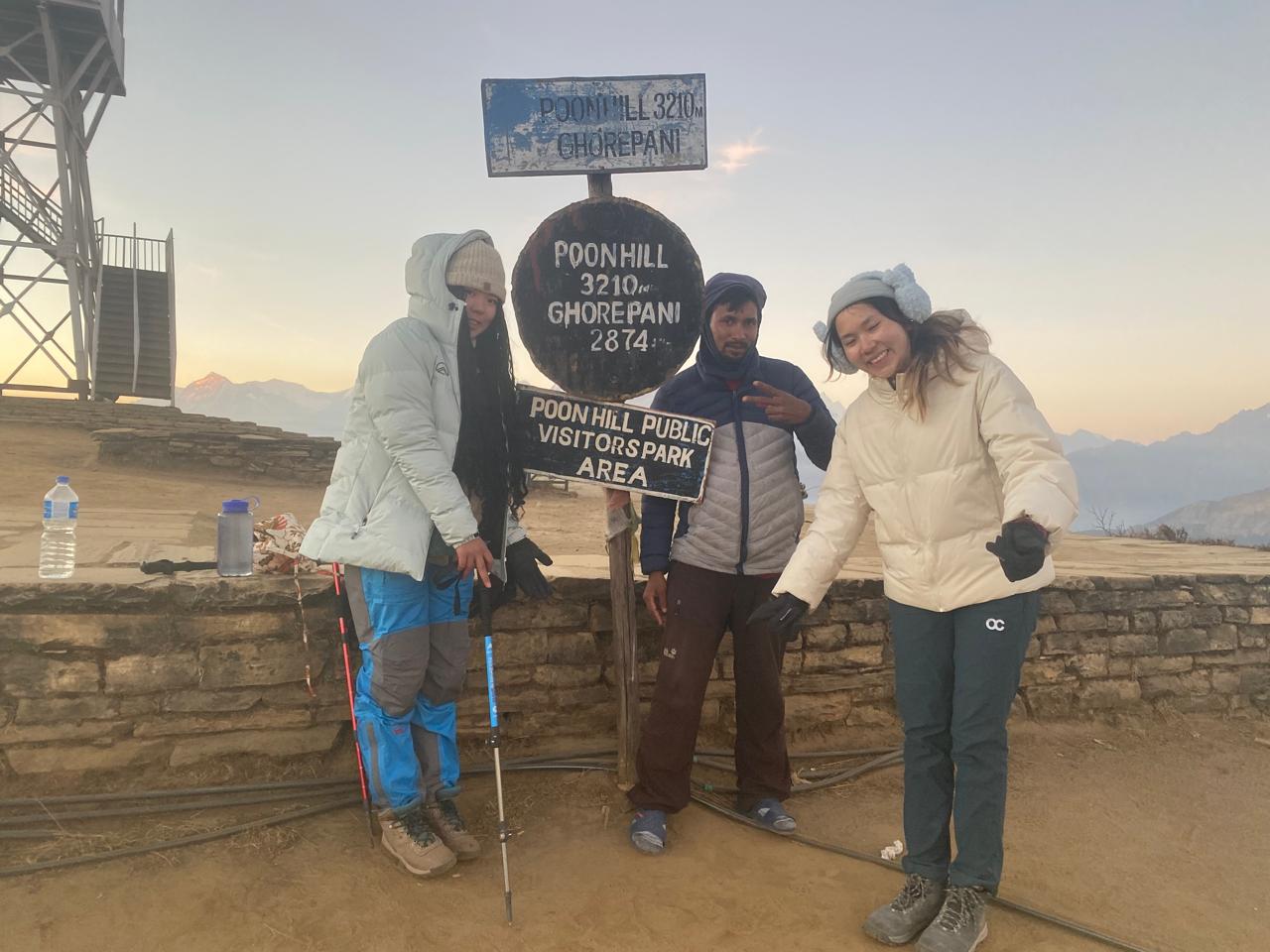
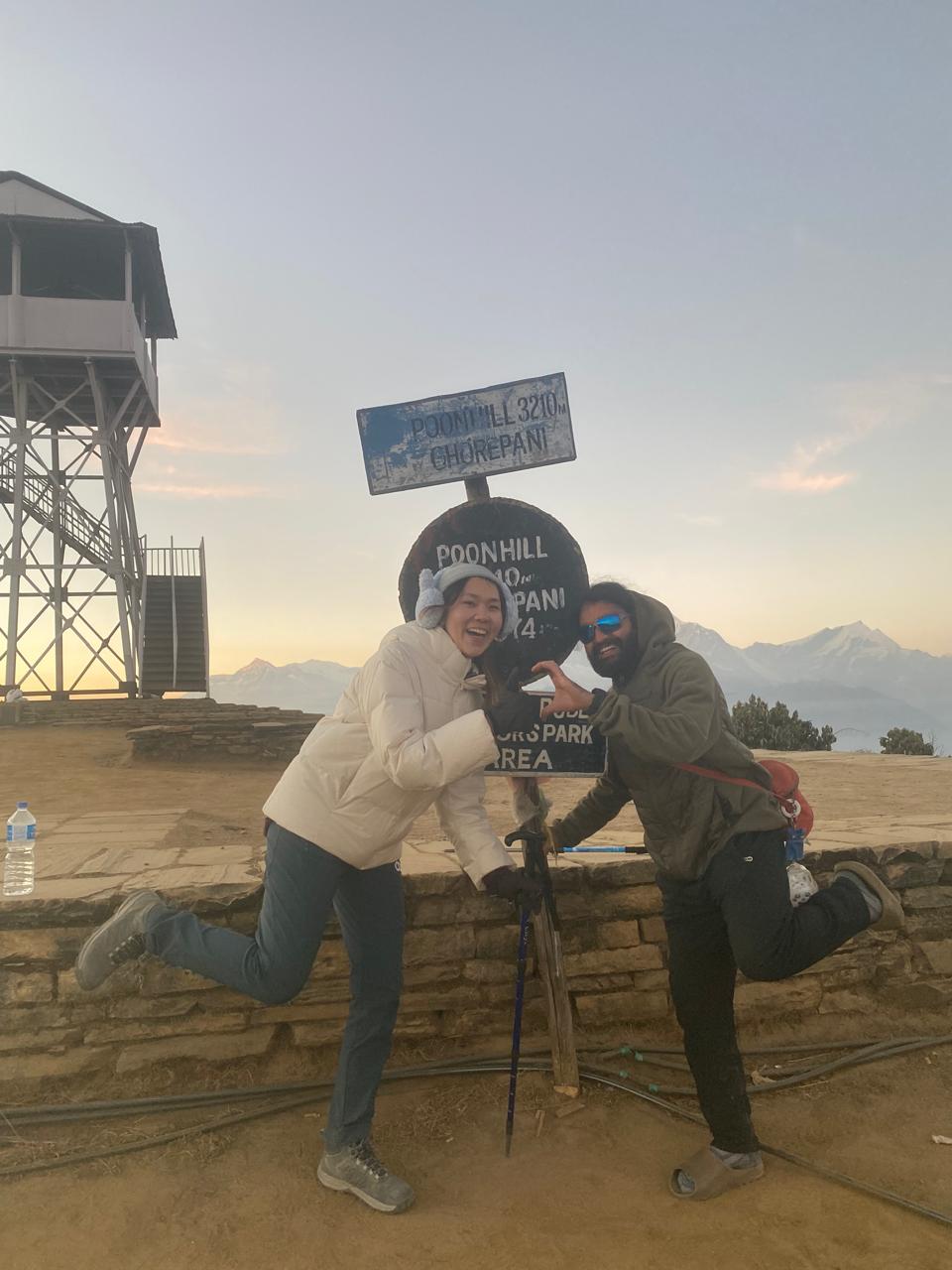
- Witness the sunrise at Poon Hill, with panoramic views of the Annapurna and Dhaulagiri ranges.
- Relax in Jhinu Danda hot springs amidst Himalayan views.
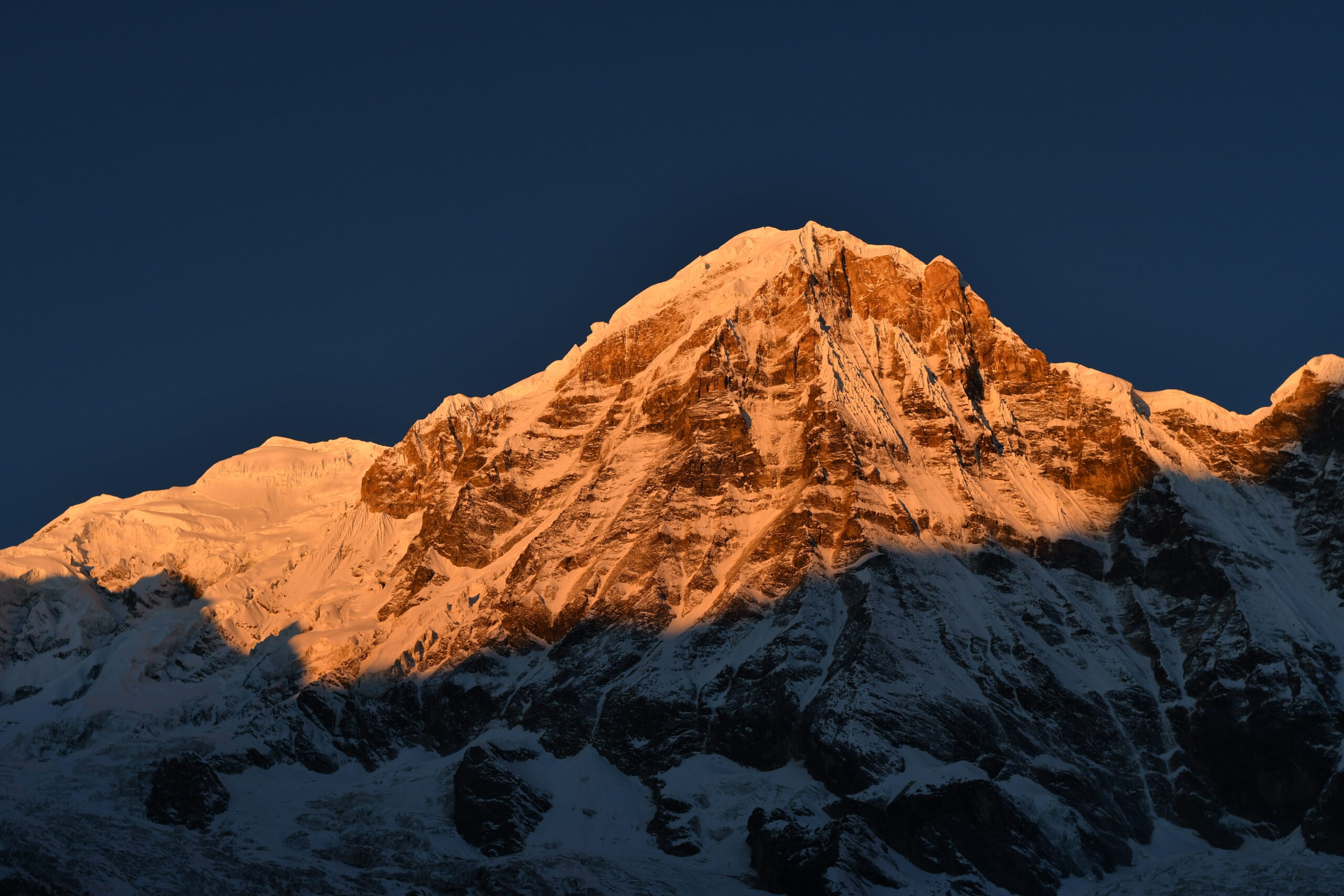
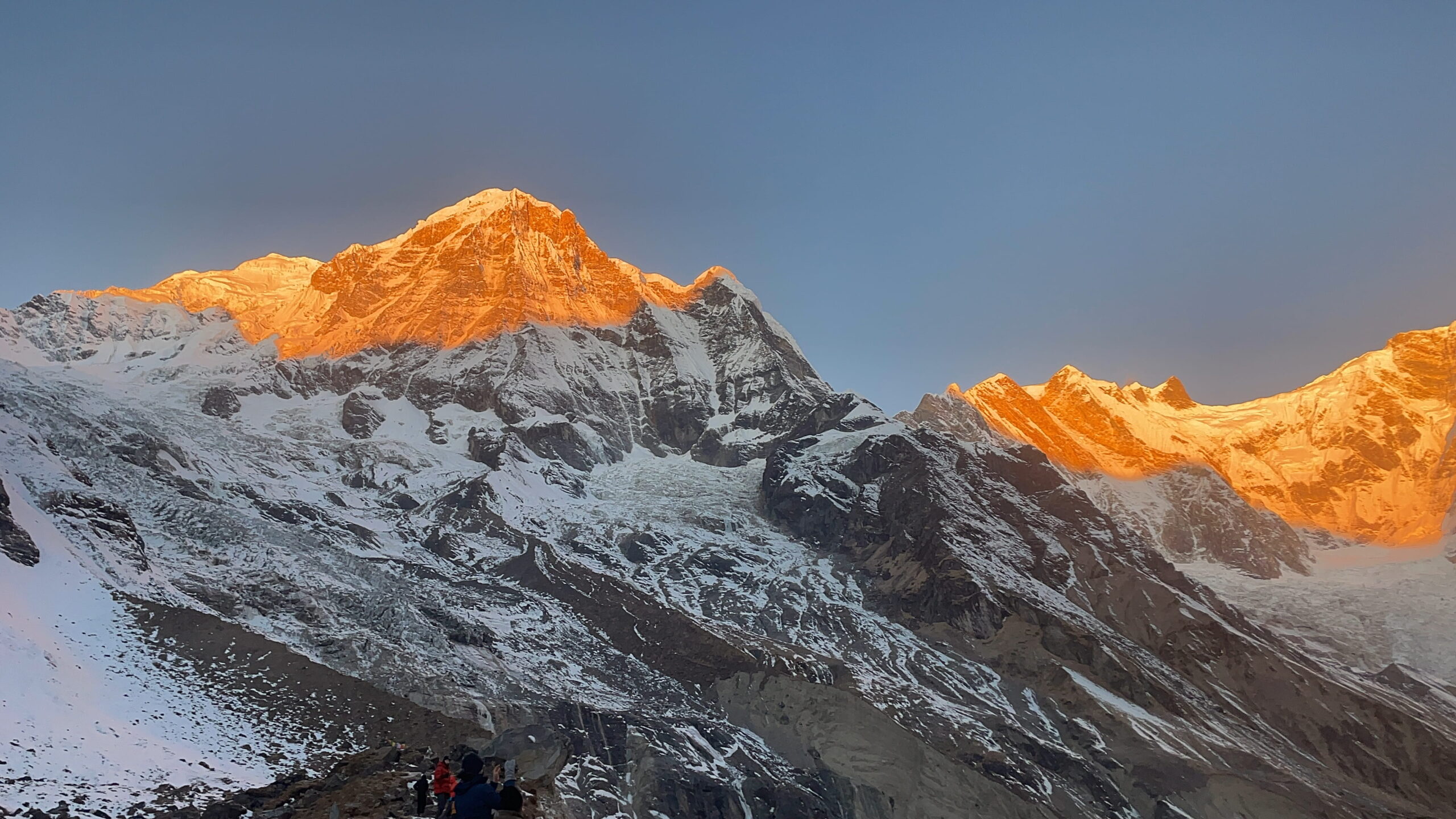
- Reach Annapurna Base Camp (ABC) for breathtaking mountain vistas, including Annapurna I, Machhapuchhre, and Hiunchuli.
- Trek to Mardi Himal Base Camp, enjoying alpine landscapes and snow-capped peaks.
- Immerse in the local lifestyle at Siding village, learning Gurung traditions and culture.
- Walk through lush rhododendron forests, terraced fields, and scenic Himalayan valleys.
Itinerary
Day 01
Upon arrival at Tribhuwan International Airport, you will be warmly welcomed by our representative and transferred to your 3-star hotel in Thamel. The remainder of the day is free for relaxation after your journey or to explore nearby markets and streets of Kathmandu. In the evening, your trekking guide will brief you on the upcoming adventure, including safety instructions, trekking route details, and gear check to ensure you are well-prepared. This first day allows you to acclimatize to Kathmandu’s altitude and get ready for the exciting trek ahead.
Altitude:
1,400 mMeal:
NoneAccomodation :
3-Star Hotel – Thamel, KathmanduDay 02
After breakfast, you’ll embark on a scenic tourist bus ride to Pokhara, a journey of about 7–8 hours covering approximately 205 km. The road passes through picturesque valleys, rivers like Trishuli and Marsyangdi, and stunning views of the Himalayan foothills. Upon arrival in Pokhara, you can explore the serene Phewa Lake, enjoy views of Machhapuchhre, Annapurna, Dhaulagiri, and Lamjung Himal, or visit the World Peace Pagoda. This day allows you to rest after the road journey and prepare for the trek ahead.
Trip Duration:
7–8 hoursTrip Distance:
205 kmAltitude:
822 mMeal:
BreakfastAccomodation :
3-Star Hotel – PokharaDay 03
Today begins with a short drive to Birethanti, the official starting point of the trek. From here, you’ll trek through the charming villages of Nayapul, Sudame, Hile, and Tikhedhunga, surrounded by terraced fields and lush forests. The final climb to Ulleri involves ascending long stone staircases, rewarding you with panoramic views of Hiunchuli and Annapurna South. The village of Ulleri, home to the Magar people, offers a chance to experience local culture and hospitality.
Trip Duration:
5–6 hoursTrip Distance:
8.8 kmAltitude:
1,960 mMeal:
Breakfast, Lunch, DinnerAccomodation :
Tea House – UlleriDay 04
The trek today ascends gradually through rhododendron forests, with occasional views of snow-capped peaks appearing through the trees. You will pass small villages like Banthanti and Nangge Thanti, where you can interact with locals and observe their daily life. Ghorepani village, situated at 2,880 m, provides panoramic views of Annapurna, Machhapuchhre, Hiunchuli, and other surrounding peaks, especially at sunrise or sunset. Enjoy the cozy tea house and prepare for an early morning hike to Poon Hill tomorrow.
Trip Duration:
4–5 hoursTrip Distance:
10.3 kmAltitude:
2,880 mMeal:
Breakfast, Lunch, DinnerAccomodation :
Tea House – GhorepaniDay 05
Wake up before dawn to hike to Poon Hill, one of the most famous viewpoints in Nepal. The trek to Poon Hill takes about 45–60 minutes, rewarding you with a stunning sunrise over the Annapurna and Dhaulagiri ranges, and panoramic views of peaks like Nilgiri and Machhapuchhre. After soaking in the vistas, you descend to Ghorepani for breakfast before continuing the trek through dense forests and charming villages to Tadapani, surrounded by rhododendron and oak trees. This day combines both sunrise adventure and trekking through serene natural landscapes.
Trip Duration:
5–6 hoursTrip Distance:
11 kmAltitude:
2,630 mMeal:
Breakfast, Lunch, DinnerAccomodation :
Tea House – TadapaniDay 06
Today you descend through rhododendron and oak forests, crossing suspension bridges over rivers like the Kimrong Khola. You will pass small Gurung hamlets, experiencing authentic local culture, before ascending slightly to reach Chomrong village, a key stop on the way to ABC. From Chomrong, enjoy views of Annapurna South and Fishtail Mountain, and prepare for the higher altitude trek tomorrow.
Trip Duration:
4–5 hoursTrip Distance:
10 kmAltitude:
2,165 mMeal:
Breakfast, Lunch, DinnerAccomodation :
Tea House – ChomrongDay 07
The trek today combines both descents and ascents through bamboo forests, terraced fields, and small settlements. You pass through Sinuwa and Khuldighar, enjoying the peaceful Himalayan environment. Reaching Dovan allows time to rest before tackling the steeper sections towards Deurali and ABC. Along the way, you can enjoy views of Mt. Fishtail and the surrounding landscapes, making it a memorable day of moderate trekking.
Trip Duration:
5–6 hoursTrip Distance:
9.7 kmAltitude:
2,600 mMeal:
Breakfast, Lunch, DinnerAccomodation :
Tea House – DovanDay 08
Today’s trek involves walking through bamboo and rhododendron forests, passing streams and waterfalls along the Modi River. You will also pass Hinku Cave, a local attraction, before ascending to Deurali, which serves as the base for the final climb to Annapurna Base Camp. The day is challenging but rewarding, with beautiful alpine scenery and the first glimpses of snow-covered peaks at higher altitudes.
Trip Duration:
4–5 hoursTrip Distance:
7.7 kmAltitude:
3,230 mMeal:
Breakfast, Lunch, DinnerAccomodation :
Tea House – DeuraliDay 09
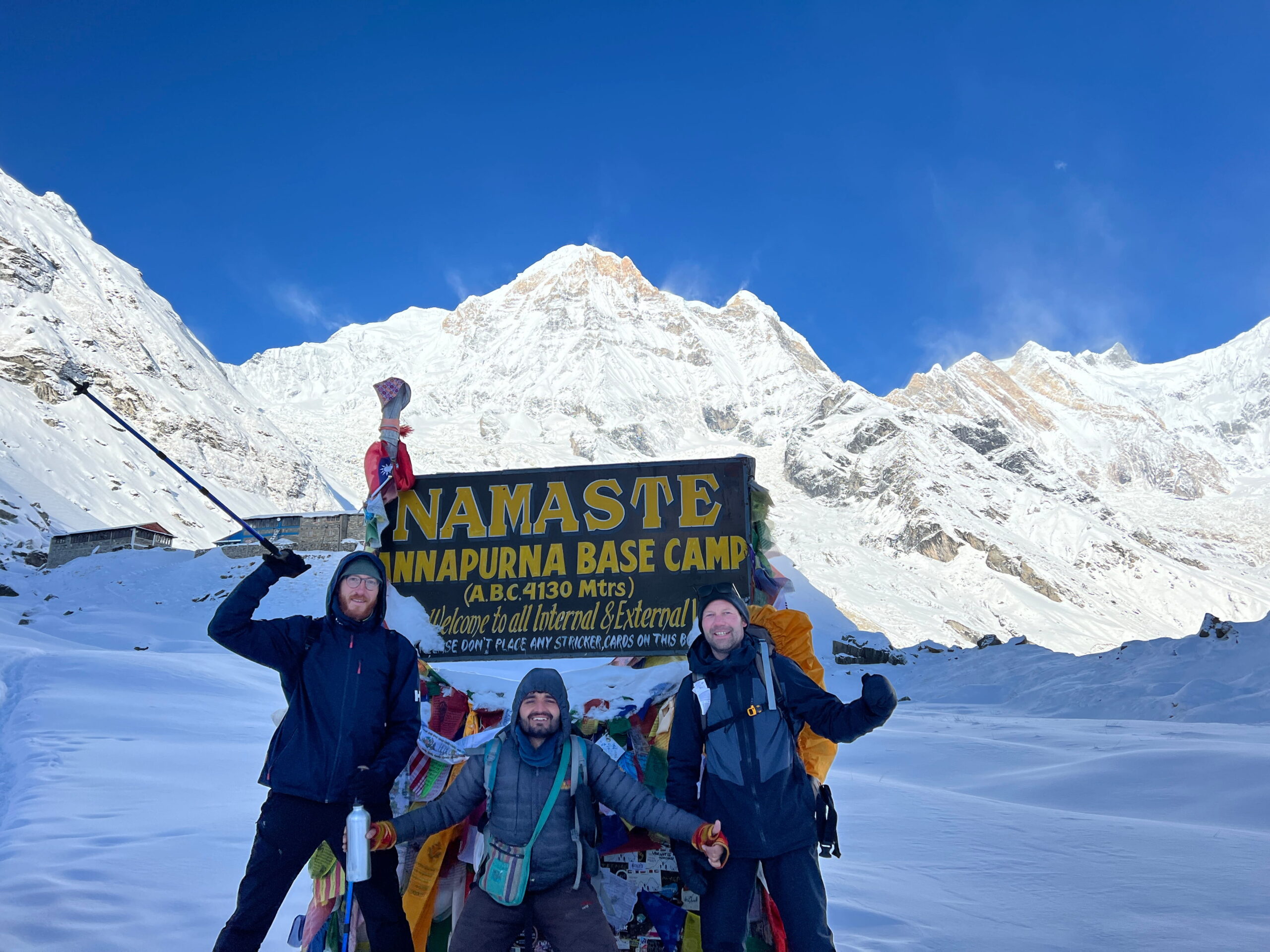
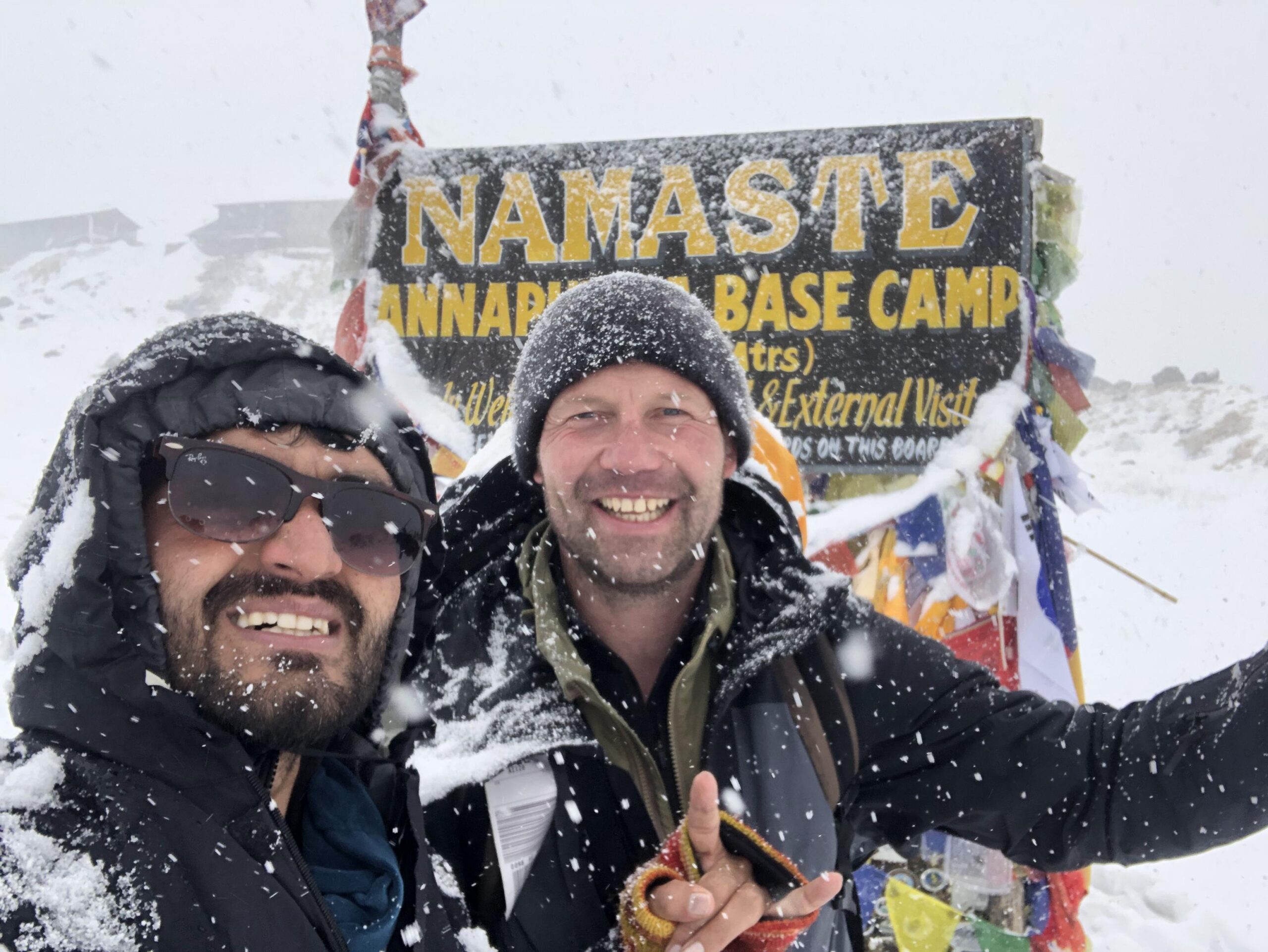
This is one of the most exciting days as you climb to Machhapuchhre Base Camp, a perfect spot to enjoy panoramic mountain views, before continuing to Annapurna Base Camp (4,130 m). The trail moves through moraine paths, alpine meadows, and glacial landscapes. Reaching ABC provides a 360-degree view of Annapurna, Machhapuchhre, Hiunchuli, and other Himalayan peaks, creating a truly unforgettable experience.
Trip Duration:
4–5 hoursTrip Distance:
9.2 kmAltitude:
4,130 mMeal:
Breakfast, Lunch, DinnerAccomodation :
Tea House – Annapurna Base CampDay 10
Today, you begin your descent from Annapurna Base Camp back toward the lower valleys. The trail takes you past Machhapuchhre Base Camp, then through Deurali and the Himalaya area, before reaching Bamboo and Khuldighar. Descending offers a different perspective of the valleys and peaks, with breathtaking views of terraced fields and forested slopes. This longer day allows you to enjoy the alpine scenery while walking at a slower pace to aid your knees and joints after the high-altitude stay. The calm forests and flowing streams make this descent both peaceful and visually stunning.
Trip Duration:
5–6 hoursTrip Distance:
19 kmAltitude:
2,360 mMeal:
Breakfast, Lunch, DinnerAccomodation :
Tea House – SinuwaDay 11
The trek today descends through Chomrong village, then passes the rejuvenating Jhinu Danda hot springs, where trekkers can relax and soak their tired muscles. You will continue along forested paths and cross streams and waterfalls, moving toward Landruk, a picturesque Gurung village. This day is less strenuous than the high-altitude climbs, giving your body time to recover while enjoying the rich flora, waterfalls, and peaceful farmland of the Annapurna region.
Trip Duration:
5–6 hoursTrip Distance:
12 kmAltitude:
1,565 mMeal:
Breakfast, Lunch, DinnerAccomodation :
Tea House – LandrukDay 12
Today’s trek begins with a steep ascent from Landruk through lush forests to Forest Camp, with views of Annapurna South, Machhapuchhre, and Dhaulagiri. The trail gradually climbs through dense rhododendron, pine, and oak forests, opening up to spectacular mountain panoramas. You will reach Low Camp, a small camp site that serves as the base for the final Mardi Himal climb. The day combines forest trekking, mountain vistas, and a moderate physical challenge as you gain altitude.
Trip Duration:
5–6 hoursTrip Distance:
6 kmAltitude:
3,050 mMeal:
Breakfast, Lunch, DinnerAccomodation :
Tea House – Low CampDay 13
The trek today gradually ascends from Low Camp to High Camp, crossing Badal Danda and enjoying mesmerizing views of Machhapuchhre, Annapurna South, and Mardi Himal. The trail passes rhododendron and pine forests, offering excellent photography opportunities. High Camp sits at a scenic vantage point, providing panoramic views and preparing trekkers for the final push to Mardi Base Camp. The day is moderately challenging, with trekking at higher altitude to prepare for the summit experience.
Trip Duration:
4–5 hoursTrip Distance:
8.5 kmAltitude:
3,600 mMeal:
Breakfast, Lunch, DinnerAccomodation :
Tea House – High CampDay 14
An early morning trek takes you to Mardi Himal Base Camp, where the sun illuminates the snowy Himalayan peaks, creating an unforgettable alpine panorama. Spend some time soaking in the breathtaking 360-degree views of Dhaulagiri, Annapurna I–IV, Hiunchuli, and Machhapuchhre. After capturing photographs and enjoying the high-altitude environment, you descend to Badal Danda for the night. This day is a combination of high-altitude trekking and moderate descent, making it physically rewarding while still manageable.
Trip Duration:
6–7 hoursTrip Distance:
12.3 kmAltitude:
3,250 mMeal:
Breakfast, Lunch, DinnerAccomodation :
Tea House – Badal DandaDay 15
You will trek downhill from Badal Danda through scenic forest trails, terraced fields, and small villages, reaching Siding, a serene rural settlement. From Siding, you’ll take a shared jeep or vehicle ride back to Pokhara, where you can enjoy free time to relax, explore Phewa Lake, or visit local markets. This day marks the transition from high-altitude trekking back to lower elevations, giving your body a chance to recover.
Trip Duration:
5–6 hoursTrip Distance:
10.8 kmAltitude:
822 mMeal:
Breakfast, LunchAccomodation :
3-Star Hotel – PokharaDay 16
After breakfast, enjoy a deluxe tourist bus ride back to Kathmandu. The route offers changing landscapes, from lowland valleys to Himalayan foothills. Upon arrival, you can explore Kathmandu’s bustling streets, try local cuisine, or enjoy cultural performances. An evening celebration dinner can be organized to commemorate the completion of this remarkable 17-day trek.
Trip Duration:
7–8 hoursTrip Distance:
205 kmAltitude:
1,400 mMeal:
BreakfastAccomodation :
3-Star Hotel – Thamel, KathmanduDay 17
Based on your flight schedule, you’ll be transferred to Tribhuwan International Airport for your departure. Optional side trips or personal sightseeing can be arranged if your schedule allows. This marks the end of an incredible journey through the Annapurna region, Poon Hill, and Mardi Himal.
Altitude:
1,400 mMeal:
BreakfastRoute Map
What's Included
- Airport pickup & drop: Private transfer from Tribhuwan International Airport to your hotel in Kathmandu, and return on departure.
- Accommodation in Kathmandu: 2 nights in a 3-star hotel with modern amenities.
- Breakfast in Kathmandu: Provided during your hotel stay.
- Permits and Taxes: All necessary trekking permits, Annapurna Conservation Area Permit (ACAP), and TIMS card.
- During Trek:
- Tea house or lodge accommodation along the trail.
- All meals during trekking (breakfast, lunch, and dinner) including tea/coffee.
- Experienced guide with full support (food, accommodation, insurance, salary).
- First aid kit available for emergencies.
- Public transportation (for any shared jeep or local transfer included in itinerary).
What's Excluded
- Personal expenses: Snacks, souvenirs, laundry, or optional activities not listed.
- Trekking gear: Hiking poles, down jackets, boots, or specialized equipment.
- Beverages & Mineral Water: Soft drinks, bottled water, or alcohol.
- Travel insurance: Mandatory for high-altitude trekking (covers evacuation, medical emergencies, helicopter rescue).
- Tips for staff: Gratuity for guides, porters, or drivers (expected at the end of the trek).
- Porter services($22 per porter per day): Hiring a porter is optional but recommended for carrying heavy loads. Each porter can carry up to 25 kg.
Essential Info
Add-Ons
To make your trekking experience more comfortable, convenient, and memorable, ART Nepal Treks & Expedition offers several optional services. These add-ons allow trekkers to tailor the trip according to their preferences, fitness, or schedule.
1. Sightseeing in Kathmandu
Before or after the trek, you can explore the cultural and historical highlights of Kathmandu. Optional guided sightseeing trips include:
- Pashupatinath Temple: One of the most sacred Hindu temples in Nepal, along the banks of the Bagmati River.
- Boudhanath Stupa: A UNESCO World Heritage site, one of the largest Buddhist stupas in the world.
- Kathmandu Durbar Square: Historic palaces, courtyards, and temples in the heart of the city.
- Swayambhunath Stupa (Monkey Temple): Offers panoramic views of the Kathmandu Valley.
- Local Markets: Experience traditional crafts, souvenirs, and local food stalls.
Sightseeing provides an opportunity to understand Nepalese culture, religion, and history before immersing yourself in the Himalayas.
2. Porter Services
High-altitude trekking can be physically demanding, especially when carrying heavy backpacks. Hiring a porter is highly recommended, especially for beginners or those carrying more than 10–12 kg.
- Each porter can carry up to 25 kg.
- Recommended: 1 porter per 1–2 trekkers, depending on the number of trekkers and personal gear.
- Advantages:
- Less physical strain during long treks.
- More energy to enjoy the scenery and take photos.
- Assistance with setting up rooms or carrying personal gear at high altitudes.
Hiring a porter not only makes trekking more comfortable but also supports local employment.
3. Flight Options
Instead of traveling by road, trekkers may choose domestic flights for faster travel and scenic views. For example:
- Kathmandu to Pokhara Flight: Approximately 25–30 minutes, saving 6–8 hours of bus travel.
- Benefits:
- Scenic aerial views of the Himalayan ranges.
- Less fatigue before starting the trek.
- Extra time for exploration and acclimatization in Pokhara.
Flights can be arranged directly by ART Nepal Treks & Expedition. Prices vary based on airline and season.
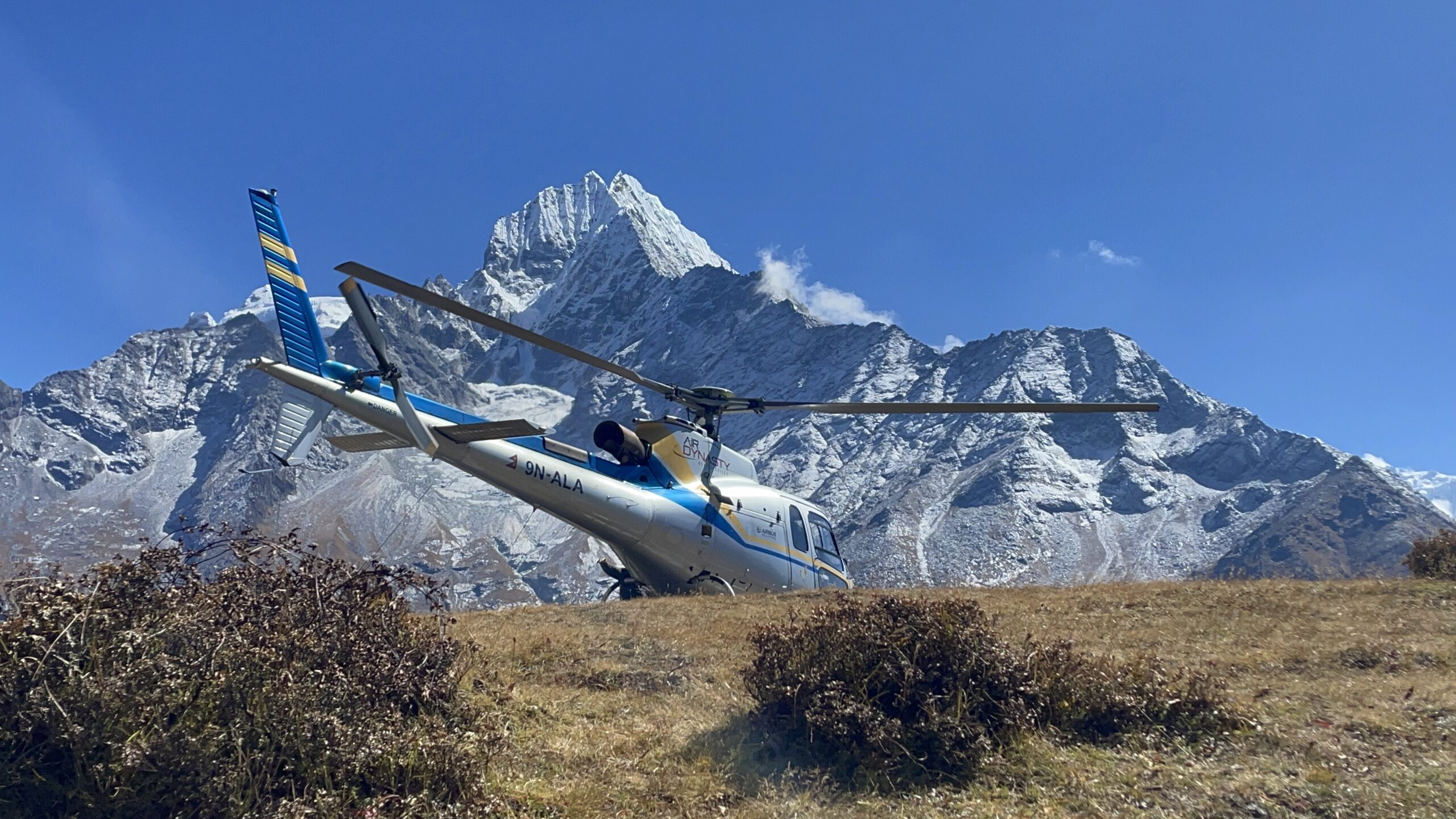
4. Helicopter Services
For trekkers seeking convenience or luxury, helicopter rides can be arranged. This includes:
- Sightseeing flights: Fly over Annapurna, Dhaulagiri, Machhapuchhre, and other peaks for aerial photography and Himalayan panorama.
- Emergency evacuation: In case of illness, injury, or altitude sickness, a helicopter can provide rapid evacuation to Kathmandu or Pokhara hospitals.
- Advantages:
- Save time on long road trips.
- Access remote areas without long trekking.
- Safe alternative for high-altitude emergencies.
Helicopter services are available on demand and must be booked in advance.
5. Private Transportation
For those who prefer comfort, privacy, or flexibility, private vehicles are available for the Kathmandu-Pokhara-Kathmandu route.
- Private vans or jeeps: Ideal for groups, families, or travelers with tight schedules.
- Advantages:
- Flexible departure times.
- Avoid crowded tourist buses.
- Comfortable ride with space for luggage and equipment.
Best Season to Trek
The Annapurna Base Camp (ABC) Trek with Poon Hill and Mardi Himal can be done throughout the year, but the experience varies significantly depending on the season. Choosing the right time ensures pleasant weather, clear mountain views, and safer trekking conditions.
1. Spring Season (March – May)
Spring is one of the most popular trekking seasons in Nepal, especially for the Annapurna region.
Advantages:
- Clear skies: Offers unobstructed panoramic views of the Annapurna, Dhaulagiri, Machhapuchhre, and Mardi Himal ranges.
- Rhododendron blooms: Forests along the trail, especially near Ghorepani, Poon Hill, and Chomrong, are blanketed with colorful rhododendron flowers, creating spectacular scenery.
- Moderate temperatures: Days are warm enough for comfortable trekking, while mornings and evenings are cool.
- Stable weather: Lesser chances of rain compared to the monsoon season.
Conditions to note:
- Higher altitudes, like Annapurna Base Camp or Mardi Himal Base Camp, may still be chilly, especially before sunrise.
- Crowds are heavier as this is a preferred time for most trekkers, so accommodation might need early booking.
Spring trekking is ideal for photographers, nature lovers, and those seeking vibrant forest scenery.
2. Autumn Season (September – November)
Autumn is considered the best overall trekking season in Nepal.
Advantages:
- Clear skies and excellent visibility: Mountains appear sharp and close, providing breathtaking views of the Annapurna, Dhaulagiri, Manaslu, and surrounding ranges.
- Stable and dry weather: Trails are firm and less muddy, making trekking easier and safer.
- Pleasant temperatures: Moderate days and cool nights are perfect for hiking.
- Festival season: Trekkers may experience local festivals, adding cultural richness to the journey.
Conditions to note:
- Trails are busier than other seasons due to high demand, so tea houses and lodges fill up quickly.
- Early booking of rooms and meals is recommended.
Autumn trekking is perfect for photography enthusiasts, festival lovers, and first-time trekkers who want safe and scenic trails.
3. Winter Season (December – February)
Winter trekking is less crowded and offers a peaceful trekking experience, but it comes with challenges.
Advantages:
- Minimal crowds: Trails and tea houses are quieter, allowing for a more private and serene experience.
- Snow-capped peaks: Mountains appear pristine and majestic under clear blue skies.
Challenges:
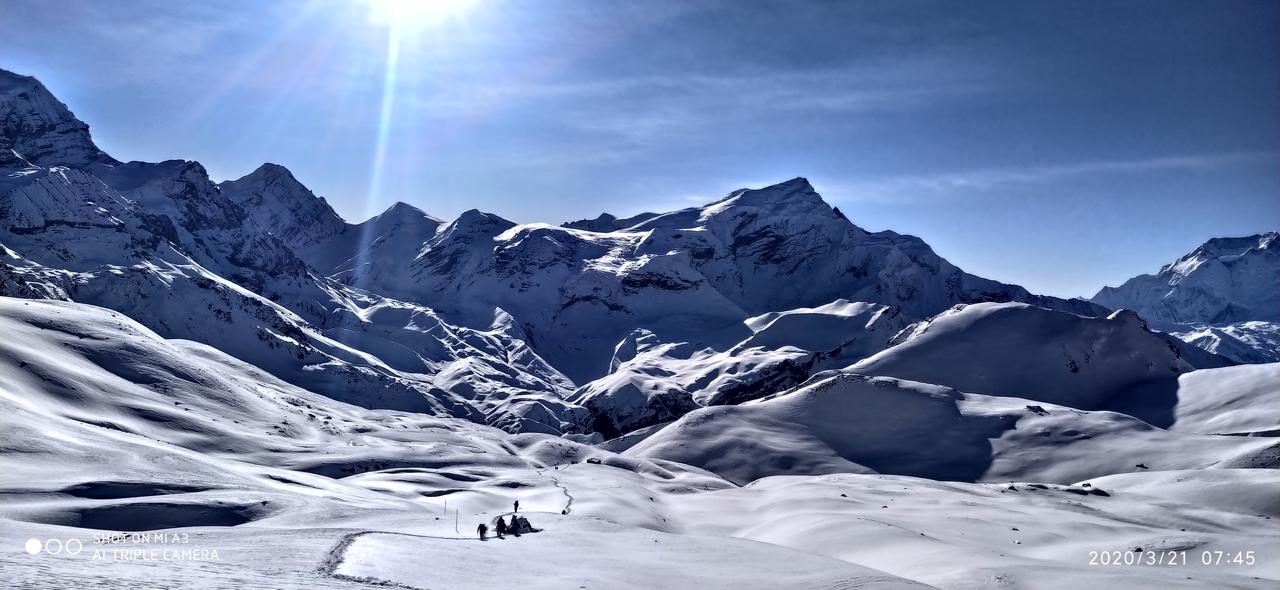
- Cold temperatures: Especially at higher altitudes like ABC (4130 m) and Mardi Himal Base Camp (4500 m), nights can drop below -10°C.
- Occasional snow: Some trails may be slippery, requiring extra caution and proper gear.
- Limited daylight: Shorter days mean less trekking time, so daily distances need careful planning.
Winter is ideal for experienced trekkers comfortable with cold weather and seeking solitude.
4. Monsoon Season (June – August)
The monsoon season is not recommended for trekking in the Annapurna region.
Challenges:
- Heavy rainfall: Leads to slippery trails, mudslides, and leeches.
- Reduced visibility: Mountains are often hidden by clouds and rain, limiting scenic views.
- Risk of landslides: Certain sections, particularly in terraced farmlands or river crossings, can be unsafe.
- Trail damage: Some paths may be washed out or blocked due to heavy rain.
Monsoon trekking is only suitable for experienced, highly prepared trekkers with rainproof gear and flexible schedules.
Food Availability During the Trek
The Annapurna Base Camp Trek with Poon Hill & Mardi Himal offers ample opportunities to enjoy both traditional Nepalese dishes and international cuisine. The region is well-equipped with tea houses and lodges where meals are freshly prepared, offering a mix of local flavors and familiar dishes to suit different tastes.
1. Breakfast Options
Breakfast is typically served between 6:30 am and 8:30 am in most tea houses. Common options include:
- Local and Tibetan dishes: Tibetan bread, chapati, porridge, and traditional momo (dumplings).
- Continental breakfast: French toast, pancakes, eggs (boiled, fried, or scrambled), hash browns, and fresh fruits.
- Cereals and grains: Corn flakes, muesli, oats, and toast.
- Beverages: Hot drinks including tea, coffee, and hot chocolate to start the day warm, especially at high altitudes.
Breakfast is generally simple yet filling, providing enough energy for morning treks through steep trails or forested paths.
2. Lunch Options
Lunch is usually served between 11:30 am and 1:30 pm at stops in tea houses along the route. Options vary depending on the altitude and the tea house’s kitchen capacity:
- Nepali cuisine: Dal Bhat (lentil soup with rice), vegetable curry, and pickles – the staple meal for trekkers.
- Tibetan cuisine: Thukpa (noodle soup), fried noodles, momo dumplings, and Tibetan bread.
- Continental dishes: Macaroni, spaghetti, sandwiches, and salads.
- Protein-rich meals: Chicken or yak meat stew, omelets, and occasionally fish or beef in some tea houses.
- Snacks: Chocolate bars, energy biscuits, roasted corn, and fried potatoes are available to boost energy between meals.
Lunch at mid-altitude lodges is often warm, nutritious, and hearty, giving trekkers the energy to continue their journey through challenging terrain.
3. Dinner Options
Dinner is served between 6:00 pm and 8:00 pm, offering a chance to relax and refuel:
- Main dishes: Dal Bhat, Thukpa, Chapati, Macaroni, Spaghetti, and rice with curry.
- Special treats: Sherpa stew, yak steak, pancakes, and various soups.
- Beverages: Tea, coffee, hot chocolate, and sometimes local alcoholic beverages (for those over 18).
Meals in lodges are usually shared in communal dining areas, creating opportunities to interact with other trekkers, share stories, and enjoy cultural exchange.
4. Snacks and Energy Foods
Along the trekking route, snacks are essential for keeping energy levels up during long walking days:
- Granola bars, protein bars, and chocolates.
- Nuts, dried fruits, and seeds.
- Local snacks like roasted corn, biscuits, and instant noodles.
It’s recommended for trekkers to carry personal snacks, especially for higher altitudes where meals are simpler and fewer options may be available.
5. Special Considerations at High Altitudes
- At Annapurna Base Camp (4130 m) and Mardi Himal Base Camp (4500 m), lodges may have limited menu options due to the difficulty of transporting fresh ingredients.
- Vegetarian and vegan meals are widely available.
- Hydration: Hot beverages and soups are emphasized to prevent dehydration in cold, high-altitude environments.
Accommodation During the Trek
The Annapurna Base Camp Trek with Poon Hill & Mardi Himal offers a comfortable yet authentic Himalayan trekking experience, with accommodations ranging from basic tea houses in remote villages to cozy lodges in popular trekking hubs. Each stop provides essential facilities to rest, refresh, and enjoy the surrounding natural beauty.
1. Kathmandu and Pokhara
- Kathmandu: Trekkers start and end the journey in Kathmandu, where 3-star hotels in Thamel provide modern comforts, including private rooms, clean bathrooms, hot showers, Wi-Fi, and optional in-house restaurants.
- Pokhara: Before and after the trek, accommodations in Pokhara offer lake-view rooms, private bathrooms, and peaceful surroundings, ideal for relaxing after long trekking days.
These urban accommodations serve as a preparation and recovery base, allowing trekkers to acclimatize, rest, and enjoy Nepalese culture before heading into the mountains.
2. Tea Houses and Lodges Along the Trek
During the trek, accommodation is primarily in tea houses (also called lodges), which are family-run establishments offering meals and lodging. They provide the following features:
- Rooms: Most are twin-sharing, sometimes triple or quadruple, with simple furnishings such as wooden beds, blankets, mattresses, cushions, and sheets.
- Bathrooms: Attached bathrooms are available at lower-altitude lodges. Higher up, shared toilets are common; some may require carrying your own water.
- Dining Area: Tea houses feature a communal dining hall with wood-fired stoves or heaters, creating a warm environment to enjoy meals and socialize.
- Electricity and Wi-Fi: Available in mid-altitude lodges (2200–3000 m). In higher-altitude lodges, power may be limited, often provided via solar panels for a few hours per day.
3. High-Altitude Accommodation
At Annapurna Base Camp (4130 m) and Mardi Himal Base Camp (4500 m), lodges are basic but sufficient, focused on shelter, warmth, and safety:
- Facilities: Simple beds with blankets; shared toilet facilities; sometimes hot showers with extra fees.
- Food and Warmth: Hot meals, tea, and coffee are available, emphasizing high-energy nutrition for trekkers.
- Altitude Consideration: Lodges at this height are cozy to protect from cold Himalayan nights; trekkers should bring sleeping bag liners for added warmth.
4. Homestay Options (Optional)
Some parts of the trek, particularly near smaller villages, offer homestays:
- Cultural Experience: Staying with local families provides an immersive opportunity to experience traditional Gurung or Magar lifestyles.
- Amenities: Usually include simple bedding, home-cooked meals, and a glimpse into local customs.
- Community Support: Staying in homestays benefits local communities directly.
Travel Insurance
Travel insurance is mandatory for the ABC Trek with Poon Hill & Mardi Himal due to the high-altitude trekking and remote areas. It ensures safety and provides financial protection in case of emergencies.
Key Coverage Requirements:
- High-Altitude Trekking: Insurance must cover trekking up to 5,000 meters for Annapurna Base Camp and Mardi Himal Base Camp.
- Medical Emergencies: Coverage for hospitalization, medical treatment, and medications during the trek.
- Emergency Evacuation: Helicopter rescue and transportation in case of illness, injury, or altitude sickness.
- Trip Cancellation/Interruption: Financial protection in case you must cancel due to illness, family emergencies, or natural events.
- Lost or Stolen Items: Compensation for lost or stolen personal belongings, gear, or luggage.
Recommendation: Provide a full copy of the insurance policy to your trekking agency before departure. Ensure your policy explicitly mentions high-altitude trekking and emergency evacuation coverage.
Altitude Sickness
Acute Mountain Sickness (AMS) is a common risk above 3,000 meters, especially during Annapurna Base Camp and Mardi Himal segments.
Symptoms:
- Headache
- Fatigue and dizziness
- Nausea or vomiting
- Shortness of breath
- Loss of appetite
Prevention and Management:
- Gradual Ascent: Allow the body to acclimatize by ascending slowly.
- Hydration: Drink at least 3–4 liters of water daily.
- Diet: Eat balanced meals; avoid alcohol and excessive caffeine.
- Medication: Consider Diamox (consult your doctor before use).
- Rest Days: Include rest or acclimatization days during the trek.
- Immediate Descent: If symptoms worsen, descend to a lower altitude immediately.
Guide and Safety Measures
The ABC Trek with Poon Hill & Mardi Himal requires a trained and experienced guide for a safe and enriching journey.
Guide Roles:
- Provide trail navigation and trekking advice
- Monitor group health and altitude acclimatization
- Ensure proper pace for the group based on fitness levels
- Share knowledge about local culture, wildlife, and environment
- Provide first aid and emergency response
Safety Measures:
- Regular altitude and health checks
- Emergency communication devices for remote areas
- Fully stocked first aid kits with medication
- Decision authority to pause or redirect the trek if safety is at risk
- Ensuring hygiene in lodges and meal preparation
- Training in wilderness first aid and rescue operations
Booking Procedure
Booking your ABC Trek with Poon Hill & Mardi Himal is straightforward and secure:
- Inquiry: Contact ART Nepal Treks & Expedition to check availability and receive a detailed trekking package.
- Booking Form: Complete the booking form and provide essential details, including trekking dates and group size.
- Deposit: Pay 10% of the total trekking cost to reserve your slot.
- Document Submission: Within a week, email the following:
- Passport copy
- Passport-size photos
- Travel insurance details
- Flight itinerary
- Payment: Remaining payment can be made via:
- Bank transfer
- Credit card
- Cash upon arrival in Nepal
- Pre-Trek Briefing: Attend a detailed session on trekking logistics, safety, and itinerary with your guide.
- Trek Day: Start your unforgettable journey through the Annapurna region with professional support from ART Nepal Treks & Expedition.
Equipment List
- Lightweight trekking shirts and pants
- Moisture-wicking undergarments
- Warm fleece or down jackets
- Waterproof jacket and pants
- Gloves, scarf, and warm hat
- Trekking socks and spare pairs
- Trekking poles
- Backpack with rain cover (30–40L recommended)
- Sleeping bag liner for high-altitude nights
- Water bottles or hydration system (2–3 liters)
- Headlamp with extra batteries
- Sunglasses and sunscreen (SPF 50+)
- Layered clothing for temperature changes
- Thermal base layers
- Insulated jackets for evenings and high altitudes
- Personal first aid kit
- Toiletries and hand sanitizer
- Insect repellent
- Wet wipes and tissues
- Face masks (optional, for dust or health)
- Mobile phone and charger
- Camera or GoPro
- Power bank
- Adapter for hotel and lodge charging
General Equipments
- Passport, trekking permits, TIMS card
- Cash (Nepali Rupees) for tea houses and personal expenses
- Snacks and energy bars
- Notebook or travel journal
FAQ
Trip Price
USD 1450 Per Person
Talk To Trip Expert
Related Trips