


Ghorepani Poonhill Trek – 8 Days
Ghorepani Poon Hill, Nepal
8 Days/7 Nights
Price From
View More
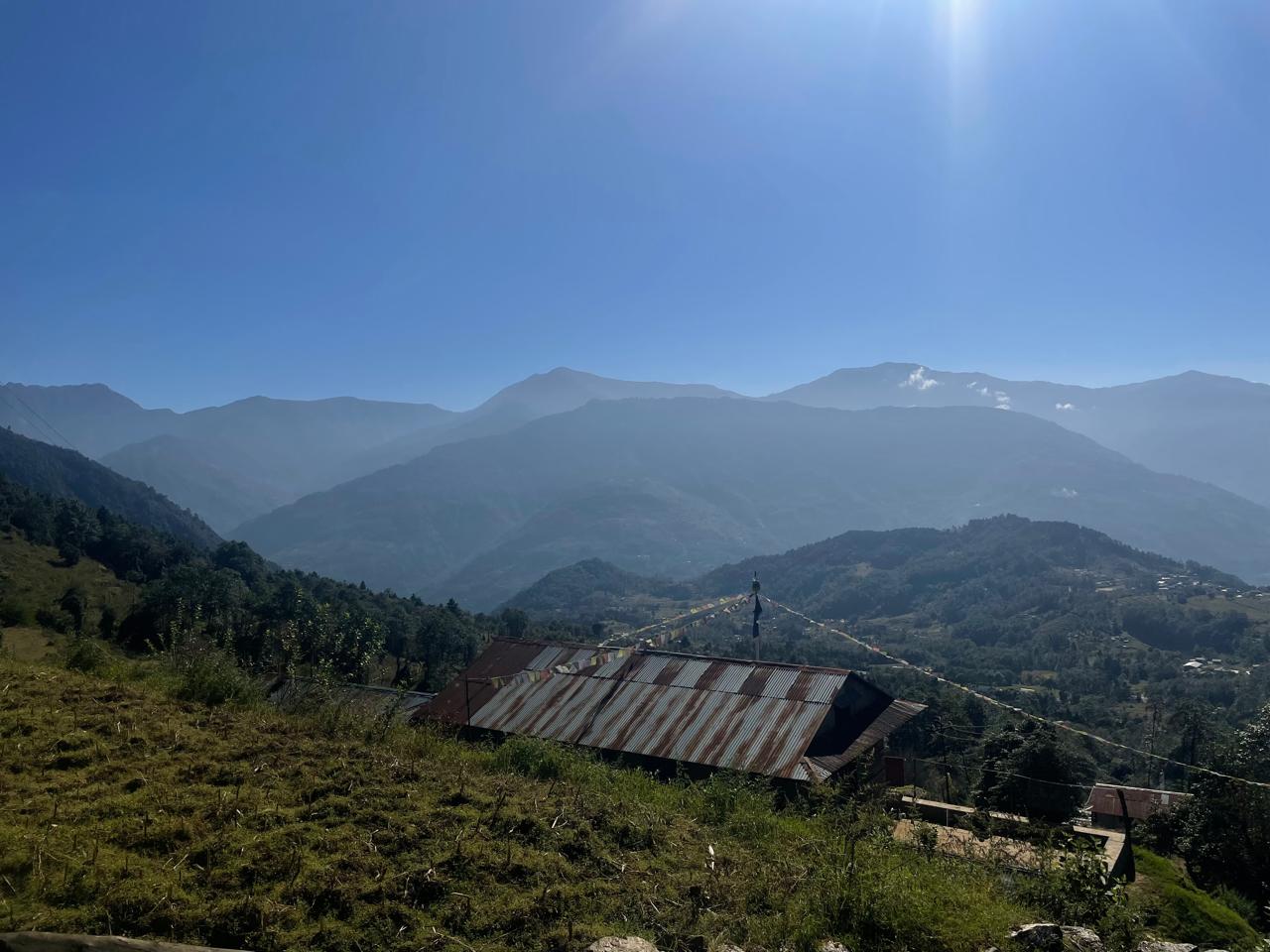
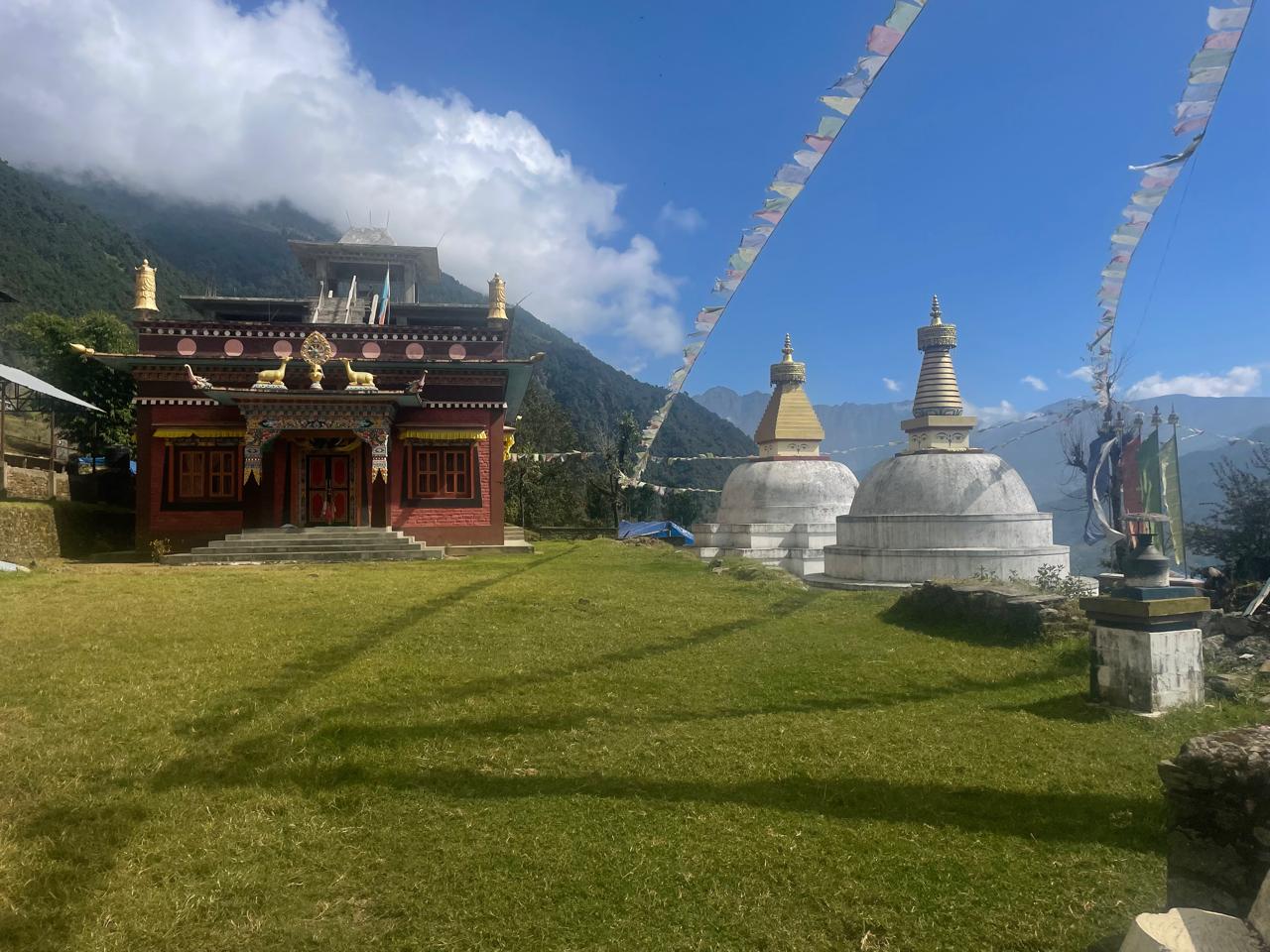
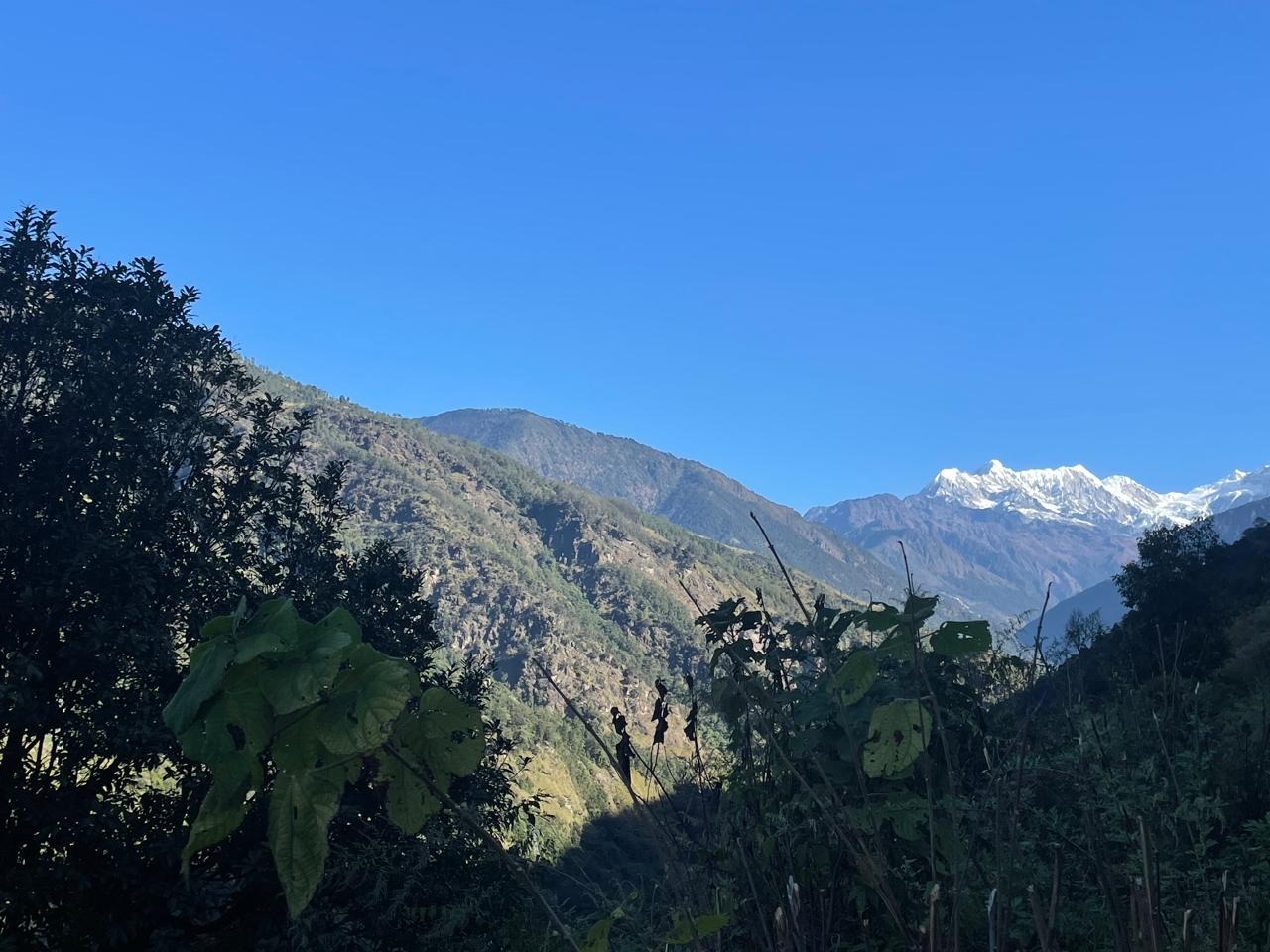
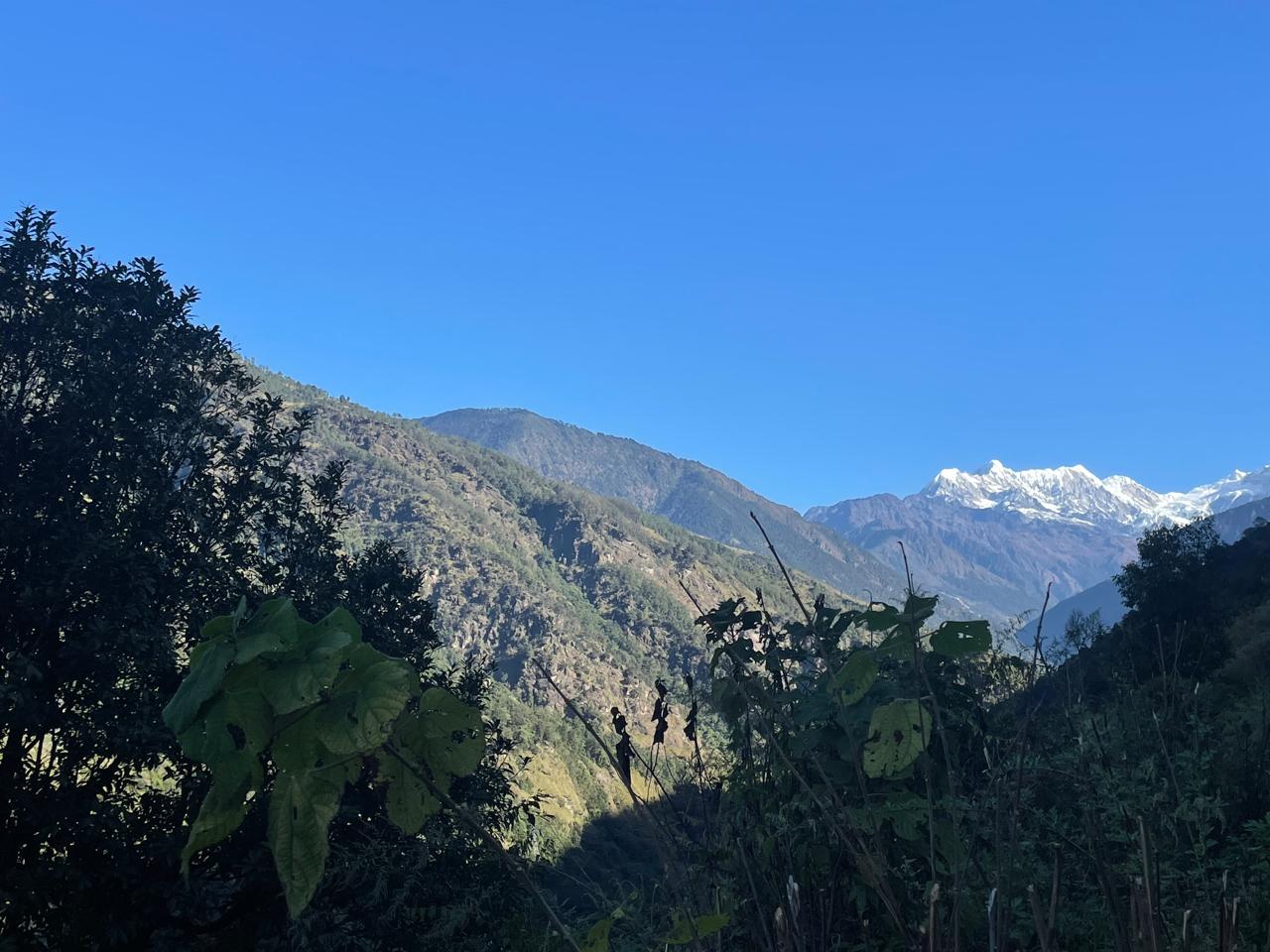
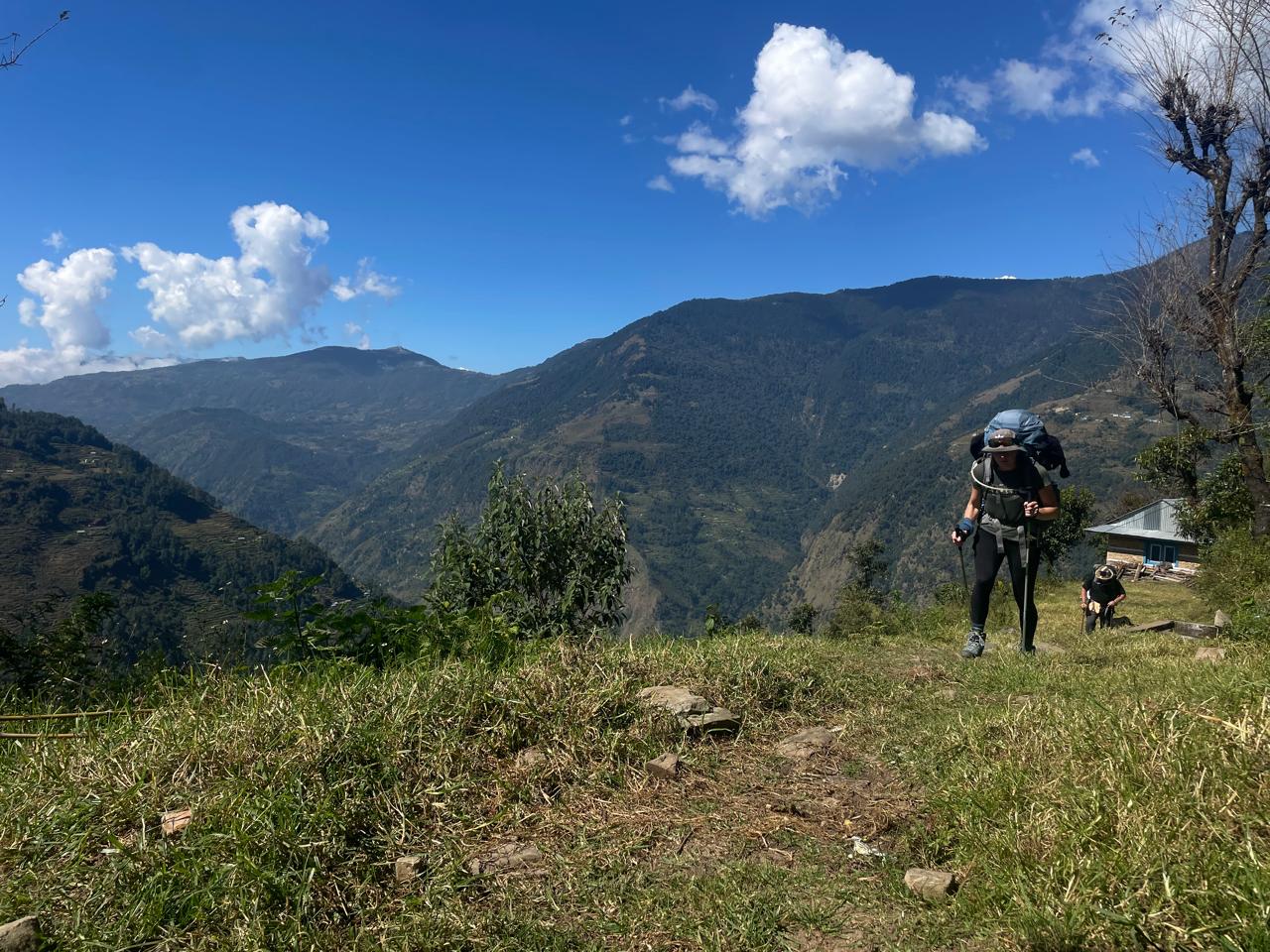
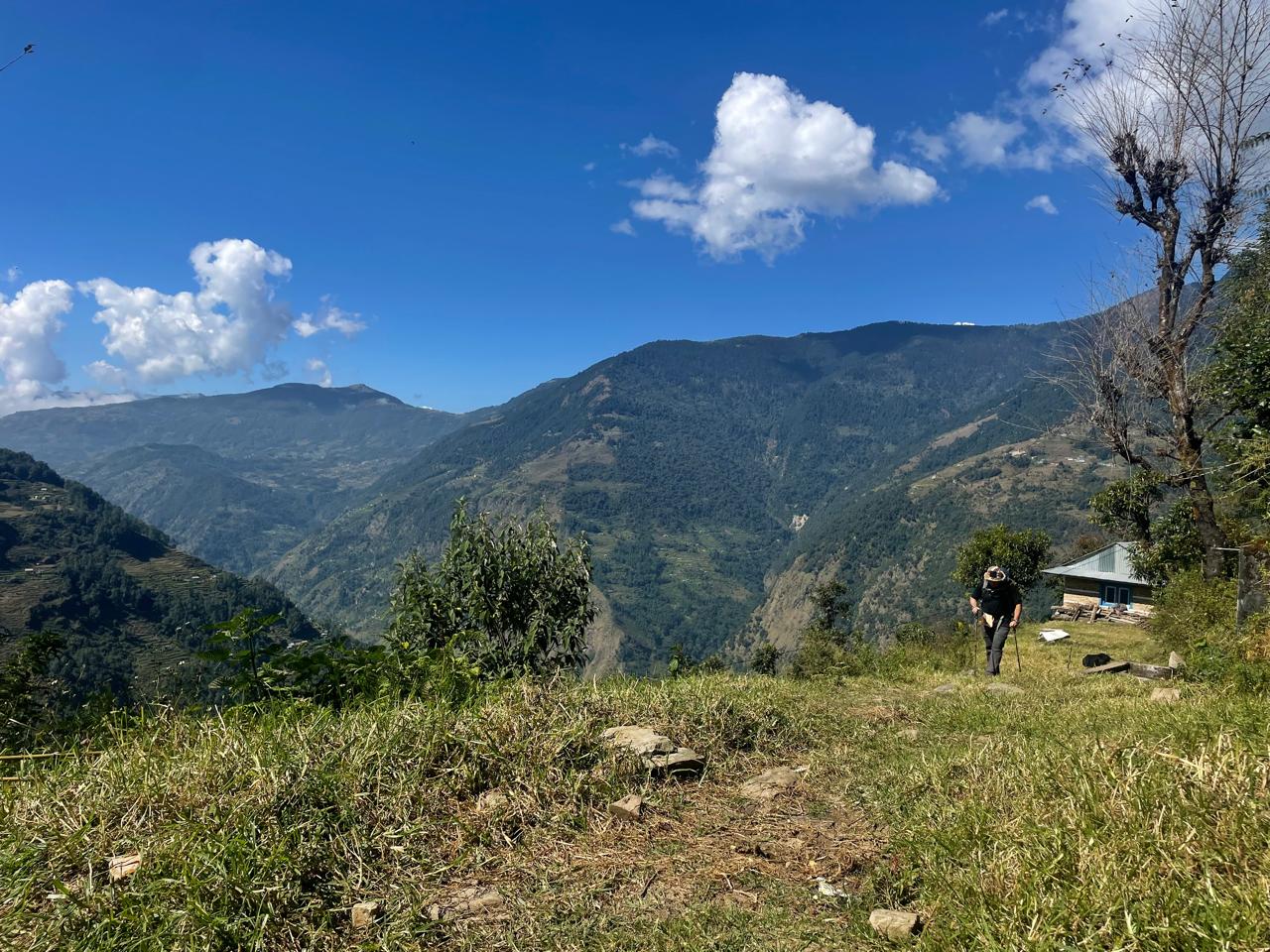
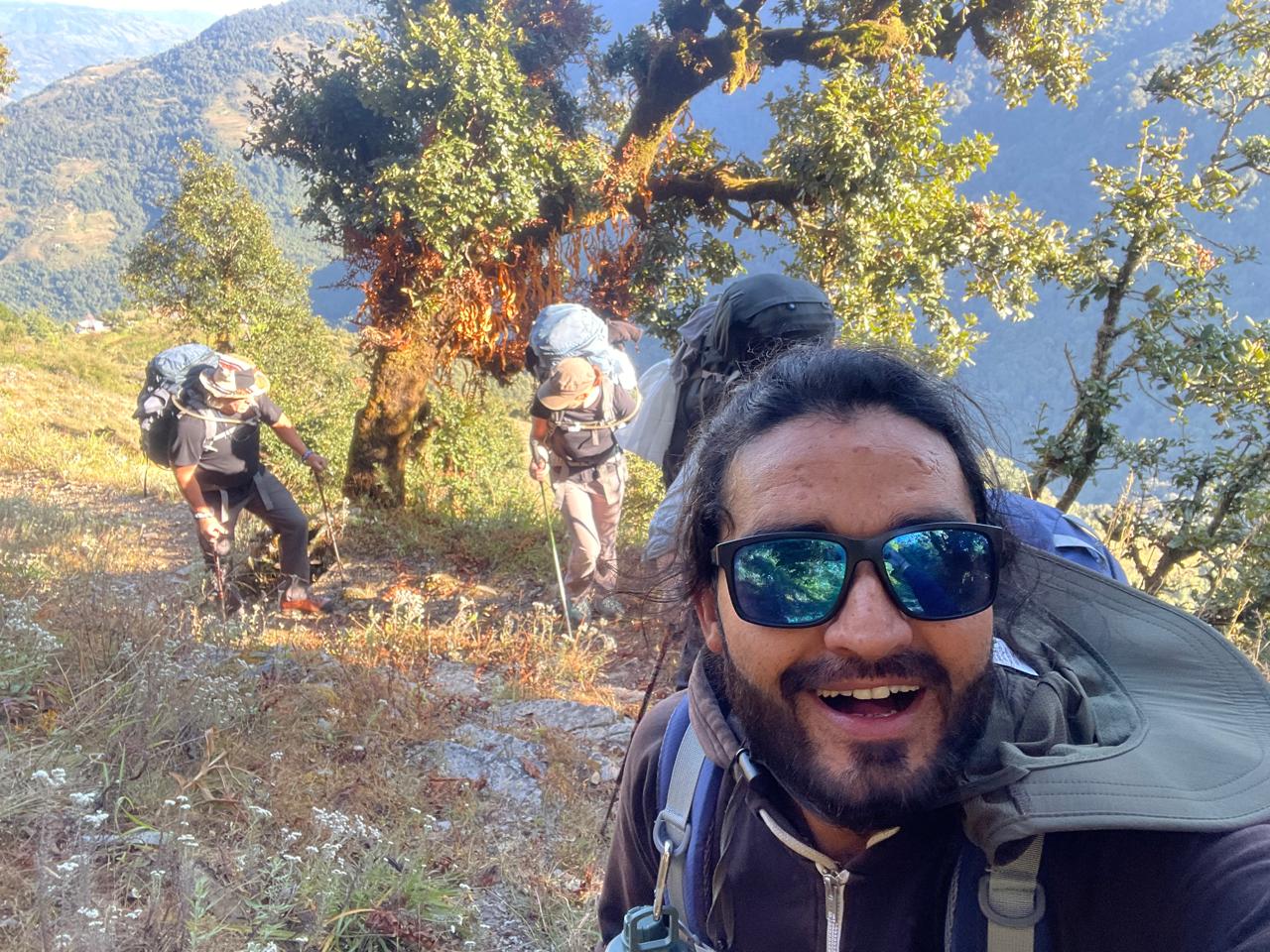
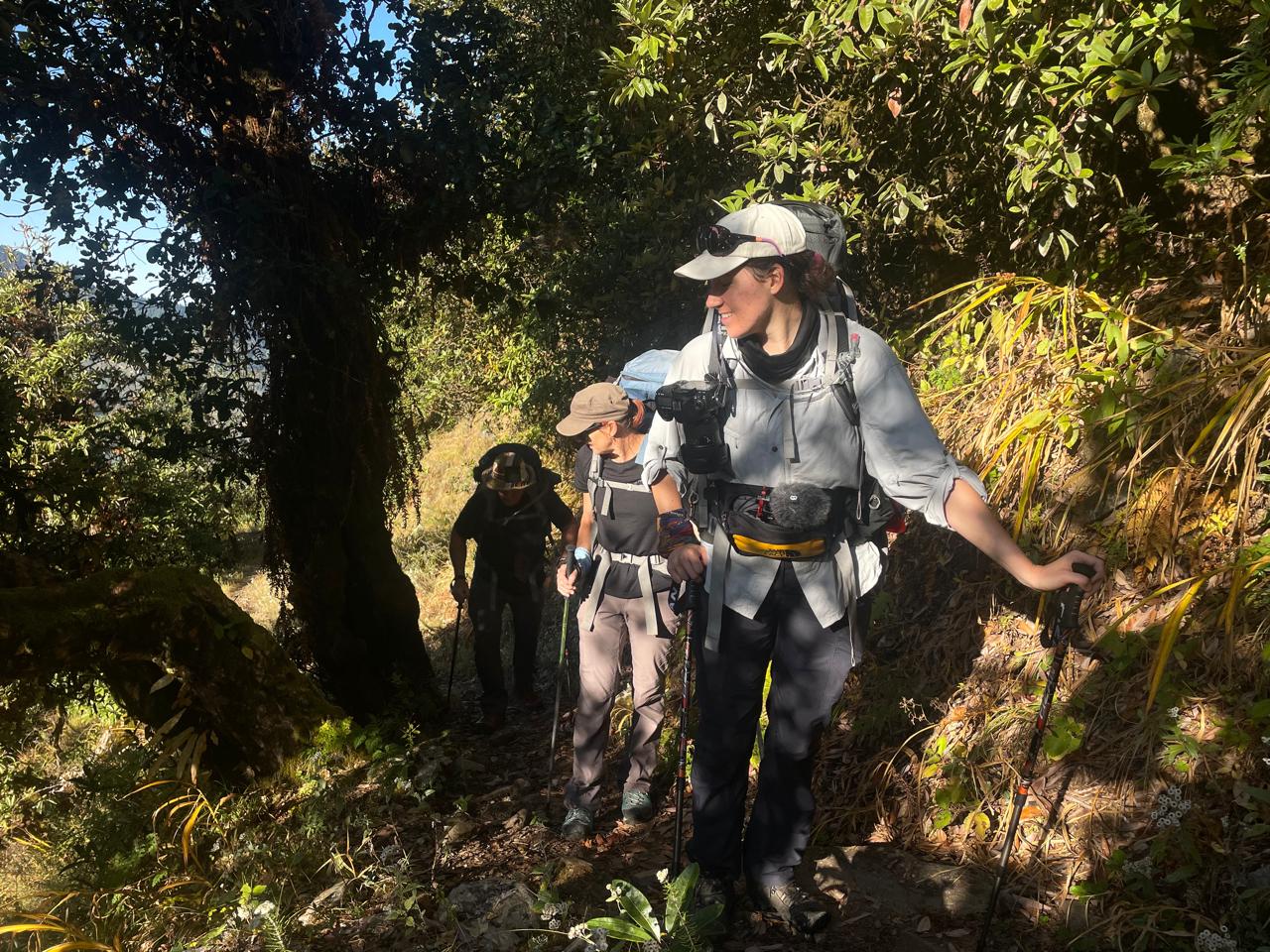
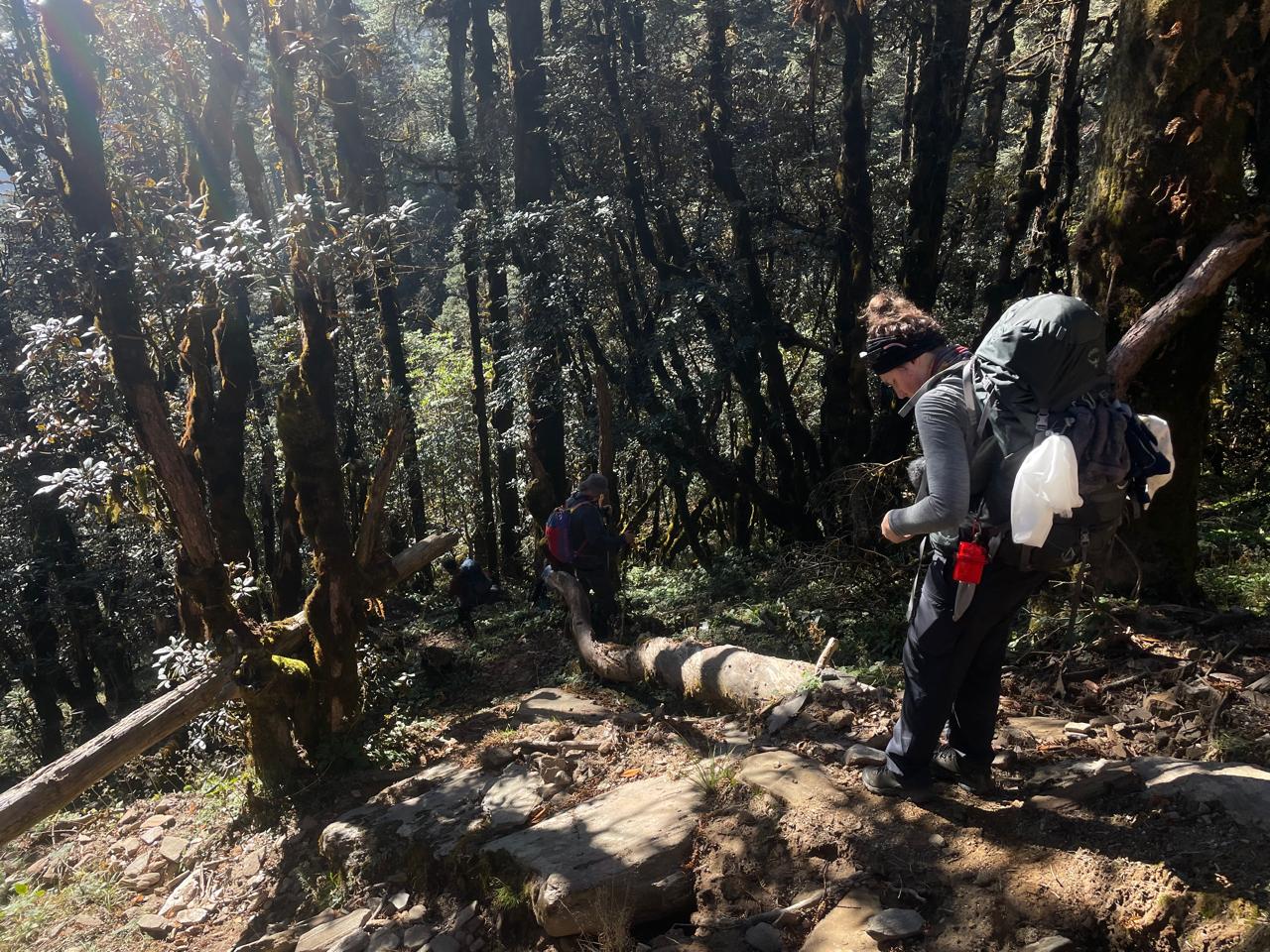
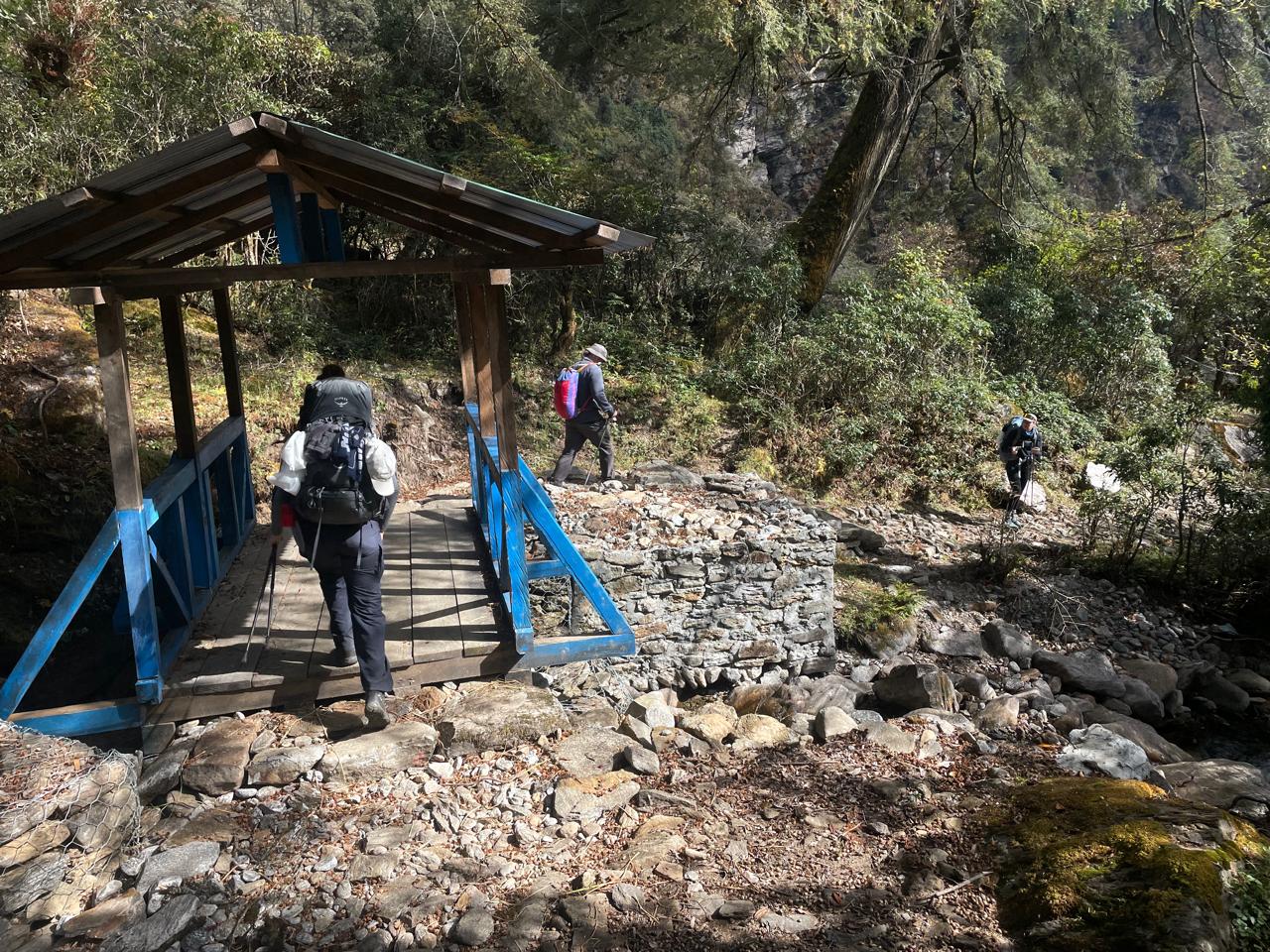
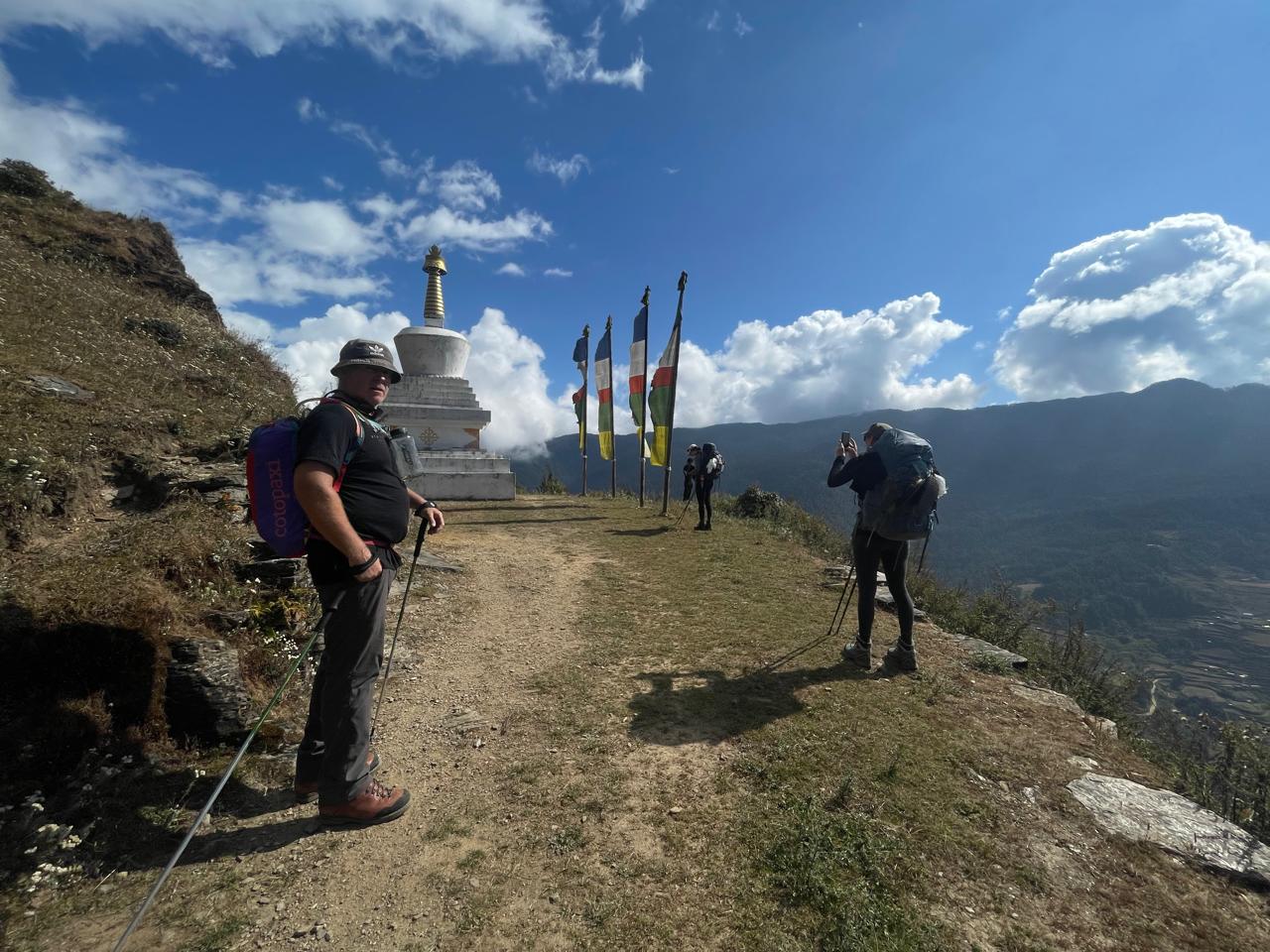
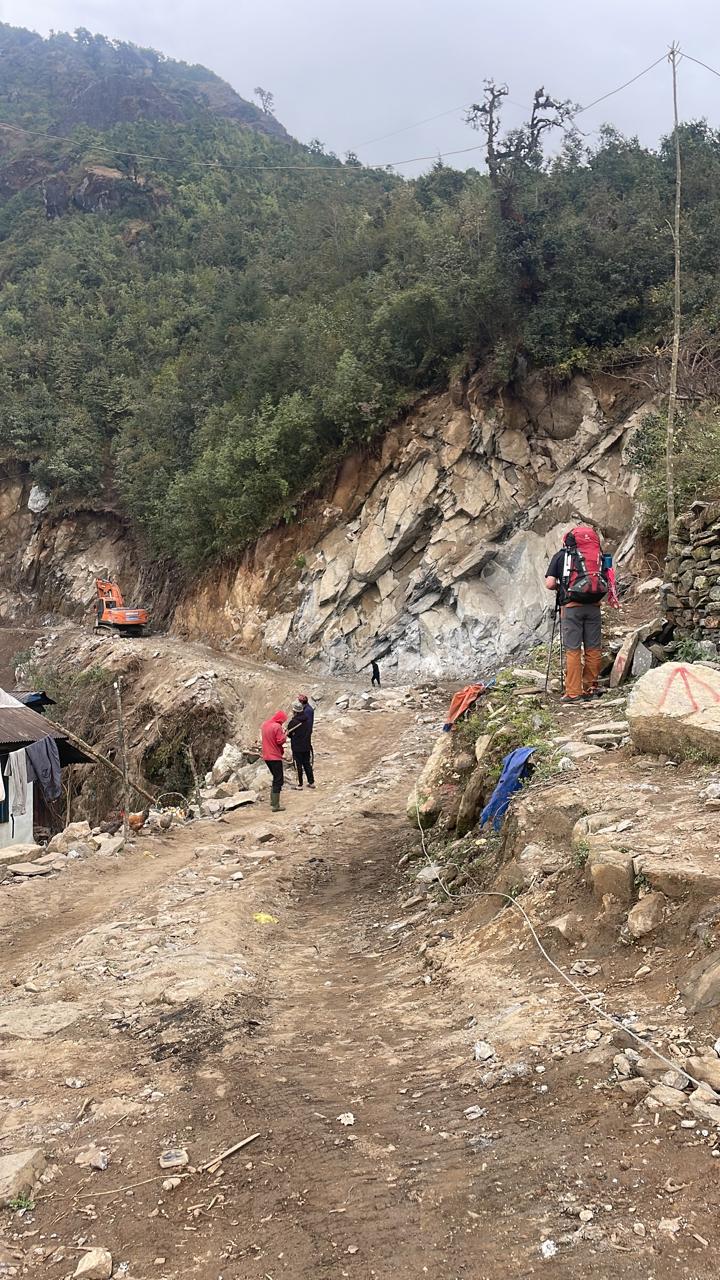
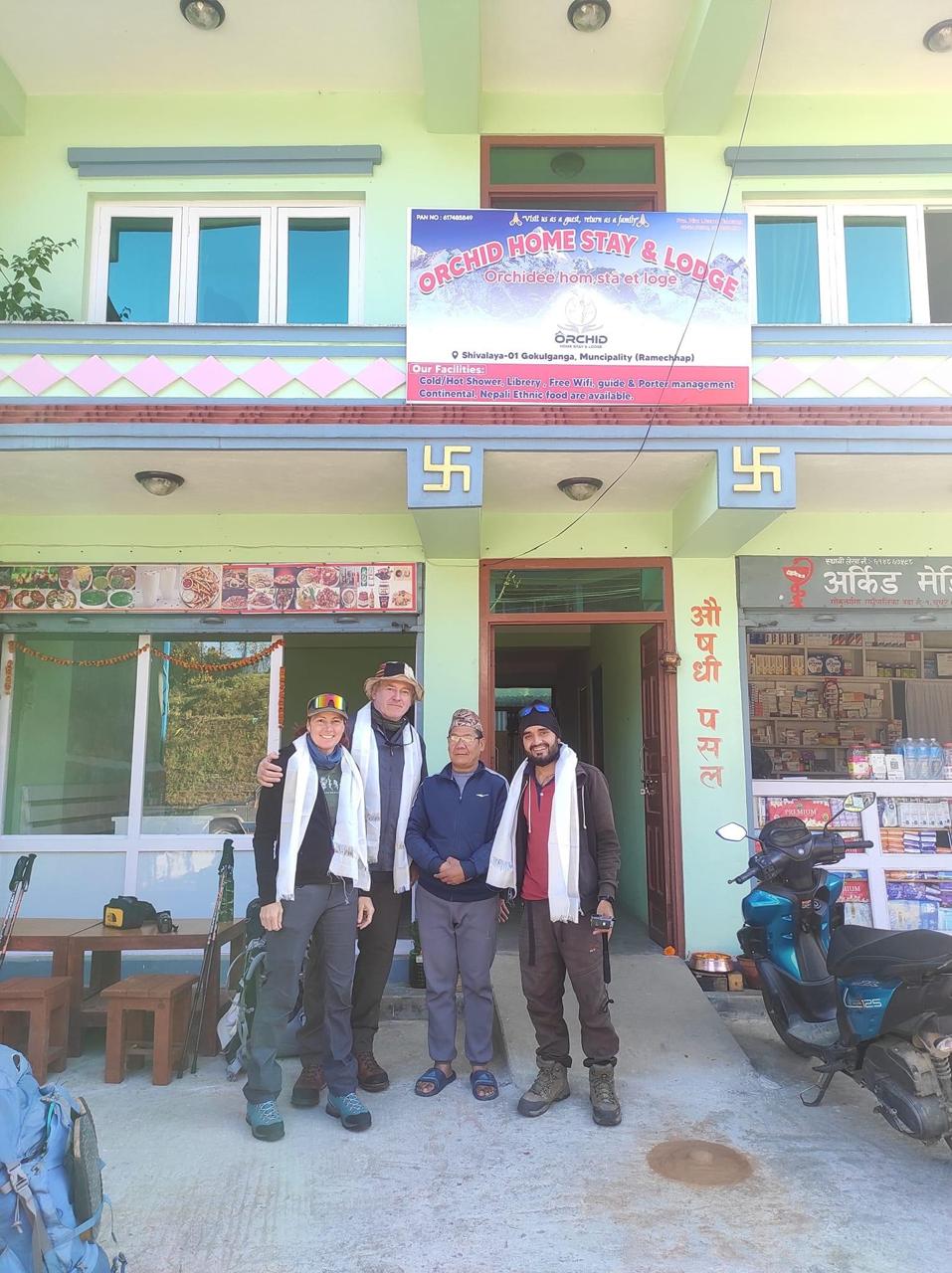
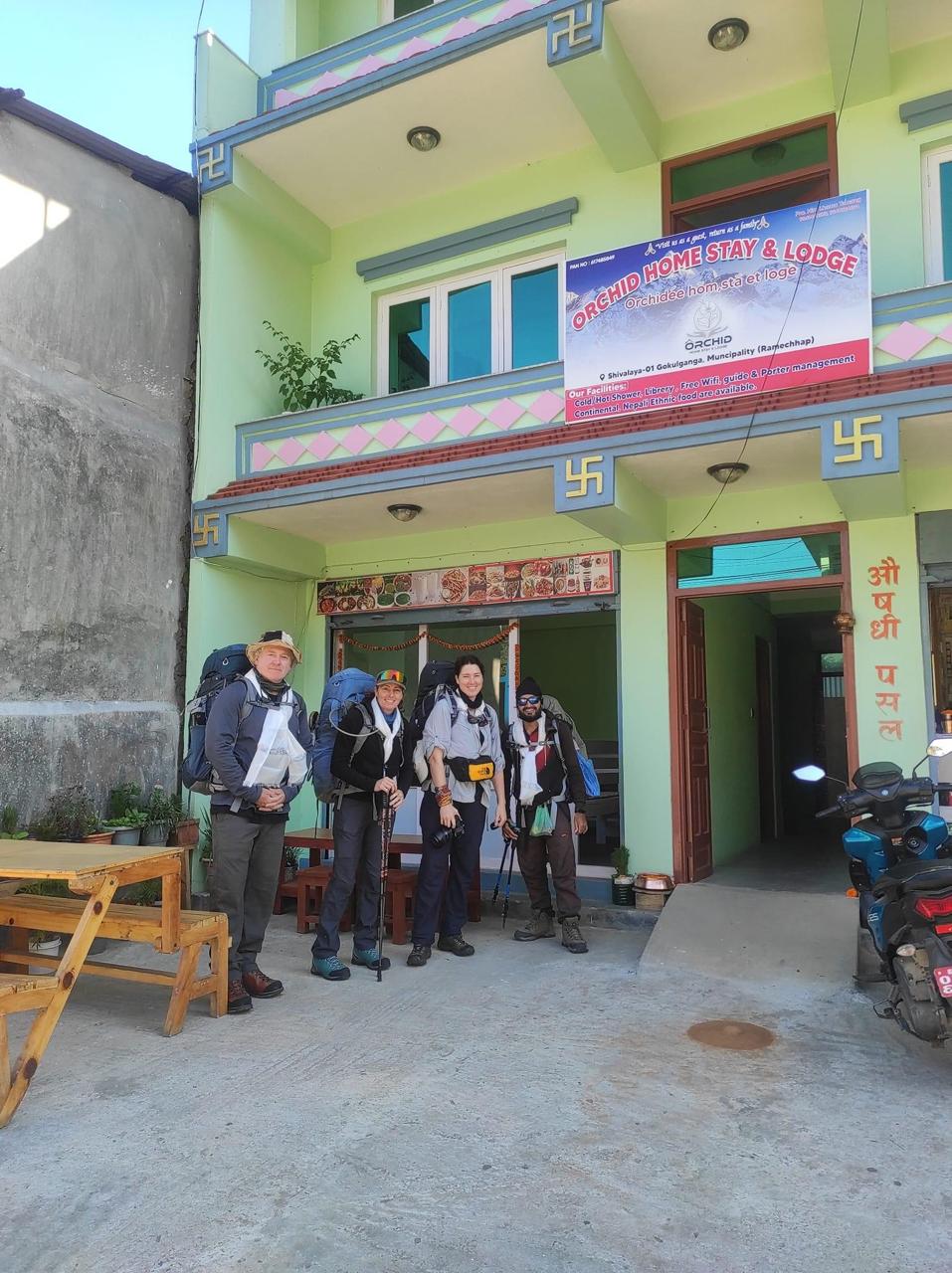
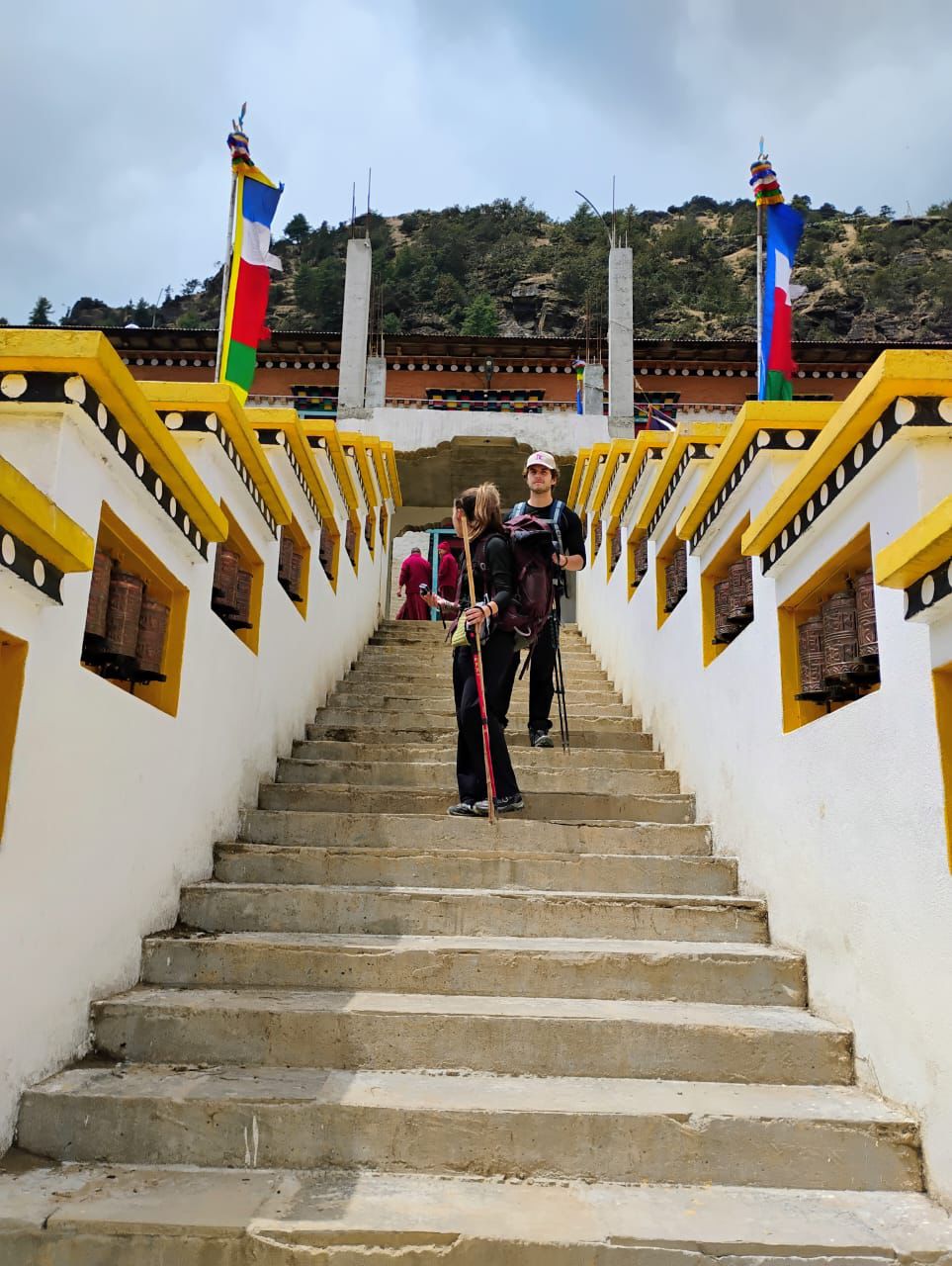
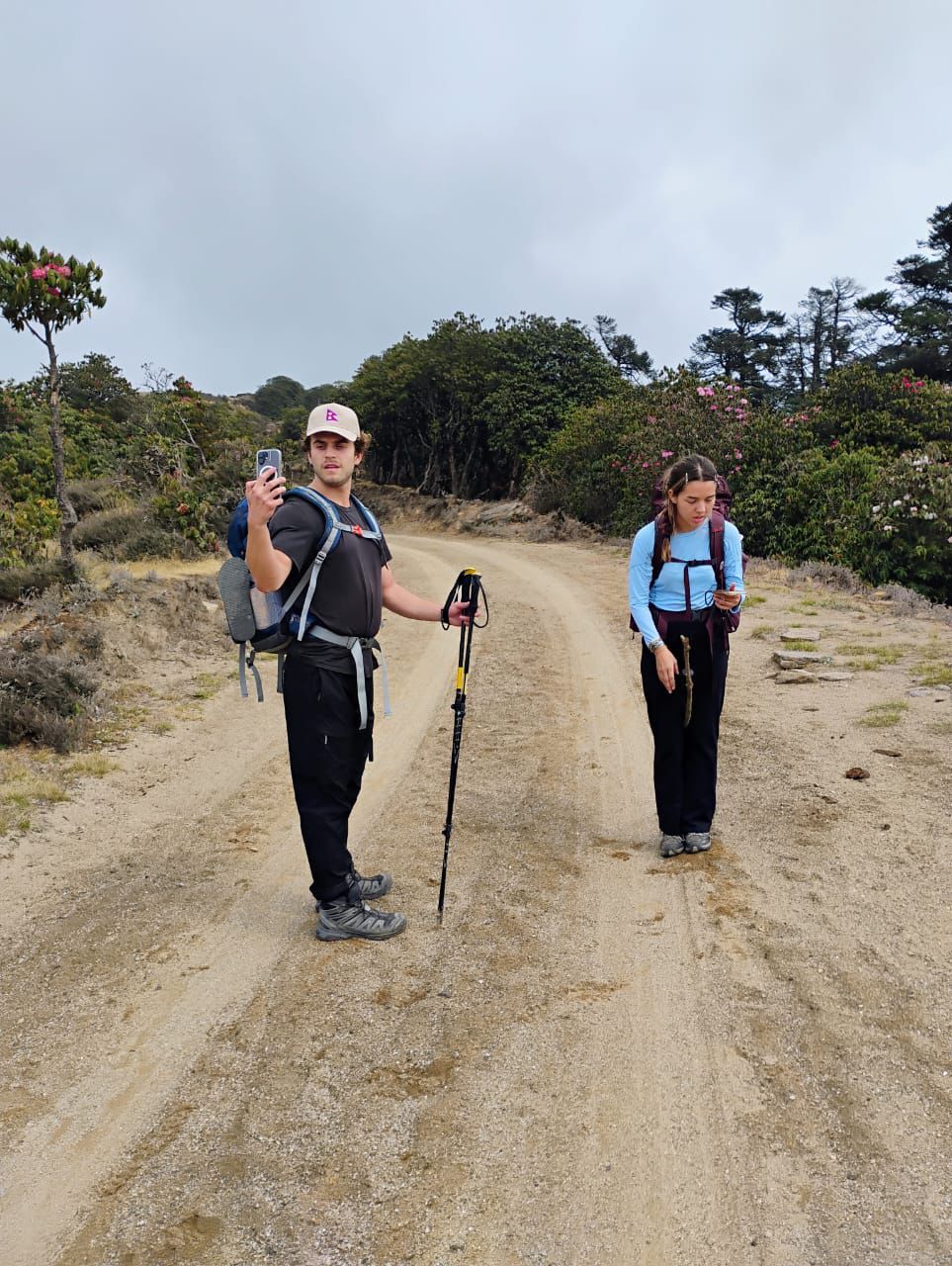
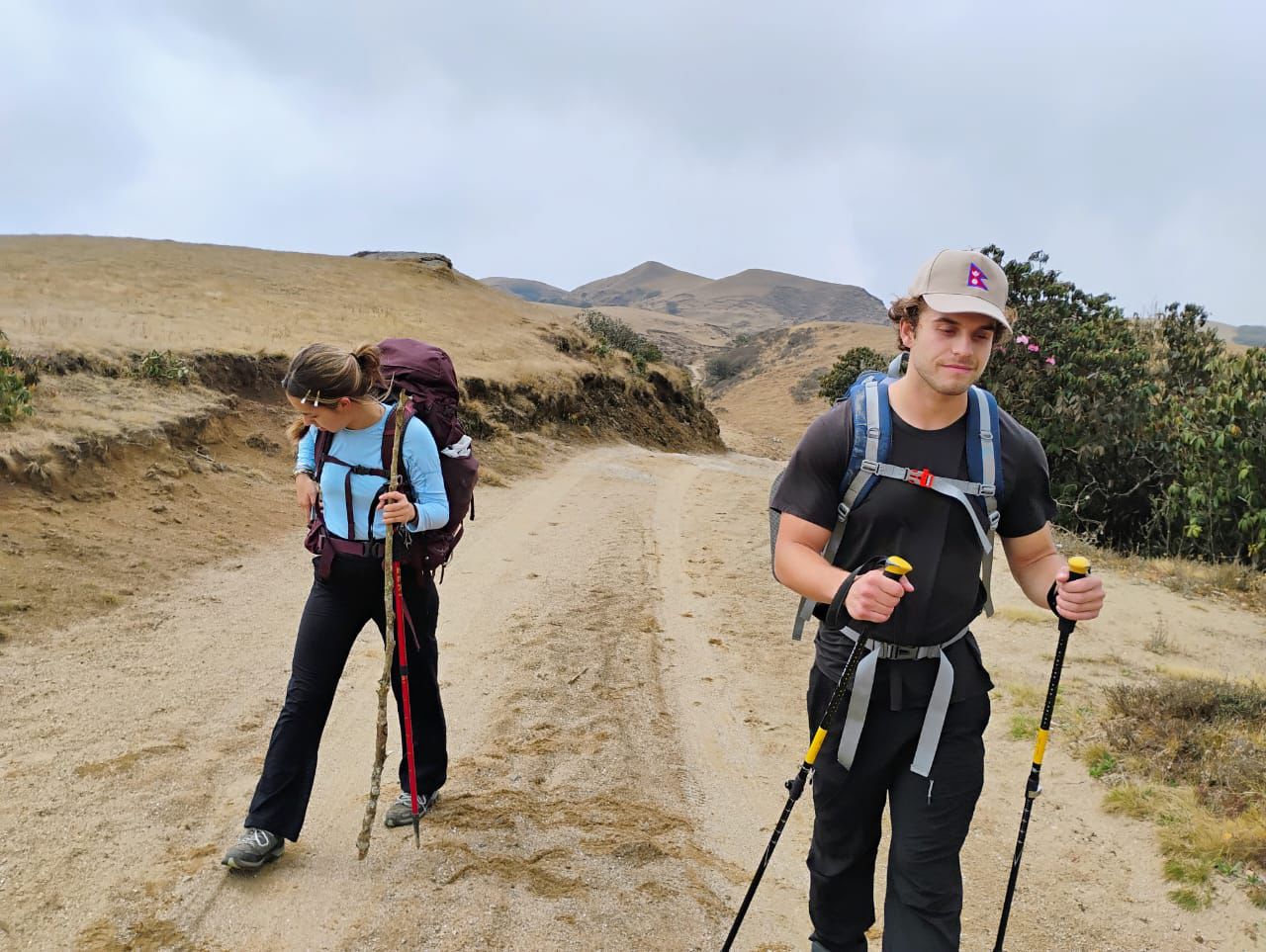
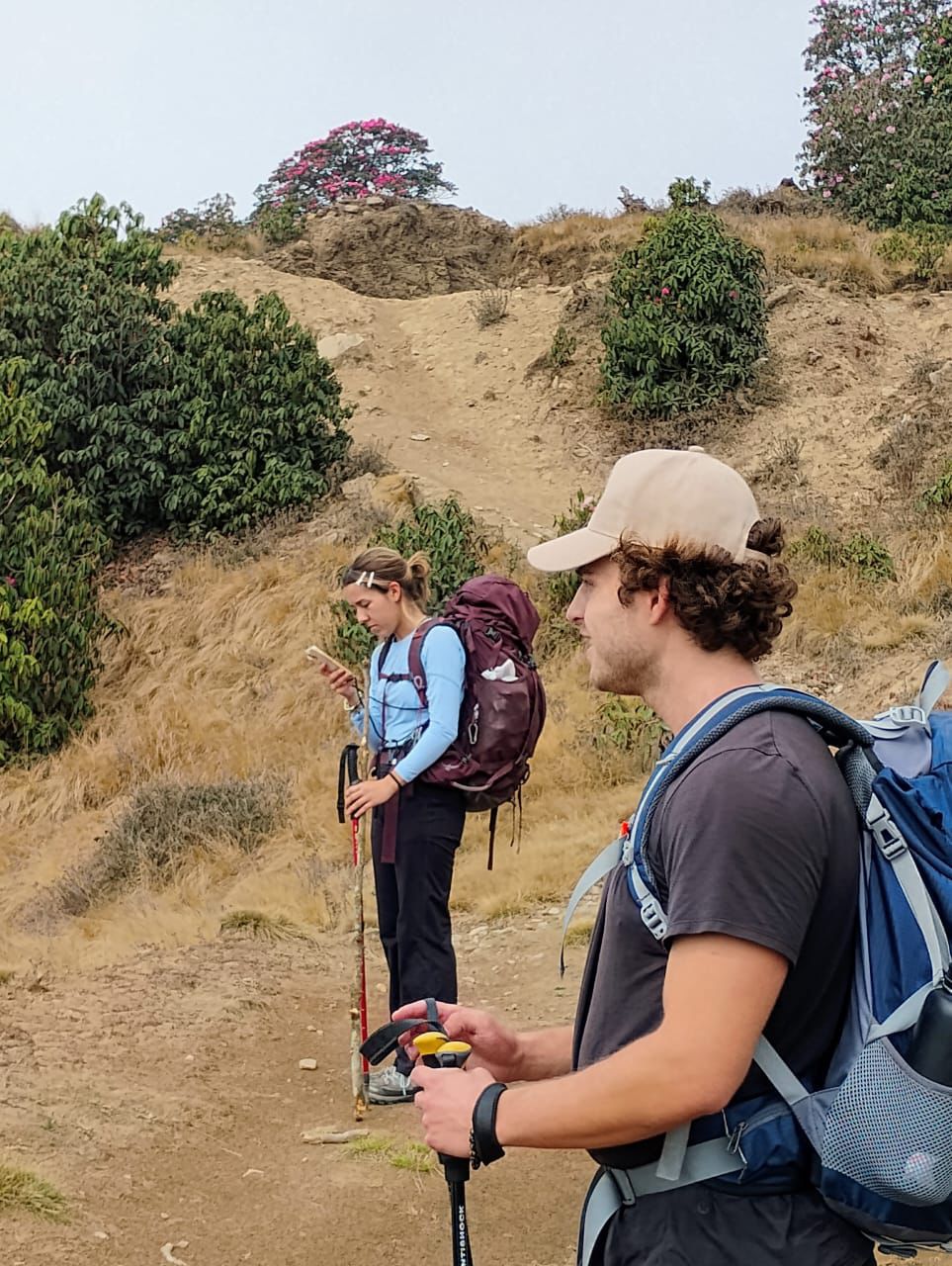
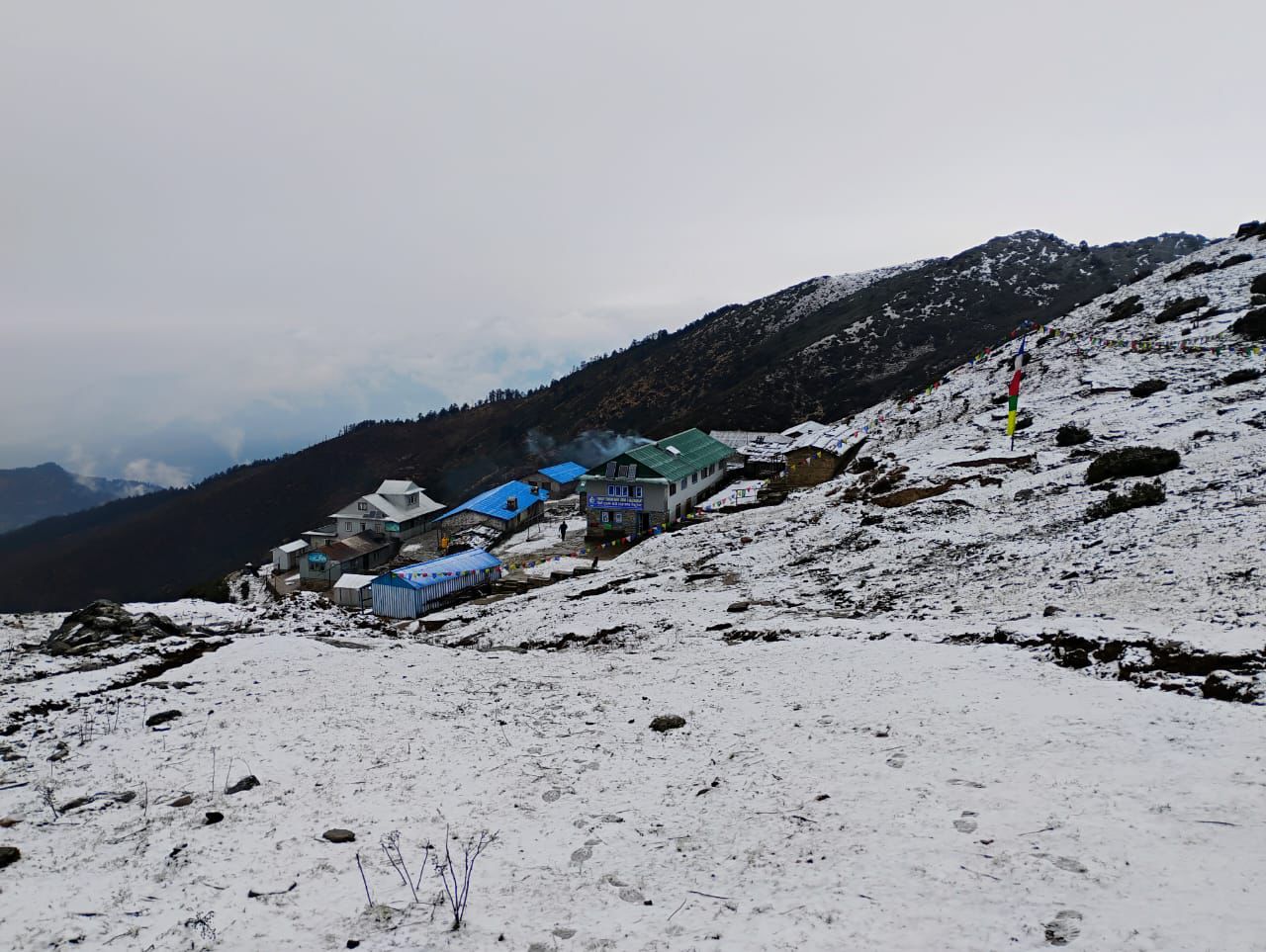
The Pikey Peak Trek is an adventurous and culturally enriching trek that takes you through the serene landscapes of eastern Nepal. Starting from Kathmandu, the journey winds through lush forests, terraced hills, and remote Sherpa villages that offer a glimpse into traditional Nepali life. Unlike the popular trekking routes like Everest Base Camp, this trail remains relatively less traveled, allowing trekkers to experience a sense of solitude and connection with nature.
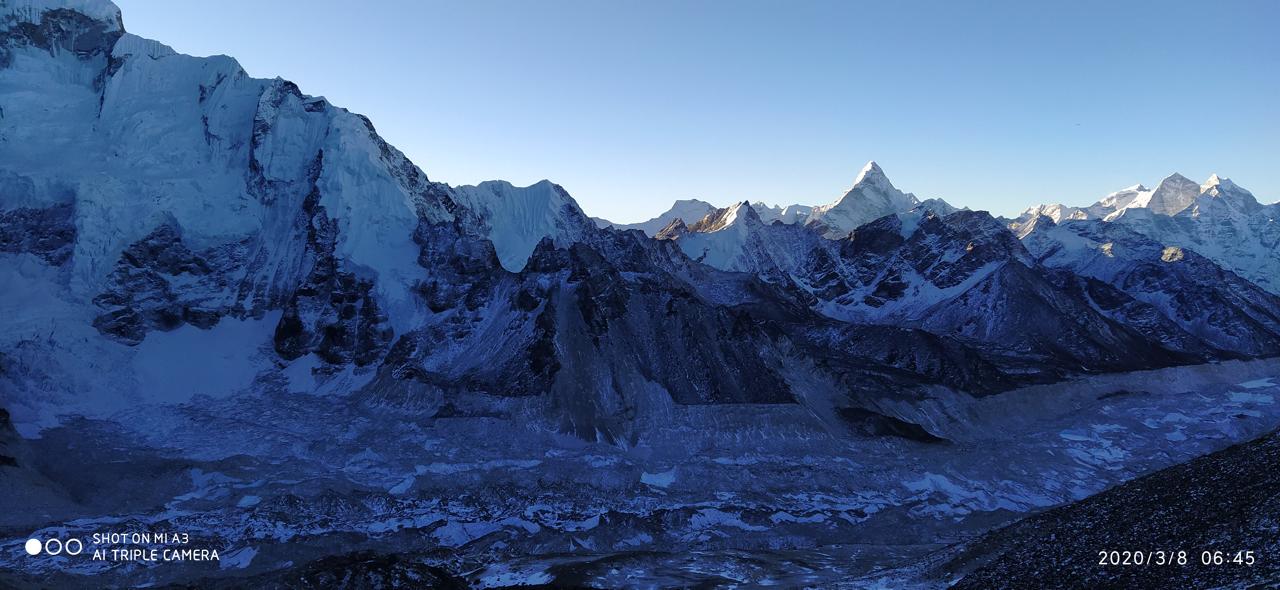
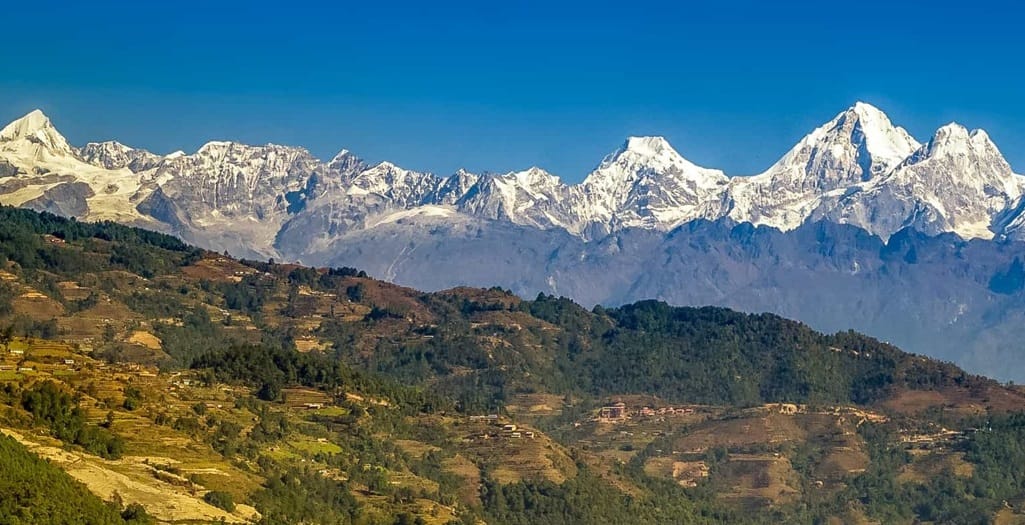
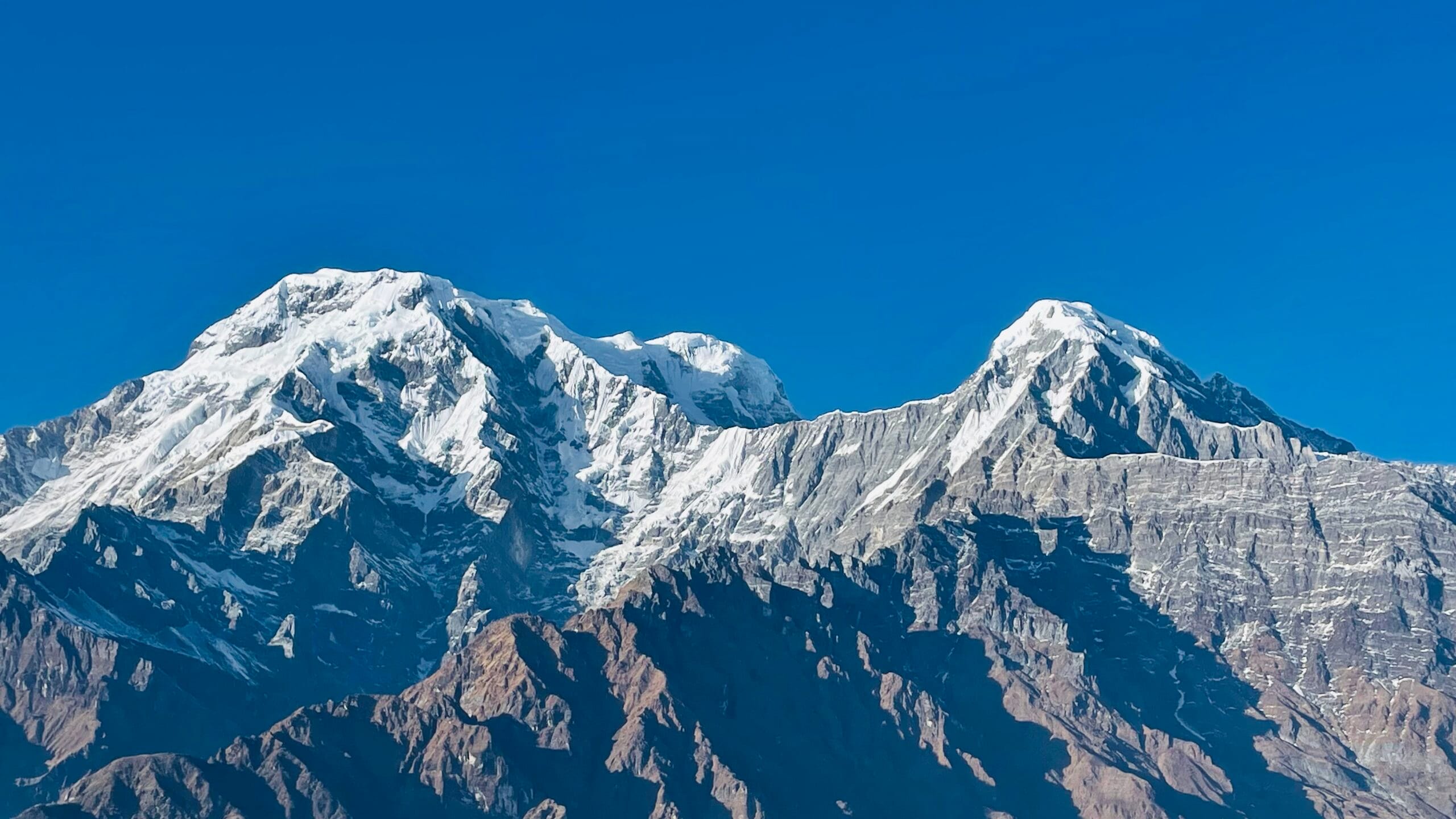
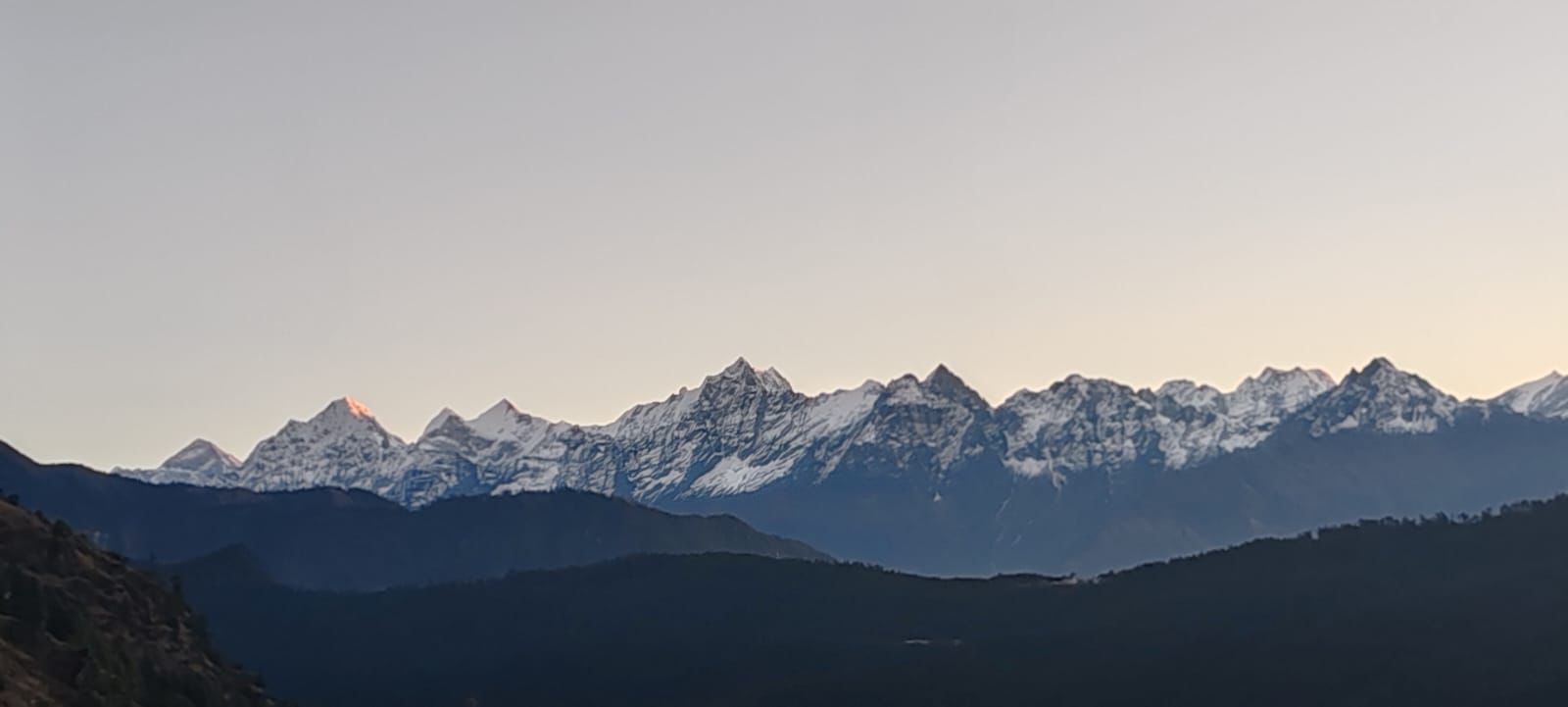
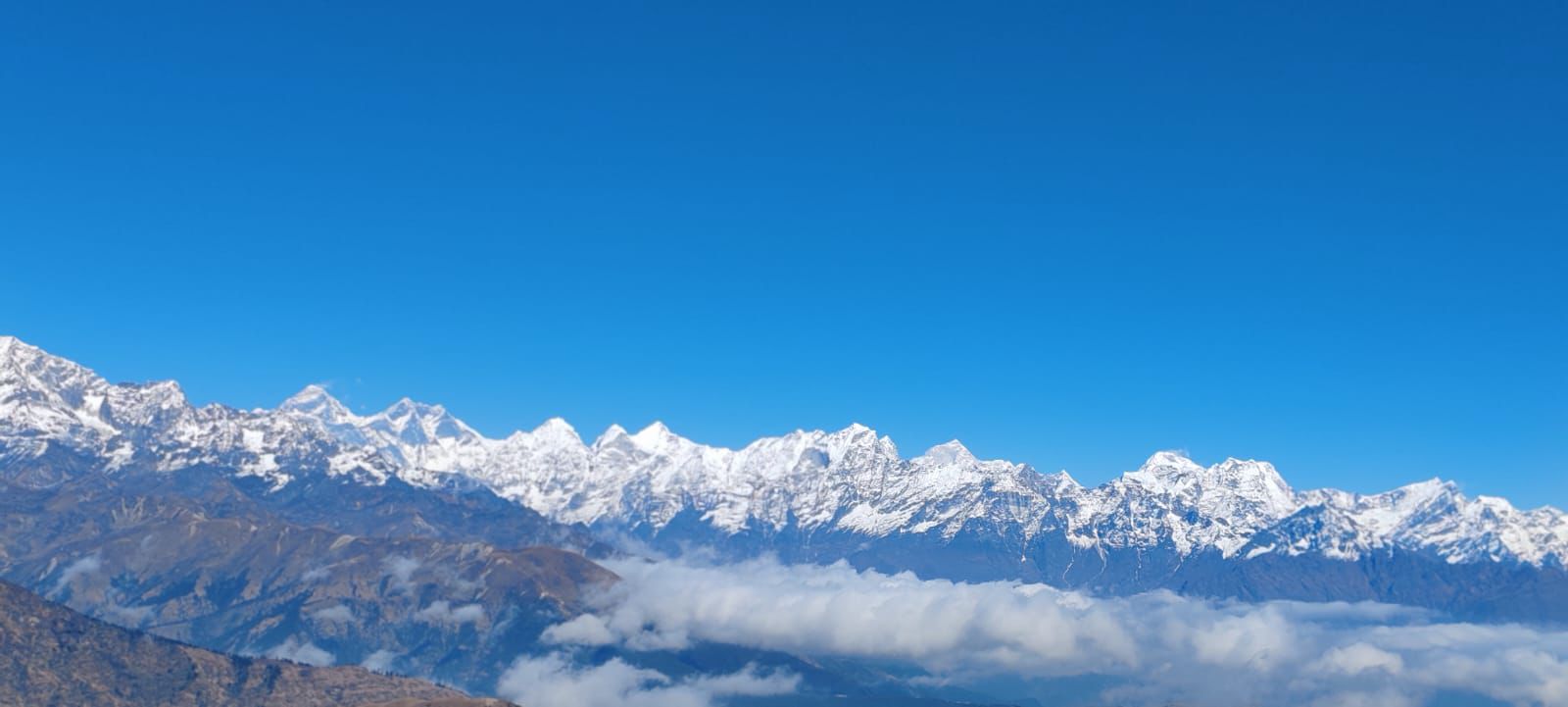
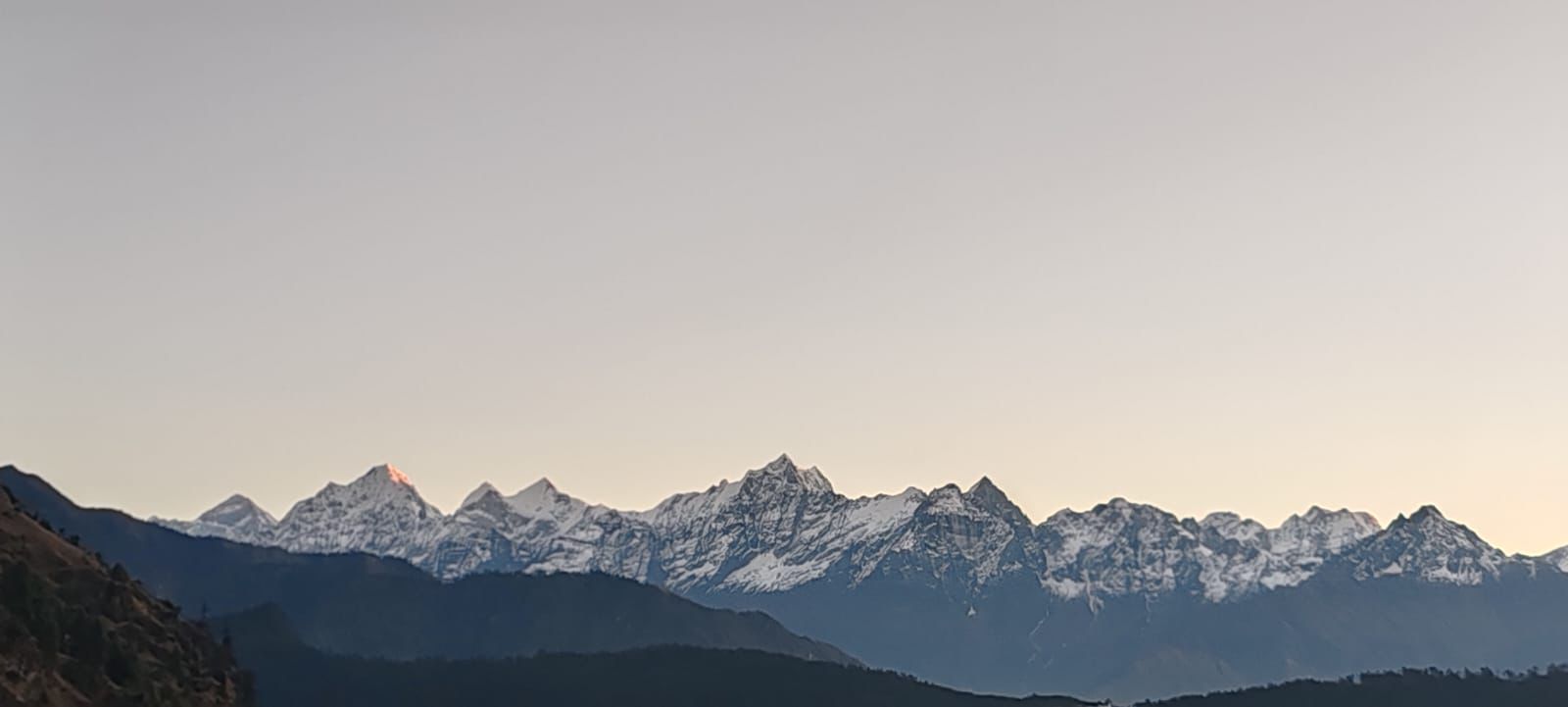
The trek’s highlight is the summit of Pikey Peak (4,065 meters), offering breathtaking panoramic views of some of the world’s tallest peaks, including Everest, Makalu, and Kanchenjunga. Sunrise from the summit is a mesmerizing experience, as the first light illuminates the snowy Himalayan range, creating a golden glow over the mountains. Photography enthusiasts will find countless opportunities for capturing the grandeur of the Himalayas, local life, and verdant landscapes.
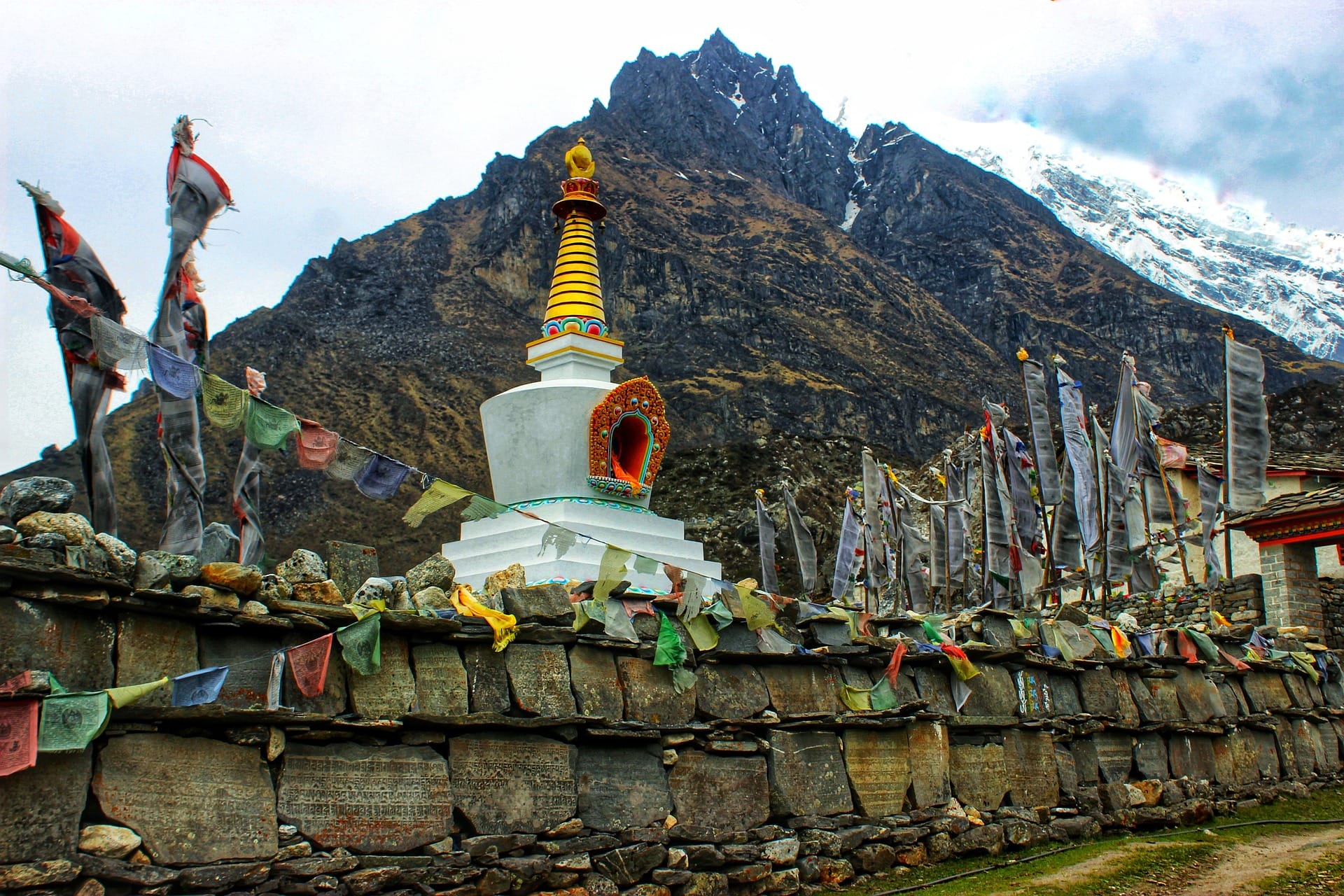
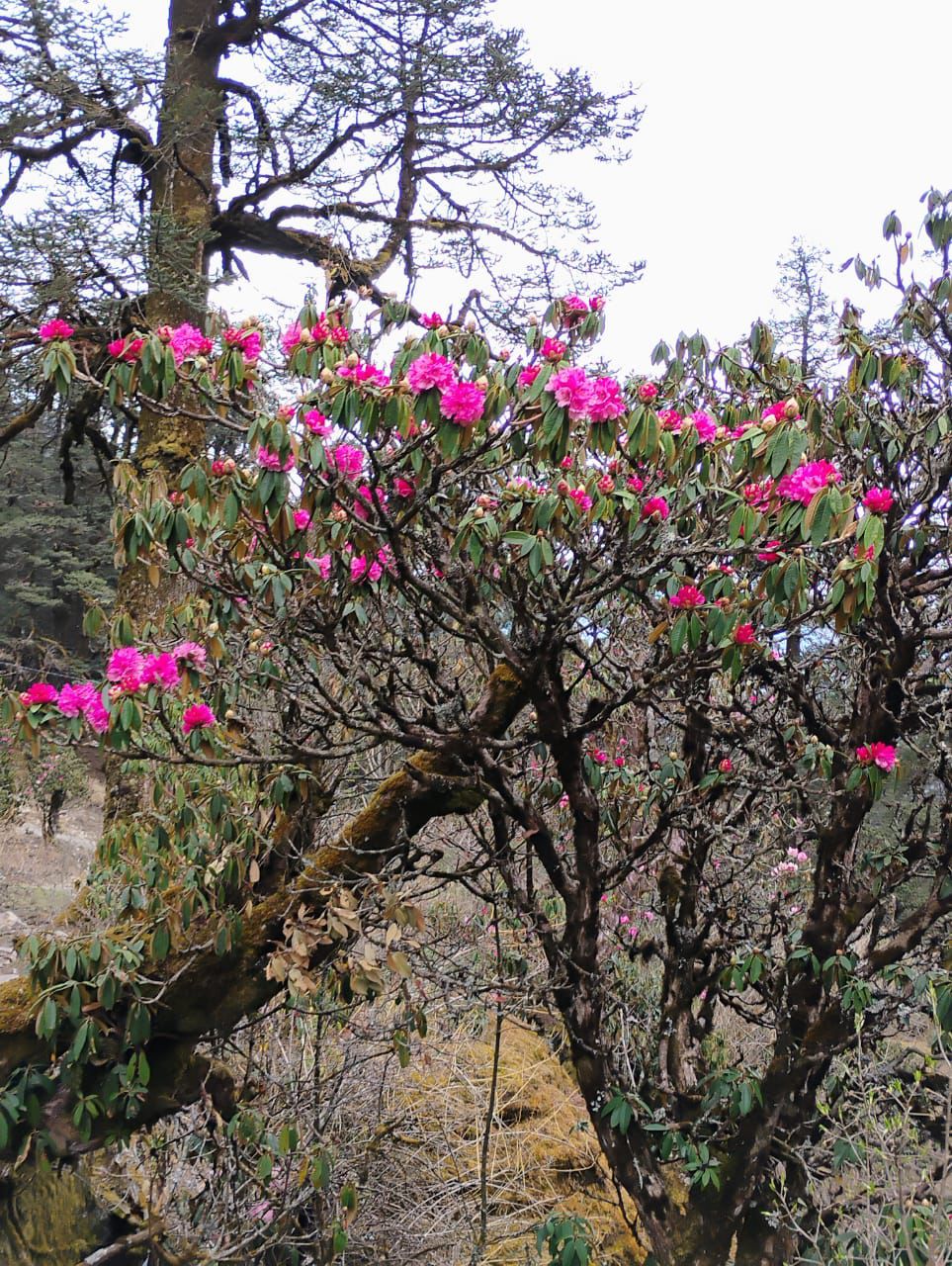
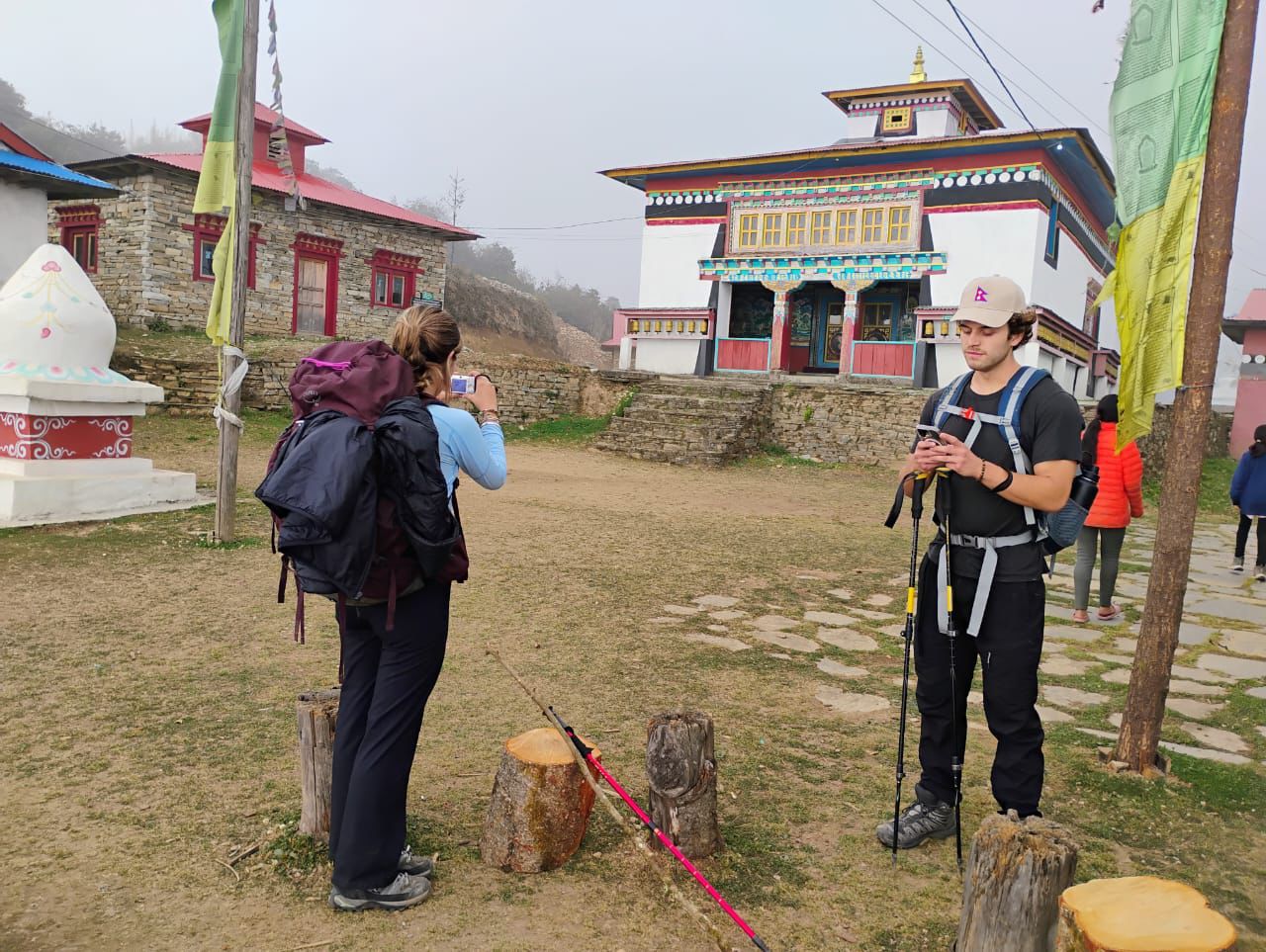
Along the trail, trekkers pass through small Sherpa villages where traditional stone and wood houses, Buddhist monasteries, and colorful prayer flags enrich the journey. This cultural immersion allows you to interact with locals, learn about their daily lives, and experience traditional Sherpa hospitality. The trail also traverses dense rhododendron forests and alpine meadows, especially vibrant during spring, providing a feast for nature lovers and trekkers seeking tranquility.
The trek is suitable for moderately experienced trekkers and is designed to offer a mix of physical challenge and leisurely exploration. It includes gradual ascents and rest days for acclimatization, ensuring safety while allowing ample time to enjoy the natural and cultural beauty along the way. The combination of stunning Himalayan vistas, local culture, and peaceful trails makes this trek a unique adventure in Nepal.
ART Nepal Treks & Expedition organizes this trek with a focus on comfort, safety, and personalized guidance. The team ensures experienced guides, porters if needed, proper accommodation, and support throughout the journey. Travelers can rest assured knowing that all logistical and safety arrangements are professionally managed, providing a seamless trekking experience.
What Can You Expect from the Trek?
Expect a journey that blends adventure, culture, and scenic beauty. Trekkers will traverse forests, meadows, and high ridges while interacting with Sherpa communities and observing traditional monasteries. The trek offers a sense of achievement upon reaching Pikey Peak, with views of the Himalayas that are both awe-inspiring and humbling.
Key Experiences Include:
Is the Trek Suitable for You?
This trek is ideal for individuals who:
Suitability Checklist:
How to Get Prepared for the Trek?
Preparation is key for enjoying the Pikey Peak Trek safely and comfortably.
Fitness Preparation:
Gear and Clothing Preparation:
Health Preparation:
Mental Preparation:
Travel Insurance:
Your adventure begins as you arrive at Tribhuvan International Airport, Kathmandu. Upon landing, a representative from ART Nepal Treks & Expedition will welcome you and transfer you to your hotel in the heart of Thamel. After checking in, you can relax and refresh from your journey. Later in the day, you will have an introductory briefing about the Pikey Peak Trek, covering important details about the itinerary, safety procedures, equipment, permits, and the trekking culture of eastern Nepal. This day allows you to acclimate to the city, organize your trekking gear, and explore nearby Thamel for local shops, cafes, or sightseeing.
After an energizing breakfast at your hotel, you will embark on a scenic drive from Kathmandu to Dhap Bazaar, passing through Ghurmi Village and the picturesque Solu region. The route offers spectacular views of terraced hills, rivers, and local villages. During the drive, your guide will provide insights into the local culture, geography, and history of the region. Upon arrival at Dhap Bazaar, you can stretch your legs, explore the village, and enjoy the fresh mountain air. This is your first taste of the serene landscapes that define the Pikey Peak Trek.
The trek officially begins as you depart from Dhap Bazaar. Today’s route is moderate, with gentle ups and downs, taking you through lush forests, farmland terraces, and small Sherpa settlements. You will be rewarded with views of Numbur Himal and distant glimpses of Everest, depending on weather conditions. Upon reaching Jhapre, a small village with a Buddhist monastery and a colorful stupa, you can explore the cultural sites and interact with locals to experience their lifestyle. The evening provides an opportunity to relax and enjoy dinner while soaking in the peaceful mountain atmosphere.
Today, the trek becomes more challenging as you ascend toward Pikey Peak Base Camp. You will pass through forested trails, open meadows, and small streams, experiencing a variety of terrain. Along the way, views of the Everest range unfold gradually, motivating trekkers with glimpses of snow-capped peaks. Arriving at the Base Camp, you can rest and take in the panoramic views of the surrounding mountains, preparing yourself for the summit climb the following morning. The Base Camp offers rustic teahouse accommodation with basic facilities, providing a cozy environment amid the high-altitude landscape.
This is the most anticipated day of the trek as you begin your early morning ascent to Pikey Peak summit. Trekkers are rewarded with breathtaking sunrise views over the Himalayan range, including Everest, Makalu, and Kanchenjunga. The summit provides a 360-degree panoramic perspective of the surrounding mountains and valleys. After capturing photos and relishing the experience, you will descend to Jasmane Bhanjyang, enjoying the alpine meadows, ridgelines, and fresh mountain air along the way. This day combines physical exertion, adventure, and scenic beauty into one unforgettable experience.
After descending from the summit, you will trek through forested trails and open meadows toward Junbesi, a Sherpa village with a rich cultural heritage. On the way, enjoy diverse flora and fauna, including rhododendron forests and birdlife. In Junbesi, you can explore the Buddhist Monastery and interact with local families, gaining insight into the lifestyle, traditions, and spiritual practices of the Sherpa community. The village’s serene setting offers an excellent opportunity to relax and appreciate the simplicity and beauty of mountain life.
This day is reserved for rest and acclimatization. Trekkers can explore Thuptenchholing Monastery, a spiritual center of the region, or opt for a short hike to a nearby ridgeline for spectacular views of Everest and surrounding peaks. Rest days are crucial for adjusting to high altitudes, allowing your body to recover and prepare for the final trekking days. The day also provides time for photography, journaling, and interacting with locals.
Today, you begin the descent toward Phaplu, passing through charming landscapes of forests, rivers, and small hamlets. The trail takes you along the Junbesi Khola, a river flowing through the valley, and across suspension bridges that provide both adventure and scenic photo opportunities. Along the way, trekkers can observe traditional Sherpa houses, prayer flags fluttering in the wind, and fields where locals cultivate crops. Arriving in Phaplu, you will experience a vibrant Sherpa town with local markets, temples, and teahouses where you can relax and enjoy traditional Nepali cuisine. This day’s trek provides a mix of cultural exposure, scenic beauty, and gentle exercise, allowing you to reflect on the journey so far while preparing for the drive back to Kathmandu the next day.
After breakfast, you will embark on a scenic drive back to Kathmandu, passing through rolling hills, terraced farmland, and charming villages. The journey offers panoramic views of the Himalayan foothills and the countryside’s serene landscapes. During the drive, your guide will provide a recap of the trek, share insights about local history and culture, and answer any questions you may have. Upon arrival in Kathmandu, you will check into your hotel in Thamel and have the evening free for sightseeing, shopping, or simply relaxing. A farewell dinner is arranged to celebrate the completion of the trek, providing an opportunity to share memories, photos, and experiences with fellow trekkers and guides.
This is the final day of your adventure. After breakfast, you will be transferred to Tribhuvan International Airport for your onward journey. Depending on your flight schedule, you may have time for last-minute shopping or sightseeing in Kathmandu. The trek concludes with memories of stunning Himalayan views, cultural immersion, and a rewarding adventure through one of Nepal’s less-traveled trekking regions.
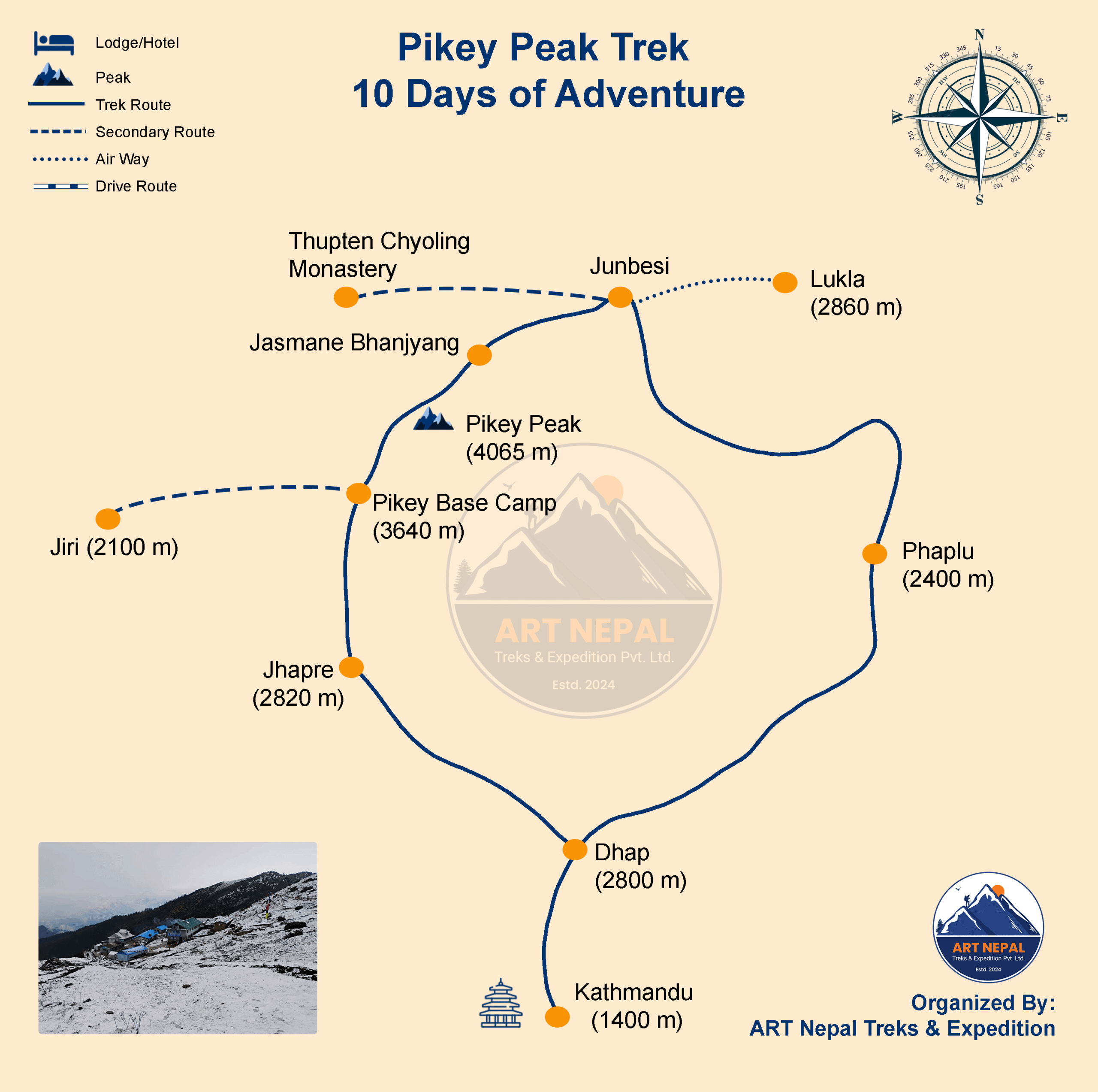
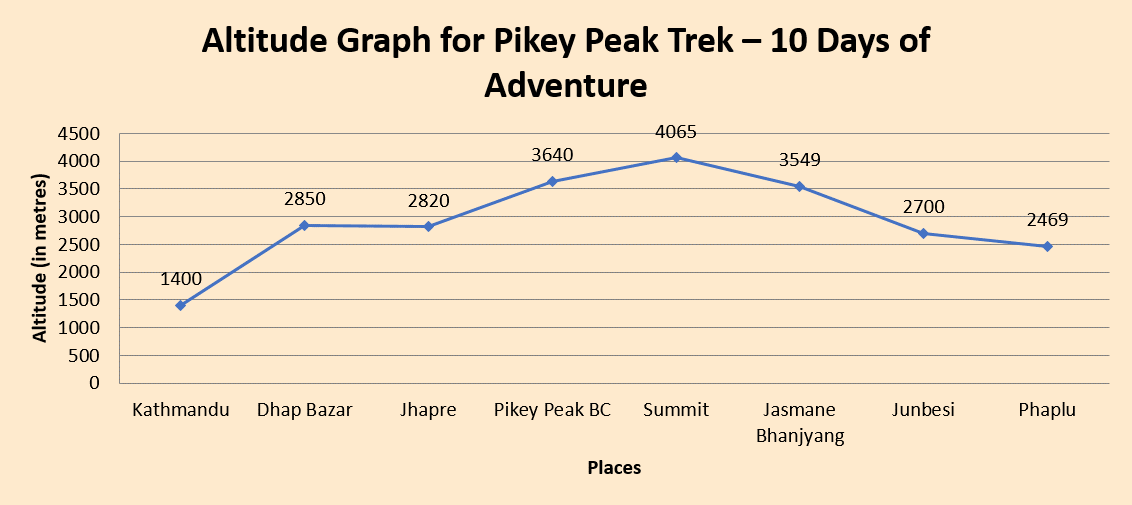
The Pikey Peak Trek offers several add-ons that can enhance your experience and provide flexibility depending on your interests, comfort level, and time availability. These add-ons are optional but highly recommended for those looking to maximize the adventure and cultural exposure of their journey.
Before or after the trek, you can take a day or two to explore Kathmandu’s cultural and historical landmarks. The city is home to numerous UNESCO World Heritage Sites, including Swayambhunath Stupa (Monkey Temple), Boudhanath Stupa, Pashupatinath Temple, and the Durbar Squares of Kathmandu, Bhaktapur, and Patan. These sites offer a glimpse into Nepal’s rich heritage, architecture, and spiritual life. Your guide can provide insights into the local history, religious practices, and cultural significance of each landmark. This add-on is perfect for those who want to combine adventure trekking with cultural immersion.
List of Suggested Sightseeing Sites:
For those carrying heavy backpacks or seeking a more comfortable trekking experience, hiring a porter is highly recommended. A porter can carry up to 25 kilograms of gear, including your sleeping bag, extra clothing, food supplies, and trekking equipment. Having a porter allows you to focus on enjoying the trek without fatigue, particularly on high-altitude days or longer trekking segments. Porters are experienced in navigating the trails, ensuring your belongings are safely transported.
Benefits of Hiring a Porter:
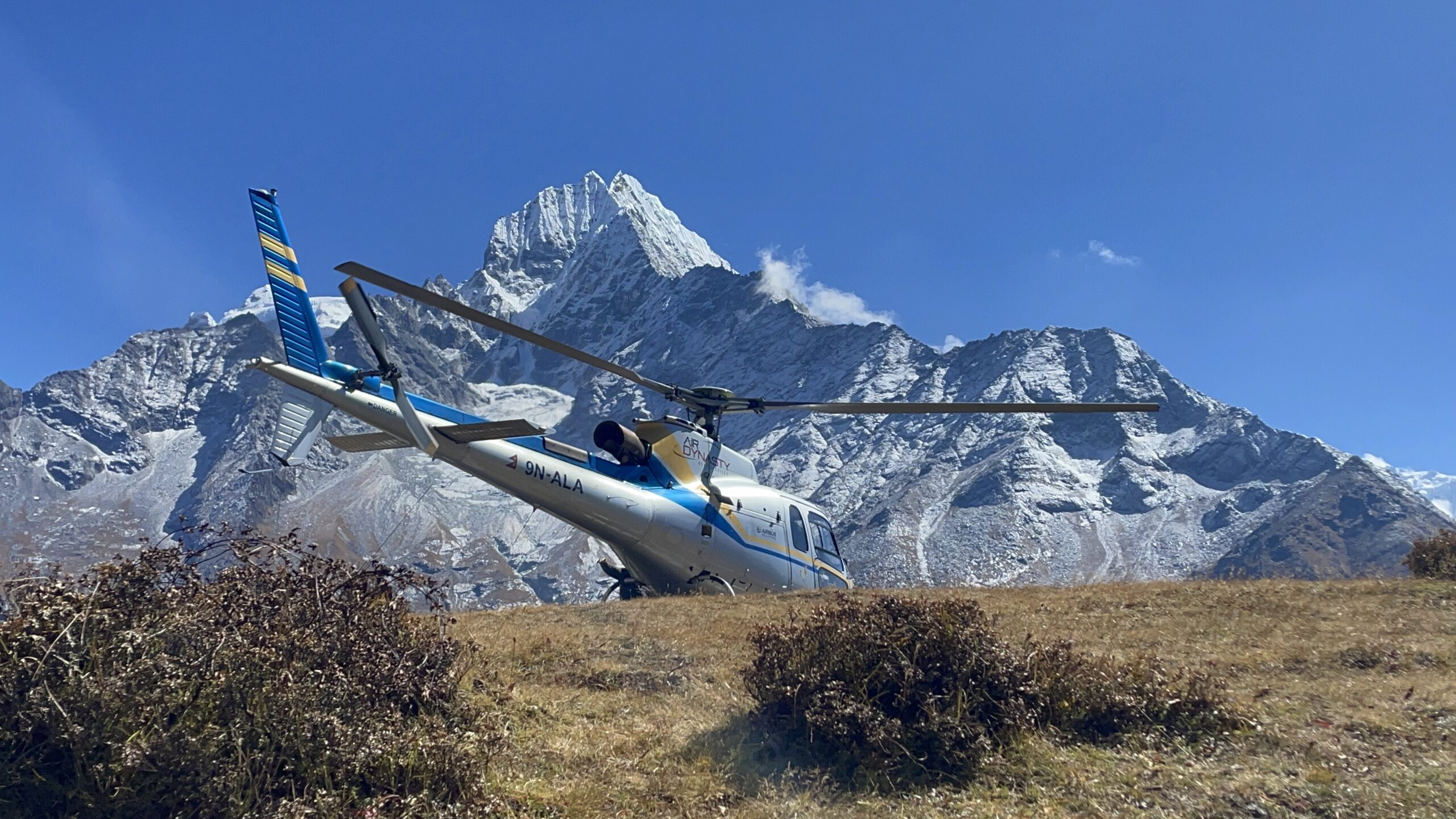
For trekkers with limited time or those wishing to experience aerial views of the Himalayas, helicopter transfers are available. These can be arranged to reach or leave key points along the trek, such as Pikey Peak Base Camp or Junbesi Village. Helicopter services also provide a safe and fast option in case of emergencies or sudden changes in weather. A helicopter ride offers a unique perspective, letting you see the mountains, valleys, and remote villages from above—perfect for photographers and adventure enthusiasts.
Advantages of Helicopter Add-On:
Private transportation is available throughout the trek for transfers, sightseeing, or accessing trailheads. This ensures flexibility in timing, privacy, and convenience, especially for those traveling in small groups or families. Private vehicles can be used for:
Benefits of Private Transport:
Trekkers often want to capture their experience professionally. Photography and video packages are offered as add-ons, allowing experienced photographers to accompany the group on trekking days or summit climbs. This ensures that your memories of sunrise at Pikey Peak, Sherpa villages, forests, and Himalayan panoramas are preserved in high-quality images and videos.
Photography Add-On Features:
Choosing the right season for the Pikey Peak Trek is essential to ensure optimal weather conditions, safety, and breathtaking views of the Himalayas. Each season offers a different experience, and understanding these variations will help you plan your trek for the most enjoyable adventure.
Spring is one of the most popular seasons for trekking in Nepal. During this period, temperatures are mild and comfortable, ranging from 10°C to 20°C in lower elevations and slightly cooler at higher altitudes. The weather is mostly clear, offering excellent visibility of the Himalayan peaks including Everest, Makalu, and Kanchenjunga. One of the unique highlights of spring is the blooming of rhododendron flowers along the trails, creating vibrant red, pink, and white landscapes throughout the trek. The combination of moderate weather, colorful flora, and clear skies makes spring ideal for trekking and photography.
Key Advantages of Spring:
Autumn is considered another prime trekking season in Nepal. The monsoon rains of summer wash away dust and pollution, leaving the air crisp, clean, and perfect for panoramic views of the mountains. Temperatures are mild, ranging between 10°C and 18°C at lower elevations, with cooler mornings and evenings. The trails are dry and stable, making trekking safer and more comfortable. Autumn also coincides with several local festivals, offering trekkers a glimpse of traditional Nepali culture in the villages they pass. This season is ideal for trekkers seeking both adventure and clear, unobstructed mountain views.
Key Advantages of Autumn:
Winter trekking is for experienced trekkers prepared for colder conditions. Temperatures in lower regions range from 5°C to 12°C, while higher elevations may drop below freezing at night. Snow may cover trails, particularly near Pikey Peak, adding a beautiful white landscape but also increasing trekking difficulty. Despite the colder weather, winter offers very clear skies, making it an excellent season for photography. Crowds are minimal, providing a serene trekking experience without the usual spring or autumn tourist flow.
Key Advantages of Winter:
The summer months correspond to monsoon season in Nepal, which brings heavy rainfall, high humidity, and muddy trails. Trekking during this period can be challenging due to slippery paths, leeches, and potential landslides in some areas. The heavy rain may also obscure mountain views and reduce visibility. However, for travelers who do not mind lush greenery, fewer tourists, and lower prices, monsoon trekking can offer a different perspective of the Pikey Peak region. Adequate preparation, waterproof gear, and local guidance are essential for safety.
Key Considerations for Monsoon:
During the Pikey Peak Trek, the availability and quality of food are well managed to ensure that trekkers receive nutritious, energizing meals suited to high-altitude trekking. Meals are included as part of your trek package, typically served at teahouses or lodges along the trail. Each day, you can expect a variety of local and familiar dishes, prepared to suit different dietary preferences.
Breakfast is usually served early in the morning, allowing trekkers to start the day well-fueled. Typical options include:
Breakfast is essential to energize trekkers before the day’s ascent, particularly before challenging segments like the climb to Pikey Peak Base Camp or Summit.
Lunch is typically served mid-day and is designed to replenish energy after a morning of trekking. Meals are hearty and filling, often including:
Lunch can be served as a packed meal if you prefer to continue trekking without stopping for long periods. This is especially helpful for summit days when early starts are common.
Dinner is served in the evening, after a full day of trekking. Meals are hearty and warming, helping your body recover overnight. Typical dinner options include:
Dinner is an opportunity to rest and socialize with fellow trekkers, sharing stories and experiences from the day.
Along the trekking route, most teahouses offer snacks and beverages to keep energy levels high between meals. Options often include:
Frequent hydration is critical at high altitudes, and tea or hot drinks are widely available throughout the trek.
Most teahouses and lodges are accommodating and can prepare meals for vegetarians, vegans, or those with allergies, if informed in advance. It’s recommended to communicate dietary needs during booking so that the guide and lodges can make proper arrangements.
During the Pikey Peak Trek, accommodation is primarily provided in teahouses and lodges, offering a comfortable and authentic trekking experience. These facilities are strategically located along the trail, ensuring trekkers have safe and convenient places to rest at the end of each day. Although the amenities are basic compared to hotels in Kathmandu or Pokhara, they are adequate for a trekking adventure and provide a chance to interact with local communities.
Although facilities are modest and basic, most teahouses and lodges provide the following:
Travel insurance is an essential part of preparing for the Pikey Peak Trek. Trekking in the Himalayas involves physical exertion, varying weather conditions, and high-altitude environments, so having comprehensive insurance ensures that you are financially and medically protected in case of unforeseen events. While accidents and emergencies are rare, proper insurance gives trekkers peace of mind and allows them to focus fully on the adventure.
When purchasing travel insurance for the Pikey Peak Trek, ensure the policy covers:
Altitude sickness, also known as Acute Mountain Sickness (AMS), is a condition that can affect trekkers at high elevations. The Pikey Peak Trek reaches a maximum altitude of 4,065 meters, which is high enough for some individuals to experience symptoms of altitude sickness. Understanding its causes, symptoms, prevention, and management is critical for a safe and enjoyable trekking experience.
Altitude sickness occurs when your body struggles to adjust to lower oxygen levels at higher elevations. As altitude increases, the air becomes thinner, and there is less oxygen available for the body, which can cause a range of symptoms from mild discomfort to more serious medical issues.
Trekkers may experience mild to moderate symptoms, which usually appear 6–12 hours after ascending to higher altitudes:
Severe altitude sickness is rare but can be life-threatening and may include fluid in the lungs (HAPE) or brain swelling (HACE). Immediate medical attention and descent to lower altitudes are critical in such cases.
A key aspect of any Himalayan trek, including the Pikey Peak Trek, is having experienced guides and ensuring proper safety protocols. The rugged terrain, high altitudes, and remote regions of the trek require professional guidance to make the experience safe, enjoyable, and culturally enriching.
Booking the Pikey Peak Trek is straightforward but requires careful planning. The steps below ensure a smooth reservation process:
Arrive in Kathmandu, meet your guides, and start your adventure on the scheduled date.