

Everest Base Camp Trek – 14 Days
Introduction
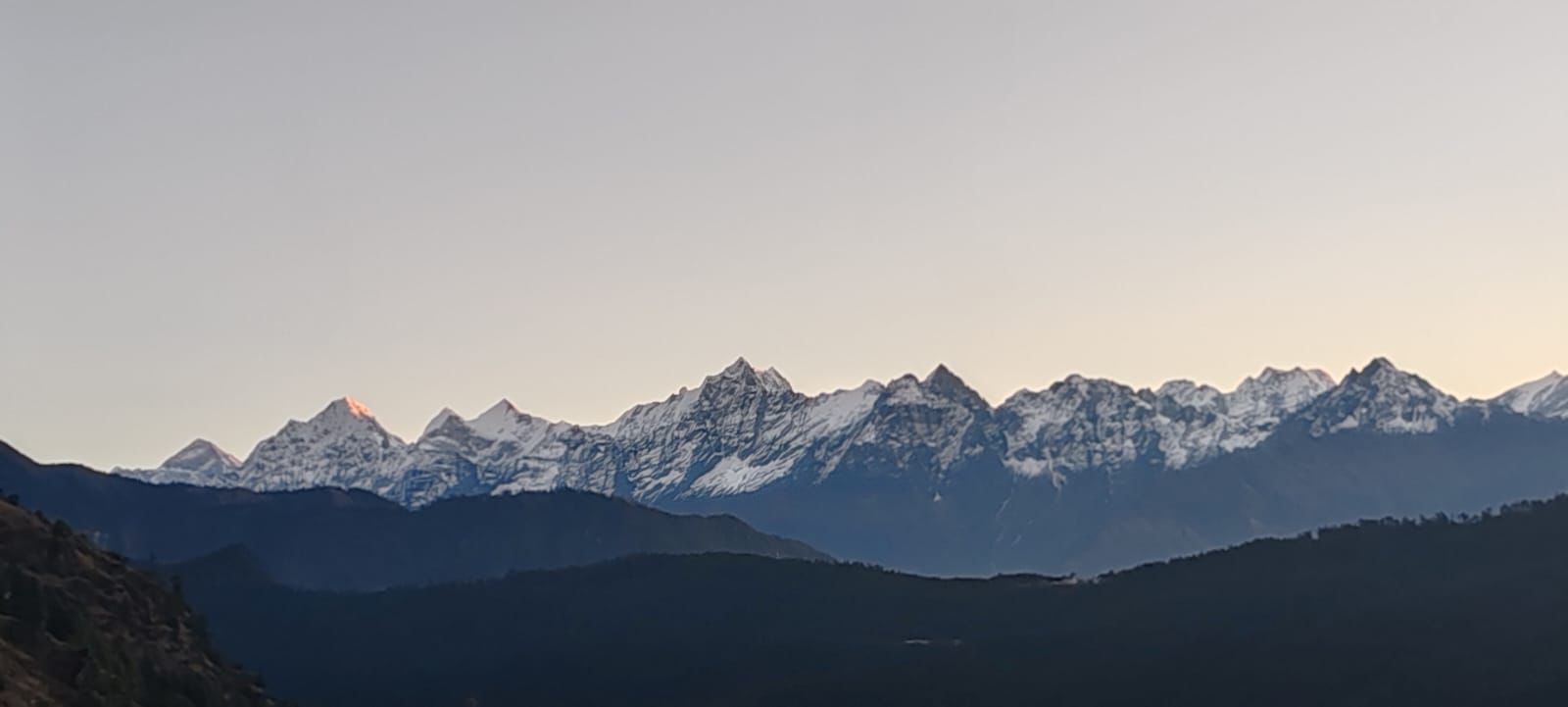
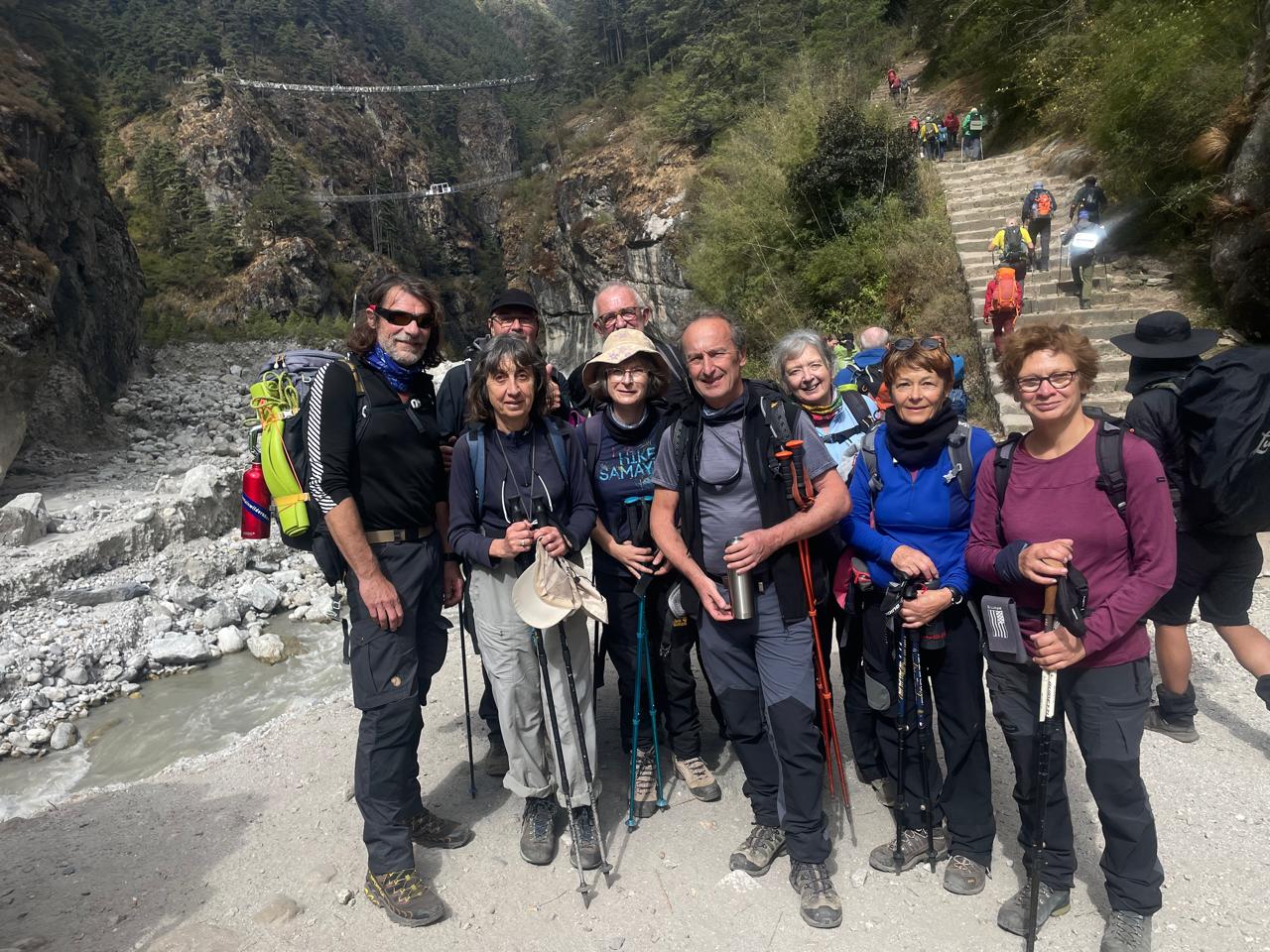
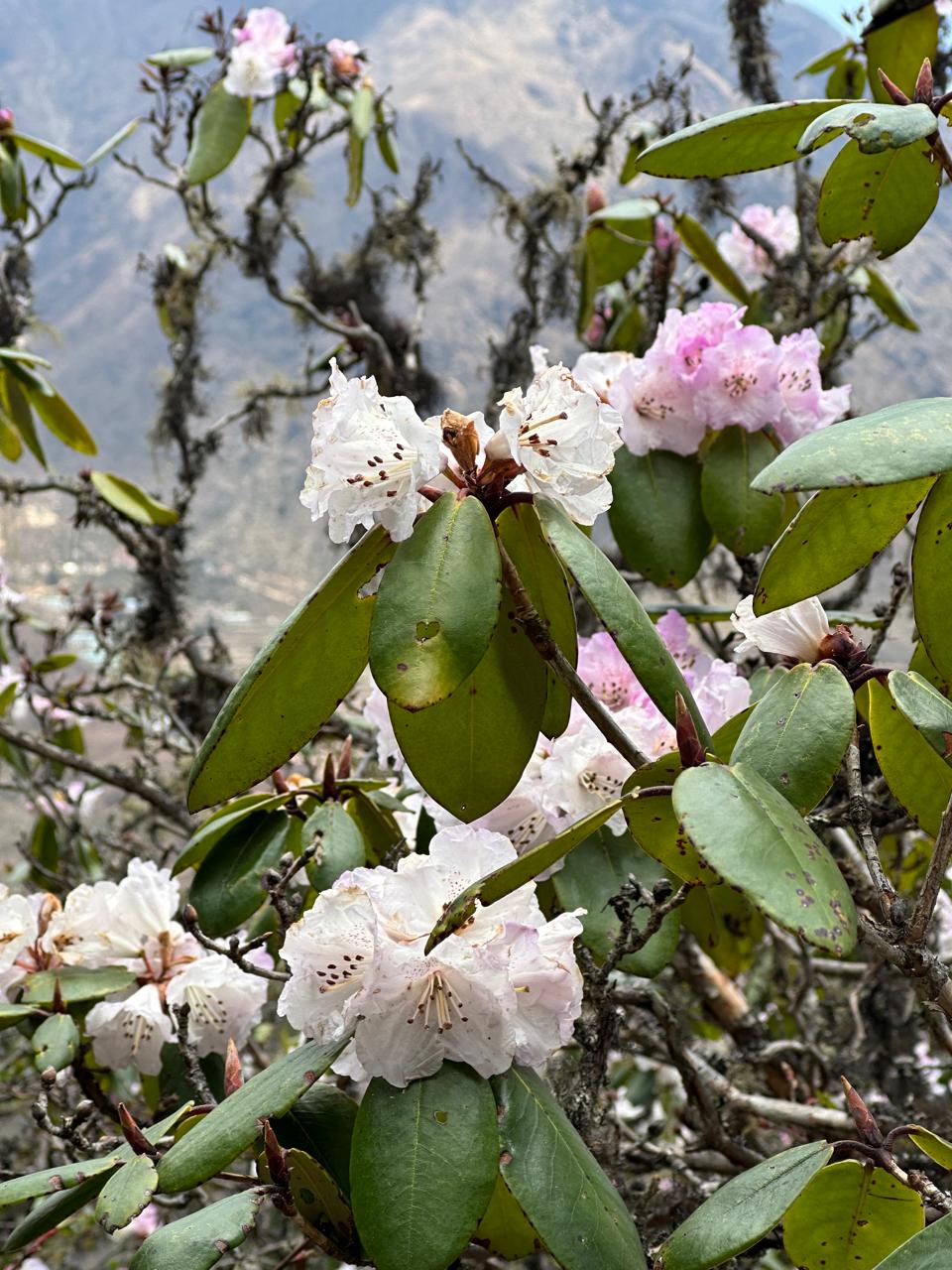
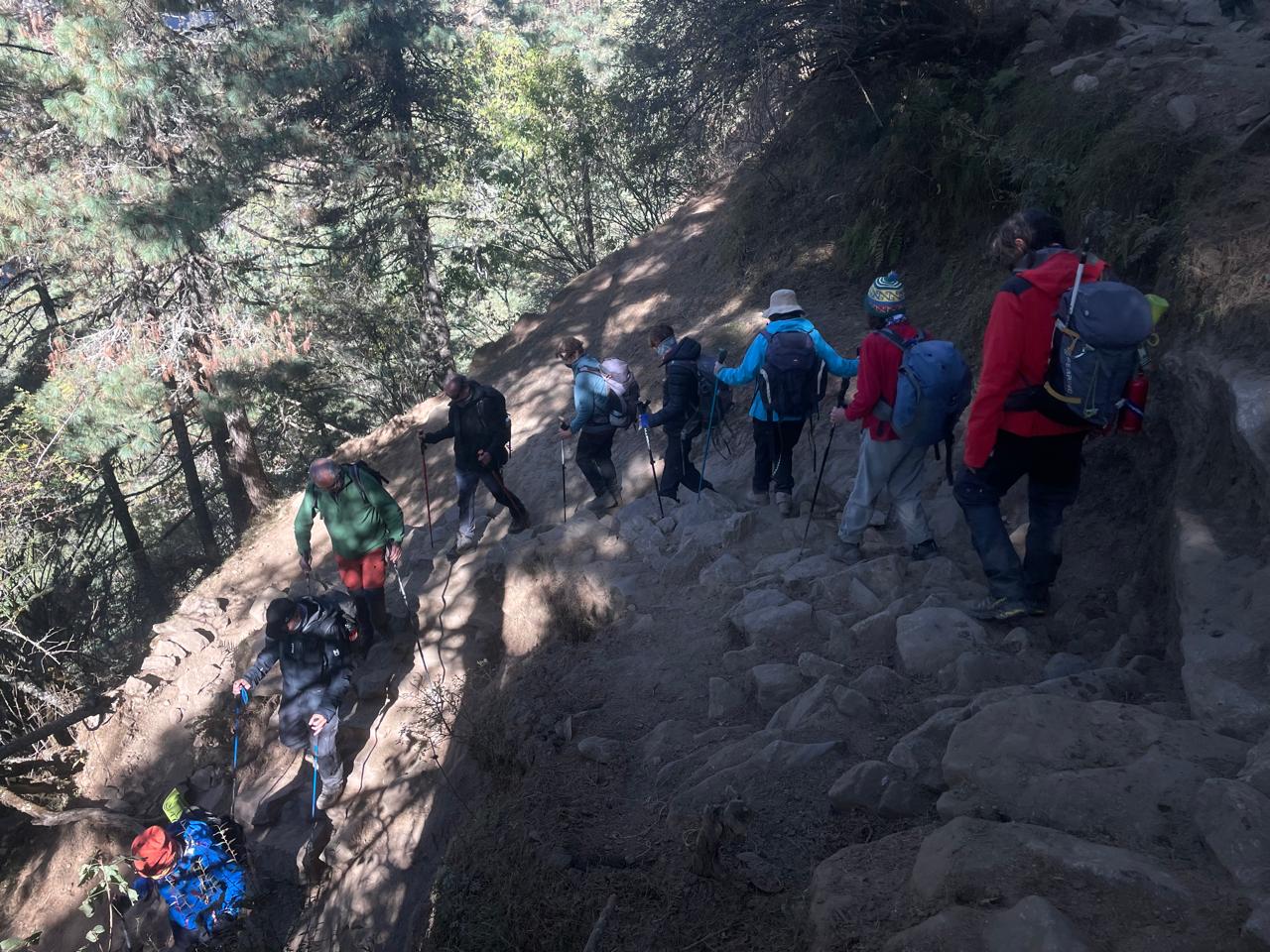
The Everest Base Camp Trek is one of the world’s most iconic journeys, offering a blend of adventure, natural beauty, and cultural immersion. Starting from the bustling capital city of Kathmandu, you first take a scenic flight to Lukla, a small mountain town with the world-famous Tenzing-Hillary Airport. From there, the trek gradually ascends through rhododendron forests, rivers, and traditional Sherpa villages. Every day provides stunning views of soaring Himalayan peaks while preparing your body for high-altitude trekking.
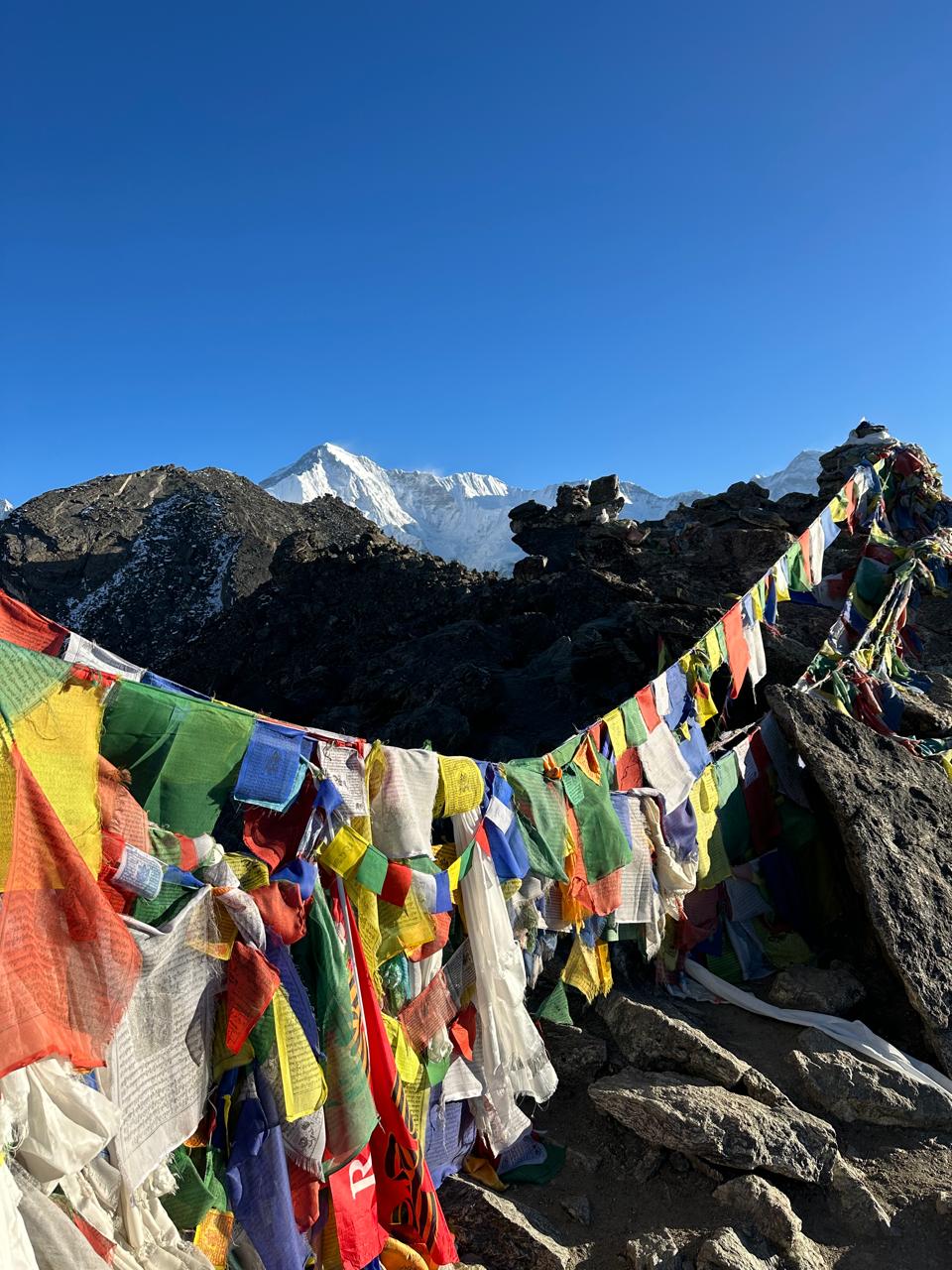
The trail passes through villages like Phakding, Namche Bazaar, and Tengboche, each offering a glimpse into the local way of life. You encounter bustling markets, prayer flags, small monasteries, and traditional houses, all reflecting the unique Sherpa culture. The trek is carefully designed to allow gradual acclimatization while keeping trekkers engaged with scenic landscapes and cultural experiences.
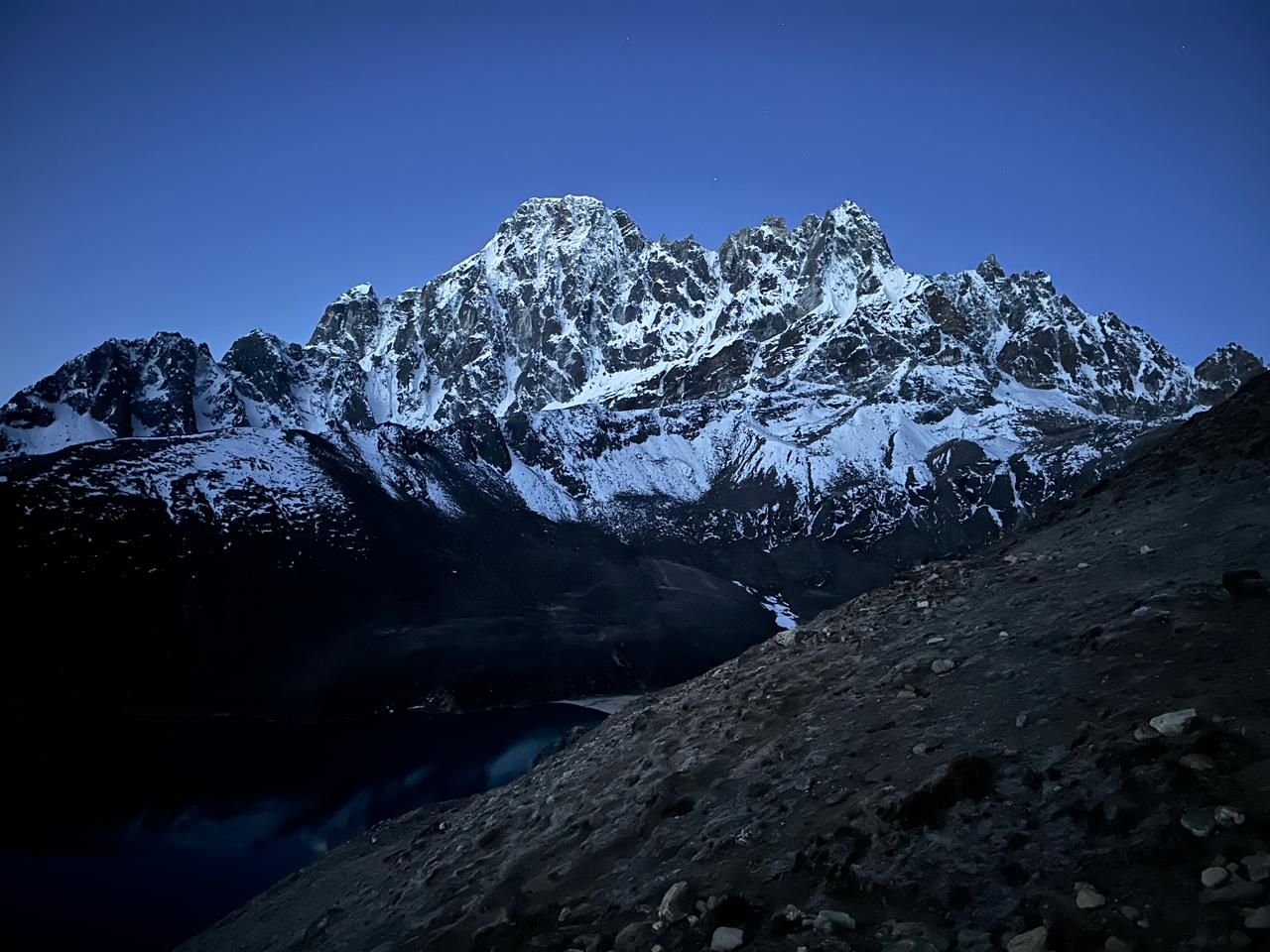
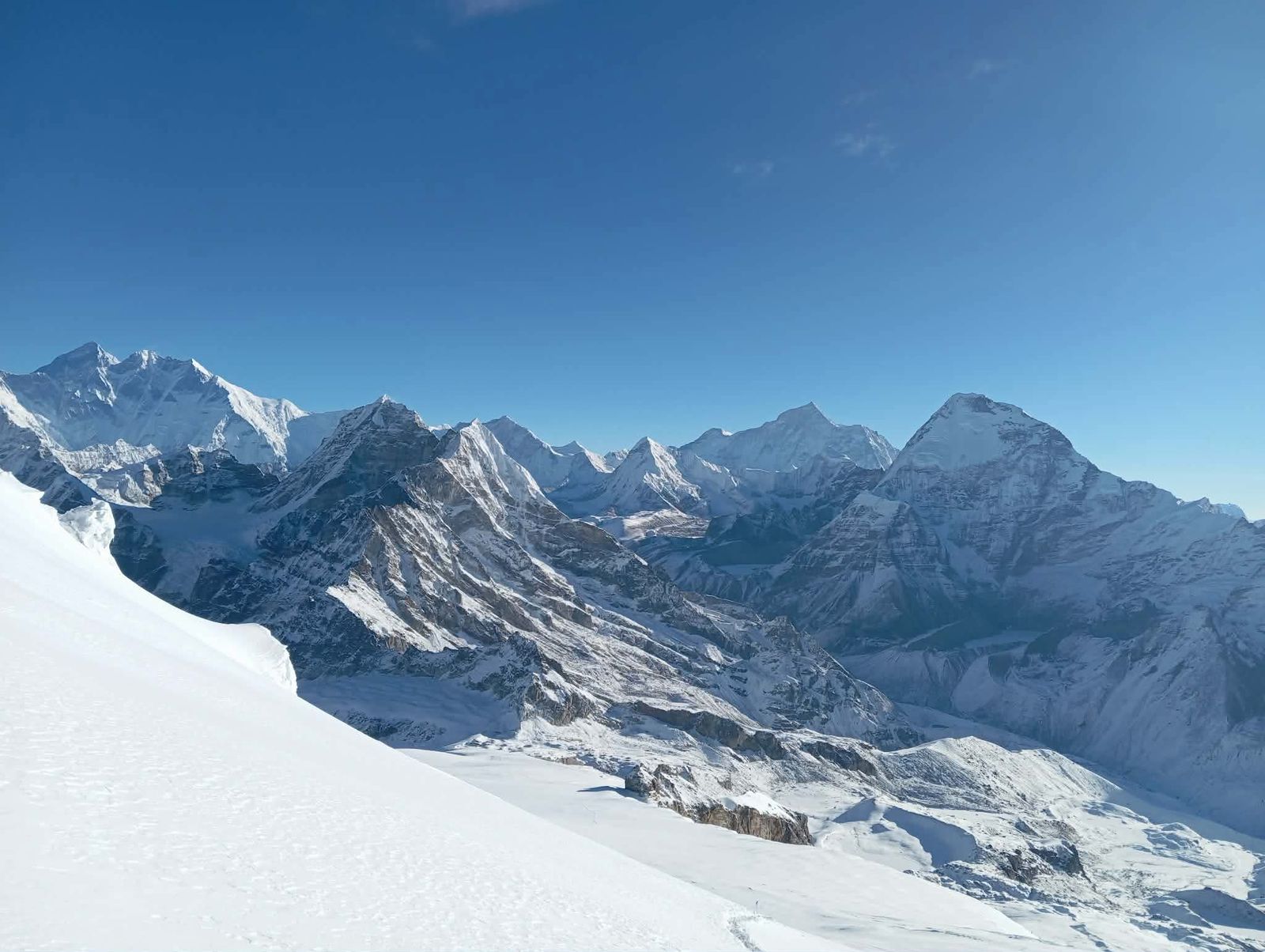
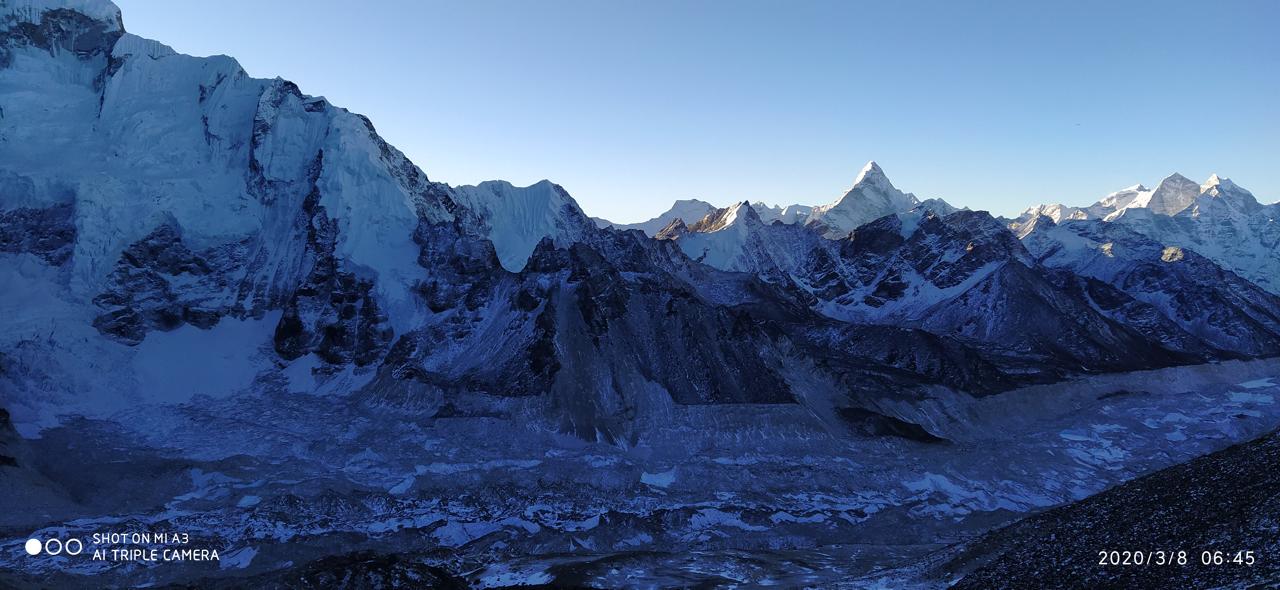
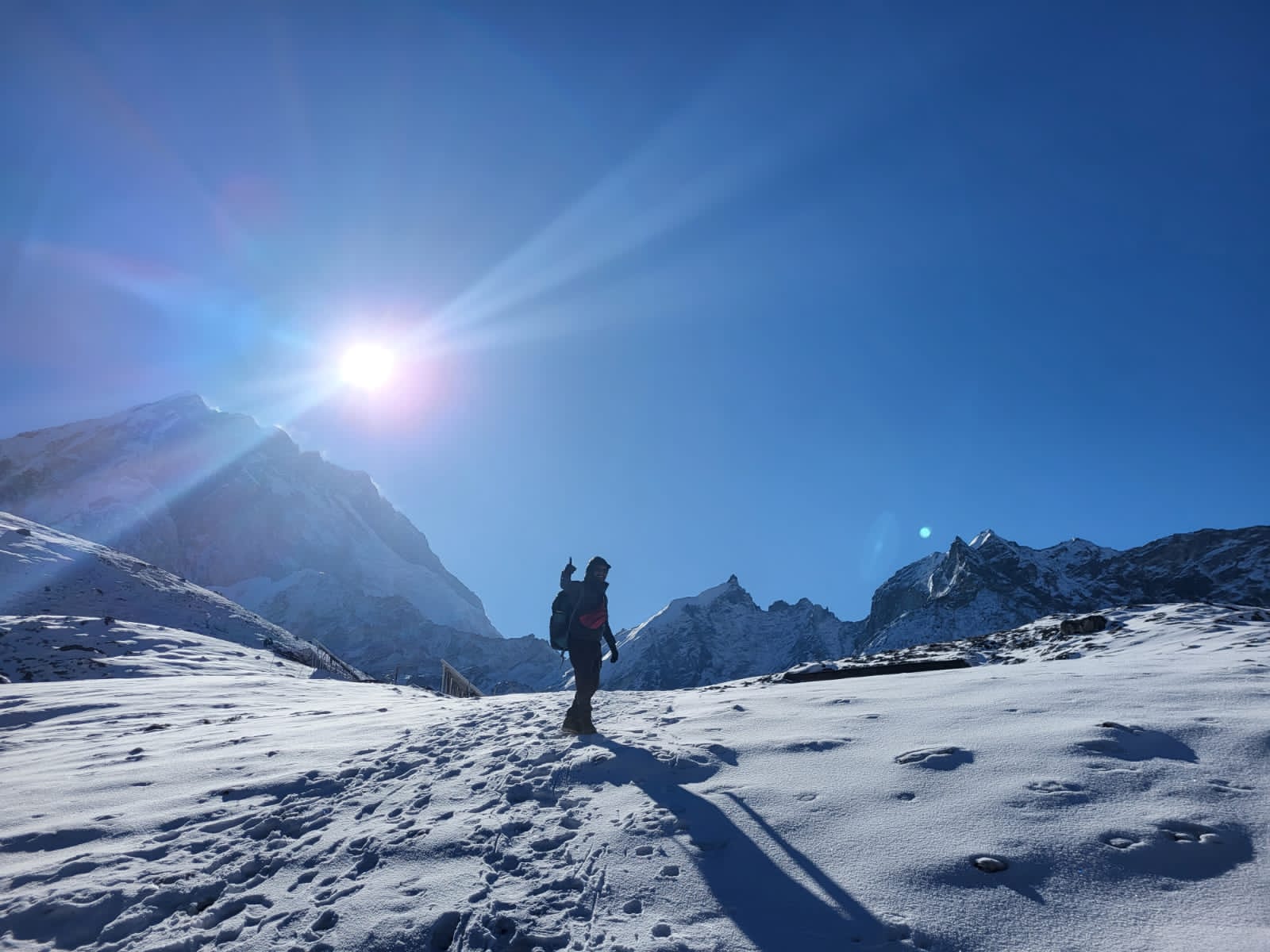
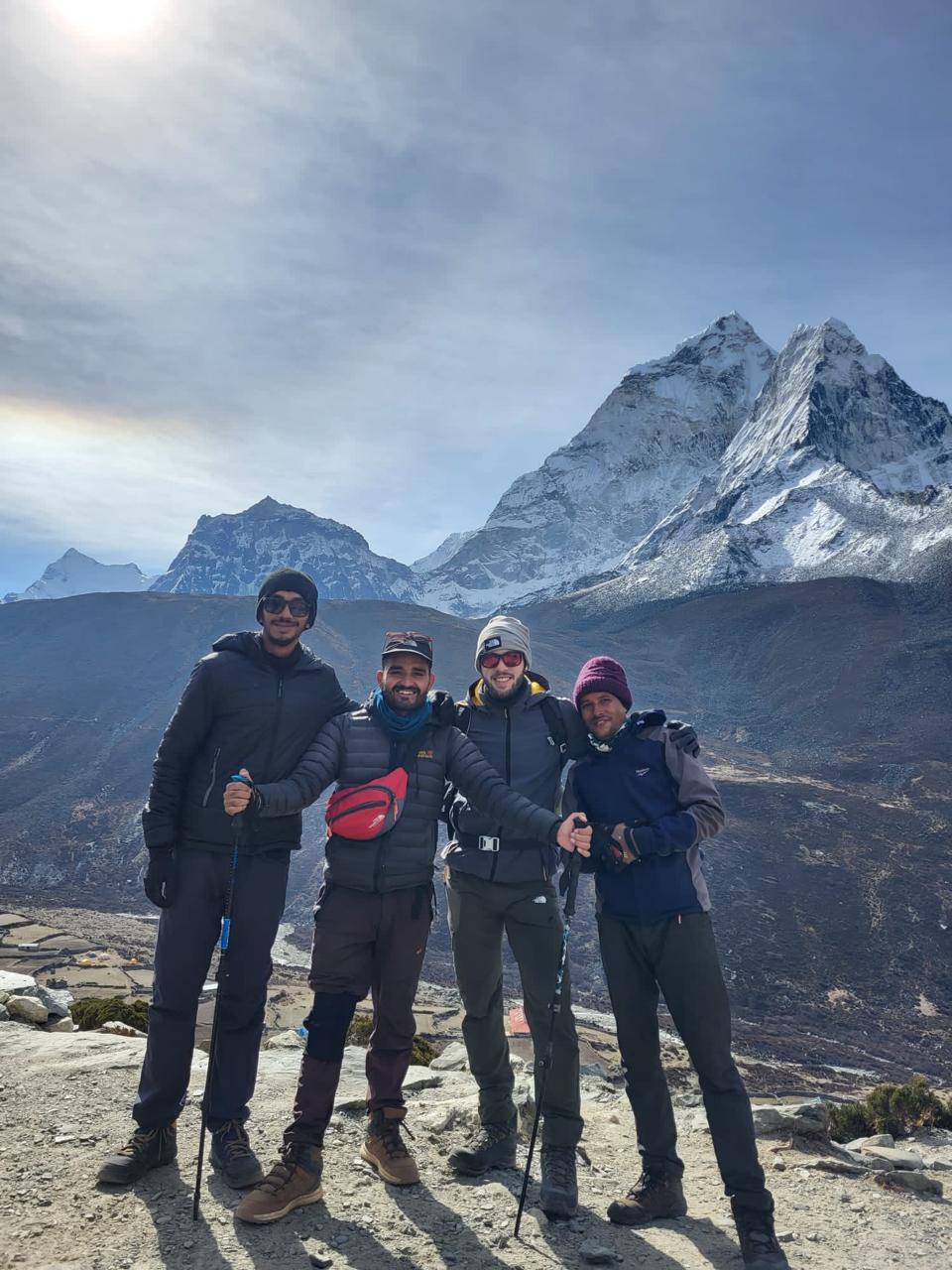
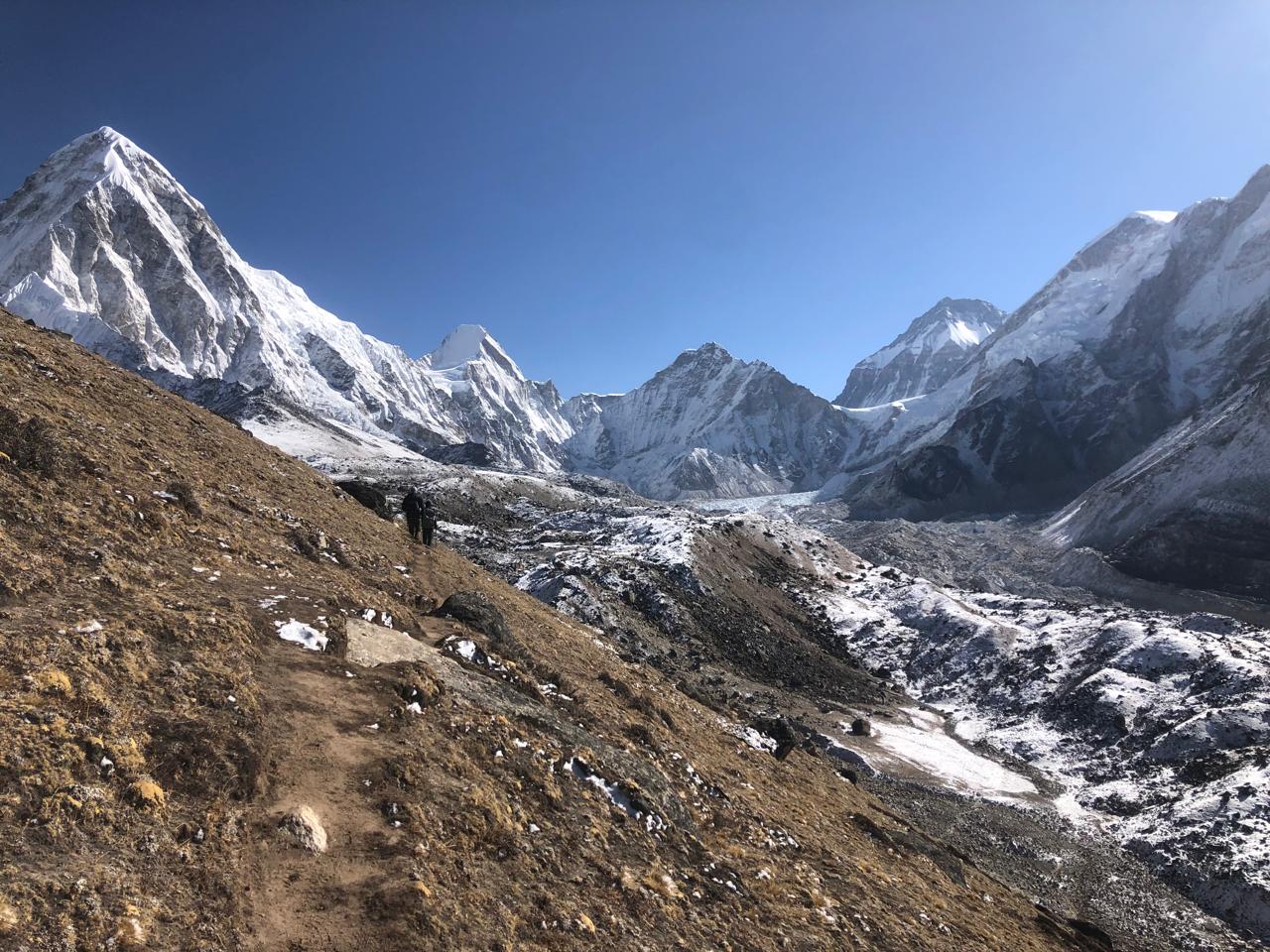
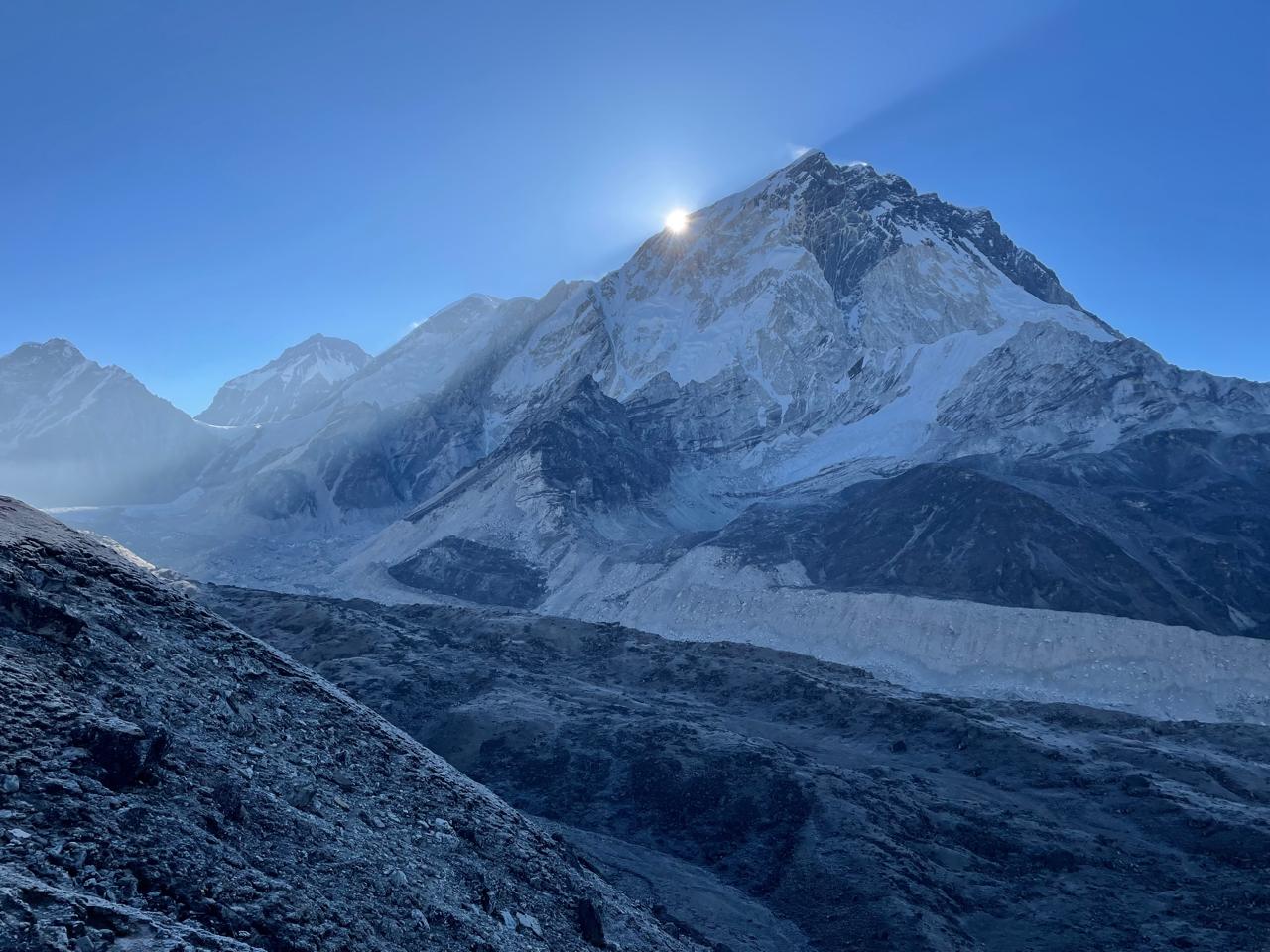
As the trek progresses, the terrain becomes more challenging. Paths meander through rocky ridges, moraine trails, and glacial valleys. You experience the thrill of high-altitude trekking with every step, surrounded by the grandeur of mountains like Ama Dablam, Lhotse, and Nuptse. The journey is not only a physical challenge but also a chance to connect with the raw wilderness of the Everest region.
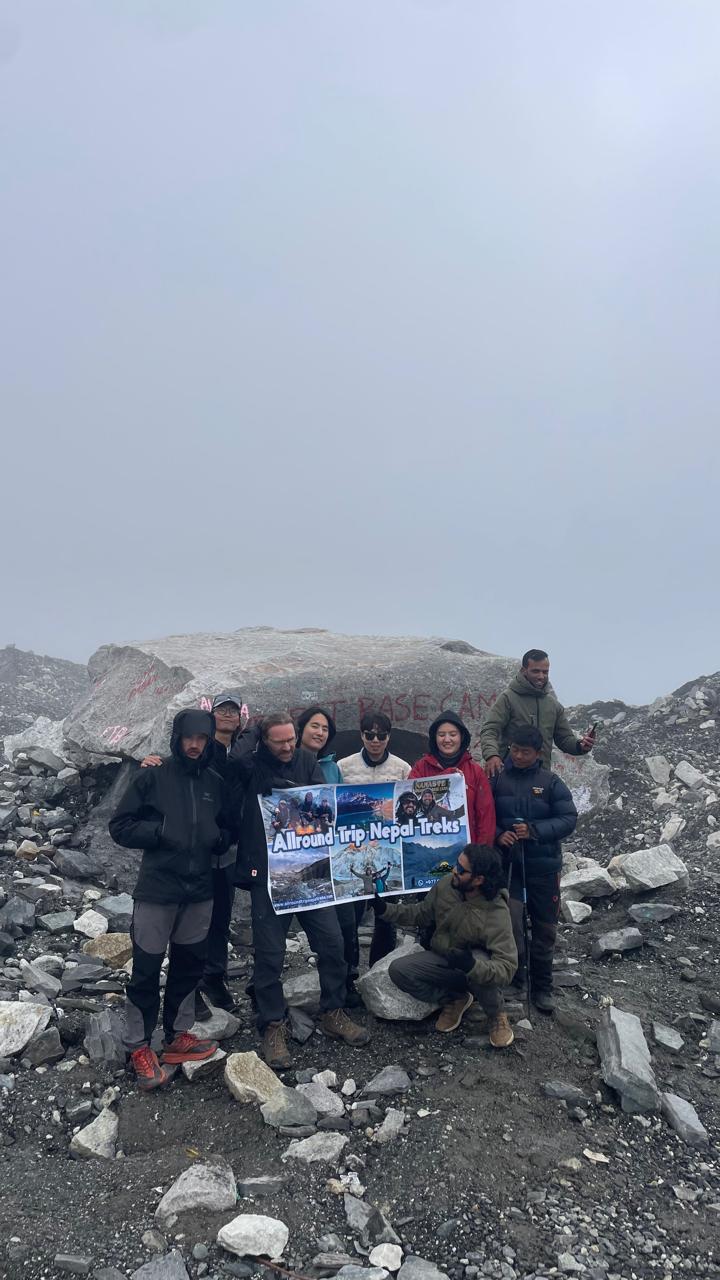
Reaching Everest Base Camp is a moment of accomplishment and awe. Standing on the edge of the Khumbu Glacier, you witness firsthand the icefalls, crevasses, and rugged landscapes that define the world’s tallest mountain. This is the culmination of days of trekking, effort, and patience, giving a sense of fulfillment few experiences can match.
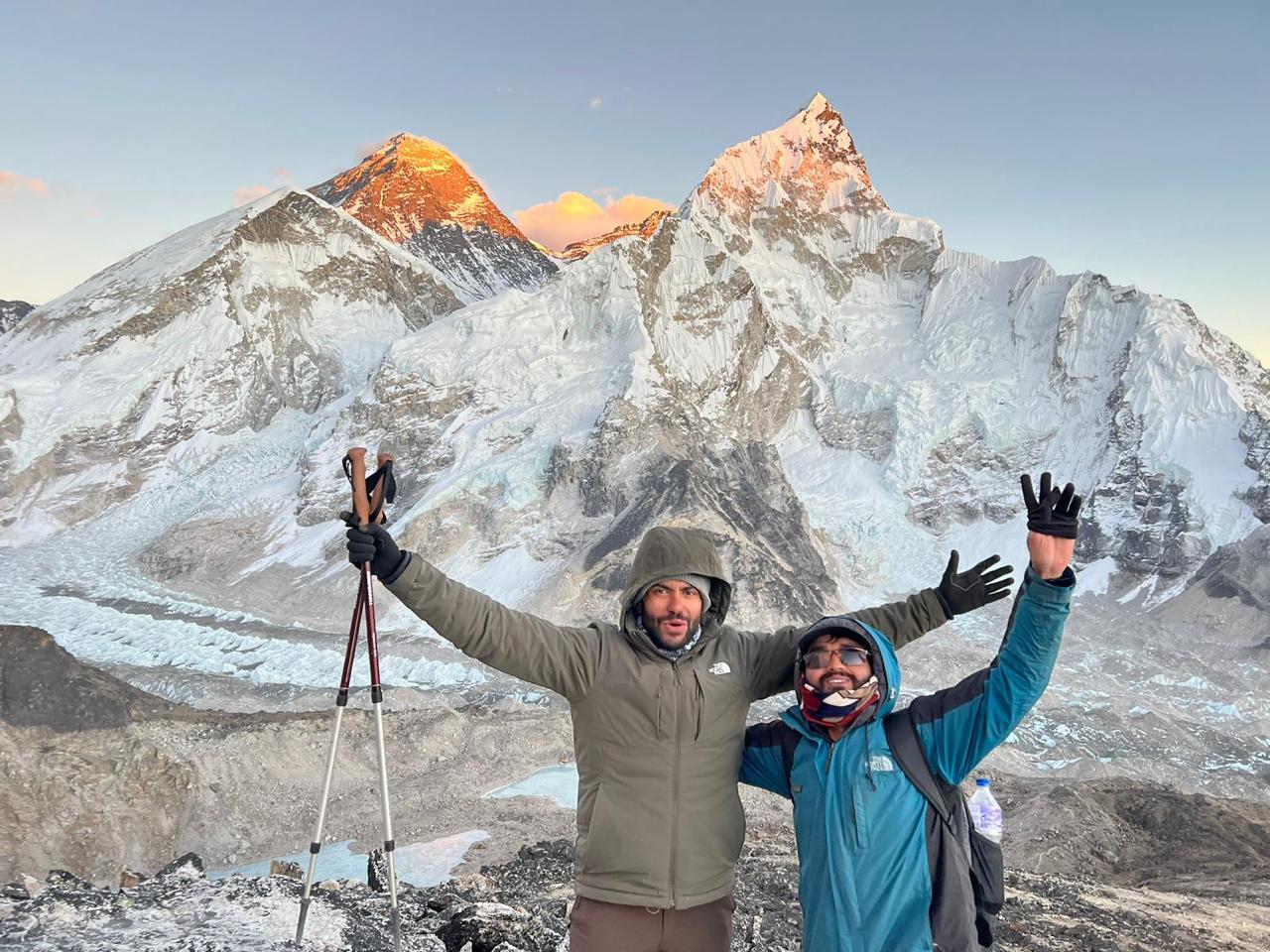
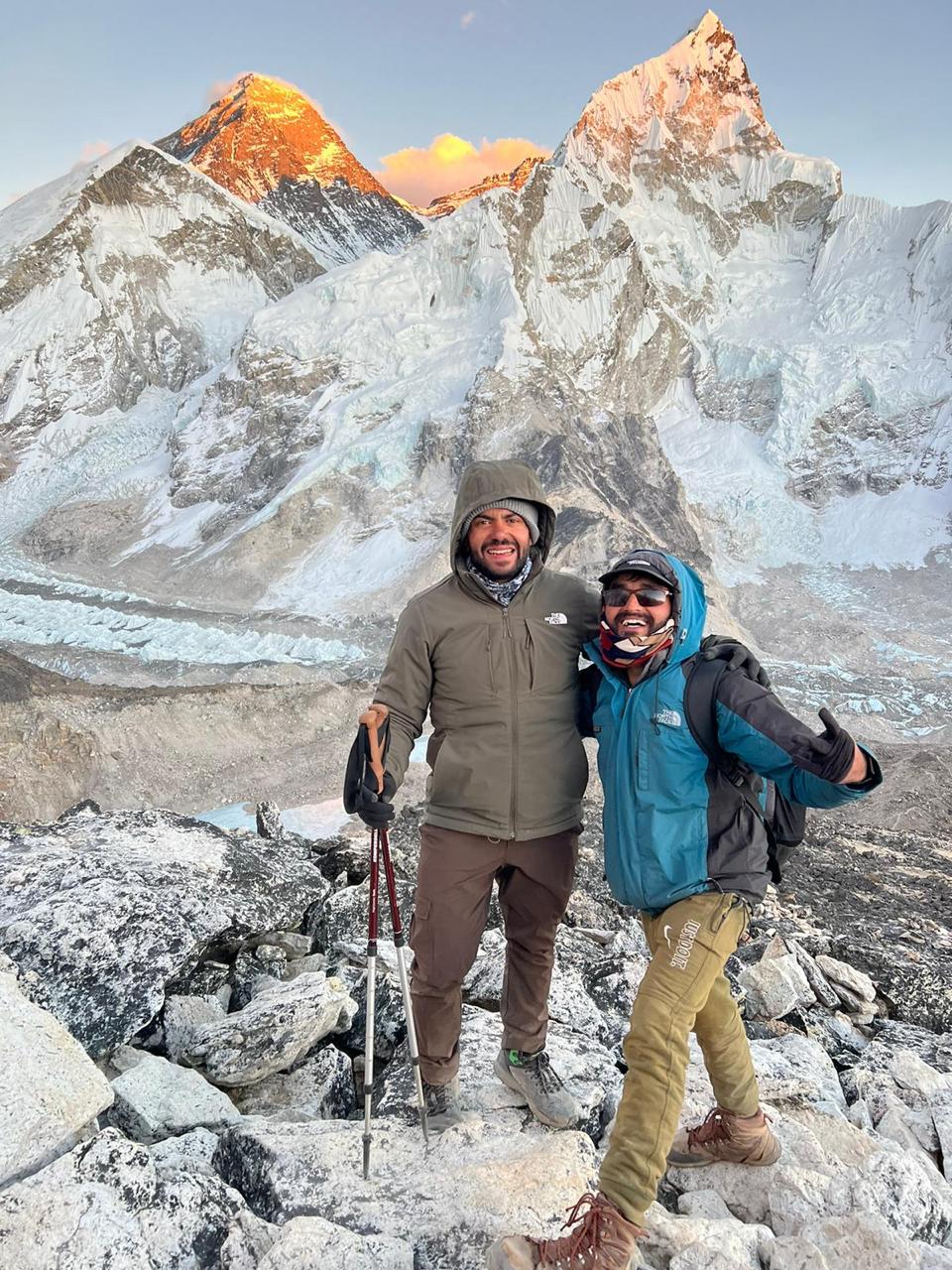
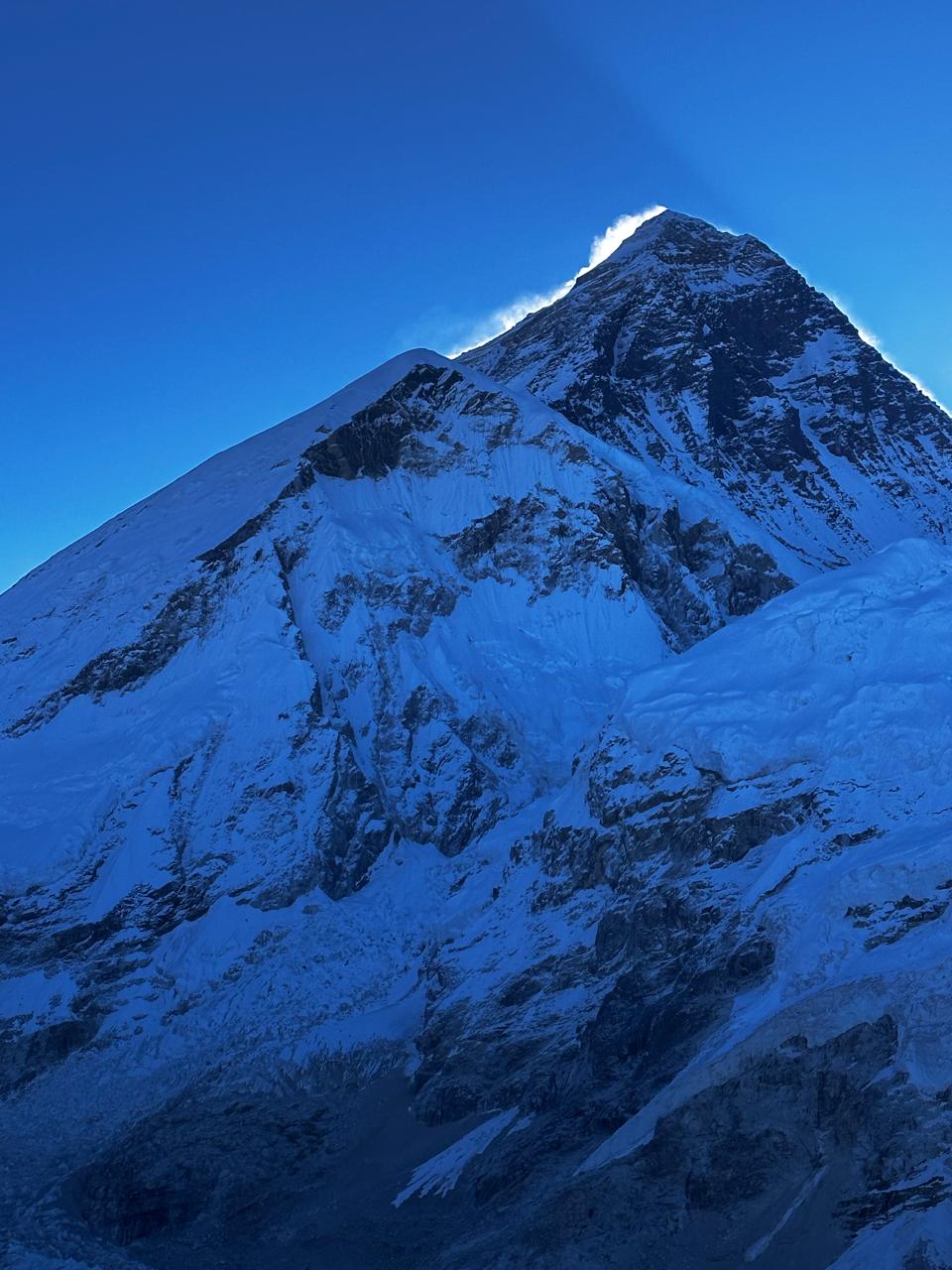
The trek concludes with an early morning hike to Kala Patthar, where sunrise presents the ultimate panoramic view of Mount Everest. From here, the trek descends through the same villages, offering time to reflect on the journey and enjoy final encounters with Sherpa communities. Throughout the expedition, ART Nepal Treks & Expedition ensures safety, comfortable lodging, and expert guidance, making this a truly unforgettable adventure.
What can you expect from the trek?
The Everest Base Camp Trek is an incredible journey that combines breathtaking natural scenery, cultural encounters, and physical challenge. As you trek through the Khumbu region, you will walk past turquoise rivers, dense forests, and cascading waterfalls, all while feeling the crisp mountain air and the presence of towering peaks all around. Every day brings new sights: prayer flags fluttering across suspension bridges, stone mani walls etched with Buddhist prayers, and yak herders guiding their flocks through high-altitude trails. The trek provides a continuous connection with nature, allowing you to witness the Himalayas in their purest form.
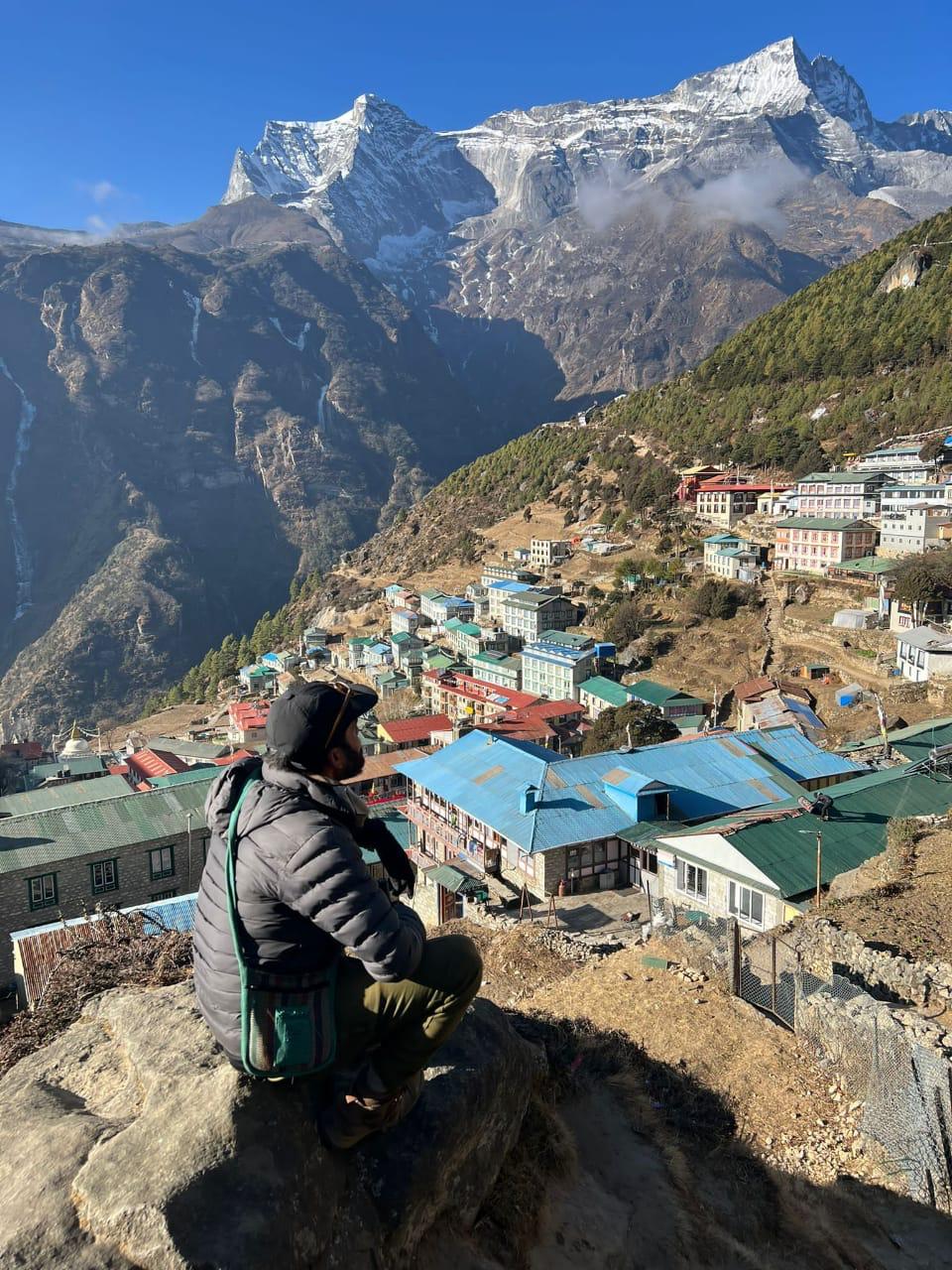
Along the way, you’ll experience the rich Sherpa culture. Namche Bazaar, often referred to as the gateway to Everest, offers vibrant local markets, traditional tea houses, and cultural centers where you can learn about Sherpa traditions and lifestyle. Visiting monasteries like Tengboche provides insight into the spiritual life of the region and moments of reflection amidst serene surroundings. Trekkers also have the opportunity to interact with locals, sharing stories, meals, and smiles, making the journey culturally rewarding as well as physically stimulating.
The trek is also a personal journey. The gradual ascent allows your body to acclimatize, helping you adjust to high altitudes while developing mental resilience. Reaching Everest Base Camp and Kala Patthar evokes an unmatched sense of achievement, creating memories that last a lifetime. The combination of scenic beauty, cultural richness, and the thrill of high-altitude trekking makes this trek a complete adventure that satisfies both body and soul.
What to Expect:
- Close-up views of Everest and surrounding Himalayan peaks
- Cultural experiences with Sherpa communities and monasteries
- Walking through forests, rivers, and glacial valleys
- Challenging yet rewarding trekking days
- Moments of personal reflection and achievement at Base Camp and Kala Patthar
Is Trek Suitable for You?
The Everest Base Camp Trek is considered moderate to challenging, making it suitable for those who have a basic to good level of fitness and enjoy outdoor adventures. The trek involves long walking hours each day, sometimes on steep and rocky terrain, requiring endurance and determination. However, it is designed to allow gradual acclimatization, so even those new to high-altitude trekking can successfully complete it with preparation and determination.
This trek is perfect for travelers who love nature, culture, and adventure. If you enjoy observing majestic mountains, meeting new people, and experiencing life in remote villages, this journey is ideal. It requires patience and flexibility, as weather conditions in the mountains can affect schedules, especially flights in and out of Lukla. Those who are adaptable and open-minded will find the trek both rewarding and memorable.
Even though it is challenging, trekkers do not need to be extreme athletes. With proper physical preparation, acclimatization, and guidance from experienced trekking companies like ART Nepal Treks & Expedition, the trek is achievable. Safety and comfort are emphasized, with tea houses providing basic accommodation and meals, while guides help navigate trails, monitor health, and provide local knowledge.
Trek Suitability:
- Suitable for moderate to fit trekkers, ages 13+
- Requires endurance, patience, and adaptability
- Perfect for nature lovers, adventure seekers, and cultural explorers
- Guidance and support available from experienced trekking agencies
- Accommodations and meals provided along the route
How to Get Prepared for Trek?
Physical preparation is essential to enjoy the Everest Base Camp Trek fully. Regular cardiovascular exercises such as walking, running, cycling, and stair climbing help build stamina. Strength training focusing on legs, core, and back muscles improves endurance for uphill trekking and carrying a daypack. Practicing long hikes on hilly terrain with a weighted backpack can simulate actual trekking conditions and prepare your body for extended walking days at high altitudes.
Mental preparation is equally important. Trekking in remote areas with limited facilities requires patience and resilience. Preparing mentally for variable weather, long walking days, and altitude challenges can make the experience enjoyable rather than stressful. Reading about the region, watching documentaries, and speaking with previous trekkers can help set realistic expectations and boost confidence before departure.
Logistical preparation involves arranging permits, flights, insurance, and proper gear. Permits such as TIMS (Trekkers’ Information Management System) and Sagarmatha National Park entry are mandatory. Choosing suitable trekking equipment, including layered clothing, sturdy trekking boots, and a quality sleeping bag, ensures comfort and safety. Nutrition and hydration planning is also key, with high-energy snacks and water purification methods recommended during the trek.
Preparation Checklist:
- Physical Fitness: Build endurance with running, cycling, or swimming; strengthen legs and core; practice long hikes carrying a loaded backpack.
- Acclimatization: Plan gradual ascents and include rest days to help your body adjust safely to high altitude.
- Trekking Gear: Use sturdy trekking boots, layered clothing, waterproof jacket, trekking poles, and a backpack with rain cover.
- Health & Safety: Arrange travel insurance, carry a personal first aid kit, and consult a doctor about altitude sickness prevention.
- Local Knowledge: Learn about trekking permits, obtain a TIMS card, and familiarize yourself with Sherpa culture, local customs, and village etiquette.
-
Trip Duration
14 Days/13 Nights
-
Group Size
1–20 people
-
Maximum Altitude
5,545 m (Kala Patthar)
-
Trip Difficulty
Moderate to Challenging
-
Activities
Trekking
-
Best Season
March–May, September–November
-
Trip Start & End
Kathmandu-Kathmandu
-
Meals
Breakfast, Lunch, Dinner
-
Accomodation
Teahouses/Lodges
Highlights
- Stunning close-up views of Mount Everest, Ama Dablam, Lhotse, and other Himalayan giants.
- Rich Sherpa culture, traditional villages, and monasteries.
- Visit the legendary Everest Base Camp and witness the glaciers of Khumbu.
- Sunrise at Kala Patthar for the best panorama of Everest.
- Scenic walks through rhododendron forests, river crossings, and high-altitude valleys.
- Adventure with moderate to challenging trekking days offering physical and mental rewards.
Itinerary
Day 01
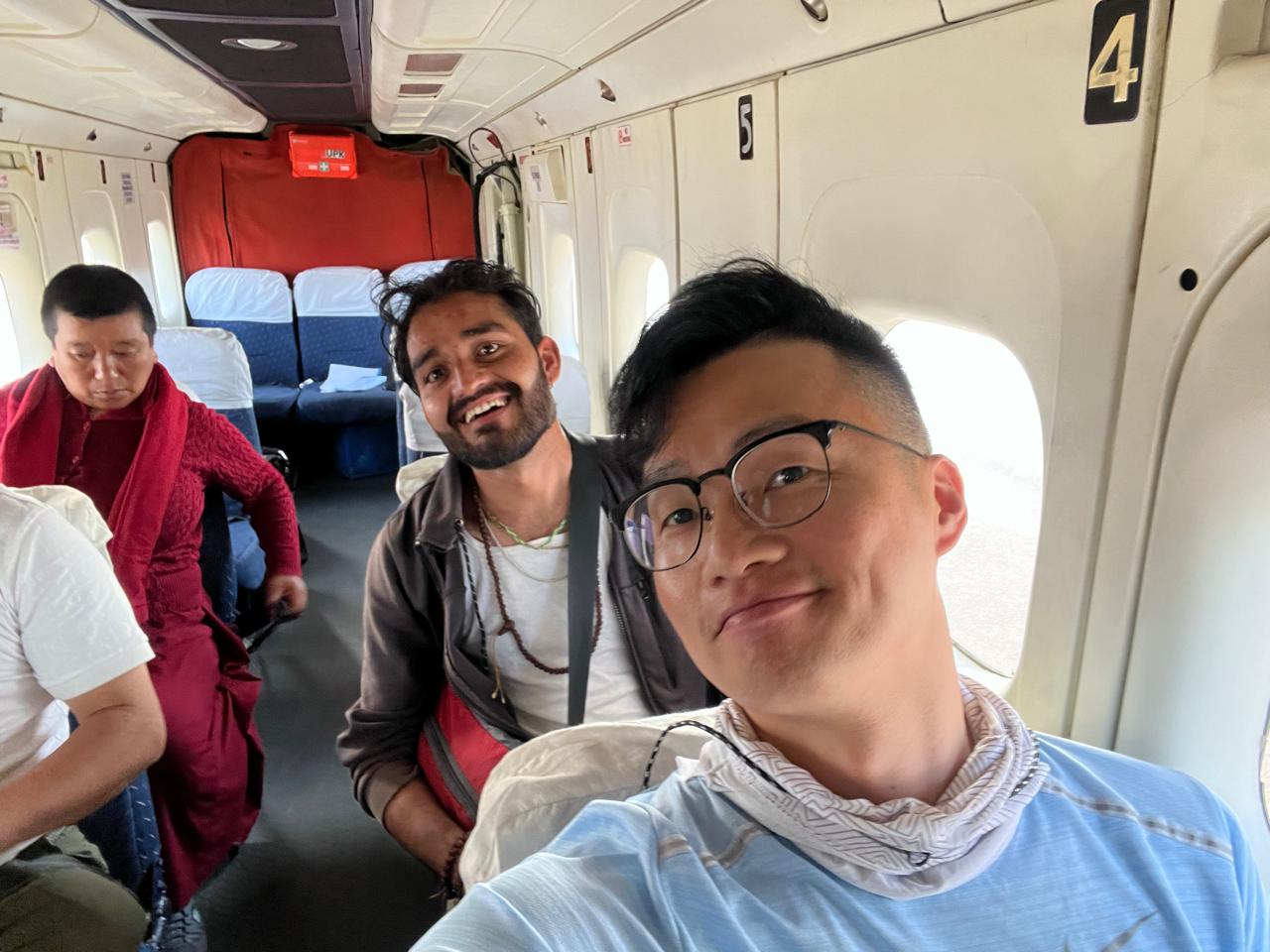
Your adventure begins with an early morning flight from Kathmandu to Lukla, considered one of the most scenic and thrilling flights in the world. As the plane descends onto the tiny mountain airstrip, the stunning panorama of the Himalayan peaks unfolds, giving you your first glimpse of the journey ahead. After landing, you start trekking along the Dudh Koshi River through lush forests and small villages, feeling the excitement of the trail and the fresh mountain air. Phakding, your first overnight stop, offers a cozy tea house and a chance to relax while preparing for the next day’s trek.
The path is relatively gentle on this first day, allowing you to adjust to the altitude and settle into trekking routines. Along the way, you pass traditional Sherpa homes, mani walls, and prayer flags, giving a glimpse of local culture. Trekkers can enjoy the peaceful environment, spot Himalayan birds, and take photos of the surrounding peaks. The walk is scenic yet easy, perfect for warming up your legs and acclimatizing.
Trip Duration:
3–4 hoursTrip Distance:
8 kmAltitude:
2,610 mMeal:
Breakfast, Lunch, DinnerAccomodation :
Lodge in PhakdingDay 02
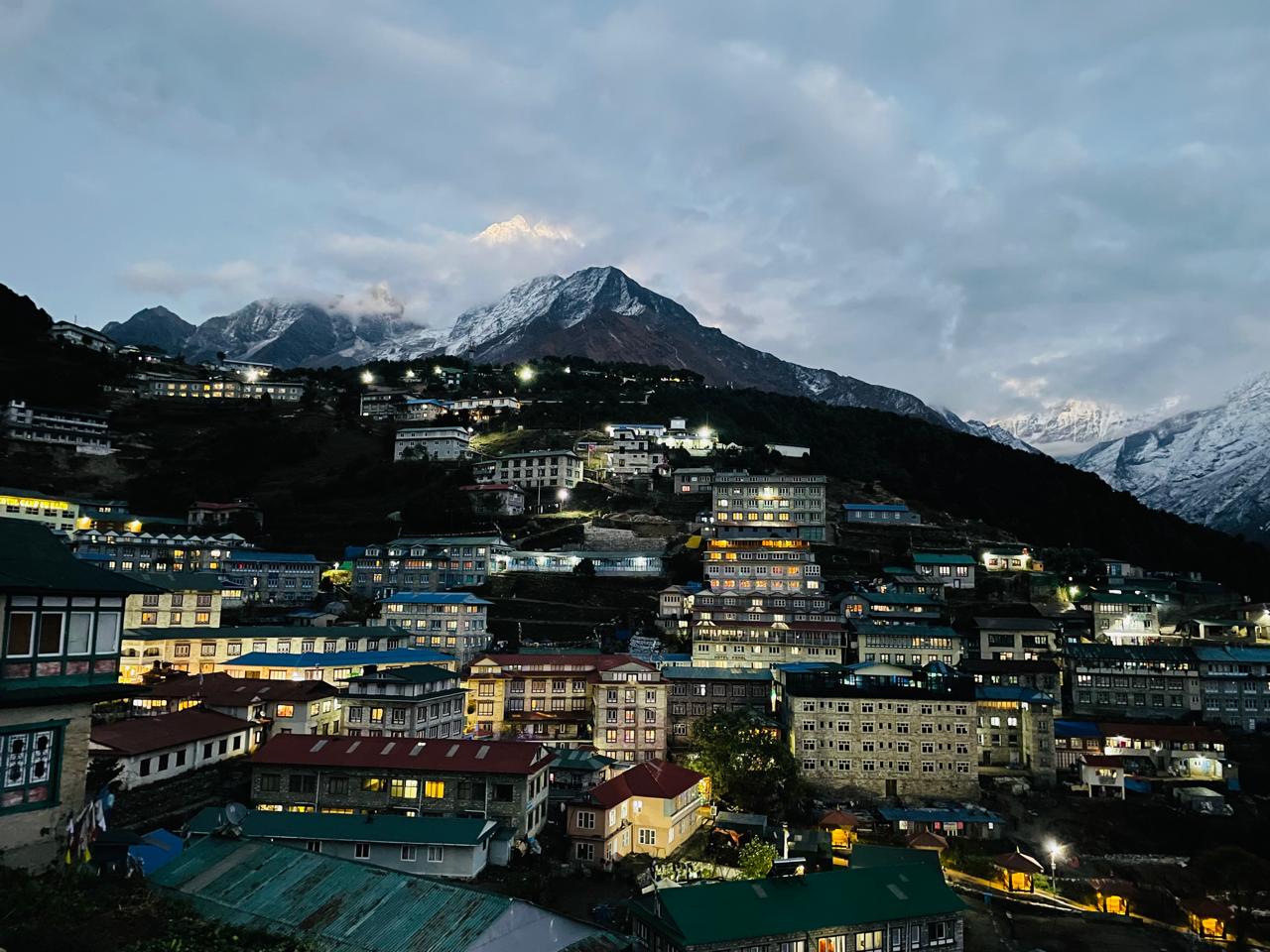
On the second day, the trek gradually becomes more challenging as you cross suspension bridges over the rushing Dudh Koshi River and enter the boundaries of Sagarmatha National Park. The scenery transforms from lush forests to rugged hillsides dotted with stone villages. The trail winds through small settlements like Monjo and Jorsalle, offering glimpses of daily life in the Khumbu region. As you approach Namche Bazaar, the bustling Sherpa town with its colorful shops and teahouses comes into view, perched strategically on a mountainside with panoramic vistas.
The climb to Namche Bazaar is steady, providing trekkers with the opportunity to acclimatize while enjoying the ever-changing views of Ama Dablam and Thamserku. You may notice trekkers from around the world converging here, making Namche a lively hub for hiking culture. After reaching Namche, you can explore the village, visit local markets, and interact with Sherpa locals, learning about their traditions and lifestyle in the high mountains.
Trip Duration:
6–7 hoursTrip Distance:
11 kmAltitude:
3,440 mMeal:
Breakfast, Lunch, DinnerAccomodation :
Lodge in Namche BazaarDay 03
Today is reserved for acclimatization, a critical part of preparing your body for higher altitudes. You can take a short hike to Everest View Hotel or visit the nearby village of Khumjung, which offers spectacular views of Mount Everest, Lhotse, and Ama Dablam. The hike helps your body adjust while giving an unforgettable first glimpse of the tallest peak in the world. This day also allows for rest, photography, and exploration of Namche Bazaar’s quaint streets, local cafes, and Sherpa culture.
Acclimatization hikes are essential for preventing altitude sickness, and this day provides a perfect combination of activity and relaxation. You can visit the local museum, interact with Sherpa residents, and witness prayer ceremonies in nearby monasteries. The beautiful mountain landscapes, along with the vibrant village life, make this a memorable and restorative day before continuing to higher altitudes.
Trip Duration:
2–3 hours (short hikes)Trip Distance:
5 kmAltitude:
3,440 mMeal:
Breakfast, Lunch, DinnerAccomodation :
Lodge in Namche BazaarDay 04
From Namche Bazaar, the trail climbs steadily through forests of rhododendron, birch, and pine, offering trekkers spectacular views of towering peaks such as Ama Dablam and Thamserku. Along the way, you’ll notice prayer wheels, mani stones, and small chortens marking the path, adding a spiritual dimension to the journey. Arriving in Tengboche, you are greeted by the famous Tengboche Monastery, perched majestically with panoramic views of Everest, Lhotse, Nuptse, and Ama Dablam. This is a perfect spot to witness traditional Buddhist ceremonies, interact with monks, and soak in the serene atmosphere of the high Himalayas.
The trek to Tengboche is moderately challenging, with steady ascents that help your body adapt to higher altitudes. The village offers cozy tea houses with warm meals, making it an ideal place to rest and prepare for the trek ahead. Trekkers often enjoy a short evening walk around the monastery complex, appreciating the surrounding alpine meadows and distant snow-capped peaks. This day combines cultural experiences with breathtaking mountain scenery, making it a highlight of the trek.
Trip Duration:
5–6 hoursTrip Distance:
9 kmAltitude:
3,860 mMeal:
Breakfast, Lunch, DinnerAccomodation :
Lodge in TengbocheDay 05
The trail from Tengboche to Dingboche takes you through Pangboche village, one of the oldest Sherpa settlements in the Khumbu region. Here, trekkers can visit ancient monasteries and interact with locals, gaining insight into Sherpa traditions and lifestyles. The path offers incredible views of Ama Dablam rising sharply against the sky, as well as glaciers and snow-covered peaks in the distance. You will pass through open landscapes and small streams, giving the trek a mix of forested sections and open high-altitude valleys.
The ascent to Dingboche is gradual but noticeable, allowing your body to continue acclimatizing. Dingboche itself is a charming village nestled in a high valley, surrounded by peaks like Island Peak and Lhotse. The village has comfortable tea houses that serve hearty meals, perfect for replenishing energy. This day provides both a physical challenge and the reward of immersing in a serene high-altitude environment, preparing you for the trek to even higher elevations.
Trip Duration:
5–6 hoursTrip Distance:
10 kmAltitude:
4,410 mMeal:
Breakfast, Lunch, DinnerAccomodation :
Lodge in DingbocheDay 06
Dingboche offers the perfect opportunity for acclimatization before heading to the higher reaches of the Khumbu region. Trekkers can take a short hike to Nagarjun Hill or explore Chhukung Valley, which provides stunning views of Ama Dablam, Lhotse, and Island Peak. The walks are designed to gently increase your altitude exposure while giving your body the chance to adjust safely. It is also an ideal time to rest, hydrate, and prepare mentally for the upcoming days of the trek.
Acclimatization hikes also provide an intimate experience with the Himalayan landscape. You may pass by yak herders, stone cairns, and glacial streams while enjoying the crisp mountain air. The serene environment of Dingboche, combined with spectacular vistas and the warm hospitality of local tea houses, makes this day one of reflection and preparation. The rest and moderate activity on this day play a critical role in preventing altitude sickness for the next leg of the journey.
Trip Duration:
2–4 hours (short hikes)Trip Distance:
6–8 kmAltitude:
4,410 mMeal:
Breakfast, Lunch, DinnerAccomodation :
Lodge in DingbocheDay 07
The trek from Dingboche to Lobuche begins with a gentle climb that gradually increases as you move along the valley, passing small villages and memorials dedicated to climbers who lost their lives on Everest. The landscape becomes more dramatic, with rocky ridges, glacial moraines, and sparse vegetation signaling the transition to higher altitudes. Reaching Lobuche, trekkers are rewarded with striking views of the Khumbu Glacier and towering peaks, making the effort of the day extremely satisfying.
This section of the trail is physically demanding due to the thinner air, but the gradual ascent ensures safe acclimatization. Lobuche is a small settlement with basic lodges, providing warmth, meals, and a place to rest. The village’s location near the glacial edge makes it an excellent vantage point to observe the grandeur of the Himalayas. Trekkers often spend time exploring the memorials and taking in the rugged, majestic environment before continuing toward Everest Base Camp.
Trip Duration:
5–6 hoursTrip Distance:
10 kmAltitude:
4,940 mMeal:
Breakfast, Lunch, DinnerAccomodation :
Lodge in LobucheDay 08
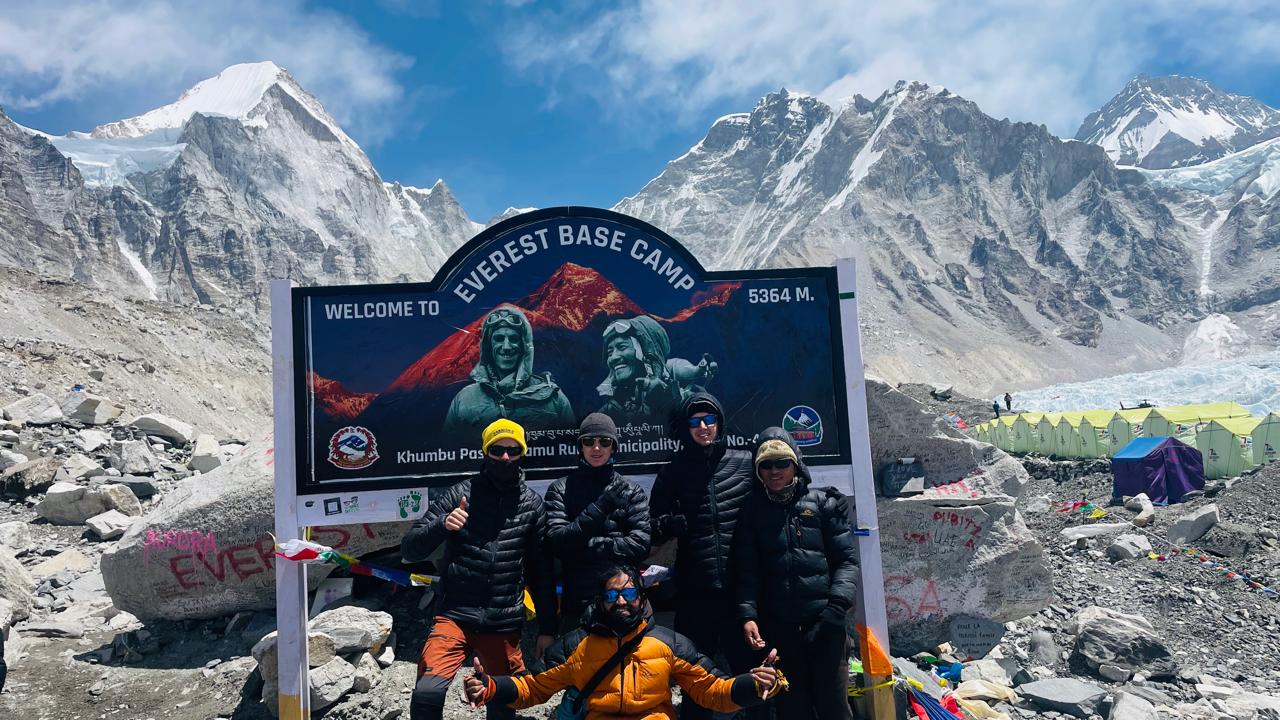
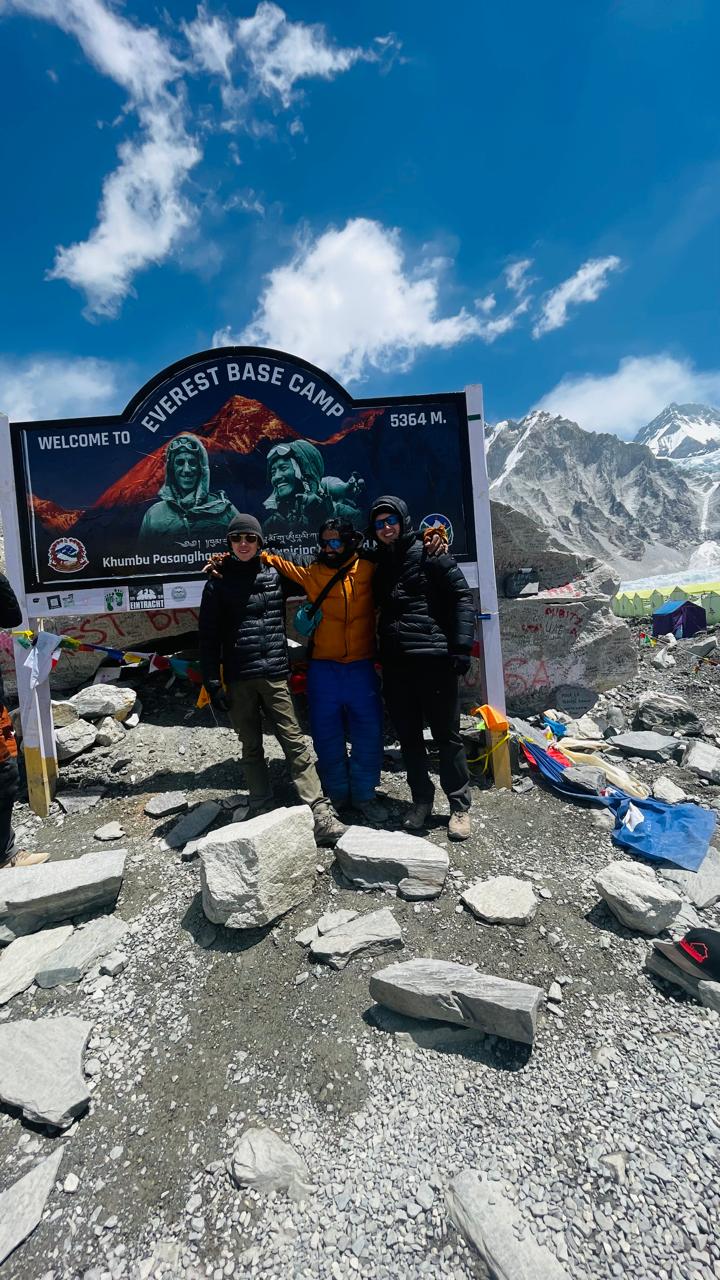
The day starts early from Lobuche, and trekkers follow the moraine trail towards Gorak Shep, a small settlement near the base of the Khumbu Glacier. The terrain becomes rocky and barren, with only occasional hardy vegetation surviving in this high-altitude zone. After reaching Gorak Shep, most trekkers continue further to Everest Base Camp, trekking over icy ridges and glacial debris. The journey to EBC is both physically demanding and emotionally rewarding, as you finally arrive at the iconic base of the world’s highest mountain. The area is scattered with tents, climbers’ gear, and prayer flags, creating a mix of adventure and spirituality.
At Everest Base Camp, trekkers are surrounded by some of the most breathtaking peaks in the world, including Nuptse, Lhotse, and the looming face of Everest itself. While the camp is basic with minimal facilities, the atmosphere is unparalleled, offering a sense of achievement that few trekking experiences can match. This day demands stamina and focus, especially on the return trek to Gorak Shep for the night. Observing climbers preparing for summit attempts adds a sense of awe and inspiration to the experience, making this one of the most memorable days of the trek.
Trip Duration:
7–8 hoursTrip Distance:
12 kmAltitude:
5,364 m / 5,164 mMeal:
Breakfast, Lunch, DinnerAccomodation :
Lodge in Gorak ShepDay 09
This day begins with an early morning hike to Kala Patthar, the highest viewpoint of the trek at 5,545 m. The trail is steep and challenging, but the reward is unparalleled: an unobstructed view of Mount Everest at sunrise, with Lhotse, Nuptse, and Ama Dablam framing the scene. Trekkers often pause along the way to photograph the snow-clad peaks and capture the golden hues of the rising sun illuminating the Himalayas. The trek back to Gorak Shep is short, allowing for a quick breakfast before descending to Pheriche.
The descent to Pheriche provides a welcome relief for tired legs and a chance to enjoy the changing landscapes, from rocky high-altitude terrain to more vegetated valleys. Pheriche is a peaceful village nestled along the Imja Khola, providing tea houses with warm meals and comfortable lodges. Spending the night here allows the body to recover from the altitude while still providing excellent views of surrounding peaks. This day combines adventure, panoramic vistas, and necessary recovery, preparing trekkers for the long journey back.
Trip Duration:
6–7 hoursTrip Distance:
10 kmAltitude:
5,545 m / 4,240 mMeal:
Breakfast, Lunch, DinnerAccomodation :
Lodge in PhericheDay 10
The trek from Pheriche back to Namche Bazaar is primarily a descent, giving trekkers a chance to relax while enjoying views of the Khumbu Valley. The path follows the Imja Khola and Dudh Koshi River, passing through villages, prayer flags, and mani walls that are characteristic of the Sherpa region. Trekkers notice how the landscape gradually becomes greener as altitude decreases, with forests and terraced fields replacing rocky slopes. This descent is physically easier but requires careful footing on steeper sections.
Arriving in Namche Bazaar again provides a sense of accomplishment and nostalgia, as trekkers retrace parts of their journey while reflecting on the experiences of the past days. The bustling town offers various shops, cafés, and internet facilities, making it a comfortable stop before continuing to Lukla. The combination of a scenic descent, cultural encounters, and the charm of Namche Bazaar ensures that this day is both rewarding and relaxing, giving trekkers a chance to rest before the final leg of the trek.
Trip Duration:
6–7 hoursTrip Distance:
15 kmAltitude:
3,440 mMeal:
Breakfast, Lunch, DinnerAccomodation :
Lodge in Namche BazaarDay 11
The last trekking day begins early as you descend from Namche Bazaar to Lukla. The trail is long but mostly downhill, passing through forested areas, suspension bridges, and small villages that mark the end of the high-altitude journey. Trekkers can reflect on the challenges they overcame and the memories they created along the trail while enjoying the changing scenery. The route is physically easier than previous days but still requires energy and concentration due to uneven paths and occasional rocky sections.
Reaching Lukla feels like a triumphant return, as trekkers complete the 14-day journey to Everest Base Camp and back. Lukla is a small airstrip town with tea houses, shops, and bustling activity from trekkers and climbers. The arrival is often celebrated with warm meals and a sense of accomplishment. This final trekking day combines relief, reflection, and celebration, providing a satisfying conclusion to an unforgettable adventure in the Himalayas.
Trip Duration:
6–7 hoursTrip Distance:
20 kmAltitude:
2,860 mMeal:
Breakfast, Lunch, DinnerAccomodation :
Lodge in LuklaDay 12
After completing the trek, you take a scenic flight from Lukla back to Kathmandu. The flight offers breathtaking aerial views of the Everest region, including glacial valleys, high ridges, and snow-capped peaks. Depending on weather conditions, you may also catch a glimpse of Everest, Lhotse, and other prominent mountains from the air. Returning to Kathmandu marks a transition from the high-altitude adventure to the cultural and historical richness of the capital.
Upon arrival in Kathmandu, trekkers can relax at their hotel, explore the city, or shop for souvenirs. This day serves as a rest and recovery day after the strenuous trek, allowing your body to adjust from high altitudes to the lower Kathmandu valley. It also provides an opportunity to reflect on the journey, share experiences with fellow trekkers, and enjoy the comforts of the city after two weeks in the Himalayas.
Trip Duration:
~35 mins (flight)Altitude:
1,400 mMeal:
Breakfast, Lunch (optional), DinnerAccomodation :
Hotel in KathmanduDay 13
This day is reserved as a buffer for unexpected flight delays, which are common in Lukla due to rapidly changing mountain weather. Trekkers can use this day to rest, recover, and explore nearby areas in Kathmandu or take part in short sightseeing tours. This day also provides flexibility for those who wish to adjust their travel plans, allowing for smoother transitions and minimizing stress.
The extra day is valuable for acclimatization recovery, especially for trekkers who experienced high-altitude fatigue or mild symptoms of AMS during the trek. It also offers a chance to organize gear, interact with fellow travelers, or enjoy the local culture and cuisine in Kathmandu. Overall, this day ensures that your trek concludes safely and comfortably, regardless of any logistical challenges.
Trip Duration:
Optional activitiesAltitude:
1,400 mMeal:
Breakfast, Lunch (optional), DinnerAccomodation :
Hotel in KathmanduDay 14
On the final day, trekkers either depart for their onward journey or spend leisure time exploring Kathmandu. This day provides an opportunity to visit famous landmarks such as Pashupatinath Temple, Boudhanath Stupa, or the historic Durbar Squares. Travelers can enjoy local food, shop for souvenirs, or simply relax and reflect on their incredible trekking experience.
For many, this day is a chance to celebrate the completion of the Everest Base Camp trek, connect with fellow trekkers, and capture final memories of Nepal before leaving. It is a well-deserved day of rest and cultural immersion, allowing trekkers to transition smoothly from the high Himalayas to the bustling city life of Kathmandu.
Trip Duration:
Optional sightseeingAltitude:
1,400 mMeal:
Breakfast, Lunch (optional), DinnerAccomodation :
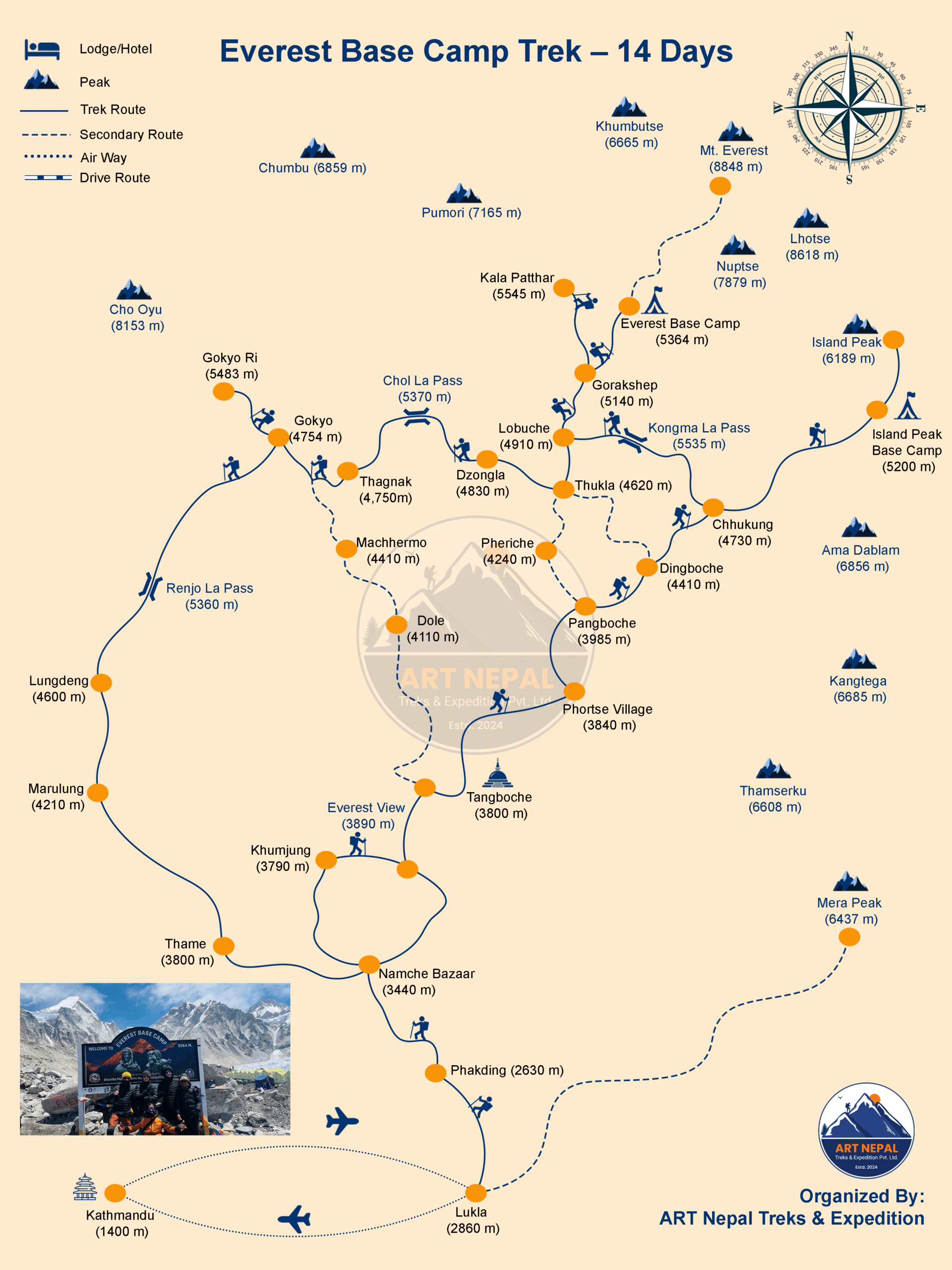
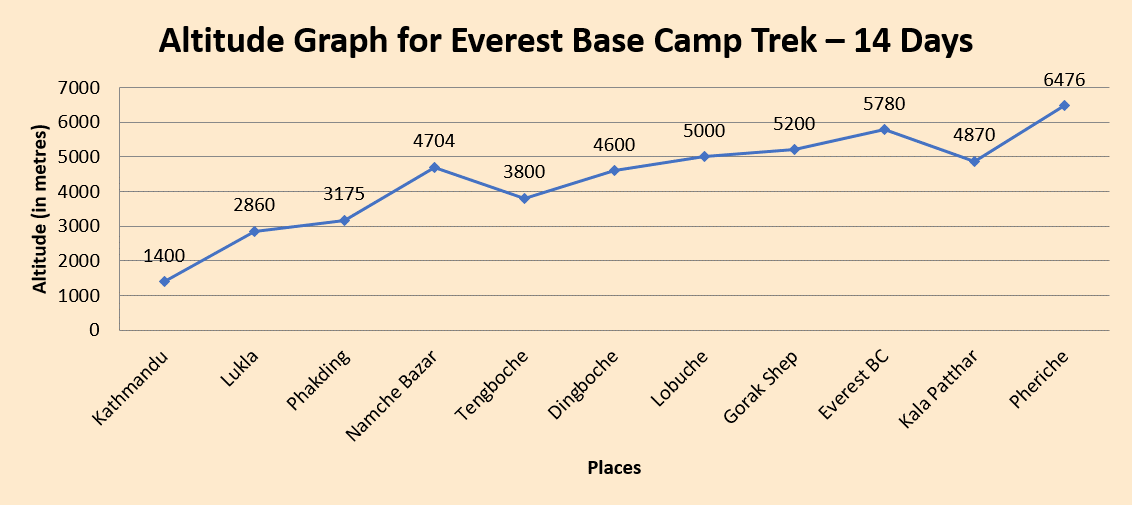
Hotel in KathmanduRoute Map
What's Included
- Domestic flights (Kathmandu ↔ Lukla)
- Accommodation during the trek (tea houses/lodges)
- Meals during trekking (breakfast, lunch, dinner)
- Experienced trekking guide
- Porter for personal gear (if hired)
- Trekking permits (TIMS & Sagarmatha National Park)
- Transportation for the trek start and end points
- First aid kit and emergency support
What's Excluded
- International airfare to/from Nepal
- Personal expenses (snacks, drinks, souvenirs, laundry)
- Travel insurance and medical costs
- Optional activities or excursions outside the itinerary
- Porters: Optional, though recommended for carrying heavy luggage ($22 per porter per day), a porter can carry up to 20 kg, and it is advisable to hire one porter for every two trekkers for comfort and convenience
Essential Info
Add-Ons
The Everest Base Camp trek offers a wide range of add-ons that can significantly enhance your trekking experience and provide a more personalized journey. These optional experiences allow trekkers to go beyond the standard route, explore hidden gems, and immerse themselves in the unique culture and stunning natural landscapes of the Khumbu region. Add-ons can cater to adventure seekers, photography enthusiasts, cultural explorers, or those who simply want more comfort and convenience during the trek. Choosing add-ons is an excellent way to tailor your trek to your preferences, fitness level, and interests, creating memories that last a lifetime.
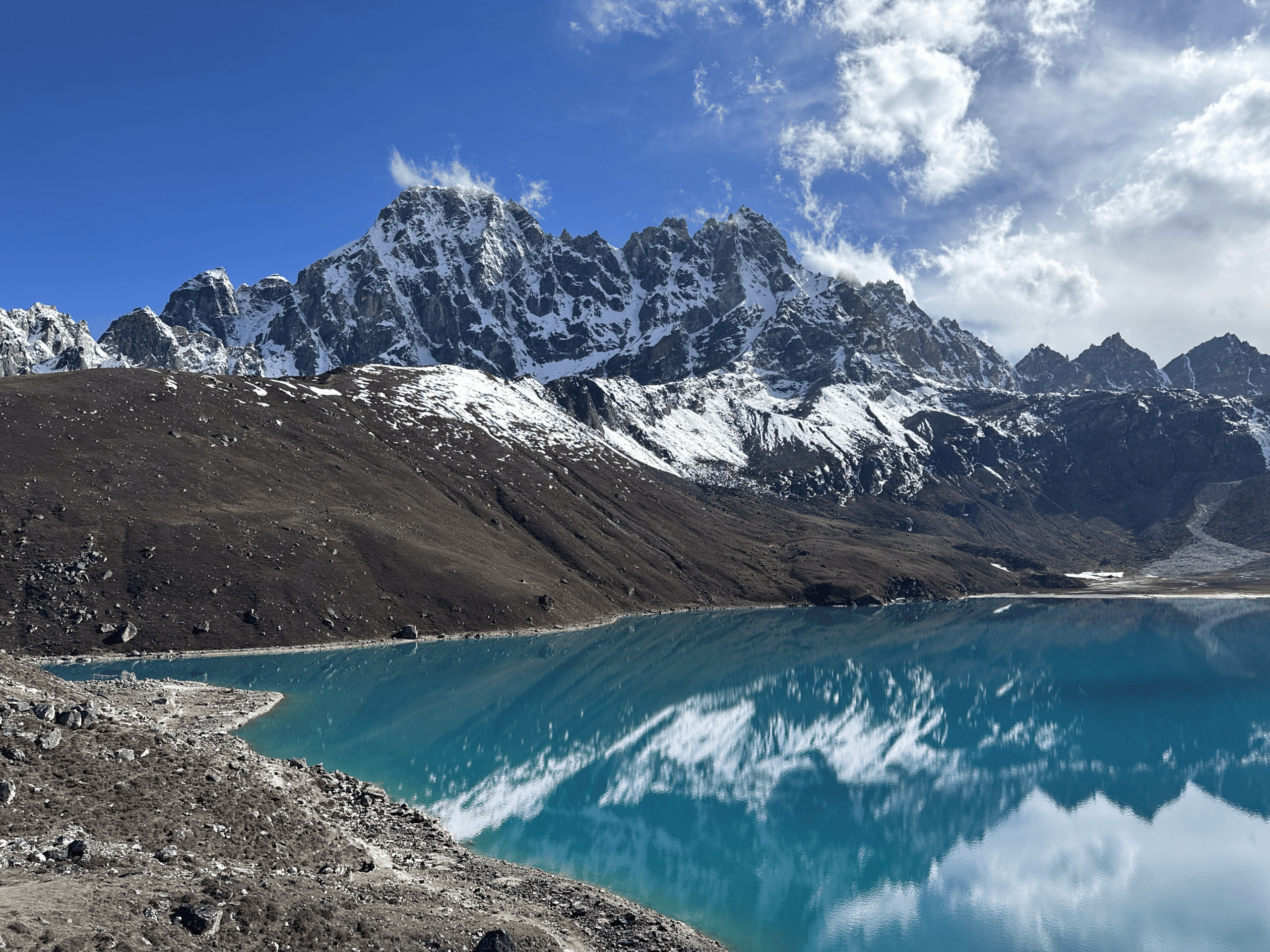
One of the most popular add-ons is spending extra days in certain villages for cultural exploration. For example, you can spend additional time in Namche Bazaar to explore its bustling market, meet local Sherpas, visit traditional monasteries, and participate in cultural activities. Photography enthusiasts may opt for guided photography treks, which take you to the best viewpoints for sunrise and sunset, capturing the peaks, valleys, and unique Sherpa lifestyle along the trail. Adventure seekers might add side treks to nearby valleys such as Gokyo Lakes or attempt passes like Cho La, which provide challenging routes and spectacular alpine scenery.
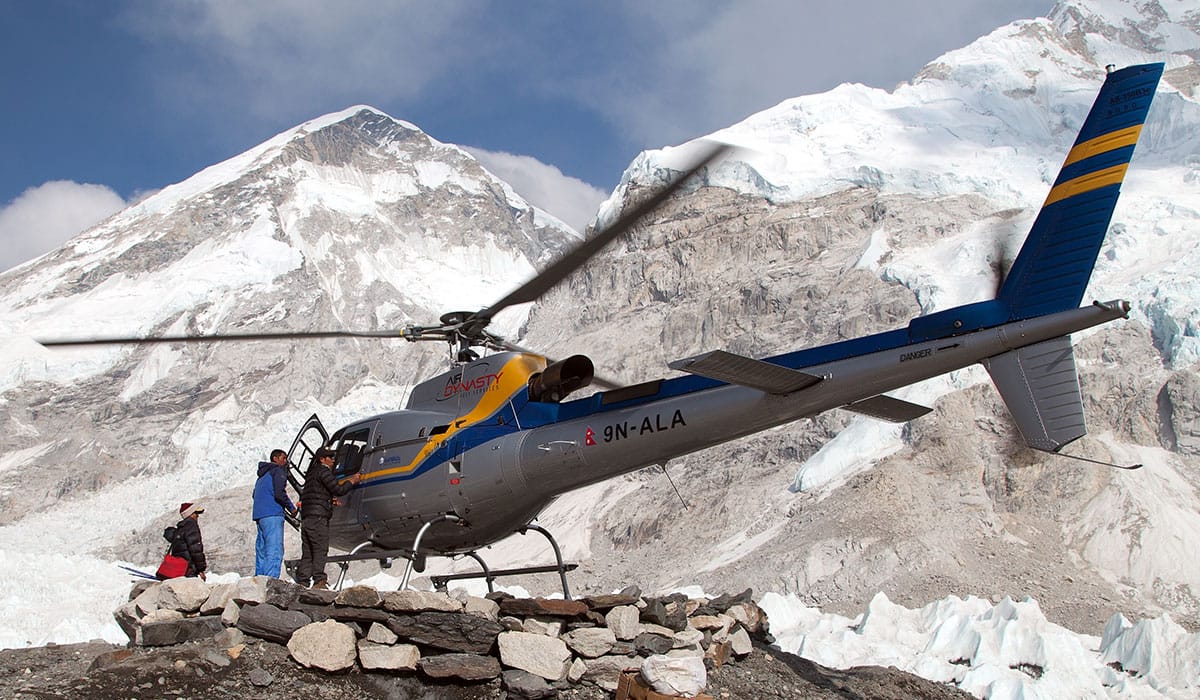
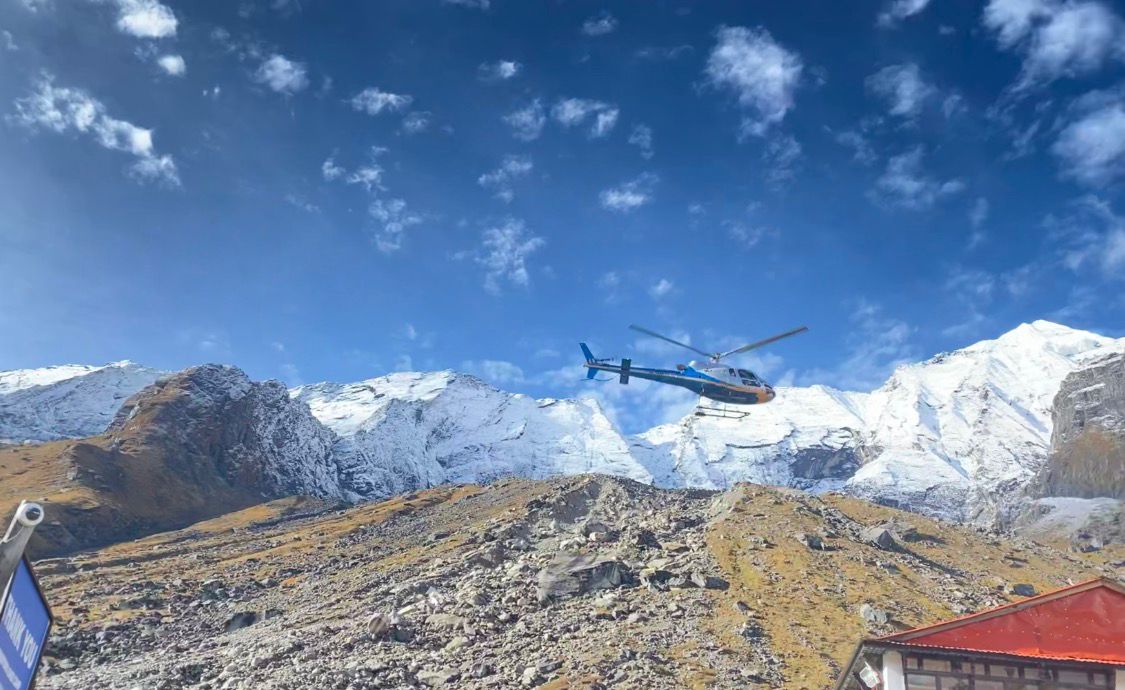
For trekkers who want comfort or a unique experience, luxury or semi-luxury lodges are available in major villages. These lodges often provide spacious rooms, hot showers, Wi-Fi, and even specialized meals prepared to suit dietary preferences. Another exciting add-on is a helicopter flight from Everest Base Camp back to Lukla or Kathmandu. This is not only a time-saving option but also offers breathtaking aerial views of the Everest region, glaciers, and surrounding peaks—a truly once-in-a-lifetime experience.
Add-On Options:
- Cultural tours in Namche Bazaar, Khumjung, and Pangboche villages to experience Sherpa life
- Guided photography hikes to scenic viewpoints and sunrise/sunset locations
- Helicopter flight from Everest Base Camp to Lukla or Kathmandu for convenience or adventure
- Side treks: Gokyo Lakes trek, Cho La Pass trek, or other lesser-known routes
- Extended stay in luxury or semi-luxury lodges with enhanced amenities
- Adventure experiences like mountain biking, short rock climbing sessions, or high-altitude camping
Best Season to Trek
The Everest Base Camp trek can be undertaken throughout the year, but the experience, comfort, and views vary significantly depending on the season. Choosing the optimal trekking season ensures safe trails, better weather, and more reliable visibility of the Himalayan peaks. Each season offers its own unique advantages and challenges, making it important for trekkers to plan according to their preferences, tolerance for cold, and desire for solitude or social interaction on the trail.
Spring (March–May):
Spring is considered one of the best times to trek Everest Base Camp due to moderate temperatures, stable weather, and the colorful blooming of rhododendrons along the trail. The valleys and forests come alive with vibrant flowers, and the skies are generally clear, offering breathtaking views of Everest, Lhotse, and Ama Dablam. This season is also popular among climbers attempting Everest, giving trekkers a chance to witness the excitement at Everest Base Camp. Days are warm while nights can still be chilly at higher altitudes, so layered clothing is essential. Spring treks offer ideal conditions for photography, long hikes, and cultural exploration, as villages are active and welcoming to visitors.
Autumn (September–November):
Autumn is the other peak season for trekking in the Everest region. Following the monsoon, trails are clear of mud and debris, rivers are calmer, and the forests are lush and green. Visibility is excellent, providing crystal-clear views of snow-capped peaks. The weather is relatively stable, and days are longer, allowing trekkers to maximize hiking time. Autumn is also less crowded than spring in some sections, giving trekkers a more peaceful experience. This season is excellent for capturing dramatic mountain landscapes and enjoying long treks without the extreme cold of winter or the rain of monsoon.
Winter (December–February):
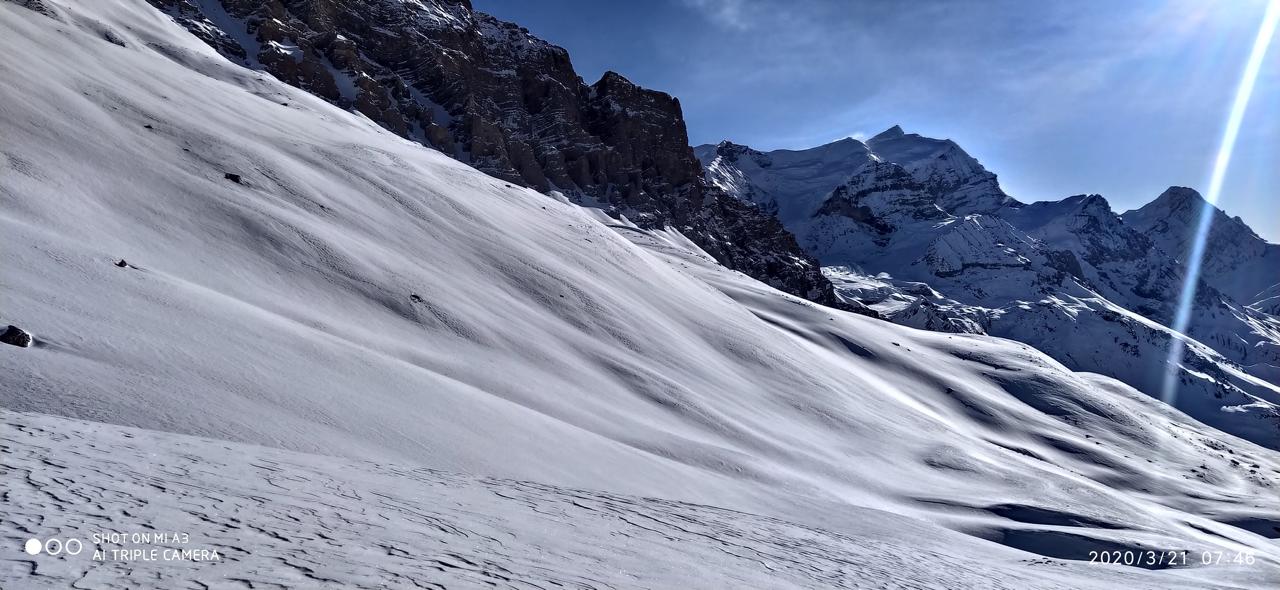
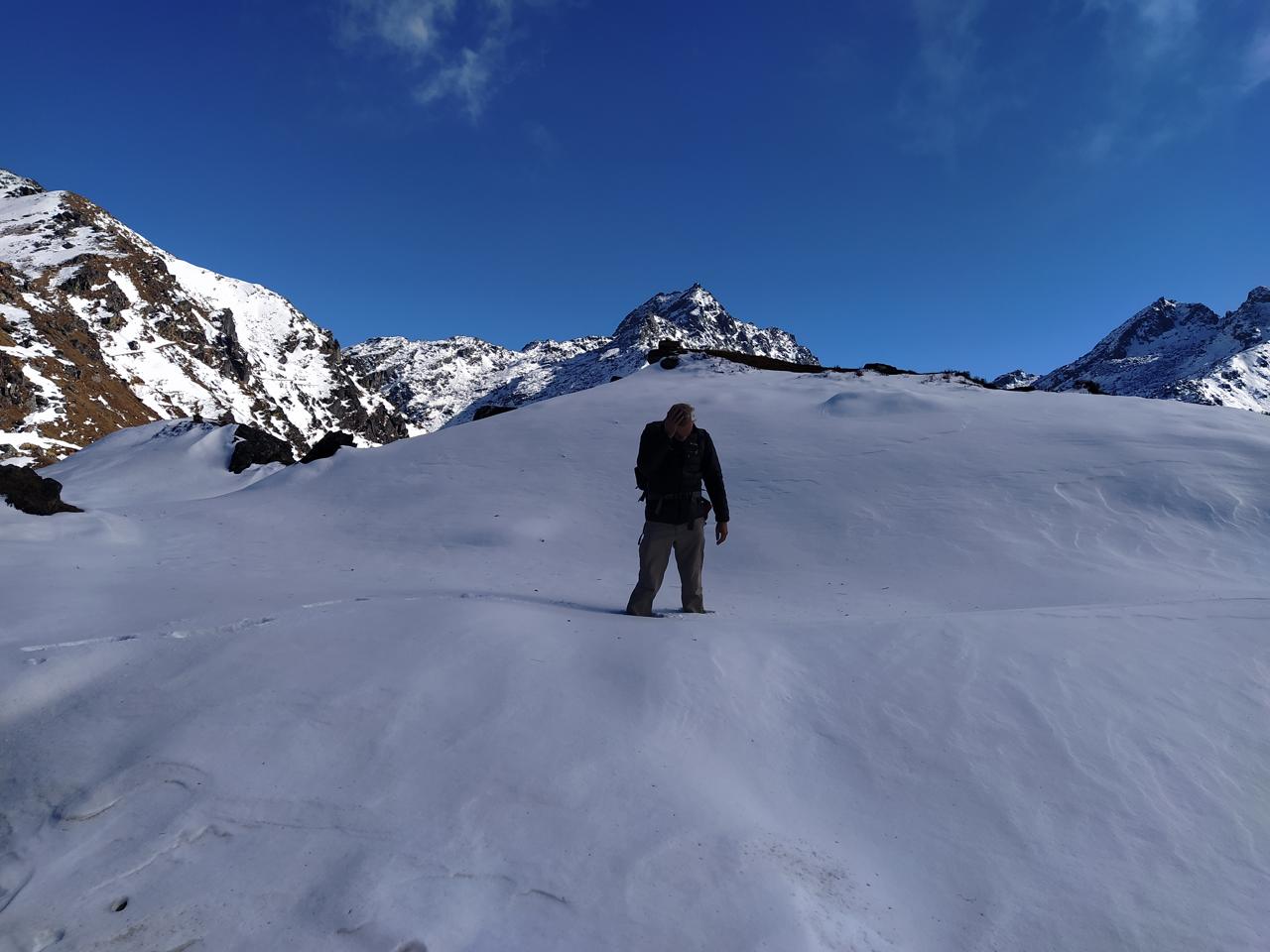
Winter trekking is for those seeking solitude and a serene environment. During this period, the region experiences very low temperatures, especially above 4,000 meters, with snow covering many trails. The cold makes trekking more challenging, requiring proper high-altitude gear, but the skies are often perfectly clear, offering some of the most spectacular and uninterrupted views of Everest and surrounding peaks. Fewer trekkers on the trail allow for a tranquil experience and a closer connection with nature. Winter treks are best suited for experienced trekkers comfortable with cold weather and ready to handle the physical challenges of snow-covered paths.
Monsoon (June–August):
The monsoon season is generally not recommended for the Everest trek due to heavy rainfall, slippery trails, and the increased risk of landslides. Trails can become muddy and rivers swollen, making trekking difficult and potentially hazardous. However, monsoon also brings lush greenery, fresh air, and fewer trekkers on the trail. For those willing to take the risk, the landscape is beautiful and unique, with waterfalls, blooming vegetation, and a refreshing atmosphere. Proper rain gear, waterproof boots, and caution are essential if trekking during this period.
Food Availability
Nutrition and energy are critical for a successful Everest Base Camp trek, as the daily hiking distances and high altitudes demand sufficient calories and hydration. The region offers a variety of food options, ranging from local Sherpa cuisine to Western meals, ensuring trekkers can maintain energy levels and enjoy the culinary aspects of the journey. Tea houses along the trail provide regular meals, often included in your accommodation package, while small shops offer snacks for quick energy boosts.
Most tea houses serve traditional Nepali meals, which are nutritious and designed to keep trekkers fueled. Dal bhat (lentil soup with rice) is the staple, often accompanied by vegetables, pickles, or small portions of meat. Other popular local dishes include momo (dumplings), thukpa (noodle soup), and various vegetable curries. Western meals such as pasta, noodles, omelets, and sandwiches are widely available in major villages, catering to trekkers who prefer familiar food or are vegetarian. Hot drinks, including tea, coffee, and hot chocolate, are served throughout the day, helping trekkers stay warm and hydrated.
For energy during long treks, carrying snacks is highly recommended. Energy bars, dried fruits, nuts, chocolates, and biscuits provide quick calories and can be eaten on the move. Small shops along the route also sell local snacks like yak cheese, instant noodles, or biscuits, offering variety. It is important to drink boiled or filtered water, as untreated water from streams can cause illness. Many tea houses charge a small fee for boiled or filtered water, so carrying a personal water bottle with purification tablets is advisable.
Food:
- Breakfast: Porridge, eggs, pancakes, toast, tea/coffee
- Lunch: Dal bhat, noodles, rice, vegetables, soups
- Dinner: Dal bhat, pasta, curry, momo, rice
- Snacks: Energy bars, nuts, chocolates, dried fruits, biscuits
- Drinks: Tea, coffee, hot chocolate, boiled or filtered water
Accommodation
Accommodation along the Everest Base Camp trek is designed to provide basic comfort, safety, and rest for trekkers while allowing an authentic experience of the Himalayan environment. The trek is primarily supported by tea houses, which are small lodges offering simple rooms, meals, and a place to rest. The quality and facilities vary depending on the village, altitude, and season. Lower-altitude villages like Lukla, Phakding, and Namche Bazaar offer more comfortable accommodations with hot showers, private rooms, and Wi-Fi, while higher-altitude villages such as Gorak Shep and Dingboche have simpler rooms with basic heating and shared bathrooms.
Tea houses typically provide twin-sharing rooms with beds, blankets, and sometimes mattresses. It is advisable to carry a sleeping bag, especially for higher altitudes, as the blankets may not provide sufficient warmth during cold nights. Shared bathrooms with running water are common, but at very high altitudes, water may be limited, and cold showers may be the only option. Some lodges also offer solar-heated water, small dining areas, and common rooms with wood or gas stoves to provide warmth. Staying in these tea houses not only provides rest but also gives trekkers a chance to meet fellow travelers and local Sherpa families, offering insight into daily life in the region.
Accommodation Options:
- Standard tea houses with twin-sharing rooms and blankets
- Private rooms available in lower-altitude villages
- Higher-altitude lodges with shared bathrooms and limited hot water
- Common areas with wood or gas stoves for warmth
- Luxury or semi-luxury lodges in major villages with hot showers, Wi-Fi, and enhanced meals
Travel Insurance
Travel insurance is an essential requirement for any high-altitude trek, including Everest Base Camp. The Himalayan environment presents several risks, including altitude sickness, injuries from slips or falls, sudden weather changes, and unexpected flight cancellations from Lukla. Having comprehensive travel insurance ensures that trekkers are financially protected against medical emergencies, evacuation costs, and trip disruptions. Most trekking agencies require proof of travel insurance before starting the trek, so it is a mandatory preparation step.
The ideal travel insurance policy for Everest trekking should cover emergency medical expenses, helicopter evacuation, search and rescue, trip cancellation, and lost luggage. Helicopter evacuation is particularly important, as in high-altitude emergencies, rapid descent or evacuation can be life-saving. Some policies also include coverage for adventure activities such as trekking above 4,000 meters, which is standard for the Everest Base Camp route. Insurance providers often require detailed documentation, including a medical history declaration, so it is advisable to arrange insurance well in advance of the trek.
Travel Insurance Tips:
- Ensure coverage includes high-altitude trekking (up to 6,000 meters)
- Include emergency helicopter evacuation
- Check medical and rescue coverage for injuries and illness
- Include trip cancellation or delays due to weather or flights
- Carry insurance documentation in both physical and digital formats
Altitude Sickness
Altitude sickness is one of the most common challenges on the Everest Base Camp trek. As trekkers ascend above 3,000 meters, the reduced oxygen levels can lead to symptoms such as headaches, nausea, dizziness, fatigue, and shortness of breath. Proper acclimatization, hydration, and pacing are key to preventing severe altitude sickness. The trek itinerary includes rest and acclimatization days in Namche Bazaar and Dingboche specifically to help the body adjust gradually to higher altitudes.
There are three main types of altitude sickness: Acute Mountain Sickness (AMS), High Altitude Pulmonary Edema (HAPE), and High Altitude Cerebral Edema (HACE). AMS is the mildest and most common, whereas HAPE and HACE are life-threatening emergencies requiring immediate descent. Trekkers are advised to monitor symptoms closely and consult guides or medical personnel if severe symptoms occur. Some may use medications like Diamox under medical supervision to help with acclimatization, but natural acclimatization and gradual ascent remain the safest strategies.
Altitude Sickness Prevention Tips:
- Ascend slowly and include rest/acclimatization days
- Stay well-hydrated and avoid alcohol or smoking
- Eat light, high-carbohydrate meals
- Listen to your body and avoid overexertion
- Carry a first aid kit and consult guides for medication if needed
Guide and Safety Measures
Hiring a knowledgeable guide is highly recommended for Everest Base Camp trekking. Guides provide expert navigation, ensure your safety, and offer cultural insights into Sherpa villages, monasteries, and local traditions. Experienced guides can recognize early signs of altitude sickness, manage emergencies, and adjust the trekking pace to suit individual fitness levels. They also handle logistics such as permits, accommodation arrangements, and interactions with tea house owners, allowing trekkers to focus on the experience rather than administrative tasks.
Safety measures on the trek include proper acclimatization, reliable trekking gear, and careful monitoring of weather and trail conditions. Guides and porters are trained to manage high-altitude emergencies, and many carry oxygen cylinders, first aid kits, and communication devices. Tea houses along the trail are strategically located to provide shelter, meals, and rest points, ensuring trekkers are never too far from assistance. Additionally, trekkers are encouraged to travel in groups or with experienced companions to enhance safety and morale.
Safety and Guide Services:
- Experienced guides for navigation, acclimatization support, and local insights
- Porters to carry luggage and assist in emergencies
- Oxygen cylinders and first aid kits for high-altitude contingencies
- Regular monitoring of weather and trail conditions
- Group travel and buddy systems for added safety
- Communication devices for emergencies
Booking Procedure
Booking your Everest Base Camp trek involves a few essential steps to ensure a smooth and hassle-free experience. First, choose a reputable trekking agency, such as ART Nepal Treks & Expedition, that offers full support, experienced guides, and comprehensive itineraries. Contact the agency with your preferred travel dates, group size, and any special requirements. Once you confirm your booking, the agency will provide a detailed itinerary, cost breakdown, and payment instructions.
Next, secure all necessary permits for trekking in the Everest region, including the Sagarmatha National Park permit and the TIMS card. These permits are mandatory for trekking above Lukla and are typically arranged by the trekking agency on your behalf. After permits are confirmed, prepare physically and mentally for the trek, pack your gear, and arrange travel insurance. On the departure date, arrive in Kathmandu a few days early to acclimate, attend briefing sessions with your guides, and complete any last-minute arrangements for flights, equipment, and health checks.
Booking Steps:
- Select a reliable trekking agency (ART Nepal Treks & Expedition)
- Confirm travel dates, group size, and special requests
- Complete payment and receive itinerary and booking confirmation
- Obtain Sagarmatha National Park permit and TIMS card
- Arrange travel insurance covering high-altitude trekking
- Prepare gear, physical fitness, and health documentation
- Arrive in Kathmandu for pre-trek briefing and final arrangements
Equipment List
- Moisture-wicking T-shirts (short and long sleeve)
- Trekking pants (convertible to shorts if needed)
- Thermal base layers for cold nights
- Comfortable underwear and trekking socks
- Hat or cap for sun protection
- Gloves (lightweight and insulated)
- Sunglasses with UV protection
- Trekking boots (well-broken-in, waterproof)
- Gaiters for snow or muddy paths
- Backpack (40–50 L for trek days)
- Daypack for short hikes
- Trekking poles (adjustable for support)
- Sleeping bag (rated for -15°C to -20°C)
- Headlamp or flashlight with extra batteries
- Water bottles or hydration system
- Water purification tablets or filter
- Crampons or microspikes (optional, for icy conditions)
- Insulated jacket (down or synthetic)
- Waterproof shell jacket and pants
- Fleece jacket or mid-layer for warmth
- Warm hat, balaclava, and neck gaiter
- Extra thermal socks for higher altitude
- Personal first aid kit
- Sunscreen and lip balm with high SPF
- Wet wipes and hand sanitizer
- Trekking towel
- Personal medications
- Altitude sickness medicine (consult doctor)
- Whistle for emergencies
- Mobile phone and charger
- Power bank (high capacity)
- Camera or GoPro
- Travel adapter
- Extra memory cards and batteries
General Equipments
- Trekking permit and TIMS card
- Passport and photocopies
- Cash in small denominations (Nepalese Rupees)
- Snacks and energy bars
- Notebook and pen
FAQ
Trip Price
USD 1450 Per Person
Talk To Trip Expert
Related Trips