

Tilicho Lake & Annapurna Circuit Trek – 16 Days
Annapurna Circuit Trek
16 Days/ 15Nights
Price From
View More
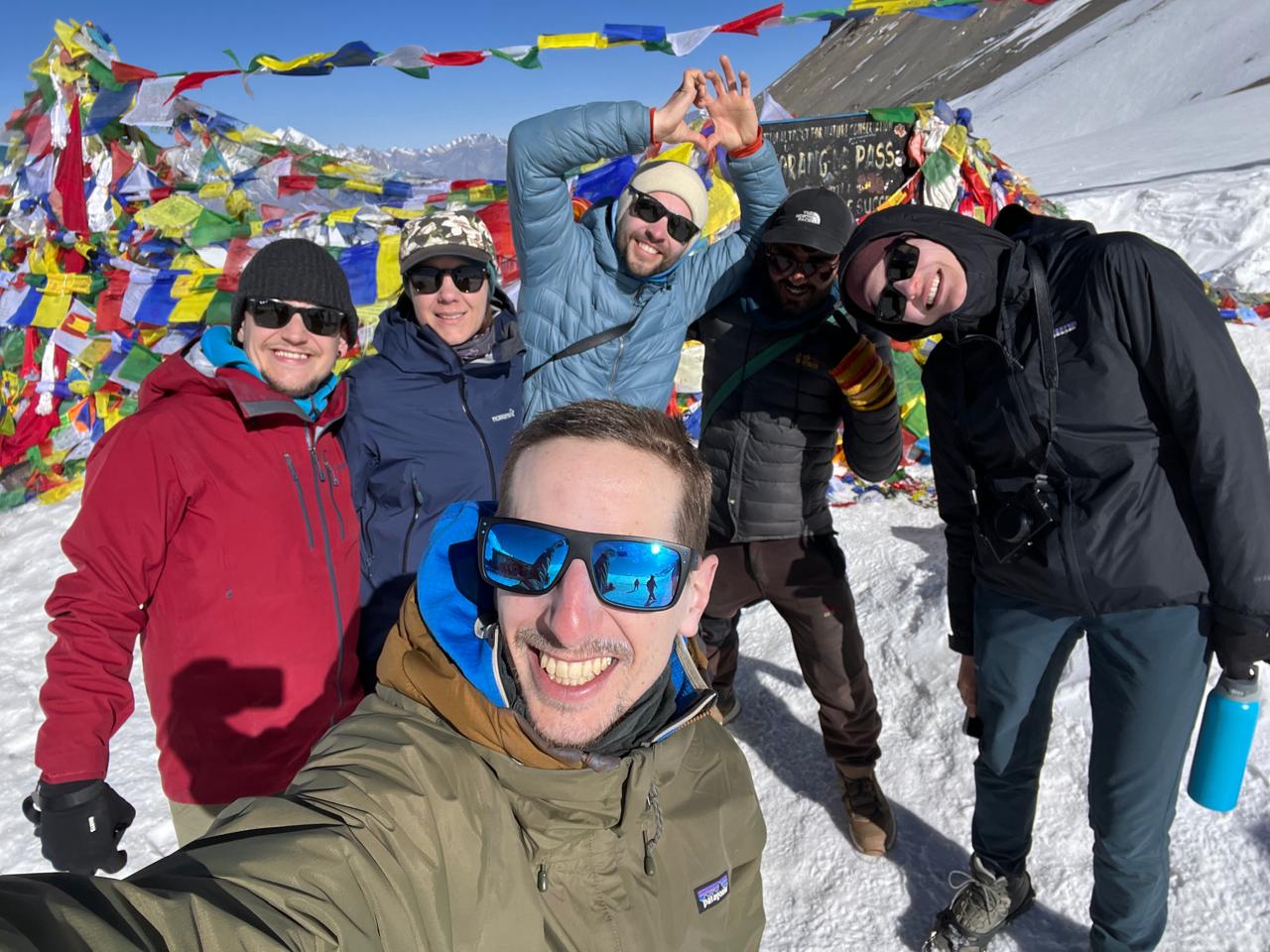
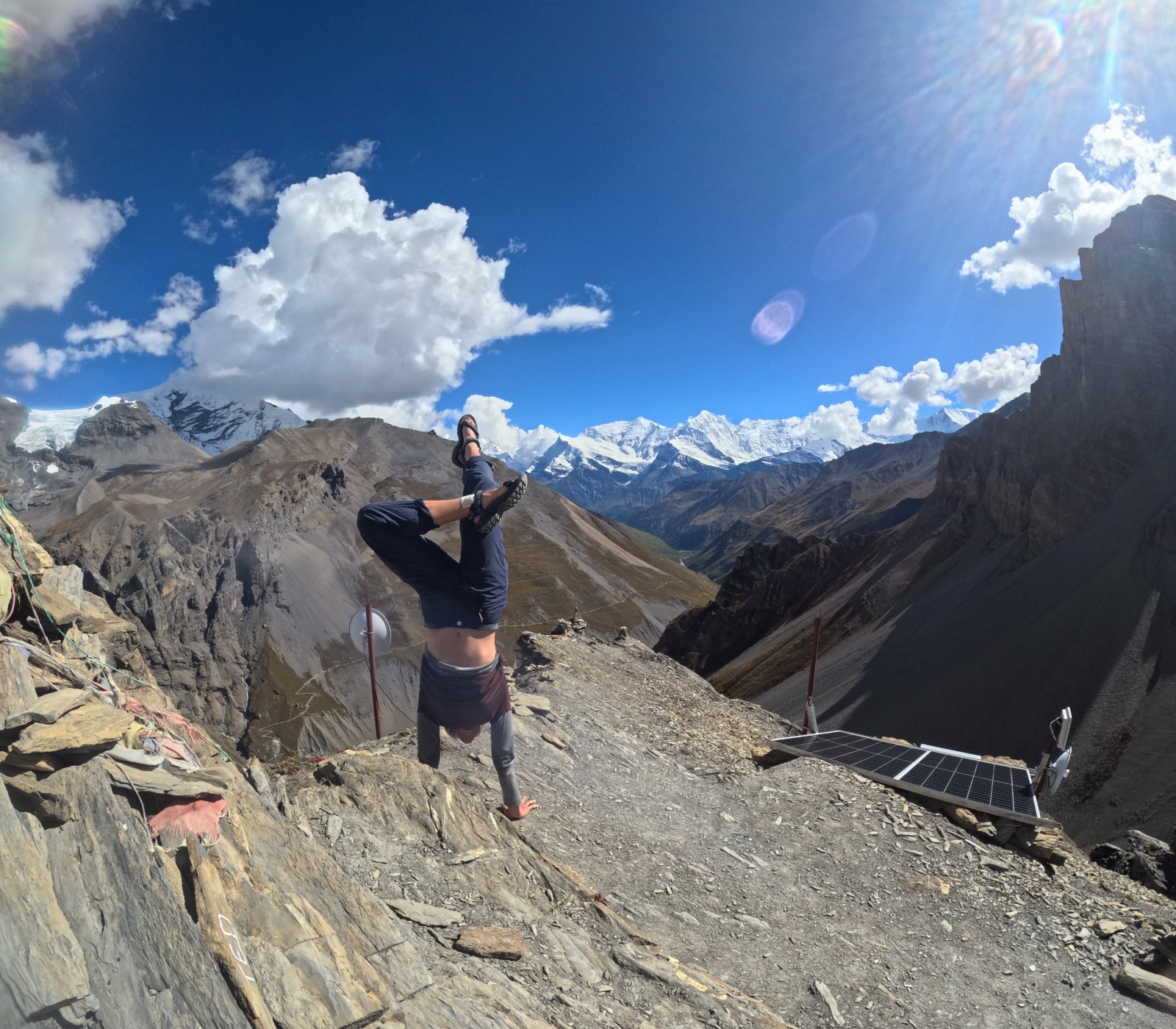
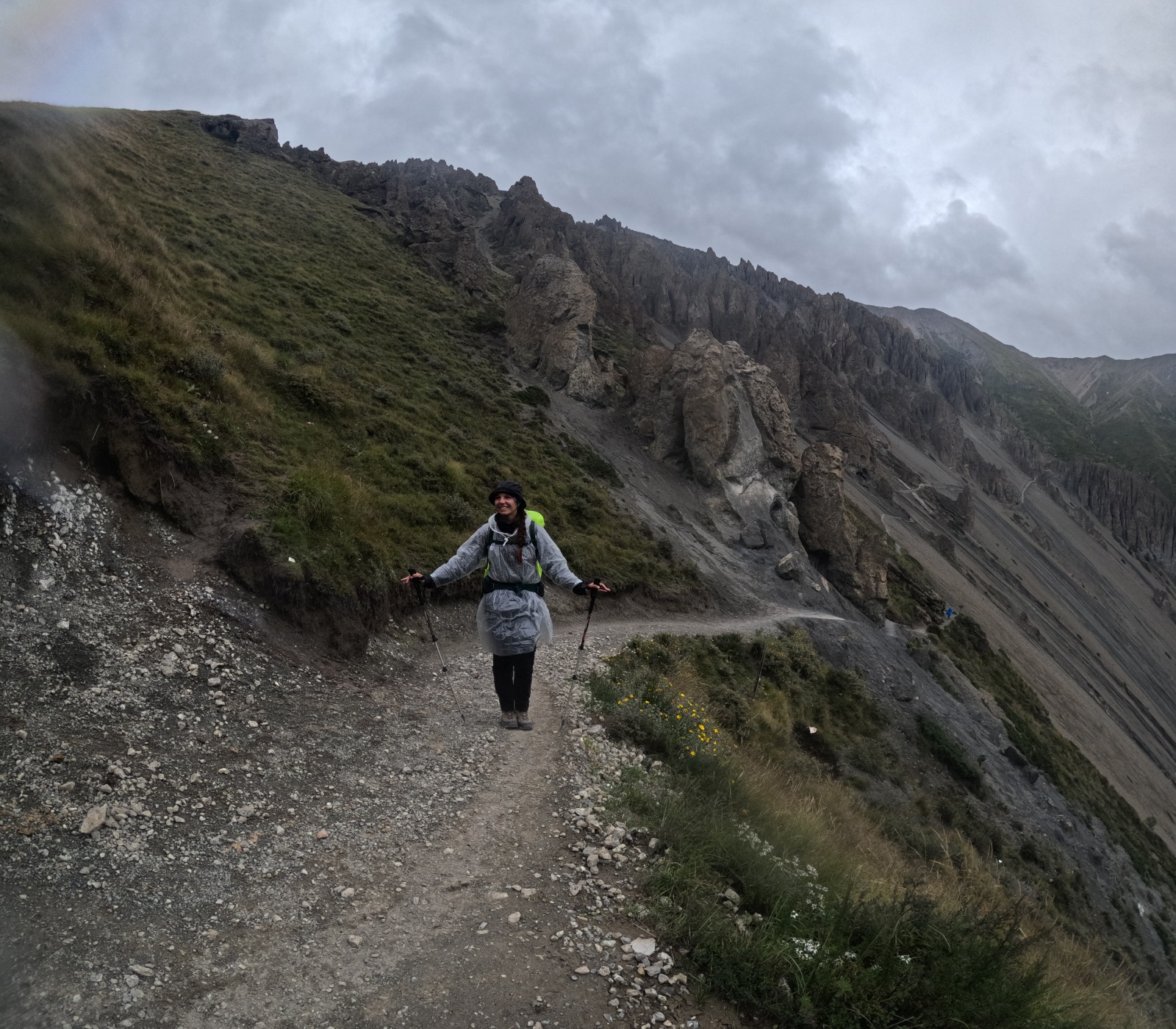
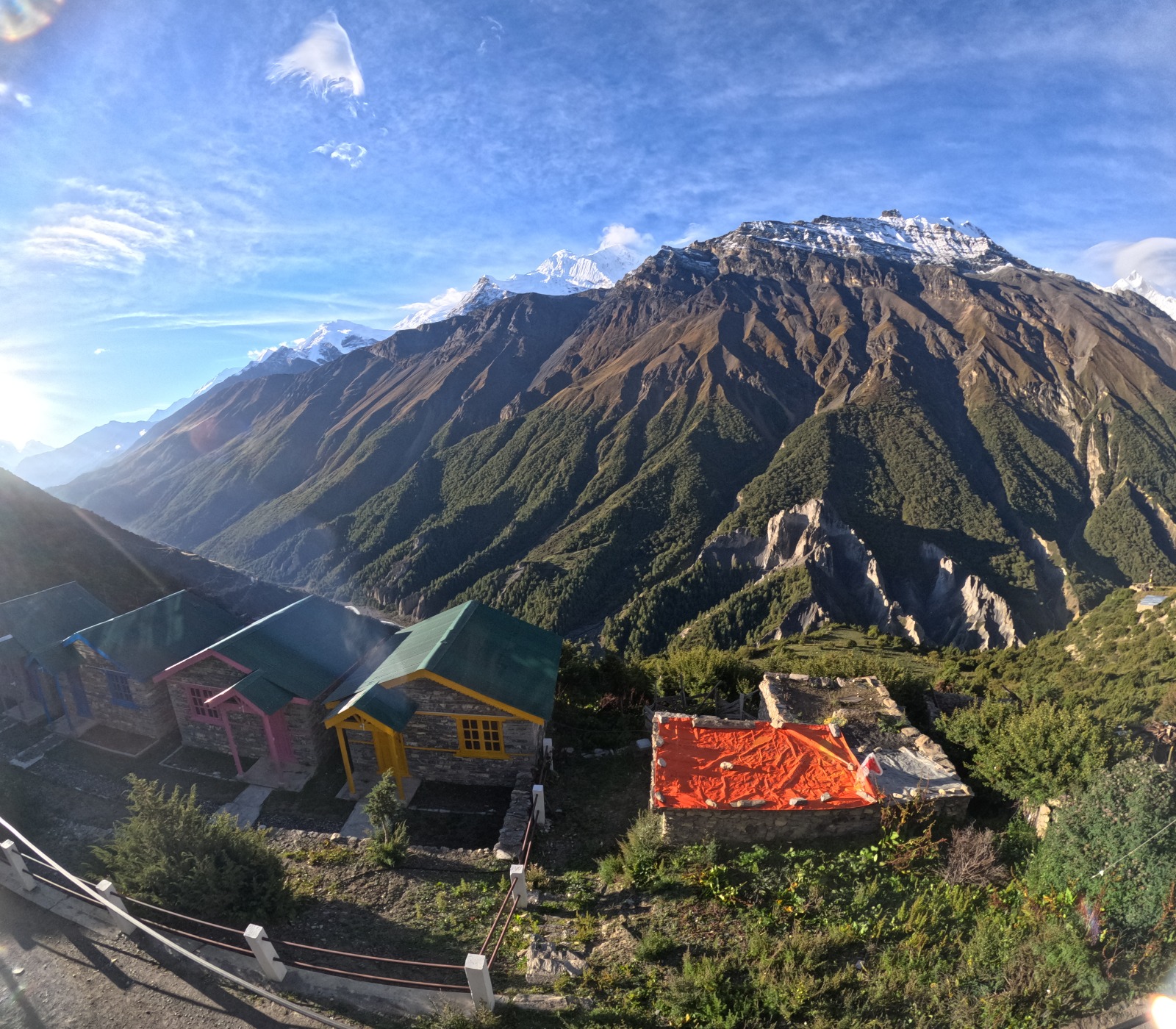
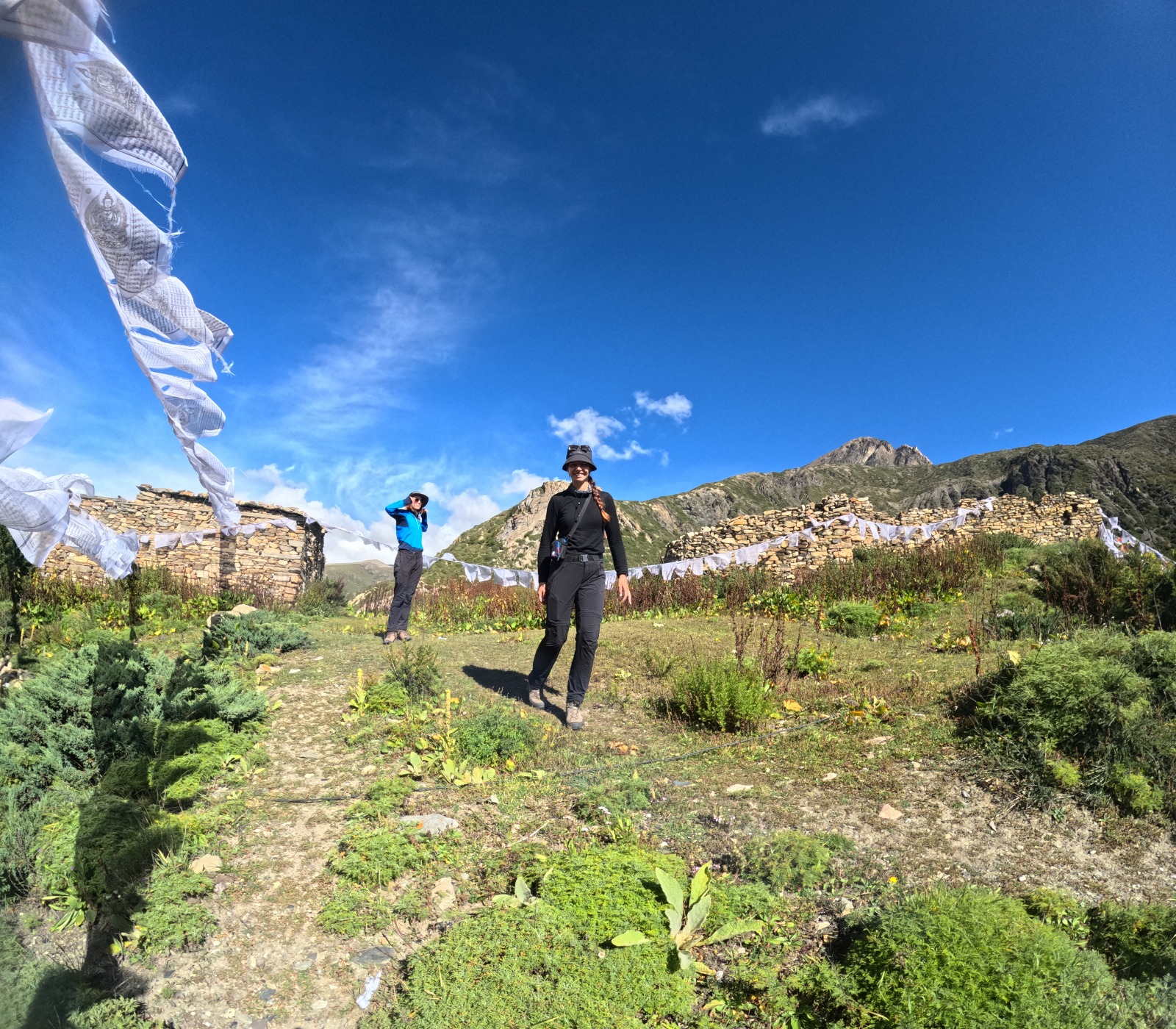
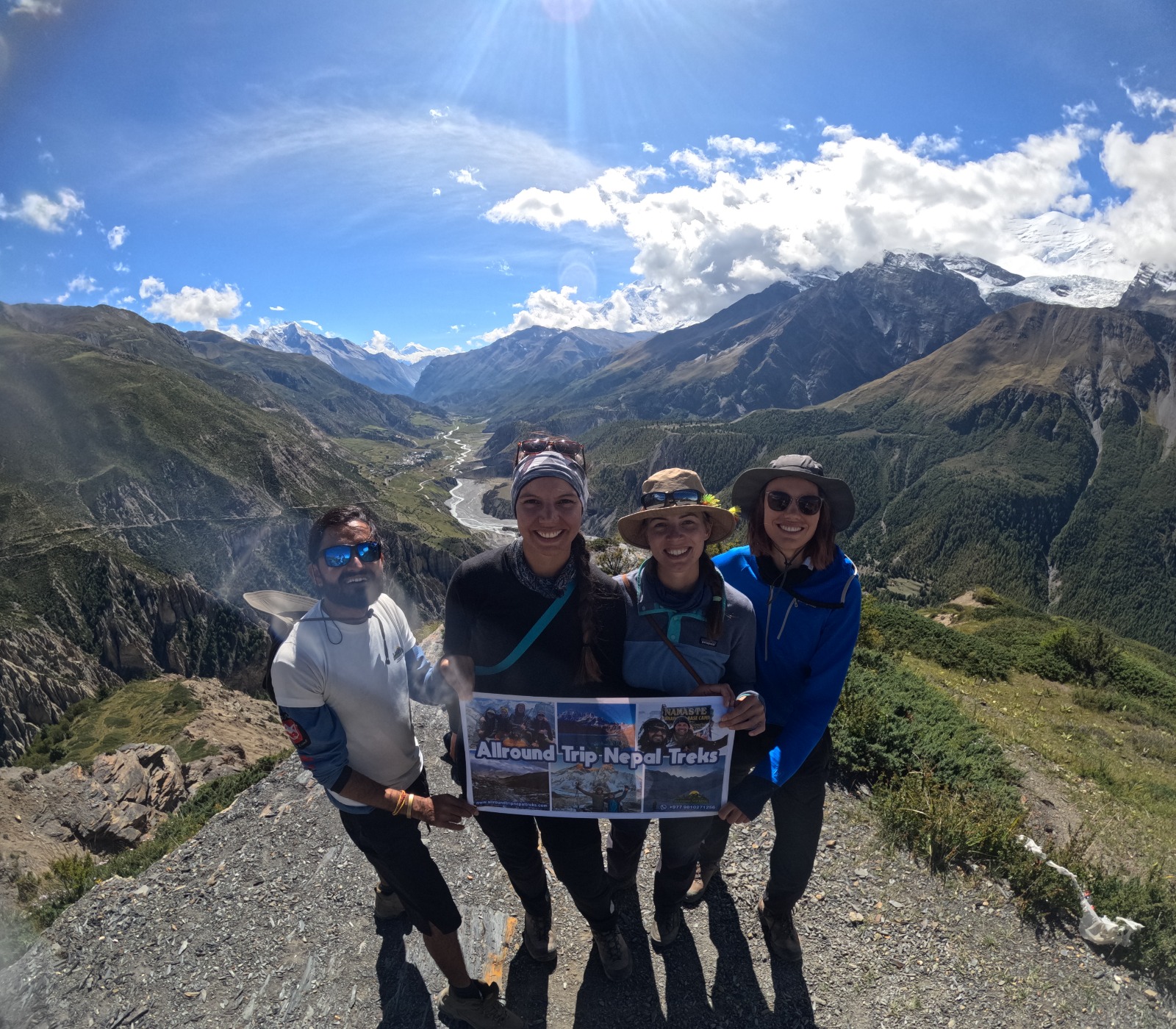
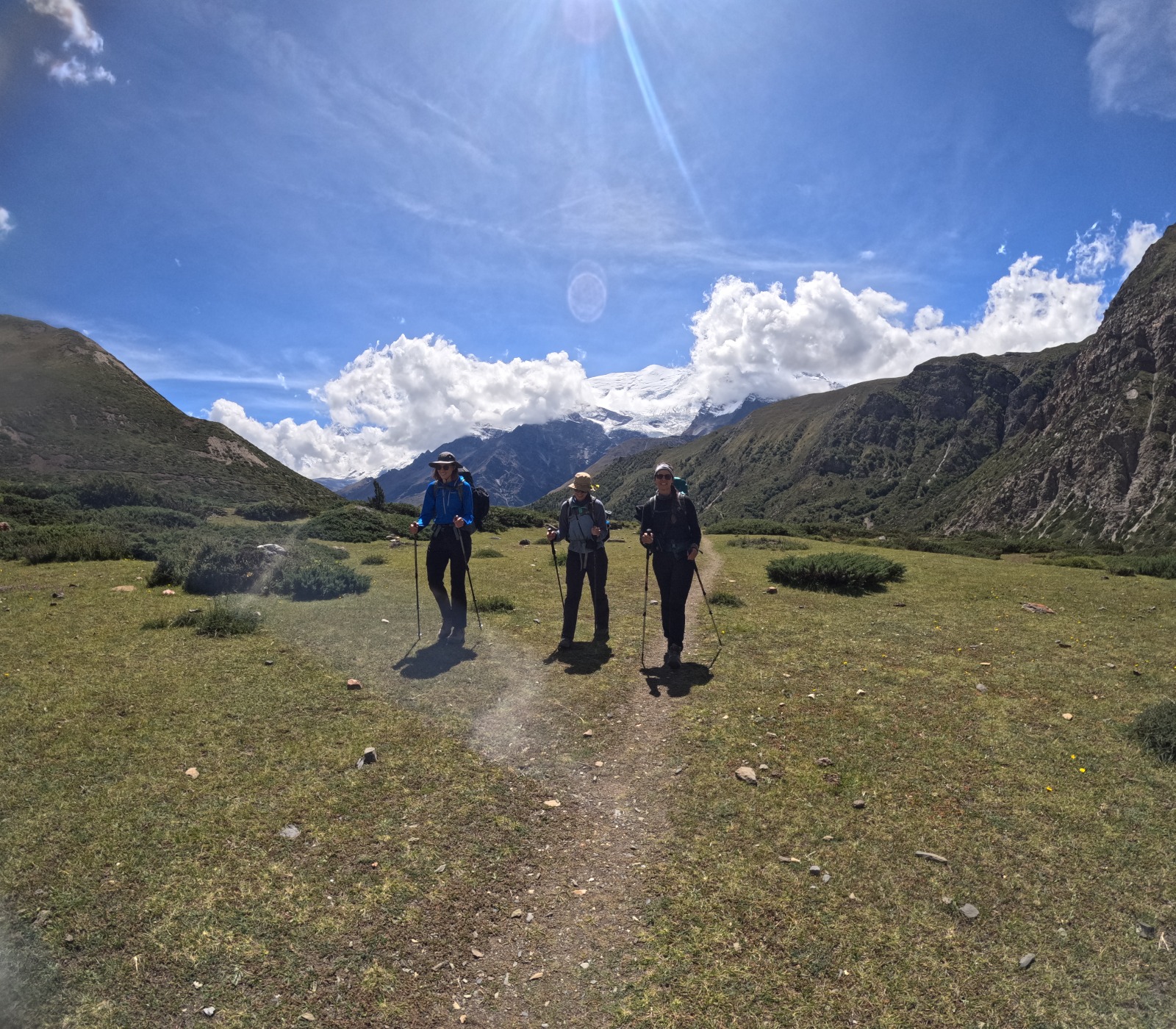
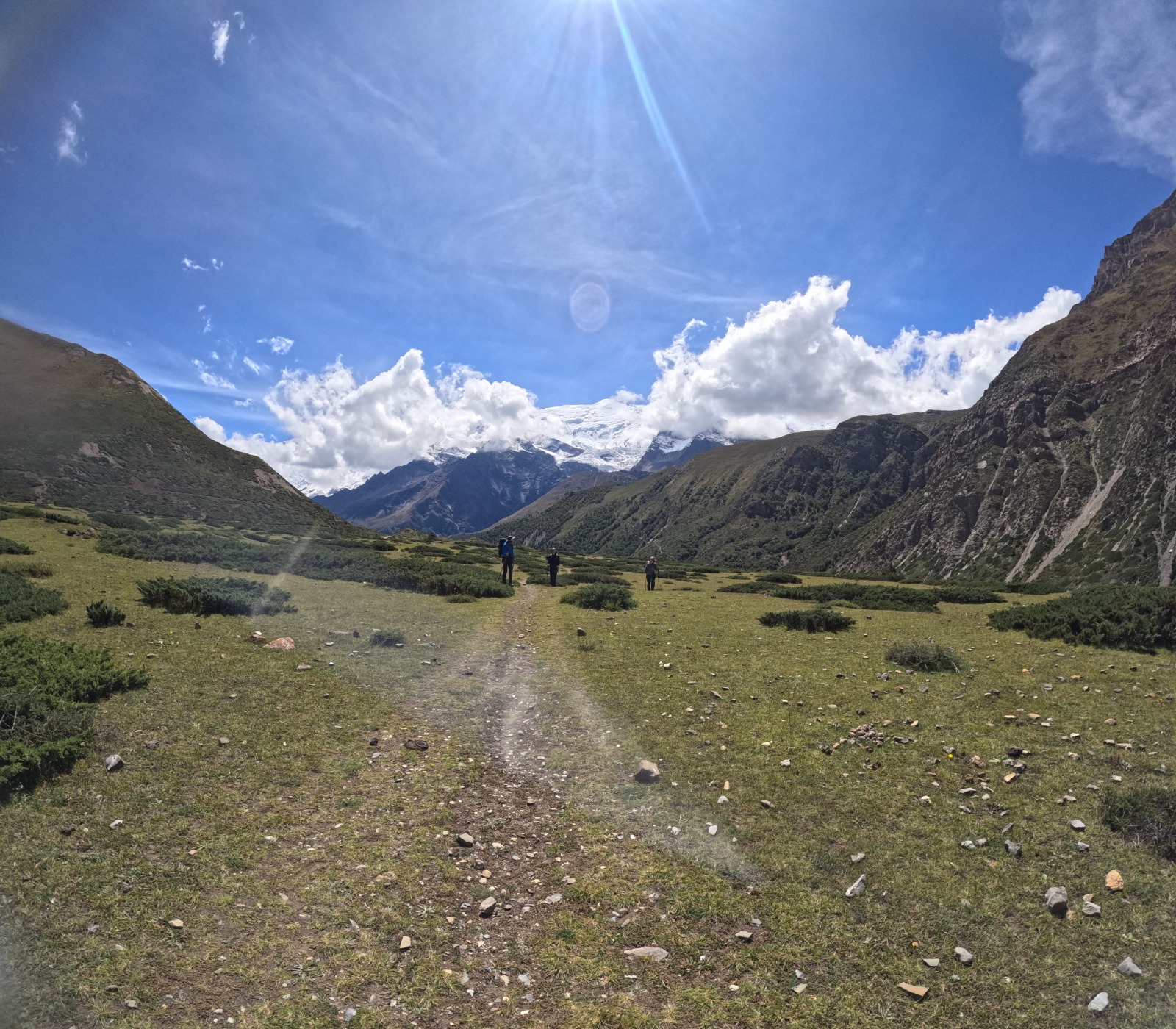
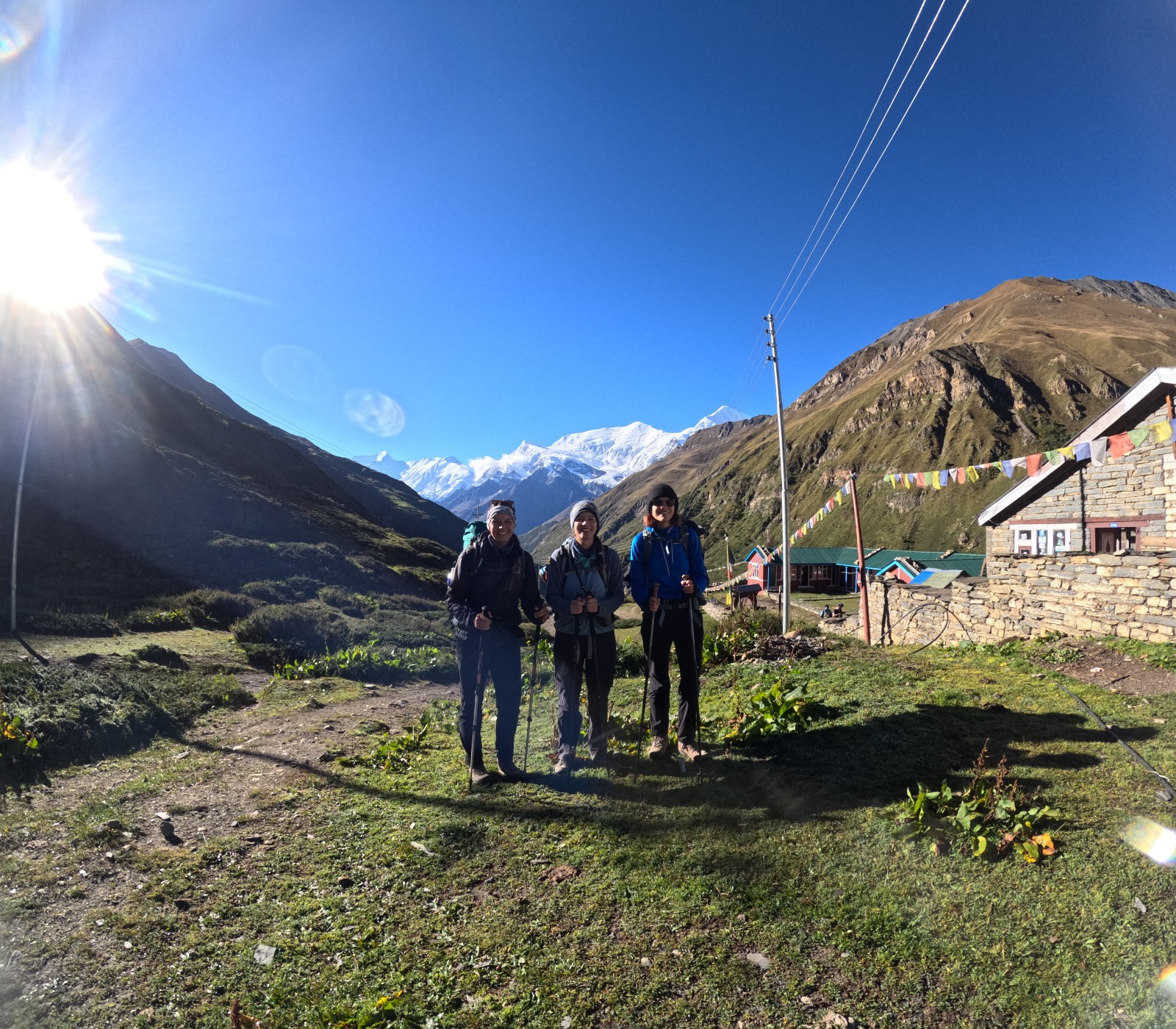
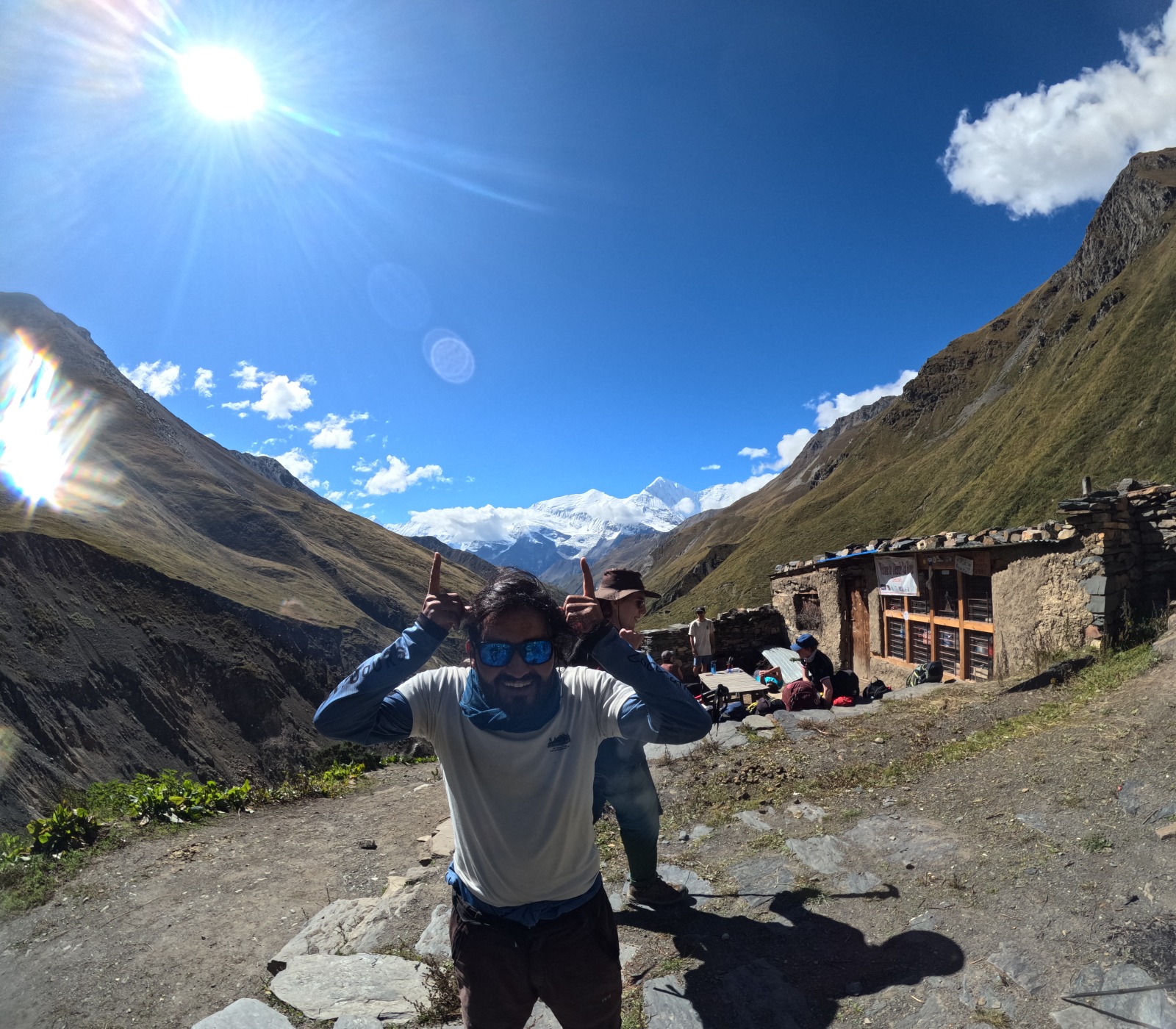
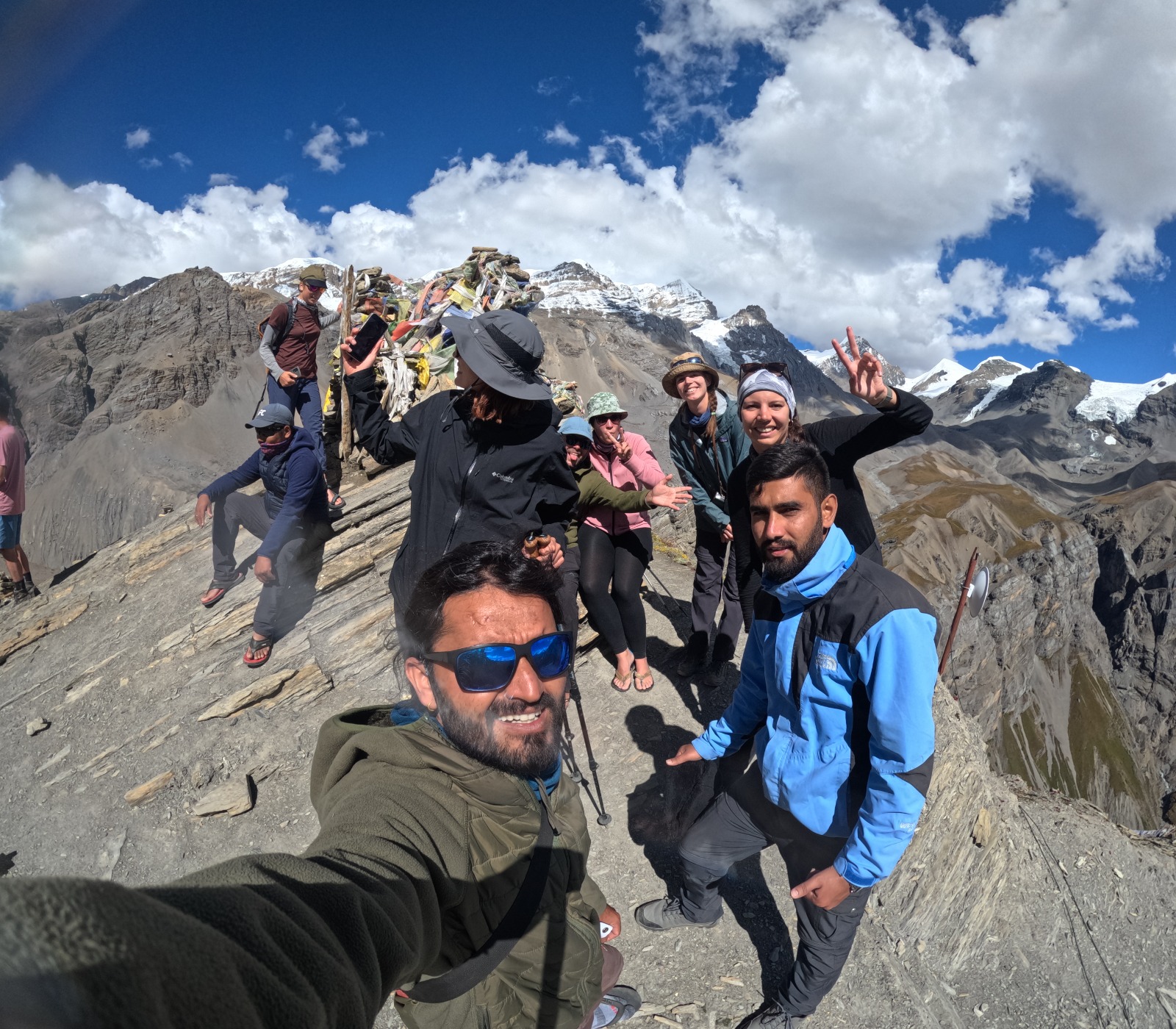
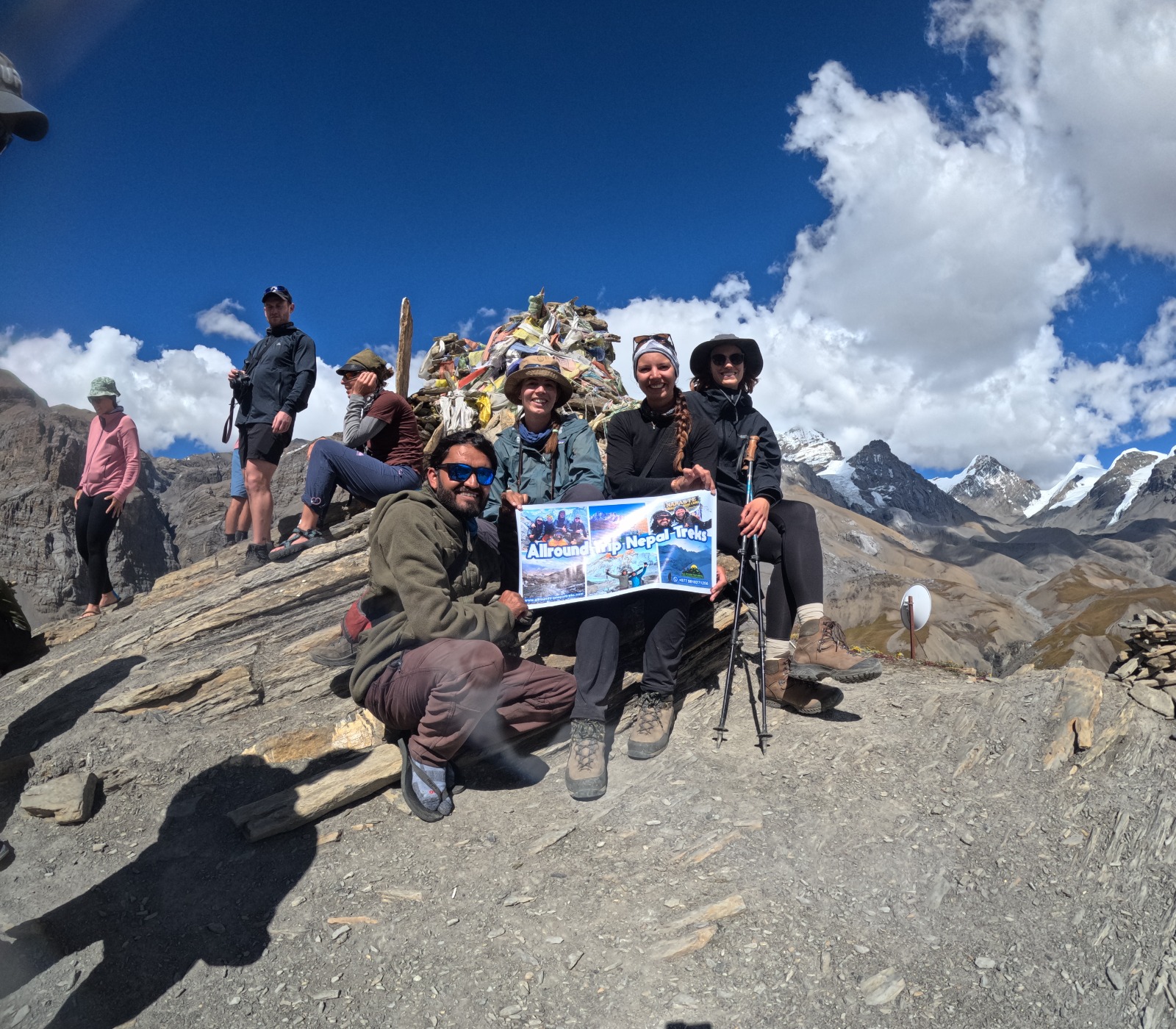
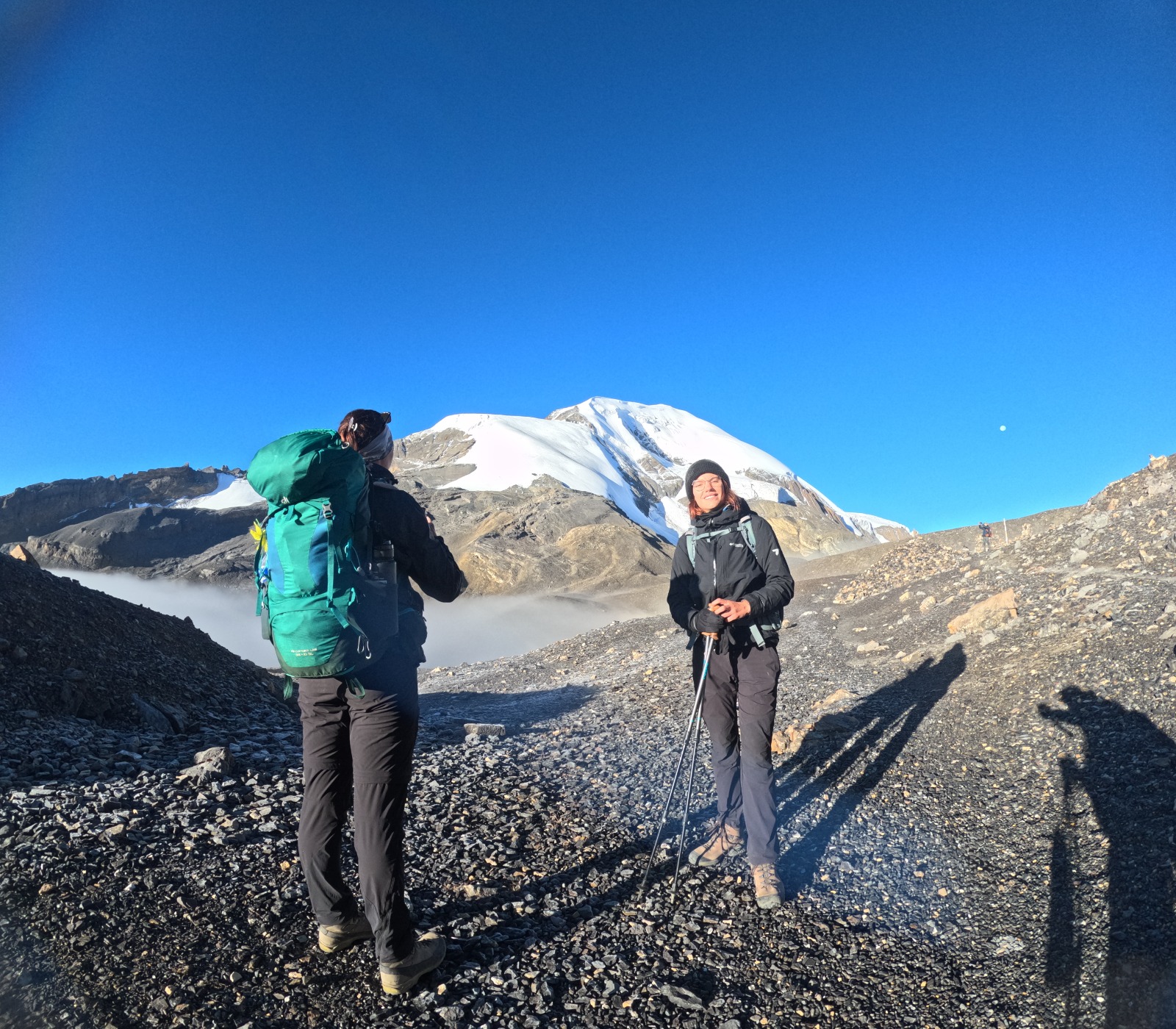
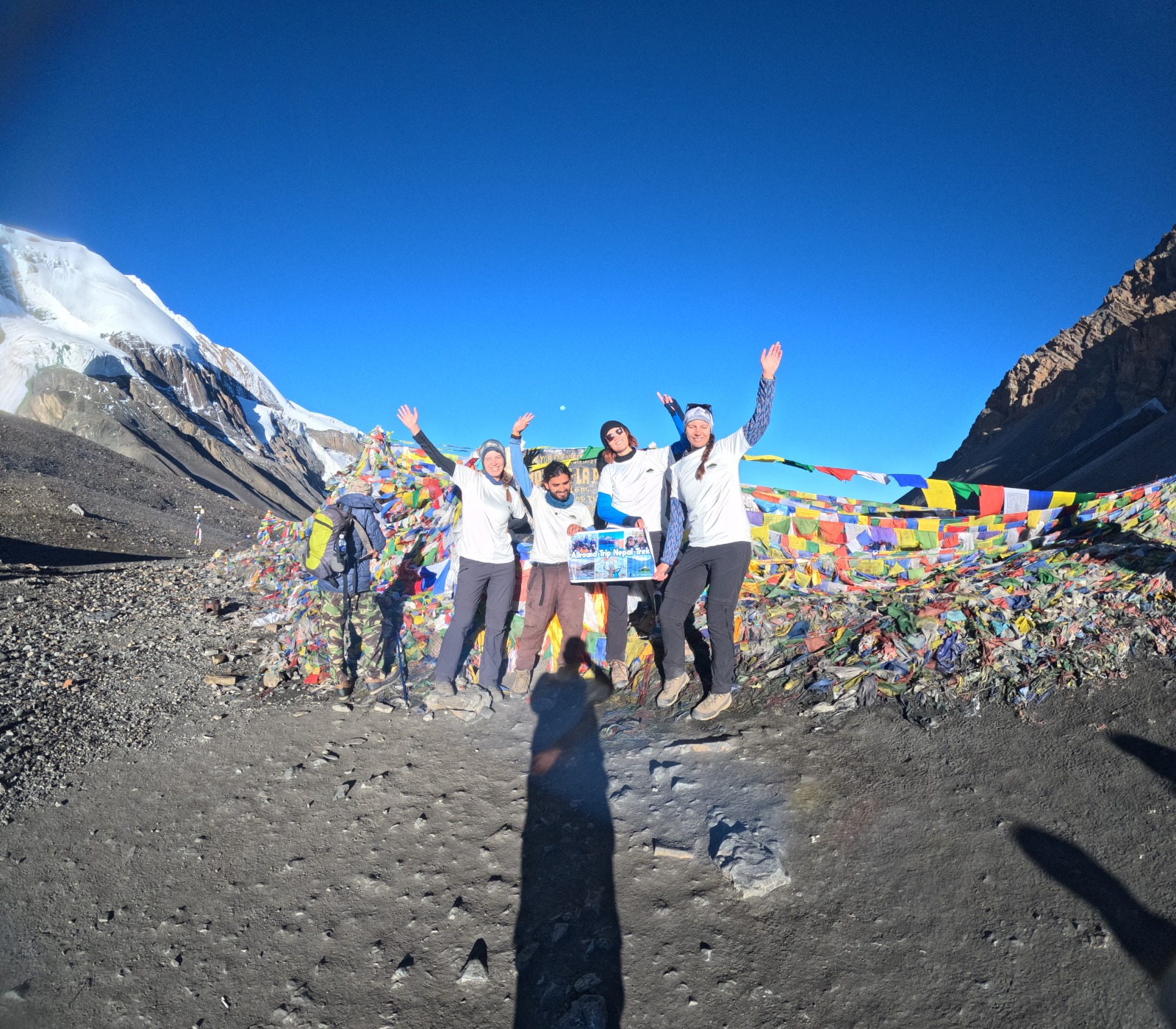
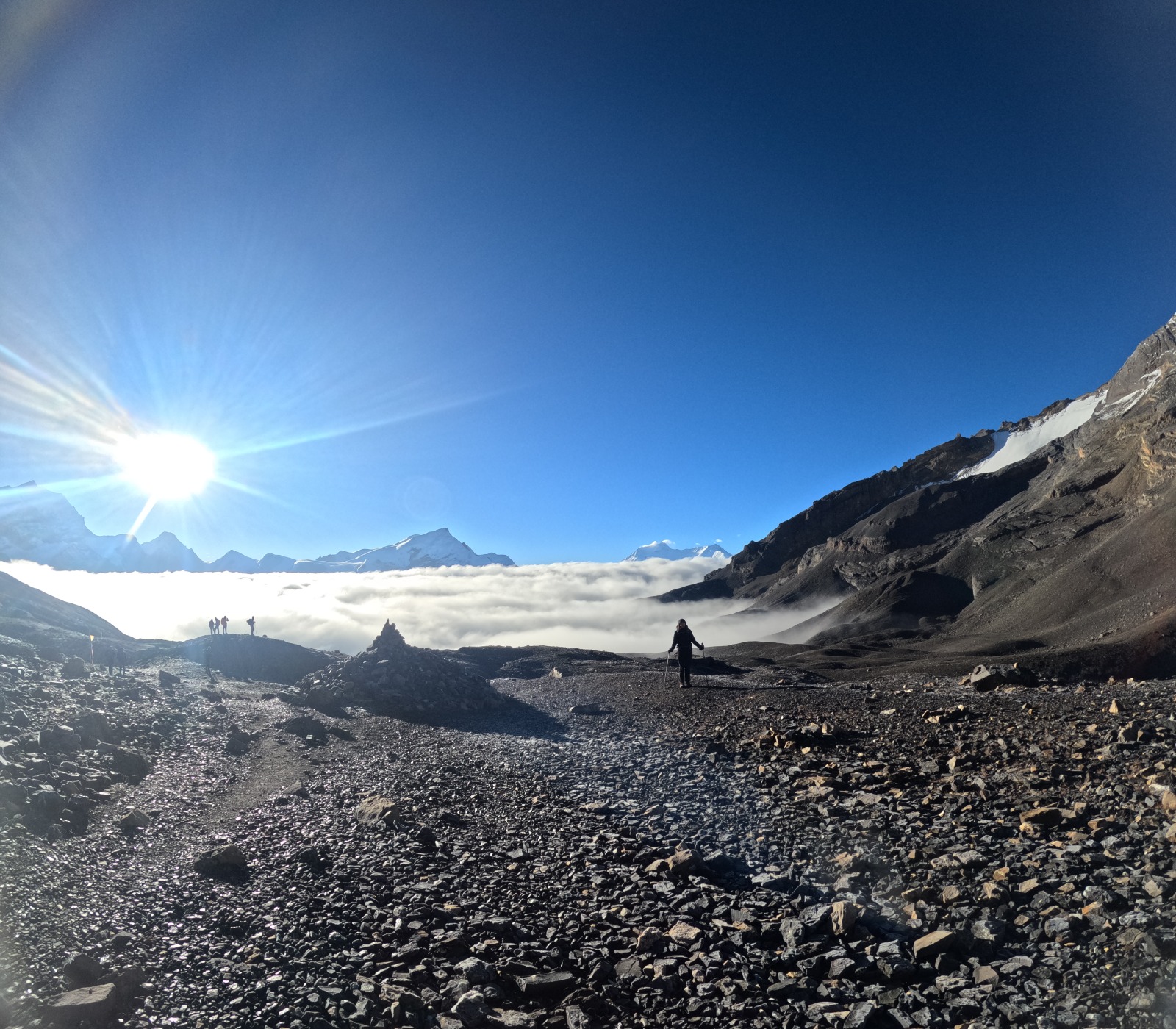
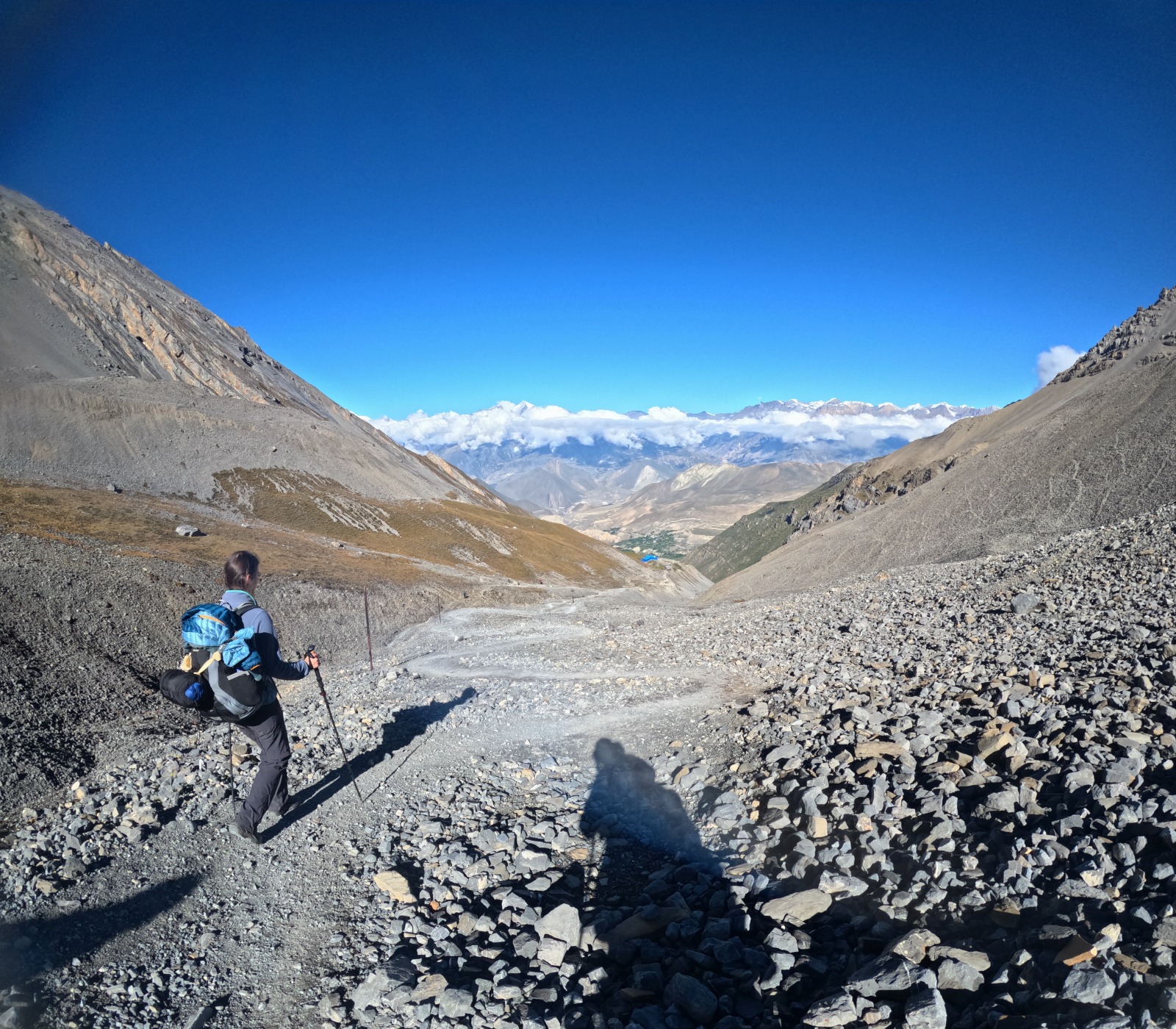
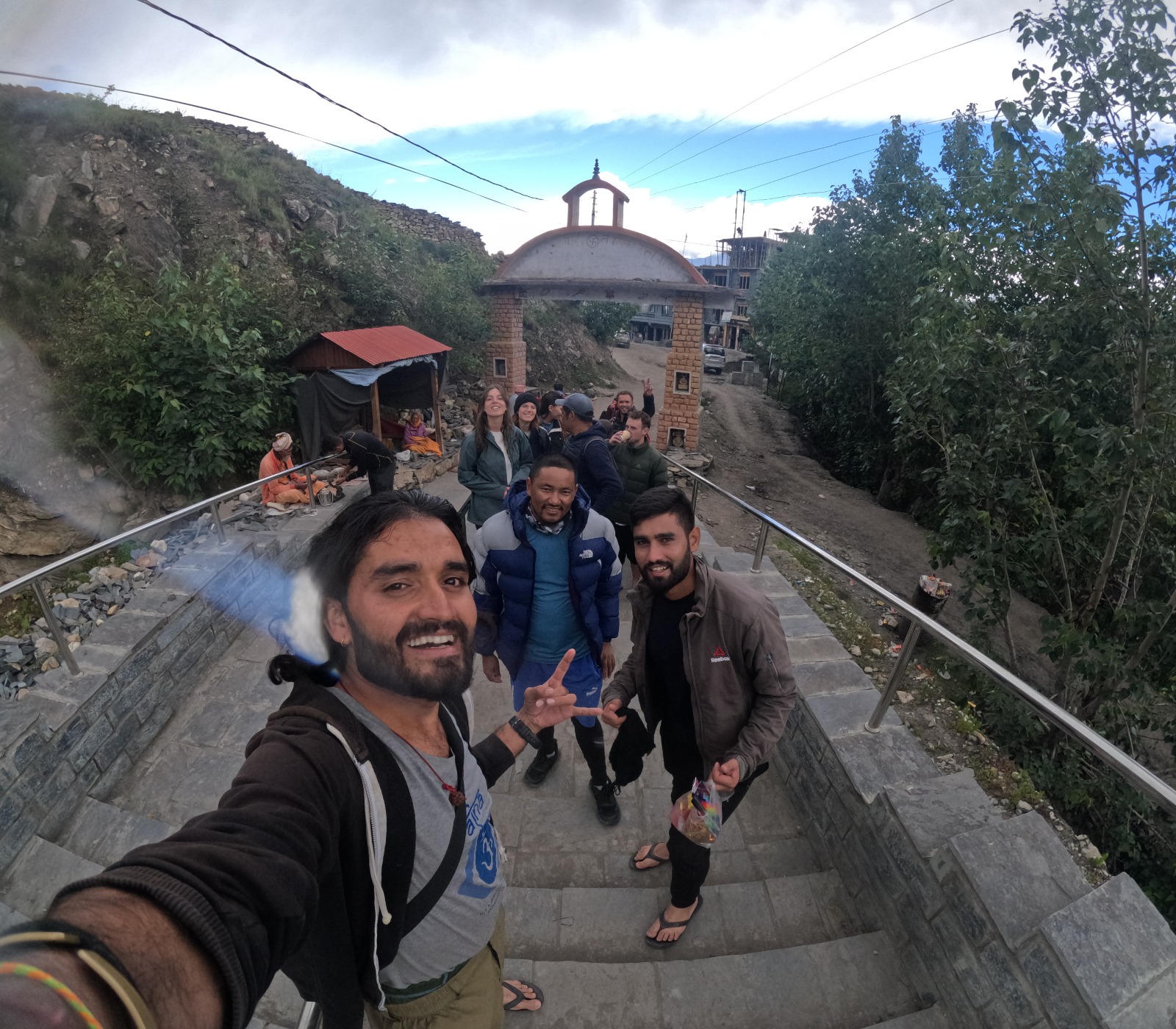
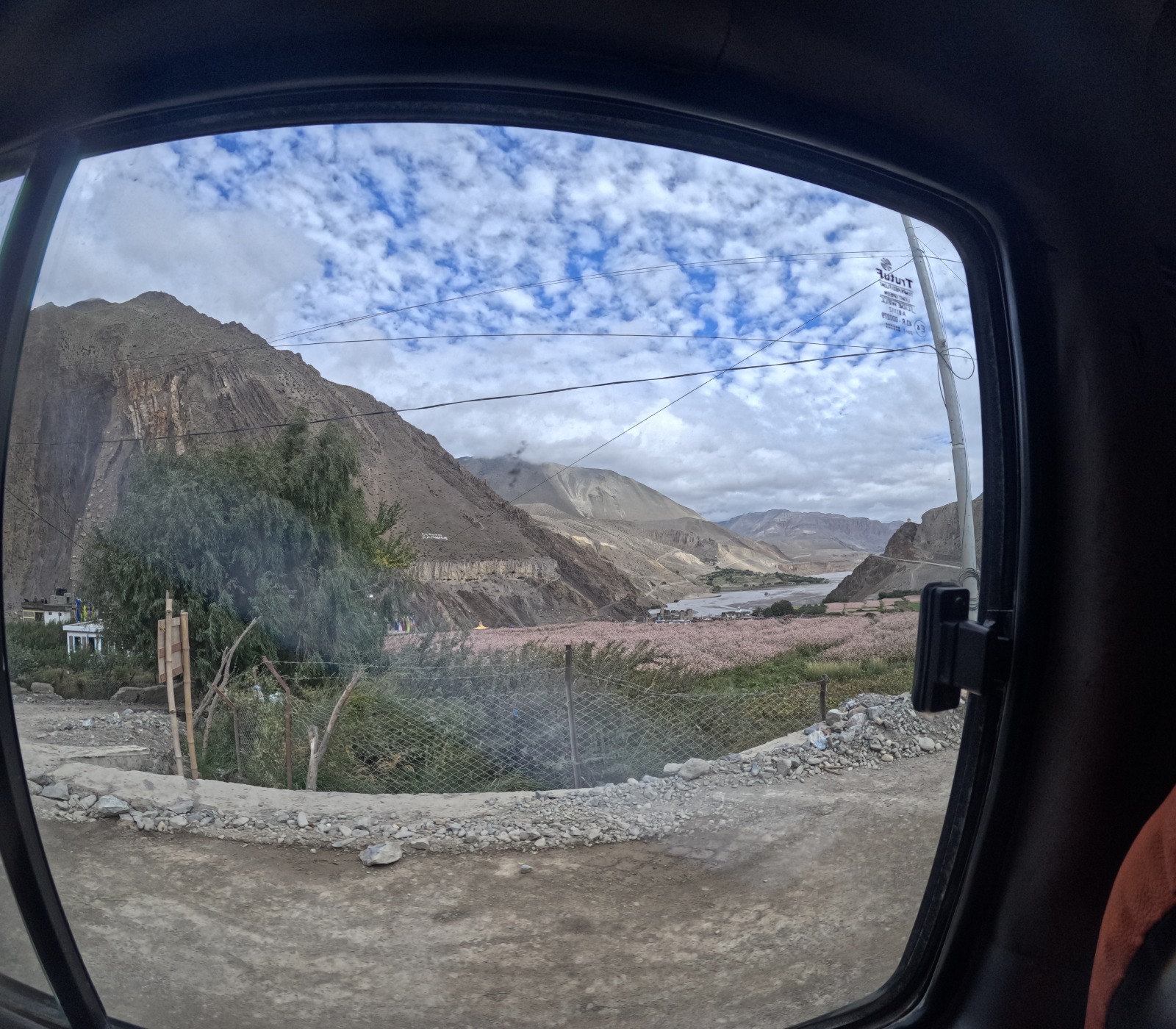
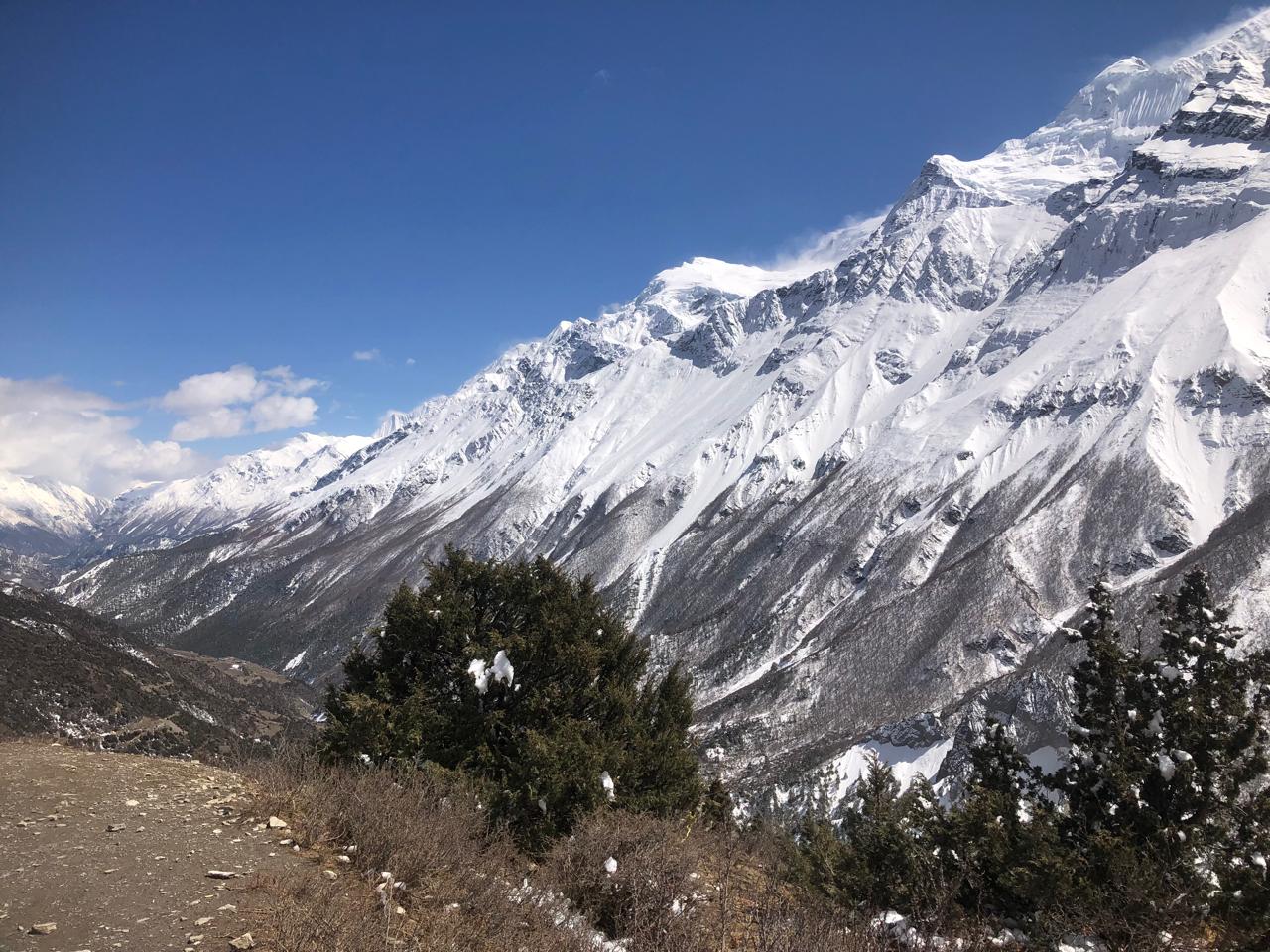
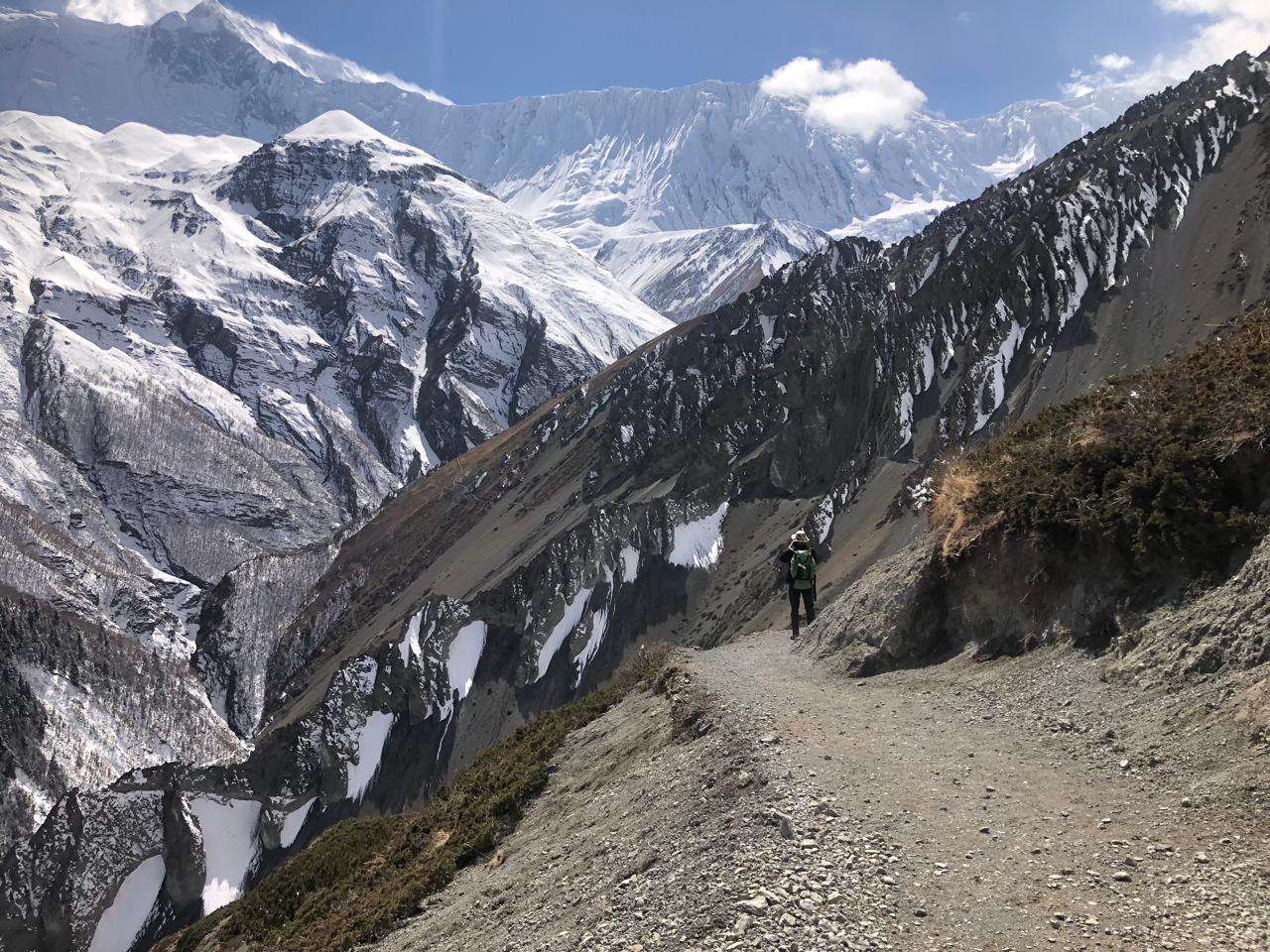
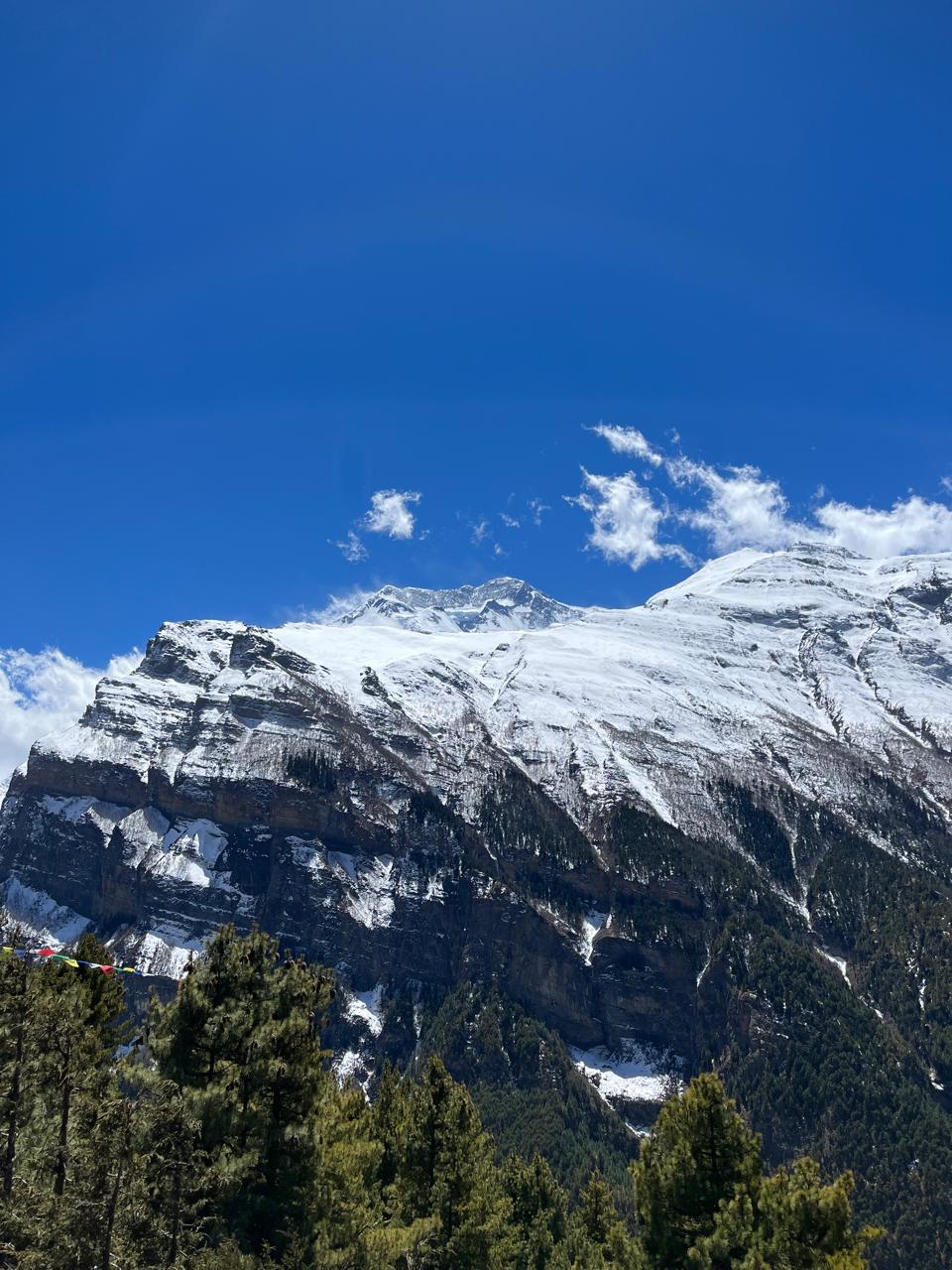
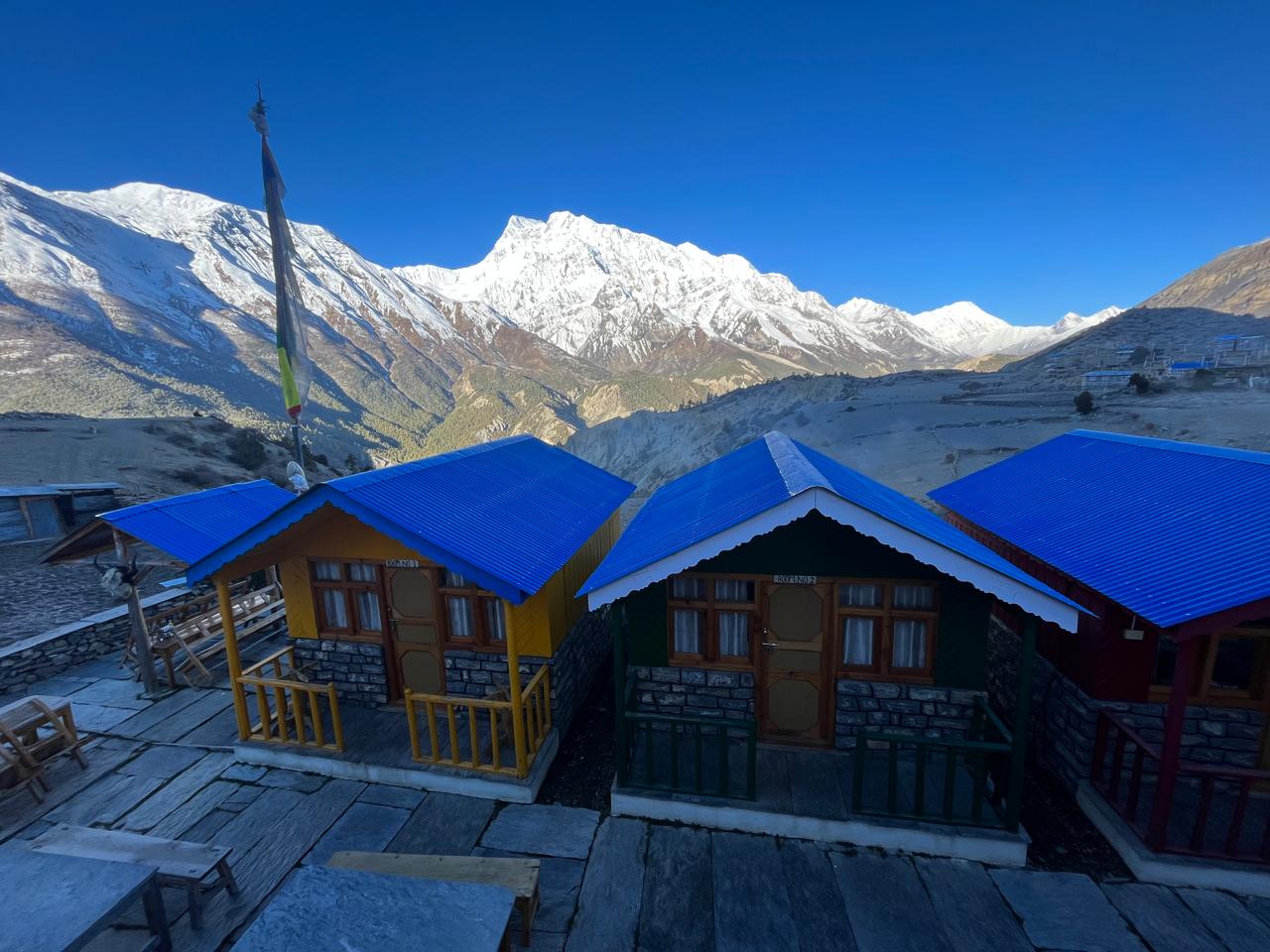
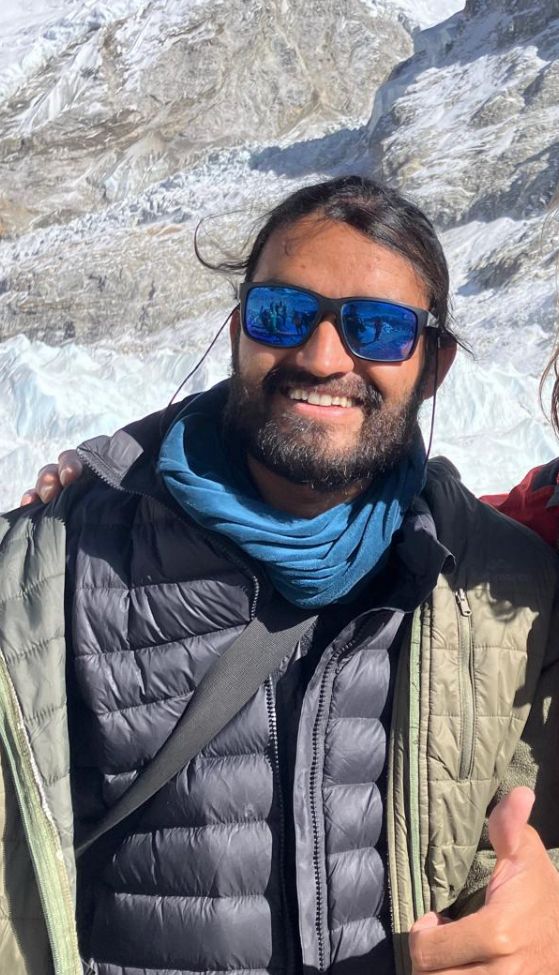
The Epic Annapurna Circuit Trek – 12 Days Adventure is one of Nepal’s most iconic and adventurous trekking journeys. Organized and operated by ART Nepal Treks & Expedition, this carefully designed itinerary offers an incredible blend of natural beauty, mountain challenge, and cultural discovery within a short timeframe.
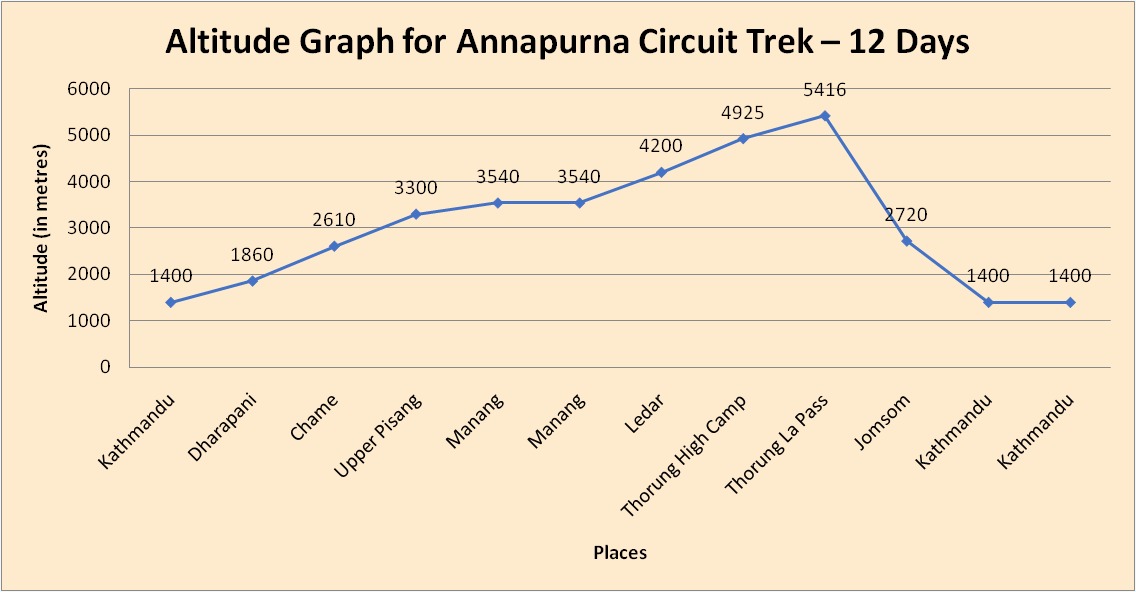
The Annapurna Circuit is world-renowned for its dramatic landscape changes. Within just 12 days, trekkers experience everything from lowland river valleys at 800 meters to high Himalayan passes above 5,400 meters. The trail passes through lush rice terraces, dense pine and rhododendron forests, narrow river gorges, high alpine meadows, and finally into the dry, wind-swept terrain near the Tibetan plateau.
This trek lies inside the protected area of the Annapurna Conservation Area Project (ACAP), Nepal’s largest conservation zone. The region is rich in biodiversity, cultural heritage, and breathtaking scenery.
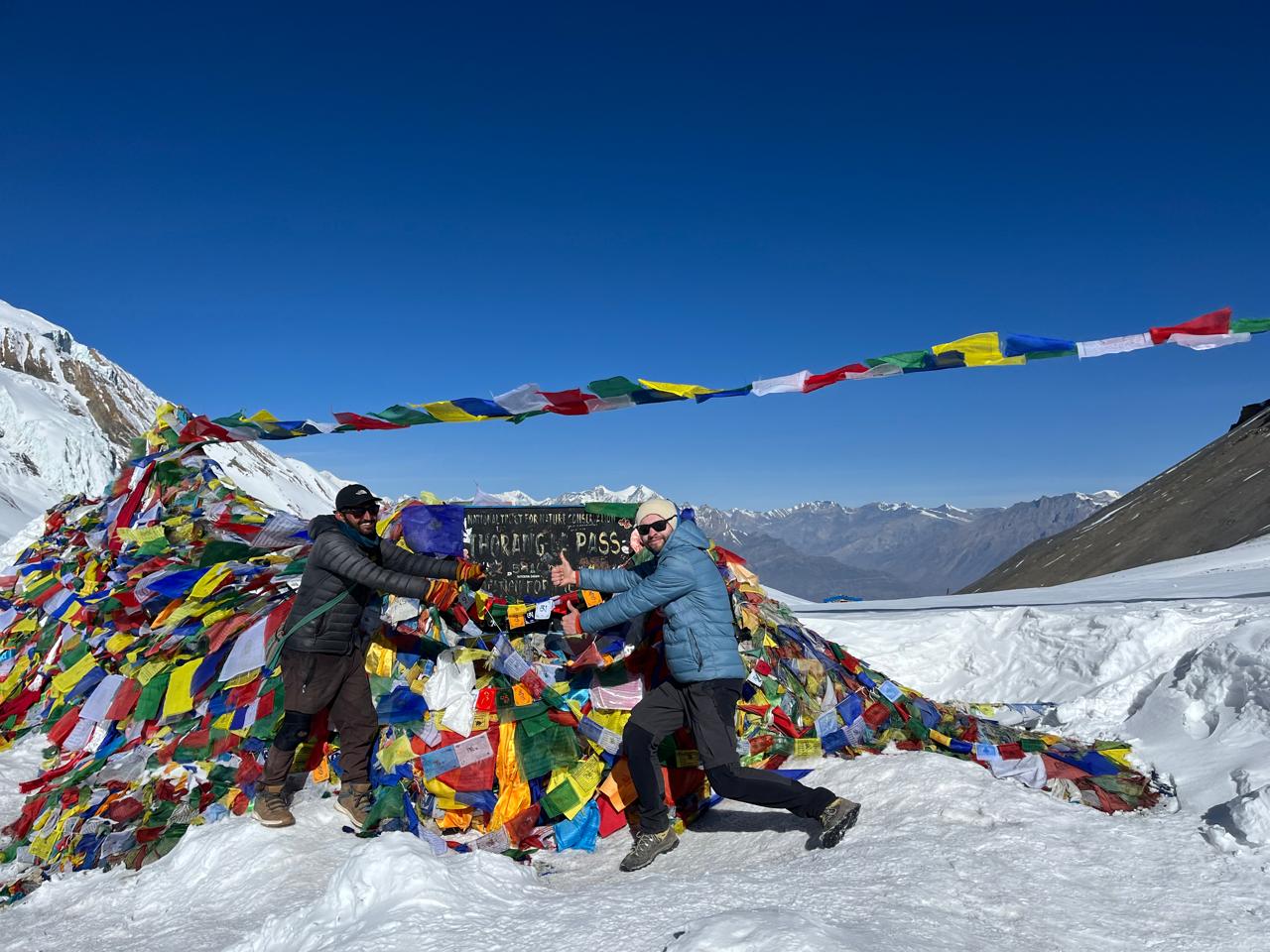
The biggest highlight of the trek is crossing the mighty Thorung La Pass (5416 meters), one of the highest trekking passes in the world. Reaching this altitude requires determination, preparation, and strong willpower. But once you stand at the top, surrounded by panoramic Himalayan views, the feeling is unforgettable.
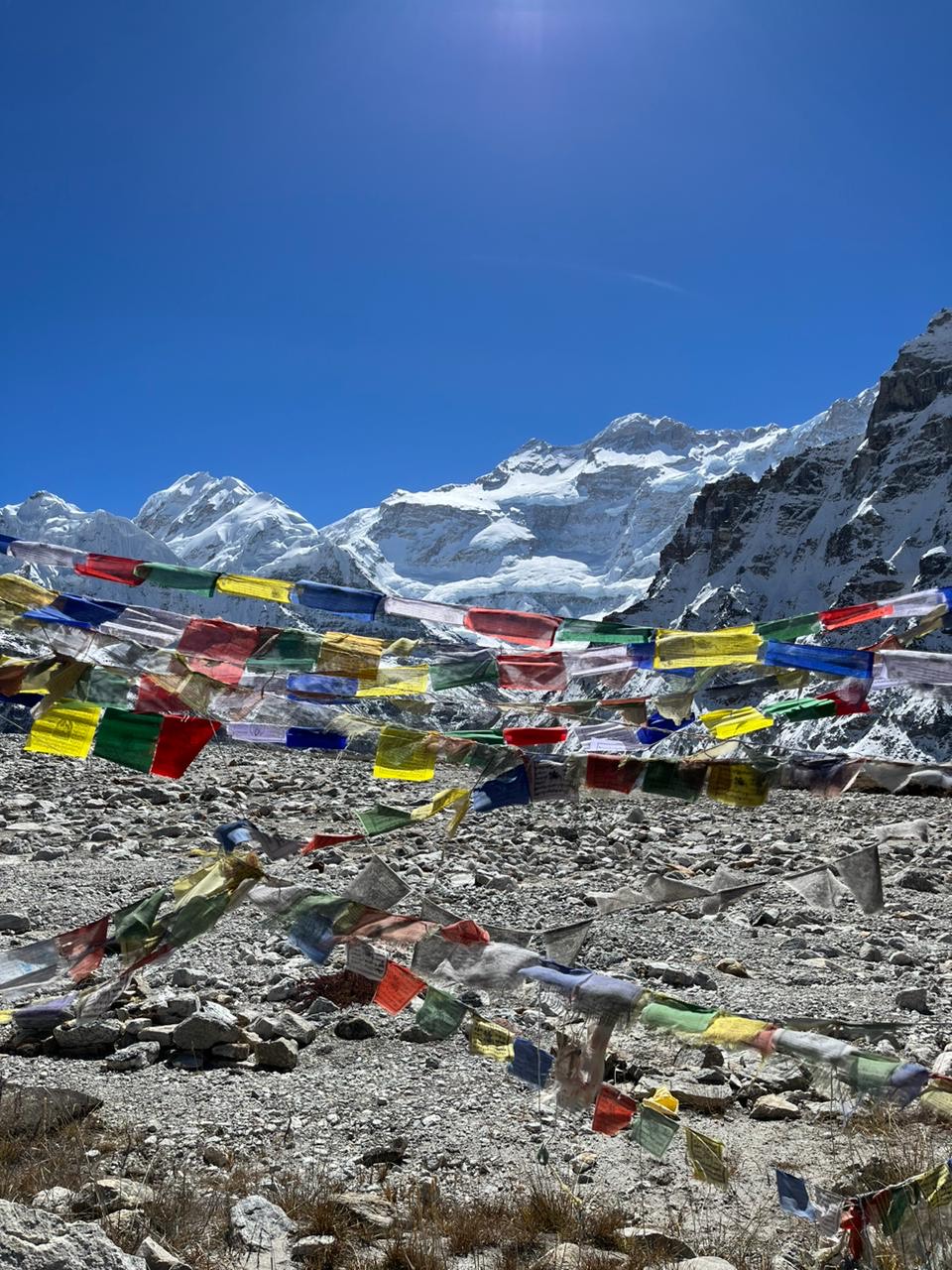
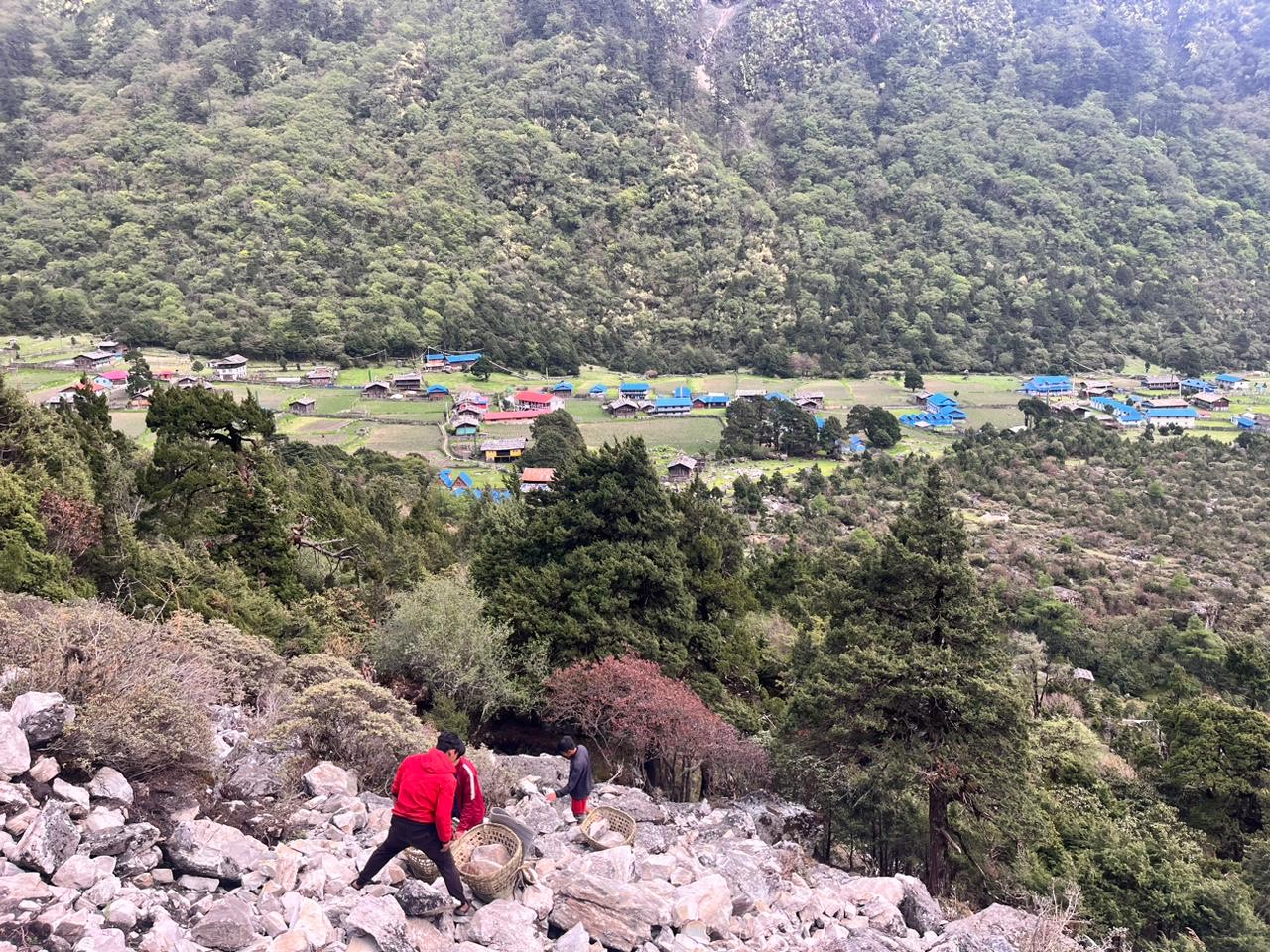
Along the journey, you will walk through traditional villages like Chame, Pisang, Manang, Yak Kharka, and Muktinath. The people living here follow Tibetan Buddhist culture. Their prayer wheels, monasteries, mani walls, and colorful flags add deep cultural meaning to the journey.
You will also visit the sacred Muktinath Temple, a holy pilgrimage site for both Hindus and Buddhists. The 108 water taps and eternal flame make it spiritually powerful and culturally significant.
The trek concludes with a scenic mountain flight from Jomsom to Pokhara. From the sky, you can admire the Annapurna and Dhaulagiri mountain ranges one final time. After days of trekking, relaxing beside Phewa Lake in Pokhara feels rewarding.
This 12-day version of the Annapurna Circuit is designed for trekkers who want adventure but have limited time. It combines driving, trekking, and flight in a smart way to maximize the experience.
With professional guides, organized logistics, and safety-first service, ART Nepal Treks & Expedition ensures your journey is smooth, safe, and memorable.
This trek offers more than just walking in the mountains. It is a complete Himalayan experience.
You will see:
Every day feels different. The scenery changes constantly.
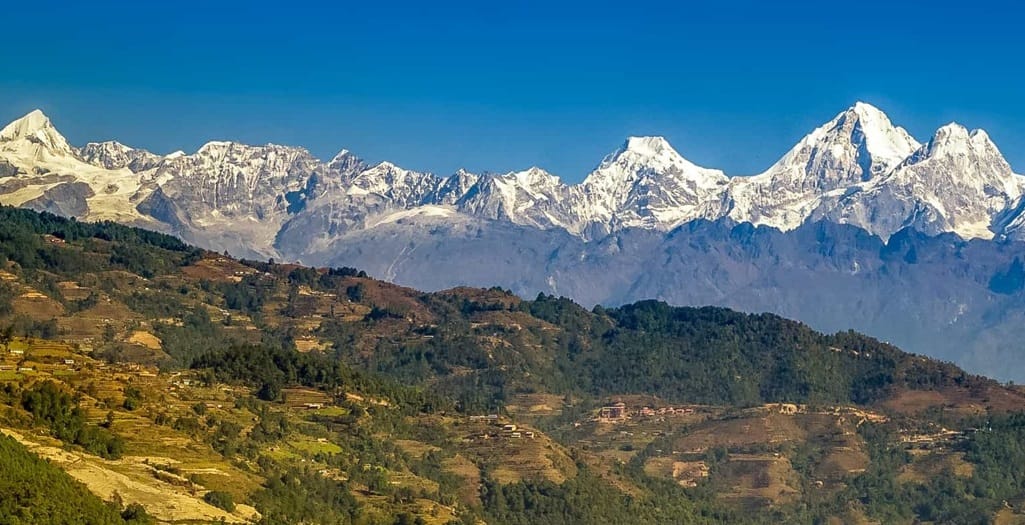
The trek offers breathtaking views of:
You will see these mountains from different angles throughout the trek.
You will:
The Annapurna Circuit is not just about mountains. It is about people and culture.
Crossing Thorung La Pass requires:
Completing it builds confidence and pride.
The flight from Jomsom to Pokhara offers aerial views of mountains, valleys, and river systems.
This trek is suitable for:
This trek is NOT ideal for:
Because the maximum altitude reaches 5416 meters, proper preparation is necessary.
Preparation is very important for this trek.
Start 2–3 months before trekking.
Strengthen:
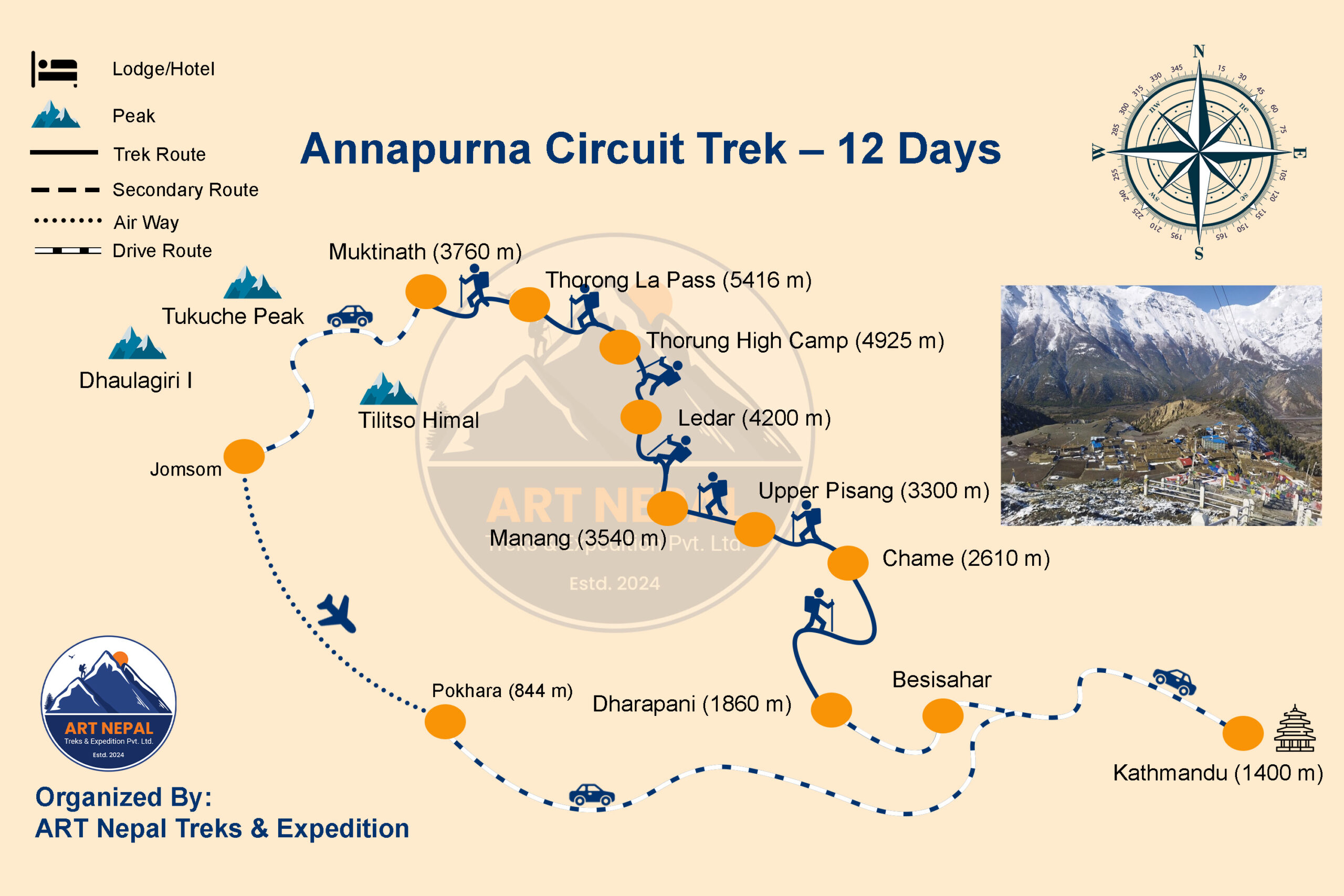
Your adventure begins upon arrival at Tribhuvan International Airport in Kathmandu. A representative from ART Nepal Treks & Expedition will warmly welcome you and transfer you to your hotel in Thamel, the vibrant tourist hub of the city. After check-in, you can rest from your journey or explore the lively streets filled with shops, cafes, and cultural sights. In the evening, there will be a detailed trek briefing session where you will meet your guide. During this session, you will receive important information about the Annapurna Circuit Trek, safety guidelines, altitude awareness, and equipment checking. This day allows you to settle in comfortably and mentally prepare for the exciting journey ahead.
Today is a long but scenic travel day as you begin your journey toward the Annapurna region. Early in the morning, you will travel by public bus from Kathmandu to Besisahar, enjoying views of rivers, hills, terraced farms, and local villages along the way. From Besisahar, you will transfer to a shared jeep that takes you further into the mountains toward Dharapani. The road follows the Marsyangdi River and passes through beautiful settlements such as Ngadi, Bahundanda, Syange, Jagat, Chamje, and Tal. You will witness waterfalls cascading from cliffs and suspension bridges hanging over deep river gorges. By evening, you will arrive at Dharapani, a charming mountain village that marks the beginning of your trekking journey.
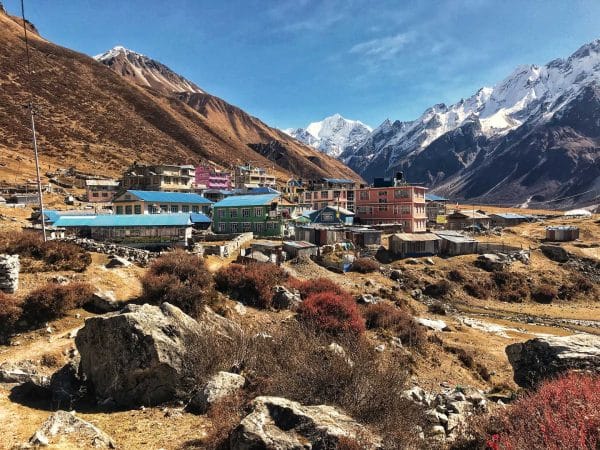
Your trekking officially begins today. The trail gradually ascends through beautiful forests filled with pine and fir trees. As you walk, you will notice the landscape slowly changing as you gain altitude. Passing through traditional villages such as Bagarchhap and Danakyu, you will see Tibetan-influenced houses and prayer flags decorating the trail. The path offers magnificent views of Lamjung Himal and Annapurna II. Apple orchards and small farms add charm to the journey. As you continue through Timang and Thanchowk, you will finally reach Chame, the administrative headquarters of the Manang district. Chame has modern facilities including small shops, cafes, and even a natural hot spring nearby where you can relax after the trek.
Today’s trek offers some of the most dramatic mountain scenery so far. The trail continues through dense pine forests and narrow valleys with steep rock faces rising above you. After crossing suspension bridges and passing through Bhratang, you will enjoy incredible views of Annapurna II and Pisang Peak. The path gradually climbs toward Upper Pisang, which is located on the upper side of the valley and offers wider and more breathtaking views compared to Lower Pisang. From here, you can see beautiful landscapes stretching toward Manang. The village reflects strong Tibetan culture, with stone houses, prayer wheels, and ancient monasteries creating a peaceful atmosphere.
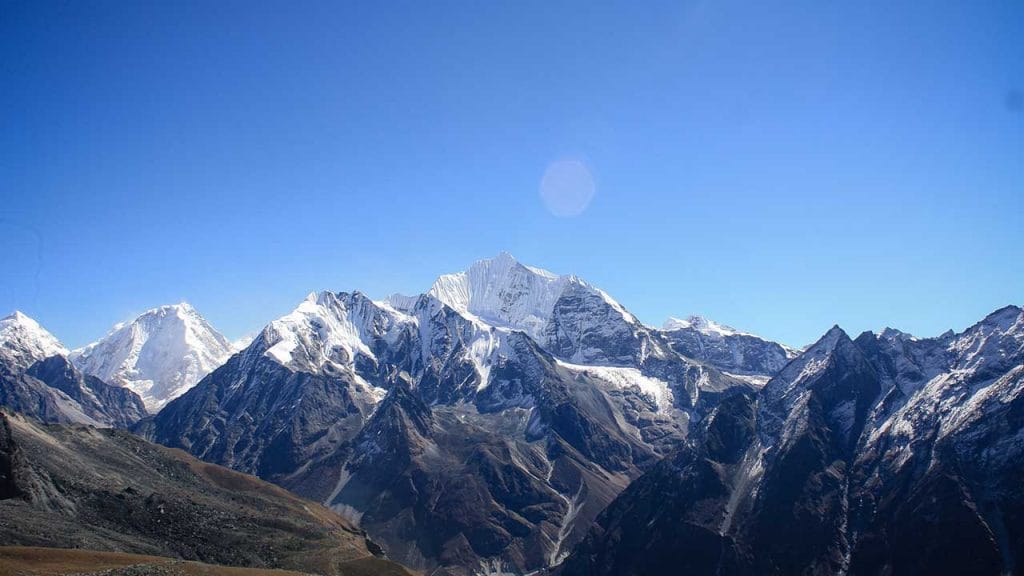
This is one of the most scenic days of the trek. The trail splits into lower and upper routes; the upper route via Ghyaru and Ngawal offers more stunning panoramic views and better acclimatization benefits. The climb is steep but rewarding. As you ascend, you will see breathtaking views of Annapurna II, Annapurna IV, Gangapurna, Tilicho Peak, and more. The landscape becomes drier and more rugged as you approach Manang. Passing through Braga village, you can visit the famous Braga Monastery, the largest monastery in Manang, which offers insight into Tibetan Buddhist culture. By afternoon, you will reach Manang village, a lively settlement with bakeries, small cafes, trekking shops, and beautiful mountain surroundings.
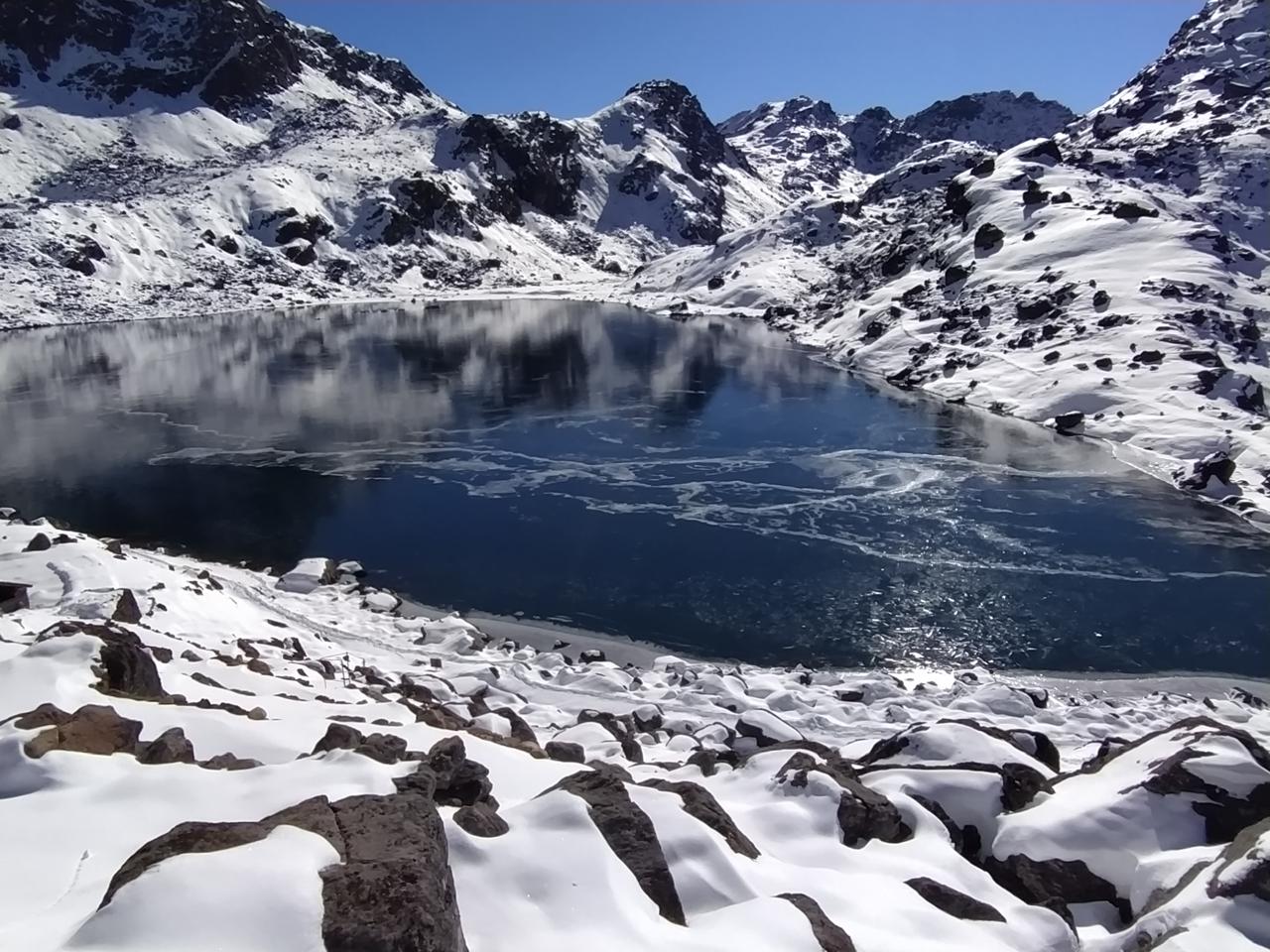
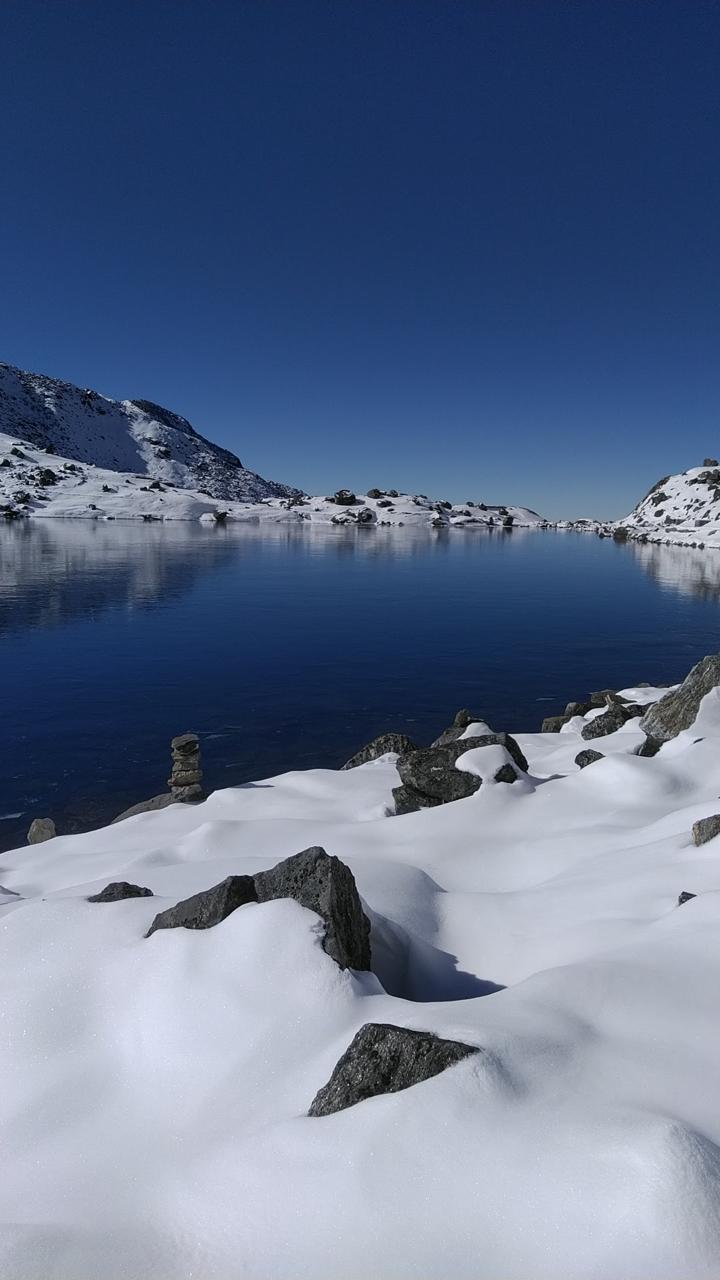
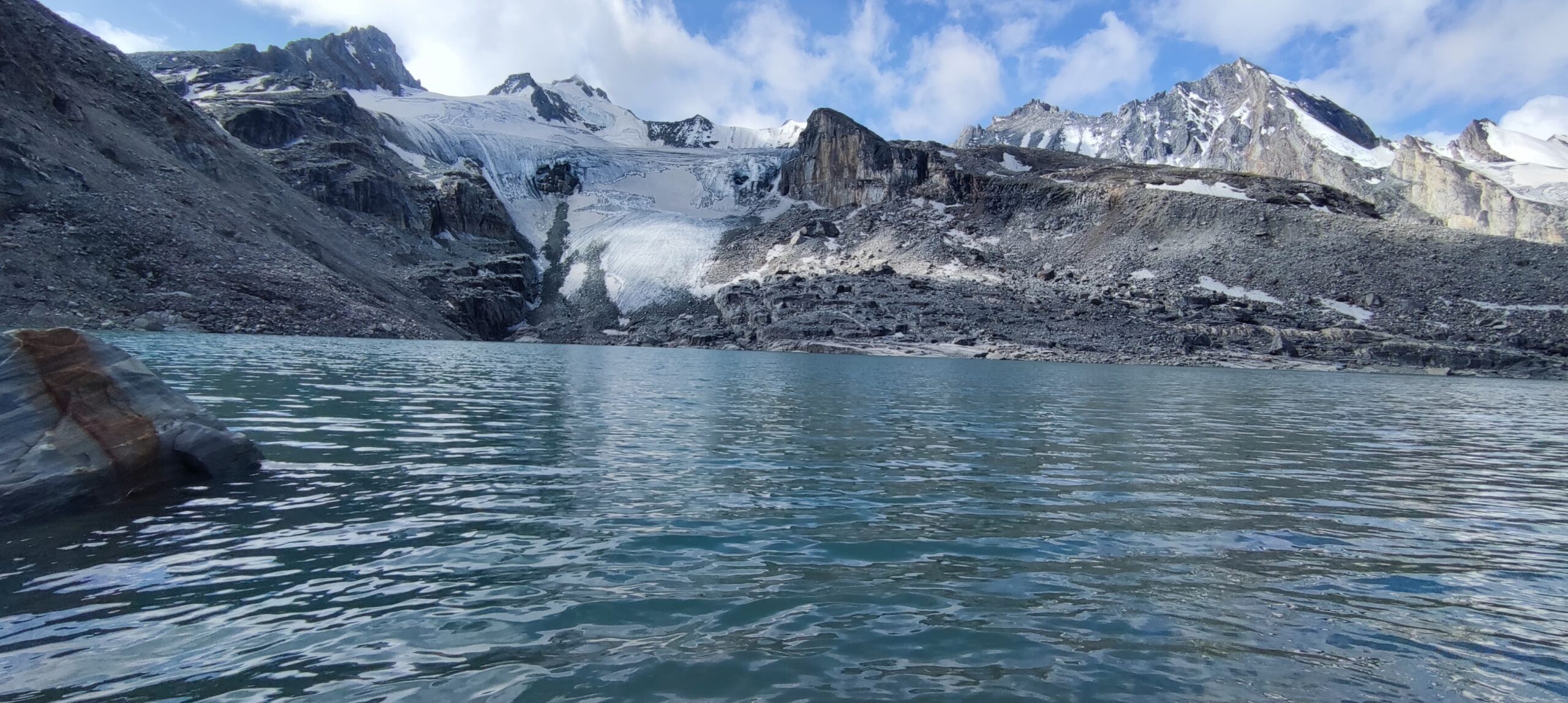
Acclimatization is extremely important before heading to higher elevations. Today is reserved for rest and short hikes to help your body adjust to the altitude. You may hike to Gangapurna Lake, which offers stunning turquoise water views beneath snowy peaks. Some trekkers also choose to hike to Ice Lake or visit nearby viewpoints for spectacular panoramic scenery. The key principle is to “climb high, sleep low,” meaning short ascents during the day and returning to sleep at Manang’s altitude. This rest day reduces the risk of altitude sickness and prepares you for the challenging days ahead.
Leaving Manang, the vegetation becomes sparse as you enter higher alpine terrain. The trail follows the Jarsang Khola valley and passes through small settlements such as Ghusang and Yak Kharka. You will see yaks grazing peacefully on mountain pastures. The air becomes thinner, and walking pace slows naturally. Snow-capped peaks surround the valley, creating a dramatic and remote feeling. After a gradual climb, you will reach Ledar, a quiet settlement located at a higher altitude, where you will rest and prepare for the next stage toward Thorung La Pass.
Today you move closer to the highest point of the trek. The trail gradually ascends along rocky paths with minimal vegetation. You will cross small wooden bridges and climb slowly toward Thorung Phedi, which means “foot of the hill.” Depending on weather conditions and your physical strength, you may continue to Thorung High Camp for a shorter summit climb the next morning. The views are raw and powerful, with rugged mountains and dramatic landscapes surrounding you. Rest well tonight because tomorrow is the most challenging day of the trek.
This is the most demanding and rewarding day of the entire trek. You will start very early in the morning, usually before sunrise, to cross Thorung La Pass at 5416 meters. The climb is steady and slow, but the sense of achievement when reaching the top is unforgettable. Prayer flags flutter in the wind at the summit, and panoramic views of the Himalayas stretch in every direction. After celebrating and taking photos, you will descend carefully toward Muktinath. The descent is long but offers stunning views of the Mustang region’s dry landscapes. At Muktinath, you will visit the sacred temple complex with 108 water taps before driving to Jomsom through the Kali Gandaki Valley.
Early in the morning, you will take a scenic mountain flight from Jomsom to Pokhara. The short flight offers breathtaking aerial views of the Annapurna and Dhaulagiri ranges. Upon arrival in Pokhara, you will immediately feel the difference in altitude and climate. The warm weather and peaceful lakeside environment create a relaxing atmosphere. You can spend the rest of the day resting, enjoying boating on Phewa Lake, or exploring the city’s attractions.
After breakfast, you will return to Kathmandu by tourist bus. The scenic highway follows rivers, hills, and small towns along the way. You can relax and reflect on your trekking achievement. Upon arrival in Kathmandu, you will check into your hotel and have free time for shopping or exploring.
Your memorable Annapurna Circuit adventure concludes today. Depending on your flight schedule, a representative from ART Nepal Treks & Expedition will transfer you to Tribhuvan International Airport for your onward journey. You leave Nepal with unforgettable memories of mountains, culture, and personal achievement.
The Annapurna Circuit can be trekked in different seasons, but two seasons stand out as ideal:
Spring is one of the most beautiful times to trek. The weather becomes warmer after winter, and the skies are generally clear. Rhododendron forests bloom in vibrant red, pink, and white colors at lower elevations. The mountain views are sharp and spectacular.
Temperatures are moderate — warm during the day and cool at night. This season is perfect for photography and nature lovers.
Autumn is considered the best trekking season in Nepal. After the monsoon rains, the sky becomes crystal clear. Mountain views are at their best visibility. The weather is stable, with mild temperatures and low rainfall.
This season also coincides with major Nepalese festivals, creating a lively cultural atmosphere.
Winter trekking is possible but challenging. Snowfall at Thorung La Pass can block the route. Temperatures drop significantly, especially at night.
Monsoon brings heavy rainfall, slippery trails, and risk of landslides in lower areas. However, the Manang and Mustang regions receive less rainfall due to rain shadow effect.
Food plays a vital role in maintaining energy at high altitudes.
You will find:
Meals are freshly prepared at tea houses. Popular options include:
Dal Bhat is highly recommended because it is nutritious and provides unlimited refills in many places.
Food quality is generally good, though menu options become limited at higher elevations.
You will stay in comfortable 3-star hotels with private bathrooms, hot showers, and Wi-Fi.
Accommodation is in tea houses or mountain lodges.
Rooms are generally twin-sharing with basic beds and blankets. Bathrooms are shared in most places. At lower elevations, you may find Western-style toilets. At higher altitudes, facilities become more basic.
Dining halls are warm and cozy with wood or gas heaters. Even though facilities are simple, they provide authentic mountain hospitality.
Travel insurance is mandatory for this trek.
Your insurance must include:
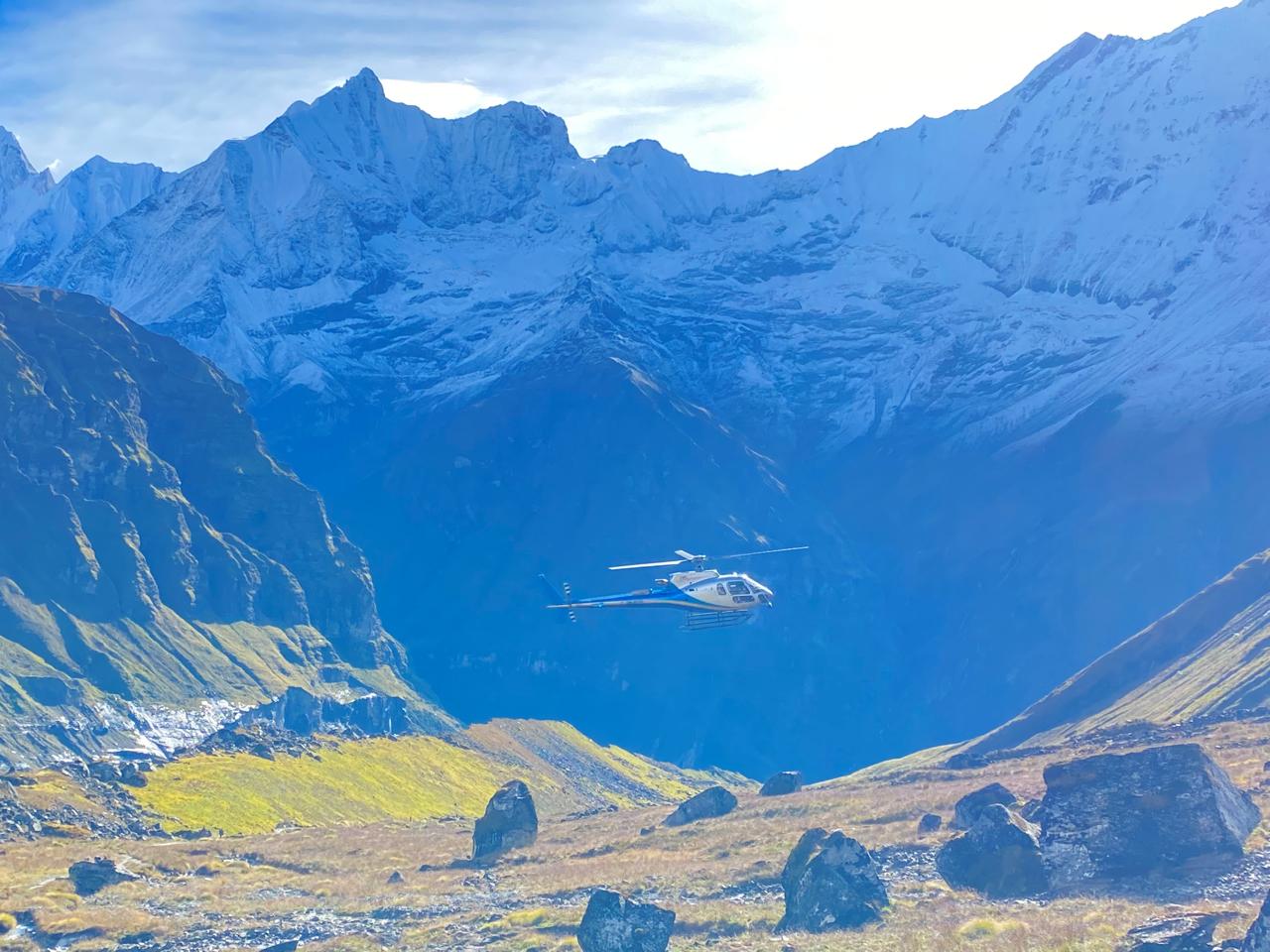
Because Thorung La Pass reaches 5416 meters, helicopter evacuation may be necessary in case of severe altitude sickness or injury. Ensure your insurance clearly mentions altitude limits.
Altitude sickness can occur above 3000 meters. Since this trek reaches over 5400 meters, awareness is essential.
If symptoms worsen, immediate descent is required.
Guides from ART Nepal Treks & Expedition are trained to monitor altitude-related symptoms carefully.
The Epic Annapurna Circuit Trek is a high-altitude and physically demanding journey that reaches up to 5,416 meters at Thorung La Pass. Because of this, professional guidance and strong safety management are extremely important. ART Nepal Treks & Expedition places safety as the highest priority throughout the trek. Every aspect of the journey is carefully planned to minimize risks and maximize comfort and security.
Below is a detailed explanation of the guiding system and safety protocols followed during the trek.
All treks are led by government-licensed, experienced trekking guides who have extensive knowledge of the Annapurna region. These guides are trained in:
The guide is not just someone who shows the way. They are responsible for monitoring your physical condition, adjusting walking pace, organizing accommodation, and ensuring smooth coordination throughout the trek.
They are deeply familiar with the Annapurna Circuit trail, including remote sections, weather behavior near Thorung La Pass, and alternative routes if required.
Every trekking guide from ART Nepal Treks & Expedition carries a comprehensive first aid kit during the trek. This kit typically includes:
Guides are trained in wilderness first aid and understand how to recognize symptoms of Acute Mountain Sickness (AMS), High Altitude Pulmonary Edema (HAPE), and High Altitude Cerebral Edema (HACE).
Daily health checks are conducted at higher elevations, especially after Manang and before crossing Thorung La Pass.