

Amphu Lapcha Pass with Island and Mera Peak – 25 Days
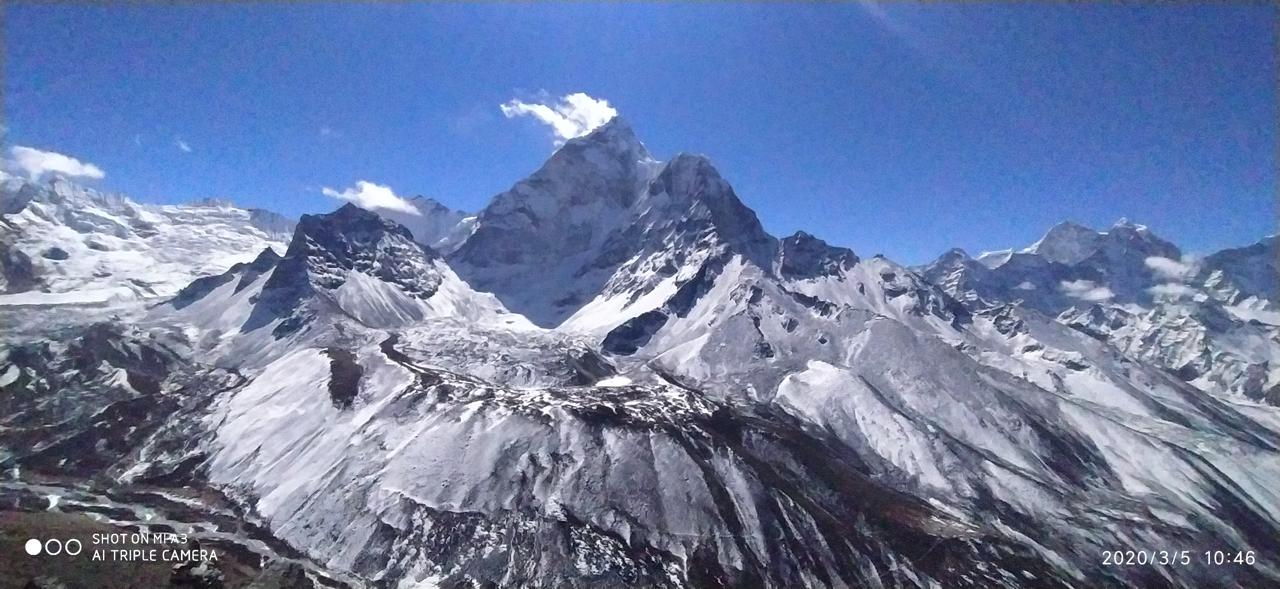
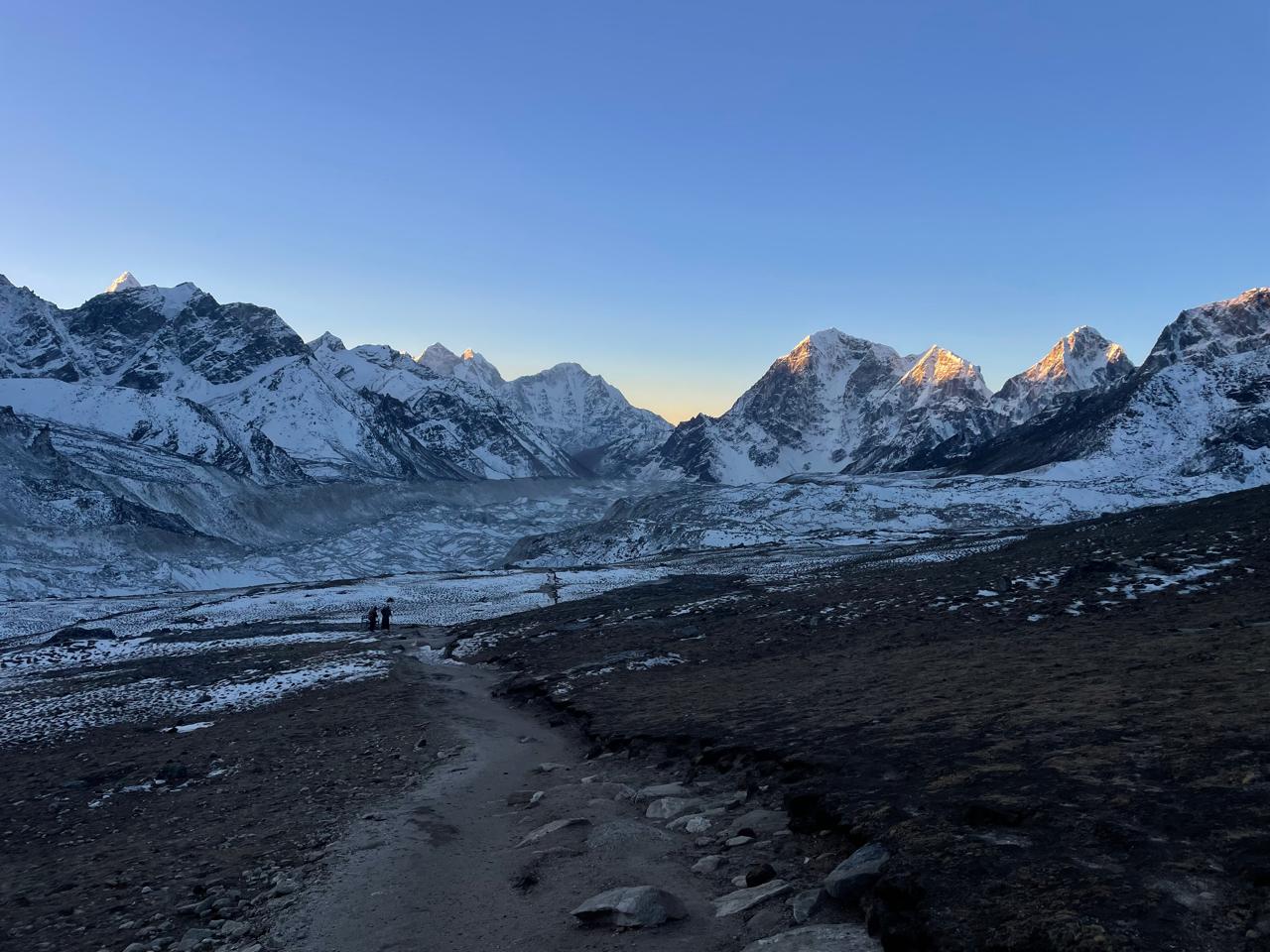
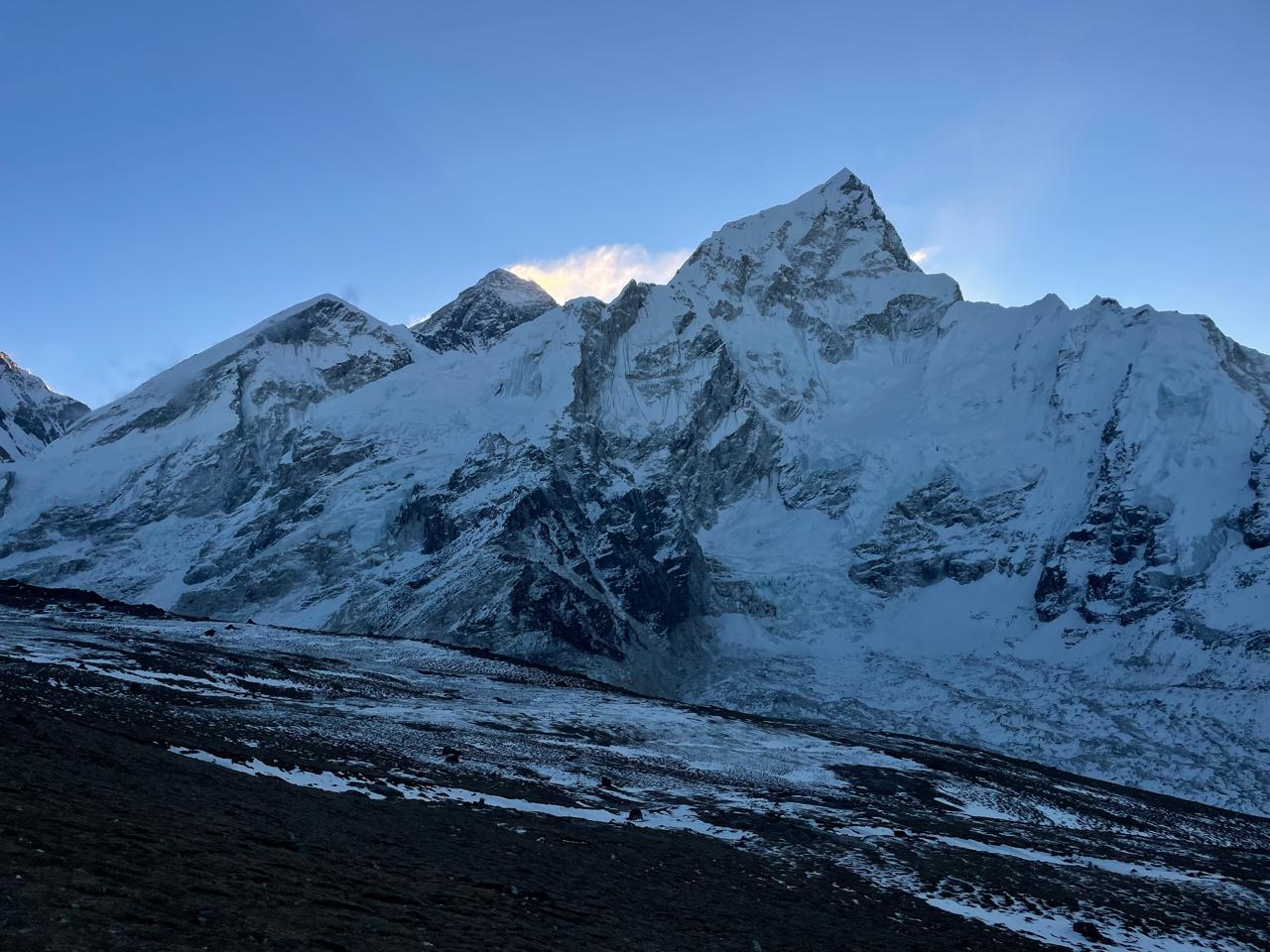
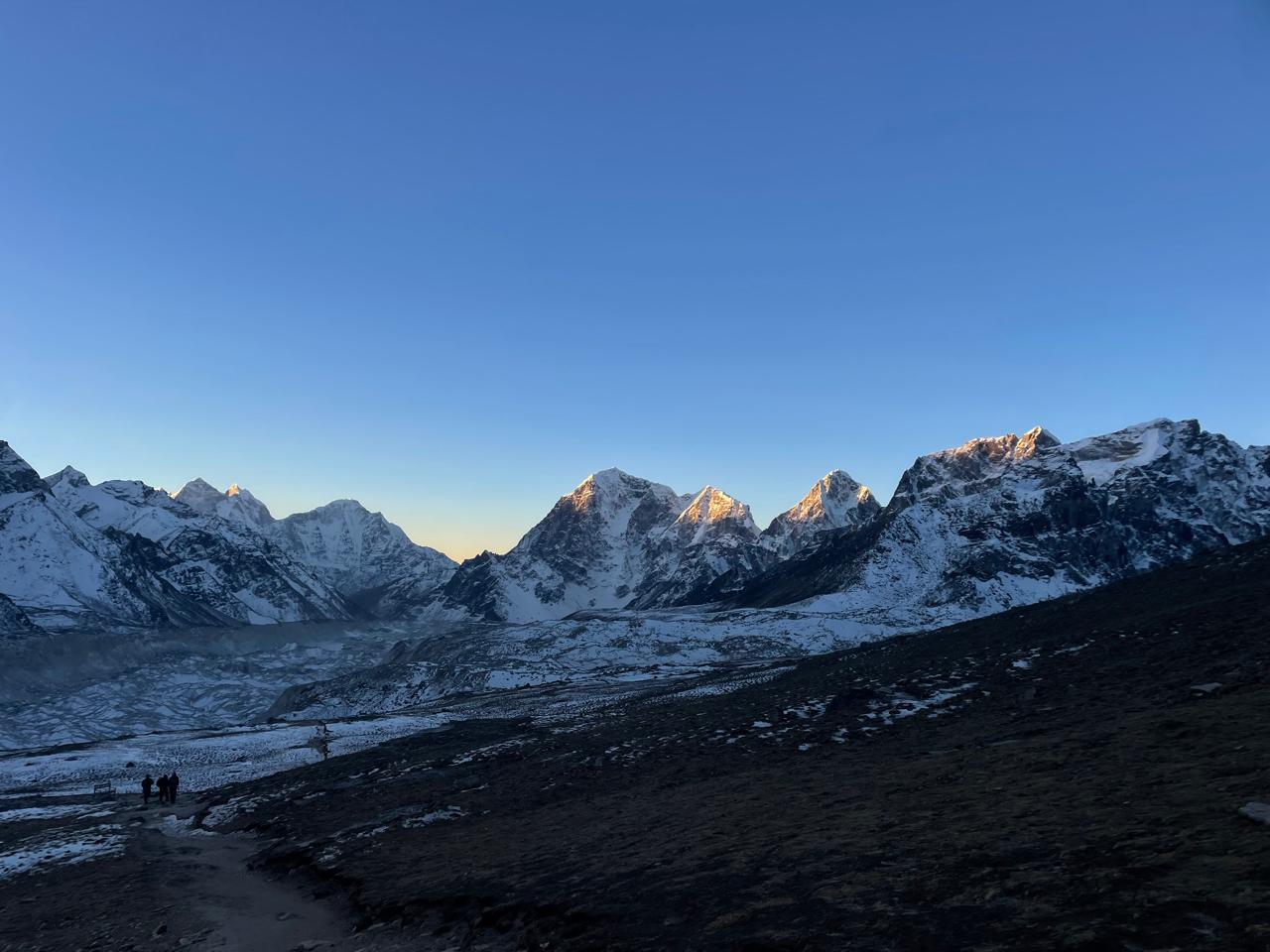
Introduction
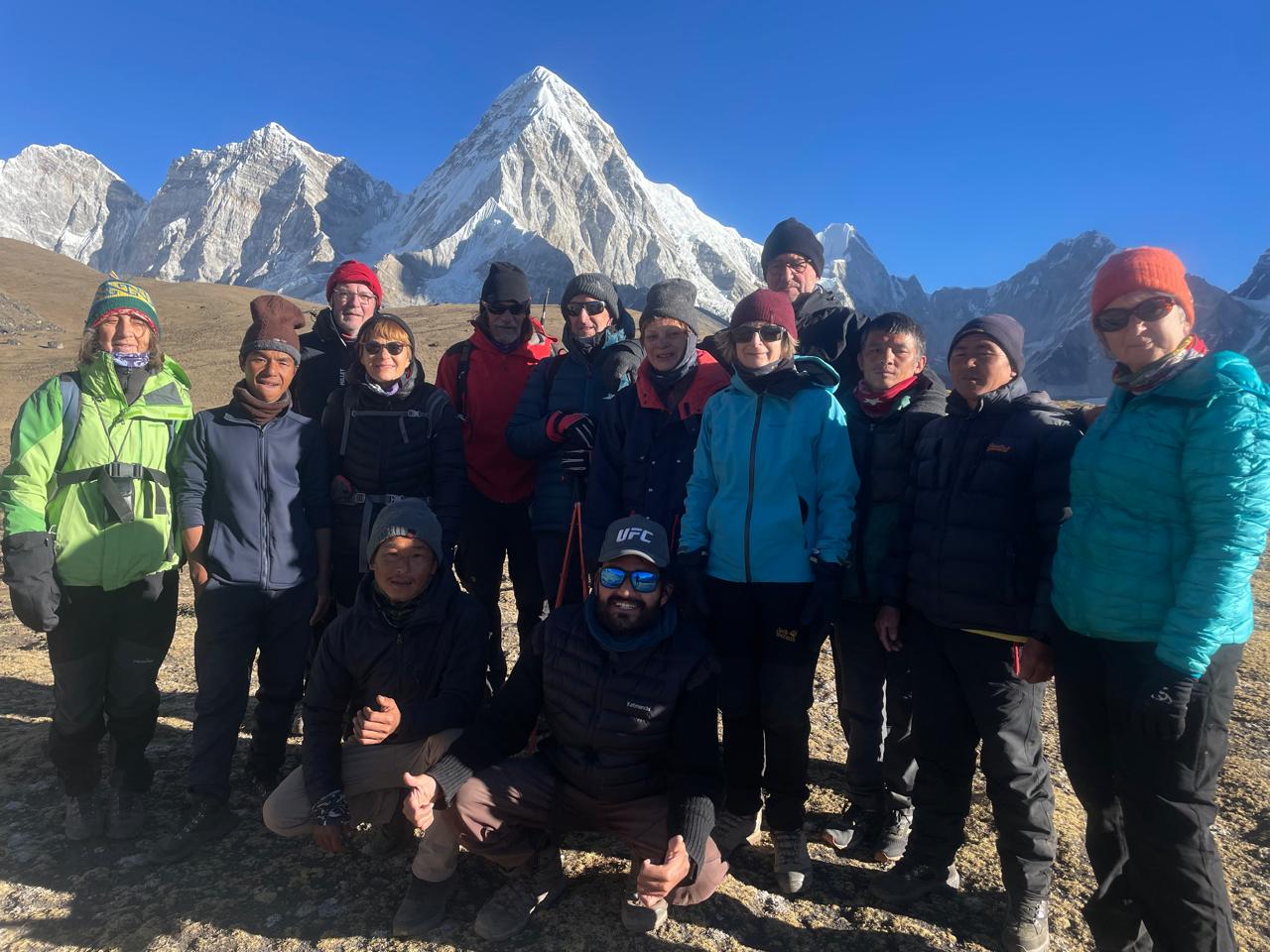
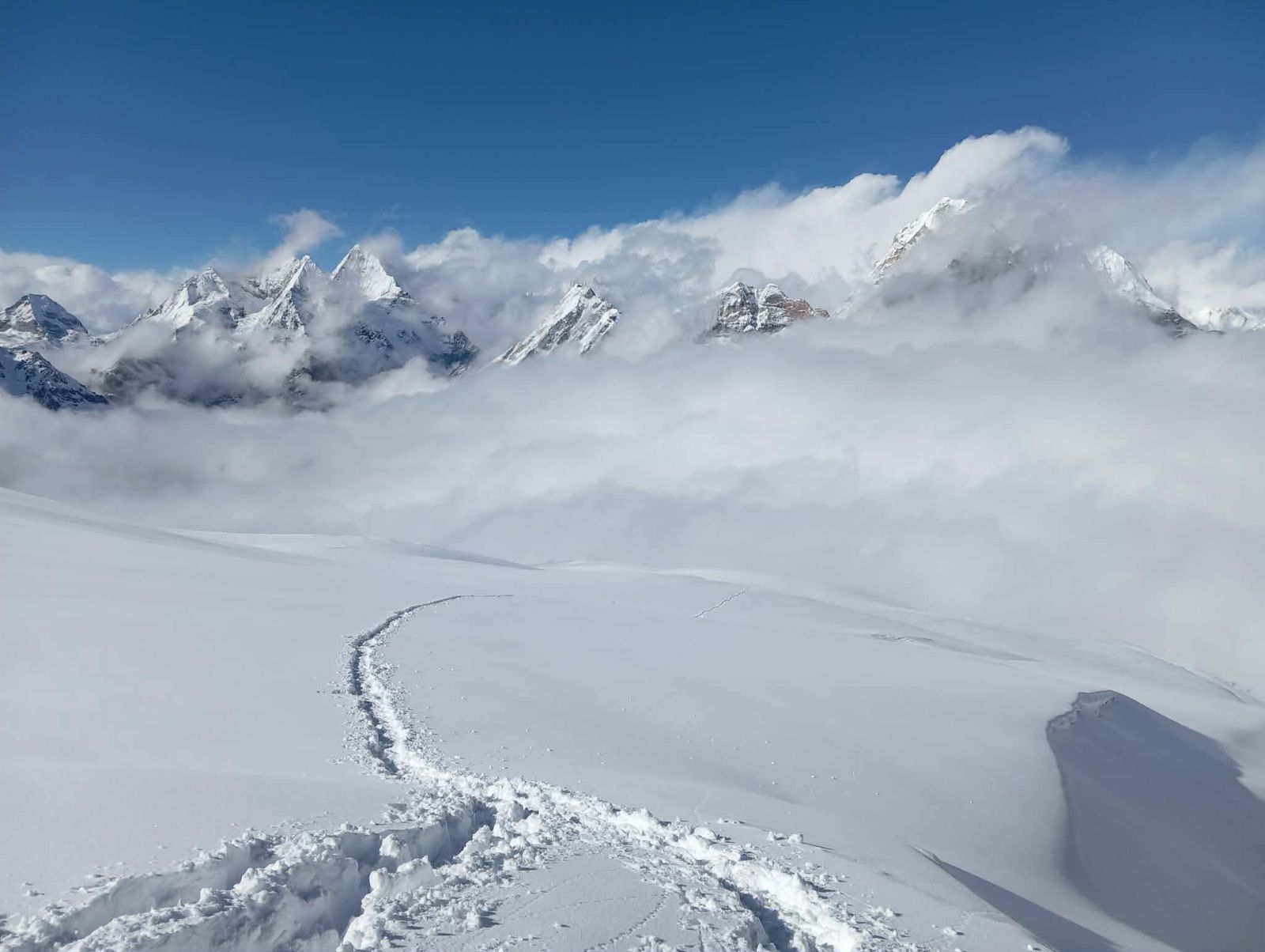
The Amphu Lapcha Pass with Island and Mera Peak trek is a strenuous yet rewarding journey designed for adventurers seeking the ultimate Himalayan experience. This 25-day expedition begins in Kathmandu and traverses the heart of the Khumbu region, a land of towering peaks, deep valleys, and remote villages. ART Nepal Treks & Expedition ensures that every aspect of this journey is carefully organized, offering a balance of adventure, cultural immersion, and safety for climbers and trekkers alike.
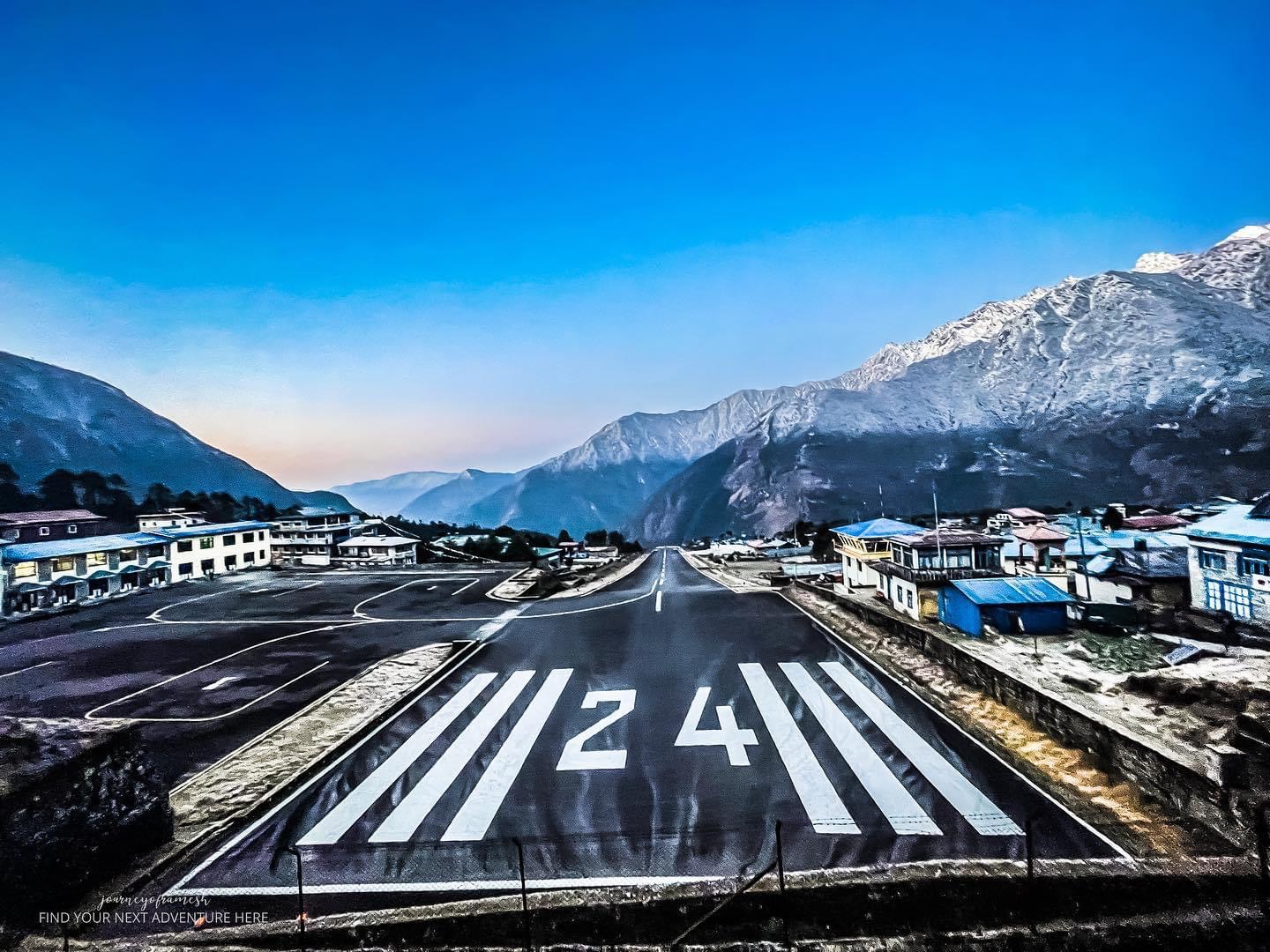
The trek starts with a scenic flight to Lukla, bringing you instantly into the Himalayan landscape. From Lukla, you begin your trek through pine and rhododendron forests toward Chutanga, a small settlement that introduces trekkers to the natural and cultural beauty of the region. The journey gradually ascends through Zatrabok, Kothe, and Thangnak, giving trekkers a mix of forested trails, alpine meadows, and mountain vistas. Each day is a balance of physical challenge and breathtaking scenery, allowing time for acclimatization and appreciation of the natural surroundings.
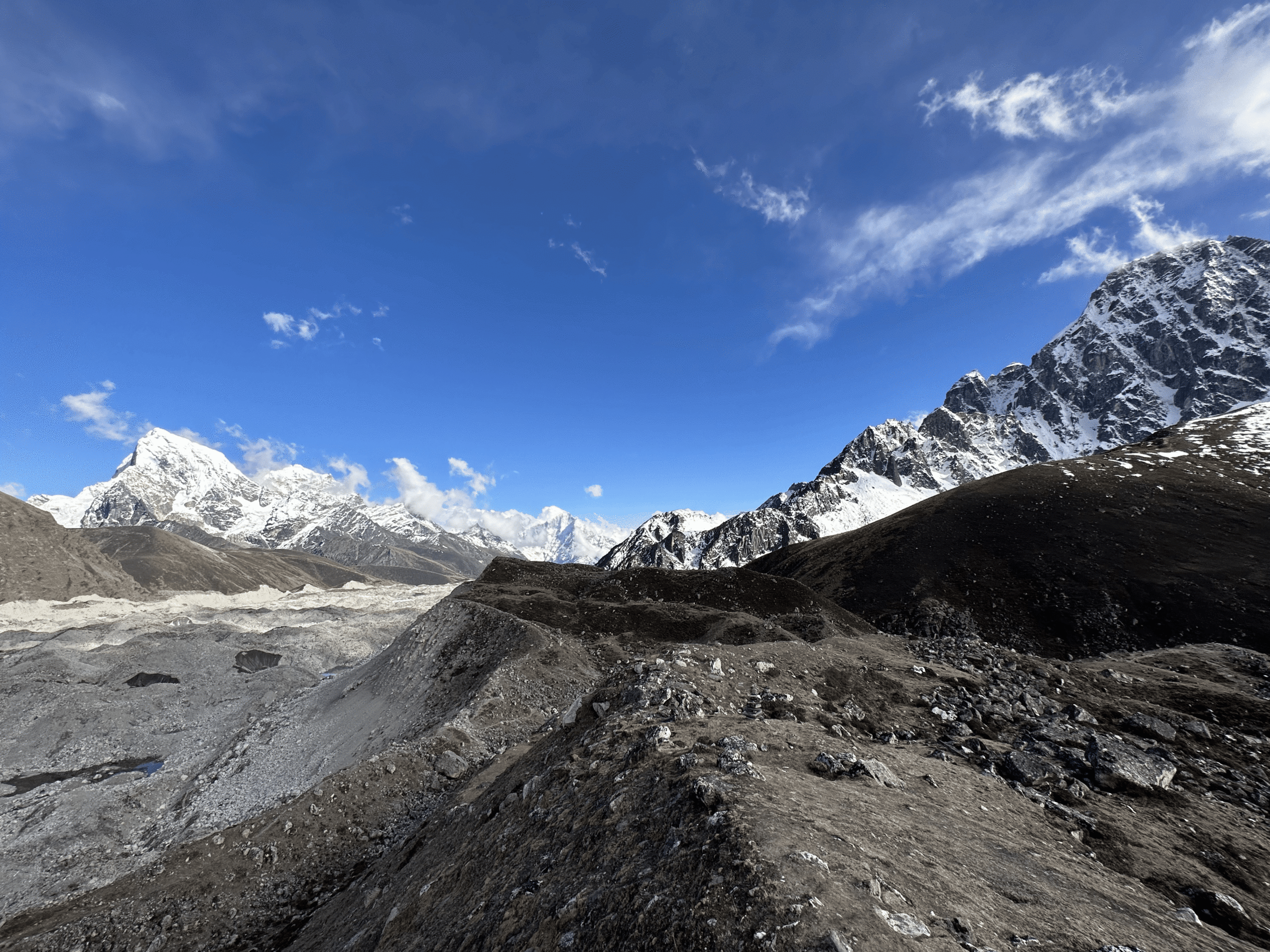
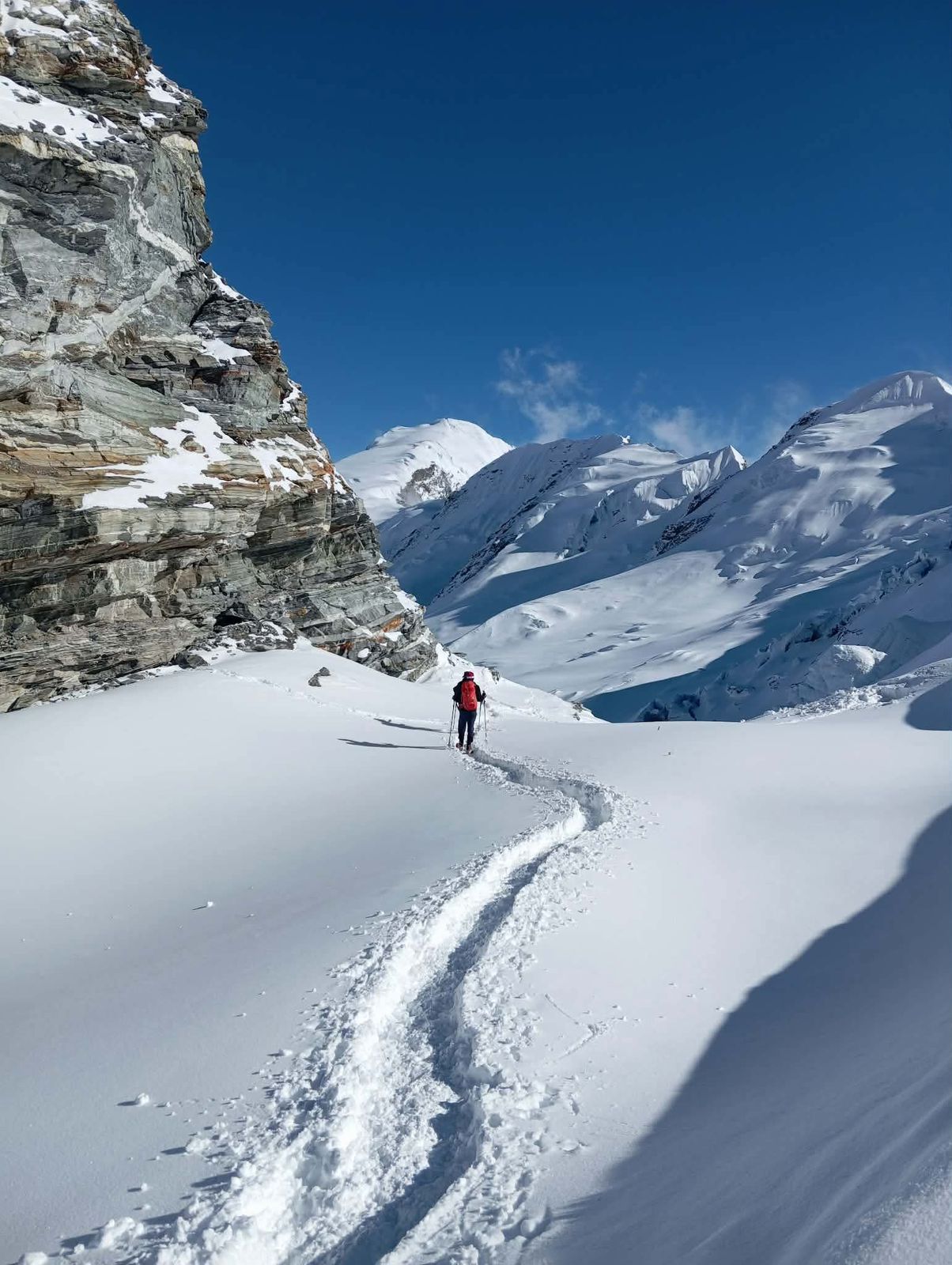
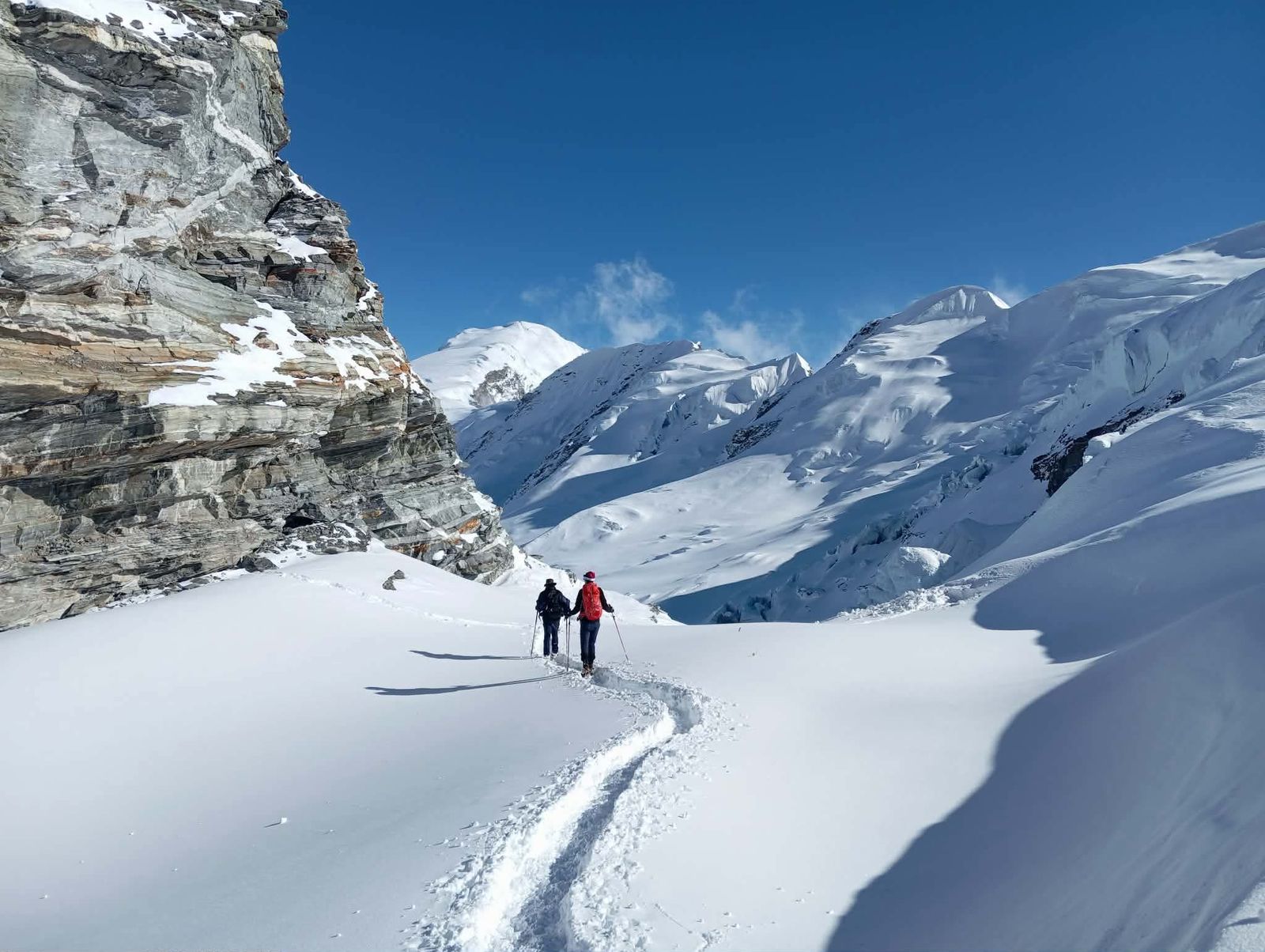
Crossing Zatrawala Pass and ascending to Zatrabok marks the start of the high-altitude challenge. From Thangnak and Khare, trekkers gain exposure to glacier trails and moraine landscapes, while the peaks of Mera, Nubra, and other Himalayan giants dominate the skyline. Acclimatization days at Thangnak, Mera Base Camp, and Panch Pokhari are critical for adapting to altitude, offering short hikes and opportunities to enjoy panoramic vistas without overexertion.
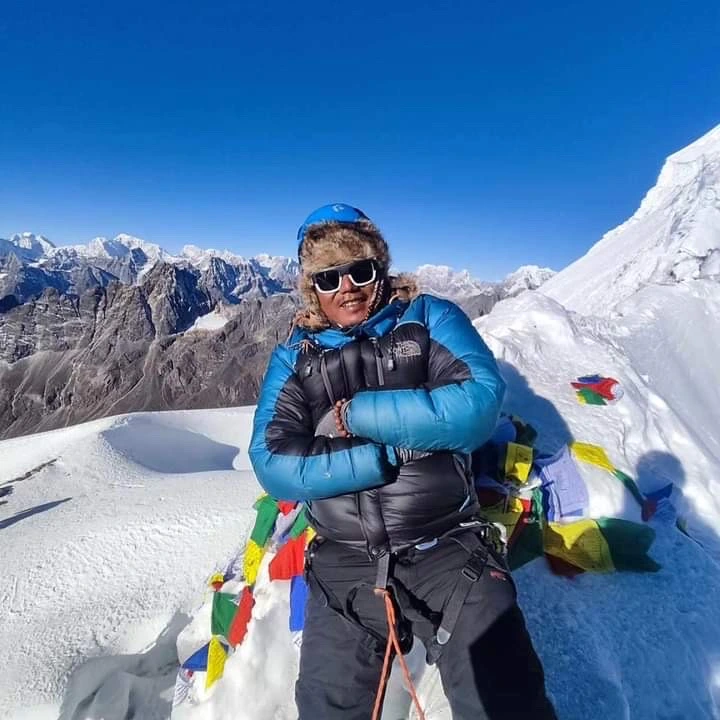
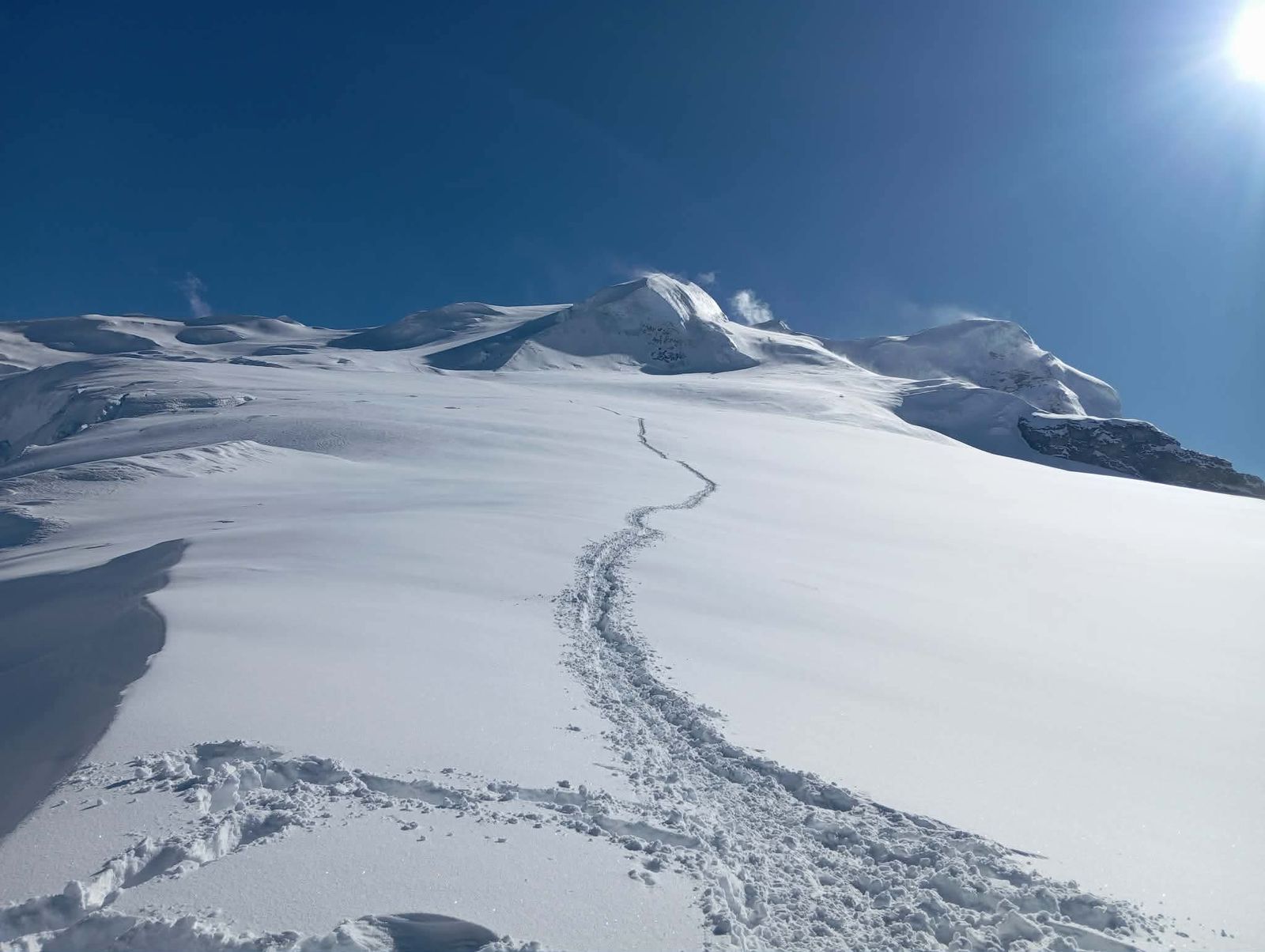
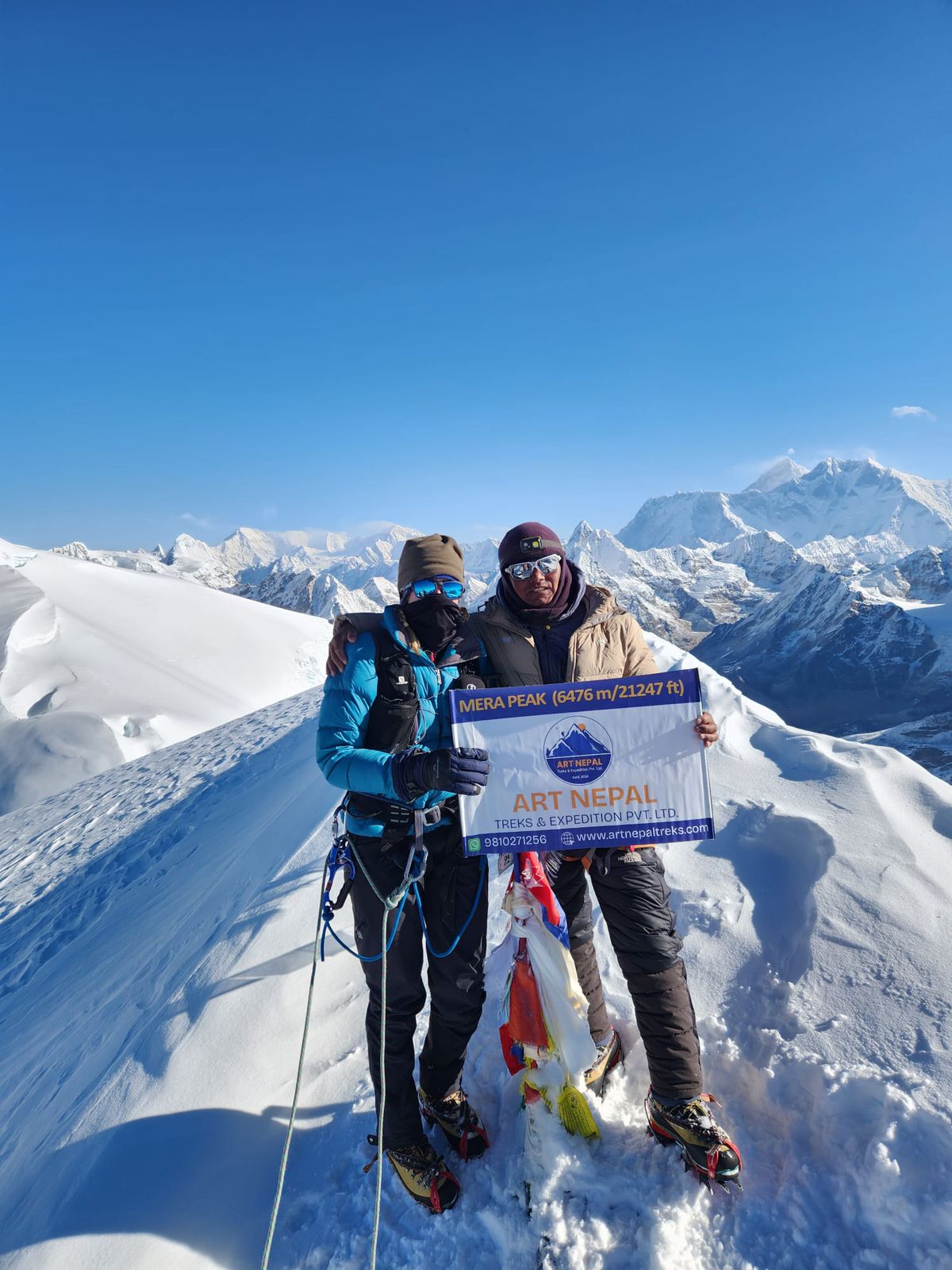
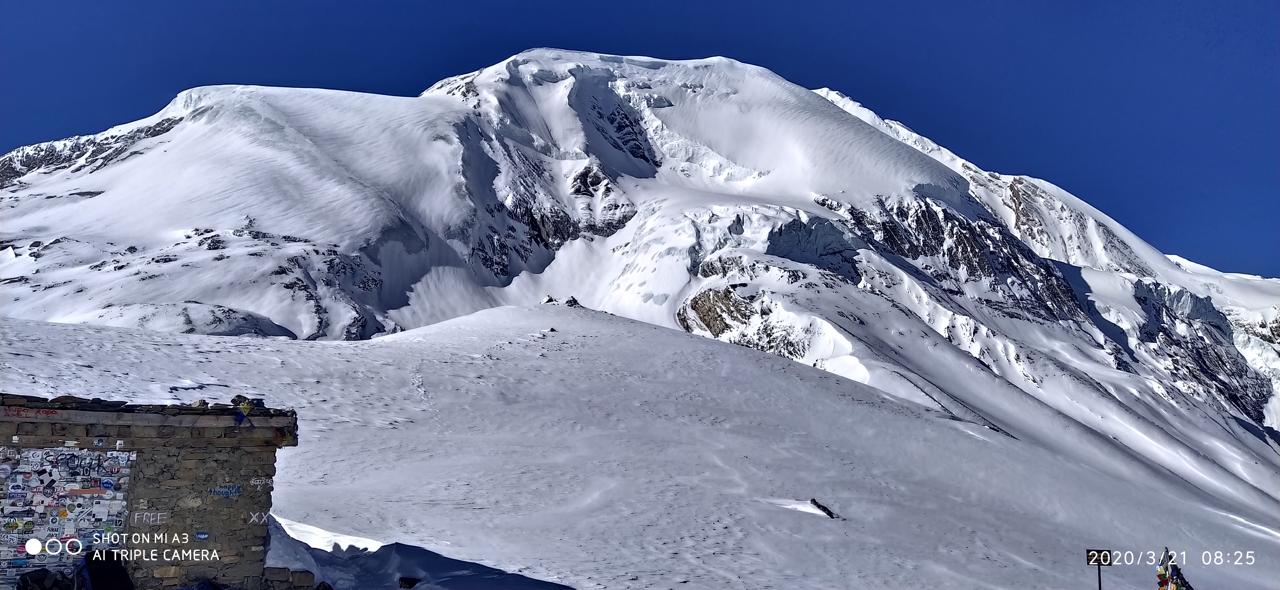
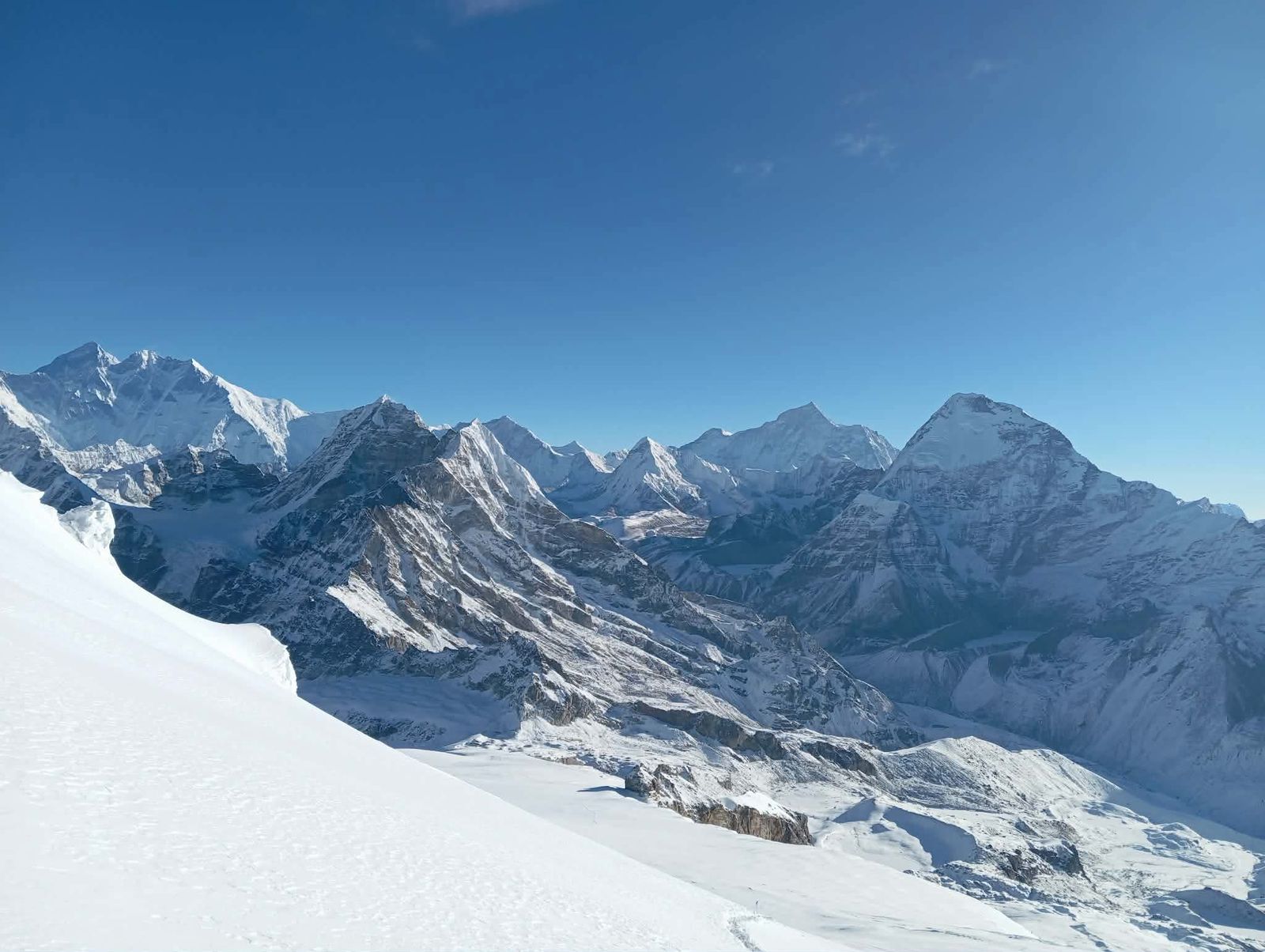
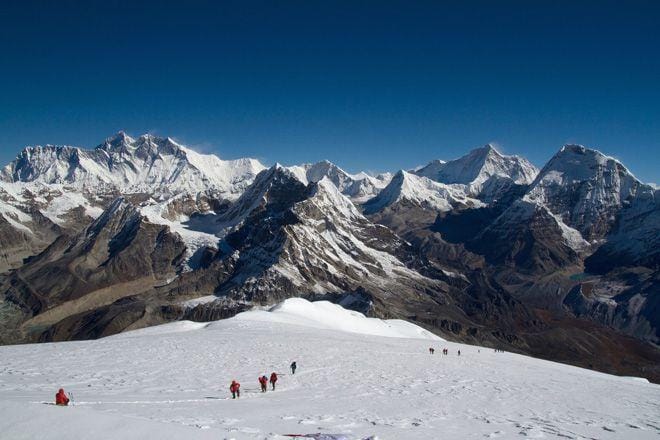
Summiting Mera Peak (6,476 m) is a highlight of the trek. This iconic trekking peak requires the use of technical climbing equipment such as ice axes, crampons, and ropes. The summit rewards climbers with unparalleled views of Everest, Lhotse, Makalu, and Kanchenjunga, making the early morning climb worthwhile. Descending to Mera Base Camp after the summit provides rest before continuing toward Amphu Lapcha Pass.
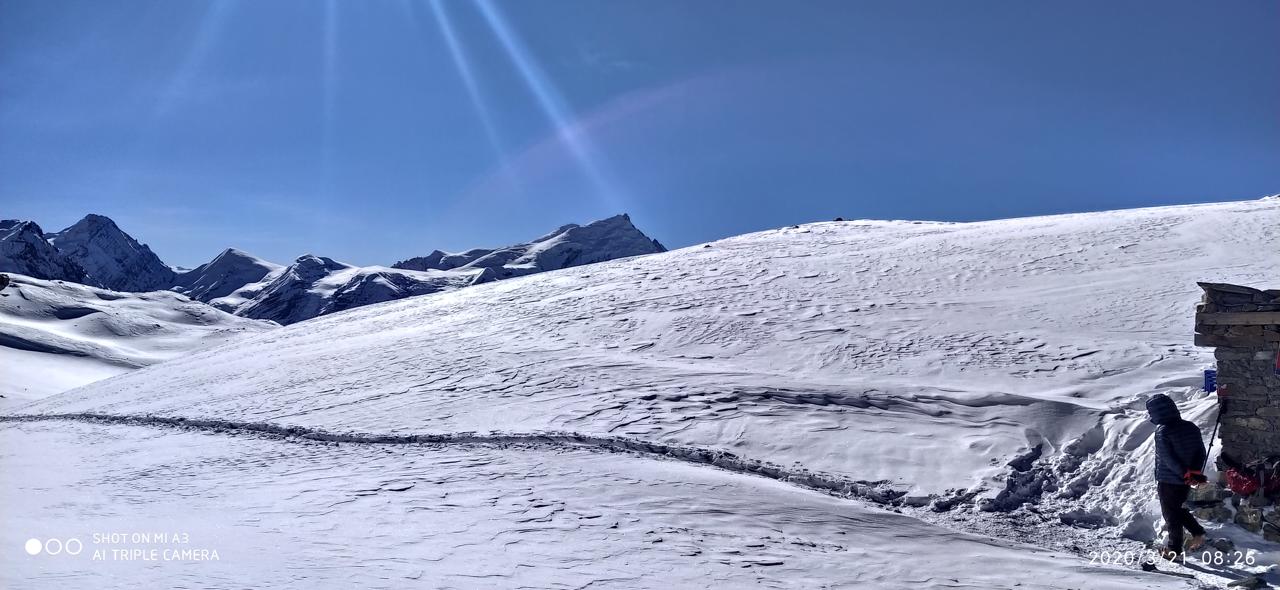
The crossing of Amphu Lapcha Pass (5,845 m) is considered one of the most challenging yet scenic parts of the trek. Navigating icy glaciers, steep ridges, and snowfields requires focus, strength, and determination. Upon reaching Chhukung, trekkers descend into the Imja Valley, encountering the vibrant Sherpa culture and remote highland landscapes. Continuing to Island Peak, climbers experience a technical but rewarding ascent to the summit at 6,189 meters, offering dramatic Himalayan views. The descent to Pangboche, Namche Bazaar, and finally Lukla concludes the trekking adventure before returning to Kathmandu, leaving participants with lifelong memories of one of the world’s most stunning mountain regions.
What Can You Expect from the Trek?
This trek provides a blend of trekking, high-altitude climbing, and cultural immersion. Each day presents new challenges and incredible scenery, from lowland forests to glaciated high valleys. Trekkers will experience both physical exertion and the spiritual peace of isolated Himalayan landscapes.
Participants can expect to cross glacier valleys, high passes, and moraine ridges, experiencing extreme terrain rarely encountered on more conventional treks. In addition to the climbing experience, the trek offers interaction with Sherpa communities, visits to monasteries, and exposure to traditional lifestyles that have existed for centuries. Every campsite, teahouse, and village stop is an opportunity to connect with local culture and enjoy the natural environment.
Key Experiences:
- Trekking through rhodo-dendron and pine forests to high-altitude valleys
- Crossing Amphu Lapcha Pass at 5,845 meters
- Summit Mera Peak (6,476 m) and Island Peak (6,189 m)
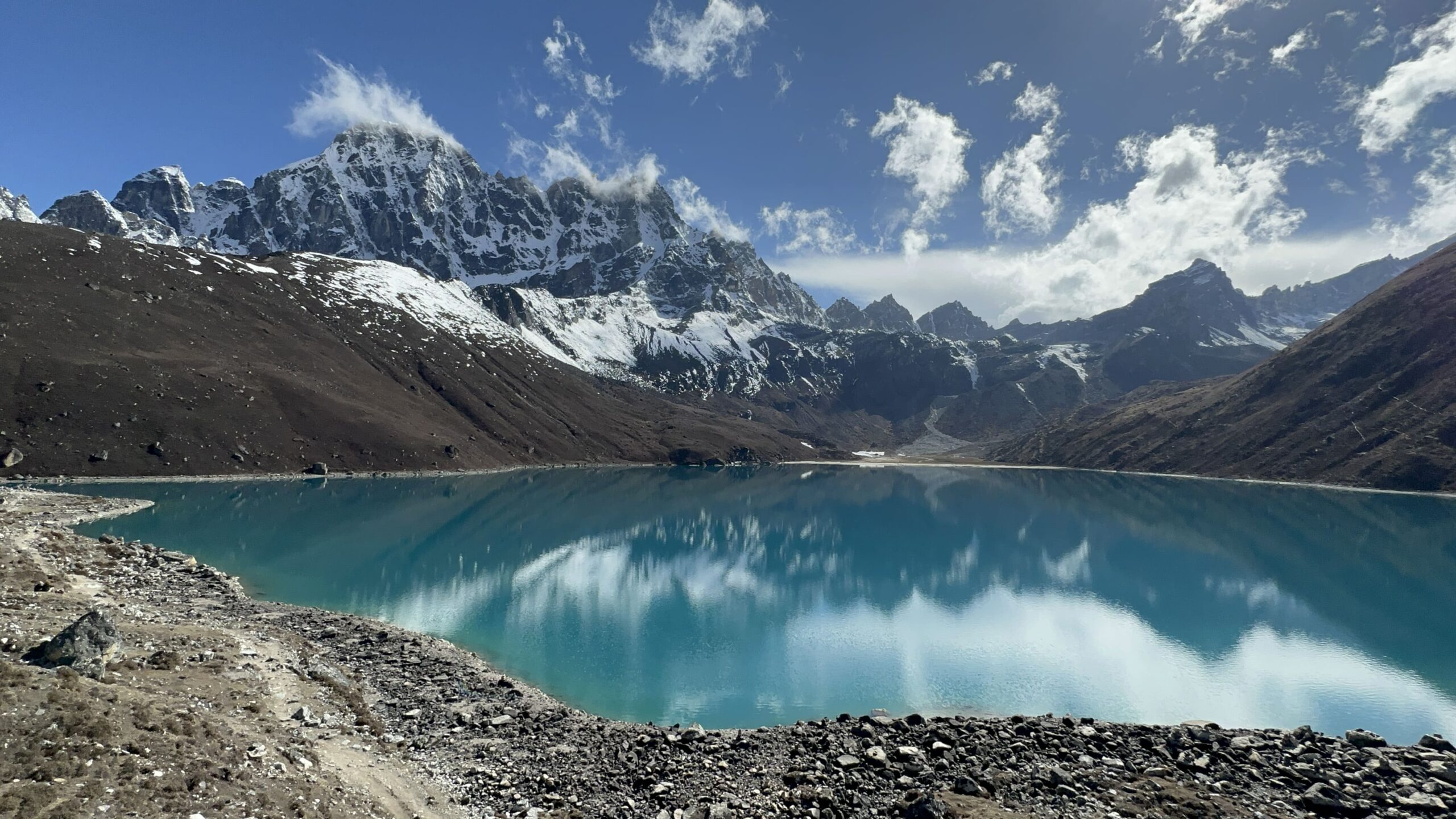
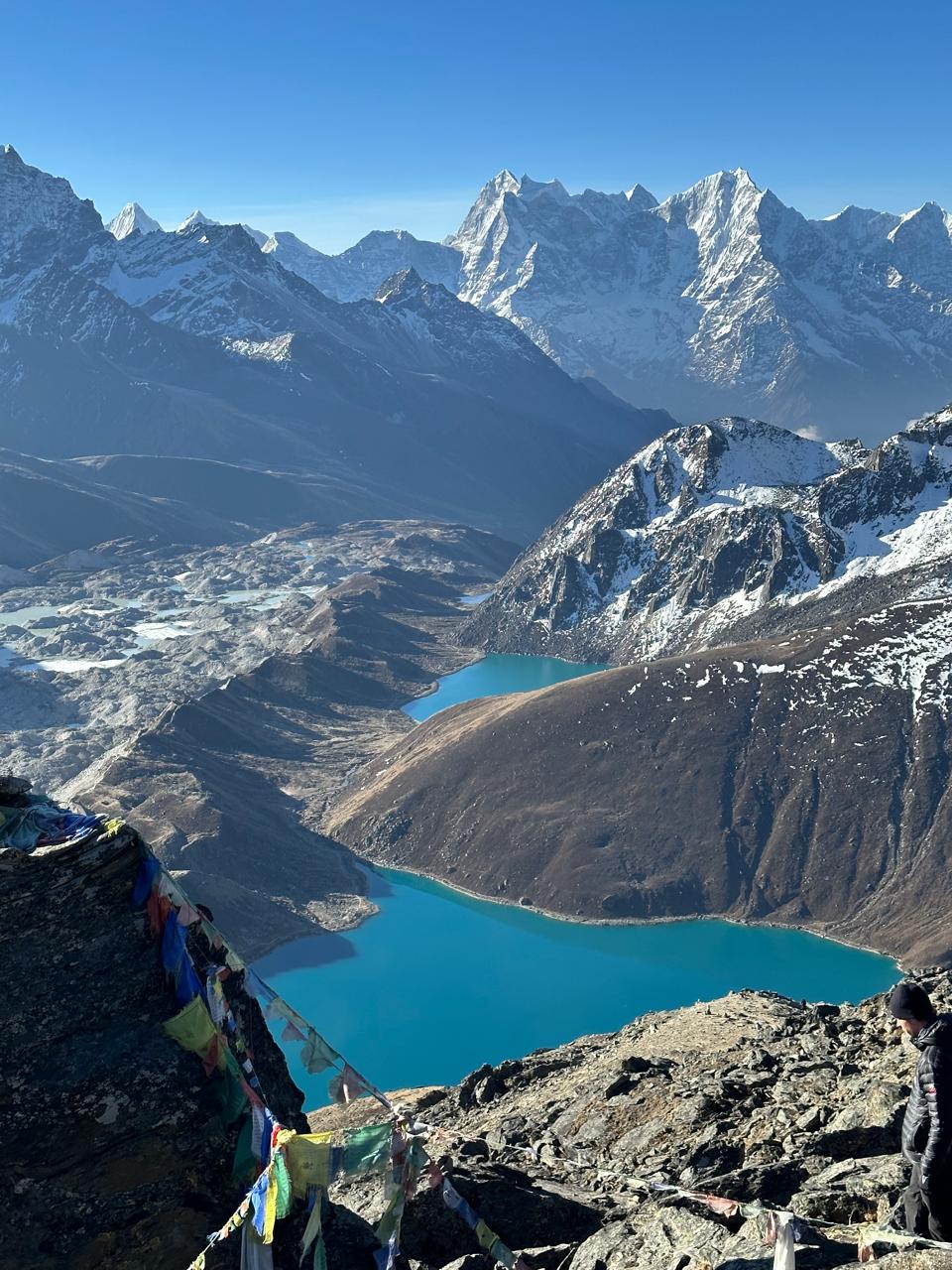
- Explore glaciers, alpine meadows, and glacial lakes
- Cultural encounters in Sherpa villages and highland monasteries
- High-altitude adventure with mountain climbing techniques
Is Trek Suitable for You?
This trek is ideal for physically fit, adventurous individuals seeking a combination of trekking and mountaineering in the Himalayas. It is recommended for those who are comfortable with long days of trekking at high altitudes and prepared for steep ascents, icy passes, and unpredictable mountain weather.
The journey is perfect for trekkers who want adventure, challenge, and cultural experiences. Those seeking remote and less-traveled paths will find this trek highly rewarding. Climbers should be ready for technical sections and have prior experience in using mountaineering equipment for summit attempts.
Who Should Consider This Trek:
- Experienced high-altitude trekkers with good physical endurance
- Climbers comfortable with technical ascents using ropes and crampons
- Adventure seekers who enjoy glacial landscapes and alpine passes
- Travelers interested in Sherpa culture and Himalayan villages
How to Get Prepared for Trek?
Preparation for this trek involves both physical training and mental readiness. Cardiovascular exercises such as running, cycling, and long hikes help build stamina, while strength training prepares the body for long ascents with loaded backpacks. Mental preparation is equally important, as trekking through high passes and glaciers can be mentally demanding.
Preparation Guidelines:
- Physical Fitness: Cardio, strength, and endurance training
- Acclimatization: Follow scheduled rest and acclimatization days
- Gear Preparation: Quality trekking and climbing equipment
- Health Check: Consult a doctor, bring necessary medications
- Mental Readiness: Prepare for challenging conditions, cold temperatures, and long days
-
Trip Duration
25 days/24 nights
-
Group Size
1–20 people
-
Maximum Altitude
Mera Peak (6,476 m), Island Peak (6,189 m)
-
Trip Difficulty
Strenuous
-
Activities
Trekking and Peak Climbing
-
Best Season
March–May, September–November
-
Trip Start & End
Kathmandu-Kathmandu
-
Meals
Breakfast, Lunch, Dinner
-
Accomodation
Teahouses and tented camps
Highlights
- Climb Mera Peak (6,476 m) and Island Peak (6,189 m)
- Cross the challenging Amphu Lapcha Pass (5,845 m)
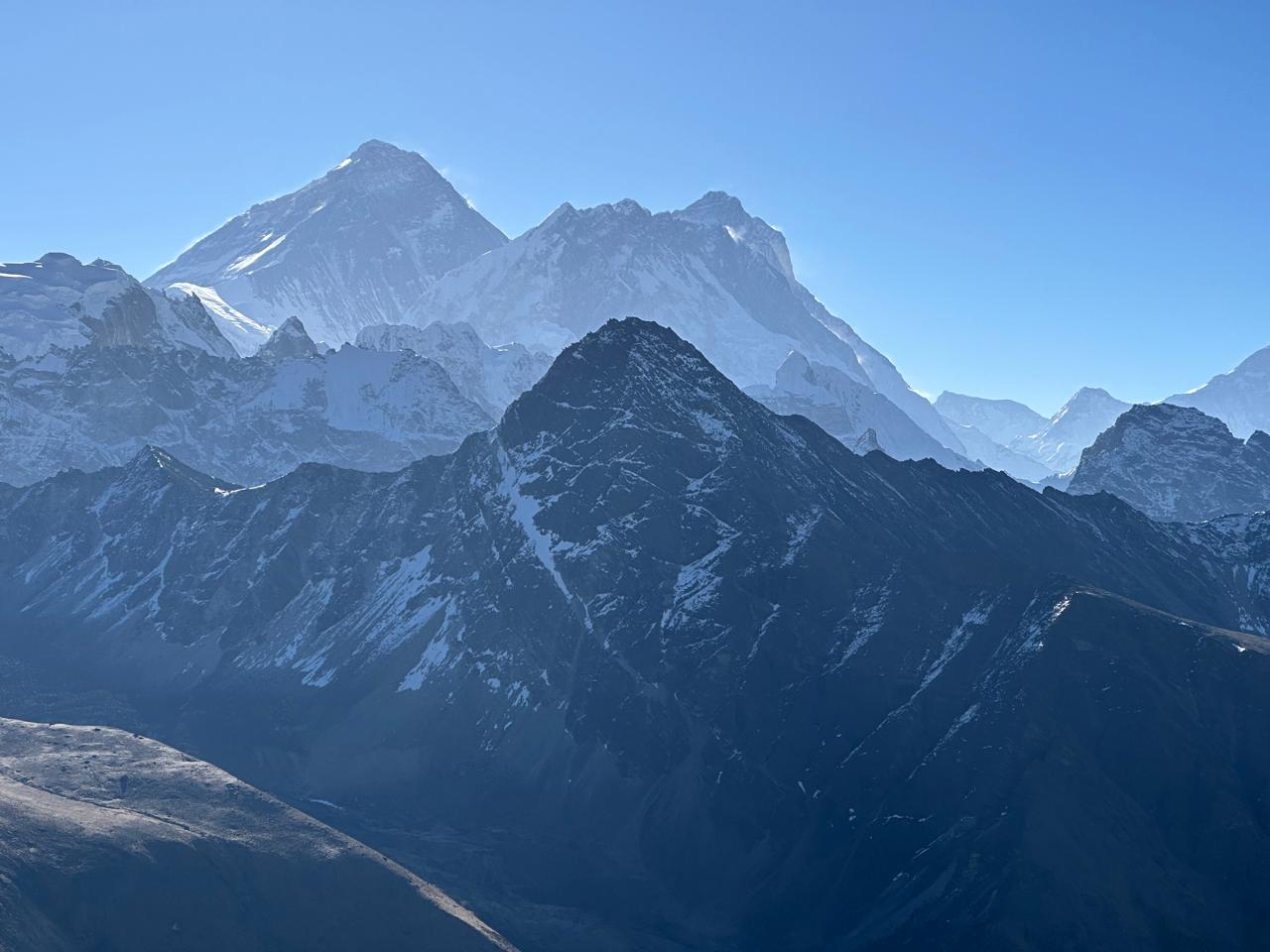
- Witness spectacular views of Everest, Lhotse, Makalu, and other Himalayan peaks
- Trek through diverse landscapes, from forests to glaciers
- Experience Sherpa culture and hospitality in remote villages
Itinerary
Day 01
Upon arrival at Tribhuvan International Airport in Kathmandu, you will be greeted by a friendly representative and transferred to your hotel in Thamel. This day allows you to rest after your long international flight and adjust to the moderate altitude of Kathmandu. You may also explore the lively streets of Thamel, visit souvenir shops, or enjoy a traditional Nepali meal. In the evening, you will attend a briefing at the ART Nepal Treks & Expedition office, where the trek leader will provide an overview of the journey, discuss safety protocols, review equipment requirements, and answer all your questions. This preparation ensures a smooth start for your high-altitude adventure.
Trip Duration:
Arrival dayAltitude:
1400 mMeal:
Not includedAccomodation :
Hotel in KathmanduDay 02
This day is reserved for completing all the official trekking formalities. You will meet your guide and provide essential documents such as your passport, photos, and travel insurance. The team will also check your personal gear and discuss high-altitude trekking techniques, acclimatization, and safety measures. After completing the formalities, you have free time to explore cultural sites in Kathmandu like Boudhanath Stupa or Swayambhunath (Monkey Temple). Proper rest and nutrition are important on this day to prepare for the long trek ahead. The evening can be spent enjoying the vibrant local culture or relaxing at your hotel.
Trip Duration:
Full day preparationAltitude:
1400 mMeal:
BreakfastAccomodation :
Hotel in KathmanduDay 03
Early morning, you will board a scenic 35-minute flight from Kathmandu to Lukla, which is perched amidst the Himalayas. Upon arrival, the trekking team will be ready to accompany you as you begin your journey toward Chutanga. The trail passes through lush pine and rhododendron forests, small Sherpa villages, and sparkling streams, providing a gentle introduction to high-altitude trekking. Walking along these serene paths, you will catch your first glimpses of Mera Peak and surrounding peaks. The gradual ascent helps your body adjust to higher elevations while immersing you in the natural beauty of the Khumbu region.
Trip Duration:
5-6 hoursTrip Distance:
~10 kmAltitude:
3175 mMeal:
Breakfast, Lunch, DinnerAccomodation :
Tented Camp in ChutangaDay 04
The trek today begins with a steady climb toward Zatrawala Pass, offering panoramic views of surrounding peaks and glaciers. Crossing the pass at 4,610m is both physically challenging and visually rewarding, as you witness sweeping Himalayan vistas. After the pass, the trail levels briefly before descending into the valley toward Zatrabok. Along the way, you will pass high-altitude moraine fields, small streams, and isolated campsites, experiencing both the adventure and solitude of the region. Reaching Zatrabok in the evening provides a sense of accomplishment and prepares you for the higher climbs ahead.
Trip Duration:
6-7 hoursTrip Distance:
~12 kmAltitude:
4704 mMeal:
Breakfast, Lunch, DinnerAccomodation :
Tented Camp in ZatrabokDay 05
Today’s trek is primarily downhill, allowing your muscles to recover slightly while still adjusting to altitude. The trail winds through rhododendron and juniper forests, offering spectacular views of Mera Peak, Naukukhu, and neighboring massifs. Along the way, you may encounter local herders and yak pastures, providing insight into Sherpa life in the high mountains. Descending to Kothe provides a chance to enjoy the lush valley landscape after the previous day’s steep ascent, while the surrounding peaks remain a constant reminder of the challenges that lie ahead. Evening at Kothe offers time to rest, reflect, and prepare for the next day’s climb toward higher altitudes.
Trip Duration:
5-6 hoursTrip Distance:
~10 kmAltitude:
3800 mMeal:
Breakfast, Lunch, DinnerAccomodation :
Tented Camp in KotheDay 06
Today’s journey begins with a steady ascent through the beautiful valley, passing grazing fields of Gondishung and small Sherpa settlements. The trail gradually narrows as you approach the western flank of Mera Peak. Along the way, you will cross streams, navigate rocky ridges, and be surrounded by breathtaking views of high peaks such as Chamlang, Baruntse, and Mera itself. The landscape changes constantly, from forested lower slopes to open alpine meadows, giving a true sense of trekking in the high Himalayas. As you reach Thangnak, the campsite offers spectacular vistas of the surrounding peaks, providing a sense of accomplishment while allowing your body to adjust to the increasing altitude.
The evening at Thangnak is perfect for observing the sunset over the towering mountains and enjoying the serene atmosphere of the high Himalayas. This is also an ideal time to acclimatize, review climbing plans with your guides, and ensure your gear is ready for the upcoming ascent toward Khare. The combination of physical challenge, scenic beauty, and cultural encounters with occasional Sherpa herders makes this day both demanding and rewarding.
Trip Duration:
5-6 hoursTrip Distance:
~8 kmAltitude:
4600 mMeal:
Breakfast, Lunch, DinnerAccomodation :
Tented Camp in ThangnakDay 07
This day is dedicated to acclimatization, essential for preventing altitude sickness before the high-altitude climbs ahead. In the morning, you may undertake a short hike toward the nearby glacier at approximately 5,000m, giving you an opportunity to enjoy panoramic views of Mera Peak and its surrounding massifs. Alternatively, you can visit Sabai Tsho, a glacial lake nearby, to experience the untouched beauty of the high Himalayas. The rest of the day allows for relaxation at the campsite, preparing mentally and physically for the challenging trek to Khare tomorrow.
Acclimatization days like today are critical for building stamina and adjusting to high-altitude conditions. Your guides will provide guidance on pacing, hydration, and monitoring for any signs of altitude sickness. Even a day of limited trekking offers stunning photo opportunities, close encounters with yak herds, and insight into the region’s natural ecosystem, which includes hardy alpine flora and occasional wildlife sightings. These moments of quiet reflection are often among the most memorable during a Himalayan expedition.
Trip Duration:
Rest dayTrip Distance:
Optional 3-4 kmAltitude:
4600 mMeal:
Breakfast, Lunch, DinnerAccomodation :
Tented Camp in ThangnakDay 08
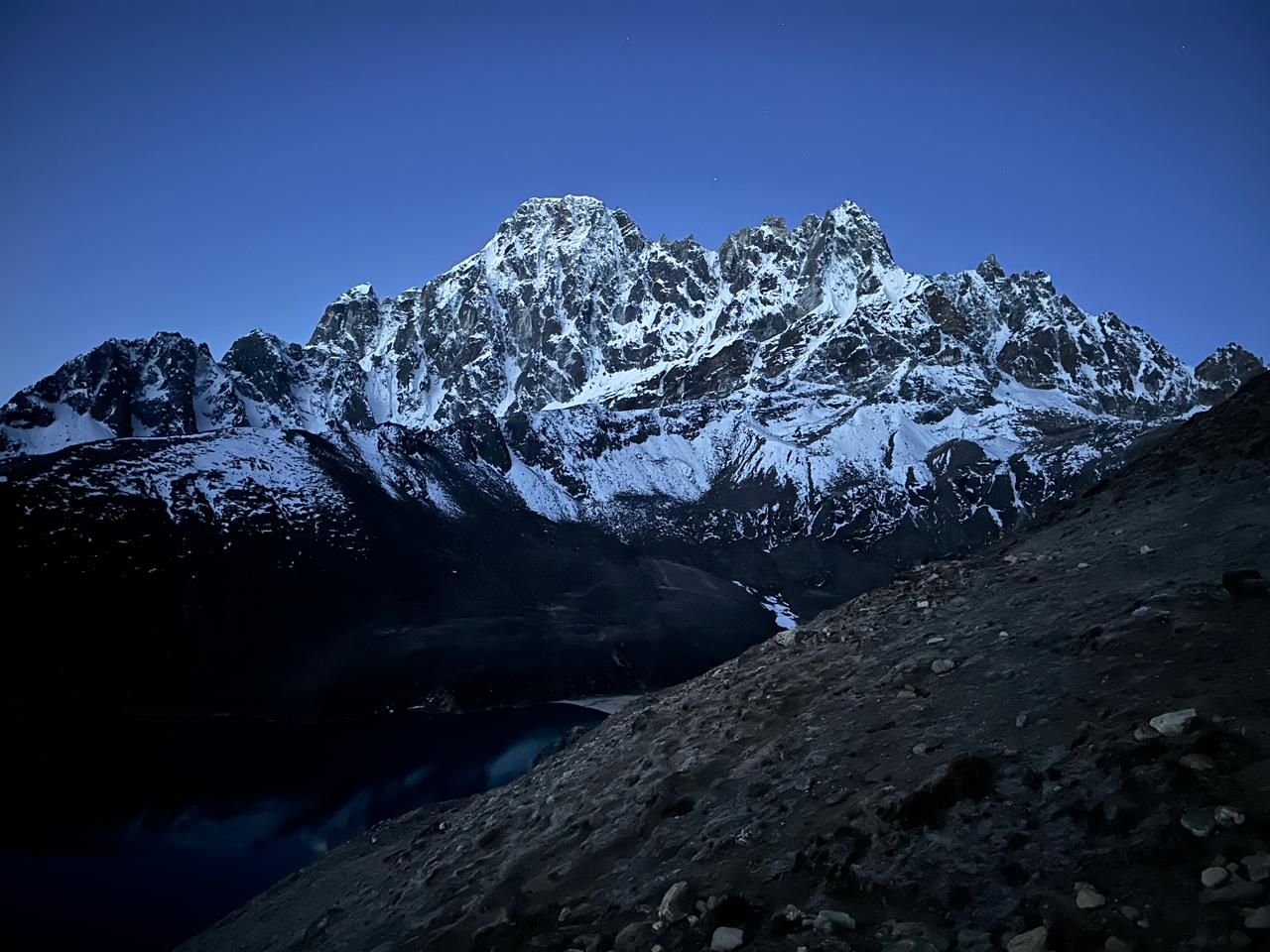
The ascent to Khare begins along a steep valley trail, passing the Dig Glacier moraine and rugged high-altitude terrain. The landscape changes to stark alpine scenery, with jagged peaks, glacial ice, and occasional snow patches. Your trekking experience today is challenging, requiring steady pacing and frequent rest stops to conserve energy. Along the way, you will witness breathtaking views of Charpati Himal and other surrounding peaks, making the effort highly rewarding. Reaching Khare, you will feel a sense of achievement as the base camp for Mera Peak emerges, with a backdrop of towering peaks and glacial valleys.
At Khare, your guides will review the climbing plans, ensure your equipment is ready, and discuss acclimatization strategies for the upcoming glacier traverse. The campsite provides stunning evening views of snow-capped mountains bathed in warm sunset light. This high-altitude environment demands careful attention to hydration and nutrition, as well as rest to conserve energy for the next day’s trek to Mera Base Camp. The combination of physical exertion and spectacular scenery makes this day both demanding and exhilarating.
Trip Duration:
5-6 hoursTrip Distance:
~6 kmAltitude:
5000 mMeal:
Breakfast, Lunch, DinnerAccomodation :
Tented Camp in KhareDay 09
Today, you will traverse high glacier trails and gradual ascents toward Mera Base Camp. The trek passes through moraine fields and high alpine pastures, offering unobstructed views of the surrounding Himalayan giants, including Makalu, Kanchenjunga, and Lhotse. The air is thin, and the effort is considerable, but the scenery, with its glacial rivers, snowfields, and vast mountain panoramas, makes every step worthwhile. Reaching Mera Base Camp, you will be surrounded by towering peaks and the preparation for your high-altitude climb begins in earnest.
Evening at Mera Base Camp is a mix of rest, acclimatization, and mental preparation for the high camp ascent tomorrow. Your guides will check all climbing gear, review the summit plan, and help you adjust sleeping arrangements in the tents. The tranquility of the base camp, the cold crisp air, and the stunning Himalayan sunset provide a magical experience that underscores the uniqueness of trekking in this remote and majestic region.
Trip Duration:
5-6 hoursTrip Distance:
~4 kmAltitude:
5200 mMeal:
Breakfast, Lunch, DinnerAccomodation :
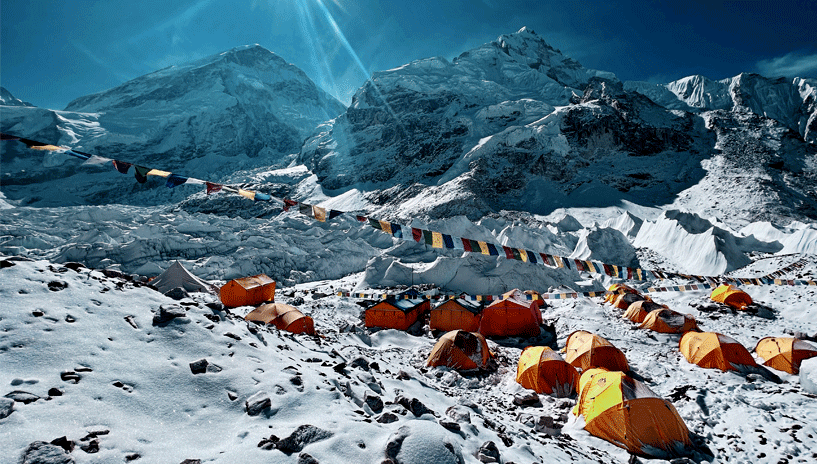
Tented Camp at Mera Base CampDay 10
The trek to Mera High Camp involves a gradual ascent along glacier trails with panoramic views of surrounding peaks. The trail becomes rockier, and snow may be present in sections, requiring careful navigation. As you climb, you will enjoy expansive views of Everest, Lhotse, Makalu, and other Himalayan giants. Reaching Mera High Camp, you will feel a profound sense of achievement, as this camp sets the stage for tomorrow’s summit attempt.
At High Camp, you will rest and hydrate while preparing gear for the early morning climb. The crisp alpine air, silence of the high mountains, and dramatic sunset views create an unforgettable experience. Your guides will provide a detailed briefing on summit strategies, rope and crampon use, and safety measures. This is a day of anticipation, focus, and awe, as you stand on the threshold of achieving your first Himalayan summit on this trek.
Trip Duration:
5-6 hoursTrip Distance:
~3 kmAltitude:
5780 mMeal:
Breakfast, Lunch, DinnerAccomodation :
Tented Camp at Mera High CampDay 11
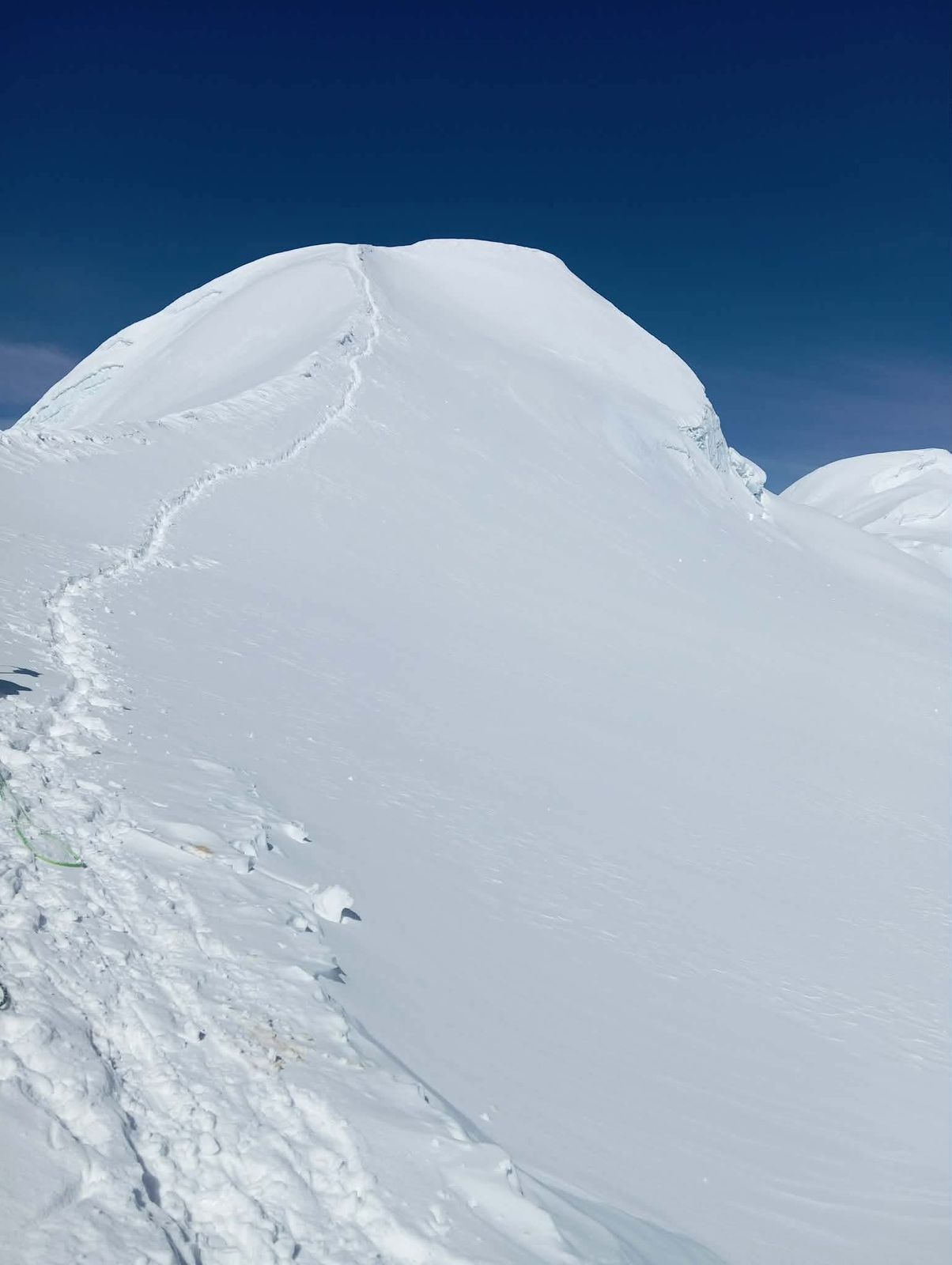
Today is the highlight of the trek: summiting Mera Peak. The day begins very early, often around 2:00 AM, to ensure a safe ascent and enough daylight. Using ice axes, crampons, and fixed ropes, you will ascend the steep glacier and snow slopes to reach the summit. The climb is physically demanding, requiring stamina, concentration, and careful pacing. Upon reaching the summit, you are rewarded with a 360-degree panorama of some of the highest peaks on Earth, including Mount Everest, Kanchenjunga, Lhotse, and Makalu. This breathtaking view is a culmination of weeks of trekking and acclimatization and is a moment of immense pride and achievement.
After enjoying the summit, you will carefully descend back to Mera Base Camp. Descending requires equal caution to avoid slips and fatigue. The rest of the day is spent at Base Camp recovering from the exertion of the climb, rehydrating, and enjoying the quiet of the high Himalayas. The evening provides a chance to reflect on the summit experience and capture photos of the surrounding mountains and glaciers. Base Camp offers a safe and peaceful environment for rest before continuing the trek toward Island Peak.
Trip Duration:
8-10 hoursTrip Distance:
~5 kmAltitude:
6476 m / 5200 mMeal:
Breakfast, Lunch, DinnerAccomodation :
Tented Camp at Mera Base CampDay 12
Leaving Mera Base Camp, you descend slightly into the Honku Valley. The trail passes yak pastures, glaciers, and high alpine fields, providing breathtaking views of Baruntse, Chamlang, and surrounding peaks. The terrain is varied, with rocky paths, glacial moraines, and occasional streams to cross. This trek is physically less demanding than the summit day, but the high altitude still requires careful pacing and hydration. Along the way, you may observe local wildlife and experience the solitude and vastness of the high Himalayas.
Evening at Honku Valley is serene and peaceful, with camp set up amid pristine mountain scenery. The valley provides ample opportunity for photography, short explorations, and resting before the approach to Panch Pokhari. The area is also culturally significant, with occasional Sherpa and yak herding activity adding insight into traditional high-altitude life. This day serves as a chance to recover, enjoy the landscape, and prepare mentally for the next phase of the trek.
Trip Duration:
5-6 hoursTrip Distance:
~7 kmAltitude:
4900-5200 mMeal:
Breakfast, Lunch, DinnerAccomodation :
Tented Camp in Honku ValleyDay 13
Today’s trail is less traveled, offering a genuine off-the-beaten-path experience. The trek passes high-altitude ridges, small glacial streams, and patches of hardy alpine vegetation. Panch Pokhari, known for its sacred lakes and breathtaking mountain backdrop, is a peaceful destination for spiritual reflection and natural appreciation. The views of Makalu and other high peaks dominate the horizon, providing an extraordinary sense of scale and remoteness. Trekking to Panch Pokhari involves moderate ascent and demands focus due to occasional rocky and uneven sections.
Once at Panch Pokhari, the area’s cultural and natural significance becomes evident. Pilgrims visit the sacred lakes, and you can observe local traditions while enjoying the serene environment. Camping near the lakes allows for stunning sunrise and sunset views, enhancing the trekking experience. This day combines physical trekking, cultural immersion, and the high-altitude wilderness experience, offering a unique blend of adventure and reflection.
Trip Duration:
5-6 hoursTrip Distance:
~8 kmAltitude:
5200 mMeal:
Breakfast, Lunch, DinnerAccomodation :
Tented Camp at Panch PokhariDay 14
A rest day at Panch Pokhari is essential for high-altitude adjustment. Trekkers can explore the surroundings, visit the sacred lakes, and take short hikes to higher vantage points for photography. The day allows your body to recover from previous ascents and prepare for the upcoming Amphu Lapcha Pass crossing. This rest also ensures safer trekking at extreme elevations, preventing altitude sickness and improving overall stamina.
The day also provides an opportunity to interact with fellow trekkers, guides, and porters, learning about Sherpa culture and high-altitude living. Even brief hikes around Panch Pokhari offer incredible photographic moments with the reflections of towering peaks on the lakes. This day is about balancing activity with rest, enjoying the landscape, and preparing mentally and physically for the challenging pass crossing that follows.
Trip Duration:
Rest dayTrip Distance:
Optional ~3 kmAltitude:
5200 mMeal:
Breakfast, Lunch, DinnerAccomodation :
Tented Camp at Panch PokhariDay 15
Today, the trail becomes more challenging as you approach the Amphu Lapcha La Base Camp. You trek through rugged terrain, glacier moraines, and high alpine valleys with increasing snow cover and icy patches. The scenery is dramatic, with Chamlang and Baruntse dominating the skyline. The physical effort is significant, with steady ascents and occasional scrambling required. Your guides monitor acclimatization closely and provide tips for maintaining energy and balance along the route.
Base Camp provides a safe and strategic location to prepare for the crossing of Amphu Lapcha Pass tomorrow. The campsite offers panoramic views, quiet solitude, and a place to rest before the most challenging part of the trek. Evening discussions with guides include safety briefings, gear checks, and summit strategy planning. This day is a mix of exertion, adventure, and anticipation, with the mountain environment both demanding and awe-inspiring.
Trip Duration:
6-7 hoursTrip Distance:
~7 kmAltitude:
5400 mMeal:
Breakfast, Lunch, DinnerAccomodation :
Tented Camp at Amphu Lapcha La Base CampDay 16
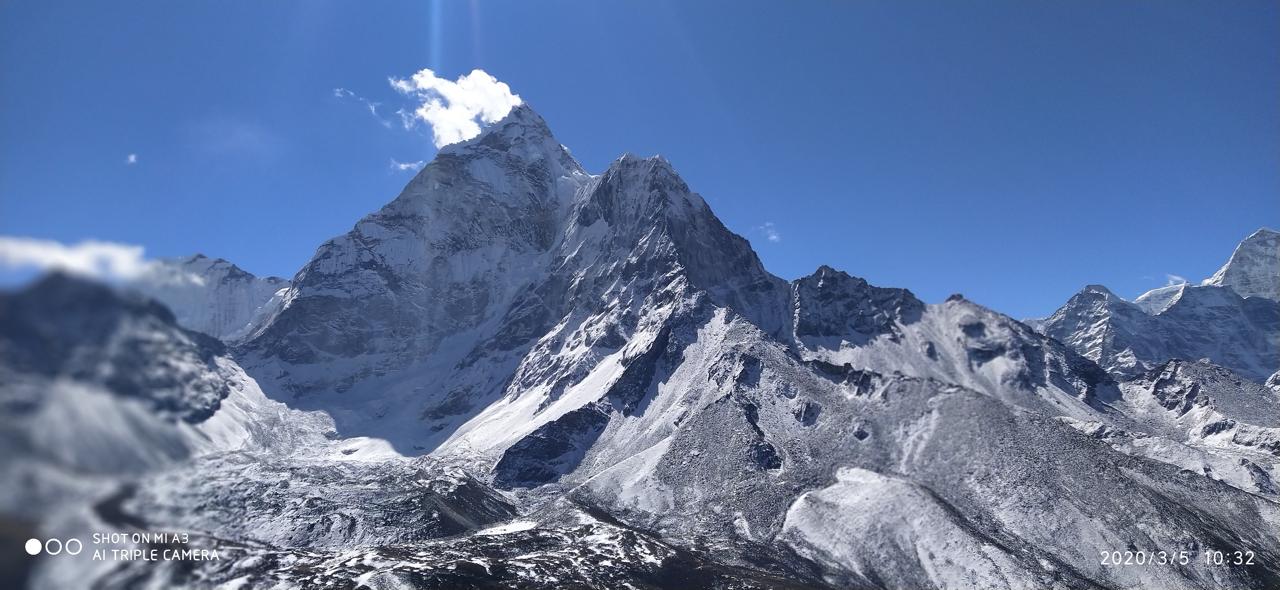
The Amphu Lapcha La Pass crossing is the most technically challenging section of the trek. Starting early, you ascend steep ice and snow slopes, using ropes and crampons under the guidance of experienced climbers. The pass, at 5,700m, offers unparalleled views of surrounding peaks, glaciers, and valleys. Careful attention to weather, pacing, and teamwork is essential for safety. This section demands focus, physical strength, and mental resilience, as exposure and high altitude make the terrain extremely challenging.
After summiting the pass, you descend toward Chhukung, passing glacial streams, moraines, and high alpine valleys. The descent allows for breathtaking views of Lhotse, Ama Dablam, and Island Peak, providing a strong sense of accomplishment. Evening in Chhukung offers rest, warm meals, and preparation for the upcoming Island Peak section. The day combines extreme adventure, technical mountaineering, and spectacular Himalayan scenery, making it a highlight of the trek.
Trip Duration:
8-9 hoursTrip Distance:
~10 kmAltitude:
5700 m / 4750 mMeal:
Breakfast, Lunch, DinnerAccomodation :
Tented Camp in ChhukungDay 17
Today, the trail gradually ascends along the Imja Valley, bringing you closer to Island Peak. The route passes through moraine fields, glacial streams, and rocky terrain, offering a true high-altitude trekking experience. As you approach the base camp, the majestic southwest face of Island Peak becomes visible, towering above the valley. Trekkers will also notice the proximity of Lhotse, Nuptse, and Ama Dablam, creating a breathtaking panorama of the Khumbu region. The hike demands stamina, careful footing, and awareness of the altitude, but the rewarding views provide ample motivation.
Arriving at Island Peak Base Camp, you will find the camp set against a dramatic backdrop of glaciers and towering peaks. The camp provides a secure location to prepare climbing gear for the ascent to High Camp and eventually the summit. Guides review safety protocols, acclimatization notes, and climbing strategy for the following days. Evening at Base Camp is a mix of rest, preparation, and anticipation for the Island Peak climb, with stunning sunset views illuminating the surrounding glaciers.
Trip Duration:
5-6 hoursTrip Distance:
~6 kmAltitude:
4790 mMeal:
Breakfast, Lunch, DinnerAccomodation :
Tented Camp at Island Peak Base CampDay 18
The ascent to Island Peak High Camp is shorter but steeper, following glacier trails and moraines along the south-west face of Island Peak. The trail offers incredible views of surrounding peaks including Lhotse, Ama Dablam, and Baruntse, with the Khumbu Glacier flowing below. High Camp serves as the launching point for tomorrow’s summit attempt, allowing climbers to acclimatize and adjust to higher altitudes. The climb to High Camp requires moderate effort and careful navigation over rocky and icy terrain.
At High Camp, climbers prepare gear for the summit day, review safety protocols, and rest for the overnight stay. The campsite offers spectacular sunrise and sunset views, highlighting the jagged peaks and glacial valleys. The thin air and extreme altitude make hydration, nutrition, and rest critical for a successful summit attempt. Guides ensure climbers are ready for the final ascent, checking crampons, ropes, and ice axes for safety and performance.
Trip Duration:
4-5 hoursTrip Distance:
~3 kmAltitude:
5600 mMeal:
Breakfast, Lunch, DinnerAccomodation :
Tented Camp at Island Peak High CampDay 19
The summit attempt of Island Peak begins very early, around 2:00 AM. The climb involves glacier travel, snow slopes, rock ridges, and the final summit ridge which often requires rope assistance. The physical effort is intense, demanding strength, endurance, and concentration. Reaching the summit is an exhilarating experience, offering 360-degree views of Everest, Lhotse, Nuptse, and Makalu. This moment represents the culmination of weeks of trekking and climbing in the Khumbu region.
After summiting, climbers descend back to Island Peak Base Camp. The descent requires careful attention to footing, particularly on icy sections and rocky paths. Once back at Base Camp, trekkers rest, rehydrate, and celebrate the successful climb. The evening provides an opportunity to share stories, enjoy warm meals, and reflect on the challenging yet rewarding experience of climbing one of the Himalayas’ most iconic peaks.
Trip Duration:
8-10 hoursTrip Distance:
~6 kmAltitude:
6160 m / 4790 mMeal:
Breakfast, Lunch, DinnerAccomodation :
Tented Camp at Island Peak Base CampDay 20
The descent from Island Peak Base Camp to Pangboche is scenic and gradual, passing through Imja Valley and small Sherpa villages like Orsho and Shomare. Along the trail, trekkers can observe traditional stone houses, mani walls, and prayer flags fluttering in the wind, giving insight into Sherpa culture. The descent is physically demanding in a different way, requiring control on rocky slopes to protect knees and maintain balance.
Arriving in Pangboche, trekkers can visit the famous Pangboche Monastery, one of the oldest in the region. The evening offers a chance to relax, enjoy local food, and interact with the friendly Sherpa community. The journey from high glaciers to the cultural heart of the Khumbu provides a sense of accomplishment and contrast between rugged wilderness and village life.
Trip Duration:
5-6 hoursTrip Distance:
~8 kmAltitude:
3900 mMeal:
Breakfast, Lunch, DinnerAccomodation :
Tented Camp in PangbocheDay 21
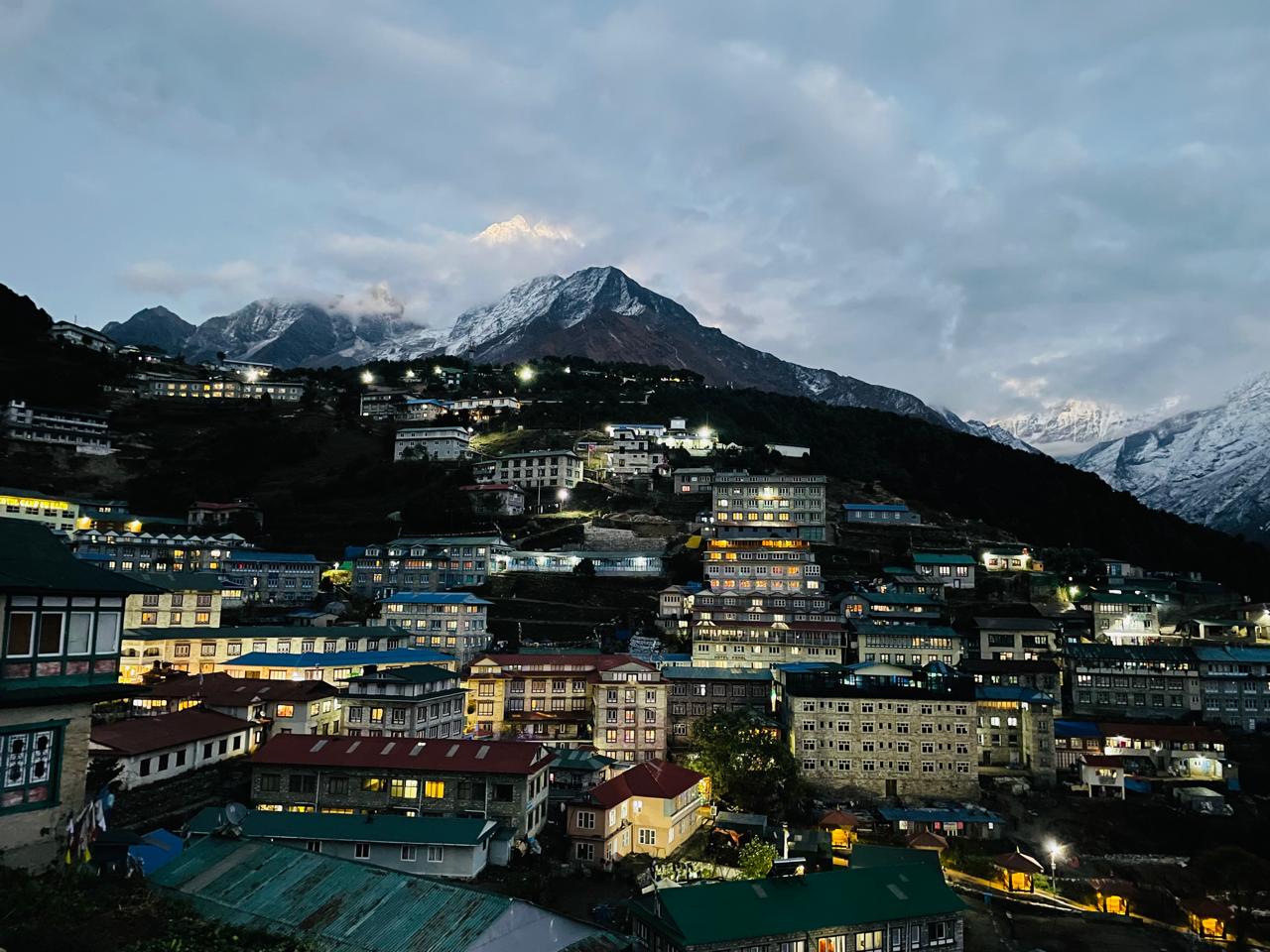
Descending further, trekkers pass through rhododendron and juniper forests, cross suspension bridges over the Dudh Koshi River, and walk through scenic villages. The trail offers panoramic views of Ama Dablam and surrounding peaks. This stretch allows trekkers to regain energy while experiencing the cultural richness of Namche Bazaar, a central hub of the Khumbu region. The marketplace is vibrant, offering local crafts, souvenirs, and opportunities to interact with Sherpa traders.
Evening in Namche Bazaar provides modern amenities like hotels, small shops, and cafes. Trekkers can enjoy a warm meal, share experiences from the trek, and explore the town. Namche serves as an ideal stopping point for acclimatization and rest before the final descent to Lukla. The combination of natural beauty, cultural interaction, and rest makes this a fulfilling day.
Trip Duration:
6-7 hoursTrip Distance:
~9 kmAltitude:
3440 mMeal:
Breakfast, Lunch, DinnerAccomodation :
Hotel or Lodge in Namche BazaarDay 22
The final trekking day involves descending steep trails through forests and small villages. Trekkers cross suspension bridges, pass tea houses, and enjoy views of terraced fields and distant peaks. This day allows reflection on the journey, observing both the natural and cultural elements of the Khumbu. Descending requires careful attention, but the reward is reaching Lukla, the gateway to the Everest region.
Arriving in Lukla, trekkers can rest and prepare for the flight to Kathmandu. Lukla has basic facilities including shops and small lodges. The evening is often spent celebrating the completion of the trek with guides and porters, sharing stories, and enjoying a final high-altitude sunset.
Trip Duration:
5-6 hoursTrip Distance:
~10 kmAltitude:
2866 mMeal:
Breakfast, Lunch, DinnerAccomodation :
Hotel or Lodge in LuklaDay 23
Today, trekkers take a spectacular morning flight from Lukla to Kathmandu. The flight offers aerial views of Everest, Lhotse, Ama Dablam, and other peaks. Landing in Kathmandu brings a sense of relief and accomplishment after weeks of trekking and climbing. The day is free for rest, shopping, or exploring the city’s cultural sites.
Evening celebrations often include a farewell dinner to honor the successful completion of the trek and climbing activities. Trekkers can reflect on their achievements, share memories with the team, and enjoy a comfortable stay in a 3-star hotel in Thamel.
Trip Duration:
35 minutes flight + free dayTrip Distance:
~120 km flightAltitude:
1400 mMeal:
BreakfastAccomodation :
Hotel in KathmanduDay 24
This day allows for complete relaxation and optional sightseeing in Kathmandu. Trekkers can visit world heritage sites such as Pashupatinath Temple, Boudhanath Stupa, and Kathmandu Durbar Square. It is also an opportunity for shopping souvenirs, experiencing local food, and exploring the city’s vibrant streets.
The day is flexible and allows trekkers to rest muscles, recover from the long trek, and mentally prepare for the journey home or onward destinations. Cultural immersion in Kathmandu provides a fitting conclusion to the Himalayan adventure, blending adventure with urban exploration.
Trip Duration:
Full dayAltitude:
1400 mMeal:
BreakfastAccomodation :
Hotel in KathmanduDay 25
On the final day, trekkers are transferred to Tribhuvan International Airport for departure or continuation to their next destination. This marks the completion of the 25-day journey across Mera Peak, Island Peak, and Amphu Lapcha Pass. The day is often used for last-minute shopping, reflections, and farewells to guides and team members who have accompanied the trek.
Travelers leave with unforgettable memories of high-altitude trekking, peak climbing, Sherpa culture, and Himalayan scenery. The experiences of summiting Mera and Island Peak, crossing Amphu Lapcha, and trekking through remote valleys provide a lifetime of adventure stories.
Trip Duration:
Airport transferAltitude:
1400 mMeal:
BreakfastRoute Map
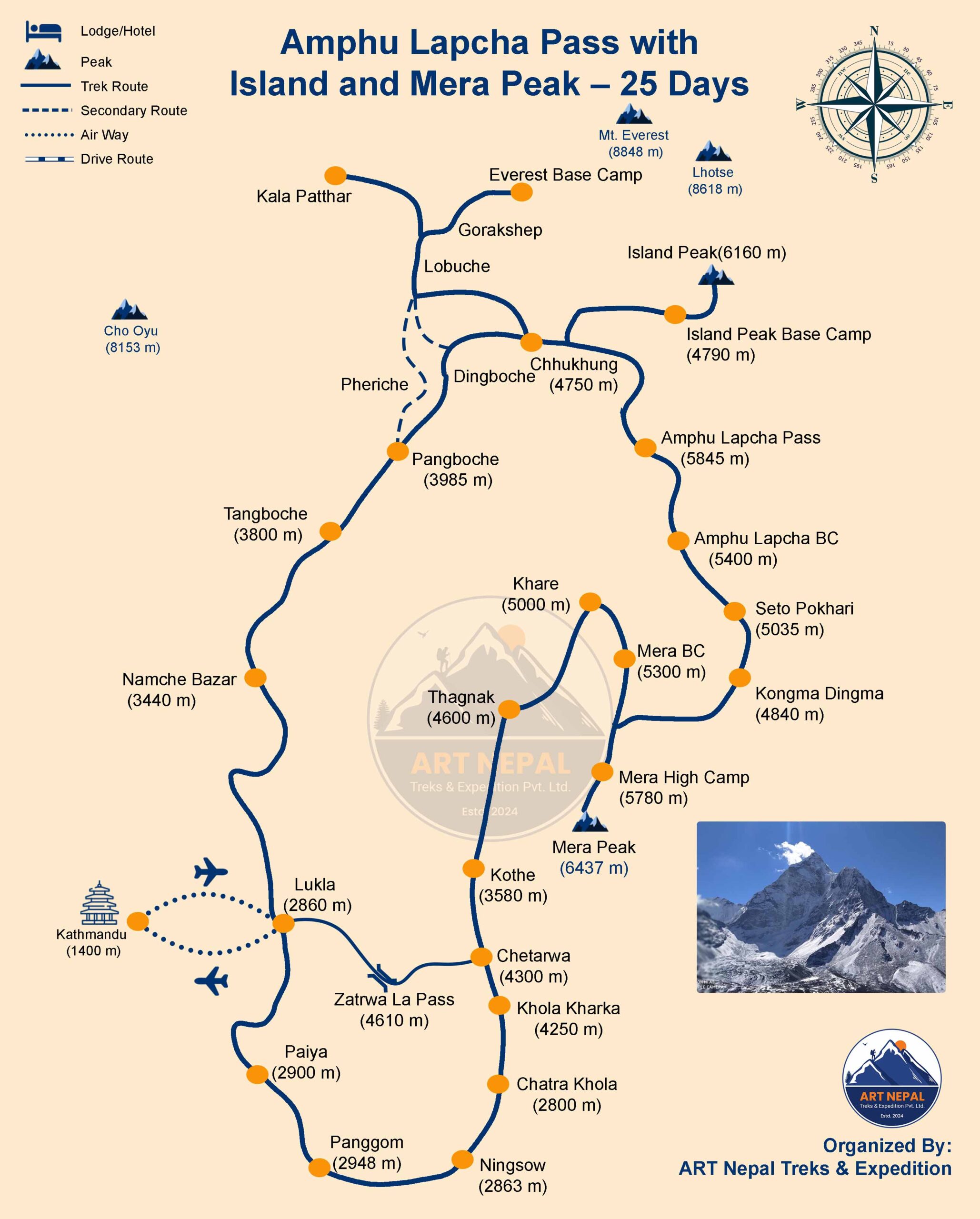
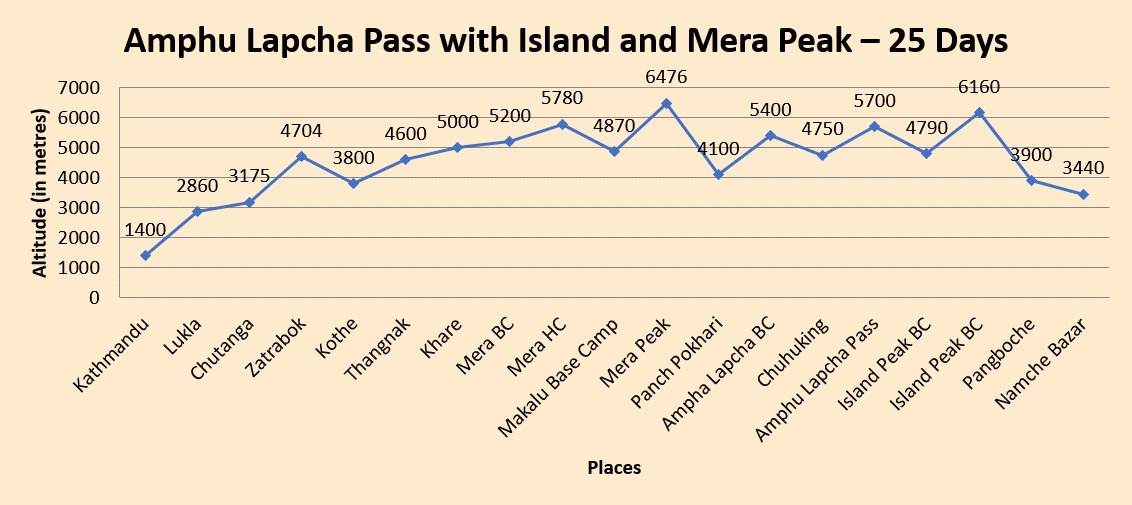
What's Included
The following items are included in the cost of the trek to ensure a safe, comfortable, and well-organized experience:
- Airport pickup & drop: Arrival and departure transfers in Kathmandu are handled by a private vehicle, ensuring you reach your hotel or the airport smoothly.
- Accommodation in Kathmandu: 2 nights in a 3-star hotel, offering modern amenities and comfortable rooms to rest before and after the trek.
- Breakfast in Kathmandu: Provided for the nights spent in the hotel.
- Permits and Taxes: All necessary trekking and climbing permits, including national park fees and government taxes, are covered.
- Domestic Flights: Flights from Kathmandu to Lukla and back are included, ensuring safe and efficient travel to the starting point of the trek.
- Accommodation during trek and climb: Tented camps or teahouses along the route, providing shelter in remote high-altitude areas.
- Meals during trek: All meals including breakfast, lunch, and dinner, along with tea/coffee, are included to maintain energy and nutrition throughout the trek.
- Guide Services: Professional guides provided for trekking and climbing, covering food, accommodation, salary, and insurance.
- First Aid Kit: Guides carry a comprehensive first aid kit to handle minor injuries and altitude-related issues.
- Public Transportation: Shared transportation for transfer days where applicable.
What's Excluded
Certain costs are not included and need to be arranged or paid by the trekker directly:
- Personal Expenses: Snacks, beverages, souvenirs, or personal shopping during the trek or in Kathmandu.
- Gears: Climbing and trekking gear are the responsibility of the trekker unless arranged as an extra.
- Tips for Staff: Expected gratuities for guides and porters at the end of the trip.
- Beverages & Mineral Water: Bottled water and other beverages beyond meals.
- Travel Insurance: Comprehensive travel and trekking insurance covering high-altitude trekking and peak climbing.
- Porters: Optional, though recommended for carrying heavy luggage ($22 per porter per day), a porter can carry up to 20 kg, and it is advisable to hire one porter for every two trekkers for comfort and convenience.
Essential Info
Add-Ons
To enhance your trek, several optional services and activities can be arranged:
- Sightseeing in Kathmandu: Pre- or post-trek, explore cultural and historical landmarks like Pashupatinath Temple, Boudhanath Stupa, Patan Durbar Square, or Swayambhunath Stupa. Guides can arrange private tours.
- Porter Services: Hiring additional porters can ease the load of trekking and climbing gear. Each porter can carry up to 25 kg and significantly improves comfort on steep ascents and descents.
- Flights: Private or additional flights can be arranged for convenience or schedule flexibility.
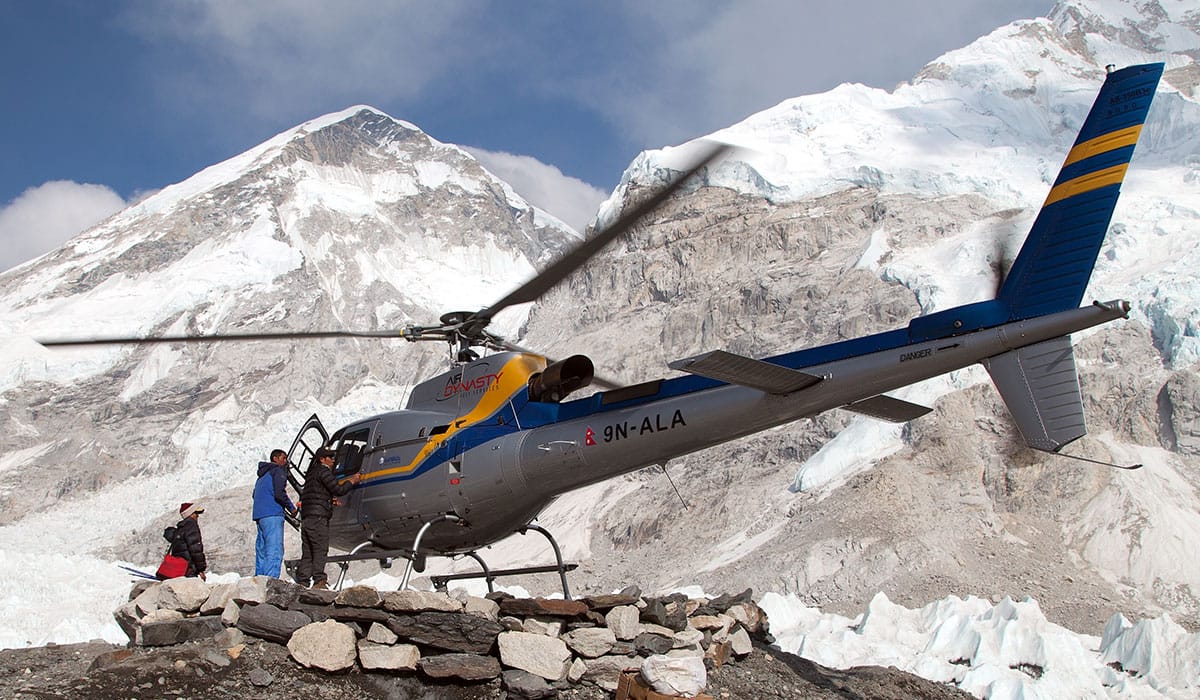
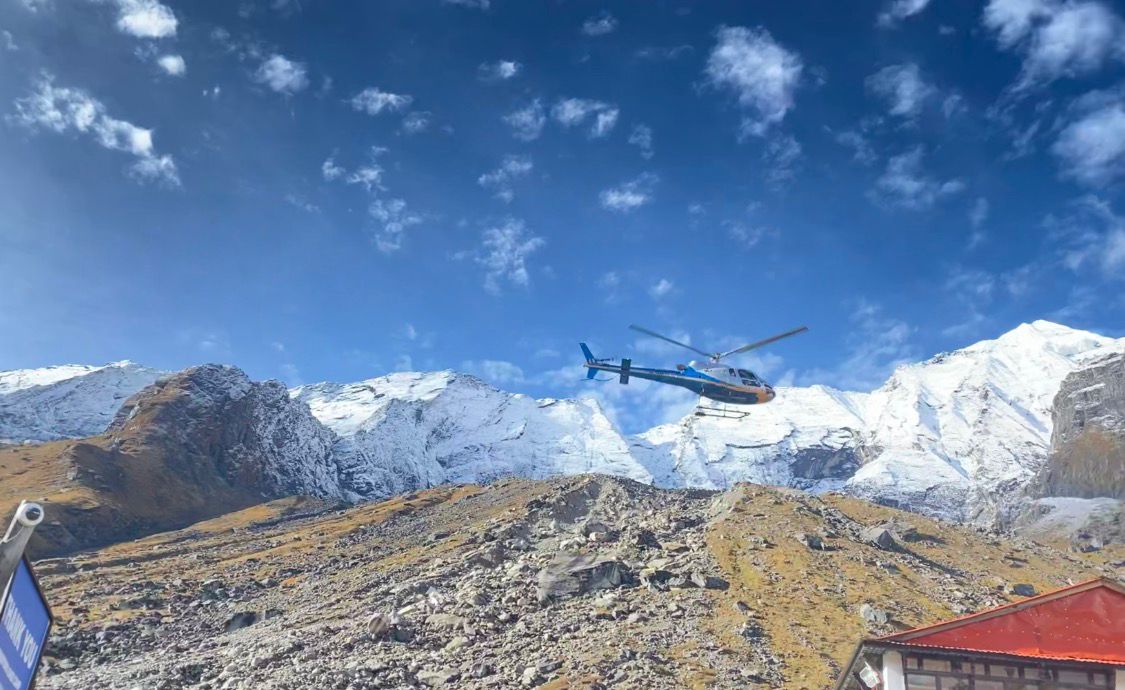
- Helicopter Services: For emergencies or to shorten trekking days, helicopter transfers can be organized, though these are optional and cost extra.
- Private Transportation: For transfers within Kathmandu or between trekking starting points, private vehicles can be booked.
- Mera Peak Summit Timing: Guides can adjust your ascent schedule according to weather conditions, acclimatization, and team readiness, ensuring the safest and most successful summit attempt.
The add-ons provide flexibility, comfort, and options for trekkers who prefer customized experiences or require additional support during this high-altitude adventure.
Best Season to Trek
The optimal times for trekking and climbing Mera Peak, Island Peak, and Amphu Lapcha Pass are Spring (March to May) and Autumn (September to November). These seasons are preferred due to stable weather conditions, clear skies, and moderate temperatures, which are ideal for both trekking and high-altitude climbing.
- Spring (March–May): During spring, rhododendrons bloom along the lower trails, creating colorful forests as you trek. Snow conditions on the peaks are stable, and days are warmer, making it easier to navigate glaciers and moraines. The views of Everest, Lhotse, Makalu, and Ama Dablam are spectacular and unobstructed by clouds.
- Autumn (September–November): Post-monsoon, trails are dry, visibility is excellent, and the skies are clear, providing breathtaking panoramic mountain vistas. Temperatures are cooler than in spring, but still manageable, and trekking conditions are comfortable.
While winter and monsoon seasons are technically possible for trekking, they are not recommended due to heavy snowfall, icy conditions, and unpredictable weather, which increase risk on glaciers, passes, and peak climbs.
The best season also ensures better availability of tea houses, safe trail conditions, and optimal safety for summit attempts on Mera Peak and Island Peak.
Food Availability
Nutrition is critical for high-altitude trekking and climbing, and meals are planned to provide sufficient energy, hydration, and variety throughout the journey:
- Breakfast: Options include porridge, eggs, toast, tea, and coffee. Breakfast is designed to provide energy for long trekking or climbing days, including early summit attempts.
- Lunch: Dal Bhat (traditional rice and lentil meal), soups, pasta, noodles, and sandwiches are commonly available. Lunch is served either on the trail as a packed meal or at camps along the route.
- Dinner: A hearty meal including dal bhat, curries, momo (dumplings), pasta, or soups ensures replenishment of energy after demanding days.
- Snacks: Biscuits, chocolates, energy bars, and fresh fruits are recommended to maintain energy between meals, especially during long trekking or climbing days.
Tea houses and tented camps provide adequate nutrition and hydration, with emphasis on high-carbohydrate and protein-rich meals to aid recovery and acclimatization at high altitudes.
Accommodation
Accommodation varies depending on altitude and accessibility:
- Kathmandu: 3-star hotels with modern amenities, comfortable rooms, and easy access to shopping, dining, and pre-trek preparation.
- On the Trek: Tented camps are used in high-altitude areas and remote valleys, providing warmth, shelter, and basic facilities. Shared tents or private tents can be arranged.
- Tea Houses: Available in lower and mid-altitude sections, offering basic rooms, communal dining, and opportunities to interact with local Sherpa families.
Accommodation is organized to ensure safety, comfort, and efficient acclimatization, providing rest and recovery opportunities after long trekking or climbing days.
Travel Insurance
Travel insurance is mandatory for the Amphu Lapcha Pass, Island Peak, and Mera Peak trek due to the high altitudes, technical climbs, and remote locations. Comprehensive coverage ensures you are protected against emergencies, medical issues, and unexpected incidents during the journey.
- High-Altitude Trekking Coverage: Your insurance must cover trekking and climbing up to 6,500 meters, including technical peak ascents such as Mera Peak (6,476m) and Island Peak (6,189m).
- Emergency Evacuation: This includes helicopter rescue services in case of altitude sickness, injuries, or accidents in remote areas. Rapid evacuation can save lives in critical conditions.
- Medical Expenses: Costs for treatment of illness, injuries, or altitude-related health problems are included. This is essential as medical facilities are limited in the Khumbu region.
- Trip Cancellation or Interruption: Unexpected events, such as severe weather or personal emergencies, may require changes to your travel plans. Insurance should cover these scenarios to protect your investment.
- Lost or Delayed Luggage: Insurance should cover lost, damaged, or delayed trekking and climbing gear, which are critical for survival at high altitudes.
Travelers are strongly advised to carefully review policy coverage, particularly for helicopter evacuation, high-altitude climbing, and trekking in Nepal.
Altitude Sickness
Altitude sickness, also known as Acute Mountain Sickness (AMS), is a serious concern for treks above 3,000 meters. The Amphu Lapcha Pass with Island and Mera Peak trek reaches altitudes above 6,000 meters, making it crucial to understand, prevent, and manage symptoms.
- Symptoms: Headache, nausea, dizziness, fatigue, shortness of breath, and loss of appetite are common. Severe cases may include pulmonary or cerebral edema, which require immediate descent and medical attention.
- Prevention:
- Gradual Ascent: Follow the itinerary with built-in acclimatization days at Thangnak, Panch Pokhari, and base camps. Avoid rapid altitude gain.
- Hydration: Drink at least 3–4 liters of water daily to stay hydrated and aid acclimatization.
- Avoid Alcohol & Smoking: Both can worsen symptoms and delay acclimatization.
- Medication: Diamox (acetazolamide) may be used to prevent AMS, but only under medical guidance.
- Management: Rest, hydrate, and descend immediately if symptoms worsen. Oxygen cylinders are carried by guides for emergency situations.
Careful attention to acclimatization, daily health monitoring, and open communication with guides ensures safety while trekking and climbing in high-altitude environments.
Guide and Safety Measures
For the Amphu Lapcha Pass with Island and Mera Peak trek, experienced guides and porters are essential for ensuring safety, navigation, and overall success. These professionals provide invaluable support, from route planning to emergency management, especially at high altitudes where conditions can change rapidly.
The guides are highly trained in mountain safety, first aid, and altitude management. They monitor the health of each team member daily, checking for symptoms of Acute Mountain Sickness (AMS), dehydration, or fatigue. Guides also make crucial decisions about pace, rest breaks, and route adjustments to maximize acclimatization and minimize risk. Porters assist by carrying heavy loads, setting up camps, and managing logistics, allowing trekkers to conserve energy for climbing and high-altitude treks.
Safety Measures Include:
- Health Monitoring: Daily check-ins for symptoms of altitude sickness, dehydration, or fatigue. Guides may recommend rest or a temporary descent if symptoms appear.
- Emergency Communication: All guides carry satellite phones or radios to contact rescue teams in case of emergencies.
- First Aid and Oxygen: Guides are equipped with first aid kits and supplemental oxygen for high-altitude emergencies.
- Climbing Gear Checks: Ice axes, crampons, ropes, harnesses, and helmets are inspected before each summit attempt to ensure they are secure and functioning.
- Weather Monitoring: Guides continuously monitor weather conditions for storms, high winds, and avalanches, adjusting the schedule accordingly.
- Route Planning and Navigation: The guides plan daily routes, identifying safe crossing points on glaciers, rivers, and high passes.
- Emergency Evacuation: Helicopter evacuation plans are pre-arranged for high-risk areas, and guides ensure trekkers are aware of emergency procedures.
The presence of skilled guides and safety measures ensures that every aspect of the trek, from technical climbs to remote trekking sections, is managed professionally. Their expertise not only enhances safety but also enriches the journey with cultural knowledge and local insights, making the trek both secure and memorable.
Booking Procedure
Booking the Amphu Lapcha Pass, Island Peak, and Mera Peak trek is straightforward but requires careful preparation due to the complexity of permits, flights, and high-altitude arrangements.
Step 1: Inquiry
- Contact ART Nepal Treks & Expedition via email, phone, or website.
- Provide your preferred travel dates, group size, and special requirements.
Step 2: Reservation Confirmation
- Confirm your booking with a deposit of 10–20% of the total package cost.
- You will receive a booking confirmation along with details on required documents.
Step 3: Document Submission
- Send copies of your passport, passport-sized photos, travel insurance policy, and flight details.
- Ensure all documents are valid, as trekking and climbing permits depend on them.
Step 4: Final Payment
- Make the remaining payment 2–4 weeks before departure via bank transfer, credit card, or online payment gateway.
- Payment in Nepalese Rupees is also possible upon arrival, but prior confirmation is required.
Step 5: Pre-Trek Preparation
- Receive detailed itinerary, packing list, and trekking tips from ART Nepal Treks & Expedition.
- Attend pre-departure briefings if required, including instructions for high-altitude trekking and climbing techniques.
Step 6: Arrival in Kathmandu
- ART Nepal Treks & Expedition will arrange airport pickup and transfer to your hotel.
- Complete any remaining permits and briefings before starting the trek.
This step-by-step booking procedure ensures that all administrative, safety, and logistical aspects are handled efficiently, allowing trekkers to focus entirely on the adventure ahead.
Equipment List
- Moisture-wicking base layers
- Long-sleeve shirts and thermal tops
- Trekking pants and shorts for lower altitudes
- Insulated jackets and fleece layers
- Waterproof jacket and pants
- Trekking socks (multiple pairs)
- Hat, gloves, scarf, and sunhat
- Sunglasses and sunscreen
- Backpack (40–60L) with rain cover
- Sleeping bag suitable for -15°C to -20°C
- Trekking poles for stability
- Ice axe and crampons for peak climbs
- Helmet and climbing harness
- Headlamp with extra batteries
- Lightweight and insulated layers
- Down jacket for summit days
- Waterproof gloves and mittens
- Thermal innerwear
- Personal first-aid kit
- Toothbrush, toothpaste, soap, hand sanitizer
- Water purification tablets or filter
- Emergency whistle and personal medications
- Camera and smartphone
- Chargers and power bank
- Portable solar charger (optional)
General Equipments
- Trekking map and guidebook
- Snacks and energy bars
- Travel documents, permits, and passport
- Lightweight daypack for short excursions
FAQ
Trip Price
USD 4450 Per Person
Talk To Trip Expert
Related Trips